Too subtle To Sell
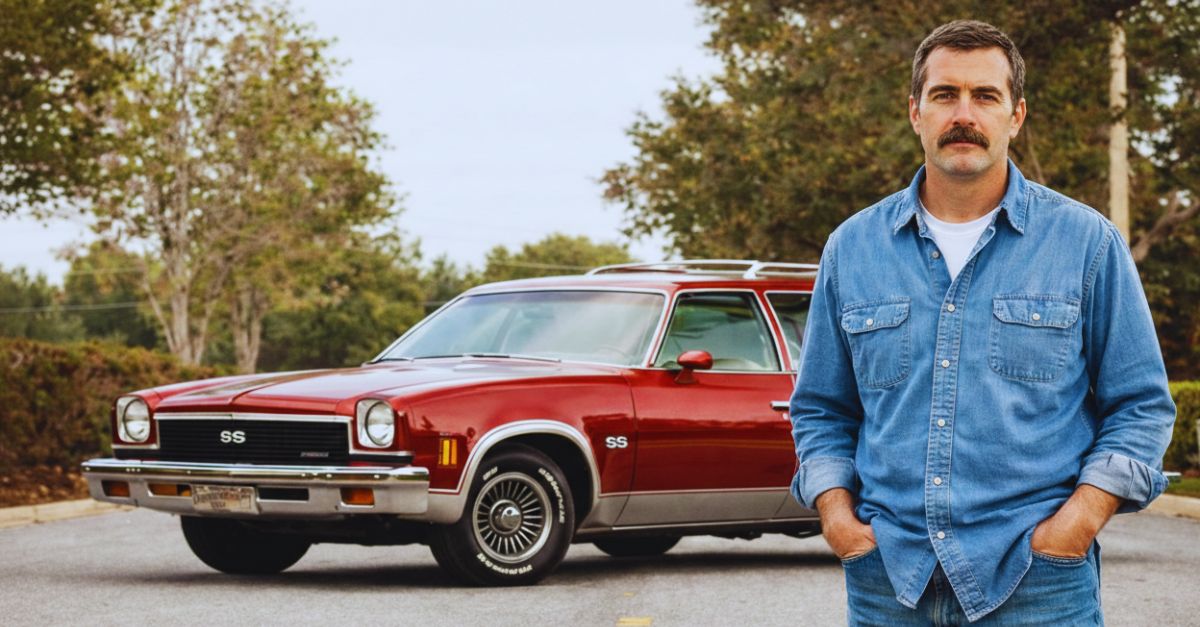
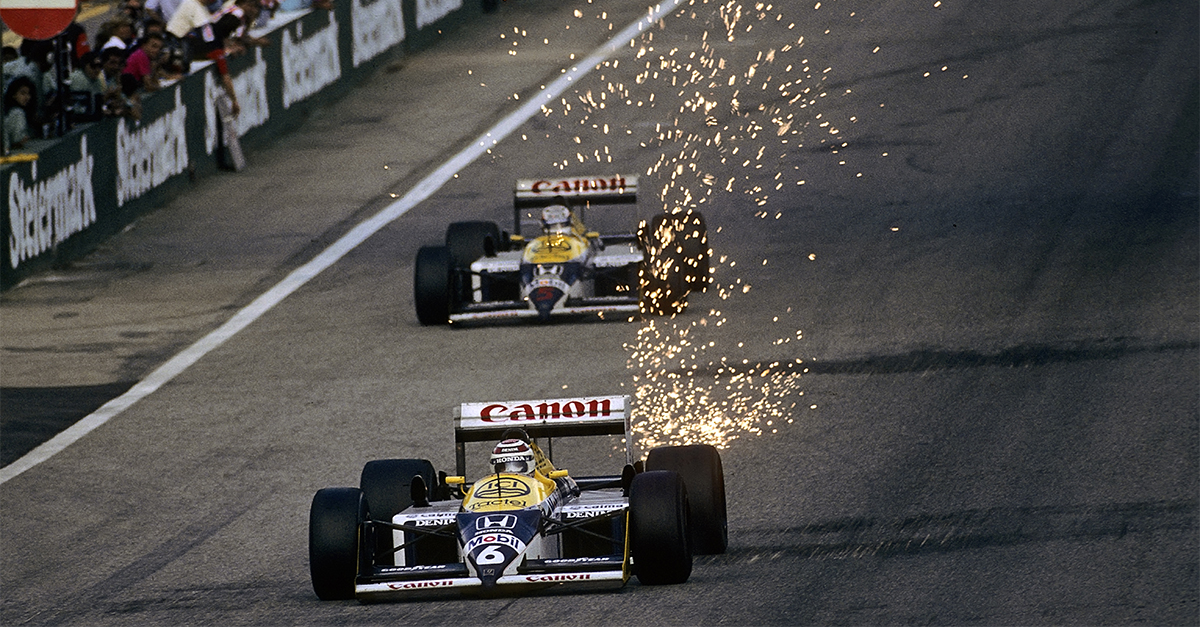
Some cars shout for attention the moment they arrive. Others sit quietly on dealer lots, blending in so well that most people never give them a second glance. This list is about those overlooked machines. Factory-built sleepers that carried serious performance, yet failed to spark mass interest when new. Timing played a role. Branding did too. Sometimes the problem was simply being too subtle for a loud market. Scroll through, enjoy the surprises, and feel free to wince a little when you realize how many of these slipped past unnoticed.
 LukaCali, CC BY-SA 4.0, Wikimedia Commons, Modified
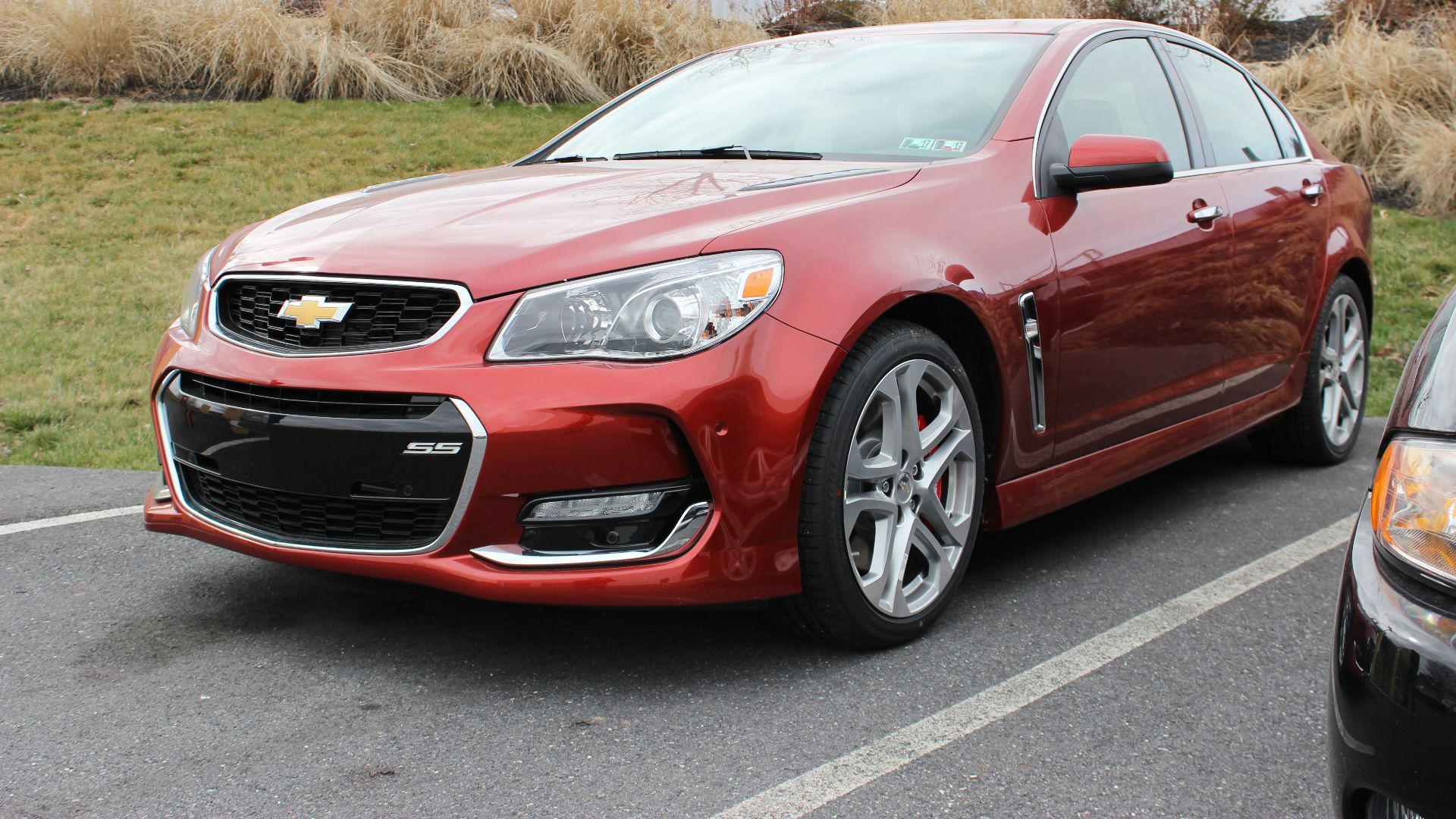
Chevrolet SS
At a glance, Chevrolet SS blended into traffic like any other midsize sedan. Meanwhile, a 415-horsepower V8 and Rear Wheel Drive sat quietly underneath. Pricing climbed into luxury territory, yet marketing barely spoke up. Consequently, most buyers never realized how many cars they ignored.
 Jacob Frey 4A, Wikimedia Commons
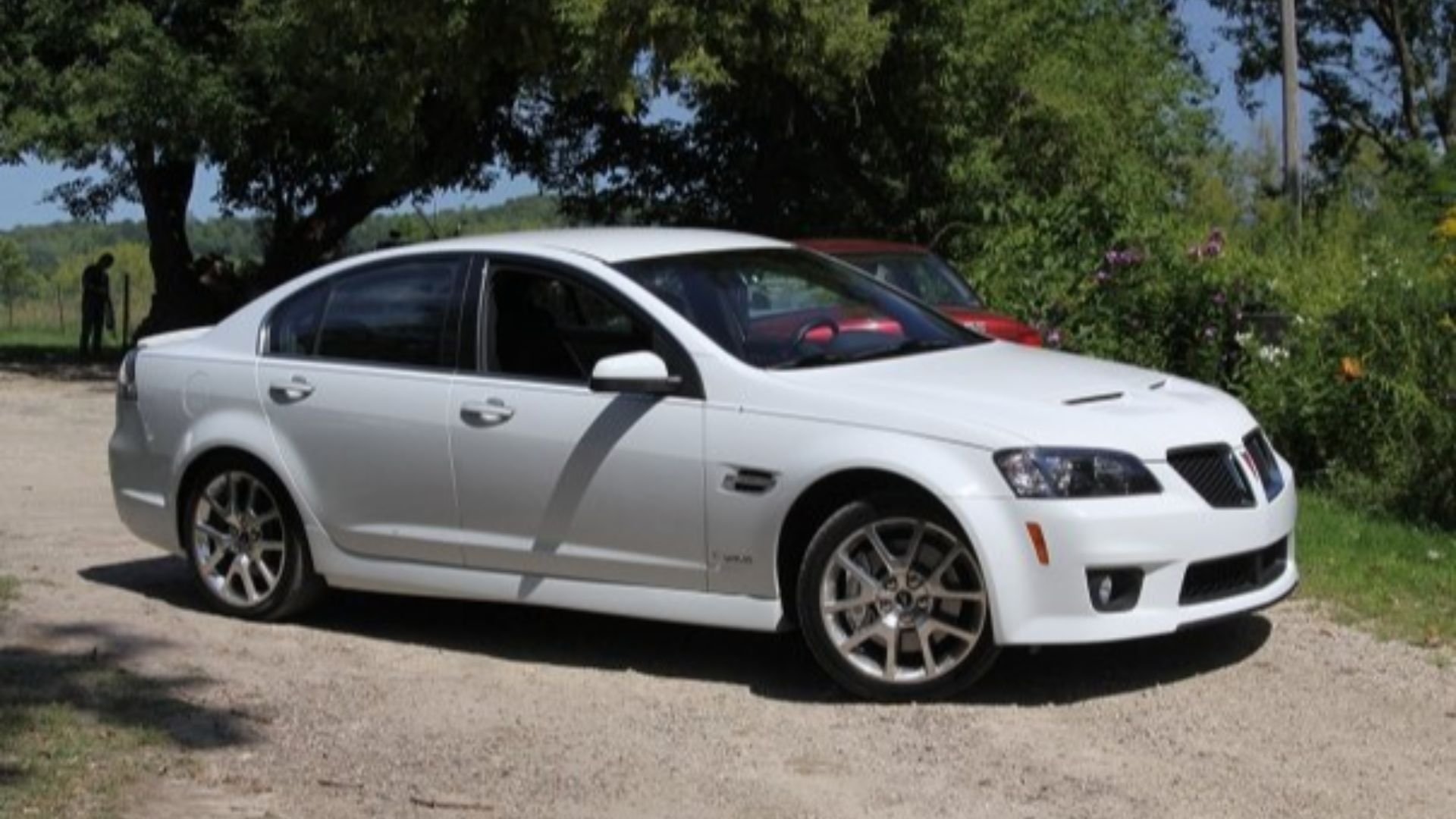
Pontiac G8 GXP
Market timing worked against the G8 GXP from day one. Released during the 2009 recession, demand for large performance sedans fell sharply. In fact, a 415-horsepower LS3 V8 and manual option mattered little once Pontiac’s closure weakened resale expectations and buyer confidence simultaneously.
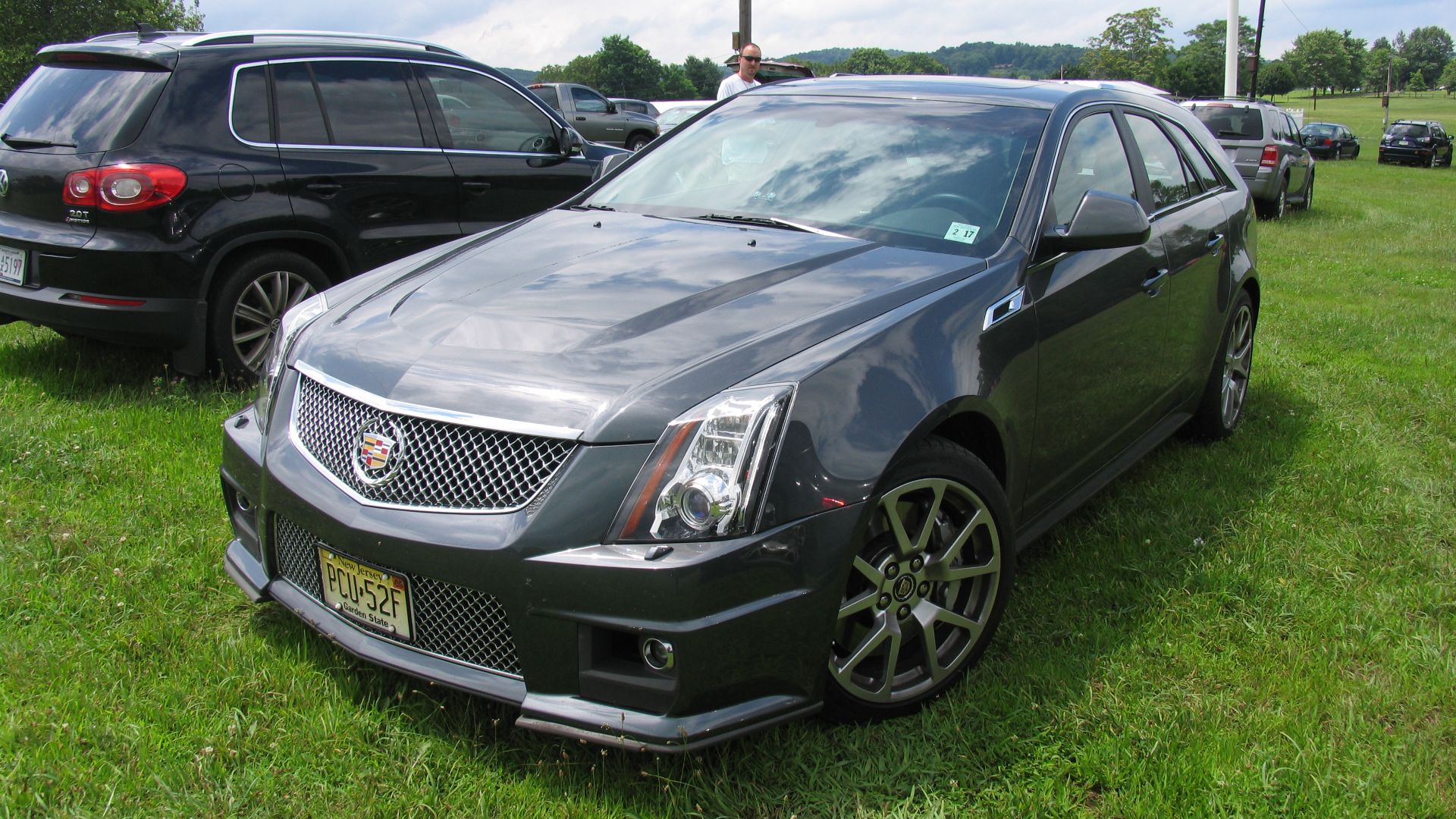
Cadillac CTS V Wagon
Somewhere inside a polite wagon lived 556 supercharged horsepower and a manual gearbox. America shrugged. Wagon shoppers wanted calm, speed fans wanted drama, and the price scared both. As a result, Cadillac’s loudest engineering statement whispered through showrooms, waiting for buyers who never arrived.
 ilikewaffles11, Wikimedia Commons
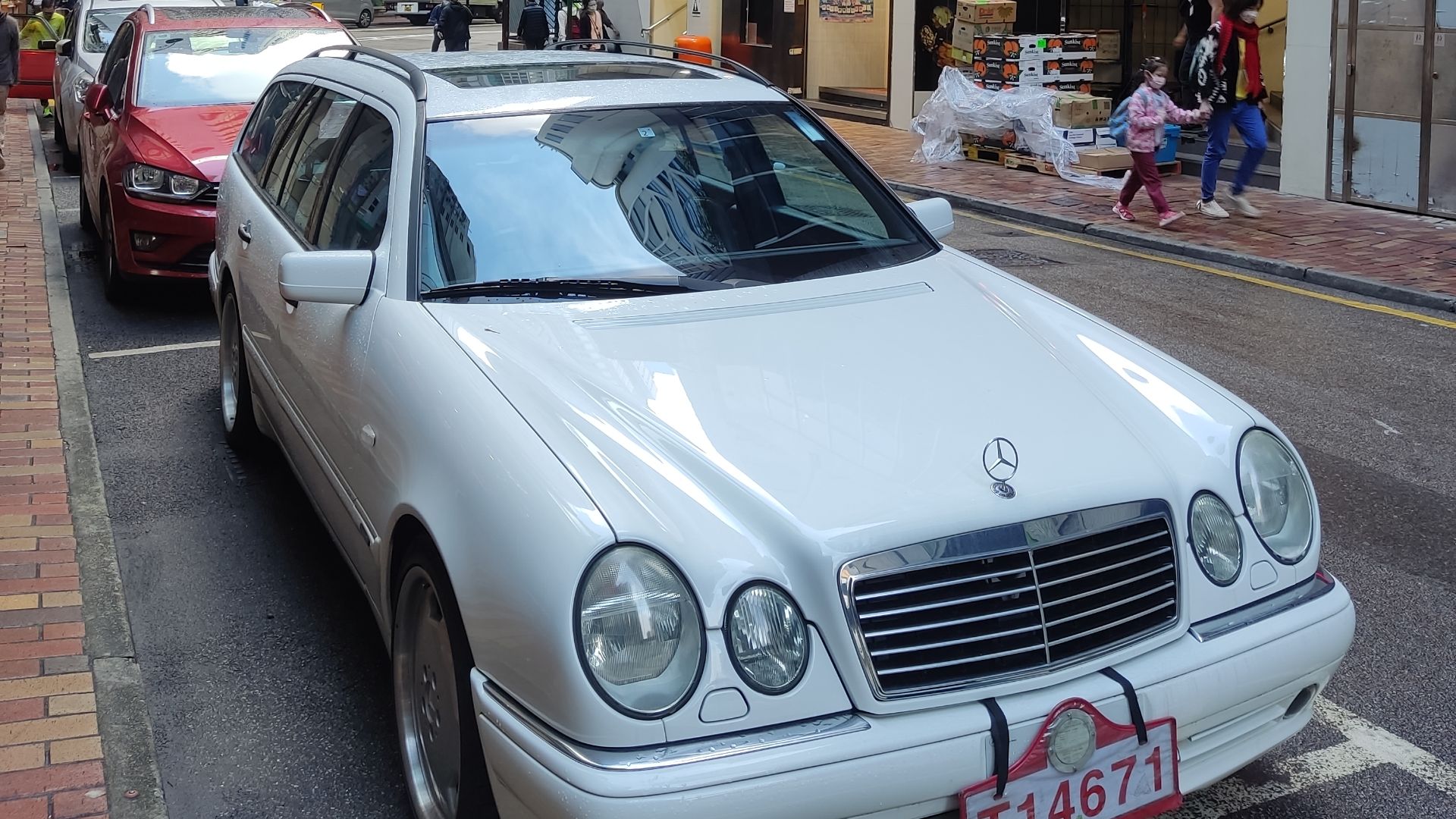
Mercedes E55 AMG Wagon
Luxury wagon buyers typically prioritize comfort, space, and discretion. However, Mercedes slipped a 469-horsepower supercharged V8 and Rear Wheel Drive into the E55 AMG Wagon. Pricing rose quickly with options, and most performance-focused customers chose sedans instead, which limited demand for this configuration.
 Hoanseum ShekymrE, Wikimedia Commons
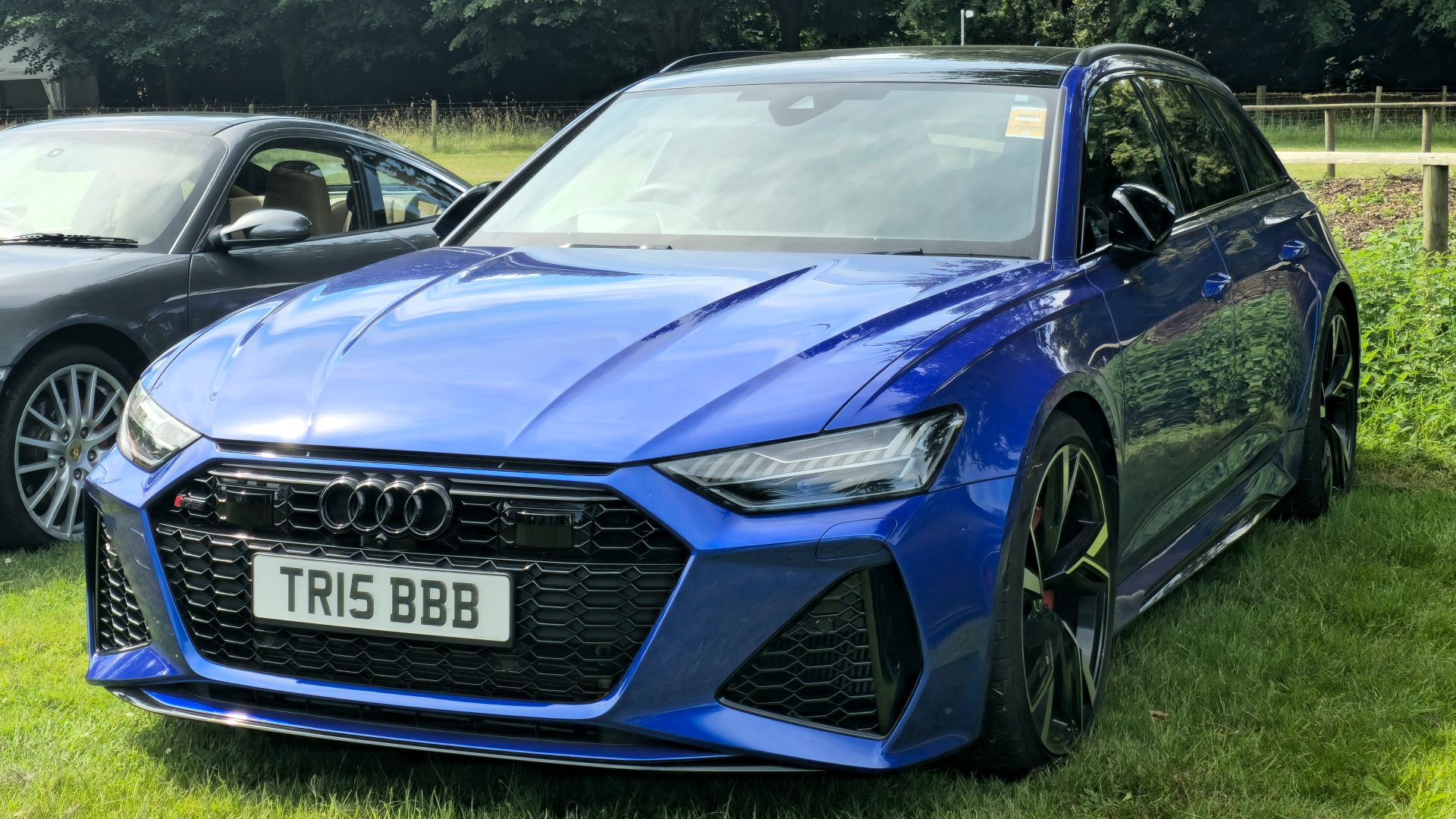
Audi RS6
Confidence matters at checkout. With the RS6, doubts crept in early. Althougha twin-turbo V8 produced 444 horsepower through All Wheel Drive, automatic-only tuning dulled enthusiasm. Moreover, ownership cost concerns circulated fast. Hesitation followed, and hesitation quietly suppressed sales momentum.
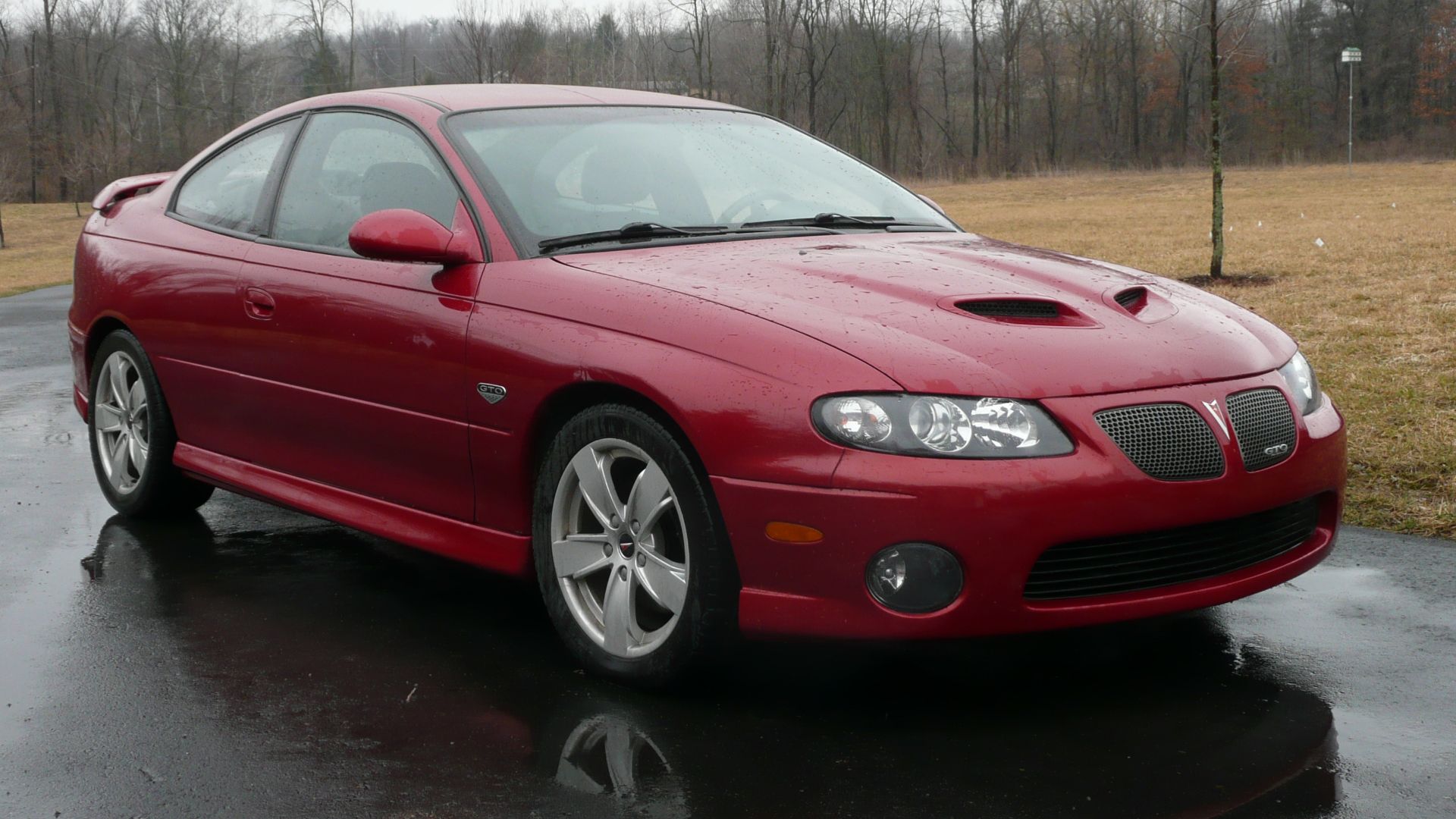
Pontiac GTO
Expectations weighed heavily on the GTO badge. Shoppers wanted visual drama, yet styling stayed subdued. Underneath, LS V8 power delivered up to 400 horsepower. However, weak nostalgia cues and rising fuel prices cooled interest, leaving performance fans impressed but emotionally unmoved at launch.
 MyName (Crossley1 (talk)), Wikimedia Commons
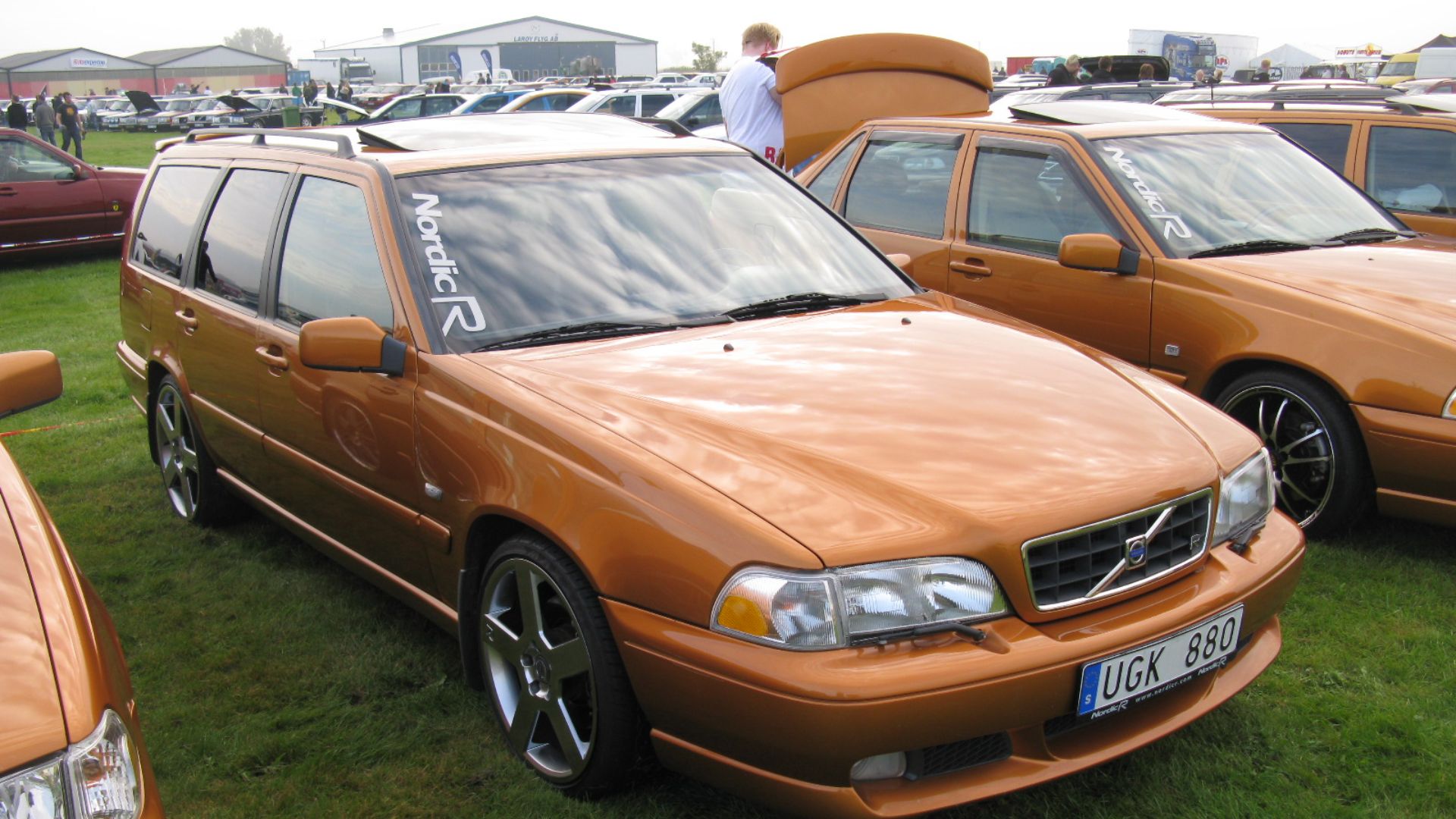
Volvo V70R
Volvo V70R paired a 300-horsepower turbo engine with All Wheel Drive and adaptive suspension. But pricing climbed far beyond standard Volvos. In addition, complex suspension hardware raised ownership concerns, while performance wagons remained a narrow niche within the broader U.S. market.
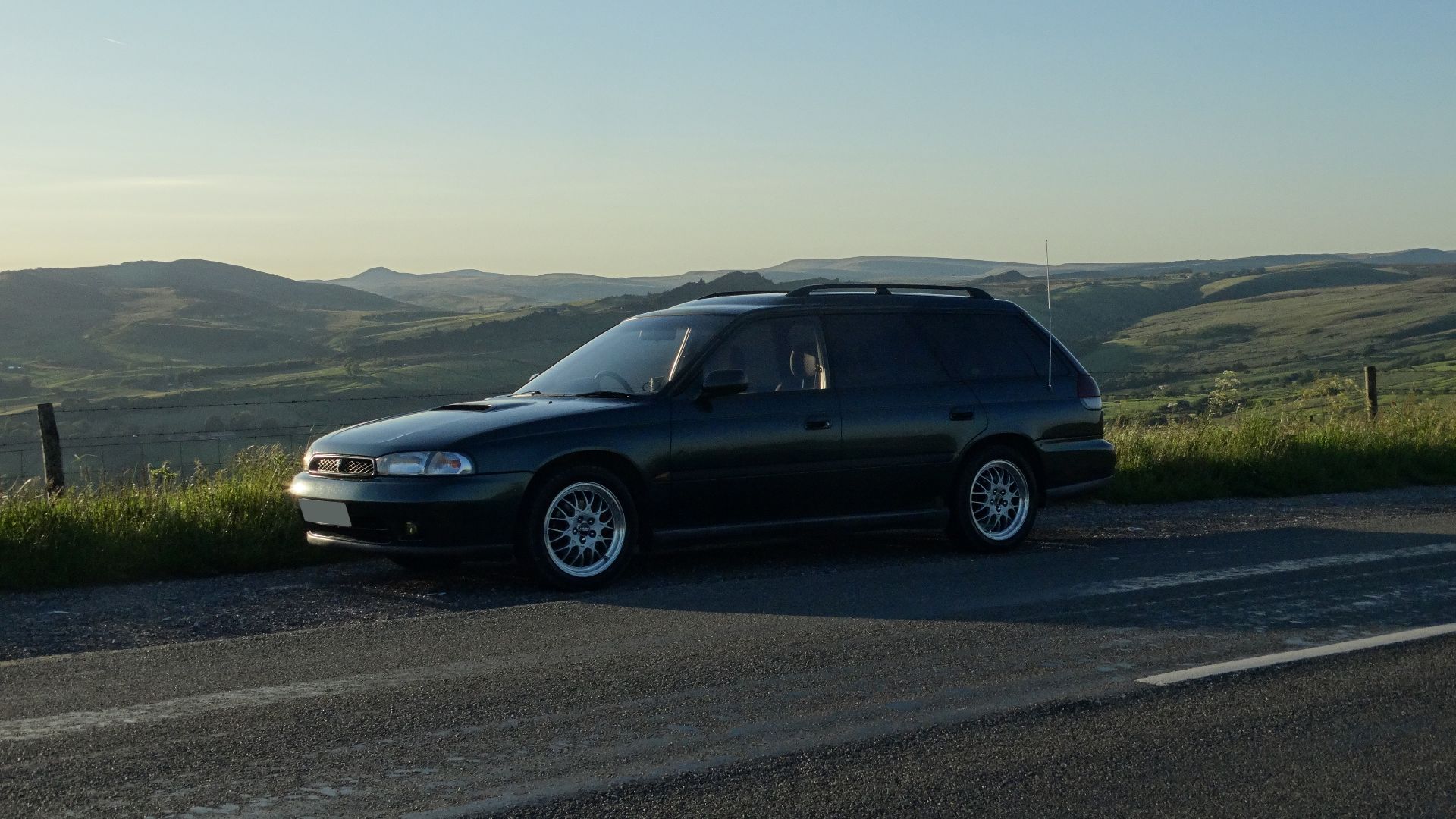
Subaru Legacy GT spec.B
How often does subtlety sell performance? Legacy GT spec.B looked nearly identical to base models, hiding a turbocharged AWD setup with 250 horsepower. Meanwhile, dealer attention centered on WRX and STI models. As a result, buyers rarely considered this quieter alternative.
 Thatbluejusty, Wikimedia Commons
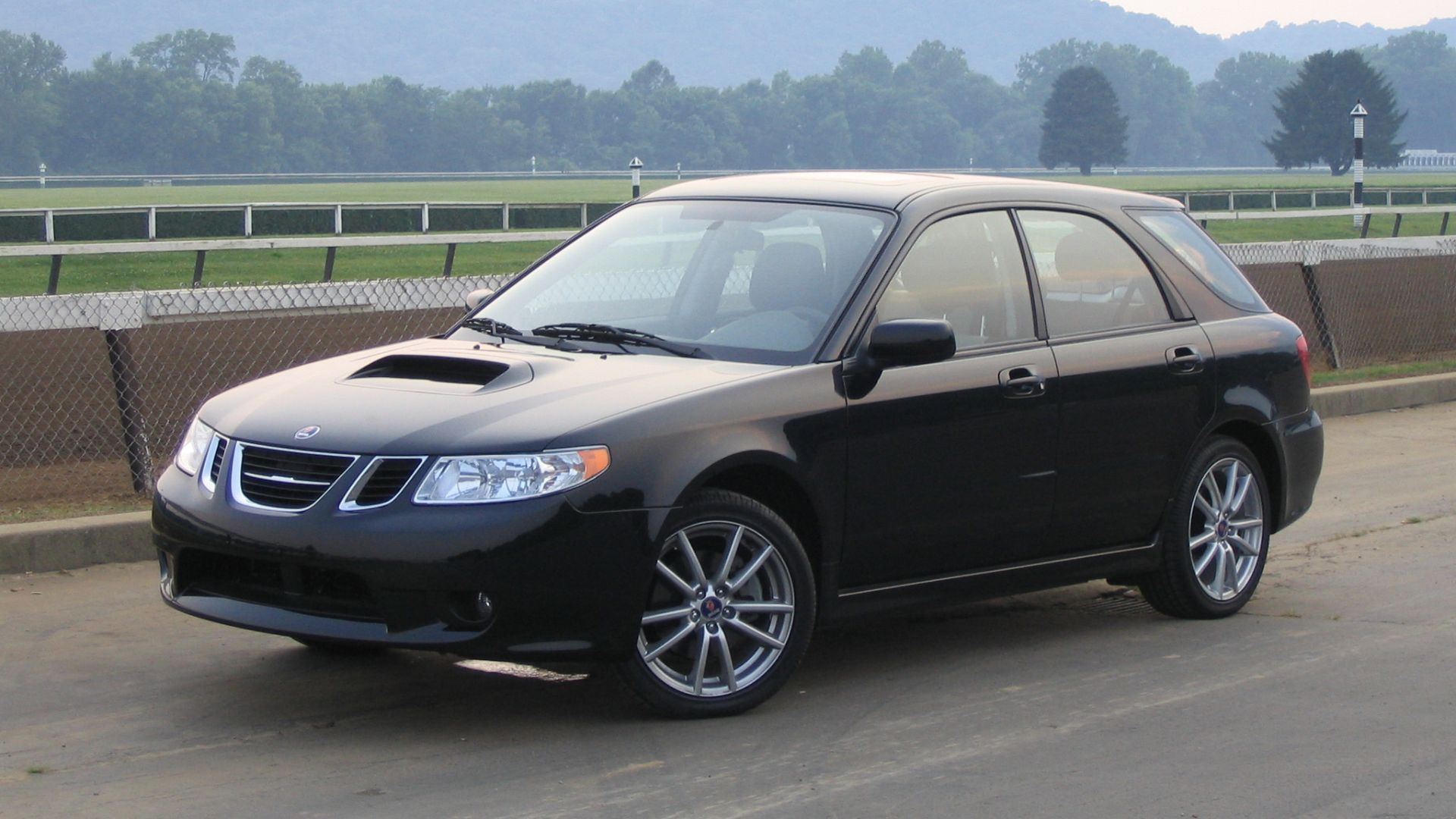
Saab 9-2X Aero
Identity crises kill momentum. Saab asked buyers to pay more for a turbo AWD hatch that closely mirrored the Subaru WRX beneath. Saab loyalists questioned the hardware, Subaru fans questioned the price. Consequently, the cleverly engineered compromise pleased critics more than customers.
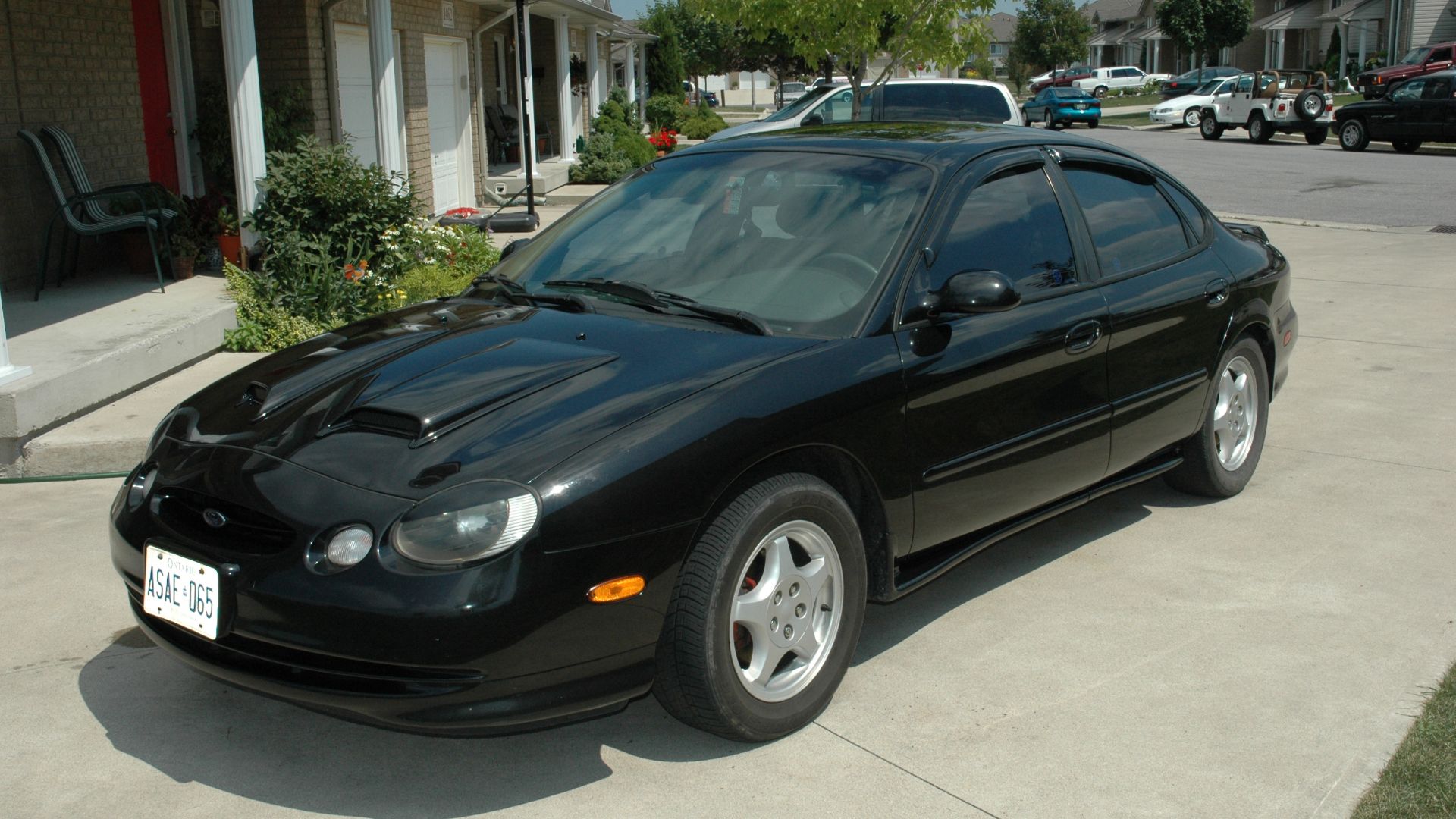
Ford Taurus SHO
Long before sleepers became trendy, Taurus SHO tried sneaking speed into suburbia. A high-revving Yamaha developed engine transformed a family sedan into a shocker. Unfortunately, limited promotion and a manual-only setup kept many drivers unaware during its original showroom years.
 Clechien at English Wikipedia, Wikimedia Commons
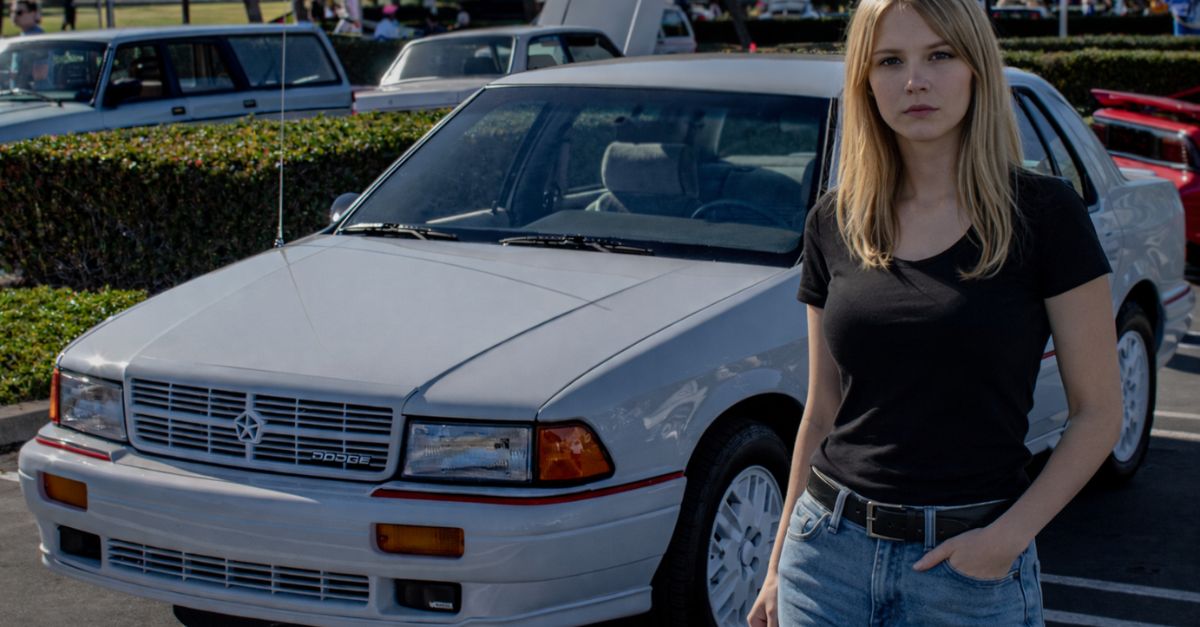
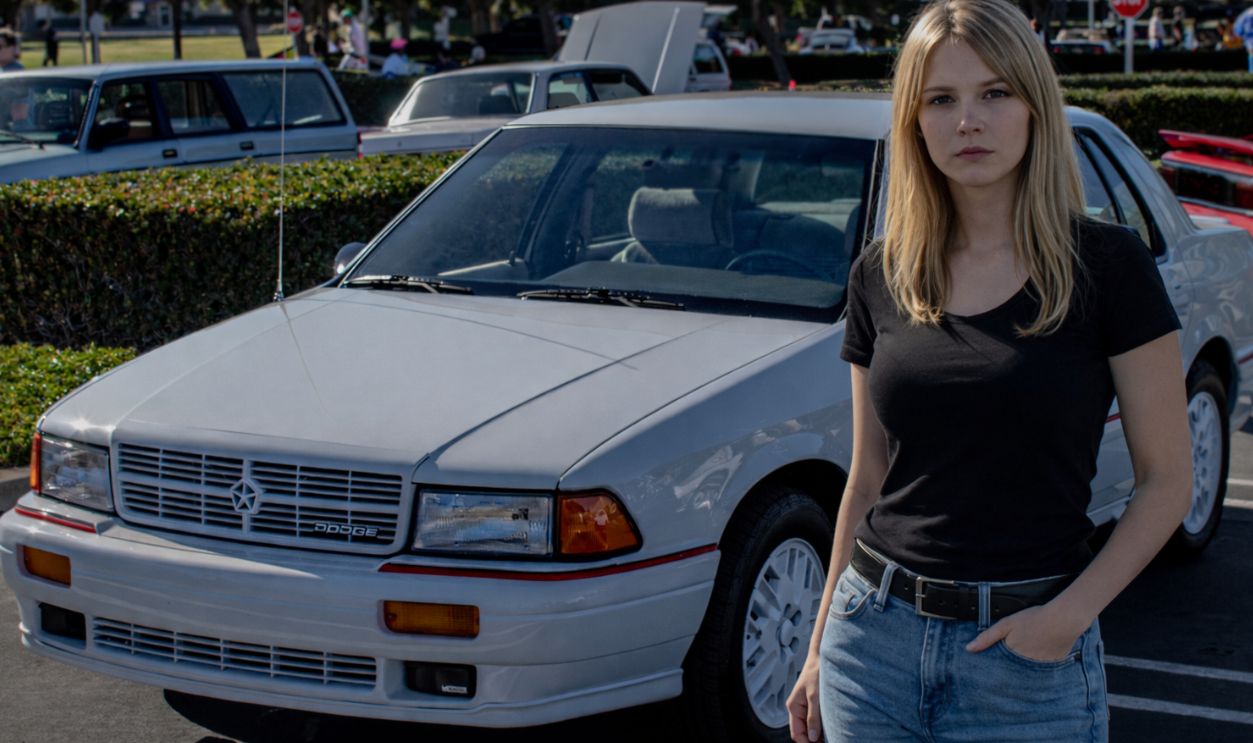
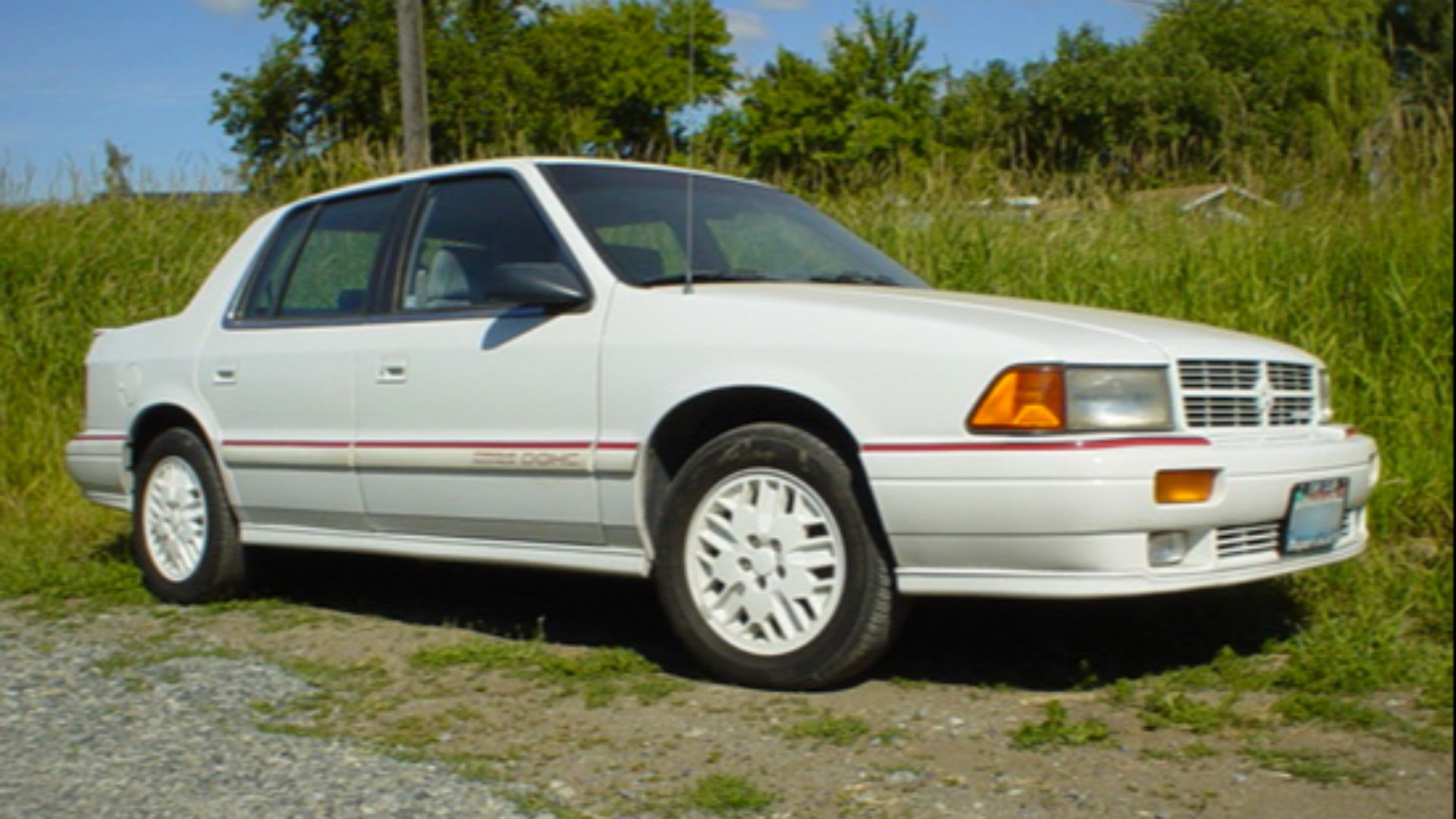
Dodge Spirit R/T
Nobody expected danger from a Dodge Spirit, but that plain shell hid turbocharged power capable of embarrassing V8 rivals. Yet front wheel drive credibility issues and economy car looks worked against it. As a result, shoppers felt puzzled rather than impressed, and interest quietly disappeared.
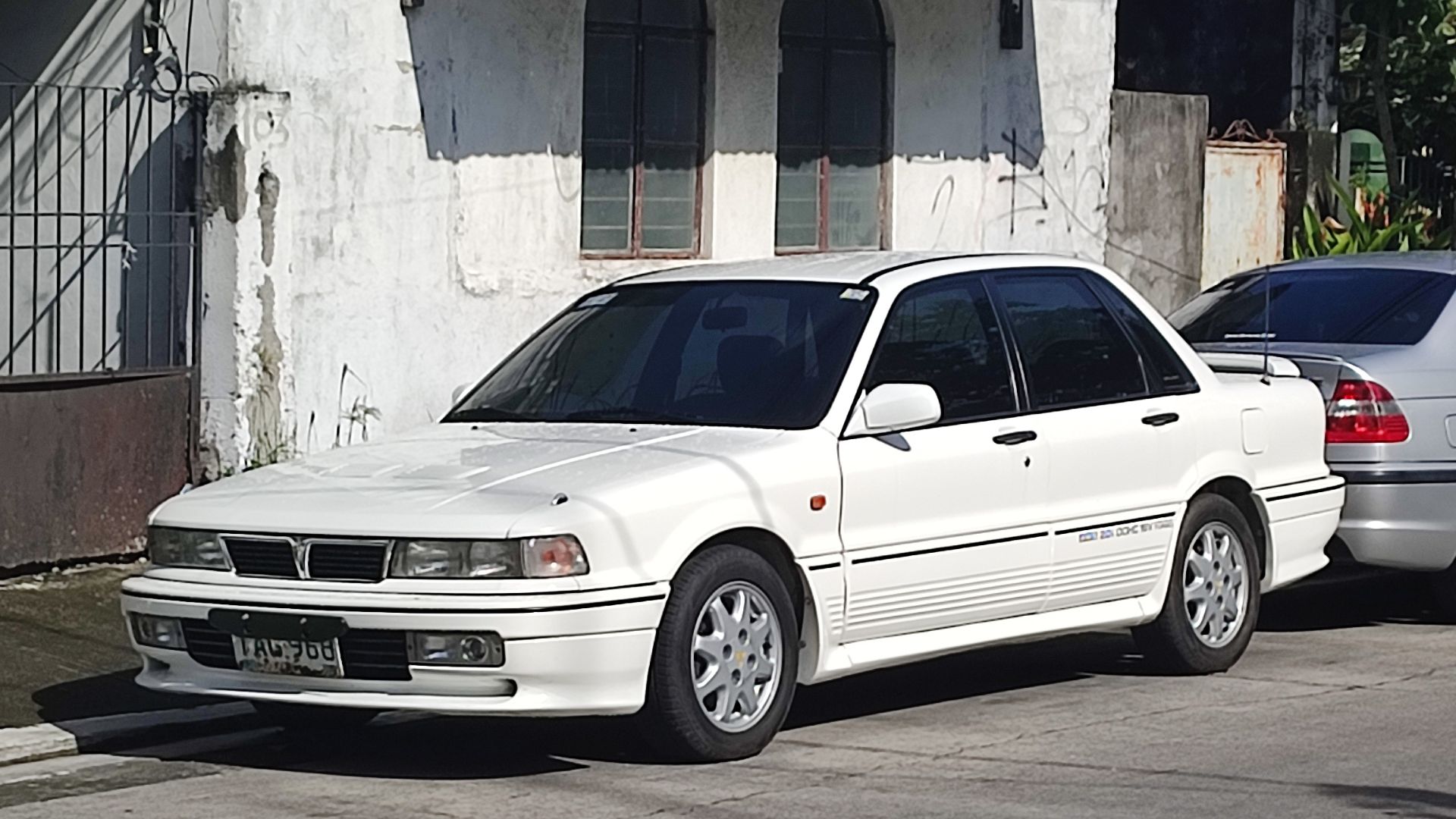
Mitsubishi Galant VR-4
Rally technology entered quietly. Turbo power, All Wheel Drive, and advanced hardware arrived before buyers understood any of it. Meanwhile, pricing climbed above regular Galants. Without clear performance messaging, shoppers ignored one of Mitsubishi’s most capable sedans during its brief American run.
 Ethan Llamas, Wikimedia Commons
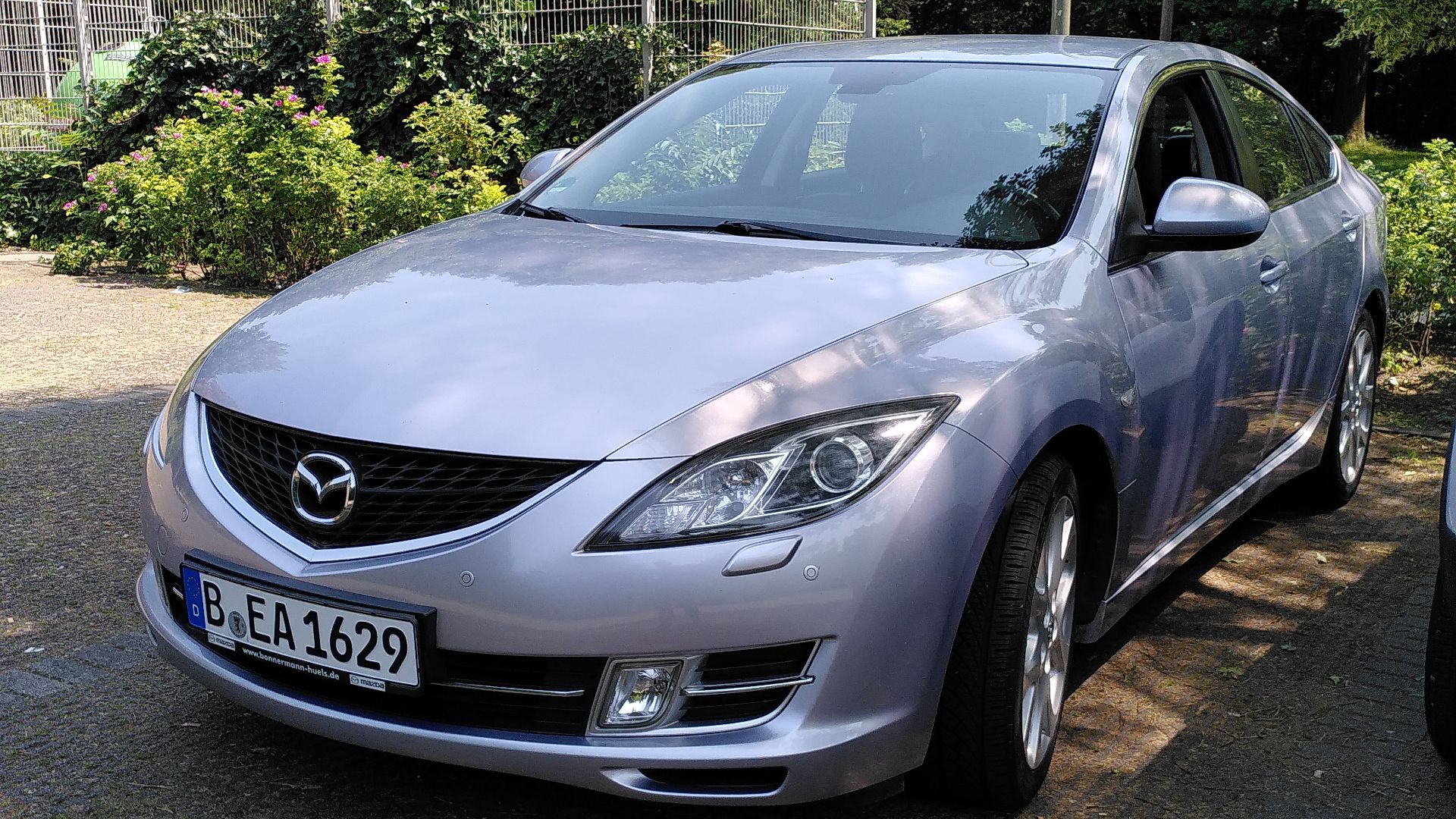
Mazdaspeed6
Mazdaspeed6 felt like a secret written in fine print. All Wheel Drive traction and turbocharged torque rewarded attention, yet the sedan silhouette stayed conservative. Moreover, manual-only availability narrowed appeal. Overshadowed by louder hatchbacks, this balanced performer slipped past mainstream buyers unnoticed.
 Max schwalbe, Wikimedia Commons
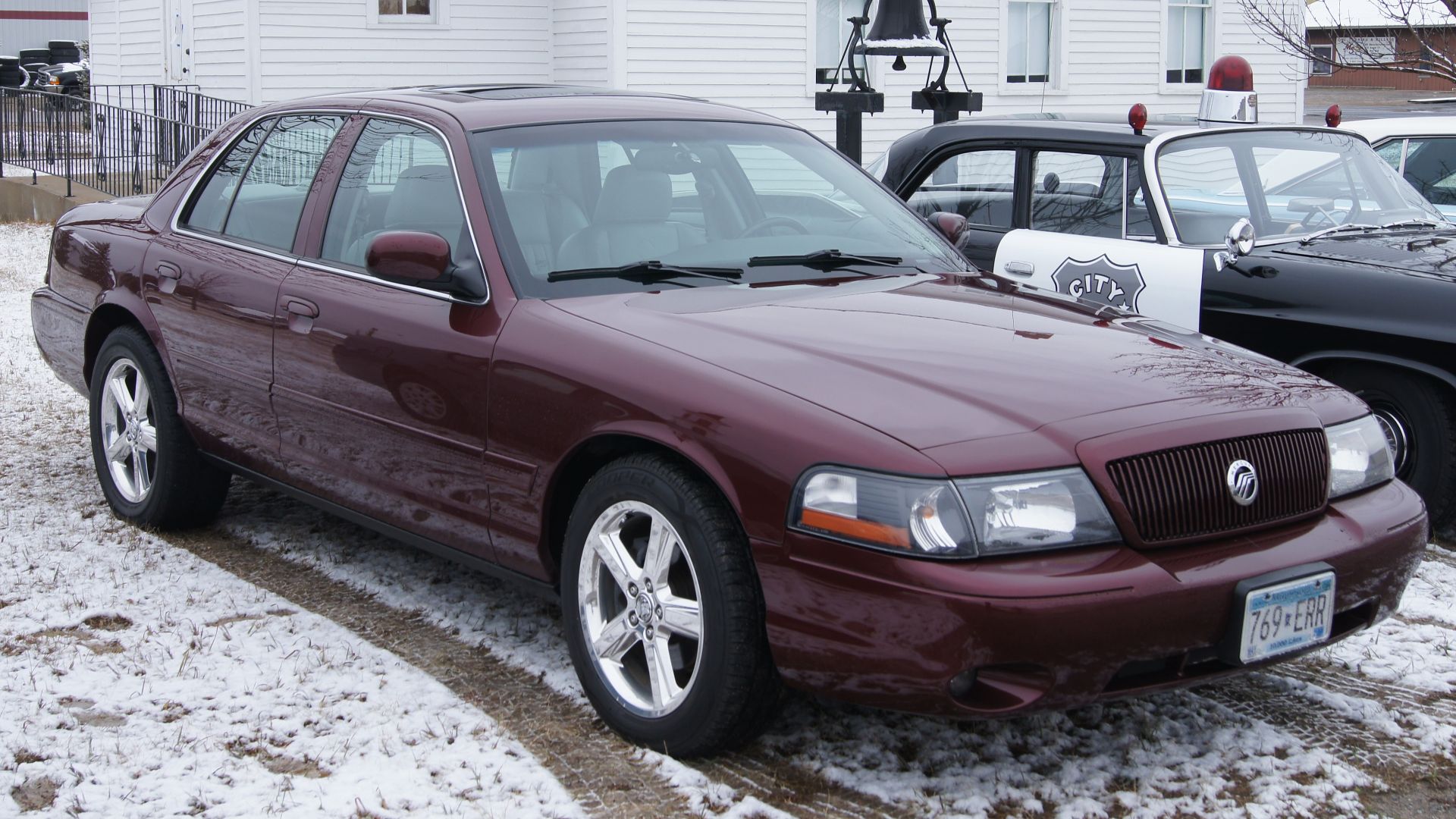
Mercury Marauder
At a glance, Mercury Marauder looked like a traditional full-size sedan. Underneath, a V8 delivered real muscle performance. Premium pricing and poor fuel economy, however, arrived during rising gas anxiety. Buyers smiled, nodded politely, and drove home in something cheaper and easier to explain.
 Greg Gjerdingen from Willmar, USA, Wikimedia Commons
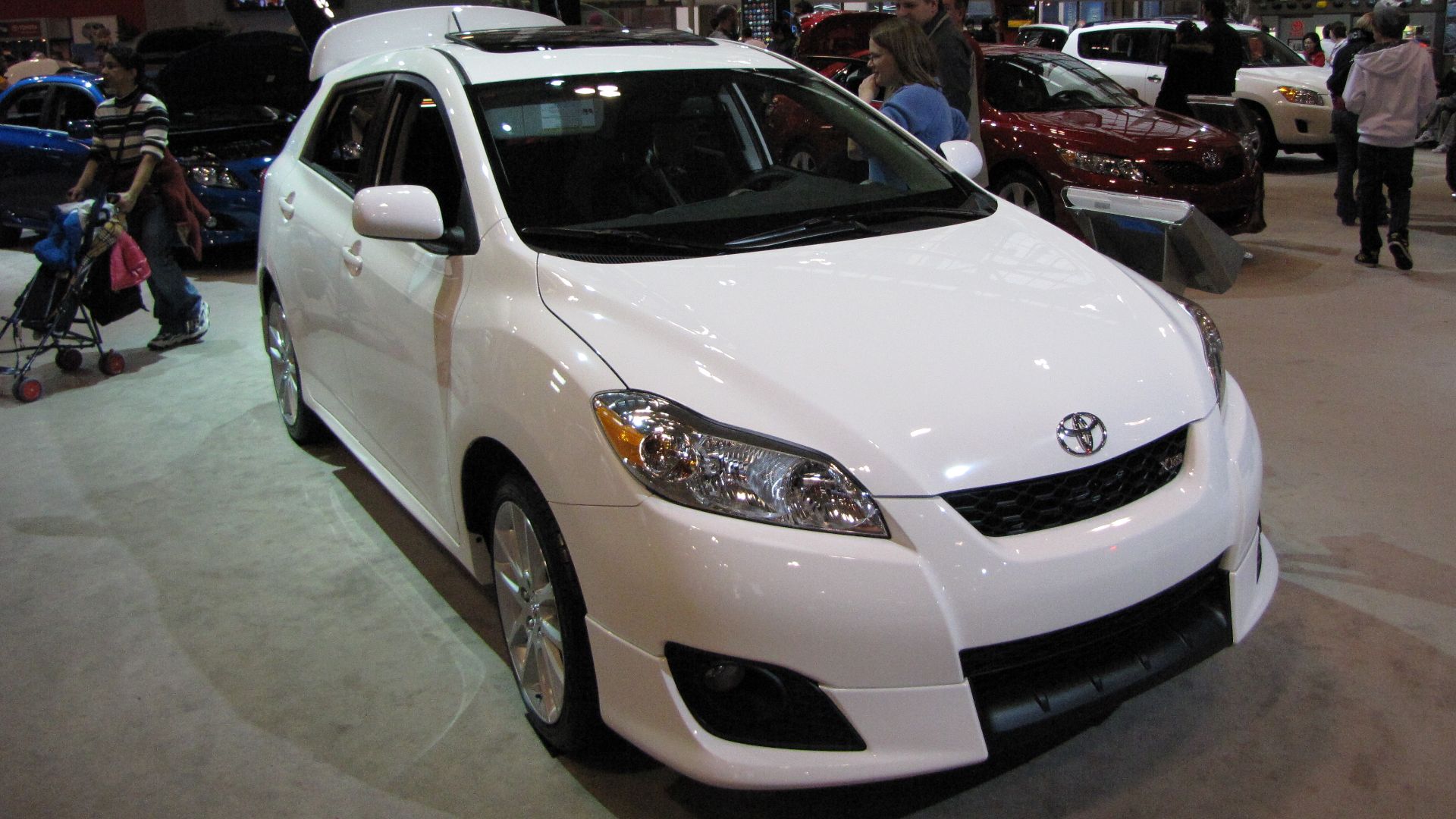
Toyota Matrix XRS
High-revving performance altered buyer behavior here. The Matrix XRS relied on a peaky engine that demanded aggressive driving. In fact, pricing neared sportier options. For many shoppers, practicality expectations clashed with the effort required to access its real performance.
 Tabercil from Canadian, Wikimedia Commons
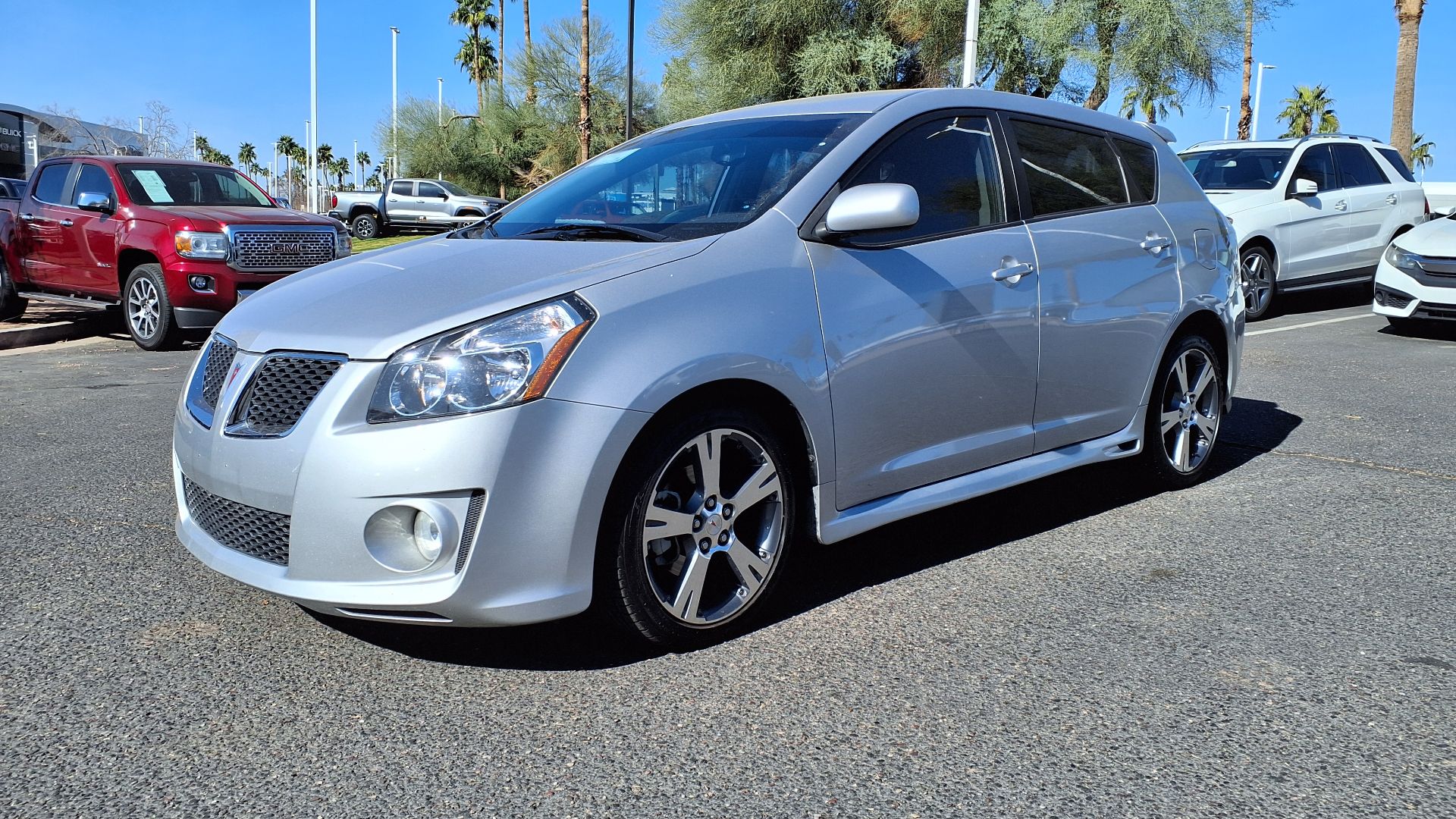
Pontiac Vibe GT
Pontiac Vibe GT looked nearly identical to base trims, masking its high-revving performance hardware. Meanwhile, buyers struggled to reconcile Toyota-sourced engineering with Pontiac branding. Priced higher than expected, the GT variant failed to clearly justify itself to shoppers scanning compact hatchback rows.
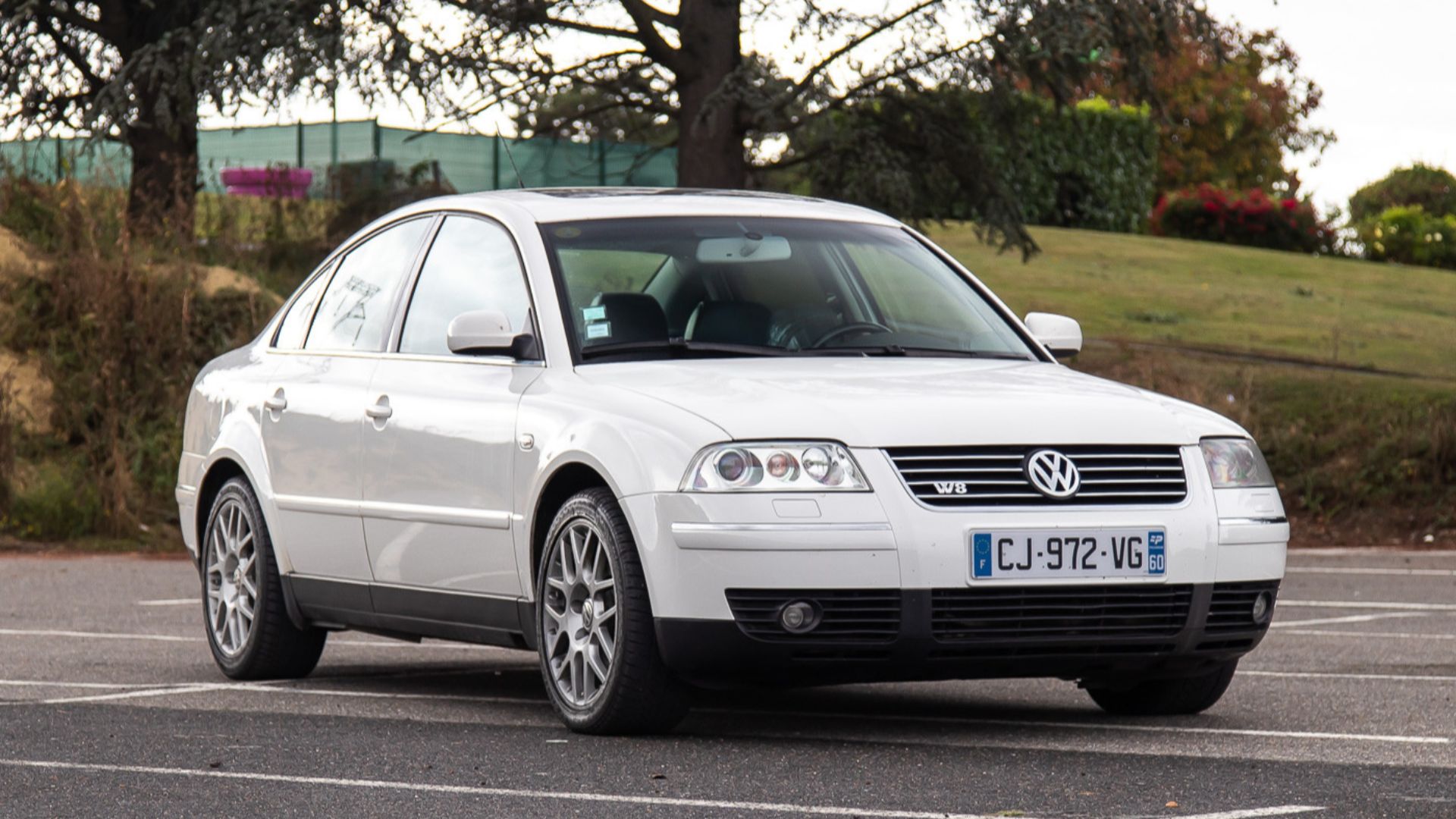
Volkswagen Passat W8
Who expected a Passat to hide an exotic engine? The W8 delivered smooth power and prestige pricing. However, complexity raised ownership concerns early. For many buyers, the premium felt difficult to justify inside a model line known primarily for sensible transportation.
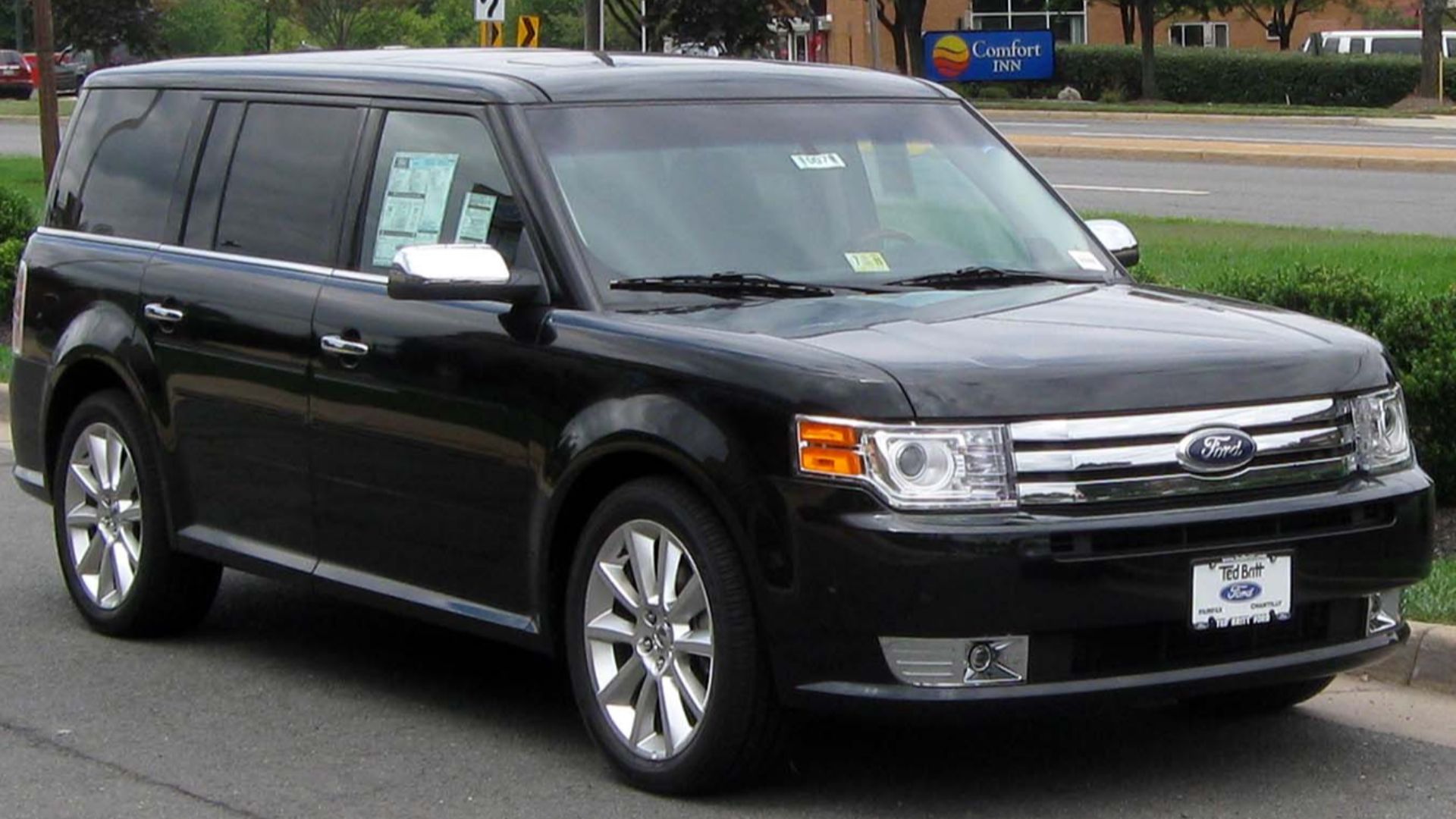
Ford Flex EcoBoost
Ford Flex EcoBoost looked ready for carpools, not stoplight surprises. Under the boxy shape, turbocharged power delivered high speed. Yet marketing stayed focused on the family practicality of most Ford cars. As a result, performance-minded buyers never took a second look at this quietly quick people mover.
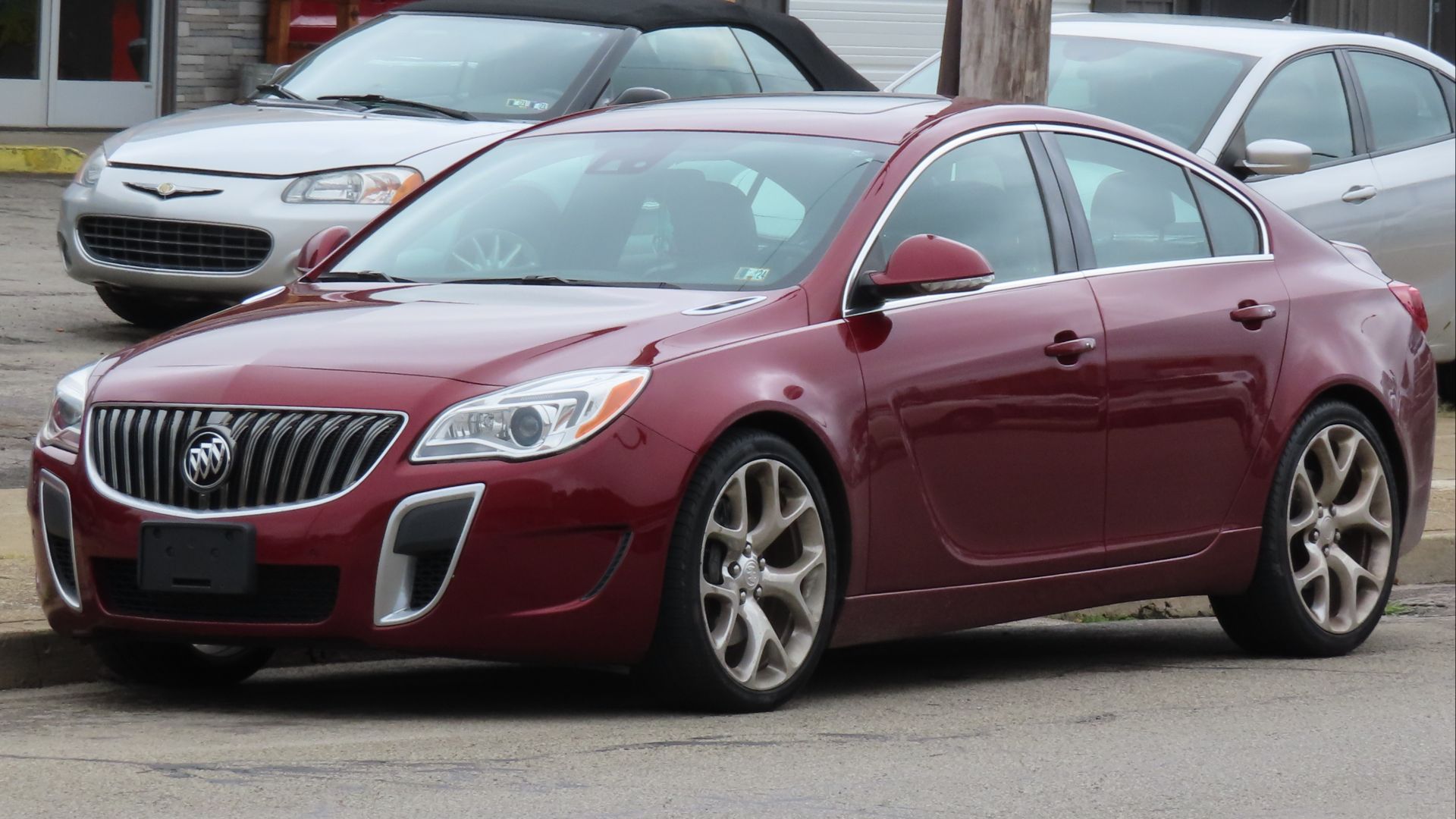
Buick Regal GS
Perception shaped this outcome. Regal GS offered turbocharged performance and available manual control, yet Buick’s aging image lingered. Moreover, pricing overlapped entry luxury sedans. Doubt crept in early, and once hesitation set the tone, enthusiasm struggled to recover.
 MercurySable99, Wikimedia Commons
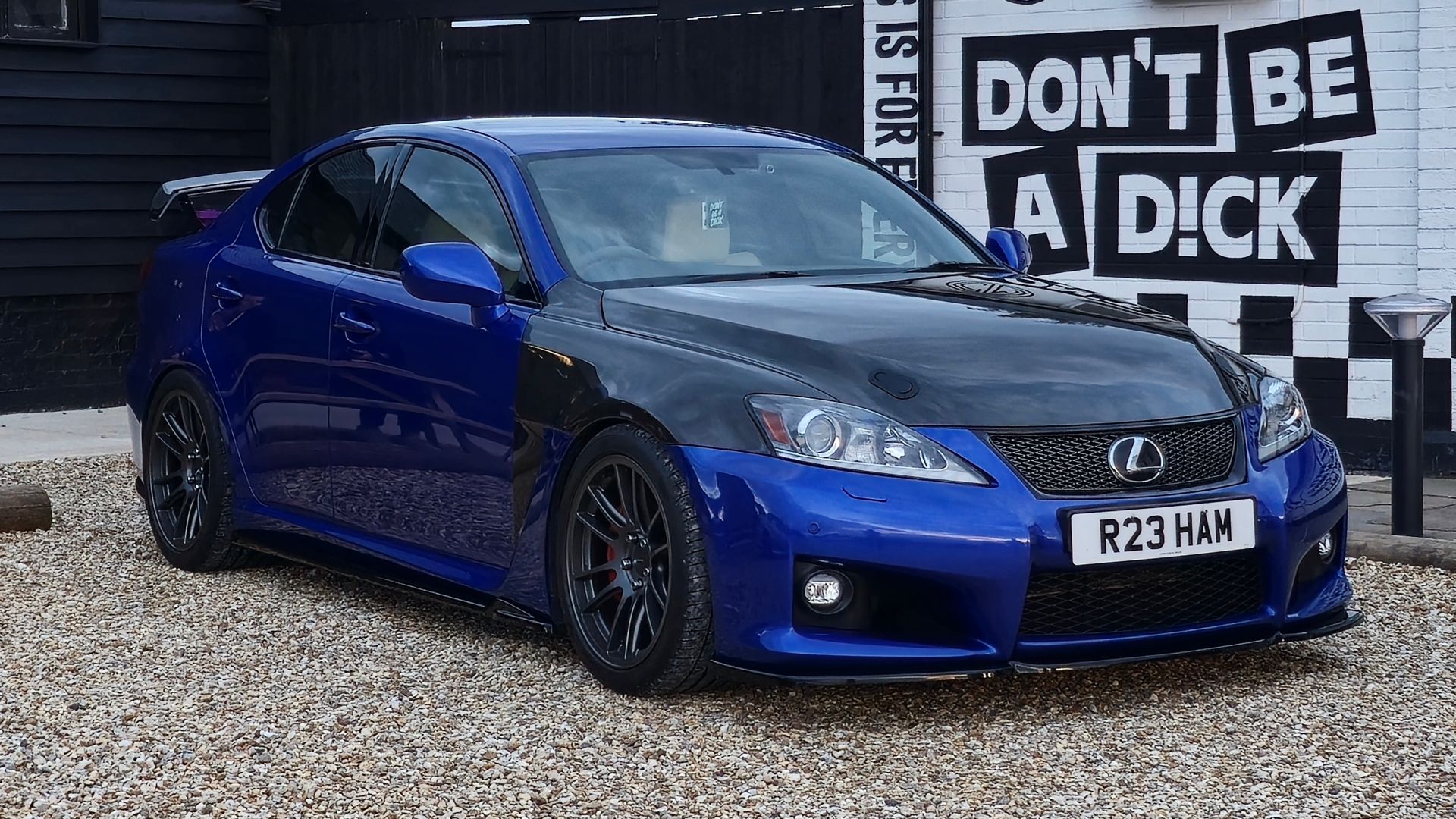
Lexus IS F
Aggression needs to be felt instantly. IS F offered serious V8 performance, yet its conservative design muted emotional response. Competitors sparked desire through drama. Many enthusiasts processed the specs, felt little urgency, and followed instinct toward vehicles that triggered stronger reactions.
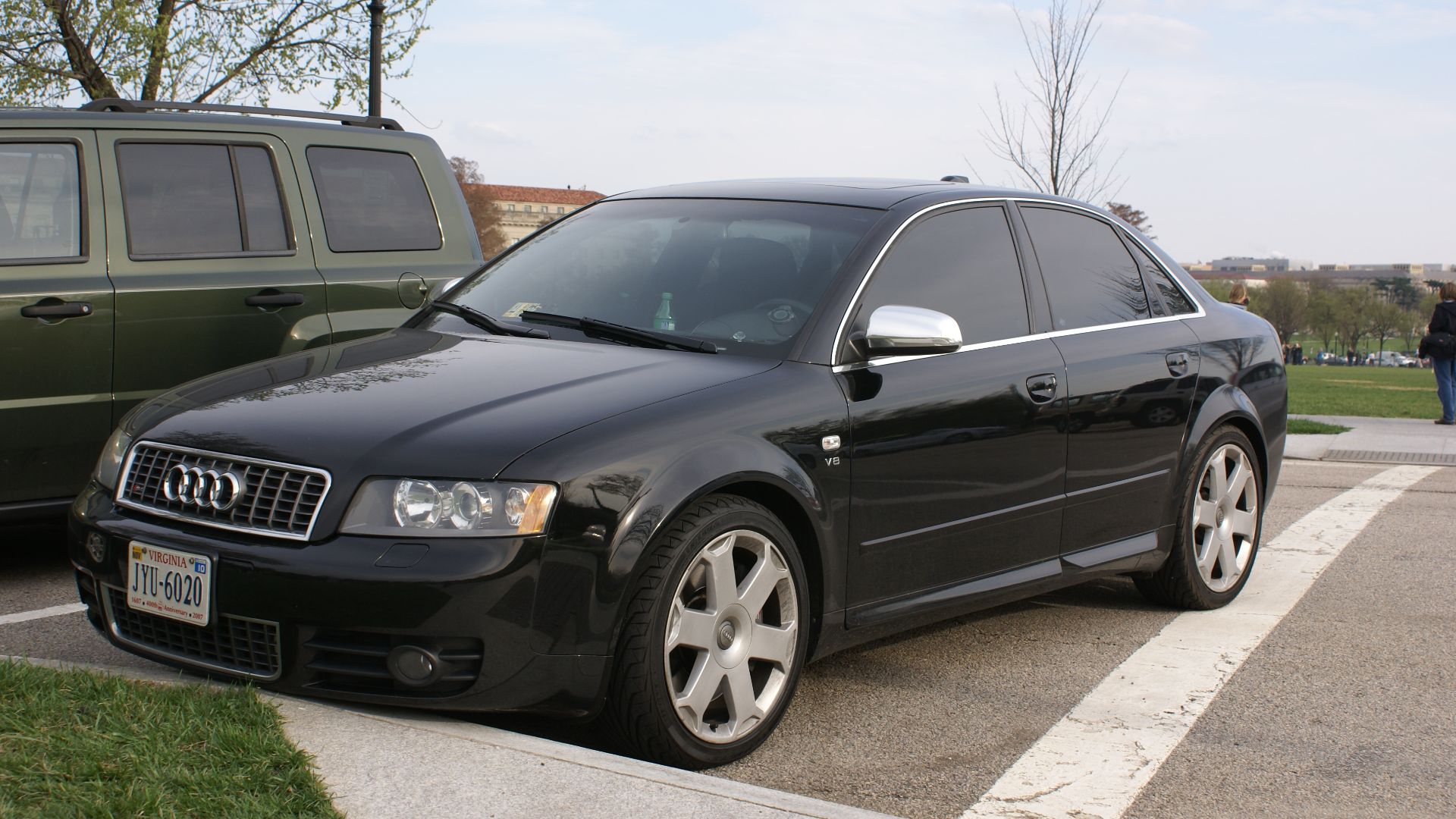
Audi S4
How much performance can hide in plain sight? S4 looked nearly identical to a standard A4, despite V8 power and serious pace. Fuel consumption and ownership concerns shaped perception early. Unfortunately, without visual drama, many buyers skipped it entirely while scanning showroom floors.
 Matti Blume, Wikimedia Commons
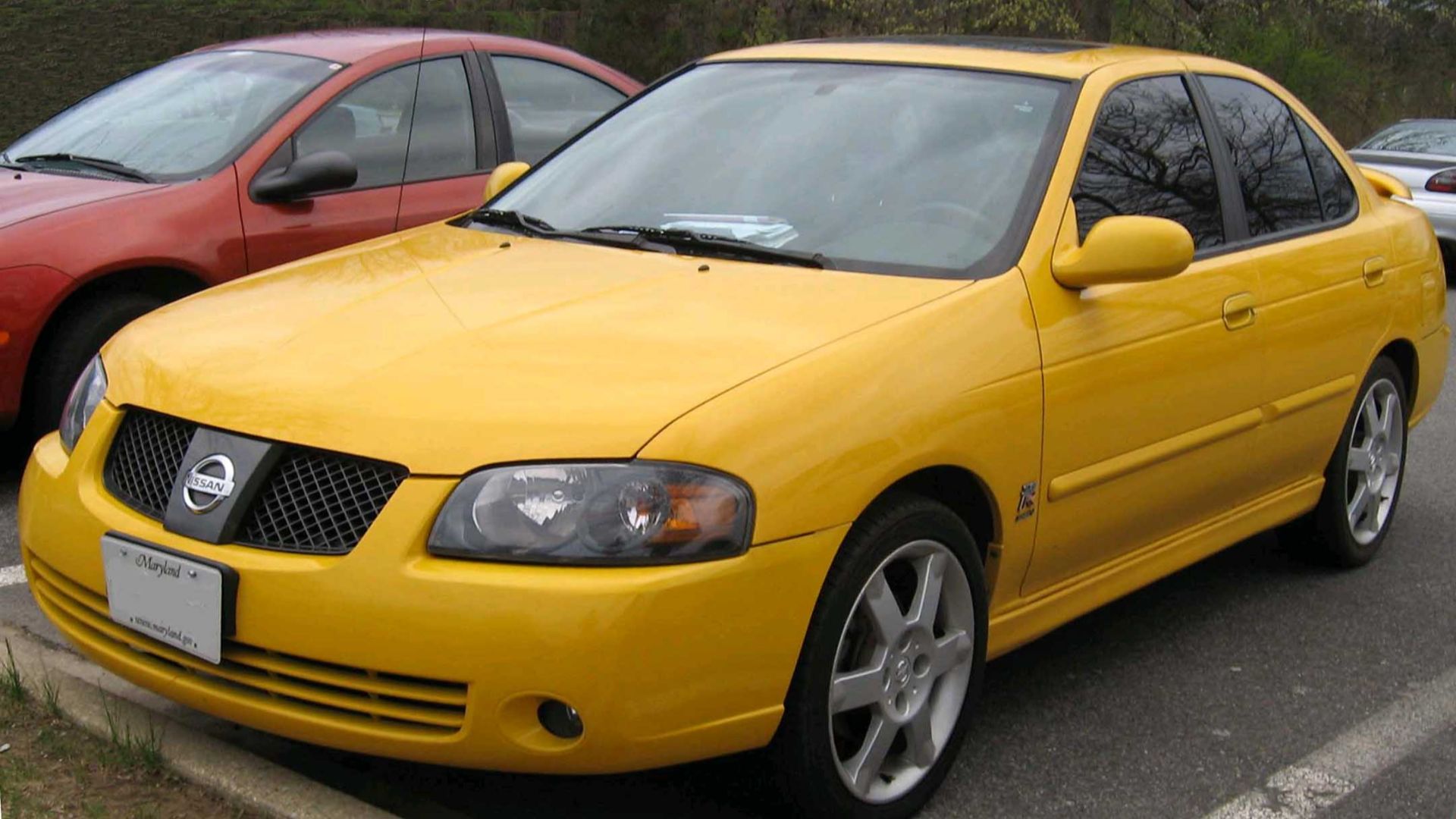
Nissan Sentra SE R Spec V
Nothing about a Sentra suggested excitement. Still, Spec V delivered punchy performance and driver-focused tuning. Interior quality and polarizing design cooled enthusiasm fast. Shoppers struggled to reconcile fun with the badge, then chose something that felt easier to explain at home.
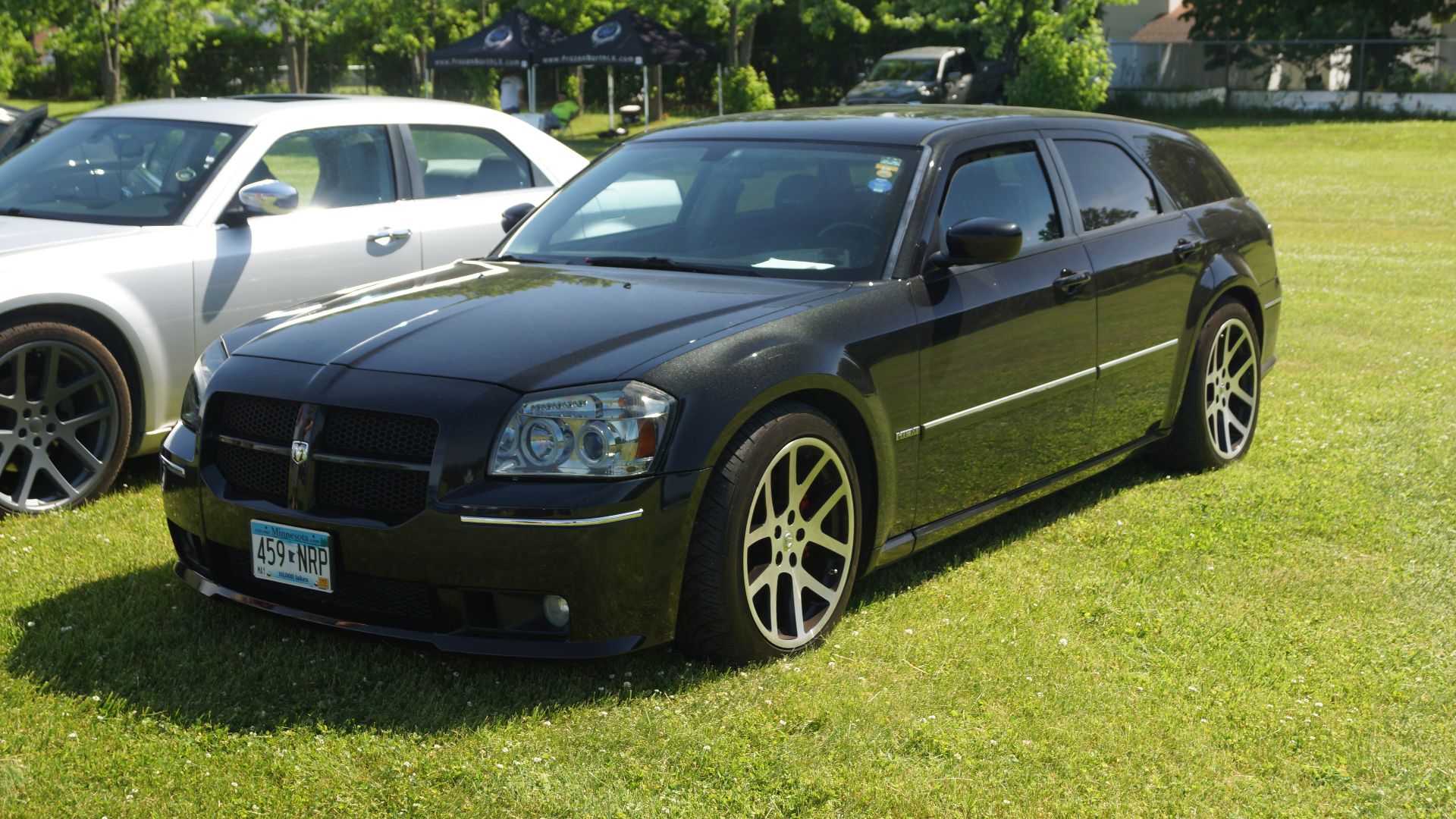
Dodge Magnum SRT8
Muscle met misunderstanding here. A thunderous V8 lived inside a wagon silhouette that confused expectations. Fuel appetite grew during rising gas anxiety. Performance fans questioned the shape, families questioned the intent, and the Magnum sat caught between the audiences it needed most.
 Greg Gjerdingen from Willmar, USA, Wikimedia Commons
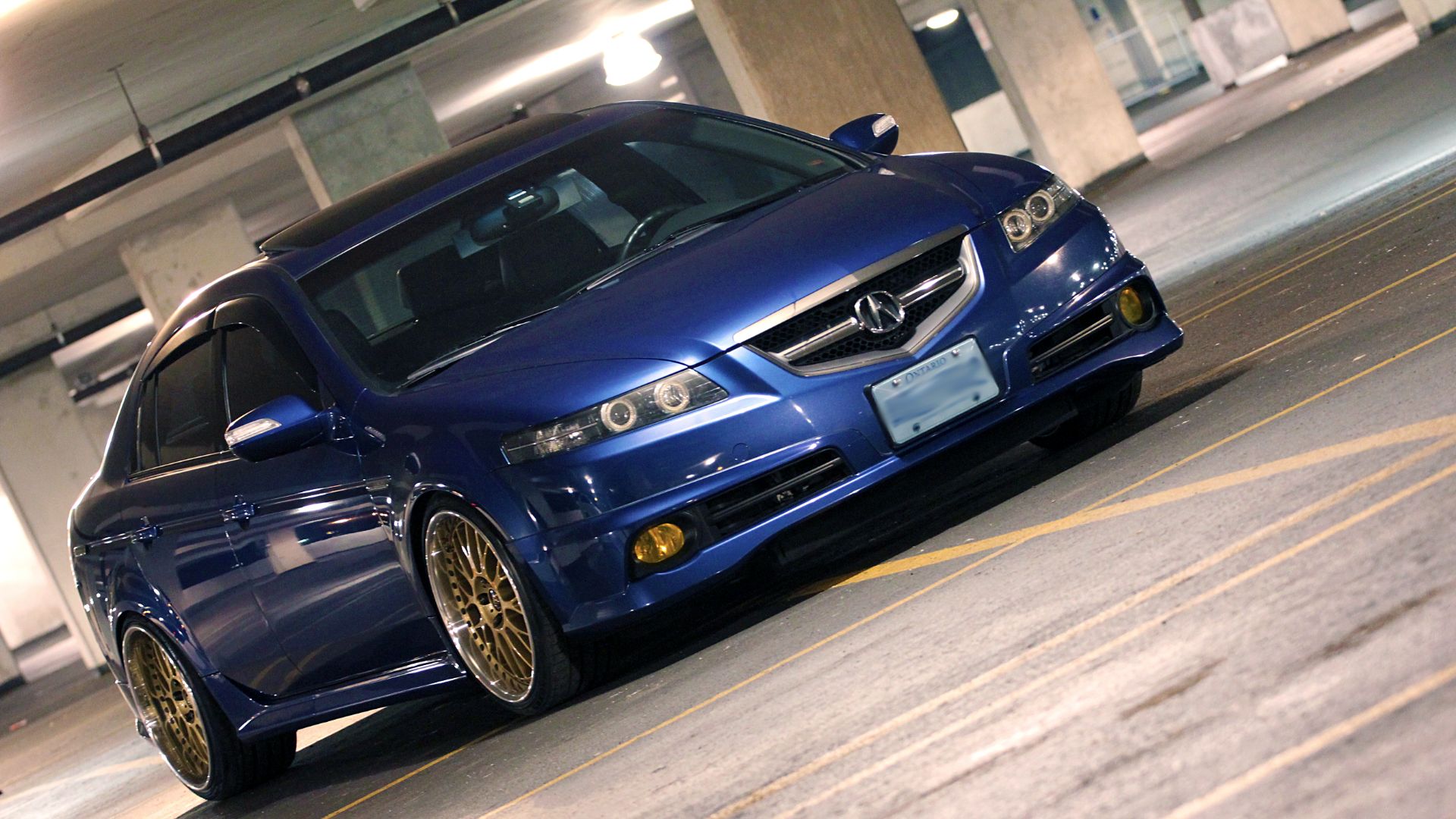
Acura TL Type S
TL Type S offered strong V6 power, sharper suspension tuning, and available manual control. Yet styling divided opinion and pushed buyers toward safer alternatives. With competitors signaling sport more clearly, this capable sedan struggled to convert admiration into sustained showroom demand.
 Kalvin Chan, Wikimedia Commons
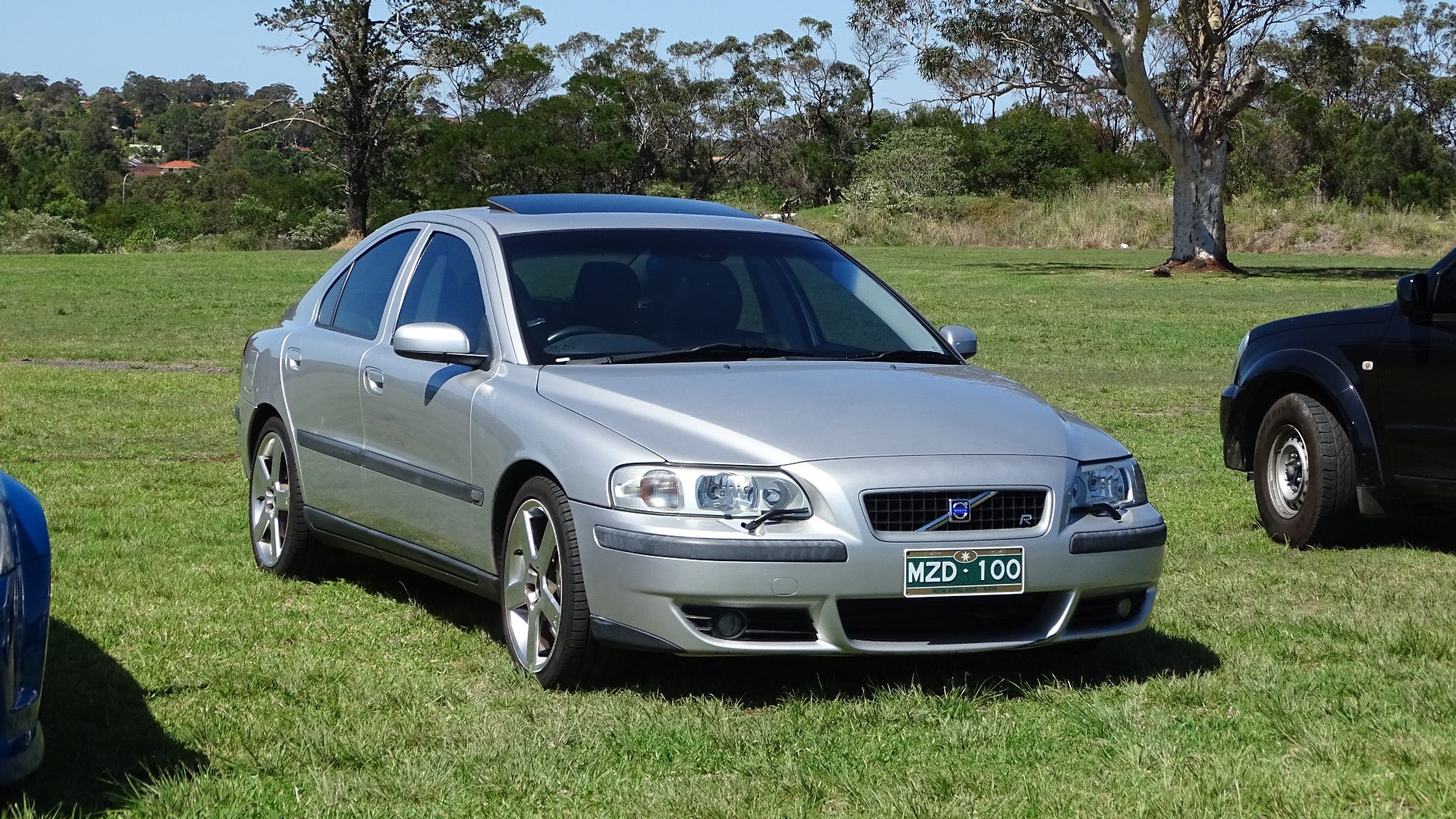
Volvo S60R
S60R tried balancing restraint with ambition. Turbo power and All Wheel Drive delivered genuine pace, wrapped in familiar Volvo calm. Higher cost and complex hardware slowed adoption. Years later, appreciation arrived quietly, long after most buyers had already moved on.