Muscle Cars History Overlooked
The Mustang may dominate conversations, but it wasn’t Ford’s only answer to speed. Away from the spotlight, brutal drag cars, endurance winners, and family-bodied sleepers carried the company’s performance legacy forward.
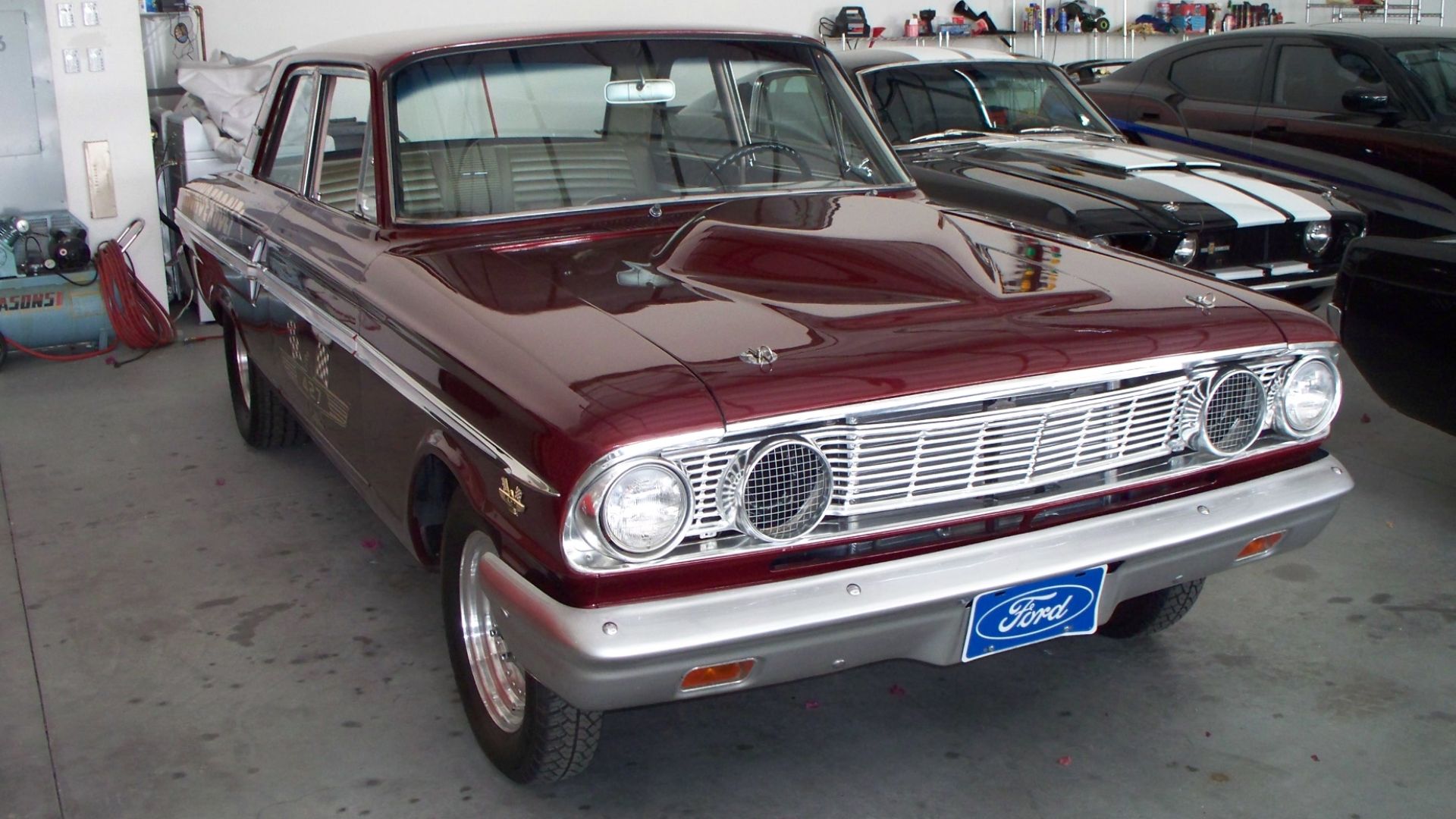
Ford Fairlane Thunderbolt (1964)
Built strictly for drag racing, the 1964 Fairlane Thunderbolt was a rare Ford weapon. Only 100 cars left the factory, each packing a 427 cu FE V8. That brute setup paid off when the Thunderbolt secured Ford’s NHRA Super Stock championship.
 PMDrive1061, Wikimedia Commons
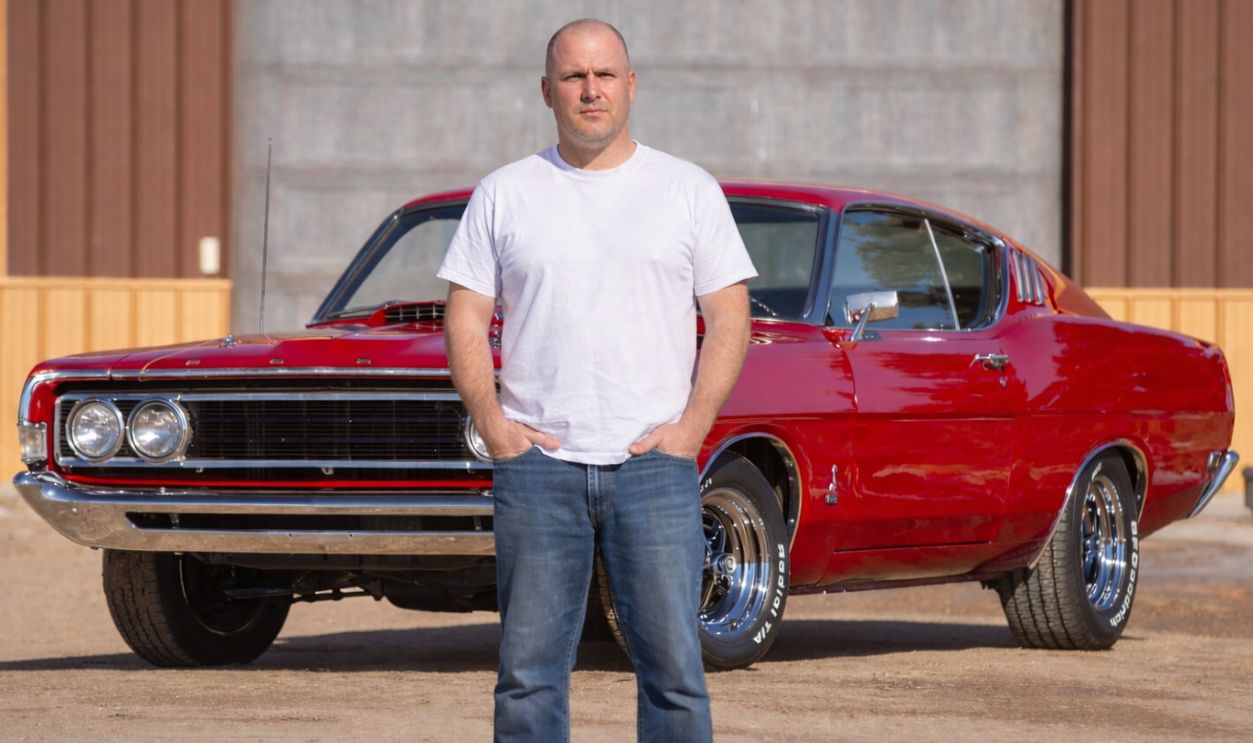
Ford Torino Cobra (1969)
The 1969 Torino Cobra marked Ford’s push into high-performance territory beyond the Mustang. Powered by the underrated 428 Cobra Jet V8, it quickly gained respect. NASCAR teams relied on the Torino’s speed and durability throughout the height of stock car racing.
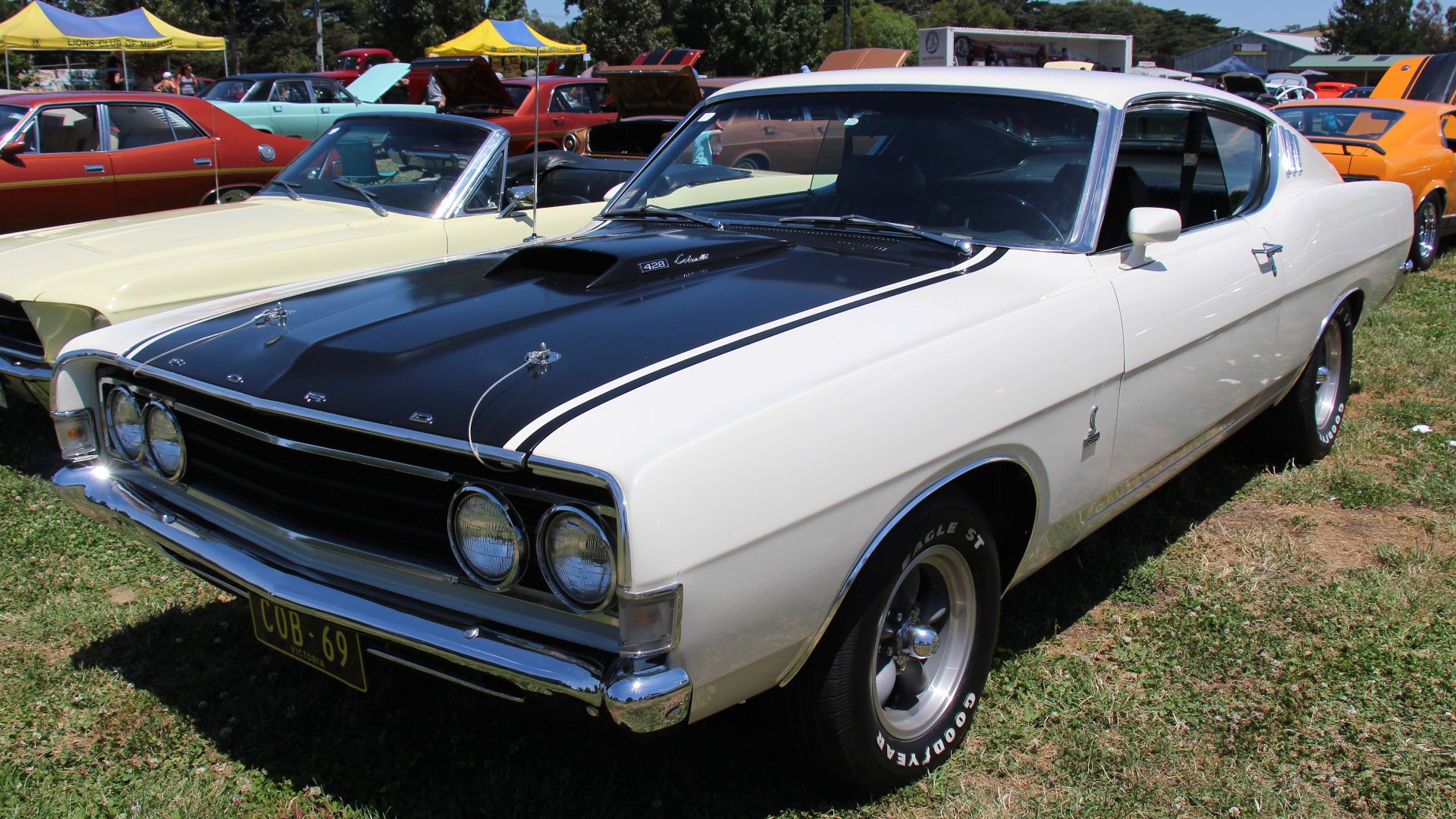
Ford Galaxie 500 XL R-Code (1963)
Ford’s Galaxie 500 XL R-Code became a turning point in 1963. Packing a 427 cu in engine rated at 425 hp, it set new performance expectations. With victories in NASCAR and NHRA, the Galaxie helped escalate the era’s rapidly intensifying power race.
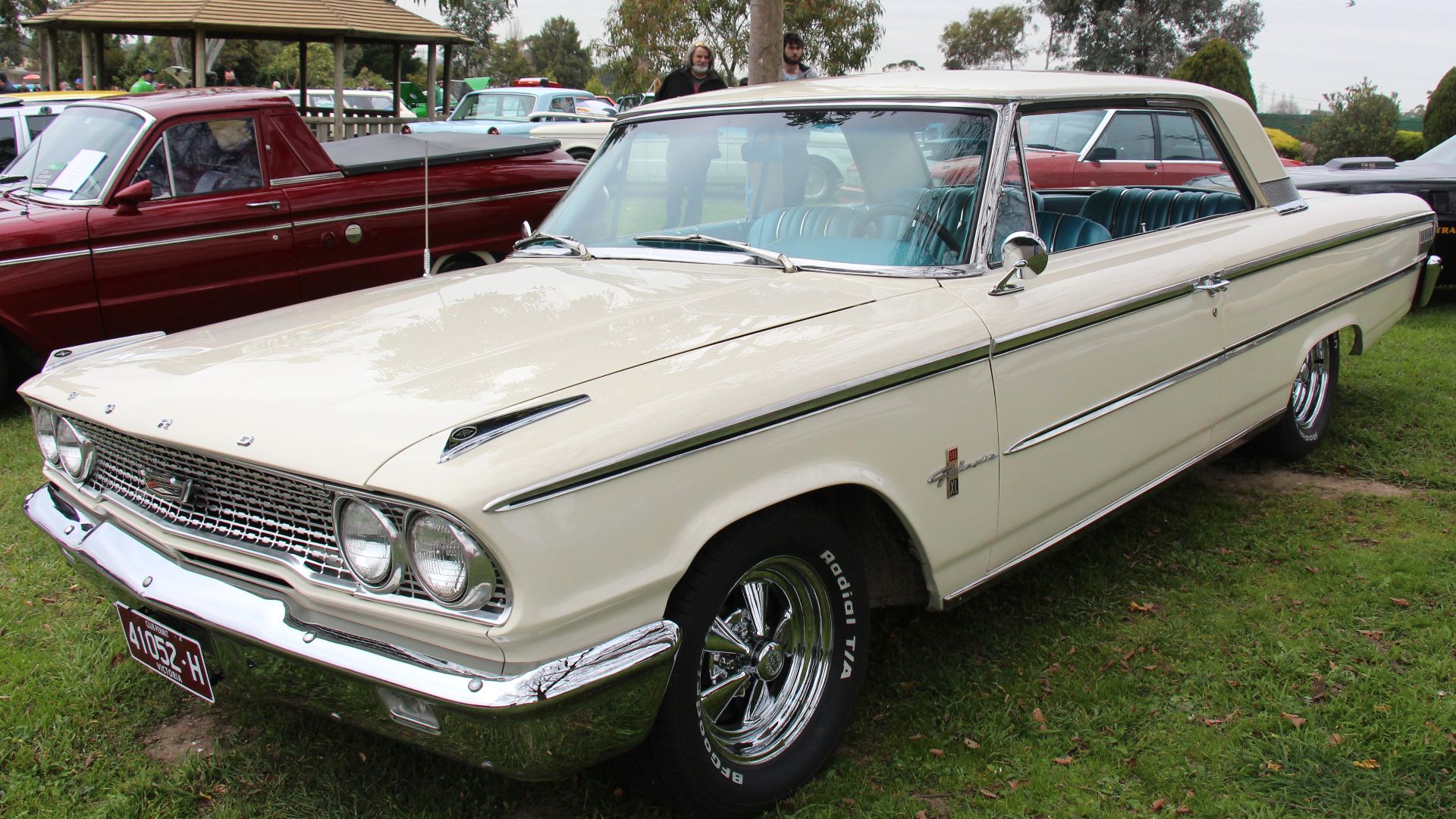
Ford Falcon Sprint V8 (1964)
Ford transformed the Falcon in 1964 by adding Sprint trim and V8 power. Buyers could choose between 260 and 289 cu in engines, delivering up to 271 hp. The lightweight design helped establish the formula that later defined Ford’s pony cars.
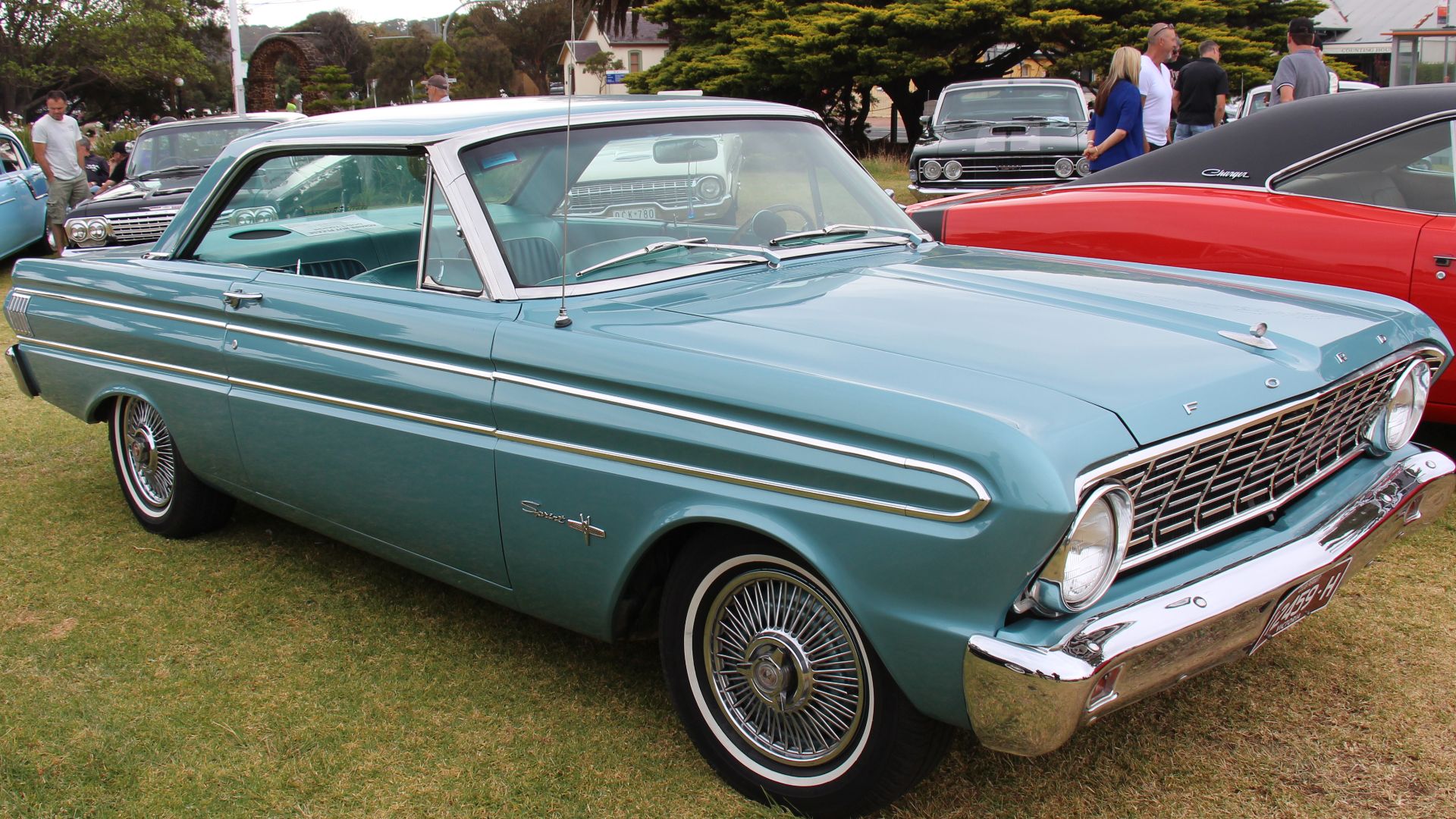
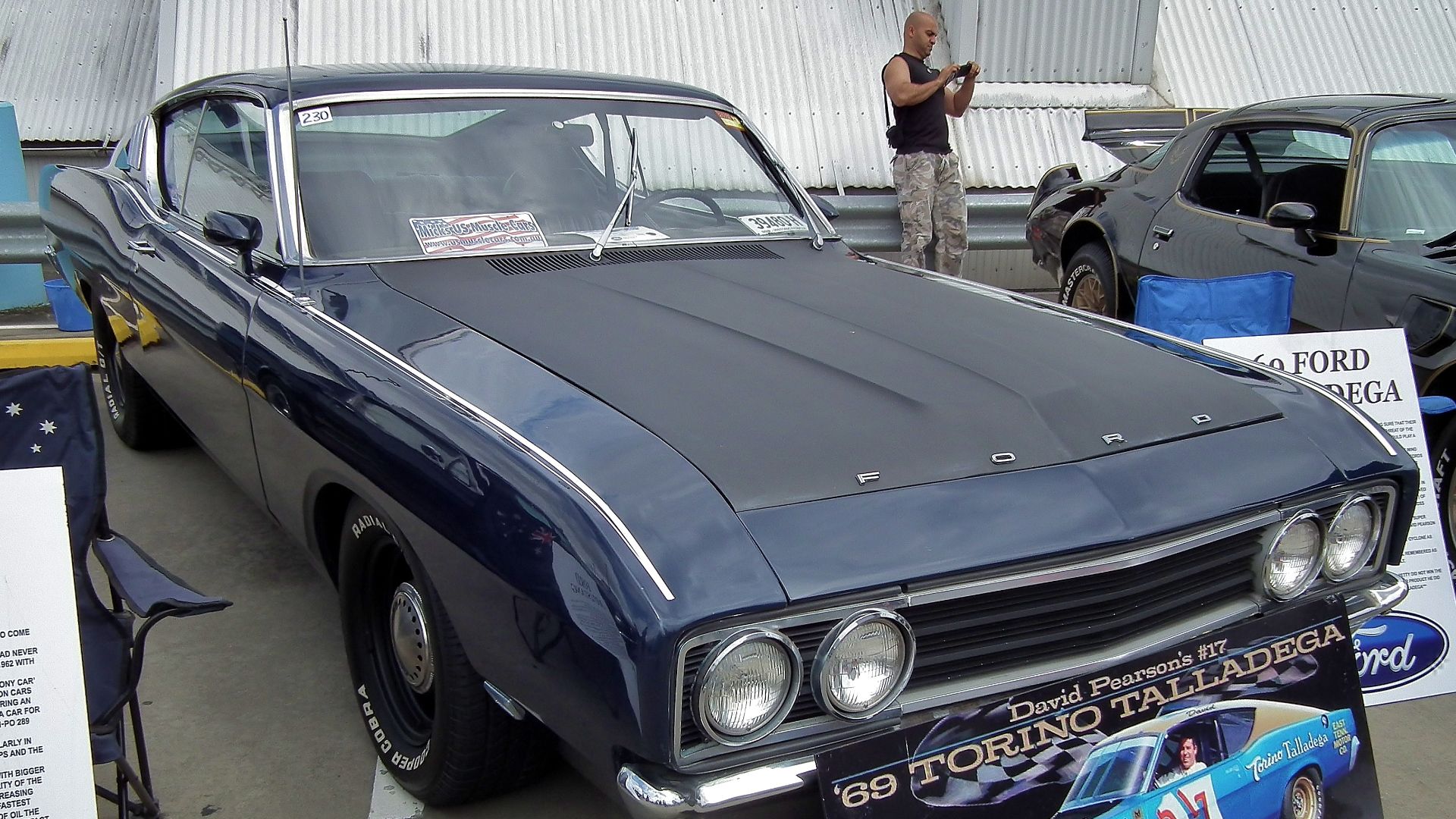
Ford Torino Talladega (1969)
Built for NASCAR approval, the 1969 Torino Talladega focused entirely on speed. Every example carried a 428 Cobra Jet V8. Around 750 cars were produced, each featuring a stretched front end designed to slice through the air more efficiently at high speeds.
Ford GT40 Mk II (1966)
Ford’s rivalry with Ferrari reached its peak in 1966. The GT40 Mk II, standing just 40 inches tall, combined a 7.0-liter V8 with expert racing partners. The result was a historic Le Mans win that redefined American credibility in endurance racing.
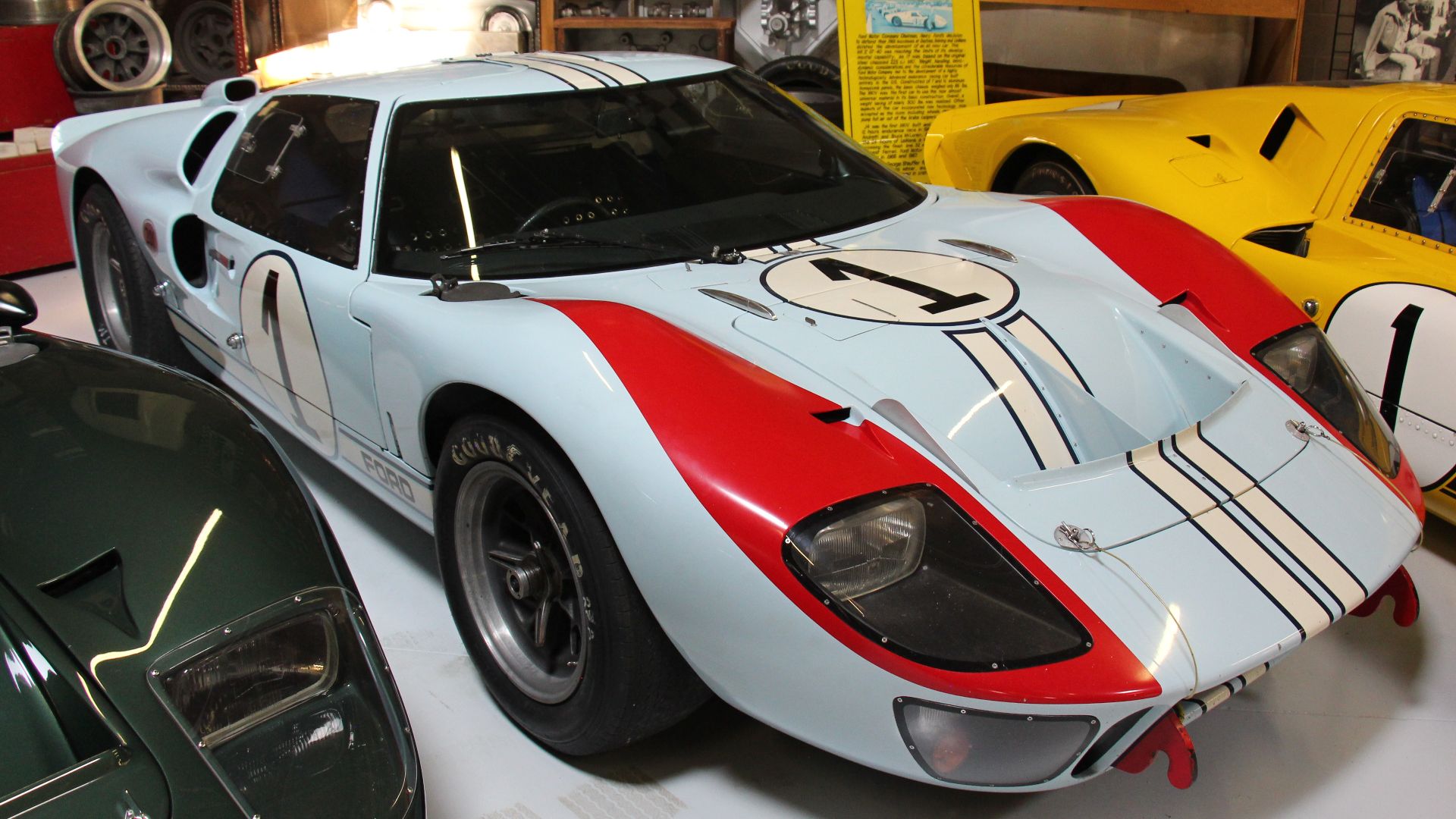
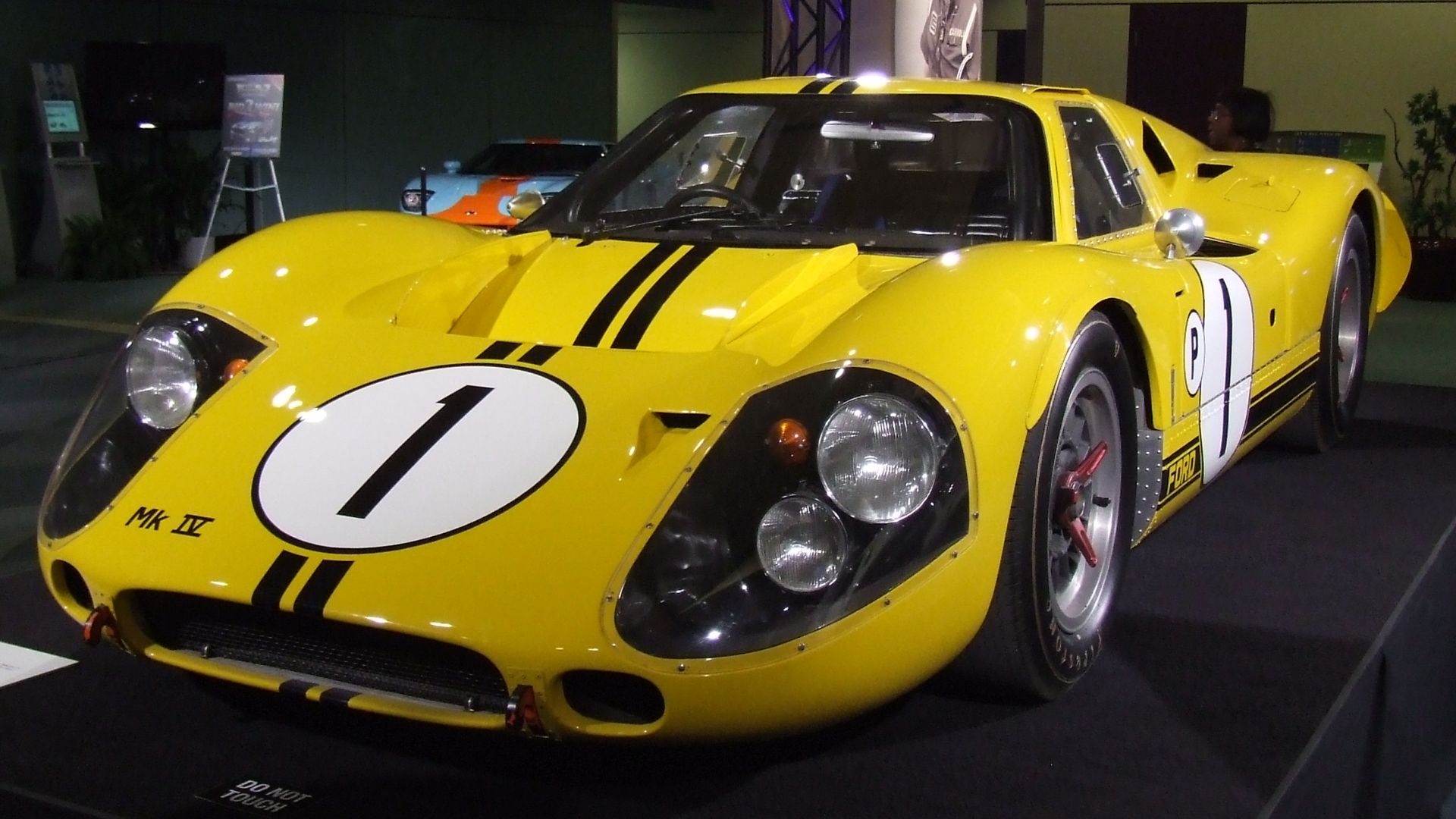
Ford GT40 Mk IV (1967)
Known internally as the J-Car, the GT40 Mk IV represented Ford’s all-American engineering effort. With a powerful 427 cu in engine, it delivered a dominant Le Mans victory in 1967. The win cemented Ford’s place at the top of global endurance racing.
 Jaydec at en.wikipedia, Wikimedia Commons
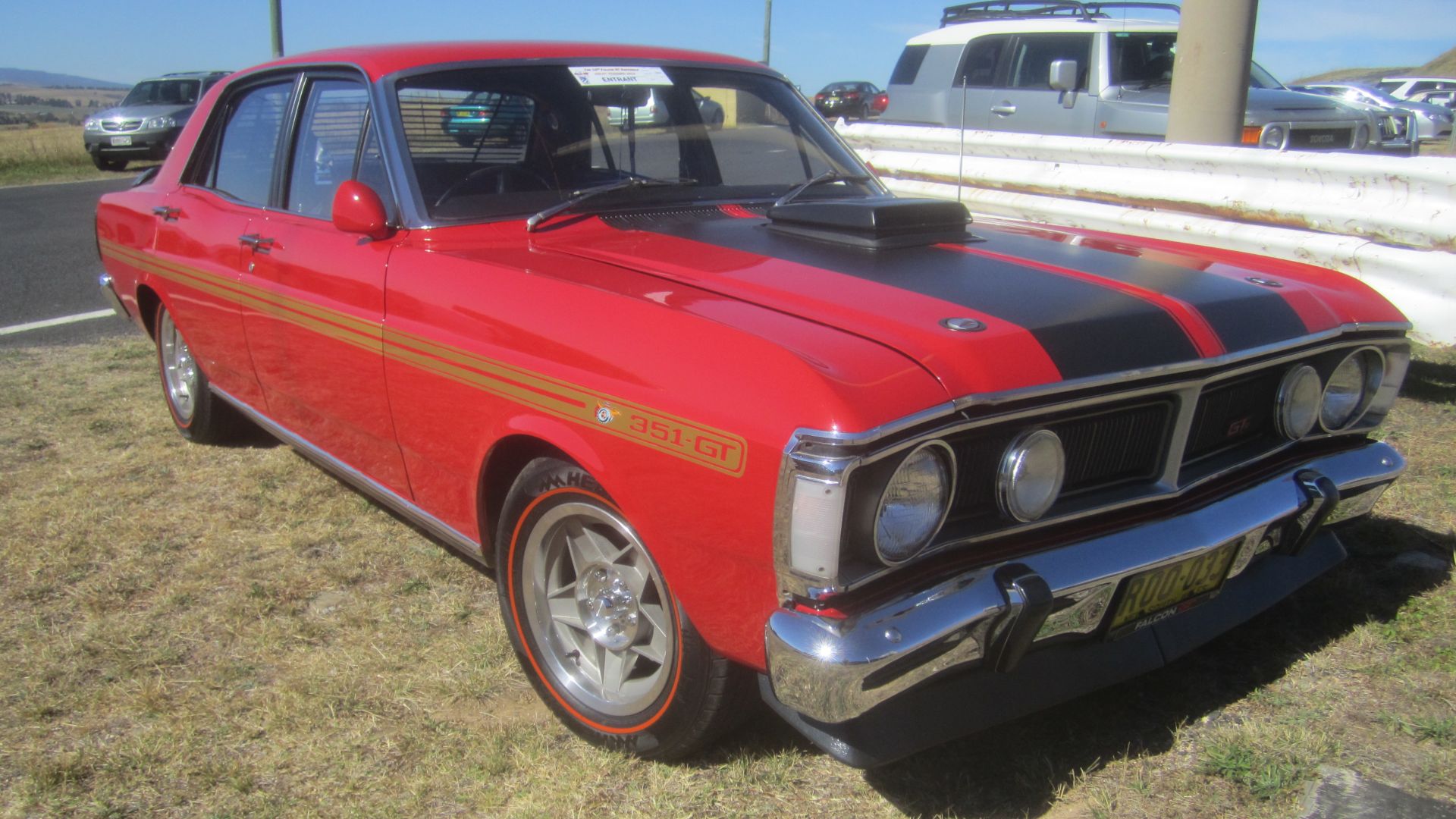
Ford Falcon GT XY GTHO Phase III (1971)
Australia produced one of Ford’s most fearsome sedans with the Falcon GT XY GTHO Phase III. Using a 351 Cleveland V8 pushing over 300 horsepower, it earned a reputation as the fastest four-door production car of its time.
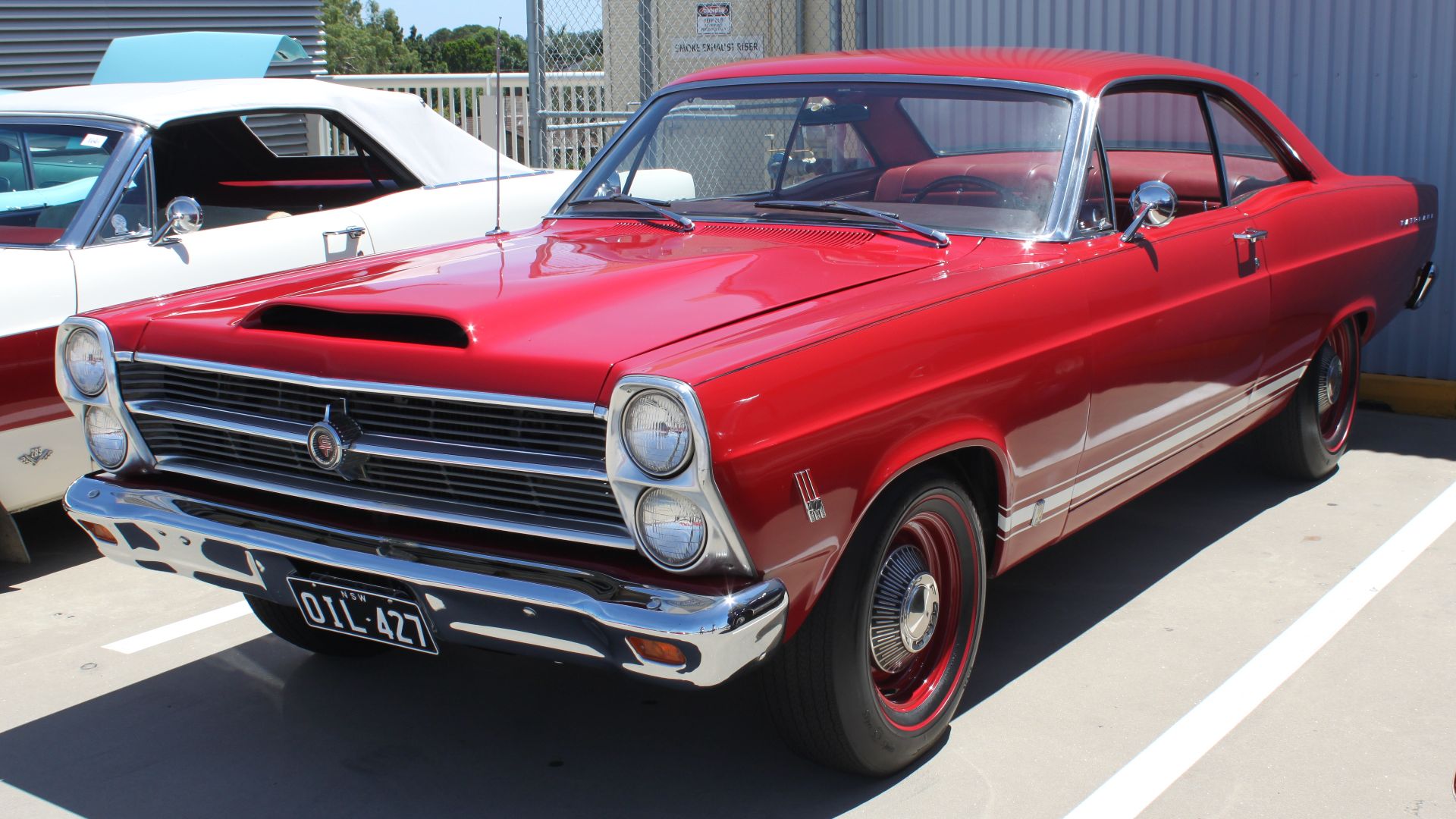
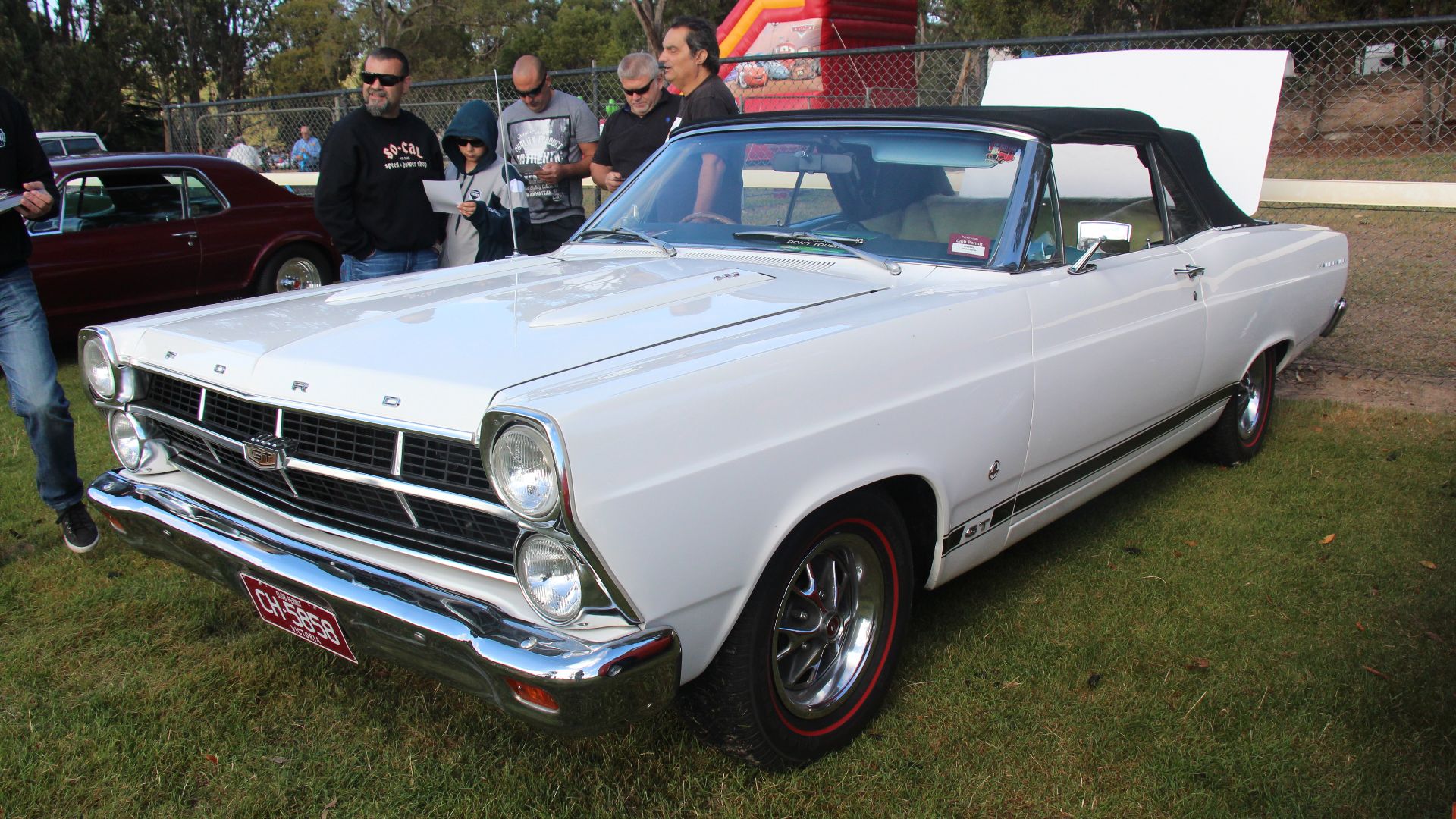
Ford Fairlane GTA (1966)
Automatic transmissions rarely earned respect in the 1960s, yet Ford leaned into it. The Fairlane GTA arrived in 1966 with a 390 cu in V8 and GT Automatic branding. Buyers could even choose between hardtop and convertible versions.
 Jeremy from Sydney, Australia, Wikimedia Commons
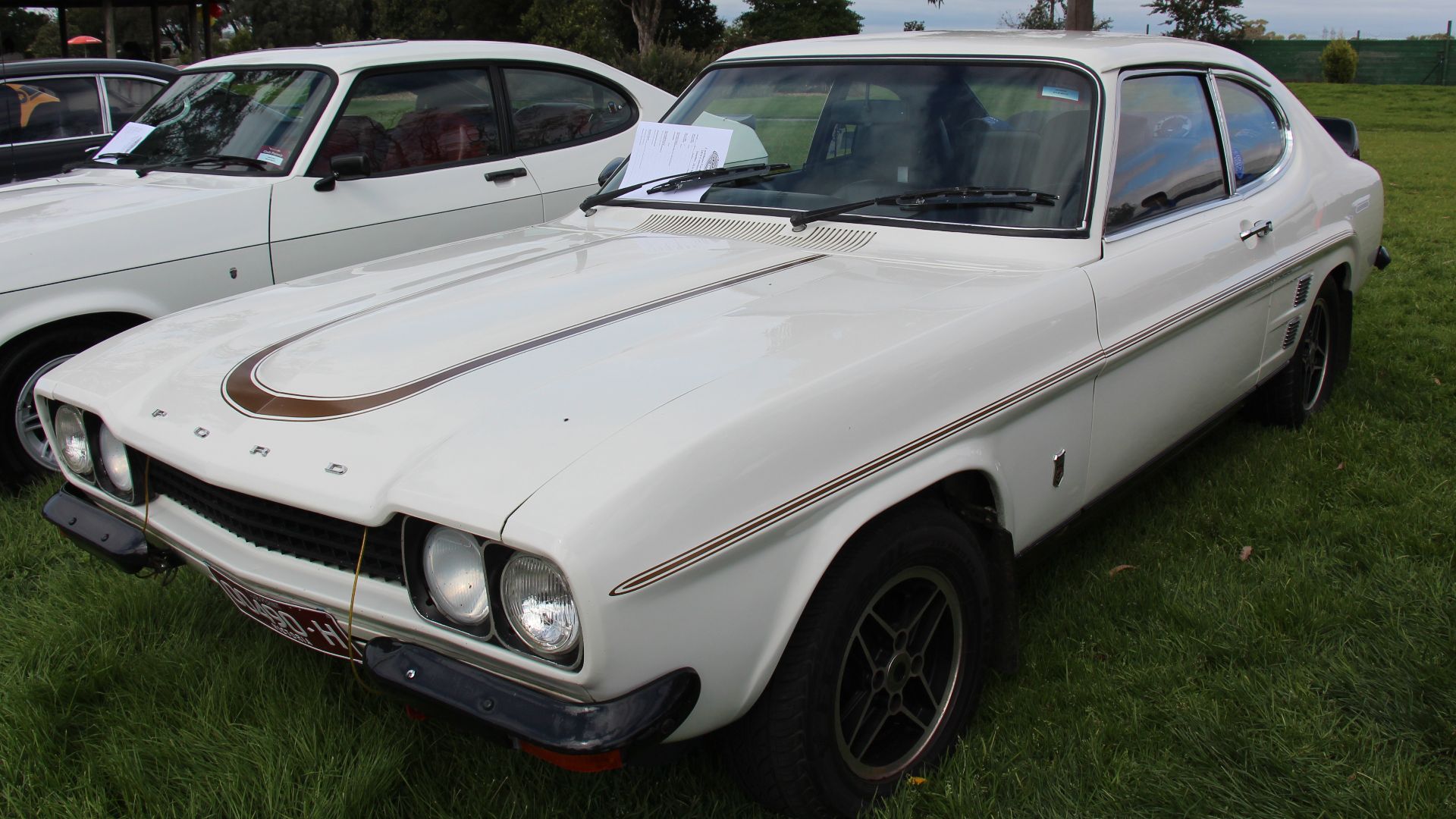
Ford Capri RS3100 (1973)
Homologation demands created the Capri RS3100. Assembled by Ford’s Advanced Vehicle Operations in England, it paired a lightweight design with a 3.1-liter Essex V6. Limited production kept numbers low, while racing intent defined every design decision.
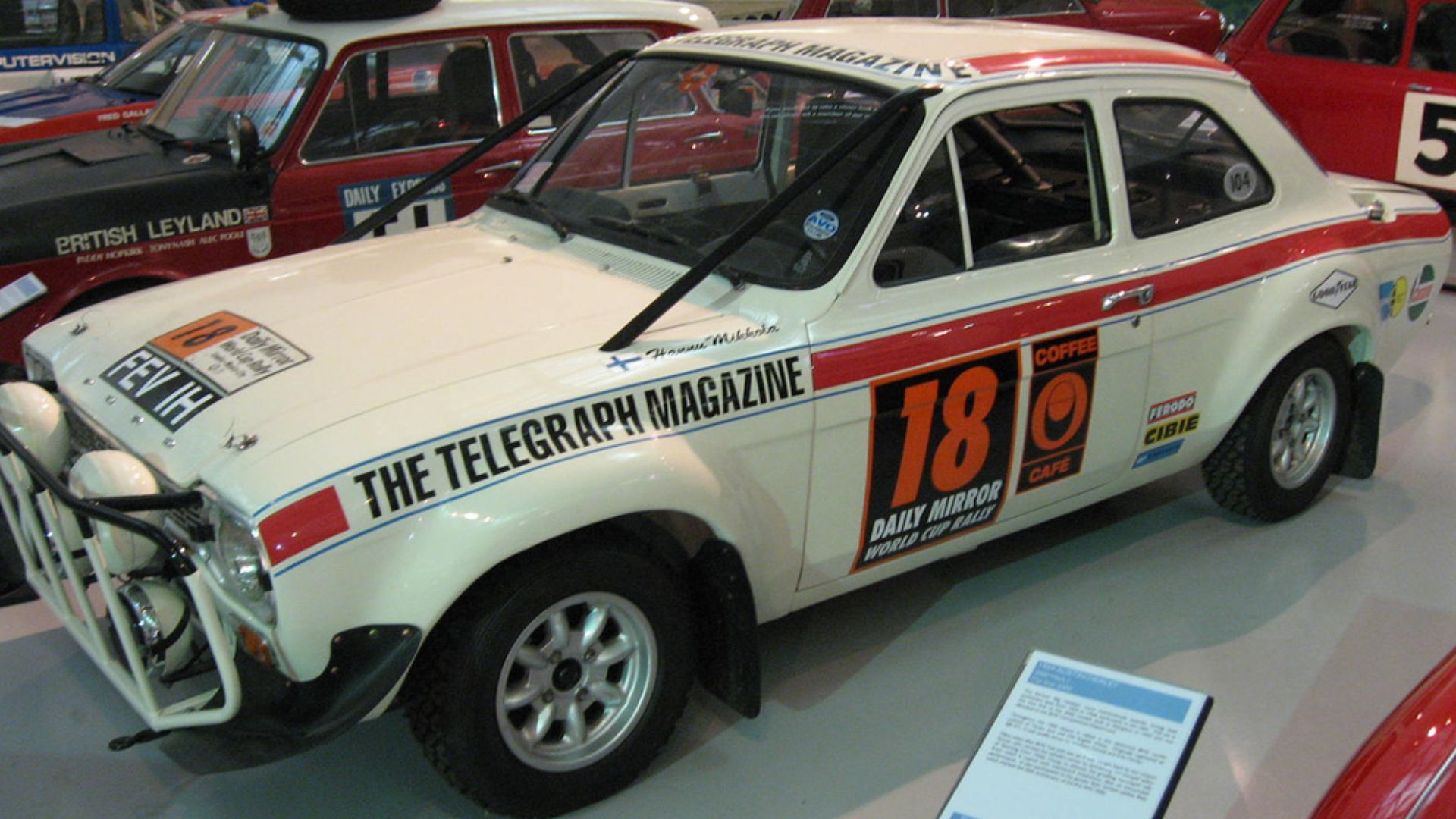
Ford Escort RS1600 (1970)
When Ford introduced this car in 1970, rally competition was the priority. It became the first Ford to use the Cosworth-developed 1.6-liter BDA twin-cam engine. That setup helped the RS1600 secure major wins on demanding rally stages.
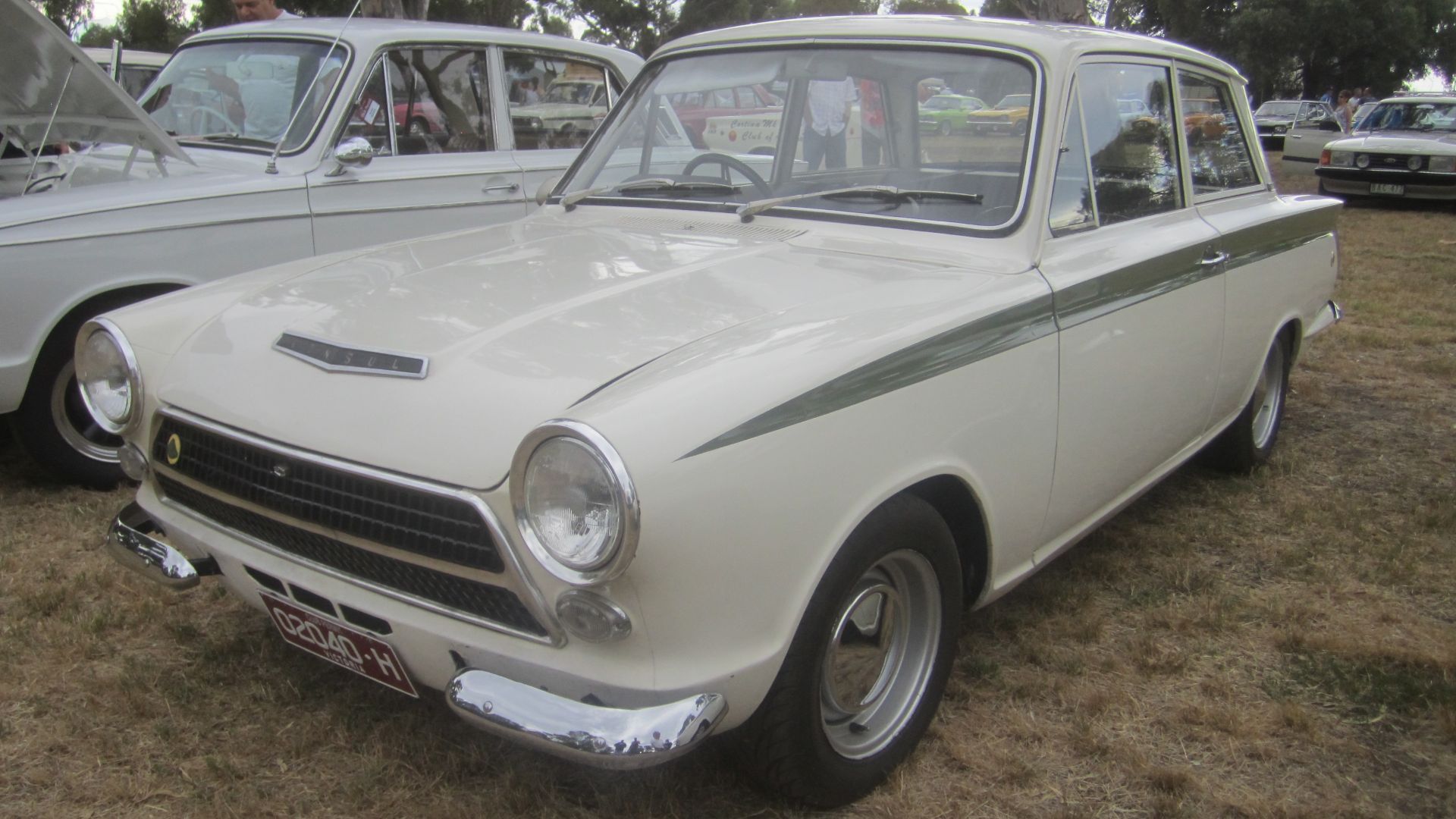
Ford Lotus Cortina Mk I (1963–1966)
Touring car success defined the Lotus Cortina Mk I. It was produced between 1963 and 1966, and paired Ford’s compact Cortina shell with a Lotus-developed 1.6-liter twin-cam engine. Drivers like Jim Clark added to its reputation, turning race wins into lasting legend.
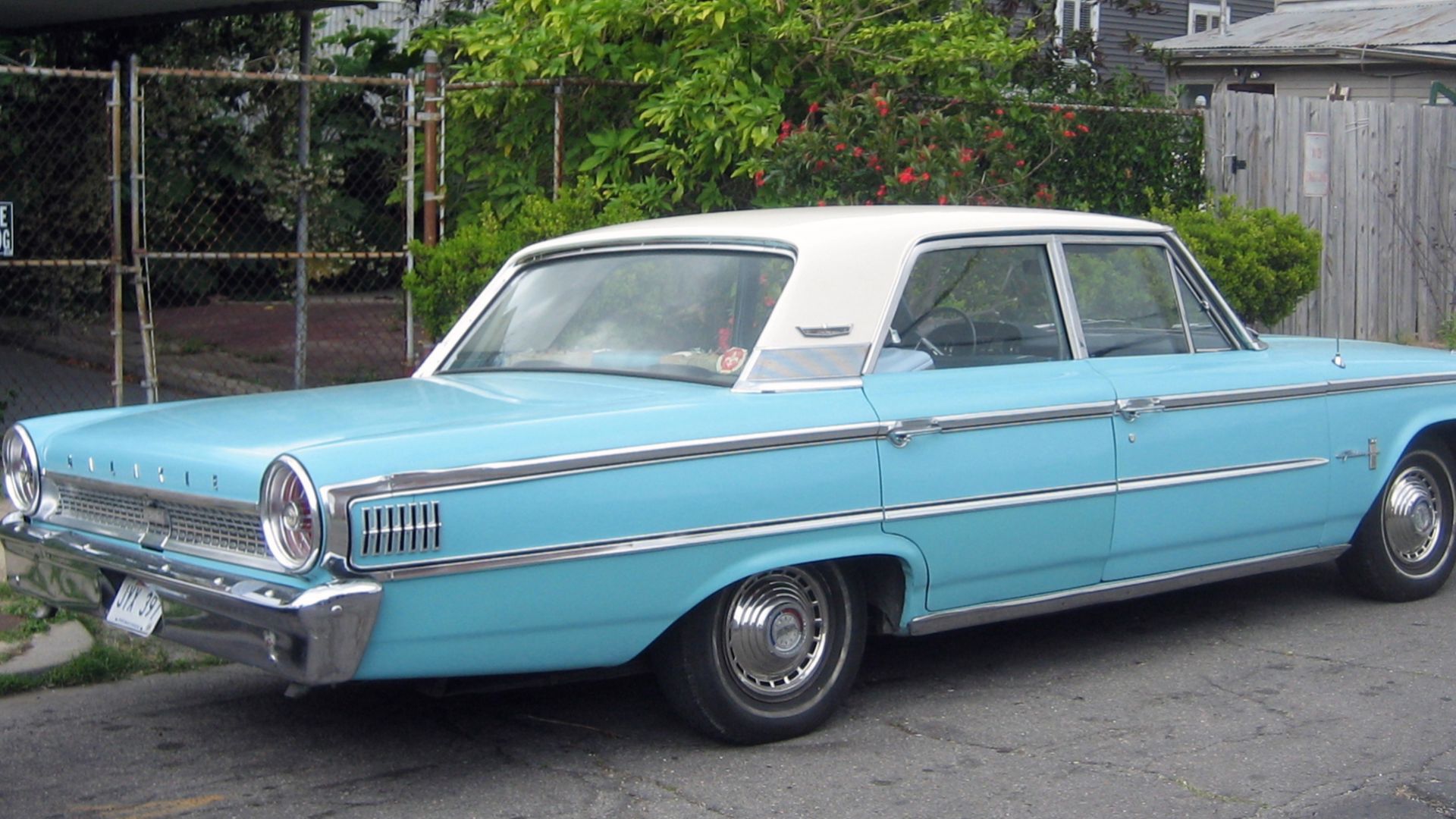
Ford Galaxie Country Sedan (1963)
At a glance, the Galaxie Country Sedan looked family-focused, yet its heart told another story. Ford fitted this full-size wagon with a 390 cu V8 pushing over 300 horsepower. Sharing hardware with drag-ready Galaxies, it quietly became a true sleeper.
 Infrogmation, Wikimedia Commons
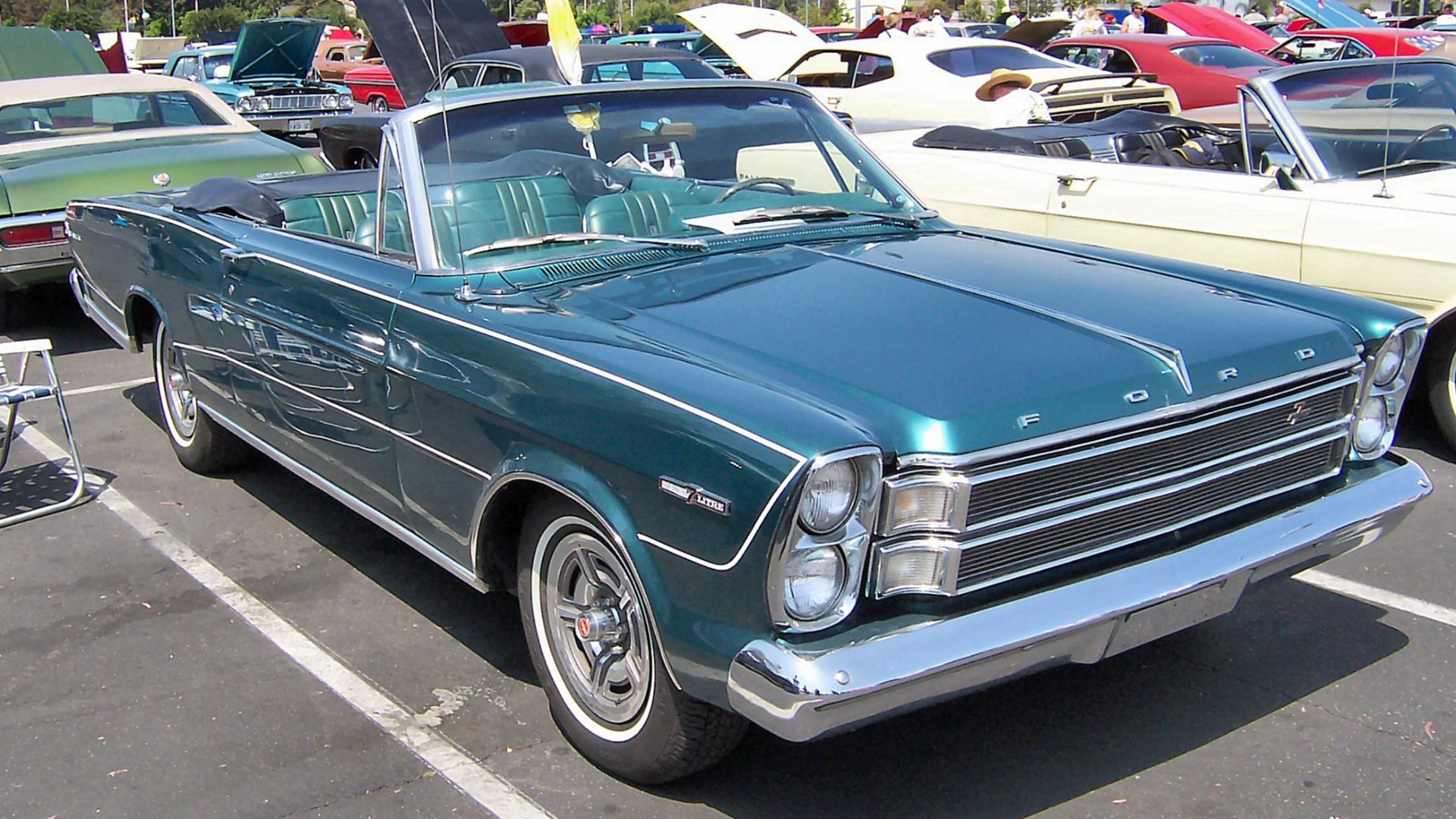
Ford Galaxie 7-Litre (1966)
The Galaxie 7-Litre wore its performance identity openly. Named after its 428 cu in engine, the 1966 model blended big-block power with full-size comfort. Ford offered it in hardtop and convertible form, making speed a visible part of its appeal.
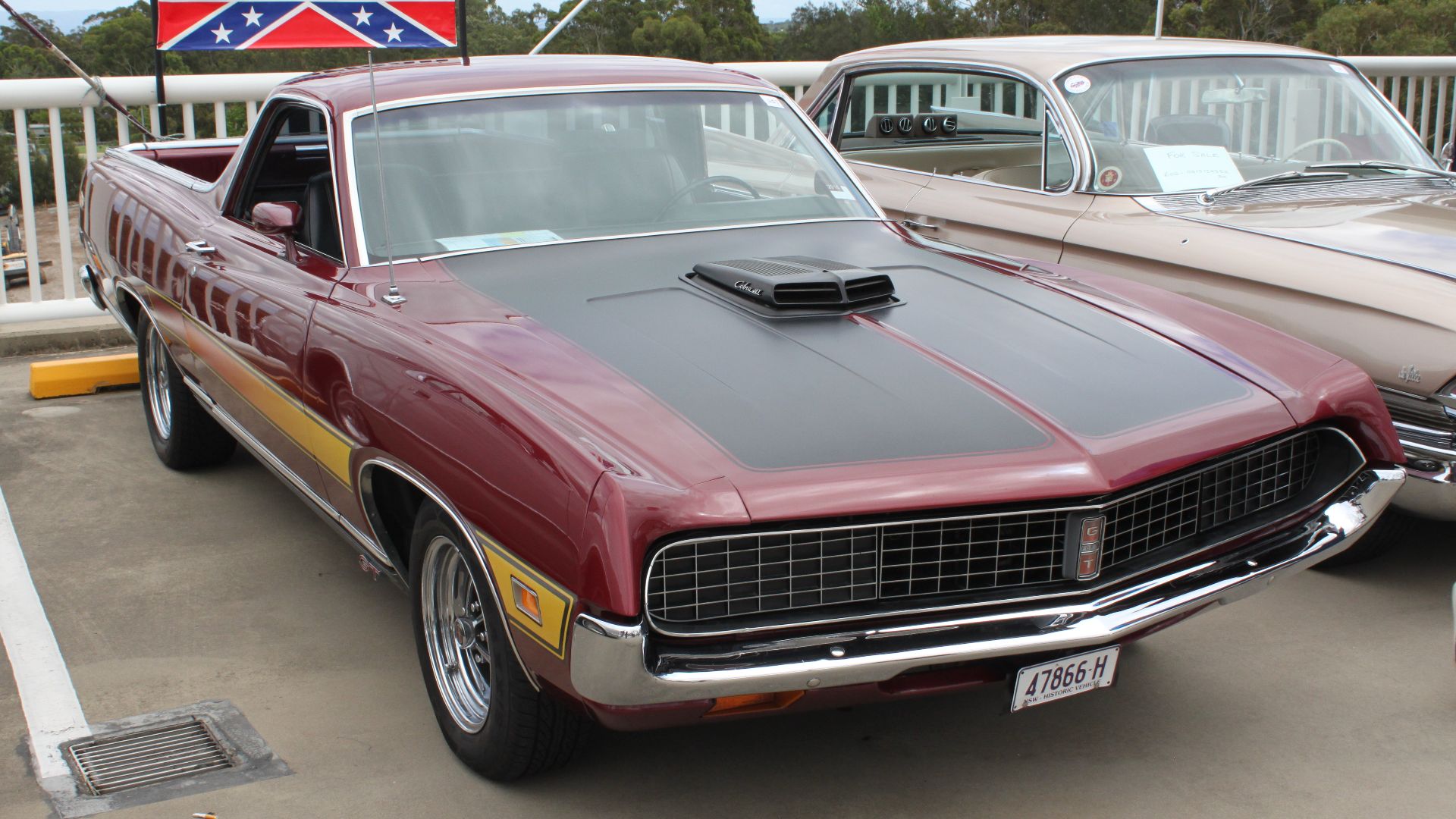
Ford Ranchero GT (1969–1971)
The Ranchero GT refused to stay in one lane. Ford equipped it with the same aggressive engines found in Torino muscle cars, including the 428 Cobra Jet. That decision turned a practical pickup into a genuine performance machine with broad appeal.
 Jeremy from Sydney, Australia, Wikimedia Commons
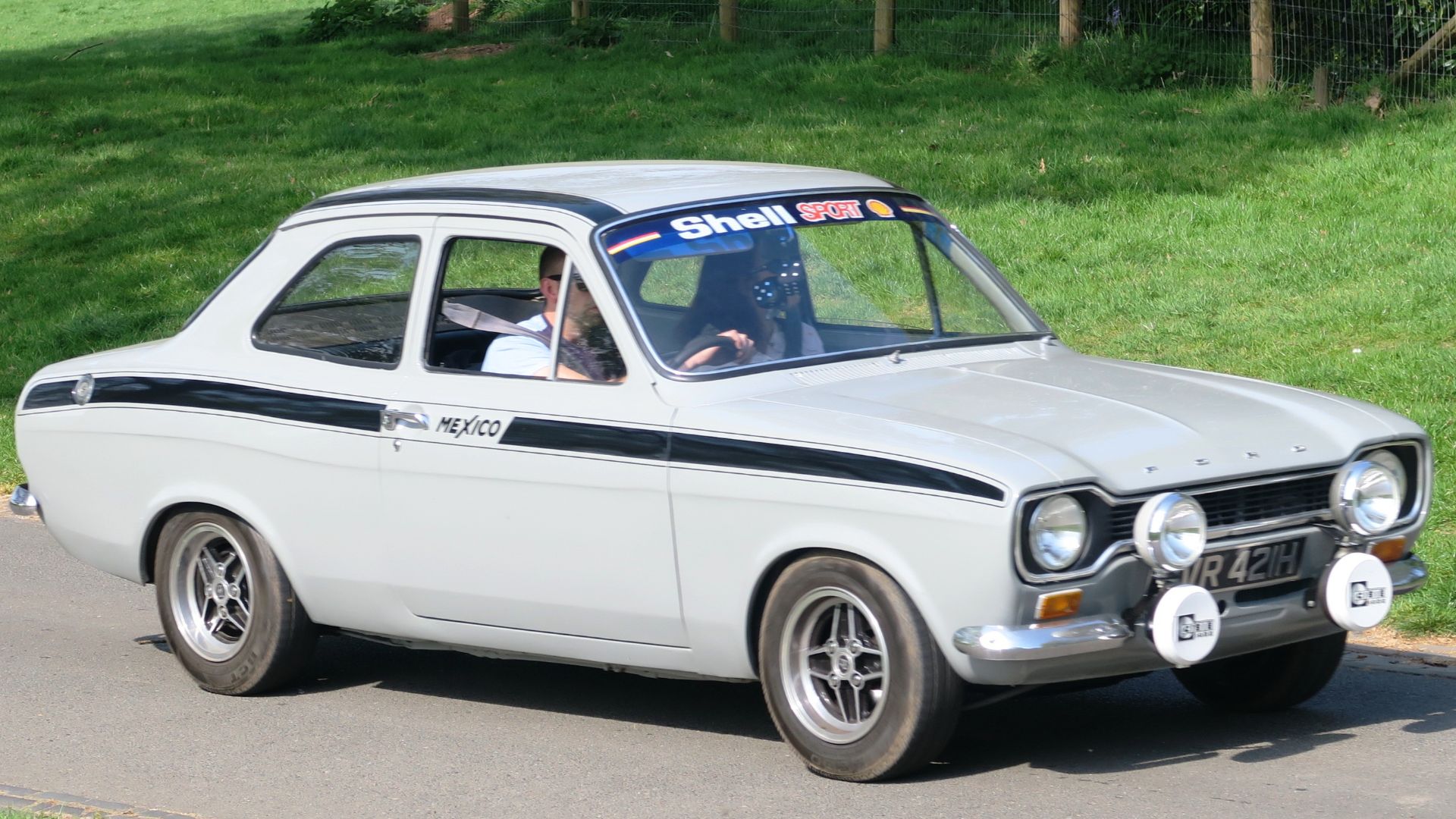
Ford Escort Mexico (1970)
Ford named the Escort Mexico to celebrate its victory in the 1970 London–Mexico World Cup Rally. A 1.6L Kent crossflow engine powered the car, prioritizing toughness over luxury. Its reliability on harsh rally stages earned lasting respect, even without the RS1600’s exotic hardware.
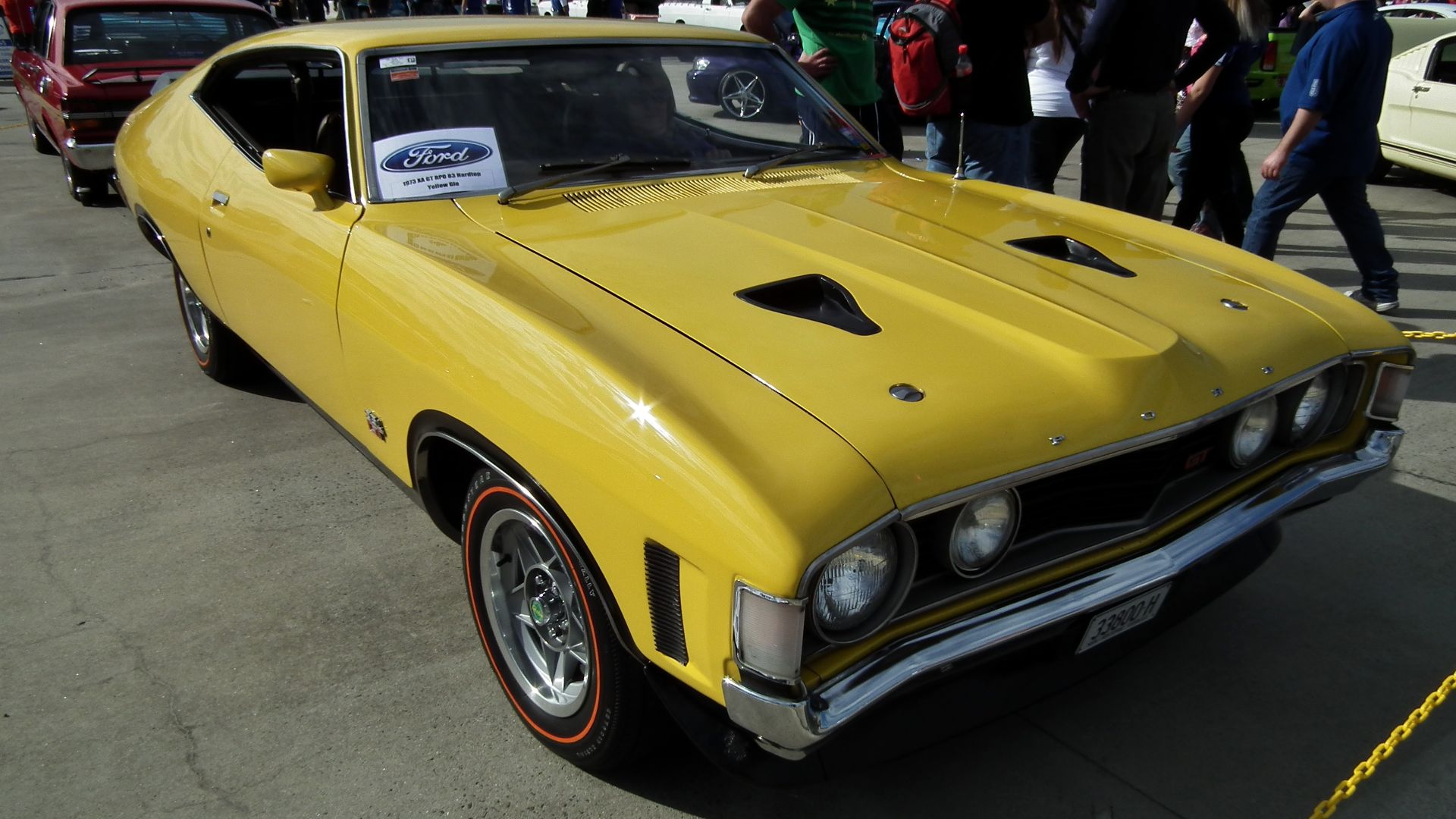
Ford Falcon XA GT RPO83 (1973)
Ford Australia created the XA GT RPO83 with racing firmly in mind. The package paired a 351 Cleveland V8 with competition-ready upgrades straight from the factory. With production kept extremely limited, the model quickly became one of the most desirable Falcons ever built.
Ford Fairlane 500 390 GT (1966–1967)
Rather than chasing road-course glory, the Fairlane 390 GT focused on raw acceleration. Its 390 cu in V8 put around 335 hp on tap, available with either gearbox choice. The result felt practical during the week, and aggressive once rubber met asphalt.
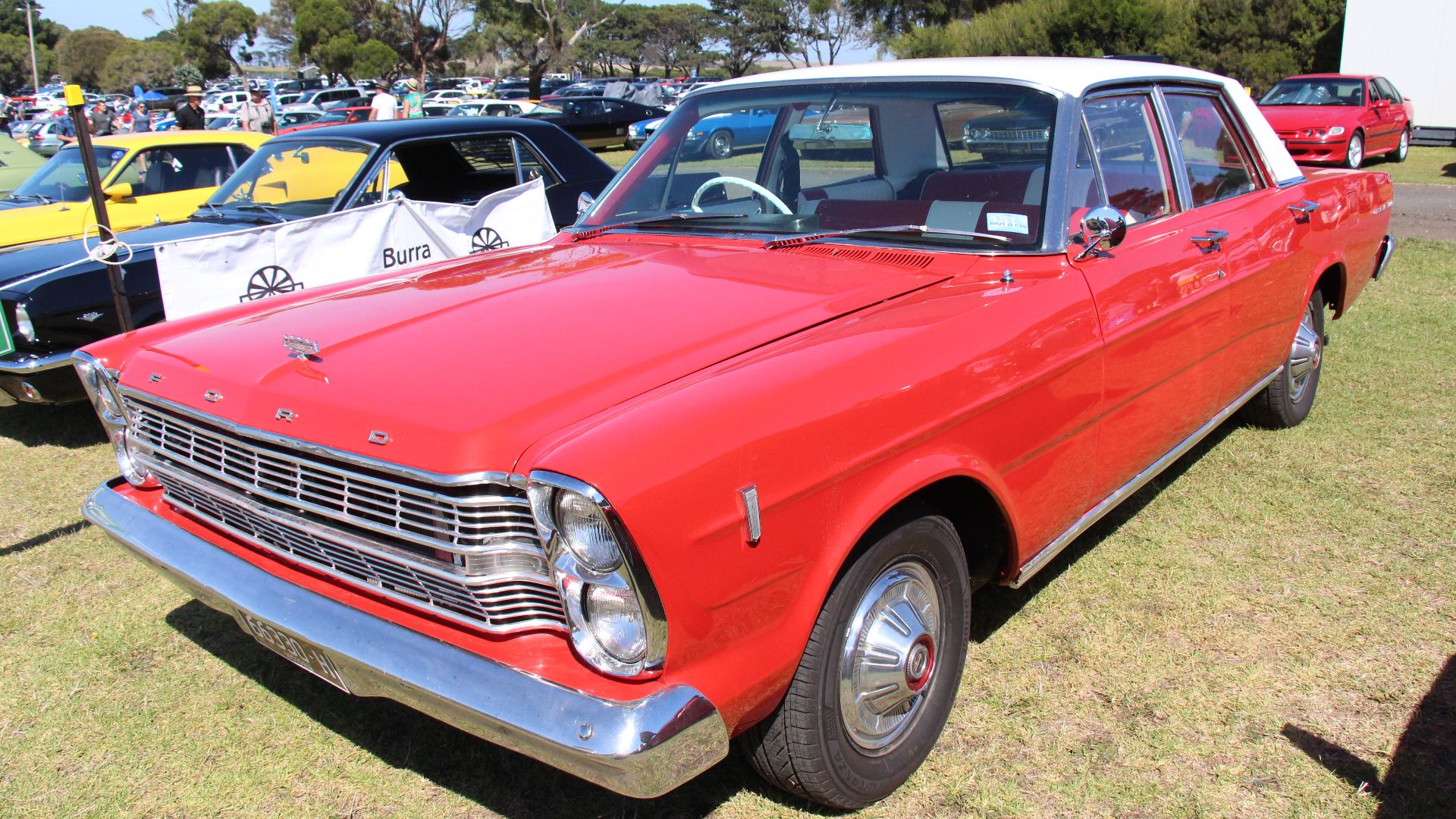
Ford Custom 500 427 (1963–1967)
On the surface, the Custom 500 looked ordinary. Under the hood, Ford dropped in a 427 cu in V8 delivering over 400 hp. Often ordered for police or fleet duty, this stripped-down sedan earned the nickname “plain wrapper hot rod” for good reason.
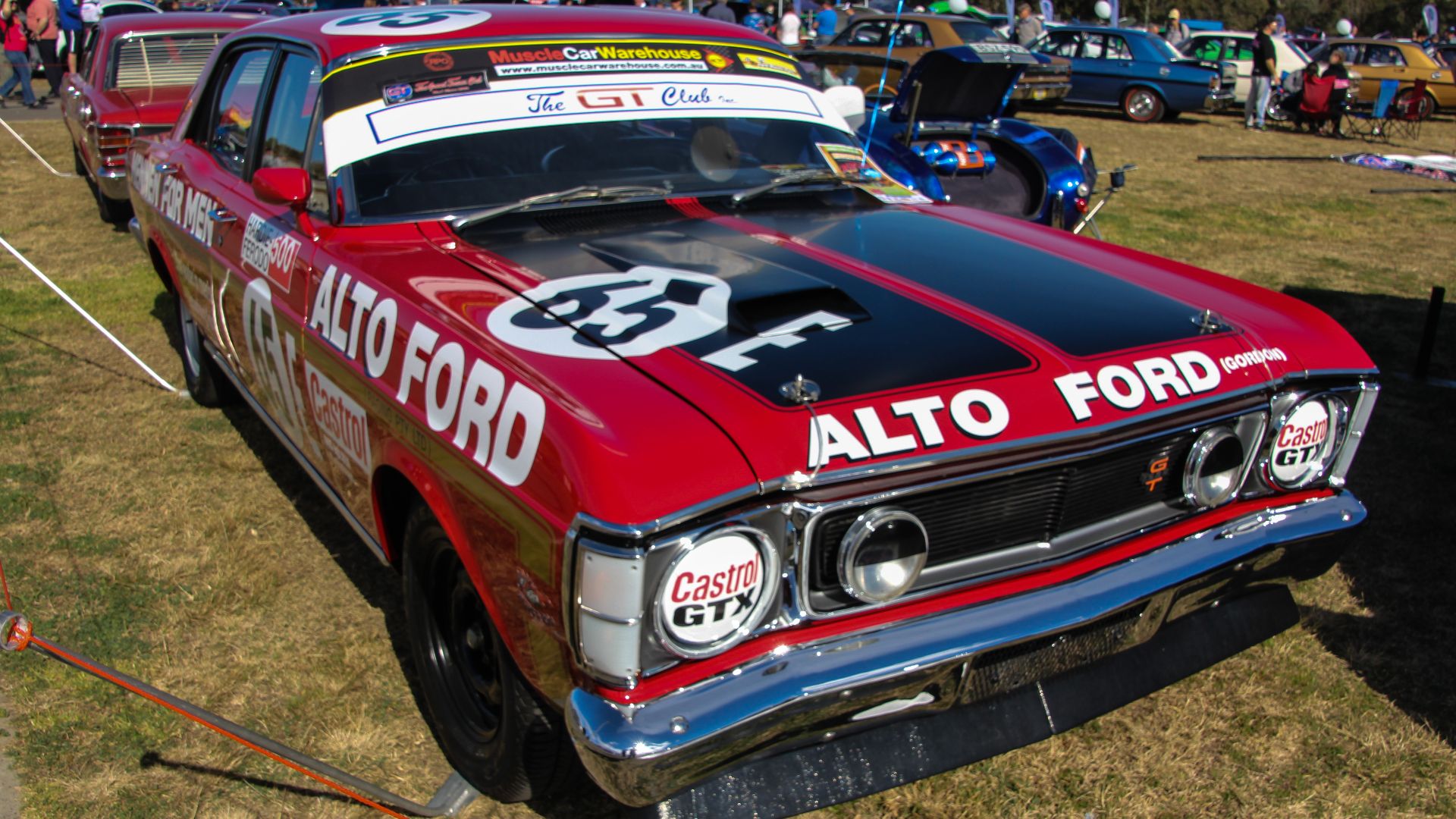
Ford Falcon XW GT-HO Phase II (1970)
Ford Australia sharpened the Falcon XW GT-HO Phase II for endurance racing. A 351 Cleveland V8 delivered about 300 hp, paired with chassis upgrades aimed squarely at Bathurst. “HO” stood for Handling Option, and it reflected its focus beyond straight-line speed.
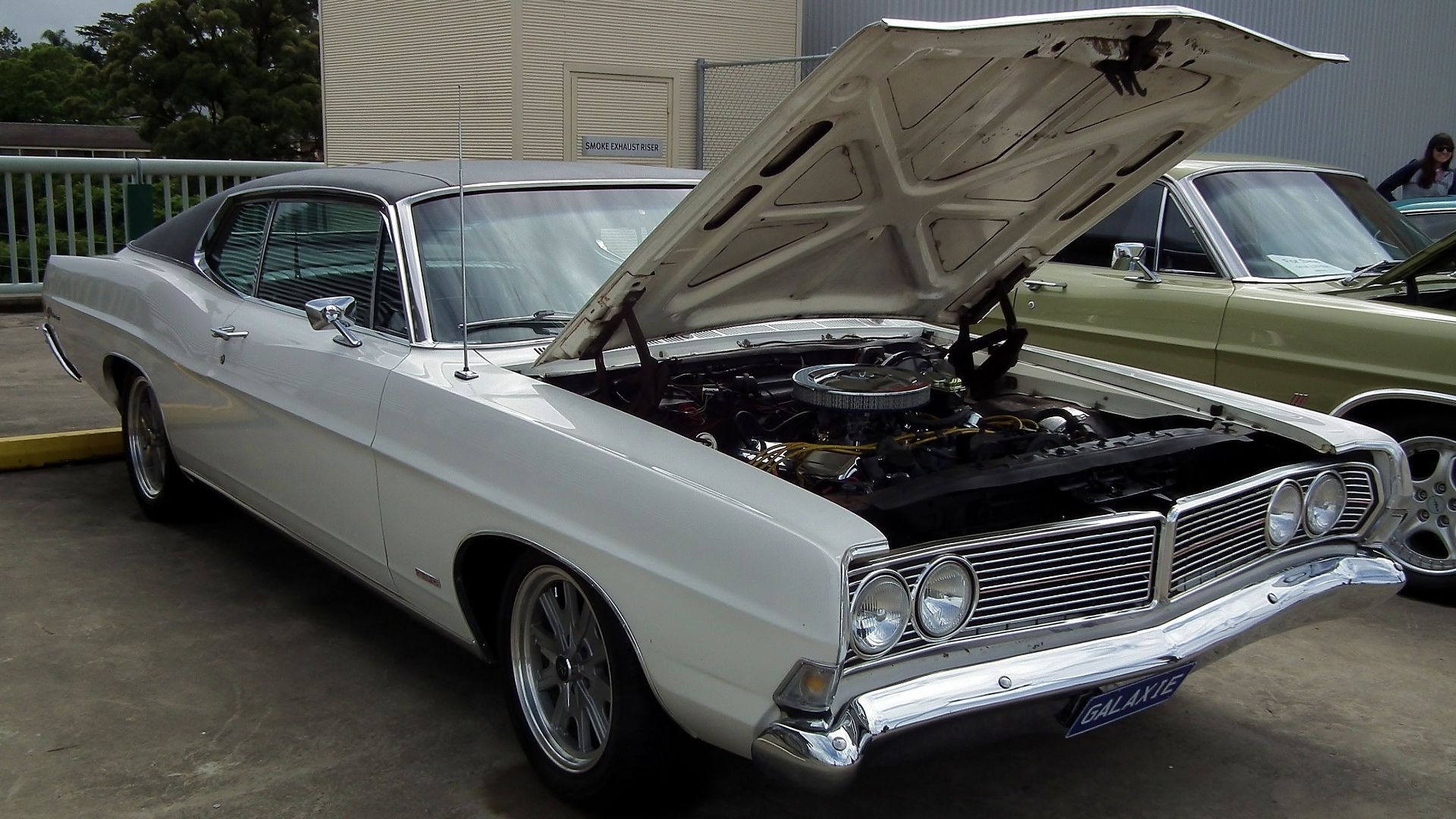
Ford Galaxie 500 Fastback 428 (1968)
This one blended size with speed. A 428 cu in big-block V8 pushed output past 340 hp, while the sloped roofline improved airflow. NASCAR influence shaped the design, earning the nickname “slantback” among performance enthusiasts.
Ford Torino GT Sportsroof (1968–1971)
Ford leaned into fastback design with the Torino GT Sportsroof. Sharing visual DNA with the Mustang fastback, it carried far more mass and muscle. Power climbed as high as the 429 Cobra Jet, which helped the car bridge everyday performance and racing eligibility.
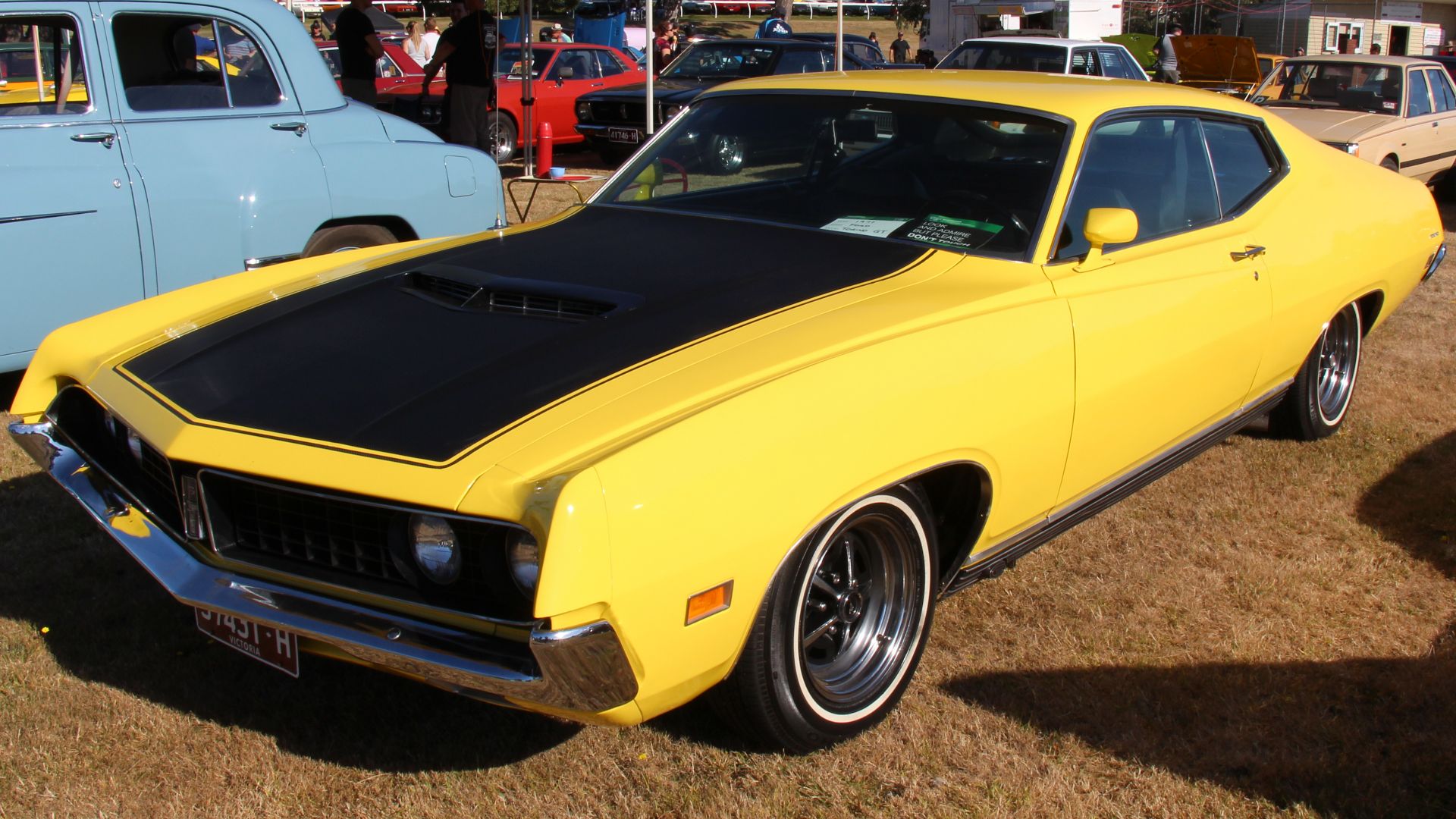
Ford Torino 429 Super Cobra Jet (1970–1971)
The Torino SCJ existed for straight-line dominance. Its 429 Super Cobra Jet delivered massive torque, while the Drag Pack strengthened vital components for repeated hard launches. Few Ford intermediates carried a more aggressive factory setup during the early 1970s.
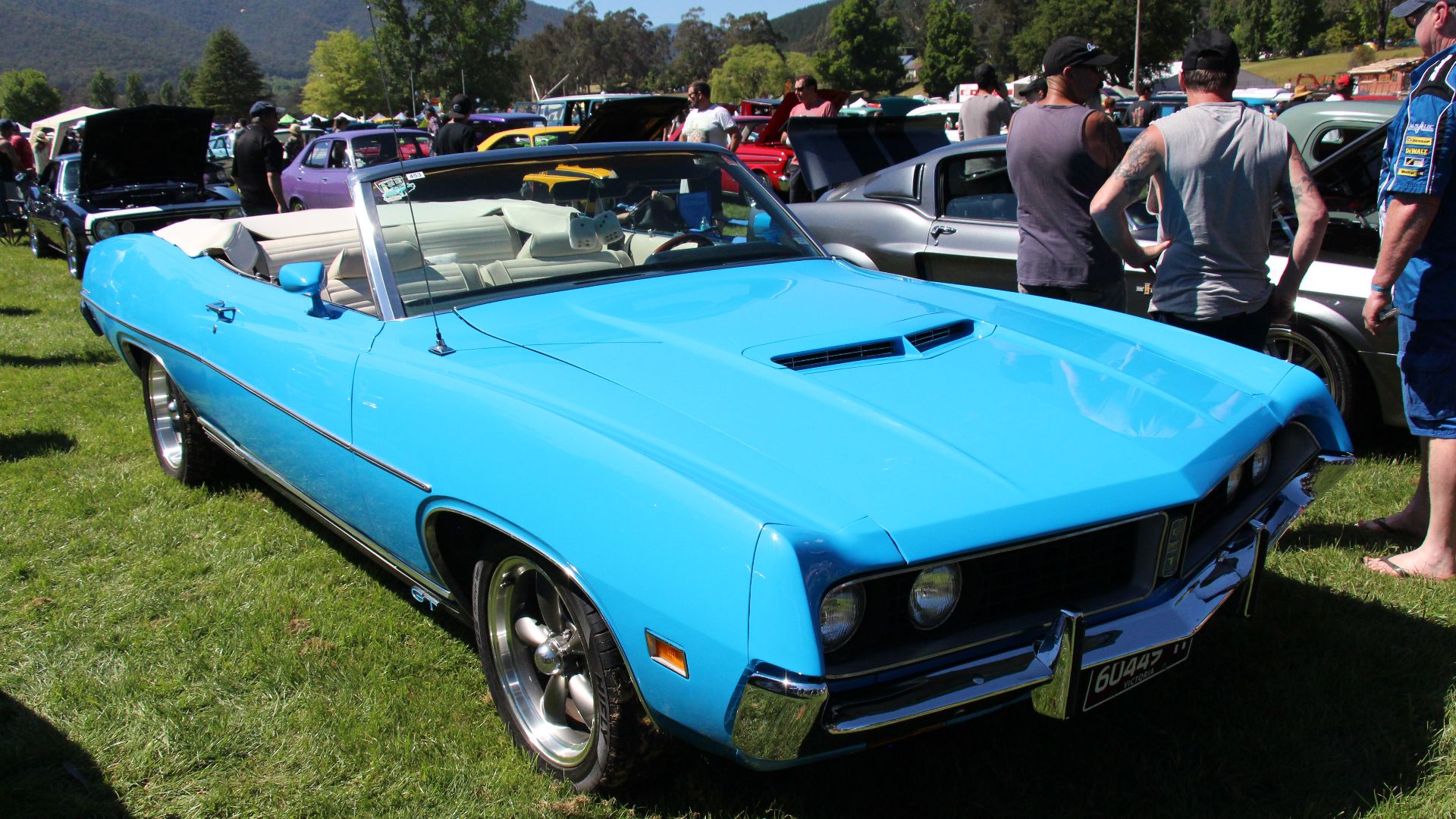
Ford Fairlane 500 428 Cobra Jet (1969)
Ford’s Fairlane 500 Cobra Jet hid serious firepower behind restrained styling. The 428 Cobra Jet officially listed about 335 hp, though real output ran higher. With the Drag Pack option available, the mid-size Fairlane stepped directly into GTO territory.
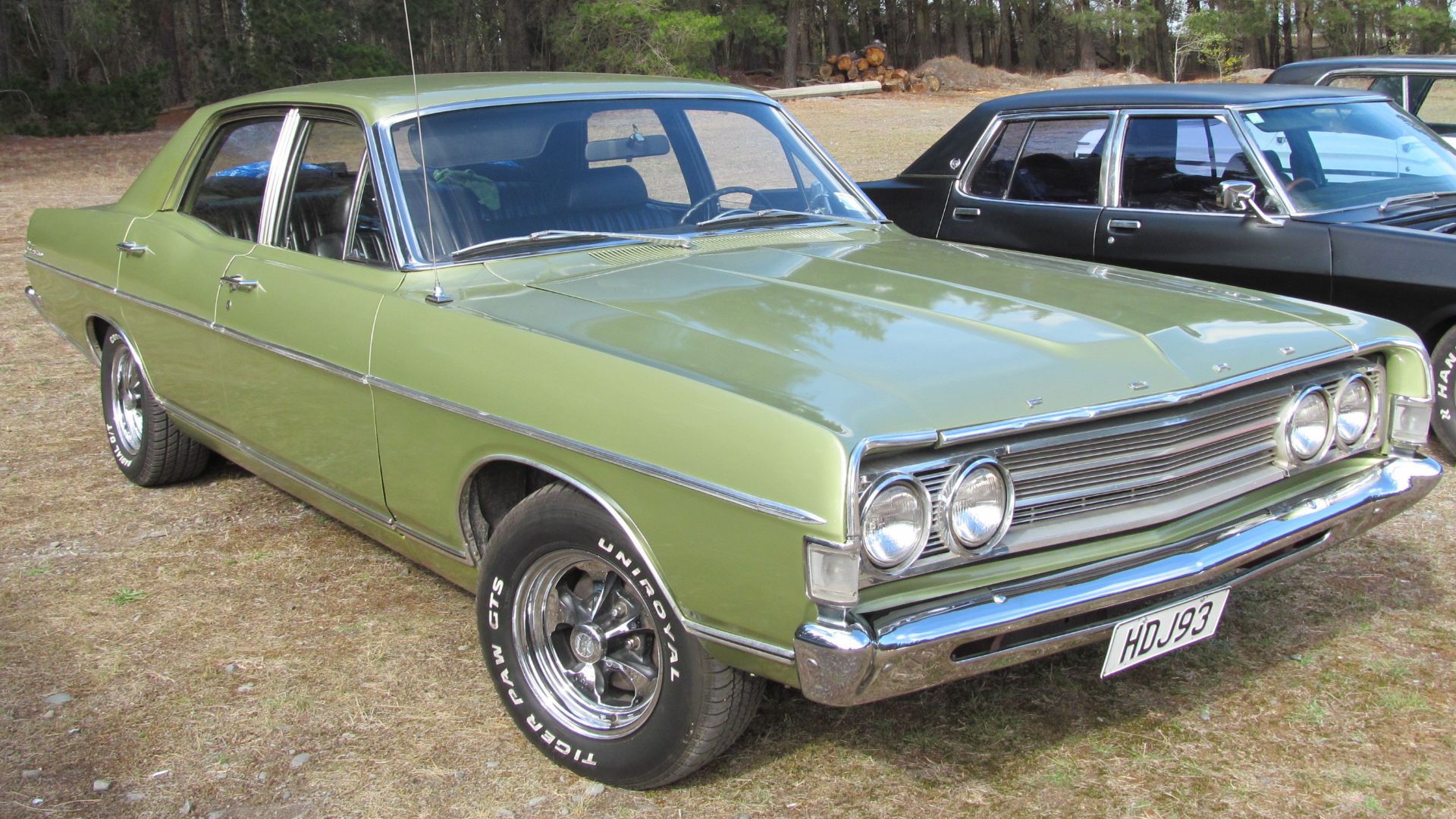 Riley from Christchurch, New Zealand, Wikimedia Commons
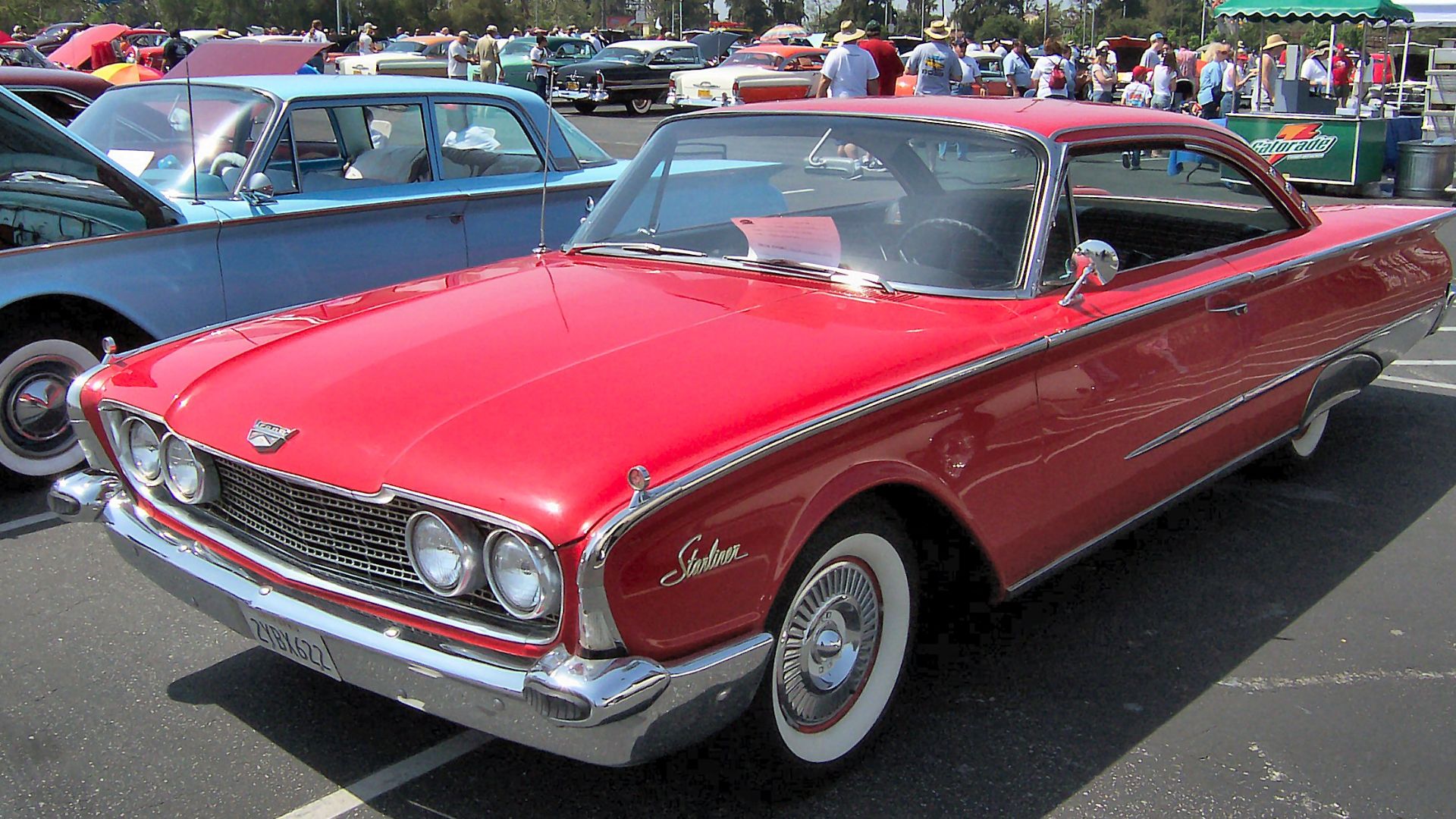
Ford Galaxie Starliner 390 (1960–1961)
The Starliner stood apart from other Galaxies the moment it appeared. Its smooth semi-fastback roofline shaped airflow at speed, a clear nod to NASCAR needs. Offered with the 390 cu in FE V8, the car blended full-size comfort with competition-focused design.