Old-School Tech Hung On Longer Than You Think
Car technology rarely disappears all at once. Most features fade away quietly, while a few stubborn holdouts keep them alive for years longer than expected. These cars clung to old-school hardware long after the rest of the industry had moved on.
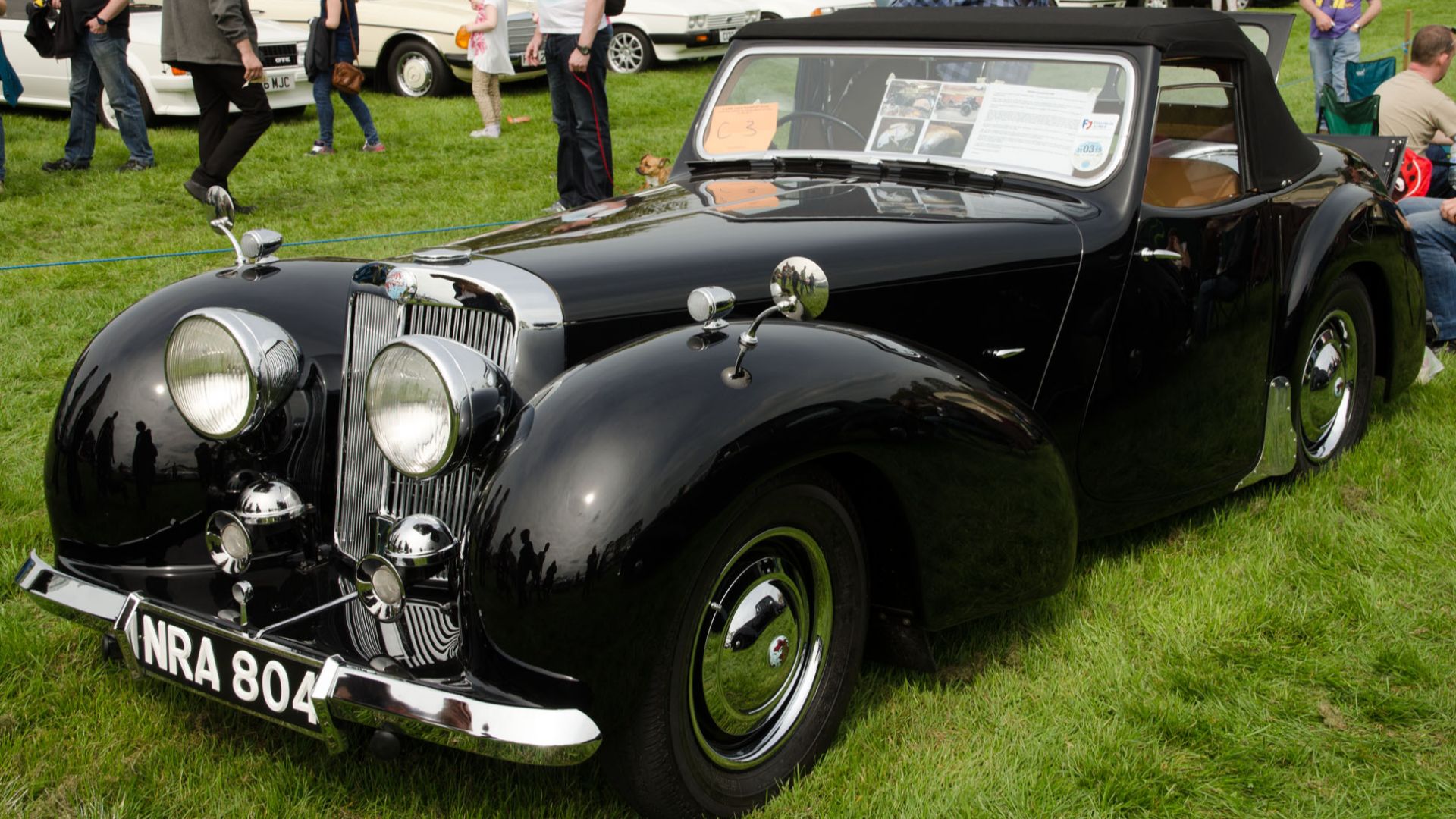
Triumph 2000 Roadster Kept The Rumble Seat Alive
Rumble seats already belonged to another era when the Triumph 2000 Roadster ended production. The 1949 model was the last new car to offer one, with two seats tucked behind the main cabin. Those rear passengers even had their own folding windshield.
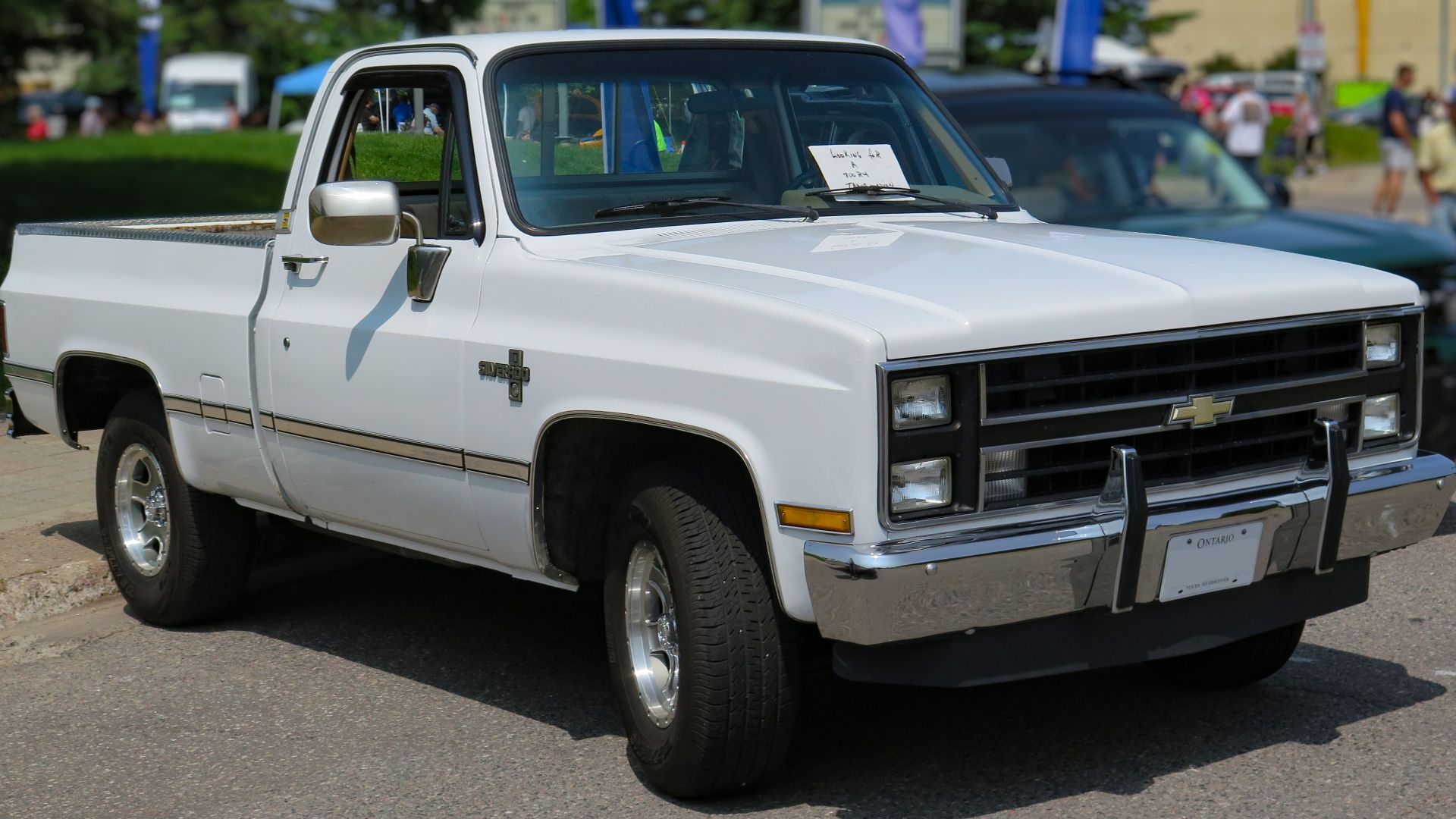
Chevrolet And GMC Kept Three-On-The-Tree Shifting
The column-shifted three-speed manual somehow survived into the late 1980s. Chevrolet R10 and GMC R15 pickups still offered “three on the tree” for 1987 with the rear-drive 4.3-liter V6. They were the final new vehicles sold in America with that arrangement.
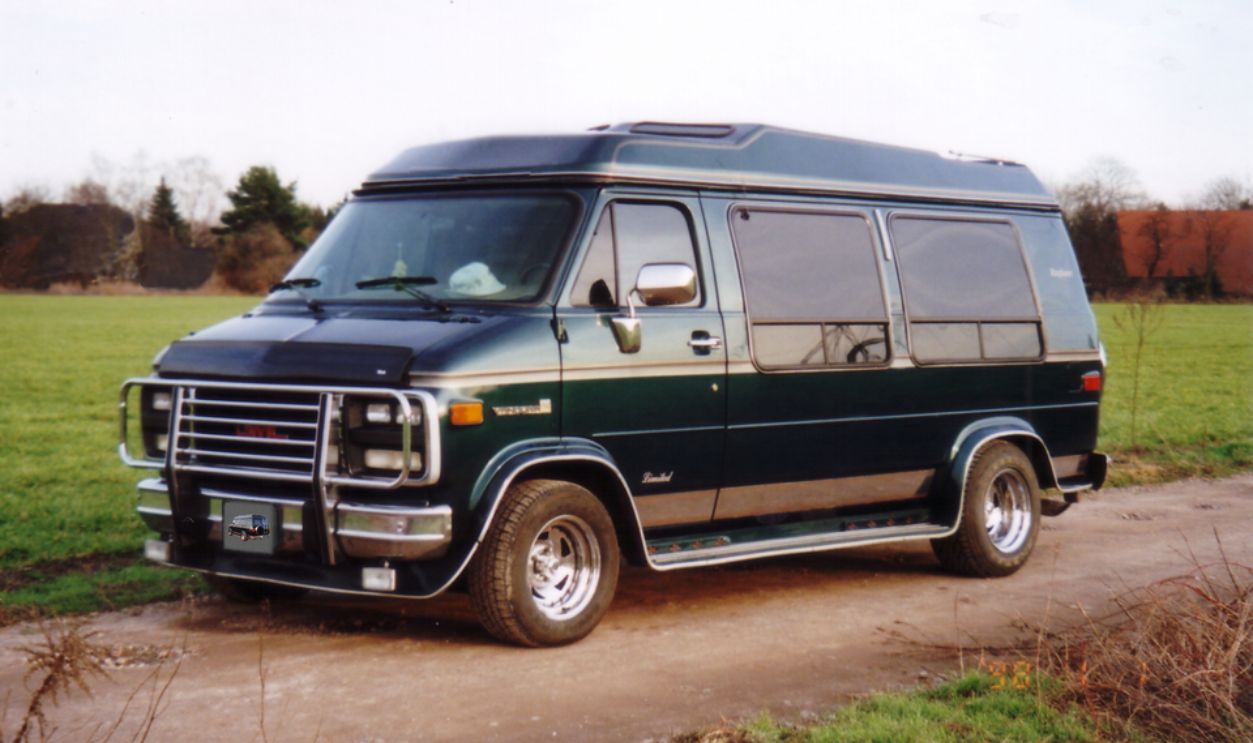
Chevy And GMC Vans Gave Three-Speed Manuals One Last Run
Moving the shifter to the floor gave the basic three-speed manual a little more time. Chevrolet and GMC G-Series vans still offered one for 1987 with either a 4.3-liter V6 or 5.0-liter V8. They became the final holdouts for a transmission with only three forward gears.
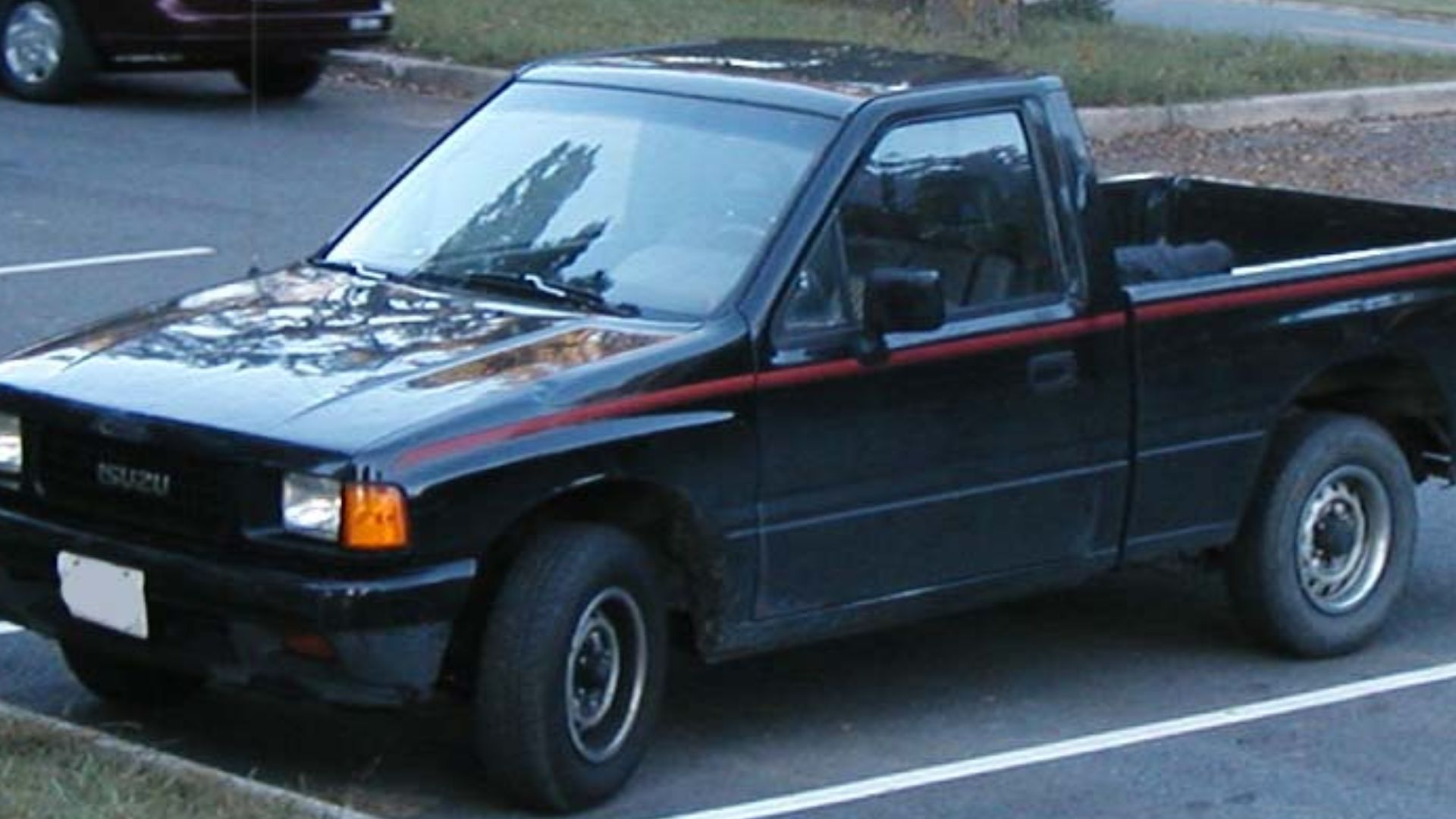
Isuzu Pickup Was The Carburetor’s Final U.S. Holdout
Carburetors lasted surprisingly deep into the fuel-injection era thanks to one humble truck. Certain 1994 Isuzu Pickups still used a carbureted 2.3-liter four-cylinder with a five-speed manual. The Isuzu was the last new U.S. vehicle sold with a carburetor.
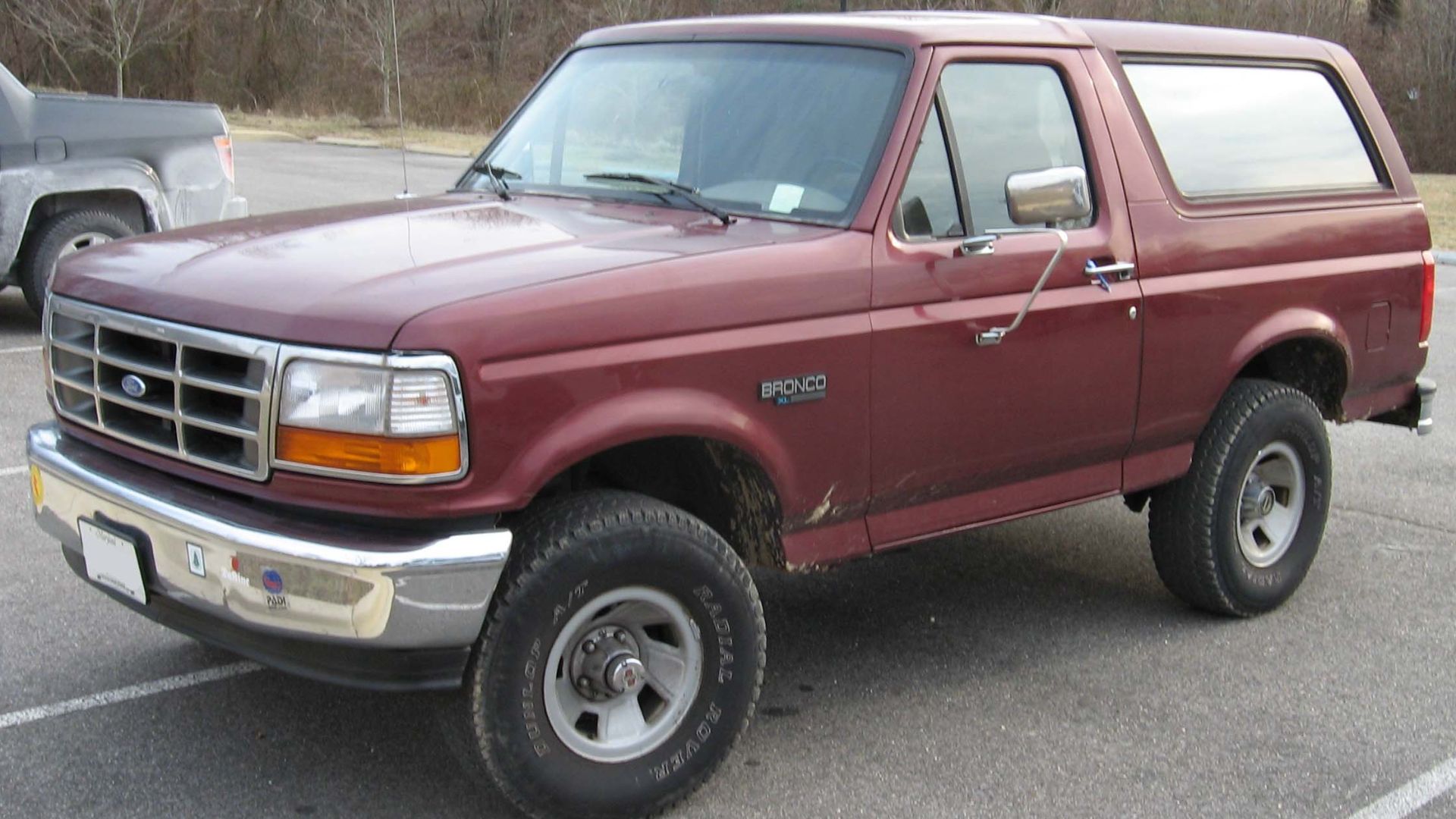
Ford Bronco Kept Vent Windows Through 1996
Those little front vent windows did not disappear as early as many drivers remember. The 1996 Ford Bronco and F-150 shared their final year with Chevrolet G-Classic and Dodge Ram vans. All four lost their front vent windows for 1997.
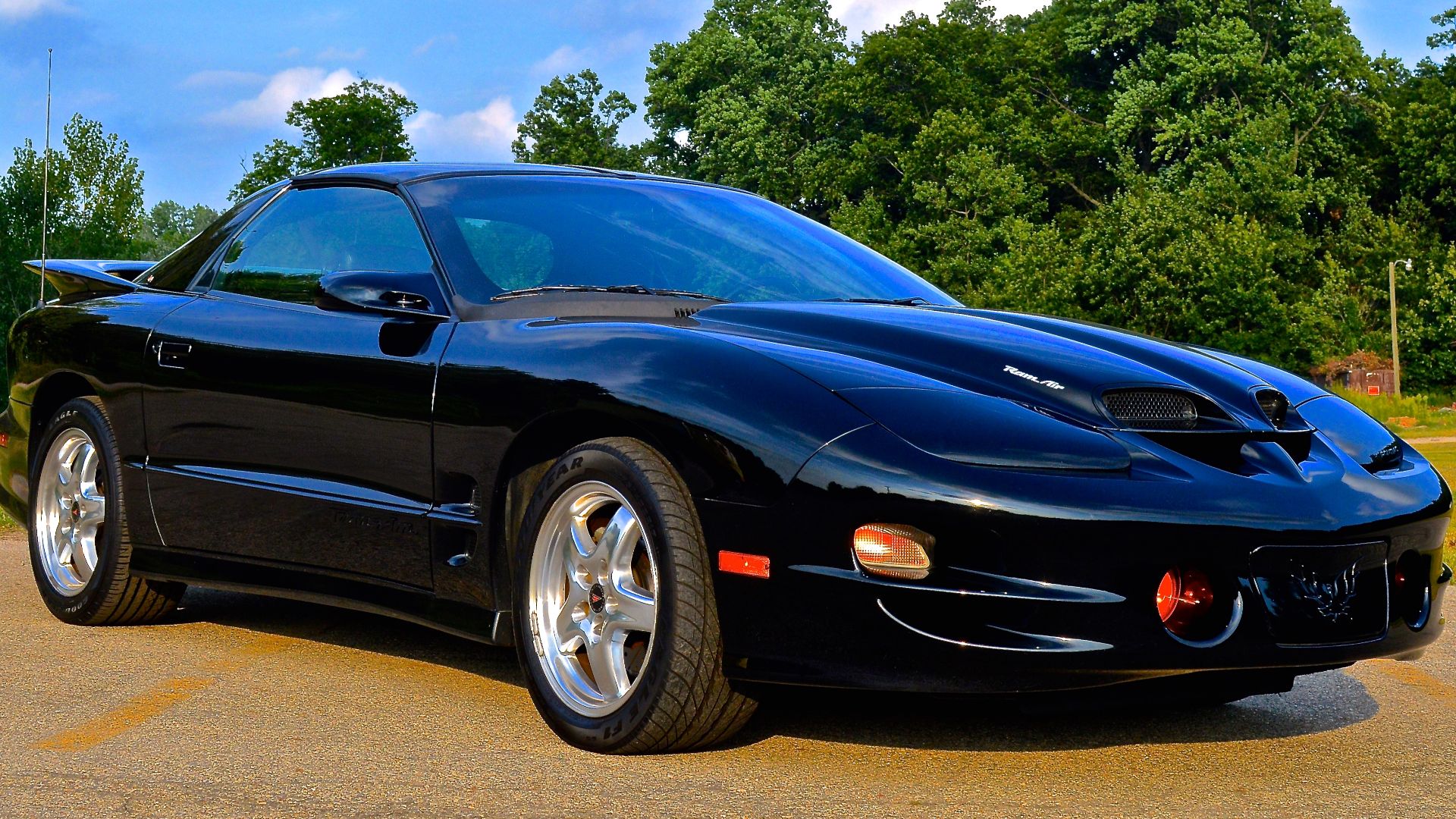
Camaro And Firebird Took T-Tops To The End
T-tops once gave coupes open-air appeal without turning them into full convertibles. Chevrolet Camaro and Pontiac Firebird buyers could still get removable roof panels through the cars’ final 2002 model year. Their departure ended the familiar factory T-top layout with a fixed center bar.
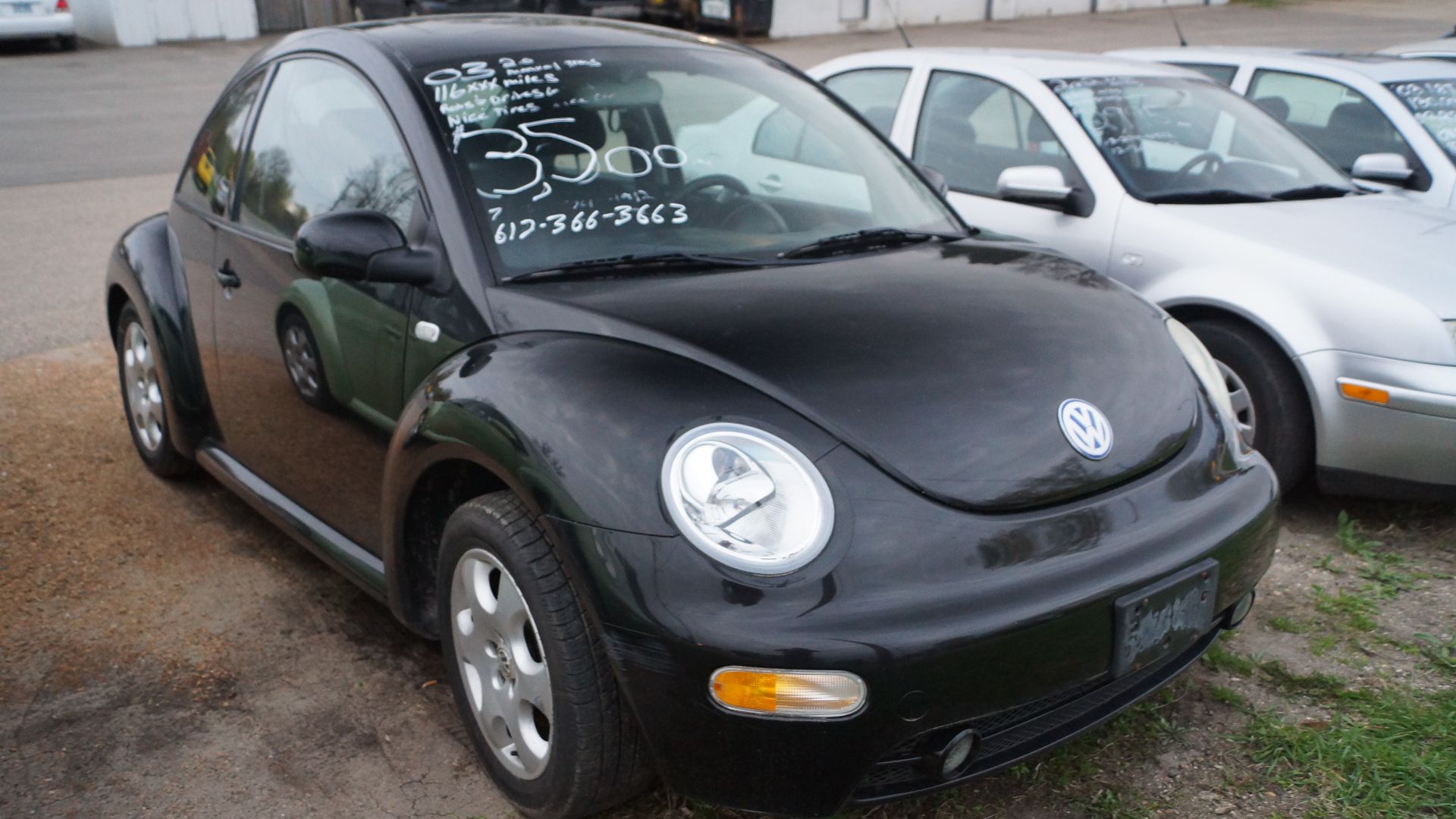
Volkswagen Beetle Kept Air Cooling Alive Until 2003
Few cars held onto an old mechanical formula as stubbornly as the original Volkswagen Beetle. Volkswagen continued building the air-cooled classic in Puebla, Mexico, long after production ended elsewhere. The final air-cooled Beetle rolled out of the factory in 2003.
 Greg Gjerdingen from Willmar, USA, Wikimedia Commons
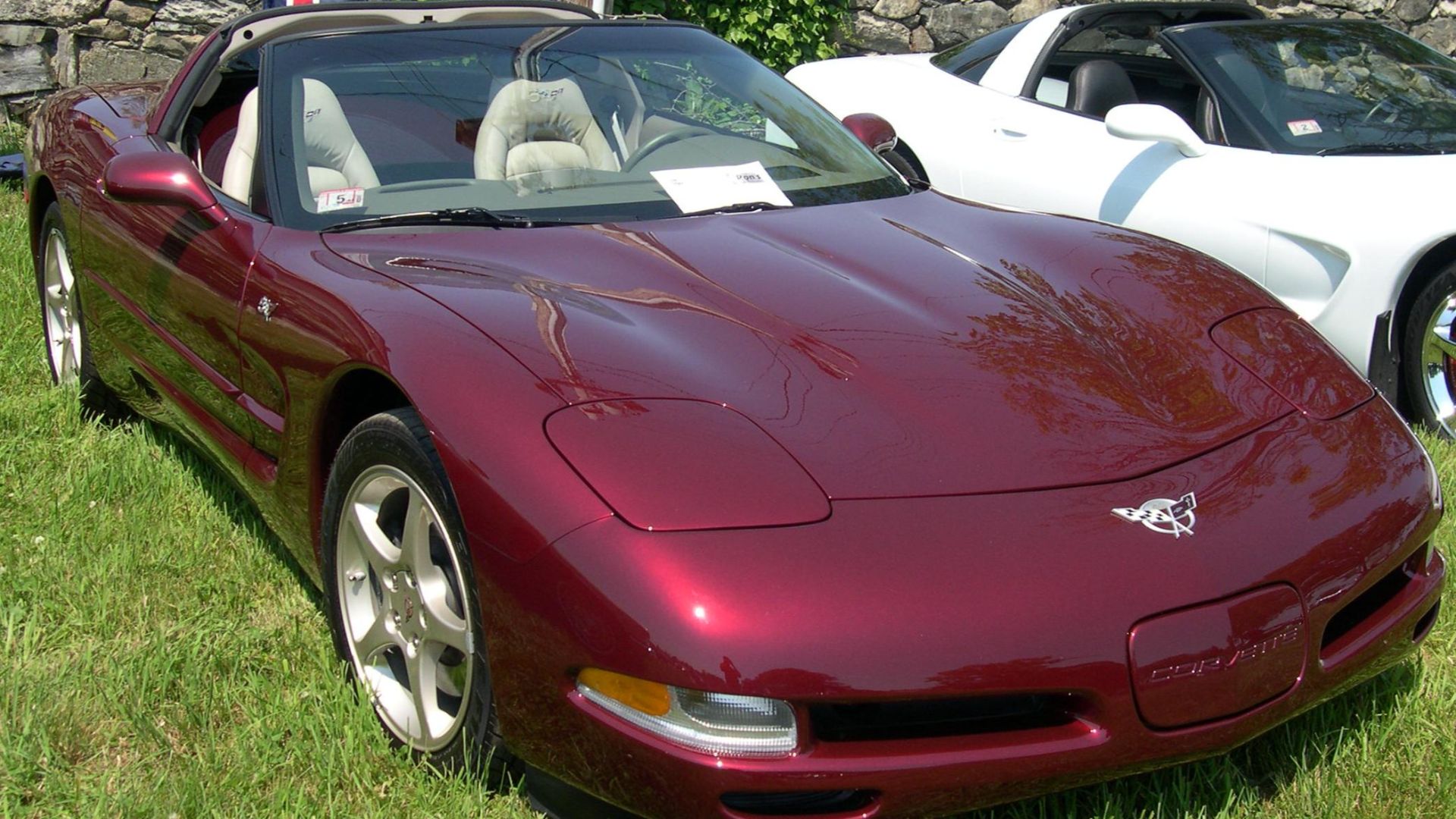
Corvette And Esprit Closed The Pop-Up Headlight Era
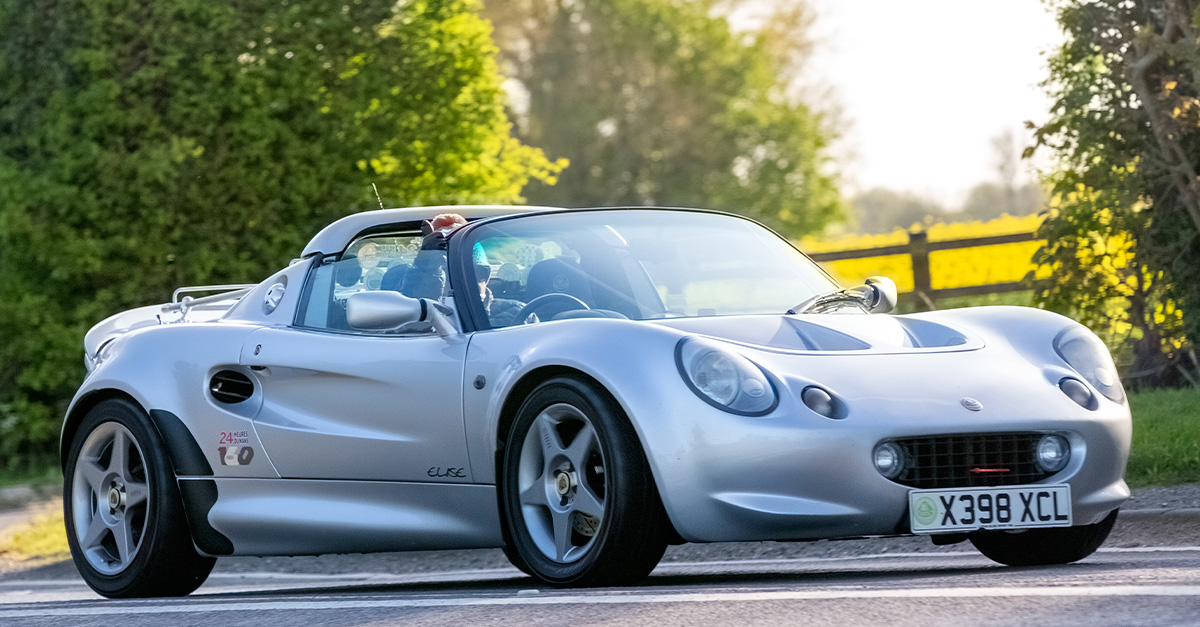
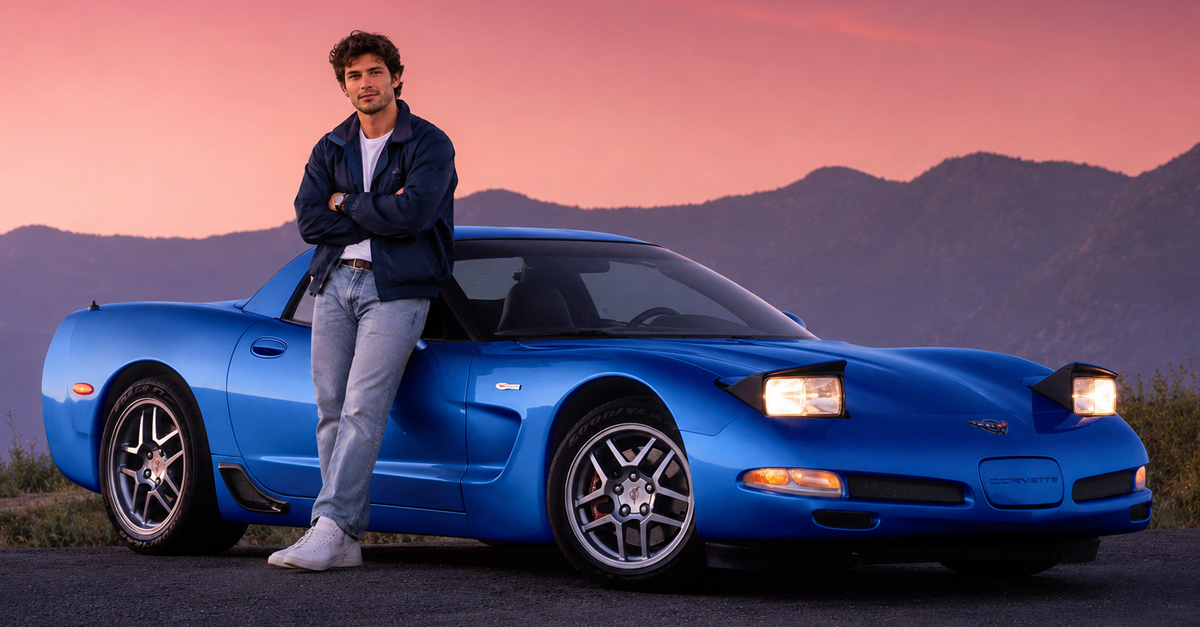
Pop-up headlights survived several years into the new century. The C5 Chevrolet Corvette and Lotus Esprit both reached the end of their runs for 2004 with hidden headlights intact. That model year marked the final stand for production cars using the once-common feature.
 Sfoskett~commonswiki, Wikimedia Commons
Lexus SC 430 Kept The Cassette Deck Alive
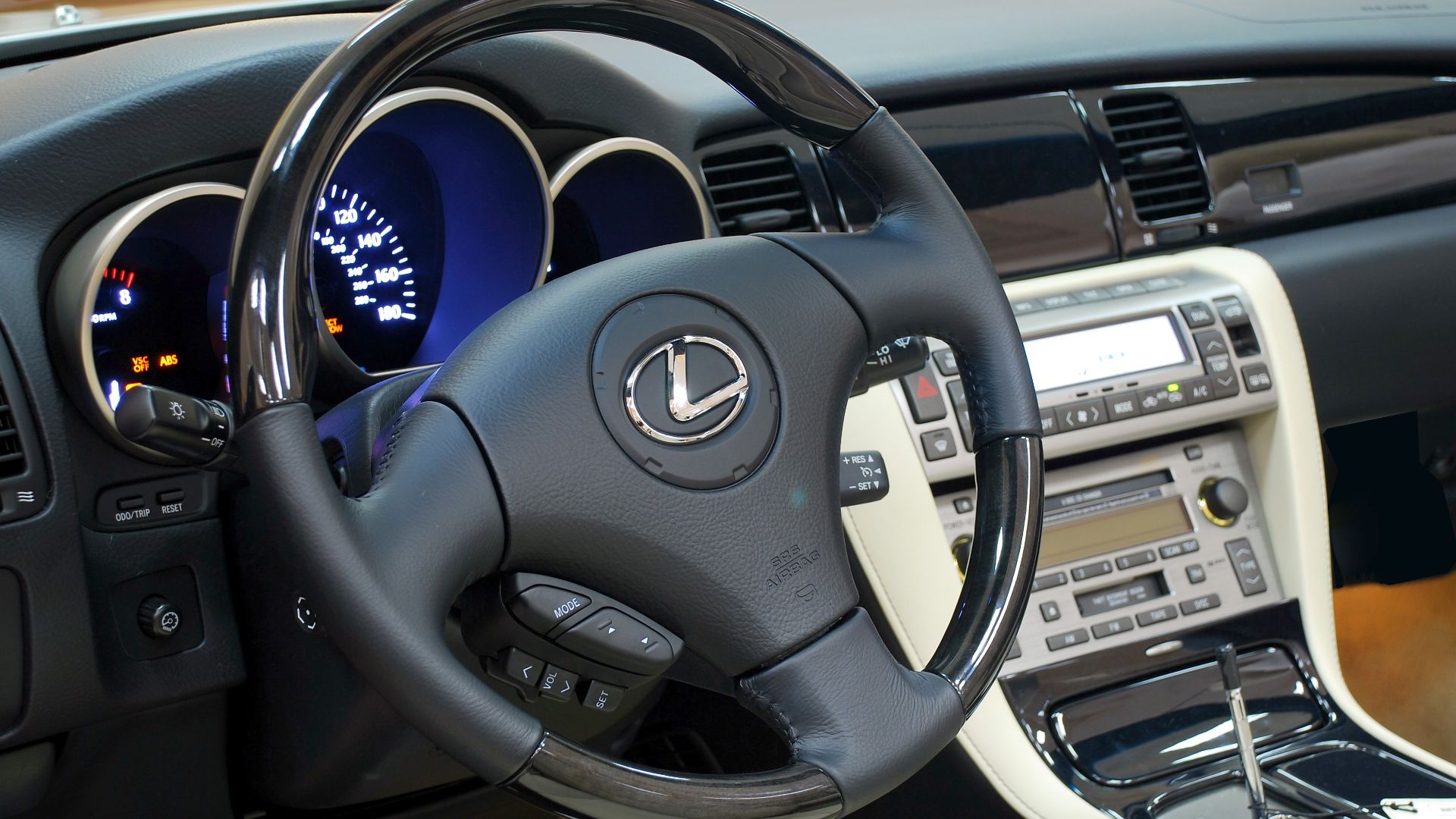
By the time smartphones were becoming mainstream, Lexus could still play your mixtape. The SC 430 retained an in-dash cassette player through the 2010 model year. When the convertible disappeared, the factory cassette deck disappeared from new cars with it.
 DeusXFlorida, Wikimedia Commons
Ford Crown Victoria Refused To Abandon The Old Sedan Formula
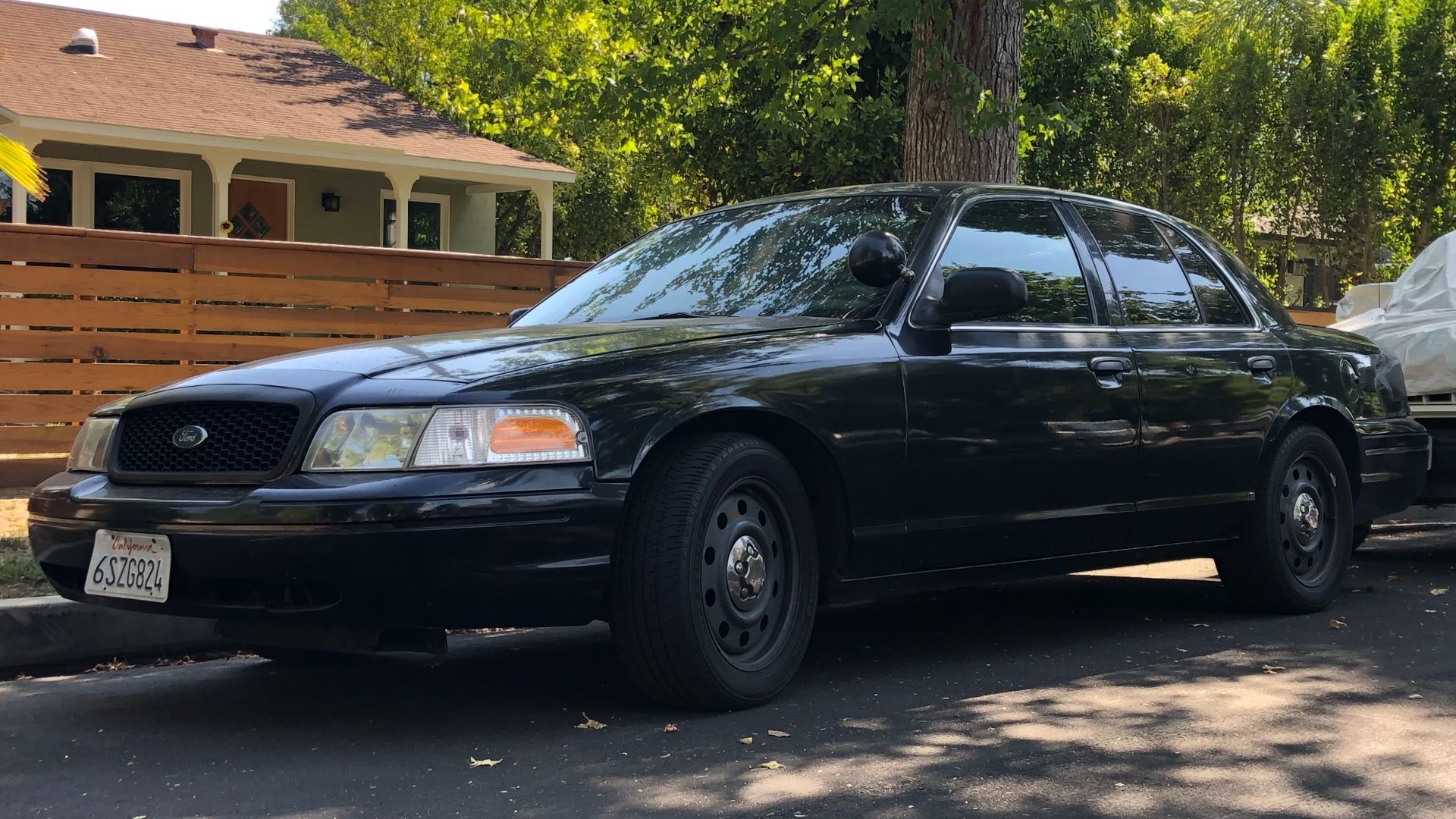
The Crown Victoria looked increasingly unusual as sedans moved toward smaller, front-drive platforms. The 2011 model remained body-on-frame and rear-wheel drive with a 4.6-liter V8 and four-speed automatic. Production ended in September 2011, closing the book on Ford’s long-running Panther platform.
Mustang Kept Its Solid Rear Axle Through 2014
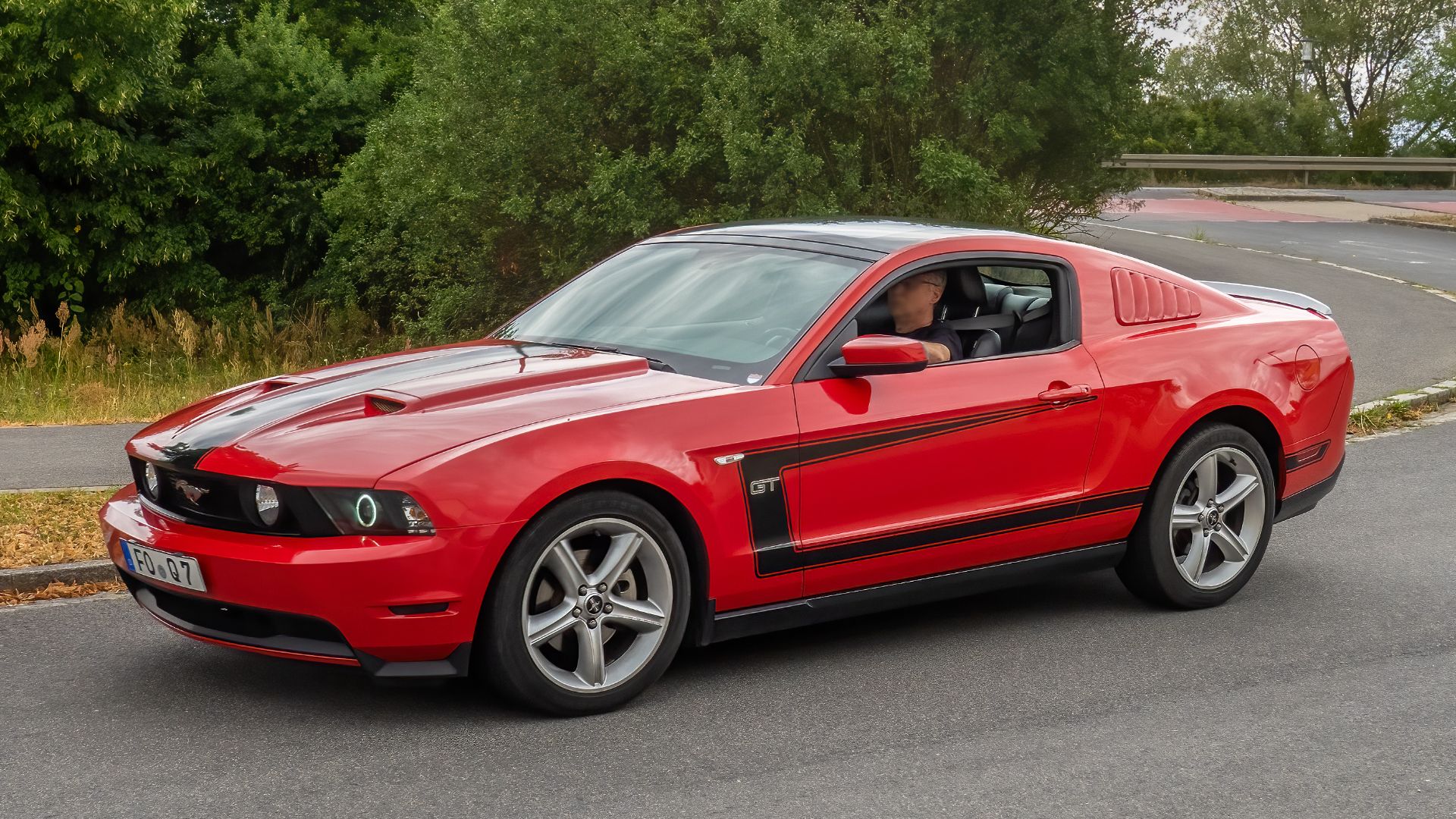
Ford resisted giving the mainstream Mustang fully independent rear suspension for decades. The 2014 model still used a solid rear axle even as many rivals had moved on. The redesigned 2015 Mustang finally made independent rear suspension standard across the lineup.
Impala Limited Kept The Front Bench Seat
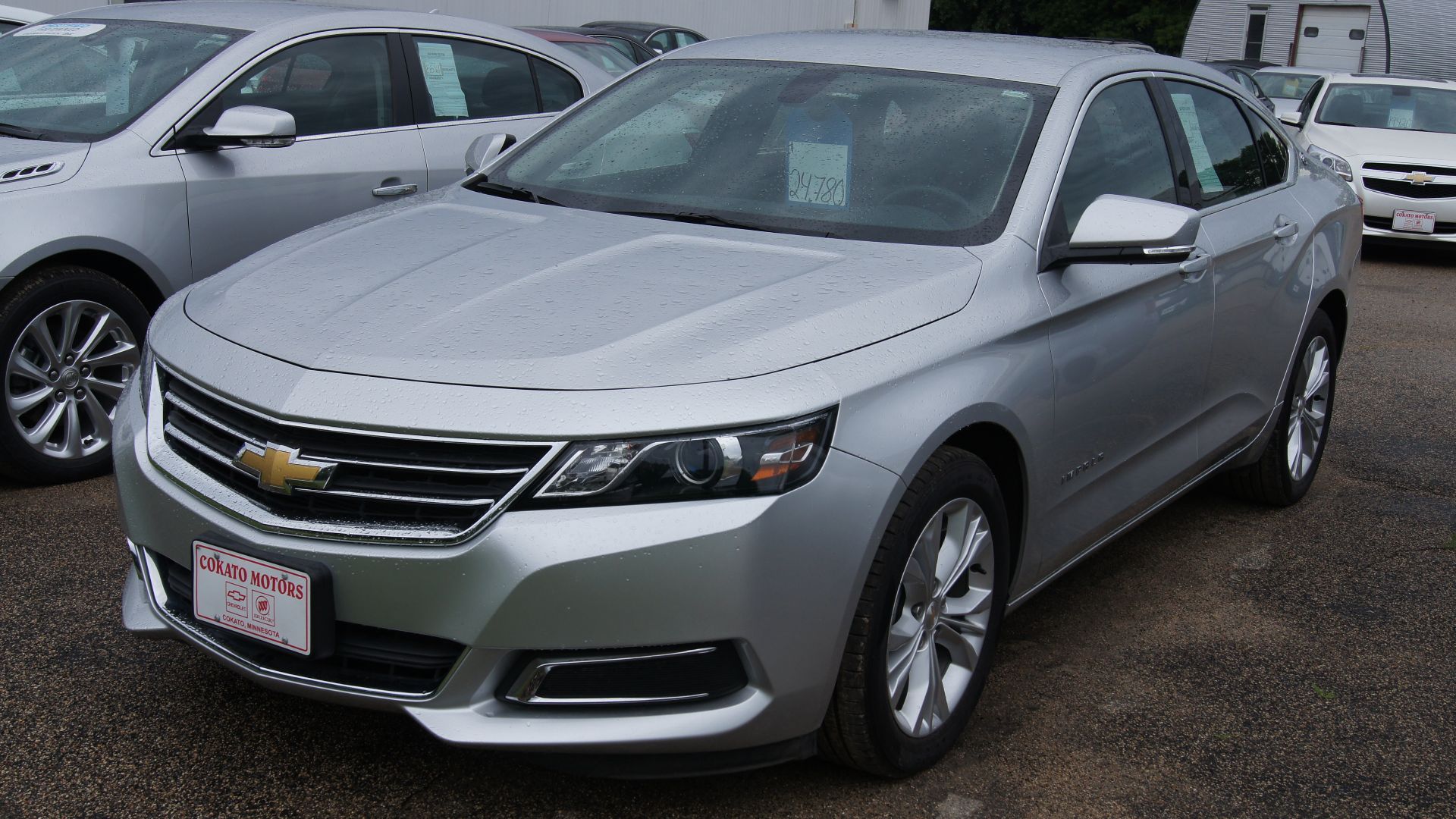
Six-passenger American sedans once seemed completely ordinary. The fleet-only Impala Limited could still be ordered with a 40/20/40 split front bench creating three seating positions up front. Its discontinuation after 2016 ended the front bench seat’s run in new American-market cars.
 Greg Gjerdingen from Willmar, USA, Wikimedia Commons
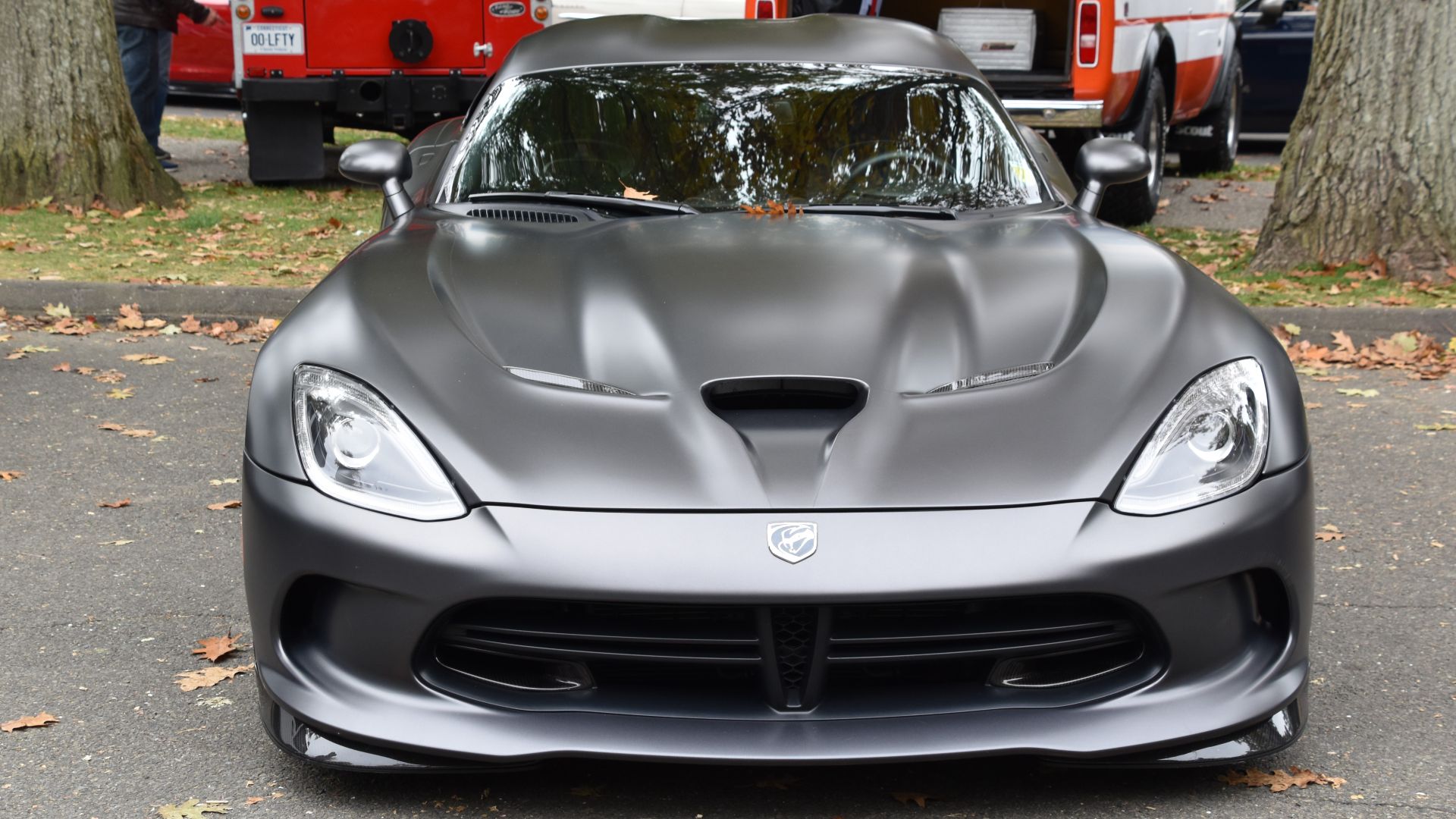
Dodge Viper Refused To Offer An Automatic
The final-generation Viper gained more refinement, but Dodge never gave it an automatic. It retained a Tremec six-speed manual because engineers felt an automatic did not fit the car’s character. The Viper remained manual-only until production ended in 2017.
 Charles from Port Chester, New York, Wikimedia Commons
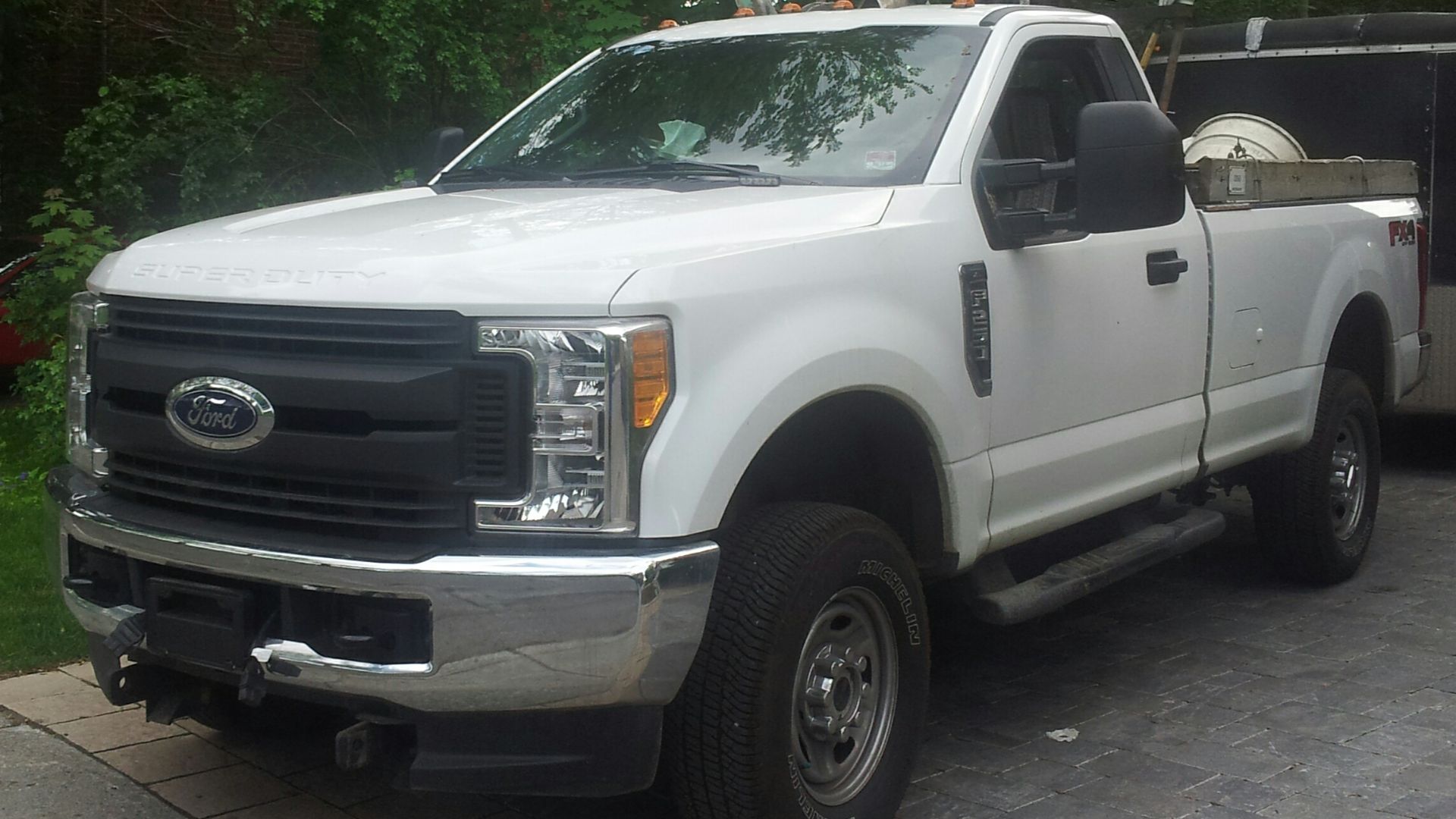
Ford Super Duty Kept Manual 4WD
The redesigned 2017 Super Duty offered plenty of modern technology, but Ford still catered to buyers who wanted simplicity. A configuration with a manual transfer-case shifter and manual locking hubs remained available. It was unusually mechanical hardware for such a modern heavy-duty pickup.
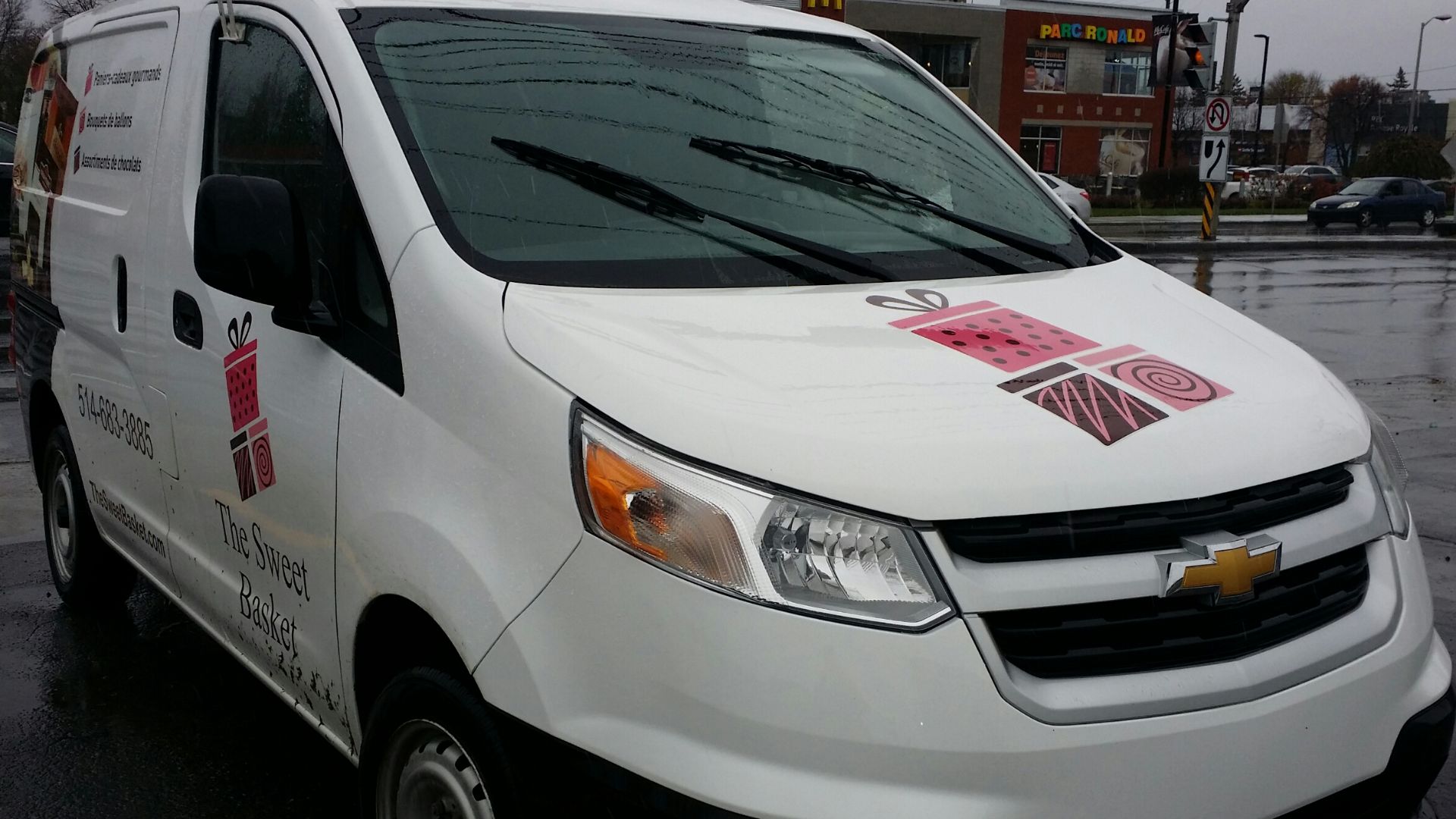
Chevrolet Express Was The Last Sealed-Beam Holdout
Sealed-beam headlights once dominated American roads because the bulb, reflector, and lens were replaced together. Somehow, the Chevrolet Express kept them until 2018. It was the last vehicle on the market to offer sealed-beam headlights before Chevrolet finally dropped them.
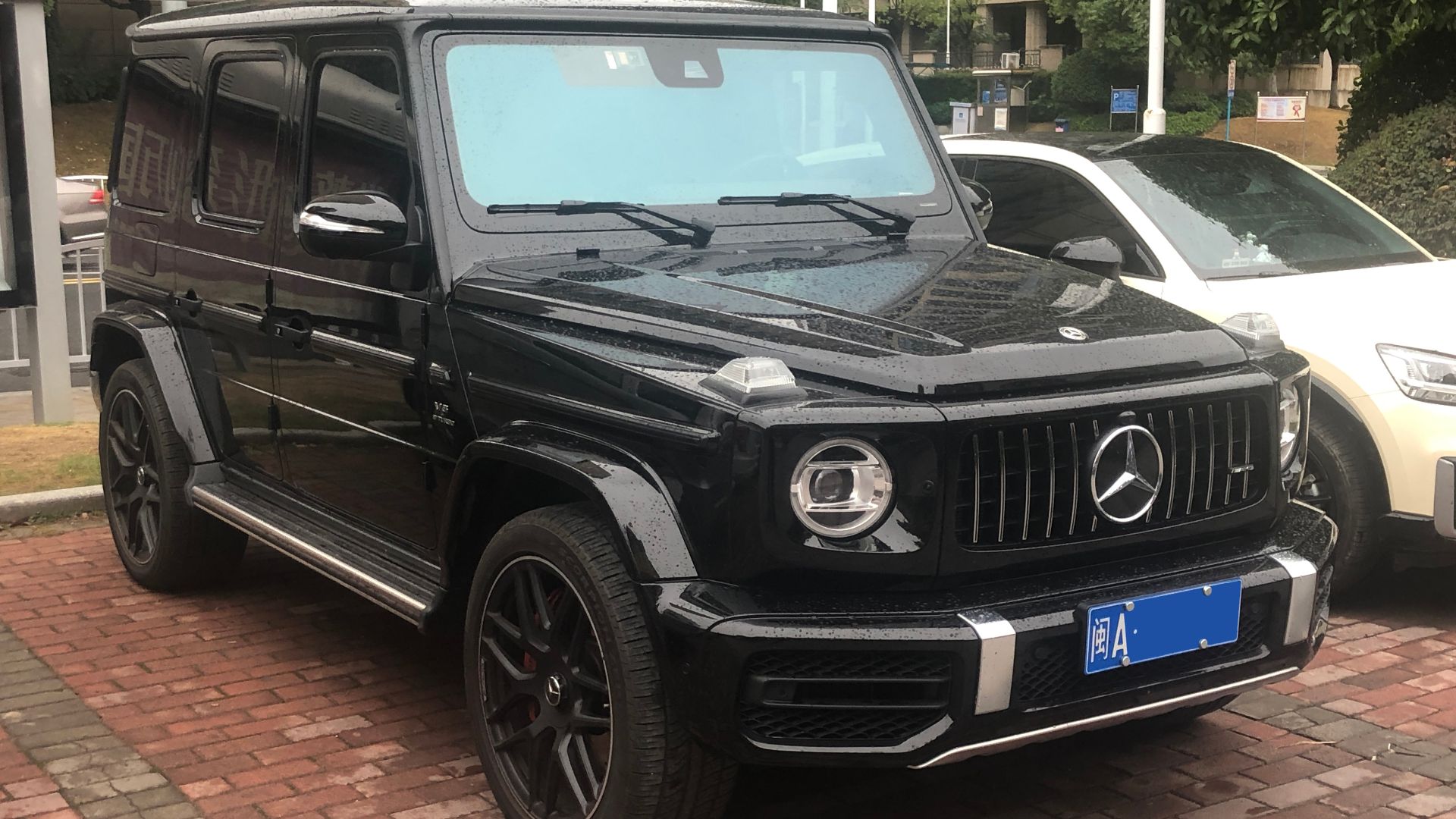
Mercedes G-Class Kept Ancient Steering Hardware
The old G-Class preserved much more than its boxy styling. Before its 2019 redesign, it still used a solid front axle and recirculating-ball steering. The redesigned model finally switched to independent front suspension and electrically assisted rack-and-pinion steering.
 JamesYoung8167, Wikimedia Commons
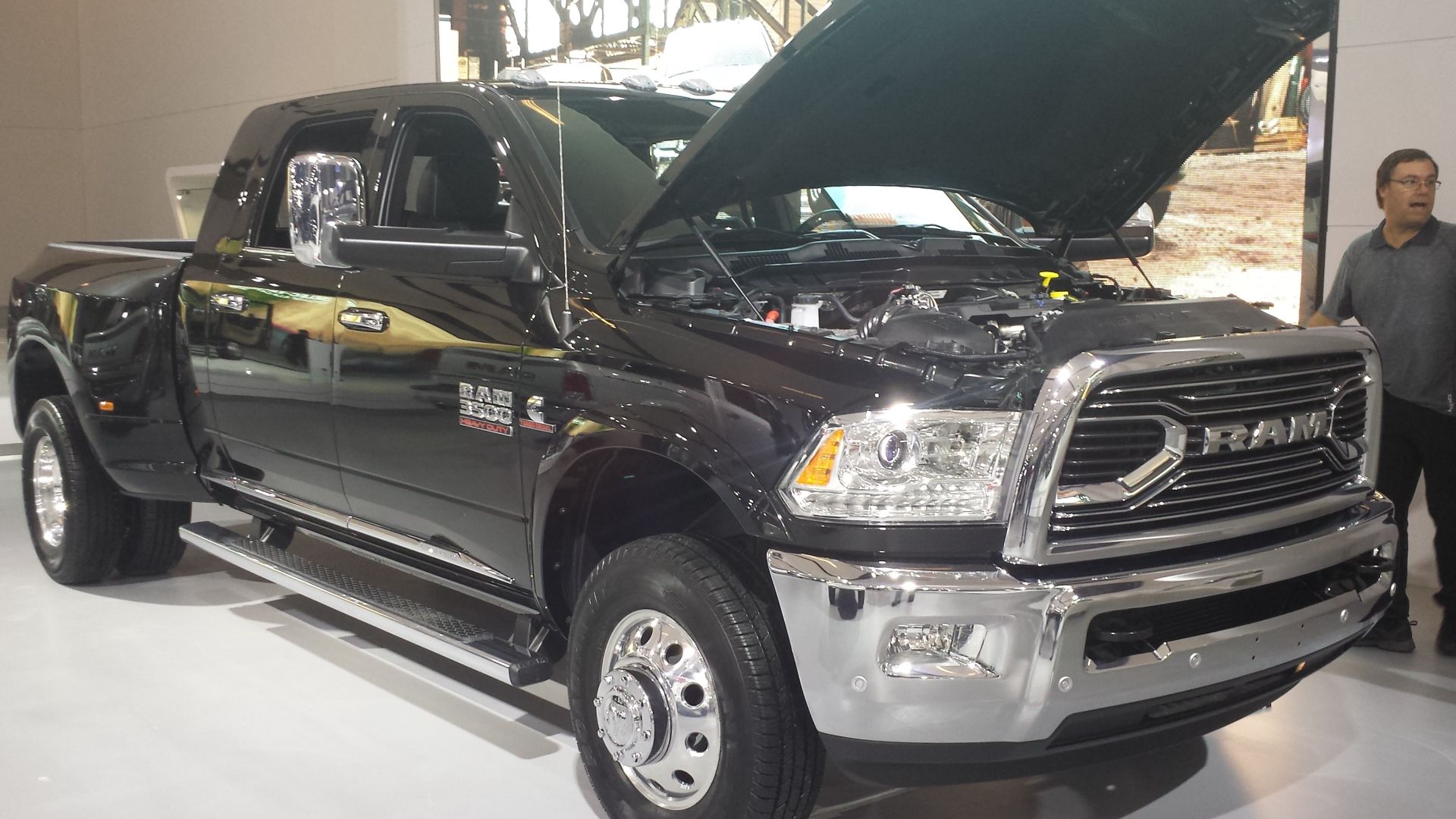
Ram Held On To The Manual Full-Size Pickup Through 2018
Heavy-duty Ram buyers could still pair a Cummins diesel with a six-speed G56 manual long after rivals abandoned stick shifts. The transmission remained available in Ram 2500 and 3500 models through 2018. The Cummins-powered Ram was the final full-size manual pickup in the United States.
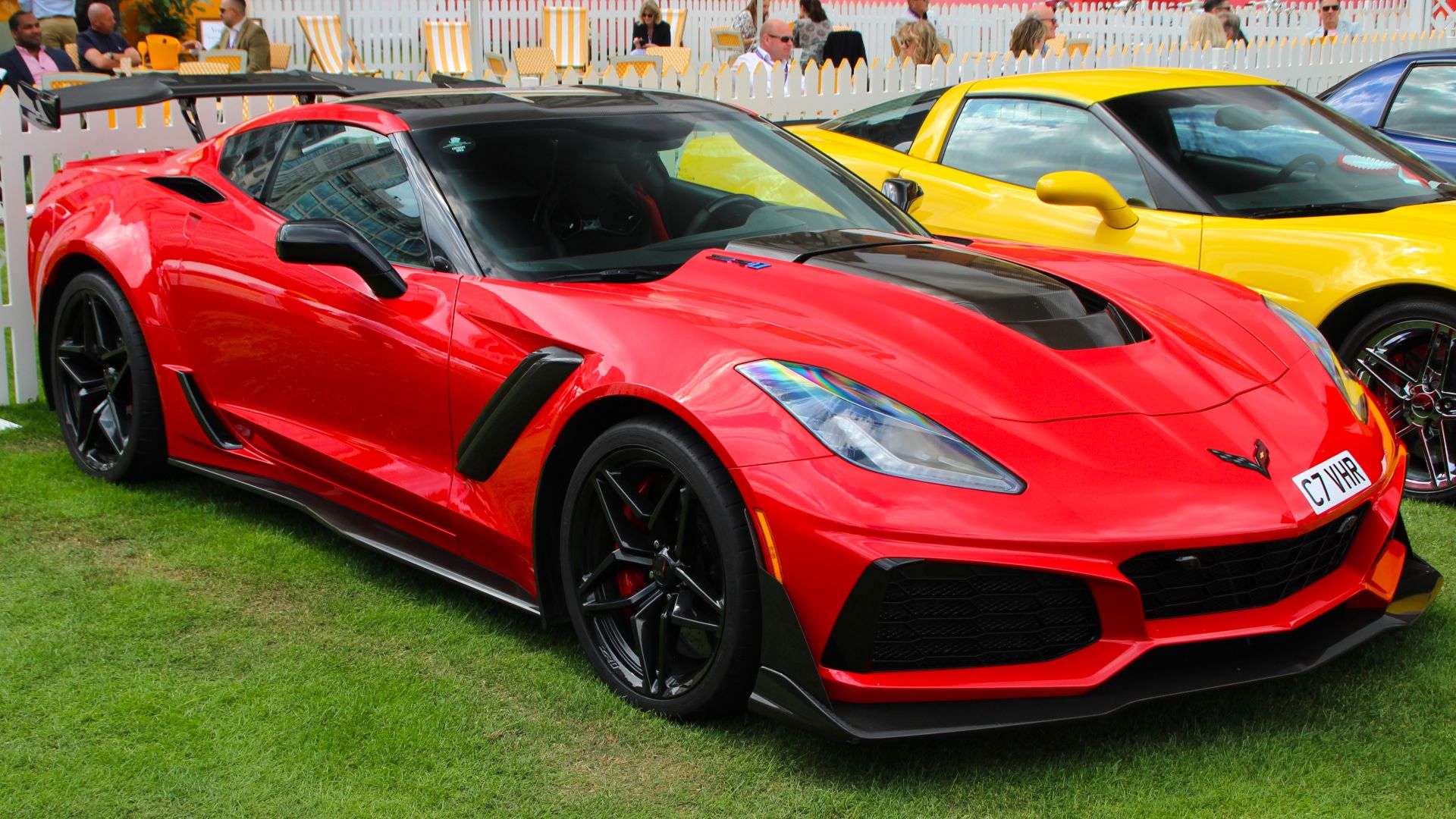
C7 Corvette Kept Its Transverse Leaf Springs
The C7 Corvette looked modern, but underneath it preserved one distinctly Corvette tradition. Even the 2019 ZR1 used independent suspension with transverse composite leaf springs. The mid-engine C8 finally replaced them with coil-over dampers at all four corners.
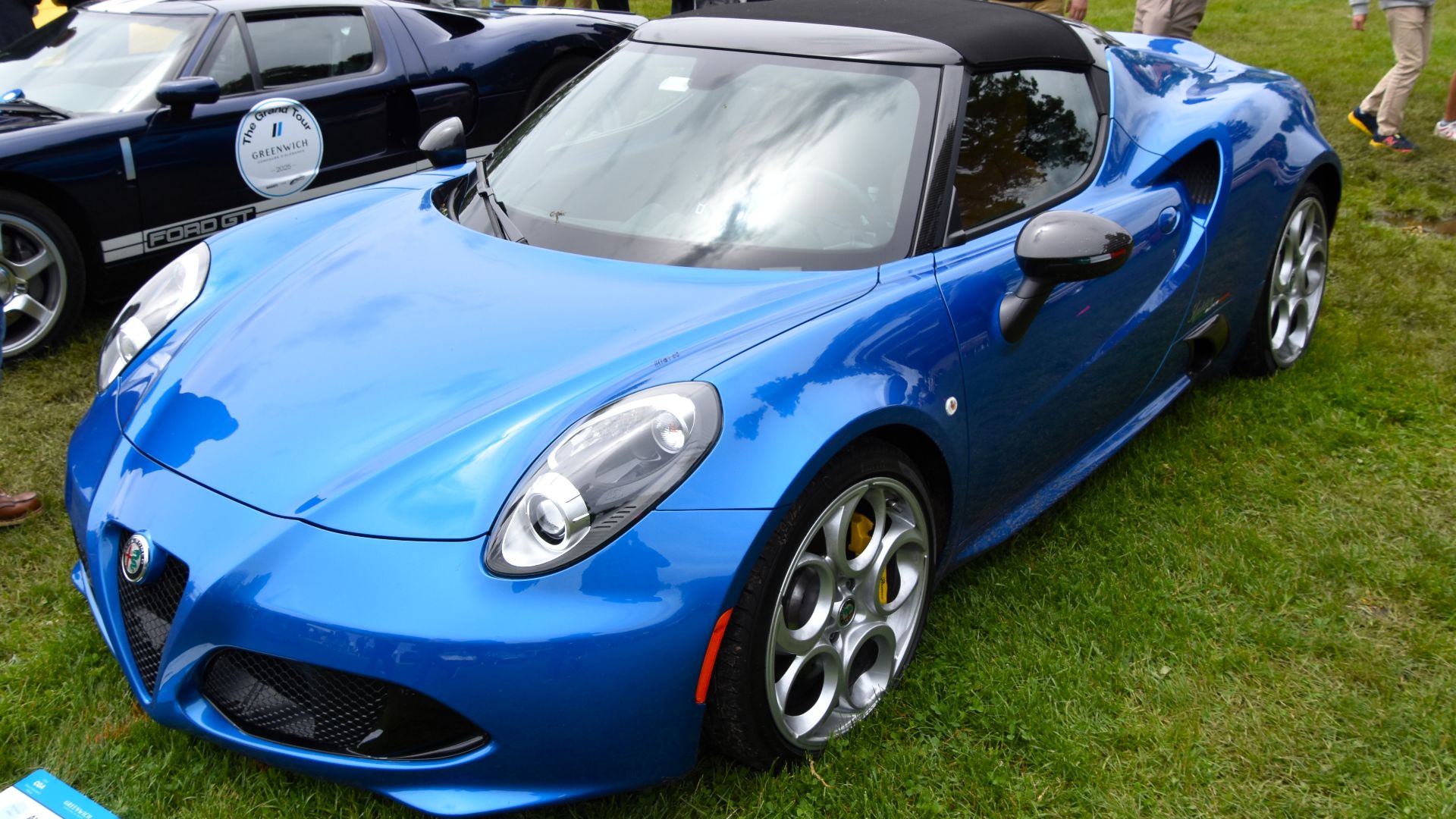
Alfa Romeo 4C Kept Manual Steering Into 2020
Power steering was nearly universal when Alfa Romeo decided the tiny 4C did not need it. The sports car retained completely manual steering through its final North American models. The setup demanded more effort but delivered extremely direct steering feedback.
 Charles from Port Chester, New York, Wikimedia Commons
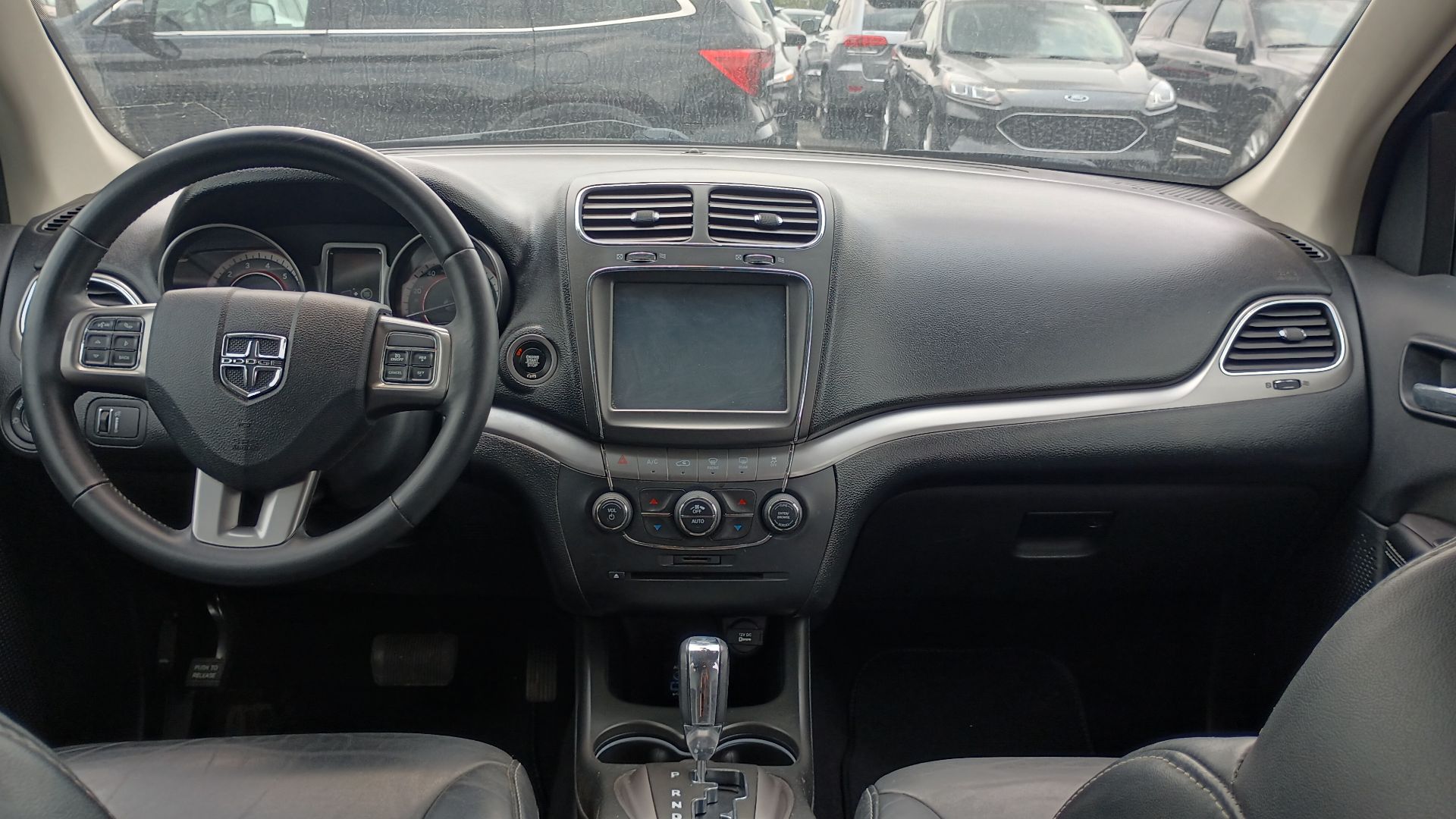
Dodge Journey Kept Its Four-Speed Automatic
Four-speed automatics had largely vanished when the Dodge Journey entered its final year. For 2020, its only powertrain paired a 2.4-liter four-cylinder with a four-speed automatic and front-wheel drive. Dodge ended the Journey after that model year, finally retiring its dated transmission.
 deathpallie325, Wikimedia Commons
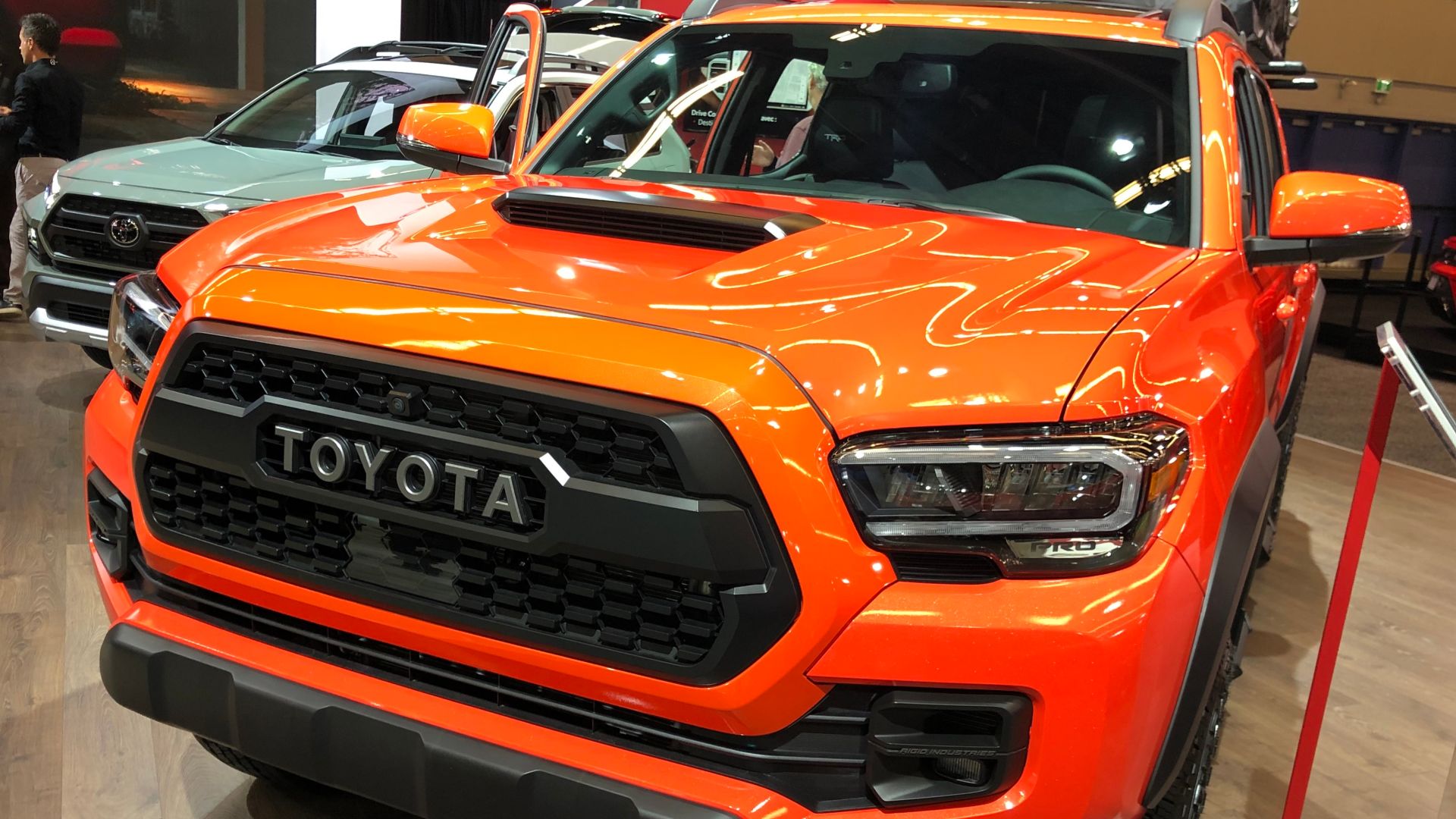
Toyota Tacoma Kept Rear Drum Brakes Through 2023
Toyota kept one old-fashioned piece of hardware on the third-generation Tacoma until the end. The 2023 truck still combined front disc brakes with rear drums on configurations such as the SR. The redesigned 2024 Tacoma finally brought disc brakes to the rear.
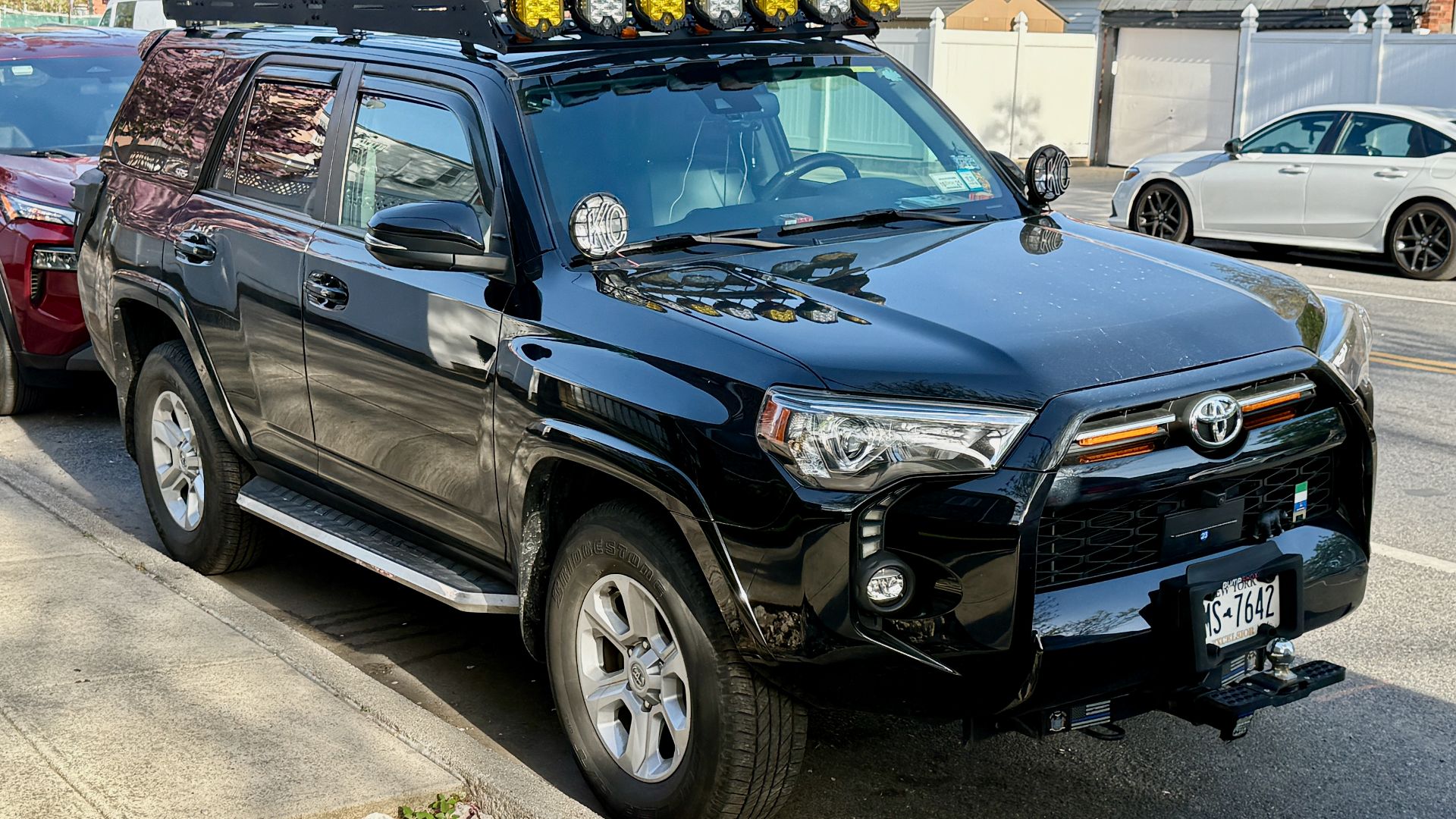
Toyota 4Runner Kept Its Five-Speed Automatic
The outgoing 4Runner became famous for changing at a glacial pace. The 2024 model still paired its 4.0-liter V6 with a five-speed automatic and hydraulic power steering. That combination felt especially old-school by the time Toyota finally retired the generation.
 Oleg Yunakov, Wikimedia Commons
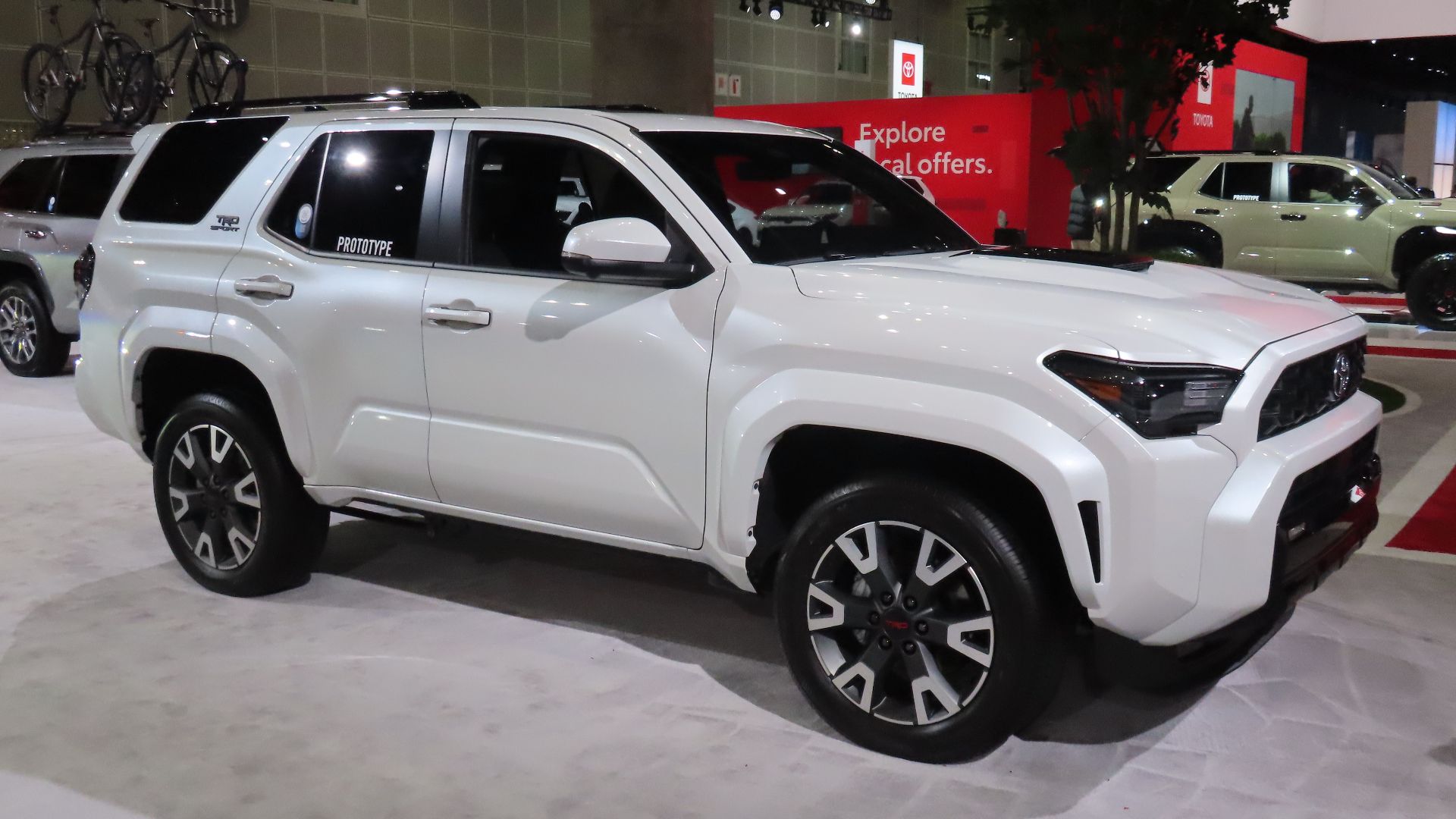
Even The Redesigned 4Runner Kept Hydraulic Steering
Toyota modernized the new 4Runner with a turbocharged engine and eight-speed automatic. One mechanical throwback survived the overhaul. Car and Driver’s specifications still list hydraulic power-assist steering rather than the electric assistance now common in new vehicles.
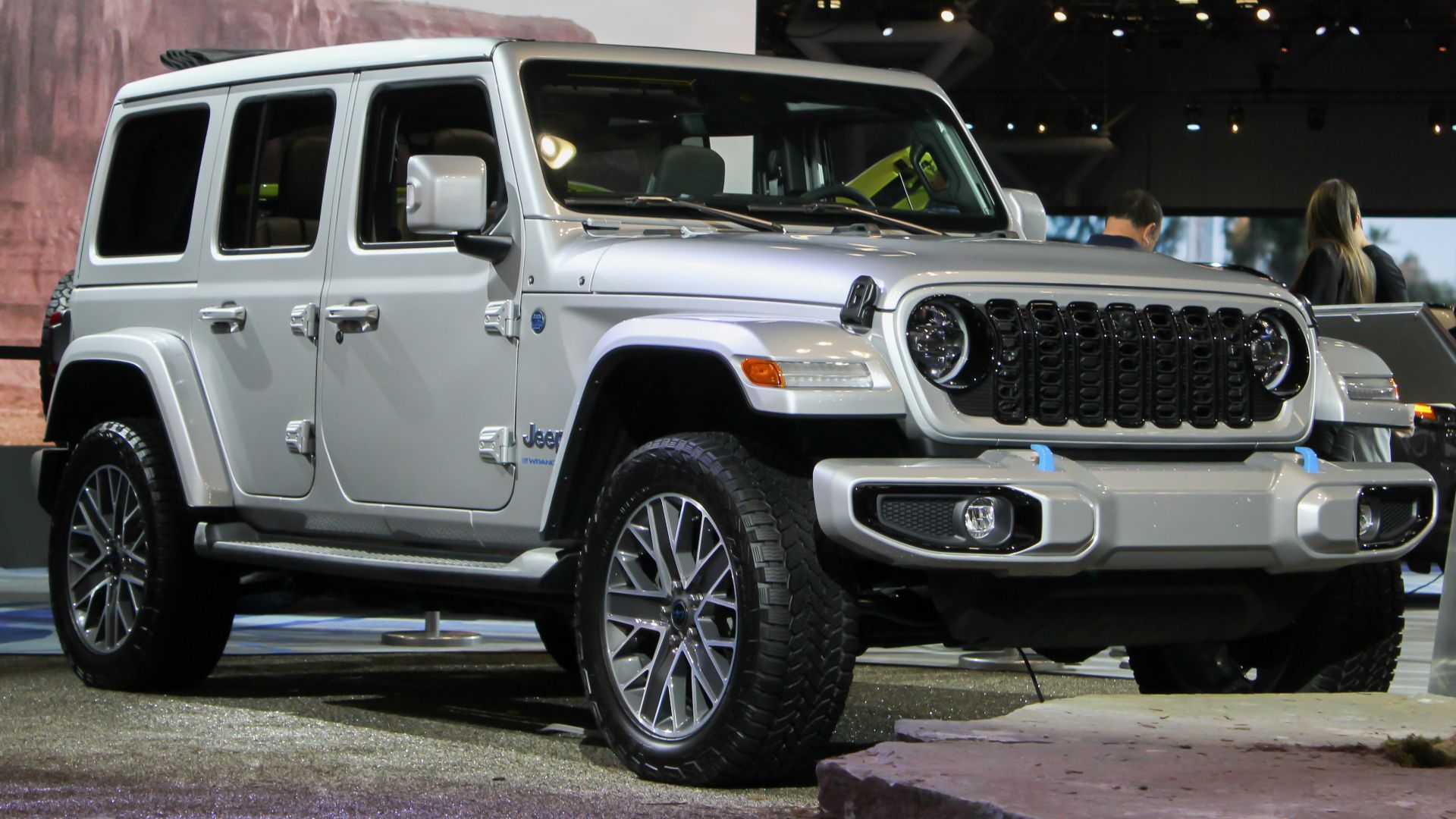
Jeep Wrangler Kept Crank Windows Through 2024
Few features feel more basic than physically cranking a window open. Jeep kept that experience available on the Wrangler through 2024, making it one of the final new vehicles with hand-crank windows. For 2025, power windows and power locks became standard.
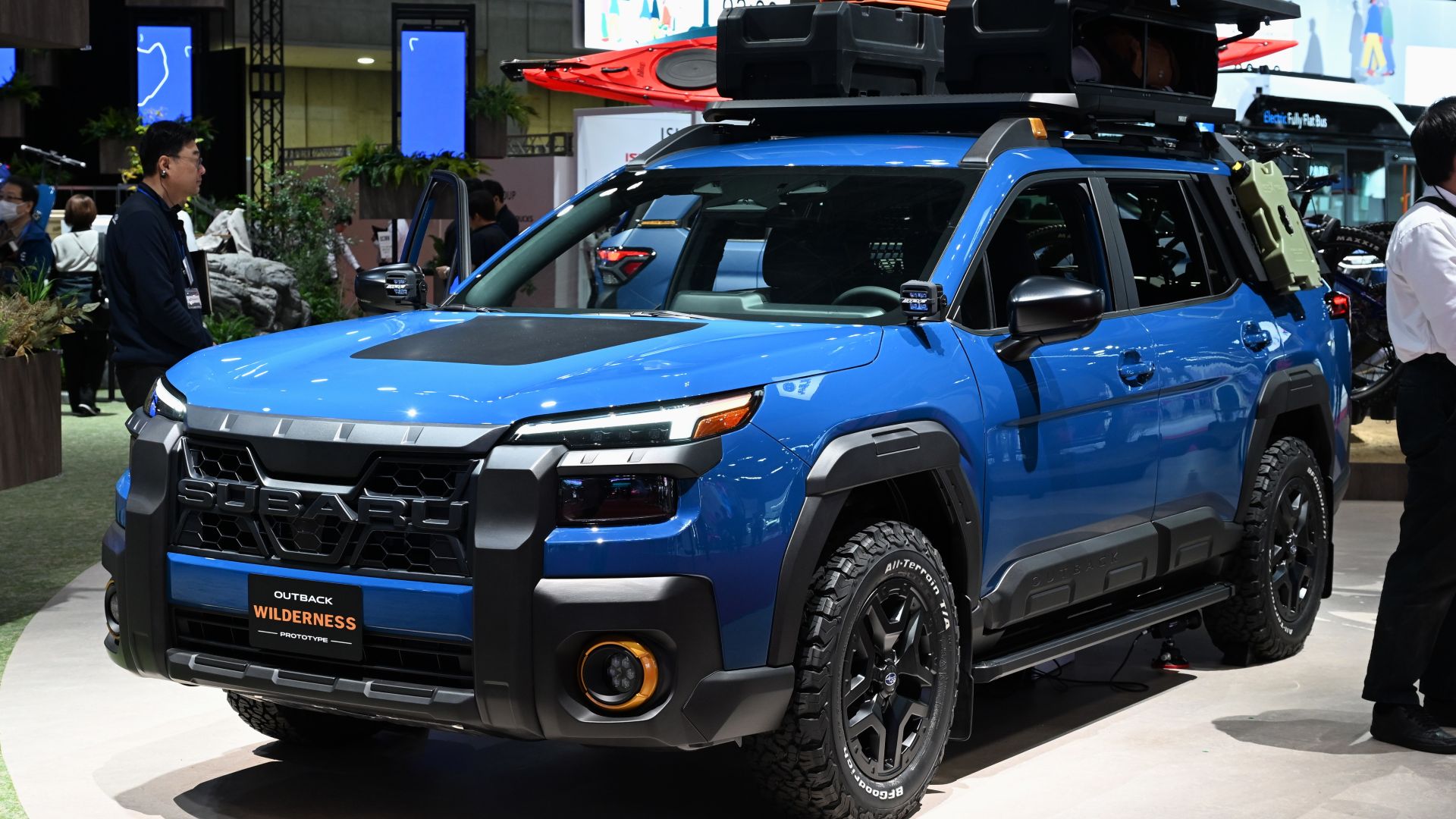
Lexus And Subaru Still Sold Cars With CD Players In 2025
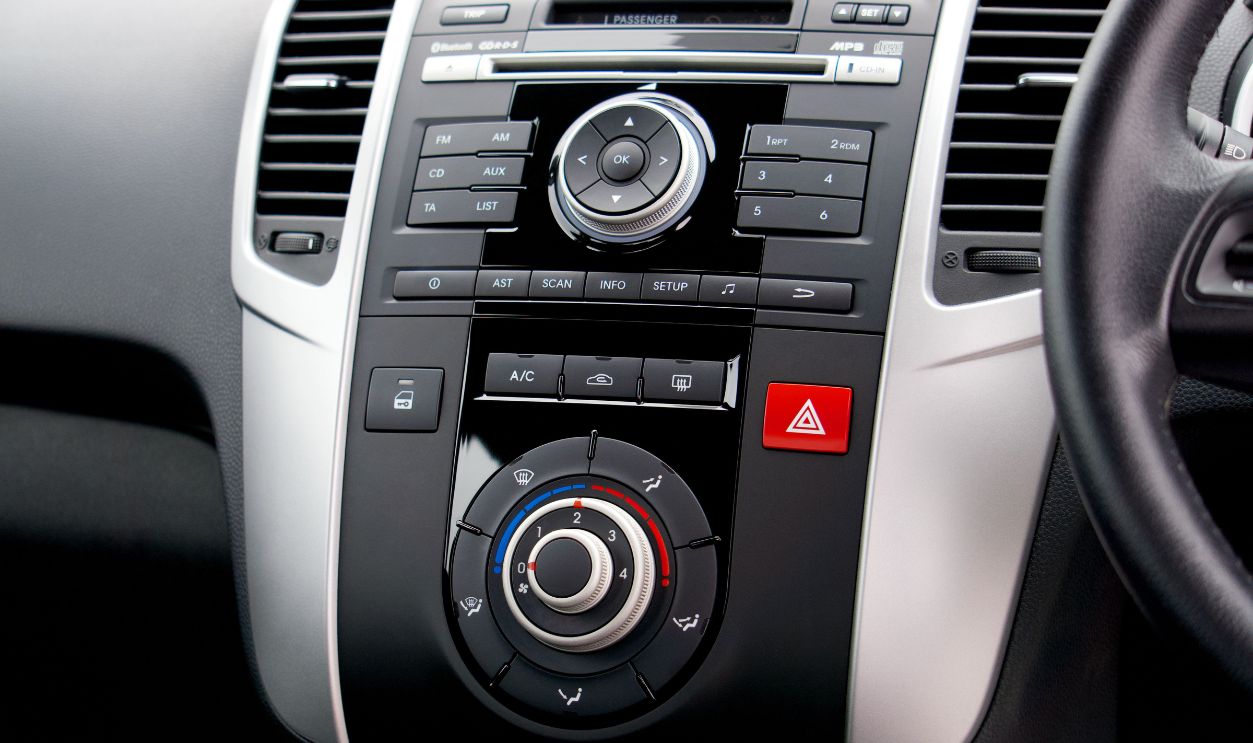
The cassette deck disappeared years ago, but CD players proved harder to eliminate. Four U.S. vehicle lines still offered standard CD players in 2025, including the Lexus IS and RC plus certain Subaru Outback and Legacy trims. They could play physical discs while also offering modern smartphone connectivity.
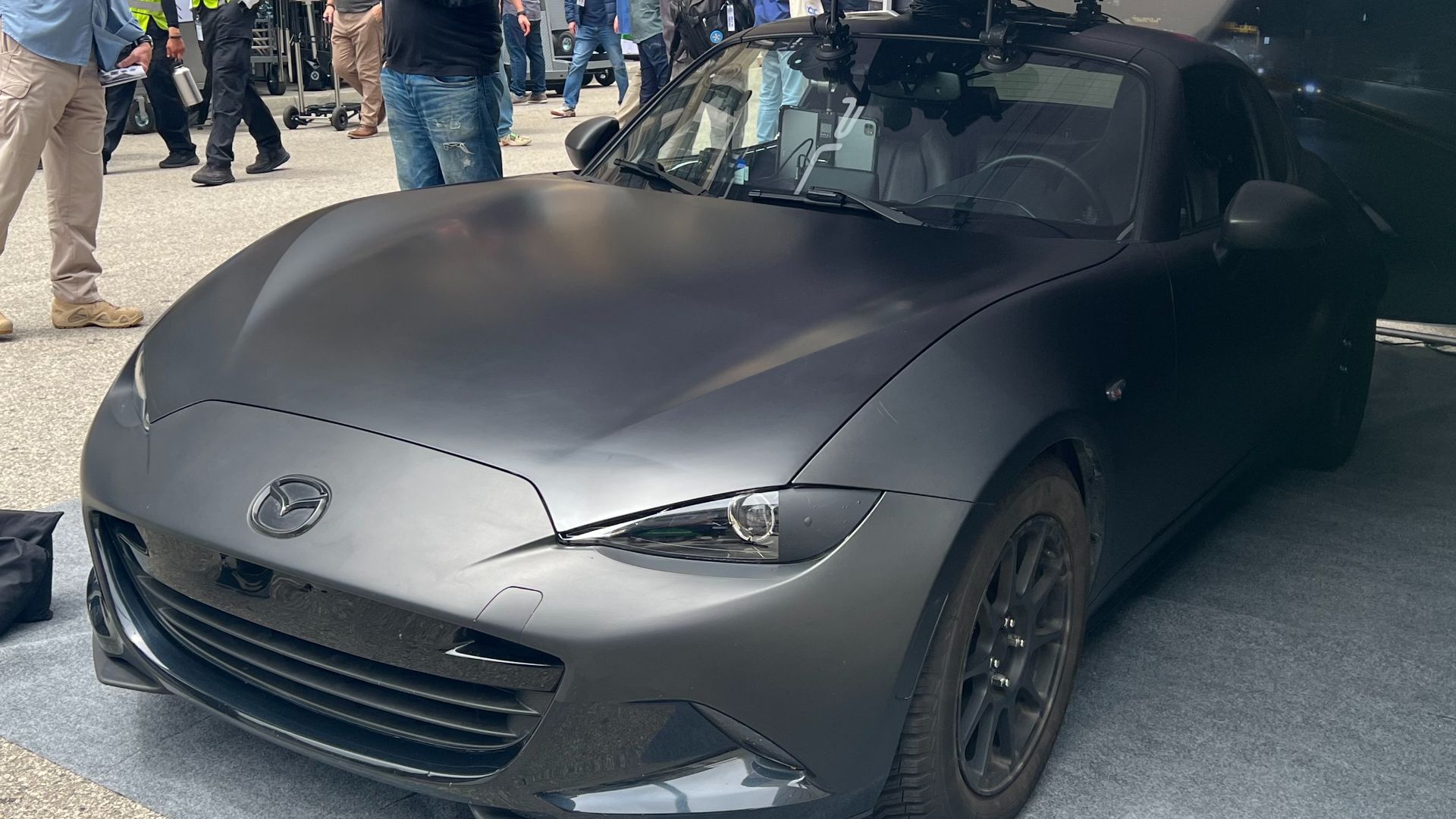
Mazda MX-5 Miata Kept Its Manual Roof
Not every old-school feature is outdated technology. The 2025 MX-5 Miata soft-top still used a manually operated convertible roof, perfectly fitting Mazda’s lightweight roadster philosophy. Buyers could also pair it with a six-speed manual for an especially traditional sports-car experience.
 TaurusEmerald, Wikimedia Commons
Why These Final Holdouts Still Matter
Most of these features disappeared as cars became safer, faster, and more convenient. What makes the holdouts interesting is how long supposedly obsolete ideas can survive when they still suit a vehicle or its buyers. From carburetors and crank windows to CD players and manual roofs, automotive progress rarely happens all at once.
You May Also Like:
The 1950s Cars That Took Tailfins To Ridiculous Extremes
Forgotten Coupes From The 1980s—Seriously, Do You Remember Even 5 Of These Cars?
Inside Jason Momoa’s Incredible Vintage Motorcycle Collection
Sources: 1, 2, 3, 4, 5, 6, 7, 8, 9, 10, 11, 12, 13, 14, 15, 16