Luxury Cars That Were Too Strange For Their Time
Some of the most expensive cars of the 1980s were also the strangest looking. Automakers experimented with bizarre rear ends, outrageous proportions, and futuristic dashboards that left buyers scratching their heads. Some became laughingstocks, while others were simply too unusual for their time.
Here are the luxury cars that once raised eyebrows but are now getting a second look from collectors.
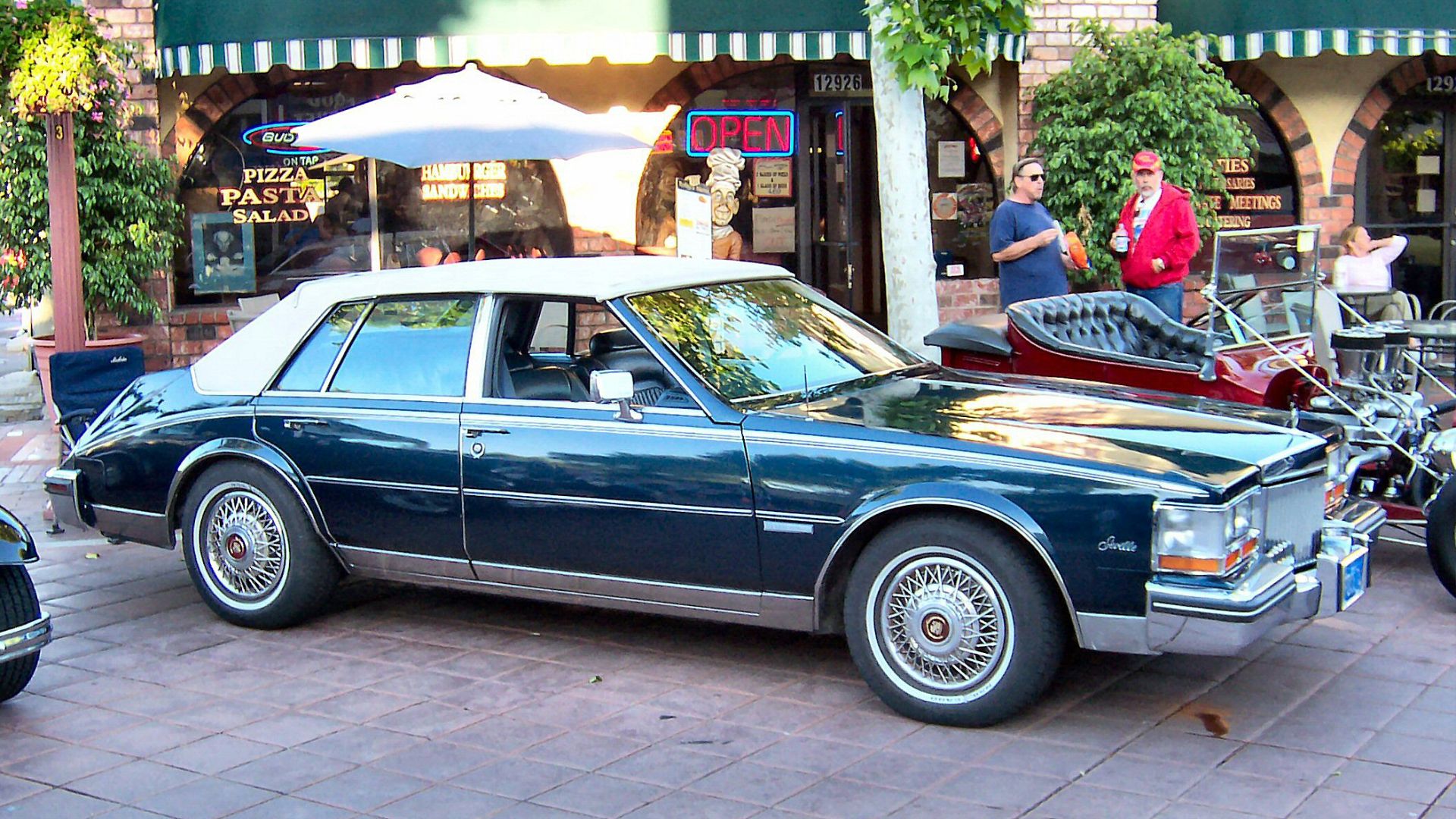
Cadillac Seville
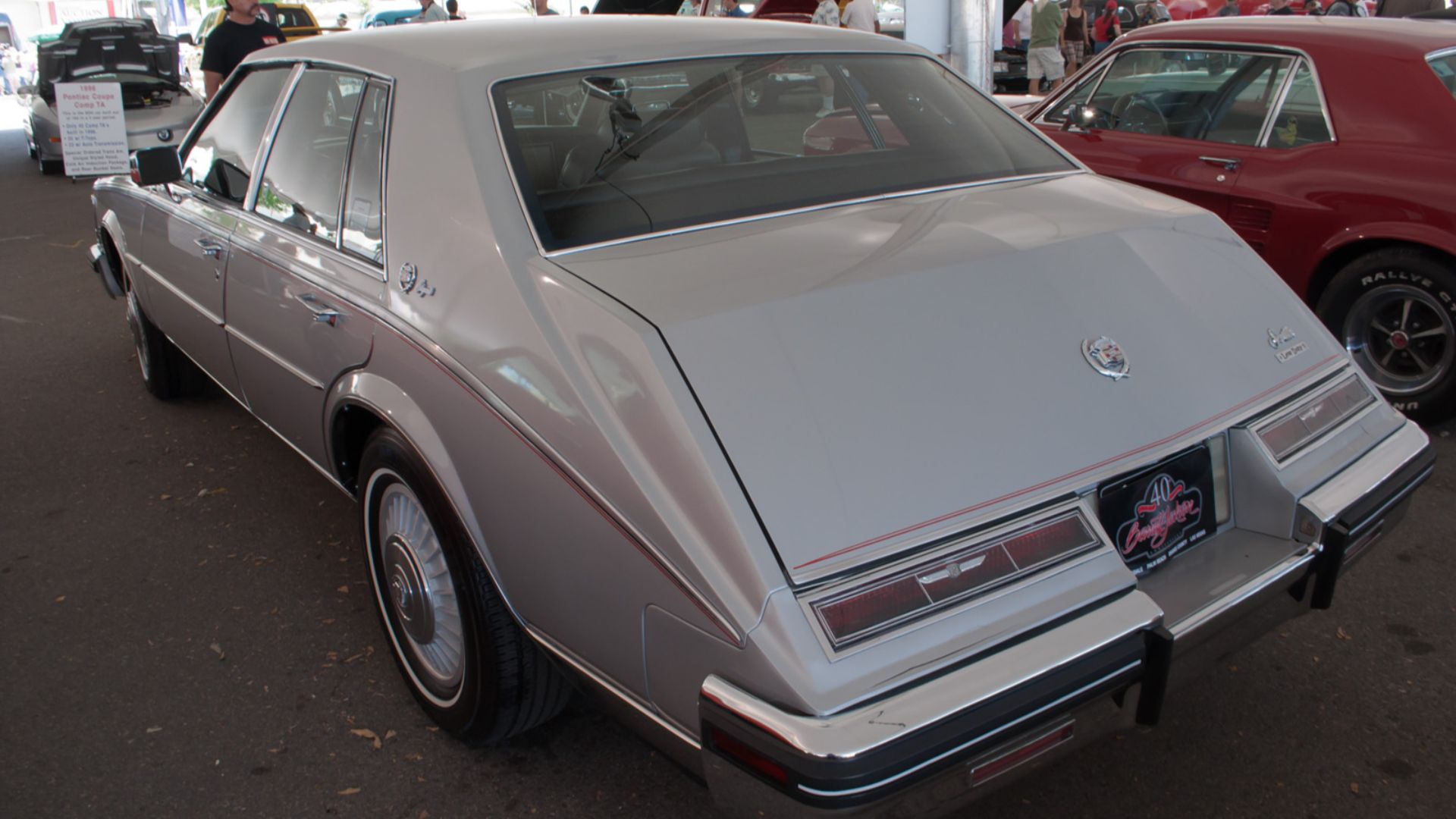
When Cadillac redesigned the Seville for 1980, it gave the luxury sedan one of the strangest rear ends in automotive history. Its sharply sloping trunk, known as the bustleback, looked nothing like the squared-off Cadillacs buyers expected. The controversial design quickly became one of the brand's most recognizable styling experiments.
A Strange Throwback To The 1930s
Cadillac borrowed styling cues from its luxury cars of the 1930s, combining a short bustleback trunk with a long hood. The design lasted through 1985 before Cadillac adopted a more conventional shape. Today, surviving bustleback Sevilles attract enthusiasts who appreciate their unmistakable appearance, even if they remain relatively affordable collectibles.
 InSapphoWeTrust from Los Angeles, California, USA, Wikimedia Commons
Aston Martin Lagonda
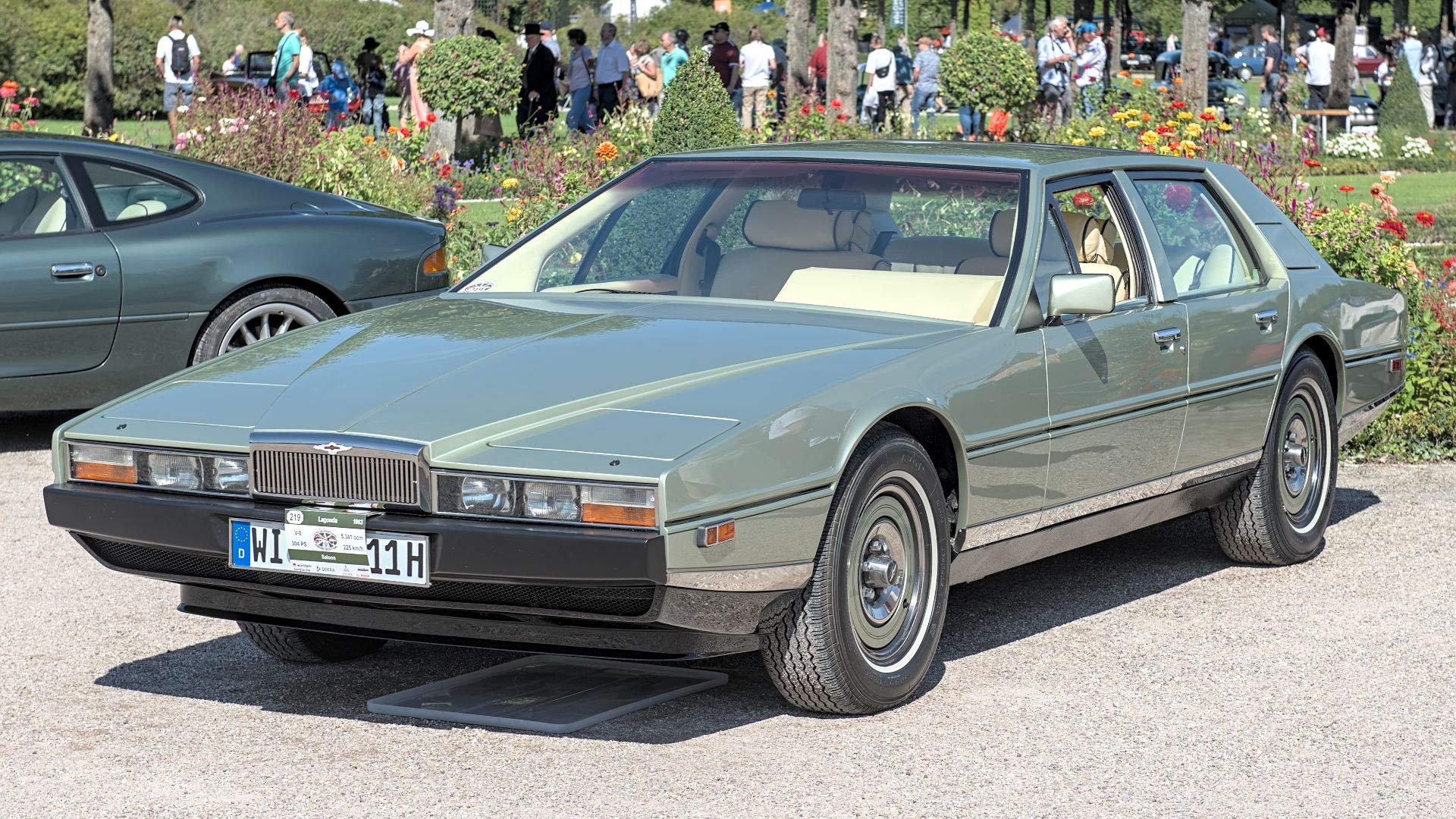
The Aston Martin Lagonda looked like something from a science-fiction movie when it appeared in 1976. Its remarkably low nose, razor-sharp edges, and enormous wedge-shaped body were unlike anything else in the luxury market. The futuristic four-door remained one of the strangest expensive automobiles available throughout the 1980s.
 Alexander Migl, Wikimedia Commons
The Dashboard Was Even More Outrageous
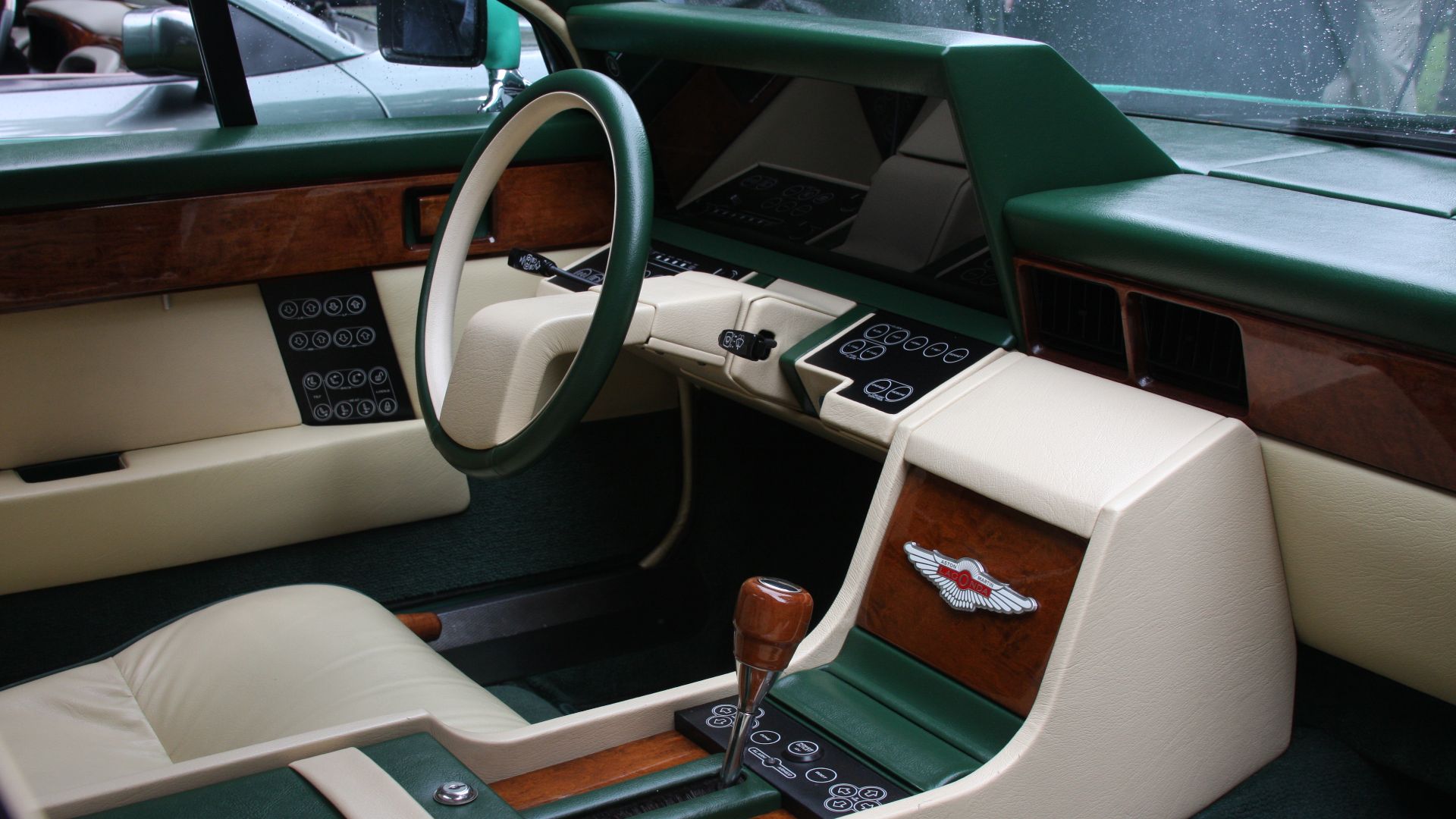
Instead of conventional gauges, Aston Martin installed futuristic electronic displays and touch-sensitive controls. Unfortunately, the complicated electronics developed a reputation for unreliability, making an already expensive car even harder to maintain. Only 645 chassis were built before production ended in 1989, making the Lagonda a rare and unmistakable collector car.
Rolls-Royce Camargue
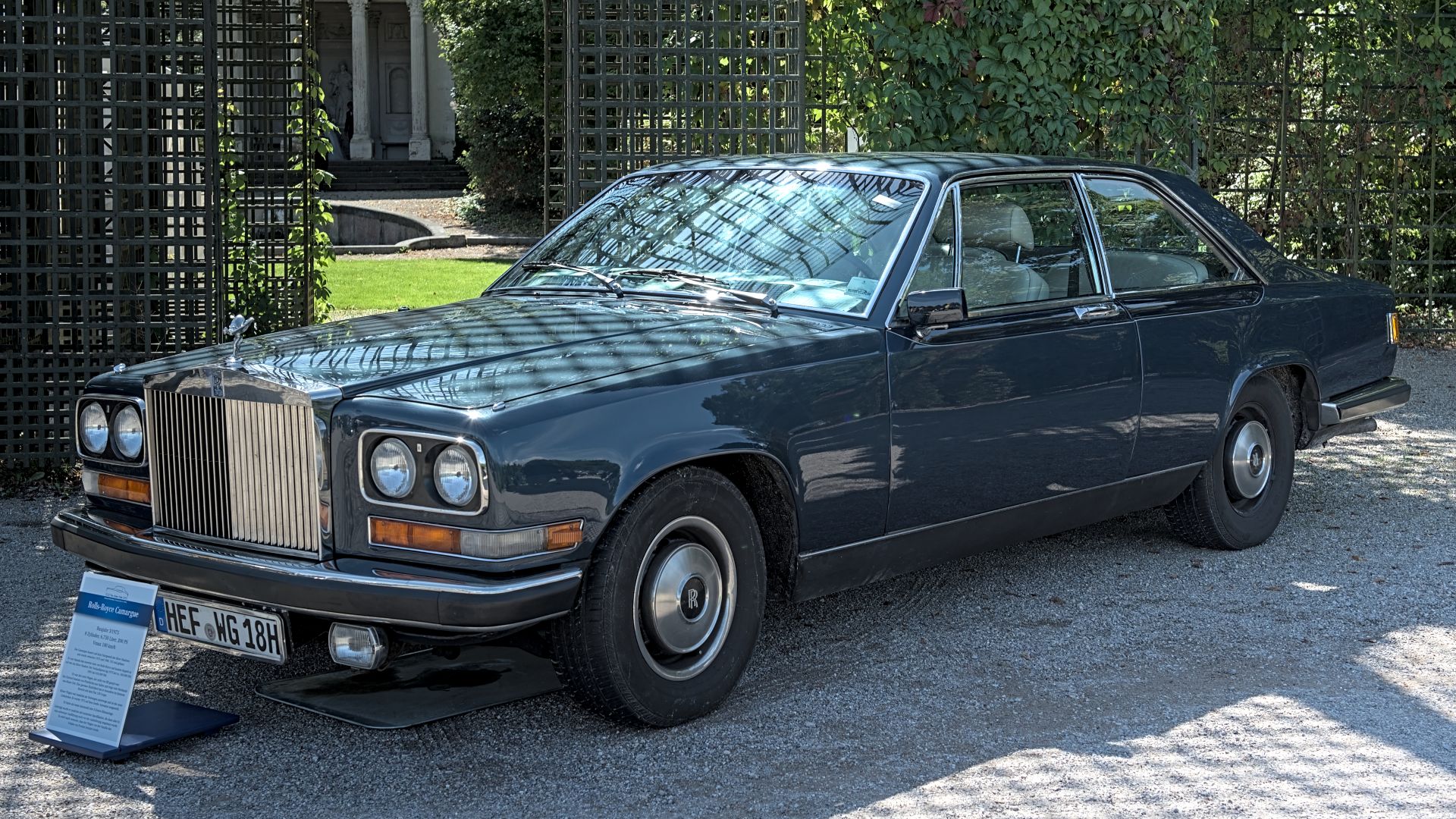
Rolls-Royce took a major styling gamble with the Camargue, which remained in production until 1986. Designed by Pininfarina, the enormous coupe featured sharp angles, a wide body, and an unusually imposing front end. Its appearance was so controversial that it regularly appeared in discussions of the world's ugliest luxury cars.
 Alexander Migl, Wikimedia Commons
Even The Grille Was Controversial
The Camargue's famous Rolls-Royce grille was tilted forward by four degrees, a departure from the company's traditional design. Buyers weren't particularly enthusiastic, and just 531 examples were produced between 1975 and 1986. Despite its awkward reputation, the Camargue appeared on Hagerty's 2022 British Bull Market list of collectibles worth watching.
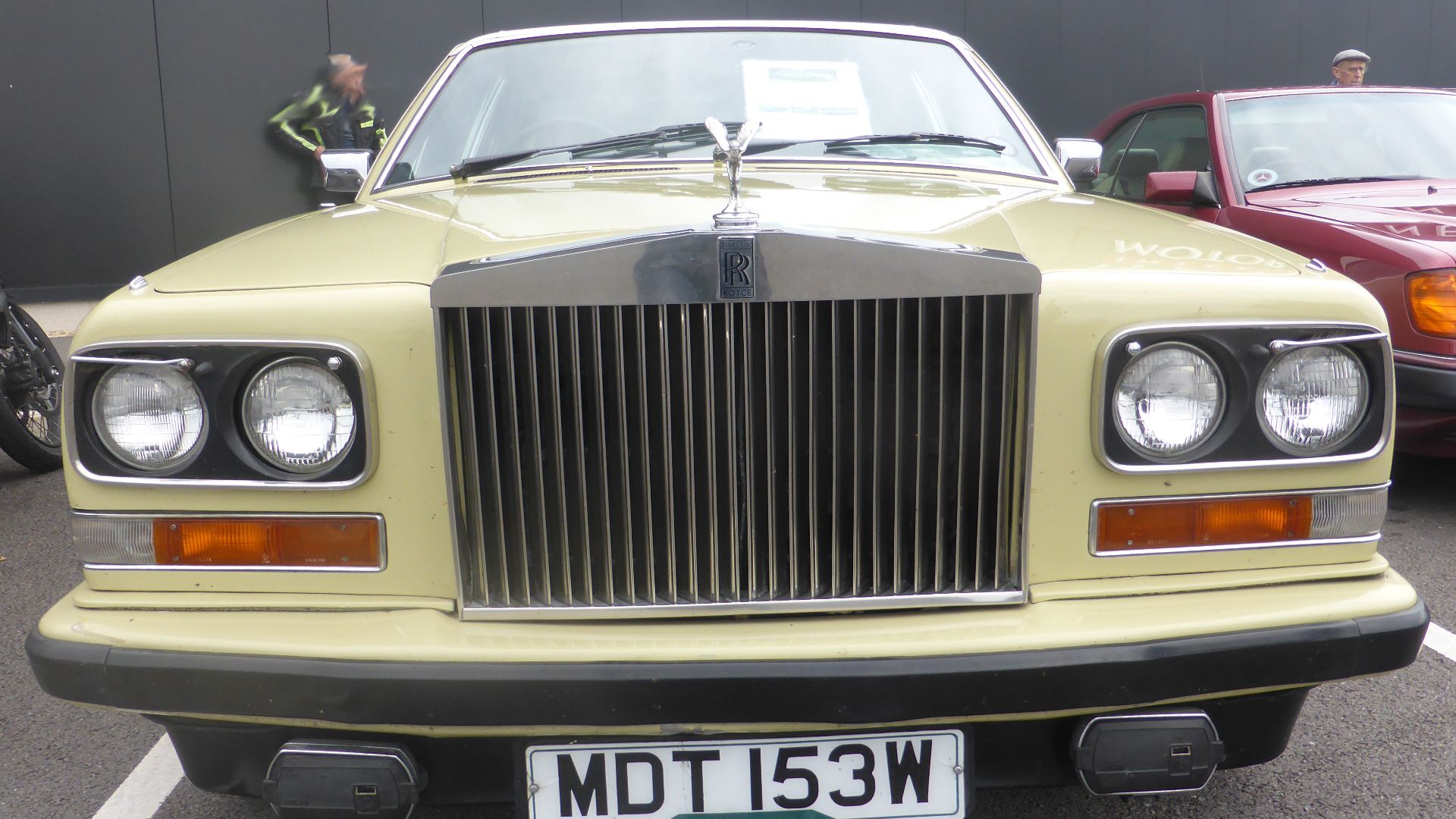 Andrew Bone from Weymouth, England, Wikimedia Commons
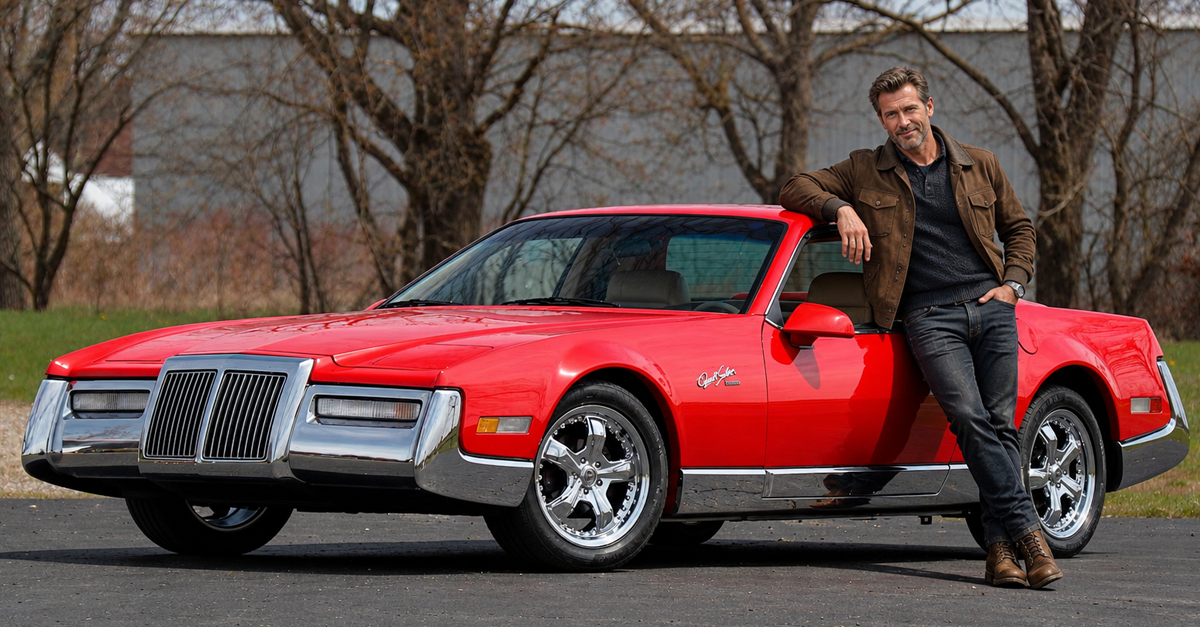
Zimmer Quicksilver
The Zimmer Quicksilver was one of the most bizarre luxury coupes of the entire decade. Introduced in 1986, it featured an extraordinarily long hood, enormous chrome bumpers, and wire wheels. The strangest part was that its engine wasn't beneath that gigantic hood at all.
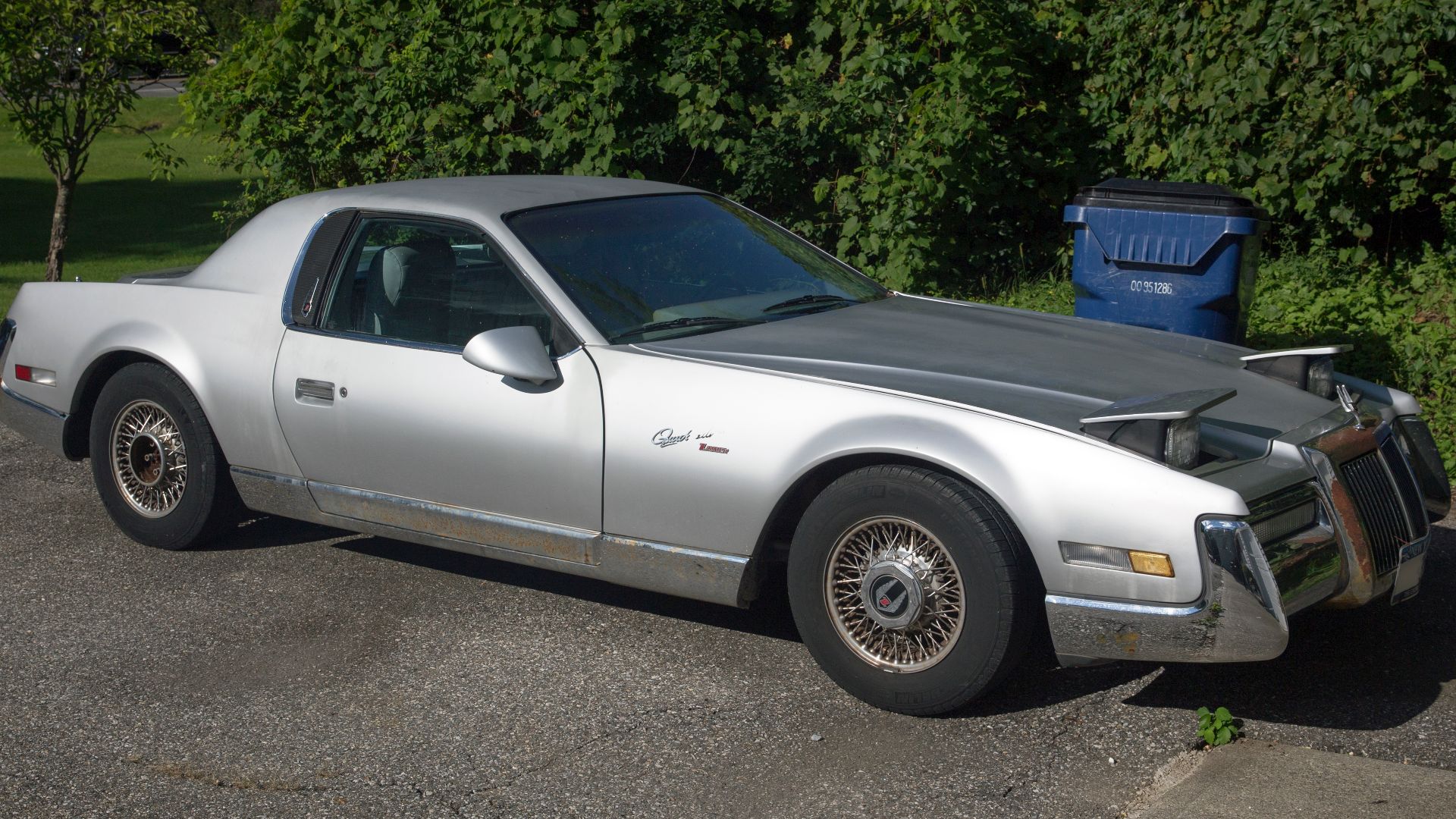 Mr.choppers, Wikimedia Commons
A Pontiac Fiero Was Hiding Underneath
Zimmer built the Quicksilver around a stretched Pontiac Fiero, retaining its mid-engine layout while adding a more luxurious interior. Production ended in 1988, and the surviving vehicle registry identifies at least 153 numbered examples. That extraordinary rarity makes the Quicksilver especially interesting to collectors who prefer their luxury cars unconventional.
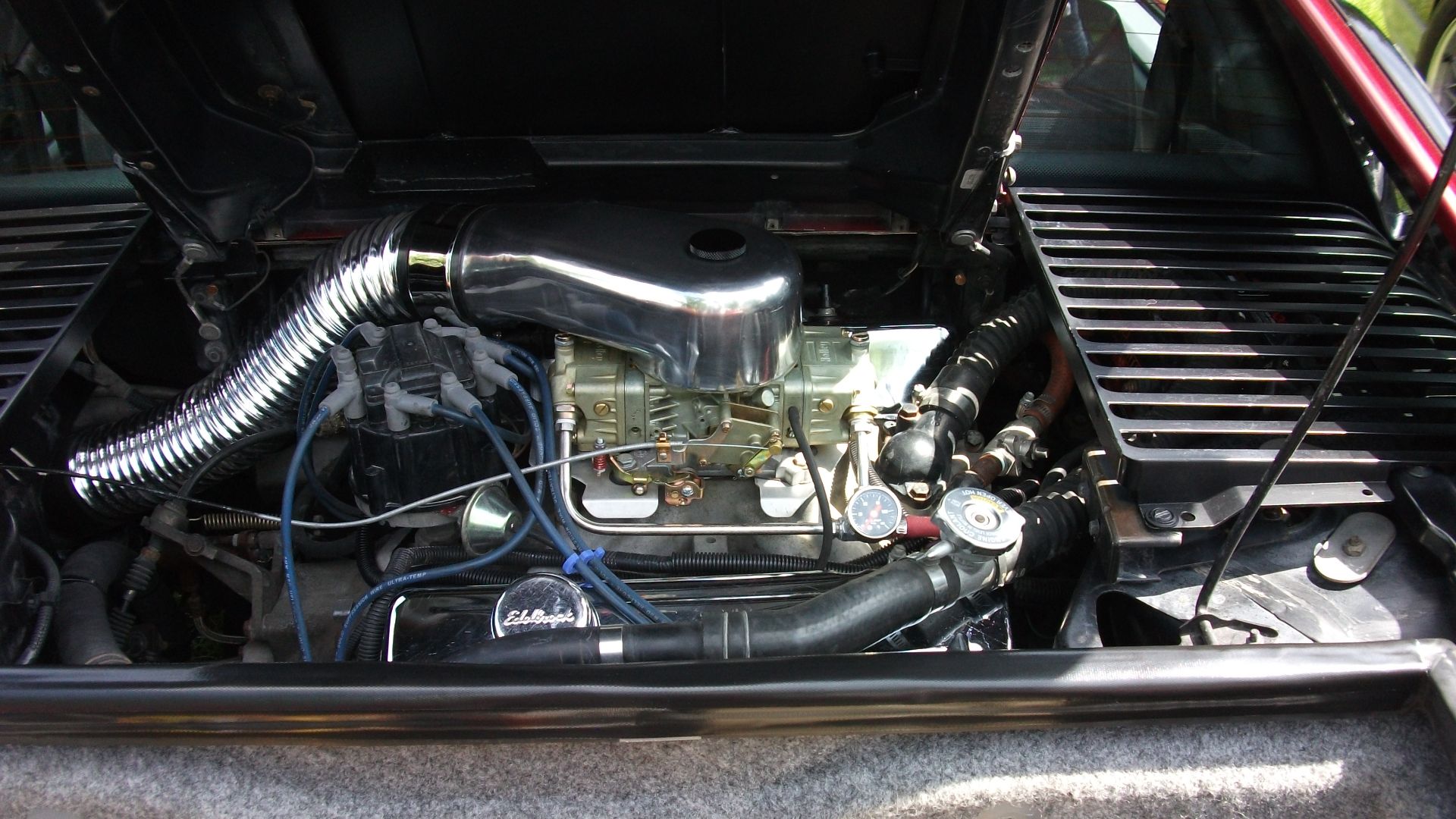 dave_7 from Lethbridge, Canada, Wikimedia Commons
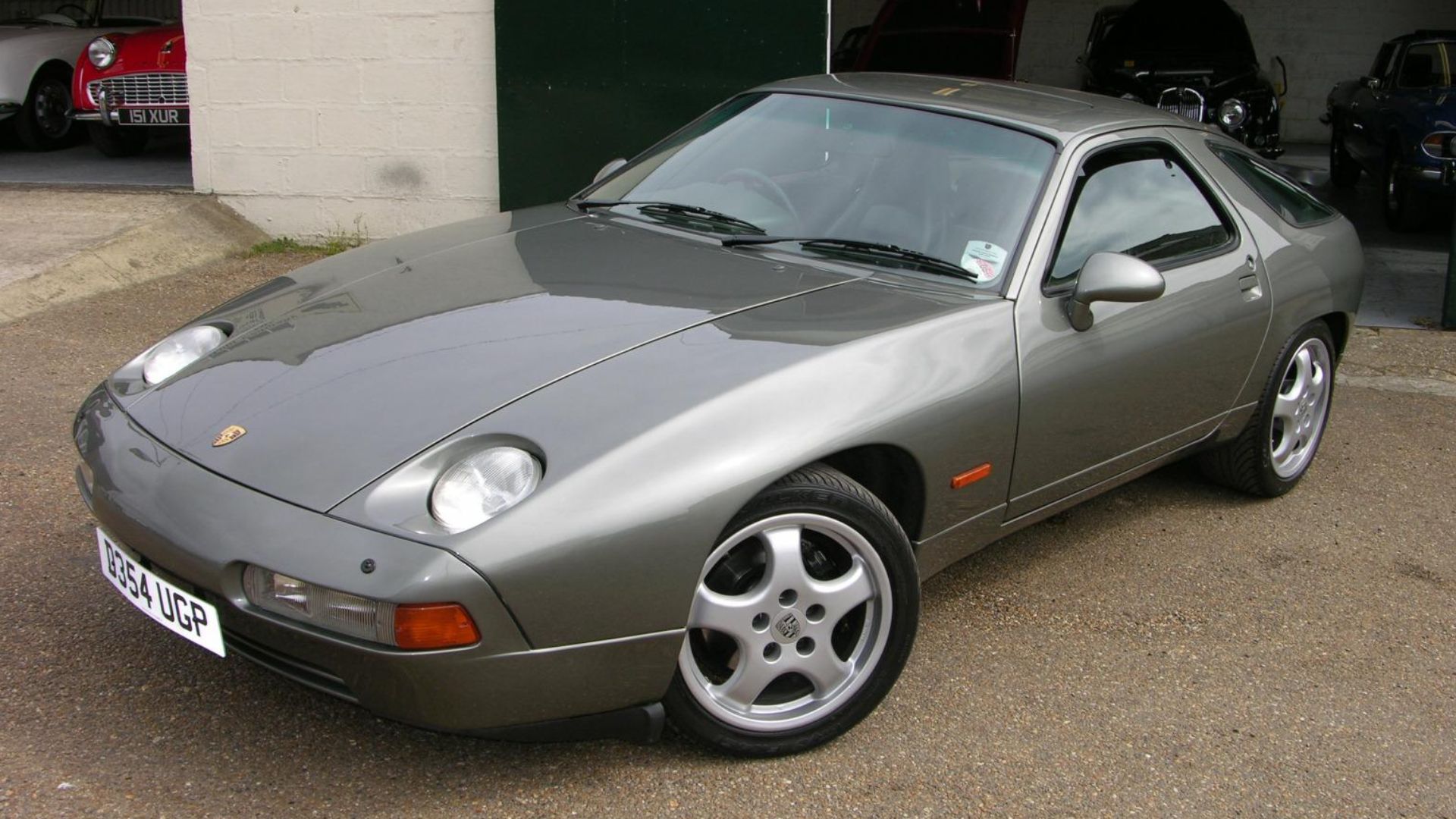
Porsche 928
When Porsche introduced the 928 in 1977, enthusiasts immediately noticed how different it looked from the familiar 911. Its rounded body, unusual pop-up headlights, and front-mounted V8 challenged nearly everything traditional Porsche buyers expected. Although critics praised its engineering, the radical styling and departure from the 911 formula divided brand loyalists.
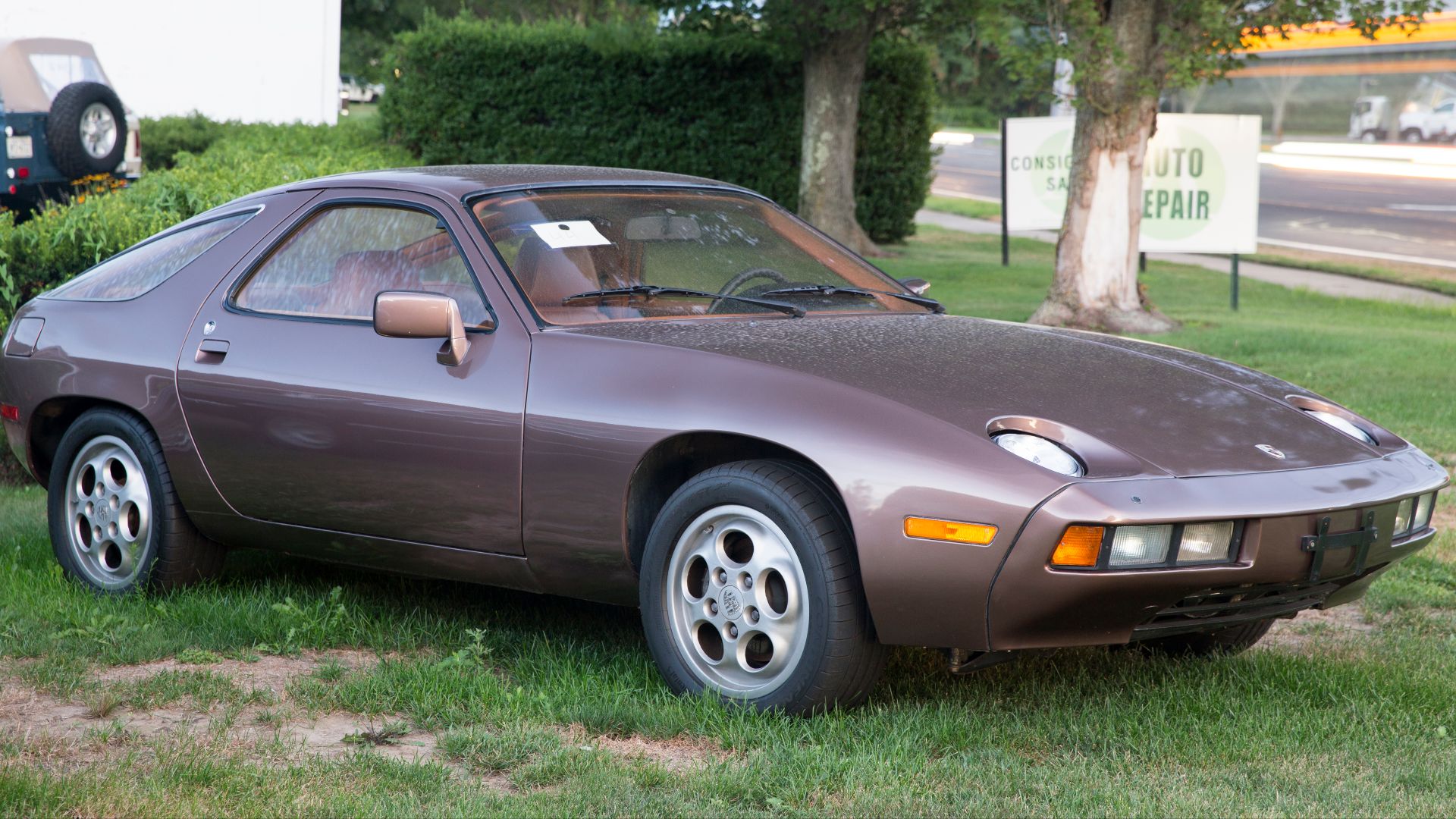 Mr.choppers, Wikimedia Commons
Porsche Almost Replaced The 911 With It
Porsche originally developed the 928 as a potential successor to the 911, but its famous rear-engine sports car refused to disappear. The 928 instead became a luxurious grand tourer, with the powerful S4 version arriving in 1987. Today, collectors appreciate its sophisticated engineering and unconventional styling, although maintenance costs can be substantial.
 The Car Spy, Wikimedia Commons
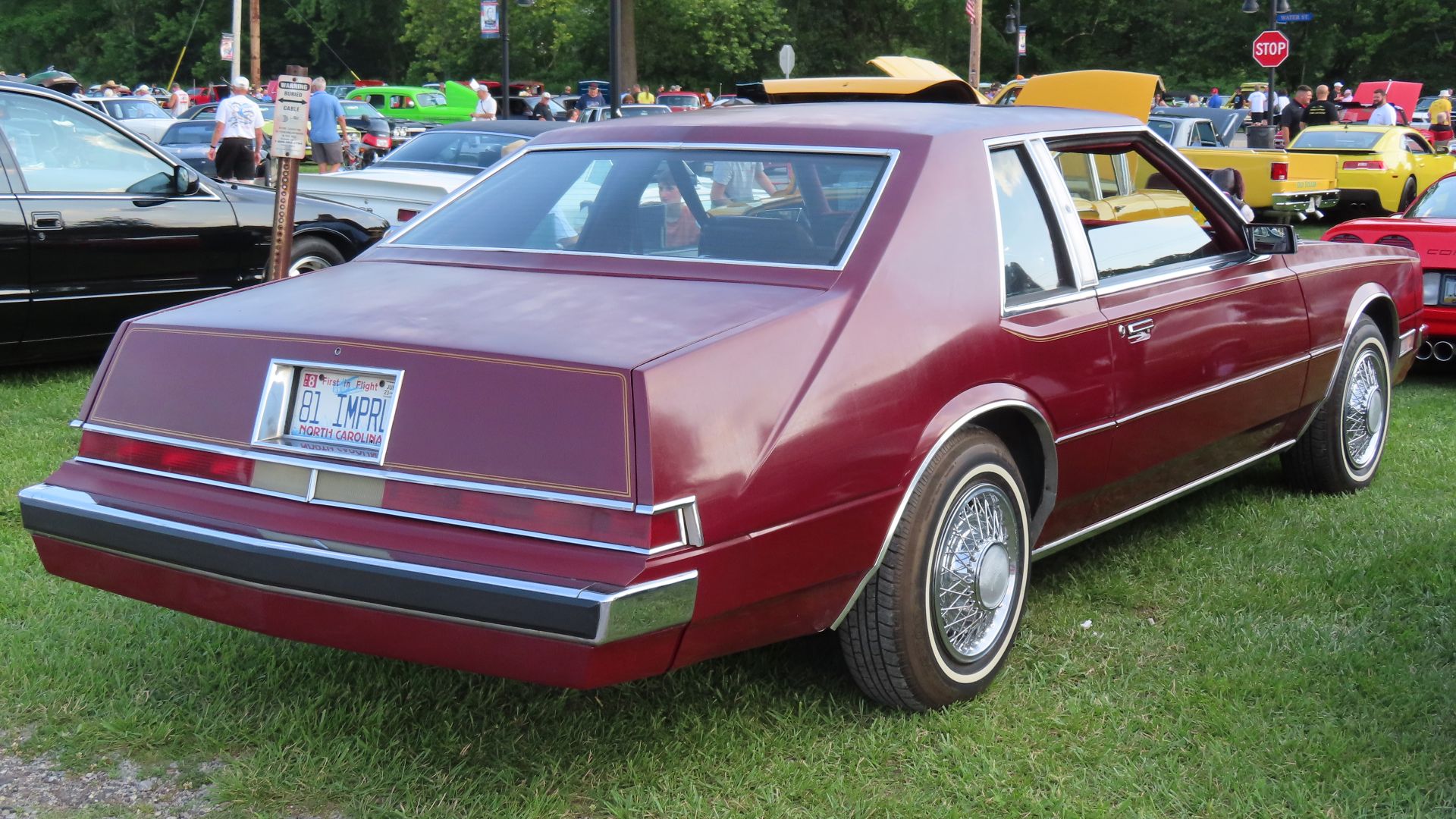
Chrysler Imperial
Chrysler revived the Imperial for 1981 with an expensive luxury coupe featuring another sharply sloping bustleback trunk. Its angular body, hidden headlights, and formal roofline made it look unlike most American cars. Unfortunately, the unusual styling wasn't enough to convince buyers to embrace Chrysler's ambitious luxury experiment.
 MercurySable99, Wikimedia Commons
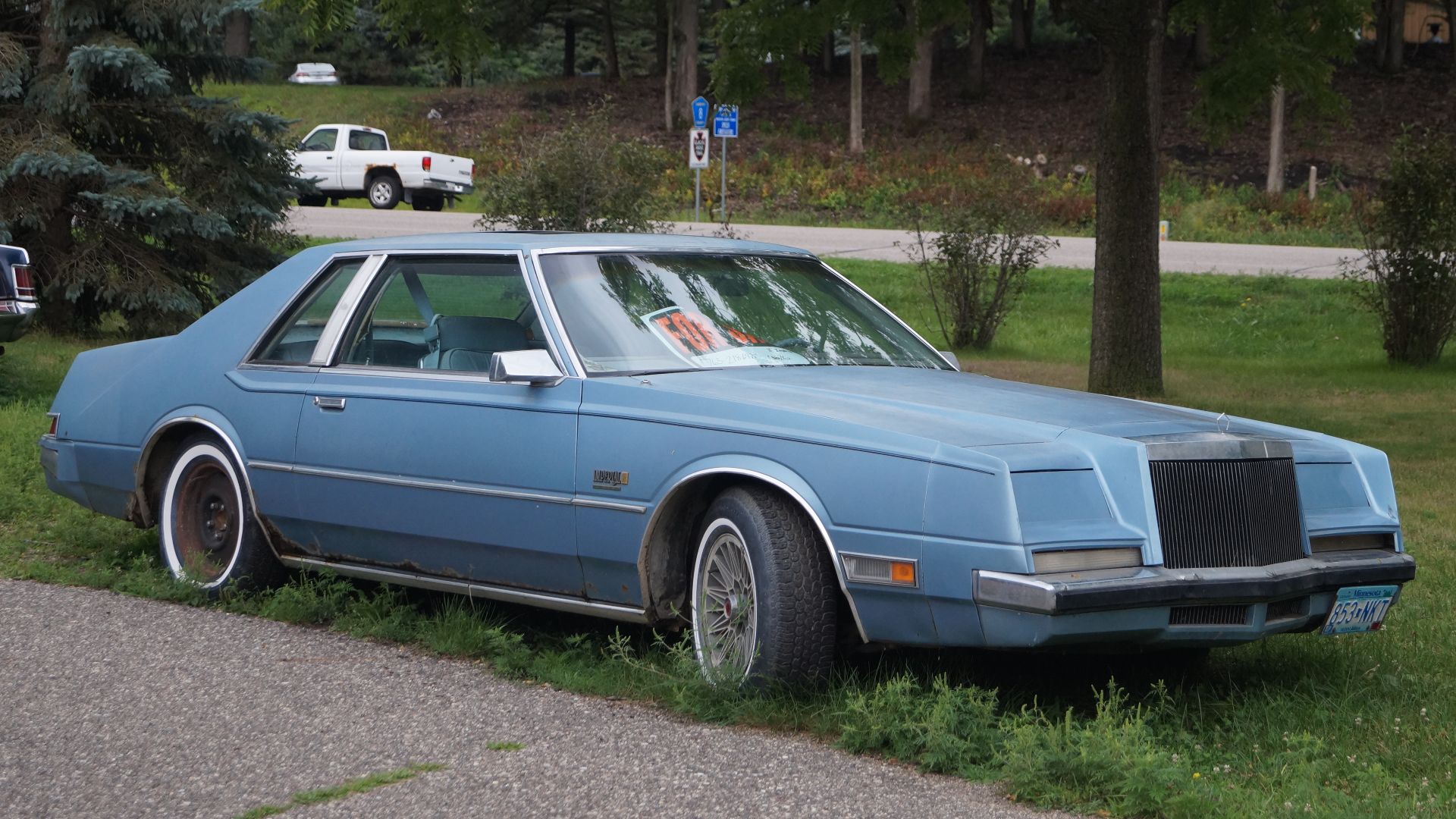
Frank Sinatra Couldn't Save It
Chrysler introduced a Frank Sinatra Edition finished in Glacier Blue, complete with special trim and 16 Sinatra cassette tapes. The Imperial also suffered from troublesome electronic fuel injection, prompting Chrysler to support carburetor conversions. Production ended in 1983, but its distinctive styling and unusual celebrity connection have since made it an intriguing collectible.
 Greg Gjerdingen, CC BY 2.0, Wikimedia Commons
Jaguar XJ-S
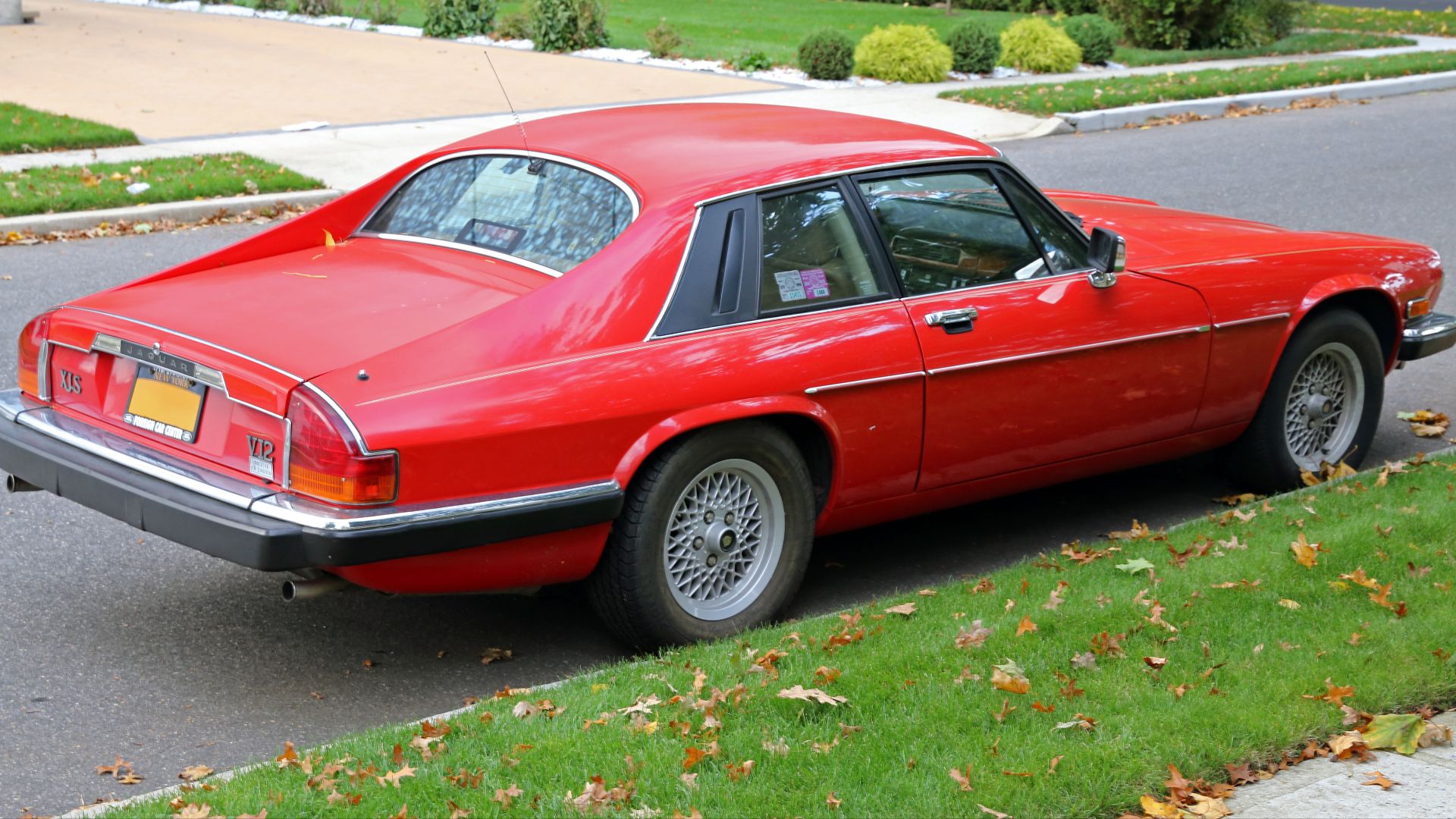
The Jaguar XJ-S arrived in 1975 with the difficult task of following the beloved E-Type. Instead of graceful curves, buyers encountered an angular grand tourer with a long hood and distinctive rear flying buttresses. Its controversial design disappointed some Jaguar enthusiasts, particularly those expecting another traditional British sports car.
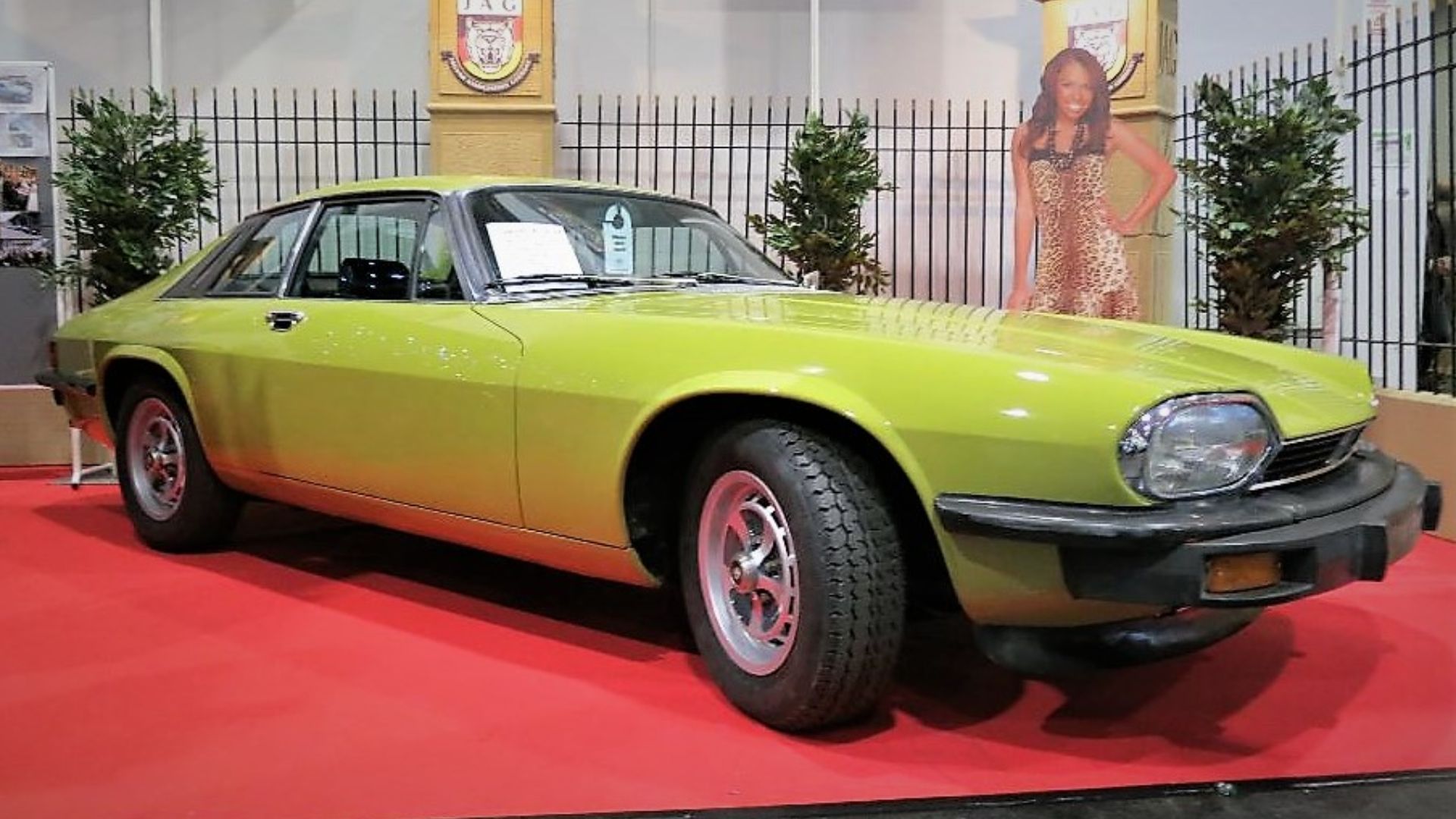
Those Strange Buttresses Became Its Signature
The XJ-S was designed primarily for comfortable long-distance touring, with an available V12 engine providing effortless performance. Its prominent rear buttresses remained a defining feature throughout the 1980s, despite criticism of their appearance and effect on rear visibility. Today, the XJ-S has an established collector following, particularly among enthusiasts seeking a classic Jaguar grand tourer.
 Mr.choppers, Wikimedia Commons
Excalibur Series IV
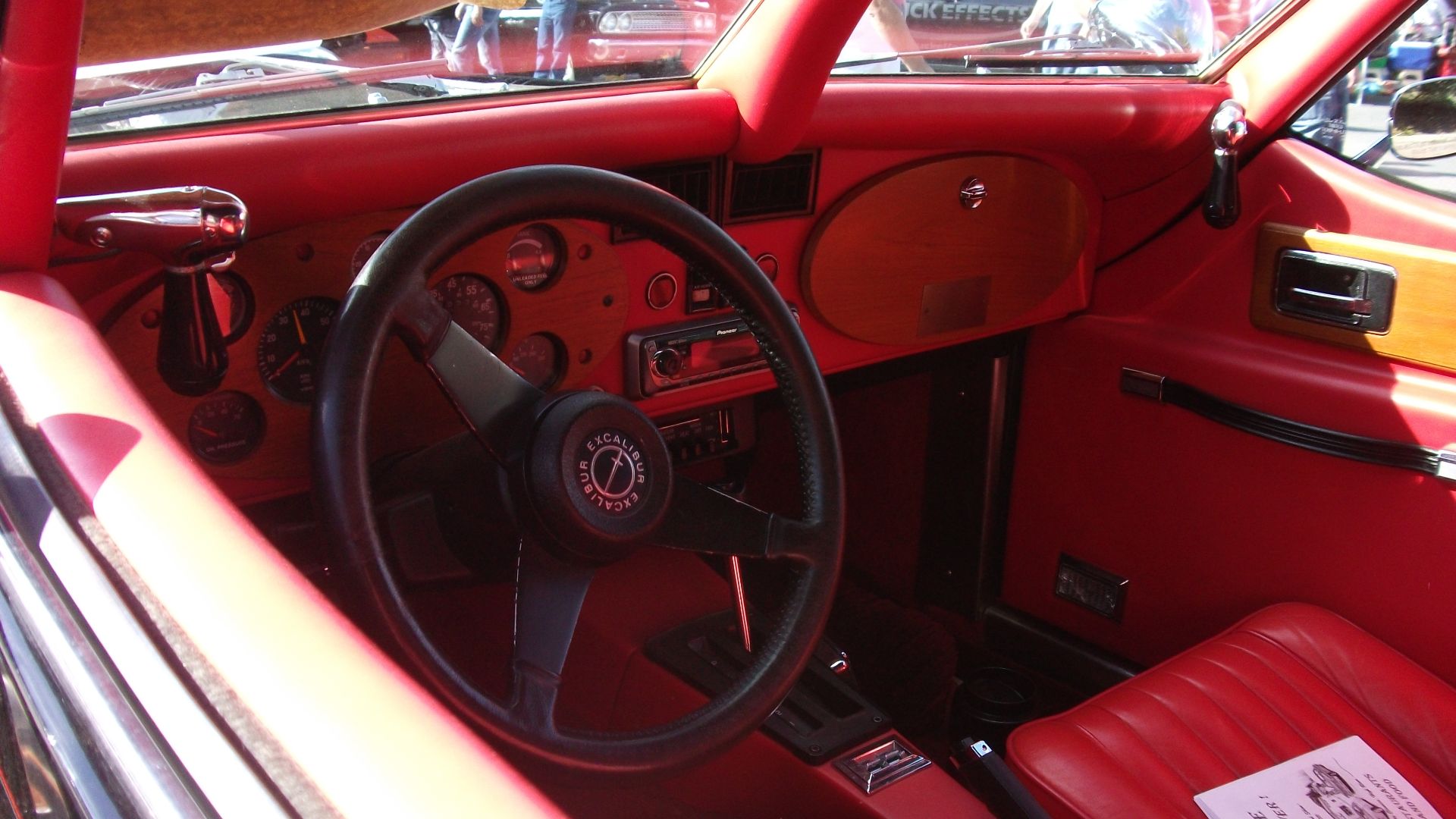
The Excalibur Series IV looked completely out of place when it appeared in 1980. Its enormous chrome grille, sweeping fenders, exposed spare tires, and vintage-inspired headlights resembled a luxury automobile from the 1930s. While most manufacturers were embracing modern styling, Excalibur was selling something that looked several decades old.
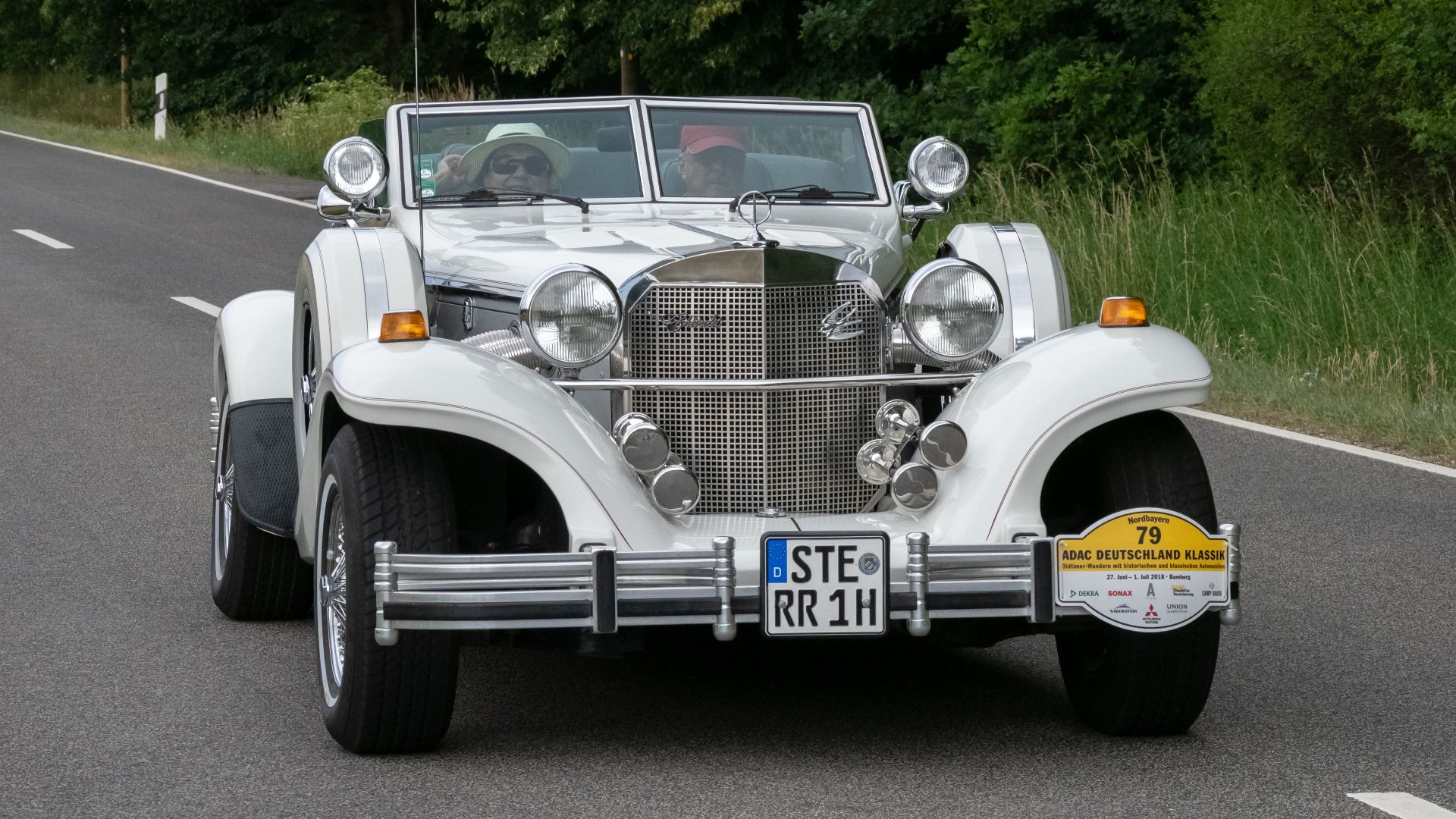
Old-Fashioned Looks Hid Modern Machinery
Despite its vintage appearance, the Series IV used a Chevrolet V8 engine and automatic transmission. The roadster even featured an electrically operated folding rumble seat, while the larger Phaeton offered additional passenger space. Hagerty notes that appreciation for these extravagant neoclassical cars has grown, with collectors increasingly recognizing their unmistakable 1980s character.
 dave_7 from Lethbridge, Canada, Wikimedia Commons
Buick Reatta
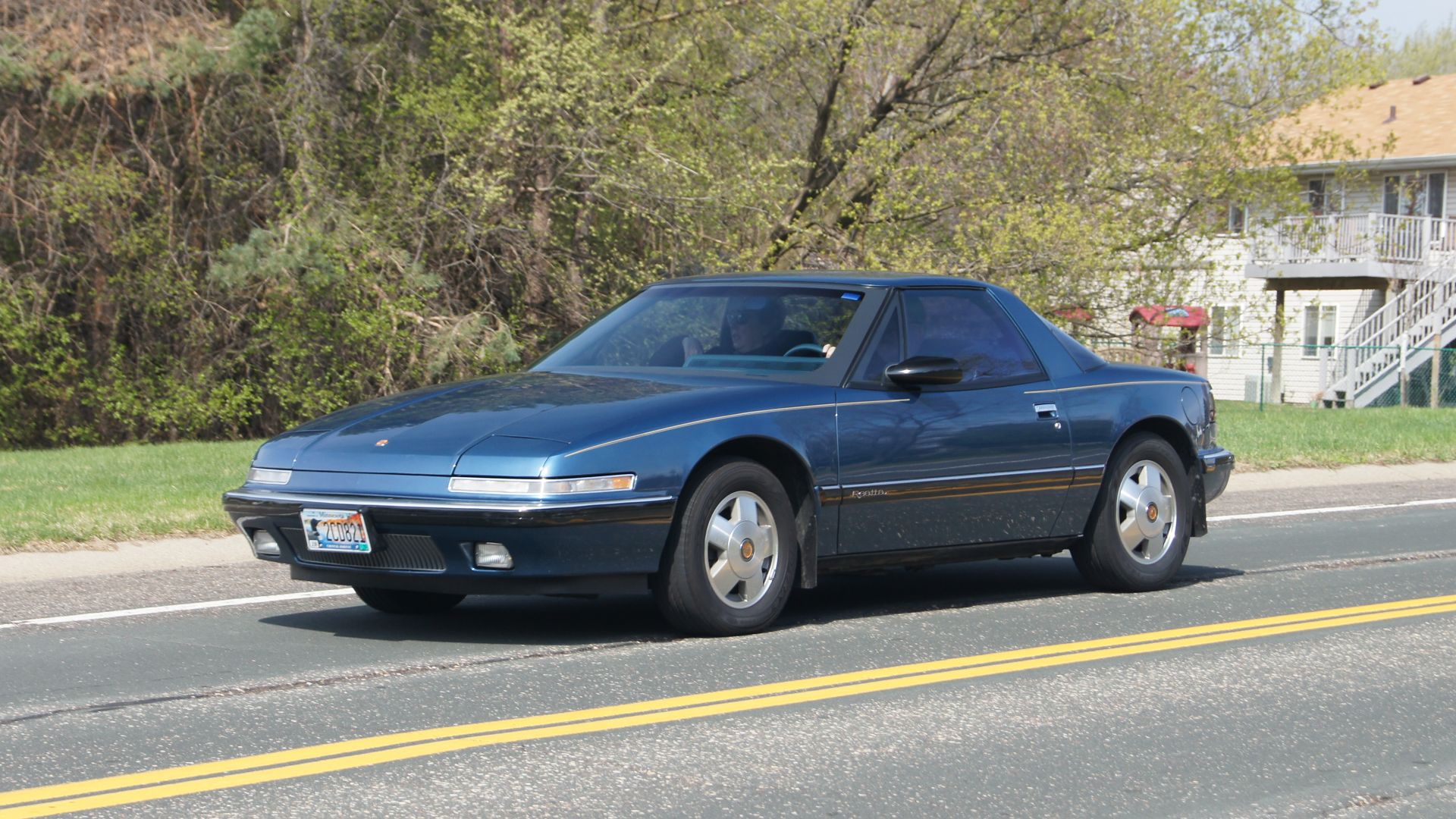
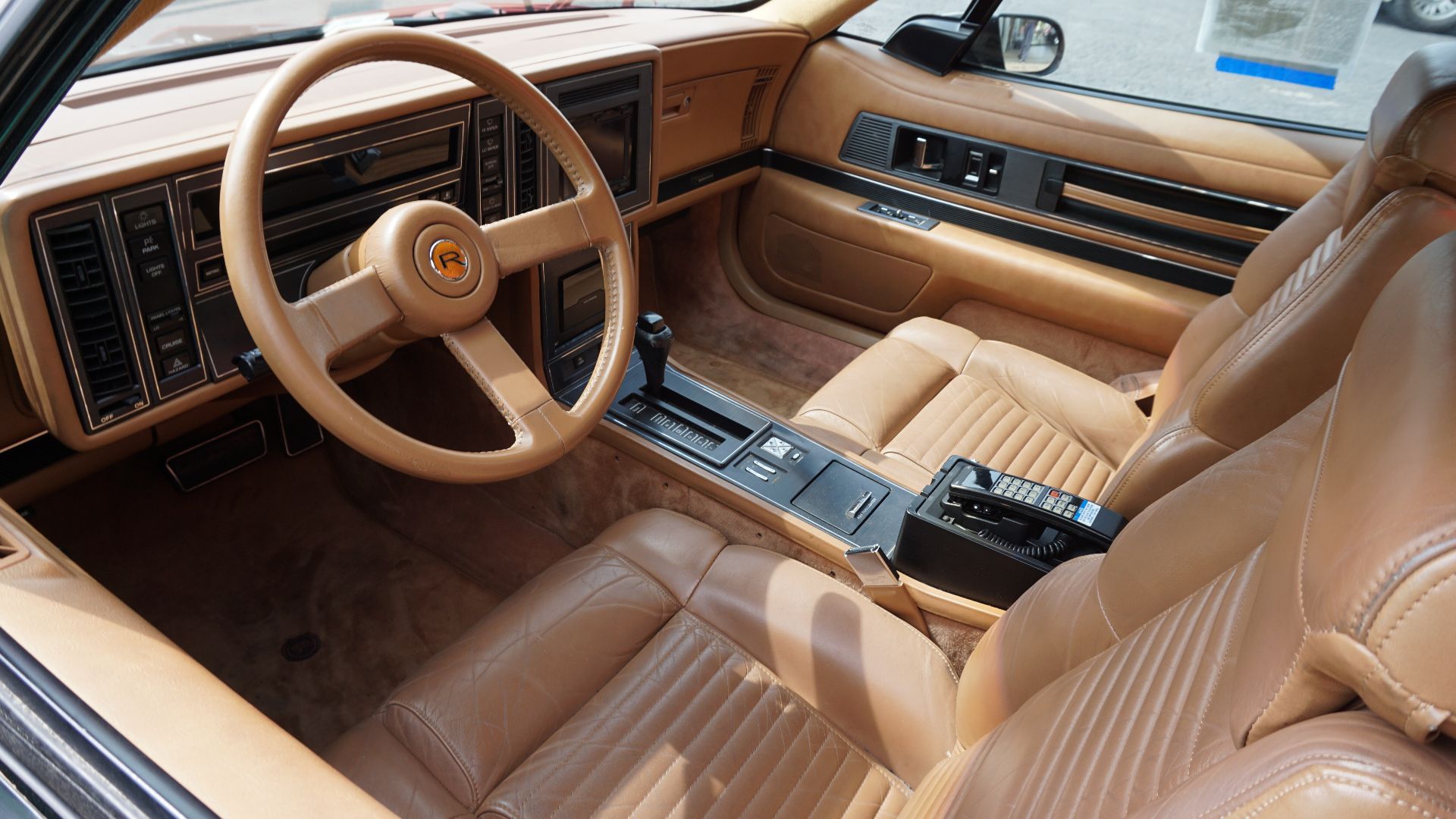
When Buick introduced the Reatta in 1988, its sleek two-seat body looked remarkably different from the brand's traditional luxury sedans. The rounded shape and concealed headlights were certainly distinctive, but its most controversial feature was inside. Buick had installed a futuristic touchscreen dashboard years before such technology became commonplace.
 Greg Gjerdingen, CC BY 2.0, Wikimedia Commons
Its Touchscreen Was A Nightmare
The Reatta's touchscreen controlled the radio, climate system, and vehicle information displays, but reviewers found it distracting and unnecessarily complicated. Buick abandoned the feature for 1990, replacing it with conventional controls. Today, dedicated specialists rebuild the original screens, allowing enthusiasts to preserve one of the car's most memorable features.
 Michael Barera, Wikimedia Commons
Ferrari Mondial
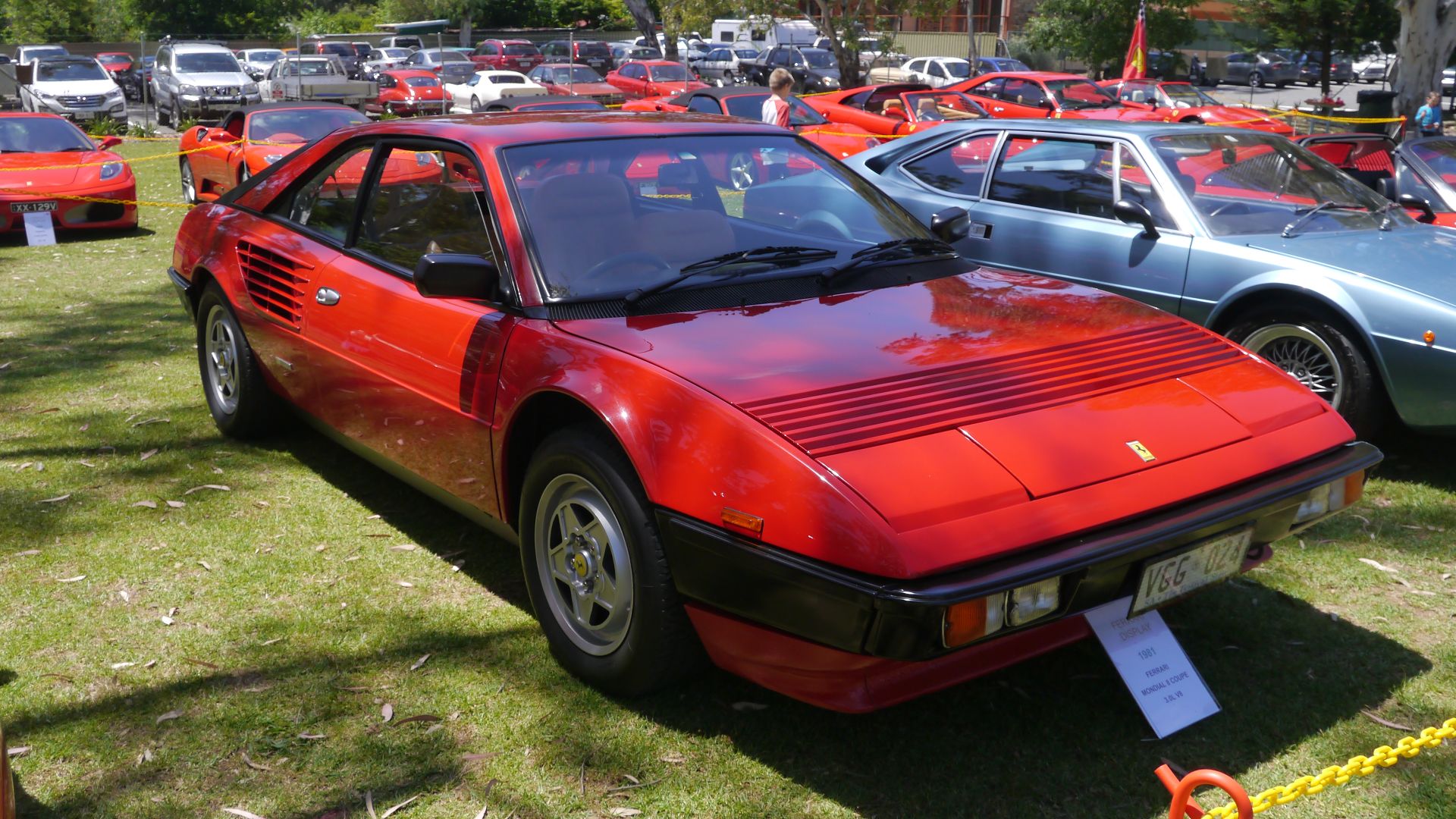
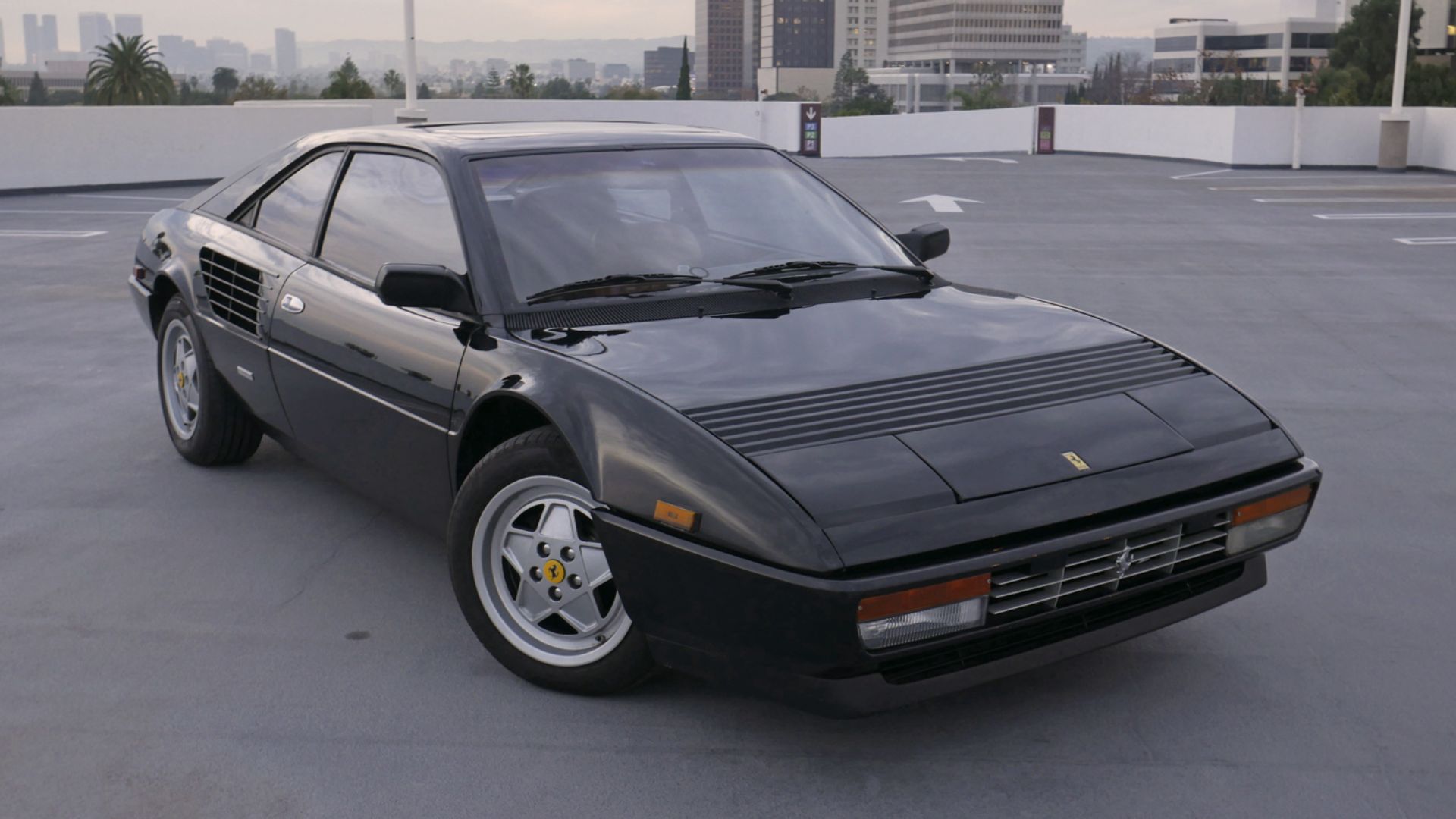
The Ferrari Mondial arrived in 1980 with proportions that divided enthusiasts accustomed to the company's glamorous sports cars. Its long body, high roofline, and prominent side air intakes gave it an awkward appearance compared with Ferrari's celebrated two-seaters. The unusual styling eventually earned the Mondial a reputation as one of the company's less attractive models.
 TuRbO_J from Adelaide, Australia, Wikimedia Commons
The Ferrari Nobody Wanted Is Getting Attention
The Mondial offered something unusual for a mid-engine Ferrari: seating for four passengers. Later versions improved its performance, while the Mondial t introduced in 1989 brought substantial mechanical upgrades. Although it remains less valuable than many classic Ferraris, enthusiasts increasingly appreciate its practicality and relatively accessible entry into Ferrari ownership.
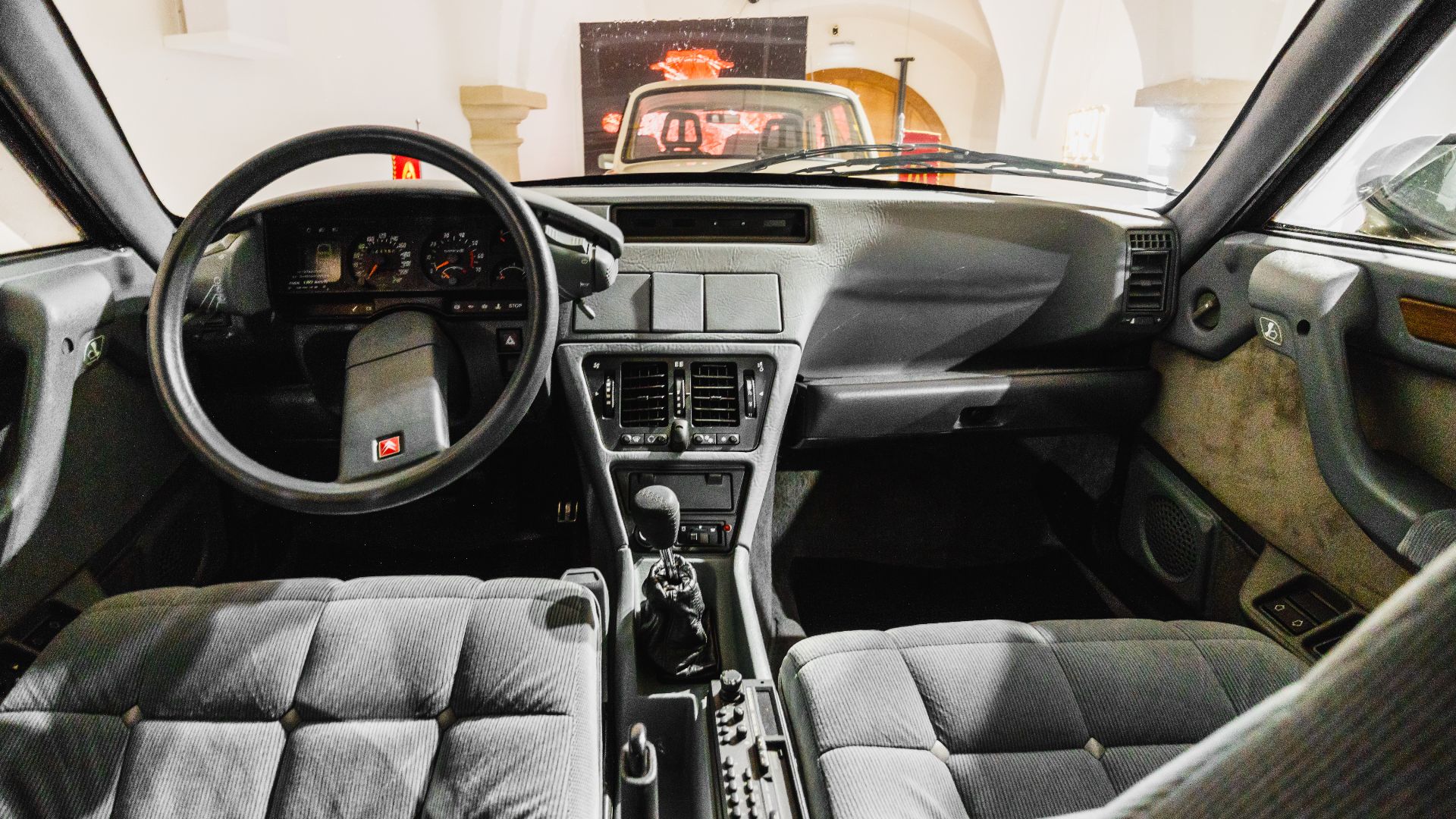
Citroën CX Prestige
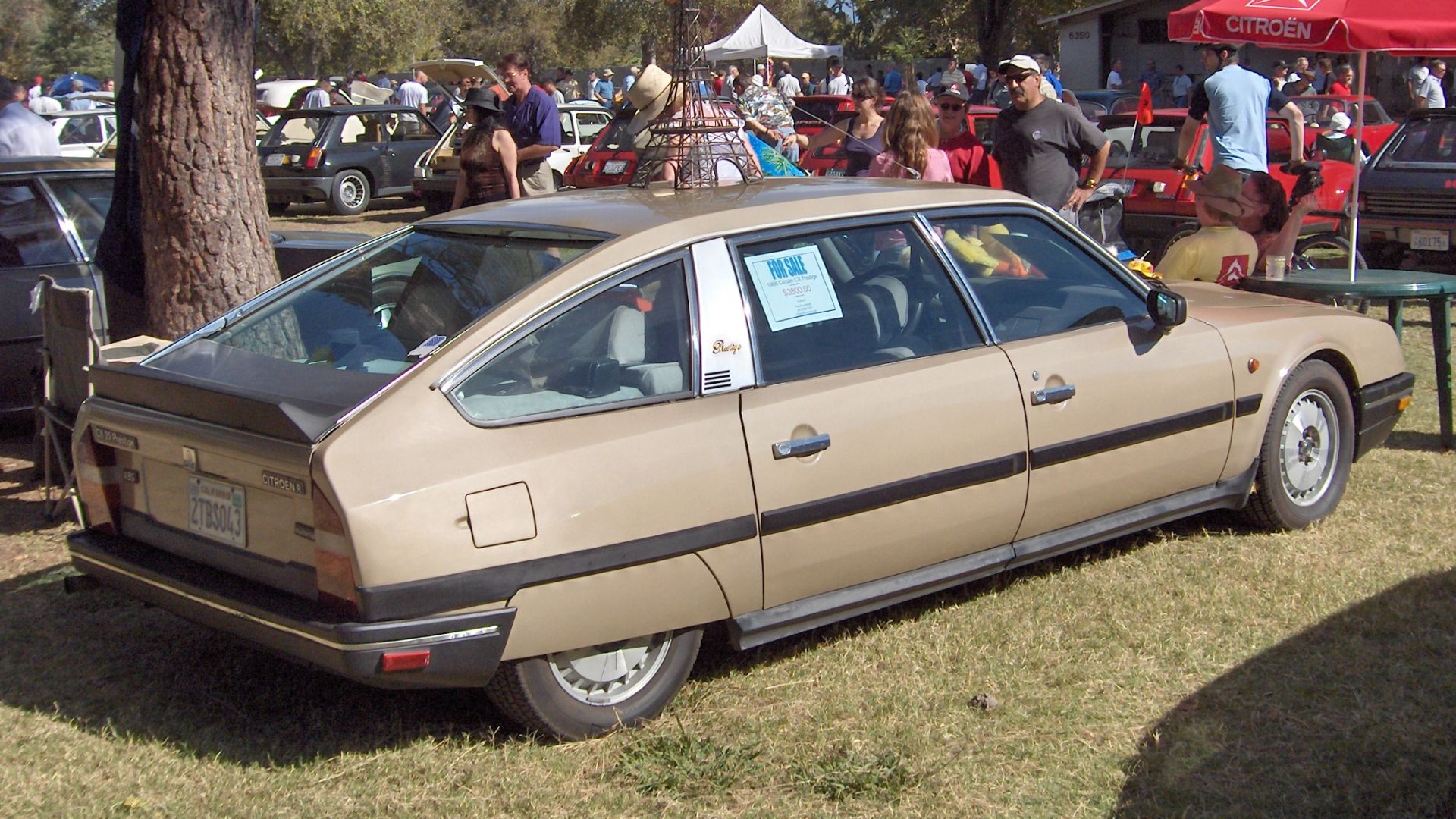
The Citroën CX Prestige looked remarkably futuristic beside conventional executive sedans of the 1980s. Its stretched aerodynamic body, low nose, and partially concealed rear wheels made it instantly recognizable. The Prestige offered additional rear legroom, making it a favorite of French officials and buyers who valued comfort over conventional styling.
The Interior Was Just As Strange
Early CX models featured rotating-drum instruments and controls clustered around the steering wheel, while the hydropneumatic suspension delivered an exceptionally smooth ride. Citroën replaced the unusual instruments with conventional gauges during its 1985 redesign. Today, the earlier cars attract enthusiasts who appreciate their unconventional engineering, although finding replacement interior parts can be difficult.
Lincoln Continental
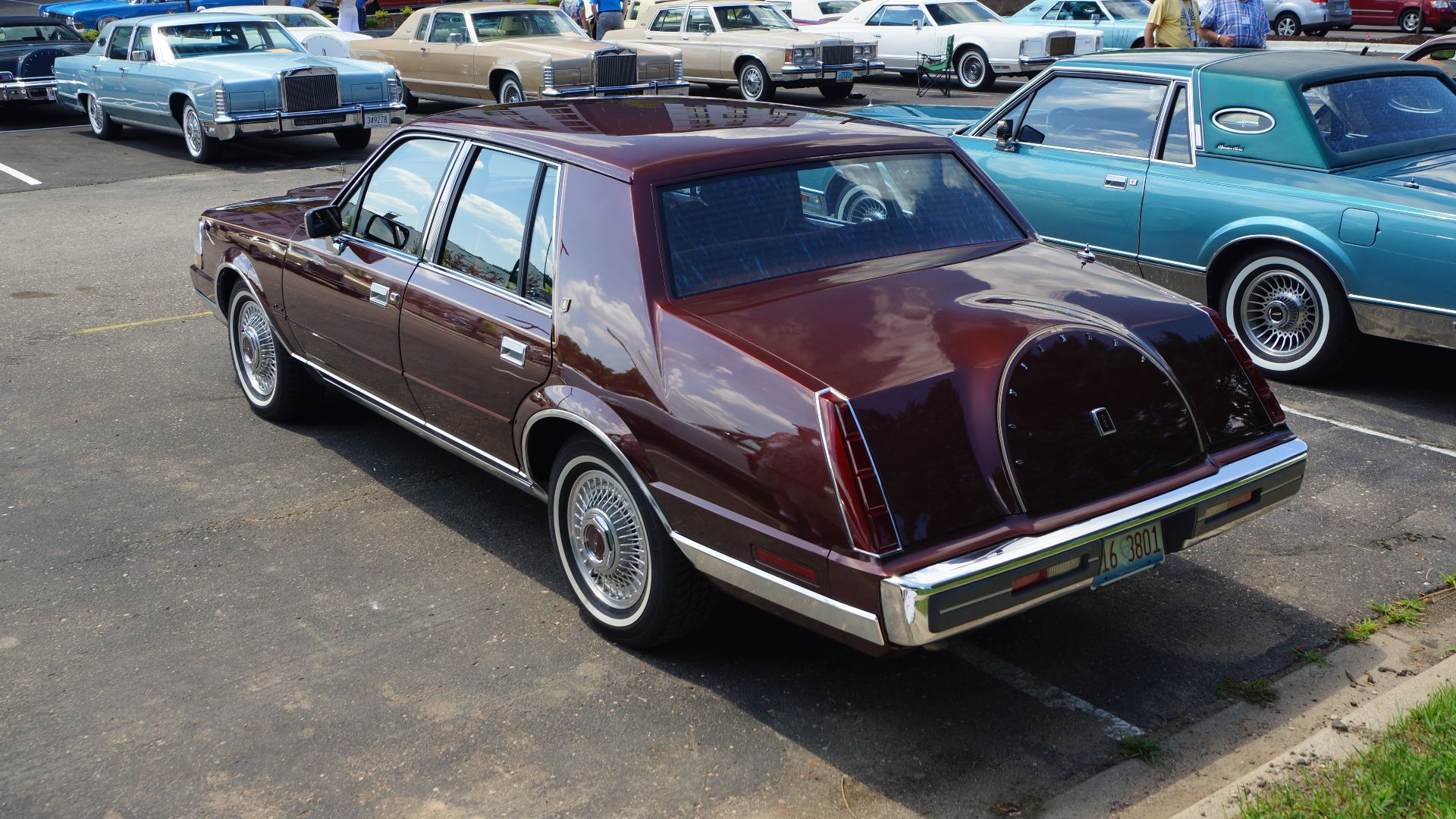
Lincoln joined the unusual-trunk trend when it introduced a redesigned Continental sedan for 1982. Like the Cadillac Seville and Chrysler Imperial, it featured a sharply sloping bustleback rear end inspired by older luxury automobiles. The unusual proportions made it one of Lincoln's most distinctive sedans, even if the styling wasn't universally admired.
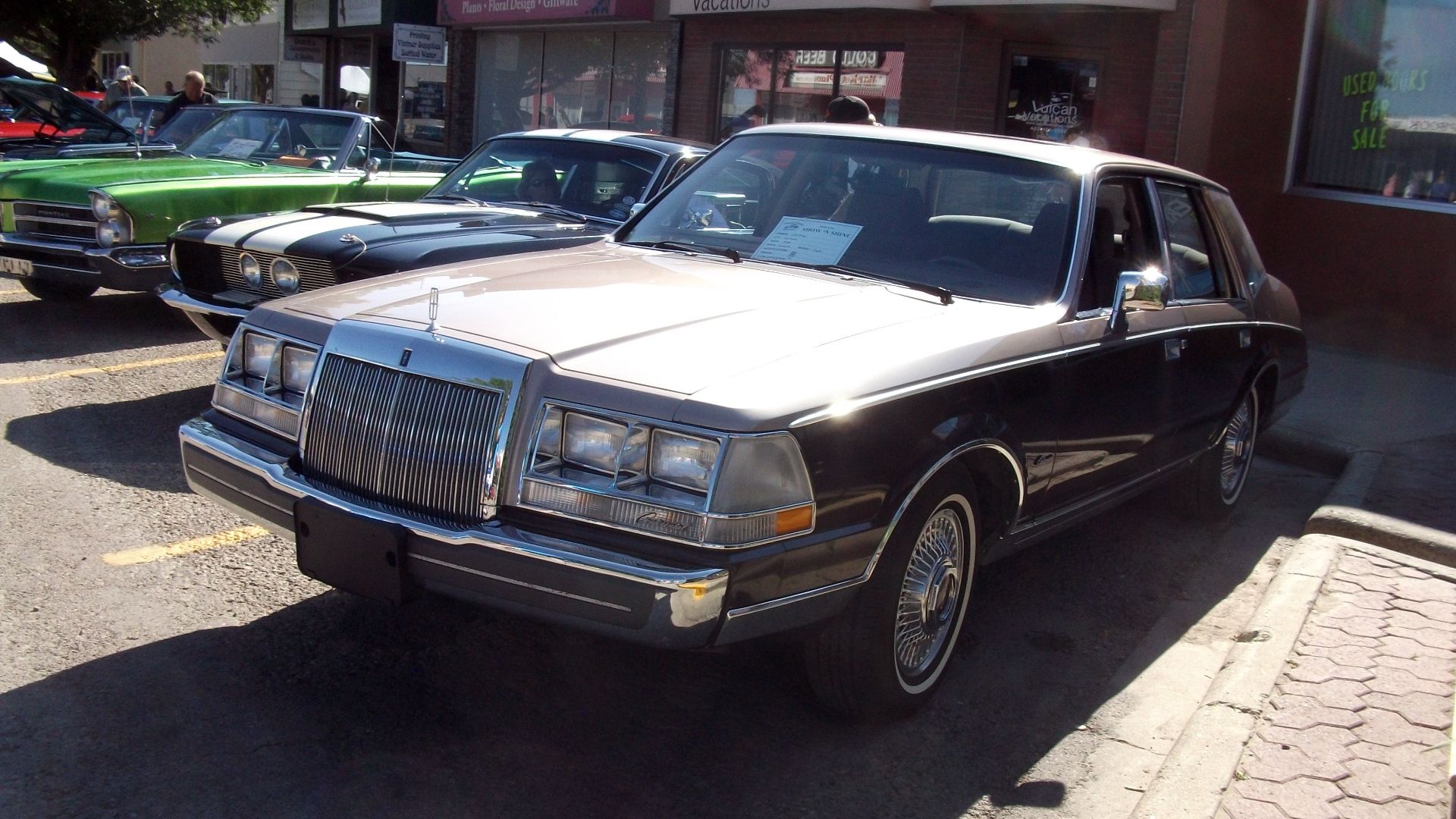
Lincoln Kept The Look Longer Than Its Rivals
While Chrysler discontinued its bustleback Imperial after 1983, Lincoln retained the Continental's unusual rear end through 1987. A facelift in 1984 revised the front styling but left its defining feature largely intact. Today, these Continentals offer an affordable reminder of a brief period when Detroit's luxury manufacturers experimented with remarkably similar designs.
 Greg Gjerdingen, Wikimedia Commons
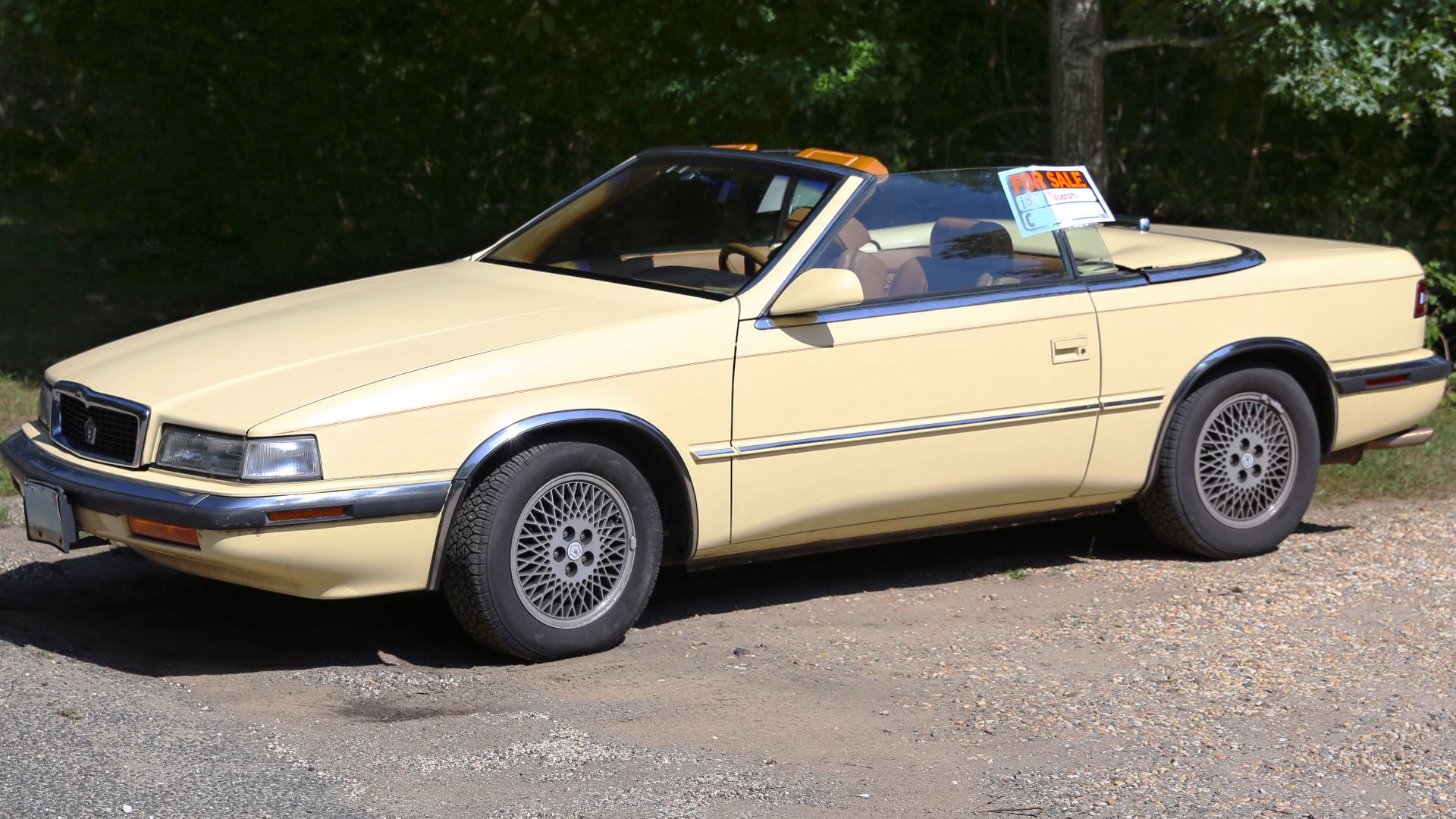
Chrysler TC By Maserati
The Chrysler TC by Maserati arrived for 1989 with a major styling problem: it looked remarkably similar to the much cheaper Chrysler LeBaron. The expensive convertible was assembled in Italy, yet its familiar appearance made it difficult to justify the premium price. Automotive critics questioned the partnership, and the TC became one of Chrysler's more notorious luxury disappointments.
 Mr.choppers, Wikimedia Commons
Italian Engineering Couldn't Fix Its Image
Some 1989 models featured a turbocharged engine with a Maserati-developed cylinder head and a five-speed manual transmission. Despite its Italian assembly and luxurious interior, the TC struggled to establish an identity before production ended in 1991. Surviving examples occasionally attract collectors, particularly the relatively uncommon manual-transmission cars.
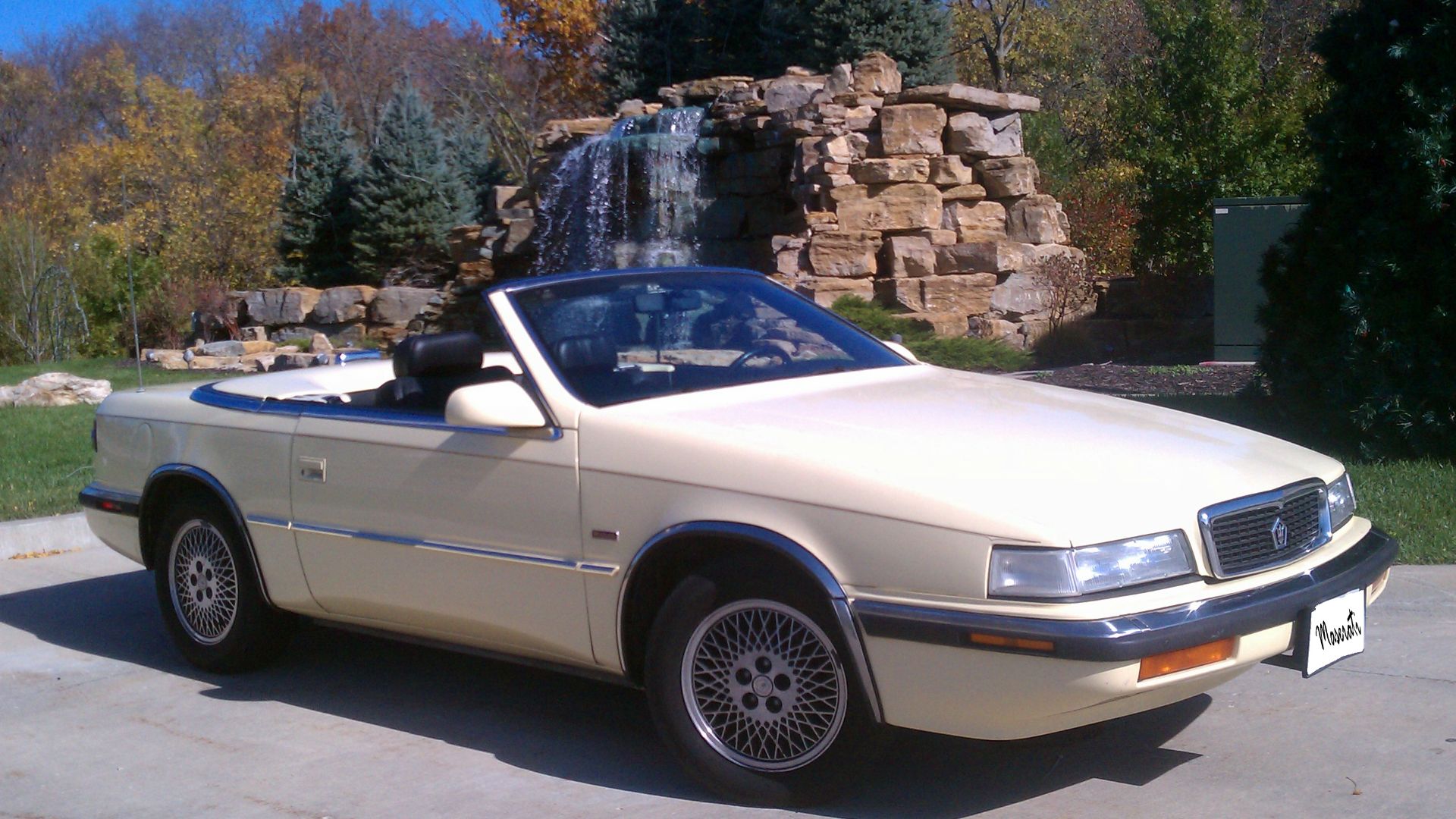 Mesatrooper, Wikimedia Commons
Infiniti Q45
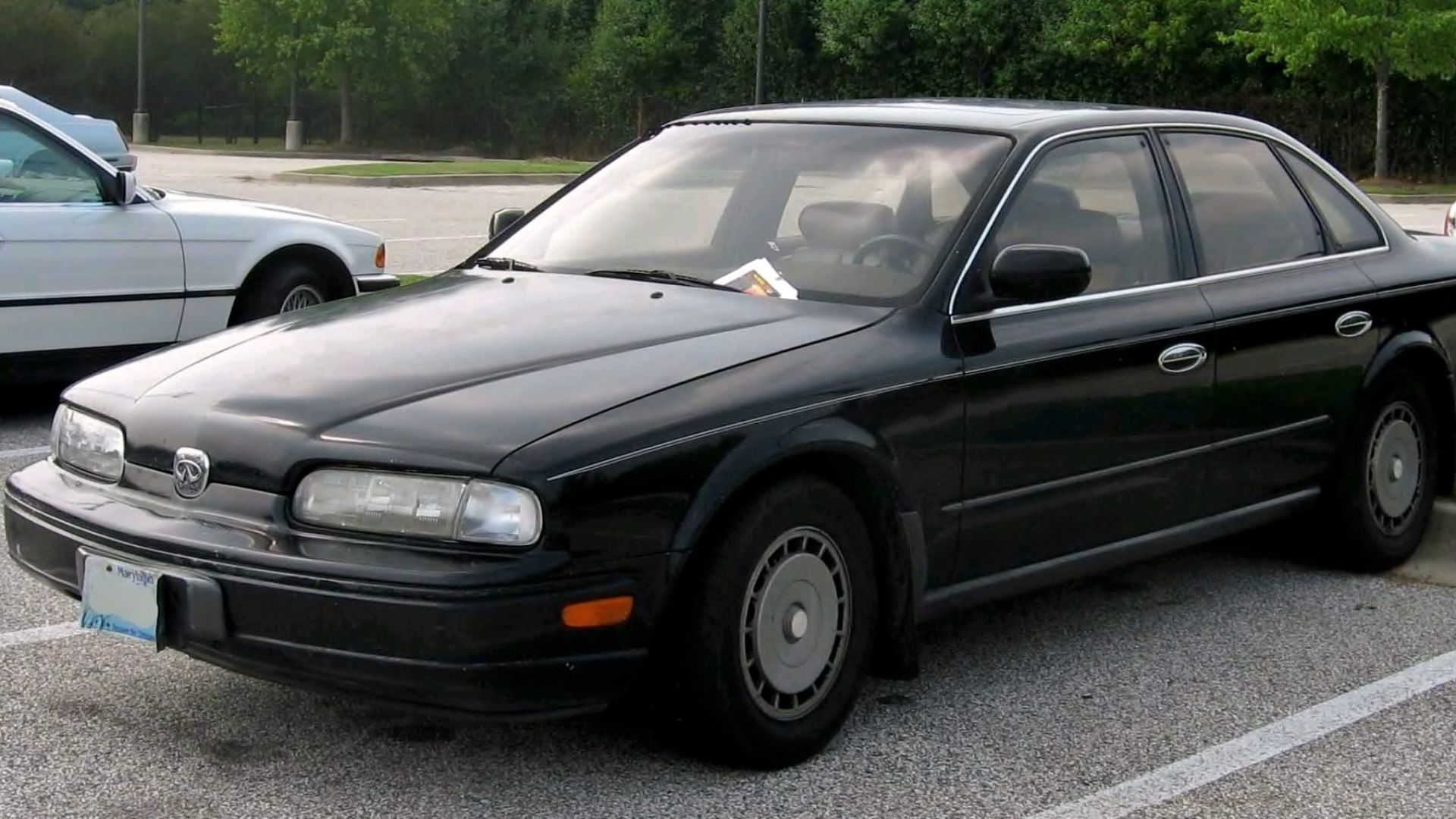
When Infiniti introduced the Q45 in late 1989 as a 1990 model, it challenged traditional luxury-car styling with an almost grille-free front end. While competitors displayed prominent chrome grilles, Infiniti gave its flagship sedan a smooth nose with a small decorative emblem. The minimalist design proved polarizing, especially among buyers accustomed to more conventional luxury sedans.
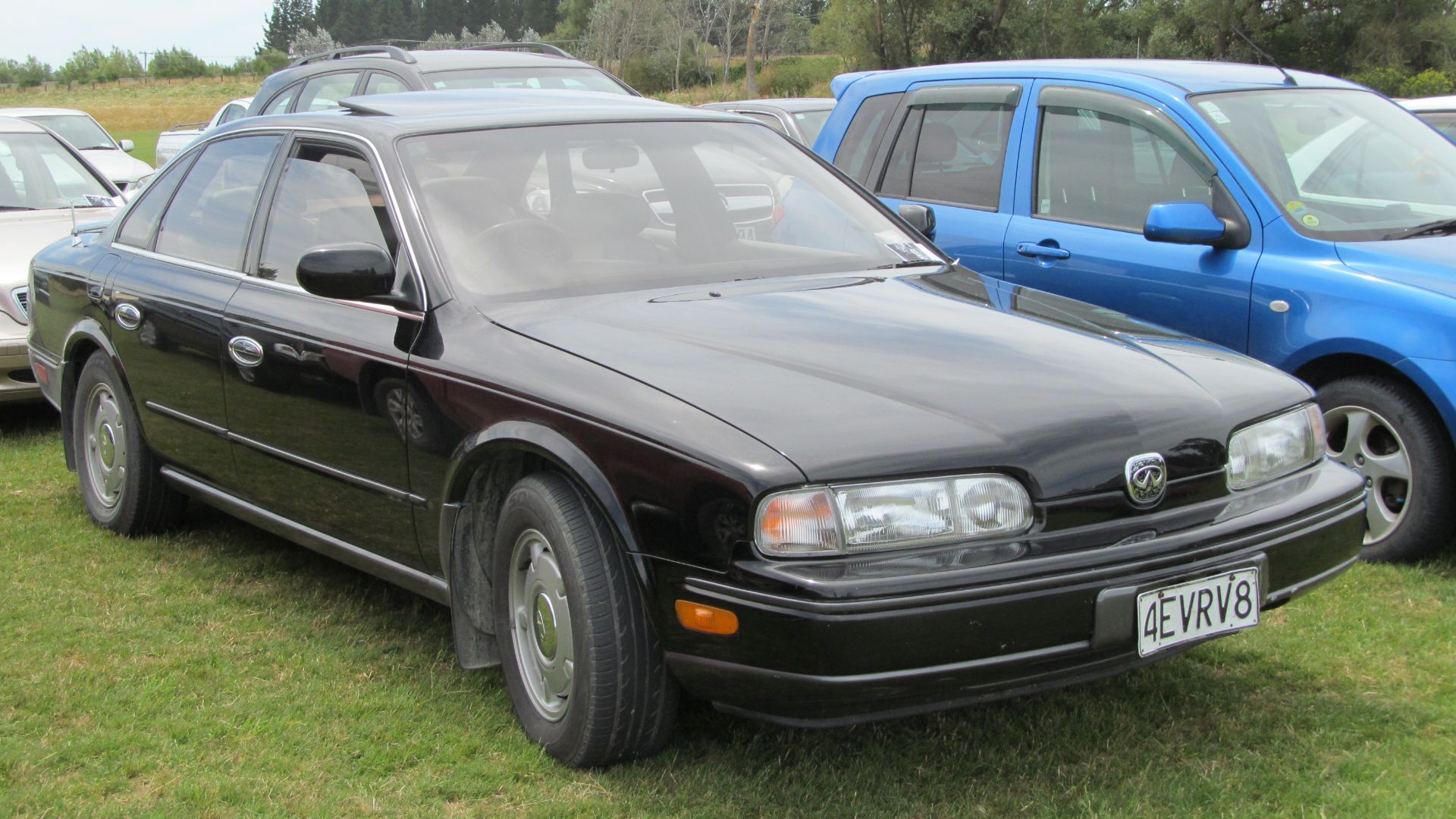 Riley from Christchurch, New Zealand, Wikimedia Commons
The Missing Grille Was No Accident
Infiniti's design team reportedly debated whether the Q45 needed a traditional grille, ultimately choosing the cleaner appearance. The car also featured a powerful 4.5-liter V8 and sophisticated suspension technology, making it more than a styling experiment. Its unusual design now distinguishes the original Q45 from the many conventional luxury sedans that followed.
Yesterday's Oddities, Today's Collectibles
These luxury cars prove that automotive tastes can change dramatically over time. Designs once dismissed as awkward, excessive, or downright bizarre are now attracting enthusiasts who appreciate their individuality. Not all have become valuable collectibles, but their unusual styling ensures they'll never be mistaken for ordinary cars.
You May Also Like:
American Cars From The 1970s And 1980s That Were Secretly Built By Foreign Automakers
Cars From The 1980s That Looked Fast But Are Embarrassingly Slow—Which One Fooled You?
Forgotten Supercars Of The 1980s—How Many Of These Rare Exotics Do You Remember?