An Affordable Sports Car With A Serious Legacy
For decades, the Toyota Celica was the sports car ordinary people could actually imagine owning. It started as a stylish rear-wheel-drive coupe, spawned the original Supra, transformed into a front-drive sport compact, and eventually became one of the most successful Japanese rally cars of its era.
Here's how the Celica went from affordable transportation with attitude to a genuine motorsport icon.
Toyota Wanted A Sports Car For Regular Buyers
Toyota already had performance credibility from the exotic 2000GT, but that car was far beyond the reach of most young buyers. The Celica took a different approach. Introduced in Japan in late 1970, Toyota described it as the country’s first “specialty car,” combining sporty styling with mass-production mechanicals and an enormous range of configurations. The idea was simple: make owning something fun realistic rather than aspirational.
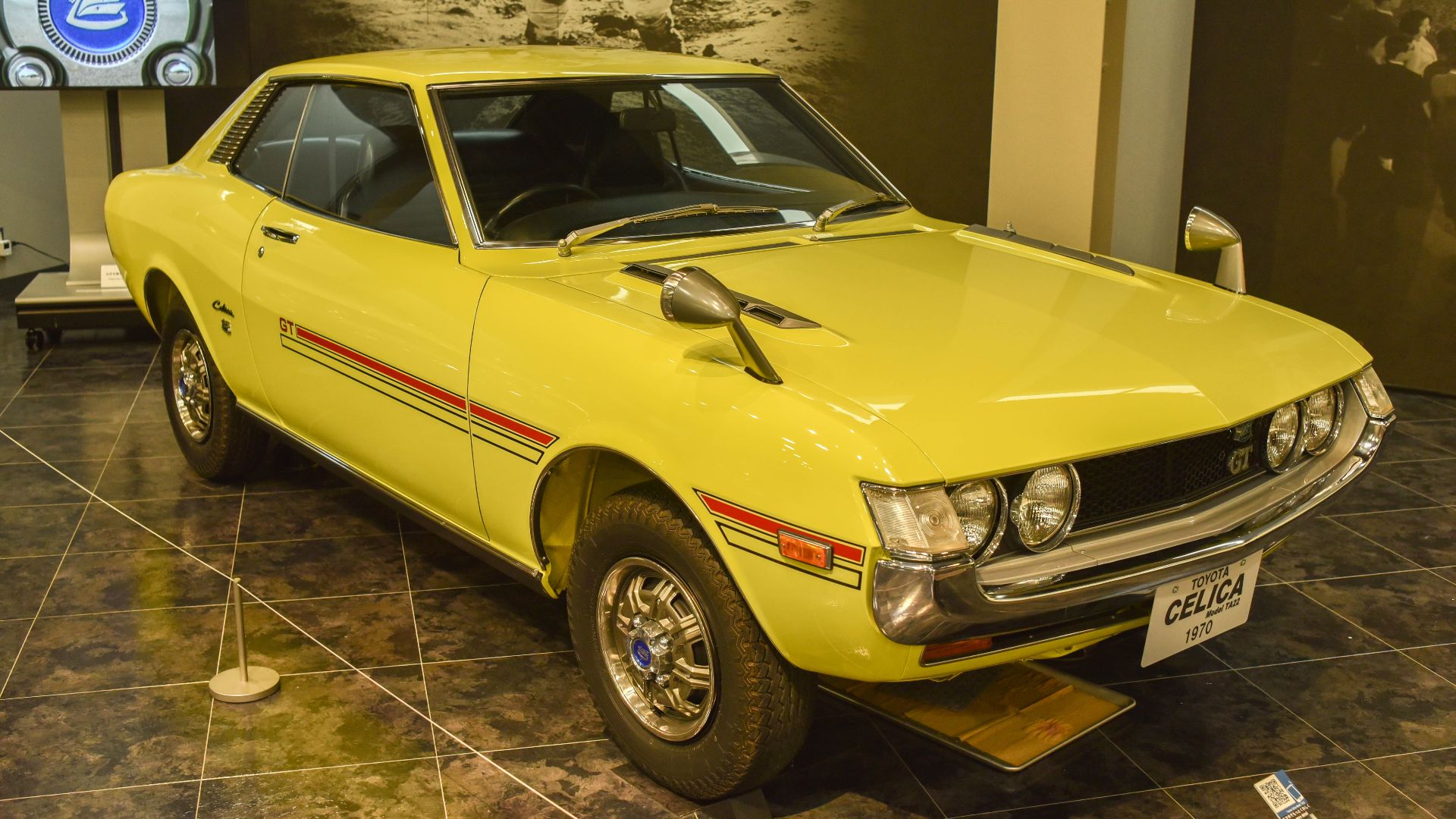 Coolalabright, Wikimedia Commons
America Got The Celica In 1971
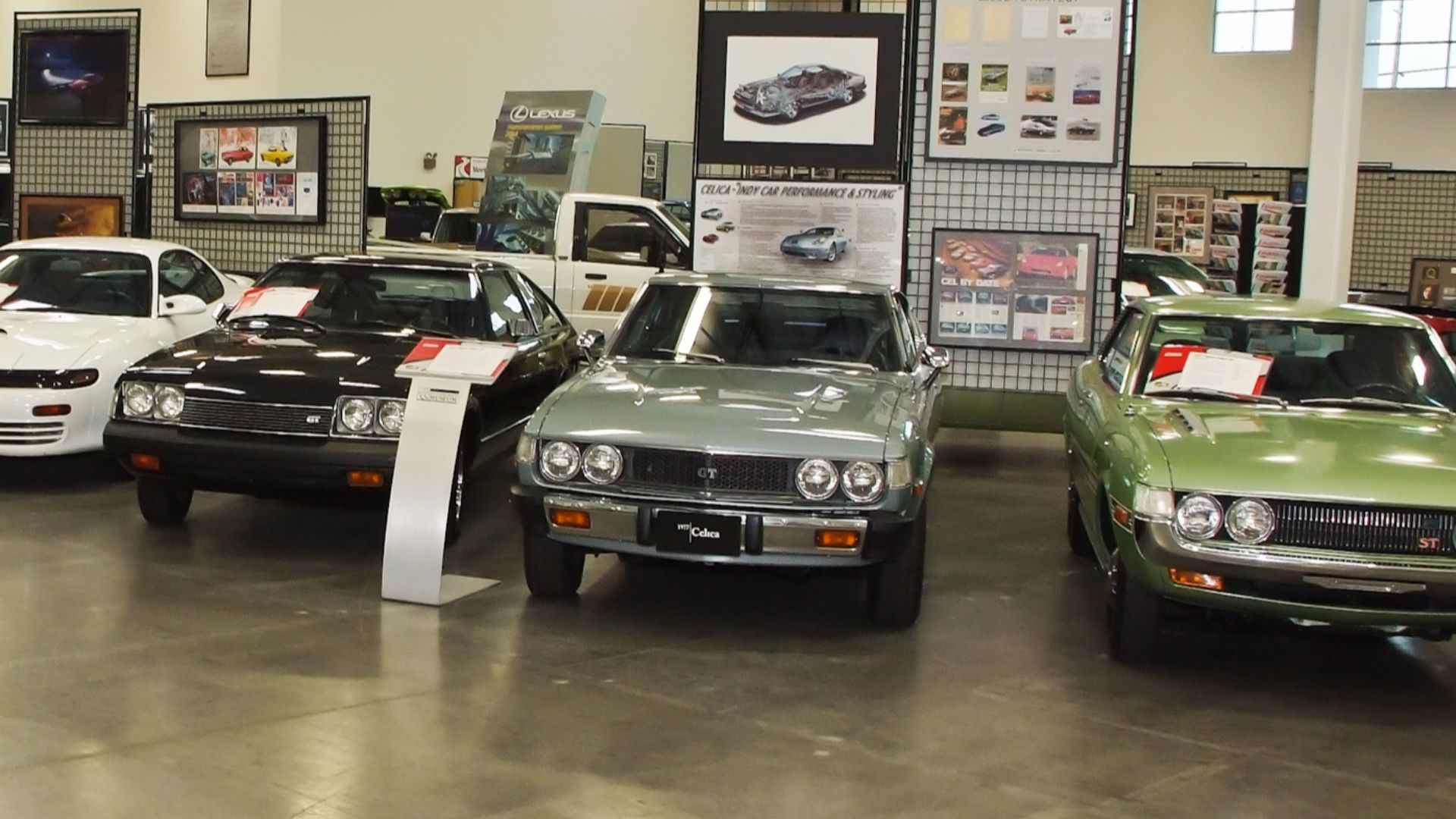
The Celica reached American buyers for the 1971 model year and immediately looked different from Toyota’s sensible sedans. The long hood, short rear deck, rear-wheel drive, and compact proportions gave it a little of the pony-car attitude Americans already understood. But four-cylinder power and Toyota economy made it far easier to justify during a decade when gasoline prices were becoming increasingly important.
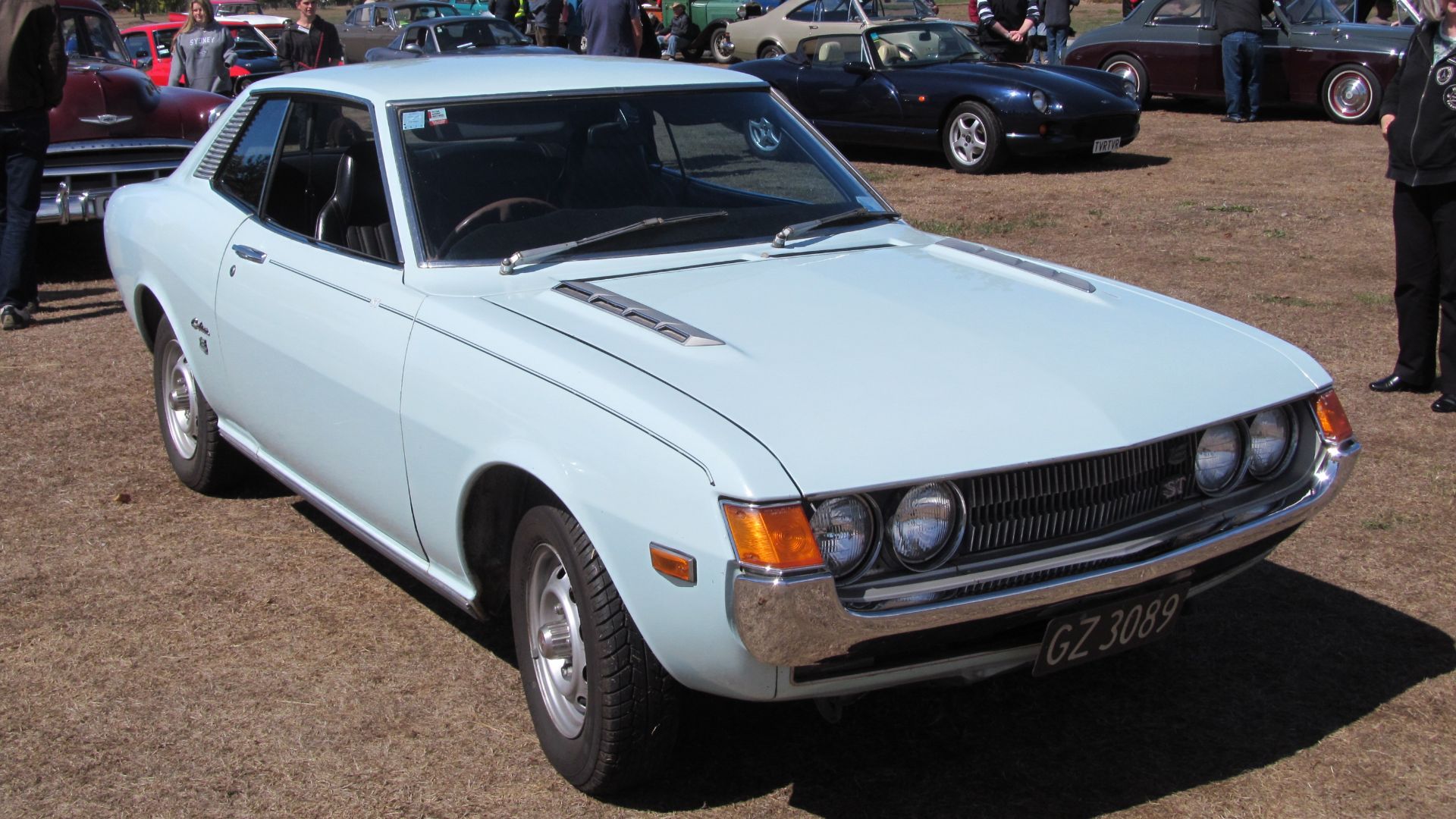 Riley from Christchurch, New Zealand, Wikimedia Commons
The Liftback Made It Even Cooler
Toyota expanded the Celica with a Liftback in Japan in 1973, with the body style reaching the U.S. a few years later. Its sweeping roofline and large rear hatch gave the Celica more visual drama without destroying its practicality. The 1976 GT Liftback became one of the defining early Celicas, combining sporty looks with enough cargo room to remain useful as everyday transportation.
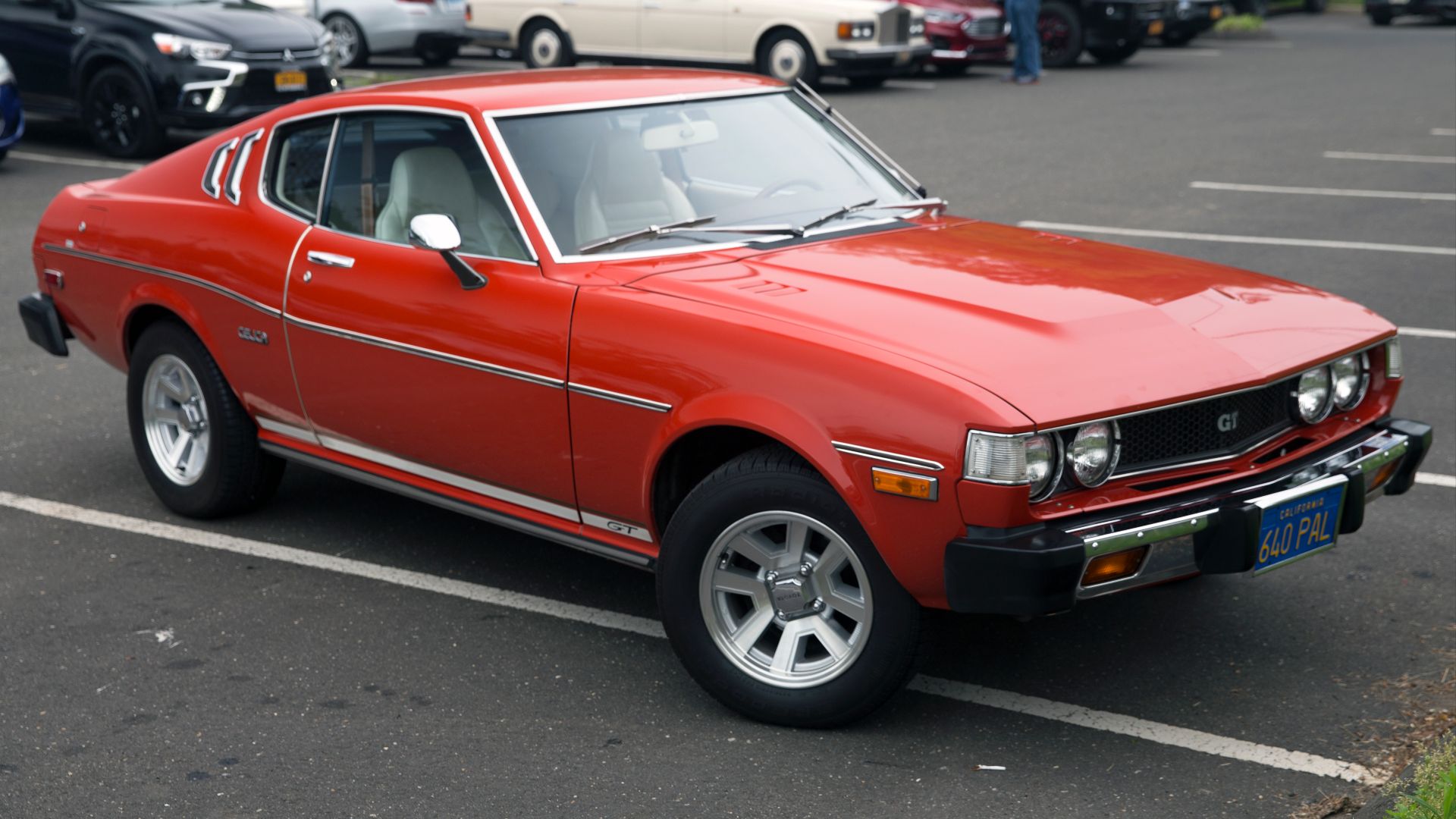 Mr.choppers, Wikimedia Commons
A Million Celicas Came Surprisingly Quickly
The formula worked. In March 1977, Toyota announced that cumulative Celica production had already passed one million, barely six and a half years after production began. Roughly 60 percent of those cars had been exported. The Celica was no longer merely a quirky Japanese alternative to American coupes. It had become a global success, and Toyota had learned there was serious demand for affordable style.
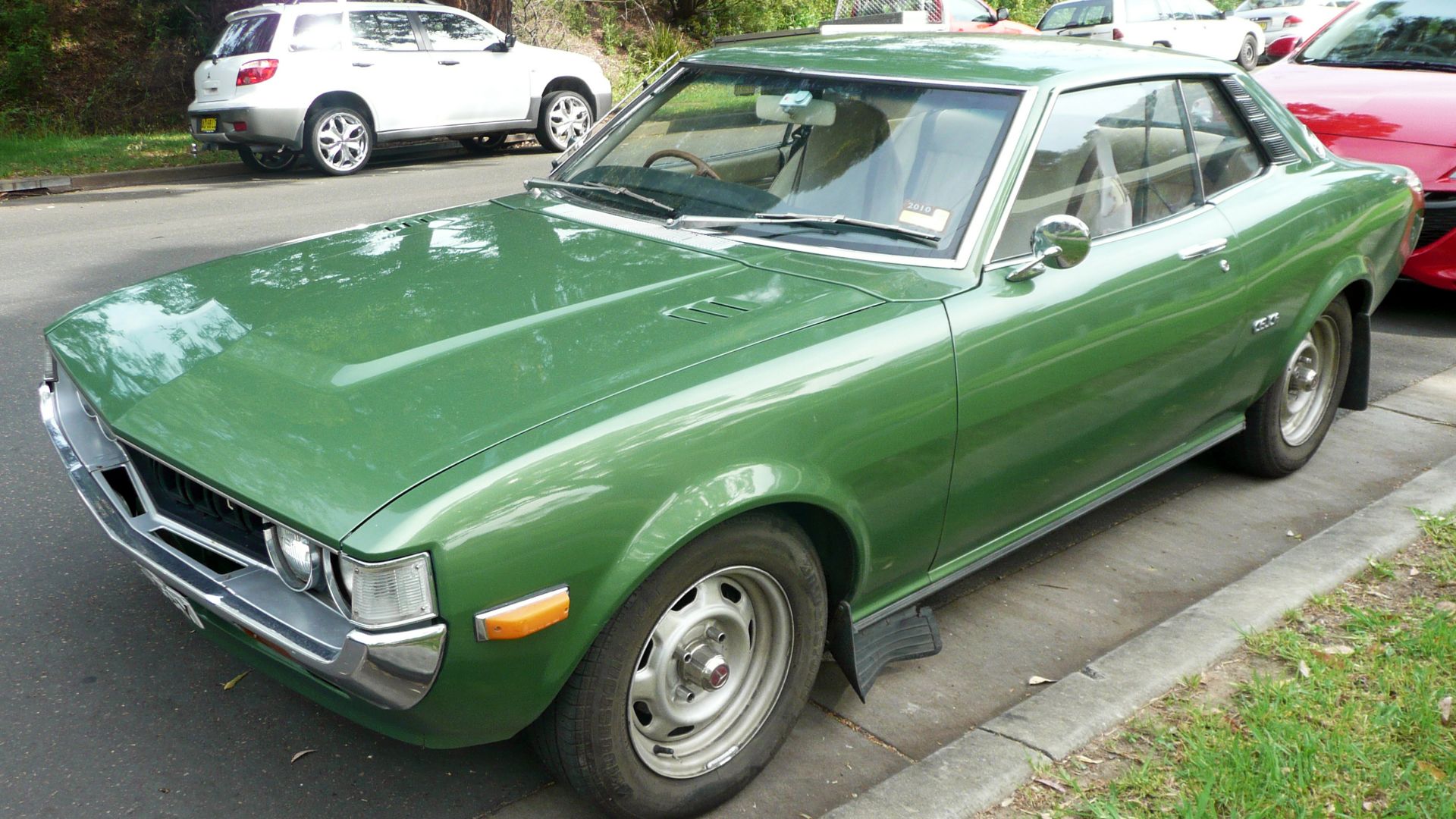
The Second Generation Had An American Connection
The redesigned 1978 Celica carried an important piece of Toyota history with it. Its styling was heavily influenced by Calty, Toyota’s California design operation, making it the studio’s first production-car design. The smoother fastback shape clearly resonated with American buyers: Toyota says more than 167,000 were sold in the U.S. during its first year, making the Celica Toyota’s bestselling American model.
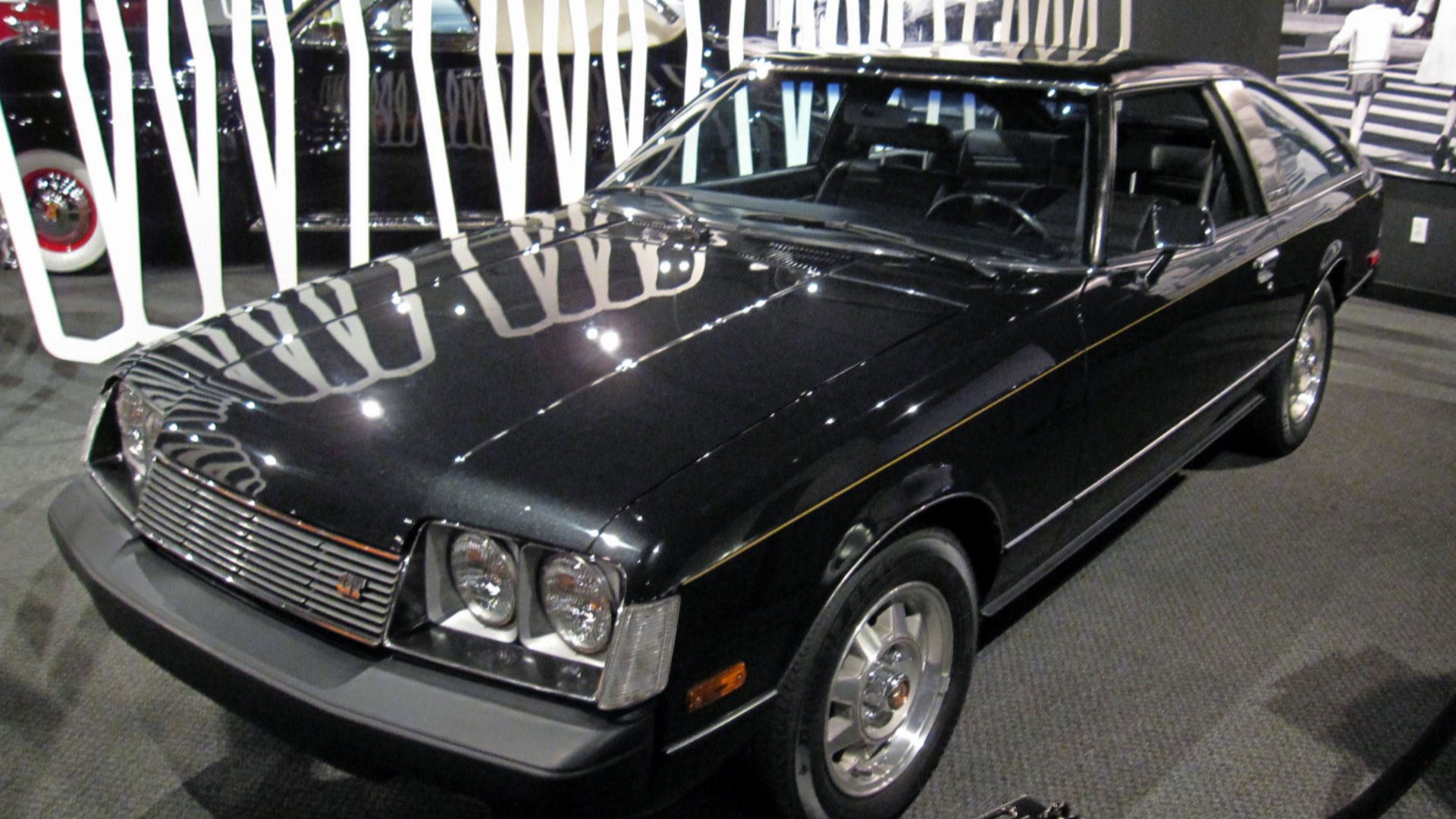 skinnylawyer from Los Angeles, California, USA, Wikimedia Commons
Then The Celica Gave Birth To The Supra
One of the Celica’s greatest legacies began as nothing more than a premium version. For 1979, Toyota stretched and widened the Liftback, fitted a 2.6-liter inline-six making 110 horsepower, and called it the Celica Supra. It was more luxurious and more expensive than an ordinary Celica, but the connection remained obvious. Eventually, Supra would break away entirely and become a sports-car legend of its own.
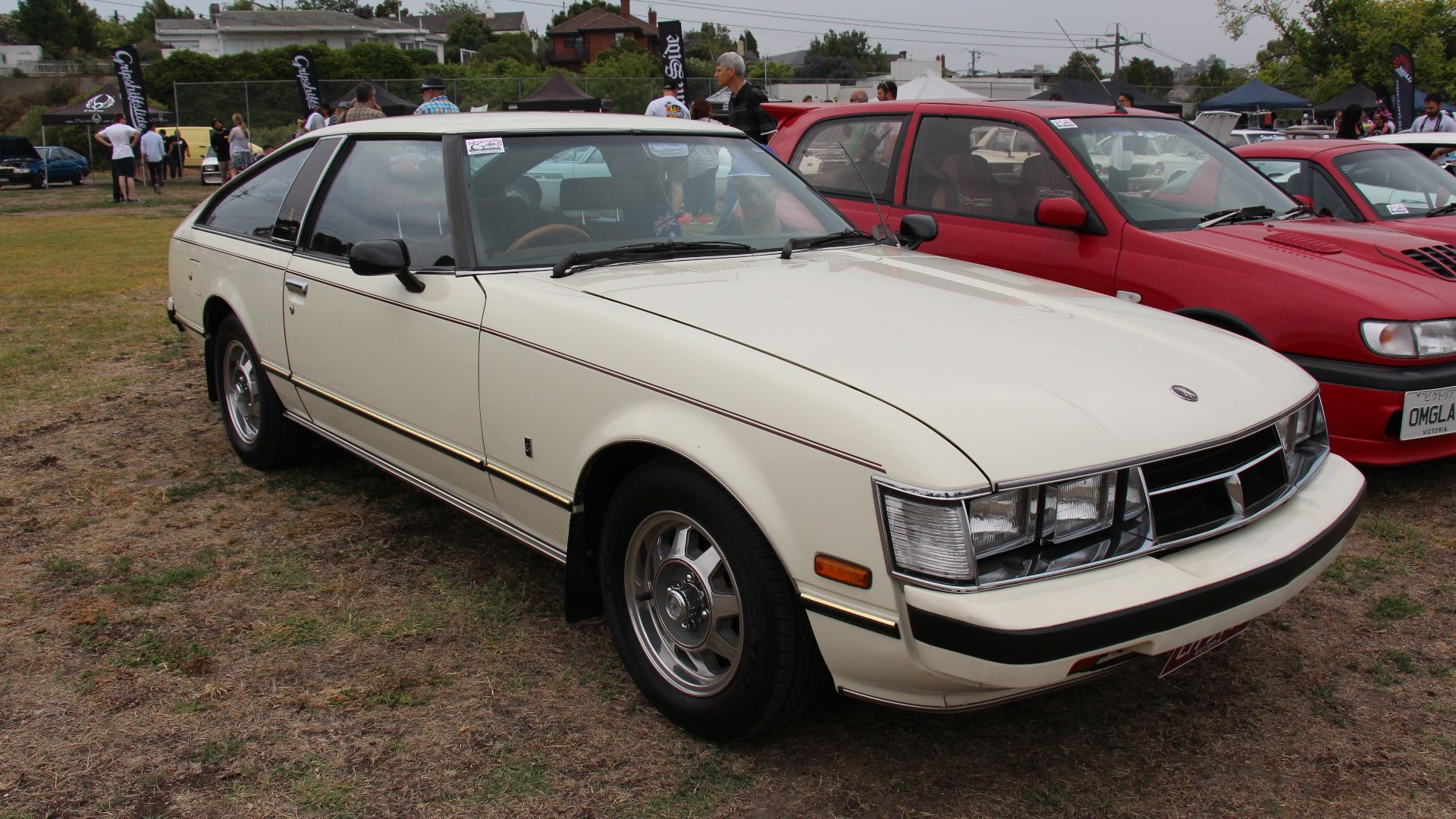
The Third Generation Was The Last Old-School Celica
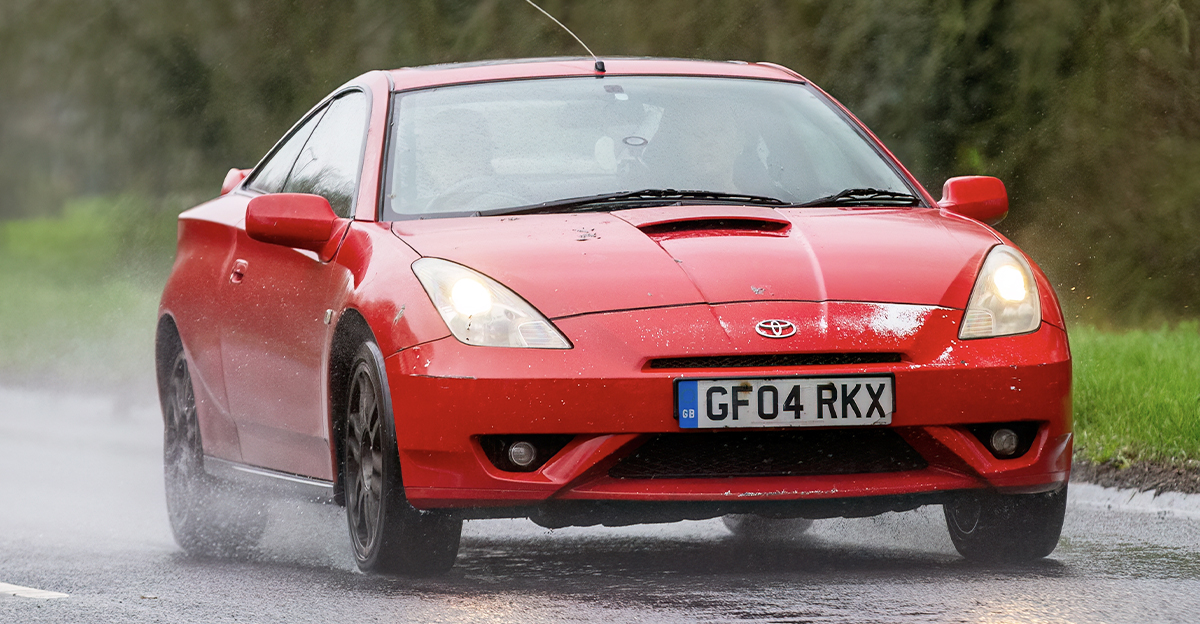
The third-generation Celica arrived in America for 1982 with sharper, more angular styling and plenty of unmistakably 1980s details. More importantly, it kept the traditional front-engine, rear-wheel-drive layout. That made the 1982–1985 cars the last mainstream Celicas built according to the original formula. Toyota was about to make a dramatic mechanical change, but first the rear-drive Celica had some rally business to handle.
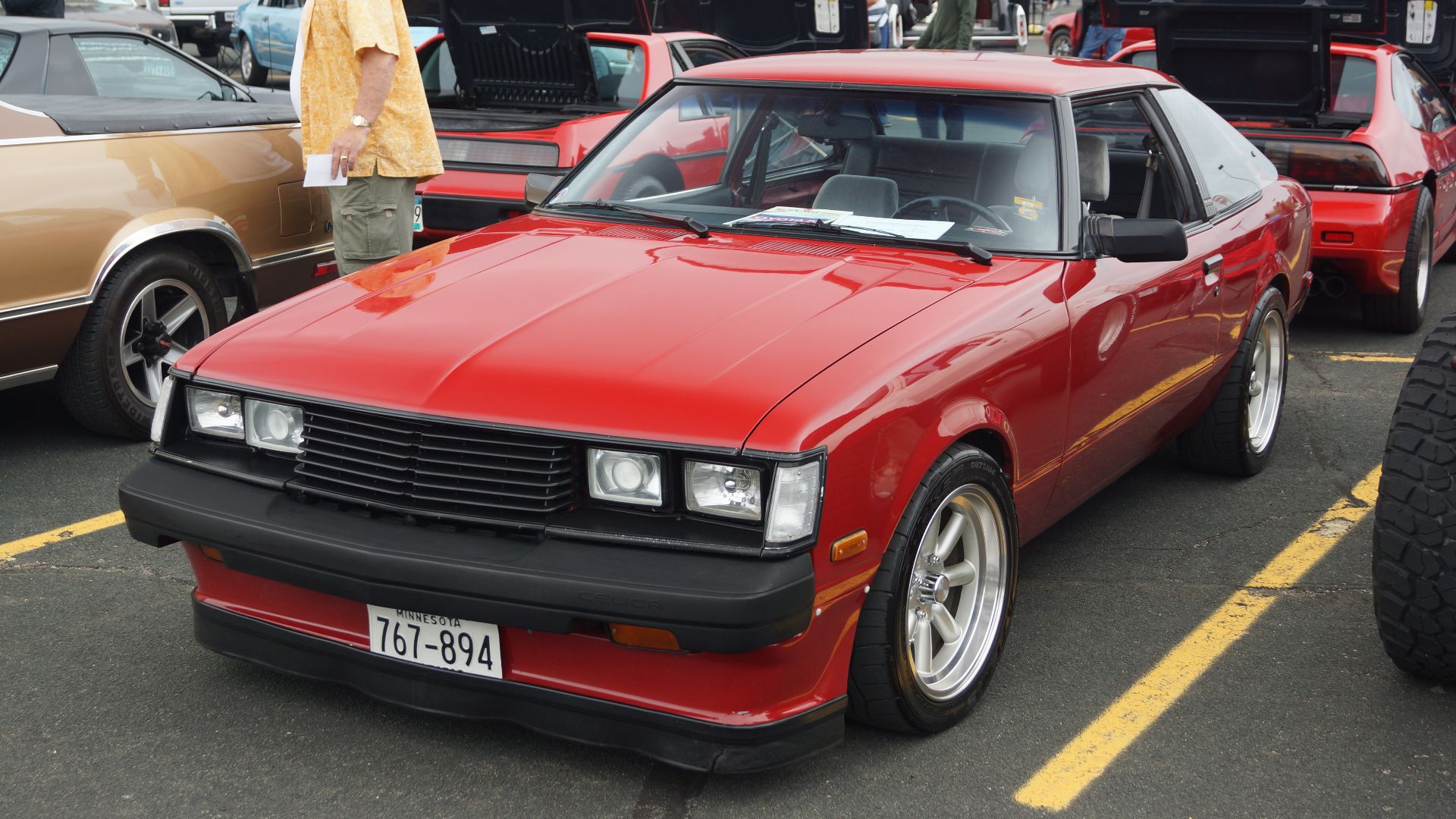 Greg Gjerdingen, Wikimedia Commons
The Rally Story Was Already Getting Serious
Toyota’s rally relationship with the Celica had begun earlier, but the third generation pushed things forward dramatically. In 1982, the Group 4 RA63 Celica debuted at Rally New Zealand and immediately finished first and second, with Björn Waldegård winning ahead of Per Eklund. Suddenly, Toyota wasn’t merely participating in international rallying. The Celica was becoming a genuine contender.
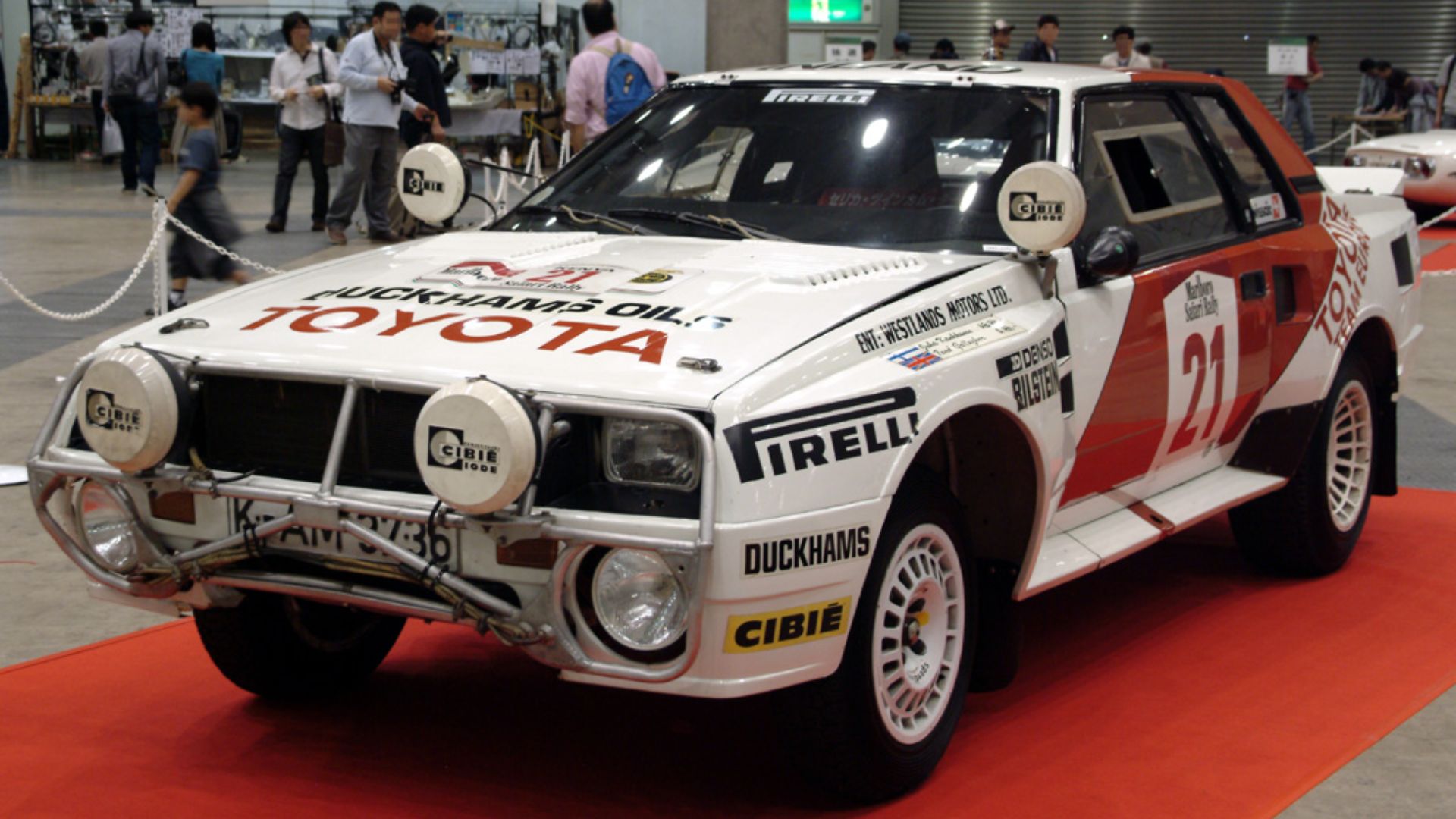
The Celica Became A Safari Rally Monster
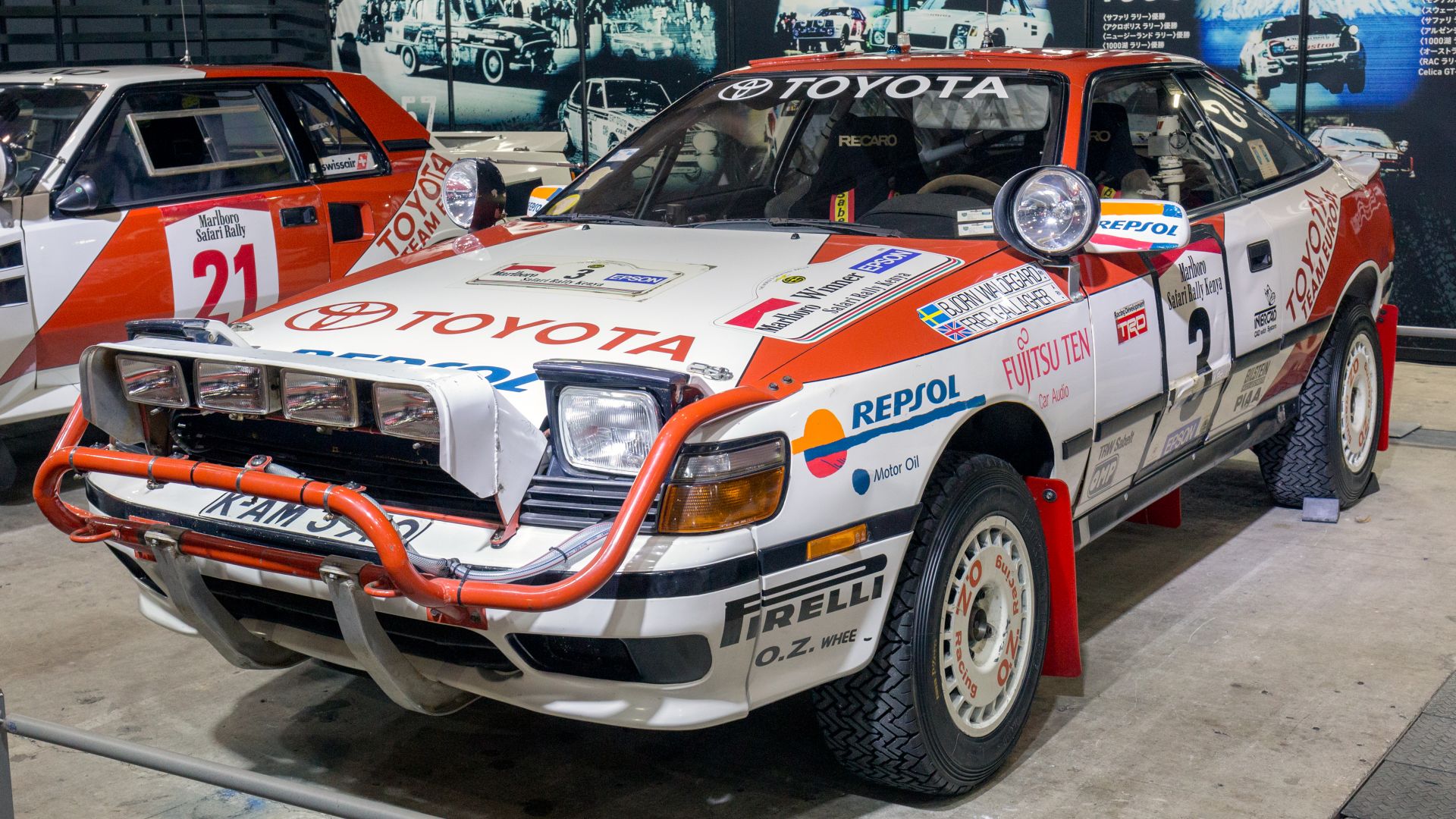
The rear-drive Celica Twin Cam Turbo TA64 was heavily outgunned on paper by some of Group B’s exotic four-wheel-drive machinery, yet it became devastatingly effective on brutal endurance rallies. It scored its first WRC victory in the 1983 Ivory Coast Rally, then won the Safari Rally three consecutive times from 1984 through 1986. Toughness became as important to the Celica’s reputation as speed.
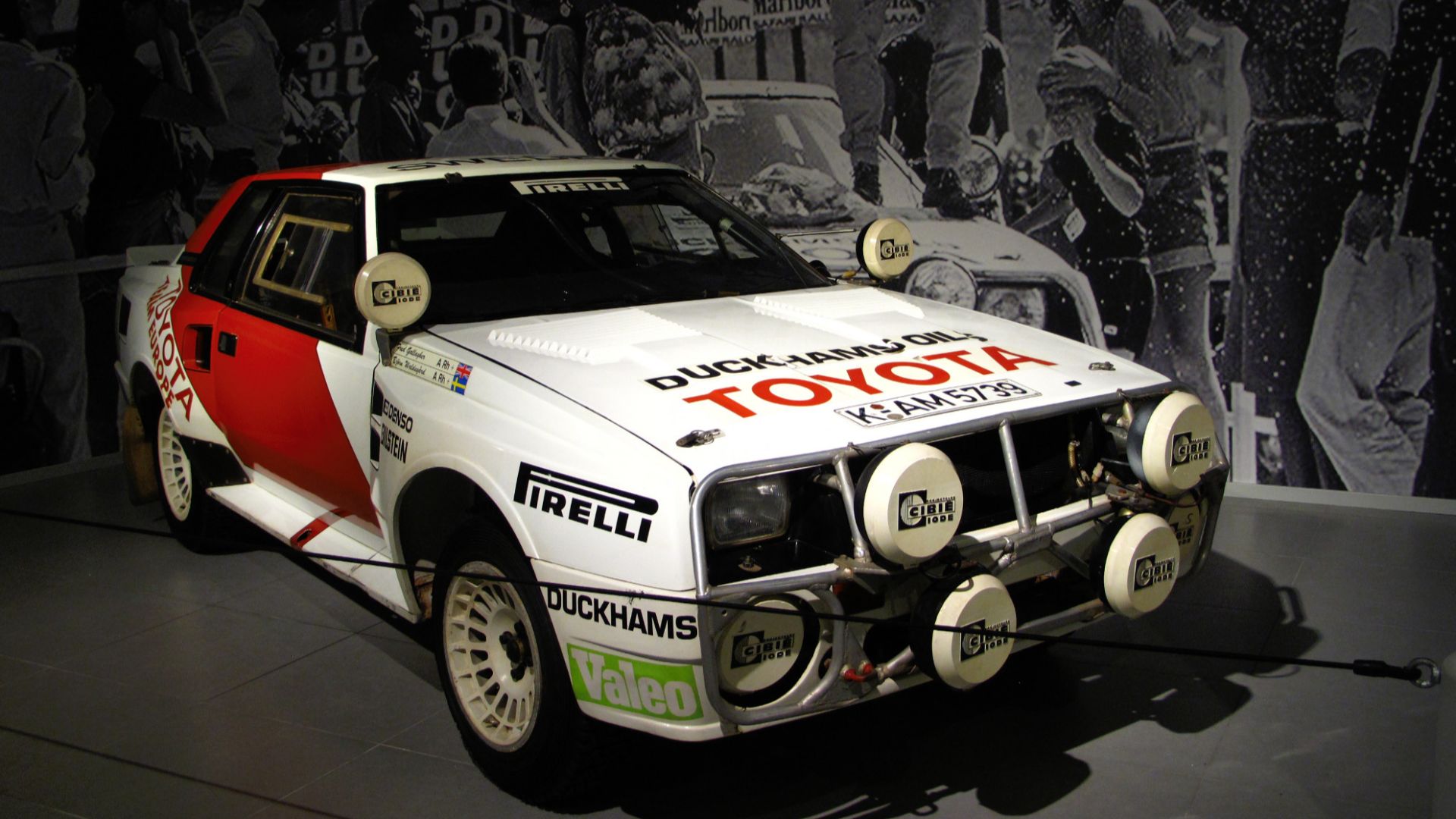 Rutger van der Maar, Wikimedia Commons
Everything Changed For 1986
The fourth-generation Celica abandoned rear-wheel drive completely for mainstream models. Toyota redesigned it around front-wheel drive, rounded off the styling, improved aerodynamics, and repositioned the Celica for a world increasingly dominated by transverse-engine sport coupes. Purists could’ve viewed that as the end of the traditional Celica. Instead, the change created the foundation for its most famous performance model yet.
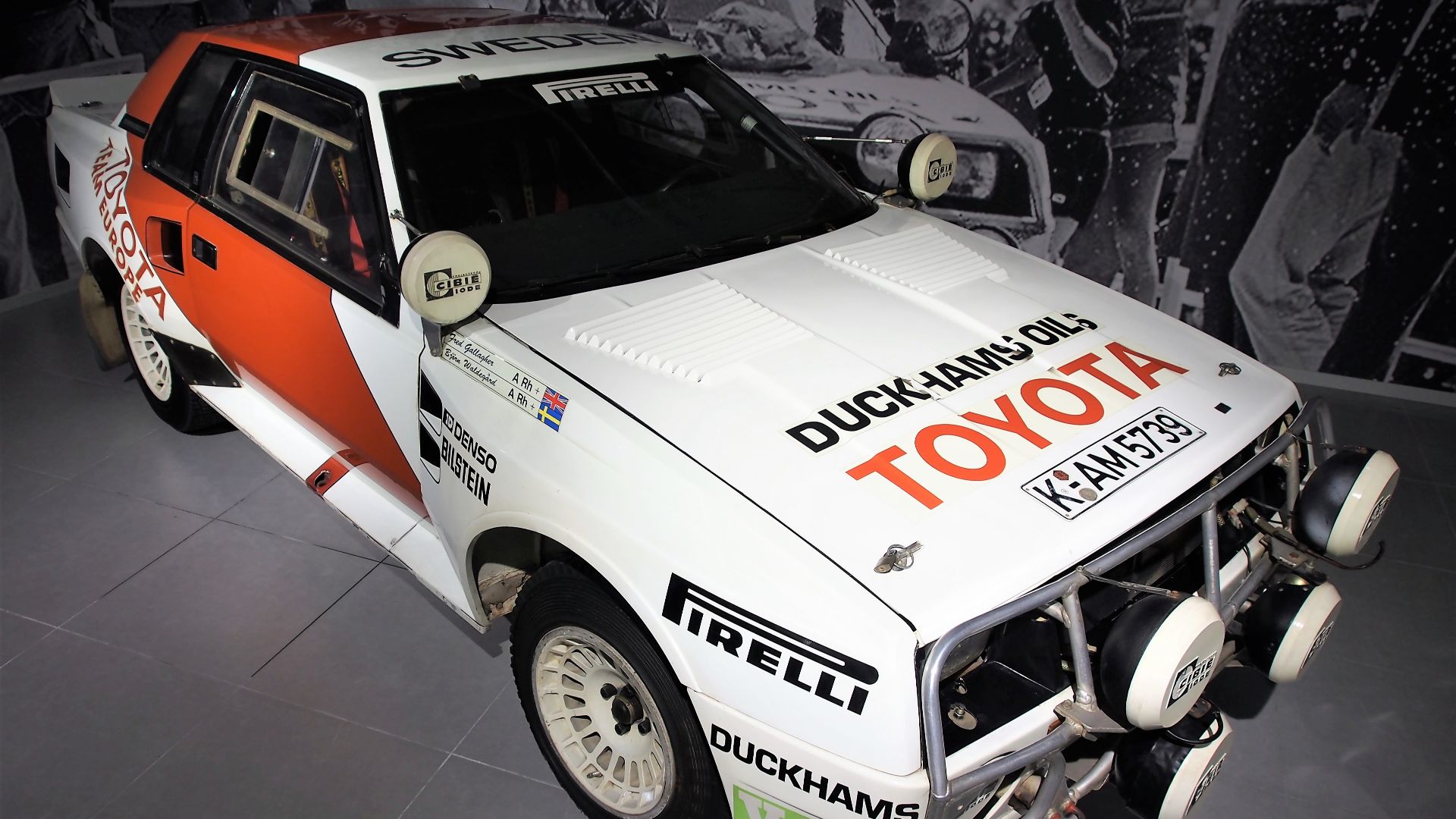 Alf van Beem, Wikimedia Commons
The GT-Four Changed What A Celica Could Be
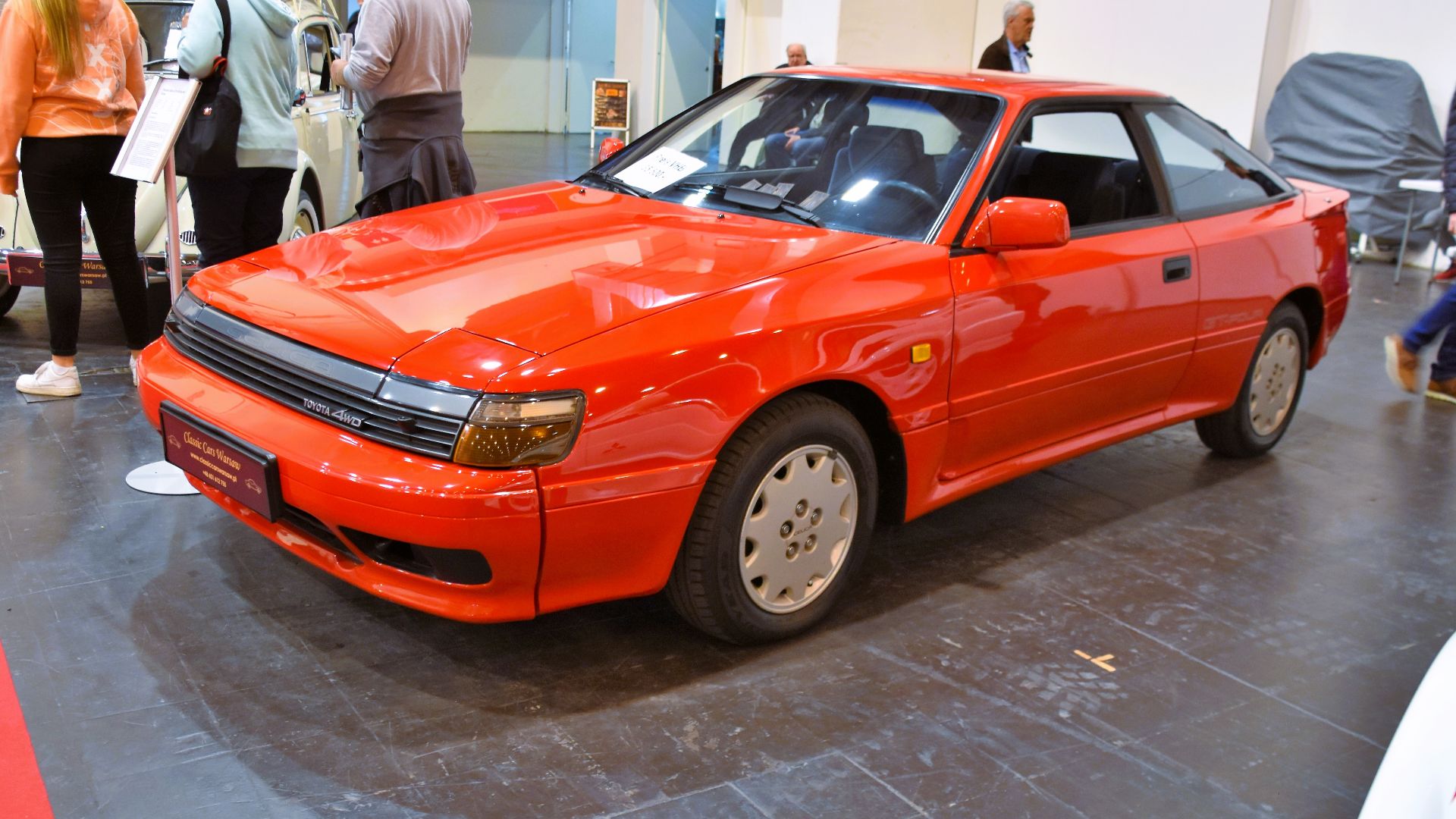
Toyota added turbocharging and four-wheel drive to create the Celica GT-Four, sold in America as the All-Trac Turbo. Its 2.0-liter 3S-GTE engine and full-time four-wheel-drive system turned a stylish coupe into a homologation-based performance machine. Toyota was no longer adapting an ordinary rear-drive Celica for rallying. It now had a production car whose fundamental layout was designed with world-class rally competition in mind.
 Charles from Port Chester, New York, Wikimedia Commons
The ST165 Finally Won At The Highest Level
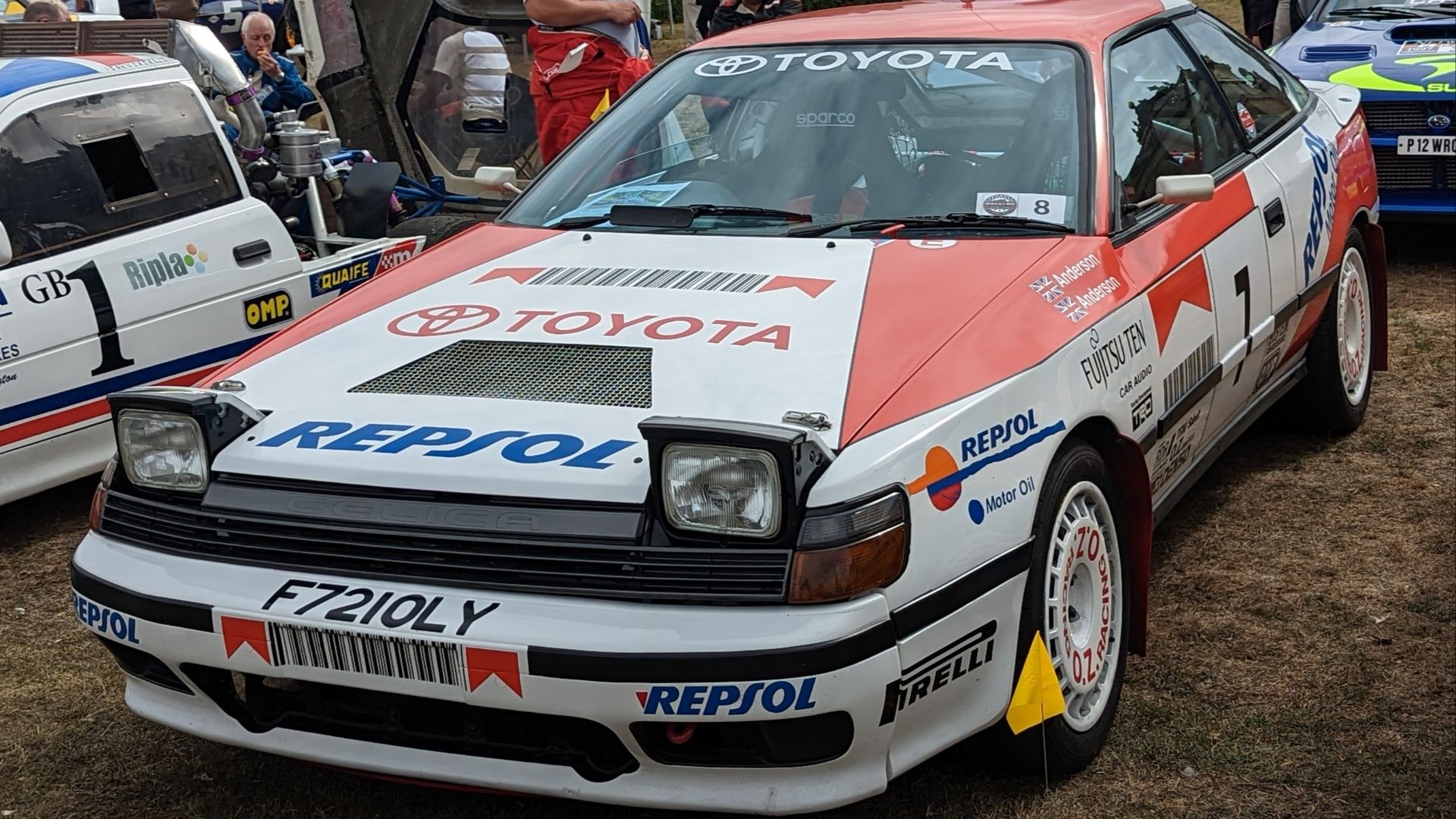
The original GT-Four, known by enthusiasts as the ST165, took time to mature against formidable WRC competition. The breakthrough arrived at the 1989 Rally Australia, where Juha Kankkunen gave the Group A Celica GT-Four its first World Rally Championship victory. It was the beginning of a remarkable run. Toyota finally had the machinery capable of challenging Europe’s dominant rally manufacturers across an entire season.
Carlos Sainz Made The Celica A Champion
In 1990, Carlos Sainz turned the ST165 into a championship-winning car. The Spanish driver secured Toyota’s first WRC drivers’ title, beating the fearsome Lancia Delta teams that had dominated the Group A era. That victory changed the perception of Japanese rally cars. Toyota had demonstrated that the Celica wasn’t simply competitive on selected rough events. It could beat Europe’s best across the full championship.
The Fifth Generation Looked Like The Future
For 1990, the Celica adopted the smooth, rounded styling that became one of its most recognizable shapes. Toyota’s California-based Calty team experimented with ceramic-clay models during the design process, helping influence the new car’s organic surfaces. Ordinary versions remained approachable front-drive coupes and convertibles, while the All-Trac Turbo sat at the top of the range with turbo power and four-wheel-drive hardware.
 Motohide Miwa from USA, Wikimedia Commons
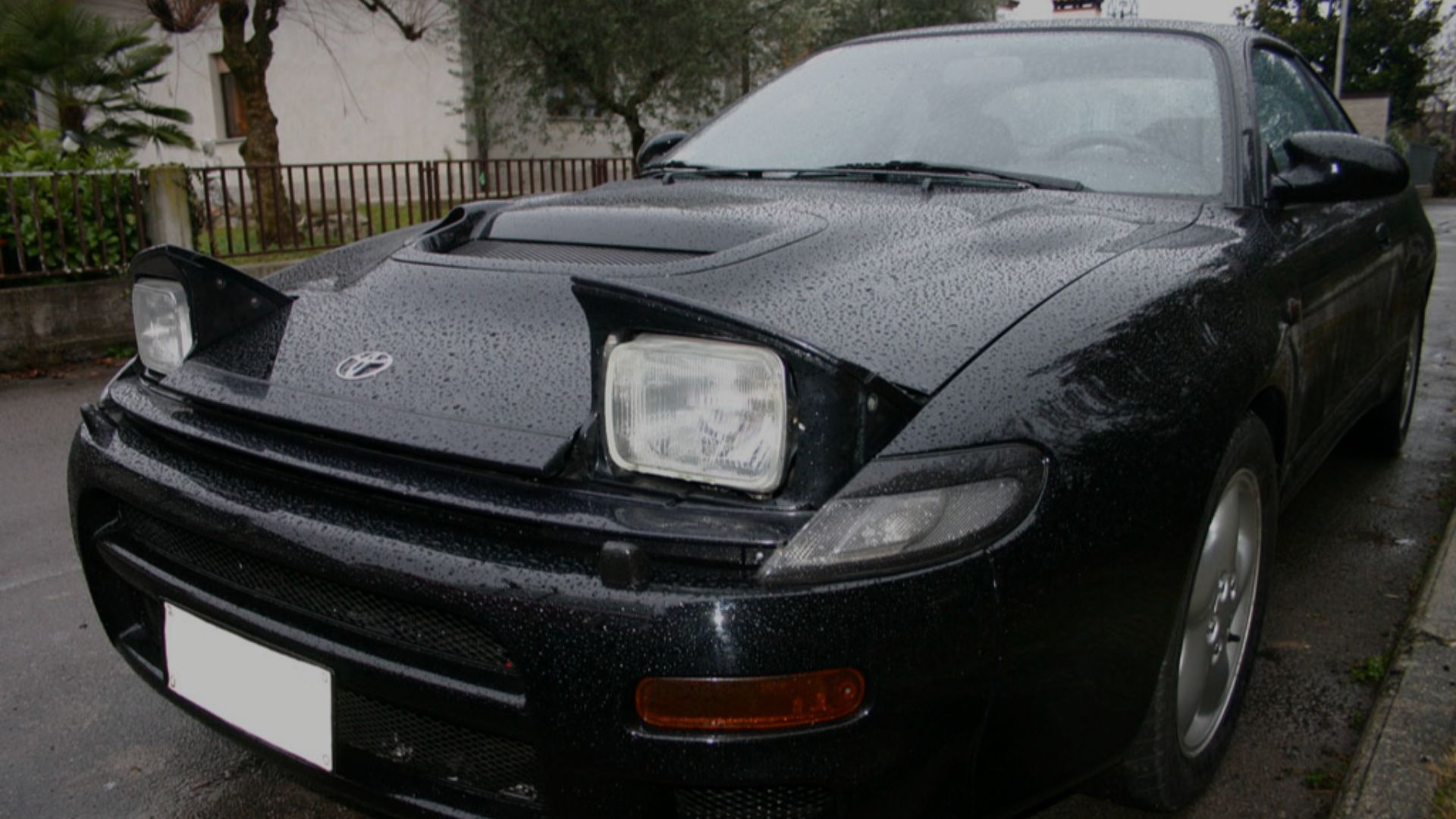
The ST185 Became The Rally Celica Everyone Remembers
The fifth-generation GT-Four, or ST185, became the Celica’s defining competition car. It improved on the ST165 while retaining the turbocharged 3S-GTE and all-wheel-drive formula. Once Toyota Team Europe sorted the car, its reliability and adaptability became major advantages. Engineers and drivers later remembered how difficult it was to break. More importantly, it delivered championship after championship during Toyota’s early-1990s golden era.
 Waller at Italian Wikipedia, Wikimedia Commons
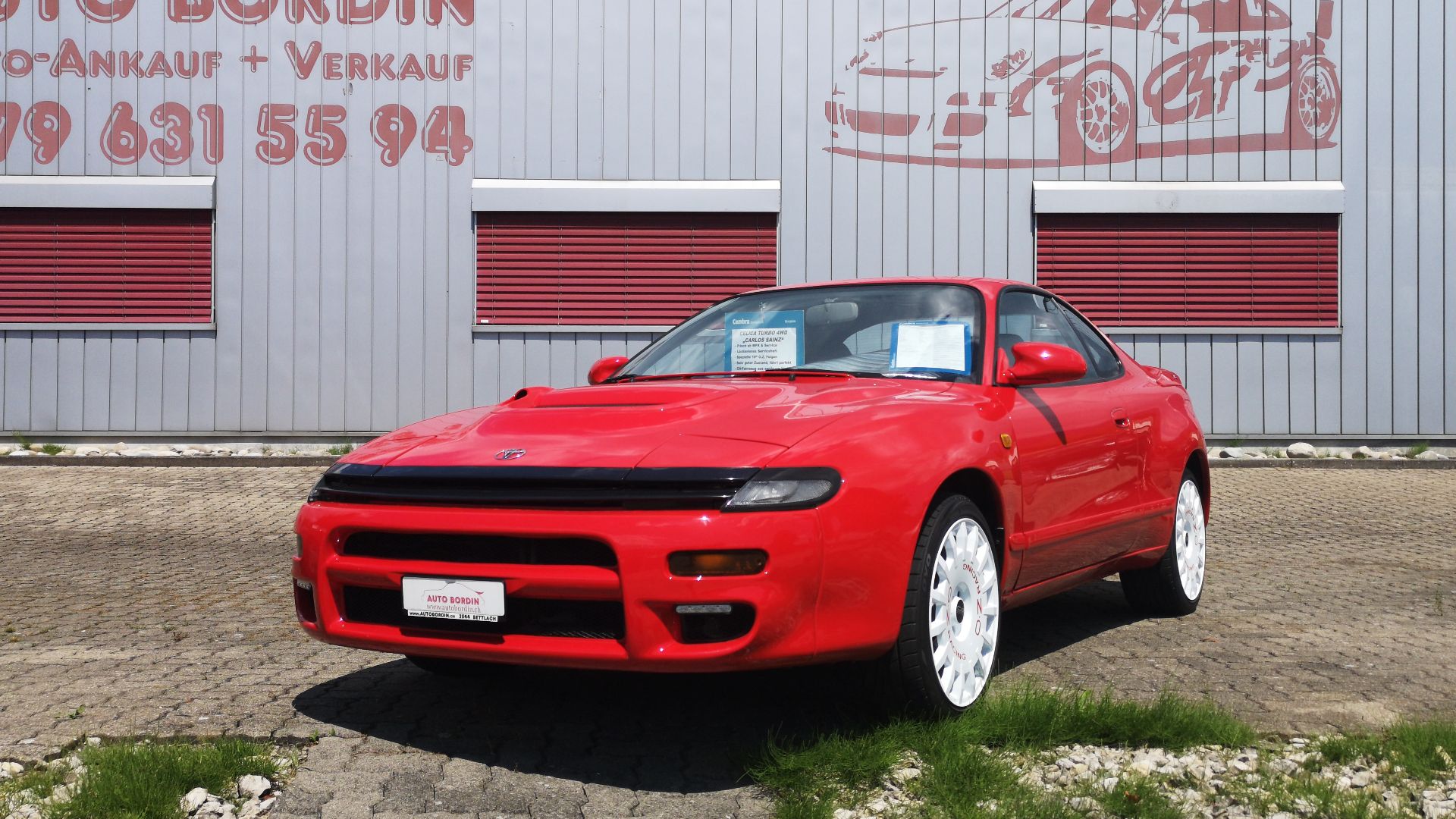
Toyota Even Built A Carlos Sainz Celica
Rally homologation created one of the most collectible production Celicas. Toyota produced 5,000 examples of the Celica GT-Four Carlos Sainz Limited Edition, incorporating changes including specialized turbo and intercooler equipment to support the competition program. The car carried Sainz’s name in honor of Toyota’s rally champion. For enthusiasts today, these limited-production GT-Fours represent one of the strongest links between showroom Celicas and the WRC machines.
Sainz Took Another Title In 1992
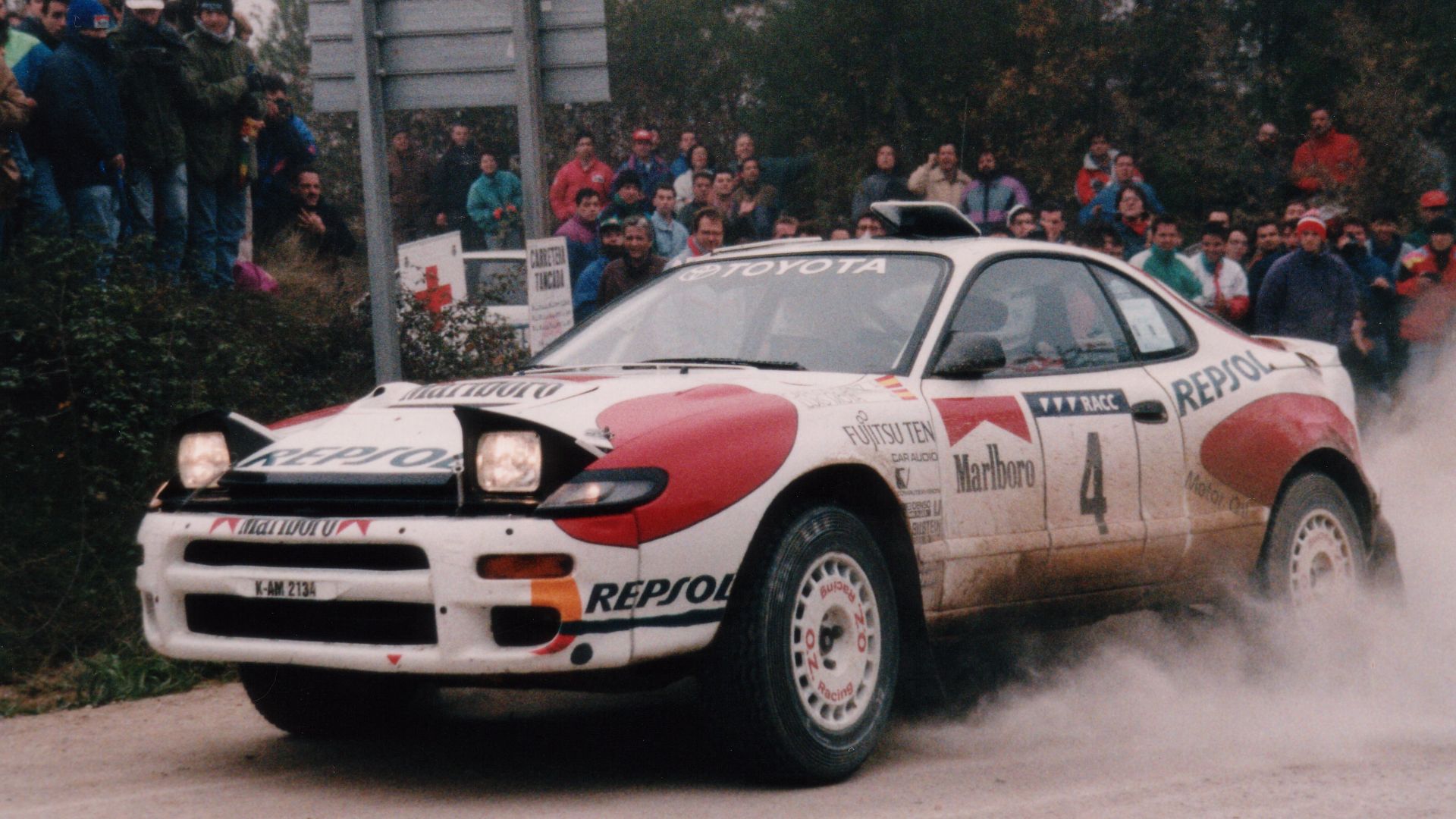
The ST185’s first WRC victory came at the 1992 Safari Rally with Carlos Sainz, and the season ended even better. Sainz secured his second drivers’ championship for Toyota at the final round, Britain’s RAC Rally. The victory confirmed that 1990 hadn’t been a one-off. The Celica was now one of the machines to beat, and Toyota was closing in on an even bigger prize.
Toyota Finally Won The Manufacturers' Championship
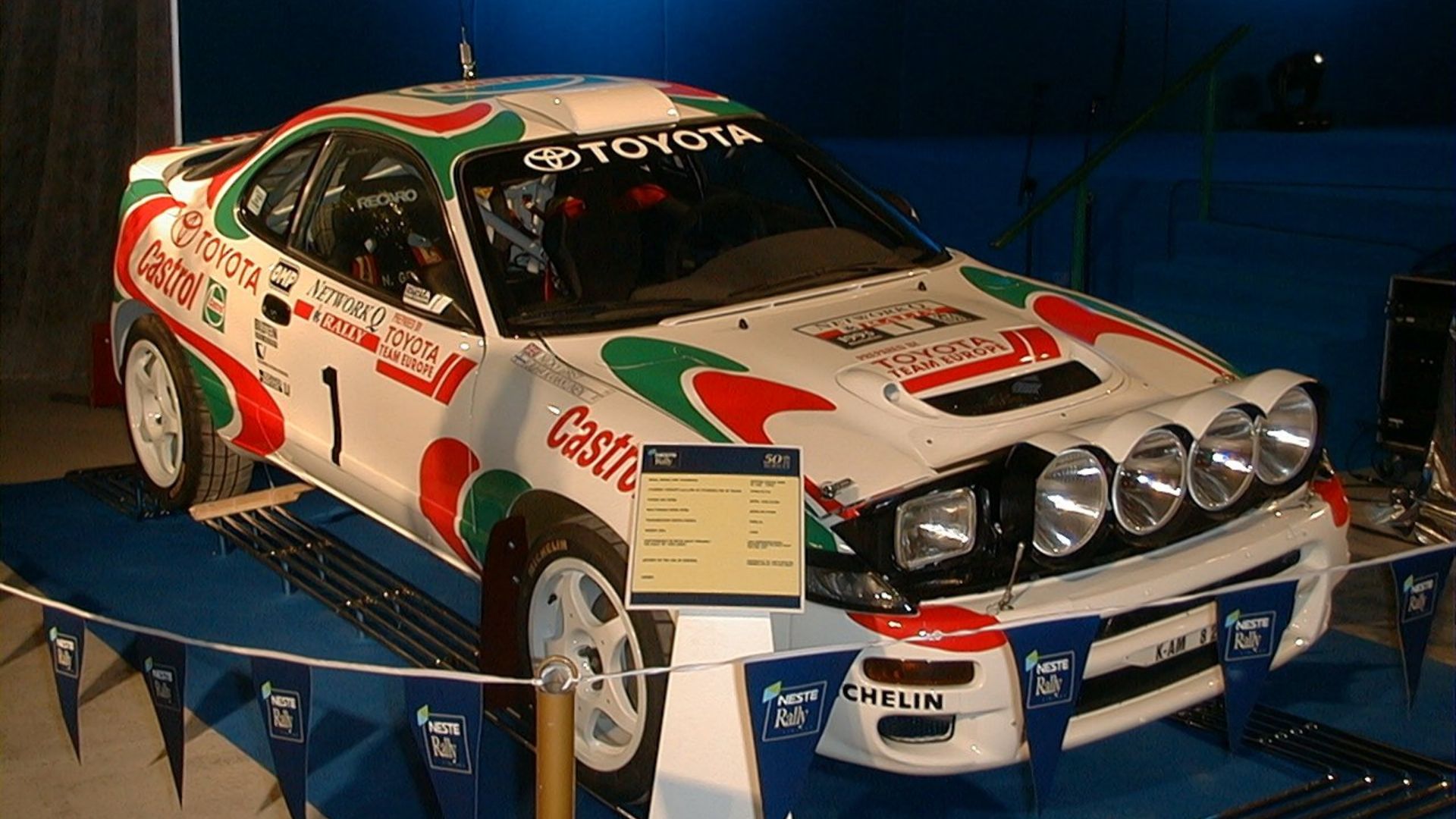
In 1993, Toyota achieved something no Japanese automaker had managed before: it won the WRC manufacturers’ championship. Juha Kankkunen also captured the drivers’ title in his first season back with Toyota, giving the team both major crowns. For a company that had spent years chasing European rally giants, the double championship was enormous. The Celica had officially reached the top of world rallying.
 Rally Paradise, Wikimedia Commons
It Did It Again In 1994
Toyota and the ST185 weren’t finished. Didier Auriol won the 1994 drivers’ championship, while Toyota captured its second consecutive manufacturers’ crown. Across 1993 and 1994, Toyota credits the ST185 with 13 WRC victories. By this point, the Celica’s rally credentials were undeniable: Sainz, Kankkunen, and Auriol had all become world champions behind the wheel of one.
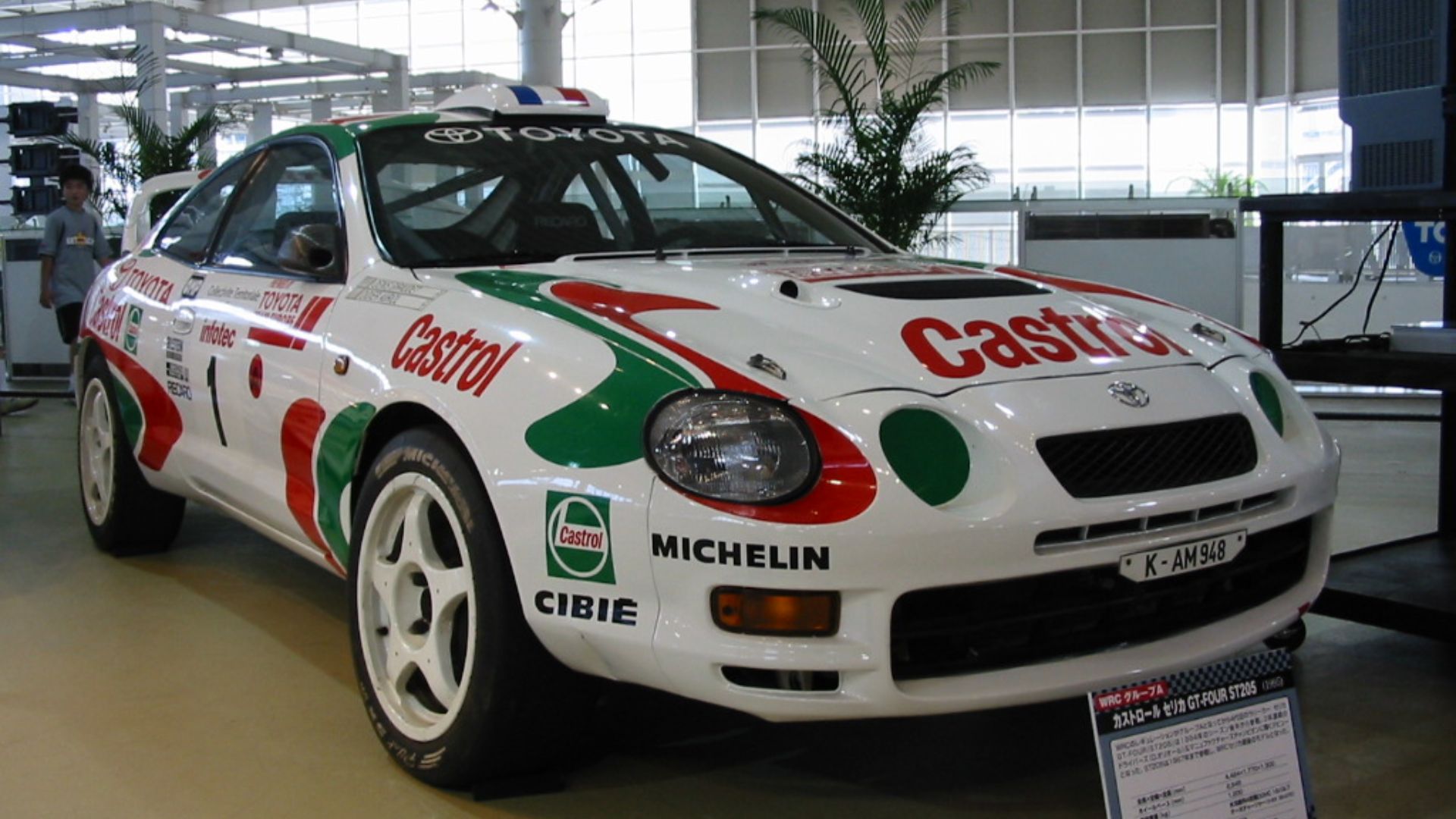
The Sixth Generation Created The Ultimate GT-Four
The sixth-generation Celica arrived for 1994 with four round headlights and a wider, more aggressive stance. American buyers received relatively straightforward front-drive ST and GT models, but overseas customers could get the spectacular ST205 GT-Four. It used an evolved turbocharged 3S-GTE, sophisticated suspension, and all-wheel drive, with special homologation versions carrying additional competition-oriented hardware. Unfortunately, its WRC story would become infamous.
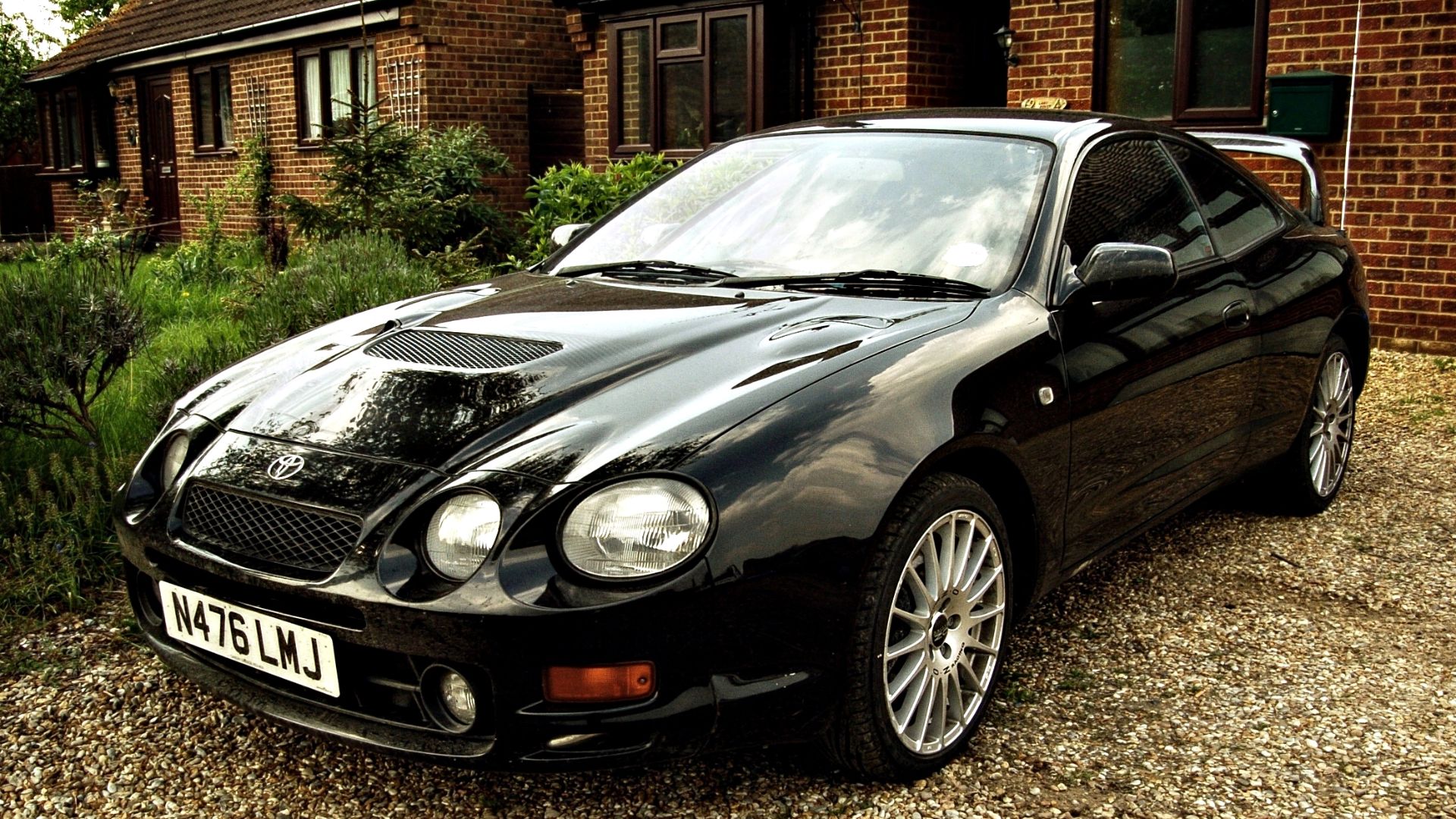 Lewis Collard, Wikimedia Commons
Then Came One Of Rallying's Biggest Scandals
During the 1995 season, inspectors discovered that Toyota Team Europe had devised an extraordinarily clever movable turbo restrictor arrangement on the ST205 rally car. It allowed extra air into the engine while appearing legal when dismantled for inspection, reportedly adding around 50 horsepower. The FIA excluded Toyota and its drivers from the 1995 championship and banned the team for 1996. Brilliant engineering had crossed very clearly into cheating.
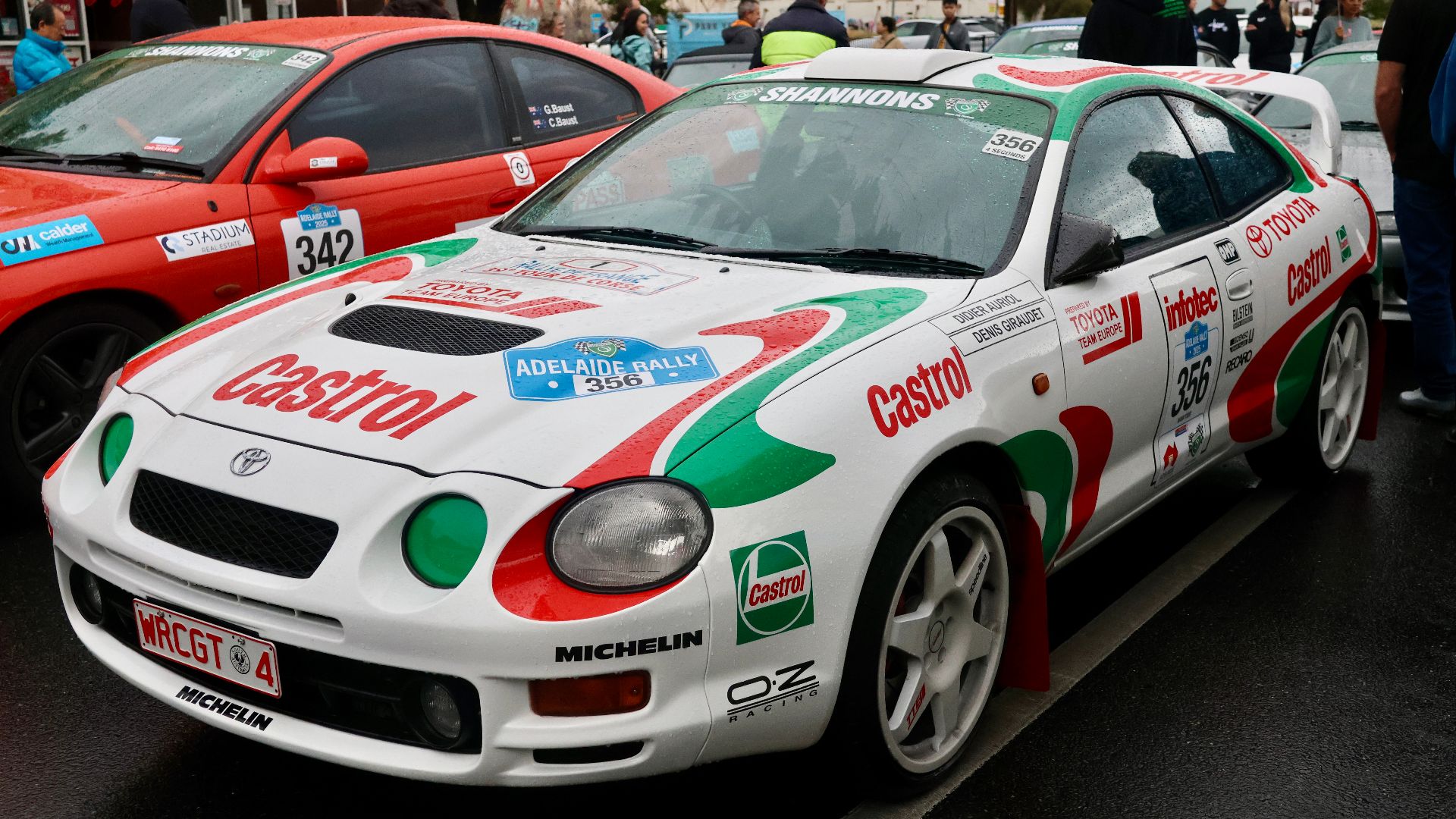 Yu Chu Chin, Wikimedia Commons
Sega Rally Gave The Celica A Second Audience
Even people who never watched a WRC stage could discover the GT-Four through video games. Sega Rally Championship arrived in the mid-1990s with the ST185 Celica and Lancia Delta as its headline rally cars. Toyota itself credits the game with helping boost rallying’s popularity. For a generation raised in arcades and later on home consoles, the Castrol-colored Celica became every bit as recognizable as contemporary Japanese sports cars from movies and magazines.
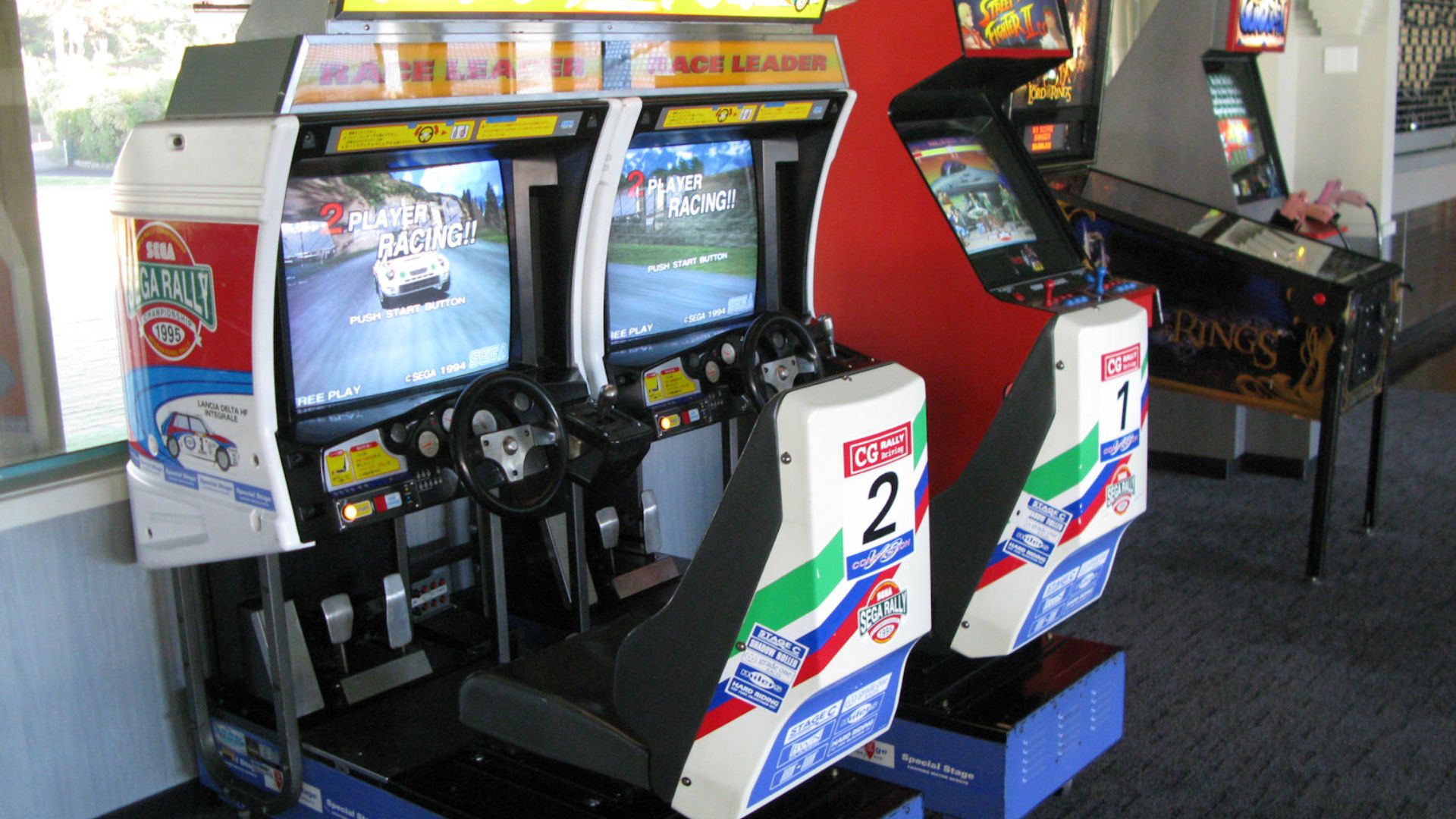
The Seventh Generation Looked Completely Different
Toyota reinvented the Celica one final time for 2000. Calty’s sharp, geometric design was inspired by the idea of an Indy race car and reportedly reminded one senior Toyota executive of an F-16 fighter jet. The new car was lighter-looking, compact, and aimed directly at younger buyers. Gone were the soft curves of the 1990s Celicas. This one looked like it had been folded from sheet metal.
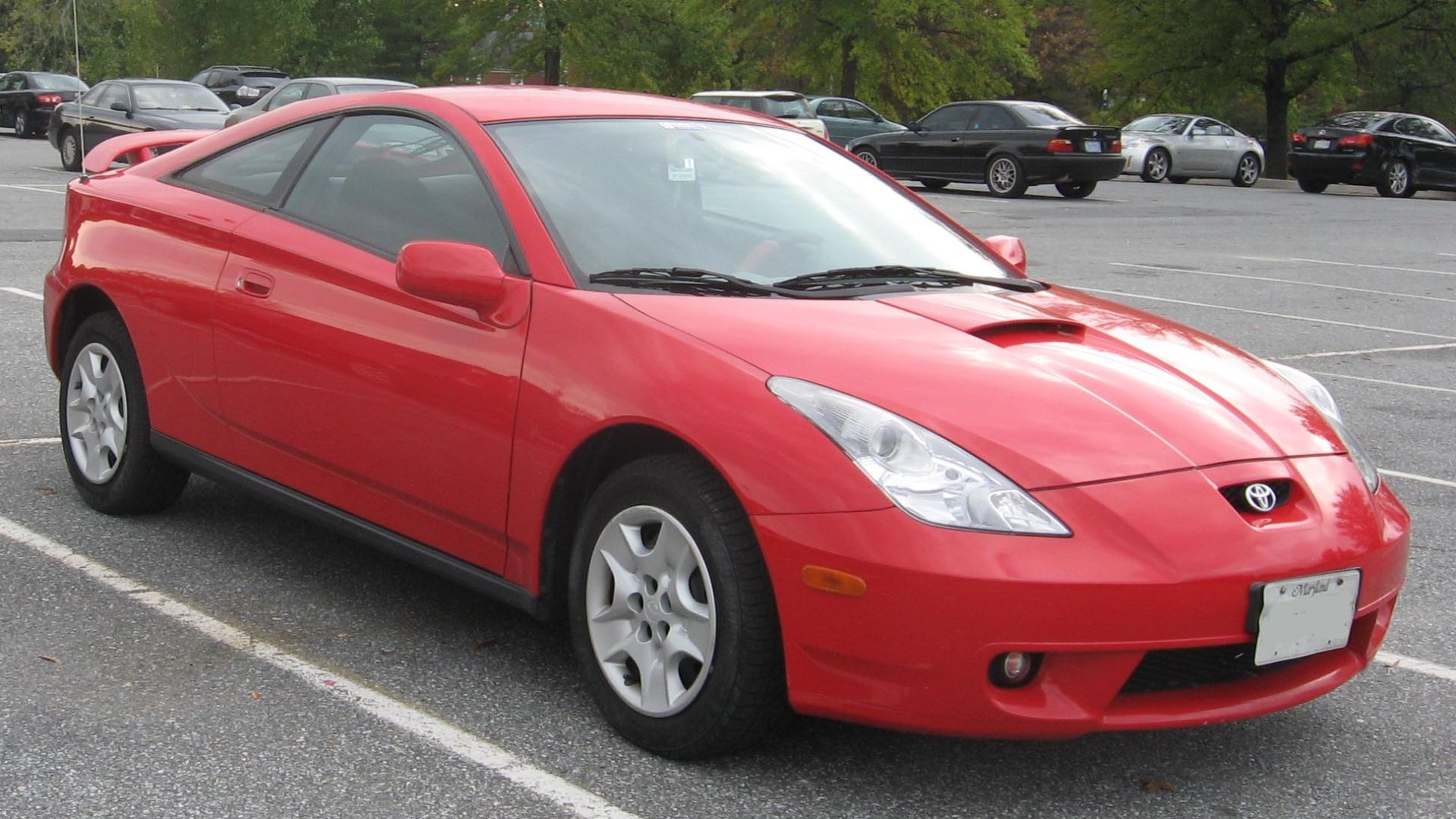
The GT-S Brought High-RPM Honda-Rivaling Energy
The seventh-generation GT-S received the 1.8-liter 2ZZ-GE four-cylinder, co-developed with Yamaha and rated at 180 horsepower in its original U.S. specification. Toyota’s VVTL-i system helped the engine deliver its power high in the rev range, while a six-speed manual kept drivers involved. It wasn’t a GT-Four replacement, but it gave the affordable Celica something enthusiasts could genuinely get excited about again.
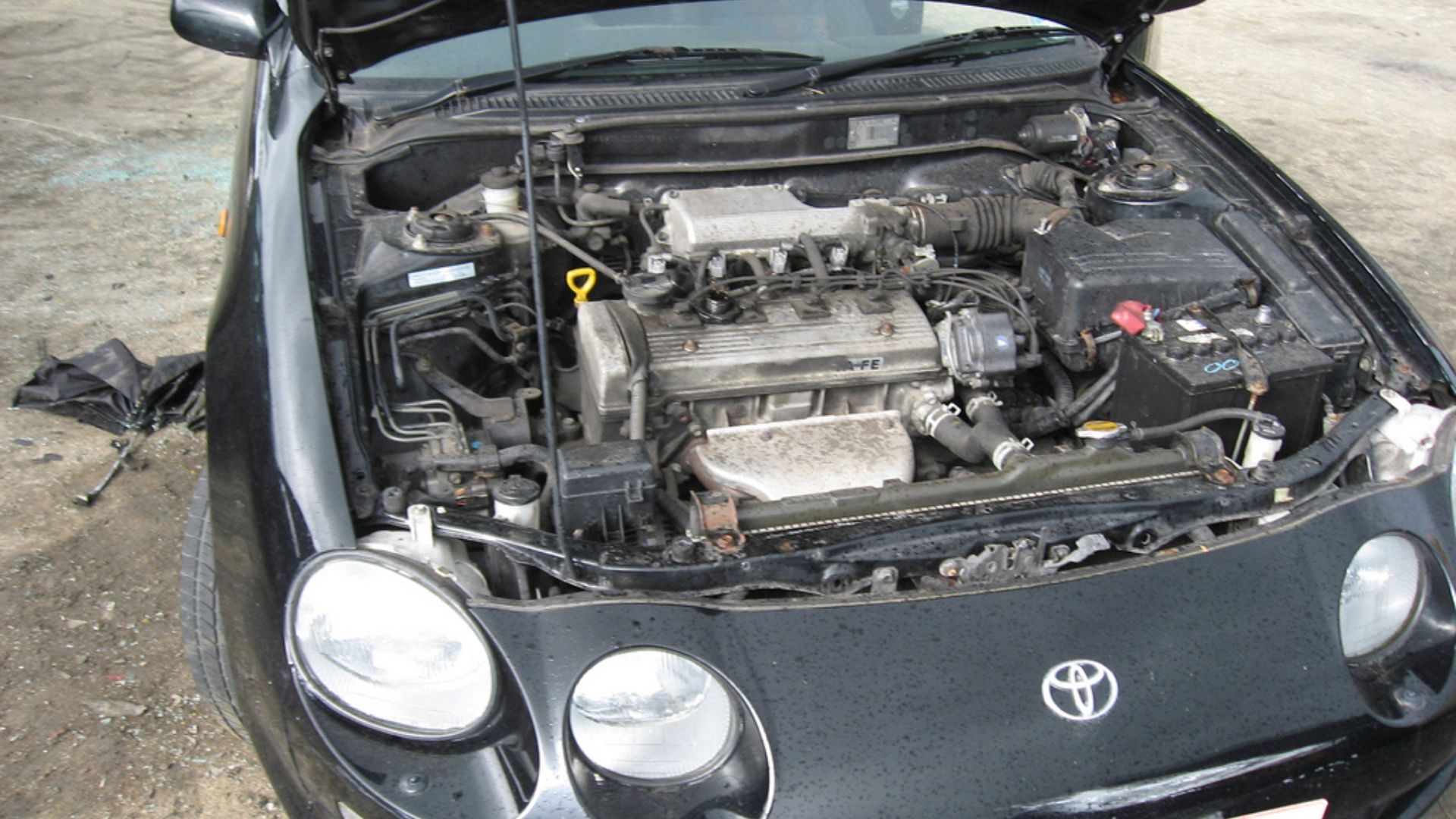 Paul brown from england, Wikimedia Commons
The Celica Eventually Ran Out Of Buyers
By the mid-2000s, affordable sport coupes were becoming harder to sell. SUVs were booming, younger buyers had more choices, and Celica sales had fallen far from their earlier peaks. Toyota removed the Celica from its American lineup after the 2005 model year, while global production ended in 2006. After seven generations and roughly 36 years, one of Toyota’s longest-running sports-car names quietly disappeared.
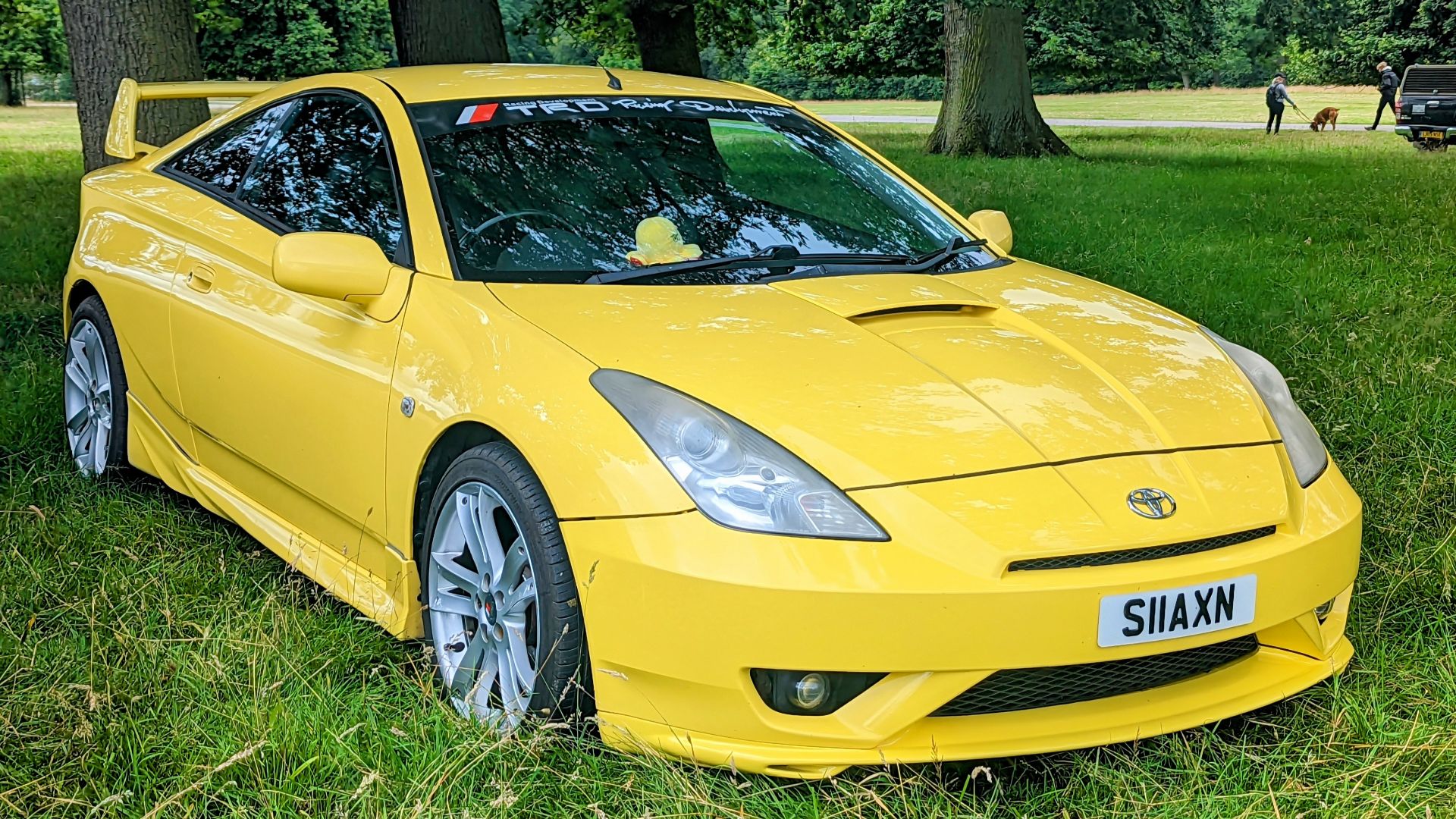
Collectors Have Started Paying Attention
For years, Celicas lived in the shadow of Supras, RX-7s, and other Japanese collector favorites. That’s changing. Current market benchmarks put nice first-generation GTs around the low-$20,000 range, while fourth-generation GT-Fours sit higher still, and rare homologation models can command substantially more. Clean cars matter because so many affordable Celicas were modified, rusted, raced, or simply used up when nobody considered them collectible.
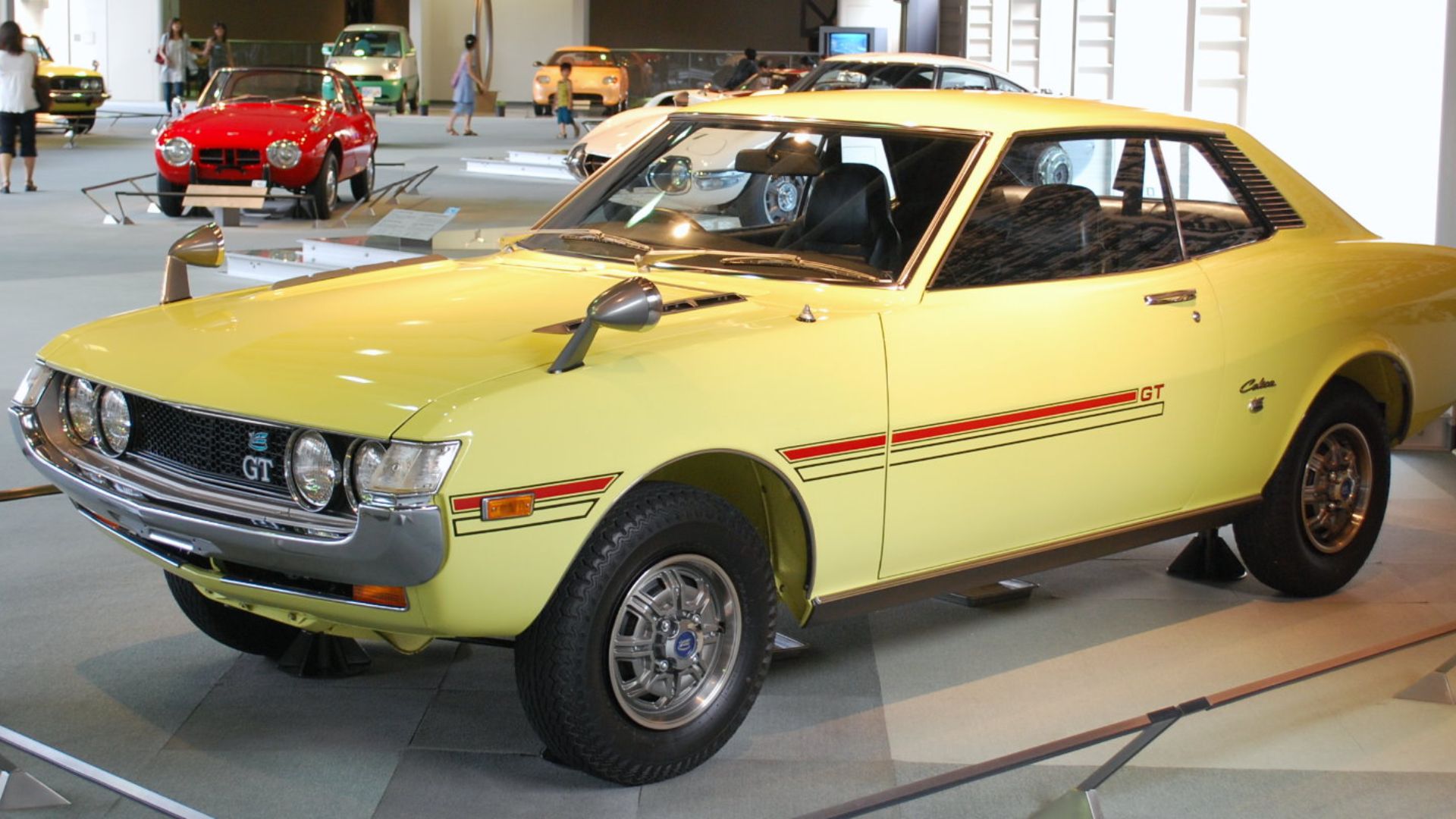
The GT-Four's DNA Never Really Disappeared
Toyota openly connects the Celica GT-Four to the modern GR-Four philosophy. The turbocharged engine, four-wheel-drive traction, and motorsport-driven development that defined the rally Celica helped establish a formula Toyota eventually revived with machines like the GR Yaris. The Celica therefore left behind more than trophies. It helped shape Toyota’s modern belief that competition cars should feed lessons directly back into exciting road cars.
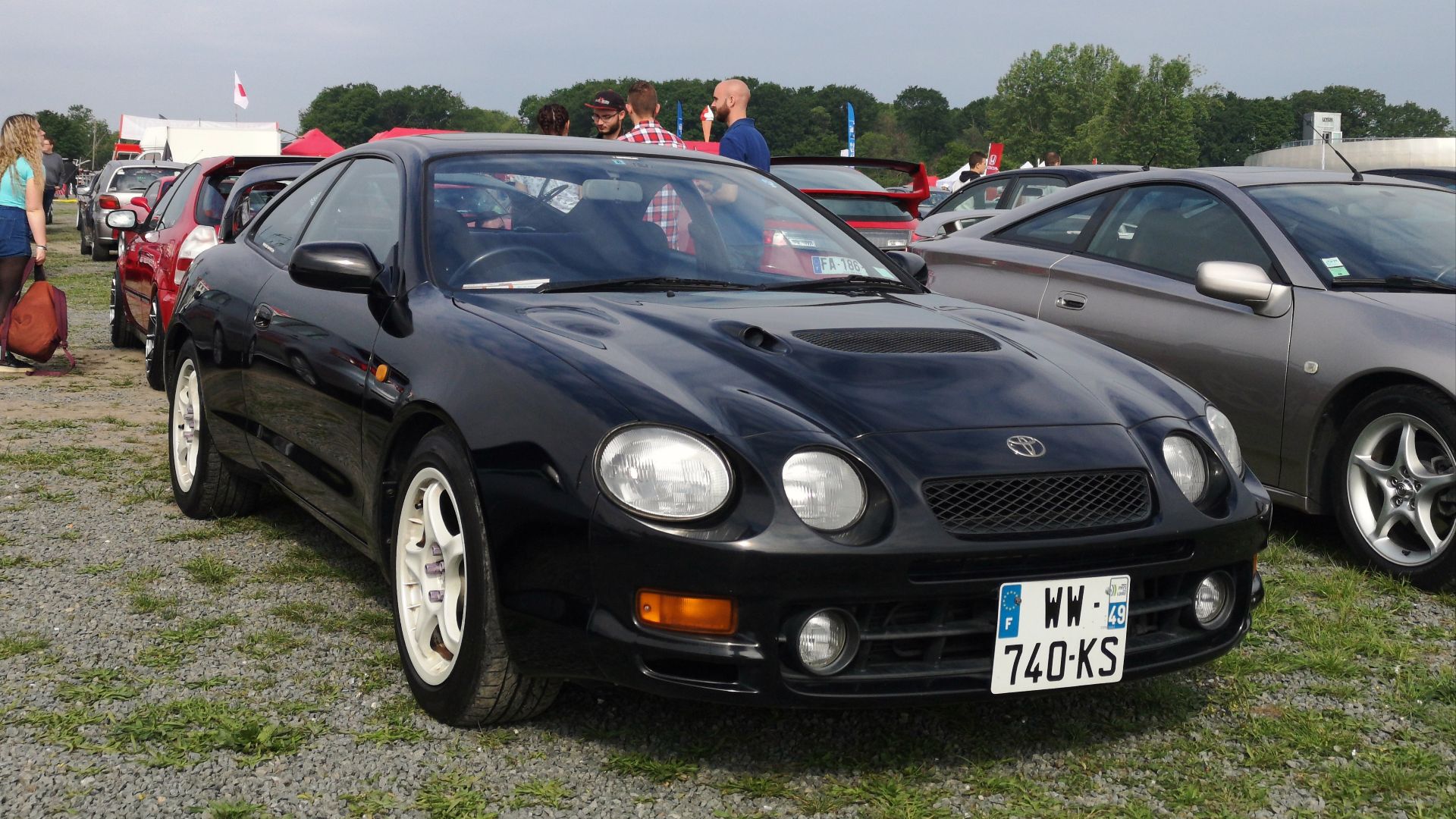
And The Celica Is Heading Back To Rallying
The Celica story now has an unexpected new chapter. In November 2026, Toyota confirmed that the GR Celica Rally1 will compete in the 2027 World Rally Championship alongside the GR Yaris, bringing the name back to top-level rallying after decades away. The new racer doesn’t automatically confirm the details of a future street Celica, but the symbolism is hard to miss. After all these years, Toyota chose rallying to bring the name back into the spotlight.
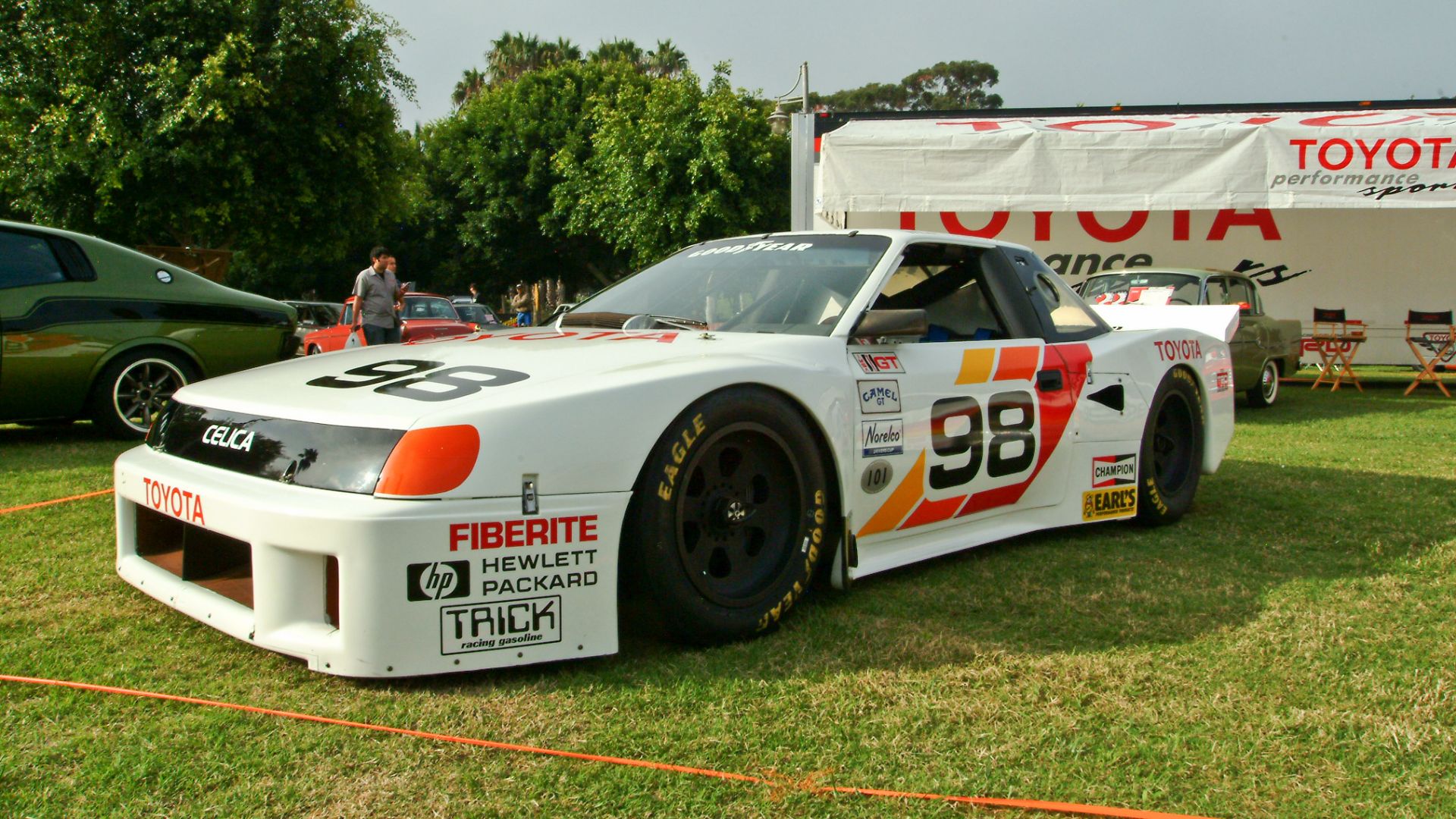 Motohide Miwa from USA, Wikimedia Commons
You May Also Like:
The Hyundai Genesis Coupe Is The Challenger That The Mustang Never Saw Coming
The AMC Eagle was the perfect car for the 21st century. Unfortunately, it came out in 1980.