
GM Saw The Electric Future Early
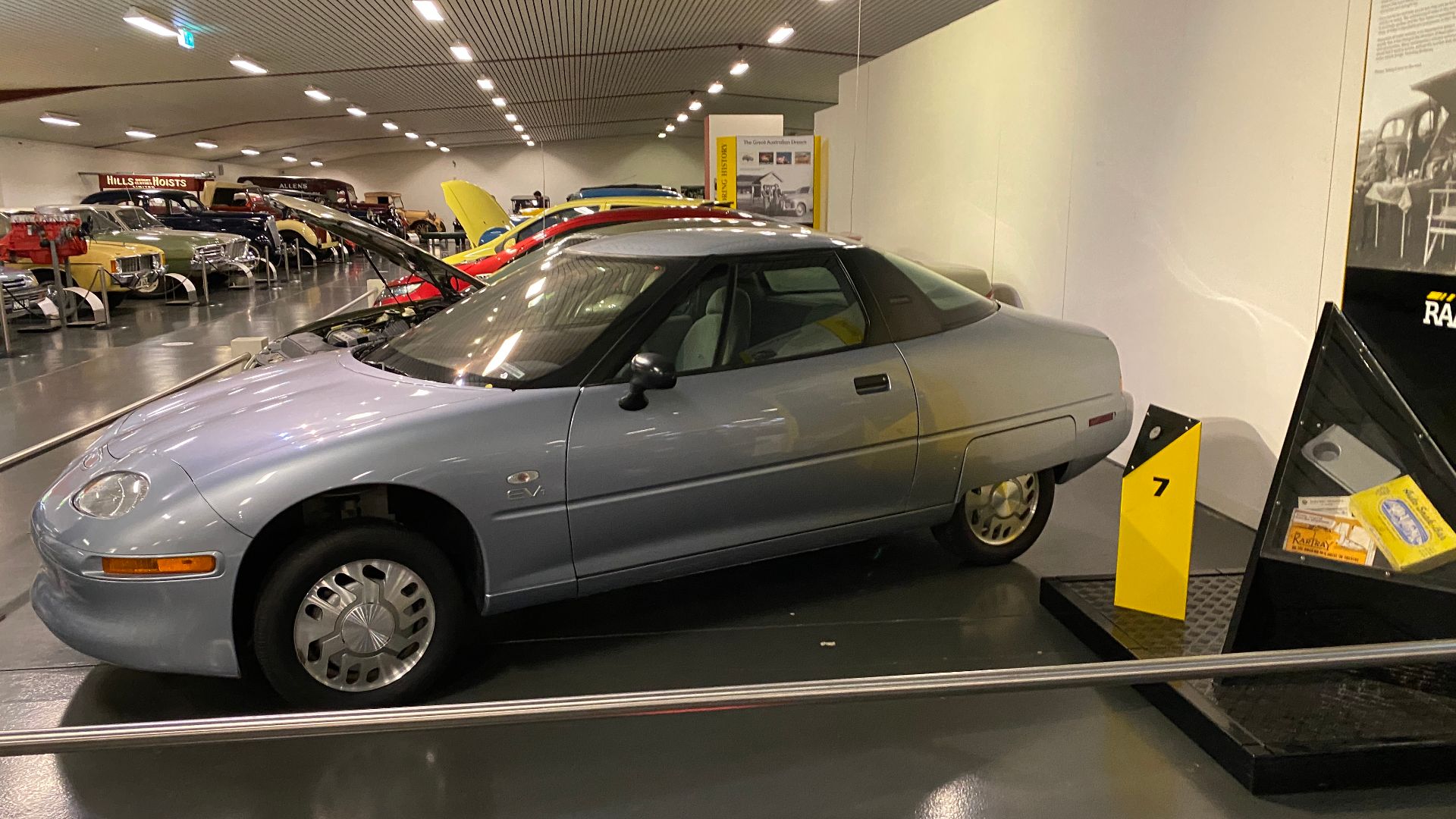
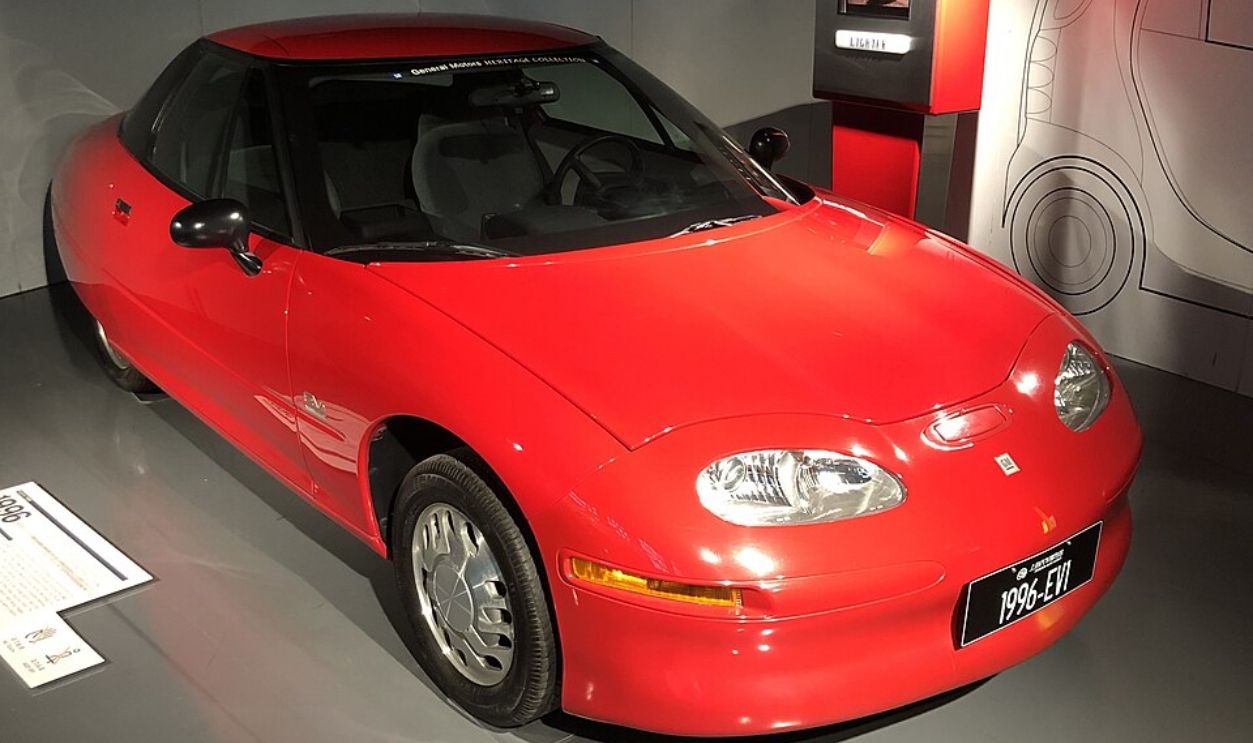
In 1996, General Motors did something few major automakers were ready to attempt. It put a purpose-built electric car into the hands of everyday drivers years before EVs became mainstream. The EV1 looked futuristic, drove differently, and packed technology that would later become common. Then GM ended the program, took the cars back, and created one of the auto industry’s most debated stories.

It Started With A Radical Concept
The EV1 grew out of the GM Impact, an aerodynamic electric concept shown at the 1990 Los Angeles Auto Show. Unlike most early EVs, it was designed around battery power from the start. Public interest helped convince GM to keep developing it.
 Ryan Hothersall, Wikimedia Commons
California Changed The Stakes
California adopted zero-emission rules in 1990 that pushed major automakers toward electric vehicles. The original plan called for ZEVs to make up 2% of qualifying sales beginning in 1998 and eventually 10% by 2003. GM’s electric project suddenly had much bigger implications.
 RightBrainPhotography from Phoenix, US, Wikimedia Commons
GM Committed Serious Money
GM eventually said it had spent more than $1 billion on its electric-vehicle effort. That included development, marketing, customer subsidies, service operations, and charging infrastructure. The EV1 was a serious engineering program, not a side project.
 Randall Ferry, Wikimedia Commons
The EV1 Was Built From Scratch
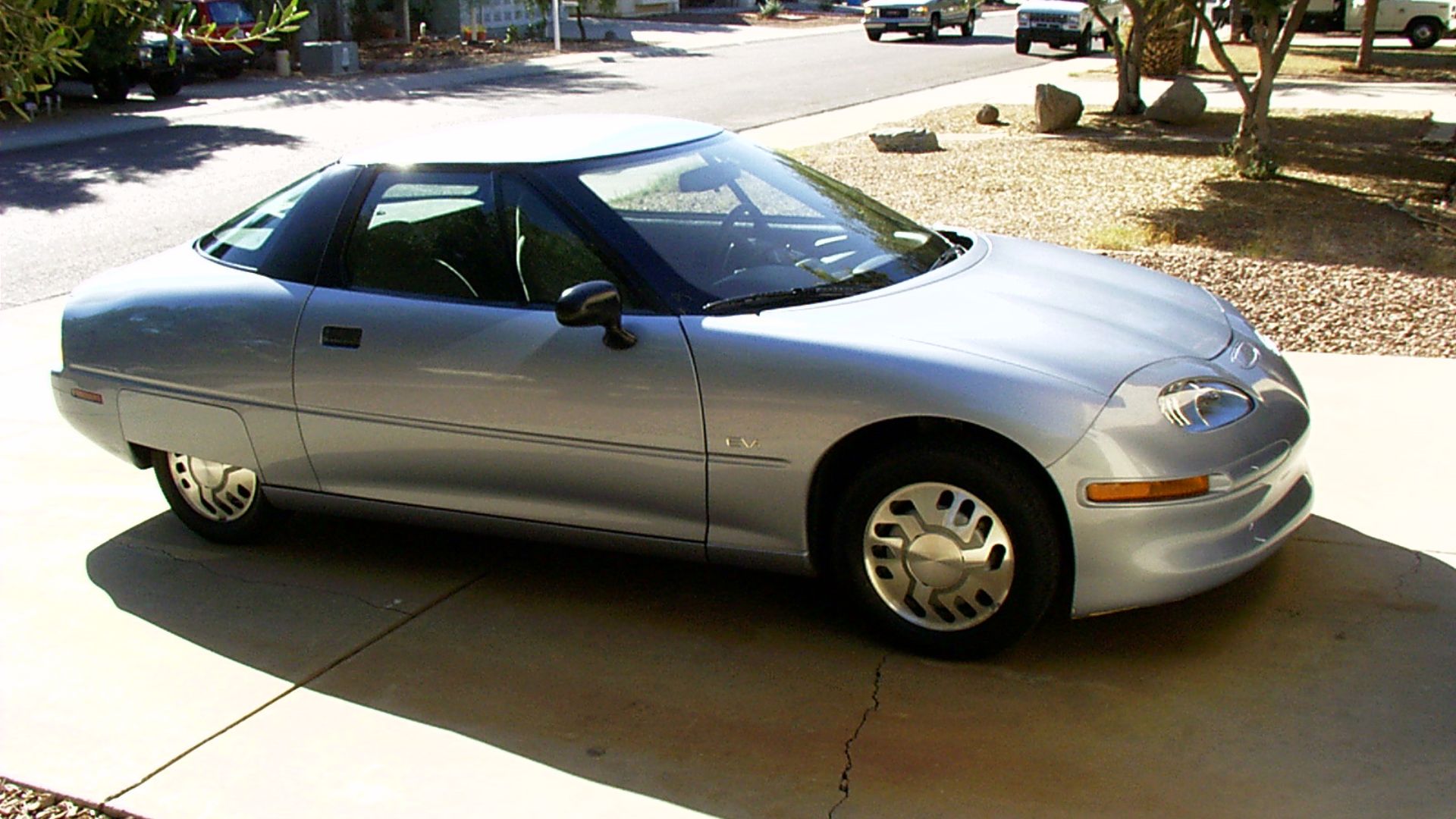
Most early EVs were converted gasoline models. The EV1 was designed specifically for electric power, using an aluminum structure, lightweight materials, and unusual proportions to improve efficiency. That clean-sheet approach looks very familiar today.
 RightBrainPhotography from Phoenix, US, Wikimedia Commons
Aerodynamics Became An Obsession
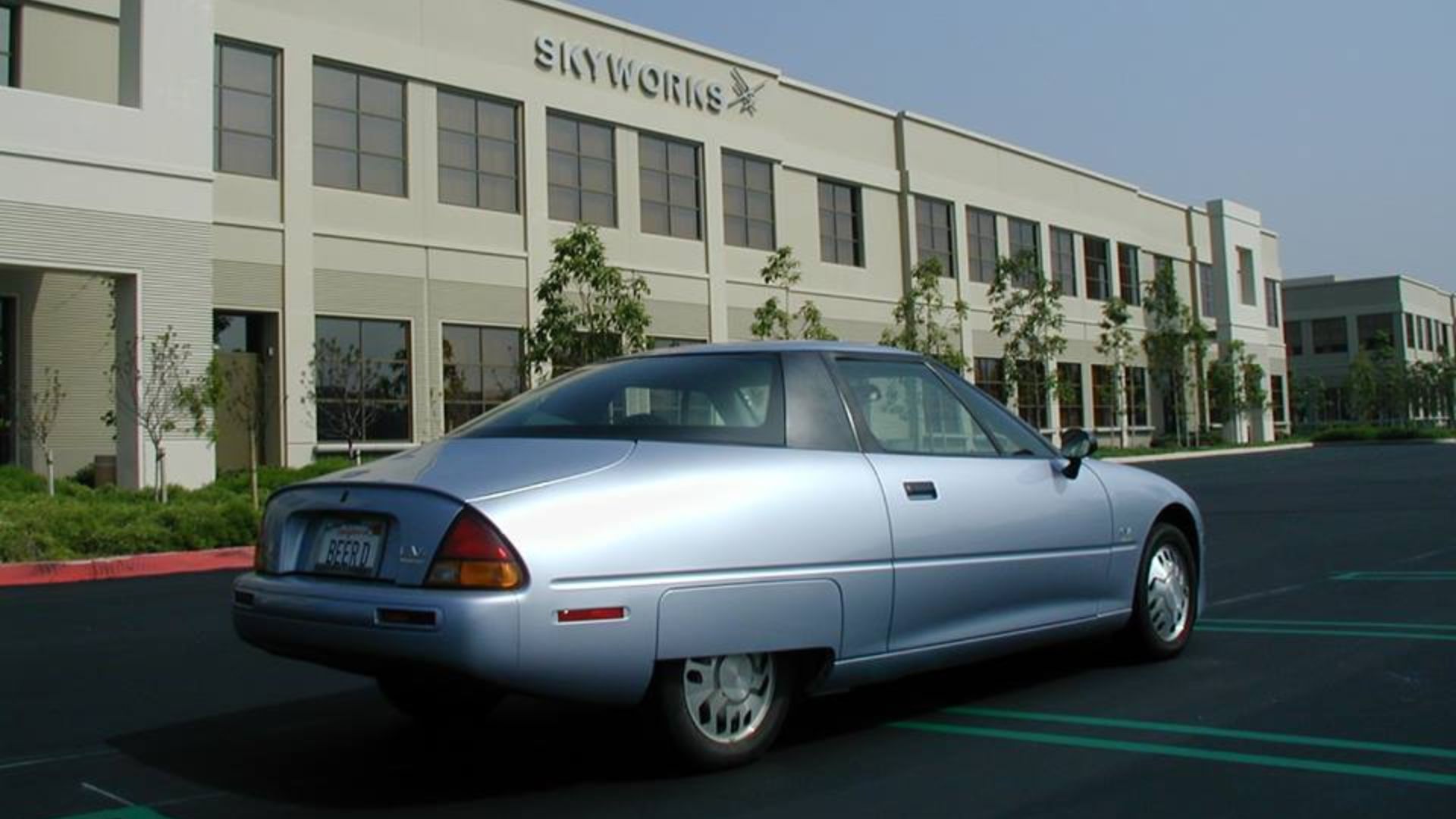
One of the EV1's most impressive numbers had nothing to do with its battery. GM claimed a drag coefficient of just 0.19, an extremely low figure even by modern production-car standards. Its tapered tail, covered rear wheels, smooth underbody, and carefully shaped nose were all designed to cut aerodynamic resistance.
 Rob Peirson, Wikimedia Commons
It Was Quicker Than You Might Expect
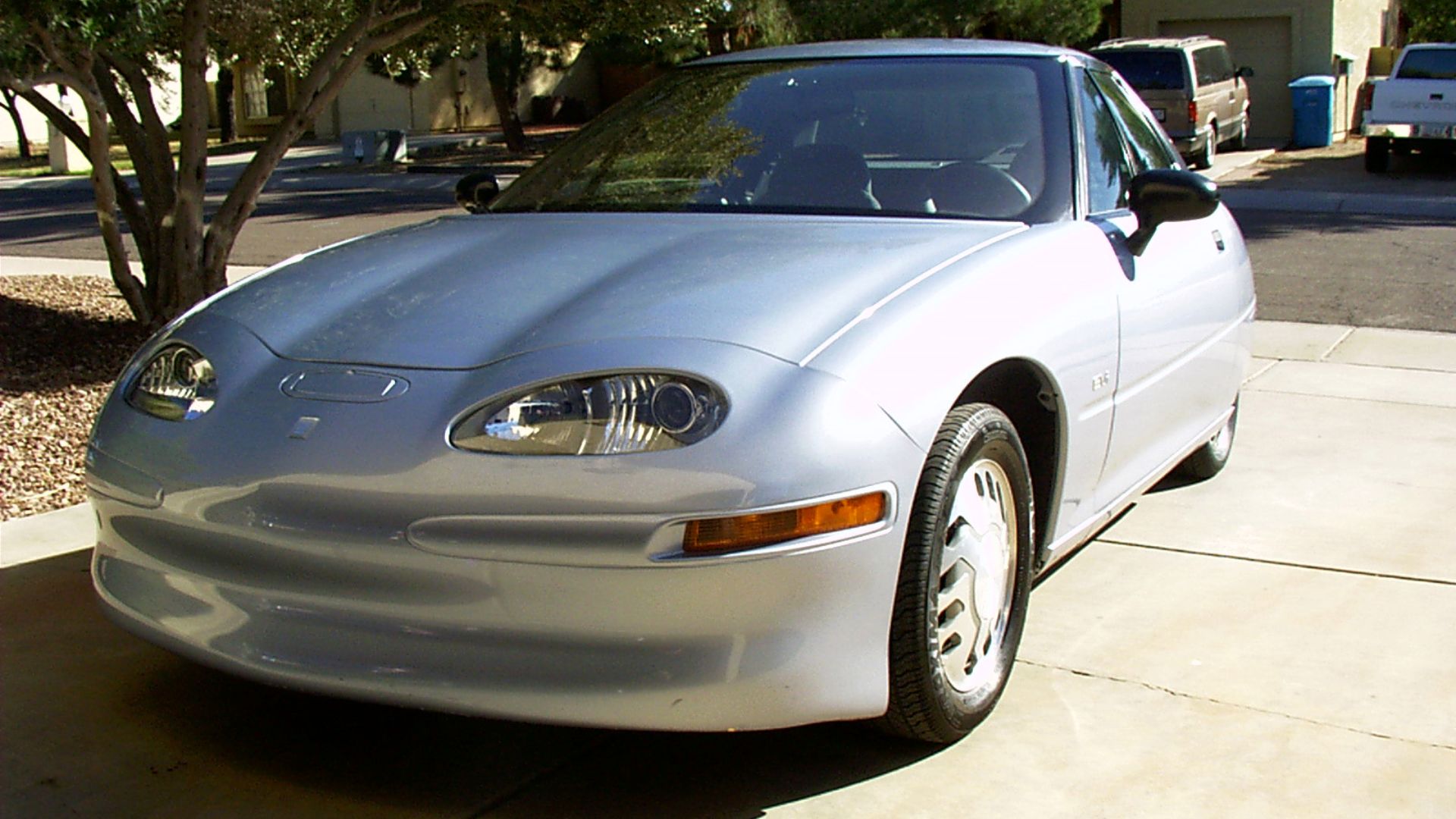
The EV1 was not simply an efficiency experiment. Its electric motor produced about 137 horsepower and delivered the instant response that has since become one of the defining characteristics of EVs. Contemporary testing generally put 0-to-60-mph acceleration in the eight-to-nine-second range. For a small electric car in the 1990s, it could feel surprisingly lively.
 RightBrainPhotography (Rick Rowen), Wikimedia Commons
The First Battery Had Limits
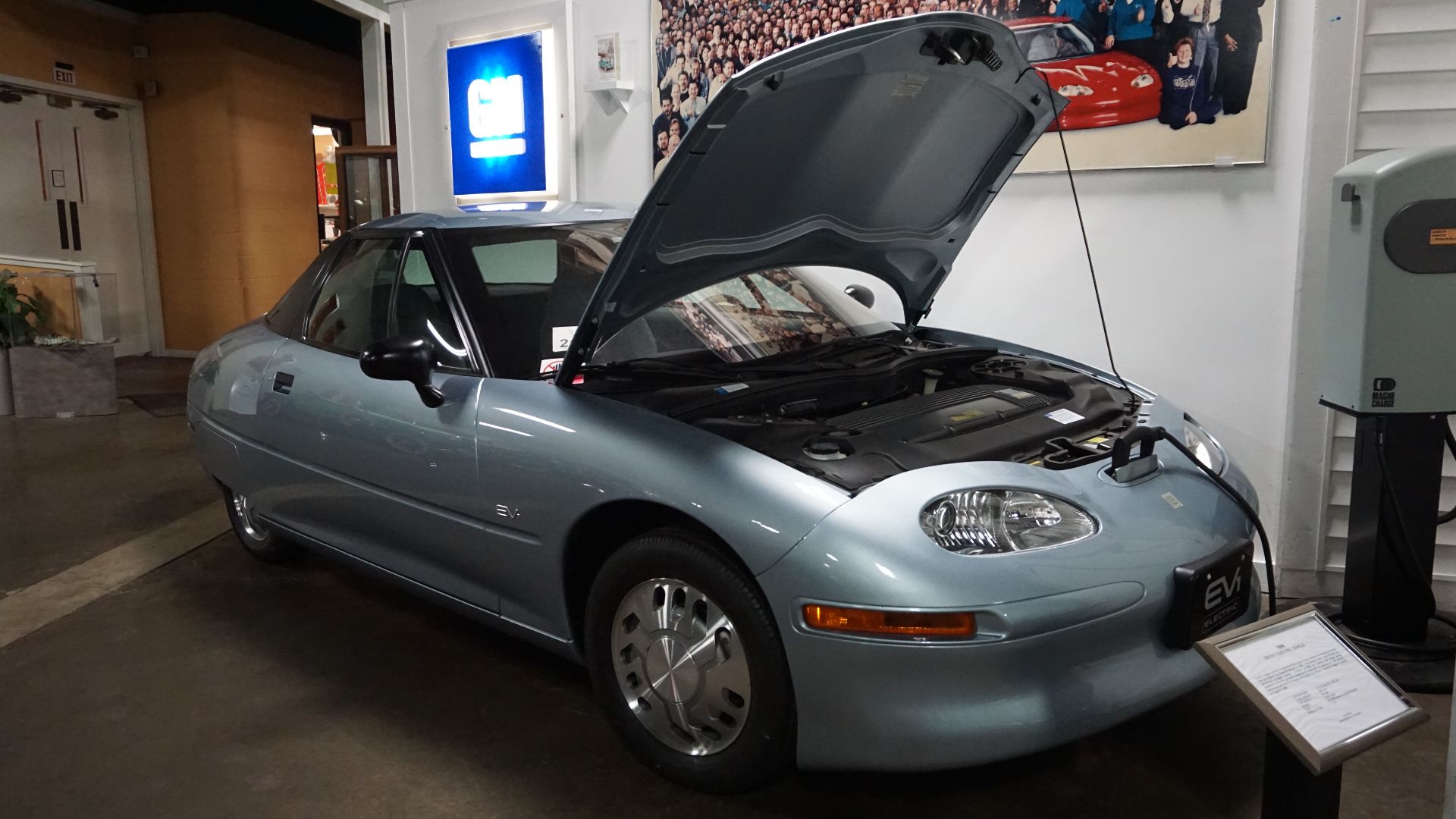
Early EV1s used lead-acid batteries, which were durable but heavy and offered relatively low energy density. That meant a large battery pack still delivered modest driving range compared with today's EVs. Range also changed noticeably with weather, terrain, driving style, and climate-control use. Battery technology was clearly the car's biggest limitation.
 Michael Barera, Wikimedia Commons
Range Could Still Work For Commuters
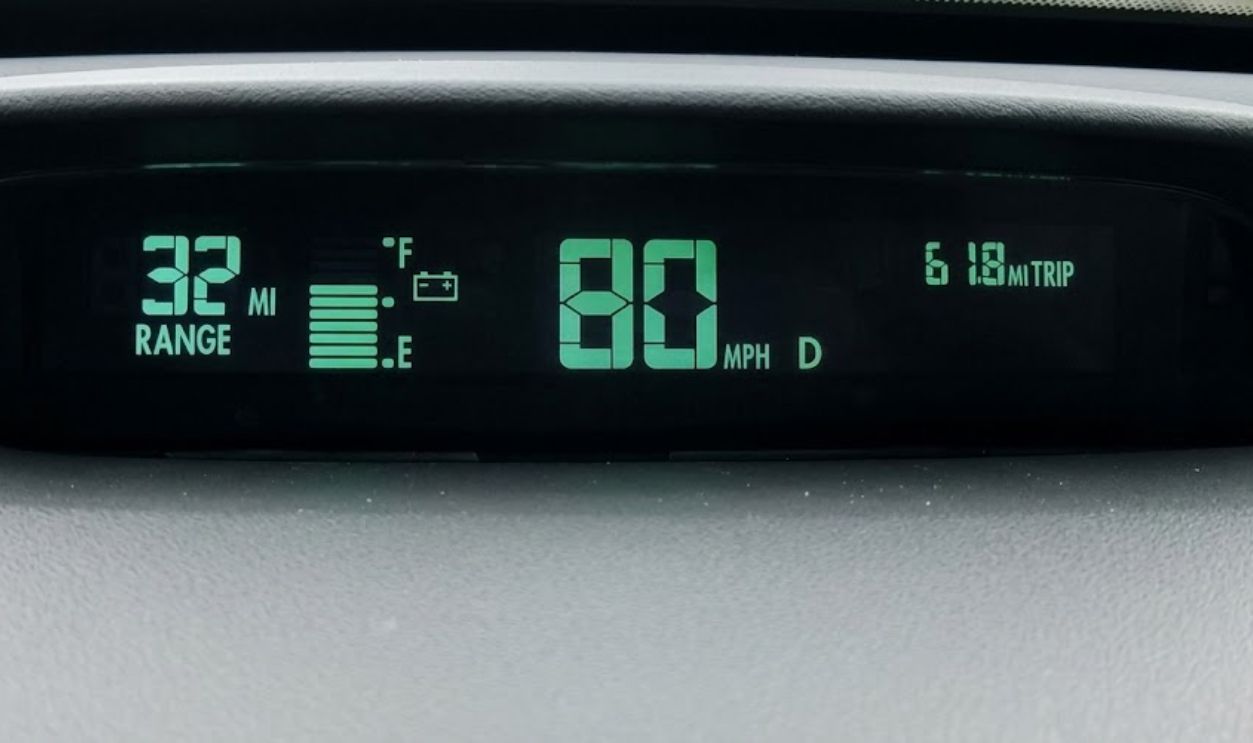
Under real-world conditions, improved lead-acid EV1s generally offered roughly 65 to 95 miles of driving range. That was enough for many daily commutes, especially for drivers who could recharge at home every night. Longer or unpredictable trips were harder to plan. The EV1 worked best when owners had regular driving routines.
 RightBrainPhotography (Rick Rowen), Wikimedia Commons
Charging Required A New Habit
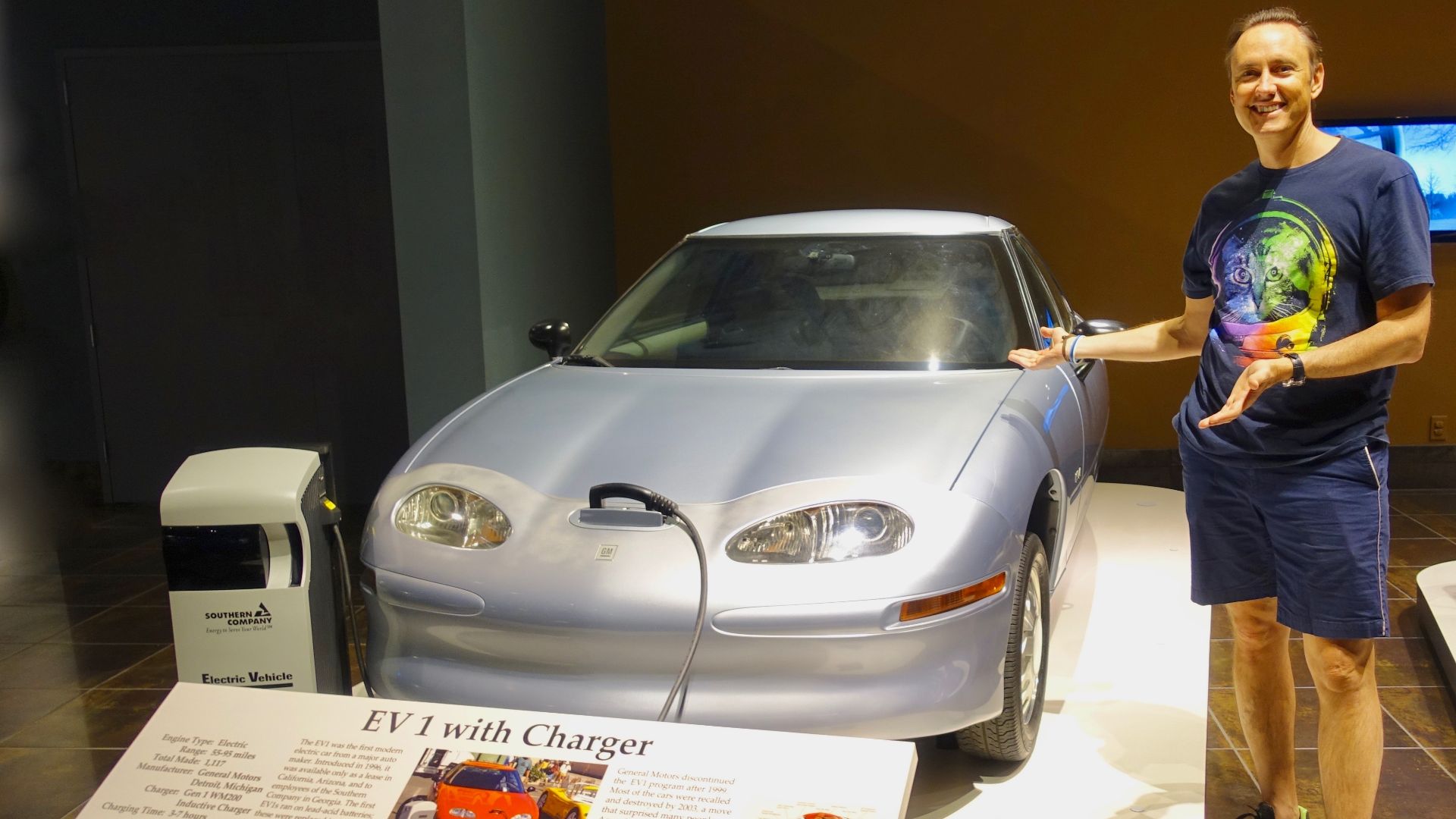
EV1 drivers typically used GM’s Magne Charge inductive charging system, which transferred electricity through a paddle inserted into the charging port. A 220-volt installation made charging much more practical than lower-voltage alternatives. Public charging, however, was still extremely limited.
 Steve Jurvetson, Wikimedia Commons
You Could Not Simply Buy One
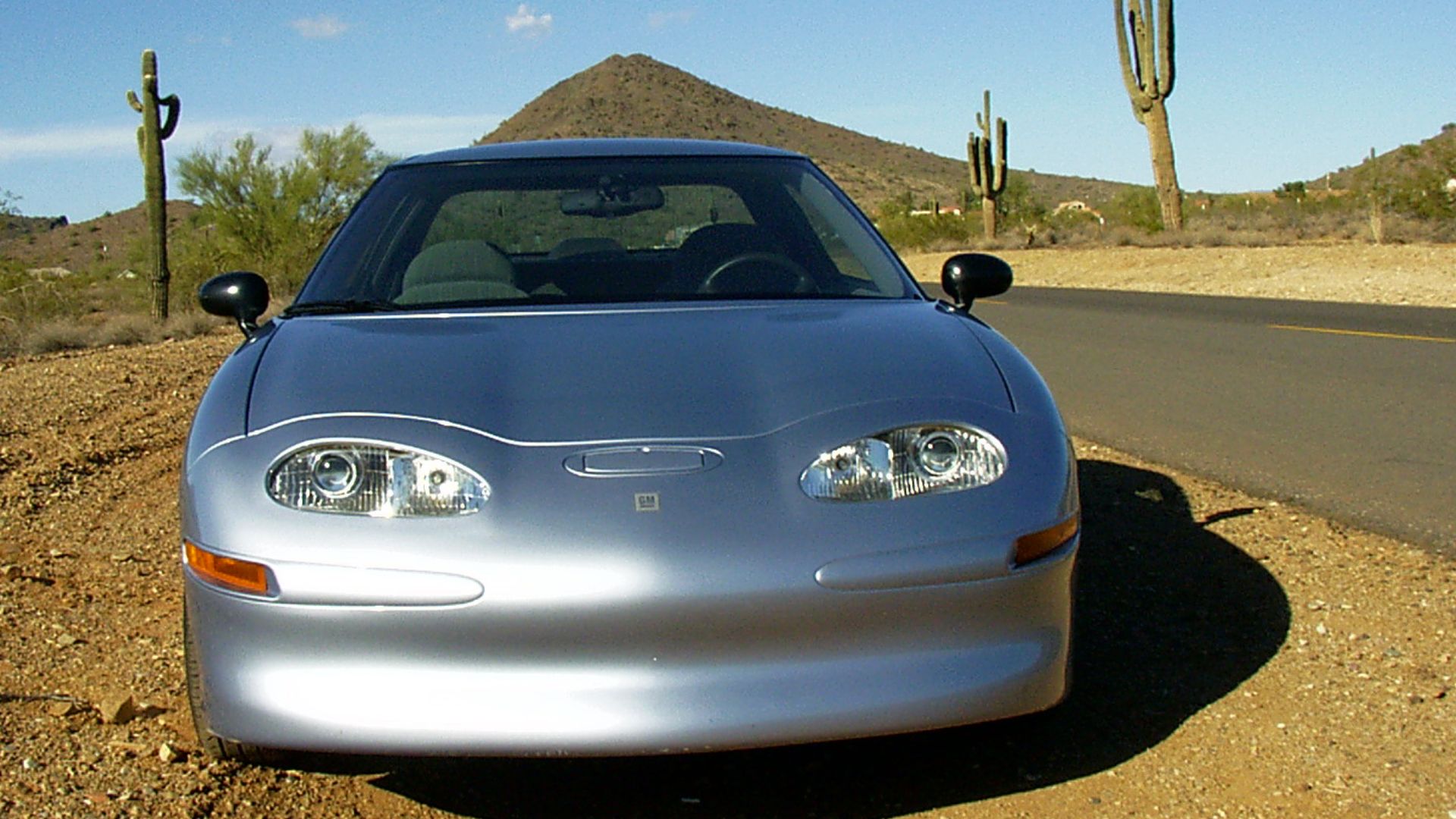
GM offered the EV1 only through leases, mainly in California and Arizona. The company said leasing made sense because battery technology was changing quickly and the cars required specialized support. Customers never received conventional ownership rights.
 Plug In America, Wikimedia Commons
The Lease Was Not Cheap
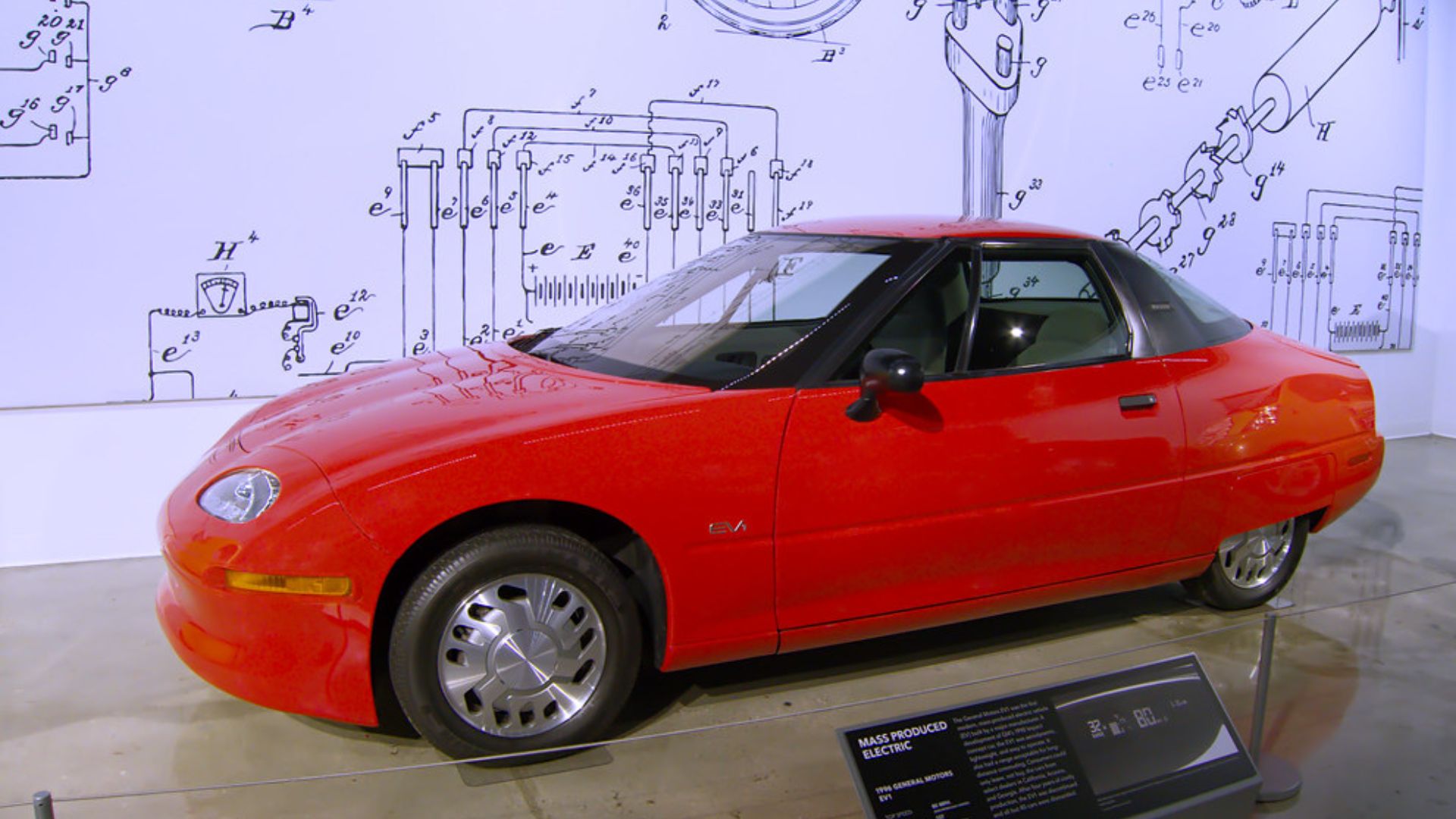
Early California lease payments could fall roughly between $480 and $640 per month depending on incentives. GM later lowered pricing in some markets, including a $399 California lease that included charging equipment. Buyers were still paying a premium for a two-seat commuter.
 Joe's Garage, Wikimedia Commons
Drivers Became Surprisingly Loyal
Despite those compromises, many EV1 lessees became enthusiastic supporters. Drivers praised the car's quietness, smooth acceleration, futuristic feel, and low mechanical complexity. That loyalty became important when the program began winding down.
 RightBrainPhotography from Phoenix, US, Wikimedia Commons
A Better Battery Transformed The EV1
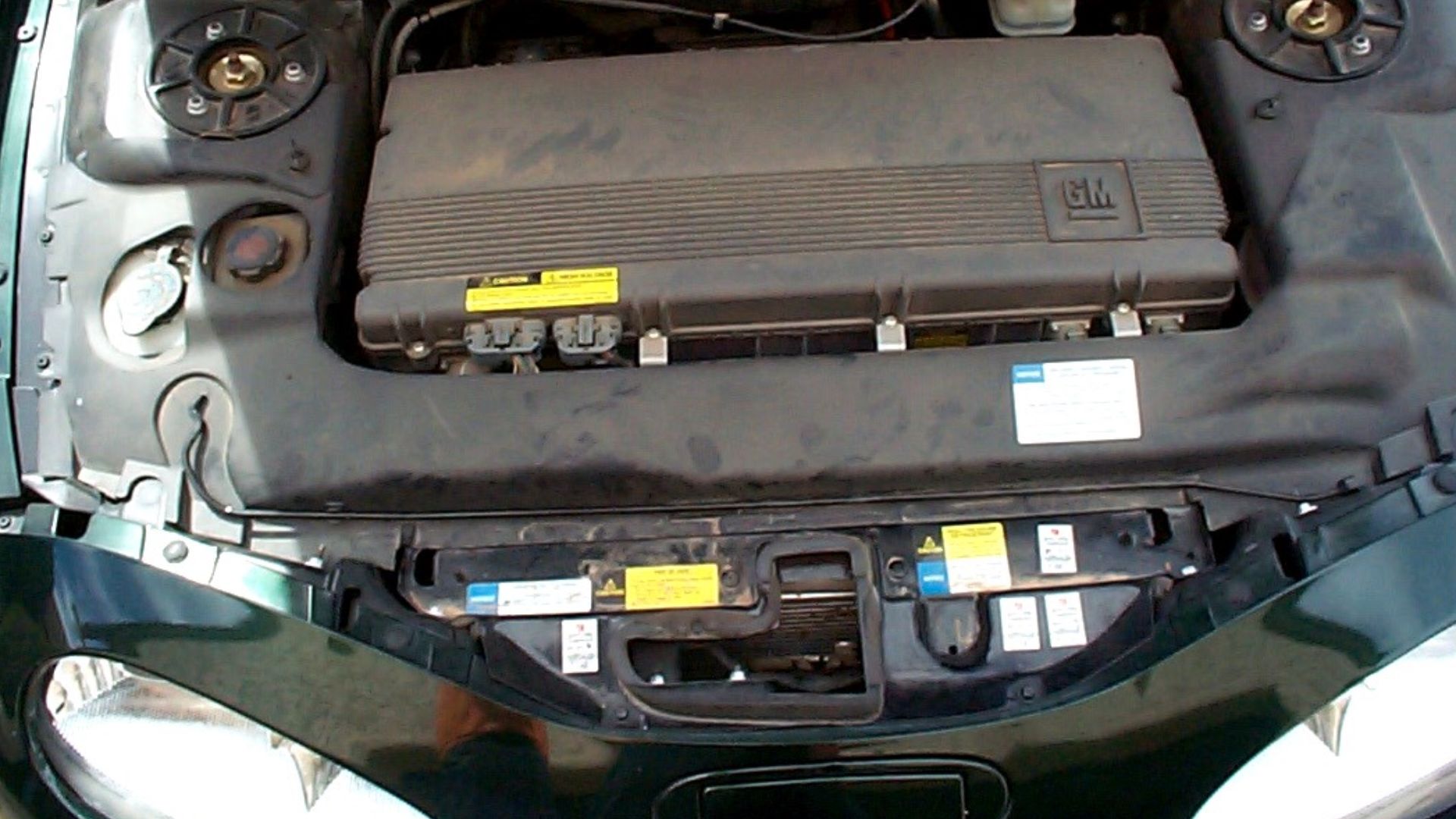
GM continued improving the EV1 rather than leaving the original design unchanged. Later EV1s received improved lead-acid packs and eventually nickel-metal hydride batteries. NiMH-equipped versions could travel roughly 75 to 140 miles depending on conditions. Battery improvements quickly made the car much more practical.
 RightBrainPhotography from Phoenix, US, Wikimedia Commons
It Previewed Modern EV Technology
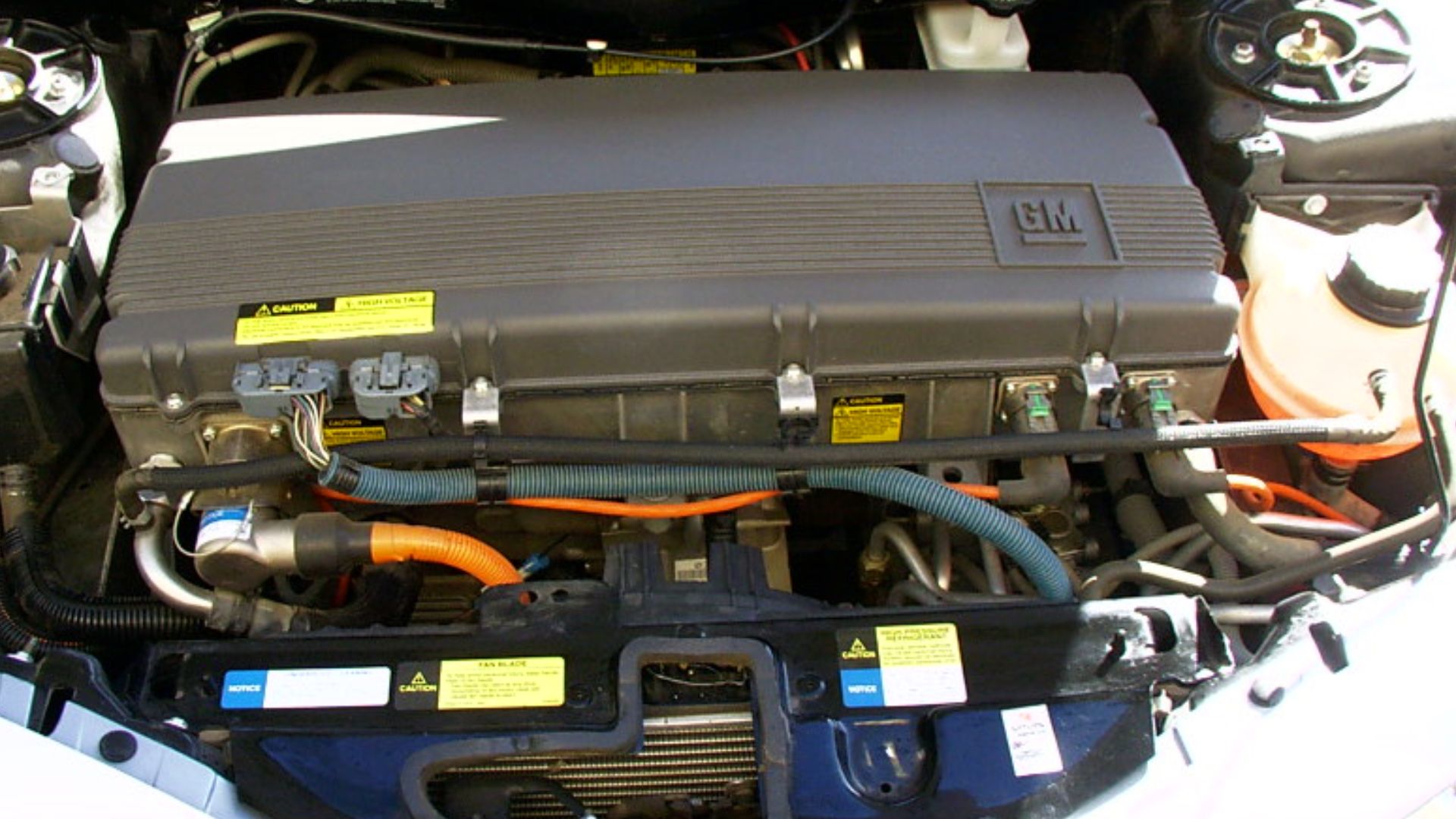
The EV1 used regenerative braking, sophisticated battery management, advanced power electronics, low-rolling-resistance tires, and electric power steering. These features helped extract more performance from limited battery capacity. Many later became familiar parts of modern EVs.
 RightBrainPhotography from Phoenix, US, Wikimedia Commons
The Market Was Still Very Small
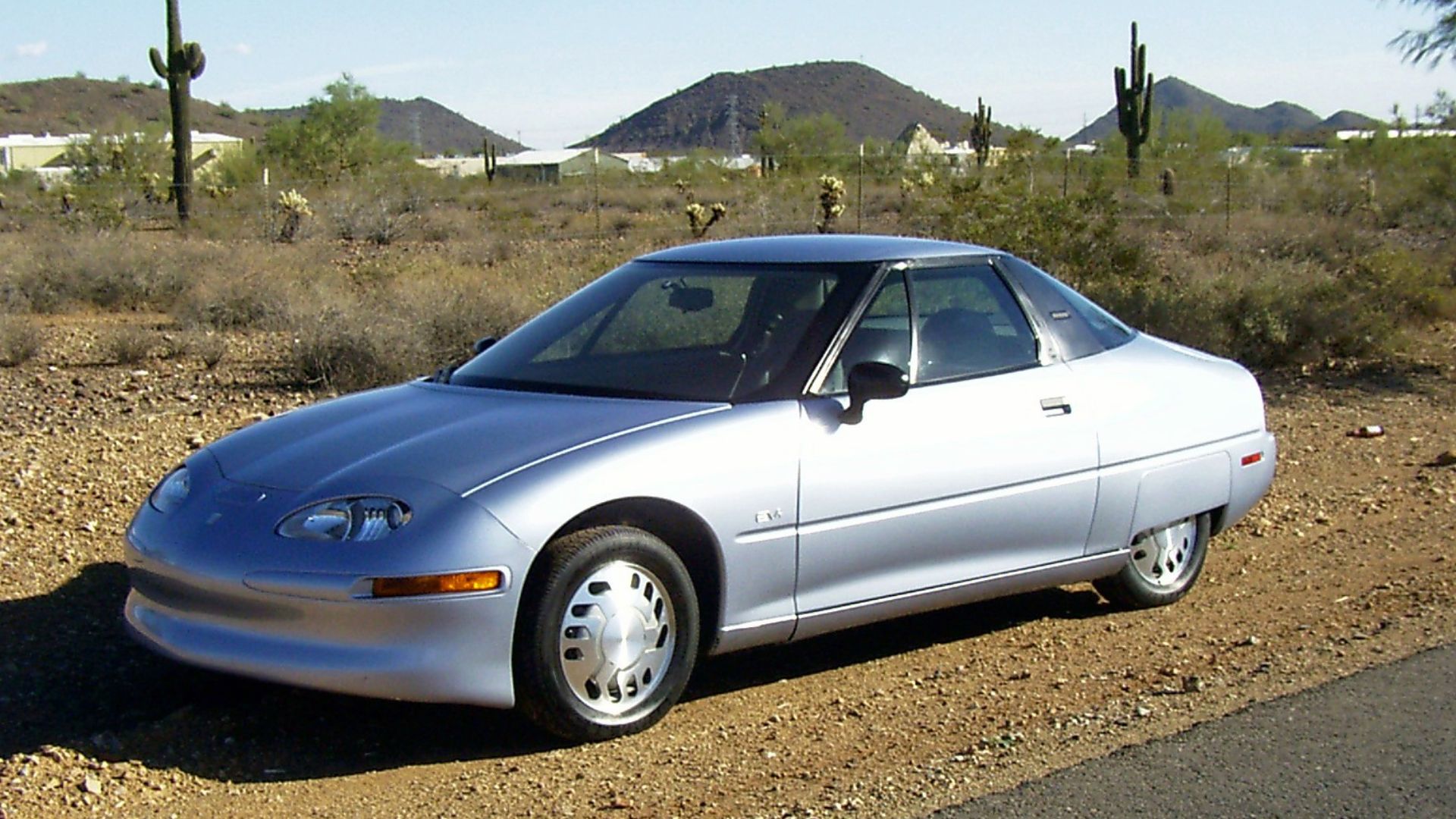
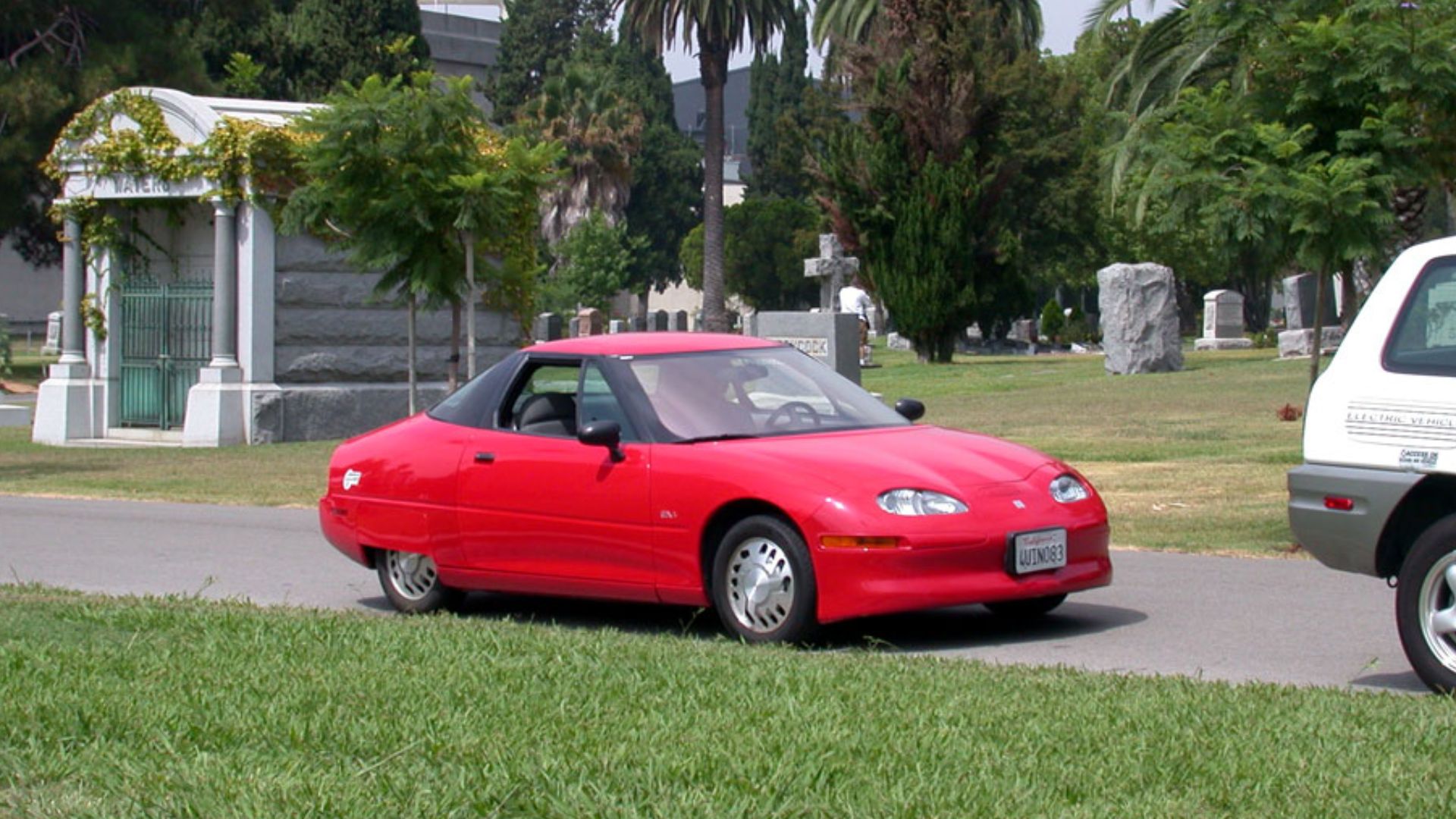
Only about 800 drivers ultimately leased EV1s, far below the volume GM said it needed to justify the program commercially. The car had two seats, limited regional availability, and heavy dependence on home charging. Those constraints naturally narrowed its audience. Supporters later argued that broader availability might have produced stronger demand, which remains part of the EV1 debate.
 Plug In America, Wikimedia Commons
Cheap Gas Made The Timing Tough
The late 1990s were not an ideal time to sell Americans on battery-electric cars. Gasoline was relatively inexpensive, while trucks and SUVs were growing rapidly in popularity. Against that backdrop, a small two-seat EV was always going to be a niche proposition.
 David Prasad from Welches, OR., United States, Wikimedia Commons
Hybrids Asked Drivers To Change Less
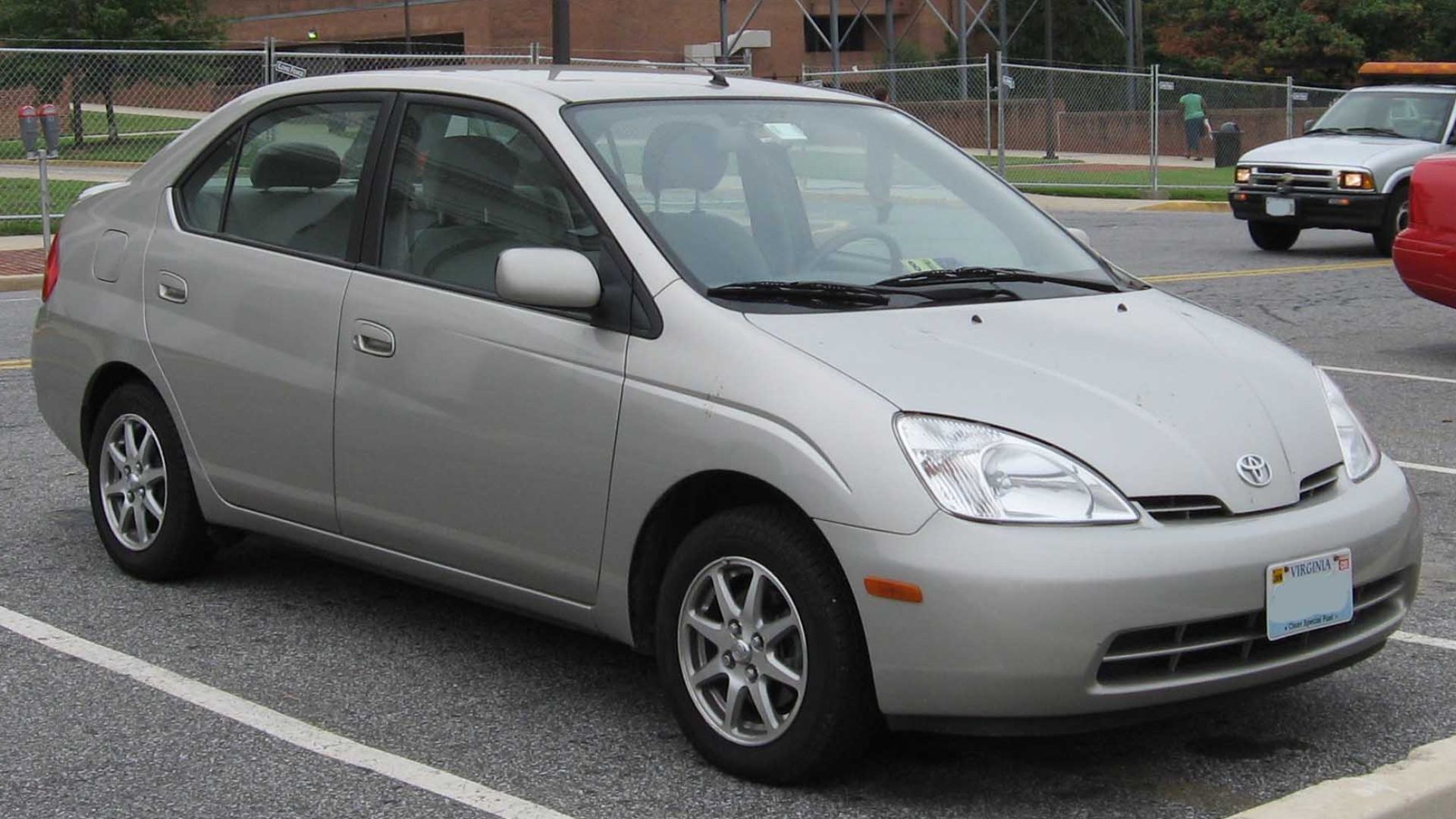
Toyota introduced the Prius in Japan in 1997 and later expanded it internationally. Hybrids gave buyers electrified driving without requiring a plug or sacrificing gasoline-powered range. For many consumers, that was an easier transition than going fully electric.
California Reworked Its Rules
California's zero-emission regulations also evolved during the EV1 era. In 1996, regulators removed the original requirements for the 1998 through 2002 model years while keeping the planned 2003 target. Later revisions added more compliance options.
 Plug In America (trimmed and color adjusted by Mariordo), Wikimedia Commons
Production Ended In 1999
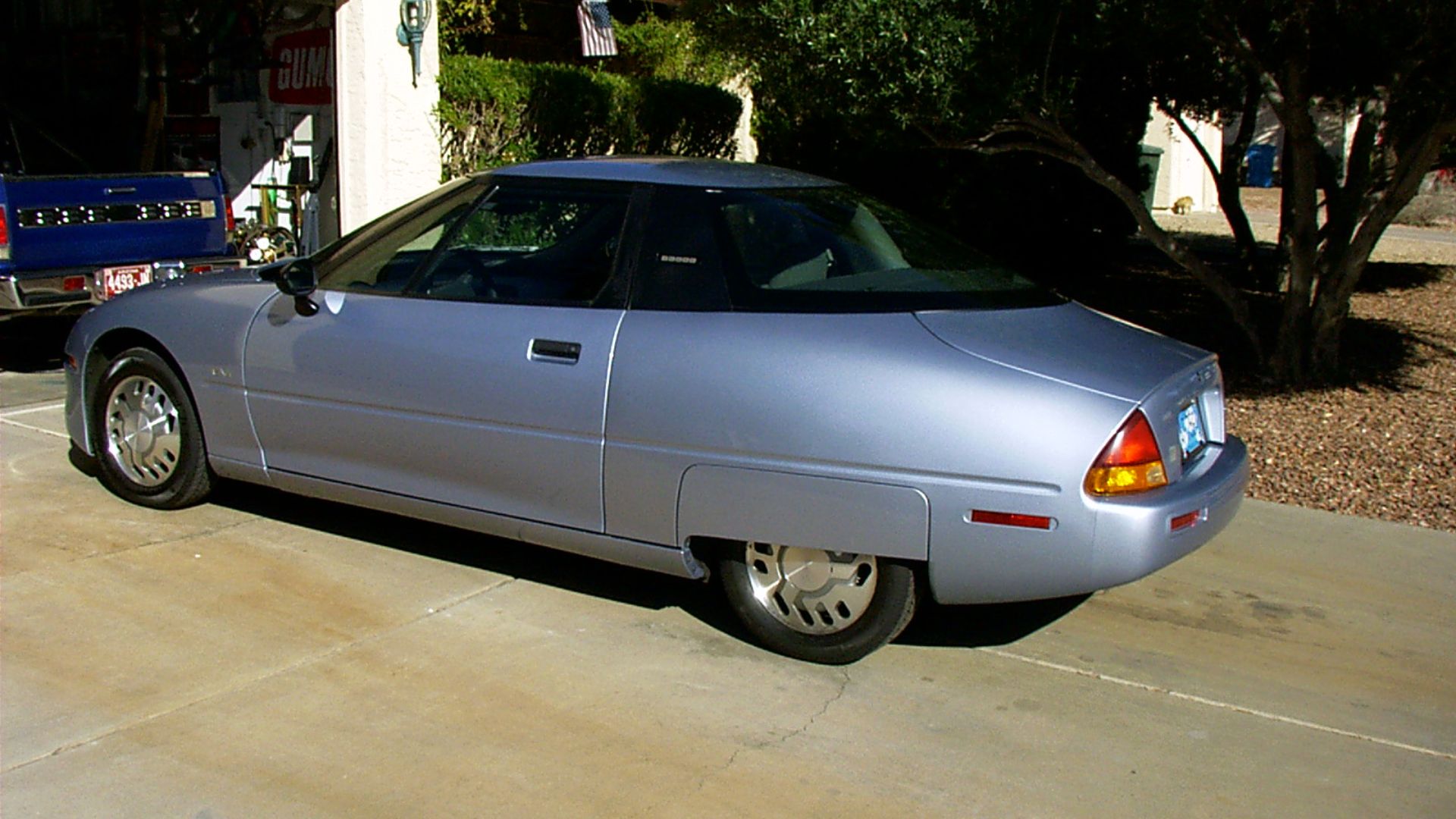
GM ultimately built 1,117 EV1s, with production ending in 1999. The company continued supporting existing leases for a time after the assembly line stopped. That meant the EV1 did not disappear immediately. Its final chapter unfolded gradually as lease agreements began reaching their end.
 RightBrainPhotography (Rick Rowen), Wikimedia Commons
GM Wanted The Cars Back
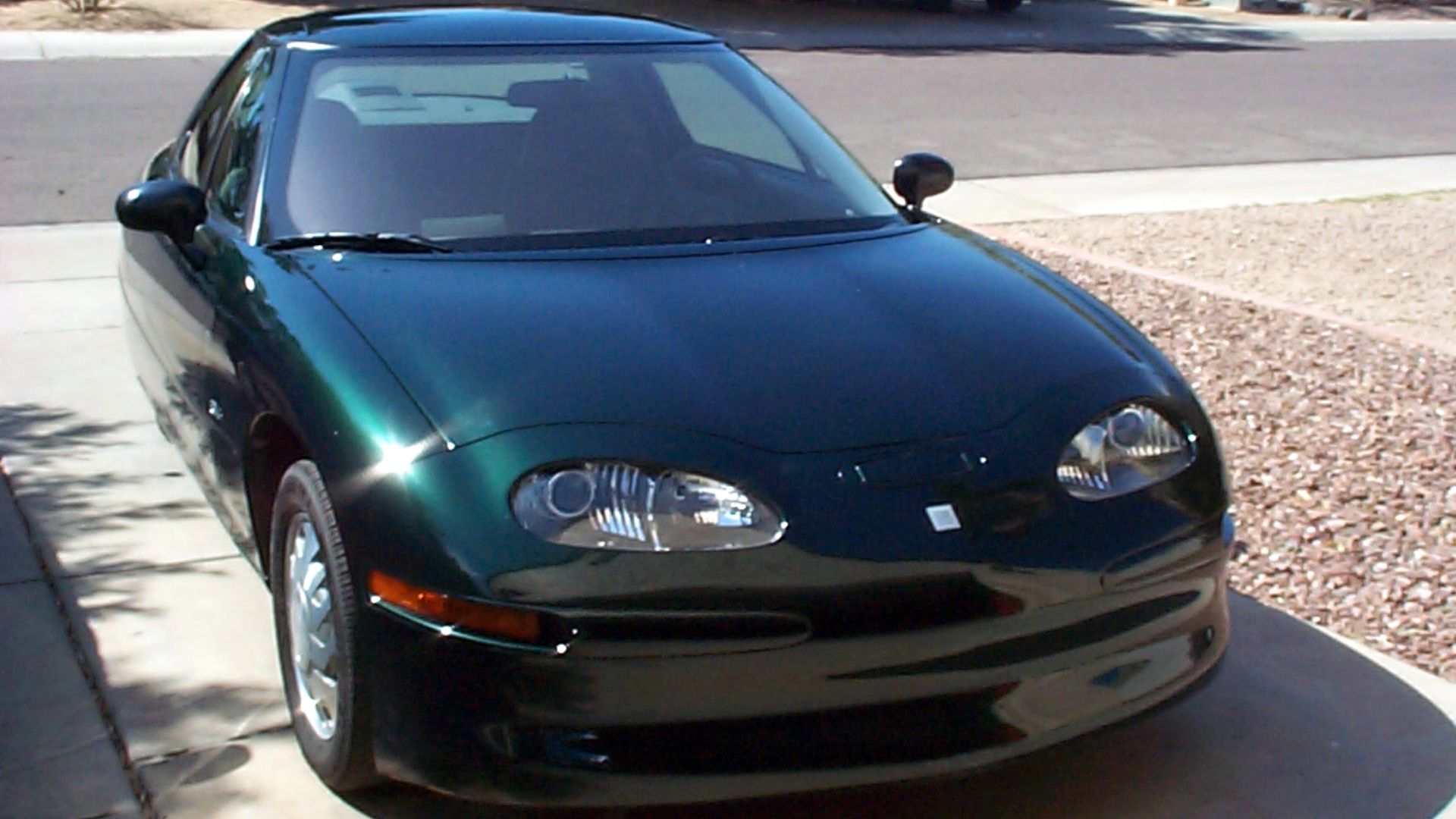
Beginning in 2002, remaining EV1 lessees were told their leases would not continue indefinitely. Because GM still owned every car, it could require them to be returned. Many drivers asked to extend thier leases or buy the cars outright. By 2005, nearly 100 supporters had reportedly offered about $24,000 each for remaining EV1s, but GM declined.
 RightBrainPhotography (Rick Rowen), Wikimedia Commons
GM Said The Business Case Was Not There
GM argued that the EV1 had loyal customers but not enough of them to support a specialized long-term fleet. The cars required unique parts, trained technicians, battery support, and specialized service infrastructure. From GM’s perspective, continuing a tiny fleet no longer made financial sense.
 Corvair Owner, Wikimedia Commons
Critics Saw Missed Potential
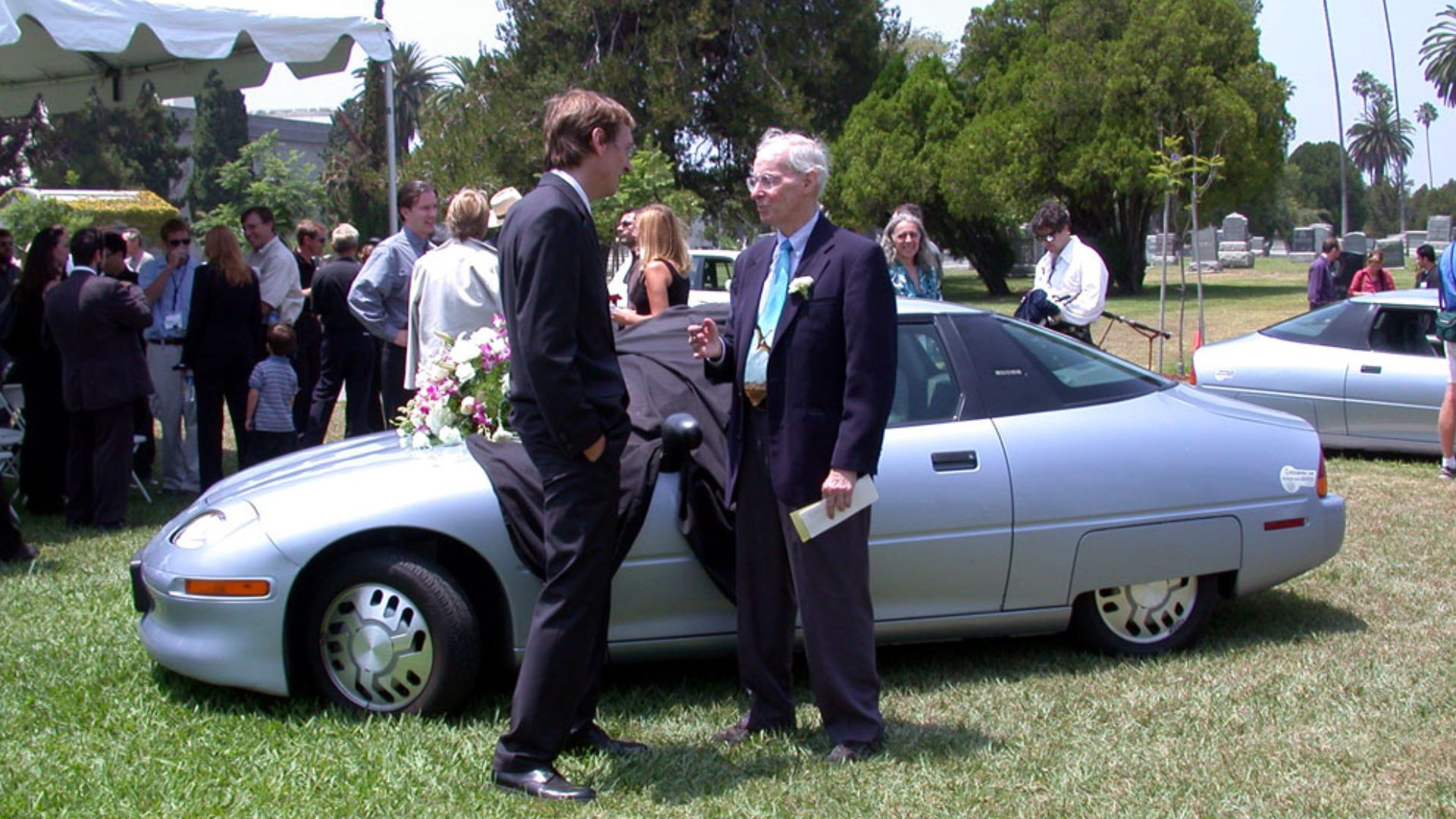
Some drivers and EV advocates disagreed. They argued that limited availability, strict qualification requirements, and cautious marketing kept the EV1 from reaching a larger audience. To them, the problem was not necessarily the car itself, but how limited its chance was to find a bigger market.
 Plug In America, Wikimedia Commons
Most Of The Cars Were Destroyed
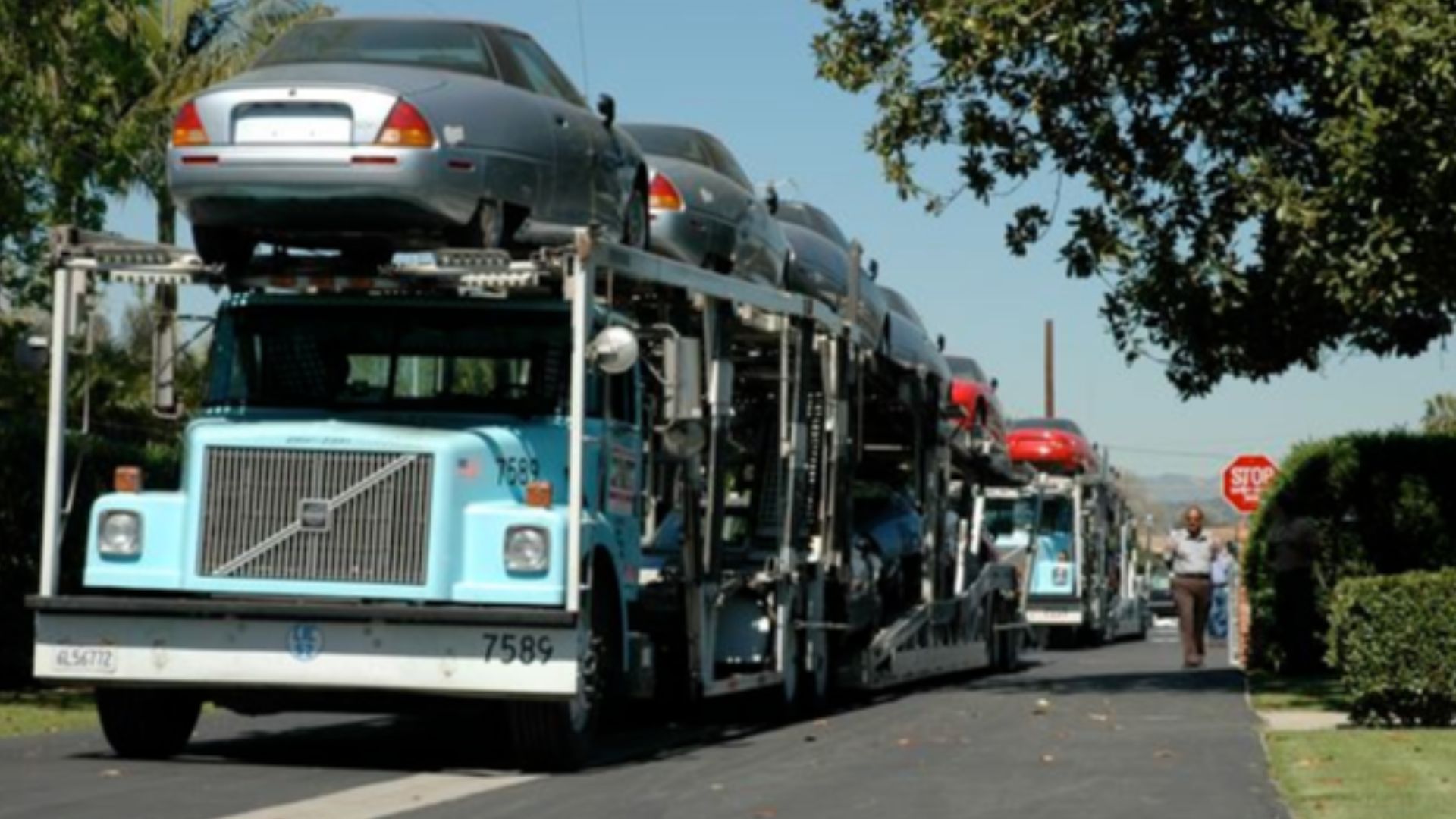
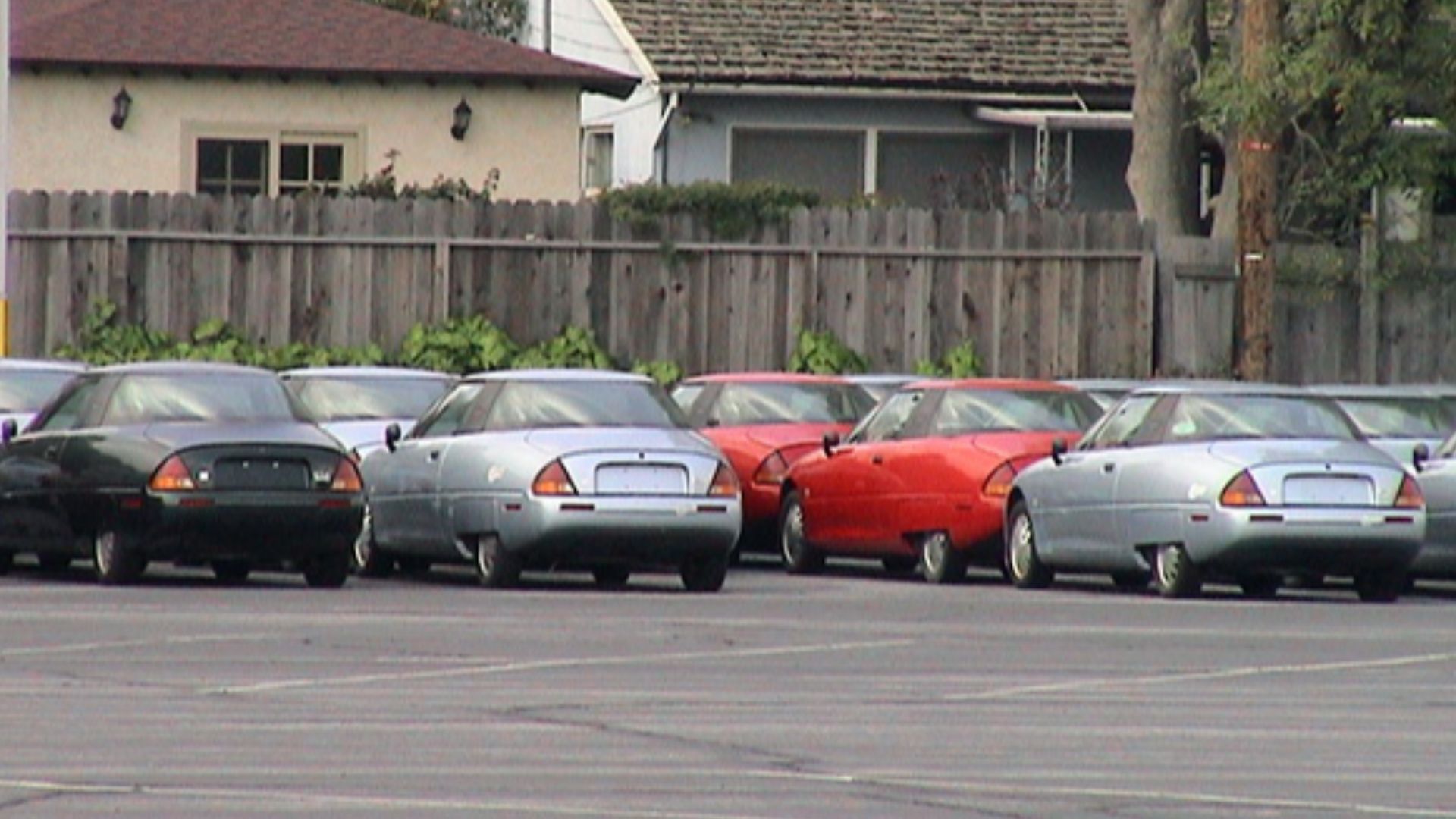
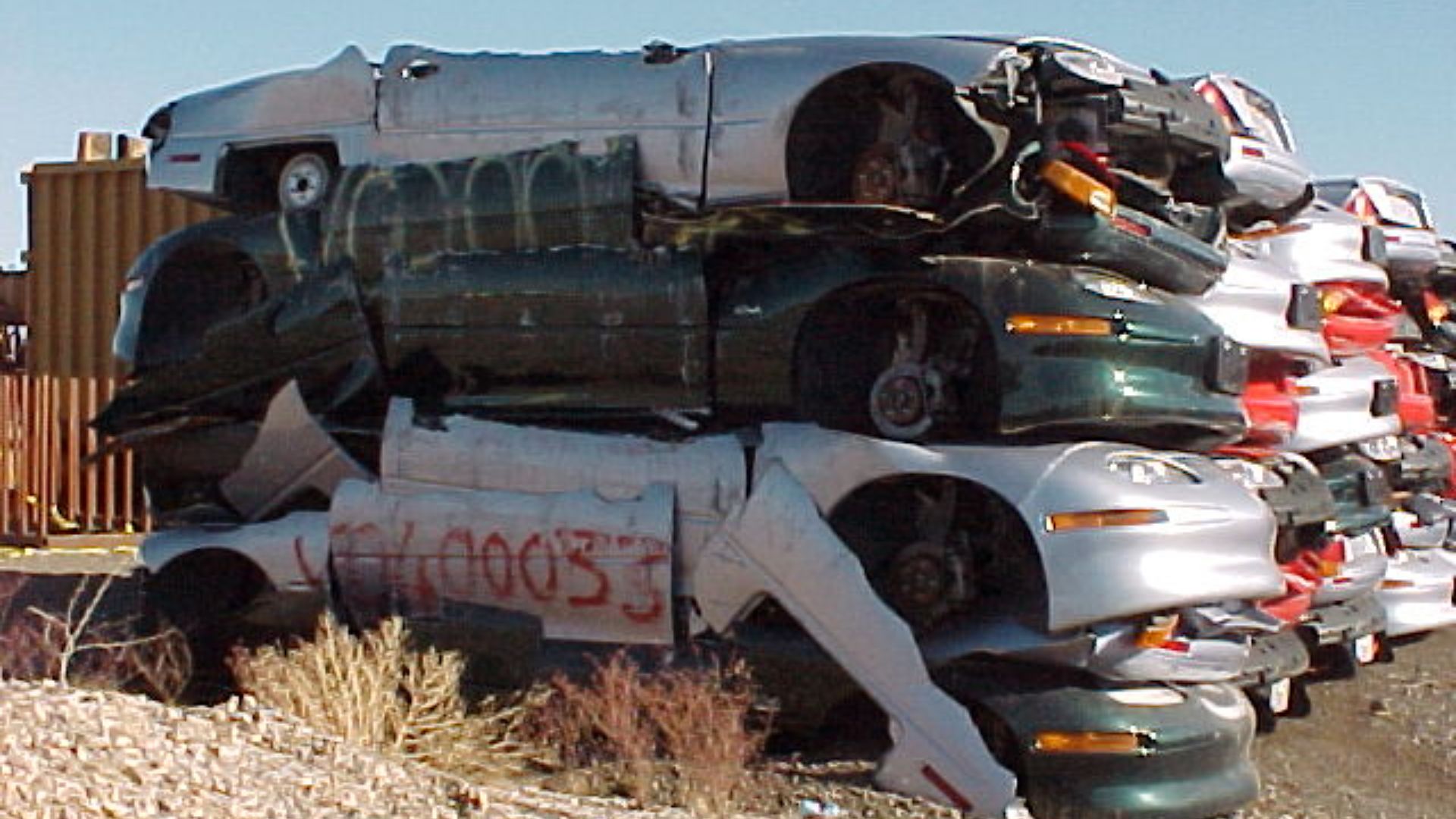
After reclaiming the EV1s, GM destroyed most of them. Images of the cars awaiting the crusher became one of the program’s most memorable symbols. The company cited the difficulty of maintaining and supporting a discontinued experimental fleet. For EV1 supporters, however, seeing usable cars destroyed when some drivers wanted to keep them was difficult to understand.
 Plug In America, Wikimedia Commons
A Few EV1s Survived
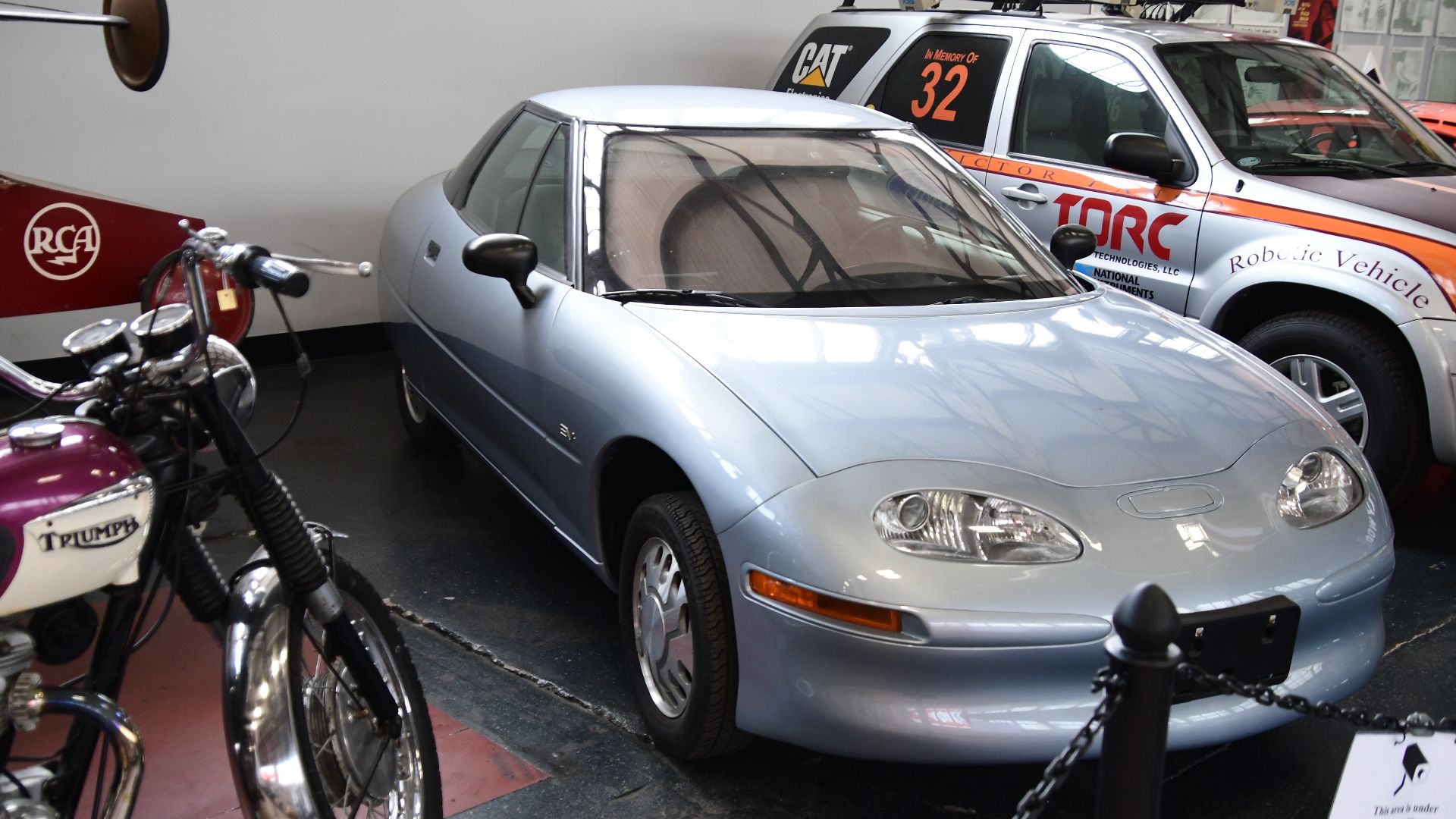
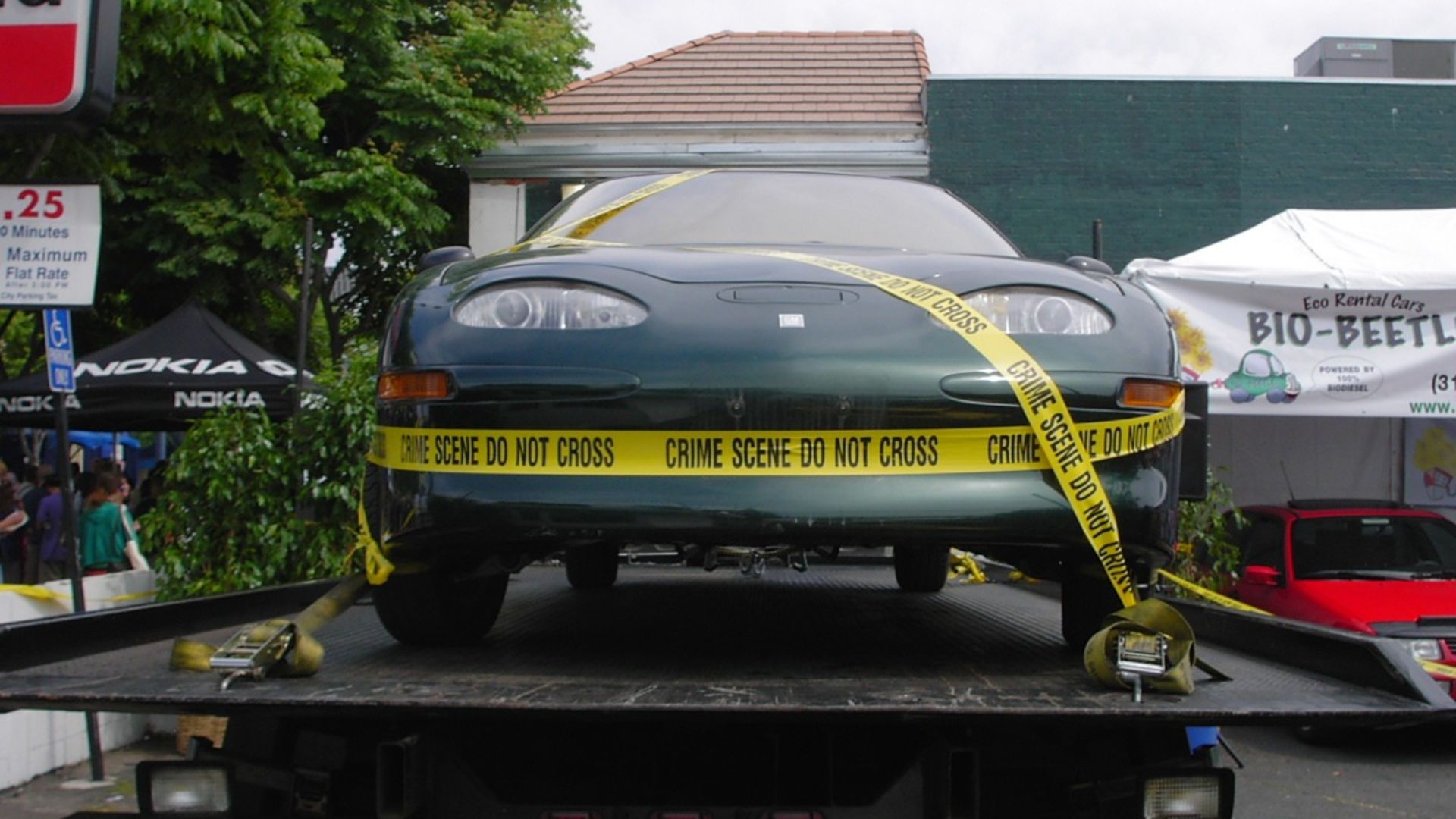
Not every EV1 was crushed. Around 40 EV1s were preserved, donated to museums and educational institutions, or retained by GM. Many donated cars had their drivetrains disabled. Surviving examples are now important pieces of automotive history.
The Ending Became Bigger Than The Car
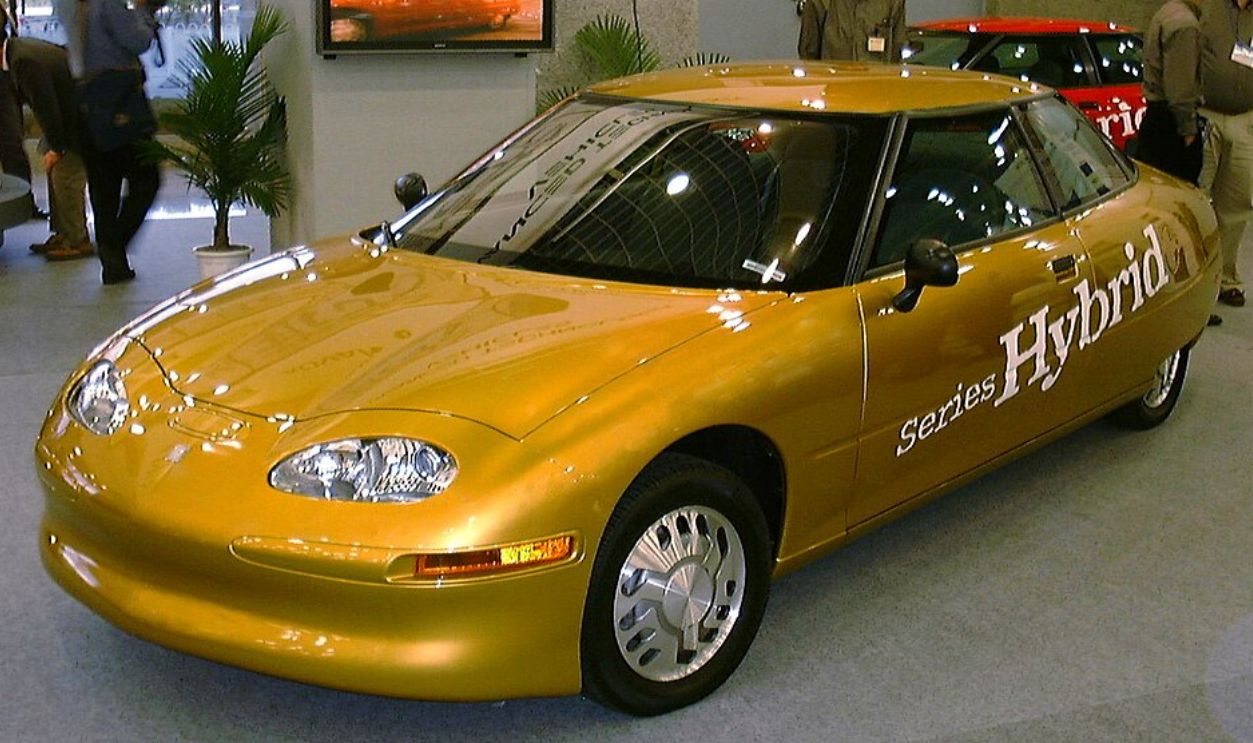
The EV1’s unusual ending gave it a reputation few discontinued cars ever receive. Loyal drivers, lease-only ownership, and the destruction of many examples kept the story alive. Former GM chief Rick Wagoner later said he regretted not putting more resources into hybrids after the EV1 era, particularly because it hurt GM's image as a technology leader.
GM Kept Working On Electrification
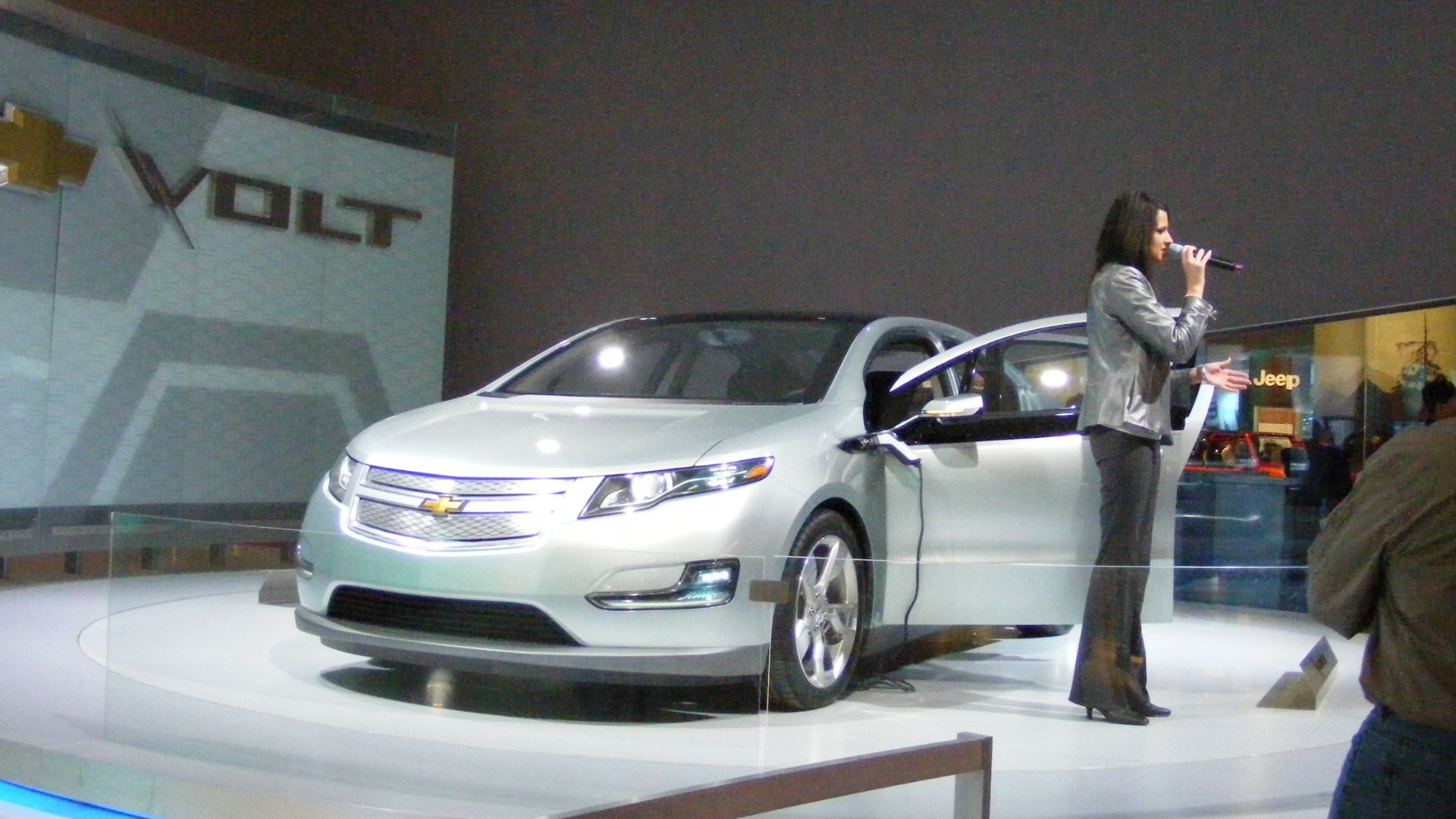
The EV1 did not end GM’s work on electric propulsion. The company later developed the Chevrolet Volt plug-in hybrid and fully electric models such as the Bolt EV. Knowledge from the EV1 program continued to influence later projects.
The Rest Of The Industry Caught Up
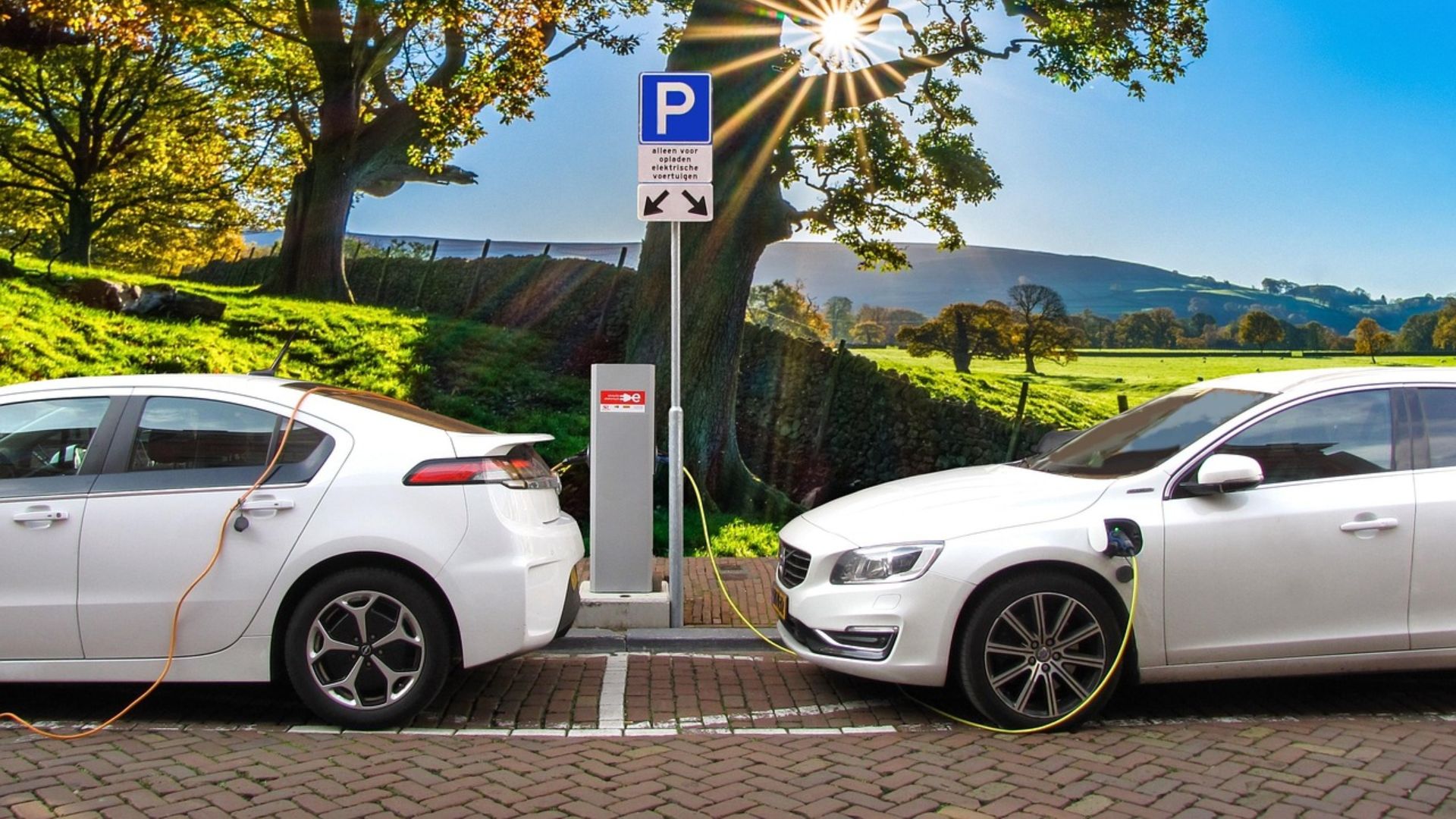
Several things that limited the EV1 later changed dramatically. Battery technology, charging networks, and EV practicality improved dramatically over the following decades. Longer ranges, dedicated EV platforms, and regenerative braking eventually became common. The EV1 arrived before most of the supporting ecosystem was ready.
So Was The EV1 Too Far Ahead?
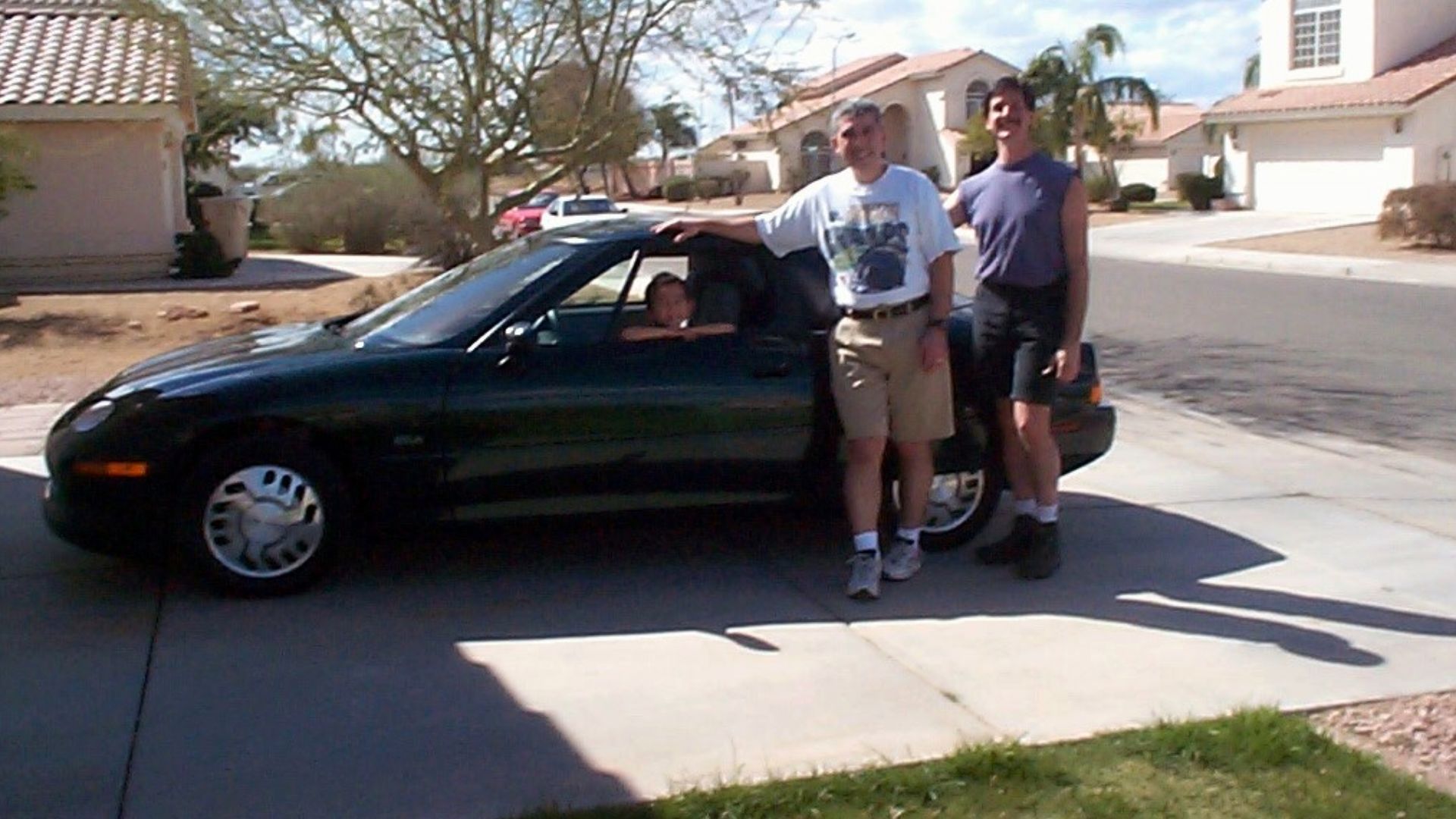
In many ways, yes. GM had built a usable purpose-designed electric car before batteries, infrastructure, regulations, and consumer expectations were ready to support EVs on a large scale. The EV1 was both an impressive engineering achievement and a reminder that being early does not automatically make a technology commercially viable.
 RightBrainPhotography from Phoenix, US, Wikimedia Commons
The EV1 Still Feels Strangely Modern
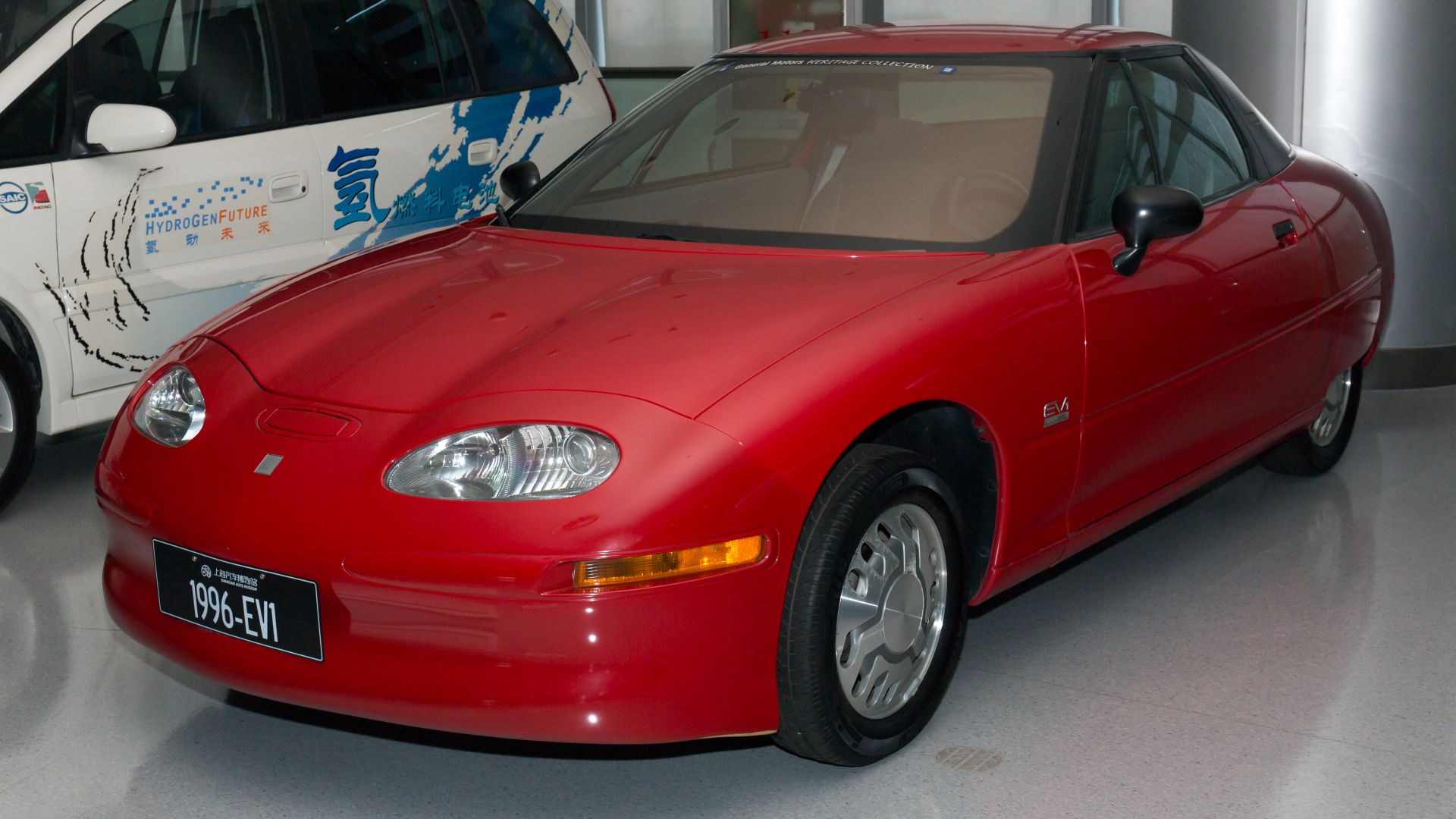
Many of the EV1’s once-exotic ideas are now standard across the EV industry. Purpose-built electric platforms, regenerative braking, aerodynamic optimization, and battery management have all become familiar. GM’s experiment never became a mass-market success, but it offered an unusually early look at where the industry was heading.
You May Also Like:
Ford Used The Mustang Name On An Electric SUV—Did Their Gamble Pay Off?
GM Axed Pontiac After 84 Years—But Did It Save The Wrong Brand?
Mitsubishi Risked Everything When They Abandoned Performance Cars For Crossovers