Mitsubishi Used To Mean Something Very Different
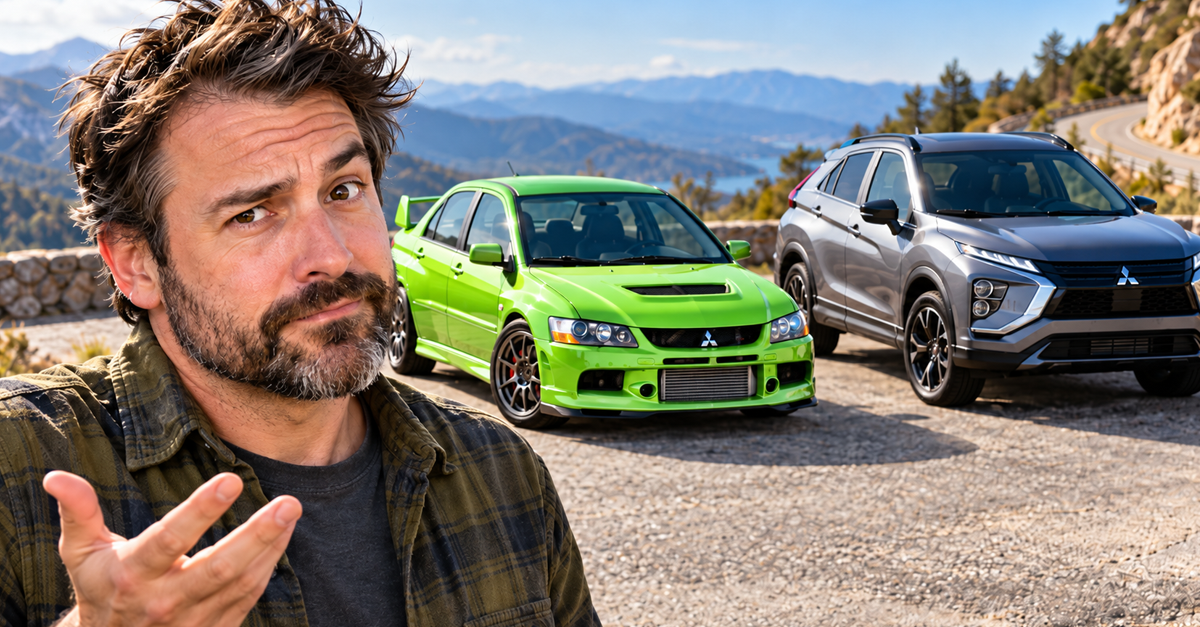
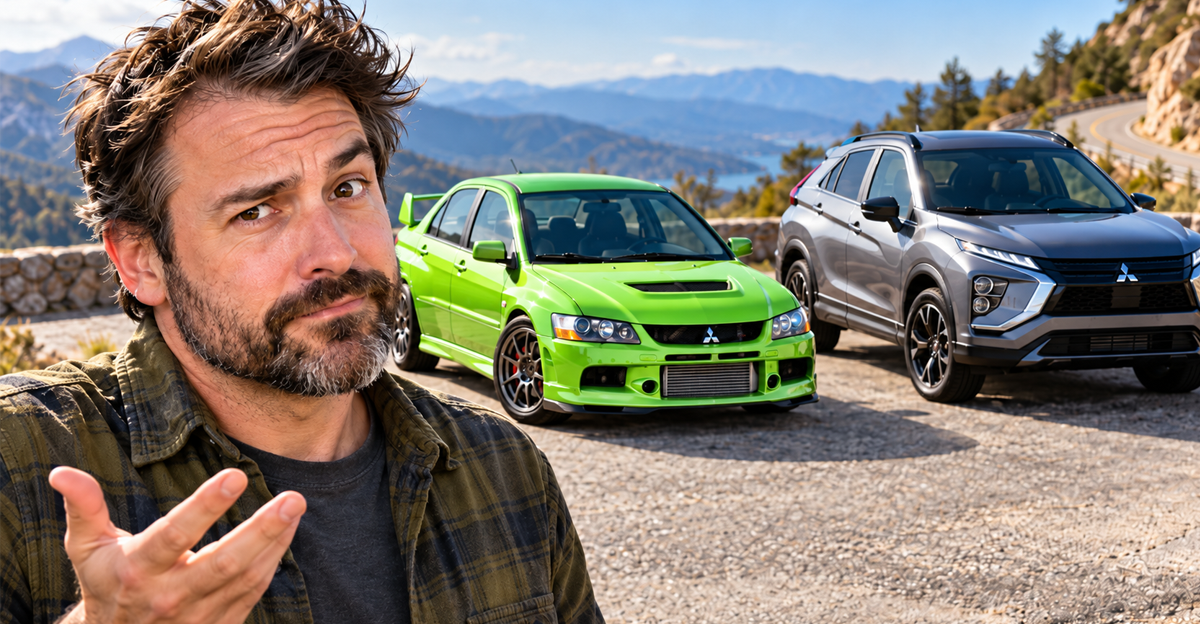
There was a time when Mitsubishi could sell you a rally-bred Lancer Evolution, a turbocharged Eclipse, or the high-tech 3000GT VR-4. These were performance cars enthusiasts recognized instantly, and they gave Mitsubishi an identity that stretched far beyond basic transportation. Then the company made a dramatic turn toward SUVs, crossovers, and electrification.
Performance Was Part Of The Brand
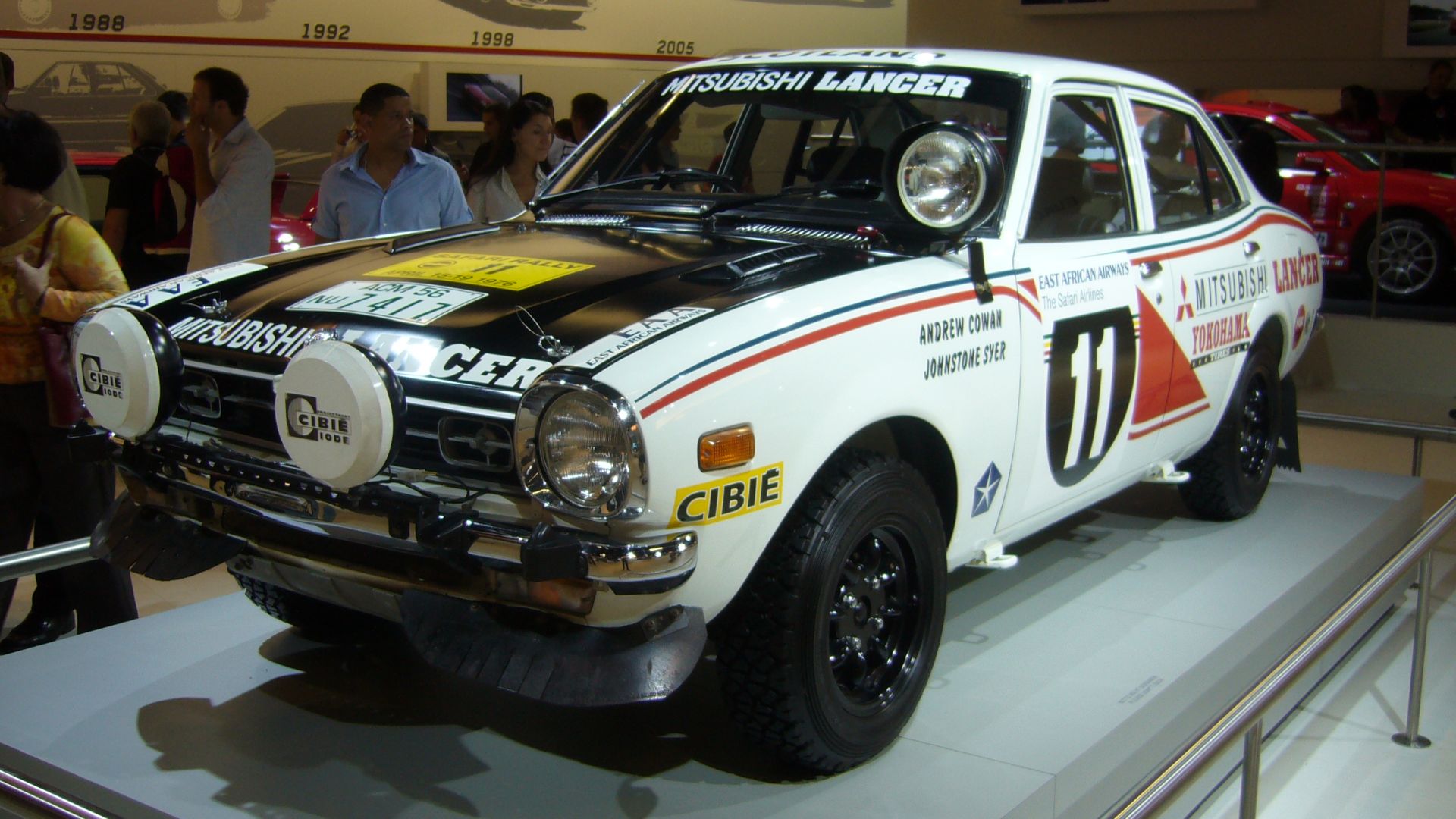
Mitsubishi did not stumble into its enthusiast reputation by accident. The company had competed in international rallying since the 1960s and entered the World Rally Championship when it began in 1973. Competition became an important proving ground for technology that eventually reached Mitsubishi road cars.
 AlexanderFPbusse, Wikimedia Commons
The Galant VR-4 Set The Stage
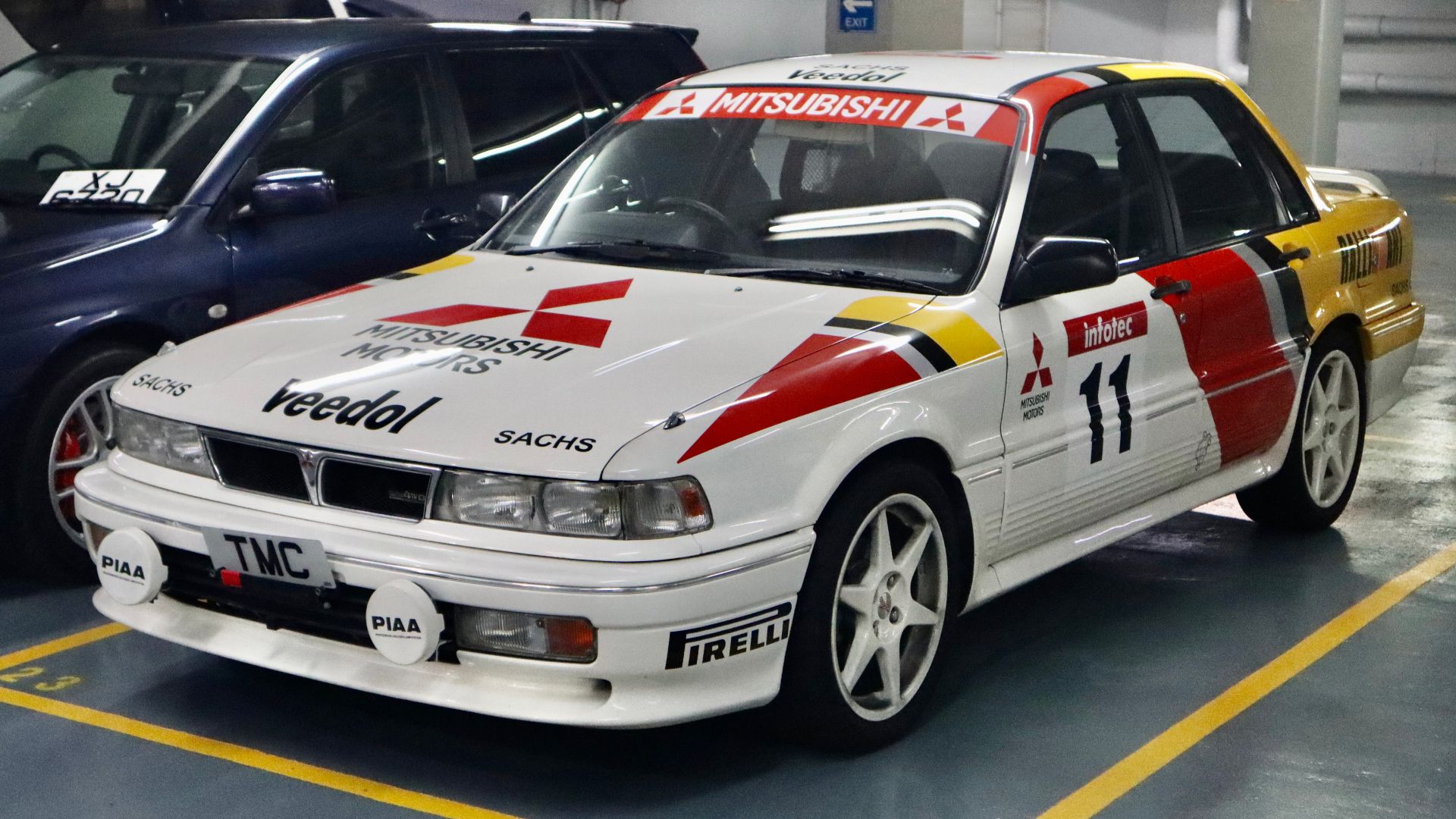
Before the Lancer Evolution became famous, Mitsubishi was already combining turbocharging and all-wheel drive in a performance sedan. The Galant VR-4 won major WRC events, including the Swedish and Ivory Coast rallies in 1991. It helped establish the formula Mitsubishi would soon take much further with the smaller Lancer.
 Jones028 from Hong Kong, Wikimedia Commons
Then Came The Lancer Evolution
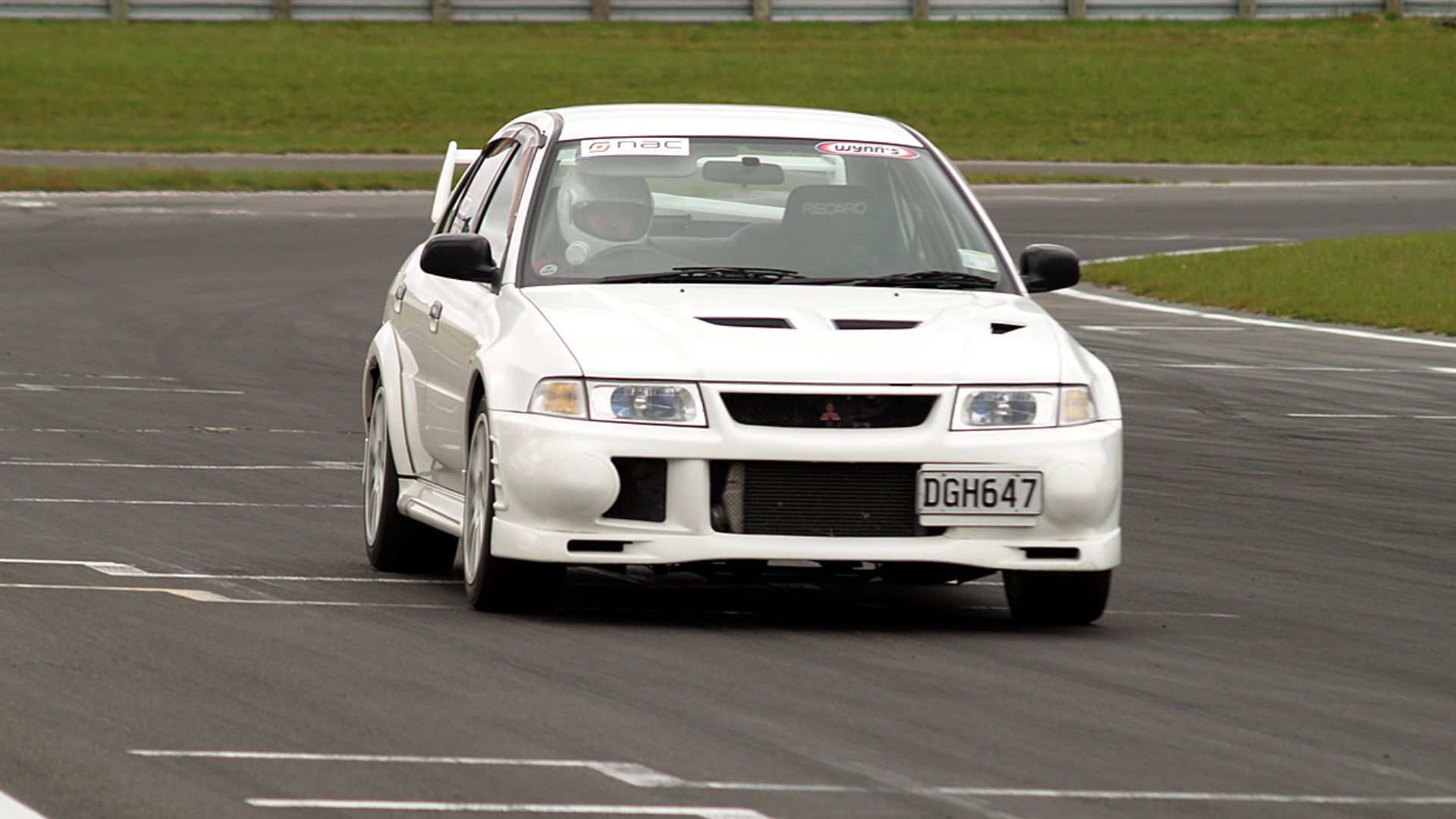
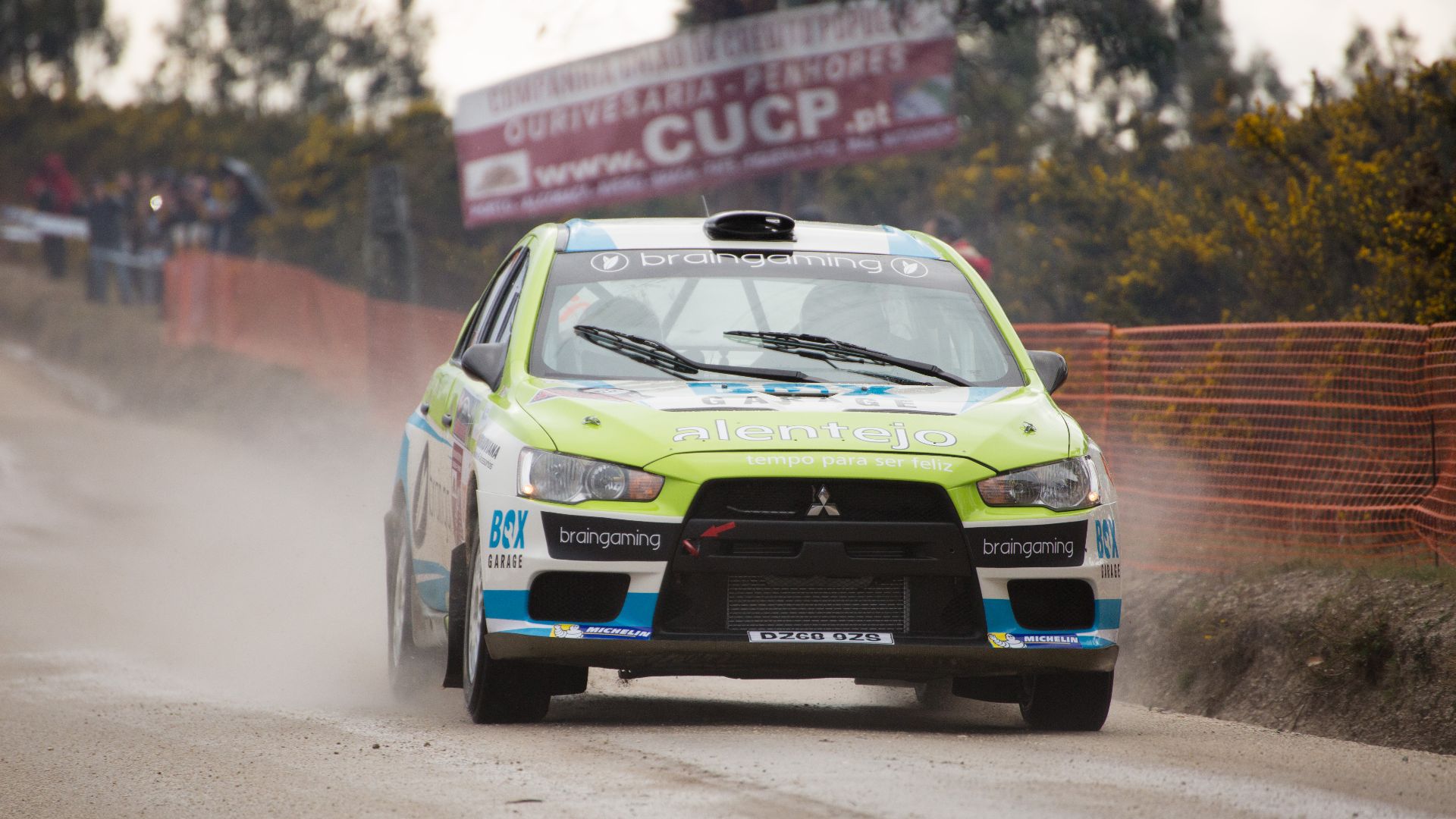
The original Lancer Evolution arrived in the early 1990s with technology closely tied to Mitsubishi's rally program. Success followed quickly as Mitsubishi and the Evolution became regular contenders in the World Rally Championship. Before long, the Evo was the car that defined Mitsubishi for an entire generation of enthusiasts.
Rally Success Made The Evo A Legend
The Evolution's competition record gave Mitsubishi something few marketing campaigns could match. Mitsubishi won four consecutive WRC drivers' championships from 1996 through 1999 and captured the manufacturers' championship in 1998. Its reputation was built on genuine success on rally stages around the world.
 Harpagornis, Wikimedia Commons
Mitsubishi Was Winning Off-Road Too
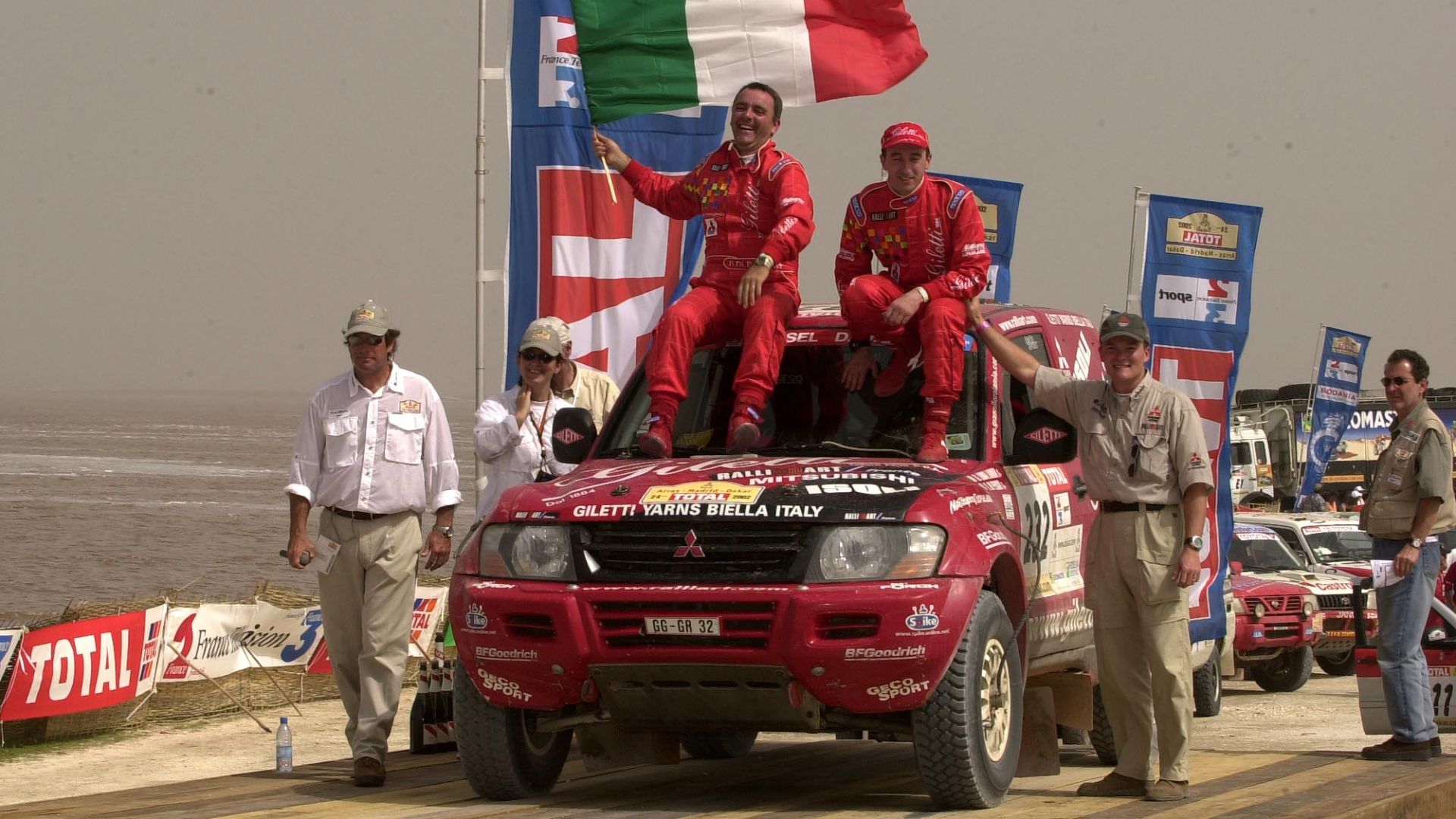
The company's motorsports credibility extended beyond the Evo. Mitsubishi's Pajero, known as the Montero in some markets, became one of the defining vehicles of the Dakar Rally and scored repeated overall victories. In 1997, Mitsubishi vehicles swept the first four finishing positions overall.
 © Gianni Lora Lamia - [email protected], Wikimedia Commons
The Showrooms Were Just As Interesting
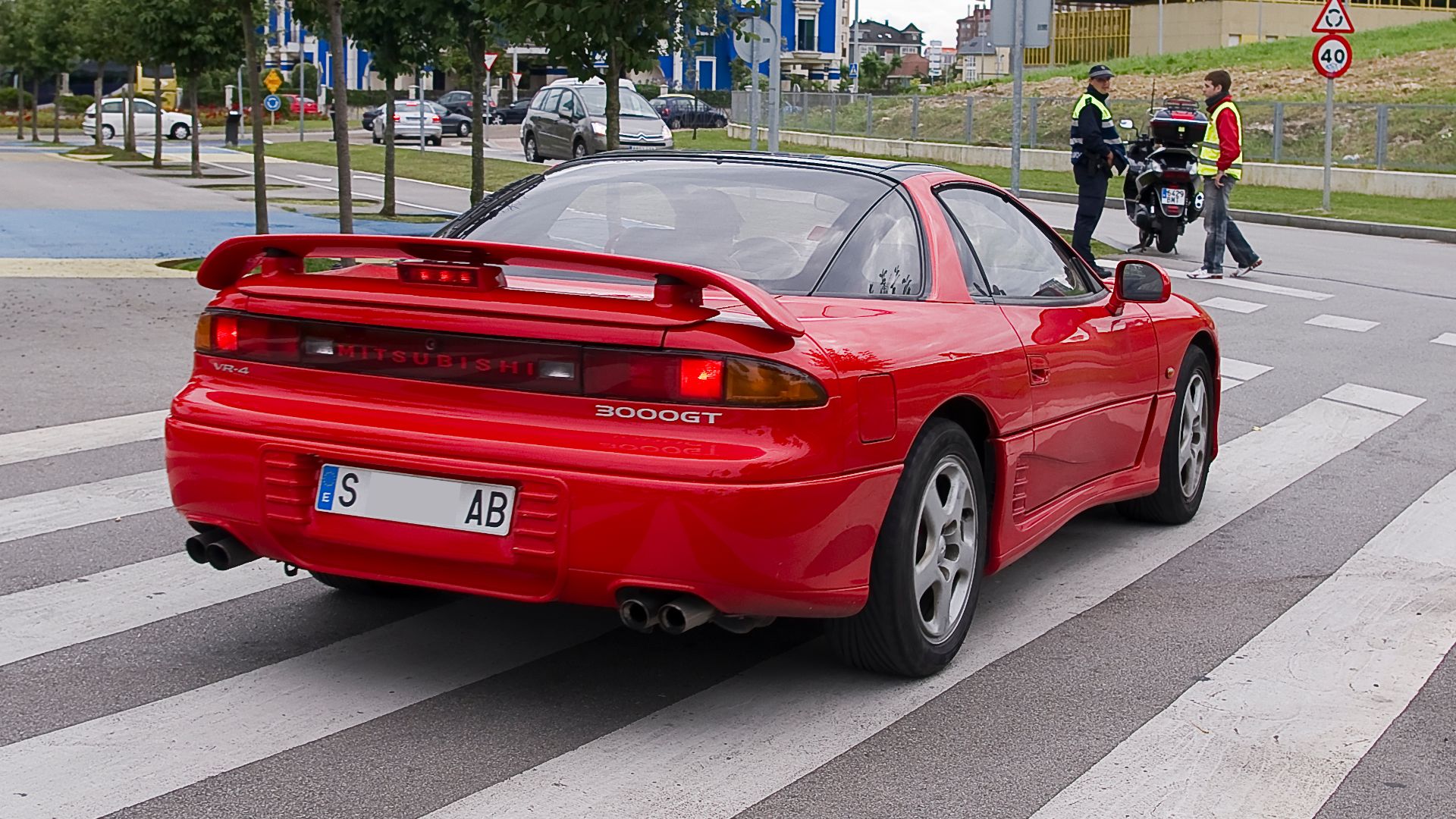
American buyers once had several very different Mitsubishi performance cars to choose from. The Eclipse offered turbocharged compact-coupe performance, while the 3000GT VR-4 brought all-wheel drive, twin turbos, and ambitious technology to the grand-touring segment. Later, the Lancer Evolution finally gave U.S. buyers direct access to Mitsubishi's rally-bred performance formula.
 Spanish Coches, Wikimedia Commons
The Eclipse Became A Genuine Hit
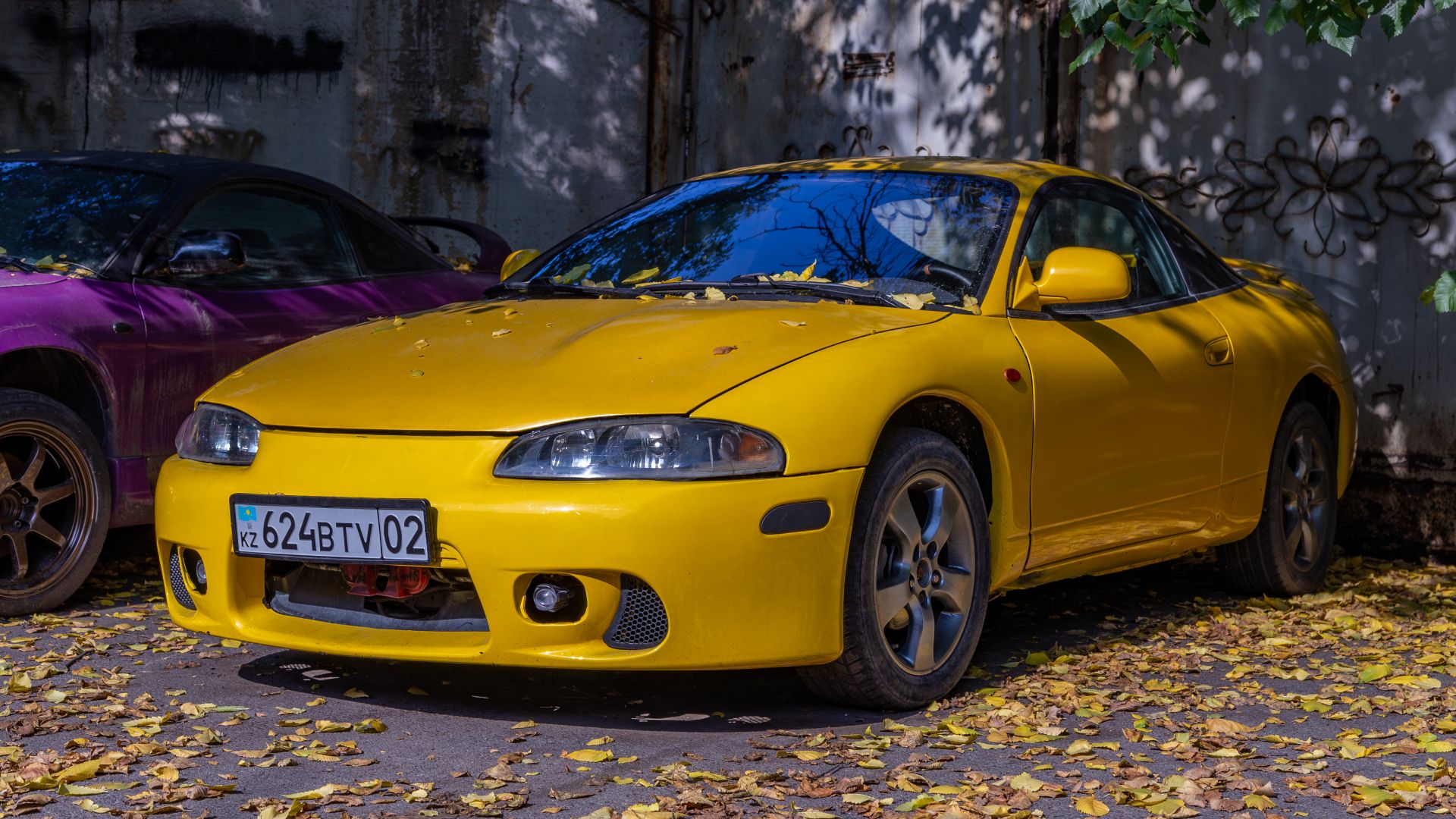
The original Mitsubishi Eclipse arrived for the 1990 model year and quickly earned enthusiast credibility. Car and Driver placed the turbocharged, all-wheel-drive Eclipse GSX on its 10Best list for four consecutive years. Few people looking at Mitsubishi's later crossover-heavy lineup would guess how strong the Eclipse name once was among performance-car buyers.
 Nikolai Bulykin, Wikimedia Commons
But Mitsubishi's Priorities Were Changing
By the early 2010s, Mitsubishi was looking for a clearer long-term direction. President Osamu Masuko was already discussing the possibility that future performance vehicles could combine electrification with the Evolution formula rather than simply repeating the existing gasoline-powered car. In 2011, he discussed the possibility of a future Evo using hybrid technology and electric motors.
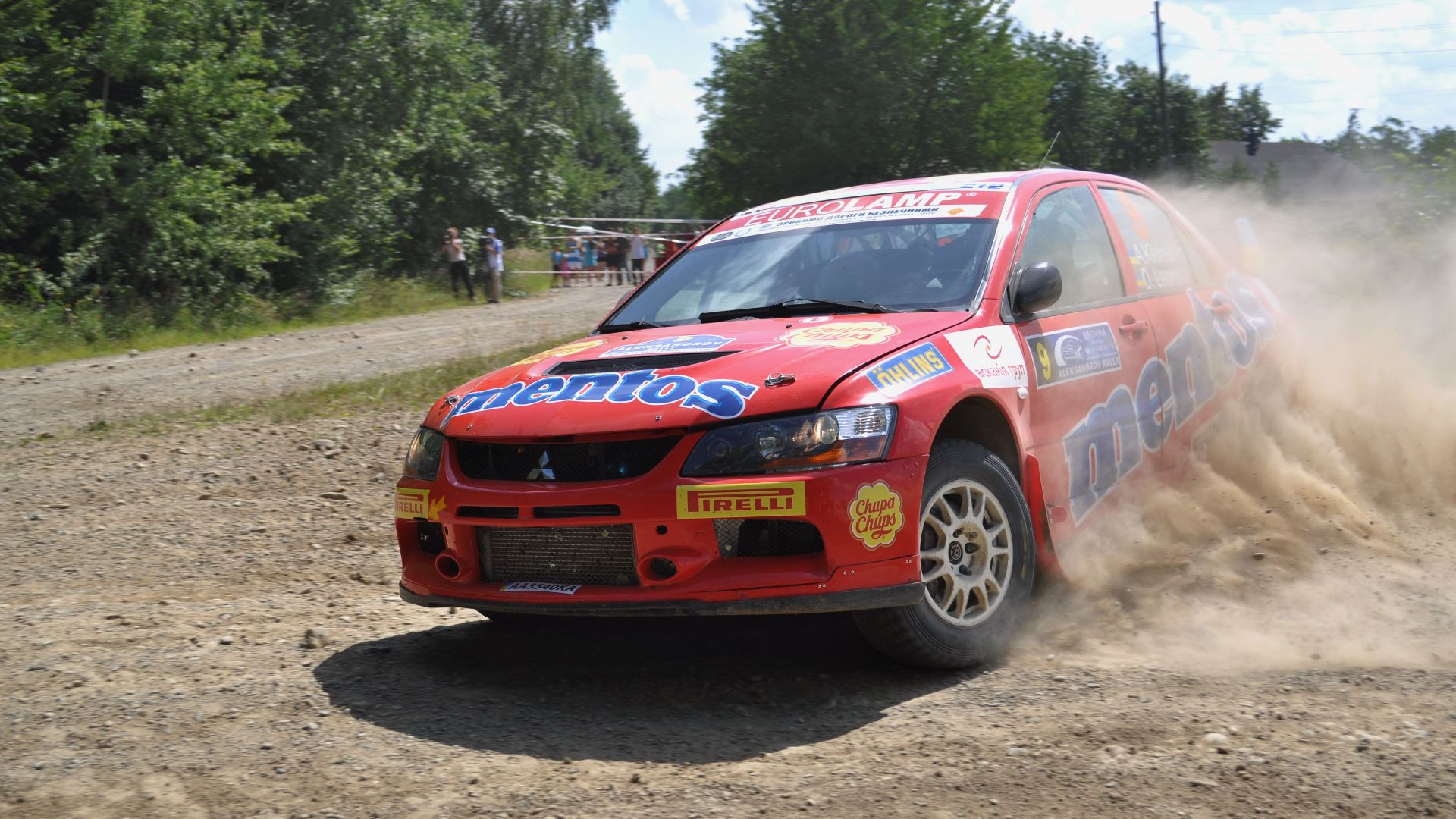
Mitsubishi Had Already Bet On Electrification
Mitsubishi had already invested heavily in electrified vehicles. The company launched the production i-MiEV in 2009 and followed it with the Outlander PHEV in 2013. That gave Mitsubishi unusually early experience with battery-electric and plug-in-hybrid technology, areas that would become increasingly important to its strategy.
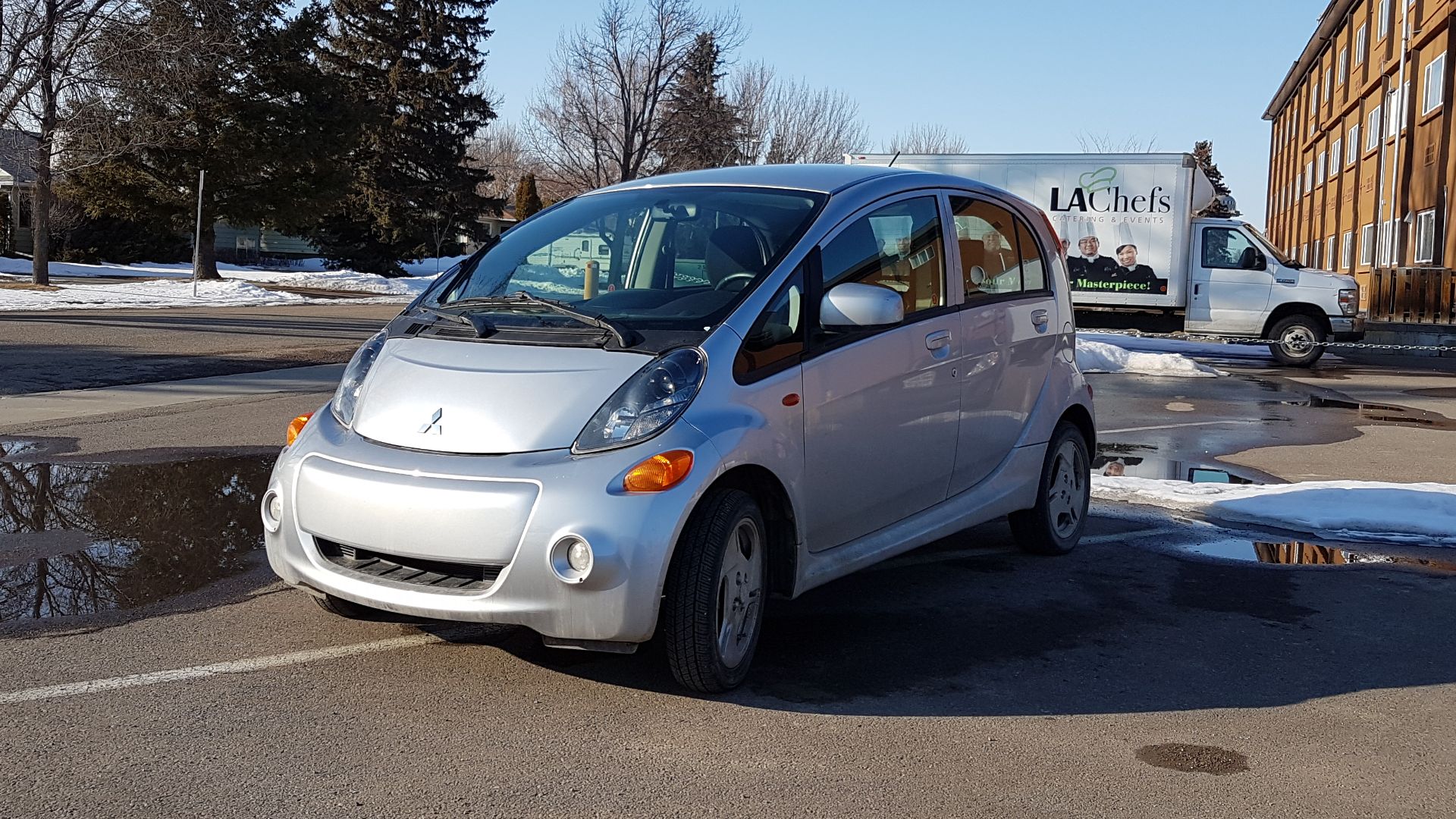 dave_7 from Canada, Wikimedia Commons
The Evo Suddenly Looked Vulnerable
By 2014, Mitsubishi's direction had become much clearer. The company confirmed that it had no plans for a direct successor to the existing gasoline-powered Lancer Evolution. Representatives said Mitsubishi's strengths were increasingly in pickups, SUVs, and crossovers, while future performance models could incorporate electrification.
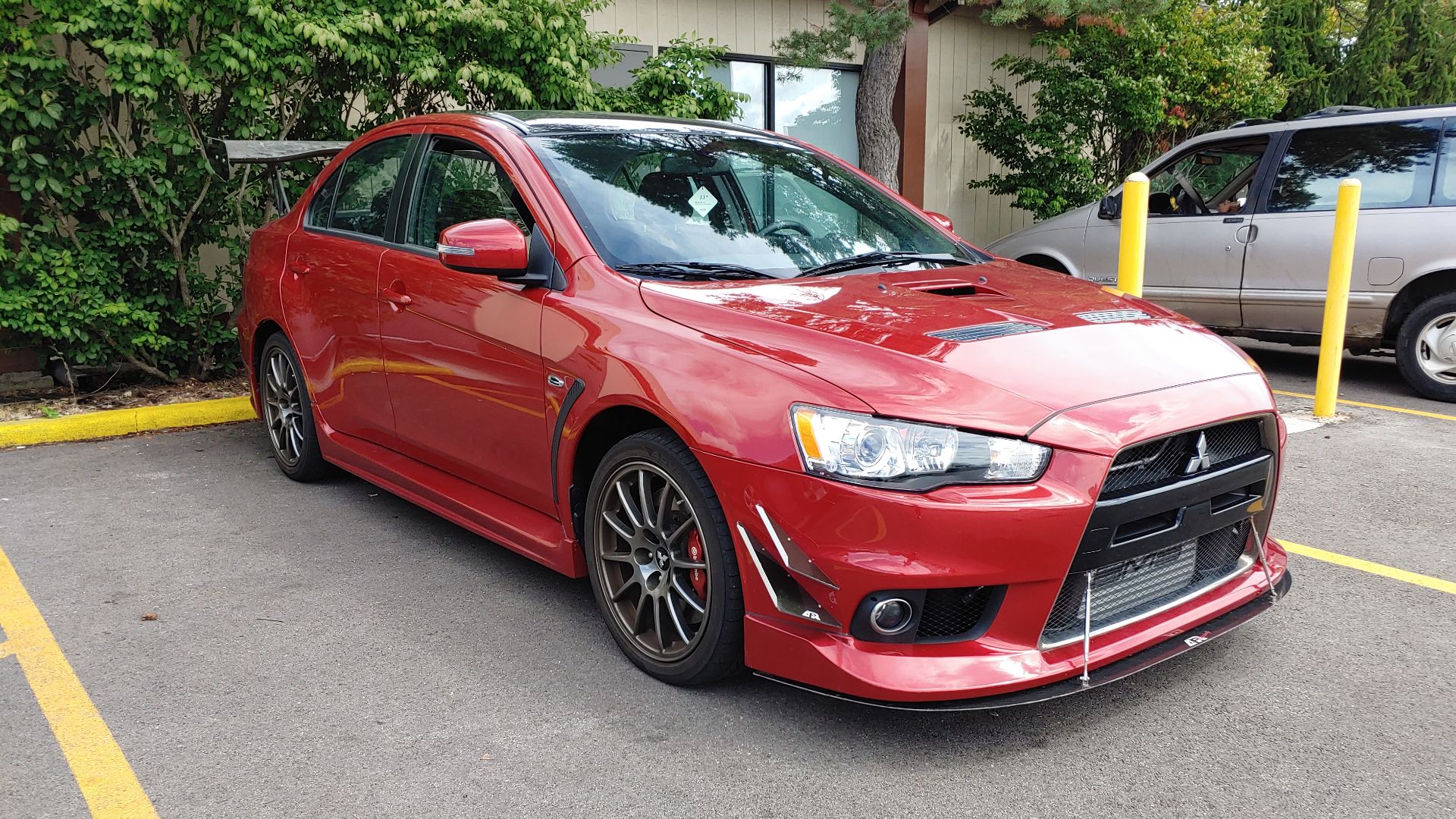 ChromeGames923, Wikimedia Commons
An Icon Was About To Die
Mitsubishi's U.S. leadership soon made the decision sound even more final. Executive Don Swearingen said in 2014 that the Evo's time had "come and gone," confirming that the existing model would not receive a conventional replacement. For enthusiasts, Mitsubishi was preparing to retire the car most closely associated with its modern performance image.
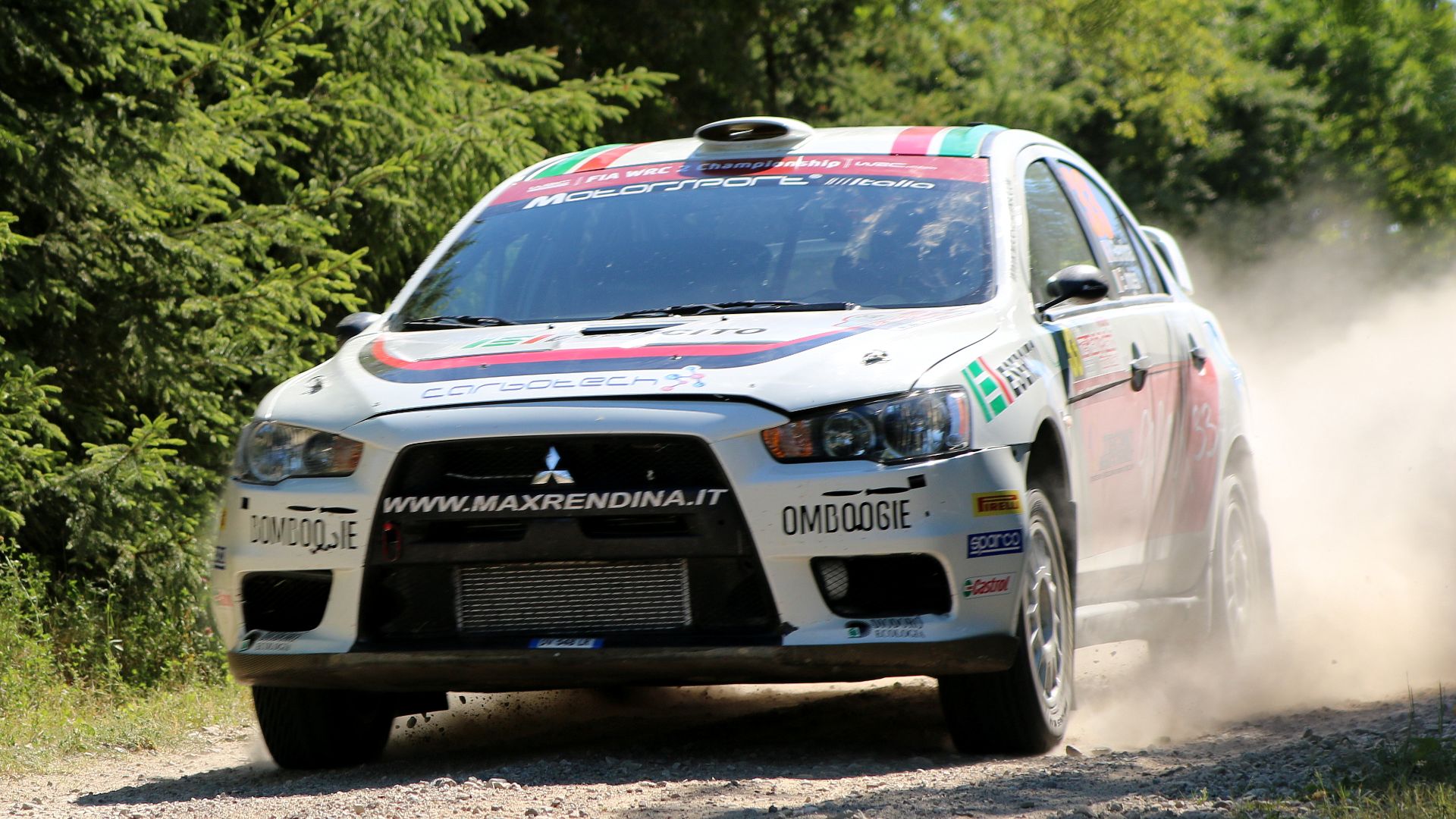
The Final Edition Really Was Final
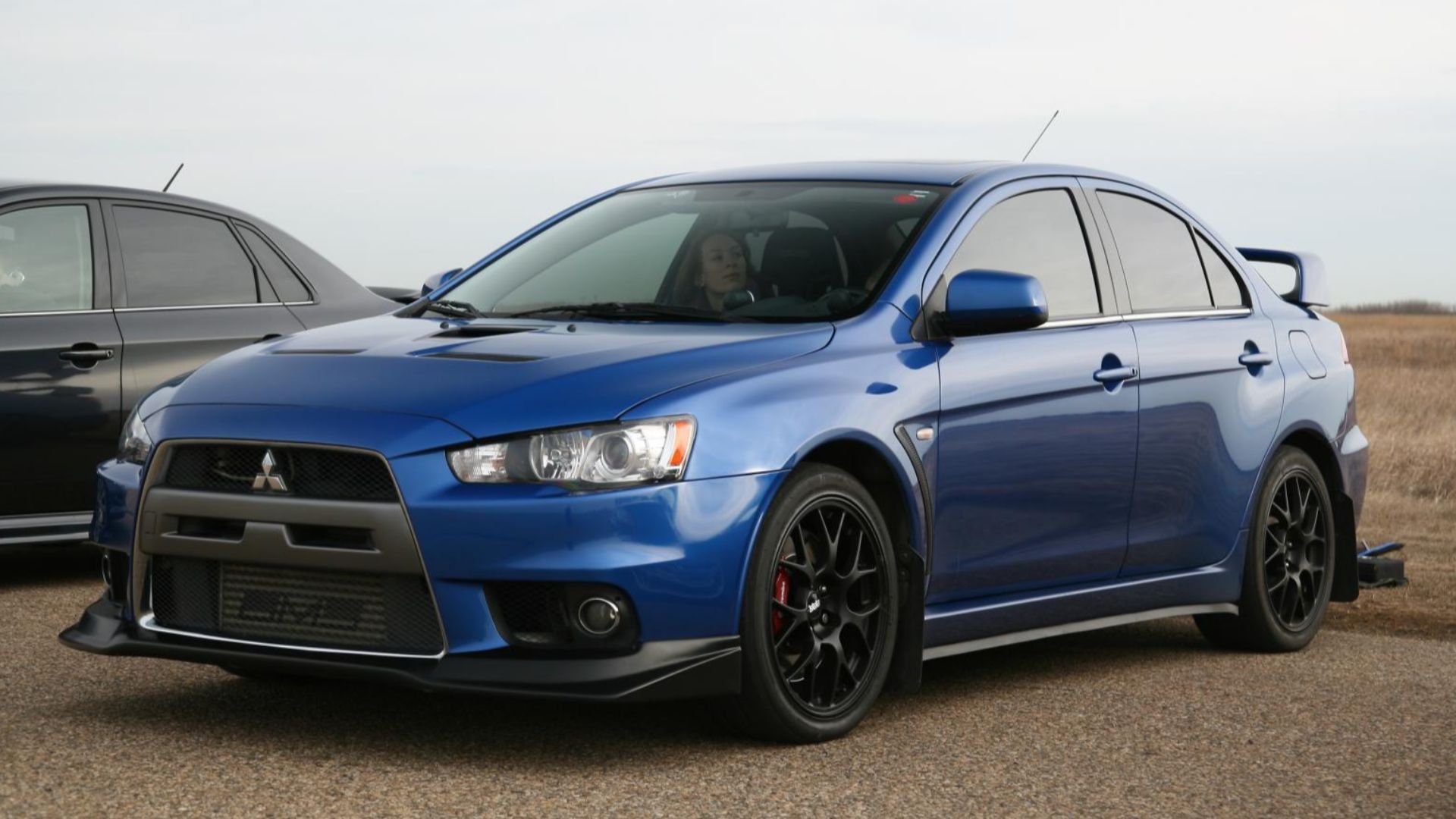
The 2015 Lancer Evolution Final Edition became the farewell. Its turbocharged 2.0-liter four-cylinder produced 303 horsepower, and it retained a five-speed manual transmission and all-wheel drive. When production ended, Mitsubishi had no direct successor waiting in the wings.
The Ordinary Lancer Followed It Out
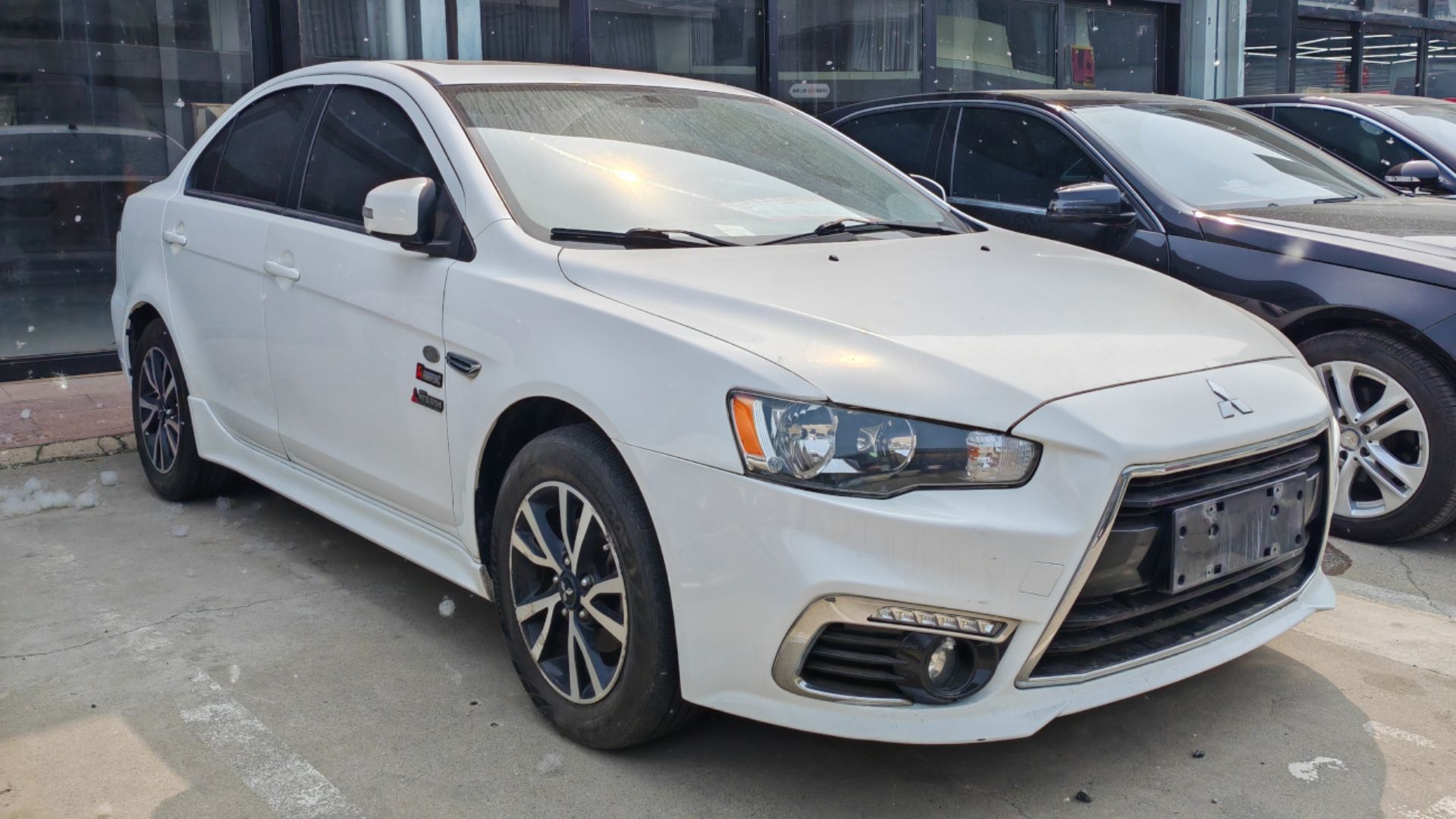
The Evo was not the only Lancer headed for the exit. Mitsubishi announced that production of the Lancer for export would end at its Mizushima plant in December 2017. By then, the company's traditional passenger-car lineup was shrinking rapidly.
 Navigator84, Wikimedia Commons
Mitsubishi Went All-In On Utility Vehicles
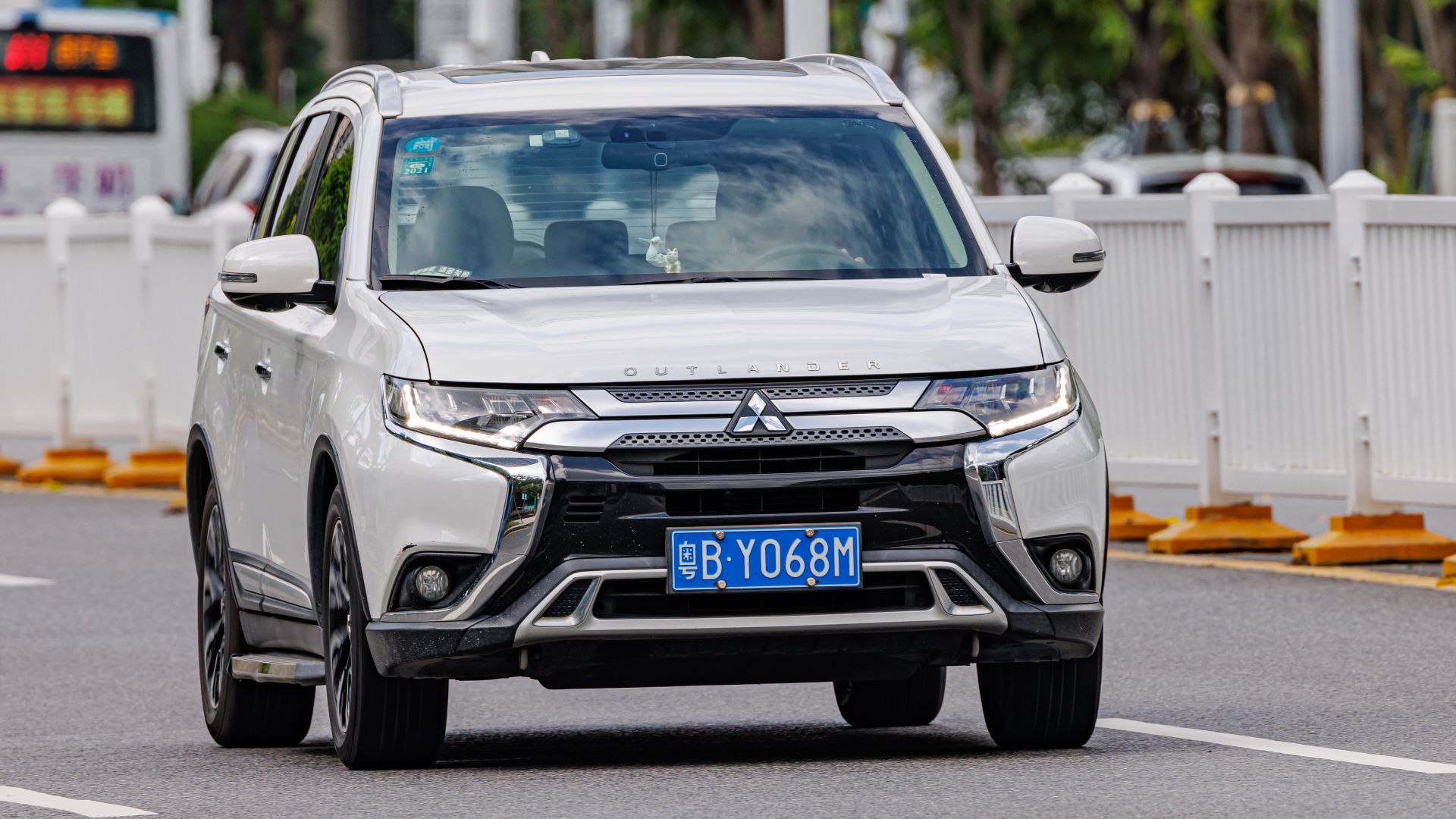
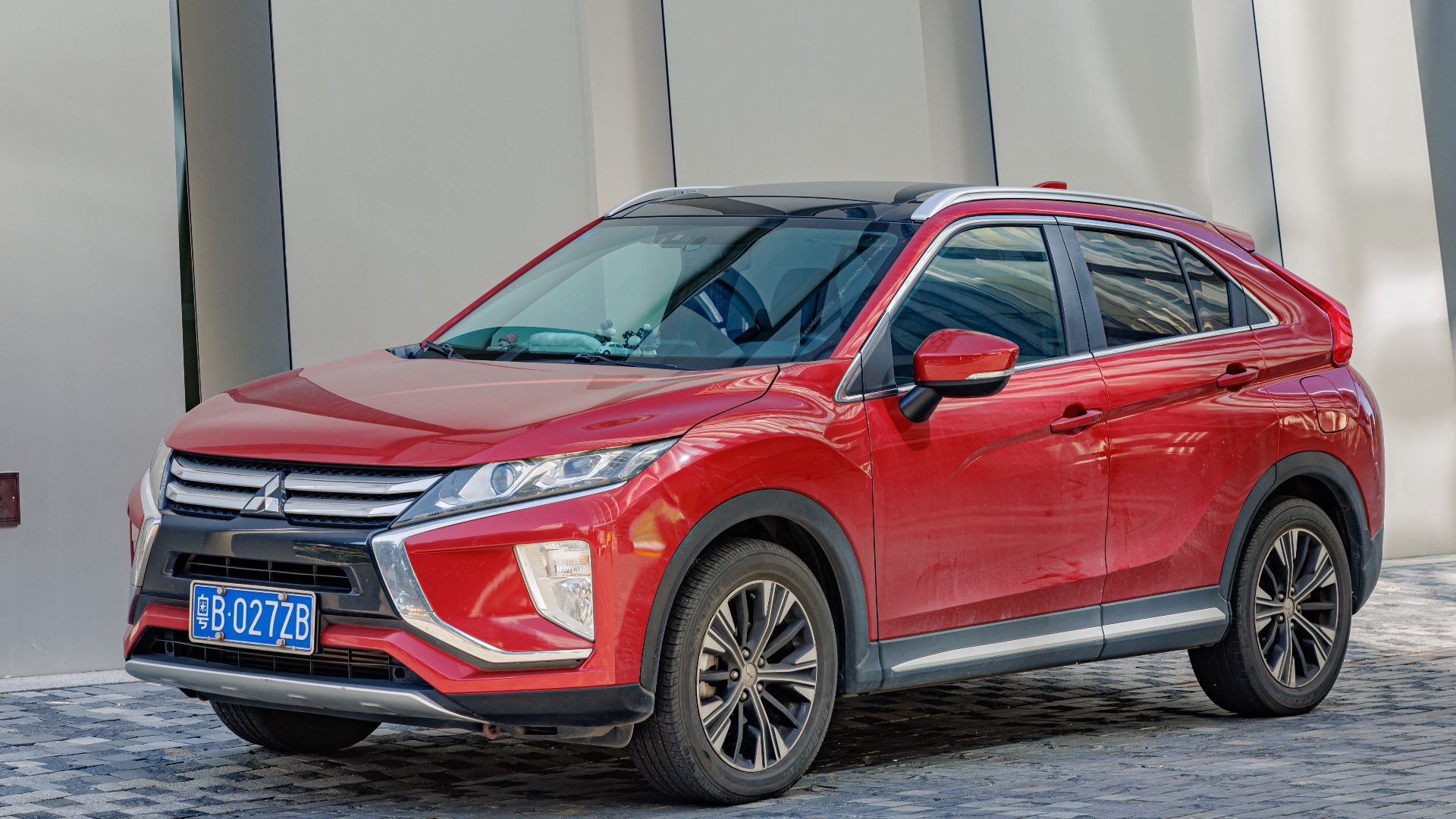
By the late 2010s, Mitsubishi's U.S. lineup was increasingly dominated by utility vehicles. The Mirage hatchback and Mirage G4 sedan remained at the affordable end of the range, while the Outlander and Outlander Sport carried much of the brand's crossover business. The Eclipse Cross soon gave Mitsubishi another SUV to put in showrooms.
 Dinkun Chen, Wikimedia Commons
There Was A Business Case For It
Enthusiasts could dislike the decision without it being irrational. Mitsubishi's U.K. boss Rob Lindley later explained that the company was relatively small globally and could not economically compete in every market segment. He said Mitsubishi needed a clearer focus on SUVs, crossovers, four-wheel drive, and alternative-fuel technology.
 Dinkun Chen, Wikimedia Commons
Crossovers Were Where Mitsubishi Saw Growth
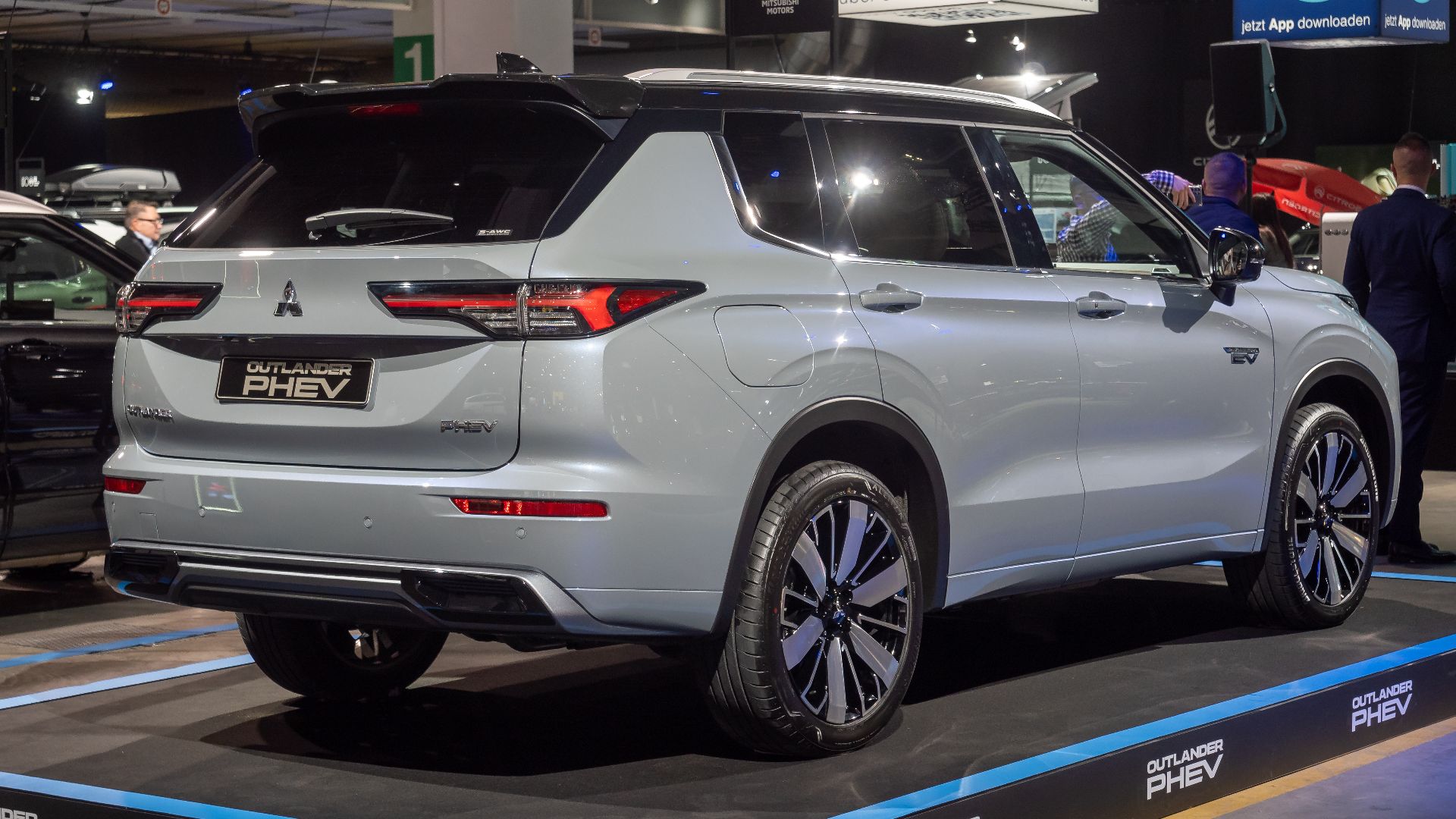
The company formalized that direction in its strategic planning. Mitsubishi's 2017 Drive for Growth plan targeted increases of more than 30 percent in both annual sales and revenue while accelerating product renewal. SUVs, pickups, and electrified vehicles were central to that plan.
 Matti Blume, Wikimedia Commons
Then Mitsubishi Revived The Eclipse Name
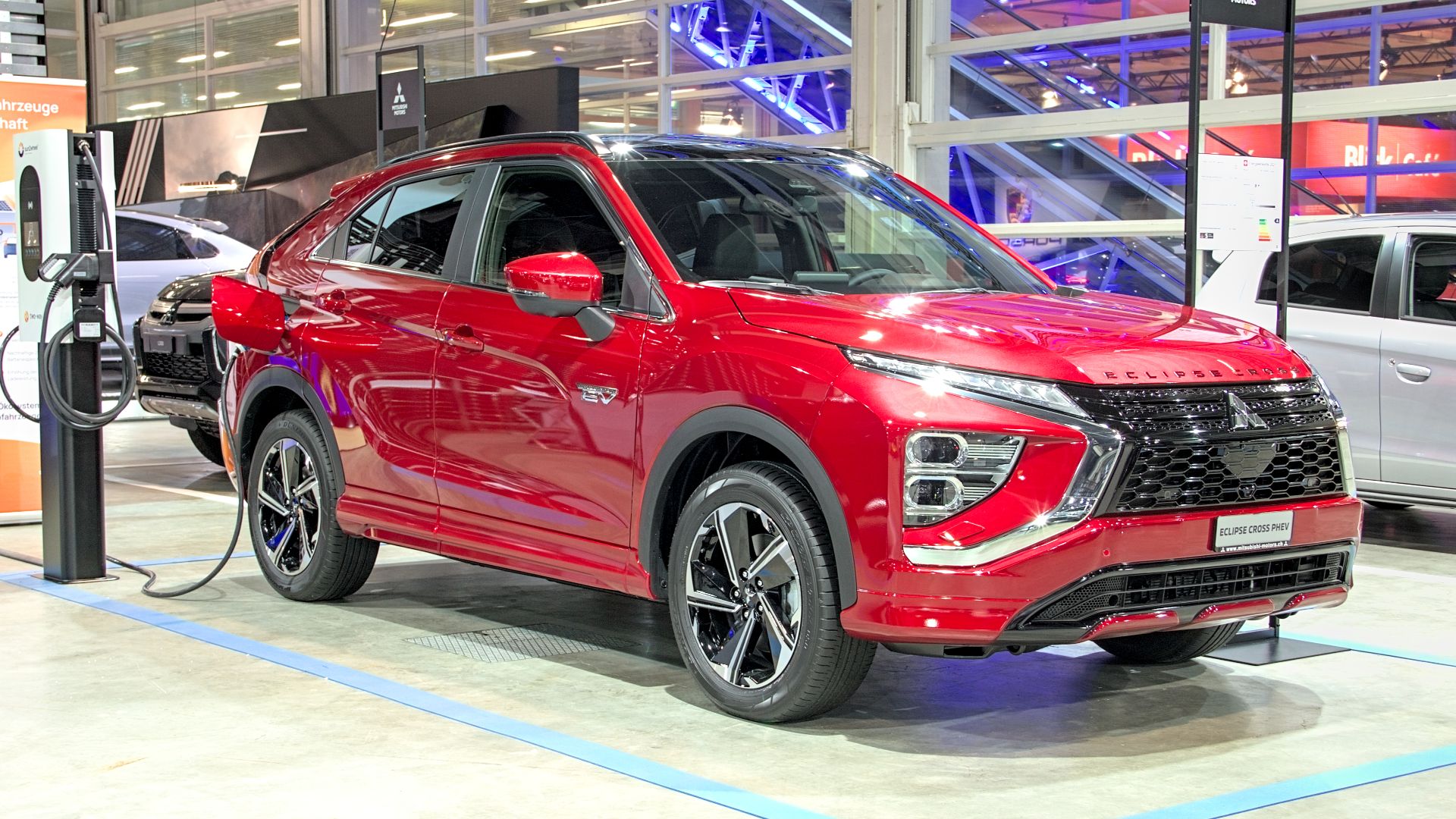
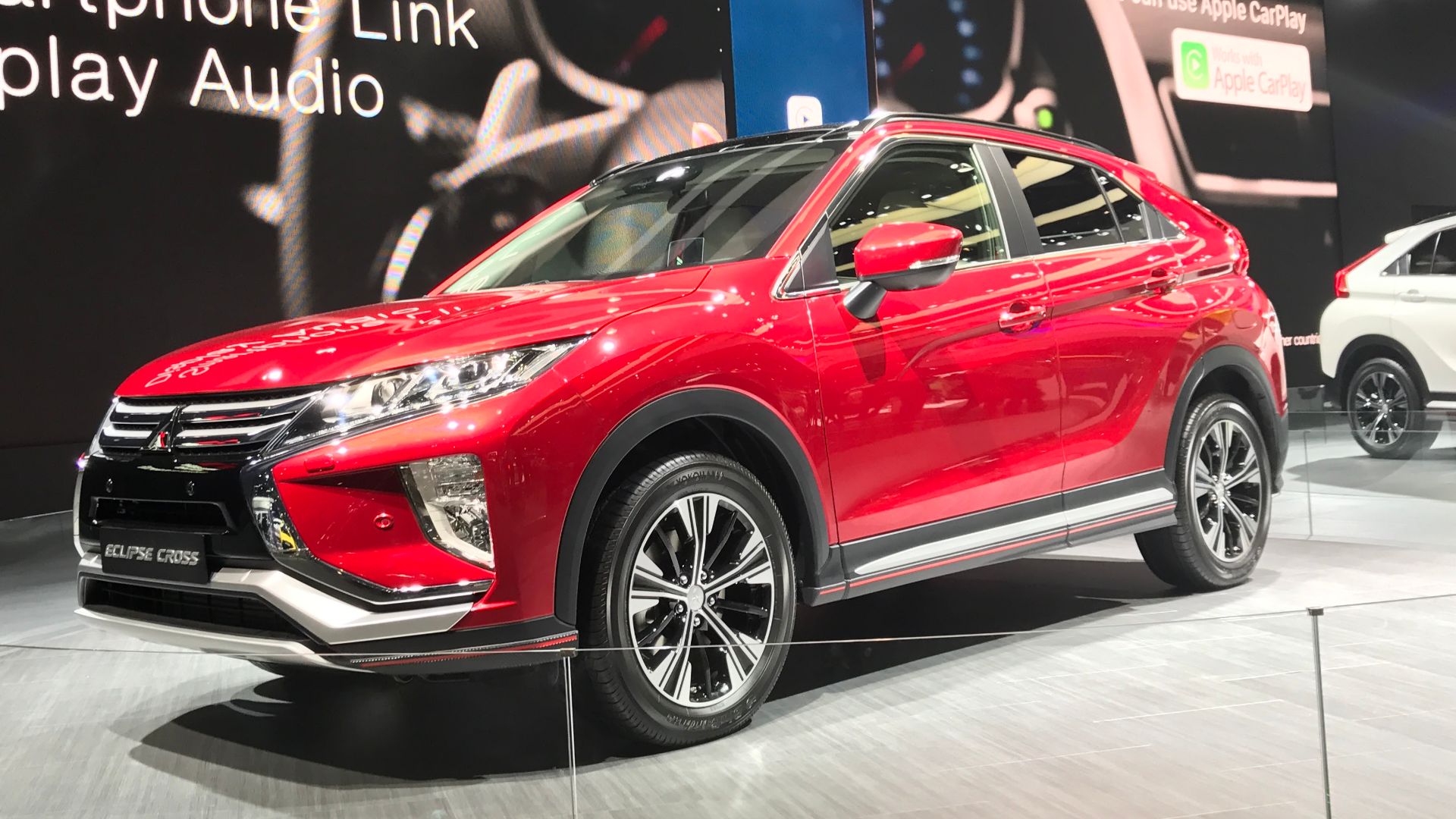
In 2017, Mitsubishi announced that its new compact crossover would be called the Eclipse Cross. The company openly acknowledged that the first half of the name came from the Eclipse sports coupe sold in America beginning in 1989. "Cross," meanwhile, was short for crossover.
 Alexander Migl, Wikimedia Commons
That Name Made The Change Impossible To Ignore
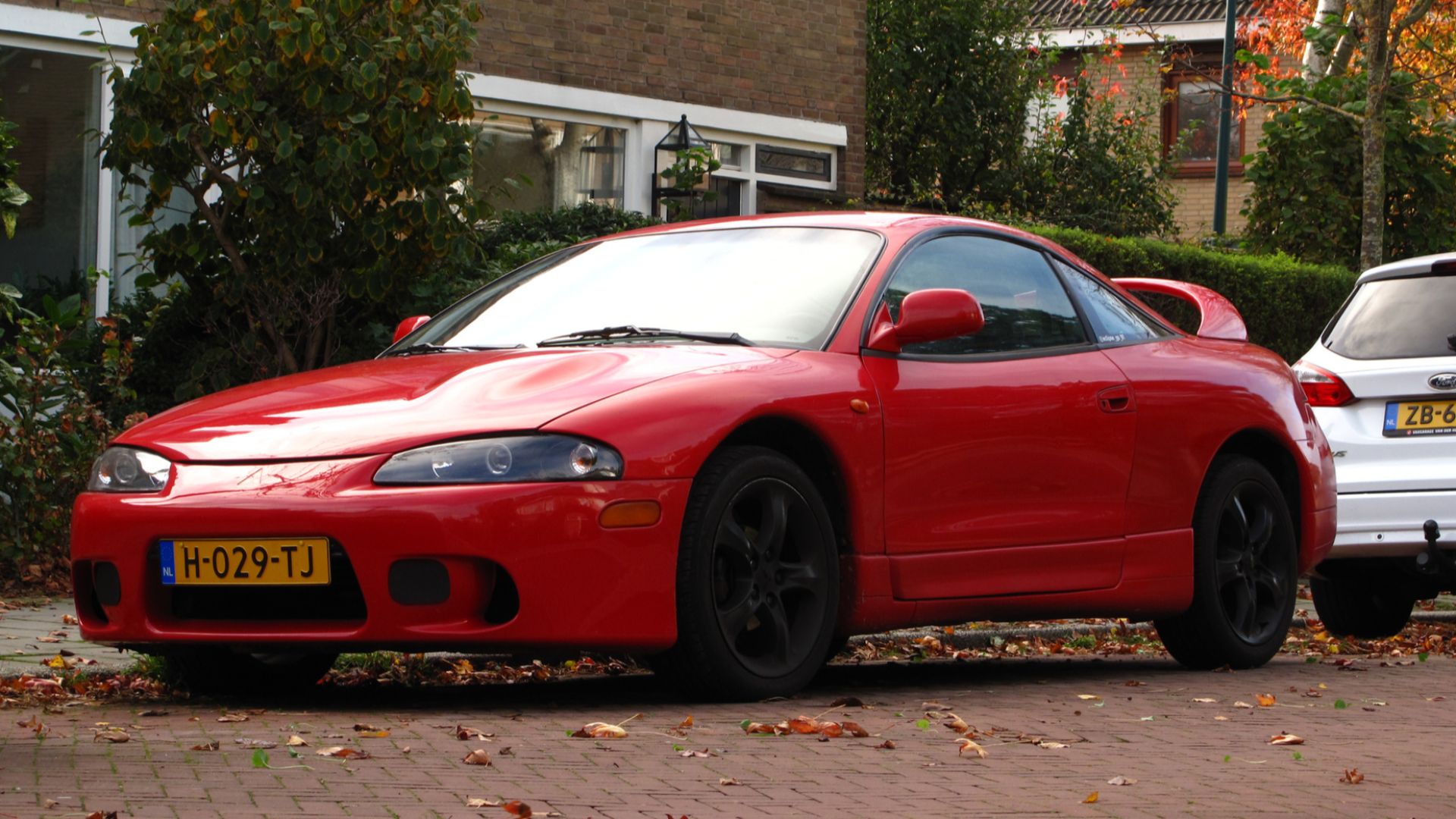
Mitsubishi could have given the crossover almost any new badge, but choosing Eclipse linked it directly to the company's sporty past. The original Eclipse had been a turbocharged enthusiast favorite, while its namesake was a compact SUV with a 1.5-liter turbocharged engine and available all-wheel drive. It became a highly visible symbol of how much Mitsubishi's priorities had changed.
 Rutger van der Maar, Wikimedia Commons
The Eclipse Cross Was Built To Matter
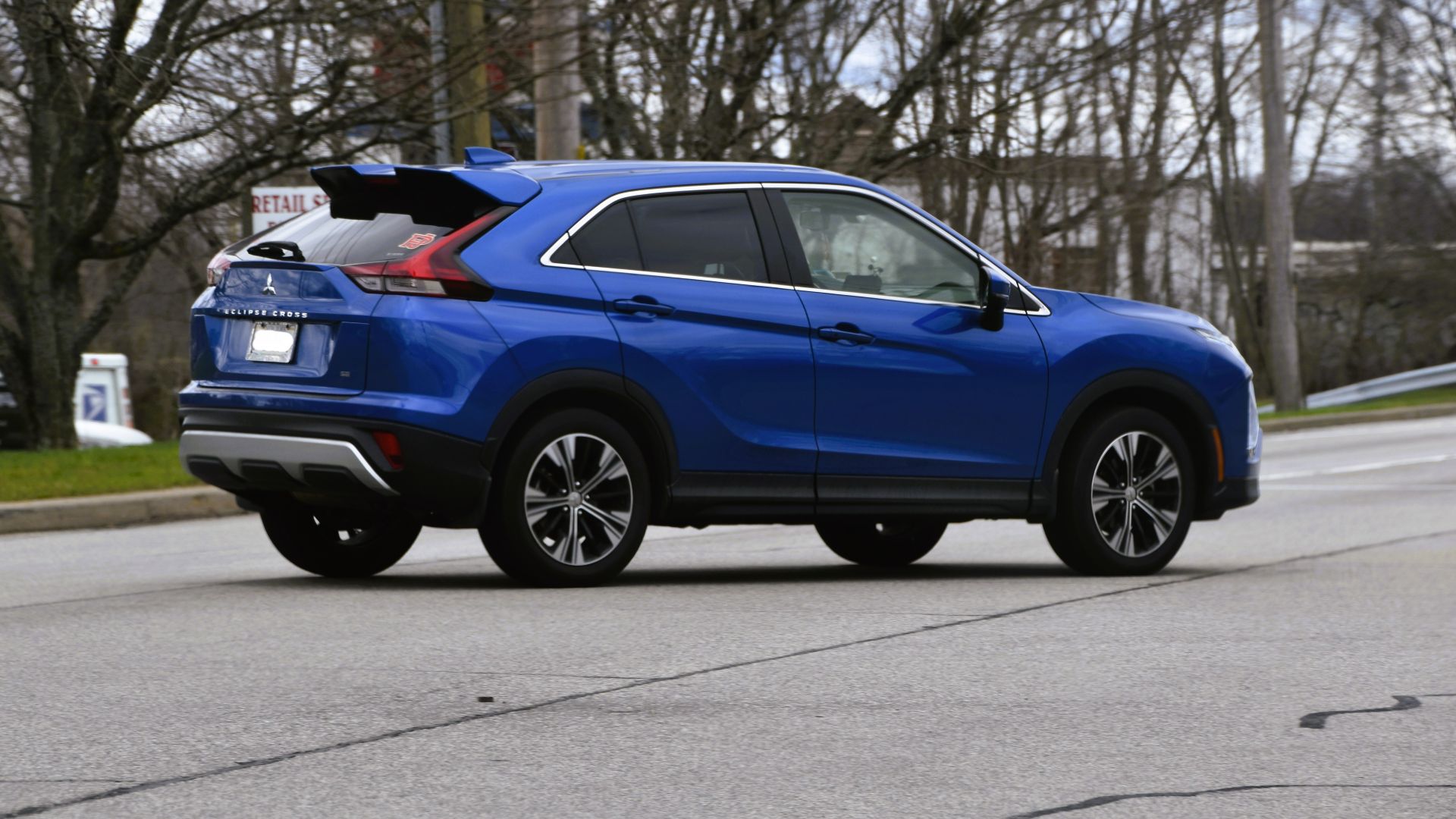
This was not supposed to be a niche model. Mitsubishi described the Eclipse Cross as a global strategic vehicle and planned sales across roughly 80 markets. It slotted between the Outlander Sport and the larger Outlander in an increasingly crossover-heavy lineup.
 Charles from Port Chester, New York, Wikimedia Commons
Even Evolution Became An SUV Concept
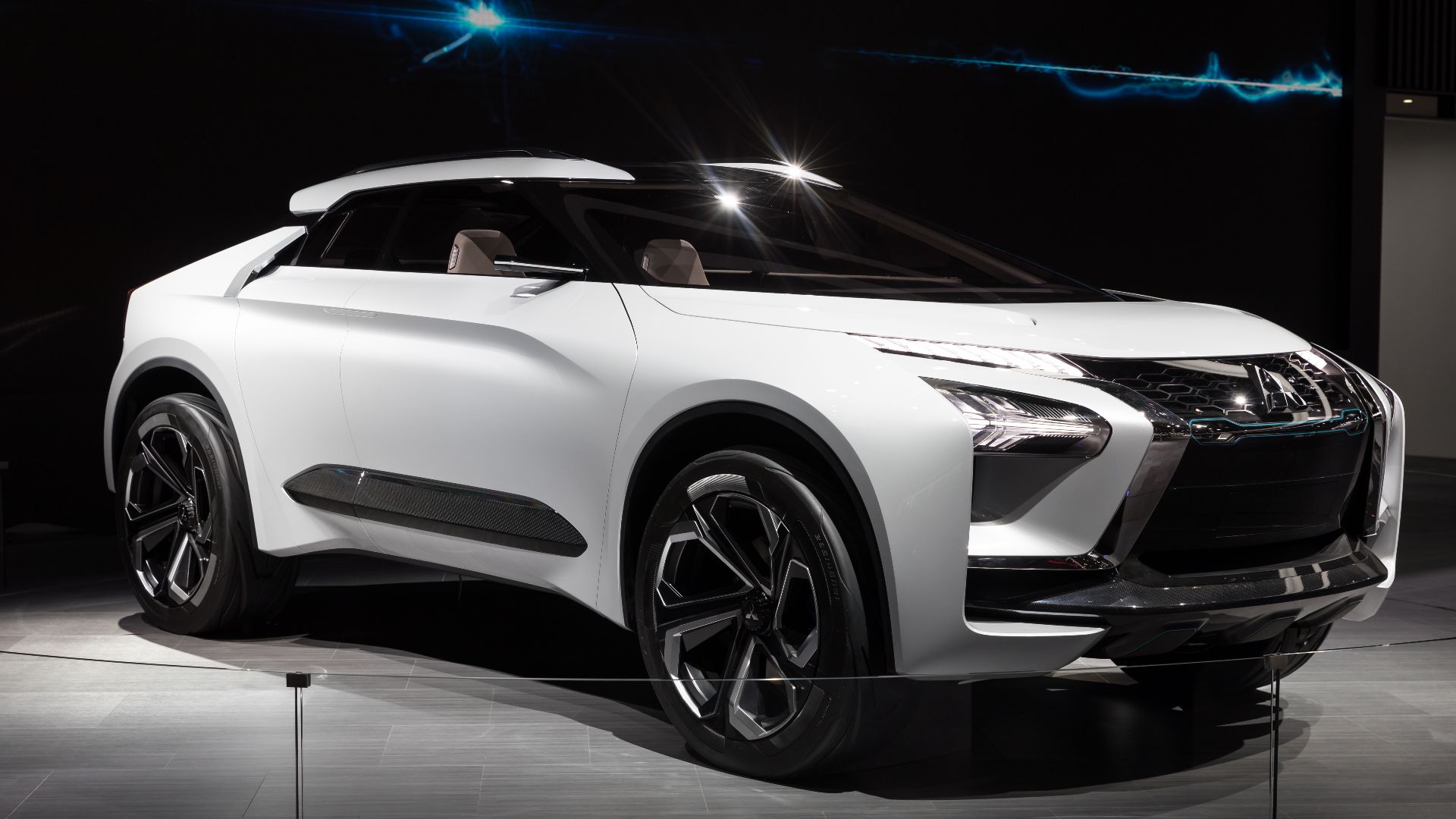
The transformation became even more striking at the 2017 Tokyo Motor Show. Mitsubishi revealed the e-Evolution Concept, an all-electric high-performance crossover SUV rather than another rally-inspired sedan. Mitsubishi said the concept previewed the direction of its future vehicles and described its performance as staying true to the "Evolution reputation."
 Matti Blume, Wikimedia Commons
The Old Technology Did Not Completely Vanish
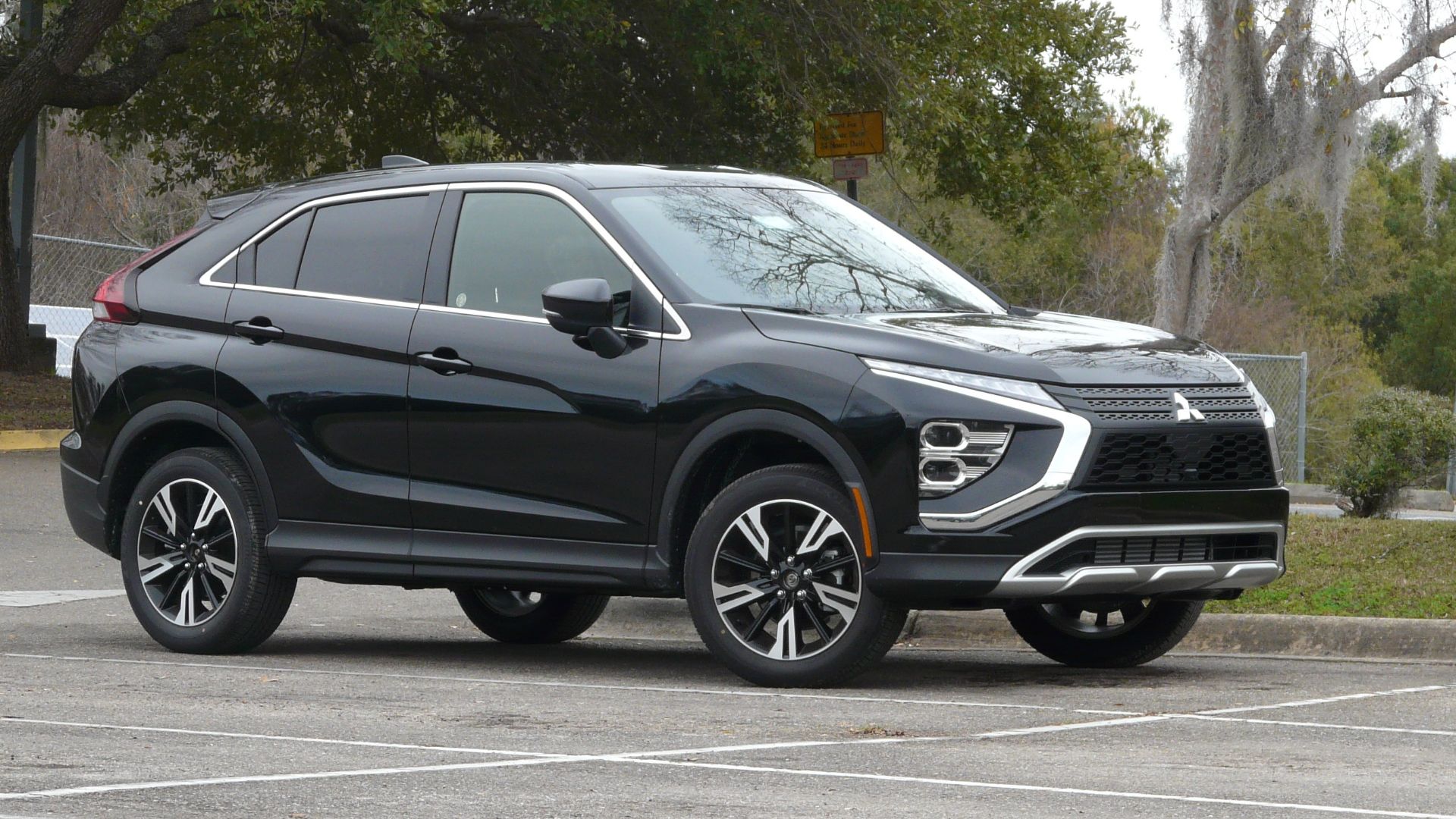
Mitsubishi did carry some of its performance engineering into the new era. The company says technology developed through rallying contributed to Super-All Wheel Control, or S-AWC. Versions of that all-wheel-drive philosophy eventually appeared in vehicles such as the Outlander and Eclipse Cross.
 The Bushranger, Wikimedia Commons
Mitsubishi Also Had Bigger Problems
The product transformation happened while the company was dealing with a serious corporate crisis. In 2016, Mitsubishi admitted improper conduct in fuel-economy testing, including manipulating test data to make fuel economy appear better. Nissan subsequently acquired a 34 percent stake in Mitsubishi for roughly 237.3 billion yen (approximately $2.2 billion USD), bringing Mitsubishi into the Renault-Nissan Alliance.
 NauyopTaiwan, Wikimedia Commons
The Alliance Changed What Was Possible
Joining the alliance gave Mitsubishi opportunities to share platforms, technology, development costs, and other resources. The company increasingly planned future products around collaboration instead of developing every vehicle independently. For a relatively small global automaker, that opened paths to new models that would have been harder to fund alone.
 Alexander Migl, Wikimedia Commons
The Crossover Bet Started Producing Results
The strategy did not restore Mitsubishi's enthusiast reputation, but its American business did improve. The company reported that 2018 marked its sixth consecutive year of U.S. sales growth. Newer utility vehicles, including the Eclipse Cross, were part of Mitsubishi's broader effort to rebuild sales.
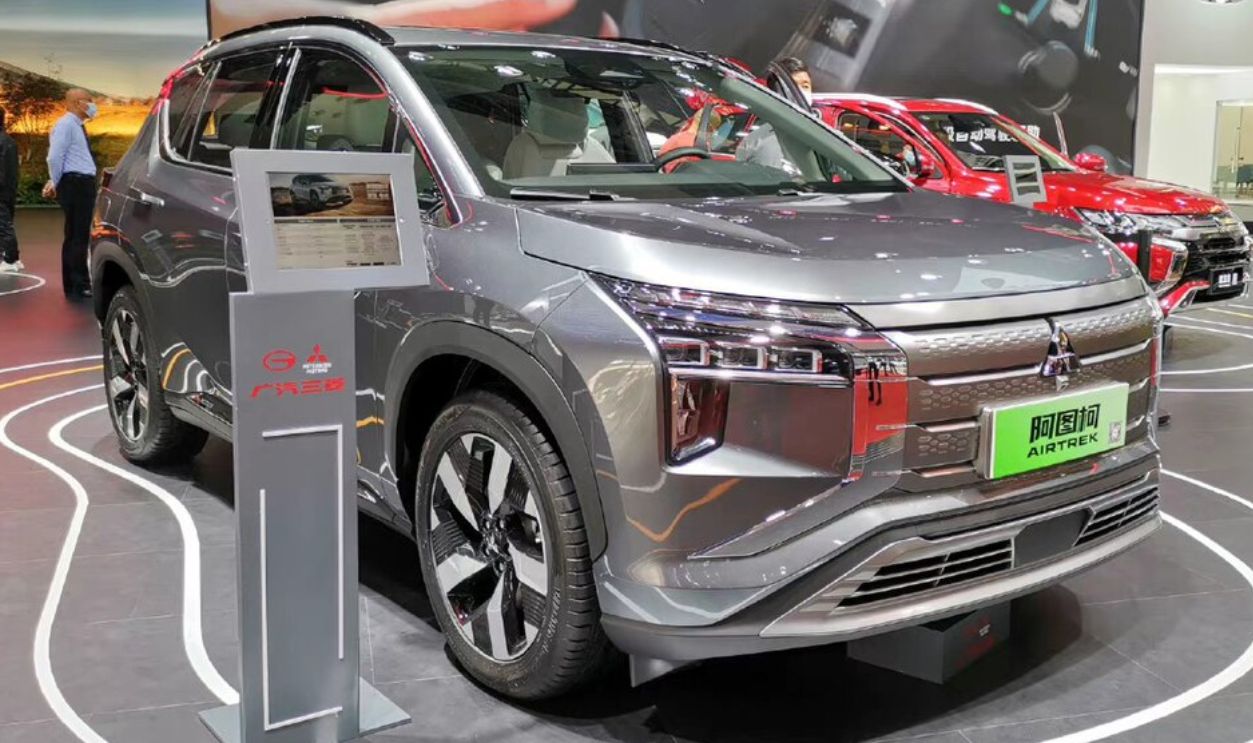
The Outlander Became The New Centerpiece
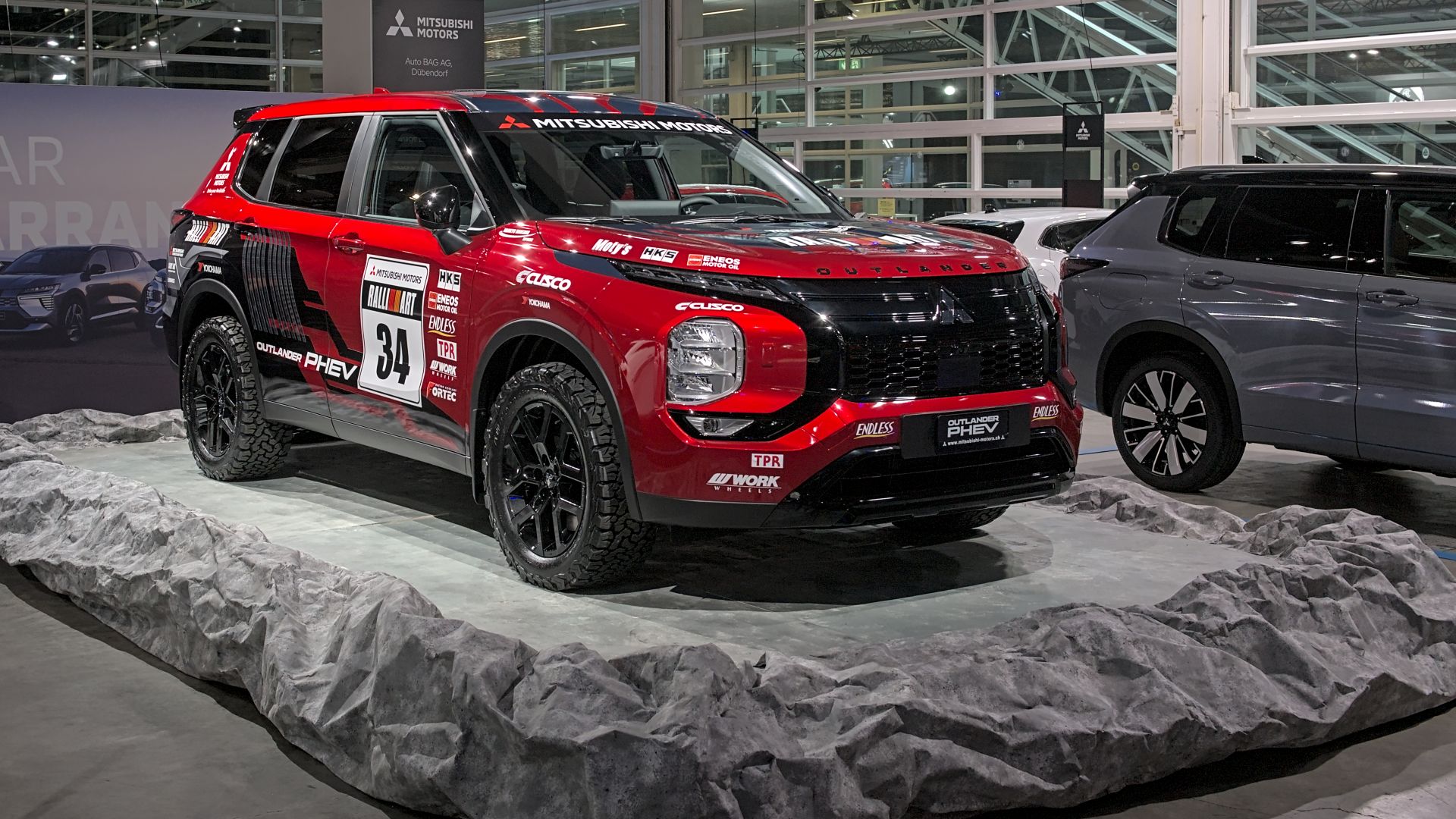
The Outlander eventually became one of Mitsubishi's most important global models. Mitsubishi said the nameplate accounted for roughly 20 percent of its worldwide sales volume in the years leading up to 2022. A completely redesigned fourth-generation Outlander arrived in North America in 2021 as the company's flagship SUV, followed by a new Outlander PHEV.
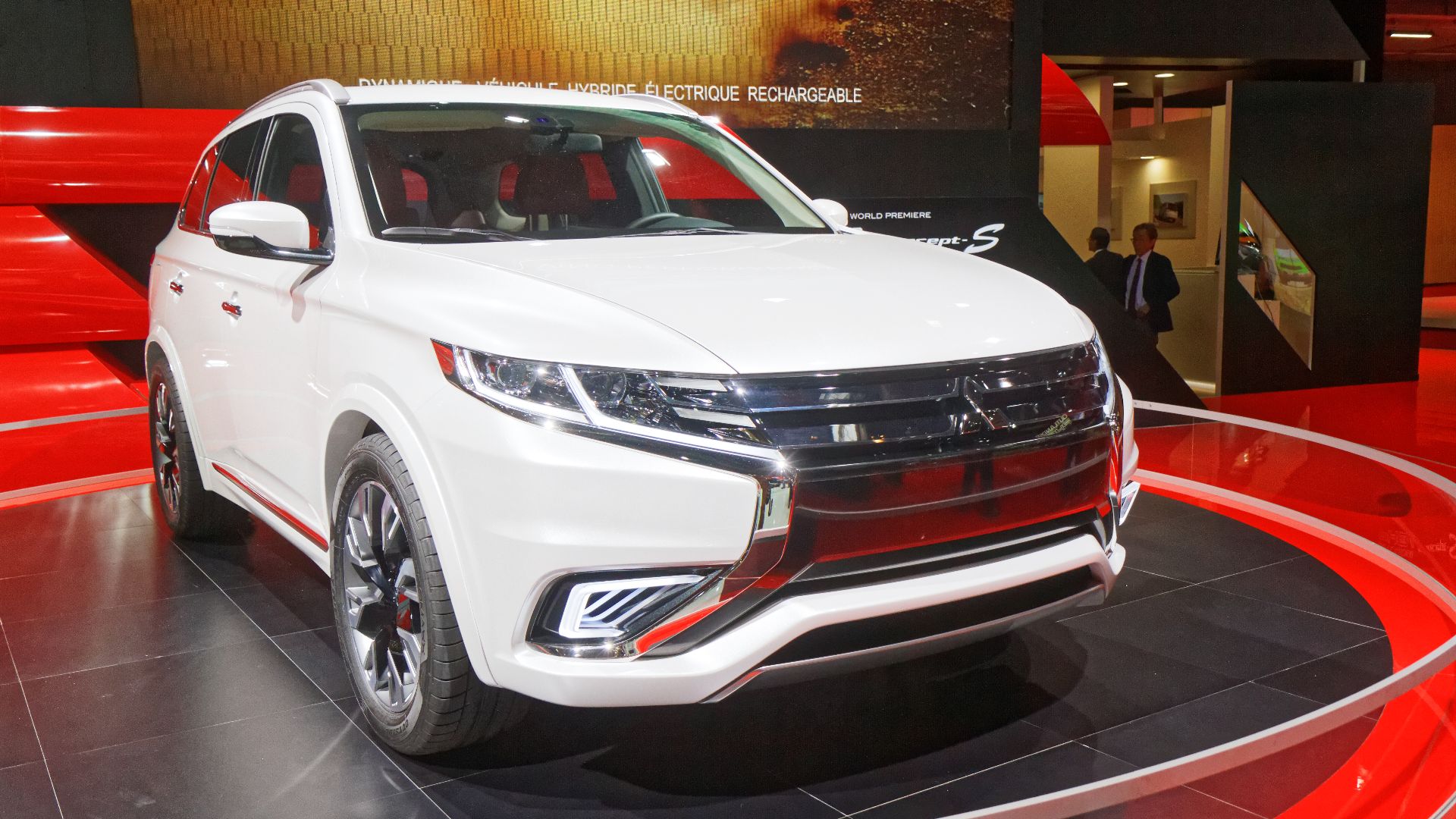 Thesupermat, Wikimedia Commons
The Performance Lineup Had Disappeared
By the end of the 2010s, Mitsubishi's U.S. lineup looked dramatically different from the one enthusiasts remembered. The Lancer Evolution was gone, the Eclipse coupe had disappeared years earlier, and Mitsubishi's newer products were concentrated around crossovers and electrified vehicles. The company that had once sold several recognizable performance cars no longer offered a direct successor to the Evo.
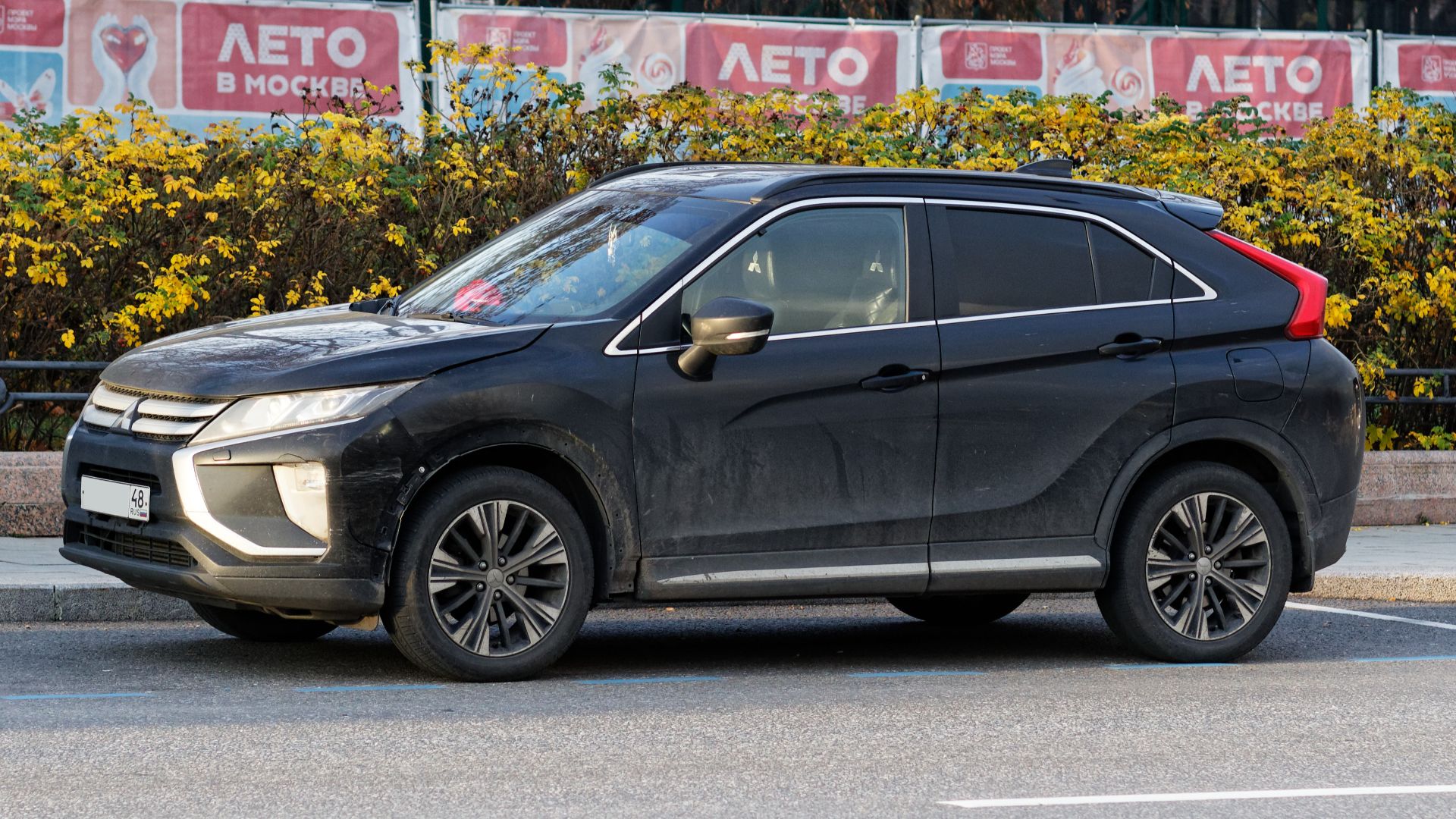 Retired electrician, Wikimedia Commons
Now Mitsubishi Is Trying To Expand Again
Mitsubishi's current North American plan suggests the company wants a much broader lineup again. Momentum 2030 calls for a new or completely refreshed vehicle every year from fiscal 2026 through fiscal 2030, with the American lineup expected to nearly double from four vehicles. The plan includes internal-combustion models, hybrids, plug-in hybrids, and battery-electric vehicles.
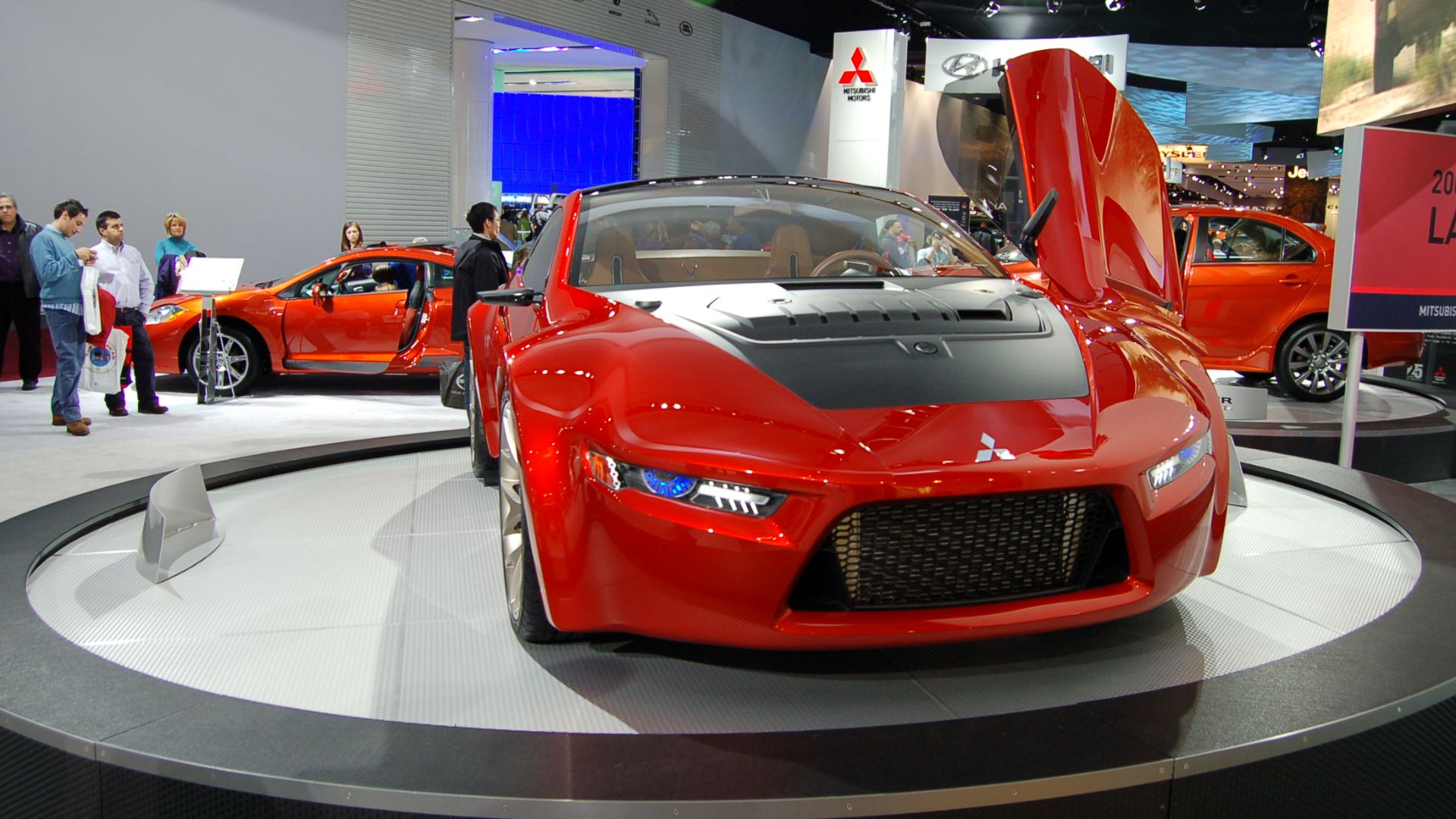 Joe Ross from Lansing, Michigan, Wikimedia Commons
Mitsubishi Survived, But It Changed The Brand
Abandoning traditional performance cars was a genuine gamble because Mitsubishi gave up one of the clearest things that had once distinguished it from other automakers. The company instead focused on categories it believed offered greater sales potential, stronger positioning, and a clearer route into electrification. Mitsubishi survived the transition, but the brand that emerged looked very different from the one that built the Evo, Eclipse, and 3000GT VR-4.
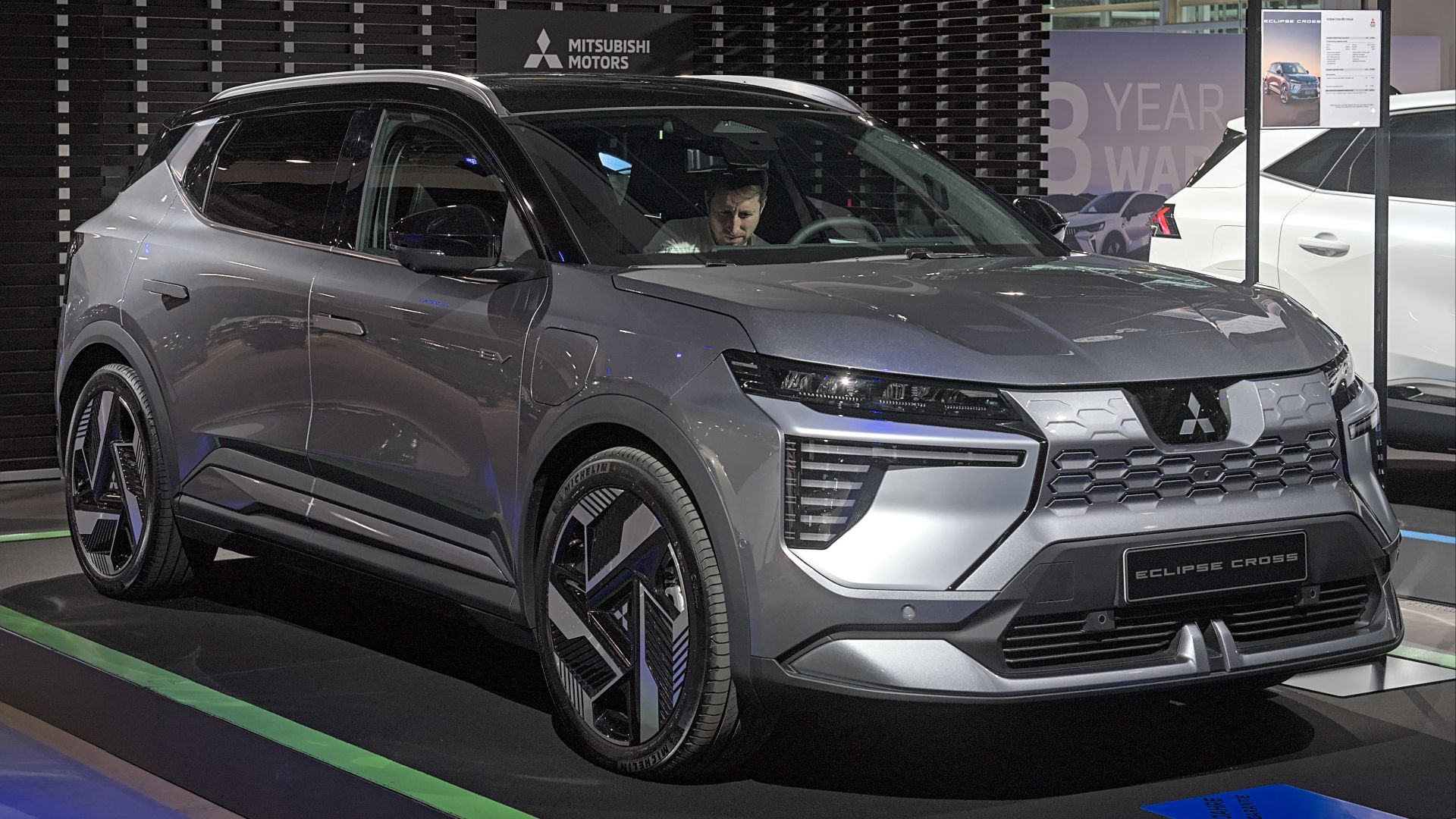 Alexander Migl, Wikimedia Commons
You May Also Like:
GM Axed Pontiac After 84 Years—But Did It Save The Wrong Brand?
Ford Used The Mustang Name On An Electric SUV—Did Their Gamble Pay Off?
Sources: 1, 2, 3, 4, 5, 6, 7, 8, 9, 10, 11, 12, 13, 14, 15, 16