Automotive Legends That Faded Too Soon
Automakers love bringing old nameplates back to life. Sometimes it works brilliantly, like when Ford revived the Mustang or Toyota brought back the Supra. Other times, great cars fade into history even though they still have huge potential today. From wild rally legends to underrated coupes and quirky SUVs, these forgotten machines all deserve another shot at the spotlight.
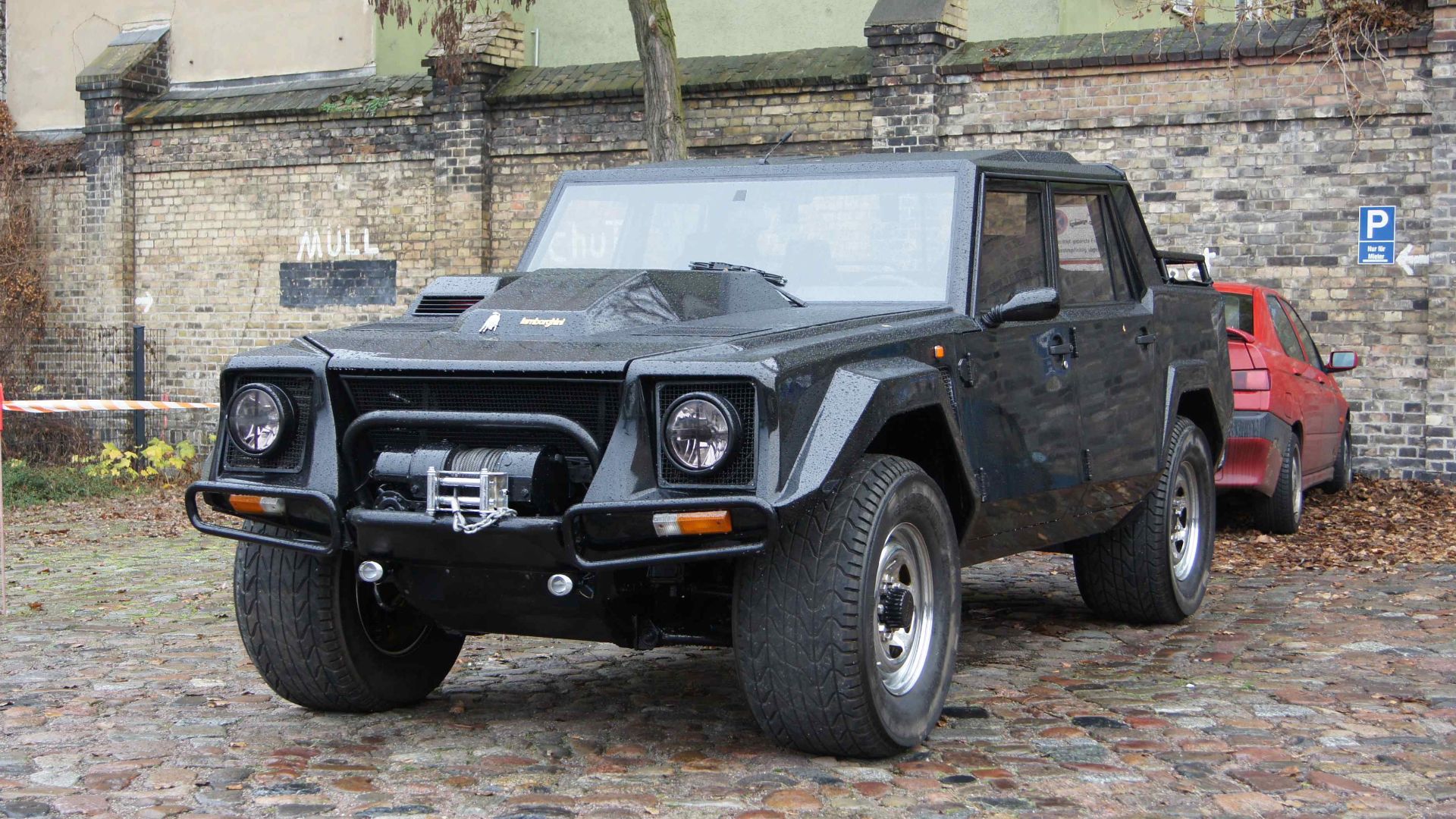
Lamborghini LM002
The Lamborghini LM002 was one of the wildest SUVs ever built. Produced from 1986 to 1993, it combined a massive 5.2-liter V12 from the Countach with four-wheel drive and a rugged off-road chassis. The result was a luxury off-roader capable of about 450 horsepower and roughly 130 mph top speed. Nicknamed the “Rambo Lambo,” it foreshadowed the modern high-performance SUV craze decades before vehicles like the Urus existed.
 Berlin13407 at de.wikipedia, Wikimedia Commons
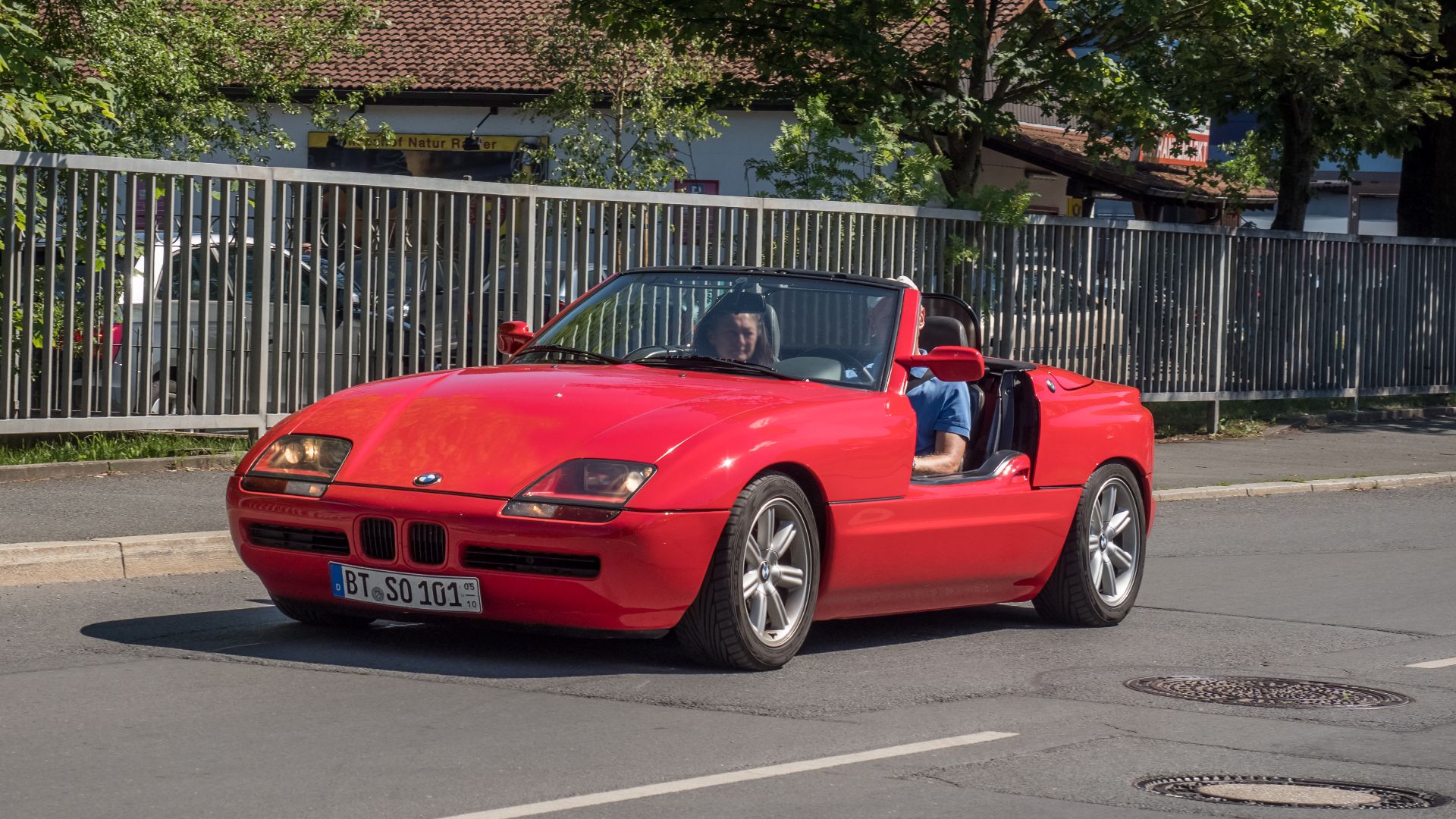
BMW Z1
The BMW Z1 remains one of the most unique roadsters the brand ever built. Introduced in the late 1980s, it featured futuristic styling and doors that slid down into the body instead of opening outward. Only a few thousand were produced, but its lightweight design and precise handling made it a true driver’s car. A modern reinterpretation could revive BMW’s playful experimental side.
Iso Grifo
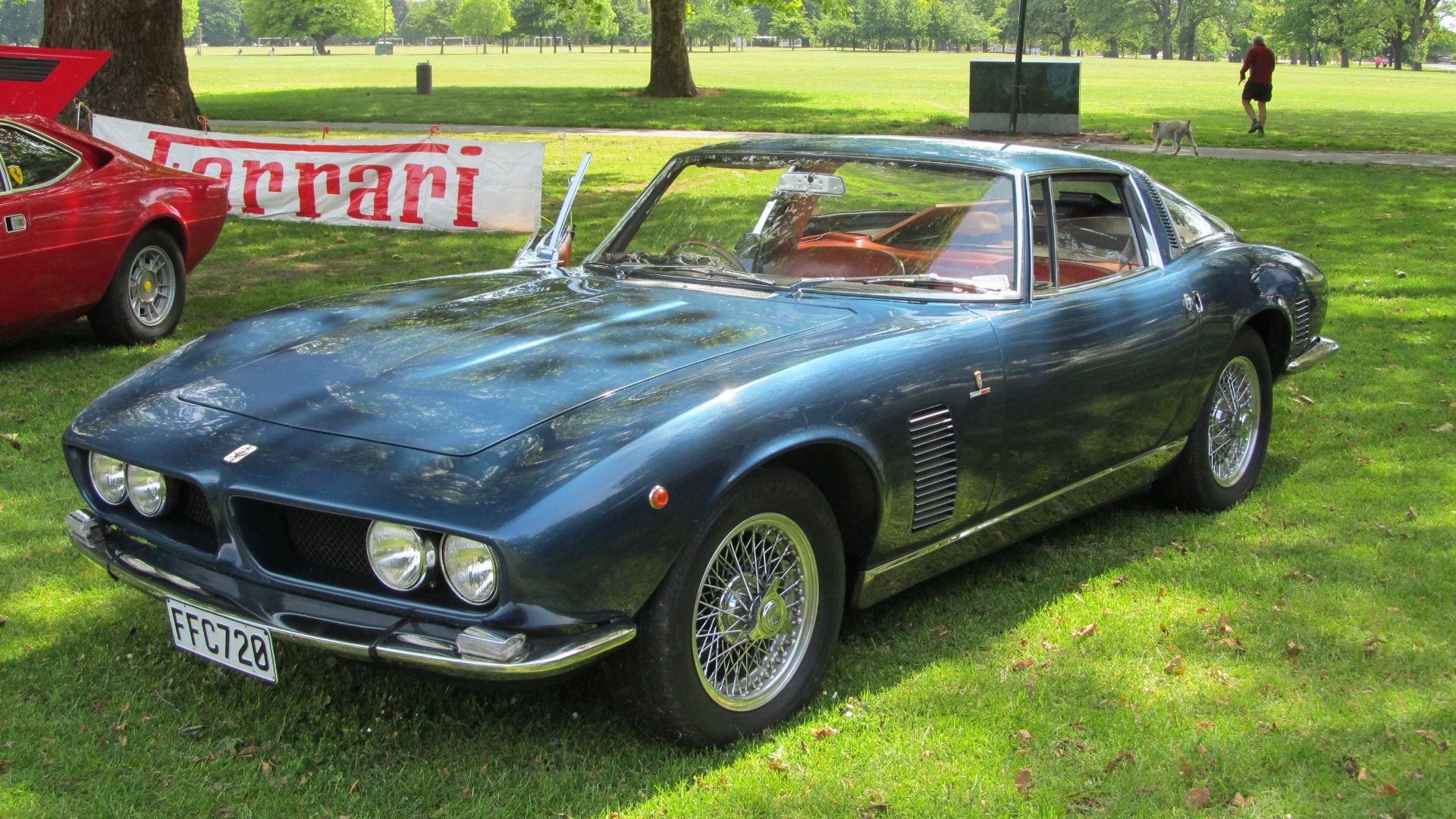
The Iso Grifo was an Italian grand tourer with American muscle under the hood. Built in the 1960s, it paired sleek Giugiaro styling with powerful Chevrolet V8 engines, creating a stylish alternative to Ferraris and Maseratis of the era. Fast, elegant, and relatively rare, the Grifo represented the perfect blend of European design and American power.
 Riley from Christchurch, New Zealand, Wikimedia Commons
Lancia 037
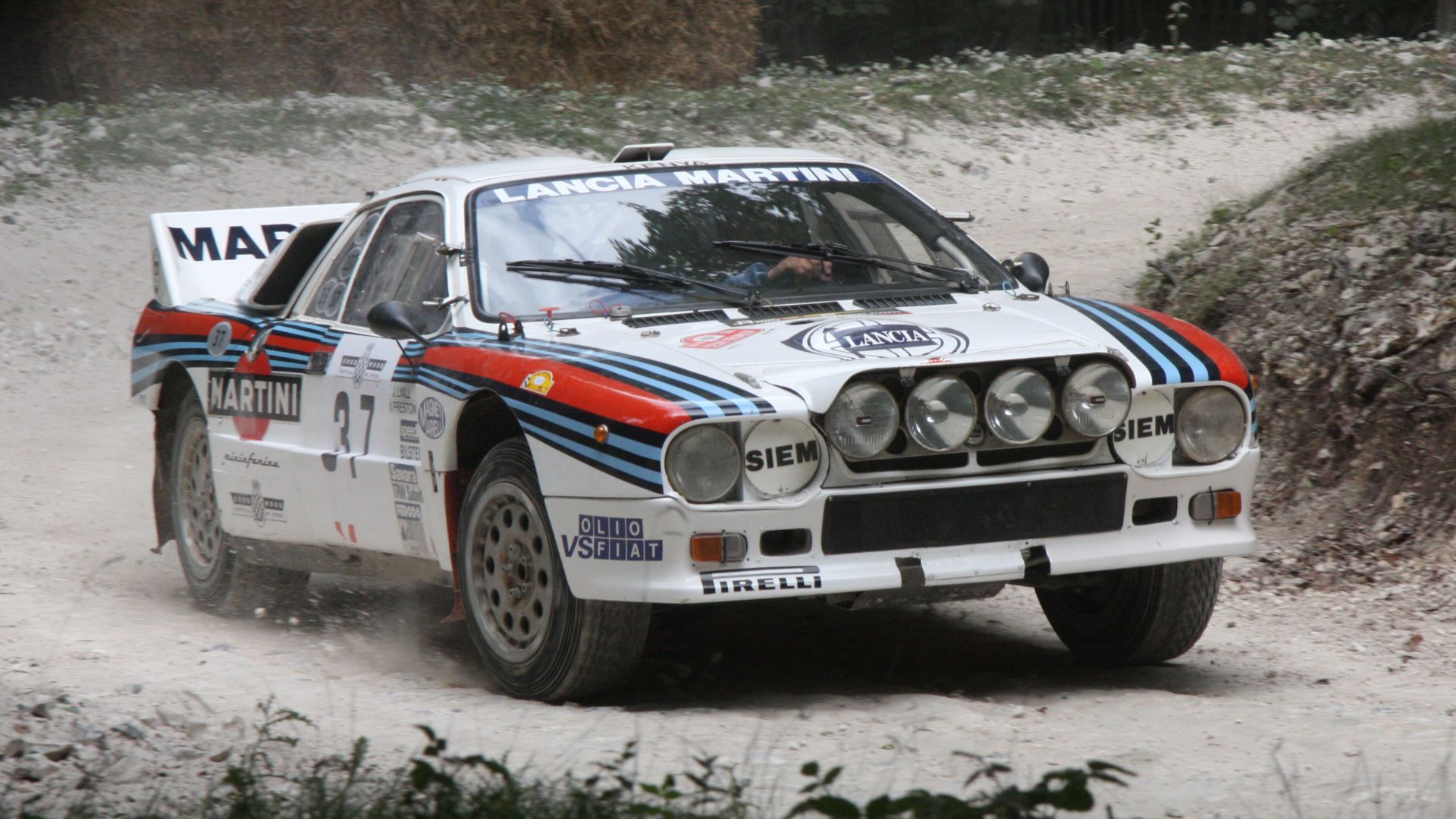
The Lancia 037 is one of rally racing’s most legendary machines. Designed specifically for the brutal Group B era of the World Rally Championship, the mid-engine coupe used a supercharged four-cylinder engine and lightweight construction to deliver thrilling performance. It even helped Lancia win the 1983 WRC manufacturers’ title. A modern rally-inspired 037 would be an enthusiast dream.
 Brian Snelson, Wikimedia Commons
Lotus Sunbeam
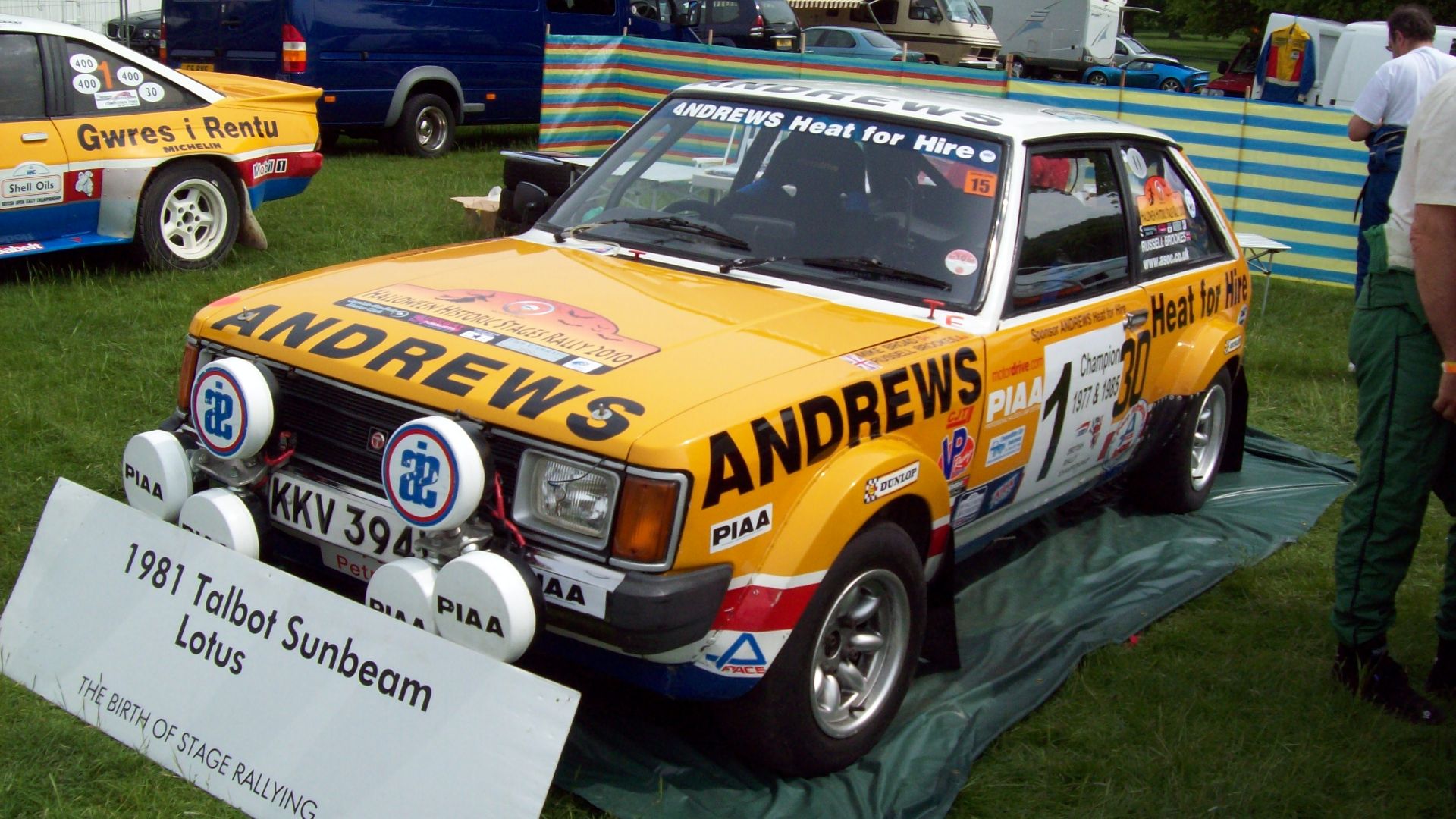
The Lotus Sunbeam was a tiny hatchback with an enormous attitude. In the late 1970s, Lotus transformed the humble Sunbeam into a rally monster by installing a 2.2-liter engine producing more than 150 horsepower. That may not sound huge today, but in such a lightweight car it made the Sunbeam shockingly quick and incredibly fun to drive.
Toyota 2000GT
The Toyota 2000GT changed the world’s perception of Japanese cars. Produced from 1967 to 1970 with just a few hundred units built, the sleek coupe featured a Yamaha-developed 2.0-liter DOHC inline-six producing about 150 horsepower and a top speed around 135 mph. Its design rivaled European sports cars and proved Japan could build world-class performance machines.
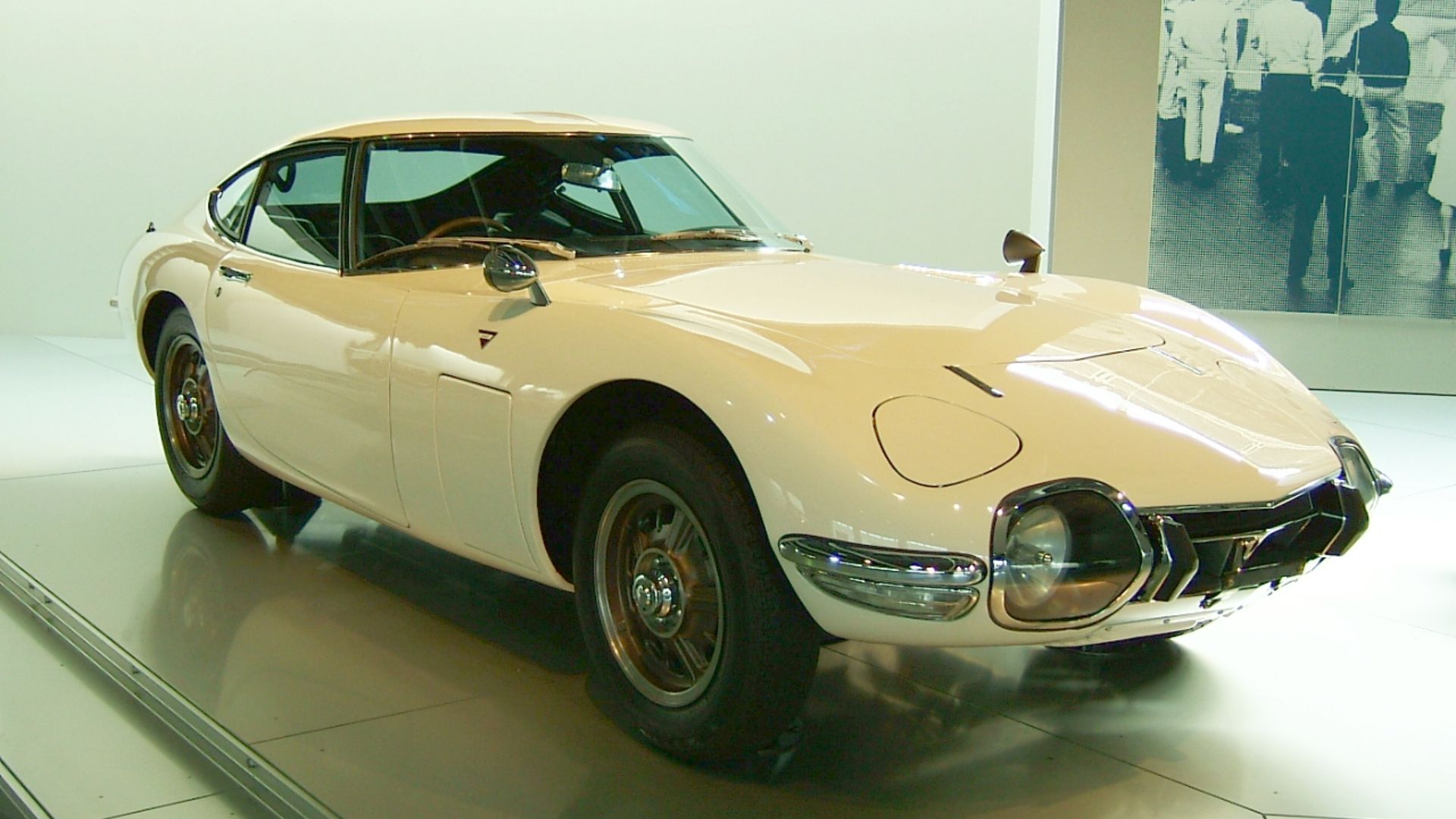 Gnsin~commonswiki, Wikimedia Commons
Ford Capri
Often called the “European Mustang,” the Ford Capri delivered sporty looks and accessible performance. Introduced in 1969, it offered several engine choices and lively handling while remaining affordable. With a top speed around 106 mph in early models and sleek fastback styling, the Capri became hugely popular. A modern revival could easily slot into today’s sporty compact coupe market.
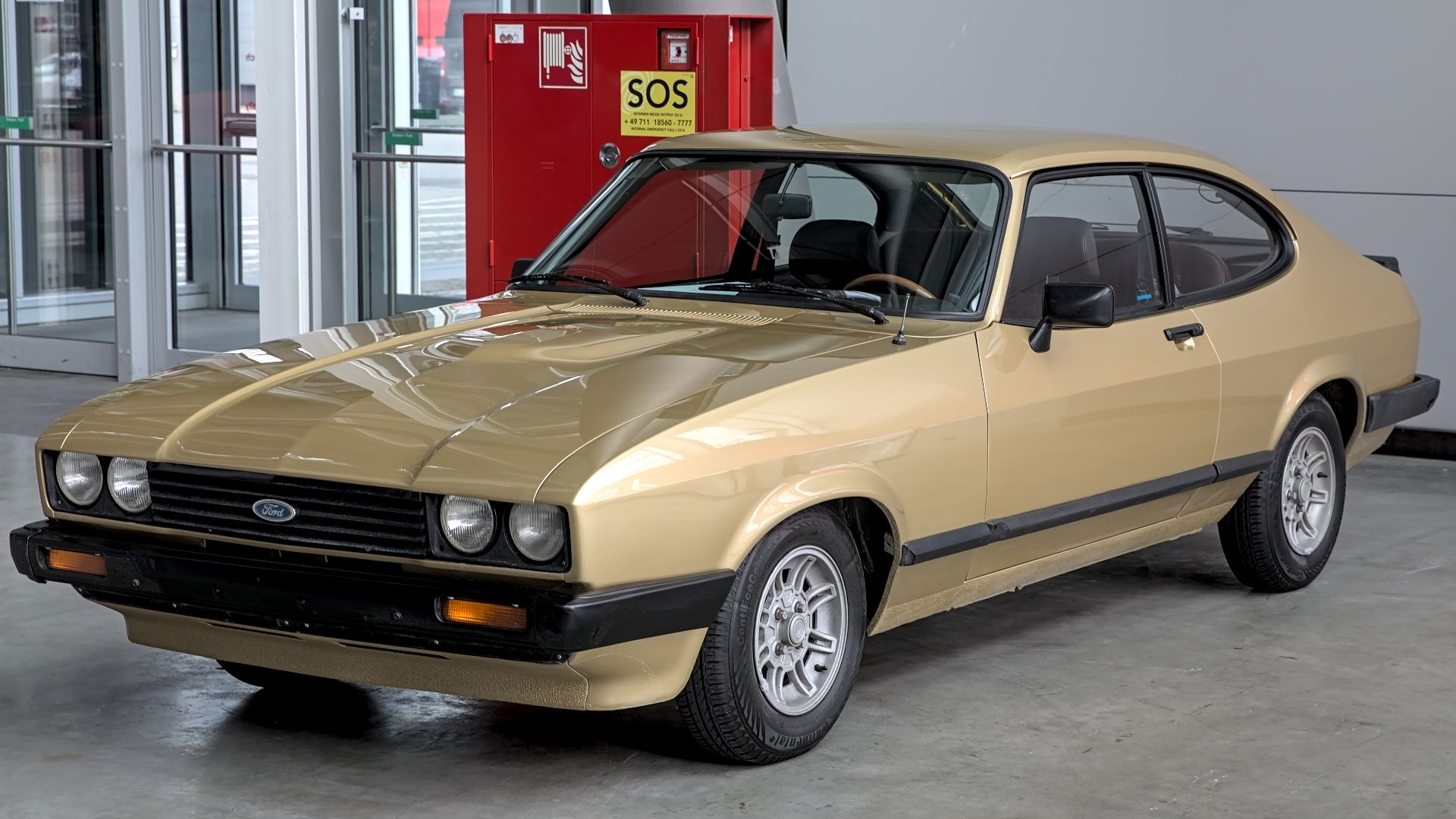 Alexander-93, Wikimedia Commons
AMC AMX
The AMC AMX was a true American muscle car with a twist. Unlike most muscle cars of the era, the AMX was a short two-seat coupe that emphasized performance and agility. With powerful V8 engines available and bold styling, it carved out a unique niche in the late 1960s. Reviving the AMX today could give enthusiasts a fresh alternative to traditional pony cars.
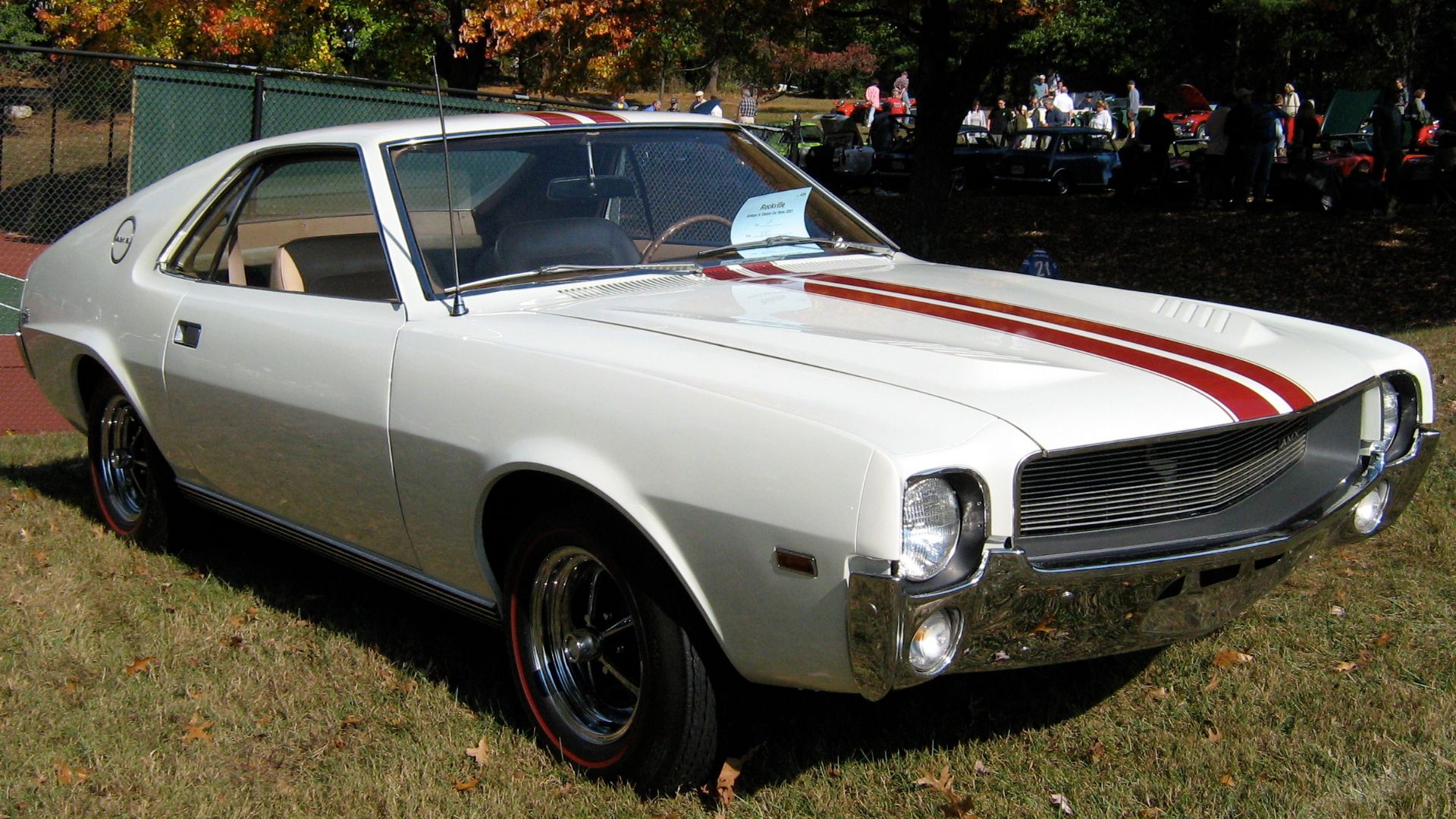
Plymouth Road Runner
The Plymouth Road Runner proved muscle cars didn’t have to be fancy to be fun. Introduced in 1968, it stripped away luxury features and focused purely on performance. With big-block V8 engines like the legendary 426 Hemi available, the Road Runner delivered brutal straight-line speed at a relatively affordable price. A modern version could revive the raw, no-nonsense muscle car spirit.
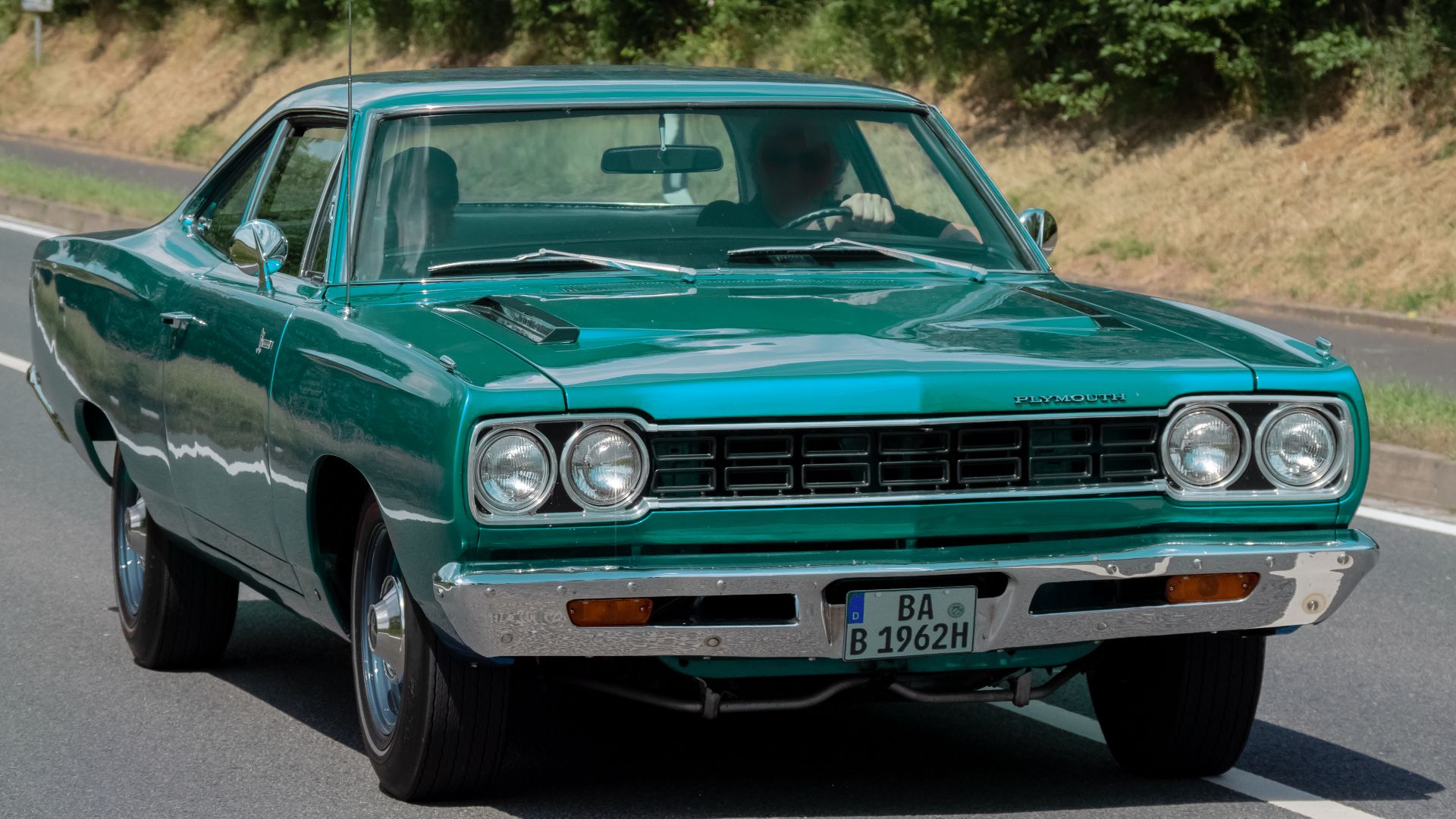
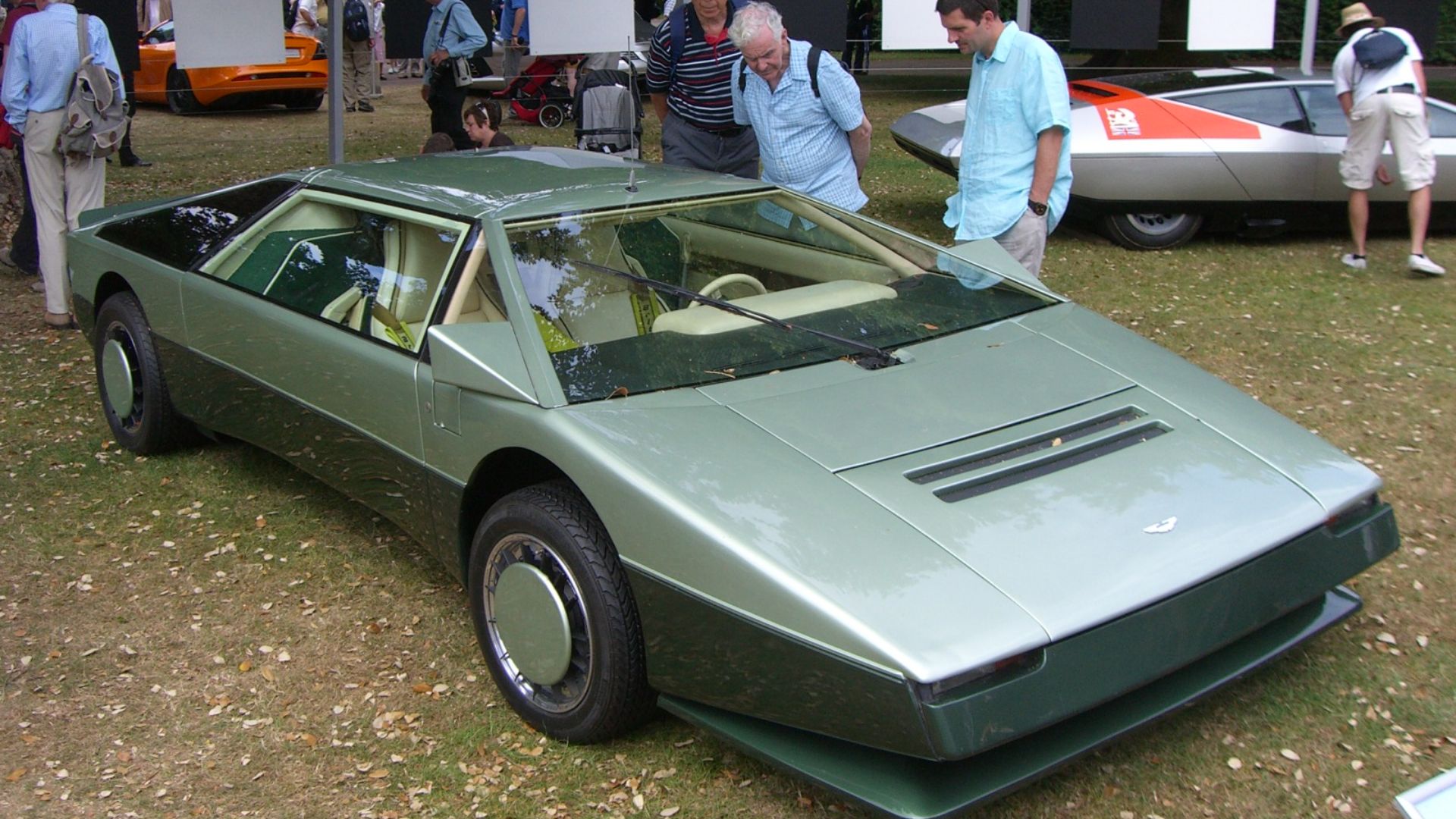
Aston Martin Bulldog
The Aston Martin Bulldog concept from 1979 looked like something straight out of science fiction. Its wedge-shaped body, gullwing doors, and futuristic interior made it one of the most striking concepts of its time. Designed with a twin-turbo V8 and a projected top speed of over 200 mph, the Bulldog showed what Aston Martin could achieve when it embraced radical experimentation.
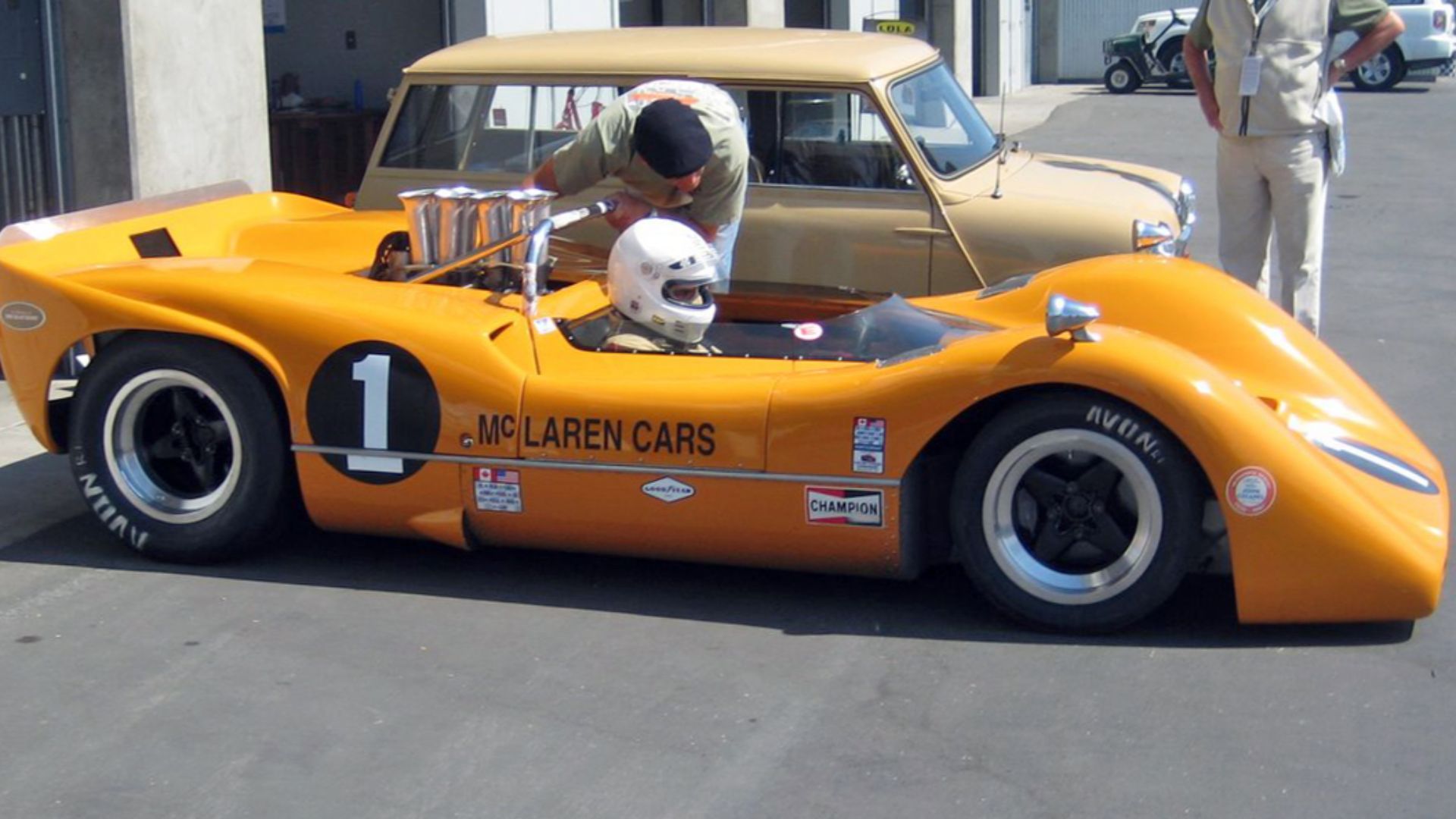
McLaren M6
Before McLaren became a supercar powerhouse, it built racing legends like the M6. Originally developed for Can-Am racing in the 1960s, the M6 used lightweight construction and massive Chevrolet V8 power to dominate competition. A road-going tribute model inspired by the M6 could celebrate McLaren’s racing heritage while delivering serious modern performance.
 Reilly Hamilton,cropped and altered by uploader Mr.choppers, Wikimedia Commons
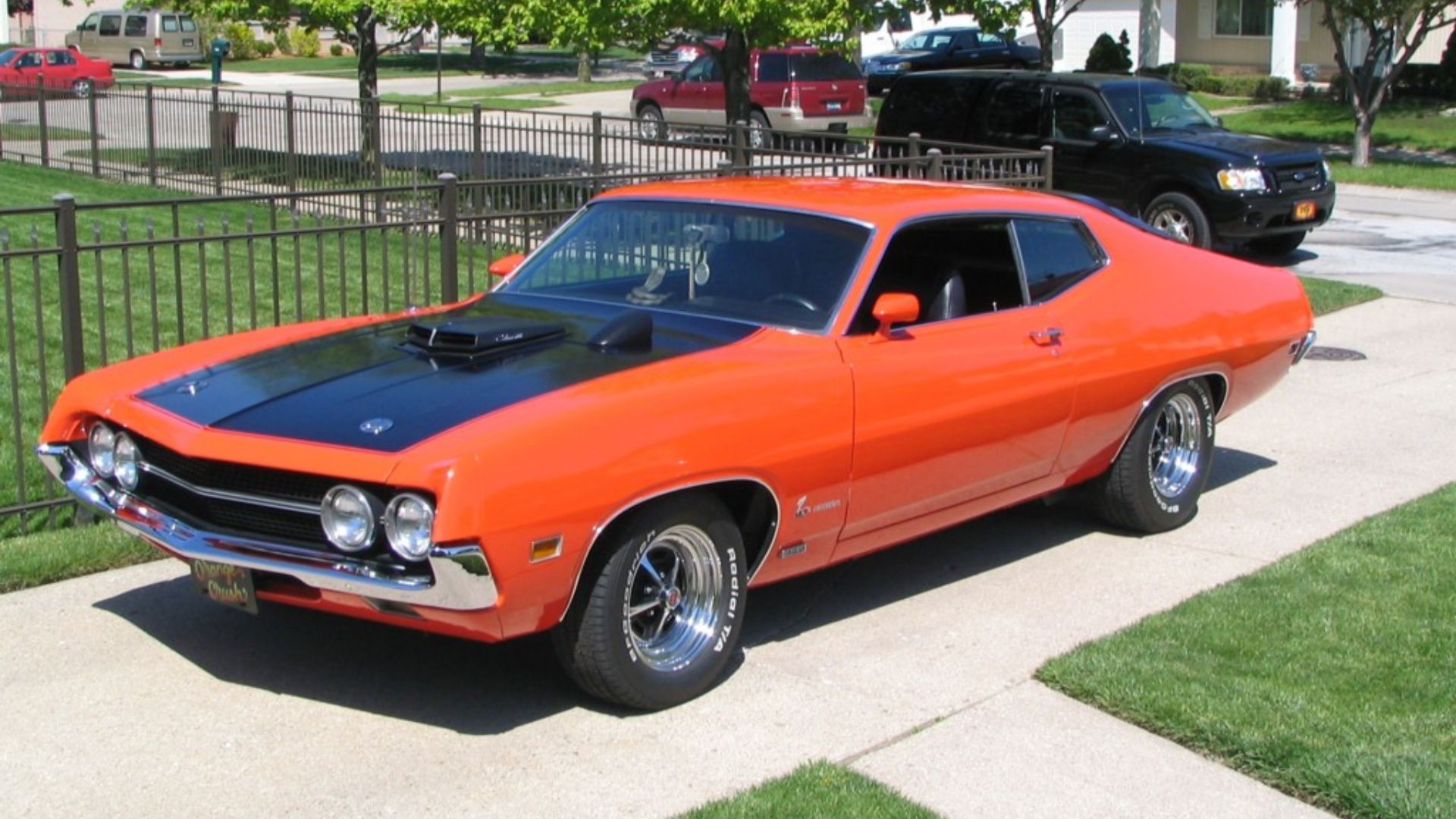
Ford Torino
The Ford Torino is one of the most underrated muscle cars of the late 1960s and early 1970s. Available with powerful engines like the Cobra Jet V8, it combined aggressive styling with impressive straight-line speed. The Torino also gained fame in NASCAR racing, proving it had the performance credentials to back up its looks.
 Caprice 96 at English Wikipedia, Wikimedia Commons
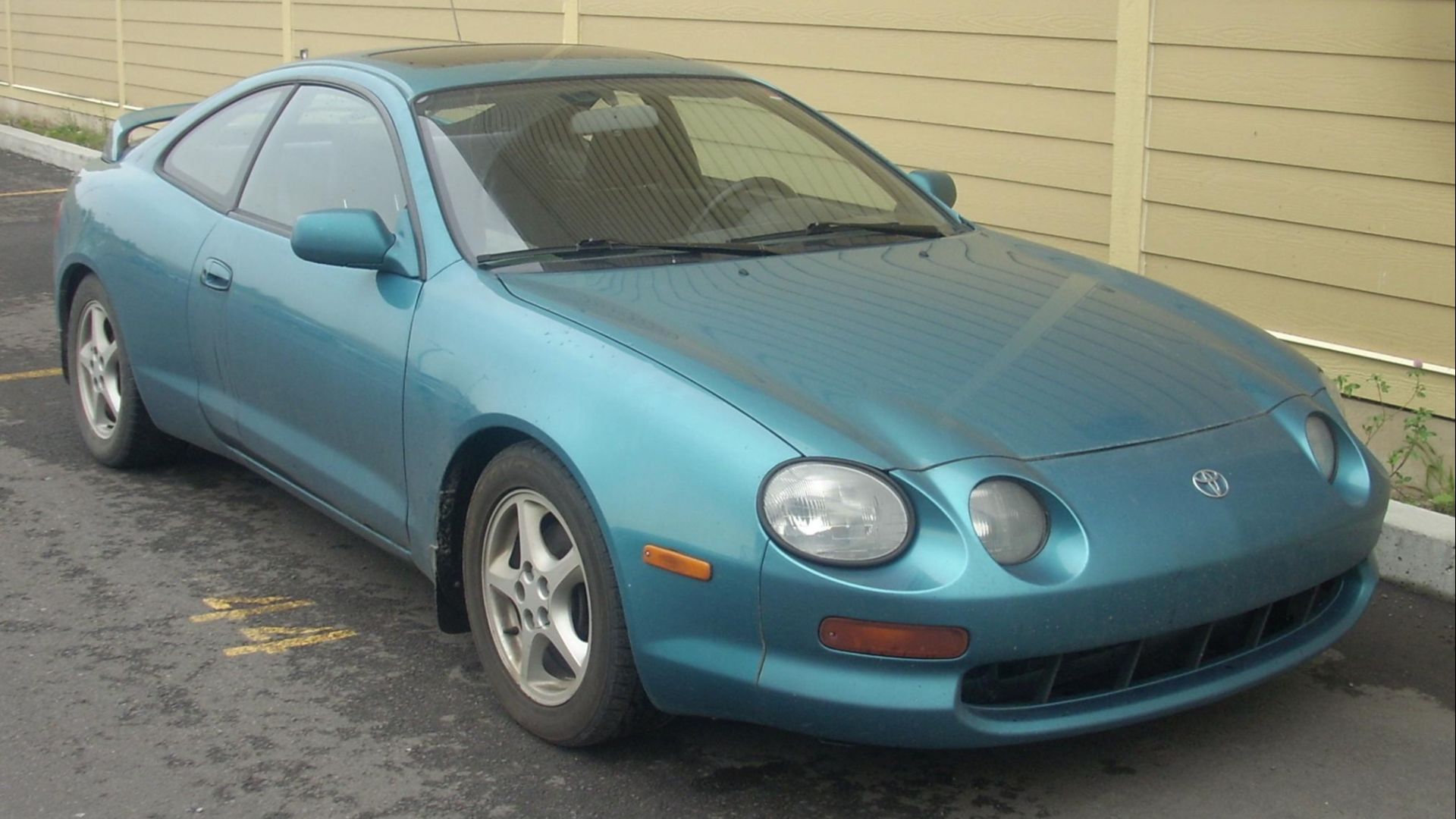
Toyota Celica
For decades, the Toyota Celica was a staple of the affordable sports coupe market. Early models had classic rear-wheel-drive layouts, while later versions became rally legends in the World Rally Championship. With its long history of sporty styling and fun handling, the Celica name deserves another chance in today’s performance-oriented compact car market.
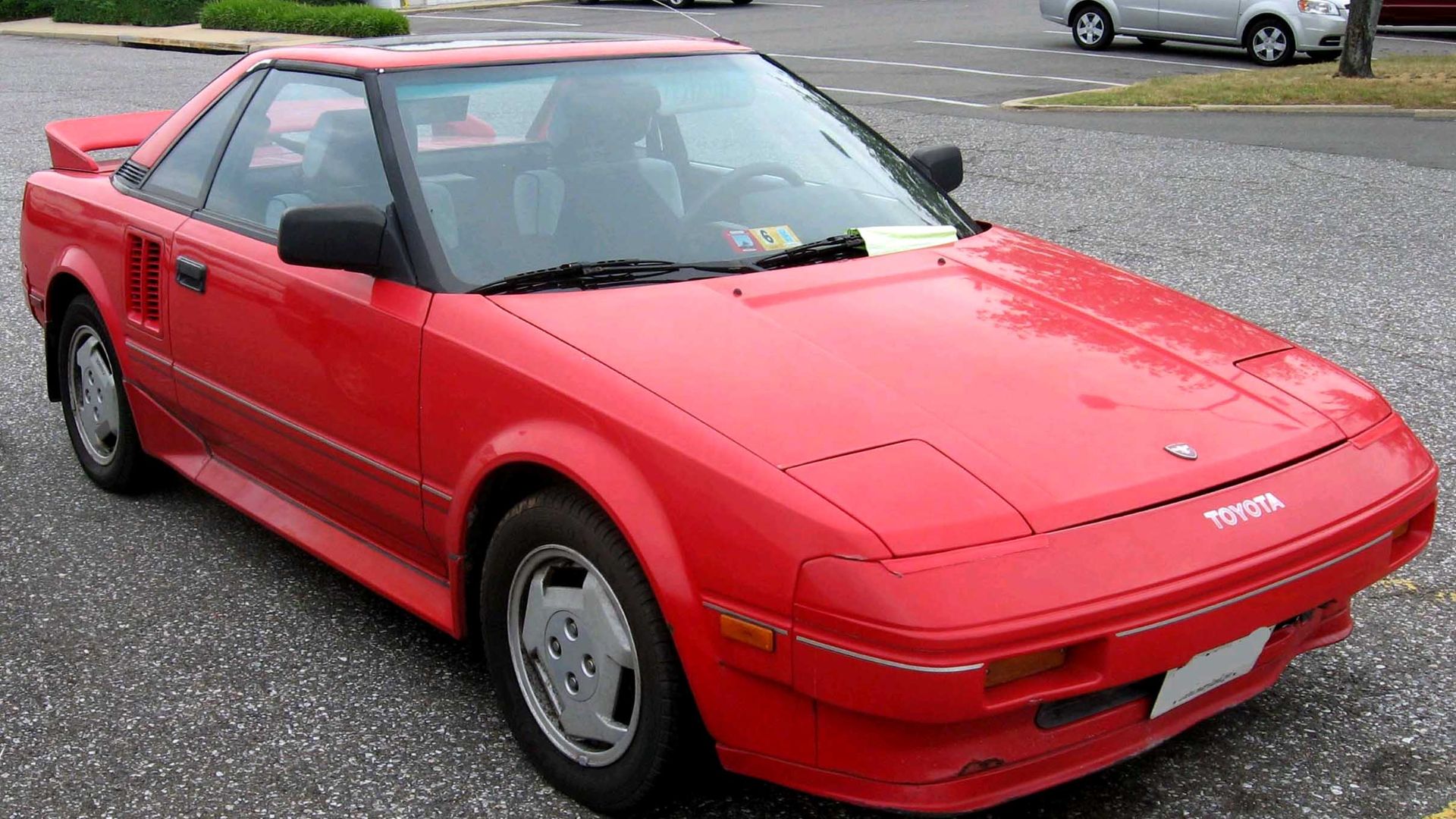
Toyota MR2
The MR2 was one of the few affordable mid-engine sports cars ever built. Lightweight, nimble, and extremely fun to drive, it offered exotic-style balance without exotic pricing. The second-generation turbo models were especially quick, making the MR2 a favorite among enthusiasts who wanted real sports-car dynamics on a budget.
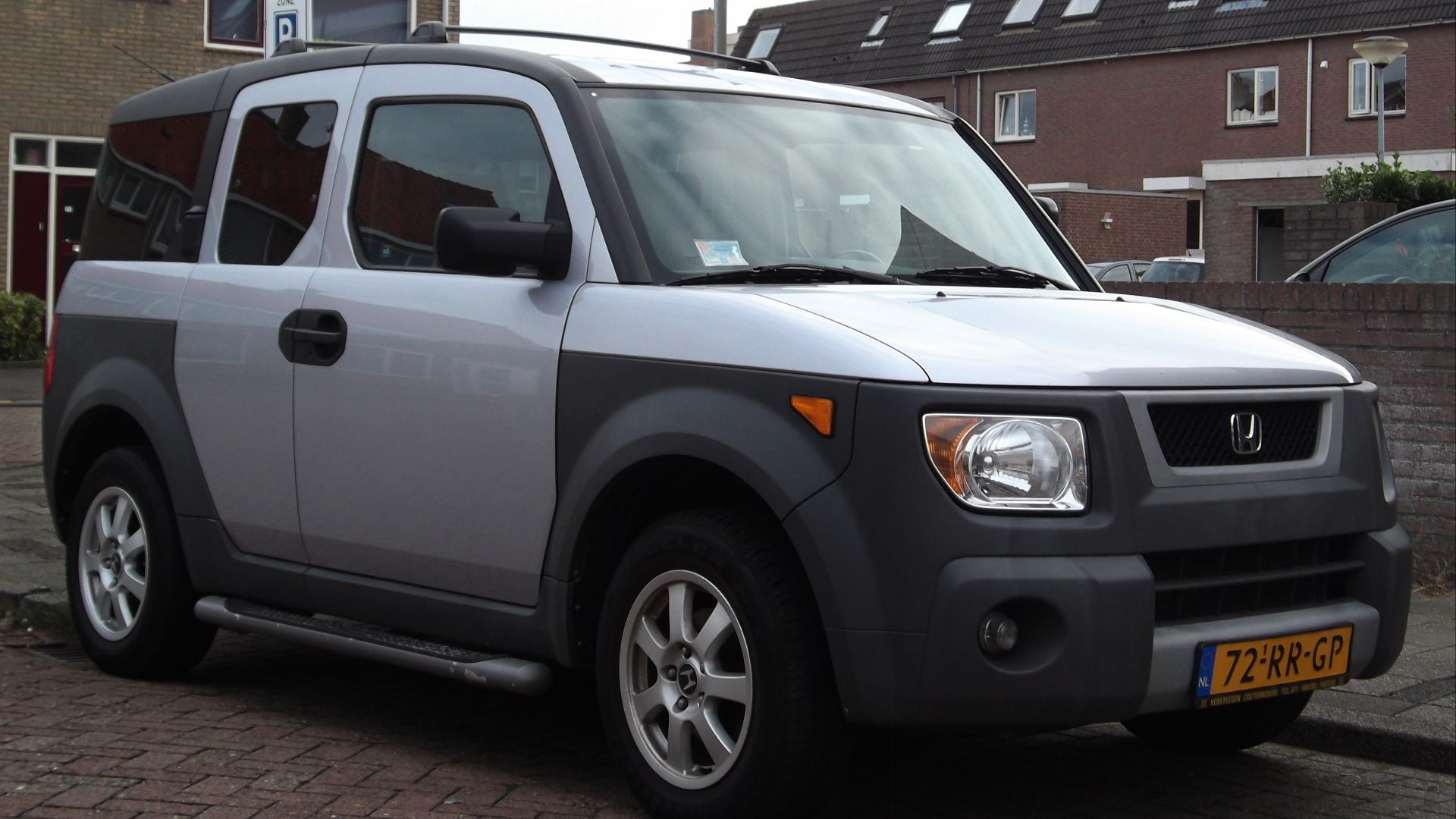
Honda Element
The Honda Element was quirky, practical, and way ahead of its time. Its boxy design allowed for massive interior space, while features like washable floors and rear “suicide” doors made it perfect for active lifestyles. It never quite fit traditional SUV expectations, but today’s outdoor-focused crossover market would be the perfect environment for a revived Element.
 Dennis Elzinga, Wikimedia Commons
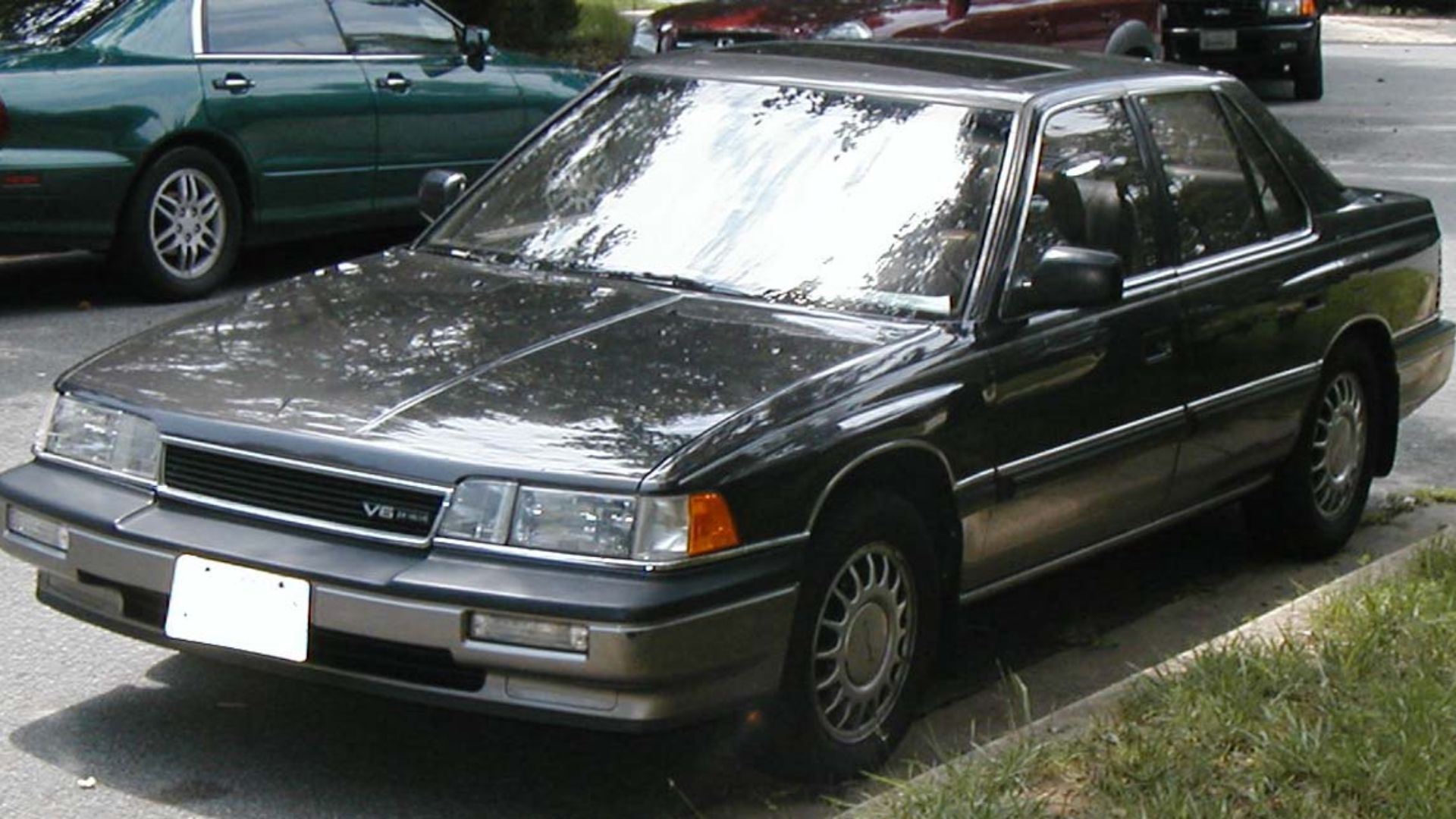
Acura Legend
The Acura Legend was one of the cars that helped establish Japanese luxury brands in North America. Introduced in the 1980s, it combined reliability, advanced engineering, and refined styling. The Legend offered smooth V6 performance and impressive build quality, setting the stage for Acura’s later performance models.
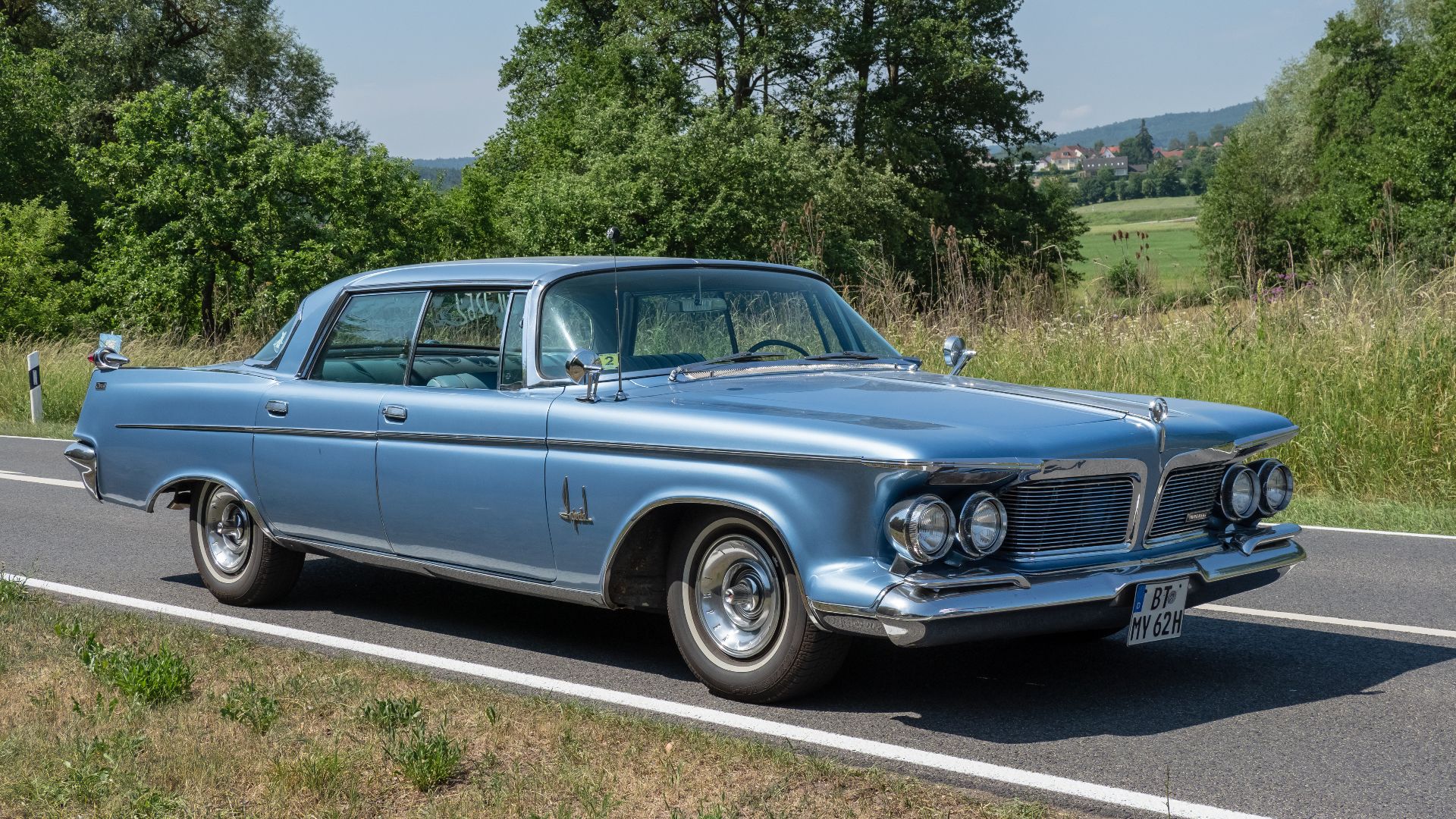
Chrysler Imperial
For decades, the Chrysler Imperial represented the brand’s top-tier luxury offering. Massive proportions, plush interiors, and smooth V8 power made it a serious rival to Cadillac and Lincoln. A modern Imperial revival could bring classic American luxury back into the spotlight.
Bricklin SV-1
The Bricklin SV-1 is one of the strangest sports cars ever produced. Built in the 1970s, it featured gullwing doors and a heavy emphasis on safety, including integrated crash structures and energy-absorbing bumpers. Powered by American V8 engines, it offered respectable performance while looking like something straight out of a futuristic concept show.
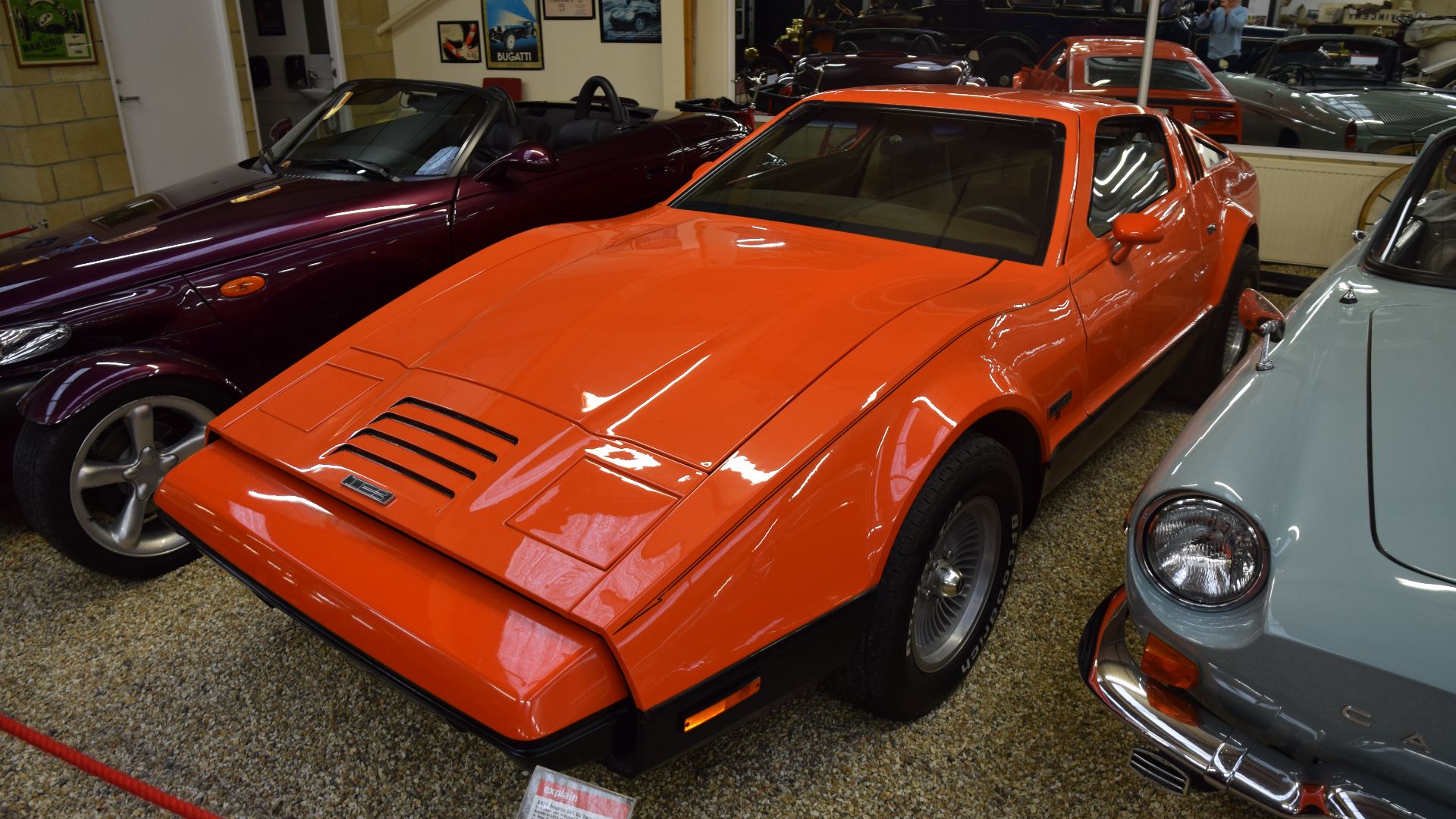 Hugh Llewelyn from Keynsham, UK, Wikimedia Commons
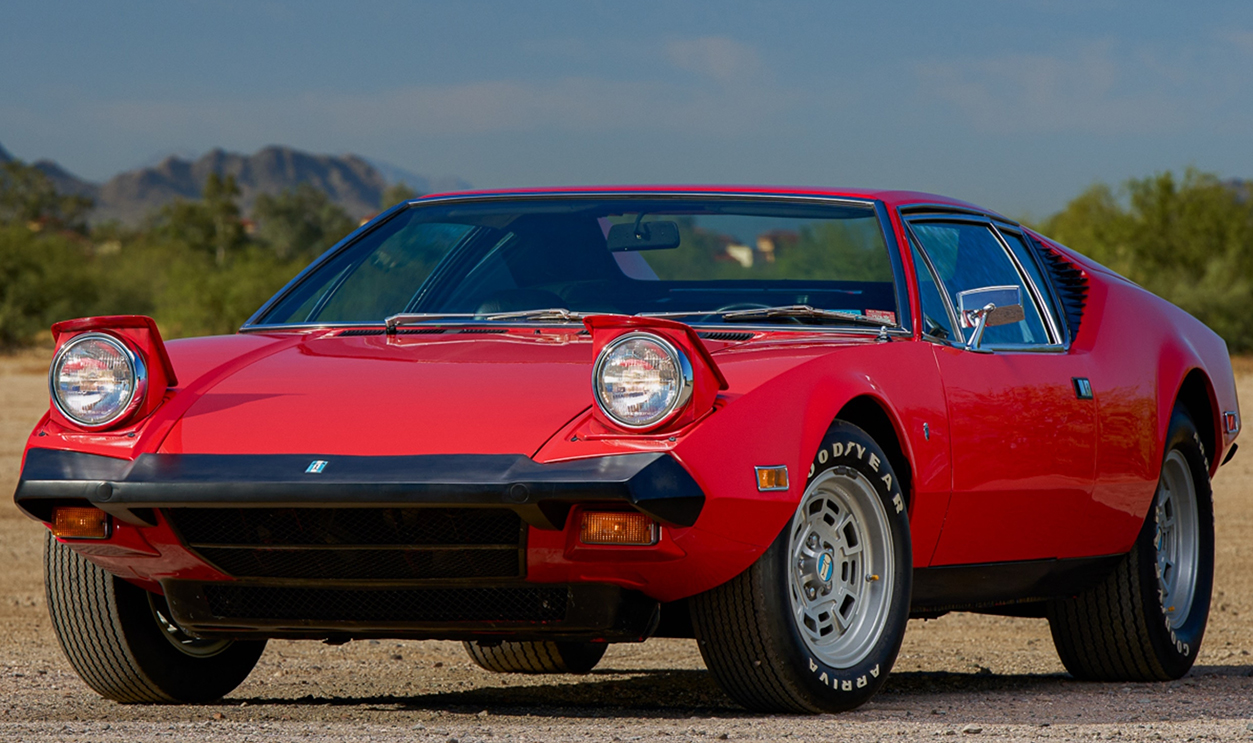
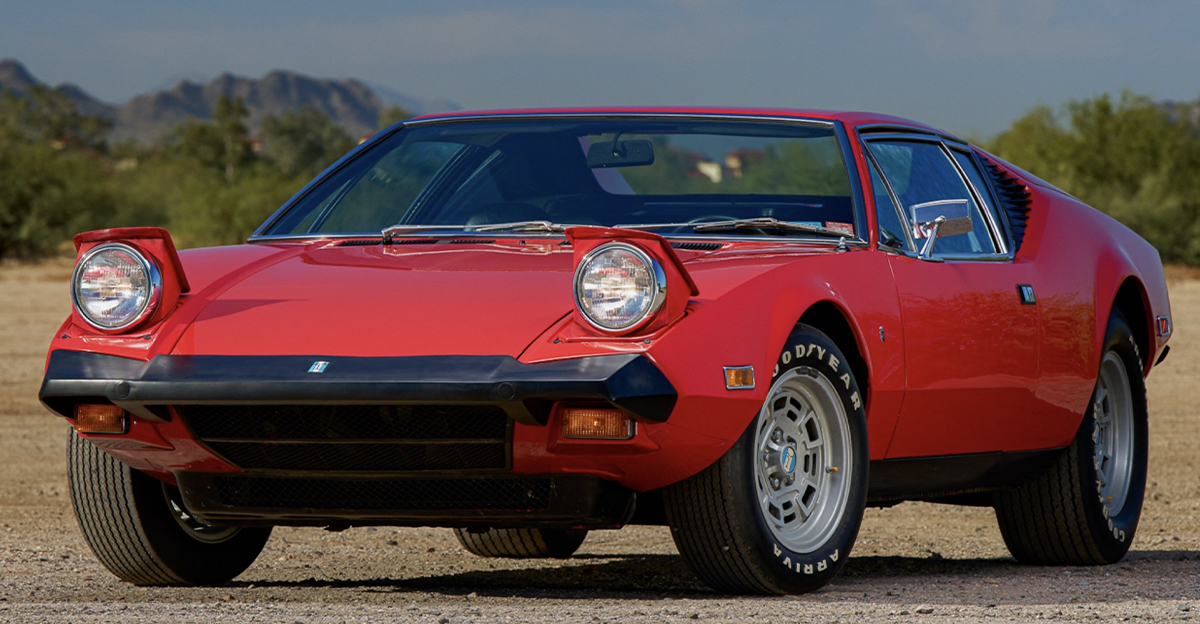
De Tomaso Pantera
The Pantera was another perfect mix of Italian design and American power. Built by the Italian company De Tomaso but sold through Ford dealerships, it paired exotic styling with a Ford V8 engine that was easier to maintain than most European supercars. The combination made it one of the most accessible exotic cars of its era.
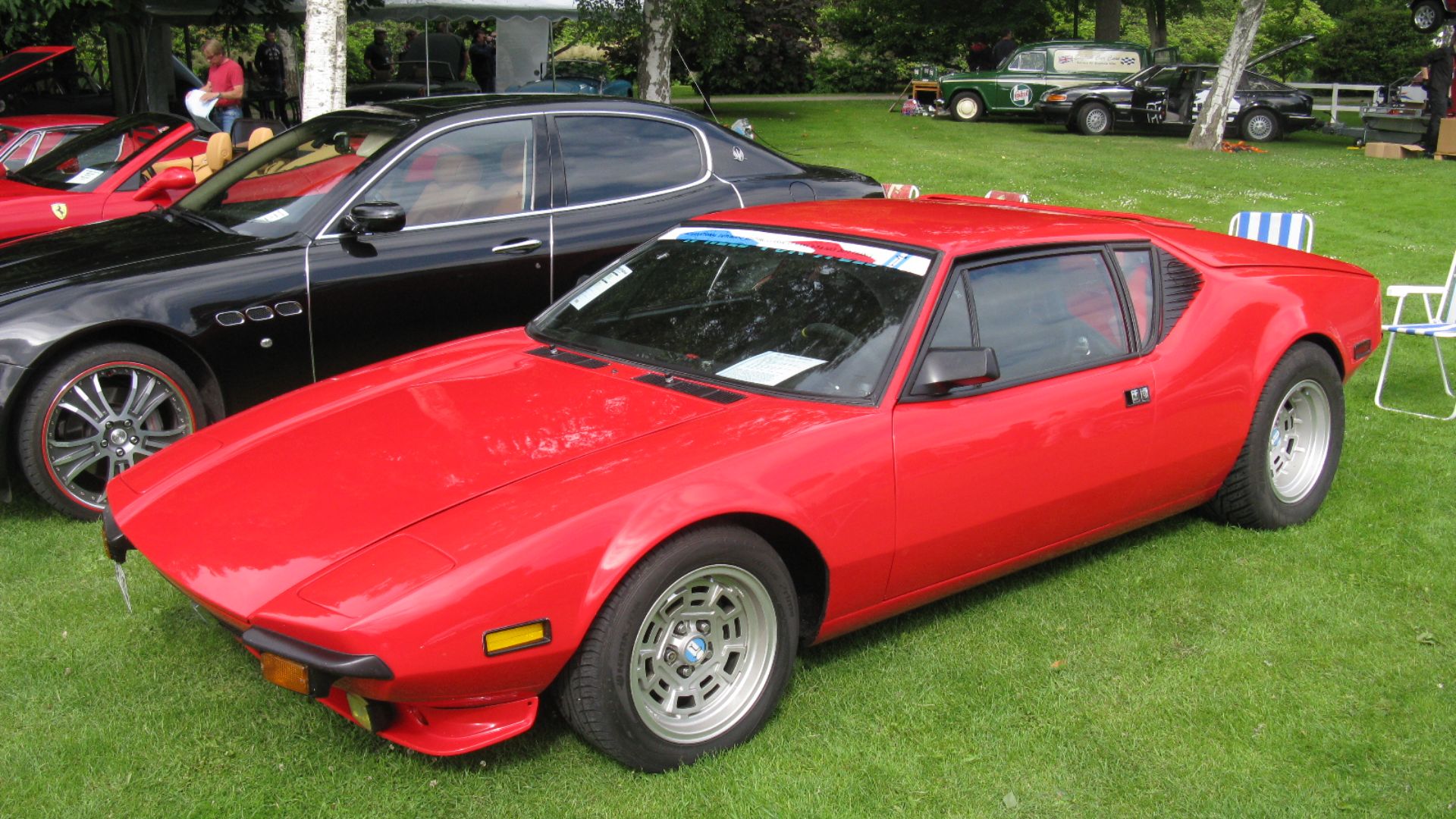
Pontiac GTO
Often credited with launching the muscle car era, the Pontiac GTO became an icon of American performance in the 1960s. With big V8 engines and aggressive styling, it captured the imagination of an entire generation of car enthusiasts. Even though the name briefly returned in the 2000s, many fans still dream of a true modern GTO revival.
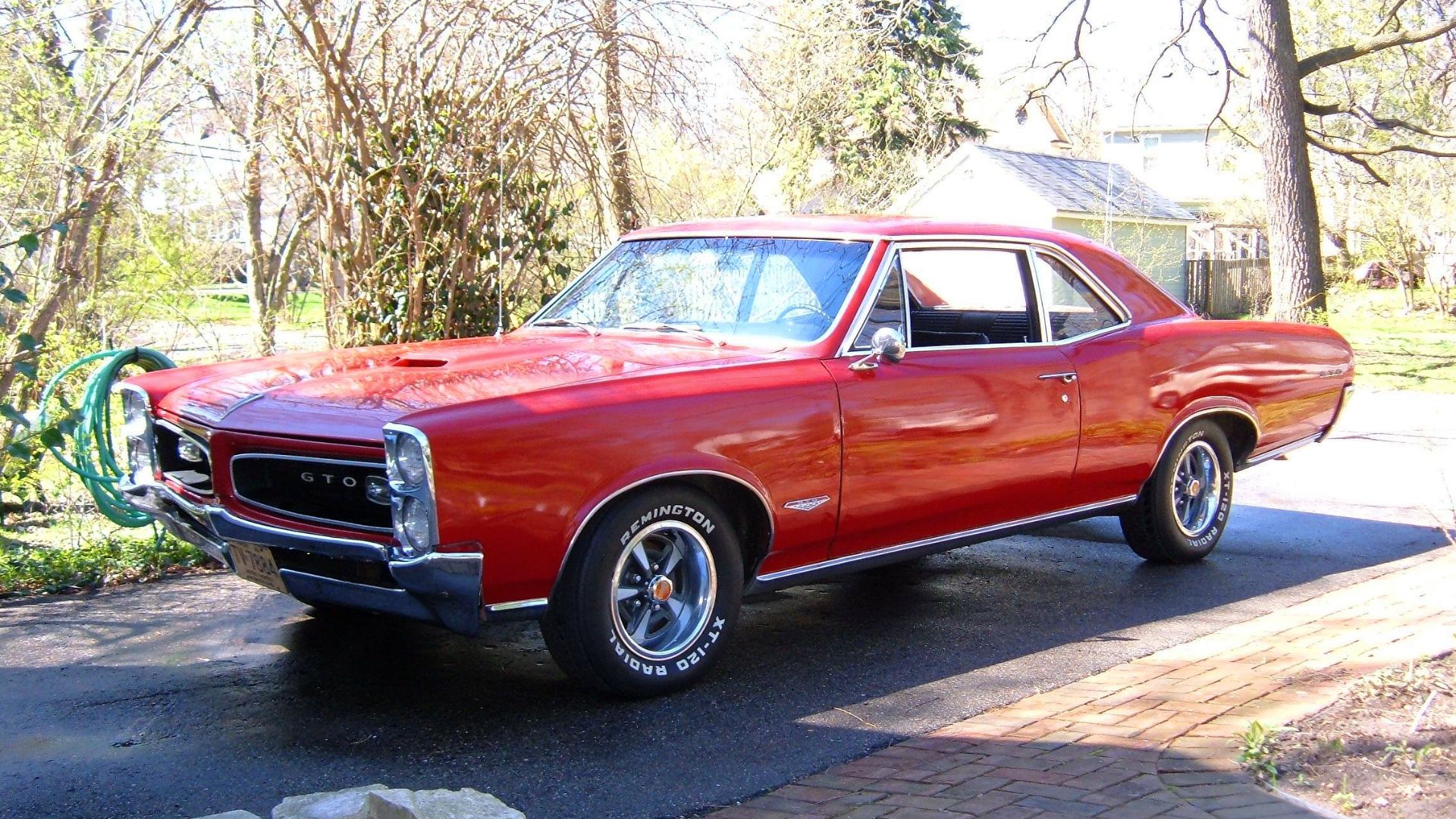 Freesek from En-Wikipedia, Wikimedia Commons
You May Also Like:
The Best Classic Japanese Cars Of The 70s & 80s
It’s Time To Shine A Light On The Saturn Sky, The Forgotten GM Roadster That Deserved Better
Oldsmobile Deserves More Respect, And These Forgotten Cars Are The Reasons Why