
A Name Like No Other
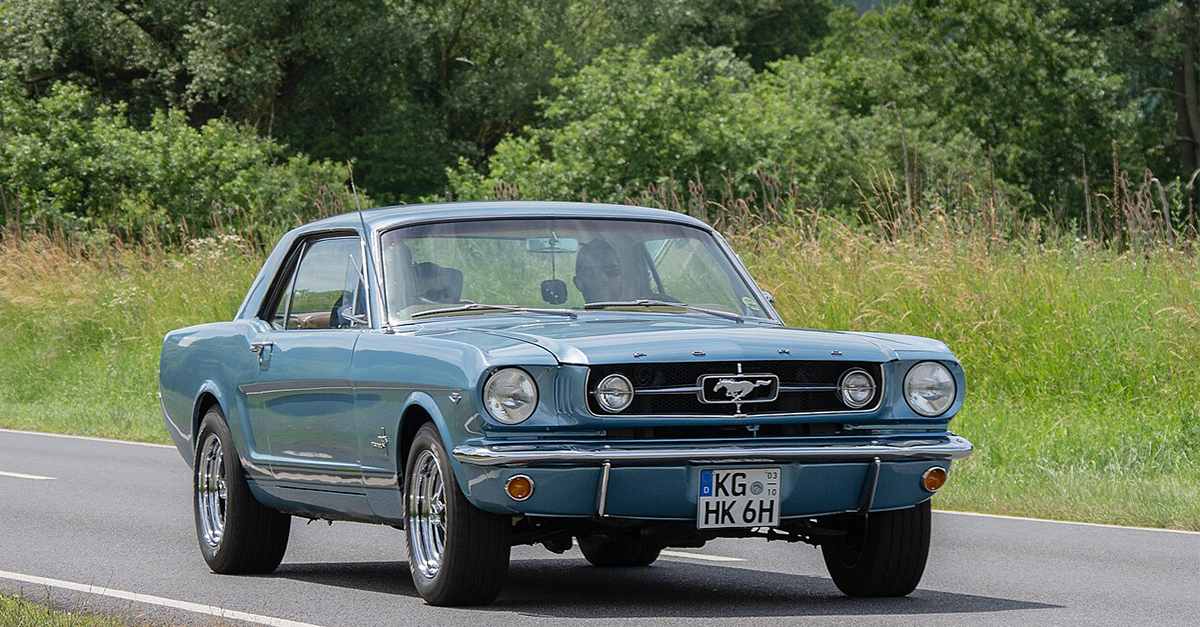
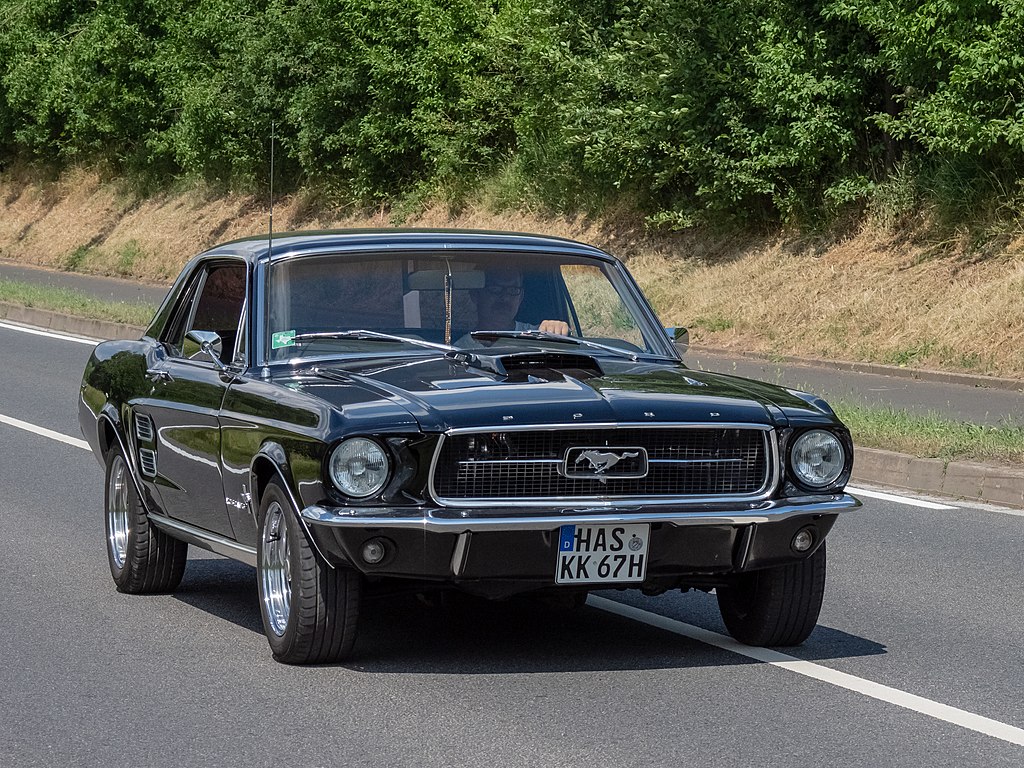
Few names in the automotive world carry as much respect and recognition factor as the Ford Mustang. Since the car’s debut in 1964, the name has symbolized speed, youth, freedom, and American car culture itself. But how did the Mustang actually get its name? We separate the facts from the many myths about the origin of the Mustang name, and why the name still matters today.
Ford Needed A Youthful Car
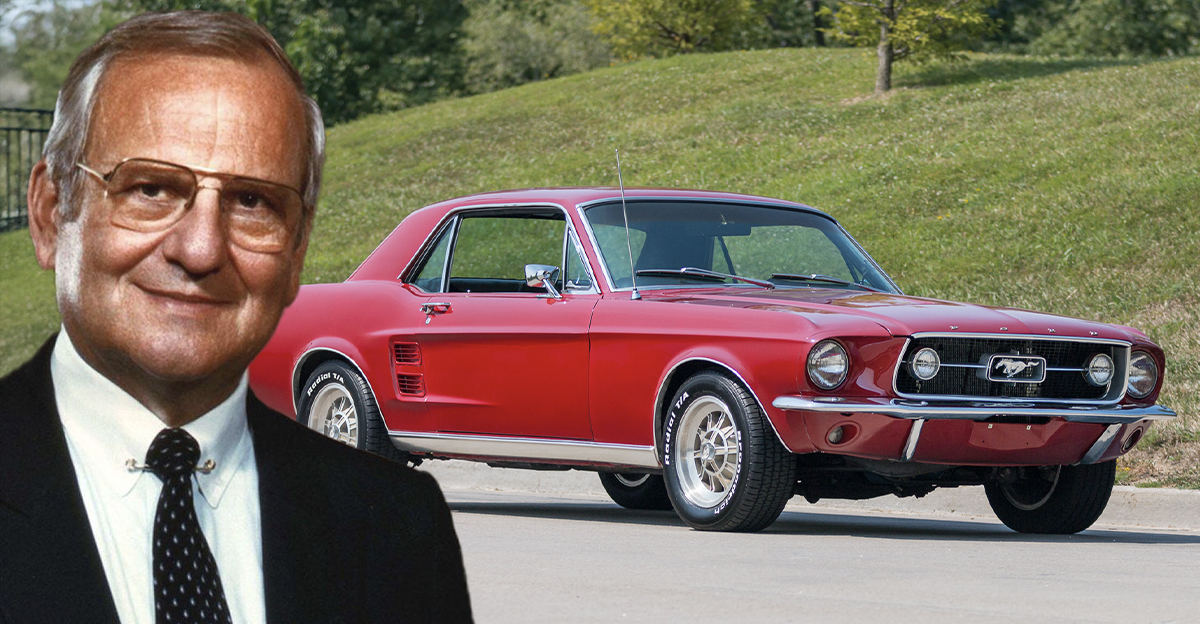
In the early 60s, Ford Motor Company knew it needed a youthful, affordable car to attract the under-30 market segment. Compact imports were stealing attention, and Ford wanted something stylish and sporty with emotional appeal to overcome all that. This market focus laid the foundation for the car itself, but the company needed a name that would resonate instantly.
 Reinhold Moller, CC BY-SA 4.0, Wikimedia Commons
The First Internal Code Name
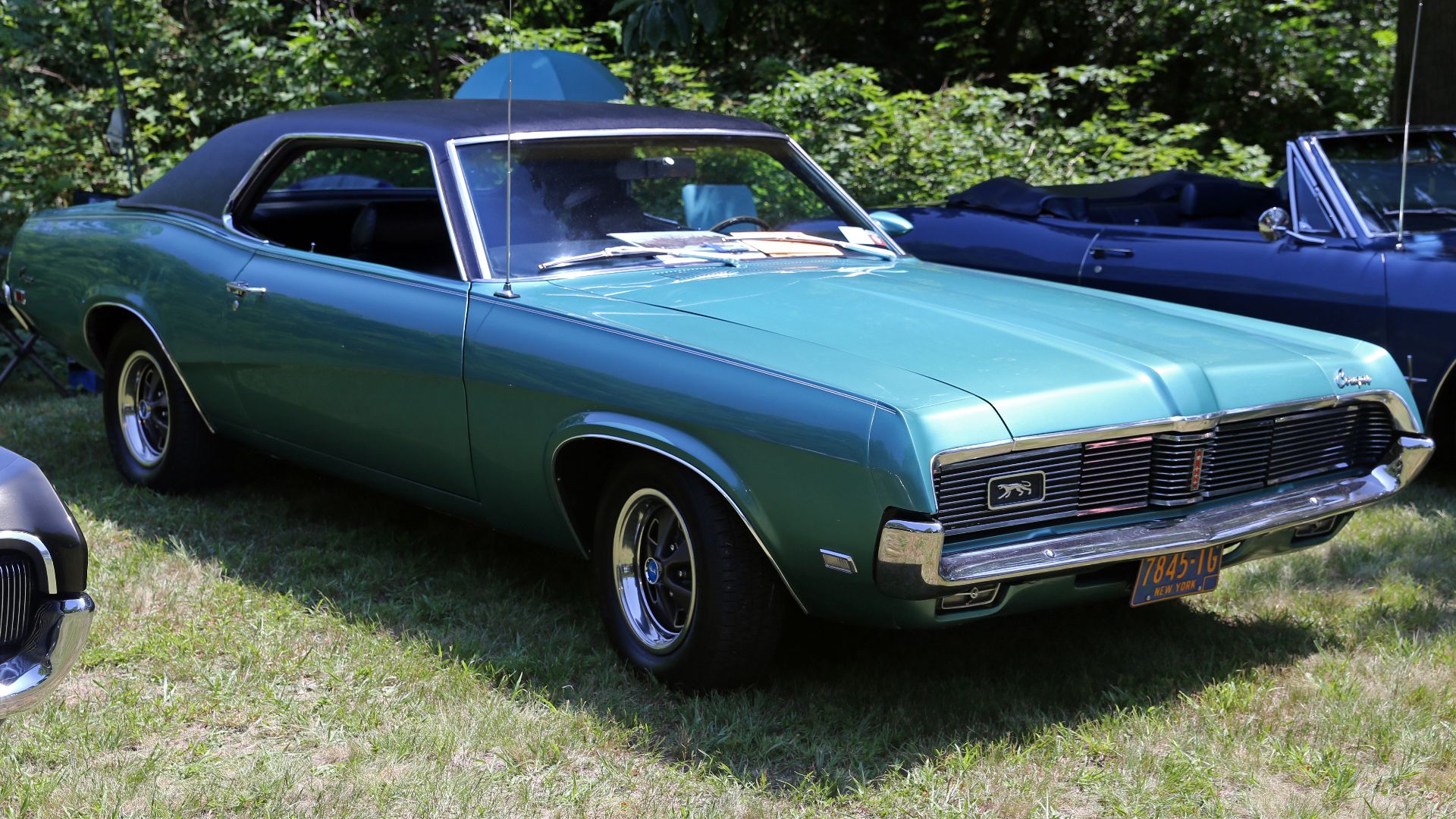
Early Mustang prototypes were internally called the Cougar, a name that nearly made it to production. Designers liked the sense of aggression that went with the name, but executives weren’t sold on it. It sounded too predatory and regional. But while Cougar was ultimately rejected for the new car, the name would later find a home as a Mercury model instead.
 Mr.choppers, Wikimedia Commons
A Theory Inspired By Aviation
One of the most common myths is that the Mustang was named after the P-51 Mustang fighter plane of WWII fame. This theory actually sounds quite believable: speed, World War II heroics, and aviation swagger. This explanation was spread widely after launch, but while Ford designers were well aware of the aircraft, it was never the official source of the name.
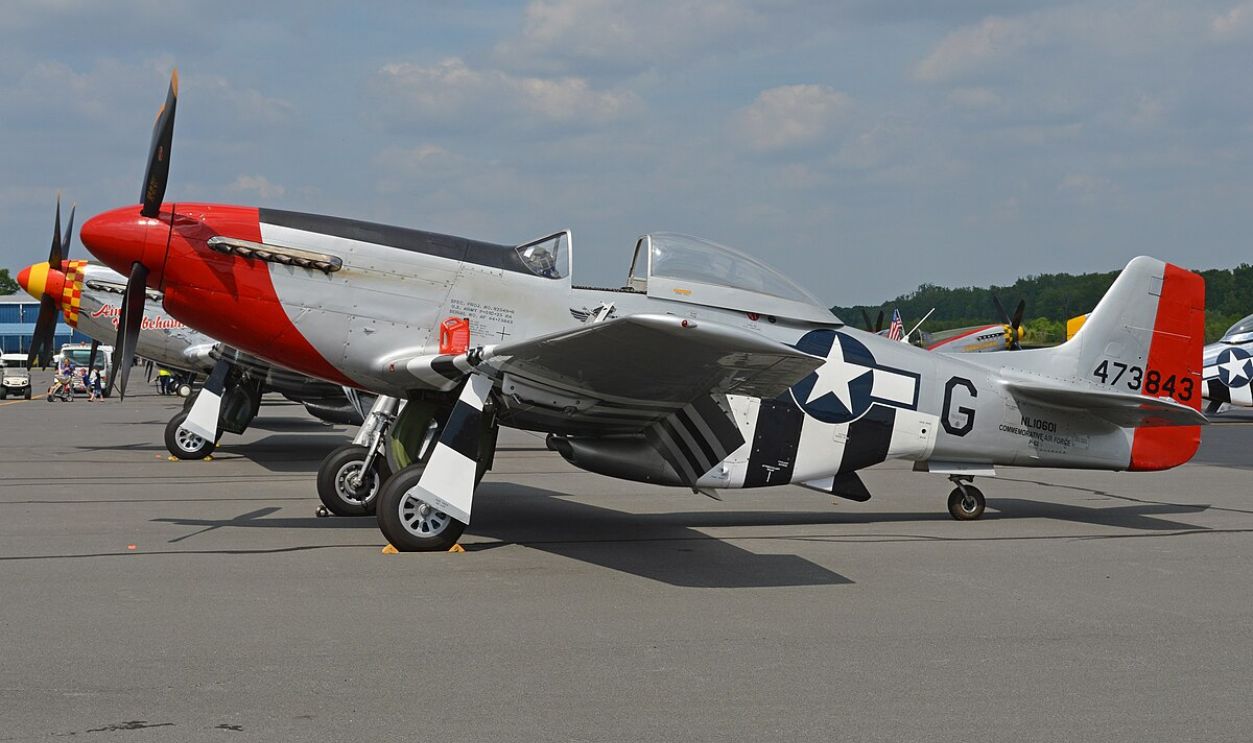 Alan Wilson, CC BY-SA 2.0, Wikimedia Commons
The Horse Theory Takes Hold
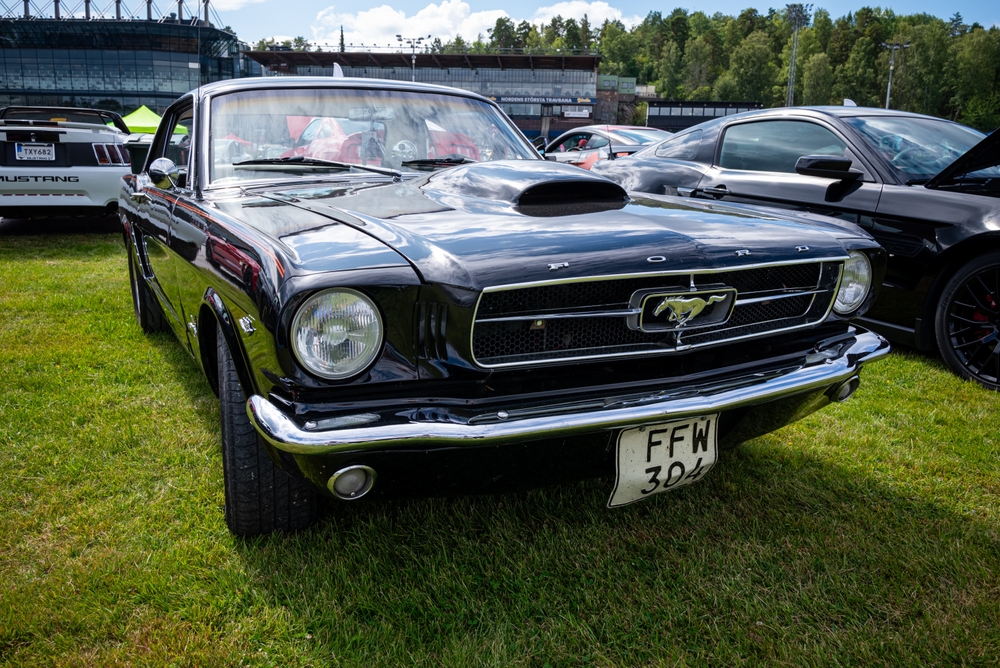
Another enduring belief is that the car took its name directly from the wild mustang horse. The running horse badge is an obvious visual reinforcement of this idea. But while the horse imagery was a perfect fit for the car’s personality, the name choice wasn’t originally rooted in the horse, even though the public quickly placed that meaning on it.
The Eggert Theory
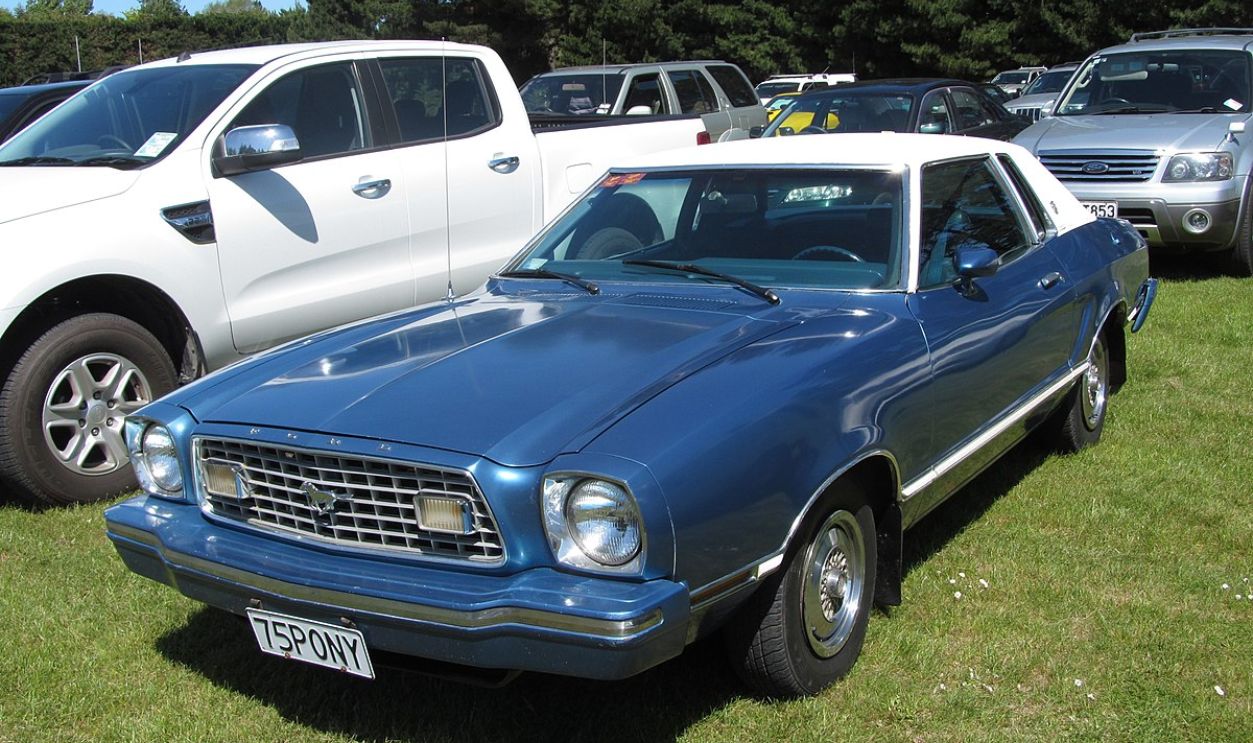
One lesser-known theory credits Robert J. Eggert, a Ford executive, with suggesting the Mustang name. According to this version, Eggert proposed the name during internal discussions because it was short, catchy, and non-technical. While this explanation circulates among historians, it shares space with other origin stories, and later commentary from Lee Iacocca clarified that the name’s selection was more collaborative.
 Riley from Christchurch, New Zealand, CC BY 2.0, Wikimedia Commons
The Real Origin Of The Name
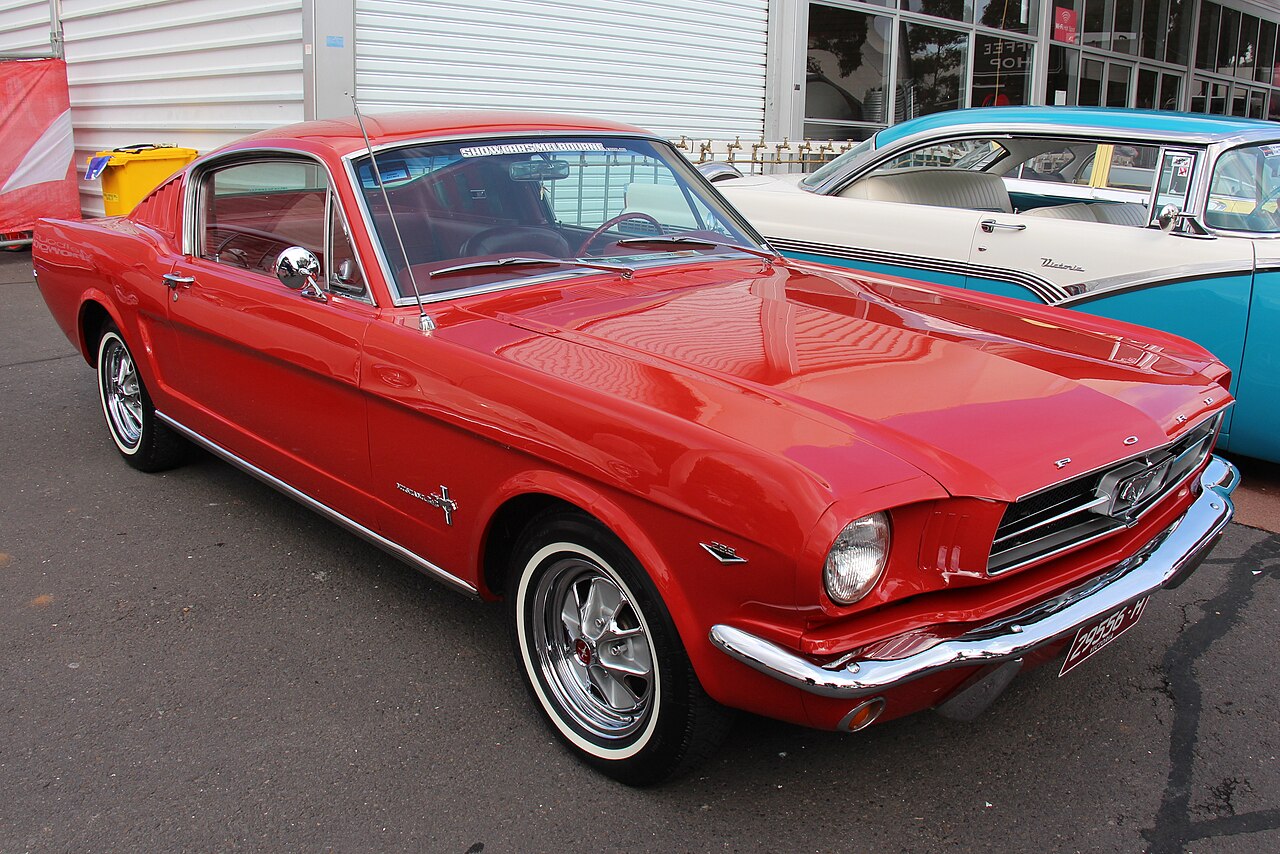
The Mustang name came from a much simpler source than all that. Several members of the original Mustang development team liked the name just because it sounded youthful, spirited, and it was easy to say. It carried the unspoken idea of motion and freedom without needing any further explanation, which made it the perfect name for advertising and mass appeal in the early 60s.
 Sicnag, CC BY 2.0, Wikimedia Commons
Lee Iacocca Clears The Air
The arguments over the source of the name went on for decades until former Ford VP Lee Iacocca finally put the matter to rest in interviews during the 2000s. He stated plainly that the name wasn’t chosen for horses or airplanes. It was just selected because it sounded right, felt uniquely American, and most importantly, it tested well internally with younger buyers.
 United Press International, Wikimedia Commons
Marketing Loved Mustang
From a branding point of view, Mustang was short, memorable, and flexible. It worked just as well for print ads, TV commercials, and word of mouth. Unlike abstract model numbers, the name carried a sense of emotion from day one, which gave Ford the opportunity to build that identity around the car almost right from the start.
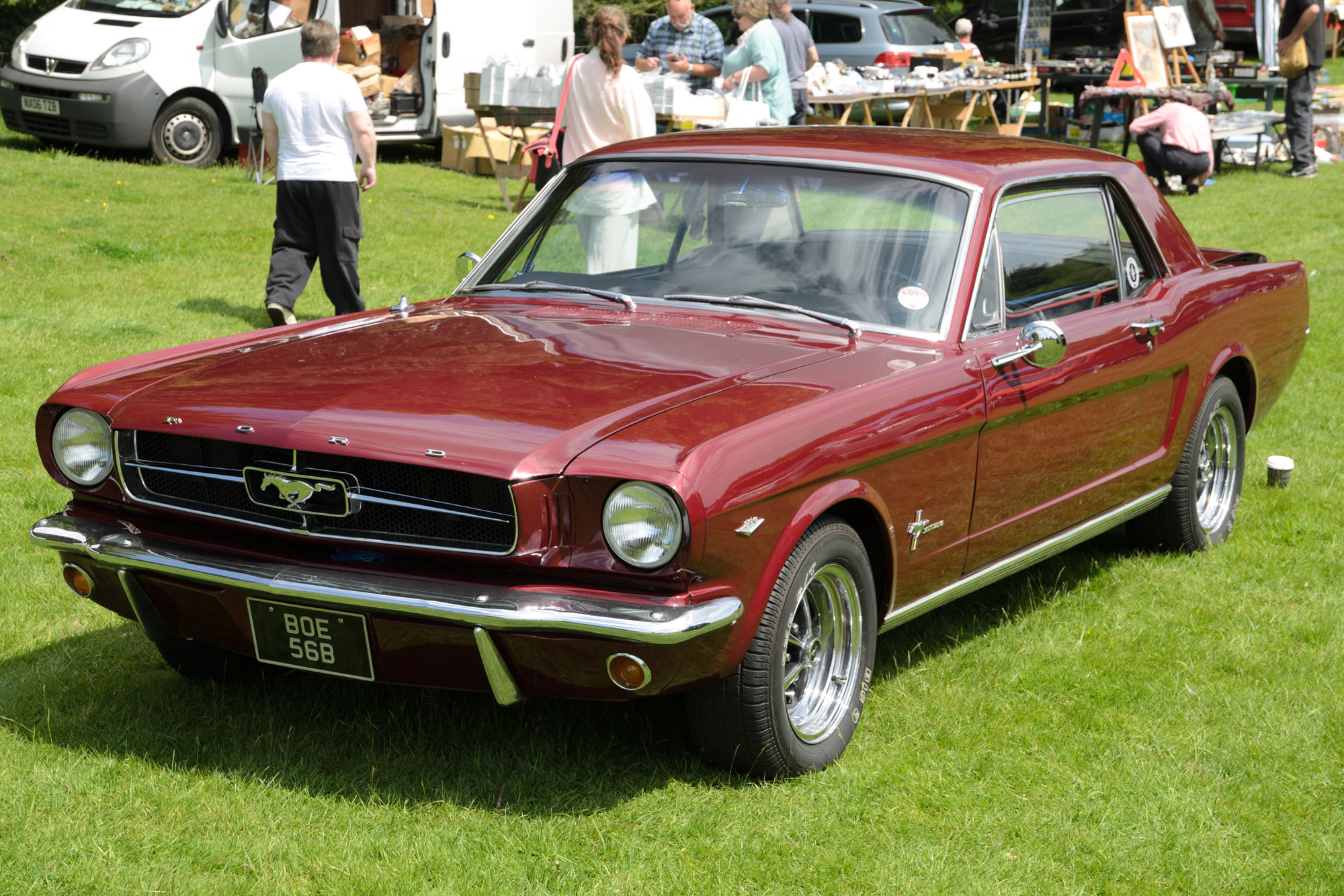 SG2012, CC BY 2.0, Wikimedia Commons
The Name Fit The Car’s Mission
The Mustang name coincided perfectly with the car’s original mission of providing affordable style, sporty looks, and customizable performance. It was a name that implied freedom without intimidation or the need to impress anyone. Buyers didn’t need to understand engines or racing to feel drawn to the idea of owning and driving a Mustang.
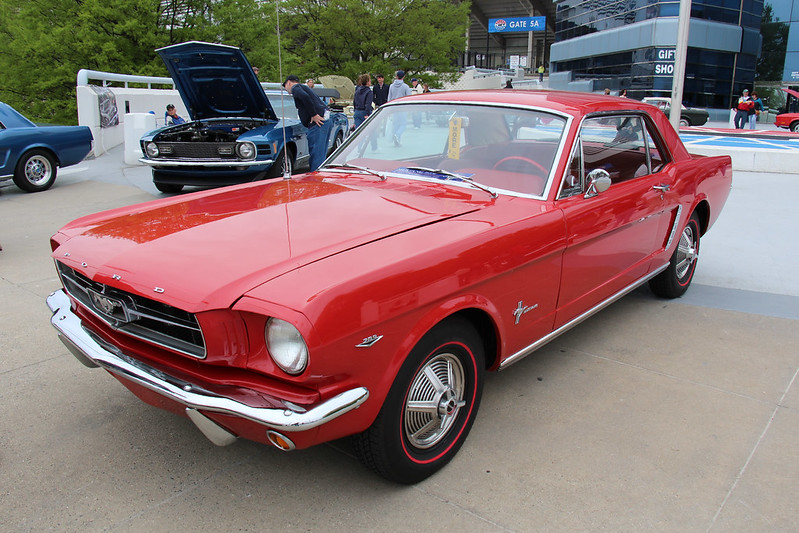
Public Mythmaking Took Over
Once the Mustang exploded into popularity in the 60s, buyers started to create their own mythology and stories around the name. Horse ranches, fighter planes, and Western symbolism were all caught up in the allure of Mustang lore. Ford didn’t really see the need to correct these myths, allowing them to grow organically as an added bonus to sales.
 Jeremy, CC BY 2.0, Wikimedia Commons
Sales Success Reinforced The Name
The Mustang sold more than 400,000 units in its first year, going far beyond anyone at Ford’s wildest dreams. That success right out of the gate cemented the name in American culture. If the car had been a flop, the debate over its name might have been something worth arguing about. The success meant the name became unquestioned.
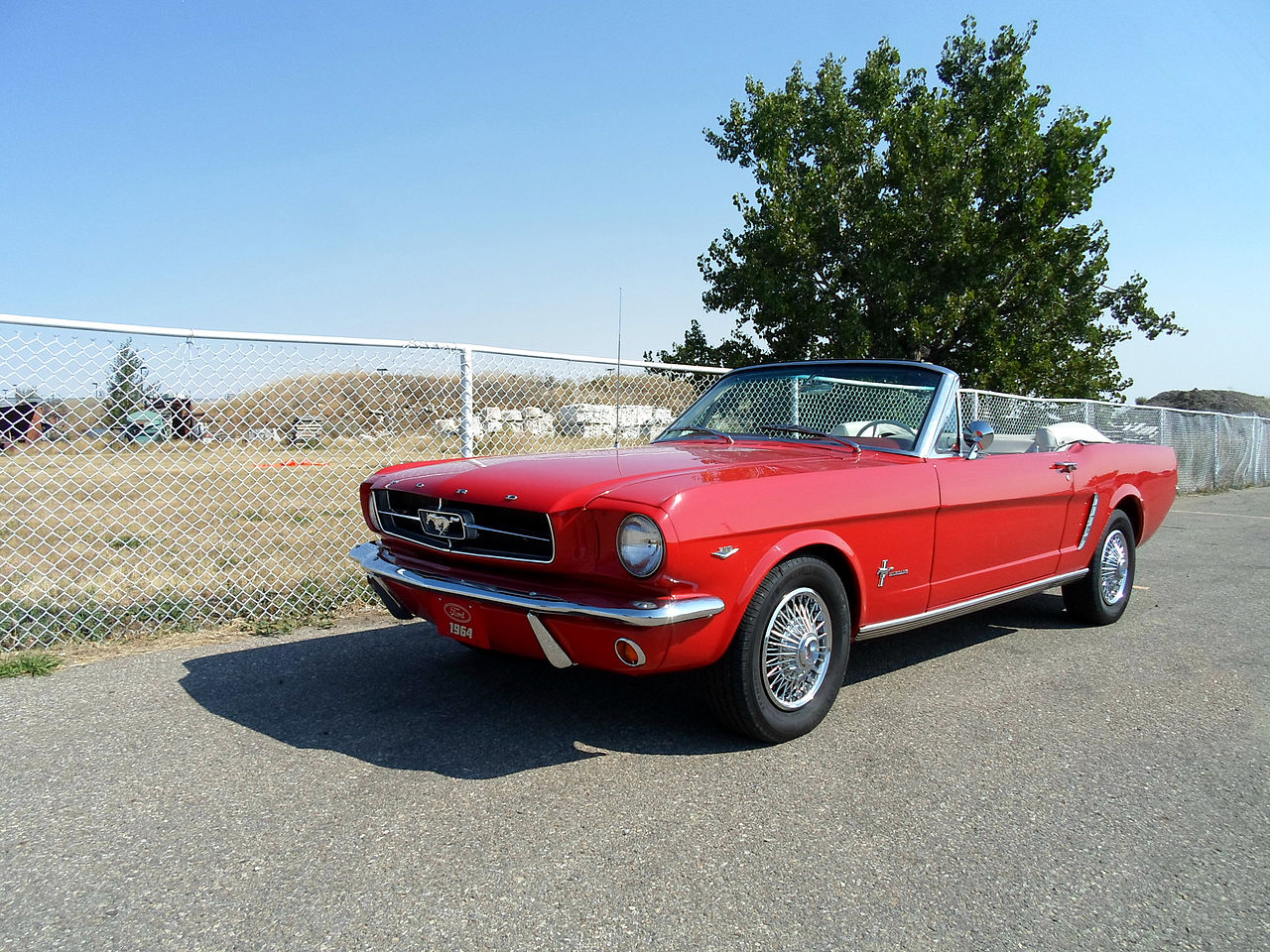 dave_7, CC BY 2.0, Wikimedia Commons
Birth Of The Pony Car Term
The Mustang name itself directly inspired the newly coined term “pony car.” Compact, affordable coupes with sporty looks were now grouped under a label subtly derived from the Mustang itself. Chevrolet, Pontiac, and others rushed to respond with similar cars of their own, but none could undo the naming advantage Ford already held.
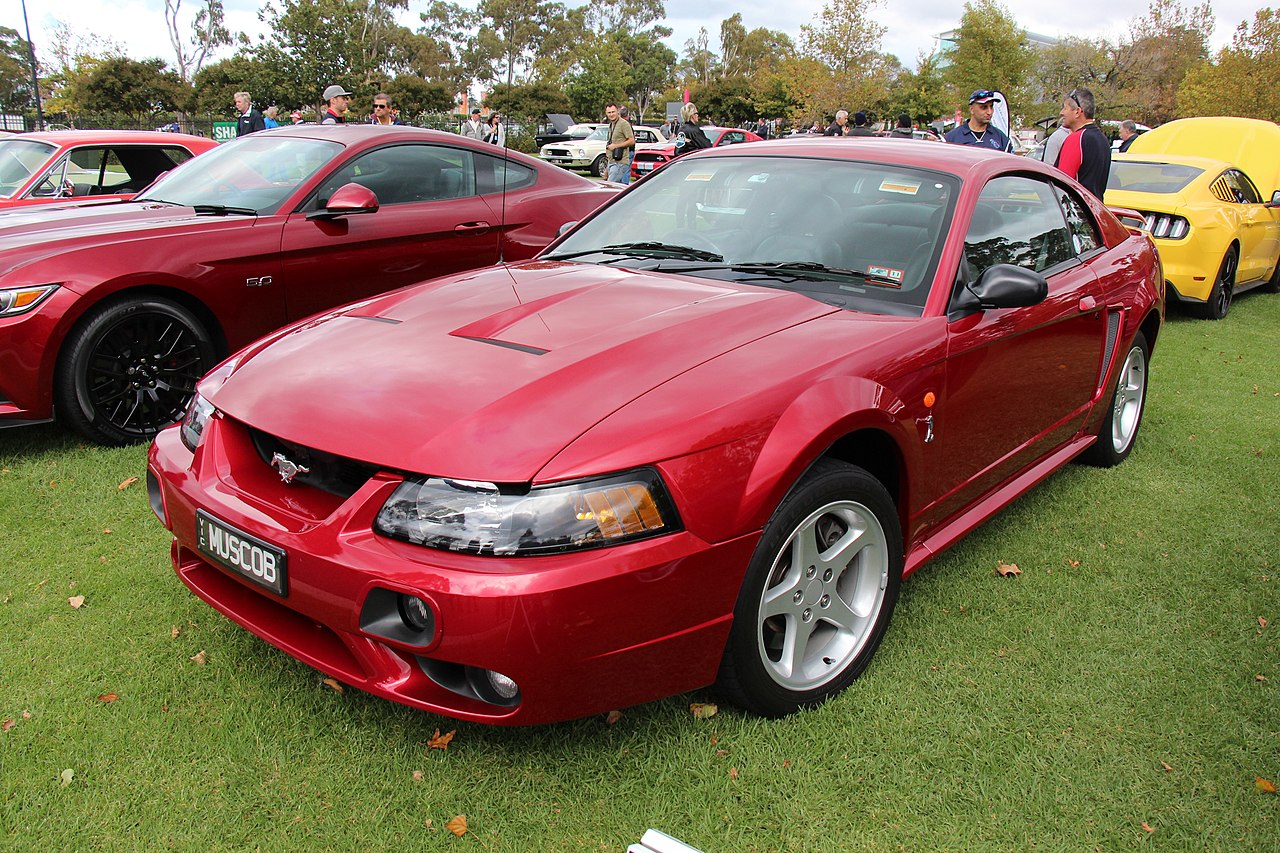 Sicnag, CC BY 2.0, Wikimedia Commons
Rivals Couldn’t Replicate The Magic
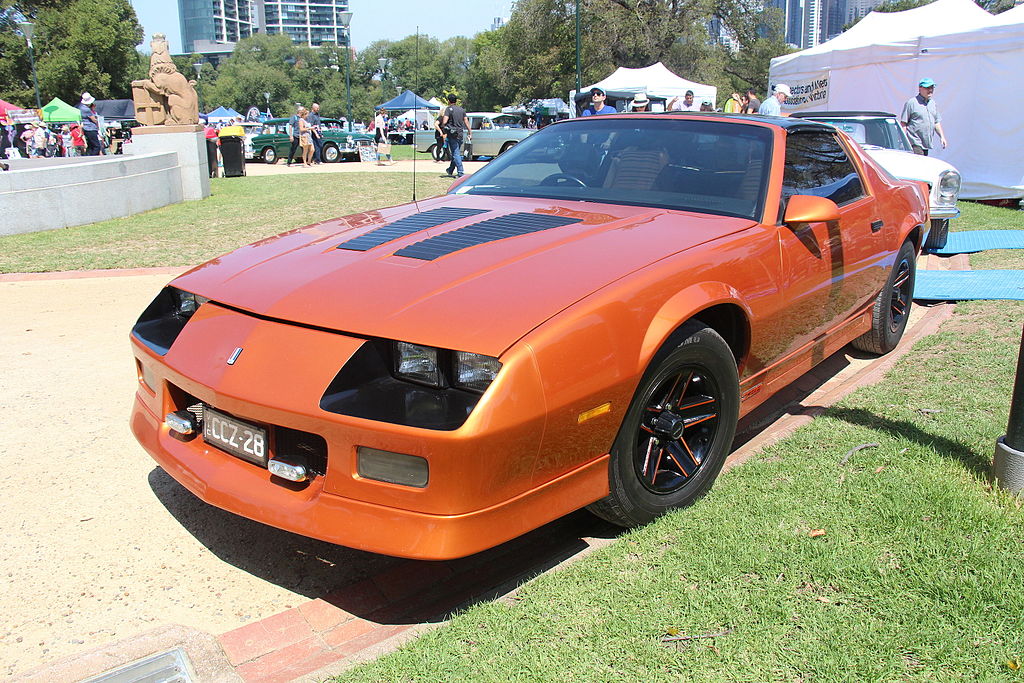
Other automakers tried equally evocative names, but none could quite match Mustang’s cultural reach. Camaro, Firebird, and Challenger were great names, but the Mustang name remained a cultural benchmark. Its name became inseparable from the market segment it created. That’s the goal of all branding.
 Sicnag, CC BY 2.0, Wikimedia Commons
Surviving Changing Eras
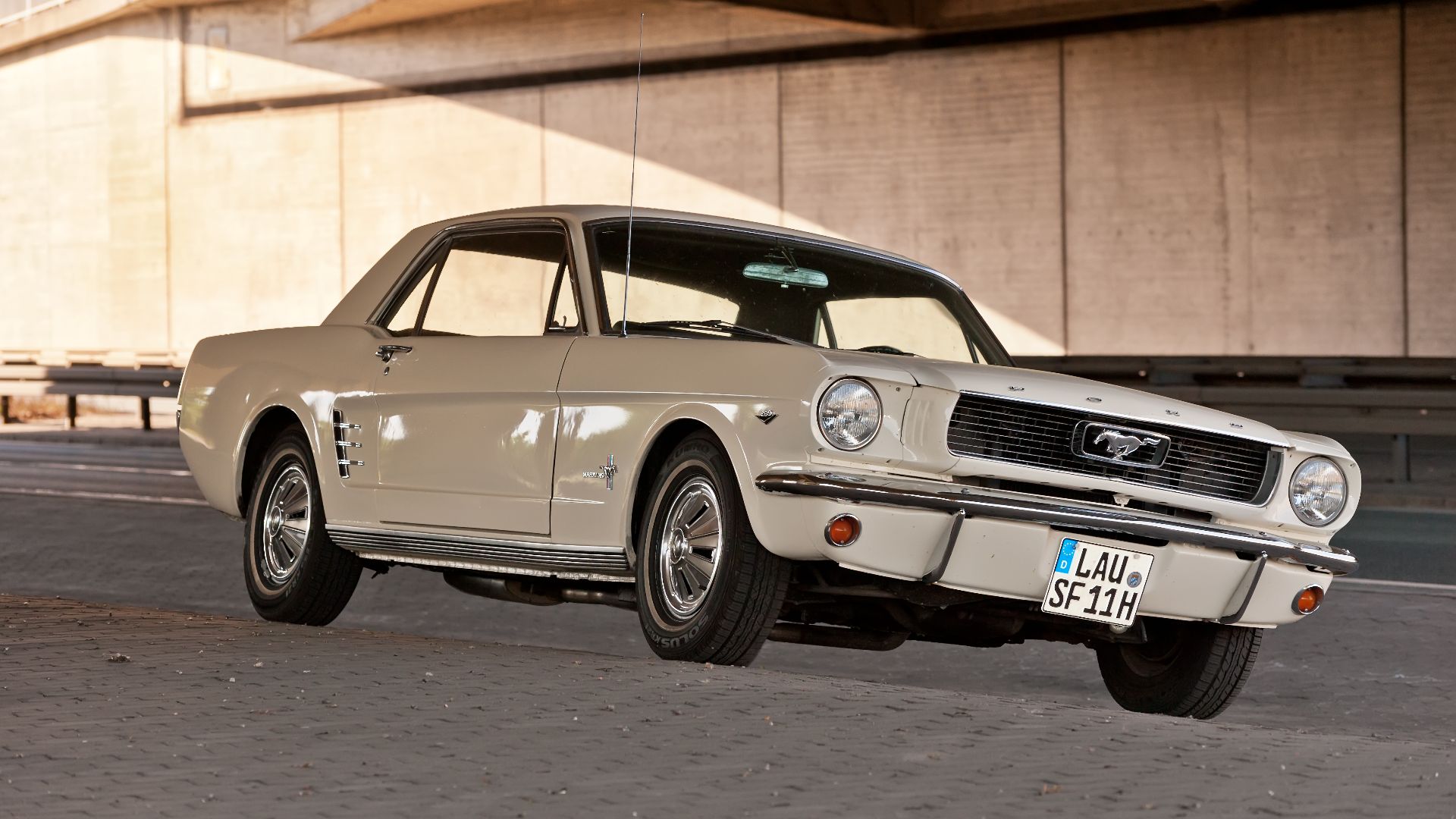
Through oil crises, emissions rule changes, downsizing, and redesigns, the Mustang name never disappeared. Even during its less admired generations, Ford kept the name alive while other competitors ran strong for a while only to disappear. That continuity helped preserve brand loyalty over decades, allowing the Mustang to come back strong whenever performance went back to being a top priority with buyers. But there was a time when the Mustang nameplate was in jeopardy of disappearing.
 Hans-Jürgen Neubert, Wikimedia Commons
Ford’s 80s Proposal To Replace Mustang
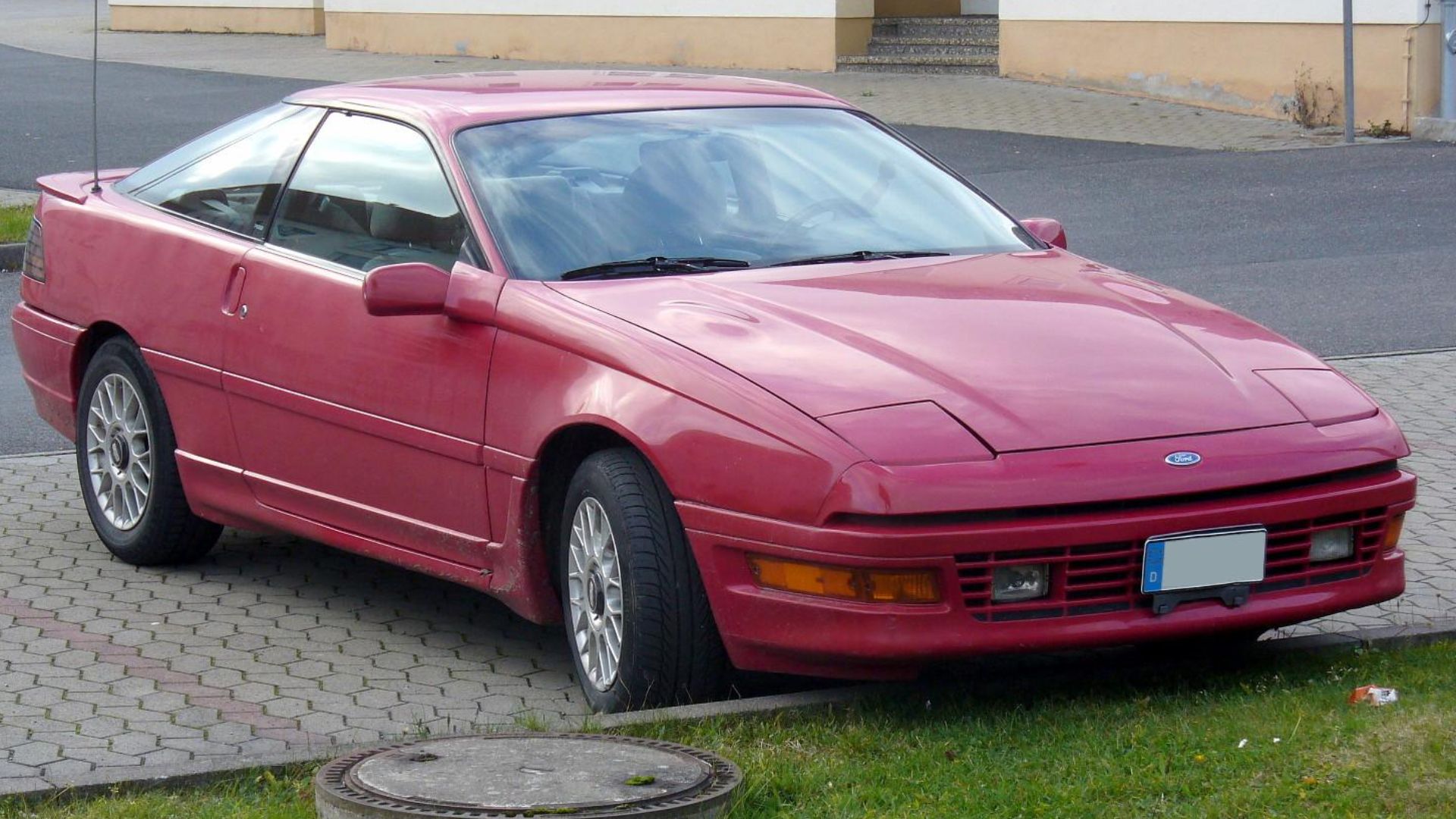
In the 1980s, with changing fuel economy rules and front-wheel drive trends gaining traction, Ford Motor Company quietly planned to phase out the Mustang in favor of the Ford Probe, a sportier, lighter front-wheel drive coupe. Executives hoped the Probe’s modern packaging and efficiency would appeal to new buyers, even if it meant retiring Mustang’s rear-wheel drive tradition.
 Thomas doerfer, Wikimedia Commons
Public Outcry And Rethinking The Plan
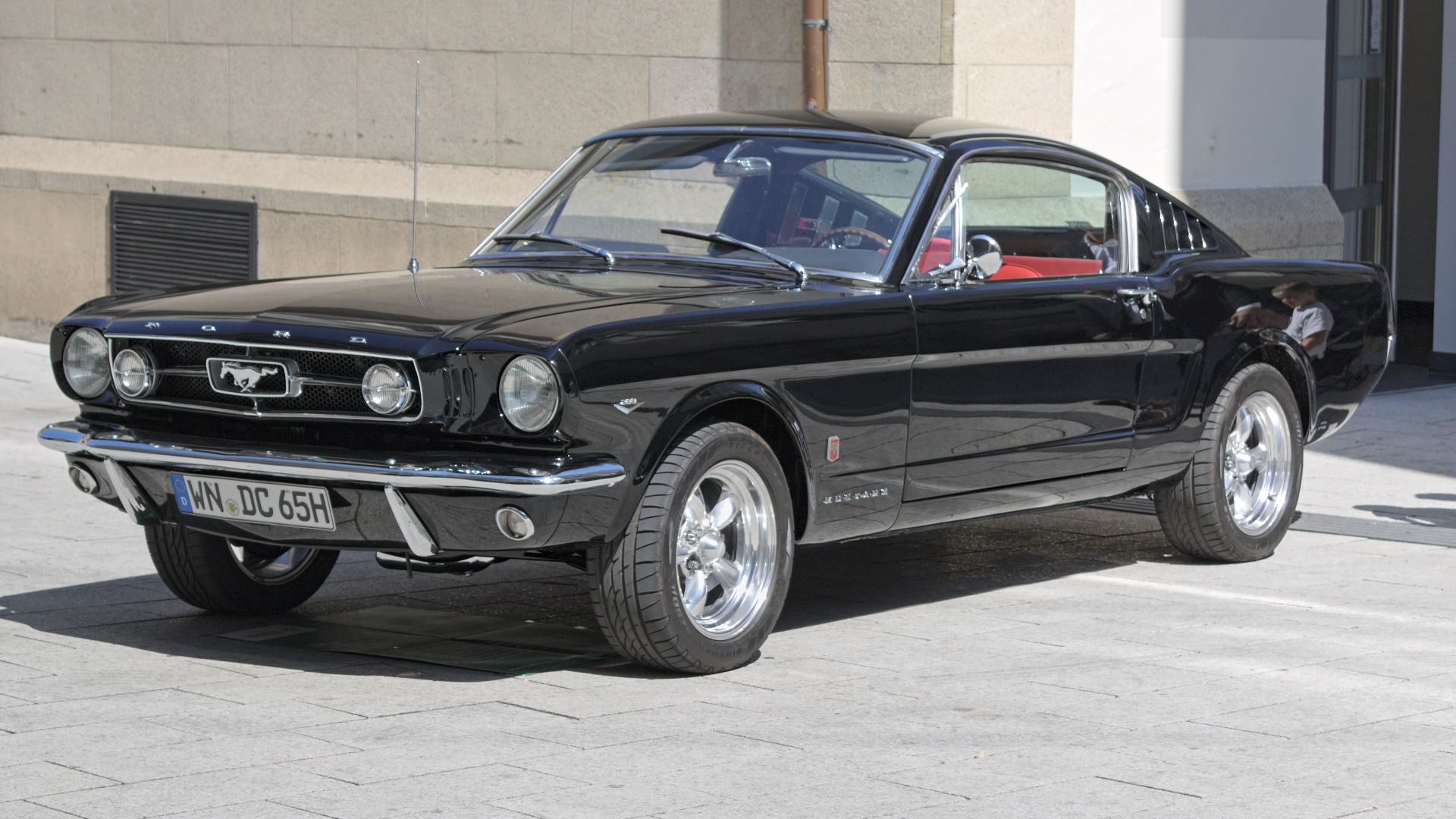
When word of the potential Mustang replacement leaked, loyal fans erupted in protest. Mustang enthusiasts, dealers, and the automotive press blasted the idea of losing the iconic nameplate. The backlash was so intense and widespread that Ford’s leadership ultimately backed down, ensuring the Mustang would live on, proving the emotional power the name carried among buyers.
 Alexander Migl, Wikimedia Commons
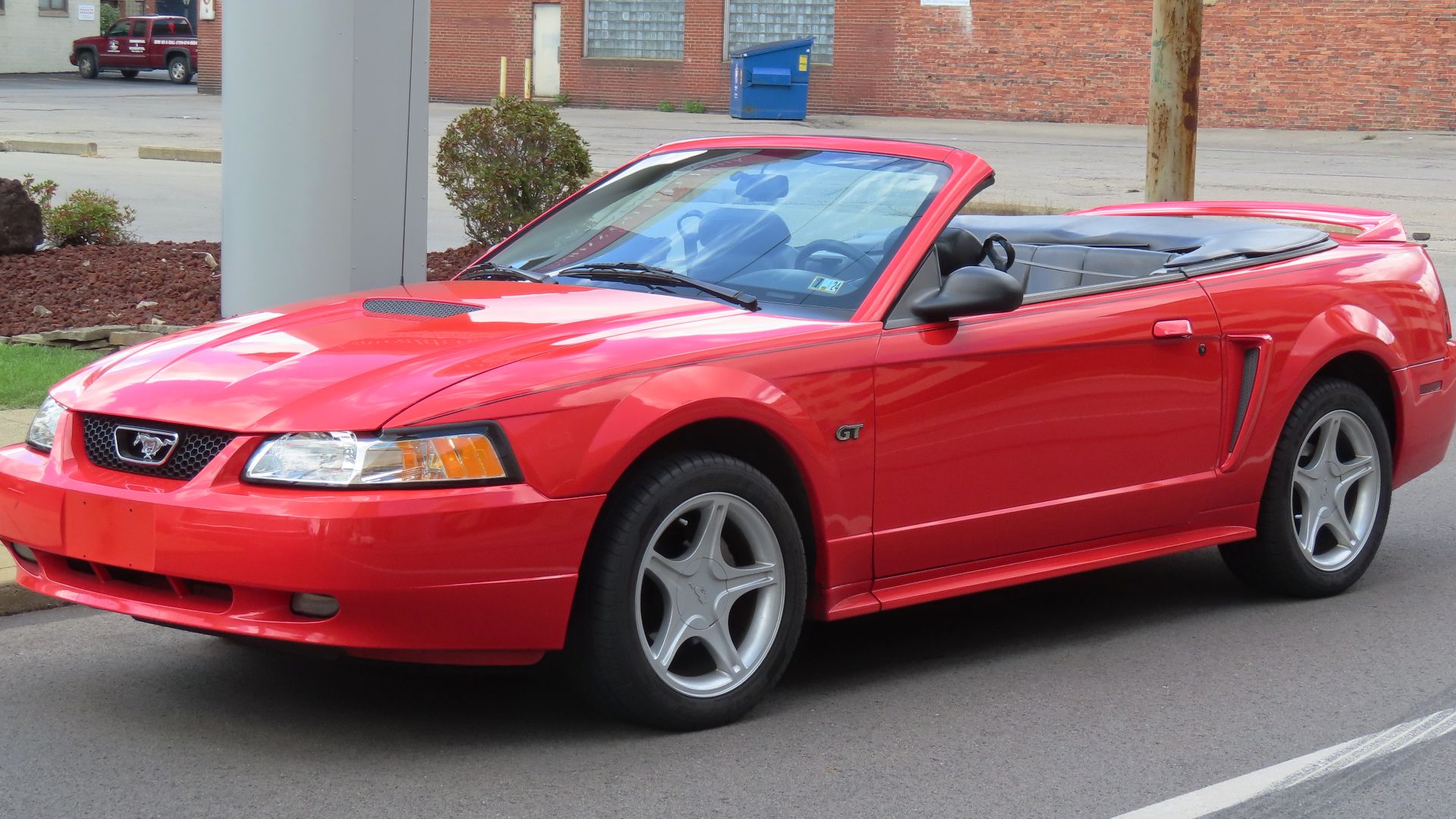
Return To Heritage Styling
In the mid 2000s, Ford delved back into Mustang history with retro-inspired styling for a clearly nostalgia-driven attempt to rekindle the old sales figures. The name was an asset that made this possible. Few cars could reference their past in such an open way without seeming outdated. But the newer Mustangs brought the performance to back it up as well.
 MercurySable99, Wikimedia Commons
Modern Performance Keeps The Name Relevant
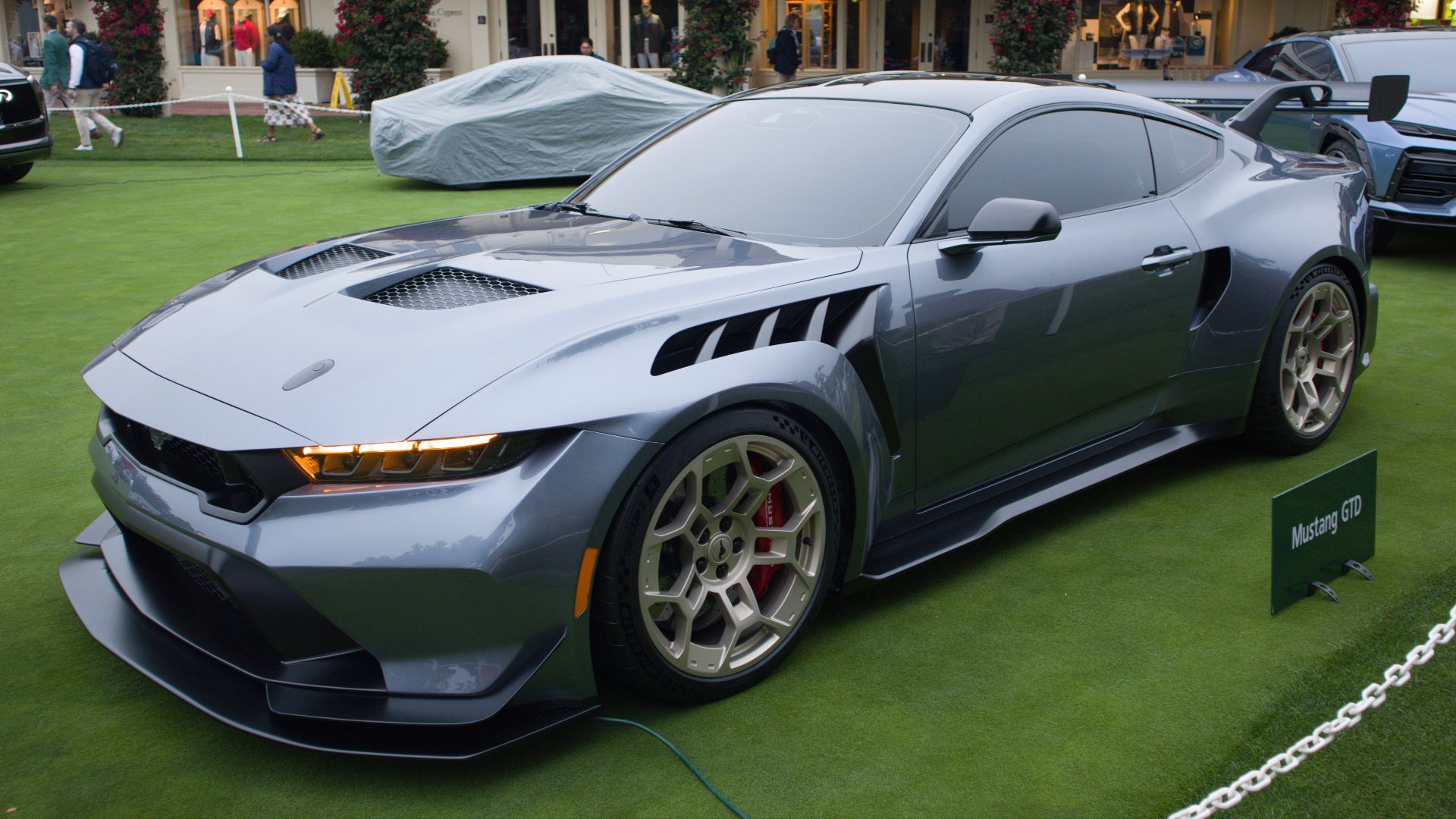
Today’s Mustangs deliver performance levels unimaginable in the 1960s. The 2025 GTD edition, for example, boasts a turbocharged V8 delivering 815 horsepower and a top speed of 202 mph. More relaxed editions carry sophisticated chassis systems prove the name still earns its reputation. The Mustang name now represents style and performance engineering past and present.
The Electric Question
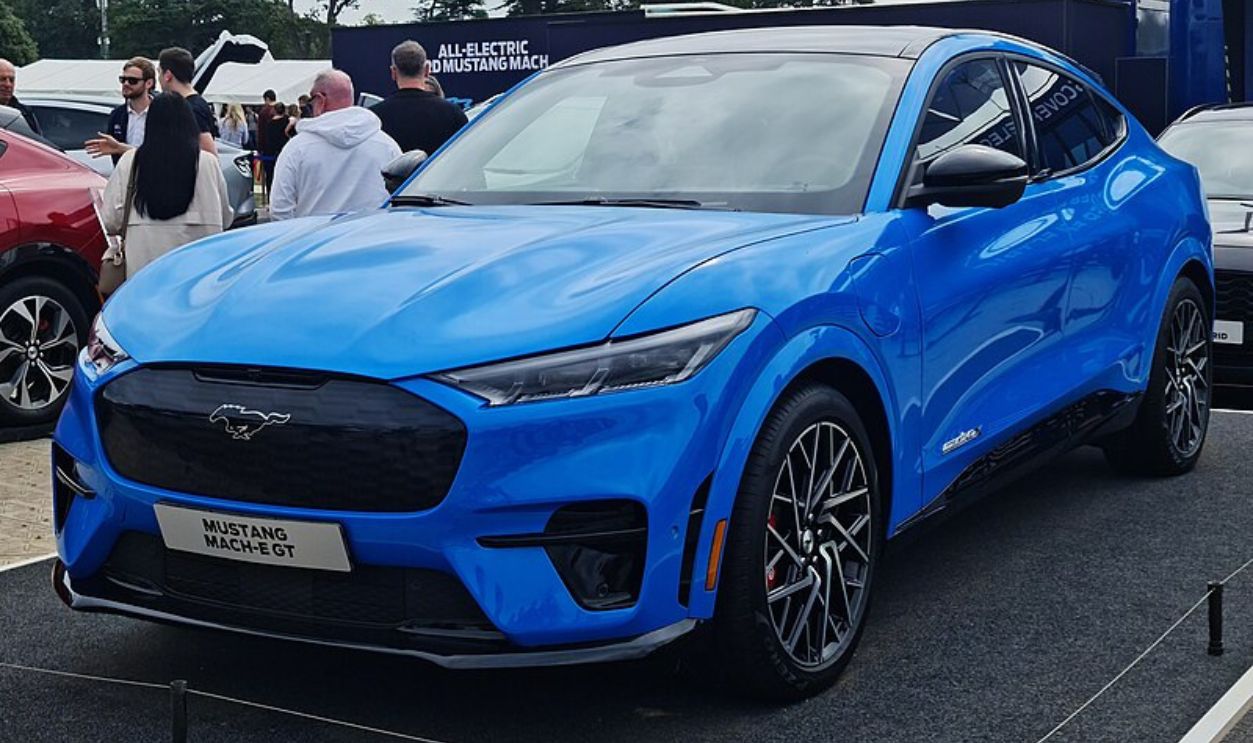
Ford’s use of the Mustang name on the Mach E kicked up a storm of debate. Some saw it as a rational brand extension, but others viewed it as sacrilege. Regardless of what side of the issue you come down on, the controversy goes to show how the Mustang name still resonates more than 60 years after it was chosen.
 MrWalkr, CC BY-SA 4.0, Wikimedia Commons
Why The Name Still Matters
The Mustang name embodies attitude, accessibility, and American performance. Even buyers who’ve never owned one understand implicitly what this name stands for. That shared understanding is absolute branding gold that you just can’t manufacture overnight.
The Icon Outgrew Its Origins
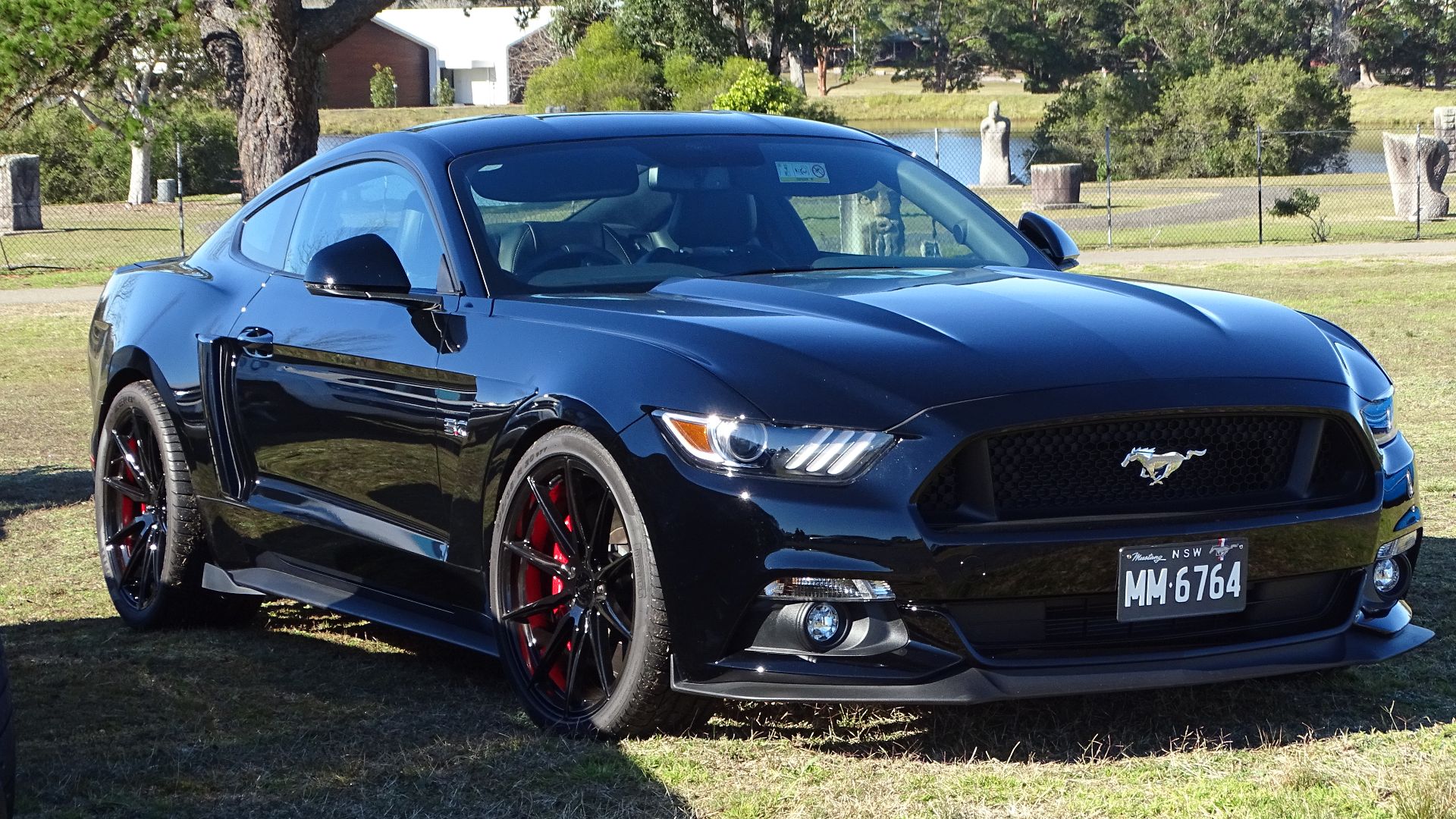
The Mustang name started out as a practical marketing decision, not as a high-flown poetic tribute. But the car’s success meant that the culture filled in the meaning for itself. Horses, planes, freedom, rebellion, speed: all of these classic elements attached themselves naturally. Few automotive names have evolved so completely through the public imagination.

No Grand Vision
The story of the Mustang name is one of those examples that shows there’s no science to choosing a name. More importantly, branding doesn’t always need some sort of grand origin story. Sometimes people fixate on the right word at the right time, and that’s enough to make it a legend. Thanks to early sales, smart marketing, and great cars, Mustang is still one of the best car names ever.
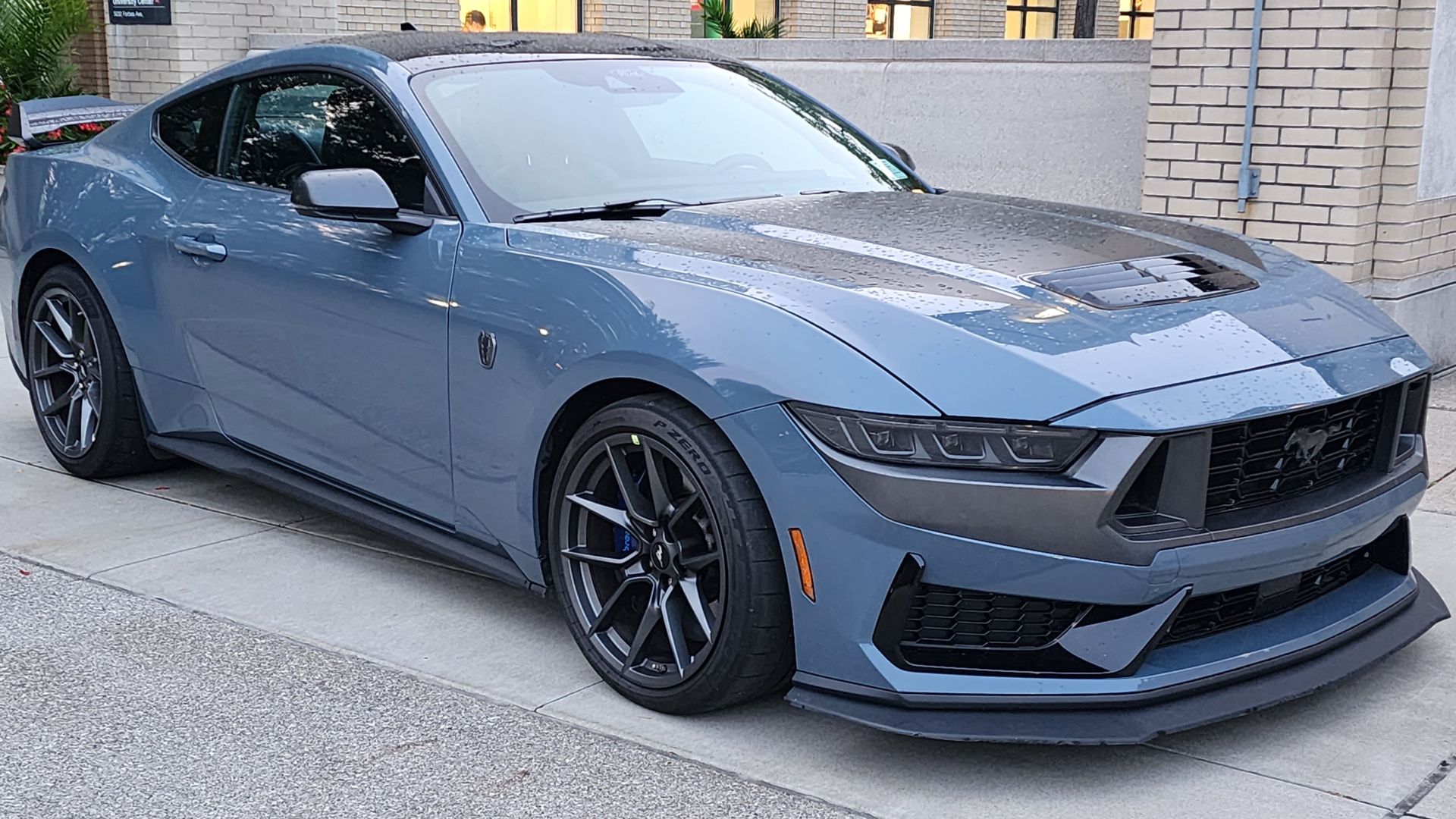 UltraTech66, Wikimedia Commons
You May Also Like:
Perfect Fords To Show Anyone Who Thinks The Brand Only Has The Mustang
High-Powered Muscle Cars That Will Get You Respect From Real Enthusiasts



.jpg)
_(cropped).jpg)
_-_28540253076.jpg)
.jpg)
.jpg)
.jpg)
.jpg)
