Uncommon Builds Still Worth Knowing
The term Mopar blends “motor” and “parts,” tied to Chrysler, Dodge, and Plymouth vehicles. While some became icons, others remained rare outliers that never reached mainstream fame or collector status despite their standout features.
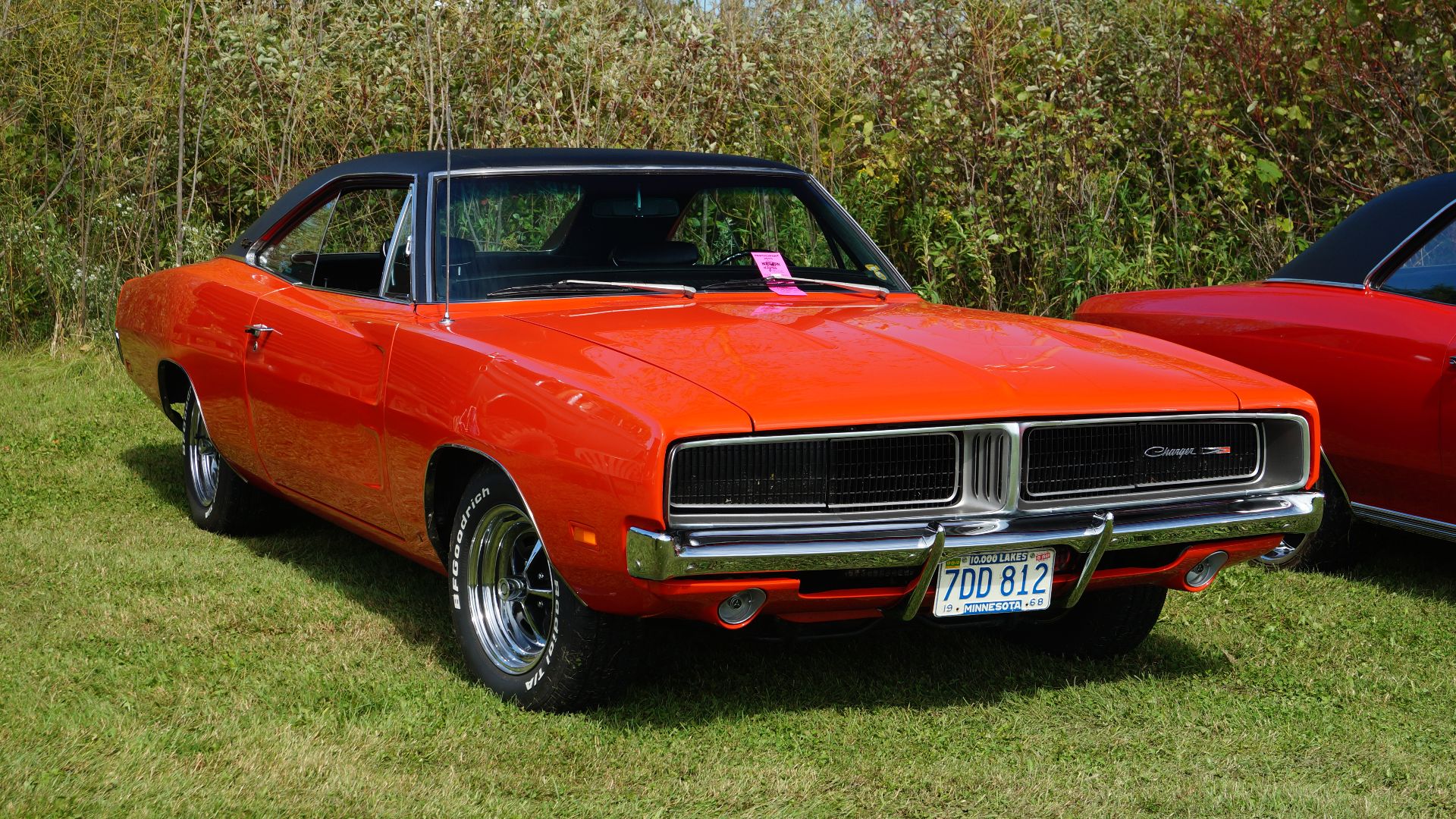
1969 Dodge Charger 500
Aerodynamic tweaks made this Charger better suited for NASCAR, starting with a flush-mounted rear window that cut wind resistance. It directly led to the Daytona’s creation, though people still confuse the two despite the 500 lacking that giant rear wing.
 Greg Gjerdingen from Willmar, USA, Wikimedia Commons
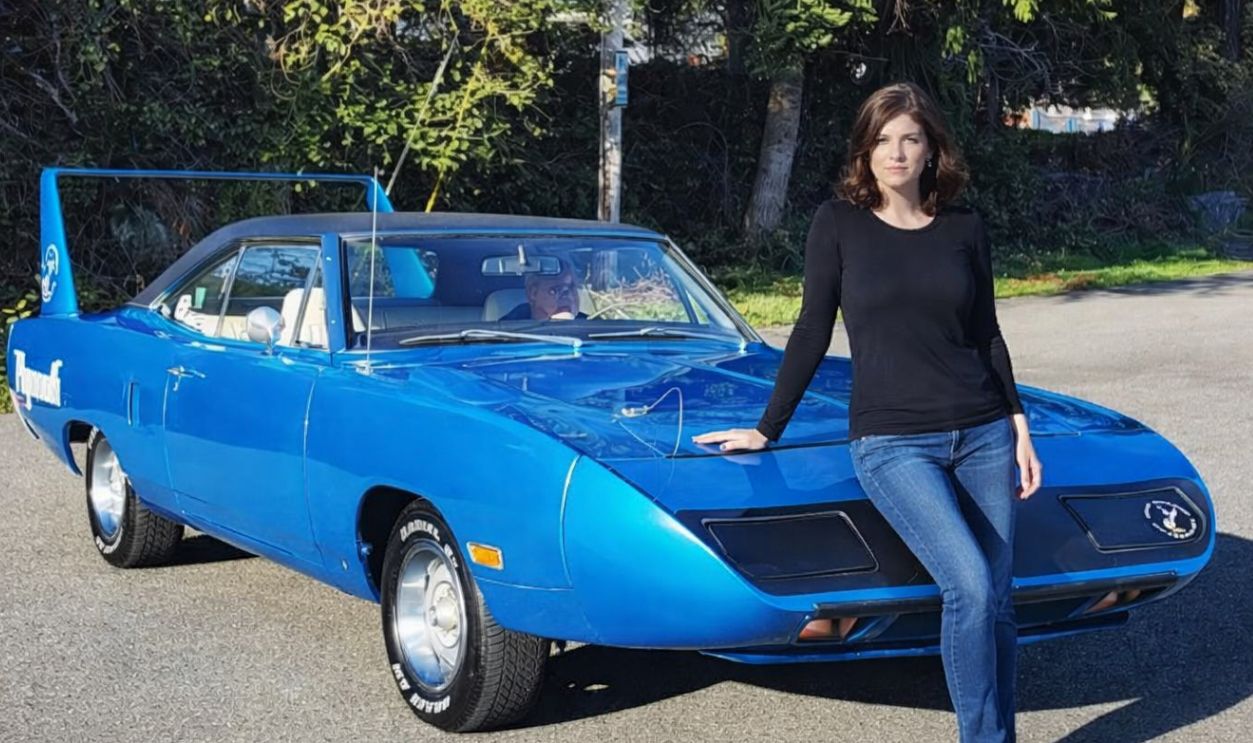
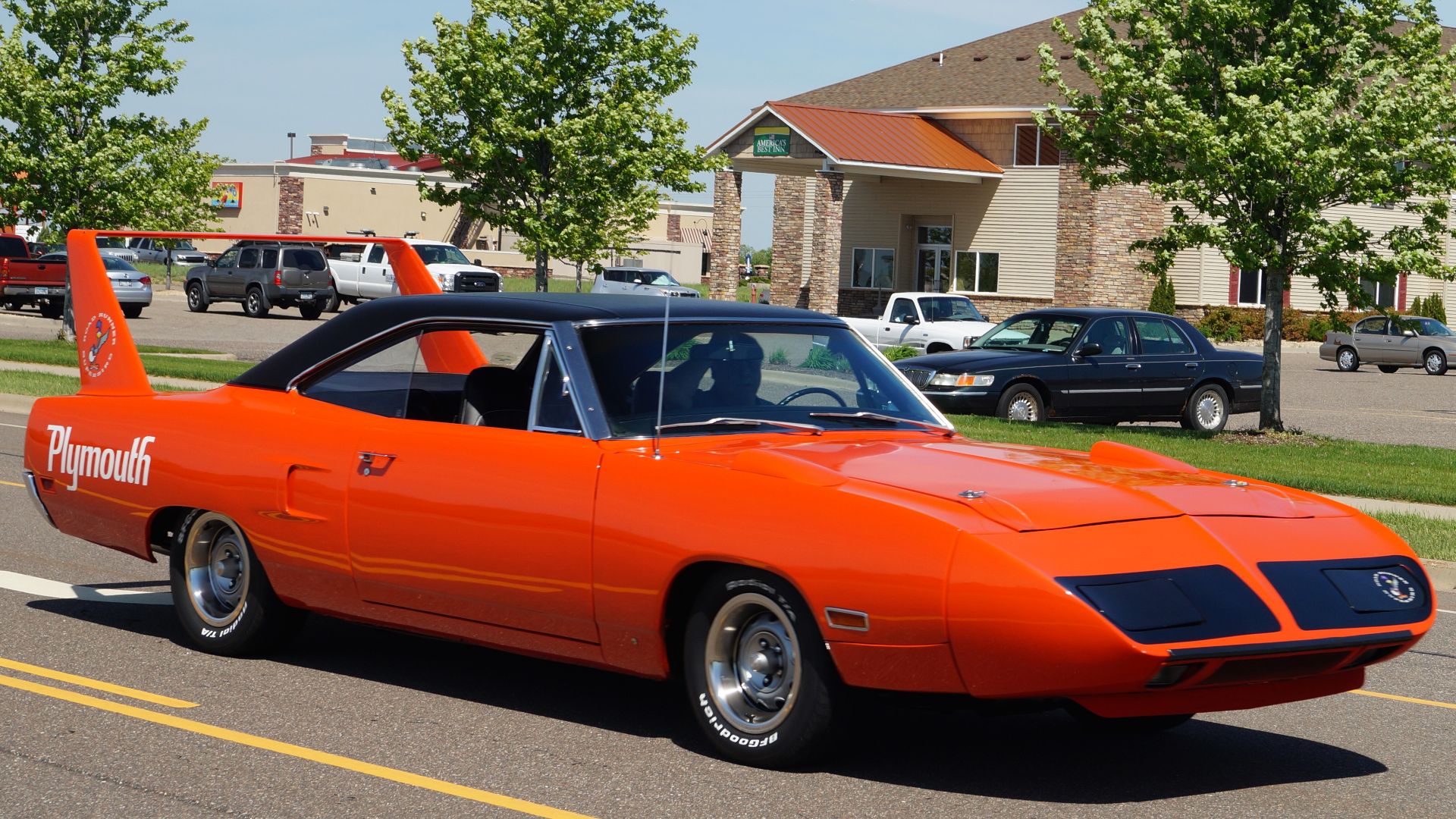
1970 Plymouth Superbird Hemi 4-Speed
NASCAR rules forced this wild design into showrooms. The optional 426 Hemi was already rare, but pairing it with a four-speed made it even scarcer. Some dealers couldn’t move them, thanks to a body style many thought looked too extreme.
 Greg Gjerdingen from Willmar, USA, Wikimedia Commons
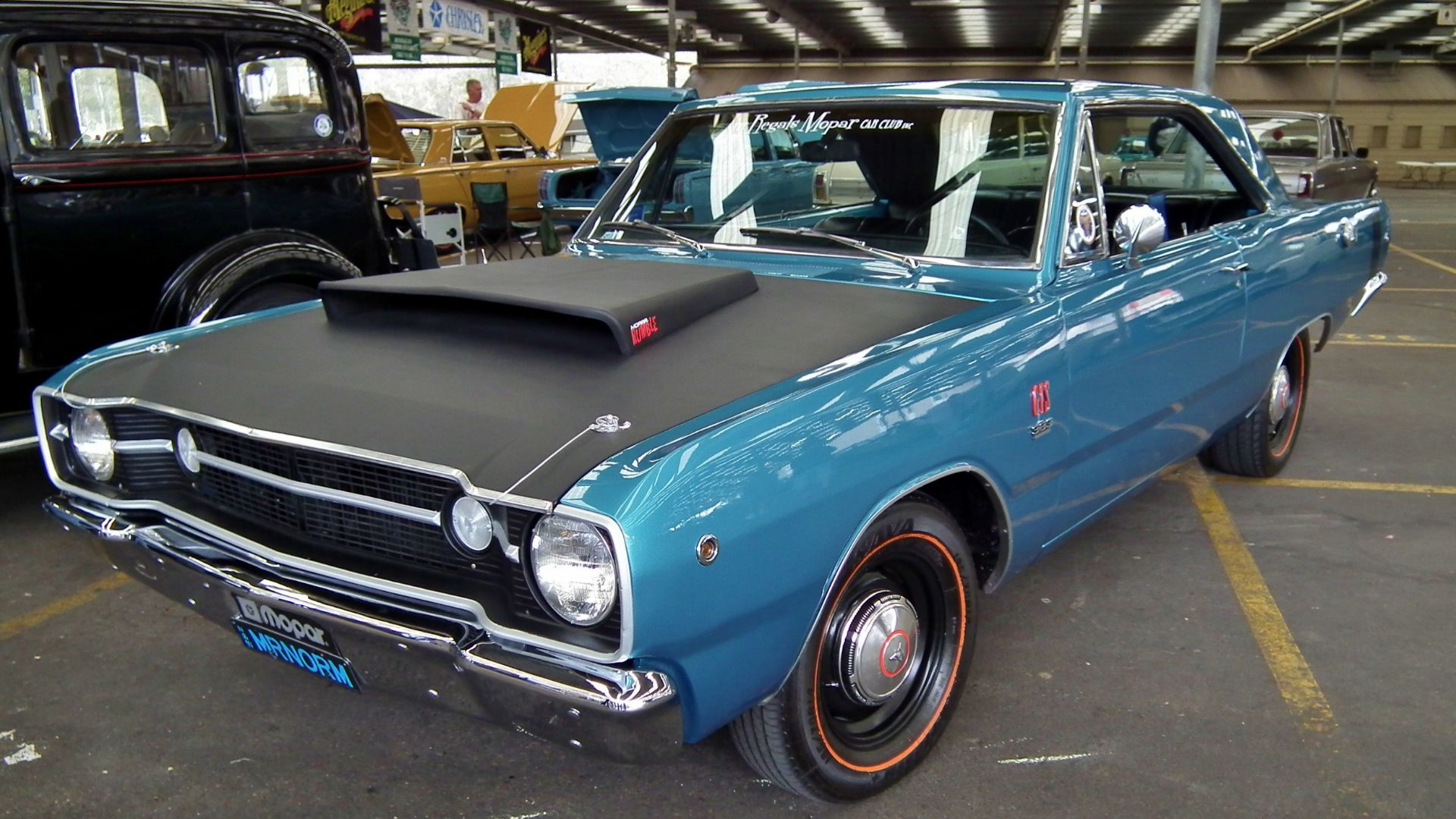
1968 Dodge Dart GTS 440
A big-block 440 in Dodge’s A-body turned heads for all the wrong reasons. Officially off-limits to the public at first, it handled poorly due to front-heavy weight. That flaw helped cement its legend as a brutally quick, oddly balanced car.
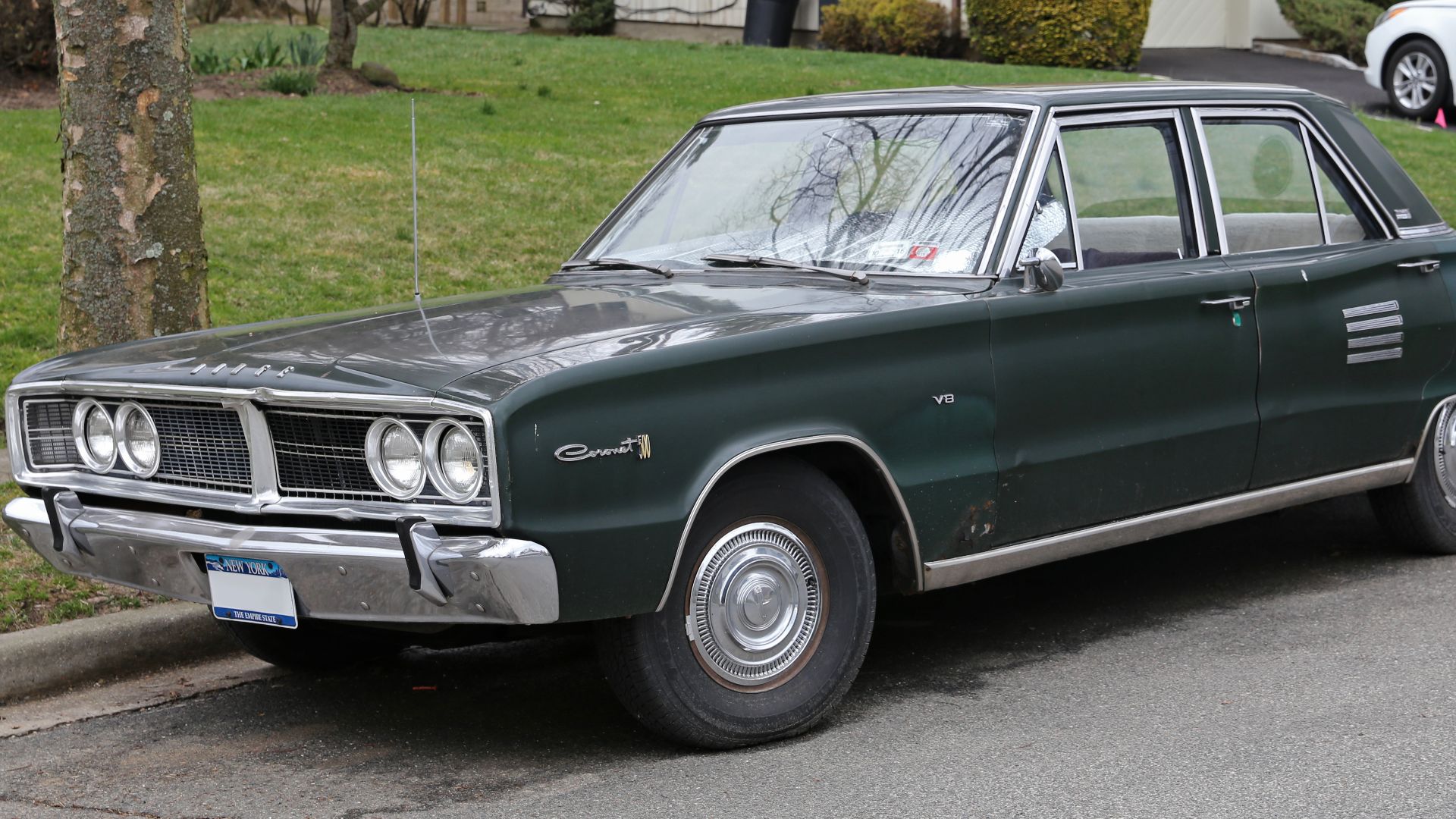
1966 Dodge Coronet 500 Hemi
Luxury met power in the Coronet 500, which could be ordered with a 426 Street Hemi. Dodge’s midsize platform gave it a clean look, while very few Hemi builds added exclusivity. It was comfortable, fast, and surprisingly refined for the time.
 Mr.choppers, Wikimedia Commons
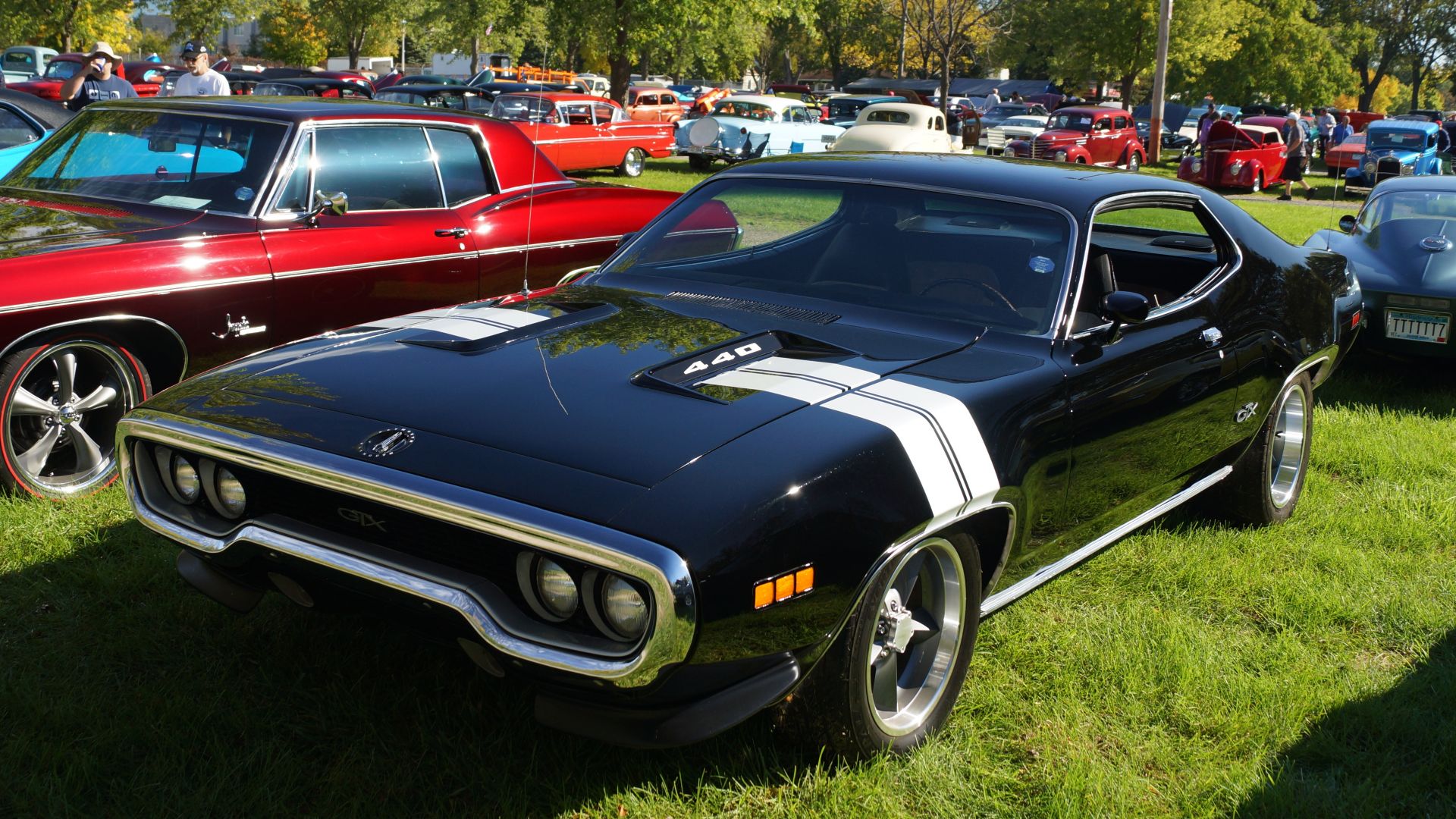
1971 Plymouth GTX 440 Six Barrel
Three two-barrel carbs made up the Six Barrel system on this top-spec GTX. Emissions rules cut the run short in 1971, limiting how many hit the streets. That rarity helped it become one of the final carbureted beasts of its kind.
 Greg Gjerdingen from Willmar, USA, Wikimedia Commons
1969 Dodge Polara 500 Convertible 440
Full-size power came with style in the Polara 500. Buyers could order it with a 440 V8, but convertible versions were hard to find. It mixed big-car comfort with real muscle, perfect for anyone who liked speed without flash.
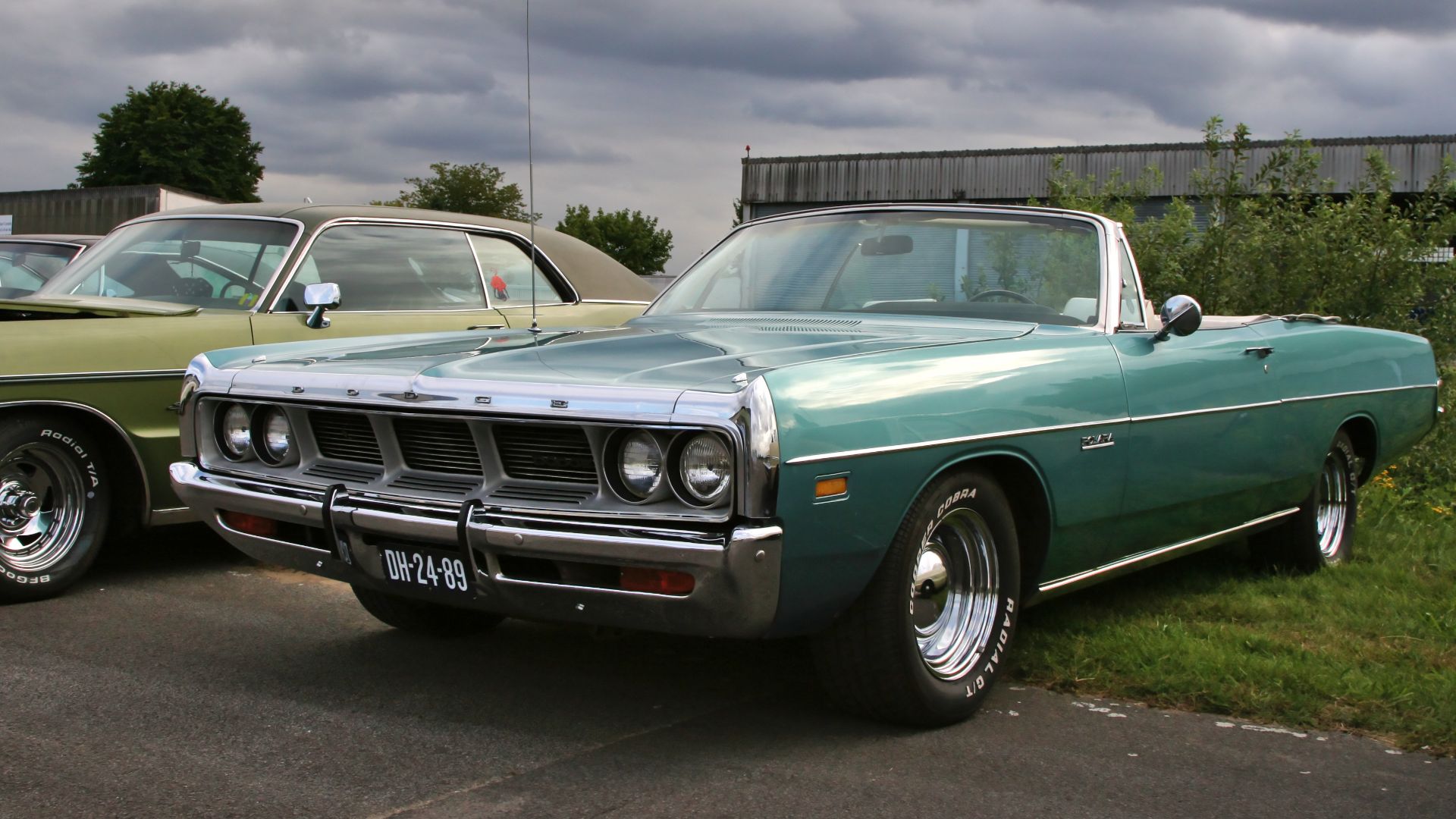 Triple-green, Wikimedia Commons
1968 Plymouth Barracuda Hemi Super Stock
This version of the Barracuda was built only for drag racing. It had a 426 Hemi tuned for the track and came with lighter body parts to save weight. Most never saw the street and stayed in competition shape.
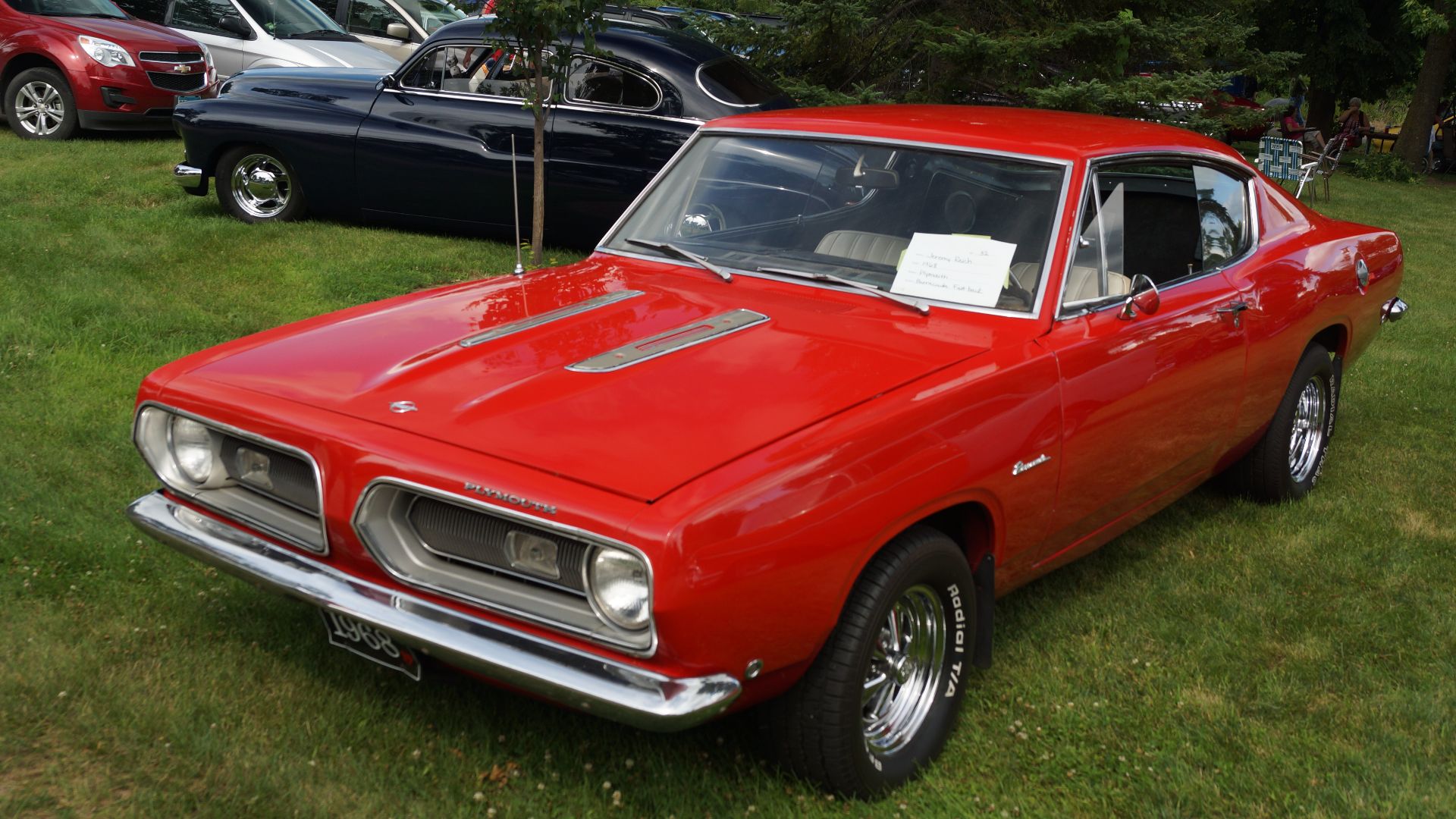 Greg Gjerdingen from Willmar, USA, Wikimedia Commons
1970 Dodge Coronet R/T Convertible 426 Hemi
Few muscle cars combined open-top looks with serious Hemi power like this one. The 426 Street Hemi was available, but high insurance prices scared away buyers. Today, it ranks as one of the rarest Hemi-powered convertible Dodges ever built.
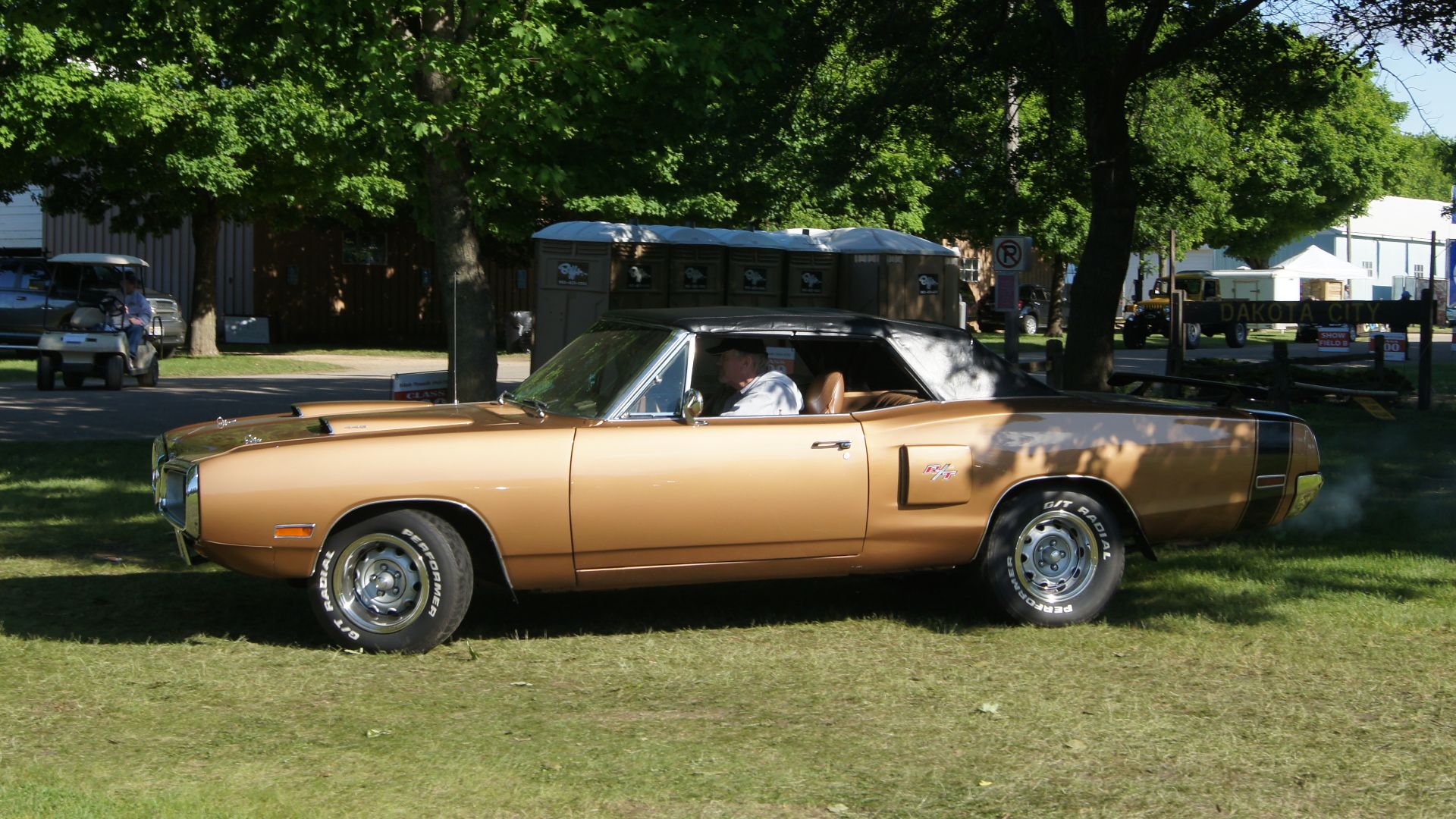 Greg Gjerdingen from Willmar, USA, Wikimedia Commons
1964 Plymouth Barracuda
One of the first pony cars didn’t come from Ford. Plymouth released the Barracuda before the Mustang, complete with a massive rear glass fastback. Beating Ford to market gave it a quiet edge, even if it never reached the same fame.
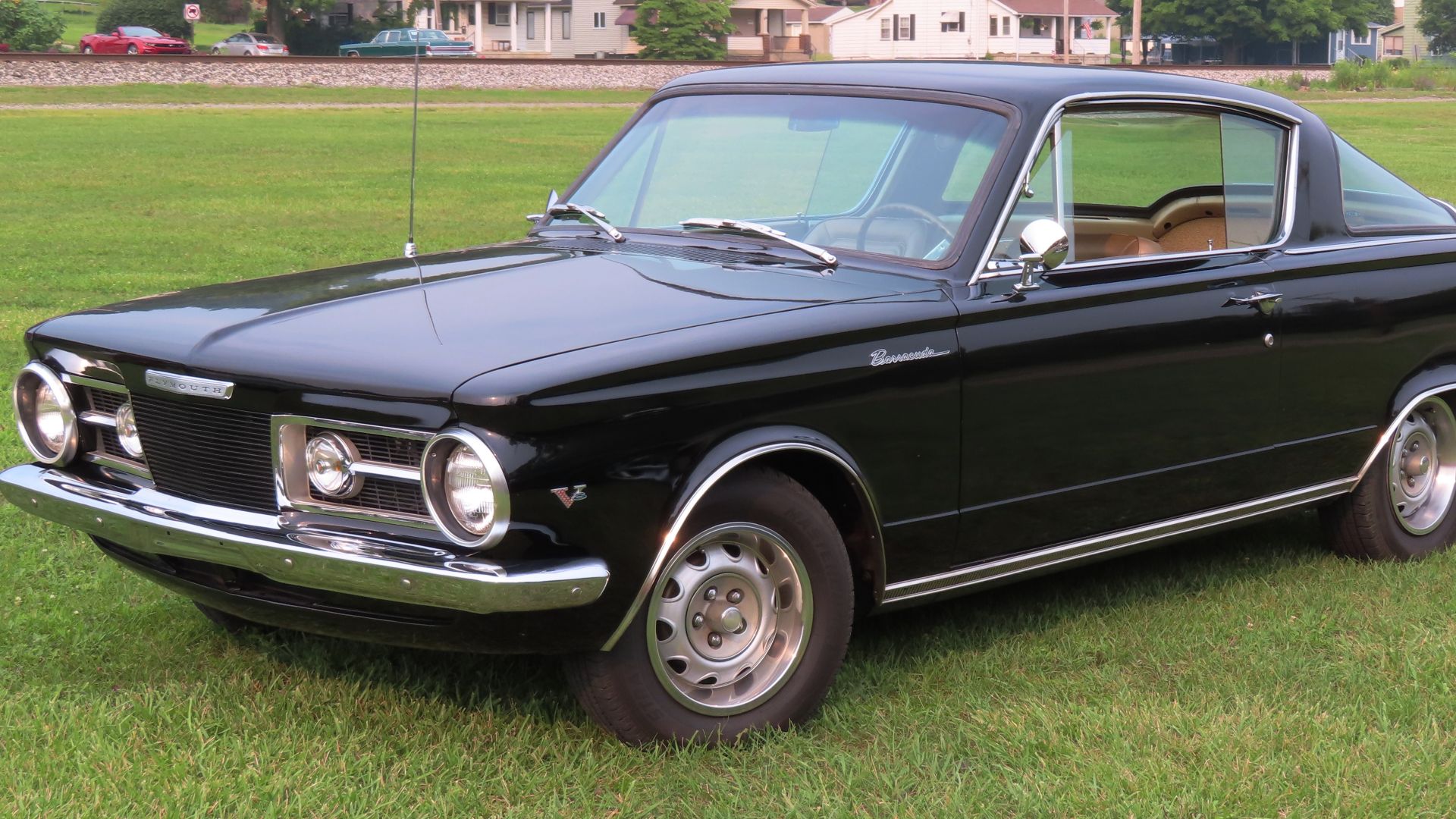 MercurySable99, Wikimedia Commons
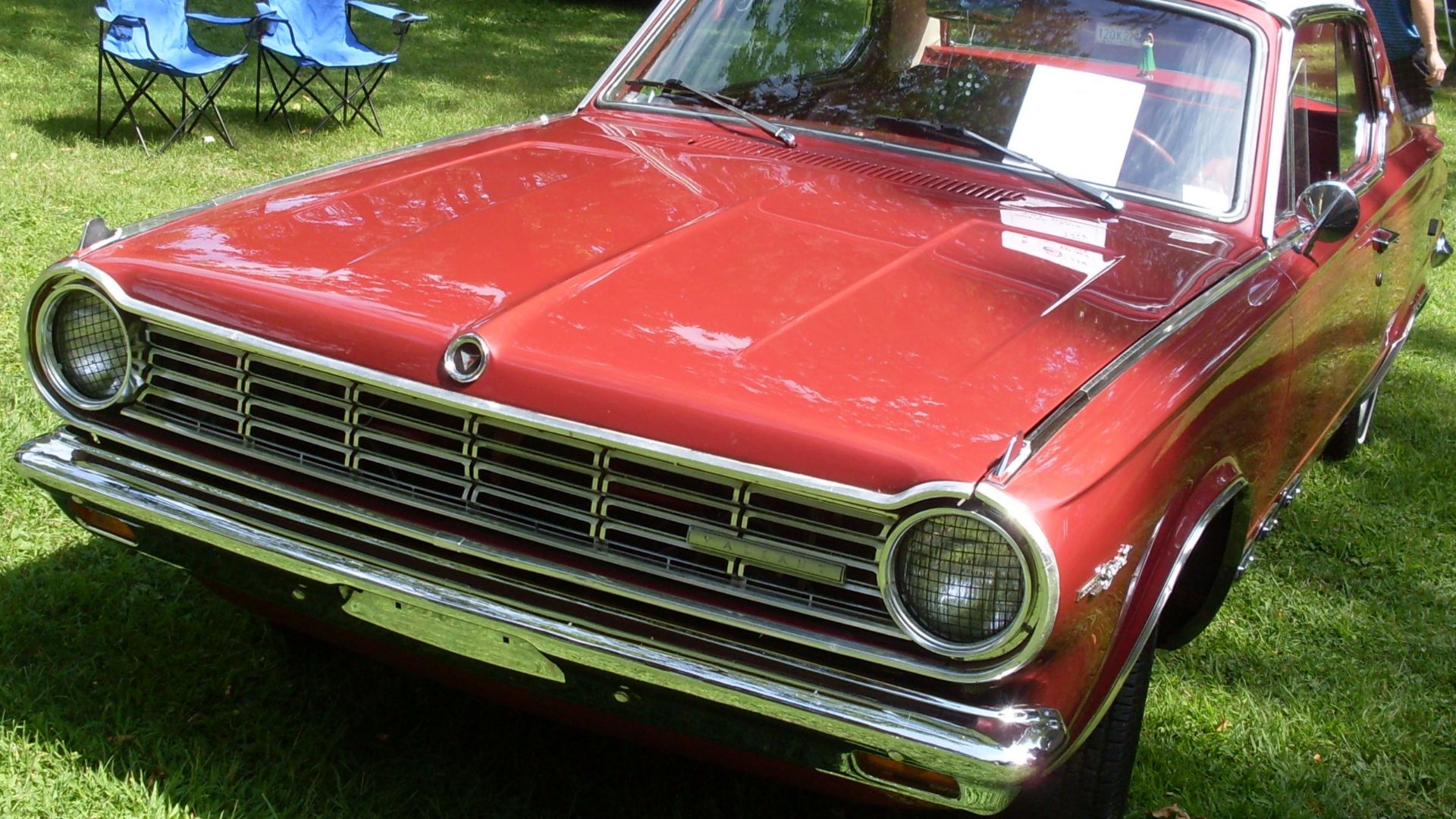
1965 Plymouth Valiant Signet Convertible
The Signet trim made the Valiant feel a little fancier. Convertible models came in small numbers and focused more on style than speed. Most were used every day, which makes it tough to find a clean example today.
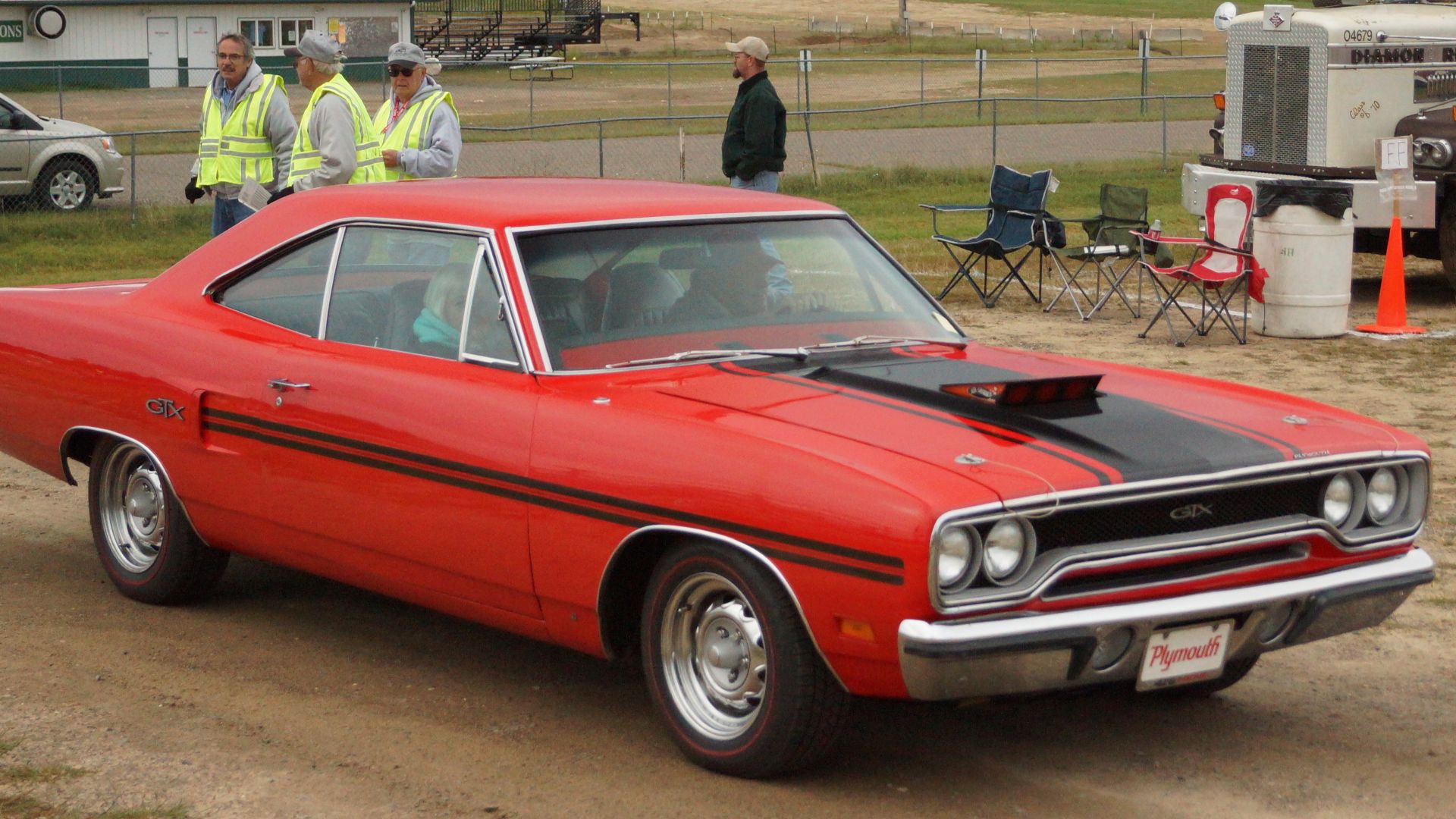
1970 Plymouth GTX
Comfort and power came together in the GTX. This premium muscle car came standard with big-block engines and extra features. It was sold as a high-end option for drivers who wanted muscle but didn’t want to give up refinement.
 Greg Gjerdingen, Wikimedia Commons
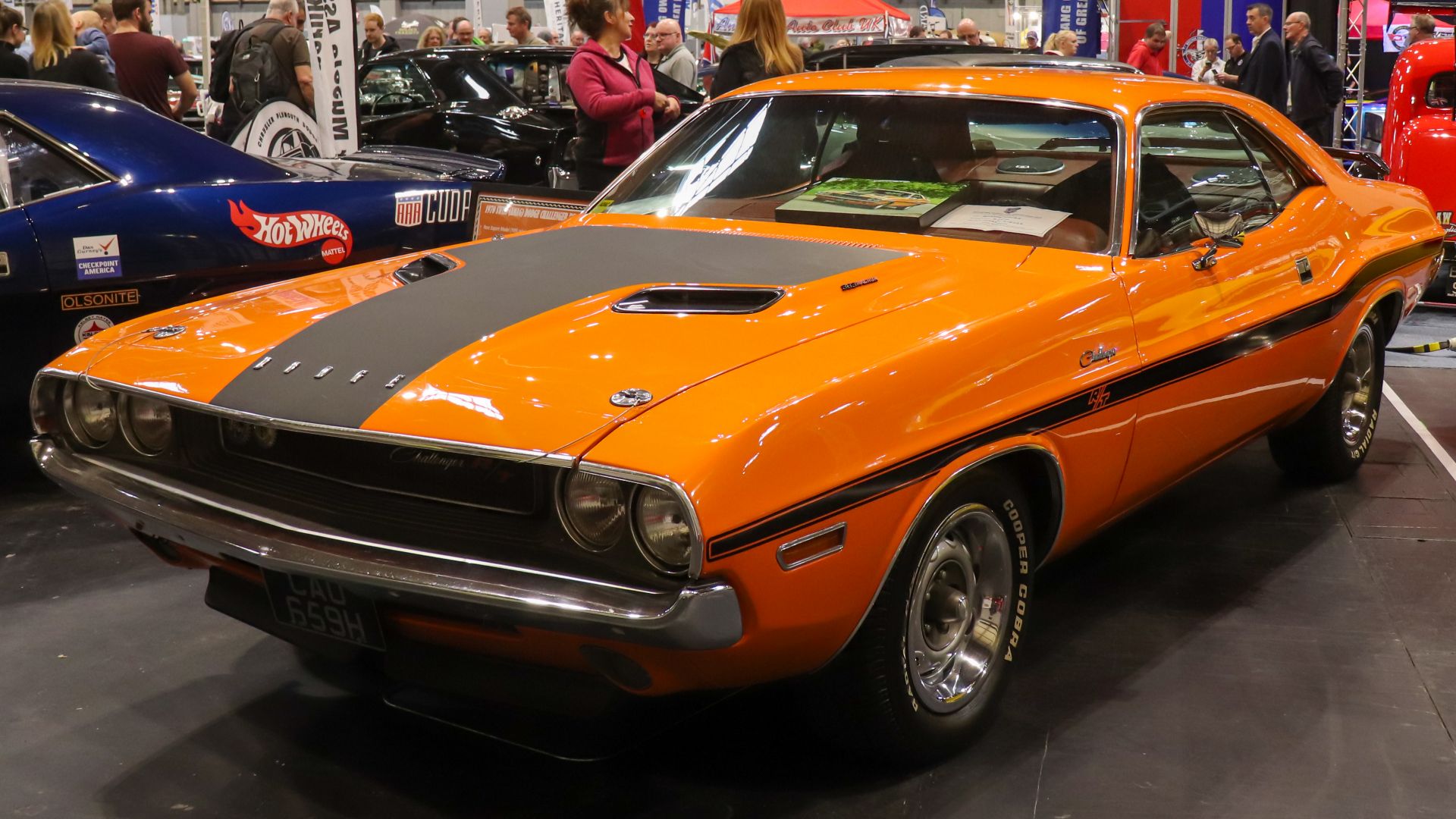
1970 Dodge Challenger R/T SE
Two ideas came together in this Challenger. The R/T trim delivered muscle, while the SE package added things like leather and a vinyl roof. Buyers liked the mix of performance and luxury, which helped it stand out in a crowded market.
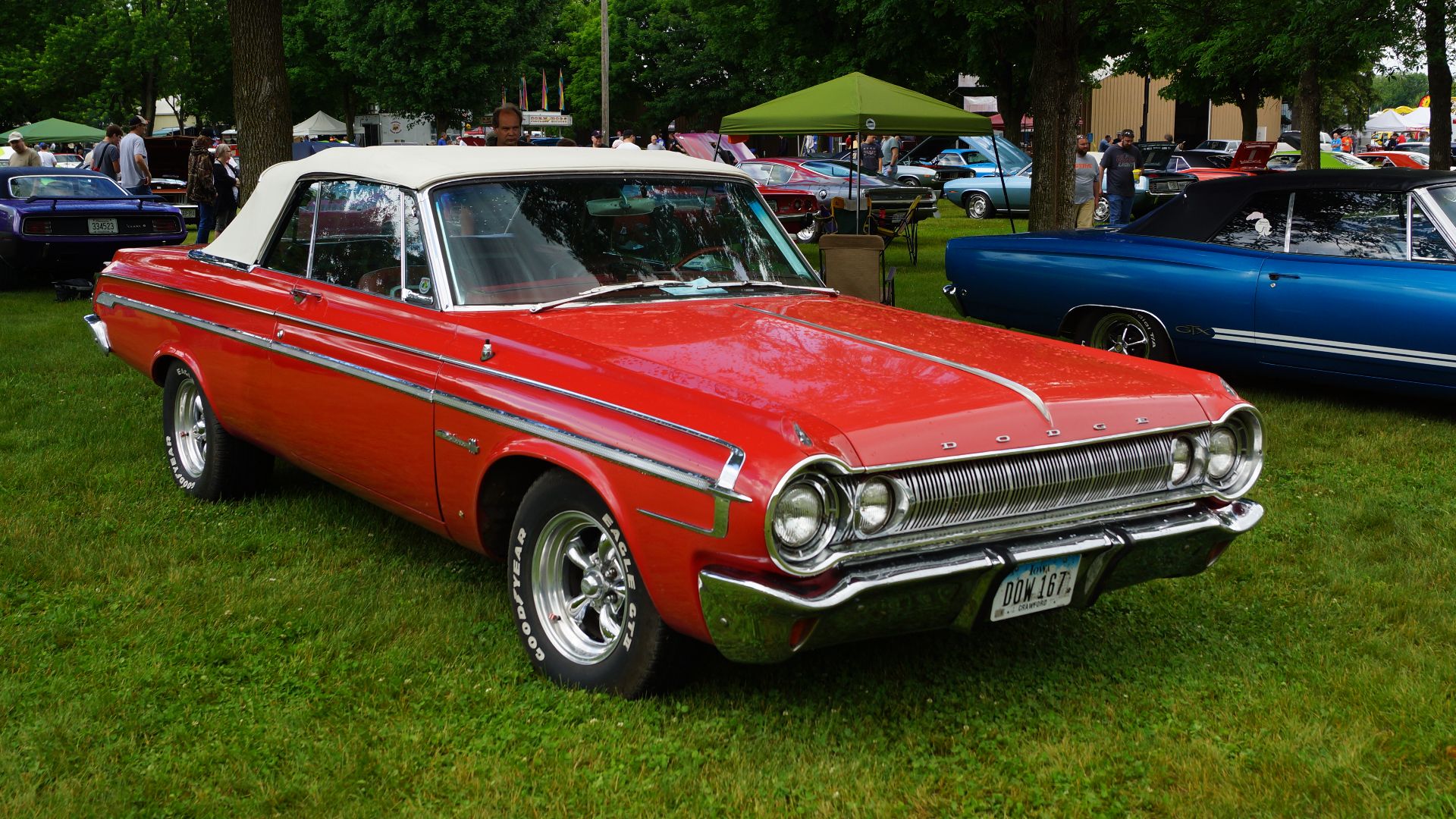
1964 Dodge Polara 500 Convertible
Muscle didn’t always come in small packages. The Polara 500 Convertible was big, bold, and came with sporty trim. Not many were built, which makes survivors rare today. It showed that even full-size cruisers could carry muscle DNA.
 Greg Gjerdingen from Willmar, USA, Wikimedia Commons
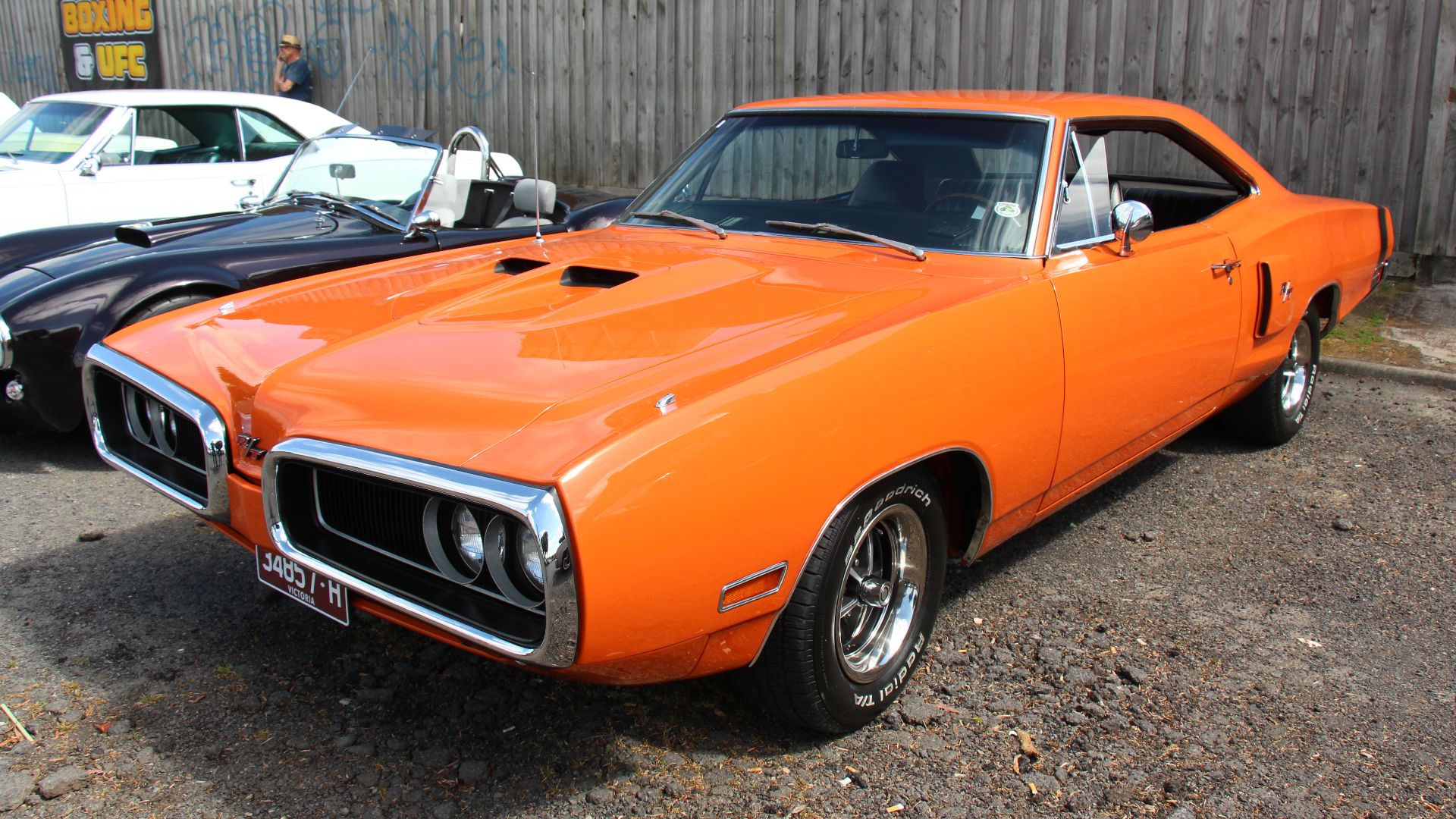
1970 Dodge Coronet R/T 440
The Coronet R/T came standard with the powerful 440 Magnum engine. It shared its platform with the Charger but never got the same attention. Even with solid straight-line speed, it stayed in the background while flashier models stole the spotlight.
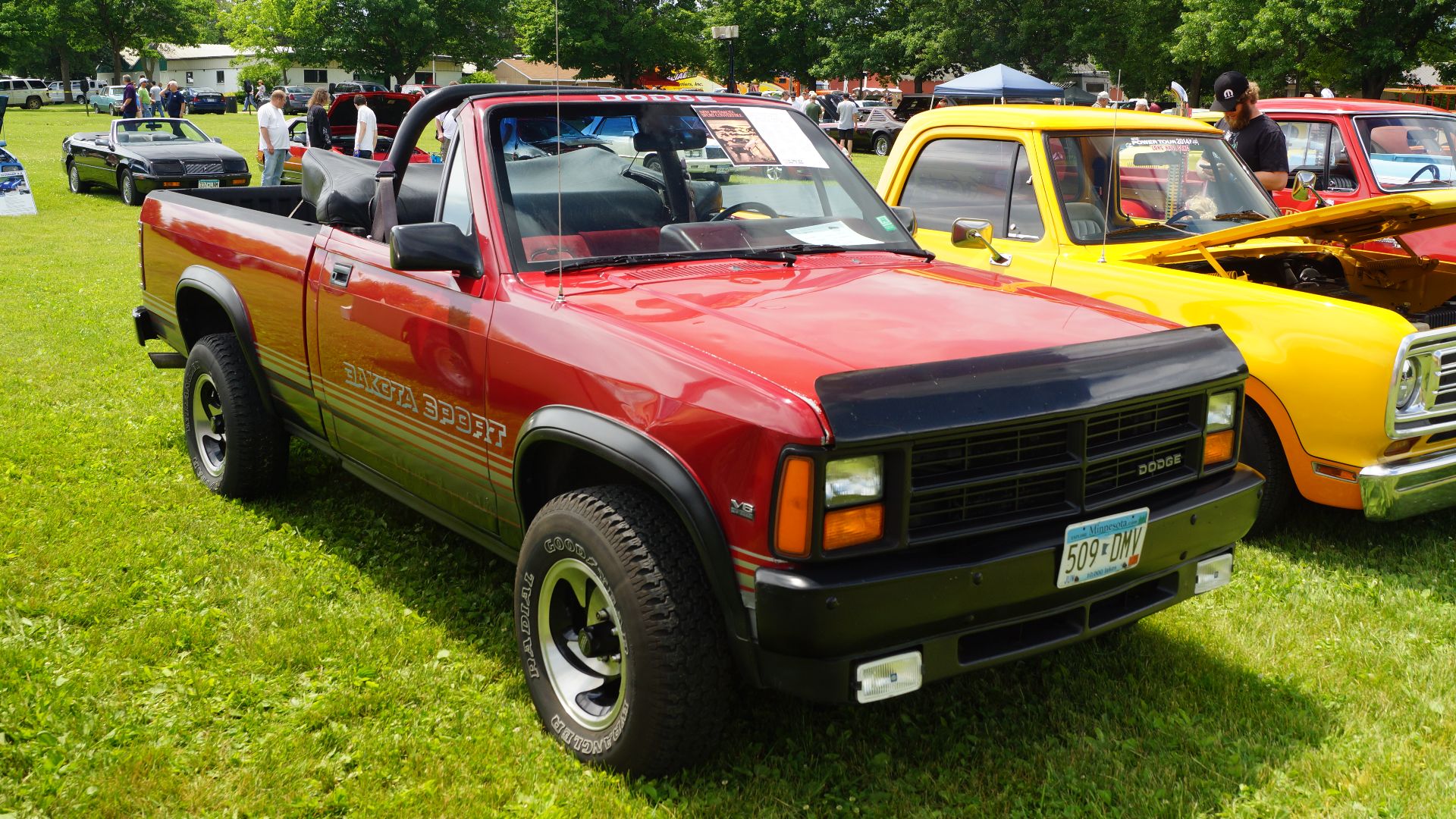
1989 Dodge Dakota Convertible
Pickup trucks rarely go without a top, but this one did. Built by ASC, the Dakota Convertible was the only factory-supported drop-top pickup of its time. Production numbers stayed low, and it’s still considered one of the oddest Mopars ever offered.
 Greg Gjerdingen, Wikimedia Commons
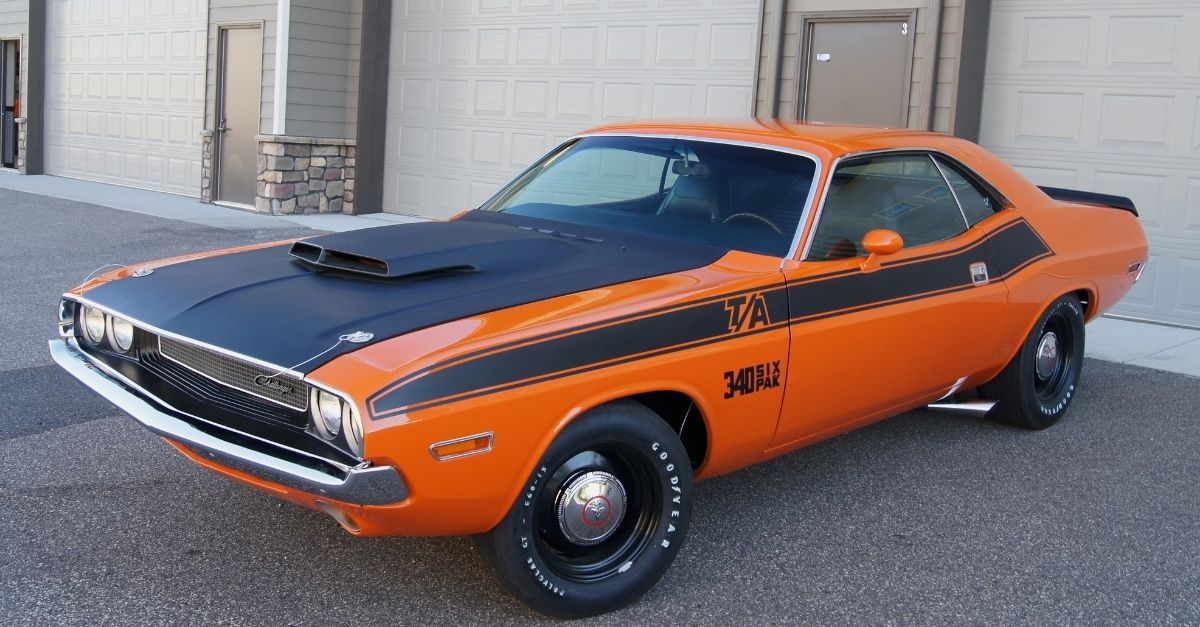
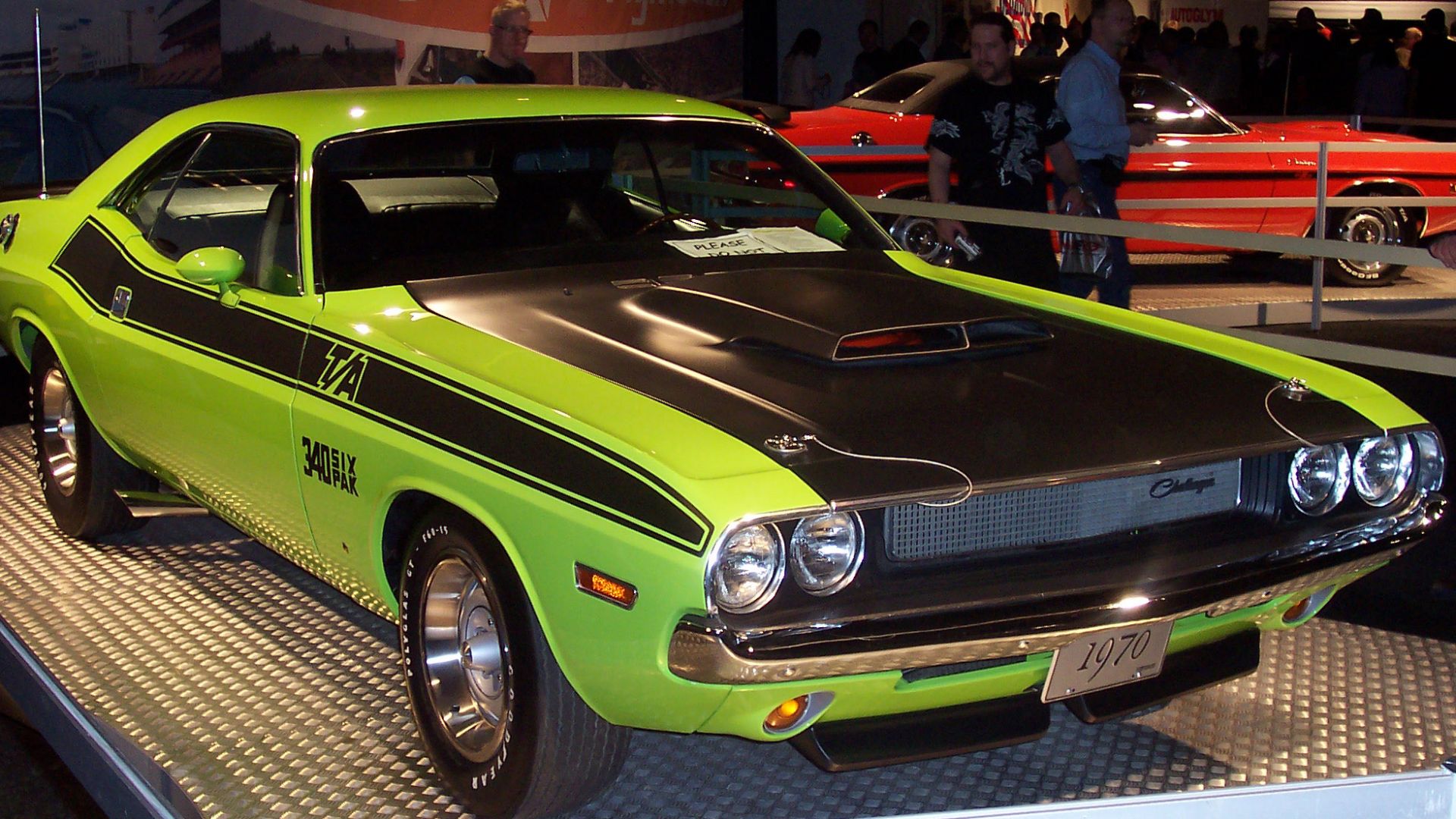
1970 Dodge Challenger T/A
This Challenger model helped Dodge qualify for Trans-Am racing. It came with a 340 Six Pack engine and side-exit exhaust as standard features. Built for only one year, the T/A remains a favorite among fans of track-inspired muscle.
 Herranderssvensson, Wikimedia Commons
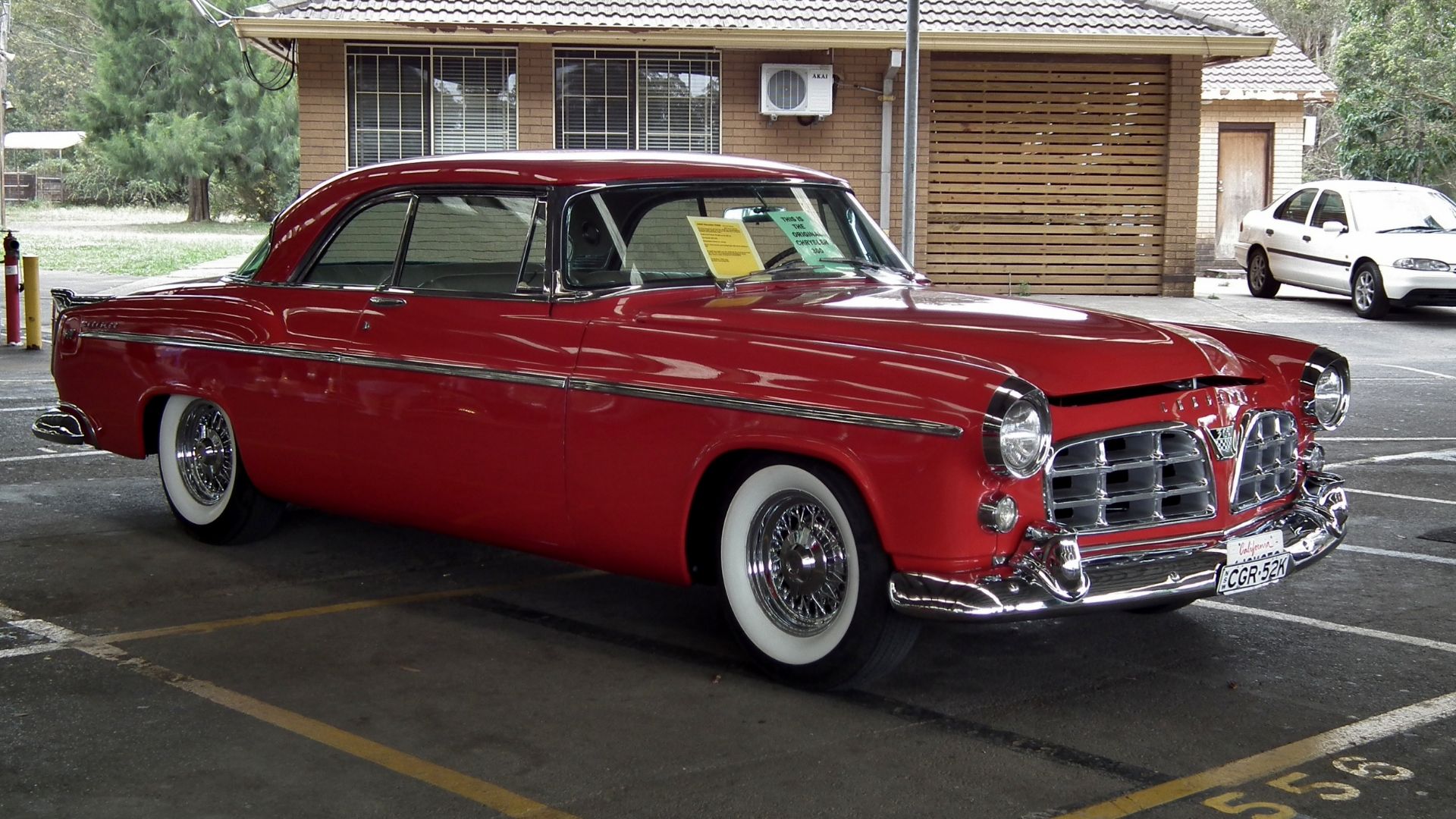
1955 Chrysler C300
Muscle car roots stretch back to the C300. It kicked off Chrysler’s “Letter Series” and came standard with a powerful Hemi V8. At the time, it ranked among the fastest cars in America and earned wins on early NASCAR tracks.
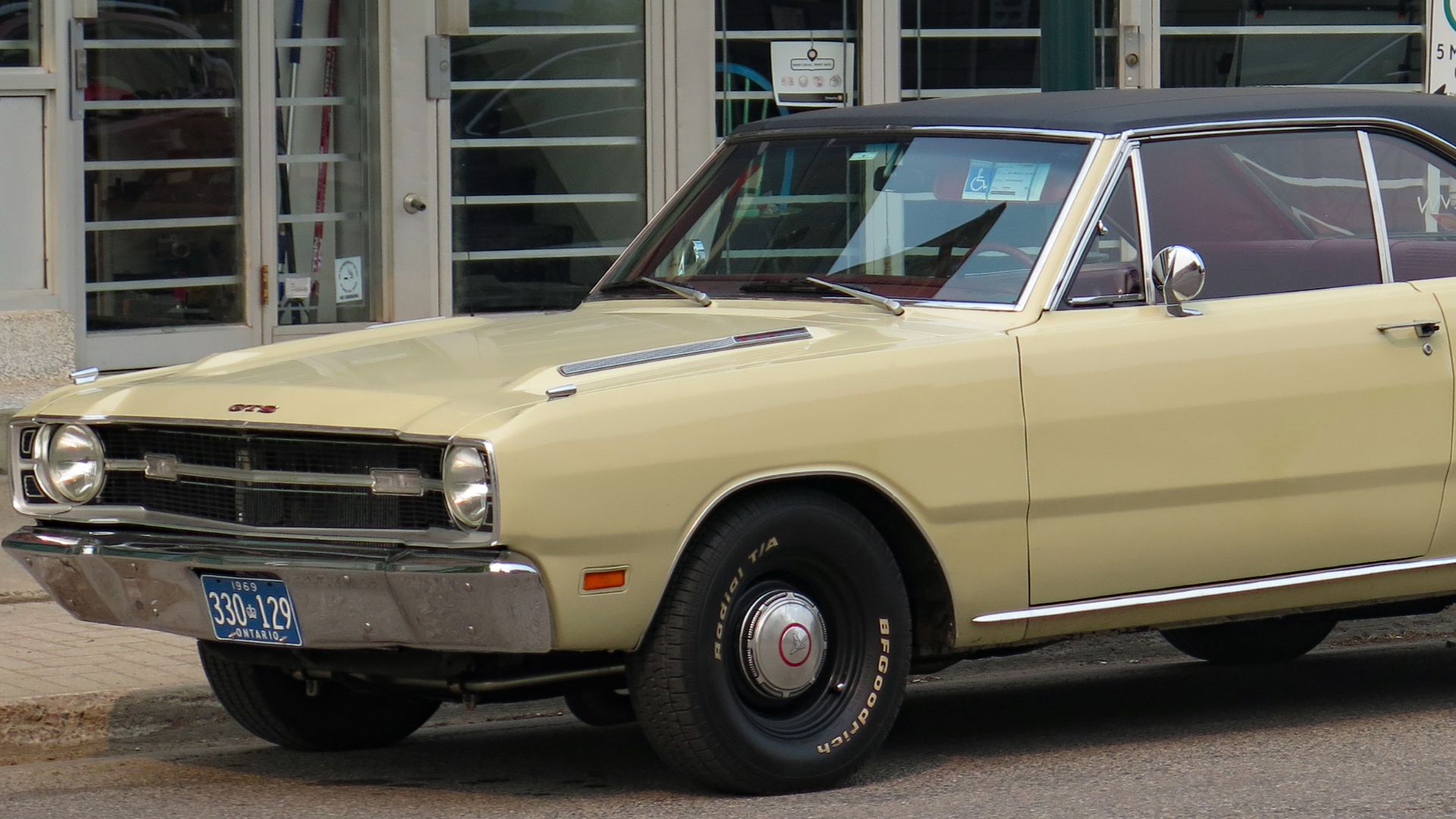
1969 Dodge Dart GTS 383
Squeezing a 383 into the compact Dart pushed limits. The big engine barely fit under the hood and threw off balance, which hurt handling. That tricky setup gave the car a reputation for being fast—and a little wild to control.
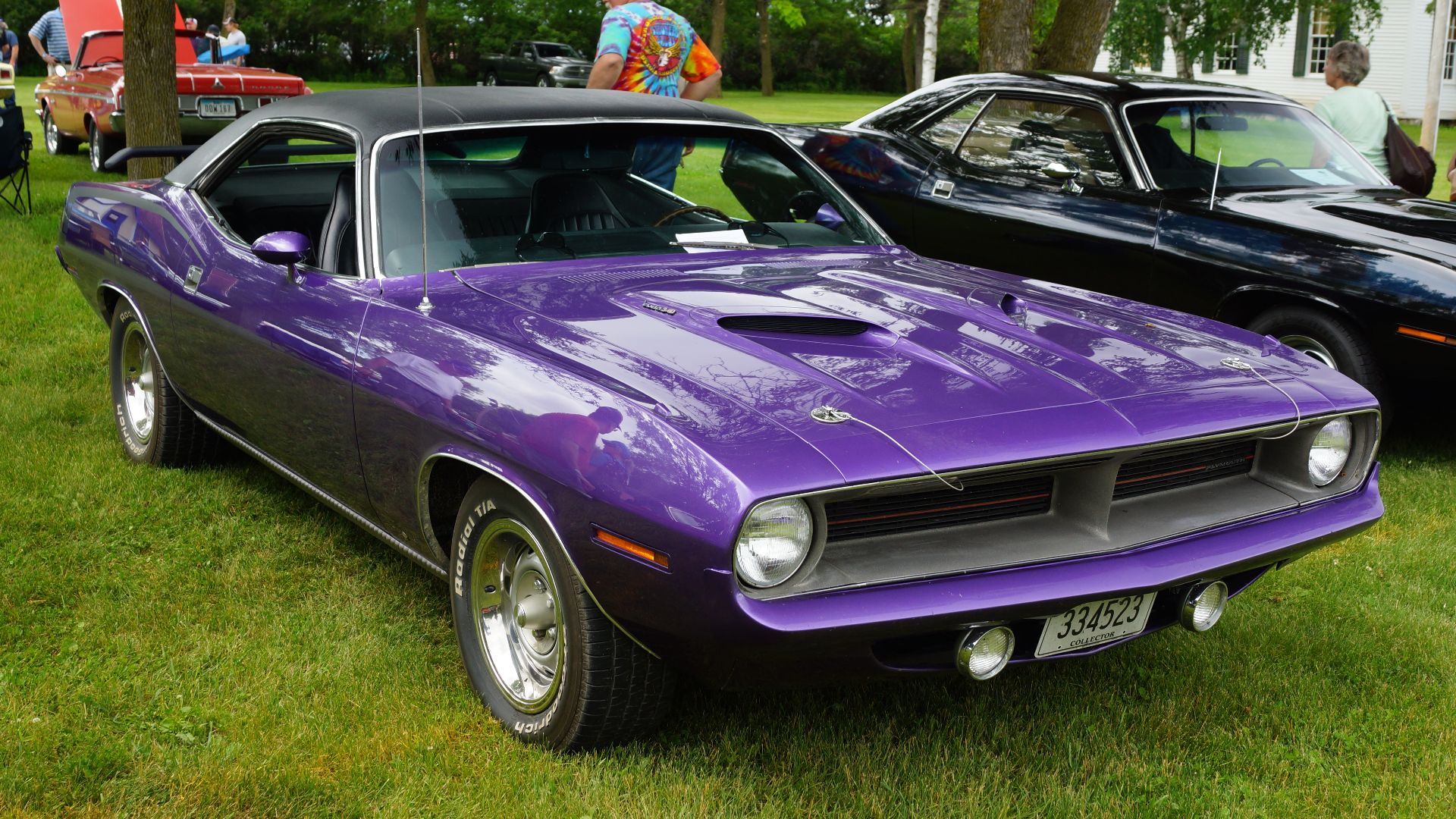
1971 Plymouth ’Cuda 440
This version of the ’Cuda came with the strongest engine you could get without choosing the Hemi. The 440 delivered tons of torque and solid street performance. Many buyers picked it over the Hemi because it cost less and felt easier to drive.
 Greg Gjerdingen from Willmar, USA, Wikimedia Commons
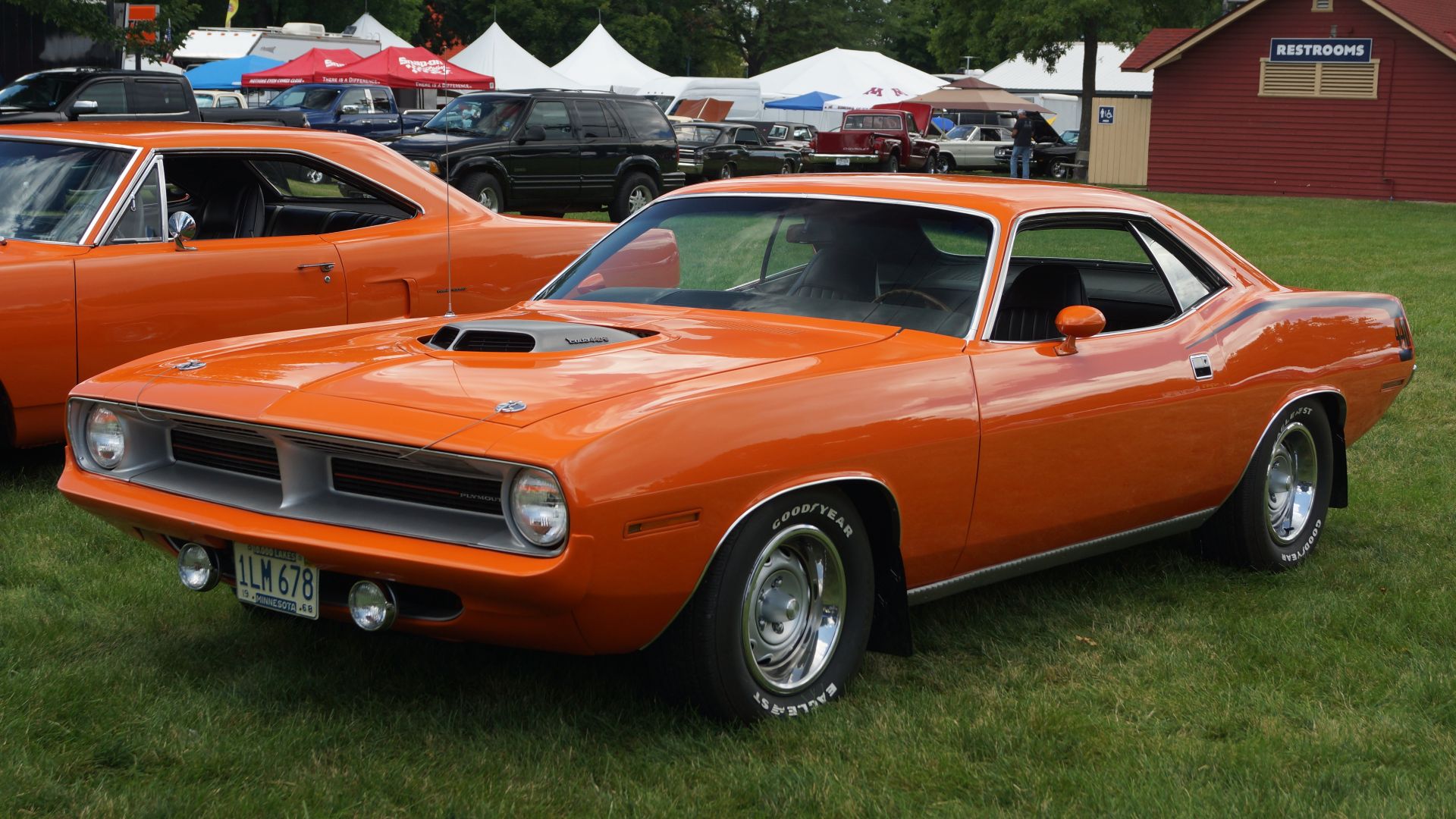
1970 Plymouth Hemi ’Cuda
The 426 Street Hemi made this ’Cuda a serious machine. Only a few were ever built, and insurance prices kept most drivers away. Over time, low production and big performance turned it into one of the most valuable muscle cars ever made.
 Greg Gjerdingen from Willmar, USA, Wikimedia Commons
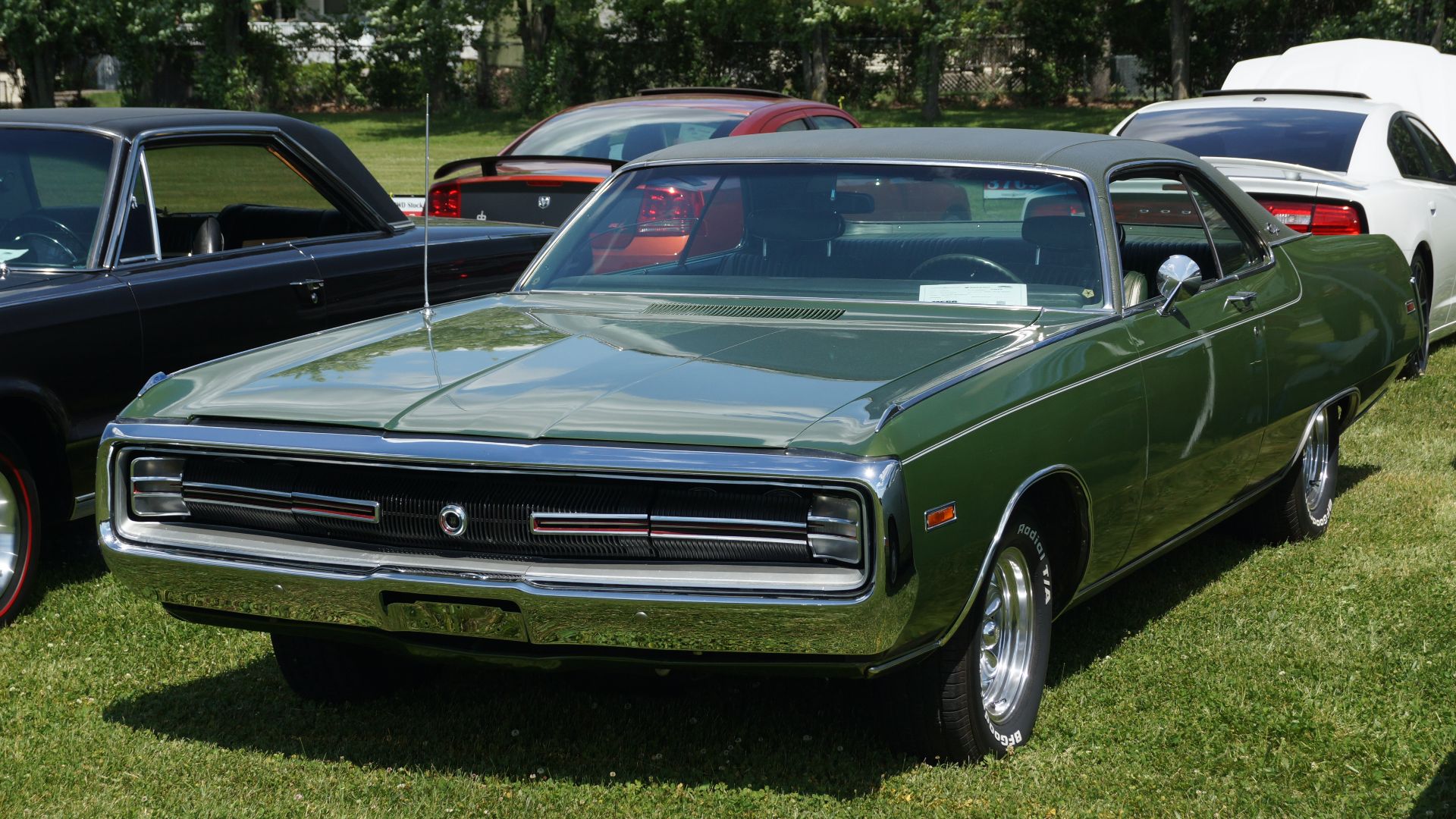
1970 Chrysler 300 Hurst Edition
Muscle and luxury blended in the 300 Hurst. A powerful V8 sat under the hood, but the interior kept its executive-level feel. Chrysler teamed up with Hurst to build this rare model, giving it a unique identity among big-body performance cars.
 Greg Gjerdingen from Willmar, USA, Wikimedia Commons
1986 Dodge Omni GLHS
This turbocharged compact came from Carroll Shelby’s playbook. The GLHS offered surprising speed and embarrassed plenty of V8-powered cars. It was built in very limited numbers and showed that a small hatchback could still carry serious Mopar performance.
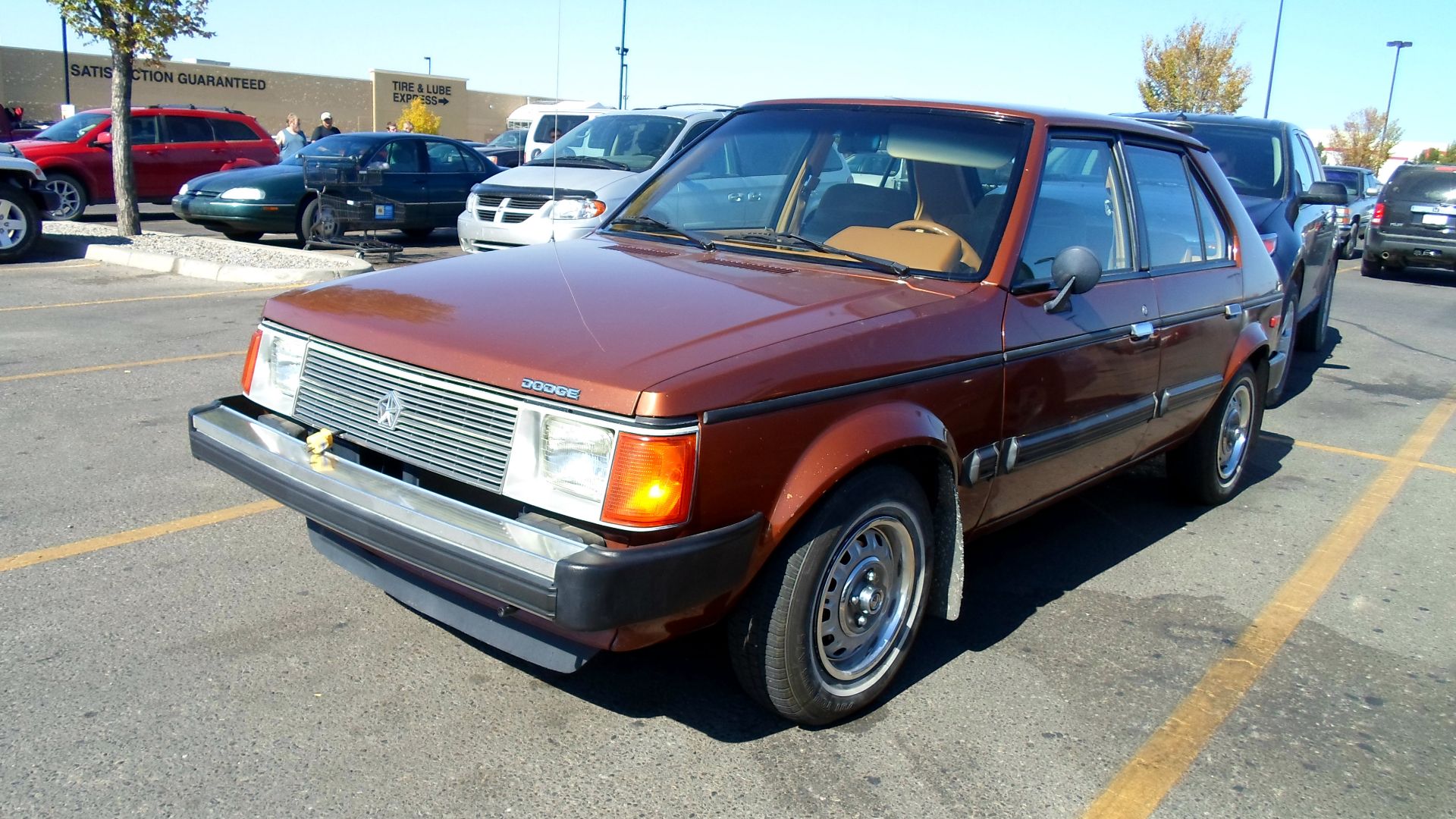 dave_7 from Lethbridge, Canada, Wikimedia Commons
1969 Dodge Charger Daytona
Speedway rules shaped the Daytona into a wild machine. The tall rear wing and pointed nose helped it dominate on NASCAR superspeedways. With the optional 426 Hemi and slippery shape, it became the first stock car to hit 200 miles per hour.
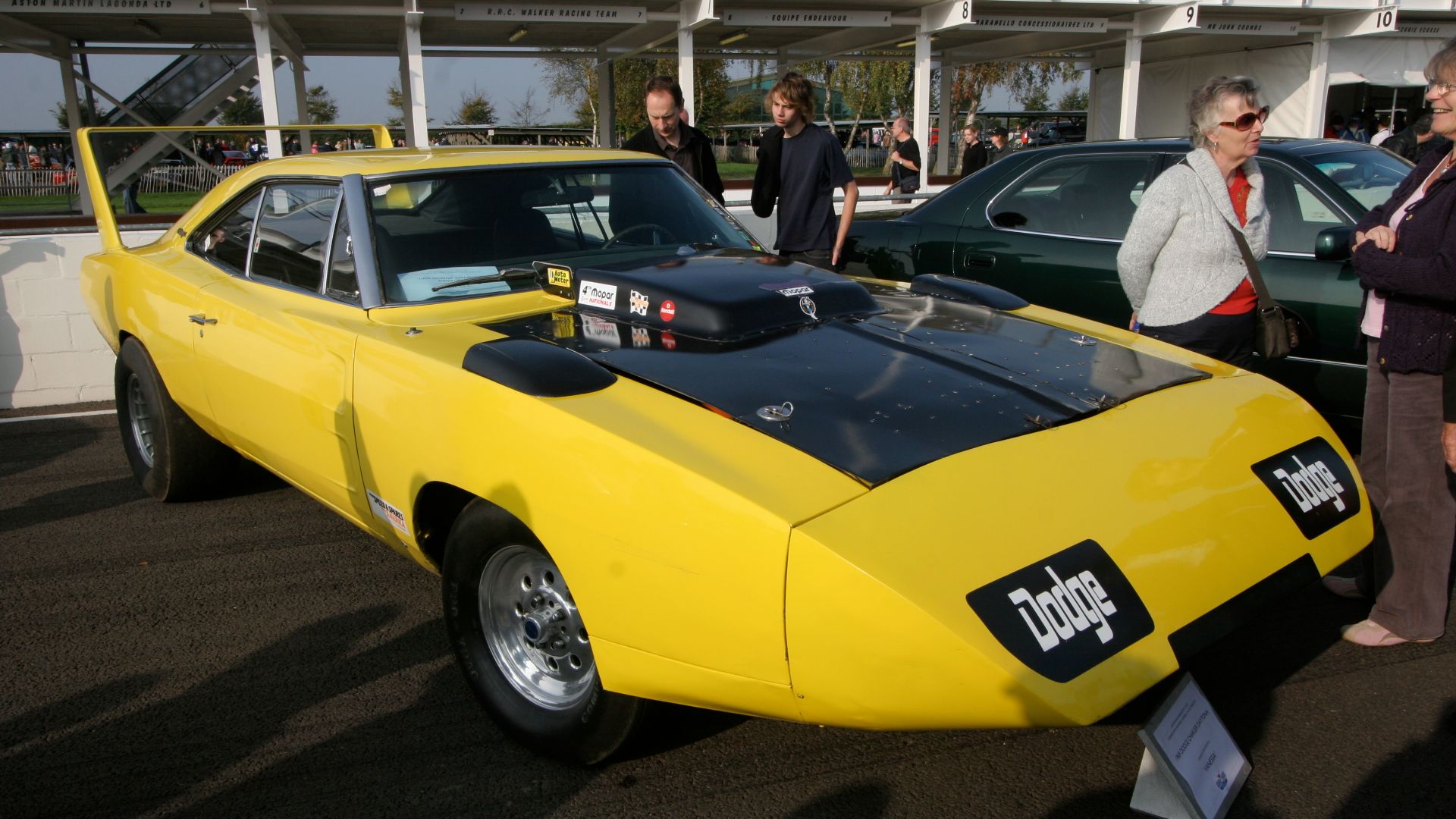 Brian Snelson, Wikimedia Commons
1978 Dodge Aspen Super Coupe
Muscle car fans didn’t get much in the late ’70s, but the Super Coupe tried to keep the spirit alive. Bold stripes and stiff suspension helped it stand out. Limited engines held it back, but it still earned cult status.
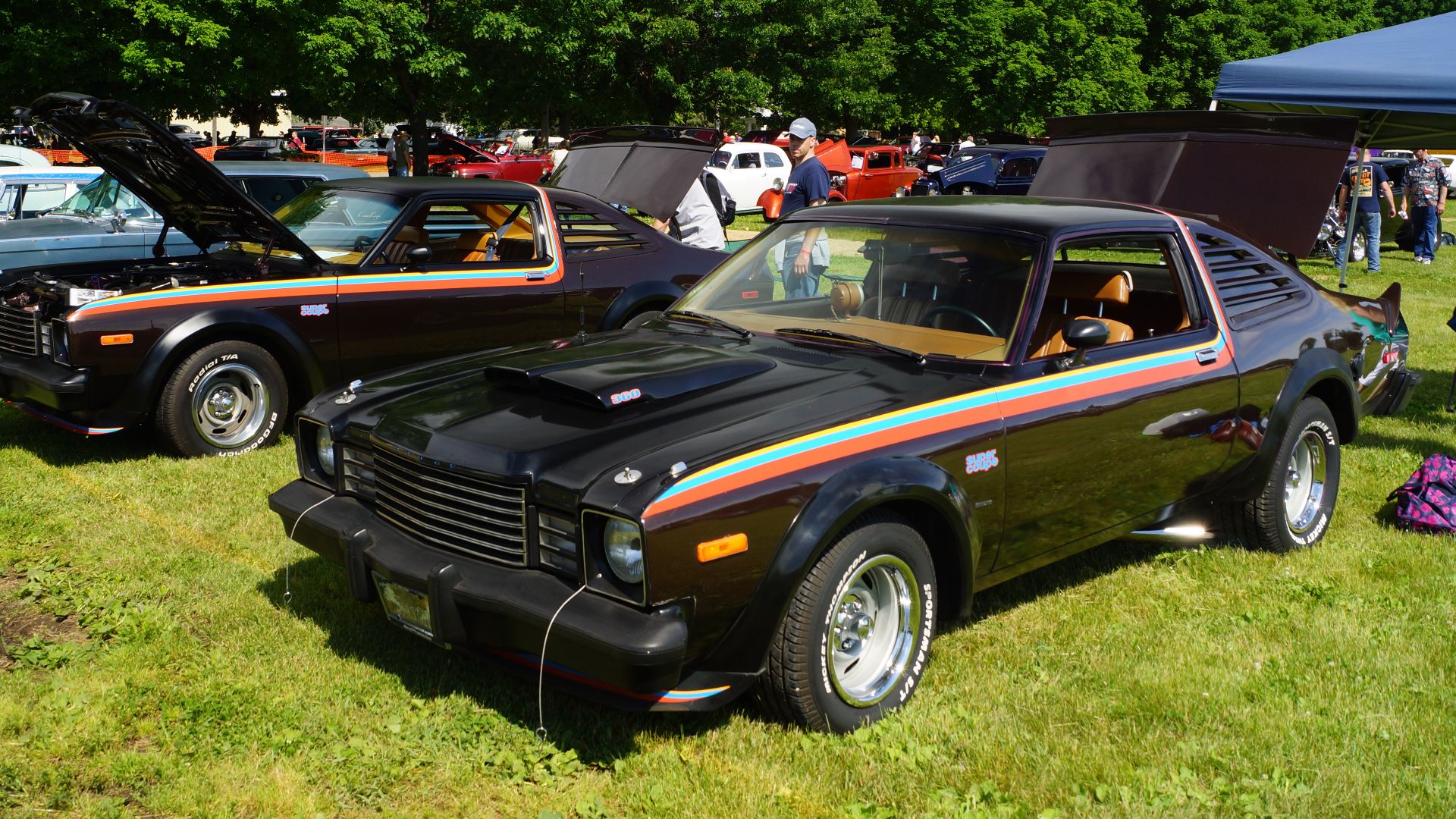 Greg Gjerdingen, Wikimedia Commons
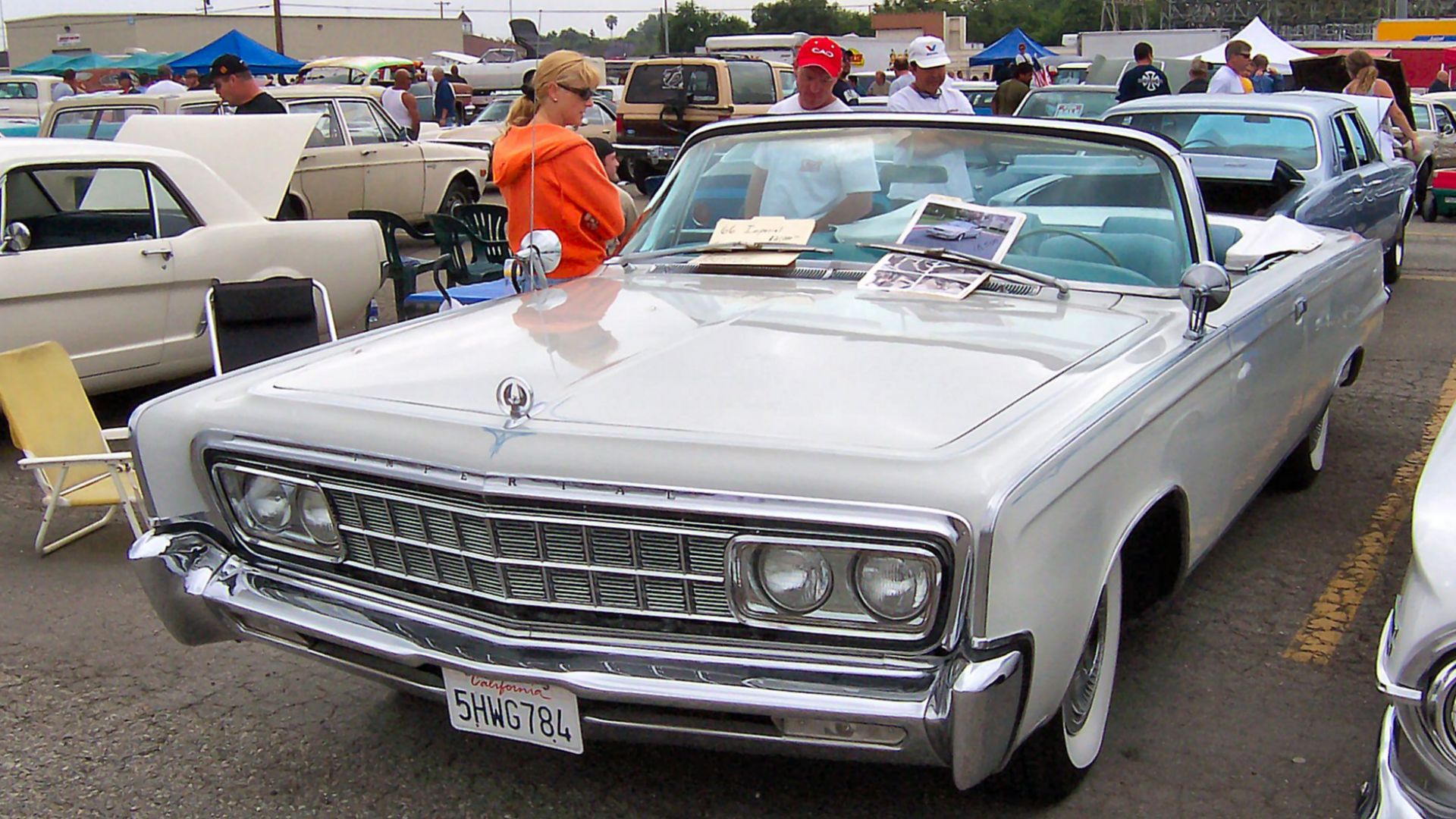
1966 Imperial Crown Convertible
Luxury came first with the Imperial Crown, Chrysler’s high-end offering. Convertible versions were built in tiny numbers and focused on comfort and style. Few survived the decades, making the few that remain prized among classic luxury car collectors.