When timing missed the point
Some cars show up early and confuse everyone. They solve problems drivers have not noticed yet, then disappear quietly. This collection looks at machines that challenged habits, budgets, and expectations long before demand caught up. Swipe right and see how yesterday’s odd ideas shaped today’s normal cars.
 Klaus Nahr, CC BY-SA 2.0, Wikimedia Commons, Modified
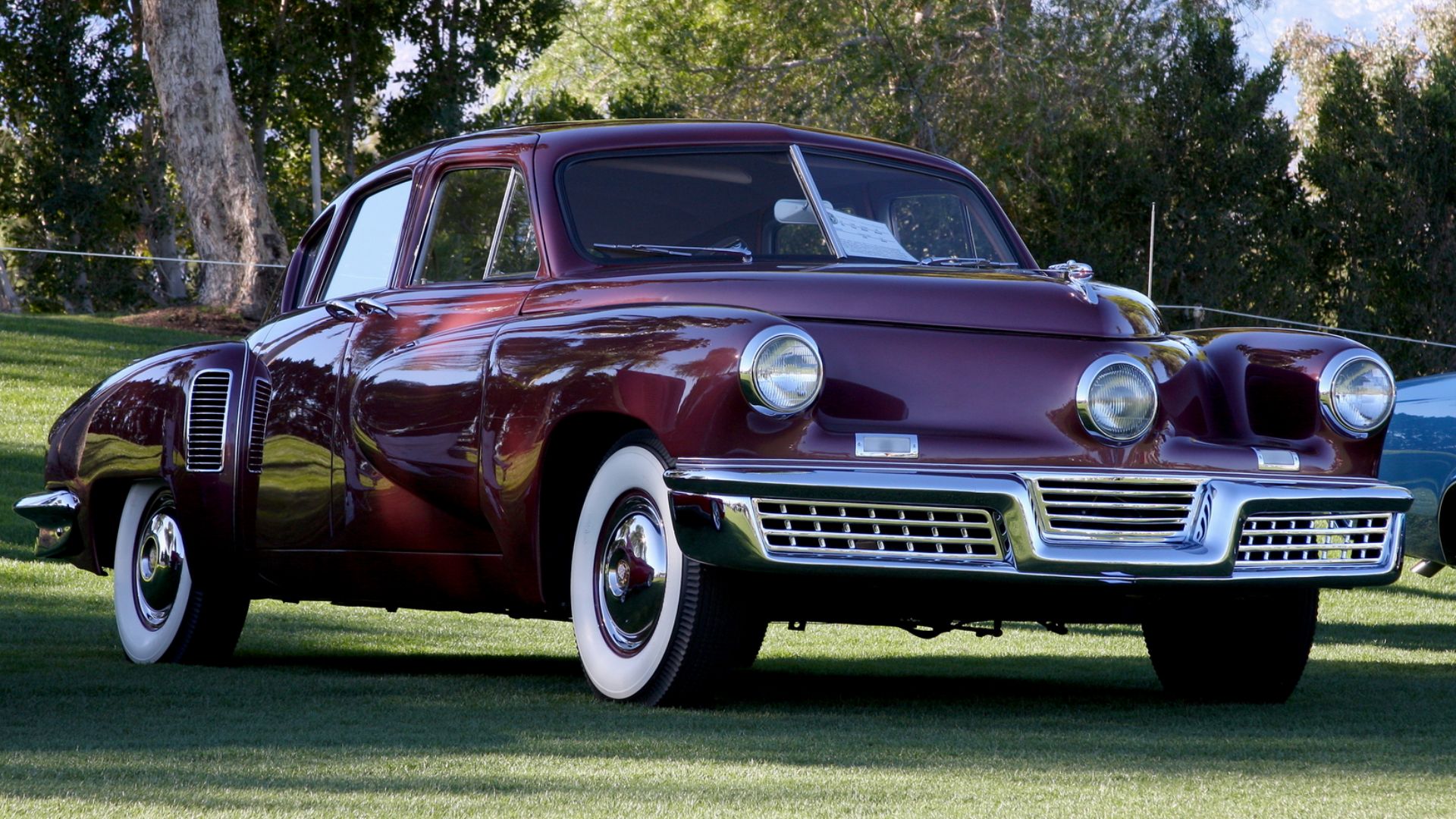
Tucker 48
Just imagine buying a car in 1948 that already cared about your safety. The Tucker 48 pushed padded dashboards, pop-out windshields, and a swiveling headlamp. Meanwhile, Detroit scoffed. Corporate pressure followed, and production collapsed, leaving a limited run of bold machines to vanish before drivers were ready.
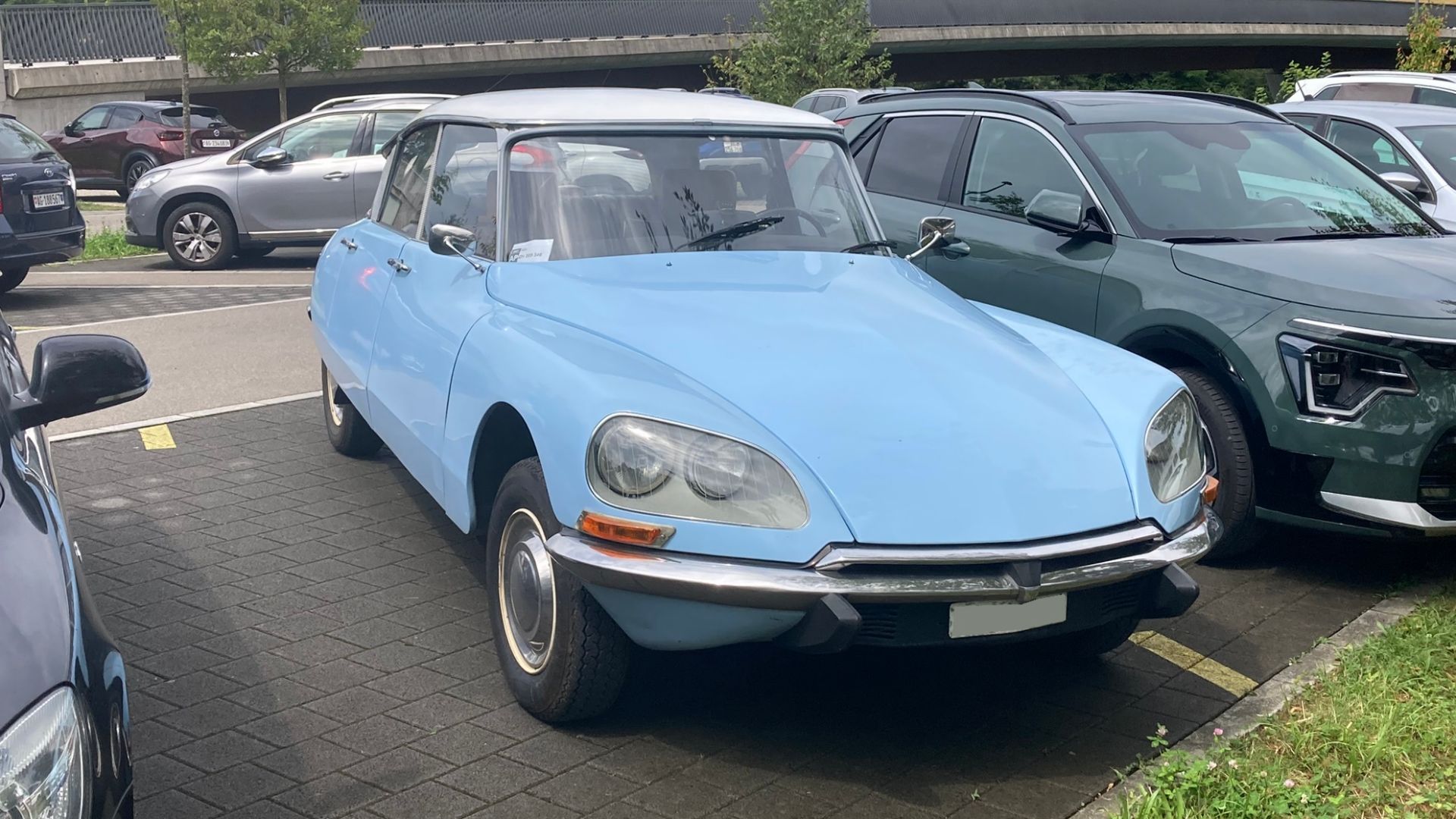
Citroën DS
Engineers obsessed over physics shaped the Citroën DS. Hydropneumatic suspension maintained constant ride height, while aerodynamics reduced drag. Disc brakes improved stopping power. Because manufacturing demanded precision hydraulics, costs rose sharply, yet the underlying science later became industry standard worldwide.
 Pechristener, Wikimedia Commons
GM EV1
Although electric cars feel modern, the GM EV1 cracked the idea three decades ago. Smooth acceleration also surprised skeptics, and regenerative braking felt clever. Later, leases ended abruptly. Owners protested. Somewhere between innovation and fear, the future was quietly taken away then.
 RightBrainPhotography (Rick Rowen), Wikimedia Commons
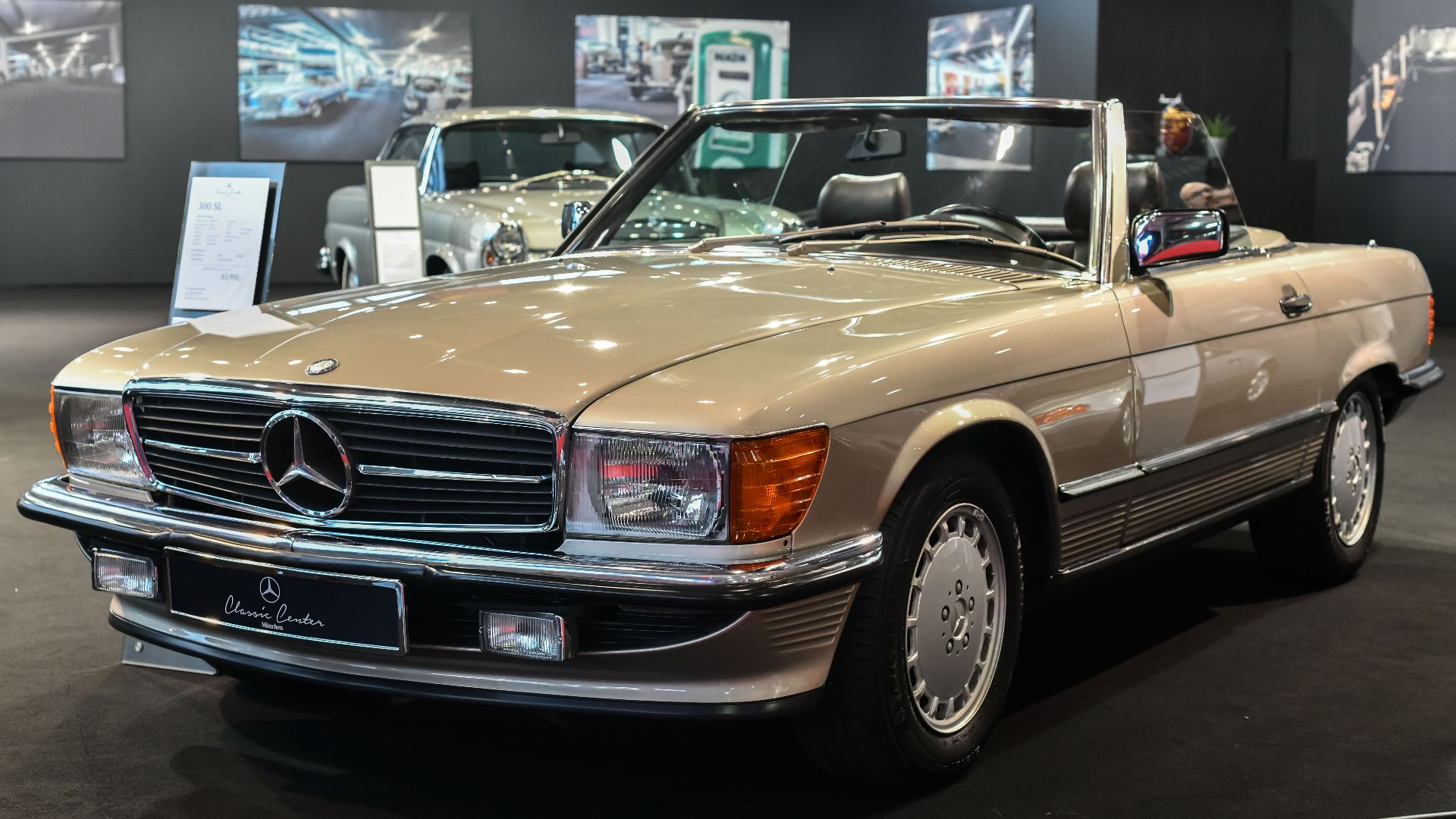
Mercedes-Benz 300SL
Mercedes introduced mechanical fuel injection to the road with the 300SL. A lightweight tubular frame improved rigidity, while gullwing doors solved clearance issues. Racing success informed its design. As a result, everyday drivers have come into contact with technology once reserved for tracks globally.
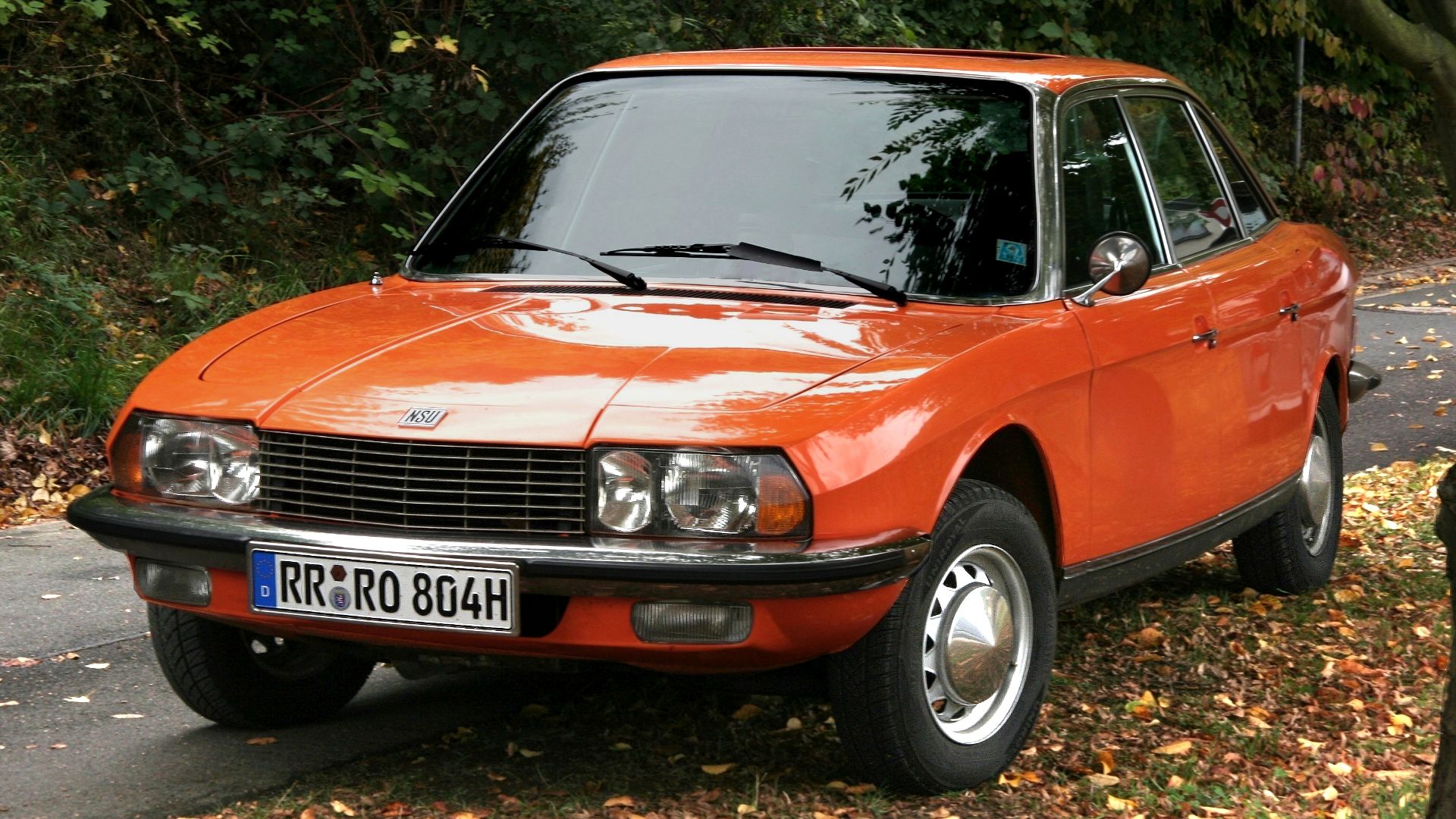
NSU Ro 80
Progress sometimes arrives with a warranty problem. The NSU Ro 80 flaunted a rotary engine and sleek aerodynamics in the 1960s. However, early reliability scared buyers and accountants alike. Brilliant engineering earned applause, then invoices, then obscurity. History remembers both.
 Spurzem - Lothar Spurzem, Wikimedia Commons
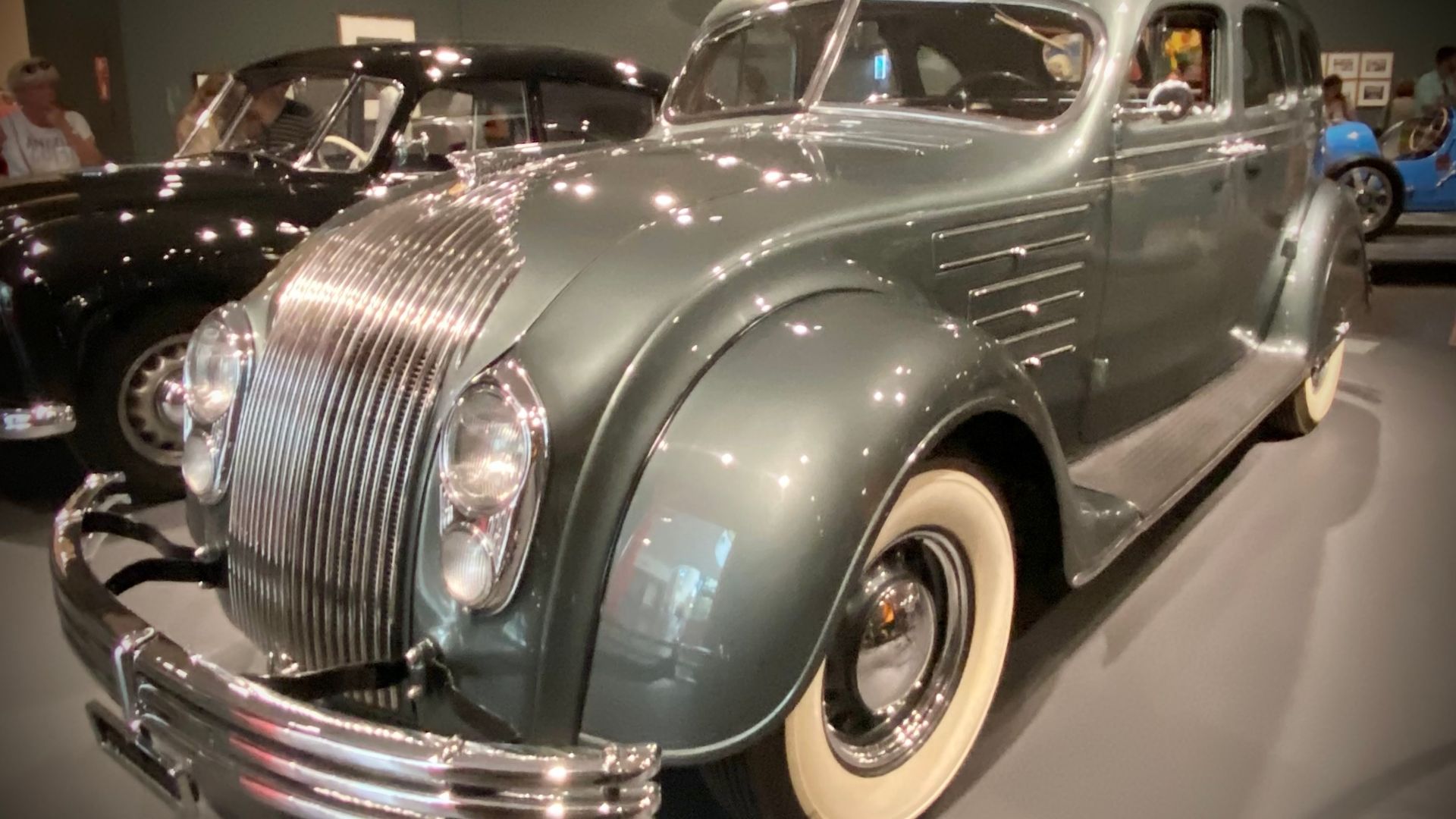
Chrysler Airflow
Wind tunnels shaped the Chrysler Airflow before most buyers trusted science. Curved bodywork reduced drag, and weight balance improved stability. Sales collapsed anyway because style shocked conservative tastes. Progress also arrived early, quietly proving that physics eventually wins arguments that people resist at first.
 Kuroczynski, Wikimedia Commons
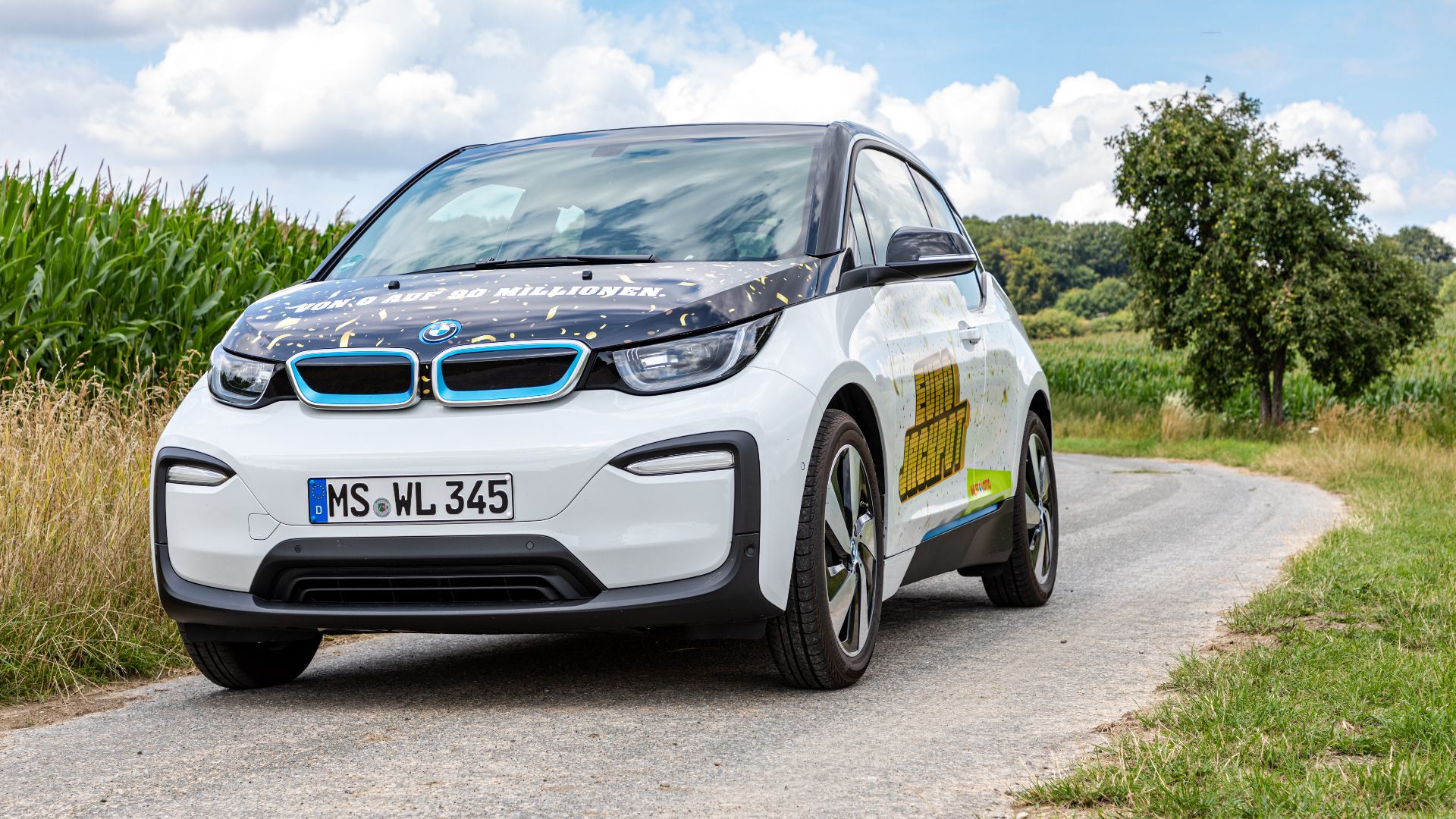
BMW i3
Remember when BMW tried something genuinely strange. The i3 used carbon fiber construction, recycled materials, and an upright city-proportioned design. At the time, shoppers hesitated. Years later, those same ideas sit at the center of modern electric design. Therefore, timing, not talent, was the real problem.
 Dietmar Rabich, Wikimedia Commons
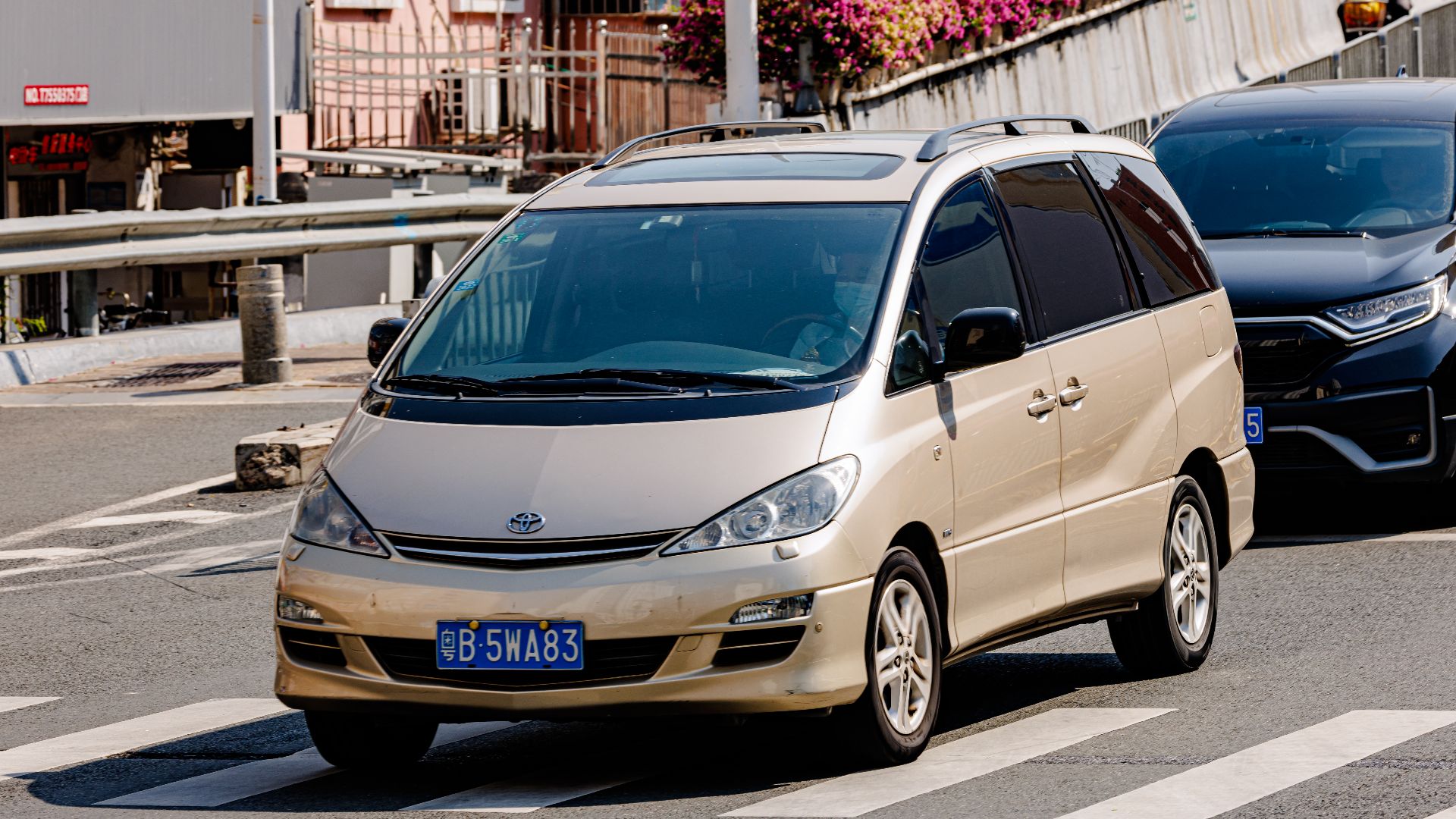
Toyota Previa
Family cars rarely aim for balance, yet the Toyota Previa placed its engine beneath the cabin. Weight distribution improved handling, and safety improved, too. Mechanics groaned, but buyers stayed cautious. Therefore, innovation sat under the floor, uncelebrated, waiting for recognition that never arrived.
 Dinkun Chen, Wikimedia Commons
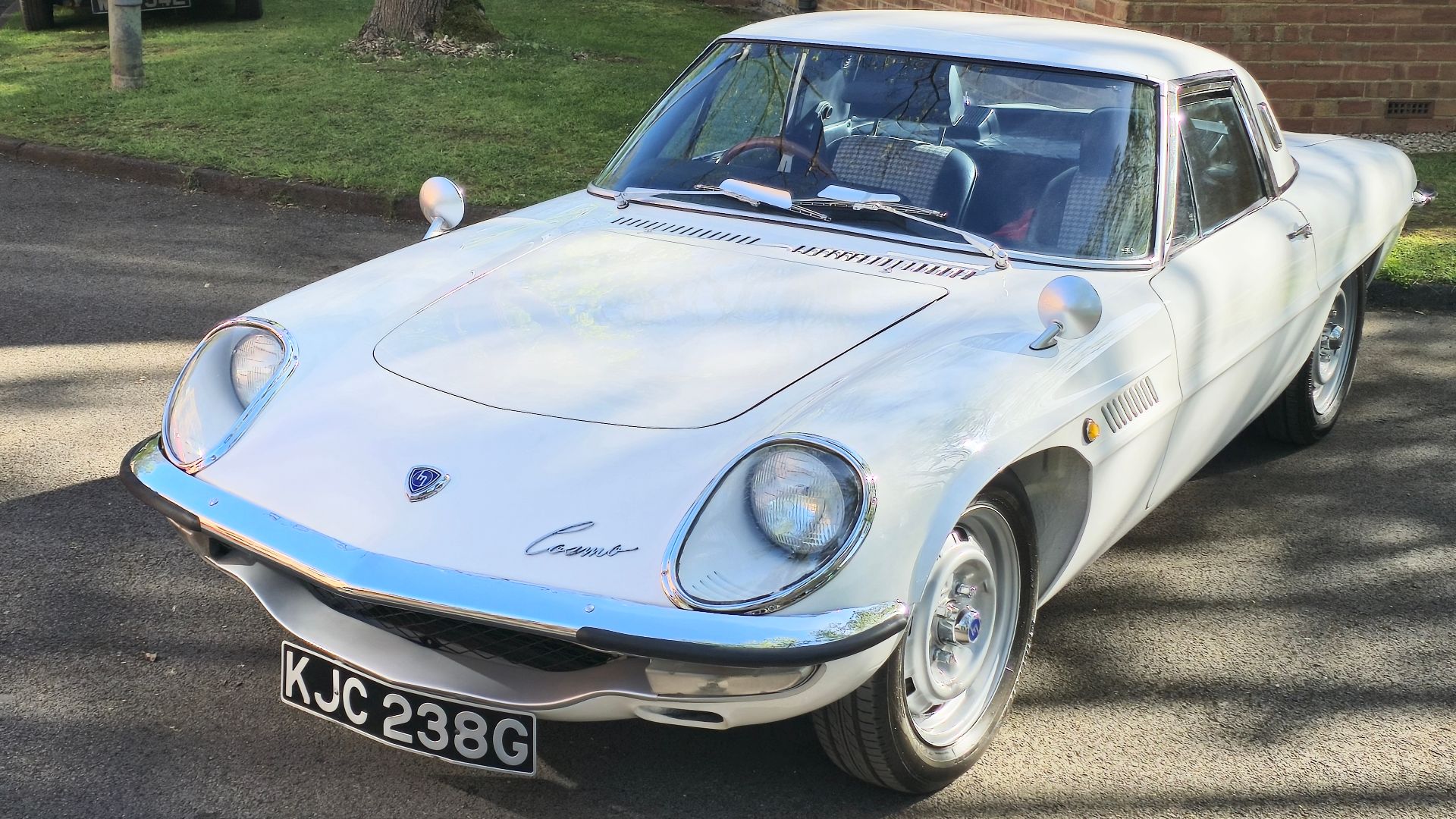
Mazda Cosmo
Ambition drove Mazda to gamble its identity on the rotary engine. The Cosmo promised smooth power and compact engineering. Early adopters felt special. Reliability worries crept in later. Still, bold experiments trigger progress because hesitation rarely moves industries forward.
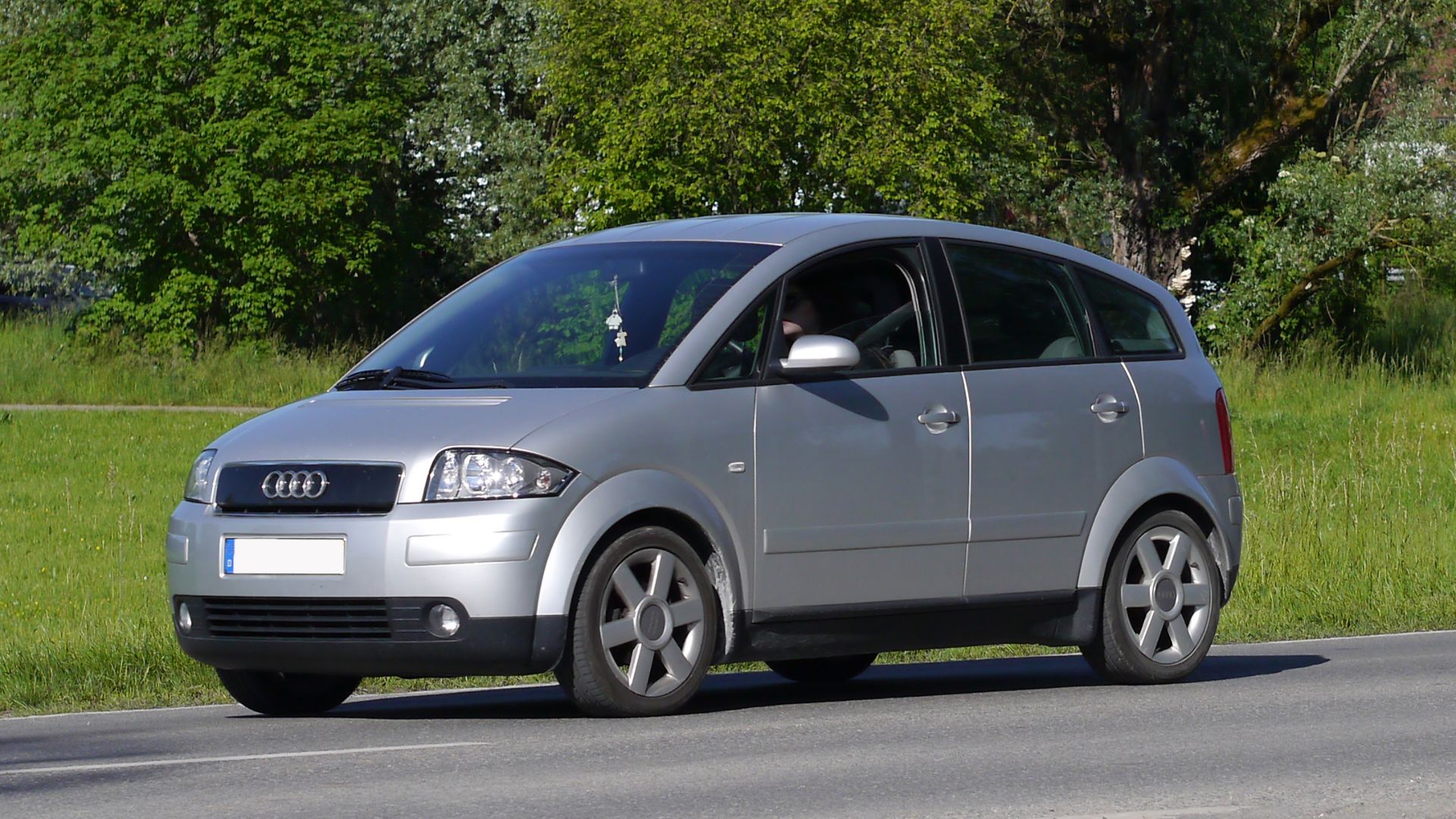
Audi A2
Audi built the A2 as it skipped ahead twenty years. Aluminum construction cut weight dramatically, and fuel efficiency impressed engineers. Drivers balked at pricing. The joke aged poorly. Today, lightweight efficiency sounds sensible, even obvious, which makes the A2 quietly funny now.
DeLorean DMC-12
Stainless steel felt bold and confident, even a little reckless. Reality arrived with fingerprints and modest performance. Still, the DeLorean cared deeply about materials, using them to make a point. Everyone watched the doors, which missed the quieter idea underneath.
 Alexander Migl, Wikimedia Commons
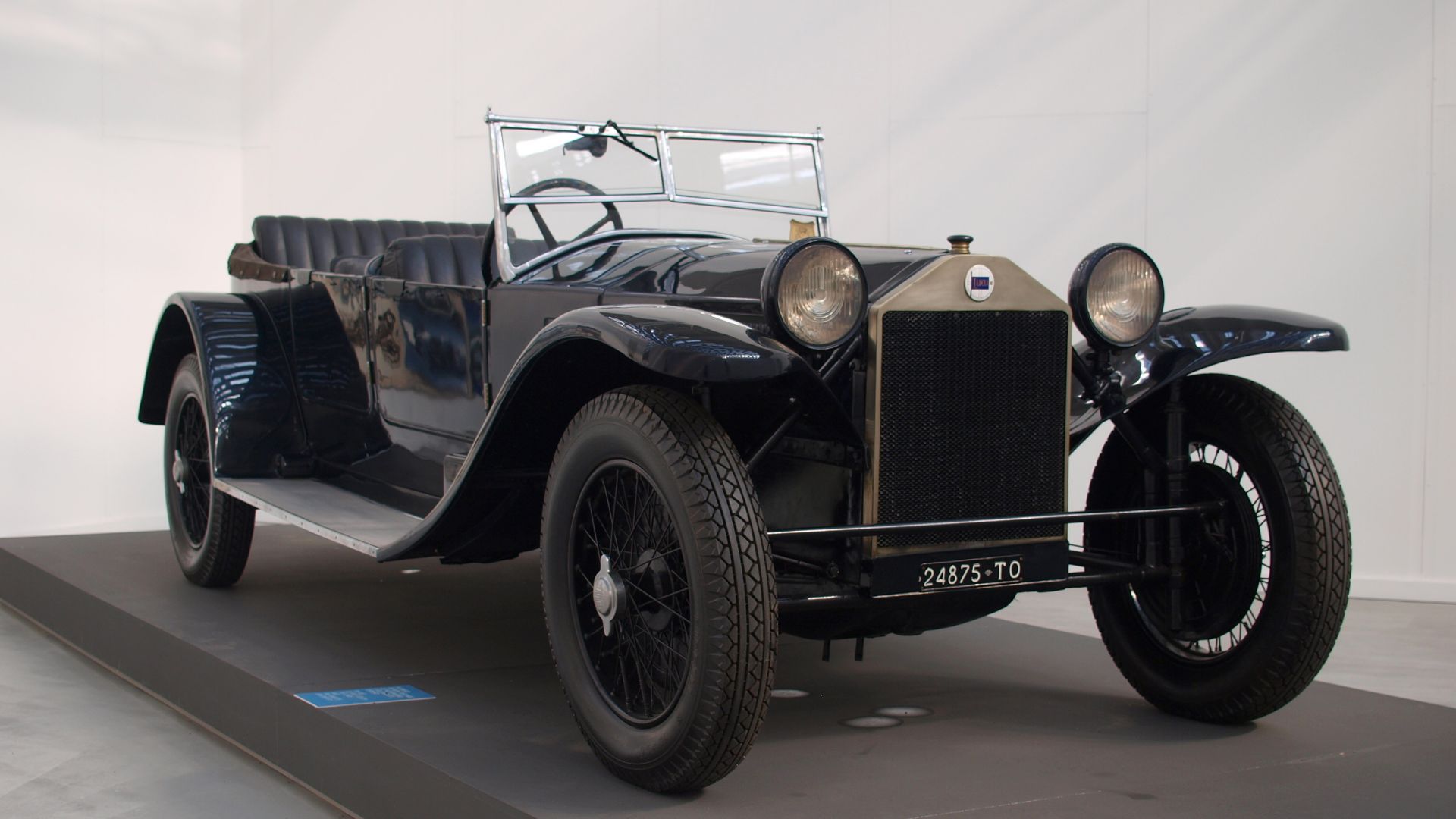
Lancia Lambda
Nearly a century ago, Lancia ignored convention and built the Lambda with a unibody chassis. Independent front suspension followed. Plus, handling improved dramatically. Meanwhile, rivals clung to frames. Progress moved quietly forward, leaving this breakthrough car admired by engineers long before buyers noticed.
 tomislav medak, Wikimedia Commons
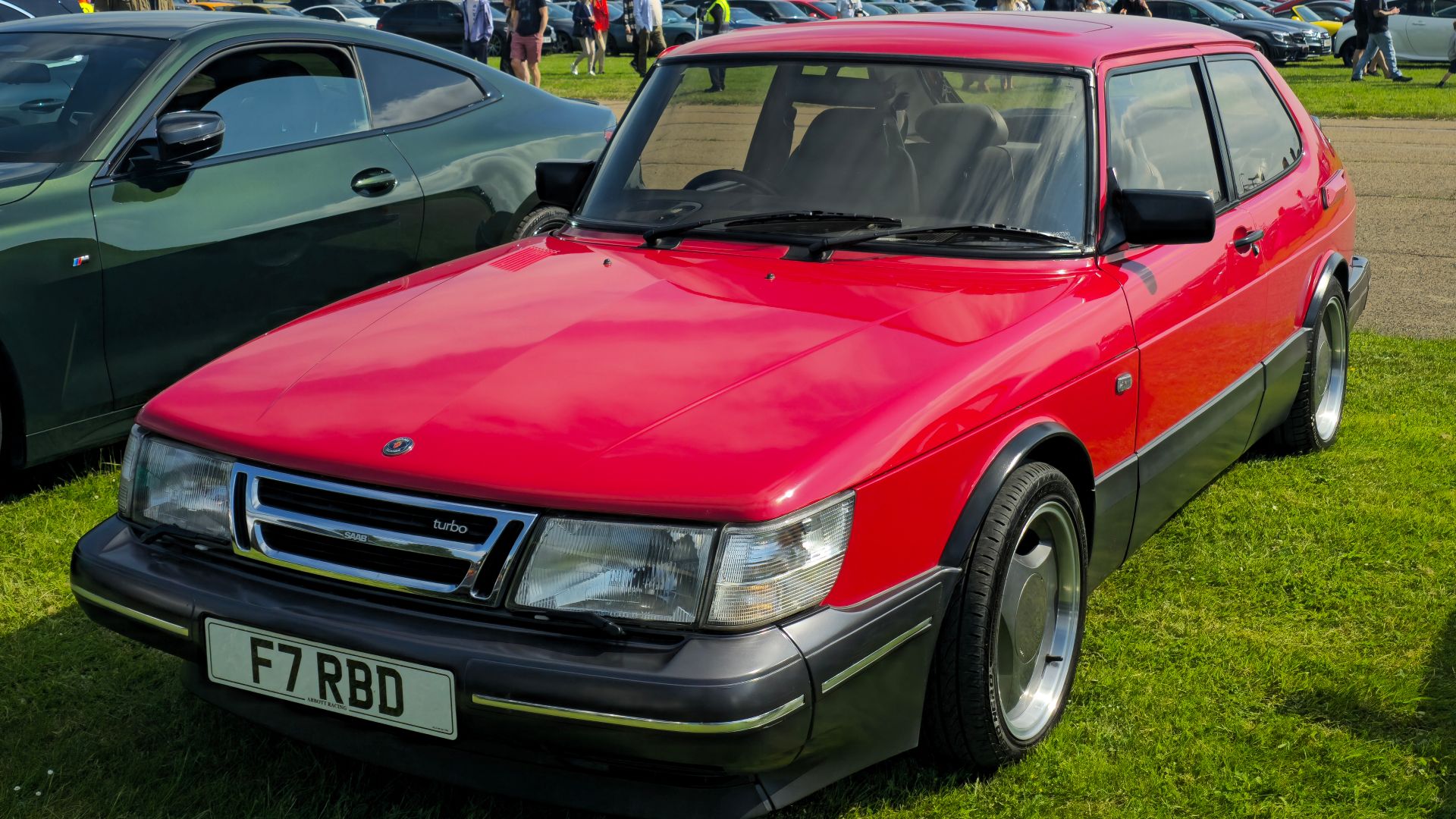
Saab 900
Saab treated everyday driving like a safety study. Turbocharging met daily reliability, while crash thinking borrowed from aircraft design. Interiors also felt logical, almost stubbornly so. Buyers, however, shrugged at the shape. Later, turbo sedans became normal, borrowing lessons Saab already solved.
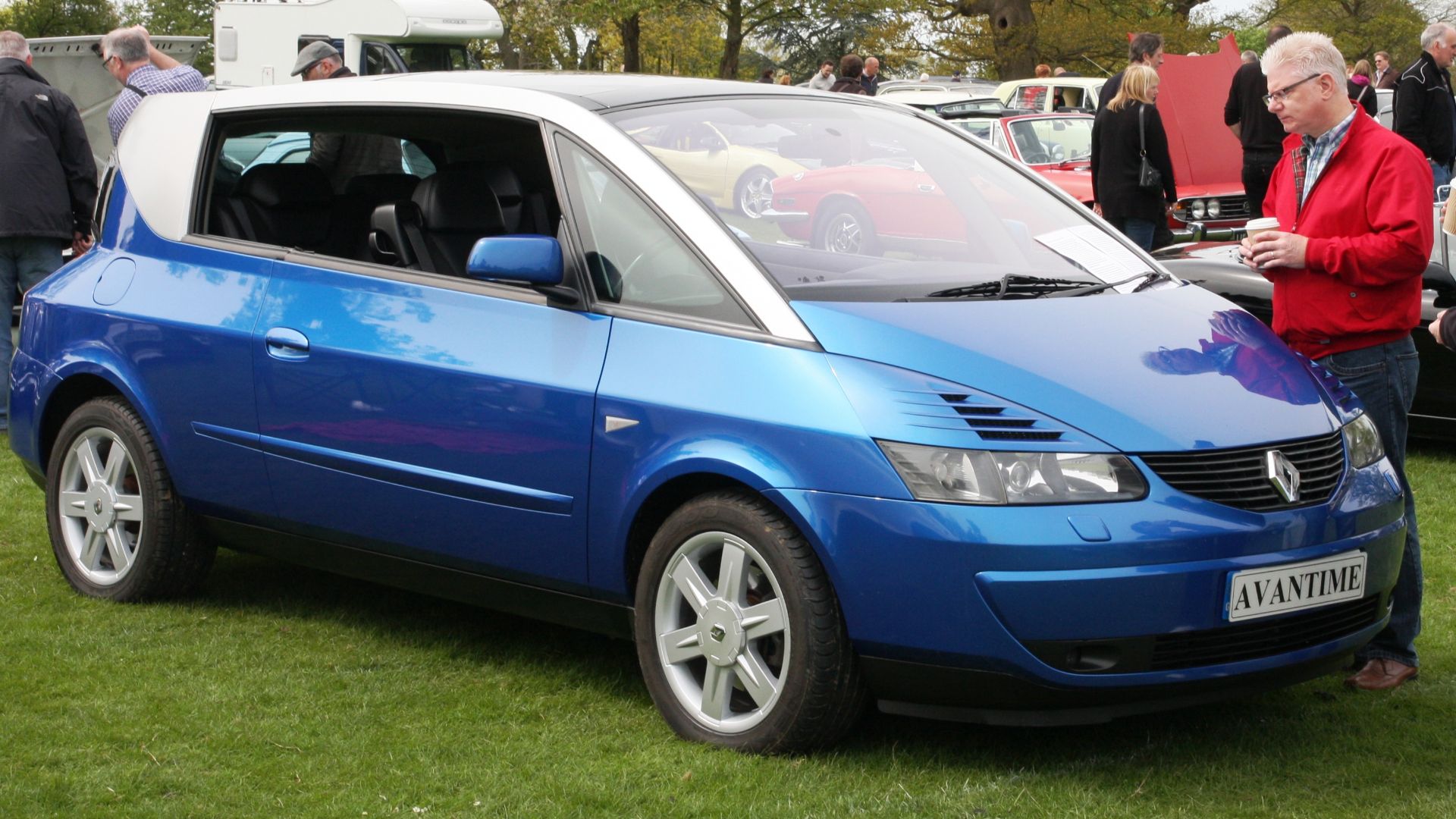
Renault Avantime
Can a car exist between categories without asking permission? The Avantime tried, stretching luxury beyond comfort zones. Pillarless doors emphasized openness, yet shoppers hesitated. Familiar labels mattered. Once tastes changed, crossover design erased boundaries everywhere, reframing the experiment as early rather than misguided.
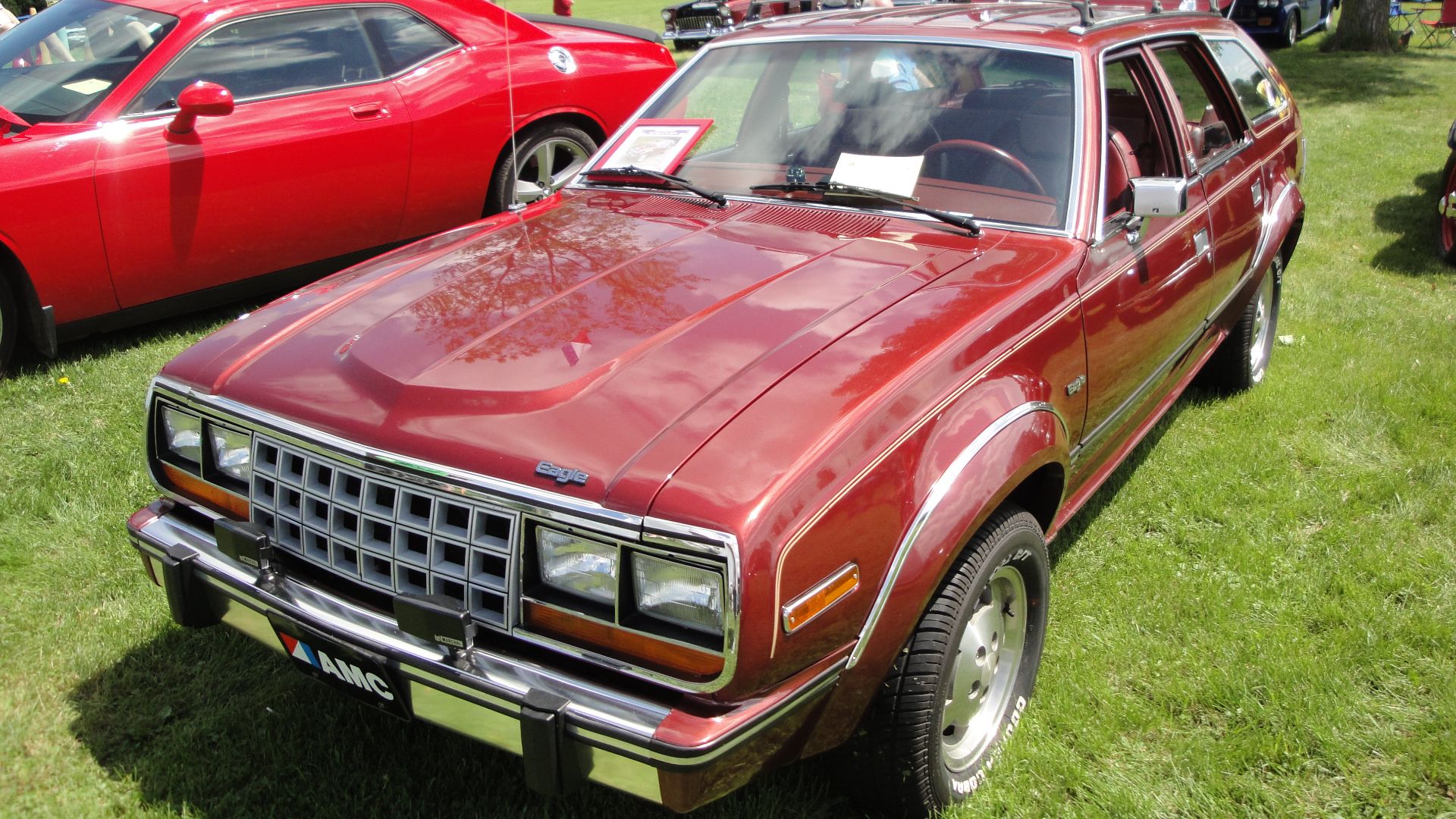
AMC Eagle
Before crossovers became unavoidable, the AMC Eagle quietly mixed All Wheel Drive with passenger comfort. Snow felt irrelevant. Roads felt optional. Marketing lagged behind engineering. Consumers were not ready to blur categories, even though the formula eventually became impossible to escape.
 Greg Gjerdingen from Willmar, USA, Wikimedia Commons
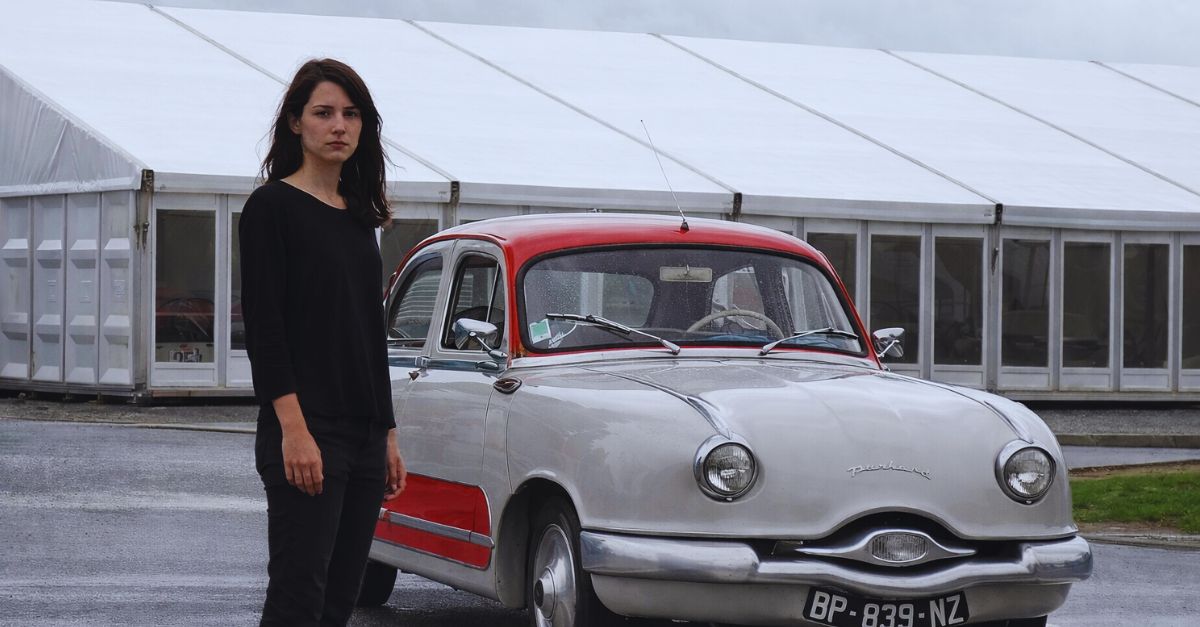
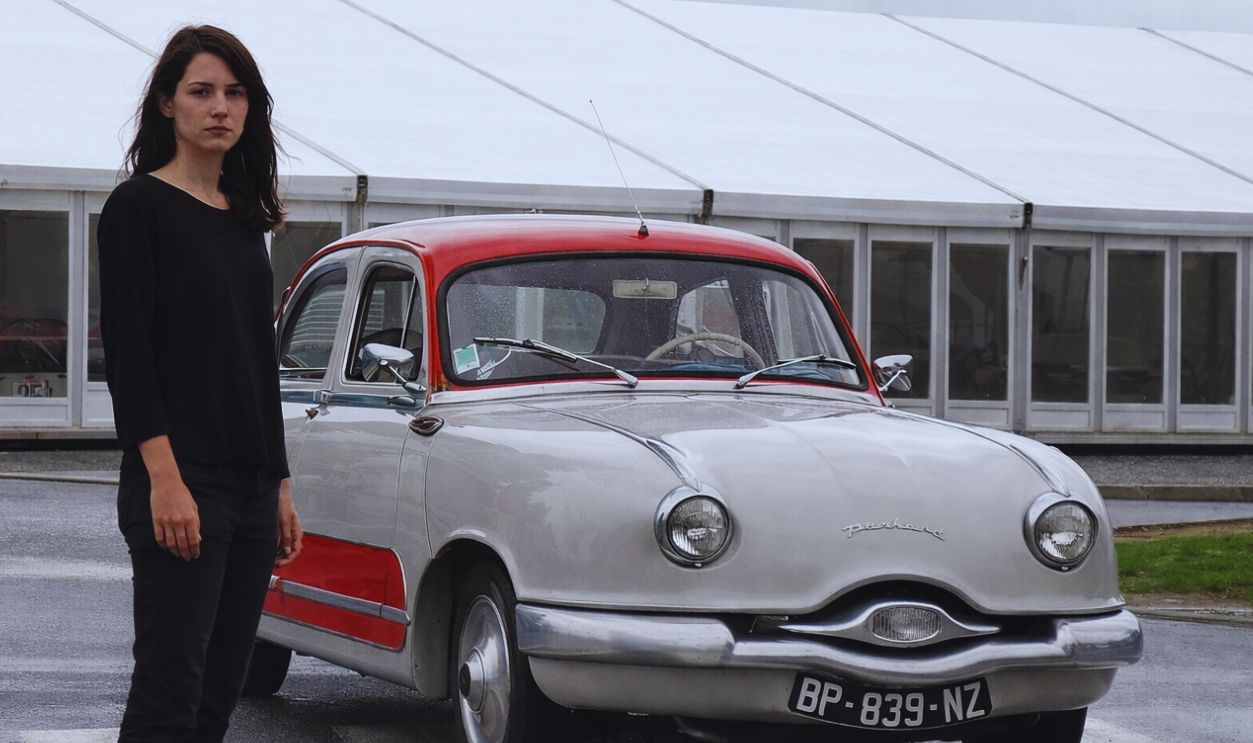
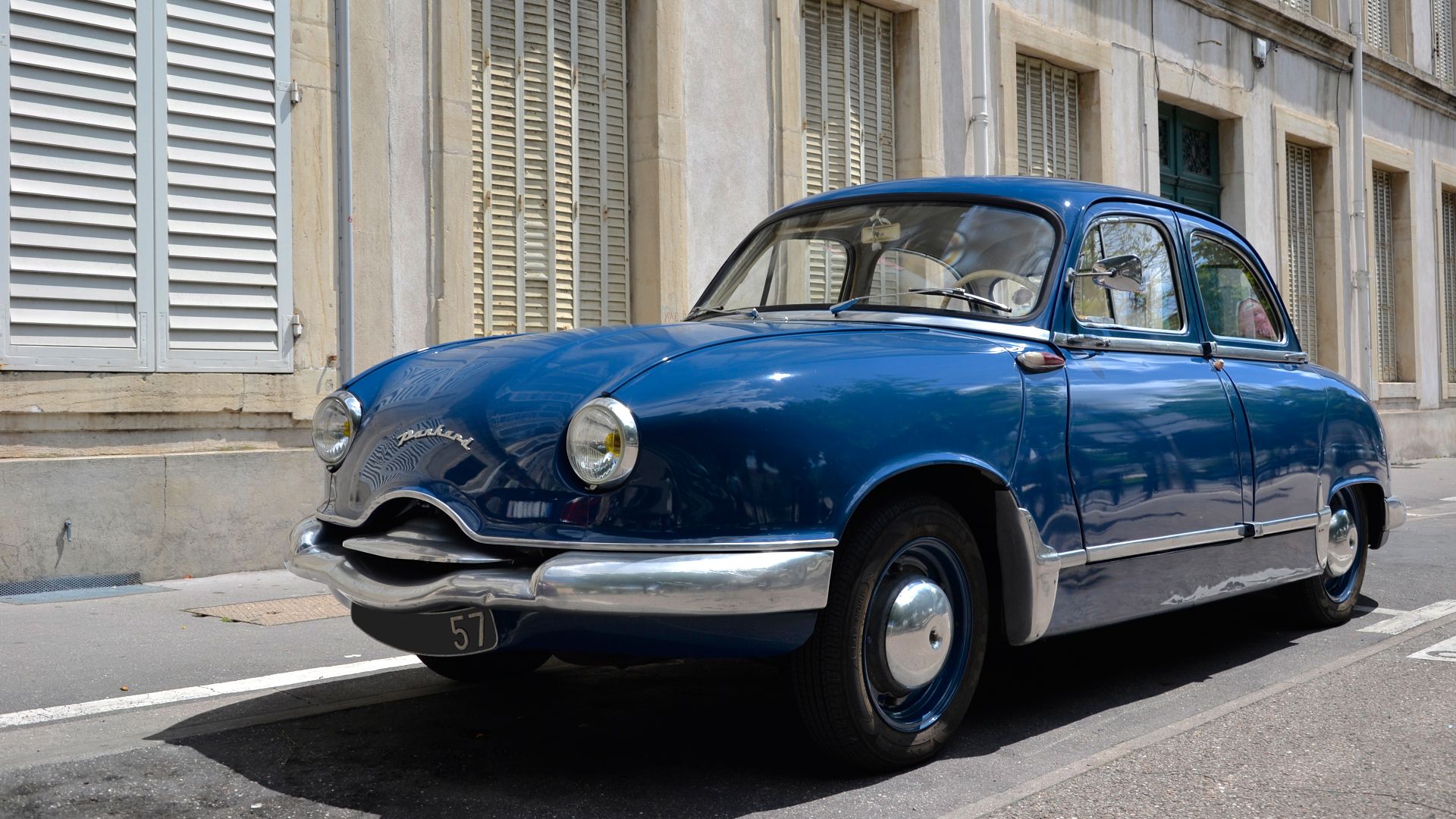
Panhard Dyna Z
Lightness guided every decision behind the Panhard Dyna Z. Extensive aluminum use reduced weight dramatically, improving efficiency and ride quality. However, manufacturing costs climbed fast, and this is where buyers hesitated. The lesson lingered because decades later, the industry chased weight savings with far better timing.
 Alexandre Prevot, Wikimedia Commons
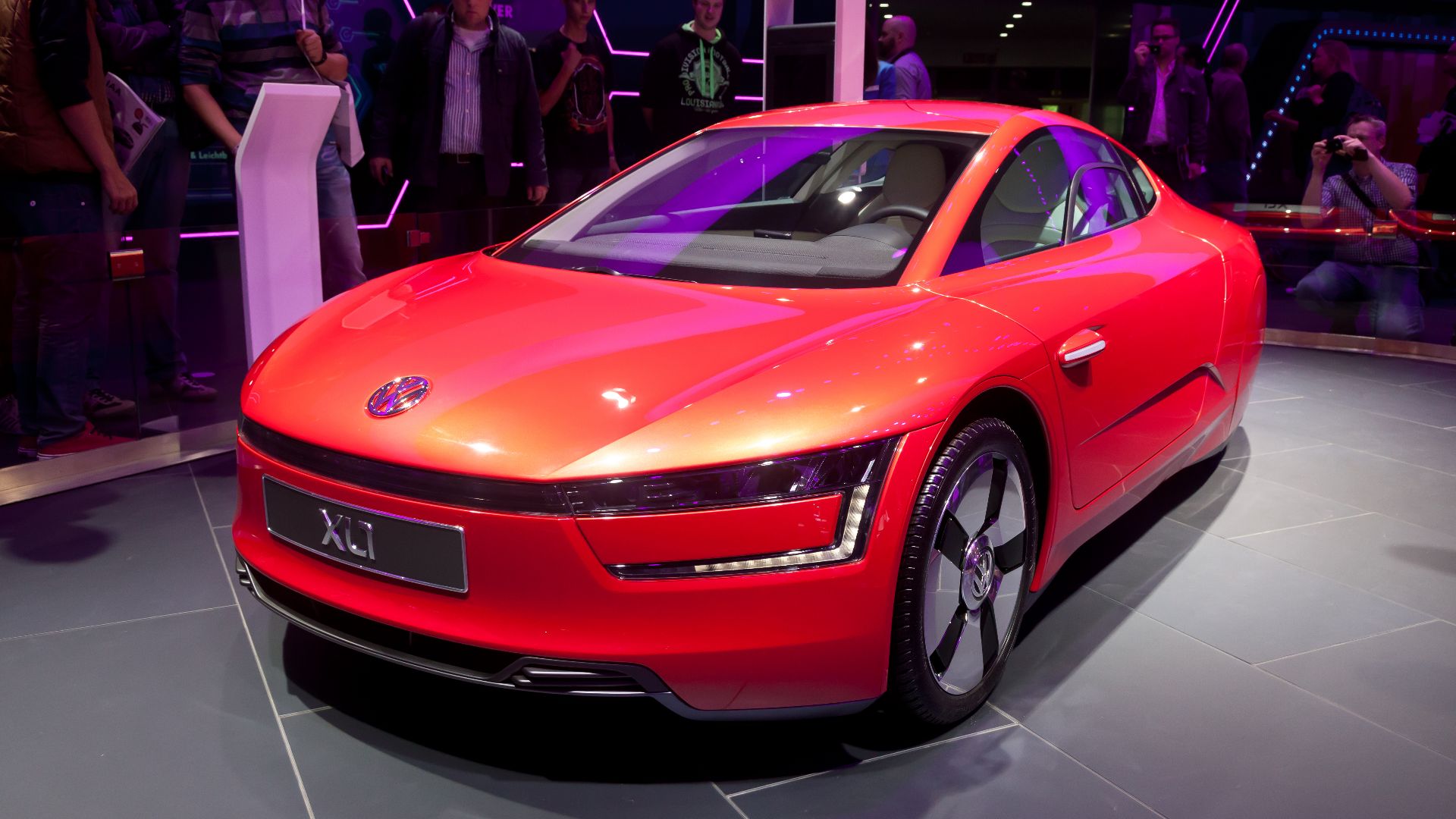
Volkswagen XL1
Extreme efficiency shaped the Volkswagen XL1 from sketch to showroom. Carbon fiber construction, narrow tires, and obsessive aerodynamics pushed fuel consumption to remarkable lows. Daily practicality suffered. Still, the motor functioned as a rolling argument for efficiency that mass market vehicles would slowly absorb.
 Thomas Wolf, www.foto-tw.de, Wikimedia Commons
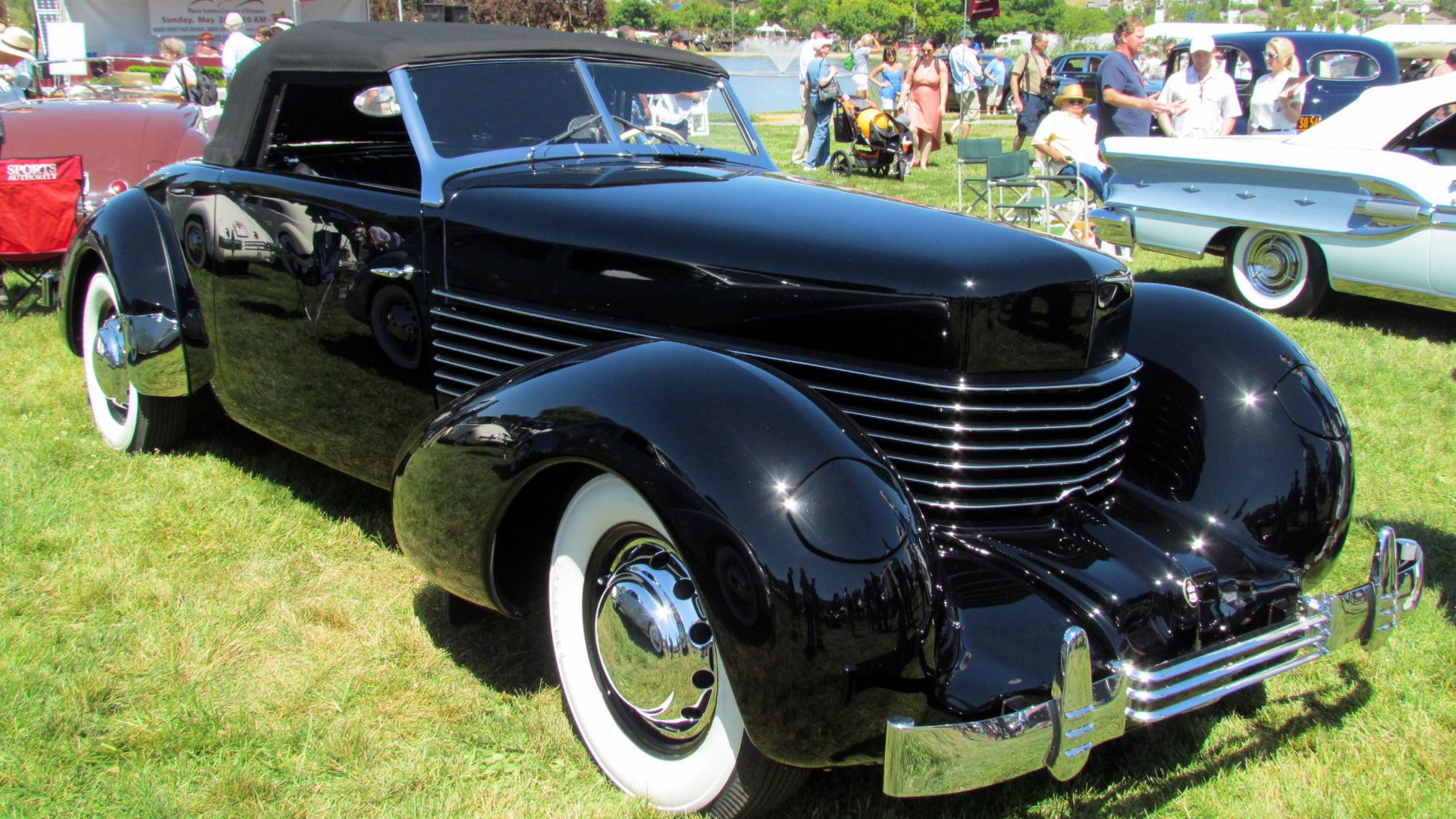
Cord 810
Front Wheel Drive sounded radical in the 1930s, yet the Cord 810 embraced it confidently. Hidden headlights added drama, while flat floor packaging improved space. Reliability issues followed where innovation moved faster than execution, leaving an influential idea stranded by early limitations.
 David Berry from Rohnert Park CA, USA, Wikimedia Commons
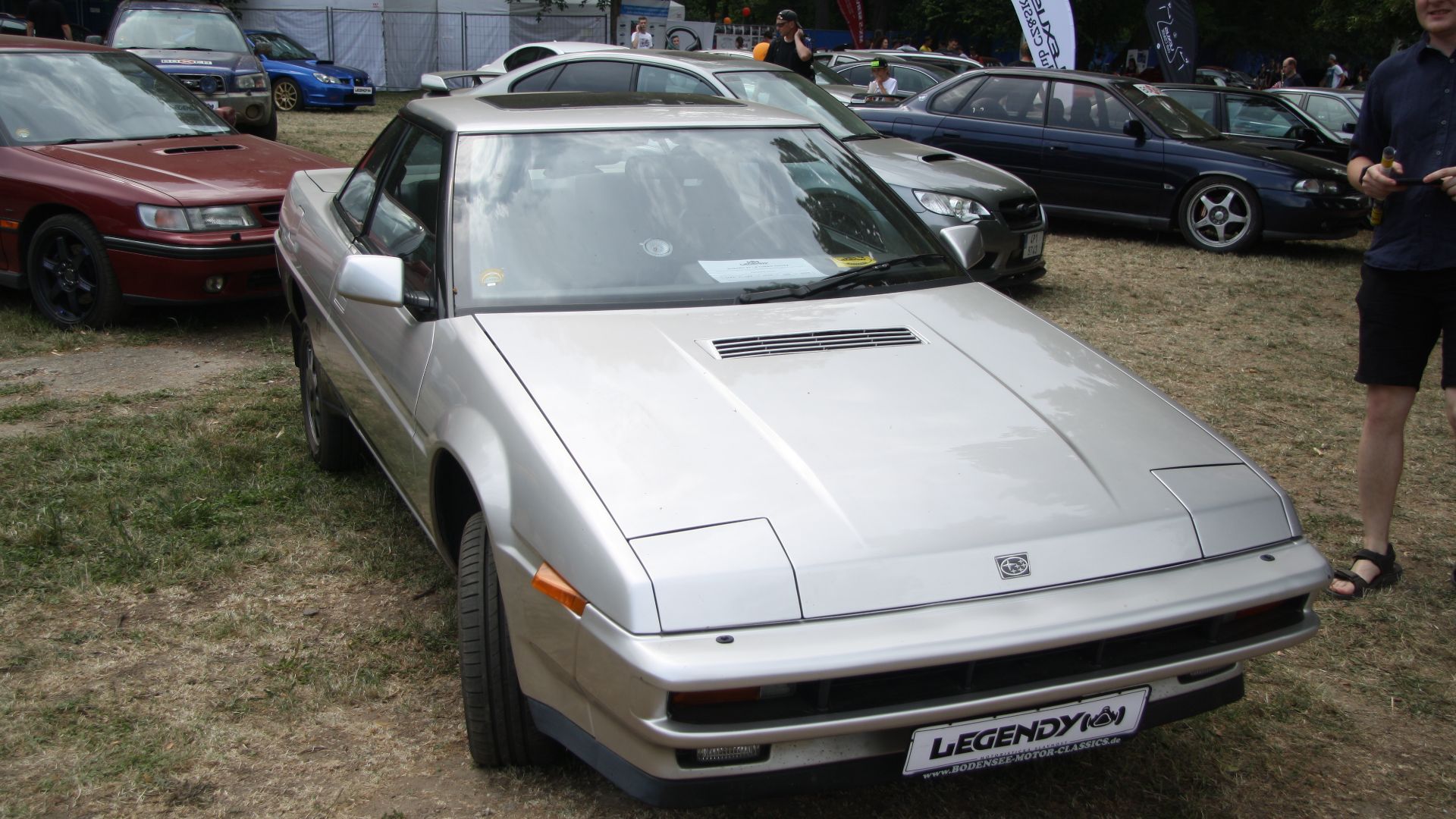
Subaru XT
The Subaru XT felt like a concept car that escaped the studio. Sharp angles met digital dashboards and unusual controls. It looked serious about the future, but buyers were unsure. Years passed, and those same ideas quietly slipped into everyday cars without raising eyebrows.
 Jiri Sedlacek, Wikimedia Commons
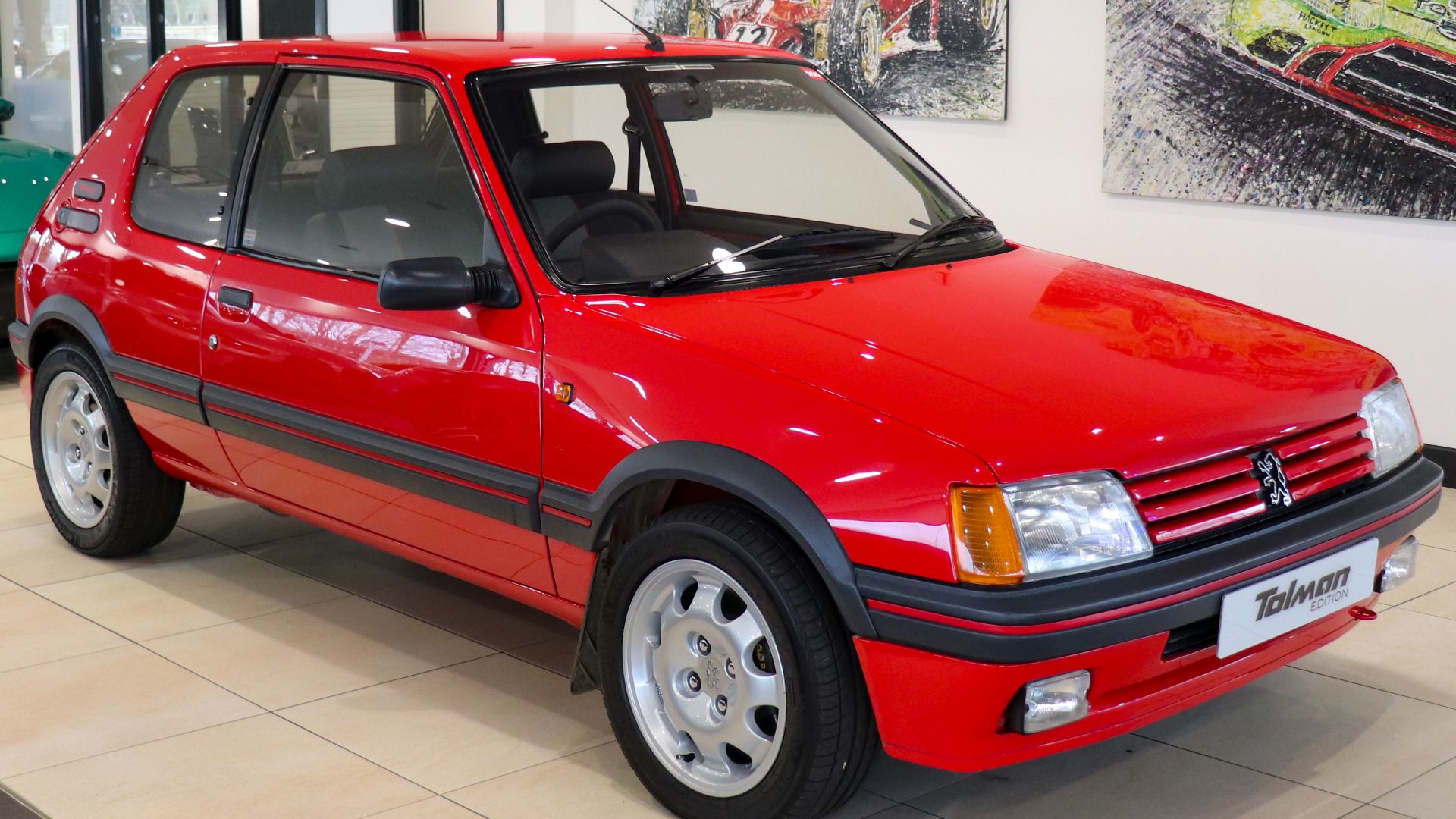
Peugeot 205 GTI
Lightweight defined the Peugeot 205 GTI long before horsepower wars took over. Sharp handling came from restraint rather than excess. Practicality remained intact. Success followed quietly. As cars grew heavier, this formula aged well, reminding enthusiasts that balance often outperforms brute force.
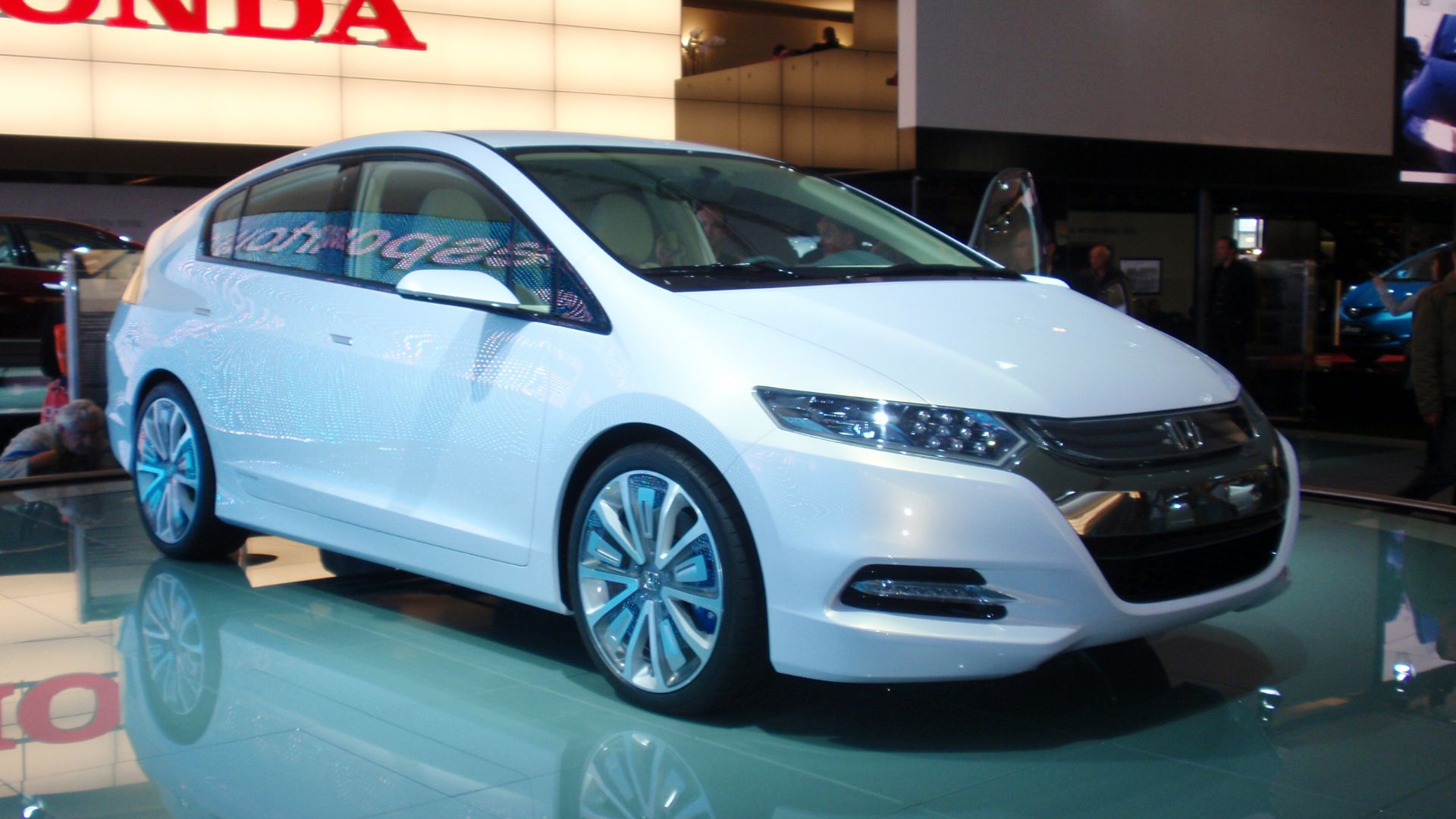
Honda Insight
Honda treated efficiency as an engineering challenge rather than a marketing hook. Aluminum construction, narrow tires, and hybrid integration prioritized reduced mass and drag. Styling further confused buyers. Still, the Insight outlined a future where efficiency became expected rather than experimental.
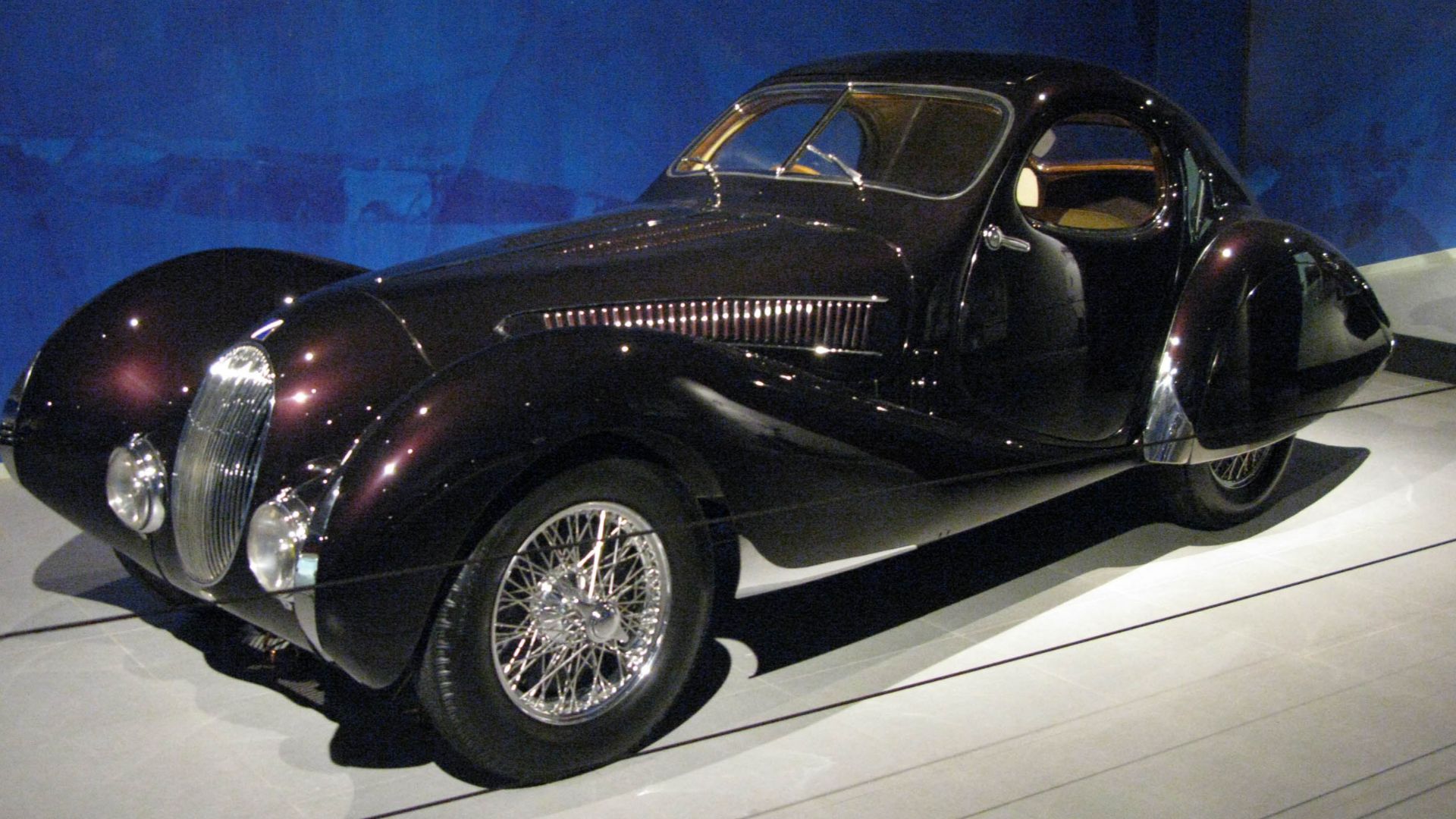
Talbot Lago T150
Flowing bodywork defined the Talbot Lago T150, where aerodynamics guided form long before wind tunnels became common tools. Racing knowledge shaped its silhouette. War halted momentum. The design survived as proof that speed and beauty often follow the same rules.
 Herranderssvensson, Wikimedia Commons
Ford GT90
Ford used the GT90 to test extremes without restraint, combining a quad turbo V12 with sharp geometric surfaces. Performance targets stretched imagination, but production did not continue. Even so, the concept previewed a design language and ambition that the brand would revisit cautiously.
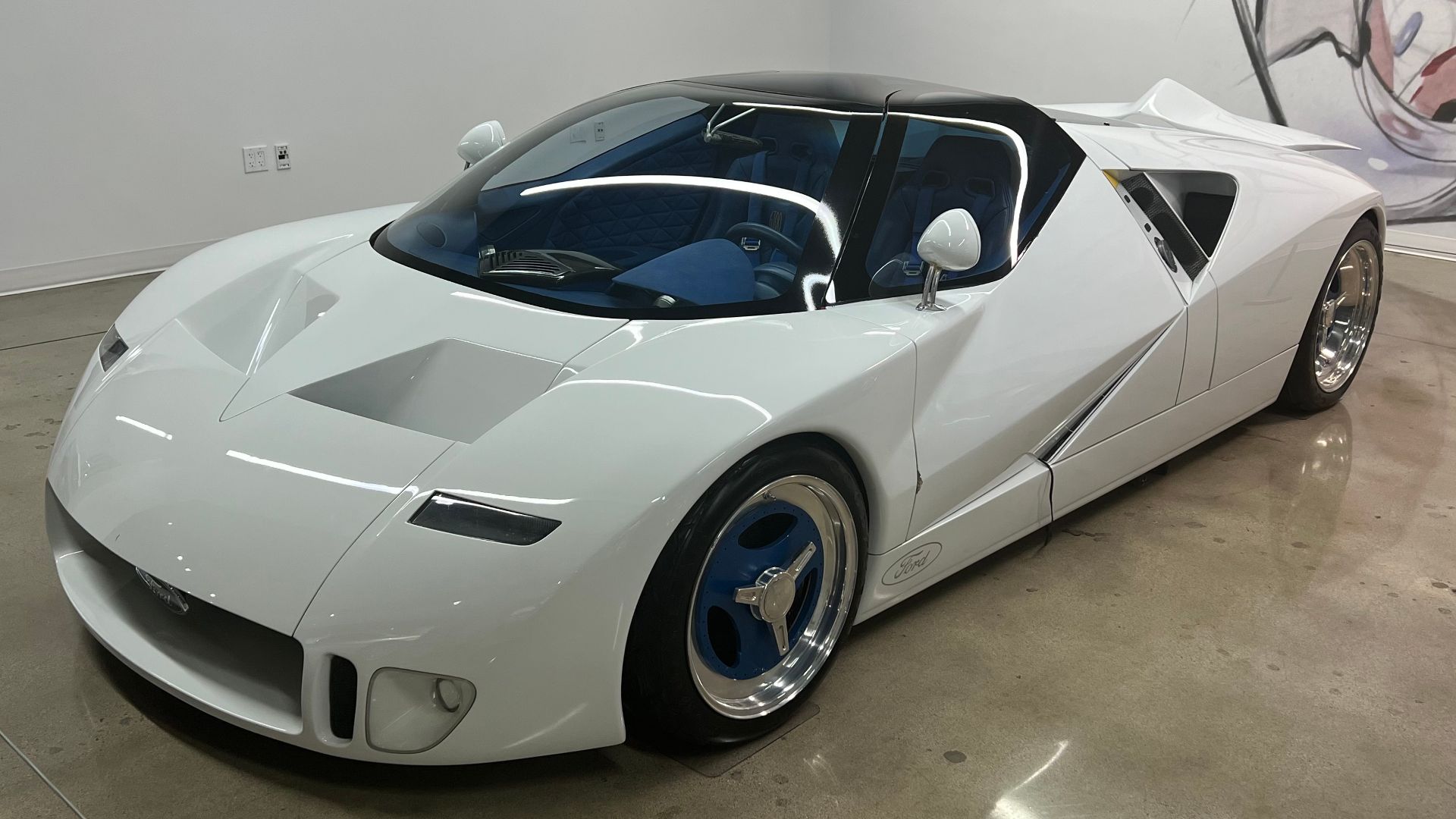 TaurusEmerald, Wikimedia Commons
Alfa Romeo 156
Design decisions on the Alfa Romeo 156 prioritized driver engagement through chassis tuning and packaging innovations. Hidden handles cleaned up the profile, while diesel technology expanded efficiency options. Market caution followed, though its approach informed future compact sedans seekingm personality without excess.
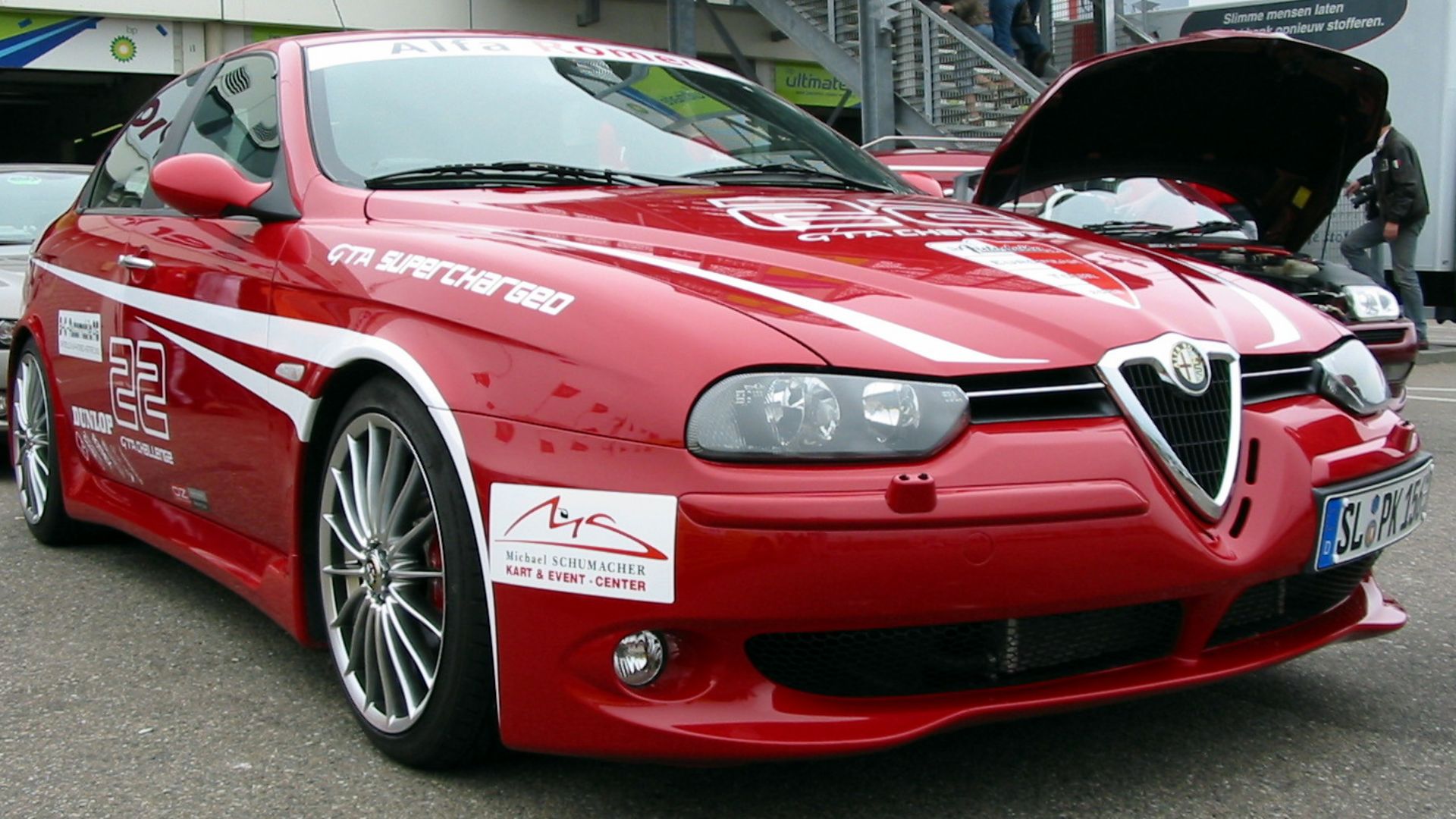 Marvin Raaijmakers, Wikimedia Commons
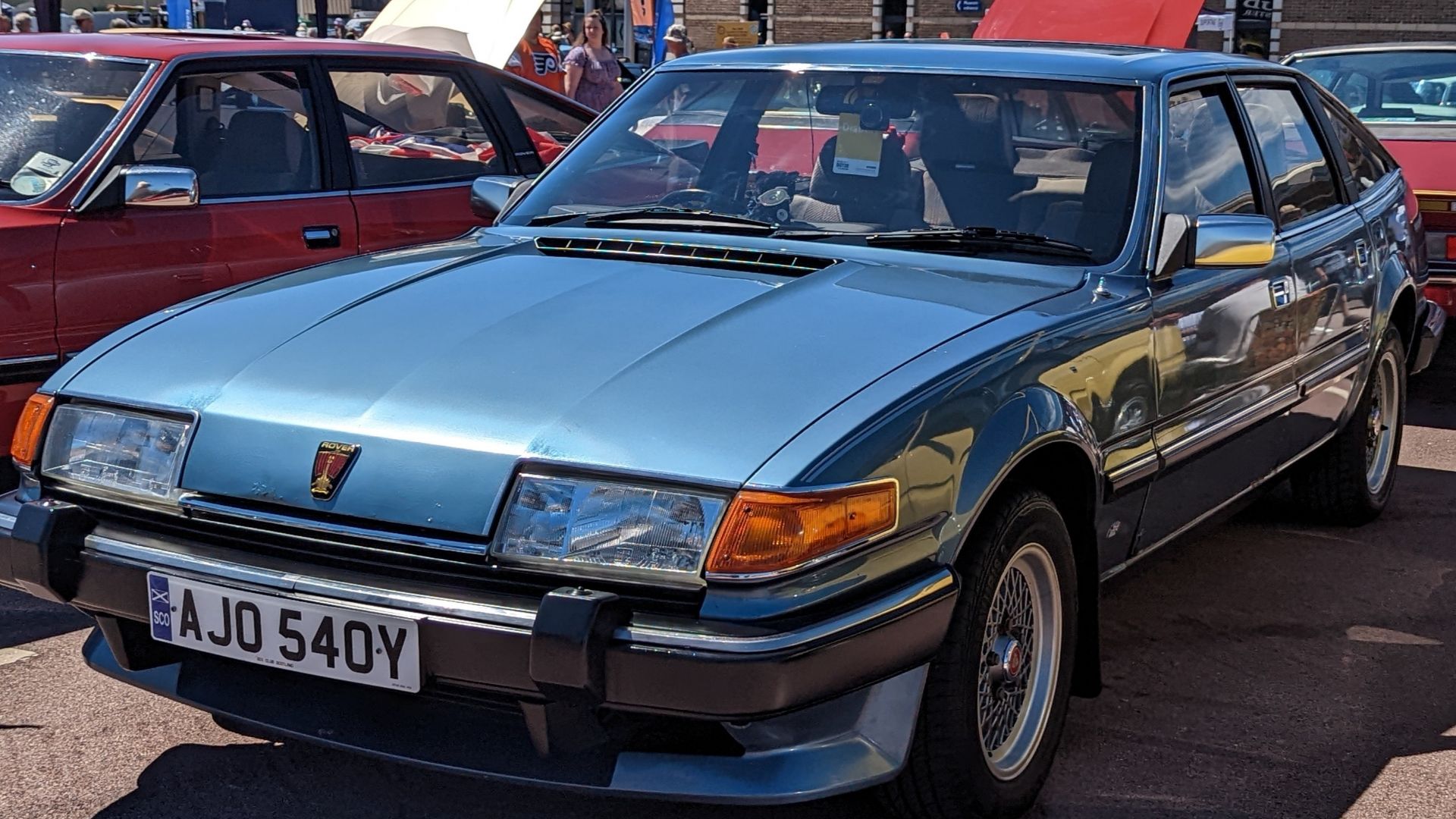
Rover SD1
Fastback styling gave the Rover SD1 a modern profile rarely seen in executive sedans. Interior space benefited from the layout. Quality issues interfered. The concept endured because hatch-like practicality eventually found acceptance among buyers seeking flexibility without abandoning status.