The King’s Ride: Why Elvis Presley’s Favorite Car Model Was Discontinued
Elvis Presley didn’t just change music—he changed car culture. At the height of his fame, The King had more Cadillacs than most dealerships, and his love affair with one particular model helped cement its place in pop culture history. But here’s the twist: despite its star power and larger-than-life image, Elvis’s favorite Cadillac model was eventually discontinued. How does a car adored by the most famous entertainer on the planet end up in the history books? Buckle up—we’re heading back to the glittering, chrome-plated world of mid-century America to find out.
Elvis And Cadillac: A Love Story
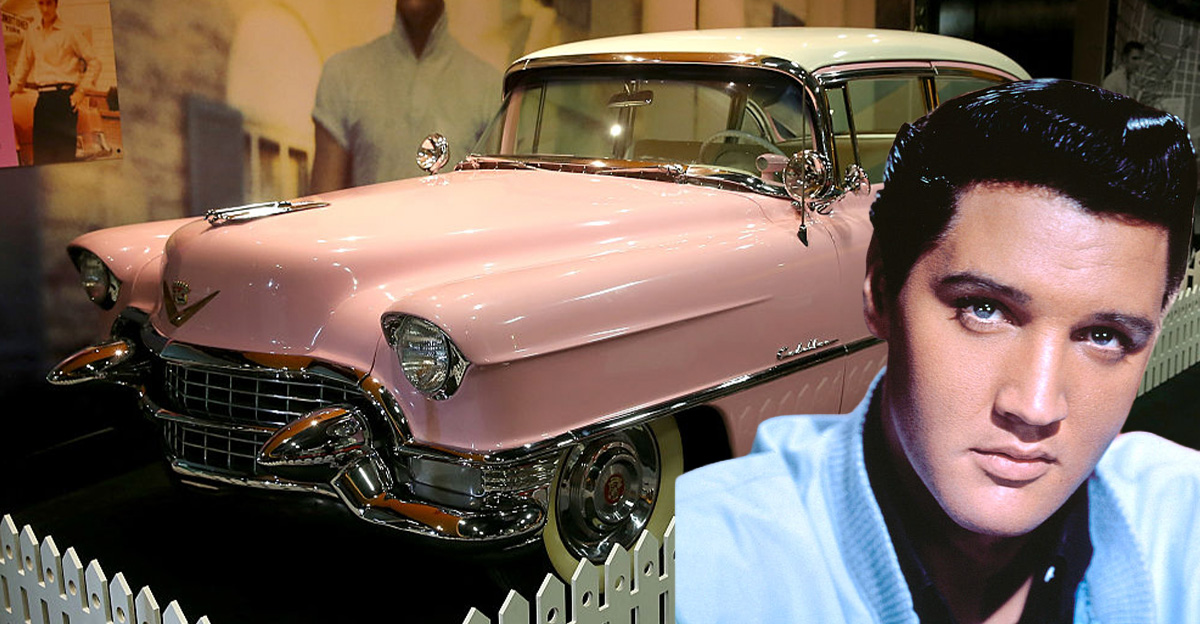
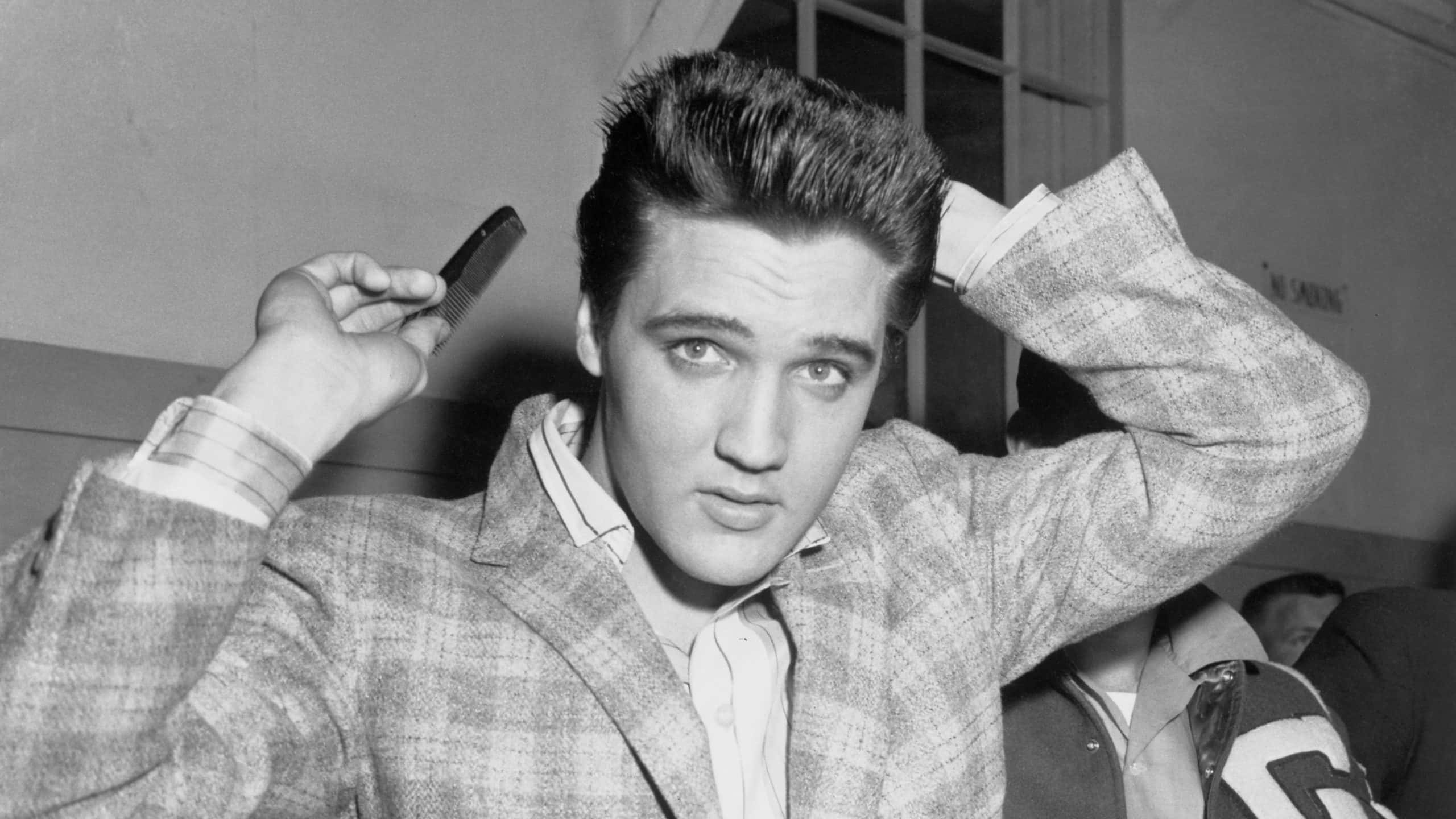
If peanut butter met banana in the automotive world, it would be Elvis and Cadillac. From the moment his career took off in the mid-1950s, Presley treated himself—and often his friends, family, and even strangers—to shiny new Cadillacs. They weren’t just cars; they were statements. Cadillac represented success, swagger, and the American Dream. For a kid who grew up dirt poor in Tupelo, Mississippi, owning a Cadillac wasn’t just a purchase. It was proof he’d made it.
The Crown Jewel: The Cadillac Fleetwood Series 60
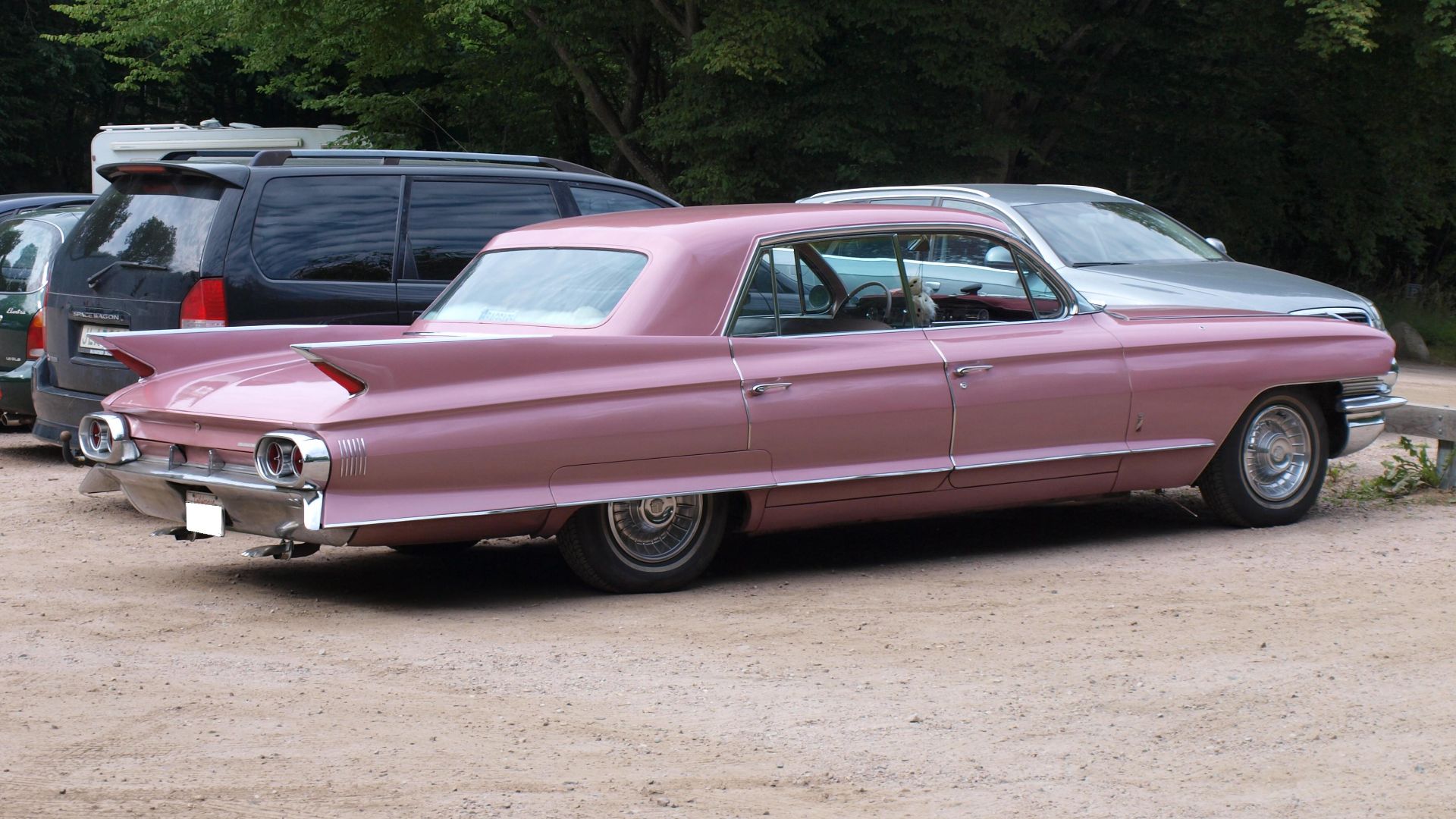
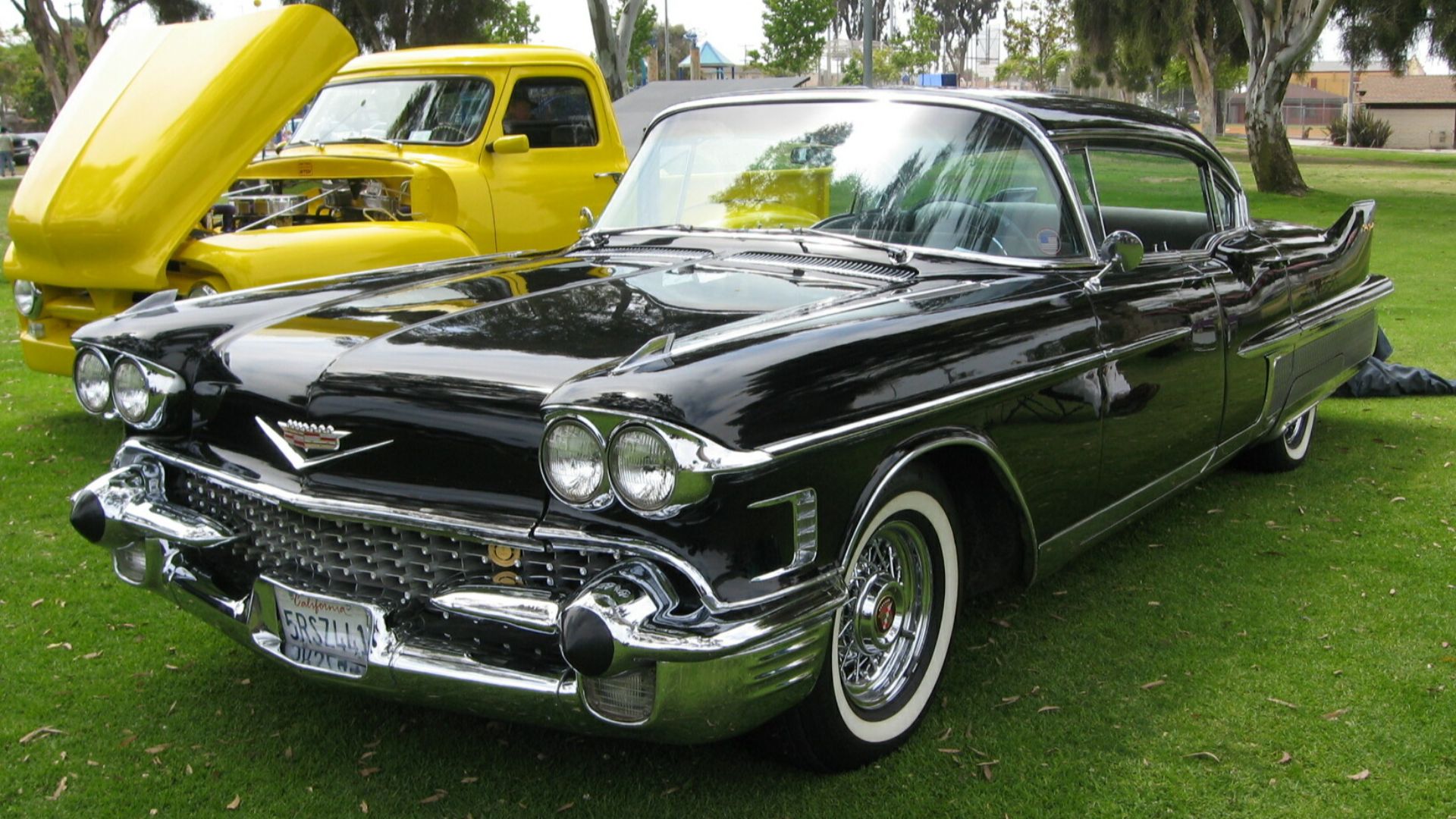
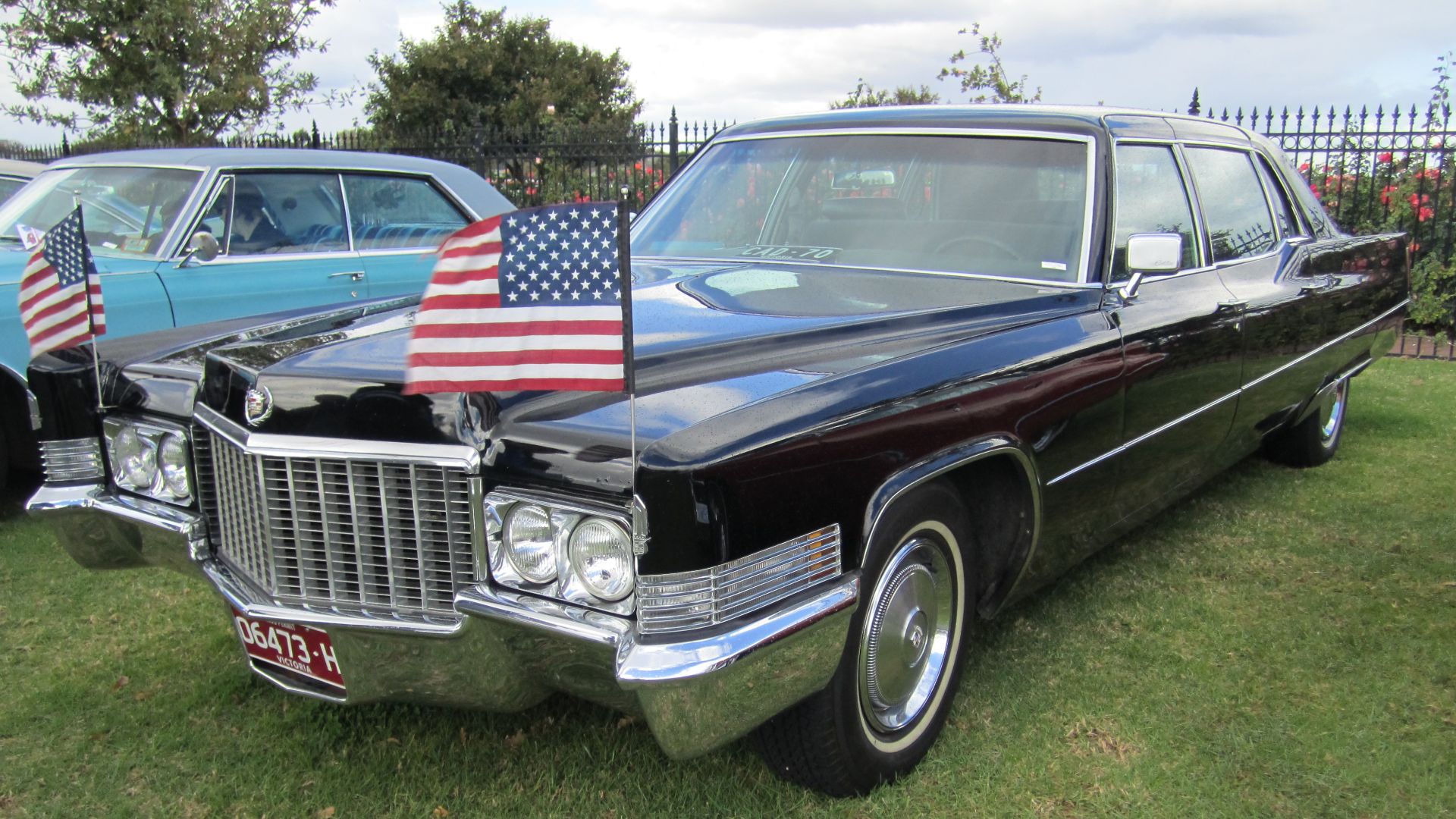
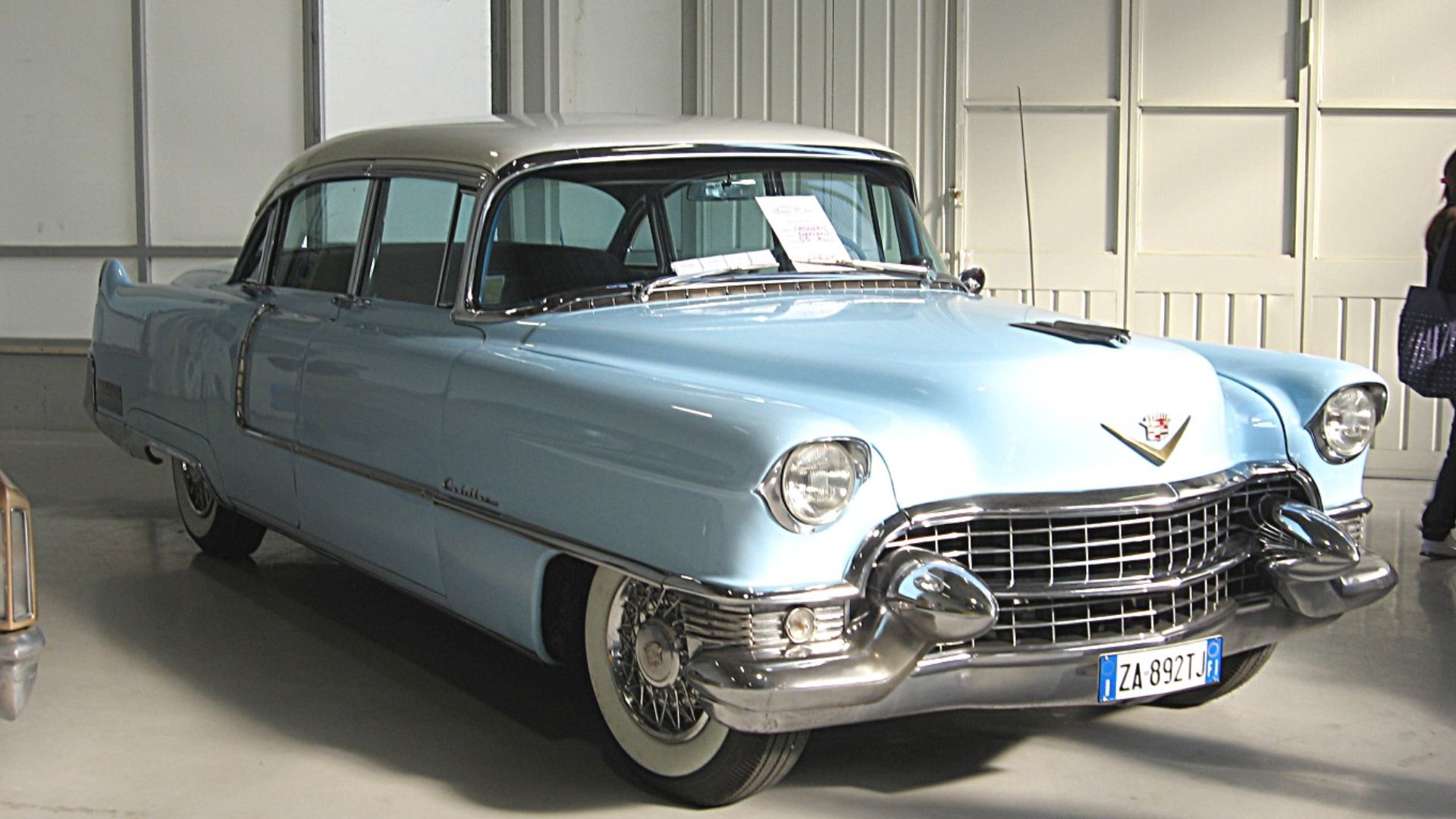
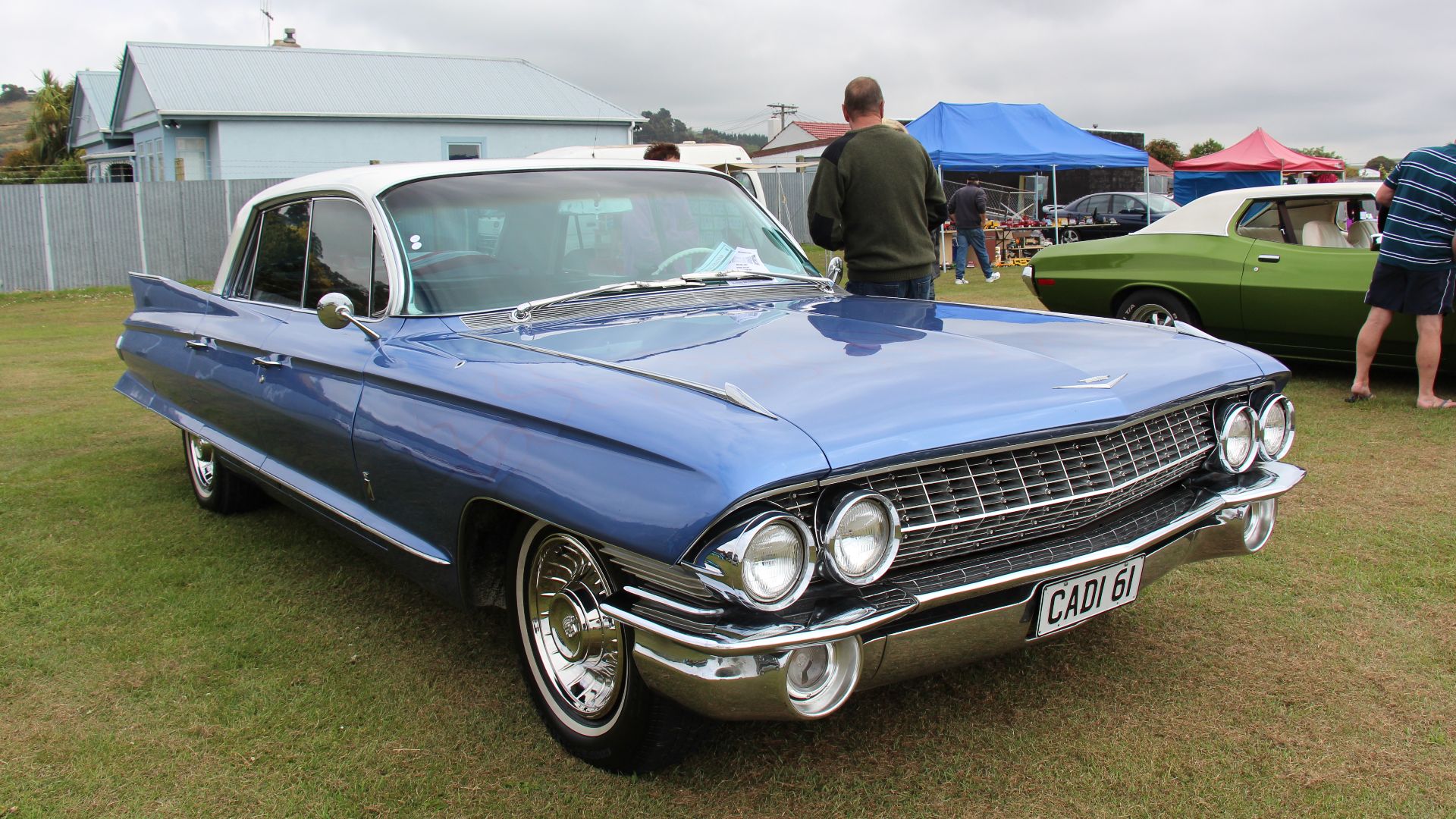
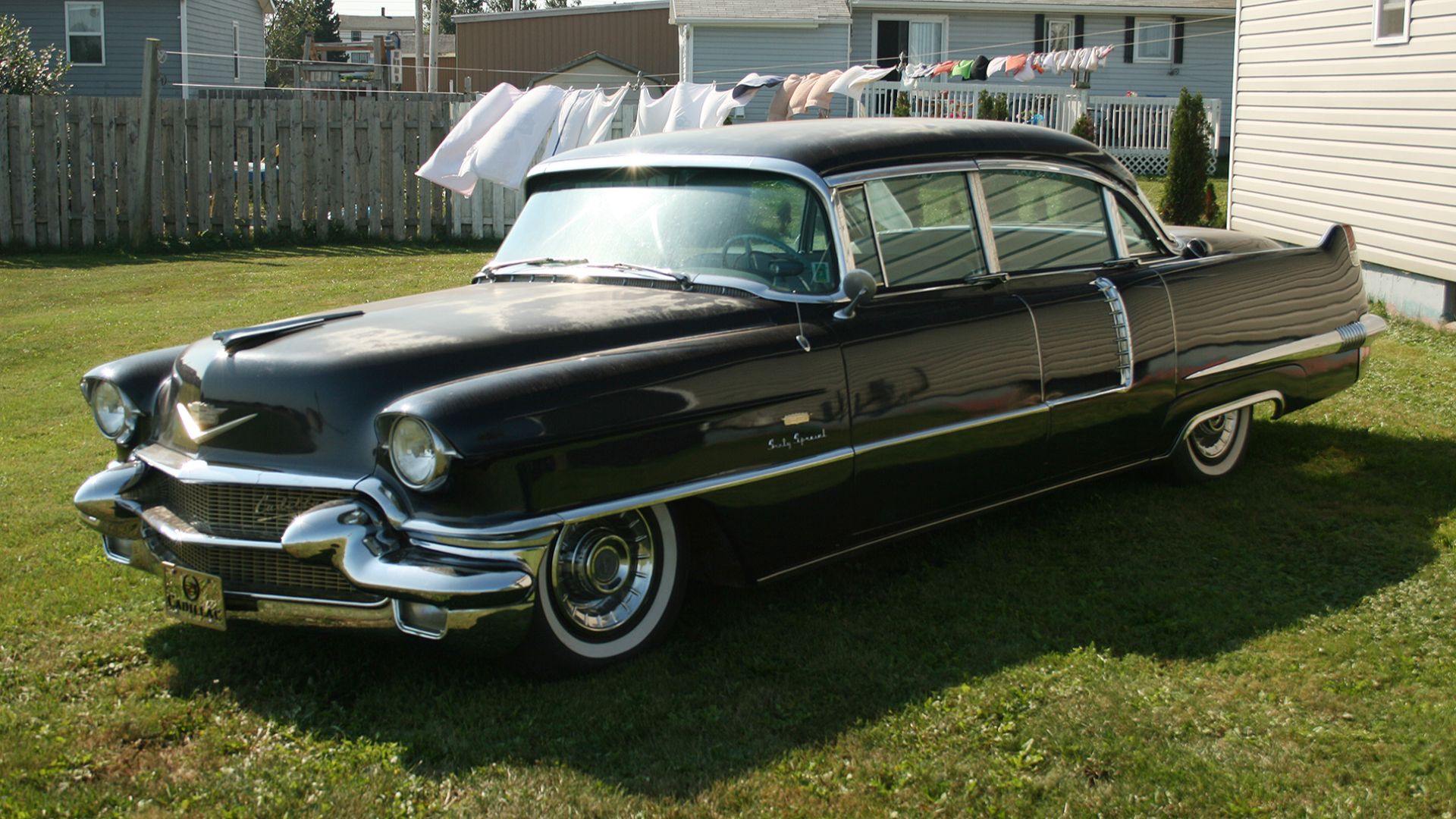
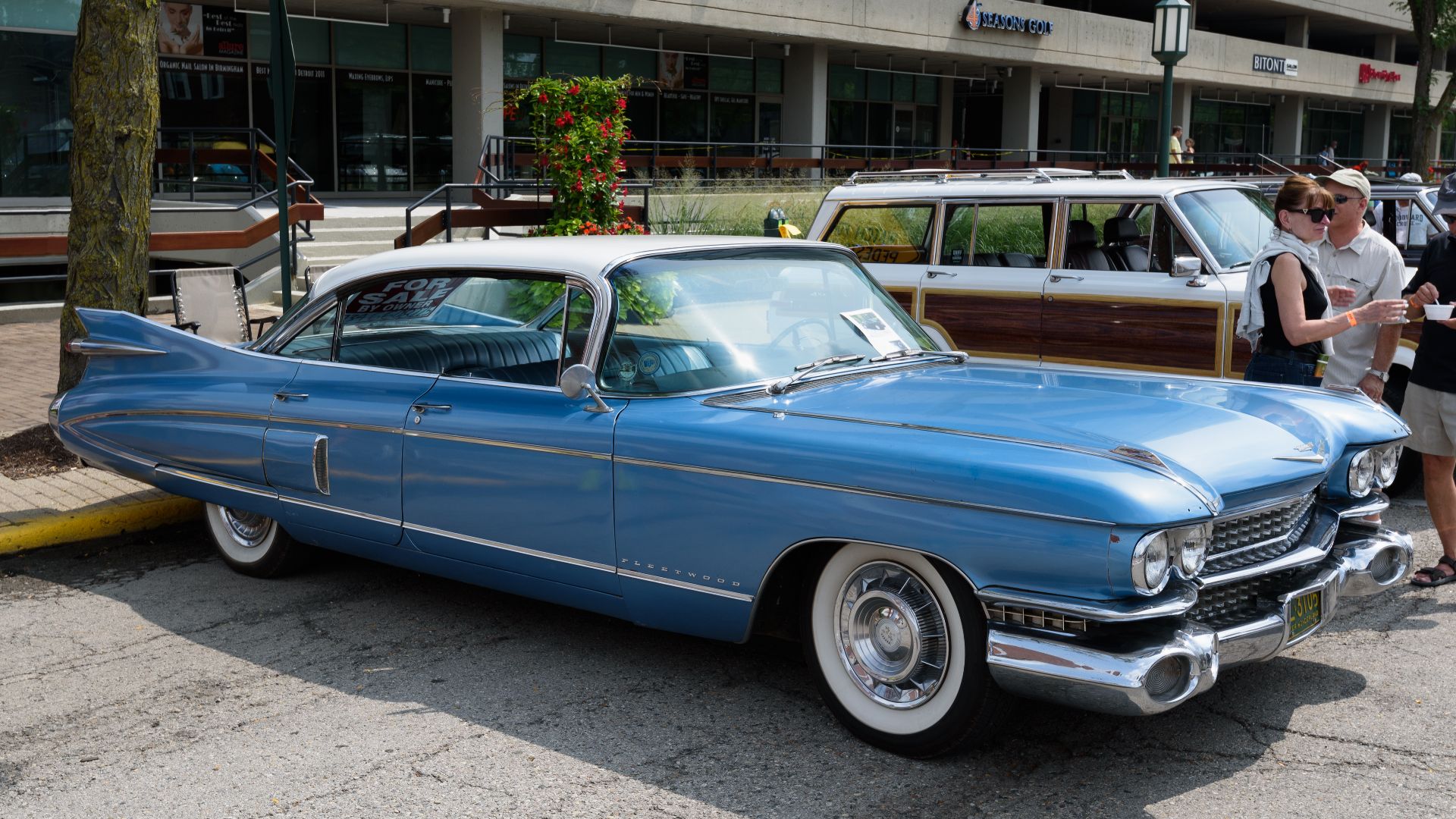
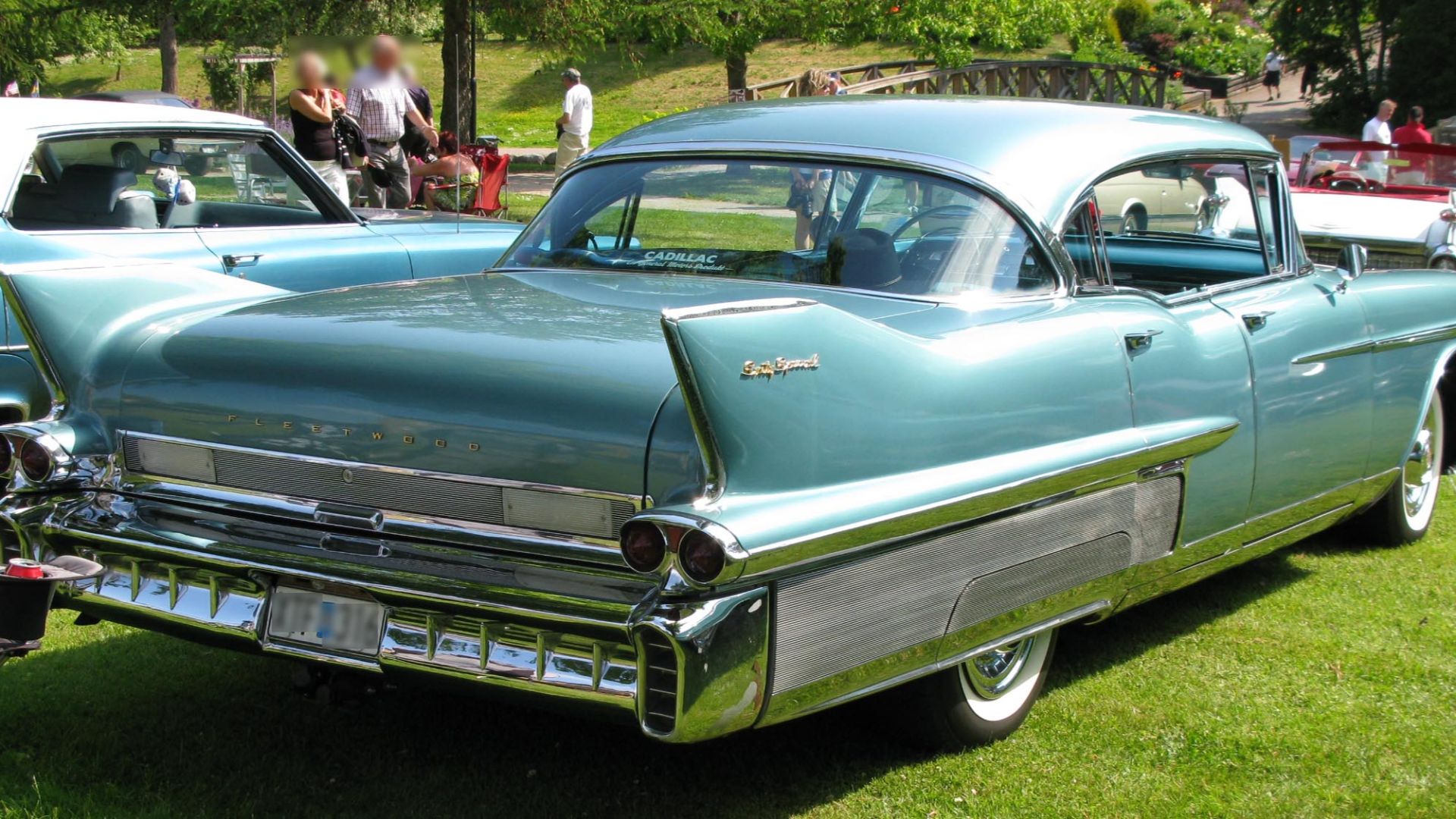
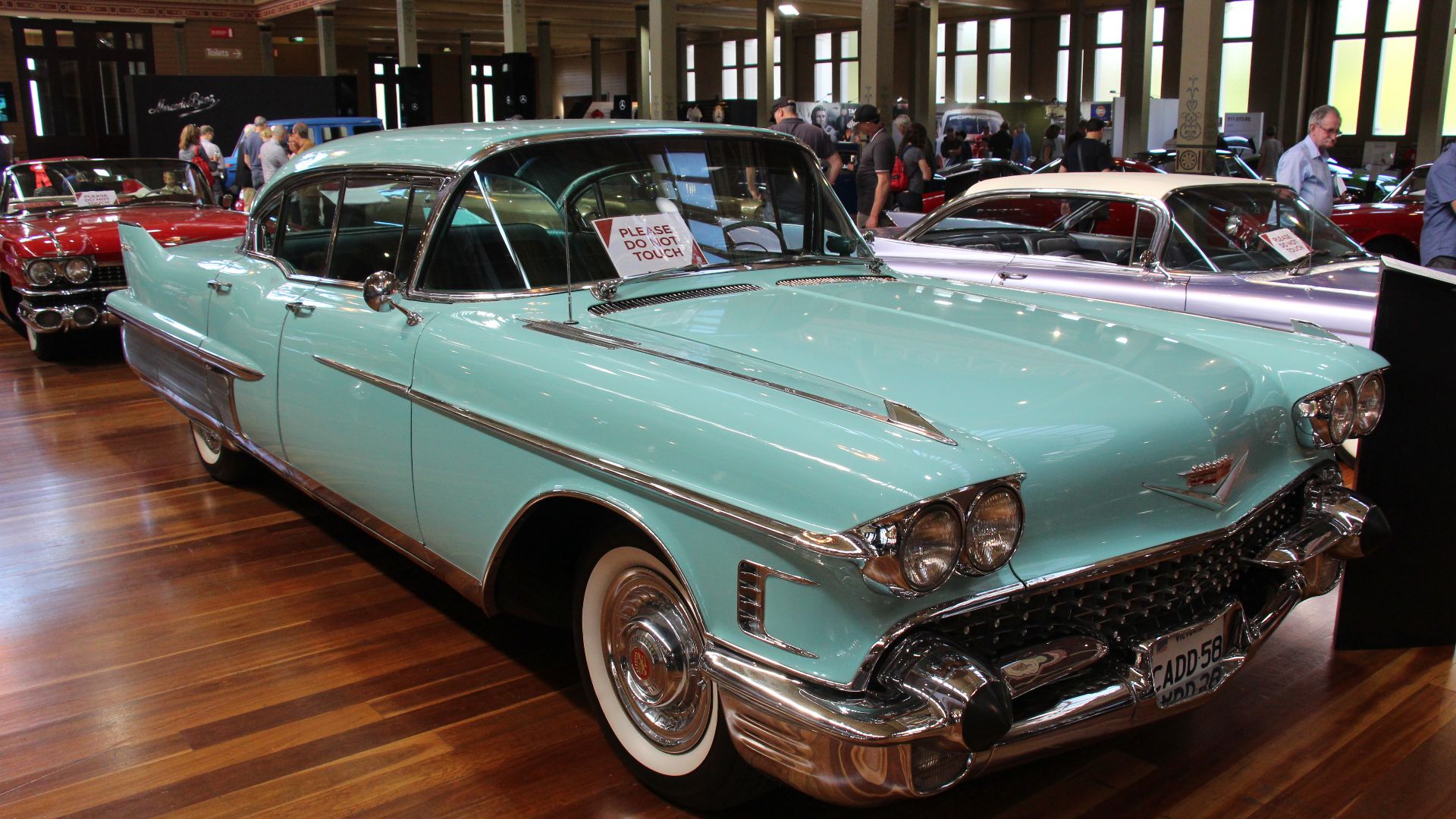
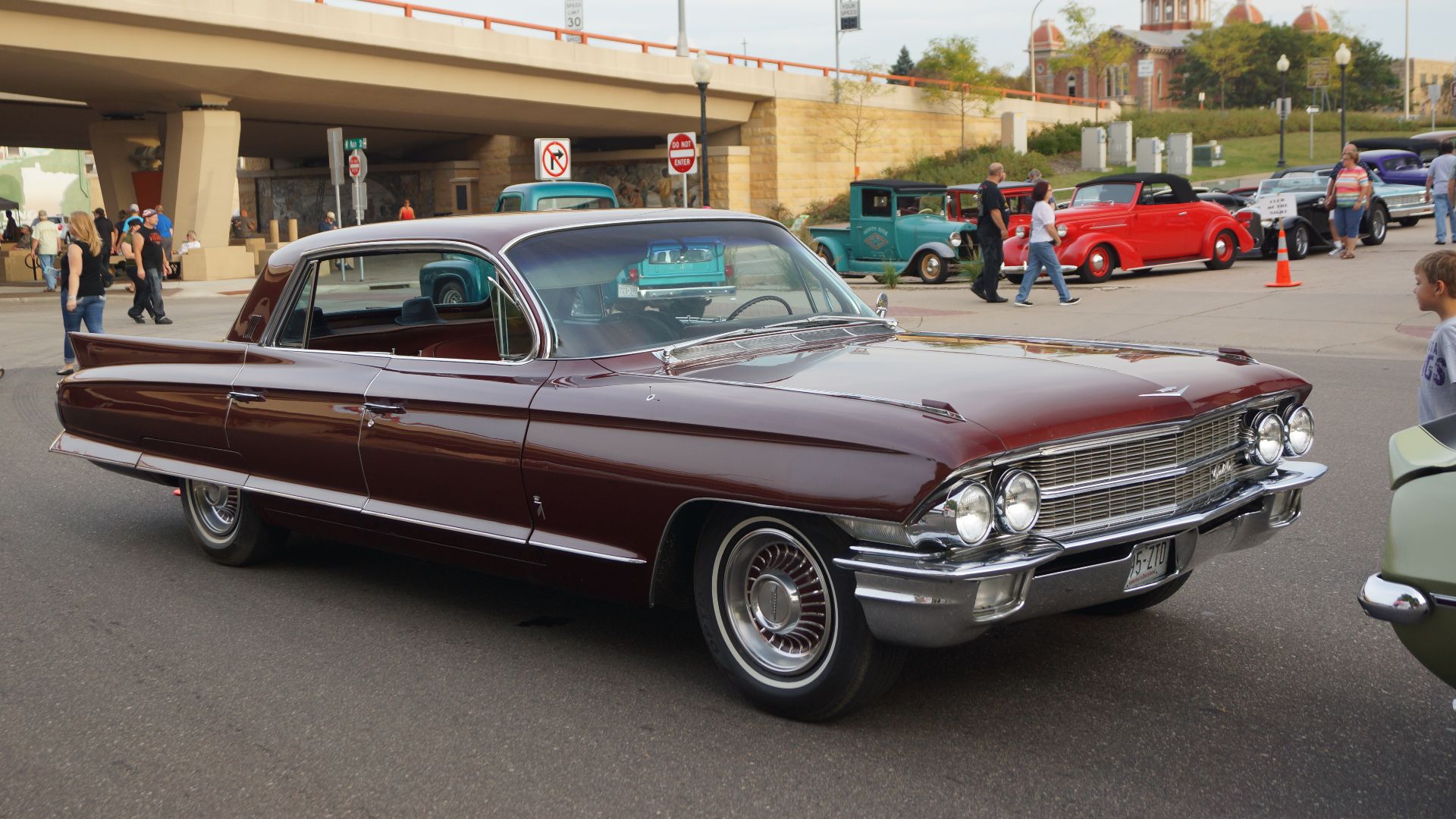
Among Elvis’s many rides, the Cadillac Fleetwood Series 60 stood tall. It was long, luxurious, and unapologetically flashy—basically the four-wheeled equivalent of a rhinestone jumpsuit. The Fleetwood models, especially the 60 Special, were known for their extended wheelbase, plush interiors, and stately presence. When Elvis rolled up in one, you knew royalty had arrived.
Why The Fleetwood Fit The King
The Fleetwood wasn’t subtle. It was big, bold, and beautifully excessive. That suited Elvis perfectly. He loved comfort and space—room for his crew, his entourage, and sometimes stacks of gifts he’d spontaneously bought. The Fleetwood’s cavernous cabin and pillowy seats made it ideal for long drives between tour stops or late-night Memphis cruises.
 No machine-readable author provided. Jlantzy assumed (based on copyright claims)., Wikimedia Commons
Pink Perfection And Publicity
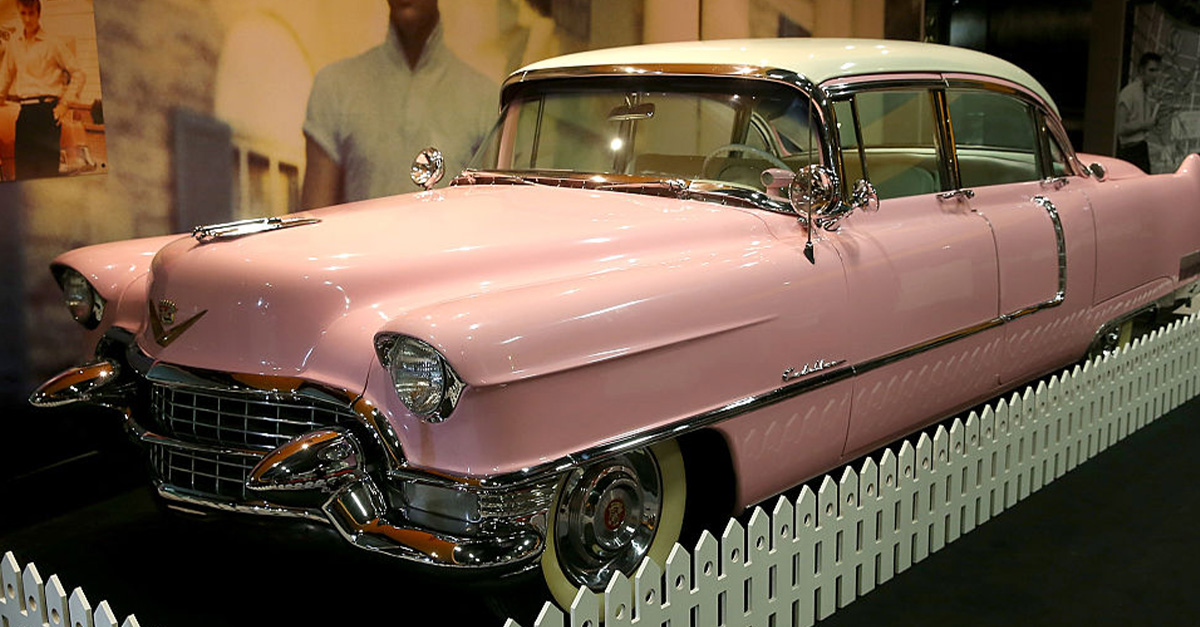
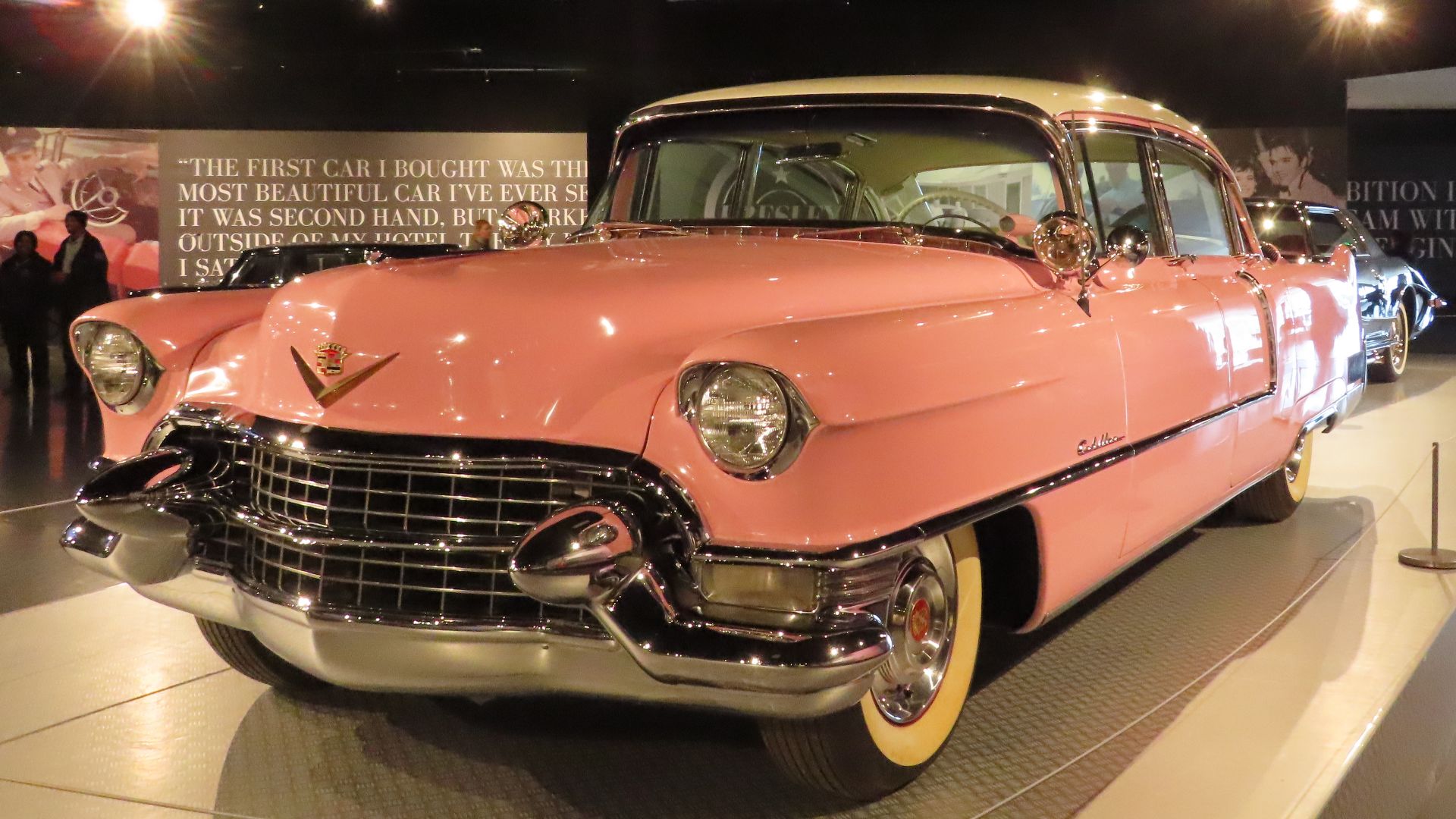
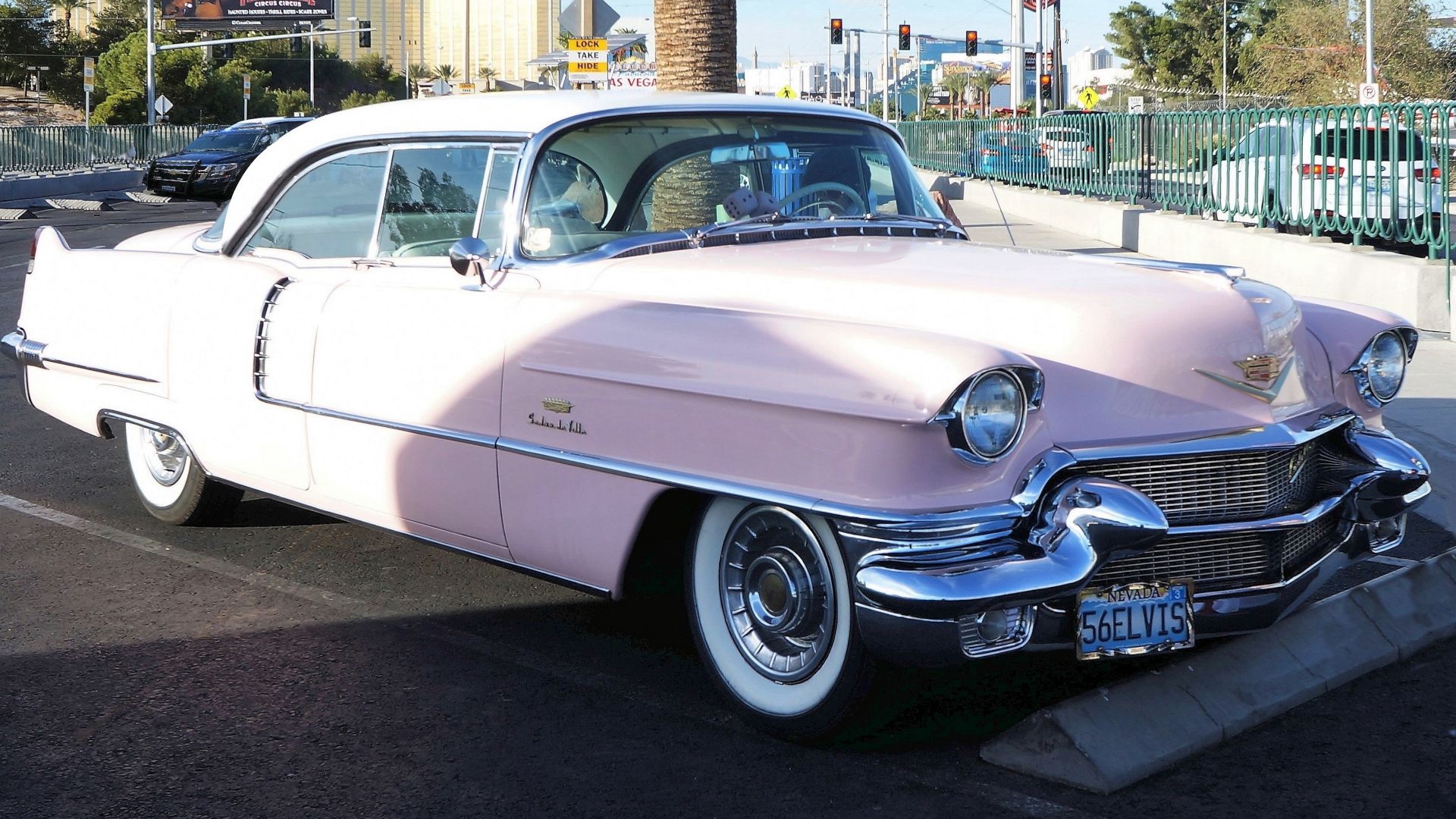
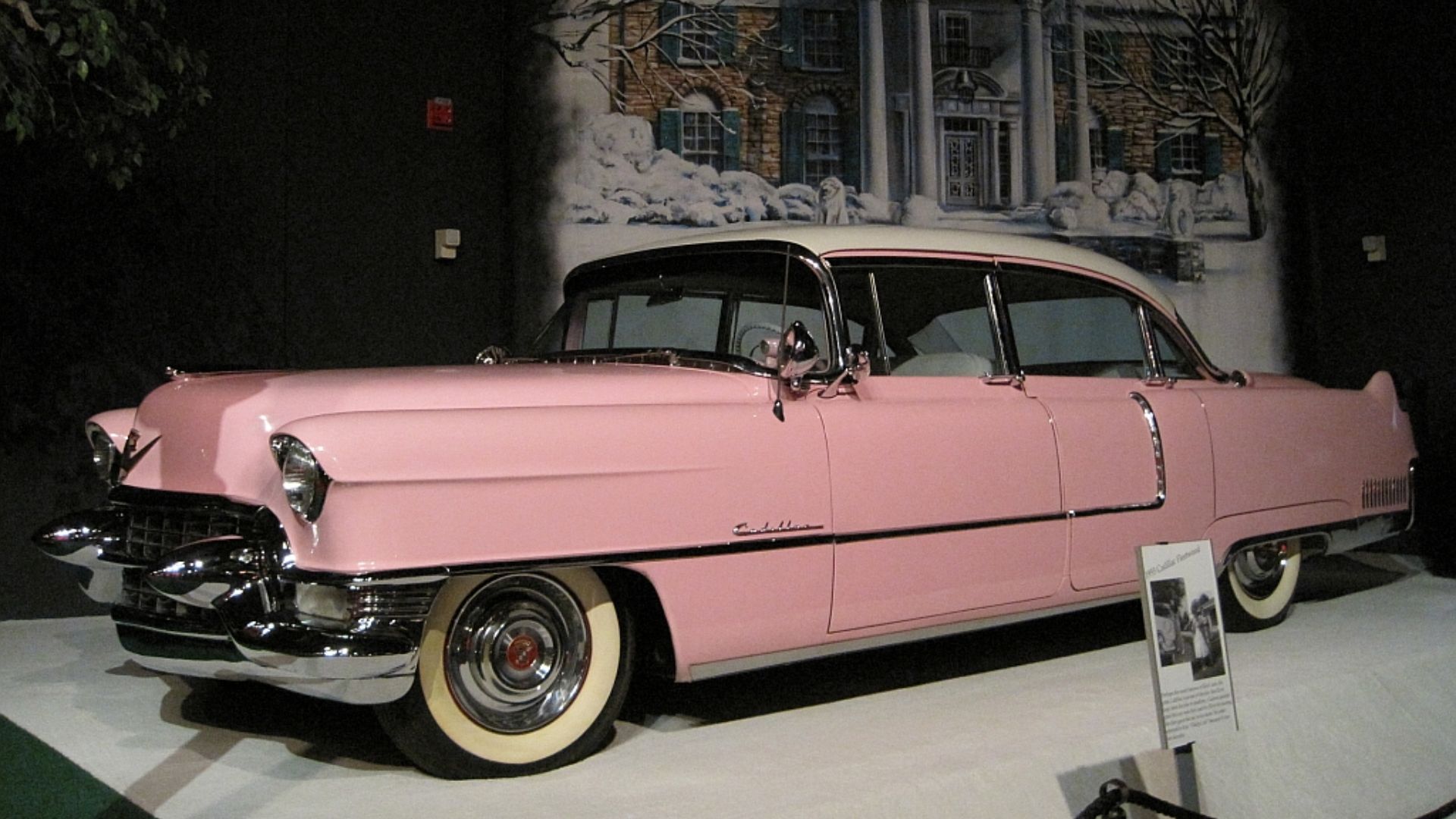
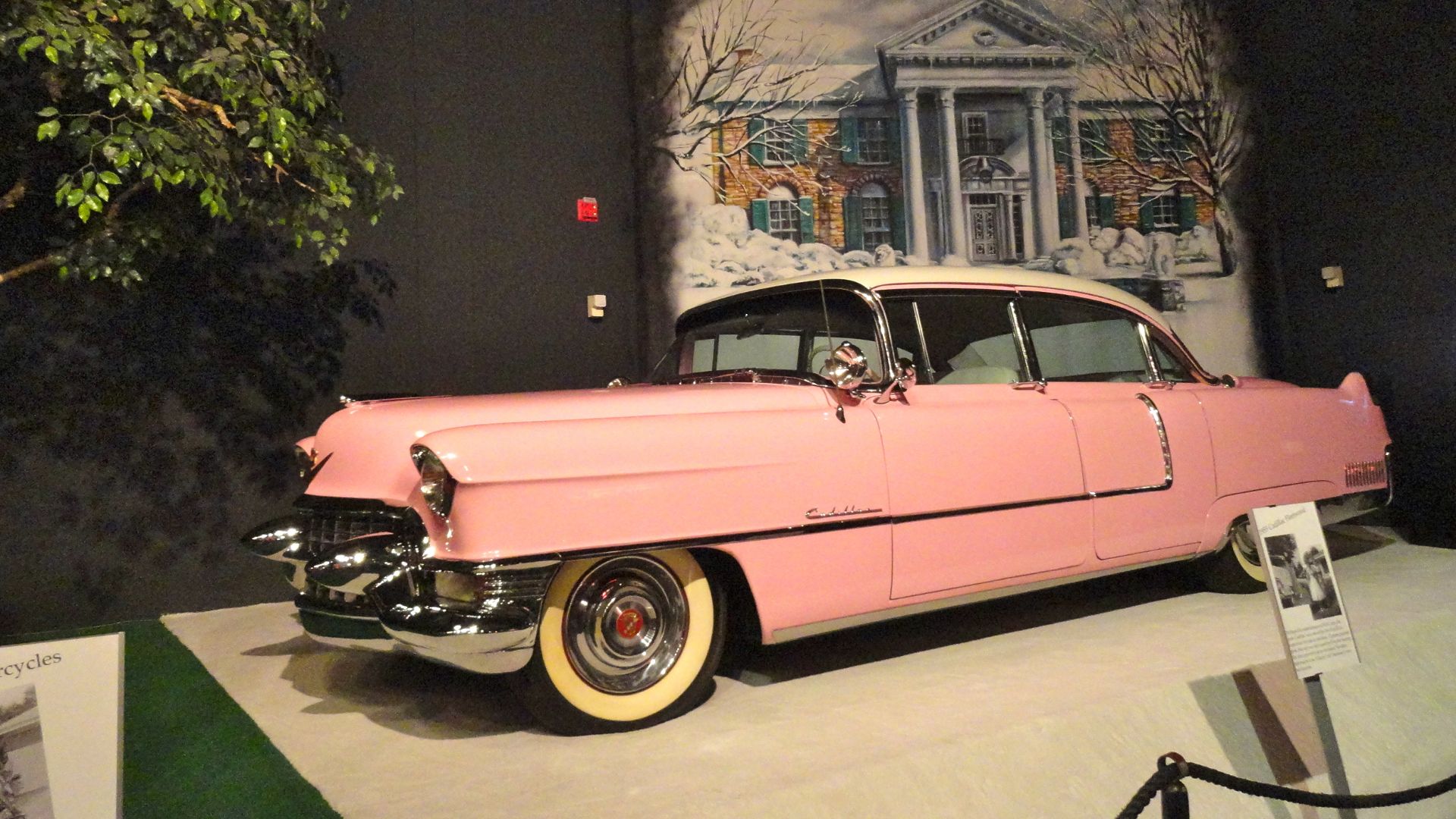
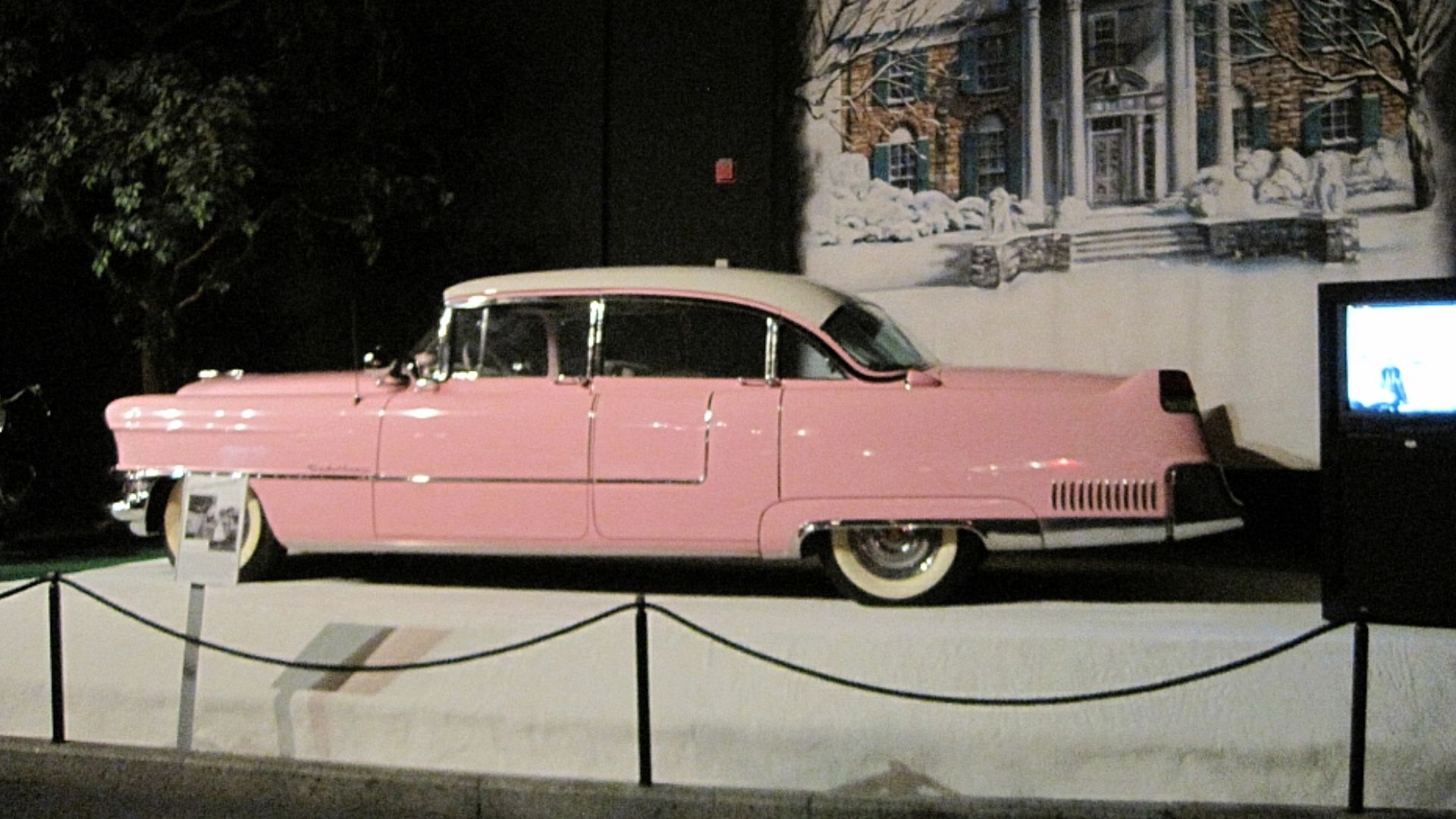
Of course, no discussion of Elvis and Cadillacs is complete without mentioning the pink one. In 1955, he famously purchased a pink Cadillac Fleetwood, which quickly became one of the most recognizable celebrity cars of all time. That car wasn’t just transportation. It was branding genius. The pink Cadillac became a symbol of Elvis’s rise to fame—and of Cadillac’s cool factor.
Cadillac’s Golden Era
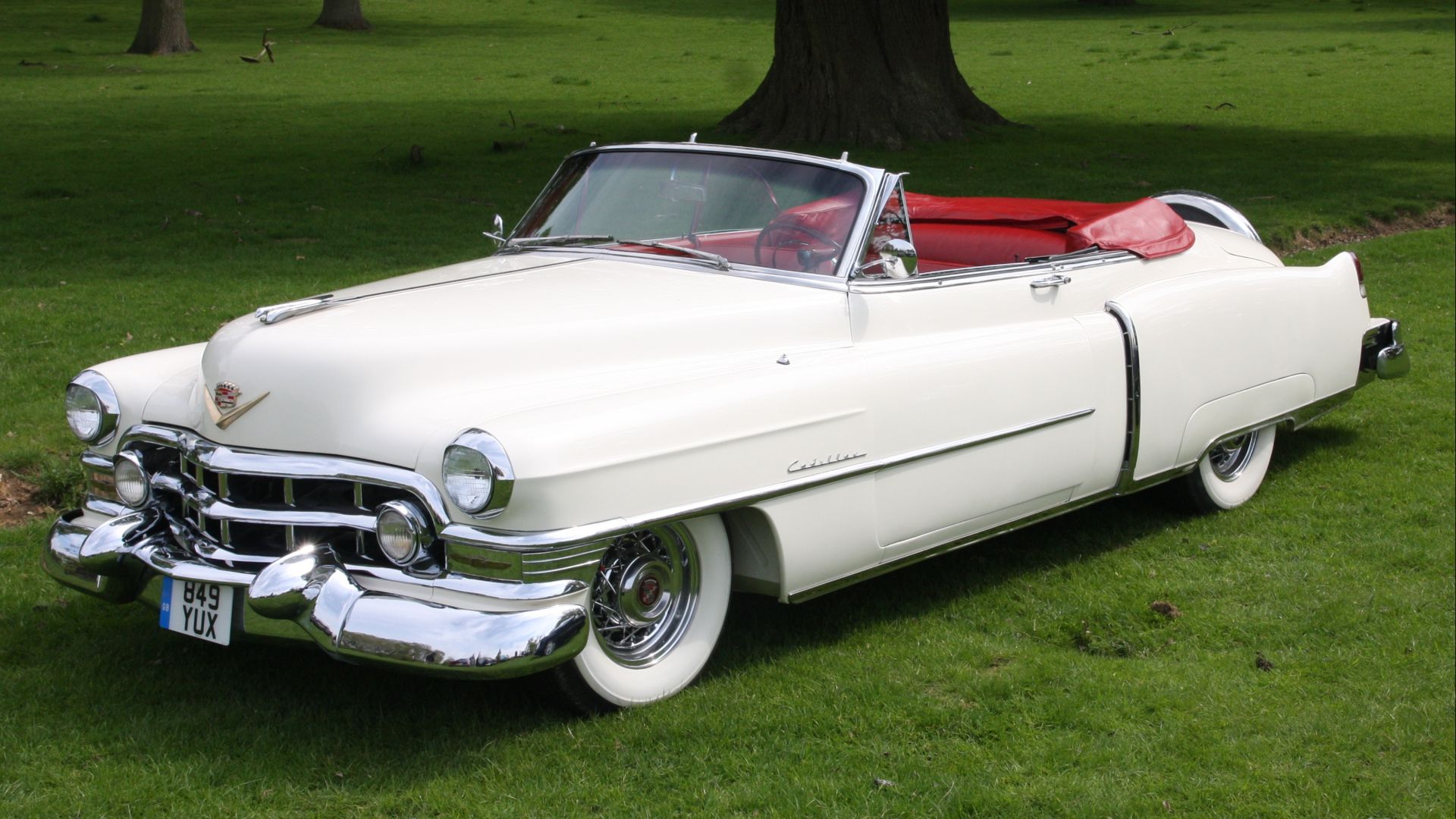
In the 1950s and early ’60s, Cadillac could do no wrong. Tailfins soared higher each year, chrome sparkled in the sun, and engines grew more powerful. Models like the Fleetwood Series 60 thrived in this environment. Bigger meant better. Flashier meant fancier. And America, flush with postwar optimism, couldn’t get enough.
The Fleetwood’s Signature Style
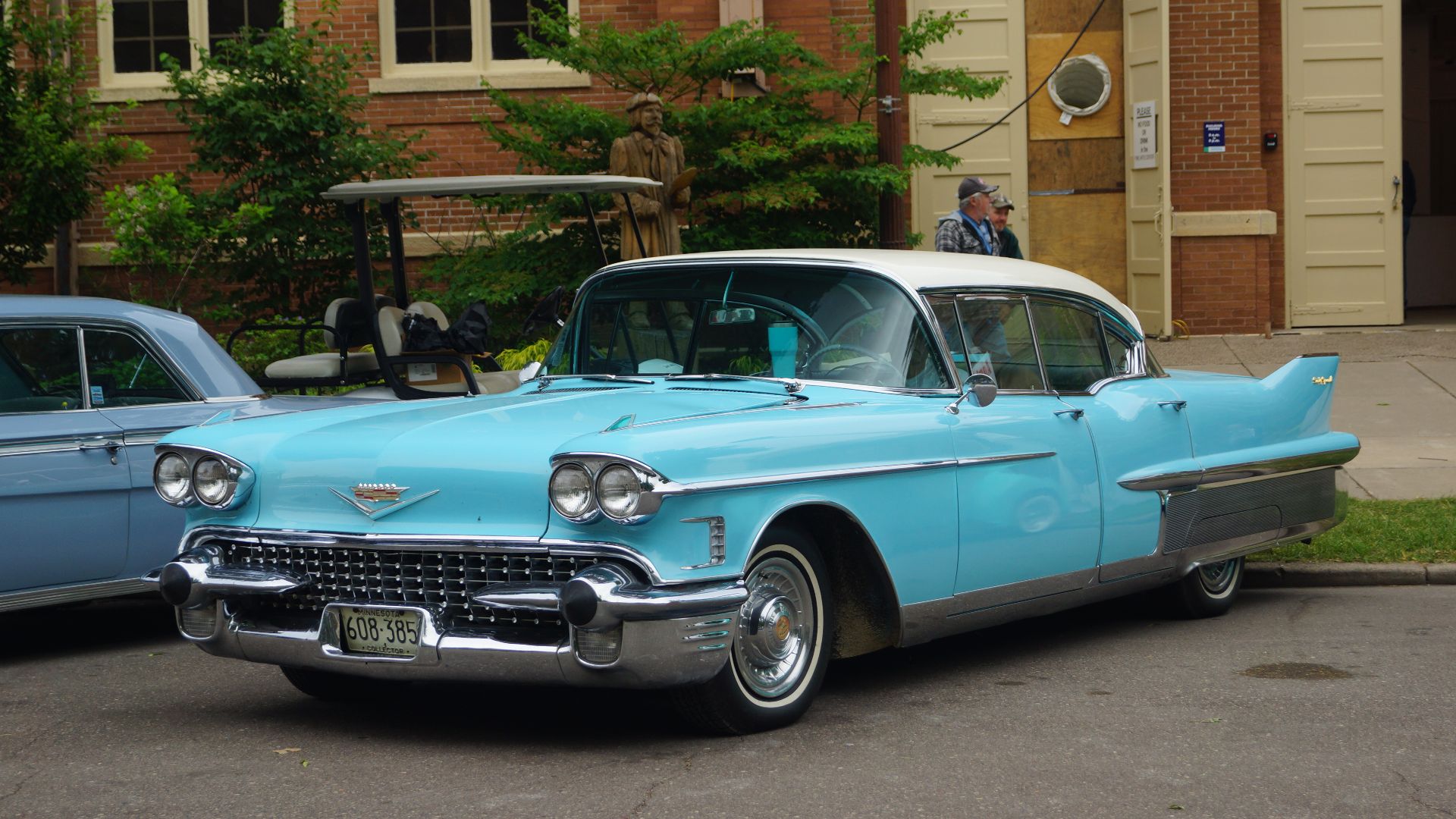
The Fleetwood stood out thanks to its formal roofline, understated rear fender treatment (compared to some wilder Cadillacs), and impeccably trimmed interiors. It was less about teenage rebellion and more about executive swagger. That balance made it perfect for someone like Elvis—young and rebellious, but already a legend.
 Greg Gjerdingen from Willmar, USA, Wikimedia Commons
Changing Tides In The 1970s
So what happened? Why did a car so beloved—by Elvis and countless others—disappear? The answer starts in the 1970s. America’s automotive landscape was about to change dramatically, and not in a good way for massive luxury sedans.
 Pierre André Leclercq, Wikimedia Commons
The Oil Crisis Hits Hard
In 1973, the oil crisis turned the industry upside down. Gas prices soared, fuel shortages became common, and suddenly those enormous V8-powered luxury barges didn’t seem so charming. Cars like the Fleetwood were thirsty. Really thirsty. And consumers began rethinking whether they needed 19 feet of steel just to drive to work.
Downsizing Becomes The New Trend
As fuel economy concerns grew, automakers scrambled to downsize. General Motors, Cadillac’s parent company, began shrinking its lineup in the late 1970s. The Fleetwood name stuck around in different forms, but the classic Series 60 concept—huge, imposing, and gloriously excessive—was effectively phased out.
 No machine-readable author provided. Luc106 assumed (based on copyright claims)., Wikimedia Commons
Emissions And Regulations Tighten
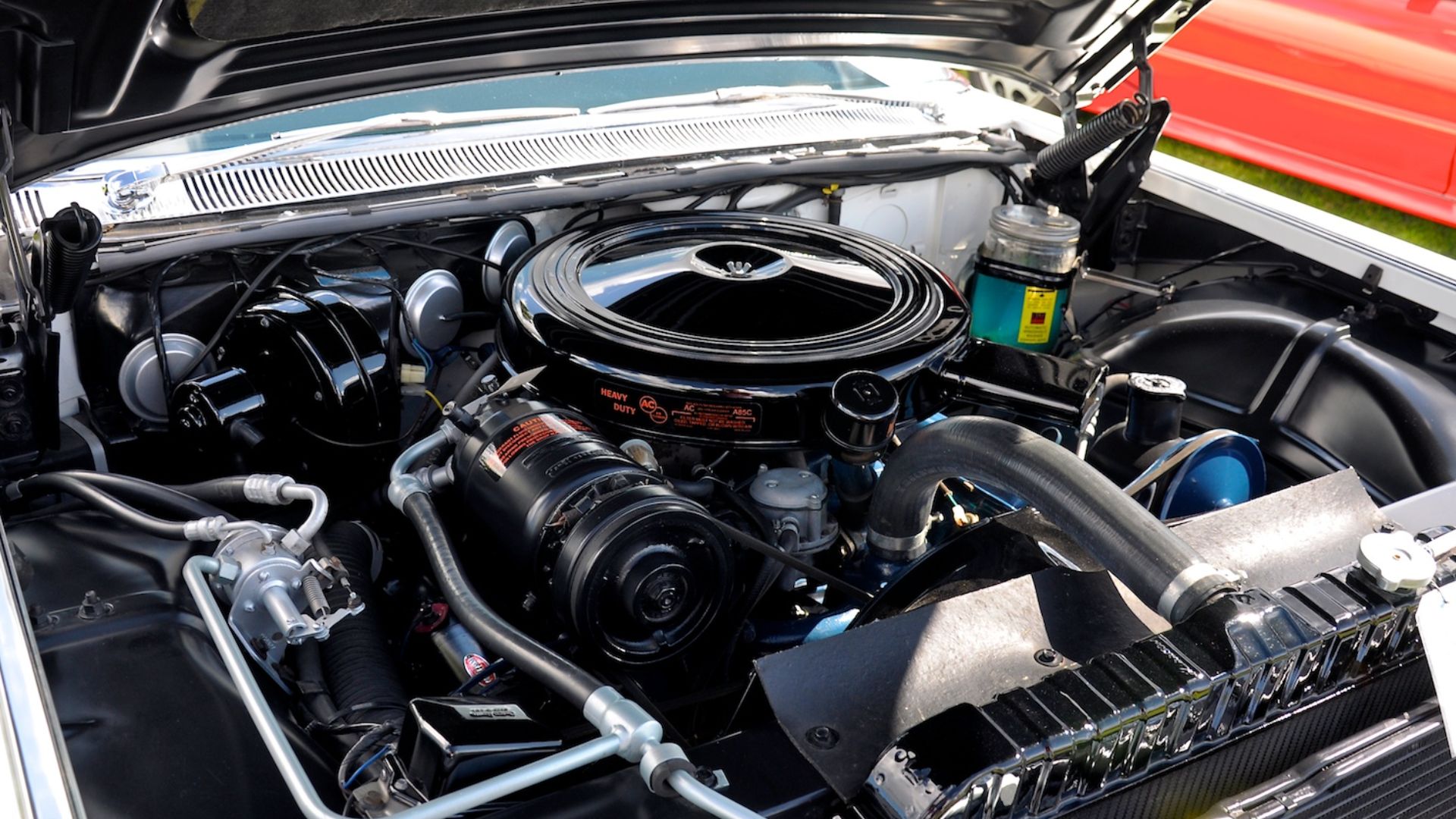
Beyond fuel economy, stricter emissions standards also played a role. The Environmental Protection Agency (EPA) introduced regulations that made it harder to justify massive engines with relatively low efficiency. The big-block V8s that once symbolized power and prestige became liabilities. Meeting new standards required redesigns that changed the character of many classic models.
 Martin Pettitt, Wikimedia Commons
The Rise Of European Competition
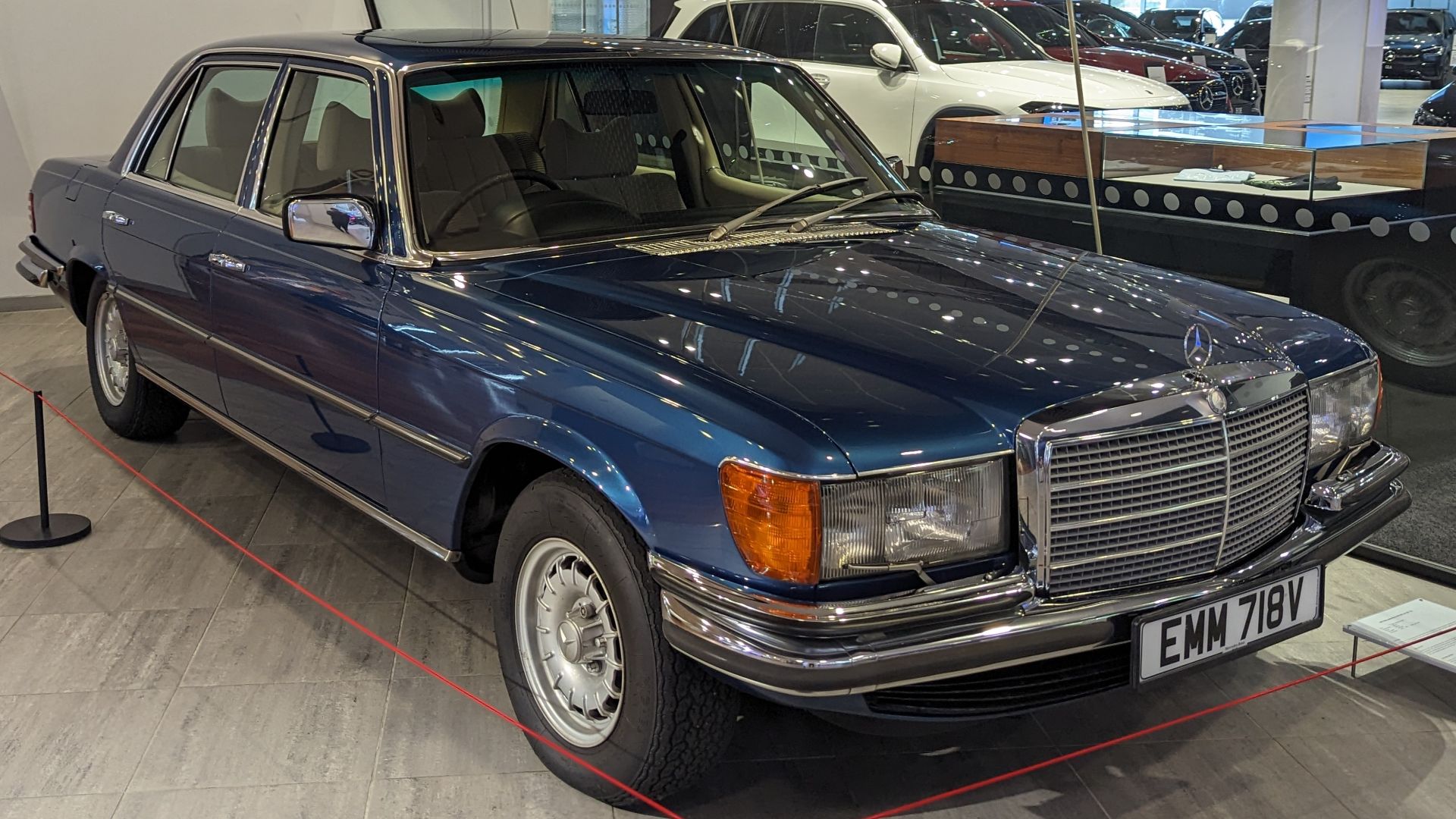
At the same time, European luxury brands were gaining traction in the U.S. market. Mercedes-Benz and BMW offered smaller, more agile luxury sedans that felt modern and refined. Buyers who once defaulted to Cadillac began exploring alternatives. The Fleetwood’s traditional, old-school charm started to feel dated in comparison.
A Shift In Consumer Taste
Cultural tastes were evolving, too. The flashy excess of the 1950s and ’60s gave way to a more restrained aesthetic. By the 1980s, sharp lines and technological sophistication were in. The land-yacht look—so perfect for Elvis—was increasingly seen as a relic of a bygone era.
Corporate Streamlining At GM
Inside General Motors, restructuring efforts also influenced Cadillac’s lineup. Platforms were shared more widely across brands to cut costs. This meant fewer truly unique, halo-style models. The distinct identity of cars like the Fleetwood Series 60 was diluted as Cadillac adapted to corporate realities.
The Fleetwood Name Evolves
It’s worth noting that “Fleetwood” didn’t vanish overnight. The name was repurposed, rebranded, and reshuffled over the years. But the specific model that embodied Elvis’s golden-era luxury—the big, standalone Fleetwood Series 60—was gradually retired in favor of newer configurations.
 Mustang Joe, Wikimedia Commons
Elvis’s Later Years And Larger Cars
Ironically, Elvis’s own tastes in the 1970s leaned toward even larger Cadillacs, including stretched limousines. But even as he embraced the excess, the writing was on the wall for full-size American luxury sedans. The world was changing, and not even The King could stop it.
Safety Standards Add Bulk And Cost
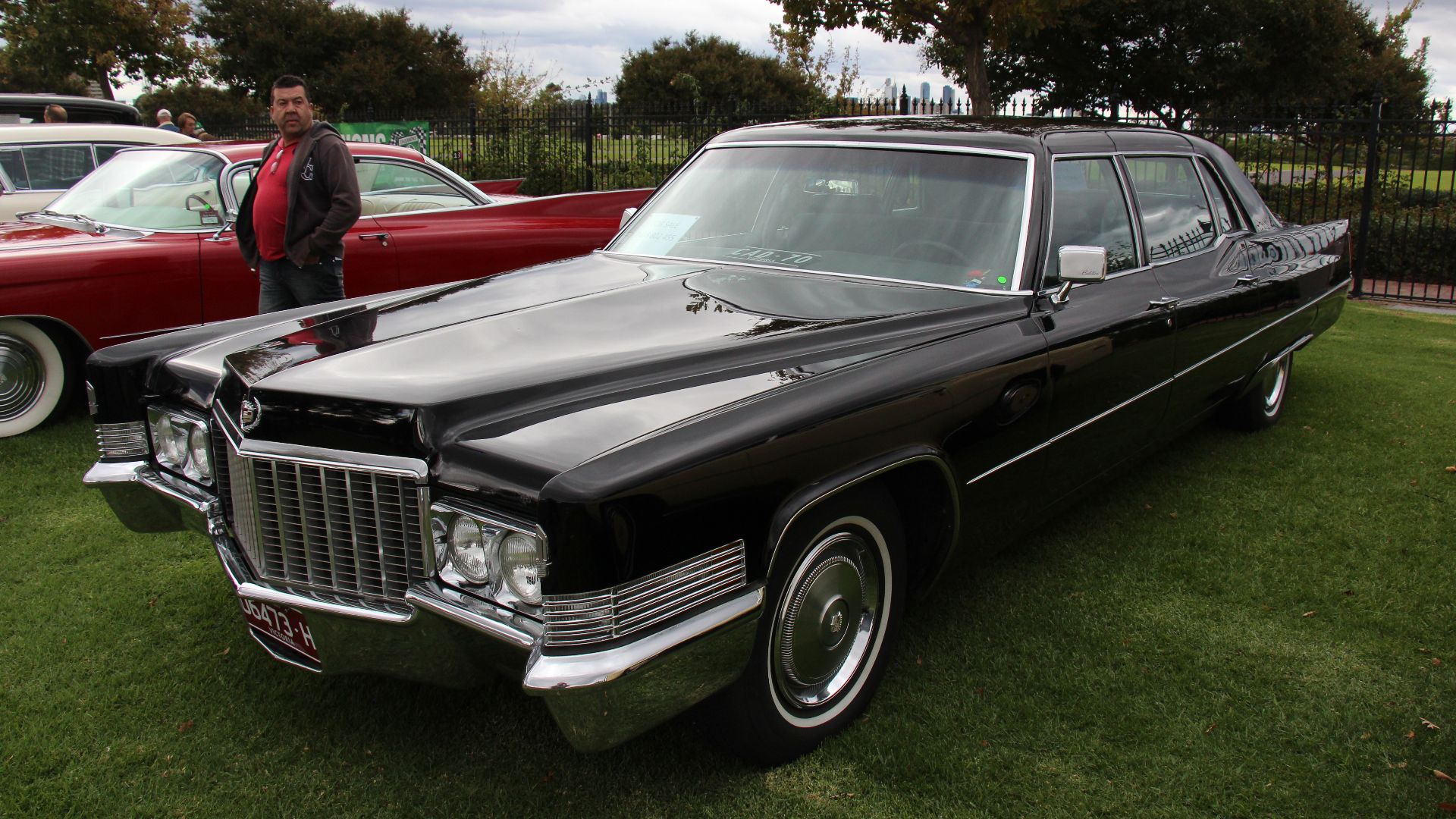
New federal safety standards in the late 1960s and 1970s required reinforced bumpers and additional equipment. These changes added weight and cost, further complicating the business case for already massive vehicles. Maintaining performance while meeting regulations became increasingly expensive.
 Herranderssvensson, Wikimedia Commons
Insurance Costs And Practicality
Insurance rates also climbed for large, powerful cars. For everyday buyers, practicality started to outweigh prestige. You could admire Elvis’s pink Cadillac—but that didn’t mean you wanted to pay to fuel, insure, and park one in 1982.
 Thomas R Machnitzki (thomasmachnitzki.com), Wikimedia Commons
Cadillac’s Attempt To Modernize
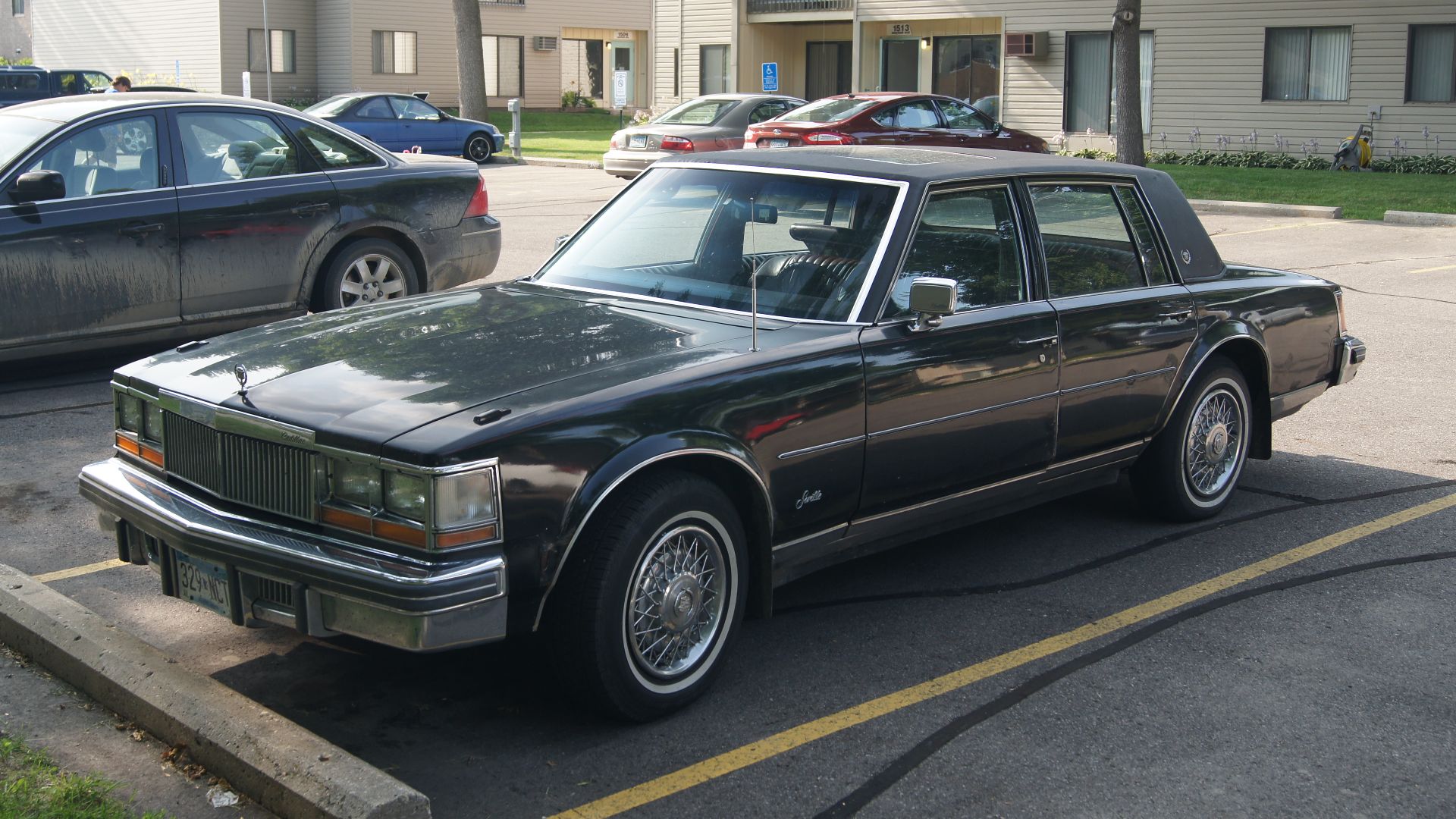
Cadillac attempted to modernize with smaller models like the Seville, introduced in the mid-1970s. It was more European in spirit and better aligned with shifting tastes. The Seville’s success signaled that Cadillac’s future lay in adapting, not clinging to the past.
 Greg Gjerdingen from Willmar, USA, Wikimedia Commons
The End Of An Era
By the time the classic Fleetwood formula was discontinued, it wasn’t because it lacked charm. It was because the market no longer supported its scale and extravagance. The car that once symbolized peak American luxury simply didn’t fit the new economic and cultural climate.
Elvis’s Legacy Keeps It Alive
Despite its discontinuation, the Fleetwood’s legend lives on—largely thanks to Elvis. His pink Cadillac is now a museum piece, drawing fans who may never have experienced the golden age of tailfins and chrome firsthand.
Pop Culture Immortality
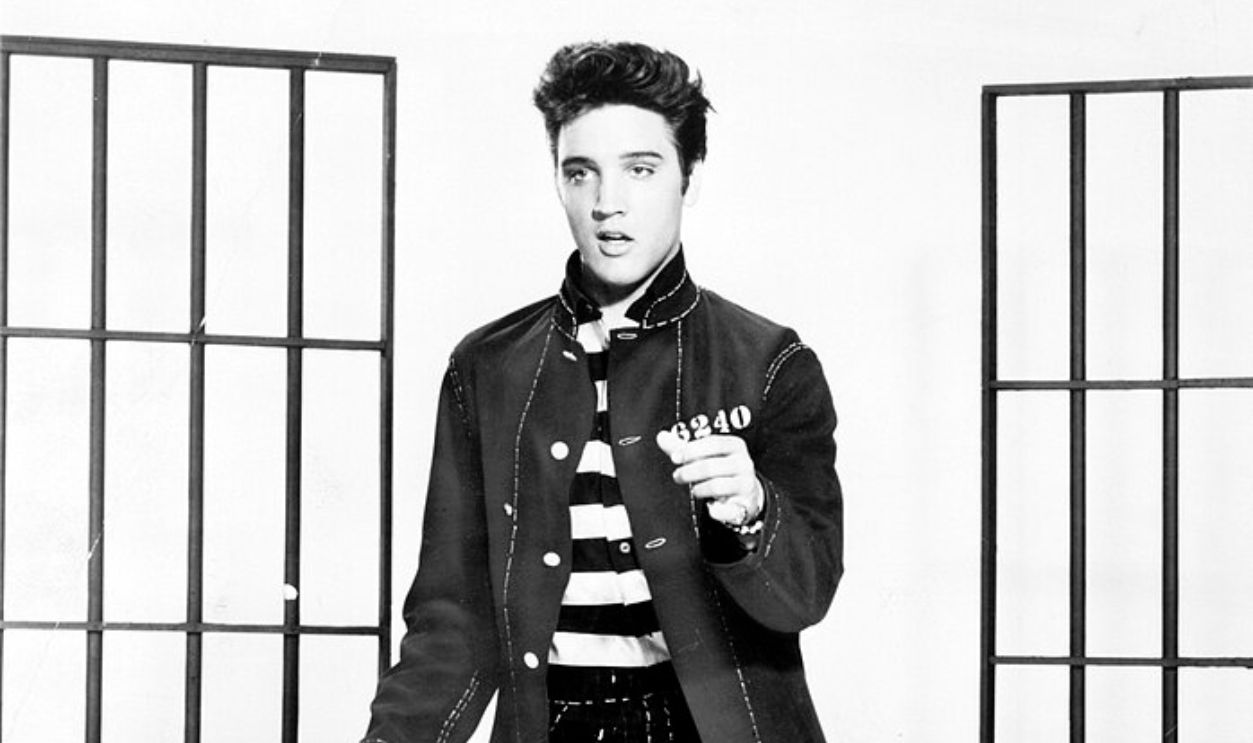
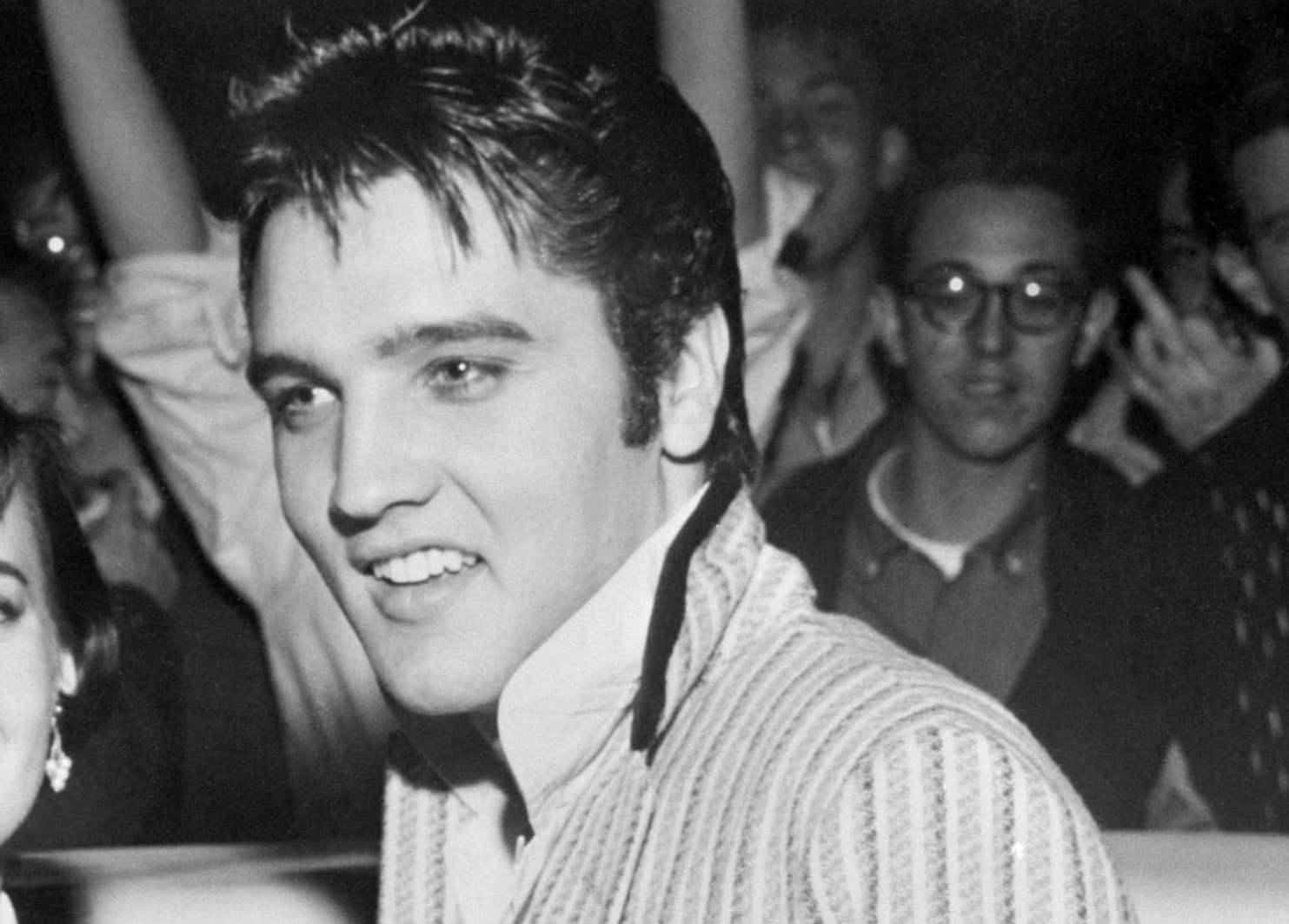
Songs, movies, and endless memorabilia have immortalized Elvis and his Cadillacs. Even people who couldn’t name a single Fleetwood spec know the image of The King behind the wheel. That kind of cultural staying power is rare—and powerful.
 Metro-Goldwyn-Mayer, Inc., Wikimedia Commons
Collectibility And Classic Status
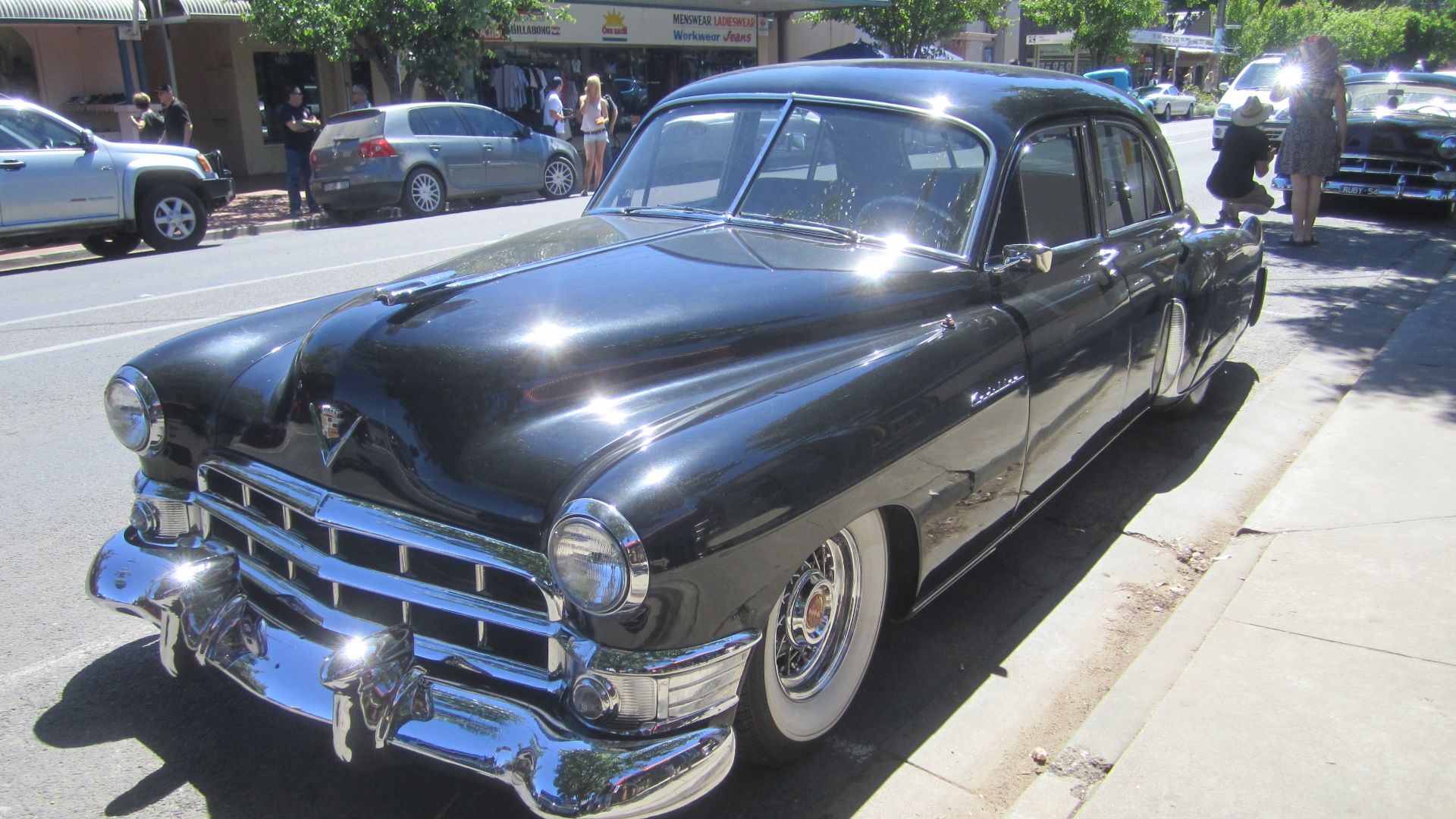
Today, surviving Fleetwood Series 60 models are prized by collectors. Their size, comfort, and unapologetic design make them rolling time capsules. Values have climbed steadily, especially for well-preserved examples with celebrity connections.
What If It Had Survived?
Could a modern Fleetwood Series 60 exist today? Perhaps as an ultra-luxury EV with nods to its heritage. But it would likely be sleeker, more efficient, and far less flamboyant. The world that birthed Elvis’s Fleetwood no longer exists.
 Greg Gjerdingen from Willmar, USA, Wikimedia Commons
Lessons From The Fleetwood’s Fall
The discontinuation of Elvis’s favorite model teaches an important lesson: even icons must evolve. Market forces, regulations, and consumer preferences ultimately dictate what survives in the automotive world.
 Thomas R Machnitzki (thomasmachnitzki.com), Wikimedia Commons
The King Versus The Market
Elvis had unparalleled influence—but even he couldn’t guarantee a car’s longevity. Star power can boost sales and create mystique, but it can’t offset oil crises or sweeping regulatory change.
Why We Still Care
Part of the reason we’re still talking about the Fleetwood is because it represents more than metal and horsepower. It represents ambition, excess, and a uniquely American moment in time—one that Elvis helped define.
Chrome-Plated Nostalgia
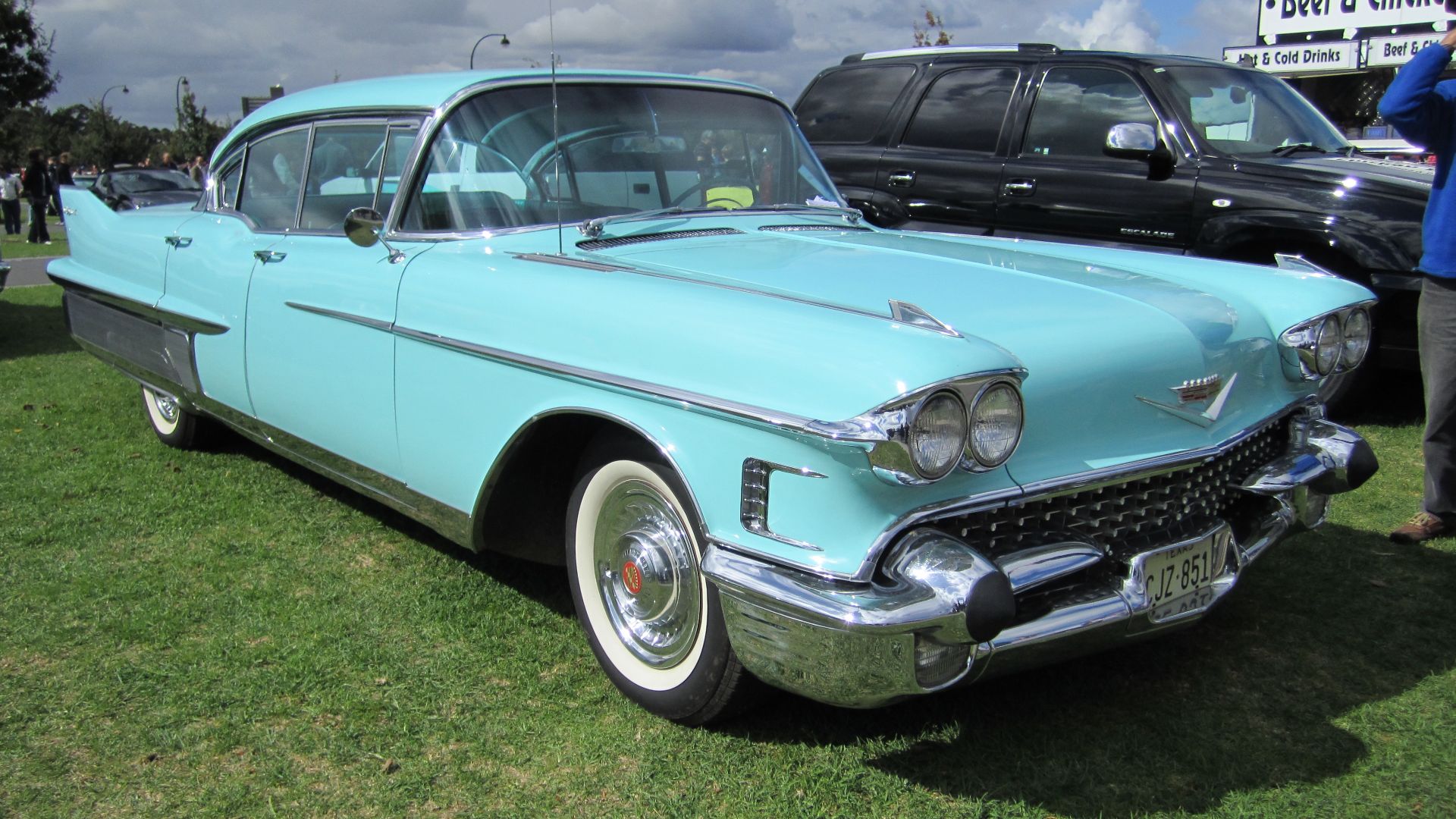
When you see a massive ’50s Cadillac glide by at a car show, it feels like spotting a dinosaur in the wild. They’re reminders of a time when bigger was better, gas was cheap, and dreams were measured in cubic inches.
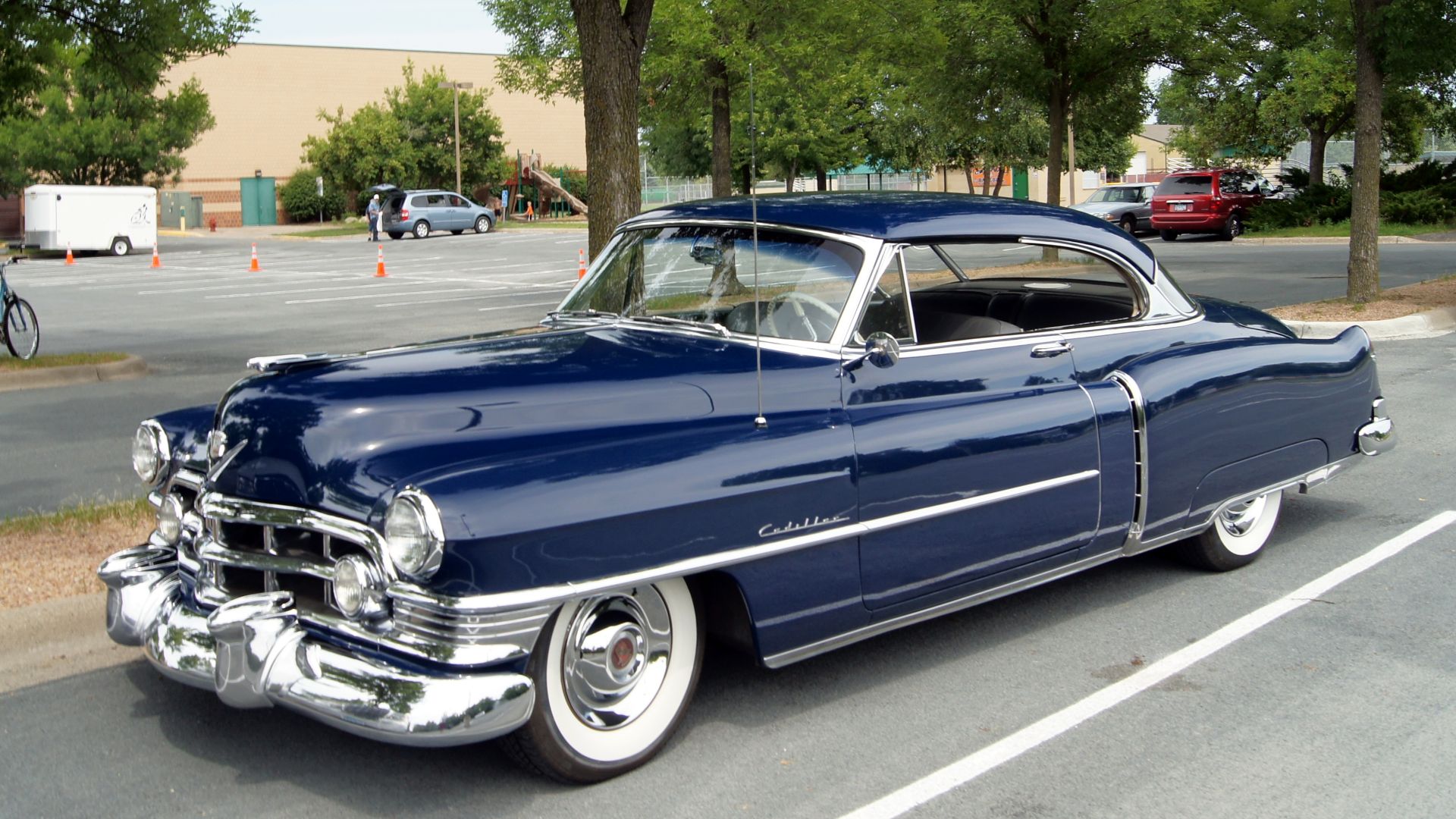 Greg Gjerdingen from Willmar, USA, Wikimedia Commons
The Final Curtain For A Royal Ride
In the end, Elvis Presley’s favorite Cadillac Fleetwood Series 60 wasn’t discontinued because it failed. It was discontinued because the world around it changed. Oil crises, emissions laws, evolving tastes, and global competition reshaped the industry, leaving little room for chrome-laden land yachts. Yet its spirit lives on—in museums, in private collections, and in the mythology of The King himself. The Fleetwood may be gone from showrooms, but thanks to Elvis, it will forever reign in automotive history.
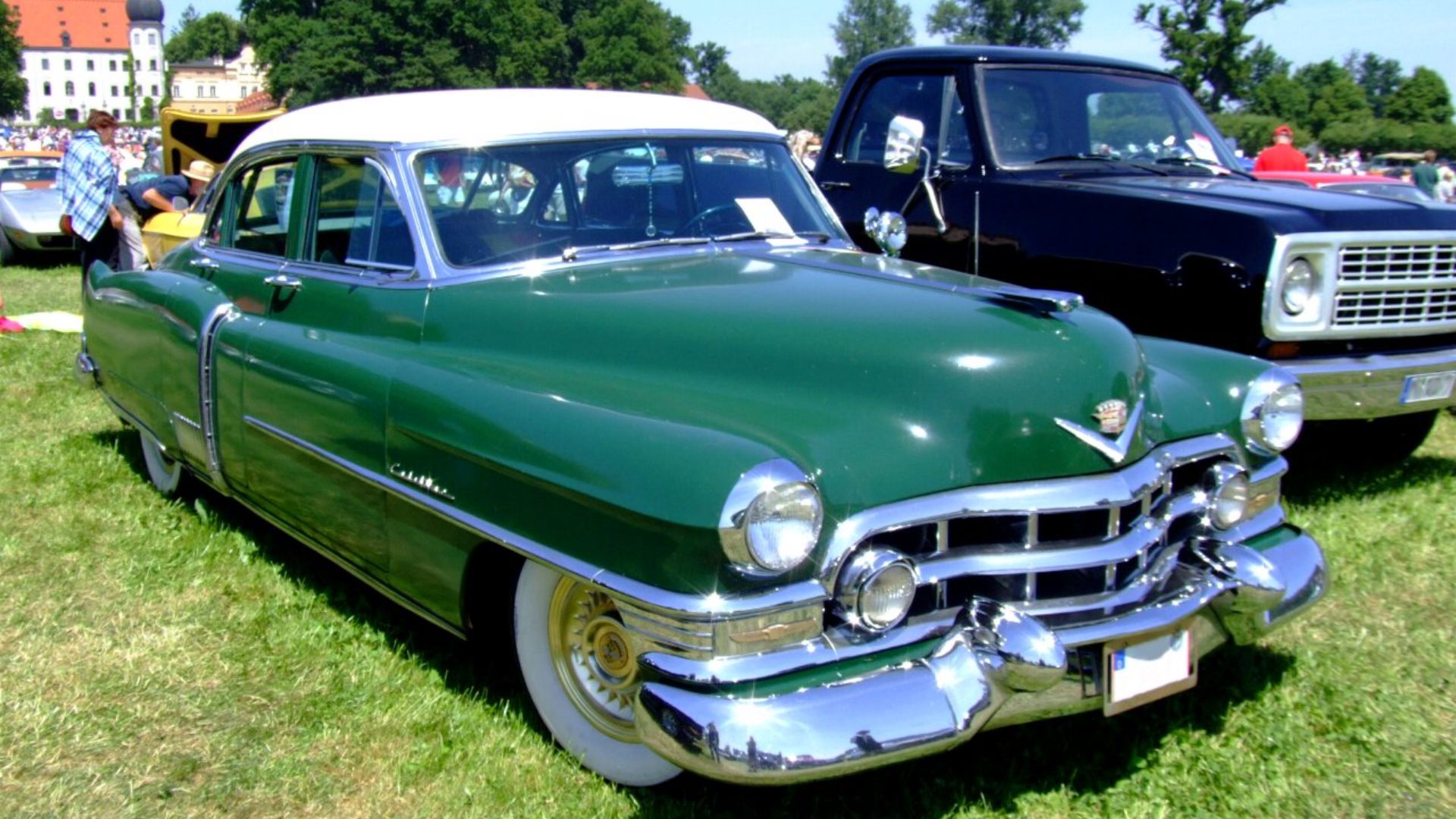 Späth Chr.User ChiemseeMan on de.wikipedia, Wikimedia Commons
You May Also Like: