
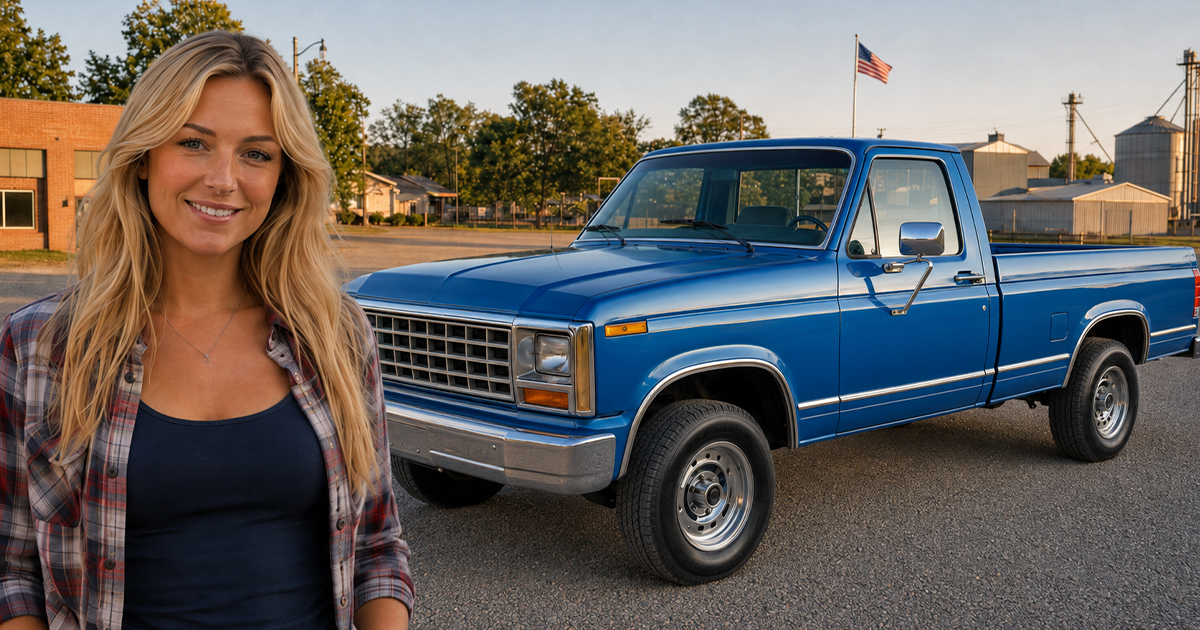
When Pickups Were Boxy, Basic, and Built to Work
The 1980s gave us compact imports, strange car-based haulers, and full-size trucks that survived decades of hard labor. They once filled school parking lots, construction sites, and suburban driveways—but finding an original example today can feel like spotting a long-lost friend.
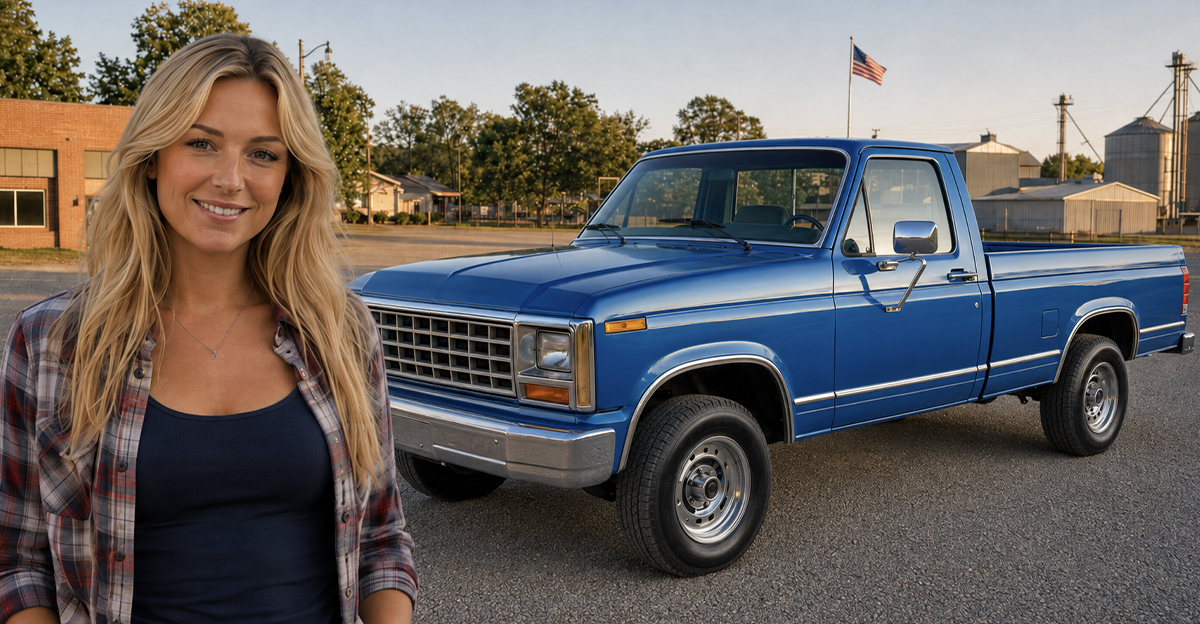
25. International Scout II Terra
The Scout Terra barely qualifies as an ’80s truck, but that is what makes it interesting. International built its final Scout in October 1980, bringing the rugged Terra pickup to an abrupt end. Most were worked hard, driven through winter salt, and repaired until there was practically nothing left to repair.
 JOHN LLOYD from Concrete, Washington, United States, Wikimedia Commons
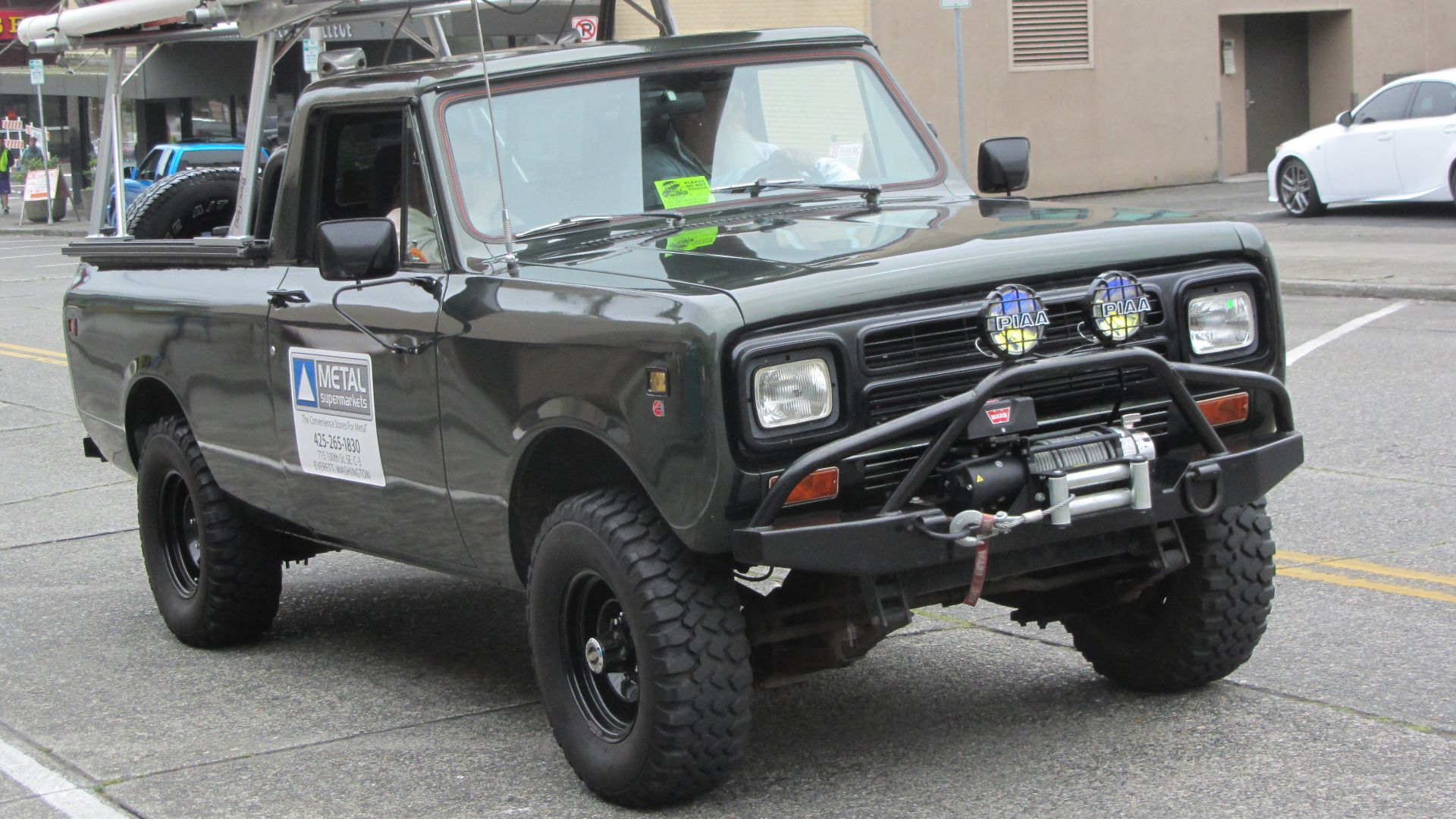
24. Plymouth Scamp
No, not the compact car from the 1970s. The 1983 Plymouth Scamp was a front-wheel-drive pickup based on the Dodge Rampage—and it lasted for only one model year. Its tiny bed and carlike cabin made it unusual even when new. Today, explaining one at a car show takes longer than finding one.
 Greg Gjerdingen from Willmar, USA, Wikimedia Commons
23. Dodge Rampage
Built from 1982 through 1984, the Dodge Rampage combined a small pickup bed with front-wheel drive and Chrysler’s 2.2-liter four-cylinder engine. It was economical, easy to park, and completely unlike a traditional Dodge truck. Sadly, many owners treated it like a disposable commuter with room for a lawn mower.
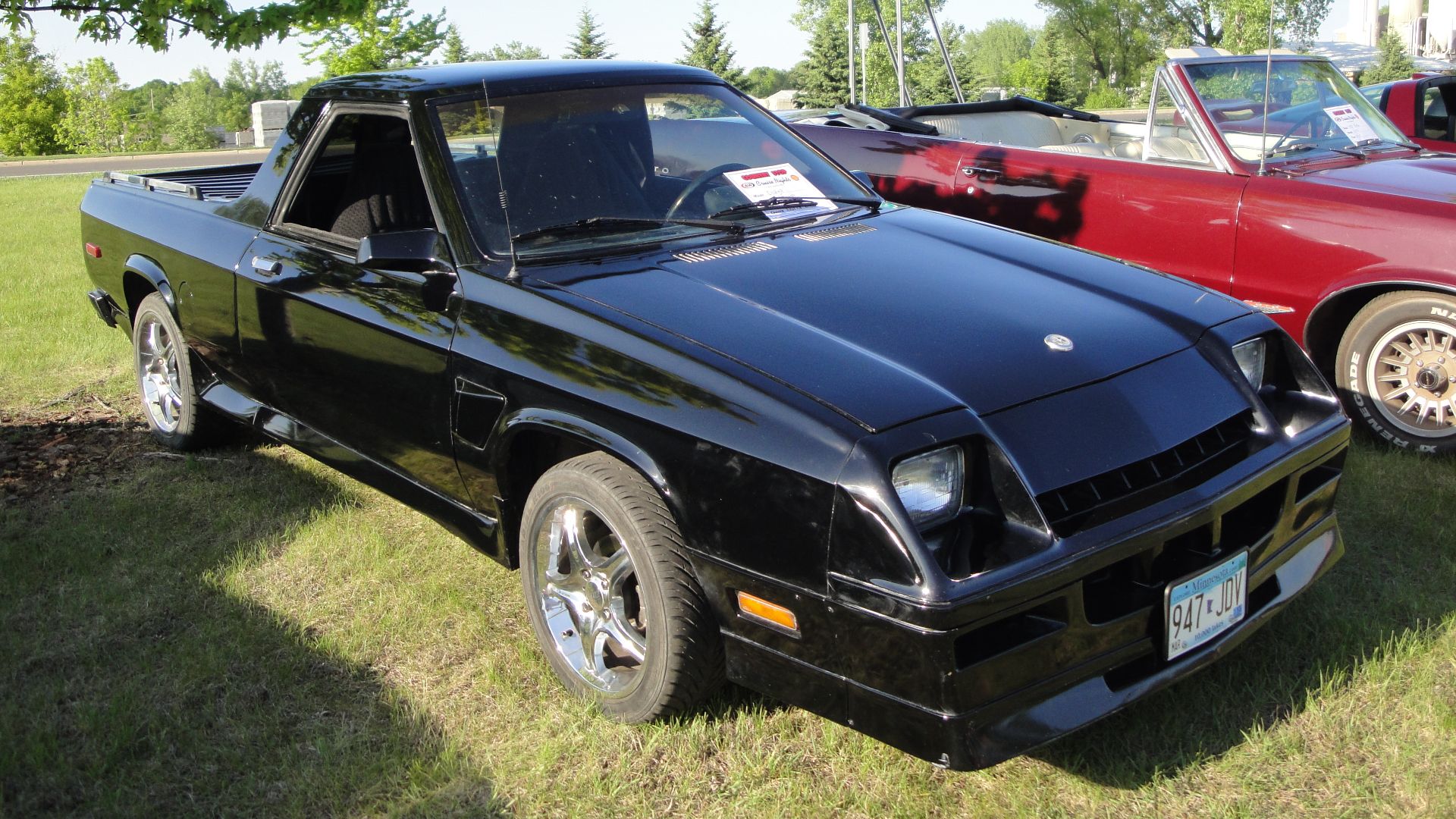 Greg Gjerdingen, Wikimedia Commons
22. Volkswagen Rabbit Pickup
The Rabbit Pickup looked like someone had taken a Volkswagen hatchback and carefully removed everything behind the front seats. Built in Pennsylvania, it offered gasoline and diesel four-cylinder engines and impressive fuel economy. Rust, modest performance, and decades of daily use have made clean examples surprisingly difficult to locate.
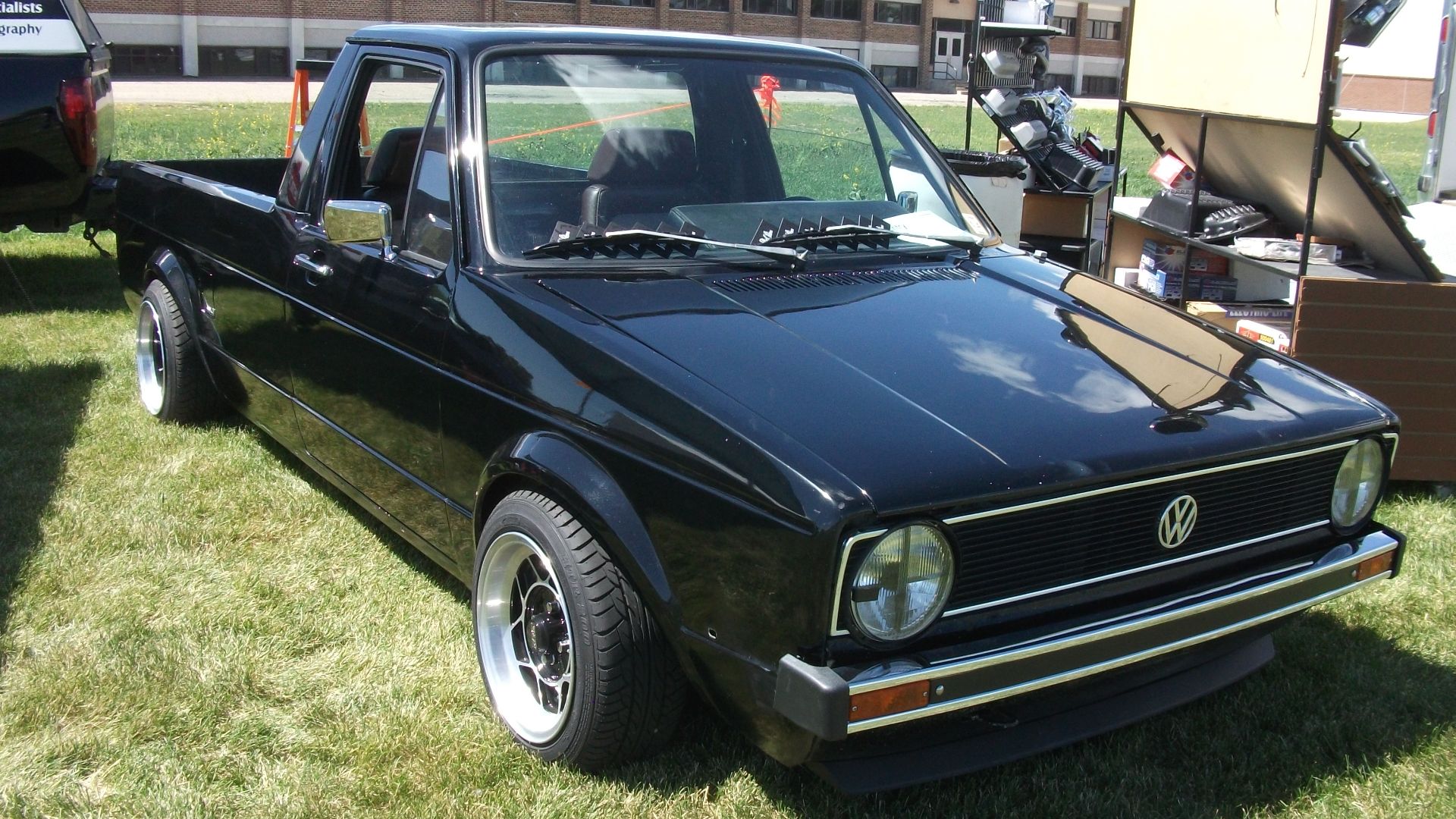 dave_7 from Lethbridge, Canada, Wikimedia Commons
21. Subaru BRAT
With selectable four-wheel drive, a flat-four engine, and rear-facing plastic jump seats in the bed, the Subaru BRAT was one of the decade’s strangest little trucks. It was also genuinely useful in snow. North American sales ended in 1987, and surviving examples are now more likely to attend a show than haul firewood.
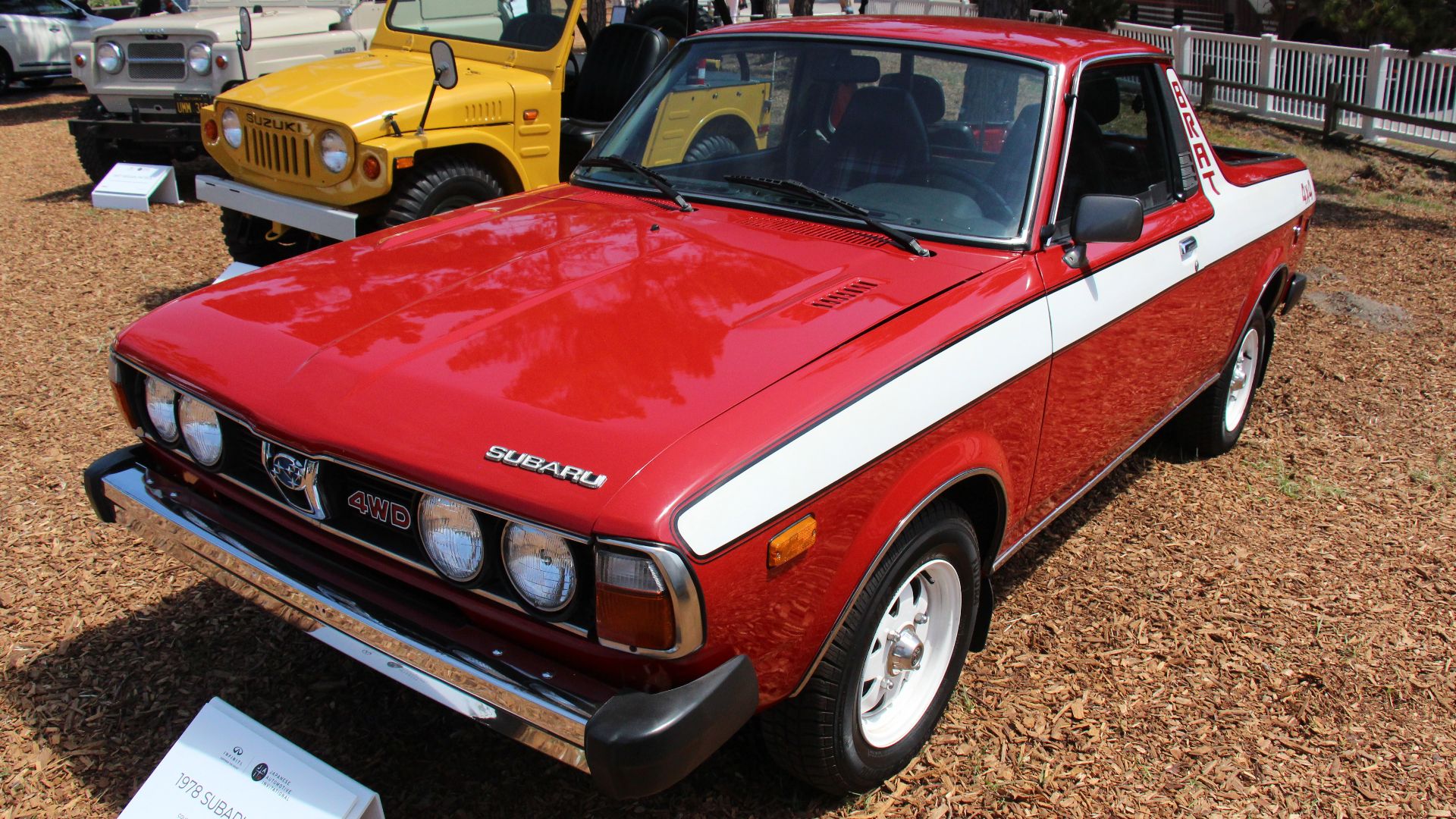
20. Chevrolet LUV
The Isuzu-built Chevrolet LUV helped introduce American buyers to the economical Japanese mini-truck. A redesigned version arrived for 1981, with four-wheel drive and diesel power available. Chevrolet replaced it with the domestically designed S-10 after 1982, leaving the LUV to quietly vanish from gas stations, farms, and delivery fleets.
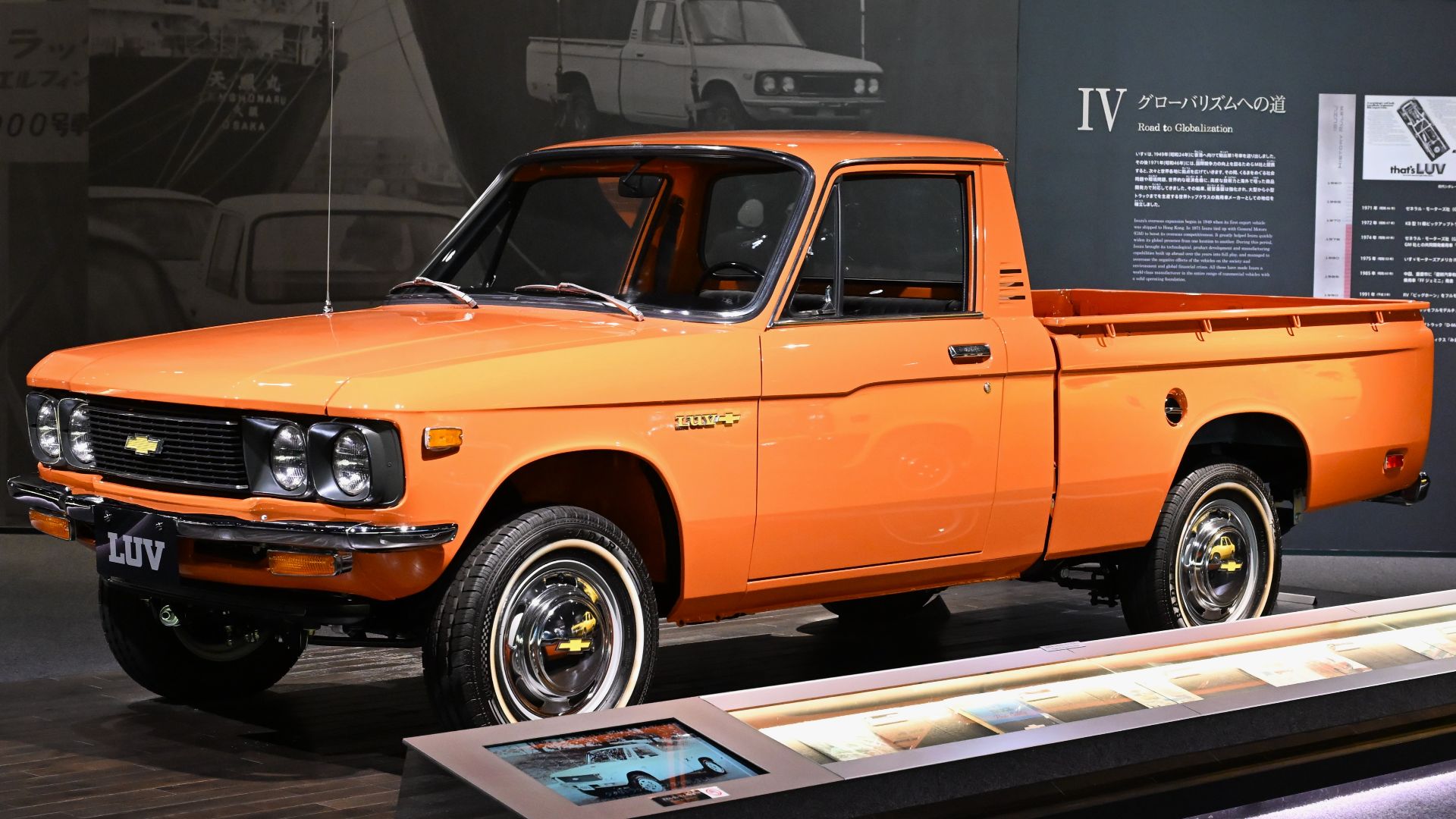
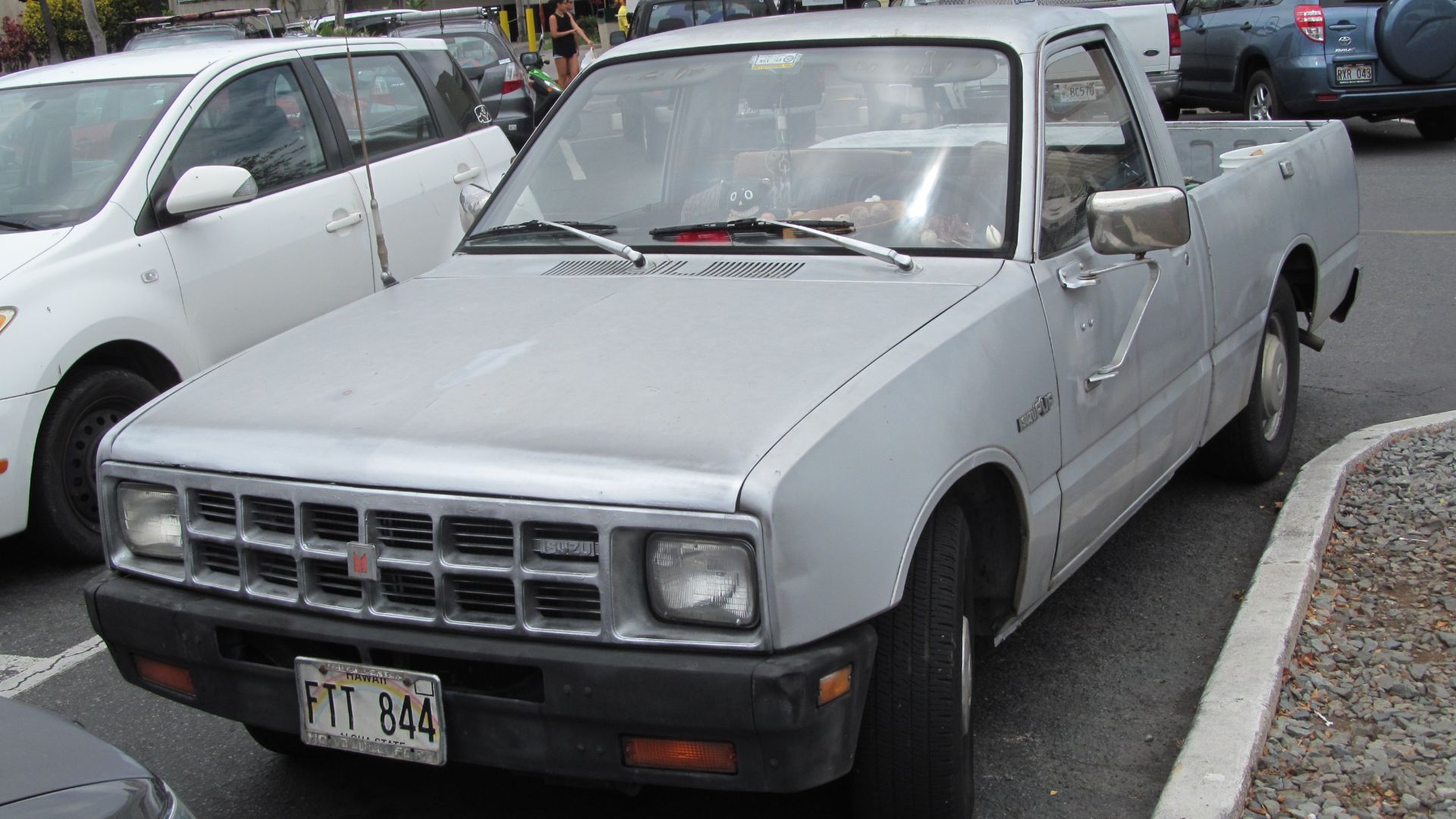
19. Isuzu P’Up
Isuzu began selling vehicles under its own name in America in 1981, and the plainly named P’Up was one of its first offerings. These compact trucks were durable, economical, and available with a famously unhurried diesel engine. Many covered tremendous mileages before rust and parts scarcity finally removed them from regular service.
 Riley from Christchurch, New Zealand, Wikimedia Commons
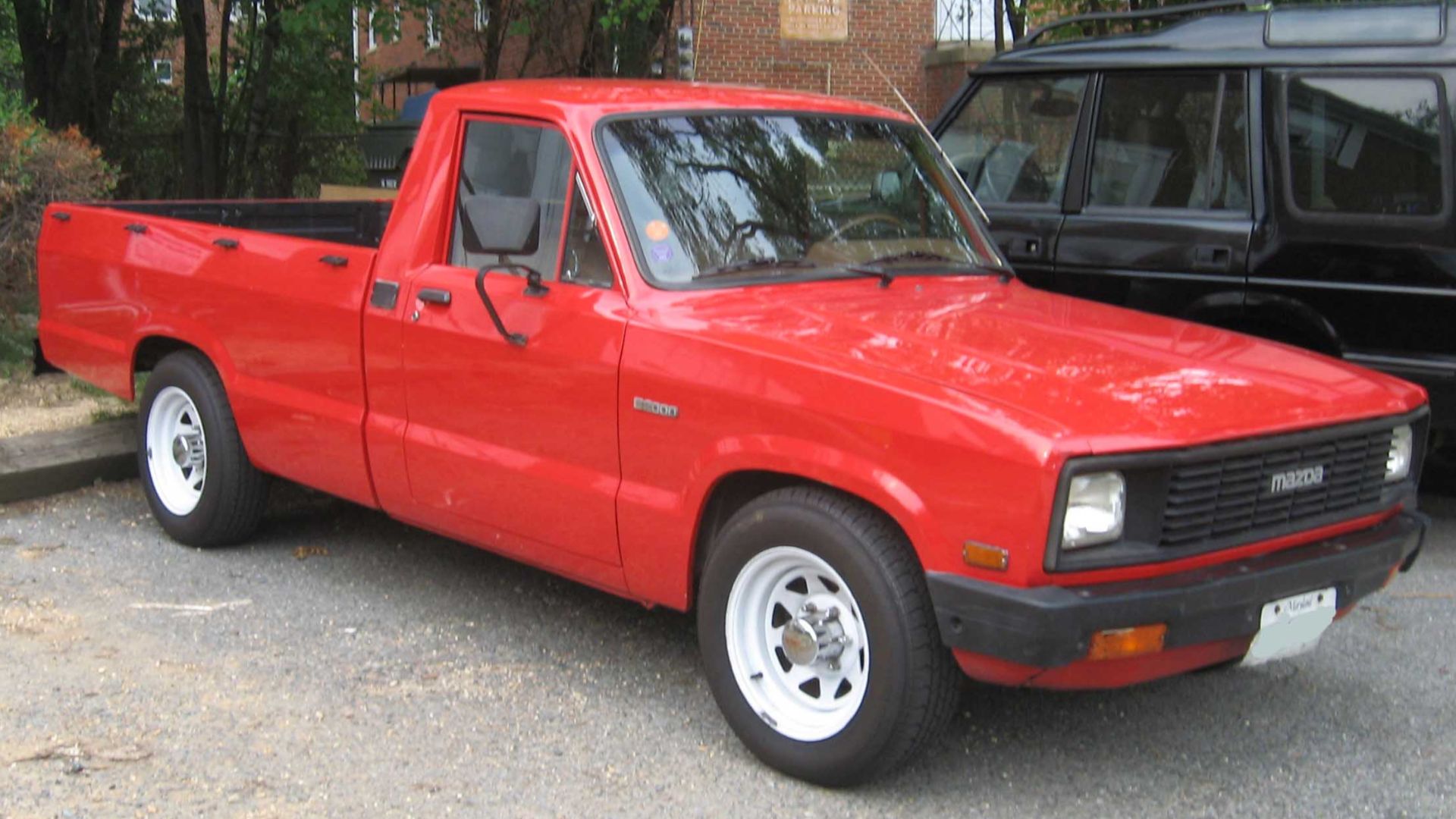
18. Mazda B2000
The Mazda B2000 was the sort of compact pickup that quietly did everything asked of it. Its 2.0-liter four-cylinder engine was not a tire-smoking powerhouse, but the truck was inexpensive and simple to maintain. Contractors, teenagers, and weekend gardeners used them up, making unmodified survivors rare today.
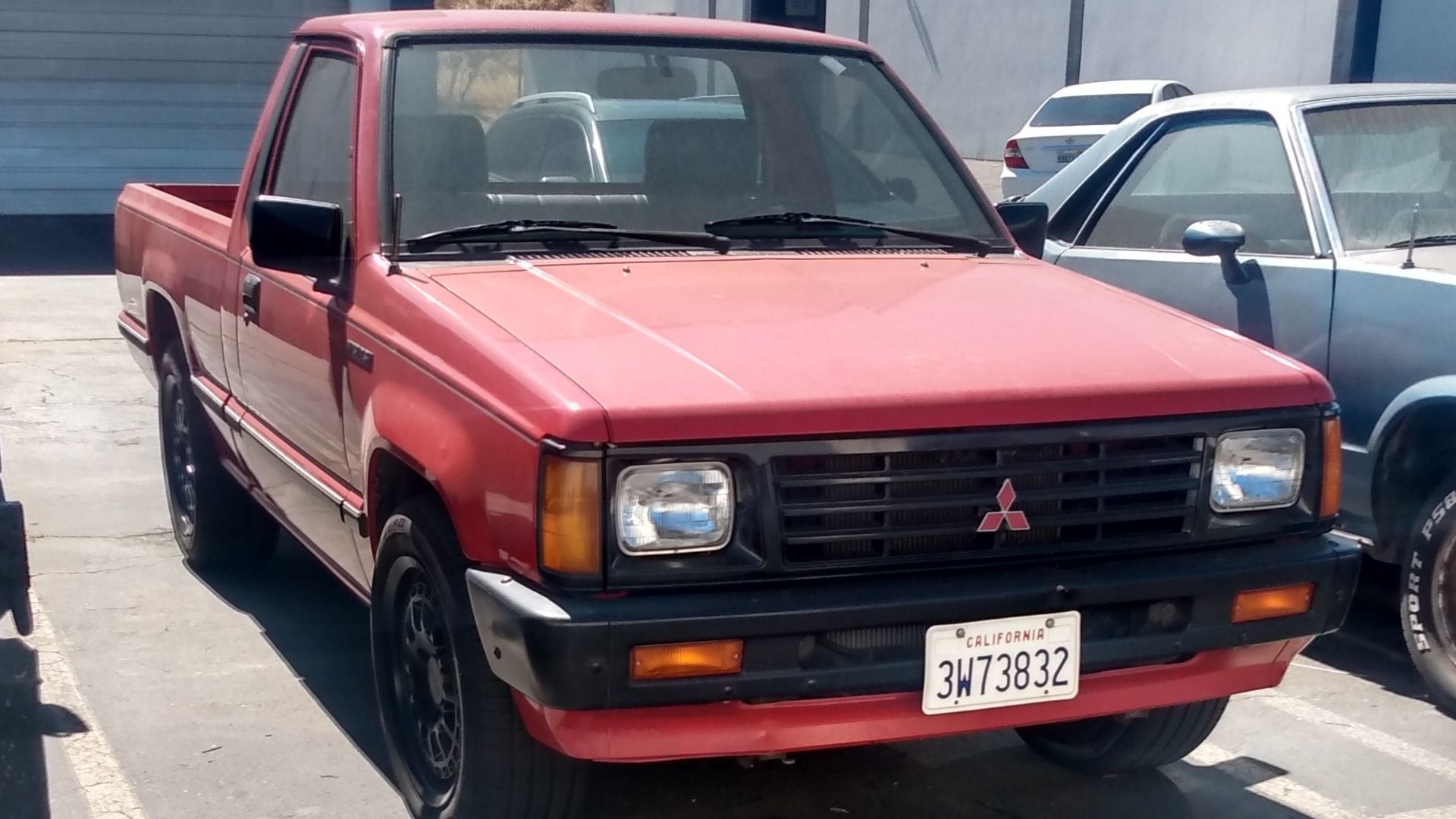
17. Mitsubishi Mighty Max
Mitsubishi introduced the Mighty Max to American buyers during the early 1980s. It offered tidy dimensions, four-cylinder engines, and later four-wheel drive, making it a practical alternative to larger domestic pickups. It never achieved Toyota-level recognition, however, and most remaining examples seem to have disappeared behind sheds and barns.
 DestinationFearFan, Wikimedia Commons
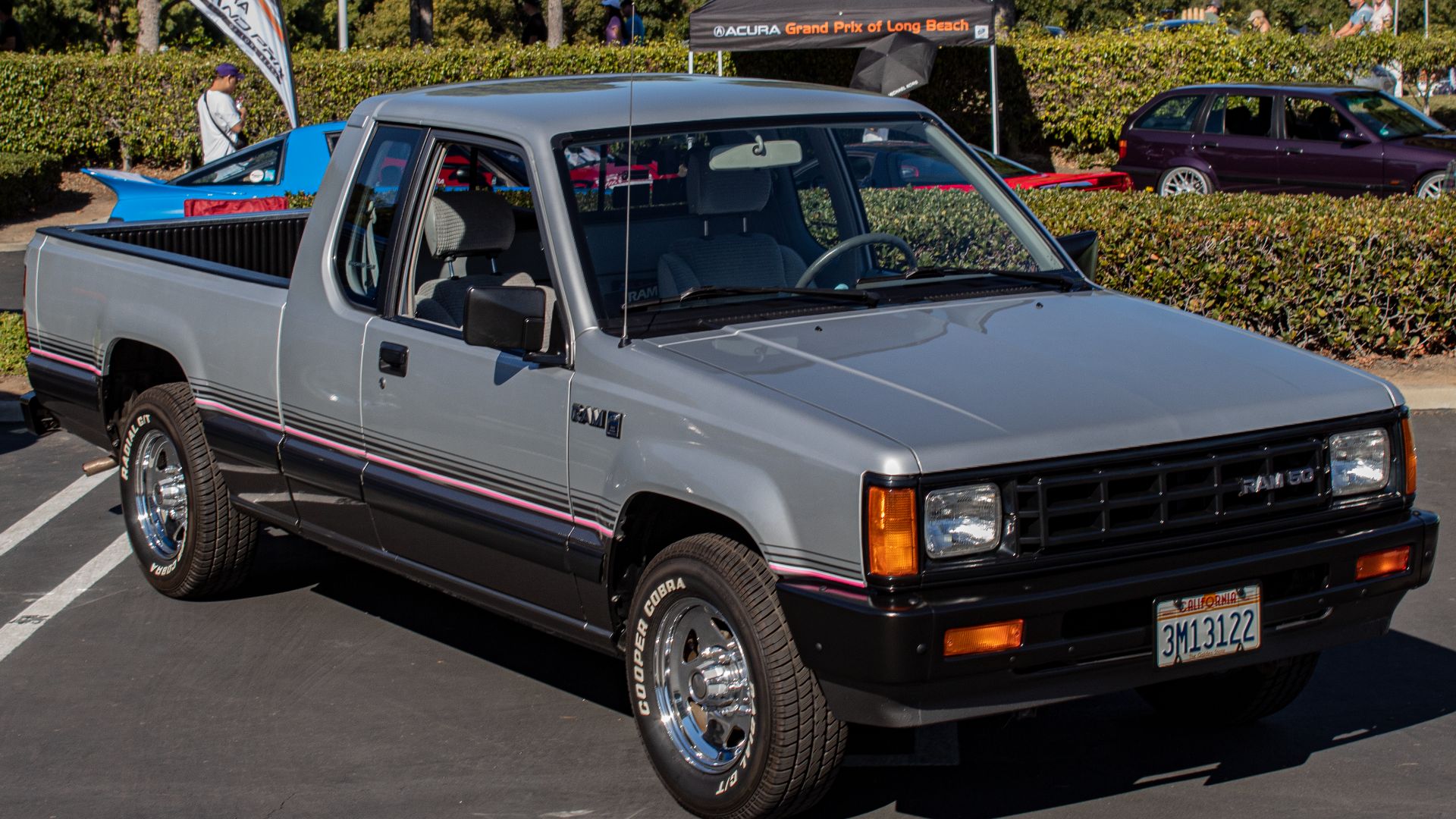
16. Dodge Ram 50
The Ram 50 gave Dodge dealerships a compact truck without requiring Dodge to design one from scratch. Built by Mitsubishi, it was closely related to the Mighty Max and offered economical four-cylinder power. These little trucks were once common second vehicles, but rust and decades of inexpensive-truck neglect claimed most of them.
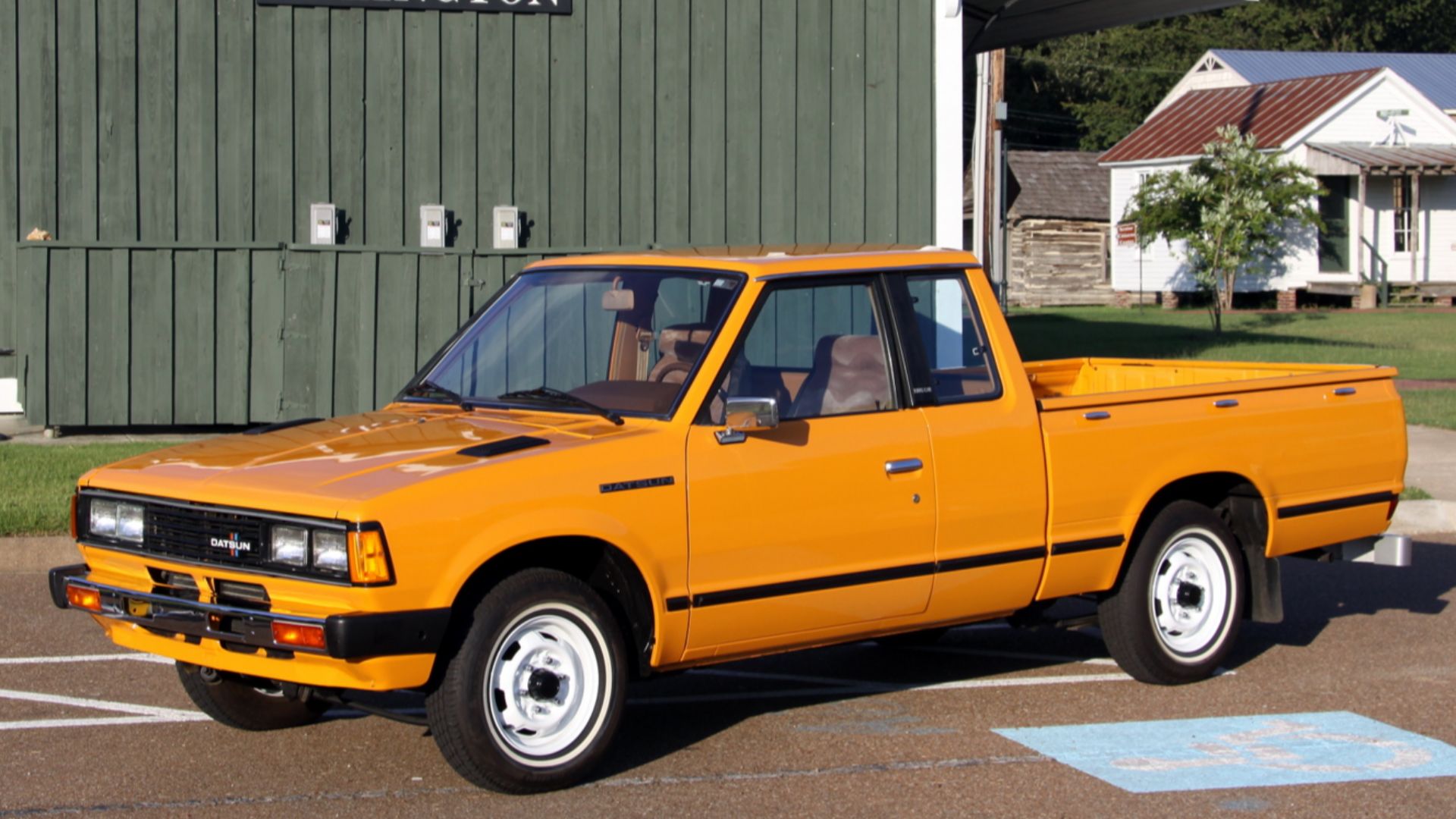
15. Datsun 720
The angular Datsun 720 arrived near the beginning of the decade and helped establish Japanese pickups as serious working vehicles. Nissan even began building the truck in Tennessee in 1983. Available four-wheel drive made it especially popular in rural areas, where many examples were driven until their beds, frames, or floorboards dissolved.
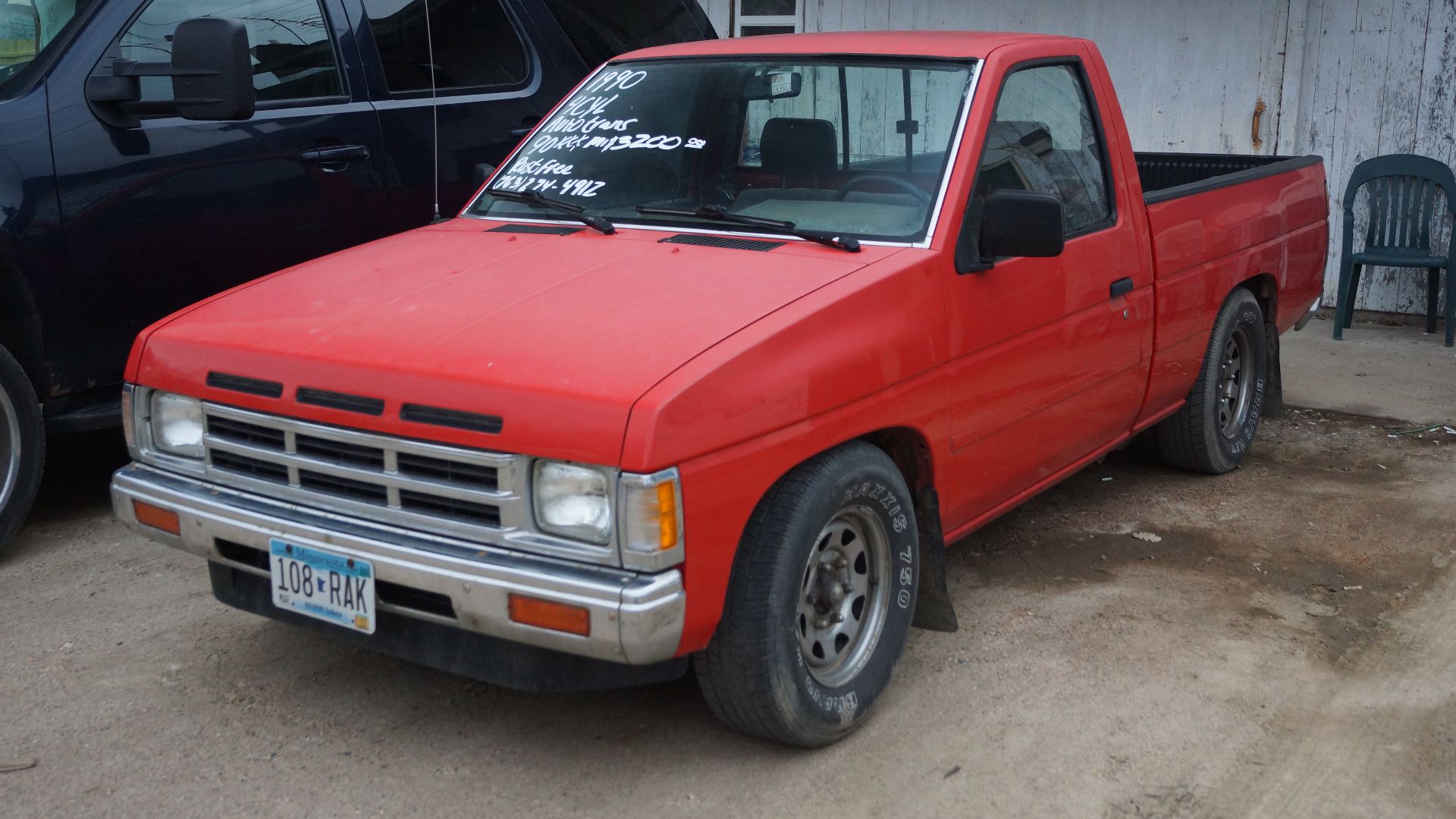
14. Nissan Hardbody
The D21 pickup arrived during 1986 and quickly earned the “Hardbody” nickname. Its squared-off styling, sturdy construction, and available four-wheel drive made it a favorite among younger buyers and small businesses. Modified examples occasionally appear, but an original 1980s Hardbody without giant wheels or a suspension drop is becoming remarkably uncommon.
 Greg Gjerdingen, Wikimedia Commons
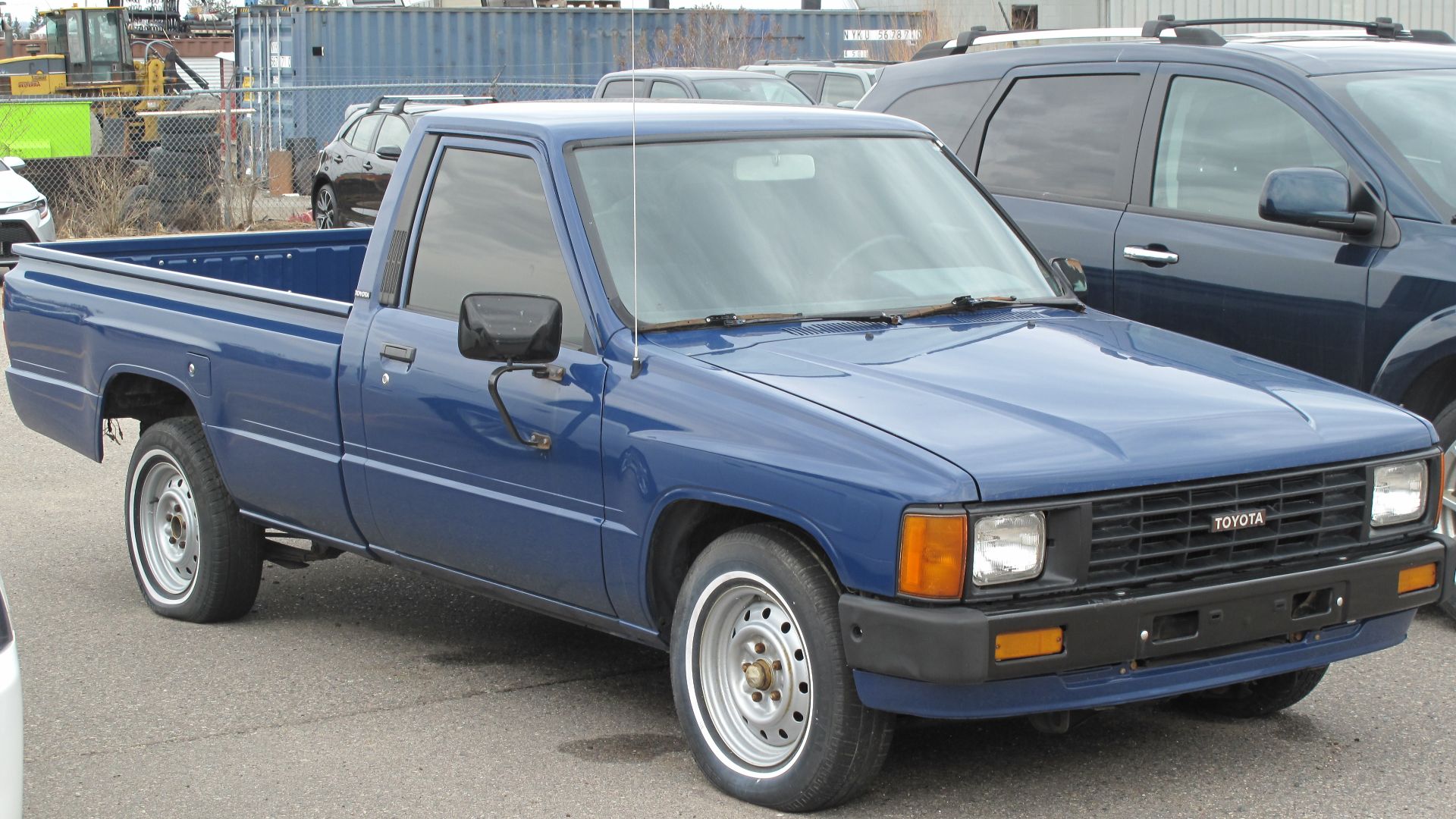
13. Toyota Pickup
Before Americans called it the Tacoma, it was simply the Toyota Pickup. The fourth generation arrived in 1983, followed by another redesign in 1988. Four-wheel-drive models became symbols of youthful adventure and bulletproof dependability. Unfortunately, frame rust and endless hard use have eliminated many trucks that owners once believed would run forever.
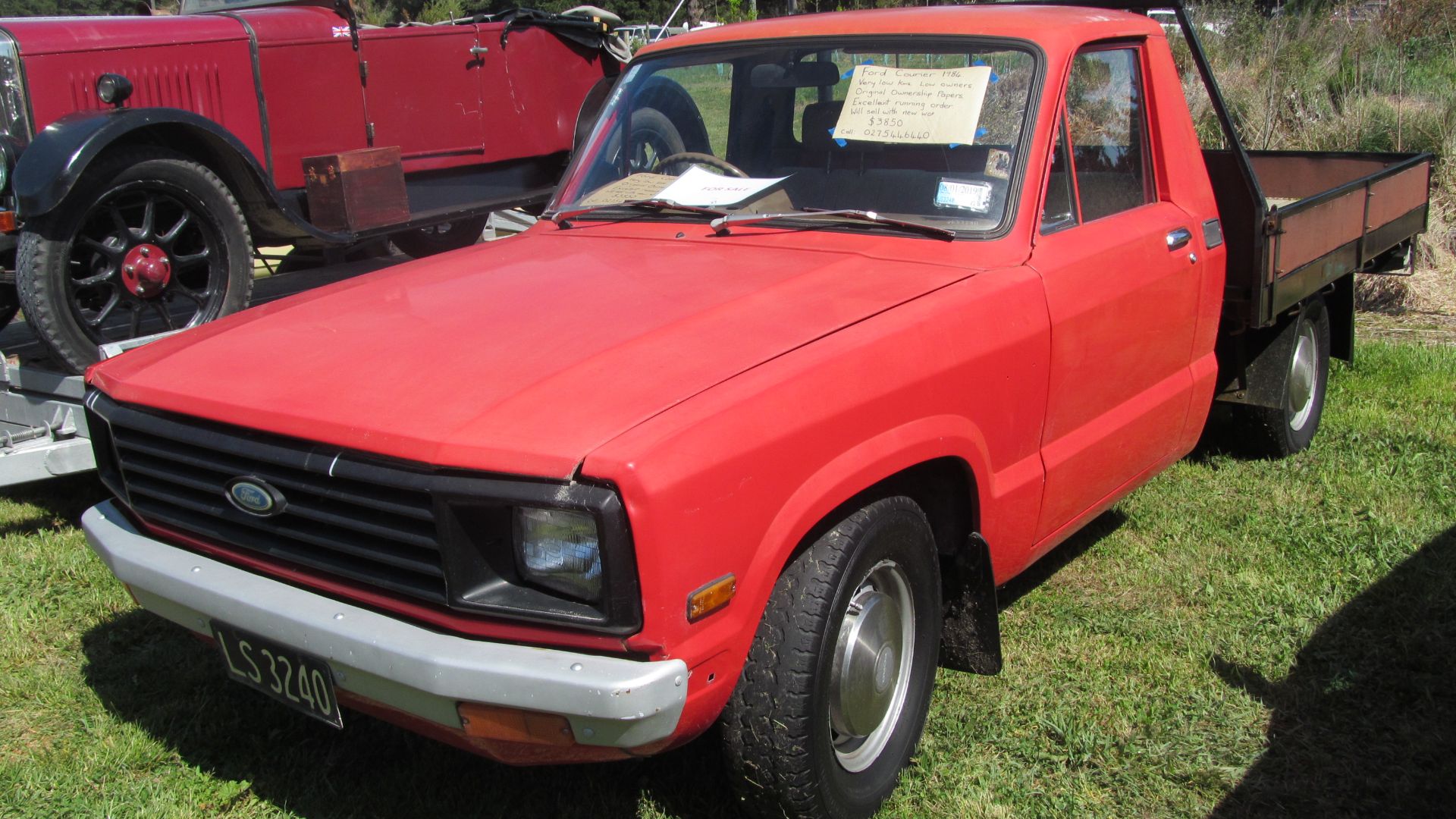
12. Ford Courier
Ford’s Mazda-built Courier entered the 1980s as an established compact pickup, but its time was running out. It remained available through 1982 before the American-designed Ranger replaced it. Couriers were inexpensive working tools rather than collectibles, so few owners thought about preserving one after the paint faded and the cab began rusting.
 NZ Car Freak, Wikimedia Commons
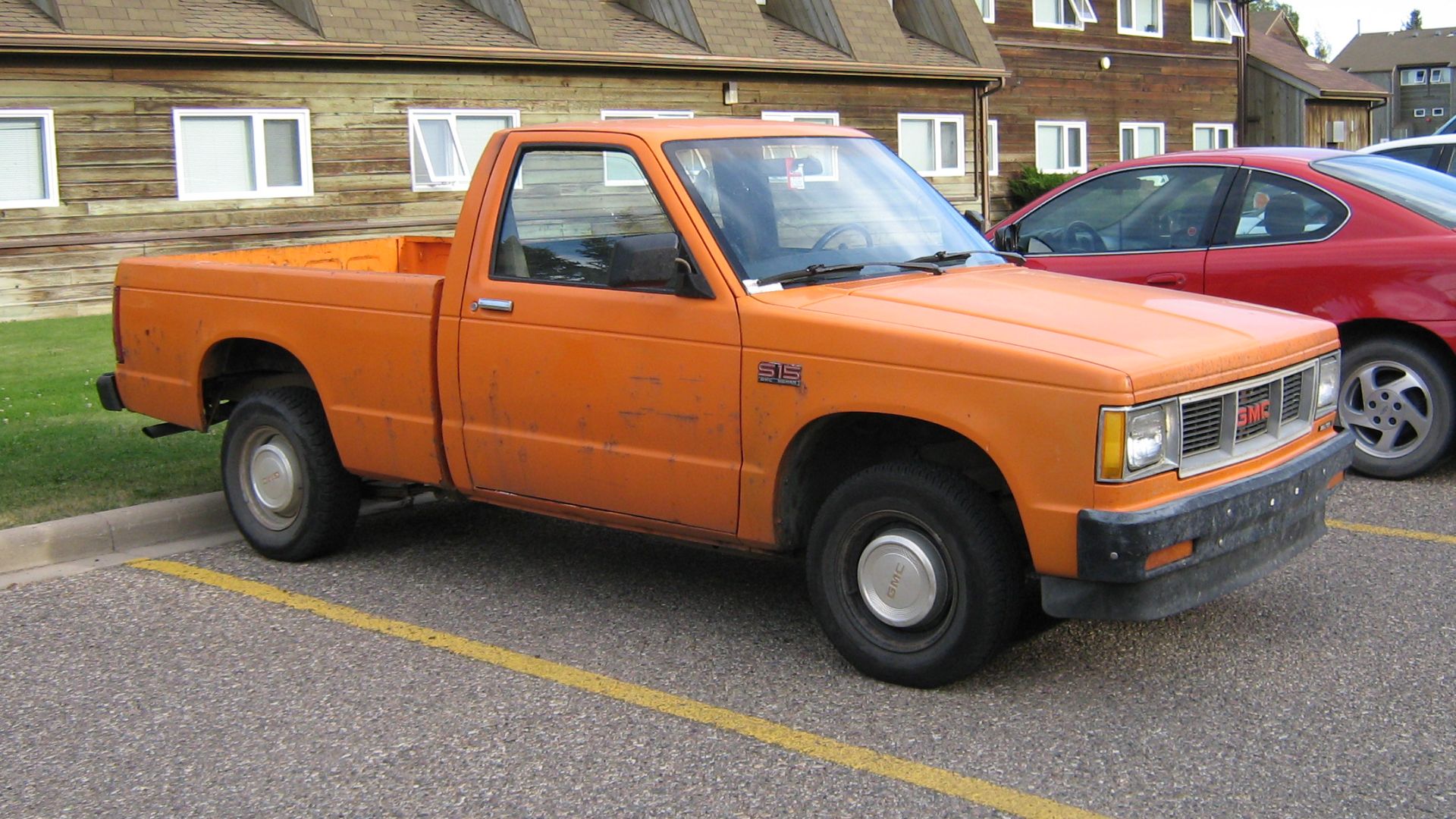
11. GMC S-15
The GMC S-15 arrived alongside Chevrolet’s S-10 for 1982. Mechanically similar but wearing GMC badges and trim, it was sold as a slightly different flavor of GM’s new compact truck. The S-15 name disappeared after 1990 in favor of Sonoma, making early square-bodied examples easy to forget and difficult to find.
 dave_7 from Lethbridge, Canada, Wikimedia Commons
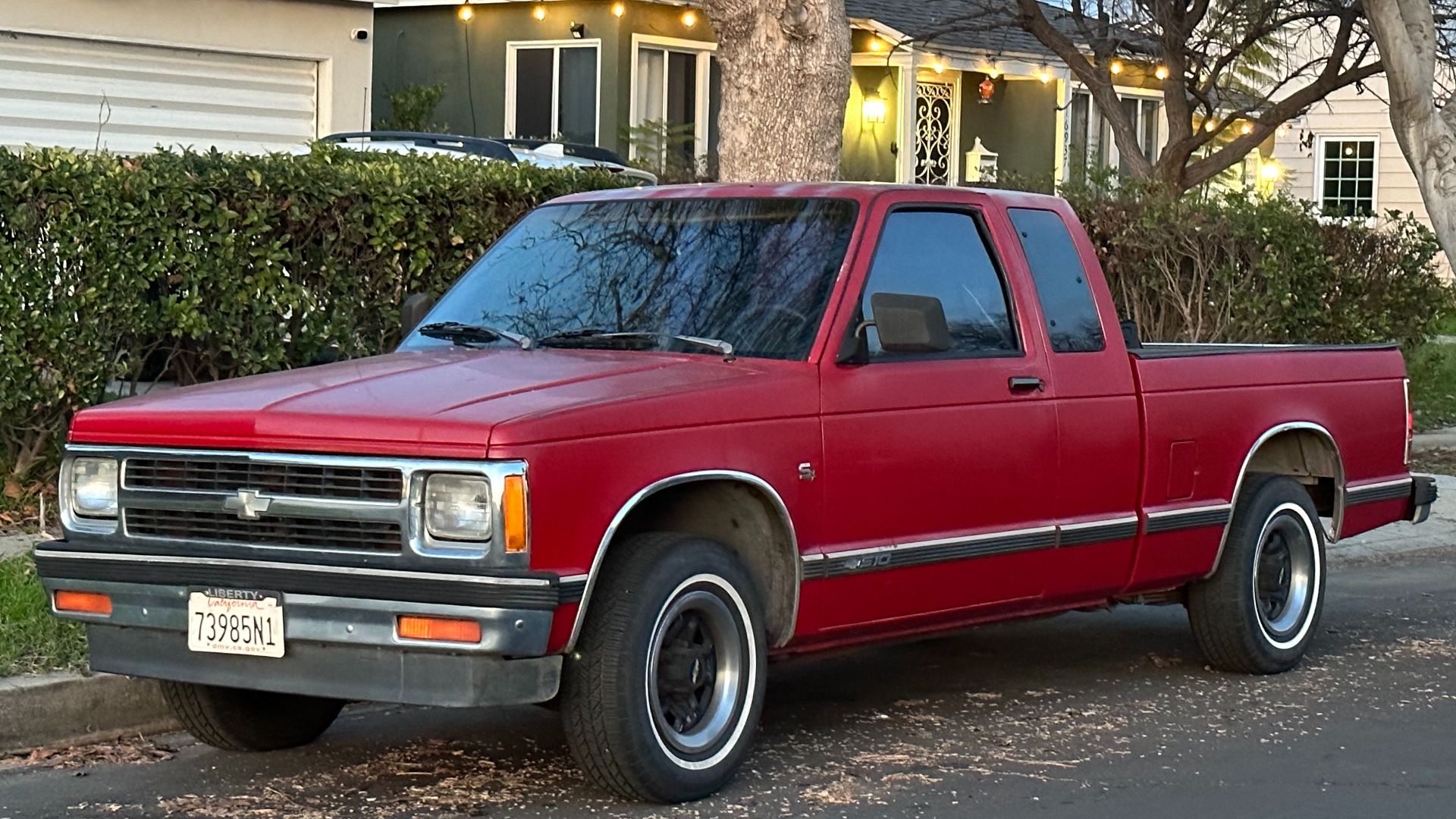
10. Chevrolet S-10
Chevrolet’s S-10 brought the compact-pickup fight directly to Ford and the Japanese manufacturers. Early trucks could be equipped with four-cylinder, V6, or even diesel power. Millions performed ordinary jobs without fanfare, which is precisely why original early examples have nearly vanished. Nobody saved the plumber’s truck because it was the plumber’s truck.
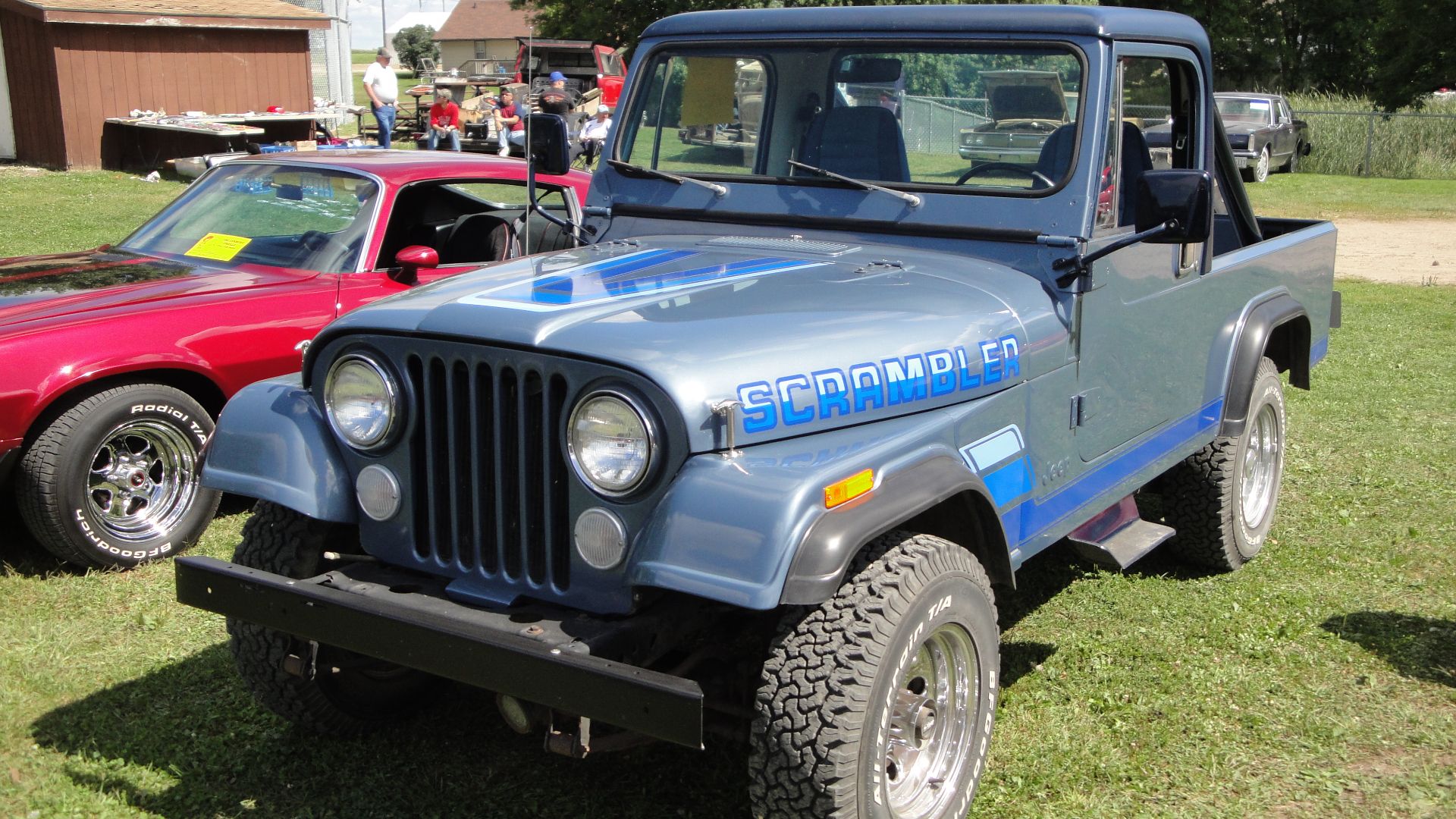
9. Jeep Scrambler CJ-8
Introduced for 1981, the Scrambler stretched the familiar CJ formula to create a small open-air pickup. Buyers could choose removable soft or hard tops, but no V8 was offered. It was an oddball when new and never sold in enormous numbers. Today, clean Scramblers are valuable enough that few still perform pickup-truck duties.
 Greg Gjerdingen from Willmar, USA, Wikimedia Commons
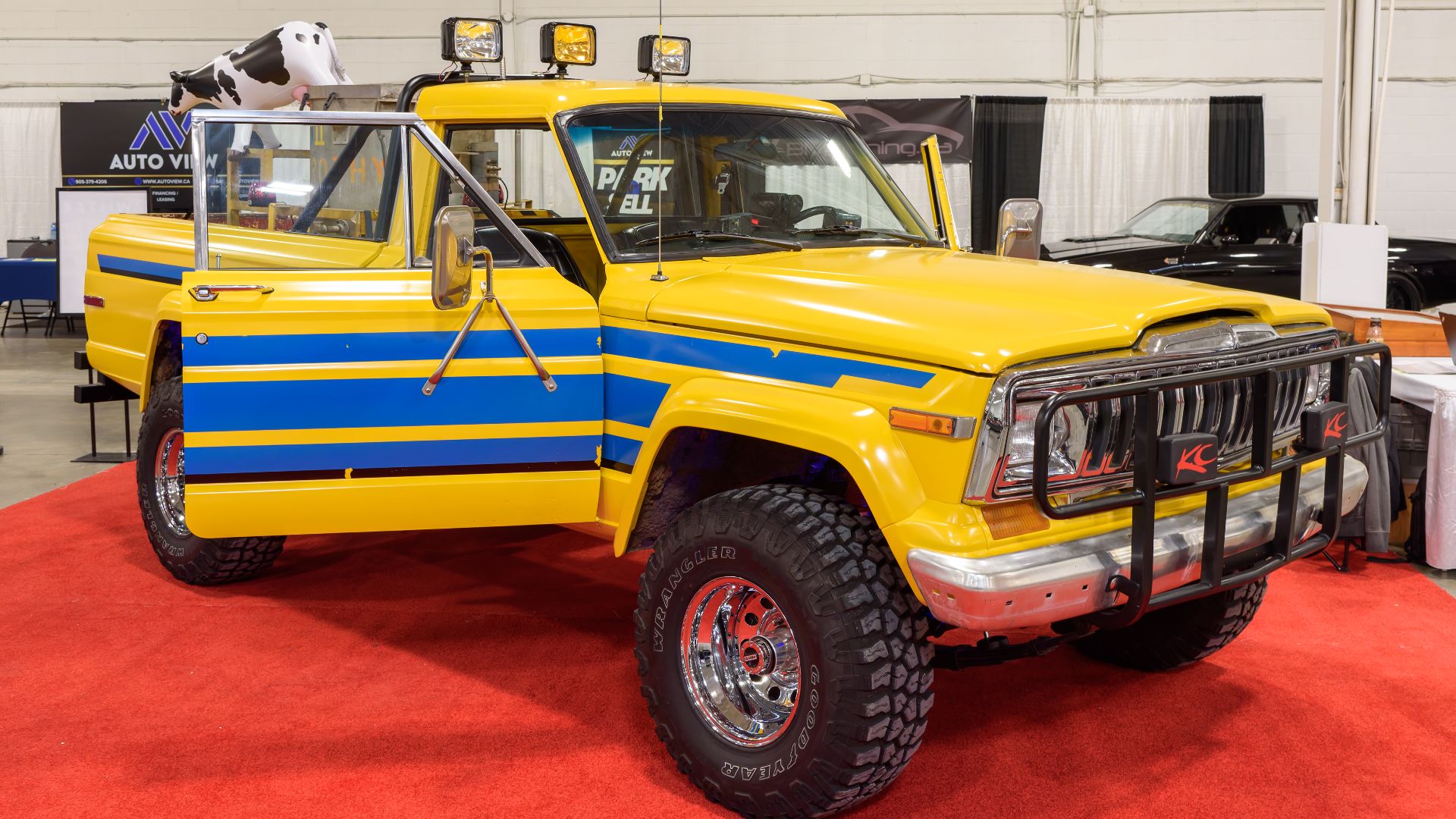
8. Jeep J-10
The J-10 carried Jeep’s classic full-size pickup design into the 1980s, looking wonderfully old-fashioned even when new. Honcho and Golden Eagle appearance packages gave it extra personality, while four-wheel drive made it a serious work truck. Production ended in 1987, and decades of trail use and corrosion sharply reduced the population.
 Mustang Joe, Wikimedia Commons
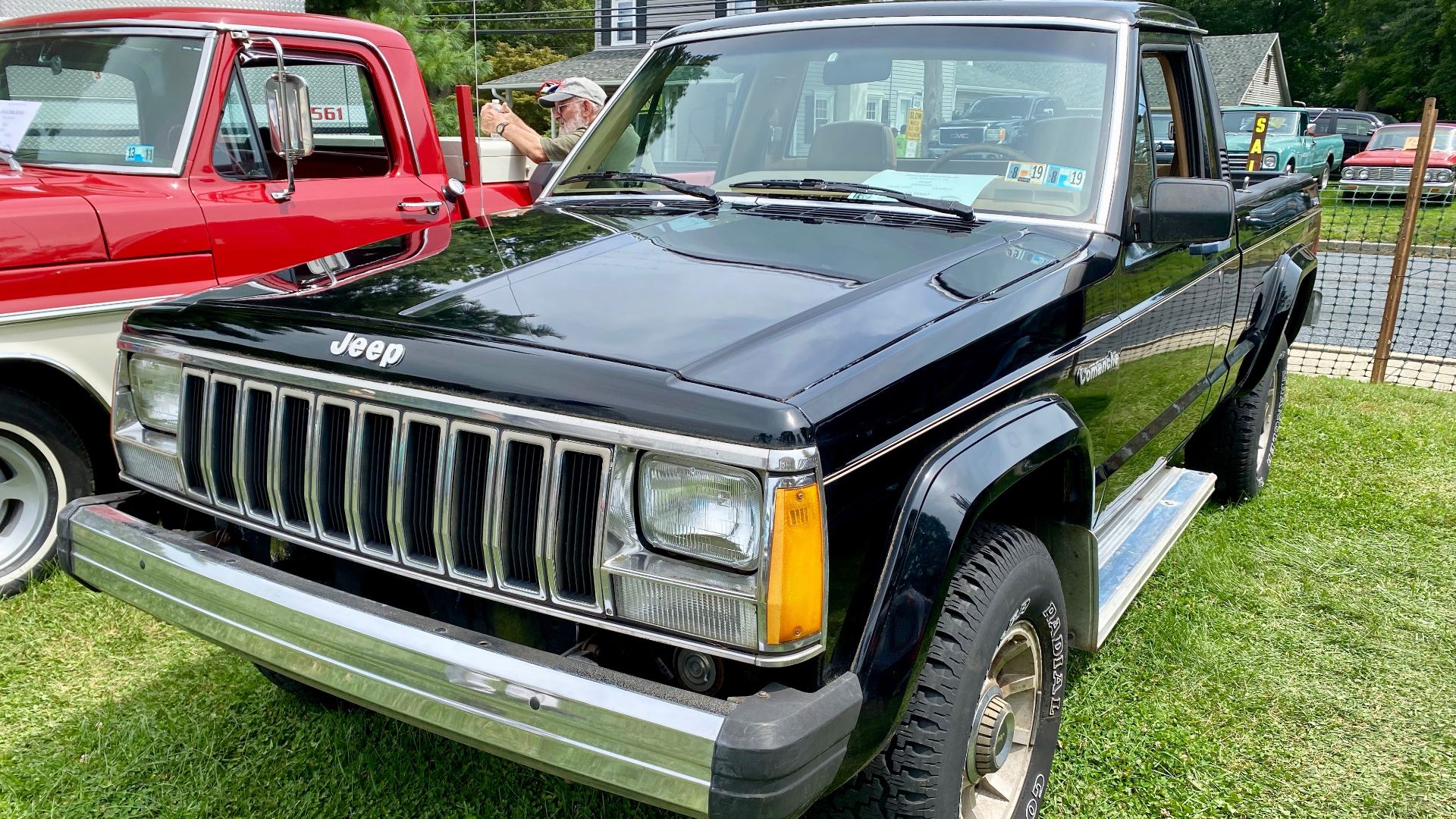
7. Jeep Comanche
Introduced for 1986, the Comanche adapted much of the Cherokee’s engineering into a compact pickup with distinctive unibody-and-frame construction. Short-bed and long-bed versions were offered, along with four- and six-cylinder engines. Many were used as cheap work trucks, but enthusiasts now appreciate how unusual—and increasingly scarce—the Comanche has become.
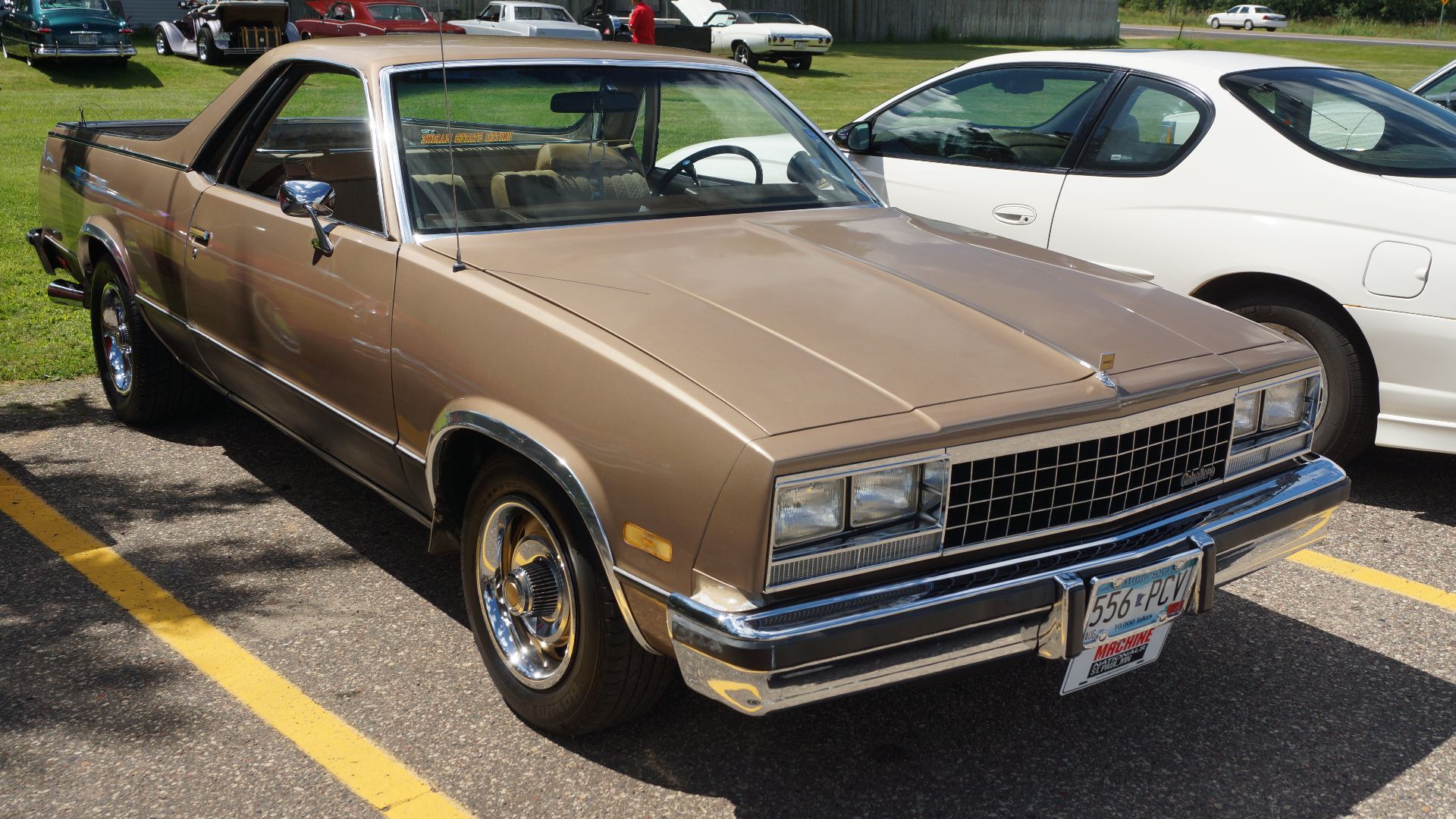
6. GMC Caballero
The Caballero was GMC’s version of the Chevrolet El Camino, combining a passenger-car cabin with an open cargo bed. Offered through 1987, it could be ordered with V6 or V8 power and even appeared in sporty Amarillo and Diablo trim. Its lower sales mean it is considerably harder to spot than its Chevrolet relative.
 Greg Gjerdingen, Wikimedia Commons
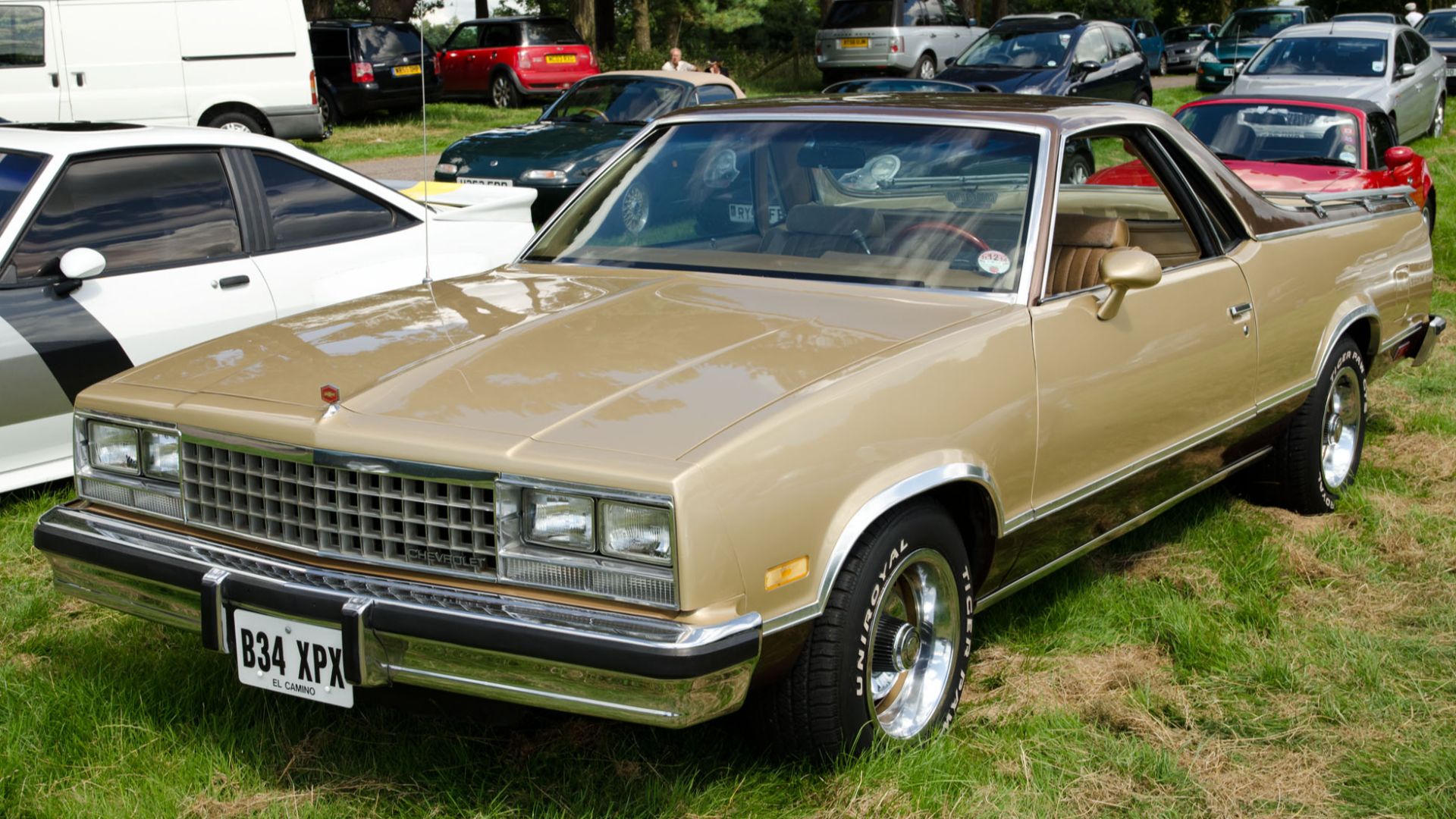
5. Chevrolet El Camino
The final El Camino generation remained in production throughout most of the 1980s, ending after 1987. It could carry building supplies during the week and cruise the boulevard on Saturday night. Many were customized, worn out, or sacrificed for their V8 components, leaving factory-original examples increasingly scarce on American roads.
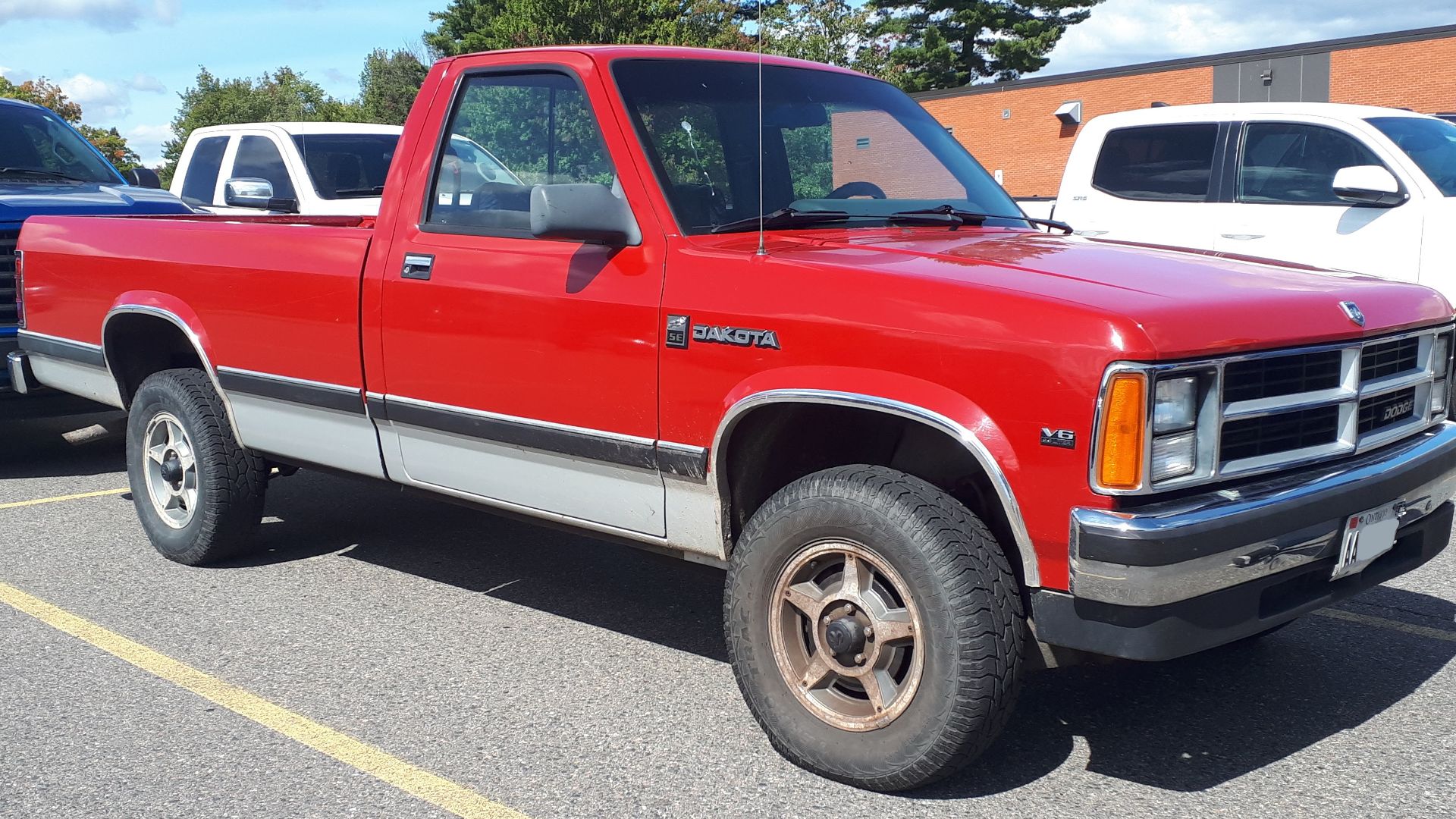
4. Dodge Dakota
The 1987 Dodge Dakota created an entirely new middle ground between compact pickups and full-size trucks. It was easier to maneuver than a Ram but offered more capability than most mini-trucks. Early square-bodied Dakotas once seemed to be everywhere, yet rust, fleet service, and low resale values sent an astonishing number to scrapyards.
 SsmIntrigue, Wikimedia Commons
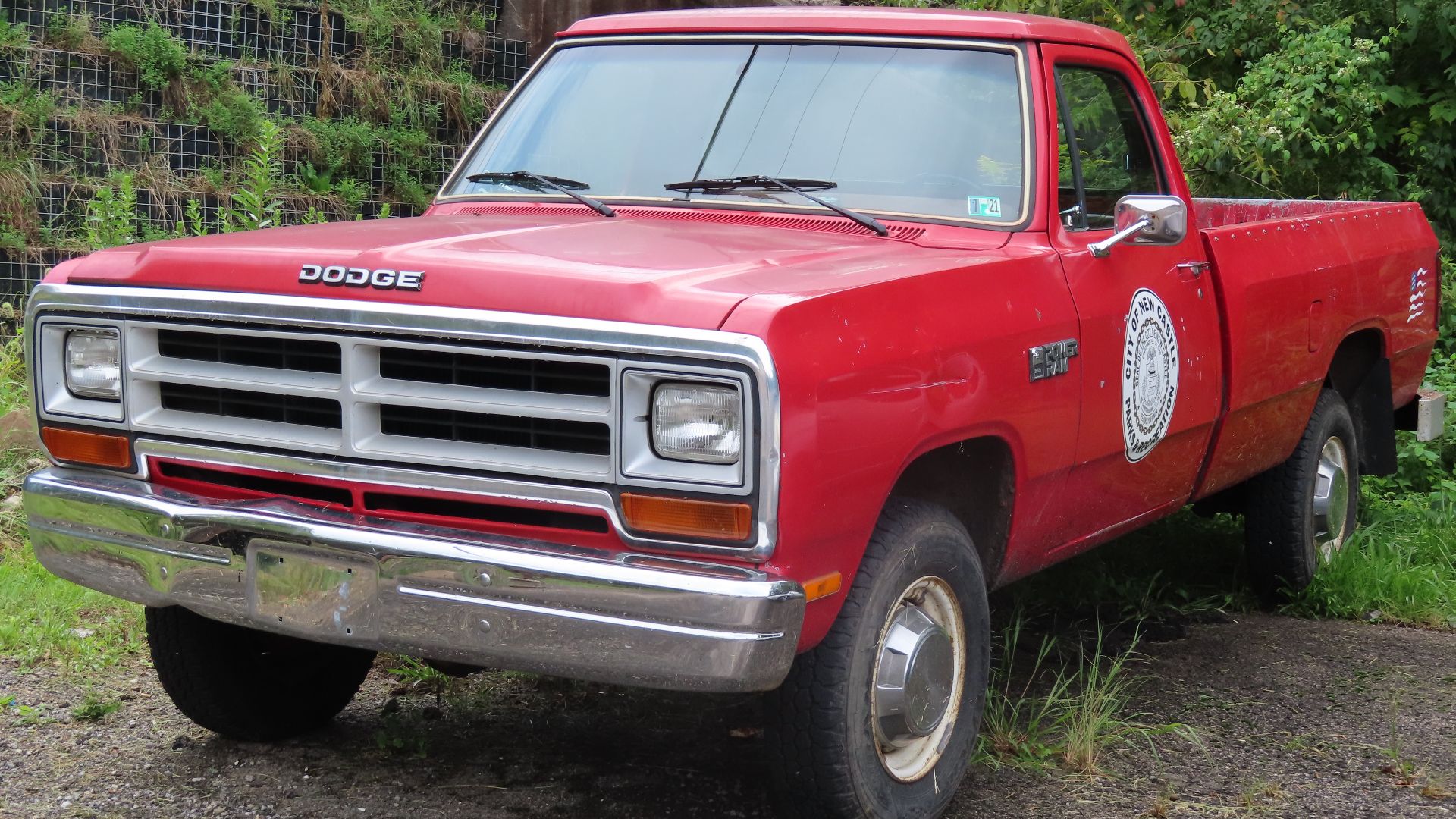
3. Dodge Ram D/W Series
For 1981, Dodge renamed its full-size pickups Ram, with D-series two-wheel-drive and W-series four-wheel-drive models. Their squared styling and available V8 power looked properly tough, but Ford and Chevrolet usually outsold them. Survivors are now far less common than comparable F-Series or C/K trucks—especially in original, rust-free condition.
 MercurySable99, Wikimedia Commons
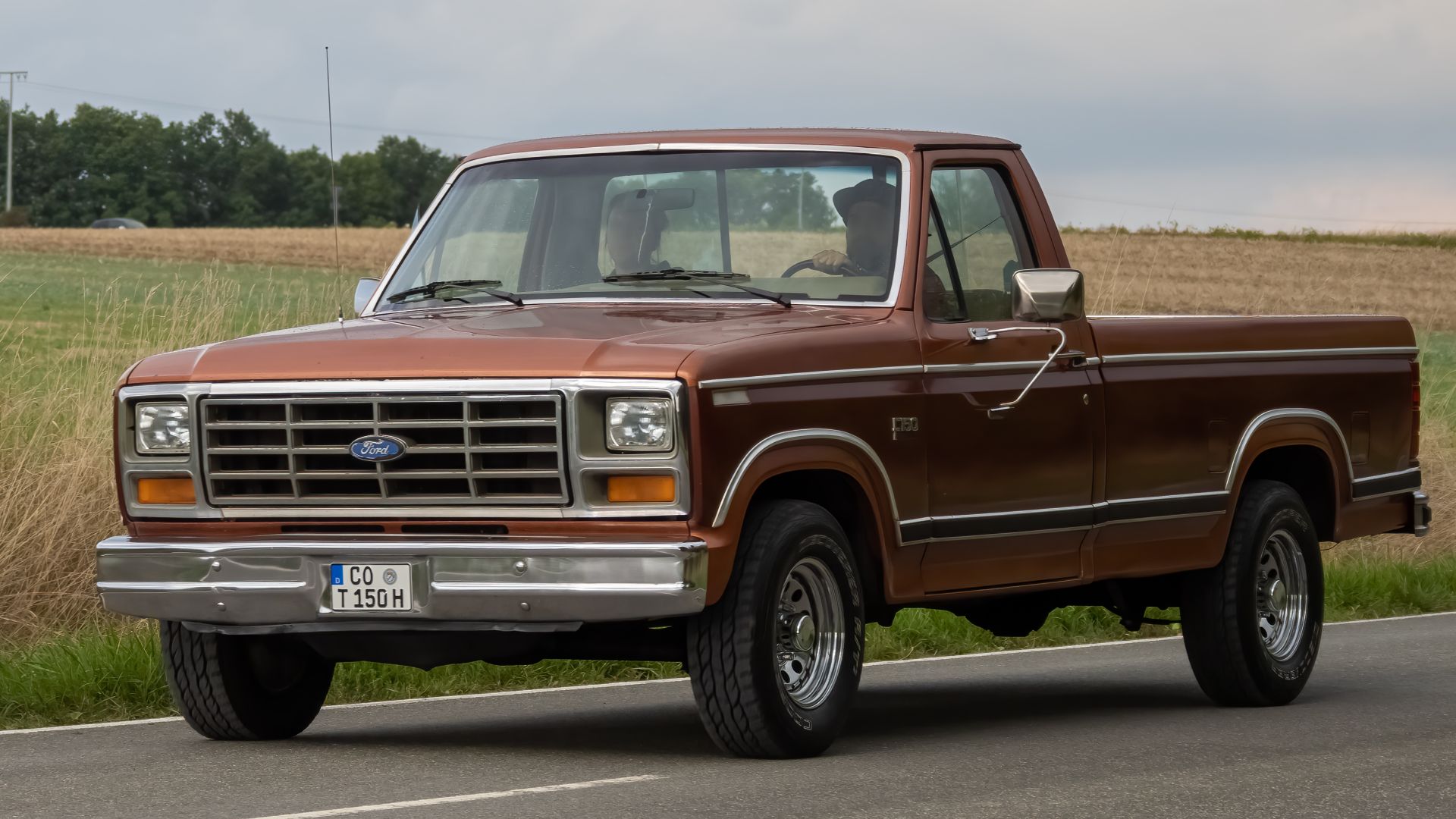
2. Ford F-150
Ford introduced a completely redesigned, straighter-sided F-Series for 1980, creating the trucks enthusiasts now call the “bullnose” generation. Another redesign followed for 1987. These F-150s were once fixtures on every jobsite and farm. Many still exist, but unmodified trucks with original paint, wheels, and interiors are rapidly disappearing.
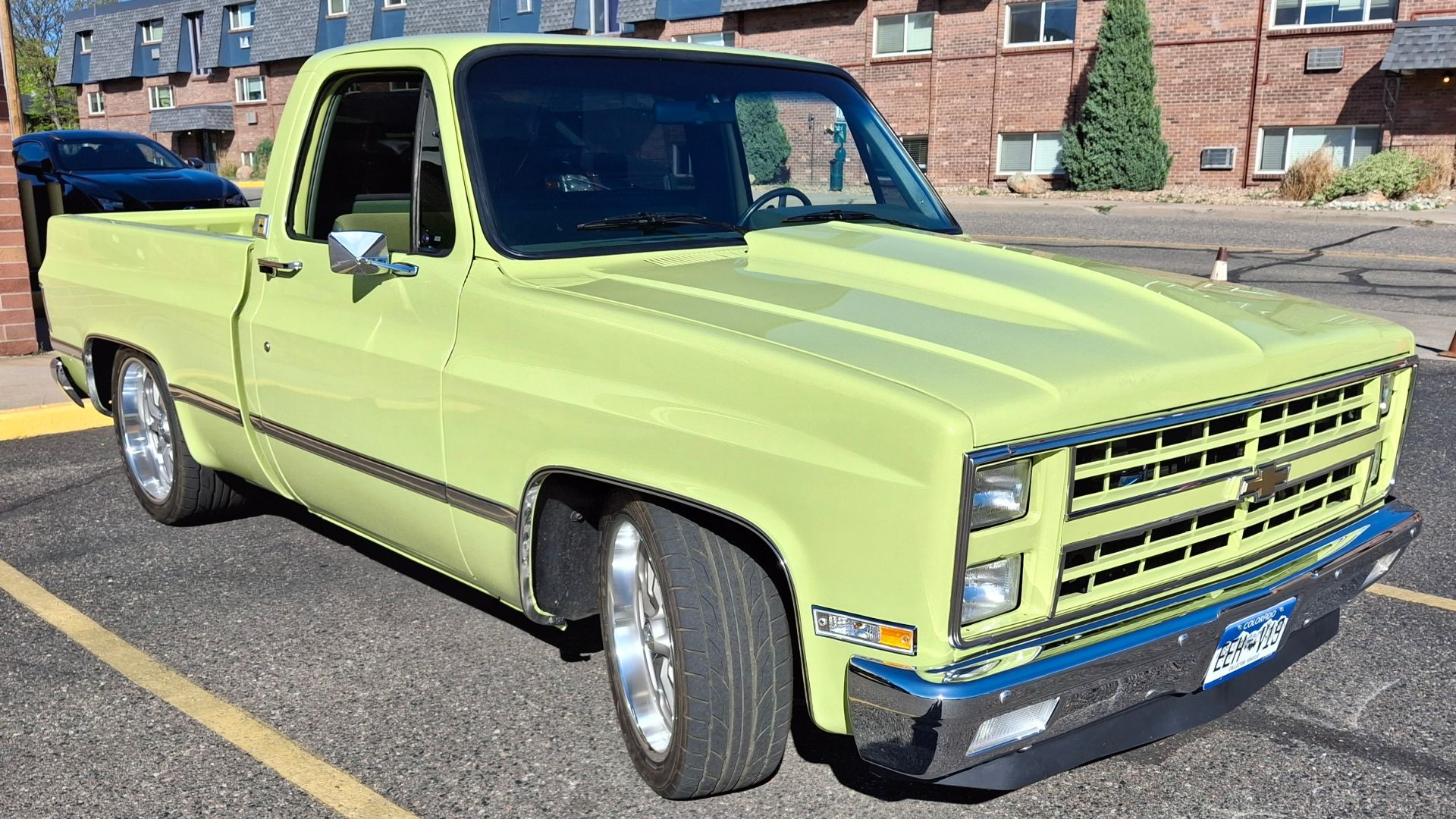
1. Chevrolet C/K Squarebody
Nothing recalls an American 1980s workday quite like a Chevrolet squarebody. The familiar generation continued through 1987 before the new GMT400 trucks arrived for 1988. C/K pickups hauled campers, towed race cars, plowed snow, and taught teenagers to drive. Survivors remain beloved, but clean originals now seem far rarer than childhood memories suggest.
You May Also Like:
Pickup Trucks That Are Still Running Strong After 400,000 Miles
The Most Reliable Diesel Trucks For 2025, According To Edmunds
Classic Pickup Trucks Are Skyrocketing in Value—Here’s What’s Driving It






.jpg)
.jpg)
.jpg)