
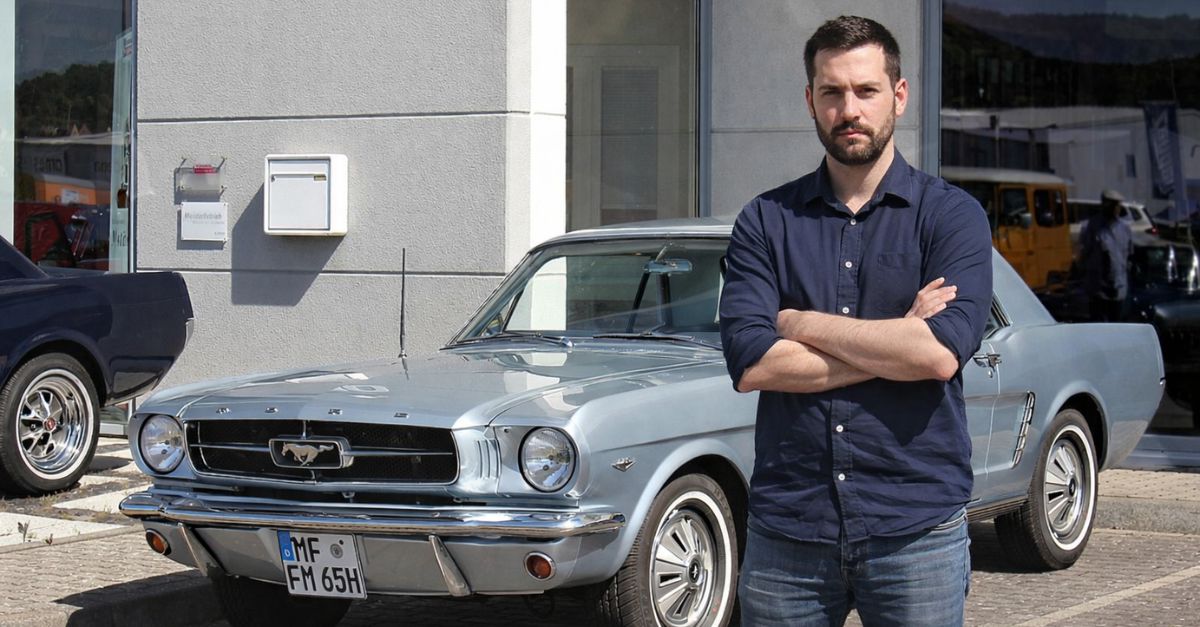
Ford’s Era Of Experimentation
The automotive landscape of the 1960s and 1970s allowed manufacturers to experiment freely. Ford responded with distinctive vehicles that balanced power, style, and practicality, leaving behind memorable models that still resonate with enthusiasts decades later.
 Lothar Spurzem, Wikimedia Commons, Modified
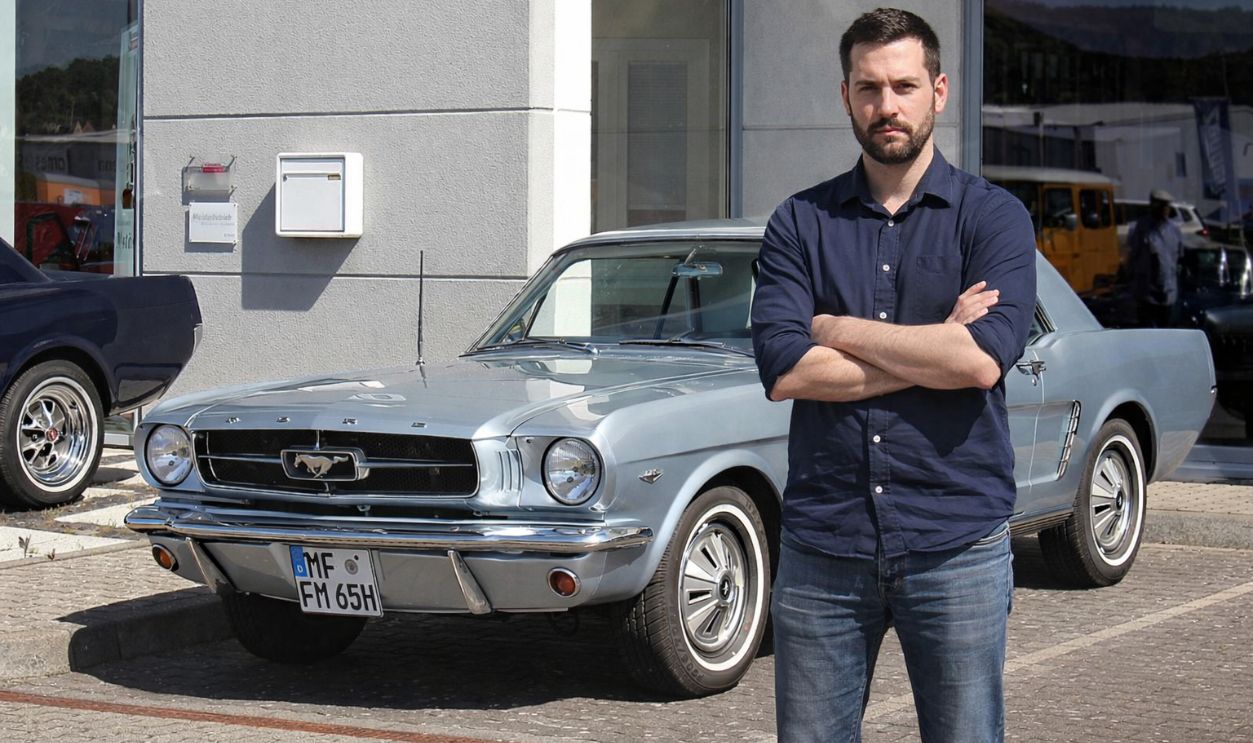
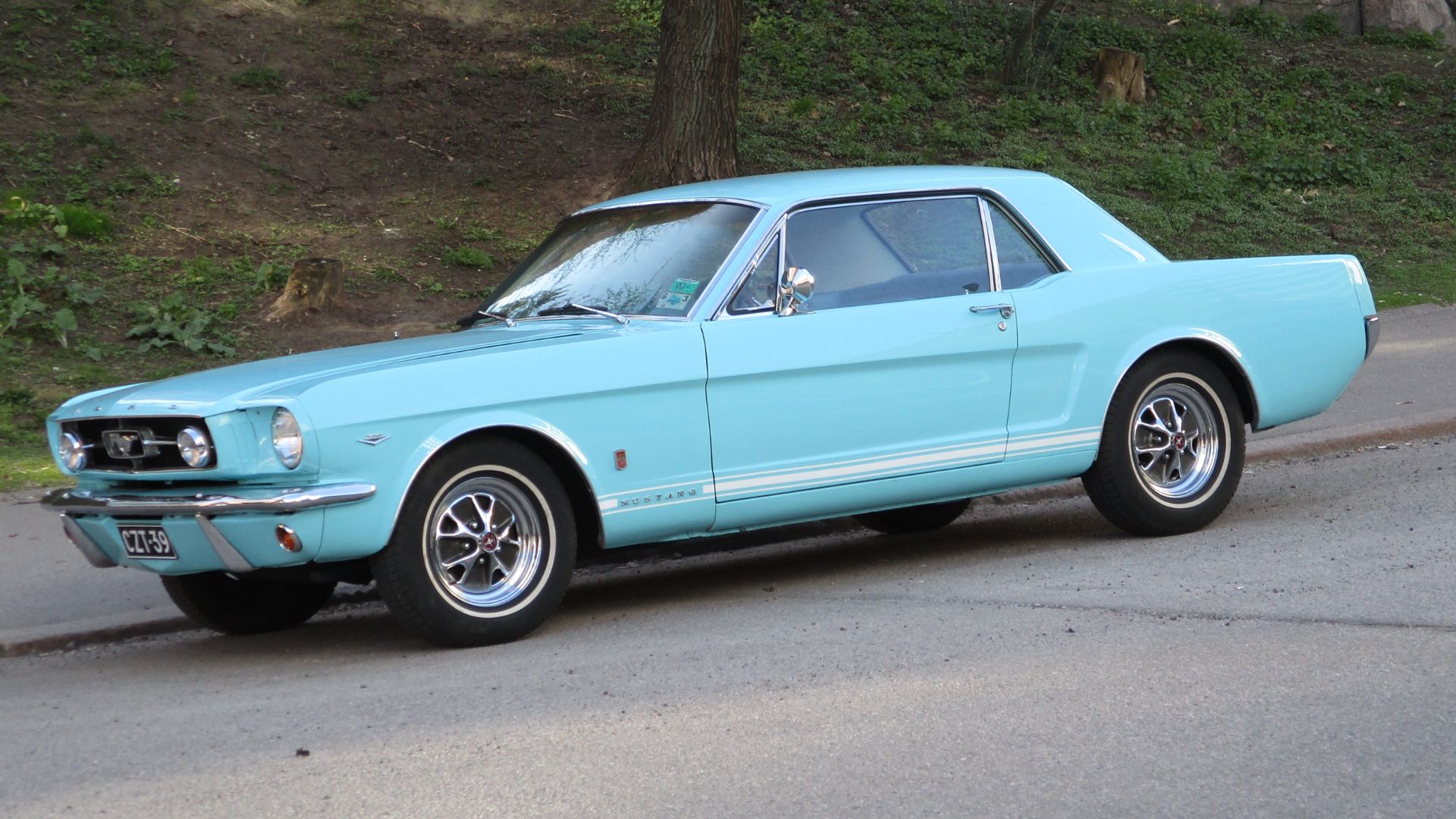
1965 Ford Mustang
The original pony car became an instant sensation. Over 559,000 units flew off dealer lots in the first year. Buyers loved the affordable sporty styling and engine choices ranging from economical inline-sixes to the thundering 271-horsepower Hi-Po V8.
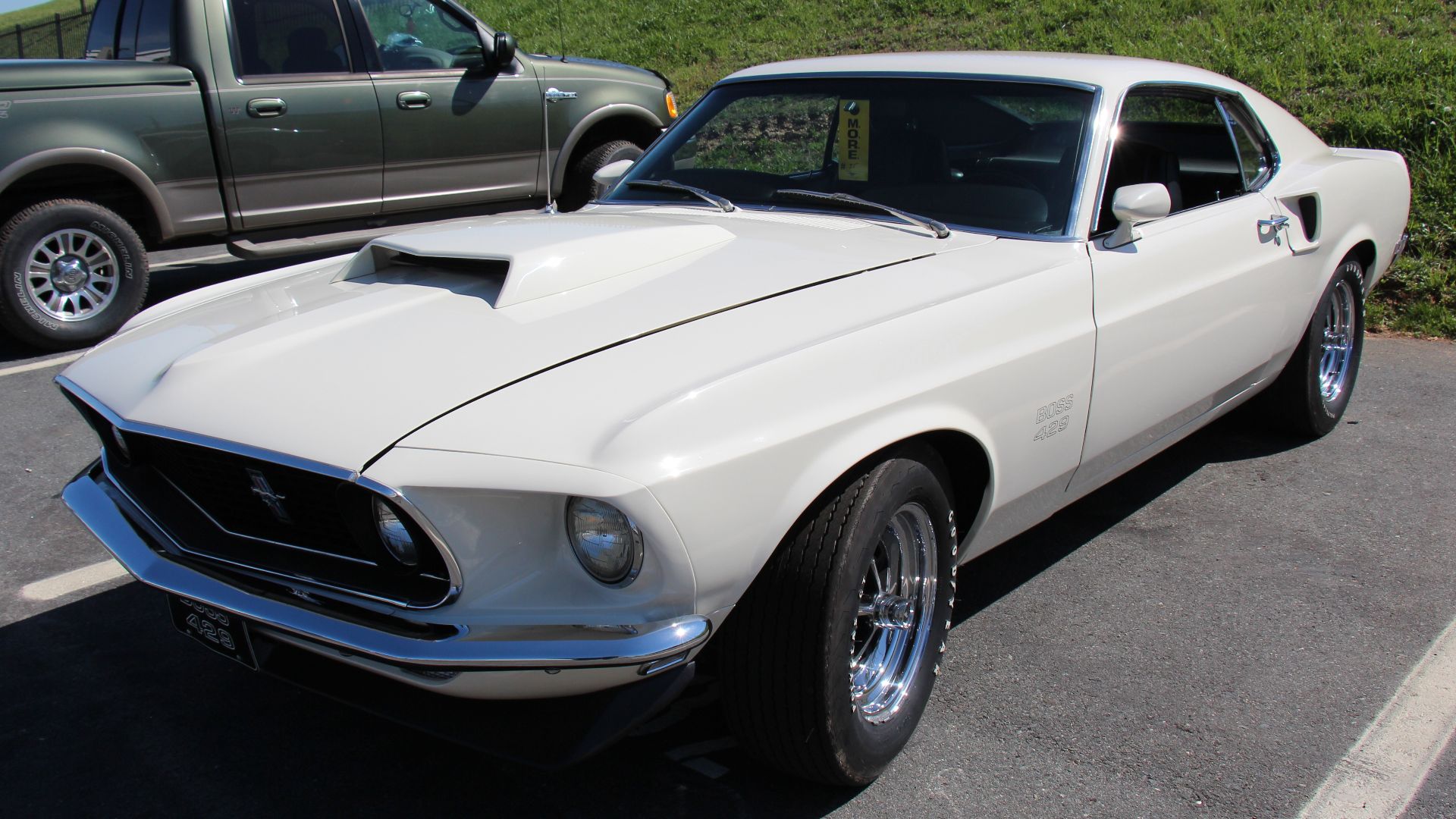
1969 Ford Mustang Boss 429
NASCAR homologation birthed this ultra-rare beast. Only 859 rolled out in 1969 with the massive semi-hemispherical 429 V8 wedged under the hood. Its scarcity and race-bred engineering make it one of the most coveted Mustangs ever built.
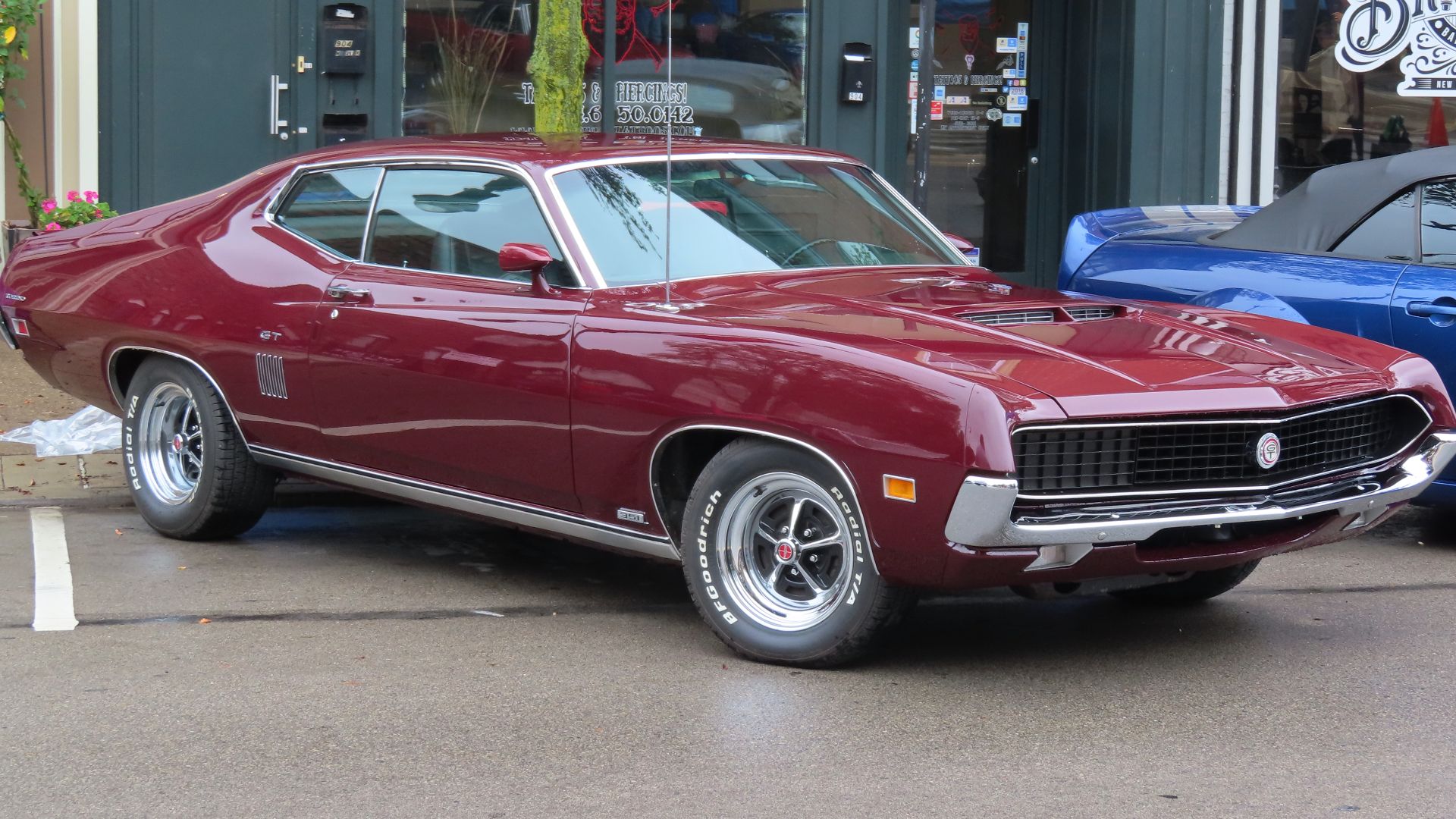
1970 Ford Torino GT
Bold coke-bottle curves defined this intermediate muscle machine. The GT variant strutted hood scoops and racing mirrors while packing serious V8 punch. Motor Trend crowned it Car of the Year for blending style with straight-line performance.
 MercurySable99, Wikimedia Commons
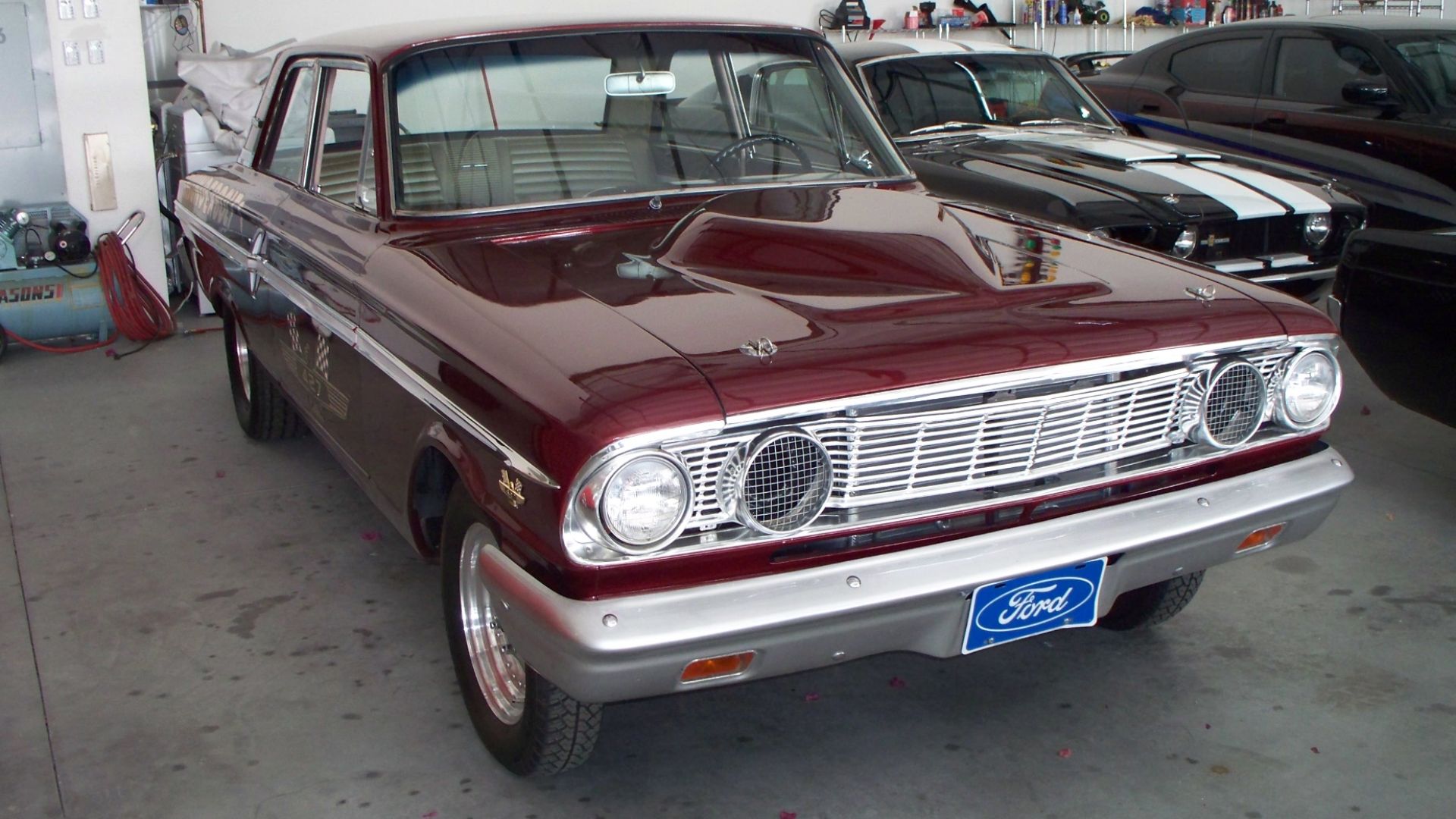
1964 Ford Fairlane Thunderbolt
Ford built just 100 of these drag strip monsters. Fiberglass panels shaved weight, and a high-riser 427 with dual carbs delivered tire-shredding power. This factory experimental racer dominated NHRA competition so thoroughly that officials rewrote the rulebook.
 PMDrive1061, Wikimedia Commons
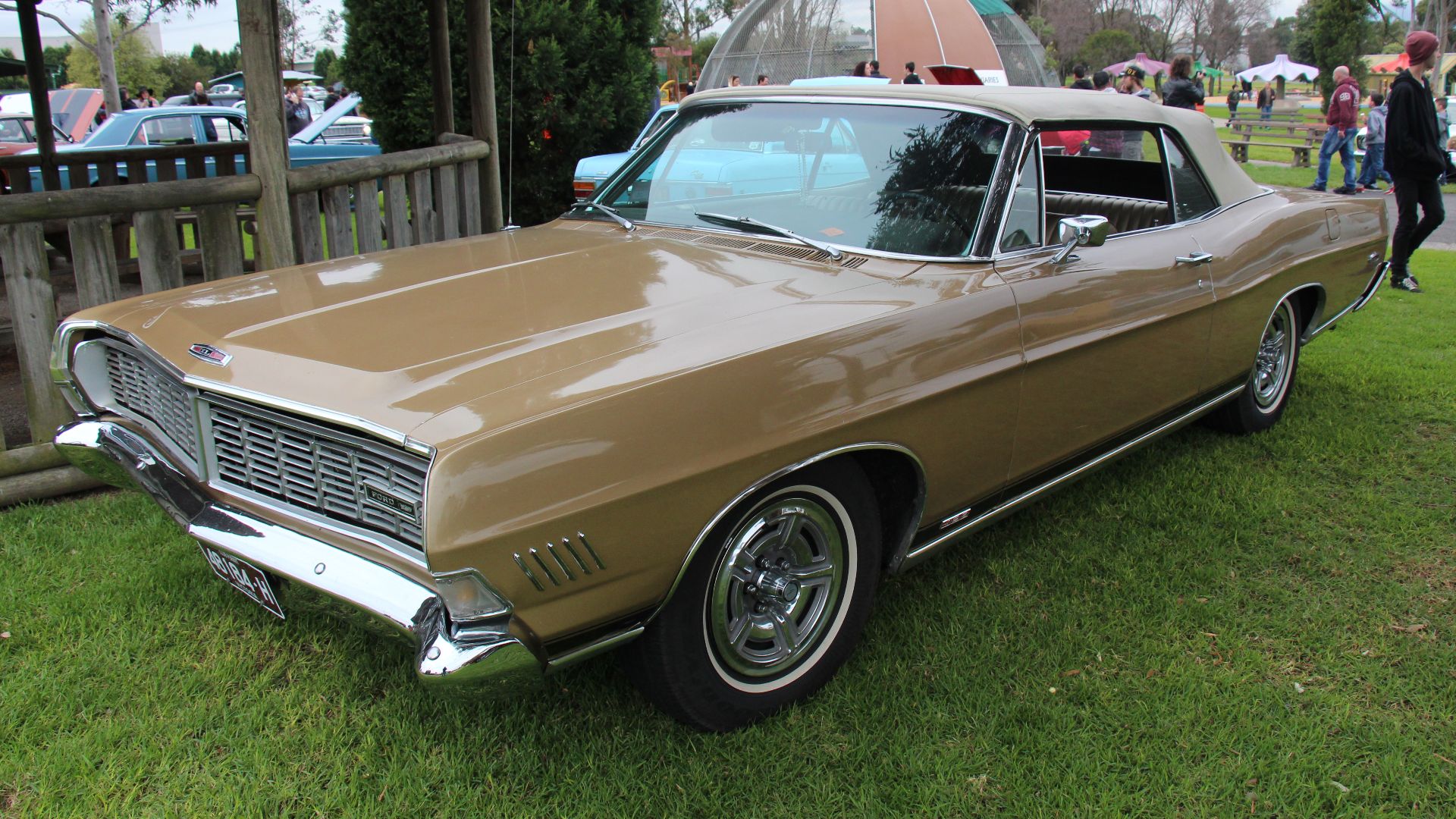
1968 Ford Galaxie 500
Galaxie 500 was a full-size cruiser that competed directly with Chevy's Impala for family car supremacy. Available engines ranged from practical V8s to the substantial 428 cubic motor. Plus, hidden headlights on certain trims added a touch of mystery to its spacious design.
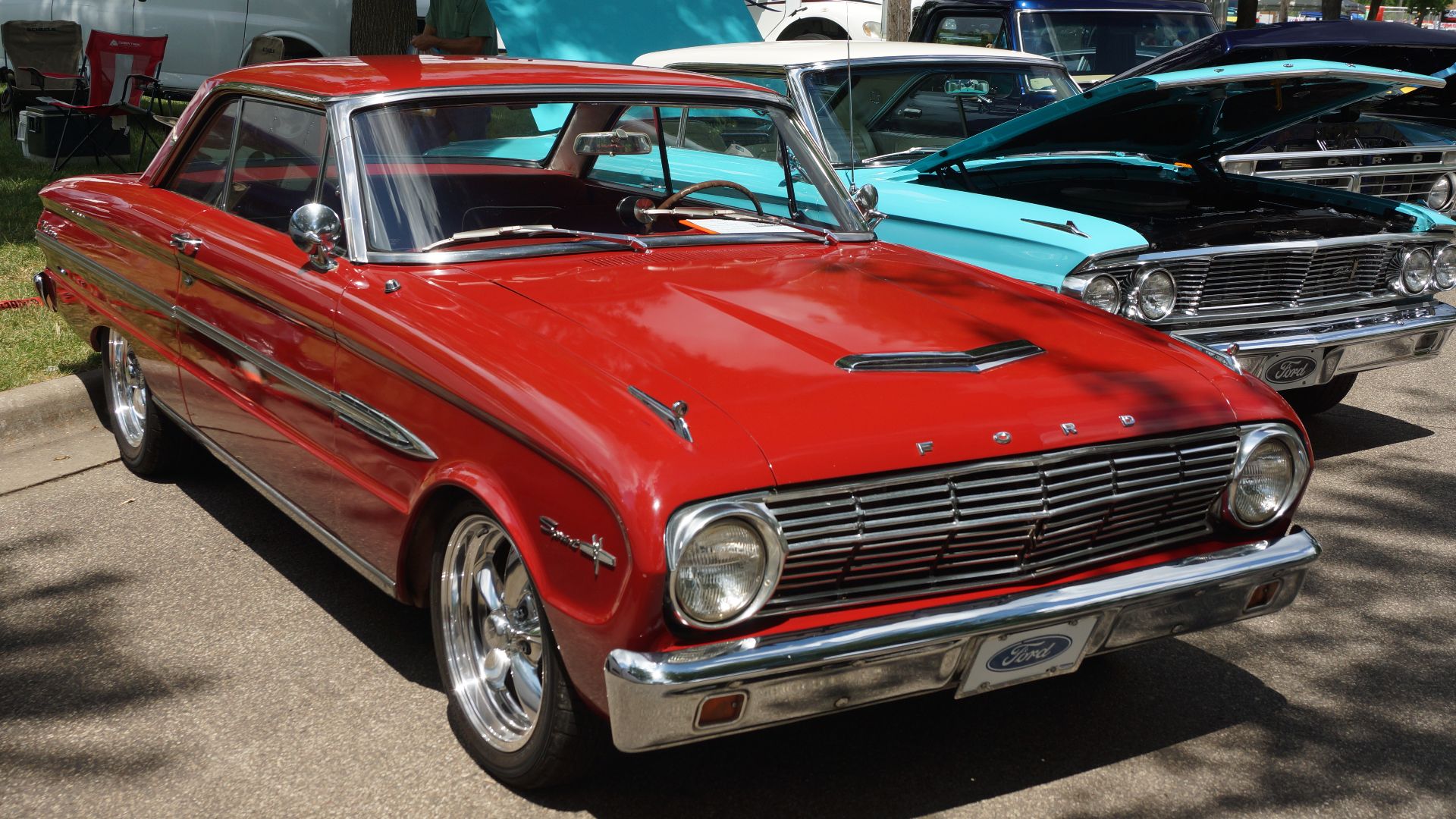
1963 Ford Falcon Sprint
Ford's compact economy car suddenly got interesting with the Sprint package. A V8 engine finally arrived in the Falcon lineup alongside bucket seats and a four-speed stick. This scrappy performer helped launch Ford's Total Performance marketing era.
 Greg Gjerdingen from Willmar, USA, Wikimedia Commons
Ford Maverick (1970–1977)
Priced at just $1,995, this compact fighter took aim at imports while replacing the Falcon. Nearly 579,000 sold in year one alone. Color names like Anti-Establish Mint and Freudian Gilt perfectly captured the era's quirky spirit.
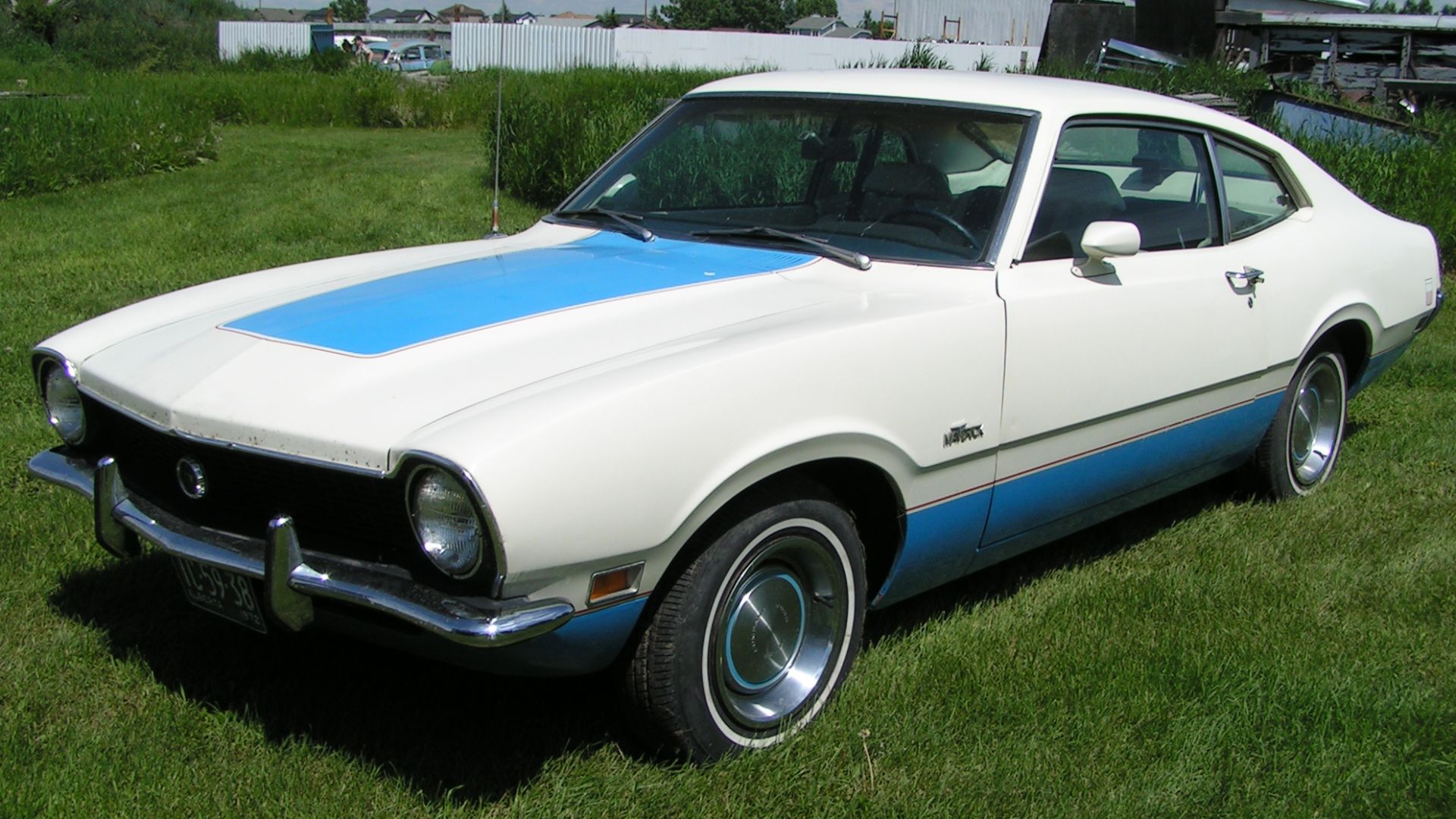 dave_7 from Lethbridge, Canada, Wikimedia Commons
1969 Ford Torino Talladega
Aerodynamics ruled NASCAR in 1969. Ford extended the Torino's nose and smoothed its grille for this limited special. About 750 were built for homologation purposes. Ironically, race teams kept using these older Talladegas even after the 1970 redesign arrived.
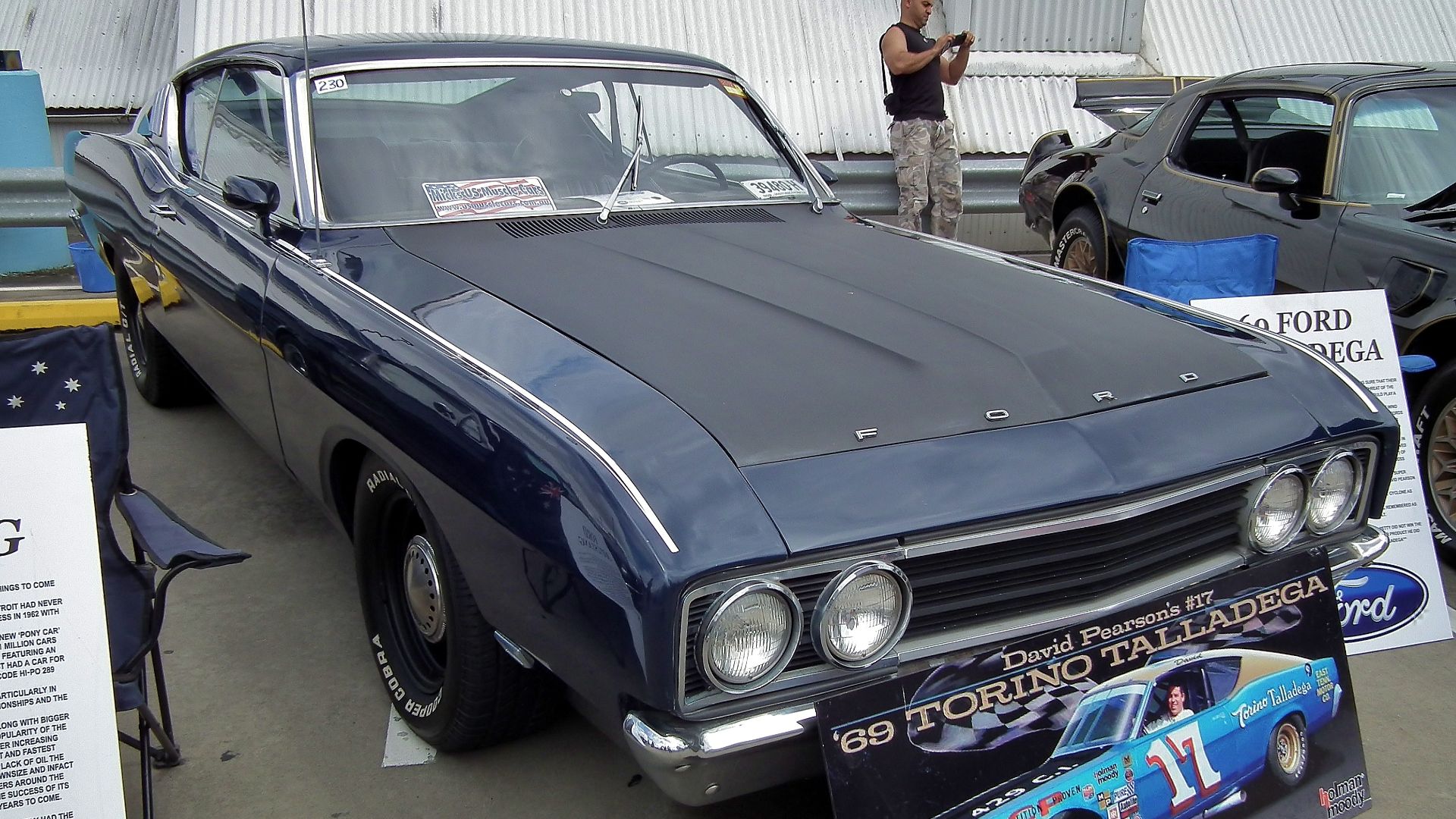
1967 Ford Fairlane 500
Stacked headlights and sleeker lines marked this mid-size beauty's fresh styling direction. The 500 trim level offered hardtop elegance with optional muscle from V8 engines up to 390 cubic inches. It became a canvas for performance builders during the muscle wars.
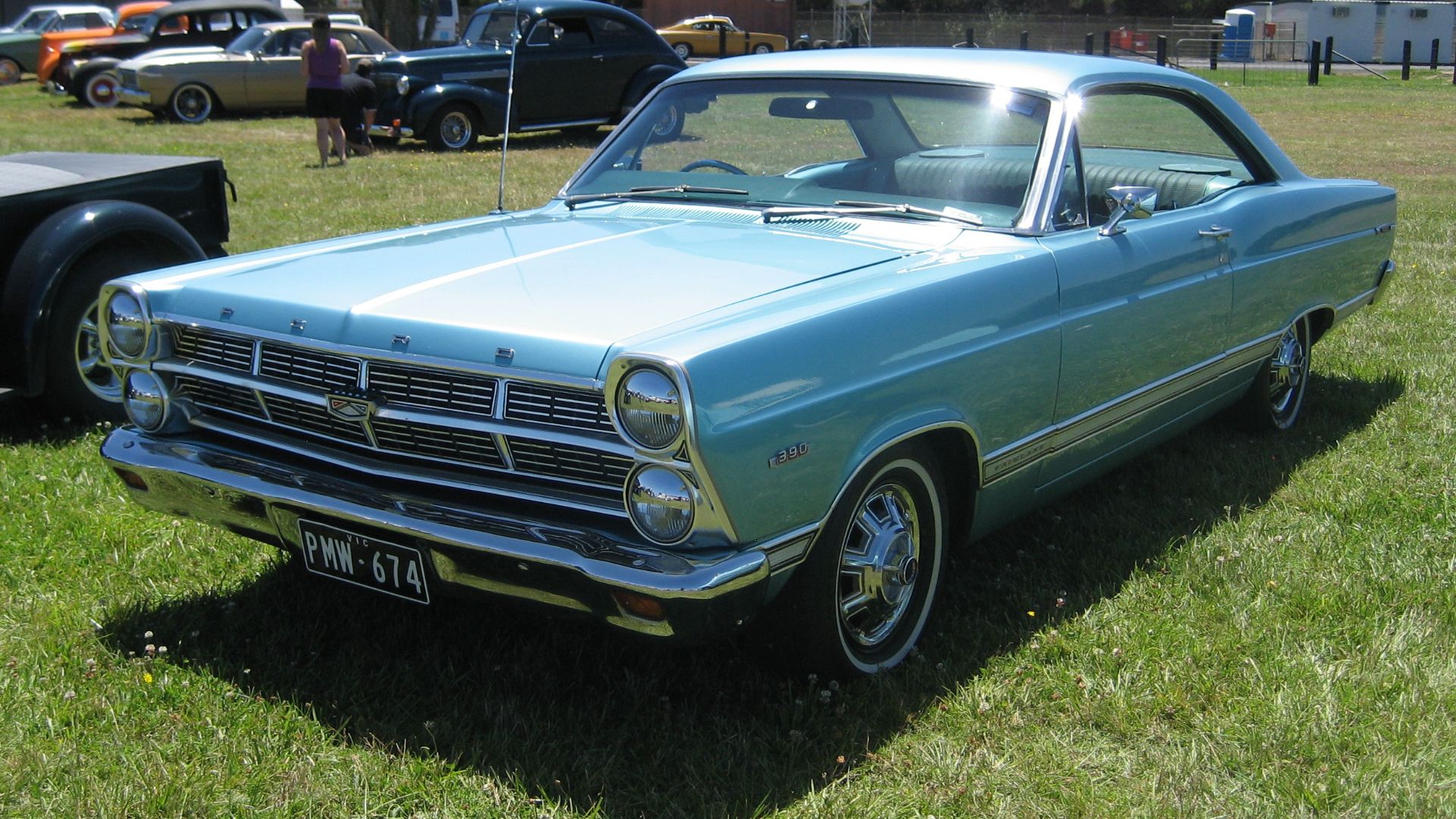
1964 Ford Thunderbird
Personal luxury took flight with suicide doors on Landau models. Hood length stretched further in the fourth generation, paired with plush comfort features like sequential turn signals. Ford positioned it against the Buick Riviera in battles for sophisticated buyers.
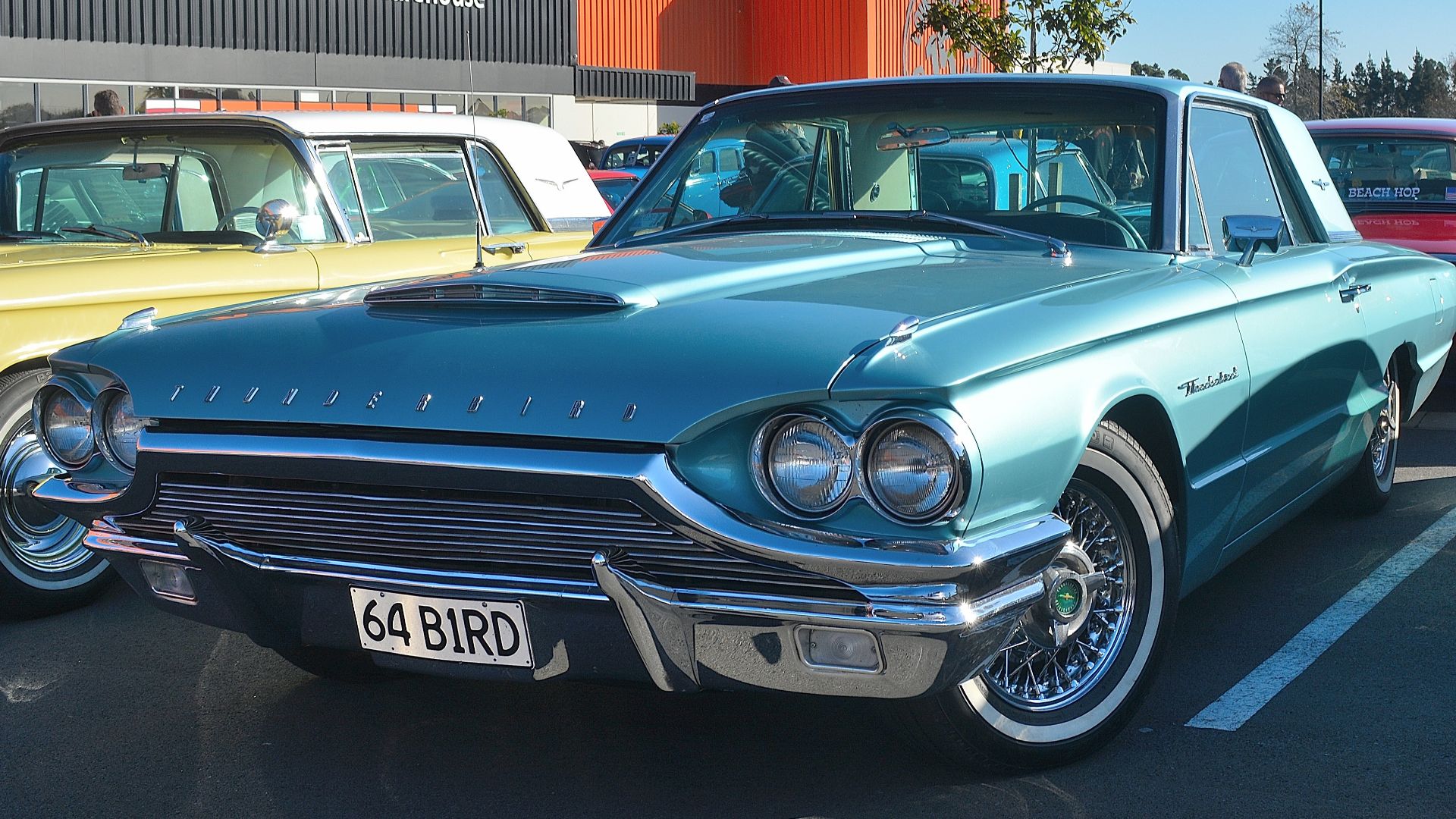 GPS 56 from New Zealand, Wikimedia Commons
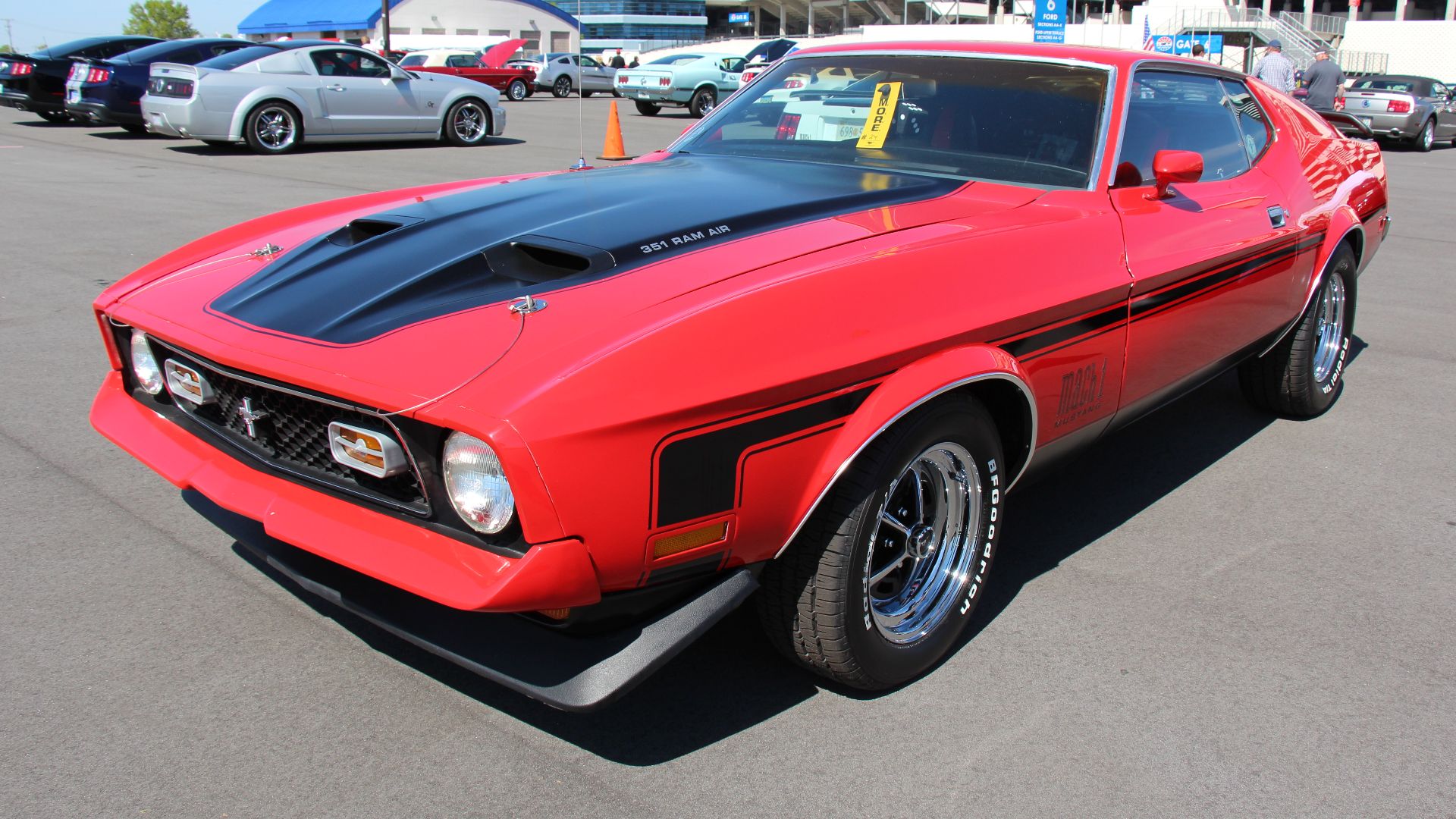
1971 Ford Mustang Mach 1
Bigger proportions defined the redesigned Mustang as it entered the seventies. The Mach 1 topped the performance ladder with aggressive styling and available 429 big-block power. Functional Ram Air and competition suspension delivered serious muscle in a bolder package.
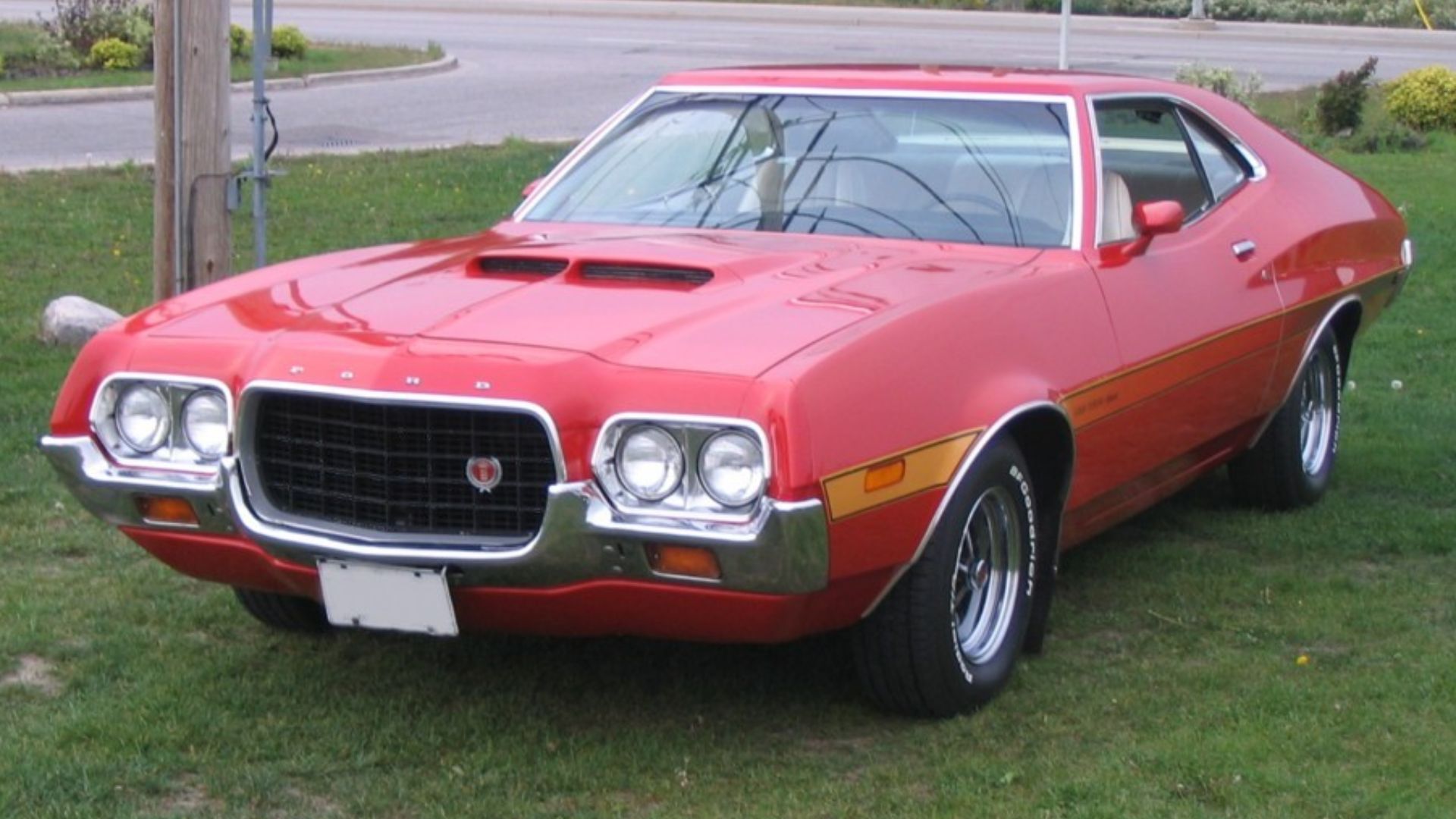
Ford Gran Torino Sport (1972–1976)
Starsky and Hutch made this red striped beauty a television icon. Its hood scoops and performance trim defined the Sport variant during the waning muscle car years. That famous TV chase car earned the nickname "Striped Tomato" from the show's dialogue.
 Caprice 96 at English Wikipedia, Wikimedia Commons
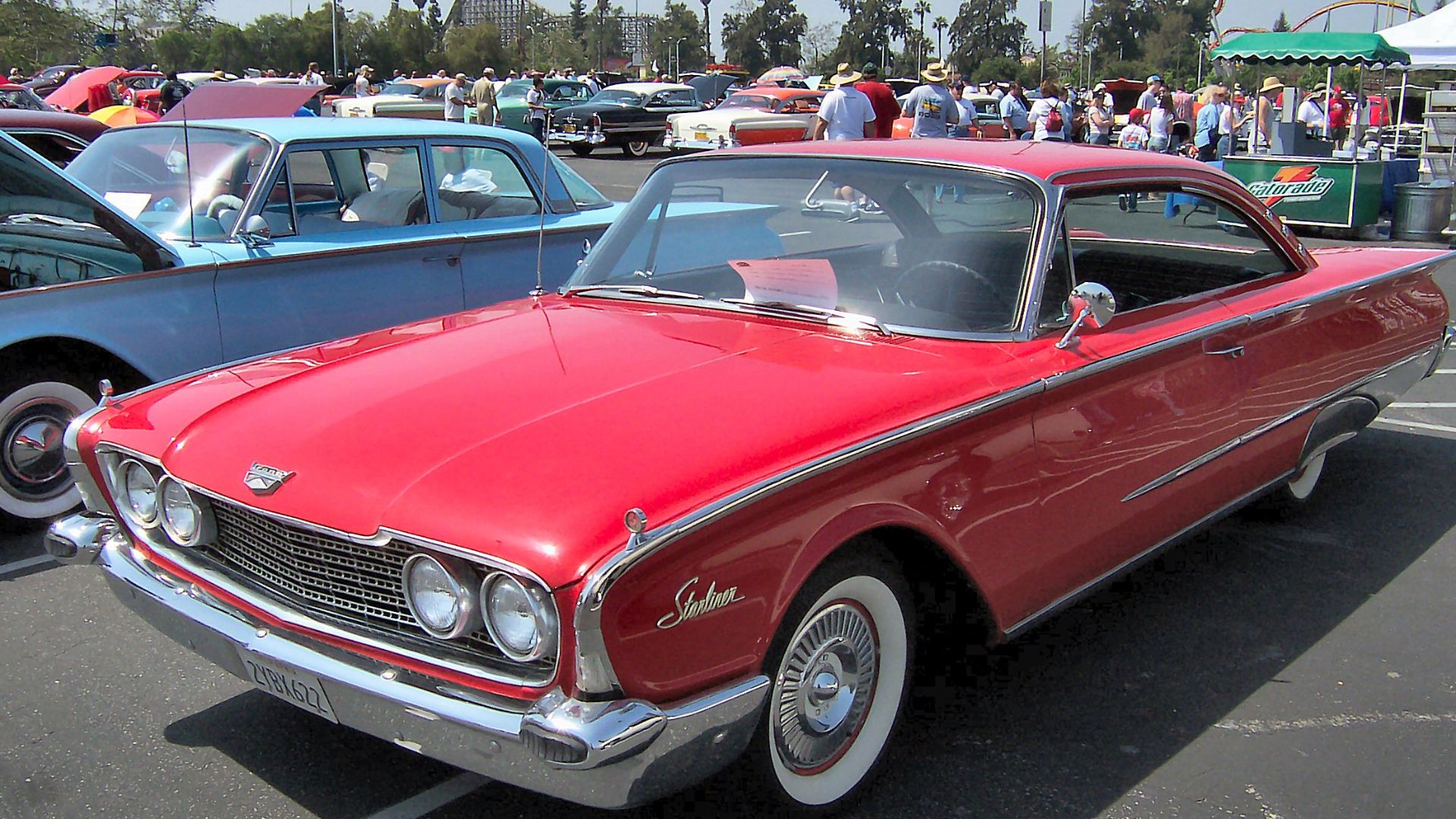
1960 Ford Starliner
Pillarless hardtop styling created a sleek, aerodynamic profile for the full‑size Ford. Customizers were drawn to glamorous rooflines and strong V8 options, which in turn made the car a popular canvas for hot rod builders.
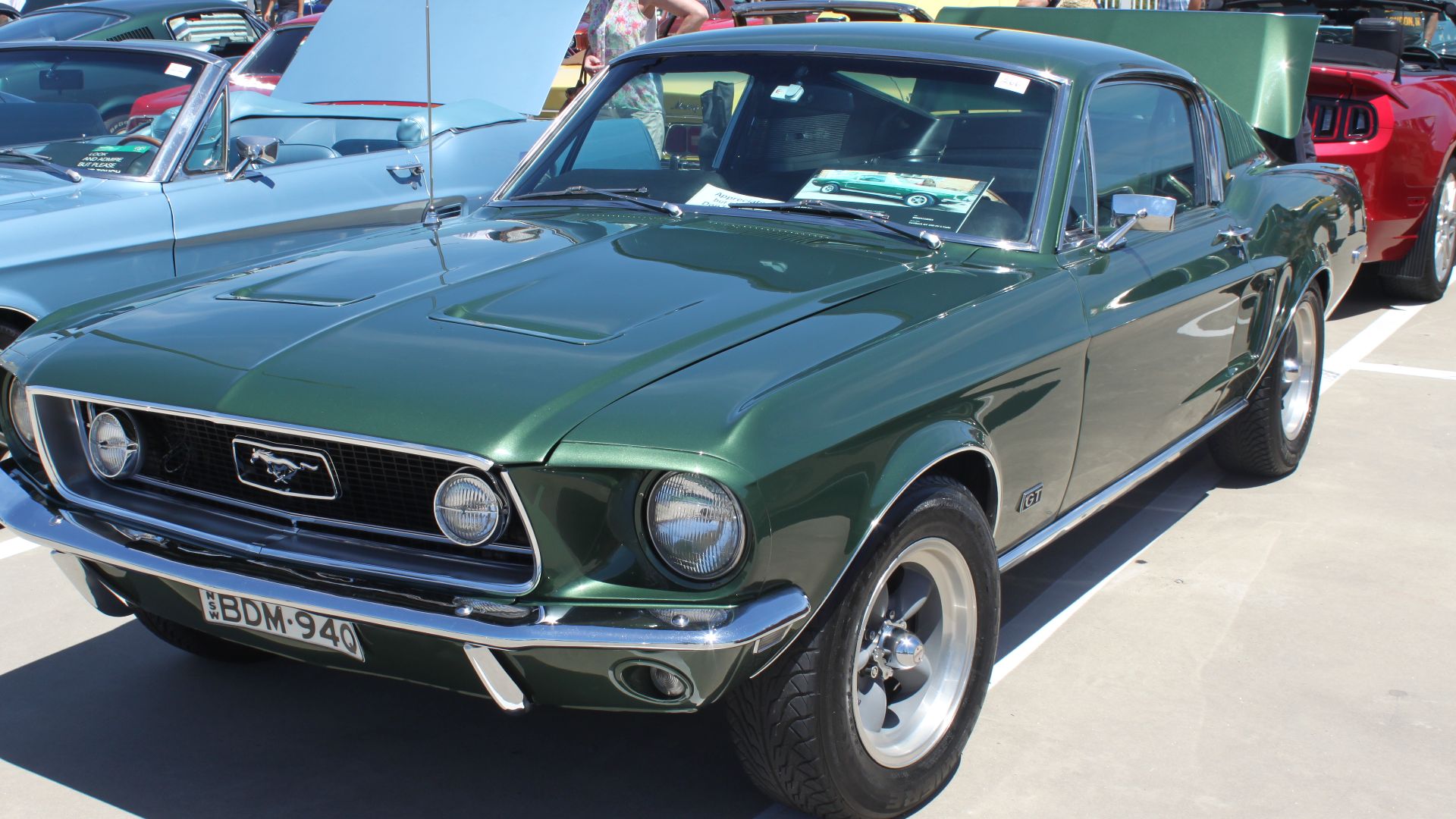
1968 Ford Mustang GT/CS California Special
West Coast exclusivity defined this regional special with just 5,000 produced for California dealers. Fiberglass hood scoops and unique side trim set it apart from standard GTs. Ford's Los Angeles district created this distinctive variant to boost regional sales.
 Jeremy from Sydney, Australia, Wikimedia Commons
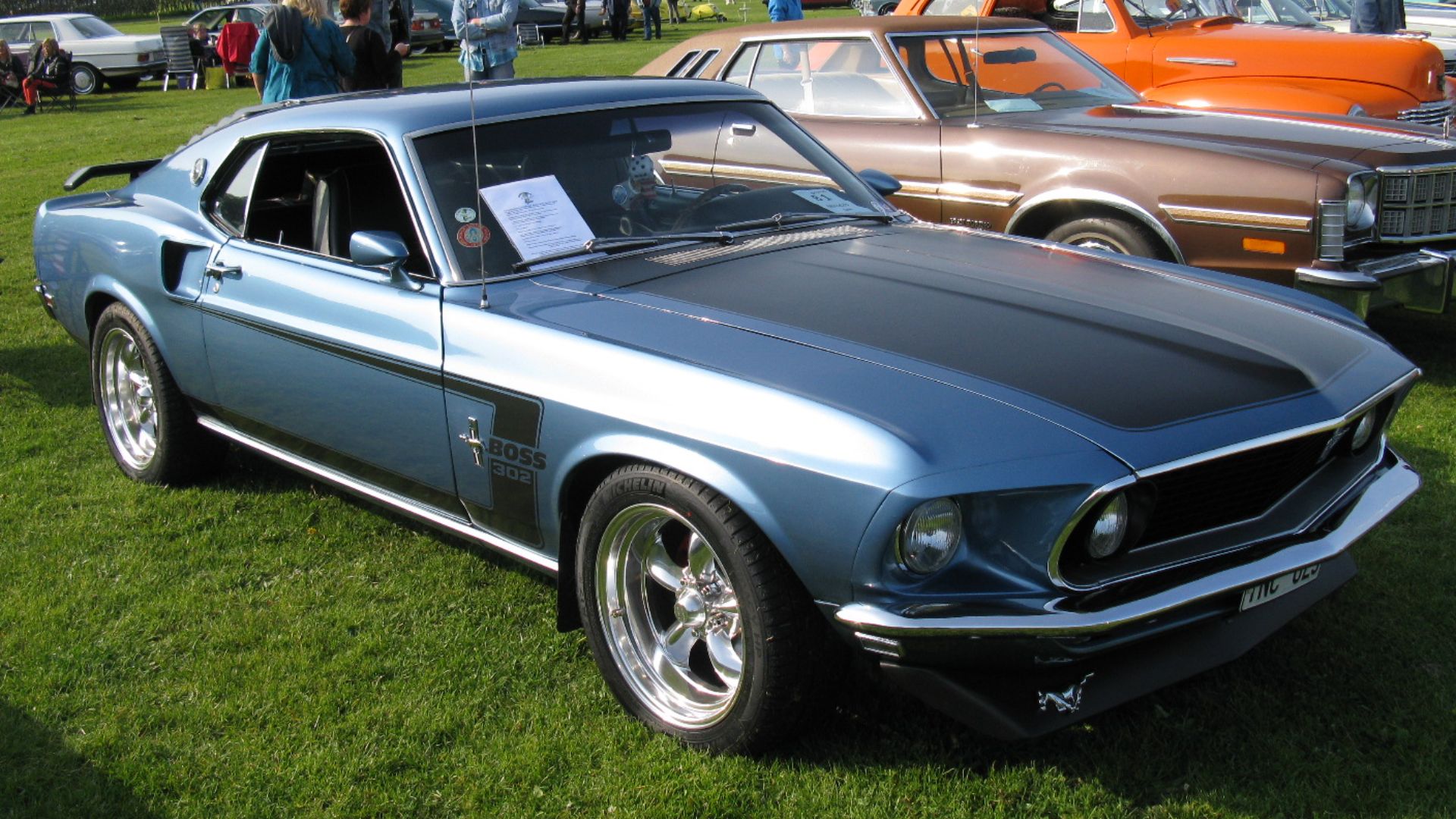
1969 Ford Mustang Boss 302
Trans-Am racing demanded a high-revving homologation special, and Boss delivered it. The 302 V8 screamed to redline with special heads and cam tuning. Front spoilers and window louvers gave it an aggressive look while heavy-duty suspension tackled road courses with authority.
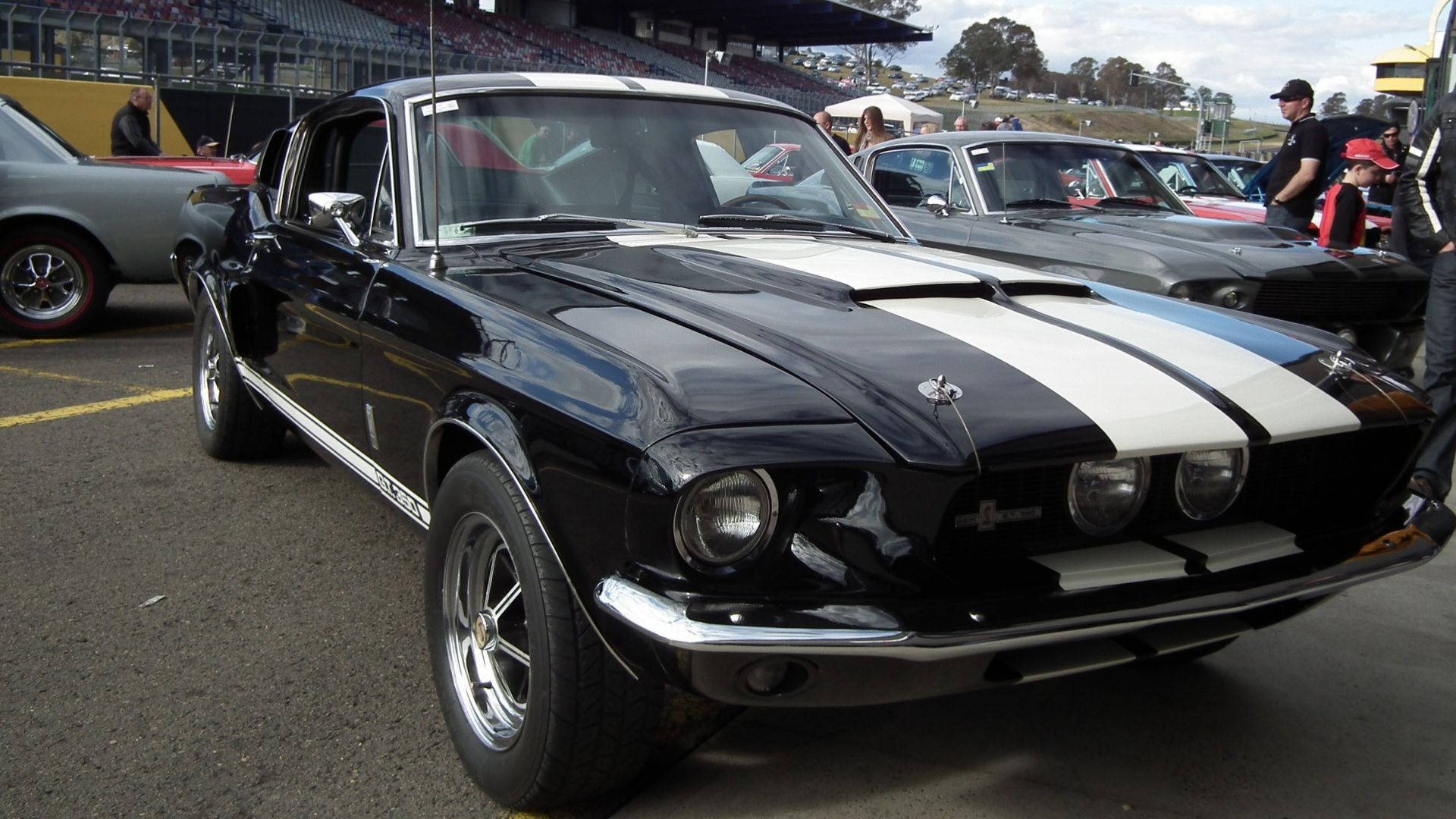
1967 Ford Mustang Shelby GT350
Carroll Shelby's magic touch elevated the Mustang with a 306-horsepower 289 V8. Fiberglass body panels and functional scoops combined with disc brakes and upgraded suspension. This was the final year Shelby American fully controlled production before Ford intervened.
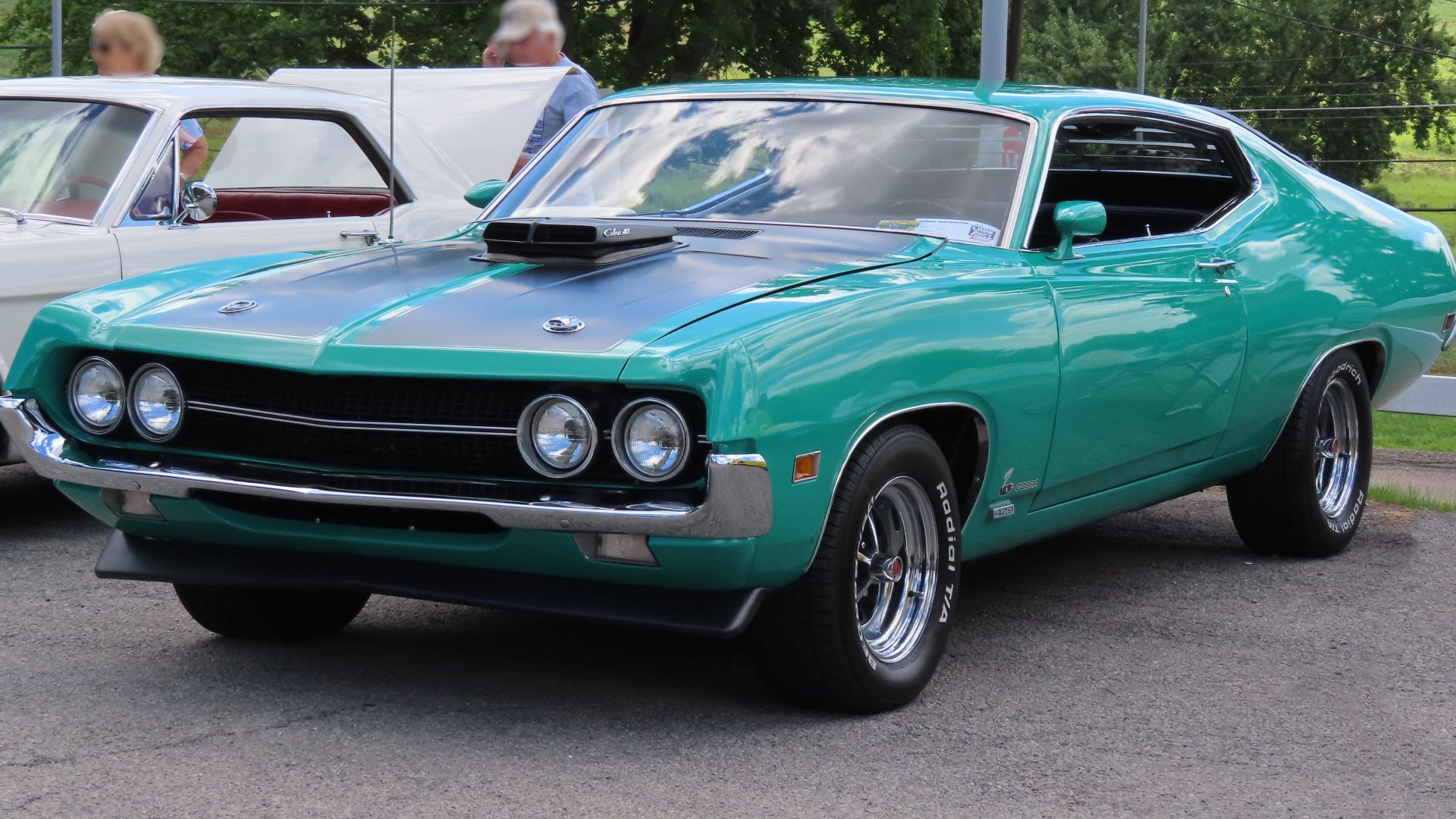
1970 Ford Torino Cobra
Fastback muscle arrived in 7,675 units powered by the mighty 429 V8. The Cobra variant delivered up to 370 horsepower through competition suspension and optional Drag Pack gearing. Kansas City got an even rarer Twister edition with only 90 built.
 MercurySable99, Wikimedia Commons
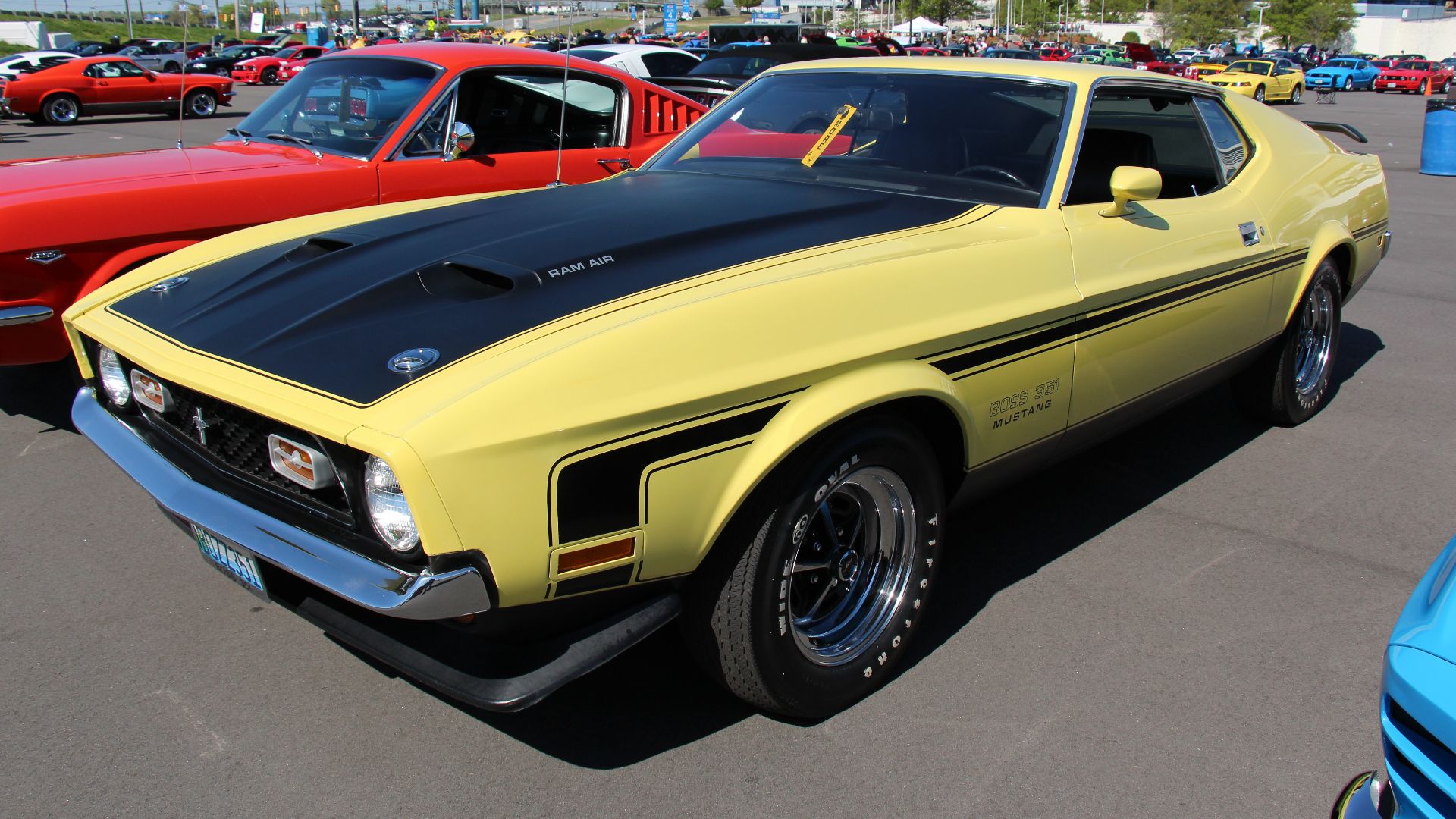
1971 Ford Mustang Boss 351
The last true Boss Mustang packed a 330-horsepower Cleveland V8 under its NASA-style hood scoop. Only 1,806 were built with mandatory four-speed transmissions and Ram Air induction. It represented the final hurrah before emissions regulations strangled performance.
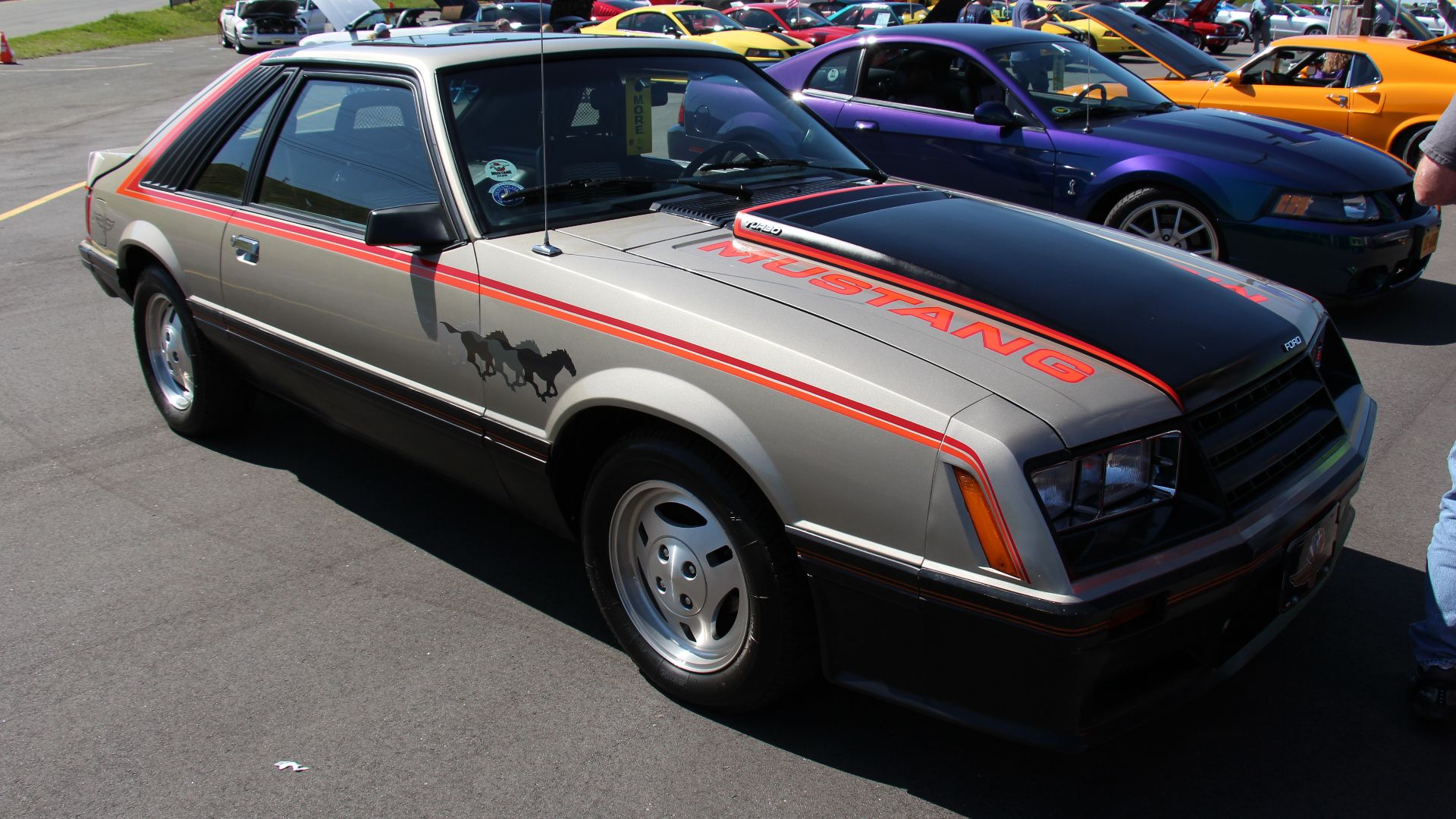
1979 Ford Mustang Pace Car
Indianapolis 500 duty brought national attention with three official pace cars prepared by Roush. Over 10,000 replicas hit dealerships featuring unique graphics and often the 5.0L V8. This visibility boost helped drive 1979 Mustang sales past 369,000 units.
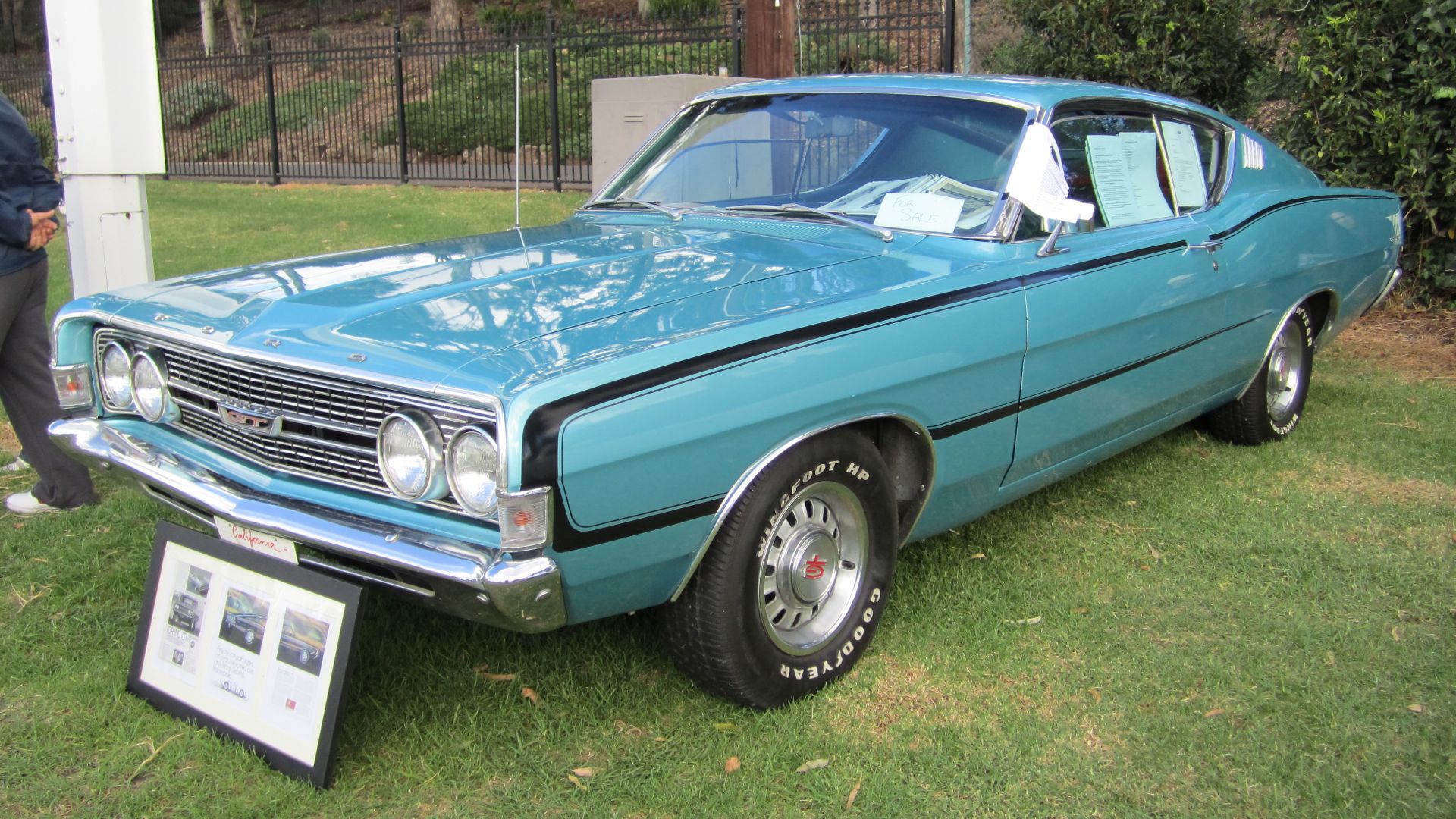
1968 Ford Torino GT Fastback
The slippery SportsRoof body style debuted with sporty GT trim and bucket seats. Under the hood, power ranged from the 302 to the 428 Cobra Jet. With its aerodynamic profile, Ford secured NASCAR supremacy during the season.
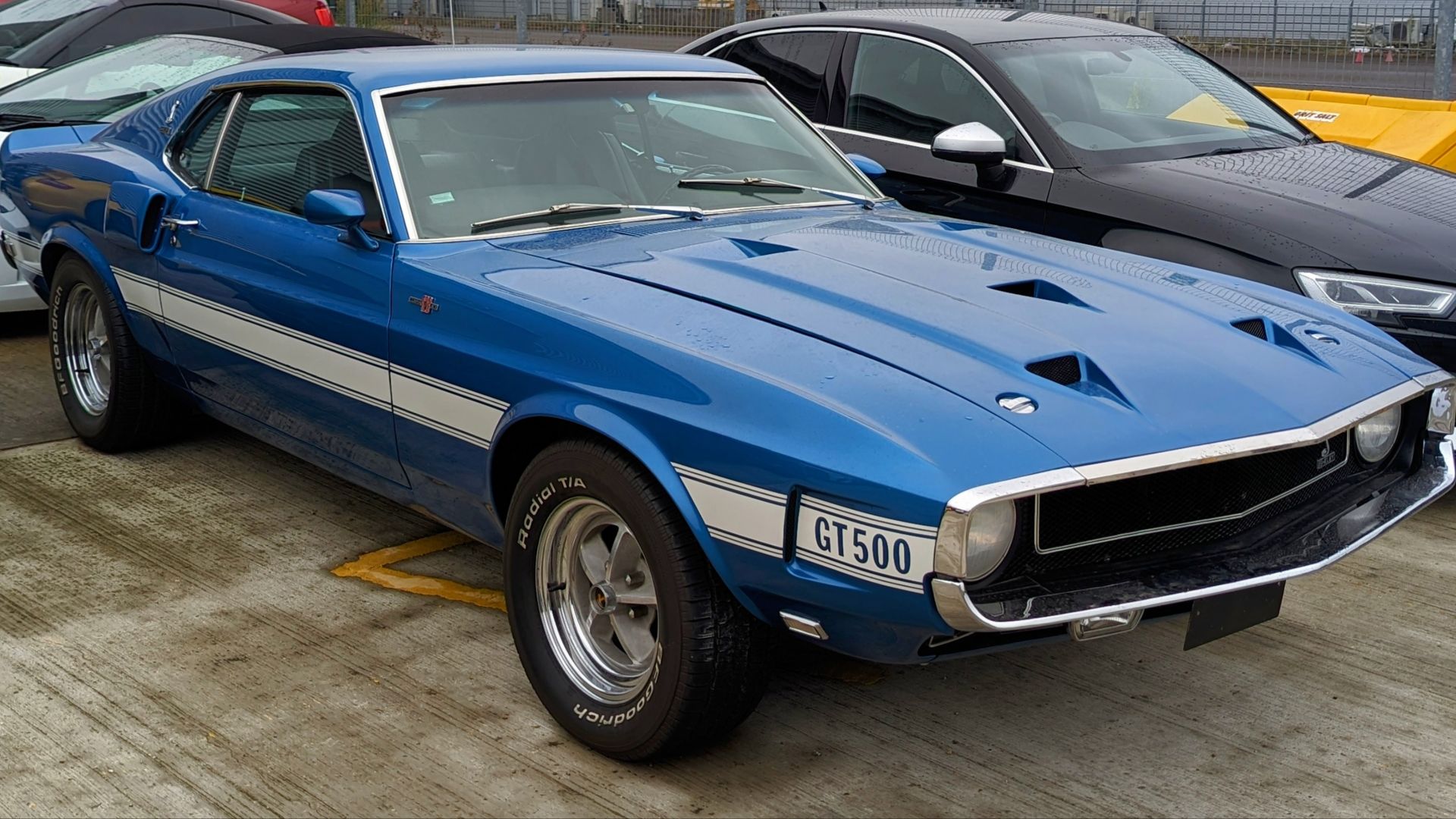
1969 Ford Mustang Shelby GT500
Shelby's final hands-on Mustang featured the massive 428 Cobra Jet V8 rated at 335 horsepower. Around 1,536 were produced with fiberglass front ends and luxury touches like power everything. Production shifted entirely to Ford afterward, ending Shelby’s direct role.
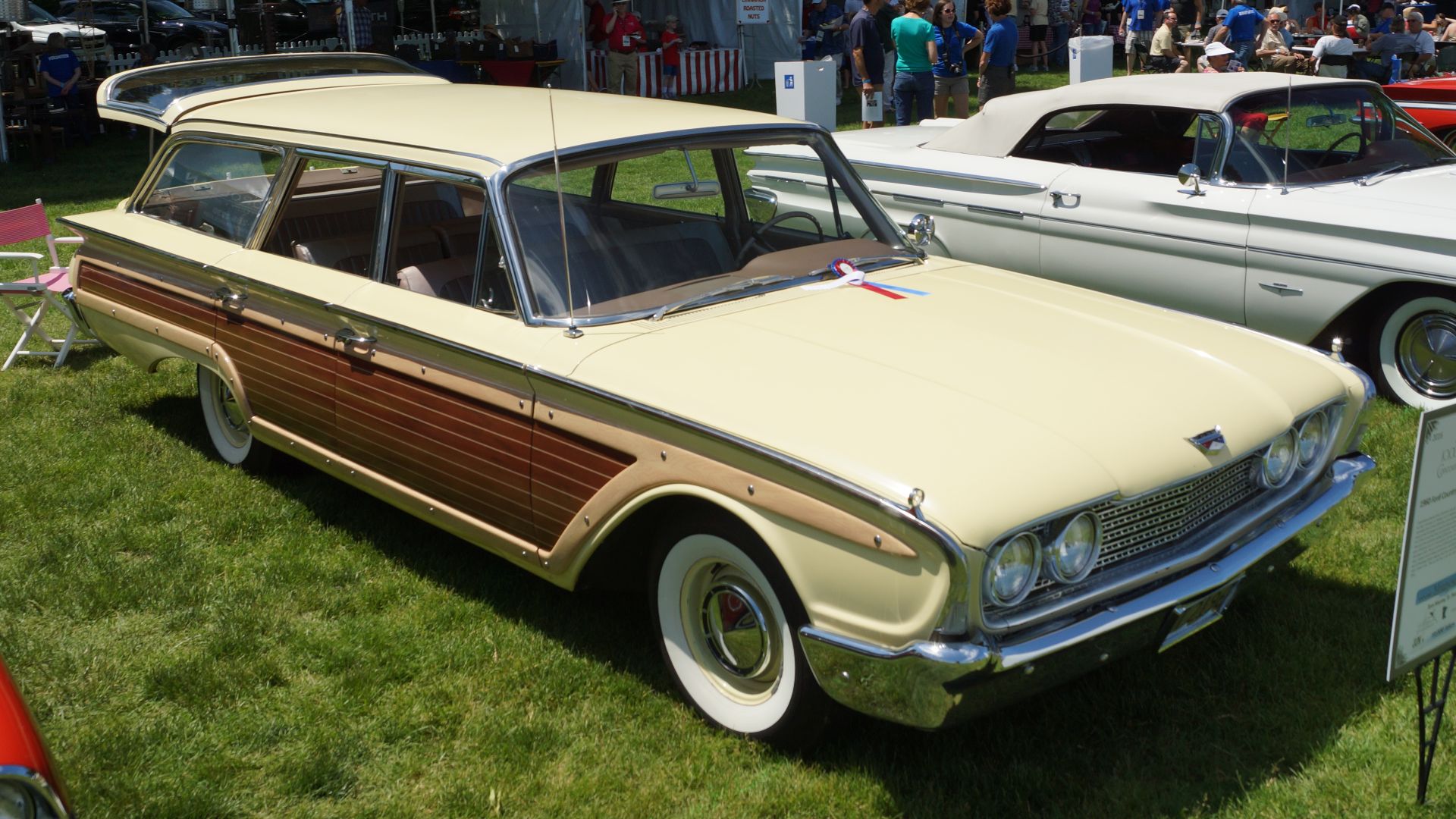
Ford Country Squire (1960s–1970s models)
Fake woodgrain paneling became suburbia's signature with this full-size wagon. Seating for nine and big V8 engines made family road trips possible. The Country Squire's vinyl Di-Noc siding appeared in countless TV shows as the quintessential family hauler.
 Greg Gjerdingen, Wikimedia Commons
1965 Ford Mustang 2+2 Fastback
European styling cues shaped this sleek, sloping roofline introduced mid-year. The fastback design added sophisticated appeal while sharing all Mustang engines from six-cylinders to Hi-Po V8s. Its aerodynamic profile made it a favorite among customizers and racers.
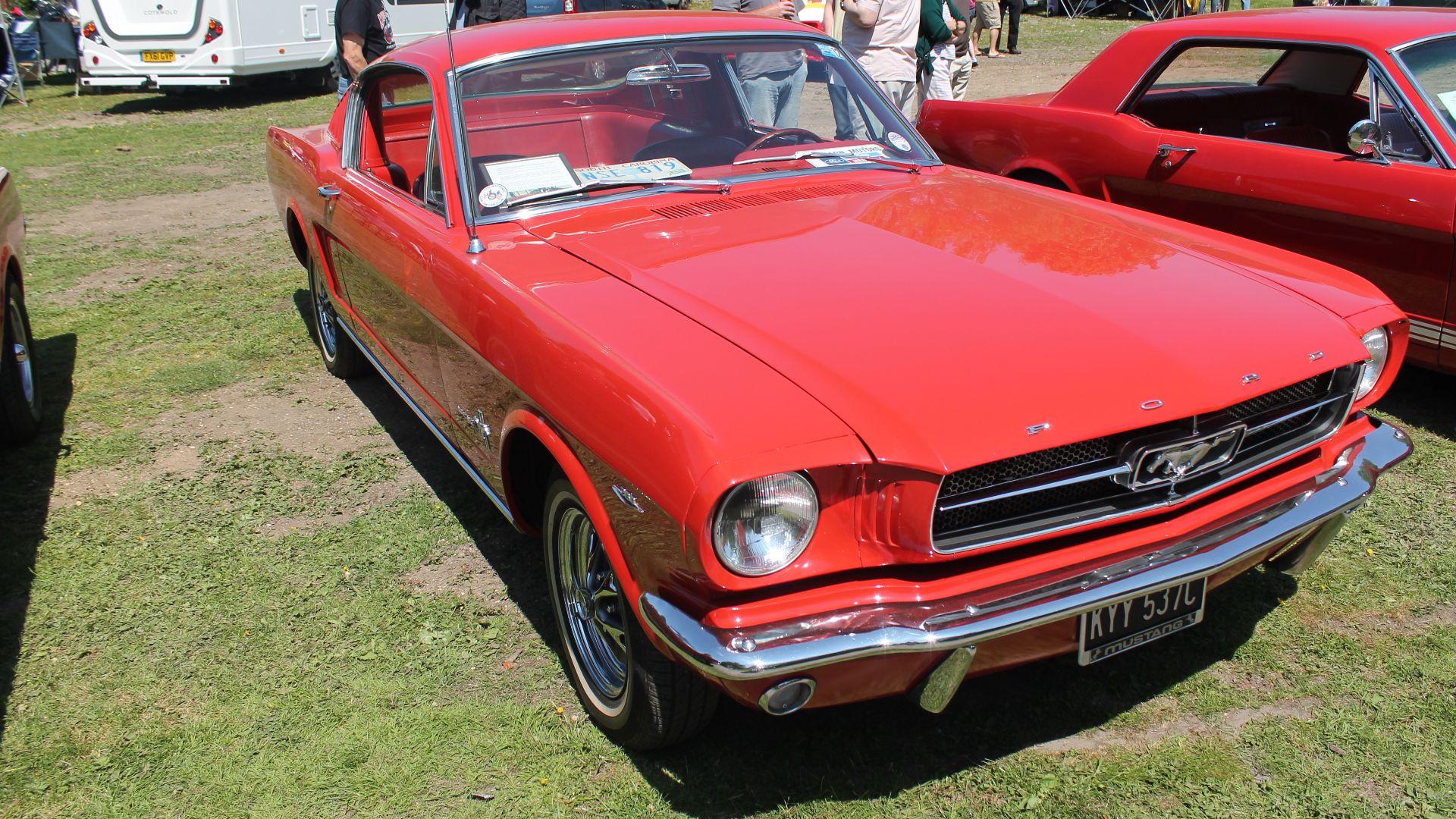 Charlie from United Kingdom, Wikimedia Commons
1977 Ford LTD II S
The Torino's replacement offered personal luxury in a smaller package than the full-size LTD. Sport trim brought blacked-out details and rally wheels to the long-hood design. This intermediate cruiser emphasized comfort during the malaise era rather than outright speed.
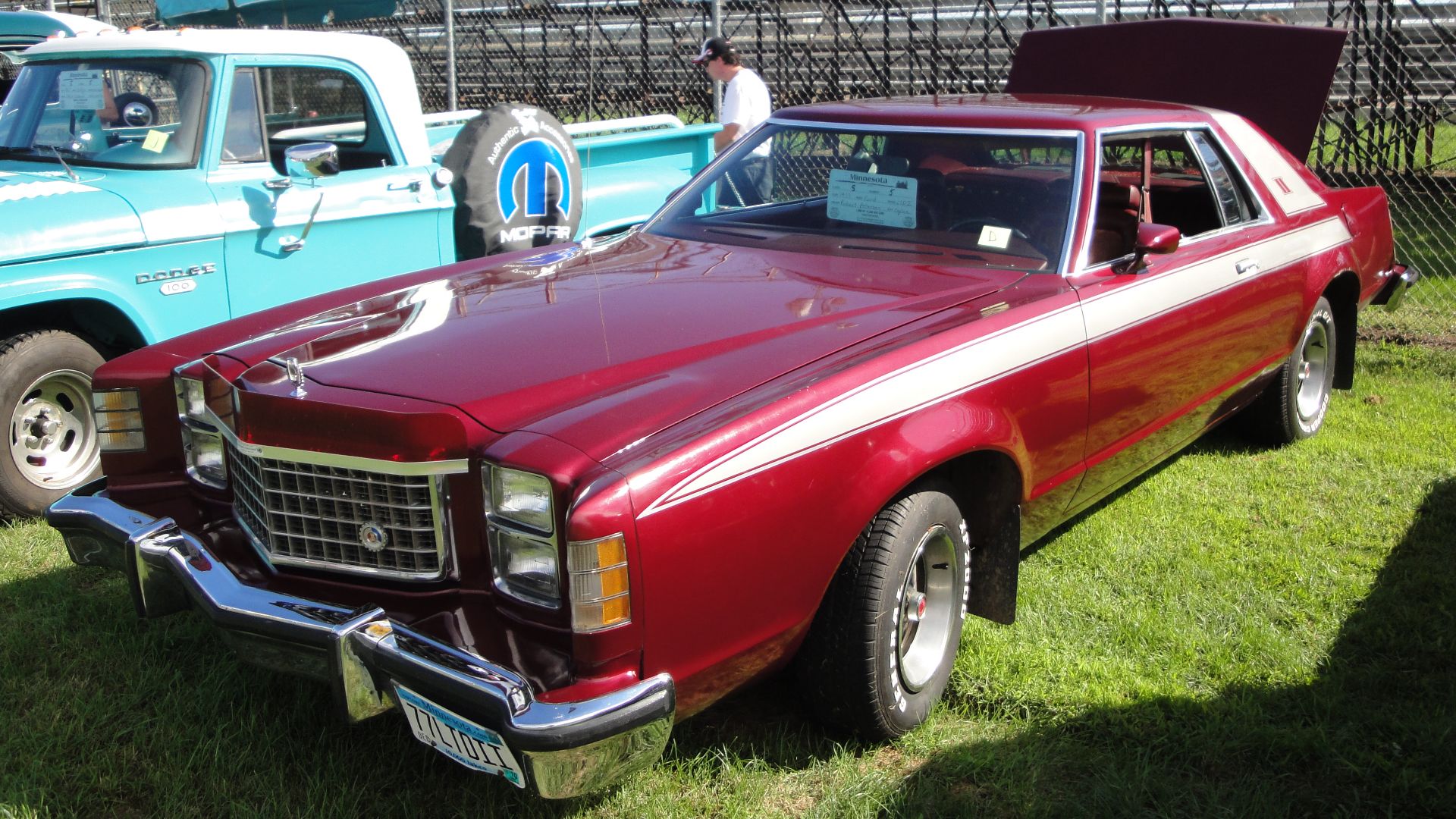 Greg Gjerdingen from Willmar, USA, Wikimedia Commons
1978 Ford Fiesta (First Generation)
Front-wheel drive arrived from Europe as Ford's fuel-sipping subcompact answer. The nimble hatchback offered practical cargo space through its flip-up rear door. Despite wearing the blue oval, these German and Spanish-built cars represented Ford's first modern import strategy.
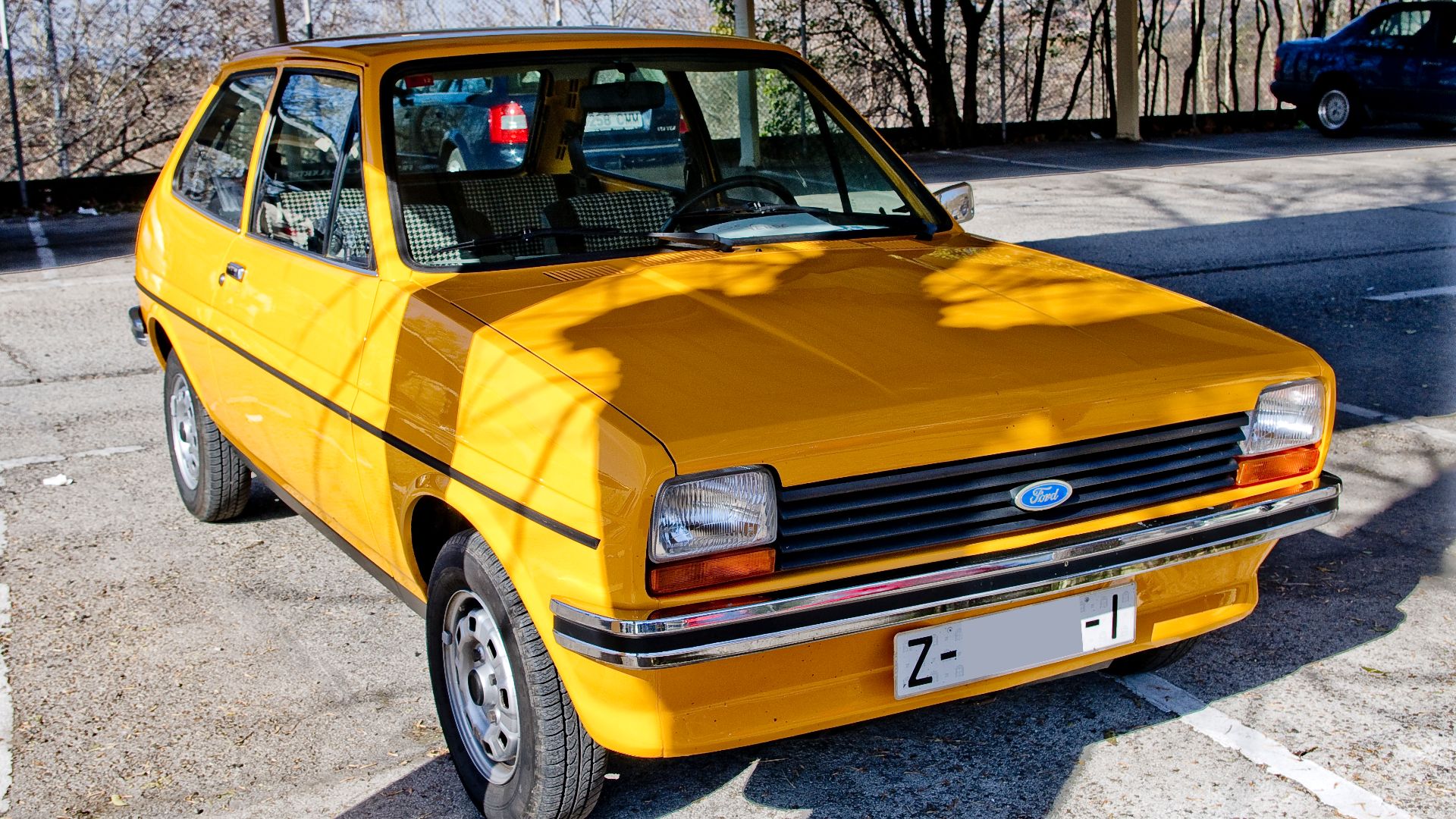 Spanish Coches, Wikimedia Commons






.JPG)