Authenticity Defines Value
Rarity gets thrown around too much in the car world. But when only 24 rolled off the line and one survives intact? That's automotive history you can touch, drive, and yes, probably bid a fortune on.
Pontiac's Legacy
From 1926 until General Motors discontinued the brand in 2010, Pontiac carved out a reputation as the division where innovation met horsepower. Engineers like John DeLorean and Bunkie Knudsen transformed Pontiac from a conservative nameplate into the performance king of GM's lineup during the 1960s.

Muscle Era
The muscle car wars erupted in the mid-1960s when Detroit automakers competed fiercely for young buyers with disposable income. Manufacturers engaged in a horsepower arms race, cramming increasingly powerful V8 engines into mid-size platforms. This era peaked around 1970.
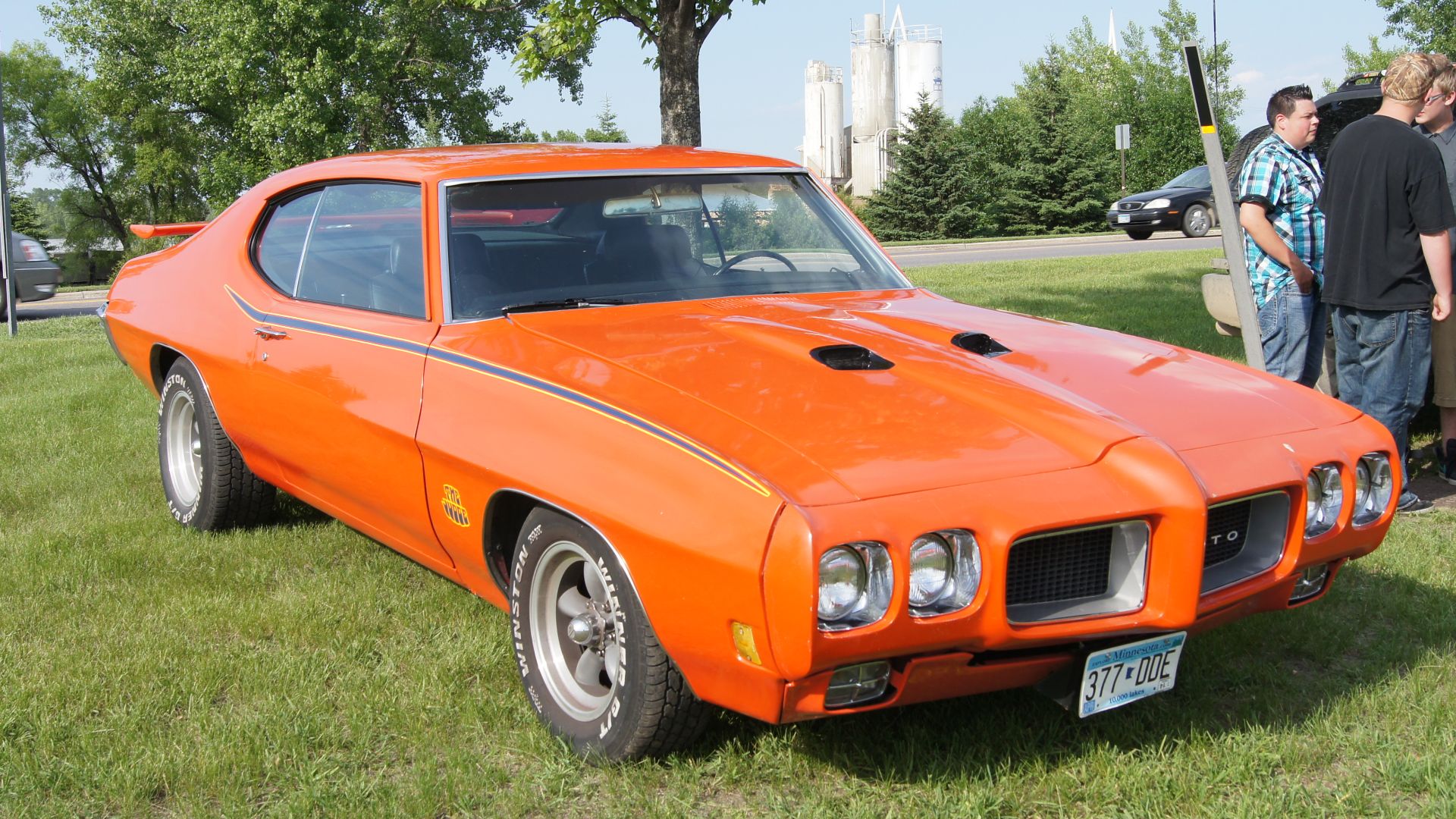 Greg Gjerdingen from Willmar, USA, Wikimedia Commons
GTO Origins
Everything changed in 1964 when Pontiac circumvented GM's ban on racing by offering the GTO as an option package on the Tempest. The formula was brilliantly simple: take an intermediate-sized car, drop in a 389 cubic-inch V8 originally reserved for full-size models, add performance suspension and aggressive styling.
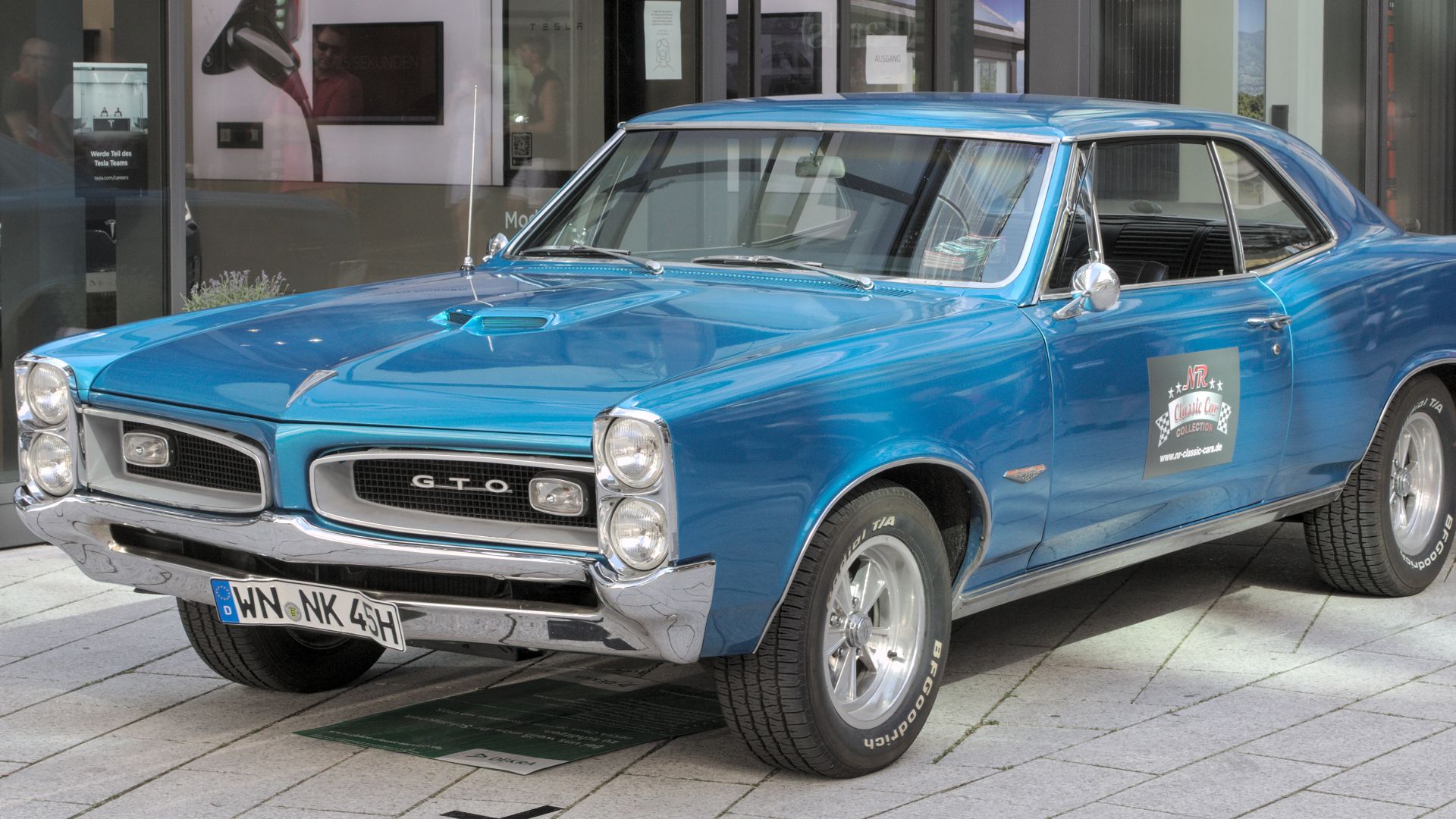 Alexander Migl, Wikimedia Commons
Judge Creation
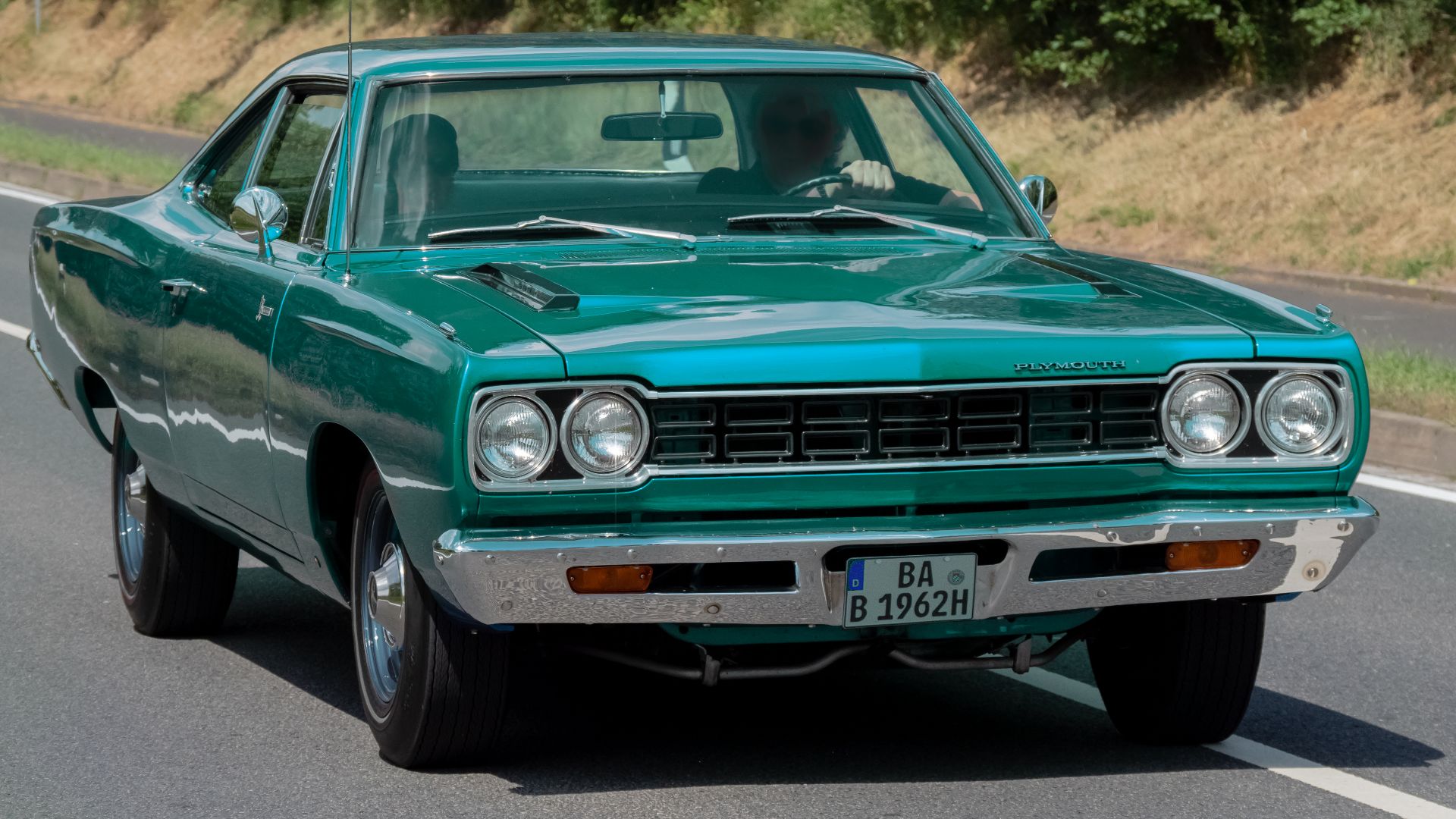
Plymouth's Road Runner was stealing GTO sales by offering stripped-down performance at bargain prices, forcing Pontiac to respond. Named after a catchphrase from the TV show "Rowan & Martin's Laugh-In," the Judge debuted in 1969 as a $332 package. It included a Ram Air 400 engine.
1970 Redesign
The Tempest line received a fresh facelift for 1970 with body-colored Endura front bumpers and revised sheet metal, creating a more aggressive appearance. GTO's grilles featured wire-mesh inserts with horizontal bumper bars flanking the opening, while headlamps moved closer together.
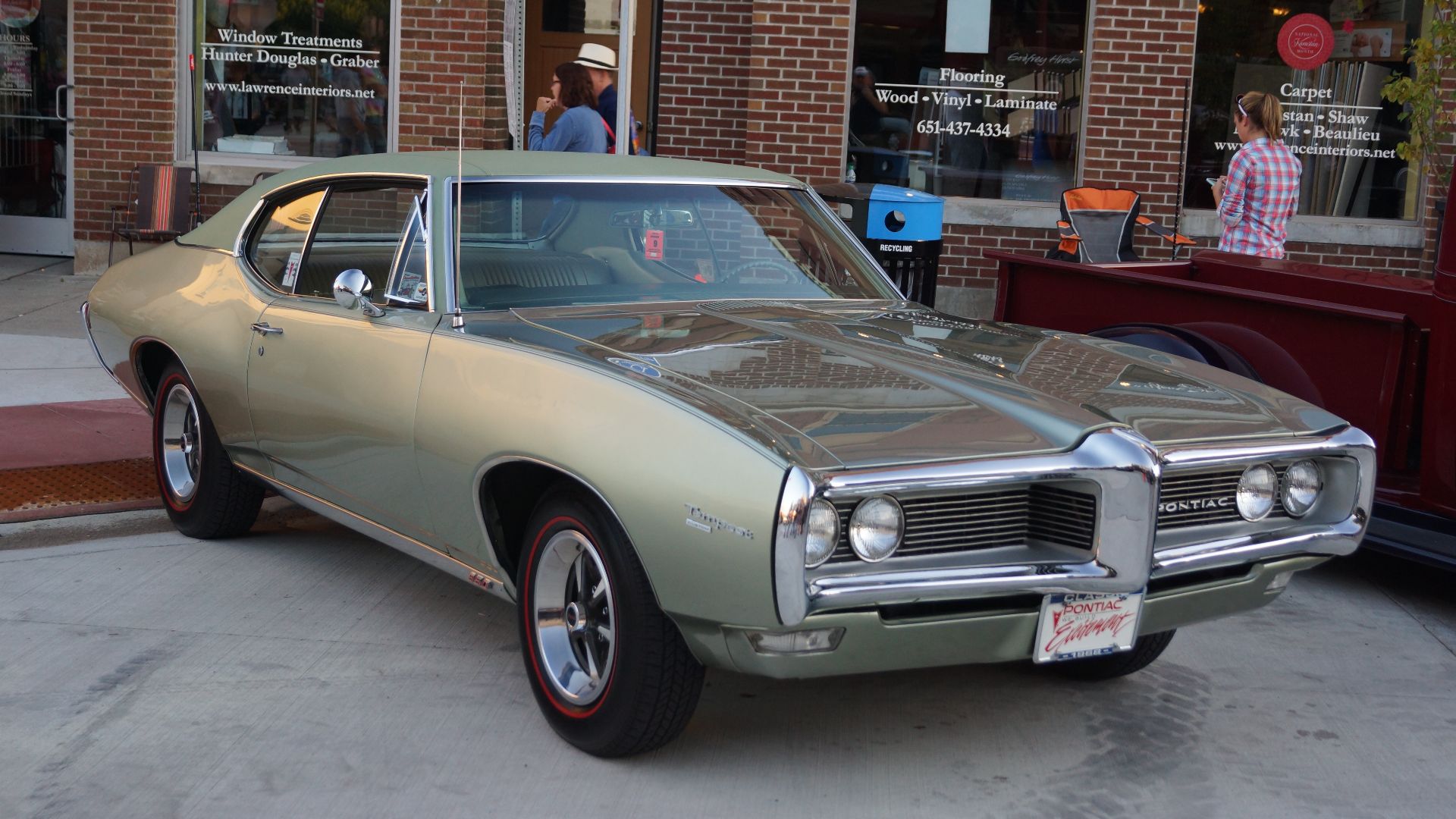 Greg Gjerdingen from Willmar, USA, Wikimedia Commons
Production Numbers
Total GTO production fell to 40,149 units for 1970 as the muscle car bubble began deflating from insurance penalties and changing buyer preferences. Only 3,797 carried the Judge package—a dramatic drop from 6,833 the previous year. Of those Judges, merely 168 were ordered as convertibles.
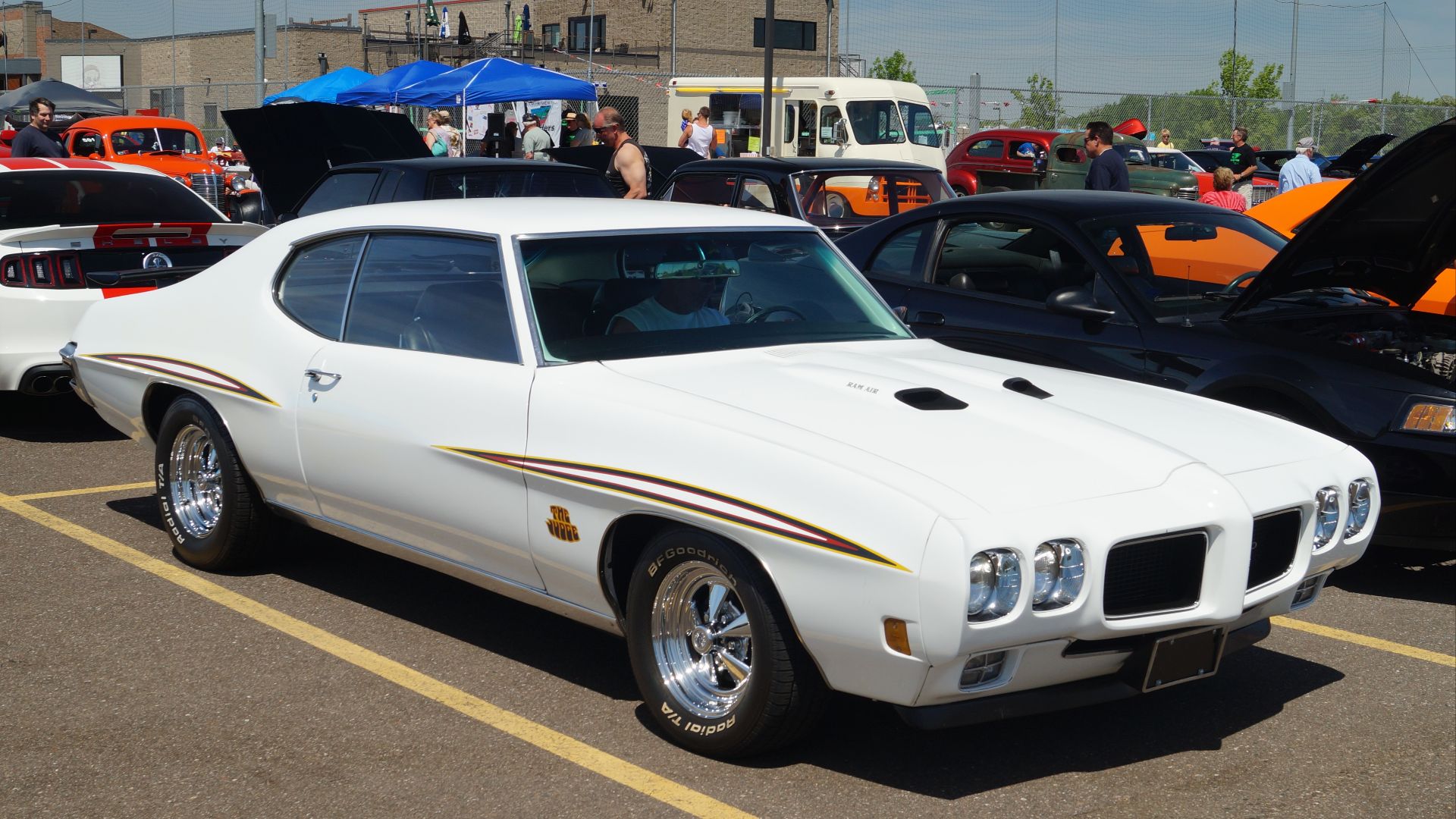 Greg Gjerdingen from Willmar, USA, Wikimedia Commons
Convertible Appeal
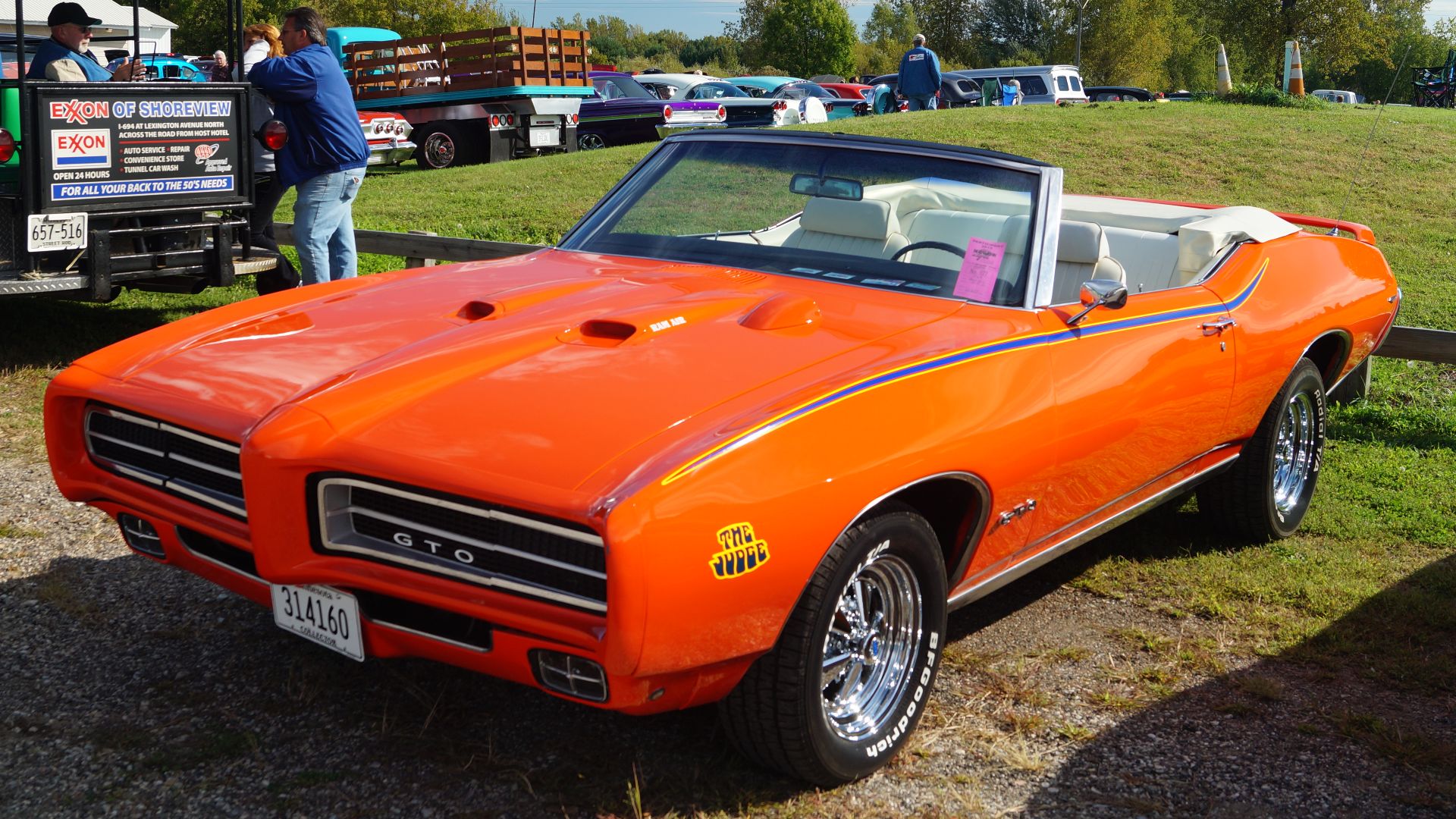
Convertibles represented the pinnacle of muscle car desirability, combining open-air freedom with straight-line performance despite added weight and reduced structural rigidity. The 1970 Judge convertible commanded a significant premium over the hardtop, and buyers who checked this box were making a lifestyle statement.
 Greg Gjerdingen from Willmar, USA, Wikimedia Commons
Four-Speed Rarity
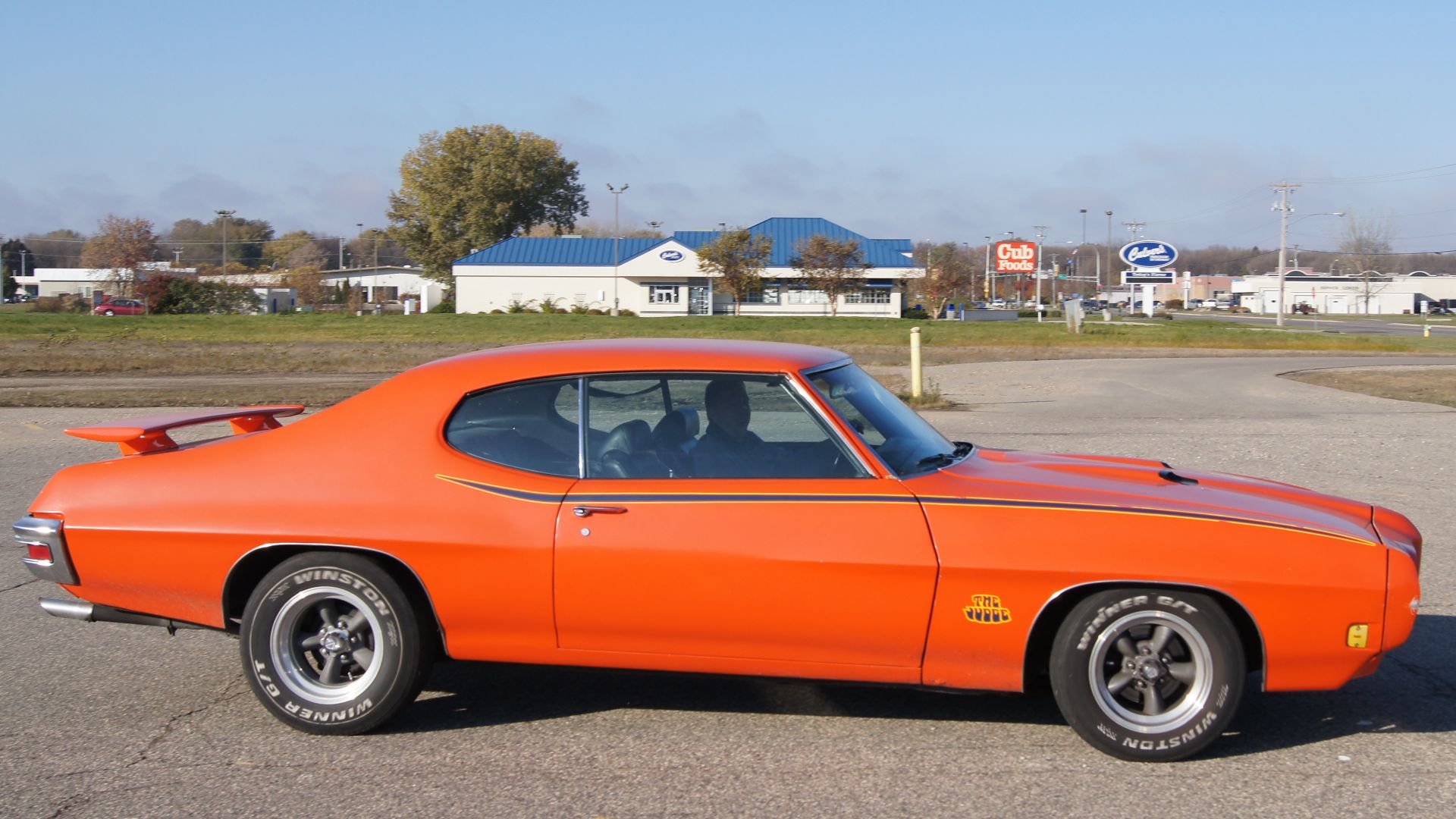
Among the 37 Ram Air IV convertibles built, the transmission breakdown reveals the ultimate rarity: 24 received the four-speed manual, while only 13 got automatics. The manual transmission was a Muncie M21 close-ratio four-speed with Hurst shifter featuring the Judge's distinctive T-handle.
 Greg Gjerdingen from Willmar, USA, Wikimedia Commons
Ram Air
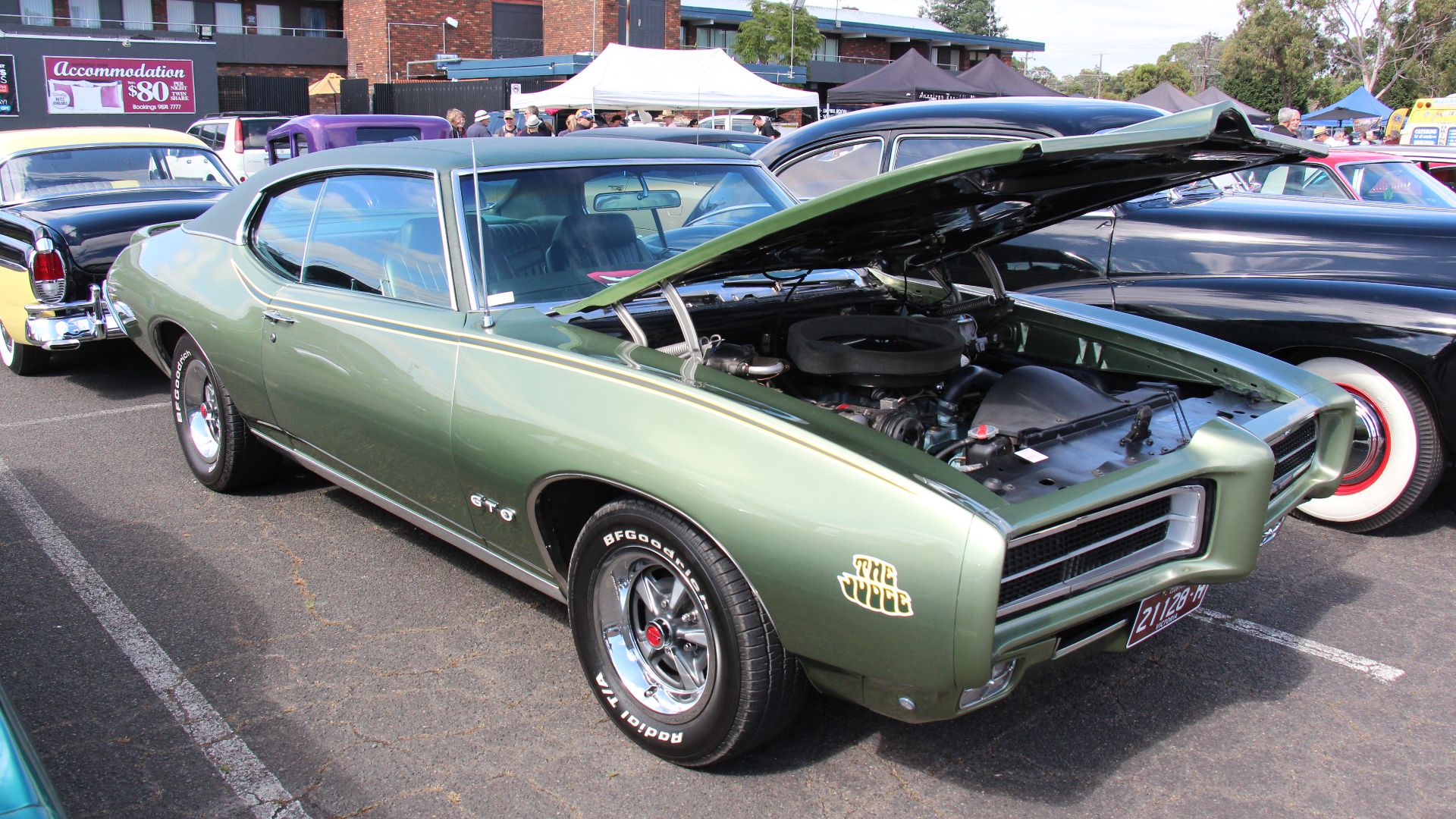
The Ram Air IV engine represented Pontiac Motor Division's most exotic factory offering, featuring round-port cylinder heads instead of traditional D-ports for superior breathing. Fresh air entered through functional hood scoops feeding directly to the Rochester Quadrajet four-barrel carburetor. The system included a two-piece aluminum intake manifold.
Engine Specifications
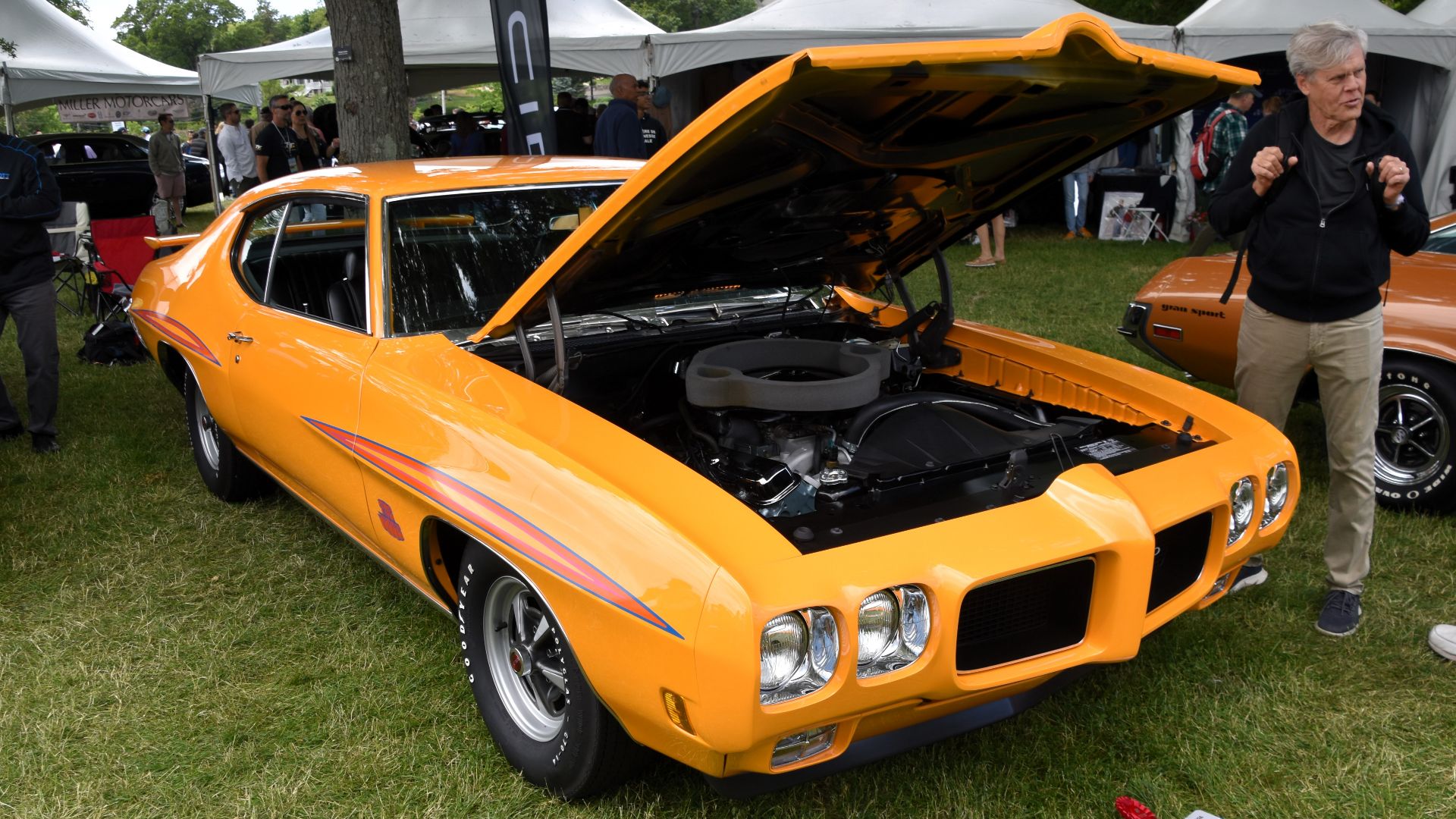
Pontiac conservatively rated the 400 cubic-inch Ram Air IV at 370 horsepower and 445 lb-ft of torque, though experts believe actual output approached 400–450 horsepower. The 10.5:1 compression ratio, aggressive cam timing, and free-flowing exhaust created legendary performance.
 Charles from Port Chester, New York, Wikimedia Commons
Horsepower Underrated
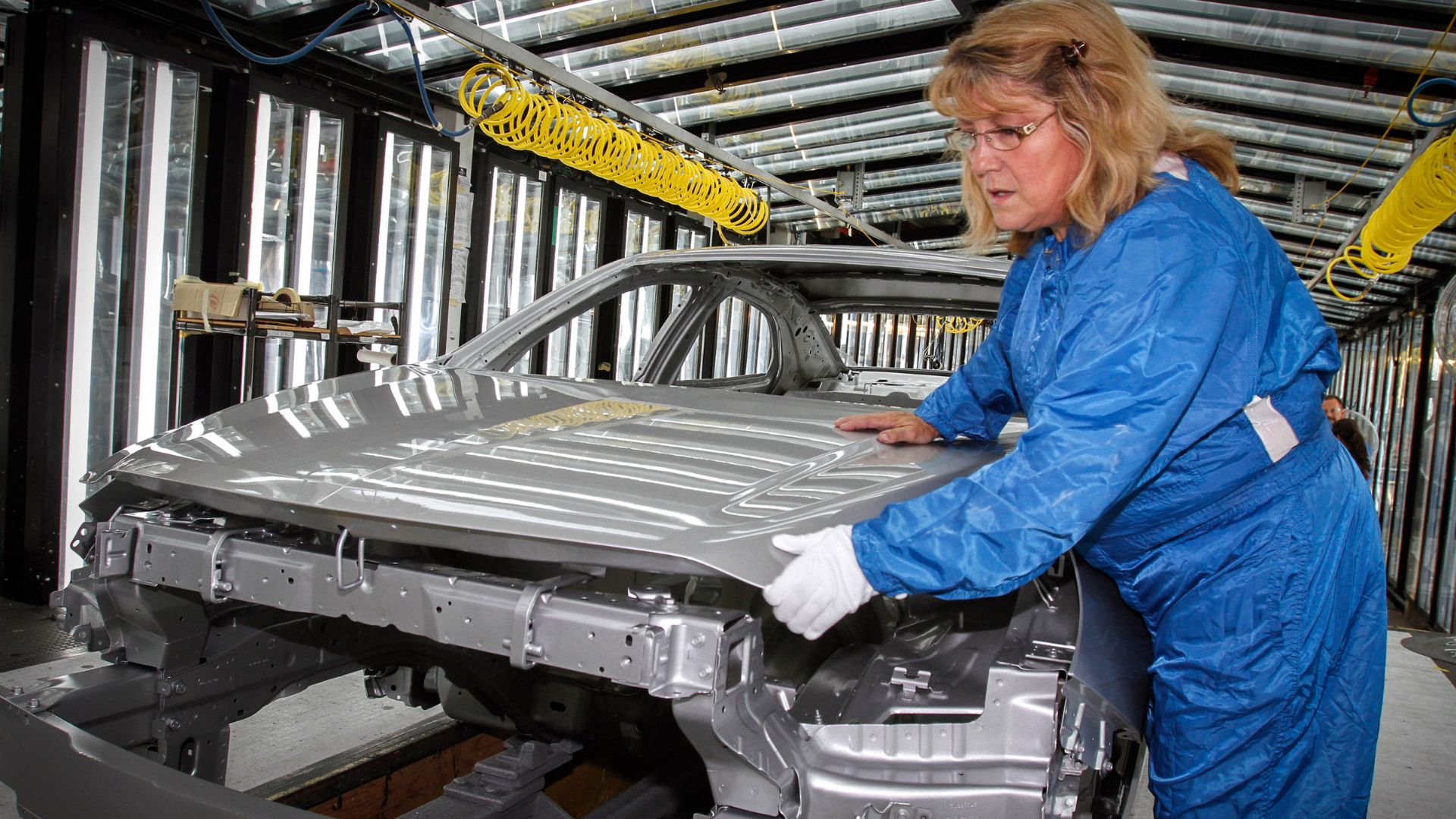
Detroit automakers deliberately understated engine outputs during the late muscle car era to help buyers avoid crippling insurance premiums and regulatory scrutiny. Pontiac reportedly lost $1,000 on every Ram Air IV unit produced due to hand-assembly requirements and the use of exotic components.
 General Motors, Wikimedia Commons
Baltimore Birth
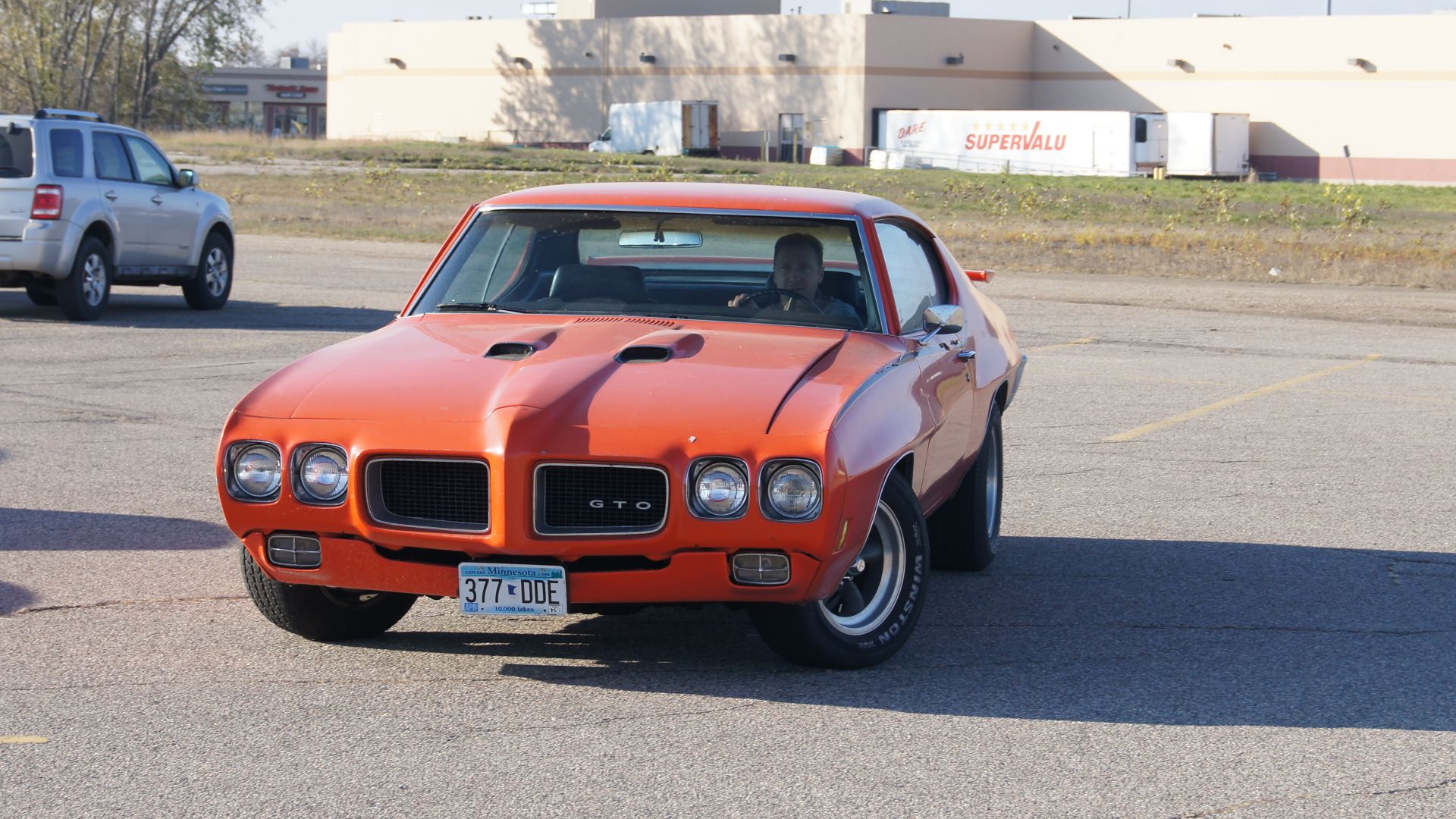
This specific Judge rolled off the assembly line on February 3, 1970, at Pontiac's Baltimore Assembly Plant in Maryland—one of several facilities producing GTOs that year. Each plant stamped unique identification codes onto body components and drivetrains, allowing experts to trace a car's origins decades later.
 Greg Gjerdingen from Willmar, USA, Wikimedia Commons
Pepper Green
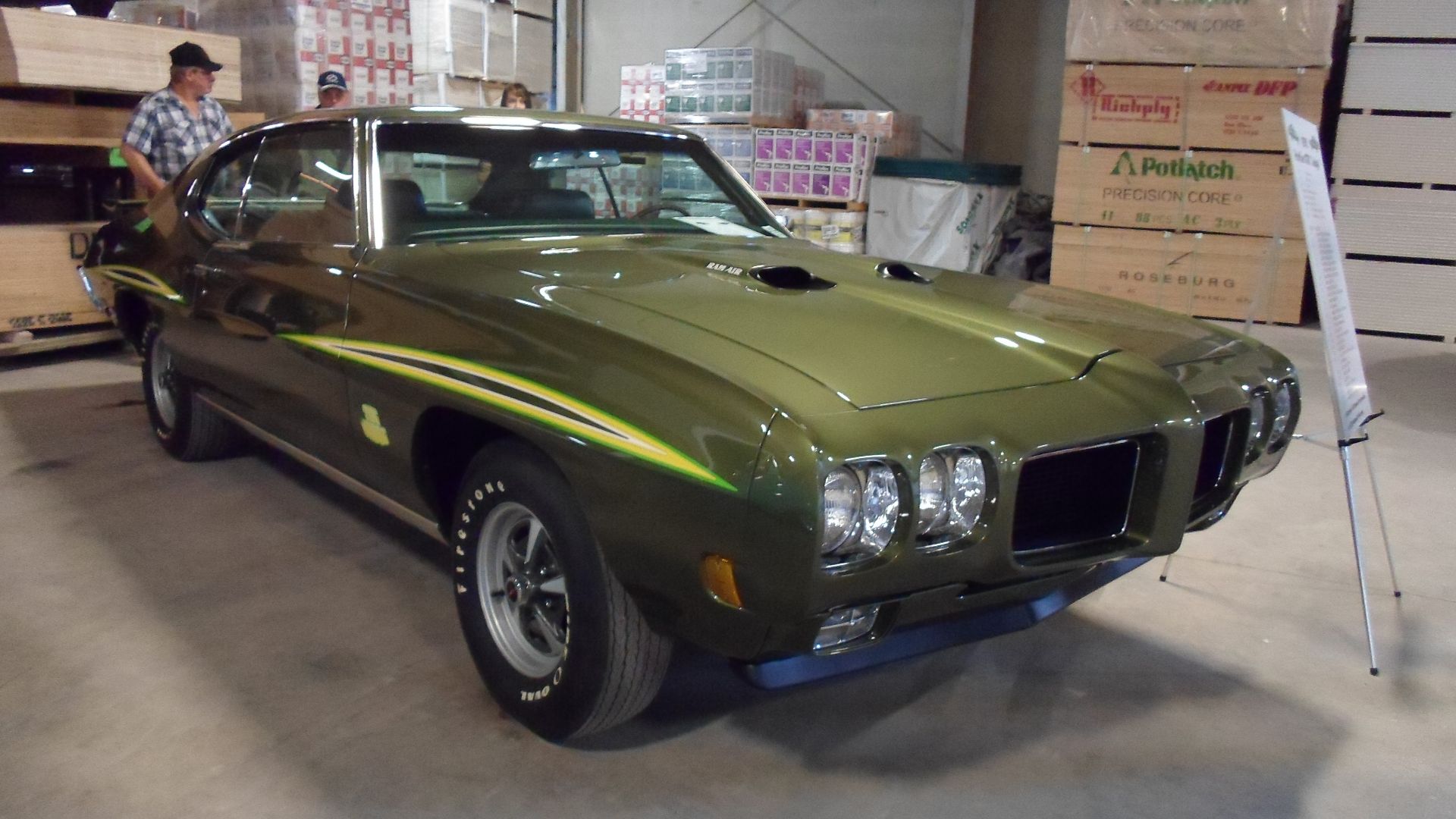
The factory-correct Pepper Green Metallic exterior with yellow Judge stripes created one of the most distinctive color combinations available on 1970 GTOs. While Orbit Orange dominated Judge marketing materials, Pontiac offered the package in any GTO color, and Pepper Green represented a sophisticated alternative to the eye-searing oranges and reds.
 dave_7 from Lethbridge, Canada, Wikimedia Commons
Original Owner
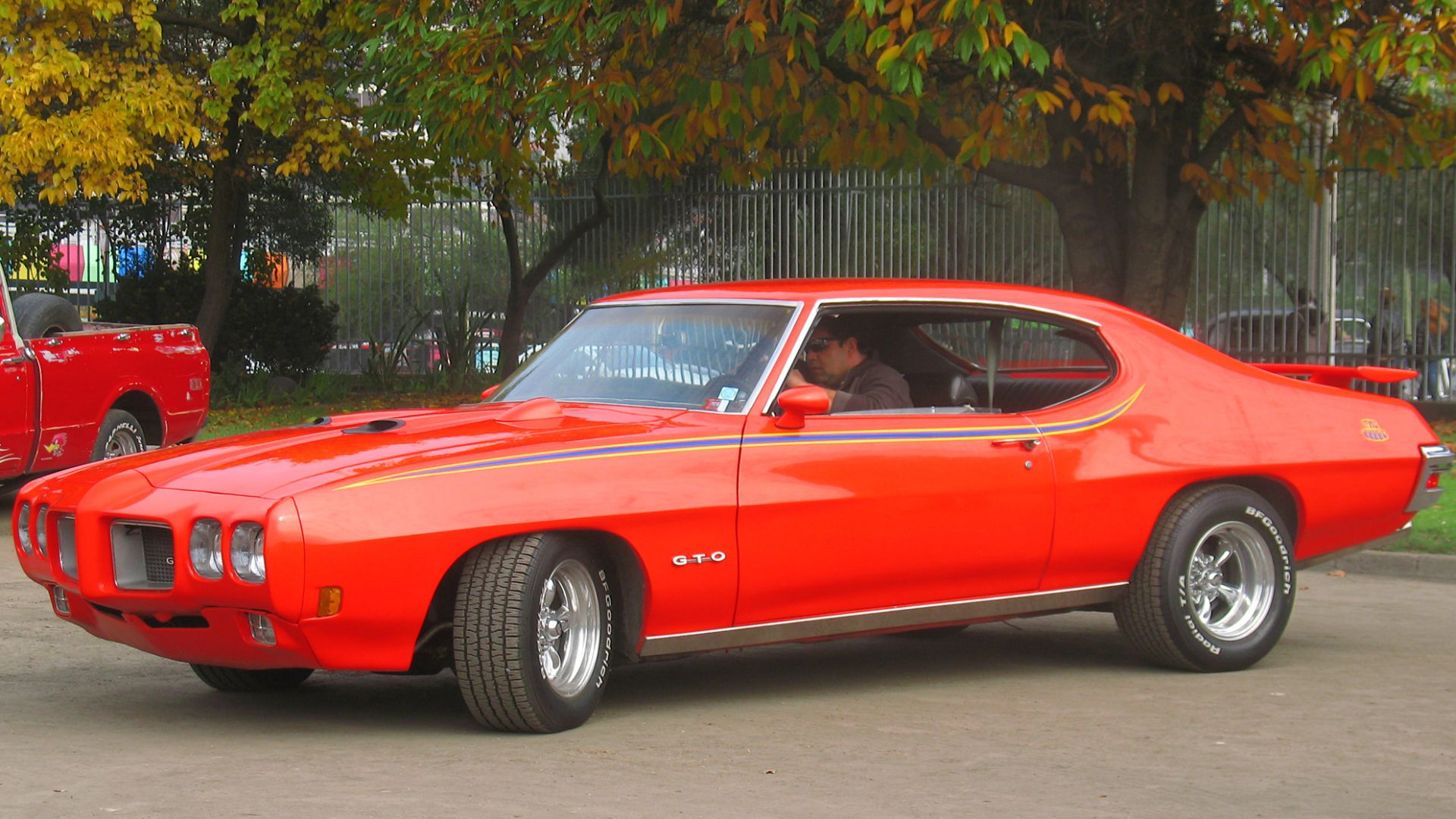
After the Baltimore assembly completion, this Judge was shipped to Lyons Pontiac-Cadillac Inc in Barre, Vermont, where the first registered owner took delivery in early 1970. Vermont represented unusual territory for open-top muscle cars, given harsh winters and salt-damaged roads that destroyed countless classics.
 order_242 from Chile, Wikimedia Commons
Numbers Matching
"Matching numbers" means the engine, transmission, and differential retain their original factory-installed components with stamped codes corresponding to the car's VIN and build documentation. The VIN derivative appears on the engine block's front passenger side, just below the cylinder head.
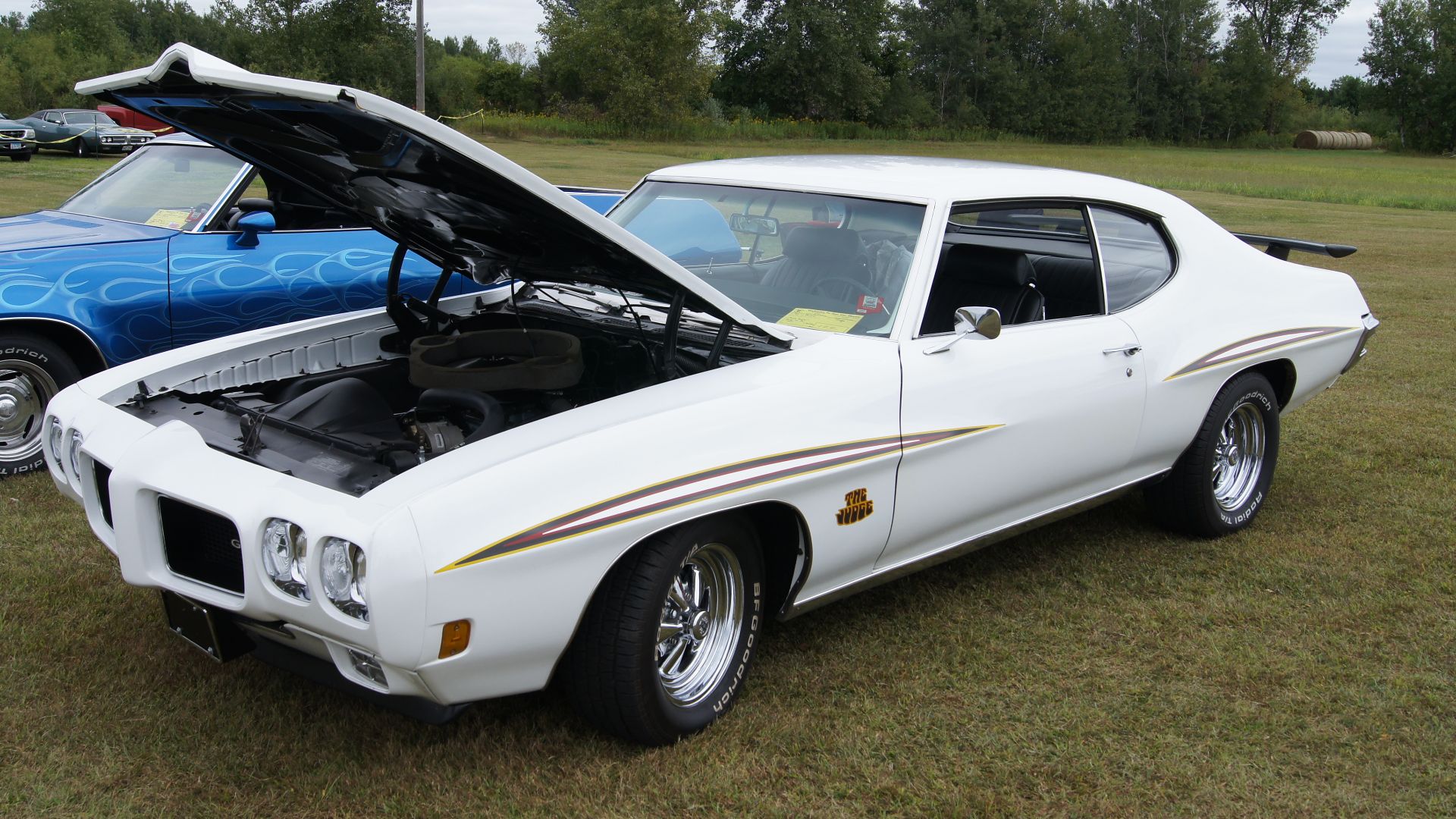 Greg Gjerdingen from Willmar, USA, Wikimedia Commons
Survival Odds
Of the 24 Ram Air IV convertibles built with four-speed transmissions, this car stands alone with a documented matching-numbers drivetrain intact after 55 years. Many muscle cars suffered engine swaps after racing abuse, accident damage, or simple neglect when values bottomed during the 1980s.
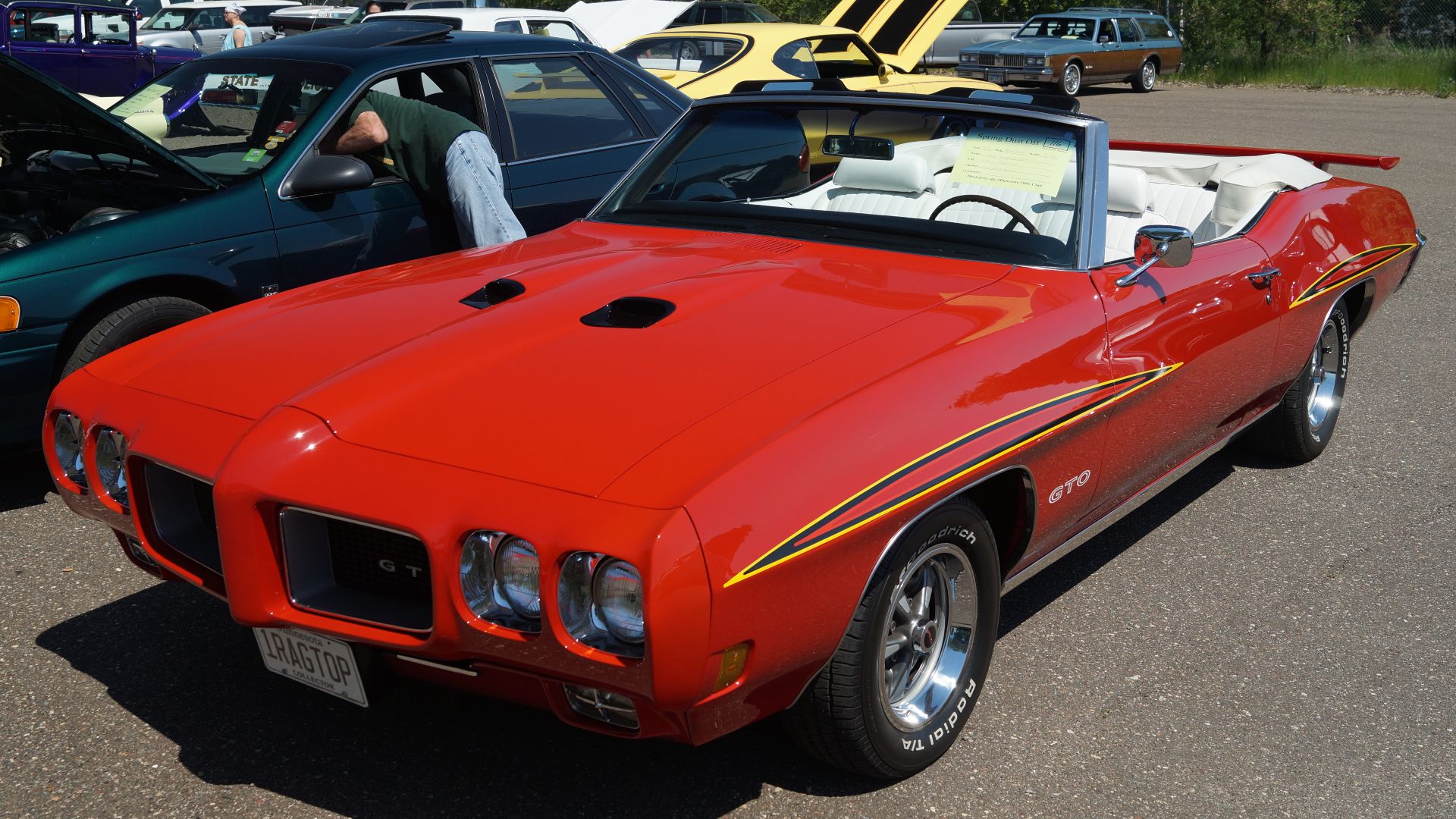 Greg Gjerdingen from Willmar, USA, Wikimedia Commons
Restoration Journey
A meticulous frame-off restoration commenced in early 2017, with the car stripped to bare metal and every component cataloged, refurbished, or correctly replaced. The original Ram Air IV block received precision honing, new pistons, rings, and bearings, while the crankshaft was carefully inspected and refinished.
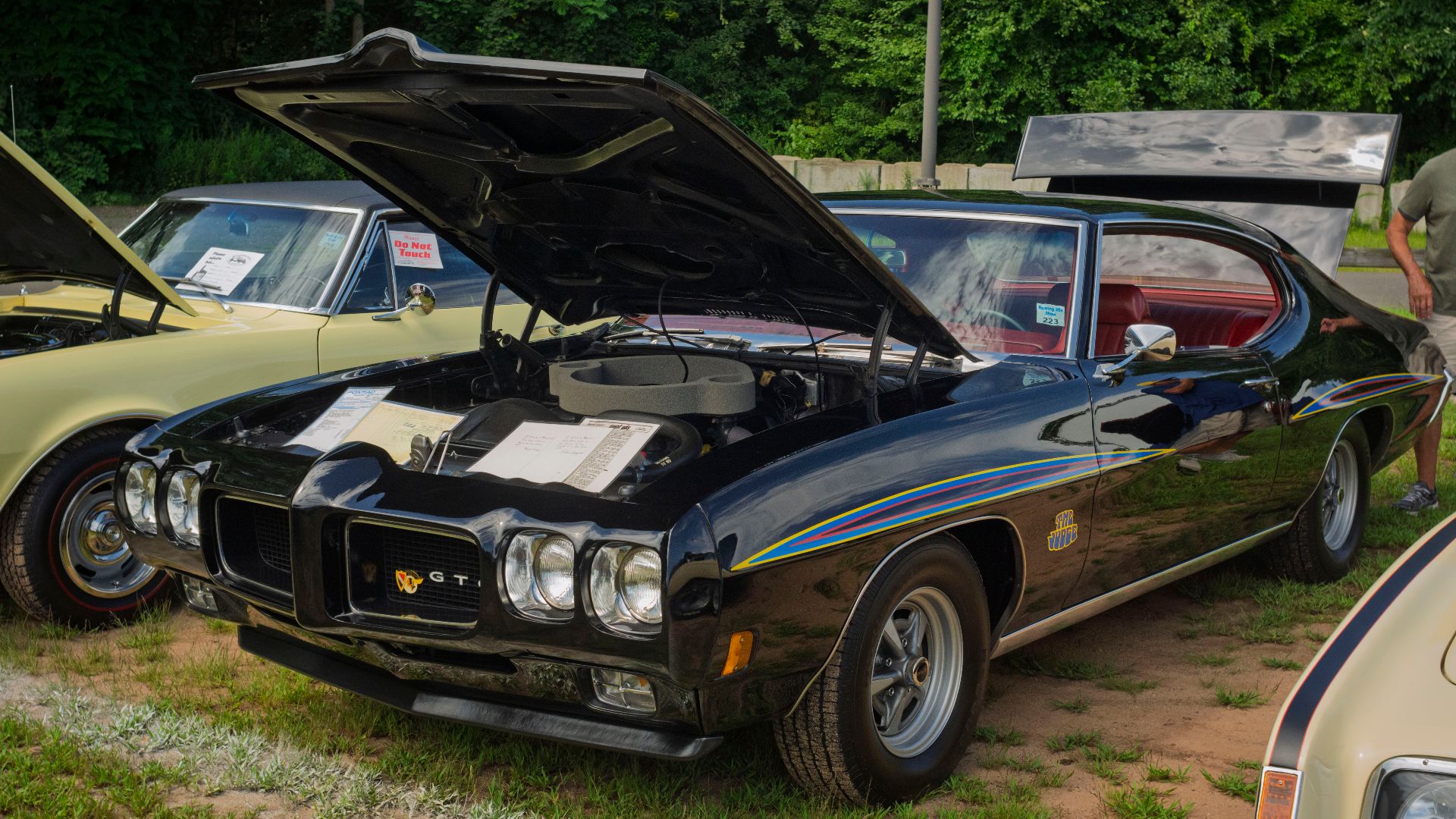
PHS Documentation
Pontiac Historic Services, founded by Jim Mattison, maintains archival microfilm records from Pontiac Motor Division covering 1961-1986 vehicles, providing authentication impossible with other manufacturers. This Judge's complete PHS documentation package includes the original factory invoice, dealer order form, build sheets, and production sequence details.

Concours Awards
Following completion of the restoration, this Judge received top Concours Gold Award status at the 2017 GTOAA National Convention, where expert judges scrutinize every detail against factory specifications. Two months later, in November 2017, it earned another Concours Gold at the prestigious Muscle Car & Corvette Nationals in Chicago.
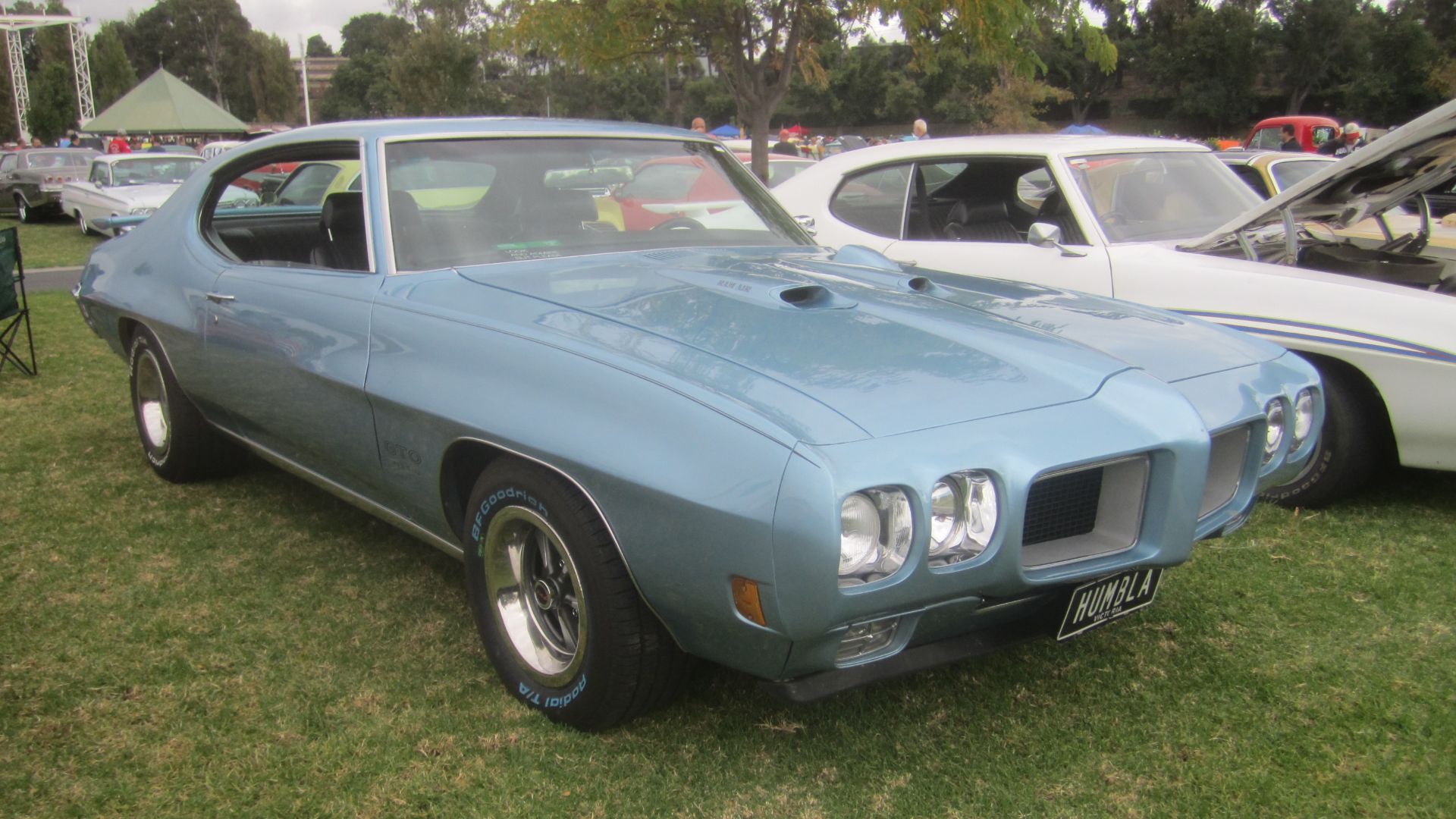
Current Condition
The odometer shows approximately 52,500 miles—moderate by collector standards but remarkably low for a 55-year-old vehicle. The black vinyl interior remains in exceptional condition following restoration, with correct materials used throughout. Under the hood, the engine bay presents like new with proper detailing down to the smallest fittings.
 Downtowngal, Wikimedia Commons
Mecum Kissimmee
Mecum Auctions' Kissimmee event represents the world's largest collector car auction, running January 6–18, 2026, at Osceola Heritage Park in central Florida. This nearly two-week extravaganza features approximately 4,500 vehicles crossing the block, from American muscle cars and Corvettes to European exotics and custom hot rods.
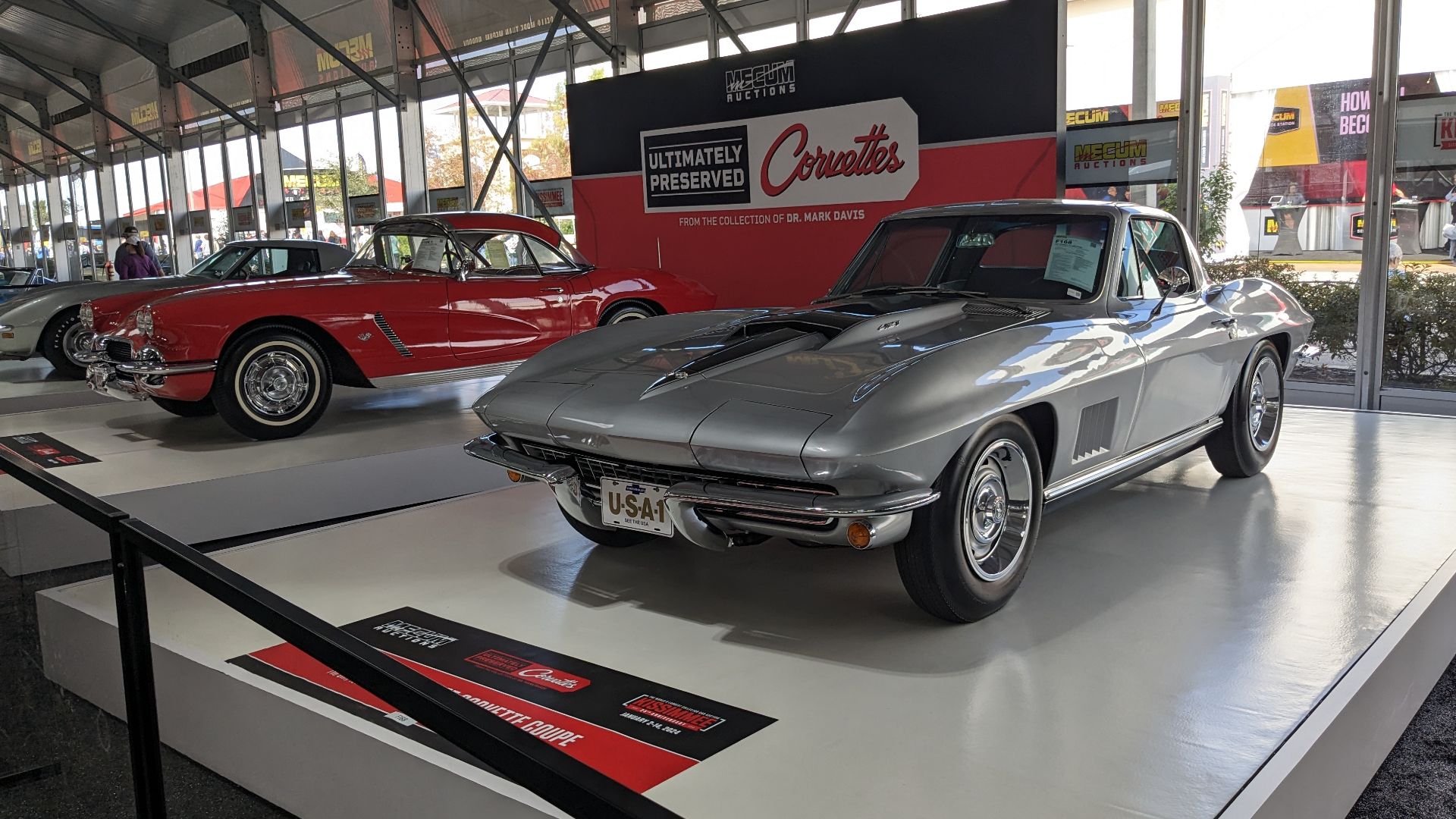 Pokemonprime, Wikimedia Commons
Auction Expectations
No pre-auction estimate has been released by Mecum, allowing bidding dynamics to determine market value without artificial anchoring. Industry experts anticipate strong seven-figure bidding given the car's singular status as the only matching-numbers example among 24 produced. The four-speed manual transmission adds desirability over automatic-equipped cars.
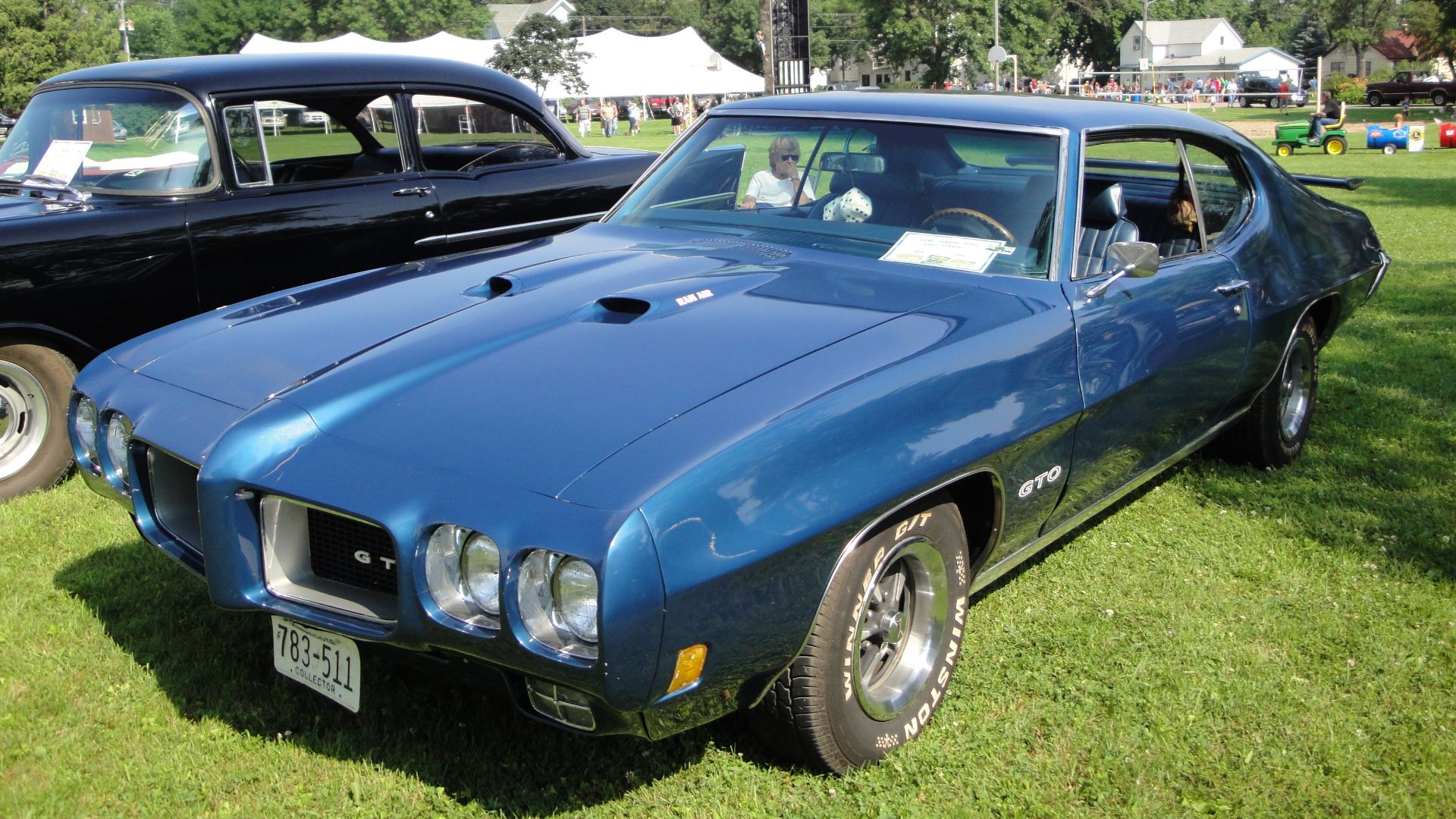 Greg Gjerdingen from Willmar, USA, Wikimedia Commons
Comparable Sales
In early 2023, another ultra-rare Judge Convertible, equipped with the less-desirable automatic transmission, hammered for an eye-watering $1.1 million, establishing the current market ceiling for these cars. That sale demonstrated collector appetite for documented, rare Judge convertibles regardless of transmission choice.
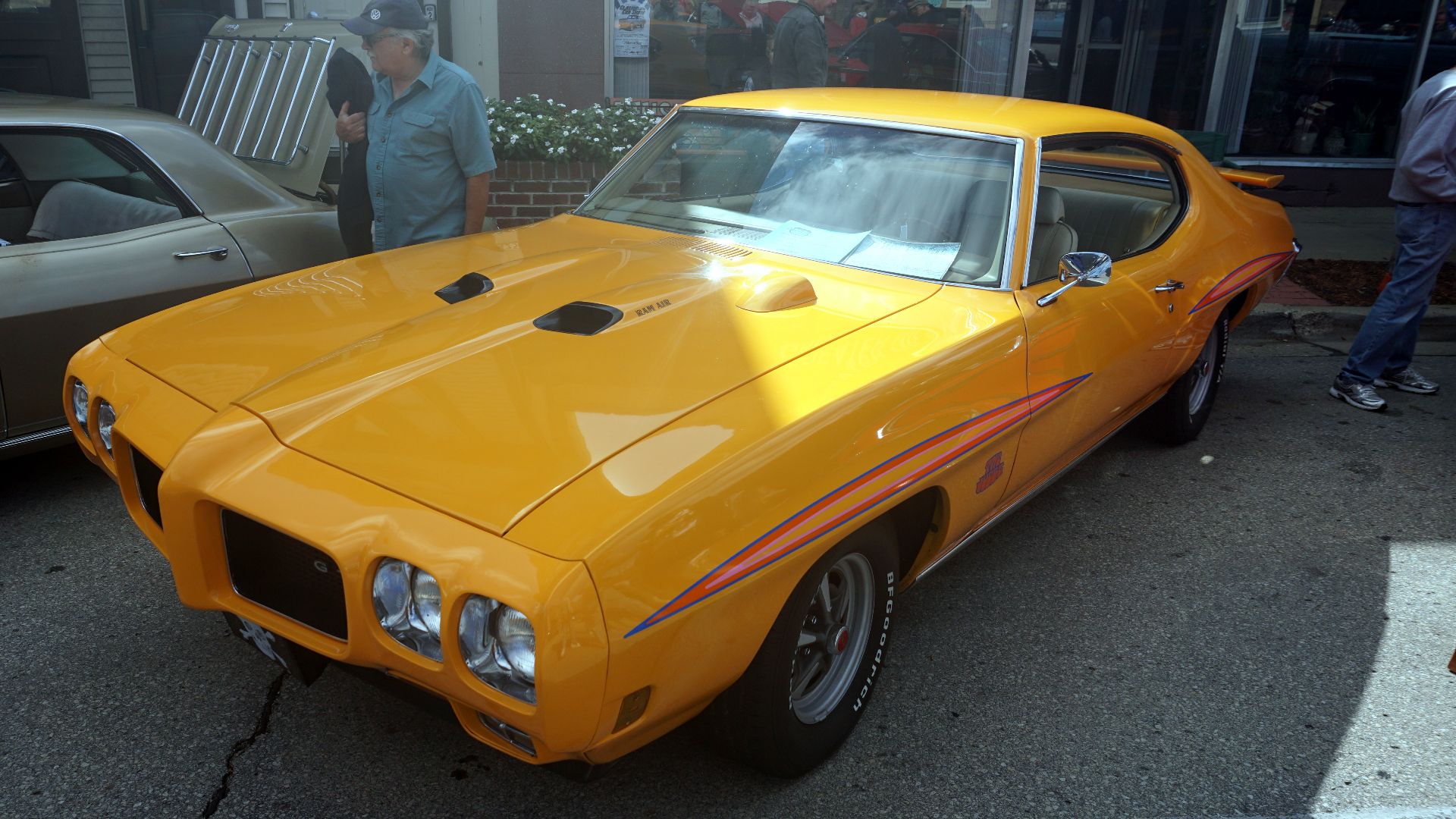 Michael Barera, Wikimedia Commons
Investment Value
Blue-chip muscle cars with verifiable rarity and authenticity have demonstrated consistent appreciation over decades, outperforming many traditional investments during market volatility. This Judge's combination of extreme production scarcity, singular matching-numbers status, and impeccable documentation creates multiple sources of value.