The Big Claim Sounds Simple
Hydrogen cars refill fast, emit only water from the tailpipe, and seem like an easy answer to charging delays. But once you look at the timeline, infrastructure, efficiency, and actual sales, the idea that hydrogen cars will make EVs obsolete within a decade ignores what's really happening in reality.
What We Are Really Comparing
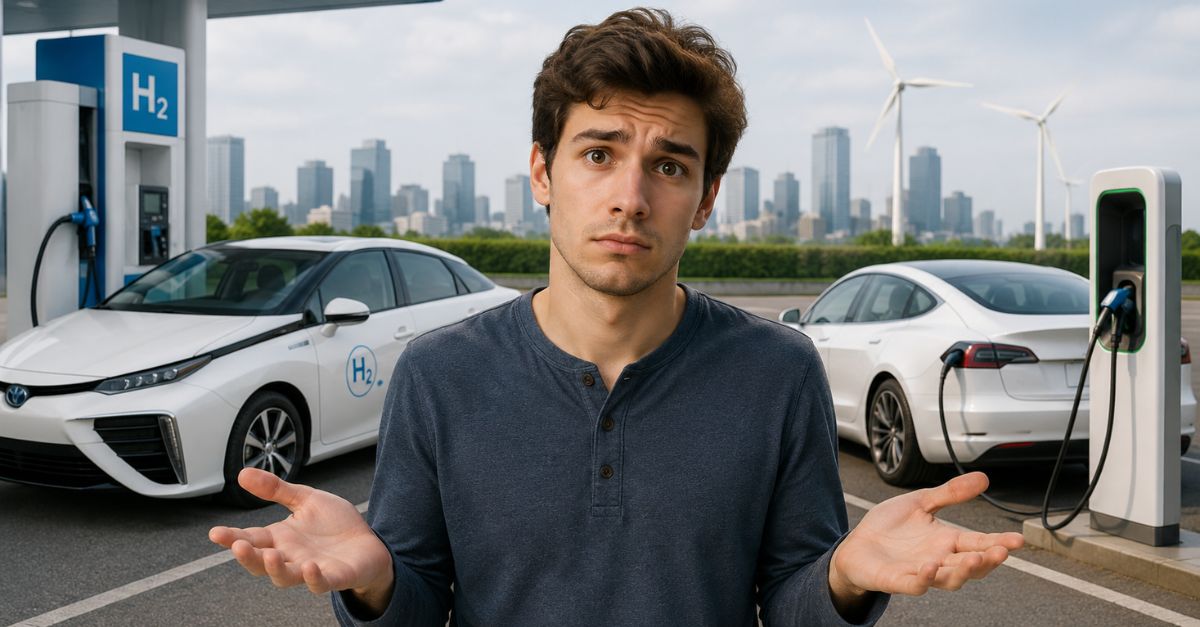
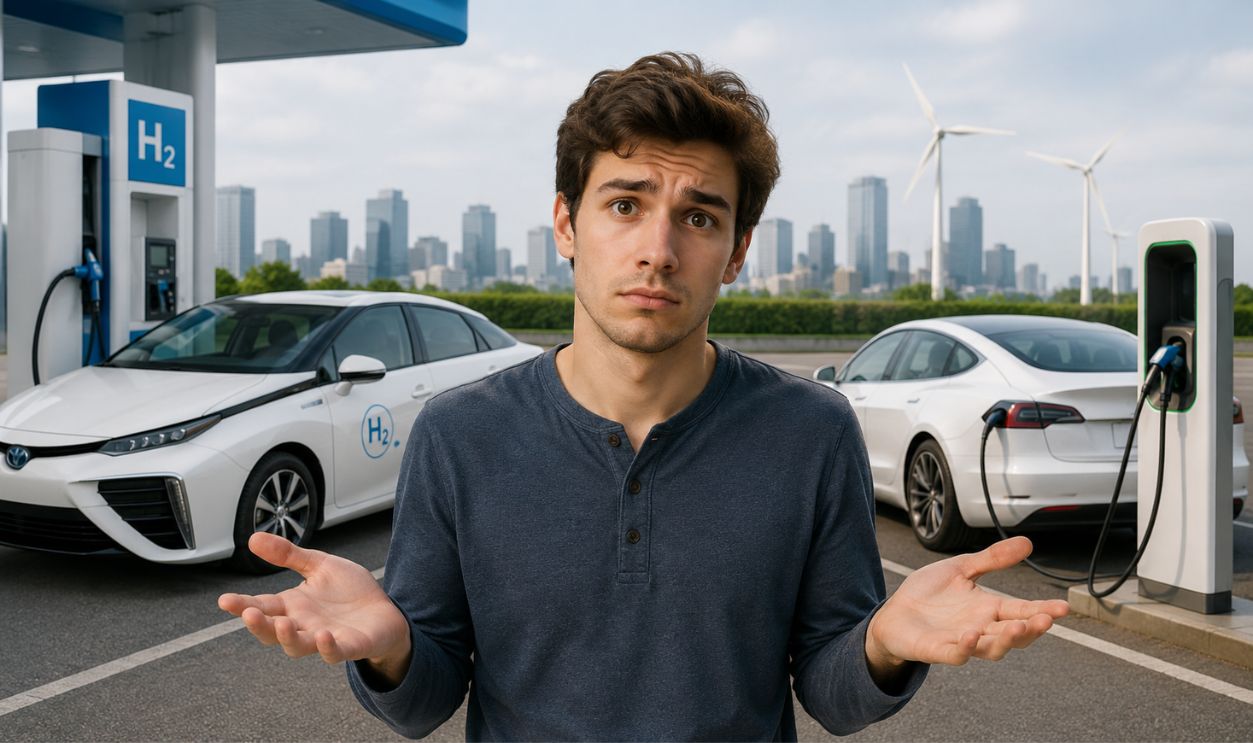
When people say EVs, they usually mean battery electric vehicles. But hydrogen fuel cell cars are electric vehicles too. A fuel cell vehicle makes electricity onboard from hydrogen, while a battery EV stores electricity in a battery pack. So this is not really hydrogen versus electricity. It is hydrogen fuel cell vehicles versus battery electric vehicles.
The Core Question Is About Scale
This is not just about what works in a lab or in a small test fleet. It is about what can scale fast enough to take over the roads by the mid-2030s. That means looking at car models, fueling stations, charging networks, vehicle sales, energy losses, and the cost of building all of it.
Hydrogen Cars Are Not New
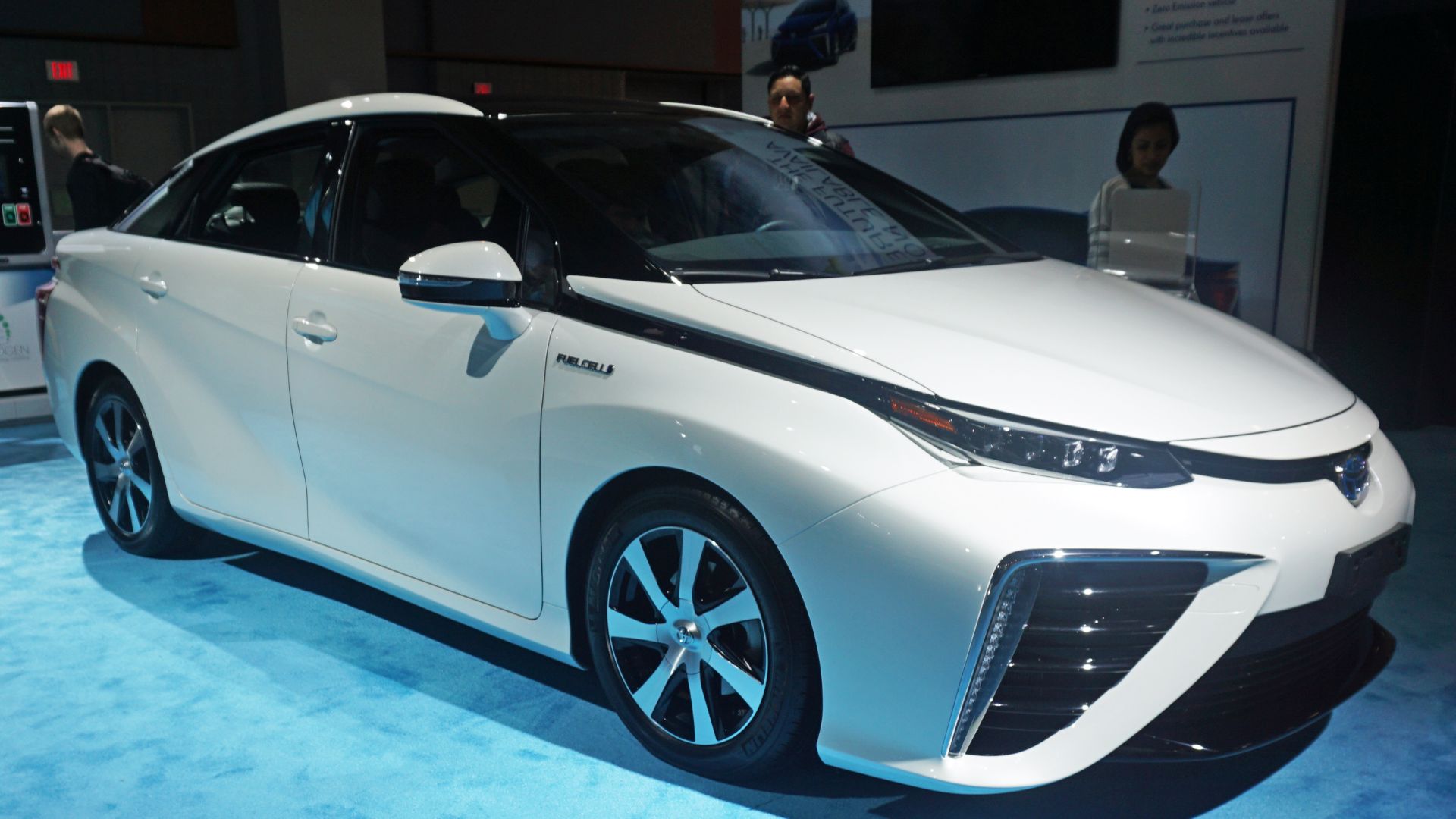
Hydrogen as a vehicle fuel has been studied for decades, and modern fuel cell work started long before today’s EV boom. Toyota launched the Mirai in Japan in 2014, then in the U.S. for the 2016 model year. Hyundai introduced the Tucson Fuel Cell in limited U.S. markets in 2014 and later followed with the Nexo.
 Mariordo (Mario Roberto Duran Ortiz), Wikimedia Commons
Battery EVs Also Have A Long Runway
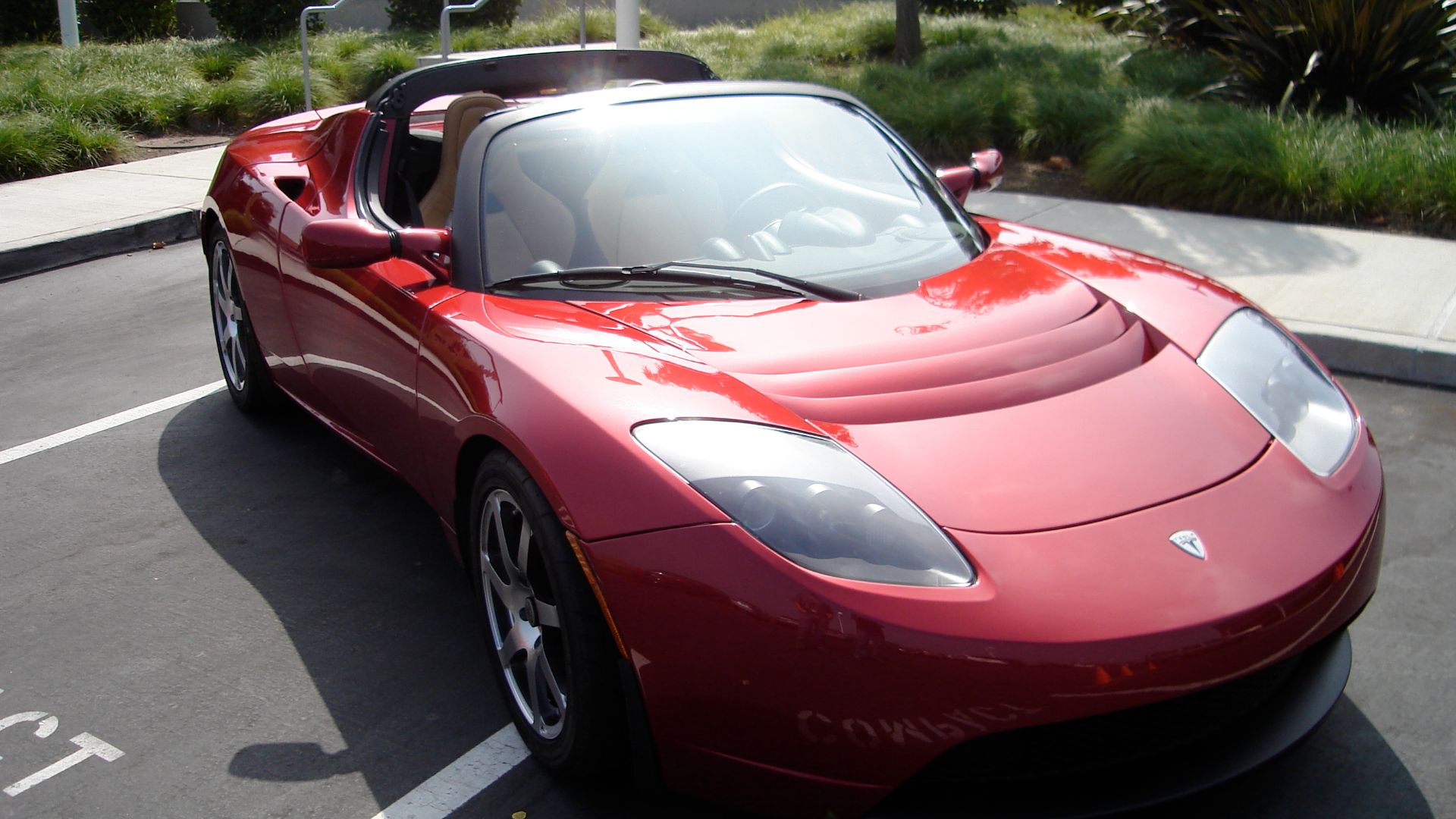
Battery EVs are not some sudden craze either. Tesla launched the Roadster in 2008 and the Model S in 2012, helping push modern long-range EVs into the mainstream. Nissan started selling the Leaf in late 2010, making it one of the first mass-market battery EVs of the modern era.
Who Actually Sells More Cars
This is where the debate gets more concrete. The International Energy Agency reported that electric car sales exceeded 17 million globally in 2024. Hydrogen passenger cars, by contrast, are still a tiny niche with only a few models on sale in limited regions.

The U.S. Fuel Cell Market Is Tiny
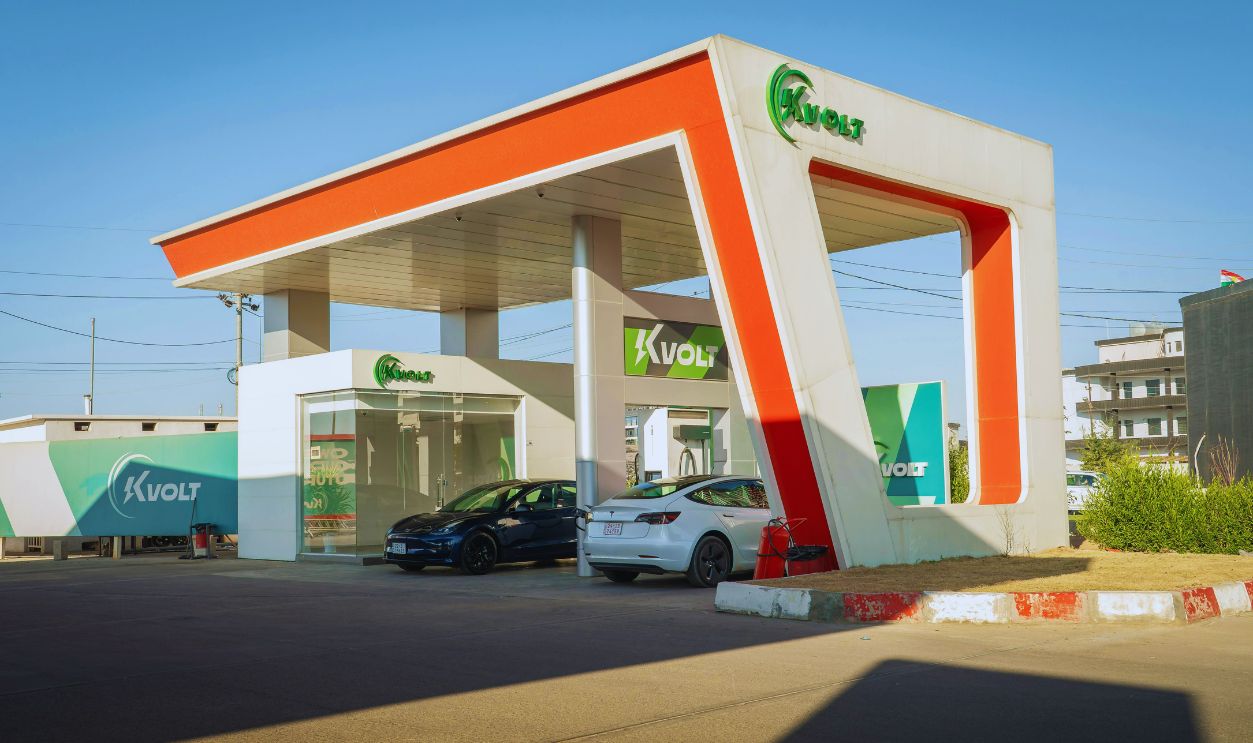
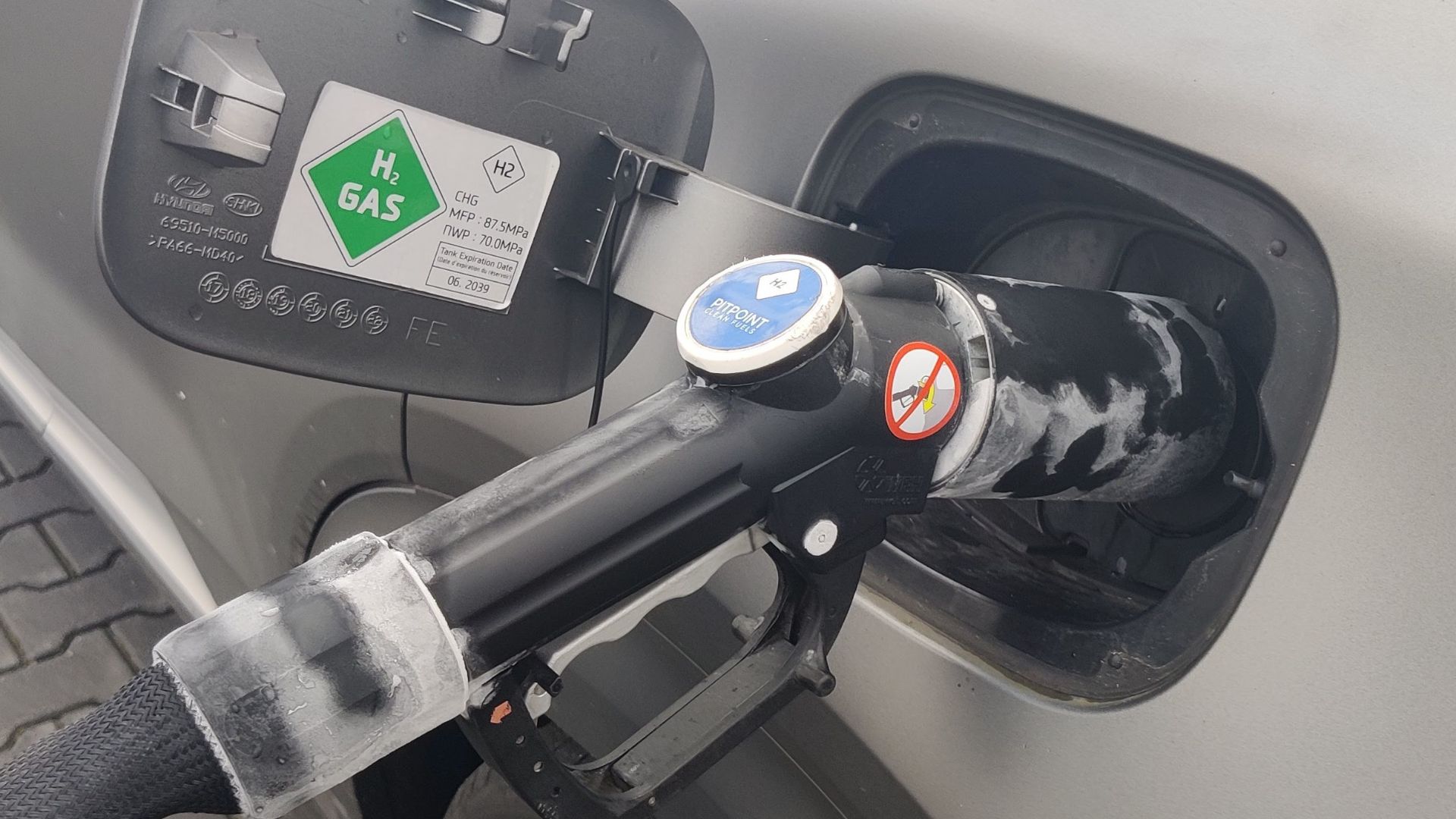
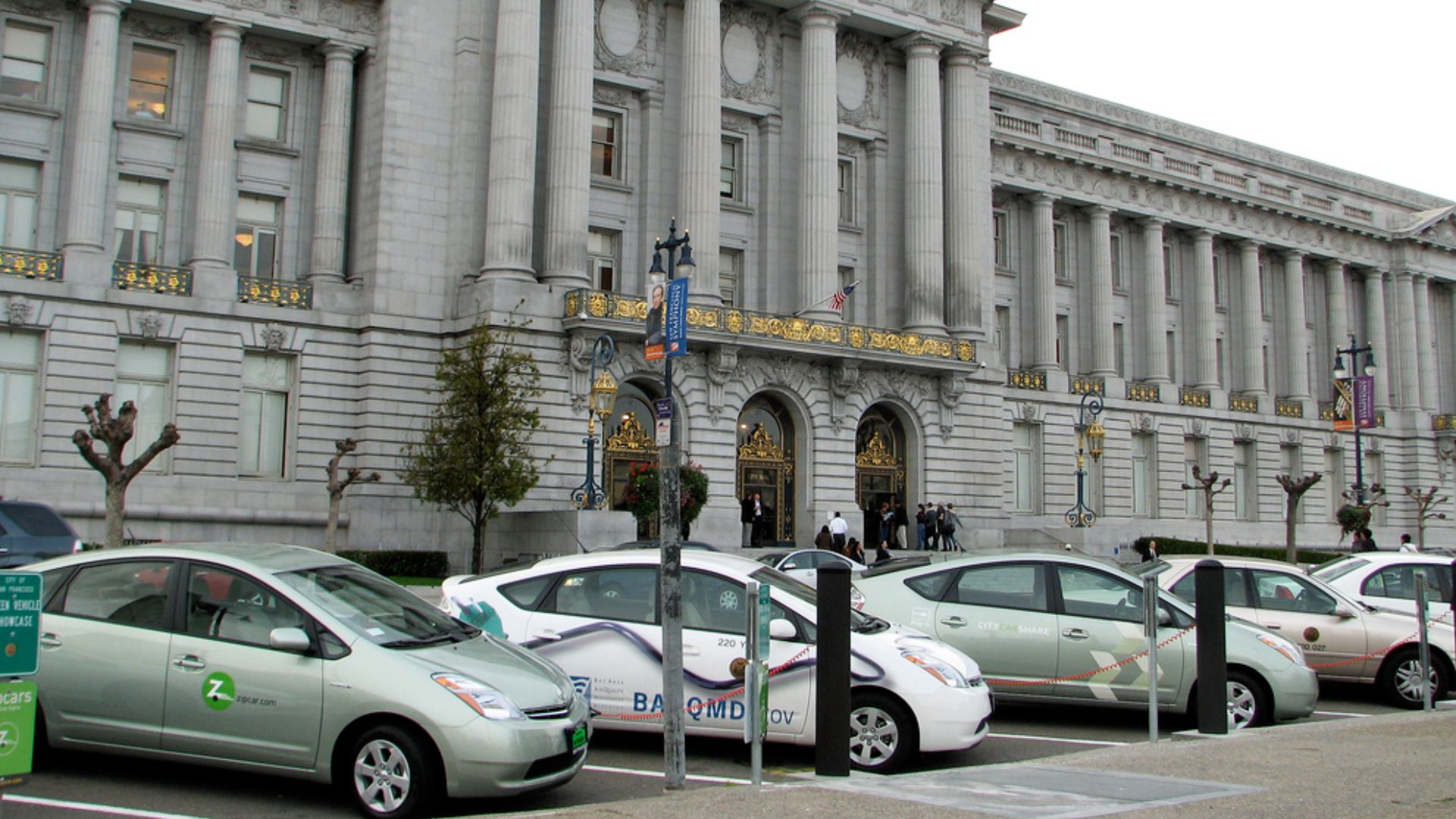
In the United States, hydrogen passenger car adoption has stayed very small. The market has been centered mostly in California because that is where most retail hydrogen stations are. Even there, station outages, fuel supply problems, and high hydrogen prices have made ownership tougher than many early supporters expected.
Charging Has A Massive Head Start
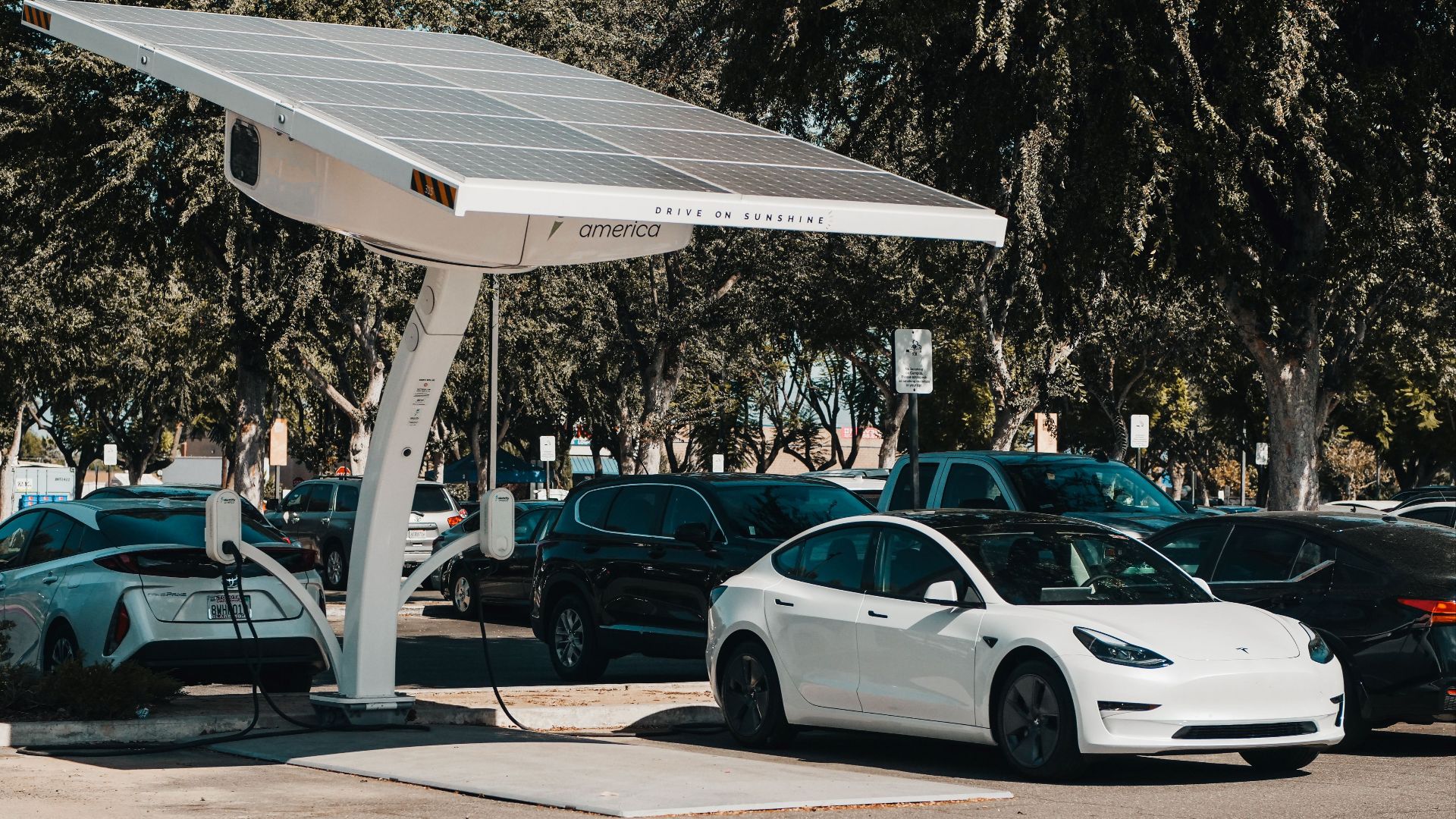
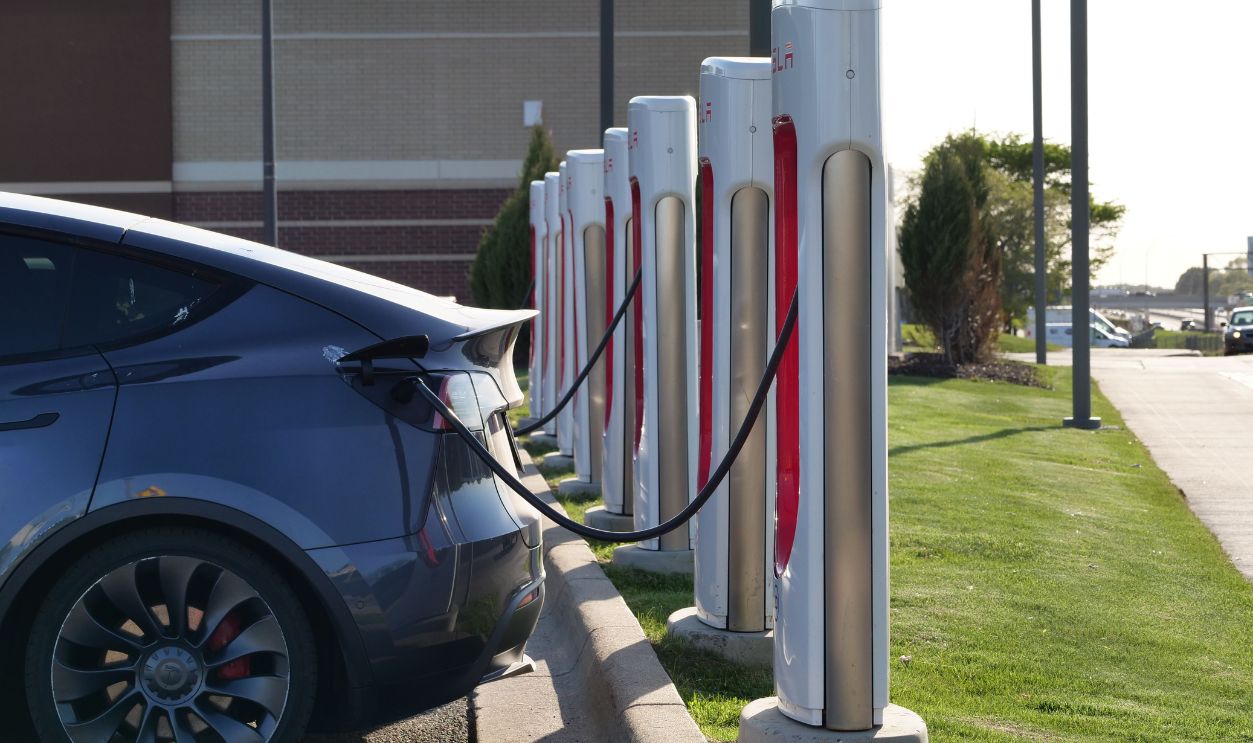
Battery EV charging is not perfect, but it exists on a much bigger scale. The U.S. Department of Energy tracks tens of thousands of public charging locations and far more individual charging ports across the country. Hydrogen fueling stations in the U.S. are counted in the dozens, not the tens of thousands.
California Tells The Story
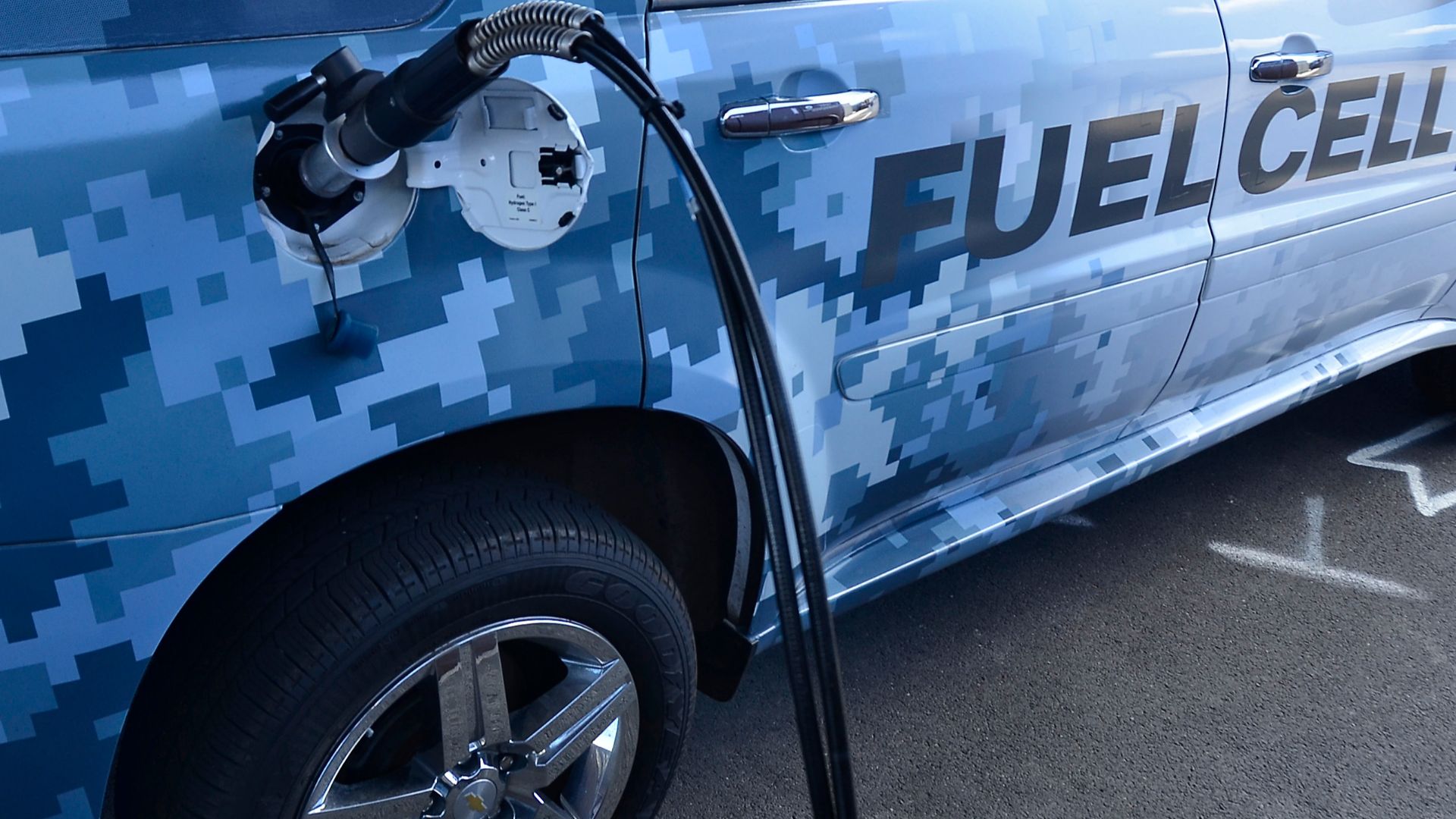
California is the key U.S. test case for hydrogen cars because it has by far the largest fueling network. The California Energy Commission has funded hydrogen stations for years, yet the network is still limited compared with public EV charging. If hydrogen has not broken out there after years of policy support, that is a warning sign for any rapid nationwide takeover.
 Official Navy Page from United States of America MC2 Daniel Barker/U.S. Navy, Wikimedia Commons
Refueling Speed Is Hydrogen’s Best Card
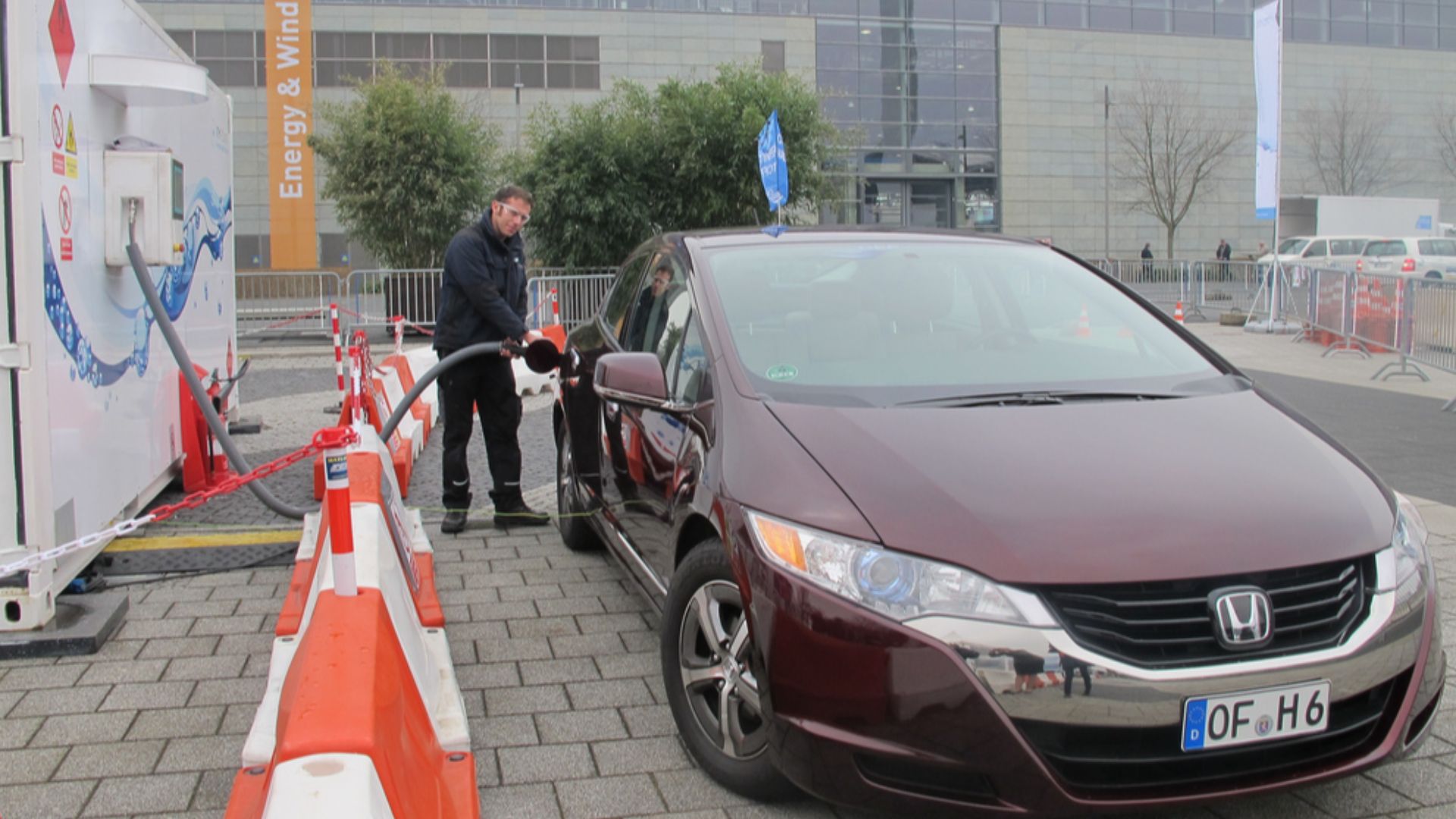
Your friend is right about one big advantage. Hydrogen cars can refuel in minutes, which feels familiar to anyone used to gasoline. For drivers who cannot charge at home and care most about quick stops, that is still a real strength.

But Energy Efficiency Changes The Math
Fast refueling is only part of the story. The U.S. Department of Energy explains that making hydrogen, compressing or liquefying it, moving it around, and turning it back into electricity inside a vehicle creates major energy losses. Battery EVs usually use electricity much more efficiently from source to wheels.

Why Efficiency Matters In The Real World
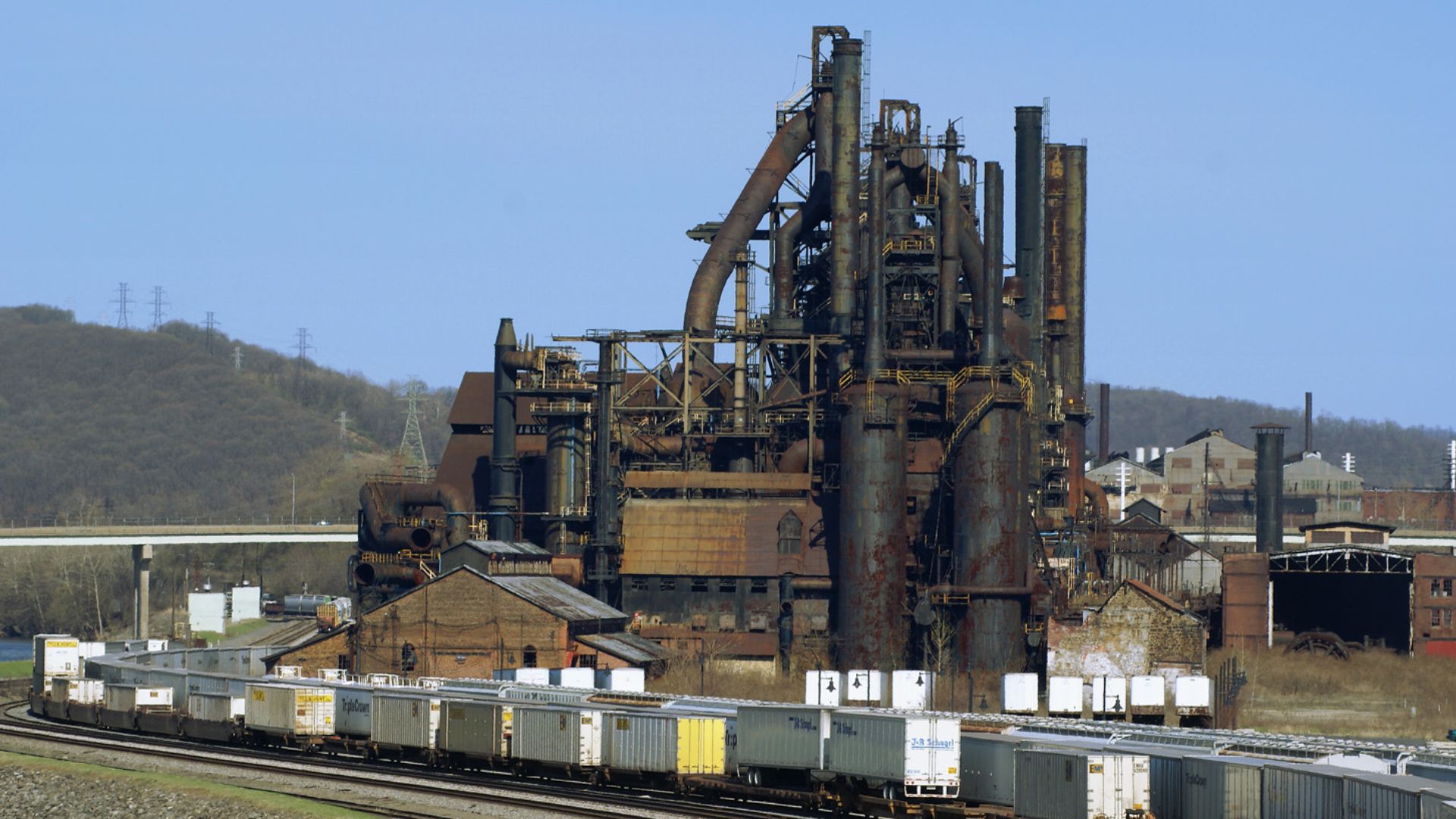
If one system wastes much more energy, it needs more power generation, more equipment, and often more money. That matters whether the electricity comes from natural gas, nuclear, wind, or solar. It is one reason many analysts see hydrogen as a better fit for harder sectors like steelmaking, shipping, or some heavy transport than for everyday passenger cars.
 Jschnalzer at English Wikipedia, Wikimedia Commons
Hydrogen Is Not Automatically Green
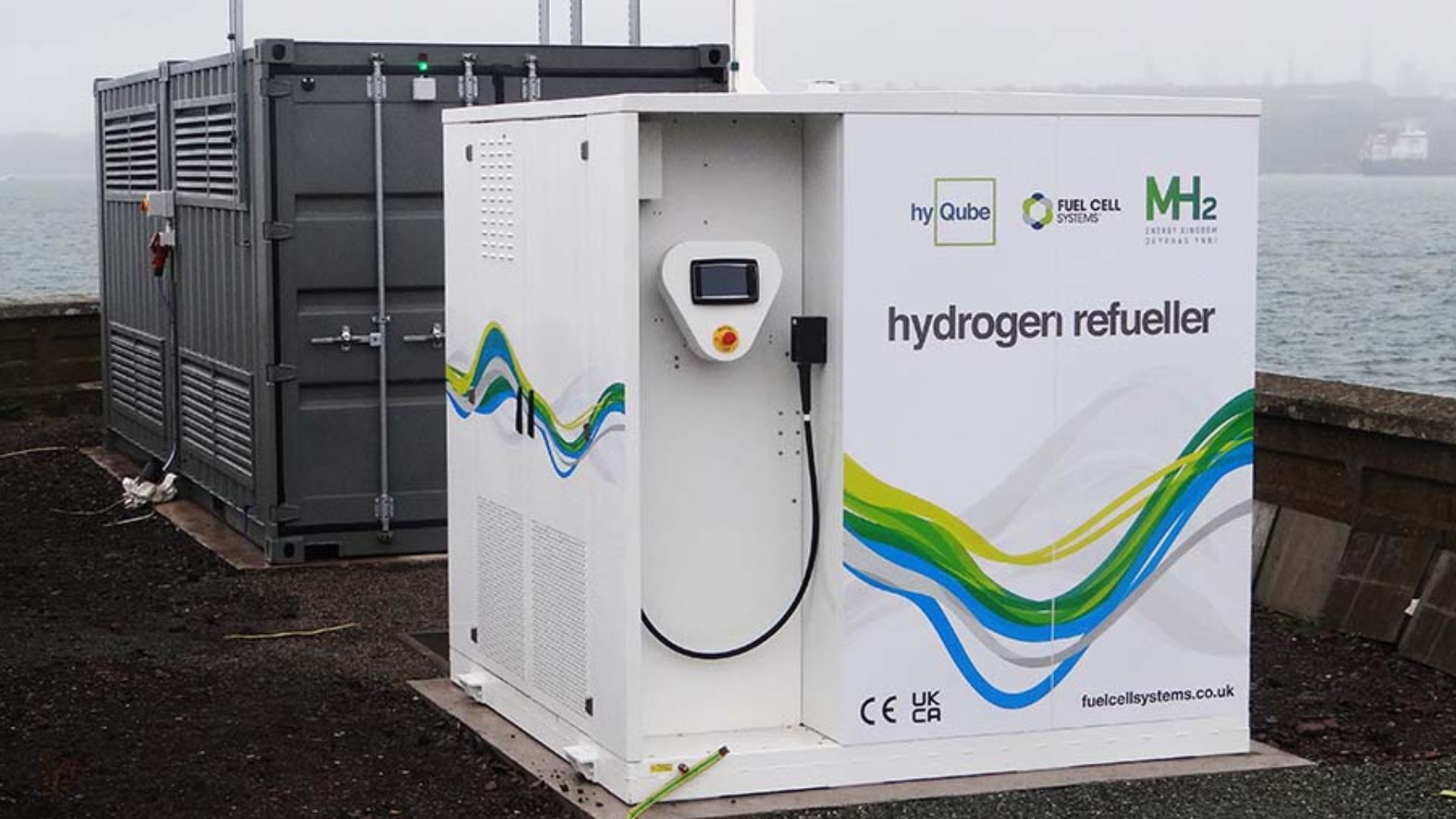
This is one of the biggest things people skip. Most hydrogen made today is not green hydrogen produced with renewable-powered electrolysis. The International Energy Agency says the vast majority still comes from fossil fuels, especially natural gas, which creates significant emissions unless carbon capture is added and works as planned.
 Arthur C Harris , Wikimedia Commons
Green Hydrogen Is Growing But Still Expensive
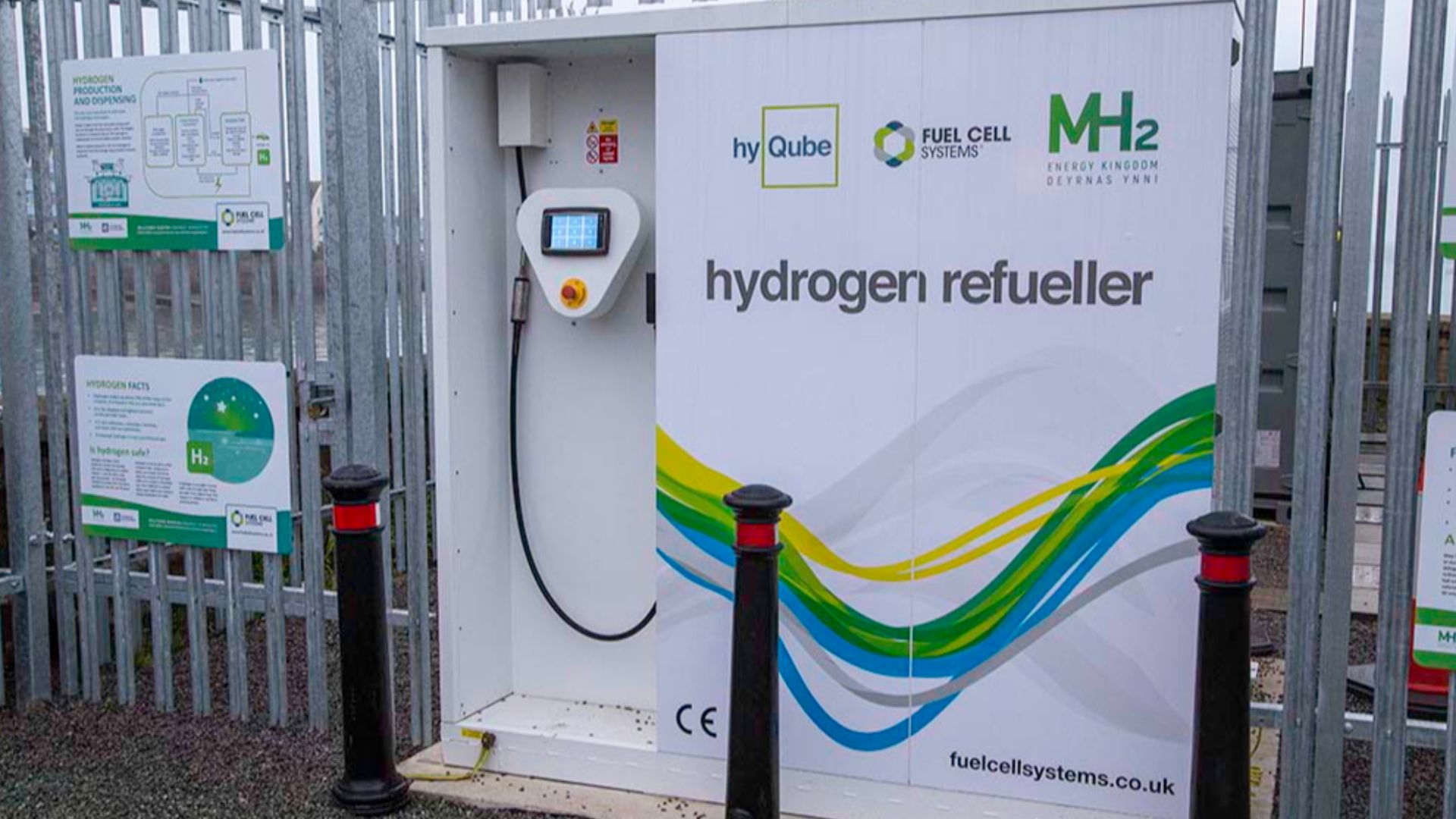
Electrolyzers are getting better and investment is rising, but cost and scale are still major obstacles. The IEA has repeatedly said that low-emissions hydrogen production needs much more deployment before it becomes widely competitive. That means hydrogen’s cleaner future is possible, but not on the kind of timetable that would make battery EVs obsolete in just ten years.
 Arthur C Harris , Wikimedia Commons
Fueling Infrastructure Is Hard And Costly
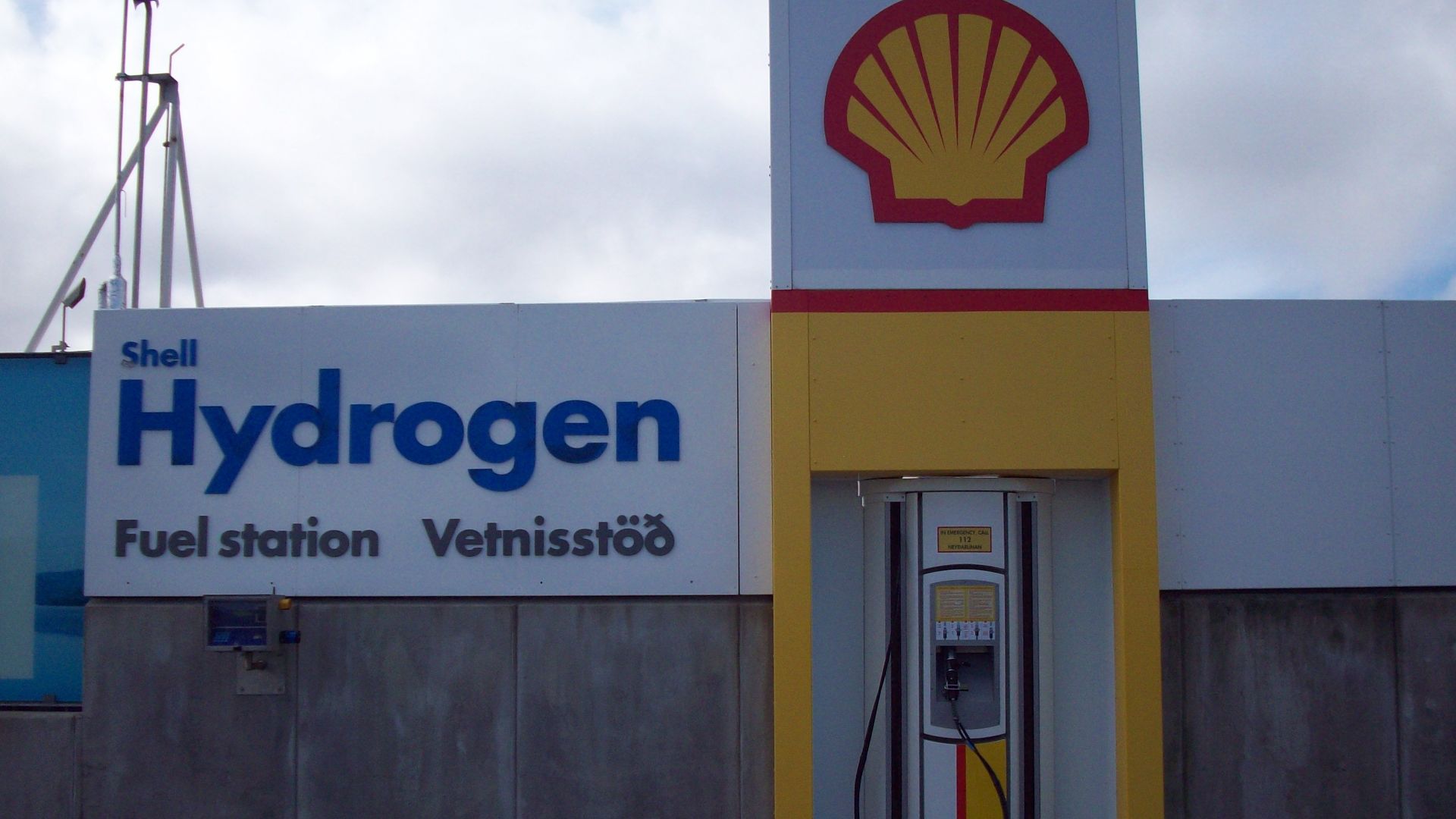
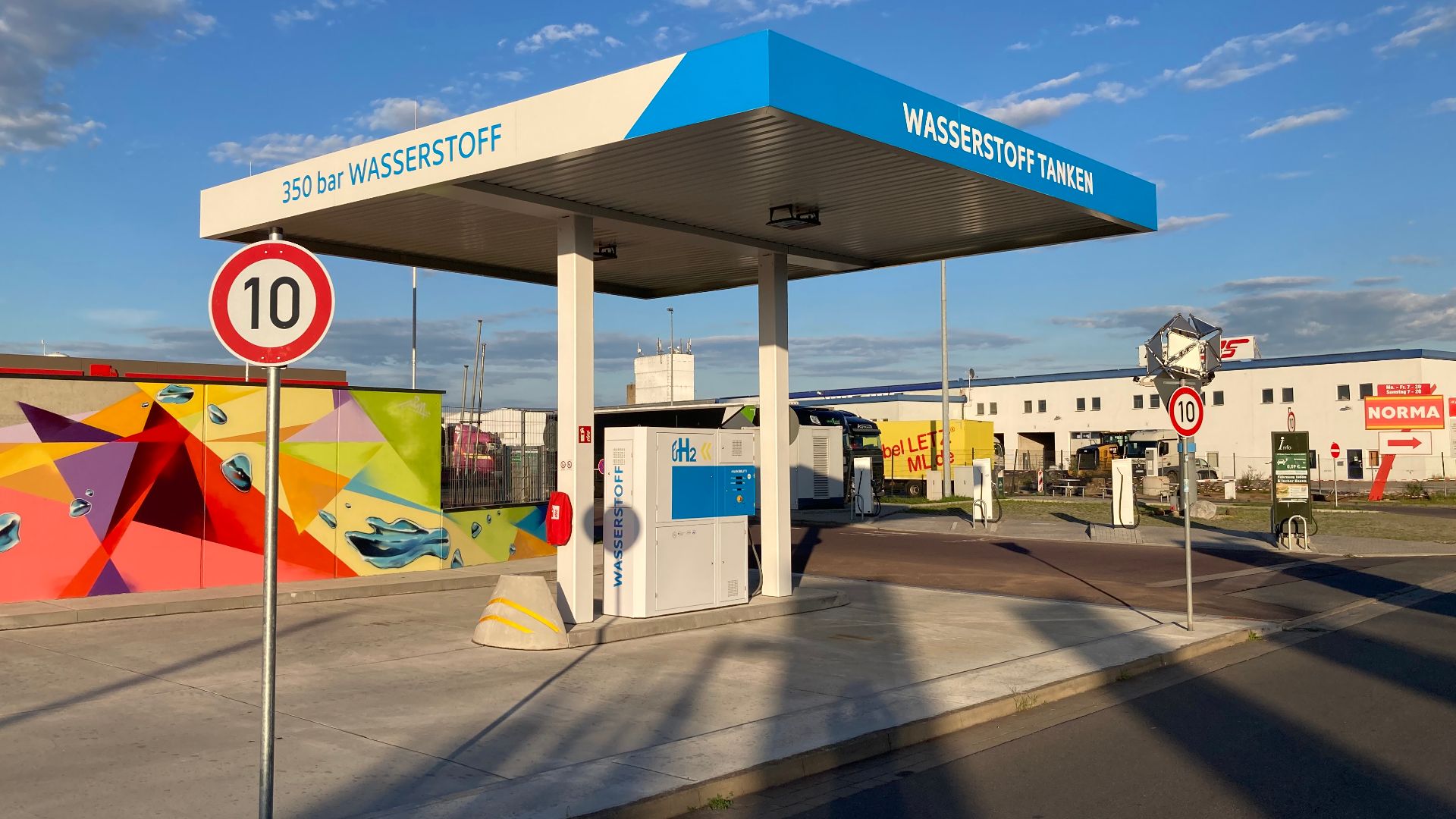
A hydrogen station is not just a gas pump with a different label. It needs specialized storage, compression, dispensing equipment, and a dependable fuel supply chain. The National Renewable Energy Laboratory and California state materials both show that building and running these stations is expensive and technically demanding.
 Dennis Schroeder, National Renewable Energy Laboratory, US Dept of Energy, Wikimedia Commons
Home Charging Is A Huge Battery EV Advantage
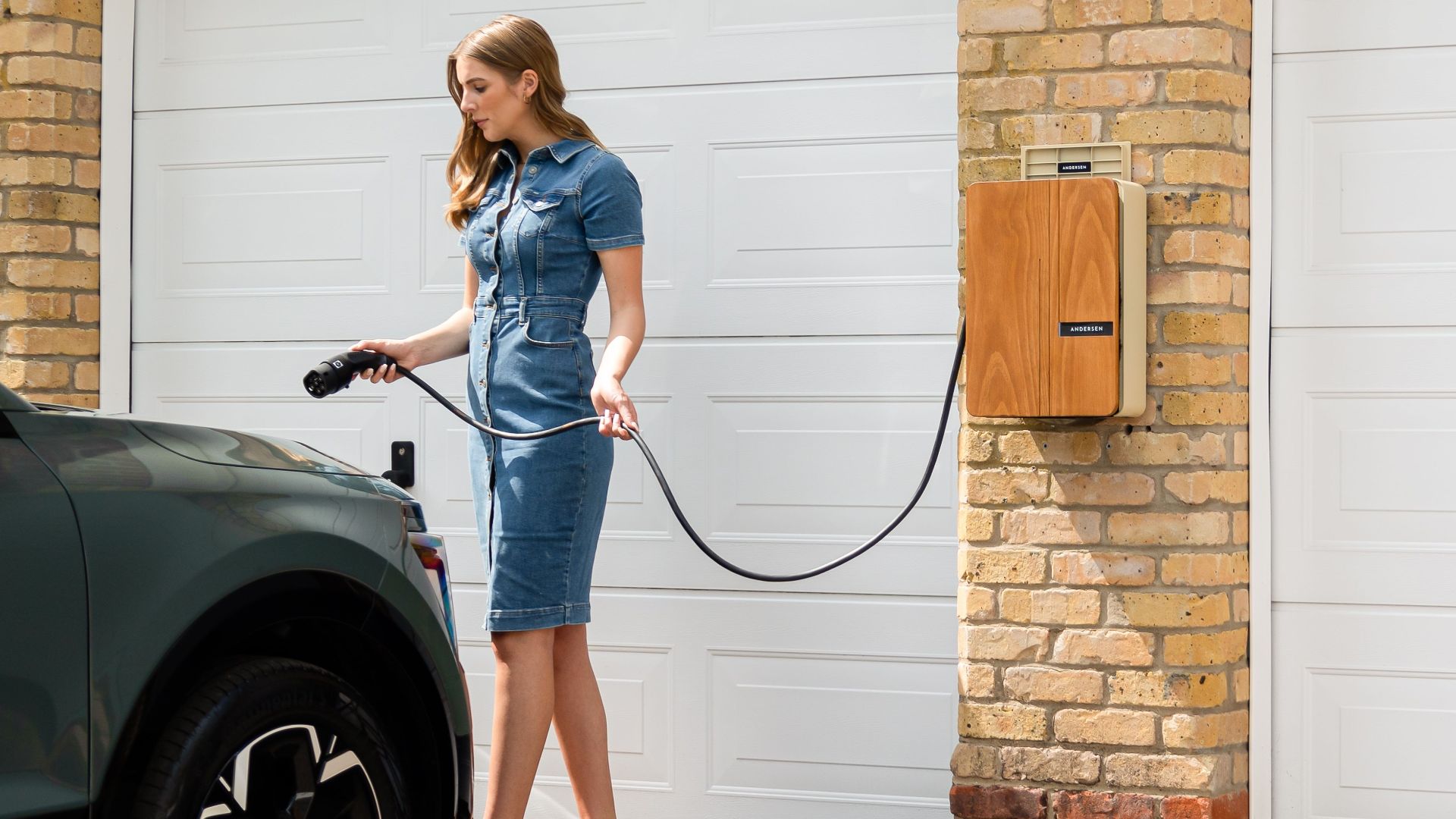
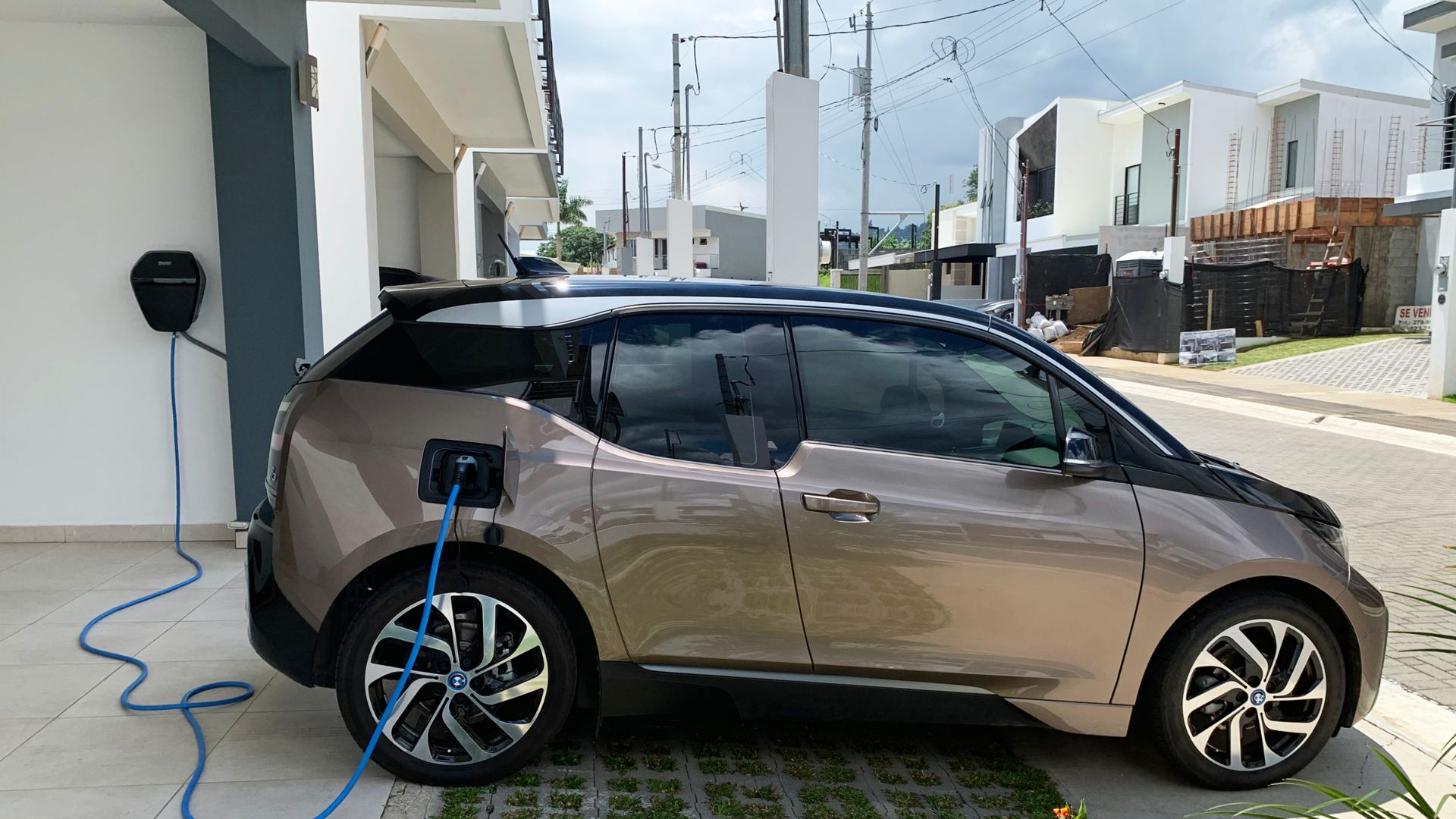
This is one of the strongest arguments against hydrogen replacing battery EVs for many households. A battery EV can charge overnight at home if the owner has a garage, driveway, or dedicated parking spot. A hydrogen car can never match that convenience because the fuel has to come from a station.
Apartment Living Complicates The Picture
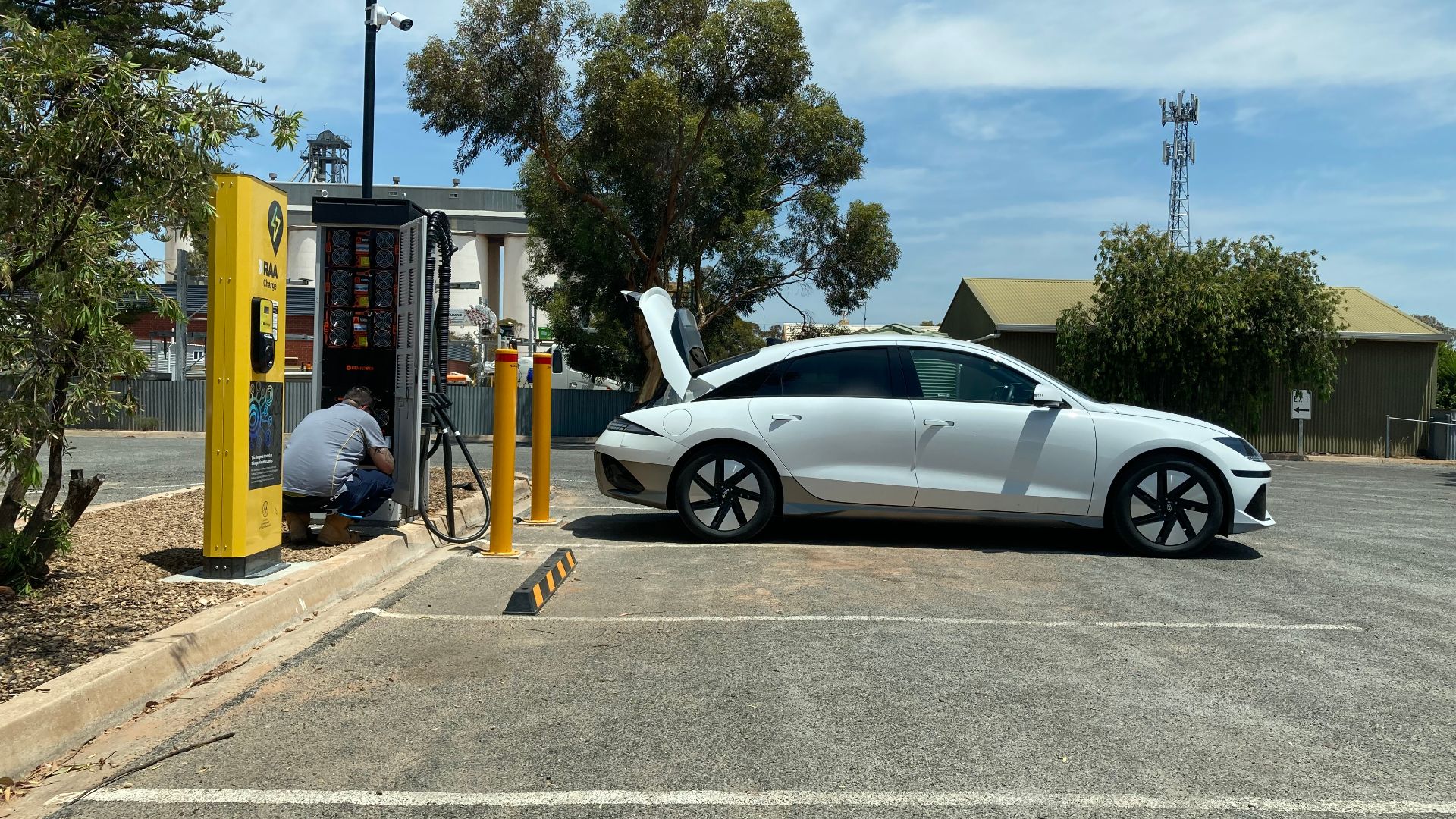
Not everyone can charge at home, and that is a real weakness for battery EV adoption. Renters and urban drivers often depend on public charging, which can be less convenient and more expensive. Even so, adding chargers to workplaces, stores, apartment buildings, and highway routes is generally easier than building a whole hydrogen retail network from scratch.
 Mariordo (Mario Roberto Duran Ortiz), Wikimedia Commons
Automakers Have Already Voted With Their Budgets
Look at where the industry is spending money. Nearly every major automaker now has battery EV platforms, battery supply deals, or both. By contrast, hydrogen passenger car programs are limited, and several automakers now talk more about hydrogen for commercial vehicles or industrial uses than for mass-market family cars.
Toyota Still Believes In Hydrogen
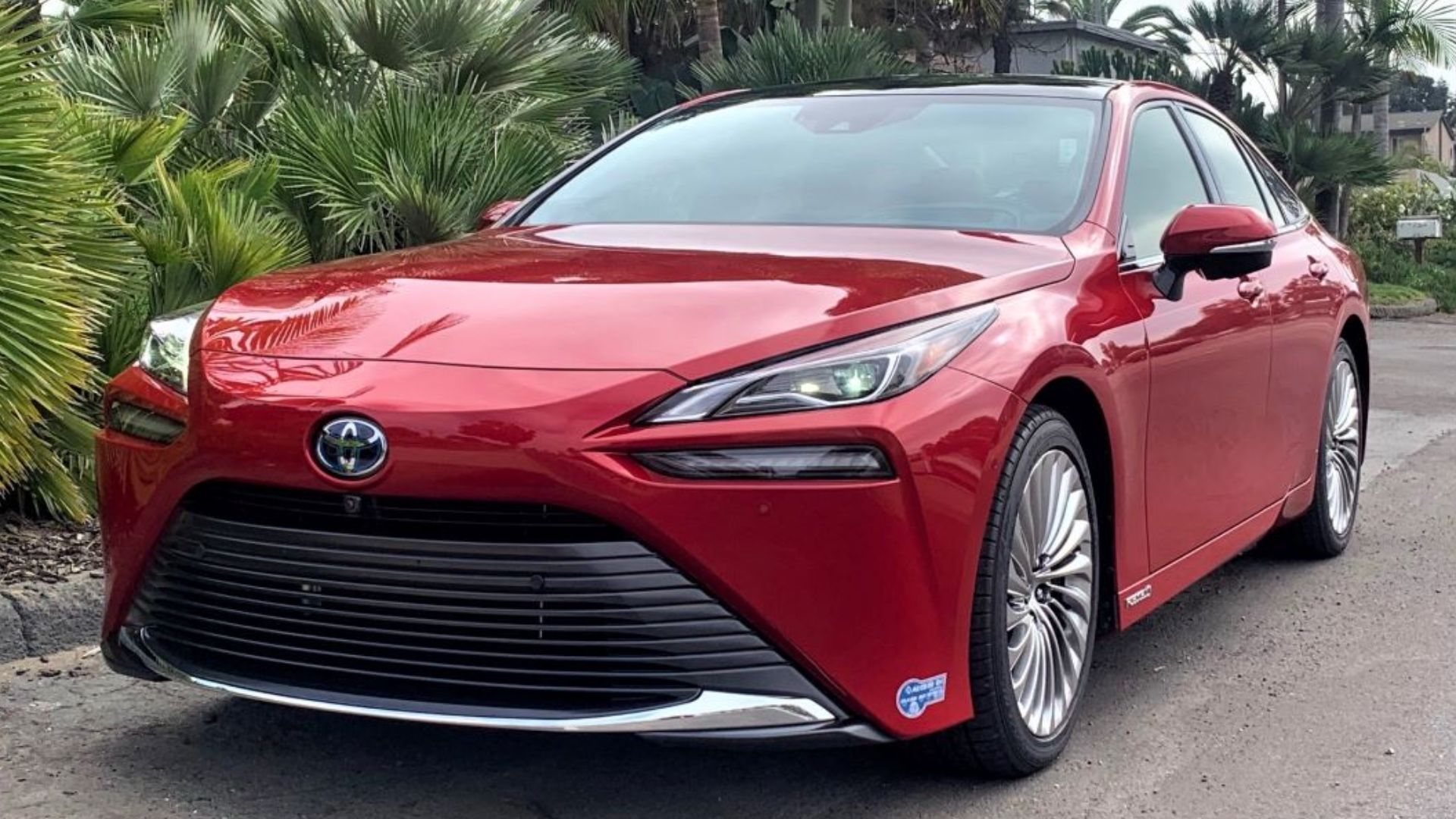
Toyota remains the biggest name backing hydrogen passenger cars, and that matters because the company has real engineering depth and patience. The Mirai is a real car, not a concept. But even Toyota has had to sell it in a very limited market, and the company is also expanding its battery EV lineup because that is where demand clearly is.
 DrivenAutos, Wikimedia Commons
Hyundai Has Kept A Foot In The Door
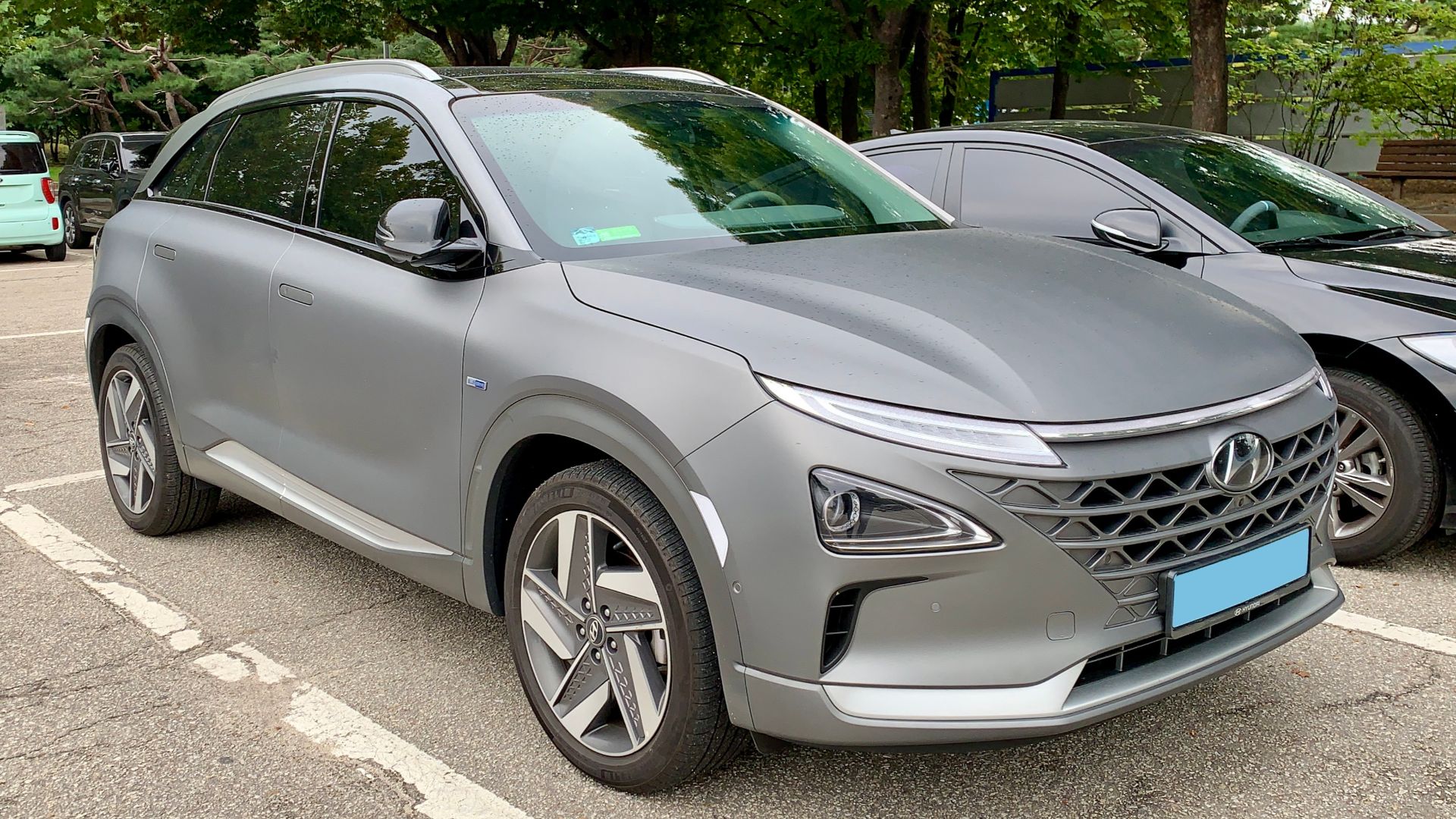
Hyundai has also stayed in the fuel cell game through the Nexo and commercial projects. That shows hydrogen technology is not dead. It shows something narrower, which is that hydrogen may keep a role in specific regions and use cases without becoming the main answer for passenger cars.
Consumer Choice Is Already Telling Us Something
Buyers have had years to react to both technologies. Battery EVs have gone from curiosity to mainstream in many markets, while hydrogen cars are still rare enough that many drivers have never seen one in person. When consumers, fleets, utilities, charging companies, and automakers all move in the same direction, that usually says a lot about where the real momentum is.
Policy Support Does Not Guarantee A Winner
Governments in the U.S., Europe, Japan, South Korea, and China have all explored hydrogen strategies. Some support is aimed at transport, but much of it targets industry, grid balancing, shipping fuels, and heavy-duty vehicles. Policy can help a technology grow, but it does not erase cost, efficiency, or infrastructure limits.
 Johann Heioar Arnason, Wikimedia Commons
What About Heavy Trucks
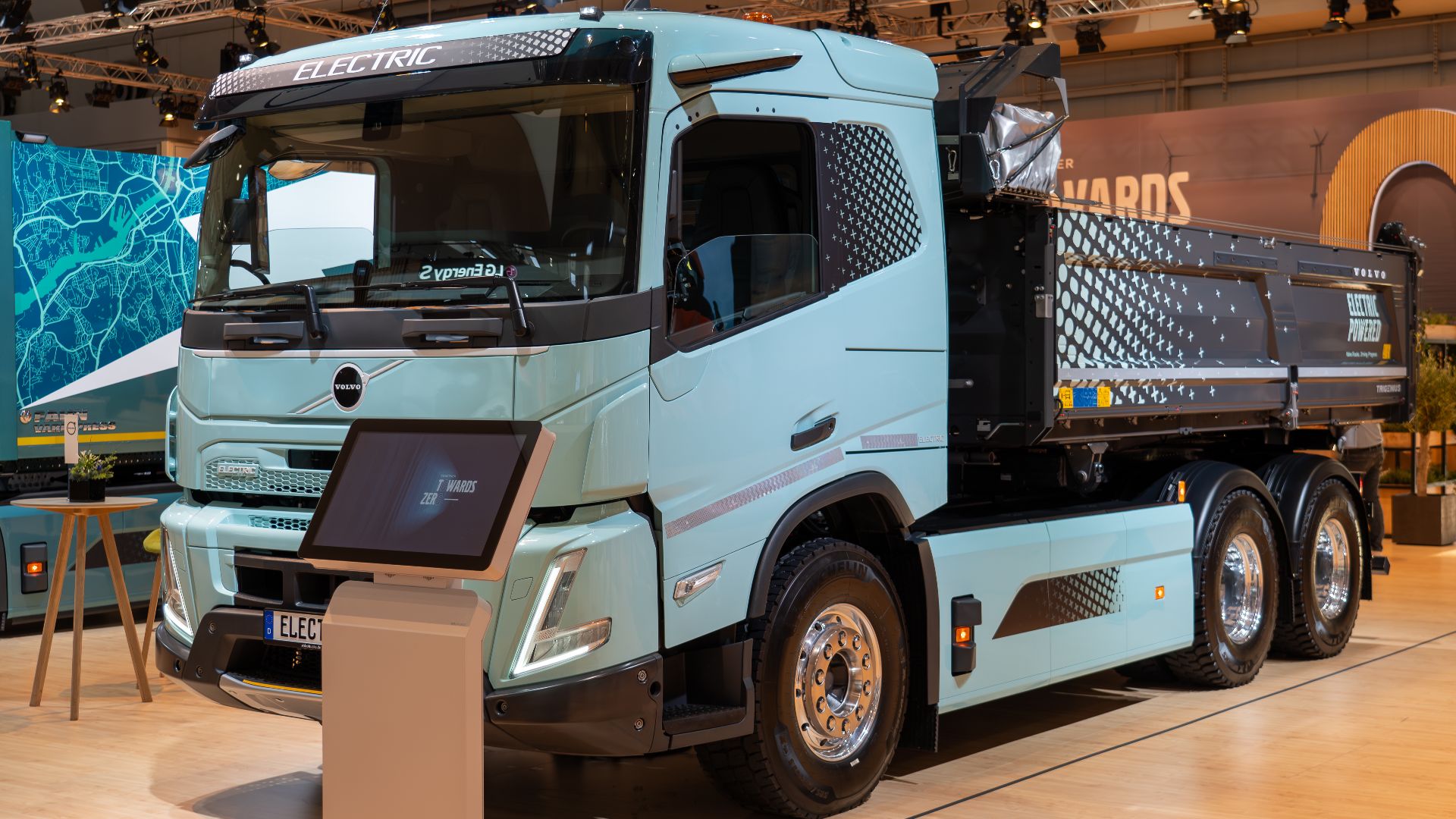
This is where the case for hydrogen gets more believable. Long-haul trucks, high-use fleets, and some industrial applications can benefit from fast refueling and lighter onboard energy storage. Even there, battery trucks are moving fast too, so hydrogen is not guaranteed to dominate, but it has a stronger case than it does in ordinary passenger sedans and crossovers.
What Would Have To Happen For Hydrogen To Win Fast
For hydrogen to make battery EVs obsolete within a decade, several things would have to happen at once. Green hydrogen would need to become cheap at scale, station networks would need to grow dramatically, supply reliability would need to improve, and automakers would need to launch many more attractive models. On top of that, consumers would have to walk away from a charging ecosystem that is already widespread and still expanding.
 Michal Beim, Wikimedia Commons
That Is A Very Tall Order By 2035
A decade sounds like a long time until you count what has to be built. Vehicle platforms take years. Infrastructure takes years. Permitting takes years. Industrial supply chains take years. Battery EVs are also improving the whole time, which makes any hydrogen leap even harder.
The Most Realistic Outcome
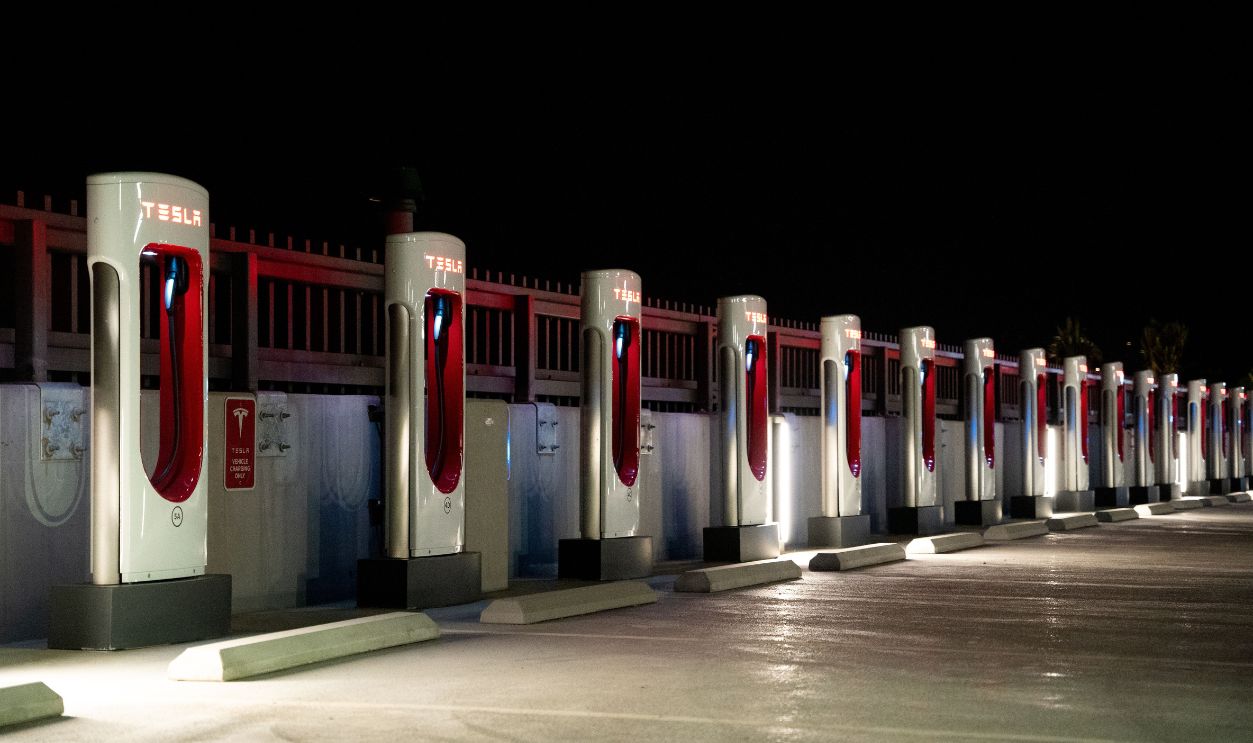
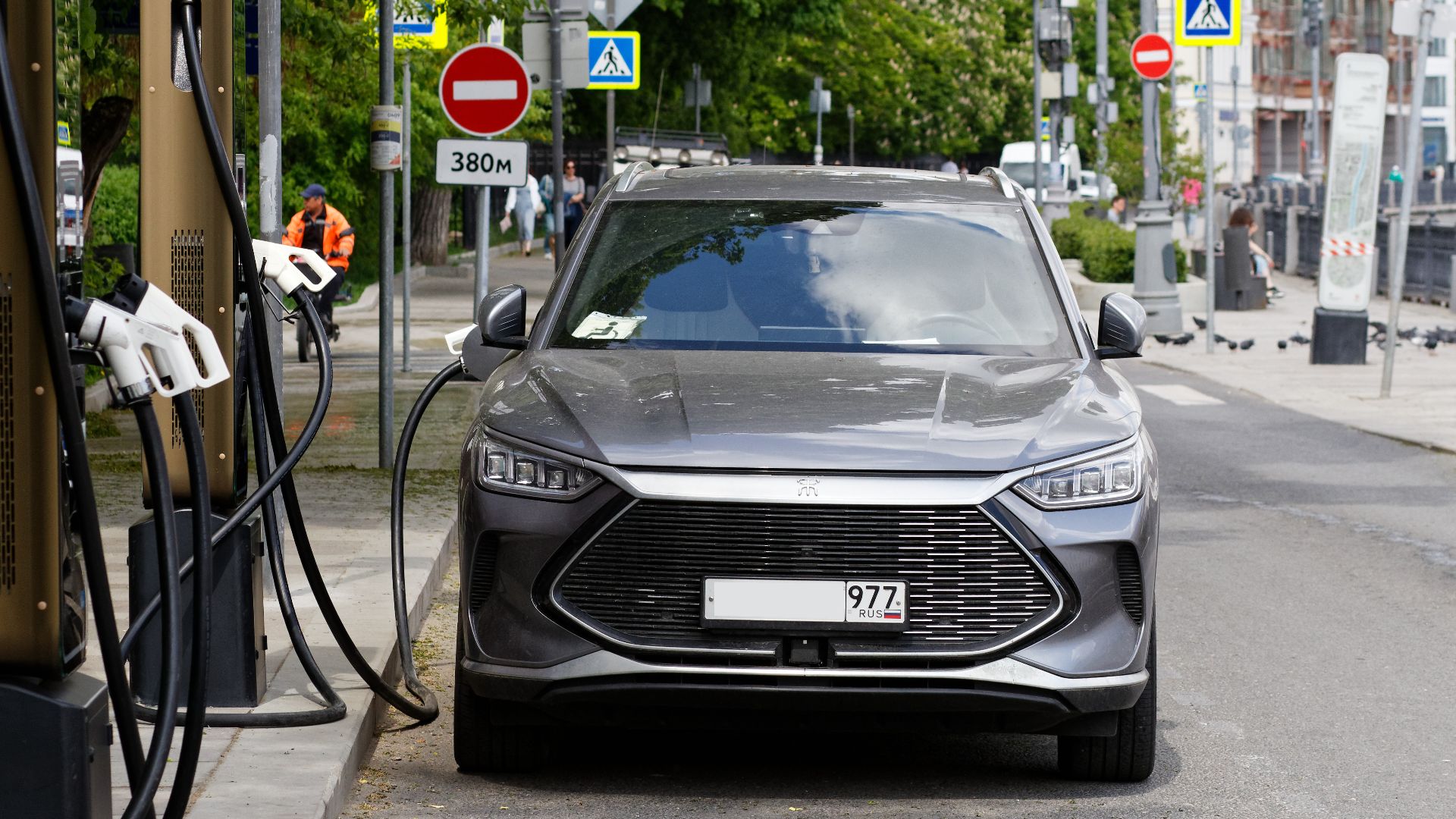
The most likely future is coexistence, not replacement. Battery EVs are likely to remain the main path for passenger cars over the next decade, while hydrogen may find lasting niches in heavy transport, industrial processes, and places where batteries are less practical. That is an important role, but it is not the same as making battery EVs obsolete.
 Retired electrician, Wikimedia Commons
So Is The Claim Realistic?
Short answer: no. Hydrogen cars are technically impressive and still relevant, but the sales data, infrastructure gap, efficiency disadvantage, and current industry spending all point away from a rapid takeover. Within a decade, hydrogen is far more likely to remain a specialized complement than the technology that sends battery EVs into the history books.