When French Fire Tried To Burn Hotter Than Fashion
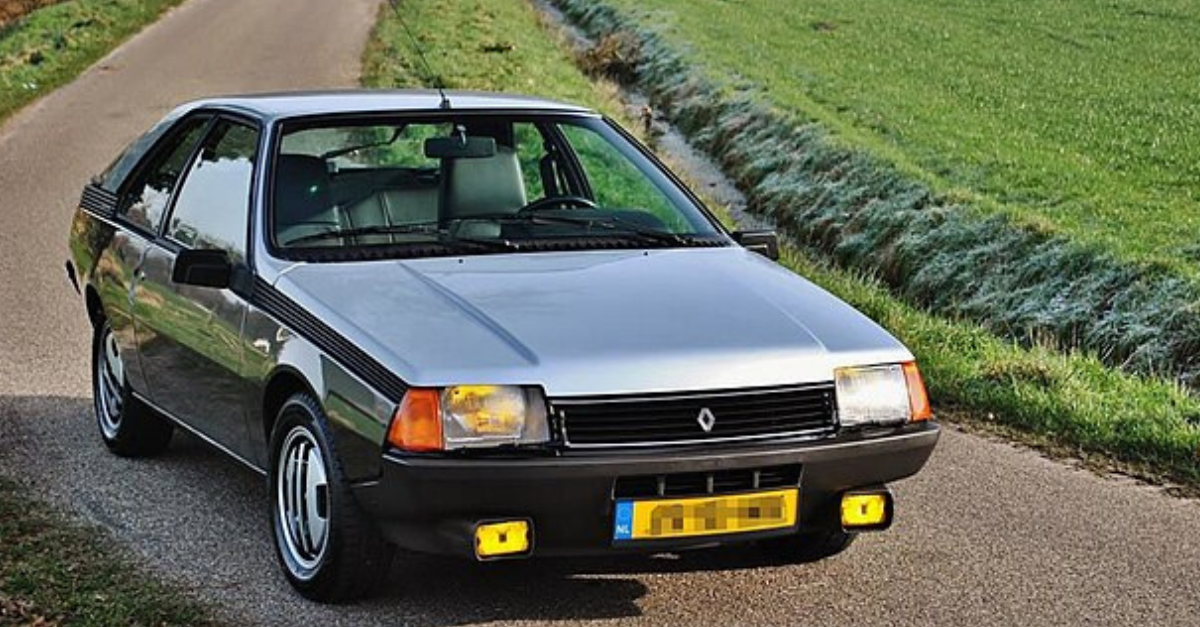
Once upon a very aerodynamic moment in the early 1980s, Renault decided it didn’t just want sensible sedans and quirky hatchbacks—it wanted drama. The result was the Renault Fuego, a sleek sports coupe that promised speed, style, and futuristic tech long before those things were expected from a mainstream brand. For a brief moment, it worked. Then the world moved on, and the Fuego quietly slipped into automotive obscurity.
Here’s how France’s fiery coupe burned bright—and why it deserves a second look.
A Name That Literally Meant Business
Renault didn’t choose the name Fuego by accident. Translating to “fire,” it was meant to signal passion, performance, and a bold break from the brand’s conservative image. For a company better known for practicality, this was a surprisingly spicy move.
 allen watkin from London, UK, Wikimedia Commons
Renault’s Big Coupe Gamble
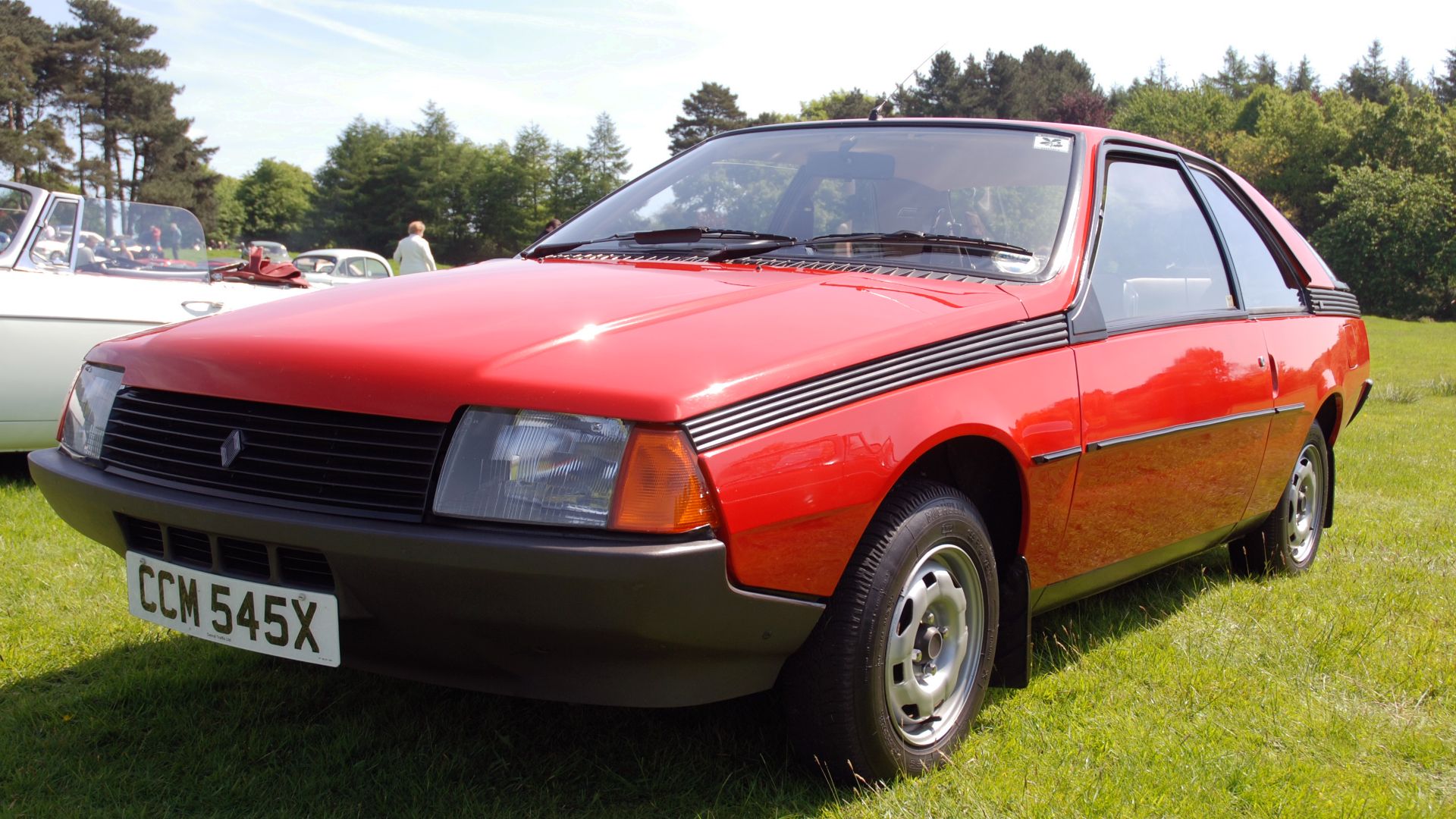
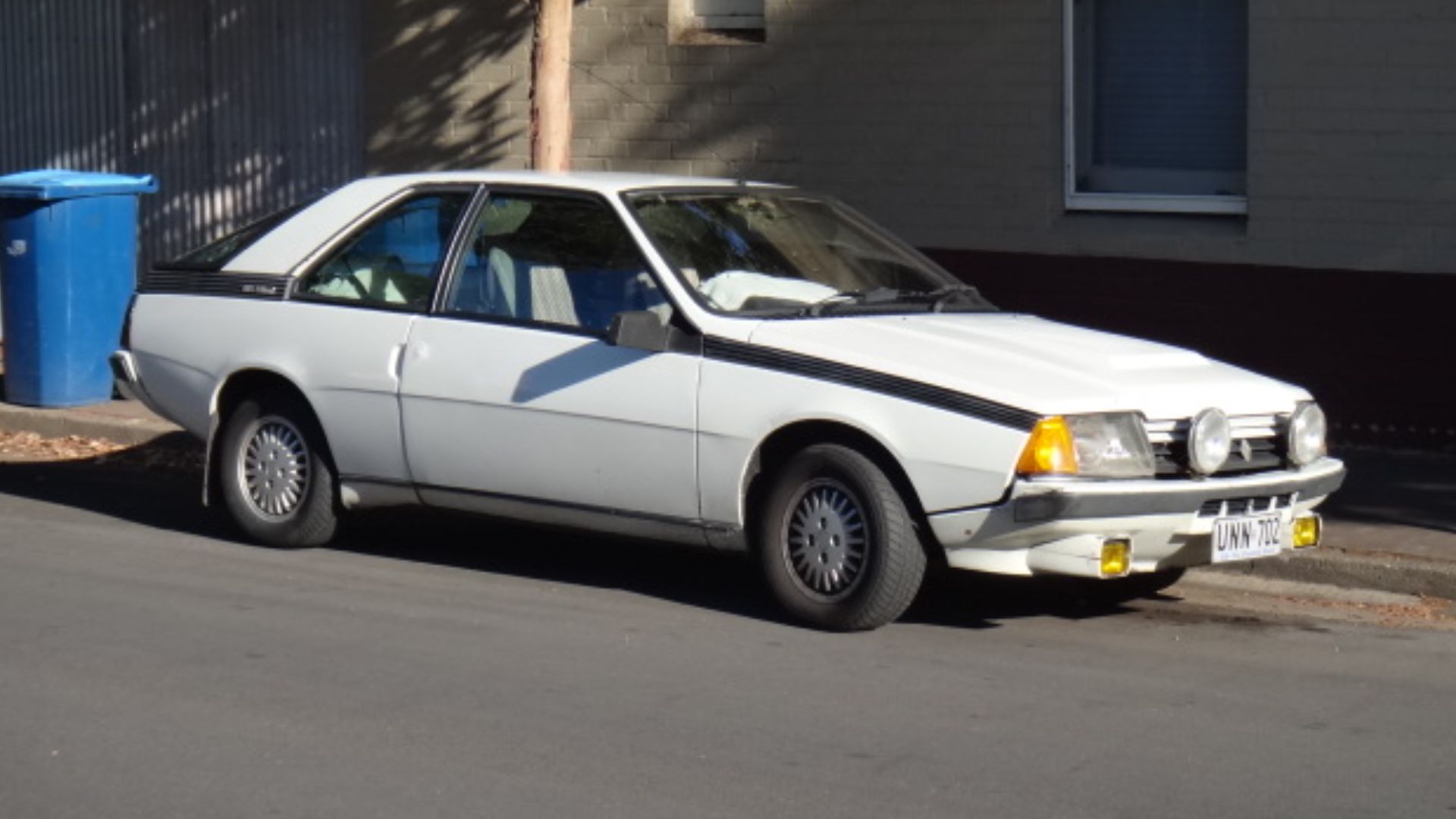
Launched in 1980, the Fuego represented Renault’s serious attempt to crack the sporty coupe market. This wasn’t a limited experiment—it was designed to sell globally and in serious numbers.
 Jeremy from Sydney, Australia, Wikimedia Commons
A Hatchback Wearing A Sports Coupe Costume
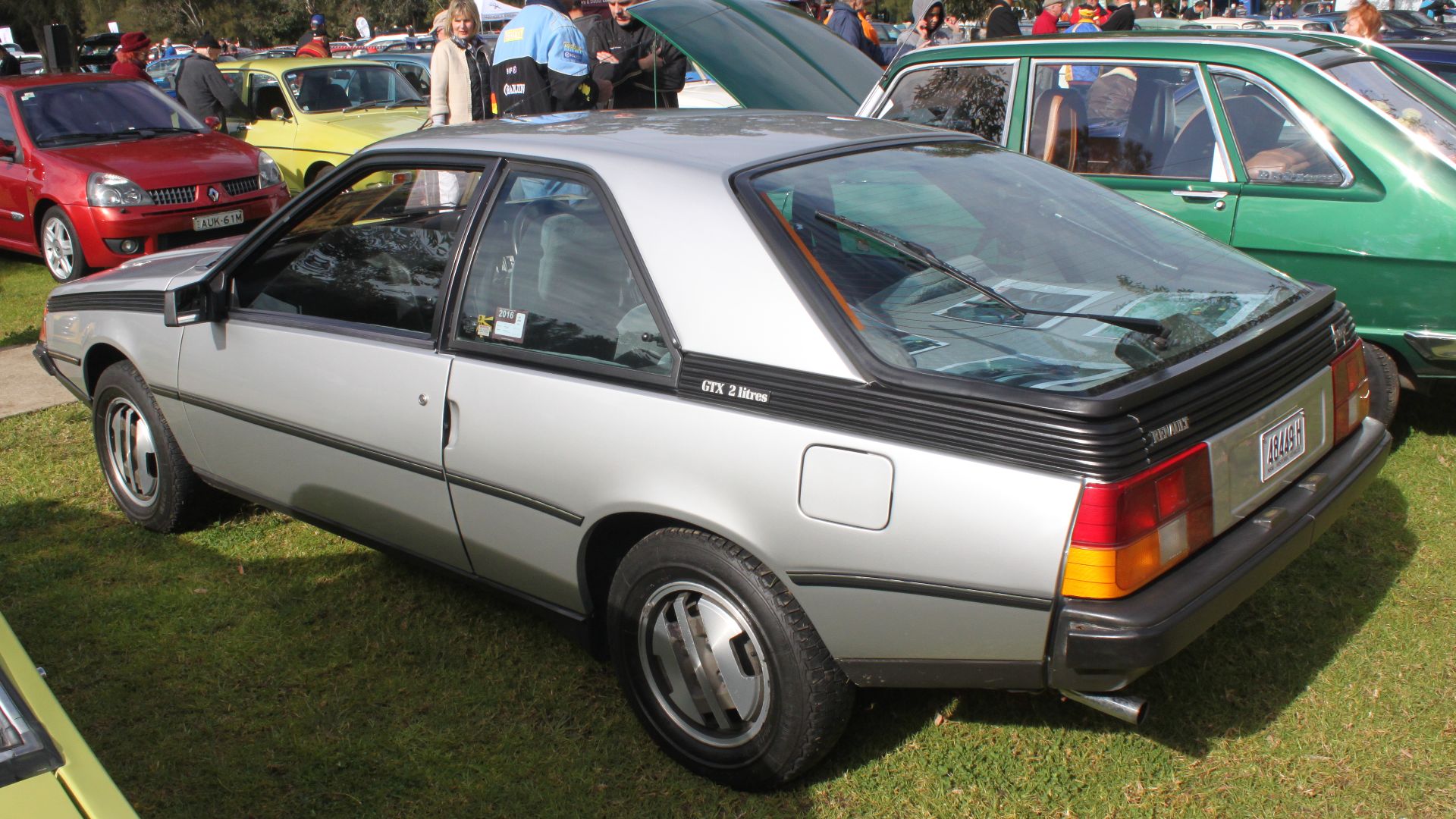
Despite its sleek looks, the Fuego was technically a three-door hatchback. That meant fold-down rear seats, real cargo space, and everyday usability hiding beneath the dramatic bodywork.
Styling That Refused To Blend In
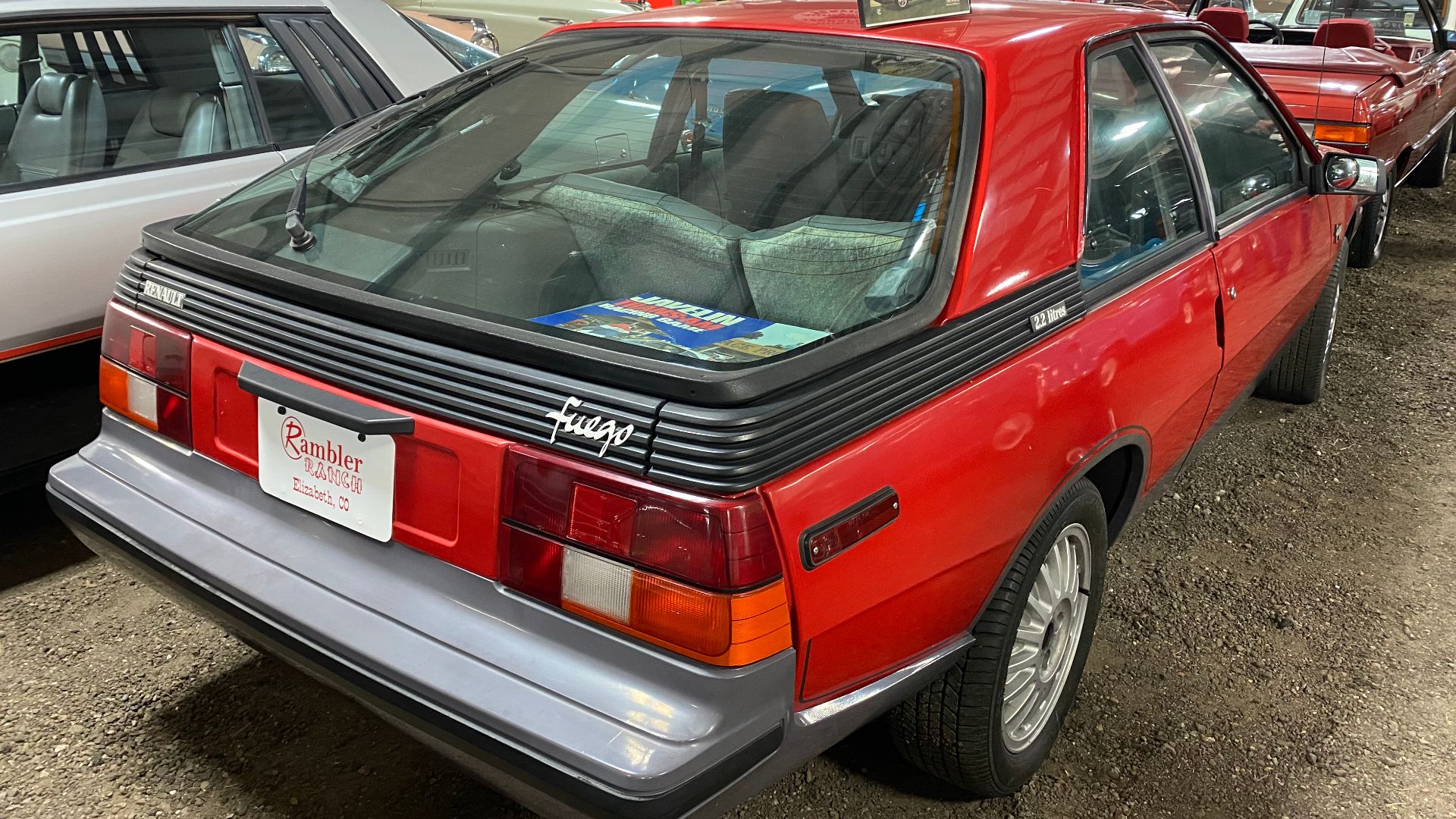
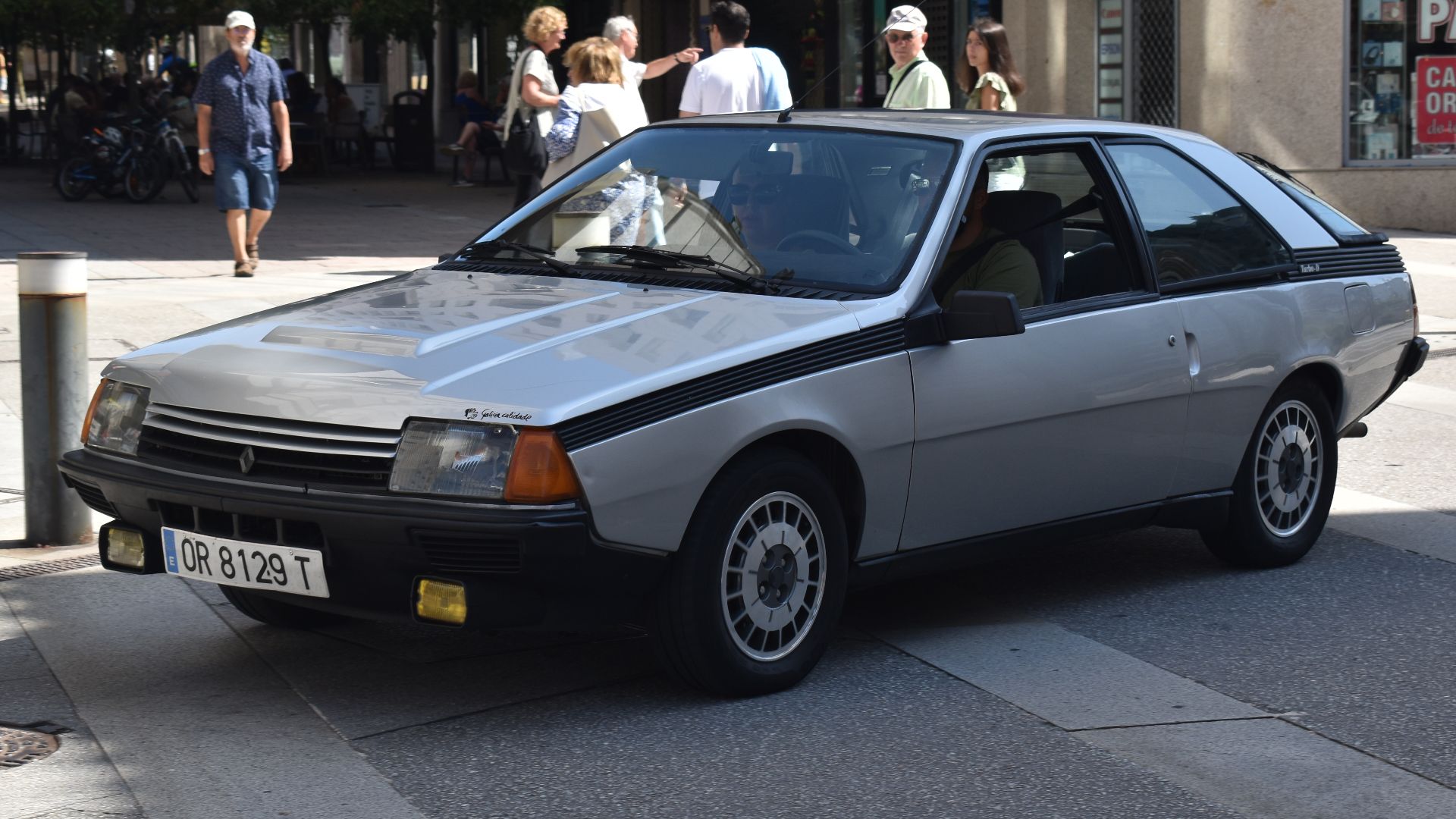
The Fuego’s smooth curves, sloping rear glass, and flush lines were unmistakably 1980s—but ahead of their time. It looked more futuristic than many cars that came years later, especially compared to boxy rivals.
 TuRbO_J from Adelaide, Australia, Wikimedia Commons
Wind Tunnel Before It Was Cool
Renault leaned heavily into aerodynamics when shaping the Fuego. Its design wasn’t just about looks—it was sculpted to cheat the wind, helping both efficiency and stability at speed.
Familiar Bones Under The Fire
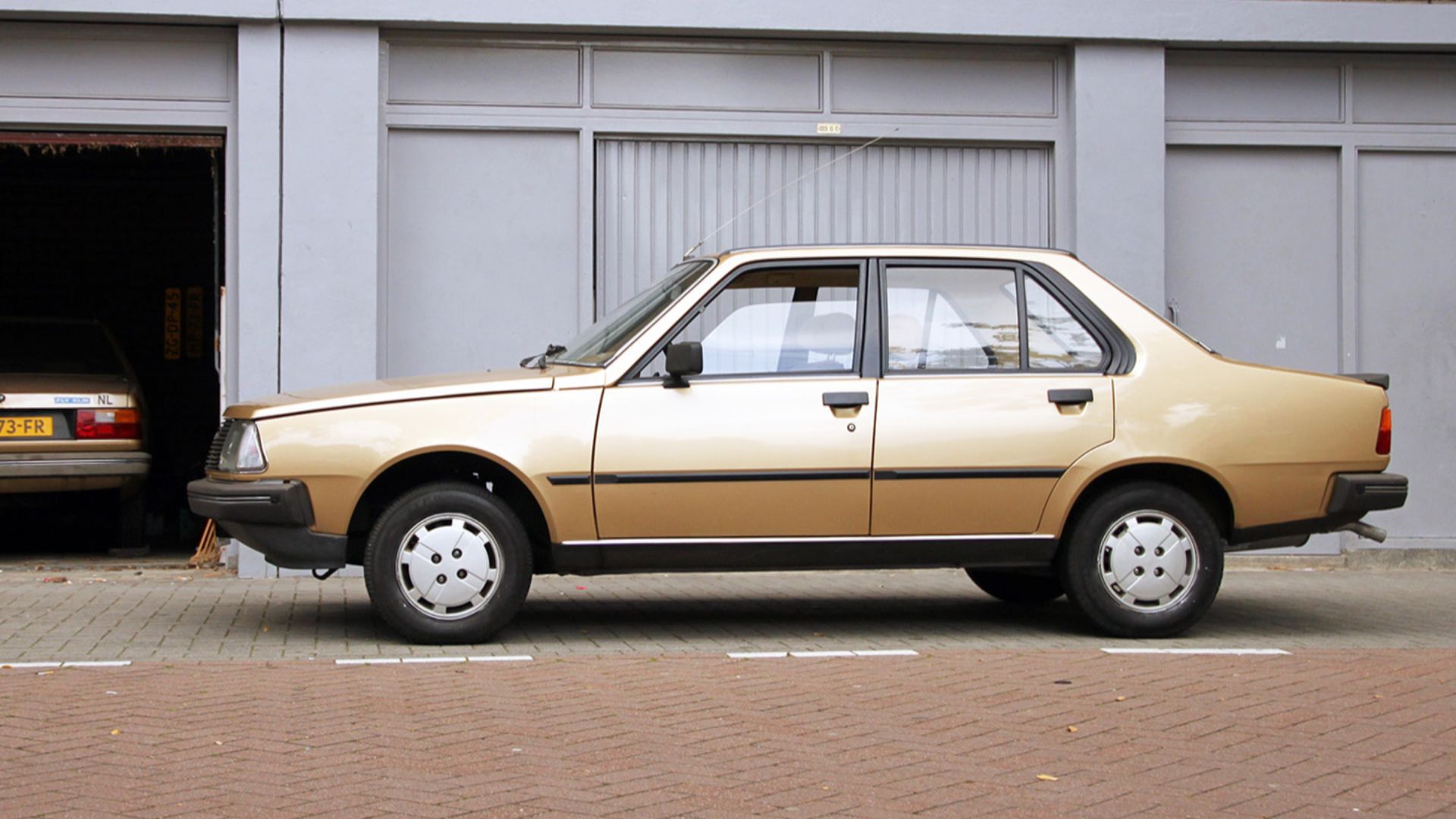
Underneath the dramatic shell, the Fuego shared its platform with the Renault 18. That decision kept costs down while ensuring the car remained comfortable and mechanically familiar.
Engines For Every Level Of Enthusiasm
From modest four-cylinder options to larger and more powerful variants, the Fuego’s engine lineup was designed to appeal to a wide audience. It could be practical or punchy, depending on how brave your order form was.
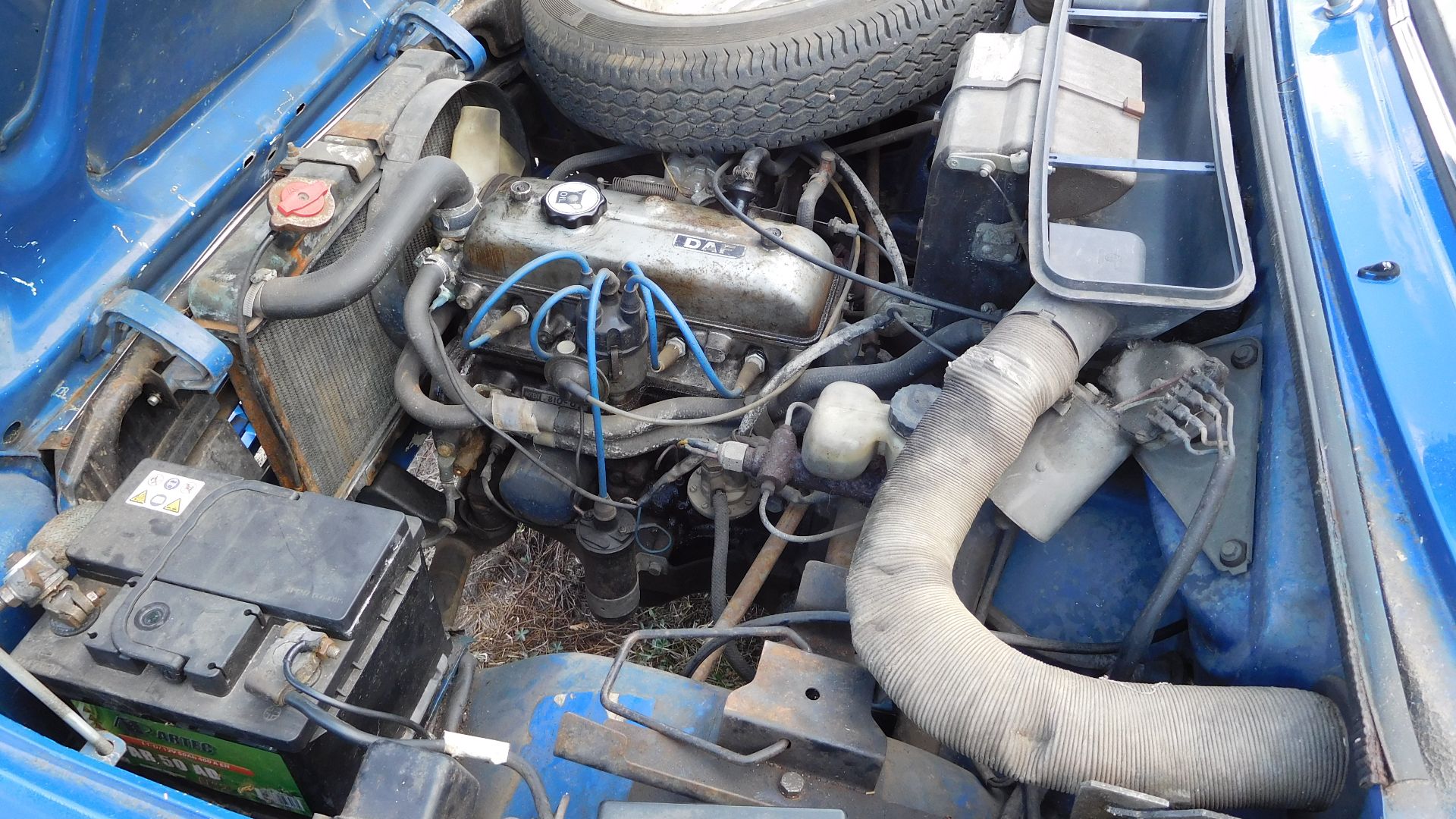
When Turbocharging Entered The Chat
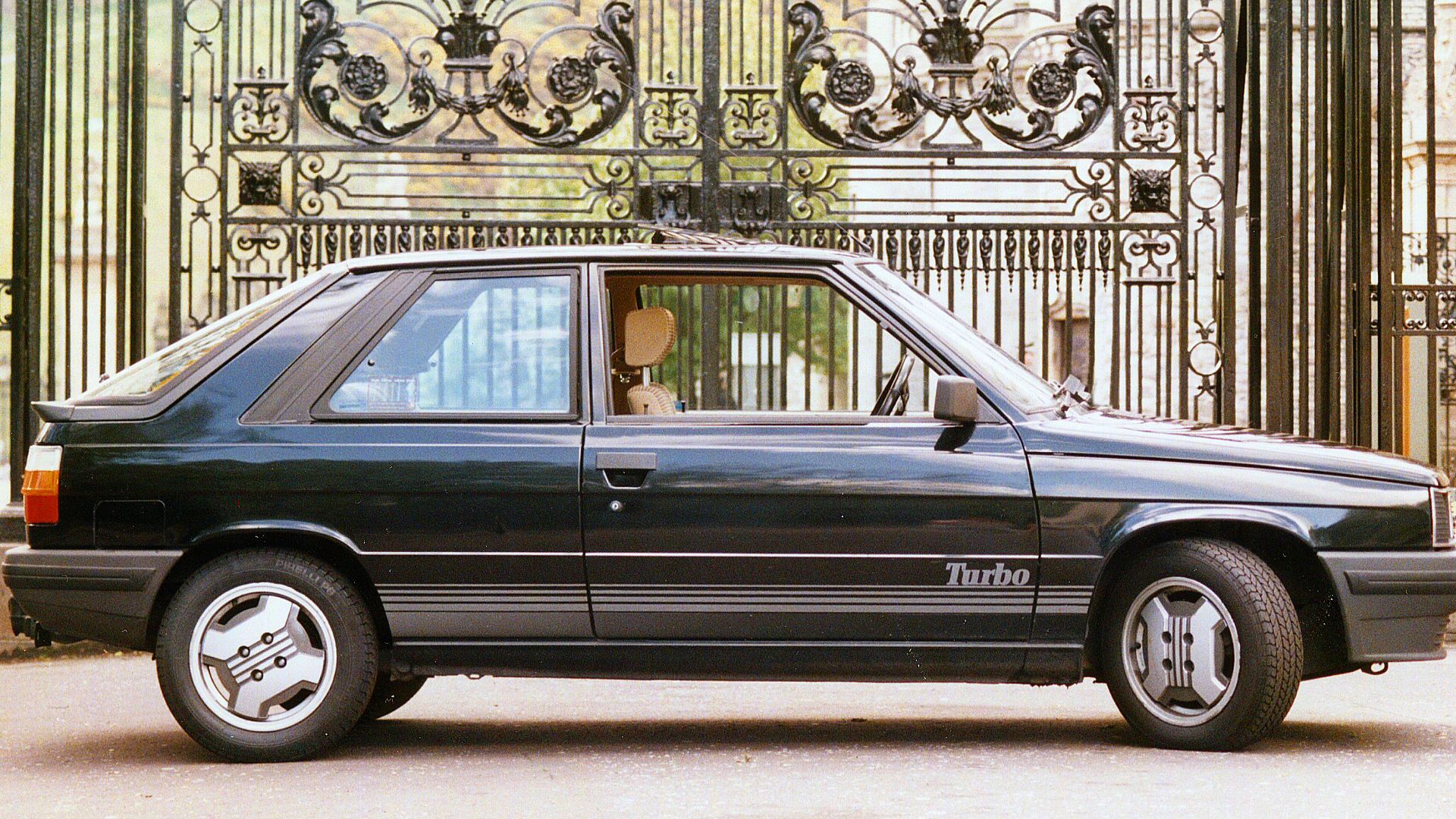
Midway through its life, Renault introduced turbocharged versions that added real excitement. These models finally delivered the kind of performance the styling had been hinting at all along.
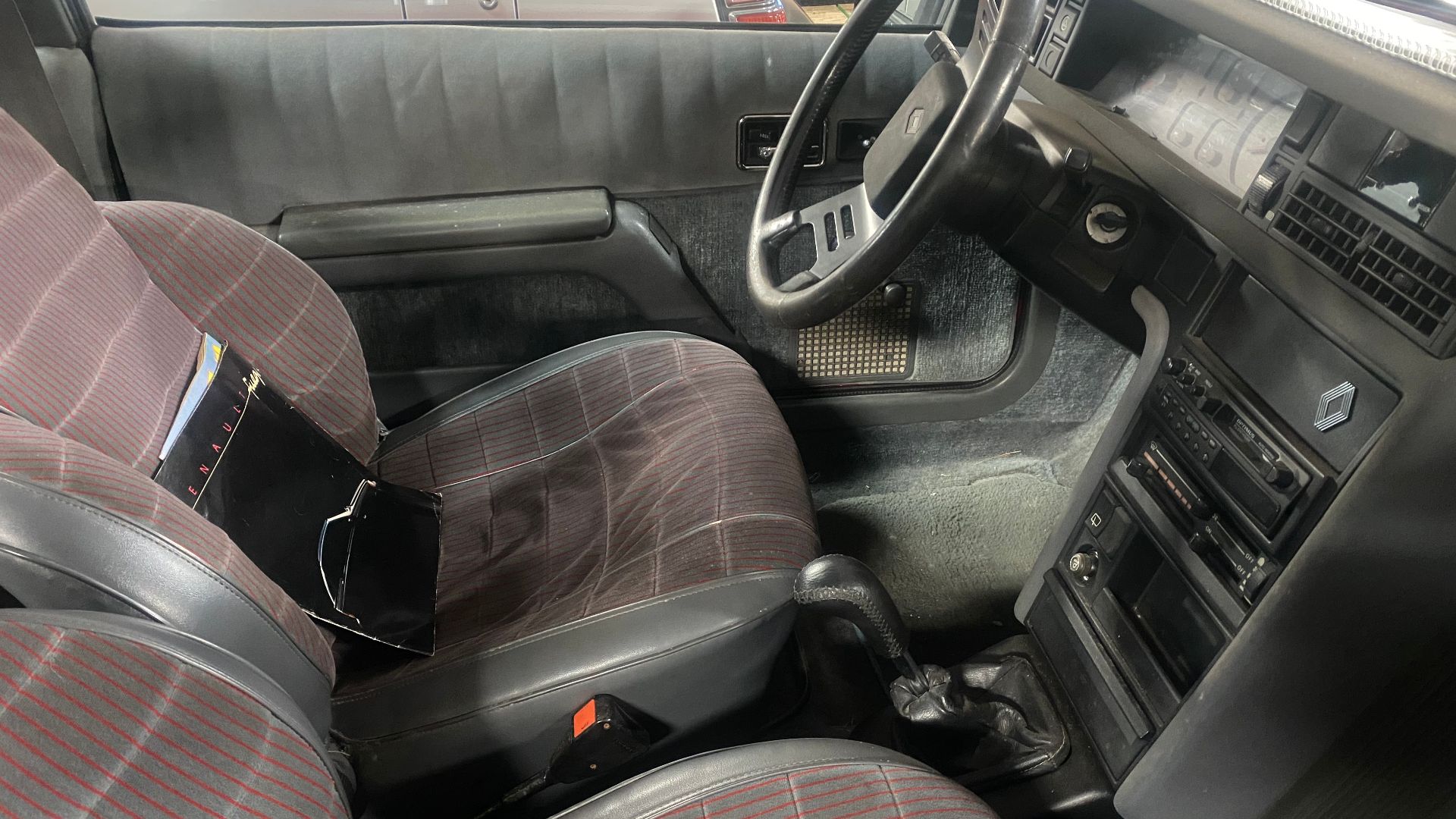
Interior Comfort Over Hardcore Sport
Rather than chasing raw aggression, the Fuego leaned toward comfort. Supportive seats, a relaxed driving position, and a surprisingly refined ride made it ideal for long drives rather than track days.
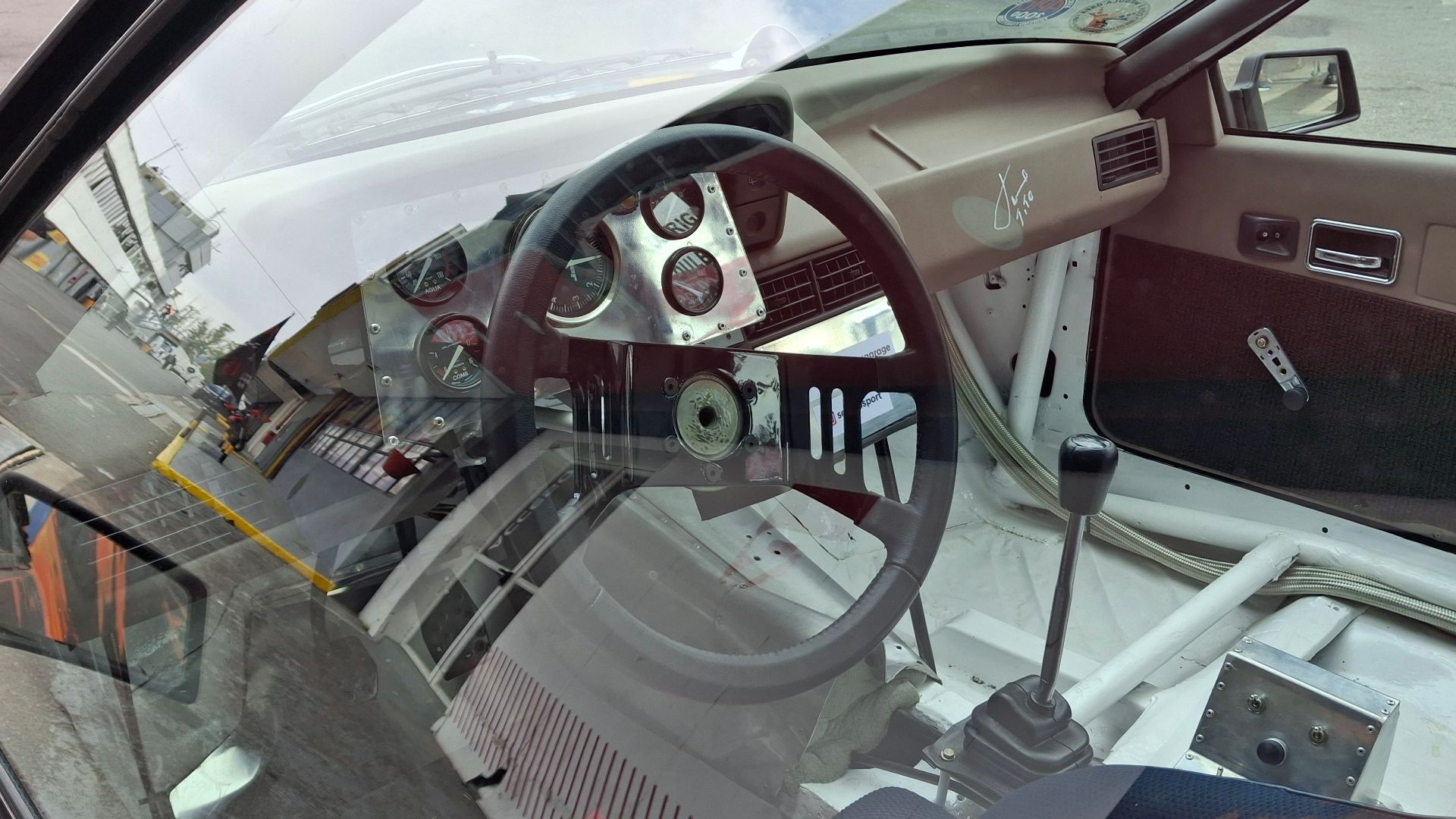
Steering Wheel Buttons Before They Were Normal
The Fuego featured steering-wheel-mounted stereo controls—something that feels mundane today but was borderline science fiction in the early 1980s. It quietly previewed the future of in-car tech.
Keyless Entry Before Anyone Asked For It
Yes, really. The Fuego offered early keyless entry technology years before it became common. It was one of those features drivers didn’t realize they wanted until much later.
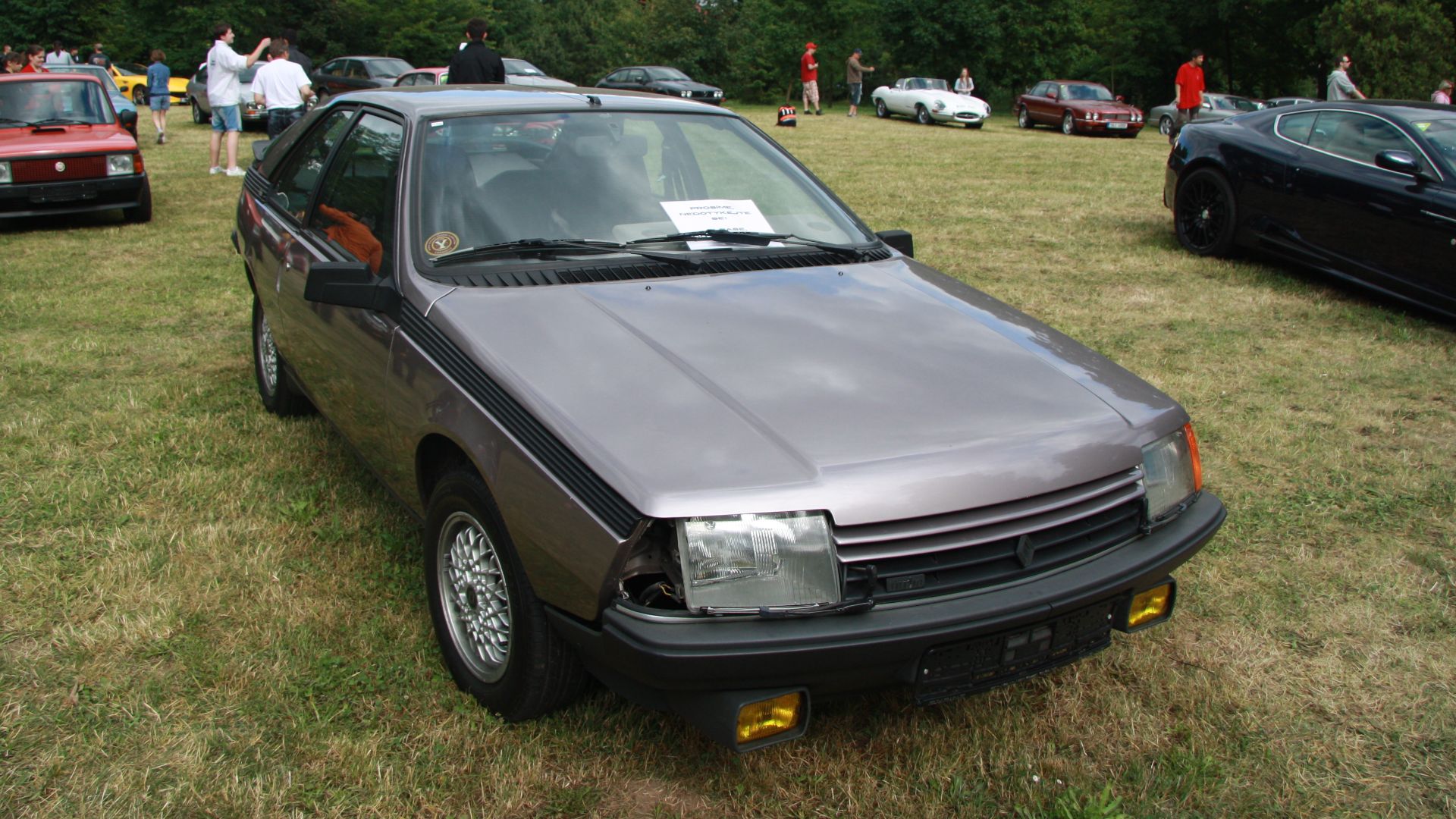 Jiri Sedlacek, Wikimedia Commons
Europe Fell For It—Briefly
For a short window in the early 1980s, the Fuego became one of Europe’s best-selling coupes. Its blend of style, price, and usability struck the right chord—at least at first.
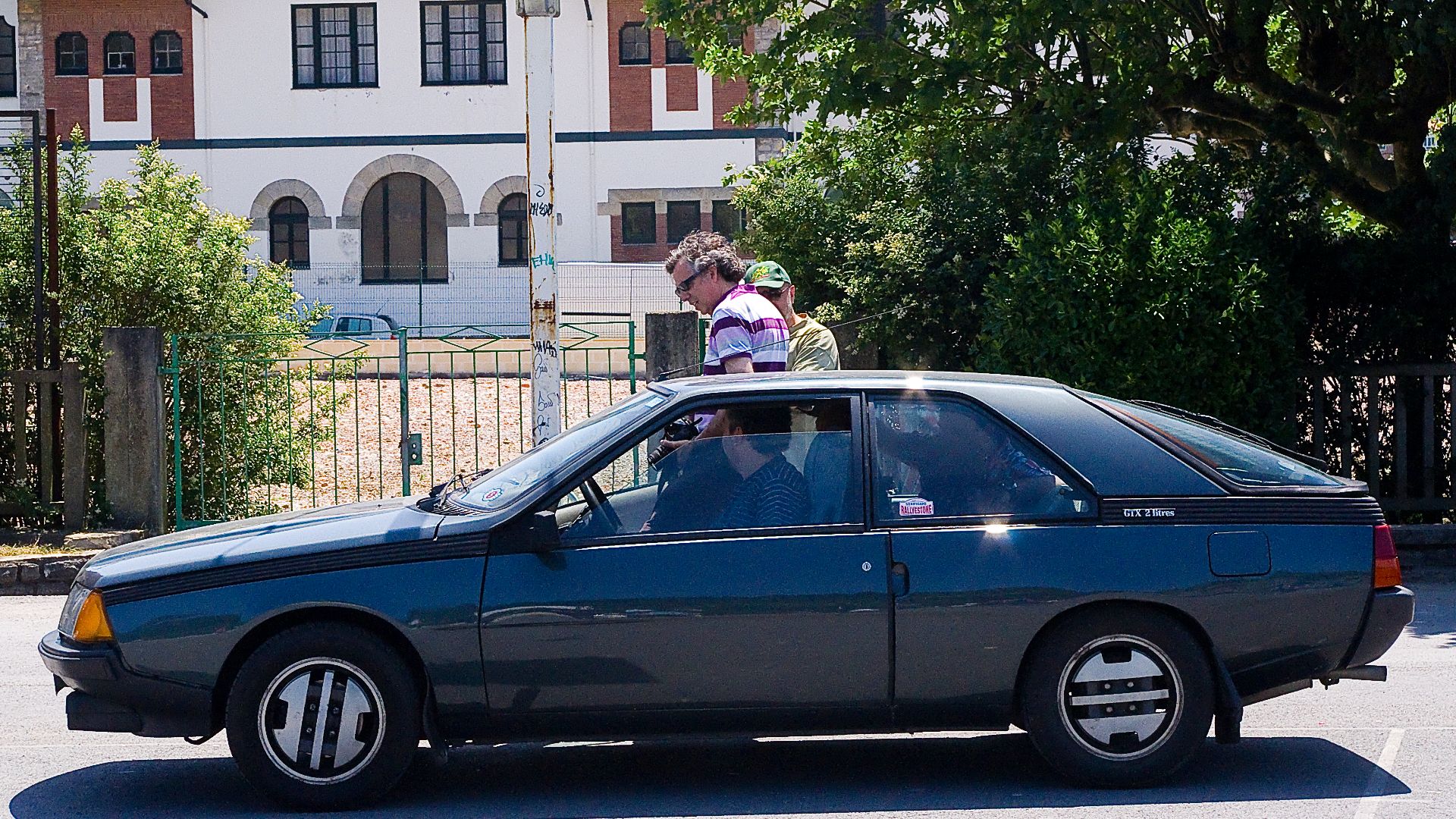 Spanish Coches, Wikimedia Commons
America Was A Much Tougher Crowd
When the Fuego crossed the Atlantic, things didn’t go as smoothly. American buyers were skeptical of French reliability, and competition was fierce.

U.S. Models Played By Different Rules
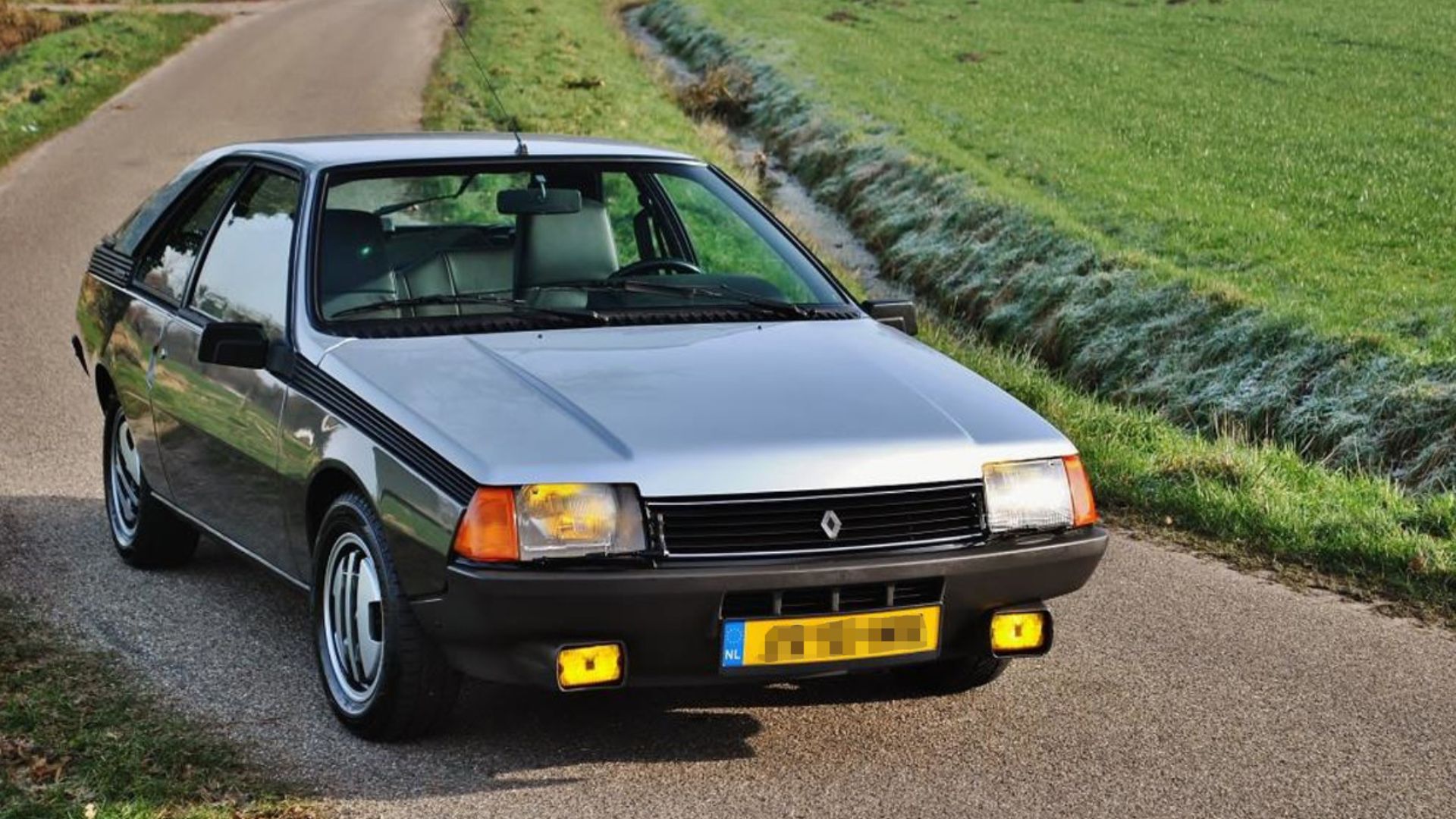
Federal regulations forced changes like heavier bumpers and sealed-beam headlights. While necessary, they dulled some of the Fuego’s original design magic.
Performance Expectations Got Complicated
American buyers expected muscle-car punch, while the Fuego delivered European balance. That mismatch made it hard to position—and harder to sell.

Coupe Popularity Started To Fade
By the mid-1980s, sporty coupes were losing ground to practical sedans and emerging SUVs. The market simply moved on, leaving cars like the Fuego behind.
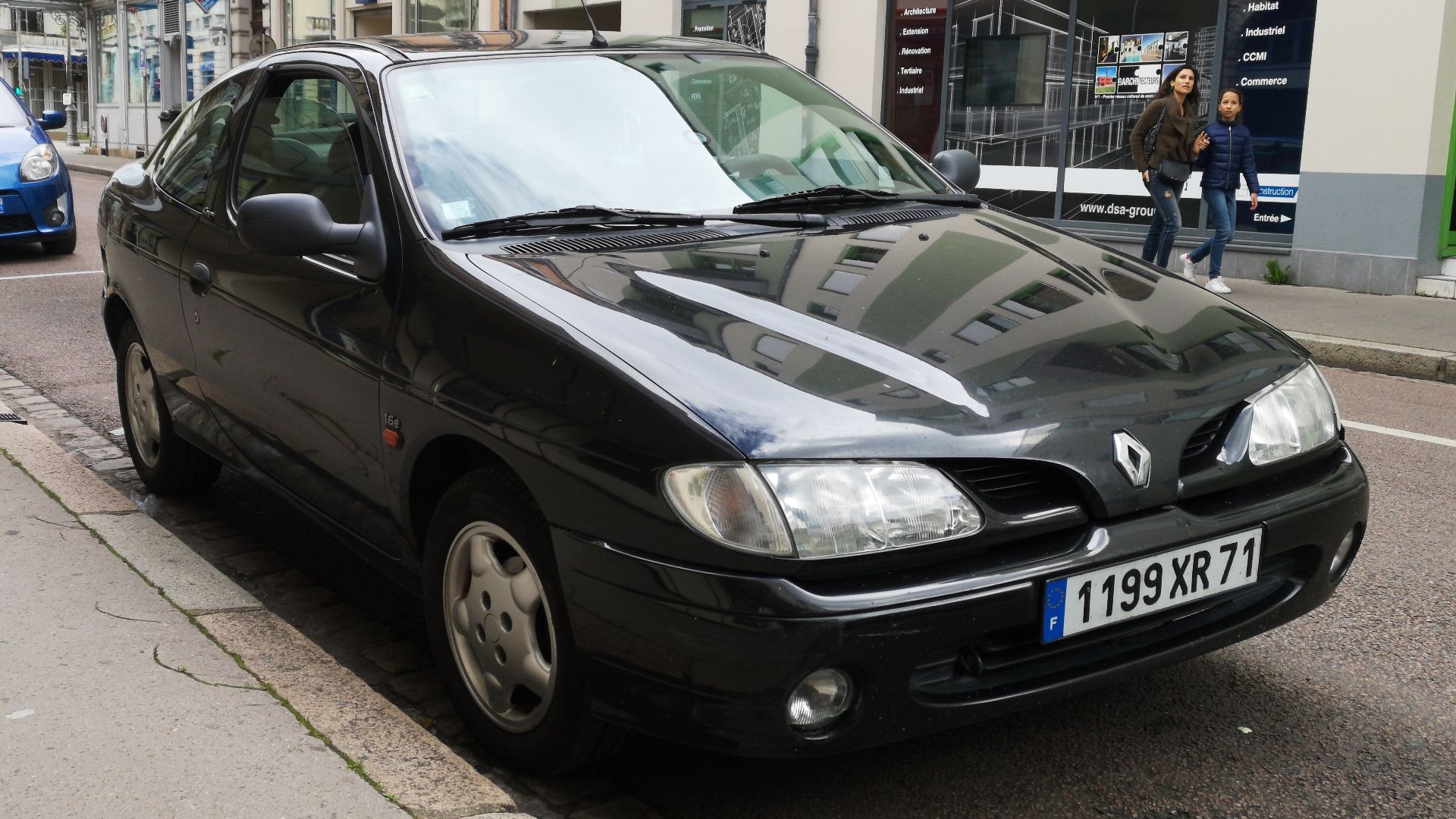 Guillaume Vachey from Chalon sur Saone, France, Wikimedia Commons
Production Quietly Winds Down
European production ended in the mid-1980s, with some factories carrying on briefly before closing the chapter for good. No dramatic farewell—just a quiet fade.
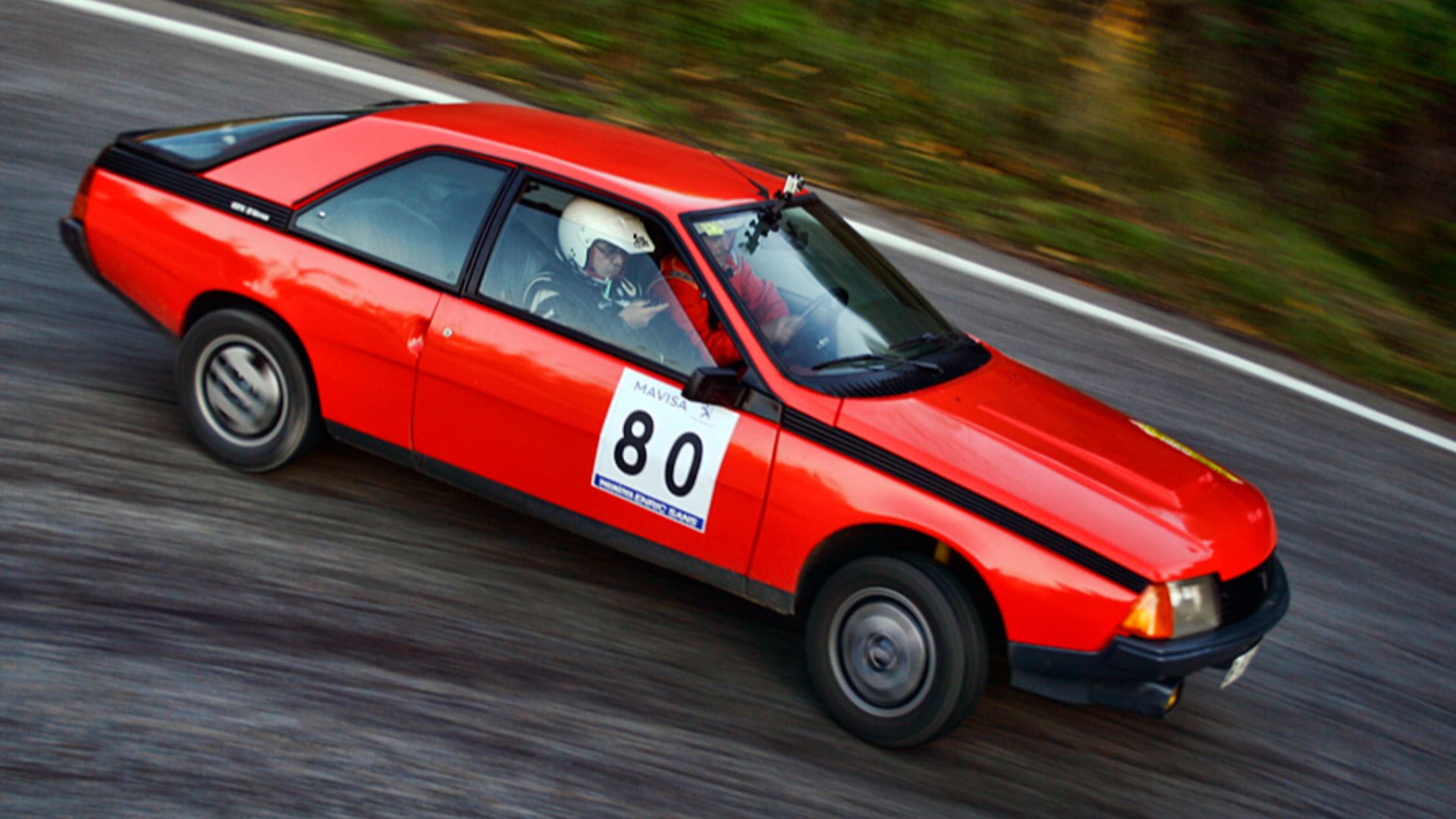
South America Kept The Flame Alive
While Europe moved on, production continued in parts of South America well into the 1990s. Some later versions even received performance upgrades not seen elsewhere.
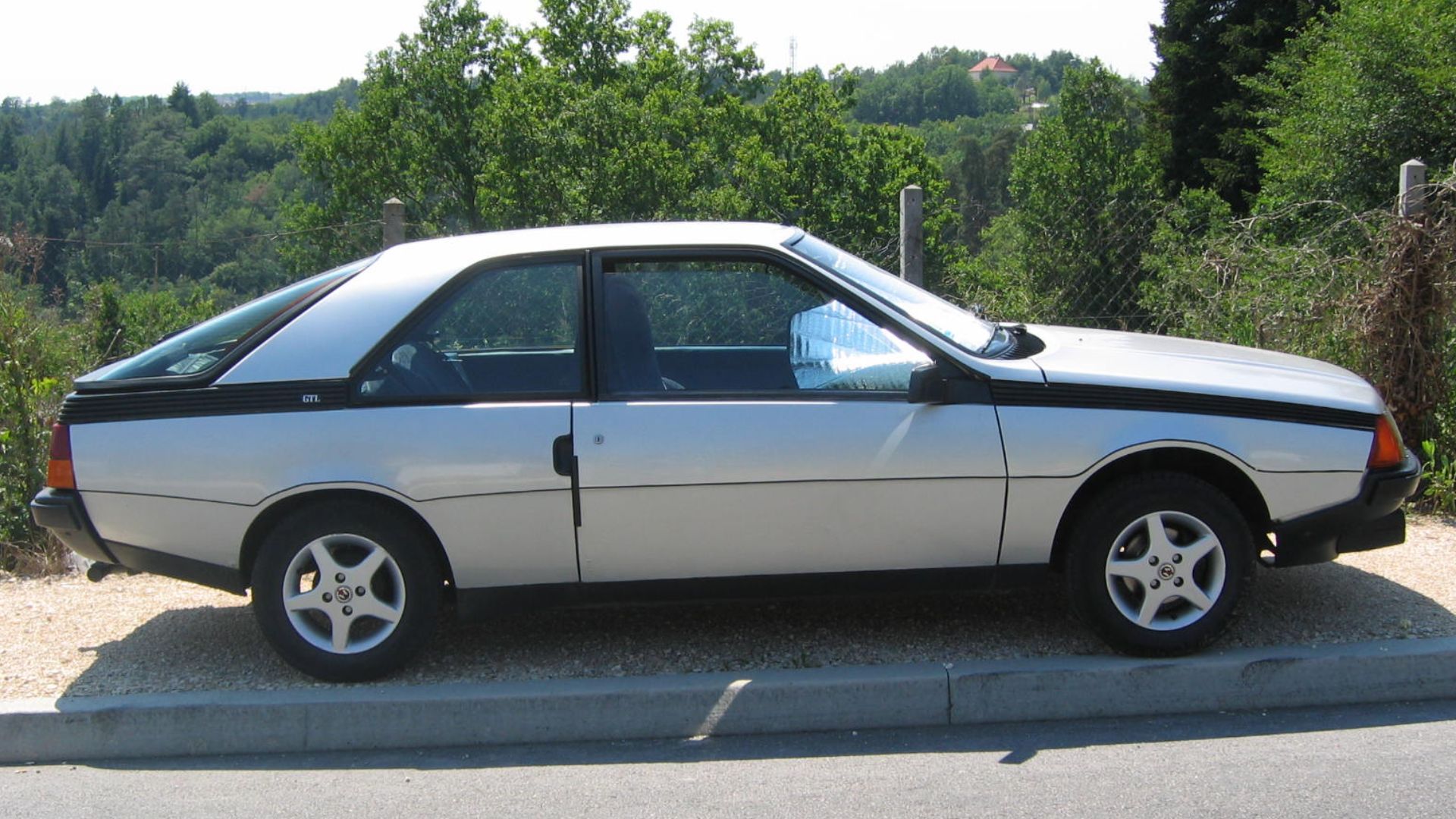
The Sequel That Never Happened
Plans for a second-generation Fuego existed, but shifting priorities and financial realities killed the project. The flame was officially extinguished.
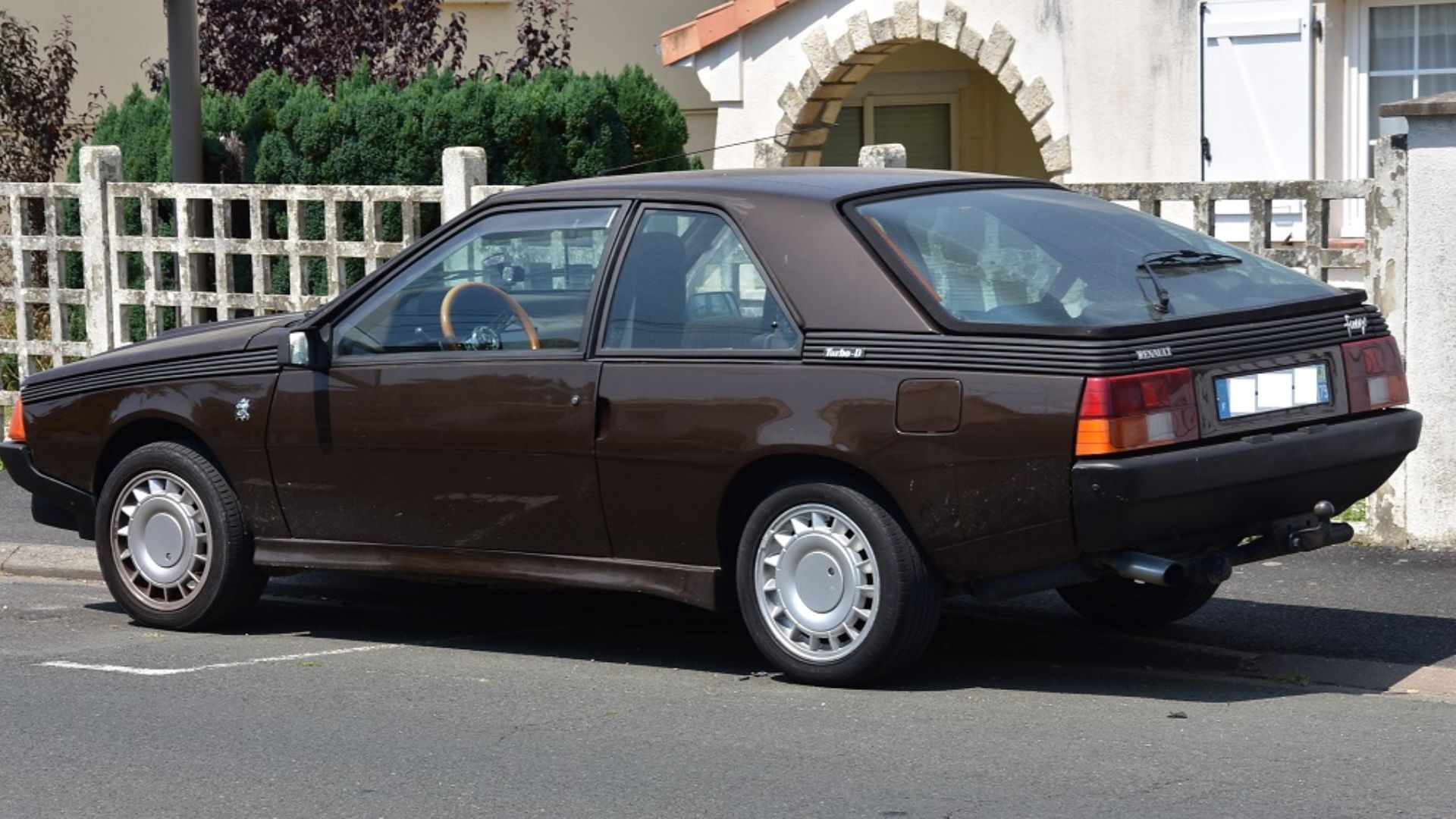 Dacia 1410 Sport, Wikimedia Commons
A Cult Classic Waiting For Rediscovery
Today, the Renault Fuego enjoys cult status among enthusiasts who appreciate its daring design and forward-thinking features. It’s the kind of car that rewards curiosity, especially in a world full of predictable classics.
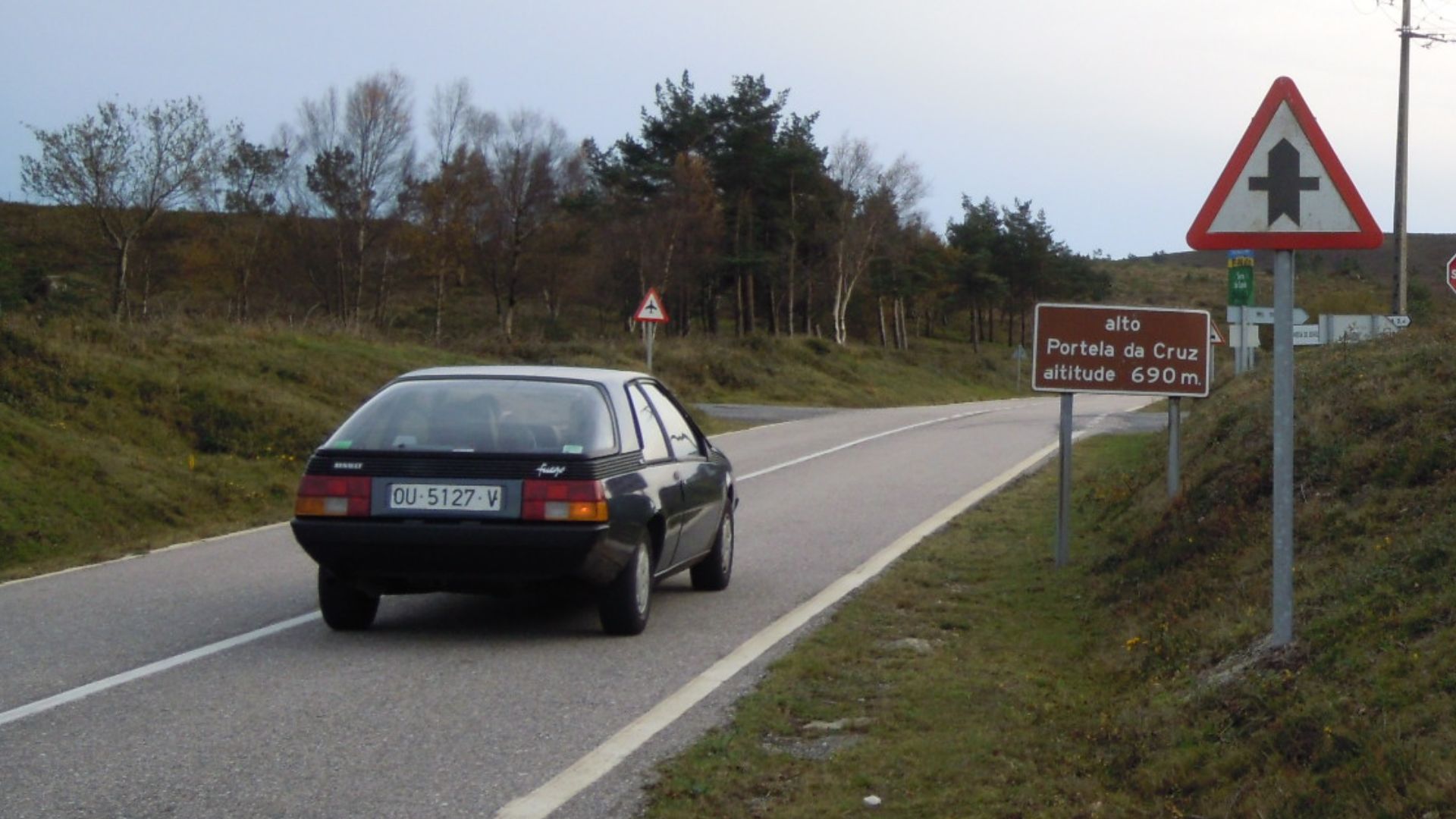 Adrián Estévez (Estevoaei), Wikimedia Commons
Why The Fuego Still Matters
The Fuego represents a moment when Renault dared to be bold, experimental, and stylish. It may not have rewritten history—but it proved that playing it safe was never the brand’s only move.
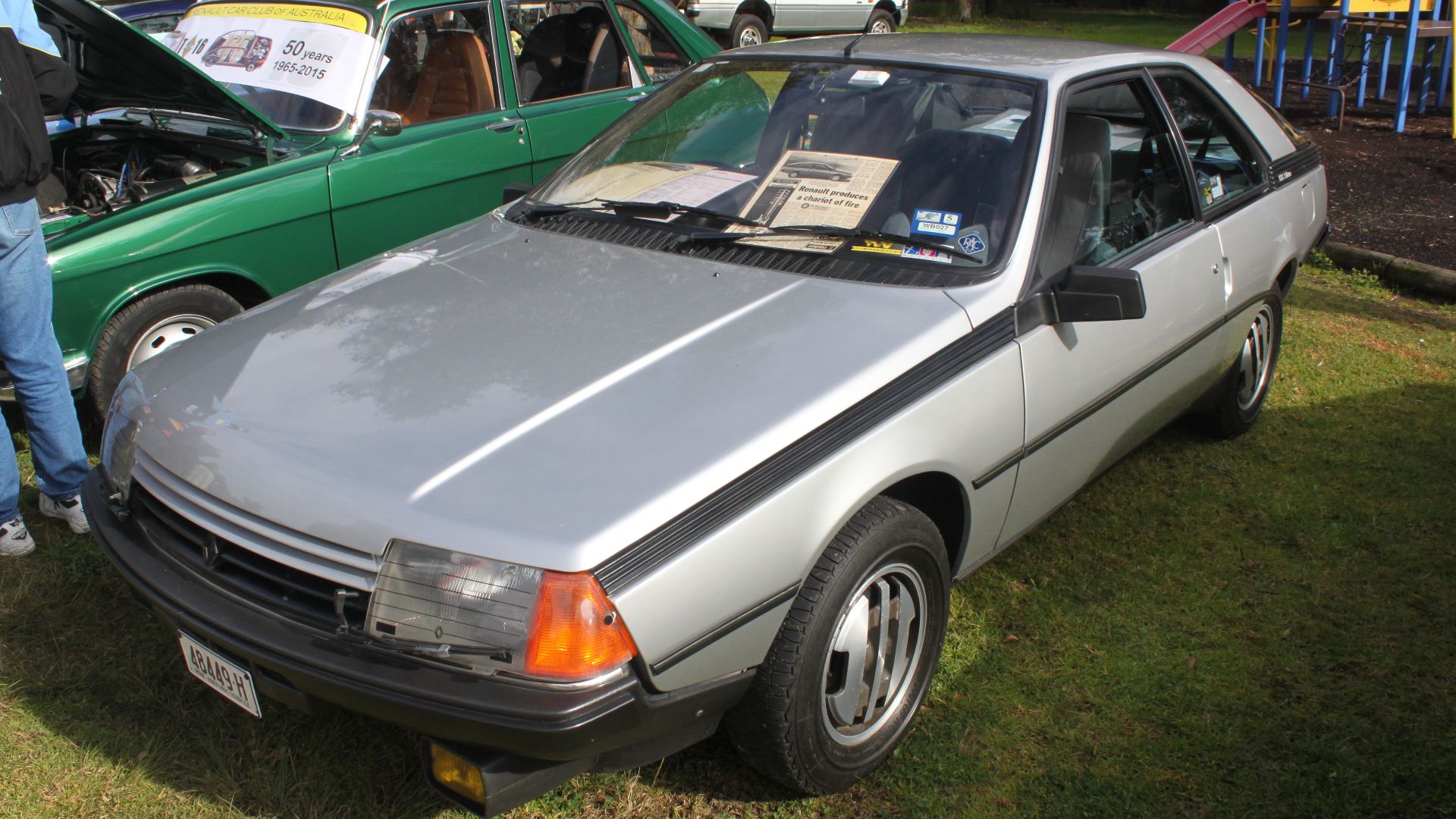 Jeremy from Sydney, Australia, Wikimedia Commons
You May Also Like:
The Acura TSX Wagon: The Perfect Car That America Ignored
How The AMC Matador Became A Cult Favorite