
A Sports Car Unlike Anything Else
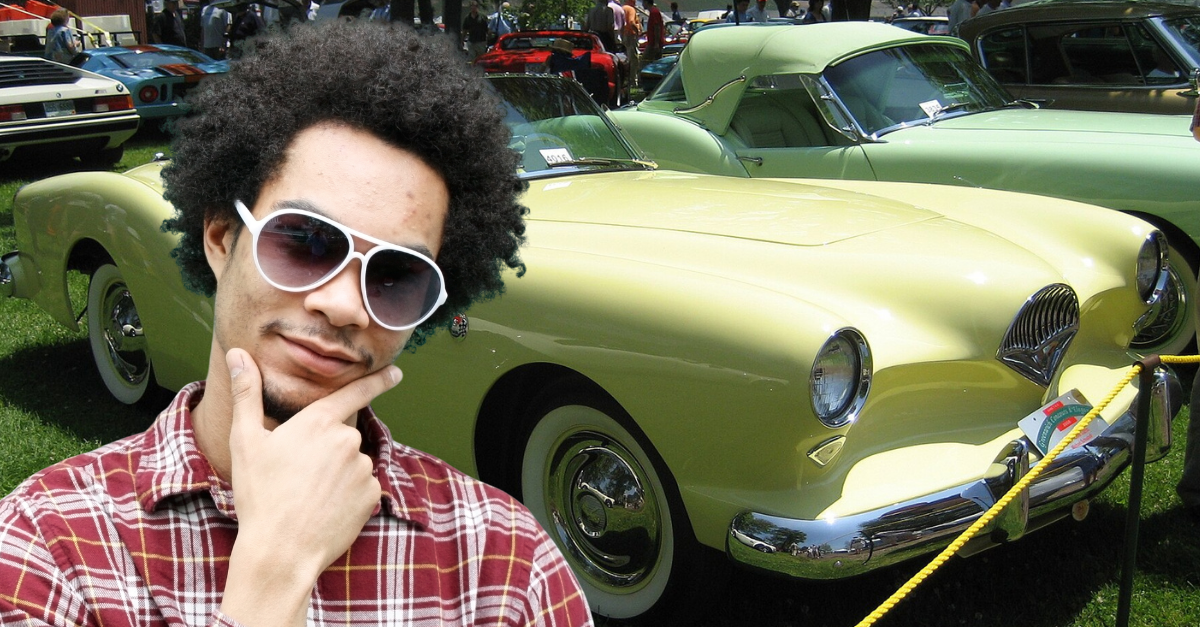
The Kaiser Darrin is one of those cars that makes people stop and stare, even decades after it first appeared. Introduced for the 1954 model year, it combined sleek styling, a fiberglass body, and one of the strangest door designs ever fitted to a production car. It was bold, different, and unlike anything else on American roads.
Howard “Dutch” Darrin Had A Big Idea
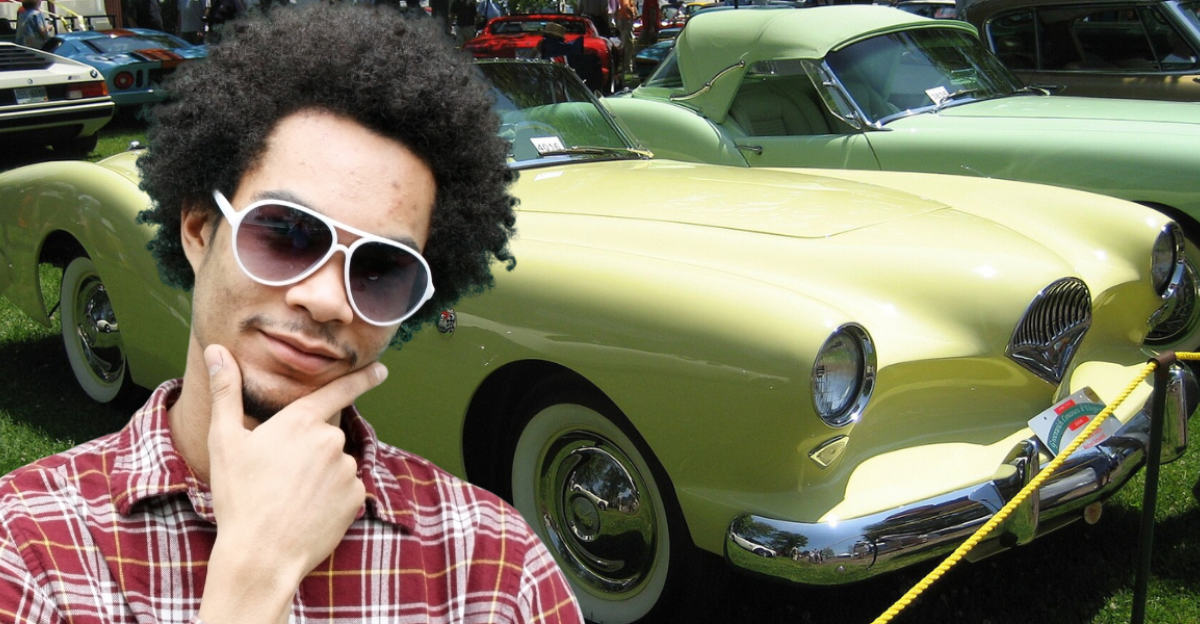
The man behind the car was famed designer Howard “Dutch” Darrin, who had already built a reputation creating stylish luxury automobiles. He believed American automakers needed a true sports car that could compete with the exciting European roadsters becoming popular after WWII. The Kaiser Darrin was his answer.
 Thesupermat, Wikimedia Commons
It Began As A Passion Project
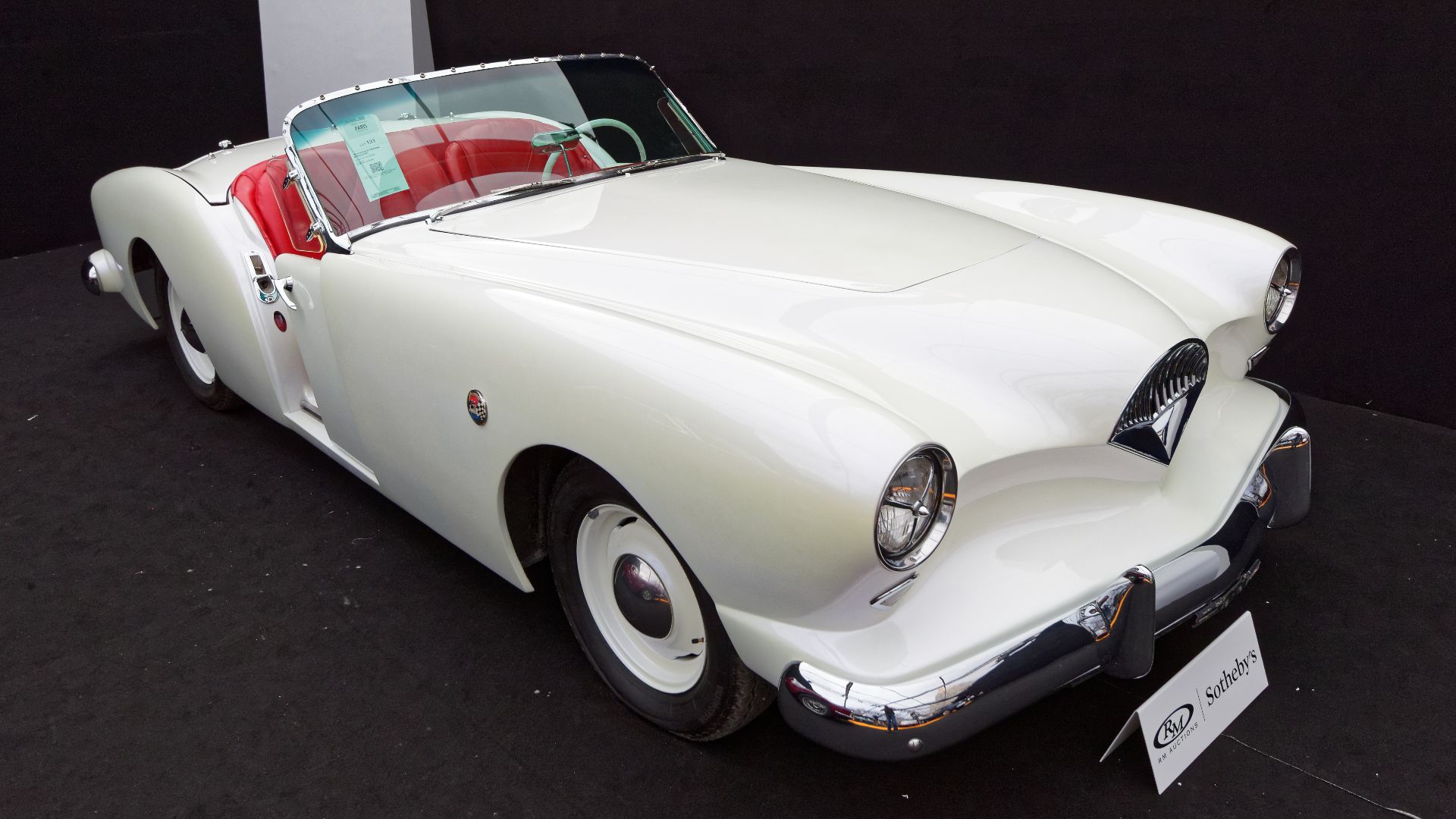
Darrin was so convinced the idea would work that he developed an early version largely on his own. He pushed Kaiser executives to take a chance on the design, even when company leaders were unsure there was a market for such a vehicle. Eventually, his persistence paid off.
 JOHN LLOYD from Concrete, Washington, United States, Wikimedia Commons
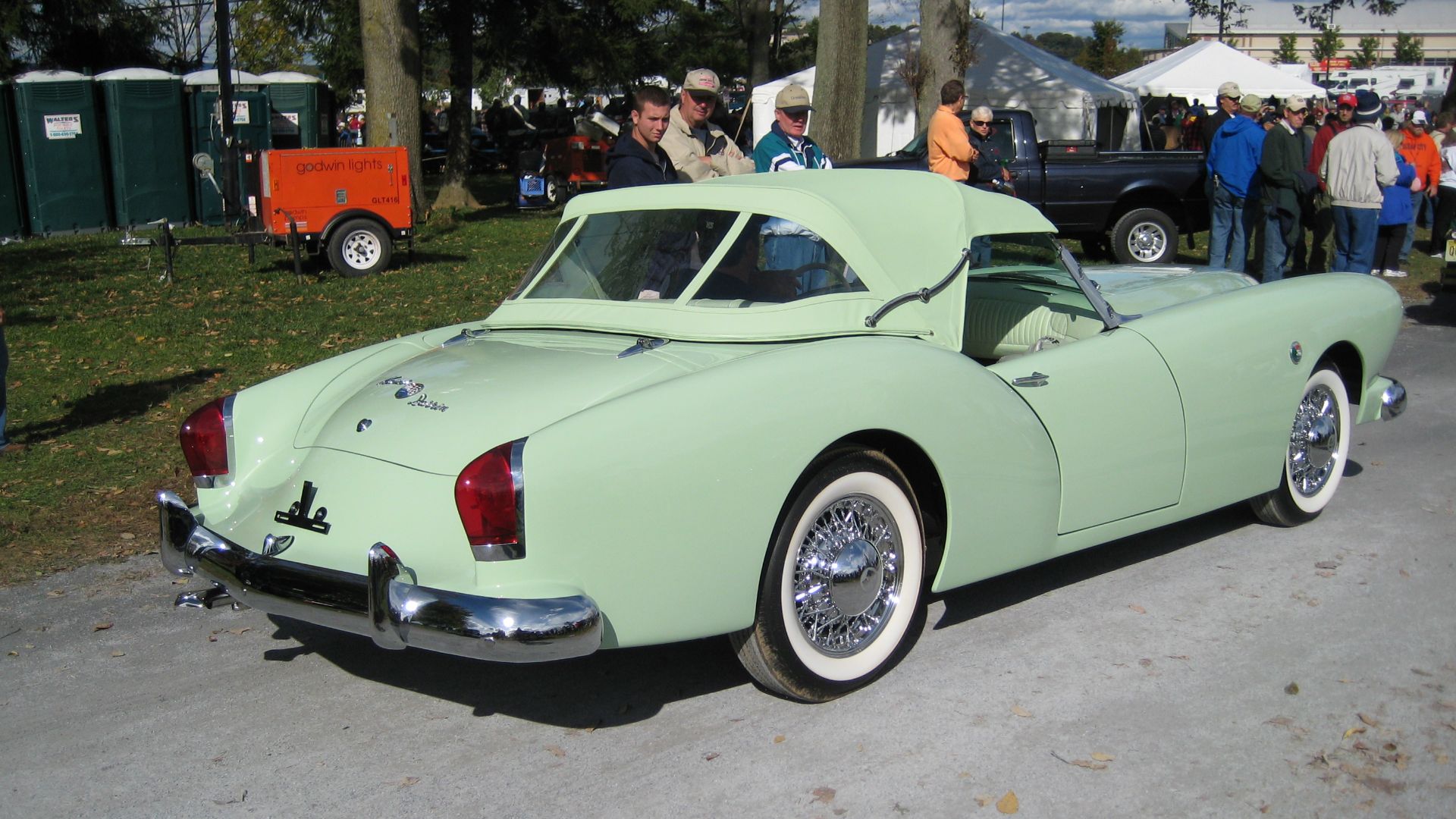
The Sliding Doors Made Headlines
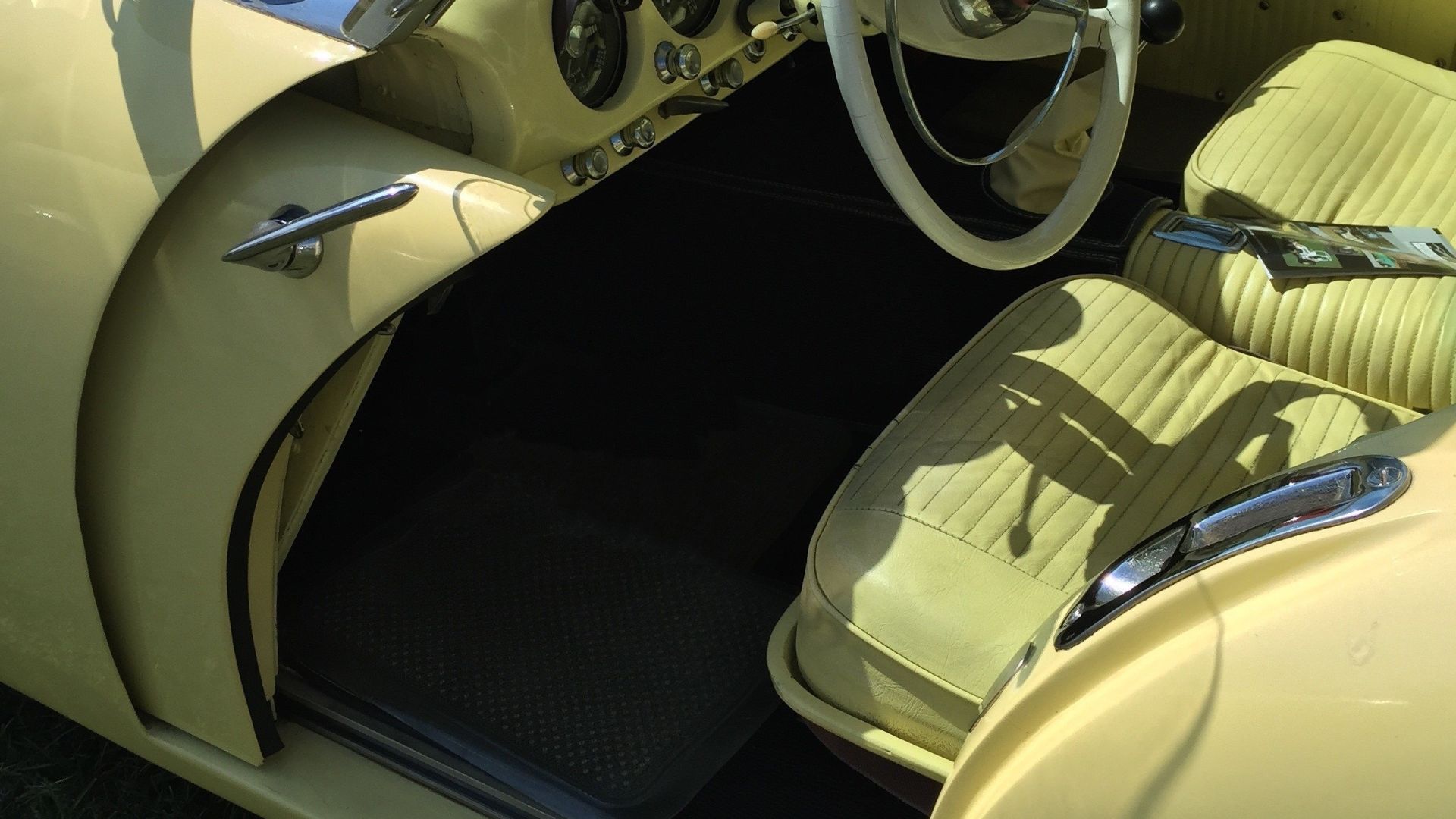
What really set the Kaiser Darrin apart were its doors. Instead of opening outward like most cars, they slid forward into compartments hidden inside the front fenders. It was an idea Darrin had patented years earlier, and it instantly became the car’s defining feature.
 CZmarlin — Christopher Ziemnowicz, Wikimedia Commons
A Clever Idea With A Few Challenges
The sliding doors looked amazing, but they weren't always perfect in practice. Some owners reported sticking or jamming issues, especially if dirt found its way into the tracks. Kaiser later improved the design, but the unusual mechanism still required a bit more attention than traditional doors.
 Eric Friedebach, Wikimedia Commons
Fiberglass Was Still A New Concept
Today, fiberglass bodies are nothing unusual, but in the early 1950s they were cutting-edge technology. The Kaiser Darrin became one of the first American production cars to use fiberglass extensively. The material allowed designers to create dramatic curves without the enormous cost of steel body tooling.
 David Berry from Rohnert Park CA, USA, Wikimedia Commons
America Was Falling In Love With Sports Cars
Returning servicemen had discovered nimble European roadsters overseas and wanted something similar back home. Automakers began noticing the trend and started exploring sporty new models. The Kaiser Darrin arrived right as American interest in sports cars was taking off.
 CZmarlin — Christopher Ziemnowicz, Wikimedia Commons
It Shared The Spotlight With The Corvette
The Darrin wasn't alone in chasing sports car buyers. Chevrolet introduced the Corvette around the same time, and the two cars were often compared. While the Corvette eventually became an American icon, the Kaiser Darrin stood out for its originality and daring design choices.
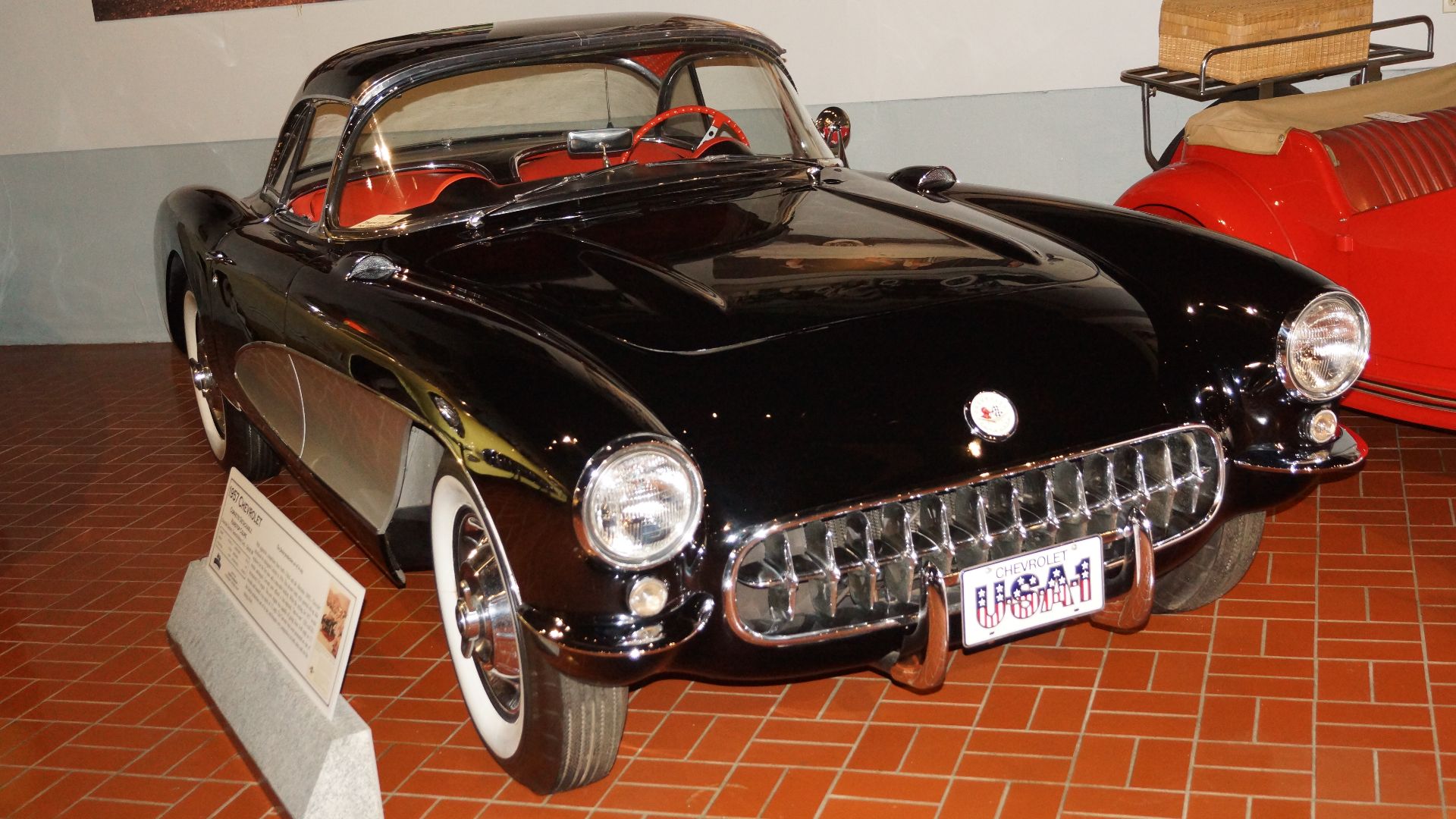 Greg Gjerdingen from Willmar, USA, Wikimedia Commons
Kaiser Kept Costs Under Control
Rather than building an entirely new platform, Kaiser engineers borrowed heavily from the company's Henry J compact car. The chassis was modified and adapted for sports car duty, helping keep development costs manageable during a difficult financial period for the company.
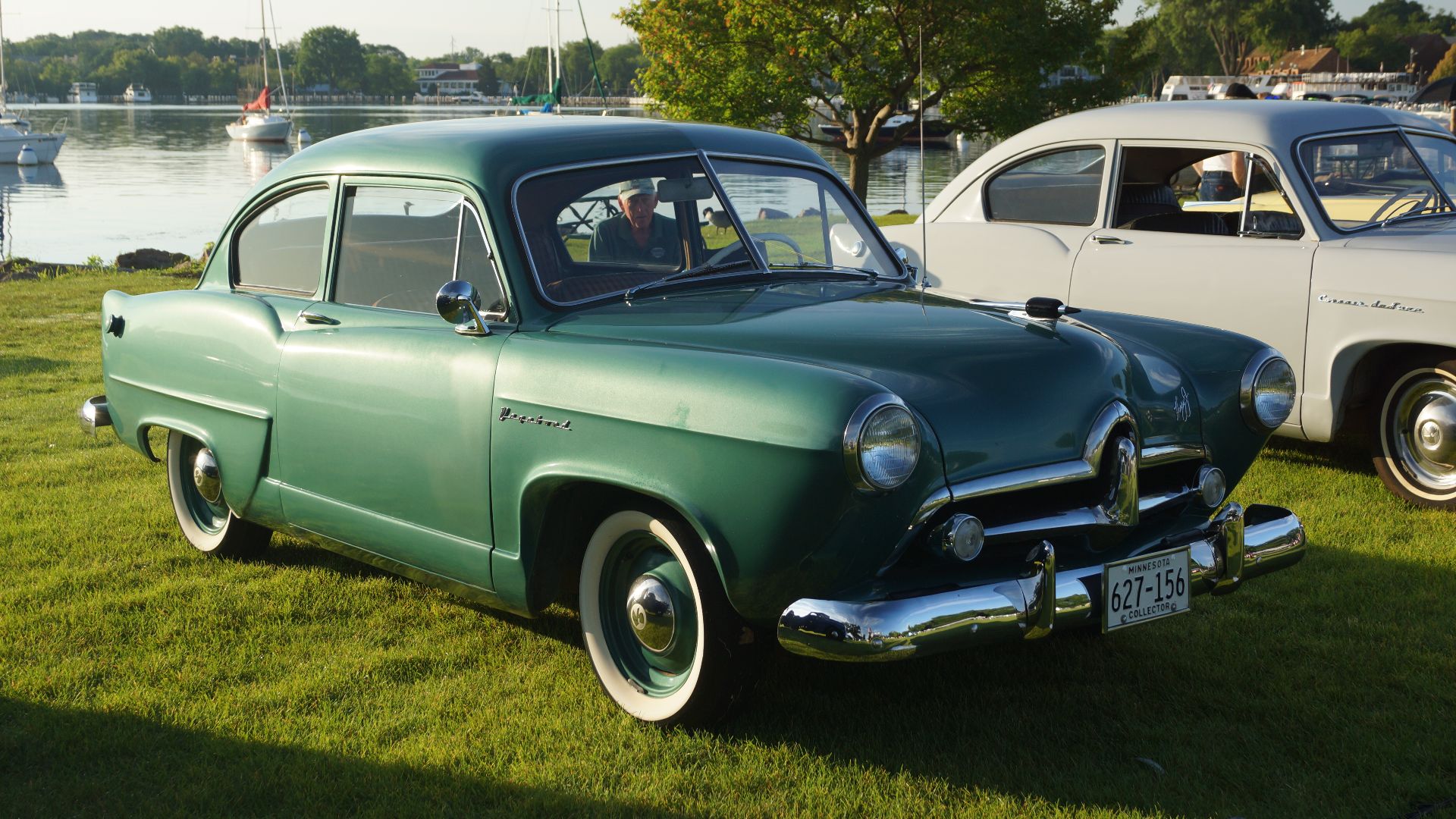 Greg Gjerdingen from Willmar, USA, Wikimedia Commons
The Engine Was Modest
Under the hood sat a 161-cubic-inch F-head six-cylinder engine producing roughly 90 horsepower. While dependable, it wasn't exactly a powerhouse. Many reviewers admired the car's appearance but wished it had a stronger engine to match its sporty looks.
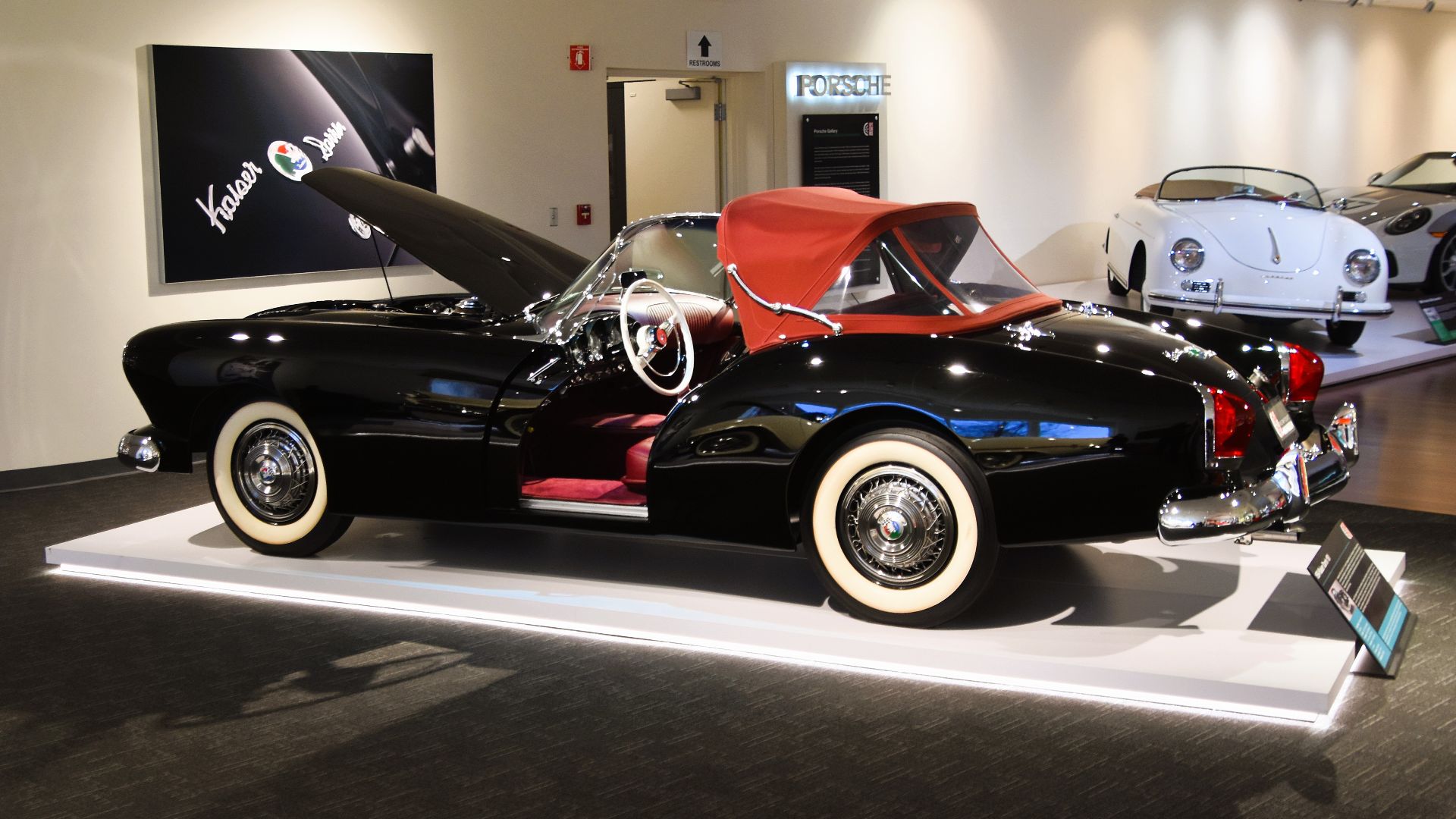 Charles from Port Chester, New York, Wikimedia Commons
It Was Still Fun To Drive
Even with limited horsepower, the Darrin wasn't a disappointment on the road. Its relatively lightweight fiberglass body helped make the most of the available power. Drivers also appreciated its comfortable ride and solid handling characteristics.
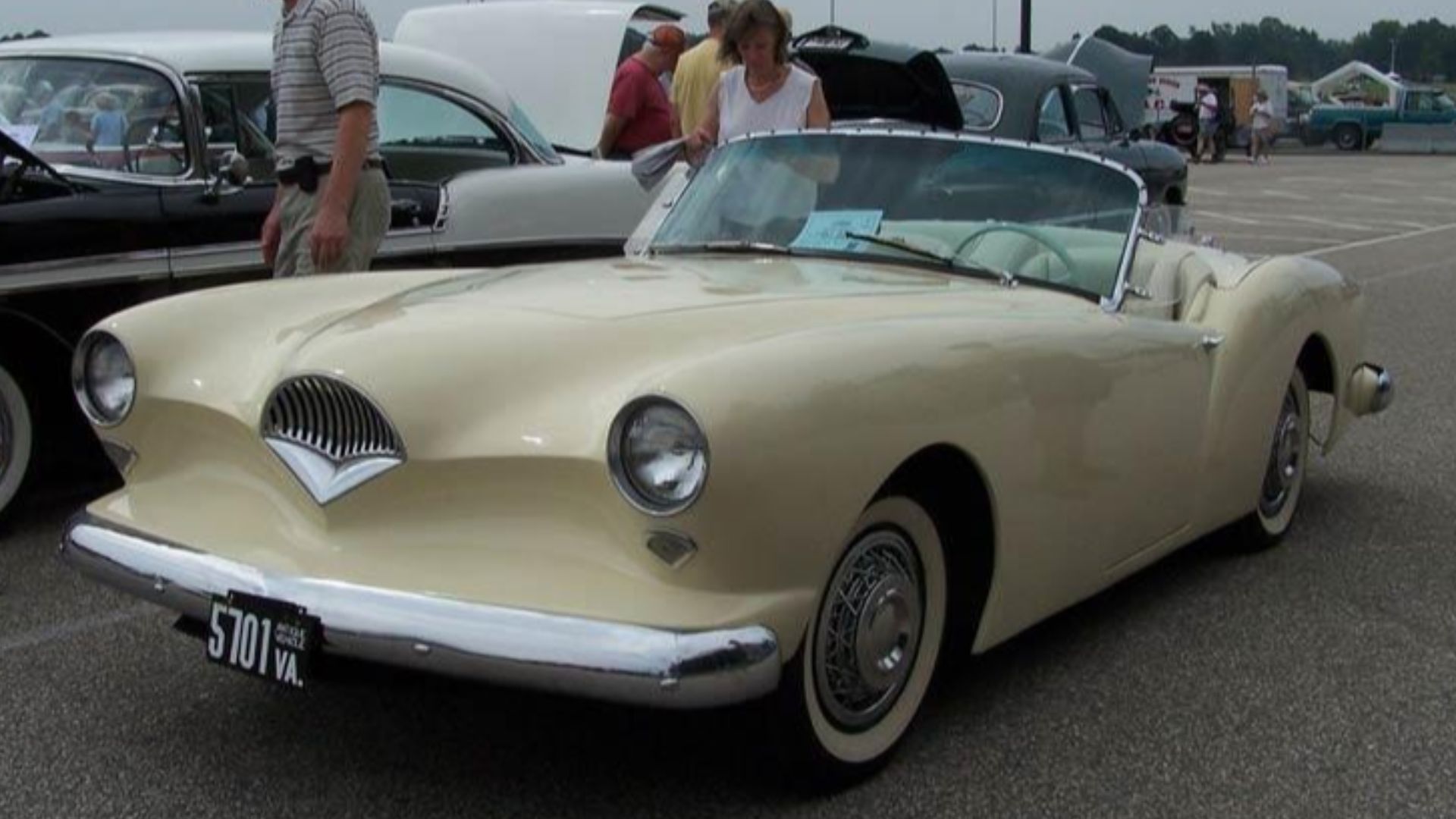 Richmond AACA, Wikimedia Commons
The Styling Looked Years Ahead Of Its Time
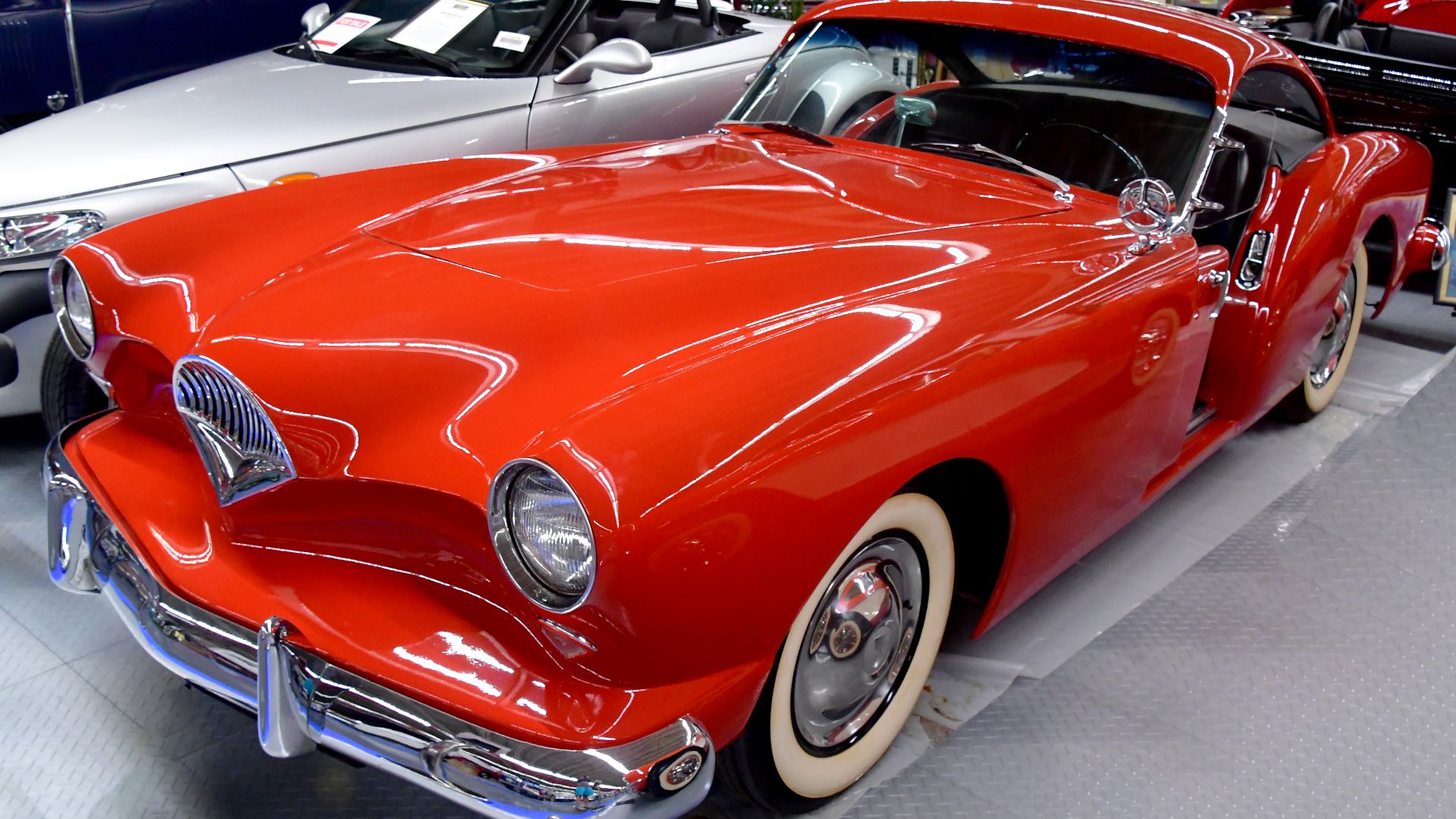
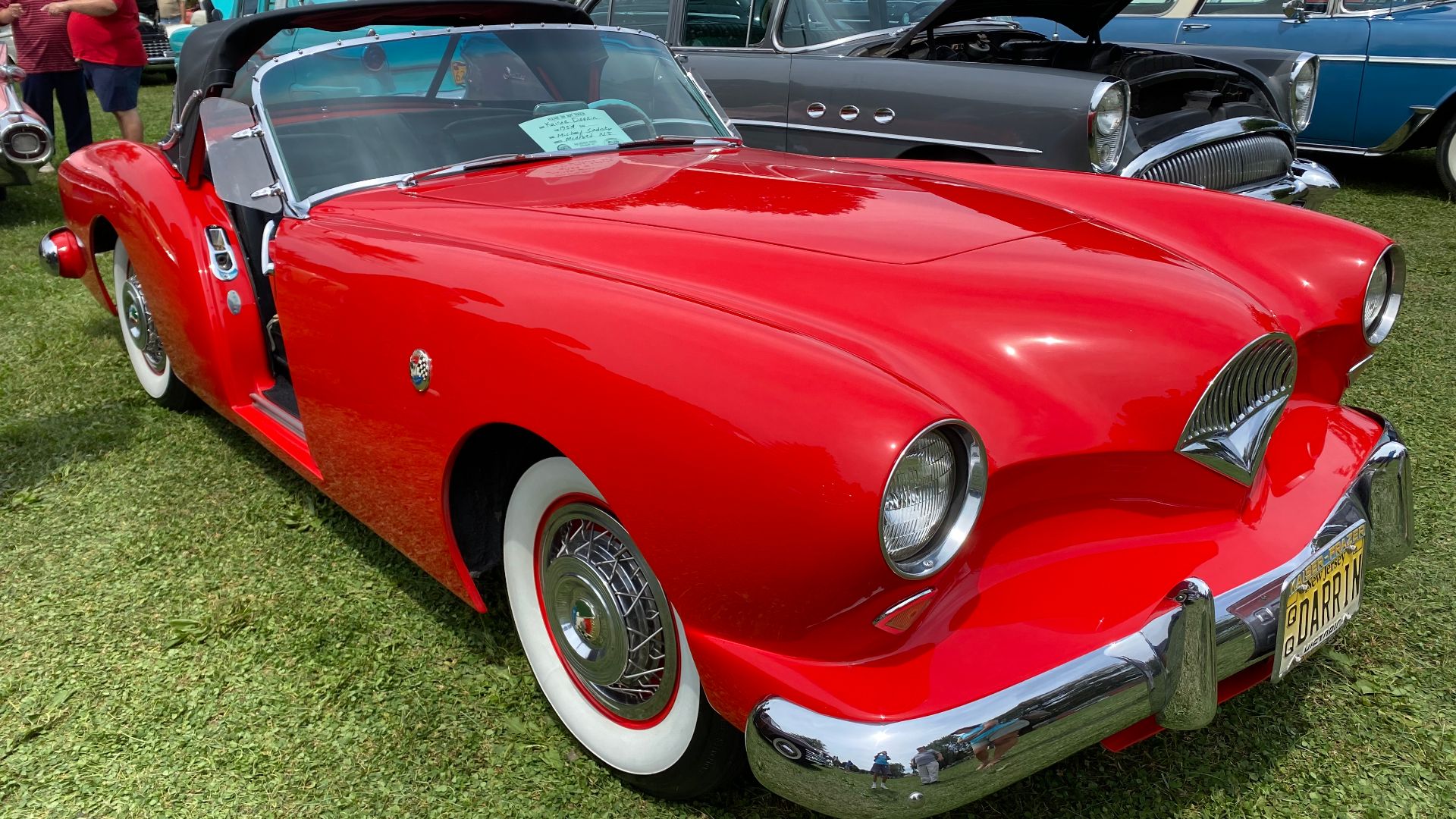
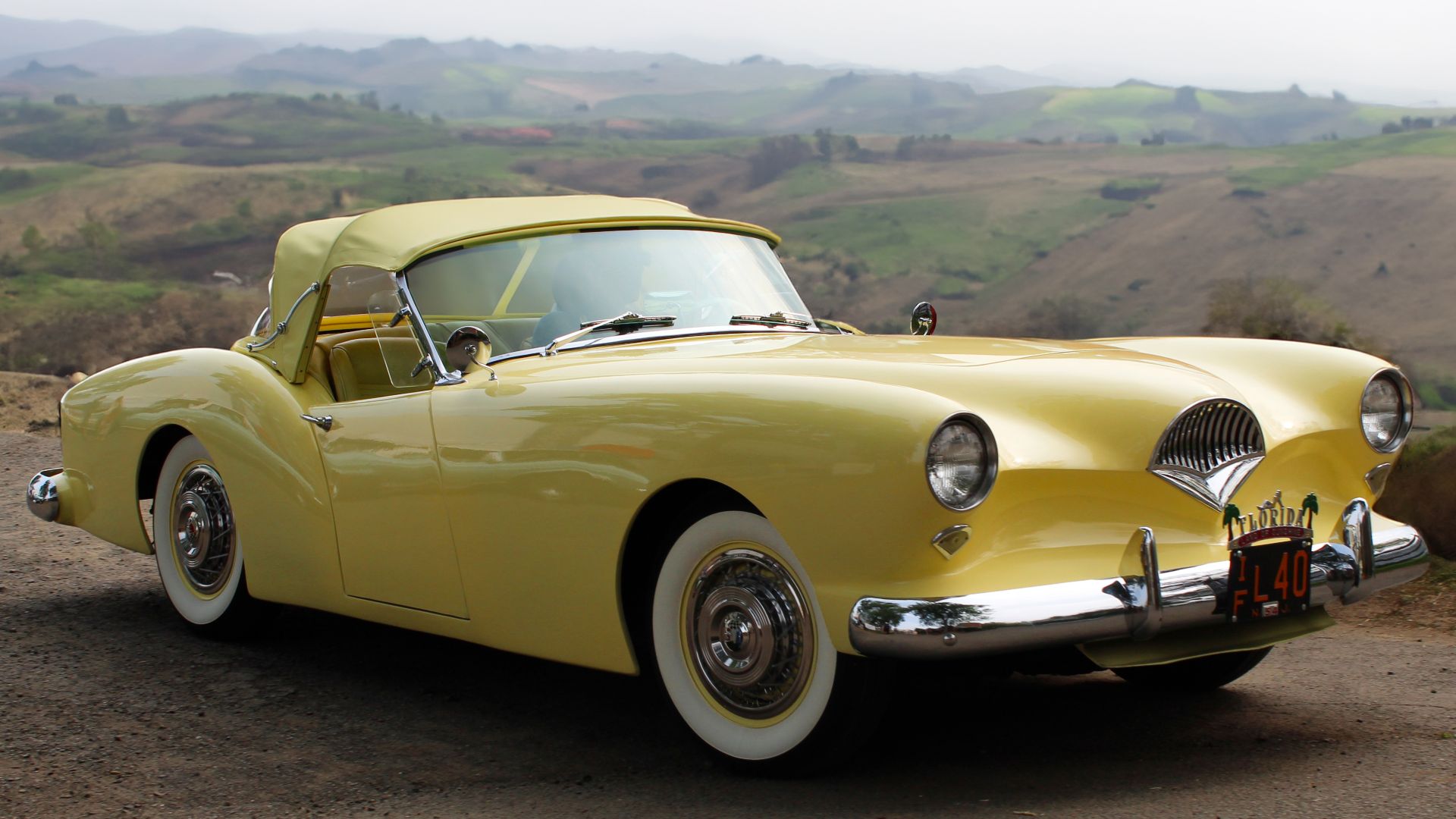
The Kaiser Darrin had a low, flowing profile that looked unlike most American cars of the era. The long hood, sweeping fenders, and distinctive grille gave it a refined appearance that felt more European than Detroit. It remains one of the most attractive designs of the 1950s.
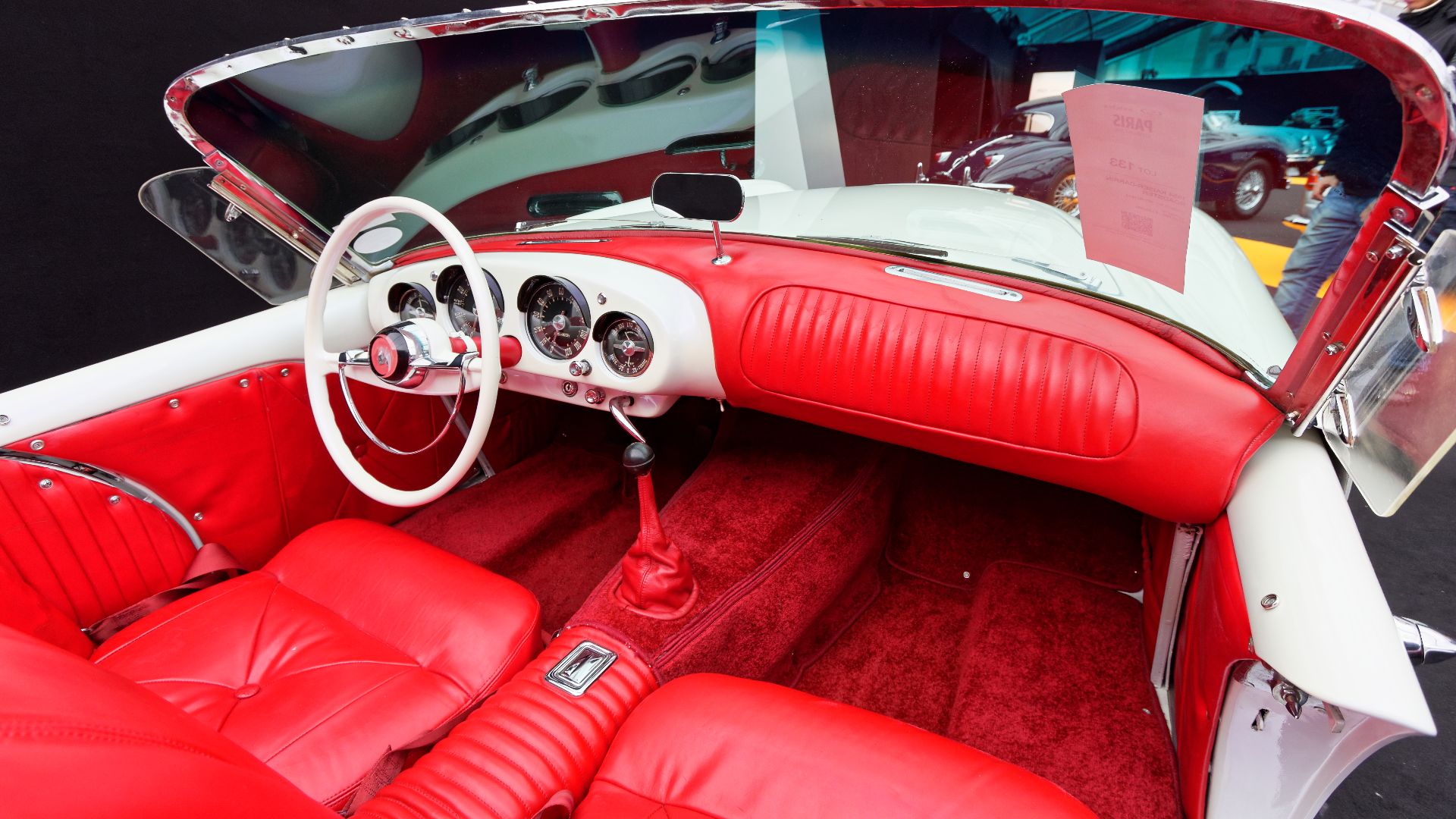 Thesupermat, Wikimedia Commons
The Convertible Top Was Unusual Too
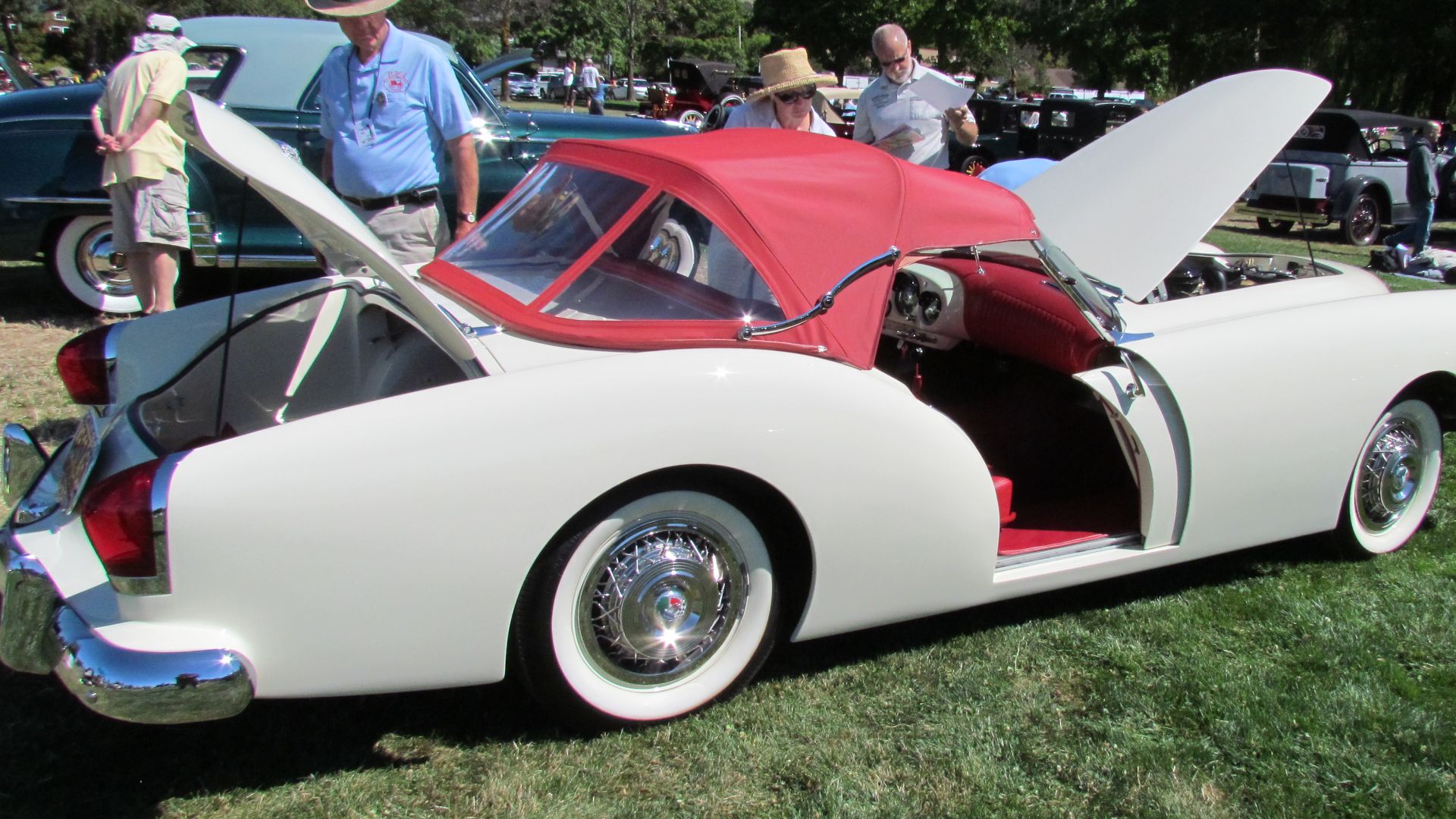
As if sliding doors weren't enough, the Darrin also featured a unique three-position Landau top. Drivers could configure it in several ways depending on weather conditions and personal preference. It added yet another layer of individuality to an already unique vehicle.
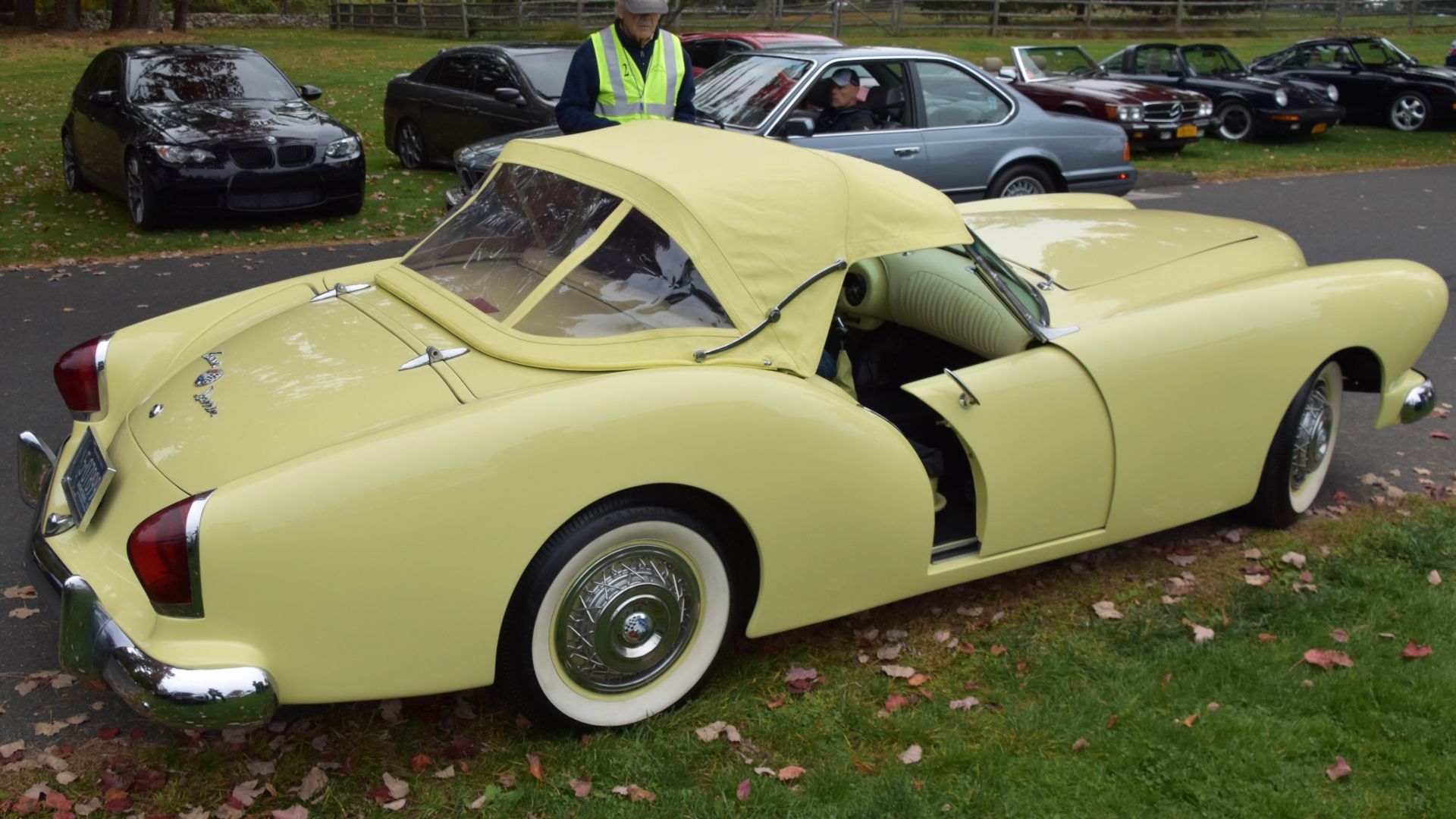 Charles from Port Chester, New York, Wikimedia Commons
Production Took Longer Than Expected
The prototype generated excitement when it first appeared in 1952, but production didn't begin until early 1954. Those delays hurt the car's momentum and gave competitors more time to establish themselves. By the time buyers could actually purchase one, some of the initial buzz had faded.
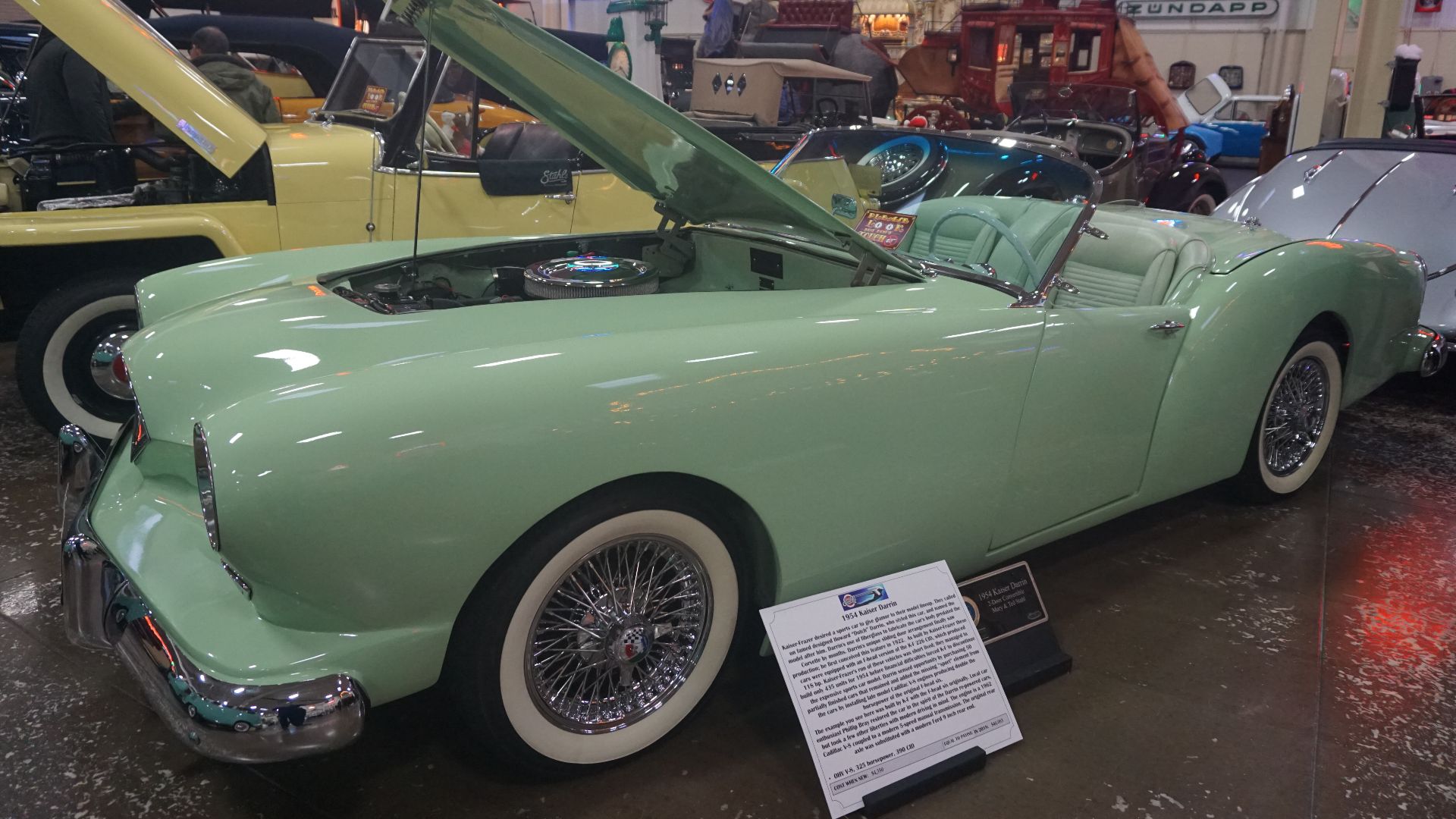 Michael Barera, Wikimedia Commons
Dealers Were Facing Their Own Problems
Kaiser hoped the sports car would bring customers into showrooms, but many dealerships were already struggling. Some were switching brands while others were leaving the business entirely. That made it difficult to build the strong sales network needed for a niche vehicle like the Darrin.
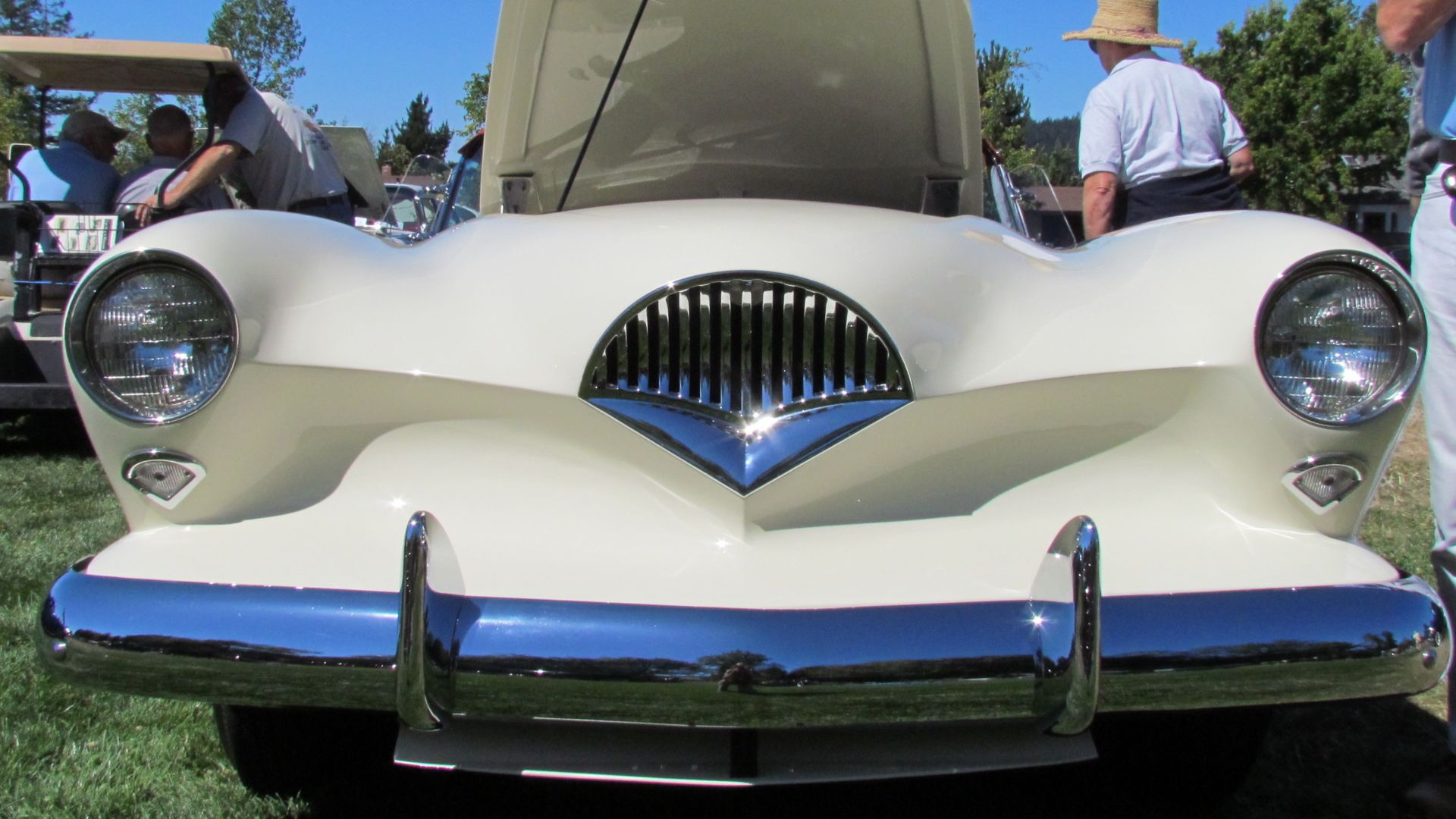 David Berry from Rohnert Park CA, USA, Wikimedia Commons
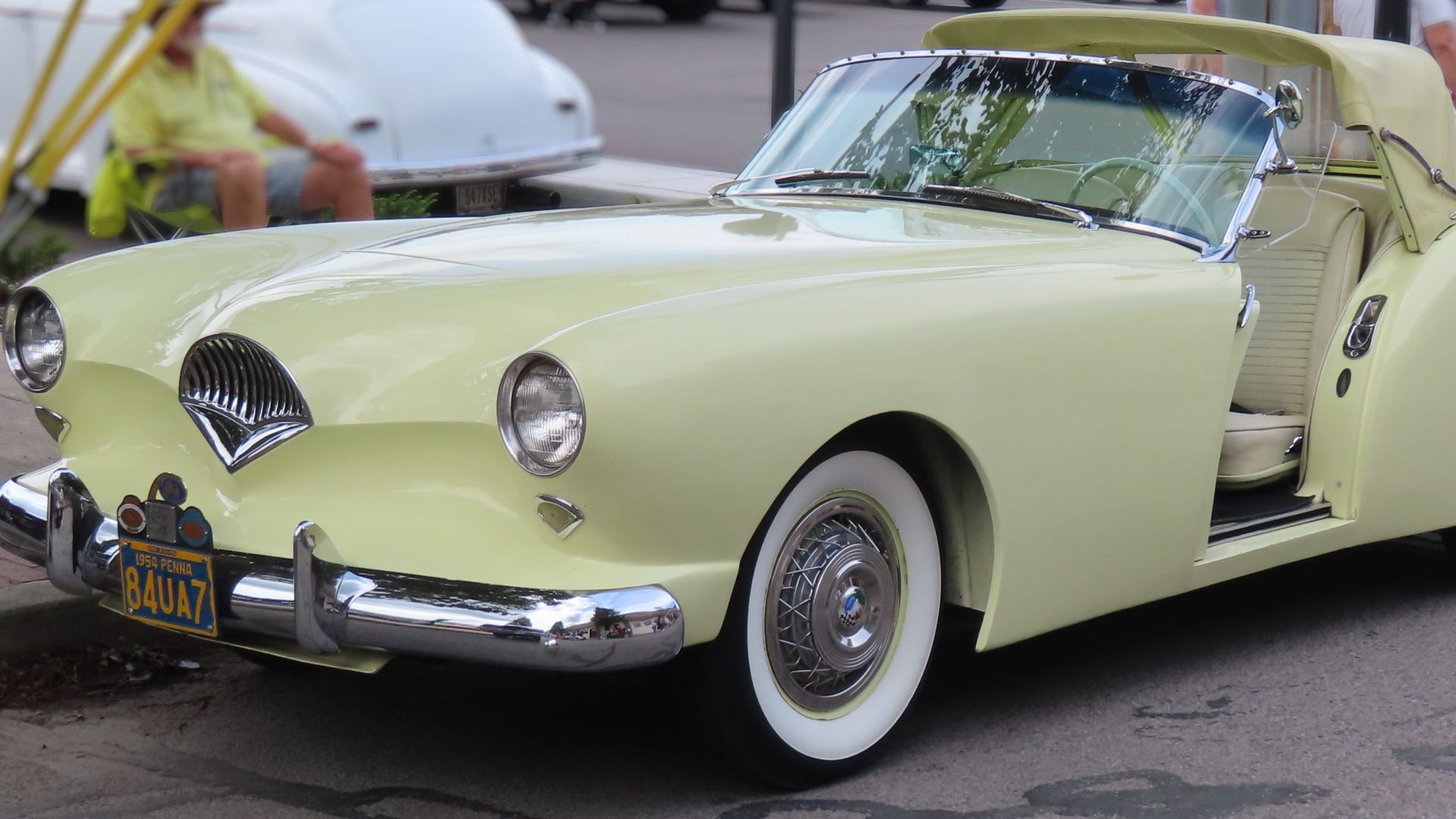
Only 435 Were Ever Built
Production lasted only a few months. Between January and August of 1954, Kaiser built just 435 examples. That limited production run makes the Darrin one of the rarest American sports cars of its era.
 MercurySable99, Wikimedia Commons
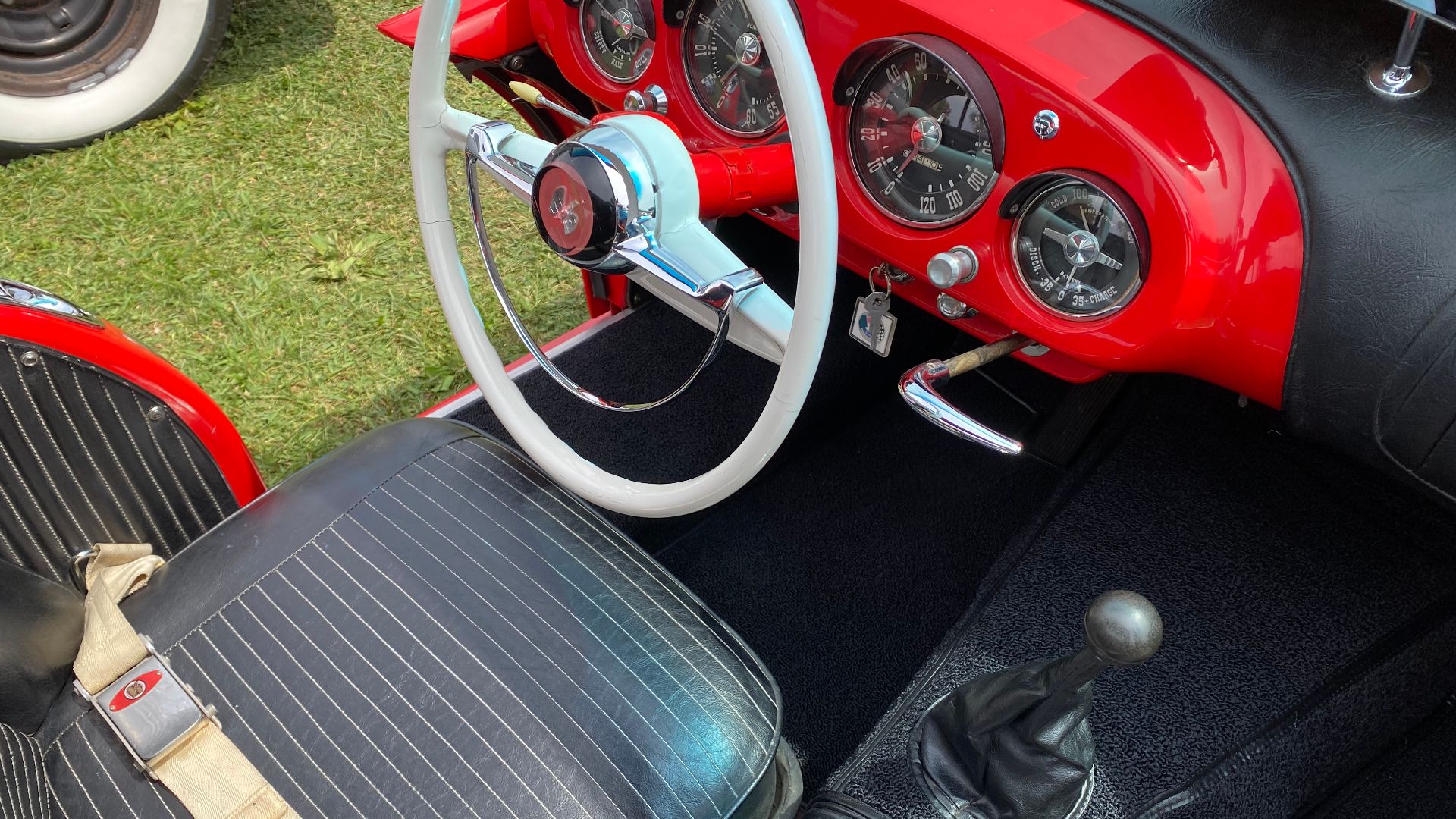
A Snowstorm Nearly Wrote The Final Chapter
One of the strangest stories surrounding the Darrin involves a severe winter storm. A large number of unsold cars were stored outside and ended up buried under snow for an extended period. The situation became a symbol of the company's struggles during its final years in the passenger car market.
 CZmarlin — Christopher Ziemnowicz, Wikimedia Commons
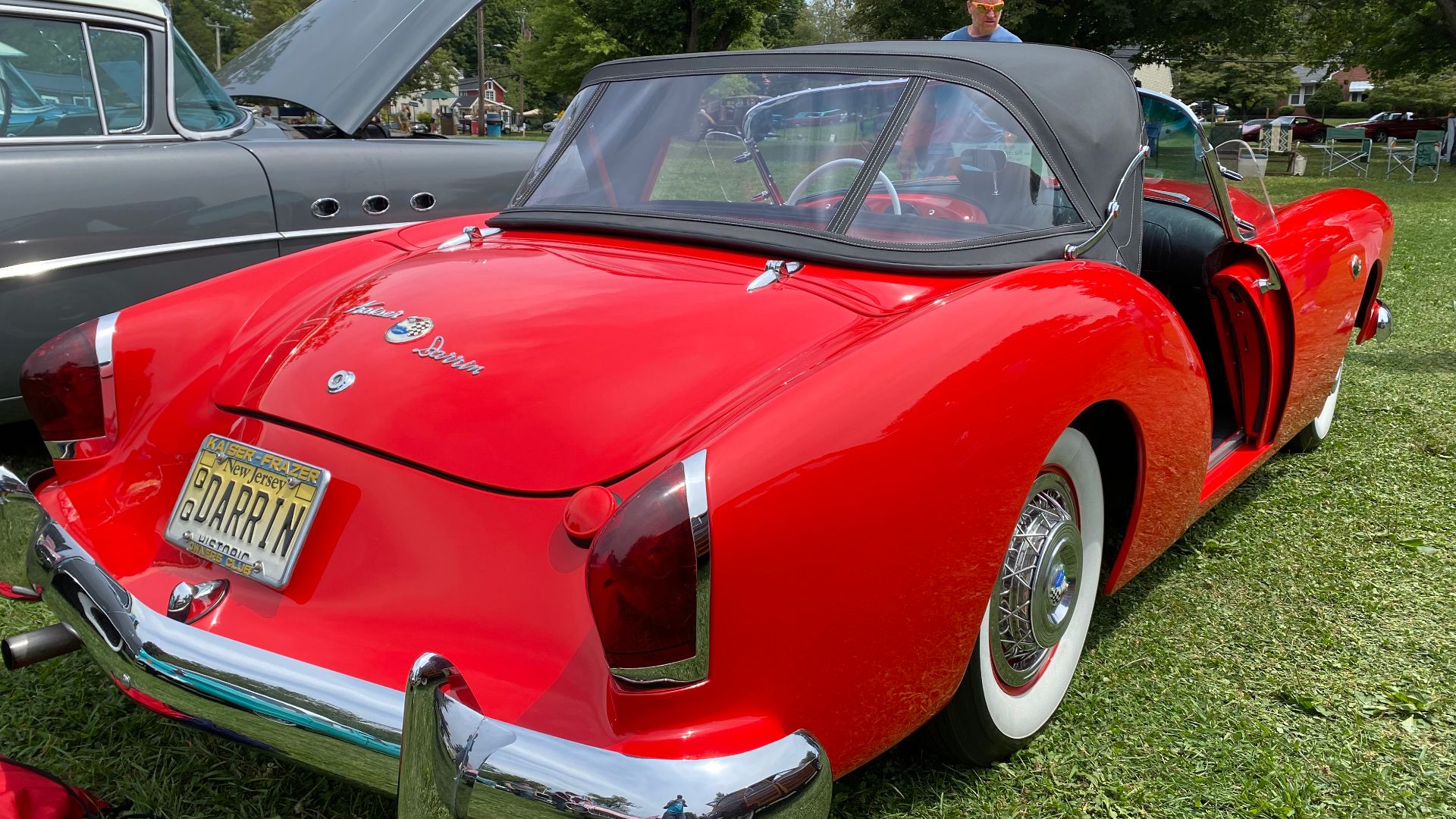
Darrin Stepped In Himself
Rather than watch the remaining cars disappear, Howard Darrin purchased many of the unsold vehicles. He sold them through his own California showroom and even offered upgraded versions with performance enhancements. These special examples became particularly desirable among collectors.
 CZmarlin — Christopher Ziemnowicz, Wikimedia Commons
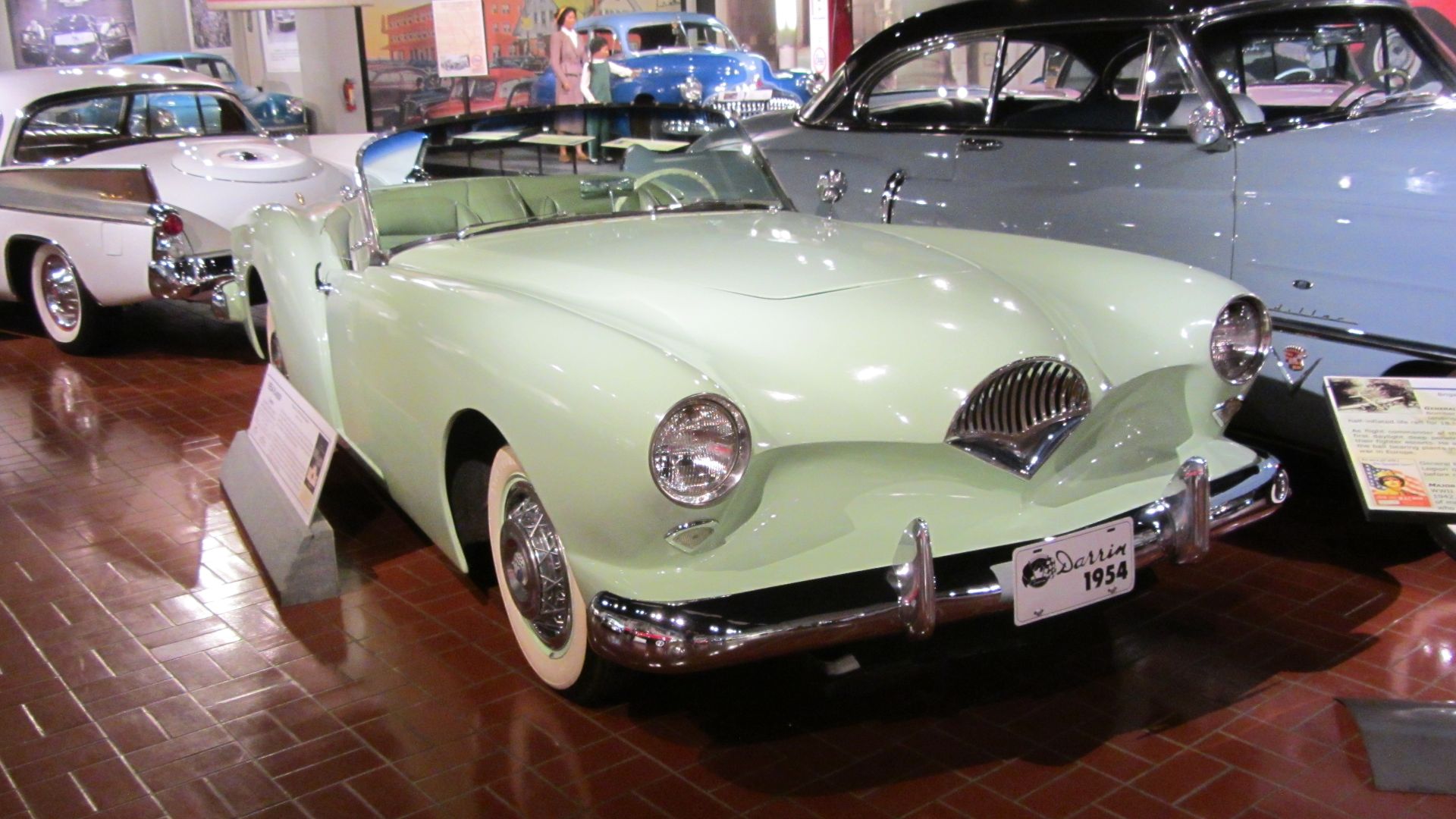
Kaiser Was Leaving The Passenger Car Business
Unfortunately, the Darrin arrived just as Kaiser Motors was preparing to exit the American passenger car market. The company simply didn't have the financial resources to continue developing specialty vehicles. Without strong corporate backing, the Darrin's future was limited from the start.
 JOHN LLOYD from Concrete, Washington, United States, Wikimedia Commons
A Lasting Automotive Legend
Although it lasted for only a single model year, the Kaiser Darrin left a lasting impression. Its sliding doors, fiberglass construction, and elegant styling helped secure its place in automotive history. More than seventy years later, it remains one of the most fascinating and inventive sports cars America has ever produced.
You May Also Like:
Plymouth: The Brand That Built America’s Middle Class
The Best New Cars You Can Buy For Under $30,000



.jpg)
.jpg)