
Gone From The Showroom, Not From Memory
Car brands can disappear surprisingly quickly. A merger, shrinking sales, corporate restructuring, or one badly timed recession can erase a badge that drivers grew up seeing everywhere. Yet plenty of discontinued marques remain highly visible at car shows, auctions, enthusiast gatherings, and in garages where owners refuse to let them fade away. These 24 departed names left behind cars distinctive enough to keep people talking long after the dealerships closed.
Pontiac Went Out With Plenty Of Horsepower
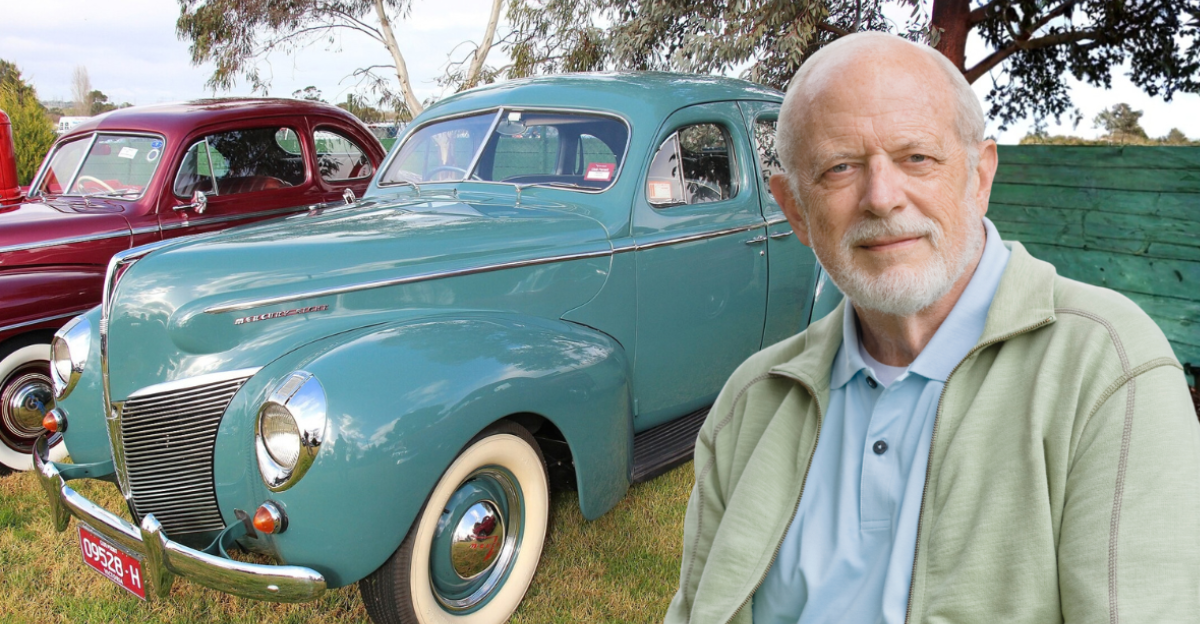
General Motors announced Pontiac's elimination during its 2009 restructuring, ending a division founded in 1926. That was particularly frustrating for enthusiasts because cars like the G8 GXP and Solstice had recently restored some performance credibility. Earlier generations had already given drivers the GTO, Firebird, Trans Am, Bonneville, and Grand Prix.
Saturn Really Was A Different Kind Of Car Company
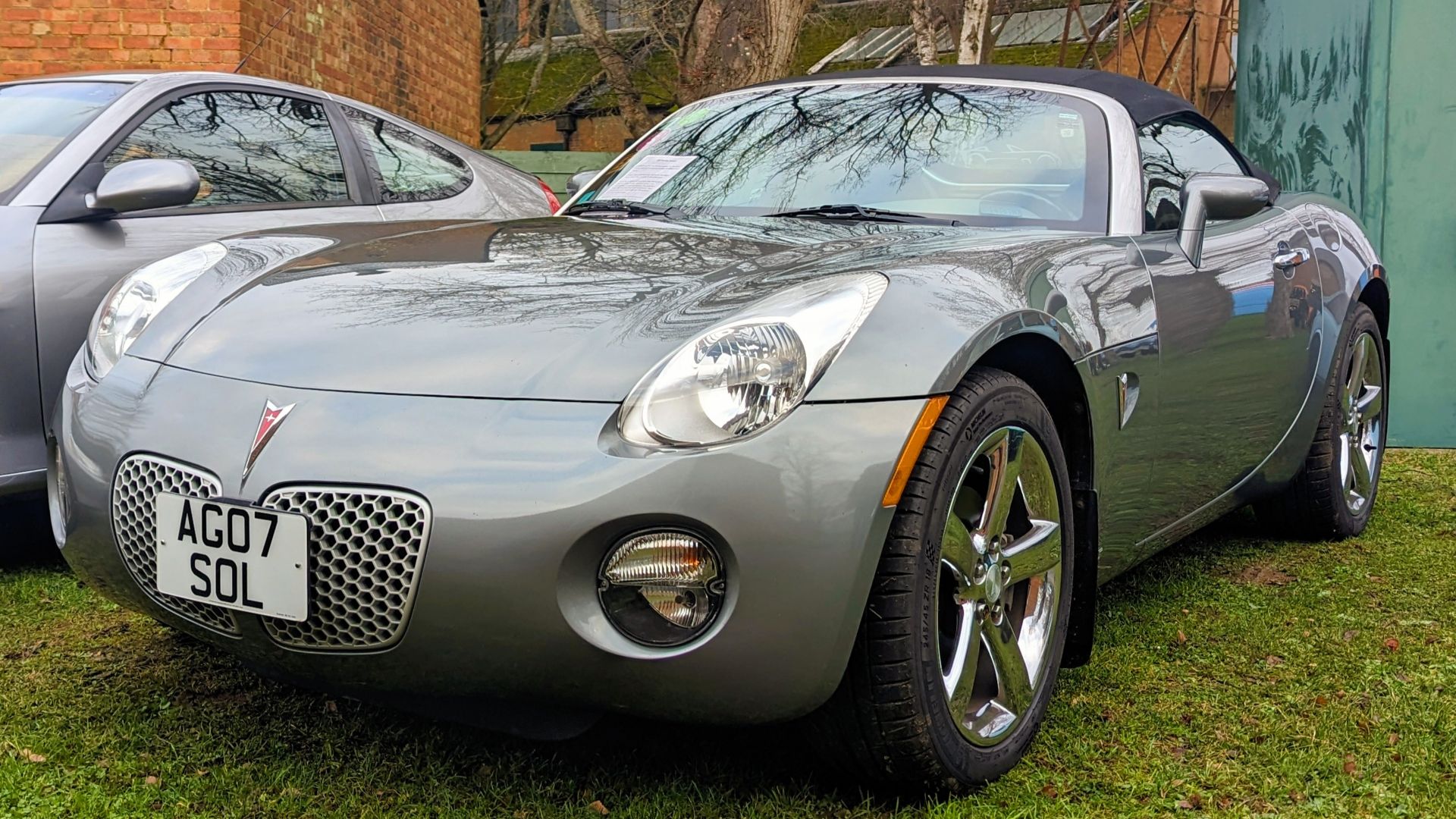
GM launched Saturn with enormous ambitions, including a dedicated Tennessee factory and an unconventional retail experience. The first production Saturn emerged in 1990, but GM ultimately shut the division after a proposed sale to Roger Penske collapsed in 2009. Saturn's unusual beginning and sudden ending still make it one of GM's most memorable experiments.
Oldsmobile Had More Than A Century Behind It
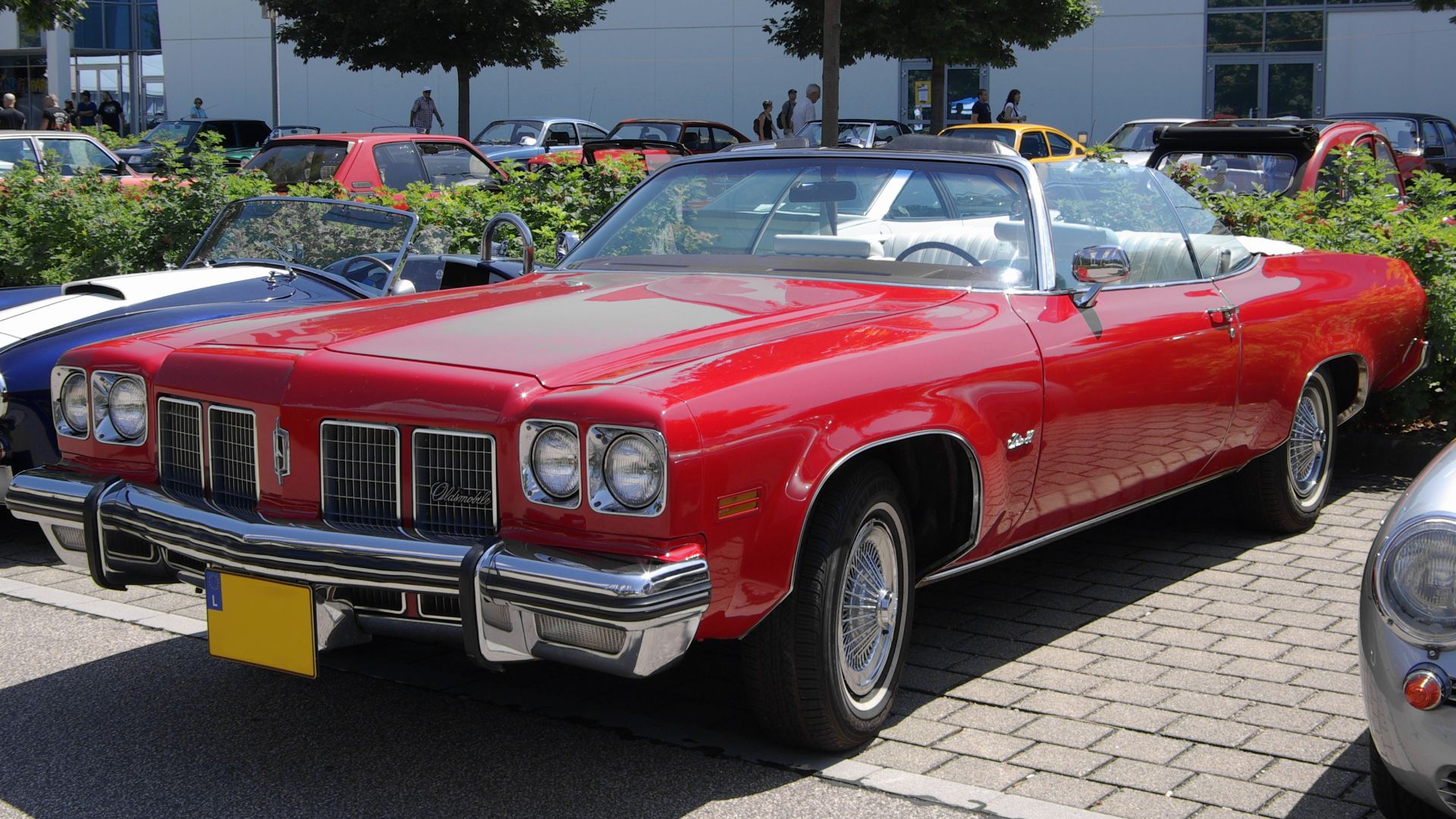
Oldsmobile was already one of America's oldest automotive names when GM announced its phaseout. Production finally ended in 2004, closing a remarkable run that included everything from early mass-production innovations to the Rocket V8 era and popular Cutlass models. Few discontinued marques carried quite as much history into retirement.
 Berthold Werner, Wikimedia Commons
Mercury Spent Decades Between Ford And Lincoln
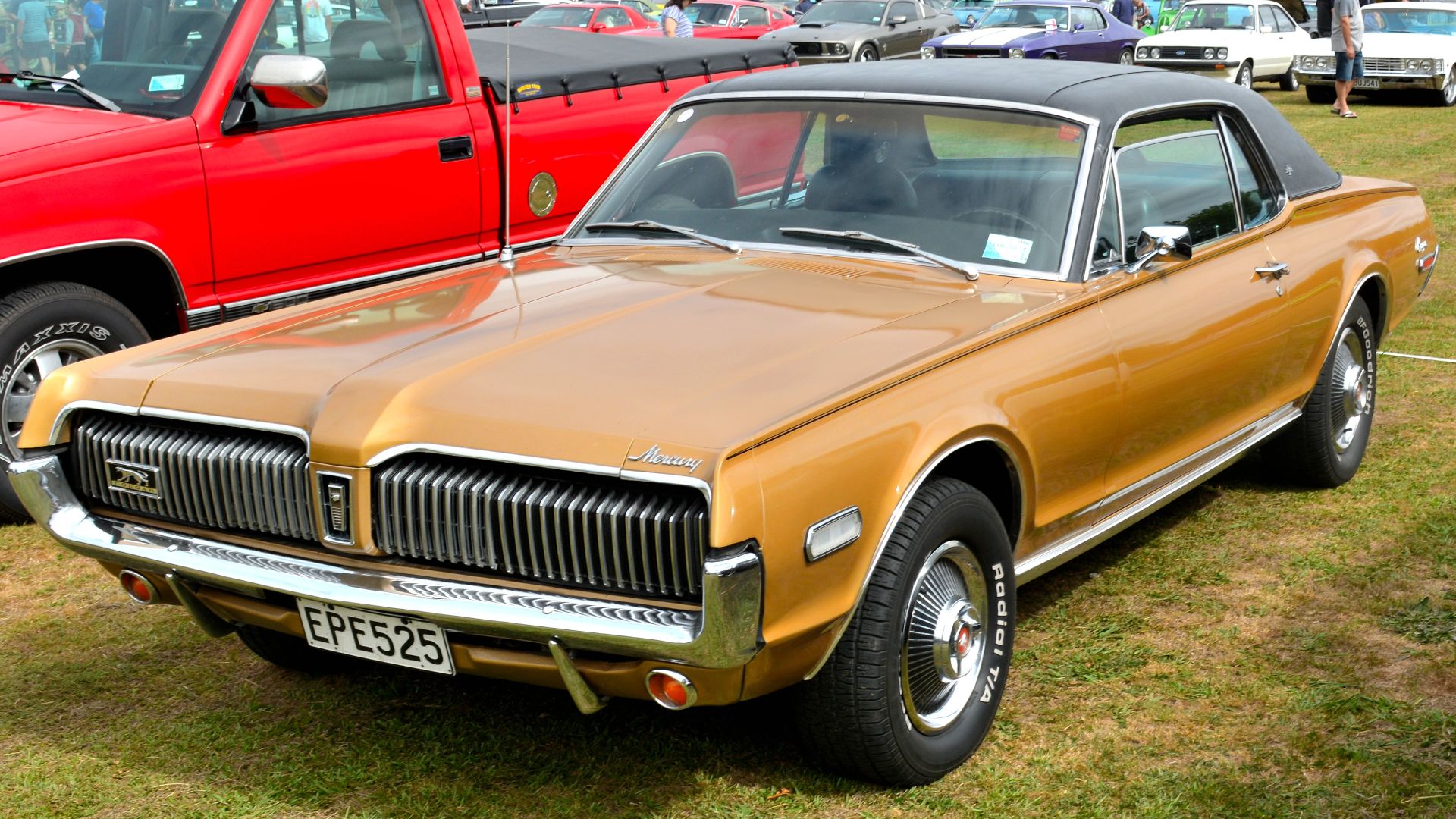
Edsel Ford conceived Mercury as a middle ground between affordable Fords and expensive Lincolns. The brand eventually produced memorable cars including the Cougar while the Grand Marquis became one of its longest-lived nameplates. Ford announced Mercury's closure in 2010, ending a run stretching back more than 70 years.
 GPS 56 from New Zealand, Wikimedia Commons
Plymouth Once Had Something For Almost Everyone
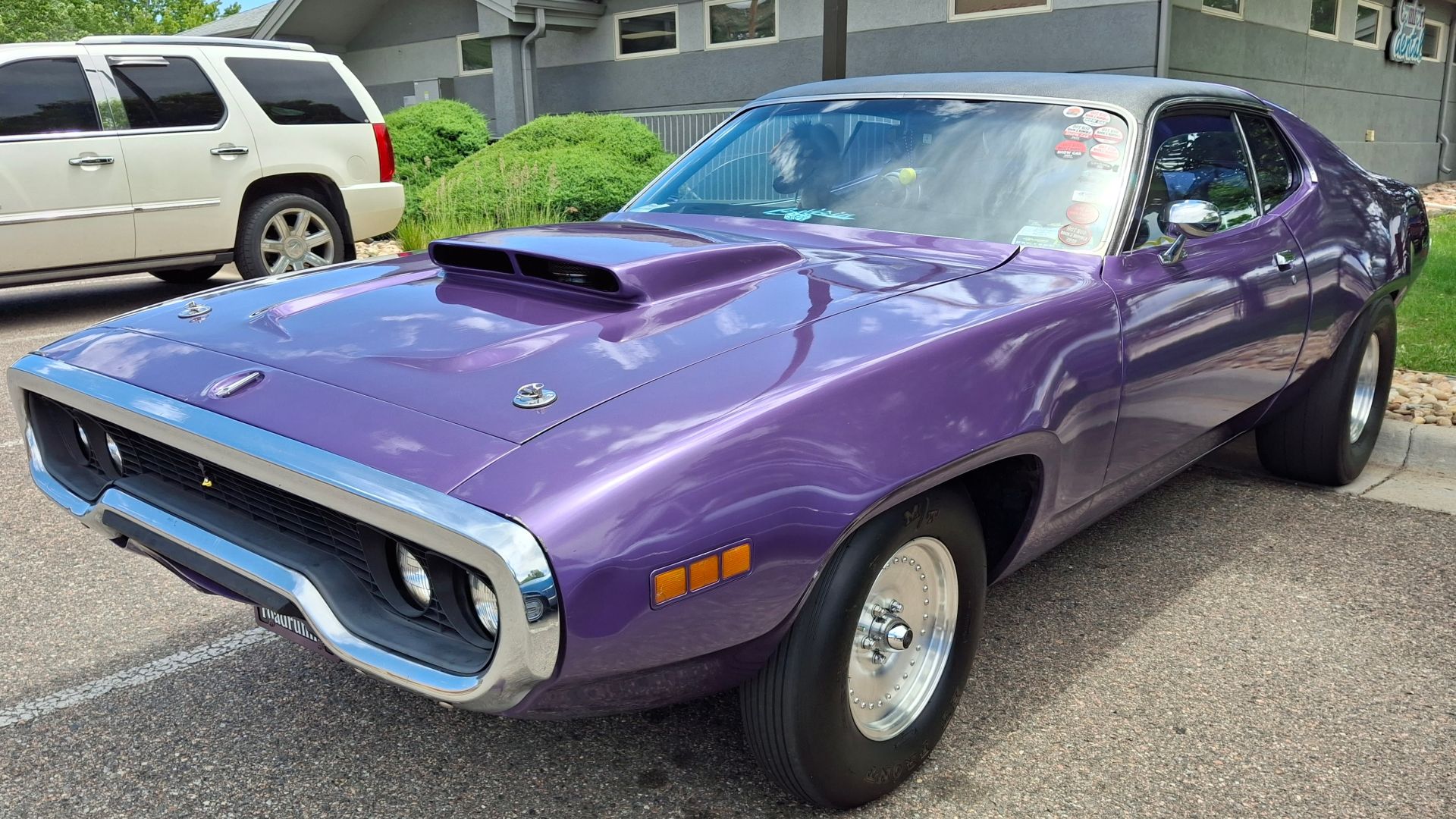
Chrysler introduced Plymouth in 1928 as its value-oriented marque, but it eventually produced serious enthusiast machinery such as the Road Runner, GTX, 'Cuda, and Superbird. It also helped popularize the modern minivan with the Voyager. The final Plymouth was a 2001 Neon LX.
AMC Was Detroit's Scrappy Alternative
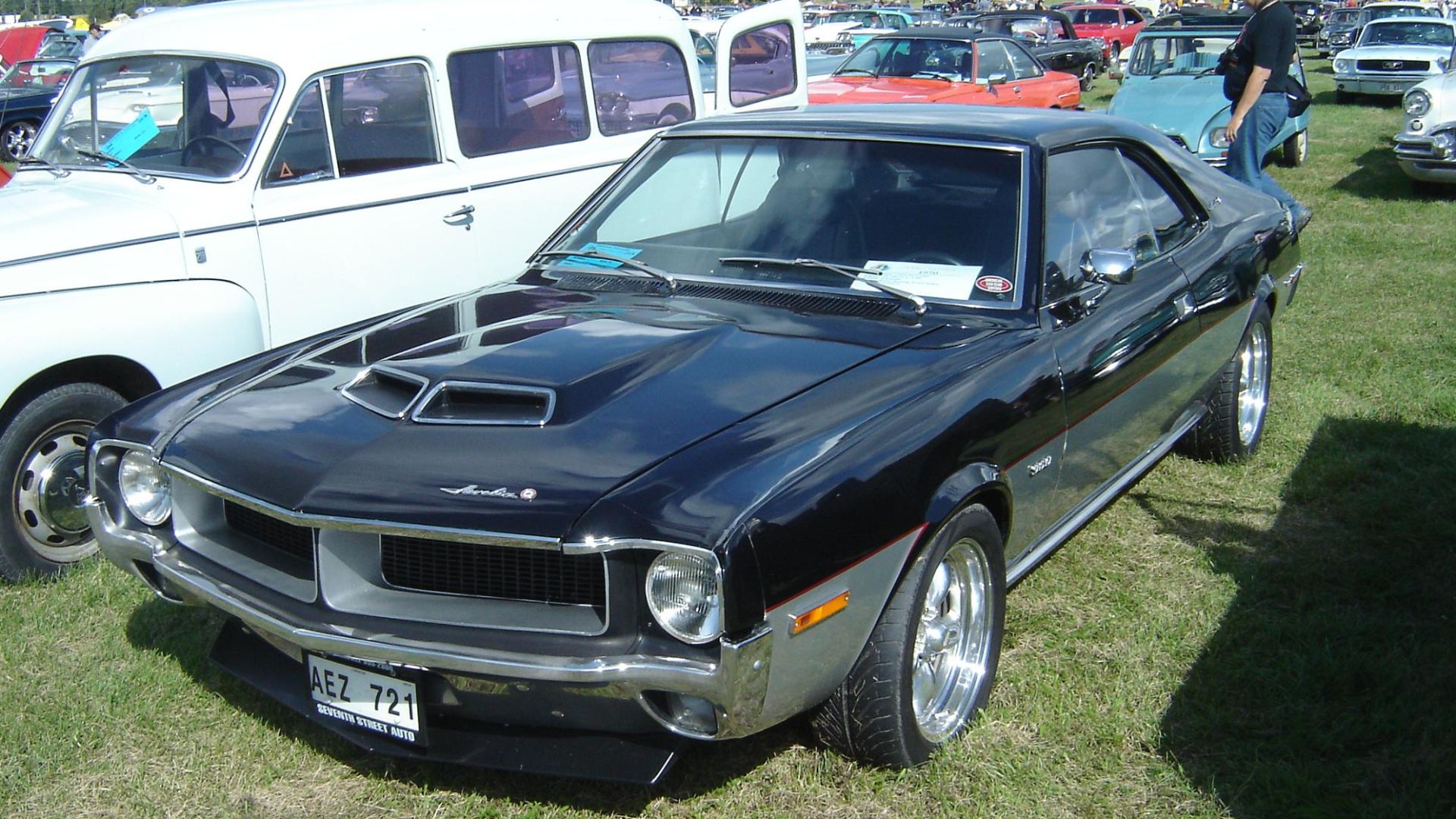
American Motors was created through the 1954 merger of Nash-Kelvinator and Hudson. Operating with fewer resources than Detroit's Big Three, AMC nevertheless produced distinctive machines including the Javelin, AMX, Gremlin, Pacer, and four-wheel-drive Eagle. Chrysler acquired AMC in 1987, primarily gaining the valuable Jeep business in the process.
Studebaker Survived Longer Than Many Remember
Studebaker began long before automobiles, eventually becoming famous for striking postwar designs and cars such as the Avanti. Financial pressure forced its South Bend automobile plant to close in 1963, although Canadian production continued. The final Studebakers were built in Hamilton, Ontario, in March 1966.
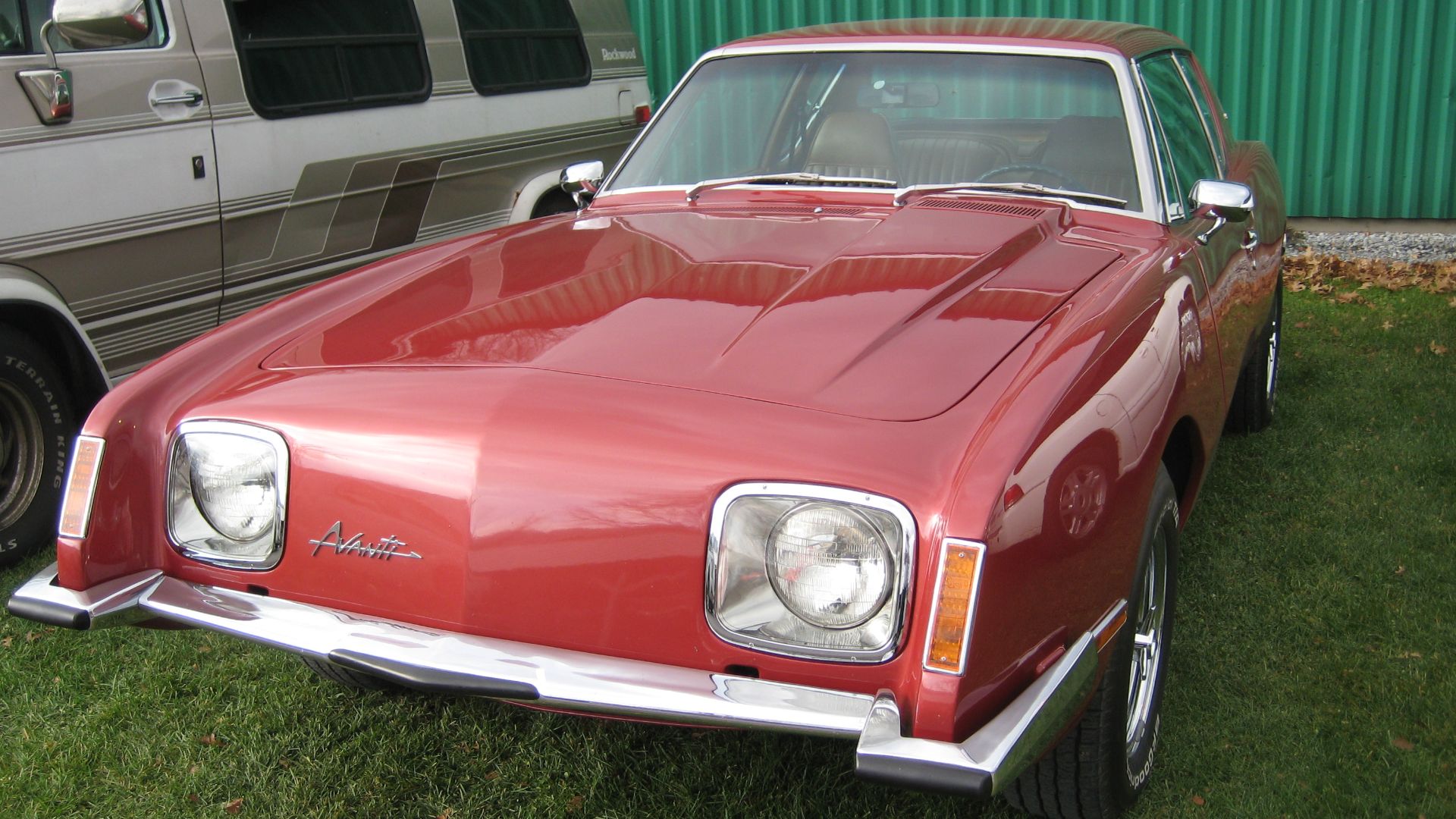 JOHN LLOYD from Concrete, Washington, United States, Wikimedia Commons
Packard Once Represented American Prestige
Packard spent decades building prestigious American automobiles before financial difficulties pushed it into a merger with Studebaker. Its final years produced cars increasingly connected to Studebaker engineering, including the unusual supercharged Packard Hawk. By the end of the 1950s, the once-famous luxury badge was gone.
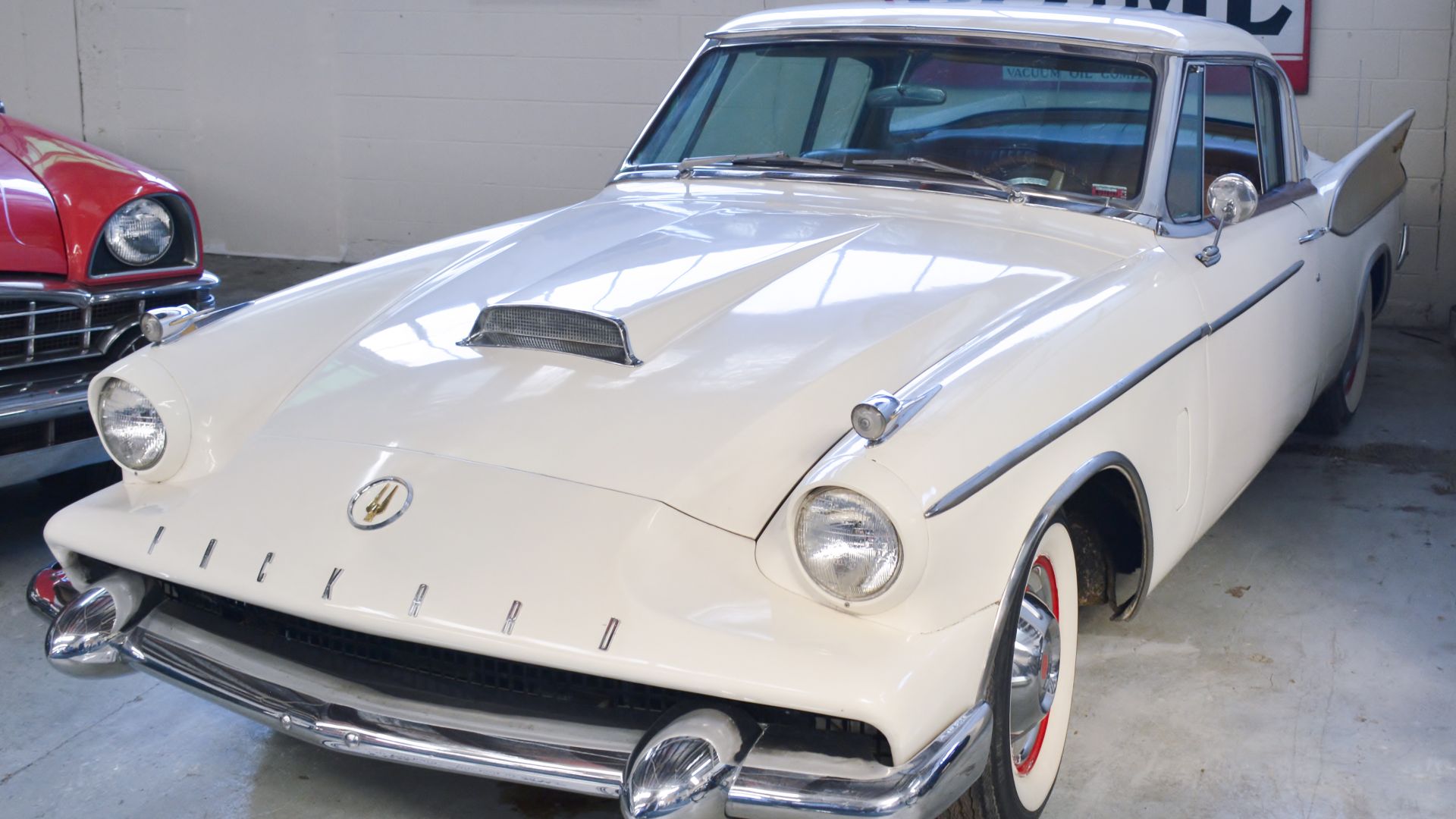 GPS 56 from New Zealand, Wikimedia Commons
DeSoto Was Squeezed Out Of Chrysler's Lineup
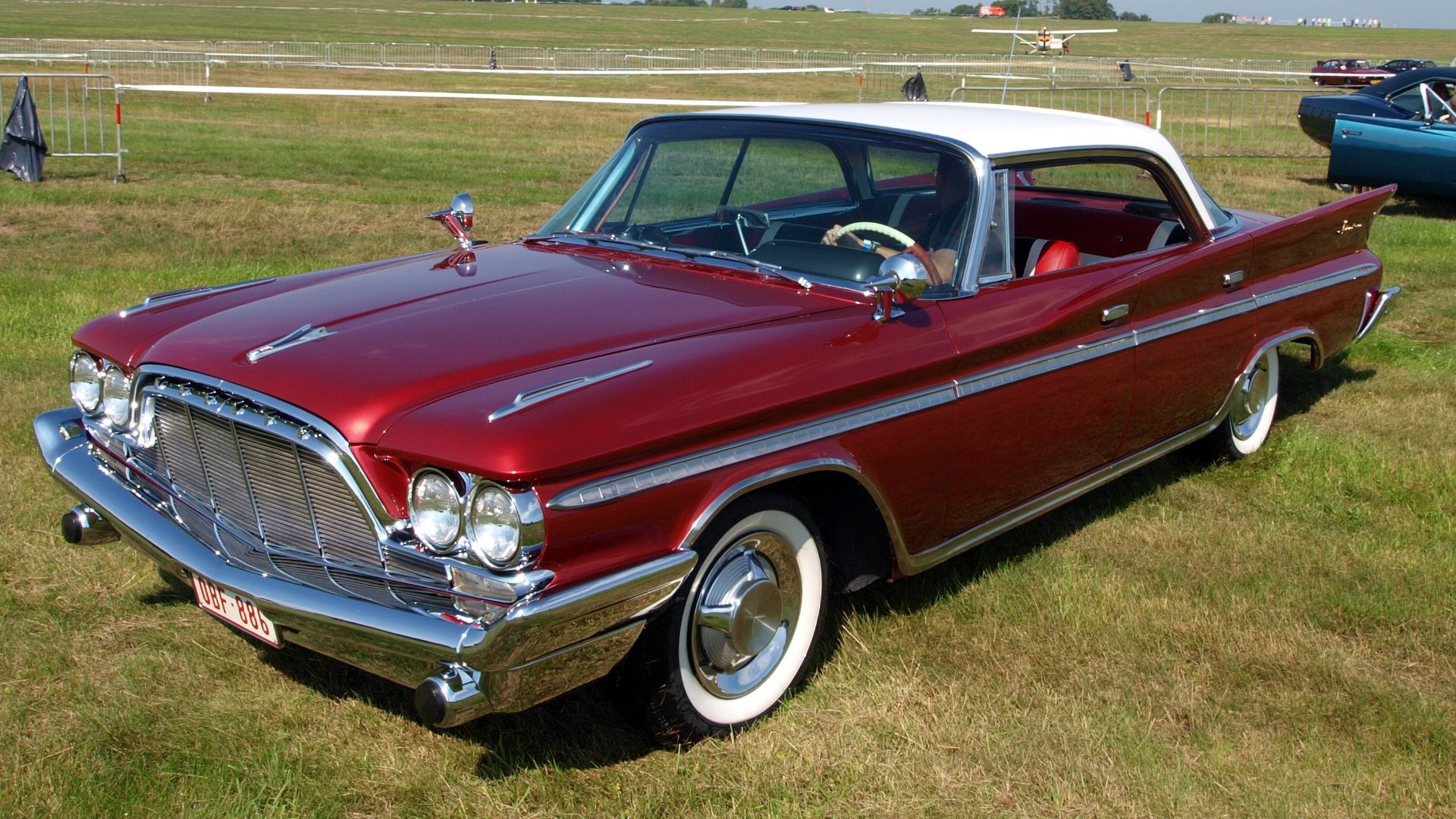
DeSoto occupied a difficult space within Chrysler's expanding family of brands. Even near the end, models such as the Adventurer offered substantial V8 performance and dramatic styling. The 1961 model year brought the final DeSotos, ending a marque that had once competed successfully in America's middle-price market.
Edsel Became Famous For All The Wrong Reasons
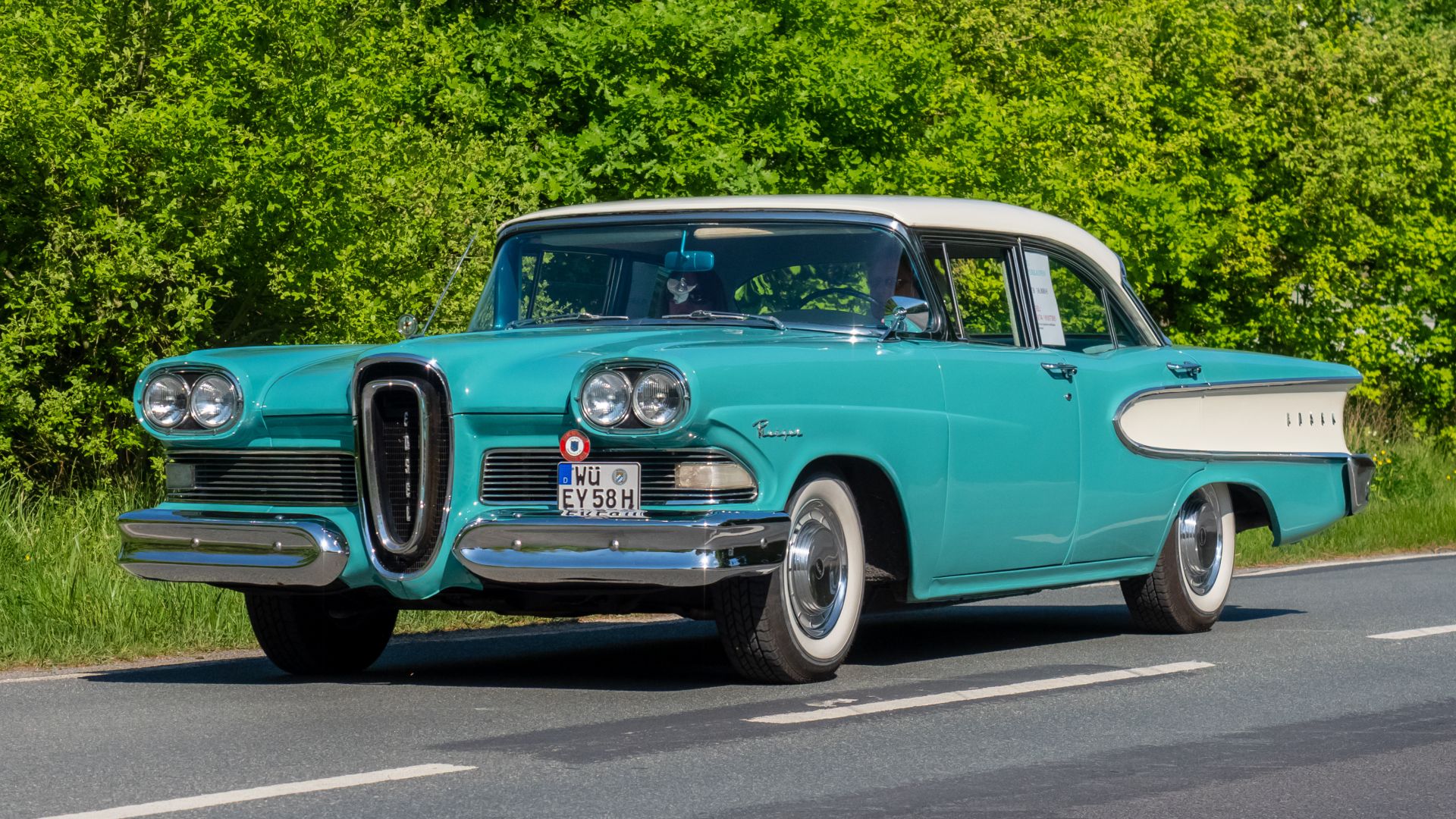
Ford invested heavily in Edsel, only to launch it into the 1958 recession with unconventional styling and a confusing market position. Initial interest quickly faded as sales disappointed expectations. The brand lasted only a few model years, but its spectacular failure eventually made surviving Edsels fascinating collector cars.
Scion Made Boxy Cars Cool
Toyota created Scion in 2003 to attract younger American buyers using straightforward pricing, personalization, and unusual models. The box-shaped xB and sporty tC became its biggest successes, while the FR-S later gave enthusiasts an affordable rear-wheel-drive coupe. Toyota ended Scion after the 2016 model year.
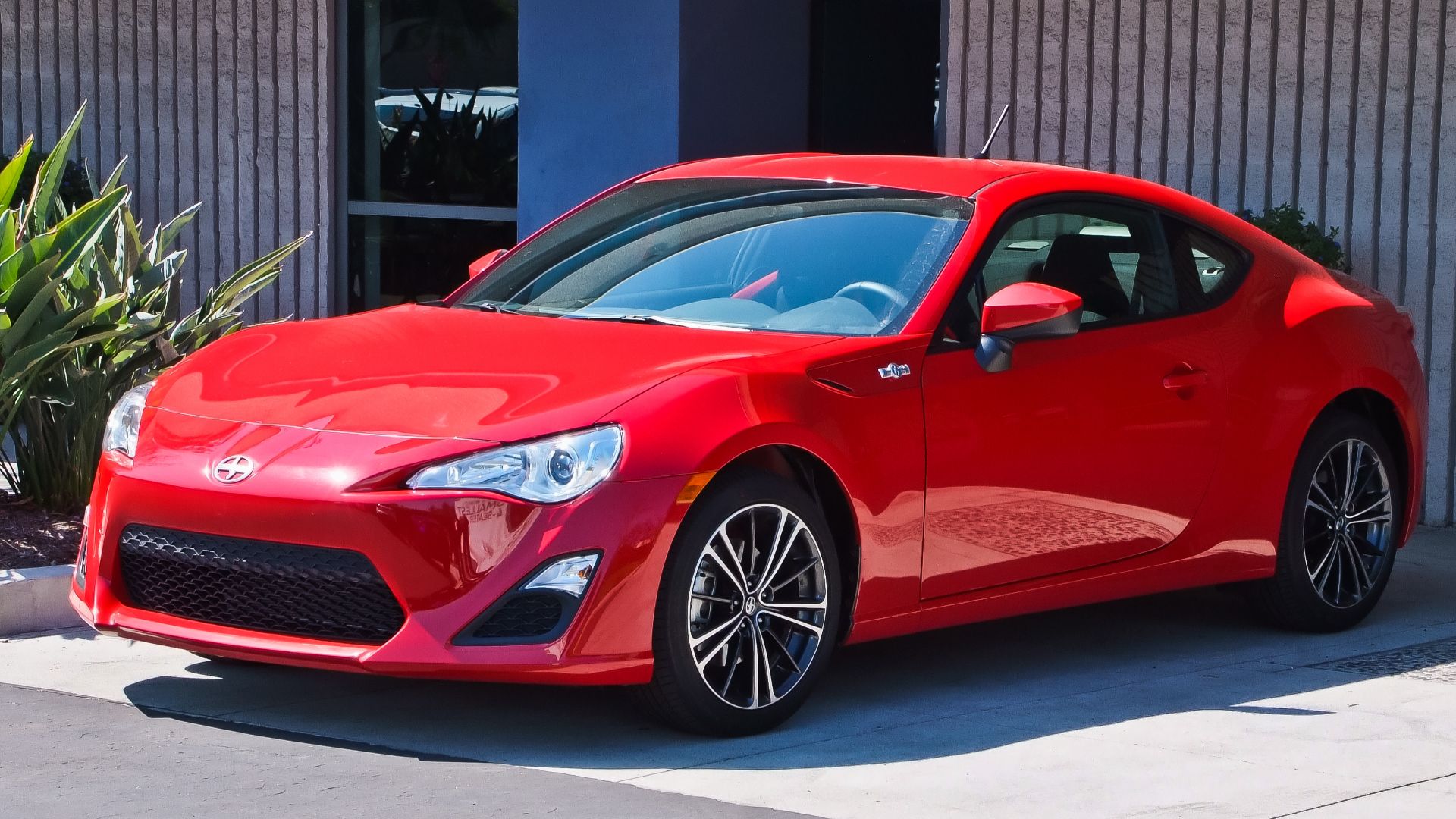 Motohide Miwa, Wikimedia Commons
Saab Refused To Look Like Everybody Else
Saab built its reputation around unconventional Swedish cars with distinctive engineering and styling. GM eventually sold the struggling company to Spyker, but production stopped in 2011 amid mounting financial problems. Saab filed for bankruptcy that December, bringing its long run as a recognizable automobile marque to a close.
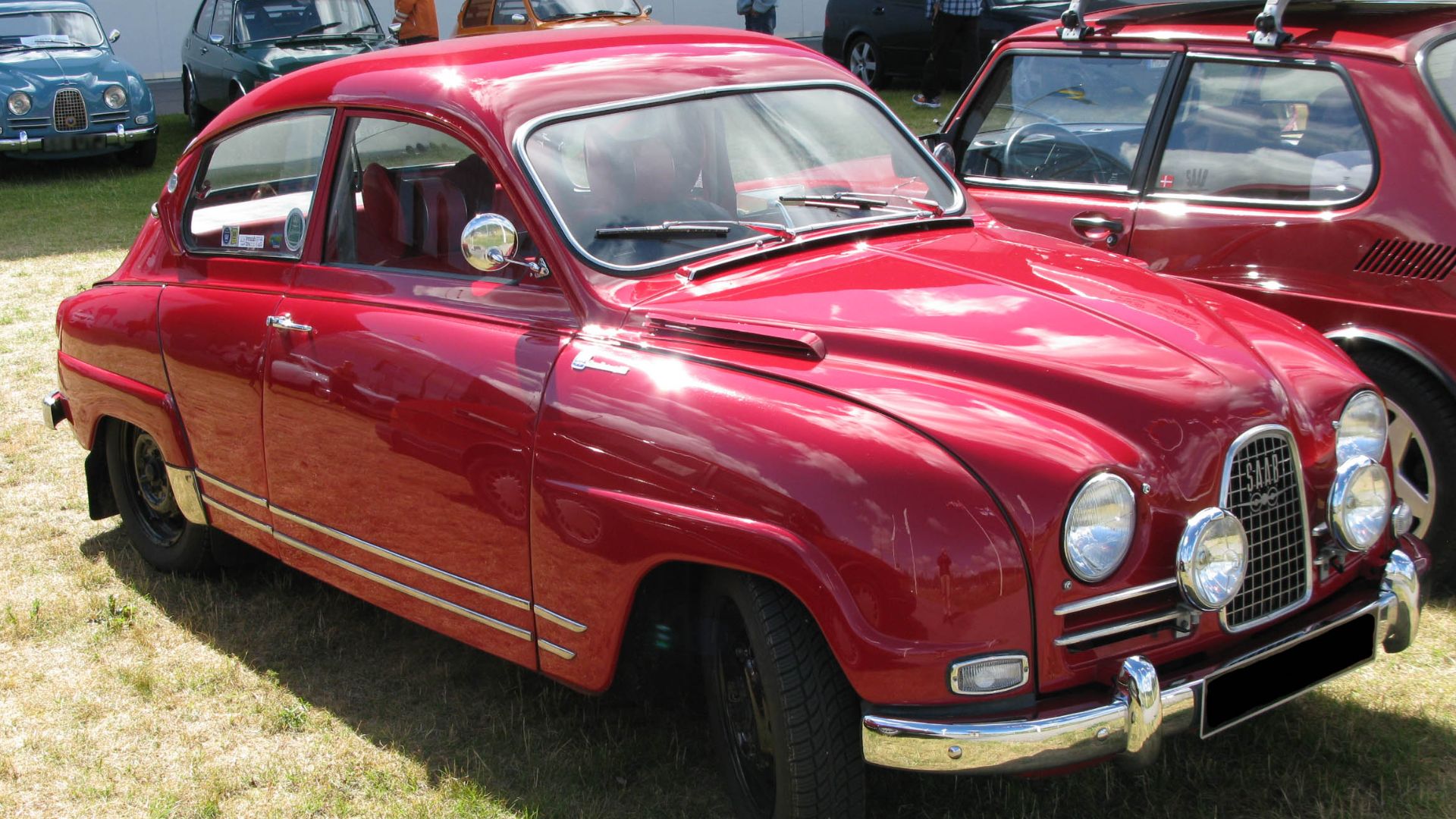 Herranderssvensson, Wikimedia Commons
Geo Was Weirdly Ahead Of Its Time
GM created Geo as a Chevrolet sub-brand offering small vehicles sourced through partnerships with Japanese manufacturers. Its lineup included the Metro, Tracker, Storm, and Prizm, giving Chevrolet dealers an assortment of economical imports and joint-venture products. The Geo experiment lasted until 1997, when its remaining models became Chevrolets.
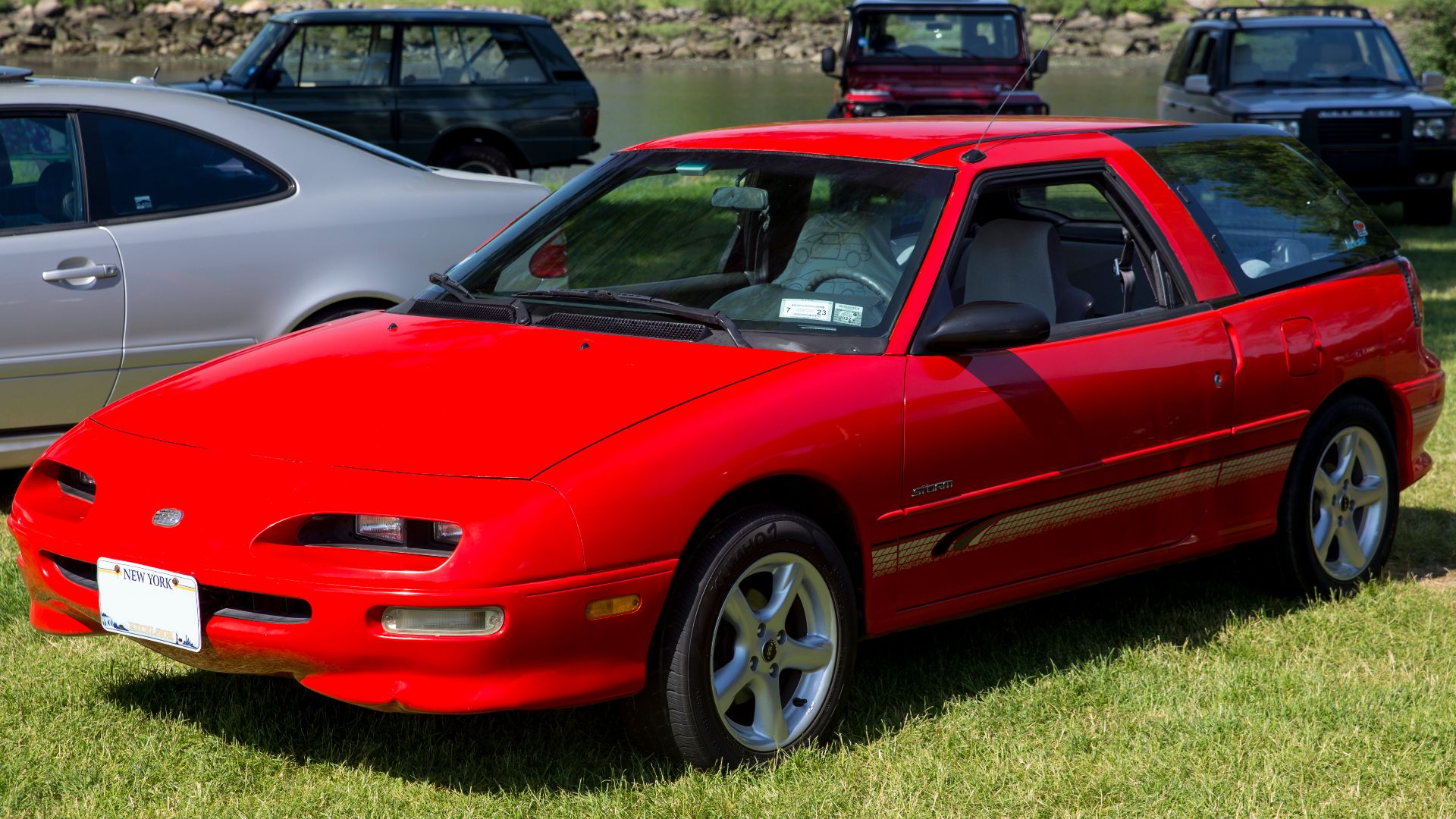 Mr.choppers, Wikimedia Commons
Eagle Never Quite Found Its Identity
After buying AMC, Chrysler created Eagle from a mixture of inherited designs and vehicles developed with partners including Mitsubishi. The turbocharged, all-wheel-drive Talon became its standout enthusiast model. Eagle gradually shrank until the Talon became the marque's final production car for the 1998 model year.
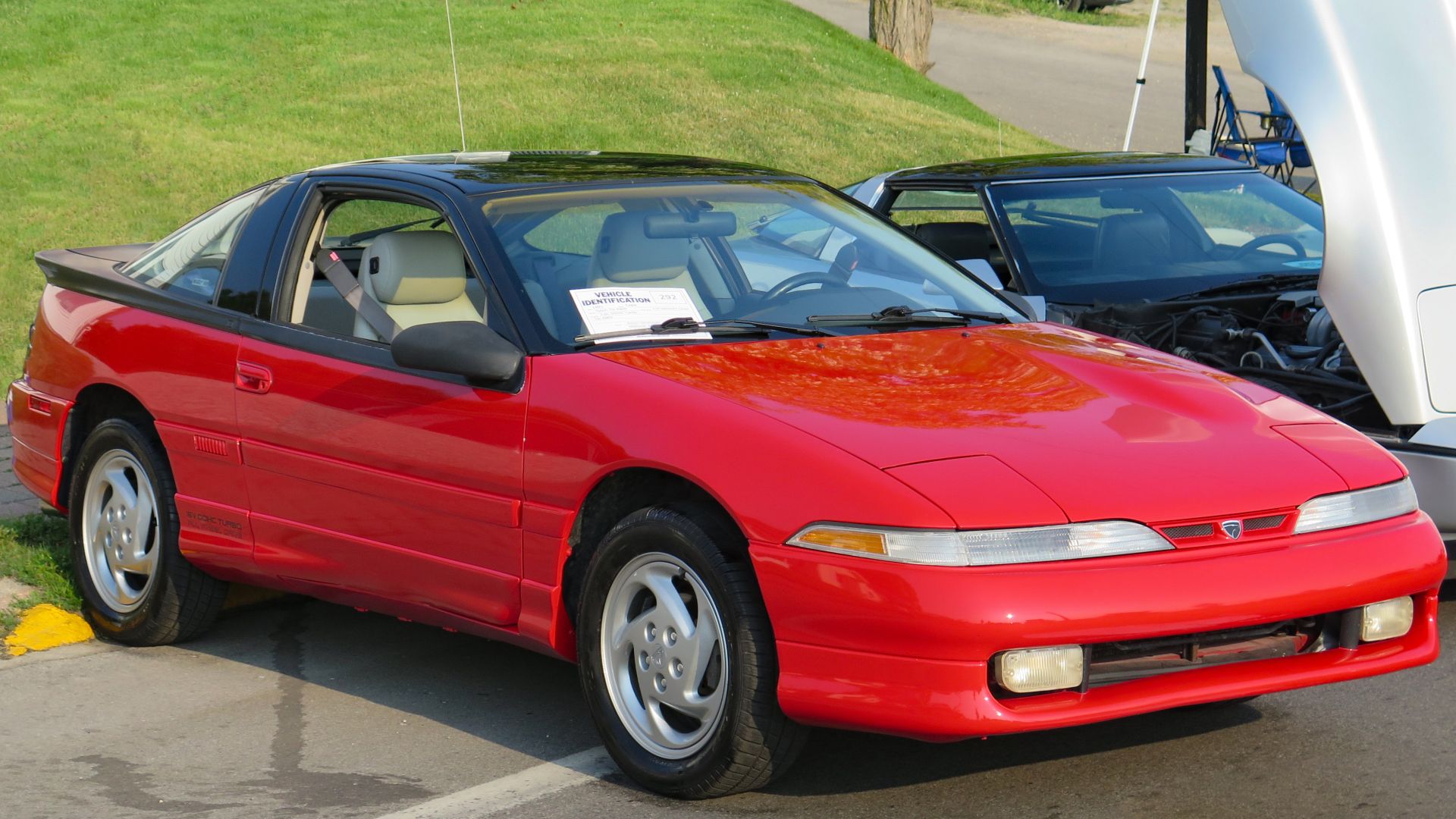
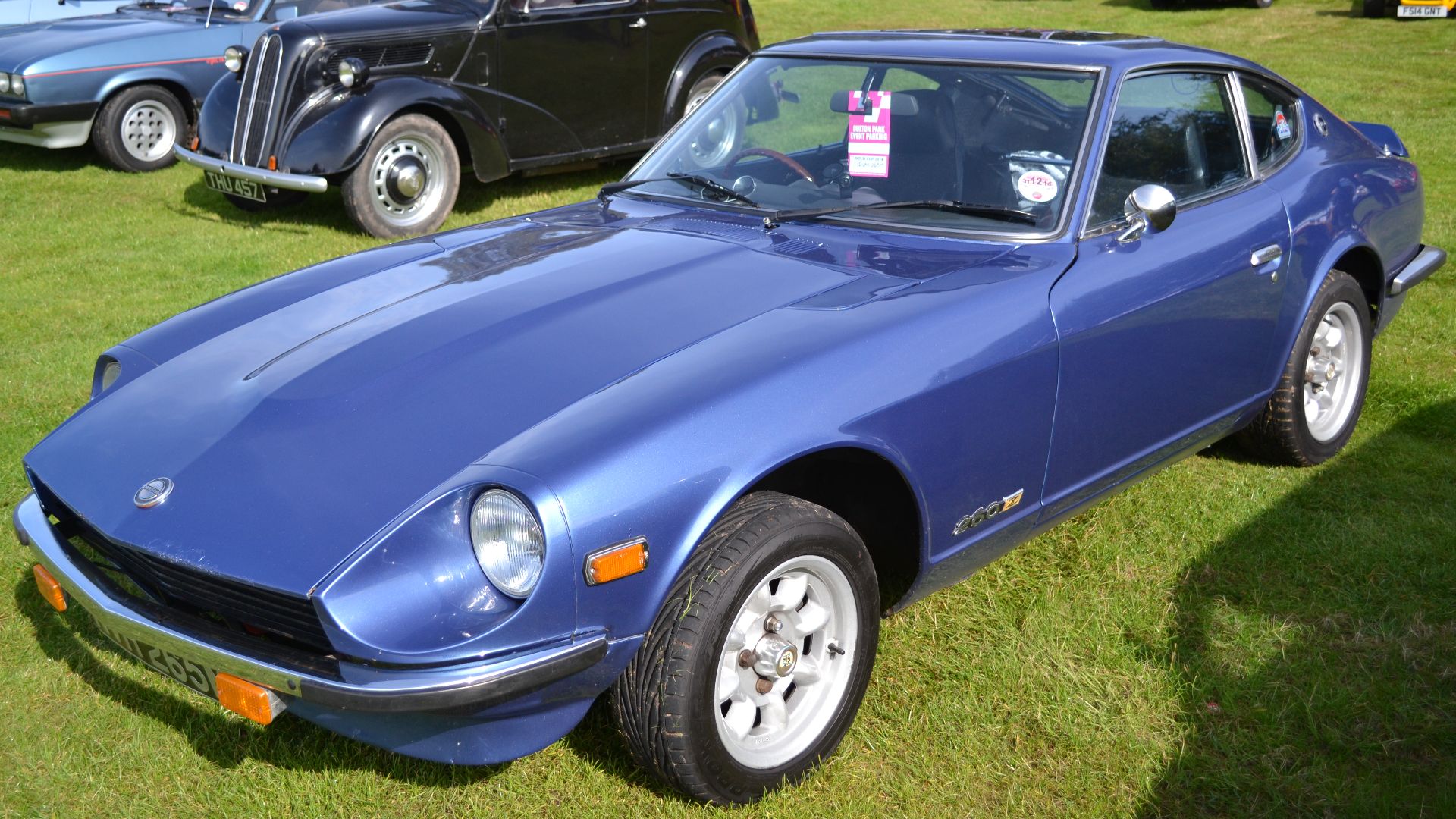
Datsun Disappeared By Corporate Decision
Unlike many names here, Datsun wasn't eliminated because its manufacturer collapsed. Nissan announced in 1981 that overseas vehicles would transition to the Nissan name as part of a worldwide branding strategy. That meant familiar Datsun-badged cars gradually disappeared from American dealerships during the 1980s.
 Darren Garlick, Wikimedia Commons
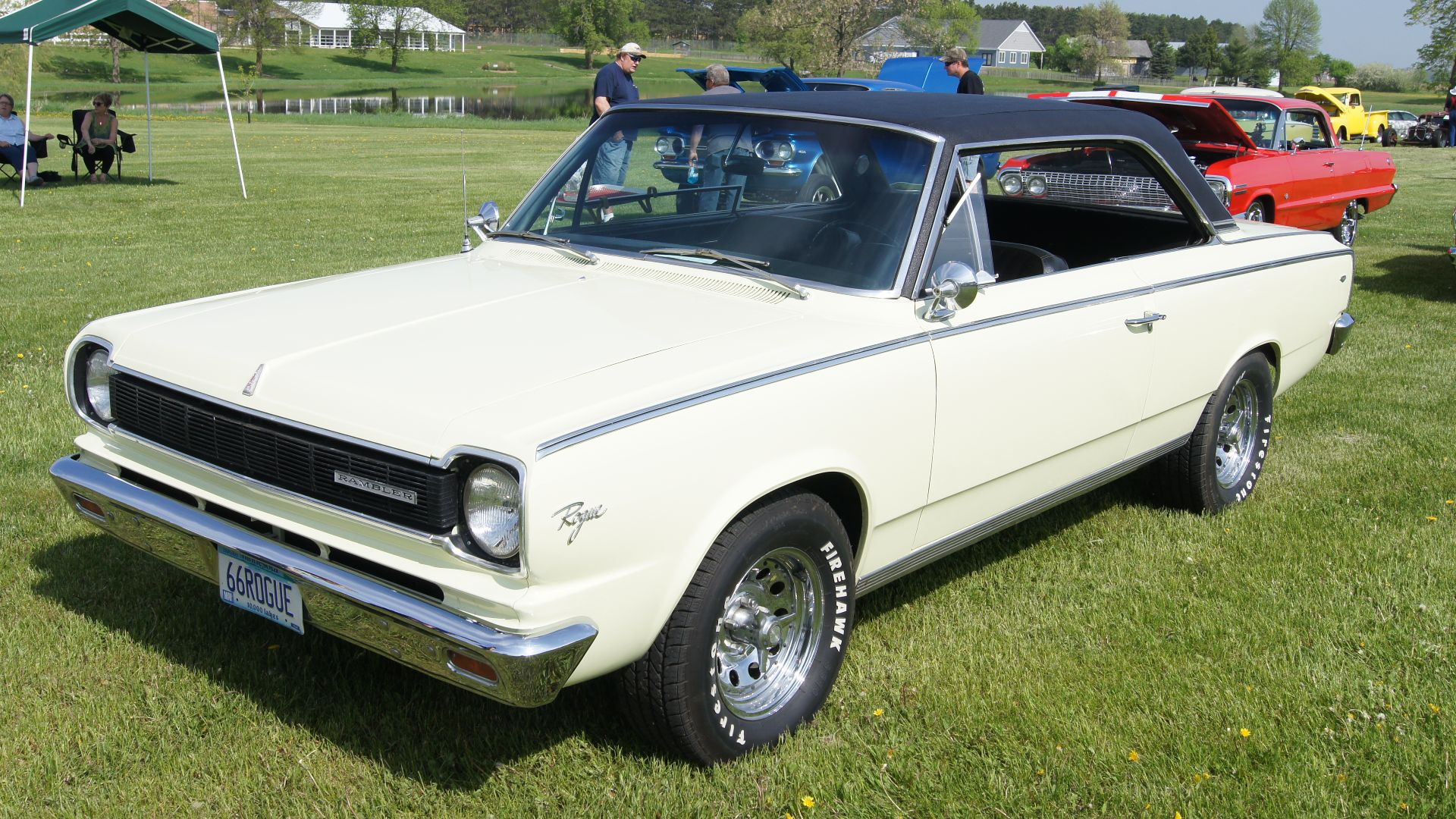
Rambler Was Practical Before Practical Was Fashionable
Rambler became closely associated with economical, sensibly sized American cars when Detroit often favored enormous vehicles. Nash's Rambler proved successful before surviving the Nash-Hudson merger that created AMC. Eventually AMC emphasized its corporate identity instead, and the Rambler marque disappeared from the American marketplace.
 Greg Gjerdingen from Willmar, USA, Wikimedia Commons
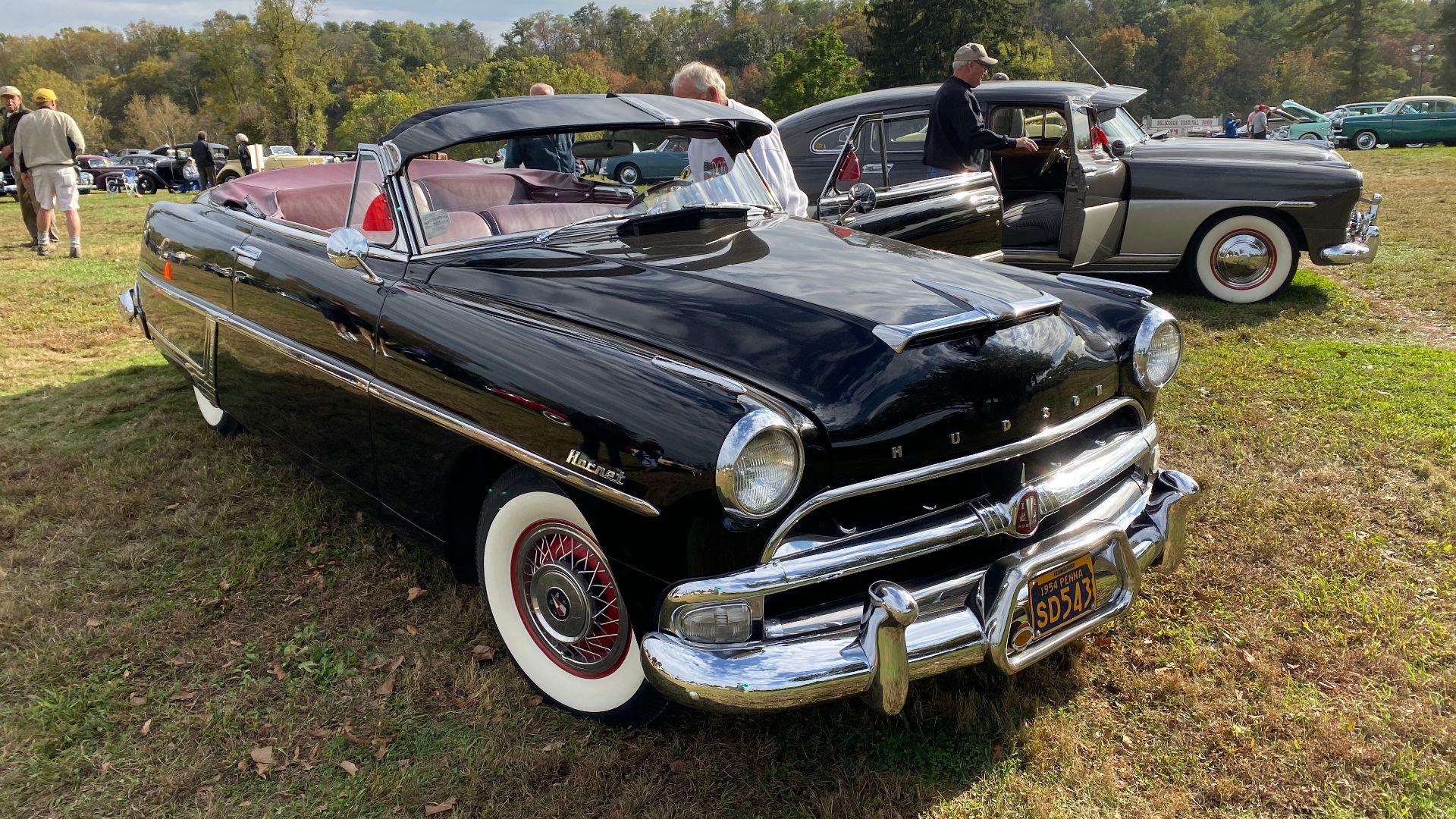
Hudson Helped Create AMC
Hudson built distinctive American cars and became especially famous for its low-slung postwar "step-down" models. Increasing competition eventually encouraged Hudson and Nash-Kelvinator to merge in 1954, creating American Motors Corporation. The Hudson name survived briefly under AMC before disappearing later in the decade.
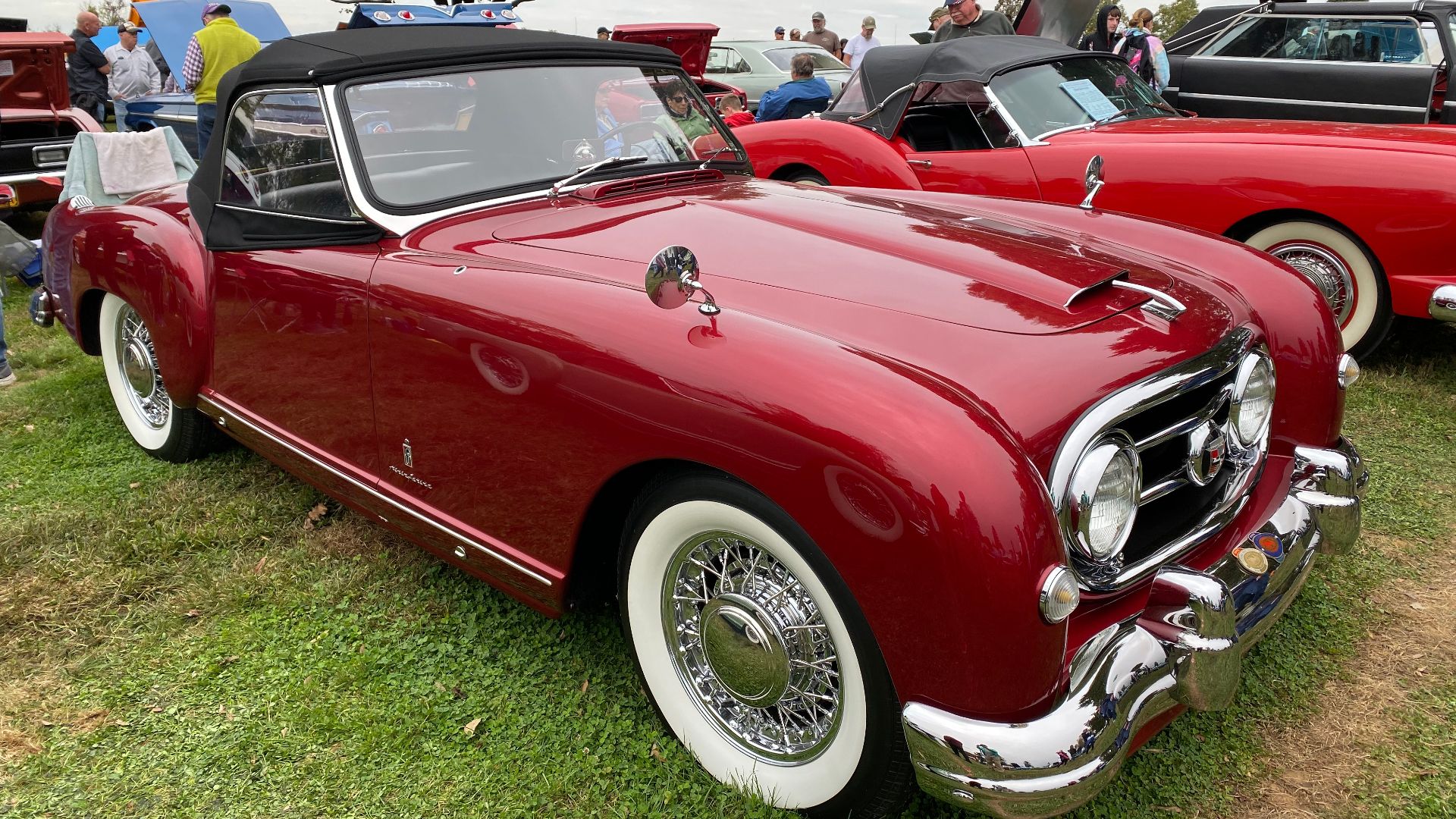
Nash Also Vanished Into American Motors
Nash produced everything from family sedans to the compact Rambler and stylish Nash-Healey sports car. Its 1954 merger with Hudson created AMC, although Nash-badged automobiles continued for several more years. Ultimately, AMC concentrated on Rambler and its own identity, leaving Nash to automotive history.
Daihatsu's American Visit Was Brief
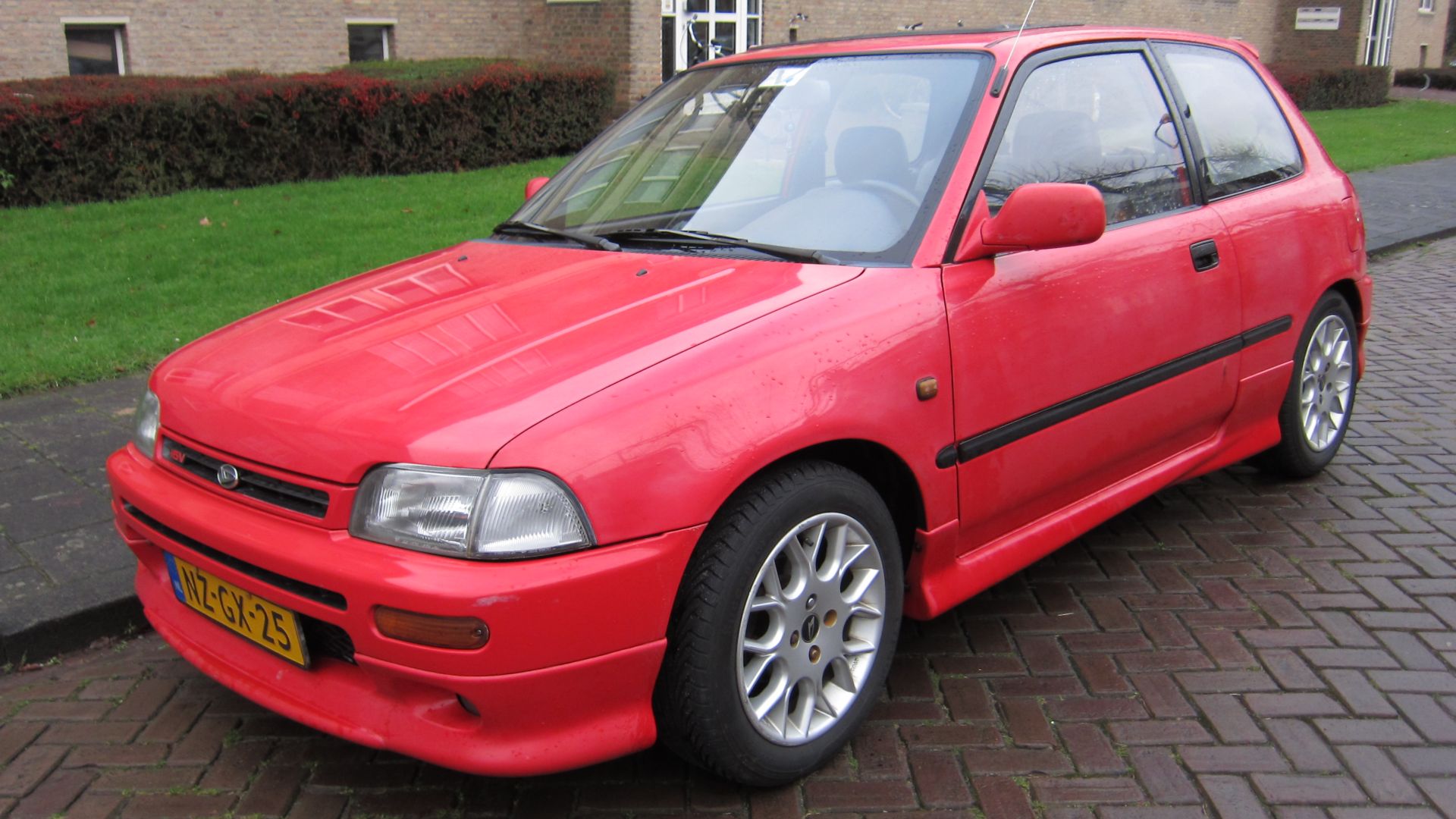
Daihatsu entered the United States with the tiny Charade and later added the Rocky SUV. Critics often praised the vehicles, but sales remained modest and the company faced import restrictions and unfavorable economics. Daihatsu announced in 1992 that it would stop selling passenger vehicles in the American market.
 Rutger van der Maar, Wikimedia Commons
Suzuki Quietly Left American Car Dealerships
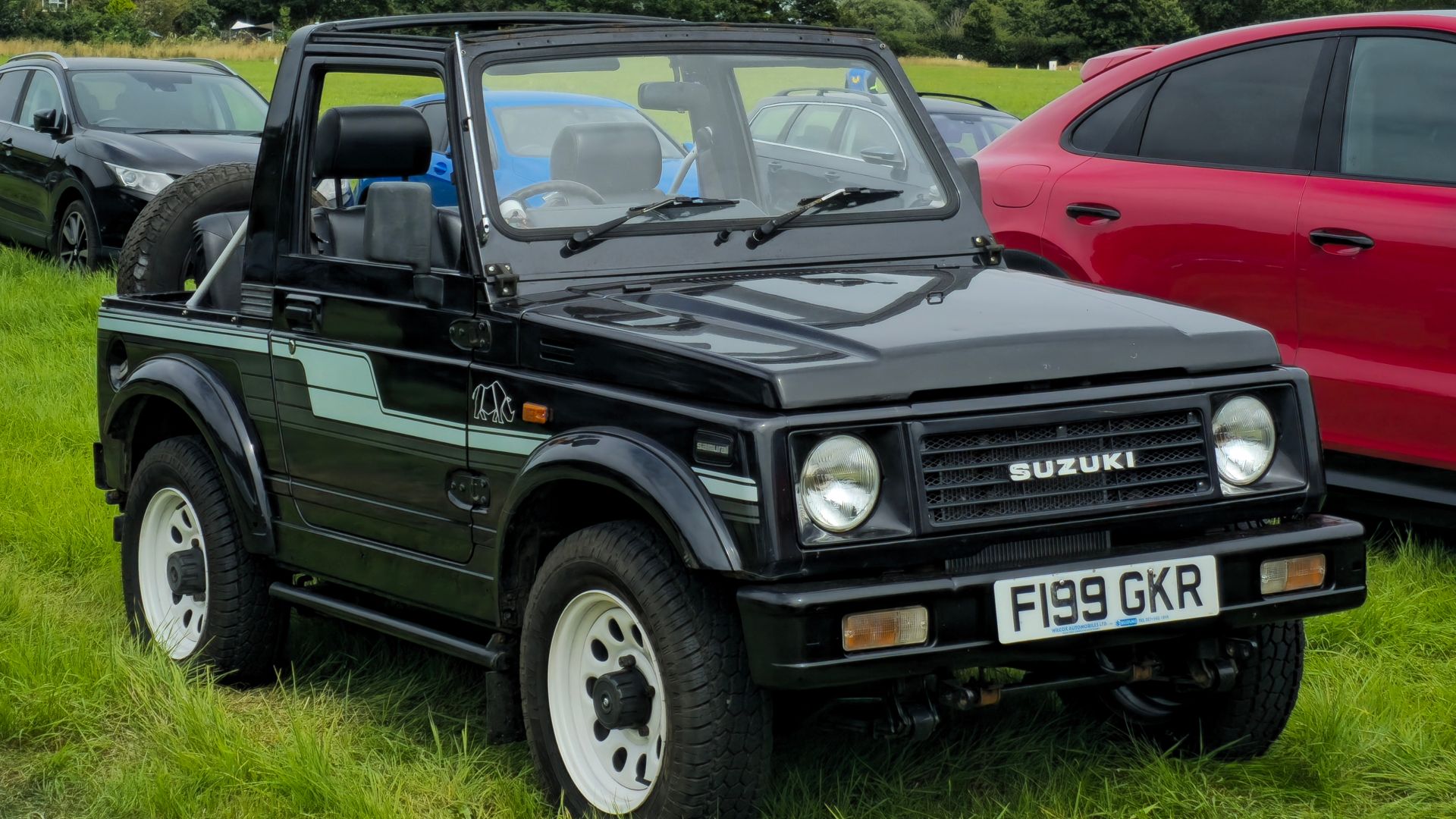
Suzuki developed a following with compact SUVs and small cars, but its American automobile operation struggled with limited scale and an increasingly difficult market. American Suzuki filed for bankruptcy protection in 2012 and announced that it would stop selling new automobiles in the United States. Suzuki continued selling vehicles elsewhere globally.
Isuzu Was Once Much More Than Trucks
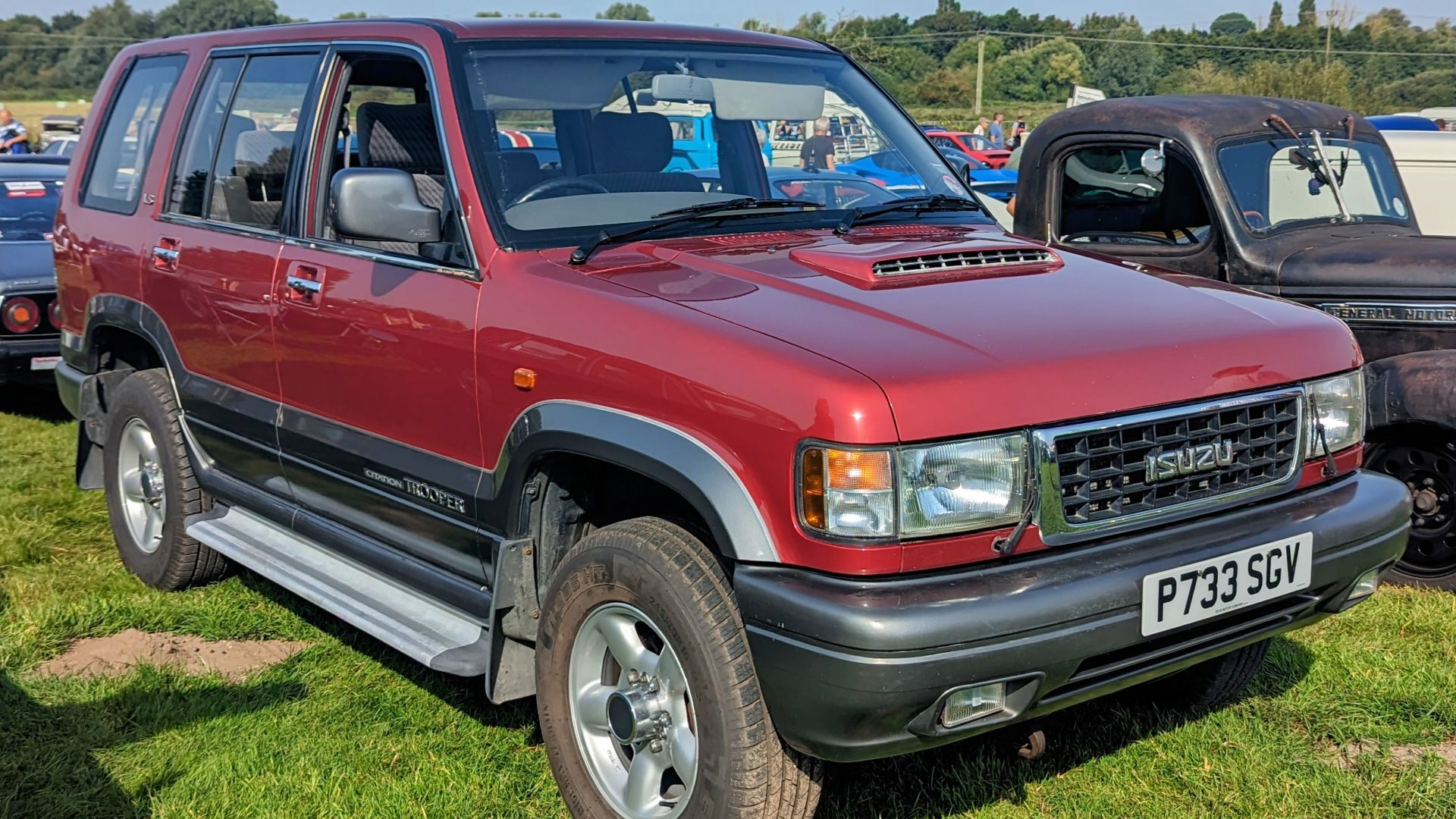
American drivers once knew Isuzu for vehicles including the Trooper, Rodeo, Amigo, and quirky VehiCROSS. Its passenger-vehicle presence steadily diminished as the company increasingly concentrated on commercial vehicles and diesel engines. By 2009, Isuzu had exited the American consumer-vehicle market.
Daewoo Came And Went Quickly
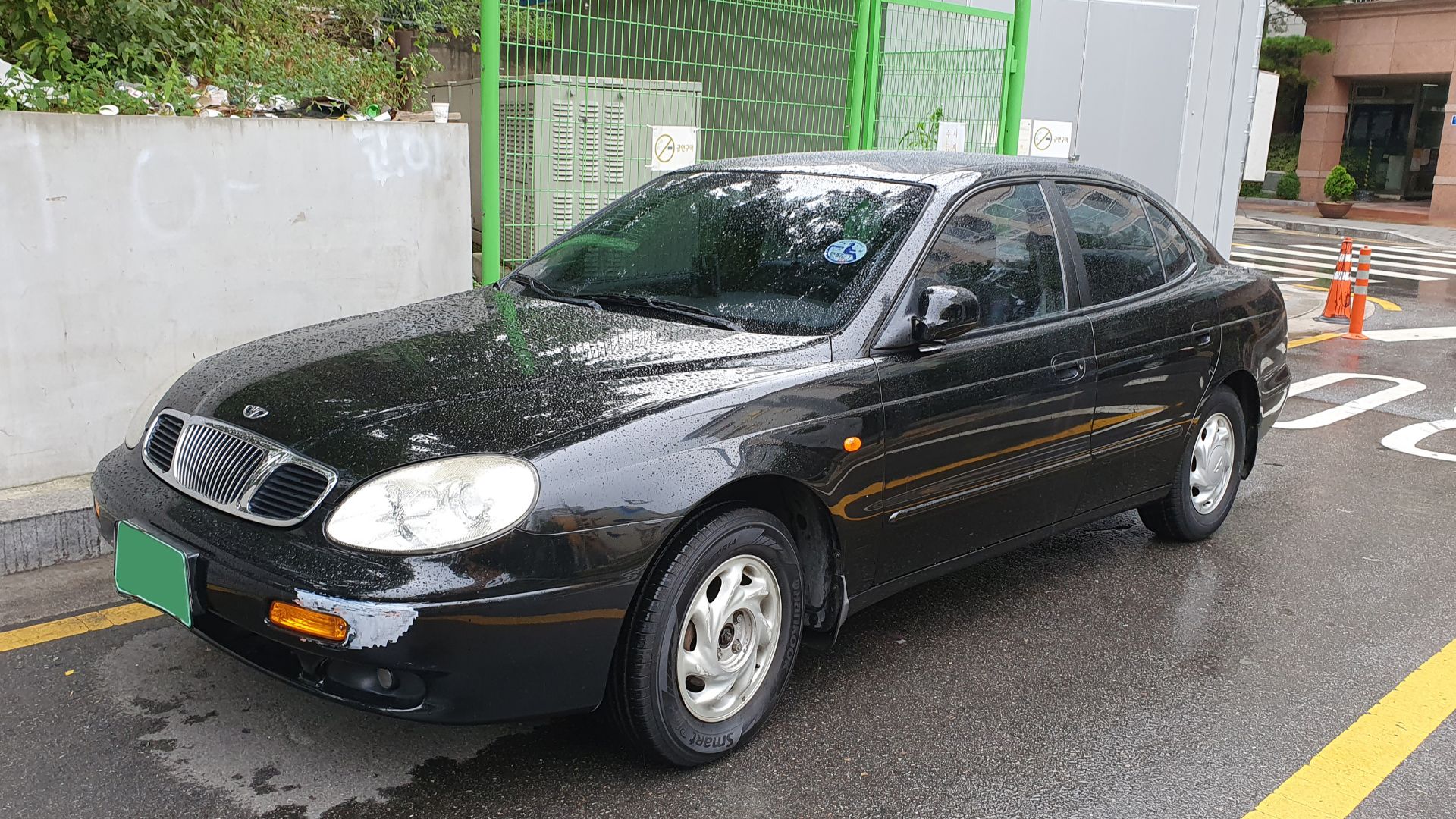
South Korea's Daewoo arrived in America during the late 1990s with inexpensive cars including the Lanos, Nubira, and Leganza. The independent company ran into severe financial trouble, and General Motors eventually took control of major automotive assets. The Daewoo badge disappeared from American new-car showrooms after only a short stay.
Sterling Had A Promising Recipe
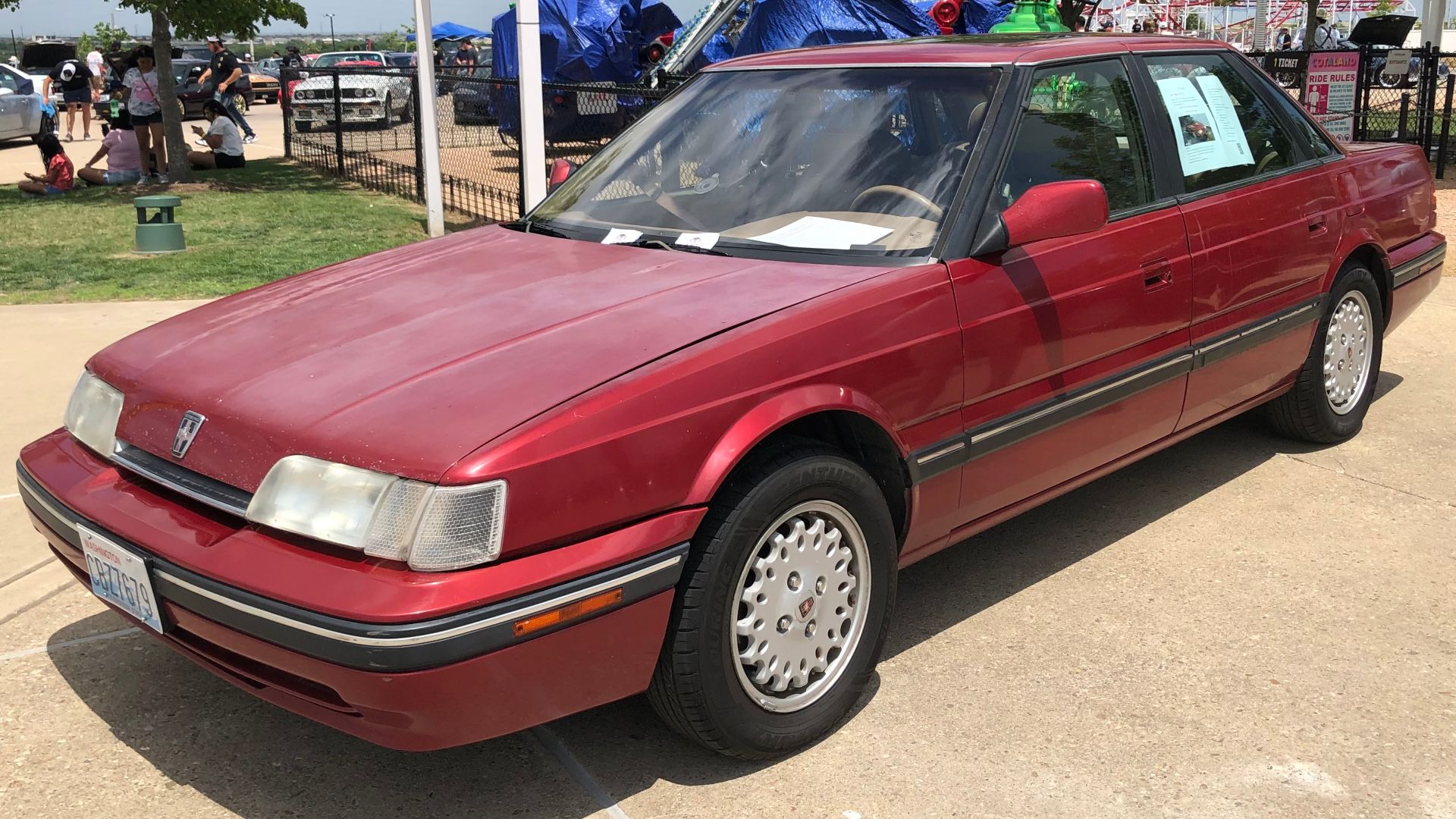
Sterling entered America in 1987 with cars related to the acclaimed Acura Legend, combining Honda-developed mechanical components with British design and assembly. Unfortunately, early quality troubles damaged the brand's reputation and sales declined sharply. Rover announced Sterling's American withdrawal in 1991.
Merkur Was Ford's European Experiment
Ford created Merkur to sell European performance-oriented models through Lincoln-Mercury dealers in America. The XR4Ti was based on the Ford Sierra, while the Scorpio brought a larger European hatchback into the lineup. Neither generated enough sales to sustain the experiment, and Merkur disappeared around the end of the 1980s.
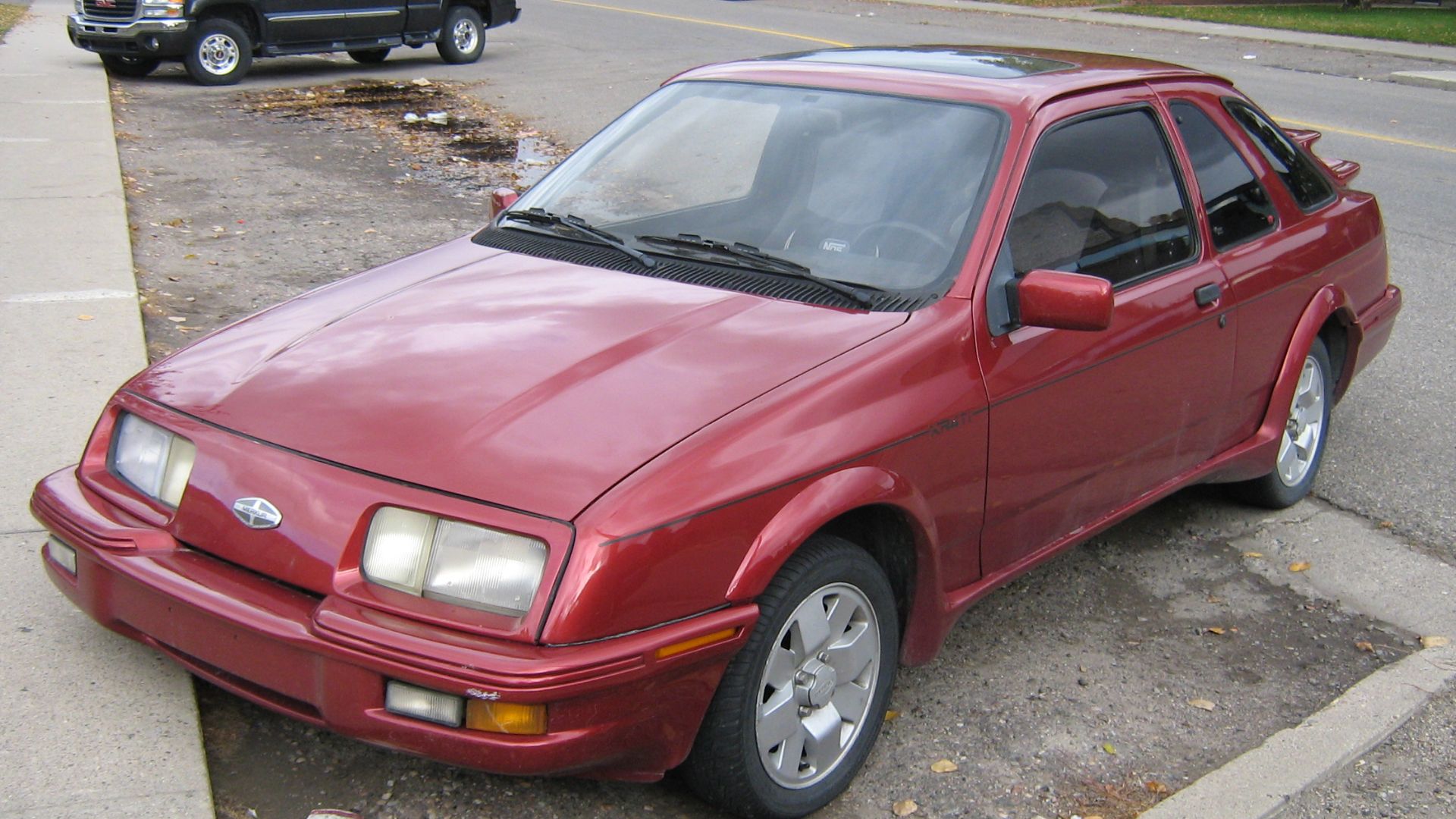 dave_7 from Lethbridge, Canada, Wikimedia Commons
The Badges Vanished, But The Cars Didn't
Discontinuing a brand doesn't erase the cars people remember driving, restoring, or dreaming about. Pontiac muscle cars, quirky Saabs, AMC Eagles, Plymouth performance machines, and boxy Scions still have identities that newer vehicles cannot exactly reproduce. In many cases, disappearing simply transformed everyday used cars into pieces of automotive history.
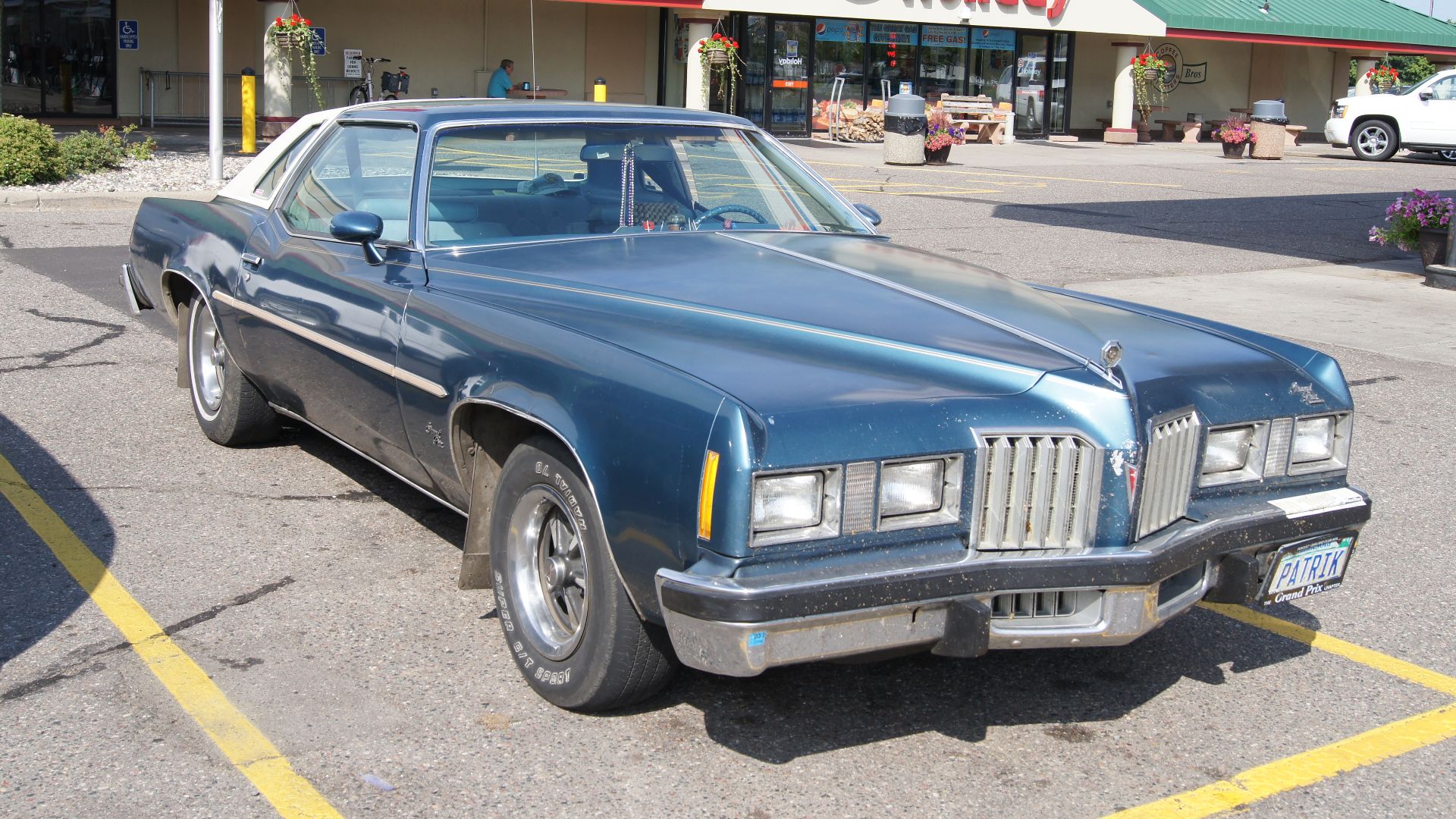 Greg Gjerdingen from Willmar, USA, Wikimedia Commons
You May Also Like:




.jpg)