Why Are Speed Bumps Being Replaced?
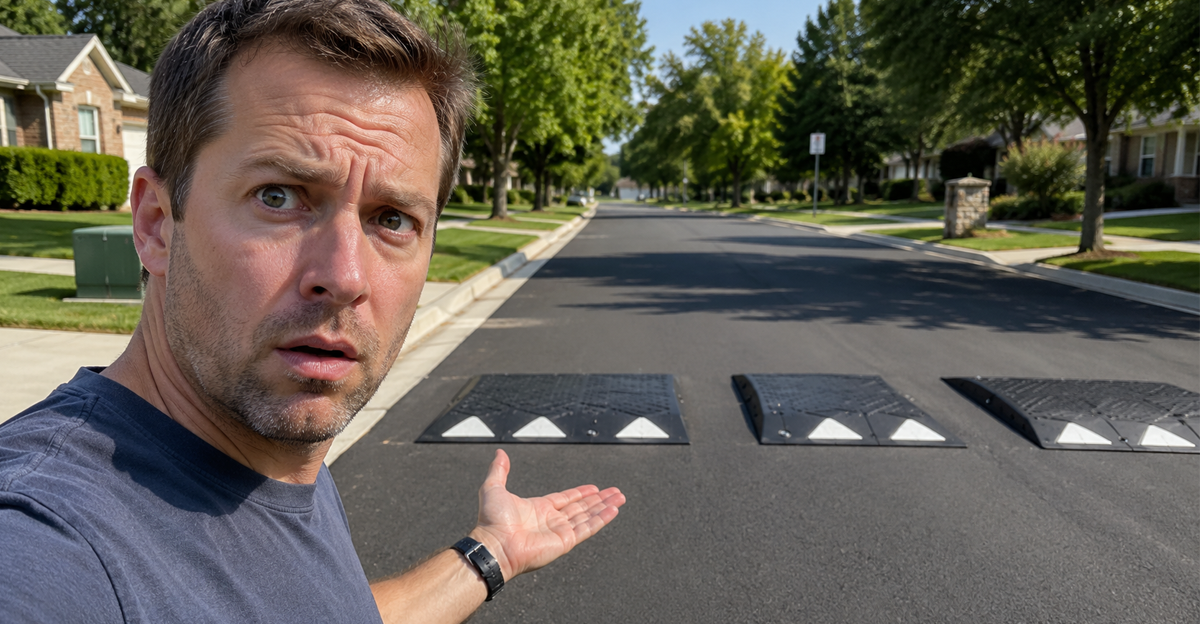
Many neighborhoods are quietly replacing familiar speed bumps with something called speed cushions. At first glance, speed cushions look like oddly shaped speed bumps. But there is a reason they are built differently, and it has nothing to do with making your drive more comfortable. The real purpose might surprise you.
Most People Know Speed Bumps
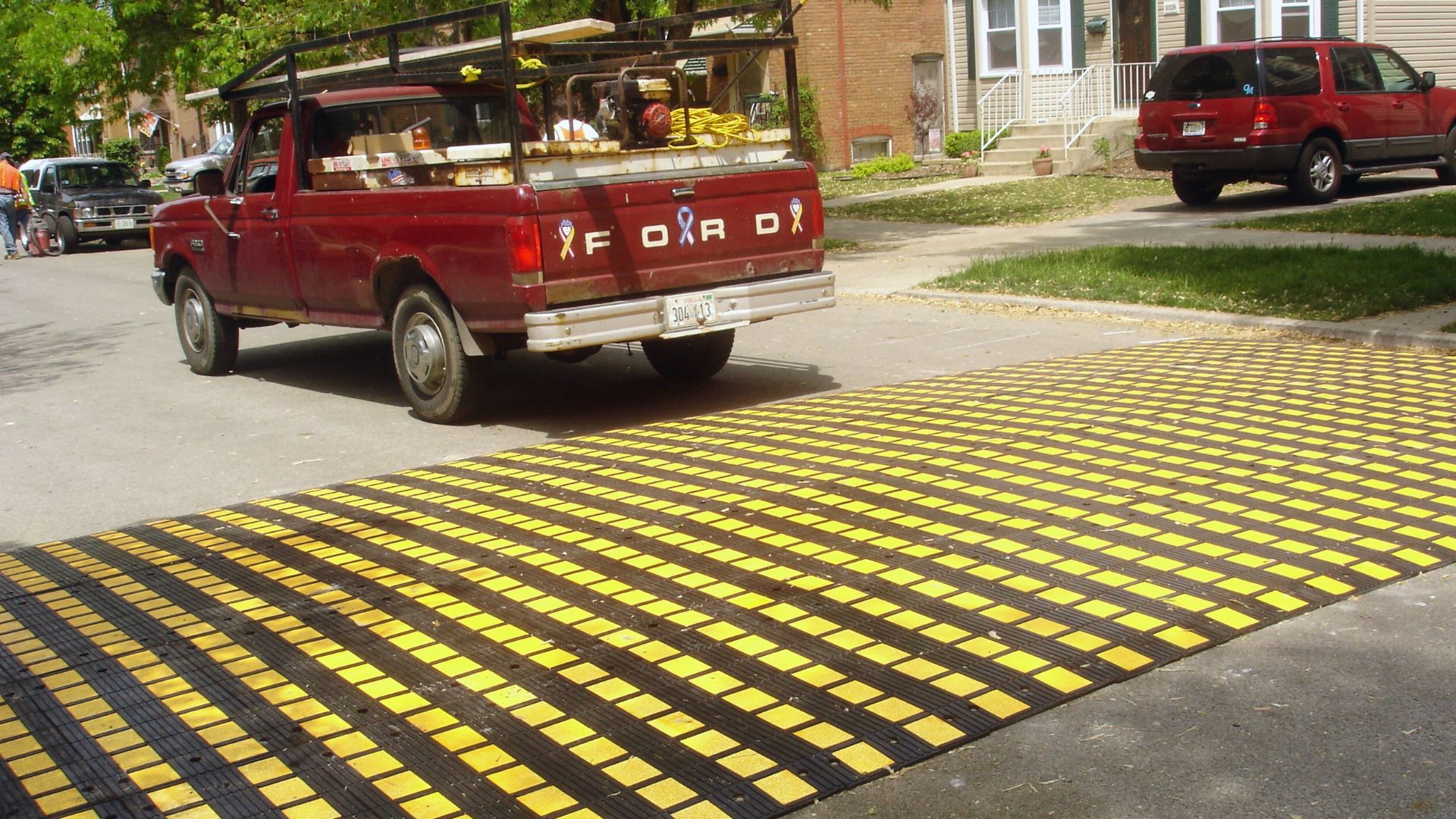
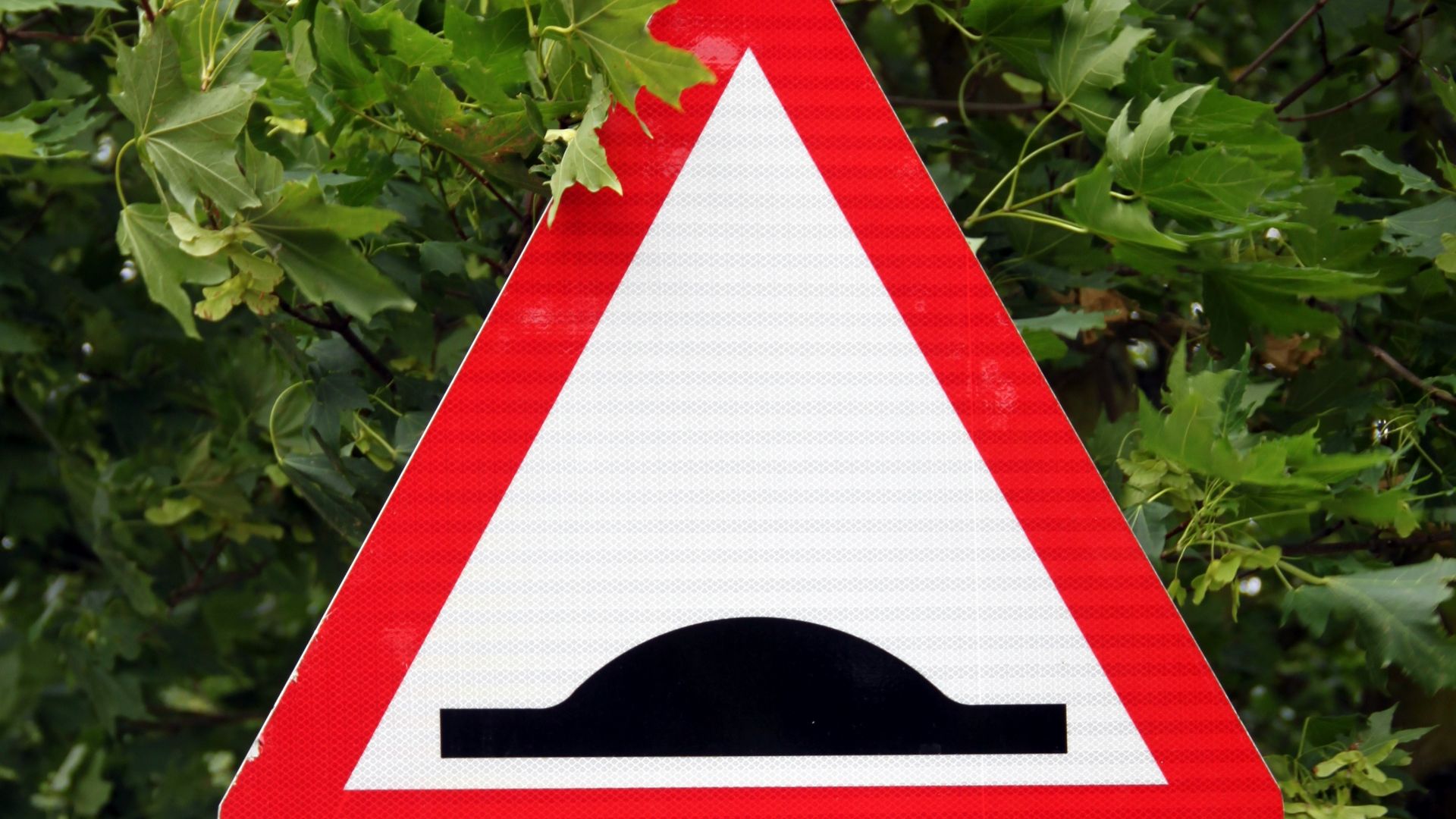
Speed bumps are the short, steep obstacles commonly found in parking lots and private roads. They are designed to force vehicles to slow to very low speeds, often around 5 to 10 mph. They are generally not intended for normal public streets because of their aggressive shape.
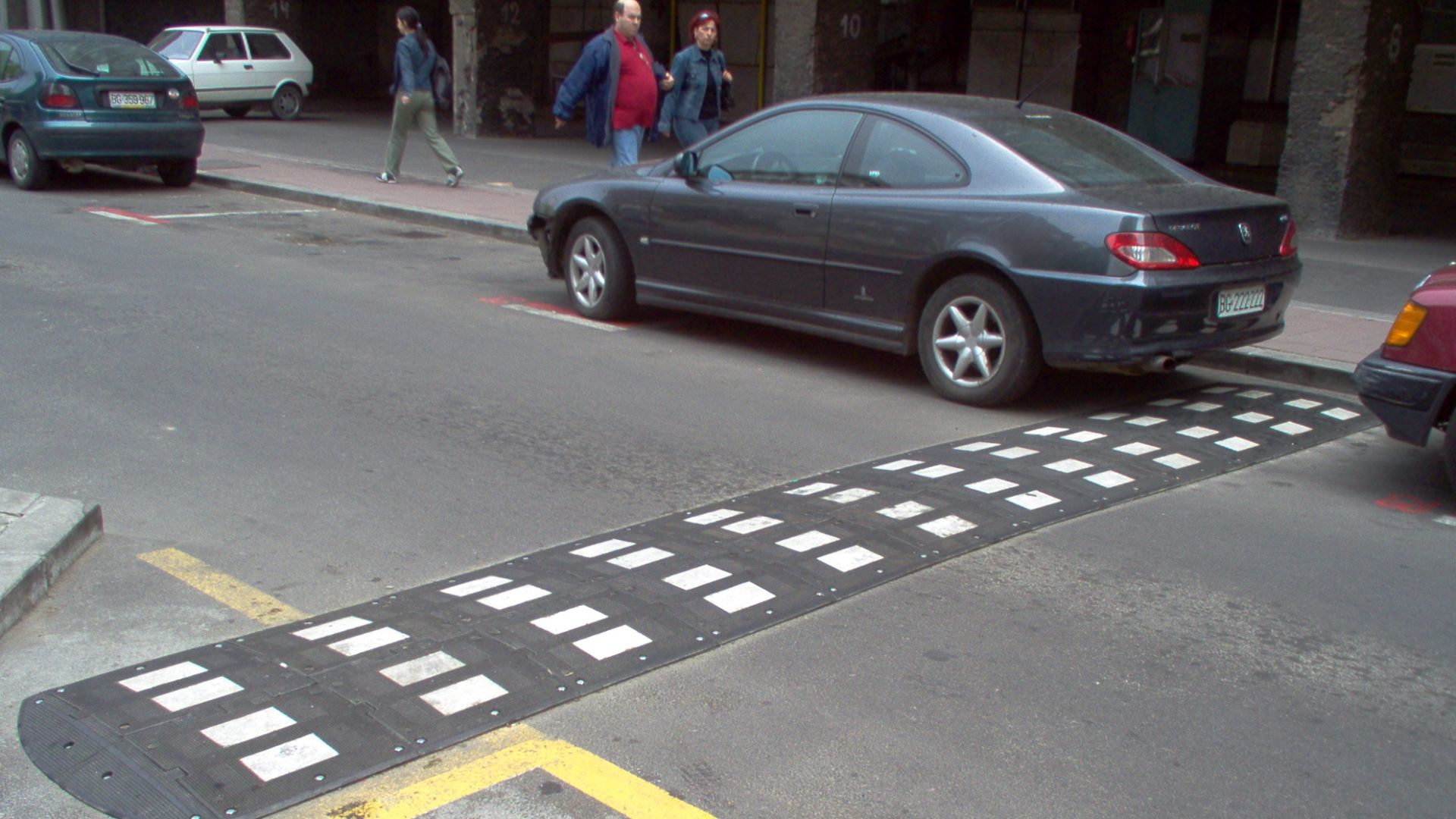 Obradovic Goran~commonswiki, Wikimedia Commons
Speed Cushions Are A Different Design
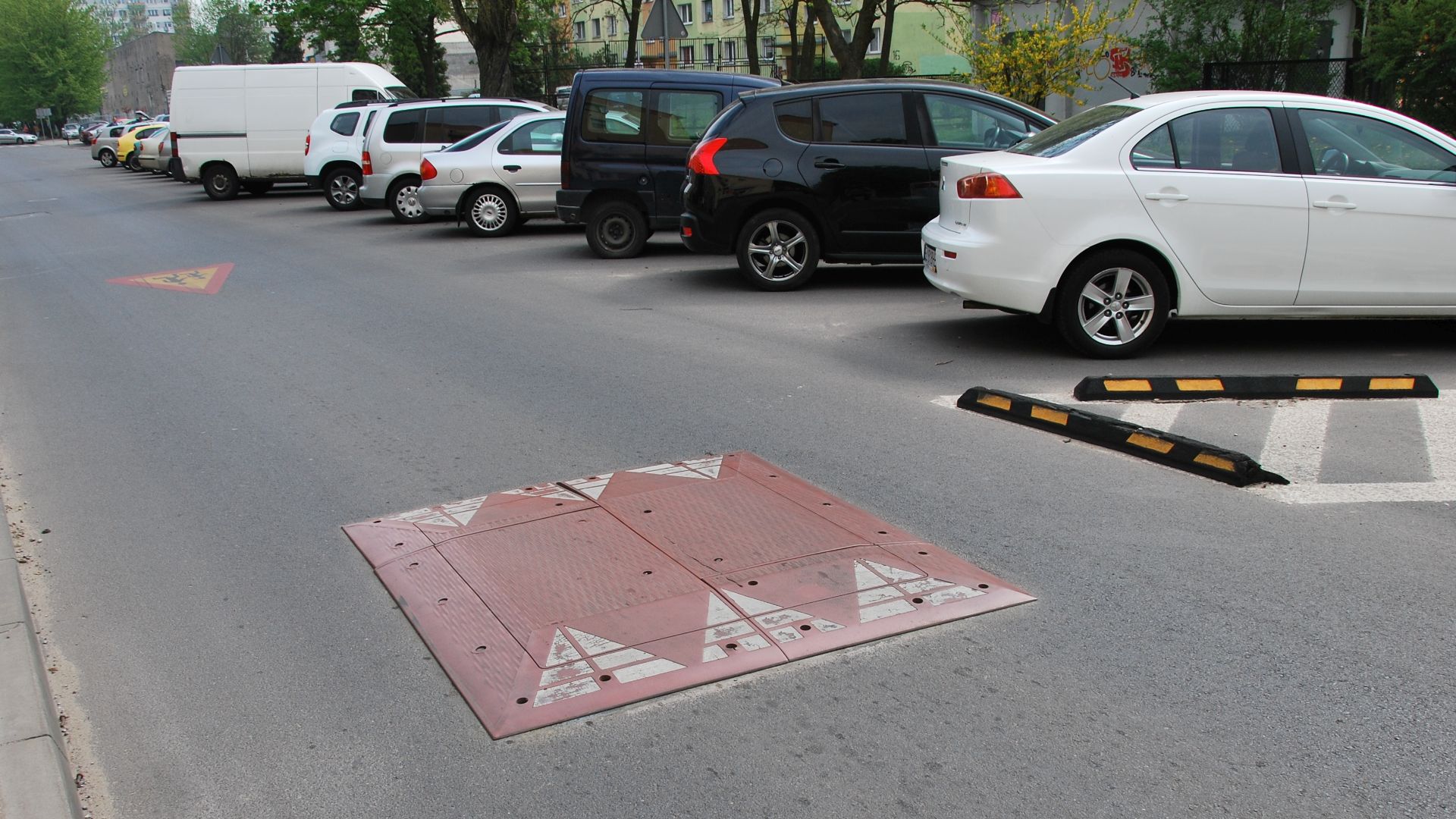
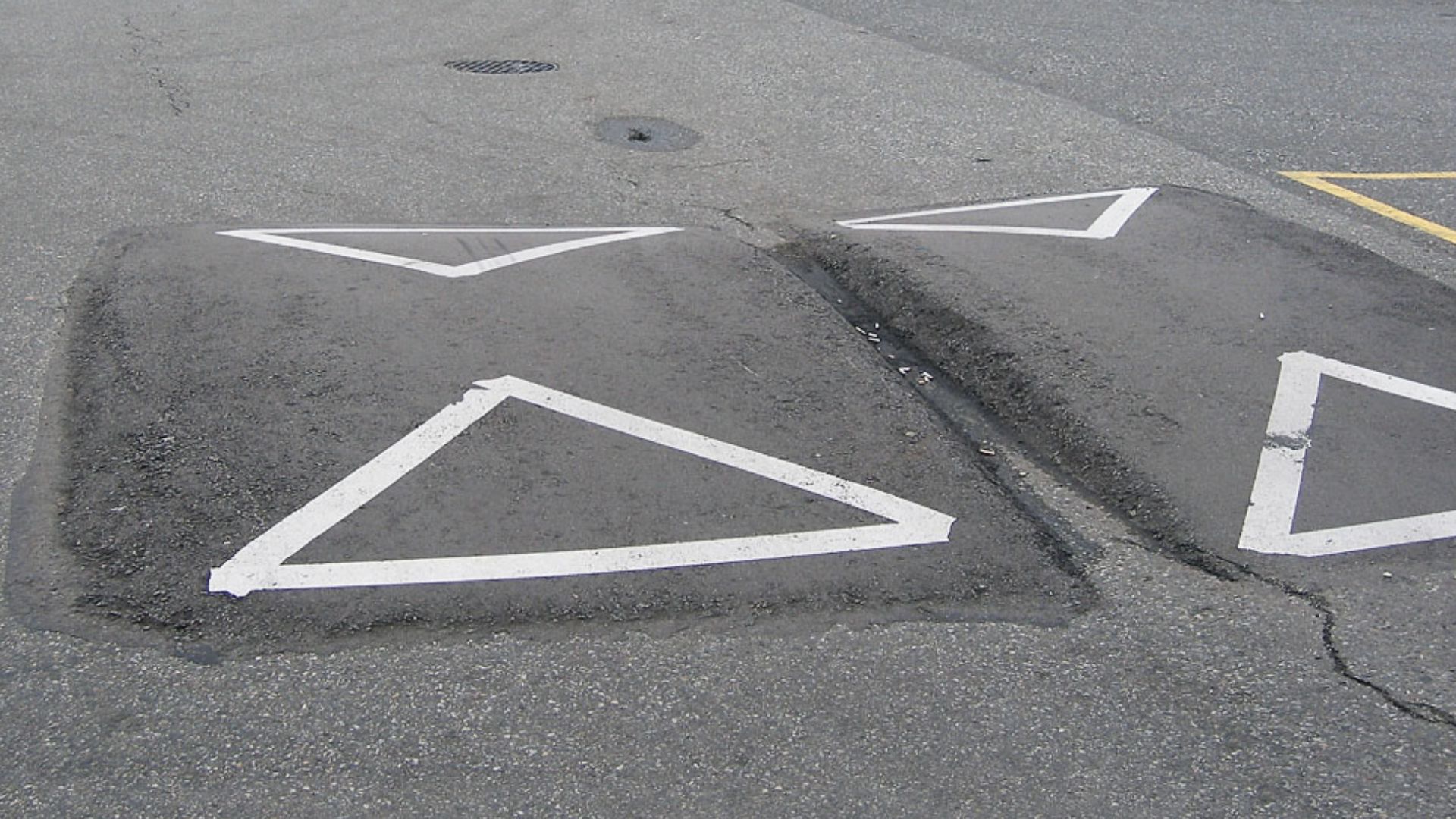
Speed cushions are made up of two or three raised sections with narrow gaps between them. Those gaps are carefully spaced so that wider emergency vehicles can often pass through with little or no vertical jolt. Passenger cars usually cannot avoid driving over at least part of the raised surface.
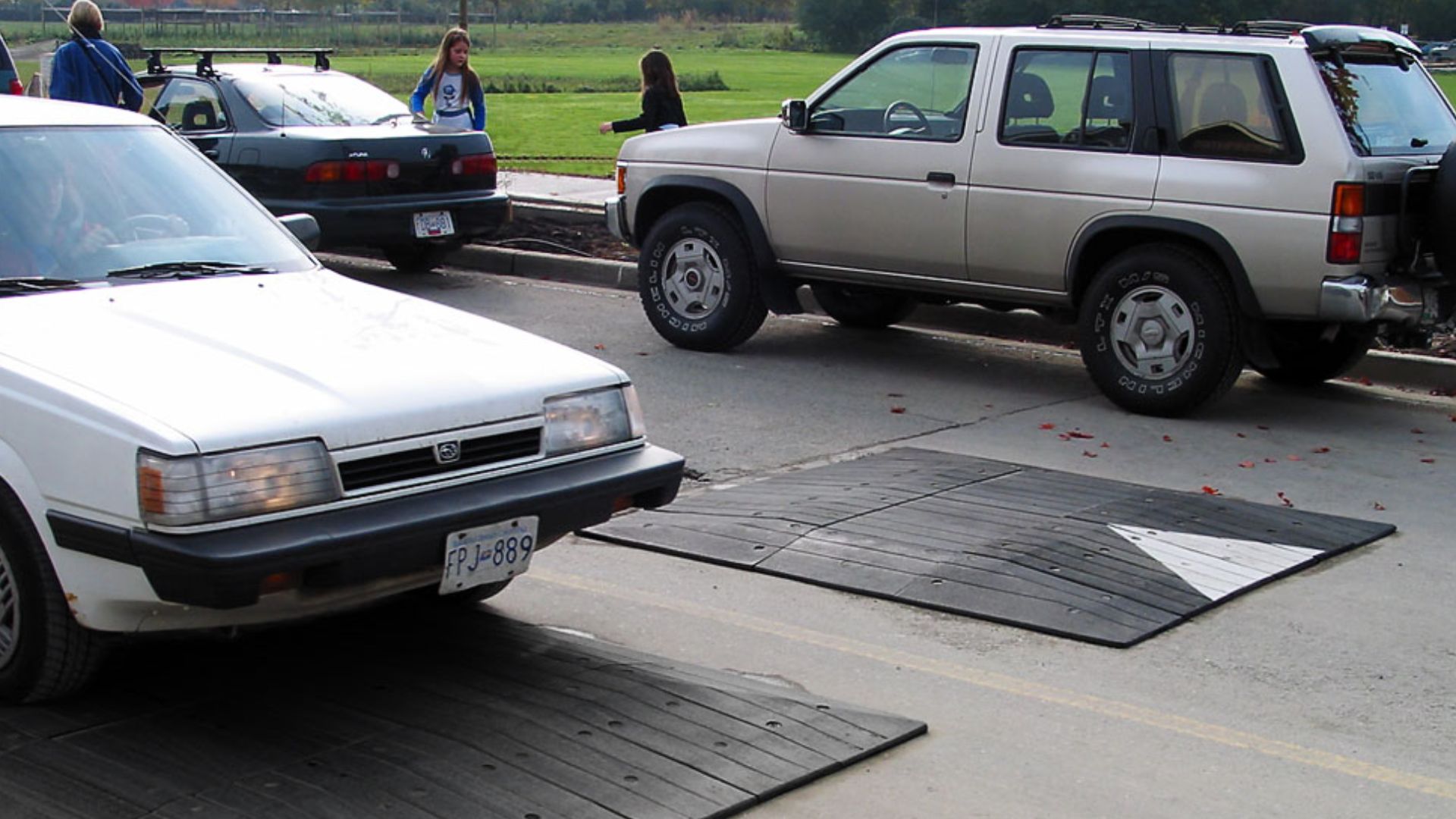 Richard Drdul, Wikimedia Commons
Why Cities Are Switching
Many neighborhoods want slower traffic without making life harder for firefighters and paramedics. Speed cushions were developed specifically to balance those two goals. As a result, they have become increasingly common in cities across North America and Europe.
The Name Actually Fits
Unlike the sharp profile of a speed bump, a speed cushion has a flatter top and gentler slopes. Drivers still feel the raised pavement, but the ride is usually smoother when traveling at the intended speed. That softer profile is part of the reason for the name.
 Dwernertl at English Wikipedia, Wikimedia Commons
Emergency Vehicles Get A Big Advantage
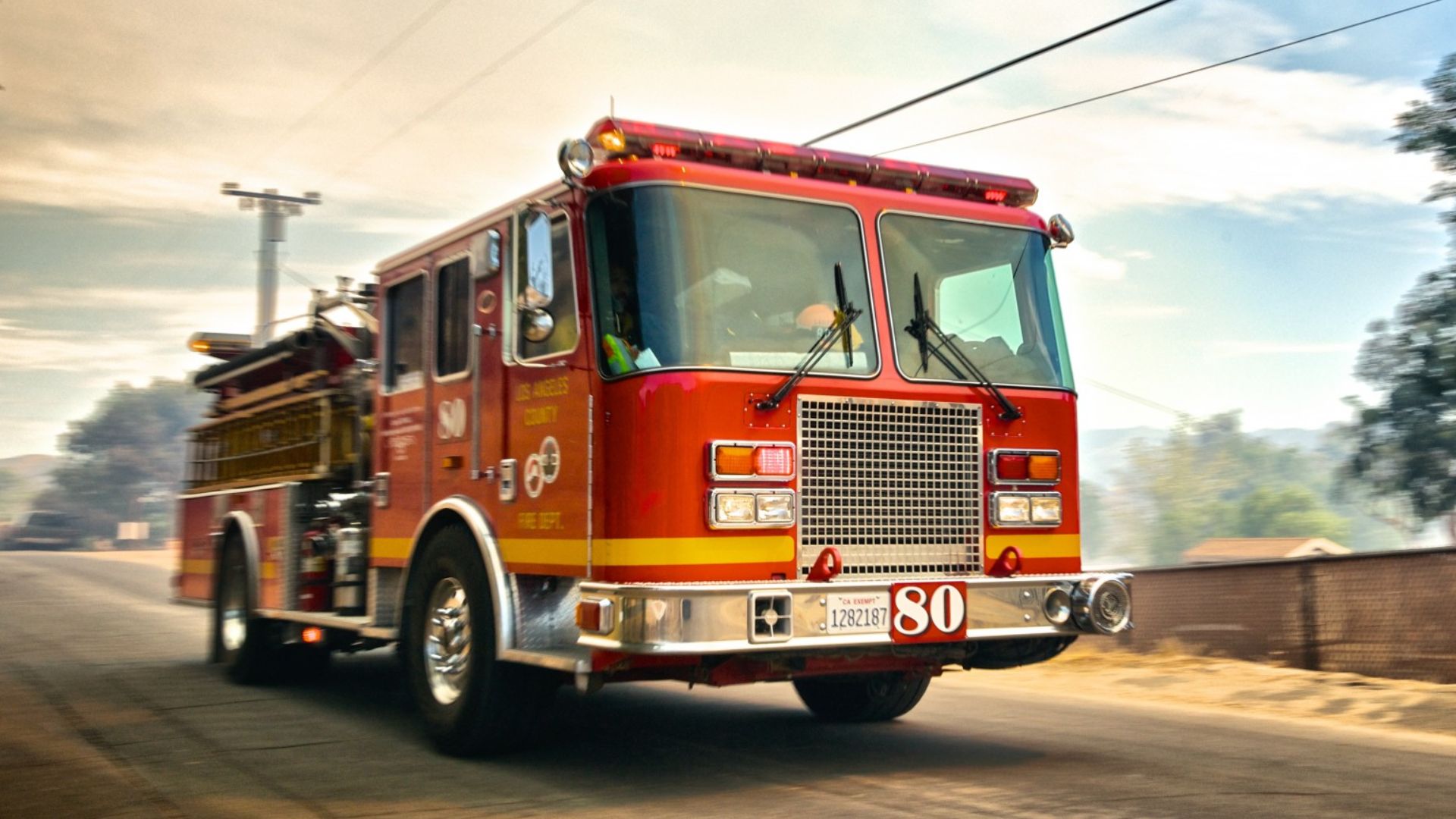
Fire trucks are much wider than passenger cars. Their wheels can often line up with the gaps between the cushions, allowing them to cross with much less slowing. This design helps reduce delays during emergency responses compared with traditional speed humps or bumps.
 Ken Kistler, Wikimedia Commons
They Still Slow Most Drivers
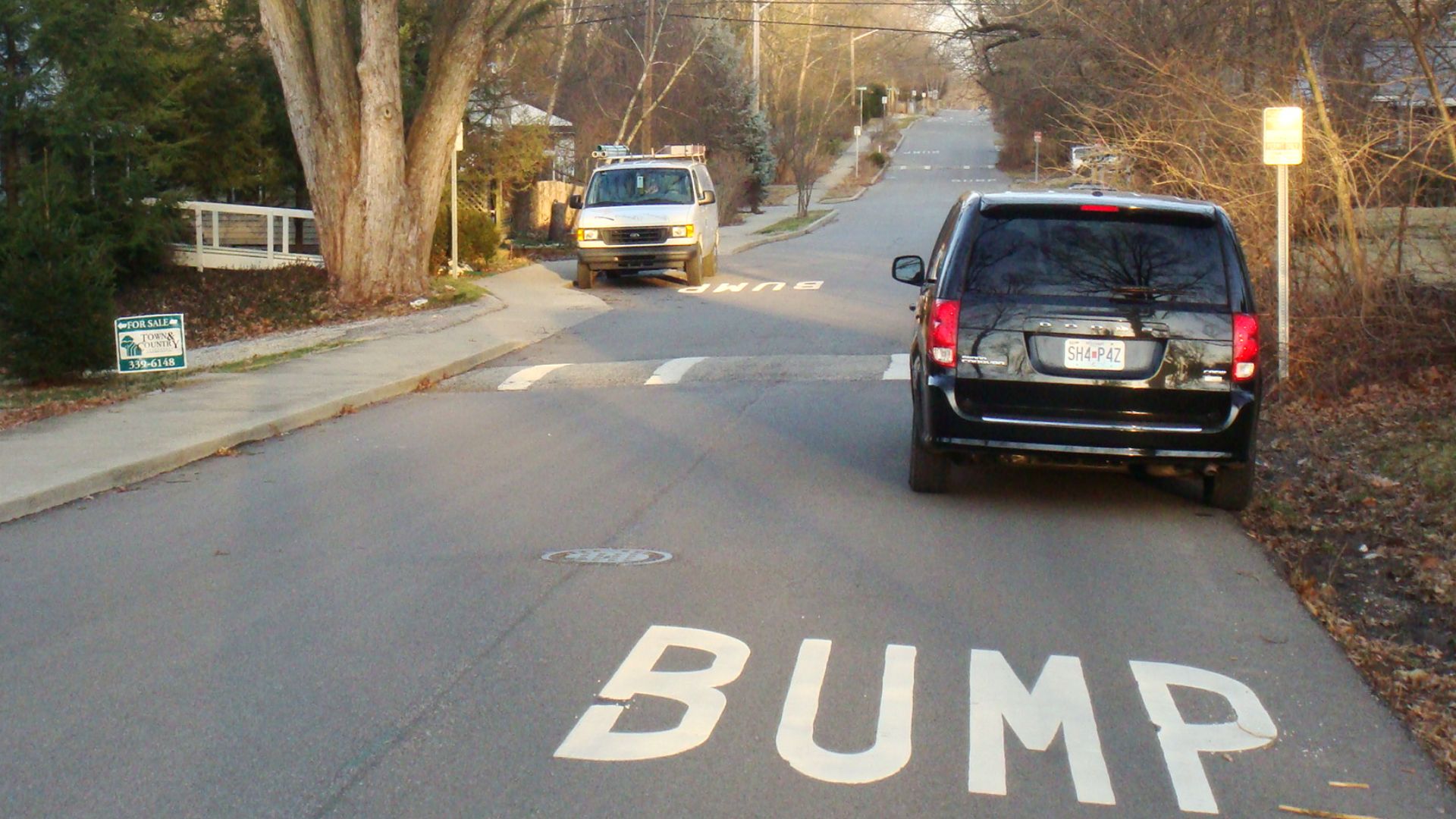
Even though larger vehicles benefit from the gaps, regular cars do not. Drivers usually need to slow to about 20 to 25 mph for a comfortable ride over properly designed speed cushions. Going much faster quickly becomes uncomfortable.
 Vitaly Barsov, Wikimedia Commons
Research Shows They Reduce Speeds
Studies reviewed by the Federal Highway Administration found that speed cushions reduce the 85th percentile speed by an average of about 9 mph. That works out to roughly a 25 percent reduction in typical driving speeds. Those results are similar to traditional speed humps.
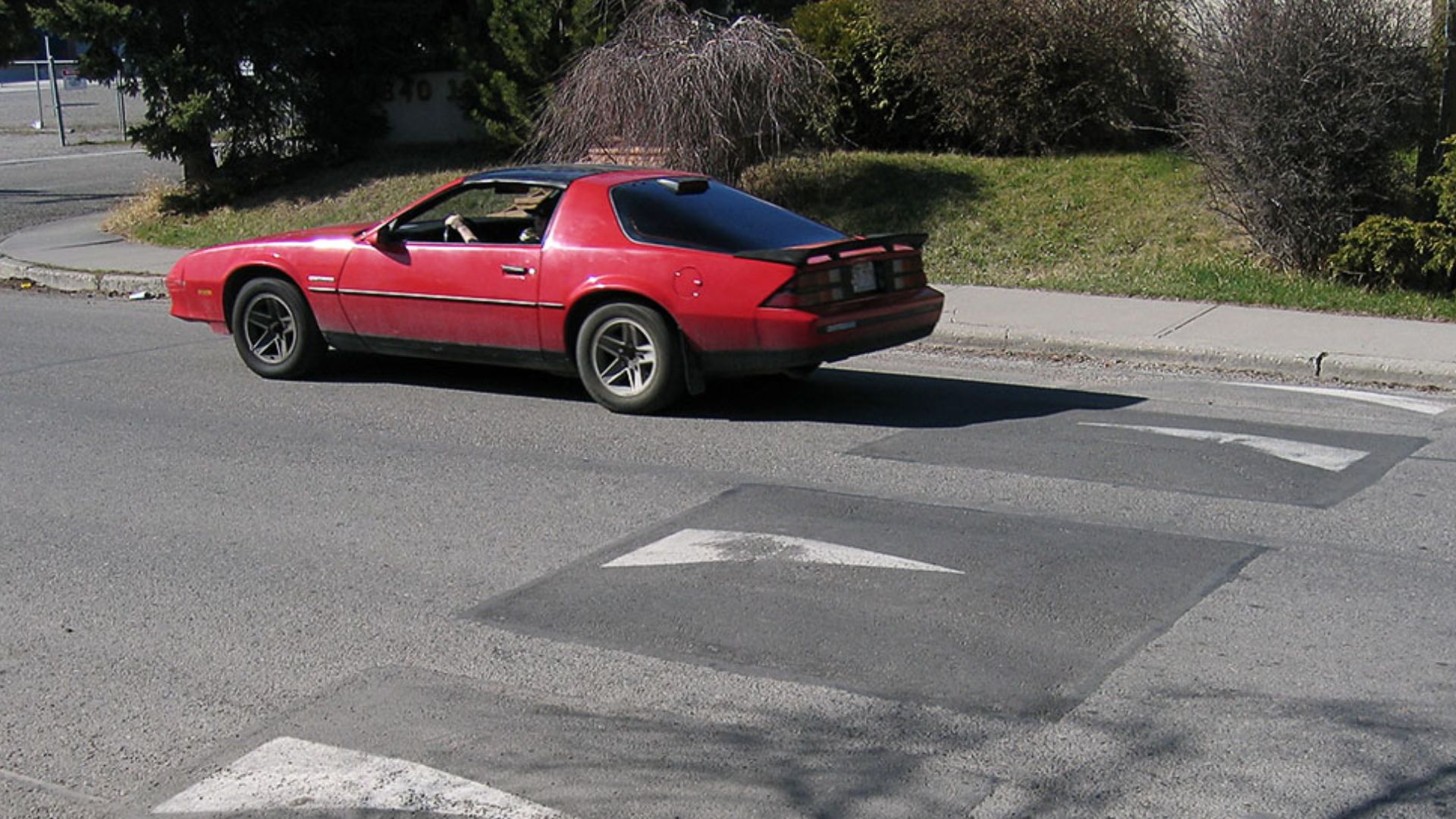 Richard Drdul, Wikimedia Commons
What Is The 85th Percentile Speed?
Traffic engineers often measure the speed that 85 percent of drivers stay below. It provides a better picture of everyday driving behavior than simply looking at the fastest vehicles. Lowering that number is one of the main goals of traffic calming.
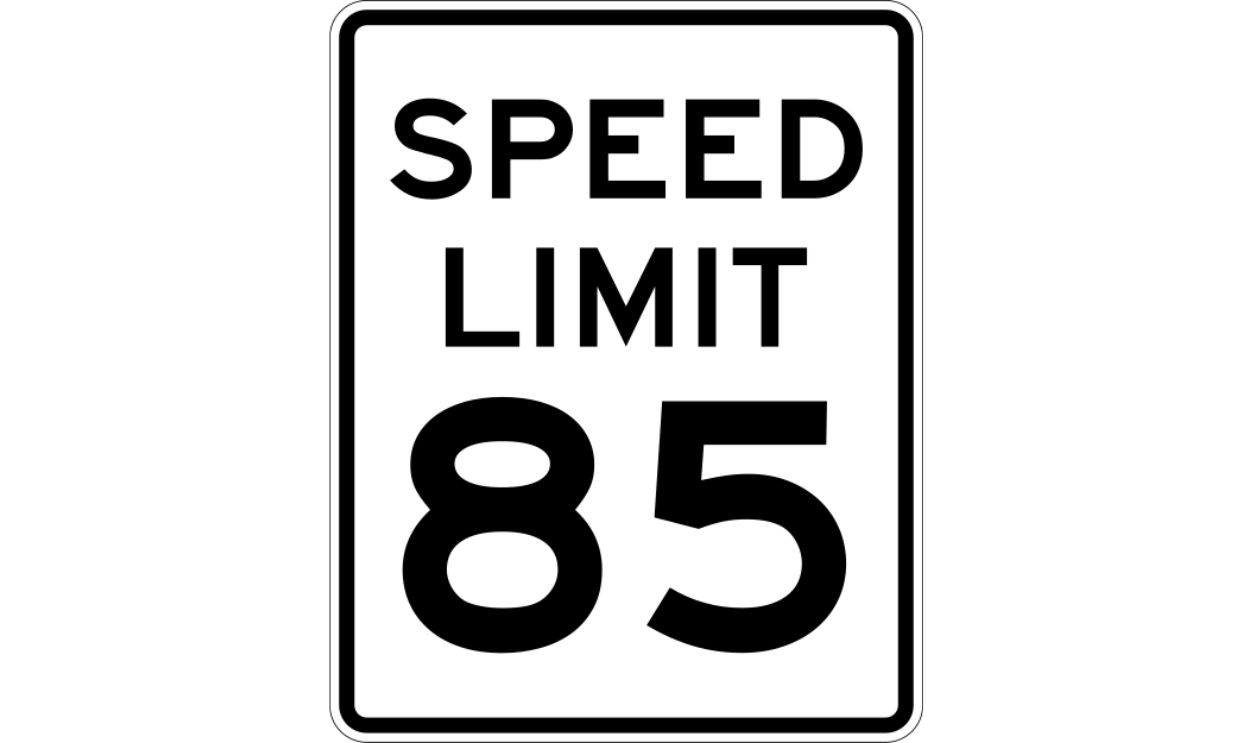 Federal Highway Administration - MUTCD and TXDOT, Wikimedia Commons
Slower Speeds Mean Safer Streets
The goal is not to punish drivers. Instead, lower speeds give motorists more time to react to children, cyclists, pets, and pedestrians. Even modest reductions in speed can significantly reduce crash severity.
They Can Discourage Cut Through Traffic
Some neighborhoods experience heavy traffic from drivers avoiding busy roads. Installing traffic calming devices often encourages those drivers to choose other routes instead. That can make residential streets quieter and more pleasant.
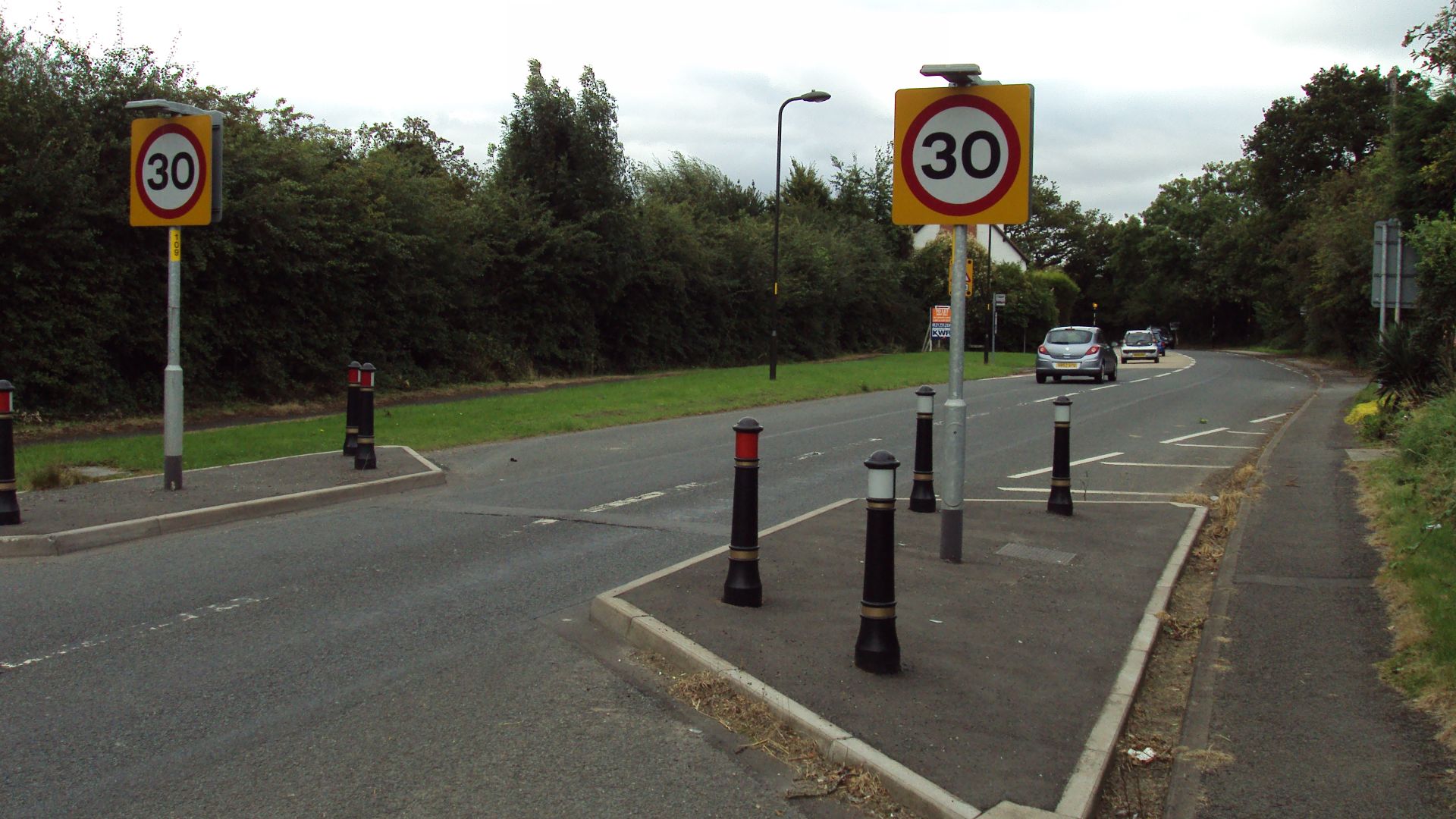
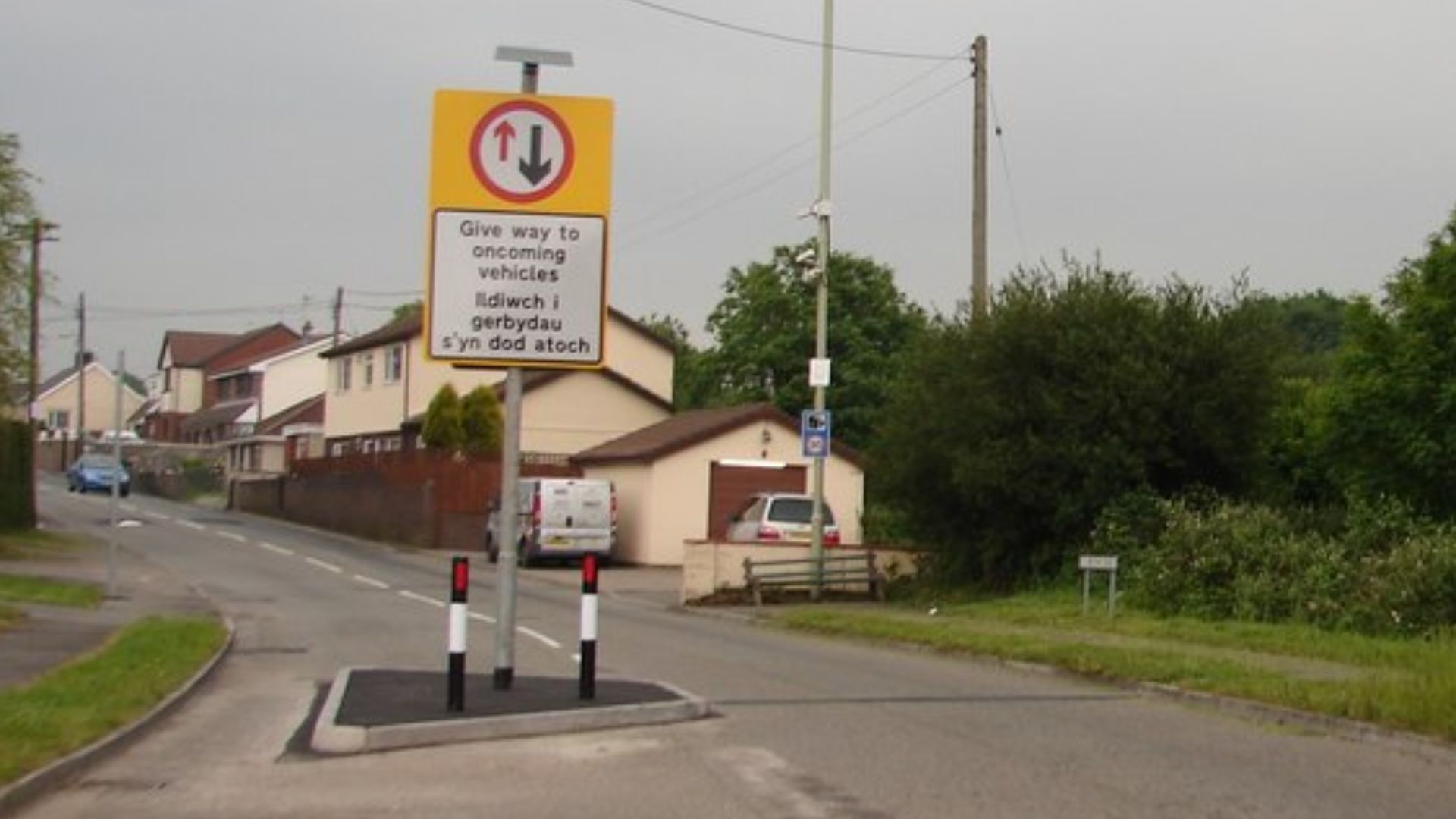
They Are Not Installed Everywhere
Transportation agencies carefully choose where speed cushions make sense. They are generally intended for lower speed residential streets rather than busy arterial roads. Local traffic patterns, street design, and emergency access all factor into the decision.
 Ian Paterson, Wikimedia Commons
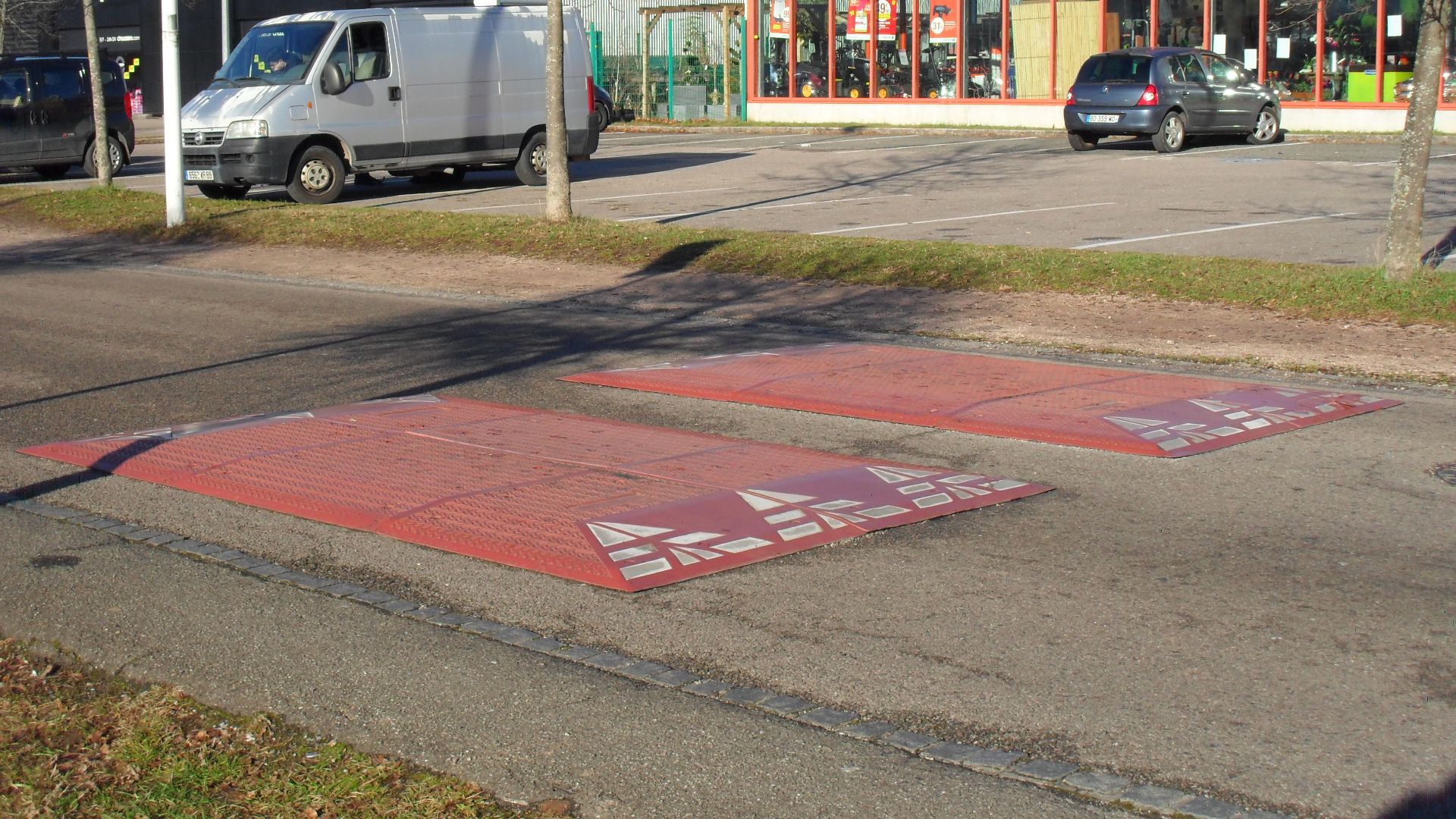
Speed Cushions Are Different From Speed Humps
People often confuse these two designs. A speed hump stretches across the entire width of the road with no gaps. Speed cushions leave spaces between raised sections specifically for wider vehicles.
 Harvey Stillnot, Wikimedia Commons
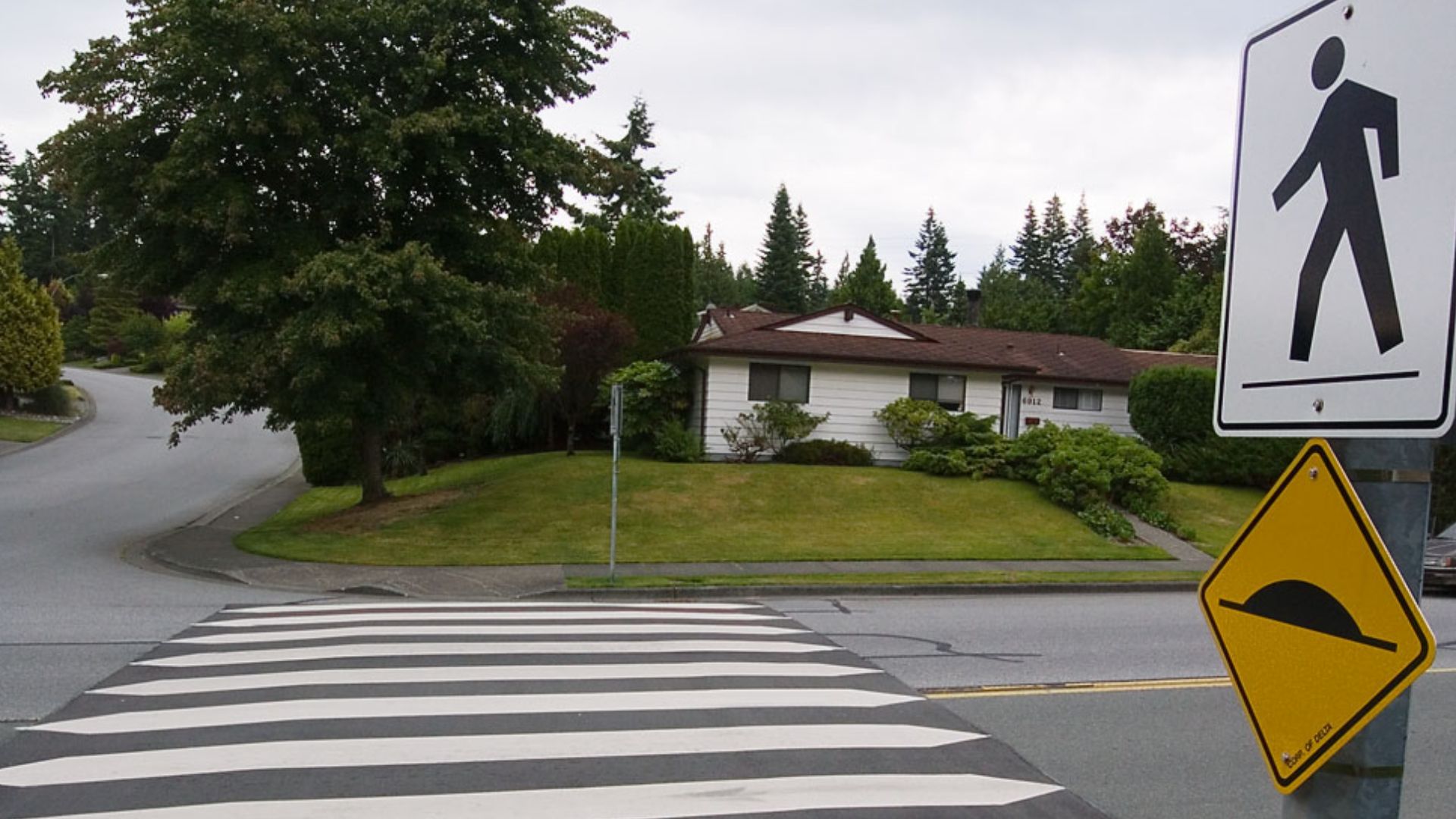
They Are Also Different From Speed Tables
Speed tables have a much longer flat top than either humps or cushions. They often double as raised crosswalks or pedestrian crossings. Their larger footprint allows vehicles to cross more smoothly at moderate speeds.
 Richard Drdul, Wikimedia Commons
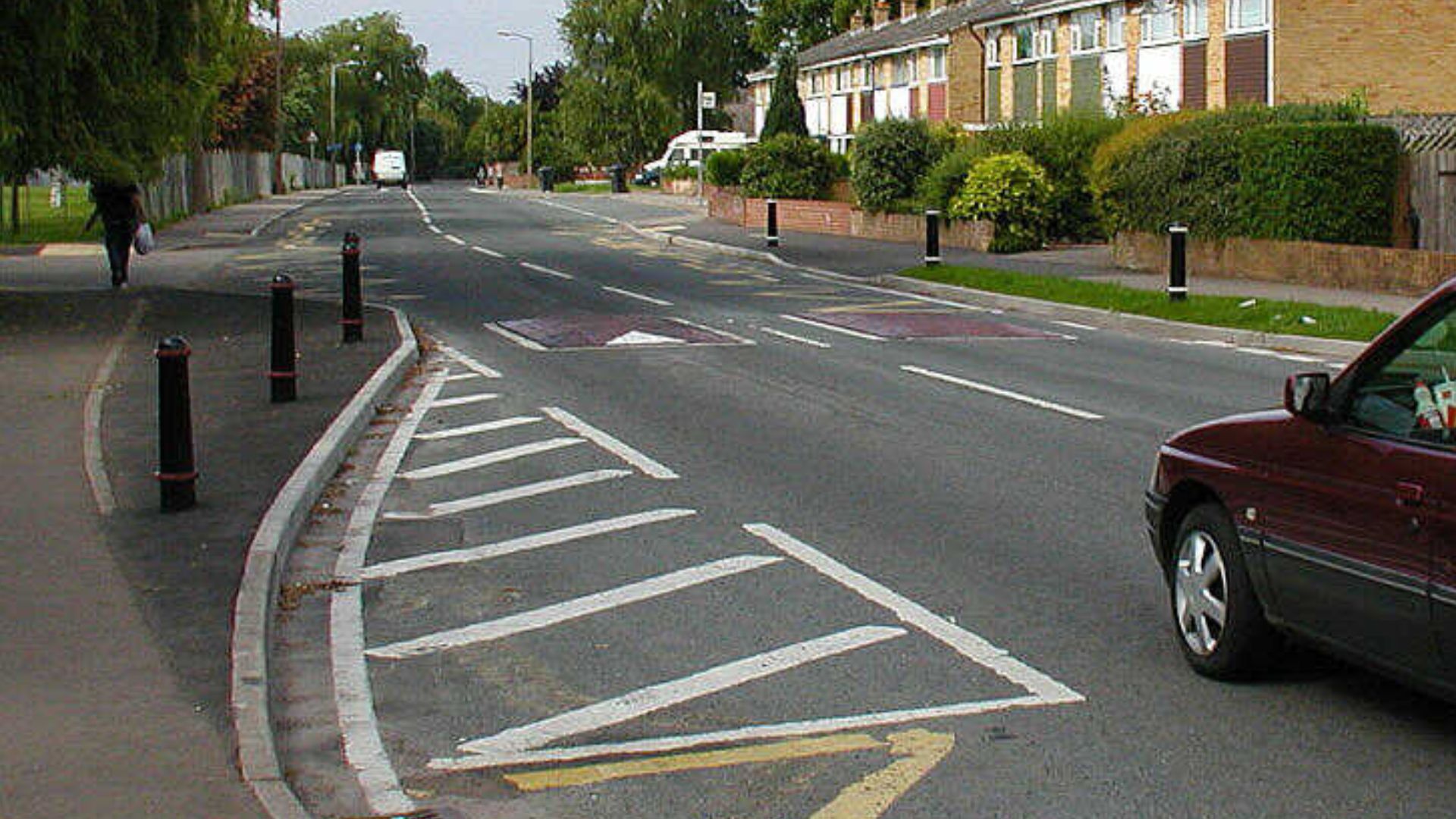
Some Drivers Try To Beat The System
You may occasionally see motorists attempt to straddle the gaps with one side of the car. Most passenger vehicles are too narrow for that trick to work properly. Engineers intentionally size the spacing to make avoidance difficult.
 The original uploader was Arpingstone at English Wikipedia., Wikimedia Commons
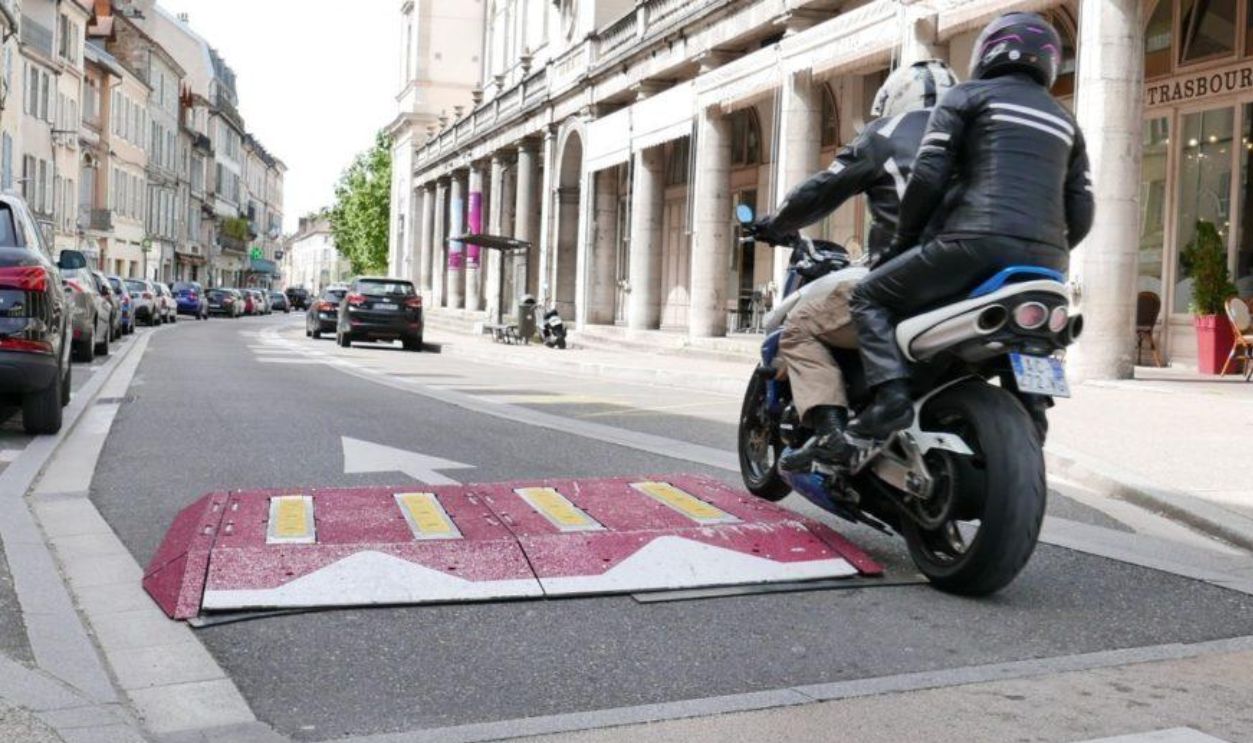
Motorcycles Require Extra Attention
Motorcyclists can usually ride over speed cushions safely when using an appropriate speed. Riders still need to stay alert because abrupt steering or excessive speed can reduce stability. Good visibility and proper pavement markings are important.
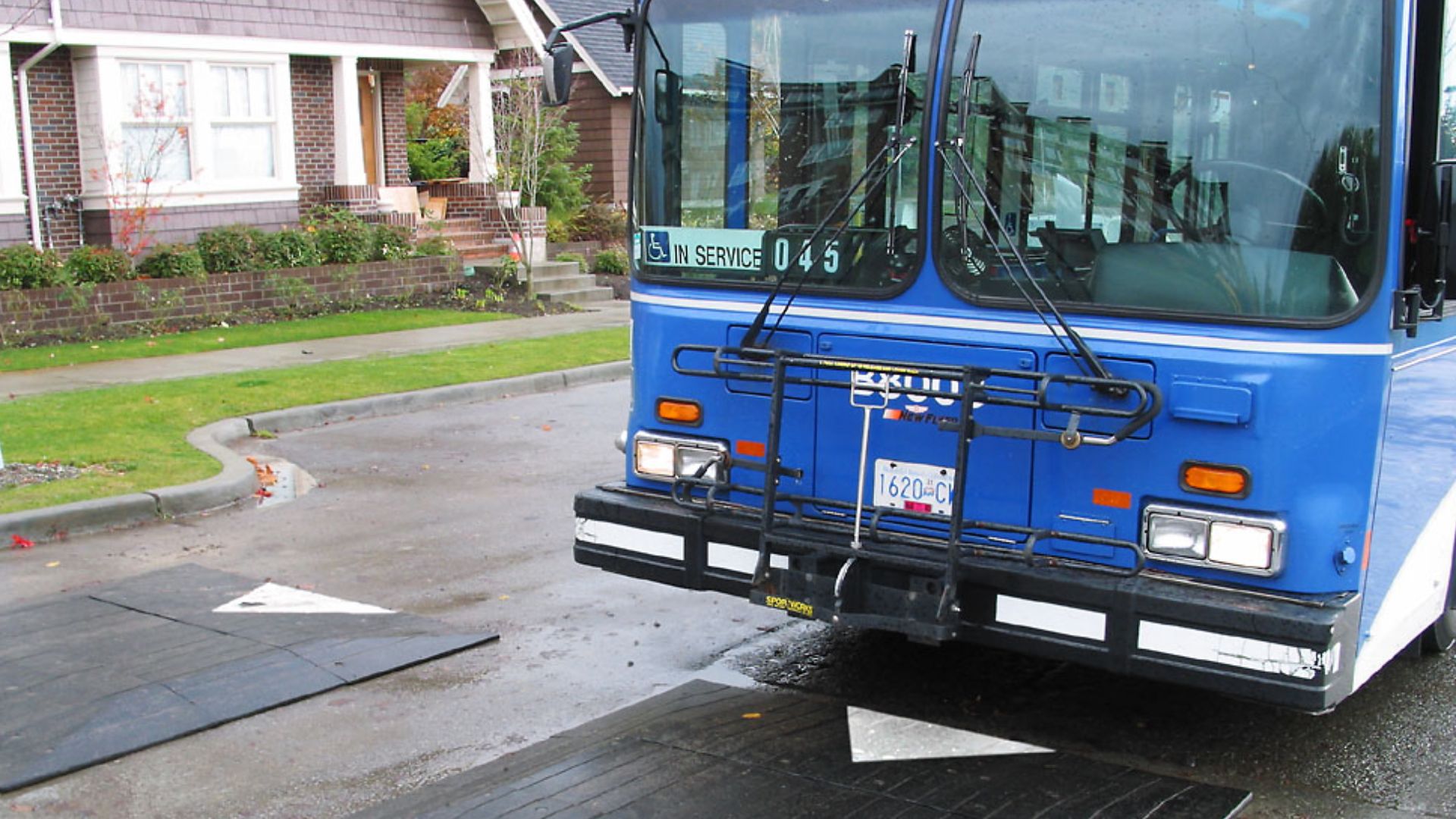
Buses May Benefit Too
Some buses have wide enough wheel tracks to take partial advantage of the gaps. That helps improve passenger comfort compared with full width speed humps. Transit agencies often support cushions for that reason.
 Richard Drdul, Wikimedia Commons
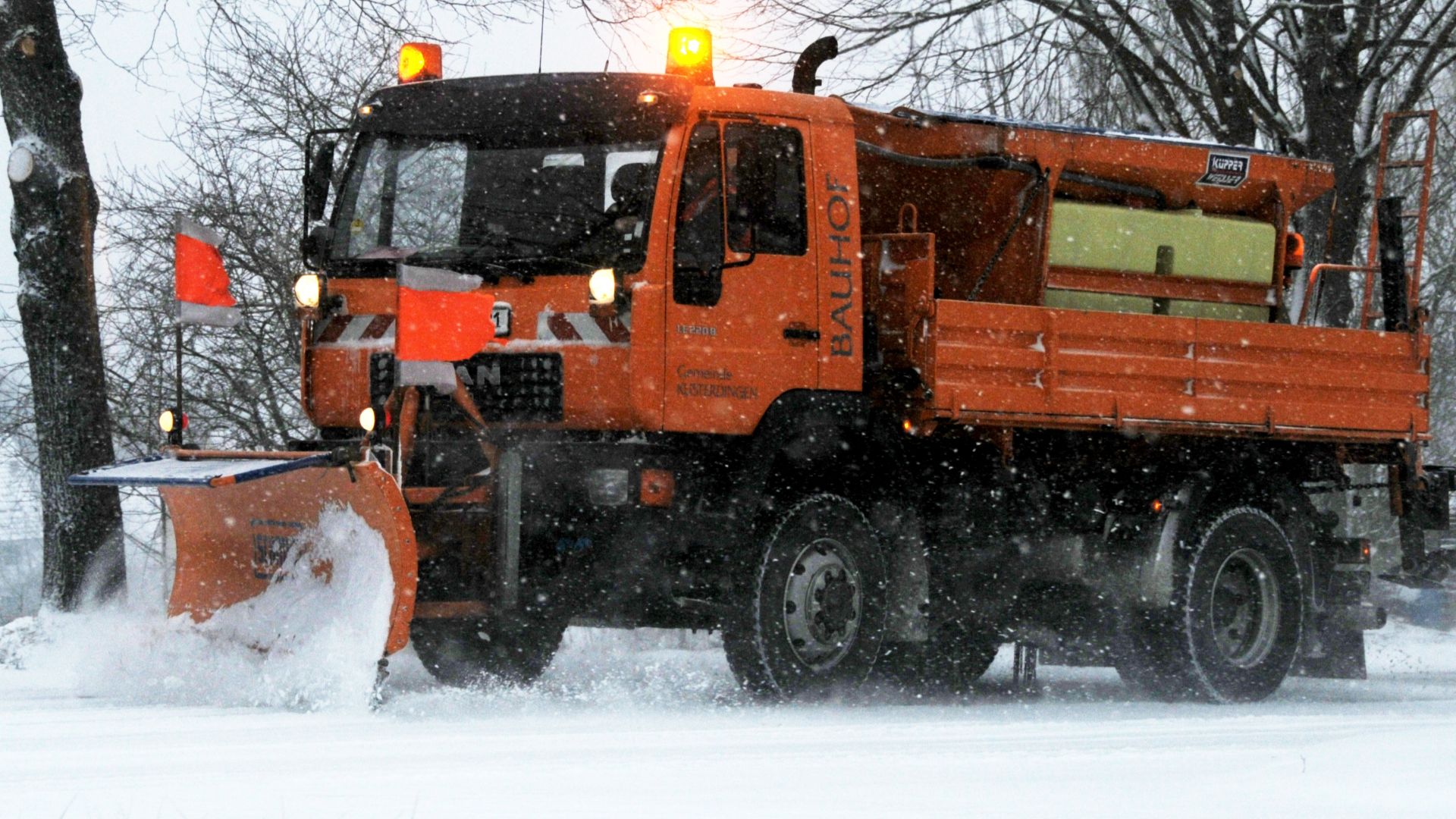
Snowplows Need Planning
In colder climates, maintenance crews adjust snow removal practices around traffic calming devices. Proper signage and mapping help operators avoid damaging equipment. Many cities successfully use speed cushions even in snowy regions.
 UnreifeKirsche, Wikimedia Commons
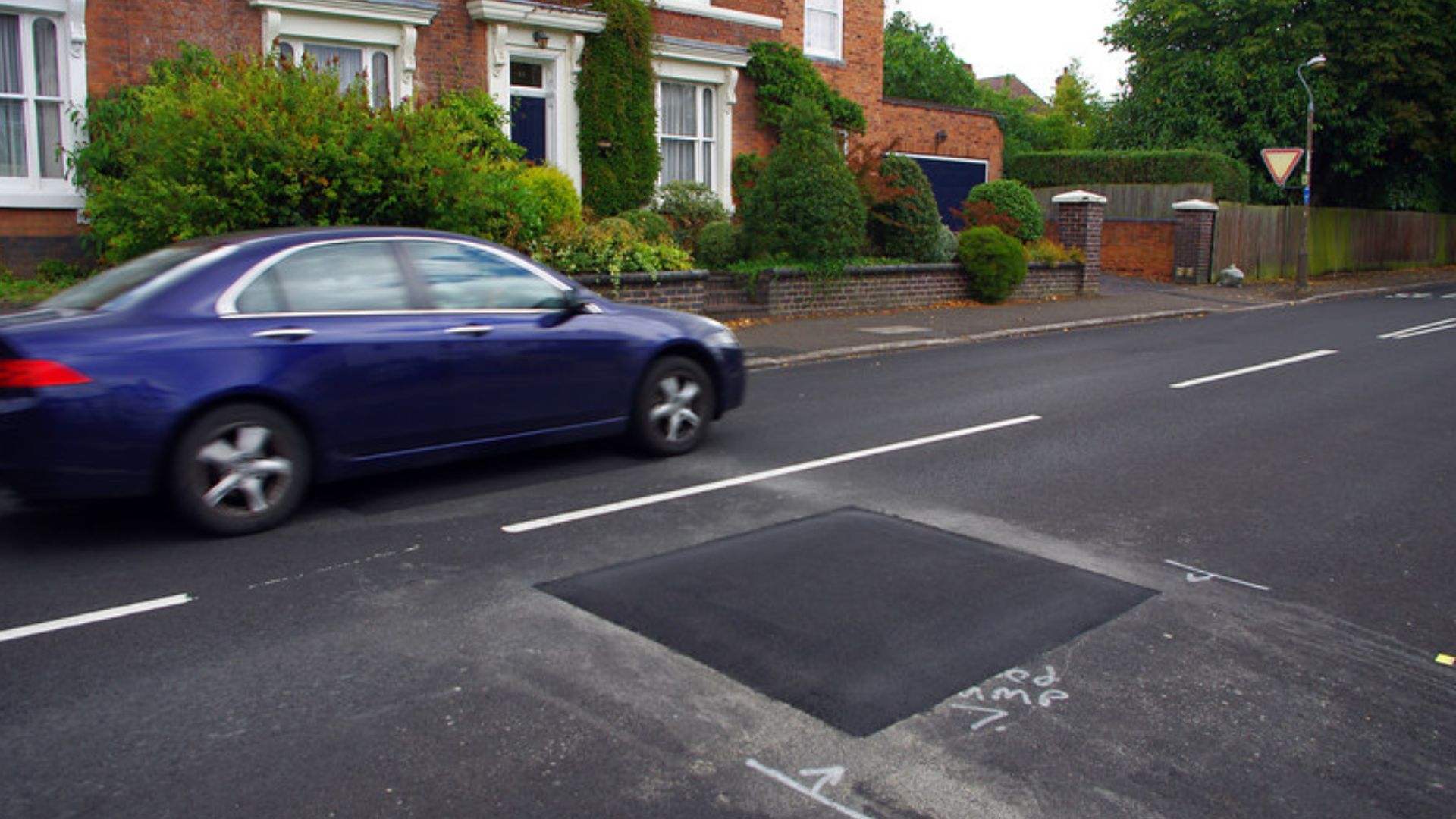
Do They Damage Cars?
A properly installed speed cushion should not damage a vehicle driven at an appropriate speed. Problems usually occur when drivers cross too quickly or when vehicles already have unusually low ground clearance. Following the posted speed keeps the crossing comfortable.
 Phil Champion , Wikimedia Commons
Some Drivers Still Complain
Not everyone enjoys driving over traffic calming devices. Some residents dislike the need to slow repeatedly or the extra braking and acceleration. Even so, many communities decide the safety benefits outweigh the inconvenience.
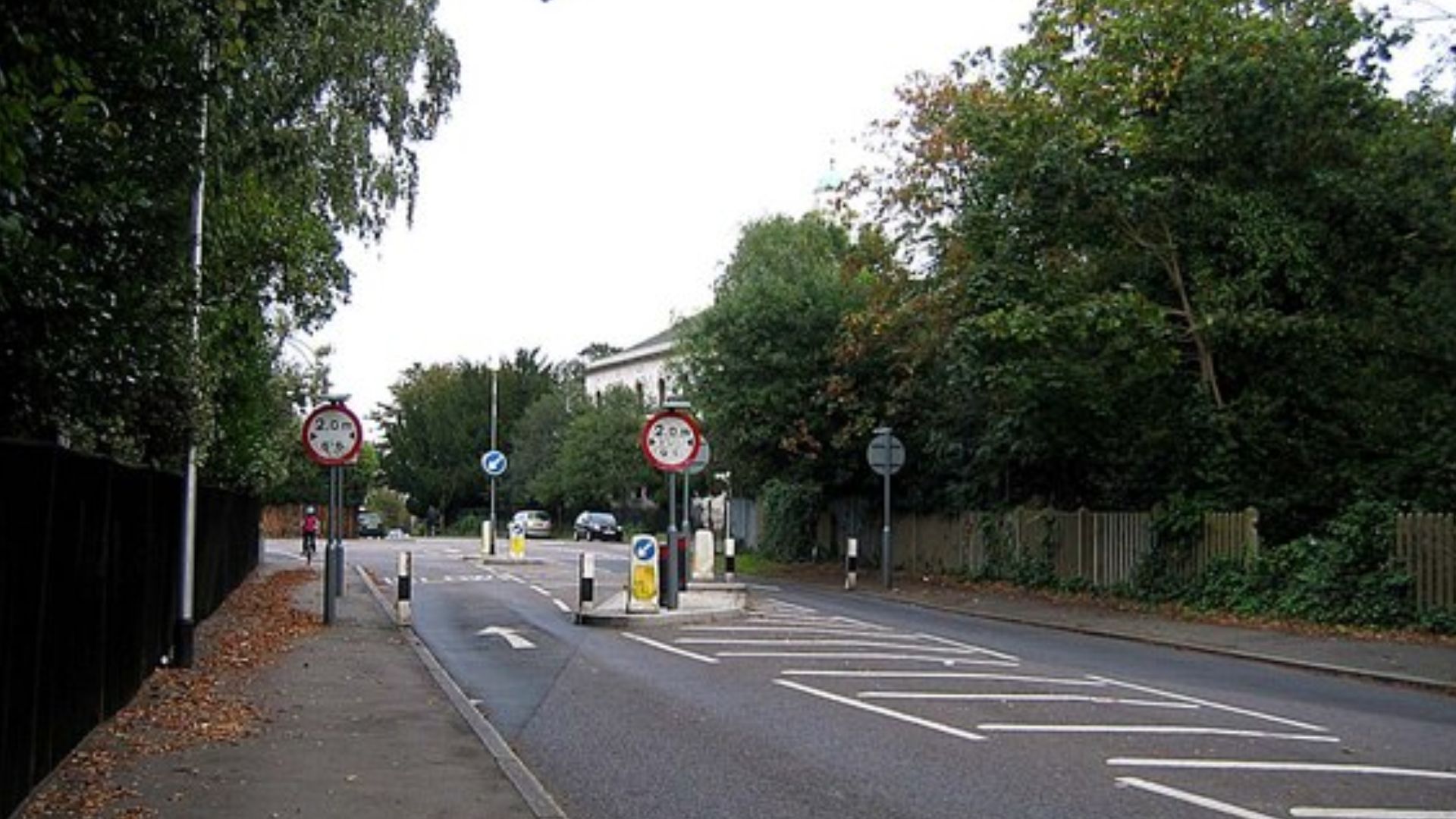 Roger Smith, Wikimedia Commons
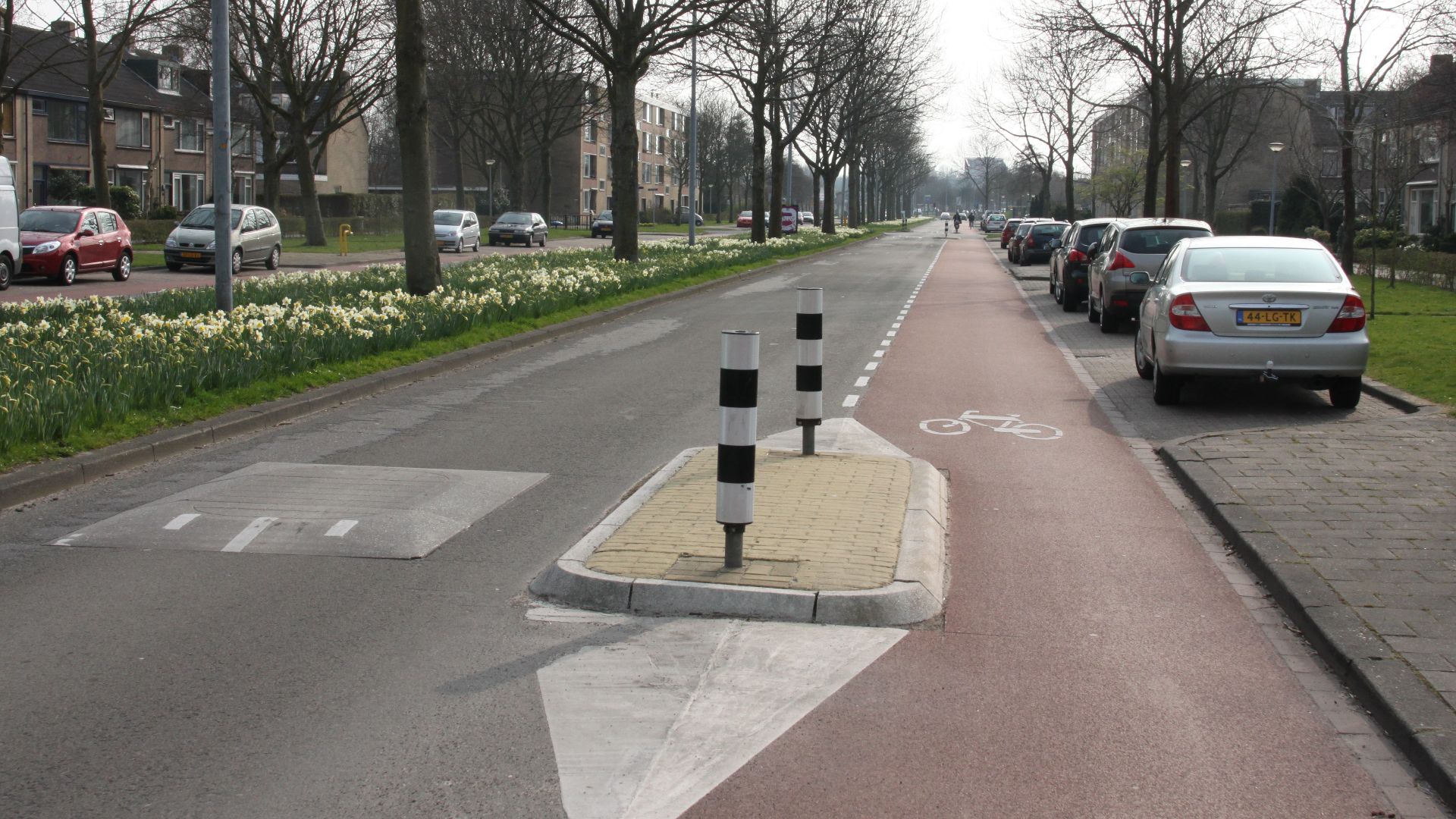
They Are Not A Cure All
Speed cushions cannot eliminate every speeding problem. Some aggressive drivers still accelerate between installations or ignore neighborhood speed limits. That is why many communities combine them with education, enforcement, or additional street design changes.
Cities Usually Study Results
Many municipalities collect speed data before and after installation. Engineers compare average speeds, traffic volumes, and resident feedback. Those measurements help determine whether additional improvements are needed.
 Richard Drdul, Wikimedia Commons
They Work Best As Part Of A Bigger Plan
Traffic calming succeeds when multiple strategies work together. Narrower lanes, curb extensions, improved crossings, and better signage can all reinforce slower driving habits. Speed cushions are only one piece of the puzzle.
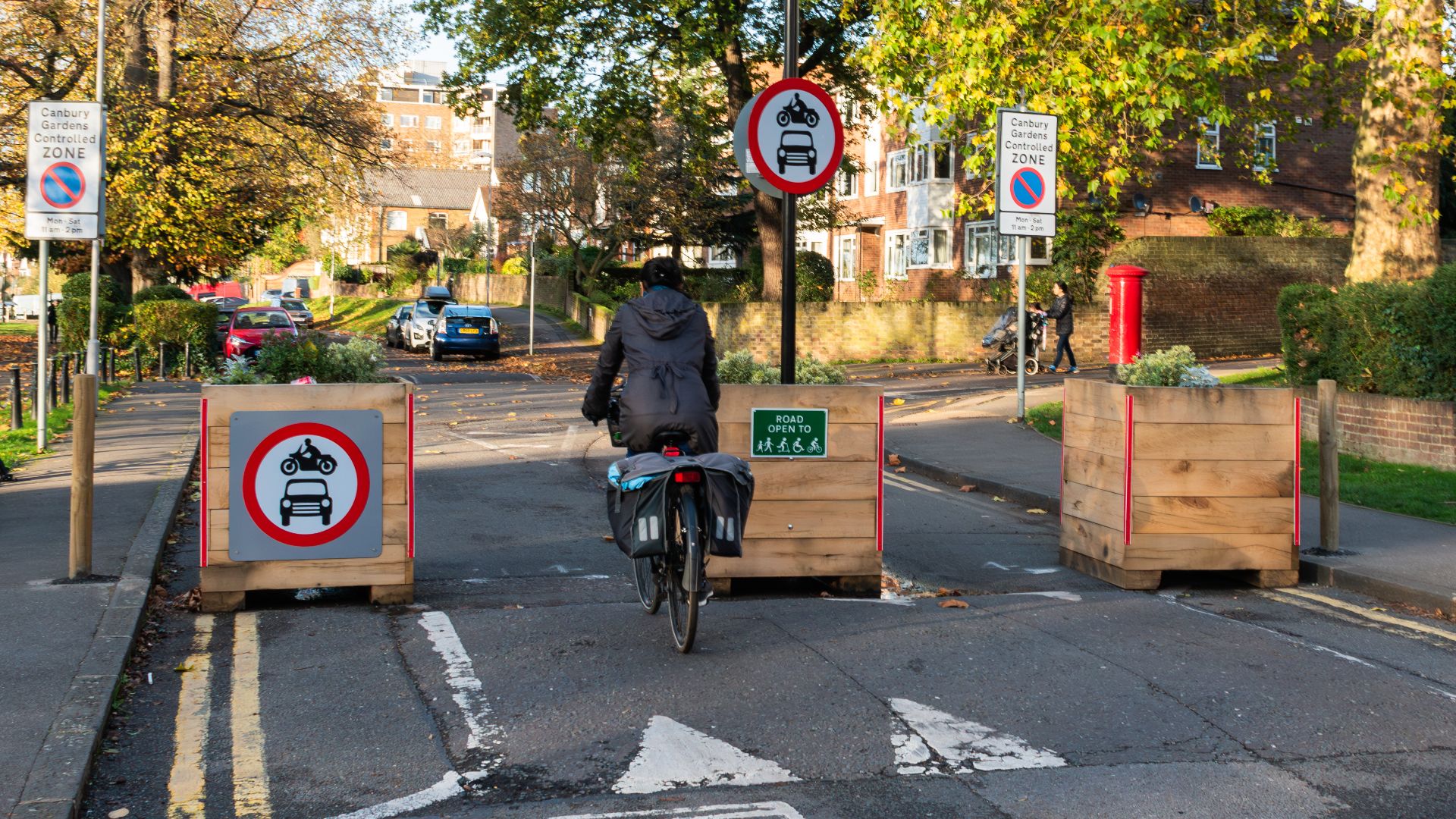 Jack Fifield, Wikimedia Commons
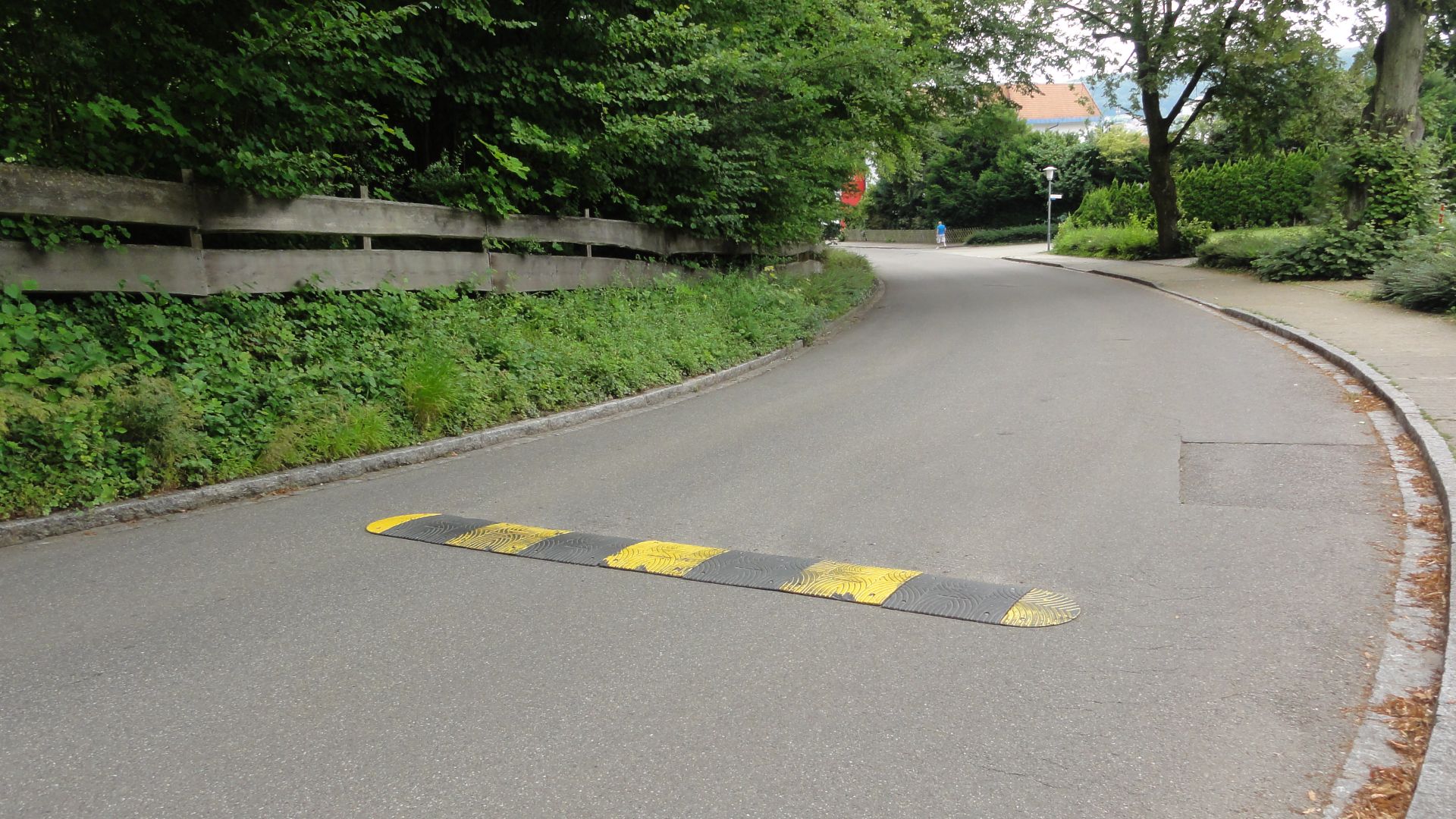
So Why Do People Keep Calling Them Speed Bumps?
For most drivers, anything raised across the road feels like a speed bump. The terminology has become part of everyday language. Engineers, however, distinguish between bumps, humps, tables, and cushions because each one serves a different purpose.
 User:Mattes, Wikimedia Commons
The Bottom Line
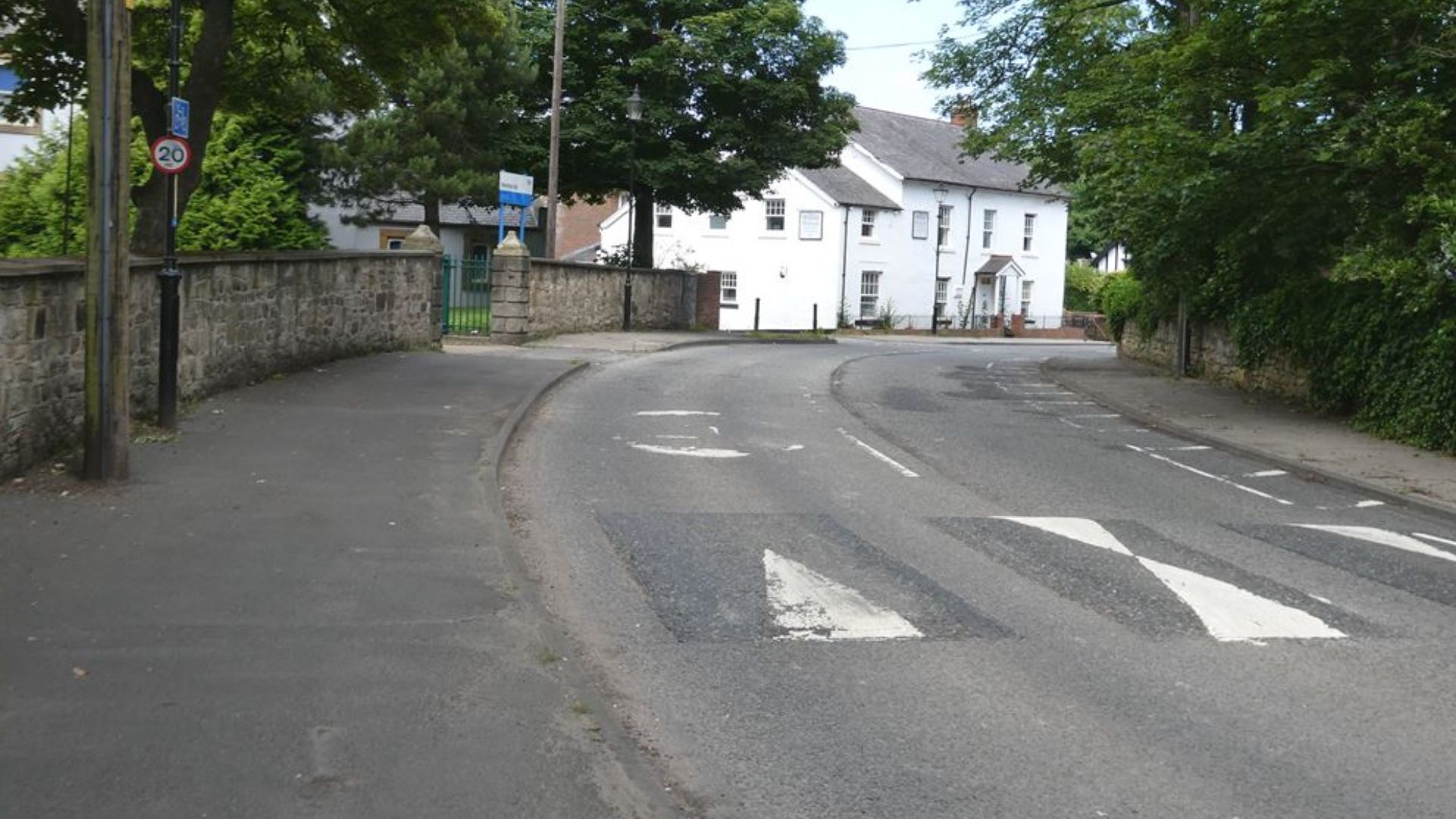
If your neighborhood recently installed speed cushions, they were probably chosen for a reason. Research shows they can slow passenger vehicles while allowing emergency responders to move through with minimal delay. They may not be everyone's favorite road feature, but the evidence suggests they are an effective compromise between safety and mobility.
 Oliver Dixon , Wikimedia Commons
You May Also Like:
Many SUVs are built with safety in mind—but only these models have earned America’s highest ratings.