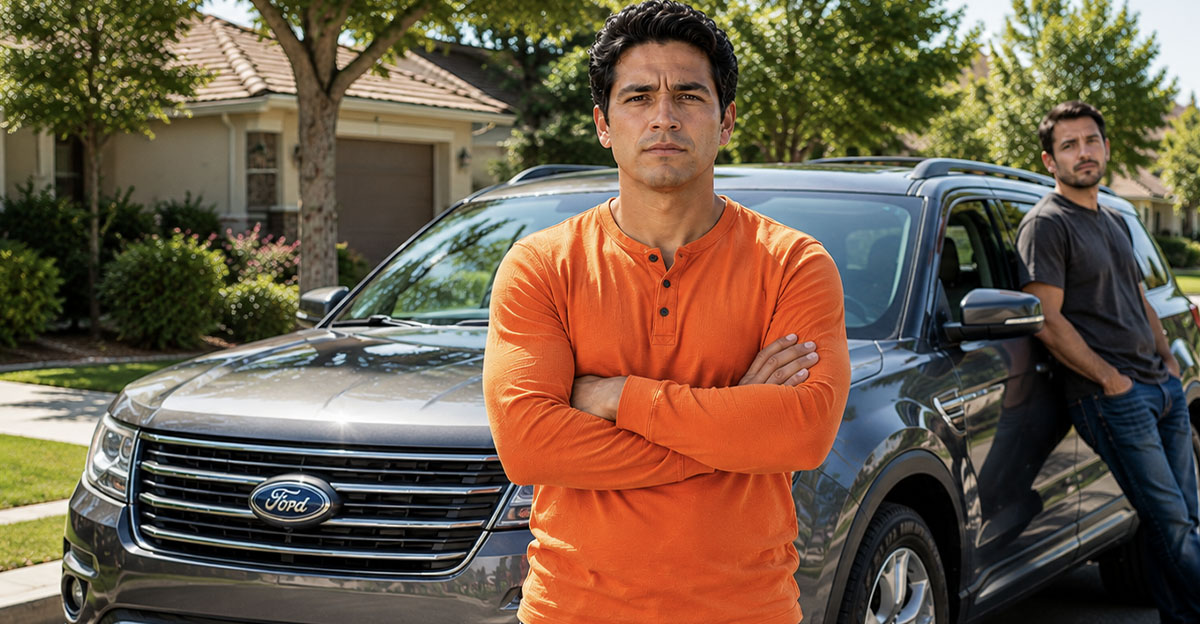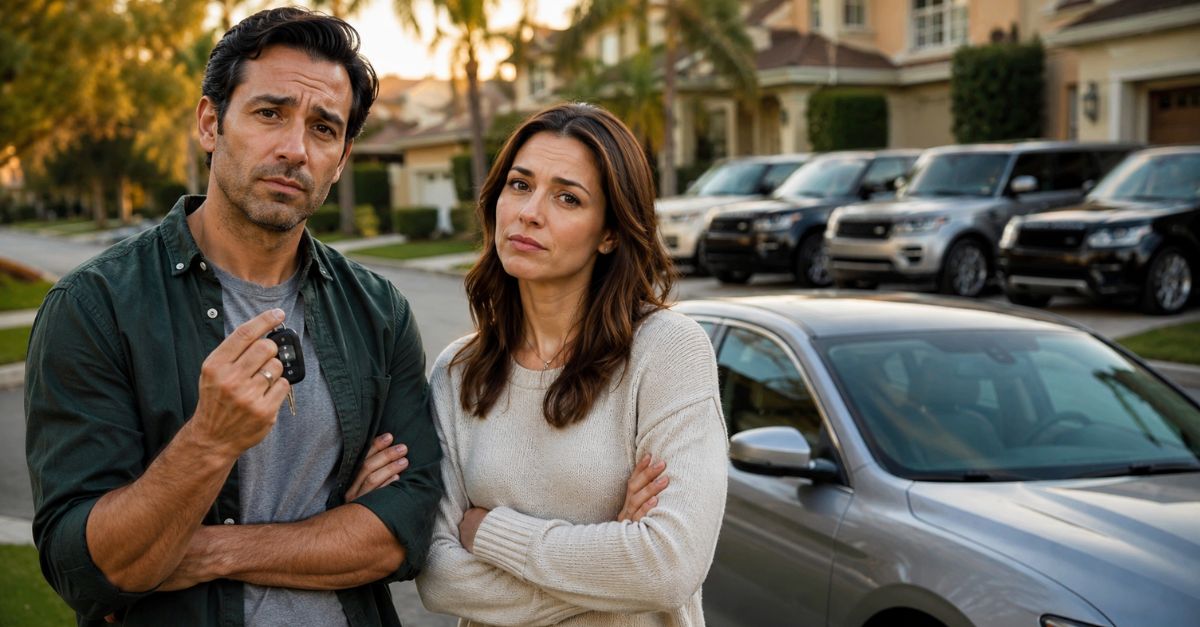
The Real Question Behind The Car Keys
Your wife wants to trade a reliable sedan for a luxury SUV. She hates the car you have now, and all her friends have luxurious, spacious family transport units. AKA: high-end, expensive luxury SUVs. On the surface, that sounds like a simple car debate. In reality, it usually blends money, identity, comfort, and social pressure into one loaded conversation.

Status Is Probably Part Of It
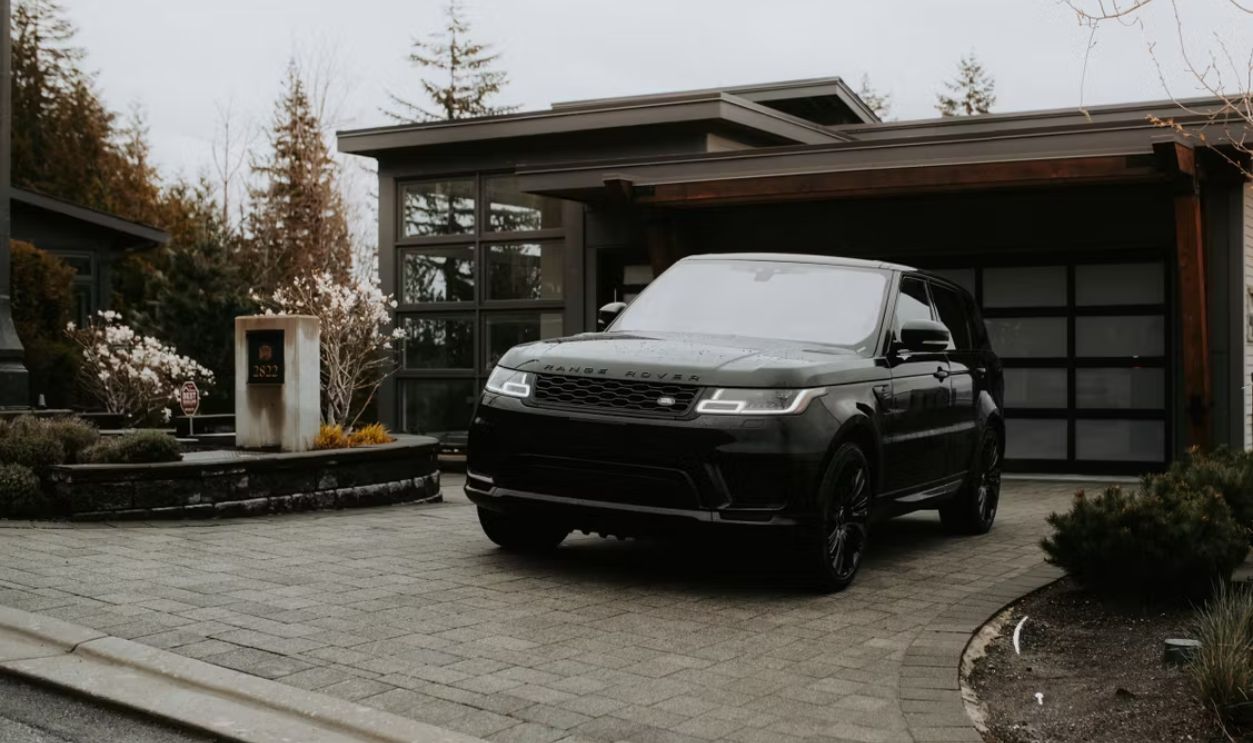
Yes, it can absolutely be a status thing, and there is research to back that up. A 2024 study in Transportation Research Part A found that social influence affects the choice of larger cars, especially for people who care more about social status. The researchers said large vehicles can work as symbols of status and identity, not just transportation.
The Research Makes It Clear
The 2024 study, by Eran Ben-Elia and colleagues, looked at why people choose larger vehicles. Its value is that it moves the discussion beyond hunches and into measured behavior. In simple terms, people are often influenced by what the people around them drive, and luxury SUVs fit that pattern.
Friends Can Quietly Change What Feels Normal
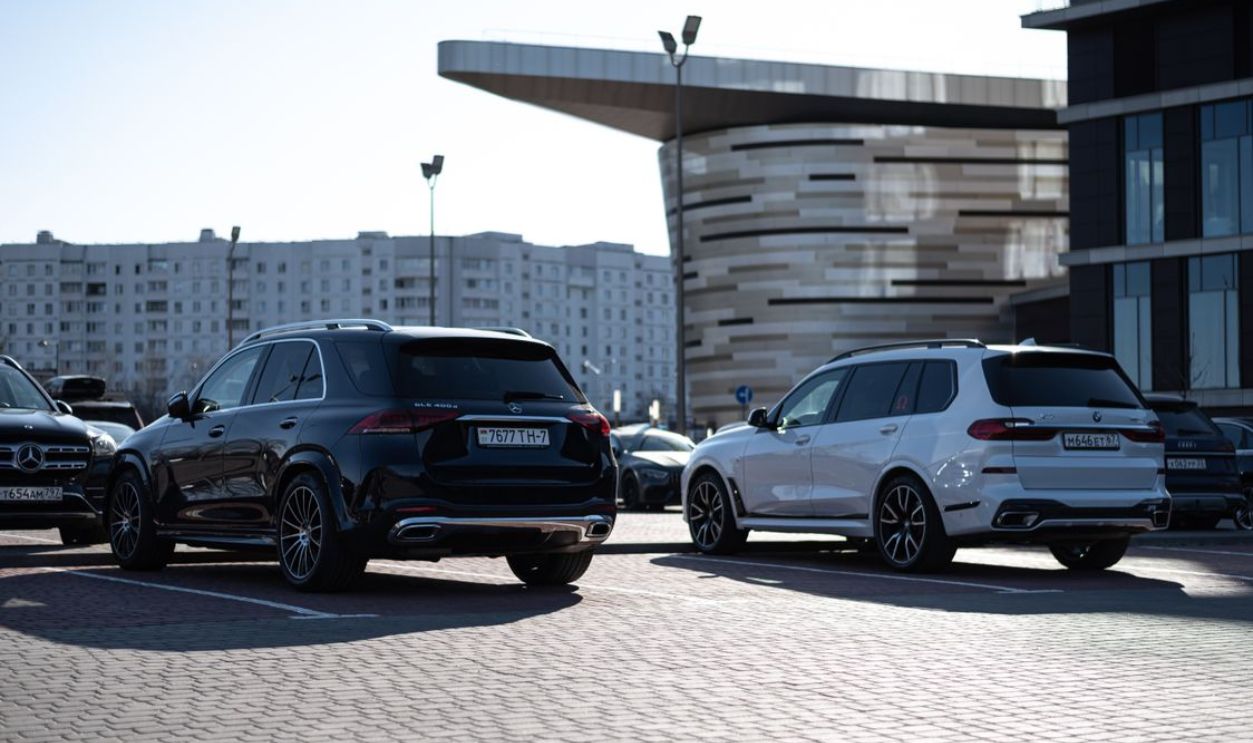
If everyone in her social circle drives a luxury SUV, her idea of a normal car may have shifted. That does not mean she is shallow or irrational. It just means the standard around her may now make a perfectly good sedan feel less appealing.

The Social Effect Is Nothing New
Researchers have studied for years how buying habits spread through friend groups and neighborhoods, and cars are one of the clearest examples. Unlike a phone or a watch, a vehicle sits outside and sends a message every day about lifestyle, income, and taste.
Luxury SUVs Send A Strong Signal
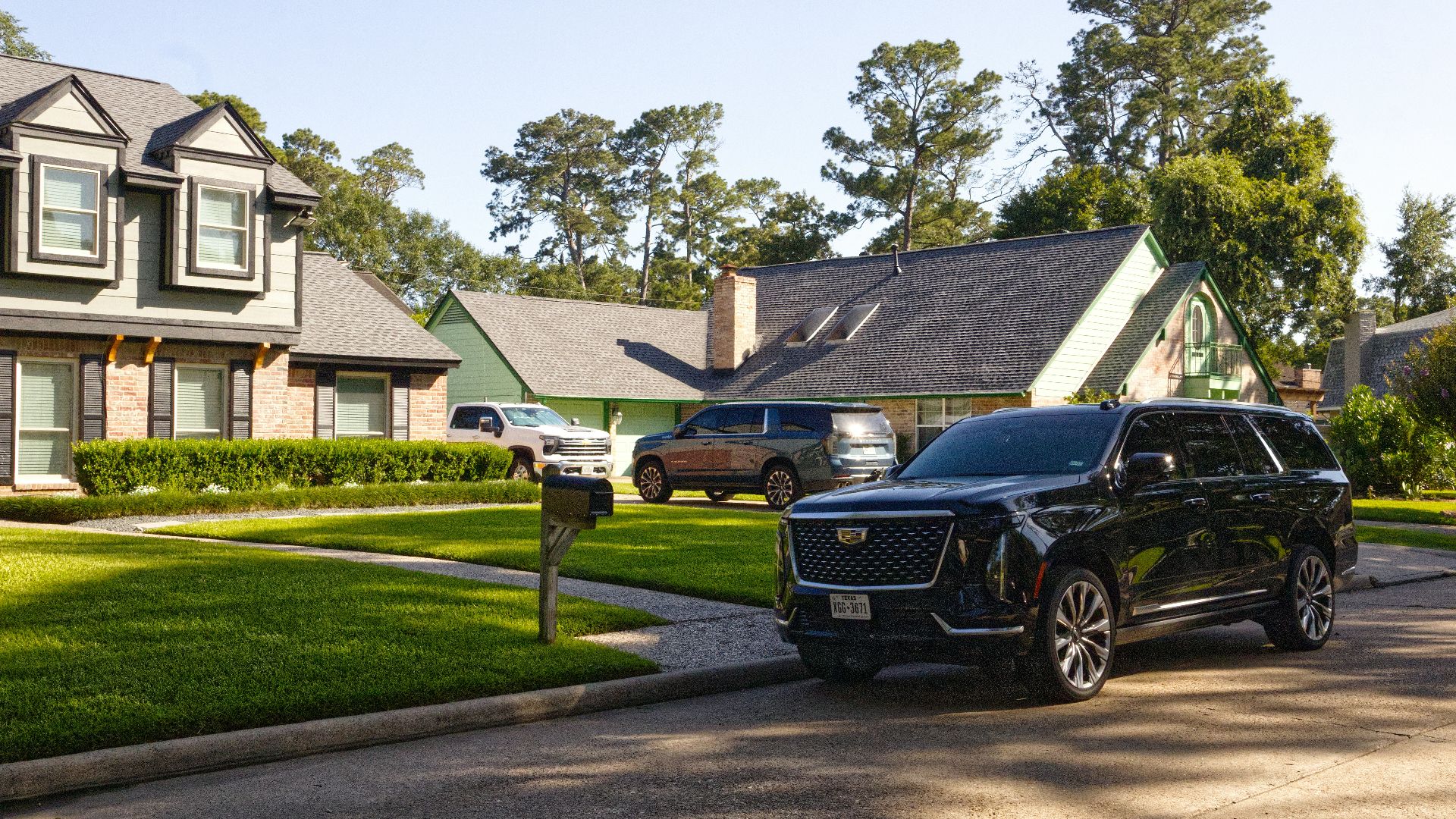
Luxury SUVs bundle a few messages together at once. They can suggest success, safety, family life, and modern style, even when those ideas are only loosely tied to the actual vehicle. That makes them especially powerful as status symbols compared with a regular sedan.

There Is Also A Real Comfort Case
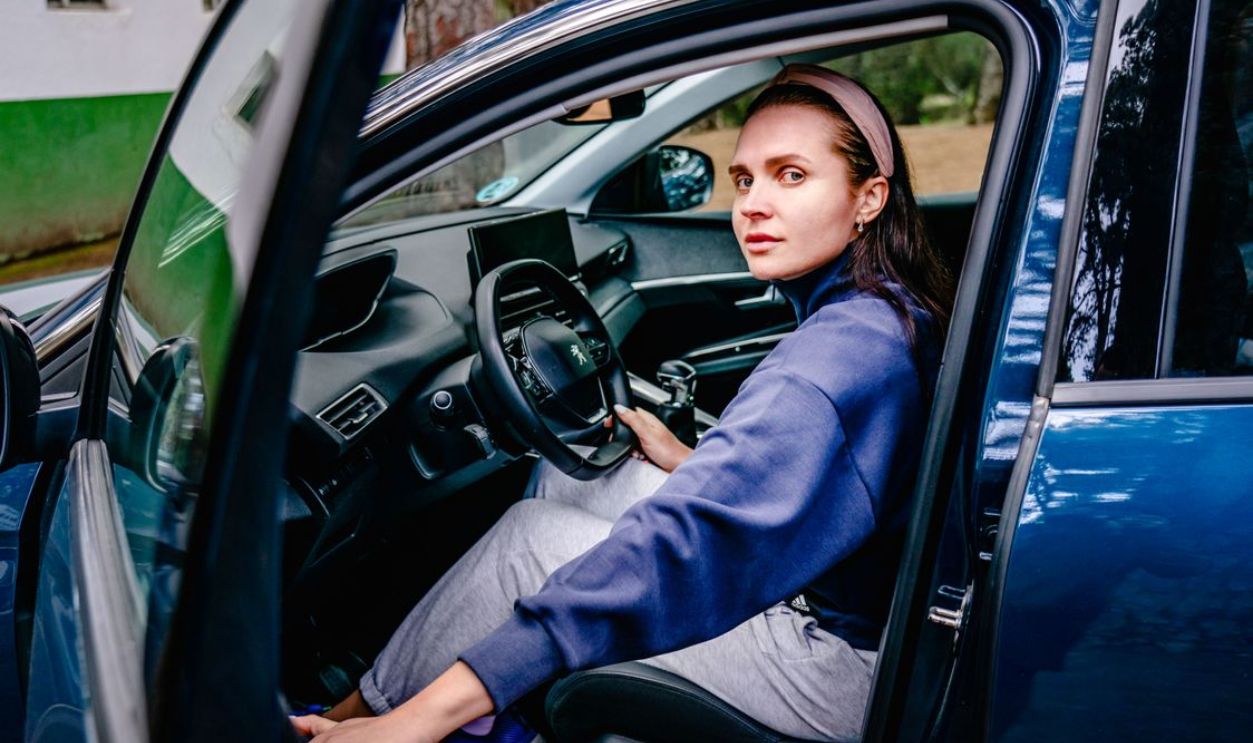
To be fair, moving to an SUV is not always about image. Many drivers like the higher seating position, the easier step-in height, and the extra cargo space. If your wife says she feels more comfortable and more confident in an SUV, that may be a genuine preference.
But The Cost Difference Can Be Big
This is where practical reality matters. According to Kelley Blue Book data, the average transaction price for new vehicles has been in the high $40,000 range in recent years, while luxury vehicles usually cost much more. Going from a paid-off or low-cost sedan to a new luxury SUV can create a serious monthly expense.

Depreciation Is The Quiet Hit
Luxury vehicles can be especially rough when it comes to depreciation. The badge may feel great in the driveway, but the value can drop fast in the first few years. If your current sedan is dependable and has already taken most of its depreciation hit, replacing it may be a poor money move.
Insurance Usually Goes Up Too
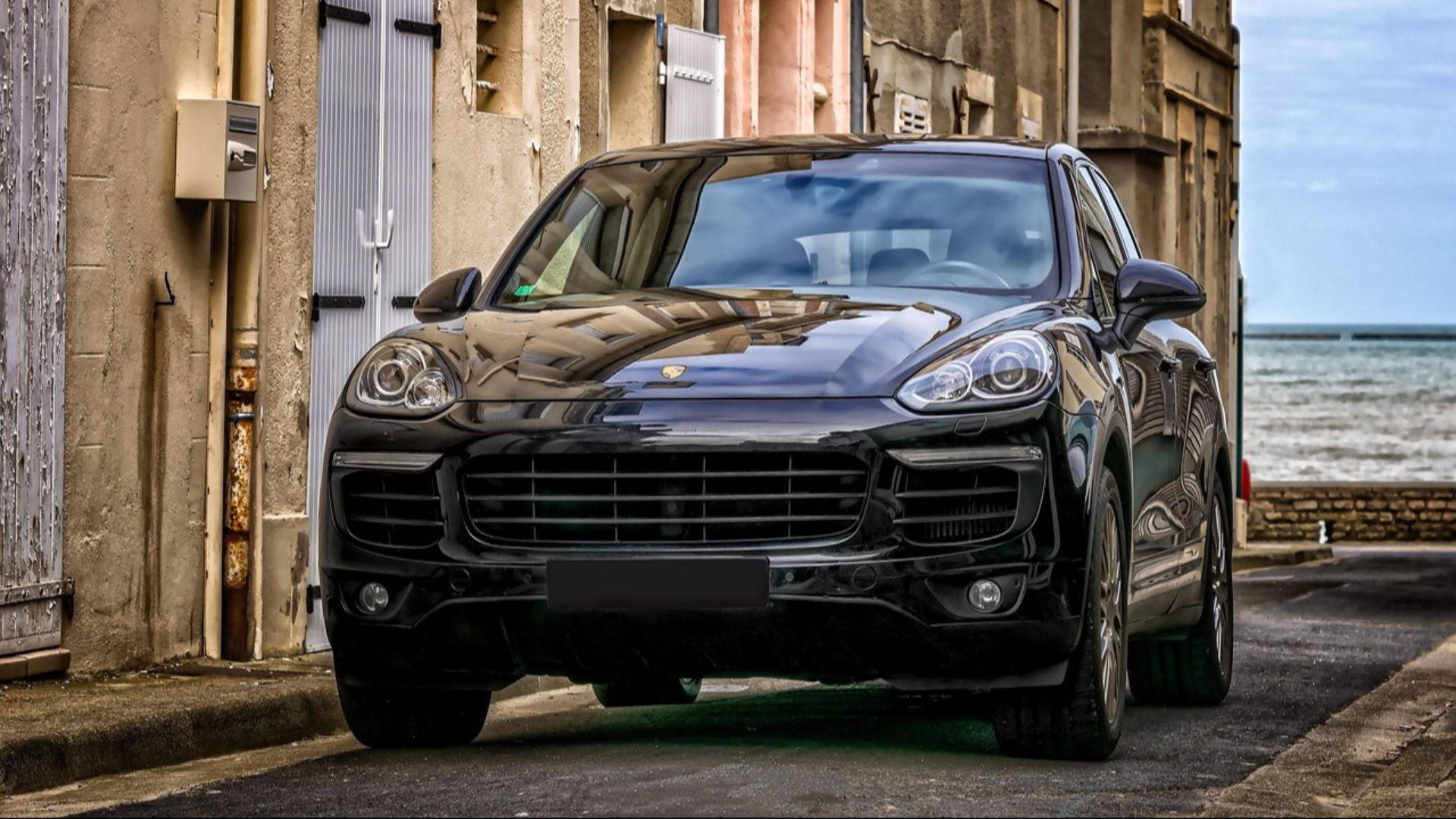
A luxury SUV often brings higher insurance premiums, not just a higher sticker price. Repair costs, replacement parts, theft risk, and advanced sensors can all push rates upward. That means the real cost of upgrading is usually higher than the loan payment alone.

Fuel And Tires Add More Cost
Even if the luxury SUV is fairly efficient, it will usually cost more to run than a sedan. Bigger wheels, wider tires, and more weight tend to raise operating costs. Many luxury models also require premium fuel, which adds another ongoing bill.

Maintenance Can Kill The Glow
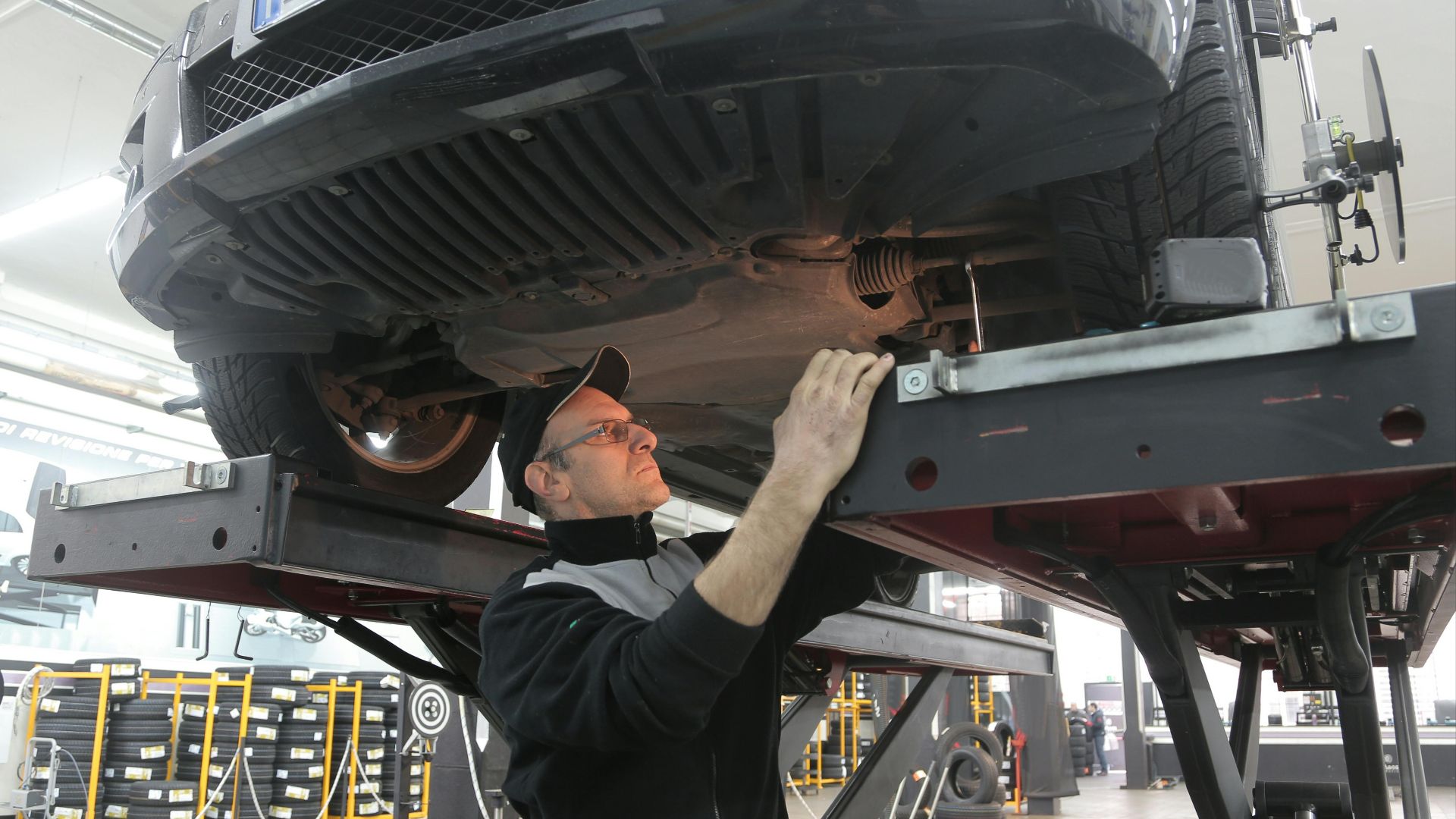
This matters if your reliable sedan has been cheap to own. Luxury SUVs often come with more complicated suspensions, pricier brakes, more electronics, and expensive service visits. Consumer Reports has repeatedly noted that reliability and repair costs vary a lot by brand, and a luxury badge does not promise easy ownership.
A Reliable Sedan Still Has Real Value
There is a reason people hang on to good sedans. A proven car with predictable costs is one of the best financial tools a household can have. Replacing it for social reasons alone may feel exciting at first, but that thrill can fade long before the payments do.
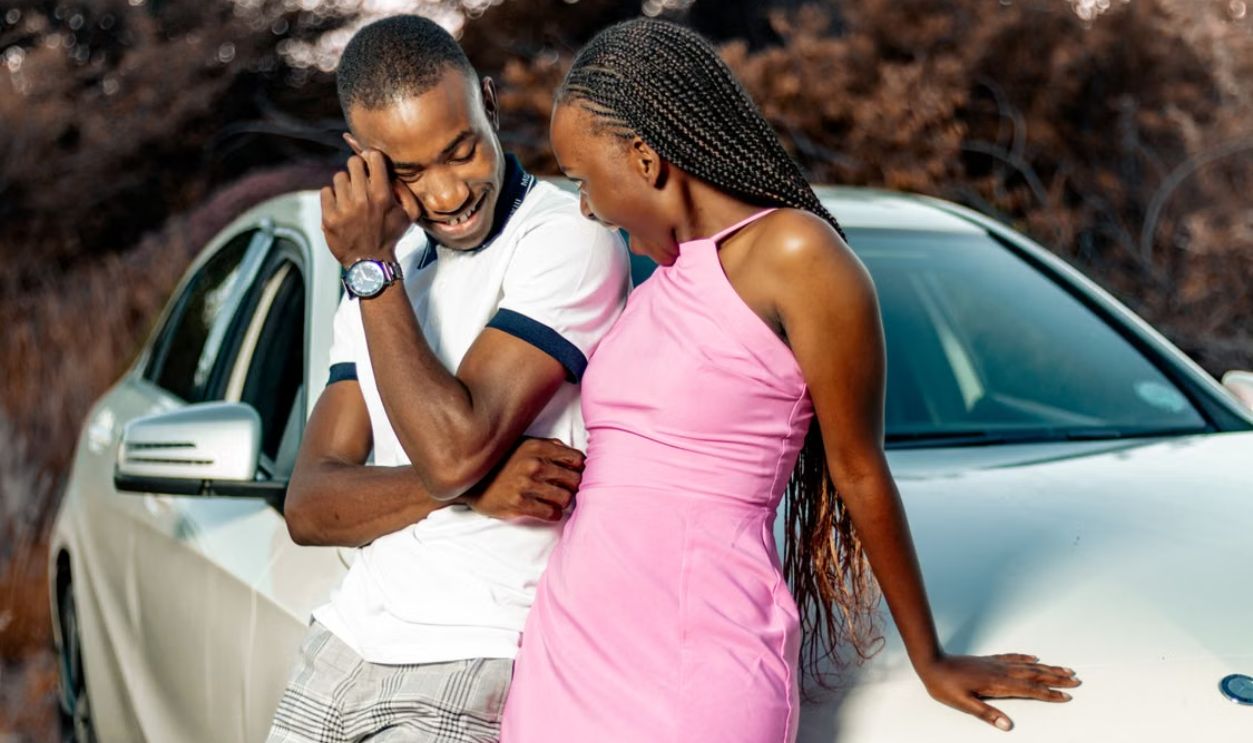
Safety Is Often The Main Selling Point
Many buyers justify the move to an SUV by saying it is safer. There is some truth to that, but it needs context. The Insurance Institute for Highway Safety has said that vehicle size and weight can affect crash outcomes, but crashworthiness, driver behavior, and specific design matter a lot too.
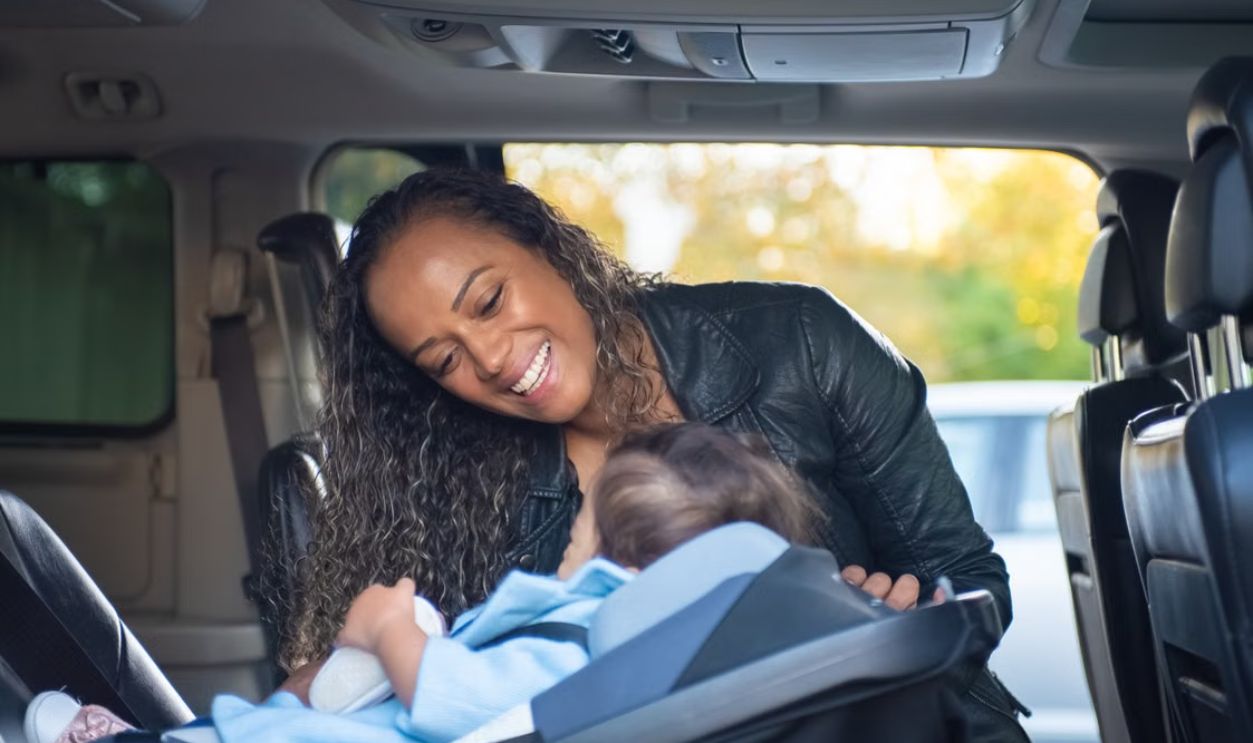
Bigger Is Not Automatically Better
An SUV may offer a higher view of the road and may do better in certain kinds of crashes, but larger vehicles also come with trade-offs. They can be harder to stop, harder to maneuver, and more dangerous to others in a collision. So the safety case is more complicated than sales talk makes it sound.
The Emotional Pull Is Often Stronger Than The Specs
Most people do not fall for a luxury SUV because of tire details or cargo measurements. They fall for how it makes them feel. If your wife imagines herself pulling up with the same polished confidence as her friends, that pull is strong and very human.
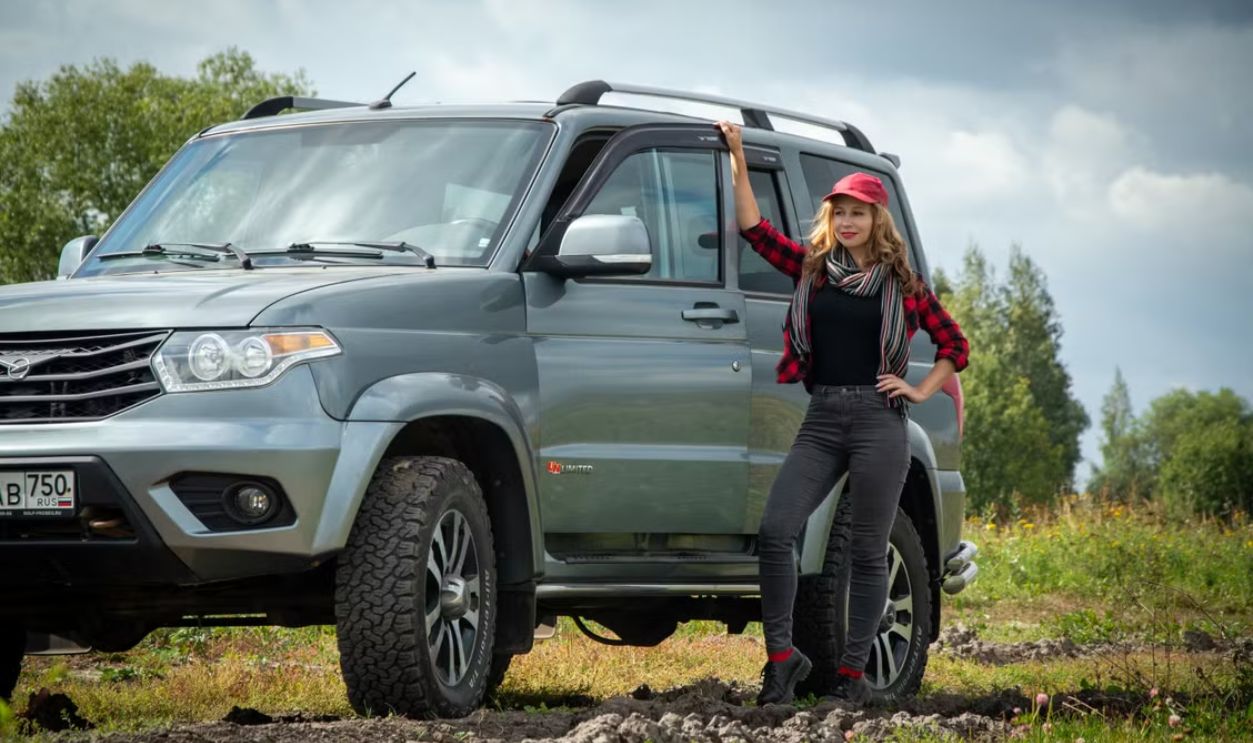
That Does Not Make Her Materialistic
It is easy to brush this off as vanity, but that usually makes the conversation worse. People use cars to show belonging, ambition, and personal progress. Wanting something nicer after years of being practical is not automatically irresponsible.

The Better Question Is Why Now
The timing matters. Did her friends recently upgrade, making your sedan suddenly feel outdated by comparison? Has her routine changed in a way that makes an SUV more useful? Or is this mostly a reaction to social comparison that may fade after a few months?

Social Comparison Is Powerful
Psychologists have long found that people judge themselves against the people around them. When the comparison group changes, satisfaction can change too, even if nothing in your own life has actually gotten worse. In a friend group full of luxury SUVs, a reliable sedan can start to feel low-status even if it is doing its job perfectly.

Ask What Problem The SUV Would Solve
This is the clearest way to lower the temperature. Ask what the new vehicle would do better every week. If the answers are specific and frequent, like hauling sports gear, road trips, bad-weather confidence, or easier child-seat loading, the case gets stronger.
If It Is Mostly Social, Say So Calmly
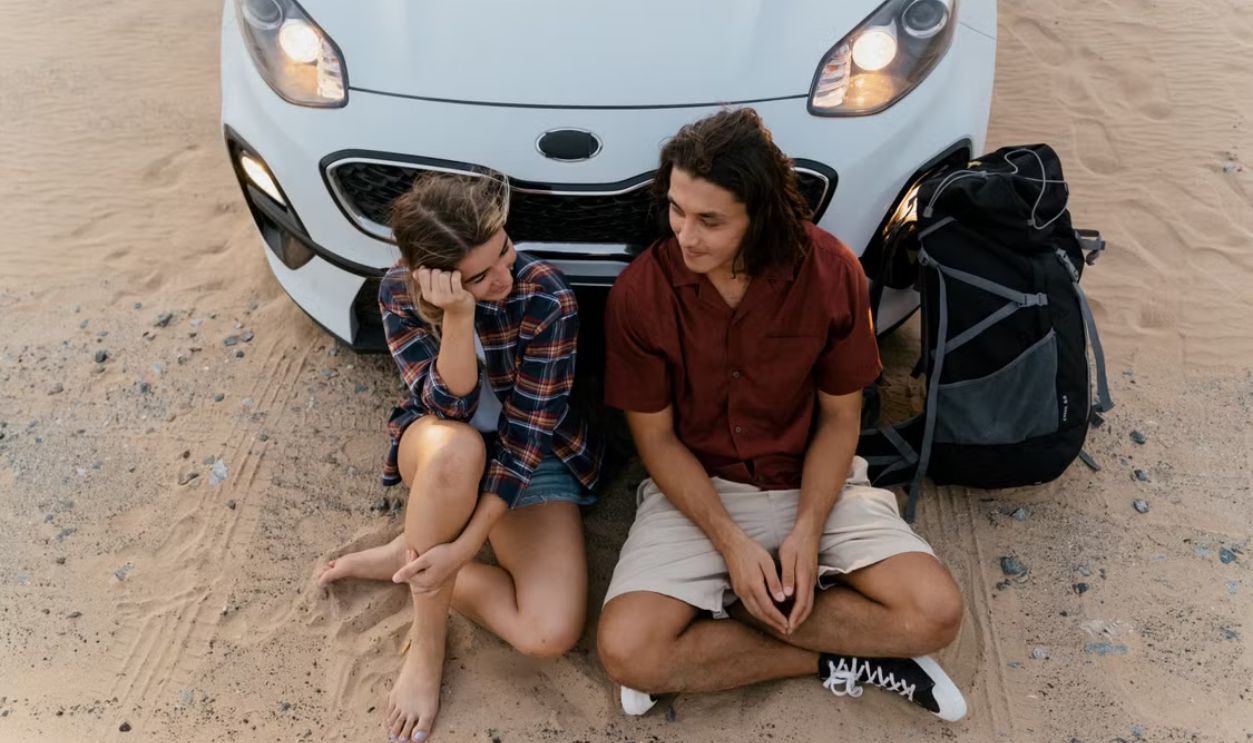
If the honest answer is that she wants one because everyone else has one, that does not automatically end the discussion. It simply tells you what kind of decision this is. Once that is clear, you can talk honestly about whether the household budget should pay for a status upgrade.
Set The Budget Before You Start Shopping
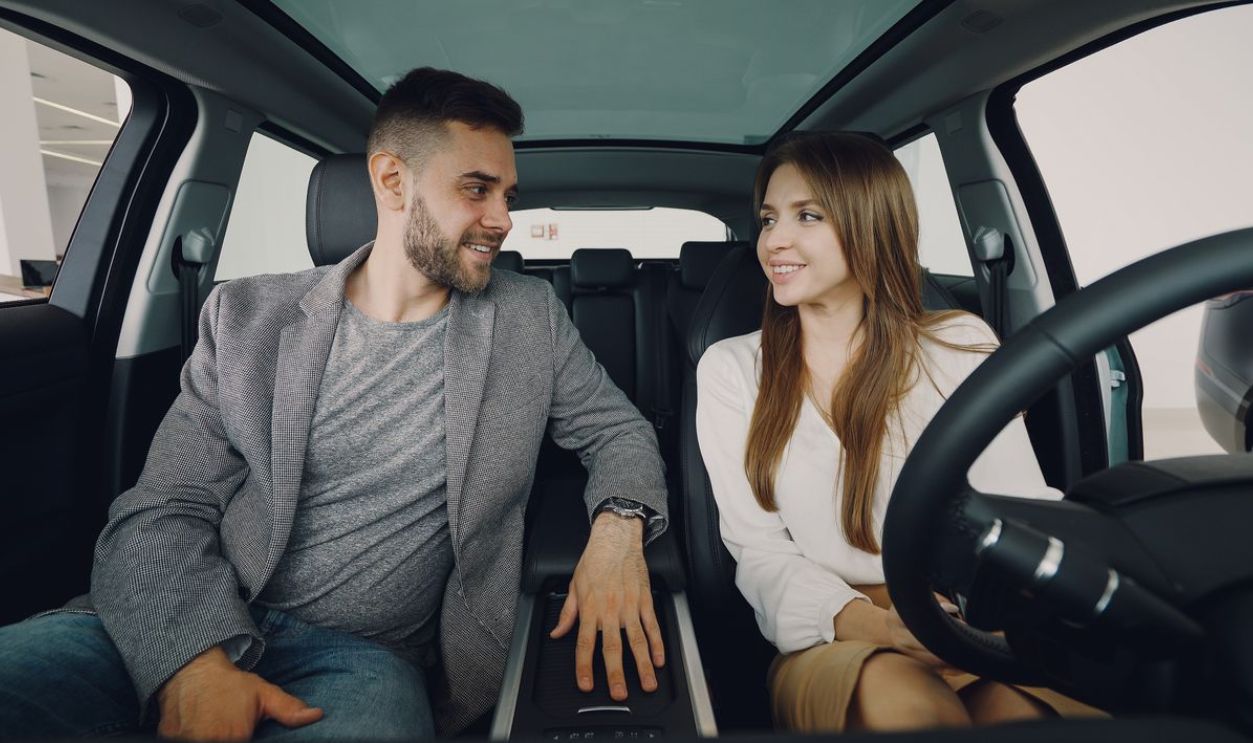
Do not begin with badges and trim levels. Start with a payment limit, down payment, insurance estimate, and maximum total price. That makes it easier to tell the difference between a reasonable upgrade and an expensive impulse wrapped in leather and mood lighting.

There May Be A Smart Middle Ground
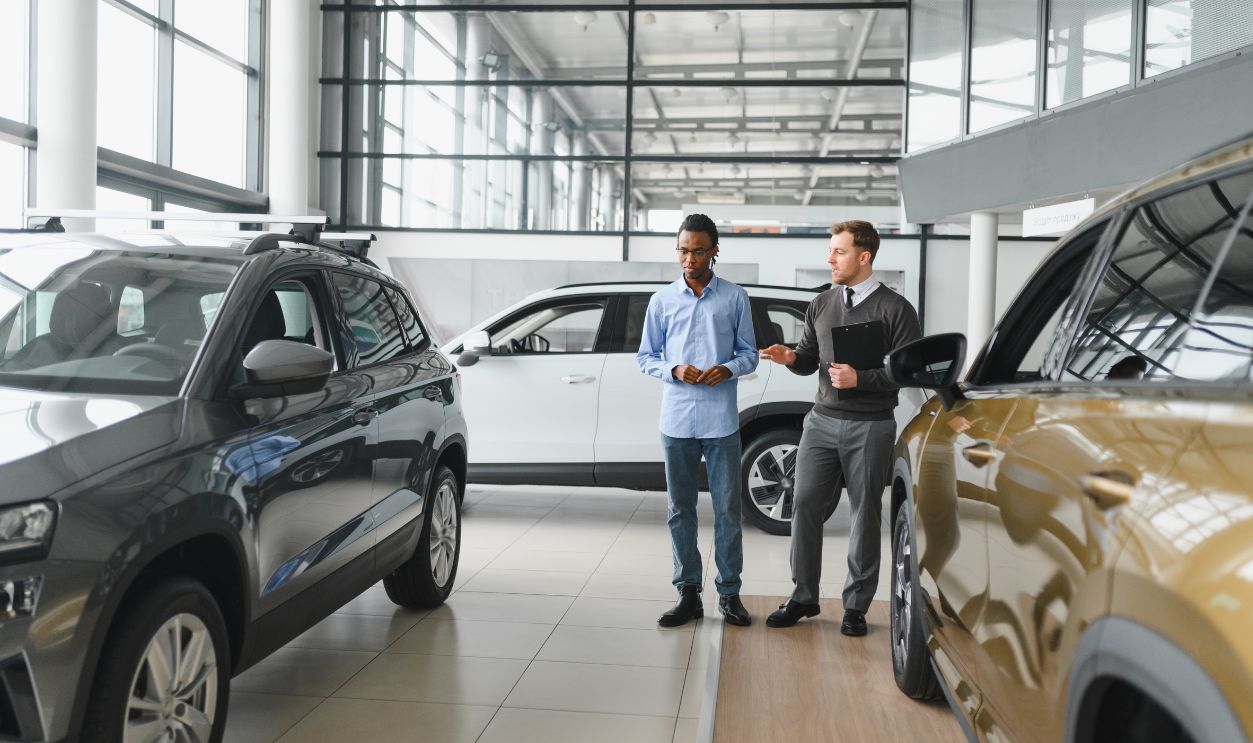
You may not have to choose between keeping the old sedan and buying a brand-new luxury SUV. A near-luxury SUV, a certified pre-owned model, or a high-trim mainstream SUV can deliver many of the same comfort features without the full luxury price. That kind of compromise often cuts depreciation while still giving the feeling of an upgrade.
 Hryshchyshen Serhii, Shutterstock
Run A Side-By-Side Cost Check
Compare your current sedan with the SUV she wants on purchase price, insurance, fuel, maintenance, tires, and five-year depreciation. Put all of it on one simple sheet. Seeing the numbers together can turn a vague desire into a clearer household decision.

Test Drive The Fantasy And The Reality
It helps to test drive more than one option, including a non-luxury SUV and a nicer sedan. Sometimes buyers realize they mainly wanted a more upscale interior, not necessarily an SUV. Other times, they find that the higher seating position really does make daily driving better.

There Is Nothing Wrong With Wanting Something Nice
People work hard, and many choose to reward themselves with a vehicle they enjoy. The real issue is not whether a luxury SUV is wrong. It is whether buying one fits your priorities better than keeping a reliable car that already does the job.

So Is It A Status Thing
Probably, at least in part. The research shows that social influence and status signaling do play a role in the appeal of larger, more premium vehicles. But that does not mean the desire is fake or foolish. It just means you should separate social pressure from actual need before signing the papers.
The Best Answer Is Honest And Practical
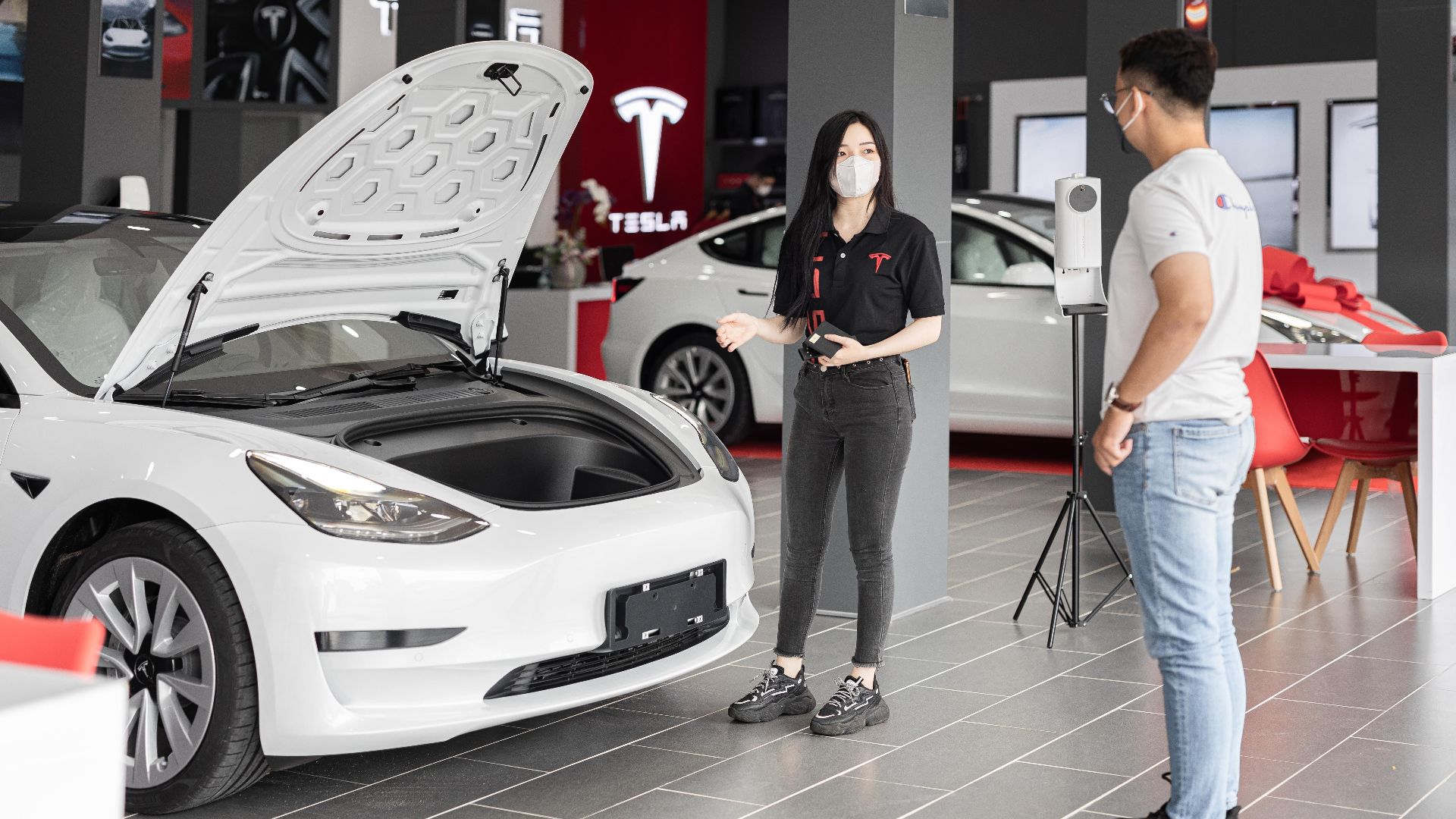
If your wife wants the luxury SUV because it feels safer, more comfortable, and more useful, weigh those benefits against the real cost. If she mainly wants it because her friends have one, it helps to name that without turning it into a fight. The smartest move is not winning the argument. It is making sure your next vehicle fits your life, not just the image in the driveway.