That Daily Parking Squeeze Feels Personal
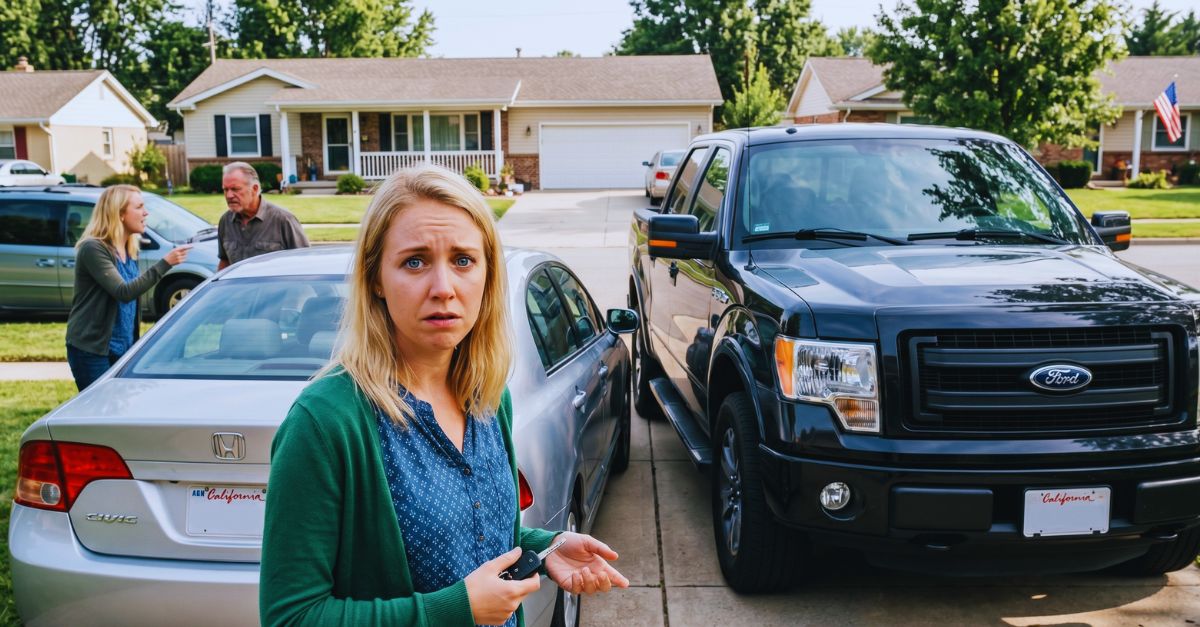
When a neighbor parks inches from your car, it's more than just an annoyance. Even without contact, that tiny gap can make it hard to get in, back out, or avoid door dings. But when they do it every day, even after you've asked them to stop, it gets personal fast. Unfortunately, the legal answer is not always dramatic, but you may have a few practical options.
The First Question Is Simple
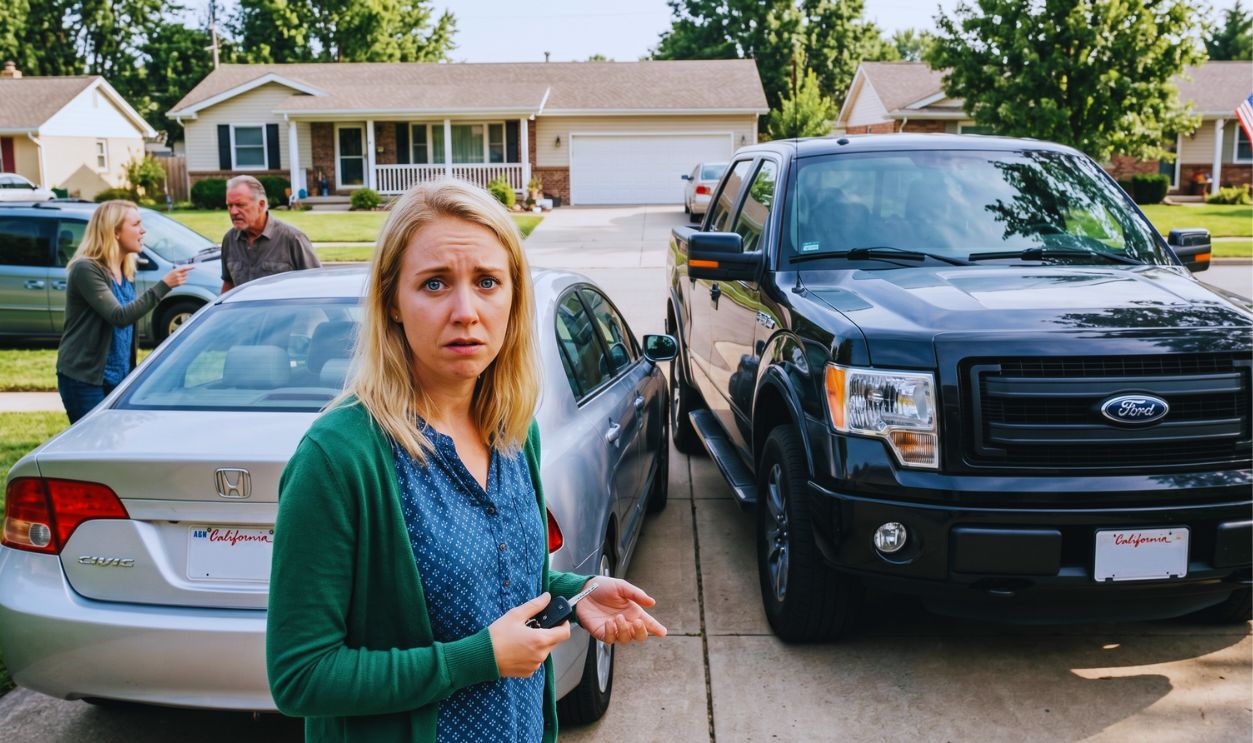
Is this happening on a public street, in a private lot, or in a shared driveway or HOA community? That detail matters because different rules apply depending on who controls the space. Public parking usually falls under local ordinances, while private property disputes often come down to leases, HOA rules, or general property law.
Parking Close Is Usually Not Illegal By Itself
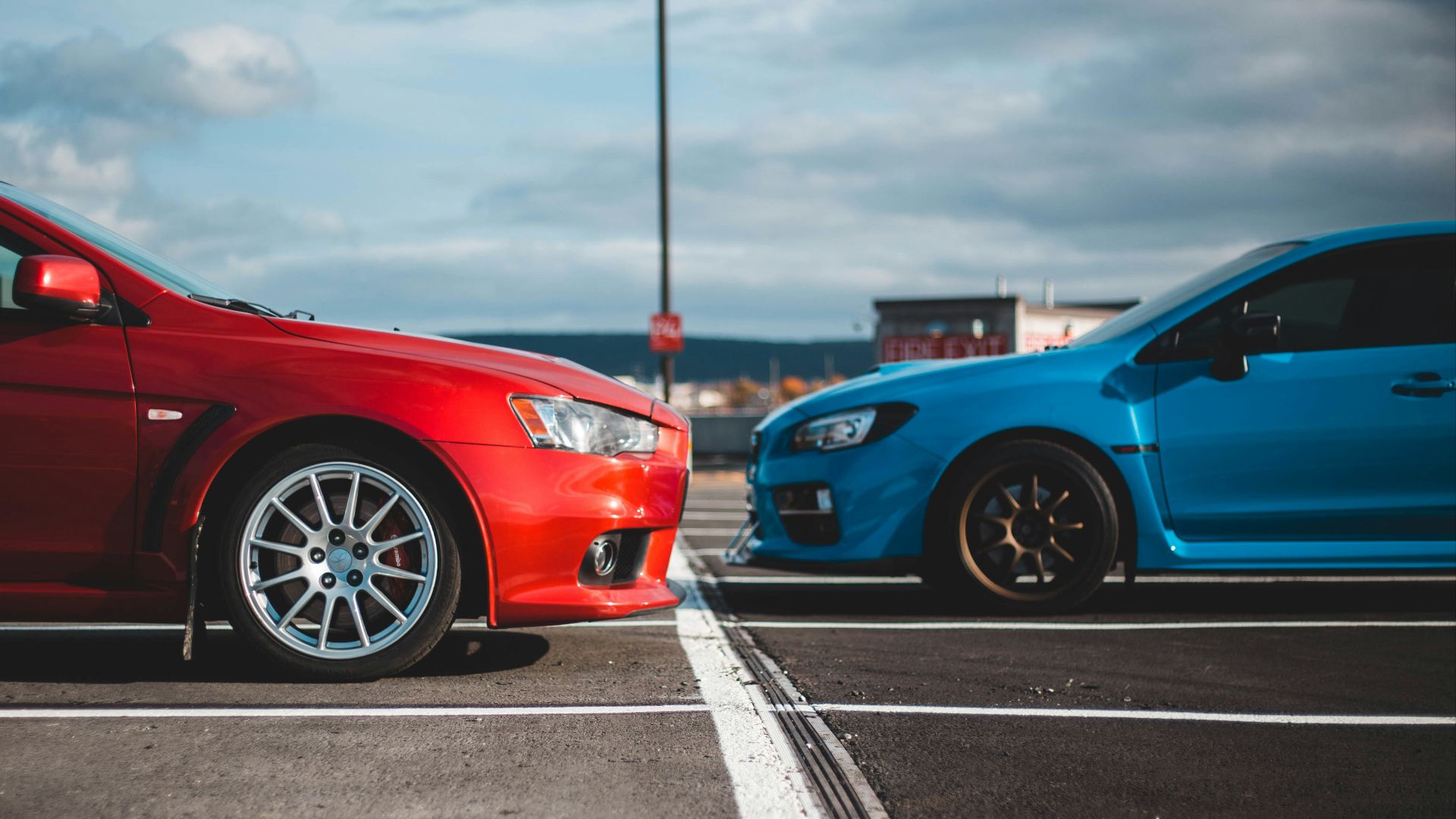
In most places in the United States, it is not automatically illegal for someone to park very close to your car if they are in a lawful parking space and not blocking access in a prohibited way. There usually is no nationwide rule that says drivers must leave a certain number of inches between cars on a regular street. That is why these situations can be maddening but still hard to fix through police action.
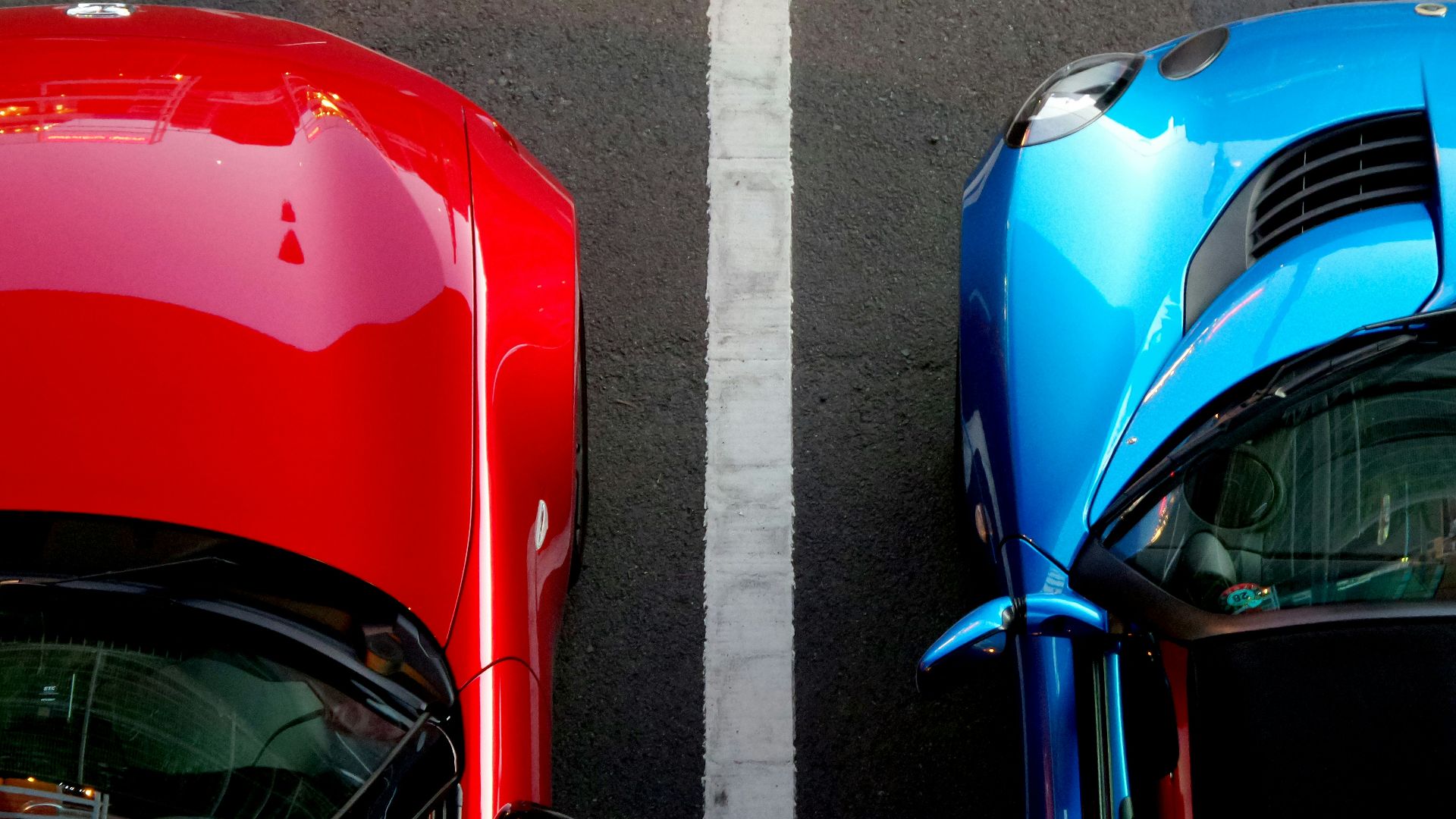 Possessed Photography, Unsplash
Blocking You In Can Change Everything
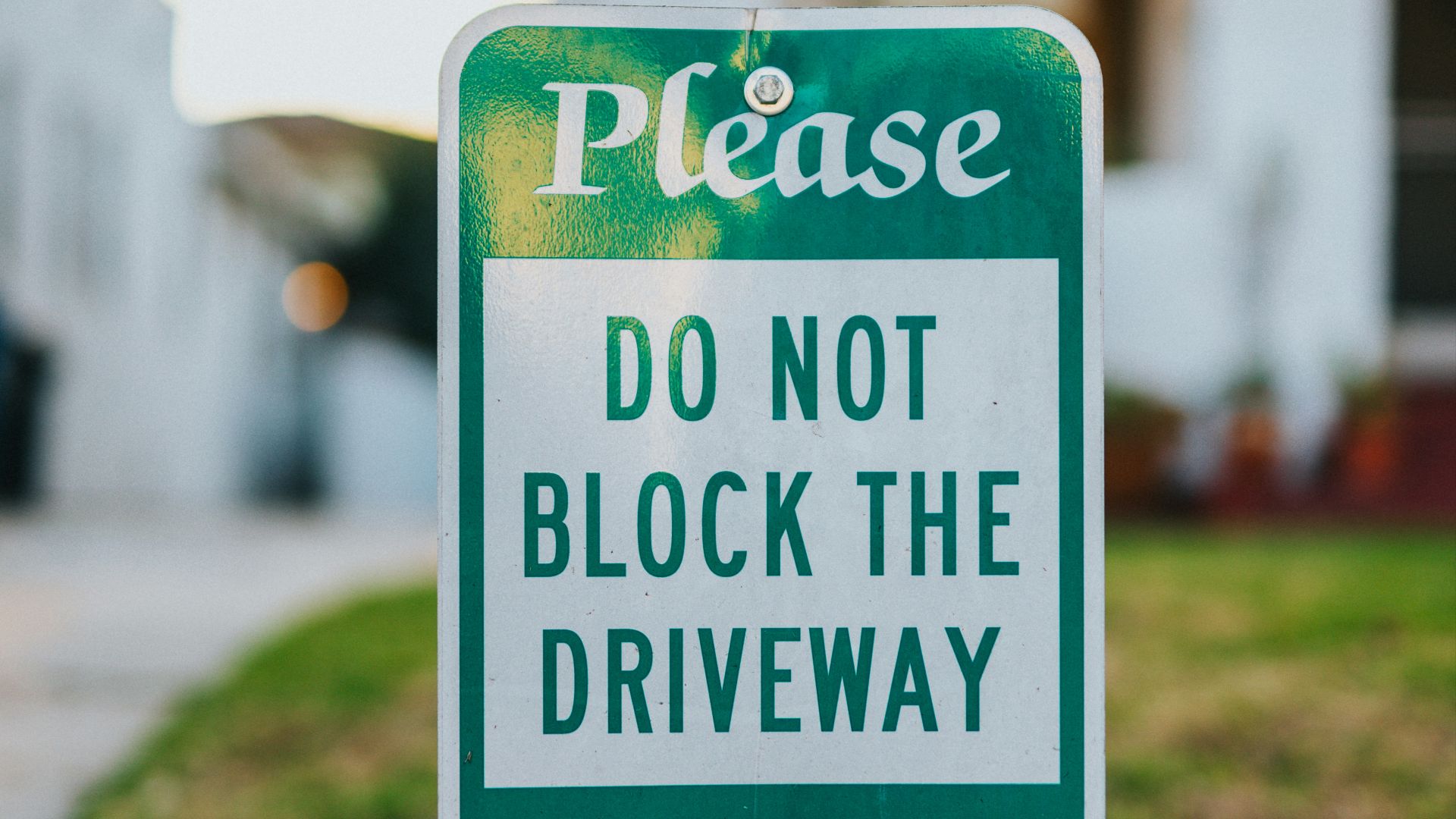
If your neighbor is actually preventing you from leaving, the issue may shift from annoying to enforceable. Many cities ban parking in a way that blocks a driveway, alley, or access point, and some local rules also cover double parking or obstructing traffic. The key question is whether the car is violating a specific rule, not just whether it feels unfair.
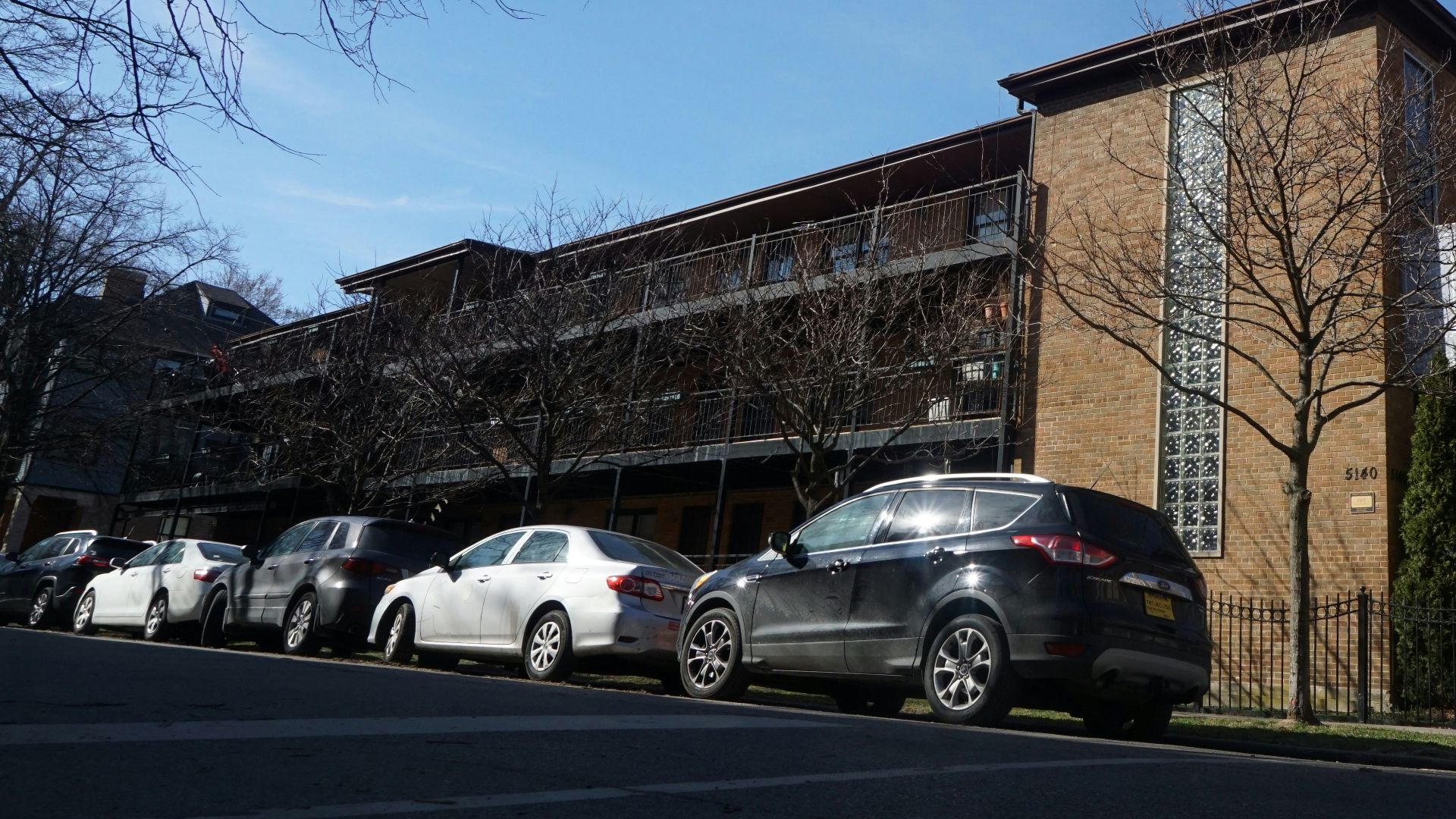
Driveway Blocking Is A Common Enforcement Trigger
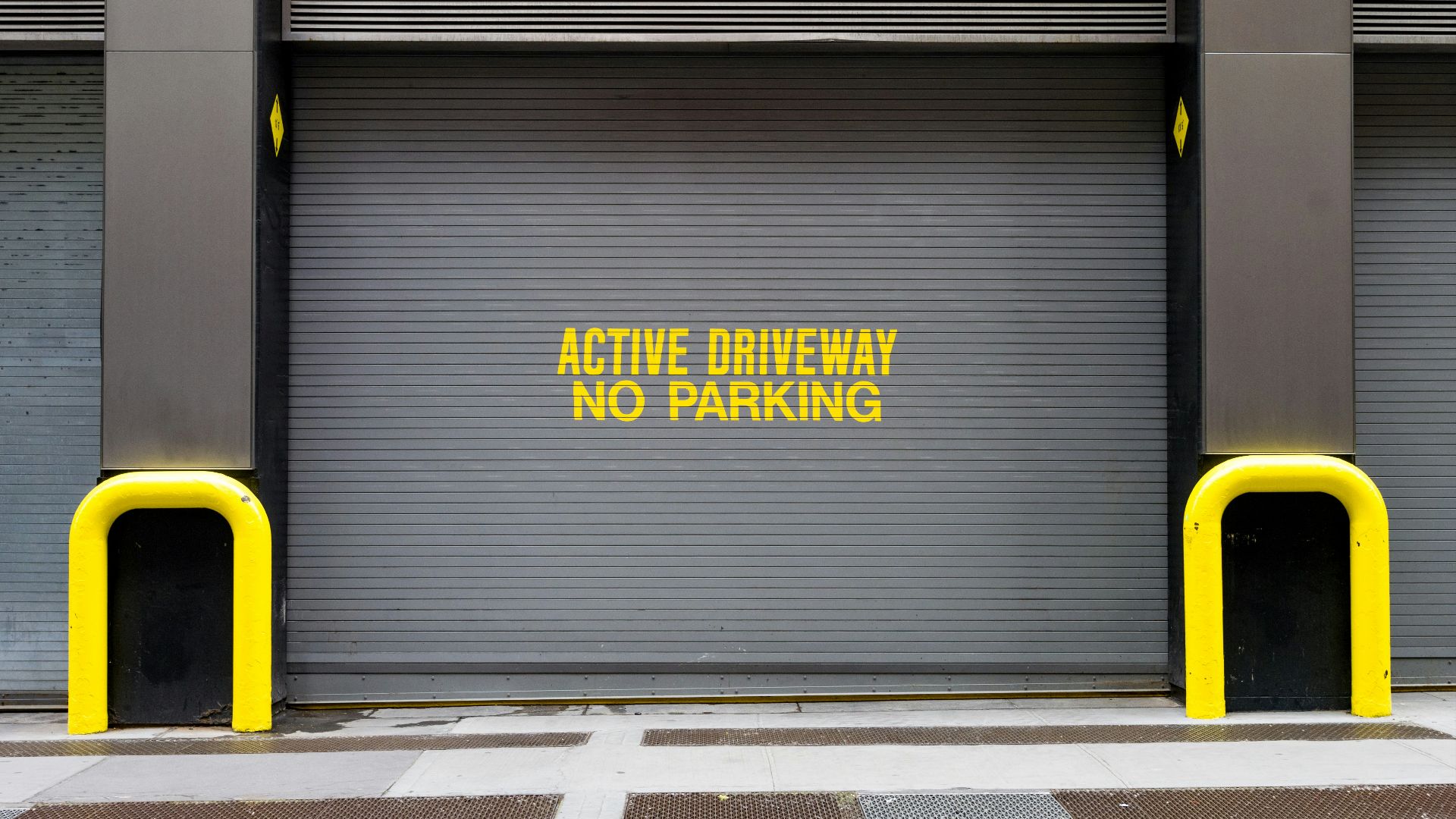
New York City, for example, says a driver cannot park in front of a public or private driveway. California law also bars stopping or parking in front of a public or private driveway except in limited situations. If your neighbor is crowding your car while also blocking part of a driveway entrance, that can give you a stronger reason to file a complaint or ask about towing.
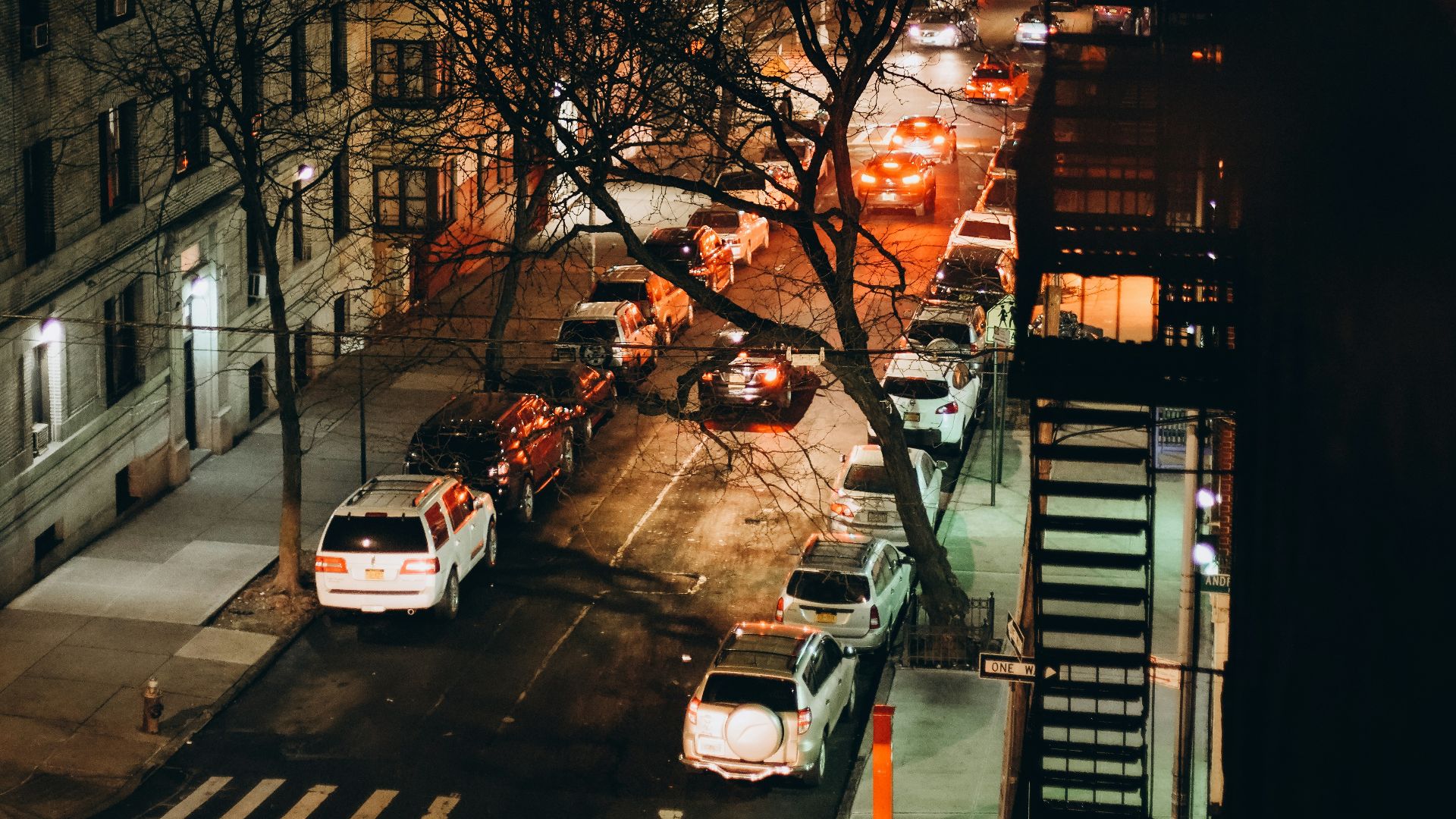
Hydrants, Crosswalks, And Corners Matter Too
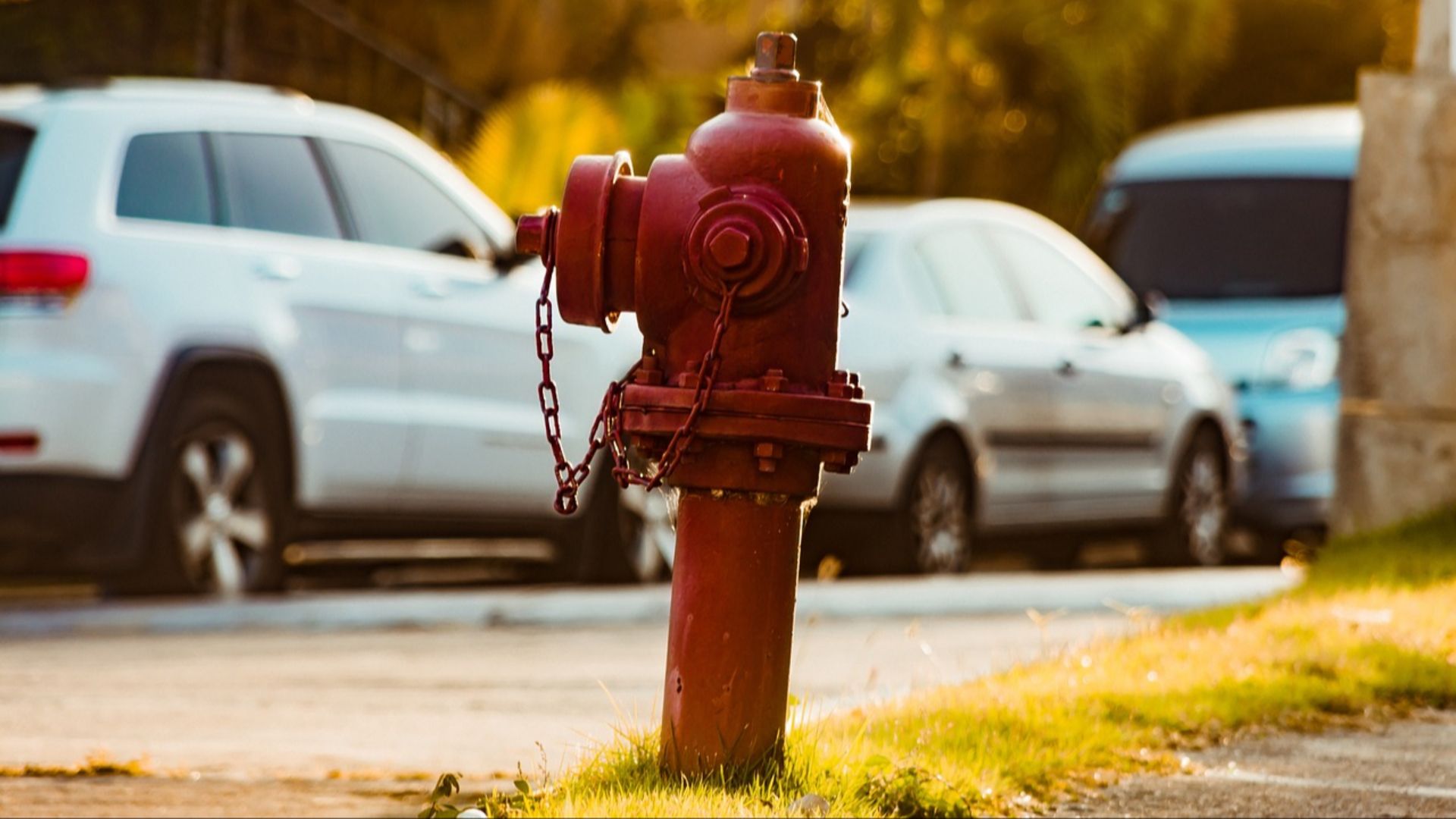
Sometimes the real issue is not how close the car is to yours. It may also be too close to a fire hydrant, crosswalk, stop sign, or intersection, which creates a separate violation. Local and state parking rules often lay out these no-parking zones in detail, and enforcement officers usually care much more about those violations than about a tiny gap between bumpers.
Read The Curb Before You Read The Situation
Before assuming your neighbor is breaking the law, check for posted signs, painted curbs, permit rules, street cleaning schedules, and local parking limits. A car that looks aggressively placed may still be legally parked. A car that seems harmless may actually be violating a posted restriction that can be reported.
Private Lots Have Their Own Rulebook
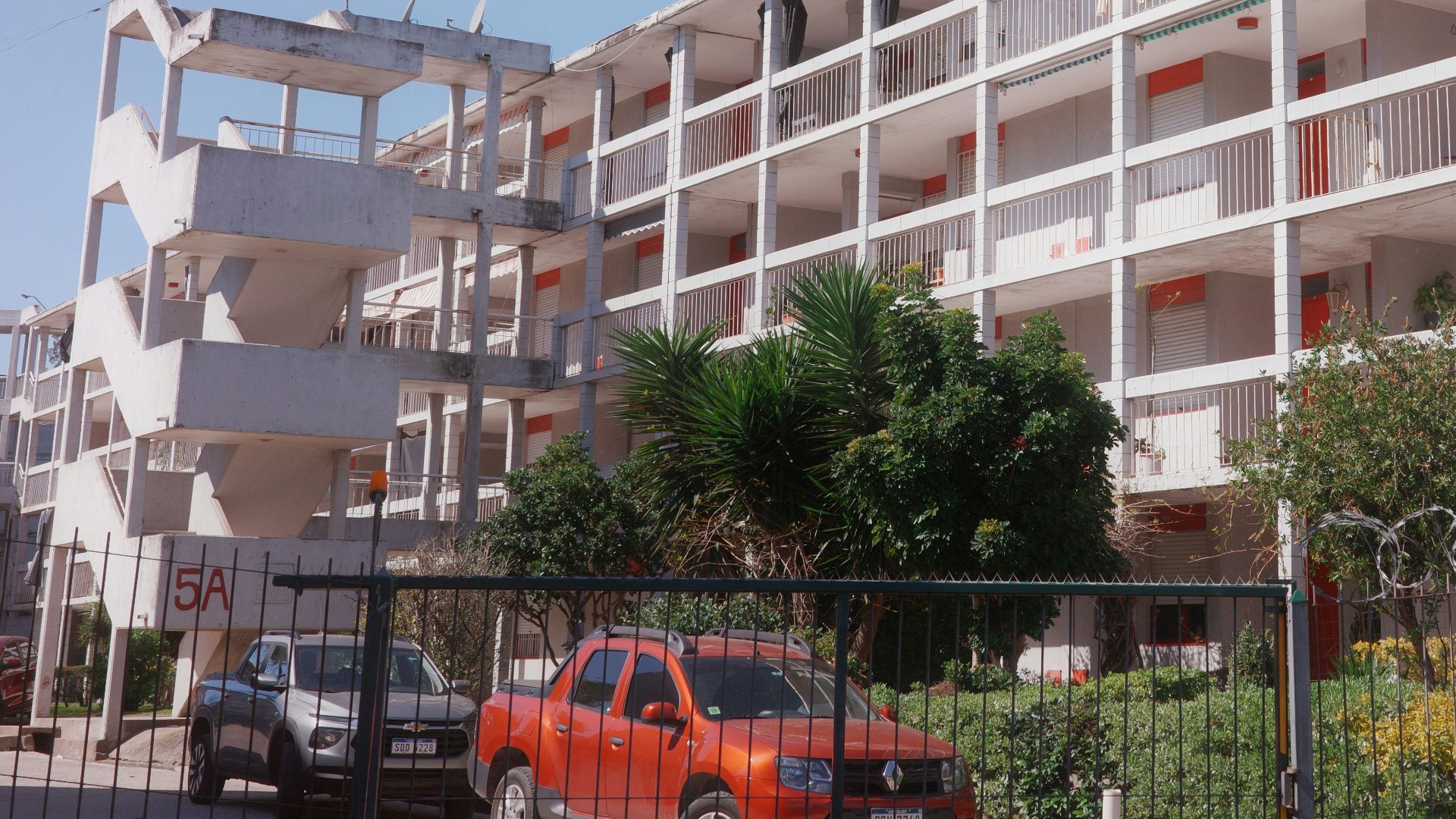
If this is happening in an apartment complex, condo garage, or office lot, posted rules and contracts often matter more than city street law. Many leases and HOA documents include rules about assigned spaces, guest parking, towing authority, and nuisance behavior. The smartest first move is often to read the paperwork before making a call.
HOAs Can Be Annoying, But Useful
In an HOA or condo setting, parking disputes are often handled through association rules, fines, or warnings instead of police tickets. That may sound slow, but it can work when the parking area is private and the board has clear authority. Documented complaints usually carry more weight than verbal arguments.
Landlords May Have More Power Than You Think
If both of you rent in the same building or complex, management may be able to enforce assigned parking, towing policies, or lease terms about interfering with other tenants. A landlord does not have to solve every neighbor dispute, but they often control the lot and can act if someone keeps breaking property rules. Written complaints with dates and photos are harder to brush aside.

Start With Evidence, Not Emotion
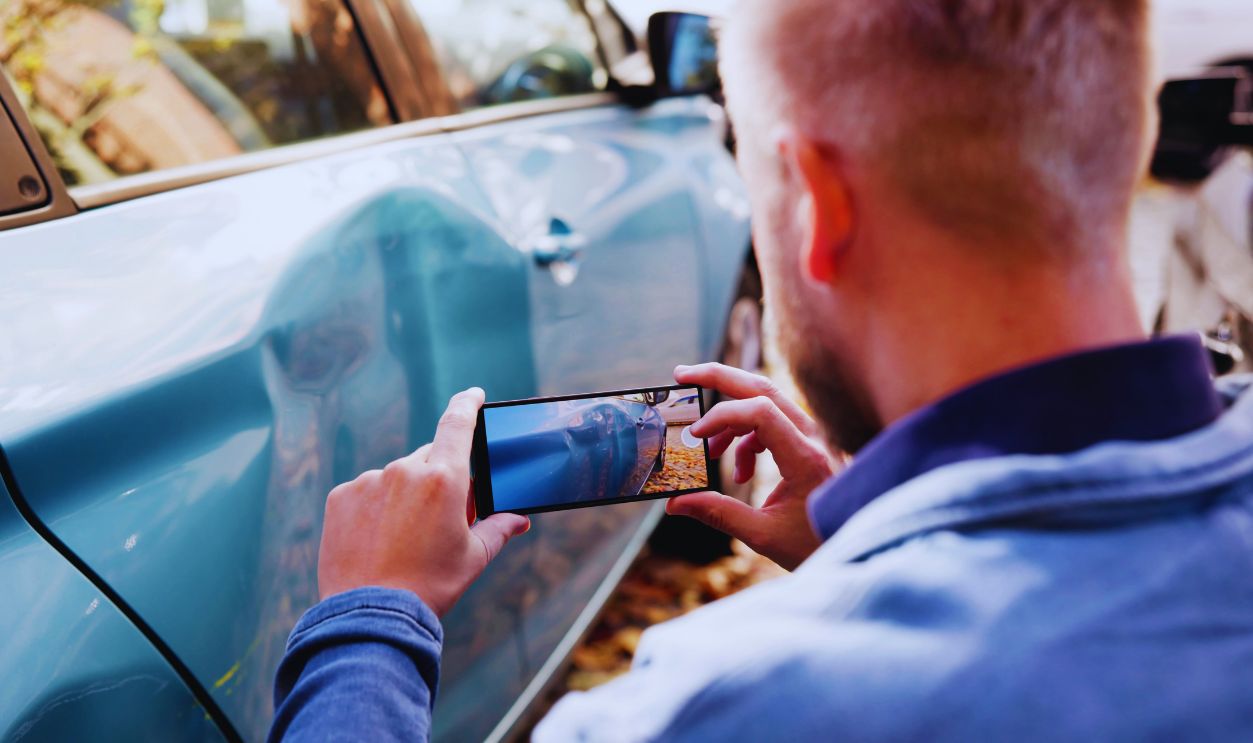
If you want legal help or enforcement, build a clean record. Take photos that show how close the cars are, include the license plate, and capture signs, curb markings, or the driveway layout. Add dates, times, and notes about whether you were unable to enter or exit safely.
Video Can Be Even Better
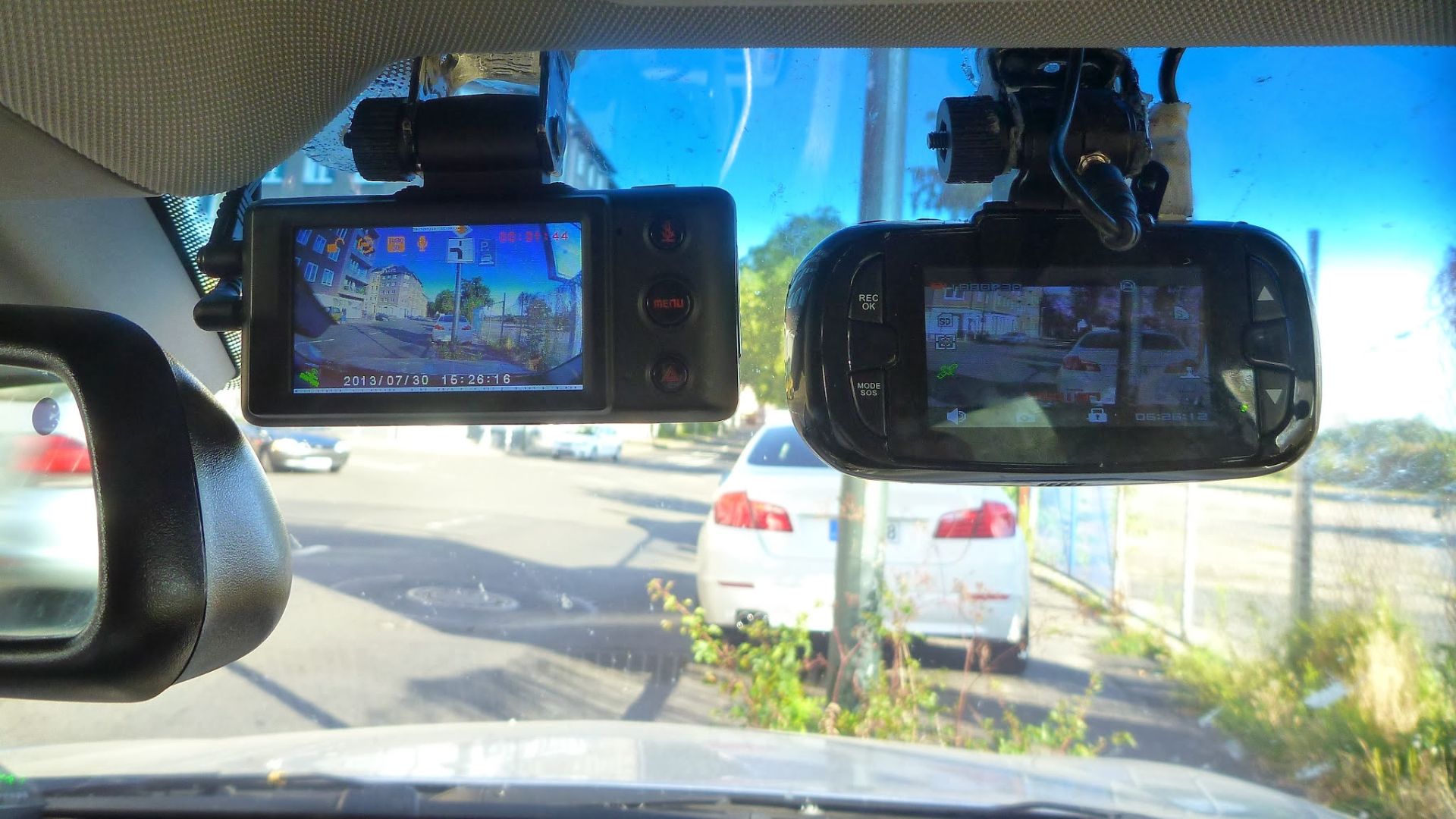
A short video can show how the parking affects your ability to open a door, reach the trunk, or pull out of a space. That kind of proof is often more persuasive than a single still image. Just record from places where you are legally allowed to be and avoid escalating the conflict.
A Calm Conversation Is Still Worth Trying
Before you jump to towing threats or legal letters, a simple and polite conversation may solve the problem faster. Some neighbors really do not realize how little space they are leaving. Keep it factual, ask for more room, and avoid accusing them of harassment unless you have real evidence.

Put It In Writing If It Keeps Happening
If the behavior continues, a short written note, email, or text can help create a paper trail. Be polite and specific, and explain the issue with dates and what you need them to do differently. If the dispute later reaches property management, police, or small claims court, that written history can matter.

Call Parking Enforcement, Not 911
If you believe there is a real parking violation on a public street, contact local parking enforcement or the city’s non-emergency line. Many cities now let residents report blocked driveways or illegal parking through 311 systems or local apps. Emergency lines are for immediate danger, not daily parking feuds.

Towing Is Possible, But Context Matters
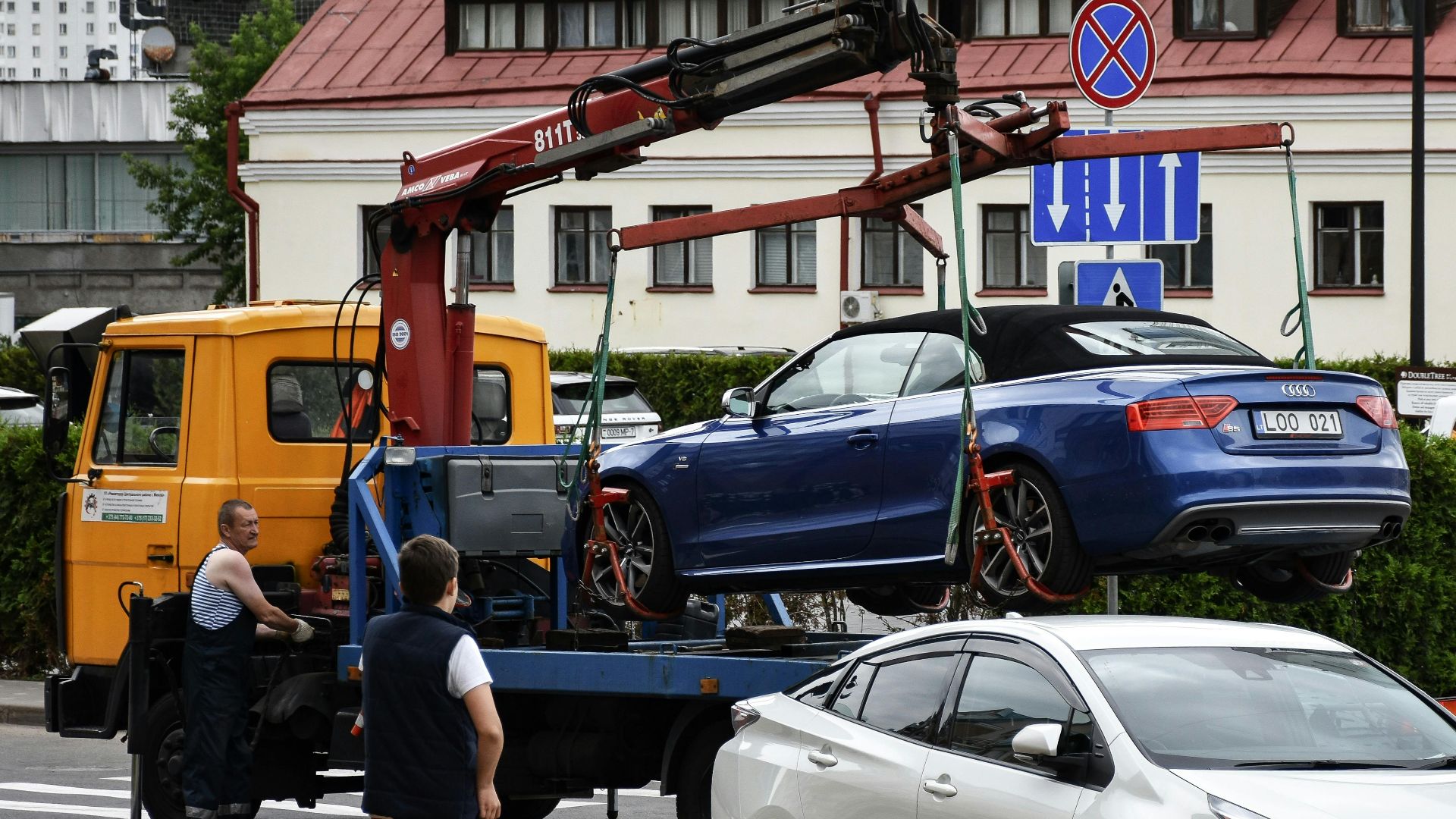
A tow can be legal in some cases, especially on private property with proper signage and authorization, or when a vehicle is illegally blocking a driveway under local rules. But towing law varies a lot by state and city, and an unauthorized tow can create serious liability. Do not arrange a tow unless you are sure you have the legal right to do it.
Do Not Touch Their Car
It may be tempting to nudge a mirror, leave something under a wiper, or physically move a vehicle that is inches from your bumper. That is a bad move. Touching or damaging someone else’s car can quickly turn you from the person with a complaint into the person facing one.
Retaliation Can Backfire Fast
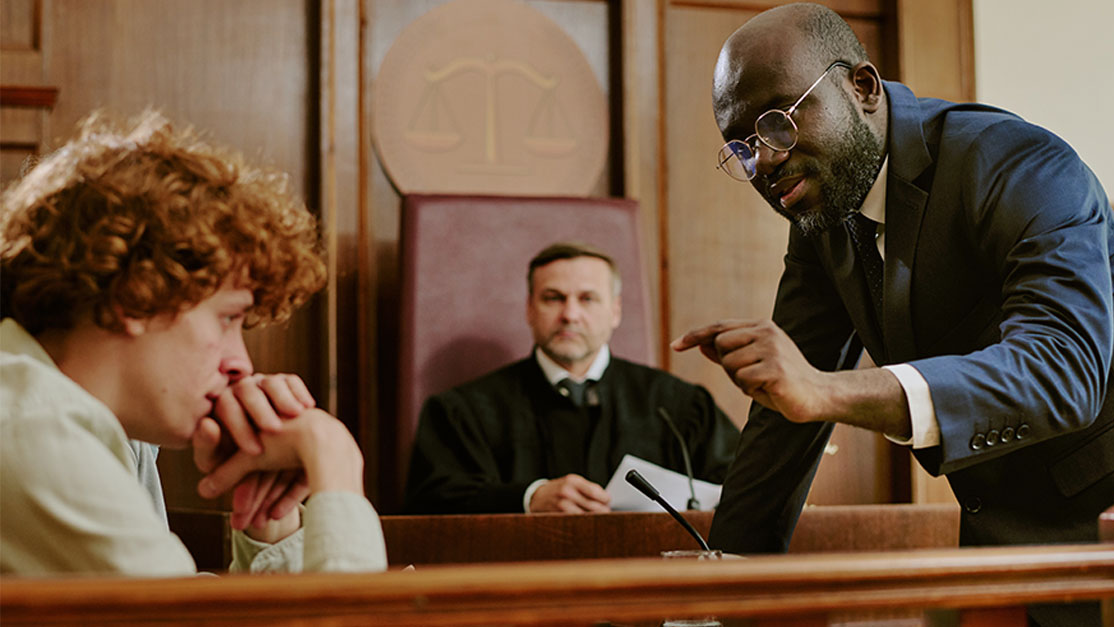
Blocking your neighbor in, leaving nasty notes, or making threats can turn a petty problem into a documented dispute. If the matter reaches police, a landlord, or a judge, the calmer party usually looks more credible. Protect yourself by acting like the facts may be reviewed later.
If There Is Contact, It Is A Different Story
If the neighbor actually bumps your car while parking, that moves beyond a close call. Photograph the damage right away, gather any video, and report the incident to police if local law or your insurer requires it. A pattern of repeated contact can help support an insurance claim or small claims case.
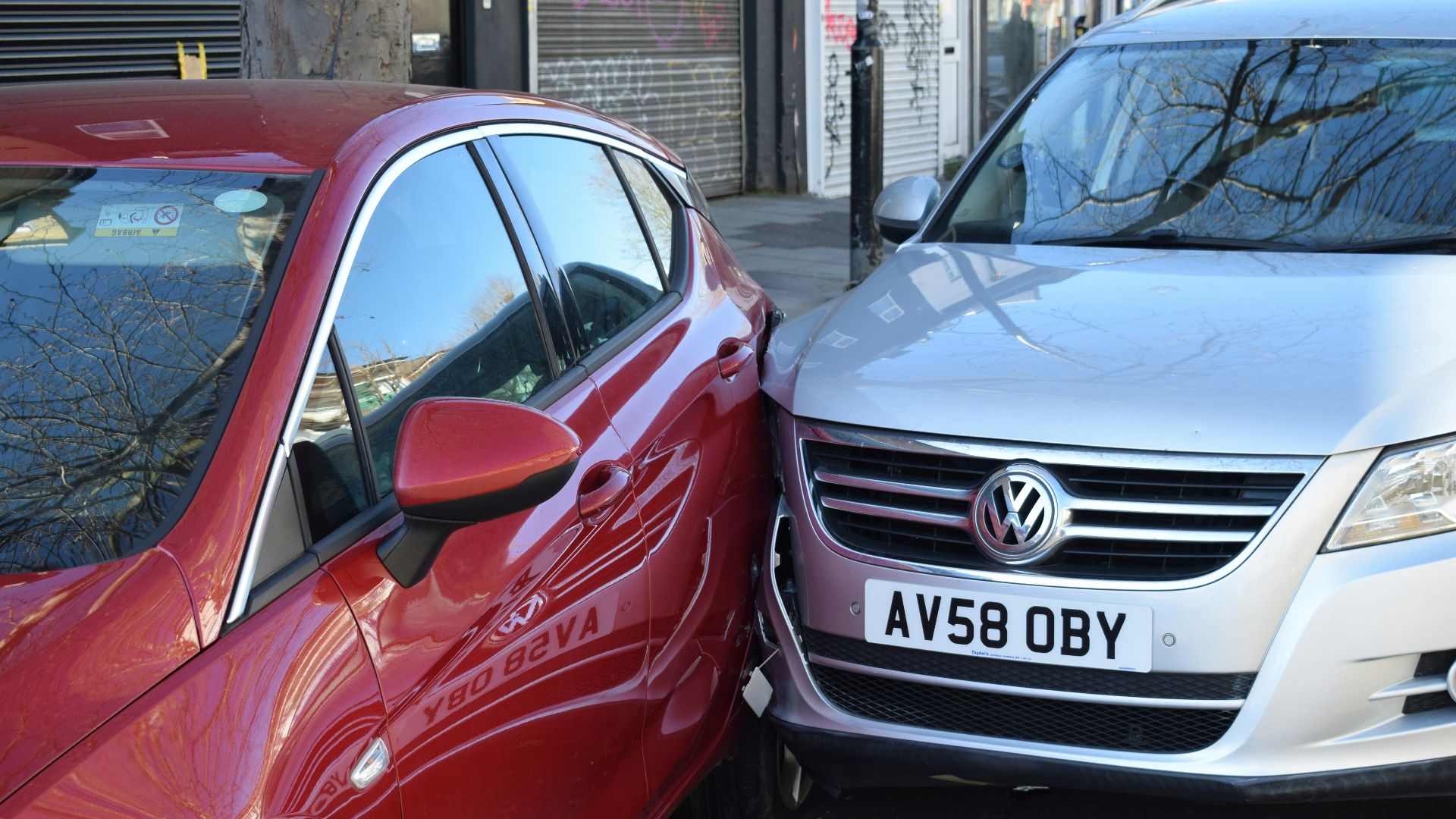
Door Dings And Scrapes Are Real Damages
Even minor damage can support a claim if you can prove who caused it. The hard part is evidence. Photos, surveillance footage, witness statements, and timing all matter, especially when the damage is small and the other driver denies responsibility.
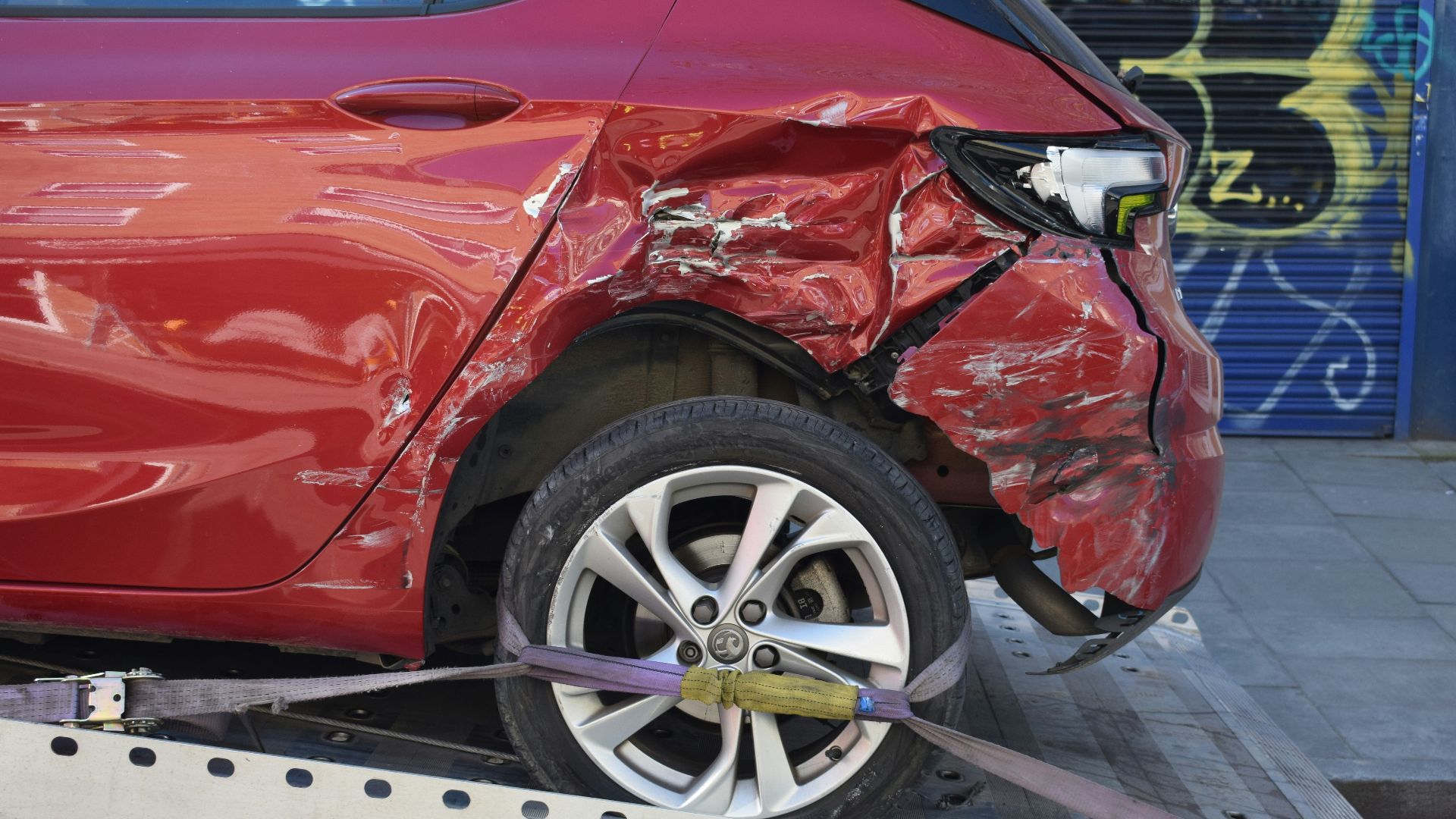
Harassment Claims Need More Than Bad Parking
People often ask whether repeated close parking counts as harassment. Sometimes it can be part of a bigger pattern, but bad parking alone usually does not create an easy stand-alone harassment claim. You generally need evidence of repeated intentional conduct tied to threats, intimidation, stalking, or other behavior recognized under local law.

Shared Driveways Create Special Problems
If you and your neighbor share a driveway or easement, the issue may be controlled by property records, deeds, leases, or local access laws. In those situations, exact boundaries and rights of use can matter more than standard parking rules. If access is being blocked, a local real estate lawyer may be worth a consultation.
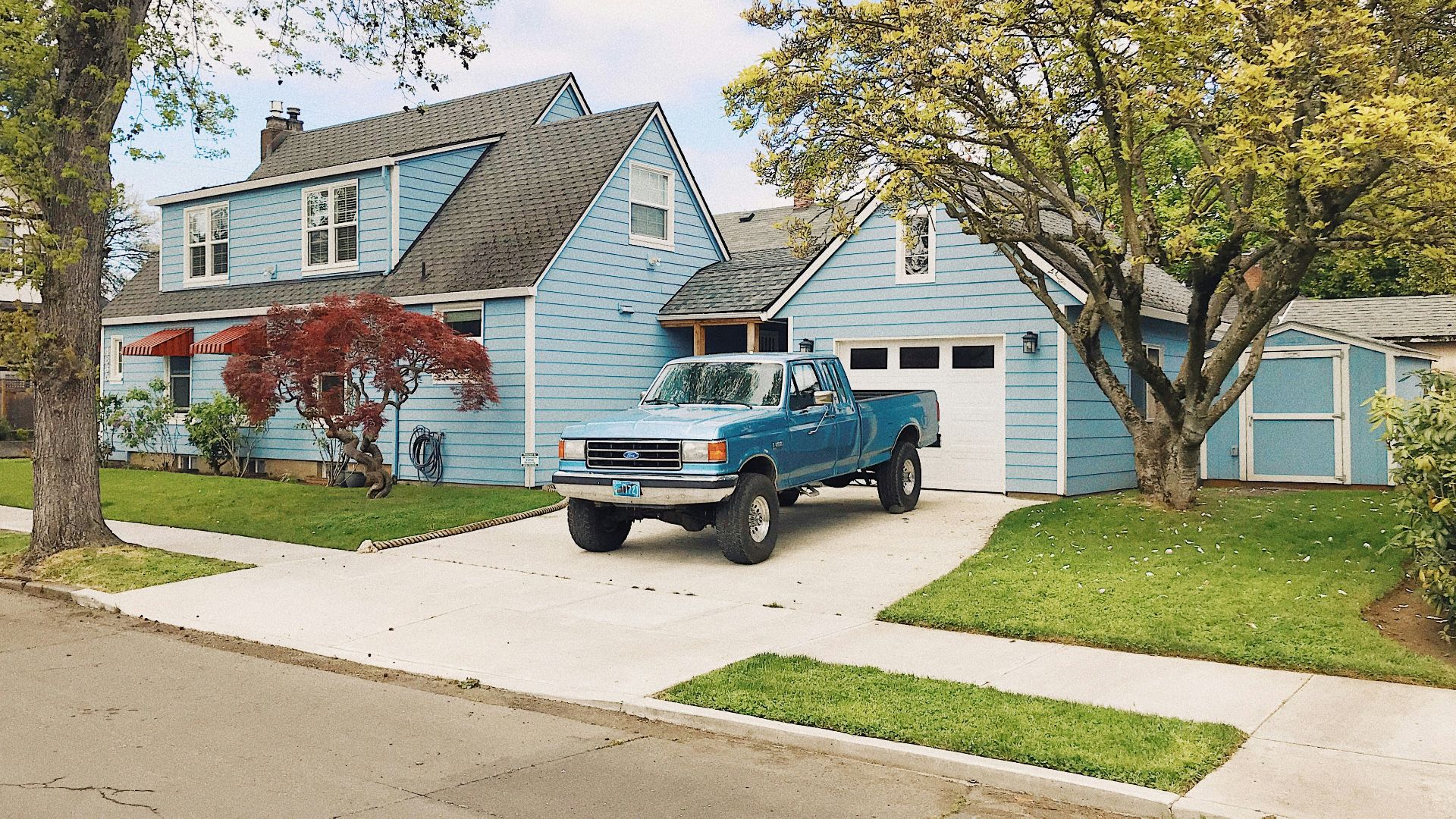
Some States Require Space Around Mailboxes Or Access Points
Sometimes a parking dispute overlaps with rules about access to mail delivery, garbage pickup, ramps, or fire lanes. Those are not universal rules for every car-to-car gap, but they can create enforcement options in certain places. It is worth checking your local code instead of relying on what a neighbor claims is legal.
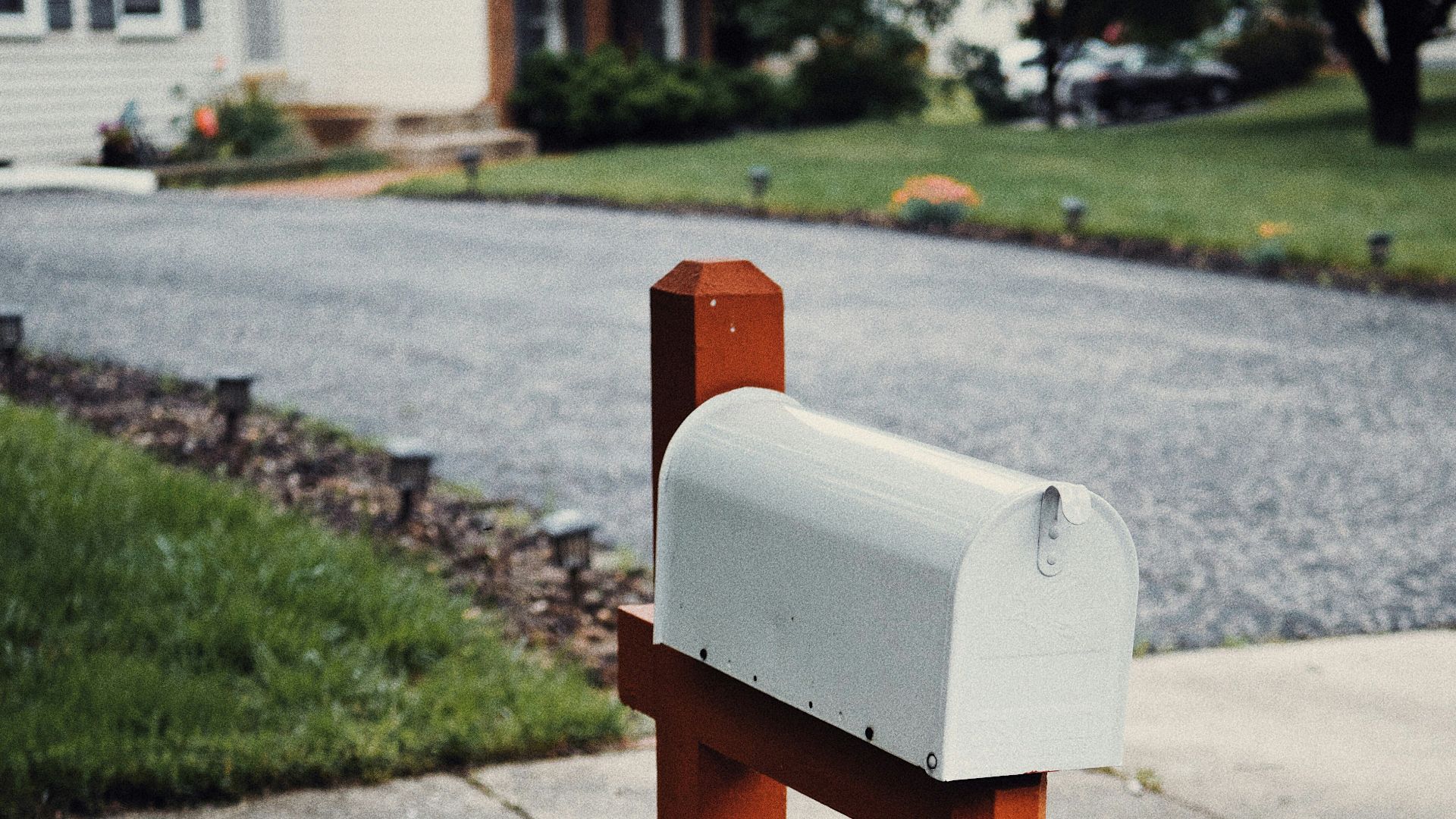 Brian Patrick Tagalog, Unsplash
Police May Not Treat It Like The Emergency You Feel
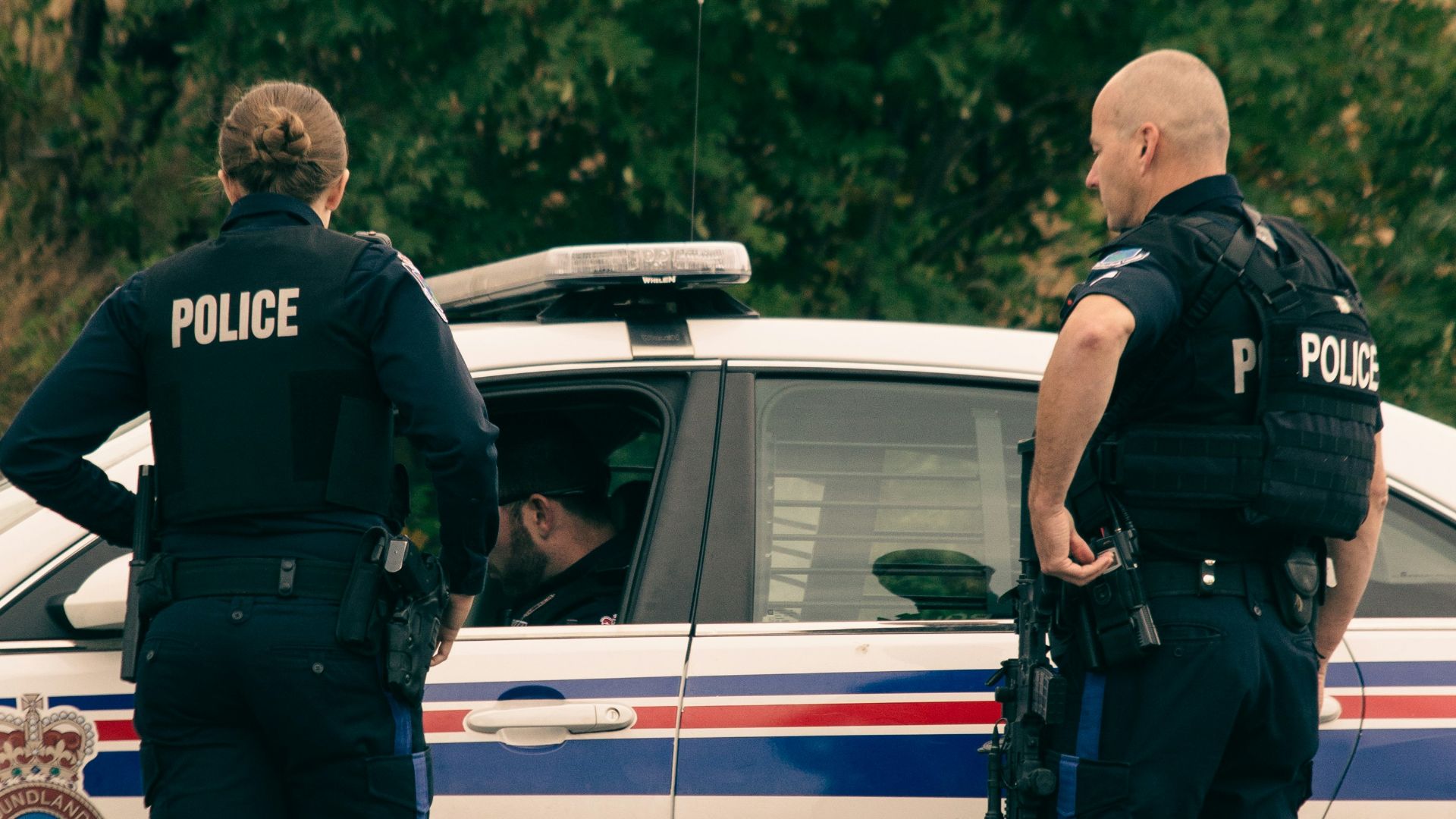
This is one of the most frustrating parts. If no one is blocked illegally and no damage has happened, officers may tell you it is a civil or property-management issue. That does not mean you are stuck, but it does mean your best leverage may come from documentation and the right enforcement channel.
Small Claims Court Is Usually About Damage, Not Annoyance
If your loss is a scratched door, broken mirror, or towing bill caused by wrongful conduct, small claims court may be an option. But courts usually do not award money just because someone parked obnoxiously close without causing measurable harm. The legal system tends to focus on provable damages and clear rule violations.

Local Codes Are The Real Decider
The most important legal answer is usually sitting in a municipal code, state vehicle code, lease, or HOA handbook. That is where you will find rules on driveway blocking, private towing, fire hydrants, permit parking, and access obstruction. The closer your complaint matches an actual rule, the better your chances of getting action.
The Best Practical Strategy
Take clear photos, check your local parking rules, make one calm request, and then report only actual violations through the proper channel. If the issue is on private property, go to the landlord or HOA with evidence. If there is damage, treat it like any other vehicle incident and preserve proof right away.

Yes, You May Have Options
So is there anything you can do legally? Yes, but it depends on whether your neighbor is merely rude or actually breaking a rule, blocking access, or causing damage. The smartest path is not revenge. It is documentation, local law, and using the process that fits the place where the cars are parked.