When Weekend Parking Turns Into A Fight
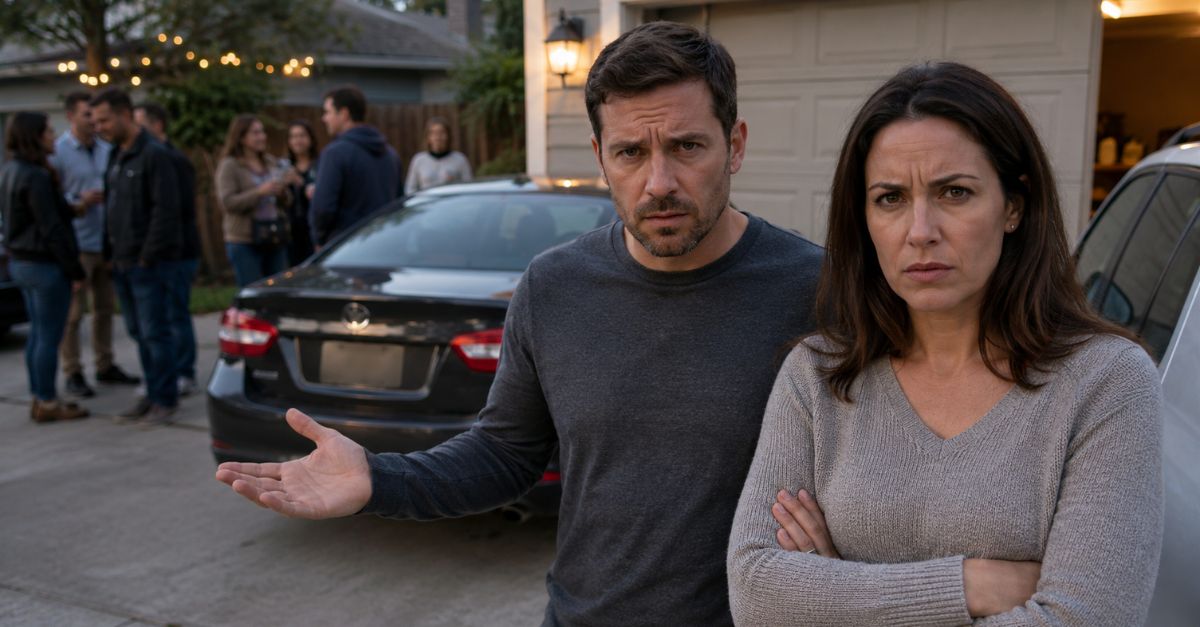
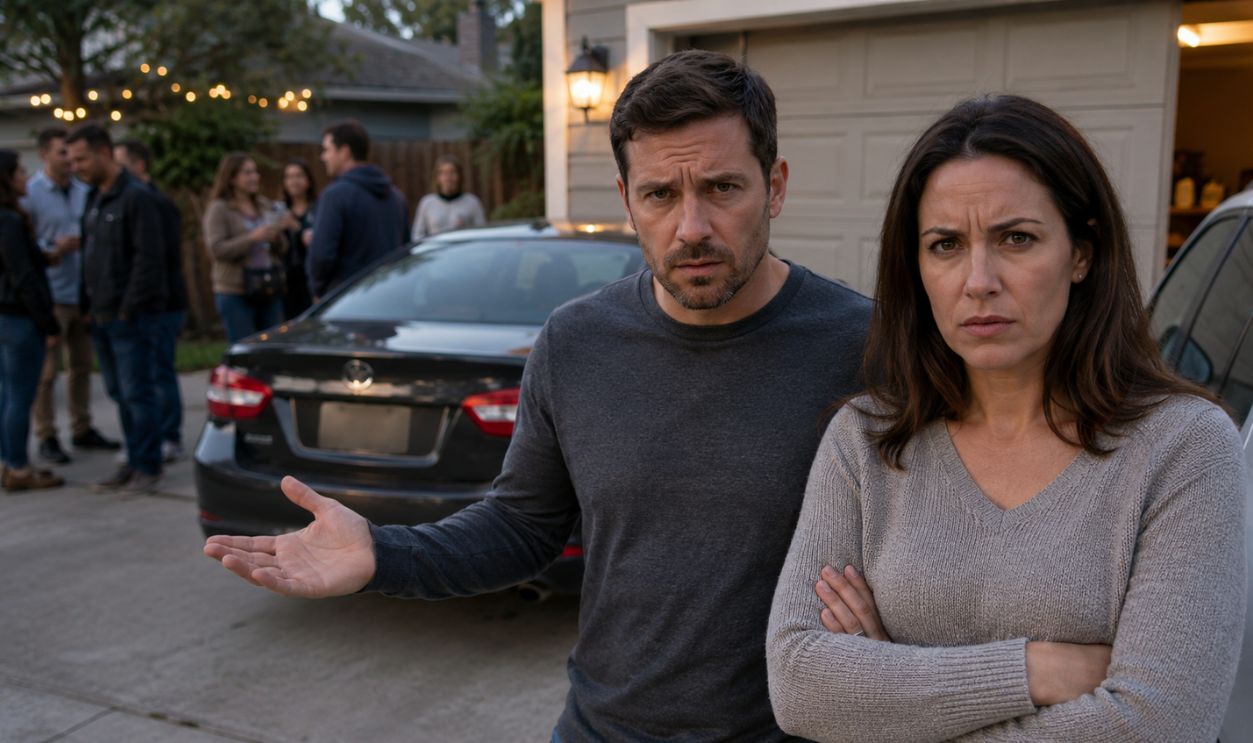
Every Friday night, the same thing keeps happening. Your neighbor has people over, cars stack up, and one of them ends up blocking your garage. By Saturday morning, you're stuck staring at your own driveway and wondering whether calling a tow truck would make you unreasonable or just the only person taking the problem seriously. The truth is, it depends on your situation.
Your Frustration Is Not An Overreaction
If a car is blocking your garage, it can stop you from leaving for work, picking up groceries, or handling an emergency. That is not some tiny annoyance. In many cities and states, blocking a driveway or garage access is specifically treated as a parking violation.
The Basic Rule Is Usually On Your Side
Across the United States, local parking rules often ban stopping or standing in front of a driveway. New York City’s Department of Transportation, for example, says it is illegal to park in front of a driveway. The California Driver’s Handbook says the same thing: drivers must not park in front of a public or private driveway.
California Makes It Very Clear
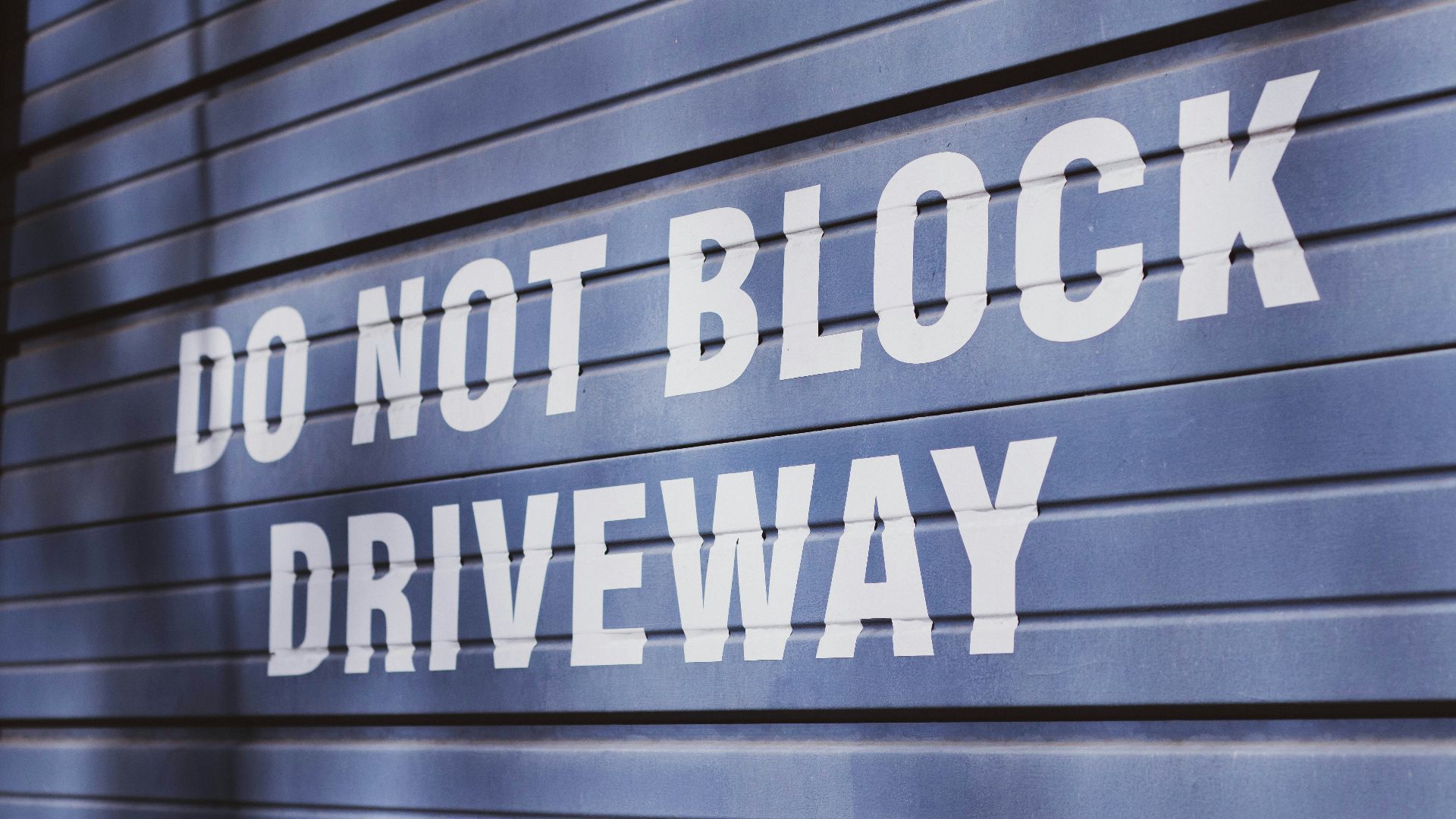
The California Department of Motor Vehicles puts this plainly in its driver handbook. Drivers cannot park in front of a public or private driveway. There is not much room for debate there. It is a basic parking rule, not a matter of neighborhood manners.
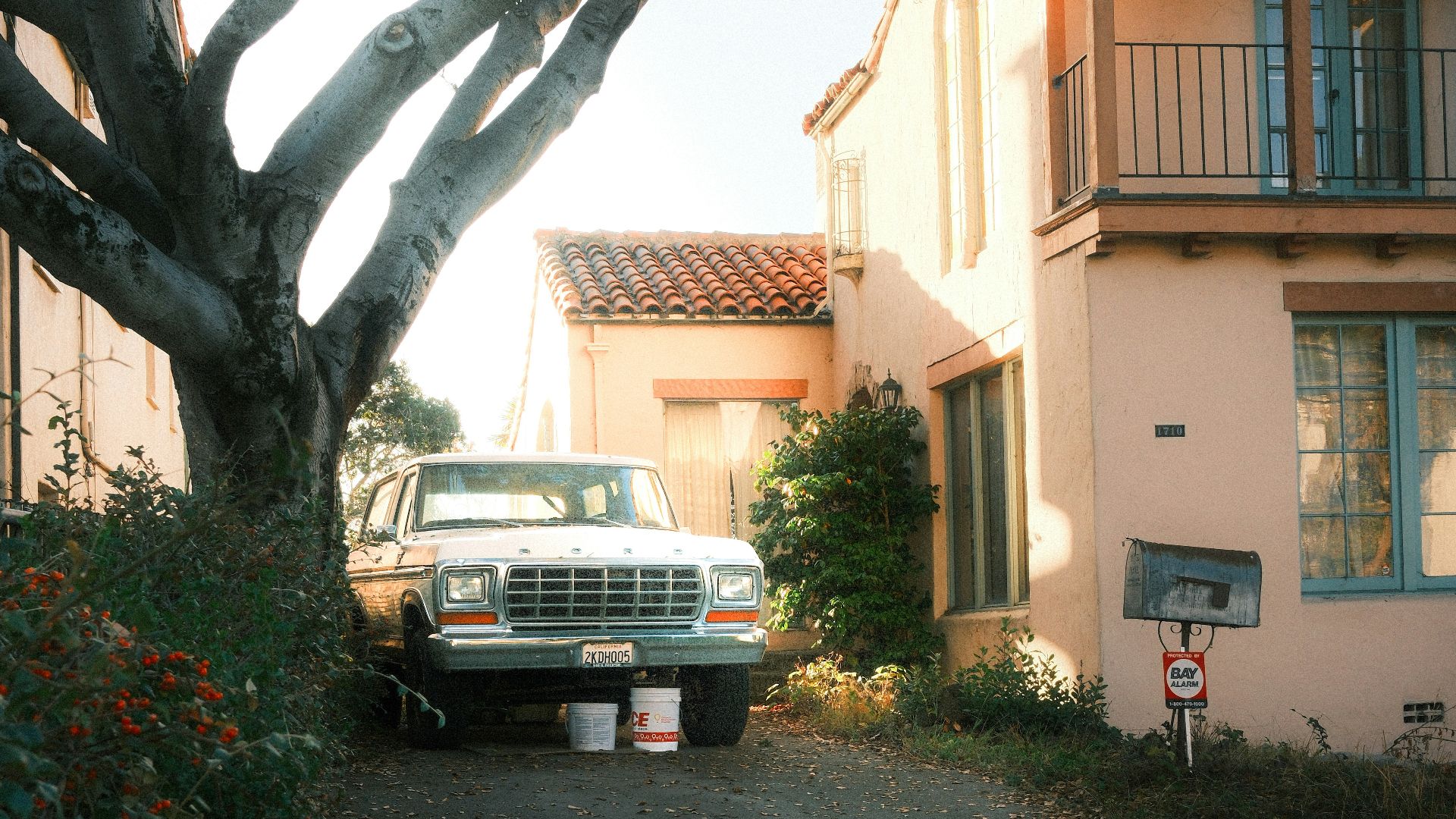
New York City Says The Same Thing
New York City DOT is just as direct in its public parking guidance. Parking is not allowed in front of a driveway. In a city where curb space is always tight, driveway access is still treated as off-limits.
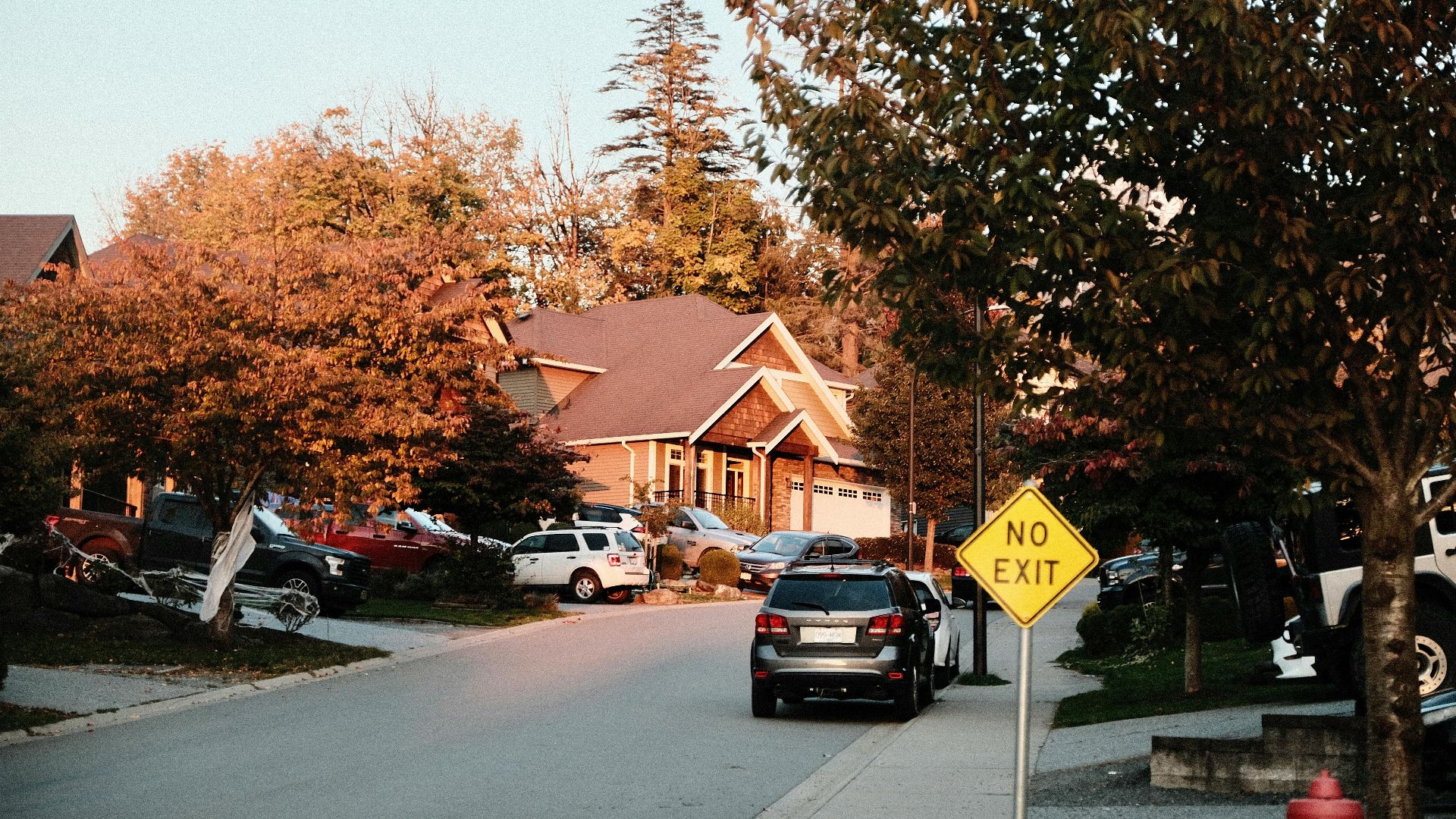
Blocking Access Can Also Create A Safety Problem
This is not only about convenience. If your garage is your main way in or out with a car, a blocked entrance can slow you down during a medical problem, family emergency, or evacuation. That practical risk is one reason these rules exist.
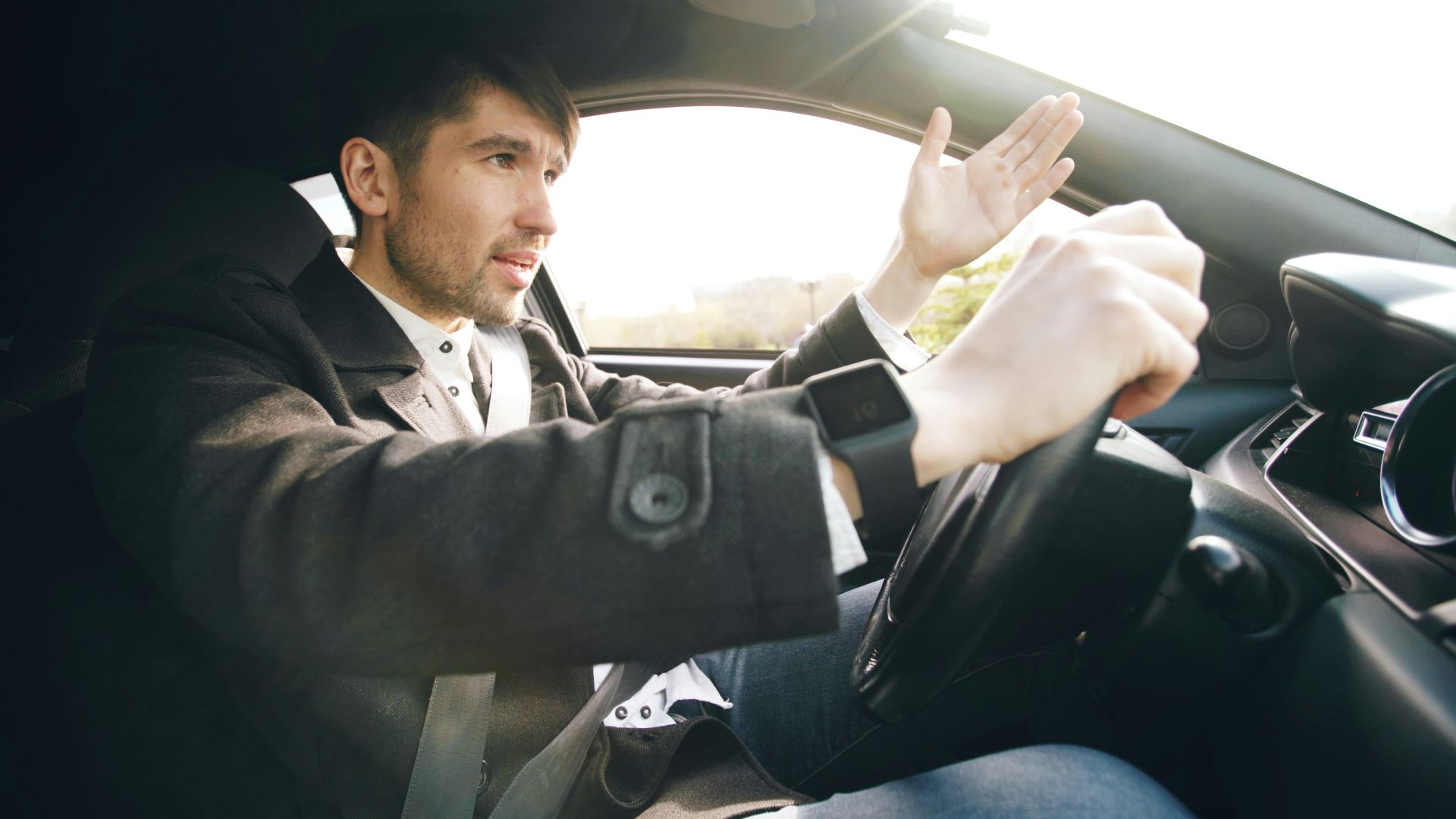
Towing Is Not Automatically Too Extreme
If a car is illegally blocking your garage, towing may be a lawful option in some places. But the exact rules depend on state law, city rules, and whether the vehicle is on a public street or private property.
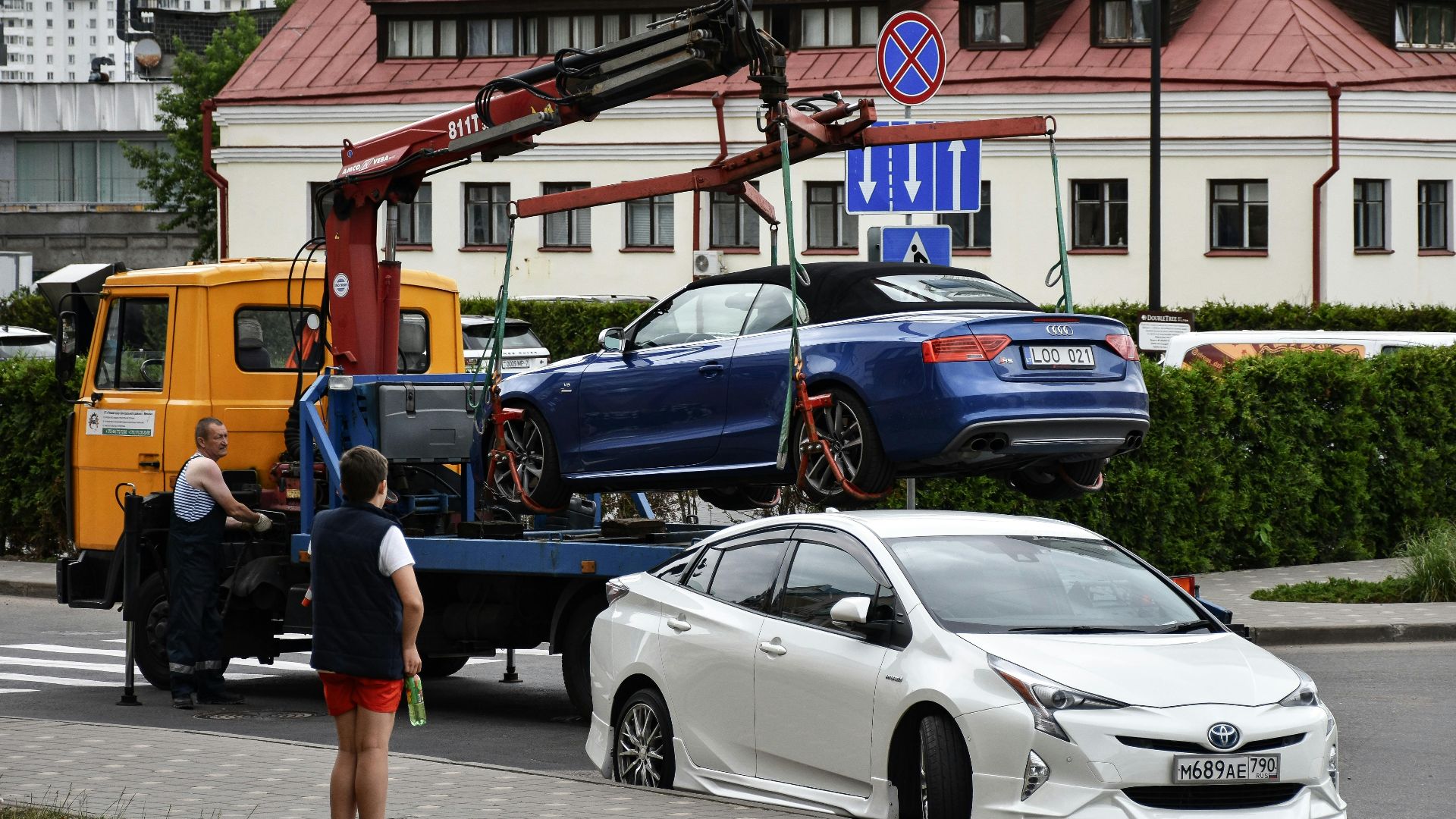
The Public Street Versus Private Property Difference Matters
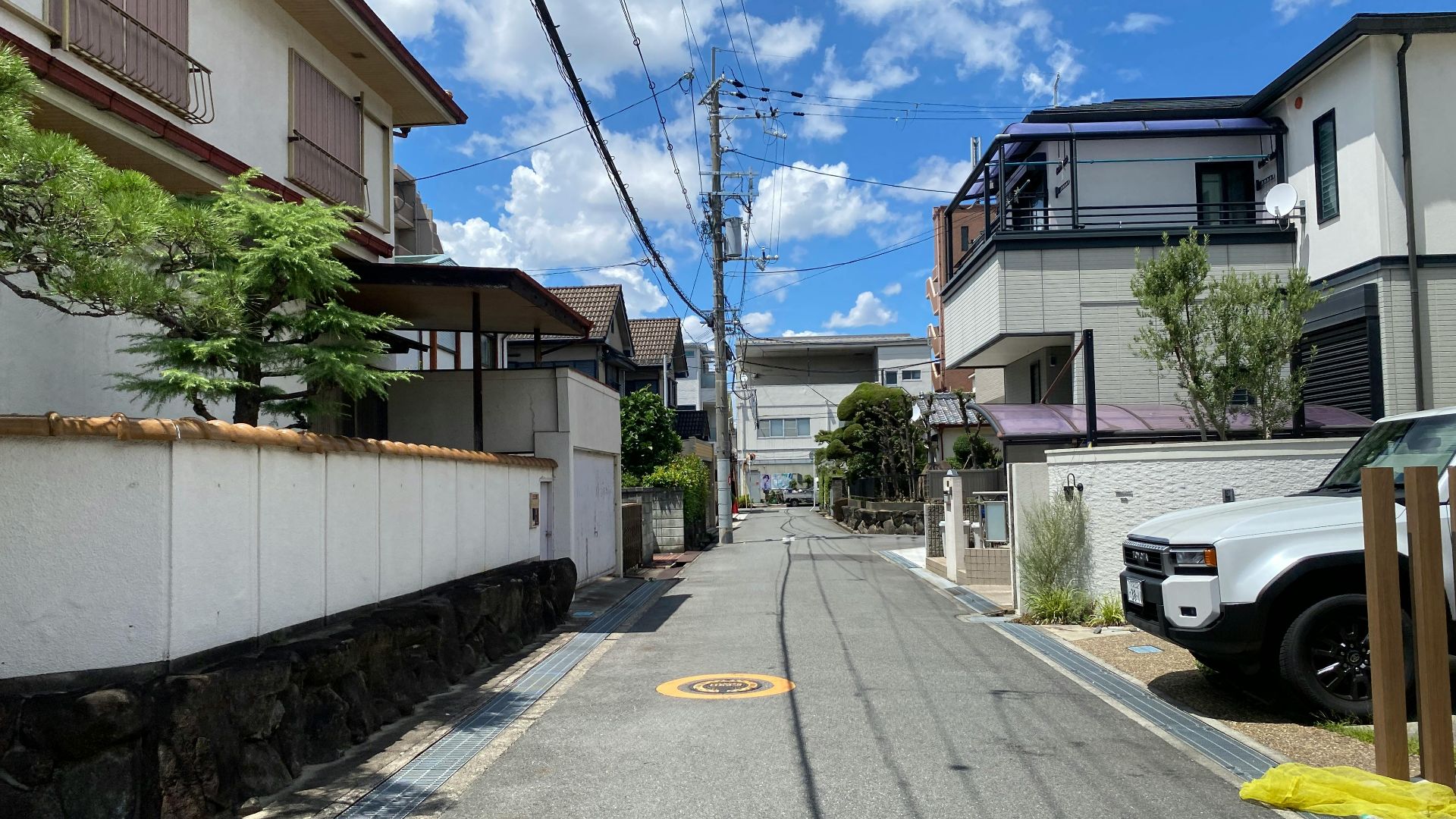
If the guest is parked on a public street but blocking your driveway cut, local police, parking enforcement, or a city-approved tow process may need to get involved. If the vehicle is on private property, a different set of towing laws often applies. That difference affects who you should call first and whether you can authorize a tow yourself.
Many Cities Want Enforcement To Handle Street Violations
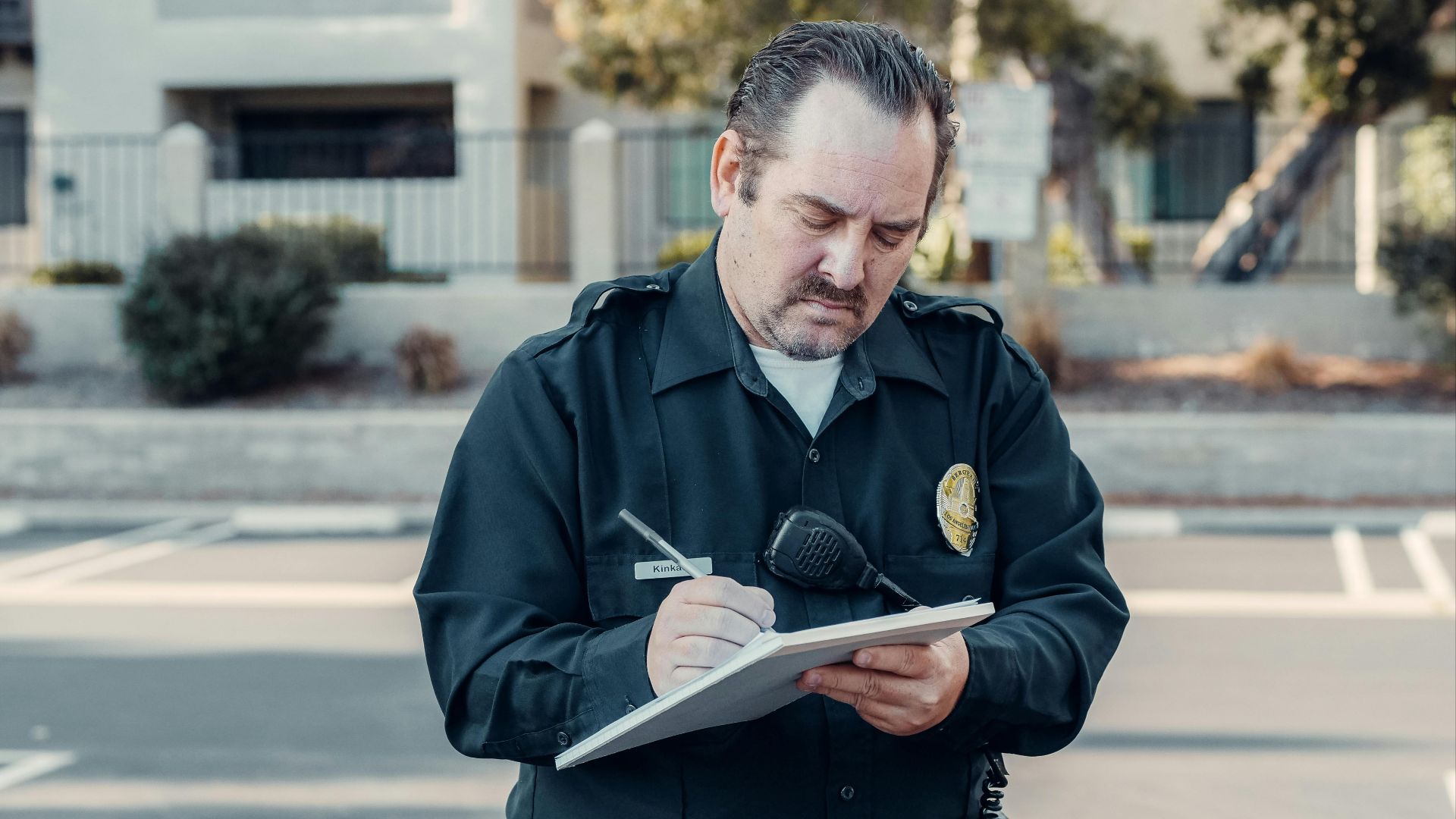
On public roads, private citizens often cannot just call a tow truck and have someone else’s car removed without following local procedure. In many places, police or parking enforcement must ticket the car or approve the tow first. That helps prevent illegal towing and keeps a record of what happened.
Private Property Towing Comes With Strict Rules
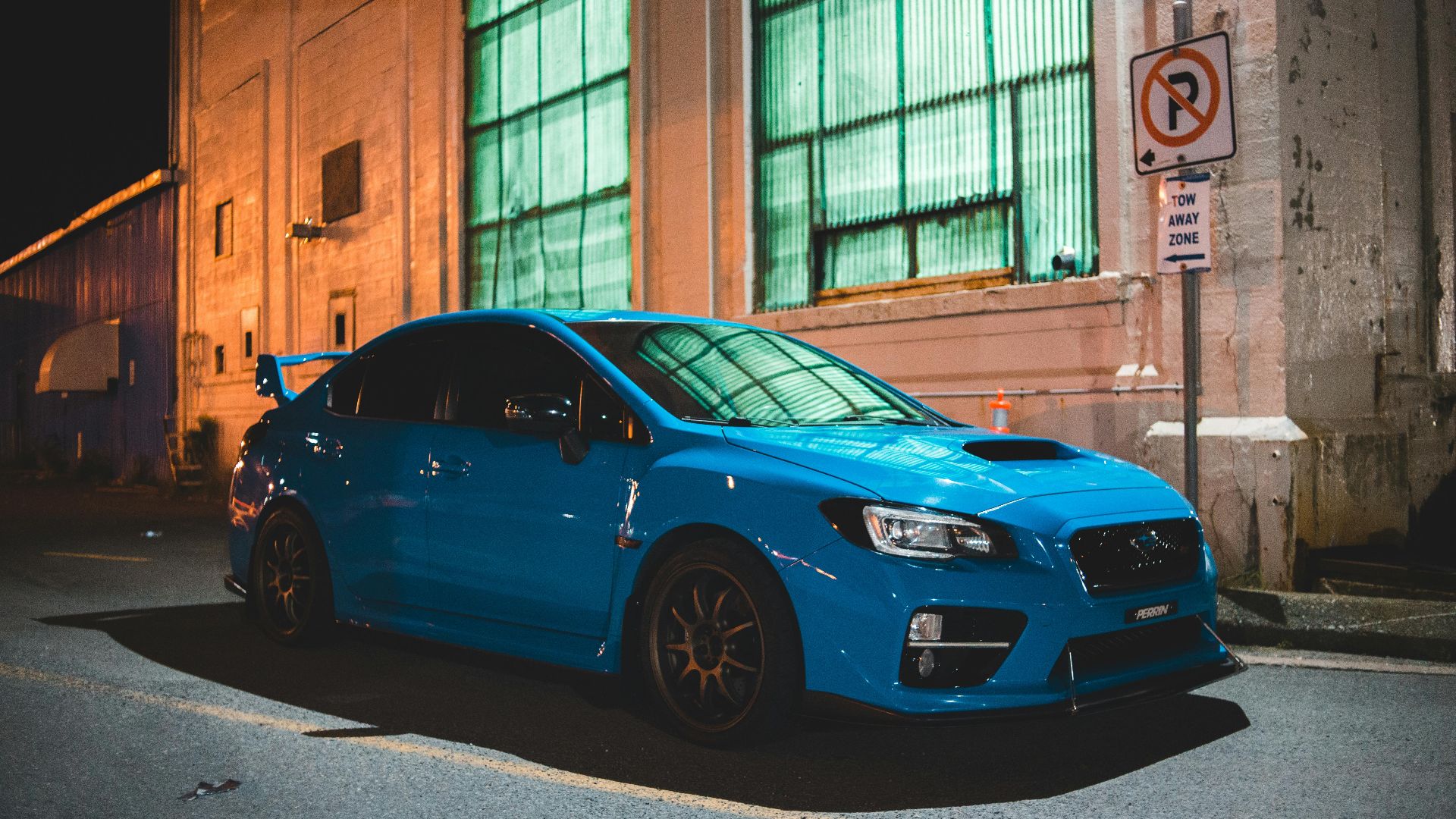
States often regulate private-property towing closely. In Texas, for example, the Department of Licensing and Regulation explains the rules around signs, authorization, and non-consent towing from private property. Those rules are meant to protect both property owners and drivers from abuse.
Texas Shows How Detailed Towing Rules Can Get
Texas does not treat towing like a casual do-it-yourself fix. The state licensing agency regulates tow companies and spells out when non-consent towing can happen from private property. It is a good reminder that legal towing usually comes down to process, not impulse.
Do Not Assume Every Tow Truck Will Take The Car
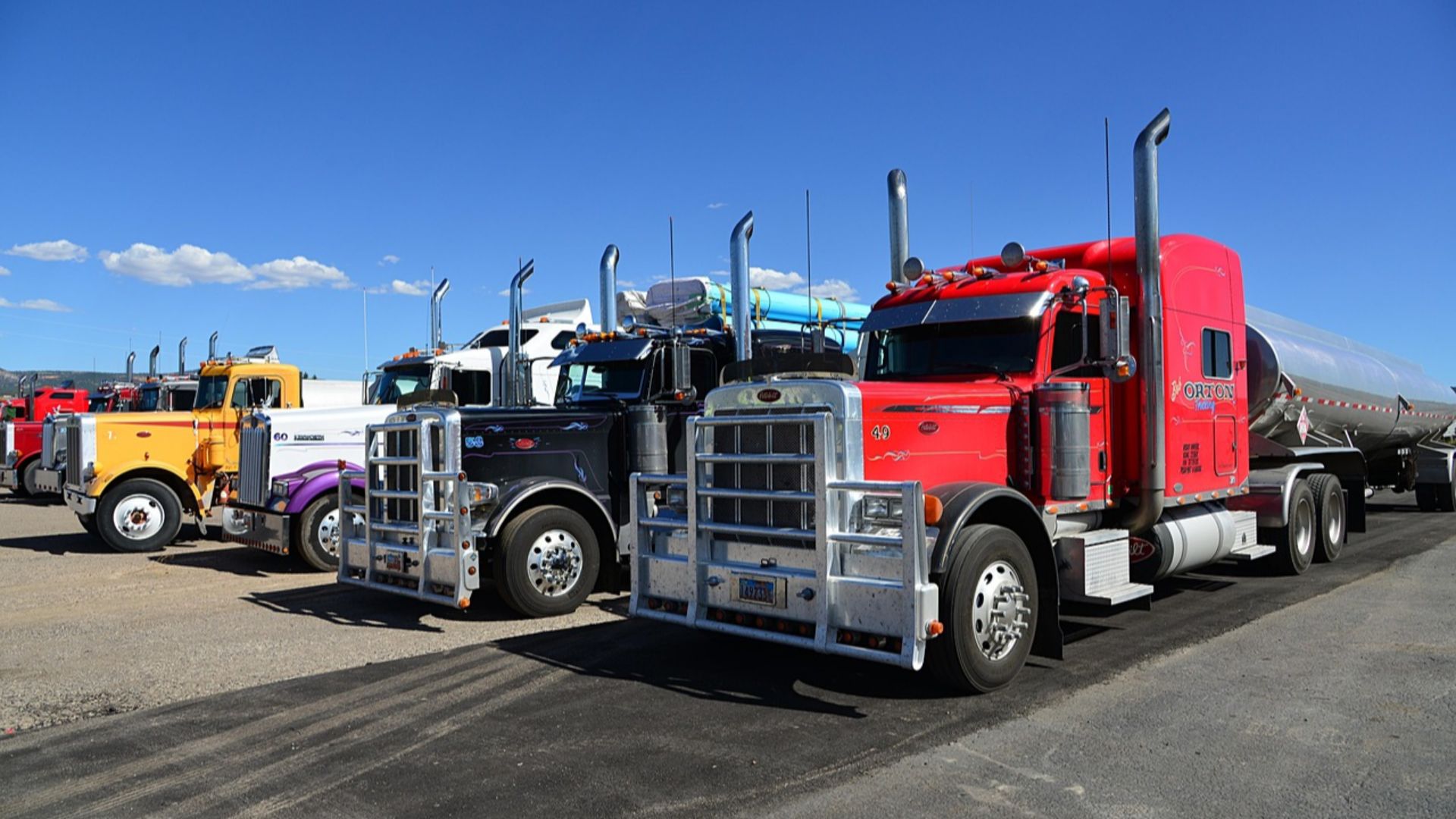
A reputable tow company may refuse to remove a vehicle if you cannot prove you have the legal authority to order the tow. If the car is on a public street, the company may tell you to contact law enforcement or parking enforcement instead. That can be annoying in the moment, but it can also keep you out of a bigger mess later.

Start With The Lowest-Drama Fix
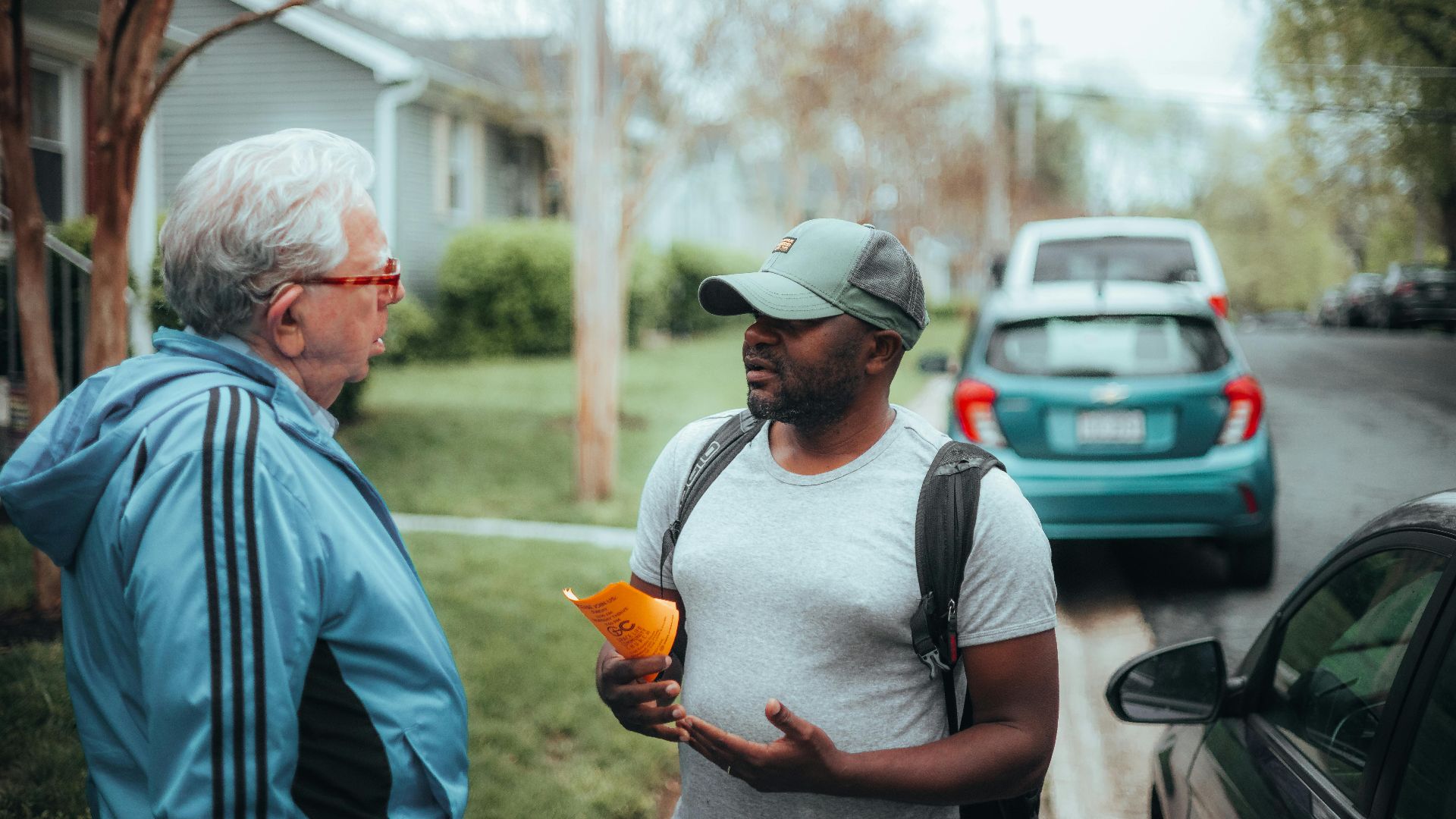
Before you escalate, try the obvious move if it feels safe. Ask your neighbor directly to tell their guests not to block your garage. A calm, specific request usually works better than a broad complaint about parking.
Be Blunt About The Consequence
You do not need to threaten anyone, but you should be clear. Tell your neighbor that cars blocking your garage may be ticketed or towed if it happens again. That gives fair warning and makes it harder for anyone to act surprised when enforcement finally gets involved.

Put It In Writing If The Problem Keeps Happening
A short text or note can help you create a paper trail. Keep it polite and simple, and include the date, the problem, and your request not to block the garage. That kind of record can matter if you later need help from a landlord, homeowners association, code enforcement, or police.

Take Photos Every Time
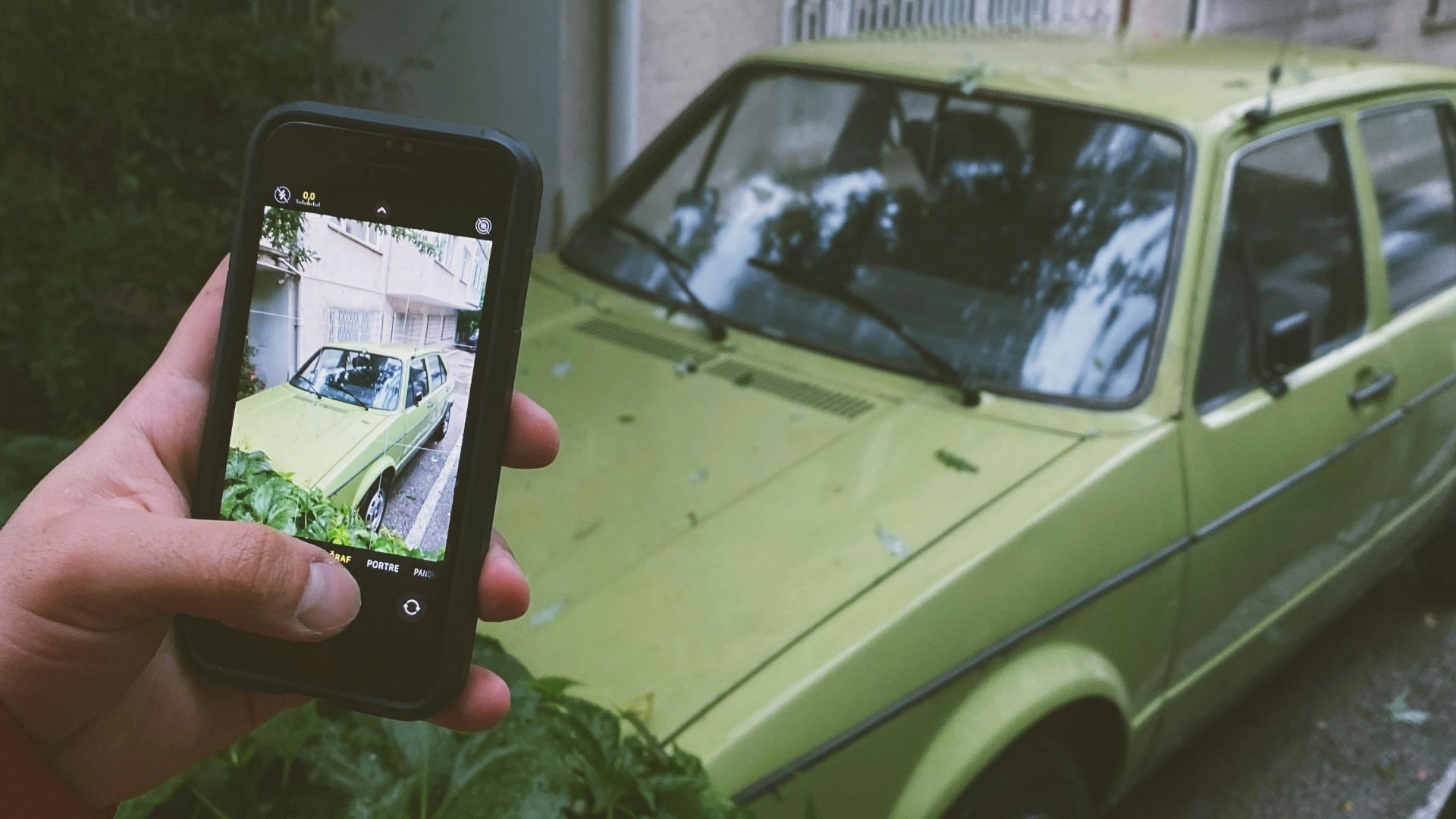
Photos can make a big difference in a recurring parking dispute. Capture the position of the car, the license plate, the curb, and the blocked garage access. Time-stamped photos can help show that this is a pattern, not a one-time mix-up.
Check Your City’s Parking Enforcement Process
Many cities have a non-emergency number, a 311 system, or an online complaint portal for blocked driveways. That is often the smartest first enforcement step. It creates an official record and lets the city decide whether ticketing or towing makes sense.

Police Are Usually For Immediate Access Problems
If you are stuck and need to leave, or if you cannot get back into your garage, a non-emergency call to police may make sense depending on local rules. That is especially true if parking enforcement is unavailable. In an actual emergency, call emergency services instead of arguing with a neighbor over a car blocking your access.

Look For Local Rules Before You Call A Tow
Municipal rules can vary more than people expect. Some places allow quick removal of a vehicle blocking a driveway, while others require a citation first or only allow law enforcement to start the tow on a public street. The safest move is to confirm the local process before making the call.

HOA Or Landlord Rules Can Help Too
If you live in a condo, townhouse community, or rental property, there may be another layer of rules you can use. HOAs and landlords often regulate guest parking and nuisance behavior. They may be able to issue warnings, fines, or parking restrictions before a city tow ever becomes necessary.

Why Towing Feels So Aggressive
Towing costs money, wrecks someone’s night, and almost always creates hard feelings. That is why many people hesitate, even when the blocked garage is clearly out of line. Still, the awkwardness does not erase your right to access your own property.
 Vodafone x Rankin everyone.connected, Pexels
When Towing Starts To Look Reasonable
If you have already asked nicely, documented the problem, and warned the neighbor, towing becomes much easier to justify. The same goes if the blockage keeps you from using your car or creates a safety issue. At that point, it is less about getting even and more about stopping a recurring violation.

When Towing May Be Premature
If this happened once, the guest is nearby, and the car can be moved in two minutes, jumping straight to a tow can blow things up fast. A one-time mistake is different from a repeated problem. Context matters, especially if you want to keep things civil with the people next door.

What To Say Before You Escalate
Try something simple and direct: “Please make sure your guests do not block my garage. If it happens again, I will report it and may have the car towed if local rules allow.” It is clear, factual, and much harder to shrug off than a passive-aggressive note under a windshield wiper.

Do Not Touch The Car Yourself
It can be tempting to leave a nasty note, block the car in, or try to move it with your own vehicle. Do not do that. You could damage the car, create liability for yourself, or turn a parking problem into a much bigger legal headache.

Your Best Move Is Usually A Step-By-Step Approach
Start with a direct request, then document every incident, then use local enforcement channels, and only after that move to towing if the law allows it. That sequence protects you and shows you acted reasonably. It also gives your neighbor every chance to fix the problem before a tow truck gets involved.

So Is Towing Too Extreme
No, not automatically. If guests keep blocking your garage and local law allows removal, towing can be a valid response, especially after warnings and documentation. The smartest answer is not “never tow” or “tow right away.” It is “follow local rules and escalate only as far as the facts justify.”