That Estimate Can Feel Like A Punch In The Gut
You bring your car to the garage with a symptom, and before anyone clearly pins down the cause, the shop suggests replacing a sensor, a pump, or even a whole assembly. That can feel normal if you've dealt with modern car repair before, but it can also sound a lot like throwing parts at the problem. This isn't necessarily abnormal, but the real question is whether the shop did real diagnostic work first.

Short Answer, It Is Not The Gold Standard
In a solid shop, diagnosis should come before major parts replacement. The National Institute for Automotive Service Excellence, better known as ASE, treats diagnosis and repair as different skills, and its testing covers system diagnosis, not just swapping in parts. If a shop jumps straight to an expensive repair without explaining the testing behind it, that is not best practice.

Why This Happens More Than You Might Think
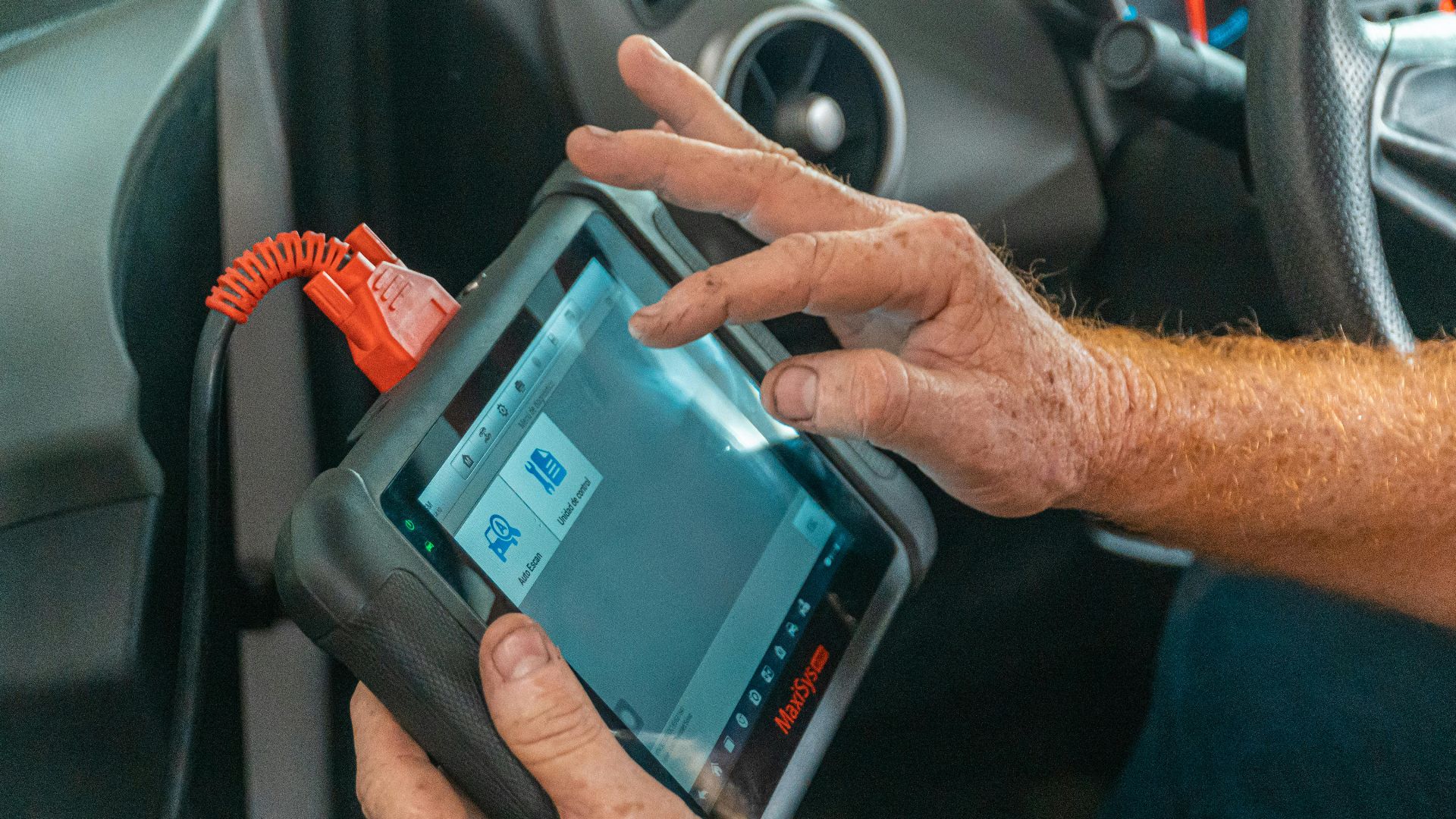
Cars are much harder to diagnose than they were a few decades ago. NHTSA notes that since the 1996 model year, vehicles sold in the United States have used standardized OBD-II systems. That made fault data easier to access, but it did not make diagnosis foolproof. A trouble code points to a system or operating condition. It does not automatically tell you which part failed.
 Jose Ricardo Barraza Morachis, Pexels
A Code Is A Clue, Not A Verdict
This is where a lot of drivers get tripped up. The FTC has long warned consumers that diagnostic trouble codes do not necessarily tell a mechanic what component to replace. For example, an oxygen-sensor code can be triggered by wiring problems, vacuum leaks, exhaust leaks, or fuel mixture issues, not just a bad sensor.
What A Good Mechanic Usually Does First
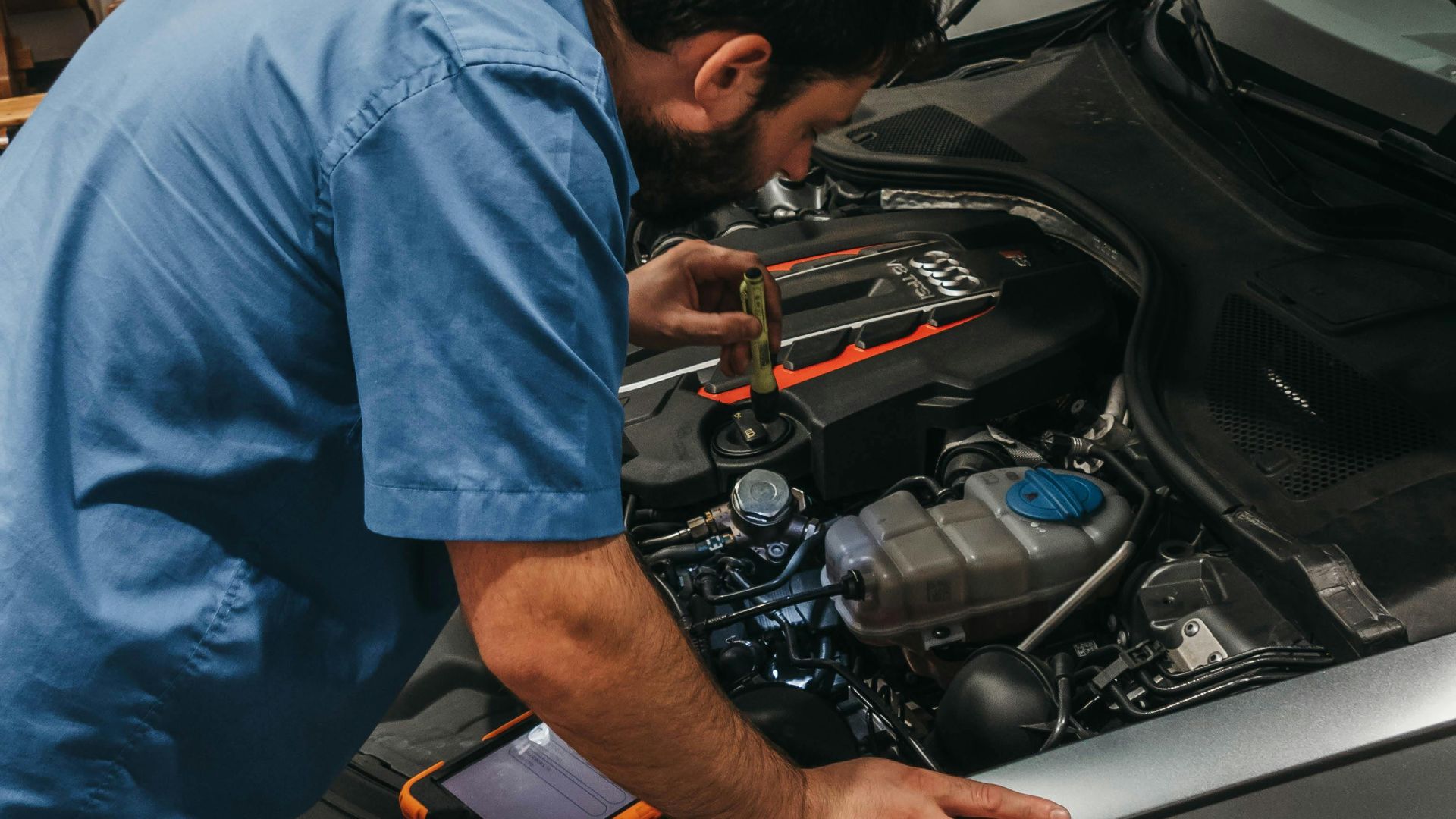
The best shops start by confirming the complaint. That means listening to your description, checking for technical service bulletins, scanning modules, reviewing freeze-frame data, and doing a basic visual inspection along with pinpoint tests. If they cannot explain what they tested and why they think a specific part failed, it is smart to slow things down.
 Jose Ricardo Barraza Morachis, Pexels
Diagnosis And Guessing Are Not The Same Thing
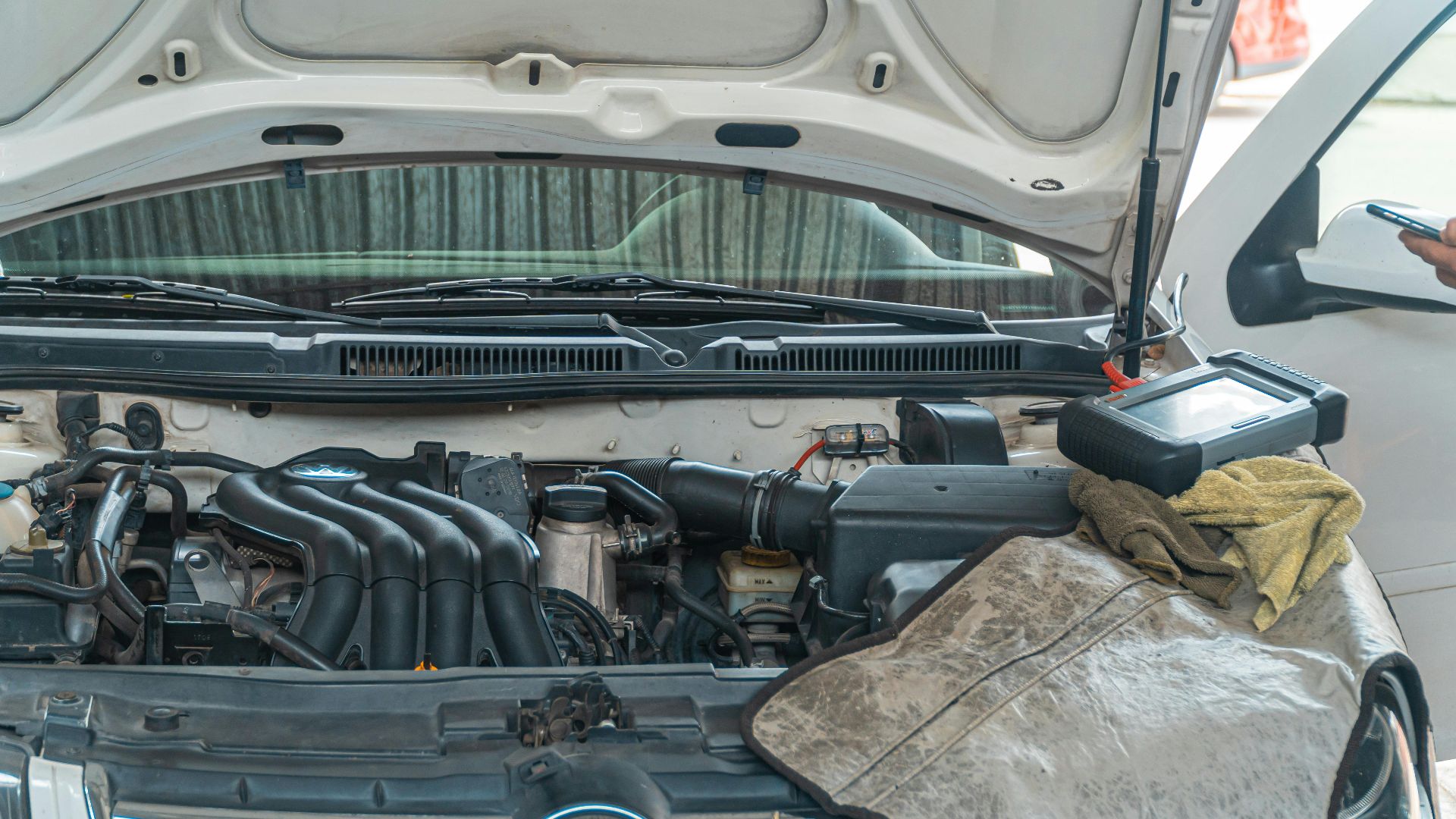
Guessing sounds like this: “These usually need a fuel pump, so let’s start there.” Diagnosis sounds like this: “Fuel pressure is below spec, voltage drop is normal, the command signal is present, and the pump fails under load.” One is a hunch based on habit. The other is backed by evidence.
Sometimes A Shop Is Not Lazy, Just Under Pressure
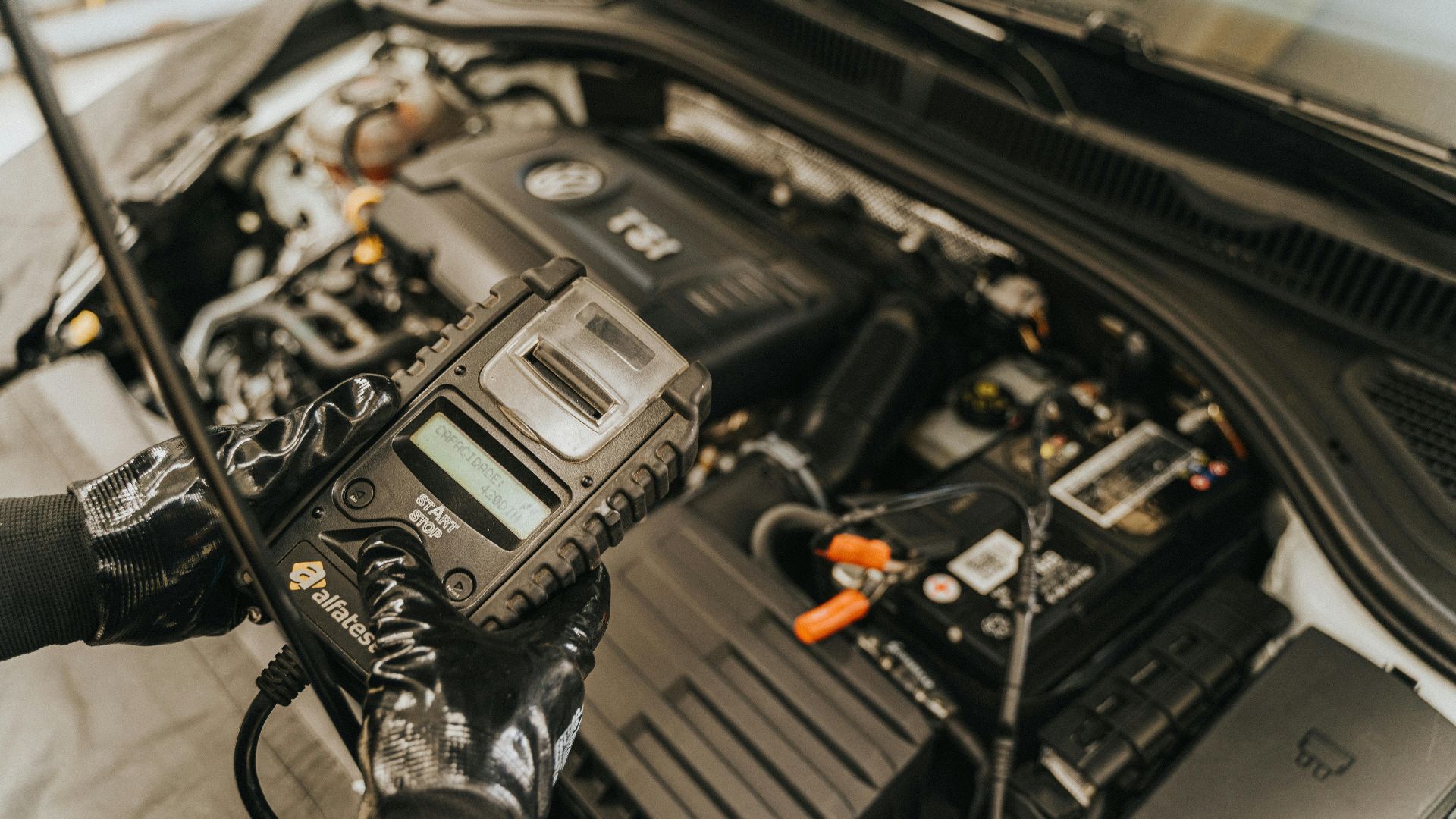
That does not excuse bad communication, but it does explain some of it. Flat-rate pay systems can reward speed, and deep electrical or intermittent diagnostics can eat up a lot of unpaid or hard-to-bill time. In that kind of setup, some shops lean toward the most likely fix instead of the most provable one.
Sometimes Replacing A Part First Really Does Make Sense
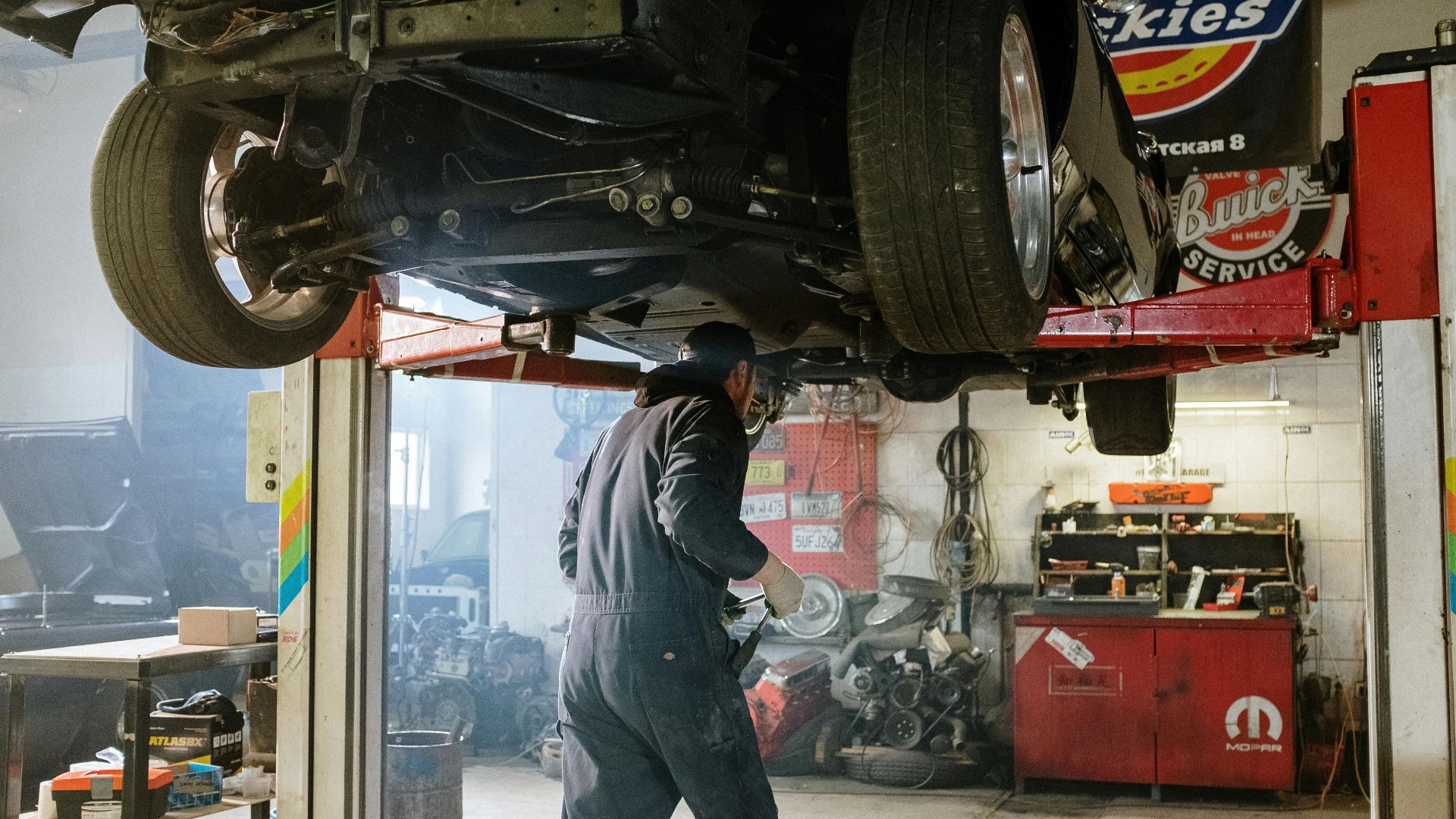
There are cases where replacing a part early is reasonable. If a battery fails a formal test, a tire has obvious sidewall damage, or a leaking water pump is visibly dripping from the weep hole, the part has basically already been diagnosed. The key difference is whether the failure was confirmed or just assumed.
Technical Service Bulletins Can Change Things
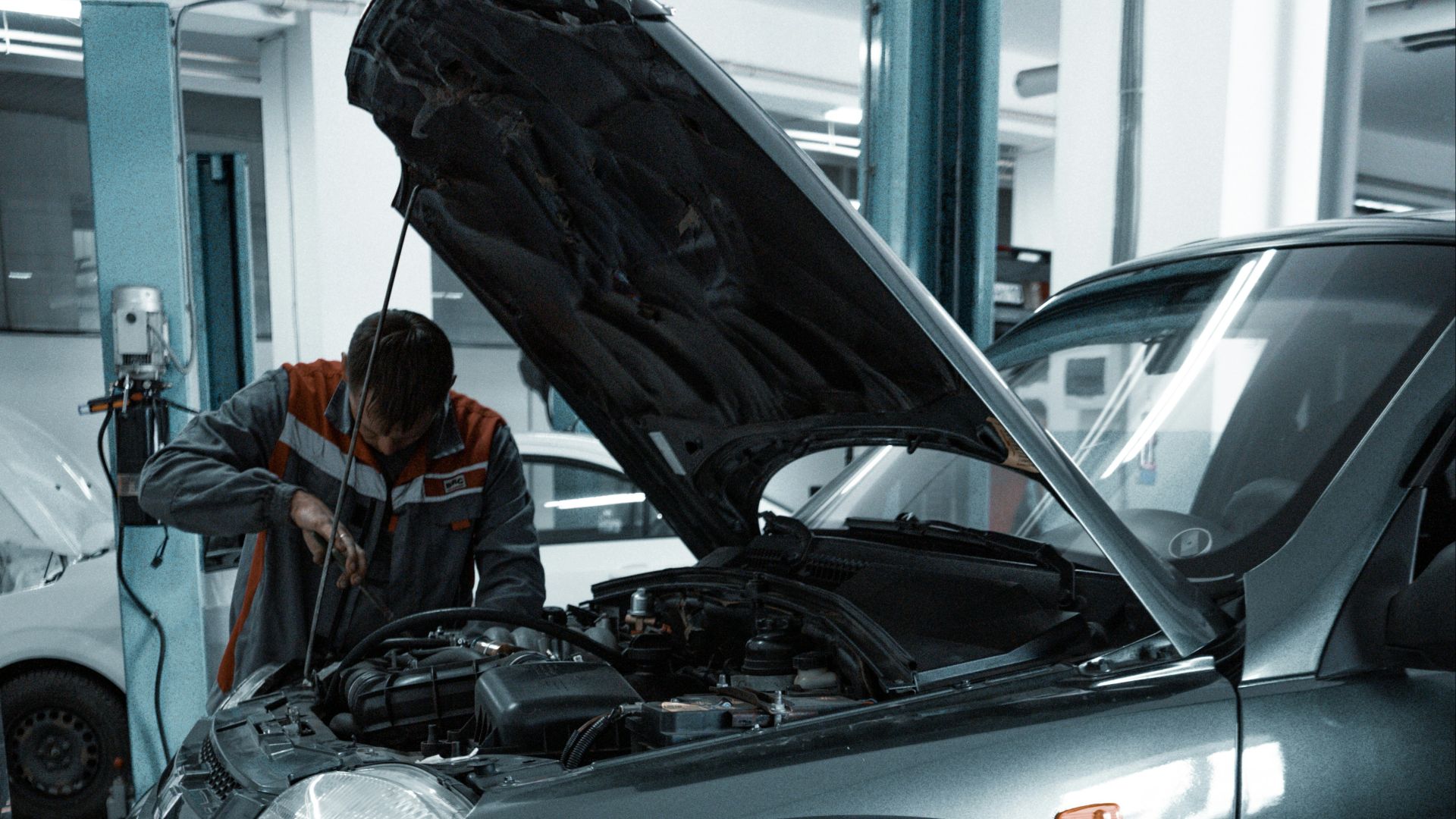
Manufacturers issue Technical Service Bulletins, or TSBs, when they find known patterns and approved repair methods. NHTSA keeps a public database that lets drivers search many of these records. If your exact symptom, year, make, and model line up with a TSB, replacing a specific part may be less of a guess and more of a documented repair path.
Ask Whether The Shop Checked Bulletins And Service Info
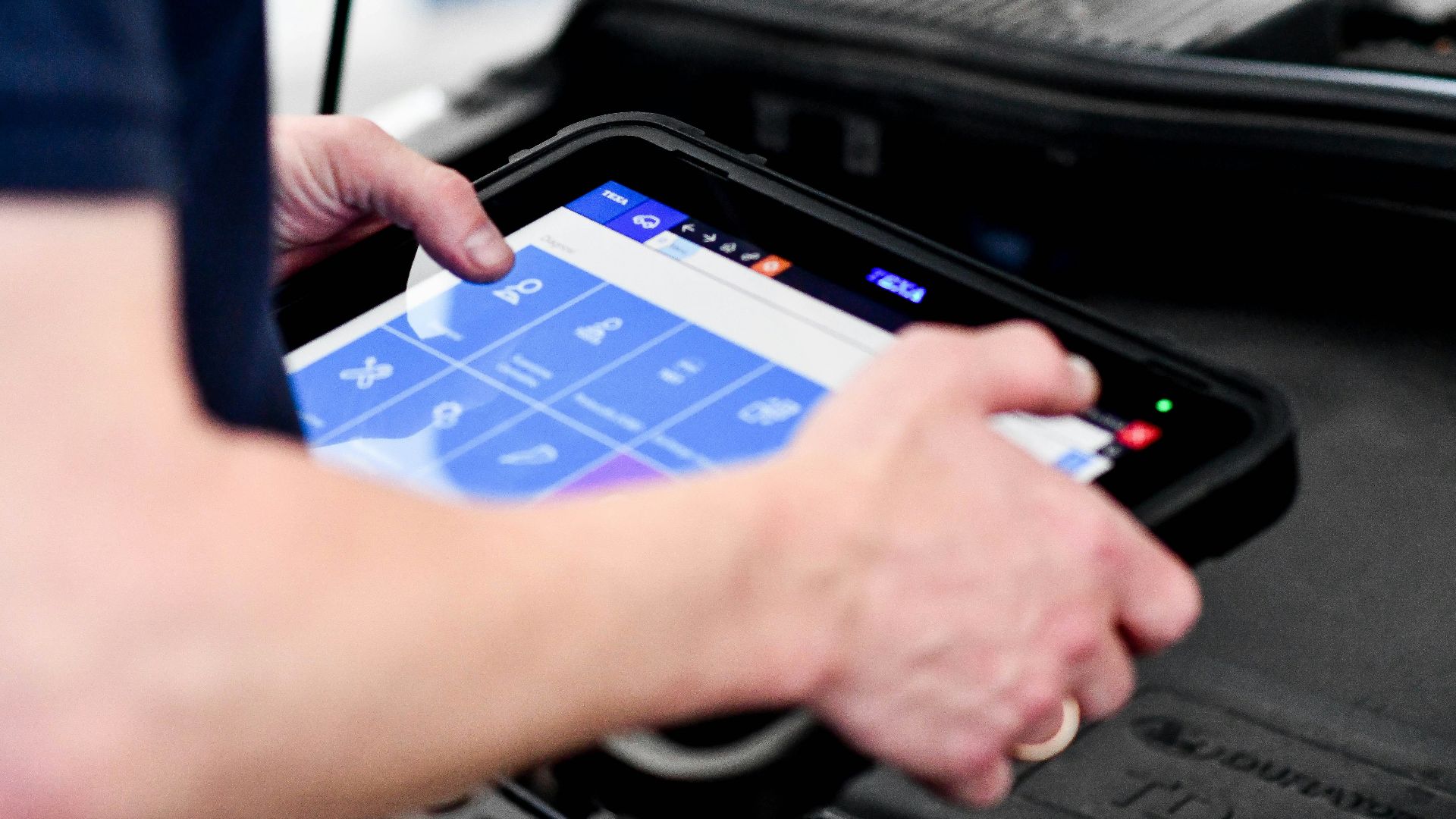
This is one of the easiest ways to tell whether a shop is being methodical. A technician using current service information should check factory procedures, wiring diagrams, and known issue bulletins before recommending a costly repair. If they have not looked, they may be working from memory and routine instead of evidence.
Intermittent Problems Are The Real Trap
Some of the toughest problems only show up once a week, when it rains, or after a hot soak. In those cases, a shop may suggest a likely part because the failure is not happening during the appointment. That is understandable, but it should still be presented as a probability, not a sure thing.

What You Should Hear From A Credible Shop
A credible advisor or technician should be able to tell you what symptom was confirmed, what tests were done, what the results were, and how those results point to the proposed repair. They should also tell you if there are other possible causes. That kind of transparency is usually what separates careful work from expensive guesswork.

What You Should Not Hear
Be careful if the explanation is vague or goes in circles. Phrases like “the computer says it needs this part” or “we always replace these first” are weak on their own. Modern vehicles rely on sensors and control logic, but neither a scan tool nor the control module can replace actual testing.

Scan Tools Changed Repair, But Skill Still Matters
OBD-II became mandatory for U.S. light-duty vehicles starting with the 1996 model year. That standardized the connector shape and basic emissions-related diagnostics. It was a major shift for serviceability and regulation. It also helped create the long-running myth that reading codes is the same thing as diagnosing a car.

Replacing The Cheapest Suspect Can Still Cost More
Drivers sometimes approve a “small” first repair because it feels safer. Then the first guess does not work, and a second estimate shows up, and then a third. Paying for proper diagnosis up front can actually cost less than a string of wrong parts, repeated labor, and lost time.

Diagnostic Fees Are Not Automatically A Red Flag
Many drivers hate paying for diagnosis because no physical part comes home in a box. But professional testing takes time, tools, service data, and experience. Paying for a clear diagnosis is often a better move than paying for a roulette wheel of replacement parts.
The FTC Has Been Warning About This For Years
The Federal Trade Commission has repeatedly advised consumers to ask shops what specific tests were done and what those tests showed. That advice exists because swapping parts based only on a symptom or a code has been a recurring consumer problem for years. The agency’s warning is direct for a reason.

State Rules Often Require Clear Approval
In many states, repair shops have to provide estimates and get authorization before doing work above a certain amount. California’s Bureau of Automotive Repair, for example, requires specific consumer protections covering estimates, authorization, and invoices. Those rules do not guarantee a perfect diagnosis, but they do give you leverage when a recommendation feels rushed.

Ask For Proof The Part Actually Failed
You do not need to be a technician to ask a smart question. Ask what measurement, inspection result, leak, or test result showed that the part failed. If the answer is only that the code mentioned the component, you probably do not have a real diagnosis yet.
There Is A Smart Way To Handle A Probable Repair
If a shop thinks a repair is likely but not fully confirmed, ask them to say that clearly on the estimate. Have them note that the repair is based on the most probable cause, and ask what the next step would be if it does not solve the problem. A careful shop may not love that question, but a trustworthy one will answer it.

Pattern Failures Are Real, But They Are Not Proof
Experienced technicians do learn common failures on specific models. That knowledge matters and can save time. But a pattern failure should lead to targeted testing, not automatic replacement, because wiring issues, software problems, leaks, corrosion, or bad previous repairs can all mimic the same symptoms.
When Replacing A Part First Can Be Fair
There are a few practical exceptions. If the part is a known maintenance item that is clearly overdue, if it has visible damage, or if manufacturer procedures call for replacement after a certain confirmed test result, replacing it may be reasonable. The common thread is still evidence, not a hunch.
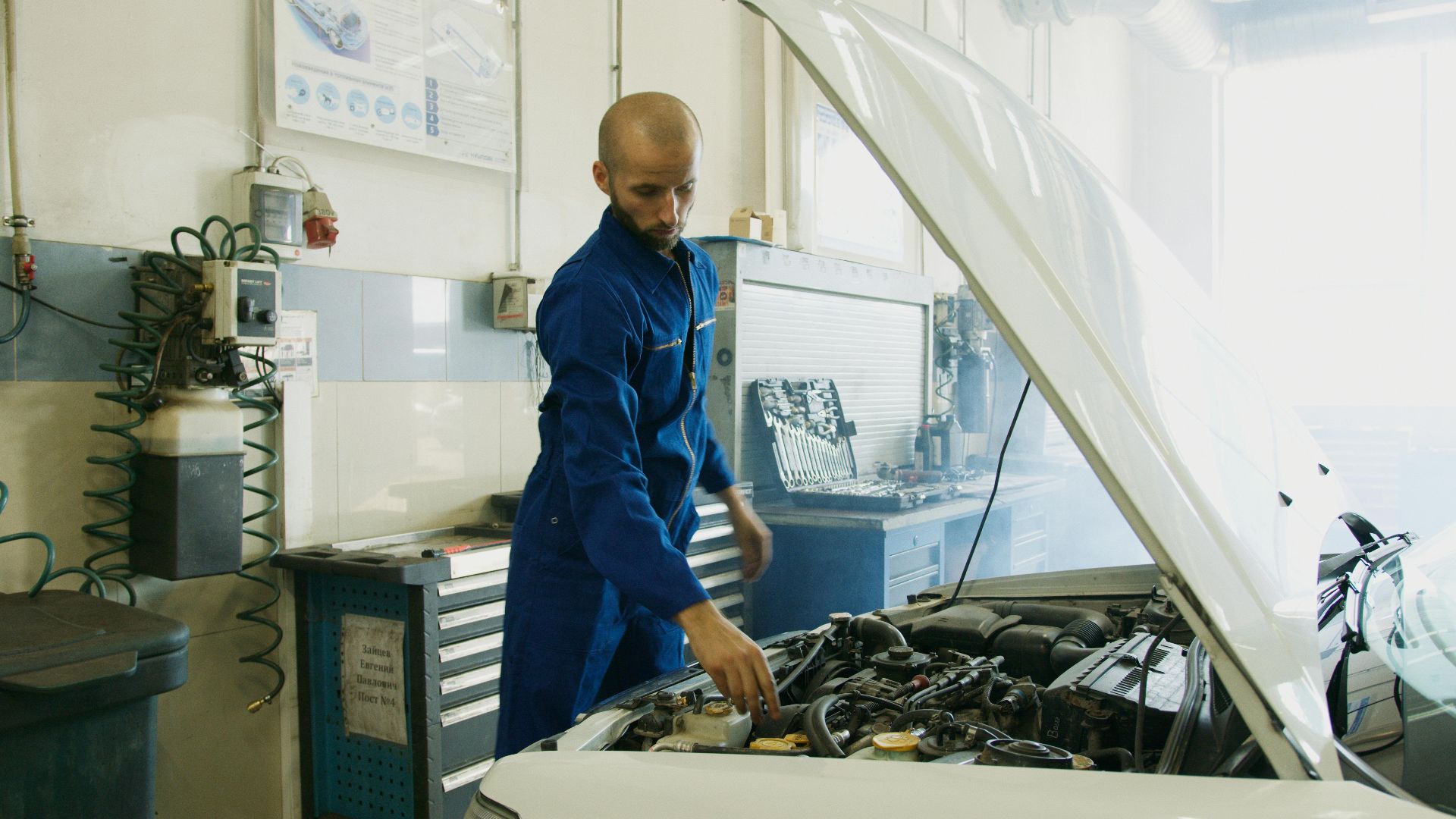
When It Starts Looking Lazy
It starts looking lazy when the shop will not explain the testing, pushes back on written notes, or keeps recommending one part after another without stopping to rethink the problem. It also looks lazy when they ignore service information or known bulletins that could have narrowed things down. A professional process can be imperfect, but it should not be a black box.

You Can Slow Things Down Without Starting A Fight
Try a calm script. Ask, “Can you walk me through what you tested and what result points to this part?” Then ask, “Is this confirmed, or is it just the most likely next step?” Those two questions will usually tell you almost everything you need to know.

A Second Opinion Is Not An Insult
If the estimate is large and the reasoning is thin, get another shop involved. Ideally, choose a facility with ASE-certified technicians or a strong reputation for electrical and drivability diagnostics. Paying another diagnostic fee can be cheaper than paying for the wrong repair even once.

How To Protect Yourself Before You Approve Work
Ask for the exact symptom description, the codes if any were stored, the diagnostic steps already completed, and the full estimate with labor and parts. Ask whether the old parts will be available for inspection where allowed by law. Good paperwork makes it much easier to sort out mistakes later.

The Bottom Line For Drivers
No, replacing parts before diagnosing the problem is not the gold standard, and in many cases it points to a weak process rather than smart repair. But it is not always lazy, because some failures are obvious, some repairs are guided by bulletins, and some intermittent problems force judgment calls. What matters most is whether the shop is honest about certainty, testing, and risk before your money leaves your wallet.