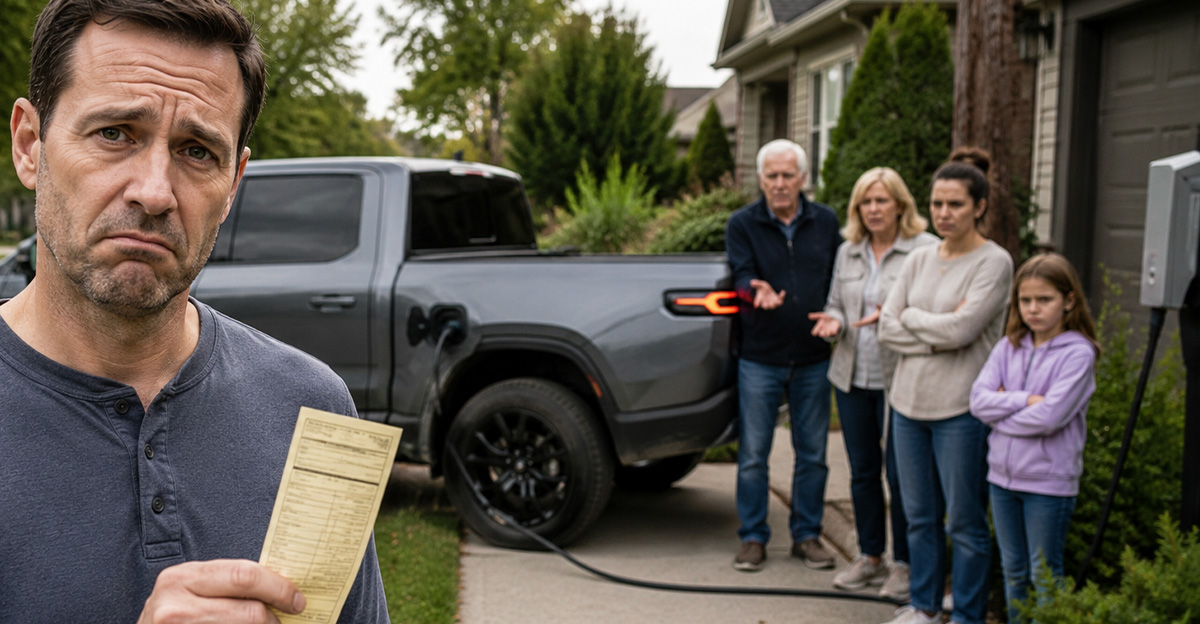
The Denial Letter Can Feel Like A Gut Punch
You pay premiums for years, file a claim after a crash, and then the insurer denies your claim over what looks like a tiny detail. That is infuriating, but it is not always the end of the road. In many cases, you can challenge a denial, especially if the company relied on shaky facts, unclear policy language, or a reason your state does not allow.

A Technicality Is Not Always The Final Word
Insurance companies often frame a denial as open and shut, but the law does not always work that way. State rules, policy wording, and the company’s own duties during the claims process can all matter. The key is to move fast, get organized, and make the insurer explain exactly why it denied the claim.

Start With The Exact Reason For The Denial
Your first move is to pin down the insurer’s reason in writing. Guidance from state insurance departments and the National Association of Insurance Commissioners says you should review your denial letter and policy carefully. If the letter is vague, ask the insurer to point to the specific policy provision, exclusion, or condition it says you violated.

Read The Policy Like Your Wallet Depends On It
This is the time to pull out the declarations page, the insuring agreement, exclusions, endorsements, and conditions. A denial often turns on one sentence buried in the contract. If the wording is unclear, that can matter, because courts often take a hard look at fuzzy language and many states read ambiguities against the insurer.

Missed Premium Or Lapsed Coverage Claims Need Scrutiny
One common technicality is an alleged lapse in coverage for nonpayment. But insurers usually have to follow state notice rules before canceling a policy, and those rules vary by state. If the company says your coverage had lapsed, ask for the cancellation notice, mailing date, effective date, and proof it followed your state’s requirements.
Late Notice Does Not Always Kill A Claim
Another common denial is that you did not report the crash quickly enough. The catch is that some states require the insurer to show it was actually harmed by the delay before it can deny coverage on late notice grounds. So a missed deadline on paper may not automatically let the company walk away.

Misrepresentation Denials Can Get Messy Fast
Insurers also deny claims by saying the customer made a misstatement on the application, such as who drives the car or where it is kept. State laws often limit when a wrong statement can void coverage, and whether it was important matters a lot. If the alleged error had little or nothing to do with the loss, that can be worth pushing back on.

Vehicle Use Disputes Are A Big Trouble Spot
Claims sometimes get denied because the insurer says you were using the car for business, delivery work, or another excluded purpose. This has become more common with rideshare and app-based delivery driving. If that is the reason, read the policy wording closely and ask whether the company actually has proof of the use it claims triggered the exclusion.

Excluded Driver Problems Can Be Brutal
If the denial involves an excluded driver, the insurer may argue that coverage simply did not apply when that person was behind the wheel. This is often a tough issue for policyholders, but you should still confirm the exclusion was properly added and signed if your state requires that. Ask for the endorsement and any signed acknowledgment tied to it.

Documentation Is Your Best Weapon
Build a paper trail right away. Save the denial letter, policy, declarations page, endorsements, photos, repair estimates, witness statements, police report, claim notes, emails, and texts. A denial that sounds airtight can start to crack if the insurer’s timeline or facts do not match the records.

Ask For The Entire Claim File If Your State Allows It
Some states give consumers meaningful access to claim-related documents, and even where there is no broad right to the full file, you can still ask for key materials. Request recorded statements, photographs, adjuster notes, expert reports, and any internal estimate or basis for the denial. The more you see, the easier it is to spot whether the company ignored facts that helped you.

Do Not Fight A Verbal Denial With A Verbal Response
Put your dispute in writing. State the date of the loss, claim number, reason the insurer gave, and the documents you think support coverage. Written complaints create a record, and that matters if the fight later ends up before a regulator, arbitrator, or judge.

Ask The Insurer To Reconsider The Claim
Many insurers have an internal appeal or reconsideration process even when the policy does not use that exact term. Send a short letter explaining why the denial is wrong and attach your strongest evidence first. If the issue is factual, show the records. If it is legal, quote the policy language and any relevant state guidance.

Use The Magic Words: Show Me The Policy Language
Do not let the company hide behind broad phrases like “coverage issue” or “policy violation.” Ask it to identify the exact exclusion, condition, or endorsement and explain how the facts fit every part of that provision. Once adjusters have to get specific, weak denials often get easier to challenge.

Your State Insurance Department Can Be A Powerful Ally
Every state has a regulator that handles consumer complaints about insurers. The National Association of Insurance Commissioners keeps contact information for state insurance departments, and most departments have online complaint portals. Regulators do not act as your personal lawyer, but a formal complaint can force the insurer to respond in detail and on the record.

Bad Faith Is A Real Thing, But It Has A High Bar
If an insurer denies a claim without a reasonable basis or fails to investigate properly, that can raise bad-faith issues under state law. The exact standard varies a lot, so you should not toss the term around casually. Still, if the company ignored key evidence, misread the policy, or dragged things out without explanation, it may be worth discussing with a lawyer.

Deadlines Matter More Than Most Drivers Realize
Insurance disputes come with clocks, and missing one can weaken your position. Your policy may set deadlines for submitting proof of loss, demanding appraisal, or filing suit. State laws also set statutes of limitation, so do not let a denial sit in a drawer while you hope it fixes itself.

If The Damage Amount Is The Fight, Appraisal May Help
Sometimes the insurer is not denying the whole claim, but it is lowballing the repair cost or actual cash value. Many auto policies include an appraisal process for disputes over the amount of loss. That does not solve pure coverage fights, but it can help if both sides agree the loss is covered and only the dollar amount is in dispute.

Independent Evidence Can Change The Whole Conversation
A second repair estimate, body shop photos, vehicle data, surveillance footage, or a witness statement can blow up a weak denial. If the insurer relied on an expert, you may want your own in serious cases. Facts win these fights, and independent facts are often the hardest for insurers to brush aside.

Application Errors Are Worth Investigating Closely
If the company says your policy was based on false information, get a copy of the original application. People sometimes find that an agent filled it out, used shorthand they never saw, or included mistakes that were never reviewed carefully. That does not guarantee coverage, but it can matter a lot if the insurer is trying to rescind the policy.

Cancellation And Nonrenewal Rules Are State Specific
A denial tied to cancellation or nonrenewal is not just a contract issue. State insurance departments publish rules on notice periods and allowed reasons for cancellation, and those rules can be strict. If the company did not follow them, the “no coverage” argument may be weaker than the denial letter makes it sound.

Keep Your Emotions In Check And Your Notes In Order
Yes, this process is personal and expensive, but calm persistence usually works better than rage. Keep a log of every call with dates, names, titles, and what was said. If the dispute escalates, a clean timeline can become one of your strongest tools.

When A Lawyer Makes Sense
If the claim is large, the legal issue is complicated, or the insurer is accusing you of fraud or misrepresentation, talk to an attorney quickly. The American Bar Association advises consumers to consider legal help when an insurer refuses to pay and the stakes are high. Many lawyers who handle coverage disputes offer consultations, and some use fee structures that make a fight more realistic than you might think.
 Tony Webster, Wikimedia Commons
Small Claims Court Can Be An Option In The Right Case
For lower-dollar disputes, small claims court may be a simpler route, depending on your state’s limits and procedures. This can work best when the facts are straightforward and the insurer’s position is easy to explain to a judge. Check your policy first, because some contracts include terms that affect where and how disputes are handled.
 Harrison Keely, Wikimedia Commons
Do Not Assume The Adjuster’s First Answer Is The Last Answer
Claims decisions can change when a supervisor, appeals unit, regulator, or attorney gets involved. That does not mean every denial is wrongful, but it does mean some are rushed, incomplete, or based on a record that can be challenged. Persistence backed by documents is often what turns “denied” into “reopened.”

The Best Next Step Is Usually A Simple One
Ask for the denial reason in writing, match it against the exact policy language, gather your evidence, and file a written challenge quickly. If the insurer still will not budge, escalate to your state insurance department and consider legal advice. A technicality can sink a claim, but sometimes it is just the start of the fight, not the end.