That Repair Estimate Can Feel Like A Gut Punch
The silver lining to your crash was that you could finally replace your old junker. Then you open the claim update and your insurer says it wants to repair the car. Even worse, the repair isn't even entirely covered. But unfortunately, the key question is not just whether the damage looks bad, but whether the car can be safely and properly restored under your policy and your state's rules.
 Edmond Dantes, Pexels, Modified
Start With The Hard Truth About Insurance
In most cases, an insurance company does not owe you a brand-new replacement just because the damage is serious. Insurers usually owe either the cost to repair the vehicle or the vehicle's actual cash value if it is declared a total loss. The National Association of Insurance Commissioners explains that whether a car is totaled generally depends on state law and the cost of repair compared with the vehicle's value.

Total Loss Is A Legal And Math Question
This is where many drivers get surprised. A car can look wrecked and still be repairable on paper, while a car with less visible damage can be totaled if the numbers go the other way. State laws often use a total loss threshold, which is a percentage of the car's actual cash value, or a total loss formula that combines repair costs and salvage value.

Your State May Control More Than Your Adjuster Does
The rules are not the same everywhere. The Insurance Information Institute notes that many states set a threshold for when a car must be declared a total loss, while others use a formula instead. That means the same crash could lead to a repair decision in one state and a total loss decision in another.

What Counts As Actual Cash Value
Actual cash value usually means the car's market value right before the crash, not what you still owe on the loan and not what it costs to buy a newer one. The NAIC says insurers generally look at things like age, condition, mileage, and local market comparisons. If your insurer's value feels too low, that is one of the first places to push back with evidence.

Repair Instead Of Replace Is Often Normal
It may not feel satisfying, but repair is often the default outcome if the insurer believes the vehicle can be restored safely and at a reasonable cost. Consumer guidance from state insurance regulators often explains that policies are meant to cover your loss, not put you in a better position than you were before. In plain English, insurance is usually about making you whole, not handing you an upgrade.

When You Probably Should Push Back
Take a closer look if the car has structural damage, airbag deployment, flood exposure, or signs of hidden mechanical or electrical problems. You should also push harder if the insurer's estimate skips manufacturer repair procedures or if the shop plans to use methods the automaker does not approve. Major damage can be repaired, but only if it is repaired the right way.

Why Manufacturer Repair Procedures Matter So Much
This is one of the biggest issues in modern collision repair. Vehicle makers publish specific repair procedures for structural parts, advanced driver assistance systems, and materials like ultra-high-strength steel and aluminum. The Society of Collision Repair Specialists has repeatedly stressed that following OEM procedures is critical for safe repairs, especially now that vehicles are more complex.

Hidden Damage Is The Wild Card
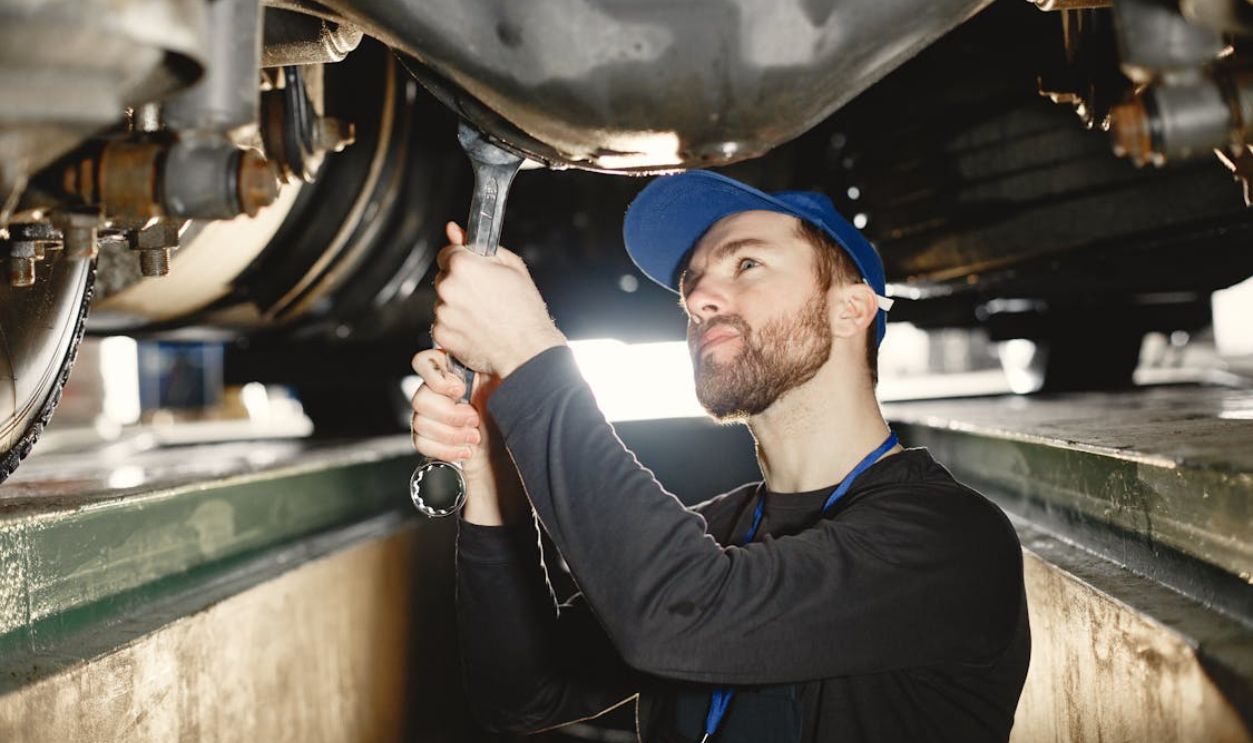
One estimate at the start of a claim is rarely the final number on a badly damaged car. Once a shop tears the vehicle down, it may find bent structural parts, sensor damage, wiring problems, or suspension issues that were not visible at first. If added costs keep piling up, the car can cross the total loss line later in the process.
An Initial Estimate Is Not The Final Word
Drivers sometimes assume the insurer's first estimate settles everything. It does not. Repair estimates can be revised after disassembly, and that matters a lot in major-damage cases because the full extent of the damage often shows up only after parts come off.

Safety Systems Changed The Game
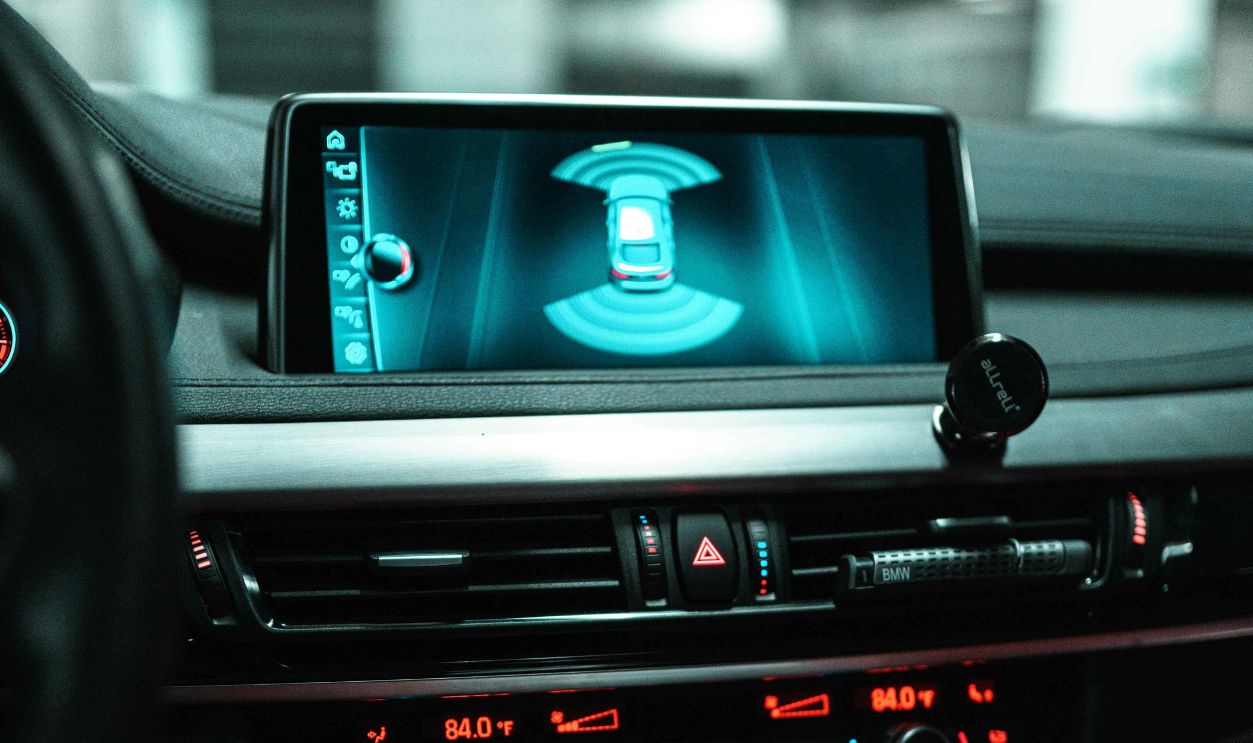
Modern vehicles are packed with radar units, cameras, parking sensors, airbags, and modules that can be expensive to replace and calibrate. Even a moderate crash can trigger complicated post-repair procedures that add cost and time. That is one reason a repair that looked reasonable at first can suddenly stop making financial sense.
If The Frame Or Structure Is Involved, Slow Down
Structural damage does not automatically mean the car is a total loss, but it should put you on alert. Ask whether the shop has the equipment, training, and manufacturer information needed for that exact vehicle. A serious repair on a unibody vehicle is not the place for guesswork.

The Shop You Choose Can Matter A Lot
You are not always required to use the insurer's preferred shop. The III notes that insurers may recommend shops, but state laws often protect your right to choose a repair facility. If you have doubts about the repair plan, a strong independent shop can give you a second opinion that may change the whole conversation.
Get The Repair Plan In Writing
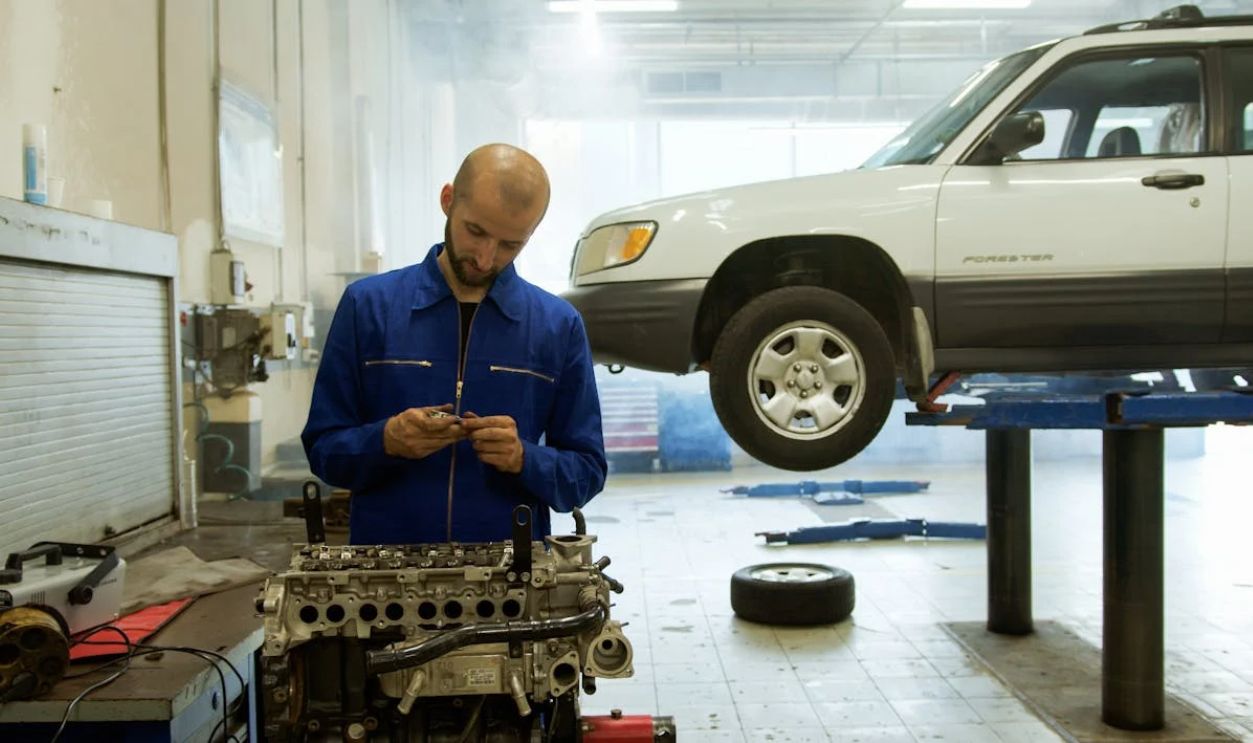
Ask for a full copy of the estimate and, if possible, the repair blueprint. Look for line items covering scans, calibrations, structural measurements, airbag components, one-time-use fasteners, and manufacturer-required replacement parts or procedures. A vague estimate is a warning sign when the damage is major.

Ask One Question That Cuts Through The Noise
Ask the insurer and the shop whether the repair plan follows the manufacturer's published procedures for your exact year, make, and model. That question can quickly show whether the estimate is built around safe repairs or around cost cutting. If they cannot answer clearly, you have a good reason to push back.

Aftermarket And Used Parts Can Become A Flash Point
Many policies and state rules let insurers specify aftermarket or recycled parts in some situations. But the details matter, especially when structural strength, sensor operation, or fit could affect safety. If the proposed parts do not meet the automaker's requirements or create calibration issues, ask for the justification in writing.

Document Everything Early
Take photos, save emails, keep copies of every estimate, and write down the names and dates from every phone call. Good records help if you need a supervisor review, a complaint to your state insurance department, or an appraisal-related dispute under your policy. Paperwork is boring right up until it saves you.

Ask For A Detailed Explanation Of Why It Is Not Totaled
If the damage looks massive, do not settle for a vague answer. Ask how the company calculated the vehicle's actual cash value, what repair estimate it is using, whether salvage value was considered, and what state total-loss standard applies. Those numbers and rules are the backbone of the decision.

You Can Challenge The Value Even If Repair Is The Main Dispute
Sometimes the repair-versus-replace fight is really a value fight in disguise. If the insurer undervalues the car, the total-loss math is less likely to trigger. Comparable listings, maintenance records, recent upgrades, and proof of exceptional condition can strengthen your case.

A Second Opinion Can Be Worth The Hassle
If you think the insurer's estimate is too low, get an independent estimate from a reputable collision shop with access to OEM information. Ask the shop to point out missing procedures or likely added costs. A credible second opinion is often far more persuasive than simply saying you do not trust the first one.

Look For An Appraisal Clause In Your Policy
Some auto policies include an appraisal provision for disputes over the amount of loss. That process usually lets each side hire an appraiser, with an umpire involved if they cannot agree. It is not a perfect fit for every repair dispute, but it can matter if the real fight is over value or repair cost.

Your State Insurance Department Is Not Just A Website
If you think the insurer is ignoring policy terms or state rules, contact your state insurance department or commissioner. State regulators regularly publish consumer guides and accept complaints. They may not force the result you want, but they can review whether the company handled the claim properly.

Be Careful If You Still Owe Money On The Car
A lender payoff does not determine whether a car should be repaired or totaled. You can be upside down on a loan and still have a repairable vehicle under the insurer's math. If you owe more than the car is worth, gap insurance may matter in a total-loss situation, but it does not usually create a right to replacement.

Replacement Coverage Is A Different Thing
Some insurers sell optional new-car replacement or better-car replacement coverage, but that is not standard in most policies. If you bought a special endorsement, now is the time to read the exact terms and deadlines. Without that added coverage, the insurer usually falls back on repair cost or actual cash value.

There Is A Practical Test Drivers Often Overlook
Ask yourself whether you would feel comfortable keeping this car long term after the repair, especially if the damage was severe. Even if the repair is technically possible, concerns about resale value, lingering issues, and peace of mind are understandable. Those concerns do not always create a legal right to replacement, but they should shape how hard you push and how carefully you review the plan.

What To Say If You Decide To Push Back
Keep it calm and specific. Ask for the total-loss calculation, the valuation report, the full repair estimate, and confirmation that the plan follows OEM procedures. Then ask for a supervisor review and provide your second opinion or comparable value evidence if the insurer's numbers seem off.

When Pushing Back Makes Sense
Push back when the estimate appears incomplete, the value is too low, the repair ignores manufacturer procedures, or hidden damage is likely to drive costs much higher. Push back if the shop lacks the right qualifications for a structurally complex repair. Do not push back just because the damage looks dramatic if the insurer's math and repair plan are sound and well documented.

The Bottom Line For Drivers
Your insurance company can often repair instead of replace after major damage, and that alone is not a red flag. But you should not just shrug and accept it without checking the math, the policy, the state rules, and the repair plan. If the numbers are weak or the safety case is shaky, pushing back is not being difficult. It is being smart.