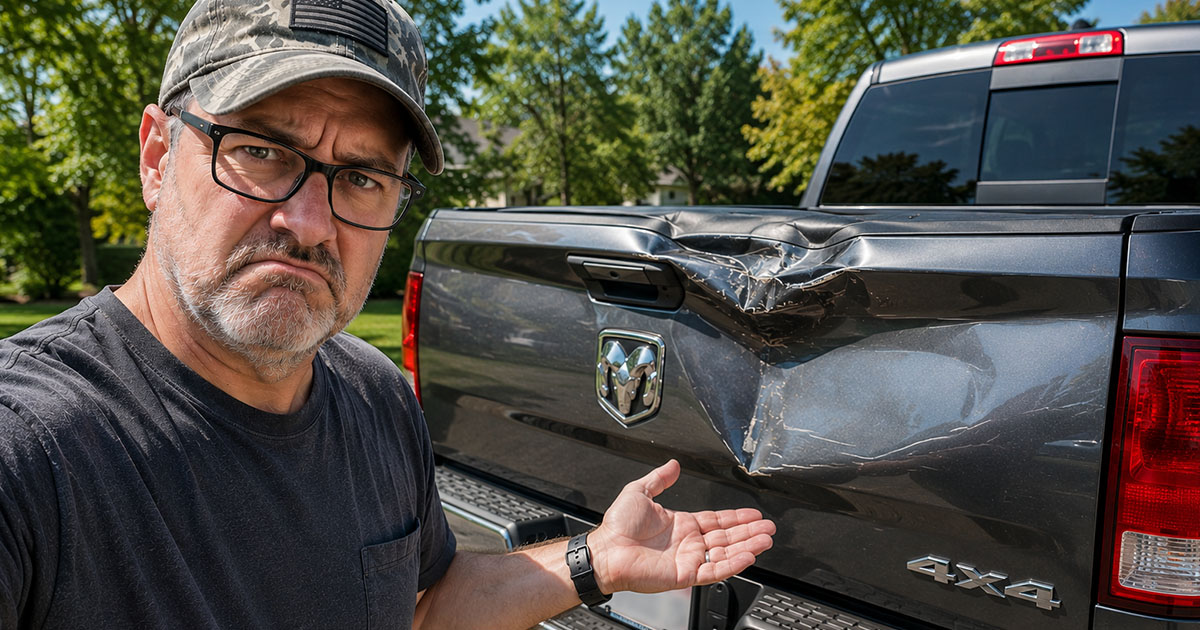
Your Truck, Their Rules?
Getting a notice from your HOA over your own truck in your own driveway feels absurd. But unfortunately, whether they can actually do anything about it usually comes down to the fine print: what the governing documents say, how clearly they say it, and whether state law puts limits on the HOA’s power.

Start With The Boring Stuff That Actually Matters
The key documents are usually the declaration of covenants, conditions, and restrictions, often called the CC&Rs, along with the association’s rules and architectural guidelines. If those documents clearly restrict vehicle size, weight, type, or appearance, the HOA may have a real basis to enforce them. If the wording is vague, inconsistent, or missing, the HOA’s case gets much weaker.

What HOAs Usually Try To Regulate
Truck disputes often hinge on terms like commercial vehicle, oversized vehicle, recreational vehicle, inoperable vehicle, or nuisance. Some HOAs also ban overnight street parking and then limit what can be parked in driveways. A pickup can become an issue if the rules focus on length, height, visible equipment, ladder racks, logos, or gross vehicle weight.
The Word “Truck” Can Be A Problem
Not every rule that mentions trucks automatically bans an ordinary pickup. Courts often look closely at the wording, because a vague ban on “trucks” can be hard to apply consistently when plenty of residents drive standard pickups. If an HOA wants to enforce a size limit, it usually helps if the rule gives an actual measurement instead of just saying a vehicle is too big.

Why Measurements Matter
Restrictions based on height, length, or weight are easier to defend than rules based on someone’s opinion. A board member saying your truck looks too large is not the same as a rule saying vehicles over a certain length cannot be parked in driveways. If the HOA cannot point to a specific standard in its own documents, you may have room to challenge the notice.

State Law Can Change Everything
Even when an HOA has broad rules, state law can cut those rules back. Florida is a strong example because its homeowners’ association law includes protections tied to pickup trucks. That means the exact same truck could be a problem in one state and protected in another, depending on the law and the community’s governing documents.

Florida Added A Clear Pickup Truck Protection
Florida Statutes section 720.3075 says HOA documents, including declarations and rules, may not stop a property owner, tenant, guest, or invitee from parking a personal vehicle, including a pickup truck, in the owner’s driveway. The law also says associations cannot ban pickup trucks just because they are pickup trucks. That is a strong protection, but it does not erase every possible parking rule.
Florida’s Rule Has Limits
The same Florida statute still allows reasonable restrictions on where a homeowner may park a work vehicle, subject to the terms of the law. It also does not block enforcement of general rules that apply fairly and legally, such as rules against blocking sidewalks, parking on grass, or breaking local codes. In Florida, saying “it’s a pickup” is usually not enough by itself for the HOA to win.
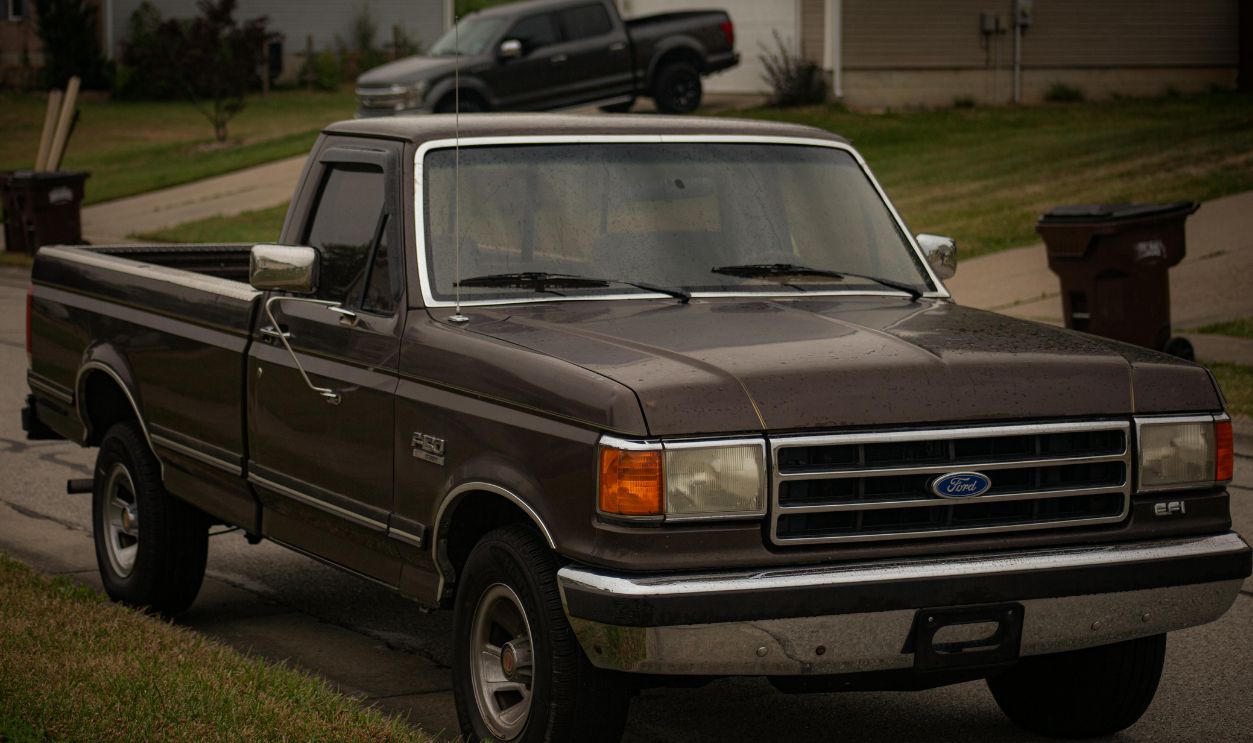
Texas Also Cuts Back Broad Vehicle Bans
Texas Property Code section 202.013 limits how far property owners’ associations can go in banning certain vehicles on public streets and, in some cases, in driveways. The details depend on the community and the restriction at issue. Texas stands out because it limits the kind of broad anti-truck rules that used to show up in many subdivisions.
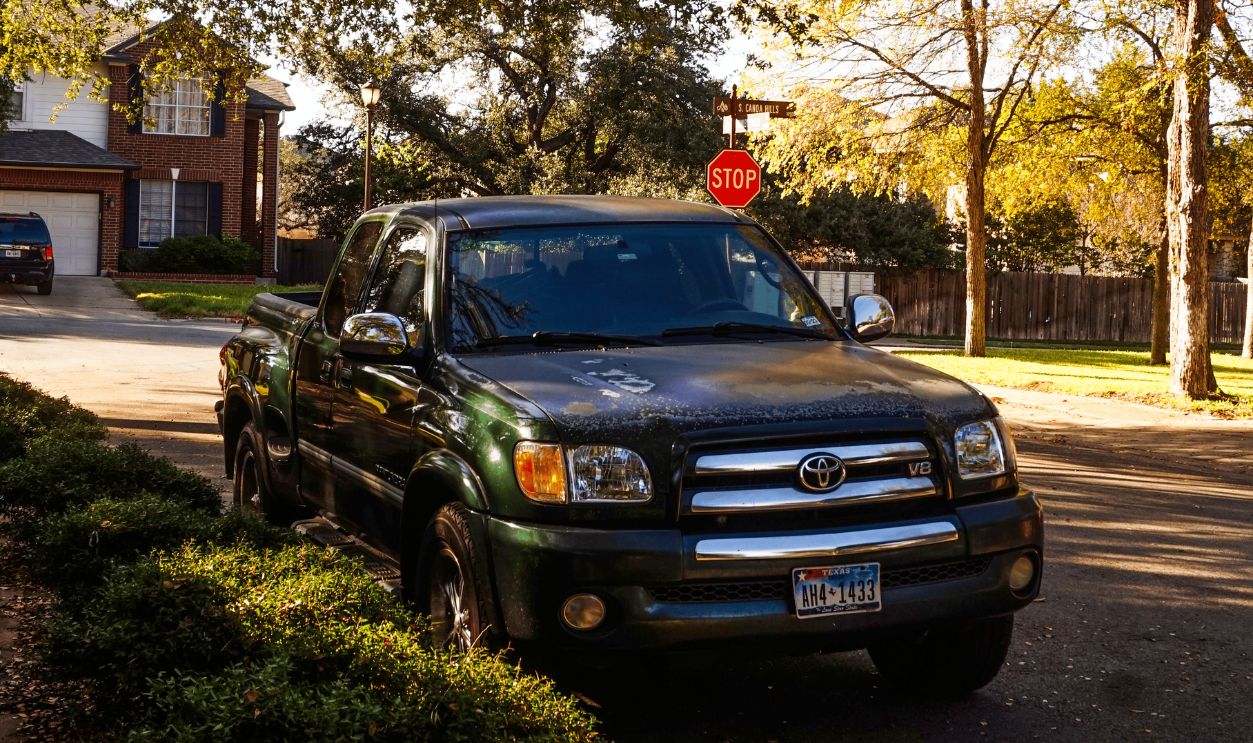
California Puts Heavy Weight On The Governing Documents
In California, disputes are often shaped by the Davis-Stirling Common Interest Development Act along with the association’s recorded declaration and operating rules. The law gives HOAs strong enforcement tools, but those tools still have to be tied to valid governing documents and fair procedures. If the rule exists and was properly adopted, California associations can often enforce vehicle restrictions unless some other law says they cannot.

Due Process Matters More Than Some Boards Think
Before many HOAs can fine an owner or suspend privileges, they must follow notice and hearing rules set by state law or their own documents. California’s Civil Code, for example, requires notice and a chance to be heard before discipline in many HOA settings. If the HOA skipped those steps, that procedural mistake can matter even if the board believes the truck violates the rules.

Selective Enforcement Can Undercut The HOA
If the neighborhood is full of similar pickups and your truck is the only one being targeted, that is a red flag. Courts and hearing panels often look badly on selective or inconsistent enforcement. Photos, dates, and addresses can become important if you need to show the board is applying the rule unevenly.
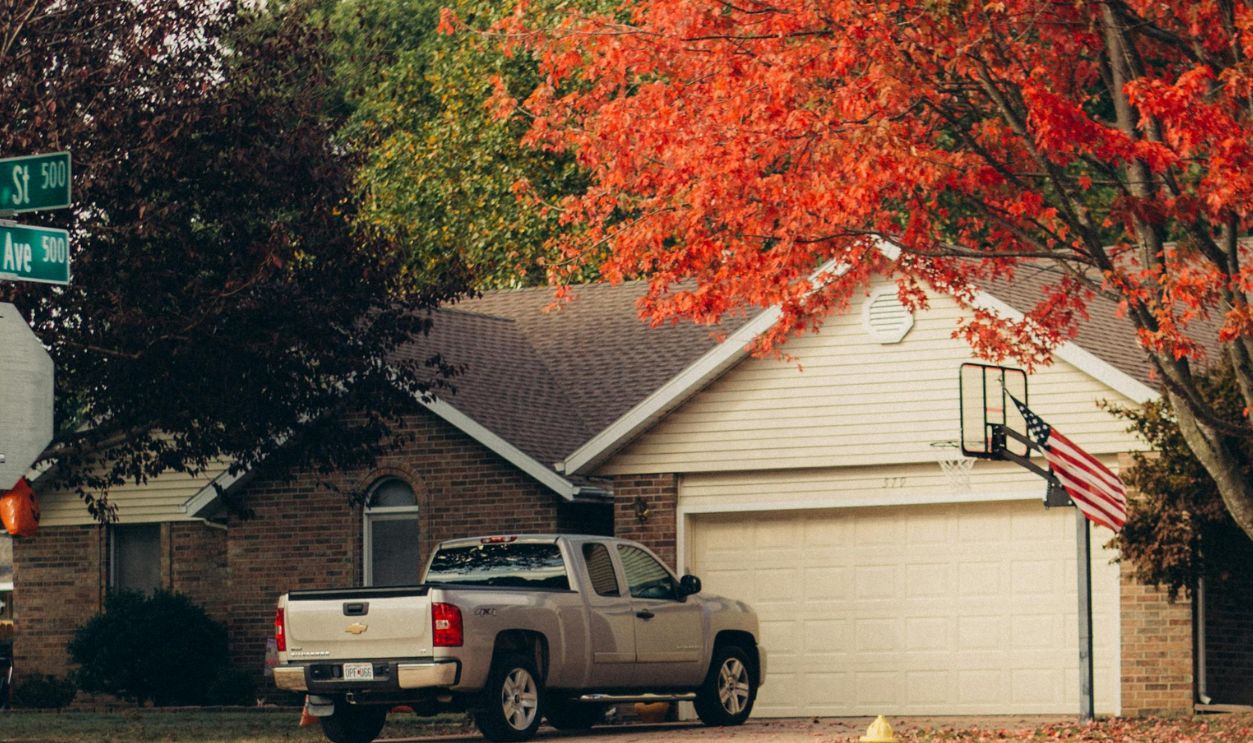
Ignoring A Rule For Years Can Backfire
When an HOA ignores a rule for a long time, it can weaken its ability to suddenly crack down on one owner. Whether that becomes a legal waiver depends on state law and the facts, but it is a real argument in parking disputes. A board that tolerated large trucks across the community may have a harder time proving your driveway is suddenly a problem.

Commercial Use Is Often The Real Issue
Some owners think the fight is about size when the HOA is really reacting to signs of business use. Company logos, toolboxes, equipment racks, trailers, and repeated loading activity can push a truck into the commercial vehicle category under some rules. That matters because many communities regulate commercial vehicles much more strictly than personal pickups.

A Personal Pickup Usually Has A Better Case Than A Work Rig
An ordinary personal-use pickup with no business markings is usually in a stronger position than a clearly commercial truck. That is especially true in states like Florida, where the statute specifically mentions pickup trucks. But if the vehicle clearly falls under a valid commercial vehicle restriction, the HOA may still have a path to enforce the rule.
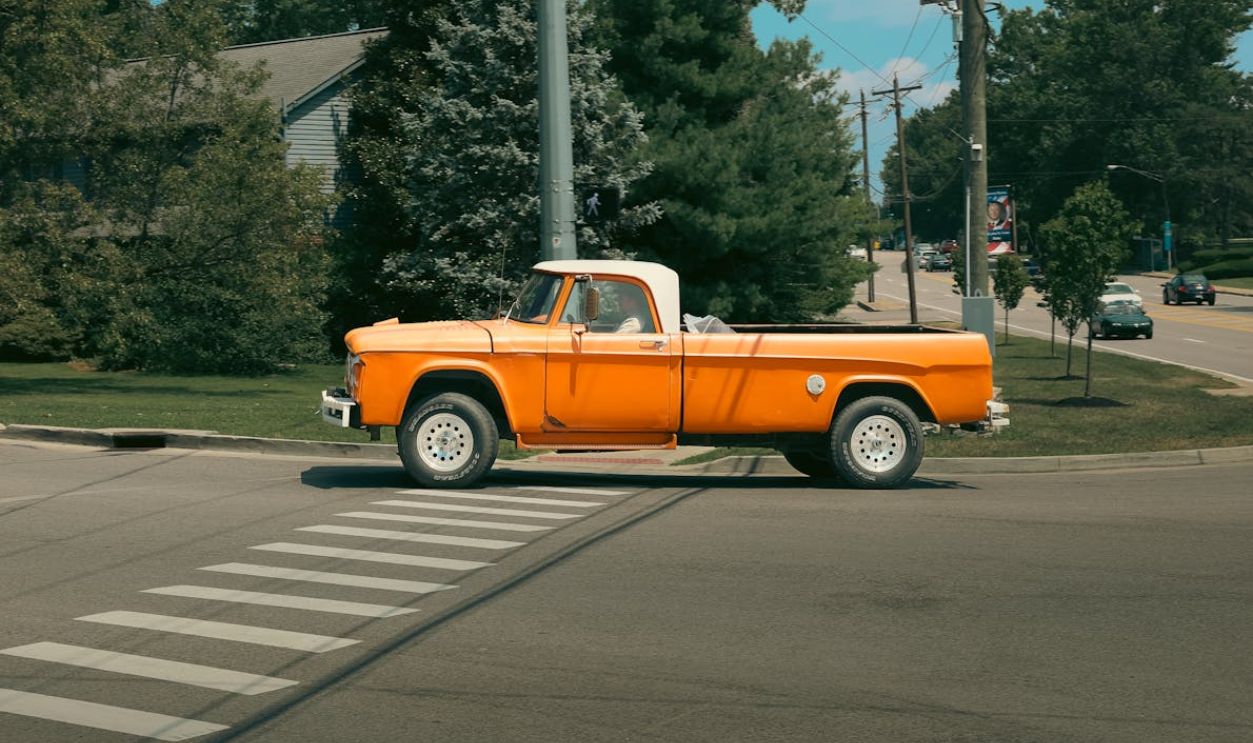
Local Government Rules Can Still Matter
Even if the HOA backs off, city or county rules may still regulate oversized vehicles, commercial parking, or sidewalk obstruction. Some local ordinances limit where certain classes of trucks may park overnight. A strong argument against the HOA will not help much if the vehicle also violates local law.

Look For Clear Definitions In The Documents
Read the exact wording of the declaration, bylaws, and rules. Does the HOA define oversized by length or weight, or does it just say vehicles cannot be “too large” or “unsightly”? Clear, measurable definitions are easier to enforce. Fuzzy wording often gives owners room to challenge the restriction.

Make Sure The Rule Was Properly Adopted
Some associations try to create major new parking restrictions through a board resolution when the declaration would actually require a member vote or a recorded amendment. That detail can decide the whole dispute. If the board skipped the required process, the rule may be vulnerable.

Ask For The Violation In Writing
Do not rely on hallway conversations or a vague warning letter. Ask the HOA to identify the exact rule it says your truck violates, along with any hearing date and possible penalty. A specific written charge forces the association to show its hand and often reveals whether the case is strong or weak.

Document Your Truck Like It Matters
Take photos showing the truck parked fully in the driveway and not blocking sidewalks or common areas. Record the make, model, length, and any features that might matter, including whether it has commercial markings. If the HOA claims it is too big, measurements carry more weight than opinions.

Compare It To Other Vehicles In The Neighborhood
Walk the neighborhood and note similar vehicles parked in driveways without enforcement. Keep the comparison factual and current. If the board is treating comparable trucks differently, that can support a selective enforcement argument.

Do Not Ignore A Hearing Notice
Some owners toss HOA letters in a drawer because the complaint seems ridiculous. That is a mistake. Missing the hearing can make it easier for the board to impose fines, and it takes away your chance to make the HOA explain its authority on the record.

Keep Your Argument Calm And Tight
The strongest response is usually not “this is America and I can park what I want.” A better approach is to point to the actual documents, any relevant state statute, and the lack of a measurable standard. Calmly asking the board to identify the exact legal basis for calling your truck too big can be surprisingly effective.

Mediation Or Internal Dispute Resolution May Help
Some states and many HOA documents encourage alternative dispute resolution before a lawsuit. California’s Davis-Stirling framework, for example, includes internal dispute resolution and alternative dispute resolution ideas for certain conflicts. Those options can be faster and cheaper than heading straight to court.

When It Makes Sense To Talk To A Lawyer
If the HOA is threatening rising fines, towing, liens, or litigation, it may be time to get legal advice from a lawyer who handles community association law in your state. That is especially true if your state has a statute that appears to protect your truck, such as Florida’s pickup-truck language. A short consultation may tell you whether the board is bluffing or building a serious case.

So, Can They Enforce It?
Sometimes yes, sometimes no. If the HOA has a clear, properly adopted rule backed by state law and applies it consistently, it may be able to force compliance. If the claim is just that your truck is “too big” without a solid rule, an objective standard, or lawful procedure, the association may have a much harder time enforcing anything.

The Practical Bottom Line
Your next steps are simple: read the declaration and rules, check your state statutes, and ask for the exact basis for the violation in writing. Most of what decides these disputes is not dramatic. It is buried in the text of the CC&Rs, the date a rule was adopted, and whether state law quietly took away the HOA’s best argument.