

That Rusty Car Question Comes Up A Lot
If your fussy homeowners association says you can't keep your rusty car in your driveway, unfortunately, you may actually have to listen to them. HOAs can often enforce appearance and parking rules if those rules were properly adopted and are written into the community’s governing documents. That can include rules about vehicle condition, inoperable cars, commercial vehicles, or anything the HOA sees as an eyesore. But there are always ways to fight back if you have no other option.
 Riley, Wikimedia Commons, Modified
Start With The Governing Documents
The first place to look is your HOA’s declaration, CC&Rs, bylaws, and published rules. These documents often spell out what can be parked in driveways, garages, streets, or common areas. Some communities ban “unsightly” vehicles, while others are more specific and ban cars with missing parts, body damage, flat tires, expired tags, or visible wear. If rust is not mentioned directly, the HOA may still rely on broader appearance rules, but that depends on the wording.

HOAs Usually Do Have Rulemaking Power
In many planned communities, HOAs can adopt and enforce reasonable rules about appearance, use restrictions, and property upkeep. That power usually comes from the recorded declaration and state HOA laws. Courts often give associations room to enforce rules when they are applied the same way to everyone and tied to things like neighborhood appearance or property values. But the HOA still has to stay within the power given by its documents and the law.

Visible Rust Can Be Treated As An Appearance Issue
A vehicle with obvious rust can be treated by an HOA as unattractive, poorly kept, or in visible disrepair. Associations often argue that driveways are easy to see from the street and affect the look of the neighborhood. In communities with strict appearance or maintenance standards, that can be enough to trigger enforcement. The HOA does not always have to prove the car is unsafe if the rule is about looks rather than mechanical condition.

Specific Language Matters More Than You Think
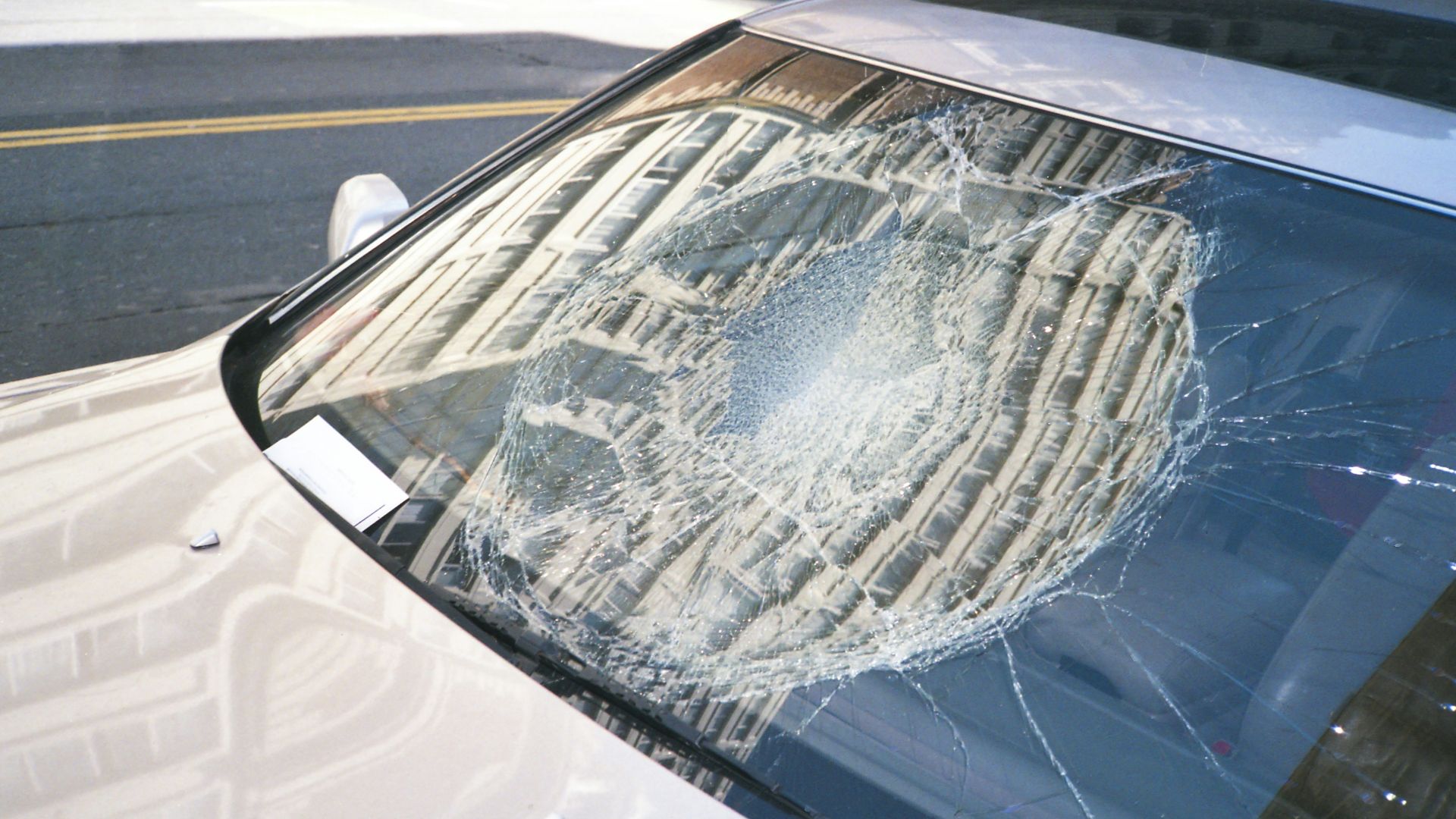
If your documents say “no inoperable vehicles,” visible rust alone may not break the rule unless the car also does not run. If the documents say “no vehicles in a state of disrepair” or “no unsightly vehicles,” the HOA may have a stronger case. Some associations also define banned vehicles by clear signs like broken windows, missing bumpers, or major exterior damage. The more exact the rule, the easier it usually is to enforce.
Vague Terms Can Still Be Enforced
Words like “nuisance,” “unsightly,” or “visually offensive” can sound subjective, but they are common in HOA documents. Courts sometimes uphold those terms if the association applies them in a reasonable and even way. Still, vague rules can lead to disputes, especially if one owner feels singled out while similar vehicles are ignored. Uneven enforcement is one of the strongest ways homeowners challenge an HOA’s action.

State Law Can Change The Picture
HOA power is shaped not just by the community’s documents but also by state law. Many states have laws about planned communities, notice requirements, hearings, fines, liens, and internal dispute procedures. Some states put limits on rulemaking or require due process before penalties can be imposed. So even if your HOA has a rule about rusty cars, it still has to follow your state’s legal procedures to enforce it.

Due Process Is A Big Deal
Most states and governing documents require the HOA to give notice of the claimed violation and a chance for a hearing before imposing fines or other penalties. That means the board usually cannot just add a charge to your account without warning. You should get information about what rule was violated, what the association wants you to do, and how to contest it. If the HOA skips those steps, its enforcement action may be open to challenge.

Fines Are Common, But Not Automatic
If the HOA has proper authority, it may be able to fine you for repeated violations after notice and a hearing. The amount, timing, and escalation process usually appear in the rules or enforcement policy. Some associations also suspend amenity privileges or go to court to force compliance. But fines are not valid just because a board member says so. The power to fine has to come from the governing documents and the law.

Can They Tow The Car From Your Driveway?
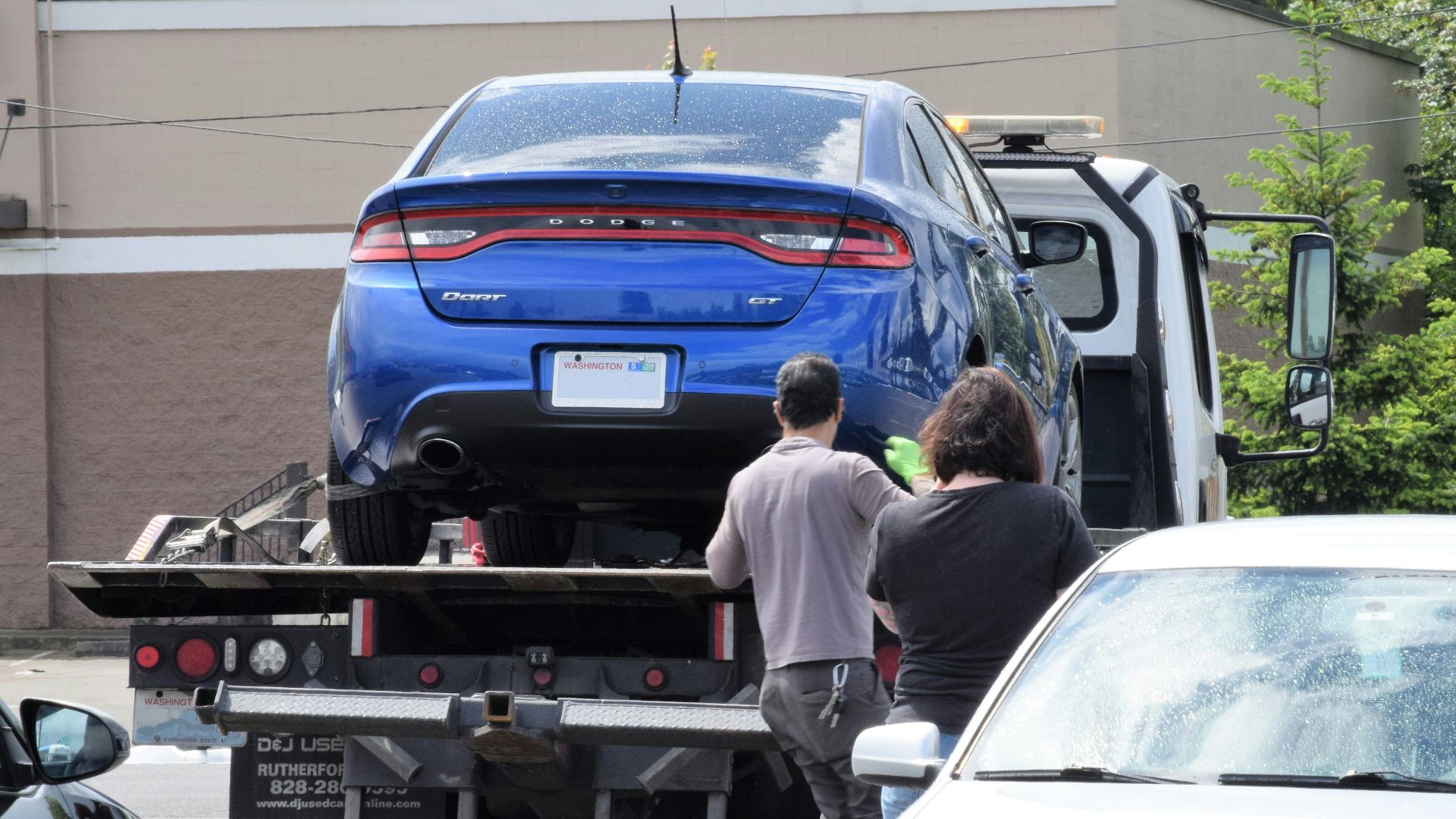
Towing from a privately owned driveway is usually more complicated than towing from common-area parking. In many communities, the HOA has clearer towing power over common areas it controls than over an owner’s separate property. If your driveway is part of your lot, the association may need stronger authority in the documents or even a court order before having a vehicle removed. State towing laws can also require notice and signs.
Garage Requirements Sometimes Show Up Too
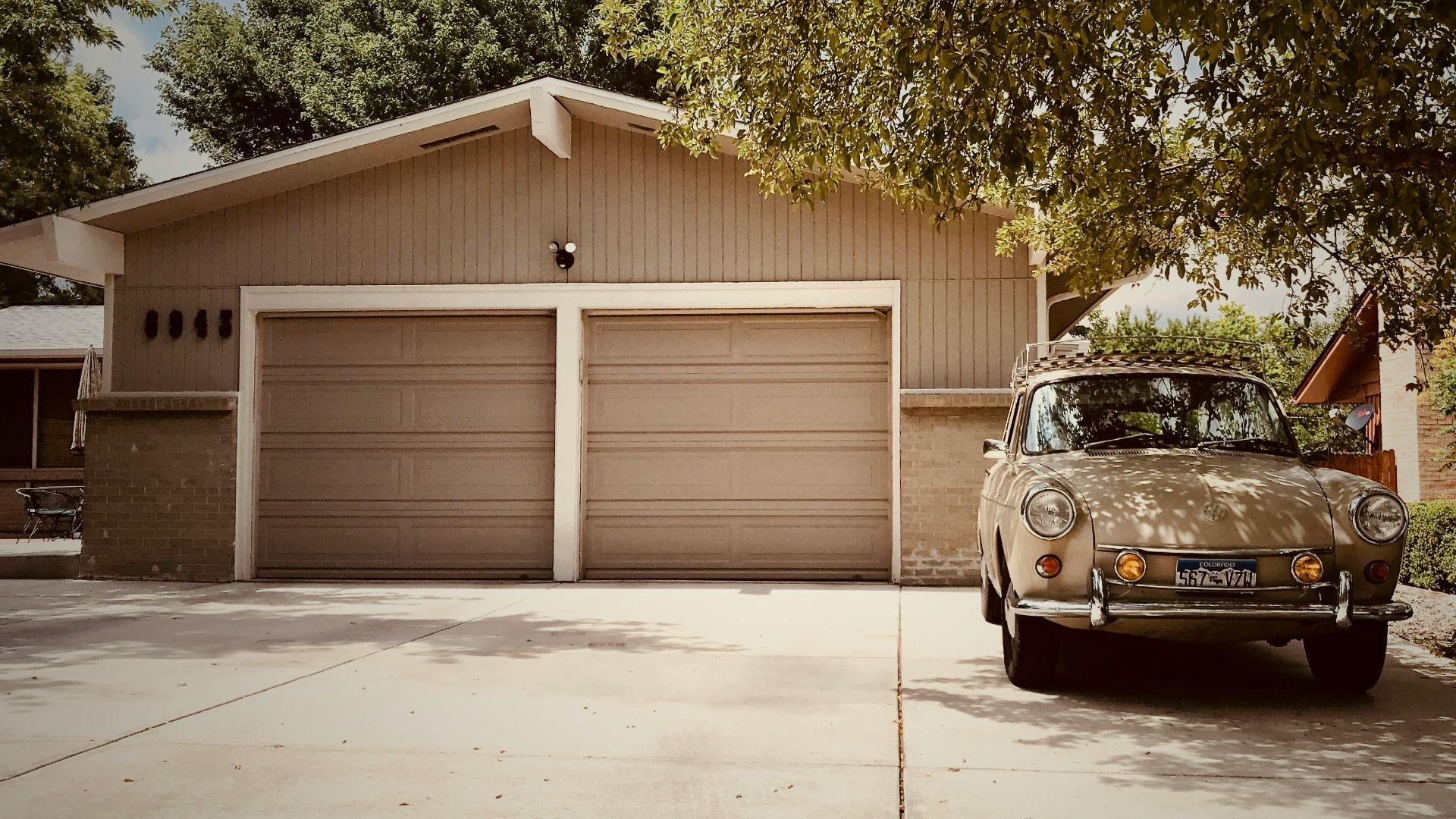
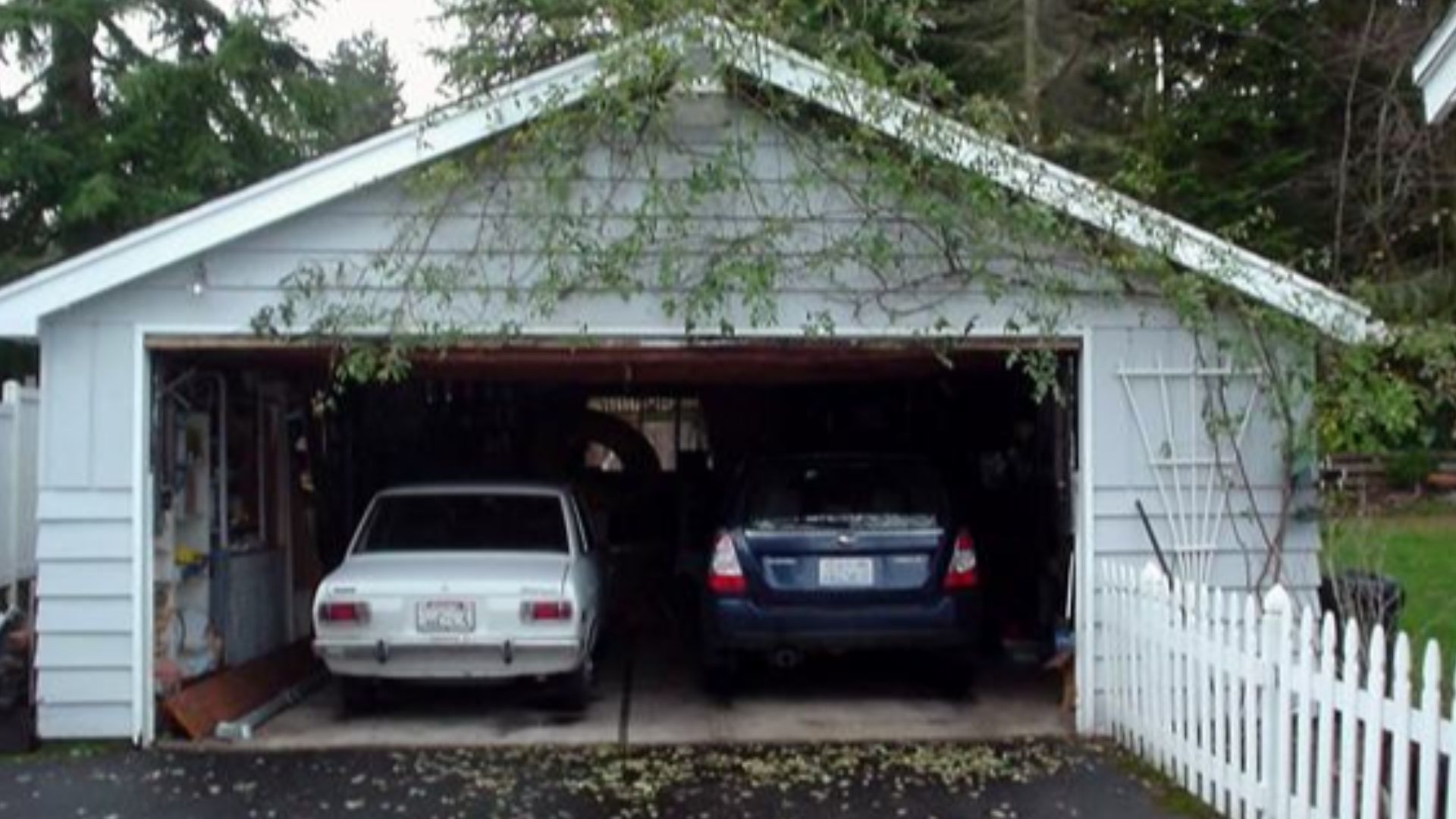
Some HOAs do not just regulate what is parked in the driveway. They also require owners to use garages for vehicle storage. In those communities, a board may tell an owner to move a rusted or damaged car into the garage if it is allowed at all. Other associations ban storage of nonconforming vehicles anywhere visible from the street, including side yards. The parking layout of the community matters more than many owners expect.
Selective Enforcement Can Undermine The HOA
If several neighbors have visibly rusted or damaged cars and only you got a violation letter, that is worth noticing. Associations are generally expected to enforce rules consistently and not in an arbitrary way. They do not need perfect enforcement in every single case, but obvious favoritism or targeting can weaken their position. Photos, dates, and addresses can help document a possible selective enforcement argument.

Reasonableness Still Matters
HOA boards usually have some discretion, but they are expected to act reasonably and in good faith. A small patch of surface rust on an older car may be treated differently from a heavily corroded vehicle with peeling panels and obvious neglect. If the board is stretching a rule far beyond its normal meaning, that can become part of your challenge. The smaller the issue, the more likely it is that an informal solution works better than a legal fight.

Your First Move Should Be A Calm Paper Trail
Before reacting, ask the HOA to identify the exact rule you are accused of violating. Request a copy of the rule, the enforcement policy, and any photos or inspection notes they relied on. Keep all communication in writing and stay polite, even if you are annoyed. A calm paper trail often helps more than an angry phone call.

Ask Whether The Car Is Actually In Violation
If the rule refers to inoperable vehicles, expired registration, missing parts, or visible damage, check whether your car actually fits those definitions. If the car runs, is registered, insured, and otherwise intact, that may matter. If the HOA is relying only on “unsightly” language, ask how it applies that standard and whether there are written guidelines. The board may back off if it sees the rule is less clear than it first thought.

Sometimes A Fix Or Cover Is The Easiest Solution
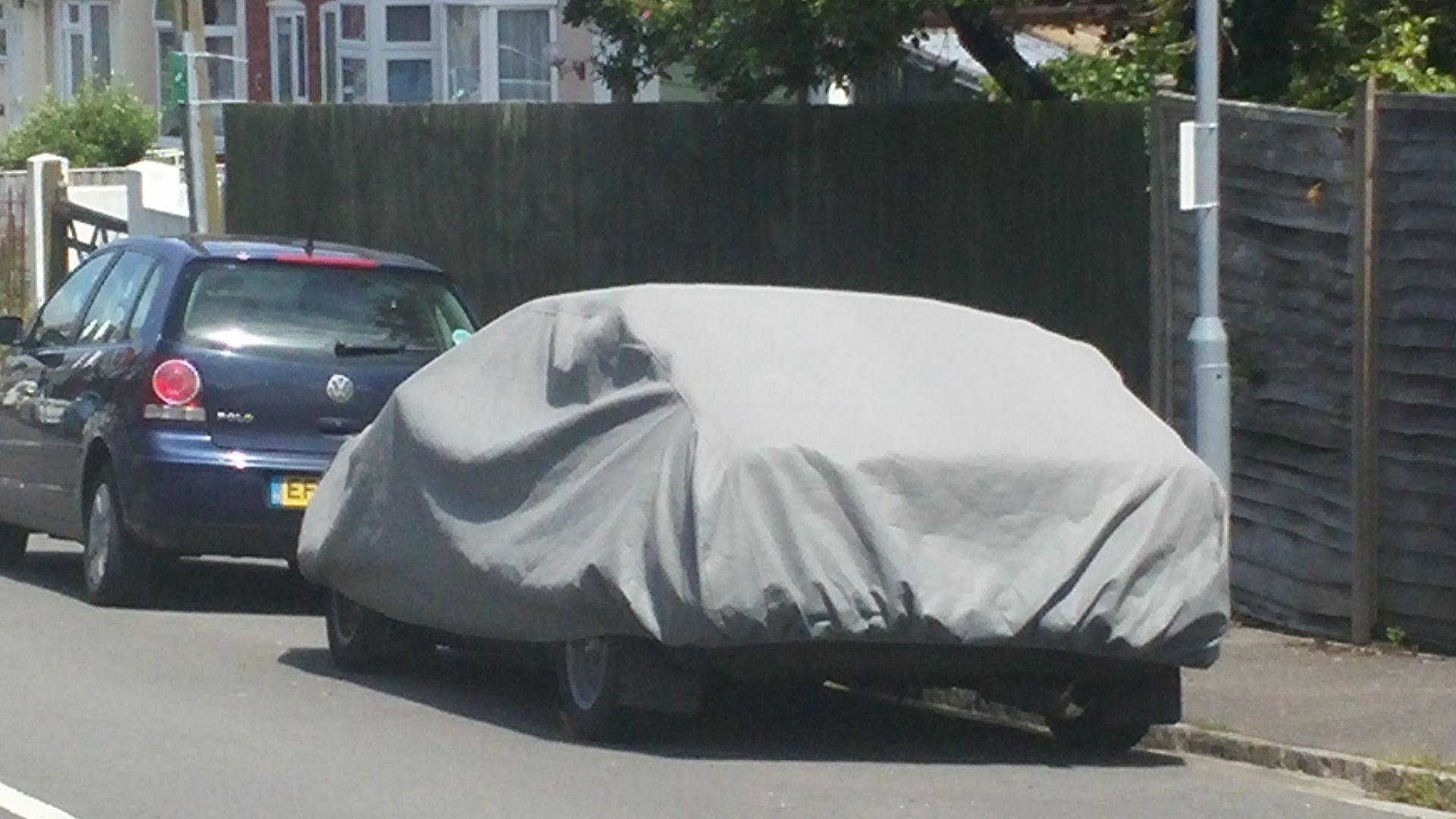
If you want to avoid a long dispute, a practical solution may be faster than arguing about principle. Repairing the rust, moving the car into a garage, or parking it off-site may end the issue quickly. Be careful with car covers, though, because some HOAs also regulate or ban covered vehicles in driveways. Always confirm that your proposed fix actually follows the rules.
 Andrew Bone from Weymouth, England, Wikimedia Commons
You May Have A Right To A Hearing
If the HOA sends a violation notice, do not ignore it. Many state laws and governing documents give homeowners the right to appear before the board or a committee to contest the charge. This is your chance to explain the condition of the car, point to gaps in the rule, or show that enforcement is inconsistent. Bring photos, registration records, repair estimates, and copies of the governing documents if you have them.

Internal Dispute Resolution Might Be Available
Some states encourage or require HOAs to offer internal dispute resolution, meet-and-confer procedures, mediation, or similar low-cost processes before things escalate. These options can help when the issue is partly about how the rule should be read and partly about neighbor relations. They also give both sides another chance to settle the matter without going to court. Check your state HOA law and your association’s enforcement policy to see what options exist.

Court Is Usually The Last Resort
If the stakes are high and the HOA will not budge, a homeowner can challenge enforcement in court, but that is rarely the first or cheapest step. Courts often look at the text of the recorded restrictions, the board’s authority, whether procedures were followed, and whether the rule was applied fairly. Legal fees can pile up fast on both sides. For many owners, a consultation with a local attorney is enough to show whether the HOA’s demand is solid or shaky.

Local Government Rules Are A Separate Thing
Do not confuse HOA restrictions with city or county codes. Local governments may regulate junk vehicles, abandoned cars, or vehicles stored on private property, but those rules are separate from what your HOA can enforce. A car can be legal under municipal law and still violate HOA rules. The reverse can also happen if a local code violation exists no matter what the HOA says.
The Best Answer Is Usually In The Fine Print
So, can your HOA really enforce a ban on a car with visible rust in your driveway? Yes, if the governing documents and state law give it that power and the association follows proper enforcement procedures. No, not automatically, and not just because someone on the board does not like how your car looks. The real answer is in your CC&Rs, your state’s HOA laws, and whether the HOA is acting consistently, reasonably, and with due process.

What To Do Right Now
Read the rule. Ask for the exact violation in writing. Compare your situation with how the HOA treats similar vehicles in the neighborhood. If the language is vague or the process seems sloppy, consider using the hearing process or talking with a local attorney who handles community association law.





.jpg%20)