The Luxury Car Stereotype Has Serious Staying Power
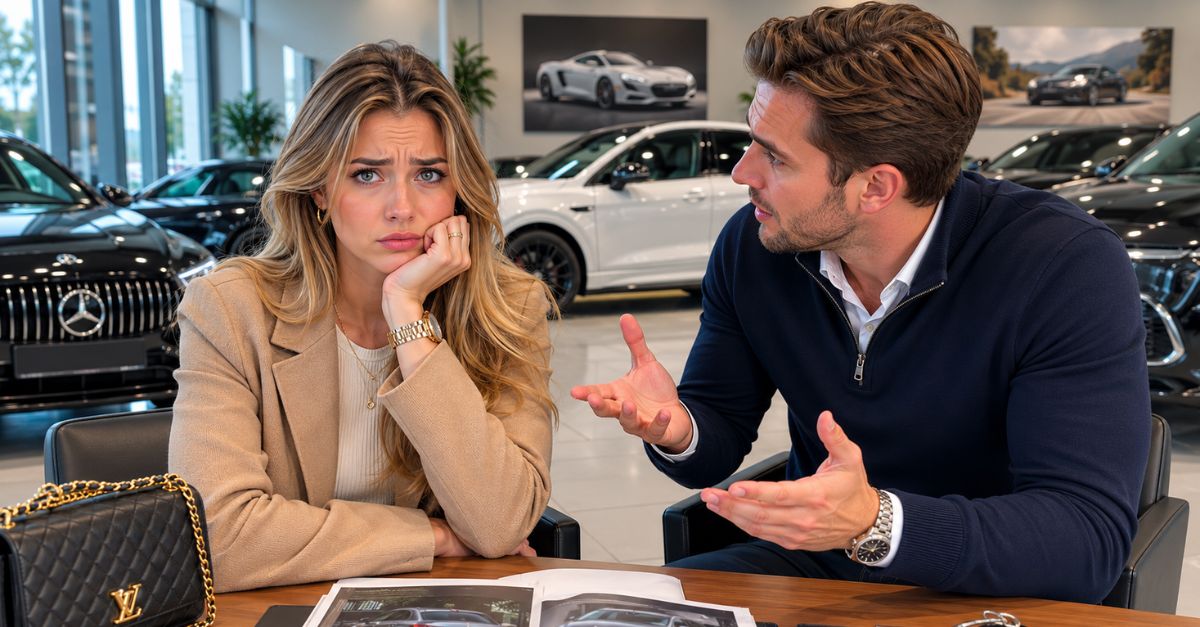
Most people have heard some version of this idea: People who buy luxury cars are secretly broke and just trying to impress everyone else. It is a catchy stereotype, and there's definitely some truth to it, but the real story is a lot more complicated.
Why The Idea Sounds Believable
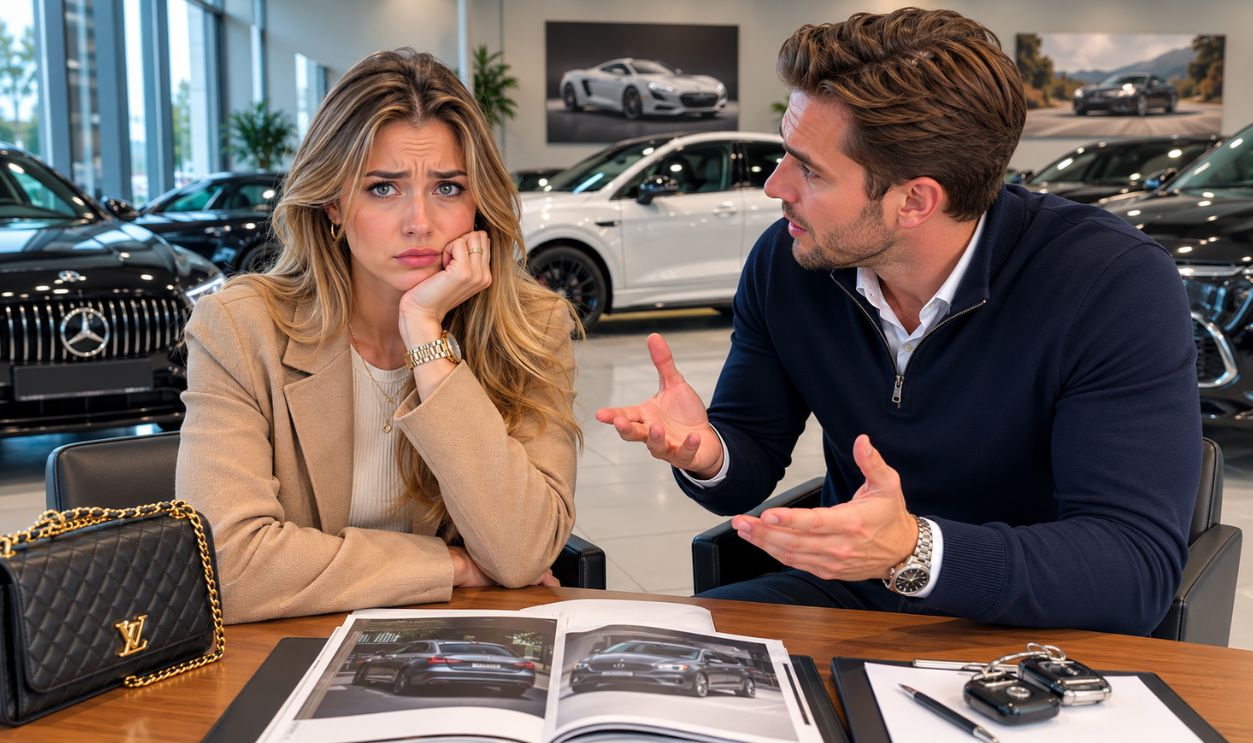
Luxury cars are hard to miss. Unlike a retirement account or a paid-off house, a new BMW, Mercedes-Benz, or Range Rover is right there in traffic and in the office parking lot. Because cars are so visible, people make quick judgments about why someone bought one and whether they can really afford it.
 Kostiantyn Zavhorodnii, Pexels
Researchers Have Looked At Status Signaling For A Long Time
In 2010, researchers Vladas Griskevicius, Joshua M. Tybur, Bram Van den Bergh, and others published work in the Journal of Personality and Social Psychology on conspicuous consumption and status motives. Their findings showed that, in some situations, people do choose more visibly expensive products to signal status. That does not mean every luxury-car buyer is broke, but it does show that status can play a real role in what people buy.

Cars Are Among The Clearest Status Symbols
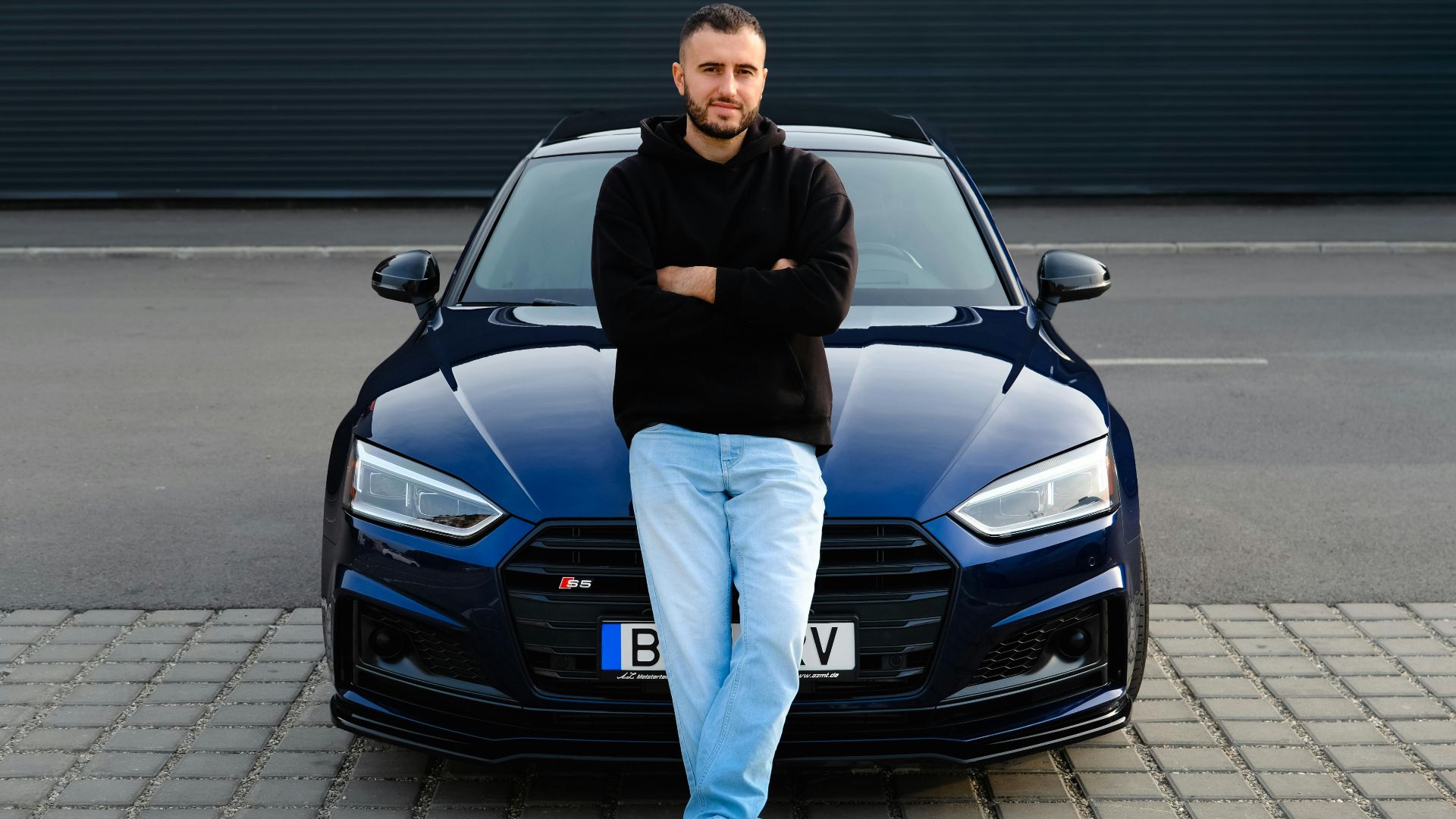
Cars have long been seen as status goods because they are public and easy to compare. A luxury watch can disappear under a sleeve. A six-figure SUV cannot. That makes cars especially useful for people who want to project success, whether or not that image matches their finances.

One Well-Known Study Helped Explain Why People Spend To Be Seen
Economists and consumer researchers have repeatedly found that visibility matters. A widely cited 2007 paper by Ori Heffetz in the Journal of Political Economy showed that people spend more in categories that are easier for others to see. Vehicles ranked among those highly visible categories, which helps explain why car spending often carries social meaning beyond simple transportation.

But Visibility Does Not Mean Financial Trouble
This is where the stereotype starts to fall apart. Buying a visible luxury product can be about status, but it can also be about comfort, performance, enjoyment, or simple brand loyalty. A person can buy an expensive car to be seen and still have no trouble paying for it.

Some Buyers Really Do Stretch For The Badge
The stereotype does have some truth behind it. The Federal Reserve has documented that many Americans carry significant auto debt, and the New York Fed has tracked rising balances and delinquency pressure in the auto-loan market. For some households, an expensive vehicle really does become a financial burden.
 Cast of Thousands, Shutterstock
Long Loan Terms Have Made Pricier Cars Easier To Reach
Over the past decade, extended loan terms have become common. Experian’s State of the Automotive Finance Market reports have repeatedly shown that many buyers finance vehicles for 72 months or longer. Lower monthly payments can make a more expensive car seem manageable even when the total cost says otherwise.

Monthly Payment Shopping Can Hide The Real Cost
This is one of the biggest issues in the whole discussion. Many shoppers focus on the monthly payment instead of the full purchase price, the interest rate, and the total amount of interest paid. That habit can push buyers into luxury models or trims they can technically finance but probably should not.

Negative Equity Makes The Problem Worse
Edmunds has reported in recent years that a meaningful share of trade-ins involve negative equity. That means people owe more on their current car than it is worth and roll that debt into the next loan. When that cycle meets a luxury badge, it can absolutely create the broke-but-looking-rich situation people talk about.

There Is Also Evidence That Many Wealthy People Spend Quietly
The stereotype survives partly because there is truth on the other side too. In 1996, Thomas J. Stanley and William D. Danko published The Millionaire Next Door, a bestselling book arguing that many wealthy Americans live below their means and avoid flashy spending. It was not specifically about luxury cars, but it helped shape the idea that real wealth is often less visible than people expect.

Later Work Made The Same Point Again
In 2018, Thomas J. Stanley’s The Next Millionaire Next Door returned to many of the same themes. The basic message stayed the same: high net worth often comes from saving, investing, and avoiding lifestyle creep, not from showing off through visible spending.

Luxury Buyers Are Not All The Same
This is the biggest reality check. A luxury-car buyer might be a high-income professional leasing a new sedan every few years, a business owner writing off part of an SUV, an enthusiast paying cash for a used Porsche, or a struggling borrower chasing an image. Put them all in one bucket and the stereotype sounds neat, but it stops being very accurate.

Income And Wealth Are Not The Same Thing
Someone with a high salary can still be financially shaky. Someone with a more average income can have real wealth because they own assets, have little debt, and spend carefully. A luxury car may hint at income, but it does not reliably prove wealth.

That Gap Matters More Than People Think
Researchers and financial planners often point to the difference between looking rich and being financially secure. A person with a leased luxury SUV and very little savings can look successful while living paycheck to paycheck. Meanwhile, a genuinely wealthy person may be driving a plain Toyota because they do not care what anyone thinks.

Leasing Makes The Picture Even Murkier
Luxury brands often depend heavily on leasing because it lowers the monthly cost of getting into the car. That means someone can access a premium badge without financing the full purchase price in the usual way. Leasing does not automatically mean someone is overextended, but it can make expensive cars feel more reachable to buyers who are sensitive to monthly payments.

Depreciation Is The Quiet Budget Killer
Luxury cars often lose value faster than mainstream vehicles, especially in the first few years. That matters because a fast-falling resale value can leave an owner underwater if they financed too aggressively. The car may look like a sign of success at a stoplight while quietly eating away at financial flexibility.

Maintenance And Repair Costs Separate Wanting It From Affording It
The sticker price is only part of the story. Premium tires, costly brakes, complicated electronics, and brand-specific labor rates can turn ownership into a much bigger financial commitment. Someone may be able to buy a luxury car and still struggle to keep up with the long-term costs if they bought too close to their limit.

Used Luxury Cars Are A Different Story
A used luxury car does not always mean lavish spending. Many premium vehicles become surprisingly affordable on the secondhand market because depreciation hits them hard. In that case, the owner may simply be choosing comfort or performance for the money, even if outsiders assume it is all about image.

Psychology Matters, But Not In A Simple Way
Consumer psychologists have found that social comparison, identity, and status concerns can shape buying decisions. That is real, and it clearly applies to cars. But the same car can mean very different things to different buyers, from a status signal to a genuine love of driving and engineering.

Sometimes People Just Like Nice Cars
Sometimes the answer is much less dramatic. People buy luxury cars because they like quiet cabins, better seats, smoother rides, stronger engines, dealer perks, or newer tech. Buying something enjoyable is not automatically a sign of insecurity.
What The Evidence Actually Supports
The evidence supports a narrower claim than the stereotype suggests. Some people do use visible products like cars to signal status, and some buyers do take on more debt than they should. What the evidence does not support is the sweeping claim that luxury-car owners as a group are secretly broke.

Who Is Most Likely To Be In Financial Trouble
The biggest warning signs are not the badge on the hood. They are long loan terms, high debt-to-income ratios, rolled-over negative equity, weak emergency savings, and shopping based only on the monthly payment. A Honda buyer can be reckless, and a Mercedes buyer can be totally fine.

What A Smart Luxury-Car Purchase Looks Like
A healthy luxury-car purchase usually looks pretty boring on paper. The buyer can handle the payment, insurance, maintenance, and depreciation without cutting into retirement savings, emergency reserves, or high-interest debt payoff. If the deal only works by stretching every dollar each month, the badge is probably doing more emotional work than financial work.

Your Friend Is Not Completely Wrong
There really are people who overspend on luxury cars to project success. Research on conspicuous consumption and visibility helps explain why, and auto-finance data shows that some households are carrying risky debt. That is why the stereotype has lasted.

But The Stereotype Is Still Too Crude
It takes one possible motive and turns it into the whole story. Luxury-car buyers include affluent households, careful lessees, enthusiasts, secondhand bargain hunters, and yes, some image-chasers living too close to the edge. The honest answer is simple: sometimes true, often overstated, and never something you can figure out just from a grille badge.