The Promise That Suddenly Vanished
You bought the car, shook hands, and drove off believing maintenance was covered for years. Then the service desk said the deal that you had discussed was never part of the contract. It's definitely an ugly surprise, but it doesn't always mean you are stuck.

Start With The Hard Truth
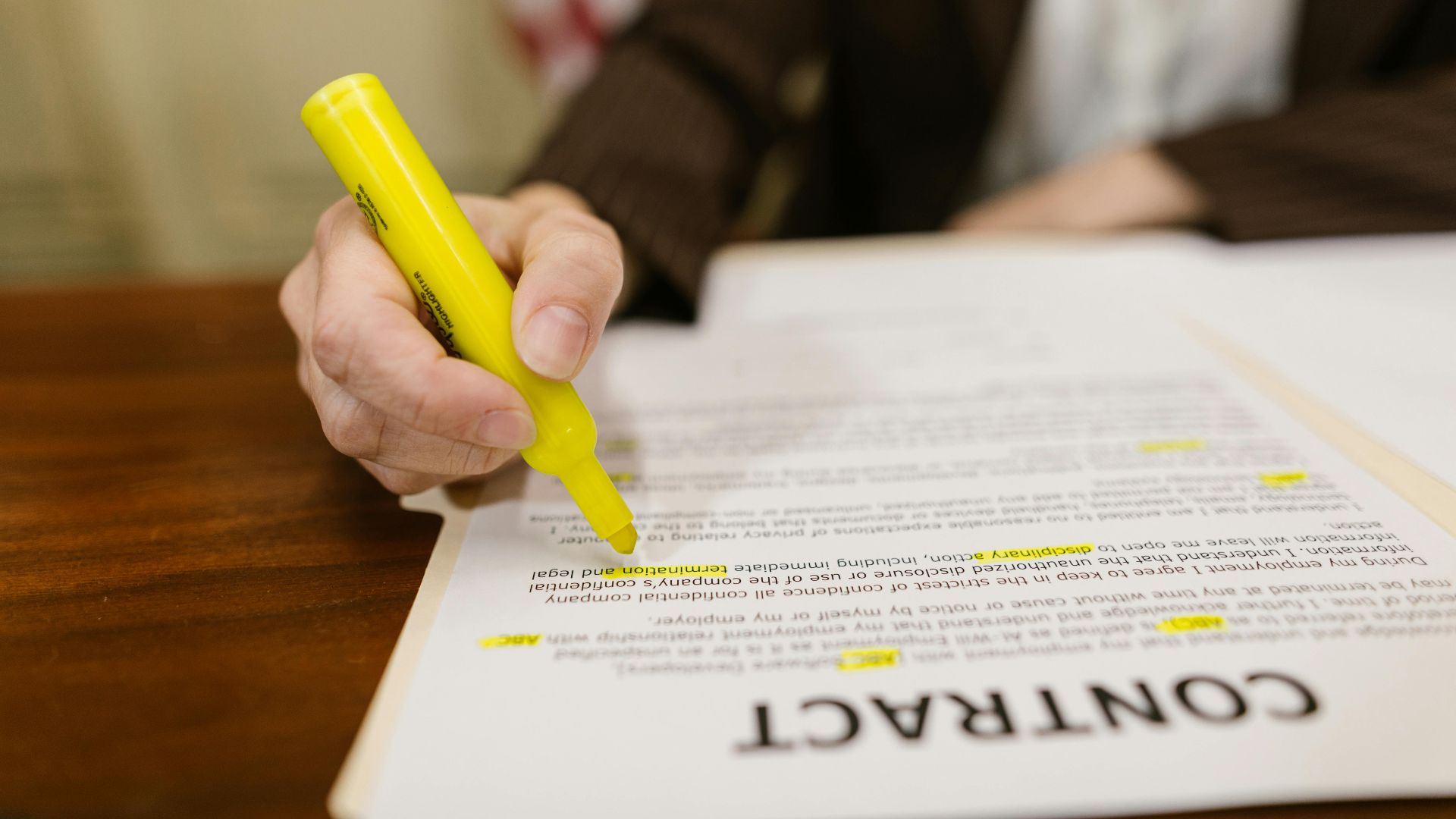
In most car-buying disputes, the paperwork carries the most weight. If free maintenance is not listed in the retail installment contract, buyer's order, lease agreement, or a separate signed addendum, proving the promise gets harder. Still, spoken promises can matter, especially if you have other evidence to back them up.

Why Dealers Lean On The Written Contract
Many auto sales contracts include an integration clause. That means the written contract is supposed to be the full agreement between both sides. The point is to shut down later claims that extra promises were made outside the paperwork. The Federal Trade Commission's CARS Rule focused on this kind of problem by targeting misleading add-ons and bait-and-switch style sales tactics, though the rule itself has faced legal challenges and is not currently in force.

The FTC Put Dealer Tactics Under A Brighter Light
In December 2023, the FTC announced the Combating Auto Retail Scams Rule, usually called the CARS Rule. The agency said it was meant to crack down on deceptive pricing and false claims in car sales. In January 2025, the U.S. Court of Appeals for the Fifth Circuit threw out the rule, but the FTC still has broad power under the FTC Act to go after deceptive practices.

A Verbal Promise Is Not Automatically Worthless
A salesperson's promise is not magic, but it is not meaningless either. State consumer protection laws can still apply if a dealer made a false claim to close the sale. If you can show who said it, when they said it, and how it affected your decision to buy, your position gets stronger.

Your Best Leverage Is Evidence
Think beyond the signed contract. A text from the salesperson, an email mentioning included maintenance, an ad, a brochure, a voicemail, or a screenshot of the dealer listing can all help. Even a service appointment confirmation or a "we owe" form can matter if it mentions complimentary maintenance.

Check The Window Sticker And Addenda
Some dealers put perks on an addendum sticker or buyer's worksheet instead of in the main contract. Go through every page you got at delivery, including the buyer's order, due bill, "we owe," lease worksheet, and any service plan enrollment form. One buried line can turn a messy argument into a documented benefit.

Ads Count More Than People Think
If the dealer advertised "free maintenance for 2 years" or something similar, save that ad right away. The FTC has long said ads must be truthful and not misleading, and state attorneys general often enforce those standards too. A dealer cannot casually shrug off an ad if it helped get you into the showroom.

The Buyers Guide Can Matter Too
For used cars, the FTC's Used Car Rule requires a Buyers Guide that says whether the vehicle is being sold "as is" or with a warranty. That guide is not the same as a maintenance promise, but it can still help show what the dealer disclosed in writing. If the written disclosures do not match what you were told, that mismatch may support a complaint.

Do Not Confuse Warranty With Maintenance
This is where things often get muddy. A factory warranty covers defects and repairs, while free maintenance usually means routine service like oil changes, tire rotations, and inspections. If the dealer is blending those terms together now, ask them to spell out exactly what they say was promised and where it appears in writing.

Manufacturer Programs Are A Separate Track
Some brands really do include maintenance from the factory on certain models or years. If the dealer promised it, check the automaker's official site or owner materials to see whether a manufacturer-backed program existed when you bought the car. If it did, the issue may be less about a verbal promise and more about the dealer failing to process the benefit properly.

Your Salesperson May Have Left A Trail
Sales teams live in text threads, CRM notes, and follow-up emails. If you still have messages saying "maintenance is included" or "service is covered for 3 years," save them now. Screenshots with dates, phone numbers, and names can become your best leverage when dealing with a manager or filing a complaint.

Go Back To The Dealer Calmly And Specifically
Start with the general sales manager or dealer principal, not just the service advisor who turned you away. Keep your tone calm and lay out the facts in order. Explain when you bought the car, who made the promise, and what documents or messages support your side.

Ask For A Written Explanation
If the dealer says no, ask them to put that in writing. Ask them to explain why the promised maintenance is not being honored and whether they claim no employee made that representation. A written refusal can sharpen the issue and help if you decide to escalate.

The FTC Wants Complaints Even Without The CARS Rule
The FTC accepts reports about deceptive sales practices through ReportFraud.ftc.gov. That does not mean the agency will solve your case for you, but complaints can help spot bigger patterns. If a dealership keeps advertising free perks and then denying them, regulators want to hear about it.

Your State Attorney General May Be More Directly Helpful
Consumer protection offices in state attorneys general departments regularly handle car-related complaints. Many states ban deceptive claims in consumer sales, including promises used to get someone to buy. Filing a complaint can pressure a dealer to resolve a smaller dispute before it turns into a bigger one.

The CFPB Can Be Relevant If Financing Was Involved
If the promise affected your financing terms or the way products were bundled into the deal, the Consumer Financial Protection Bureau may also be worth a complaint. The CFPB takes complaints involving vehicle loans and related financial products. This matters even more if the dealer called something "free" but slipped a charge for it somewhere into the paperwork.

Small Claims Court Can Be Real Leverage
If the value of the lost maintenance falls within your state's small claims limit, this can be a practical option. Courts often focus on simple evidence like ads, texts, emails, and signed forms. You are not trying to prove some huge scheme, just that the dealer made a specific promise and did not keep it.

Arbitration Might Be In Your Contract
Check whether your sales or finance paperwork includes an arbitration clause. If it does, the dealer may argue that the dispute has to be handled there instead of in court. That is not always the end of the road, but it changes your strategy and makes good documentation even more important.
A Due Bill Or We Owe Form Is Gold
One of the strongest pieces of evidence in a dealership dispute is a due bill, often called a "we owe" form. These forms list items the dealer still owes after delivery, from floor mats to repairs to service perks. If maintenance shows up there, your leverage goes up fast.

Service Records Can Tell A Story
If the dealer gave you one or two free maintenance visits before suddenly refusing the rest, that history matters. It can help show that the benefit was real and understood by the dealership. Gather invoices showing zero-dollar charges or notes saying the services were covered.

If The Promise Came From An Ad, Save It Now
Online listings vanish all the time. Save screenshots, print pages, and use web archives if available. The clearer your timeline, the easier it is to show the promise existed before you signed the deal.
Be Careful With Recorded Calls
If you have a phone call where the promise was discussed, state law matters before you record future conversations. Some states allow one-party consent, while others require everyone on the call to agree. The Digital Media Law Project has a helpful state-by-state guide, but if you are unsure, written follow-up messages are the safer move.

Your Email Should Be Short And Sharp
Write a short email to dealership management laying out the promise, the evidence, and what you want them to do. Ask them to honor the maintenance program or reimburse the value. A clean paper trail often works better than a long, emotional argument at the service counter.

Do Not Wait Too Long
Waiting usually helps the dealer, not you. Documents disappear, ads get pulled, employees leave, and memories fade. Moving quickly also matters because state deadlines for consumer and contract claims can vary.

What Counts As A Fair Resolution
Sometimes the best outcome is not a full multi-year plan but a workable compromise. A dealer may agree to cover a limited number of oil changes, reimburse prior services, or offer maintenance at cost. If the evidence is mixed, a reasonable settlement can save time and stress.

When You Probably Have Weak Leverage
If the only proof is your memory and none of the signed documents mention maintenance, your case is tougher. That does not make the promise impossible to prove, but it does lower your odds. In that situation, polite escalation and regulatory complaints may still lead to some goodwill help even if your legal leverage is thin.

When Your Leverage Is Strong
Your position gets much stronger if you have a signed addendum, due bill, ad, text, or past free service invoices. That kind of proof turns a vague complaint into a documented claim. Dealers are far more likely to respond when they see you have the facts organized.

The Bottom Line On Verbal Free Maintenance Promises
Yes, you may have leverage, but it depends on what you can prove. Start with your paperwork, gather every message and ad, ask the dealer for a written explanation, and escalate through state and federal complaint channels if needed. In car sales, the promise that usually wins is the one you can put on paper.