When Family And Car Money Get Tangled
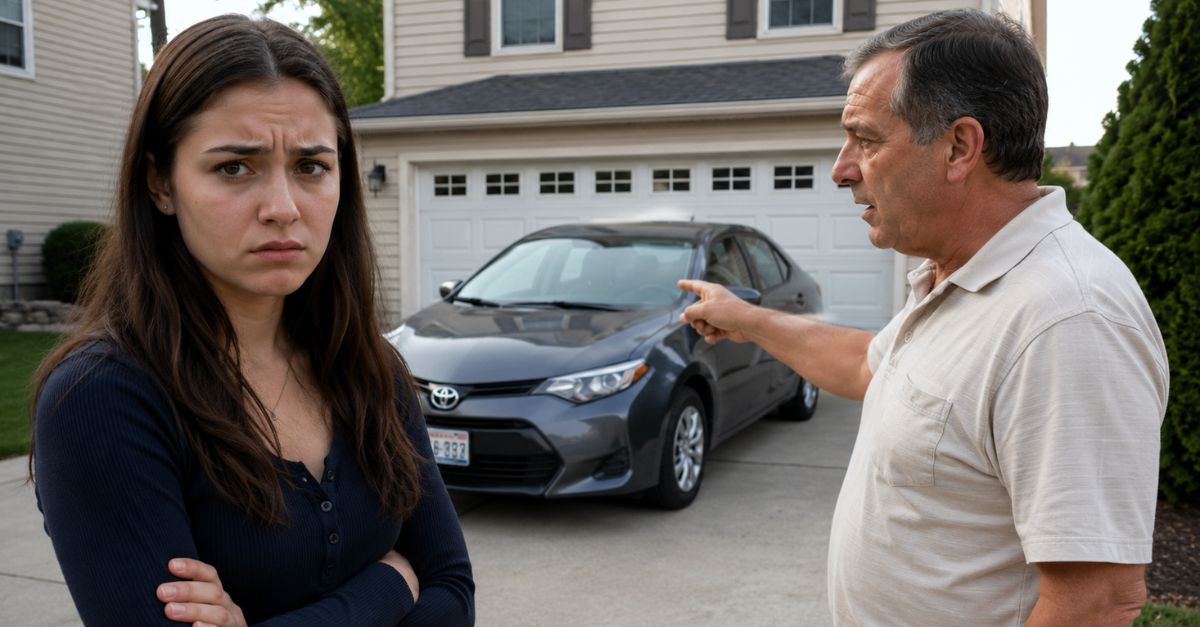
Buying a car from a parent can seem easy until the price talk gets uncomfortable. If your dad says you should pay more than the car is worth because family comes first, this stops being just a car deal. It becomes about pressure, fairness, and whether loyalty is being used to push you into paying more.
The Short Answer
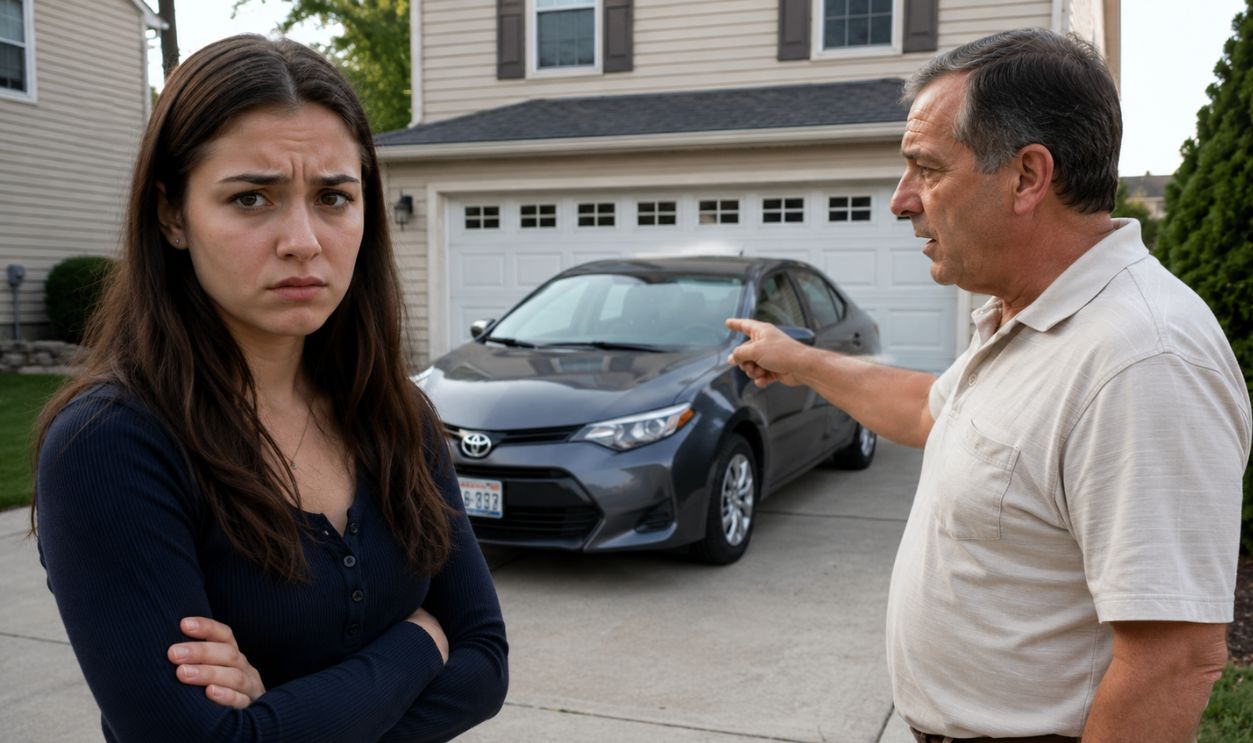
Yes, it can be manipulative. A normal family request leaves room for you to say no. A manipulative one tries to make you feel guilty for refusing. If the message is basically, “Pay extra or you are letting down the family,” the real issue is the emotional pressure, not the car.

What A Car Is Actually Worth
A used car’s value does not go up because it has family history behind it. It is usually based on market guides, local listings, condition, mileage, title status, accident history, and maintenance records. Kelley Blue Book, Edmunds, and J.D. Power all offer pricing tools people use to estimate a fair range.

Why Paying Above Value Matters
Paying more than market value is not always wrong if you choose it freely. Maybe you trust the maintenance, know the car’s history, and want to help your parent. But if the higher price is expected because of guilt rather than the car’s actual condition and value, that is a warning sign.

“Family Comes First” Is Not A Pricing Method
That phrase may mean something in family life, but it is not a way to price a car. It does not change the mileage, age, repair needs, or resale value. When someone leans on a moral slogan instead of basic facts, it can muddy a decision that should stay practical.

What Experts Usually Suggest
Consumer advice is pretty consistent on private car sales. Check the vehicle history, compare prices, confirm the title, and get a pre-purchase inspection from an independent mechanic. Those steps matter even more with family because people tend to skip them when trust is already there.

An Inspection Cuts Through The Emotion
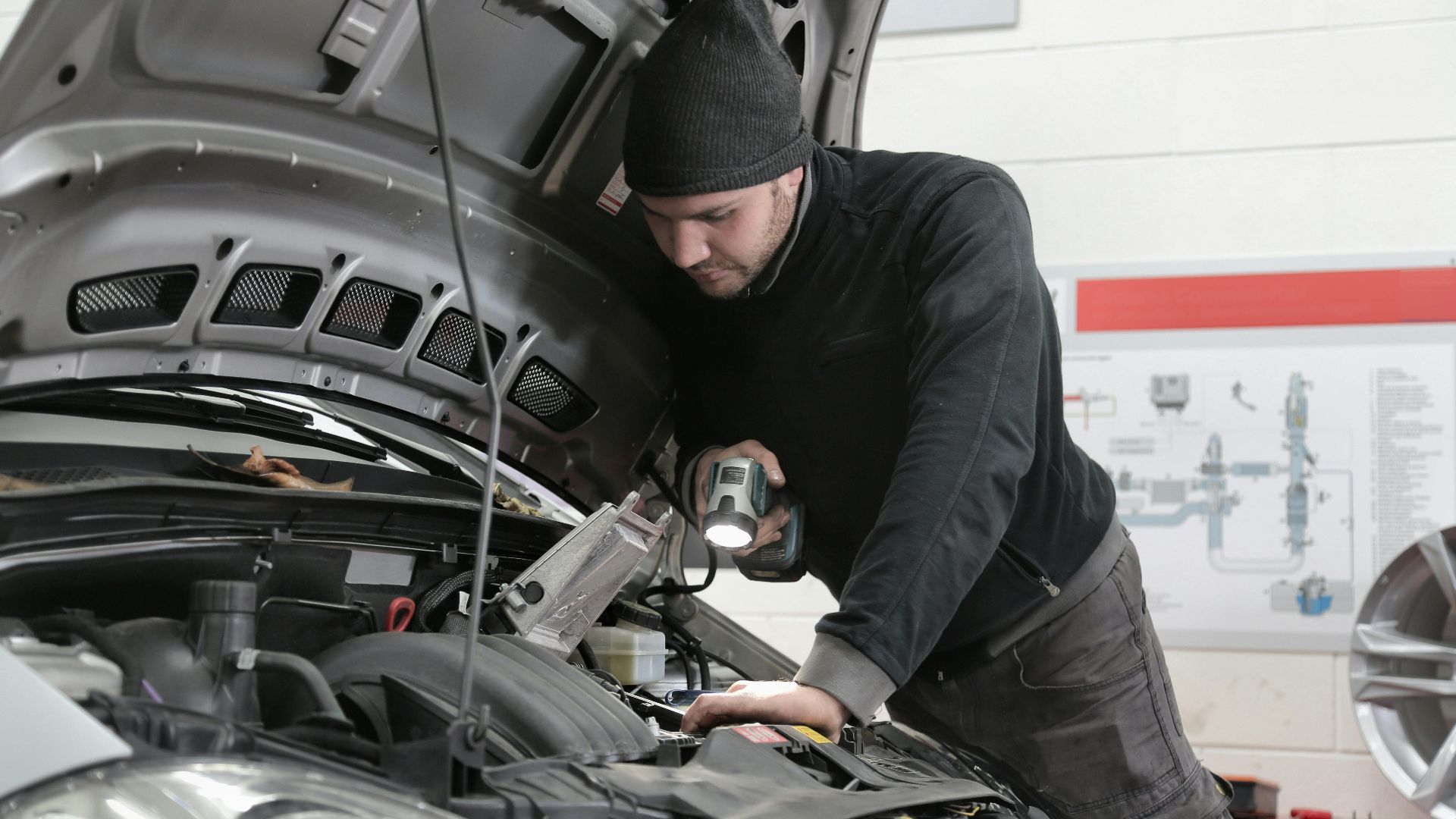
A pre-purchase inspection can bring the real picture into focus. The Federal Trade Commission advises buyers to have an independent mechanic inspect a used car before purchase, and that advice matters. A family seller may honestly think the car is in great shape while missing costly problems like leaks, worn suspension parts, or transmission trouble.
History Reports Help, But Only So Much
A vehicle history report can show title brands, reported accidents, and other records, but it does not tell the whole story. The National Insurance Crime Bureau offers a free VIN check for some theft and salvage records, and the National Highway Traffic Safety Administration has a VIN lookup for safety recalls. Those tools are helpful, but they do not replace an inspection or service records.

Do Not Overlook Recalls
NHTSA’s VIN lookup lets buyers check for unrepaired safety recalls. That matters because what looks like a simple family deal can get messy if the car has a serious unresolved safety issue. Before you hand over money, make sure the car is safe, not just familiar.

Private Sales Usually Come With Fewer Protections
The FTC notes that many used cars are sold “as is,” especially in private-party sales. That usually means you accept the car with its current problems unless the contract says otherwise. The point is not to panic. It is to get everything in writing and avoid fuzzy promises like “I’ll help if something goes wrong.”

Emotion Can Inflate The Price
Parents can attach memories to a car in ways a buyer cannot really use. Family trips, years of ownership, and the idea of keeping the car “in the family” can all make the seller think it is worth more than the market says. Nostalgia is real, but it does not belong on the bill of sale.

Support And Pressure Are Not The Same
Helping family can be generous and sincere. Pressure sounds different. If your dad gets upset, questions your loyalty, or treats a fair-market offer like an insult, he may be trying to control the decision with emotion instead of facts.

One Question Can Clear Things Up Fast
Try asking this: “If we were not related, what would be a fair price based on market value, condition, and repairs needed?” That puts the focus back on something concrete. It can quickly show whether the conversation is really about the car or about family obligation.

Use Real Pricing Tools First
Kelley Blue Book, Edmunds, and J.D. Power can help you build a fair price range. Then compare that range with local listings for the same year, make, trim, mileage, and condition. One number is less useful than a range backed by actual market data.

Condition Can Change The Whole Deal
Two cars that look the same on paper can be worth very different amounts in real life. Maintenance history, rust, tire age, warning lights, title status, accident repairs, and even mismatched paint can shift the price. If your dad wants more than market value, ask what facts actually support that premium.

Records Matter More Than Claims
A stack of dated service receipts says far more than “I always took care of it.” Records can show timing belt work, transmission service, brake jobs, tire purchases, and major repairs. They also help you figure out what expenses might be coming next.

Be Careful With “You Know This Car” Logic
Familiarity can make a car feel like a safer bet, and sometimes it is. But knowing the owner is not the same as knowing the car’s current mechanical condition. Plenty of expensive problems show up in cars that have stayed in one family for years.

Financing And Insurance Can Make Overpaying Worse
If you need a loan, the lender cares about the car’s value, not the family relationship. If the price is far above market value, financing can get awkward quickly. Insurance can create trouble too, since payouts are often based on actual cash value, not what you paid out of guilt.

What A Fair Family Deal Usually Looks Like
The cleanest version is simple. You agree on a price range using market data, disclose known issues, allow an independent inspection, and put the terms in writing. If a parent really wants to help, they usually offer honesty, flexibility, or a discount, not a family premium.

How To Push Back Without Picking A Fight
You do not have to call your dad manipulative in the moment. You can simply say, “I want to handle this fairly and base the price on market value and an inspection.” That keeps the tone calm while still protecting your money and your boundaries.

If He Calls You Ungrateful
That is a sign the discussion may have drifted from a car sale into guilt. Gratitude is not the same thing as overpaying. You can love and respect your dad and still turn down a bad deal.
 Ljupco Smokovski, Shutterstock
Pick Your Limit And Stick To It
After you do the research, decide the highest amount you are willing to pay. Base that number on pricing guides, local comps, expected repairs, taxes, registration, and your budget. If the asking price stays above that number, walking away is often the smartest move.

Get Everything In Writing
If you do buy the car, document the VIN, odometer reading, sale price, date, known issues, and whether the car is being sold as is. Make sure the title transfer follows your state’s rules. Good paperwork protects both sides and can keep a family disagreement from turning into a legal mess.

Do Not Skip Title And Lien Checks
Before buying, make sure your dad has clear title and that any loan on the car has been paid off or will be properly released at the time of sale. State motor vehicle agencies explain title-transfer rules, and those details matter. Being family will not solve a title problem at the DMV.

Walking Away Is Not Betraying Your Family
This is the part many people need to hear. Refusing to overpay for a car does not make you selfish or disloyal. It usually means you are keeping a personal relationship separate from a financial transaction, which is often what protects family relationships in the long run.

When Paying More Might Be Your Call
There are times when paying a little extra may make sense to you. Maybe the car has been exceptionally well maintained, maybe you value the known history, or maybe you knowingly want to help your parent financially. The key is that it has to be your choice. A voluntary gift is not the same as a guilt-based obligation.

The Bottom Line
If your dad says family comes first and that means you should pay more than the car is worth, that can absolutely be manipulative. The fair way to handle it is to confirm the car’s value, get an independent inspection, and decide based on facts and your budget instead of guilt. Family matters, but so do clear boundaries, honest pricing, and not turning a used car into a test of loyalty.