The Weird Shock Of An “Inoperable” Tow
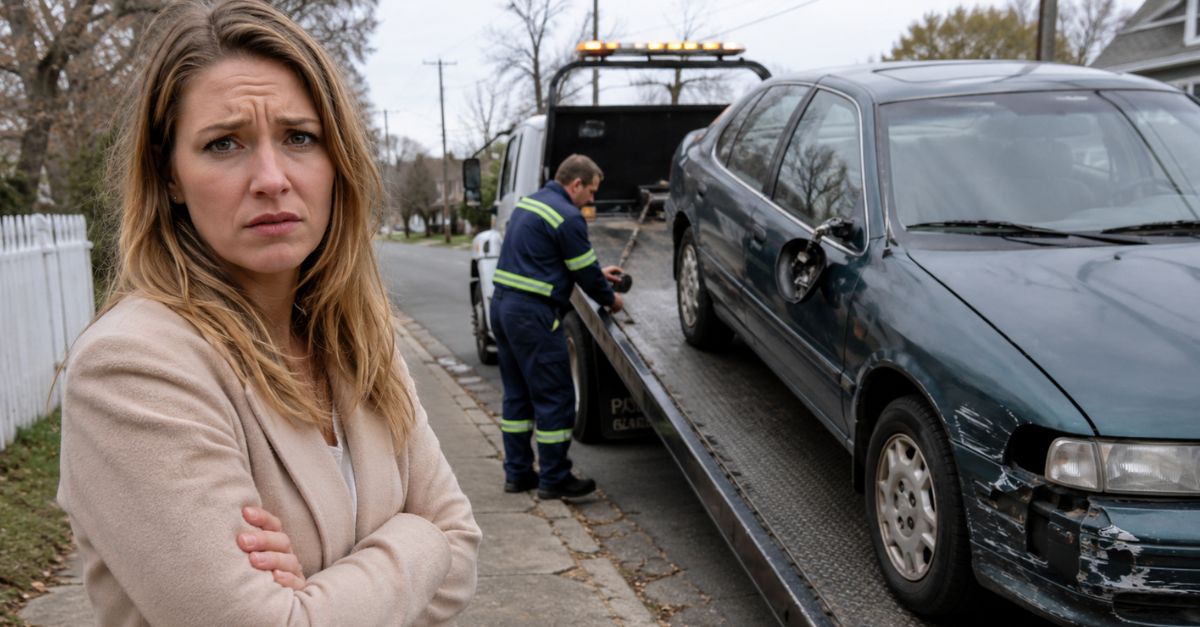
You started your car after an accident and, to your surprise, it starts and seems to run just fine. Then they tell you that it's "inoperable" and legally they need to tow it. It sounds ridiculous, but in a lot of places, "inoperable" doesn't mean what you think it does, and their hands are probably tied.
Why This Happens More Often Than People Think
Towing rules usually come from local codes, apartment leases, HOA rules, or private parking contracts. Those rules often mix together terms like “inoperable,” “junked,” “abandoned,” and “immobile.” So a car can run perfectly and still get flagged if it looks disabled or breaks some other rule.
“Inoperable” Usually Means Whatever The Rule Says It Means
This is where most disputes start. States and cities often define an inoperable vehicle by its visible condition, missing parts, expired registration, or whether it can legally be driven on public roads. In other words, the legal meaning can be a lot broader than the everyday one.

California Shows How Wide The Rule Can Be
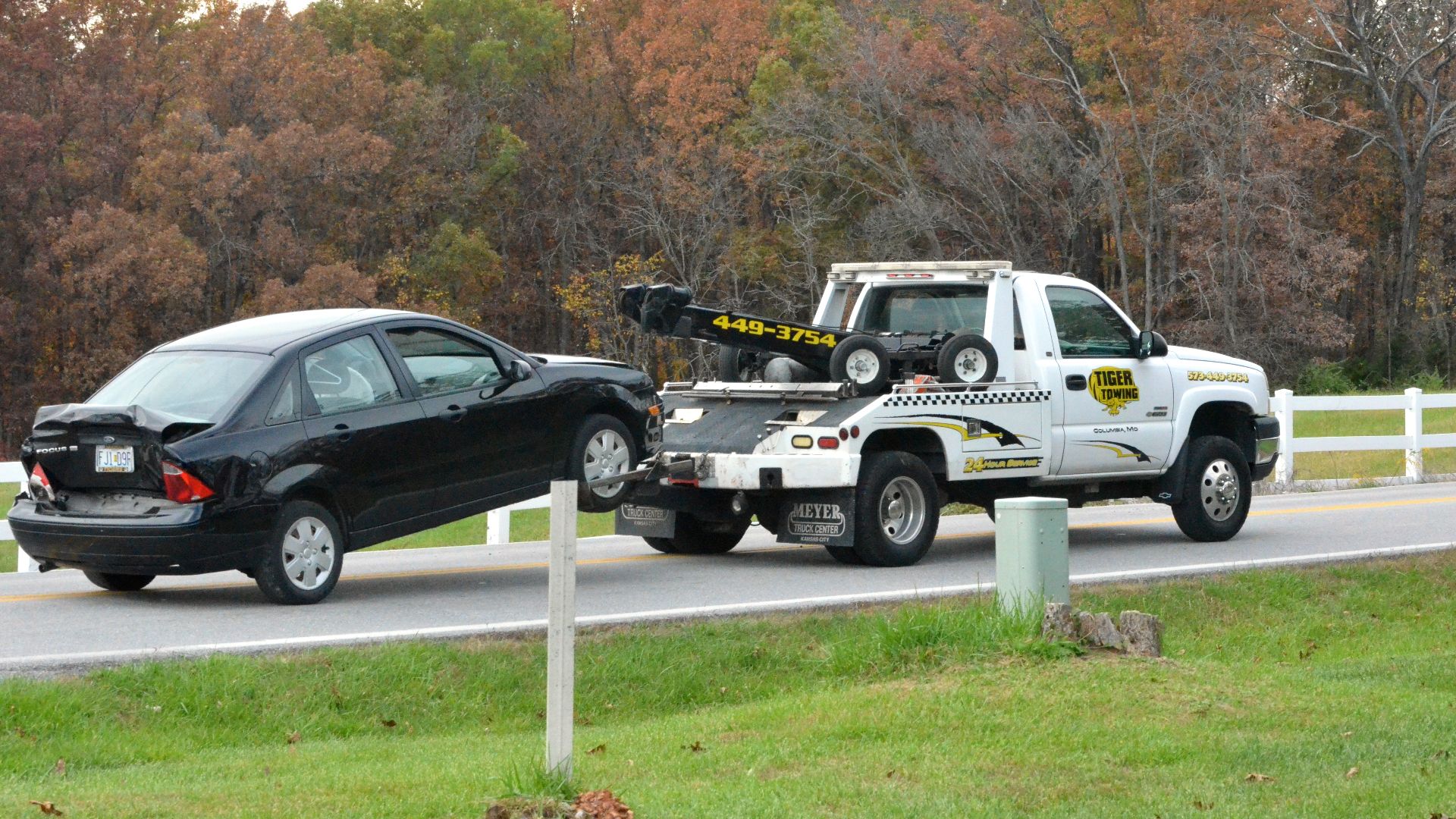
California Vehicle Code section 22669 allows removal of a vehicle treated as a public nuisance if it is wrecked, dismantled, or inoperative and left on private property in certain situations. That law has long been part of the state’s nuisance-abatement system. The key point is simple: the test is not just whether the car starts.
Local Rules Often Get Even More Specific
Cities often spell out what counts as inoperable in very practical terms. A local code may mention flat tires, broken windows, missing wheels, major body damage, or expired plates. That means the decision often comes down to how the car looks and whether it seems roadworthy at a glance.
 Srdan Popovic, Wikimedia Commons
Houston Shows How Much Appearance Matters
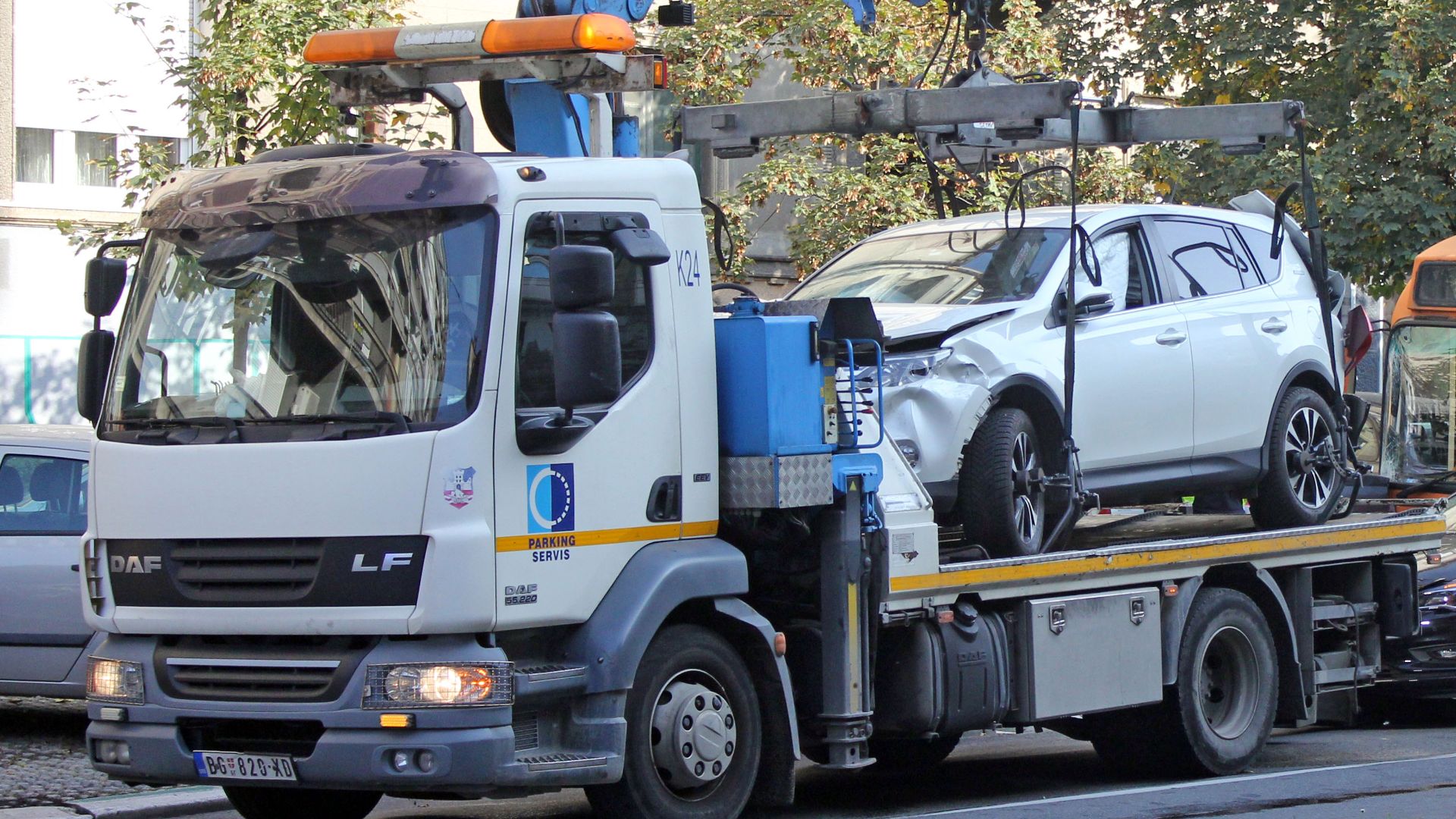
The City of Houston defines a junked motor vehicle partly by visible condition and legal status, including being wrecked, dismantled, partially dismantled, or discarded, and also by being inoperable and lacking lawful unexpired registration. Rules like that matter because they show how officials and property managers can rely on appearance plus paperwork. A running engine does not automatically save you.
Florida Also Uses A Broader Standard
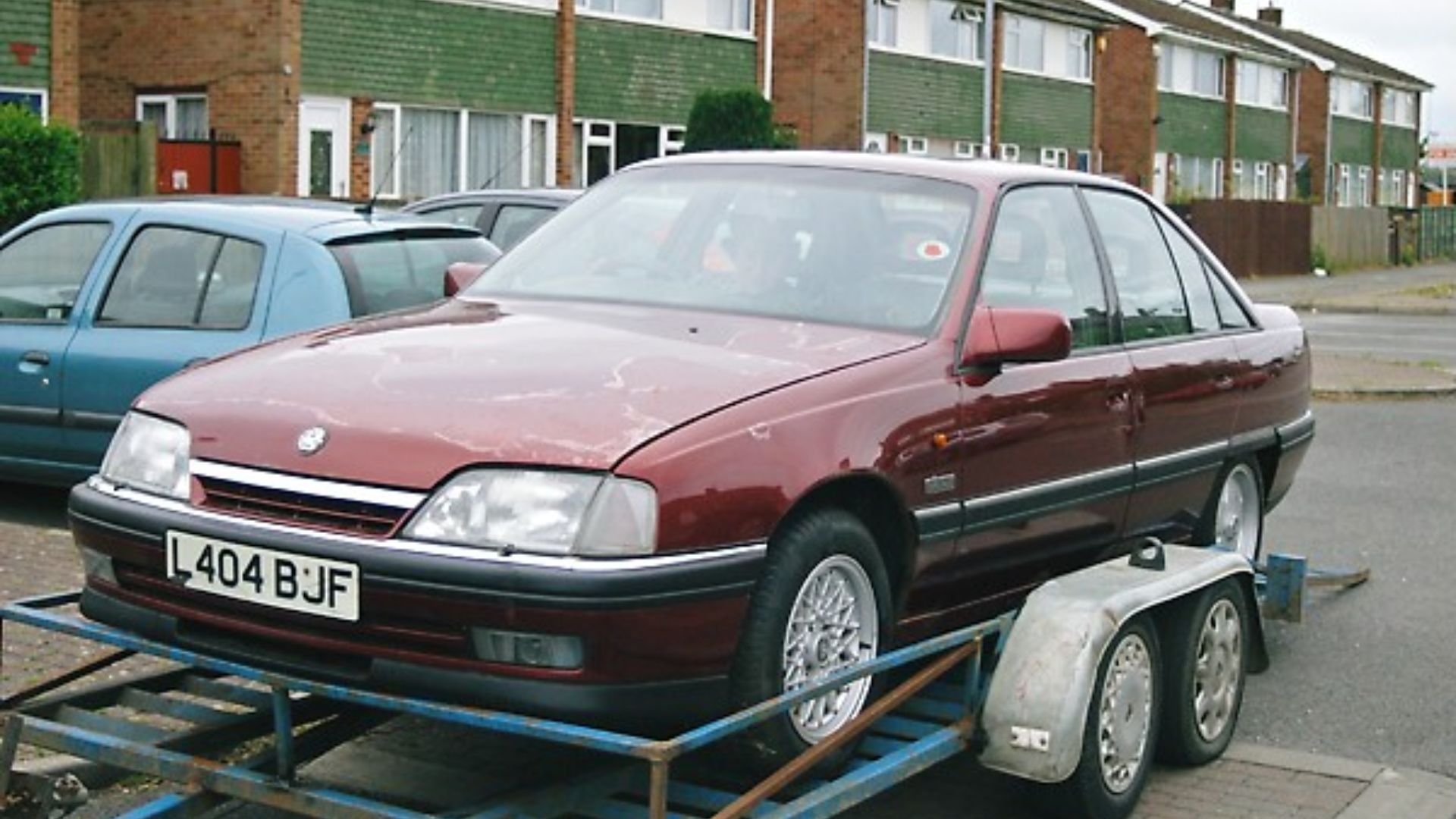
Florida law defines a derelict motor vehicle as one that is not in running condition, but it also covers vehicles that are extensively damaged, dismantled, or have no valid registration. That matters because enforcement can turn on a mix of physical condition and legal status. If your tag is expired or the car looks rough, a tow fight can get messy fast.

Private Lots Usually Run On Contract Rules
At an apartment complex or shopping center, the tow decision may come from posted rules rather than a police officer. Signs and lease terms often give management broad power to remove vehicles that look abandoned, unsafe, or inoperable. If your car sat with a flat tire for a few days, that alone may have put it on the radar.
 Coastal Elite from Halifax, Canada, Wikimedia Commons
Apartment Complexes Are A Common Trouble Spot
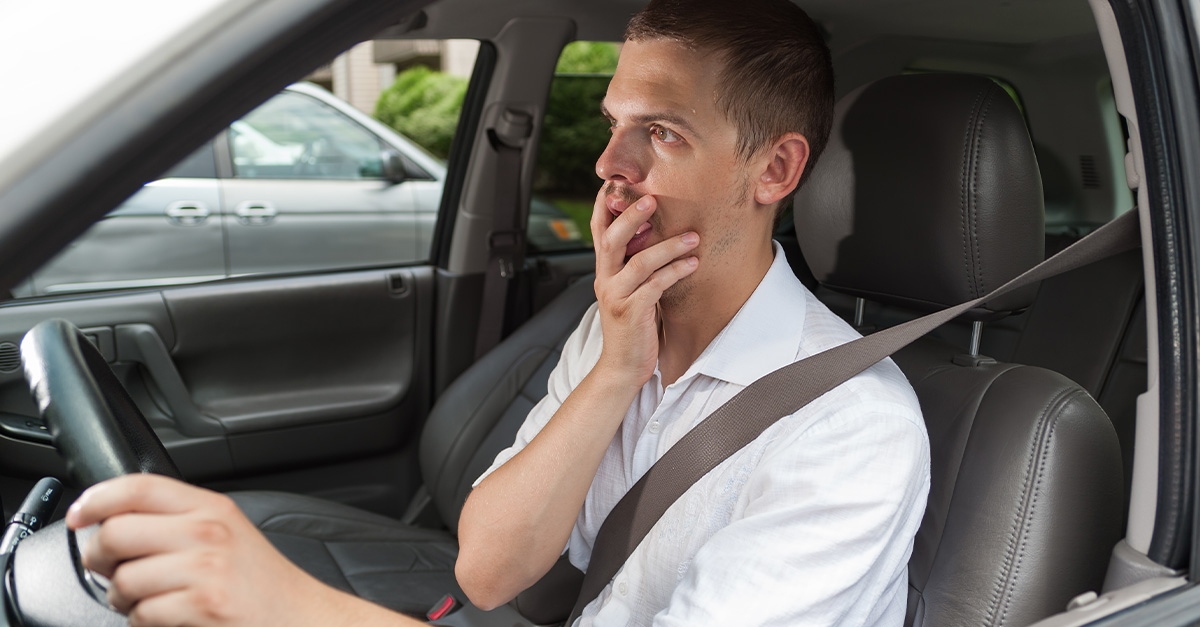
Many drivers assume a running car is safe from towing where they live. In reality, lease clauses often ban vehicles with expired tags, visible damage, or signs that they have not moved for a while. A manager or parking patrol company may tag the car based on those signs, not on whether anyone tried to start it.
 Alexandra Rotanova, Shutterstock
HOAs Can Be Just As Strict
Homeowners associations often make parking rules that go beyond city law, especially in shared parking areas. They may ban cars with flat tires, broken glass, leaking fluids, or missing plates. If the HOA rules allow towing after notice, saying the car “runs fine” may not be enough.

Expired Registration Is One Of The Biggest Triggers
One of the easiest ways a car gets labeled inoperable or abandoned is expired registration. Many local rules treat a vehicle without current registration as not legally operable on public roads, even if it drives perfectly. It may feel unfair, but it is common in both code enforcement and private-lot towing.

Flat Tires Matter More Than Most Drivers Realize
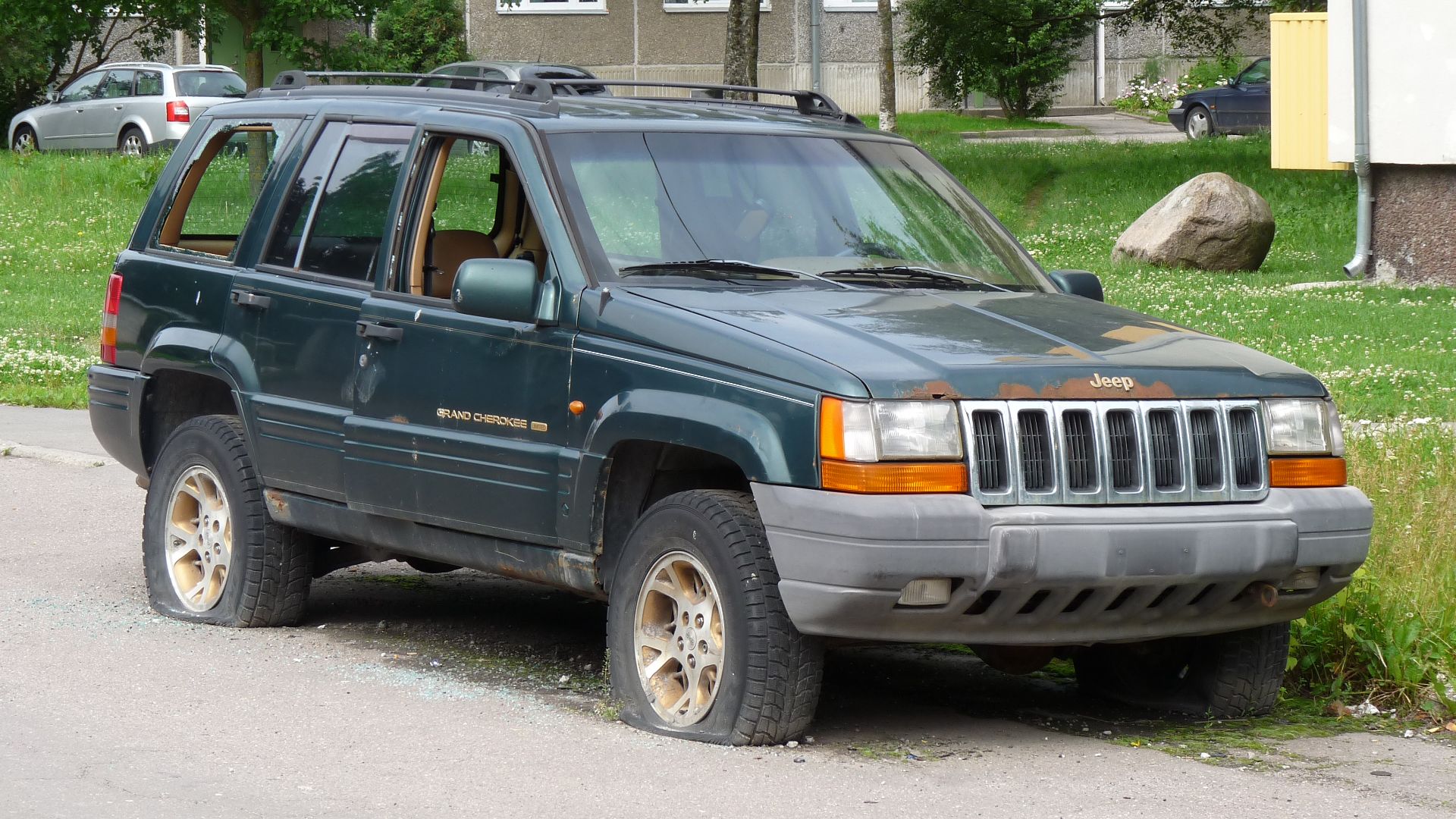
One flat tire can make a car look disabled, and several flats almost certainly will. Some local rules and private parking policies specifically treat flat tires as a sign that a vehicle is inoperable or abandoned. If the car sits there long enough, that visual alone may be enough to get it tagged.
Broken Windows And Missing Parts Set Off Alarms
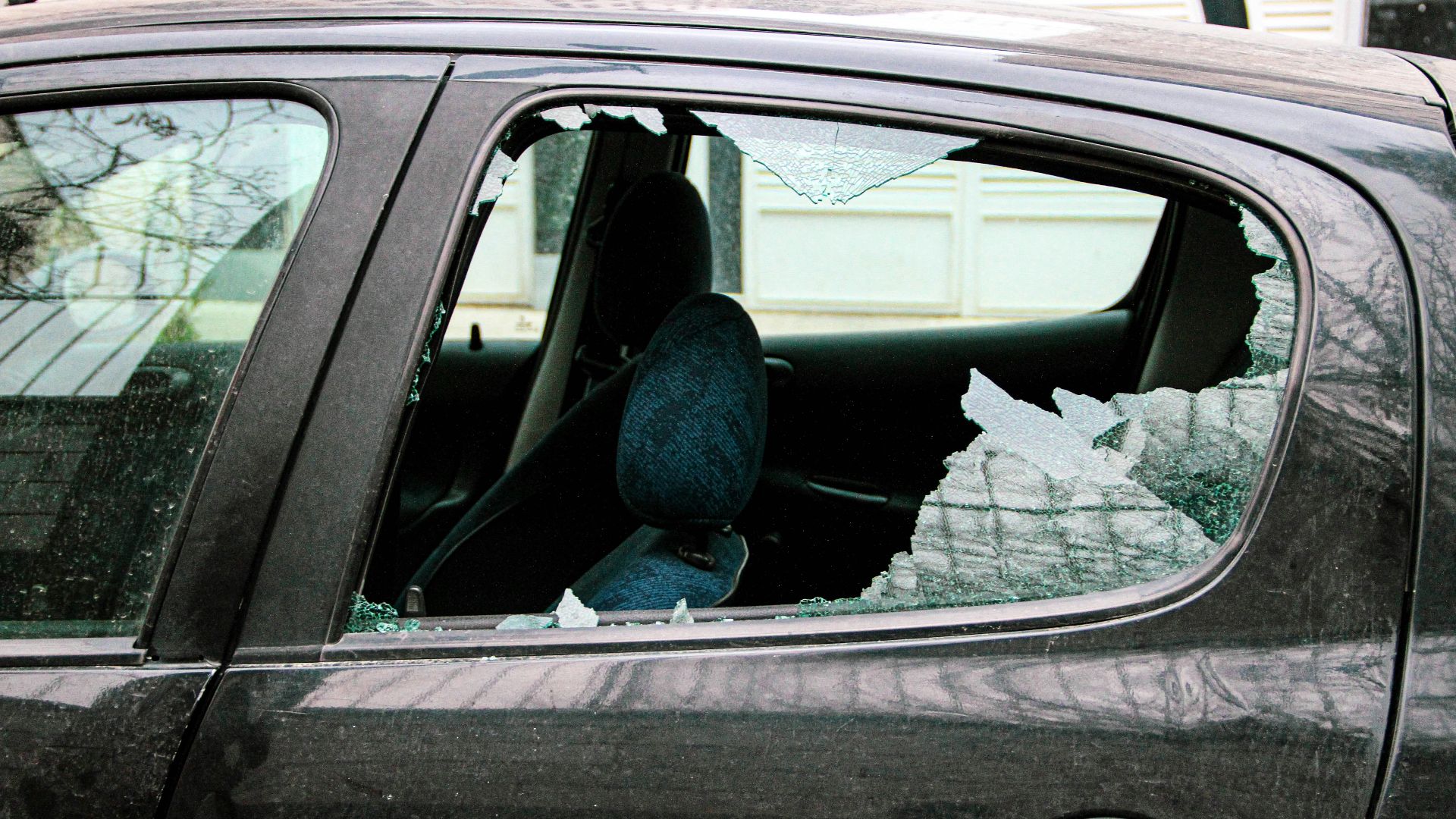
Officials and property managers often use visible damage as a shortcut. Missing bumpers, shattered glass, detached mirrors, or missing wheels can make a vehicle seem unsafe or nonworking. Even if the engine and transmission are fine, the car may still fit a local definition of inoperable or junked.
Dust, Neglect, And Not Moving Can Also Count
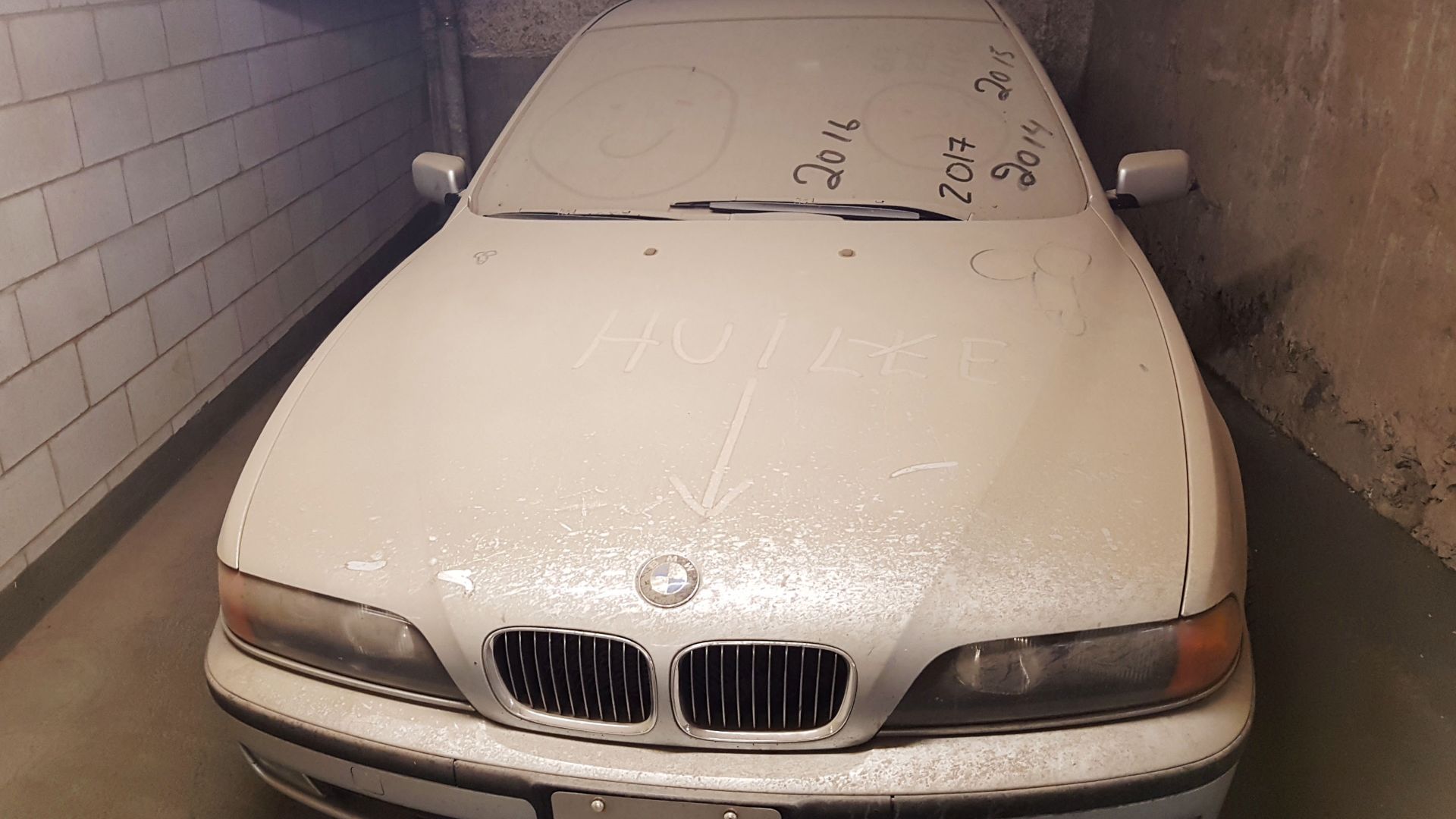
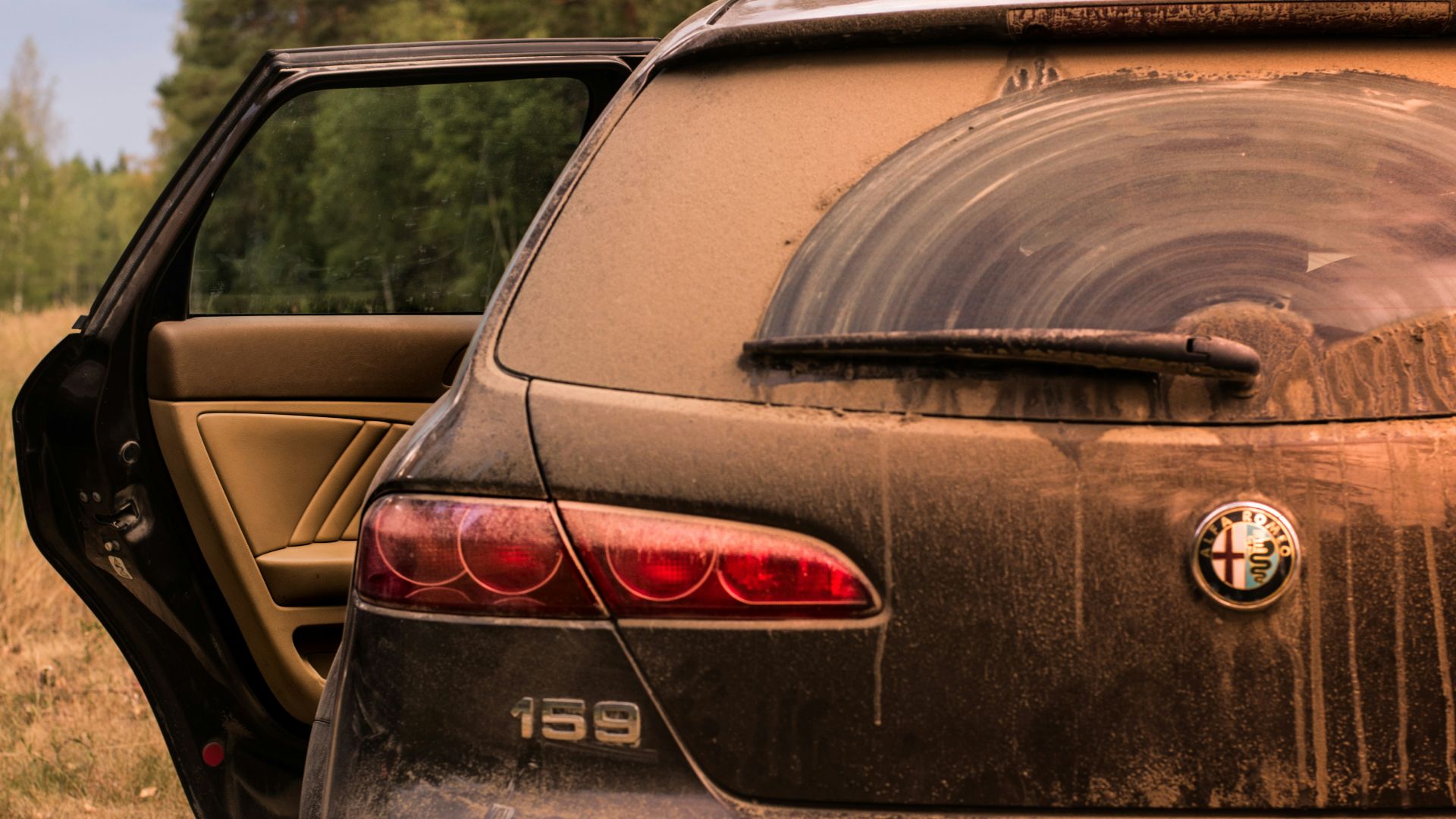
Some properties track cars that have not moved for days or weeks. A thick layer of dust, a warning sticker left untouched, or repeated checks showing the car in the same exact spot can support a claim that it was abandoned. The person ordering the tow may never test the car at all.
The Decision Is Usually Administrative, Not Mechanical
This is the part many drivers miss. The person making the call is often a property manager, code officer, or contracted parking patrol worker. They usually go by visual standards, registration records, posted rules, and notice procedures, not by opening the hood and checking how the car runs.

Police Tows And Private Tows Work Differently
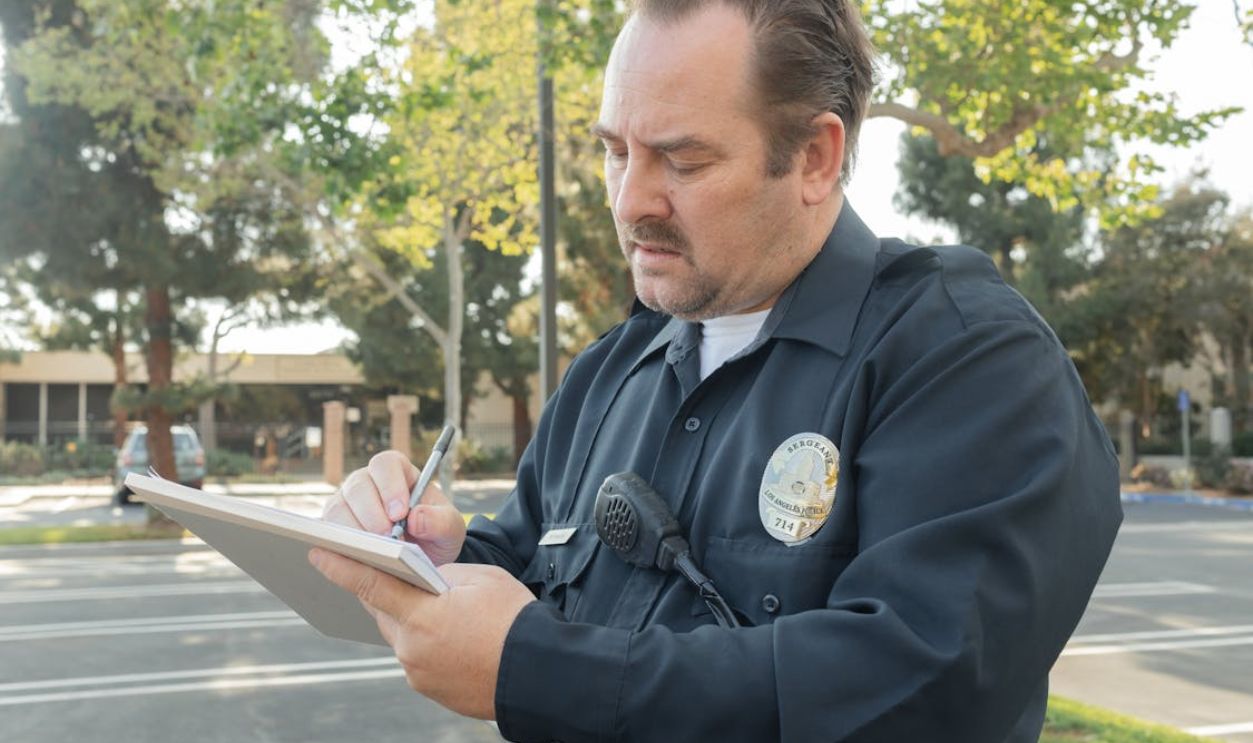
If police order the tow, the authority usually comes from a statute or local ordinance. If a private property owner orders it, the authority usually comes from state towing law, posted notice, and private property rights. The way you challenge the tow can be very different depending on who ordered it.
Notice Rules Can Make Or Break A Case
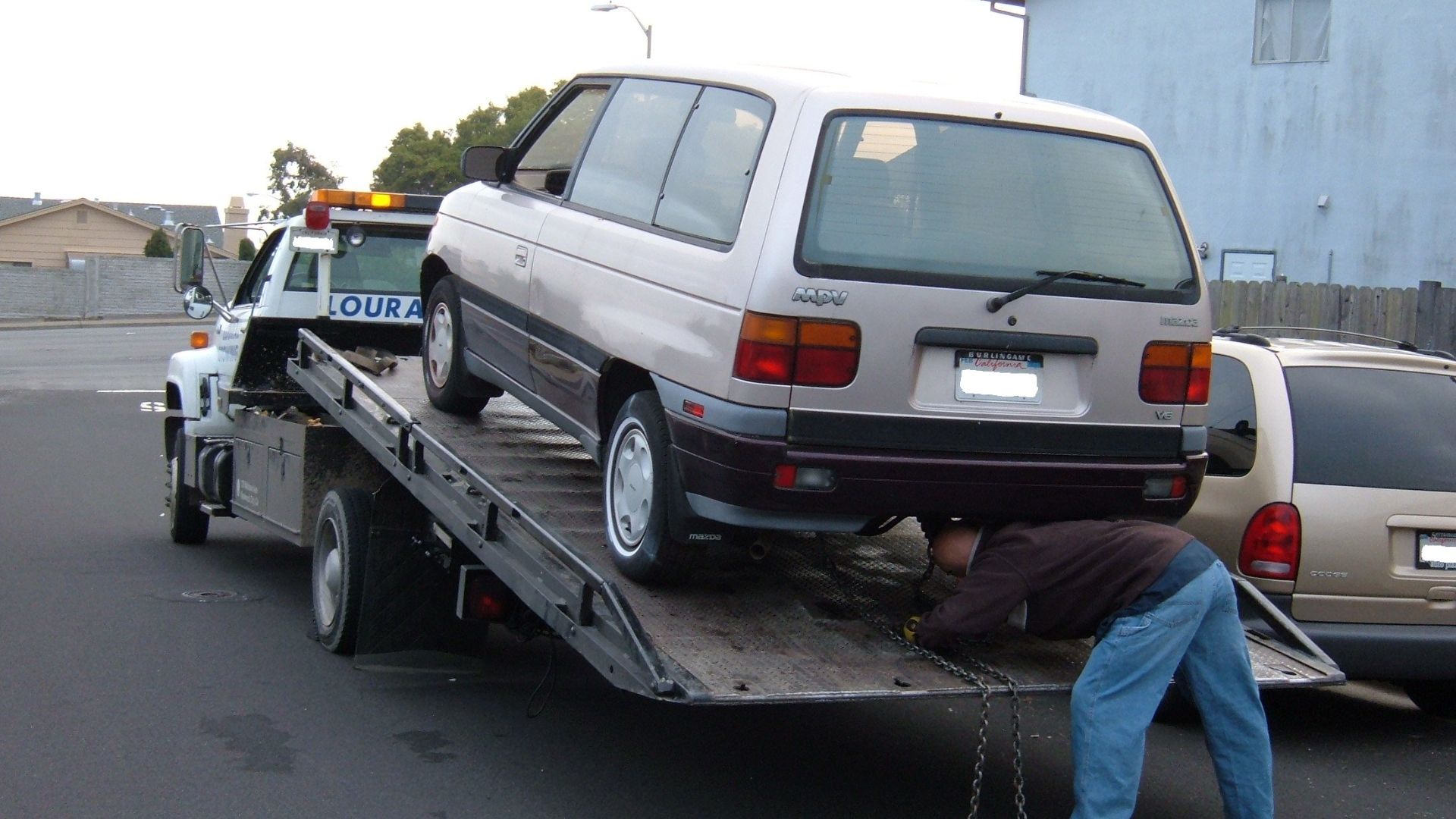
Many states require signs on private lots, and some also require a warning sticker or advance notice before certain vehicles can be towed from residential property. Whether notice was required depends on where the car was parked and what rule was used to remove it. If the required notice did not happen, that can be one of your best arguments.
 BrokenSphere, Wikimedia Commons
Texas Makes Signs And Procedure A Big Deal
Texas law goes into detail on nonconsent towing from parking facilities. The Texas Occupations Code lays out rules on signage, authorization, and hearing rights for owners who want to challenge a tow. If your car was towed in Texas, the signs and paperwork matter just as much as the car’s condition.

You May Be Able To Challenge The Tow In A Hearing
Many states let owners fight a private-property tow in court or through an administrative process. In Texas, for example, a justice court tow hearing can decide whether there was probable cause for the tow. That does not mean you automatically win, but it does mean the towing company or property owner may have to explain themselves.

Photos Can Be The Difference-Maker
If you get any warning before a tow, take clear photos right away. Get the tires, windows, license plate, registration sticker, parking permit, and nearby signs. If the car runs, record a short video showing it starts and moves. That may not end the argument by itself, but it can still help.

Paperwork Can Beat A Bad Assumption
Gather your registration, insurance card, lease or HOA documents, repair receipts, and any messages from management. If the problem was an expired tag that you later renewed, save proof of when the renewal happened. If the tow was based on visible damage, repair estimates can help show the car was being maintained, not abandoned.

Ask The Towing Company Who Ordered It
Do not just ask why the car was towed. Ask who authorized it, what rule they relied on, when they gave approval, and whether there are photos or written notes. In a lot of disputes, that paper trail shows whether the tow was based on a real violation or a lazy assumption.

The Exact Wording Of The Rule Matters
The word “inoperable” might appear in a city code, state statute, lease, or HOA rule, and each version can mean something a little different. That is why broad complaints about fairness usually go nowhere until you find the exact language. The wording is what decides whether your running car still counted as inoperable on paper.

A Car That Runs Fine Can Still Lose The Argument
This is the hard truth. If the rule covers flat tires, expired registration, missing parts, or visible damage, the fact that the engine starts may not settle anything. It is reasonable to think the tow makes no sense, but the legal standard may not match common sense.
Sometimes The Tow Really Was Wrong
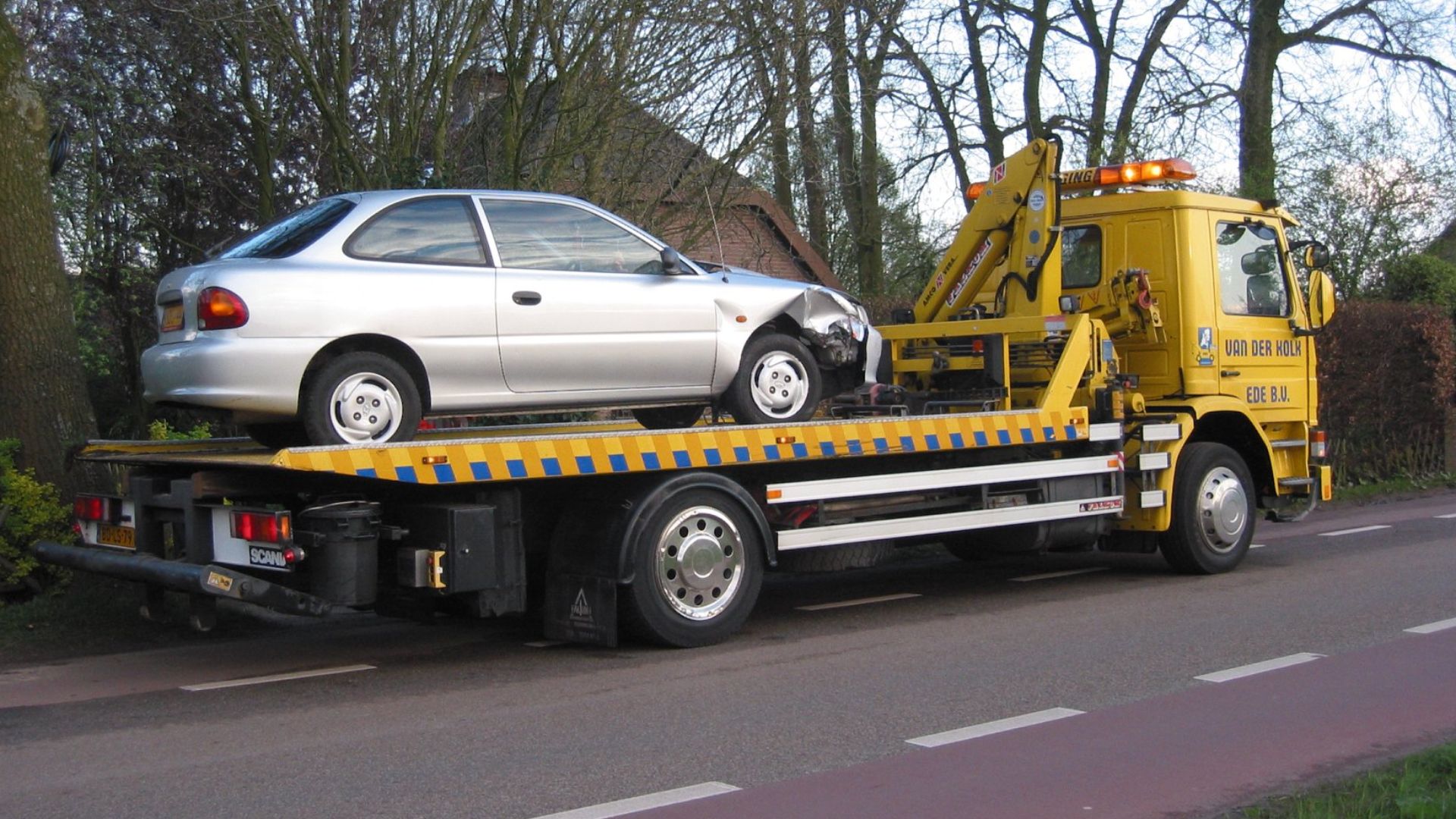
Drivers do win these fights when the signs were missing, the notice was bad, the wrong car was taken, or the property failed to follow its own rules. A tow can also be shaky if the person who approved it did not actually have the authority to do so under state law or the lease. That is why the details matter so much.
How To Lower The Risk Next Time
Keep your registration current, fix flat tires quickly, and move the car regularly if it is parked in a lot that is monitored. Do not leave visible damage sitting too long if your lease or HOA rules are strict. If the car is being repaired, let management know in writing and keep a copy so it does not look abandoned.

How To Talk About It When You Challenge The Tow
Stay calm and stick to facts you can prove. Say when the car was last driven, whether the registration was current, what condition the car was in, what signs were posted, and whether any notice was given. A clear timeline like that is much stronger than just repeating that the car “runs fine.”

The Bottom Line
In the towing world, the call is usually based on rules, appearance, paperwork, and parking policy, not just on whether the engine starts. That is why a perfectly running car can still be labeled inoperable. If it happens to you, get the exact rule, gather photos and records, and challenge the tow with facts.