
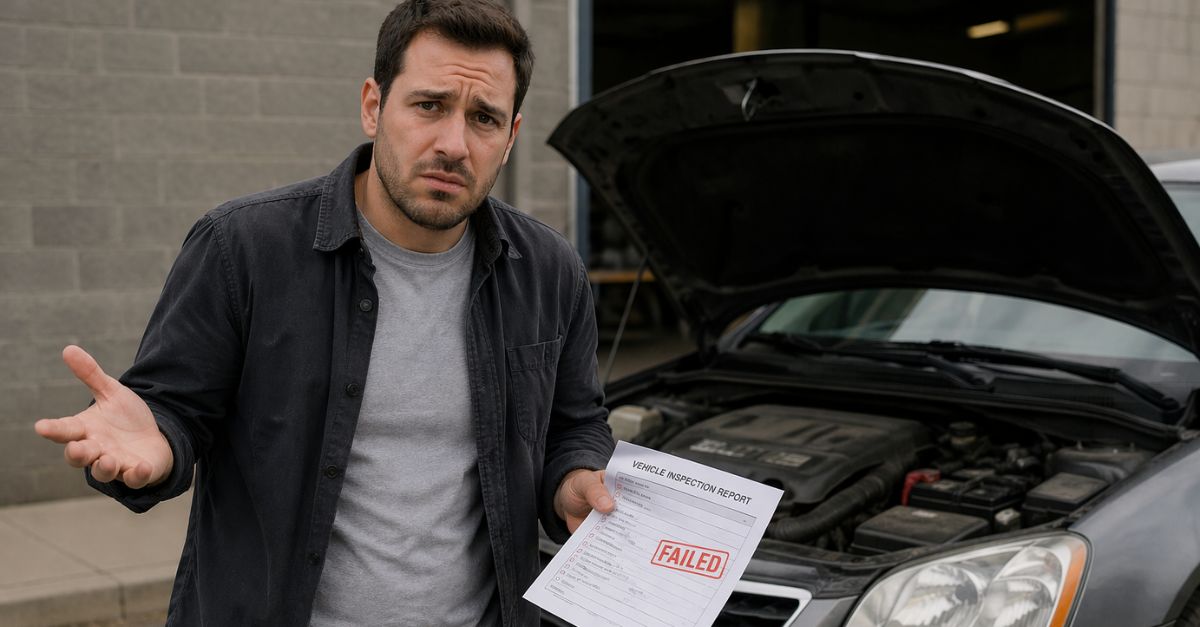
The Frustrating Sticker Shock
Your car can fail inspection for something that seems tiny, like a burnt-out bulb or worn wiper blade, and suddenly you're stuck wondering whether you need to fix it right away. The annoying truth is that the answer depends on your state, the kind of inspection you failed, and whether the problem affects safety or emissions. A small failure can still turn into a big registration headache.
There Is No Single National Rule
Vehicle inspections are mostly handled by the states, not by one nationwide system. That means the repair deadline in Texas can be very different from the rules in Pennsylvania, Virginia, or New York. If you want the real answer for your situation, your state DMV or inspection program is the place to start.
Start With The Key Difference
The big question is not just whether the problem seems minor. It is whether the issue caused a failed safety inspection, a failed emissions inspection, or both. Those categories often come with different repair timelines, waiver rules, and registration consequences.
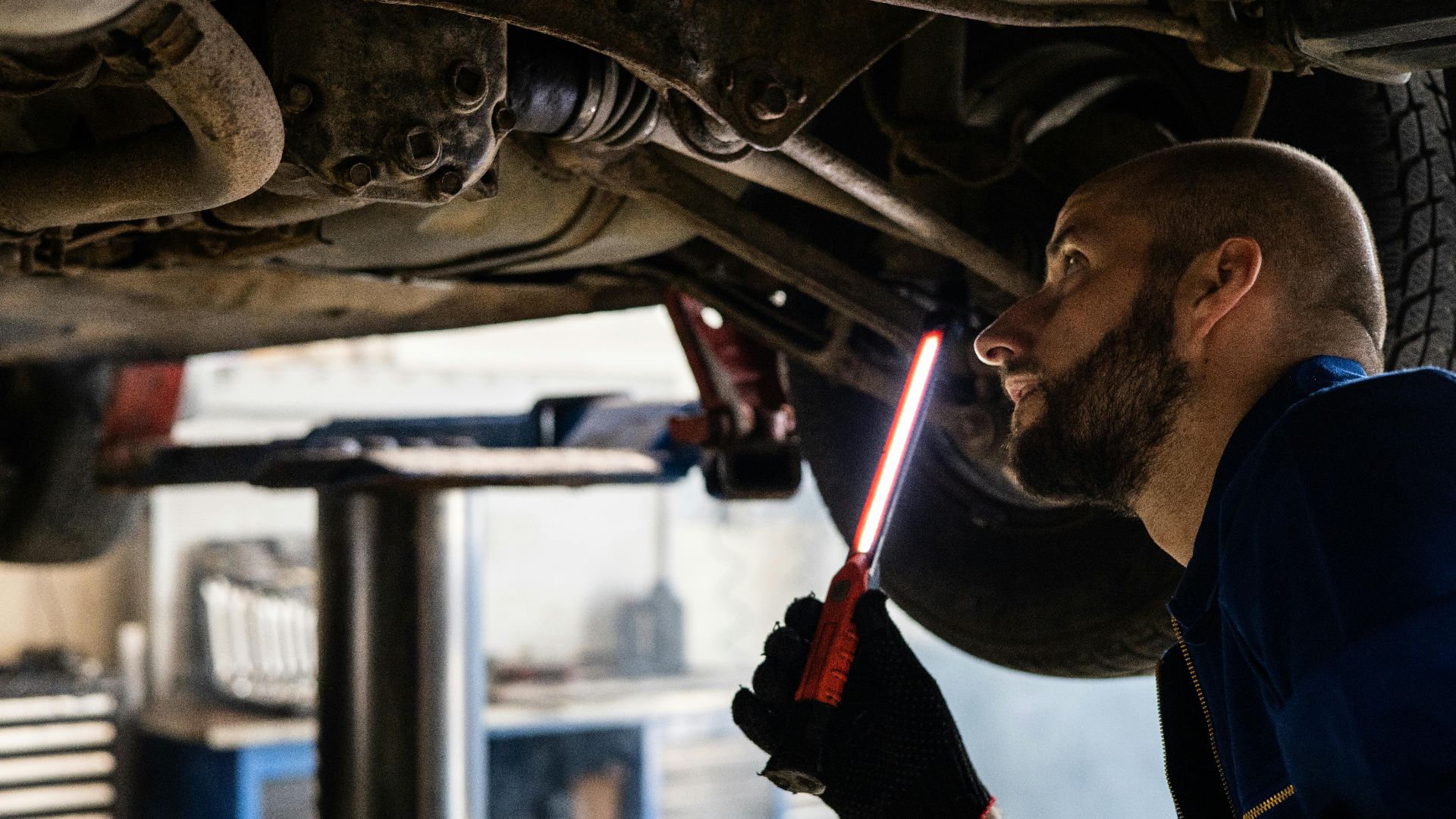
 Jose Ricardo Barraza Morachis, Pexels
A Failed Inspection Does Not Always Mean You Must Stop Driving That Minute
In many states, failing inspection does not automatically mean your car is illegal to drive on the spot. You may get a rejection sticker, a report, or a short period to make repairs and come back for a re-test. But that grace period is not the same everywhere, so guessing can get expensive fast.
Texas Shows How Fast This Can Affect Registration
Texas ties inspection closely to registration in many counties. The Texas Department of Public Safety says that if your vehicle fails inspection, your registration cannot be renewed until the vehicle passes. So even a small issue can become urgent if your registration deadline is close.
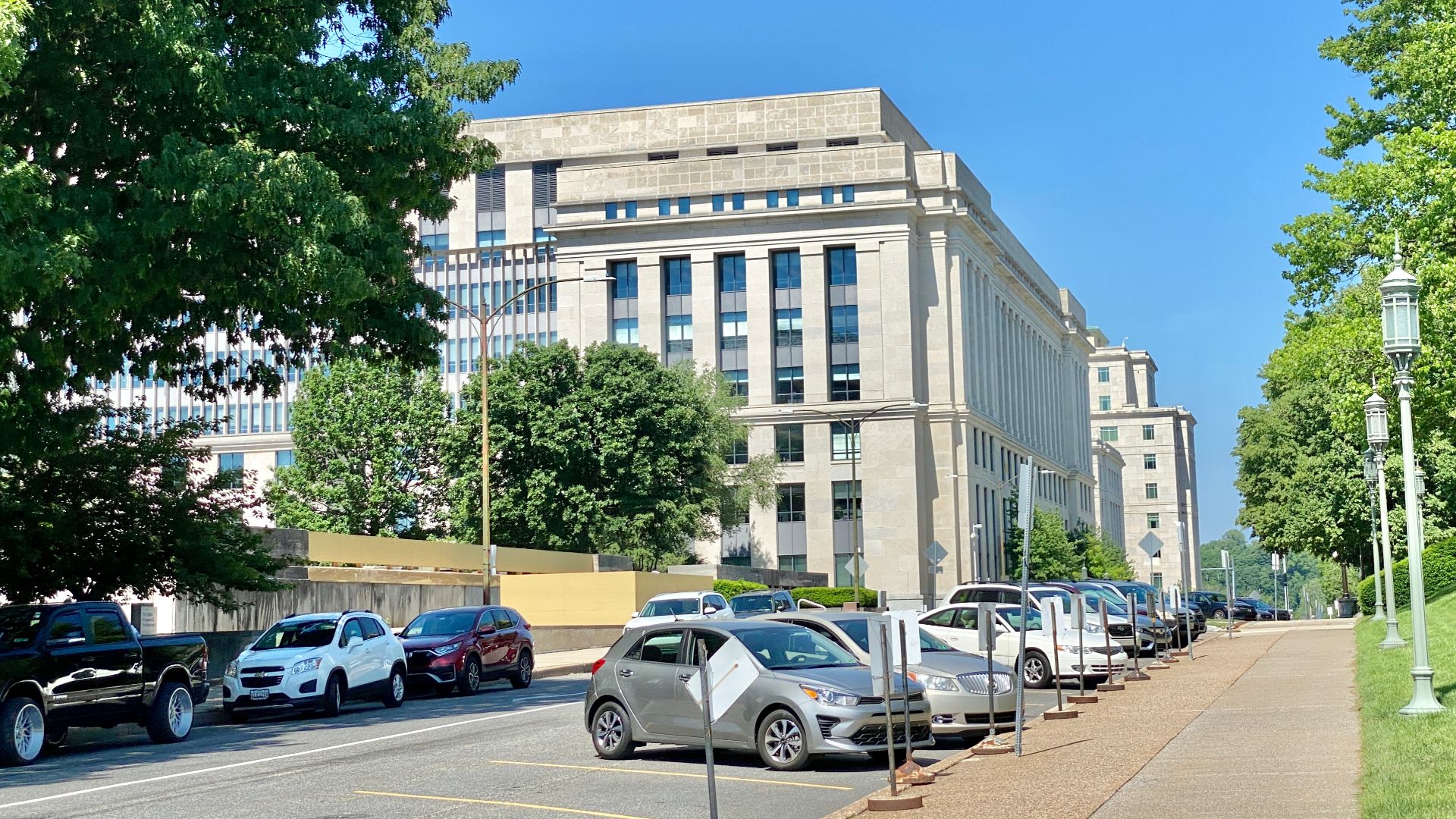
 ajay_suresh, CC BY 4.0, Wikimedia Commons
In Pennsylvania, The Expiration Date Changes Everything
Pennsylvania’s inspection program draws a clear line at the sticker expiration date. The Pennsylvania Department of Transportation says a vehicle with an expired inspection sticker may not be driven unless it fits a narrow exception, such as going to a repair garage to get work done so it can pass inspection. If your sticker is still valid, you may have a little time. Once it expires, the situation gets much tighter.
Virginia Gives A Similar Warning
Virginia State Police oversee the inspection program and note that driving without a valid inspection sticker can lead to penalties. A rejection sticker may come with instructions and a limited period for correction, but it is not permission to ignore the issue for long. What matters most is the exact status of the sticker on your windshield, not whether the defect feels minor.
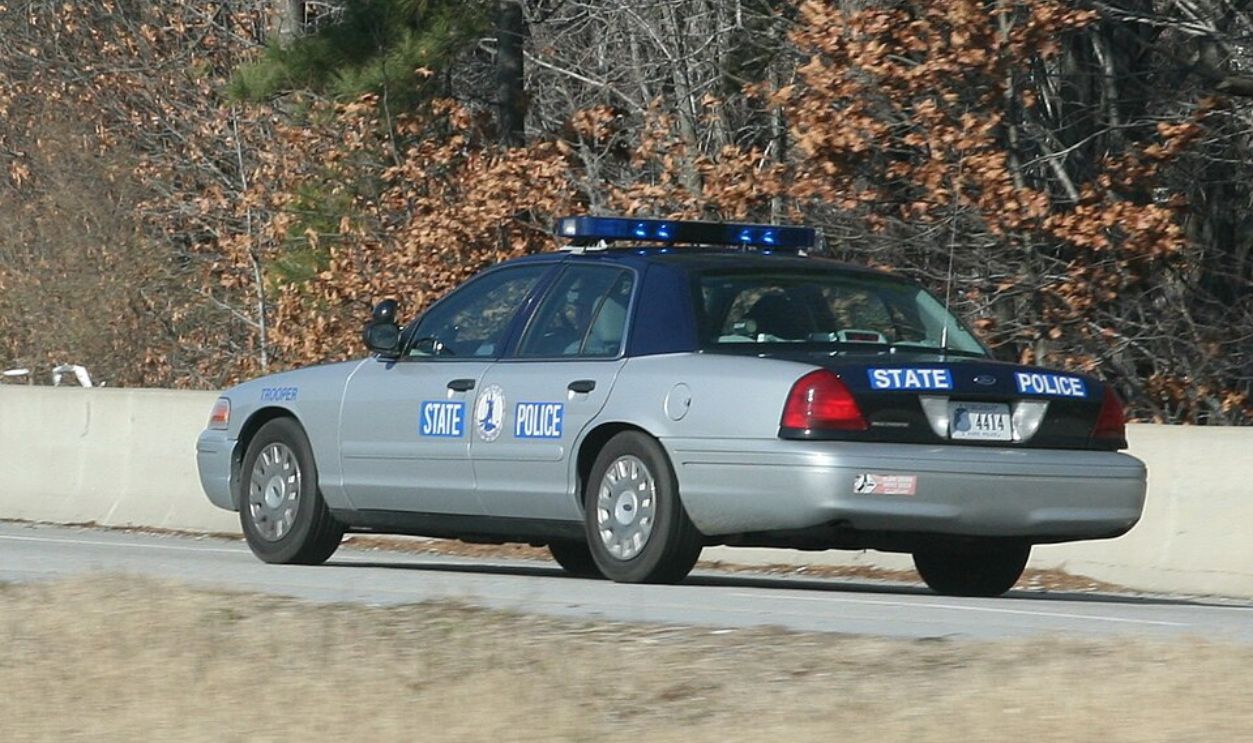 cliff1066, CC BY 2.0, Wikimedia Commons
New York Treats Inspection Problems Separately From Registration
New York requires most vehicles to be inspected every 12 months, according to the New York DMV. If your car does not have a valid inspection sticker, you can be ticketed. So a failed inspection over a small item can still become an immediate problem if your current sticker has already run out.
What Feels Minor To You May Not Be Minor To The State
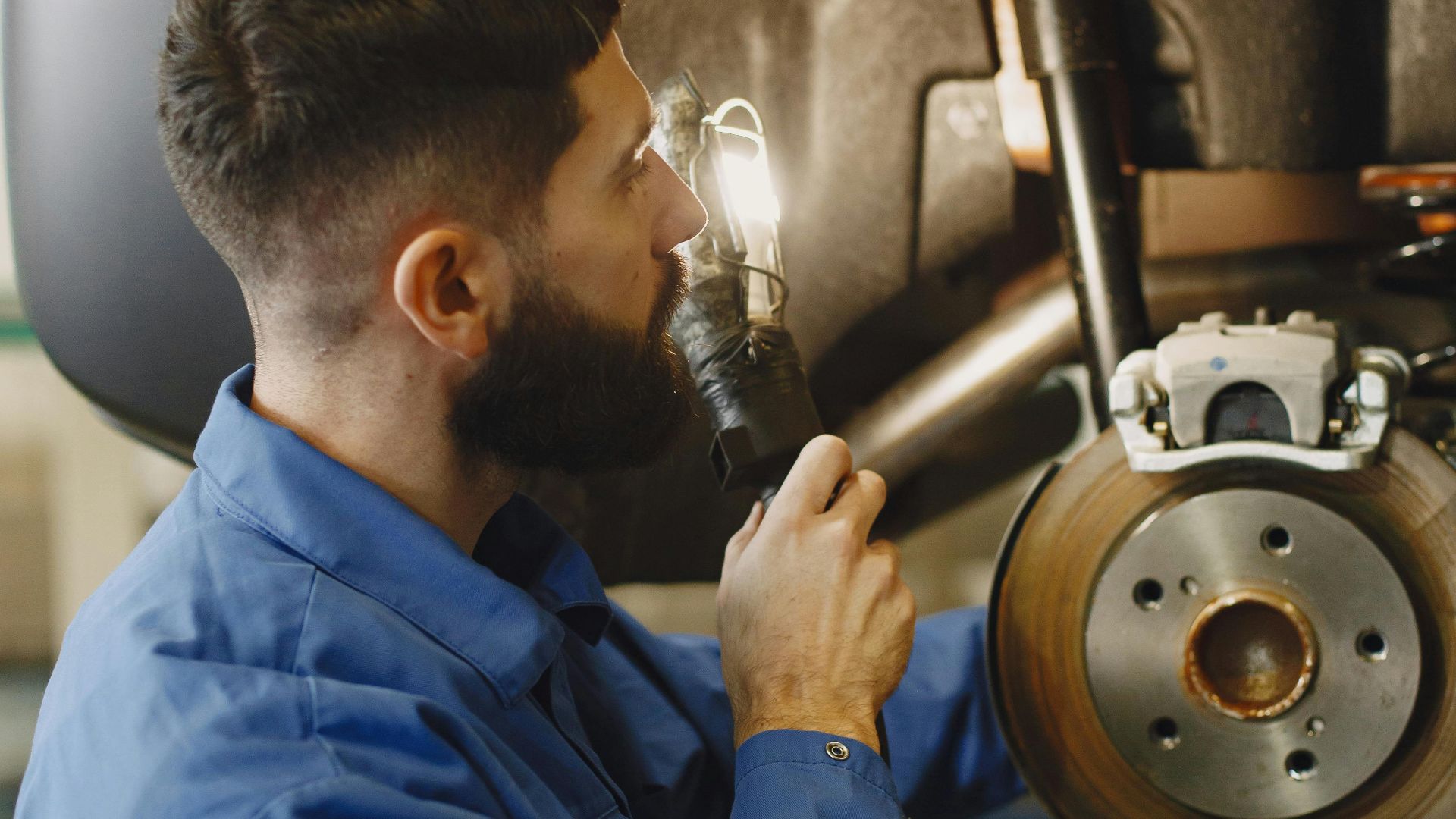
A loose mirror or dead license plate light may feel like no big deal, but states often treat those as valid inspection failures. Inspection manuals usually focus on visibility, lighting, brakes, tires, steering, suspension, glass, and other safety-related equipment. If the rulebook says it matters, calling it minor will not help much at the test station.
Emissions Failures Play By Different Rules
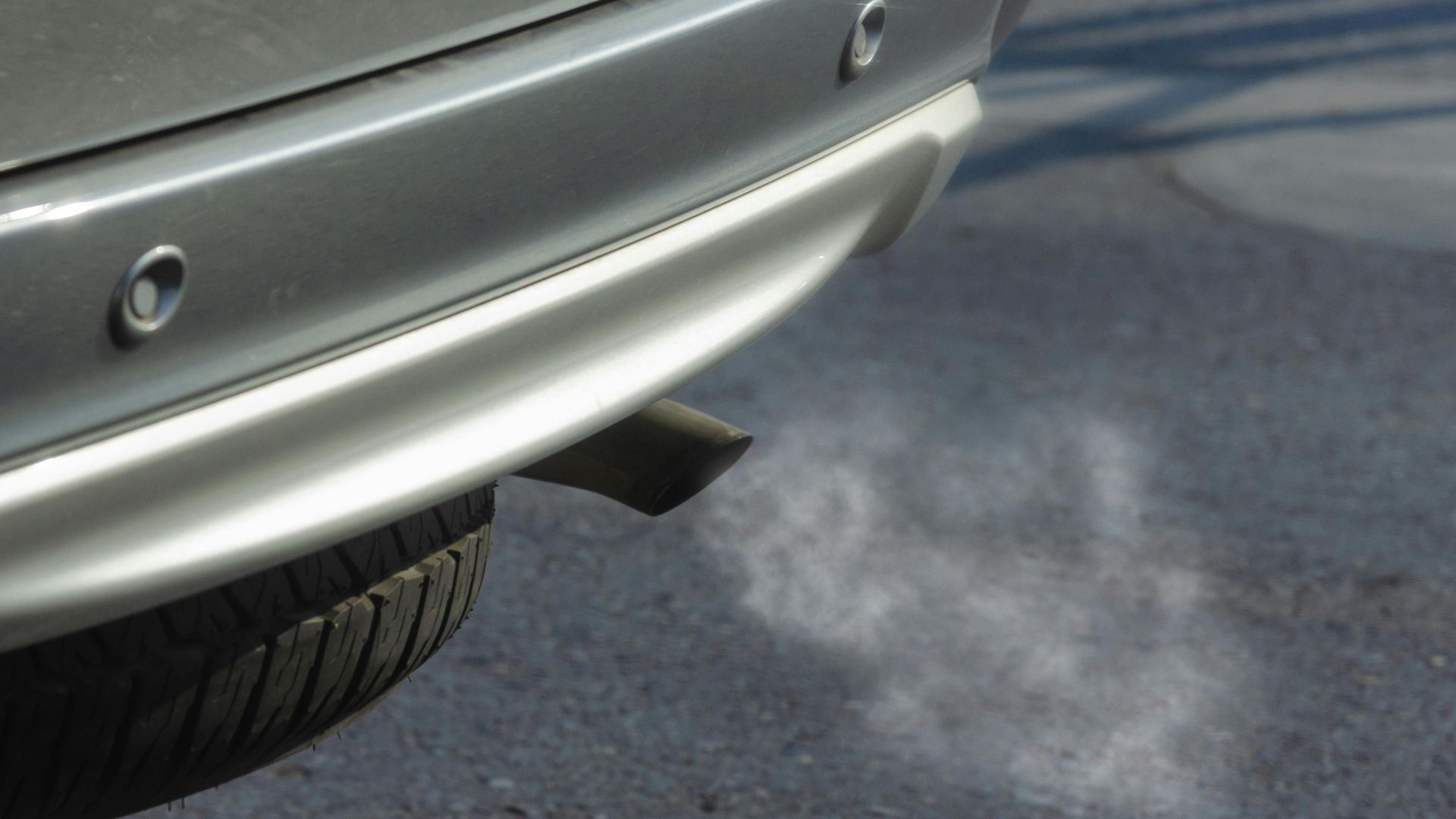
Emissions inspections can be even more frustrating because the car may seem to run perfectly and still fail. A check engine light, incomplete readiness monitors, or excess emissions can all trigger a failure. In those cases, the problem may not feel urgent in daily driving, but it can still block registration renewal in states that require emissions compliance.
The Check Engine Light Trips Up A Lot Of Drivers
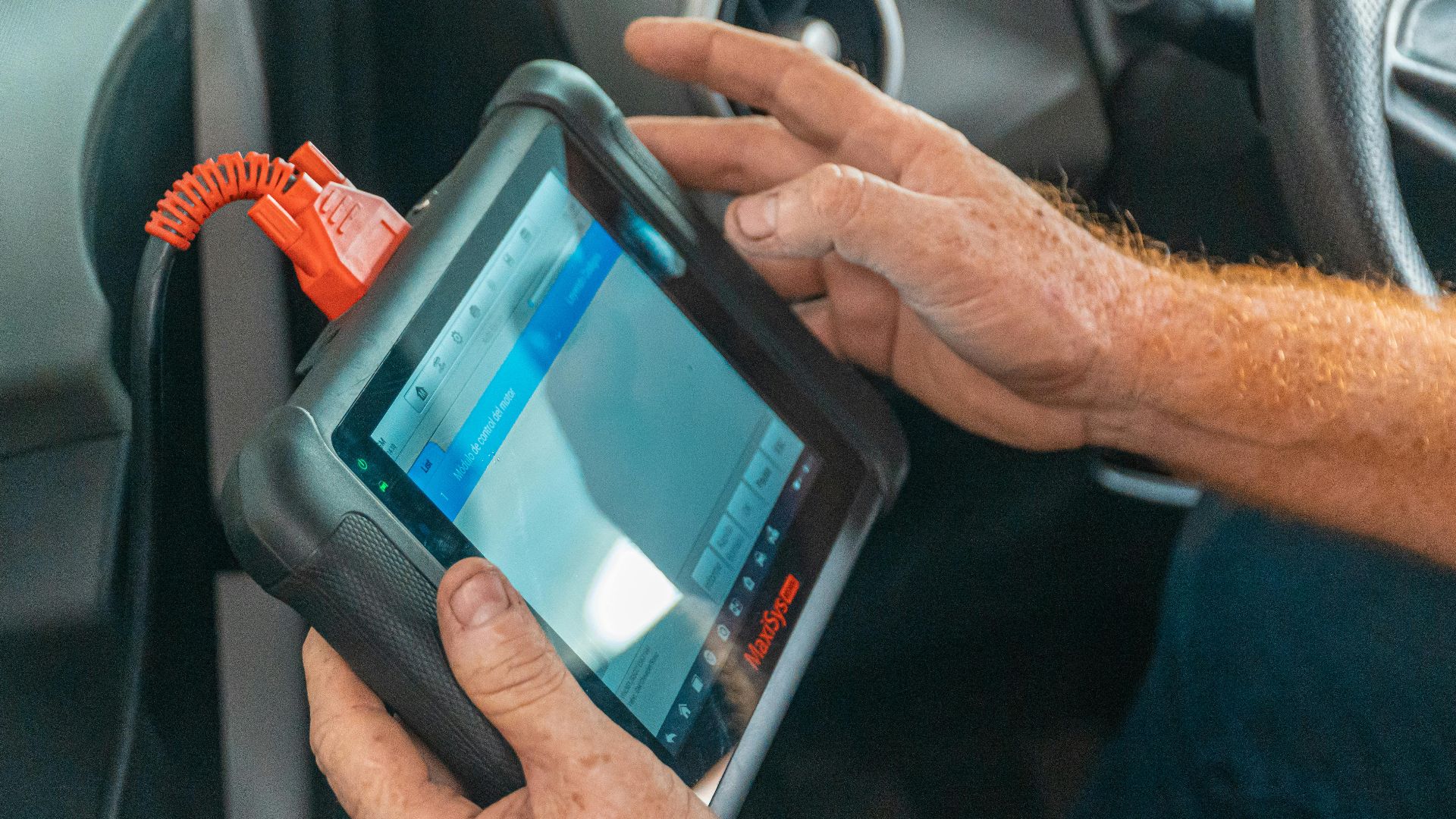
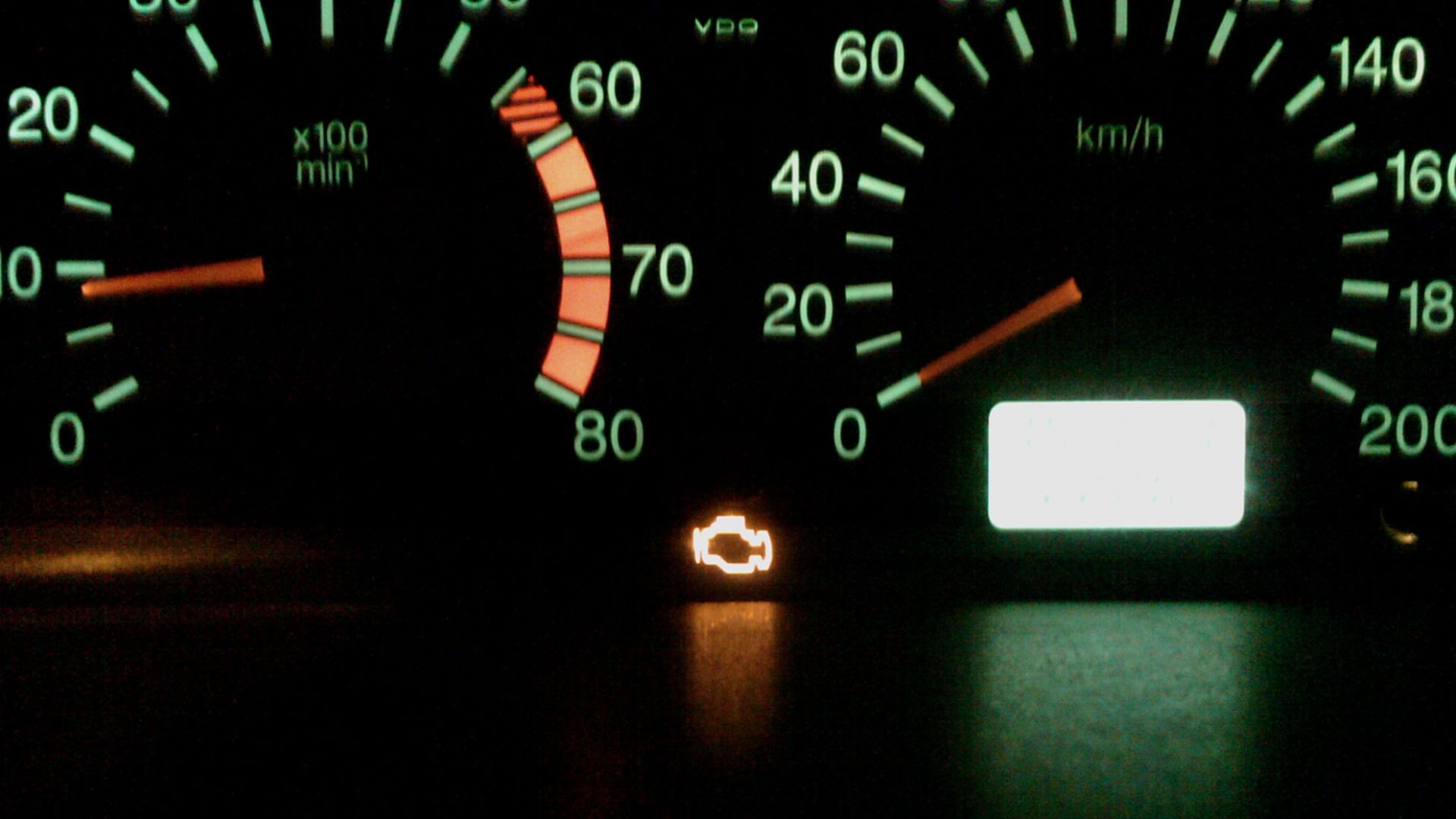
In many emissions-testing programs, an illuminated malfunction indicator lamp, better known as the check engine light, is enough to fail the test. The U.S. Environmental Protection Agency explains that onboard diagnostics-based inspections use the vehicle’s own emissions monitoring systems. So even if the car feels fine, the inspection computer may say otherwise almost immediately.
Repair Windows Can Be Short
Some states and stations offer a short reinspection window, often measured in days, where you can come back after repairs without paying the full inspection fee again. That helps, but it is not the same as being allowed to put repairs off for months. Miss the deadline and you may end up paying more while also dealing with registration trouble.

A Rejection Sticker Is Not A Free Pass
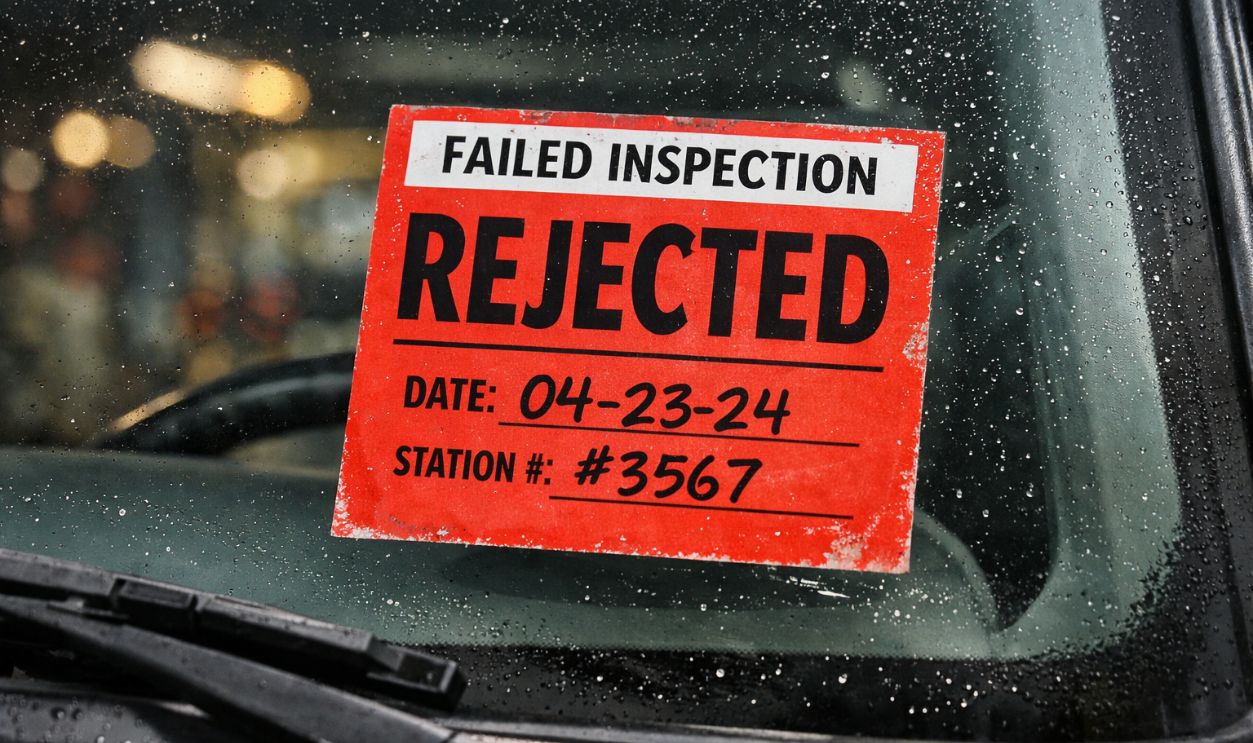
A rejection notice simply means the car did not pass. It does not mean the defect has been waived or that police will ignore it. If your state treats expired or rejected inspections as enforceable violations, the risk of a ticket is still very real.
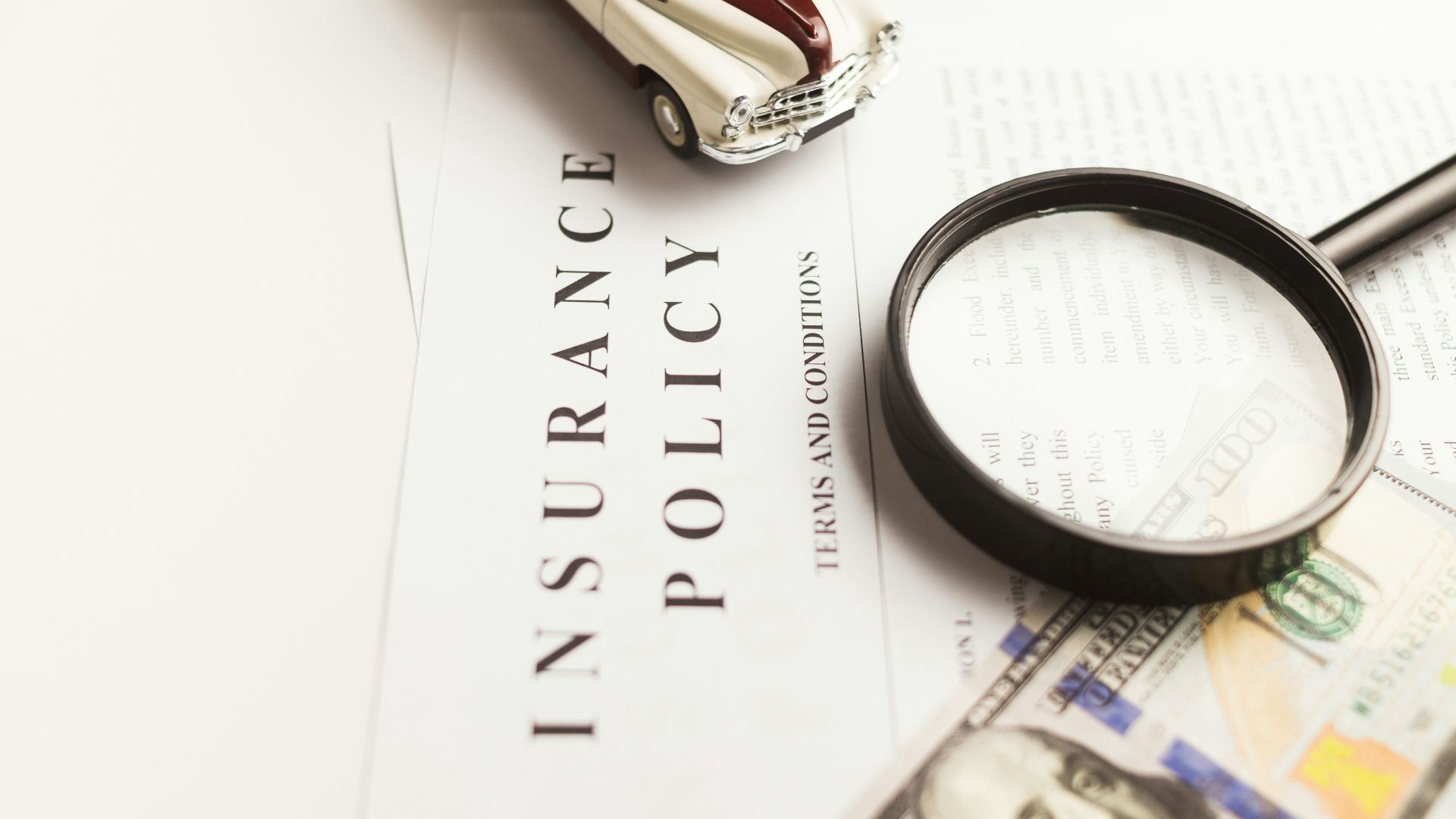
Insurance And Inspection Are Two Different Things
Many drivers assume a valid insurance card means they are fine no matter what. Insurance rules and inspection rules are separate. A failed inspection usually will not cancel your policy overnight, but driving an unsafe vehicle can still create legal and financial problems if something goes wrong.
If It Is A Safety Issue, Fix It Now
There is also the common-sense answer that matters more than the paperwork. If the failed item involves brakes, tires, lights, steering, or visibility, fixing it right away is the smart move even if your state gives you a short grace period. The cheapest repair is often the one you handle before it helps cause a crash.

Ask The Shop Exactly What Failed
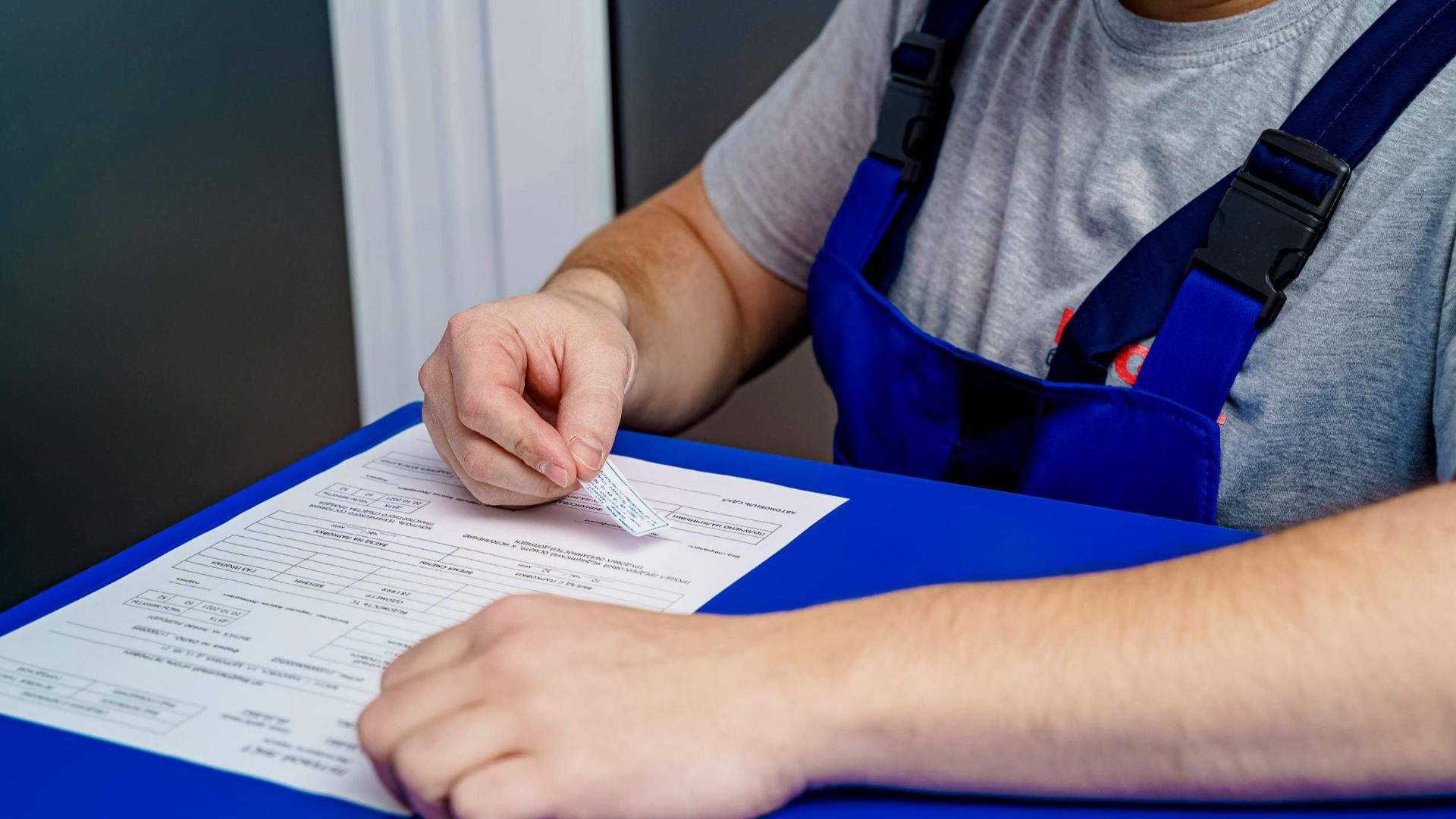
Do not leave the station with only a vague idea that the car did not pass. Ask for the printed inspection report and read the exact failure points. That tells you whether you are dealing with a simple bulb, a worn tire, an emissions monitor problem, or something more serious that could snowball into a much bigger bill.
Know Whether You Can Legally Drive It To Repairs
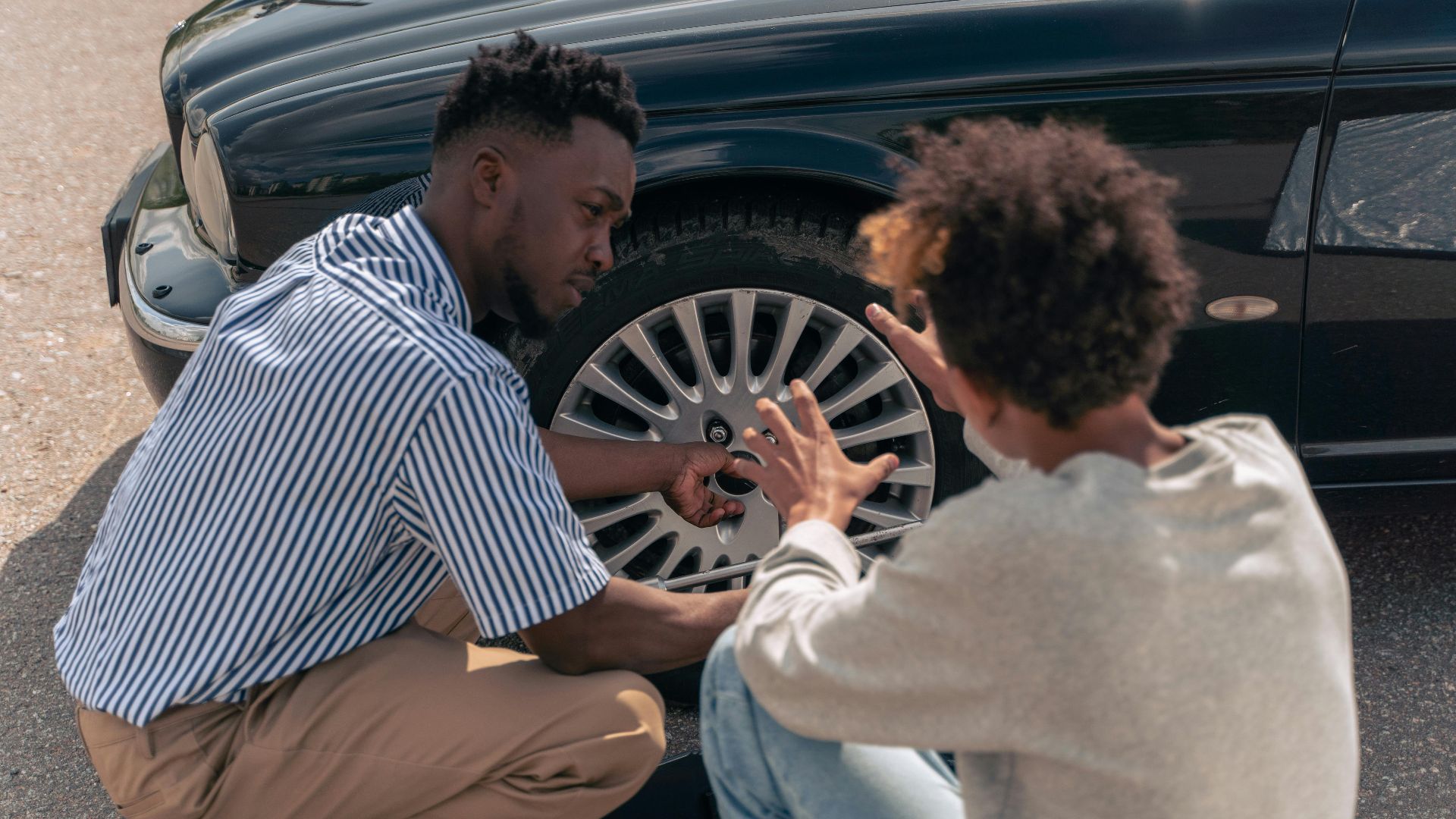
Some states allow limited driving of a failed vehicle for the purpose of getting repairs or returning for reinspection. Pennsylvania specifically notes a narrow exception for driving to a garage for repairs to obtain inspection. The important catch is that this does not mean you can keep using the car normally for commuting, errands, and road trips.

Small Fixes Can Turn Into Big Delays
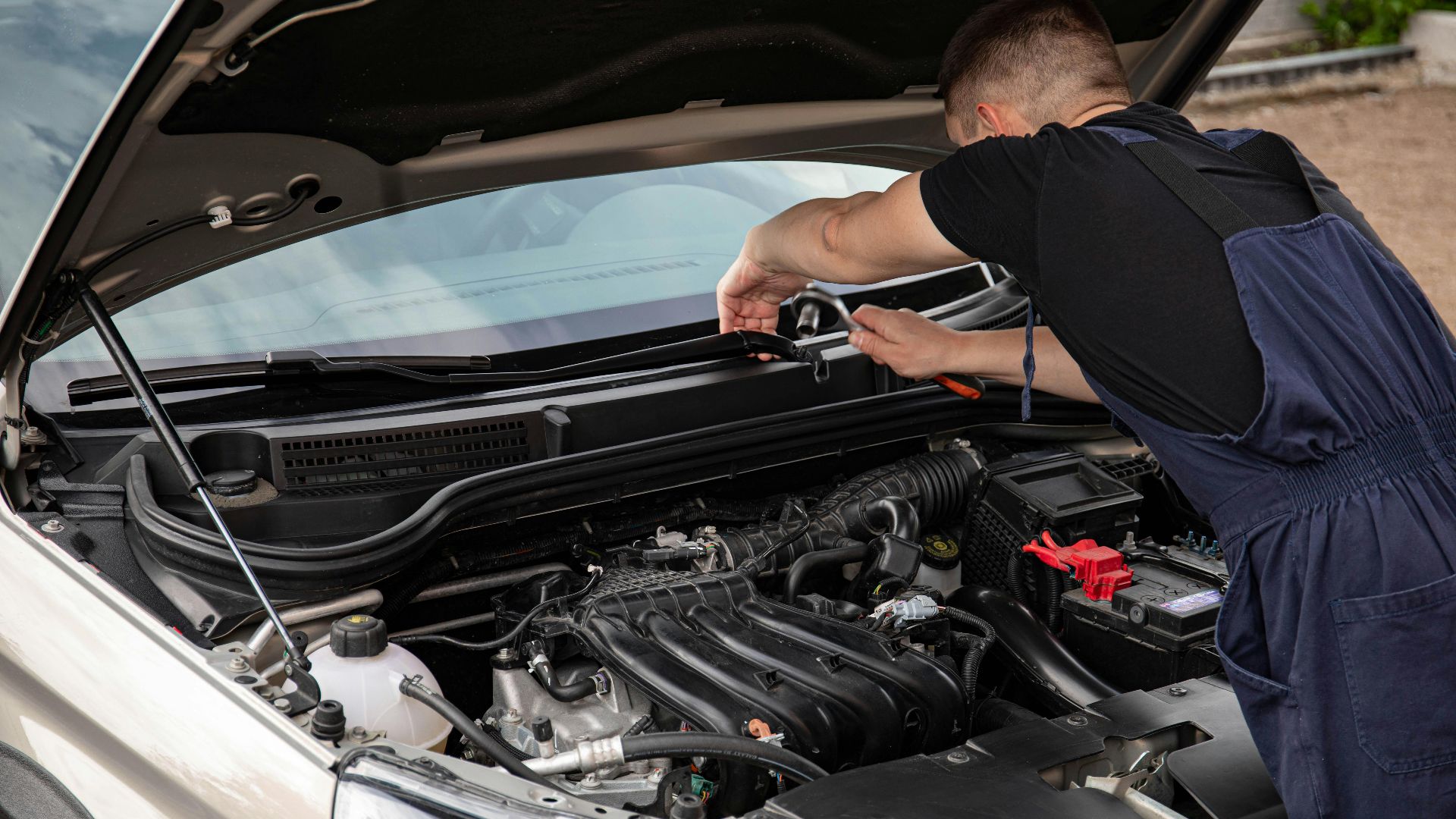
One bad light bulb or wiper blade sounds easy enough until the part is delayed or the repair shop is booked solid. That is how “I will deal with it next week” turns into expired paperwork and a ticket. If your registration or sticker deadline is close, even a tiny defect deserves quick attention.
Some States Offer Emissions Waivers
Some inspection programs allow waivers or extensions for emissions failures in limited situations, often after you spend a required amount on qualifying repairs. These rules are highly specific to each state and usually require paperwork. They can help, but they are not a loophole for ignoring a failed test.
A Failed Inspection Can Also Hurt A Sale
If you planned to sell or trade the car, a failed inspection can scare off buyers fast. Dealers and private buyers often assume there is more wrong with the vehicle than the report shows. Fixing a small issue quickly can protect both your bargaining position and your peace of mind.

Police May Notice Sooner Than You Expect
An expired or invalid inspection sticker is easy for an officer to spot during a traffic stop or even while your car is parked. Burnt-out lights and cracked glass are also obvious defects that can draw attention. So putting off a “minor” repair can expose you to both equipment violations and inspection-related tickets.
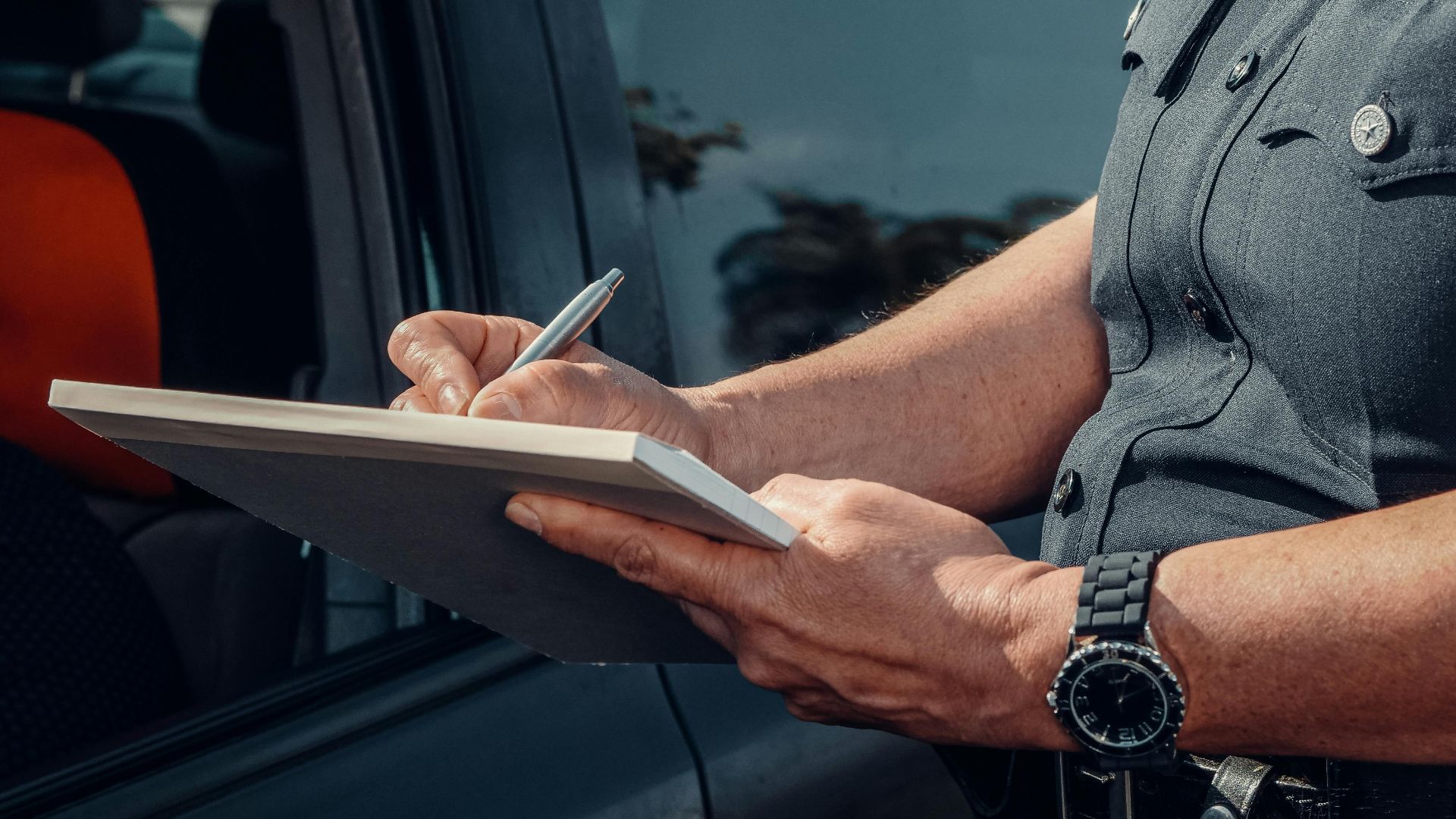
 Kineshma media Evgeniy Strunkin, Pexels
Do Not Clear Codes And Hope It Works
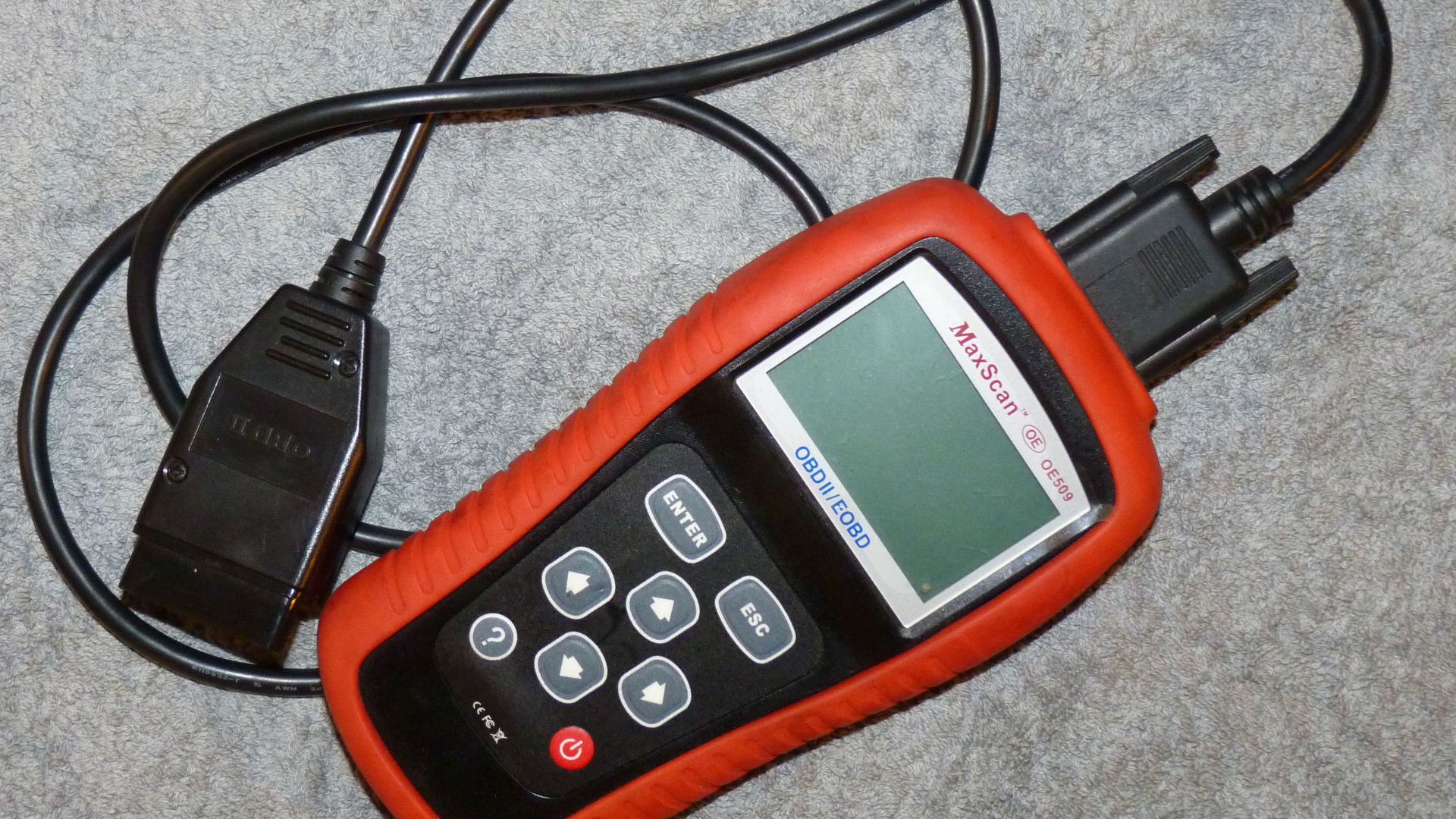
Some drivers reset a check engine light right before an emissions test and hope the car slips through. That often backfires because readiness monitors may show as incomplete, which can also cause a failure. The EPA’s OBD-based testing system is designed to catch problems that are not obvious at first glance.
Keep Every Piece Of Paper
Save the failed inspection report, repair invoices, and any re-test receipts. If your state offers a waiver, extension, or reduced-fee reinspection period, paperwork is what proves your timeline and your repair effort. It can also help if you need to explain the situation later to a buyer, insurer, or registration office.

Ask The State, Not Just A Friend
This is one of those car questions where casual advice can send you in the wrong direction. State inspection agencies publish the real rules, deadlines, and exceptions. When the possible results include tickets or blocked registration, official guidance beats driveway advice every time.

The Practical Rule Of Thumb
If your current sticker is expired, treat the issue as urgent unless your state says otherwise. If your sticker is still valid, you may have a little breathing room, but that does not mean you should wait. The simplest approach is to confirm the legal deadline today and fix the defect as soon as you can.
So, Do You Have To Fix It Immediately?
Legally, not always in every state and every situation. In real life, usually yes, especially if the failed item affects safety, emissions compliance, or an upcoming registration renewal. The minor problem is often not the real danger. The real danger is letting a cheap repair turn into expired paperwork, extra fees, or a ticket on the side of the road.



_(54987419893).jpg)
