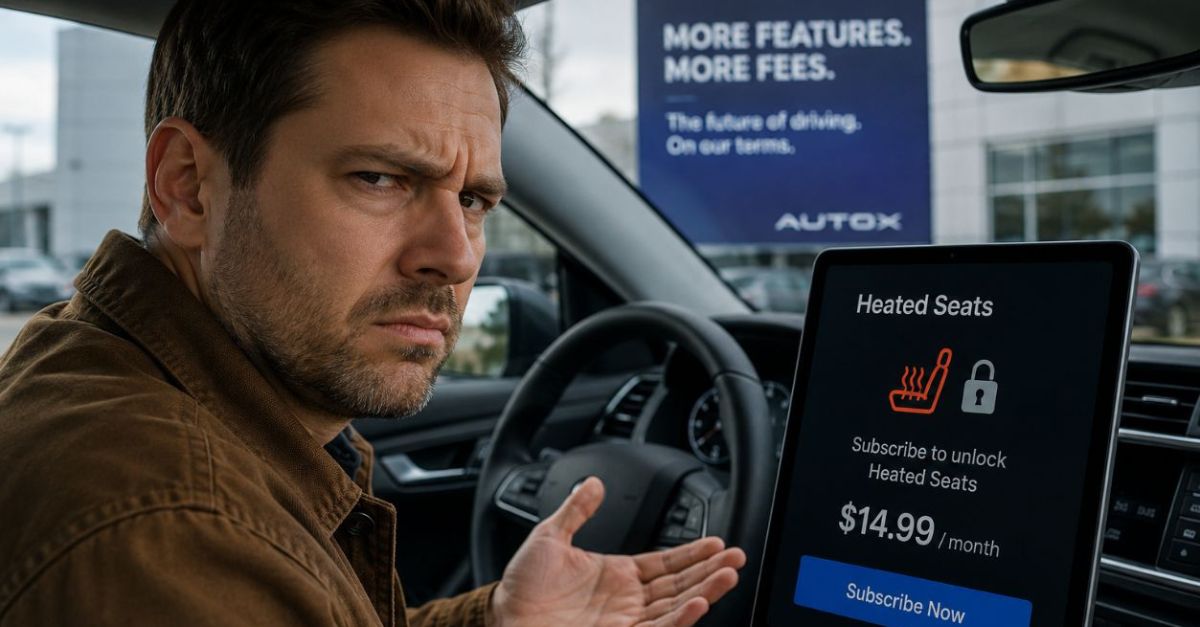
The Heated Seat Flashpoint
You buy a car, see heated seats on the options list, and obviously assume they're yours for good. Then the guy at the dealership explains you may have to keep paying every month to use hardware already built into the vehicle. That idea has become one of the most controversial trends in the industry, and it's a big reason drivers are asking whether subscriptions are taking over cars.
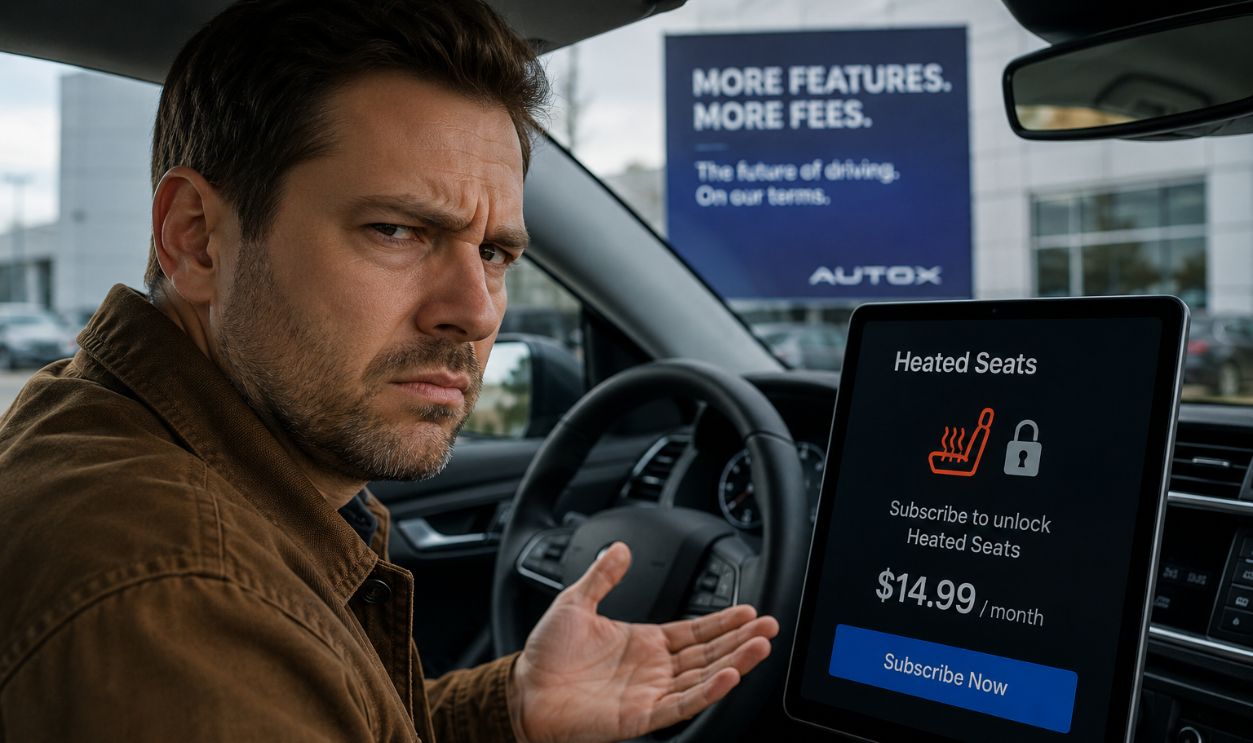
Why This Hit Such A Nerve
Few things annoy drivers more than feeling like they are paying twice for the same feature. Software-based features, over-the-air updates, and connected services have made it easier for automakers to turn features on and off after a car leaves the factory. That opened up a new business model, but it also created a trust problem.
BMW Sparked The Biggest Backlash In 2022
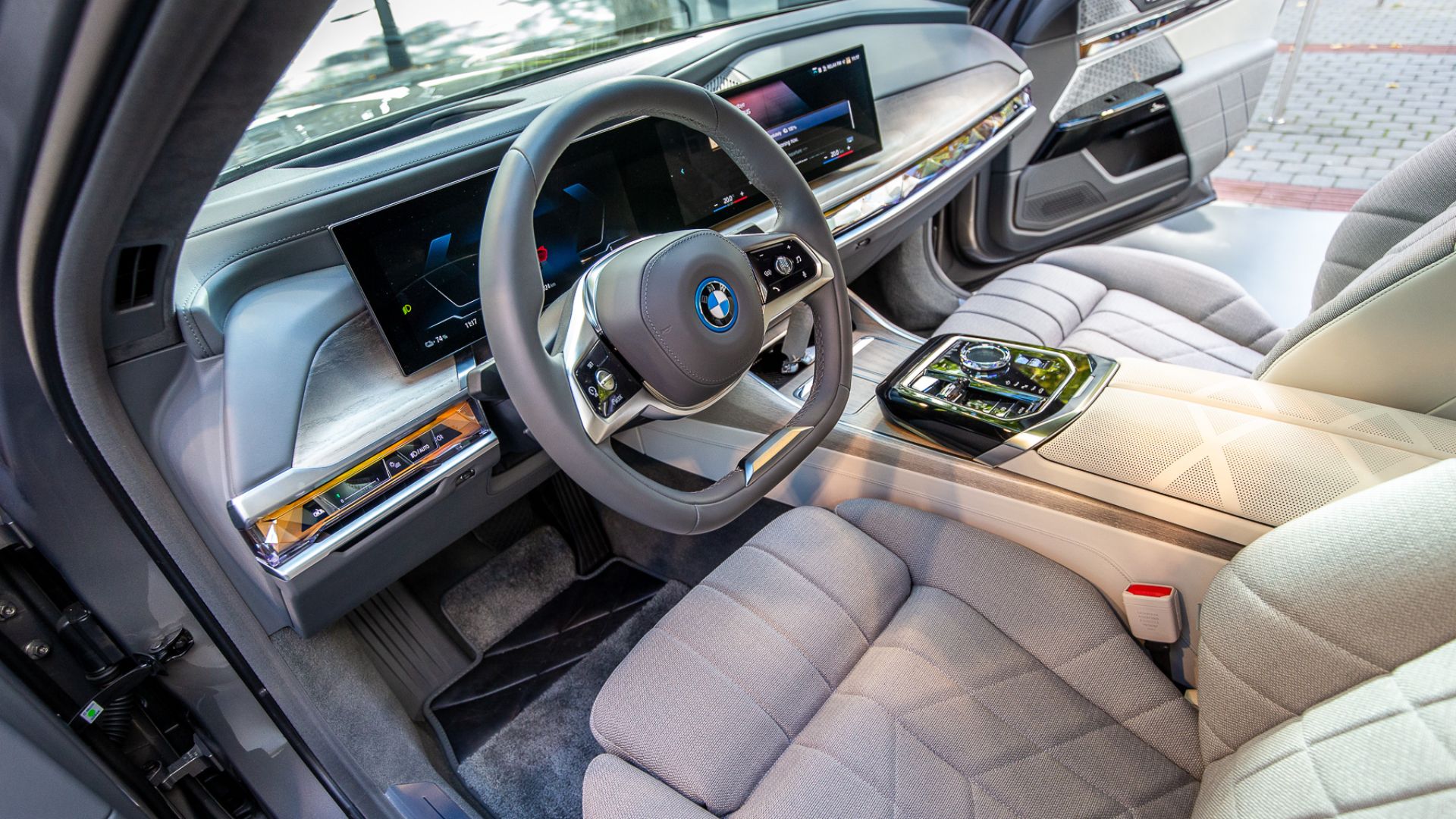
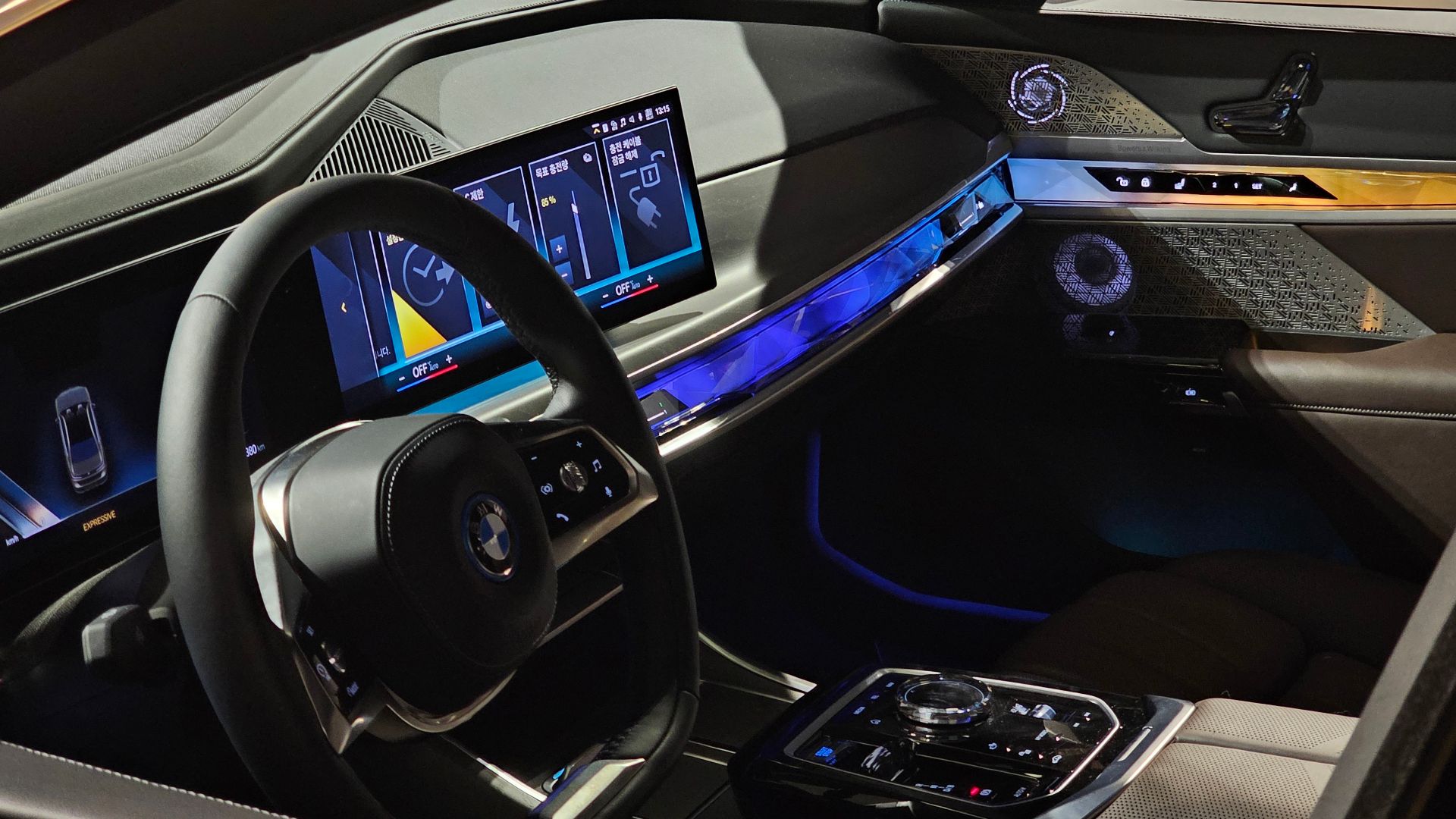
The debate blew up in July 2022, when reporting from The Verge highlighted BMW's subscription offer for heated seats in some markets. The feature showed up in BMW's digital stores in countries including South Korea, with a monthly fee attached. Drivers were not imagining it. The hardware was already in the car, and the payment was for access.
 Augustas Didzgalvis, Wikimedia Commons
What BMW Was Actually Selling
BMW's digital storefront listed several ways to buy access to heated seats, including monthly, yearly, and multi-year options, along with a permanent purchase in some cases. That mattered because it showed subscriptions were no longer limited to navigation or remote apps. They were reaching comfort features that buyers had long seen as a one-time purchase.

The Hardware Was Already Installed
That is the part that sent the story everywhere. BMW was not mailing out a seat upgrade after someone subscribed. The company was using software locks to control hardware installed at the factory, and that made many drivers feel like the car they paid for was not fully theirs.
 Damian B Oh, Wikimedia Commons
BMW Had Been Moving In This Direction Earlier
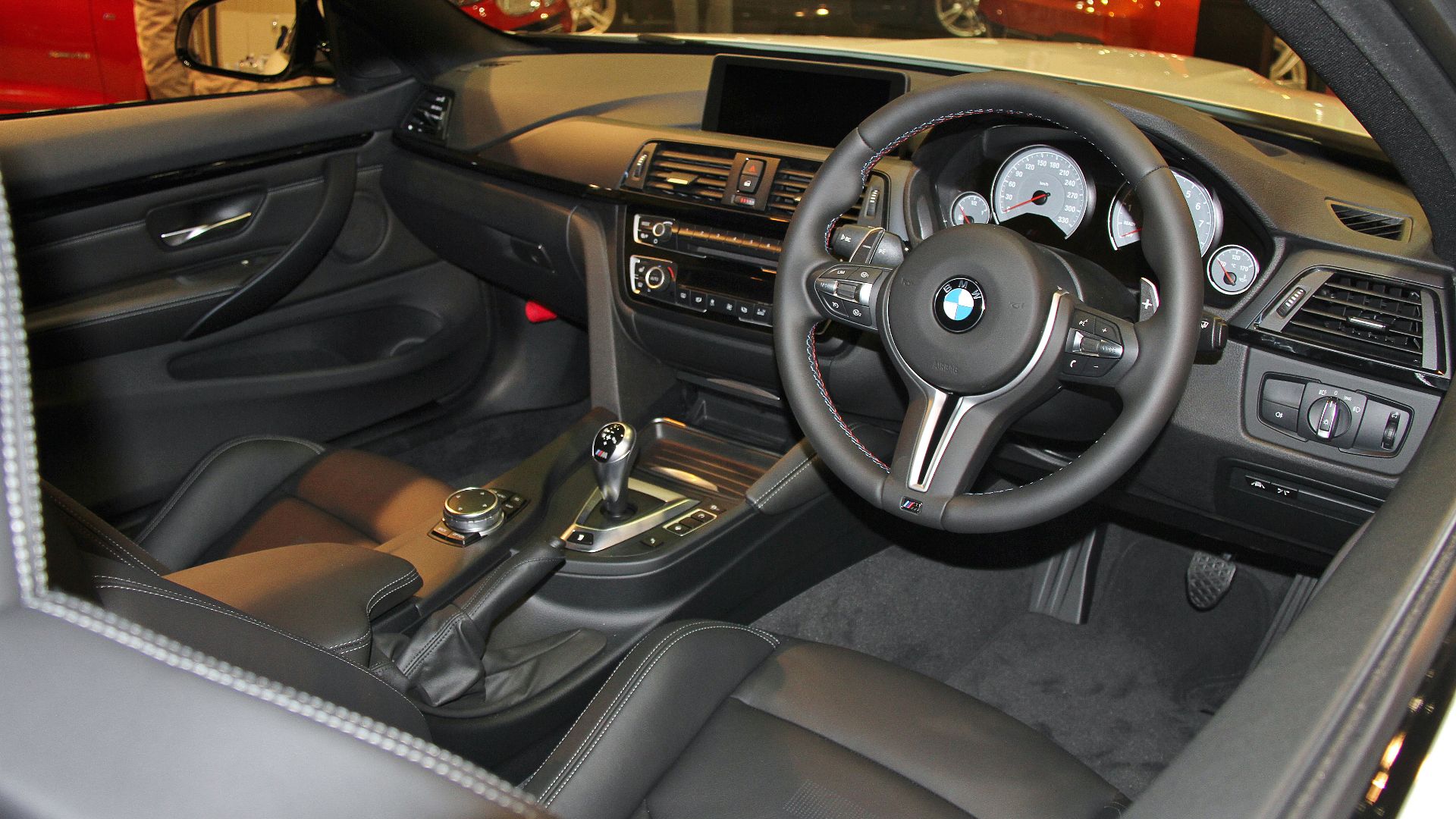
This did not come out of nowhere. In 2020, BMW had already started discussing and rolling out paid digital features in some markets as part of its push into connected services and over-the-air updates. Heated seats became the lightning rod, but the larger strategy had already been taking shape.
Then BMW Started Pulling Back
By September 2023, BMW board member for sales and marketing Pieter Nota said customers were more open to software services for digital features like parking help, but not as open to paying for hardware-related functions. Reporting from outlets including The Drive said BMW had backed away from trying to make heated seats a recurring subscription. The backlash clearly landed.
So Are Heated Seat Subscriptions Still A BMW Thing
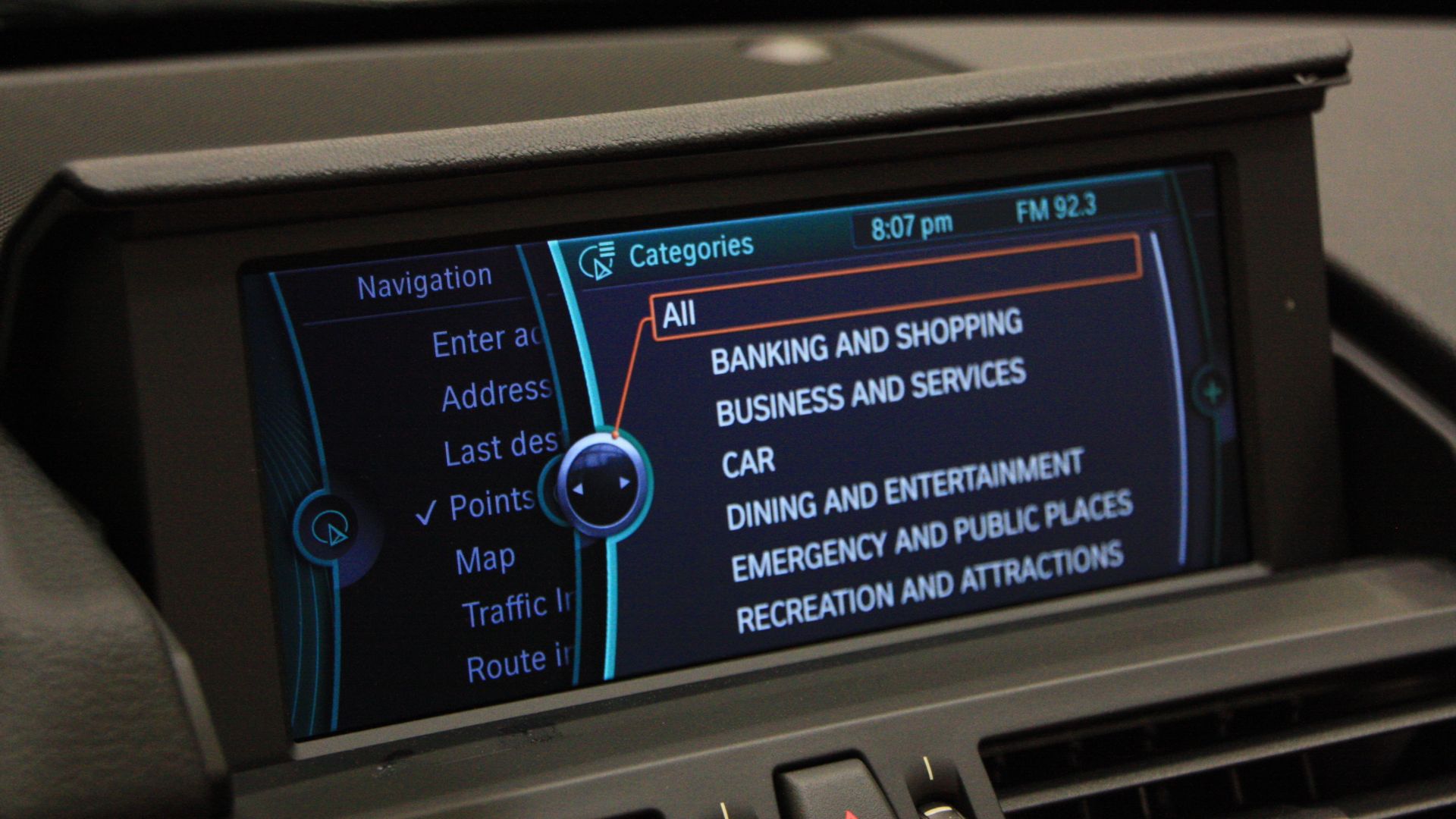
BMW's position has shifted, and the company has said it is moving away from subscriptions for features like heated seats in many places. That does not mean the larger strategy of selling software-enabled upgrades is gone. It means automakers are learning there is a line many buyers do not want crossed.

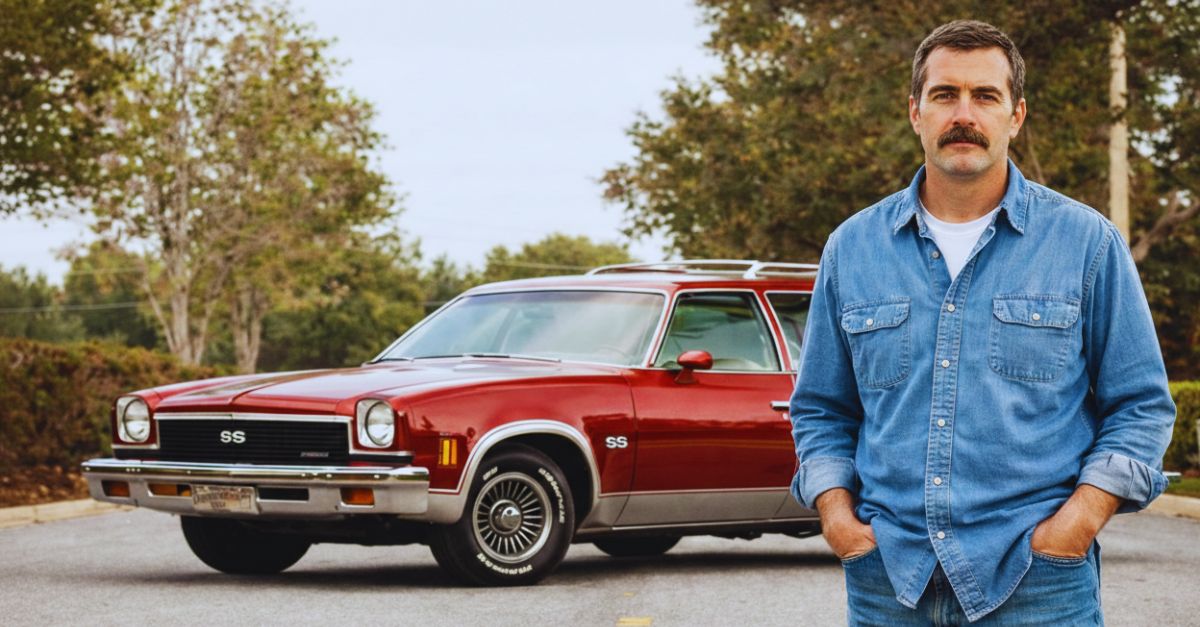
GM Took A Different Approach
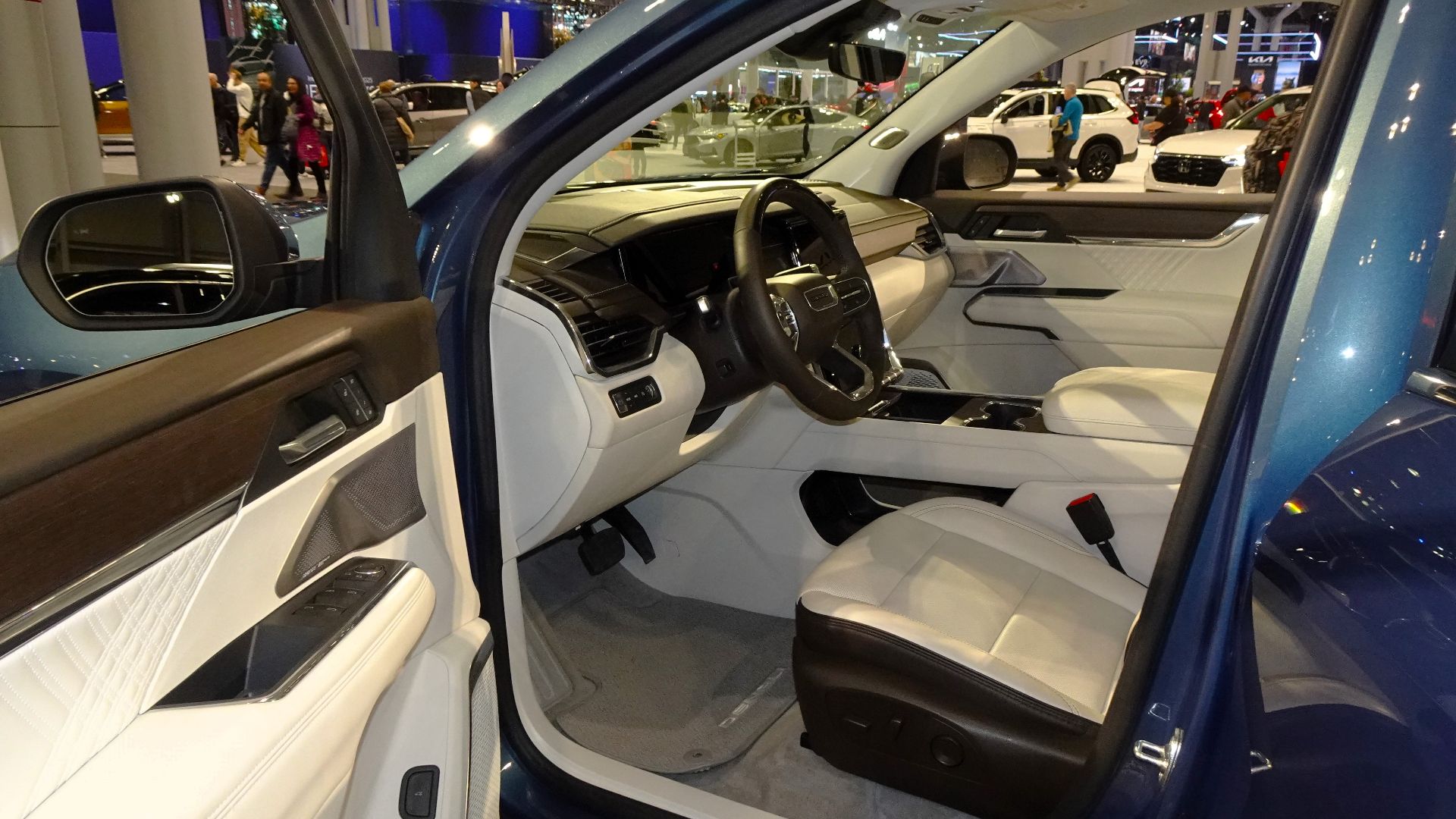
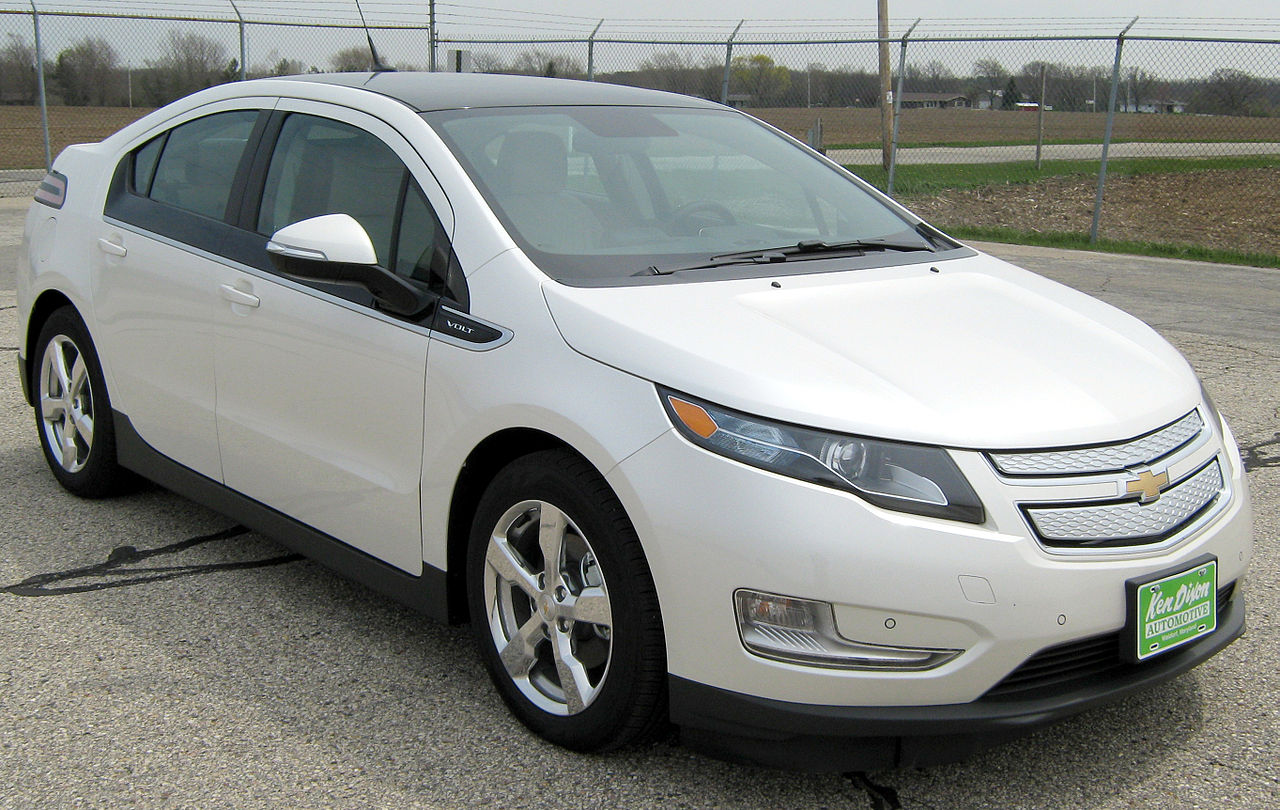
General Motors has not become the face of heated seat subscriptions, but it has fully embraced subscription revenue in cars. In 2022, GM investor materials laid out a plan to grow annual software and subscription revenue into the billions by the end of the decade. The company made it clear that connected services were becoming a major business.
 Charles from Port Chester, New York, Wikimedia Commons
GM's Huge Revenue Goal Drew Attention
GM said it was targeting $20 billion to $25 billion in annual revenue from software and services by 2030. That is a massive number, and it showed why recurring revenue from vehicles looks so attractive to car companies. For drivers, it was a sign that monthly charges were not just a side experiment.
 U.S. National Highway Traffic Safety Administration, Wikimedia Commons
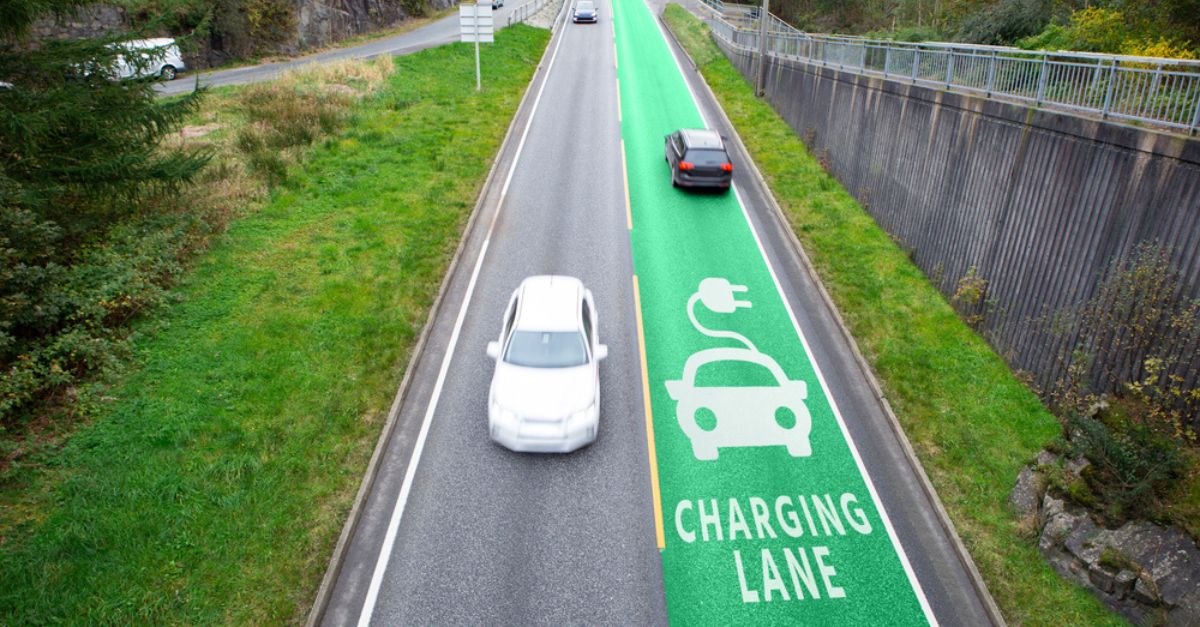
Subscriptions Go Beyond Seat Warmers
Many automaker subscriptions focus on connected services rather than physical comfort features. That includes emergency help, stolen vehicle tracking, remote start through an app, Wi-Fi hotspots, navigation upgrades, and hands-free driver assistance. In other words, not every subscription stirs up the same anger as paying to warm your own seat.
 Deathpallie325, Wikimedia Commons
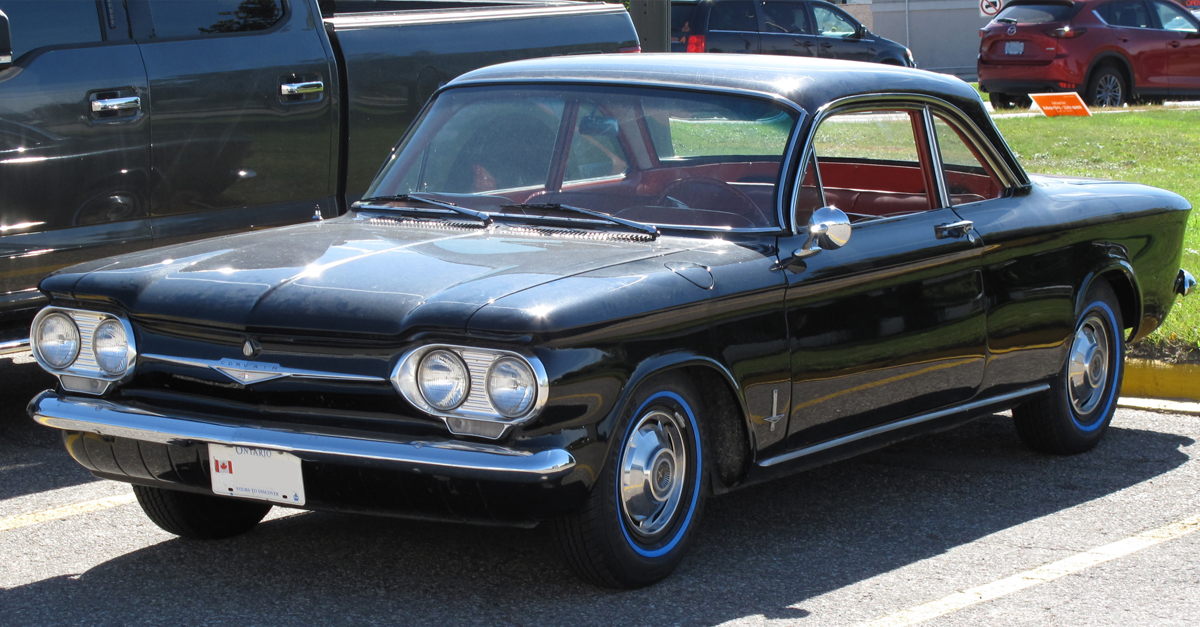
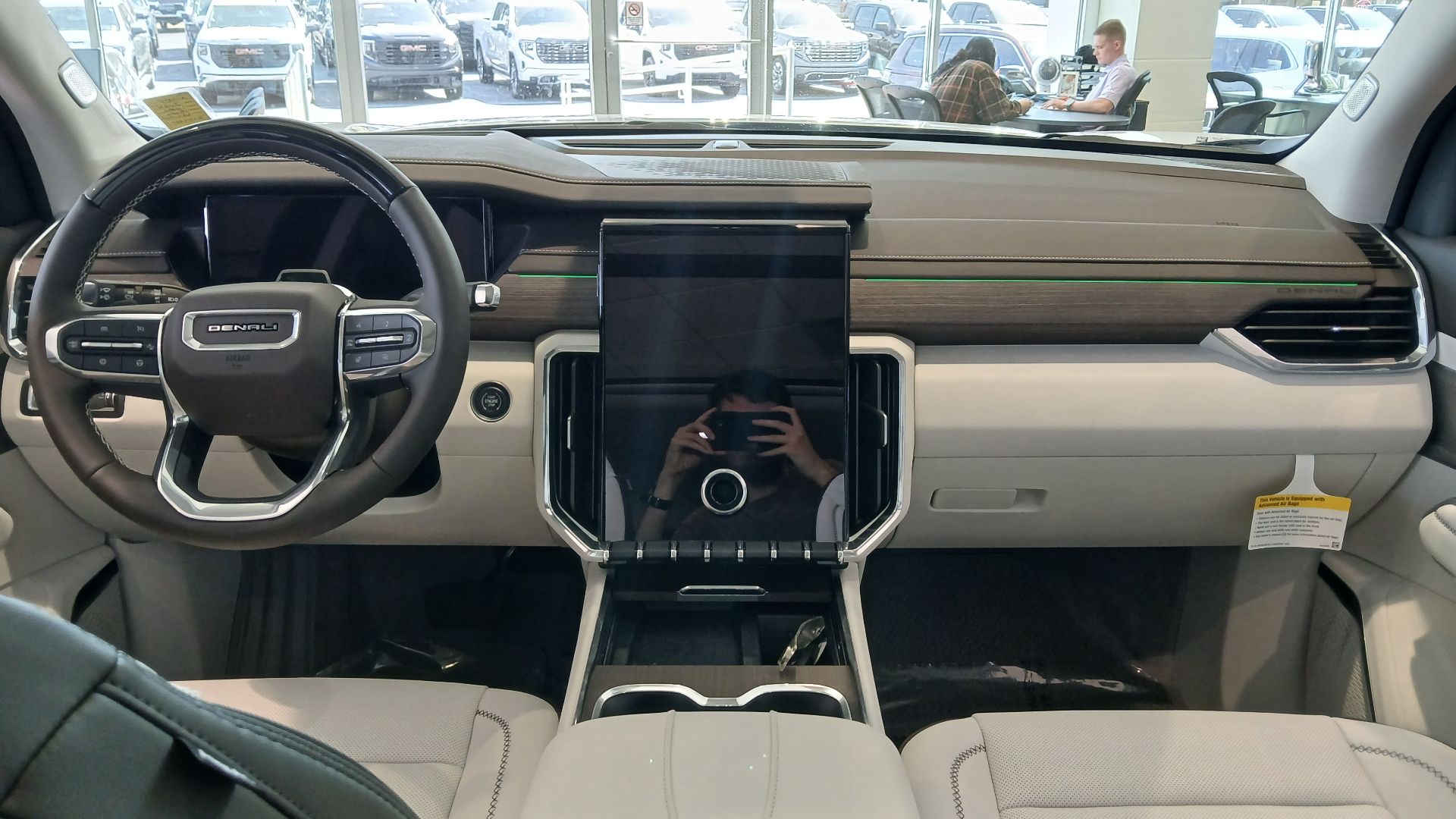
GM's OnStar Model Started Long Before This Fight
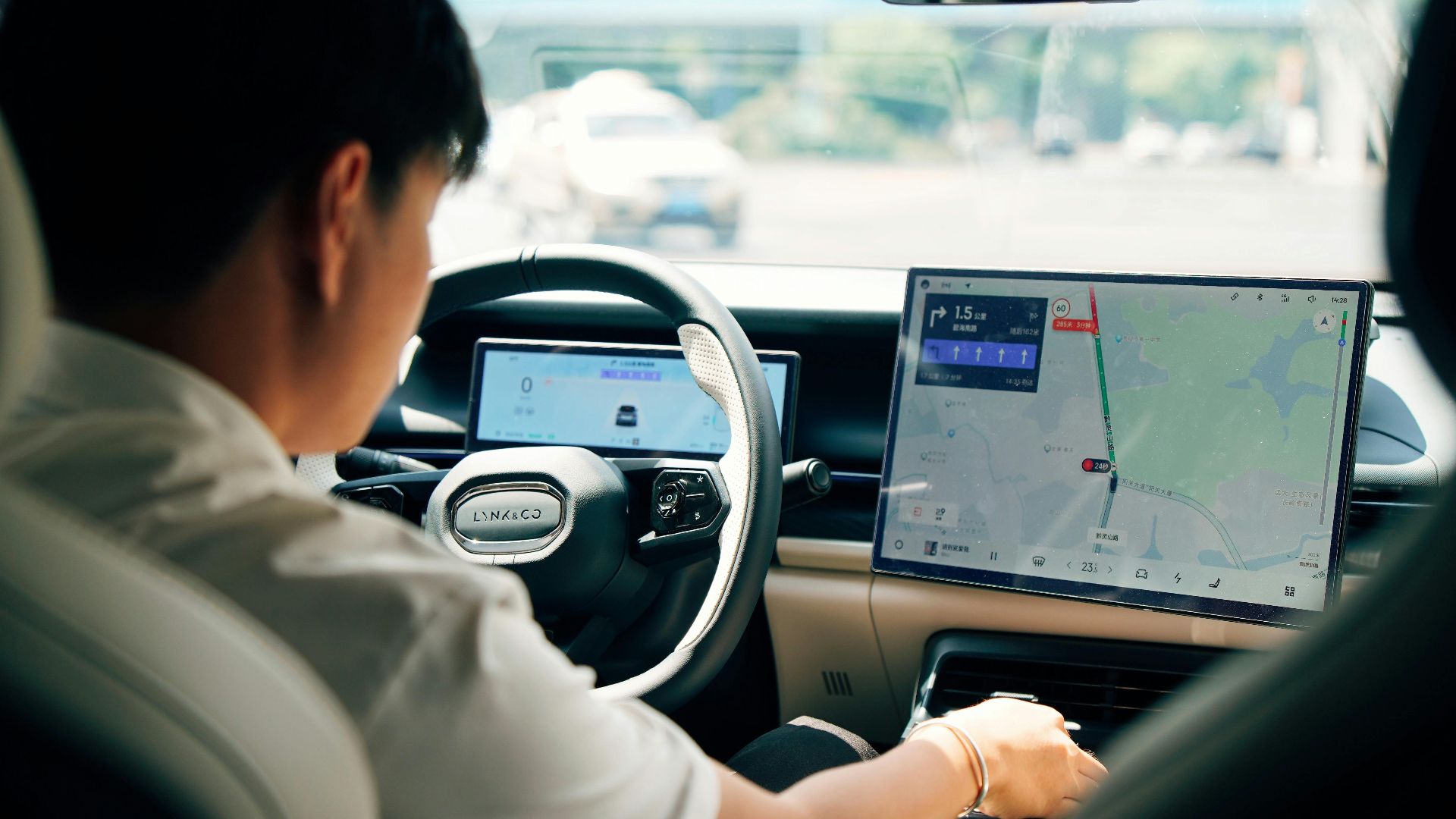
Long before heated seat drama took over headlines, GM had already trained drivers to think about cars as service platforms. OnStar has been around since the 1990s, offering paid safety and concierge-style features. What is new is how far that model is spreading into the rest of the ownership experience.
Tesla Helped Make Software-Locked Cars Feel Normal
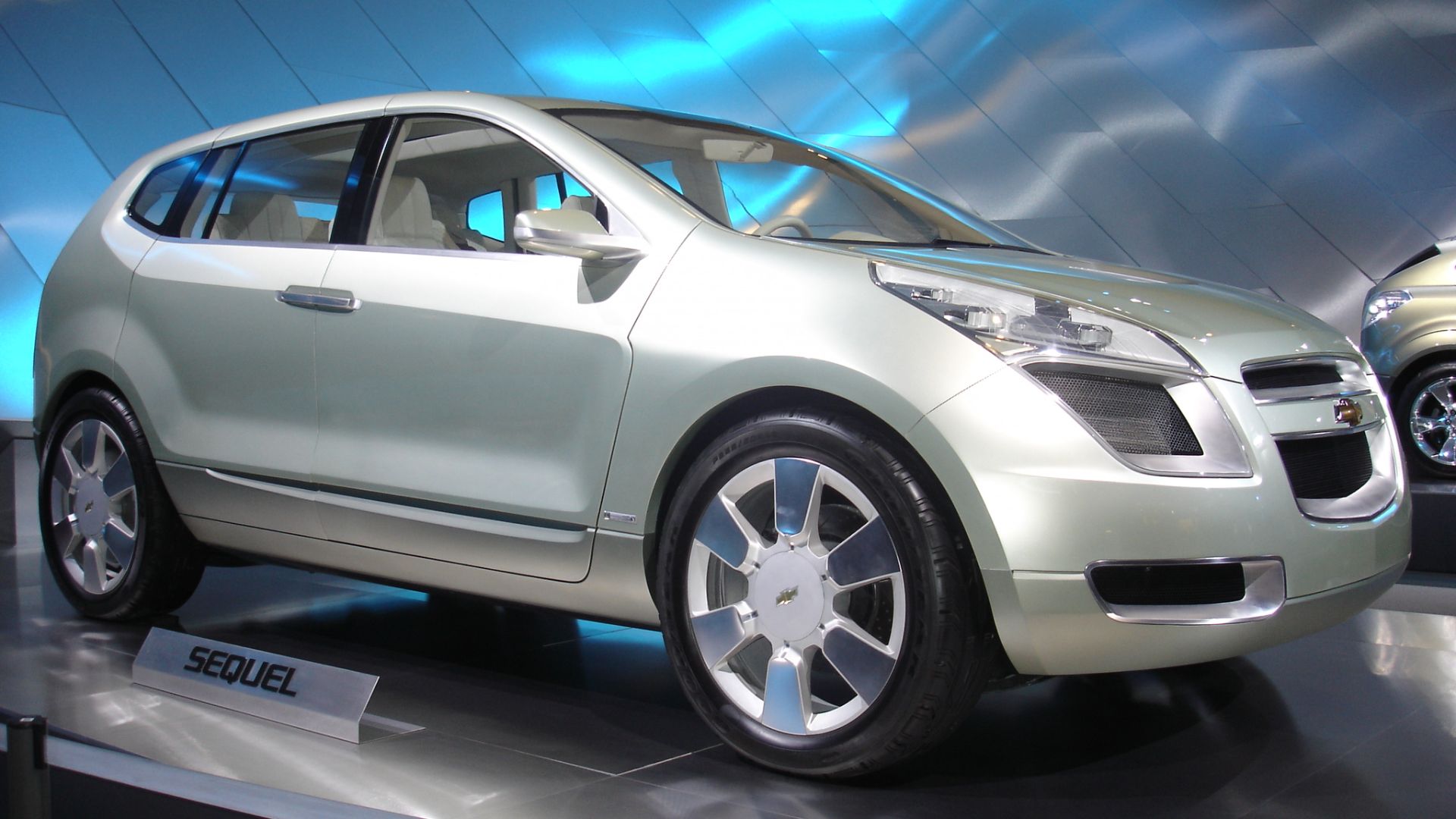
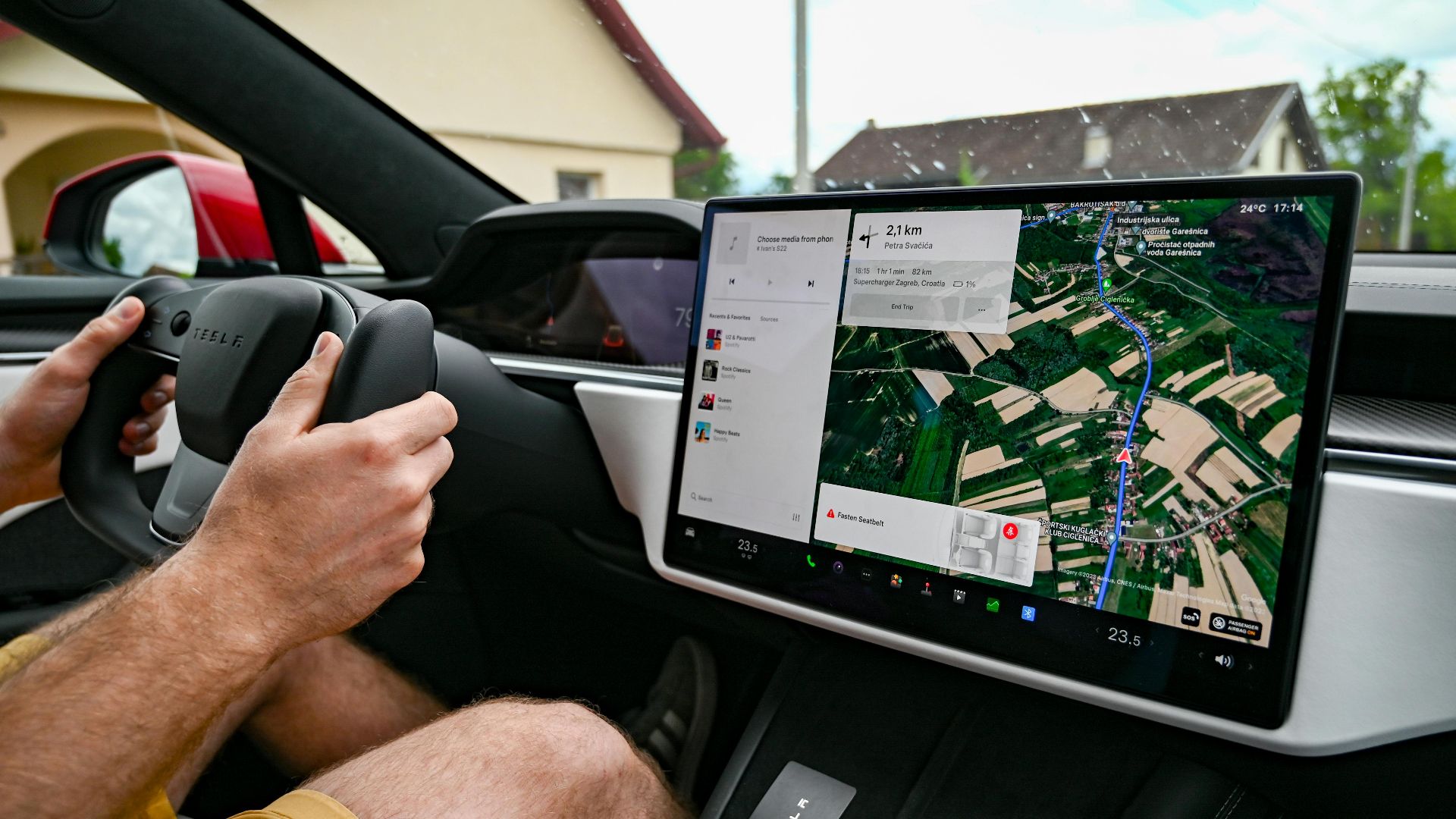
Tesla did not invent car subscriptions, but it helped normalize the idea that software can shape what a car can do after you buy it. Features such as Full Self-Driving capability and acceleration boosts have been sold separately from the base vehicle. That made it easier for the rest of the industry to picture cars as rolling software stores.
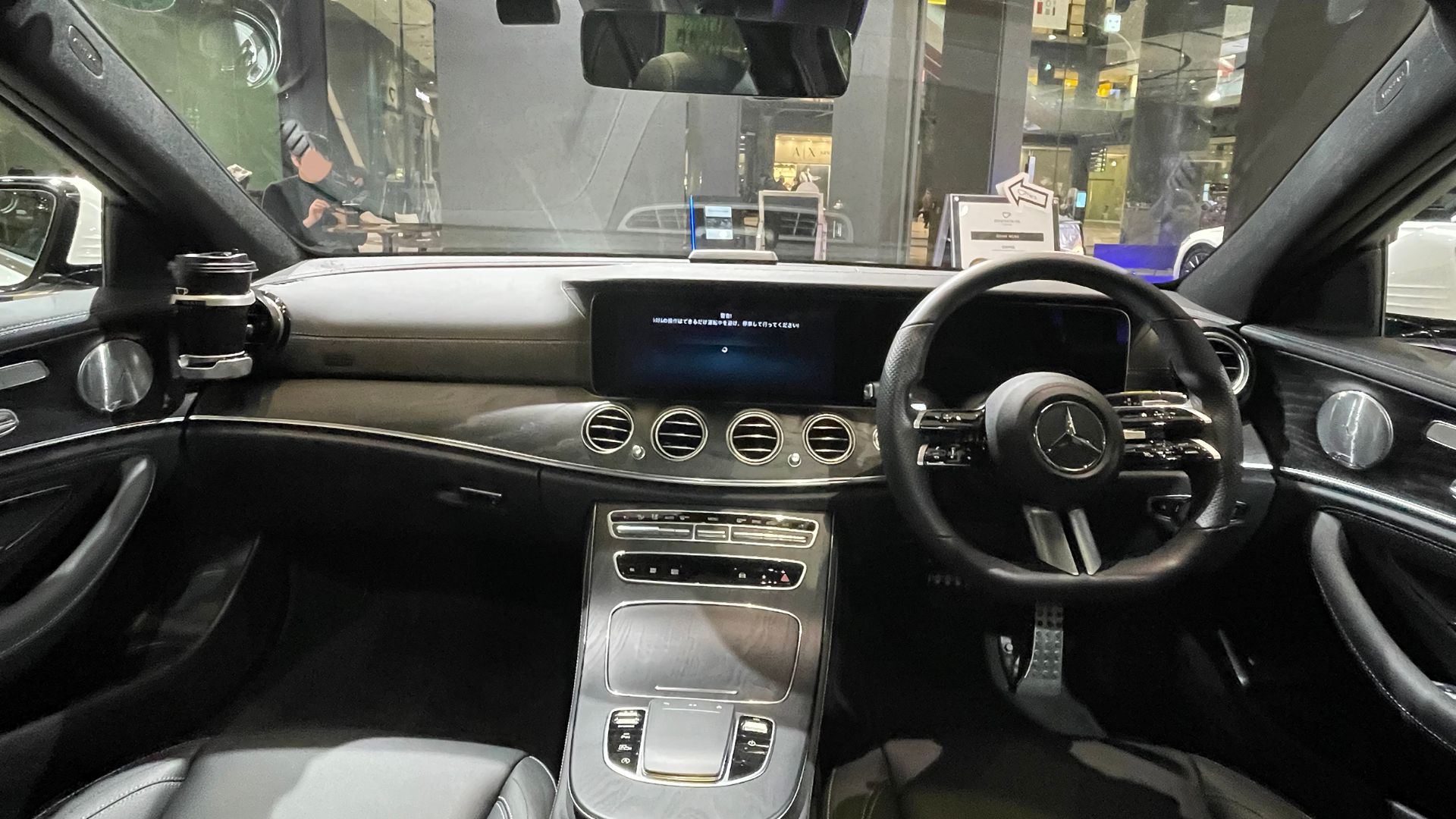
Mercedes Charged For More Speed
Mercedes-Benz also stirred debate when it introduced Acceleration Increase as an annual subscription for certain EQ electric models in the United States. That offer was widely reported in late 2022 and tied a recurring fee to quicker performance. It was another example of charging for capability unlocked through software rather than a new hardware install.
 Tokumeigakarinoaoshima, Wikimedia Commons
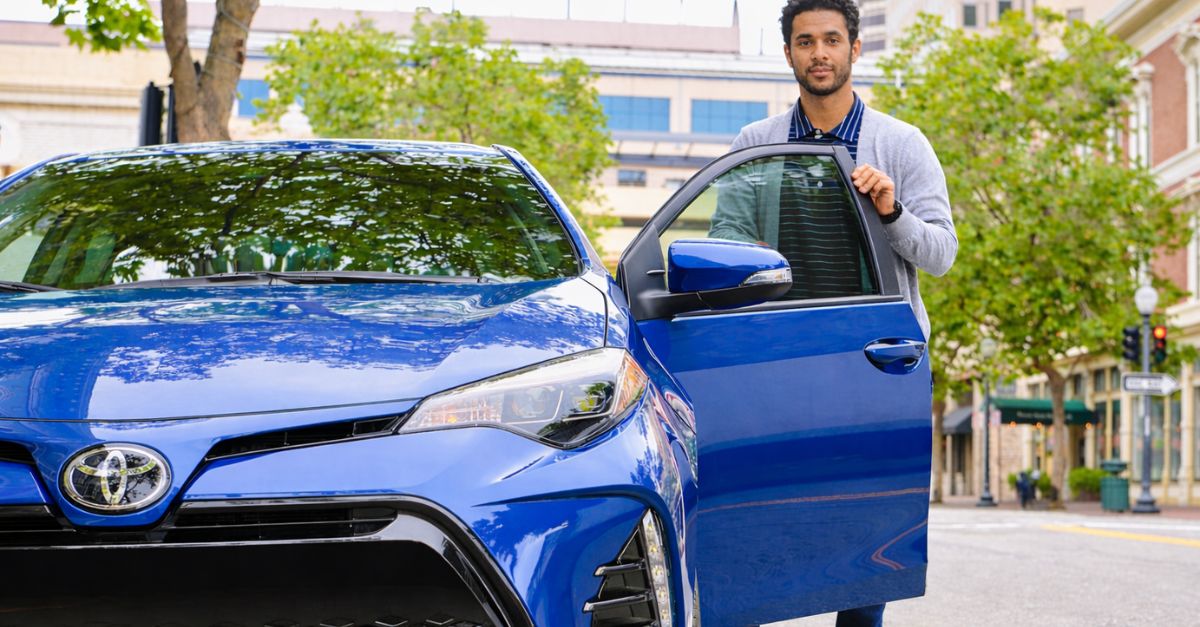
Toyota Set Off A Different Kind Of Backlash
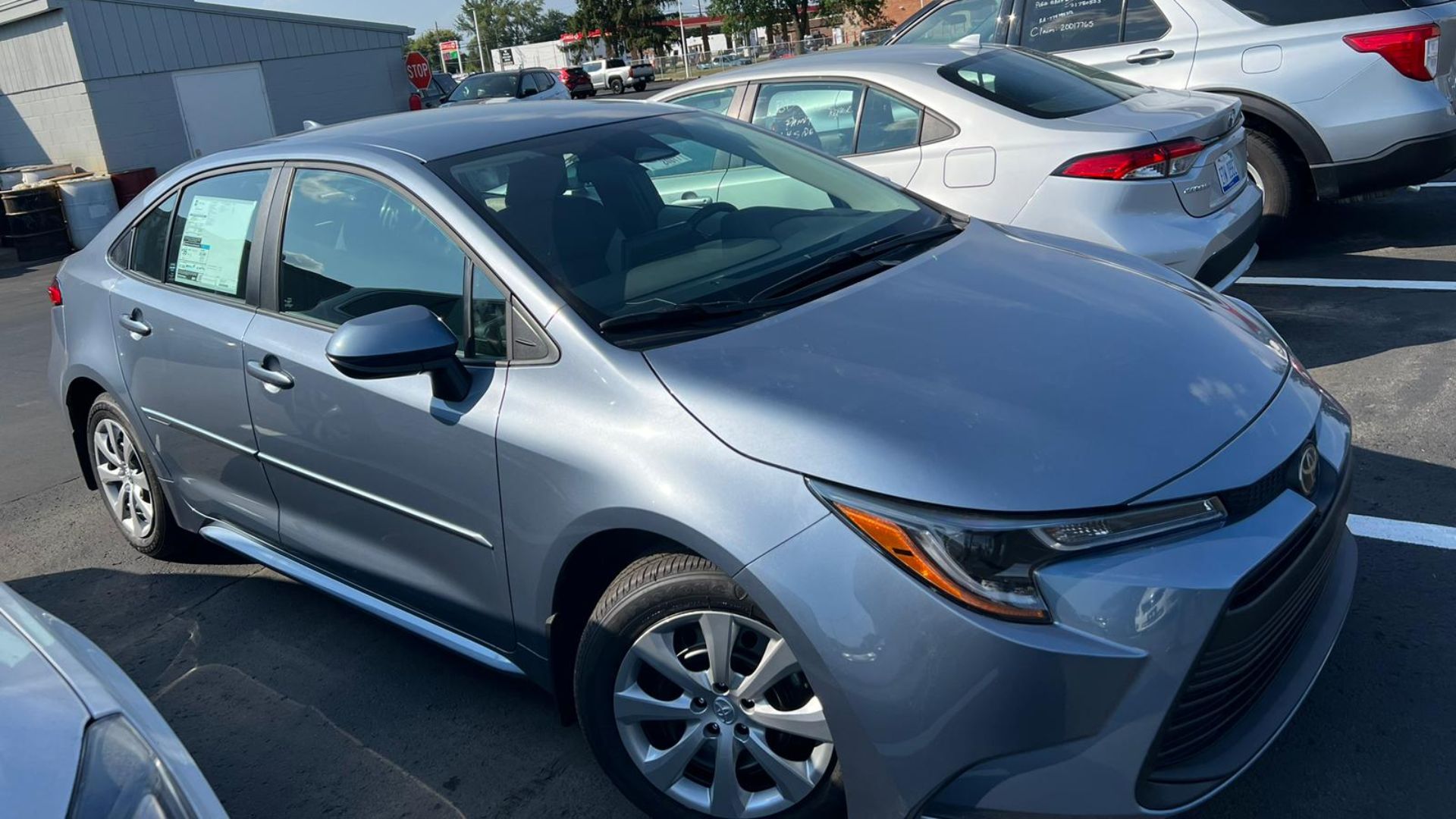
Toyota faced criticism in late 2021 over reports that remote start from the key fob in some vehicles depended on an active connected services subscription after a trial period. The New York Times detailed how this caught many owners off guard. Toyota said the feature's dependency was tied to the vehicle's communications system, but the episode expanded the subscription debate far beyond luxury brands.
Volkswagen And Other Brands Are Testing The Idea Too
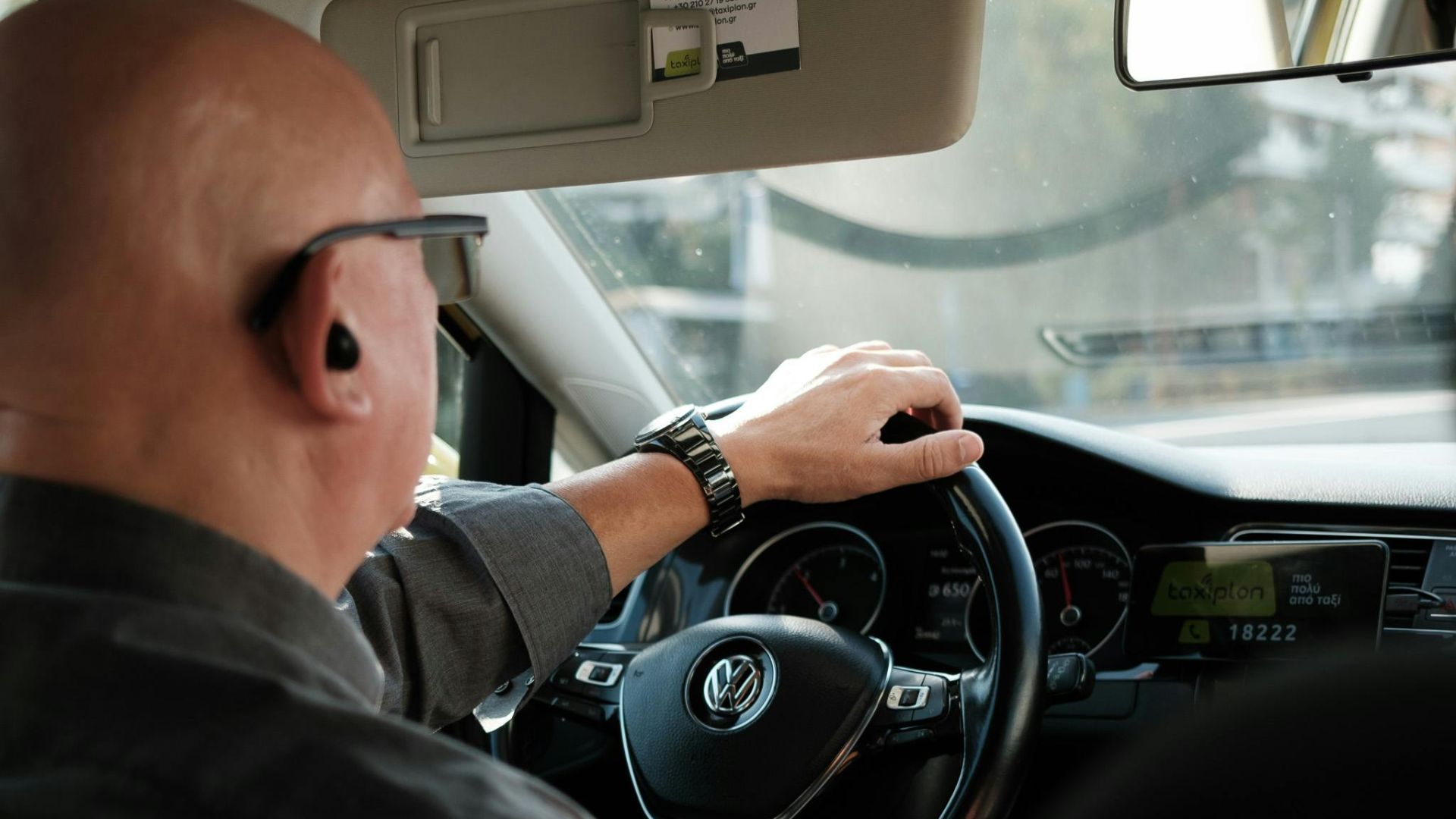
BMW is not alone in exploring feature-on-demand sales. Automakers including Volkswagen have discussed or launched limited digital upgrade programs in some markets for convenience and driver-assistance features. The basic idea is the same: build capability into the vehicle, then charge to unlock it later.
Why Automakers Keep Pushing This Model
The business logic is simple. A car sale brings in money once, but a subscription can keep bringing in money for years. Automakers also like the idea of offering a lower upfront price while upselling features later, especially now that software makes that easy to do.

Why Drivers Push Back
Drivers can see the downside right away. Monthly charges pile up, ownership starts to feel less permanent, and second owners may find useful features disabled unless they pay. When the hardware is already sitting in the car, the frustration gets even stronger.
Over-The-Air Updates Changed The Game
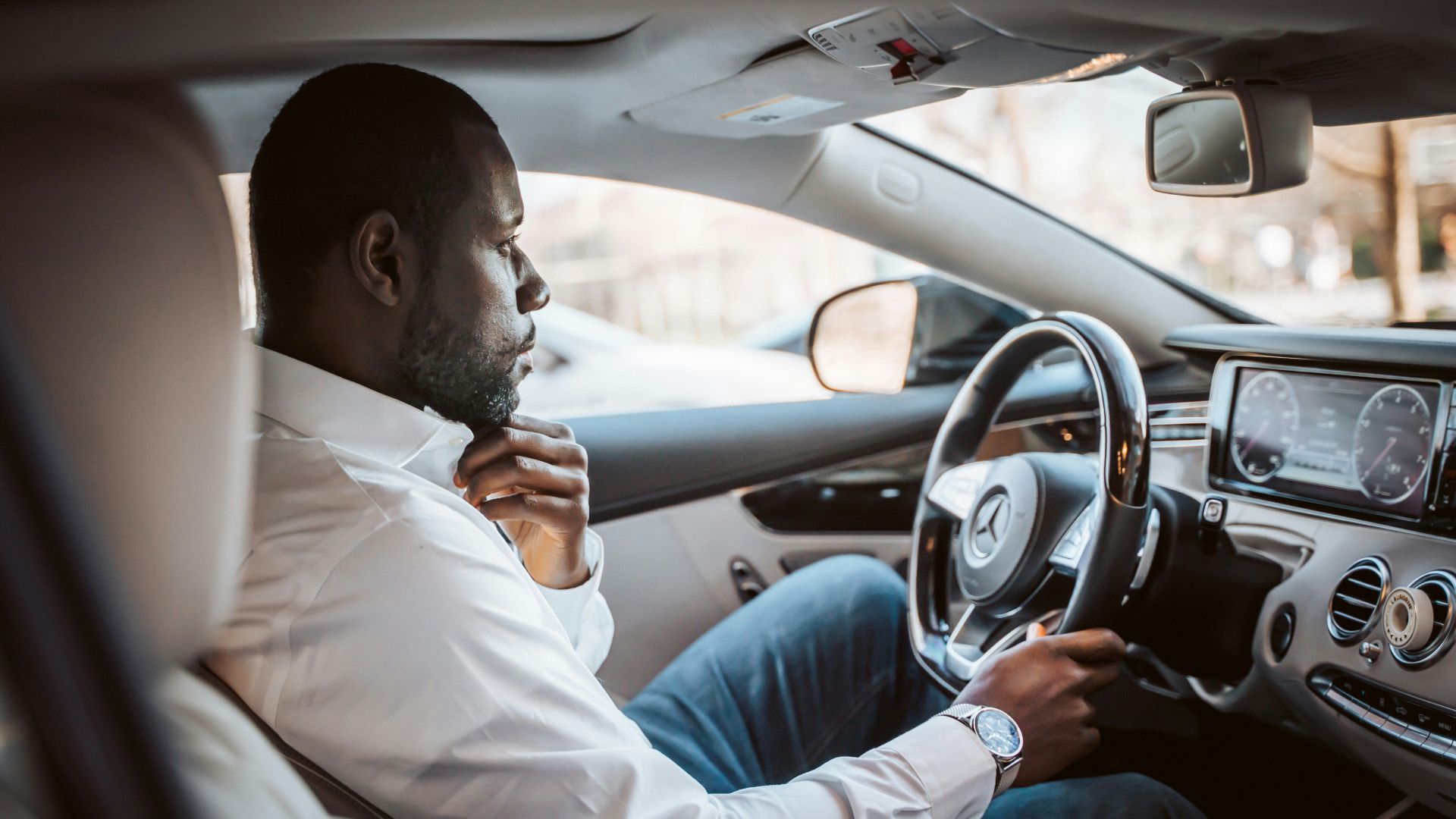
This whole trend depends on connected cars that can receive updates remotely. Over-the-air software systems let automakers activate, disable, or improve functions without a dealer visit. That convenience is real, but it also gives companies much more control over what your vehicle can do at any given moment.
There Is A Big Difference Between Services And Built-In Features
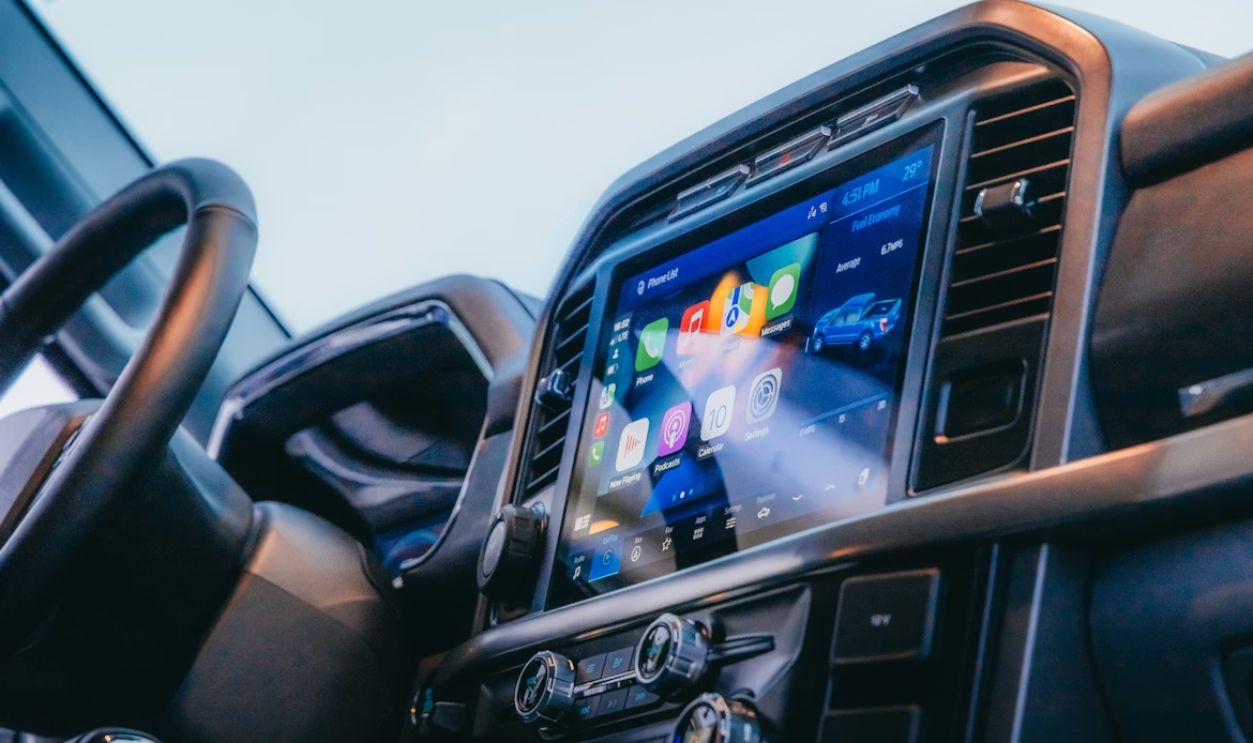
Not all subscriptions feel equally unreasonable. Paying for cellular data, live traffic, concierge support, or cloud-based features makes more sense because those services create ongoing costs for the automaker. Paying again and again for a seat heater feels different. To many drivers, that looks more like rent on equipment they already bought.
Buyers Have Already Started Drawing That Line
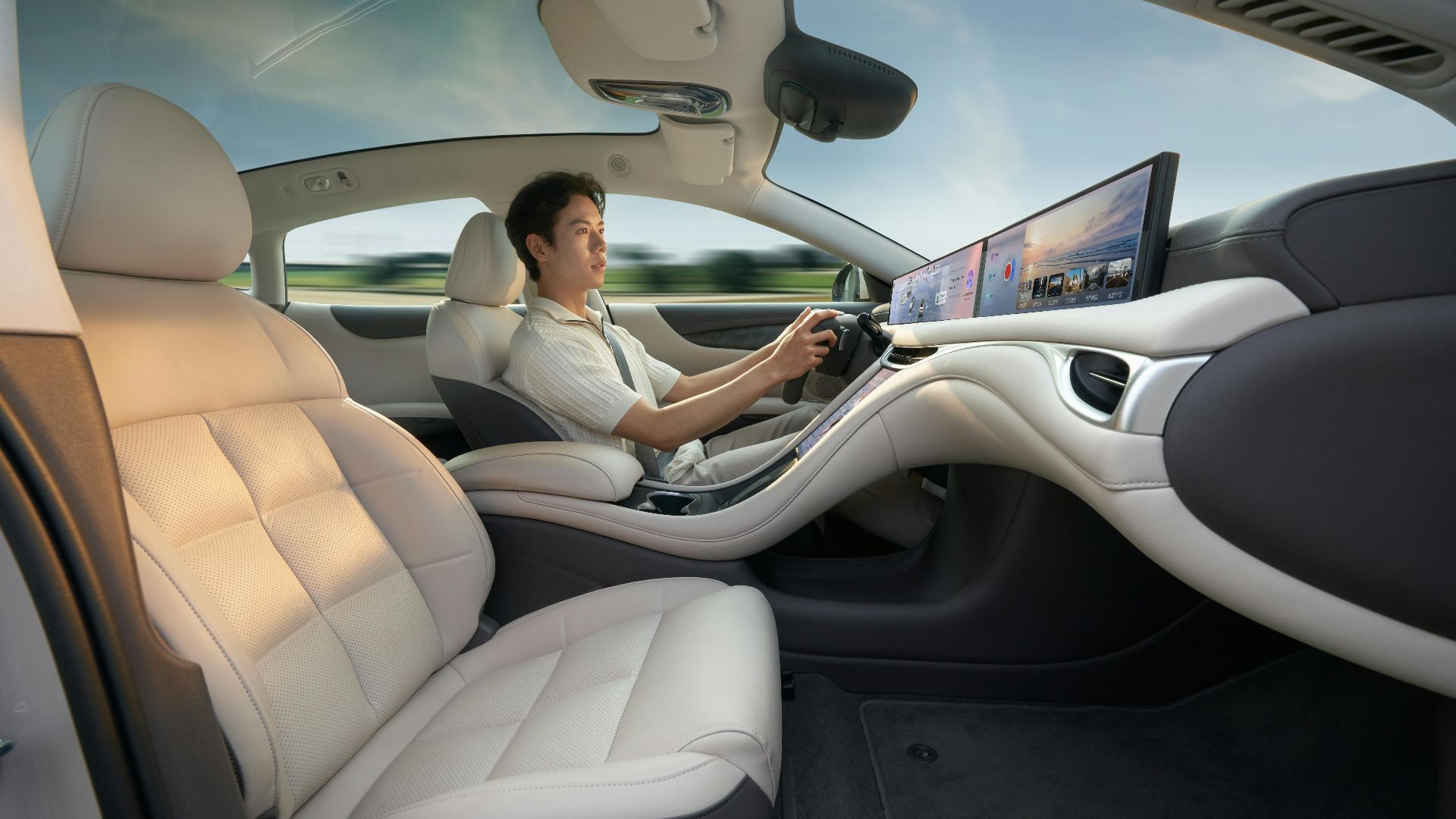
BMW's retreat on heated seat subscriptions is one of the clearest signs that buyers will push back when they think the line has been crossed. Media coverage in 2022 and 2023 turned a niche feature strategy into a global warning shot. Automakers now know customers may accept subscriptions, but only for certain kinds of features.

Regulators Have Not Shut It Down
There is no broad ban in the United States stopping automakers from selling digital features or subscriptions. The main protections for buyers come from consumer law, lease and finance disclosures, warranty terms, and market backlash. For now, the biggest check on the trend is whether customers refuse to play along.

Leases Make It Even Messier
If you lease, the question of who should pay for unlockable features gets even more complicated. A temporary owner may not want to subscribe to an option that disappears with the car. That creates another reason for automakers to bundle features in ways that are easier to understand from the start.

Used Car Shoppers Need To Be Careful
Subscriptions can also complicate the used market. A second owner might see hardware in the car and assume it works, only to find out it needs activation, a trial, or an ongoing fee. Reading the feature list is no longer enough. Shoppers may also need to ask what still works after the sale.

How To Protect Yourself Before You Buy
Ask the dealer which features are permanent, which are trial-based, and which need an active subscription. Get that in writing if you can, especially for remote functions, advanced driver assistance, and comfort features. If a recurring charge annoys you now, it will probably annoy you even more a few winters from now.

What To Ask About Heated Seats
Be direct. Ask whether heated seats, steering wheel heat, remote start, and climate preconditioning are included for the life of the car or tied to a package, trial, or subscription. Also ask whether those features transfer intact to the next owner, because that can affect resale value.

Are Subscriptions Taking Over Cars
Not completely, but they are becoming a bigger part of the ownership experience. The strongest growth is in connected services and software-based upgrades, while recurring fees for basic hardware features have met tougher resistance. The heated seat saga showed that the future probably is not endless subscriptions for everything, but it is not a return to the old one-and-done model either.

The Real Bottom Line For Drivers
The issue is bigger than heated seats. It is the possibility that features drivers once assumed were permanently included could slowly move behind software paywalls. The good news is that buyer backlash has already pushed at least one major automaker to rethink the most aggressive version of that plan.
Read The Window Sticker More Closely Than Ever
The next time you shop for a car, the monthly payment is only part of the story. You also need to watch for trial periods, app dependencies, and what happens when those trials end. Heated seats may have started the argument, but the bigger question is what ownership means when your car starts acting more like a smartphone.