When The Track Freezes Over, Racing Doesn’t Stop
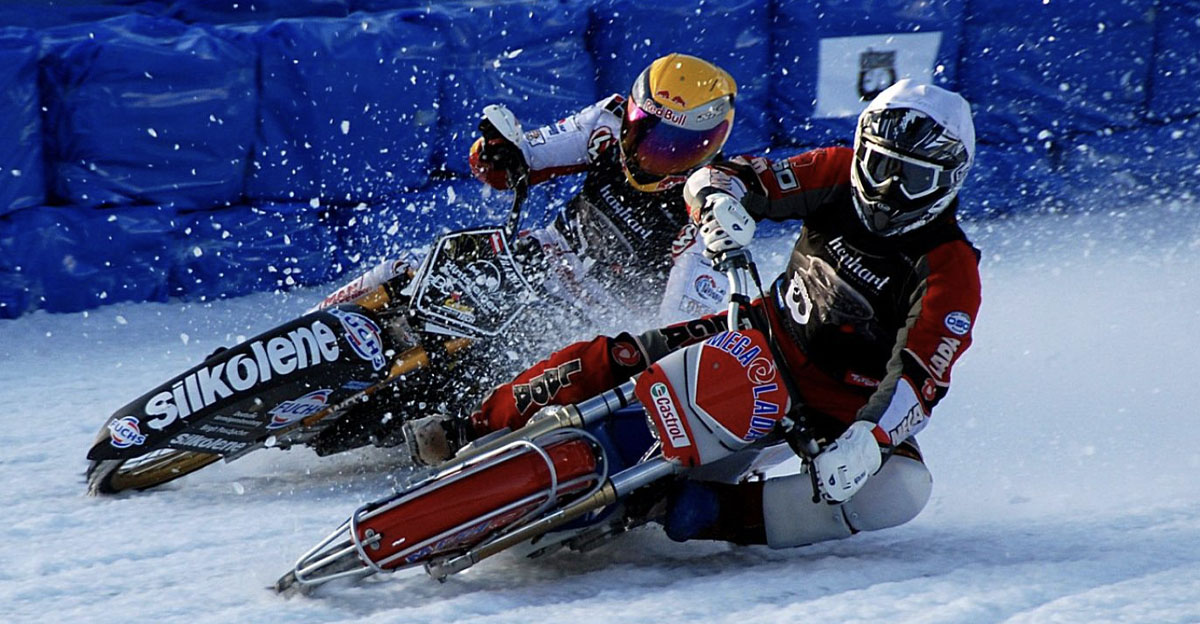
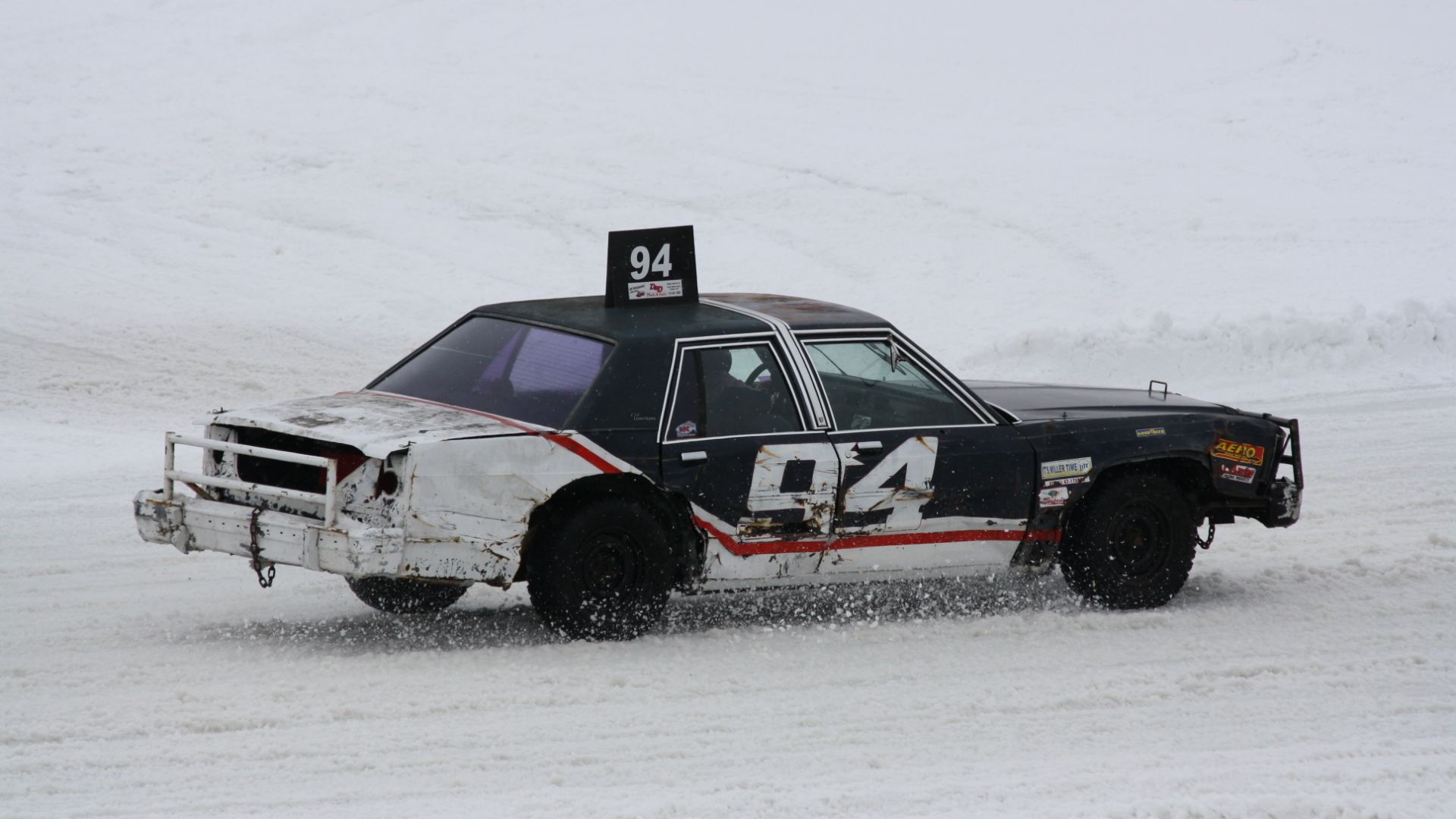
When lakes freeze over, a different kind of racing begins. Ice racing transforms slick, unforgiving surfaces into high-speed circuits where every turn is a test of skill and nerve. Every input is amplified, every mistake is magnified, and every lap demands focus. In this frozen arena, drivers aren’t just competing against each other, but against the surface itself.
The Origins: Wheels On Ice Go Way Back
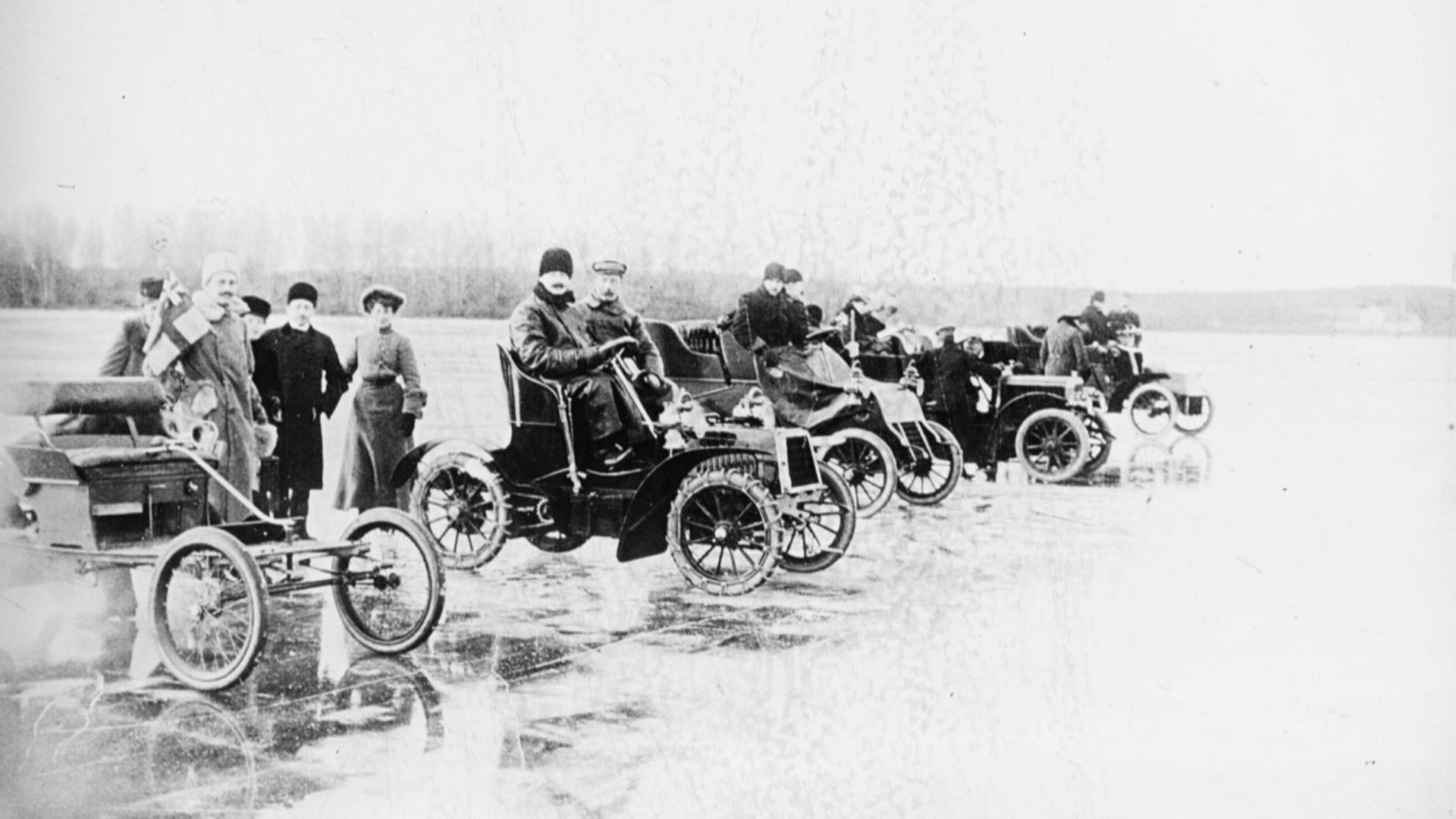
Ice racing’s roots trace back to early winter transport and celebrations in Scandinavia and Russia, where horse-drawn sleds and early cars raced on frozen rivers and lakes. Once automobiles became widespread in the early 20th century, drivers started challenging each other on ice surfaces for fun and bragging rights. The slippery surface made things unpredictable—perfect for a sport built on skill and guts.
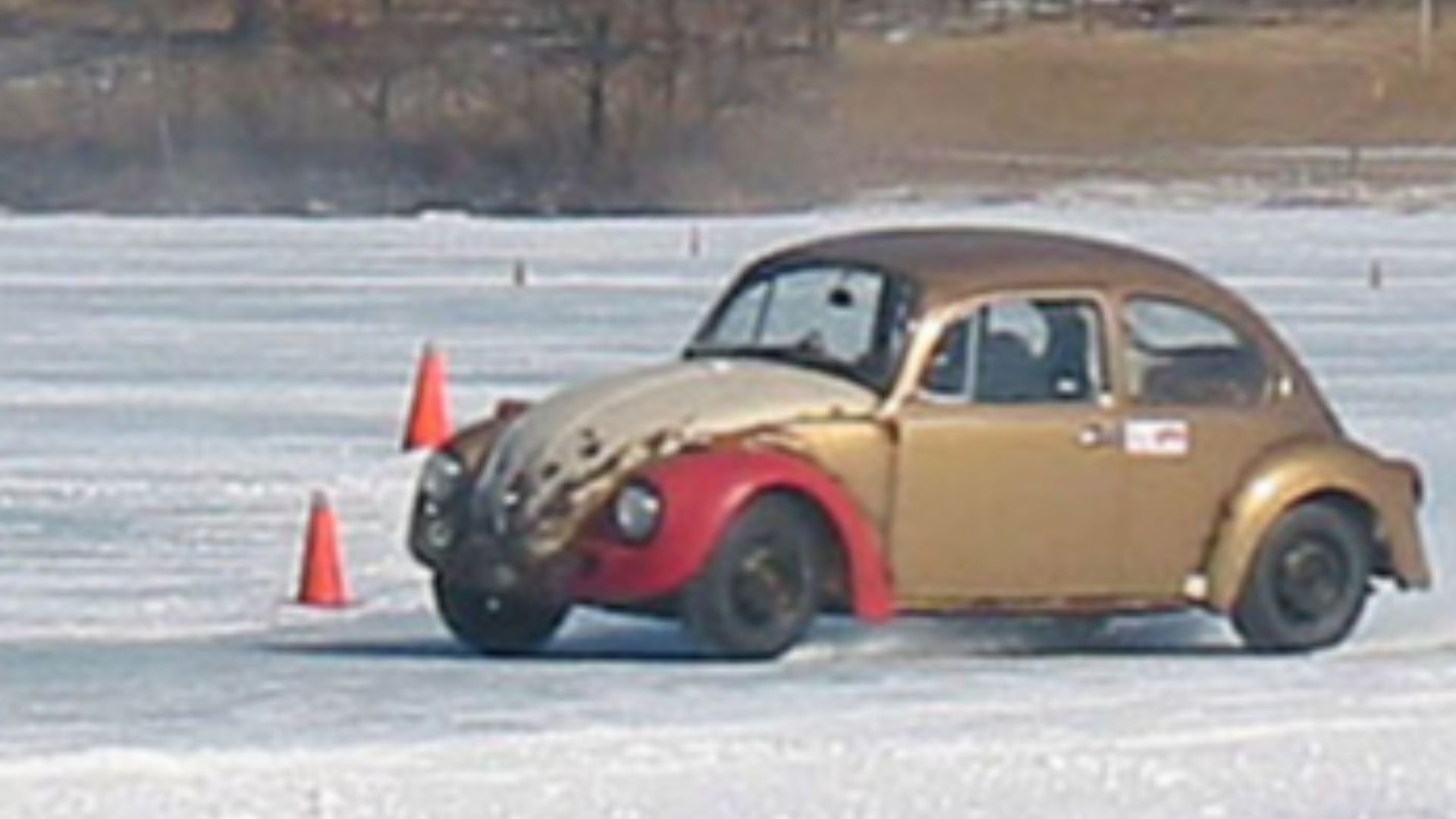 User Interiot on en.wikipedia, Wikimedia Commons
Ice, Gravel, And Tarmac
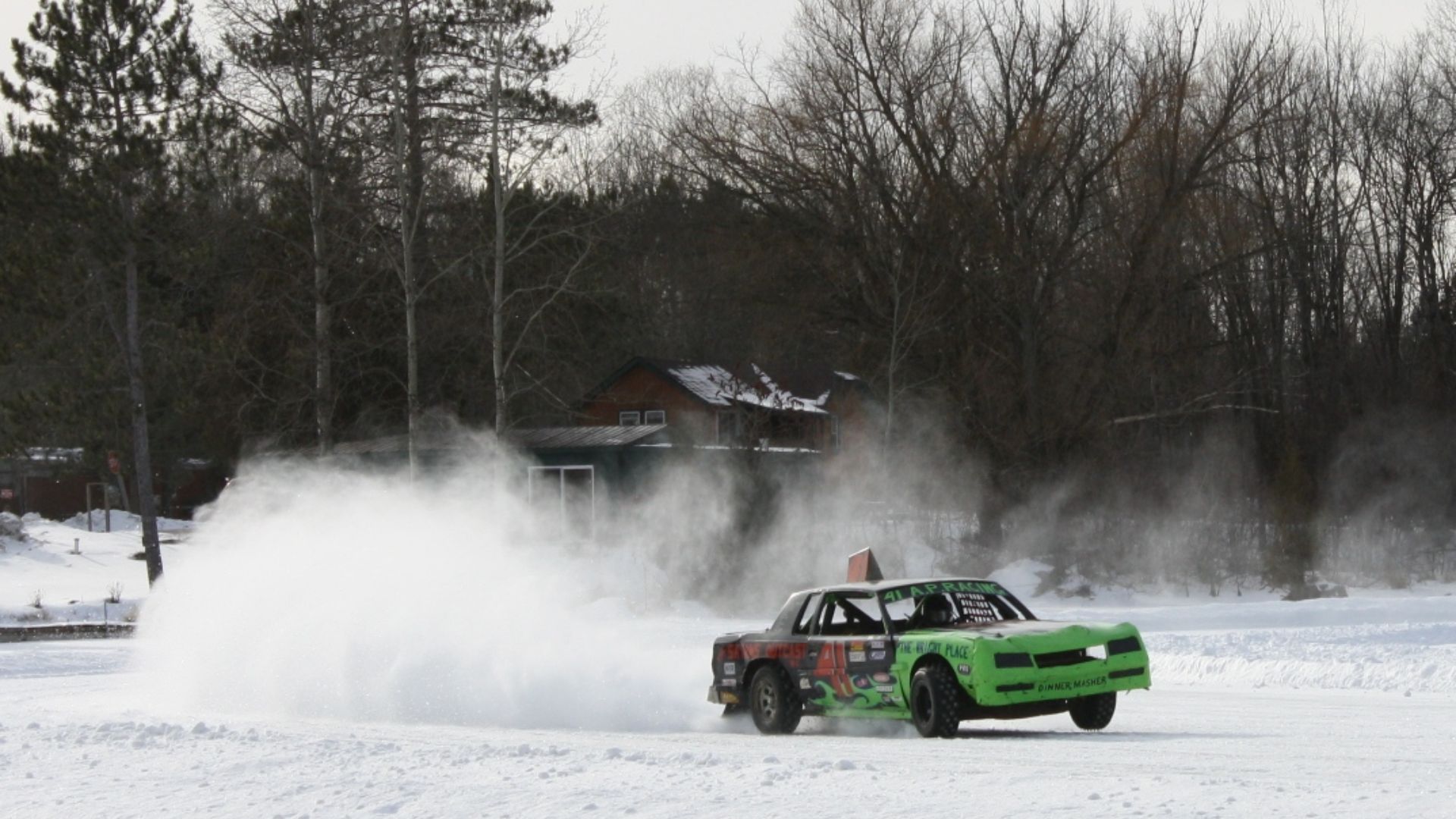
Unlike traditional paved or gravel rally racing, ice racing pits vehicles against surfaces with almost zero traction. Drivers rely on studded tires, throttle control, and precision steering to hug the racing line. It’s not about raw power as much as finesse and patience. On ice, a tiny twitch can send you sliding across the track or into a snowbank, so racers adapt techniques that feel more like skiing than driving.
Studded Tires: The Secret Weapon
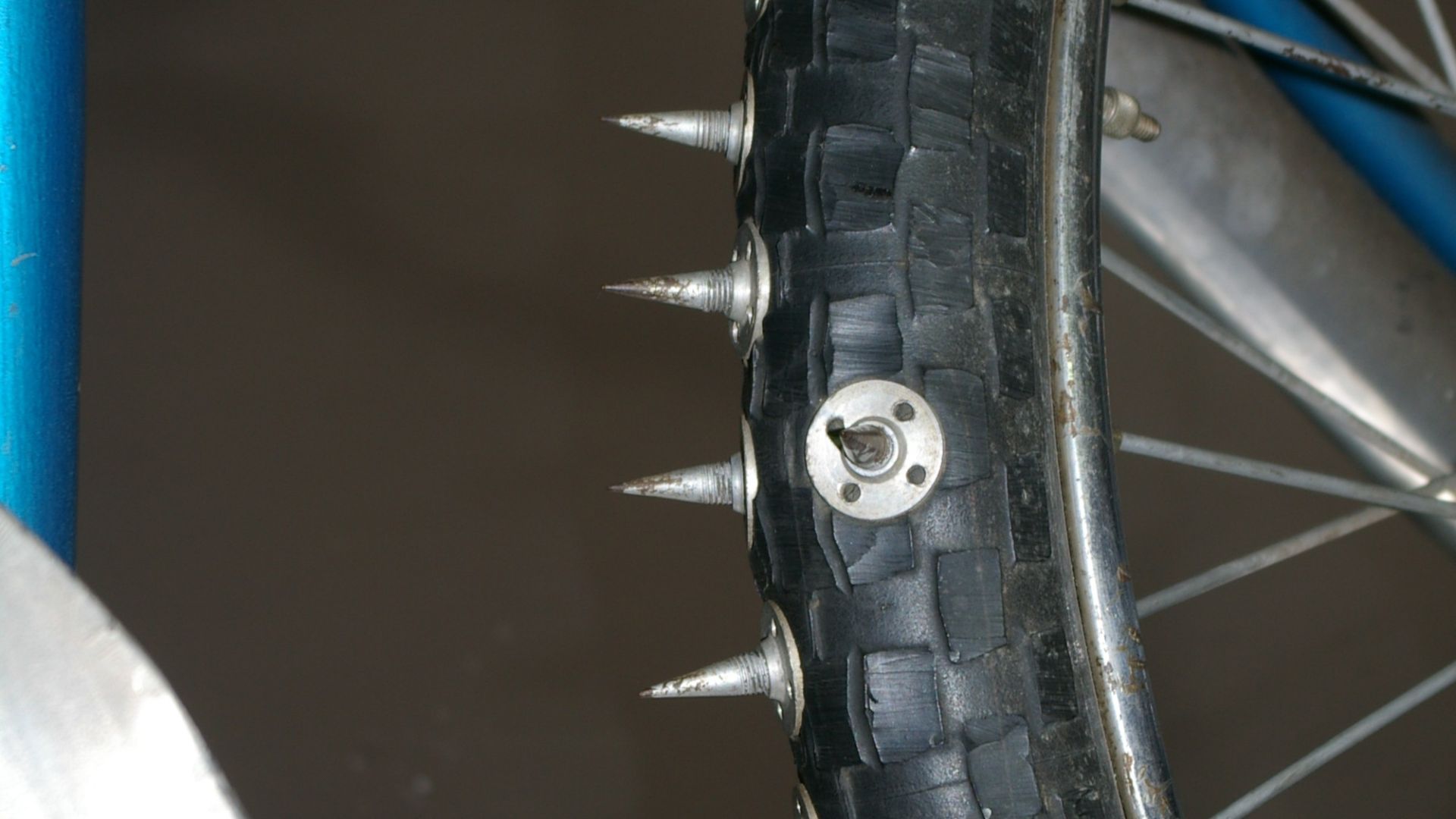
One of ice racing’s defining features is the use of studded tires. Teams drill long metal studs into tire tread so they can bite into hard ice. The pattern and length of studs matter a lot—too short and you lack grip, too long and you risk tearing up the surface or losing stability. Choosing and tuning studs is almost a science unto itself.
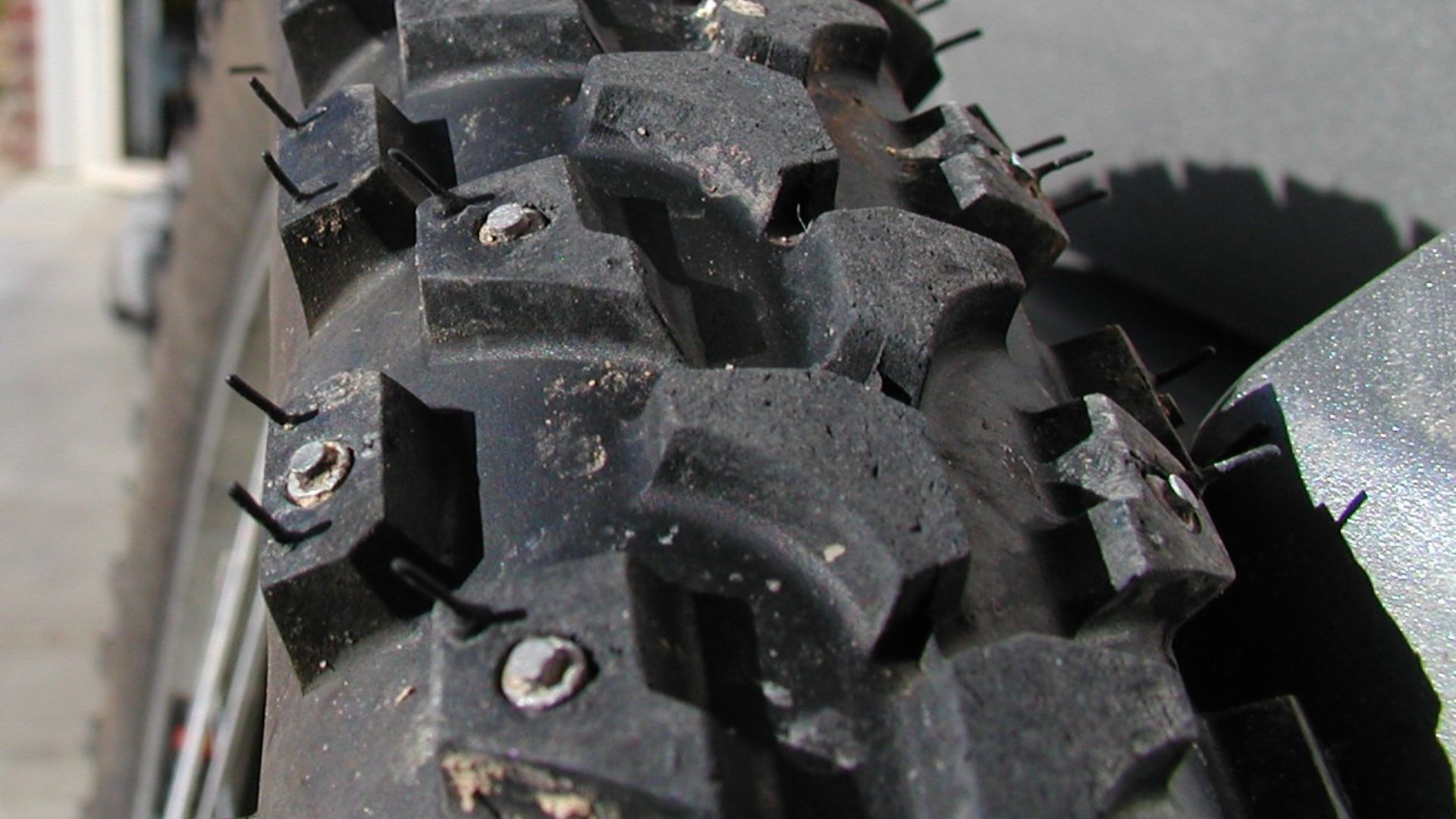 Interiot~commonswiki, Wikimedia Commons
Snowmobile Ice Racing
Ice racing isn’t just for cars. Snowmobiles have their own harsh, high-speed battles on frozen lakes and paddocks. Riders cling to handlebars as machines slide sideways through the turns. Snowmobile ice racing has its own culture and champions, especially in northern US, Canada, and Scandinavia, where frozen terrain is abundant each winter.
Motorcycles On Ice
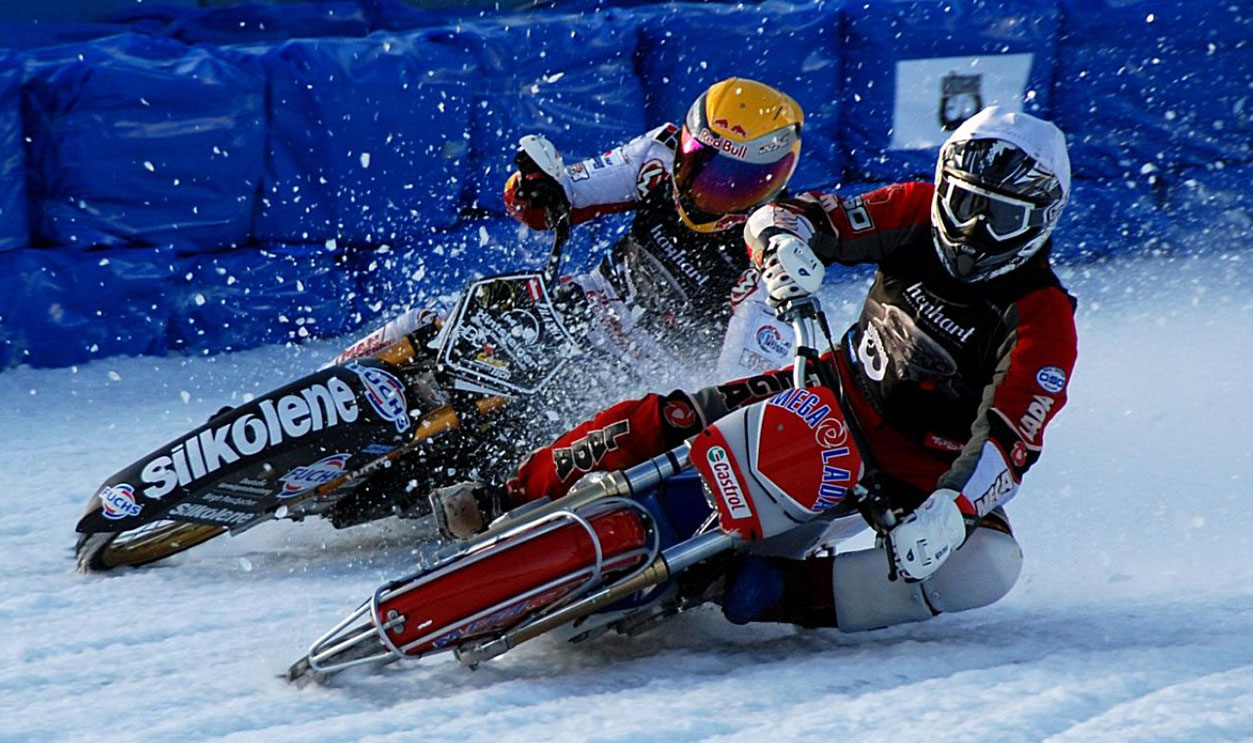
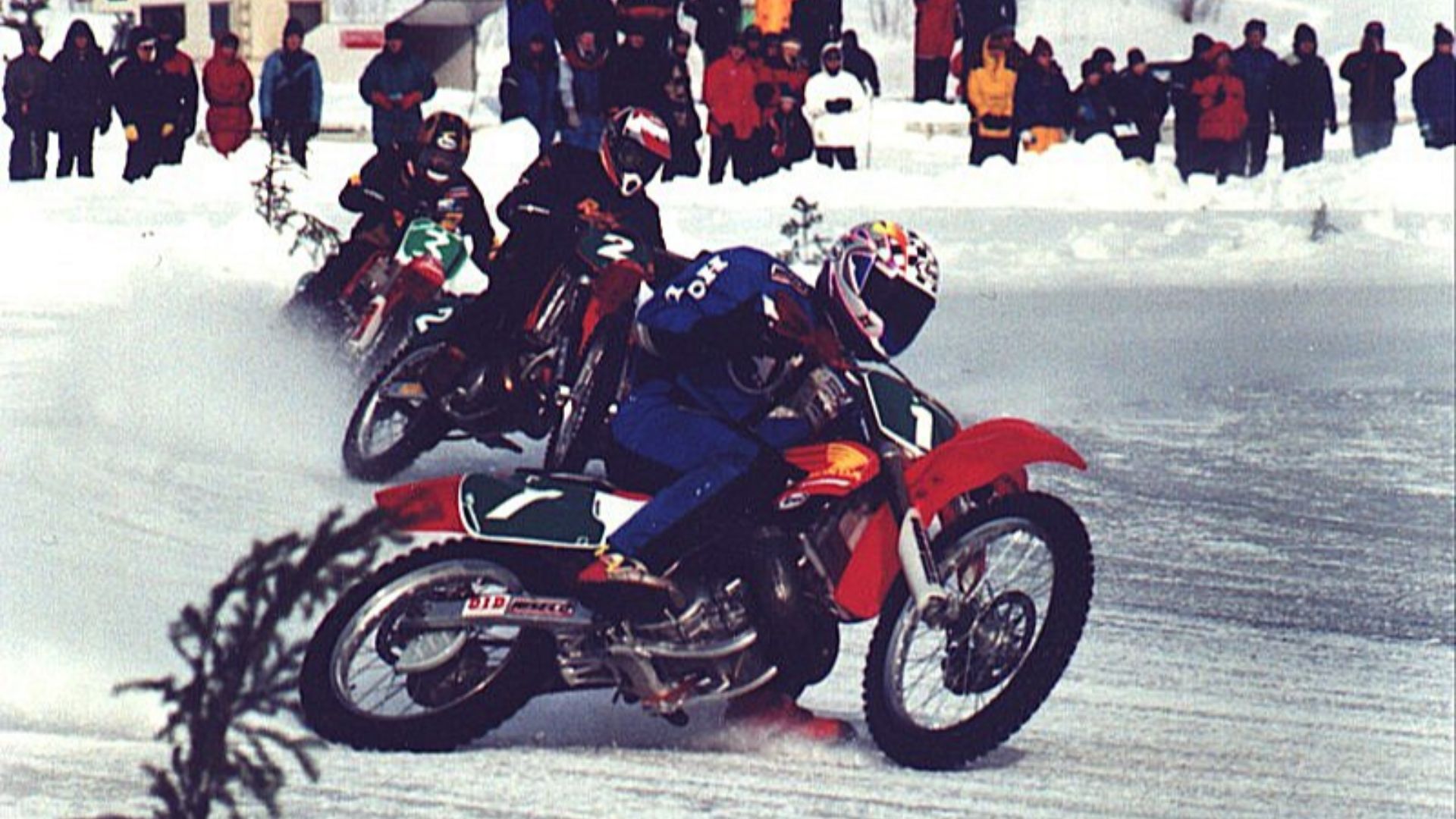
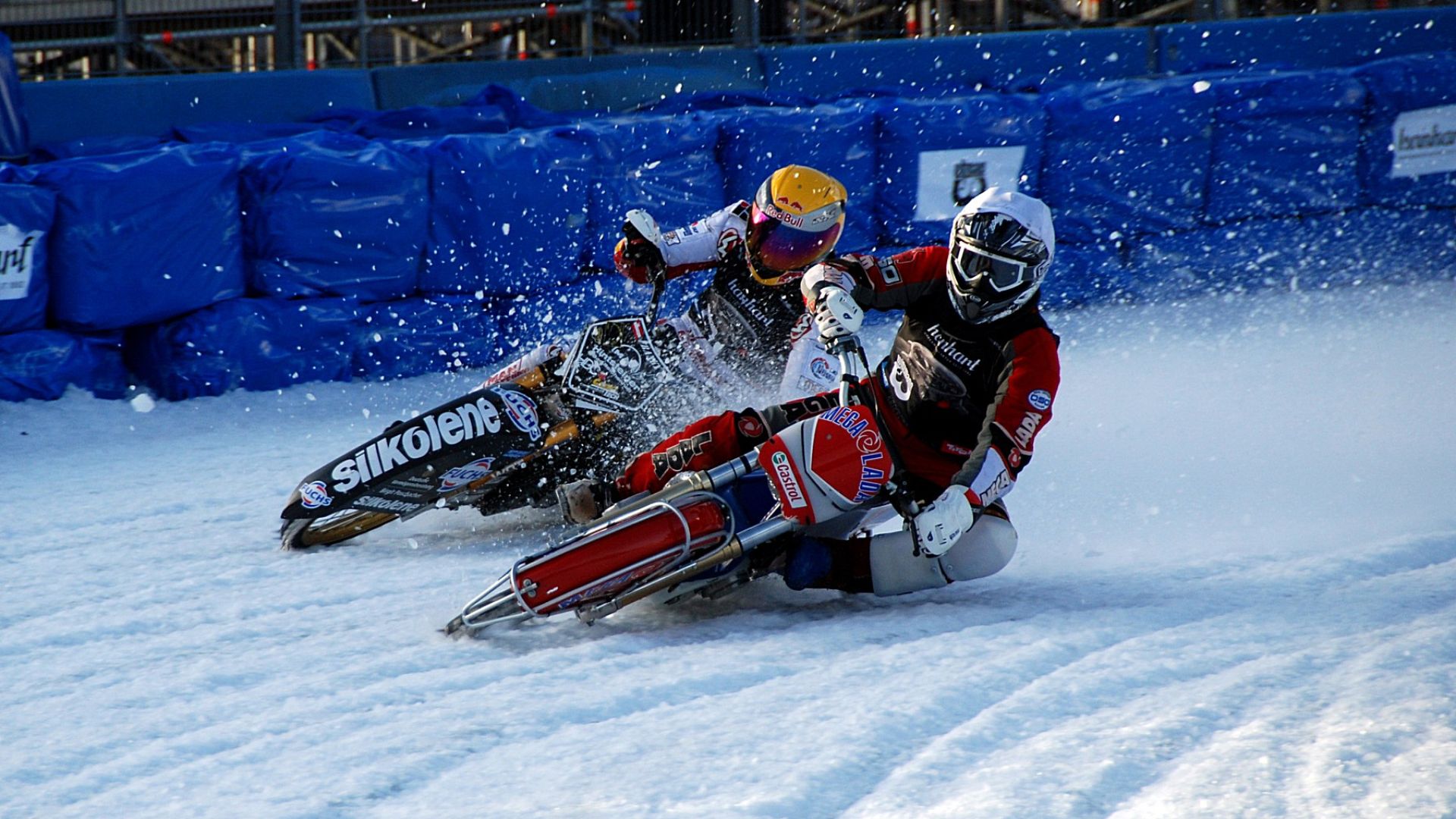
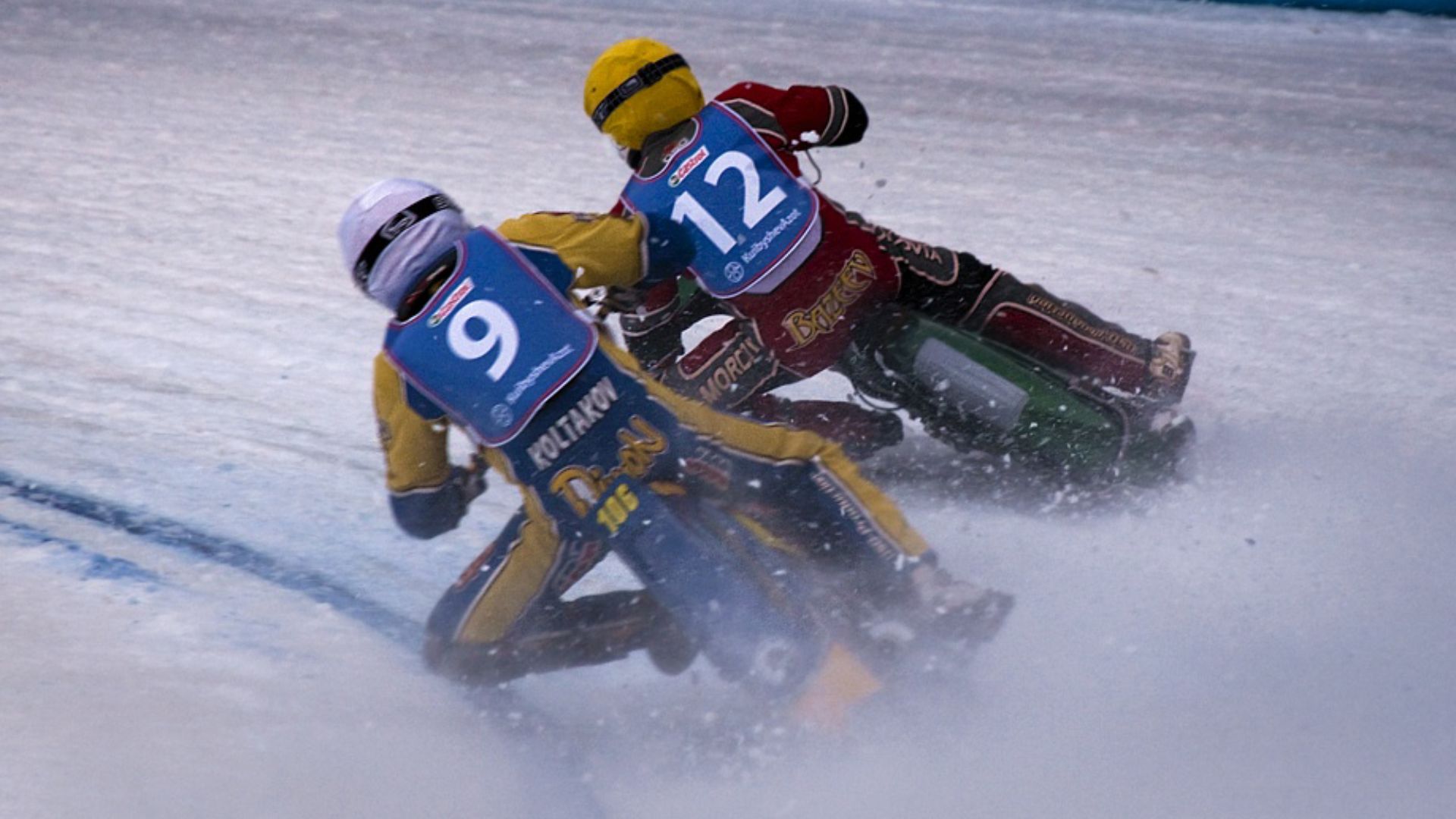
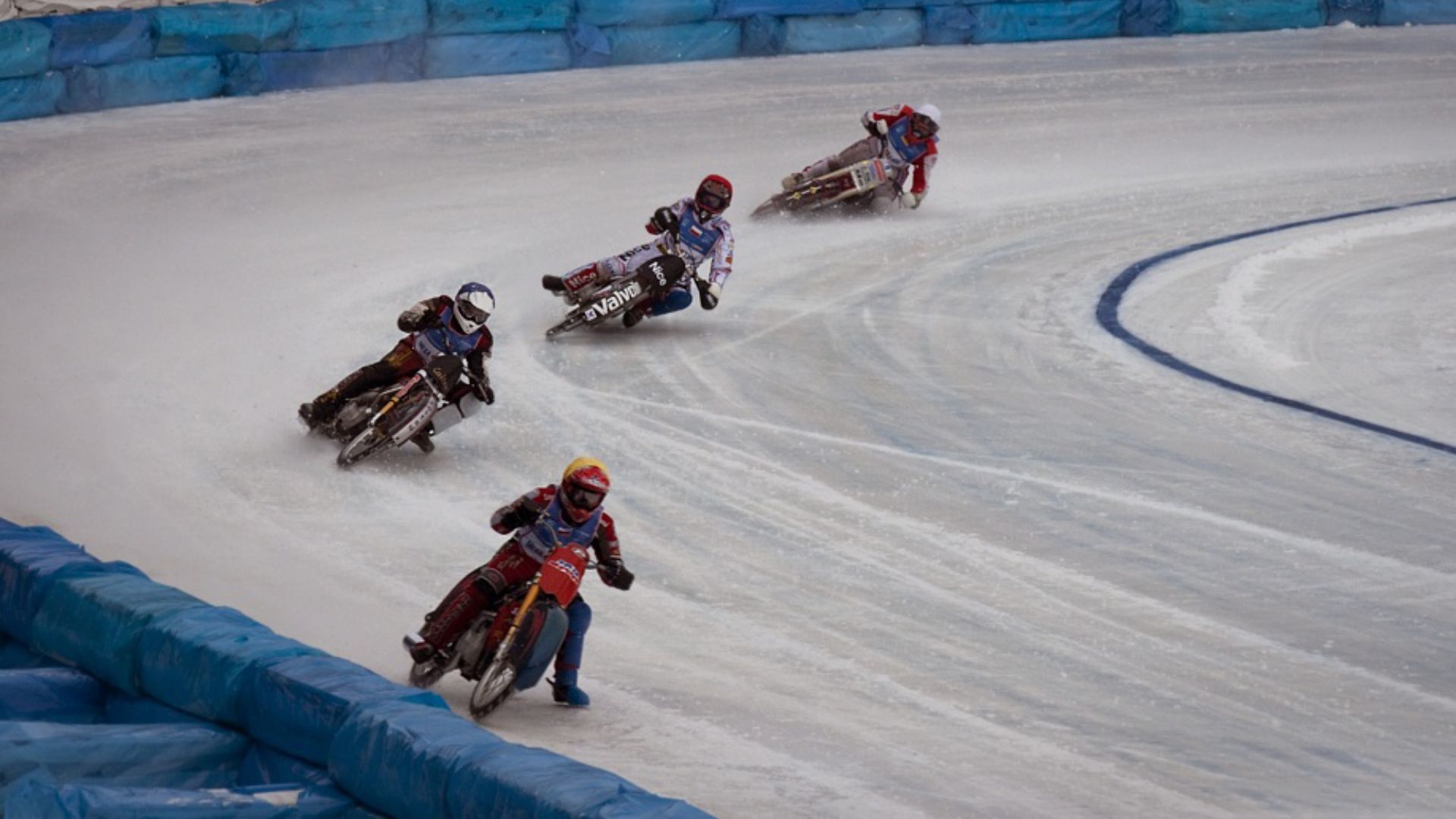
Rocking two wheels on ice seems insane, but ice motorcycle racing is real and popular in parts of Europe and Canada. Bikes use spiked tires with hundreds of inch-long studs, which act like metal claws gripping into ice. Riders lean into turns that look sideways and backwards to the untrained eye, but they’re controlling grip where there technically shouldn’t be any.
 Kassander der Minoer at German Wikipedia, Wikimedia Commons
Early North American Ice Racing
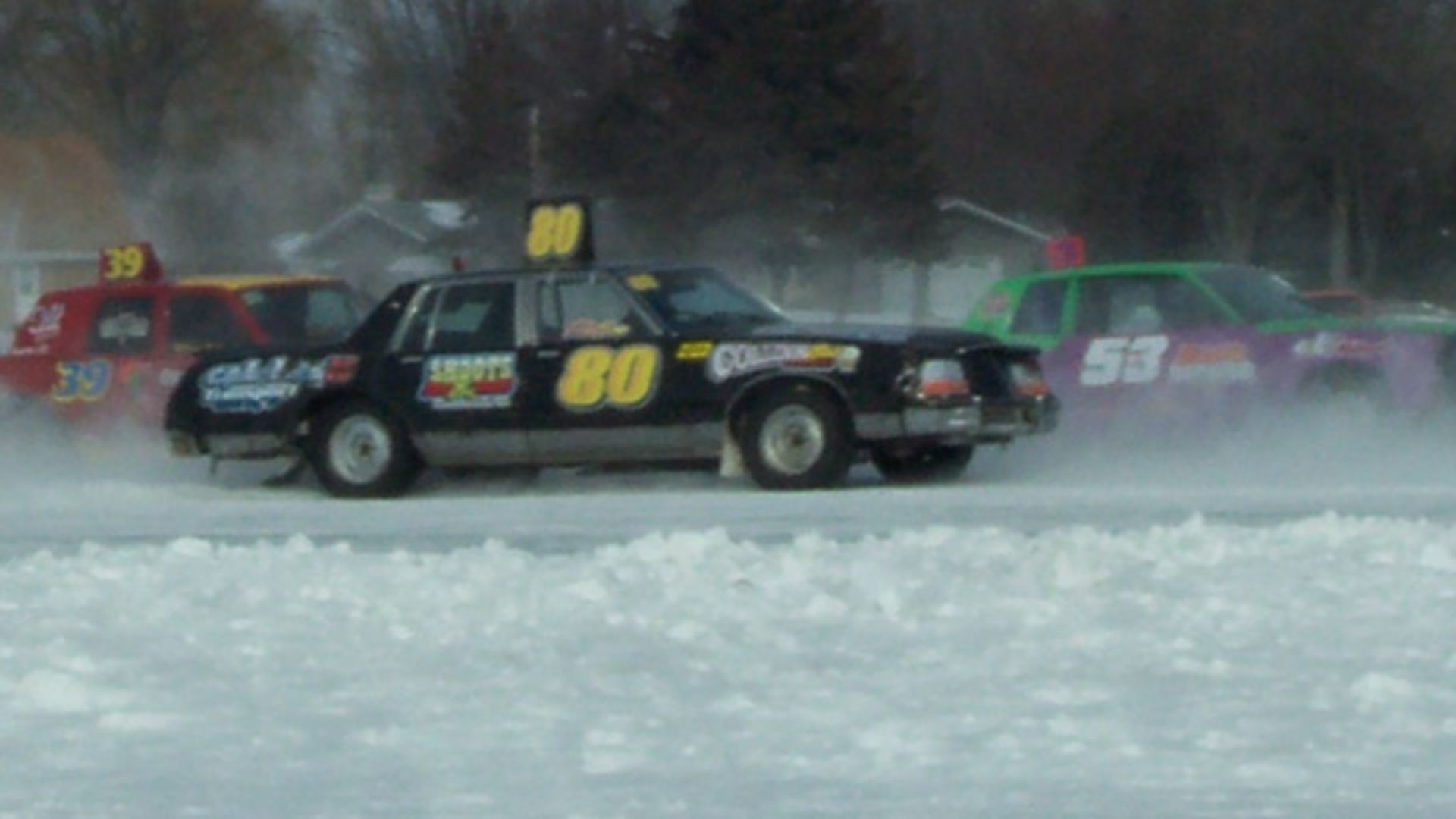
In North America, organized ice racing started gaining traction in the mid-20th century. Enthusiasts in Minnesota, Michigan, Wisconsin, and New England began staging informal races on frozen lakes in the 1950s and 1960s. Clubs formed, rules got formalized, and what was once a local winter pastime started to look like a real motorsport.
 Tekniska museet, Wikimedia Commons
The Role Of Clubs And Associations
Ice racing leagues and clubs are the backbone of the sport, especially in the US and Canada. Groups like the American Motorcyclist Association (AMA) oversee motorcycle ice racing events and rulebooks, while regions like Minnesota Ice Racing Association coordinate car events. These organizations standardize classes, safety requirements, and track regulations so that competition stays fair and fun.
 myself (User:Royalbroil), Wikimedia Commons
How A Typical Ice Race Works
Most ice racing events take place over a weekend in winter months. Cars or bikes take timed laps around a frozen course marked by cones or snow fences. Classes are divided by vehicle type, tire setup (studded versus studless), and engine displacement. Points accumulate over heats leading to a final. Some events attract dozens of competitors and crowds of spectators who dress for sub-zero temps and adrenaline.
 Harri Lahti (user Lahtiha), Wikimedia Commons
Midwest Ice Racing Hotspots
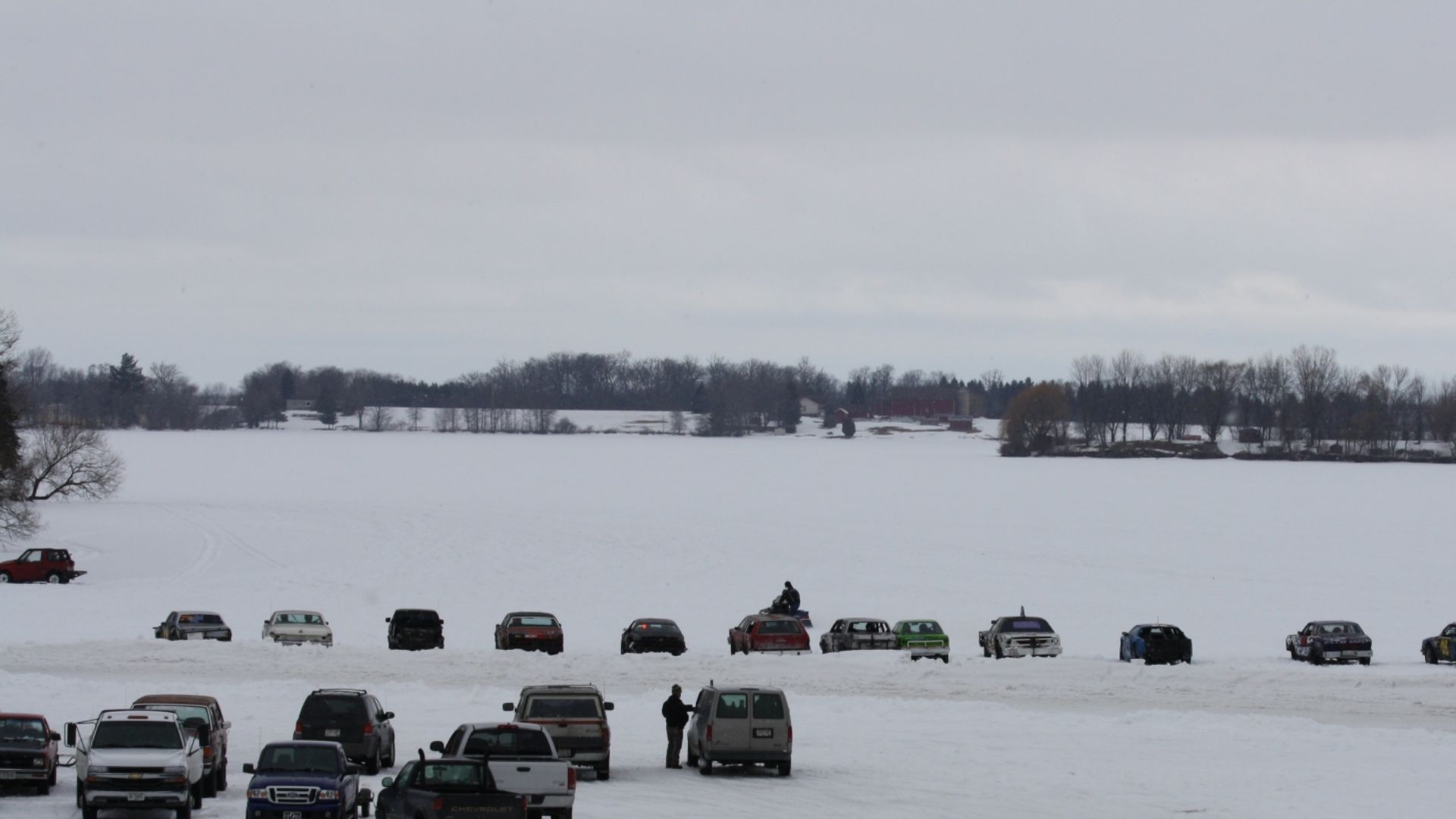
In the US, states like Minnesota, Michigan, Wisconsin, and New York host some of the most active ice racing circuits. In Minnesota alone, frozen lakes become makeshift tracks from December through February, with clubs hosting weekly races that draw hundreds of participants. Deep snowbanks double as safety barriers and spectator seating.
International Ice Racing Culture
Ice racing thrives in cold climates around the world. Scandinavia has one of the deepest traditions, with Sweden and Finland holding ice races for cars and bikes for decades. Russia has vast frozen expanses that have hosted some of the strictest and fastest ice competitions. Even Germany holds Ice Racing Grand Prix events on frozen lakes.
 Steindy (talk) 11:11, 1 October 2010 (UTC), Wikimedia Commons
Rallycross And Ice Racing Intersections
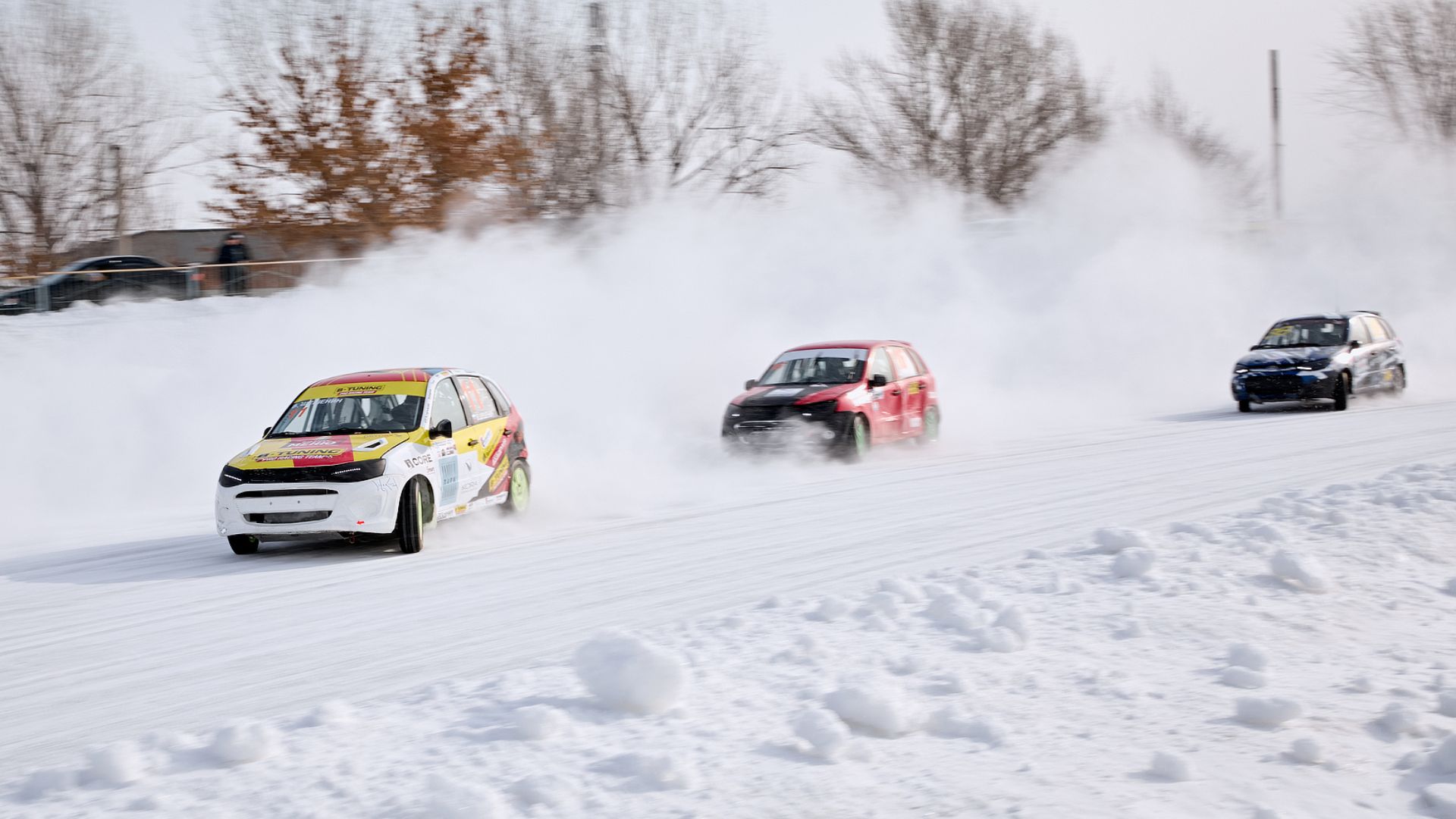
Modern rallycross drivers often cut their teeth in ice racing because the skills translate—car control in low traction conditions is crucial in both disciplines. Many rally drivers from Nordic countries started in ice racing before moving to World Rally Championship or rallycross competition.
Ice Racing For Kids And Amateurs
In many regions, ice racing isn’t just for professionals. Youth classes exist where kids as young as 8 or 10 race small-engine karts on ice paddocks. These classes help build throttle control, steering precision, and heat-race experience from a young age, meaning some ice racers have been at it for decades.
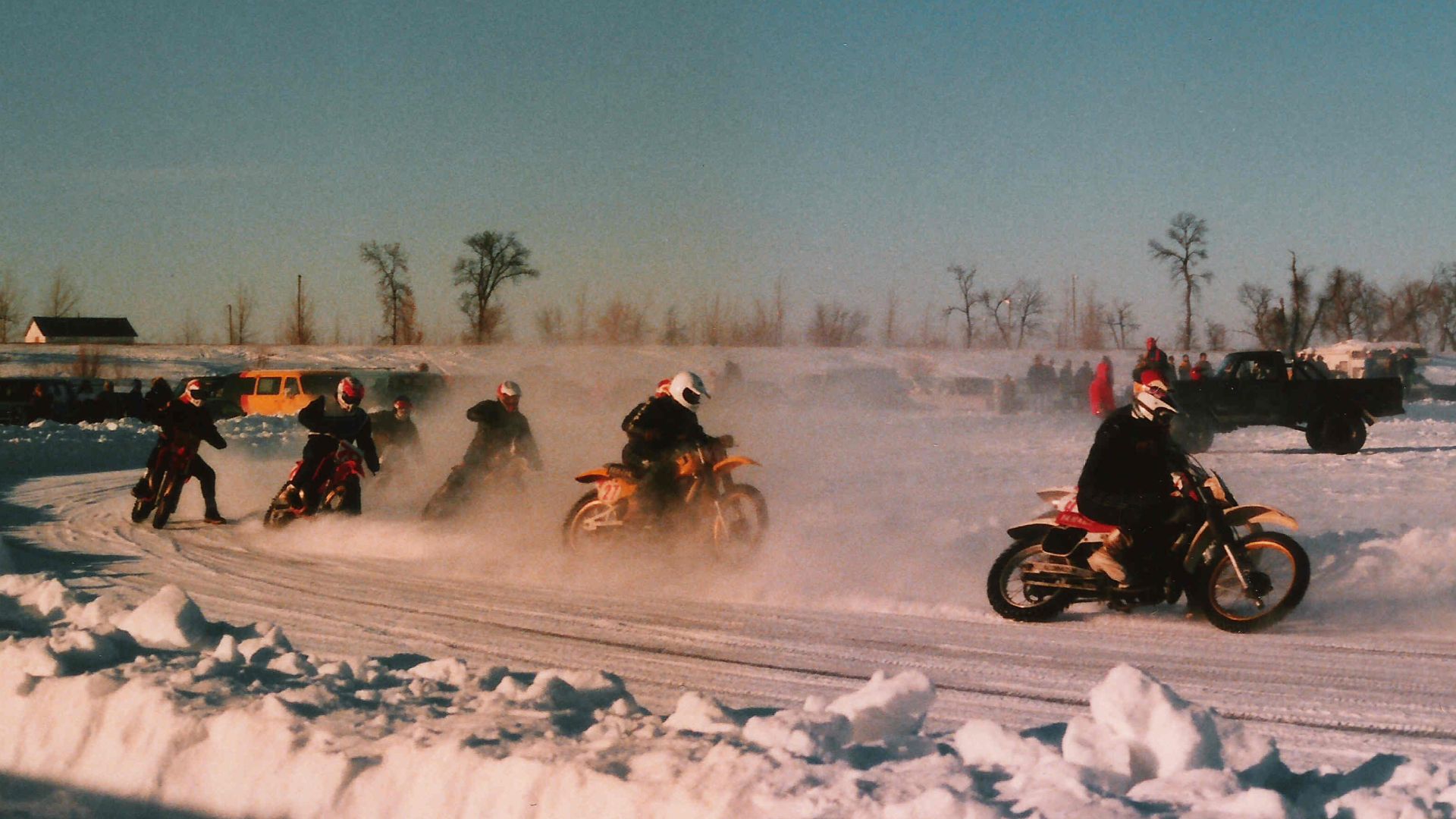
The Cars You See On Ice
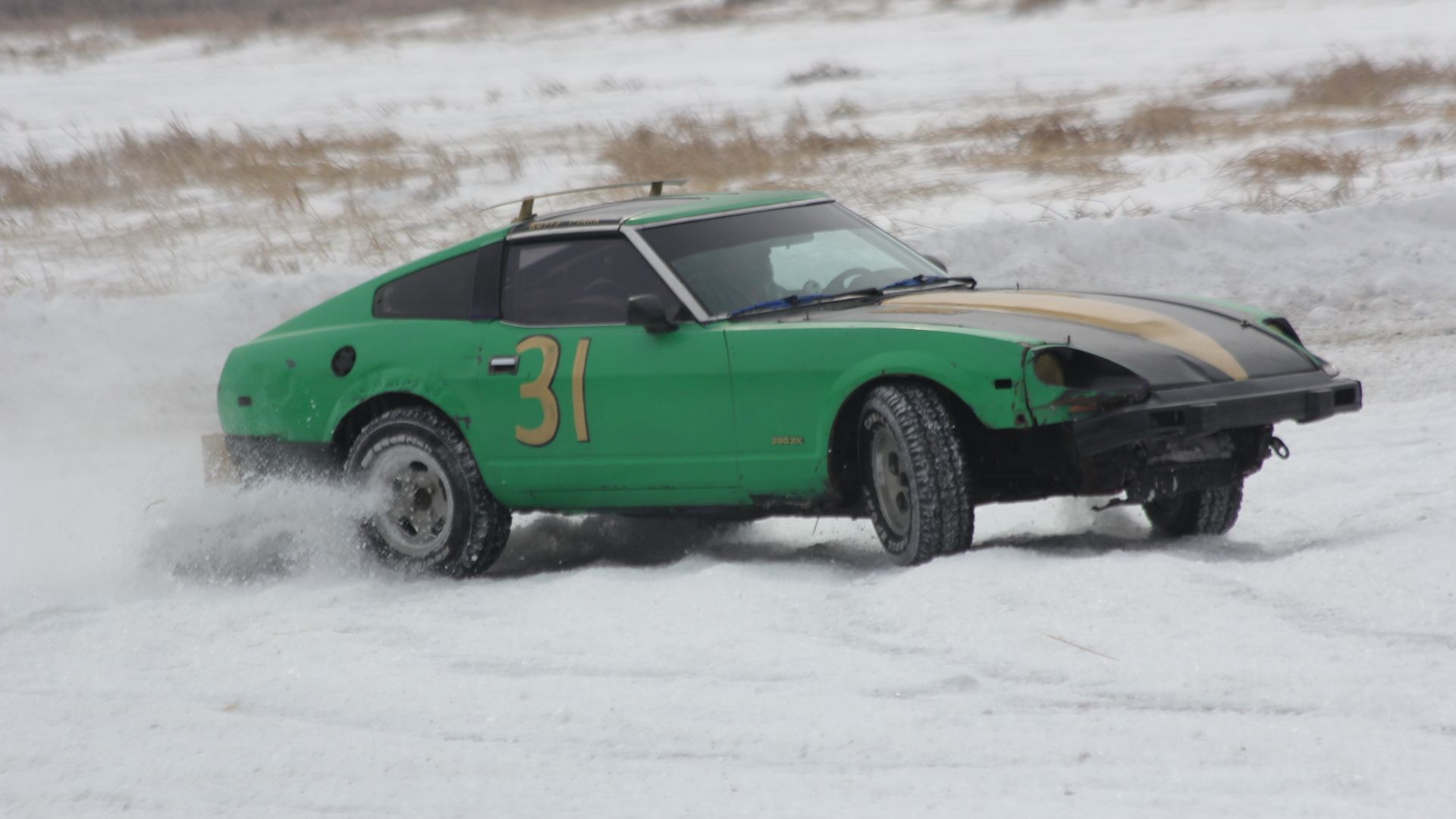
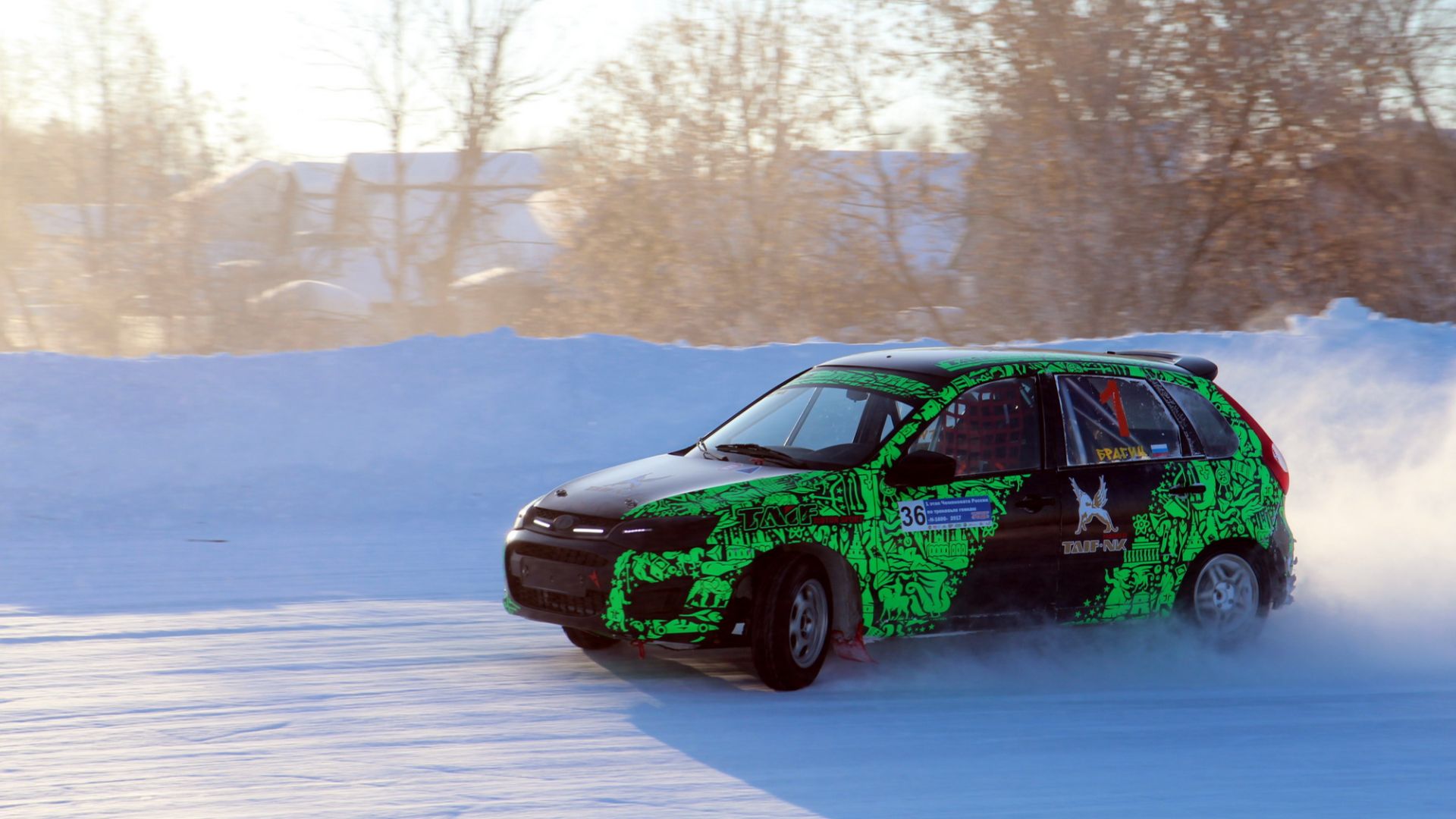
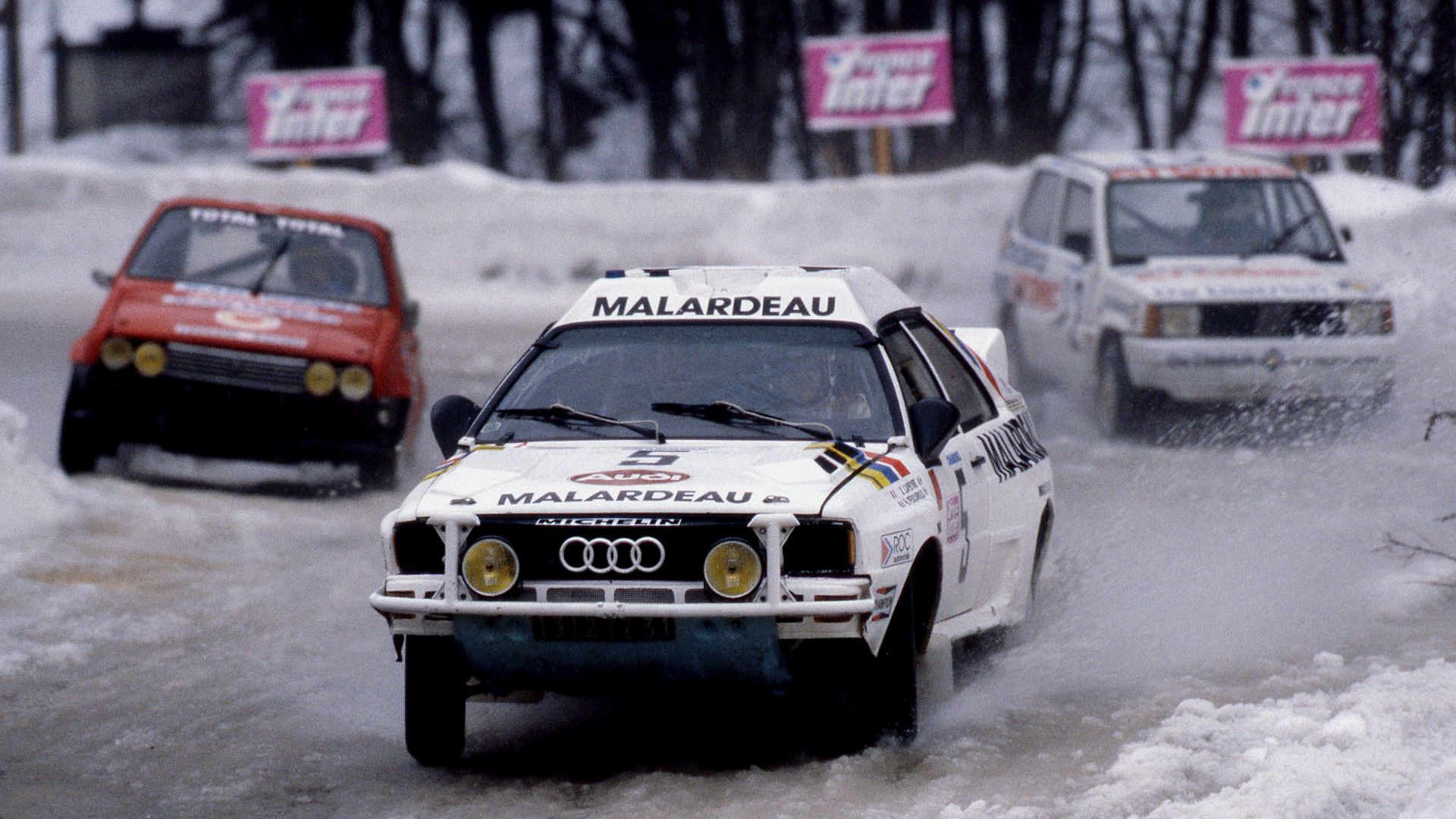
Vehicles range widely: modified compact cars, rally cars, dedicated ice racers with roll cages and weight distribution tweaks, and even vintage sedans. Most cars are rear- or all-wheel drive, but clever front-wheel-drive setups have proven surprisingly effective. Engine size matters less than balance and tire grip.
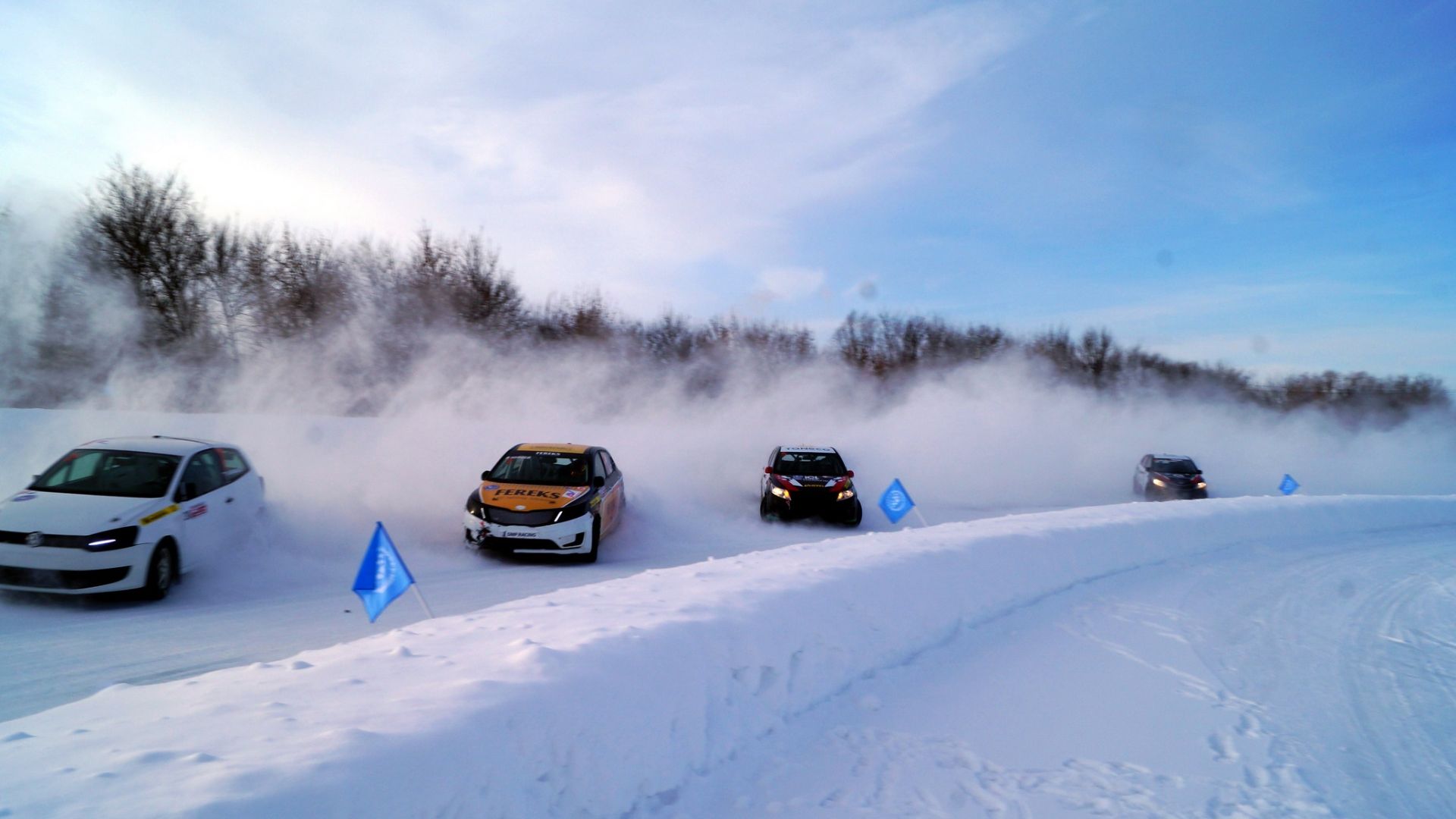
The Allure Of Studless Racing
Not all ice racing uses studs—studless racing is a category too. Racers rely on special winter tires with aggressive siping rather than metal studs. Studless classes are quieter and less damaging to surfaces, and they attract newcomers who don’t want to install hundreds of studs just to race.
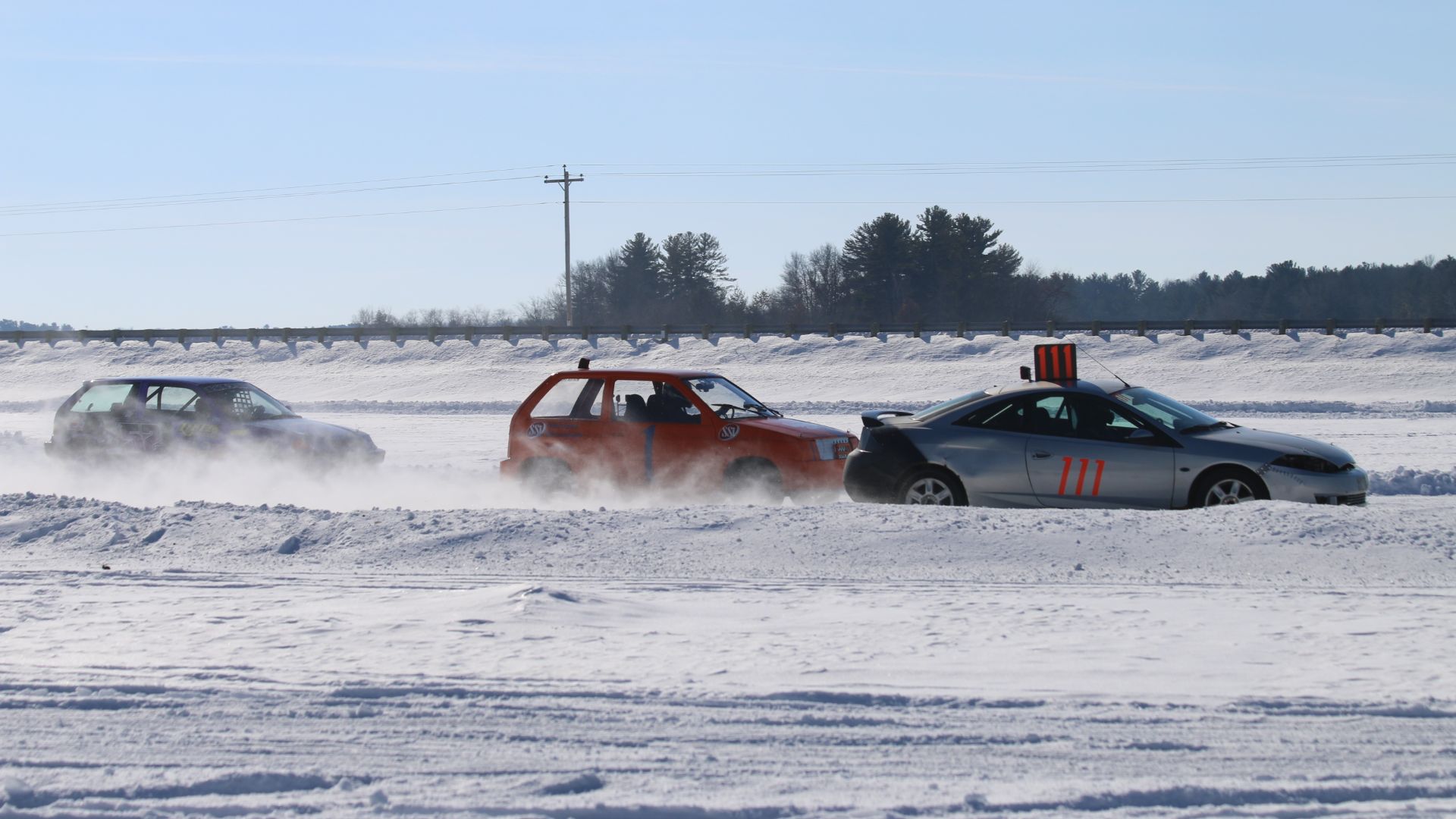
Ice Racing And Safety
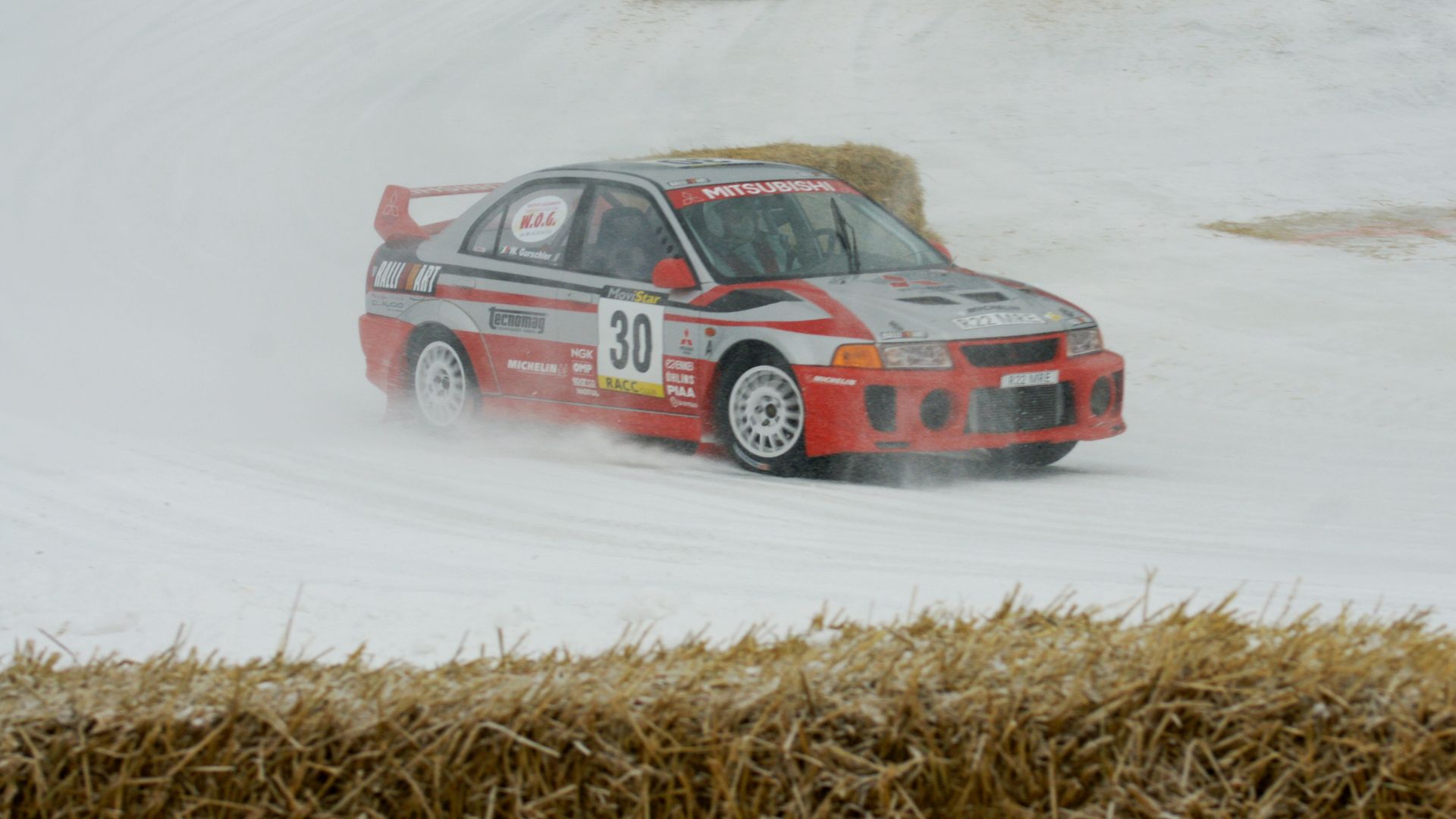
Despite the frozen surface, safety is a priority. Courses have snowbanks or hay bales for impact absorption, drivers wear full fire suits and helmets, and cars require roll cages and harnesses. At motorcycle events, riders use stud protection and layered gear. Ice can be unpredictable, and safety culture reflects the environment.
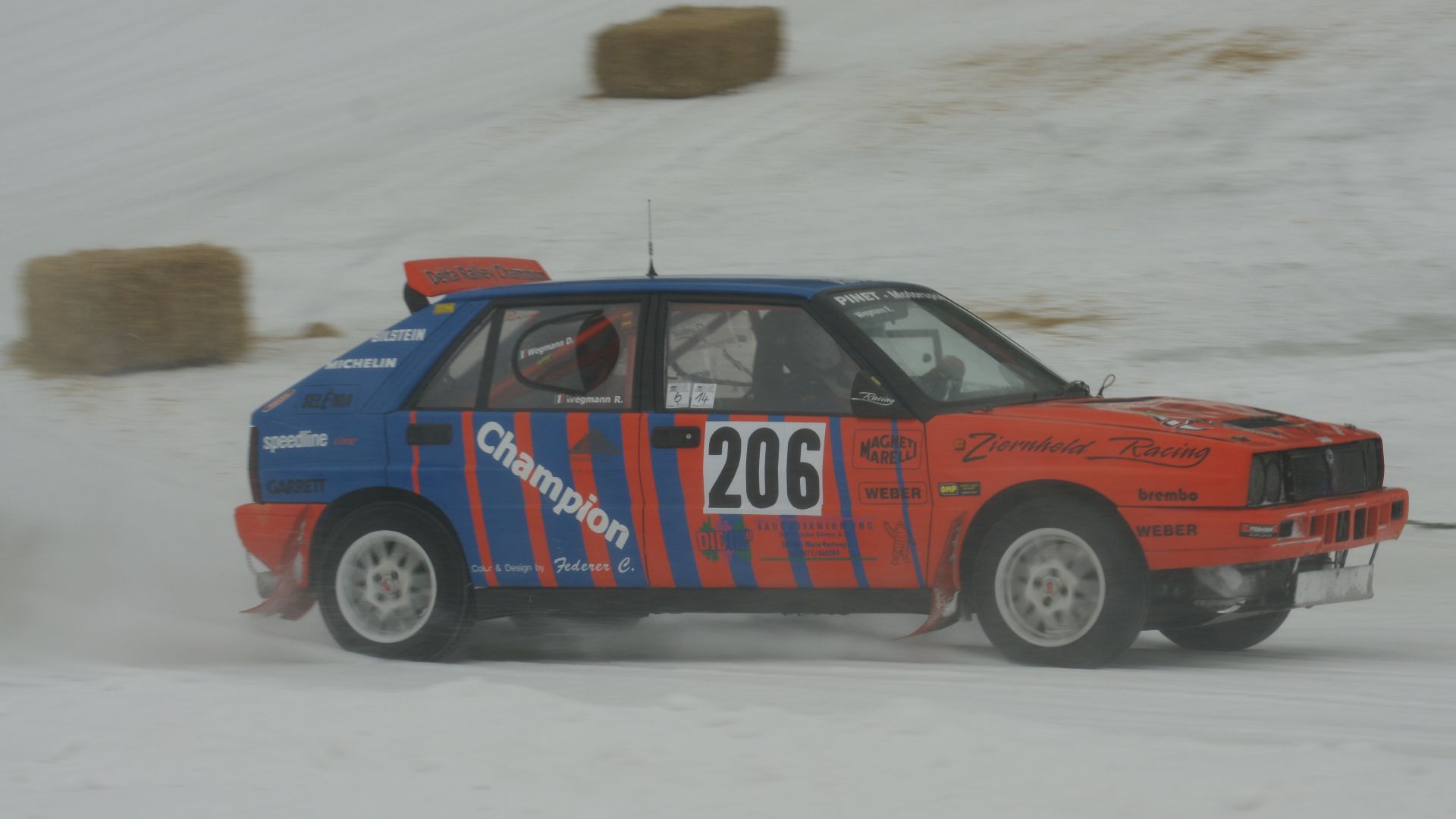 böhringer friedrich, Wikimedia Commons
Champions And Legends Of Ice Racing
While ice racing doesn’t have a global “Super Bowl” champion list like other motorsports, regional heroes abound. In North America, riders like Kevin St Louis and drivers like Dave Madsen and Stephanie Smith are perennial winners in cars. In Scandinavia, riders such as Mikael Persson and Benny Jansson have won multiple national ice racing titles. Motorcycle ice racers like Allan Samek and Pat Mach Pro have made names for themselves in AMA events.
 Вадим Кондратьев, Wikimedia Commons
Ice Racing’s Place In Motorsports Today
Unlike Formula 1 or NASCAR, ice racing doesn’t dominate headlines. But it’s a thriving subculture with tens of thousands of competitors worldwide. It has its own magazines, YouTube communities, and winter festival tie-ins. For many drivers, ice racing is where real car control is learned—often in conditions their summer machines never face.
 Mike-fiesta, Wikimedia Commons
The Cost Of Entry
Ice racing doesn’t have to break the bank. Many competitors start with low-cost used cars, inexpensive winter tires, and homemade stud setups. At the high end, custom roll-caged race cars with tuned suspensions and professional safety gear dominate. But grassroots racing keeps the community broad and welcoming.
 Eddi Laumanns aka RX-Guru, Wikimedia Commons
When Ice Racing Gets Challenging
Sometimes heatwaves, thin ice, or early thaws cancel events—even for entire seasons. Ice safety experts measure ice thickness and quality before permitting races. Tracks must be at least 6–8 inches thick for motorcycle racing and much thicker for cars. These constraints add another layer of planning and risk to the sport.
 böhringer friedrich, Wikimedia Commons
Technology Crossing Over
Race engineers often borrow technology from rally racing, rallycross, and even ice yacht racing. Telemetry, custom tire compounds, suspension tuning, and aerodynamics all play roles. The sport might look low-tech from afar, but competitive teams leave no stone unturned when tuning their machines.
The Future Of Ice Racing
Climate change presents challenges for ice racing, as warmer winters shorten seasons. But frozen surfaces still exist in many regions, and enthusiastic communities are adapting. Some leagues schedule events early and late in the winter and experiment with artificial ice tracks.
 Вадим Кондратьев, Wikimedia Commons
Ice Racing Legends: A Community, Not Just a Title
Ice racing doesn’t have a unified world champion, but legends still emerge. Local heroes, repeat regional winners, and memorable duelers make the sport rich with stories. It’s a motorsport that thrives on community, winter weather, and the pure fun of sliding fast on frozen surfaces.
You May Also Like:
Dakar Rally Legends Who Conquered The Desert And Death
Why Rallycross Is The Most Underrated Motorsport In The U.S.
How The Indian Scout Became America’s First True Racing Icon