The Head-Gasket Dilemma: Fix It Or Total The Car?
A blown head gasket always sounds like a dramatic automotive tragedy, and sometimes it truly is. When a mechanic says it would be “cheaper to replace the whole car,” it can feel like a surprisingly harsh verdict—almost like being told to give up on a loyal old friend. But depending on the age, value, and condition of your vehicle, your mechanic may actually be right. Head gasket repairs often cost between $1,500 and $3,000, sometimes even more for temperamental or tightly packed engines. The problem is that a blown head gasket rarely arrives alone; it often signals deeper trouble such as warped cylinder heads, cracked engine blocks, coolant contamination, or oil starvation.

Understanding Head Gasket Repairs: What You’re Really Paying For
Head gaskets themselves aren’t expensive, but the labor involved is where the cost climbs dramatically. A mechanic must remove large portions of the engine, separate the cylinder head from the block, inspect surfaces for warping, clean everything meticulously, and reassemble the entire arrangement with precision. If anything unexpectedly refuses to cooperate—such as rusted bolts, damaged screws, or warped metal—the price goes up quickly. And if the engine overheated severely before the failure occurred, the odds of additional hidden damage increase significantly, turning the job into a financial gamble.
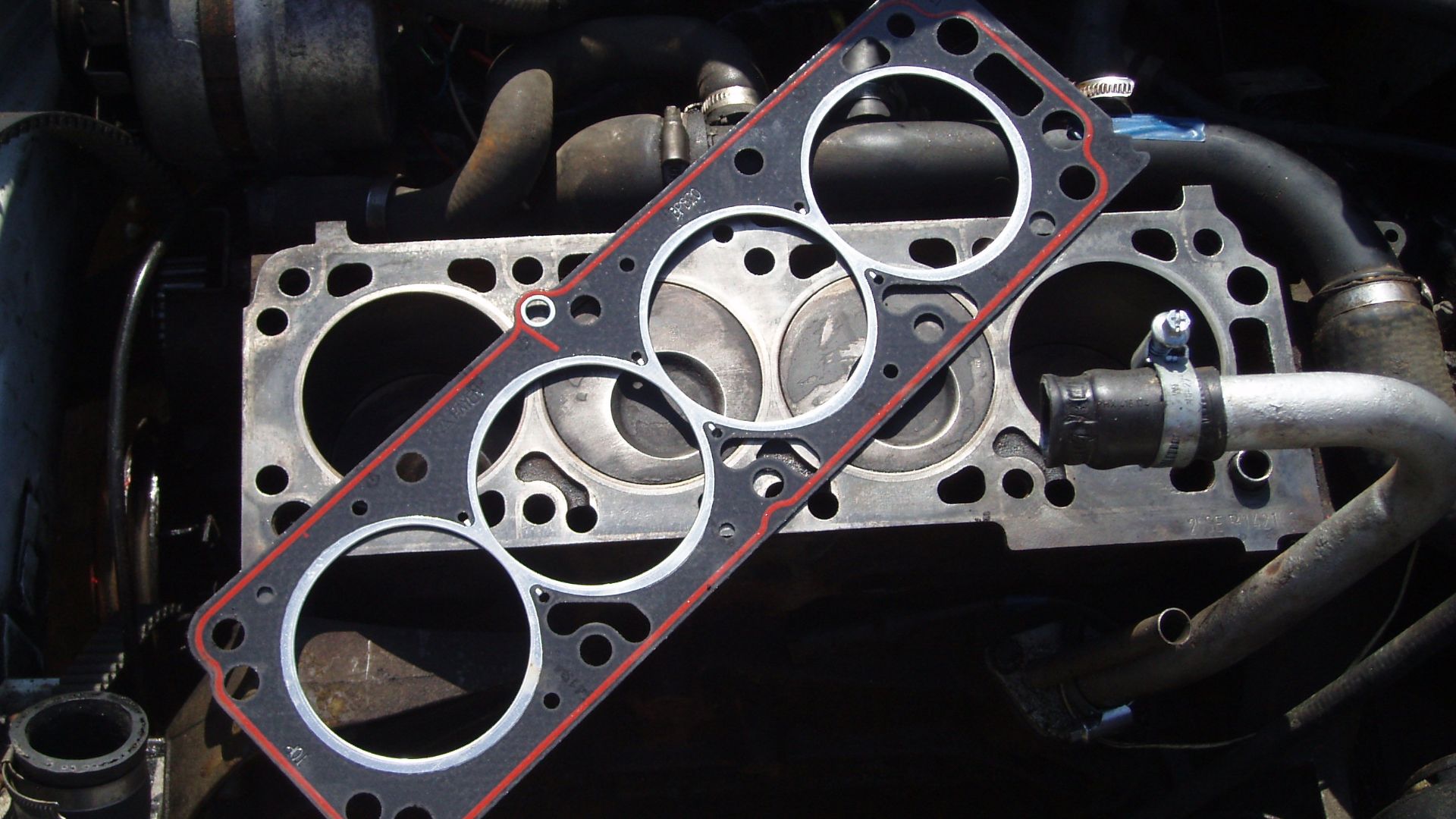 Lewis Collard, Wikimedia Commons
When A Head Gasket Is Worth Fixing
There are still plenty of situations where repairing the gasket is absolutely worth the investment. Cars with low mileage, strong reliability reputations, and engines that show no other signs of internal problems often remain good candidates for saving. If the vehicle retains a high market value, and if you’ve kept up with routine maintenance to the point where no other major system is in danger of failing, then restoring it can buy you several more years of trustworthy service. In cases like these, a head gasket repair is not a last-ditch effort but rather a smart, long-term investment that keeps an otherwise dependable machine on the road.
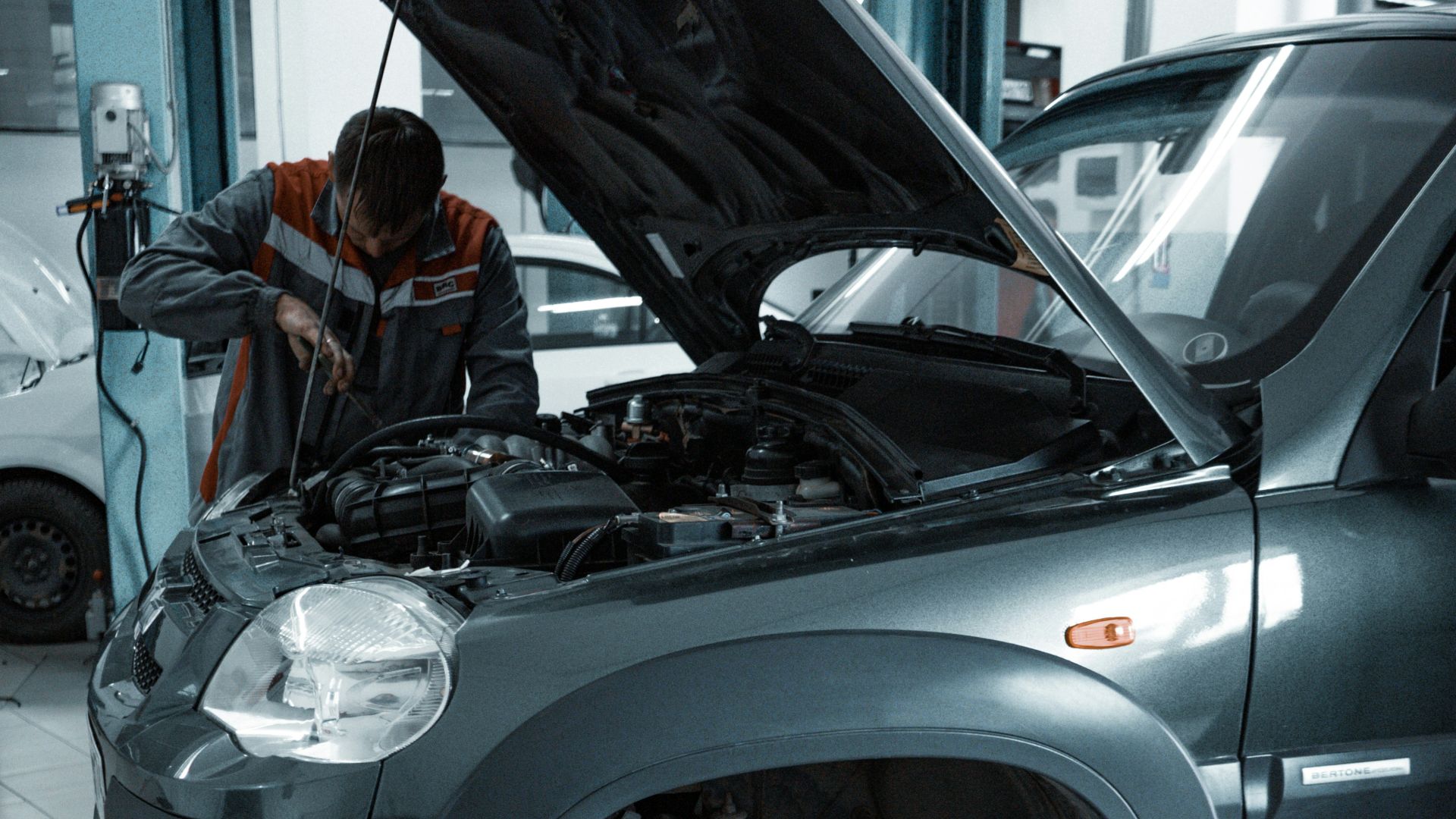
When A Head Gasket Means It’s Time to Say Goodbye
Unfortunately, not every car is so lucky. If your vehicle is older, high in mileage, or worth less than the cost of the repair, the mechanic’s advice to move on becomes much more sensible. A car that has suffered severe overheating to the point of warping metal is likely to develop further issues even after the gasket is replaced. If rust has begun silently claiming the frame or subframe, or if other mechanical systems like the transmission, suspension, or electrical components are already showing their age, then replacing the gasket may only delay the inevitable. In those situations, fixing the car becomes a temporary bandage rather than a worthwhile resurrection.

The Big Picture: Head Gasket vs. Replacement Cost
Replacing a car outright is never cheap, but neither is constantly repairing a machine that has reached the twilight of its usable life. Many drivers spend years tossing money into repairs only to realize that they crossed the point of no return long ago. If you’re already facing a repair bill equivalent to several car payments, it’s a good idea to take a step back and look at the bigger picture. Consider the car’s total value, how many years of life it likely has left, what major repairs are coming soon, and whether the model is historically reliable or known for reaching an early retirement.

Catastrophic Engine Failure
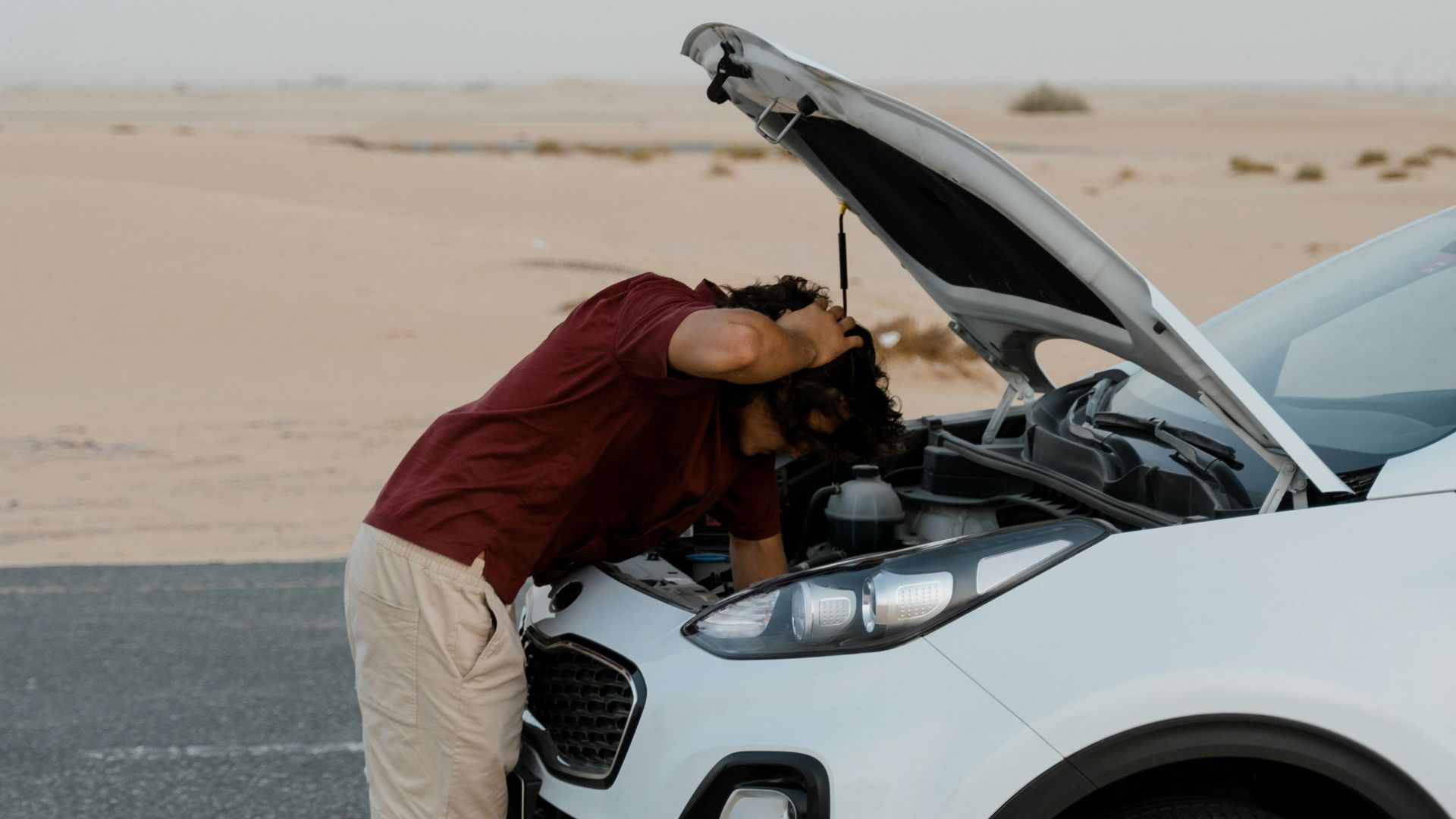
When an engine goes from a mild rattle to sounding like a blender full of loose screws, the cost of replacement can climb into the thousands, frequently exceeding the value of an older car. If the engine has imploded, spun a bearing, or seized entirely, replacing the entire vehicle often becomes the financially sensible option.
Transmission Failure
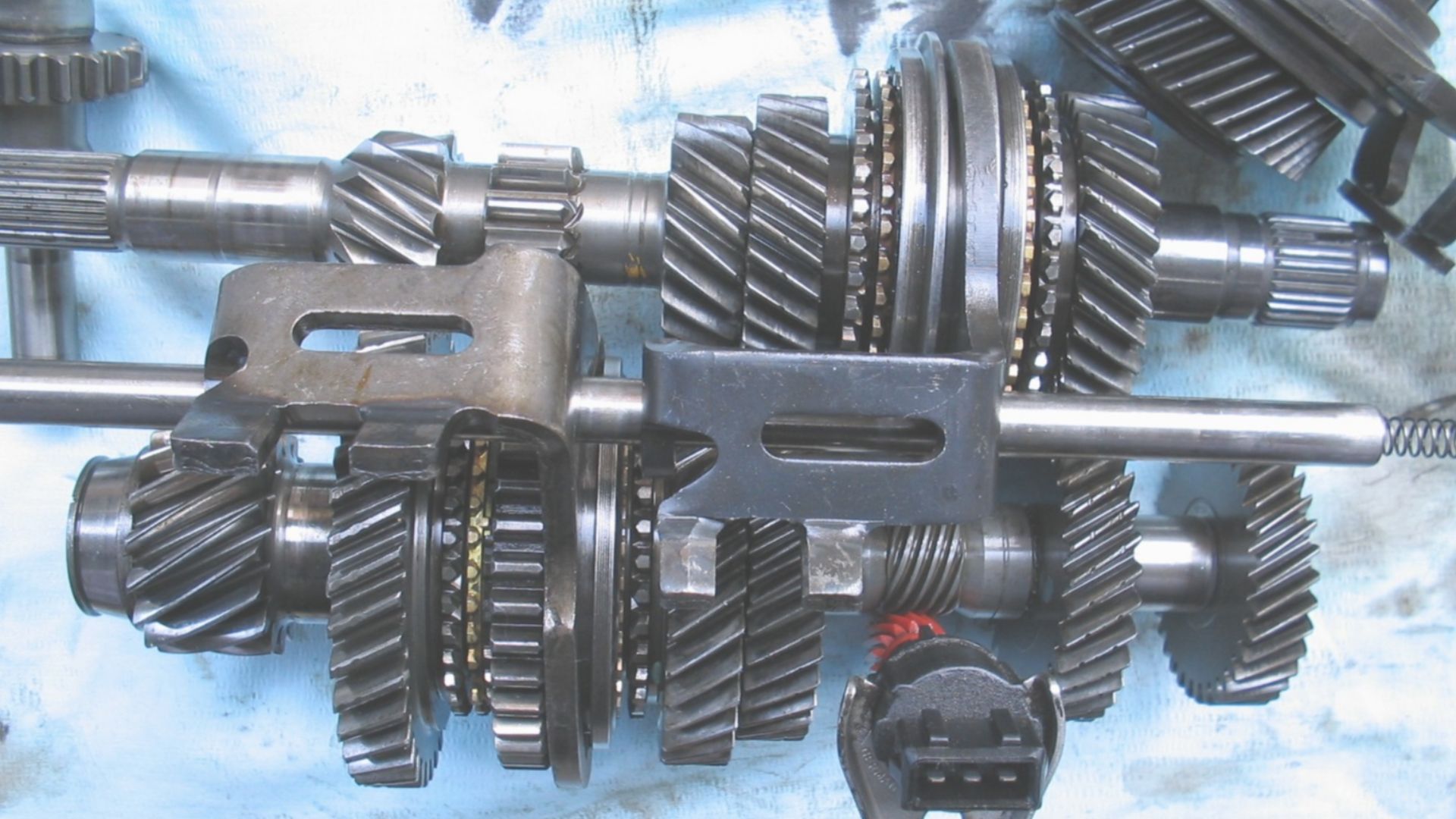
A failing transmission is one of the most expensive disasters a car can suffer. Rebuilding or replacing an automatic transmission can cost more than the price of a decent used car, and if your vehicle is already on the older side, the math simply won’t make sense.
Hybrid Battery Replacement
Many early hybrid vehicles now require battery replacements that can cost several thousand dollars. For hybrids that have depreciated significantly, installing a new battery pack can cost nearly as much as buying another running example of the same model.
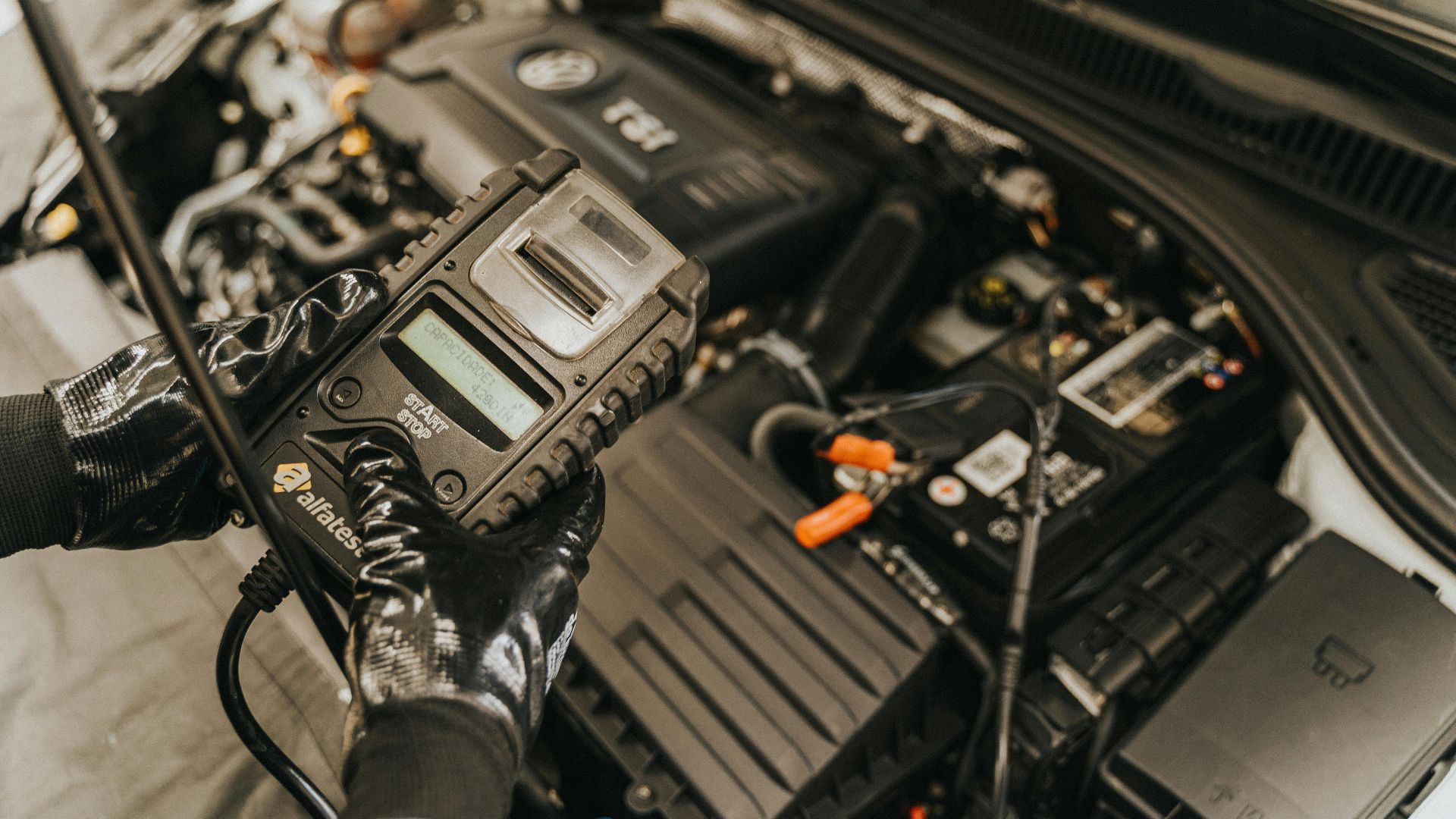
Severe Rust Damage
Rust is the silent killer of older cars, slowly consuming body panels, brake lines, suspension mounts, and even the frame. Once extensive corrosion sets in, repairs often require cutting, welding, fabricating, and replacing large sections of metal, which quickly becomes more expensive than replacing the vehicle entirely.

Structural Frame Damage
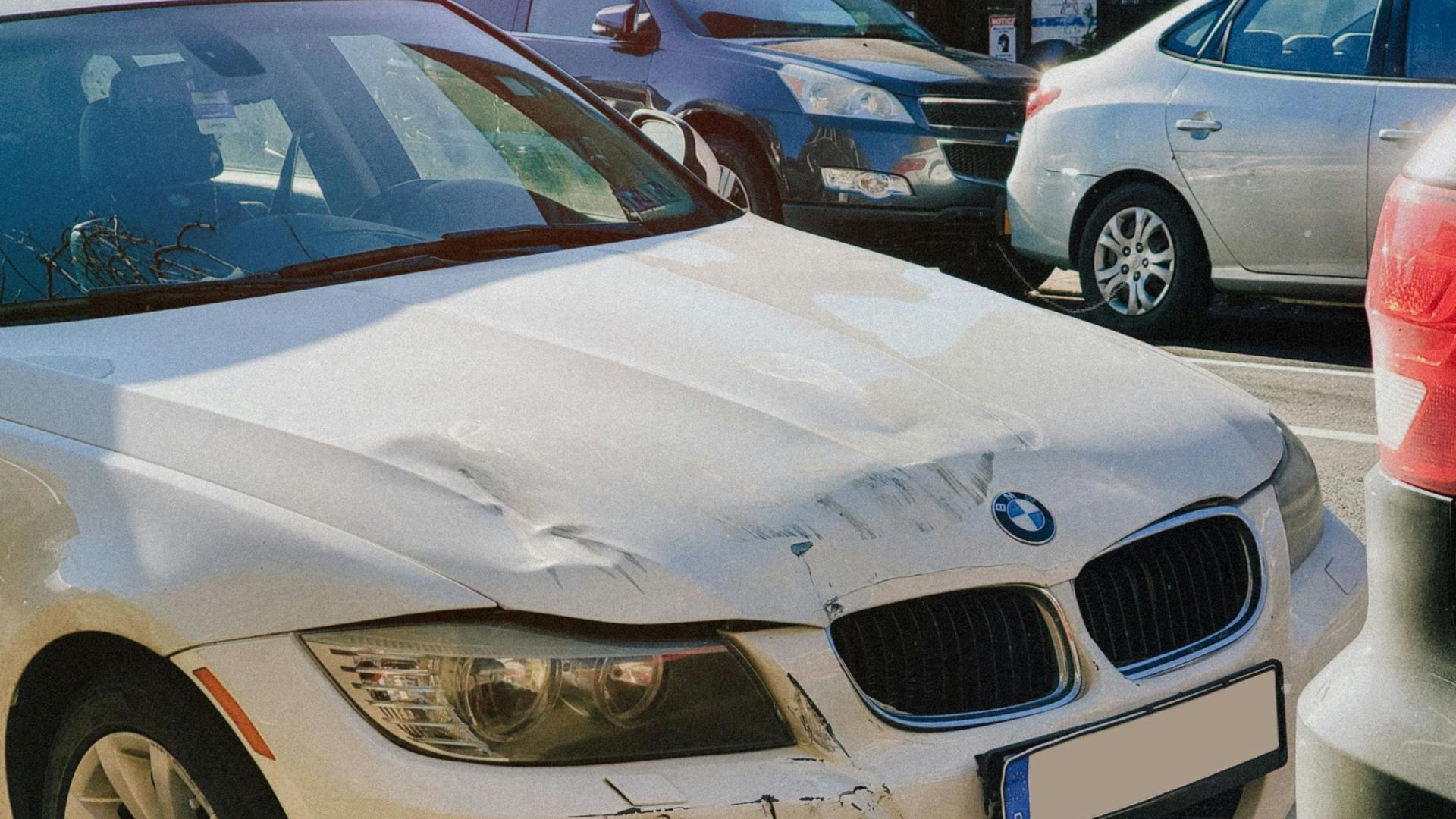
If your car has suffered a major crash that bent or twisted the frame, straightening it to factory specifications is both technically complex and financially draining. Repairs involving structural components often exceed the car’s value, making replacement the more sensible choice.
Failed Air Suspension Systems
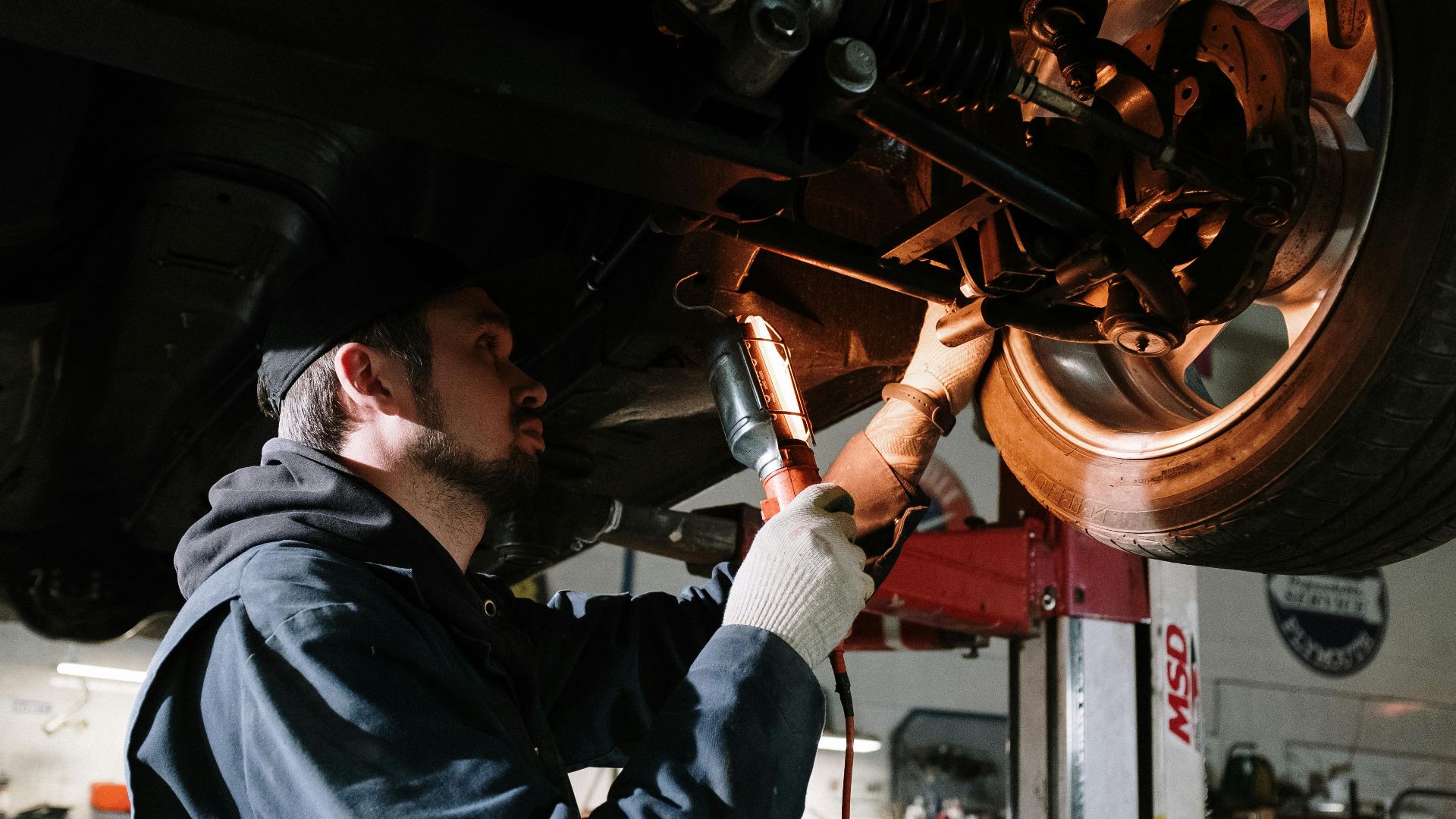
Vehicles equipped with air suspension systems—especially certain luxury SUVs and sedans—can be shockingly expensive to repair when compressors, lines, or air struts fail. Replacing multiple components often costs more than the value of an aging luxury vehicle.
When Every Dashboard Light Comes On At Once
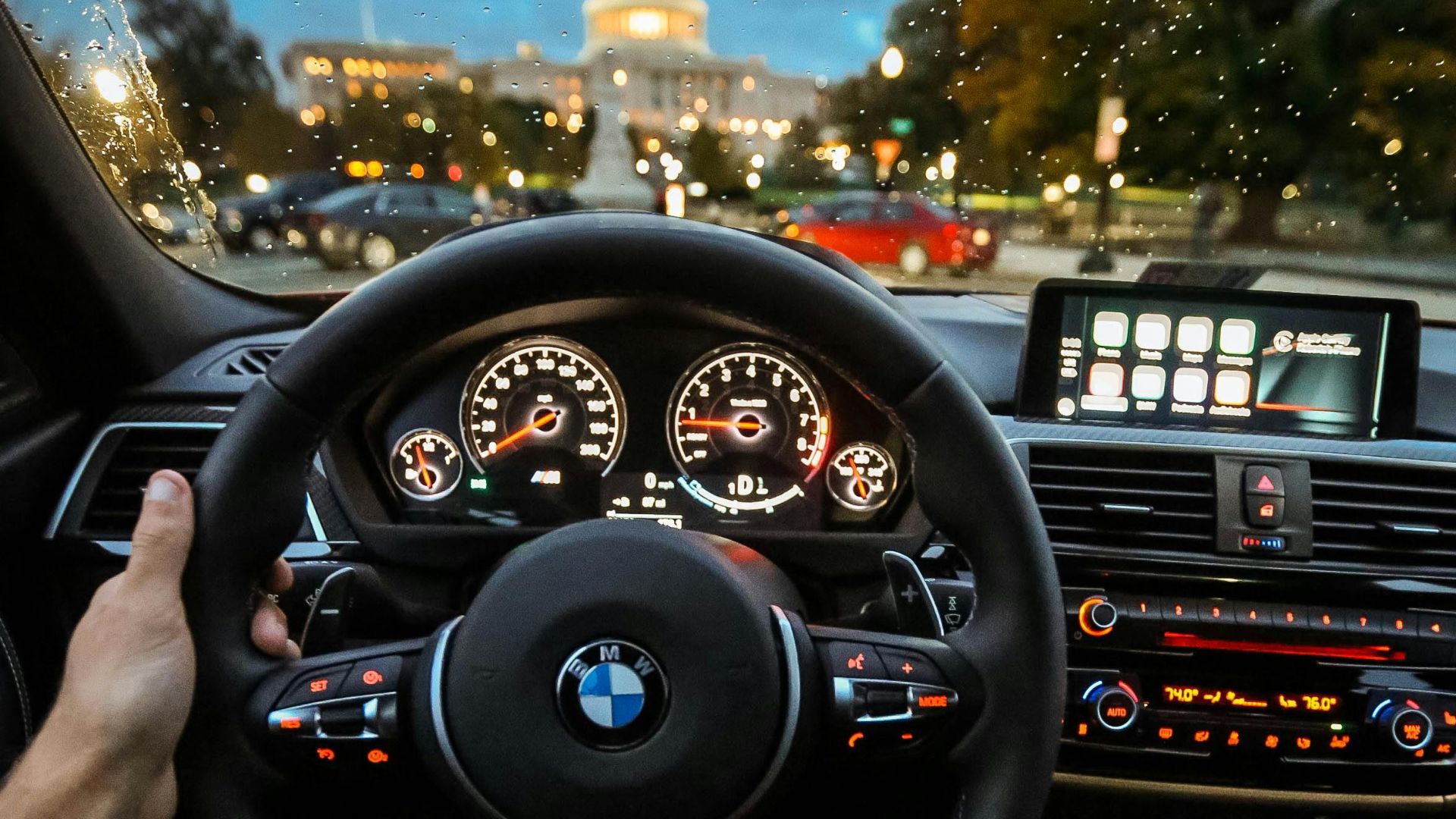
If your dashboard begins glowing with every possible warning light, it may indicate widespread electrical or sensor failure. Diagnosing and repairing multiple failing modules can turn into a long and expensive battle, especially for older vehicles whose electronics are already fragile.
Timing Chain Or Belt Failure That Damaged The Engine
Engines that rely on interference designs can suffer catastrophic internal damage when a timing belt or chain fails. Bent valves, damaged pistons, and destroyed cylinder heads can turn one broken belt into a multi-thousand-dollar repair.
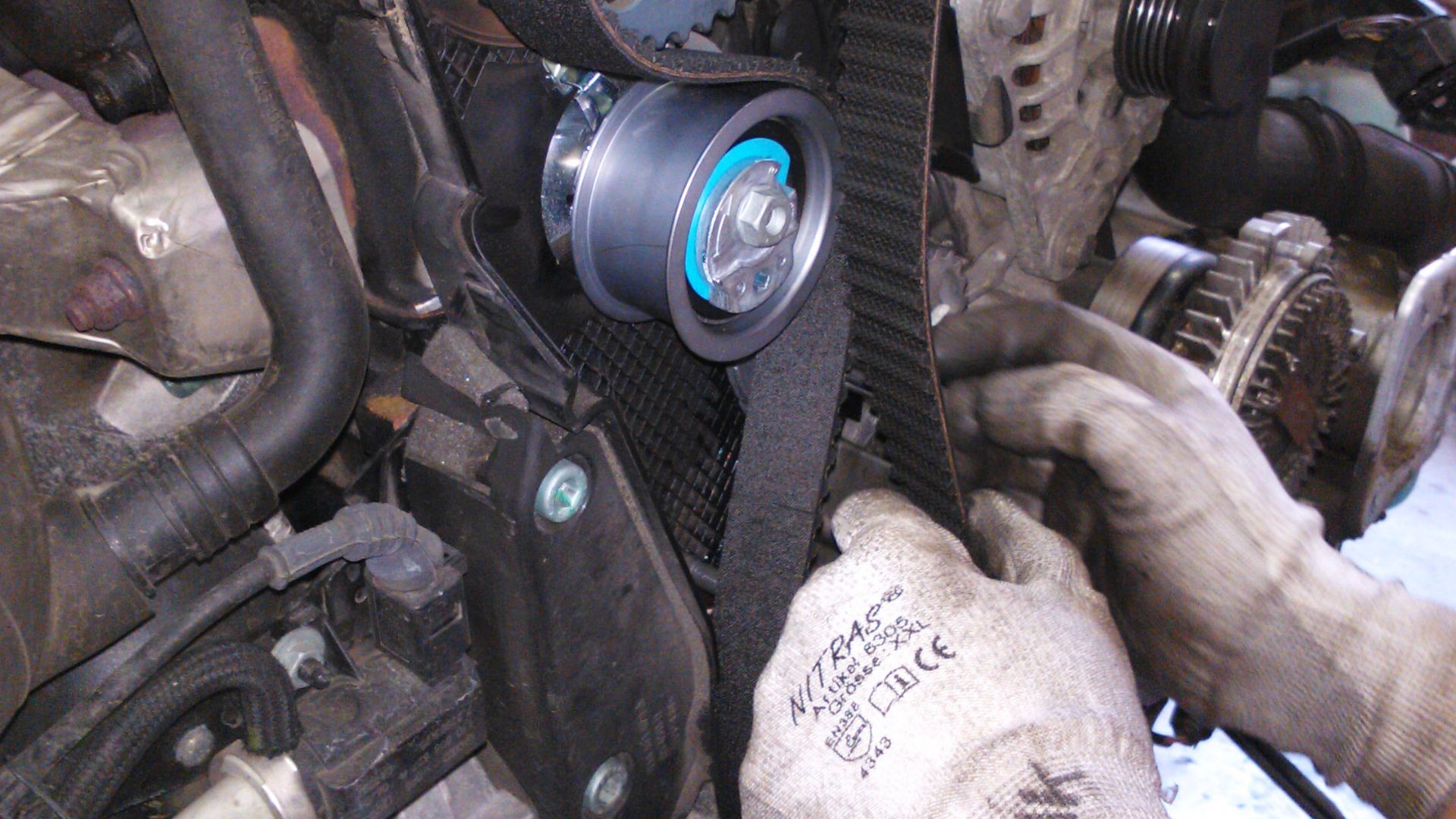 Petar Milošević, Wikimedia Commons
Repeated Overheating Problems
A car that continues to overheat even after repairs may be suffering from deep internal issues such as cracked blocks or failing cooling systems. The cumulative cost of chasing down overheating gremlins often outweighs the value of an old or unreliable car.

Blown Turbocharger On a High-Mileage Turbo Car
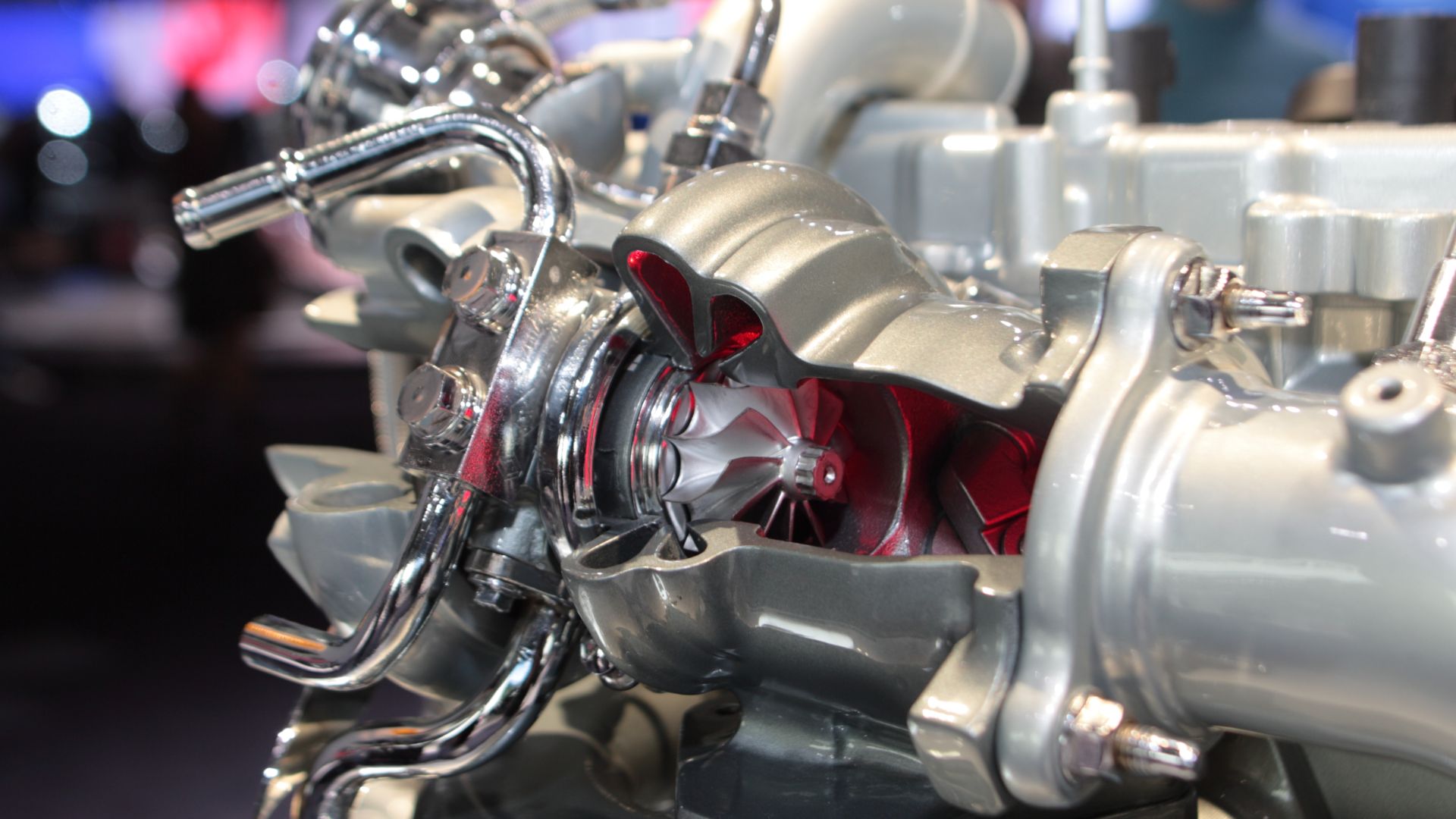
Turbocharged engines rely on high-pressure components spinning at incredible speeds. When a turbocharger fails—especially on an older, high-mileage vehicle—the cost of replacement can surpass the car’s worth, particularly if other engine components are also aging.
Failed AWD Transfer Case
All-wheel-drive systems are expensive and complicated. A failed transfer case can cost thousands to repair, making older AWD vehicles far too costly to revive when this critical component gives out.

Total Electrical System Failure
Cars plagued with widespread wiring or computer problems often become extremely difficult to diagnose. If a vehicle’s electrical system seems possessed—failing modules, mysterious shorts, flickering lights—the repair cost usually spirals far beyond what the car is worth.
Convertible Top Motor & Frame Failure
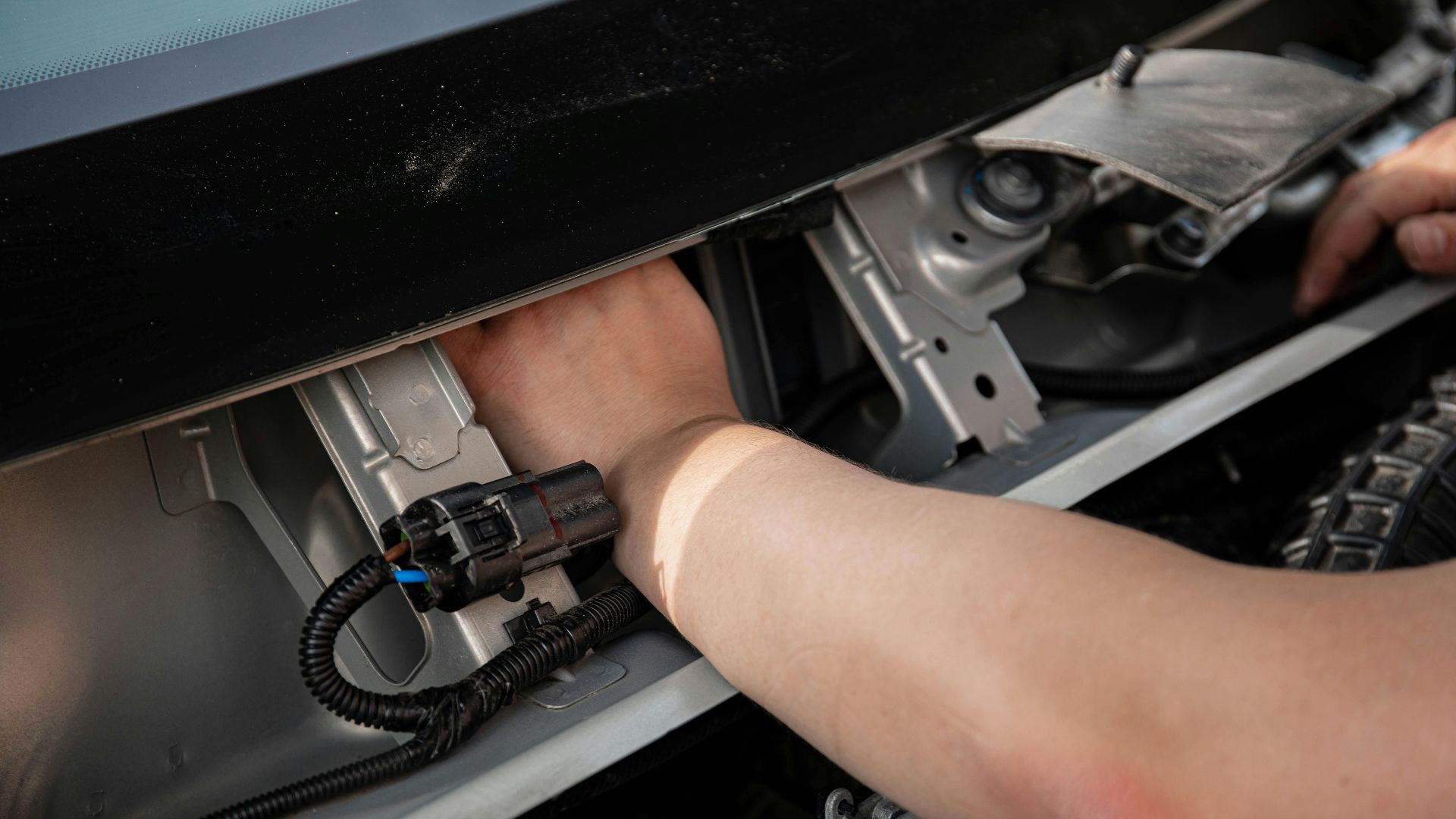
Convertibles may be fun, but when their complex roof mechanisms fail, repairs can be shockingly expensive. Replacing motors, hydraulic pumps, or bent frames often costs more than many aging convertibles are worth.
Exhaust System Replacement With Rusted Hardware
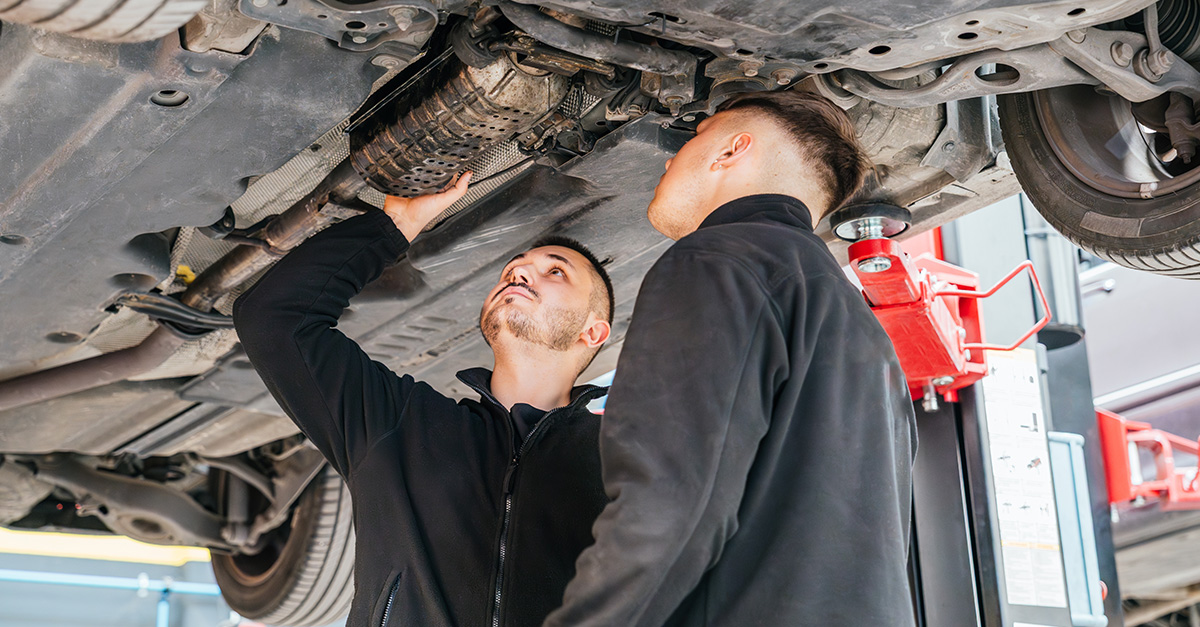
Cars suffering from advanced exhaust rust may require complete replacement from the manifold to the tailpipe. When every bolt is seized, every flange is crumbling, and the catalytic converter is on its last legs, repairs may outweigh the value of the car.
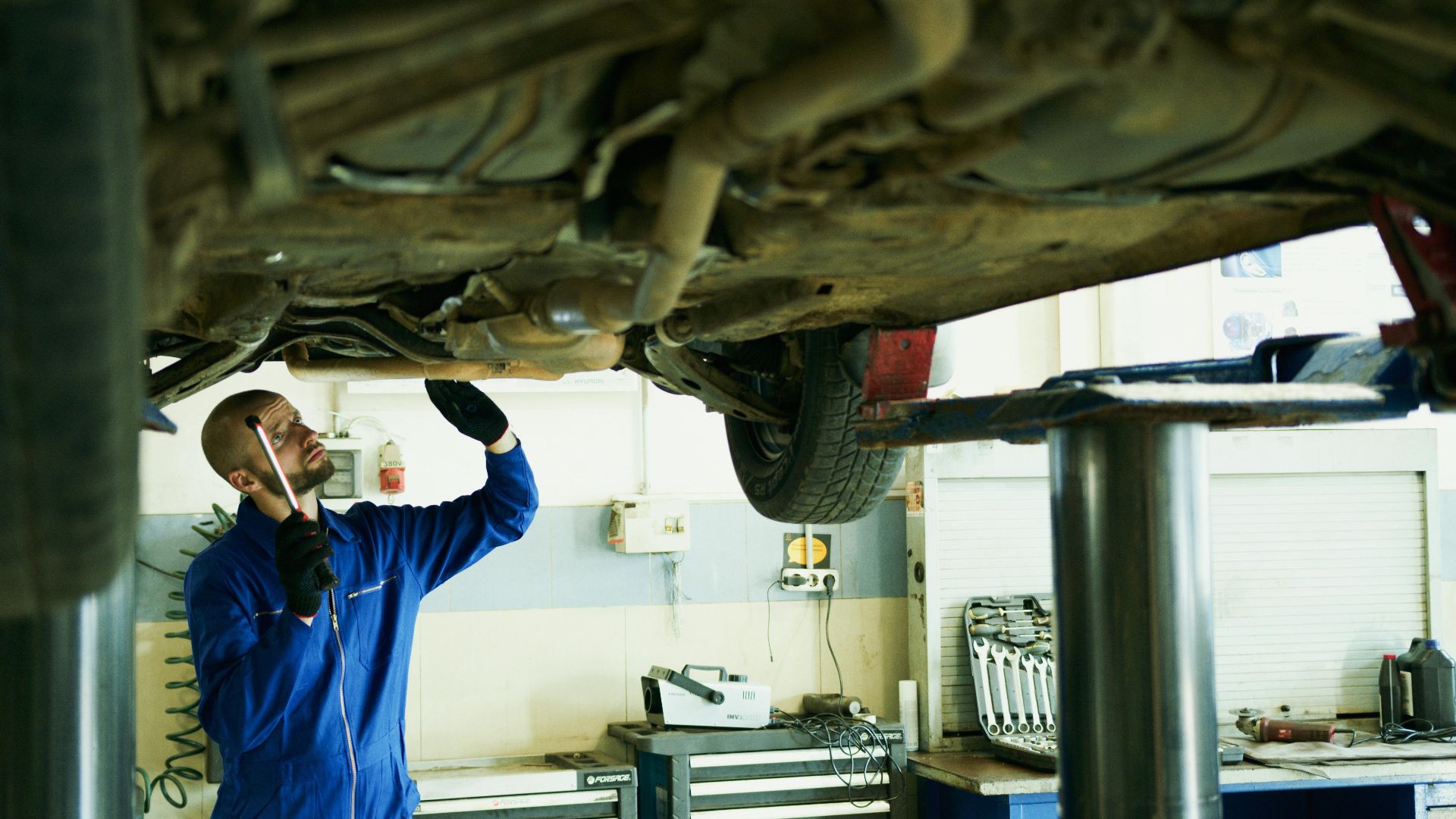
Complete Brake System Failure
When more than just pads and rotors fail—such as calipers, lines, valves, and ABS control units—the cost of repairing an entire brake system at once often exceeds the value of older vehicles, especially those with high mileage.
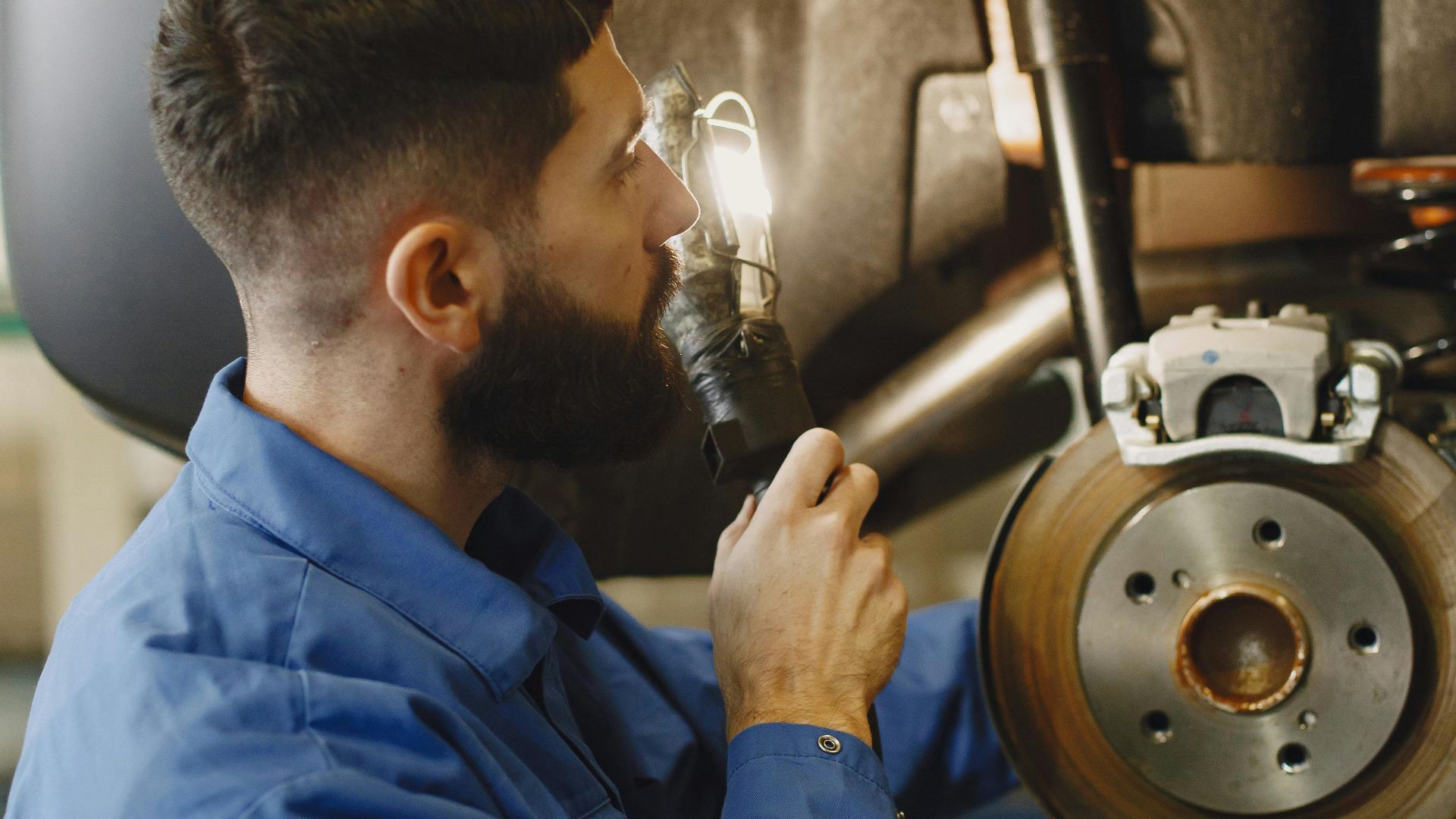
Air Conditioning System Replacement
Replacing the entire air conditioning system, including the compressor, condenser, evaporator, and lines, can turn into a multi-thousand-dollar endeavor. Older cars rarely justify such an expensive restoration of cabin comfort.
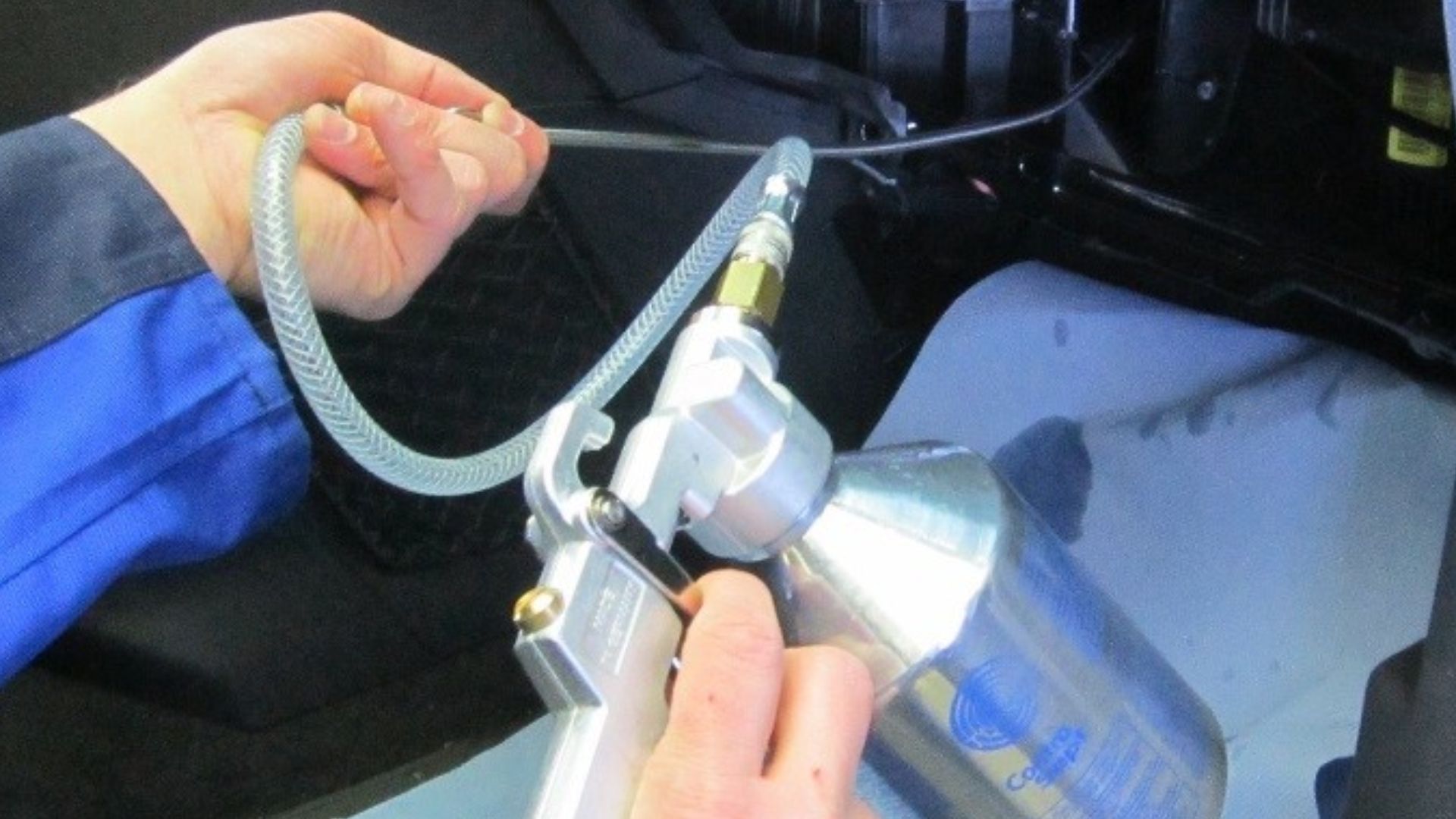 selbst fotografiert durch Fa. Tunap, Martin Rappenglück, Wikimedia Commons
Flood Damage
Vehicles exposed to floodwater often suffer irreversible electrical, mechanical, and interior damage. Even if the car initially appears repairable, hidden corrosion and mold will emerge later, making replacement the far wiser choice.

Rod Knock
Rod knock signals severe internal engine bearing wear, and repairing it requires a full engine rebuild or replacement. The cost usually surpasses the value of older or high-mileage vehicles, making replacement the practical route.
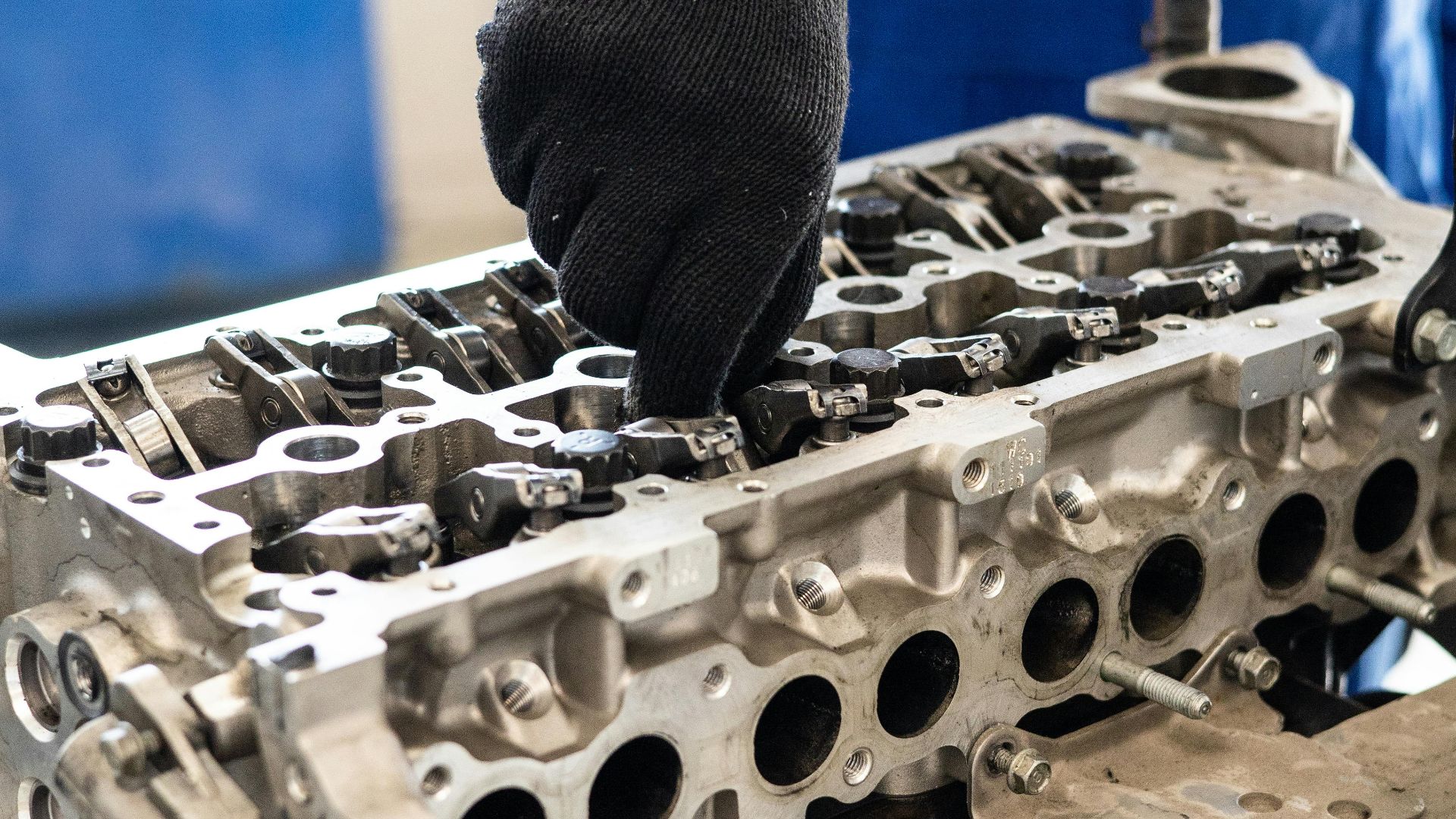
Failed Catalytic Converter On An Older Car
Catalytic converters can be very expensive to replace, especially when state laws require original-equipment parts. Many aging vehicles are simply not worth the cost of a new converter that nearly matches the value of the entire car.

Total Suspension Overhaul
If every major suspension component—struts, control arms, bushings, and wheel bearings—has reached the end of its life at once, the total repair bill can exceed the worth of an old car, especially one with additional problems lurking beneath the surface.
Widespread Oil Leaks
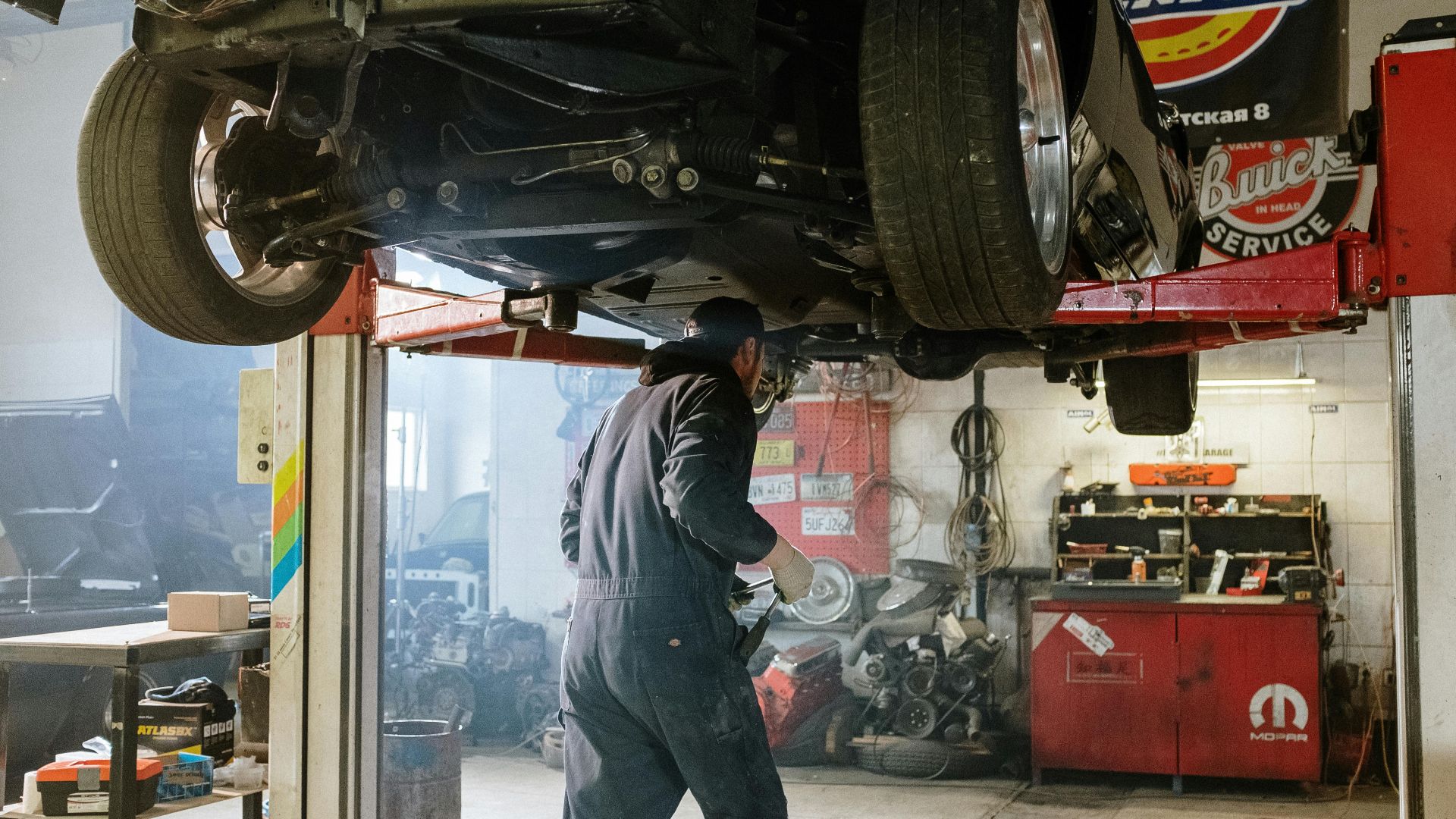
Cars leaking oil from multiple locations, such as valve covers, oil pans, crank seals, and cam seals, often require extensive labor to repair. When fixing all the leaks requires removing the engine, the cost becomes hard to justify.

Failed Differential
Differential repairs can reach into the thousands, and if your car is already high in mileage or modest in value, replacing the vehicle often makes more sense than tackling a failing rear end.

Chronic Electrical Failures In Modern Cars
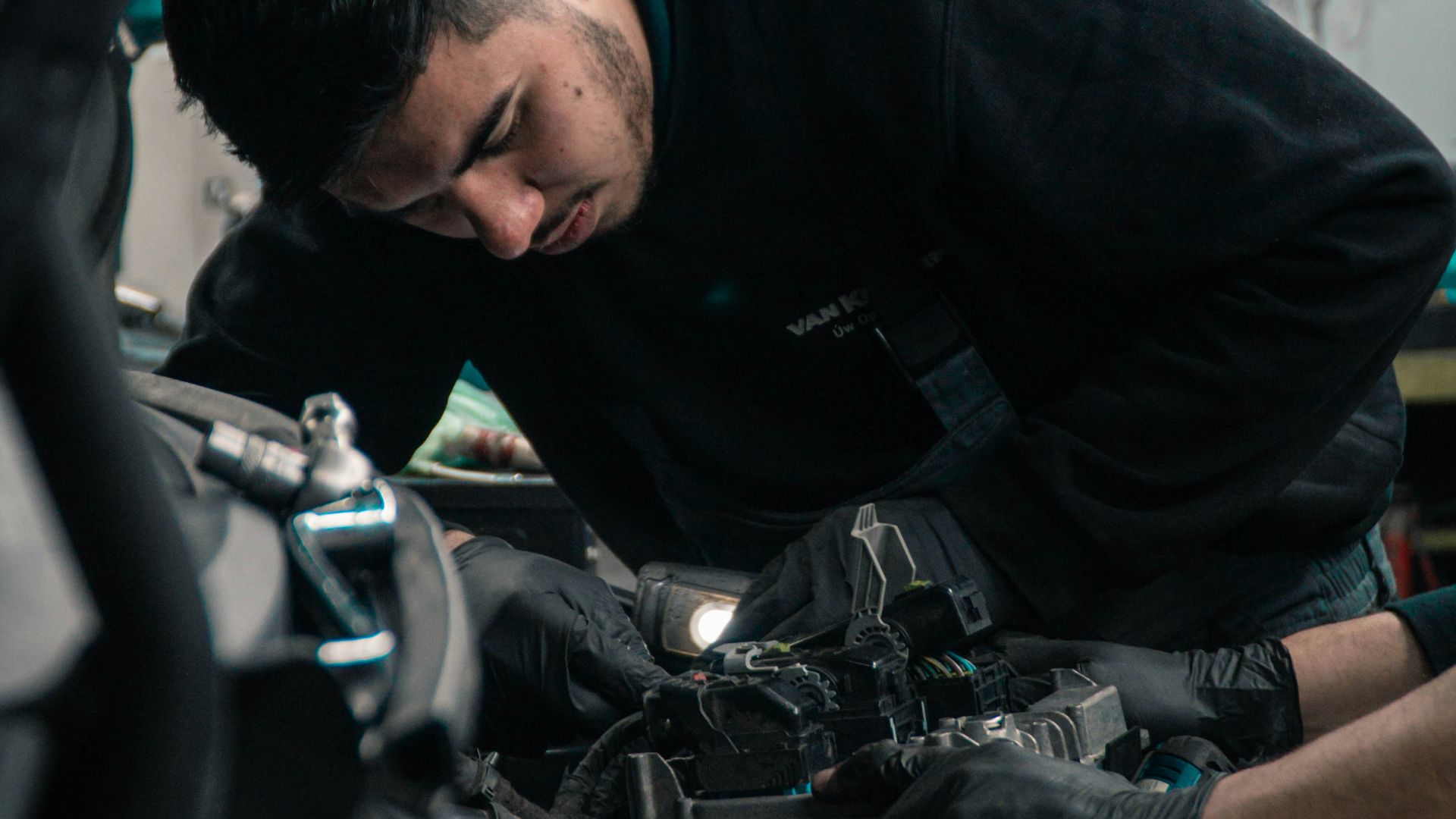
Modern vehicles rely heavily on computers, modules, and sensors. When multiple systems begin failing repeatedly, repairs become an ongoing cycle of expensive troubleshooting that rarely ends well for older vehicles.
When Parts Are Obsolete Or Impossible To Find
Some older or rare cars suffer from unobtainable parts, turning even simple repairs into scavenger-hunt challenges. If sourcing a single replacement part requires searching online auctions or importing pieces from obscure suppliers, the car may no longer be practical to keep roadworthy.

When Repairs Cost More Than Three Months Of Car Payments
A common rule of thumb is that if a repair exceeds the cost of roughly three months of reasonable car payments, replacing the vehicle becomes the more financially sound decision. Repairs shouldn't trap you in a cycle that costs more than simply upgrading to a newer, more reliable car.

When In Doubt, Do the Math
Choosing whether to repair or replace a car always comes down to evaluating cost, value, and practicality. The price of the repair, the current worth of the vehicle, the likelihood of additional breakdowns, and your own financial situation all matter. Sentimental value counts too, but only you can decide whether your beloved car is worth the investment. Sometimes fixing it is the smarter long-term move; other times, it’s more responsible—and far less stressful—to move on.