
A Master Of The Track
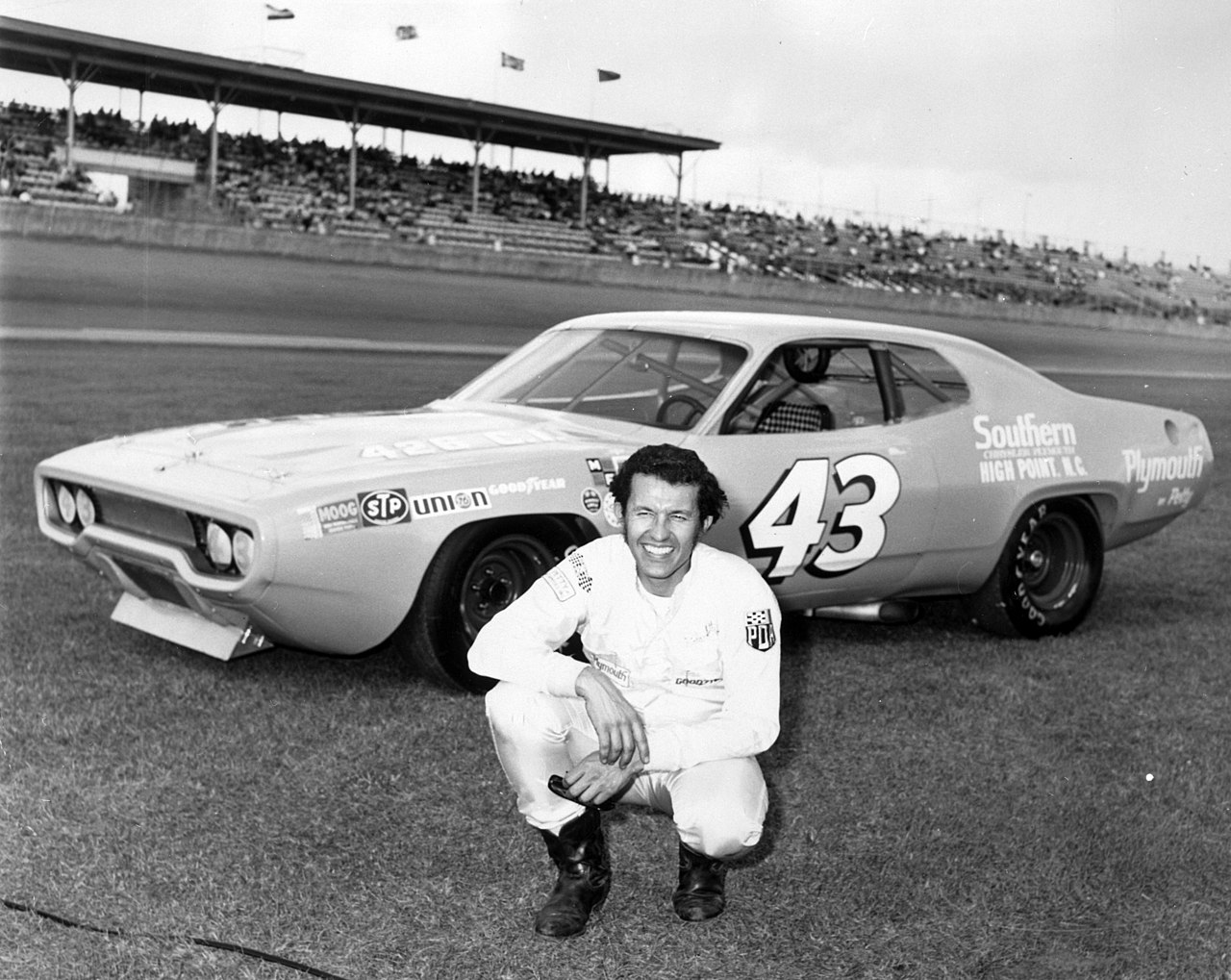
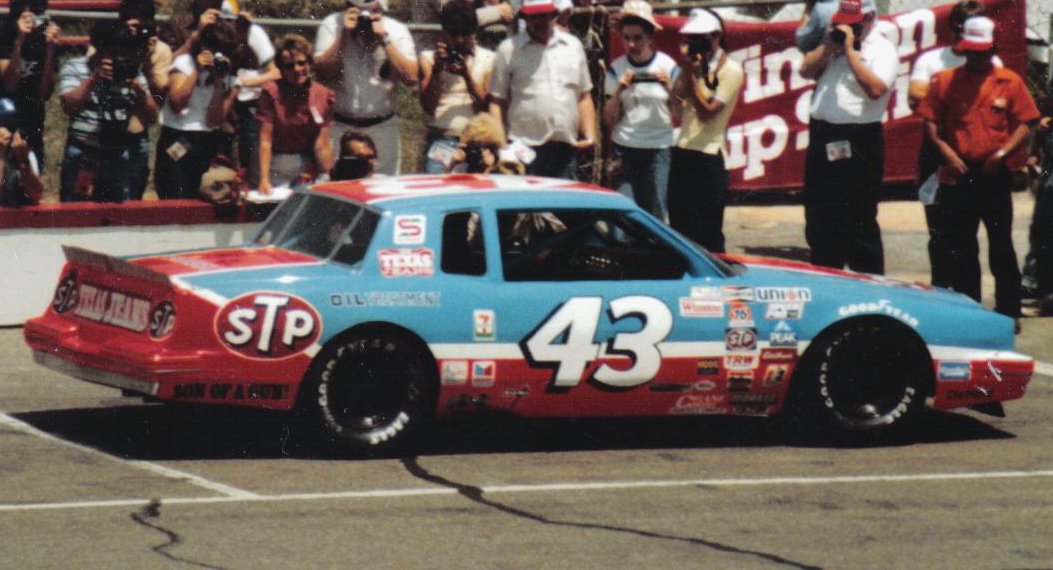
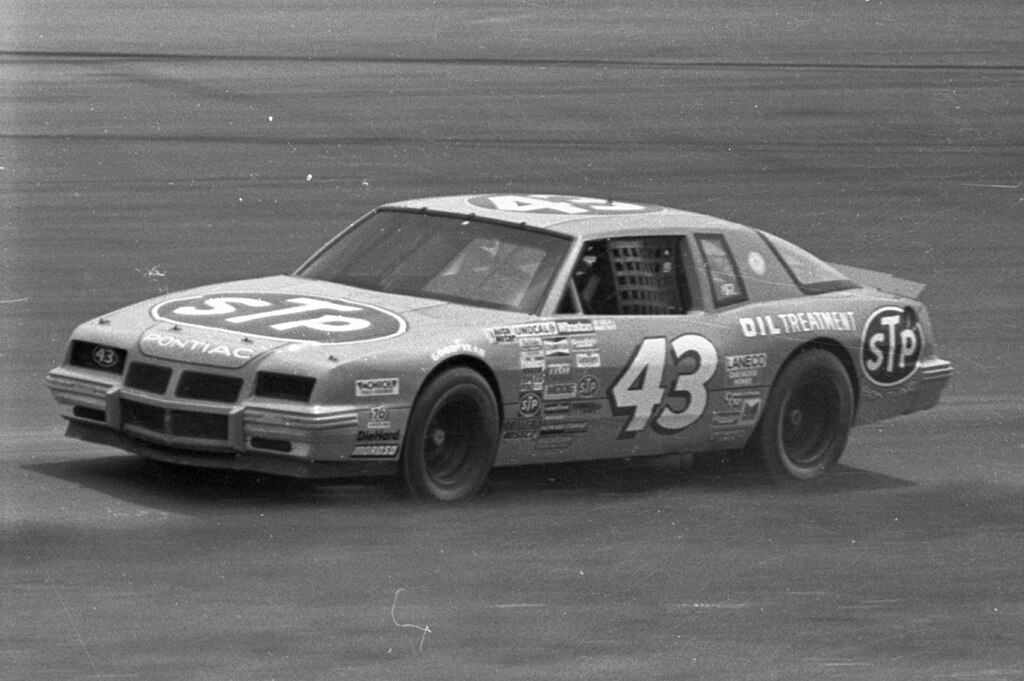
Richard Petty, better known as “The King”, didn’t just race, he rewrote NASCAR history. With a staggering 200 wins, seven championships, and that iconic blue No. 43 car, he built a legacy that still towers over the sport. His name became shorthand for dominance, a symbol of a racing dynasty few could rival. But behind the victories and victory laps lies a story far more complicated—one where triumph and tragedy have always gone hand in hand.
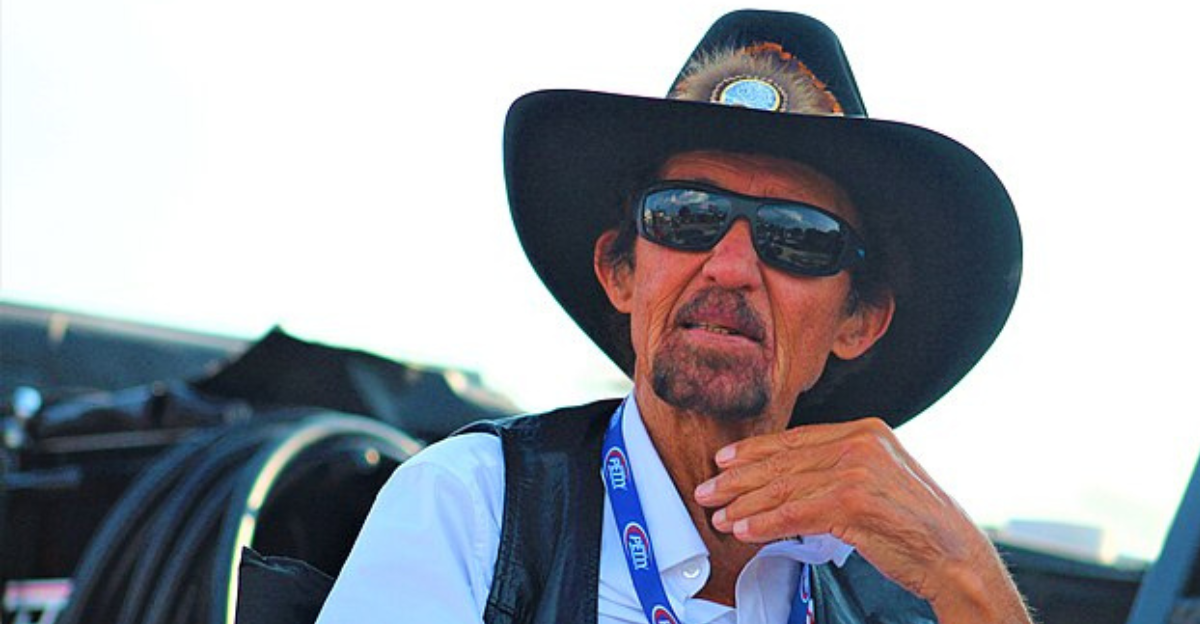 Zach Catanzareti Photo, Wikimedia Commons
1. He Is The King
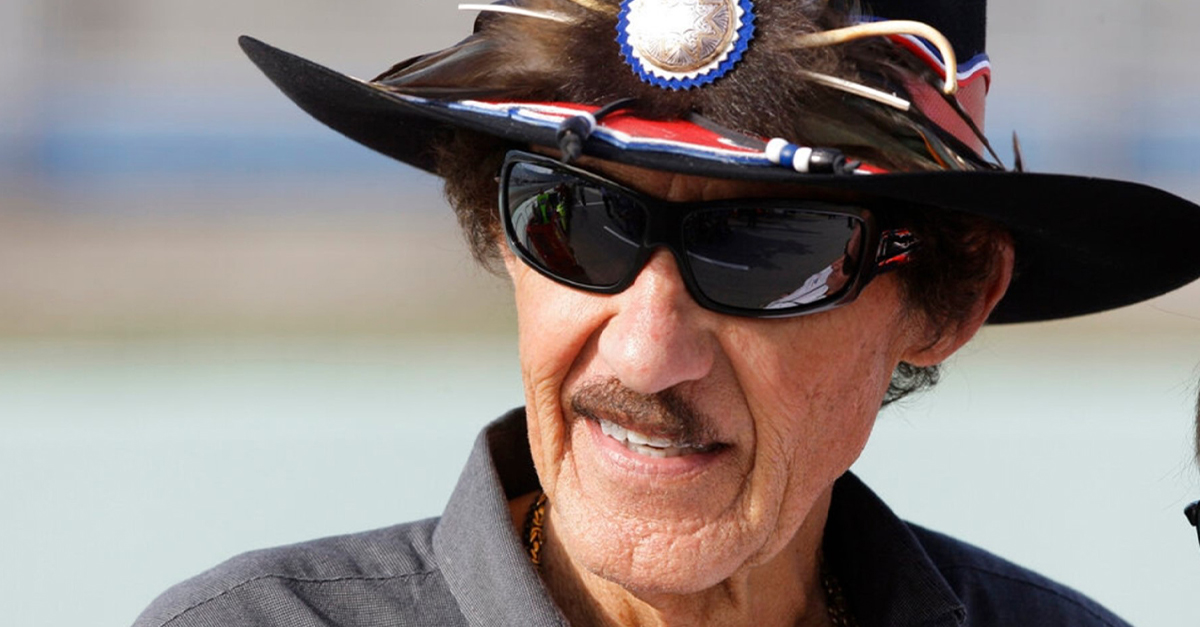
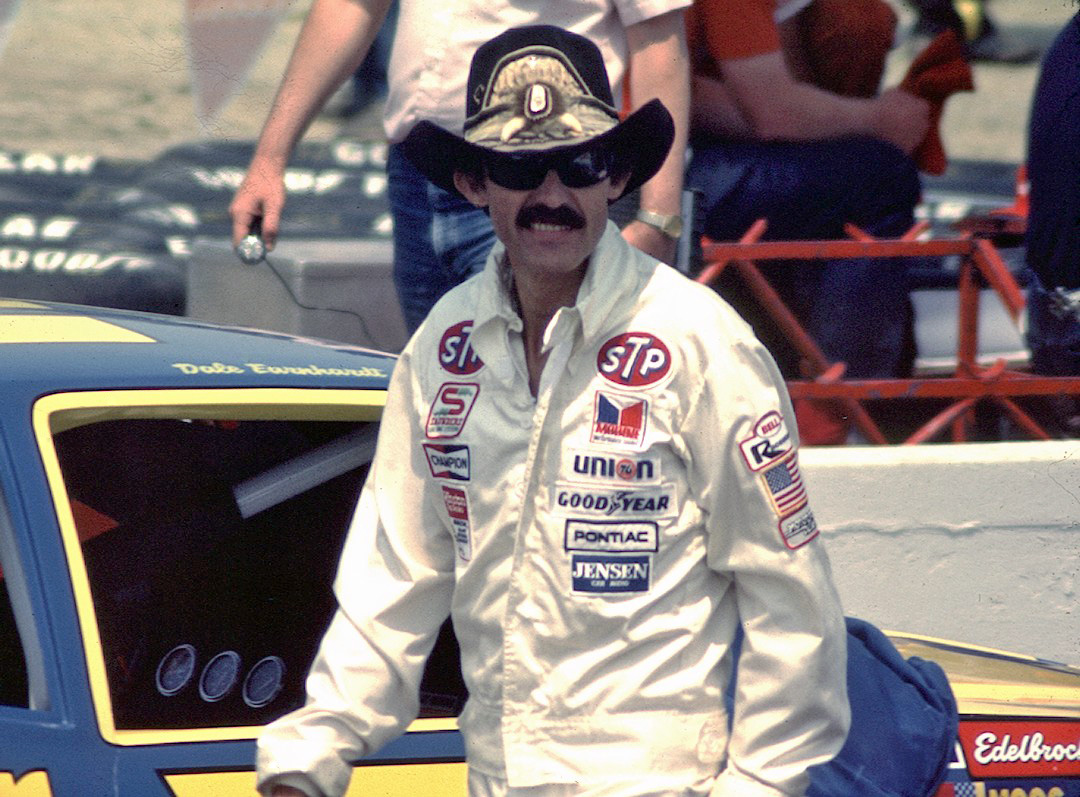
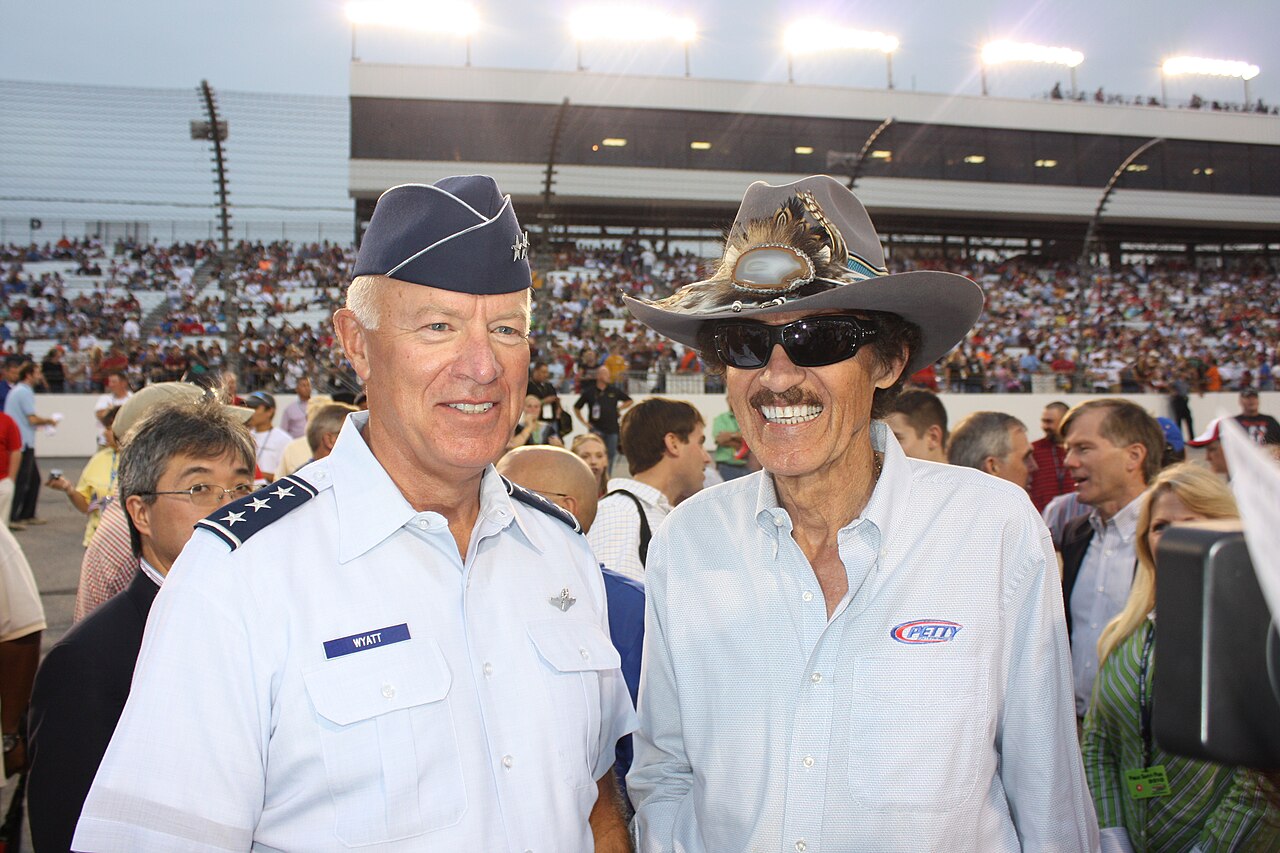
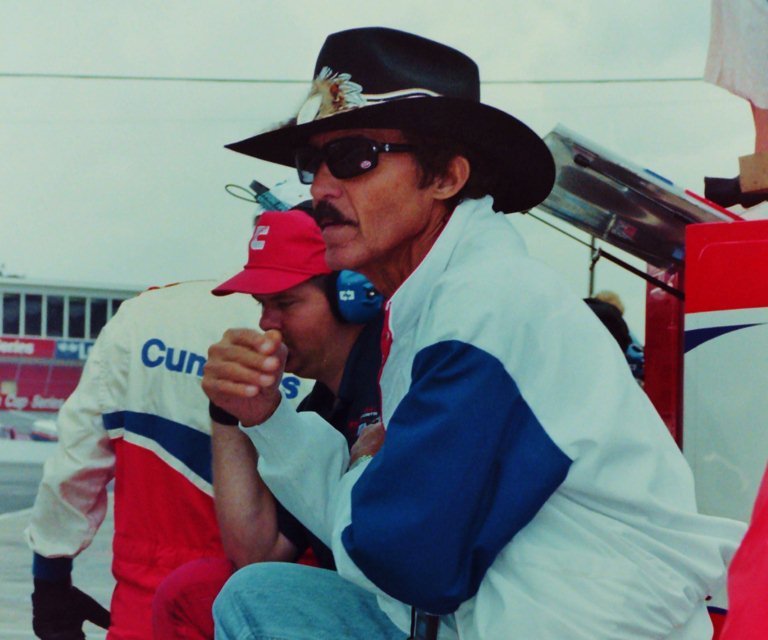
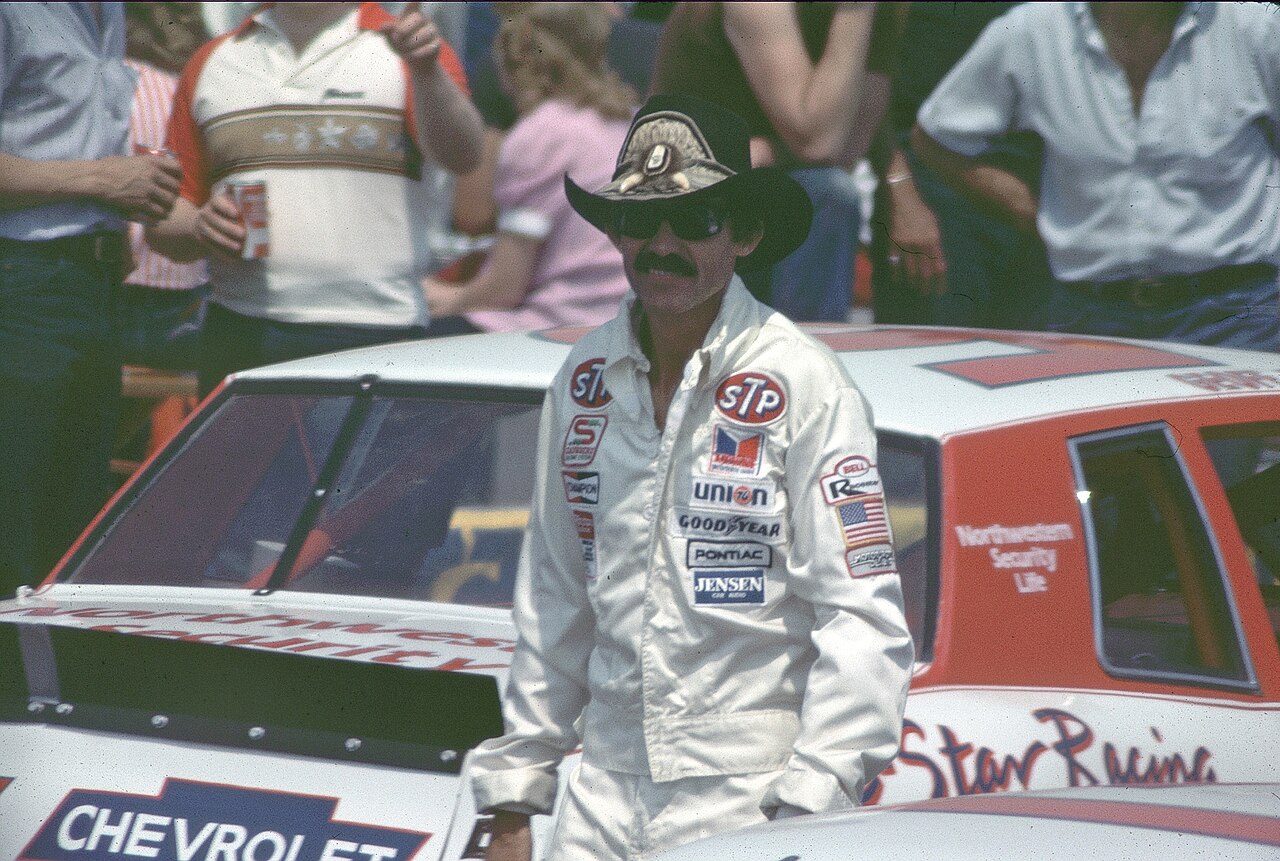
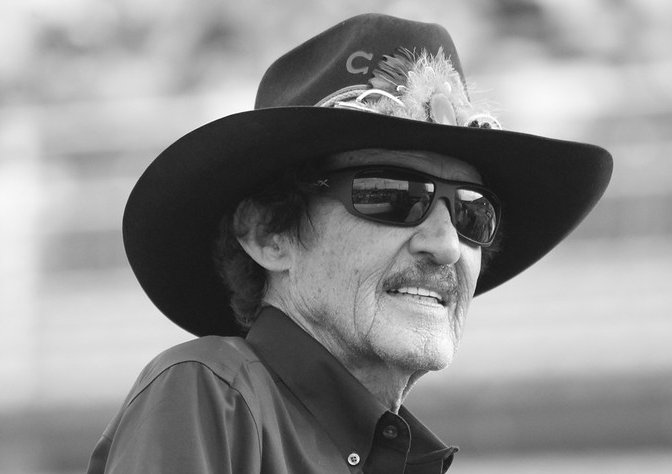
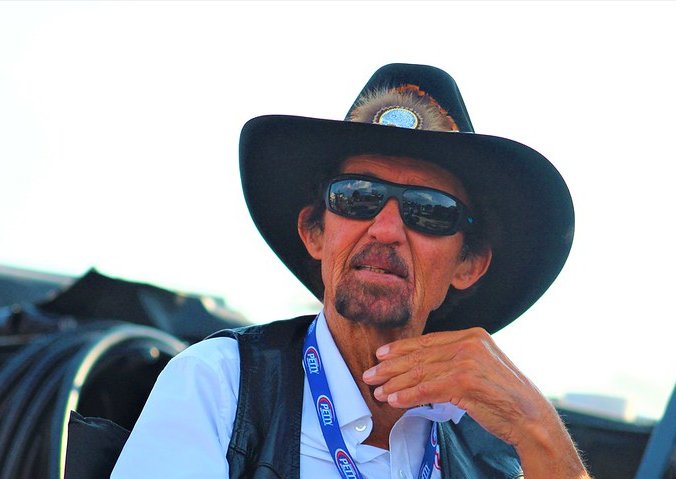
They call him "The King" for a reason—no one has dominated the high banks and roaring straightaways quite like he has. Petty, a nine-time winner of the Most Popular Driver award, is instantly recognizable by his signature hat and sunglasses. His iconic hat, crafted by Charlie One Horse, has been a staple of his look since the brand's launch in 1980.
2. His Dad Raced
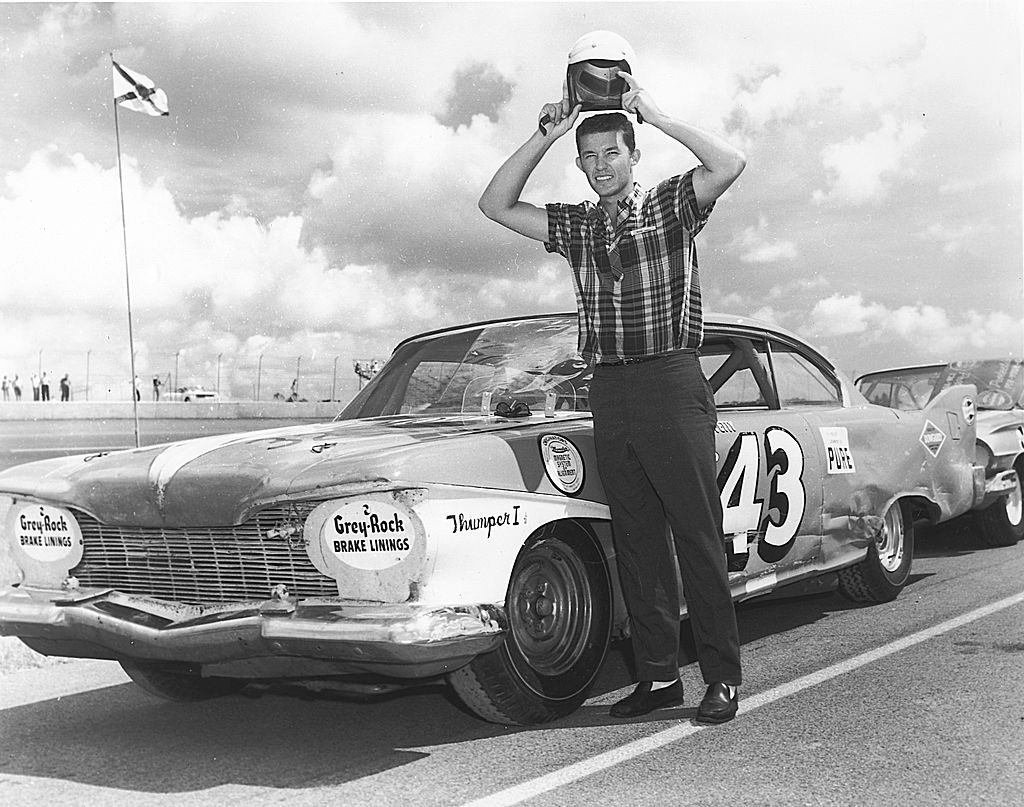
Born on July 2, 1937, in Level Cross, North Carolina, Petty is the son of Lee and Elizabeth Petty. Growing up around his father, Lee Petty—a NASCAR pioneer—gave him firsthand experience, knowledge, and inspiration, fueling his interest in racing. His path to becoming the king of NASCAR might have been very different without that early immersion.
 Robert Alexander, Getty Images
3. His Entire Family Was Involved
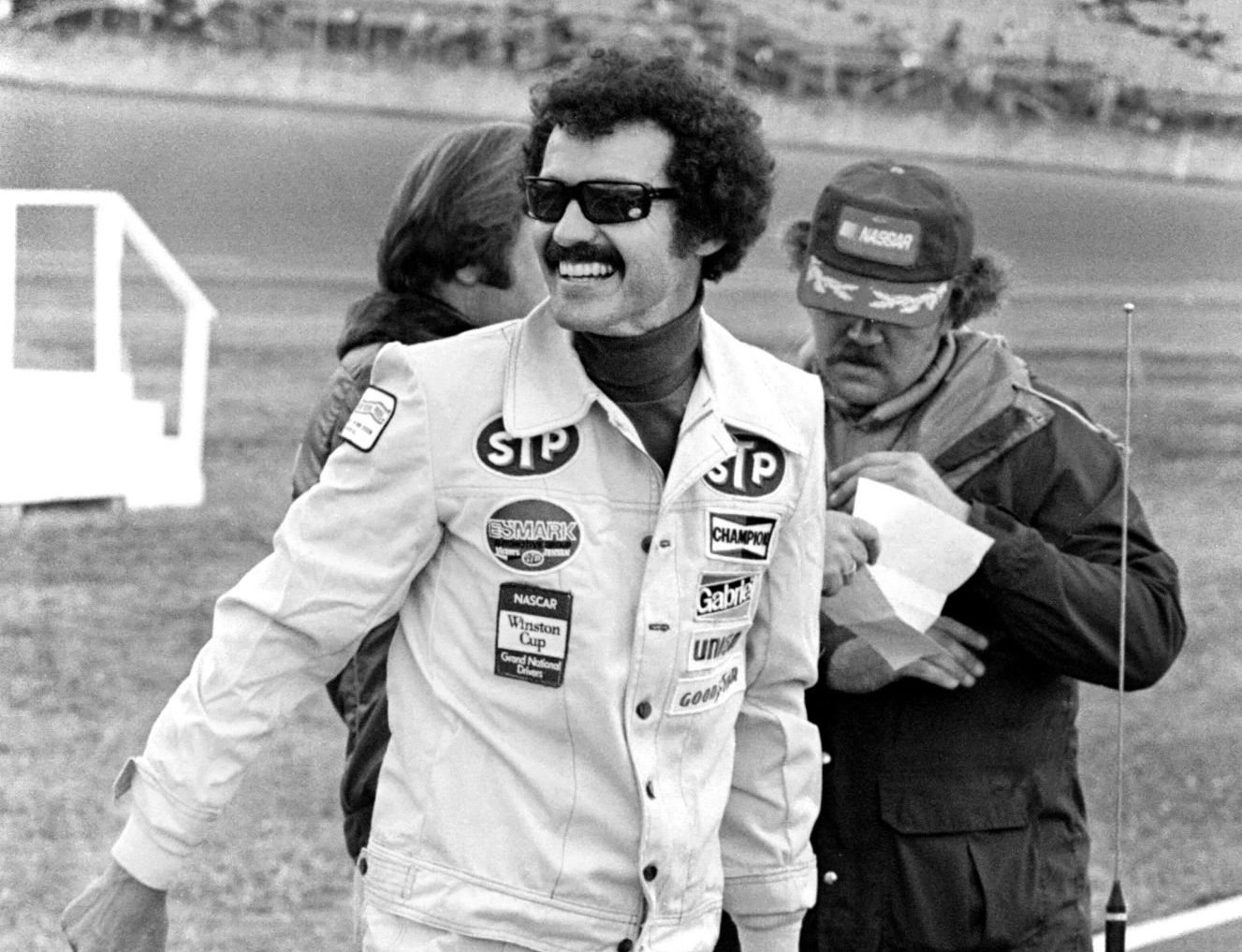
The Petty family was a well-oiled racing machine, with each member knowing the part they played for the team. Petty's brother Maurice worked on engines, and his mother Elizabeth was a scorekeeper, creating a tight-knit crew that shared a closeness and passion for the sport. Belonging to a family where NASCAR was a way of life, it was only natural for Petty to carry on his father's winning tradition—that is, if he had what it took.
 State Archives of North Carolina Raleigh, CC0, Wikimedia Commons
4. He Never Shied Away From Hard Work
Raised on the family farm, Petty learned the value of hard work early on, but racing was the true heartbeat of his household. Drawn to cars and mechanics from the start, he spent countless hours in the garage alongside his father, soaking in every lesson. Little did the young Petty know, but his family's name wouldn't just be part of NASCAR—it would become mythical if he stayed the course.
 Ted Van Pelt, CC BY 2.0, Wikimedia Commons
5. His Family Wasn’t Just Legendary, They Were Next-Level
Petty is not the first in his family to cross the finish line. Family dynasties have long shaped NASCAR, but few names command as much respect as the Pettys, even when his storied career was nascent. His father, Lee Petty, was a trailblazer, winning the inaugural Daytona 500 in 1959 and eventually retiring as a three-time Grand National Champion. Watching his dad dominate the track and rack up victories, Petty's eagerness to take on more responsibilities burst. He knew his future lay beyond standing on the sidelines.
 Robert Alexander, Getty Images
6. He Didn’t Let Age Get In The Way
Petty started his NASCAR journey as an underage crew member, gaining invaluable experience in the pits. Despite his age, he learned the intricacies of pit crewing, often from those dreaded sidelines when thrown out for being too young. This early exposure laid the groundwork for greatness—Petty's journey was beginning, but if it needed more inspiration, his dad had it for him in spades.
 Jgarrett71, CC BY-SA 4.0, Wikimedia Commons
7. His Dad Had What He Needed
Lee Petty’s drive to win wasn’t just intense—it bordered on unbelievable. In one now-legendary moment, he sped out of a pit stop with his own son still clinging to the hood, casually signaling for him to hang on as he completed another lap before finally pulling back in. That kind of no-excuses mindset became the foundation of everything that followed, pushing those around him to rise to the occasion. Looking back, Petty would come to understand that this relentless energy—and the family behind it—was just as vital to his success as anything happening on the track.
 Darryl W. Moran, CC BY-SA 2.0, Wikimedia Commons
8. His Family Stuck Together
The Petty brothers, meaning Richard and Maurice at the time, formed a tight-knit pit crew known for their unity, efficiency, and always having each other's back. Their teamwork set them apart, creating a bond crucial to their success. While the Petty family remained close-knit on the track, Richard Petty didn’t focus solely on racing—he excelled in several sports that had the potential to steer him down a different path.
 The National Guard, Wikimedia Commons
9. He Was A Rookie On The Rise
As a child, Petty showed exceptional talent in sports, especially football, earning All-Conference honors as a guard at Randleman High School. This success on the field paved the way for him to develop a strong work ethic and discipline, qualities that would define his future. But sports weren't his only focus—Petty was already preparing for a life beyond the game. It was time for him to step onto the racetrack.
 ckirkman, CC BY 2.0, Wikimedia Commons
10. He Takes His First Steps To The Big Time
After graduating, Petty joined his father's racing company, Petty Enterprises, eager to chart a new path. Now a part of the business aspect of racing, he didn't take long to recognize his true calling—behind the wheel. On July 18, 1958, 16 days after turning 21, Richard Petty officially began his NASCAR career. Working with the pit crew was a valuable experience, but it wasn't the same as racing. With his future on the line, Petty had to decide if this was the path he truly wanted to be his future.
11. He Took His First Laps
Petty's first experience with competitive racing came in 1958 when he made his NASCAR debut at the CNE Stadium in Toronto, finishing an impressive sixth. This first race was pivotal for the young driver, signalling the beginning of a career that would define NASCAR history. Yet, despite his strong start, Petty felt something was missing. He had to figure out what he needed to make life complete, or his racing career wouldn't cut it.
 us44mt, CC BY-SA 2.0, Wikimedia Commons
12. He Found Love
Richard Petty and Lynda Gayle Owens began dating when she was still in high school. Petty would drive up in a car with no passenger seat, expecting her to squeeze in wherever she could. Eventually, Lynda had enough and told him she wasn’t getting back in that car until he fixed it. But Petty wouldn’t let her down—he was about to prove just how far he’d go for her.
13. He Knew What He Wanted
The next time Petty showed up at her school, he had made a change. He replaced the missing passenger seat with a tire and even added a rope for a seat belt. Lynda knew then that he was serious about making things right—and it was a sign of the many ways he’d go the extra mile for her. But with racing playing such a prominent role in his life, the couple had some big decisions to make about their future.
 Ted Van Pelt, CC BY 2.0, Wikimedia Commons
14. They Disappeared
“We saw every movie there was,” Lynda once remembered of the tiny Rand Theater in downtown Randleman. “That was about all we did. We drove around a lot.” It was simple, small-town love—just two teenagers passing time and enjoying each other’s company. And then, one day, they were gone.
 Ted Van Pelt, CC BY 2.0, Wikimedia Commons
15. They Kept It Secret
Precisely what the lovebirds did was unknown, but rumors in Randleman said that sometime in 1959, Petty and Lynda eloped. Not even their son Kyle knows their anniversary date. They had to keep their marriage a secret, as Lynda's parents—and even some teachers—weren't fond of Richard Petty. The couple was happy, but Petty still had to determine if racing was in the future for their newly formed family.
 Robert Alexander, Getty Images
16. Their Family Was Paramount
Petty and Lynda had four children: Kyle, Sharon, Lisa, and Rebecca. While he pursued a legacy that would forever shape NASCAR's history, Lynda played a vital role in supporting the family. Though Petty was the king of stock car racing, Lynda was the quiet queen—never wanting the crown but dedicating herself fully to homemaking. She nurtured their children, managed the household, and cared for Petty, all while remaining the steady backbone of their family. As the next decade approached, her focus remained on home and family. Petty would become very busy elsewhere.
17. He Roared Into The '60s
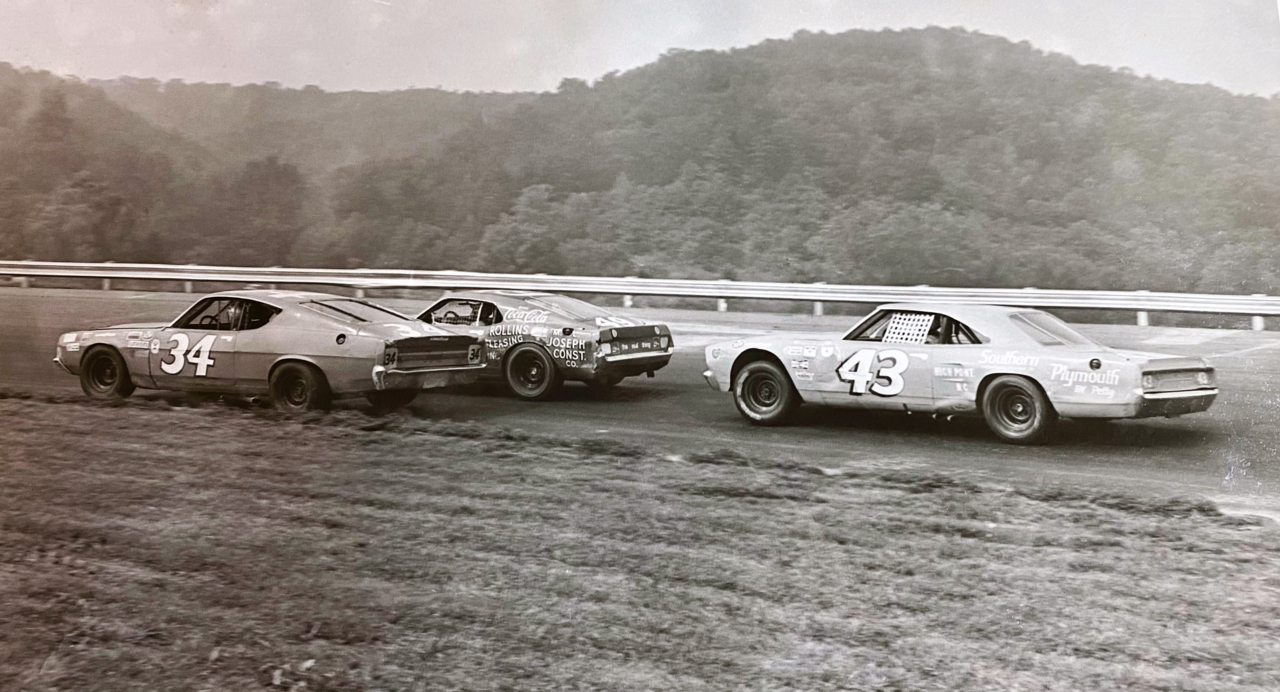
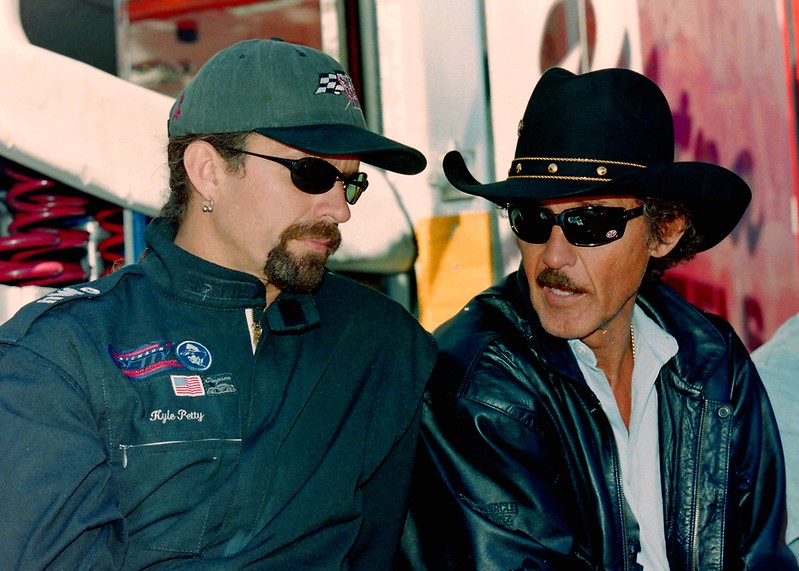
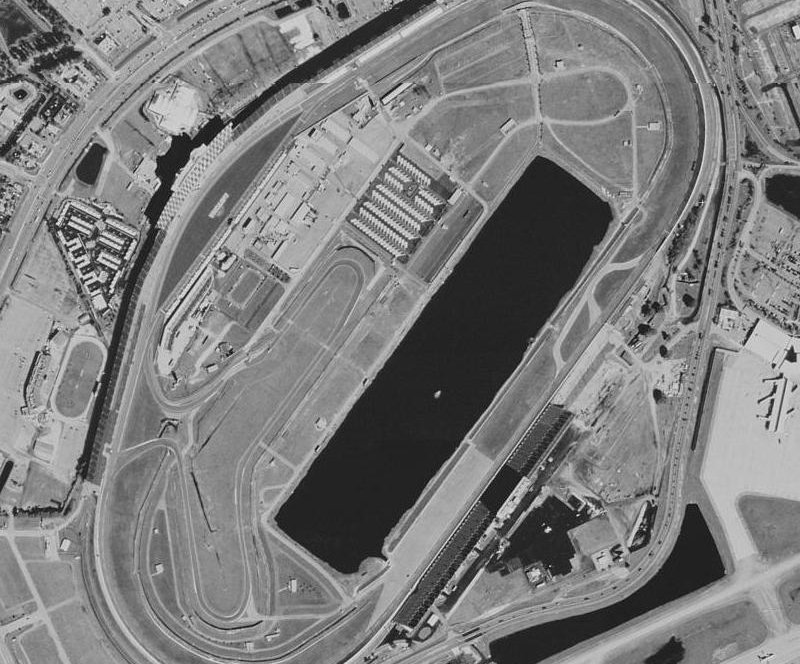
Richard Petty's career soared in the early 1960s, and by 1964, he claimed his first Daytona 500 victory, a pivotal achievement that established him as a rising star in NASCAR. This win marked the start of a prosperous era, cementing his status as one of the sport's elite competitors. However, even at the peak of his success, his career was at risk of being cut short due to the looming changes NASCAR's leadership was about to make.
 United States Geological Survey (USGS), Wikimedia Commons
18. His Career Was At Risk
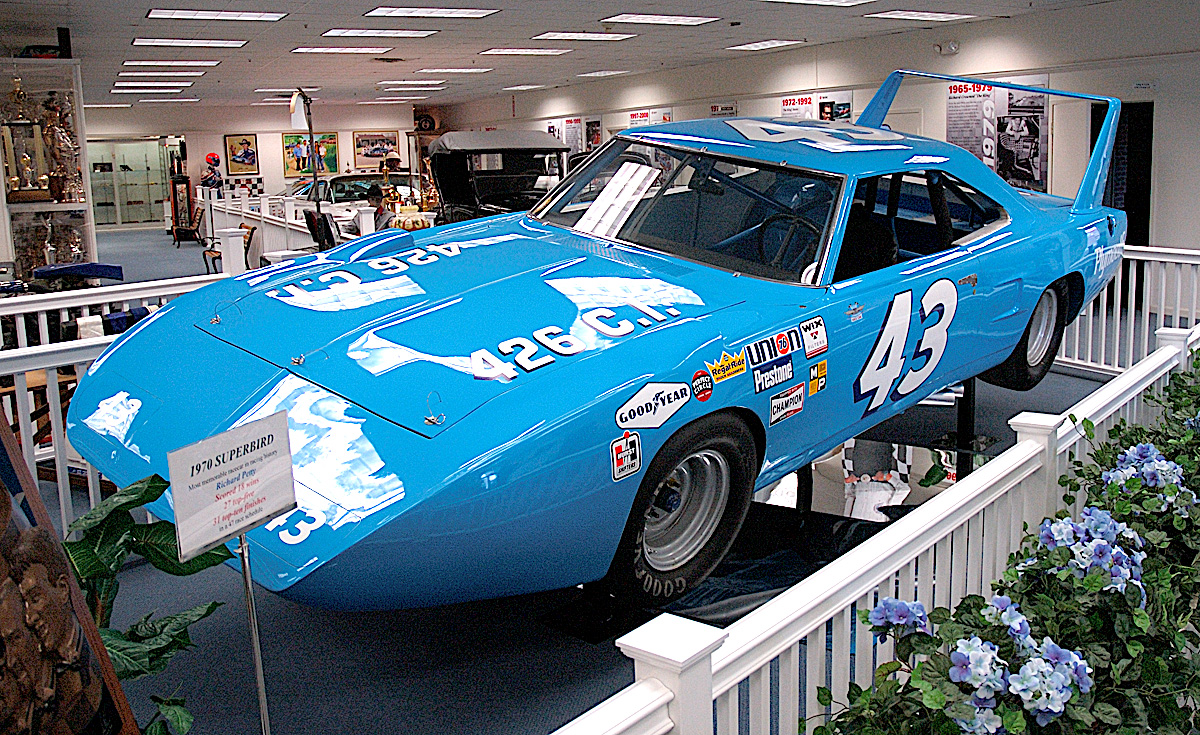
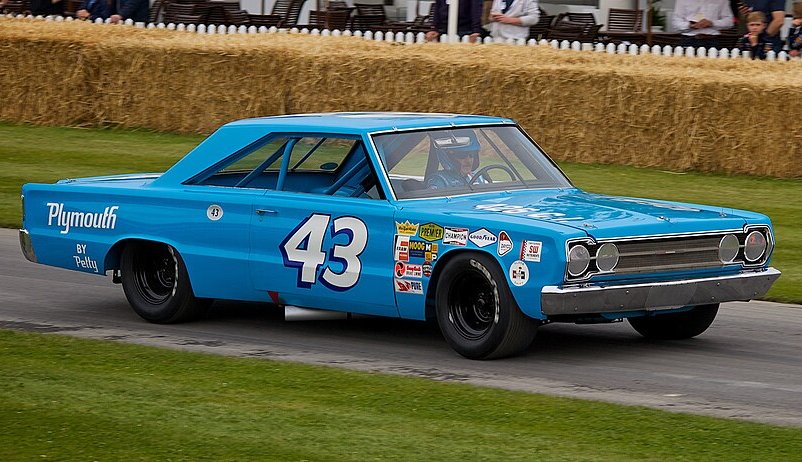
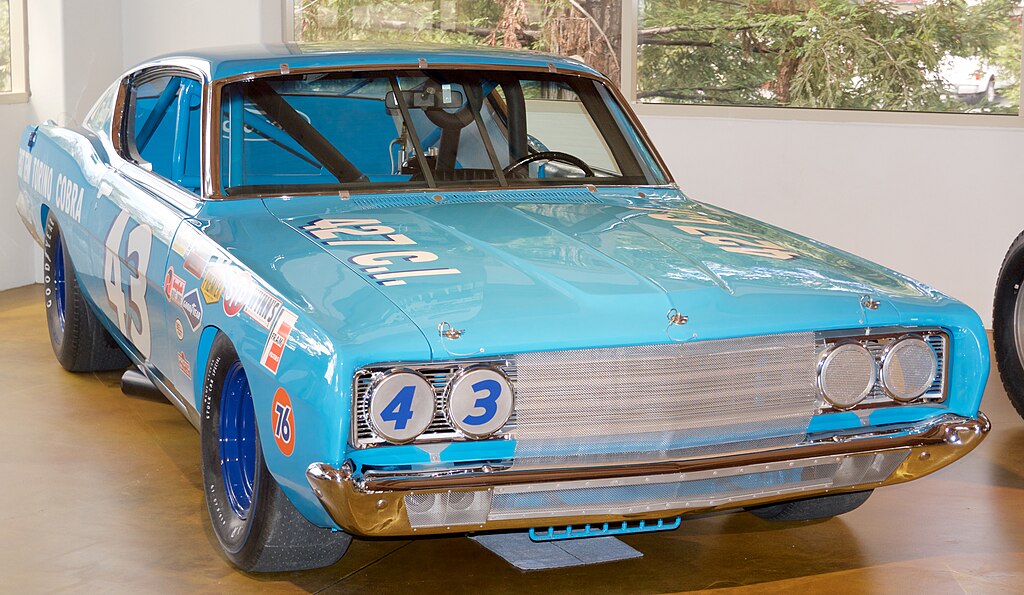
In 1965, NASCAR introduced new rules to modernize safety standards, making specific engines, like the one in Petty's Plymouth #43, ineligible. As a result, Petty decided to leave NASCAR and compete in drag racing for about a year. This unexpected move would take his career in an entirely new direction, one that had the potential to derail it altogether.
 davidgsteadman, Wikimedia Commons
19. His Fans Had His Back
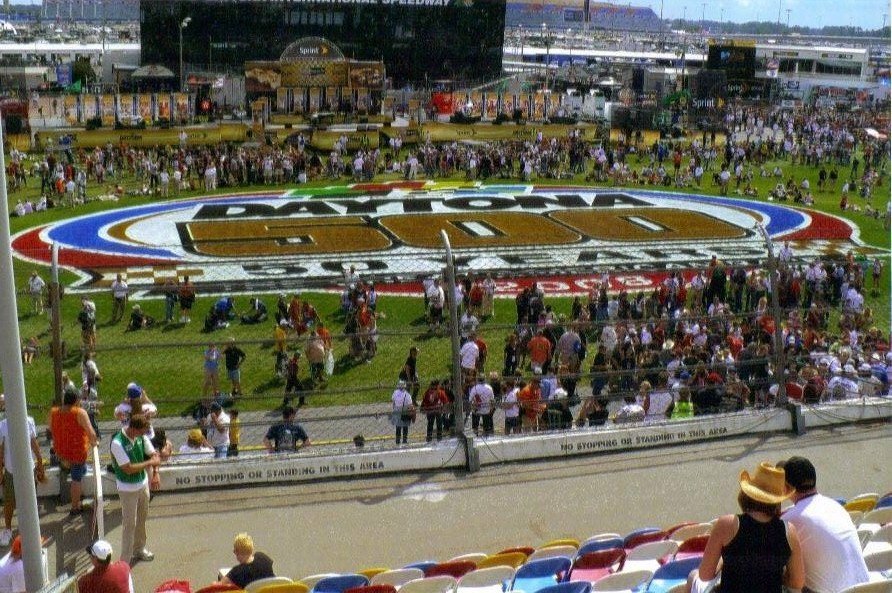
Many Petty fans were disappointed and frustrated by NASCAR’s new regulations, as they felt the rules unfairly targeted Chrysler’s Hemi engine, which powered Petty’s Plymouth. Some followed him to drag racing, but others saw his exit as a blow to stock car racing. What was still unknown was whether Petty would succeed in drag racing or if he was done for good.
 Gordonrox24, Wikimedia Commons
20. He Stood His Ground
NASCAR stood firm on its decision to outlaw the Hemi engine, prioritizing parity and safety in the sport. While they didn’t want to lose a significant star like Petty, they weren’t willing to reverse the rule to accommodate him. Fans and friends alike waited to see if Petty could adapt to his new choice of racing.
 Zach Catanzareti Photo, Flickr
21. He Had Big-Name Support
Chrysler—one of Petty’s biggest backers—wasn’t about to take the decision quietly. In a bold move, the company pulled out of competition entirely, turning a disagreement into a full-blown standoff with NASCAR. What started as a rule dispute quickly spiraled into something much bigger, shaking the foundation of the sport itself. Suddenly, the question wasn’t just about Petty—it was whether NASCAR had dealt a blow it might not recover from.
 Missvain, CC BY 4.0, Wikimedia Commons
22. His Car Malfunctioned
Fate threw Richard Petty's drag racing career a horrifying curveball in February 1965. While racing against Arnie Beswick, Petty’s car malfunctioned in the worst way possible. The front suspension failed, causing him to lose control of his Barracuda—but the situation quickly went from bad to worse when the car swerved toward the spectators.
 Bill Abbott, CC BY-SA 2.0, Wikimedia Commons
23. He Got Into A Horrific Accident
What Richard Petty experienced that day was every driver's worst nightmare. His Barracuda barrelled into the audience—and the consequences were chilling. Not only were seven members of the crowds injured, but an eight-year-old boy perished. The tragic incident had a significant impact on Richard—so much so that he almost made a life-altering decision.
24. He Wanted To Quit
Reportedly, the loss of the boy weighed so heavily on Petty that he even contemplated quitting the sport full-stop. In the end, though, he couldn't bring himself to throw in the towel. Later that year, he reunited with the NASCAR way of life. However, he never forgot the horrible accident of 1965. What he chose to do with his Barracuda—fittingly named "Outlawed"—was unforgettable.
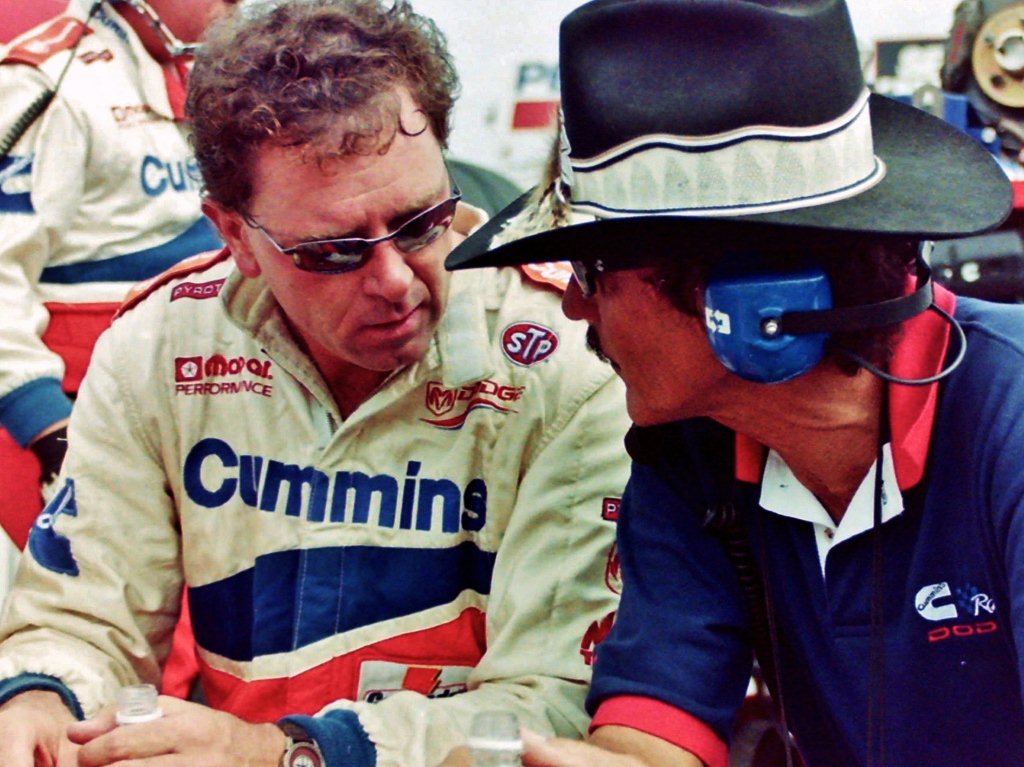
25. He Buried His Barracuda
The Barracuda "Outlawed" became a devastating symbol of that fateful day—not to mention Richard Petty's impassioned protest against NASCAR's regulations. He gave the wrecked car a proper burial, finding it a spot behind the Petty Enterprises shop. However, the lore behind the tragic automobile didn't end there.
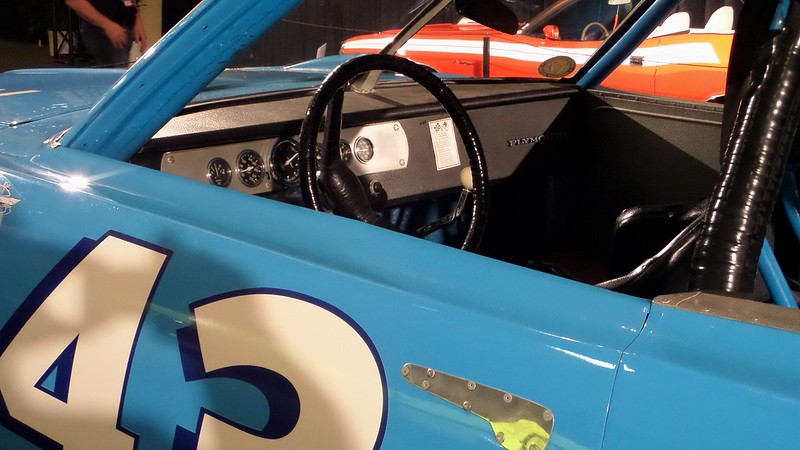
26. His Car Met A Surprising Fate
In the years that followed, the memories of the doomed Barracuda inevitably faded into the background, though stories about its supposed fate continued to swirl. Some believed that Petty had gotten rid of it completely, but that just wasn't the case. As it turned out, Petty had presented the car to a friend named Billy West Peedin, allowing him to keep the mangled Barracuda—on one condition.
 Zach Catanzareti Photo, Flickr
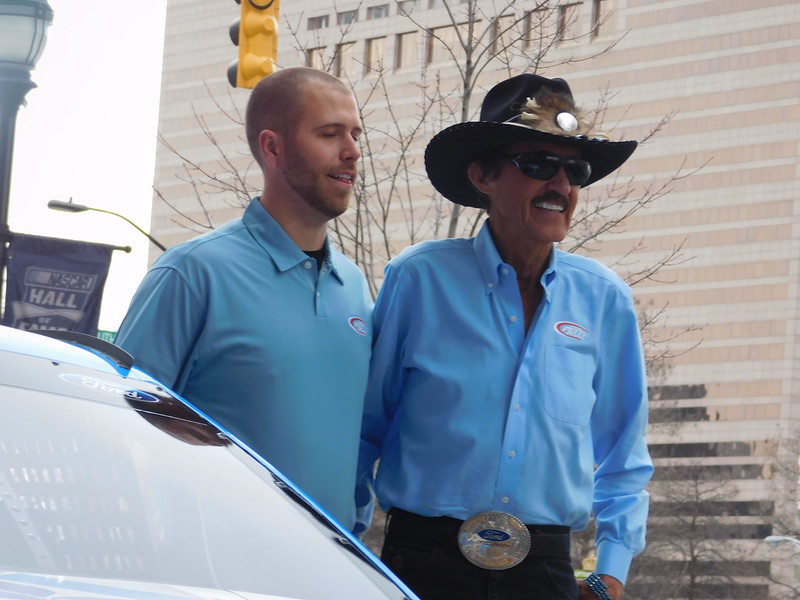
27. He Didn't Want It Back On The Track
Richard Petty did not want his friend Peedin fixing up the Barracuda in any way. "Outlawed" had to stay outlawed—never to see a racing track again. This seemed like his own way of honoring the vehicle's heavy past and the loss of the young life it had caused. However, though this was one of the darkest chapters of his life, Petty still had more racing to do.
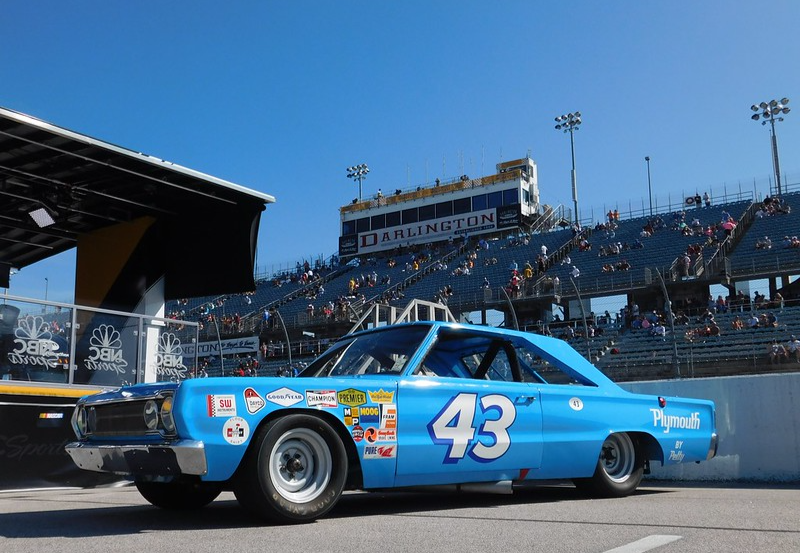 Zach Catanzareti Photo, Flickr
28. He Dominated The Sport
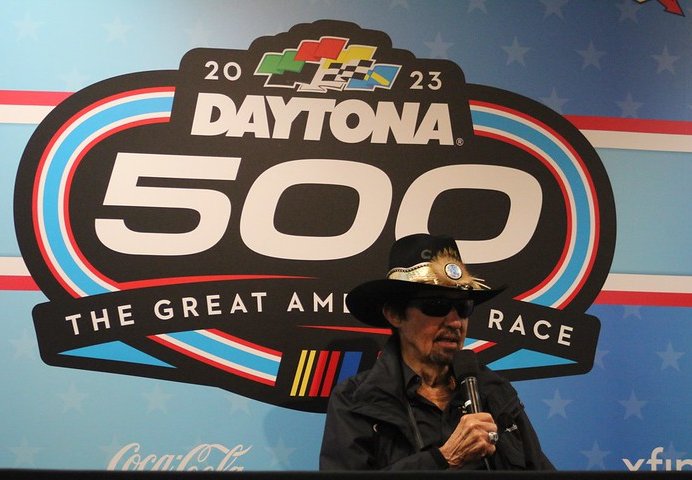
The late 1960s marked the moment Richard Petty stopped chasing greatness—and started defining it. With an almost unbelievable string of wins, including 10 straight victories, he turned dominance into routine and left the competition scrambling to keep up. That momentum carried him into the 1970s as the sport’s undisputed force. But just as everything seemed unstoppable, a devastating tragedy loomed—one that would shake his world, and his beloved queen, to the core.
 Zach Catanzareti Photo, Flickr
29. They Faced Another Tragedy
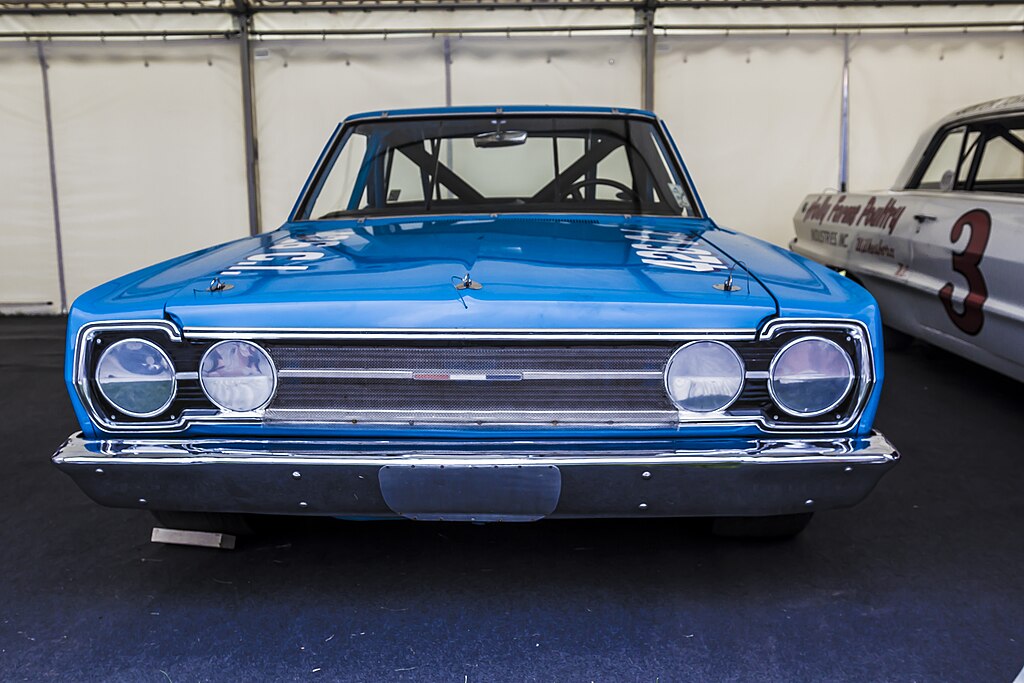
Petty's professional success didn't shield him from personal hardships. In 1975, tragedy struck when Petty's brother-in-law, Randy Owens, died in a pit road accident during a race at the Winston 500. It was a devastating loss for Lynda, Petty, and the kids, putting into perspective the dangers of the sport that Petty loved so much.
The heartbreak weighed heavily on Lynda, deepening her fears about the dangers her husband faced every time he got behind the wheel. With such a devastating loss, Petty would question if he should finally walk away from the sport that had given him so much yet taken too.
 big-ashb, CC BY 2.0, Wikimedia Commons
30. He Upped His Game
Petty knew he had to step up his game to keep racing. Though never a big fan of the sport—especially given its risks—Lynda never wavered in her support. In 1979, Petty secured his seventh NASCAR championship, but the sport's rapidly evolving competition tempered the celebration. As NASCAR entered a new era, the increasing challenges forced Petty and his team to push the limits of innovation. The road ahead would demand more from him than ever, testing his skill, resilience, and determination to stay on top.
31. He Considered Taking A Final Pit Stop
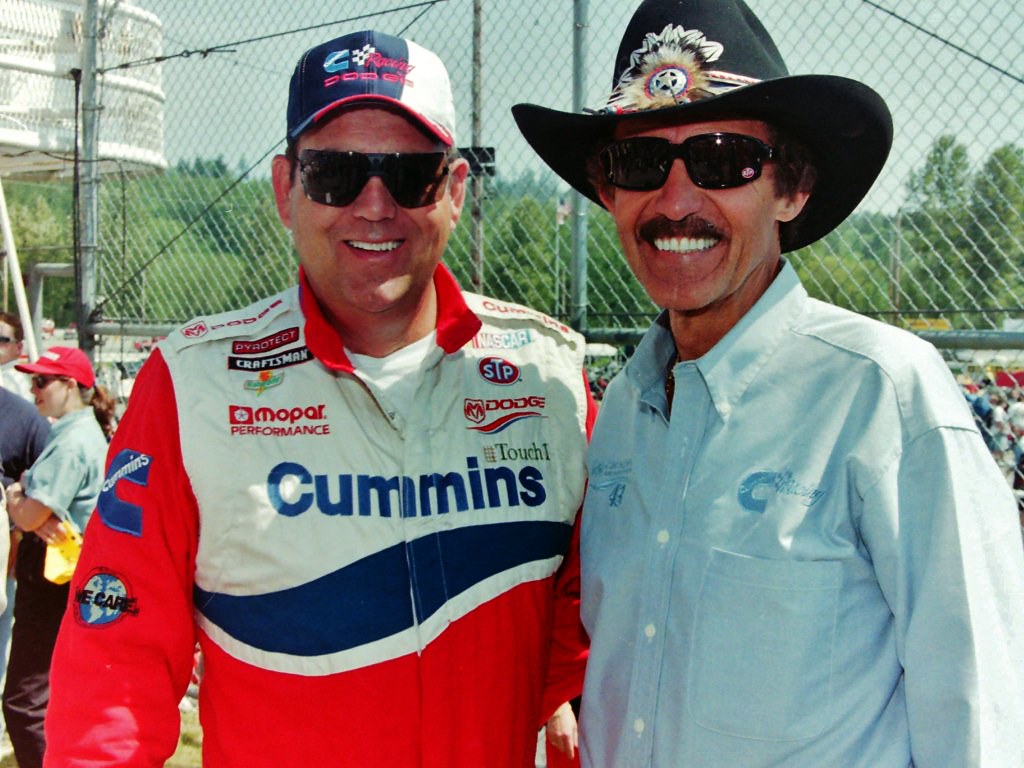
In the 1980s, Petty's life and career took a new turn. After decades of racing, he began contemplating retirement due to declining performance and the increasing dominance of younger drivers. The sport was evolving, with technological advancements and new talent reshaping the competition. But his legacy in racing was far from over, as he had one final milestone to achieve.
 Rob Bixby, CC BY 2.0, Wikimedia Commons
32. His Unmatched Record Was Born
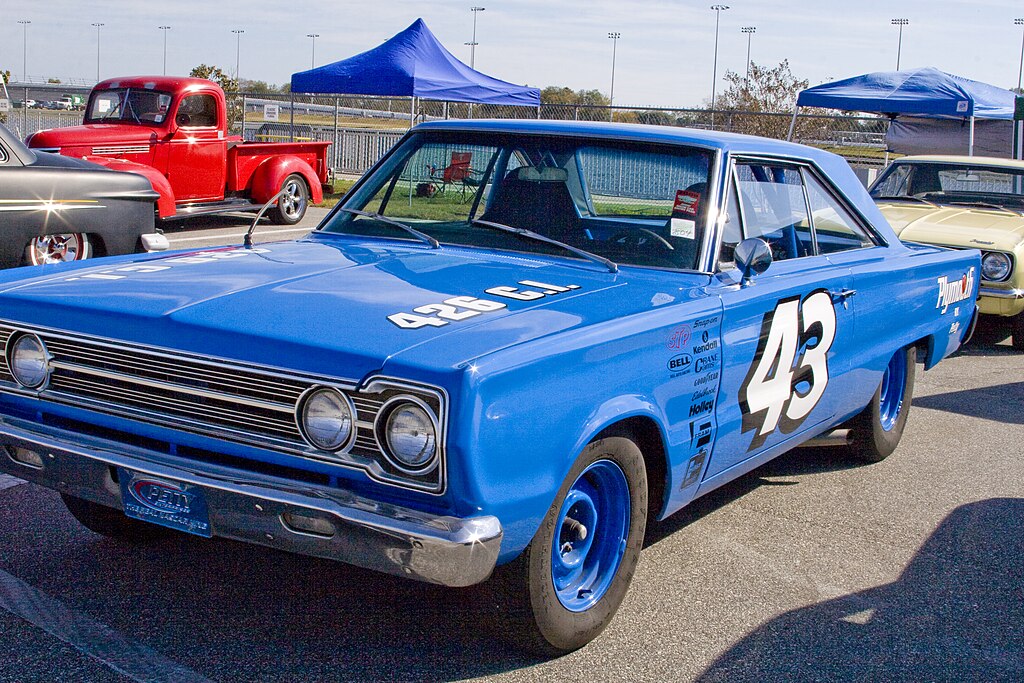
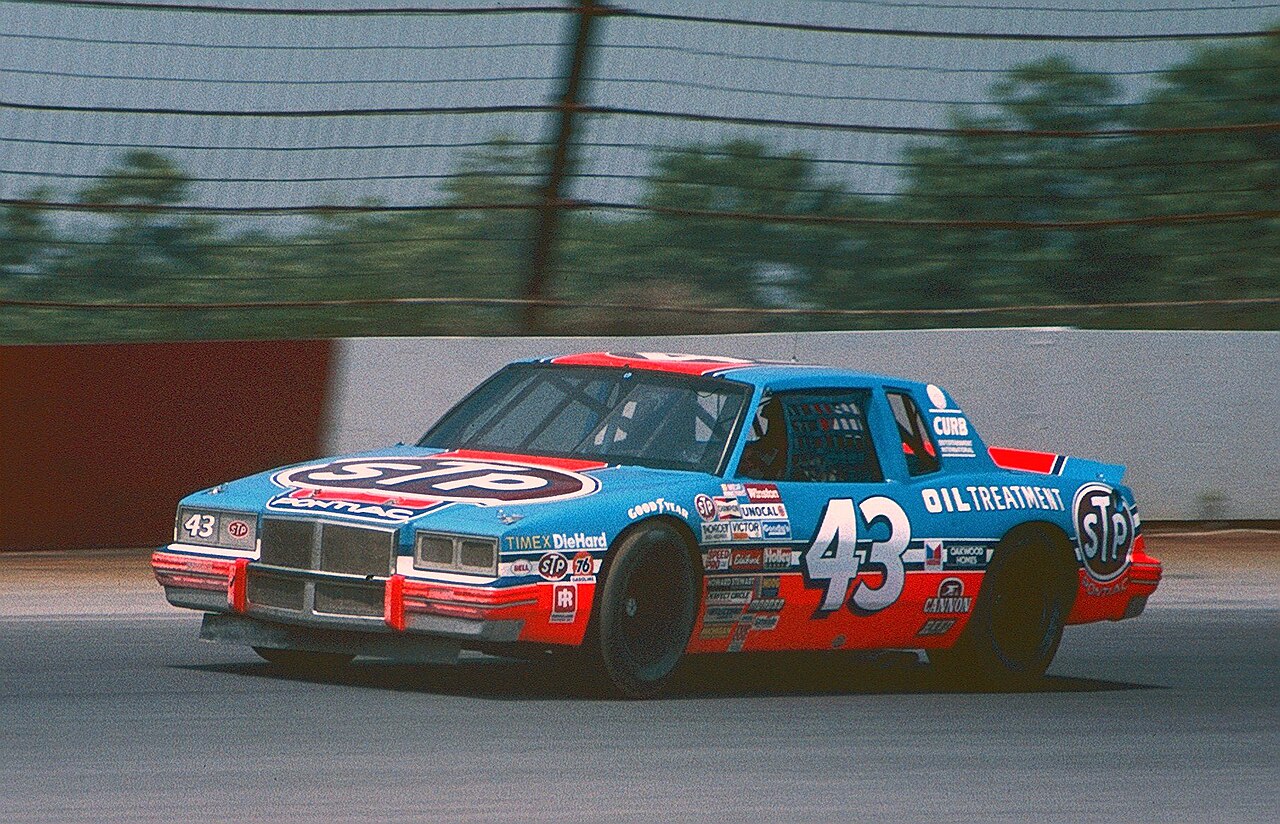
In 1984, Petty won his 200th and final NASCAR Cup Series race at the Firecracker 400 in Daytona. This victory solidified his place in NASCAR history, making him the first driver to reach 200 wins. A special fan was in attendance —marking the first time someone of this stature had ever attended a NASCAR race. Little did Petty know, this triumph would be etched forever as one of racing's most incredible milestones for more than one reason.
 Ted Van Pelt, CC BY 2.0, Wikimedia Commons
33. His Victory Was Worth Celebrating
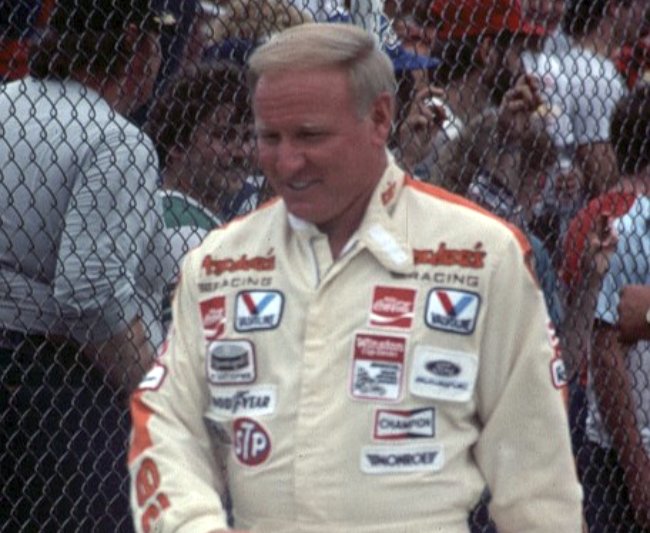
Fans and fellow drivers erupted in celebration as Petty claimed victory at Daytona, edging out Cale Yarborough by a fender's length. His skill and determination were on full display, but the moment became even more special when he stepped into Victory Lane—where a surprise guest was waiting to congratulate him.
 Ted Van Pelt, CC BY 2.0, Wikimedia Commons
34. This King Had A Presidential Surprise
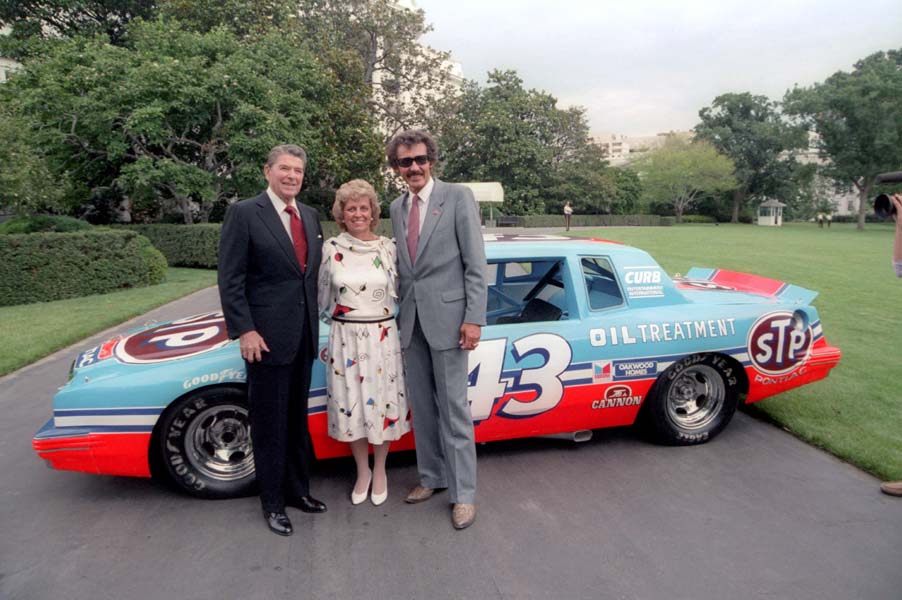
The sitting president at the time, President Ronald Reagan, a dedicated NASCAR supporter, stood among the cheering fans. Attending the Firecracker 400, Reagan watched Petty's historic 200th win and later joined him in Victory Lane. Their meeting wasn't just a handshake—it was a defining moment, solidifying Petty's place in history. And Reagan wouldn't be the only president to recognize his greatness.
 Ronald Reagan Presidential Library, Wikimedia Commons
35. He Was A Champion Among Presidents
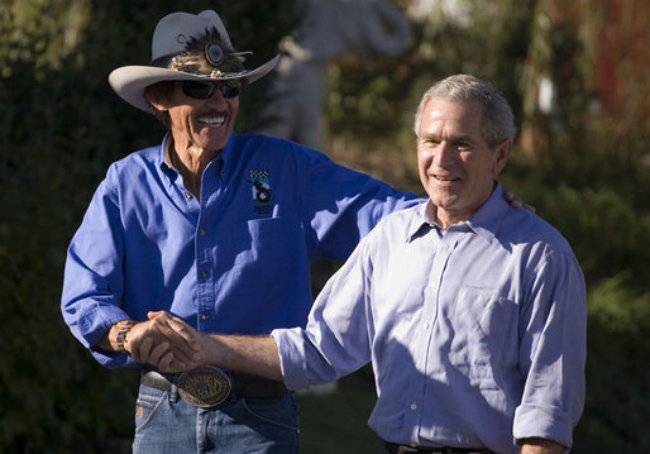
Petty’s impact stretched far beyond the racetrack, earning him recognition at the highest levels of American life. In 1992, President George H.W. Bush awarded him the Presidential Medal of Freedom, honoring not just his success, but his influence on the sport itself. Decades later, he was still a visible figure on the national stage, even appearing alongside Donald Trump at a campaign rally—proof that his legacy wasn’t confined to racing, but woven into the broader fabric of American culture.
36. He Takes His Last Lap
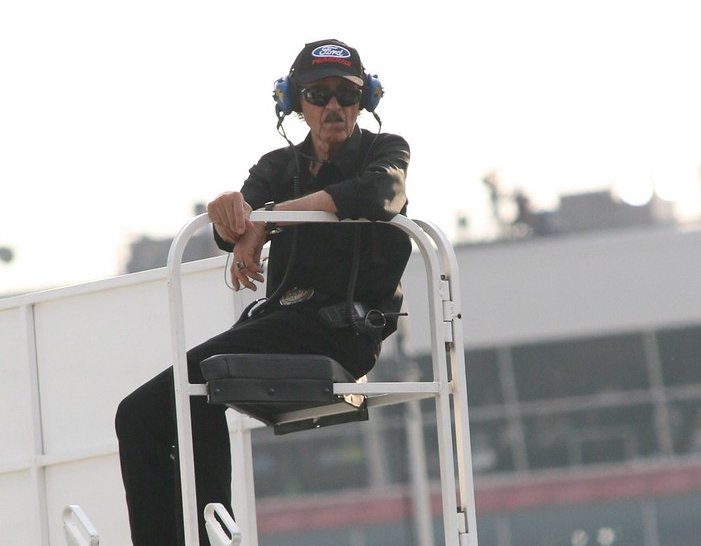
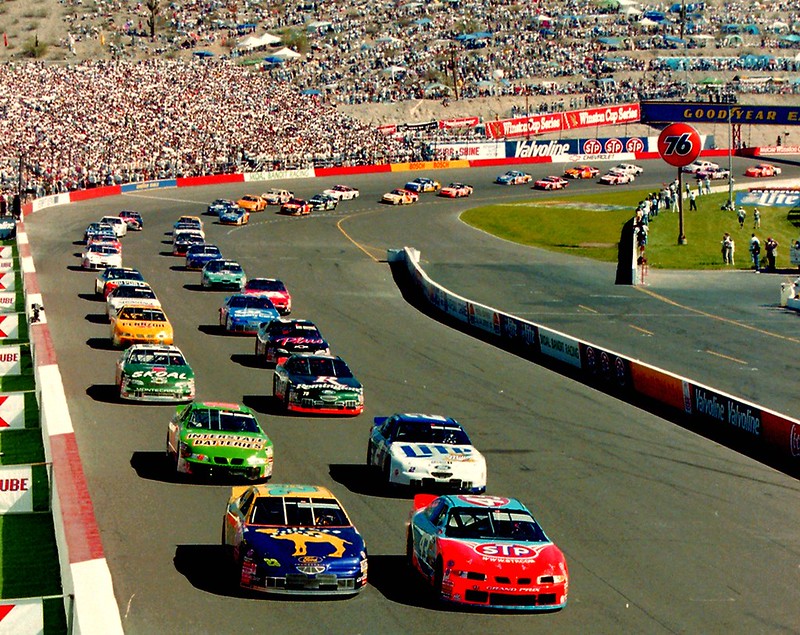
In 1992, Petty retired from full-time racing, closing the chapter on a legendary 35-year career that redefined NASCAR. Though he no longer competed, his presence in the sport was far from over. As the owner of Richard Petty Motorsports, he remained deeply involved, shaping the next generation of drivers. Even in retirement, the King's impact on racing was far from over; it was just beginning.
37. He Shaped NASCAR’s Future
After retiring, Petty transitioned into a new role as a commentator and ambassador for NASCAR, ensuring his legendary voice and insight remained part of the sport. Whether breaking down races on television, mentoring young drivers, or engaging with fans at events, he never strayed far from the track. His larger-than-life presence and unwavering passion kept him at the heart of NASCAR, reinforcing his status as one of the most beloved and influential figures in motorsports history. But even as he embraced this new chapter, life still had its share of heartbreak ahead.
 Master Sgt. Chance Babin, Wikimedia Commons
38. His Greatest Loss So Far
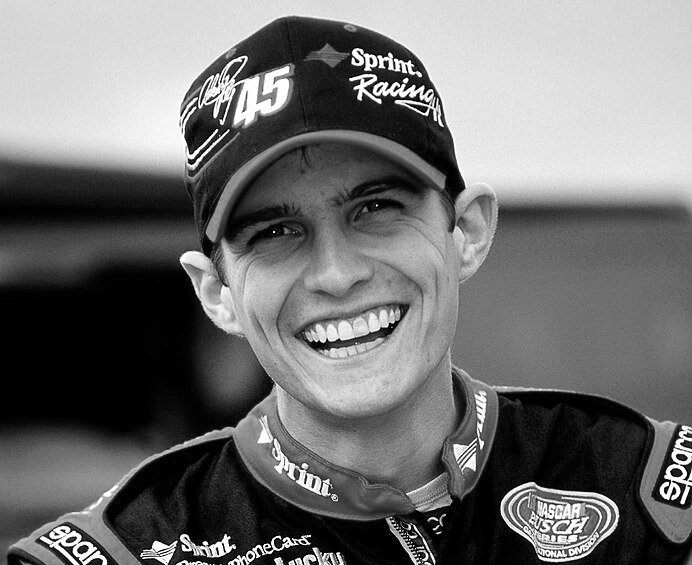
The most heart-wrenching tragedy in Petty’s life thus far came in 2000 when his grandson, Adam Petty, was killed in a racing accident during a practice session at New Hampshire International Speedway. This devastating loss shook Petty and his entire family to their core. The future of the Petty racing legacy was suddenly uncertain.
 Nascar4523, CC BY-SA 4.0, Wikimedia Commons
39. His Heart Was Forever Scarred
People saw Adam as the next great Petty driver, poised to continue the family's success in NASCAR. His untimely passing left a permanent scar on Petty's heart and changed the course of the Petty family's involvement in racing. What followed was a push for critical safety improvements in the sport—one that Petty would dedicate himself to with unwavering determination.
 Mike Kalasnik, CC BY-SA 2.0, Wikimedia Commons
40. He Became An Advocate
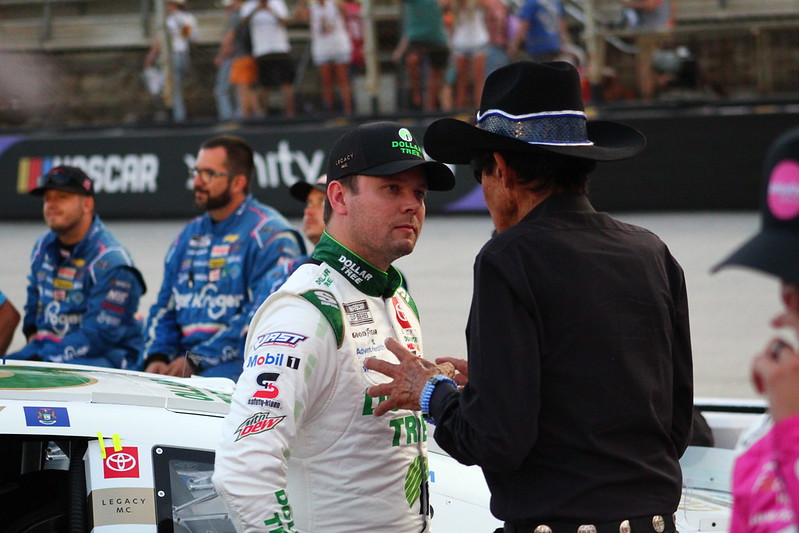
After the loss of Adam, Petty channelled his grief into a robust advocacy for racing safety. Determined to prevent other families from experiencing the same heartbreaking loss, he worked tirelessly alongside NASCAR to implement crucial safety reforms. His efforts led to developing new standards and innovations to protect drivers, ensuring that future generations would have a safer, more secure future in the sport he had loved for so long. Petty's commitment to safety became one of his most important legacies, far beyond his racing achievements.
 Zach Catanzareti Photo, Flickr
41. He Improved Racing
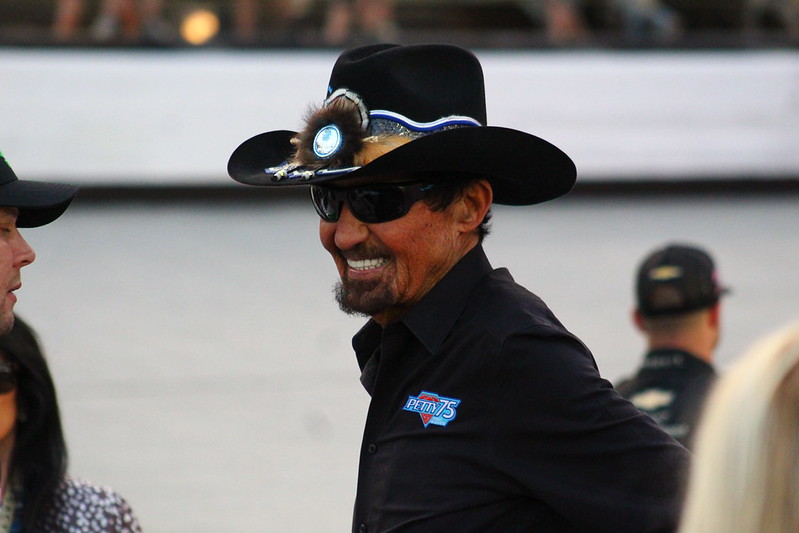
Petty's relentless advocacy for safety sparked profound changes in NASCAR, driving critical advancements in car design, track barriers, and helmet technology. While the loss of Adam will forever cast a shadow over him, his dedication to making racing safer has left a lasting impact on the sport, saving countless lives in the process. This commitment to protecting drivers reached beyond the track as Petty worked to create a lasting legacy of safety and support. Petty took his efforts to new heights to further honour Adam's memory, creating a groundbreaking initiative.
 Zach Catanzareti Photo, Flickr
42. Their Heartfelt Camp Was Realized
In 2002, Richard and Lynda Petty donated land and led a fundraising effort to create Victory Junction, a NASCAR-themed camp in Randleman, North Carolina. With support from corporations, individuals, and foundations, donations poured in. Adam's legacy of love became a reality through this camp, offering children with chronic medical conditions a place to experience joy and adventure. But this was only the beginning of a mission that would continue to grow and touch lives in ways they never imagined.
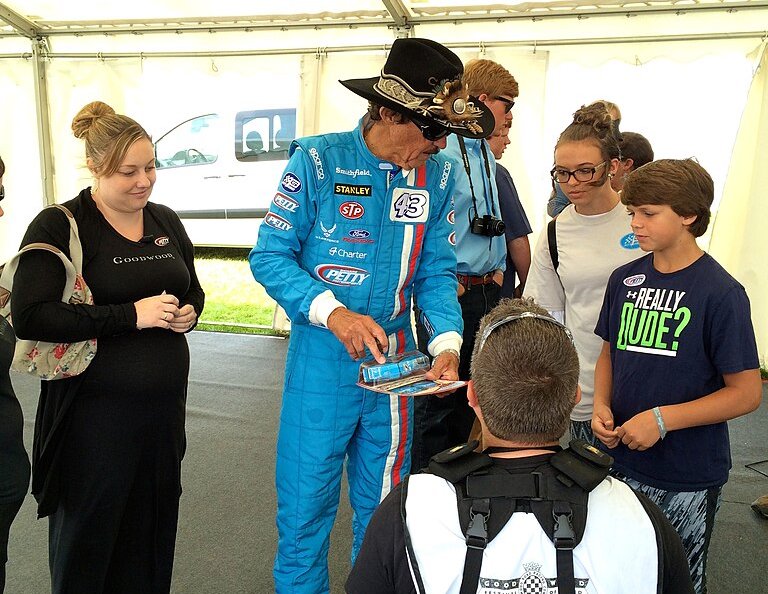 Phil Guest, CC BY-SA 2.0, Wikimedia Commons
43. He Was A Cars Star
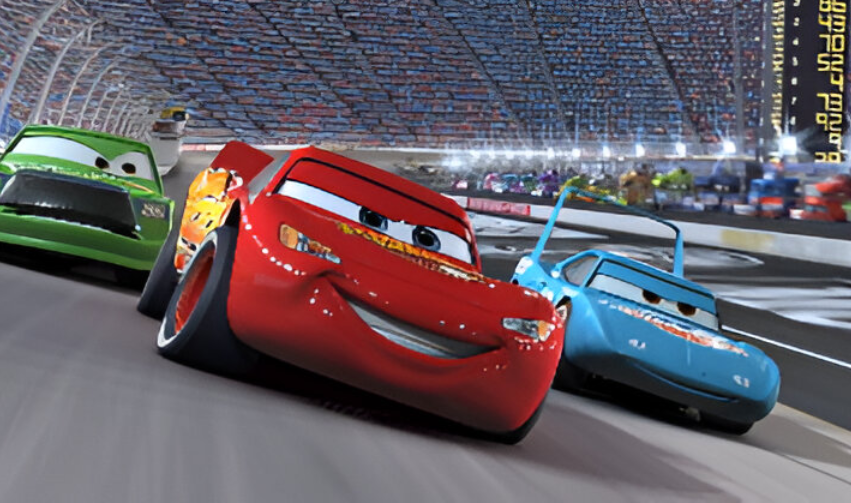
Petty showcased his talents beyond the track by lending his voice to Pixar's Cars (2006), where he voiced The King, a racing legend much like himself. For kids and Disney fans, it was a perfect introduction to the world of NASCAR through a beloved character. Petty also became the face of brands like Goody's Headache Powder and Liberty Mutual Insurance, further expanding his influence beyond racing. But Petty wasn't the only one making an impact—Lynda would soon enter the spotlight.
44. She Was A Cars Star Too
Lynda lent her voice to the character of Mrs The King in Cars. This role allowed her to bring a touch of real NASCAR history to the beloved animated film. But her connection to racing went far beyond the big screen—she was a driving force behind the Petty legacy in more ways than one.
 All-Pro Reels, CC BY-SA 2.0, Wikimedia Commons
45. She Was Courageous
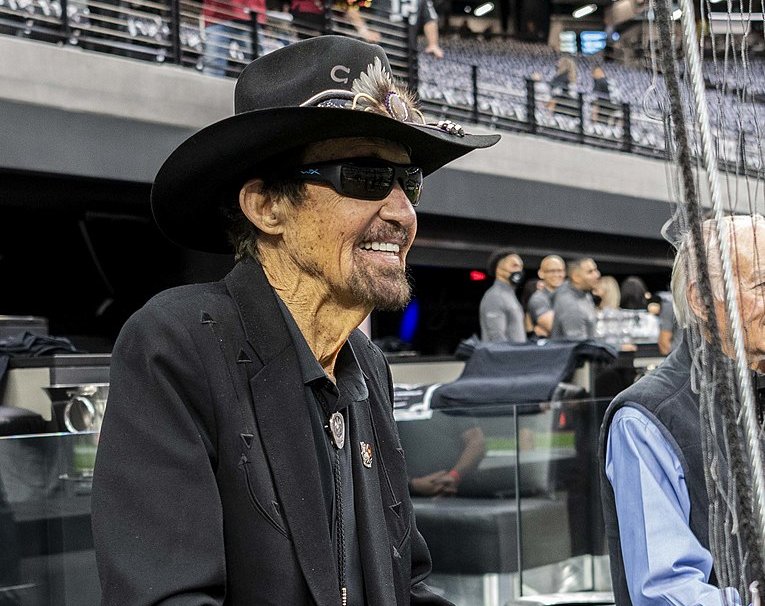
While Petty's post-racing career thrived, his personal life became increasingly difficult. In 2010, Lynda was diagnosed with cancer, presenting the Pettys with a new set of challenges. Despite their struggle, they continued to work with the same dedication they had always shown, never allowing the hardship to define them. As they fought this battle together, Petty's legacy would soon be honored in a way that would forever cement his place in history, no matter the personal hurdles the couple faced.
46. His Crowning Achievement
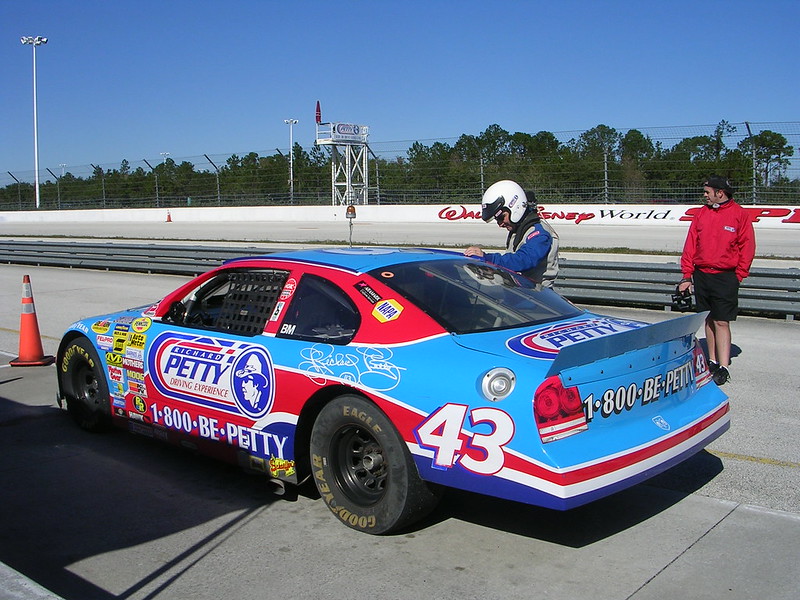
In 2010, Petty was inducted into the NASCAR Hall of Fame as part of its inaugural class, cementing his status as a living legend. Petty's name is synonymous with excellence in NASCAR. His 200 career wins, seven championships, and enduring legacy have solidified his place as one of the greatest drivers in the sport's history.
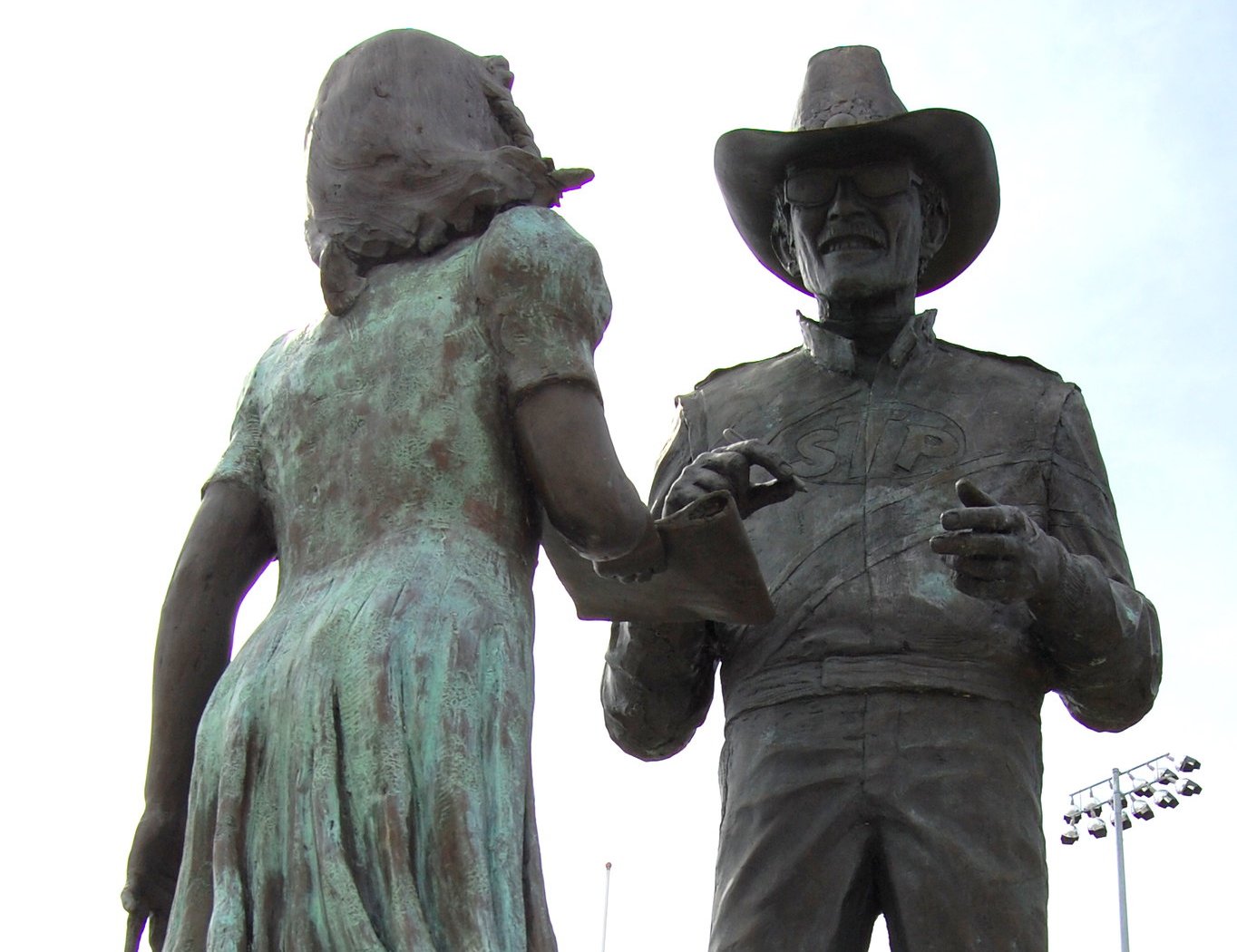
47. His Unwavering Love
Lynda battled cancer for many years before passing in 2014, leaving a void in Richard Petty's life that could never be filled. In the following years, he turned his focus to charitable work, using his platform to give back to the community. But the Petty family’s impact wasn't only on the racetrack and in the hearts of those they helped.
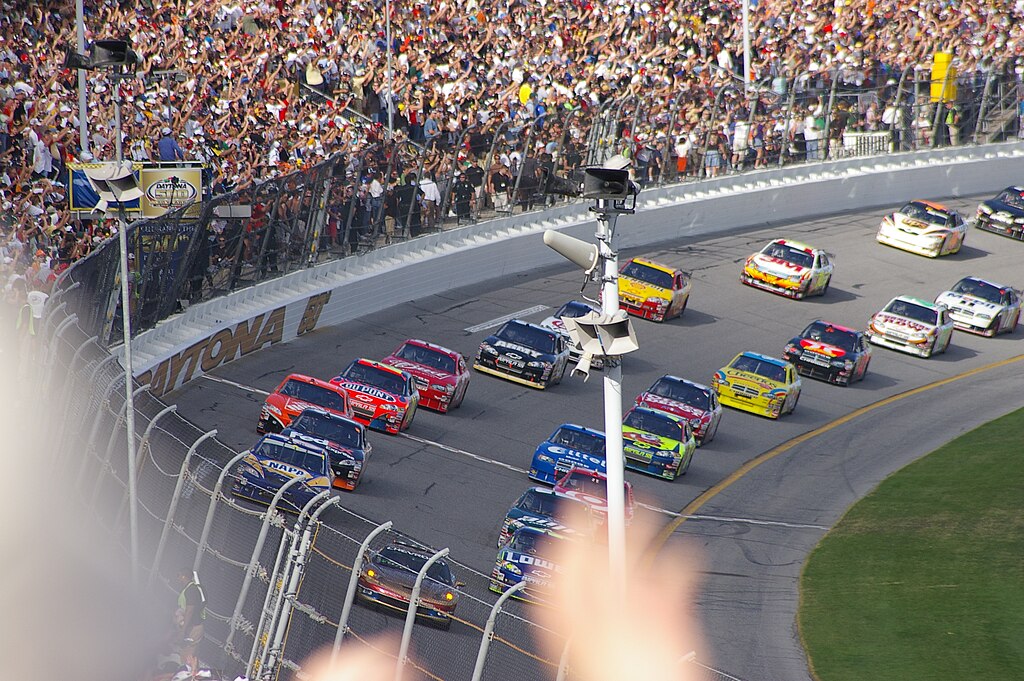 tequilamike, CC BY 2.0, Wikimedia Commons
48. Her Legacy Of Strength
Lynda's warmth and dedication made her beloved by all who knew her, leaving an indelible mark on everyone she met. At the same time, Maurice, Richard Petty’s little brother, played an essential role in shaping the family legacy. Together, they built something beyond racing, touching countless lives meaningfully.
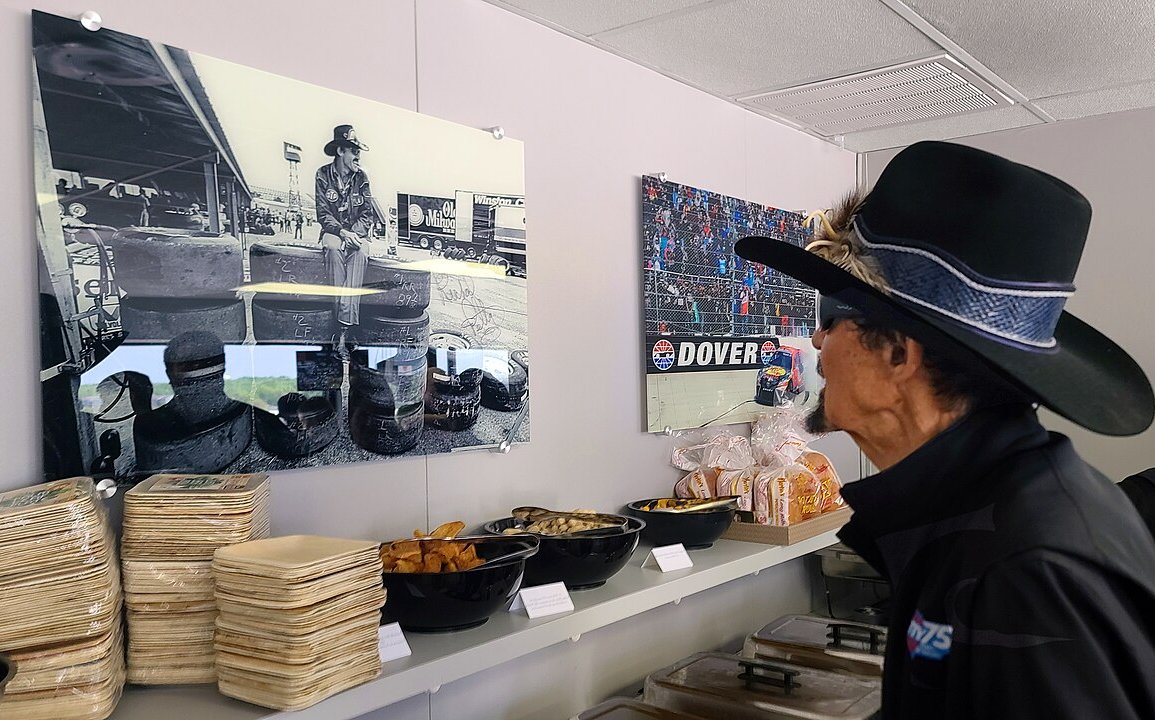 JazzyJoeyD, CC BY-SA 4.0, Wikimedia Commons
49. Another Pretty Amazing Petty
Maurice Petty was inducted into the NASCAR Hall of Fame in 2014, recognizing his brilliance as an engine builder. As the mechanical mastermind behind Petty Enterprises, he played a crucial role in the team's success, powering Petty to countless victories. Maurice Petty’s contributions to NASCAR's golden era ensure that people will never forget his legacy or the Petty name.
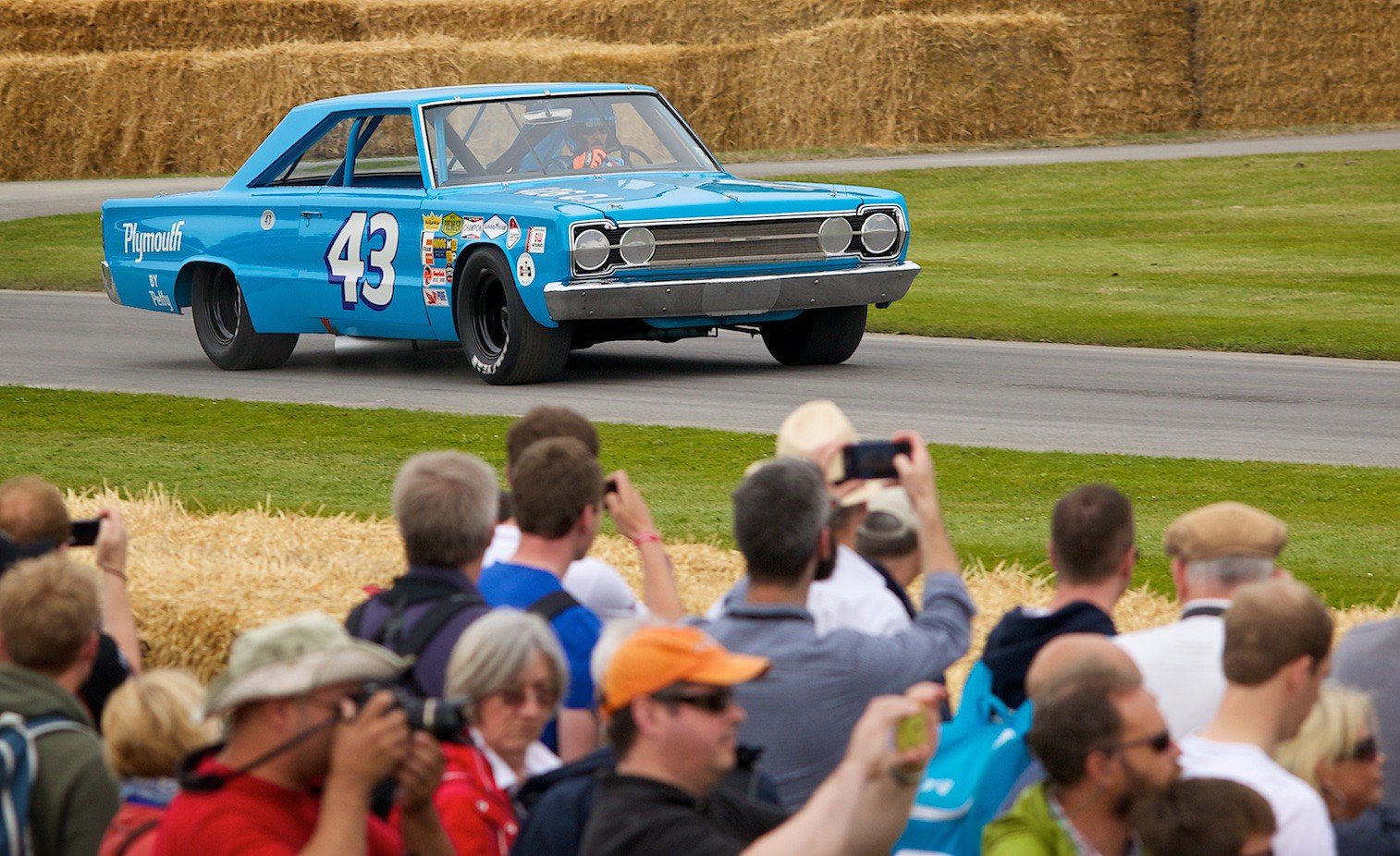
50. His Influence Endures
Though retired, Richard Petty's influence on NASCAR endures as a team owner and mentor, shaping the sport's future. His legacy isn't just in the past—it's still unfolding. With 127 pole positions and 15 wins from the pole in a season, Petty dominated one of NASCAR's most competitive eras, embedding his name forever into the sport's fabric.
You May Also Like:
Bobby Allison Was Fearless On And Off The Track
The Wild Life Of Jeff Gordon, NASCAR’s “Wonder Boy”
Dale Earnhardt’s Fatal Crash Was Even More Tragic Than We Knew
 Zach Catanzareti Photo, Flickr


.jpg)


.jpg)


.jpg)

.jpg)


.jpg)
.jpg)
.jpg)


.jpg)


.jpg)
.jpg)
.jpg)
