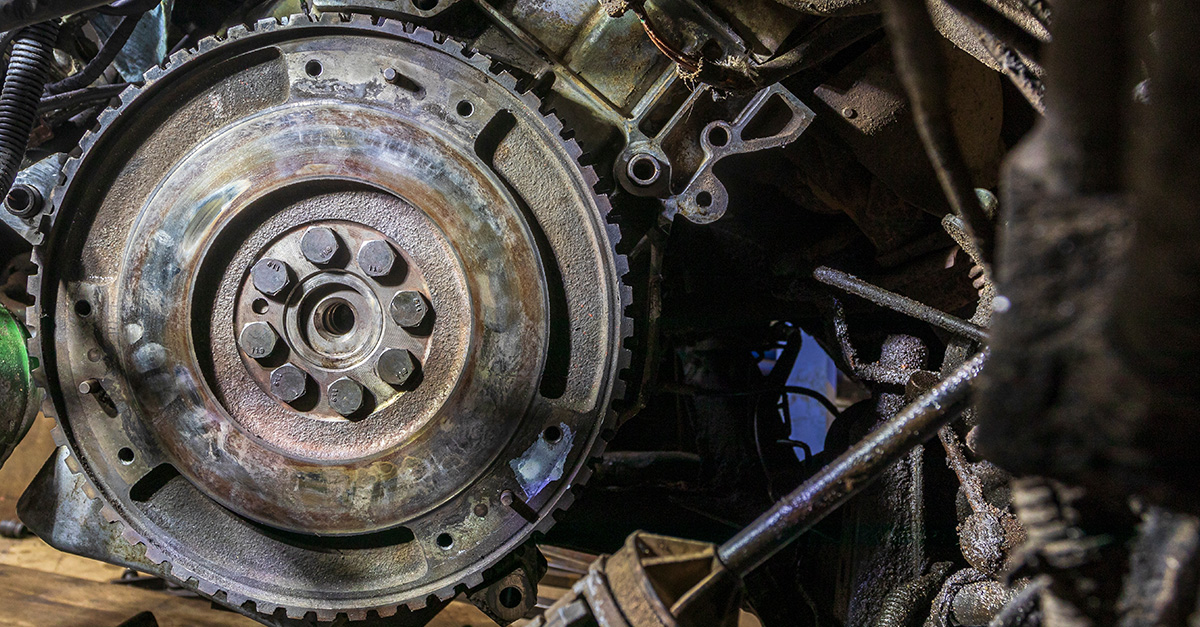
How You Can Avoid A Costly Transmission Repair
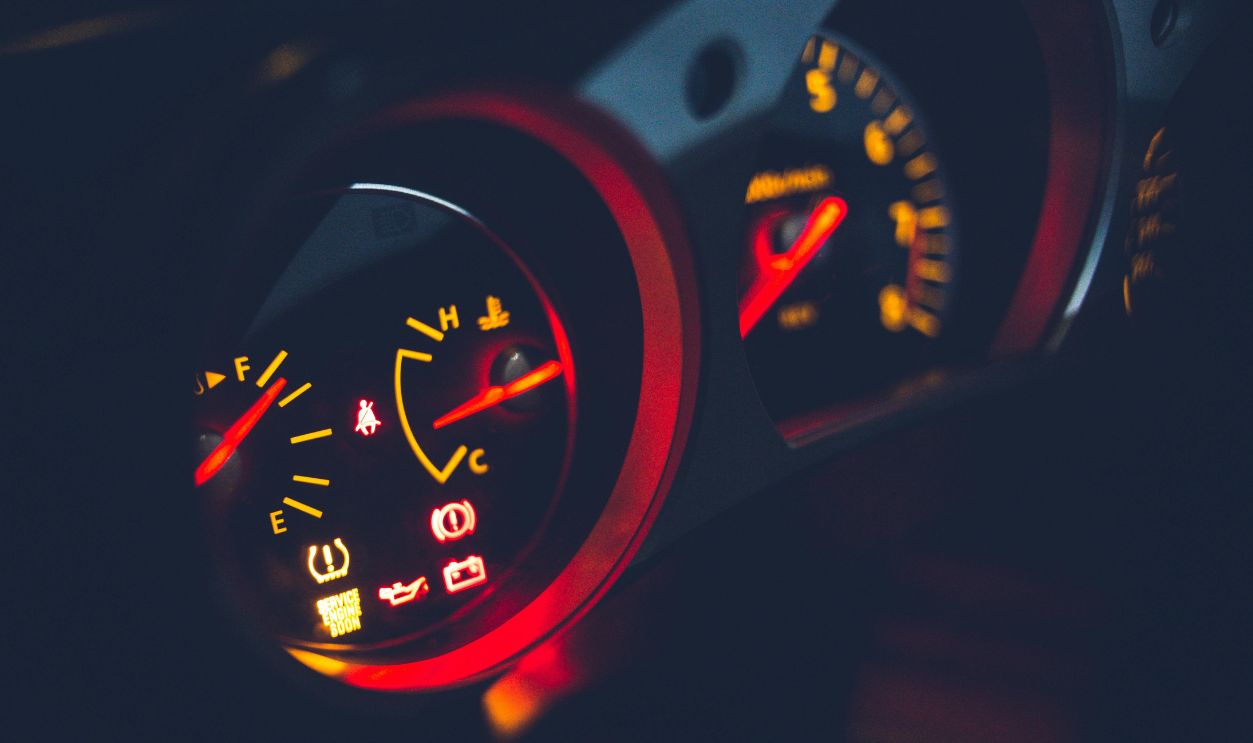
Transmissions are incredible pieces of engineering—beautifully complicated, surprisingly delicate, and always ready to punish you the moment you take them for granted. They’re basically the divas of the drivetrain world. When something starts to go wrong, the first clue is often that little amber Check Engine Light, glowing at you like it knows your deepest secrets.
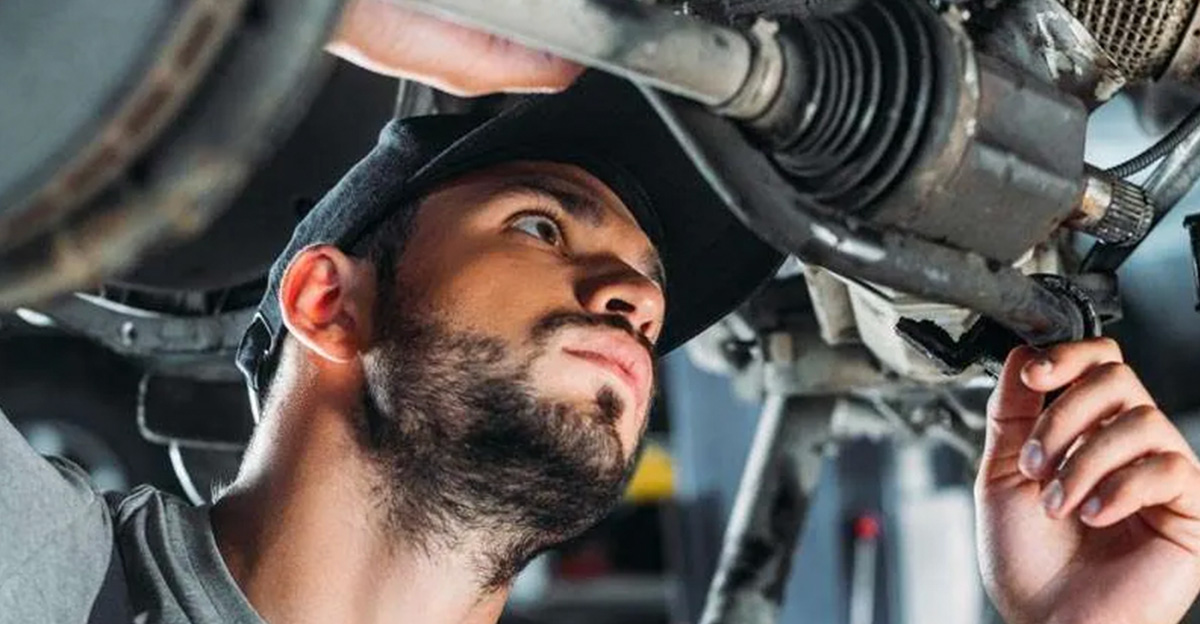
Transmission Trouble: Why That Little Light Matters
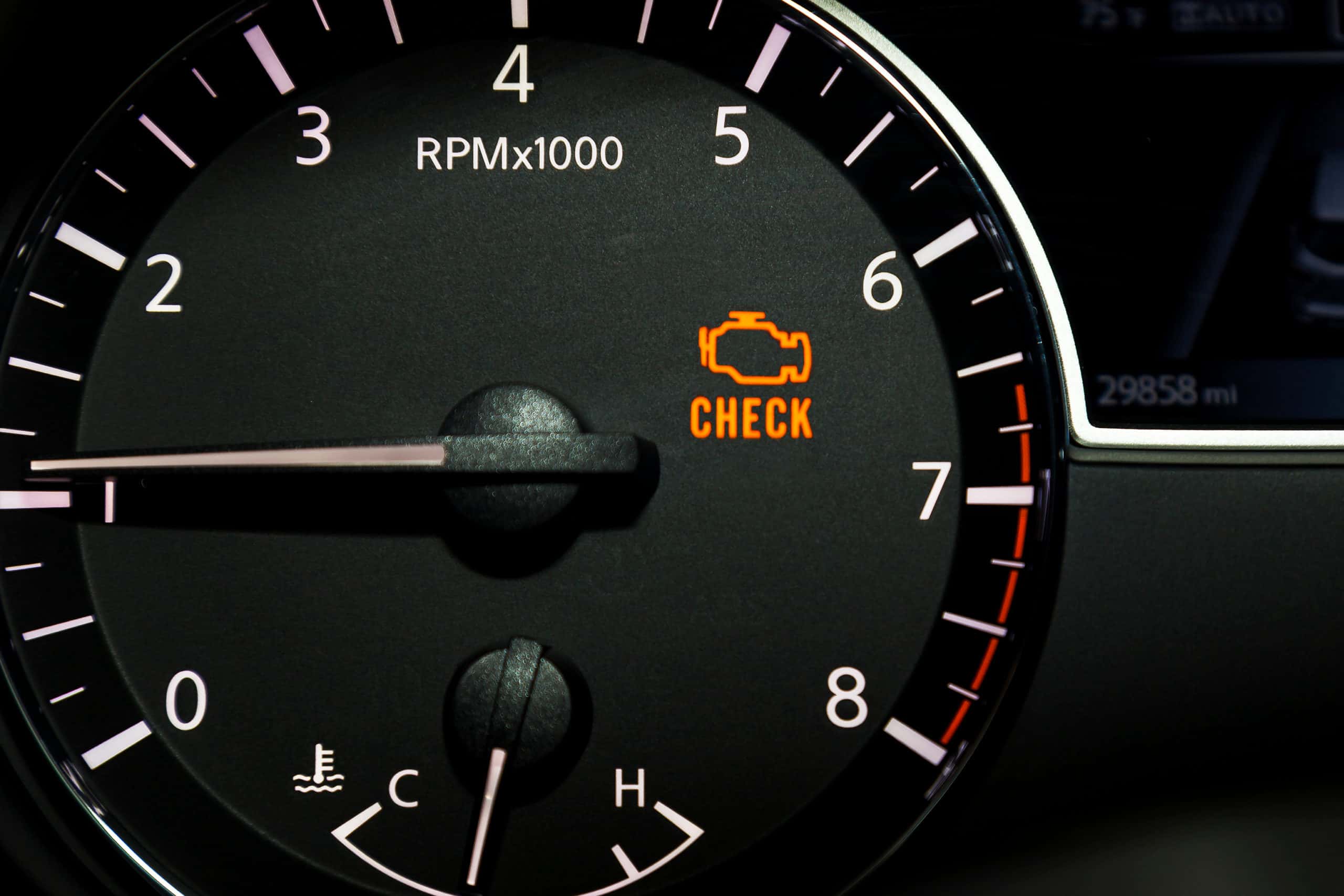
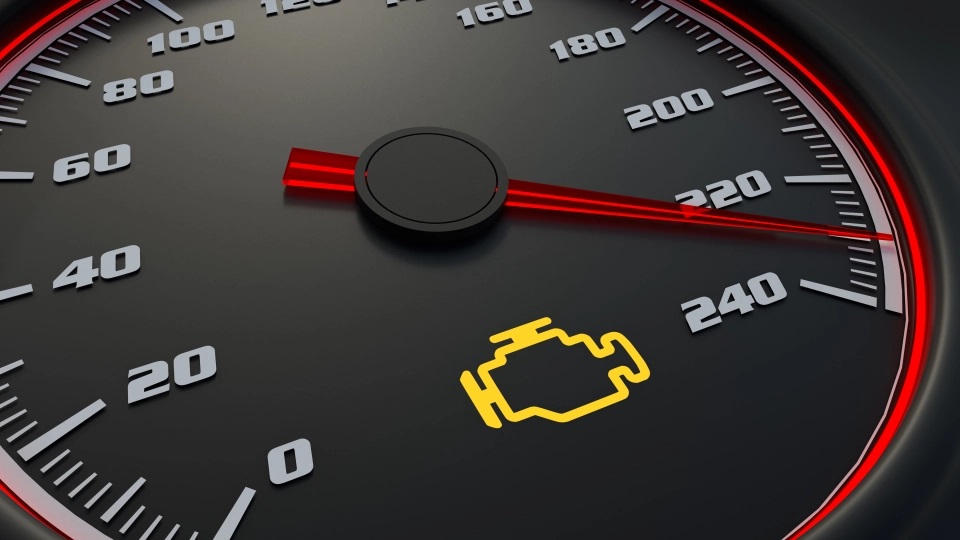
The Check Engine Light isn’t your car being needy—it’s the dashboard equivalent of a heartfelt “Hey, buddy… something’s not right.” Because the engine and transmission constantly communicate, even tiny issues show up as warning codes. And when the transmission isn’t happy, it rarely keeps quiet. Understanding these early signs can save you thousands (and maybe a good few swear words).
Low Transmission Fluid
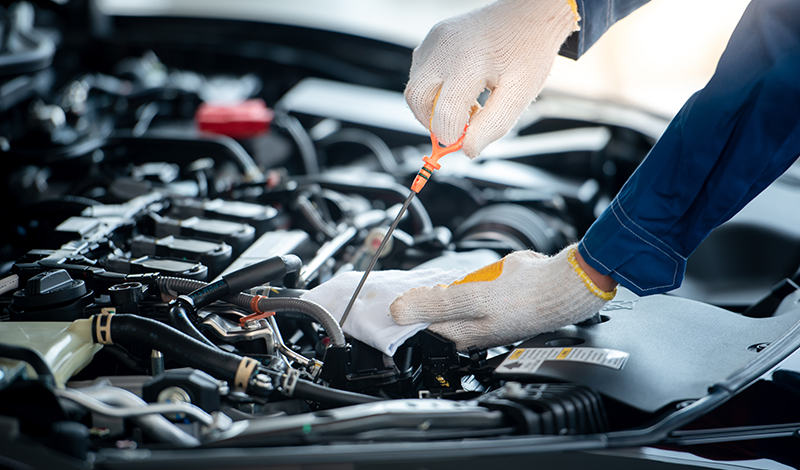
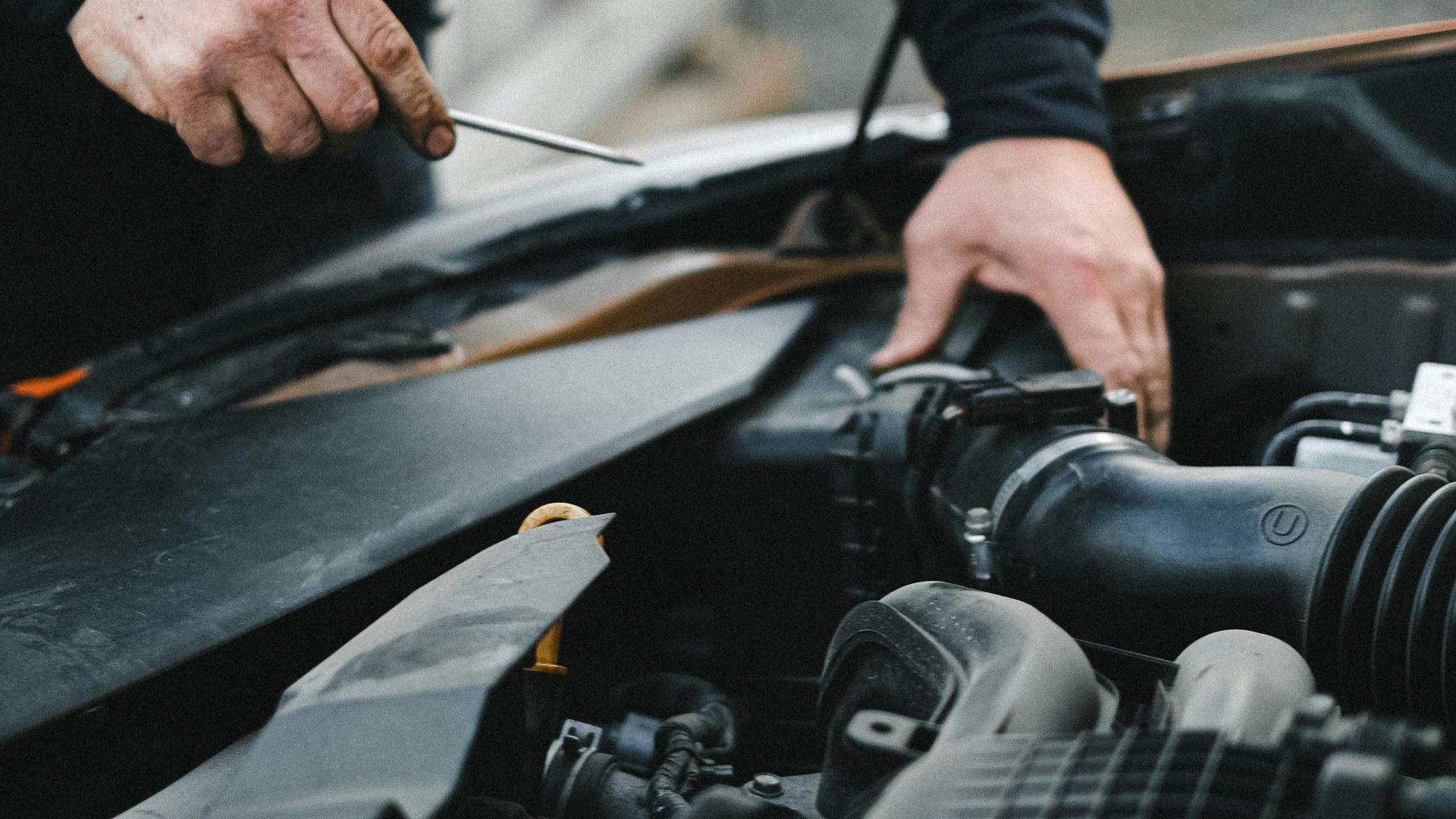
A transmission running low on fluid is like you trying to do a 5K without water—slow, sloppy, and ready to overheat. Low fluid makes the transmission struggle to build the pressure it needs, and sensors immediately notice that something’s off and kick the Check Engine Light on. Checking the dipstick and fixing small leaks early can spare you from some seriously ugly repairs.
Using The Wrong Transmission Fluid
Despite what the internet sometimes claims, transmission fluid is not one-size-fits-all. Different formulations do completely different things, and using the wrong one is basically giving your gearbox the wrong blood type. If the fluid can’t do its job—lubricate, cool, and maintain pressure—the transmission will start shifting weirdly, and the CEL will light up to complain. Matching the exact spec listed in your manual is absolutely worth the trouble.
Old Or Burnt Transmission Fluid
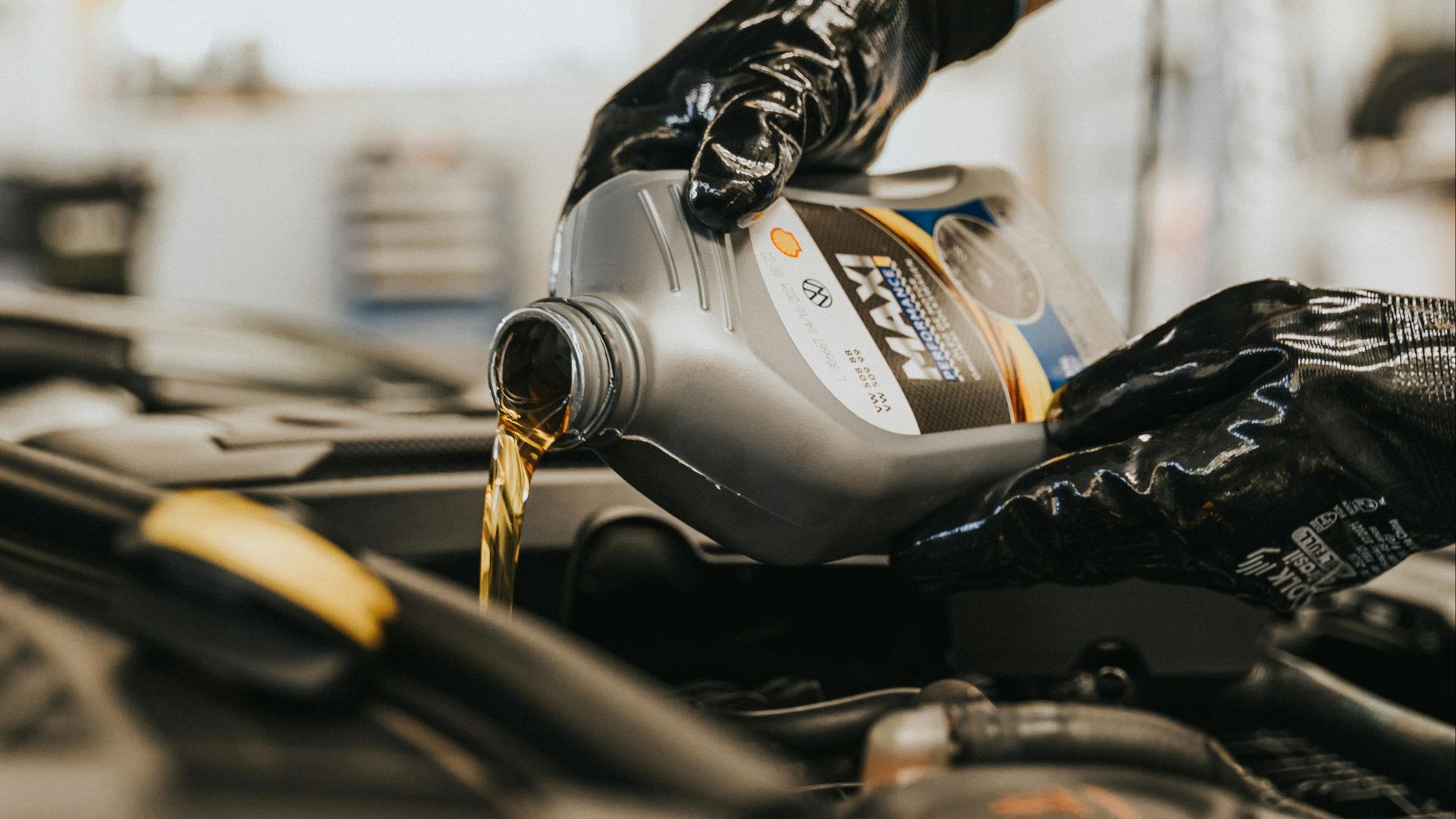
Transmission fluid ages like milk, not wine. Over time, it breaks down, gets darker, and stops protecting parts the way it should. Once it starts to burn, the smell alone is enough to make you wince. Sensors pick up on the sloppy shifts and odd temperatures, and the Check Engine Light jumps in to let you know you're overdue for some TLC. A simple fluid change goes a long way.
Overheating The Transmission
Heat is hands-down the biggest enemy of your transmission. Towing, spirited driving, mountains—anything that puts extra stress on the car can send fluid temps soaring. When the transmission gets too hot, everything inside starts wearing out faster, and the CEL pops on as a warning flare. A cooler or smarter driving habits can keep things from cooking themselves to death.

Faulty Transmission Control Module (TCM)
The TCM is the brain behind every shift. When it starts malfunctioning, the transmission can behave like it has multiple personalities—slow shifts one moment, harsh clunks the next. It confuses the system, and before long, the Check Engine Light joins the party. If the transmission starts shifting like it’s in a bad mood, a bum TCM could be the culprit.

Slipping Gears
Slipping feels like the engine is working but you're not going anywhere. It's unsettling, it’s dangerous, and it’s the sort of thing the car notices immediately. When RPM and wheel speed don’t line up, the CEL turns on to tattle. Slipping almost always means the transmission is crying for help, so stopping early can save it from a total meltdown.
 Mikhail Reshetnikov, Adobe Stock
Failing Torque Converter
When a torque converter starts going, you’ll feel shuddering, stalling, or just plain weird vibrations during acceleration. It throws off how the transmission manages power, and sensors pick up the inconsistencies quickly. That’s when the Check Engine Light pops up and says, “Hey… something’s not spinning the way it should.” Fresh fluid and good service habits give torque converters a much better shot at a long life.
Worn Clutch (Manual & DCT)
A worn clutch doesn’t just make driving annoying—it also confuses the engine and transmission sensors because the RPMs behave in ways they shouldn’t. The computer sees the mismatch and turns on the Check Engine Light as a gentle nudge (or maybe a slap on the wrist). Replacing a clutch before it’s fully toast keeps everything working in harmony.

Faulty Shift Solenoids
Shift solenoids are tiny but mighty. They control fluid flow during shifts, and if they get sticky or clogged, your car starts changing gears at all the wrong times. The TCM gets confused, flags a problem, and your CEL lights up. Keeping fluid fresh helps keep solenoids from throwing tantrums.

Bad Transmission Range Sensor
If your car suddenly isn’t sure whether it’s in Park, Drive, or Reverse, the range sensor may be losing its grip on reality. That confusion leads straight to a Check Engine Light and sometimes a car that refuses to start in Park. Replacing the sensor gives the transmission its sense of direction back.

Clogged Transmission Filter
A clogged filter strangles fluid flow, which makes everything inside run hotter and work harder. Sensors love to complain about this (as they should), and the Check Engine Light flips on. Swapping the filter during service is cheap insurance for a much happier transmission.
Bad Transmission Mounts
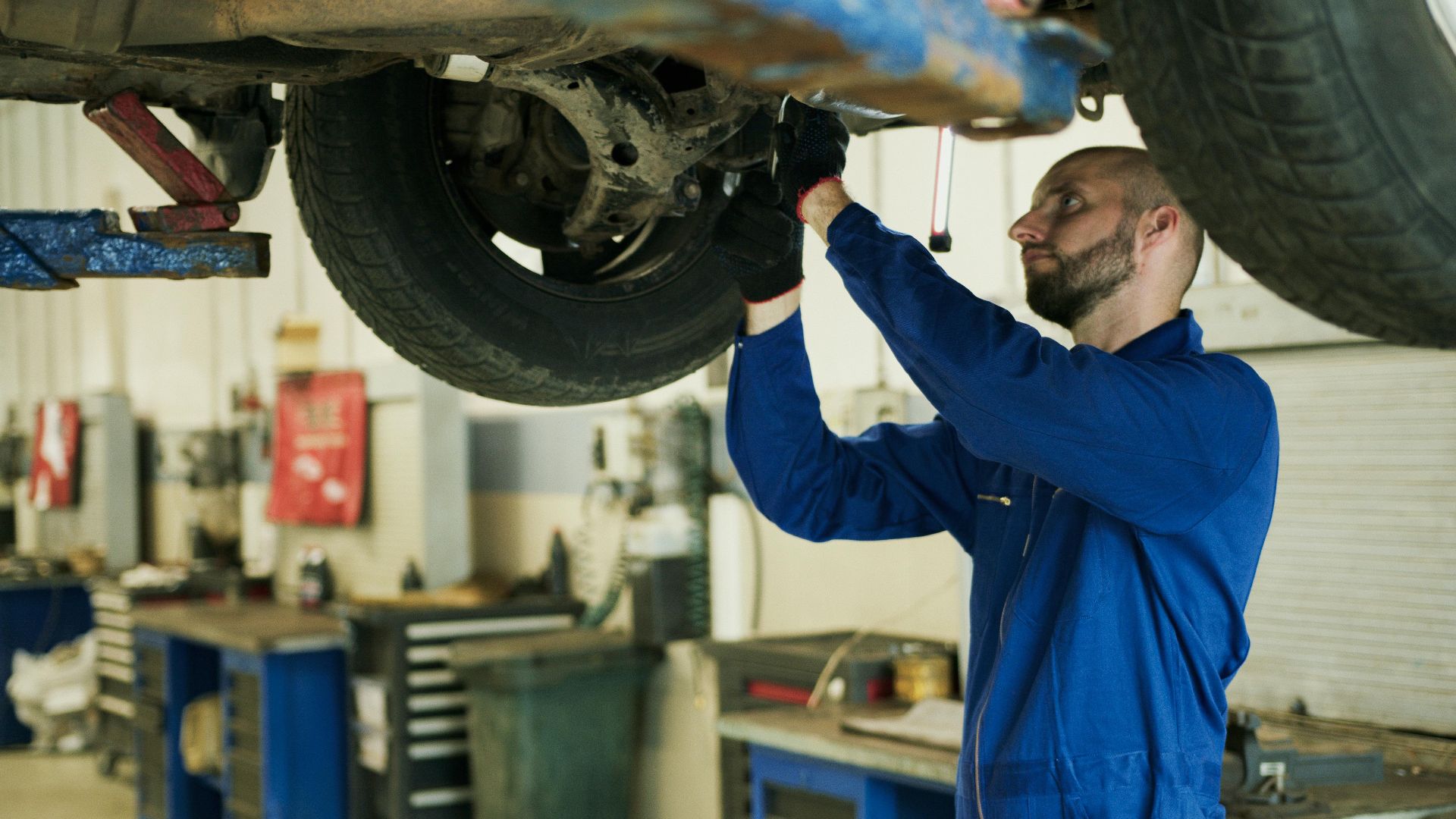
When mounts wear out, the transmission twists and jumps more than it should, pulling on wires and hoses like a toddler tugging a dog’s tail. Those sudden movements confuse sensors, and the Check Engine Light responds accordingly. Fresh mounts keep things stable and prevent future headaches.

Ignoring Drivetrain Vibrations
Vibrations don’t magically fix themselves. Whether it’s a CV joint, driveshaft, or u-joint starting to go, the shaking can trick sensors into thinking the transmission is freaking out. Before long, the CEL chimes in to warn you. Taking vibrations seriously is one of the easiest ways to prevent bigger problems down the line.

Failing Speed Sensors
If speed sensors start giving bad information, the transmission loses track of what’s happening and shifts at the wrong time. It feels weird, it sounds weird, and the CEL flashes because the computer has no idea what’s going on. Most of the time, replacing a speed sensor is quick and painless.
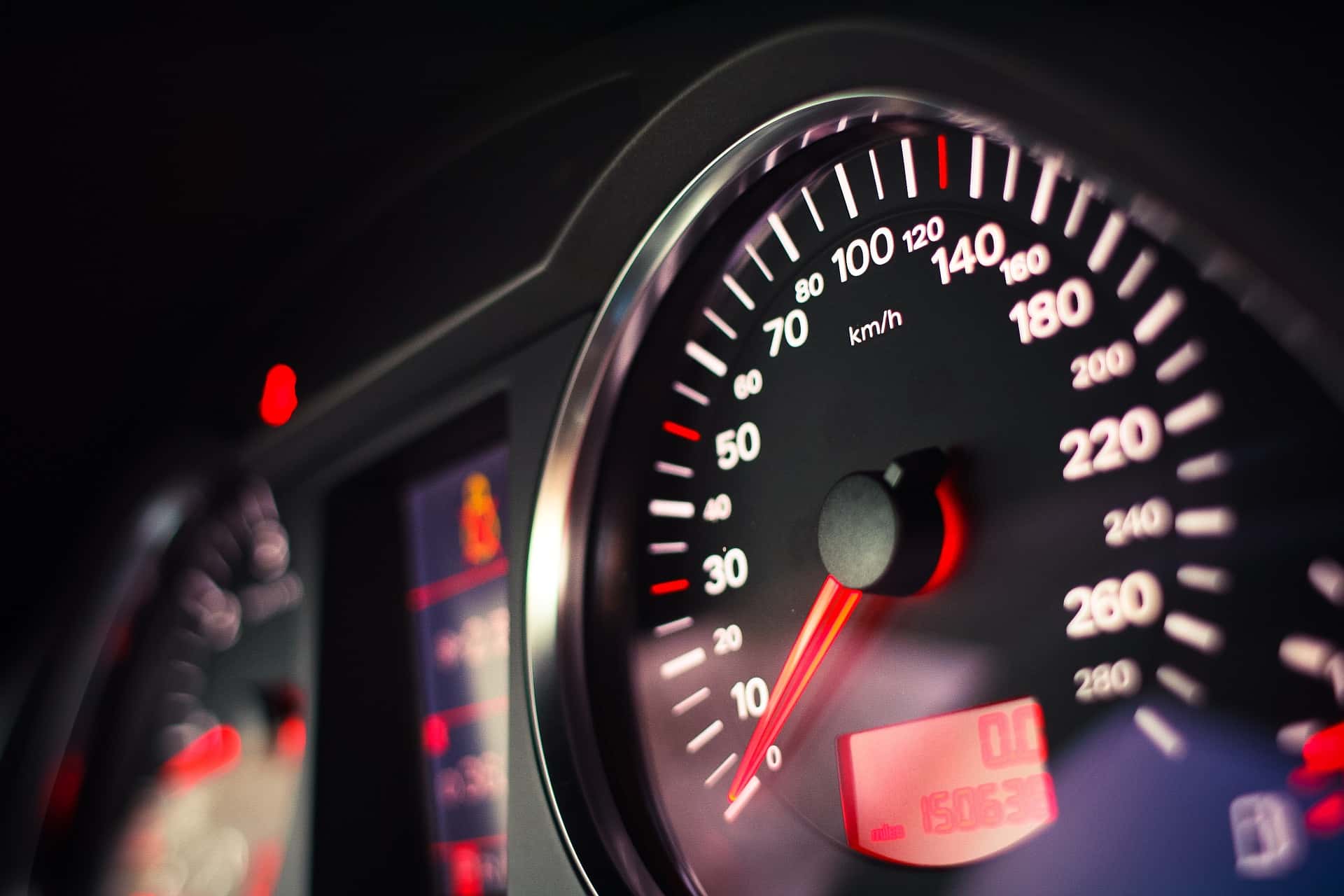
Bad Engine Cooling System
Your transmission often shares cooling with your radiator, so when the engine cooling system starts failing, the transmission gets dragged into the drama. Rising temps trigger warnings, and the Check Engine Light tries to get your attention. A healthy cooling system helps keep your transmission from boiling itself to death.
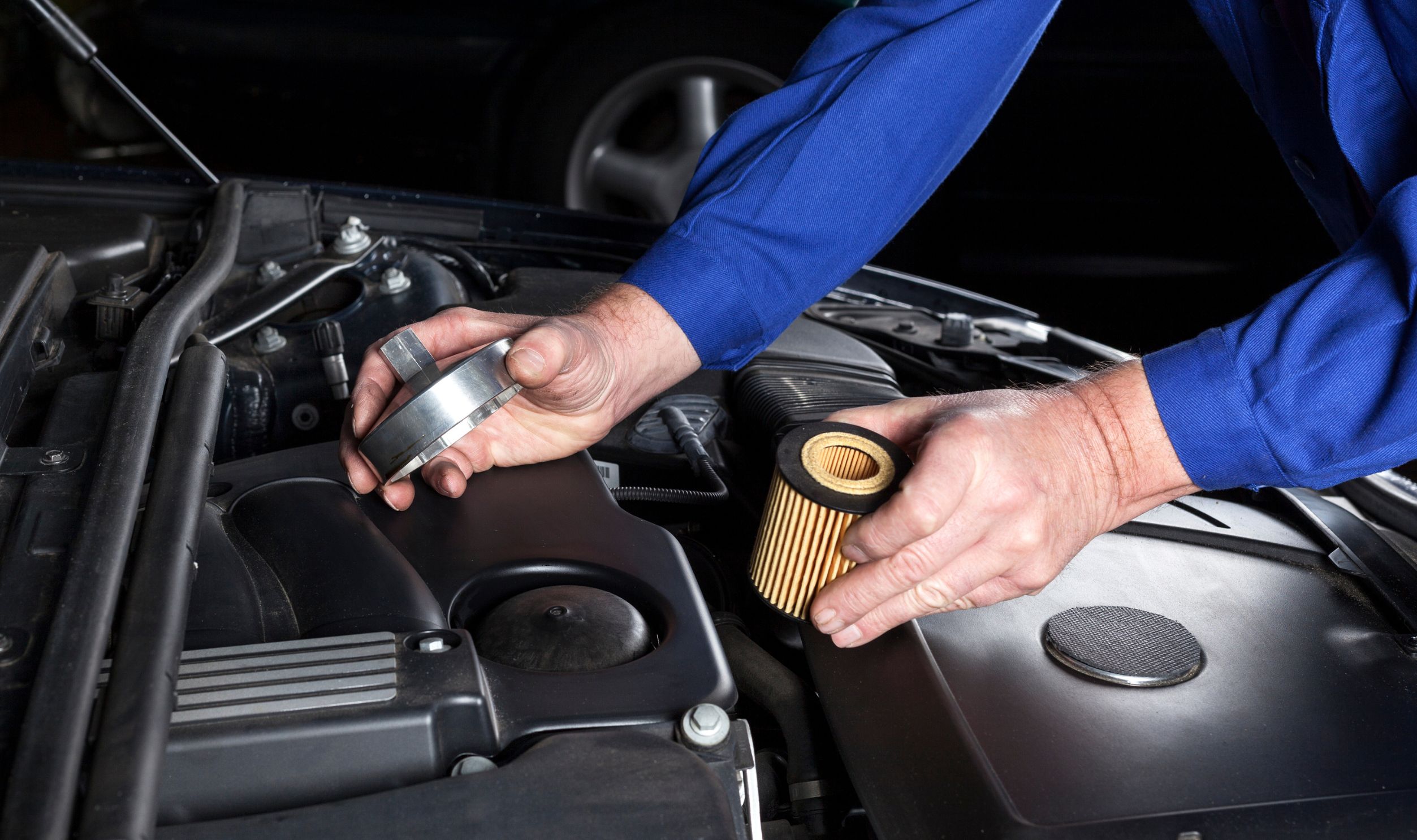
Overloading The Vehicle
Towing or hauling beyond your vehicle’s limits turns the transmission into an overworked, overheating mess. Once the stress gets too intense, the car throws up warning codes and the CEL joins the party. Knowing your tow rating—and sticking to it—keeps your transmission (and your bank account) safe.
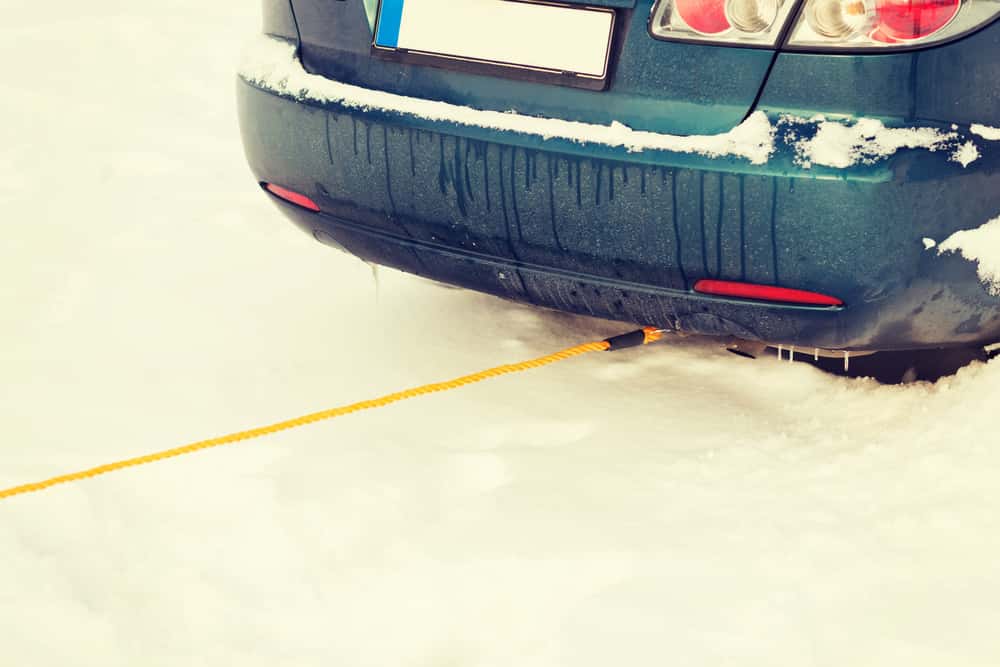
Using “Sport Mode” All The Time
Sport mode is fun, addictive even—but it’s not meant to be your everyday driving mode. It holds gears longer and shifts more aggressively, which heats up the transmission faster than you’d think. Eventually, sensors pick up the stress and the Check Engine Light flicks on to complain. Treat sport mode like dessert: fantastic in moderation.

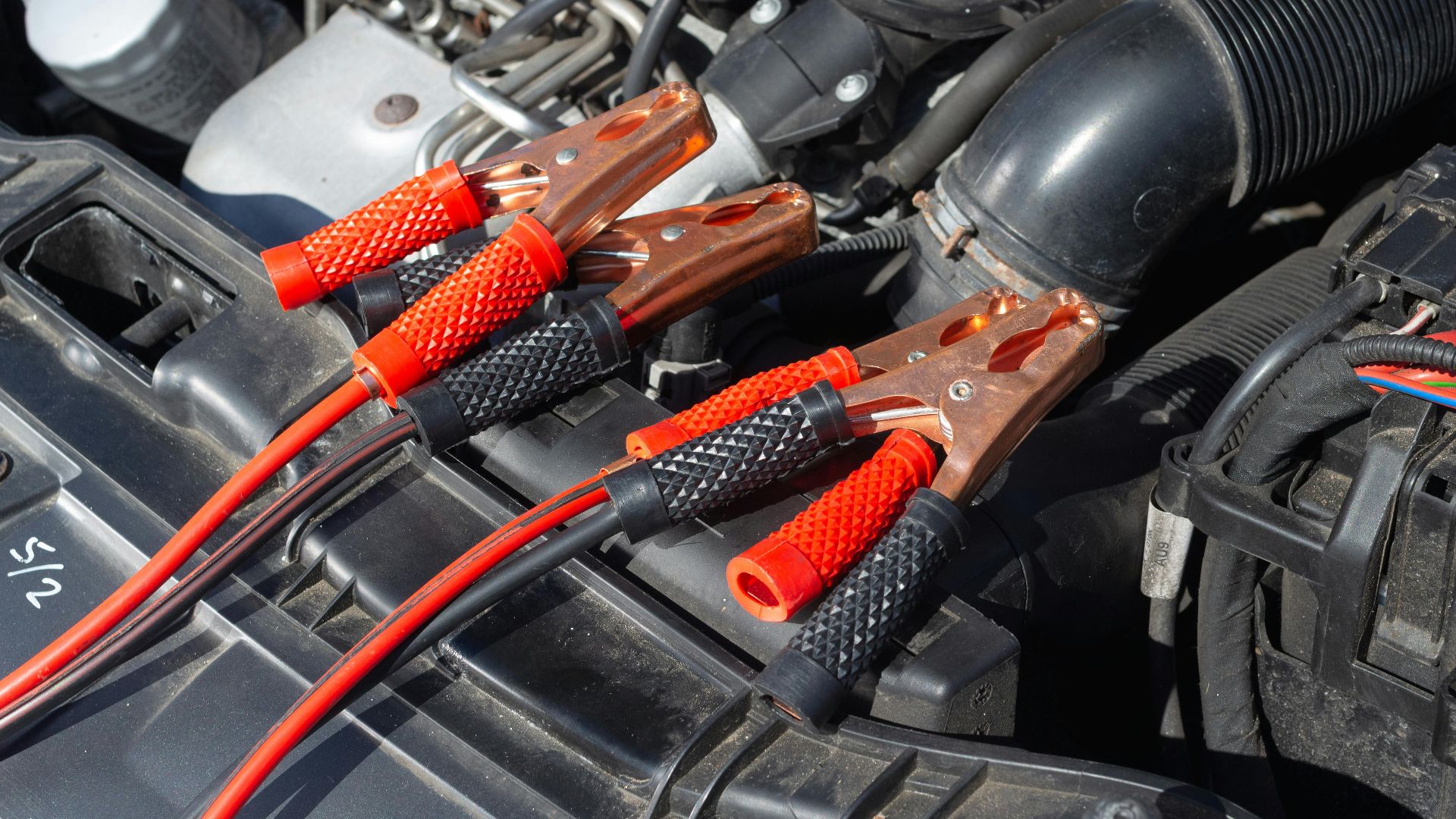
Bad Wiring Or Faulty Connectors
Sometimes the transmission itself is fine—the wiring just isn’t. Corroded connectors or damaged wires scramble the signals the TCM depends on. The computer senses the bad data and switches on the Check Engine Light. A quick inspection can save you from a whole lot of unnecessary transmission panic.
 Daniel @ bestjumpstarterreview.com, Pexels
Contaminated Transmission Fluid
If coolant or water sneaks into the transmission fluid, it turns into a milky, frothy nightmare that destroys clutches and metal surfaces. The transmission notices instantly and calls for help via the Check Engine Light. Fixing coolant leaks early and flushing the fluid can save the whole gearbox from ruin.
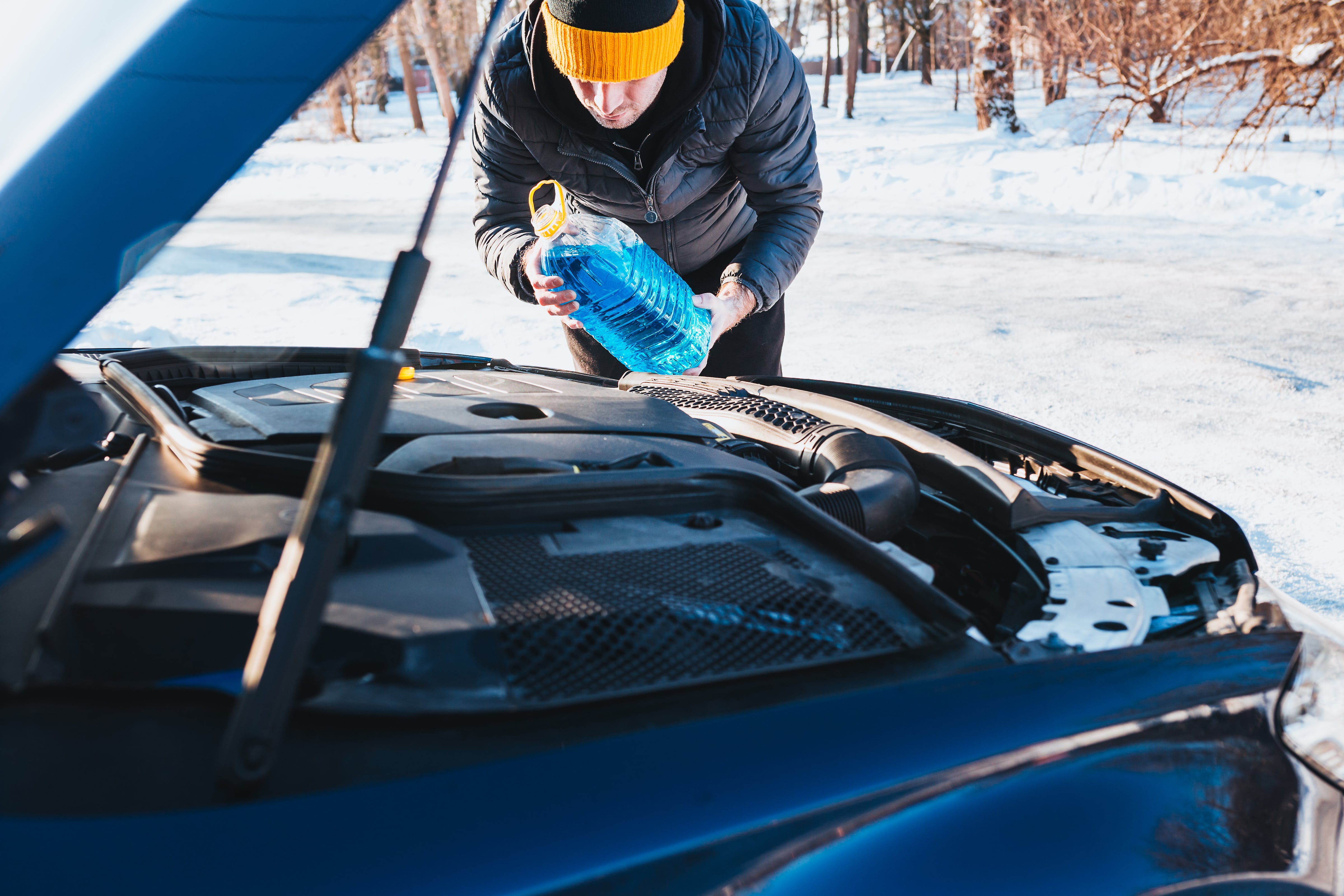
Software Glitches
These days, transmissions run on code just as much as they run on gears. Outdated or buggy software can cause rough shifting or “hunting” between gears, which triggers the CEL. Regular updates help keep shifting smooth and drama-free.

Failed Catalytic Converter (Yes, Really)
If the catalytic converter gets clogged or damaged, the engine can’t breathe properly. That messes with power delivery, which messes with shift timing, which finally messes with the sensors enough for the Check Engine Light to chime in. Fixing the converter restores the balance between engine and transmission.
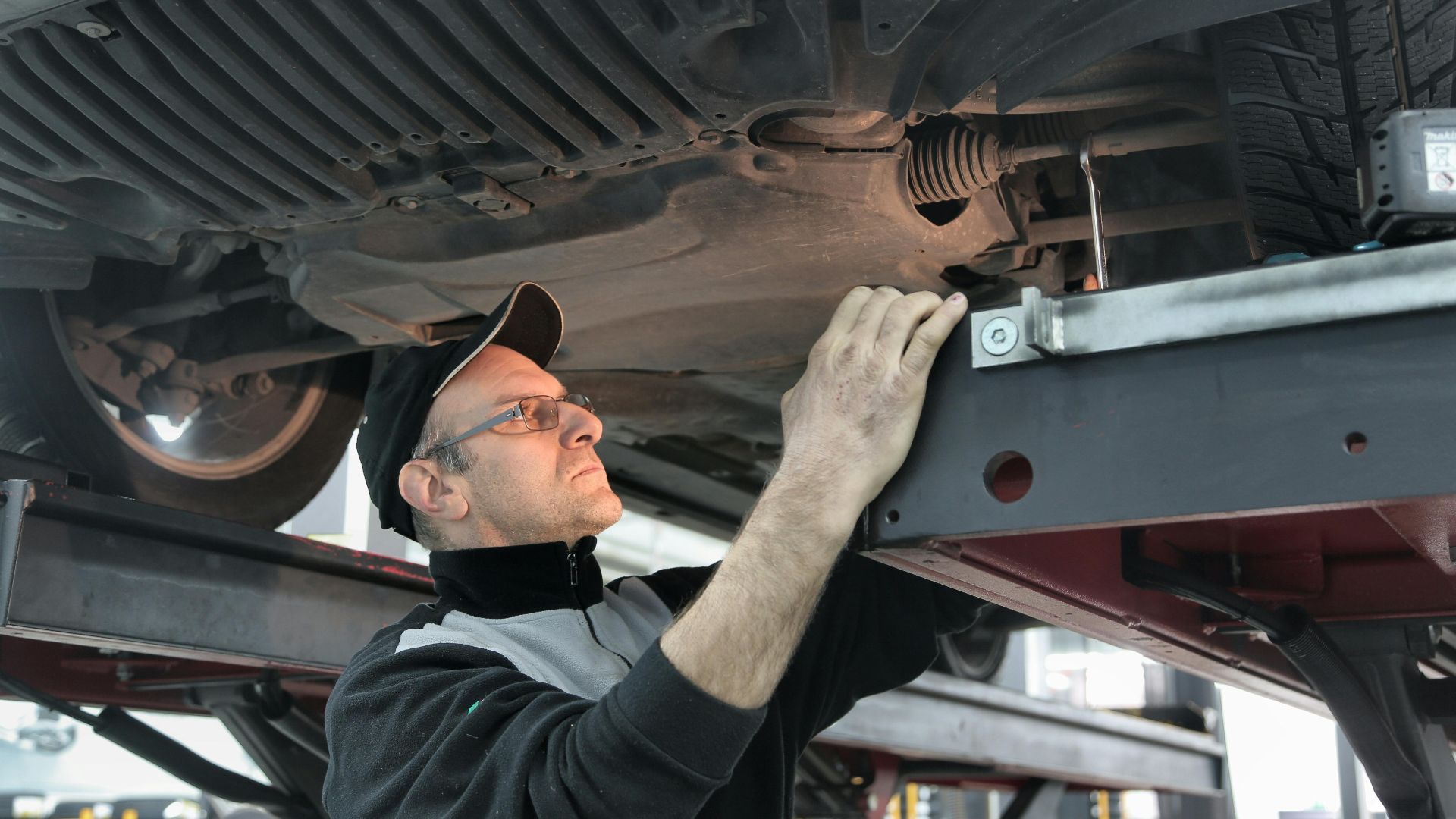
Bad Mass Airflow Sensor
A dirty or failing MAF sensor makes the engine guess how much air it’s getting—and it usually guesses wrong. That leads to weird power surges or sluggish acceleration, both of which throw off the transmission’s shift timing. Once things feel too inconsistent, the CEL lights up like a Christmas tree.
Vacuum Leaks
Vacuum leaks cause the engine to stumble, surge, or idle rough, and those weird engine behaviors confuse the transmission. When the ECU sees numbers that make no sense, the Check Engine Light jumps in. Replacing old hoses keeps everything breathing properly.
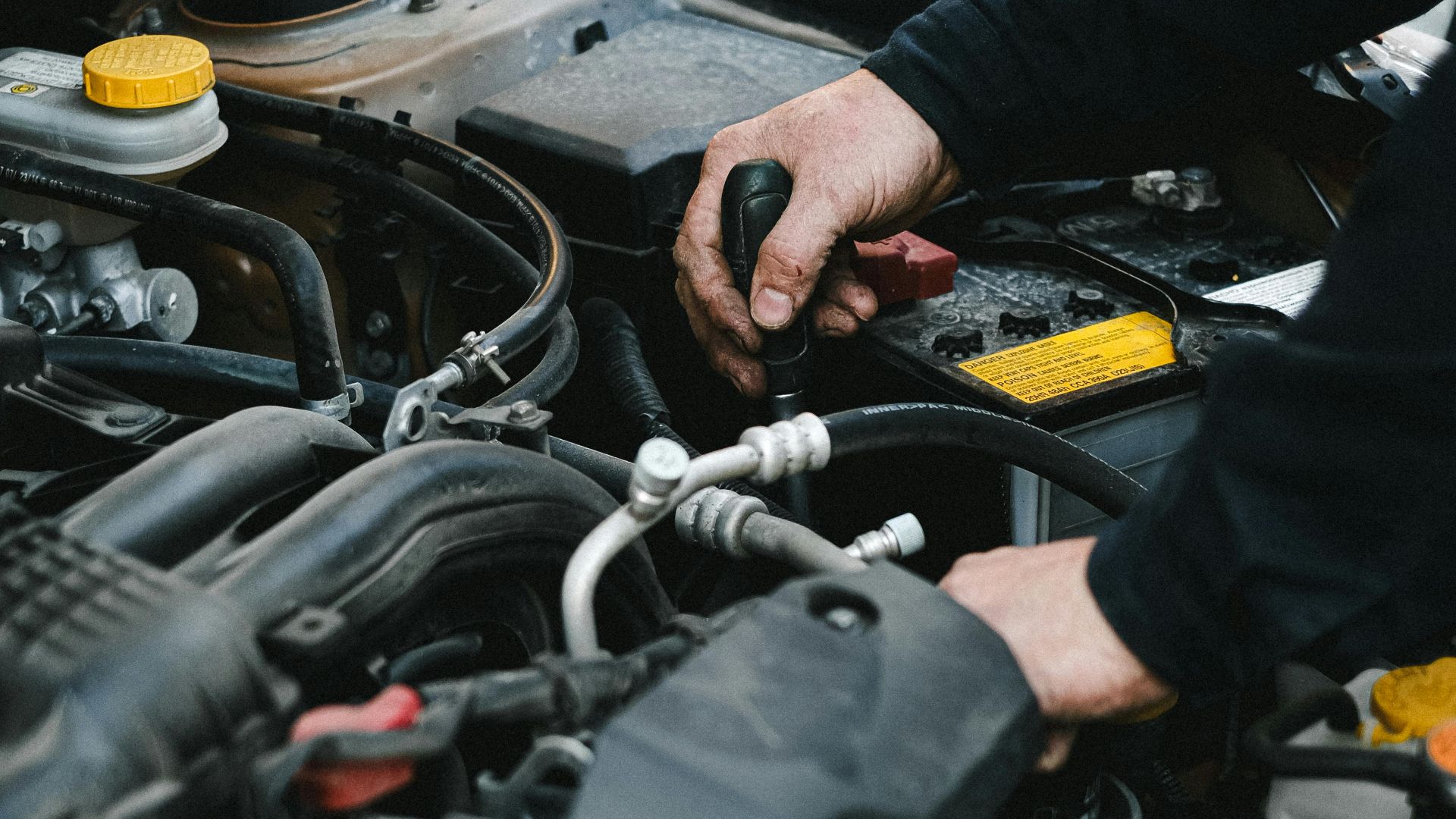
Faulty Throttle Position Sensor
The TPS tells the car how much gas you’re giving it. When it misbehaves, the transmission gets the wrong message and shifts in ways that feel unpredictable or downright rude. The CEL eventually kicks on because the data just doesn’t add up. A fresh TPS brings back smooth acceleration.
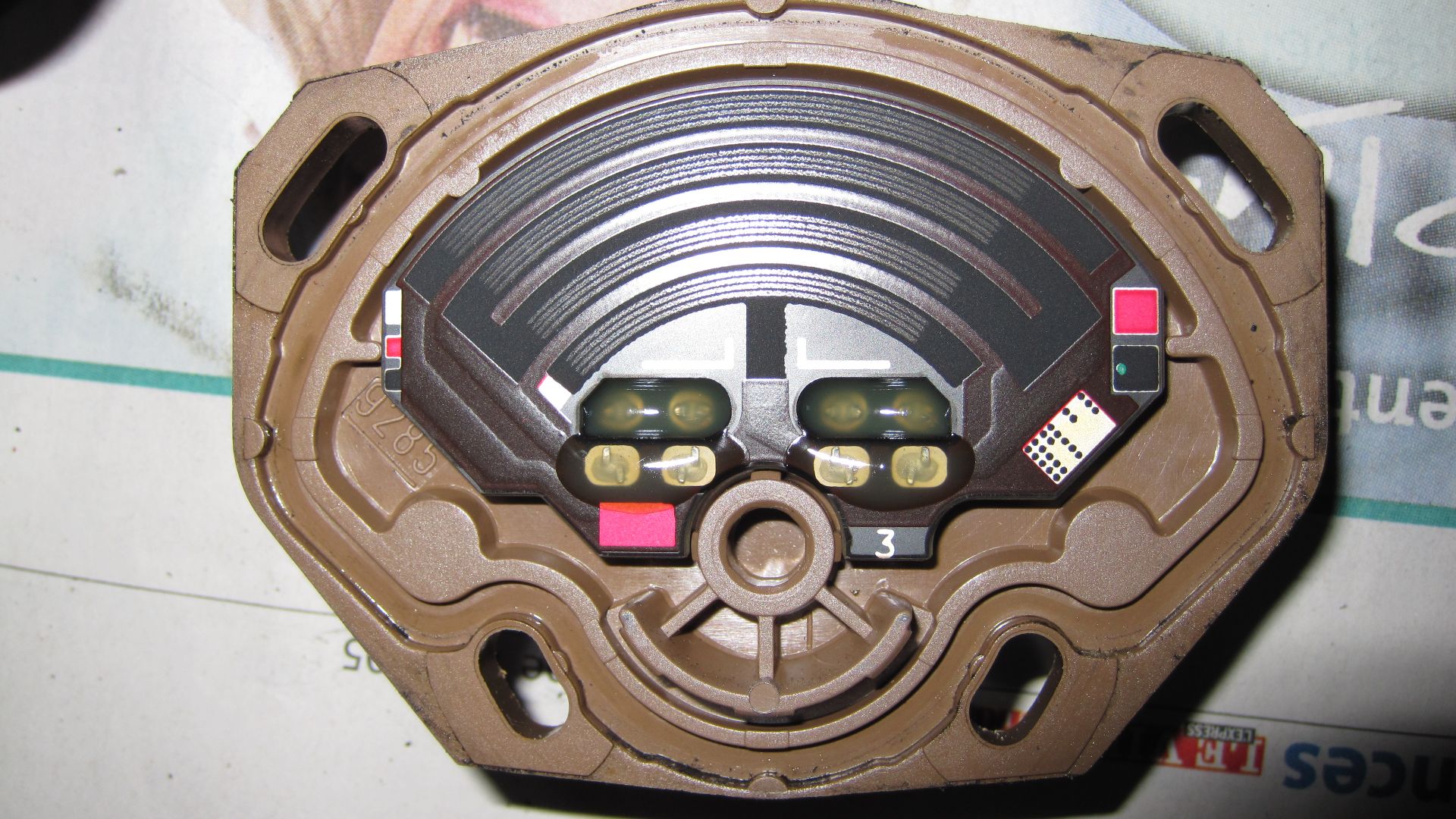 The RedBurn, Wikimedia Commons
Worn Or Dirty Valve Body
The valve body is the transmission’s control center, routing fluid where it needs to go. When passages get sticky or clogged, shifts become slow, harsh, or delayed. The car picks up the irregular pressure changes and the Check Engine Light jumps into action. Clean fluid and timely service are your valve body’s best friends.
The Transmission’s Cry For Help: Heed It
Your Check Engine Light isn’t trying to ruin your day—it’s trying to save your transmission’s life. Small issues snowball into big ones faster than most people realize. Catching problems early keeps your car happy, your drive smooth, and your repair bills reasonable. Treat your transmission with some respect, and it’ll reward you with years of dependable, drama-free driving.
You May Also Like:
Automotive Brands That Understand Real Performance Demands Manual Transmission
My neighbor keeps parking in my assigned spot. Can I have their car towed?