Tiny Machines With Huge Personalities
There’s a definite fascination with stepping into a car so light you can almost feel the air shaping its personality. Here’s where drivers appreciate the lightweight classics that show up with attitude.
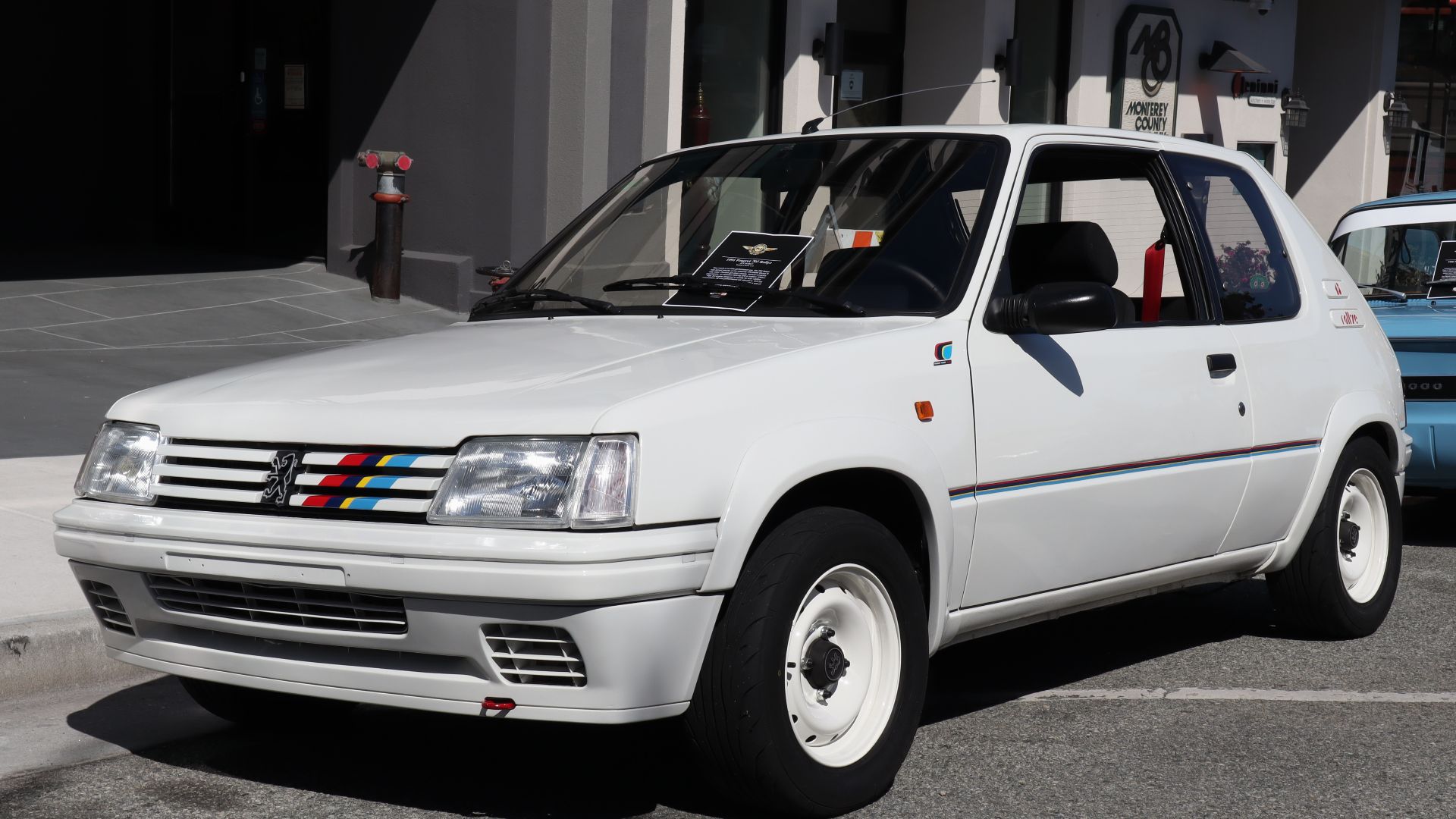
Peugeot 205 Rallye (1987–1992)
The Peugeot 205 Rallye topped charts in lightweight performance with about 1,741 pounds of mass and a rev-happy 1.3-liter engine fed by twin Weber carburettors. Built as a homologation special, it stripped away comfort for rally-bred fun, coming in 126 pounds lighter than the GTi.
Lotus Elan (1962–1975)
Weighing around 1,289 pounds, the Lotus Elan set the standard for agile sports cars with its 1.5–1.6-liter engines and fiberglass body bonded to a steel chassis. It combines advanced engineering with cinematic fame as Emma Peel’s car in The Avengers.
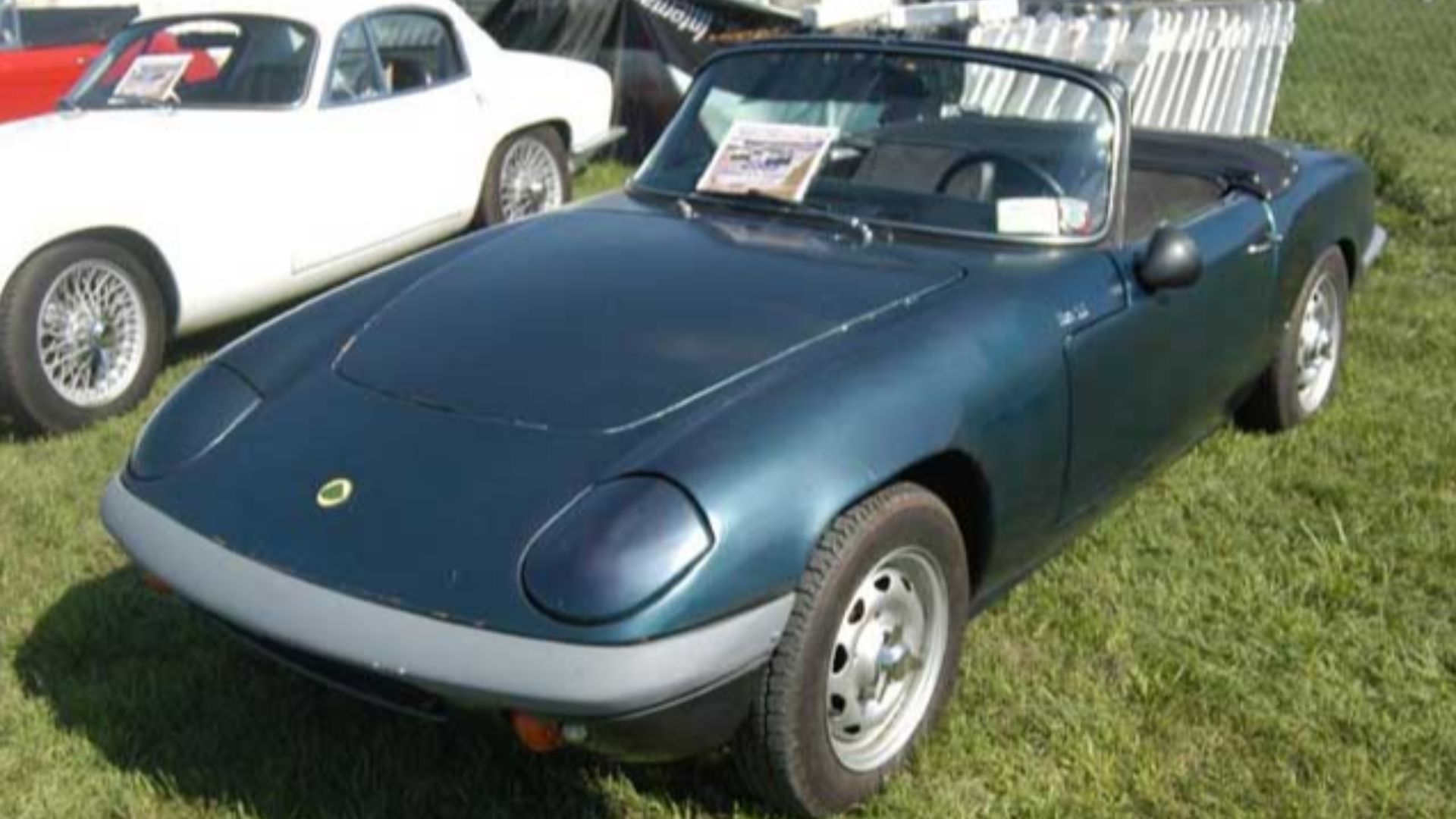 User Diego440 on en.wikipedia, Wikimedia Commons
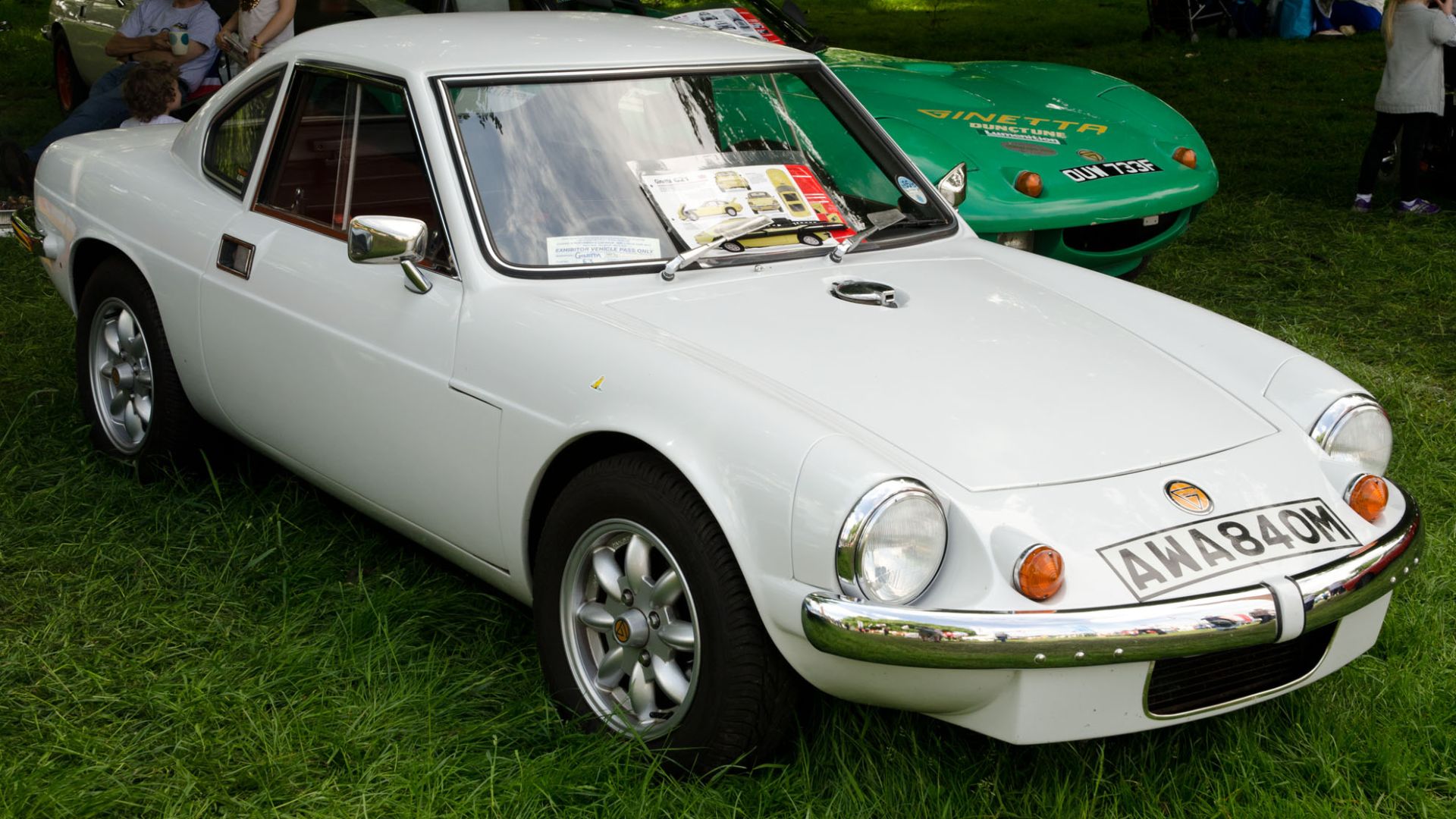
Ginetta G15 (1967–1974)
This beauty packs an 875 cc rear-mounted engine producing 55 hp for sprightly performance. Offered as a kit car weighing approximately 1,104 pounds, it invited enthusiasts to build their own featherweight British classic. While only about 800 were ever produced, it cemented the car’s cult appeal.
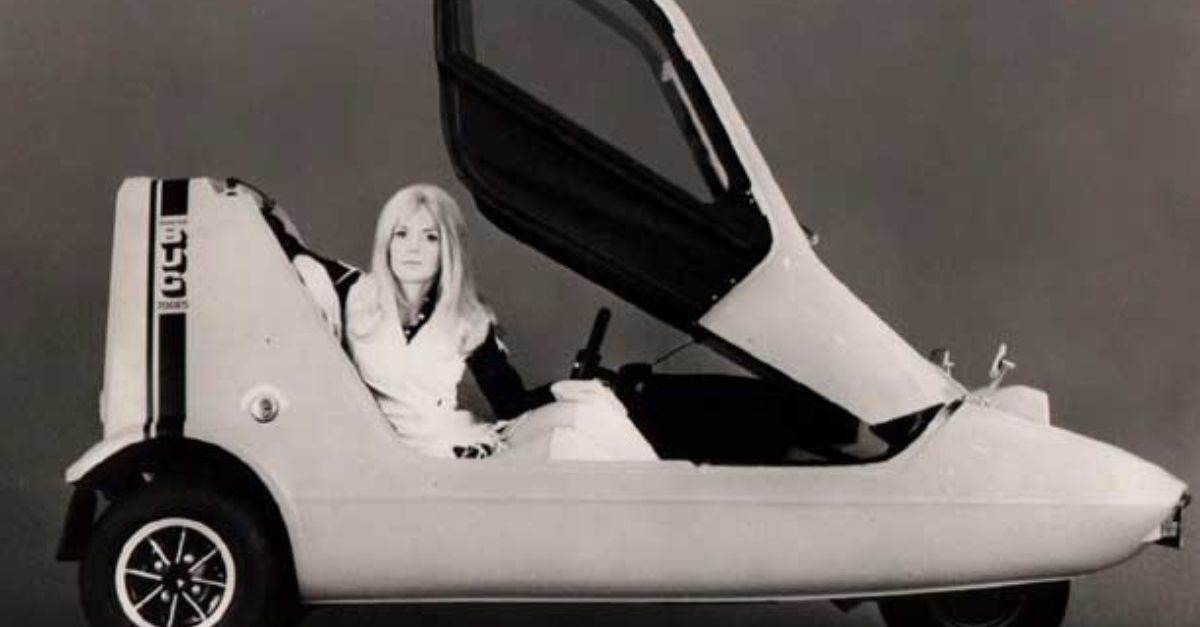
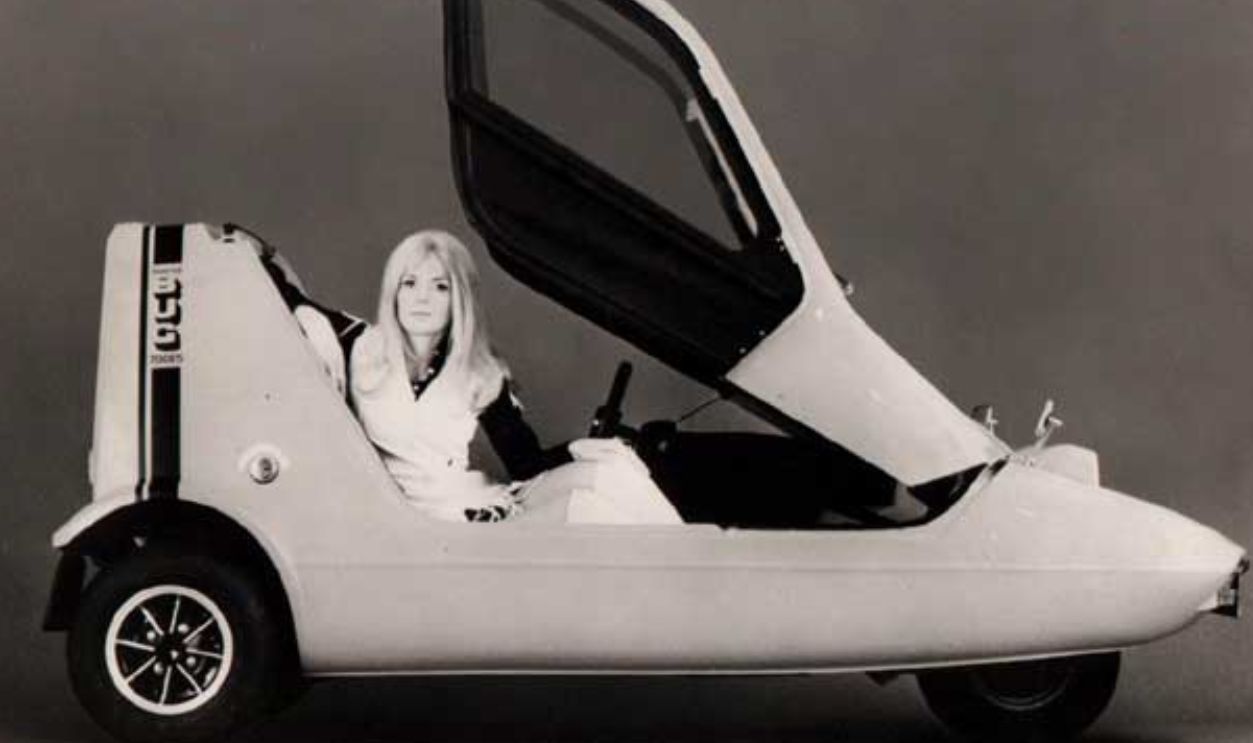
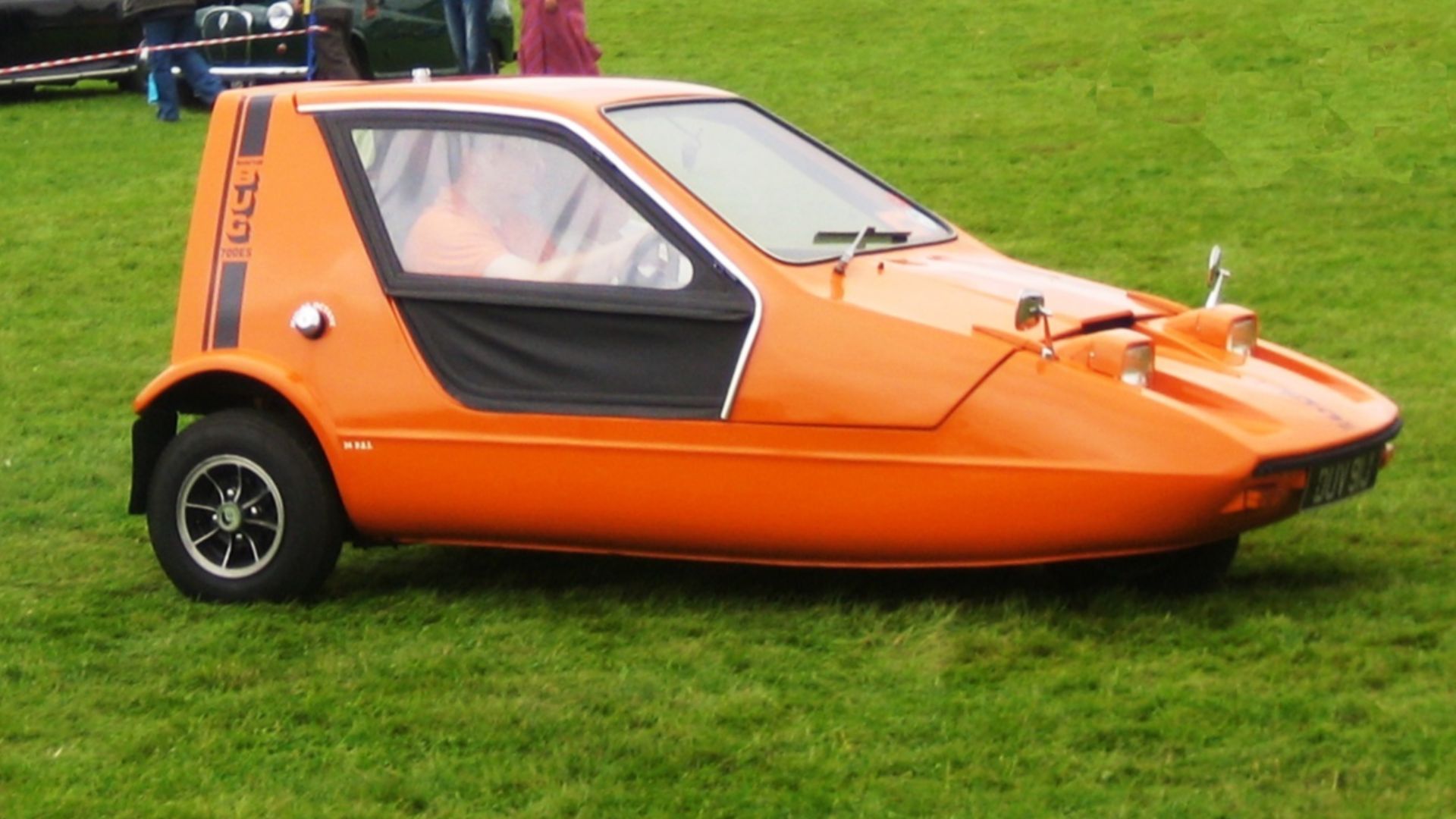
Bond Bug (1970–1974)
The wedge-shaped, three-wheeled Bond Bug weighed an estimated 869 pounds and could hit 80 mph to deliver quirky thrills in a futuristic package. Its twin headlights and bright orange fiberglass body made it instantly recognizable to prove that lightweight fun didn’t need four wheels to stand out.
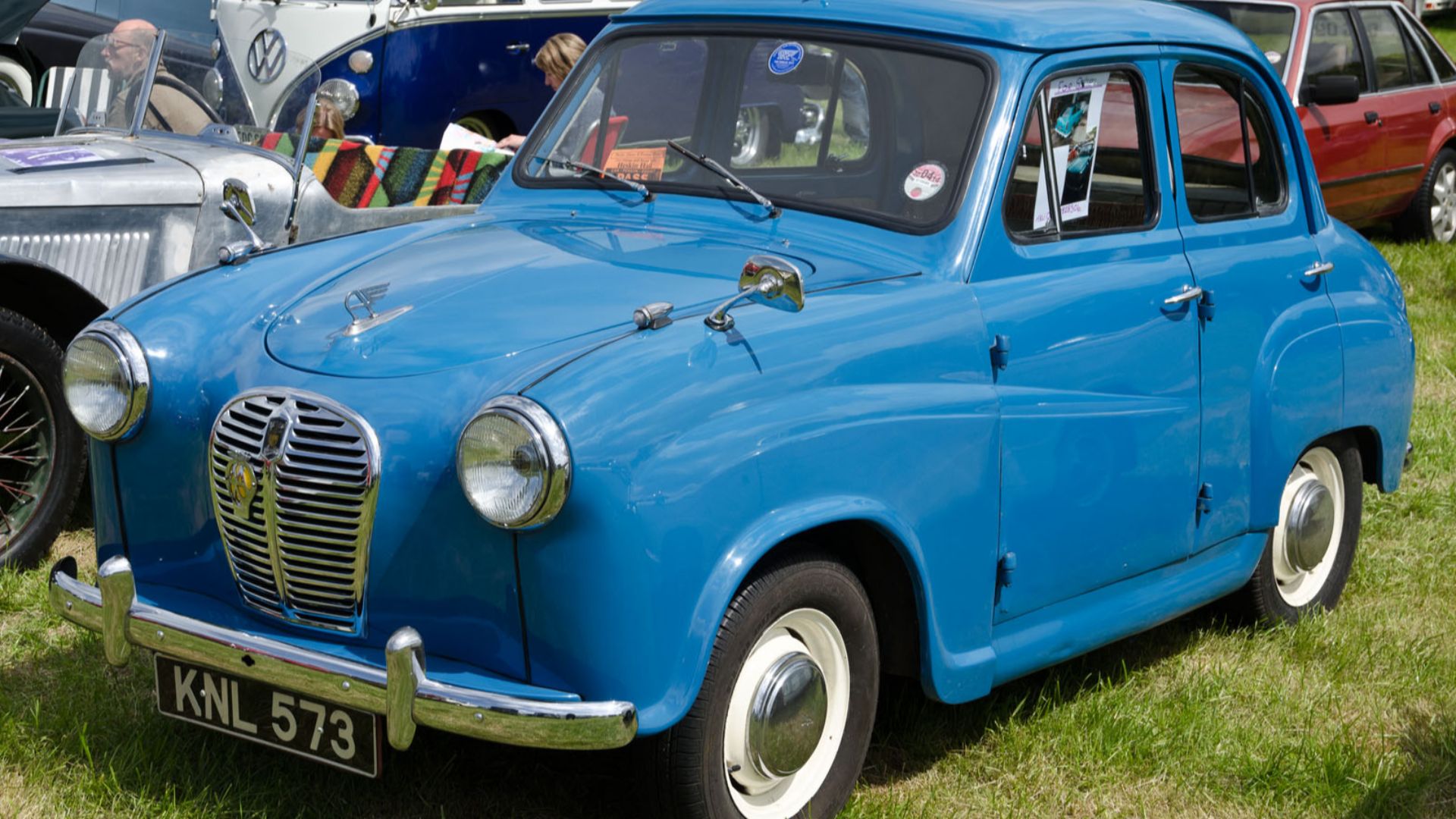
Austin A30 (1951–1956)
In post-war Britain, mobility meant freedom, and the Austin A30 delivered just that. The car’s tiny 803 cc engine moved a modest 952-pound frame estimate with surprising zest. Affordable and friendly to drive, it became a symbol of independence for families rediscovering the open road in the 1950s.
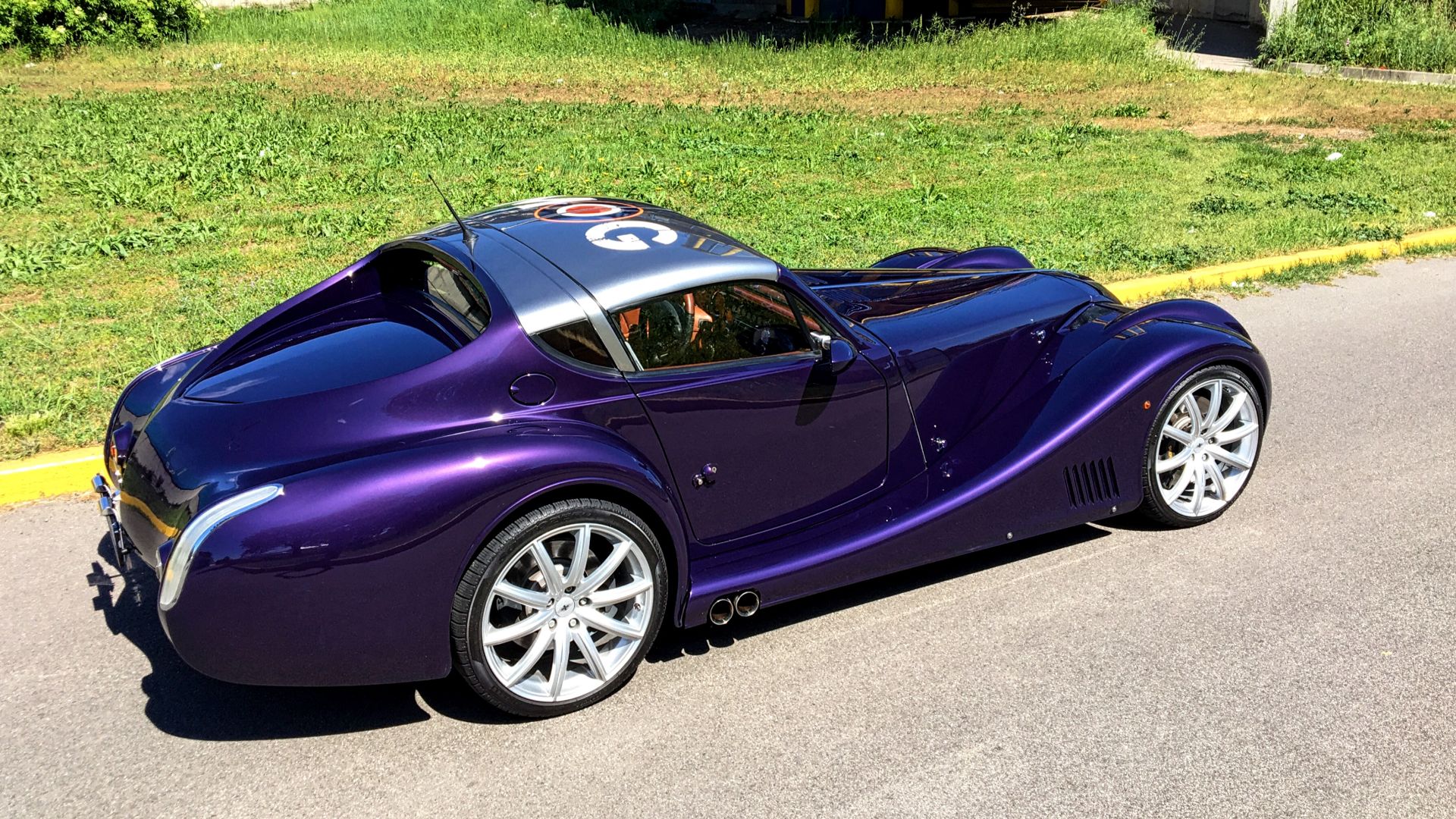
Morgan Aero Supersports (2010–2015)
This one brings together vintage soul with futuristic substance. Crafted from aluminium and weighing around 895 pounds, it housed a BMW V8 and a cabin rich in leather. Equal parts luxury and lunacy, Morgan’s timeless belief is that lightness equals performance.
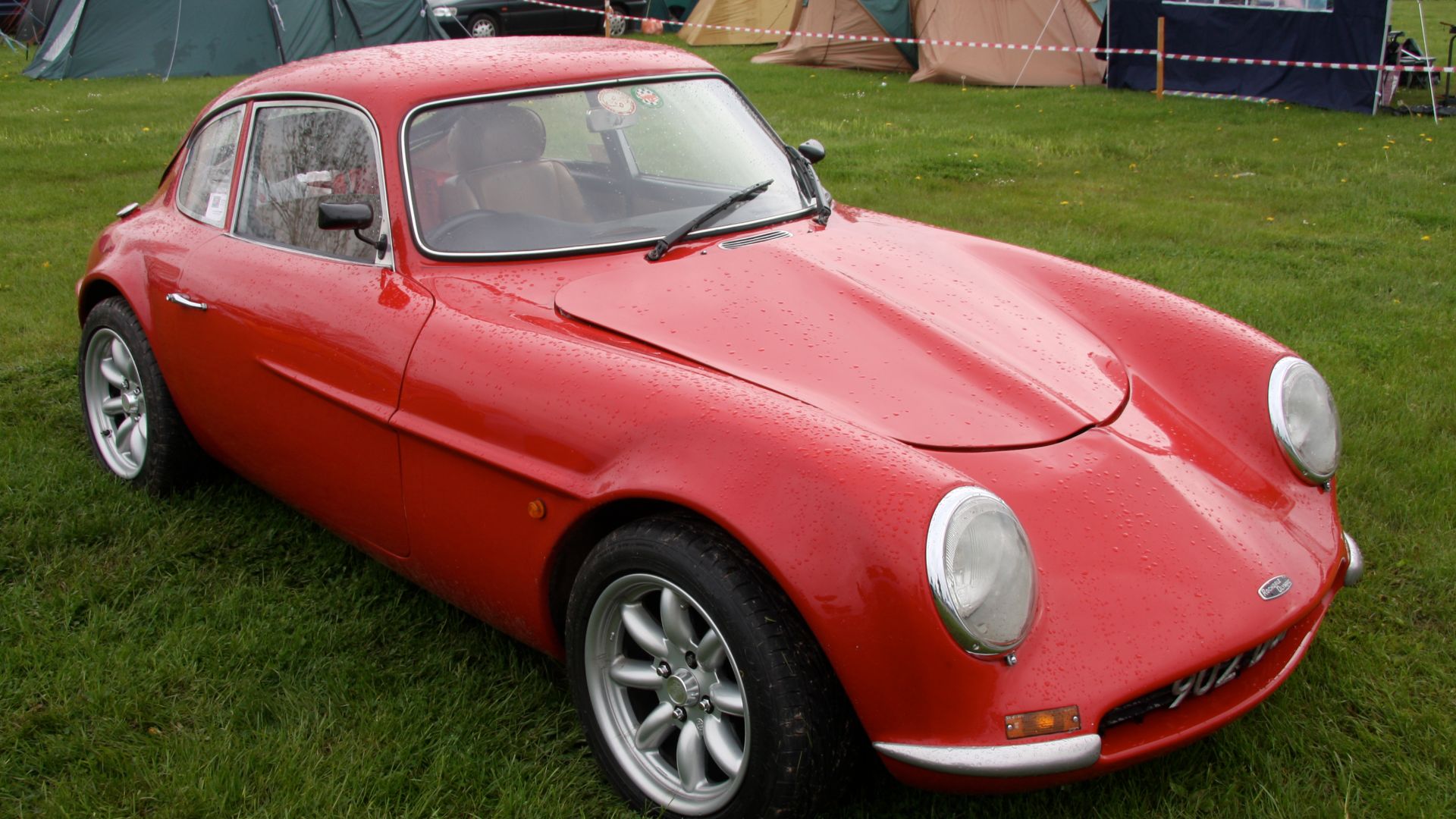
Rochdale Olympic II (1967–1973)
At a time when steel ruled the roads, the Rochdale Olympic II went its own way with a fiberglass monocoque weighing roughly 1,433 pounds. Available as a kit car, this car encouraged home-built performance. Today, its rarity and engineering boldness make it one of Britain’s great unsung classics.
 Brian Snelson, Wikimedia Commons
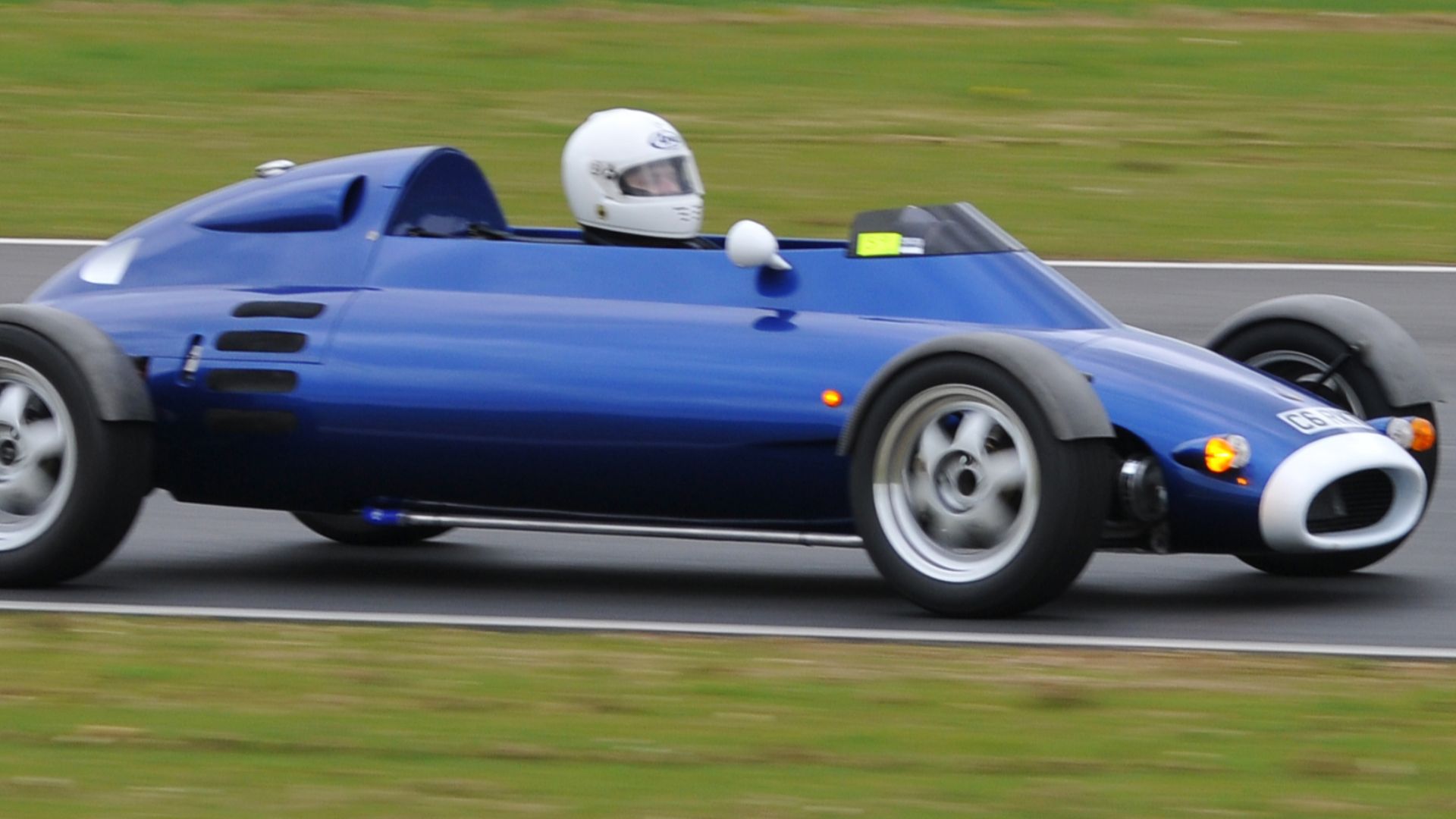
Light Car Company Rocket (1991–1998)
Gordon Murray’s Light Car Company Rocket redefined minimalism in motion. Weighing about 815 pounds, the road-legal machine featured a motorcycle engine that could reach 62 mph in just 7.5 seconds. Every component served a visceral bond between engineering precision and raw mechanical energy.
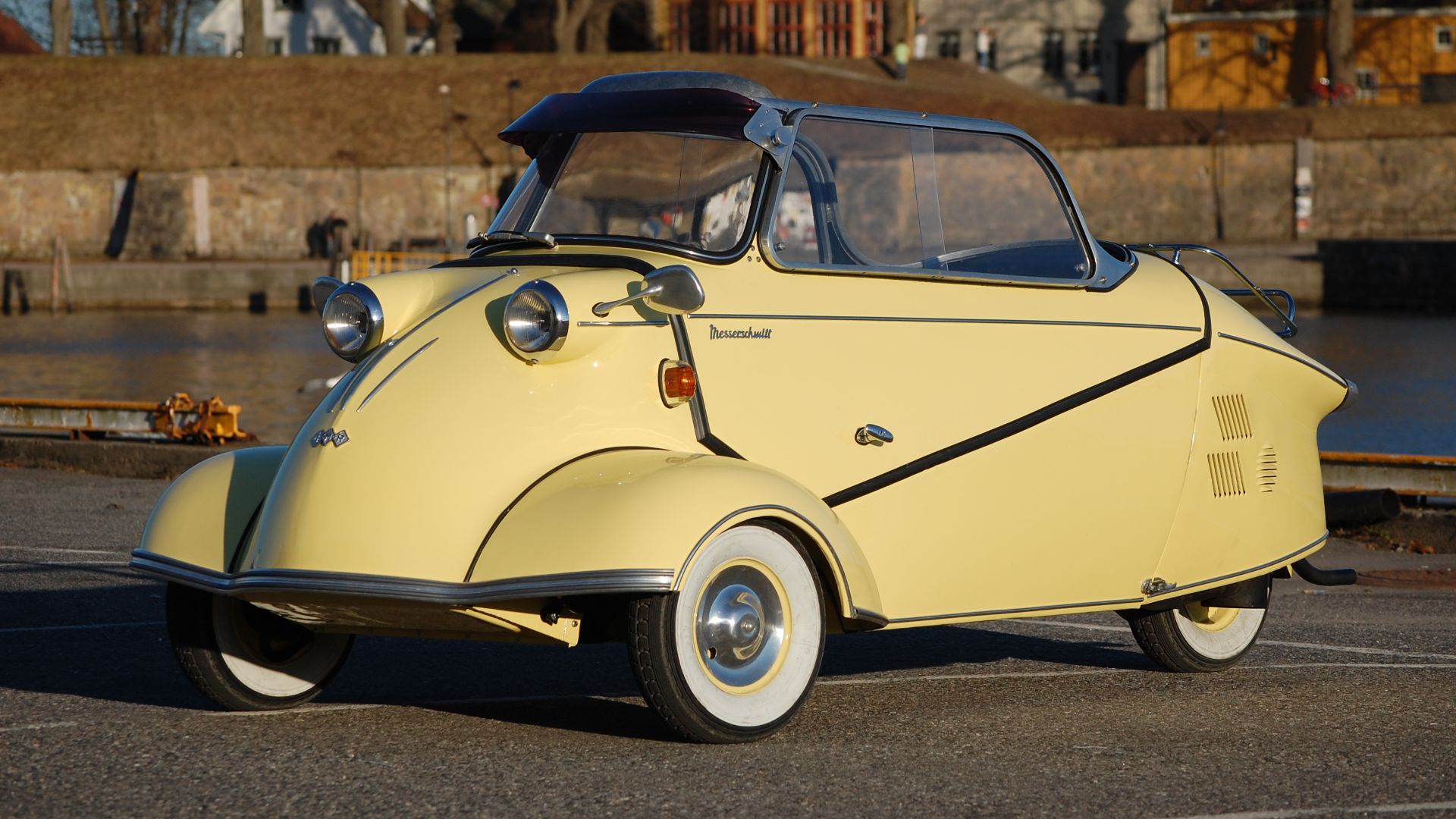
Messerschmitt KR200 (1955–1964)
Emerging from post-combat austerity, the Messerschmitt KR200 was mobility distilled. With around 463 pounds of mass and a 191 cc engine, it offered cheap freedom to thousands. Its bubble canopy and tandem seats turned heads everywhere, and its aircraft roots made it stand apart from the crowd.
 Gjermundsen, Wikimedia Commons
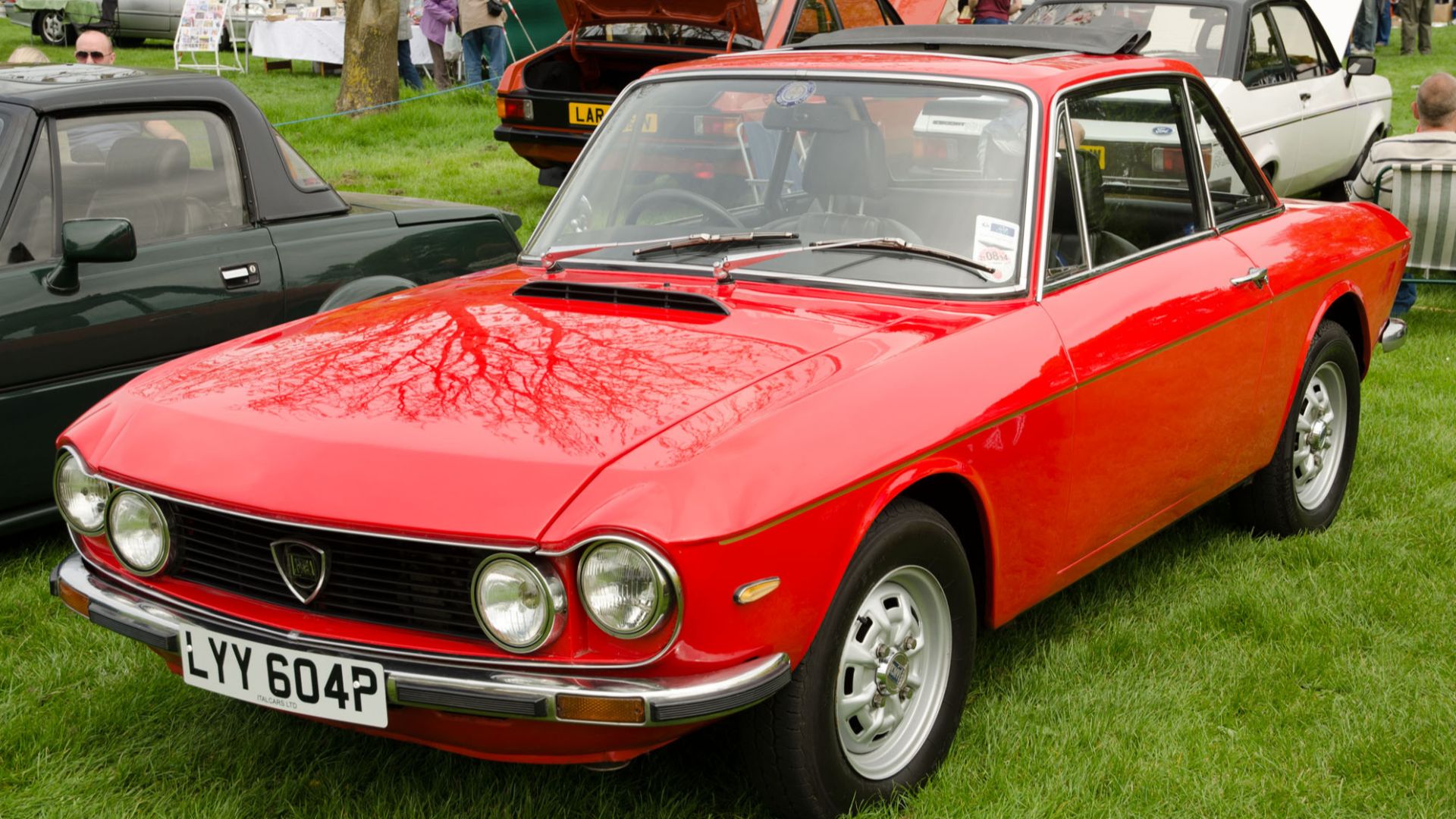
Lancia Fulvia Coupe HF (1965–1976)
This car represented precision and passion in perfect balance. With a lightweight body weighing approximately 1,973 pounds and a 1.3-liter V4 engine producing 105 horsepower, the front-wheel-drive coupe excelled in rally competition. Victory at the 1972 Monte Carlo Rally sealed its reputation as an enduring Italian racing legend.
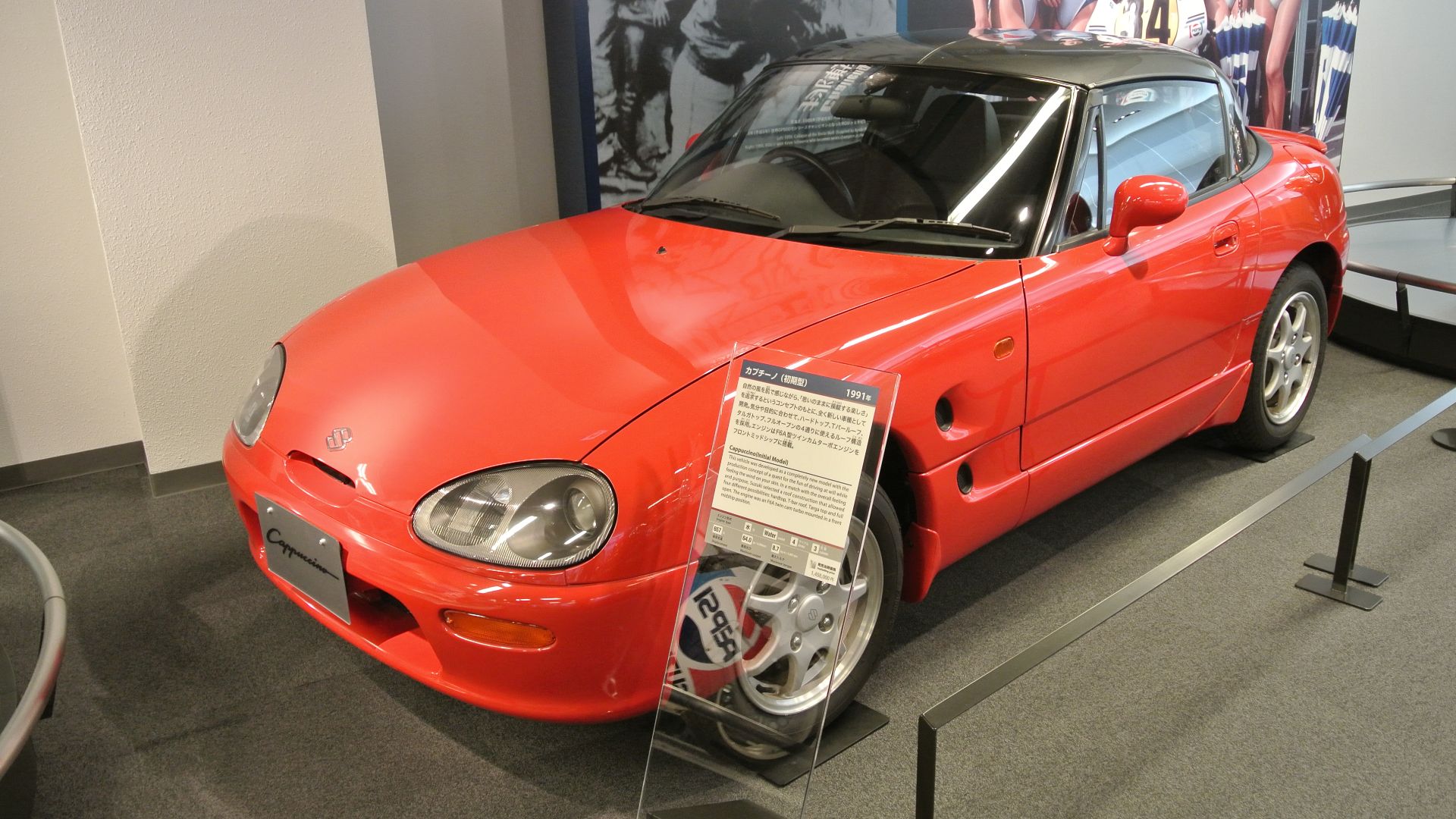
Suzuki Cappuccino (1991–1998)
Designed for Japan’s kei car category, the Suzuki Cappuccino provides compact thrills within strict size and engine limits. It weighs around 1,496 pounds and is powered by a turbocharged 657 cc engine. The tiny roadster featured a removable roof panel and crisp handling that made city driving unexpectedly exciting.
 Rainmaker47, Wikimedia Commons
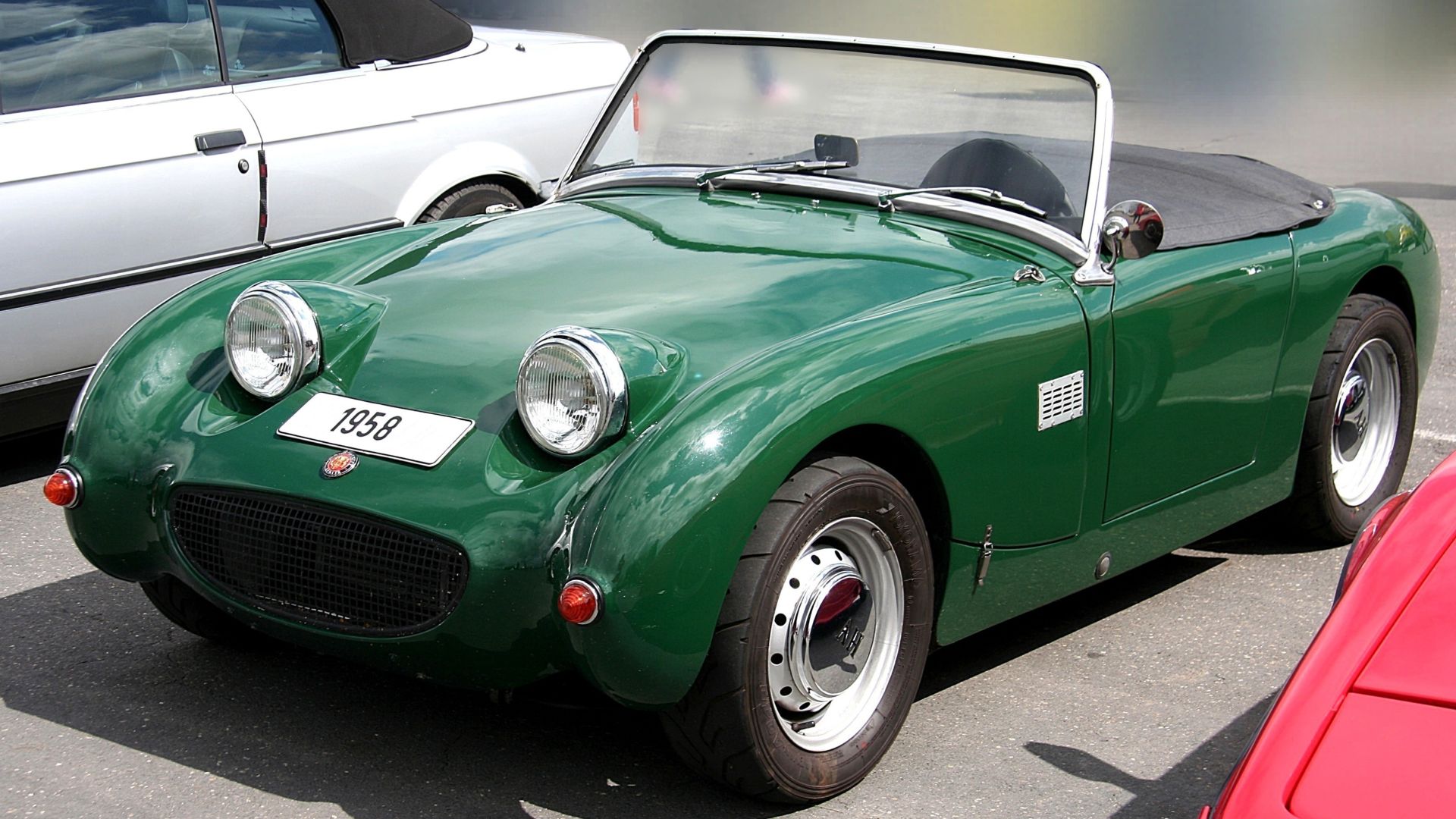
Austin-Healey Sprite (1958–1971)
The Austin-Healey Sprite personified 1960s British motoring charm. With a weight of roughly 1,463 pounds and a 948 cc engine, the car promised pure simplicity. Its friendly face, nicknamed “Frogeye” in the UK, transformed this modest two-seater into one of Britain’s most beloved sports cars.
 Lothar Spurzem, Wikimedia Commons
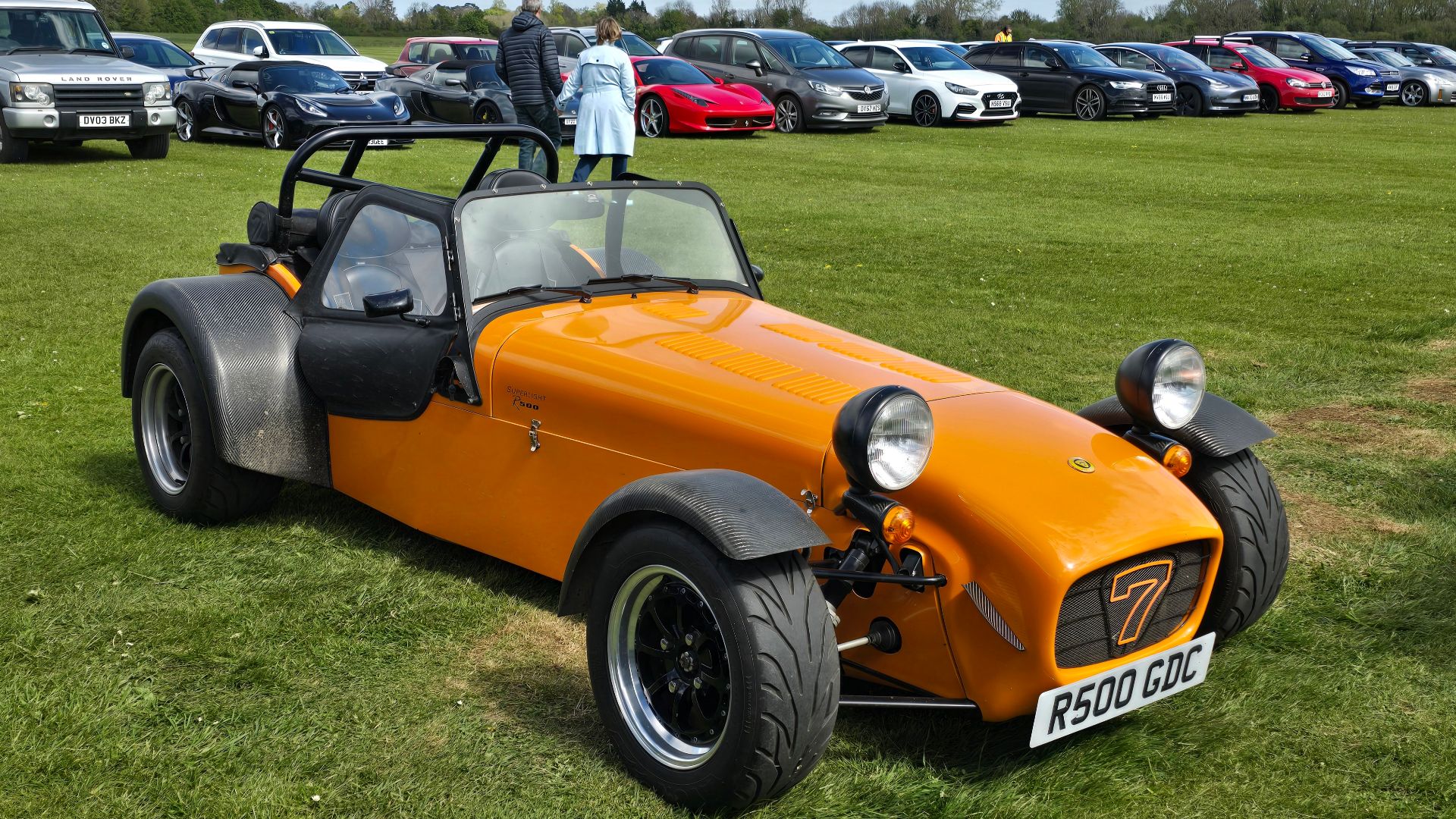
Caterham Superlight R500 (1996–2010)
Extreme performance met minimal weight in the Caterham Superlight R500. Built around a 1.8-liter four-cylinder engine, the car reached 62 mph in only three seconds. Carbon-fiber panels and a barebones interior reflected an uncompromising pursuit of speed through lightness, with the entire car weighing just about 1,014 pounds.
Berkeley Sports (1956–1960)
This right here is a car that proved that true innovation often comes in small packages. The vehicle had a fiberglass monocoque body and a weight of approximately 700 pounds to rely on tiny twin-cylinder engines producing up to 30 horsepower. Its futuristic design introduced lightweight thinking to British motoring long before it became mainstream.
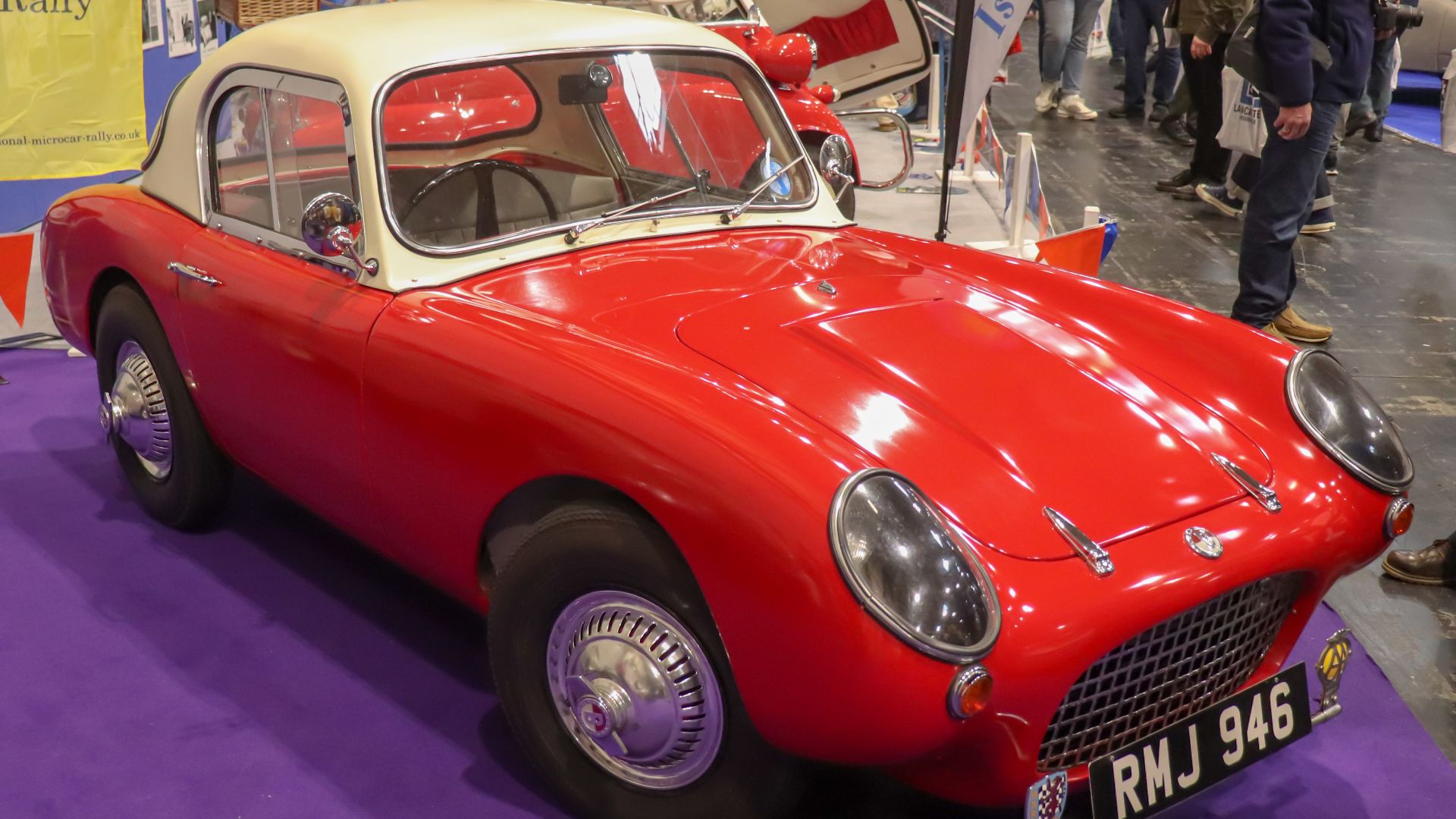
Mazda MX-5 (NA) (1989–1997)
When Mazda unveiled the MX-5, it was chasing joy. A 1.6-liter engine, balanced chassis, and a featherweight of around 2,138 pounds revived the spirit of 1960s roadsters. Designed for purity of feel rather than brute force, it redefined what “fun to drive” truly meant.
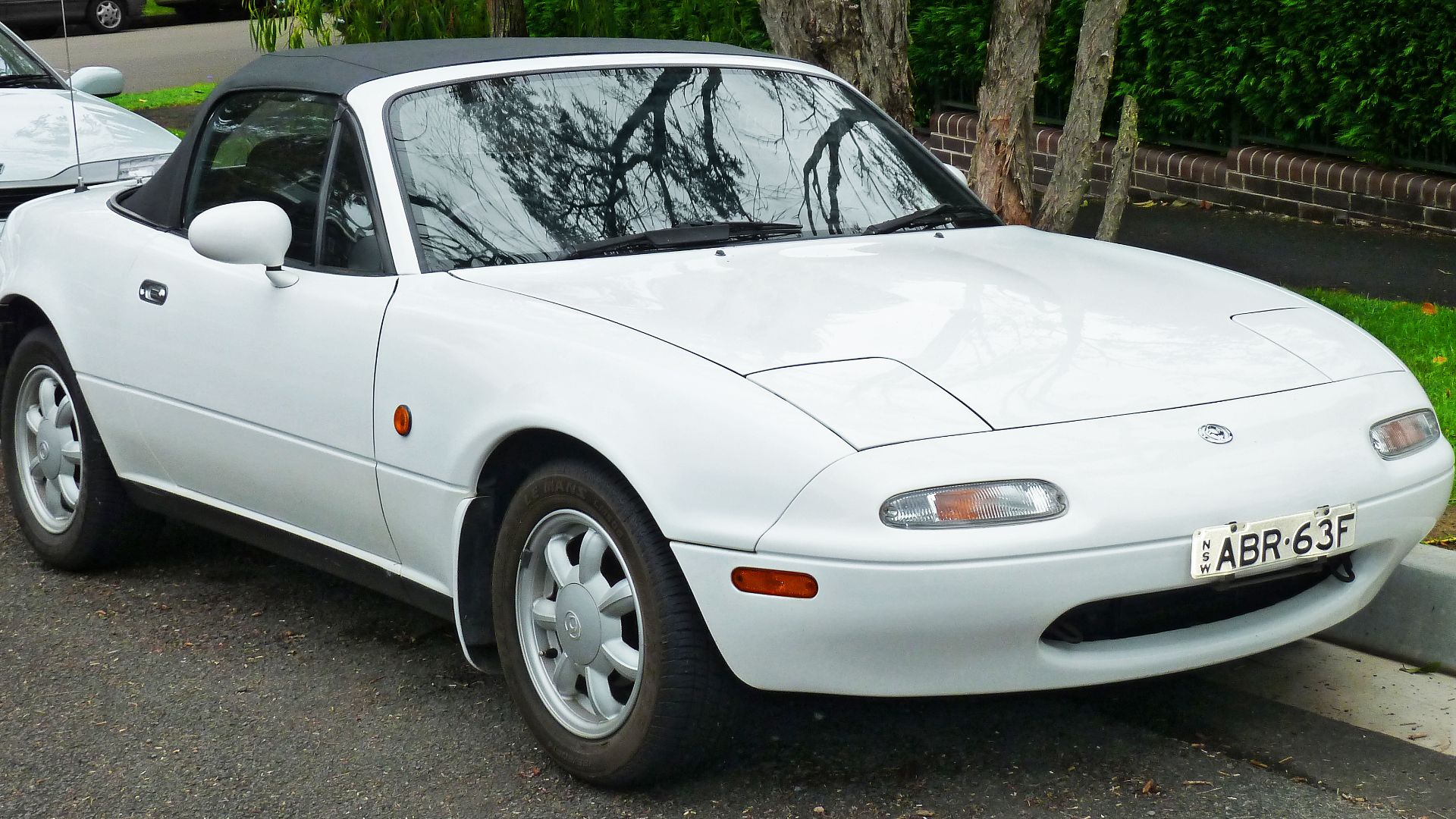
Honda N360 (1967–1972)
Honda’s first mass-produced passenger car, the N360, carried unmistakable motorcycle DNA. It's a 354 cc air‑cooled twin revved eagerly to 8,500 rpm, delivering spirited acceleration. Compact yet innovative, it featured front‑wheel drive and weighed just 1,119 pounds—an efficient design that marked Honda’s entry into the car market.
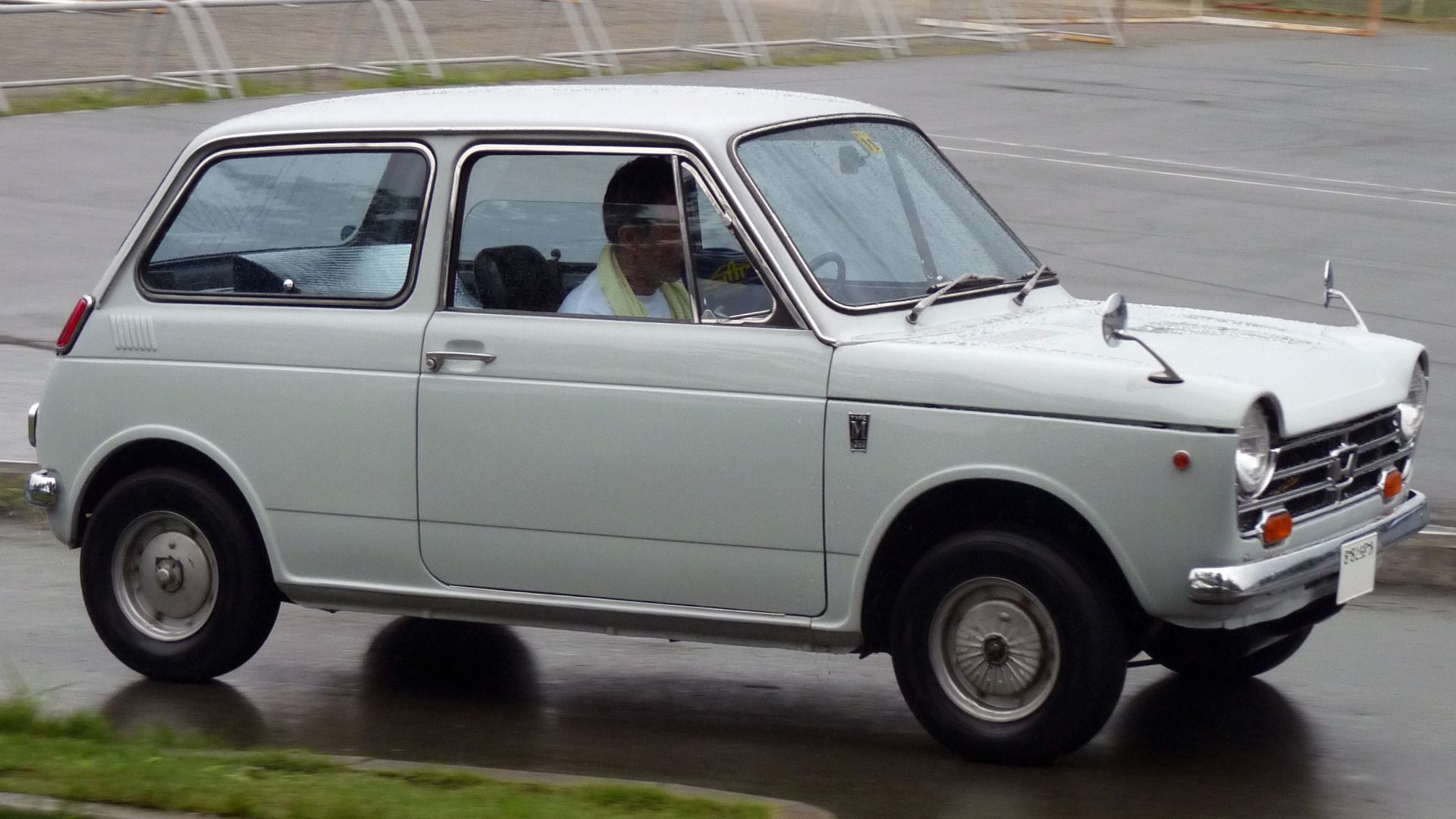 dacheket from Tochigi, Japan,cropped and altered by uploader Mr.choppers, Wikimedia Commons
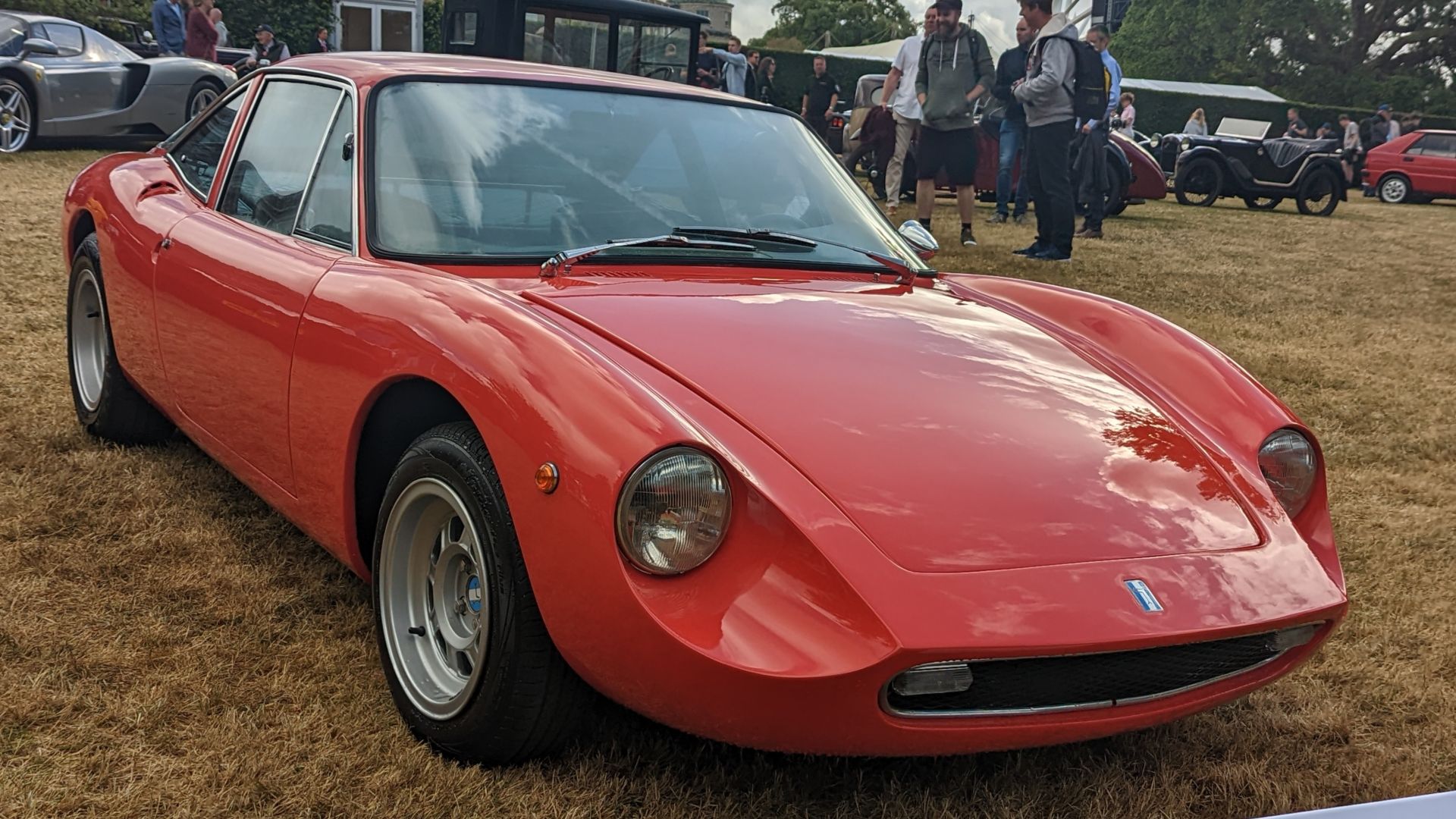
De Tomaso Vallelunga (1964–1968)
Before De Tomaso built supercars, it built the Vallelunga—a delicate balance of art and experimentation. Giorgetto Giugiaro shaped its fiberglass body, while a 1.5-liter Ford engine sat mid-mounted for ideal balance. Its modest approximate weight of 1,102 lb gave it a grace that modern machines can only envy.
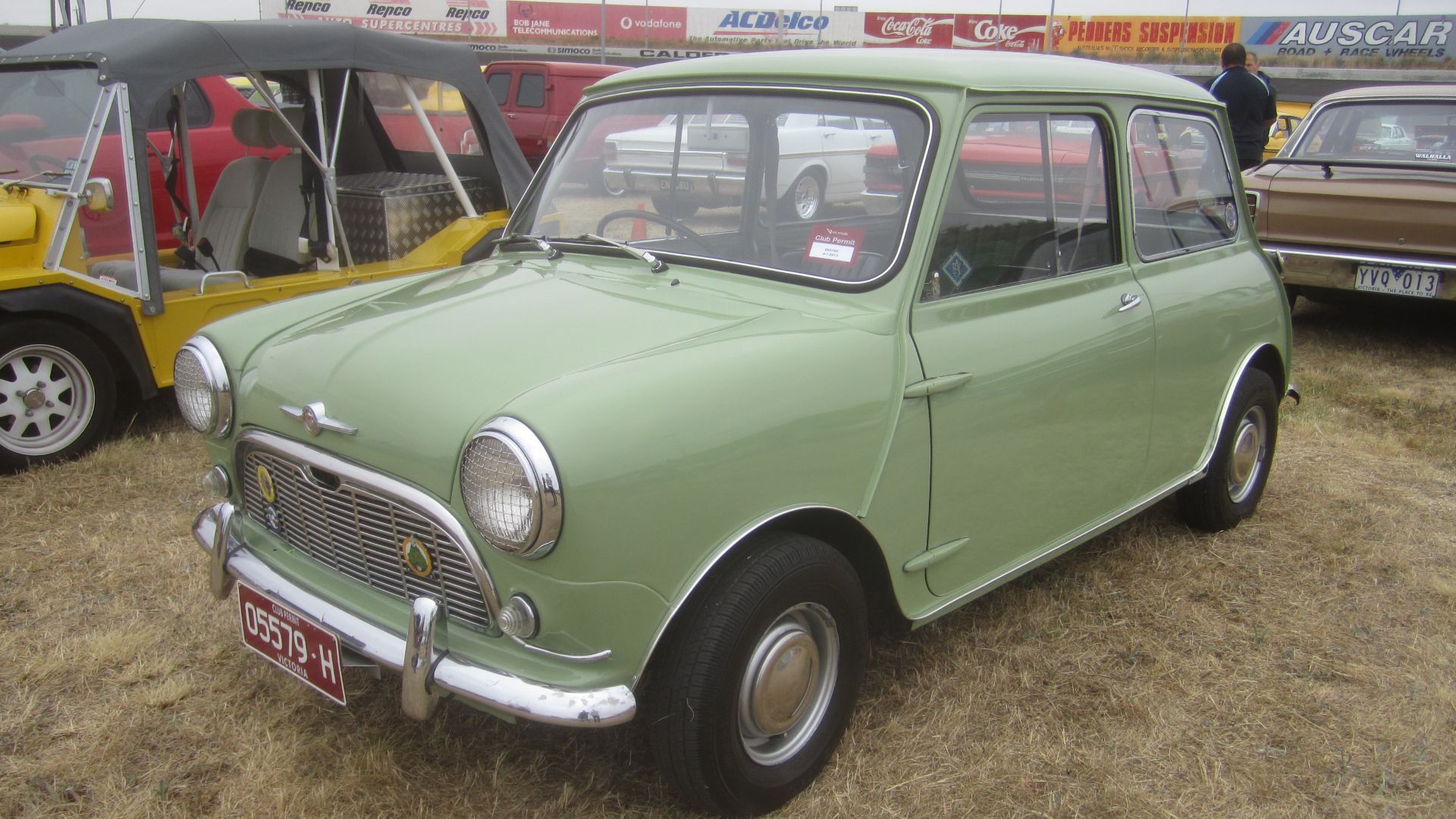
Mini 850 (1959–1983)
Few cars reshaped urban travel like the Mini 850. Alec Issigonis engineered its transverse layout to free up cabin space, a breakthrough housed within a 1,332-pound frame. The tiny 850 cc engine made everyday driving effortless, transforming this modest British car into a worldwide symbol of clever design.
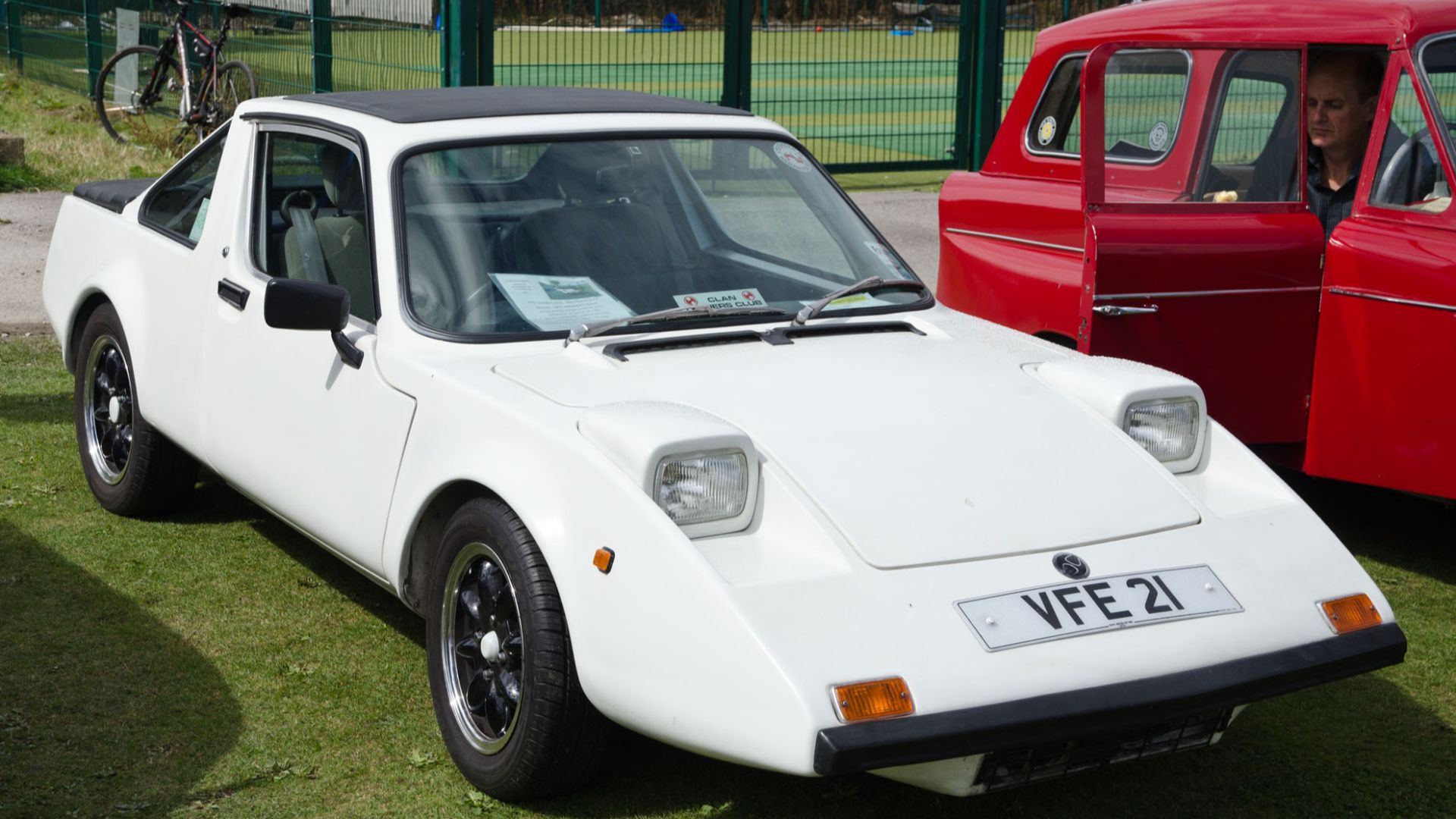
Clan Crusader (1971–1974)
Shaped by ex-Lotus talent, the Clan Crusader relied on a lightweight fiberglass monocoque that kept mass around 1,274 pounds. Its 875 cc Hillman Imp engine delivered lively responses, especially with the rear-engine layout. Sold as a kit, the Crusader offered enthusiasts accessible performance rooted in clever engineering.
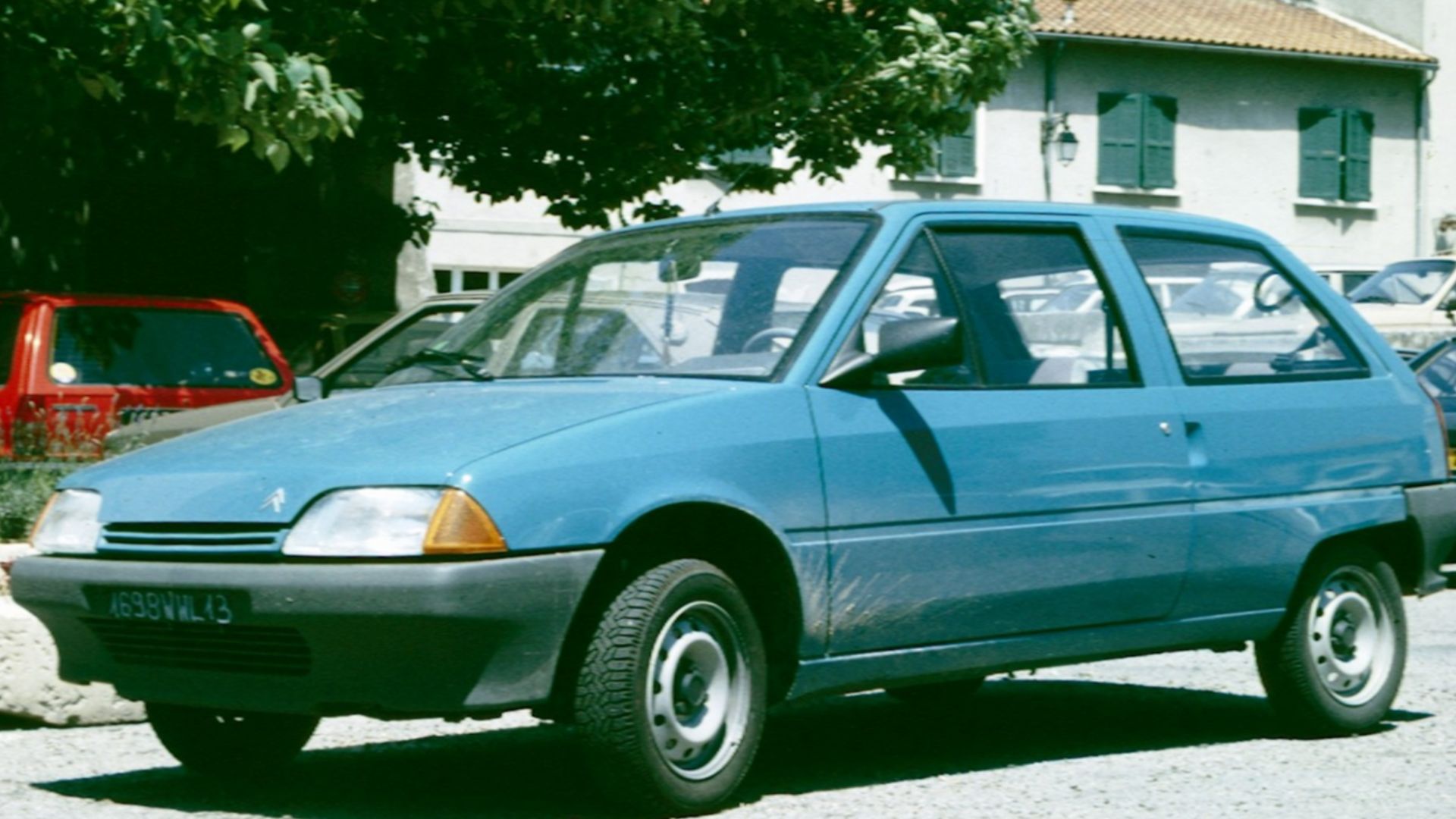
Citroen AX (1986–1998)
Citroen approached efficiency with science, giving the AX an impressive 0.31 drag coefficient and a chassis weighing around 1,488 pounds. Designed for maximum fuel savings, it paired featherlight construction with nimble handling. The minimalist interior suited its purpose, helping this modest hatchback become one of France’s quiet automotive achievements.
Porsche 356 (1948–1965)
The car’s identity began with the 356, a hand-built machine celebrated for precision and balance. Early versions carried a 1.1-liter flat-four engine in a 1,322-pound body to create remarkable agility for the era. This rear-engined coupe laid the foundations that shaped every Porsche that followed.
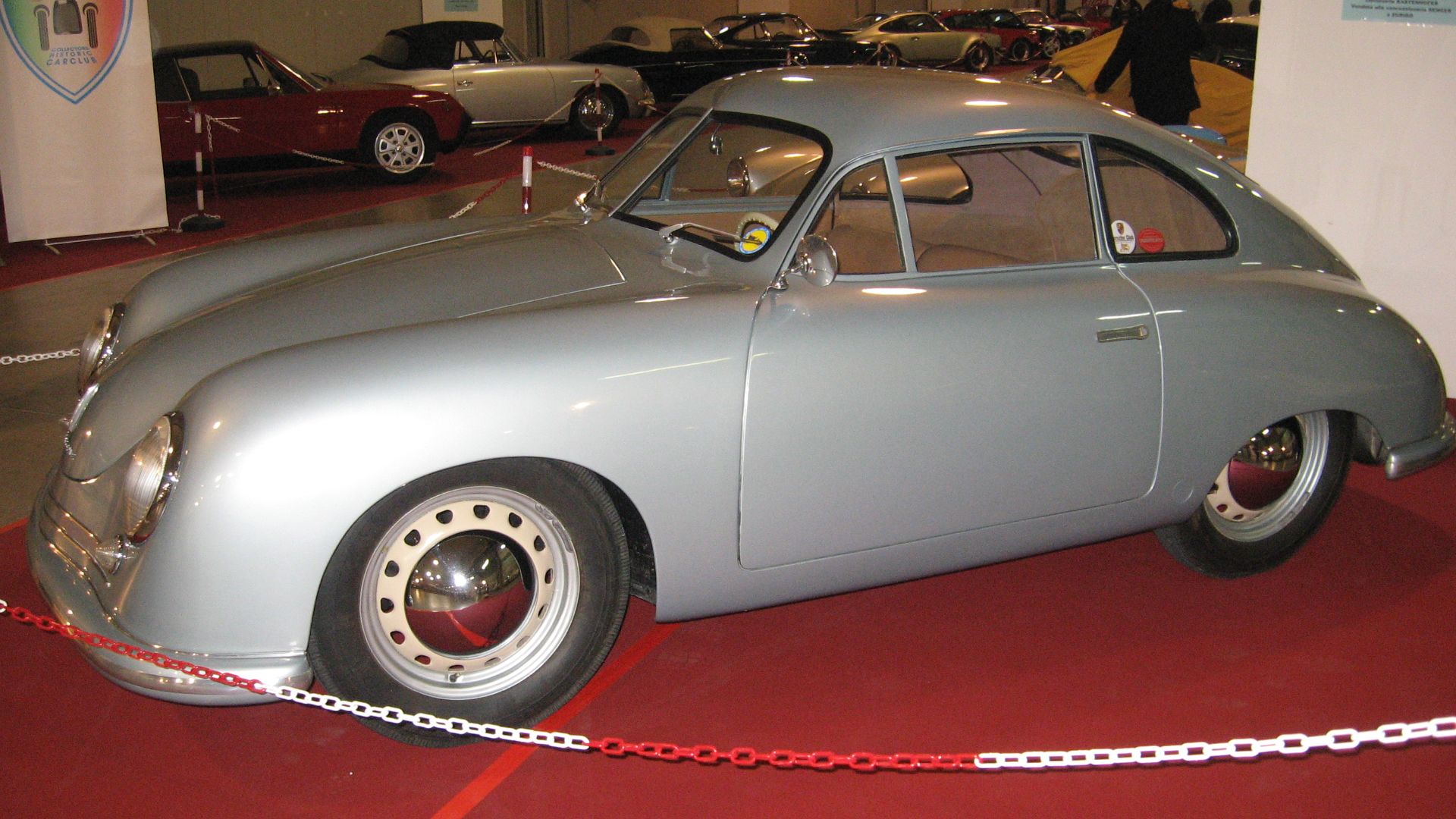 No machine-readable author provided. Luc106 assumed (based on copyright claims)., Wikimedia Commons
Fiat 500 (1957–1975)
Italy’s joyful post-war spirit lived inside the Fiat 500. Its 499 cc two-cylinder engine powered a featherweight 1,102-pound shell that made city mobility affordable. Compact proportions turned tight streets into playgrounds, while its cheerful personality transformed the Cinquecento into a cultural icon far beyond Italian borders.
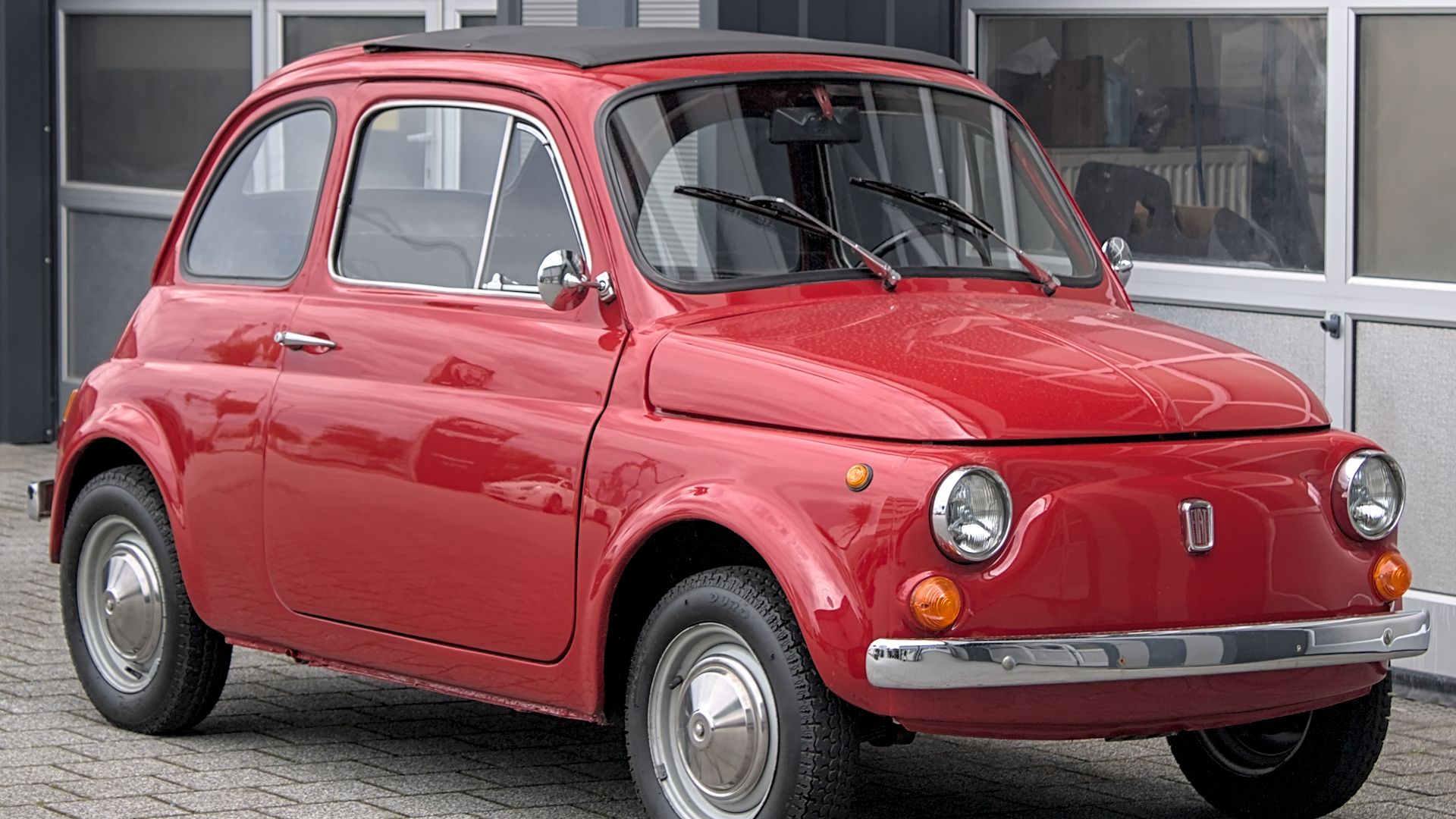 Alexander Migl, Wikimedia Commons
Ginetta G4 (1961–1969)
The Ginetta G4 earned admiration for turning simplicity into speed. Fiberglass construction helped keep the weight at roughly 981 pounds, and Ford-sourced engines up to 85 horsepower delivered spirited performance. Often sold as a kit, the G4 became a favorite among club racers seeking precision without unnecessary complexity.
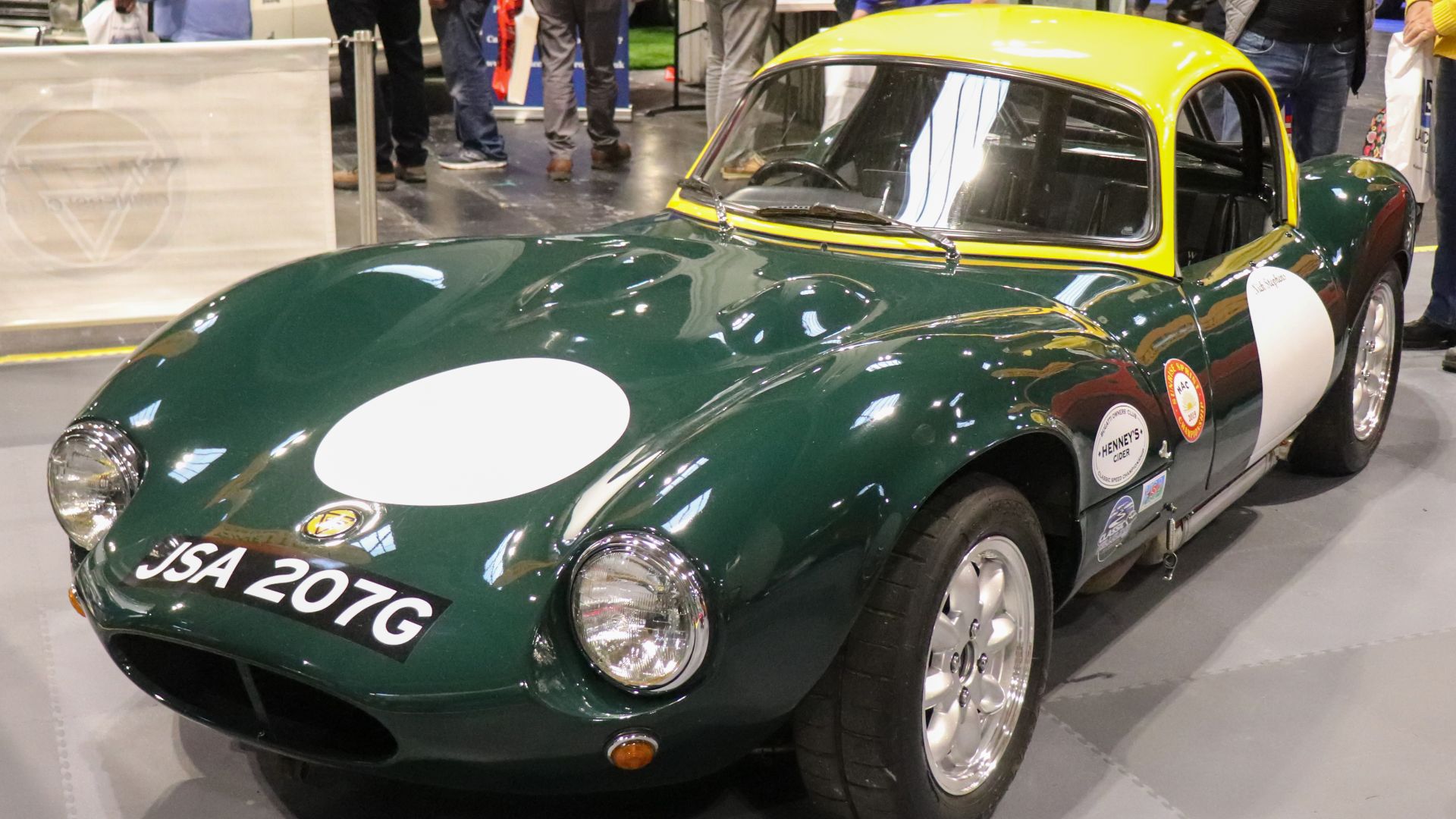
Austin Seven (1923–1939)
Motoring became accessible with the Austin Seven, a tiny machine weighing only 952 pounds. Its 747 cc engine moved families who had never before owned a car. Nicknamed the “Baby Austin,” it inspired global license-built variants and established the blueprint for affordable transportation across multiple continents.
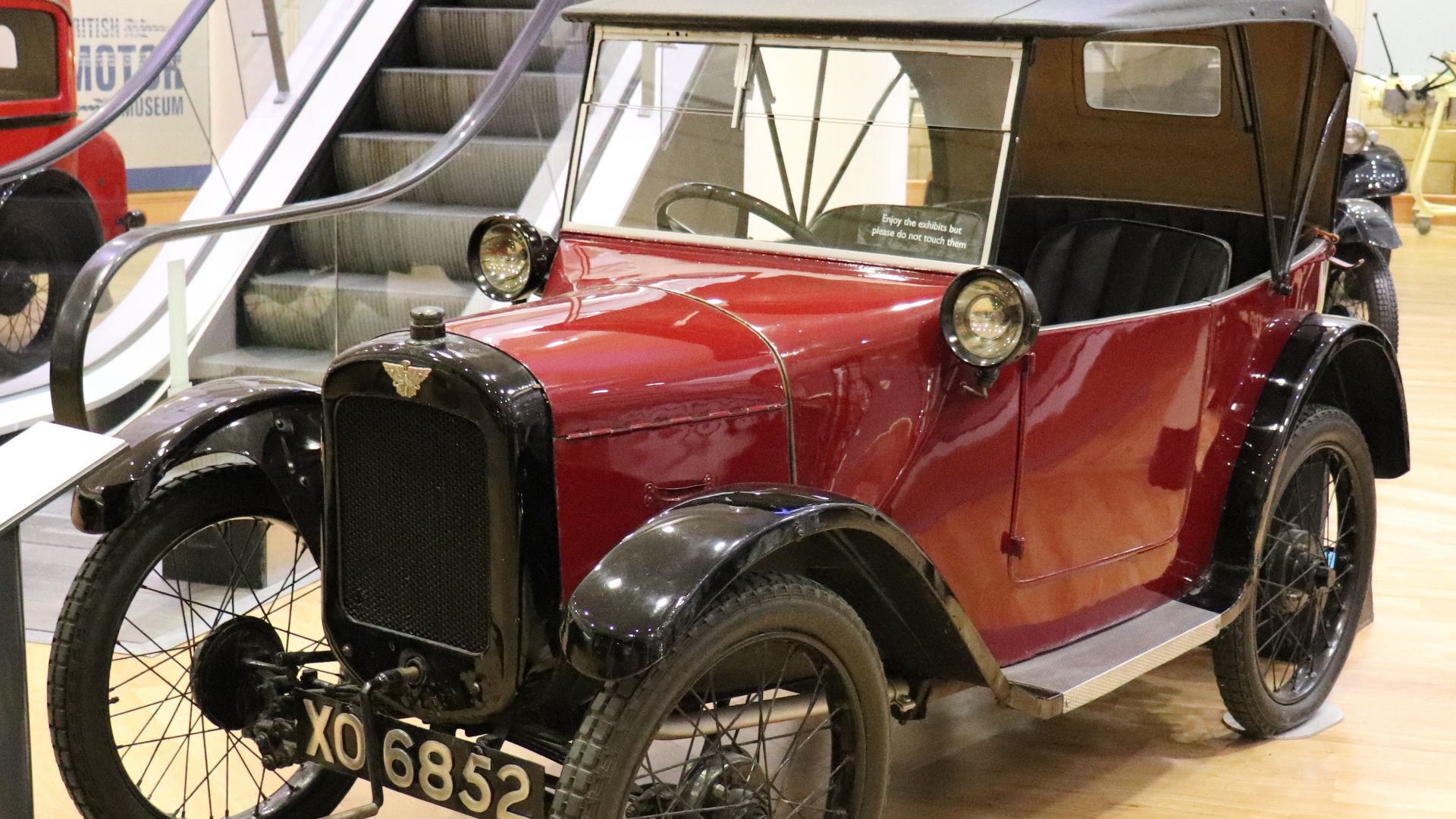
Lotus Seven (1957–1973)
Lightness defined the Lotus Seven more than any single number, though its 853-pound mass remains astonishing today. Colin Chapman’s minimalist design favored steel tubing and efficient engines. The result delivered unmatched mechanical purity as one of the most influential sports cars ever made.
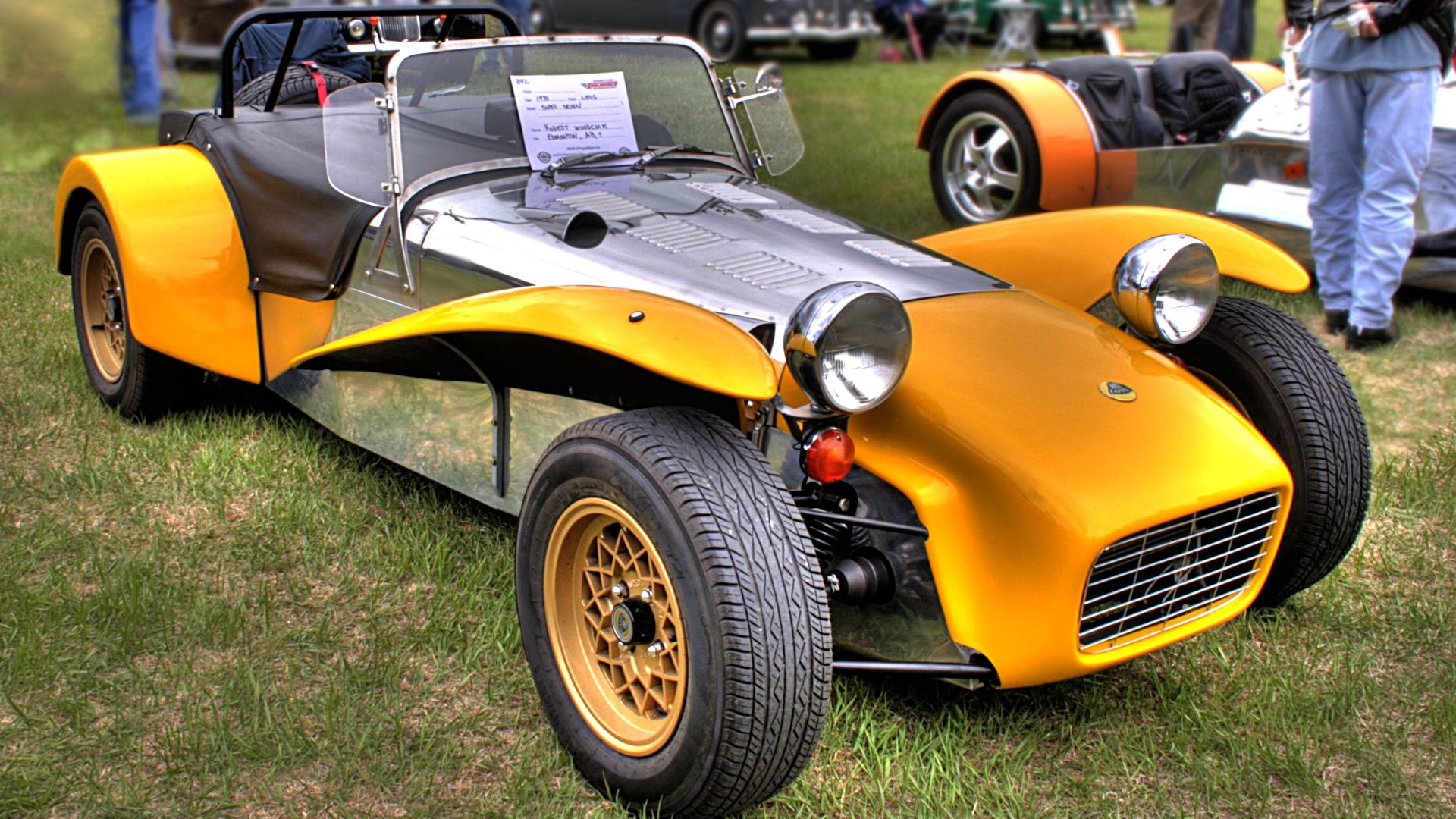 Bernardi638, Wikimedia Commons