Unexpected Icons
Beauty may be in the eye of the beholder, but some cars were so bizarre that even their creators couldn't defend them. But eventually, their weirdness earned a cult following, and now you can't help but love them.

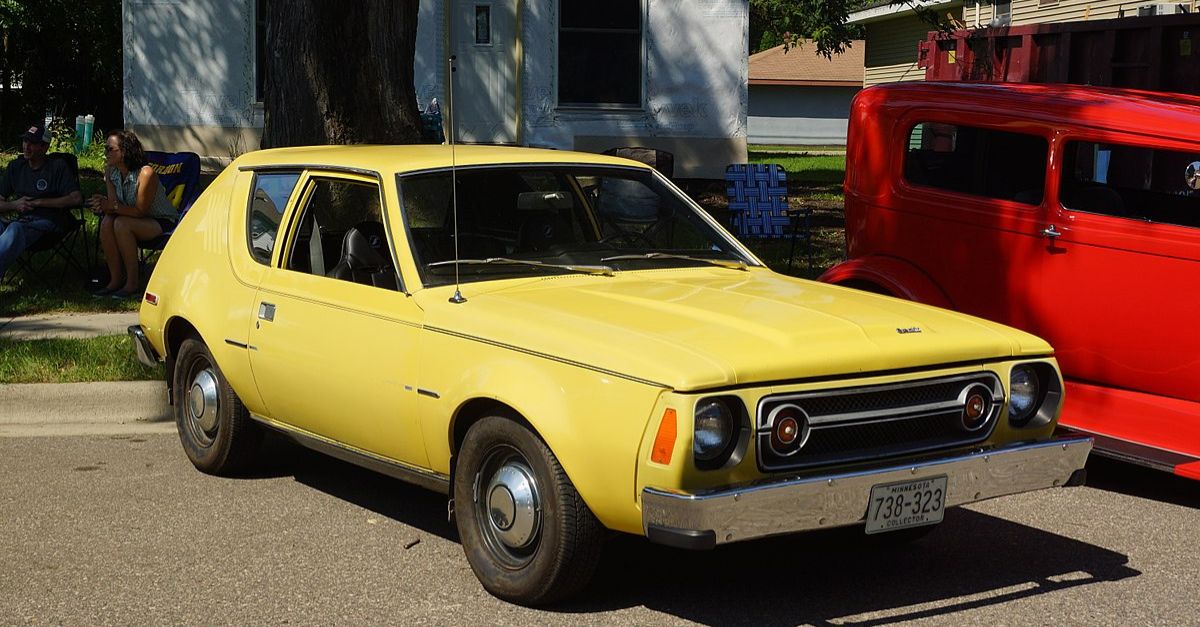
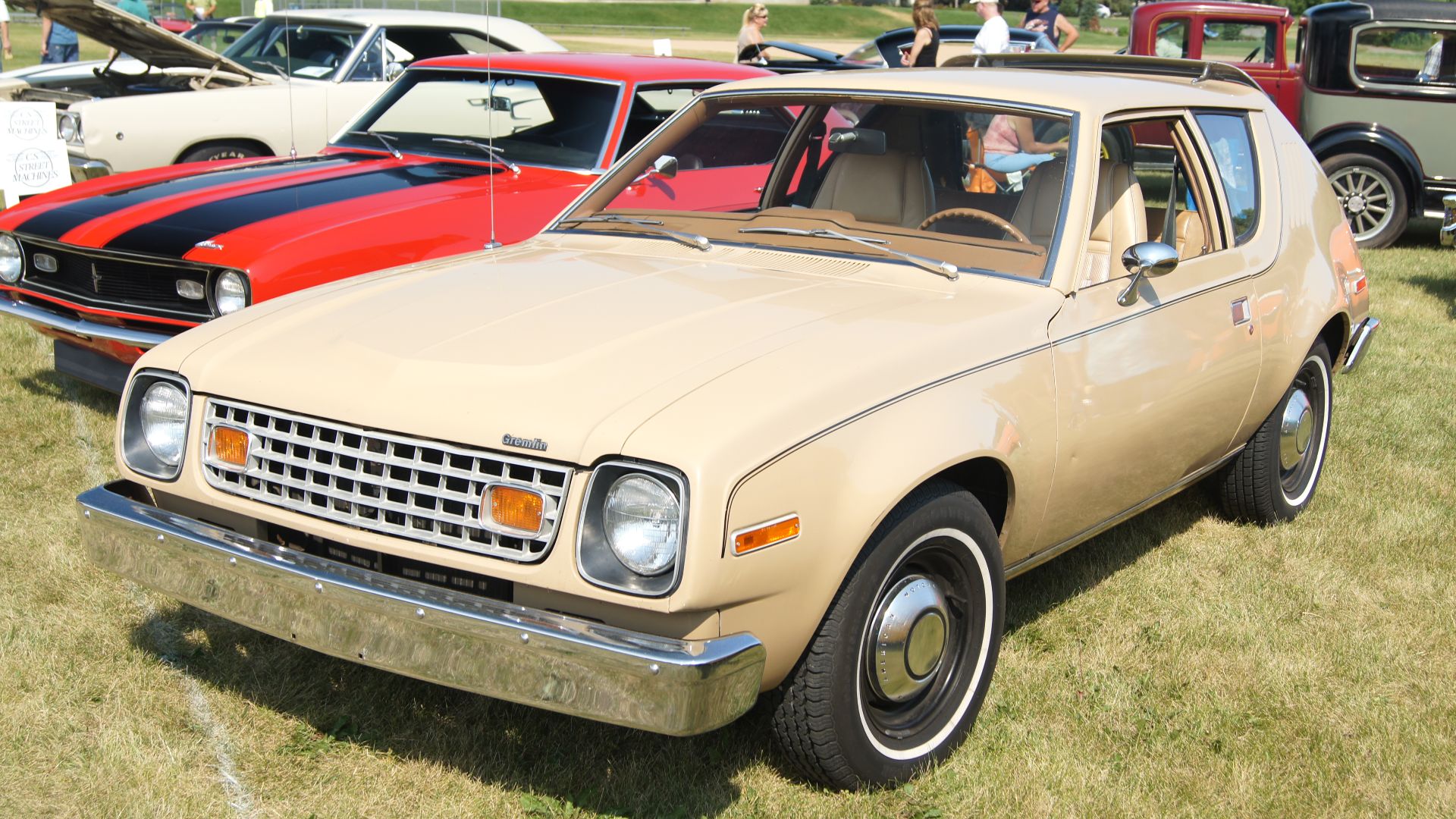
AMC Gremlin (1970–1978)
Designed to compete with imports like the Volkswagen Beetle, the AMC Gremlin was a subcompact oddity that looked like a normal car with its rear end abruptly chopped off. However, its affordability and distinctive look increased its popularity among collectors.
 Greg Gjerdingen from Willmar, USA, Wikimedia Commons
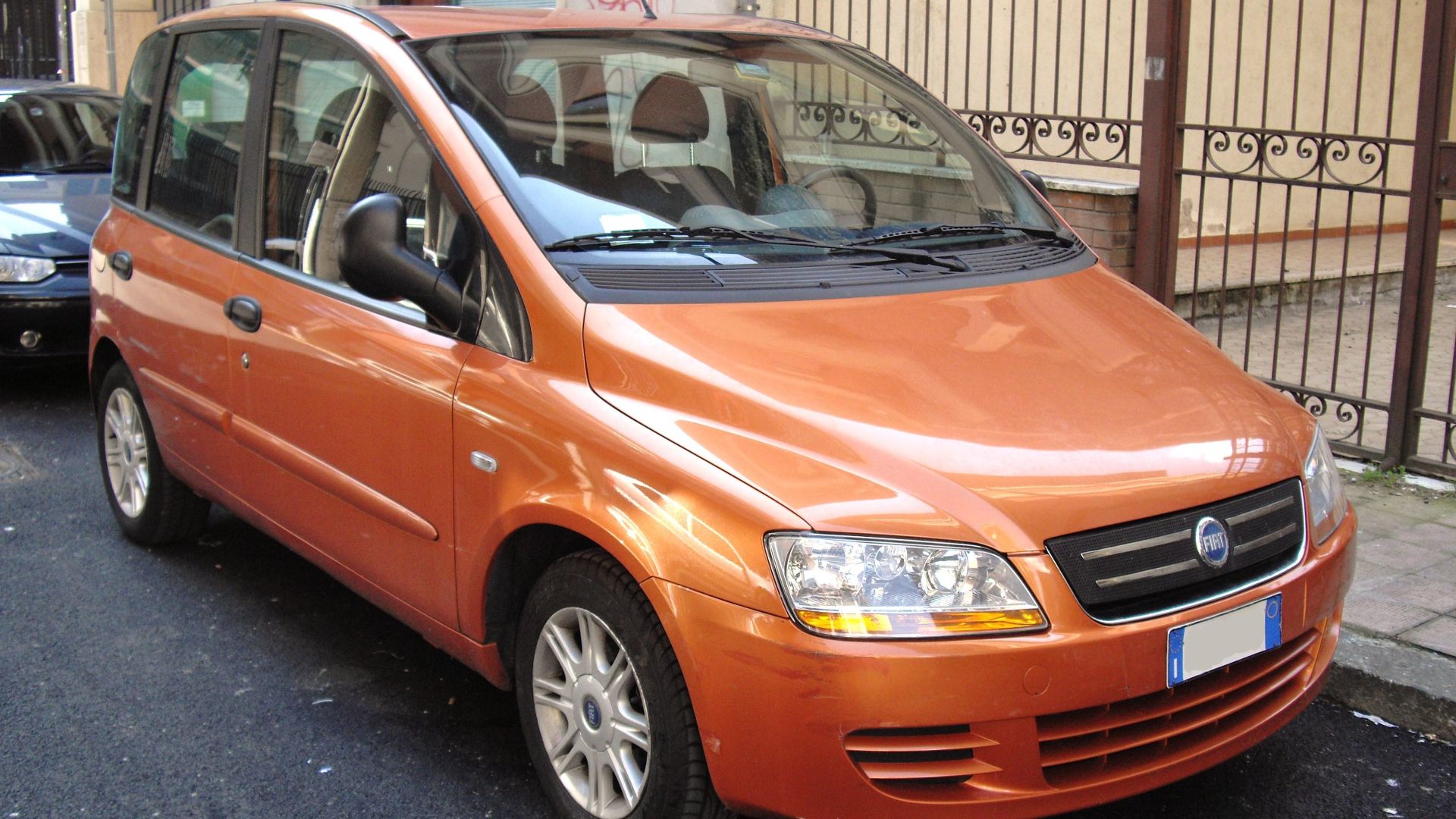
Fiat Multipla (1998–2010)
The Fiat Multipla is often considered one of the ugliest cars ever made, yet it developed a cult following for its sheer weirdness. Its bulbous shape, with a second set of headlights awkwardly placed above the main ones, gave it an almost amphibian-like appearance.
 Corvettec6r, Wikimedia Commons
Ford Thunderbird 8th Generation (1980–1982)
Once a sleek and stylish luxury coupe, the Thunderbird lost its way in the early 1980s to become a boxy, awkward mess with the 8th generation. The squished, slab-sided design and uninspired front end made it look like a dull, shrunken sedan rather than a sporty personal luxury car.

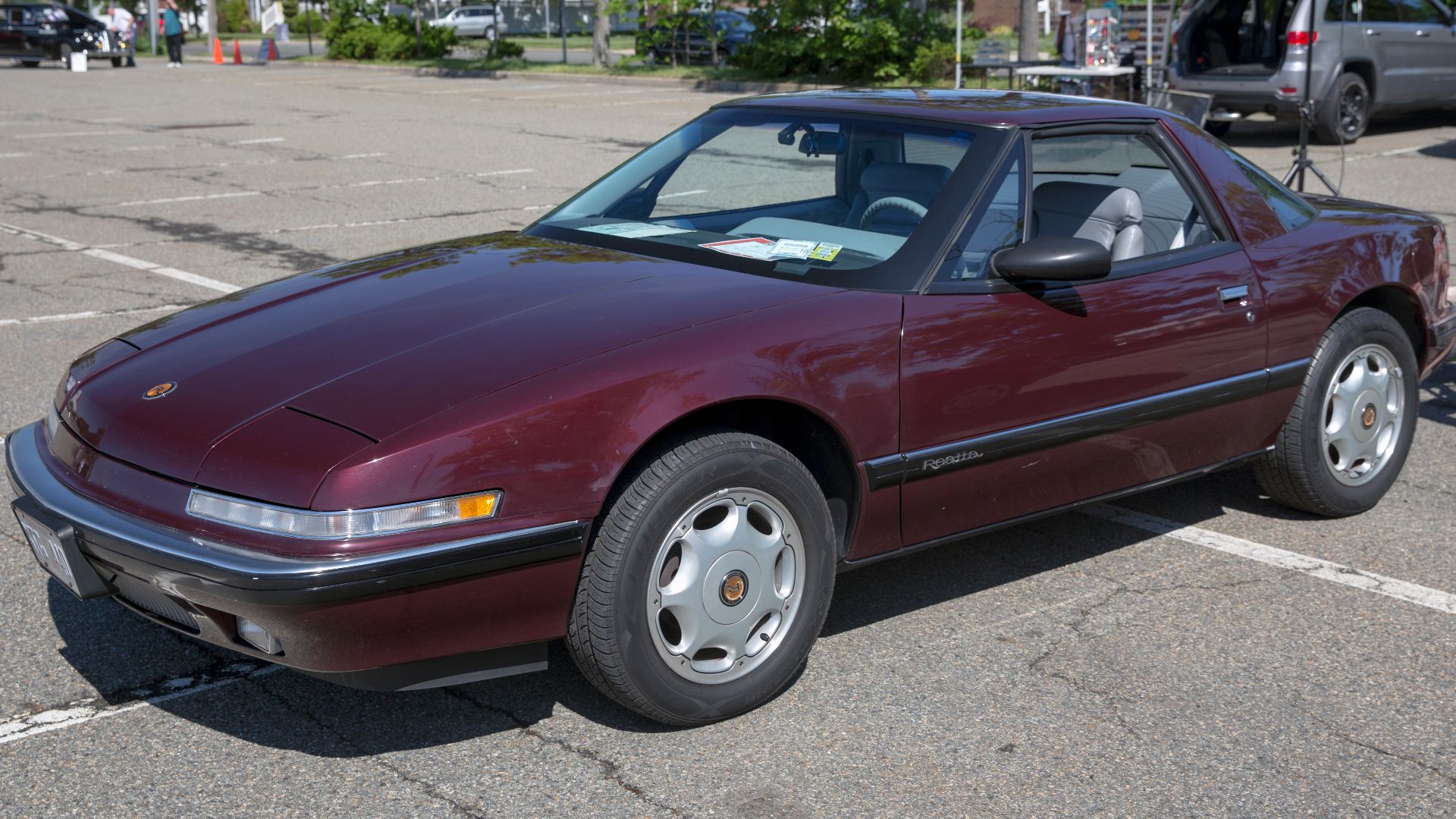
Buick Reatta (1988–1991)
Buick's attempt at a two-seater luxury coupe resulted in the oddball Reatta. While not entirely offensive, its uninspired curves and awkward stance failed to capture the sporty feel Buick intended. Yet, it has gained a niche following among collectors who appreciate its quirks.
 Mr.choppers, Wikimedia Commons
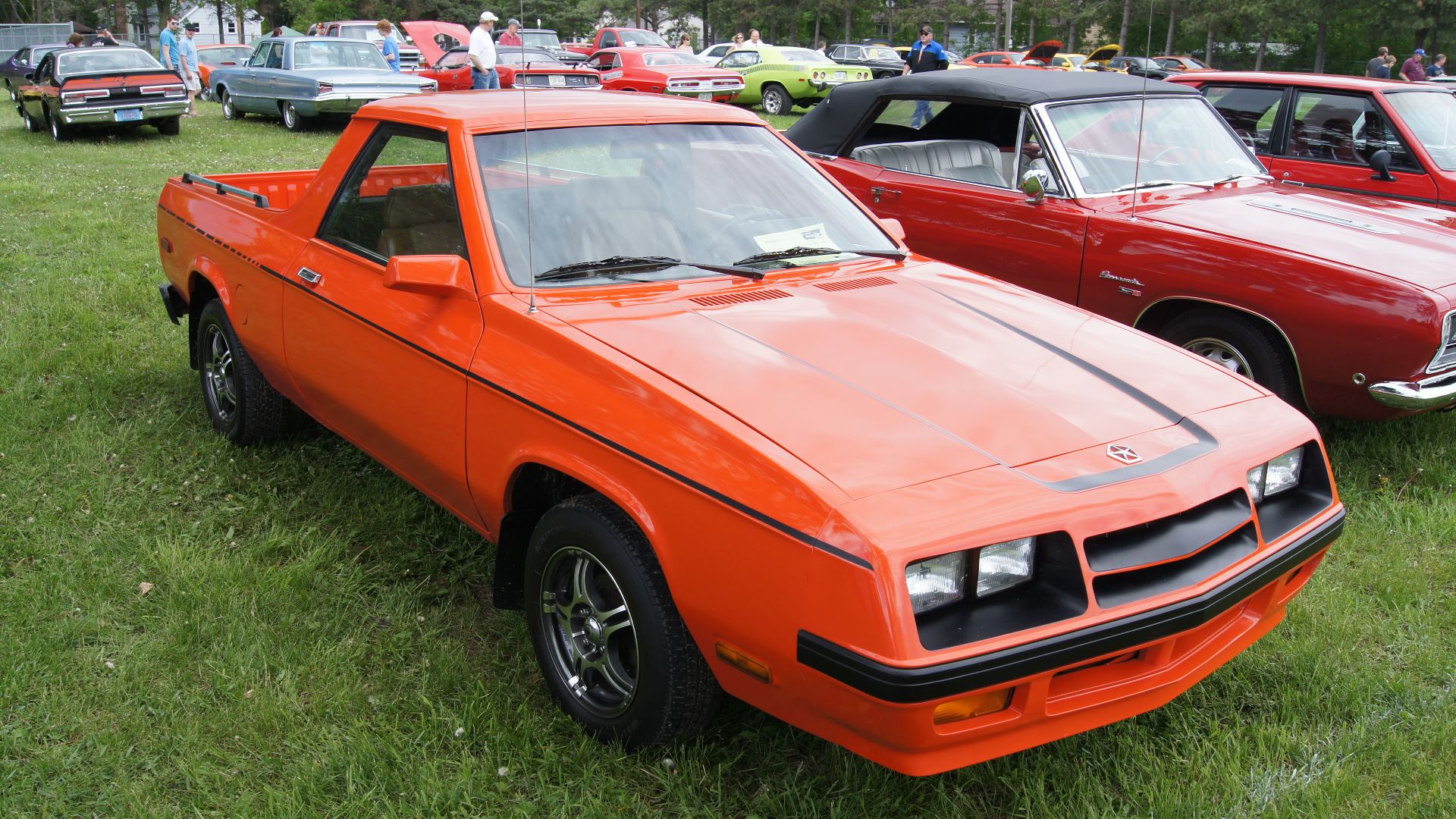
Dodge Rampage (1982–1984)
Neither a full-fledged pickup nor a proper car, the Dodge Rampage straddled a strange middle ground. Its front end resembled the Dodge Omni, while the tiny truck bed in the back made it look mismatched. However, its rarity has since made it an interesting classic oddity.
 Greg Gjerdingen from Willmar, USA, Wikimedia Commons
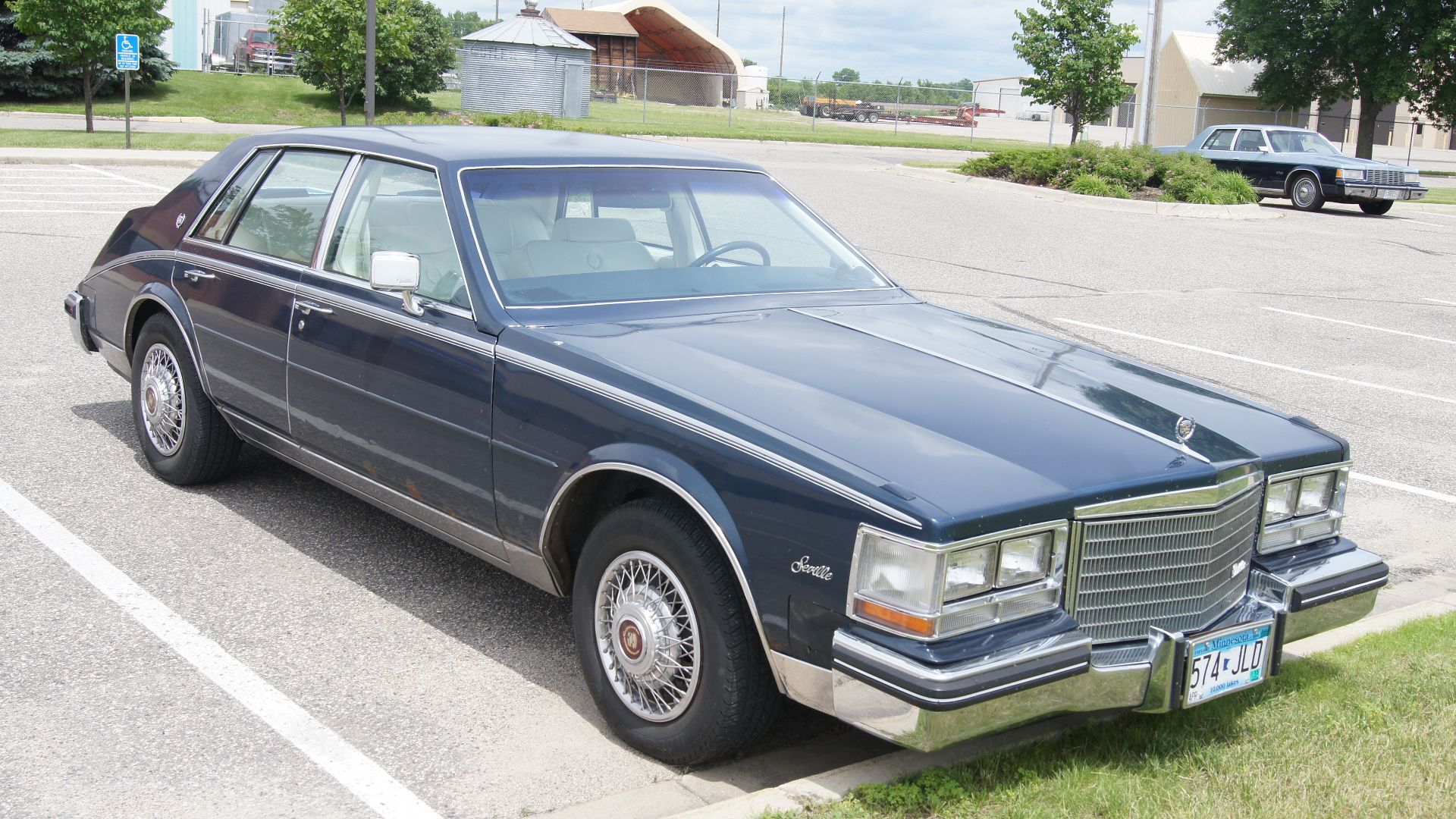
Cadillac Seville (1980–1985)
The second-generation Cadillac Seville (1980–1985) was infamous for its bizarre slant-back rear end, which gave it an oddly angular look. This "bustle-back" styling was intended to pay homage to classic 1930s luxury cars but instead looked awkward and forced.
 Greg Gjerdingen from Willmar, USA, Wikimedia Commons
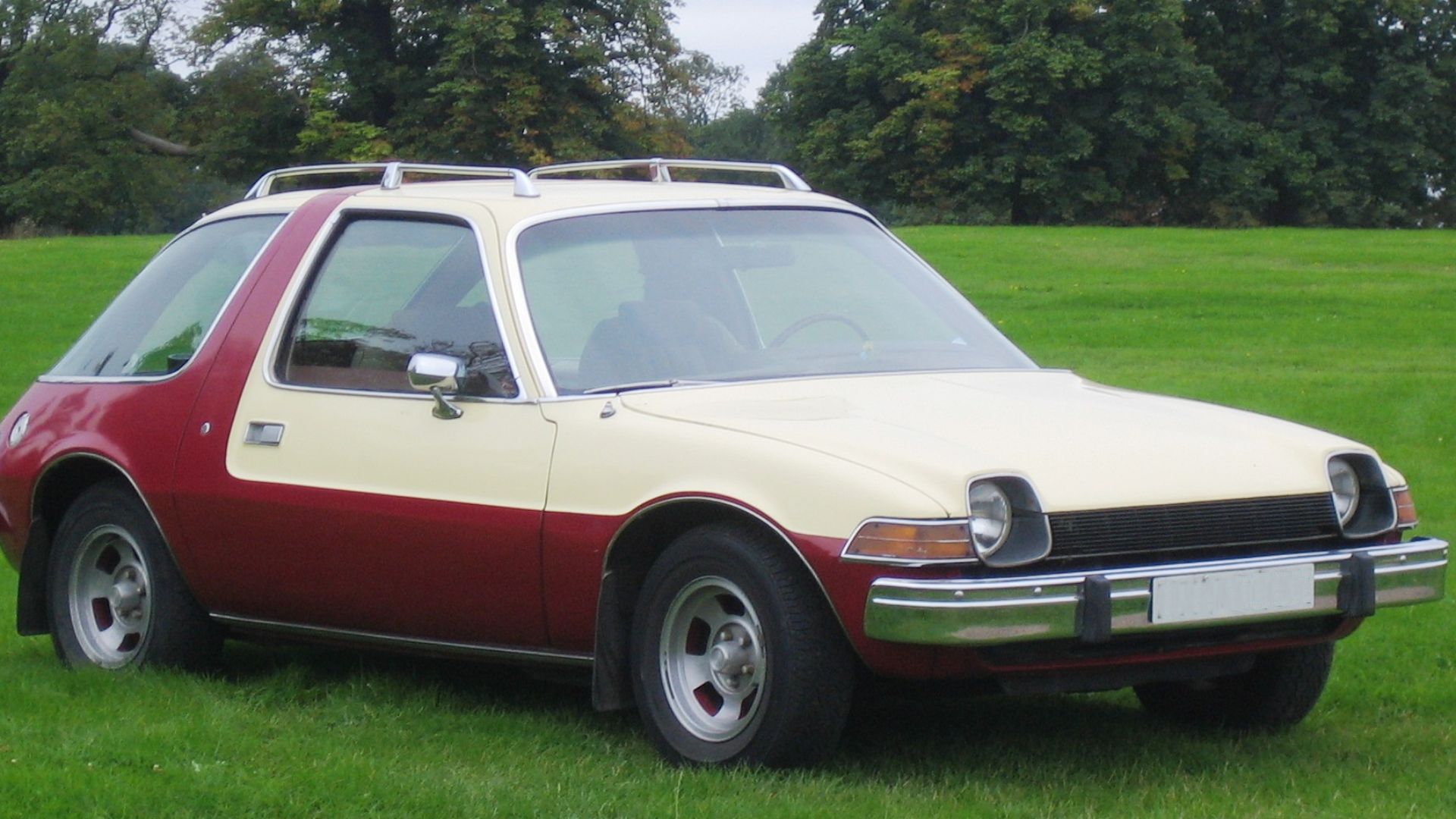
AMC Pacer (1975–1980)
Dubbed the "fishbowl on wheels," the AMC Pacer had an unusually wide stance and massive glass area that made it look like a rolling greenhouse. Meant to be futuristic, its bulbous shape and asymmetrical doors (one was longer than the other) only added to its weirdness.
Pontiac Aztek (2001–2005)
Frequently cited as one of the ugliest cars ever made, the Pontiac Aztek had a bizarre, angular design with a cluttered front end and awkward proportions. It had some innovative features, like a built-in tent and removable cooler, but they couldn't outweigh its lack of appeal.

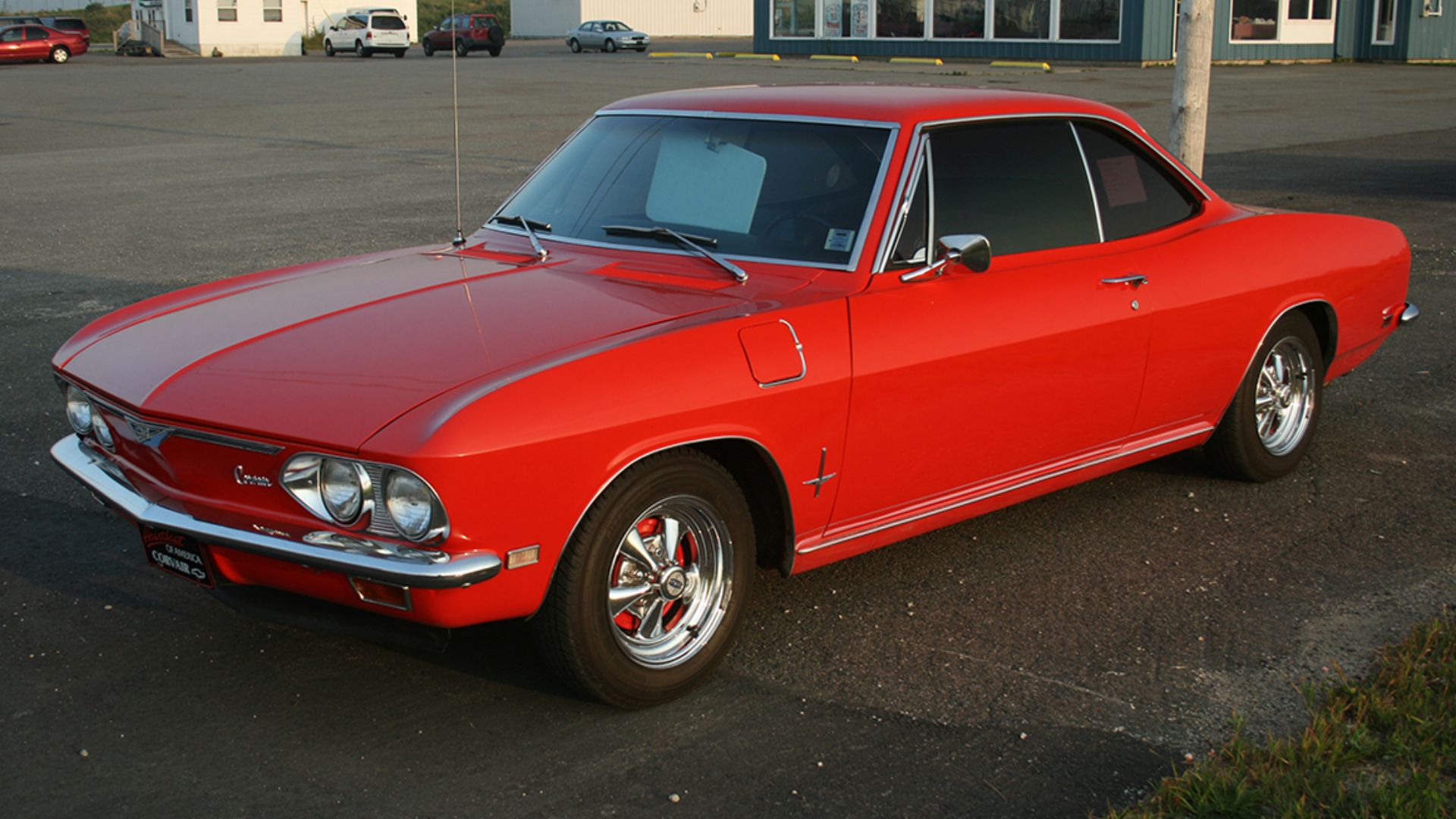
Chevrolet Corvair (1960–1969)
The Chevrolet Corvair was America's answer to European-style rear-engine cars, but its unusual proportions and unconventional design puzzled buyers. Ralph Nader's book Unsafe at Any Speed further tarnished its reputation. Still, enthusiasts appreciate its unique engineering, and it remains an icon of 1960s innovation.
Volkswagen Thing (1973–1980)
Originally designed as a military vehicle, the Volkswagen Thing (Type 181) looked like a cross between a jeep and a cardboard box on wheels. Its utilitarian body panels made it look completely out of place in civilian life. Yet, many consider it legendary for its rugged charm and beach-friendly personality.
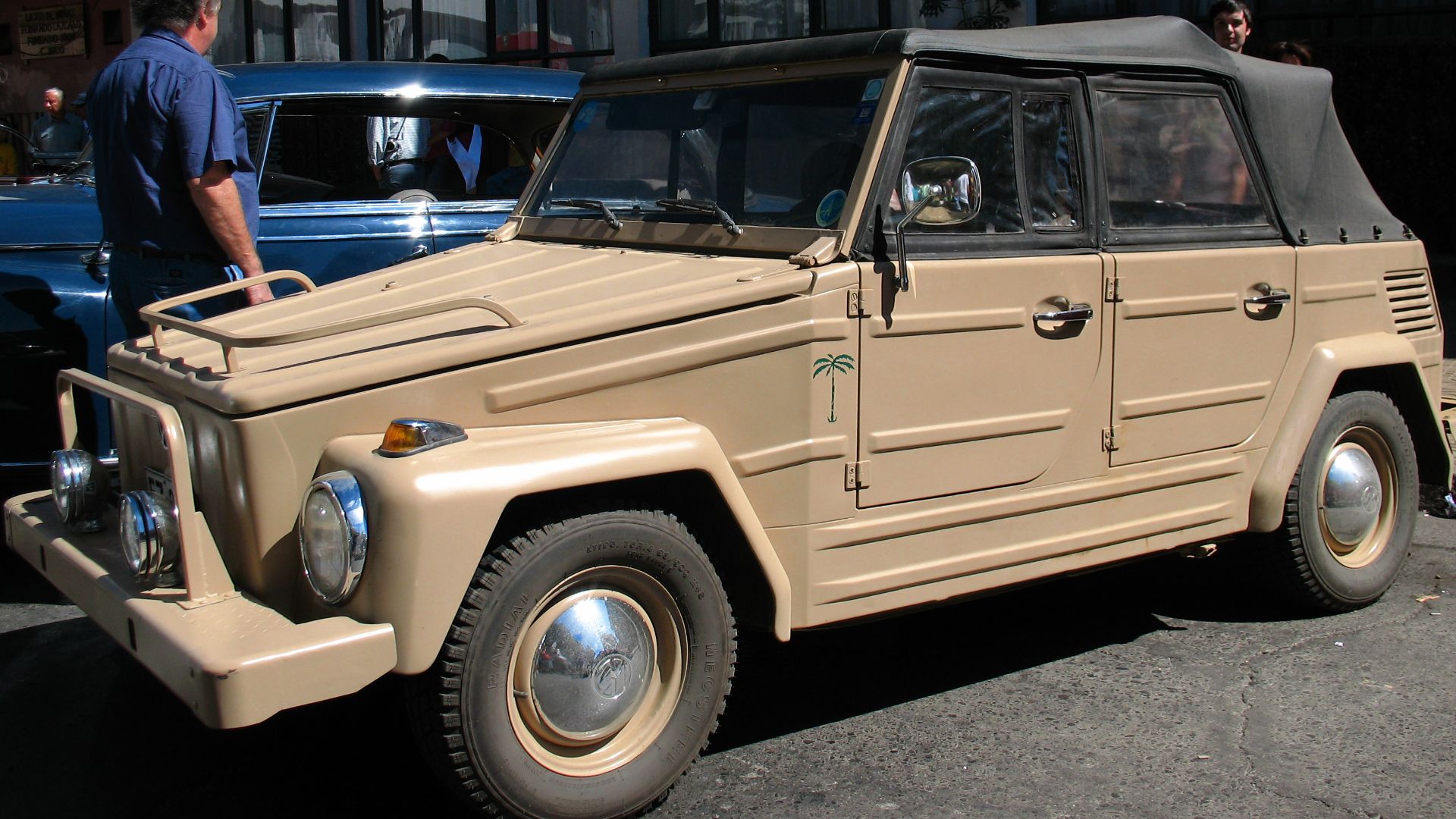 order_242 from Chile, Wikimedia Commons
Ford Edsel (1958–1960)
Marketed as the future of Ford luxury, the Edsel ended up as one of the biggest flops. Its infamous "horse collar" grille looked cartoonish, which led to widespread ridicule and declined sales. Nevertheless, its rarity and the sheer oddity of its design have turned it into a sought-after collector's item.
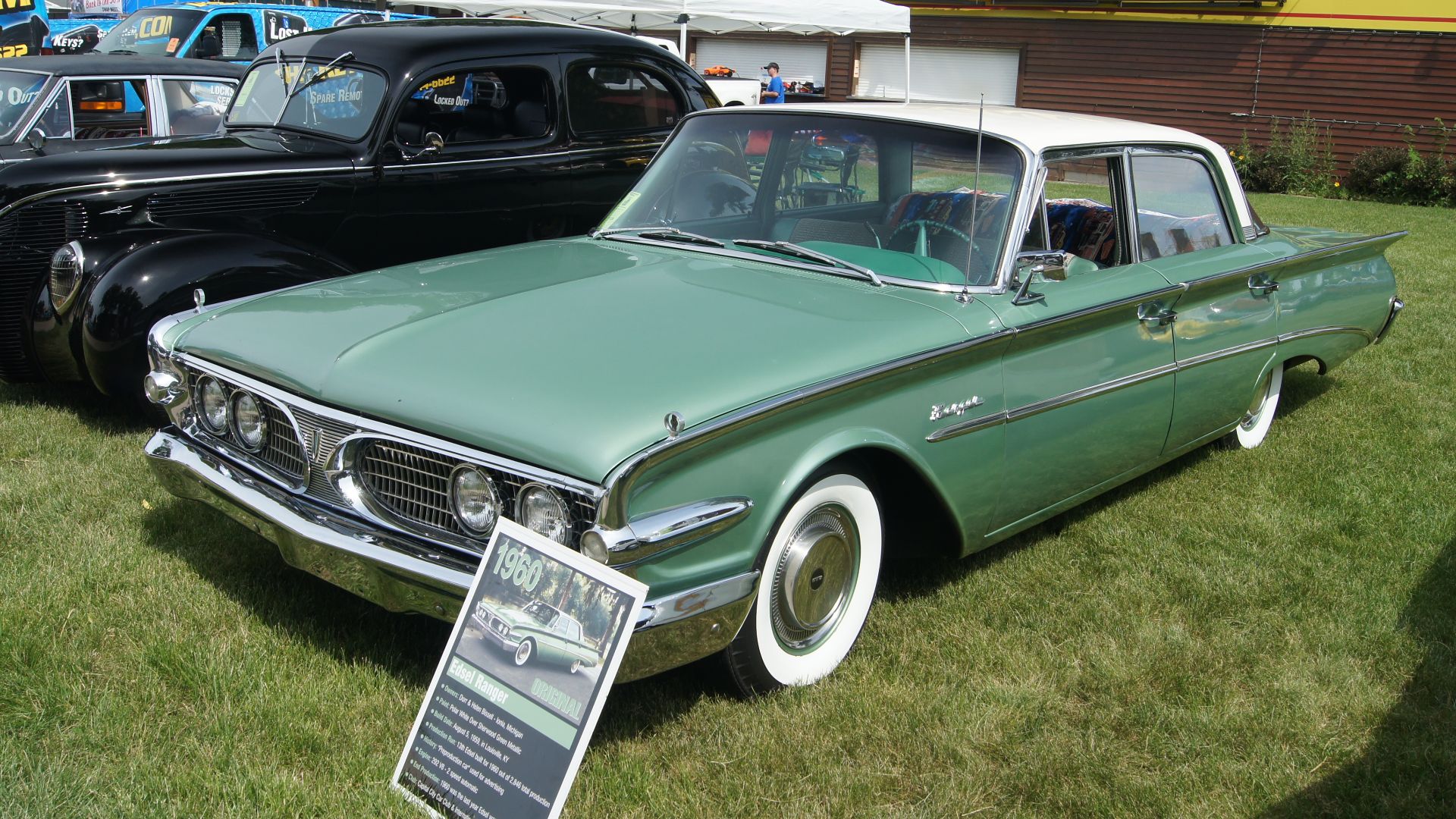 Greg Gjerdingen from Willmar, USA, Wikimedia Commons
AMC Matador Coupe (1974–1978)
Featured in The Man with the Golden Gun, the AMC Matador Coupe belonged to the second generation of the Matador. With an oddly curved, oversized front end and a sloping rear that seemed mismatched, the car looked like a bloated spaceship, and this made it unforgettable.
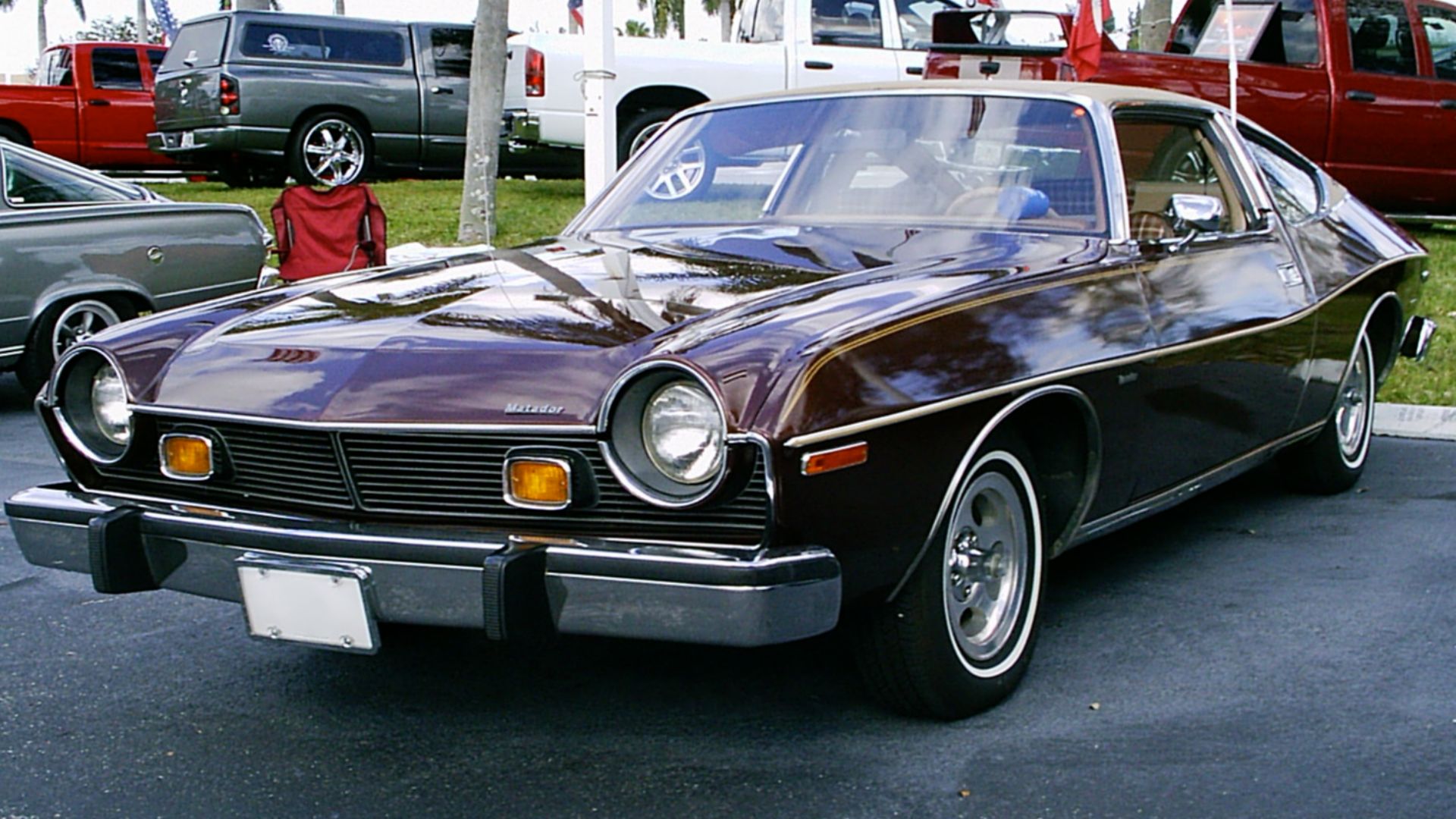
Chevrolet El Camino (1959–1960, 1978–1987)
Chevrolet's attempt to merge a muscle car with a pickup resulted in the El Camino, a vehicle that looked like it couldn't decide what it wanted to be. The early models, especially the 1959-1960 versions, had exaggerated tailfins and an elongated rear that made them look weird.
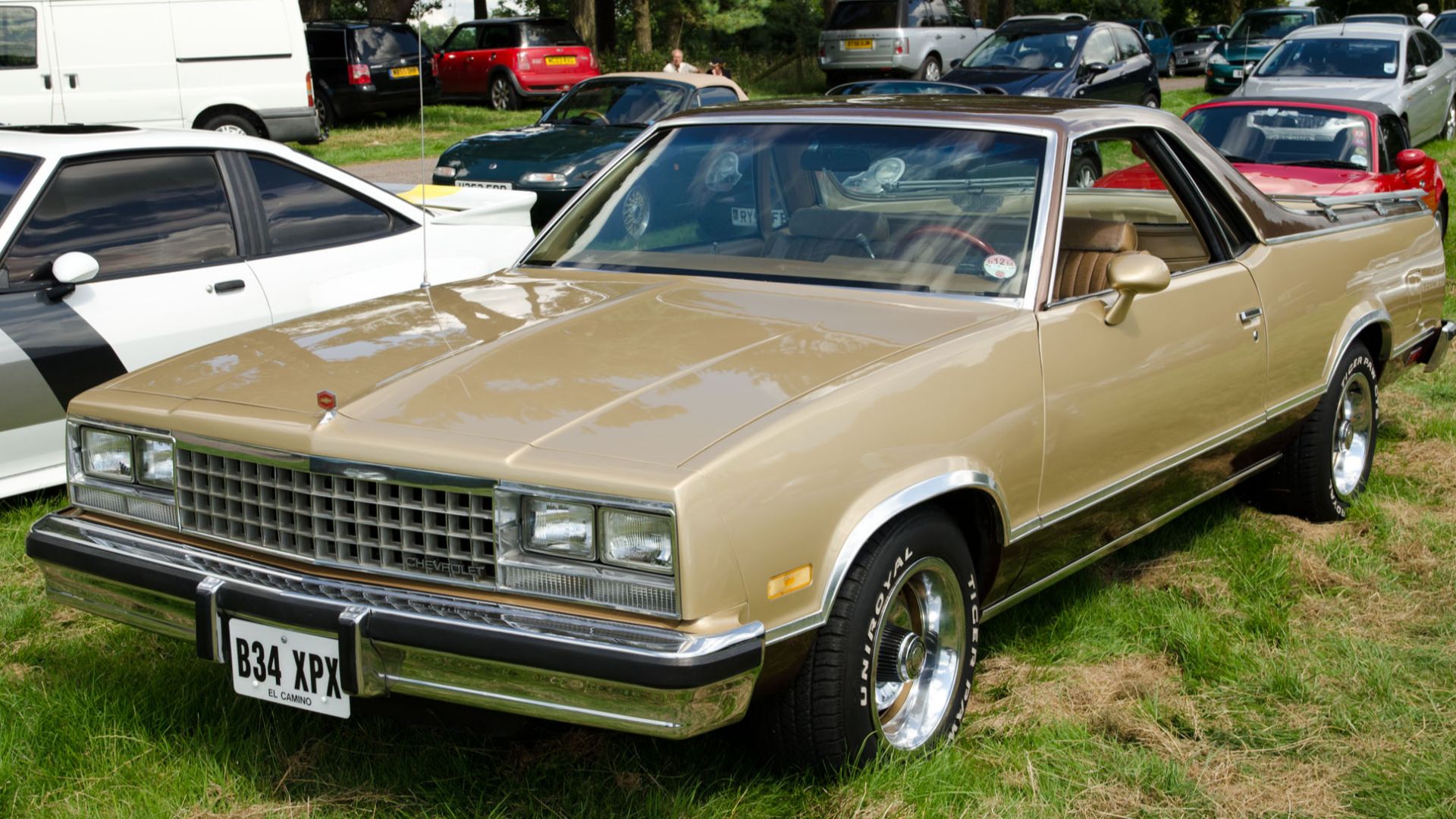
Lincoln Continental Mark IV (1972–1976)
The Lincoln Continental Mark IV was an exercise in over-the-top design. This personal luxury coupe was enormous, with an exaggerated front grille and the signature "opera windows" in the rear. Though criticized for its bloated proportions, the Mark IV remains an icon of 1970s American luxury.
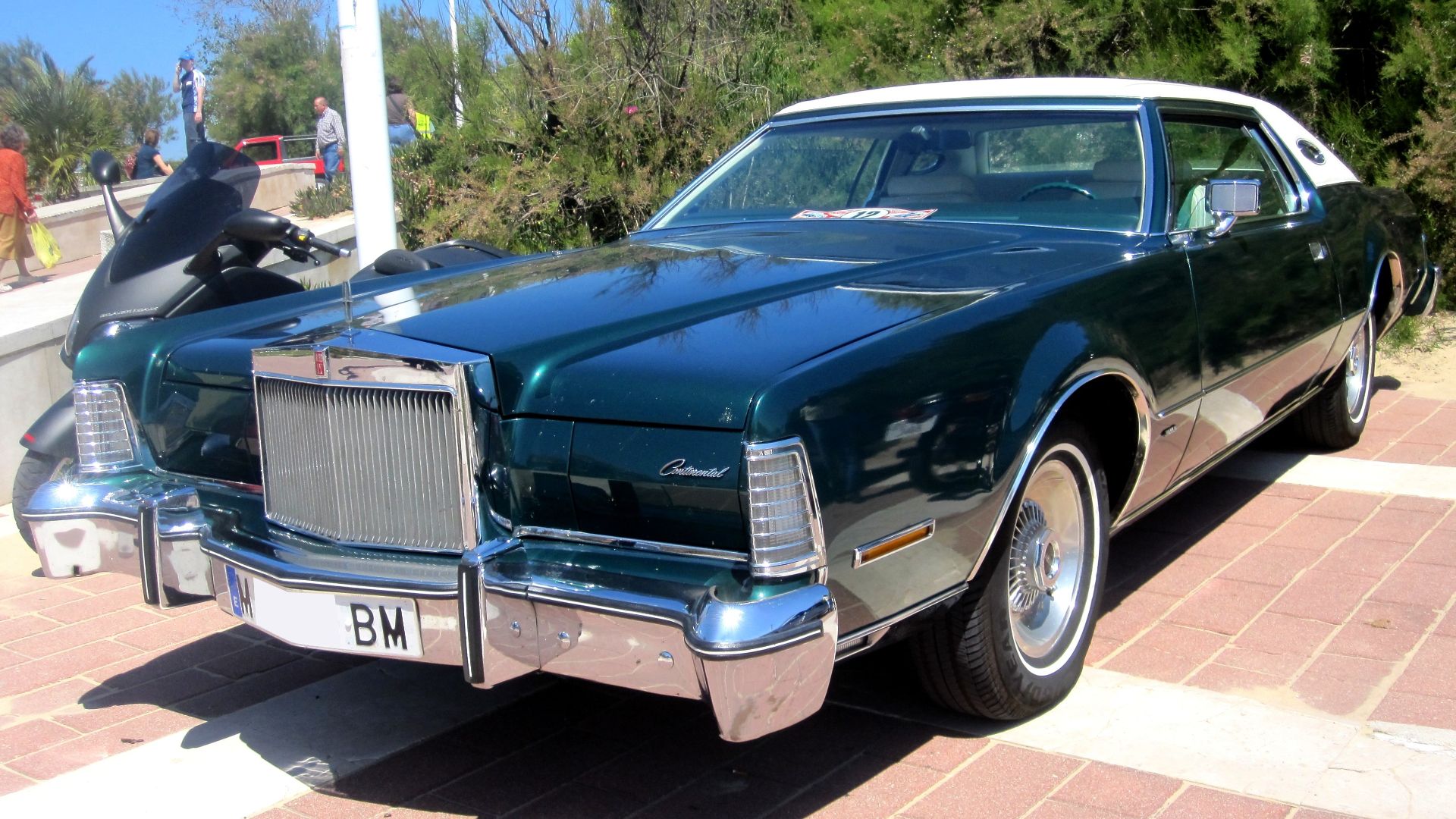 Spanish Coches, Wikimedia Commons
Chrysler PT Cruiser (2001–2010)
Intended as a stylish nod to 1930s hot rods, the Chrysler PT Cruiser instead became a symbol of bad retro design. With its tall, bulbous body and exaggerated fenders, it looked more like a cartoon gangster car than a modern vehicle.
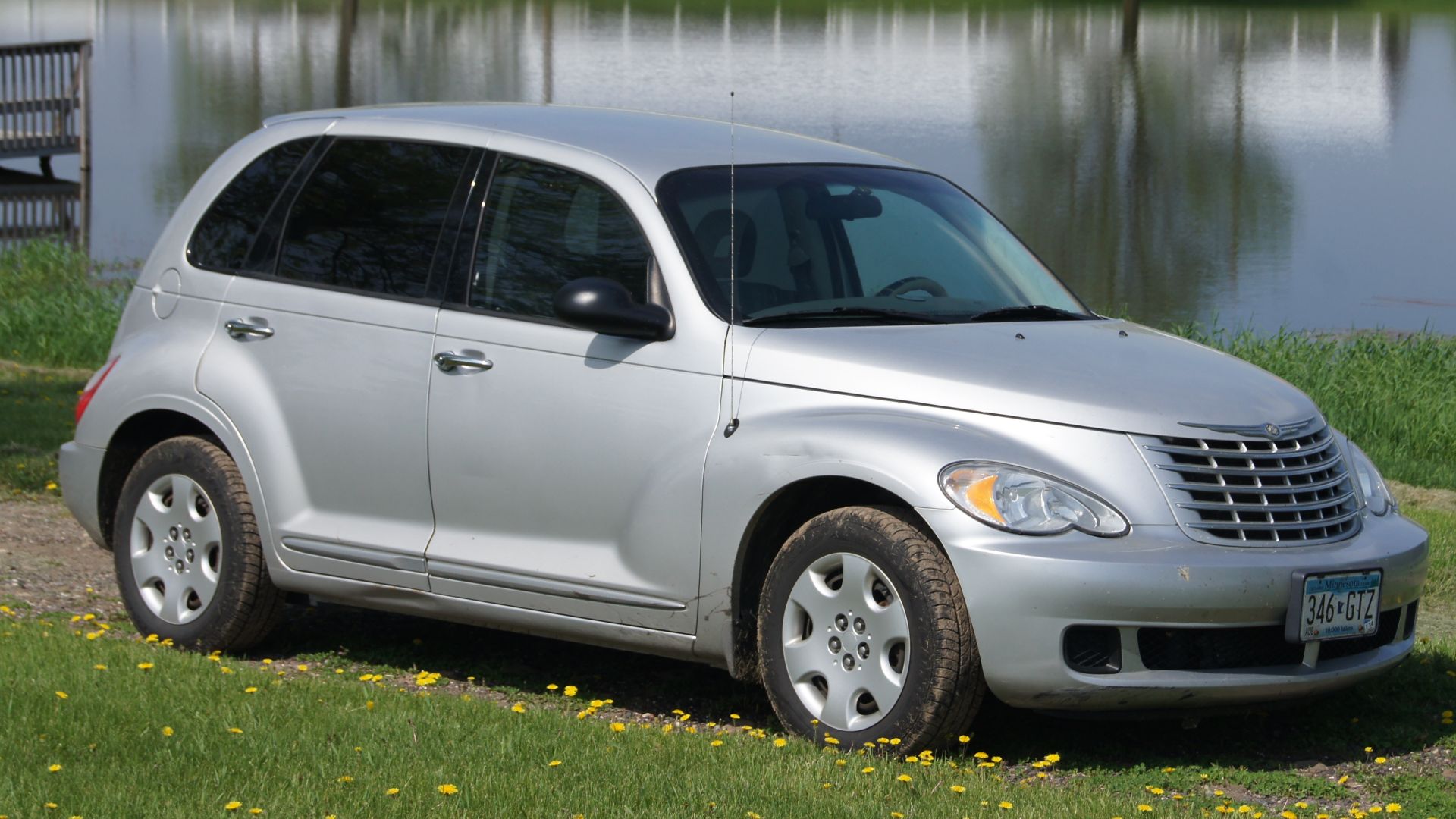 Greg Gjerdingen from Willmar, USA, Wikimedia Commons
Tatra 603 (1956–1975)
The Tatra 603 was a Czechoslovakian luxury car with a bizarre design. It featured a rear-mounted, air-cooled V8 engine and a streamlined, bubble-like body with a distinctive tri-headlamp setup at the front. The long, swooping shape was unconventional for its time. Yet, it was a favorite among Eastern European officials.
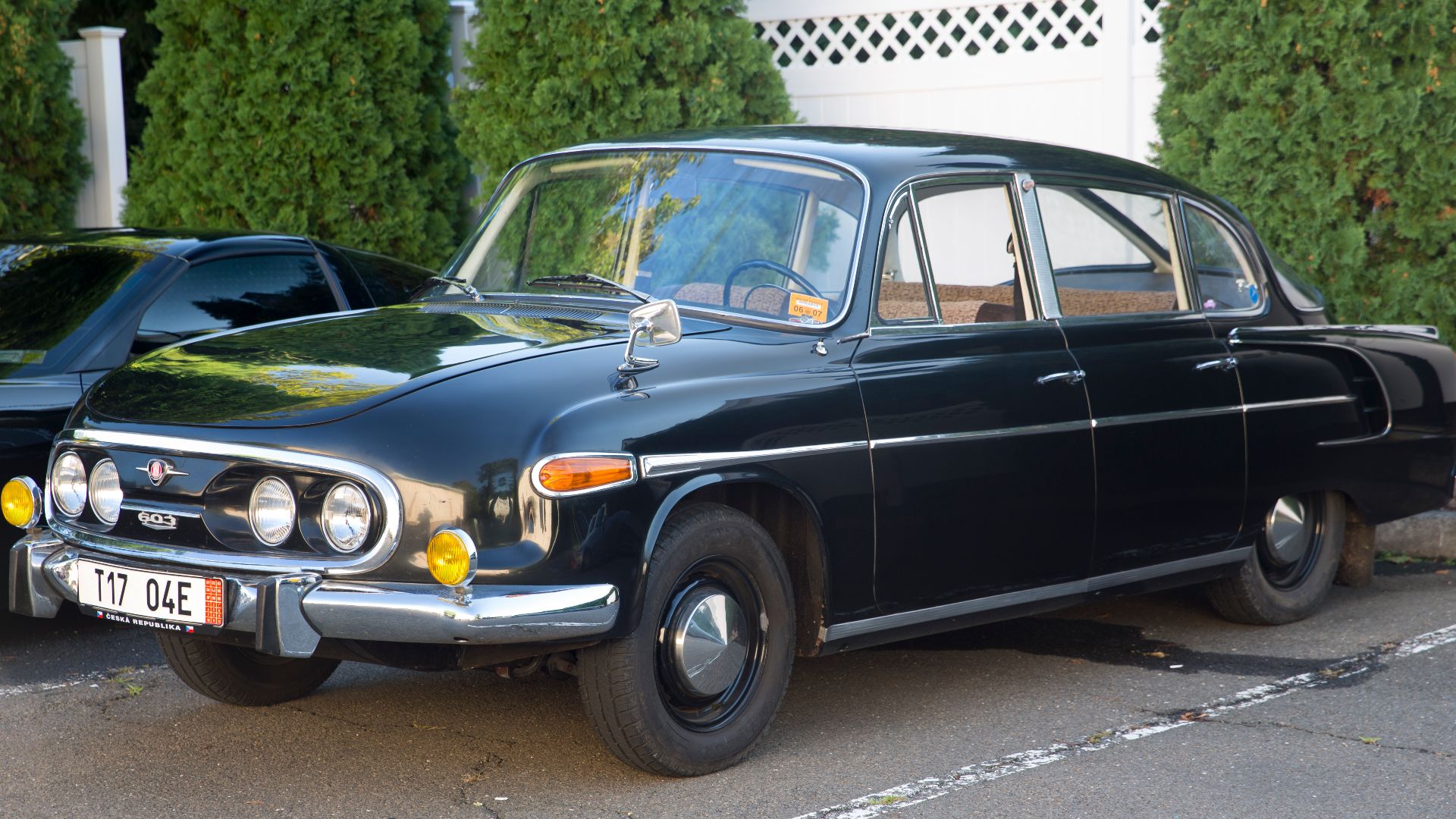 Mr.choppers, Wikimedia Commons
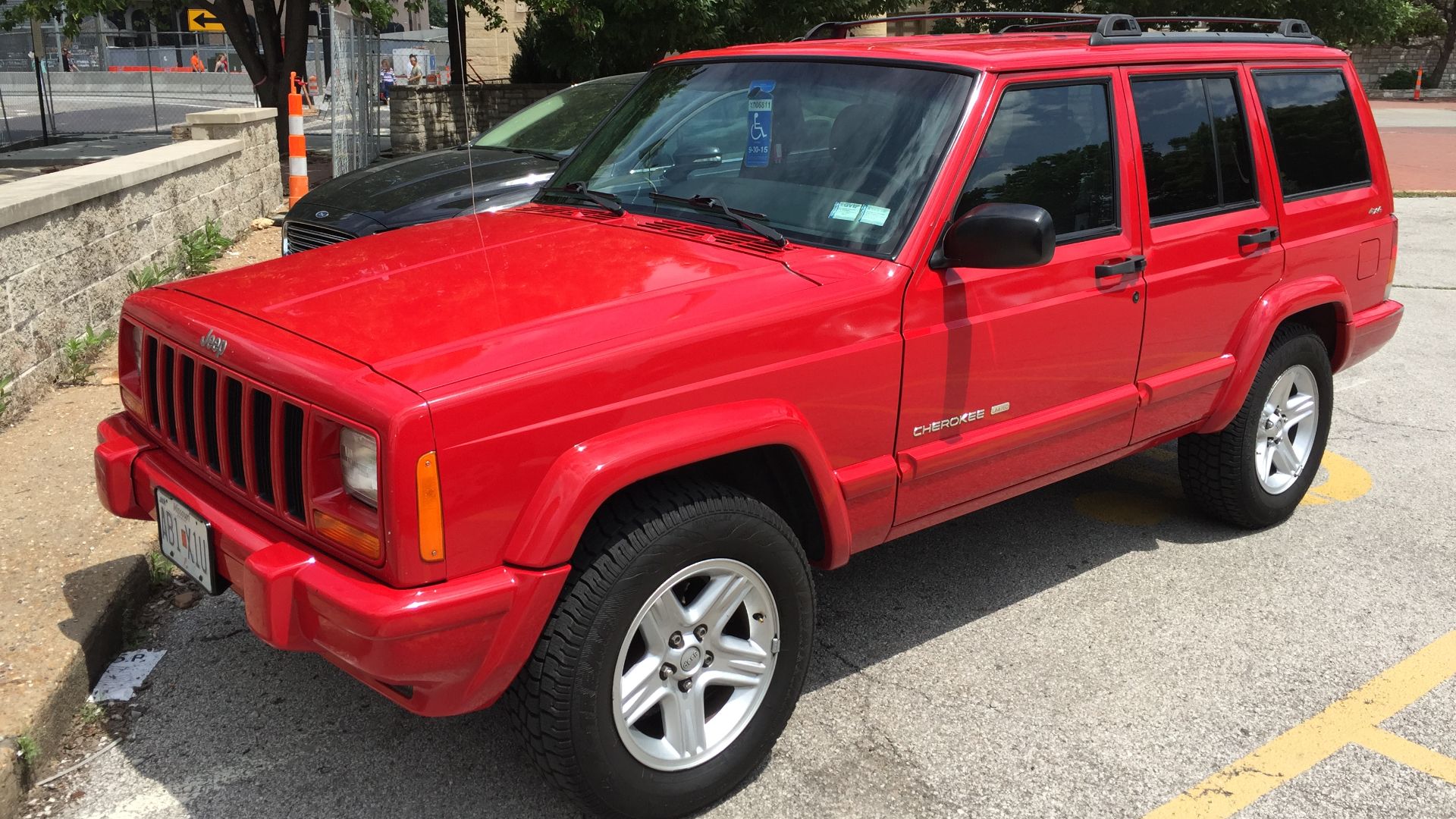
Jeep Cherokee XJ (1984–2001)
At launch, the Jeep Cherokee XJ was criticized for its brutally boxy design, which lacked the curves and styling of other SUVs. However, its excellent off-road capabilities and durability helped it gain a massive following. What was once considered ugly is now seen as rugged and timeless.
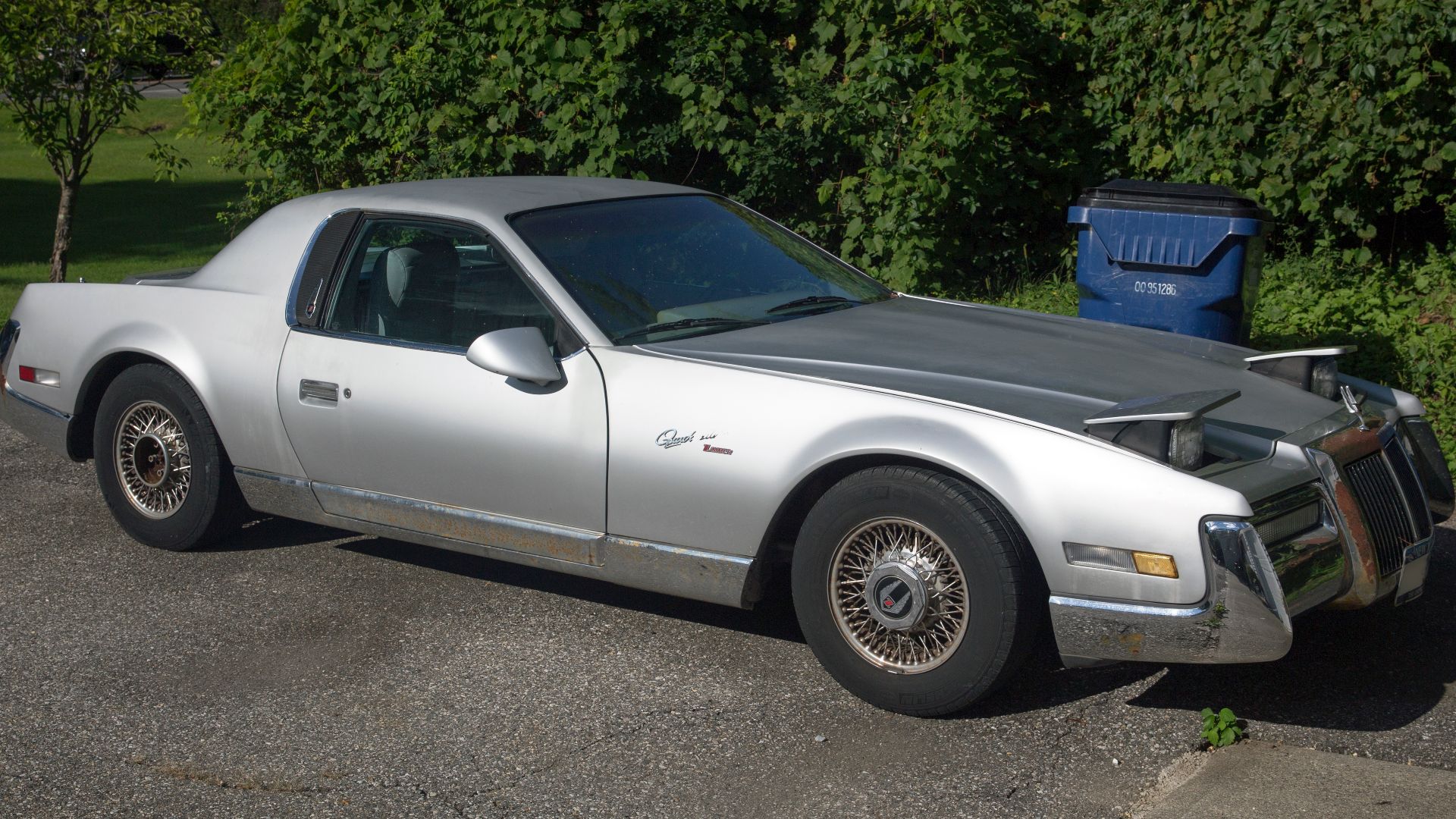
Zimmer Quicksilver (1986)
With 170 units built, the Zimmer Quicksilver is considered a treasure among collectors. It offered a bizarre mix of luxury and sports car styling and looked like a stretched Pontiac Fiero with a chrome-laden, overly elongated front end. However, many thought that its proportions were all wrong.
 Mr.choppers, Wikimedia Commons
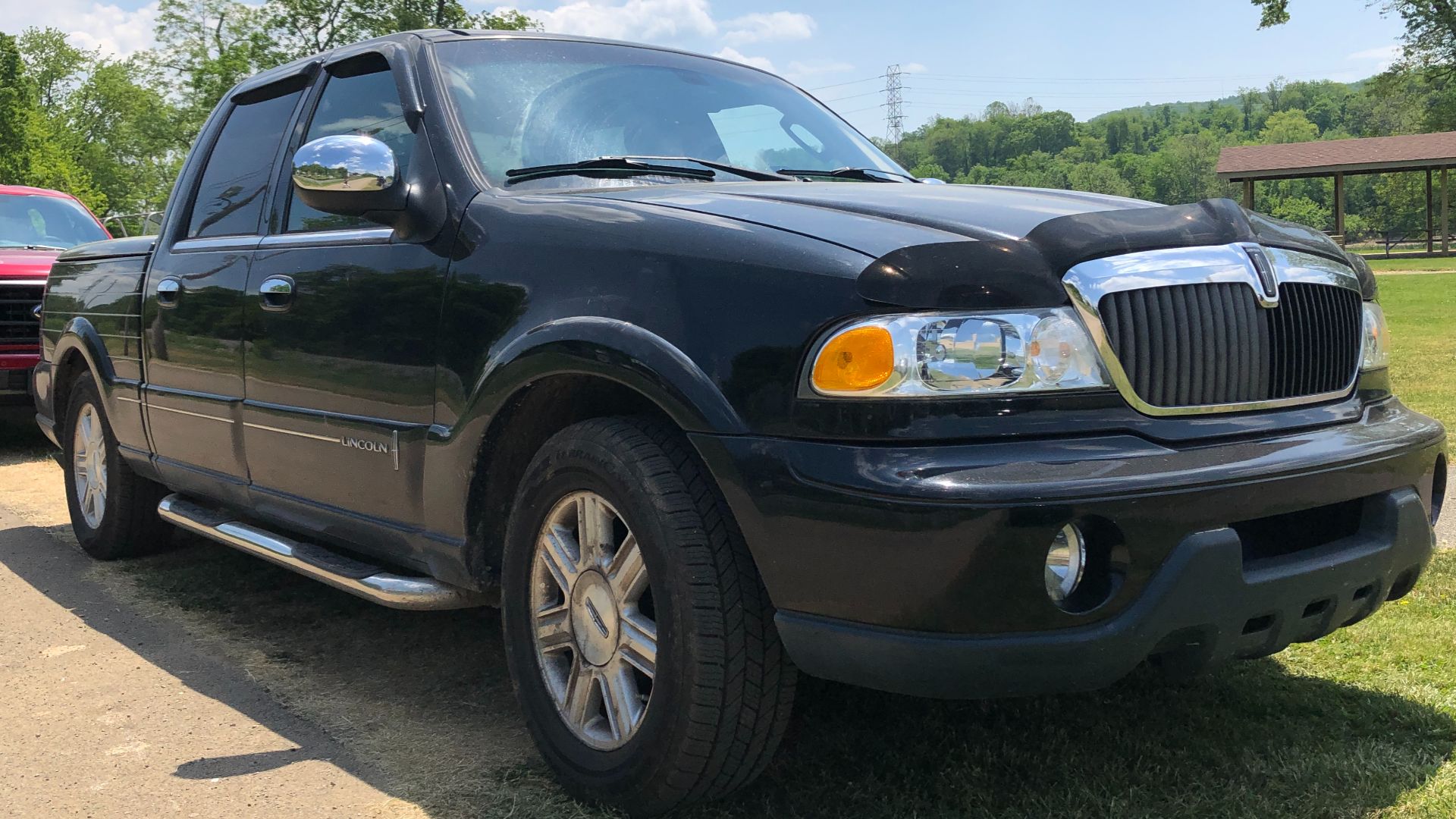
Lincoln Blackwood (2002)
The Lincoln Blackwood was an ill-fated attempt to create a luxury pickup truck, but its execution was baffling. It had a boxy body with glossy, fake-wood-paneled bed sides that made it look like a failed concept. With no real utility—thanks to its carpeted, non-functional bed—it was a sales disaster.
Dodge Neon (1994–2005)
Dodge hoped that the Neon would attract buyers as a fun and affordable compact. Unfortunately, its rounded body and wide-eyed headlights gave it a goofy "smiley-face" appearance that many found unappealing. Despite its questionable aesthetics, it became popular due to its low price and sporty variants like the Neon SRT-4.
 MercurySable99, Wikimedia Commons
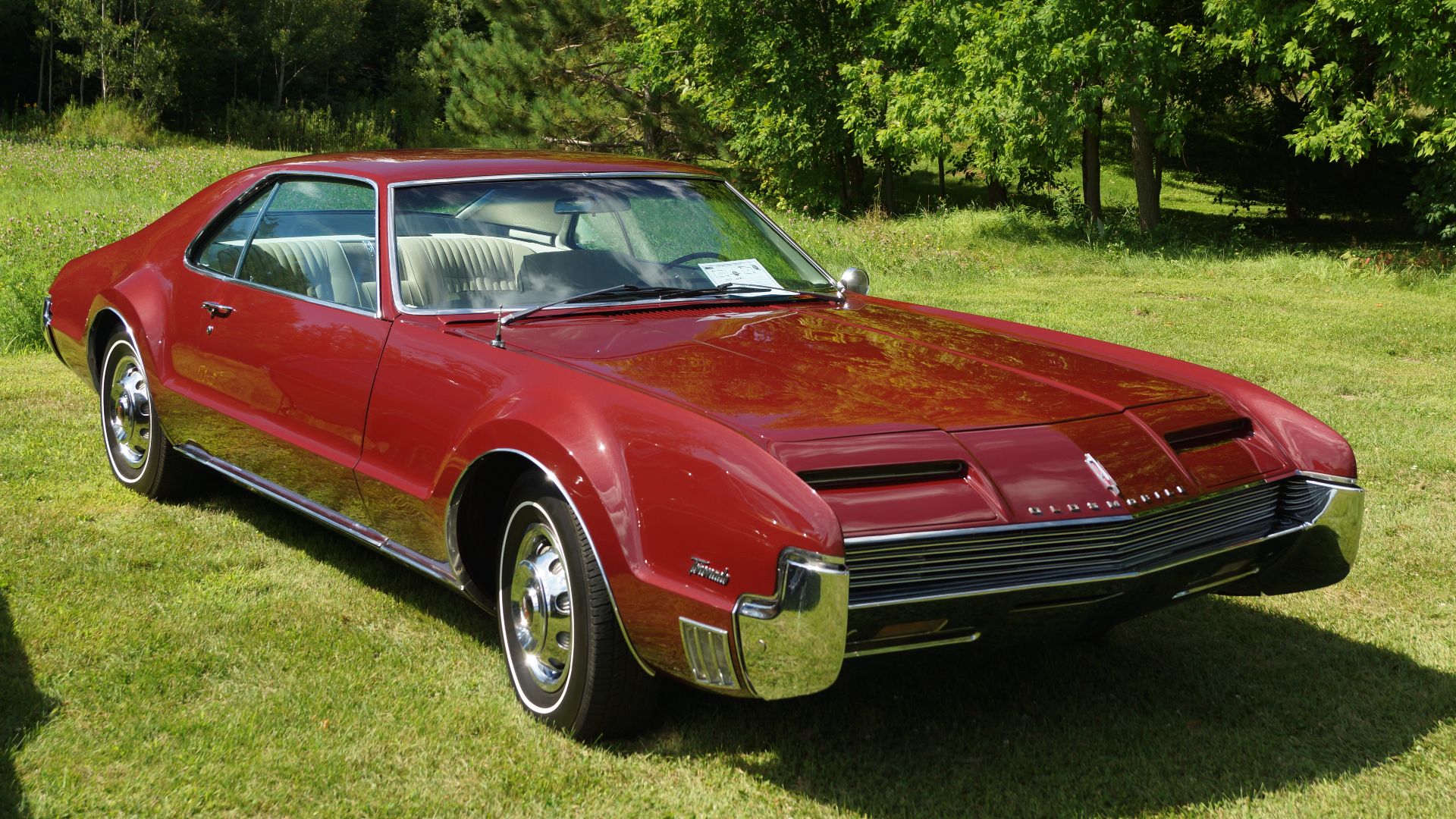
Oldsmobile Toronado (1966–1970, 1986–1992)
The first-generation Oldsmobile Toronado was a bold experiment, featuring front-wheel drive and an unusually long, futuristic-looking hood. While innovative, its proportions seemed exaggerated. The later 1986–1992 models, however, abandoned uniqueness for uninspired, boxy styling that made them look more like oversized sedans than luxury coupes.
 Greg Gjerdingen from Willmar, USA, Wikimedia Commons
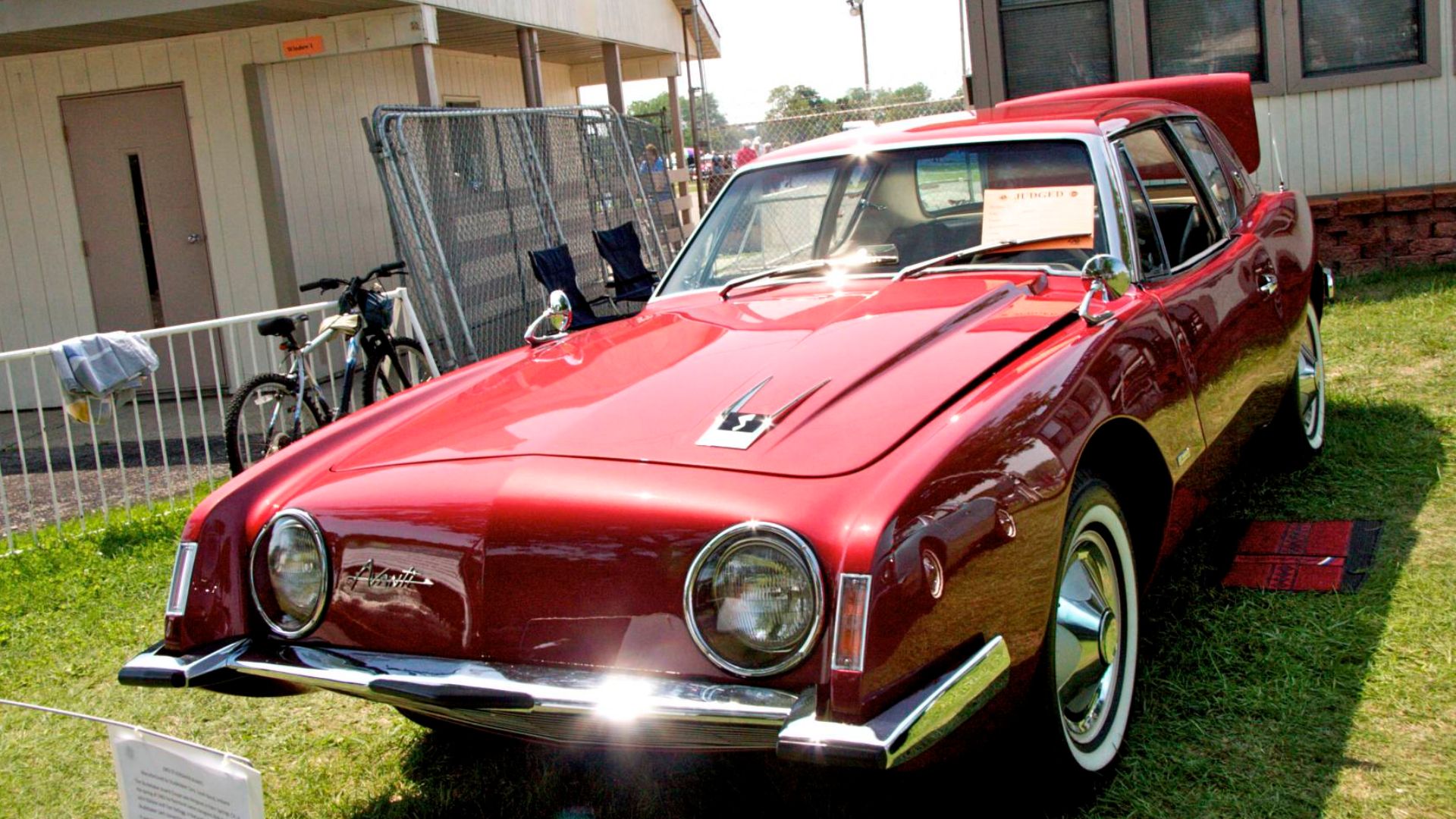
Studebaker Avanti (1962–1963)
Many car enthusiasts consider that the Studebaker Avanti was ahead of its time. Its drooping, grille-less front end and bubble-like sides gave it an otherworldly look that confused buyers. Despite being too radical for mainstream appeal, it remains a unique classic.
Chevrolet Lumina APV (1990–1996)
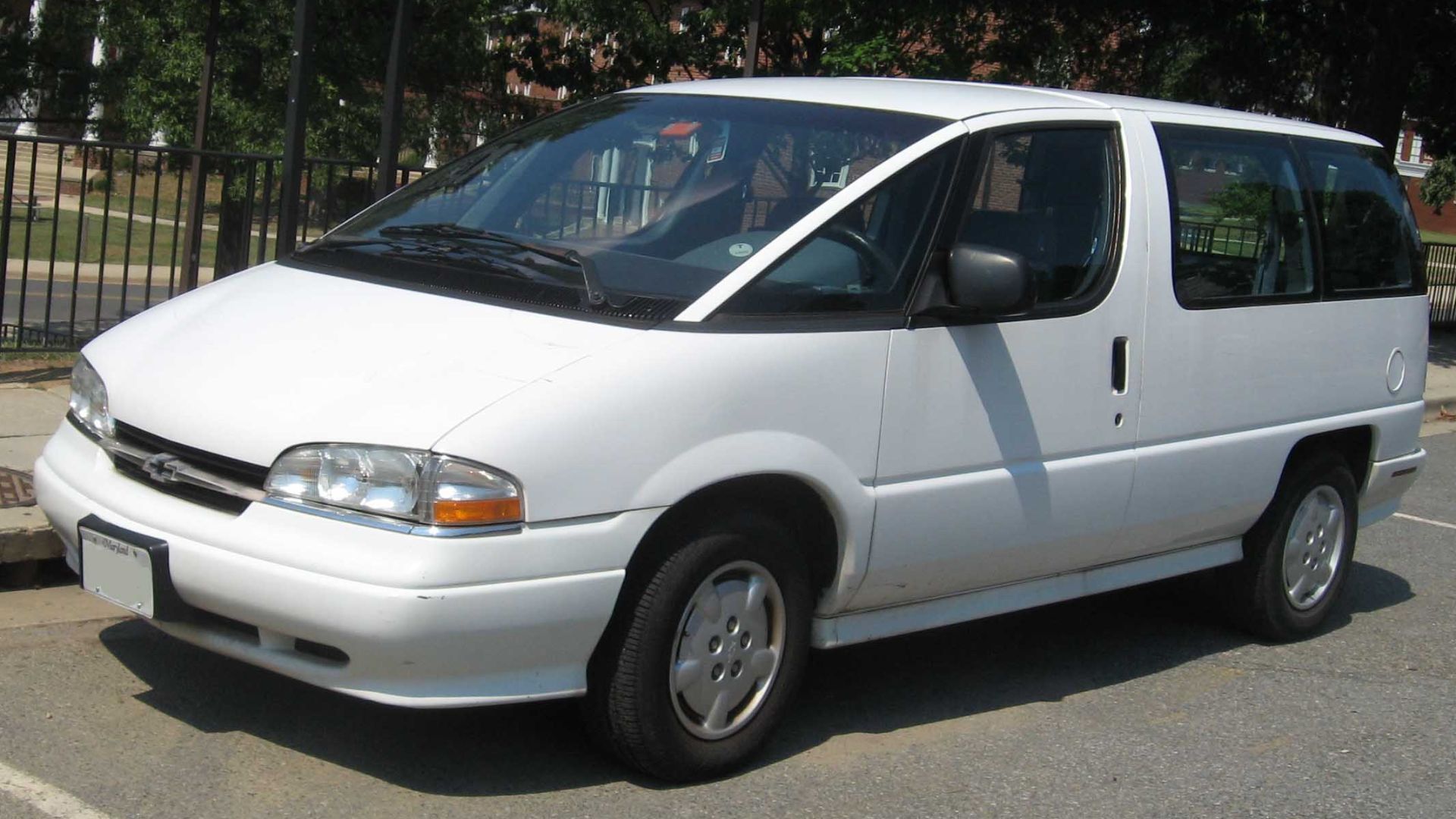
Nicknamed the "Dustbuster" minivan, the Chevrolet Lumina APV was an exercise in awkward design. Its sharply sloped front end and massive windshield made it look like a giant doorstop on wheels. The interior was practical, but the exterior was so bizarre that it turned off many buyers.
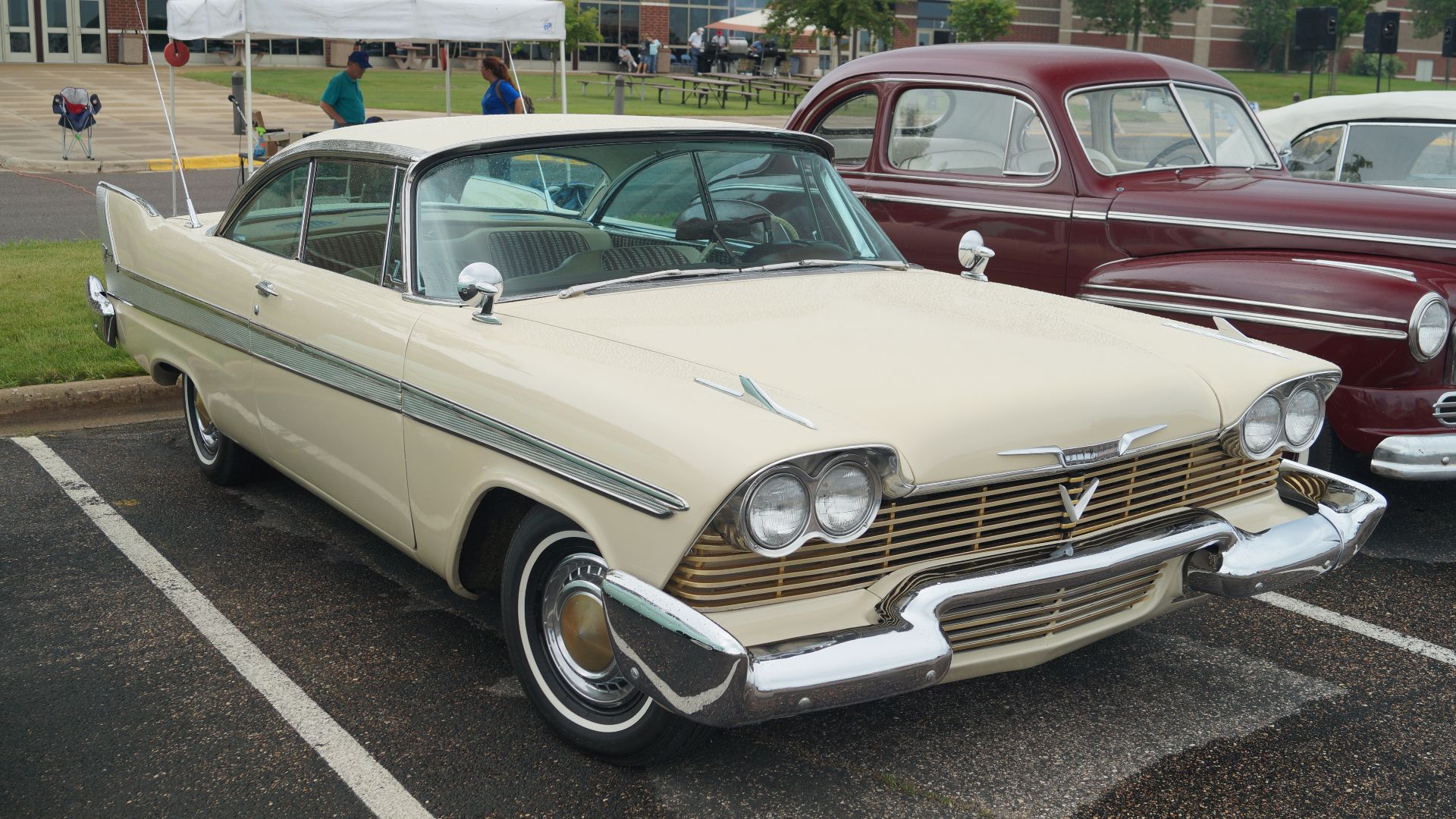
Plymouth Fury (1957–1959)
The Plymouth Fury's exaggerated tailfins and aggressive styling were considered gaudy when it debuted. Its design was a prime example of 1950s excess, but it gained lasting fame thanks to Stephen King's Christine, where it became a horror movie icon.
 Greg Gjerdingen from Willmar, USA, Wikimedia Commons
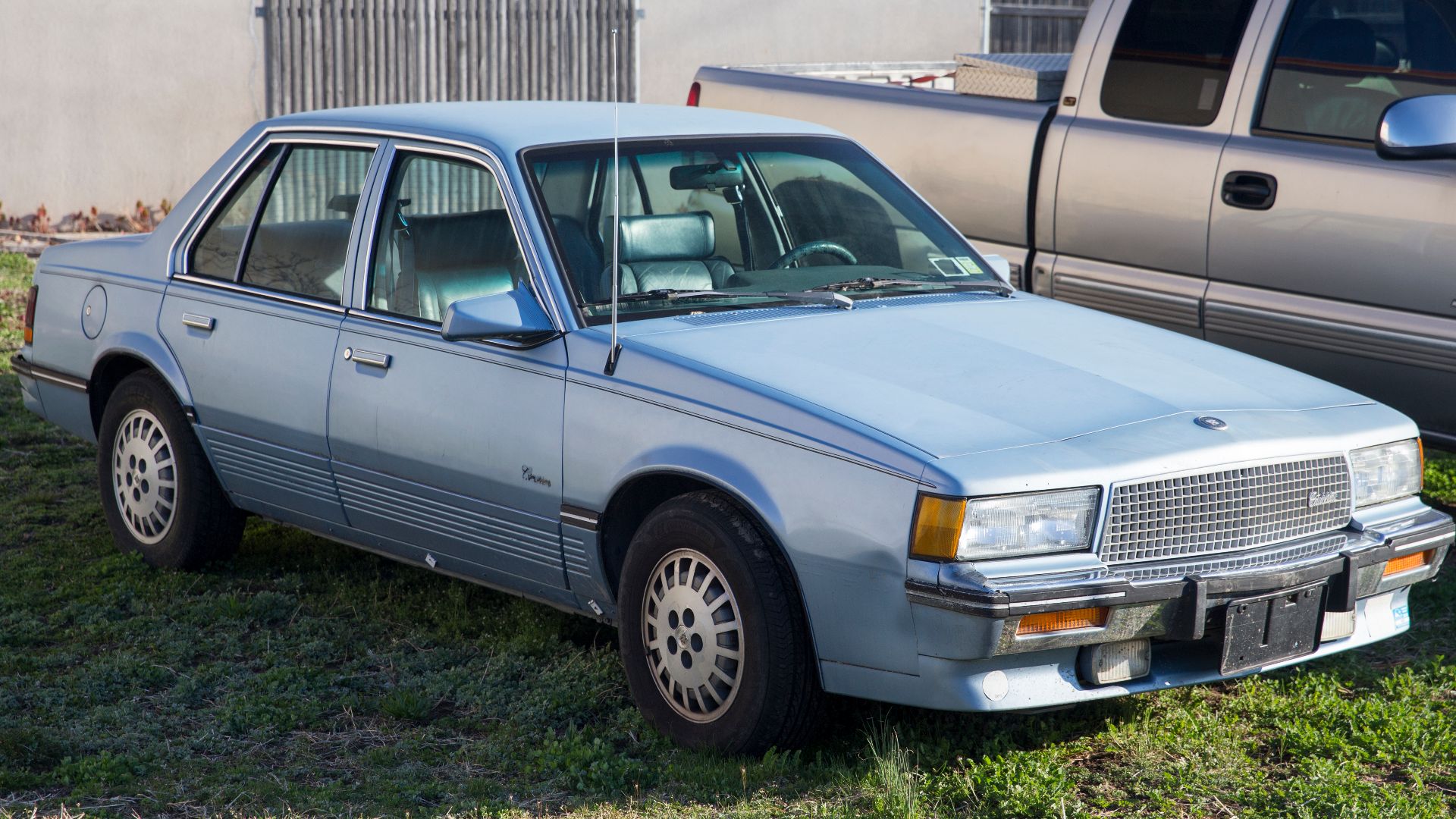
Cadillac Cimarron (1981–1988)
Throughout its production, Cadillac was able to sell 152,245 units of the Cimarron, which makes it a worthy collectible among classic car lovers. It was designed to appeal to those who loved the Seville but wanted a smaller car. However, it was discontinued because of disappointing sales.
 Mr.choppers, Wikimedia Commons