
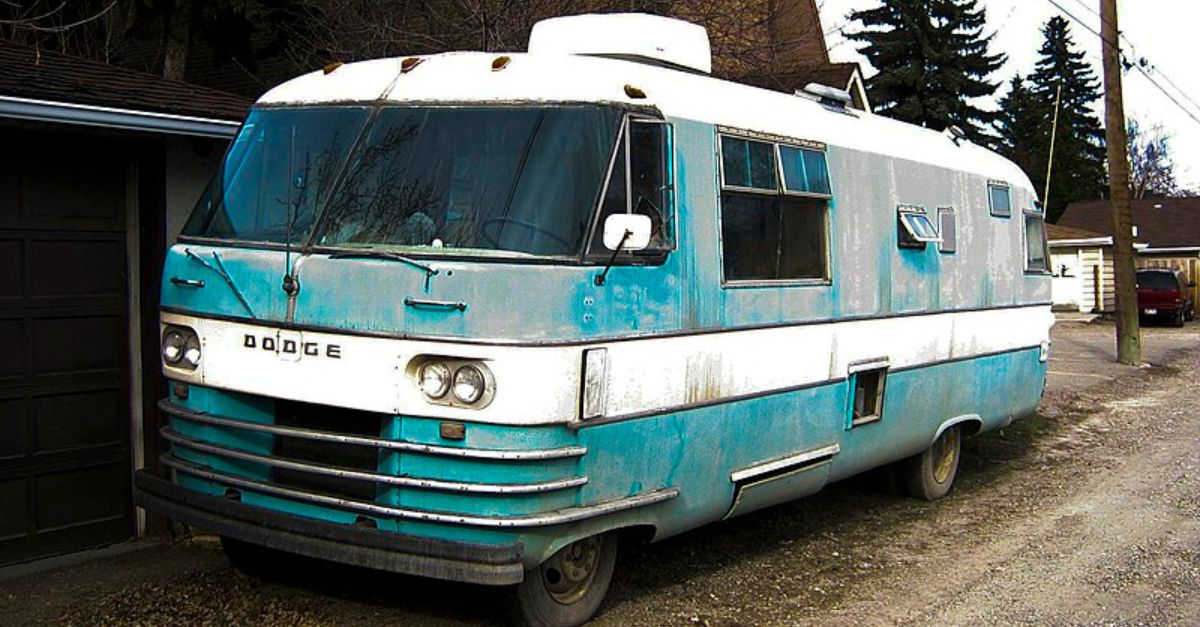
Going Down Recreational Vehicles’ Memory Lane
RVs or Recreational Vehicles have become an integral part of the American culture. What’s the story behind their current use, and why have they become trendy?

What’s An RV?
Recreational Vehicles are motorized or towable vehicles with beds, kitchens, bathrooms, and dining areas. People use them for different purposes, including recreating, adventure, relocation, and short trips. But how did the first RVs come about?
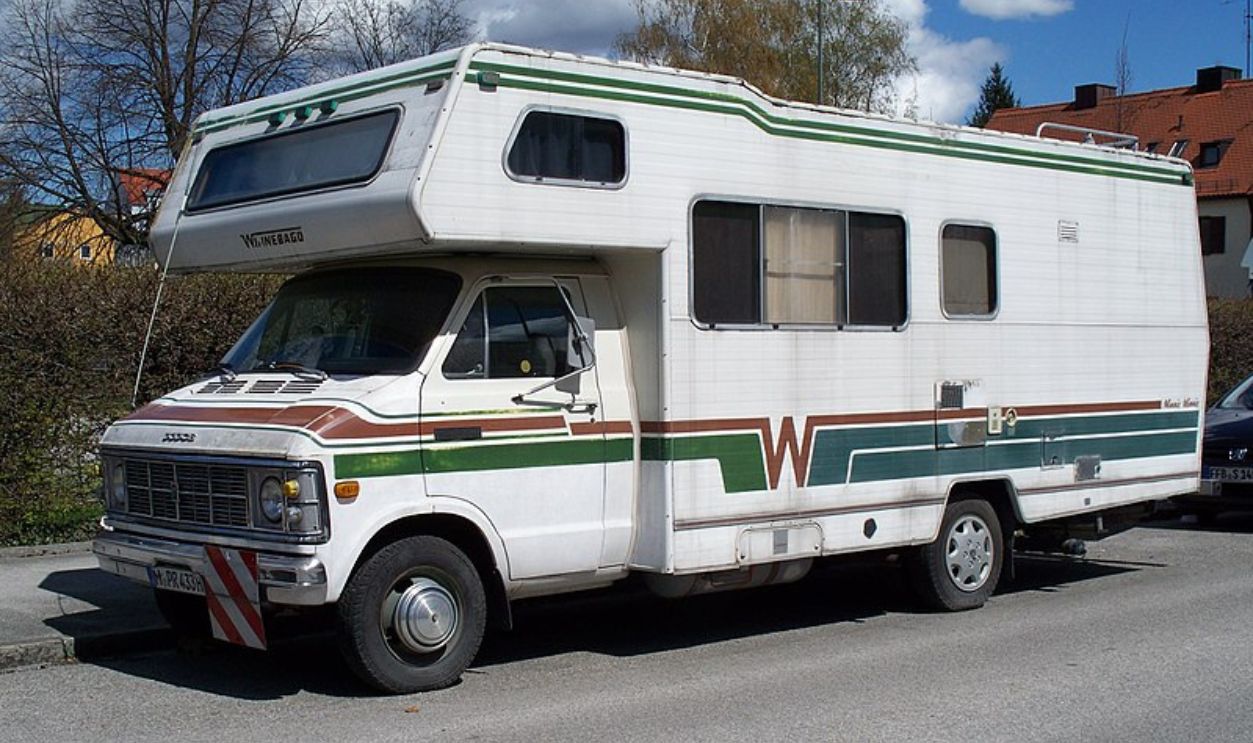 High Contrast, CC BY 3.0 DE, Wikimedia Commons
The Birth Of RVs
RV use began in the early 20th century when car lovers wanted to feel more at home in their vehicles. The result? Manufacturers began combining the mobility of cars with the comfort of homes. This change reflected the desire for freedom and the search for adventures.
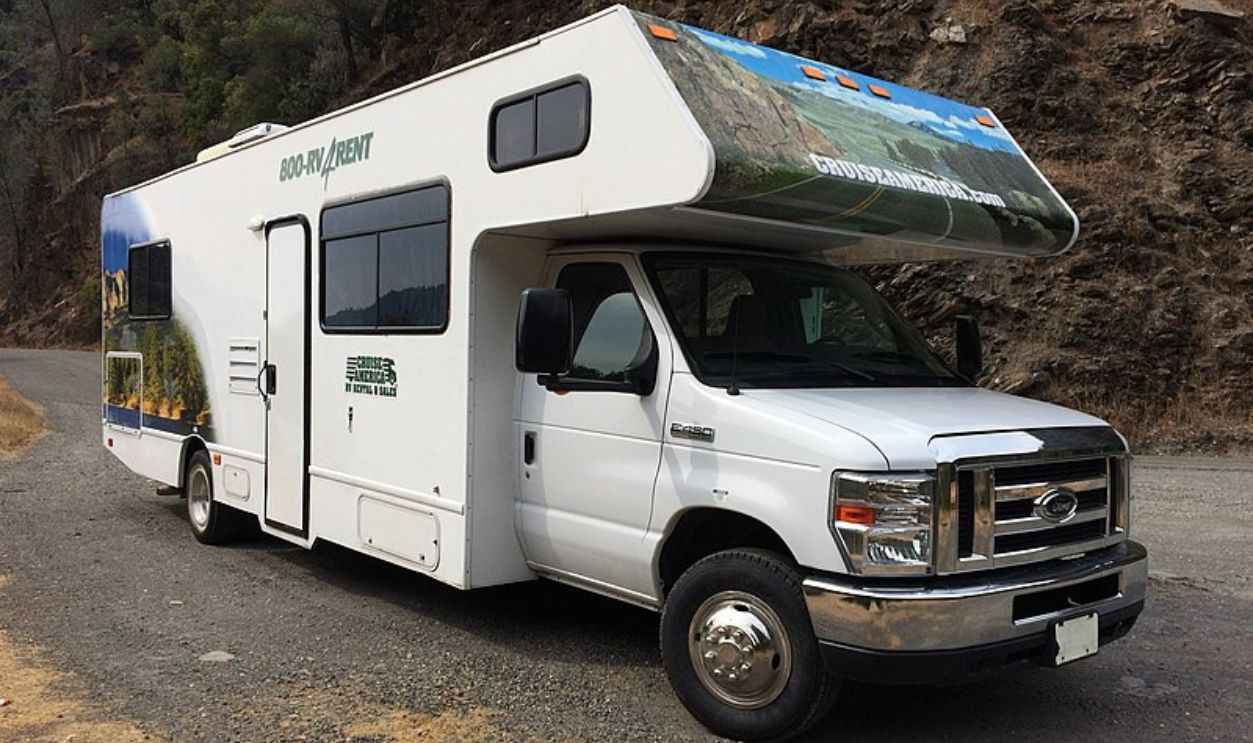 Explorerworld56, CC BY-SA 4.0, Wikimedia Commons
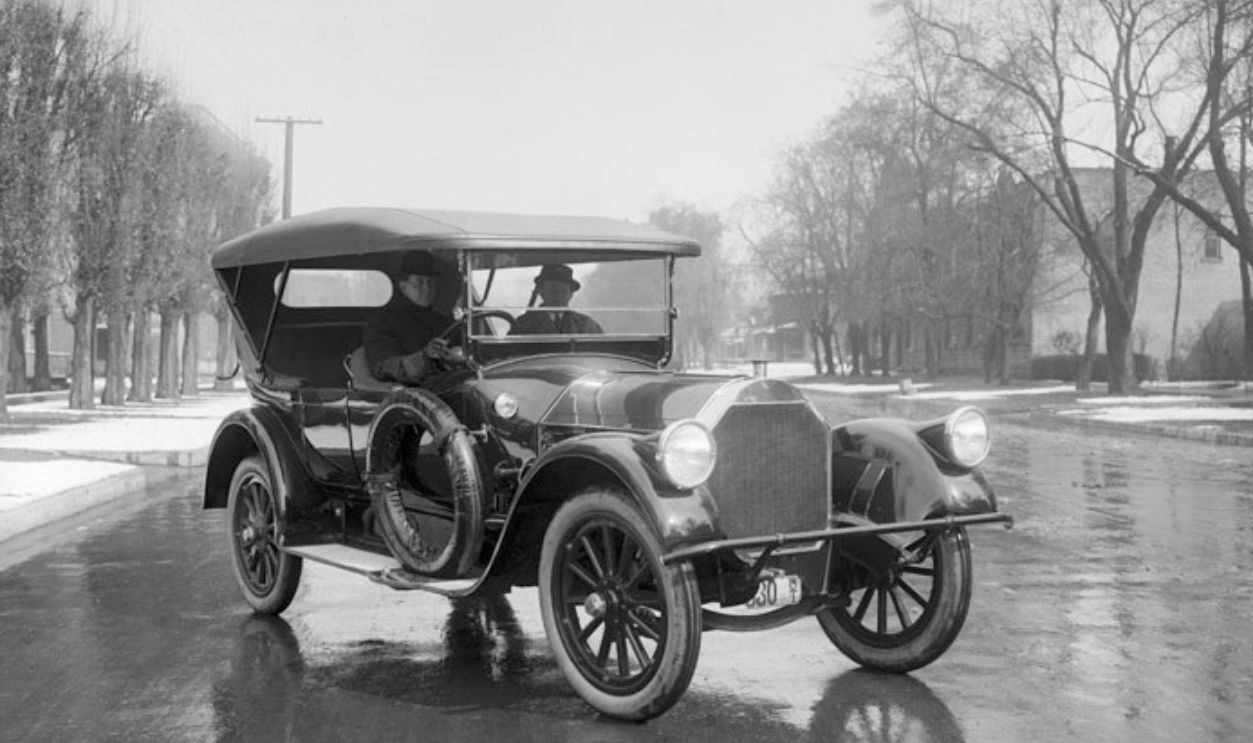
The Pierce-Arrow Touring Landau (1910)
The first record of an RV was the Pierce-Arrow Touring Landau. It was the first motorized camper in the United States. This camper was built on a luxury automobile chassis, featuring fold-out beds, a chamber pot toilet, and a small kitchen.
The Auto-Kamp Trailer (1915)
The Auto-Kamp Trailer came right after the Pierce-Arrow Touring Landau RV. As one of the first mass-produced towable campers in the United States, it shifted attention towards more accessible and affordable camping options. It was designed by aviation pioneer Glenn Curtiss and was towable by automobiles.
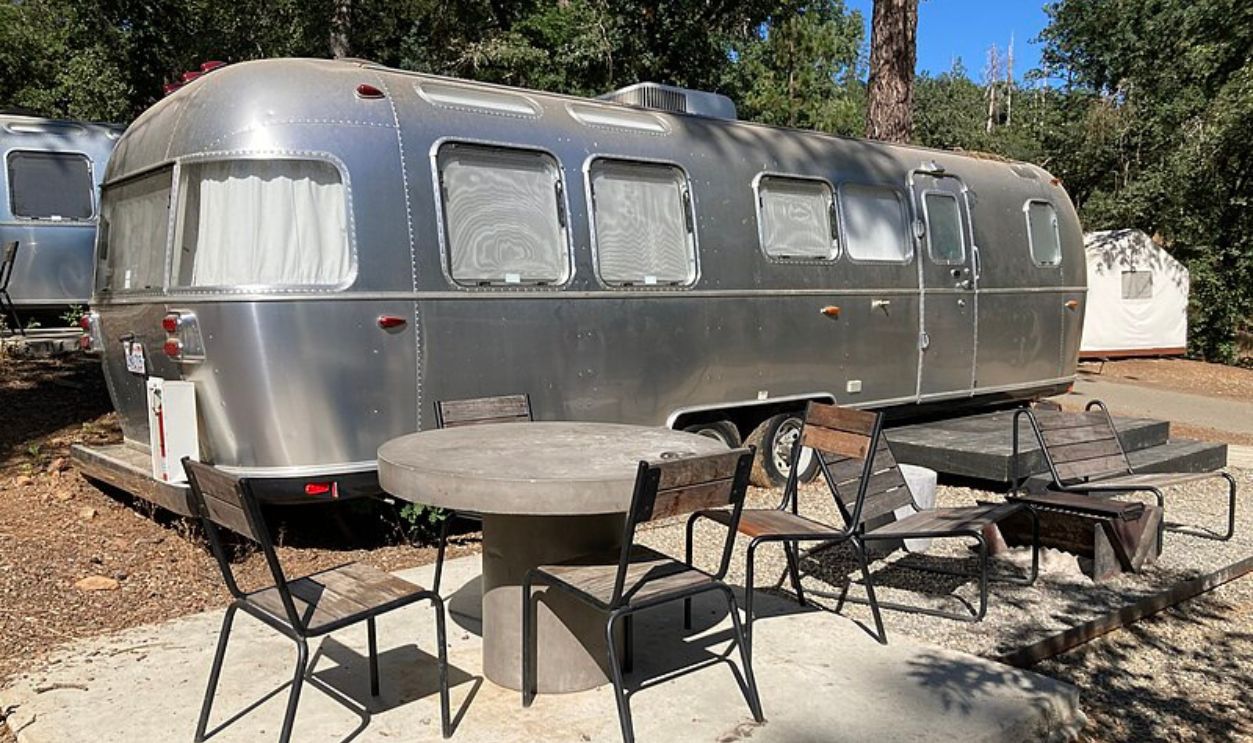 DarkNight0917, CC BY-SA 4.0, Wikimedia Commons
The Telescoping Apartment (1917)
The 1917 Telescoping Apartment could be expanded to provide additional living space. Designer Anheuser-Busch fitted the trailer with expandable sections that owners could pull out to create a larger living area. Its cabin had fold-out beds, a kitchenette, and storage space.
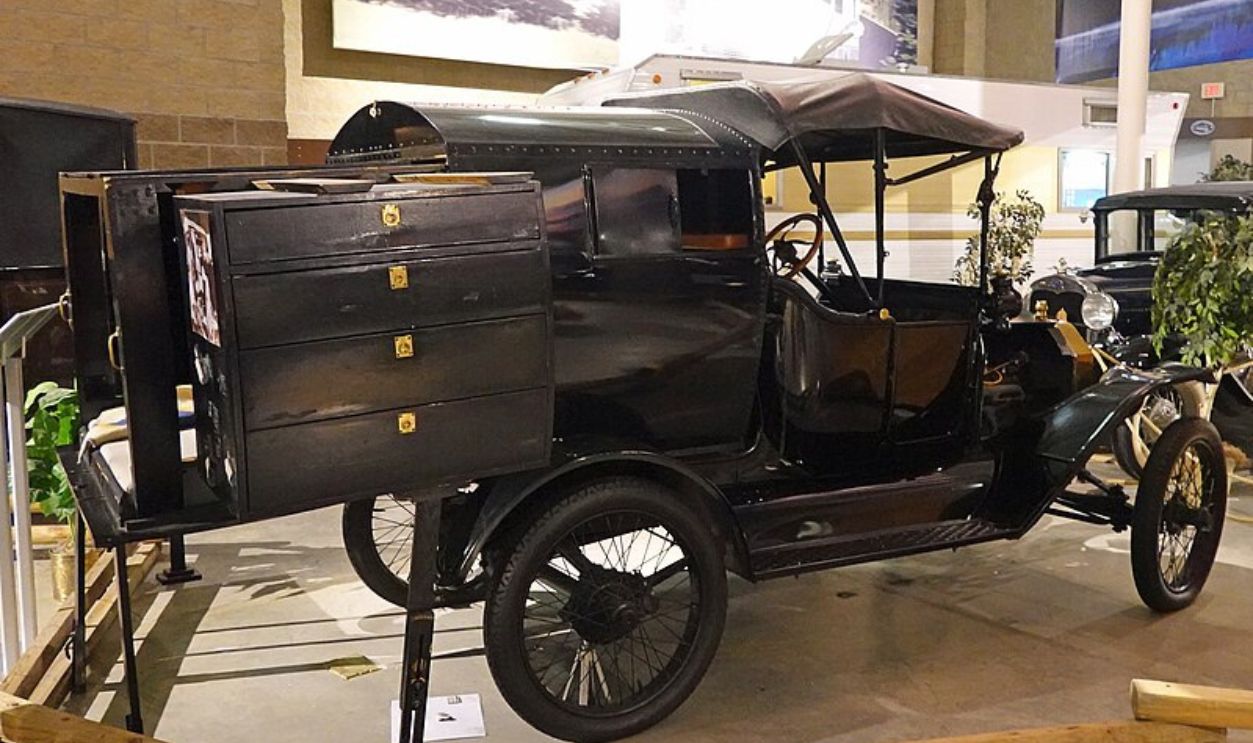 DrReload, CC BY 4.0, Wikimedia Commons
The Covered Wagon Company (1929)
As the demand for campers began gaining traction, Arthur Sherman built the first solid-walled trailers. The Covered Wagon Company was affordable, durable, and weather-resistant. It had a steel frame and wood paneling and was preferred by families affected by the Great Depression.
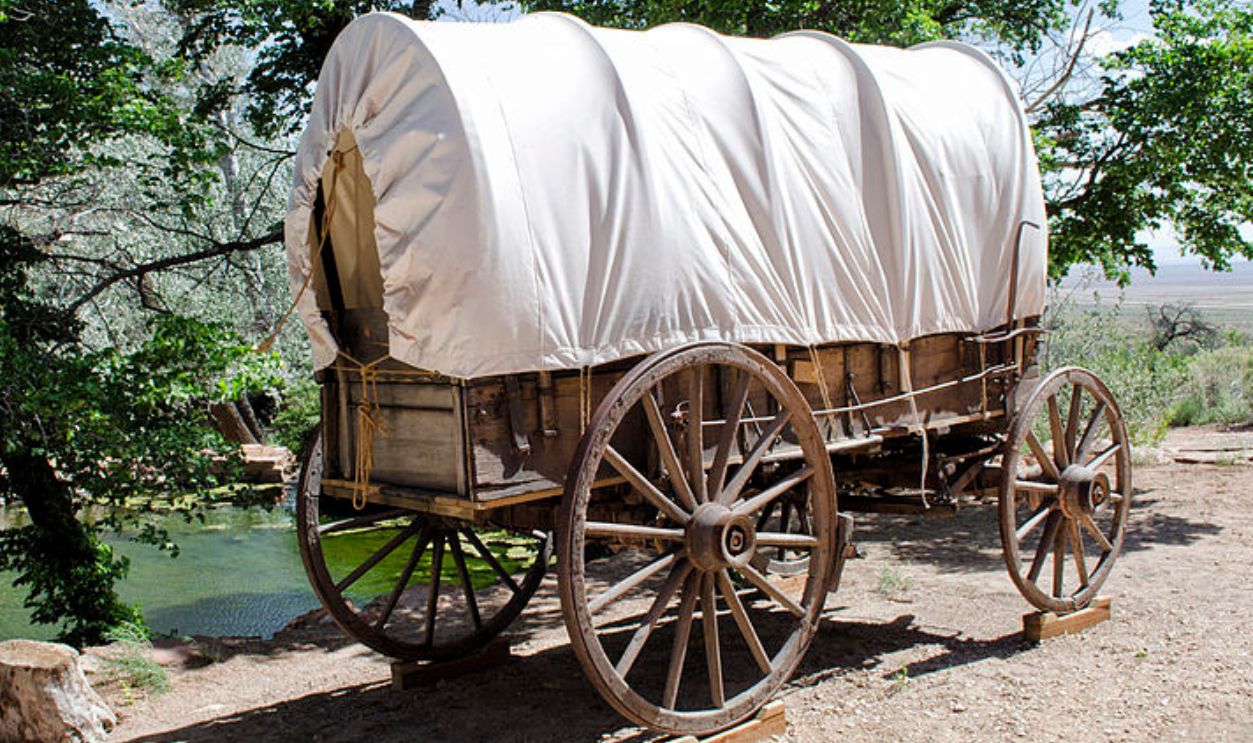 John Fowler, CC BY 2.0, Wikimedia Commons
The Curtiss Aerocar (1930)
RVs were becoming so popular that even an aviation pioneer, Glenn Curtiss, became interested. In 1930, he built the Curtiss Aerocar, combining luxury with aerodynamics and reducing wind resistance by giving the Aerocar a teardrop shape. The RV also offered a kitchen, bathroom, and sleeping quarters.
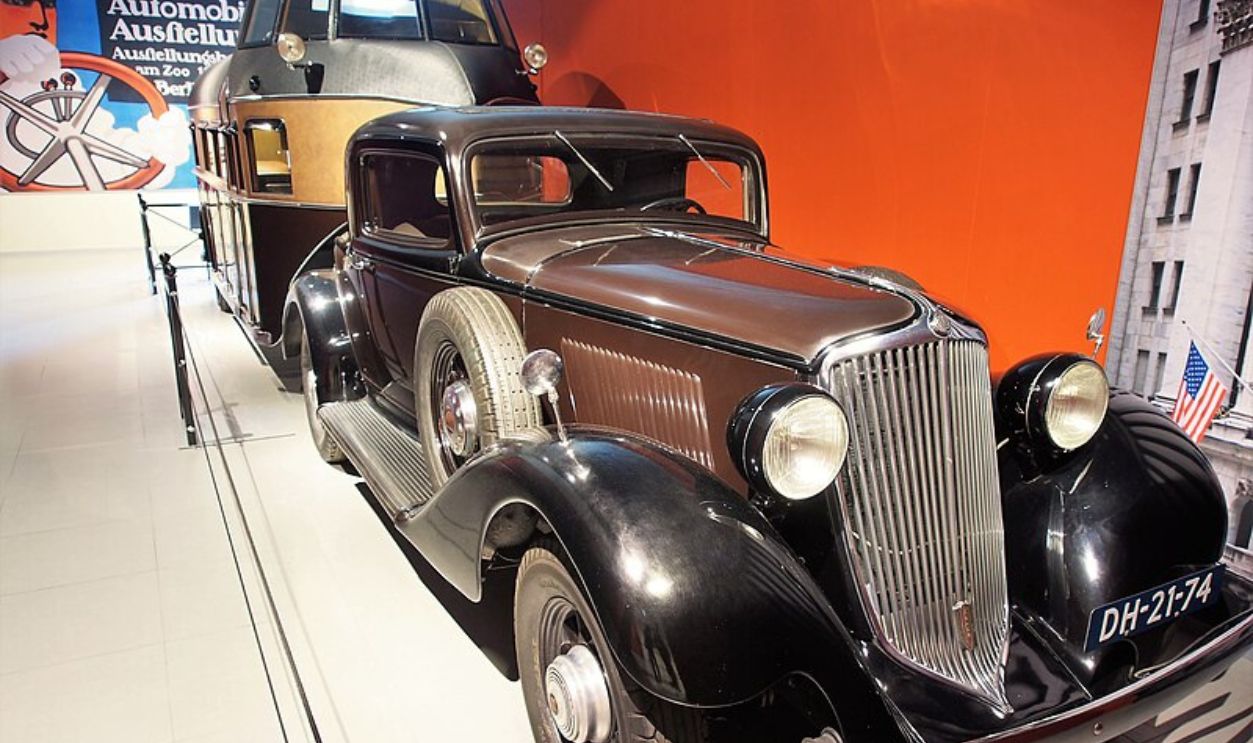 Alf van Beem, Wikimedia Commons
The Airstream Clipper (1936)
RVs then started combining house furnishings with car designs and also aircraft designs. The Airstream Clipper, one of the most iconic RVs in history, took on the silver bullet-shaped design of an aircraft. Wally Byam created the Airstream Clipper, which incorporated a lightweight, all-aluminum, durable, and aerodynamic body.
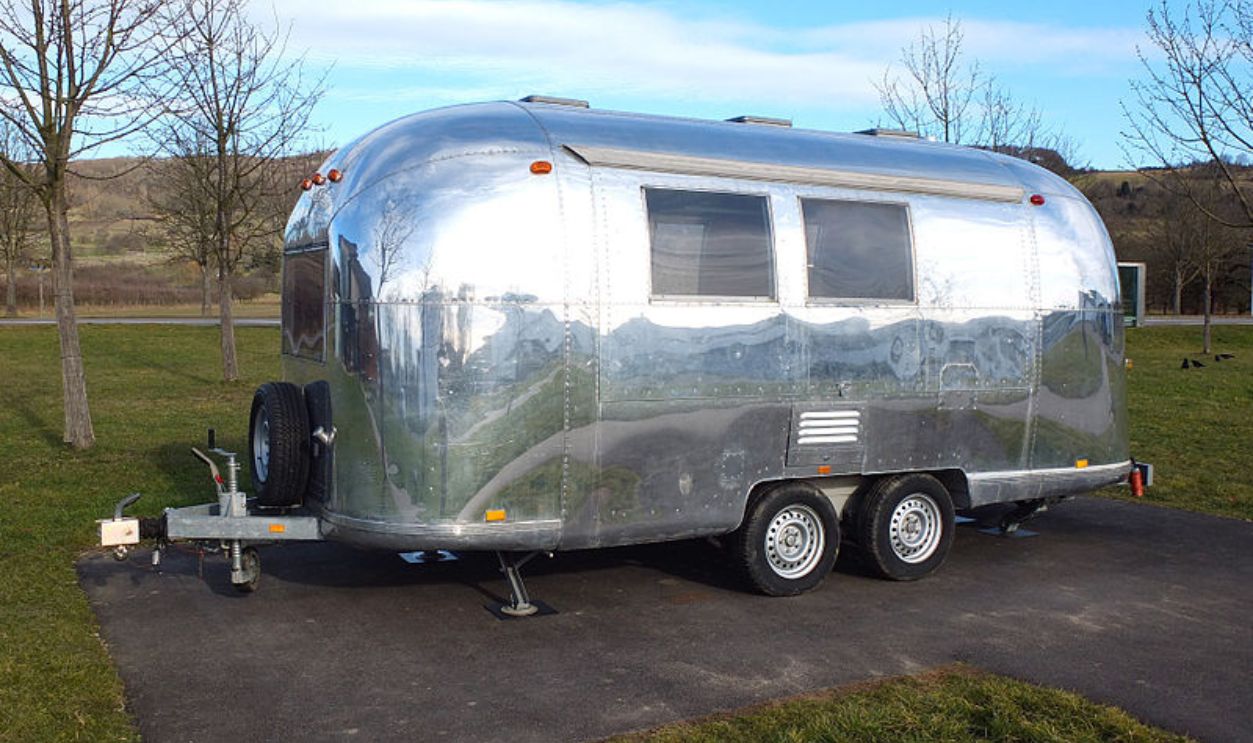 Kotivalo, CC BY-SA 3.0, Wikimedia Commons
The Spartan Manor (1946)
As RVs became popular, designers saw the need to add some luxury. And this is what they added to the Spartan Manor: hardwood cabinetry, plush upholstery, and a complete kitchen. Making breakfast overlooking the Grand Canyon was now completely changed. Such luxurious RVs became the norm after WWII.
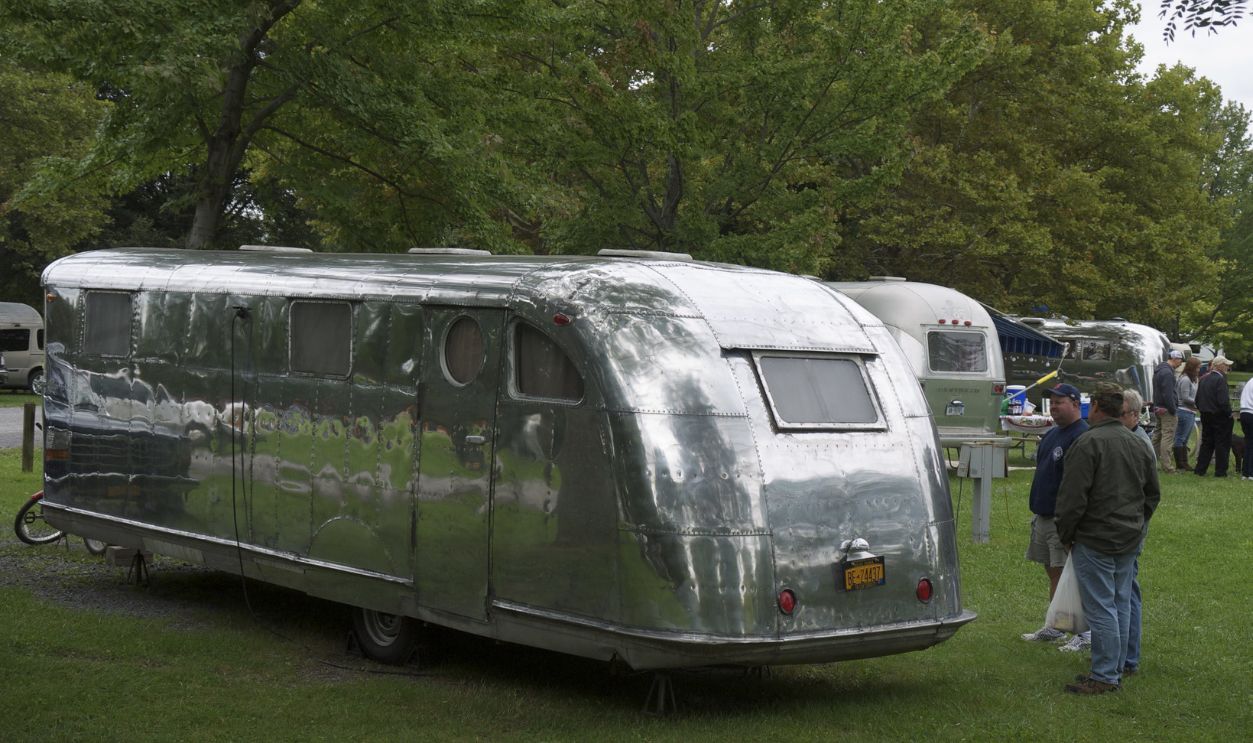
The Westcraft Coronado (1947)
While users were still thrilled by the Spartan, manufacturers released the Westcraft Coronado. This trailer had a round, deco-inspired shape and a double-door entry. The Coronado provided comfort through its spacious living areas, full kitchens, and sleeping accommodations rivaling a small apartment.
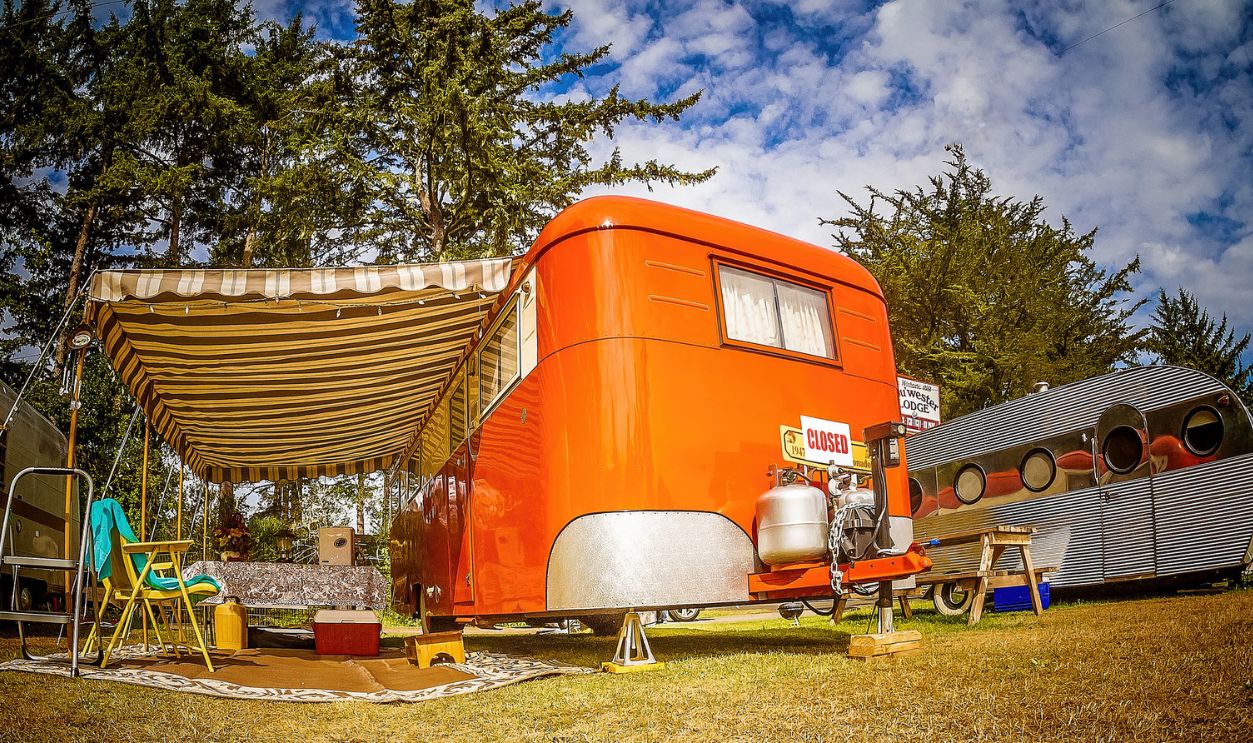
The Vagabond 19 (1948)
The Vagabond 19’s front and rear ends were aerodynamically round. Its spacious interior had a kitchen, a dinette that could be converted into a bed, and sufficient storage space. These features made it a fan favorite for young couples and small families.
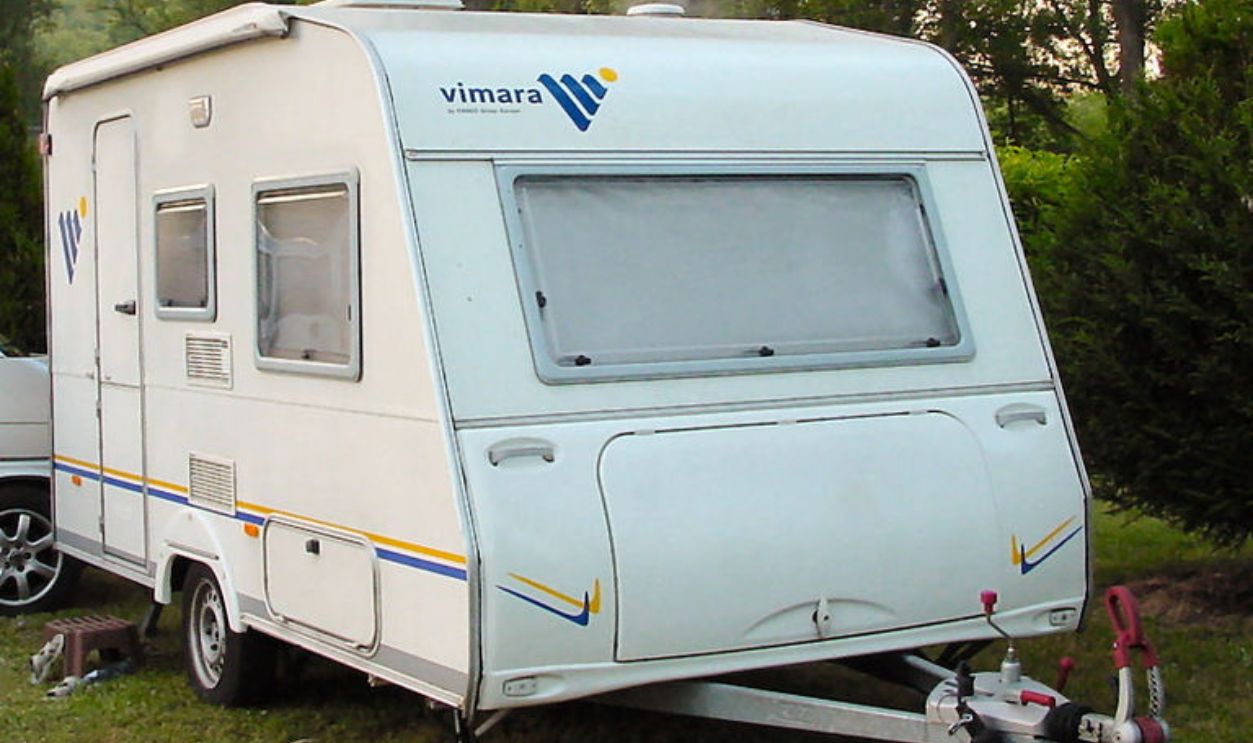 Edward, CC BY 2.5, Wikimedia Commons
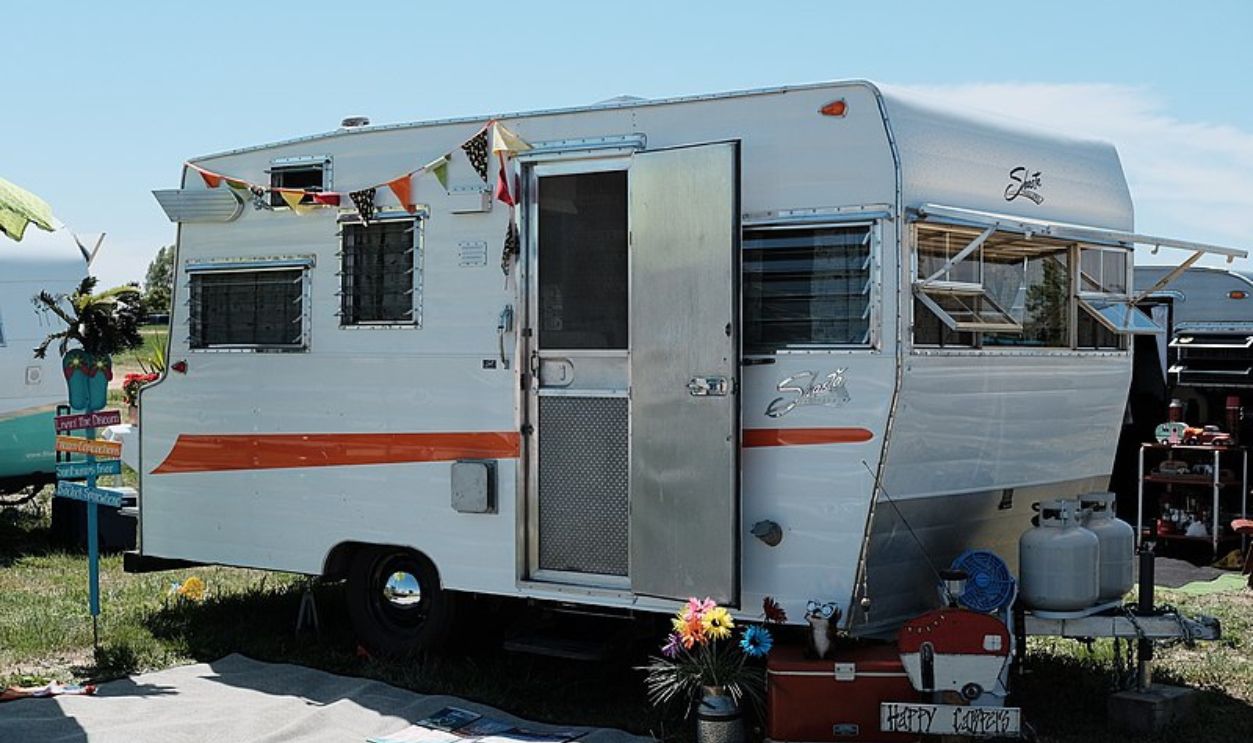
The Shasta Airflyte (1951)
Like the Vagabond, the Shasta Airflyte was also an affordable and towable trailer. This model was instantly recognizable anywhere as it featured a “canned-ham” shape, vibrant color schemes, and a compact, lightweight design. Additional features included the iconic rear “wings,” birch wood interior, and spacious sleeping space.
 Mr. Satterly, Wikimedia Commons
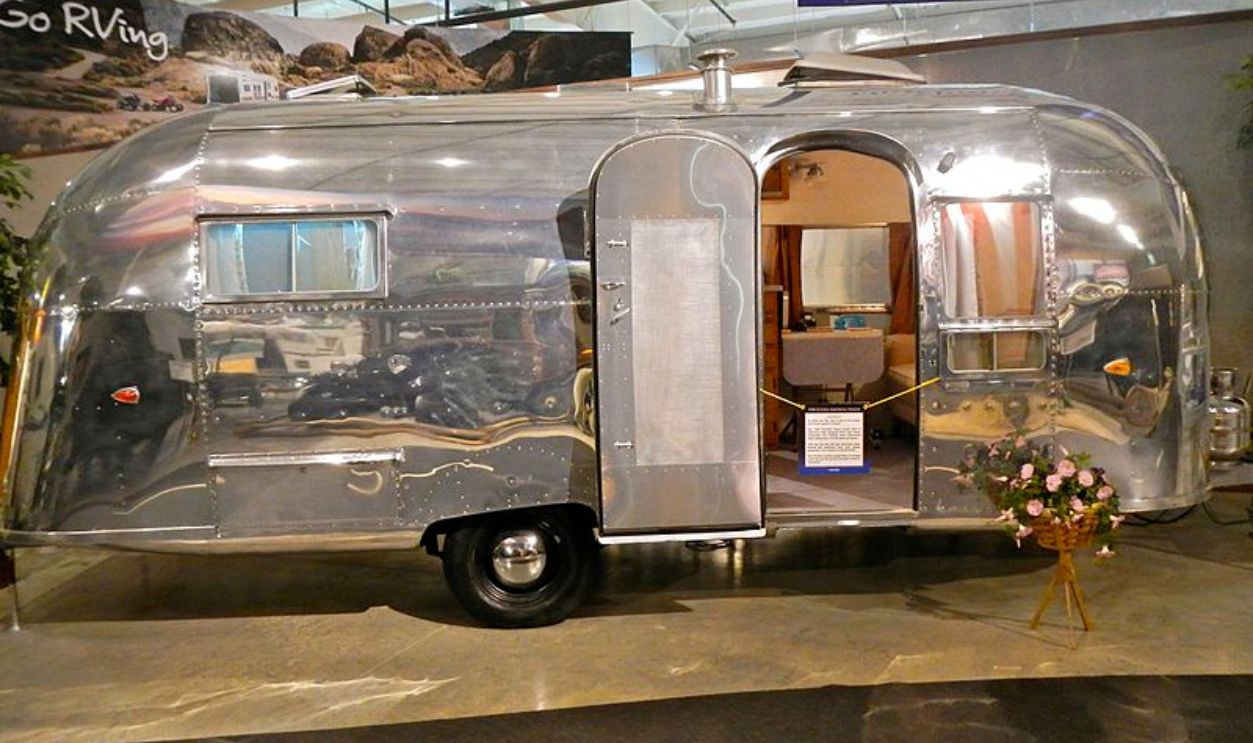
The Silver Streak Clipper (1952)
This all-aluminum RV emphasized durability and aesthetics. Like the Airstream, the Silver Streak Clipper had a lightweight, corrosion-resistant aluminum exterior and a comfortable interior. The inside was even grander, with high-quality finishes of hardwood cabinets and plush seats.
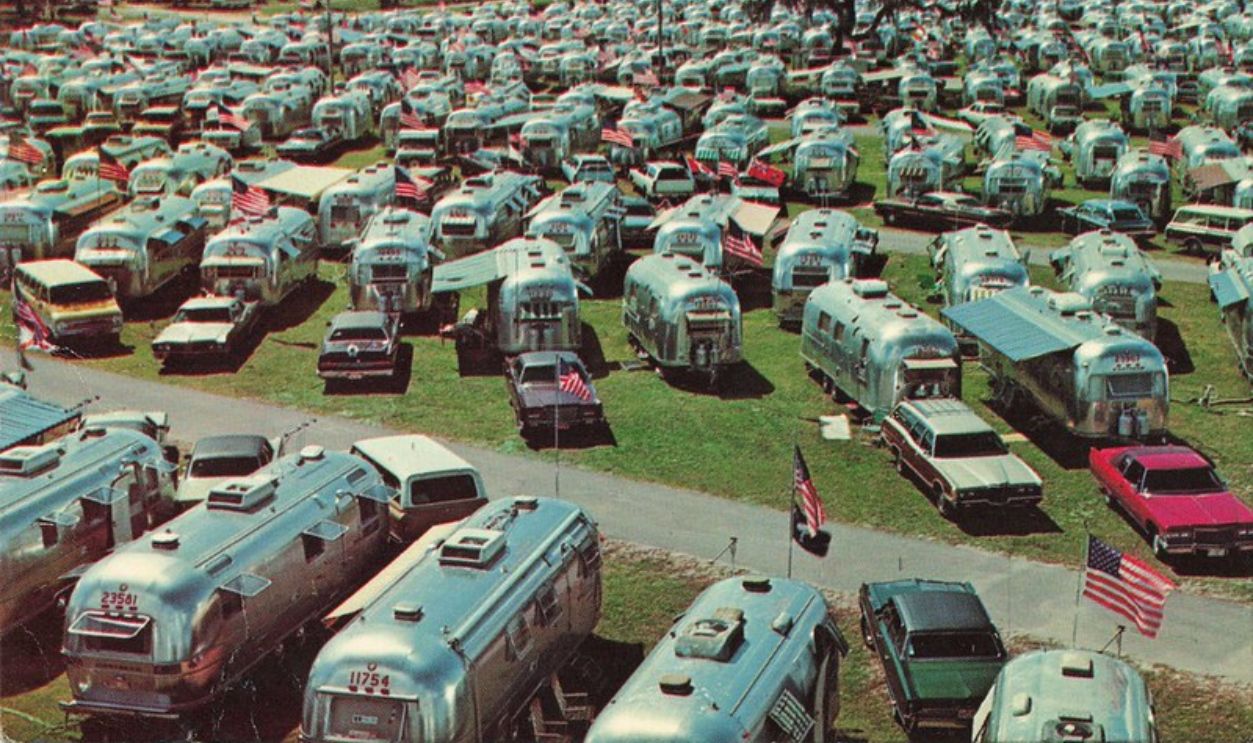
The Airstream International (1958)
Wally Byam’s first creation wasn’t quite the best for long trips; hence, he built Airstream International for that sole purpose—think coast-to-coast trips in a house. This home-on-wheels had advanced kitchen, bathroom, and bedroom amenities, popularizing it as a vehicle for the wealthy.
 PunkToad, CC BY 2.0, Wikimedia Commons
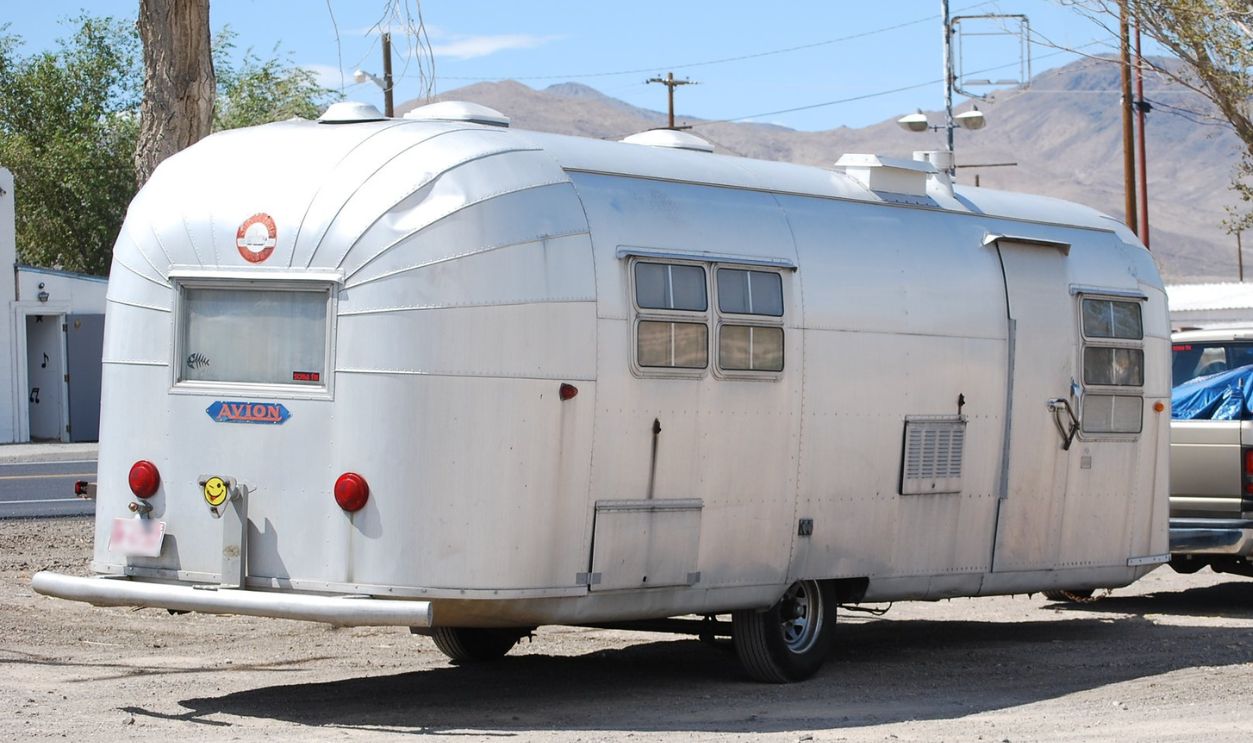
The Avion Travelcade (1958)
Like the Airstreams, the Avion Travelcade offered an aluminum exterior and quality insulation. Its interior featured luxurious hardwood cabinetry, plush upholstery, a kitchen, and a bathroom. With weather-resistant properties that suited it for every season, the Travelcade became one of the finest travel trailers in the market.
The Streamline Emperor (1959)
The name “Streamline” refers to the bullet-shaped design of the Emperor. Not only was the body unique, but it offered superior aerodynamics and a stylish appearance. This RV’s sleeping area was adorned with premium materials and was spacious enough for six—perfect for you and your five college friends.
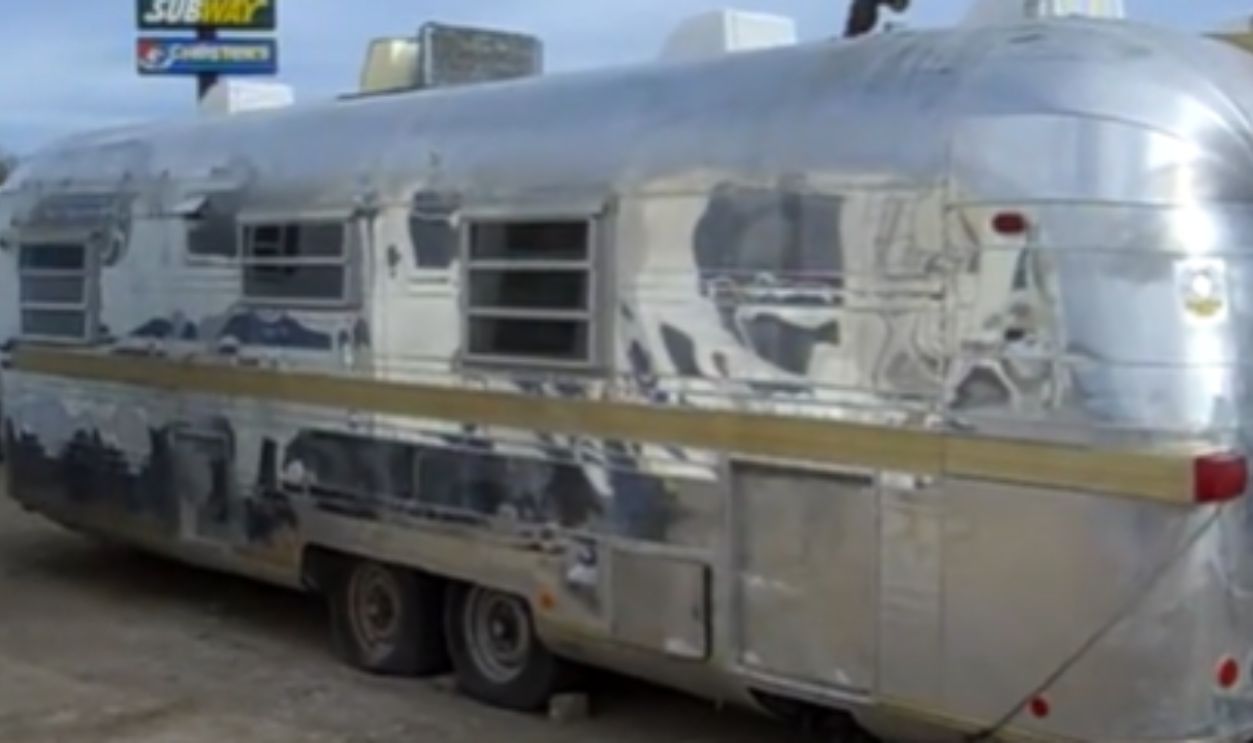 Vintage STREAMLINE Empress Travel Trailer by Vintage Camper Channel
The Holiday House Geographic (1960)
At the onset, RVs looked like cars, then aircraft. However, in 1960, the president of Harry & David took it a notch higher and designed the Holiday House Geographic to look like a spaceship. You heard that right—a spacecraft with an angular shape and panoramic windows.
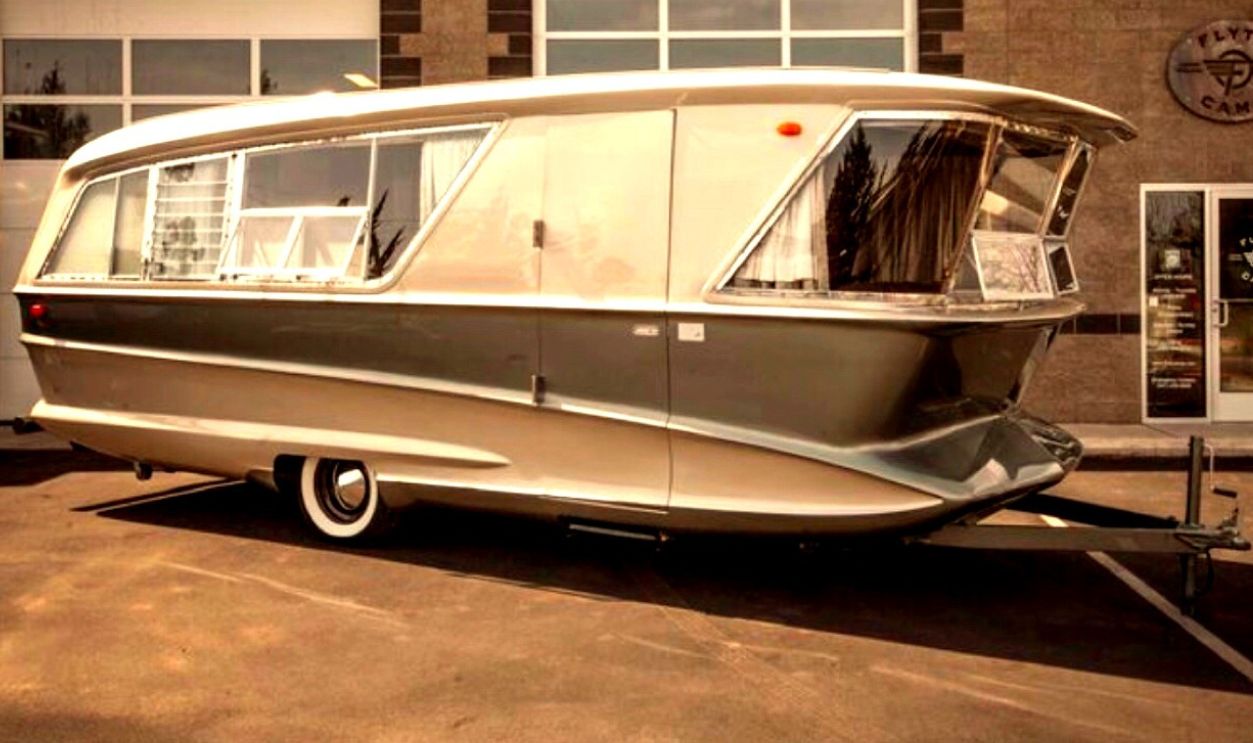
The Apache Chief (1960)
Unlike traditional travel trailers, the Apache Chief could be collapsed for easy transportation and storage. Introduced in 1960, it was a pioneering pop-up camper that catered to people seeking a lightweight and compact RV. It had canvas walls and a hard roof.
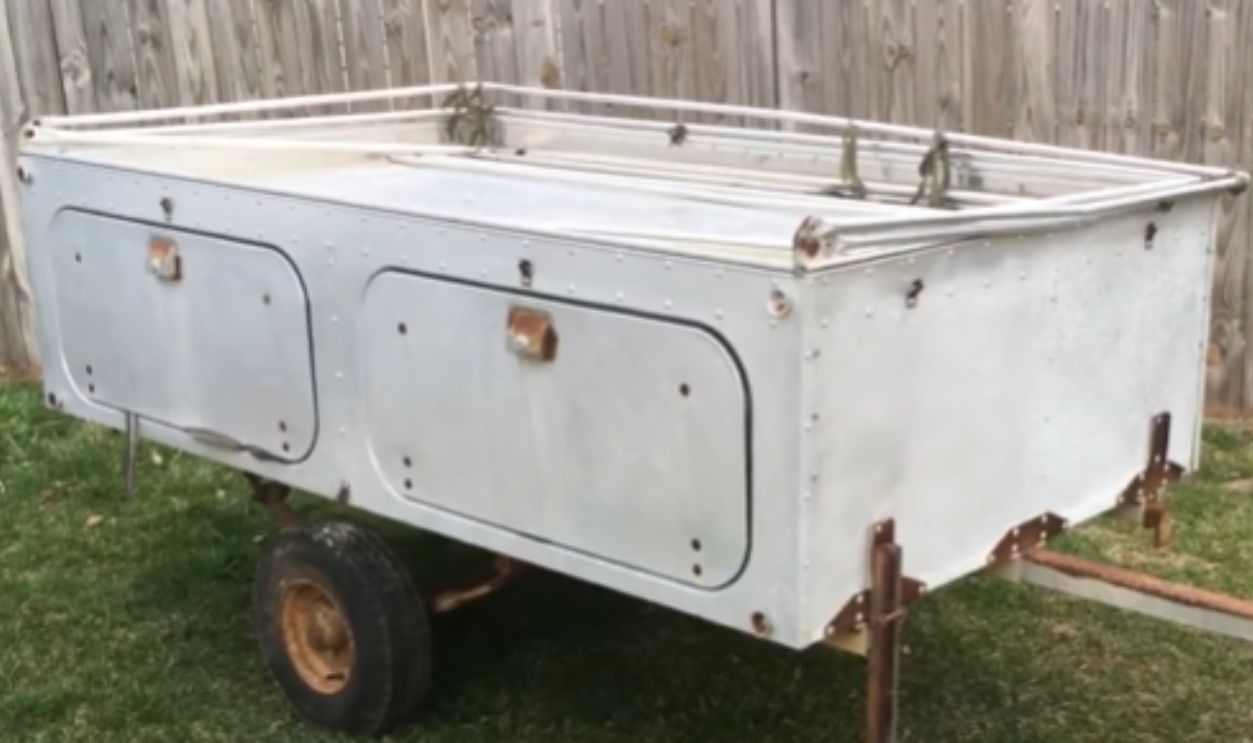 1960 Apache Chief by Tommy Trekker
The Clark Cortez (1963)
By 1963, technological advancements had begun to influence RV development. Some RVs, like the Clark Cortez, started producing front-wheel drives, which made them more fitting for rough terrains than other RVs. The Clark Cortez also contained a full kitchen, bathroom, and sleeping area.
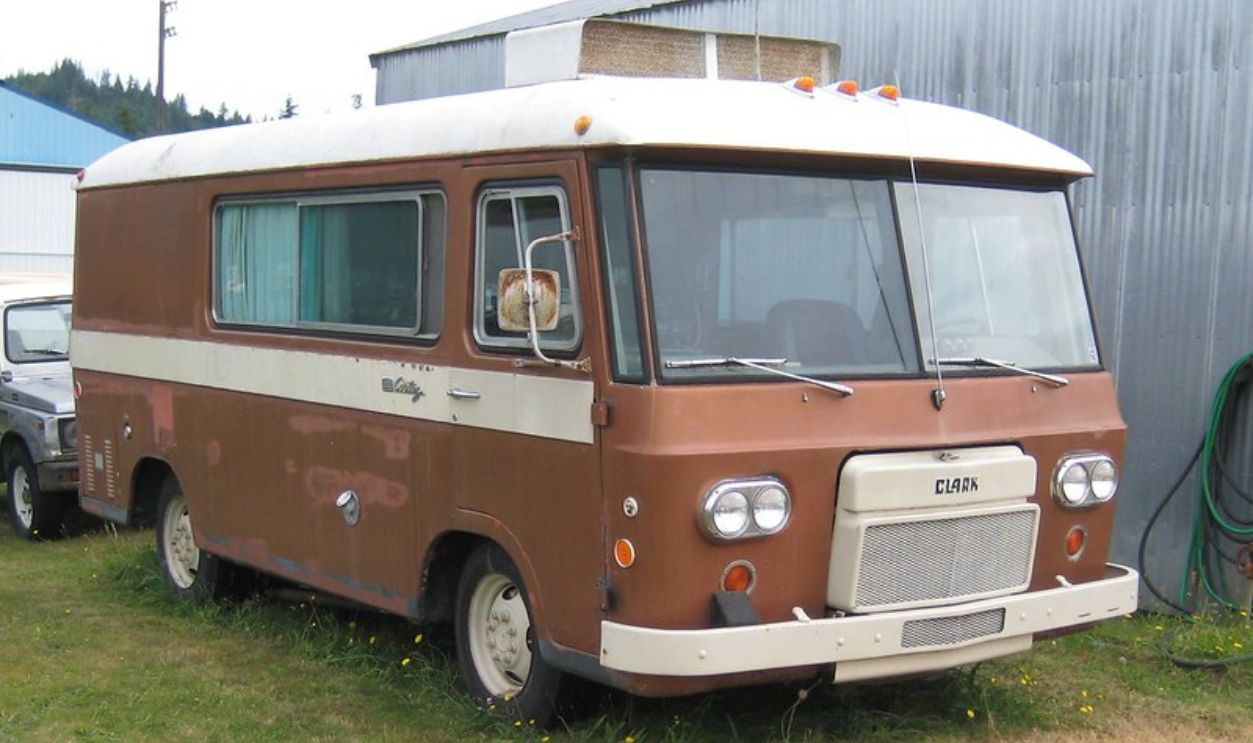
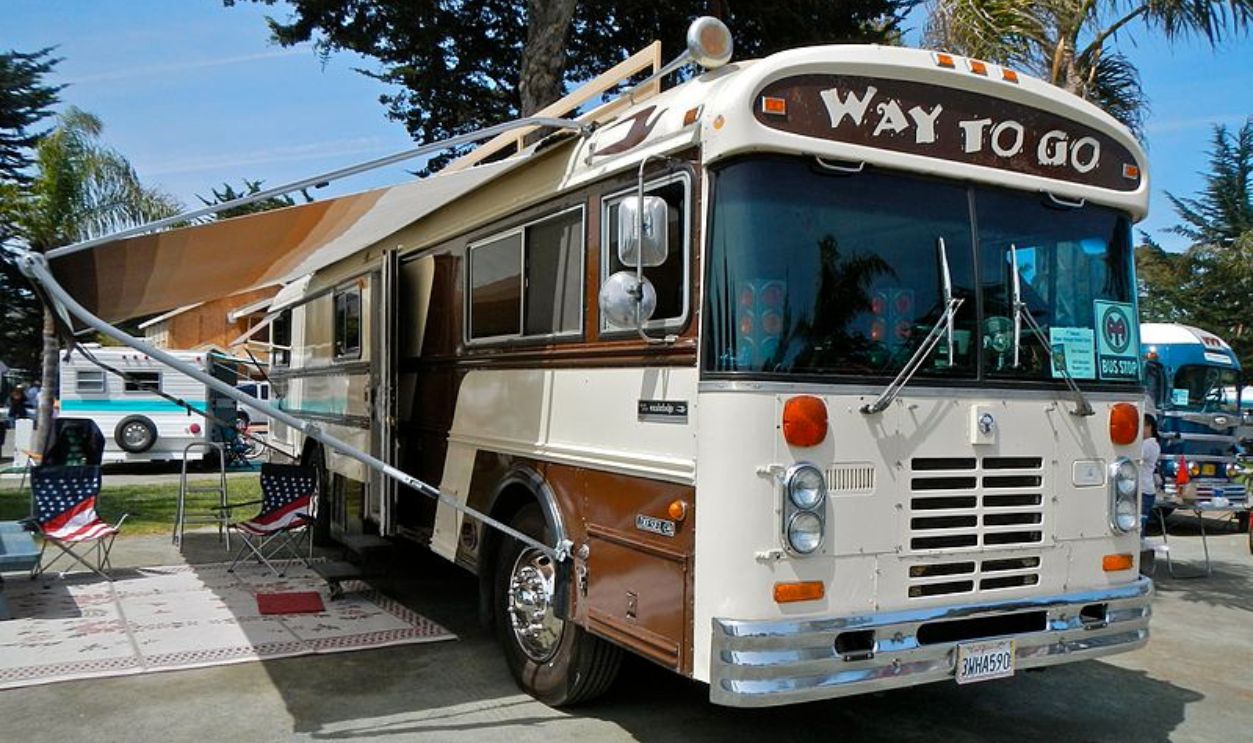
The Blue Bird Wanderlodge (1963)
As RVs became more luxurious, their prices skyrocketed, too. The Blue Bird Wanderlodge was a custom RV with a 500-hp Detroit Diesel Series 60 engine. It sold from $300,000 to over $1 million. Production numbers were kept low to maintain exclusivity, with only 1,500 units produced.
 PunkToad, CC BY 2.0, Wikimedia Commons
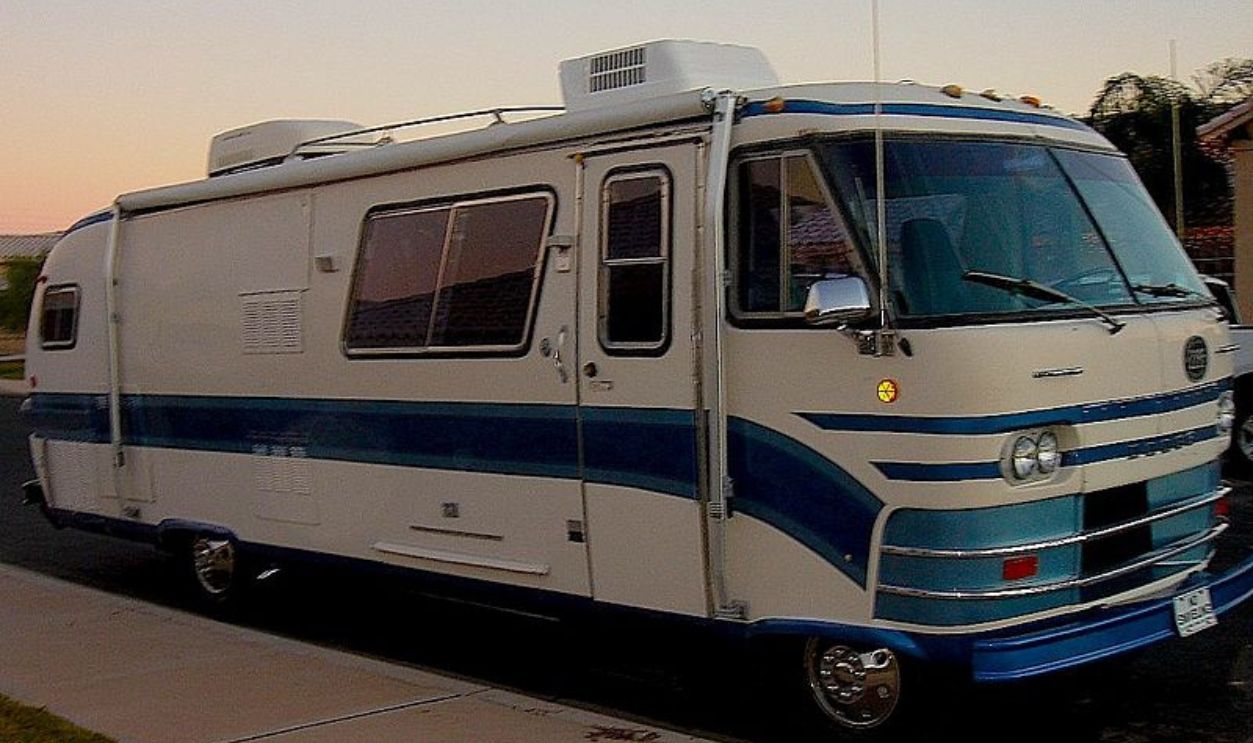
The Travco Motorhome (1964)
Built on a Dodge chassis, the Travco Motorhome had a rust—and corrosion-resistant fiberglass body. It was available in different lengths and had customizable interiors featuring a full kitchen, bathroom, and multiple sleeping areas.
 Will Crittenden, Wikimedia Commons
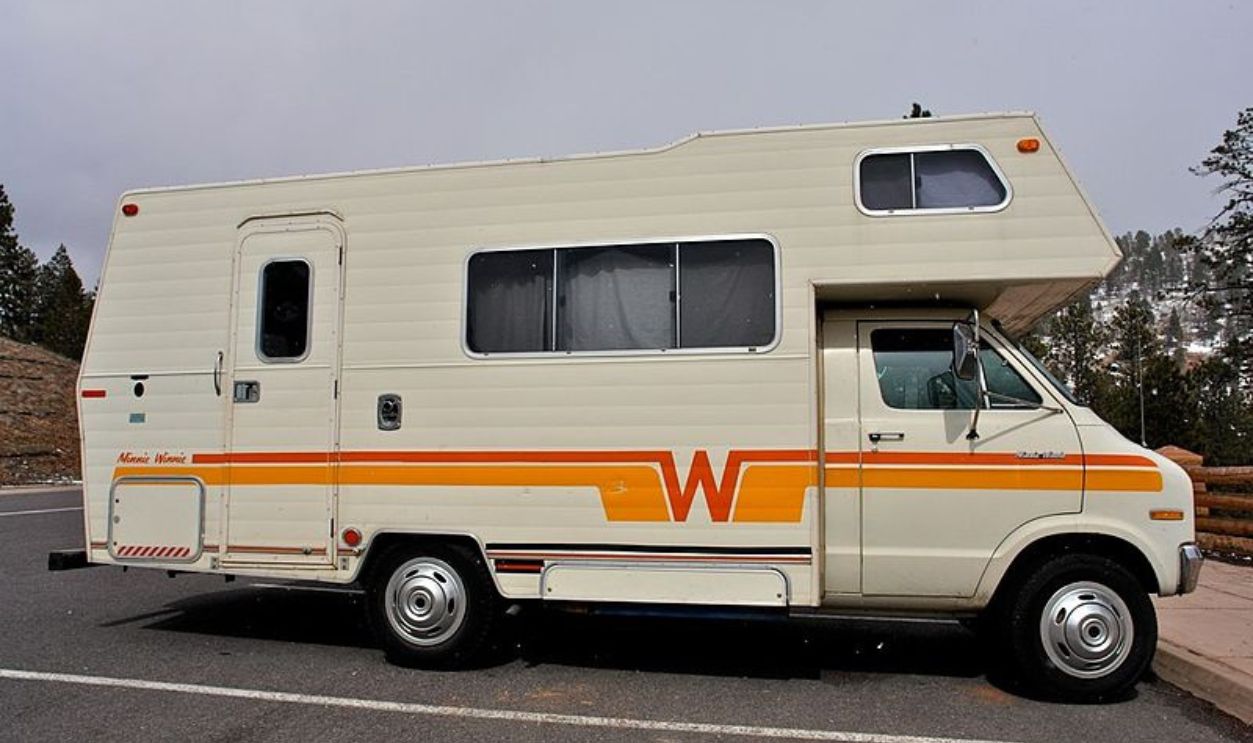
The Winnebago F-19 (1966)
Few trailers have dominated the RV industry like the Winnebago F-19 did. Here’s why: At its debut, the RV was one of the first mass-produced motorhomes cheaper than previous models, had a fiberglass body, a Ford chassis, and a minimalistic but functional interior.
 Alex Proimos, CC BY 2.0, Wikimedia Commons
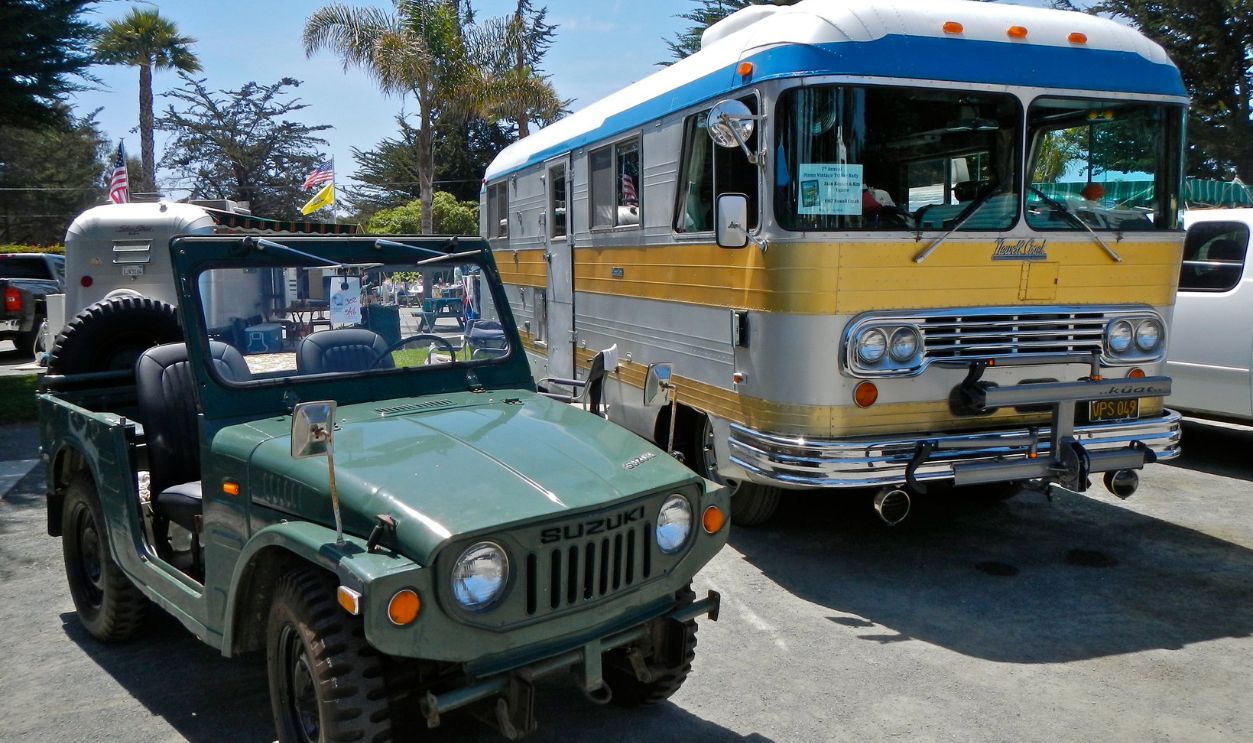
The Newell Coach (1967)
By 1967, customers had seen RVs built like cars, aircraft, and spaceships. Then came 1967, a time to build RVs on a custom chassis. The Newell Coach introduced a high-class interior that featured state-of-the-art appliances built to order, allowing owners to customize their motorhome.
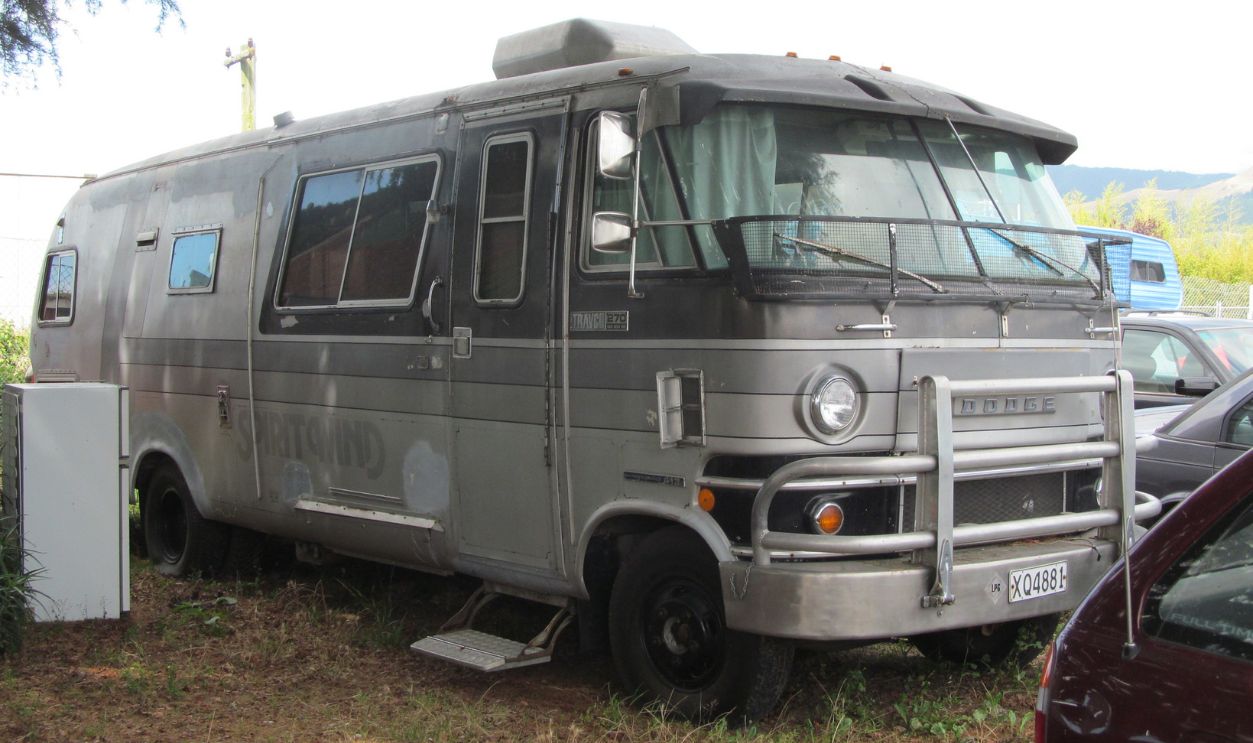
The Dodge Travco 270 (1967)
The Dodge Travco 270 was much larger and better refined than earlier Travco models. Sporting a Dodge RM-400 chassis, it had a lightweight and durable fiberglass body and was fitted with basic provisions for extended travel. Its success established it as a leading name in the industry.
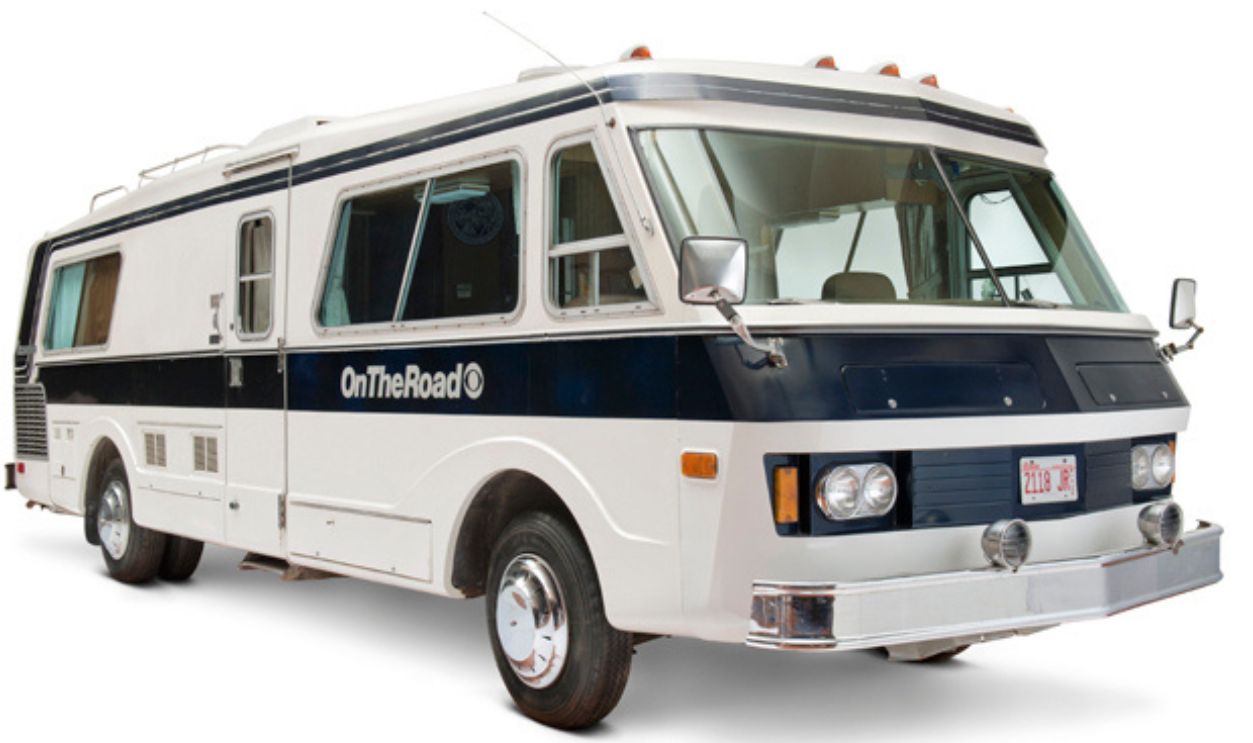
The FMC 2900R (1973)
Though the FMC Corporation was known for designing military vehicles, it didn’t mind venturing into the RV industry. It released the FMC 2900R, a high-end motorhome featuring a rear-engine layout, a fully independent suspension system, and luxurious amenities. Owners could also choose from various floor plans and finishes like a home.
The GMC Motorhome (1973)
For many years, major automakers left the RV industry to other players. But that era ended when General Motors built their first RV. The GMC had approximately 12,921 units, each featuring a front-wheel-drive system and an Oldsmobile-sourced 455 cubic-inch V8.
 Greg Gjerdingen, CC BY 2.0, Wikimedia Commons
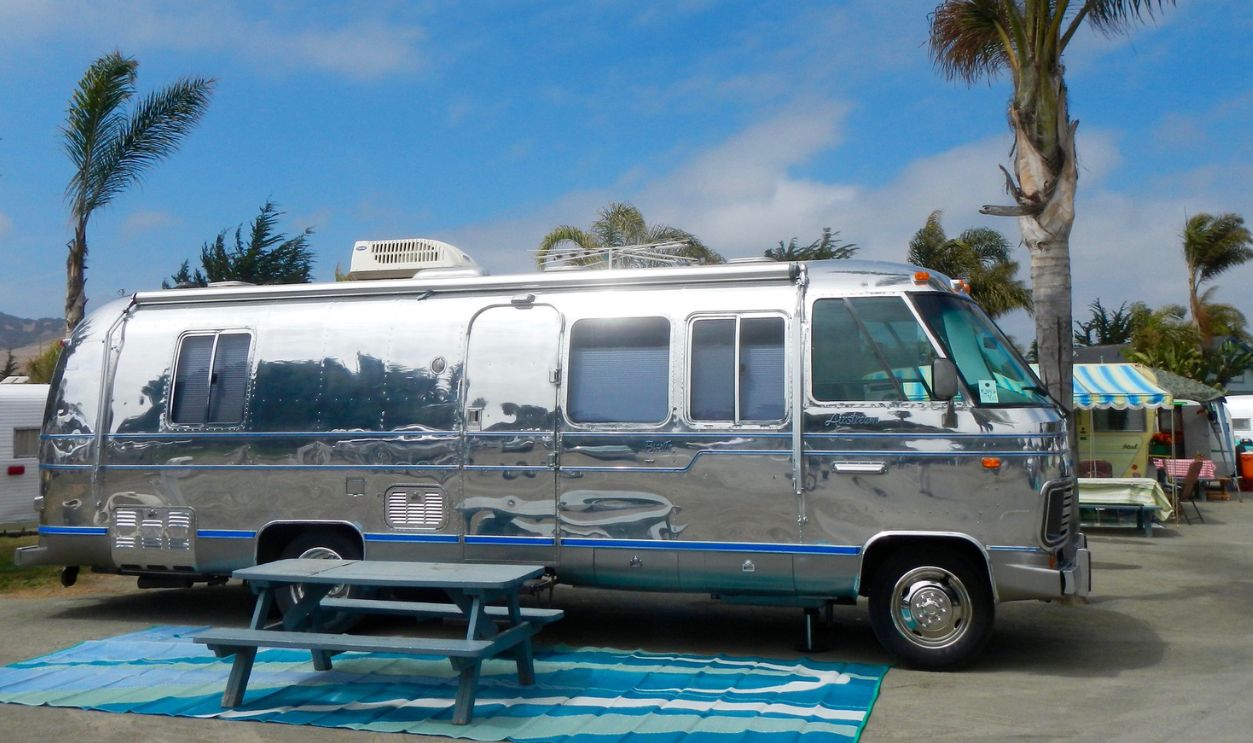
The Airstream Excella (1979)
Desiring to remain relevant in the RV market, Airstream released an RV with a timeless design. The Excella had luxurious and basic amenities but featured different lengths ranging from 28 to 34 feet. Though its cost depended on the model, it was still considered a premium option.
The Barth Regal (1981)
By the 1980s, the RV market had become so popular that wealthy business families like the Barths wanted a piece of the RV action. The classic American motorhome released about 1,000 custom-built units of the Barth Regal. The model had all-aluminum construction and was powered by a V8.
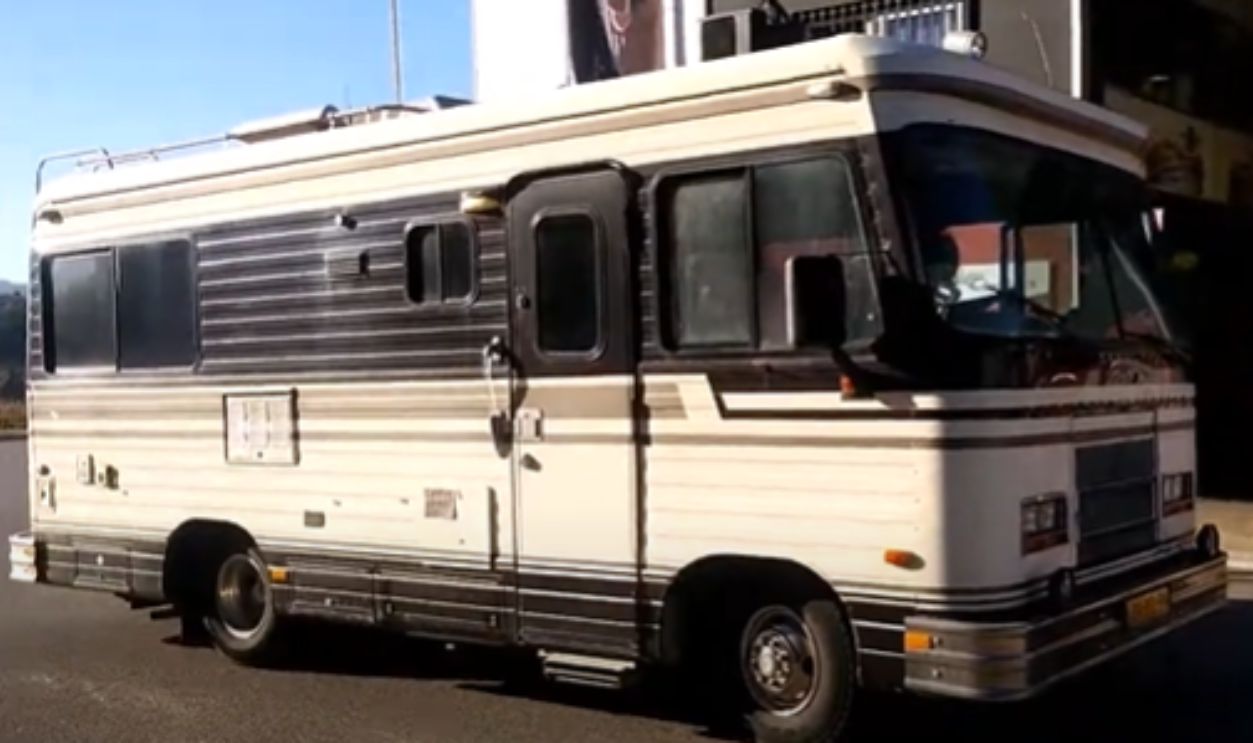 Barth Regal 22 - Motorhome for sale by Coast Classics
The Winnebago LeSharo (1983)
Based on the Renault Trafic, the LeSharo was a compact alternative to larger motorhomes. It featured a 2.2L diesel or gasoline engine, though later models used a Chrysler V. The LeSharo was more fuel efficient due to its front-wheel-drive layout, recording around 20 miles per gallon.
 Elise240SX, CC BY-SA 4.0, Wikimedia Commons
The Fleetwood Bounder (1985)
The Fleetwood Bounder’s grand size helped popularize the Class A motorhome—the first basement model design. It offered ample storage space by moving the tanks and utilities below the floor. Fleetwood became one of America’s best-selling motorhomes, even appearing in the TV series Breaking Bad.
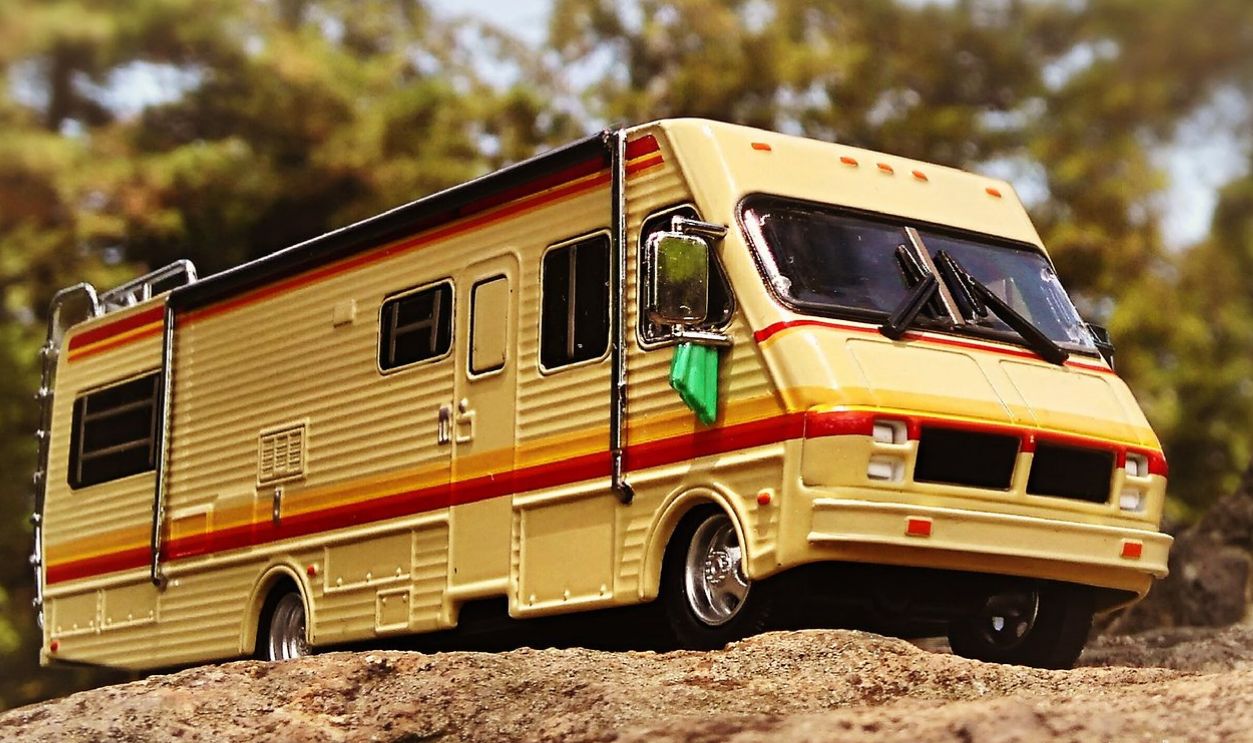
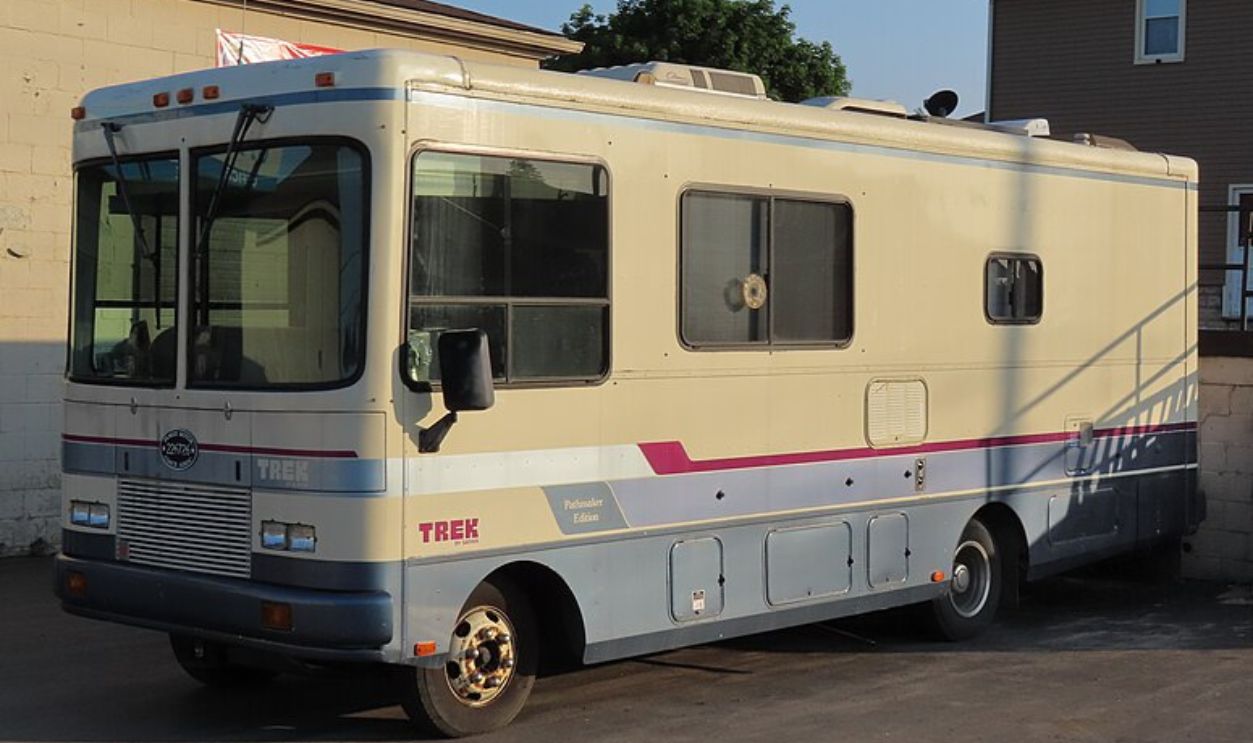
The Safari Trek (1991)
Unlike traditional, larger RVs, the Trek focused on maneuverability and comfort. Its features included a patented Electro-Majic bed dropped from the ceiling to maximize living space. The Safari had a diesel or gas engine and offered solid wood cabinetry, a full kitchen, and a spacious bathroom.
 MercurySable99, CC BY-SA 4.0, Wikimedia Commons
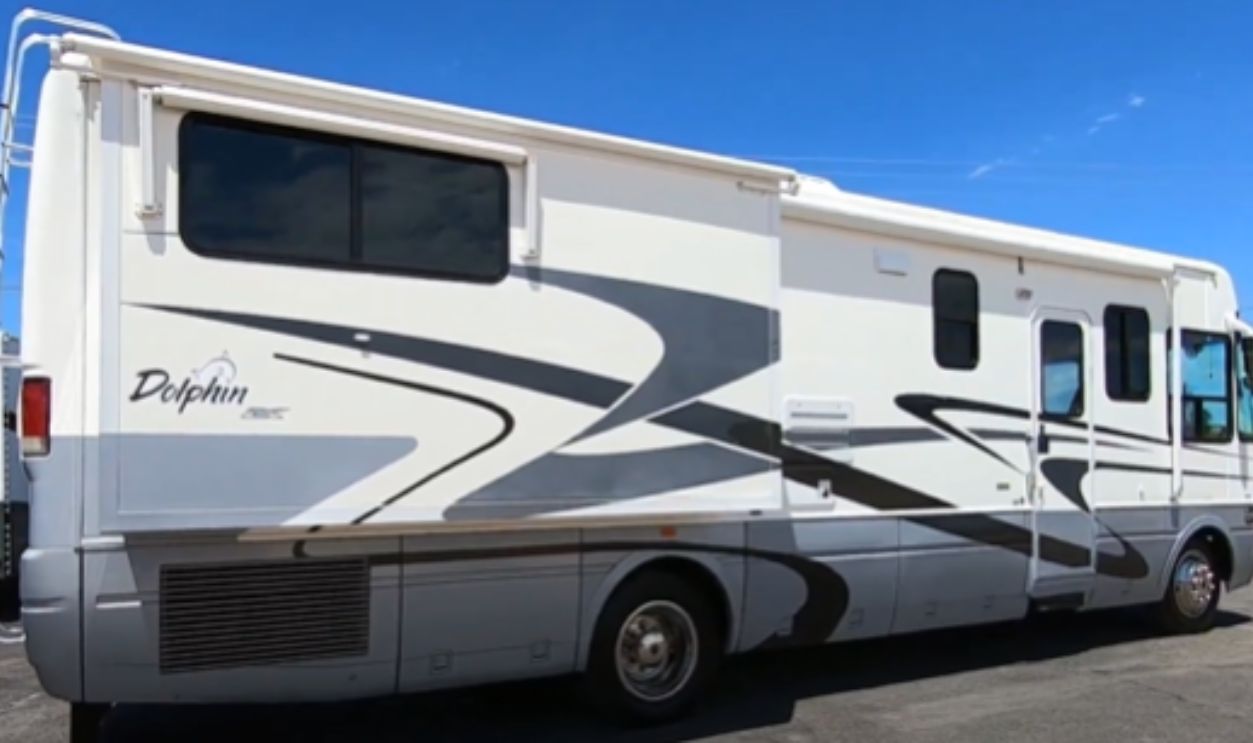
The National Dolphin (1990)
The National Dolphin RV, owned by National RV, had an advanced sturdy construction. Depending on the model year and customization, a new Dolphin RV cost between $60,000 and $120,000. National RV produced several thousand units over the years, each showcasing a fiberglass exterior.
 2004 National Dolphin LX 6342 - Always RV - Mesa, AZ - RV Sales & Financing by Always RV Mesa, AZ
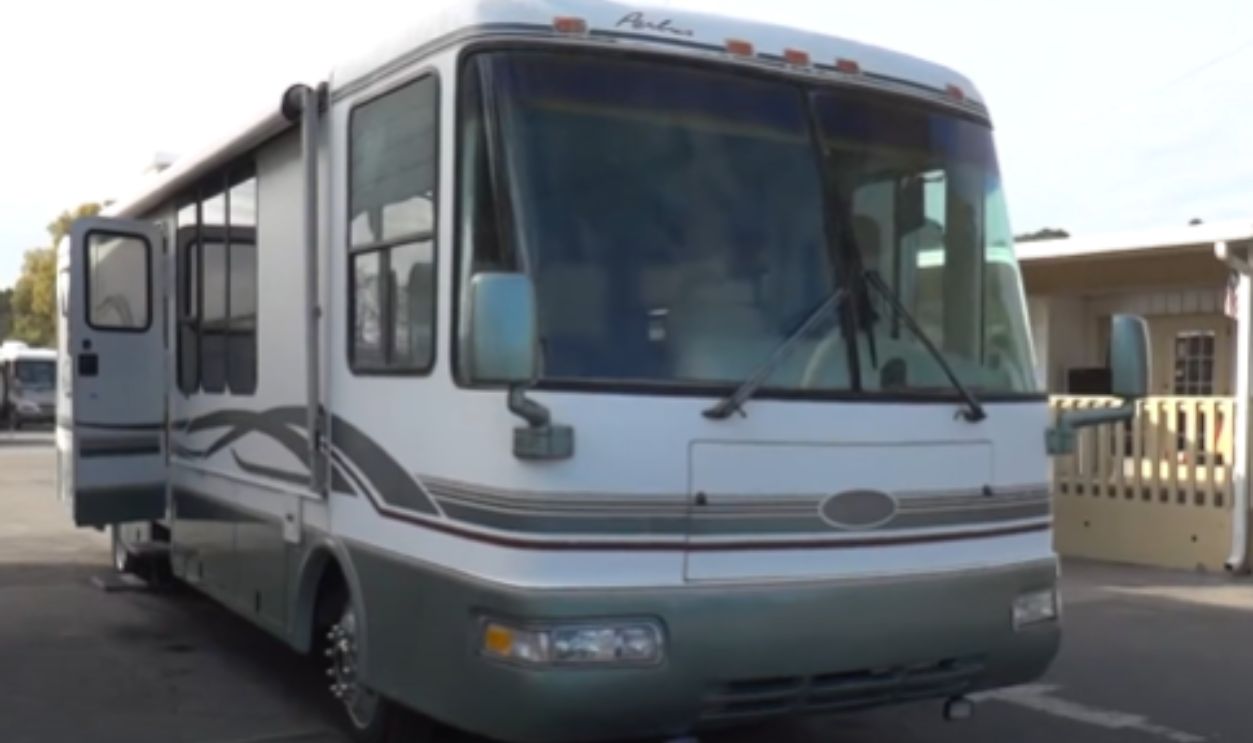
The Rexhall Aerbus (1994)
RVs produced in the early 1990s had specifications older models could only dream of. The Rexhall Aerbus debuted in the 1980s, but its 1994 model offered advanced features like a slide-out section for expanding the living space, a power-adjustable driver’s seat, and an integrated air suspension system.
 1998 Rexhall Aerbus by Gander RV of North Ocala
The Airstream Classic (2000)
Since releasing its first RV in the 1930s, Airstream has continued to innovate and release newer models. The Airstream Classic, launched in 2000, costs between $150,000 to $180,000. It offers a spacious interior with options like wood cabinetry, top-of-the-line appliances, and advanced climate control systems.
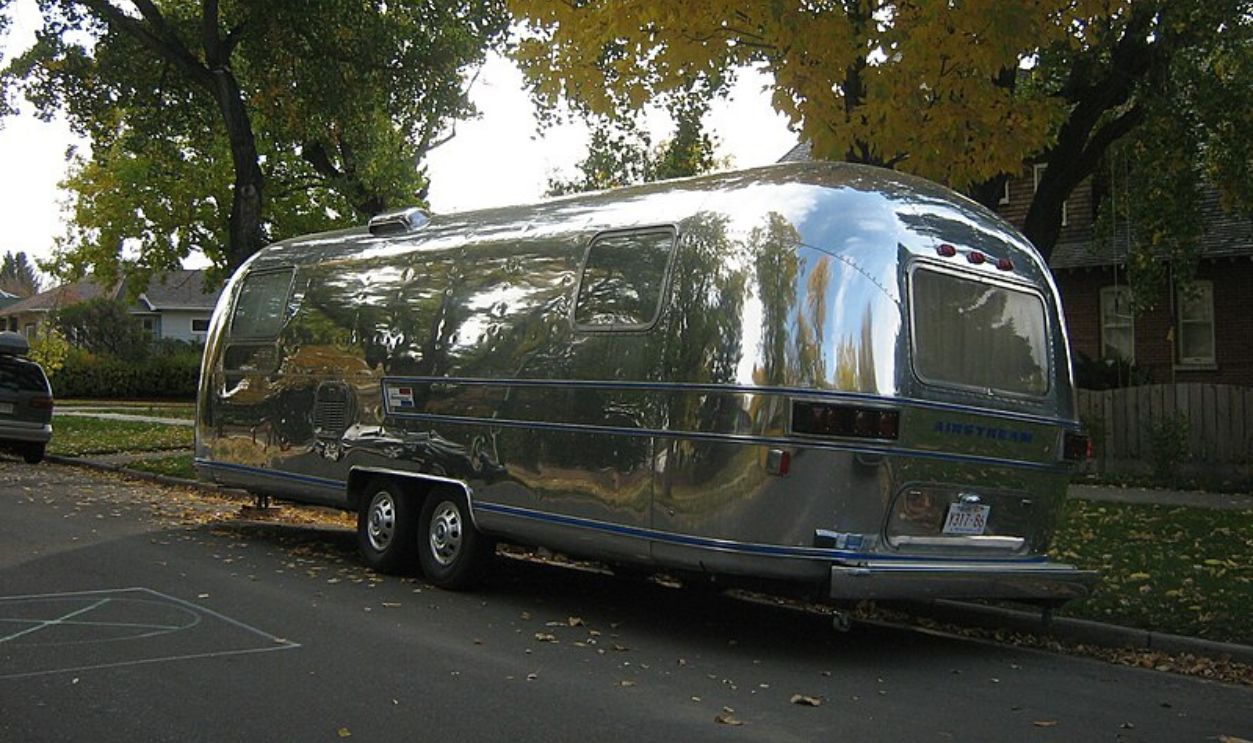 dave_7, CC BY 2.0, Wikimedia Commons
The Newmar Dutch Star (2005)
The Dutch Star’s design is famous for its impressive attention to detail. As a Class A motorhome, it offers a Spartan or Freightliner chassis, a Cummins diesel engine, and different floor plans designed for comfort. Its interior has polished porcelain tile flooring and high-tech entertainment systems.
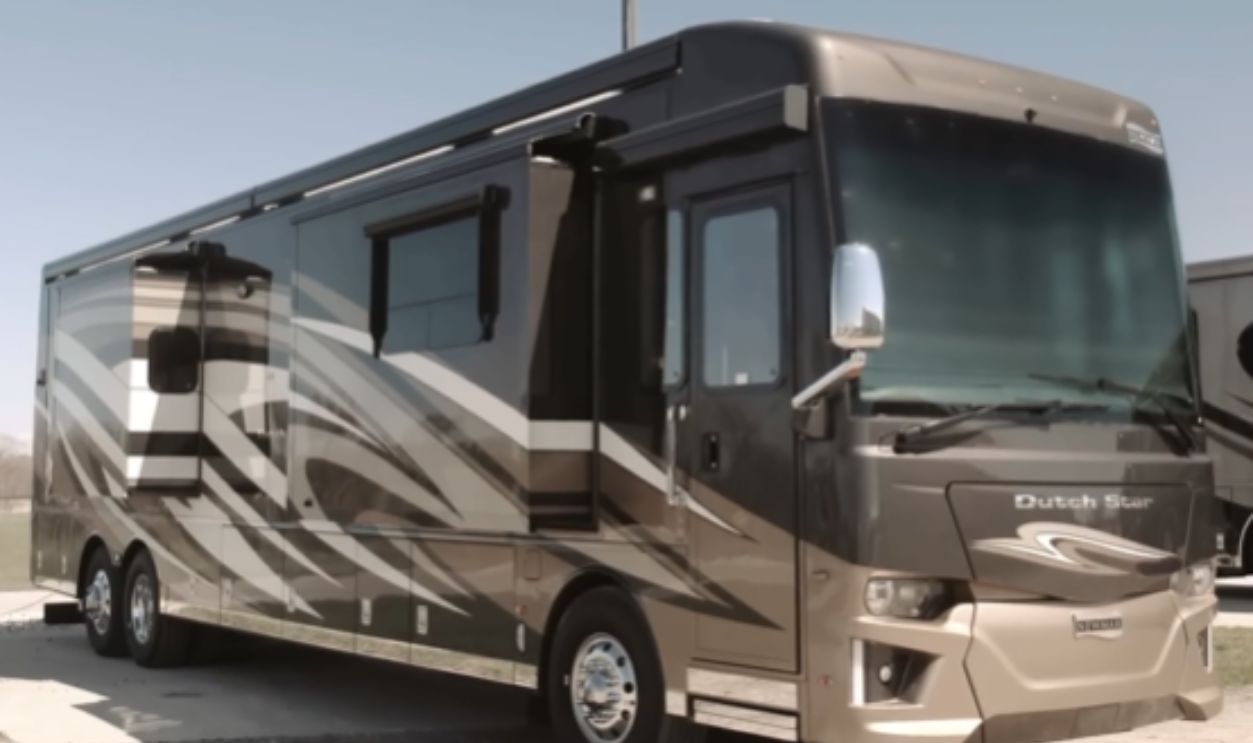 2019 Newmar Dutch Star Official Review | Diesel Class A RV by Newmar Official
The Winnebago View (2006)
After years of producing Class A motorhomes, Winnebago released the Winnebago View, a compact Class C RV built on the Mercedes-Benz Sprinter chassis. Powered by a 3.0L V6 turbo diesel engine, the View offers different floor plans, including slide-outs and sleeping accommodations for six.
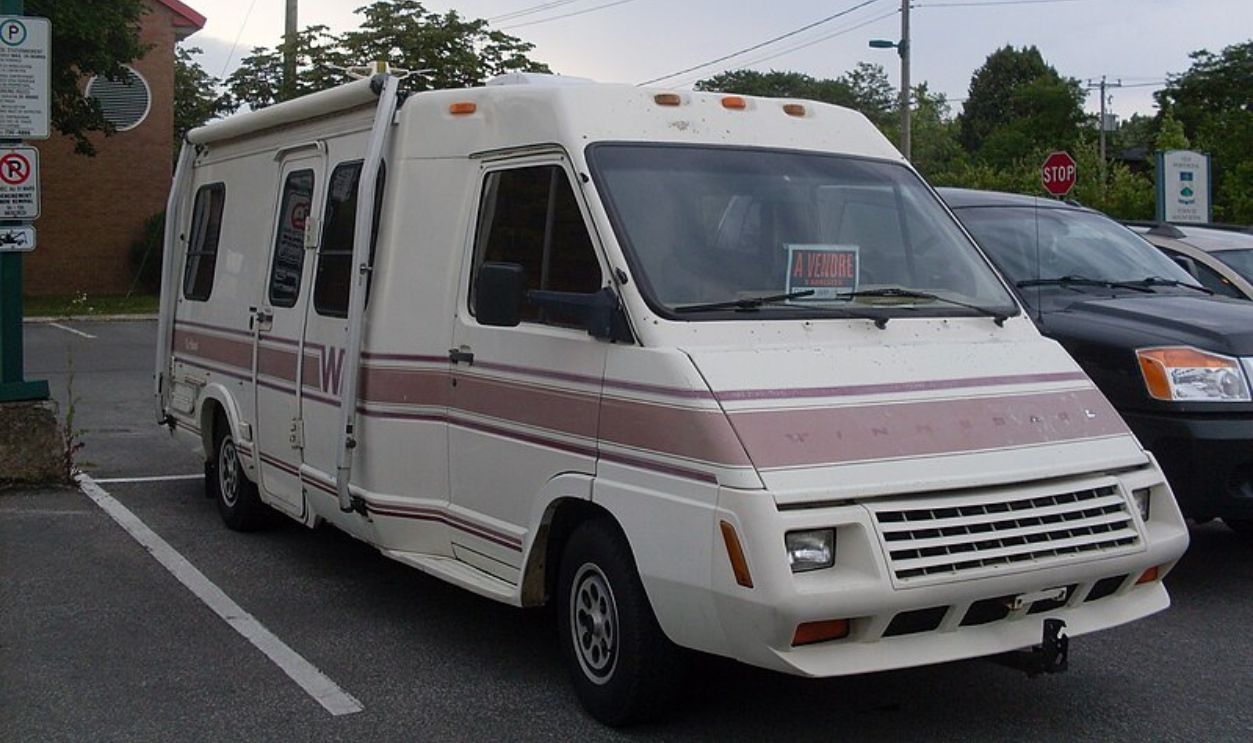
The Tiffin Allegro Bus (2010)
Another family-produced RV is the Tiffin Allegro Bus, known for its commitment to craftsmanship. The Allegro stands out with its PowerGlide chassis, handcrafted cabinetry, premium appliances, and customizable floor plans. Depending on the model and specifications, the Allegro Bus can cost between $400,000 and over $600,000.

The Thor A.C.E. (2011)
The Thor A.C.E. combines the features of Class A and Class C motorhomes. It offers various floor plans, a “pet window” at the dash, sleeping space for eight, a Ford F-53 chassis, and a V8 engine.
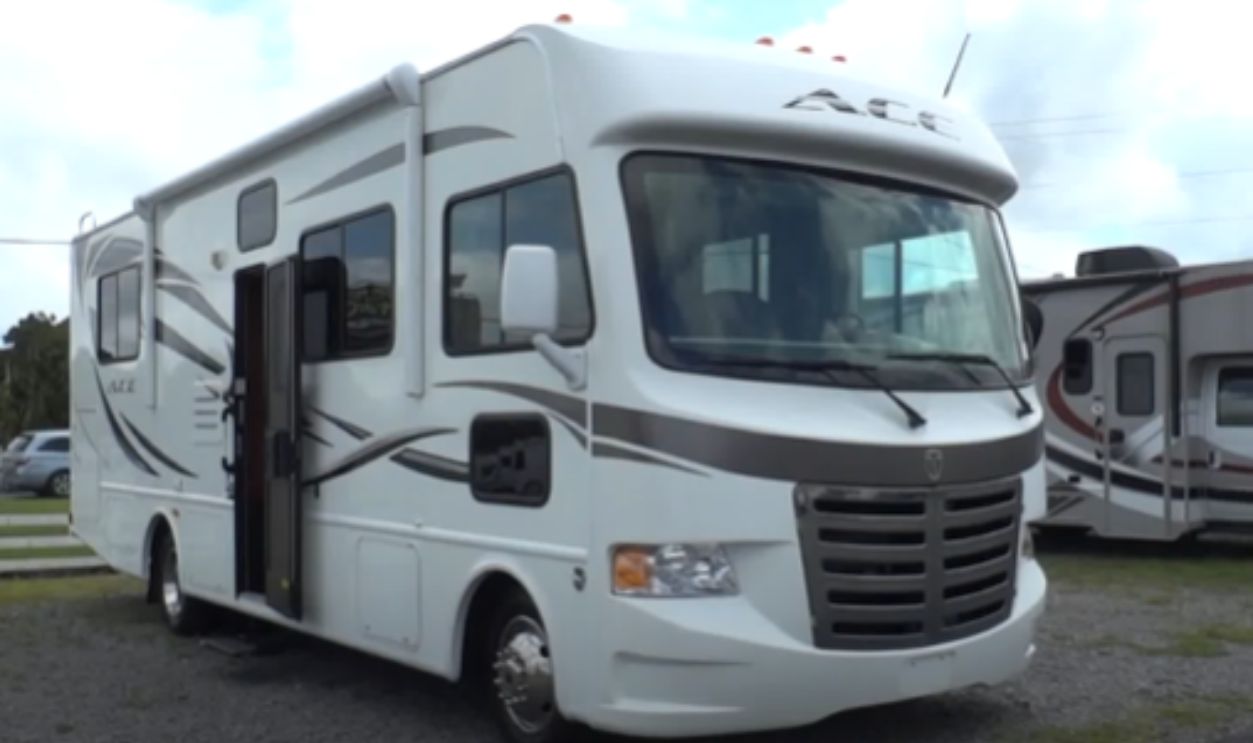 2012 Thor Motor Coach A.C.E. 29.1 by Gander RV of North Ocala
The Airstream Basecamp (2016)
Airstream, a master of making aluminum trailers, released the 2016 Basecamp model to cater to adventurers. Weighing about 3,400 lbs, the RV offers a convertible bed, wet bath, and sufficient storage space. The company releases only a limited number annually to add to its exclusivity.
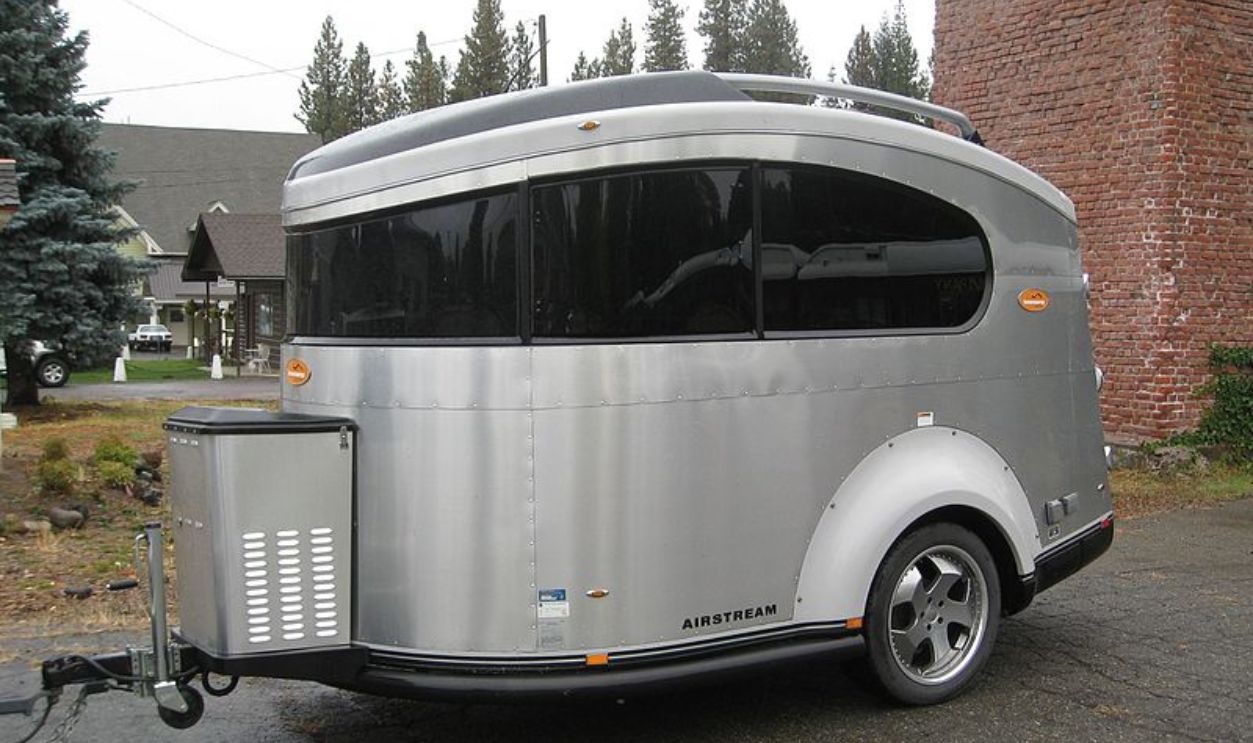 brewbooks, CC BY-SA 2.0, Wikimedia Commons
The Winnebago Revel (2018)
Winnebago released the Revel in 2018. Built on the Mercedes-Benz Sprinter chassis, the camper featured a four-wheel-drive system for off-road situations. It has a 3.0L V6 turbo-diesel engine, a 140 cubic-foot gear garage, and a power lift bed.
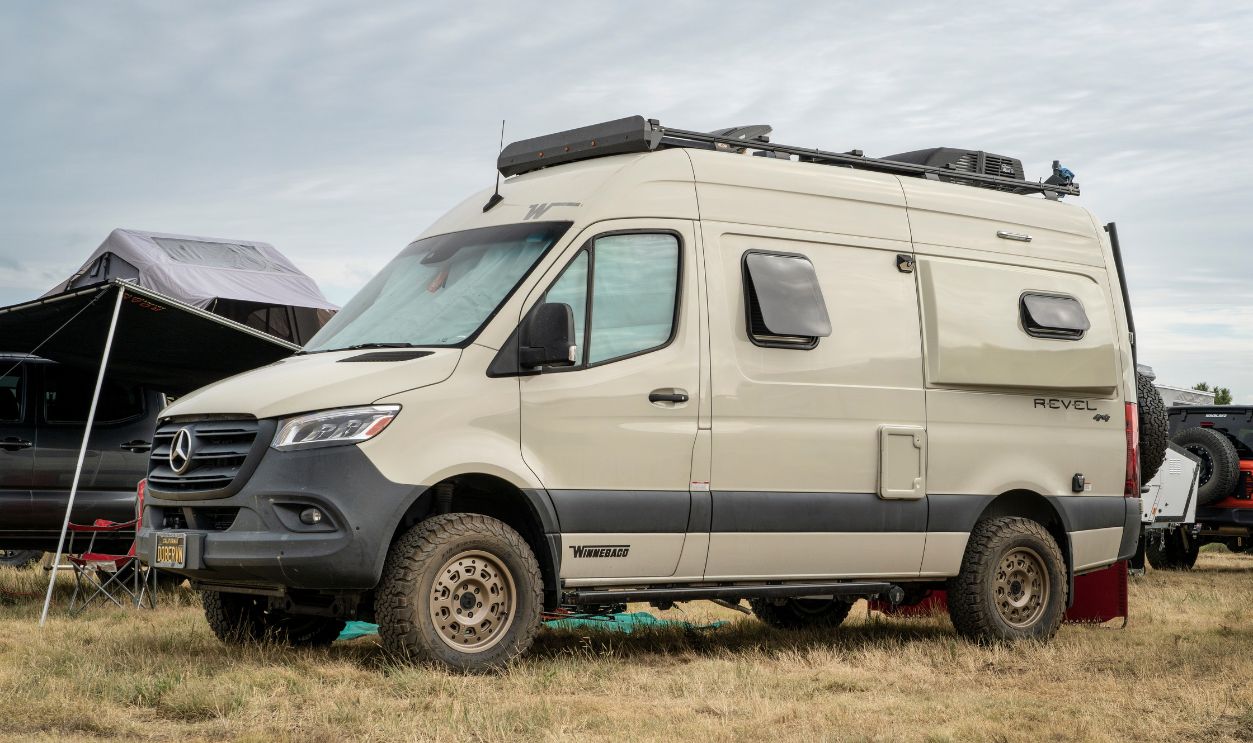
The Newmar King Aire (2020)
By the 2020s, more limited-production RV editions had begun flooding the RV market. The Newmar King Aire, for example, costs around $1 million. Only a few dozen are released yearly, and each has a 605-horsepower Cummins X15 diesel engine and a 12-speed automatic transmission—a scarce combination.
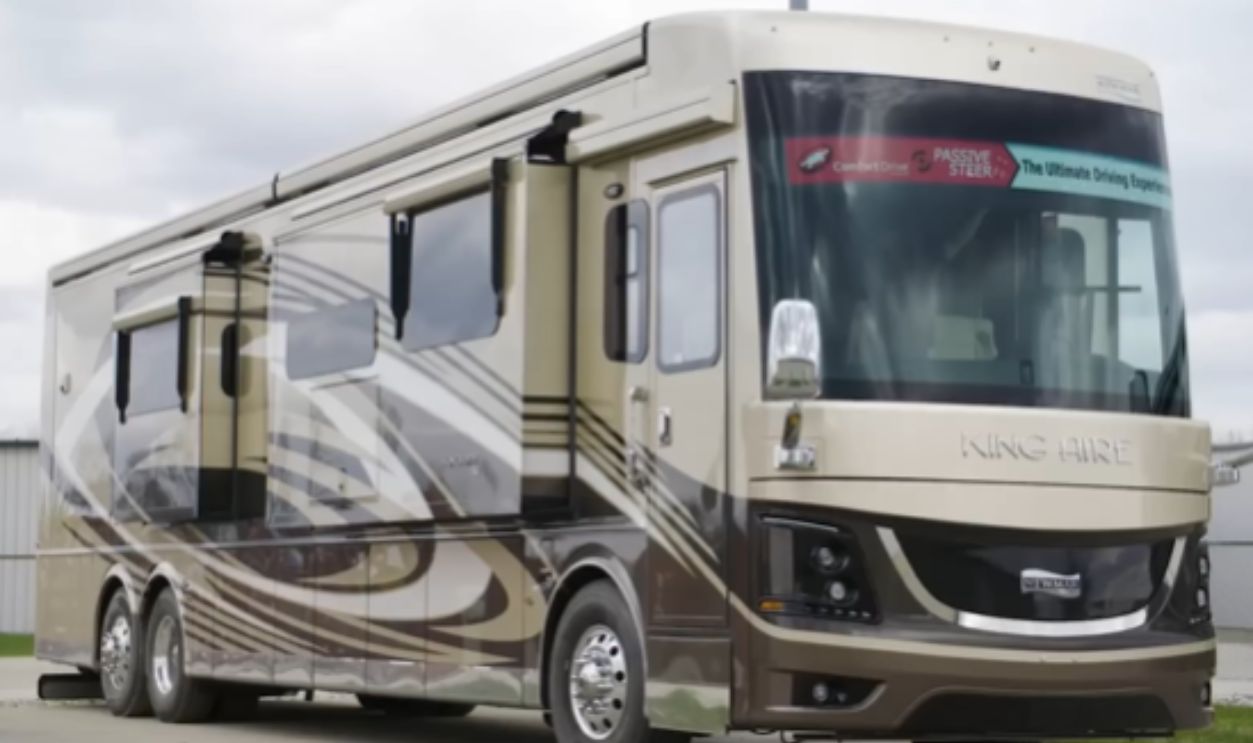 2020 Newmar King Aire Official Review | Luxury Class A RV by Newmar Official
The Bowlus Terra Firma (2022)
The Bowlus Terra Firma is a luxury trailer combining vintage beauty and modern appeal. Its $265,000 price reflects its premium status and exclusivity. Design-wise, the Terra Firma’s aerodynamic build was inspired by 1930s aircraft engineering and features an all-aluminum body that enhances durability.
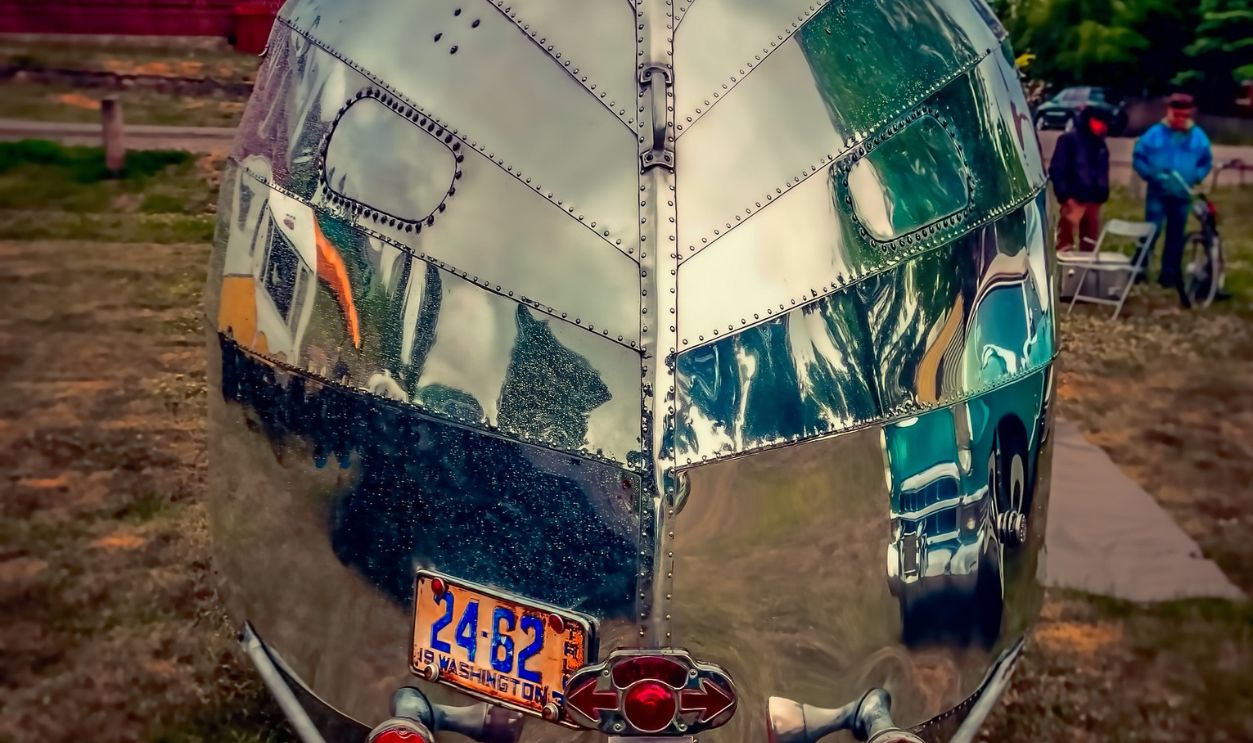
The Winnebago eRV2 (2023)
Winnebago is the Tesla of RVs, and with the eRV2, the company is literally venturing into the eRV market. Unveiled in 2023, the eRV2 is Winnebago’s response to the demand for sustainable transportation. It is constructed on the Ford Transit chassis and features a fully electric powertrain.
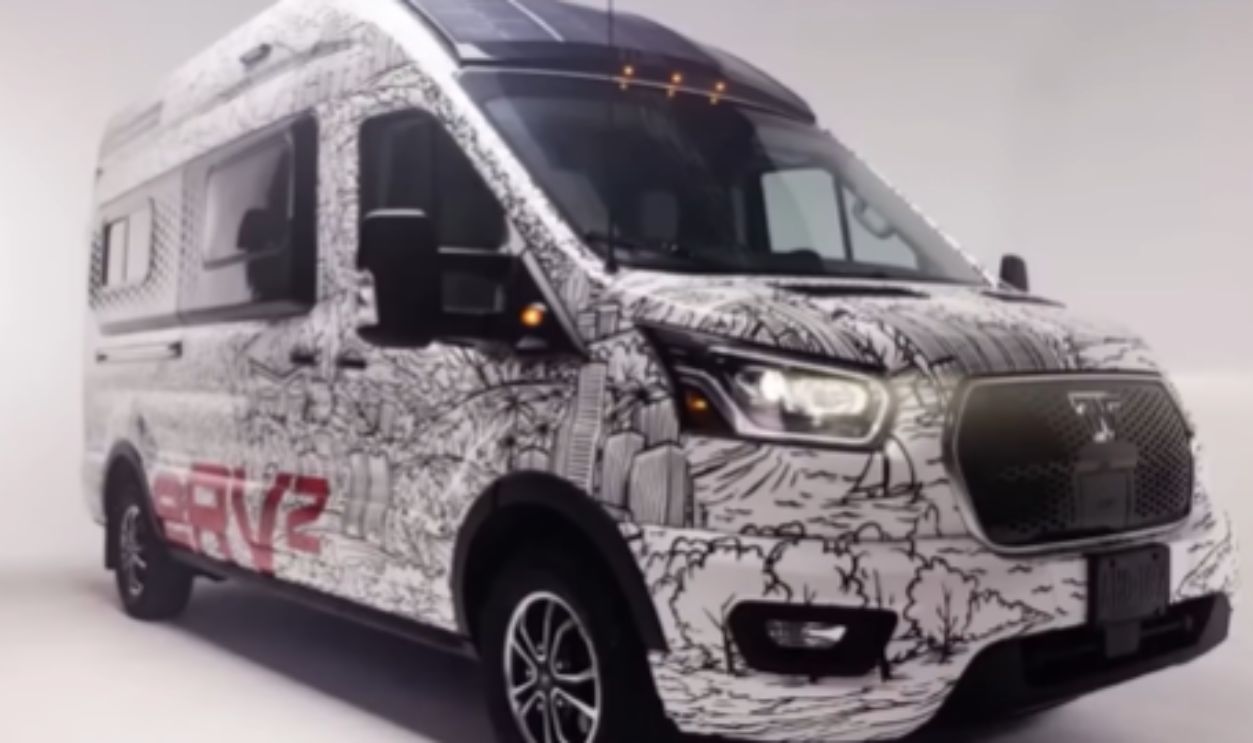 Winnebago eRV2, Volvo Goes RWD and Jeep Avenger Award by InsideEVs
Thor Sequence 20J (2023)
The 20J first graces its owners with a RAM ProMaster 3500 XT chassis for easy handling, especially if you’re new to RV driving. Its comfort? That’s also unmatched, with a wet bath for hot days and a gallery kitchen for travel meal prep. The best part is that it fits both rural and urban drives.
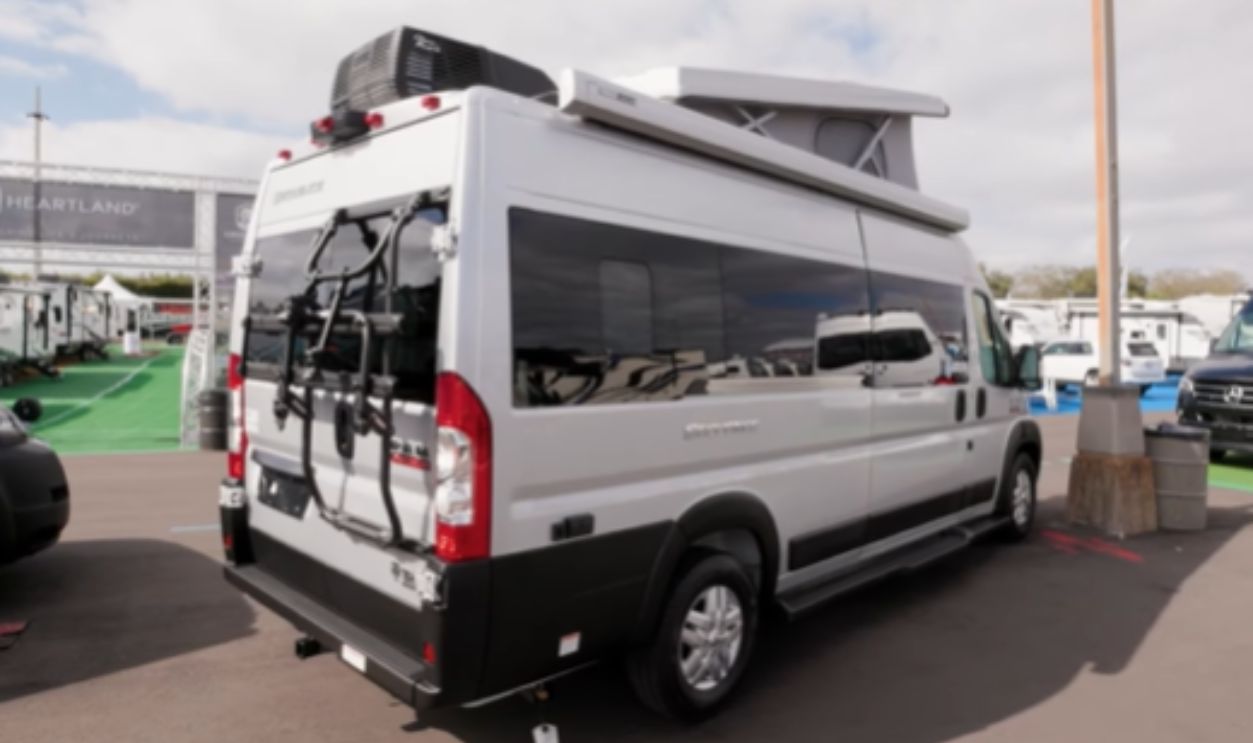 First Look | Thor Sequence 20J | General RV Center by General RV Center






.jpg)


.jpg)


.jpg)


