
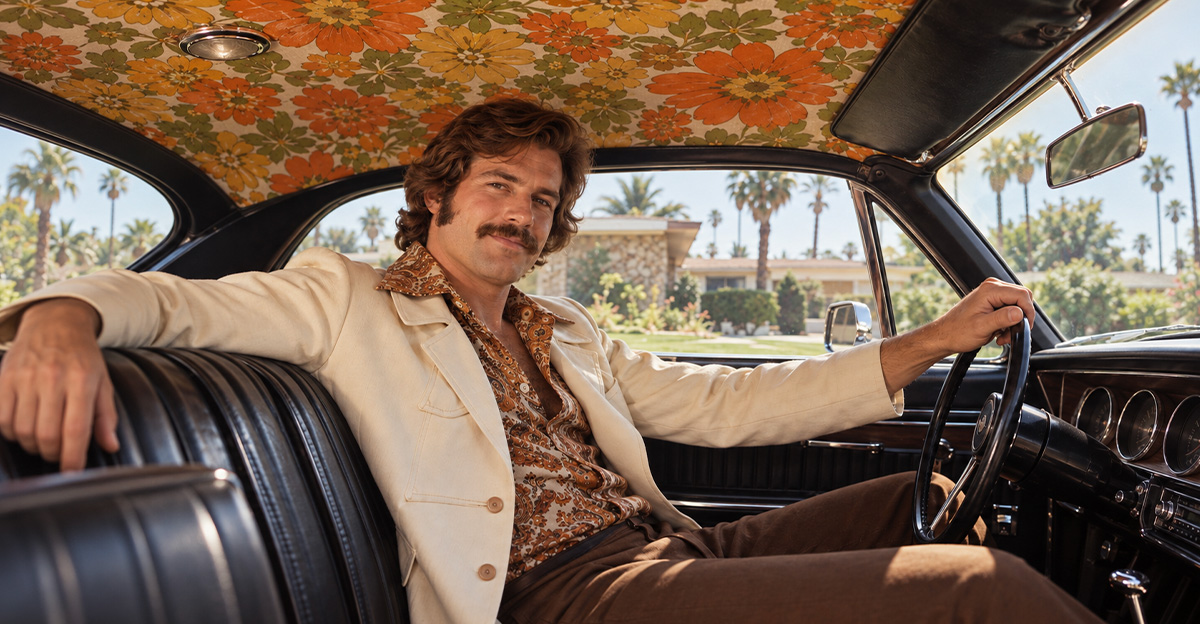
The Decade When The Options Sheet Got Weird
Car buyers in the 1970s lived in a remarkable time. Automakers were experimenting with new safety technology, wild styling, luxury gadgets, and features nobody was quite sure would catch on. The result was an options list filled with ideas that sound invented today, from floral roofs to airbags decades ahead of their time.
GM Offered Actual Airbags In 1974
No, airbags were not invented in the 1990s. General Motors offered its Air Cushion Restraint System as a regular production option on certain 1974 Oldsmobiles, Buicks, and Cadillacs. Driver and passenger bags deployed during serious frontal impacts, making this an astonishingly early version of technology now considered essential.
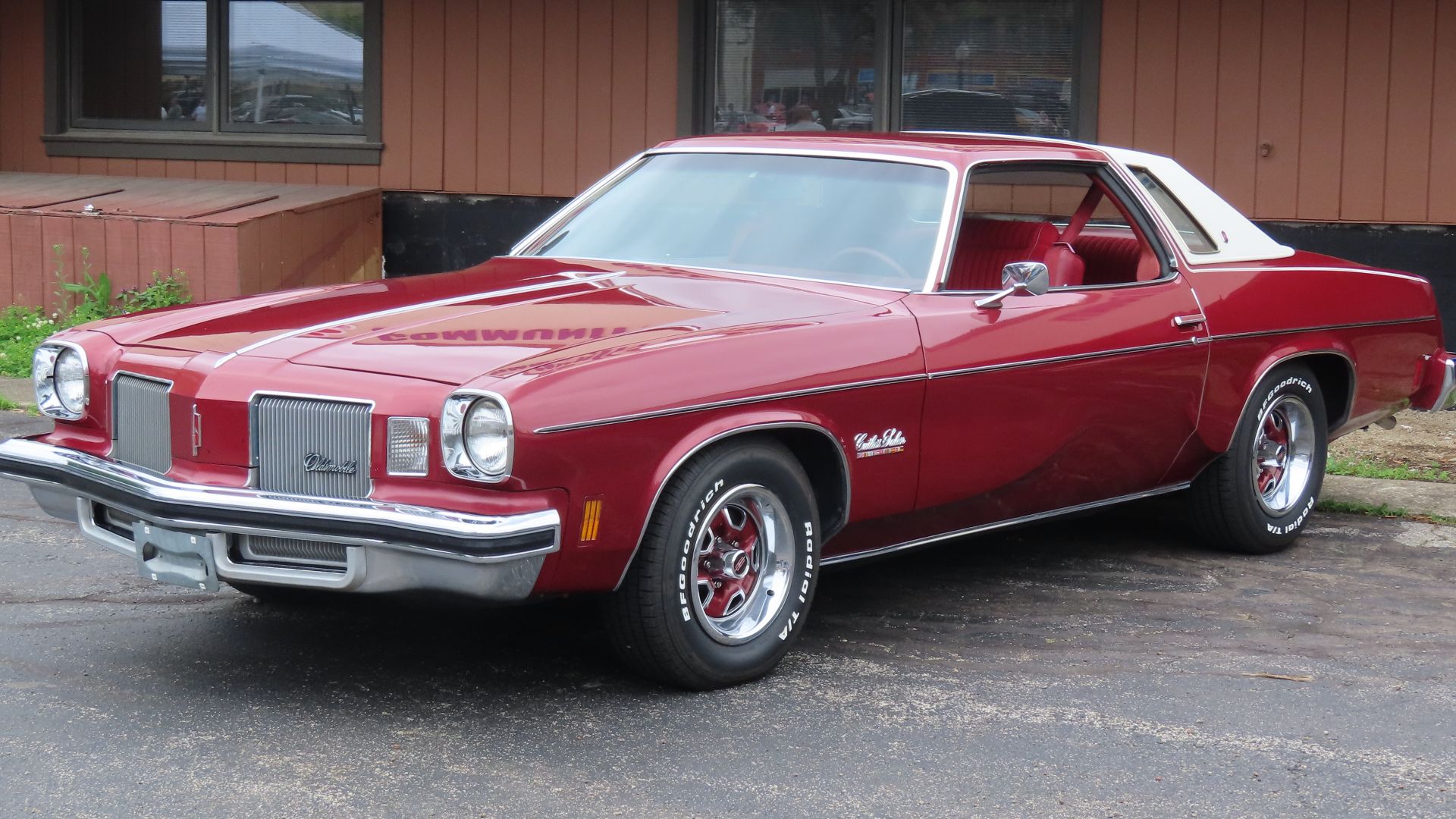 MercurySable99, Wikimedia Commons
Chrysler Had Four-Wheel Anti-Lock Brakes
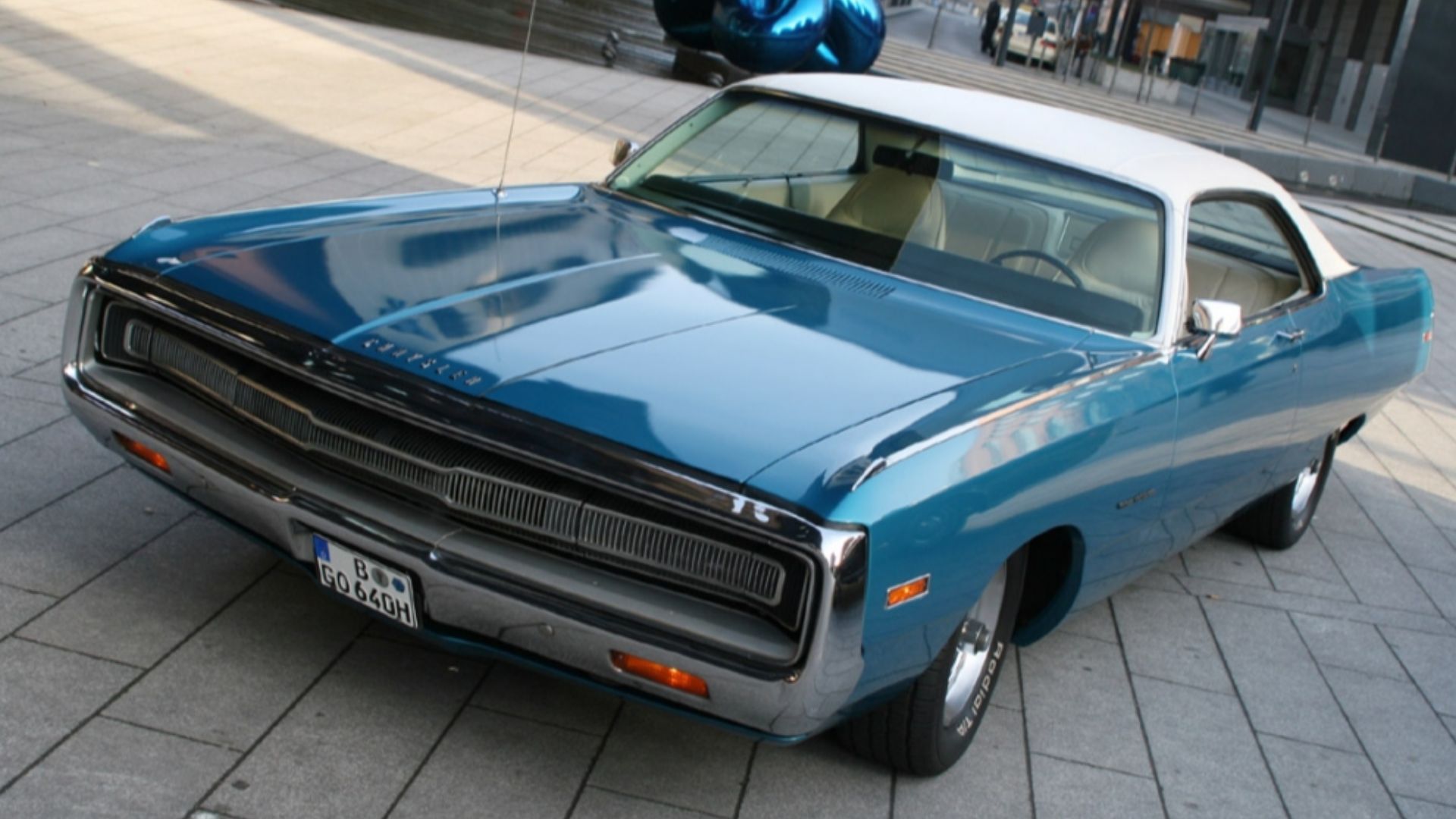
Imagine telling someone in 1971 that your Imperial had computer-controlled four-wheel anti-lock brakes. Chrysler's optional Sure-Brake system, developed with Bendix, monitored wheel slip electronically and was the first production four-wheel anti-skid system offered on an American passenger car. It sounds far too sophisticated for the Nixon era, but it was real.
Buick Offered Primitive Traction Control
The 1971 Buick Riviera could be ordered with MaxTrac, an electronic traction-control system. Sensors compared front- and rear-wheel speeds, while a transistorized computer detected rear-wheel spin and altered engine power through the ignition system. Modern traction control works differently, but Buick was already tackling the same problem 55 years ago.
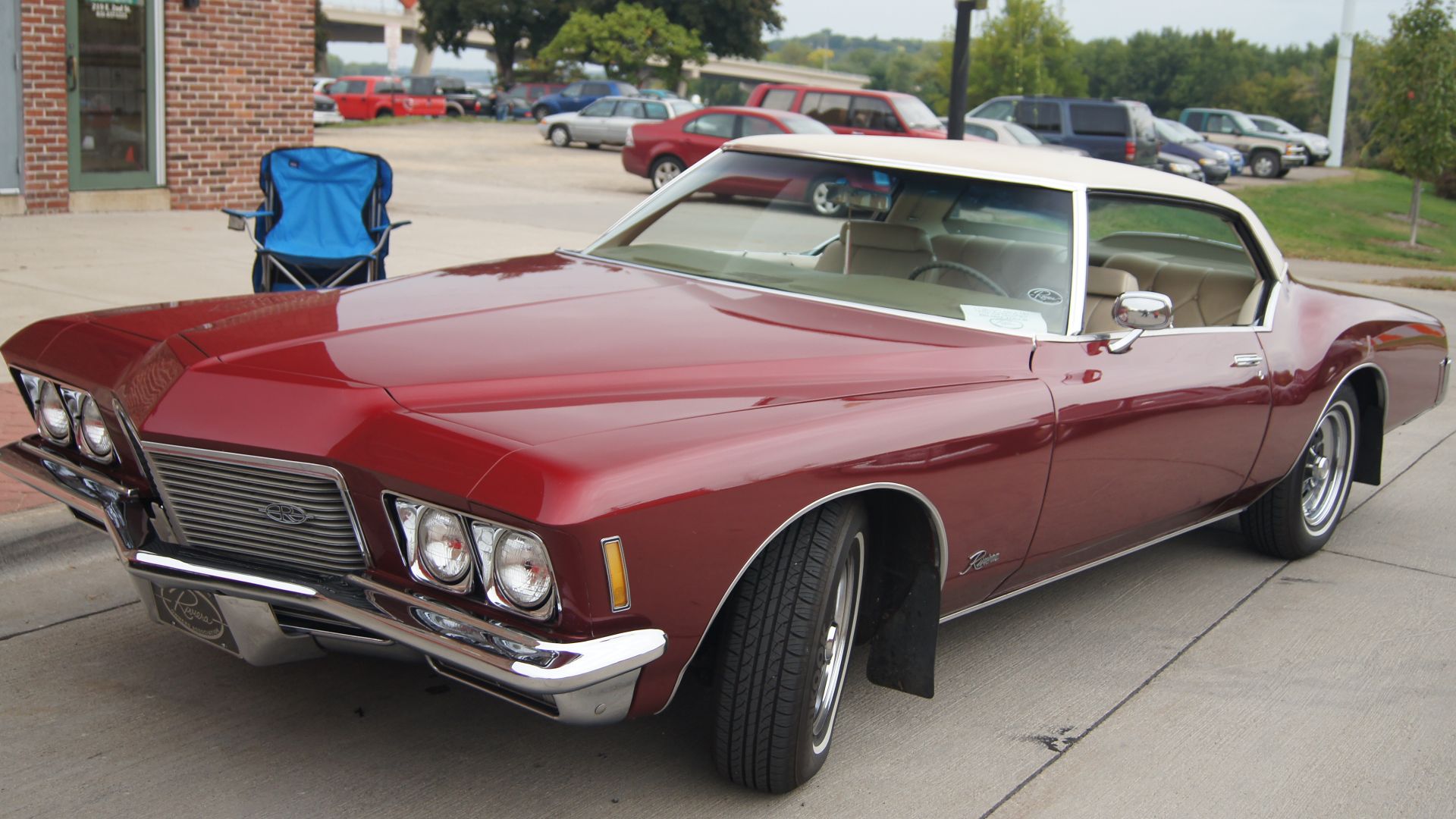 Greg Gjerdingen from Willmar, USA, Wikimedia Commons
Oldsmobile Could Warn You About Speeding
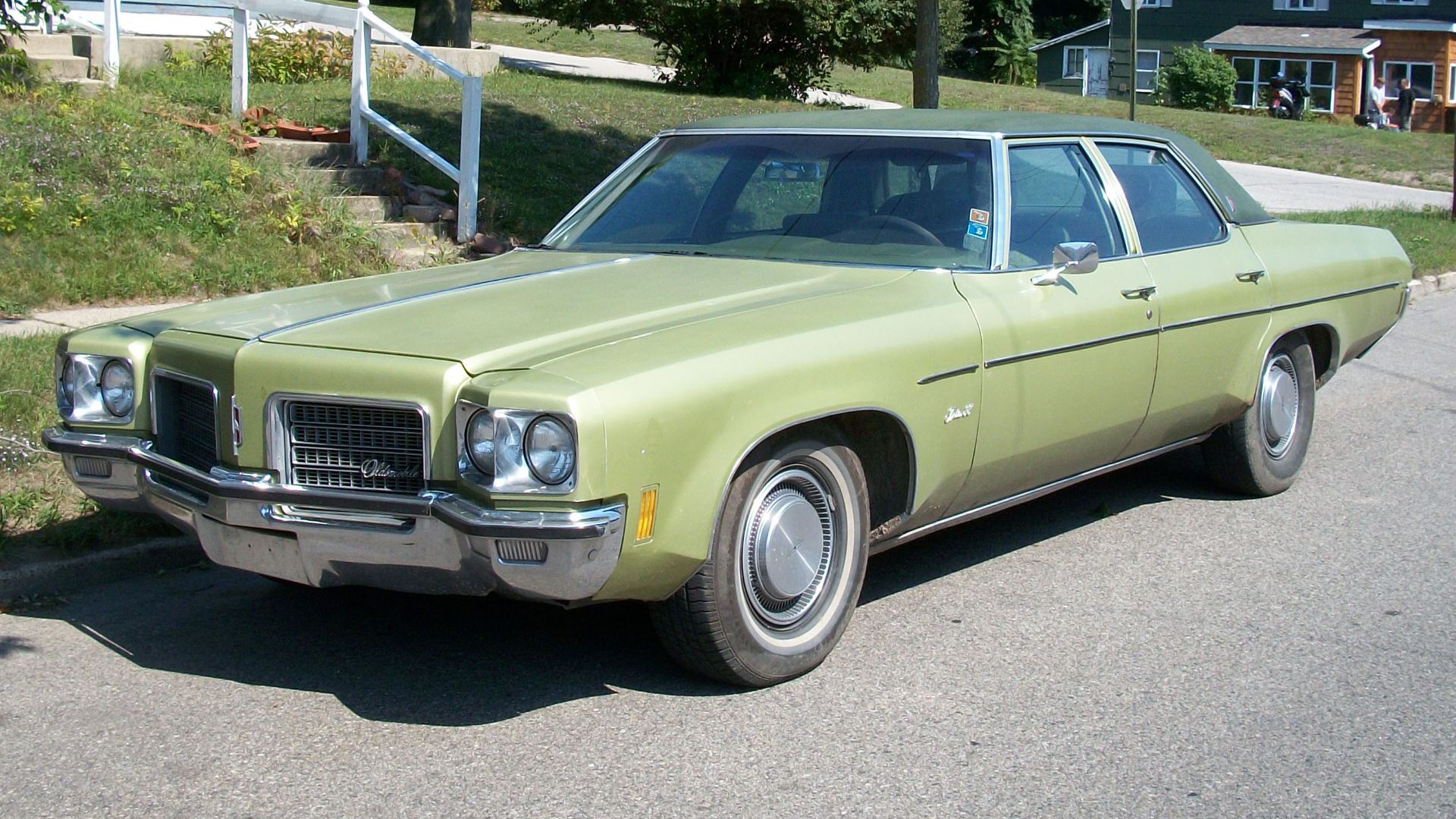
Long before dashboards flashed speed-limit graphics, Oldsmobile offered the Safety Sentinel. Drivers turned a knob to select their desired maximum speed. Reach or exceed it, and a buzzer sounded. The 1971 owner's literature describes the system plainly, proving your Oldsmobile really could nag you about speeding before computers invaded everything.
Your Oldsmobile Could Leave The Headlights On
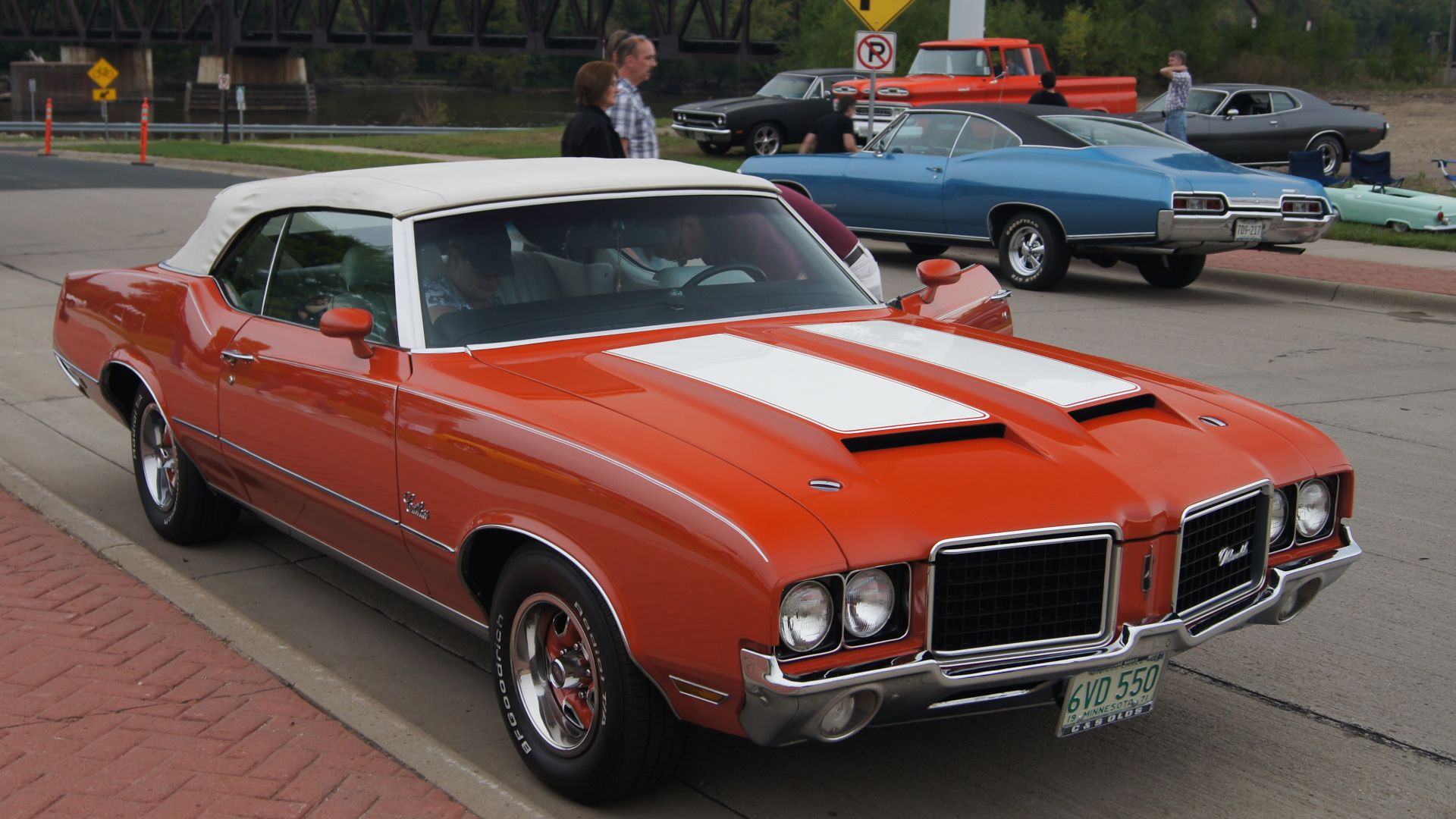
Another strangely modern Oldsmobile option was Night-Watch. After parking, the driver could activate the system and have the headlights remain illuminated temporarily, providing light while walking toward the house. A 1972 brochure advertised the feature as a way of keeping the lamps on after leaving the car.
 Greg Gjerdingen from Willmar, USA, Wikimedia Commons
Cadillac Could Lock The Doors For You
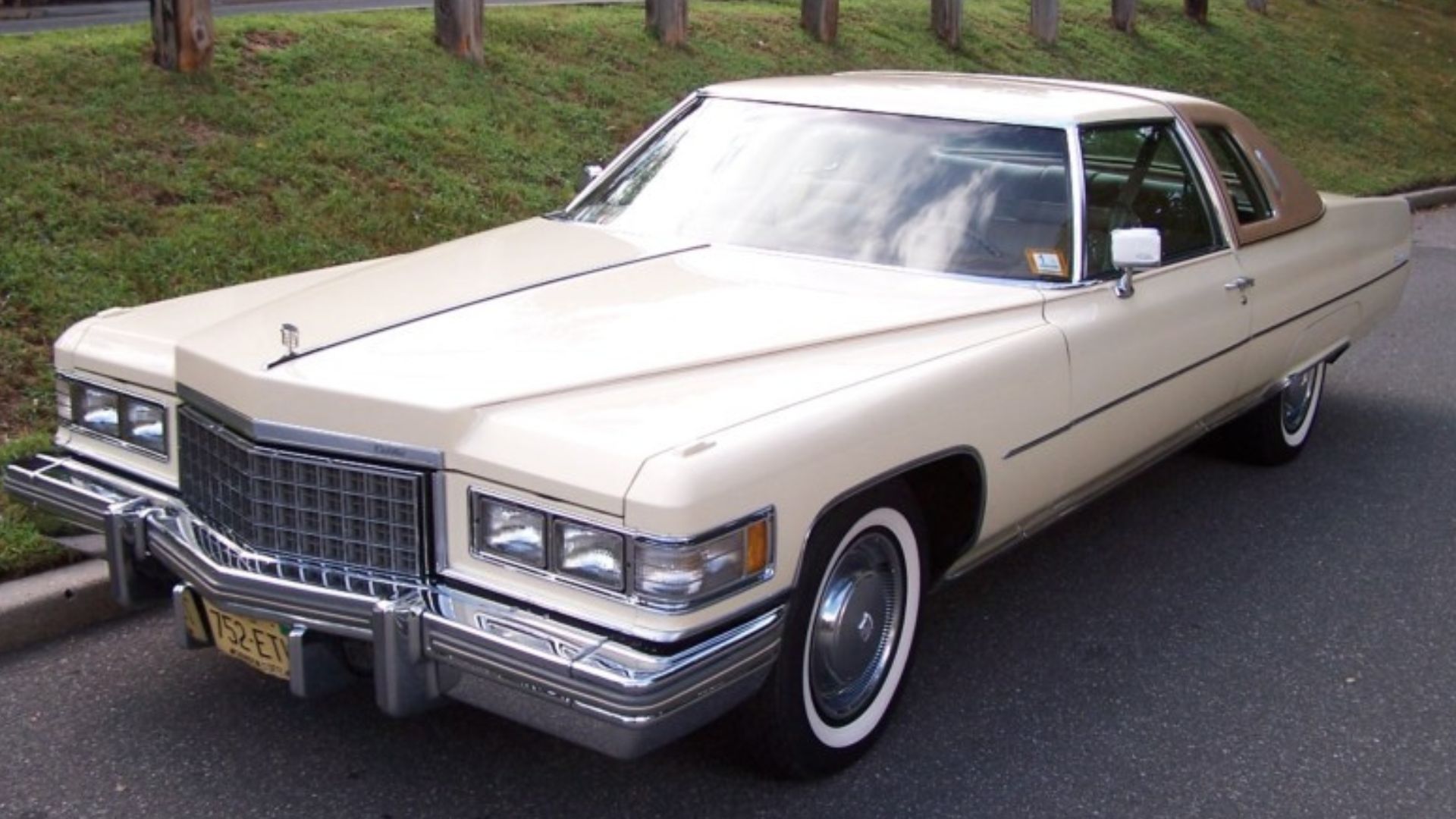
Automatic door locking hardly sounds exotic now. In 1976, however, Cadillac proudly offered a system that automatically locked every door when the transmission selector was moved into a forward-drive position. It was essentially an early version of the automatic locking routine millions of modern drivers barely notice anymore.
 That Hartford Guy, Wikimedia Commons
Cadillac Offered A Weather Radio
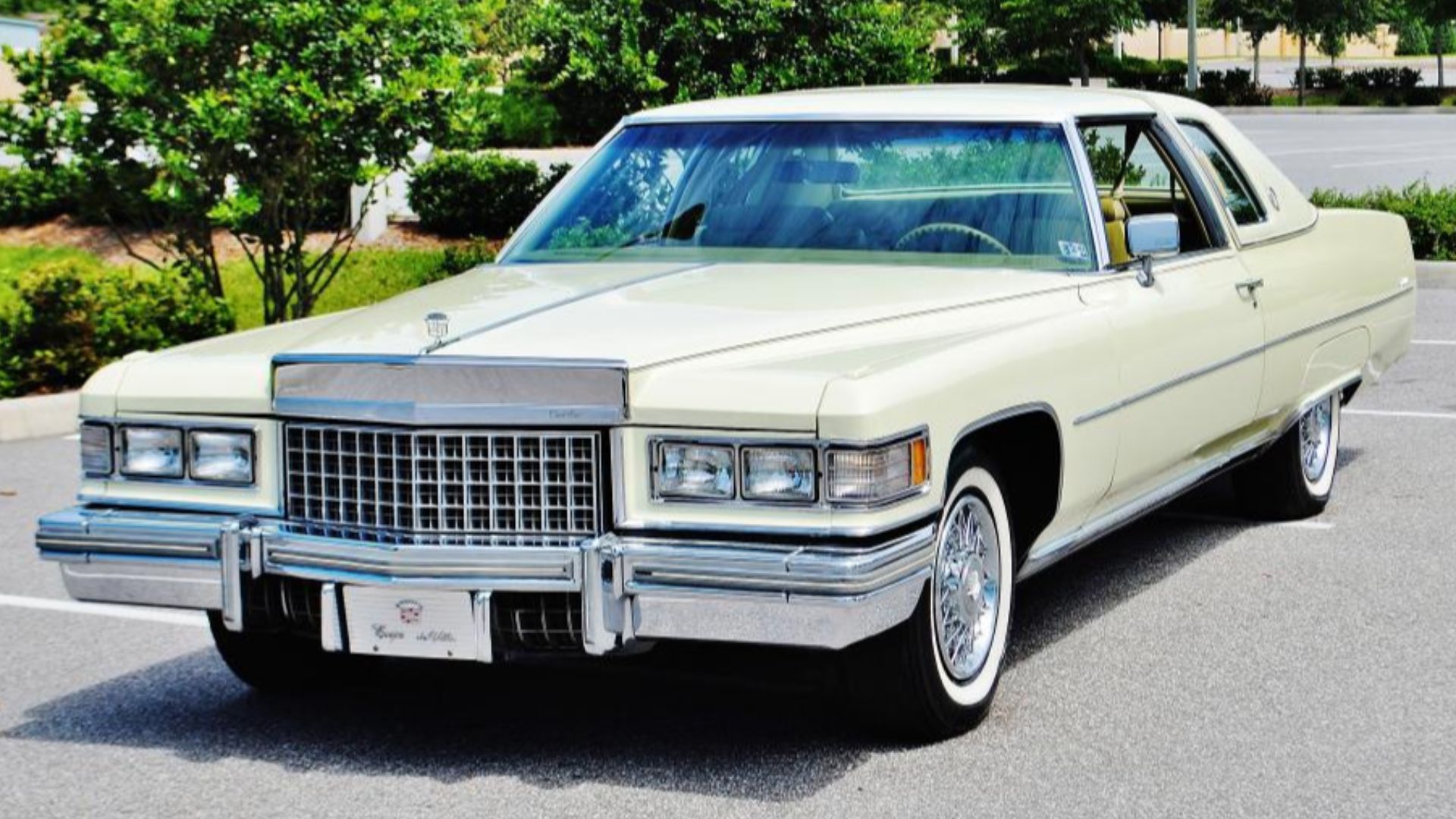
A Cadillac buyer in 1976 could order an AM/FM signal-seeking radio with a push-button Weather Band. Instead of checking an app before a storm, owners could receive weather information directly through the dashboard. Cadillac promoted it as an exclusive option, perfectly combining Seventies luxury with pre-internet information technology.
 That Hartford Guy from Hartford, Connecticut, USA, Wikimedia Commons
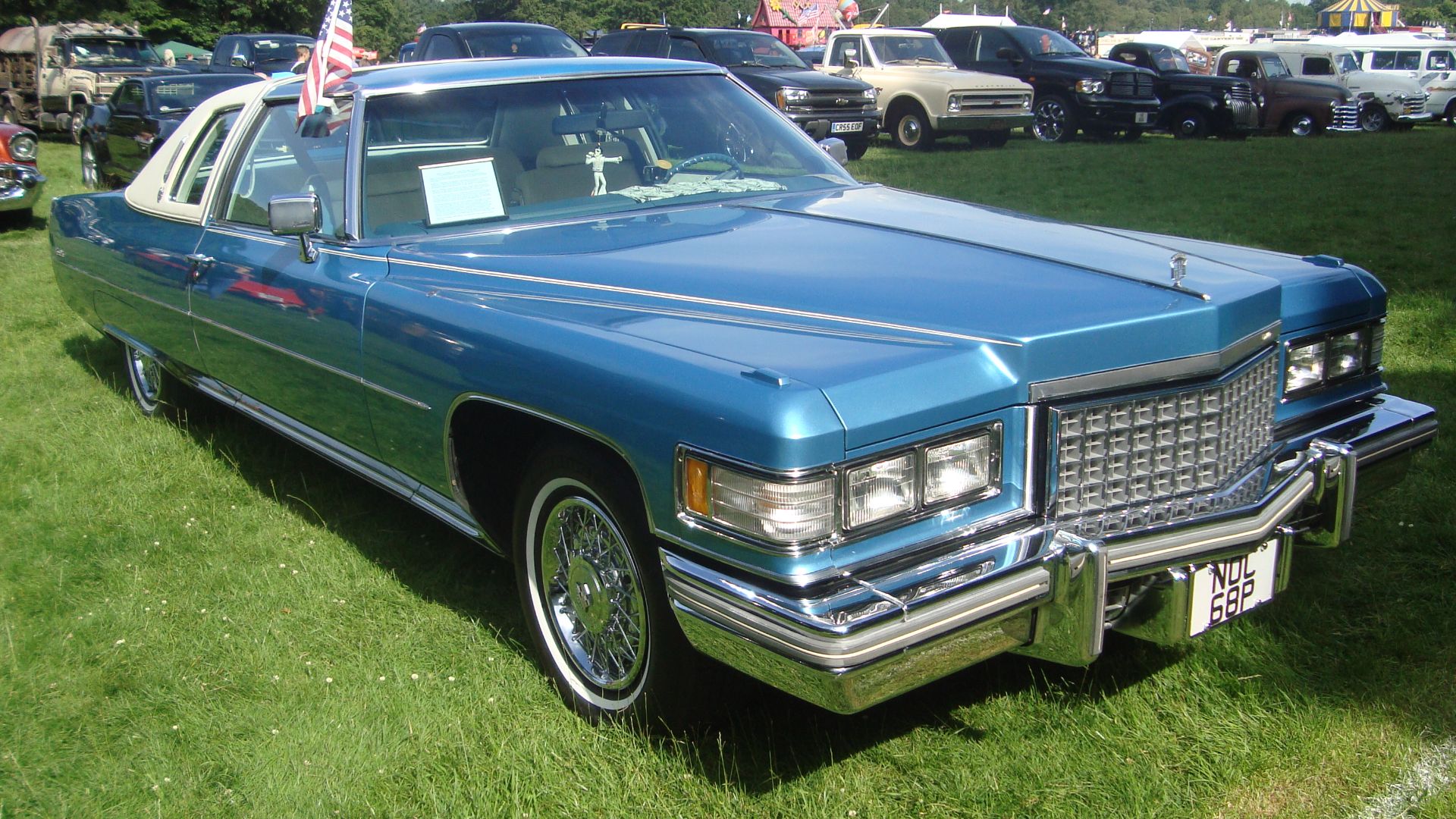
Cadillac Had A Glass Astroroof
Cadillac's Astroroof sounded like something from a concept car. It was an electrically operated roof with a transparent glass panel, allowing occupants to enjoy the skylight effect while the roof remained closed. Cadillac also offered a conventional opaque powered sunroof, giving buyers two different ways to put a hole in their luxury-car roof.
 Kieran White from Manchester, England, Wikimedia Commons
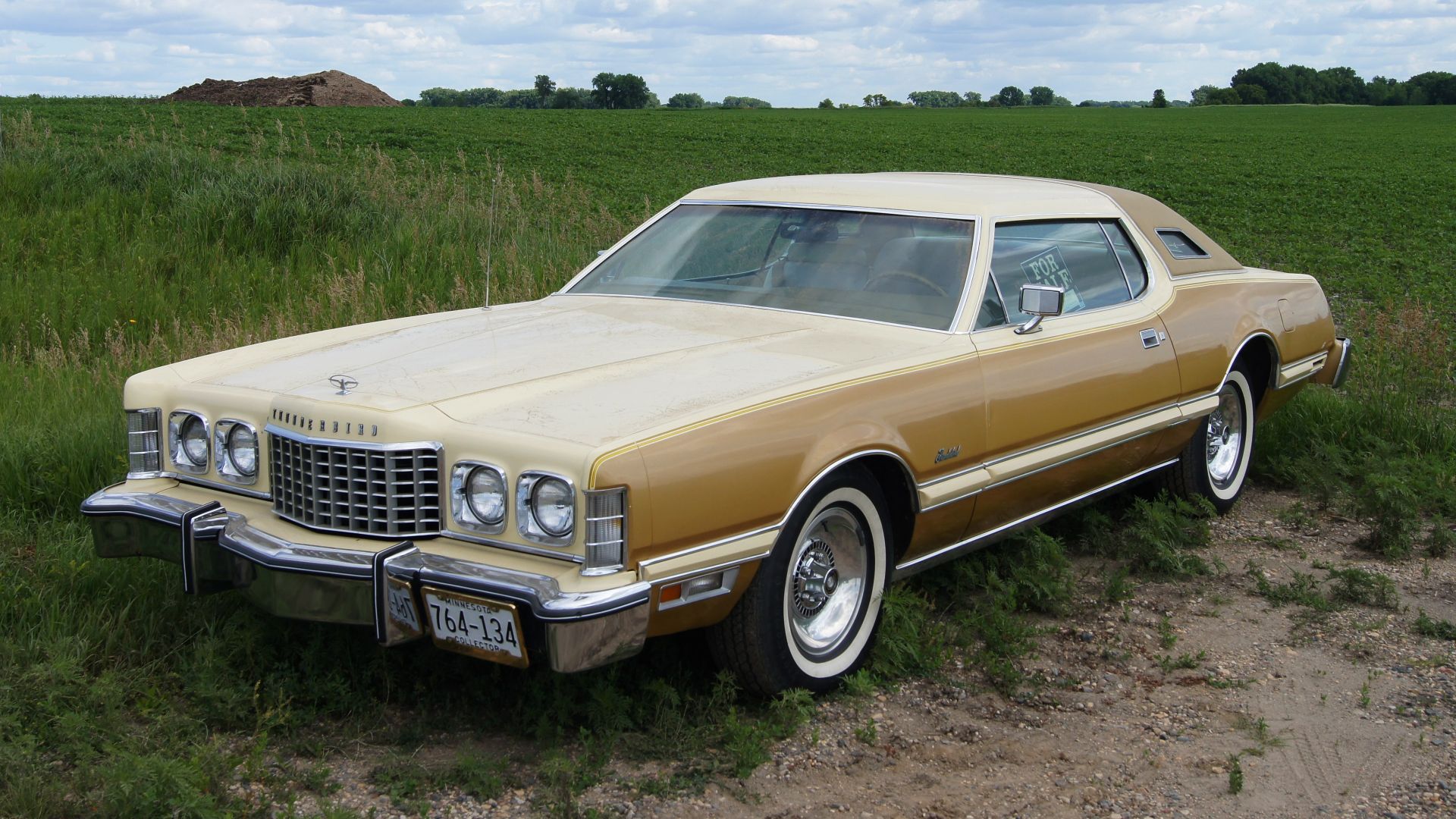
Ford Put Gold In The Windshield
The 1976 Thunderbird offered an electric windshield and rear-window defrost system described by Ford as using a “jet aircraft type” de-icing design. The windshield incorporated a gold-plated film laminated into the glass to help melt light snow and ice. A gold windshield heater sounds like satire. Ford printed it in the brochure.
 Greg Gjerdingen from Willmar, USA, Wikimedia Commons
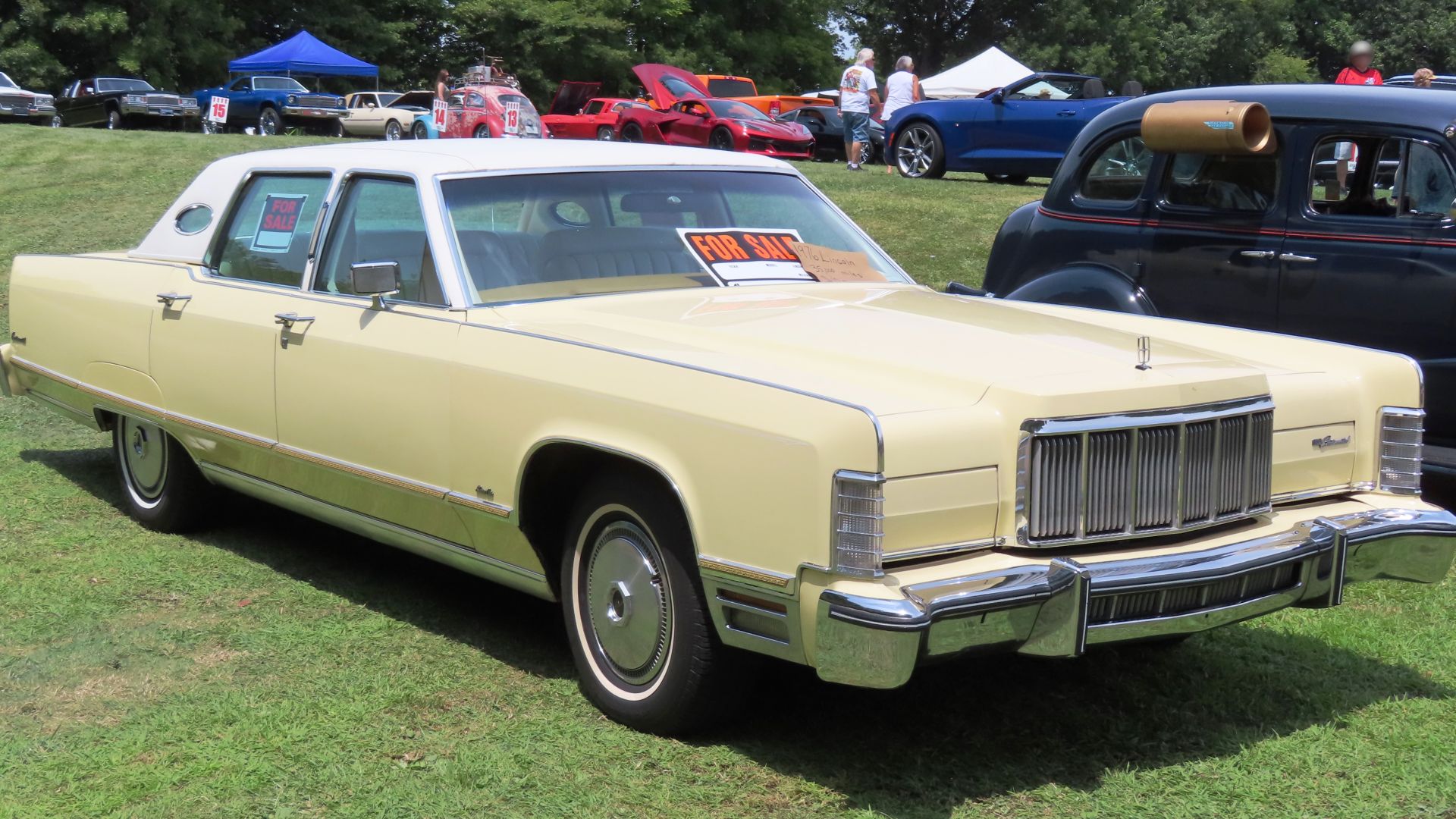
Lincoln Offered Four-Channel 8-Track Sound
Stereo wasn't enough for Lincoln. For 1976, buyers could get an AM/FM search radio paired with a Quadrasonic eight-track player. The four-channel setup attempted to surround occupants with sound, and Ford called its introduction in the Town Car and Town Coupe an industry first. Imagine explaining your quadraphonic eight-track collection today.
 MercurySable99, Wikimedia Commons
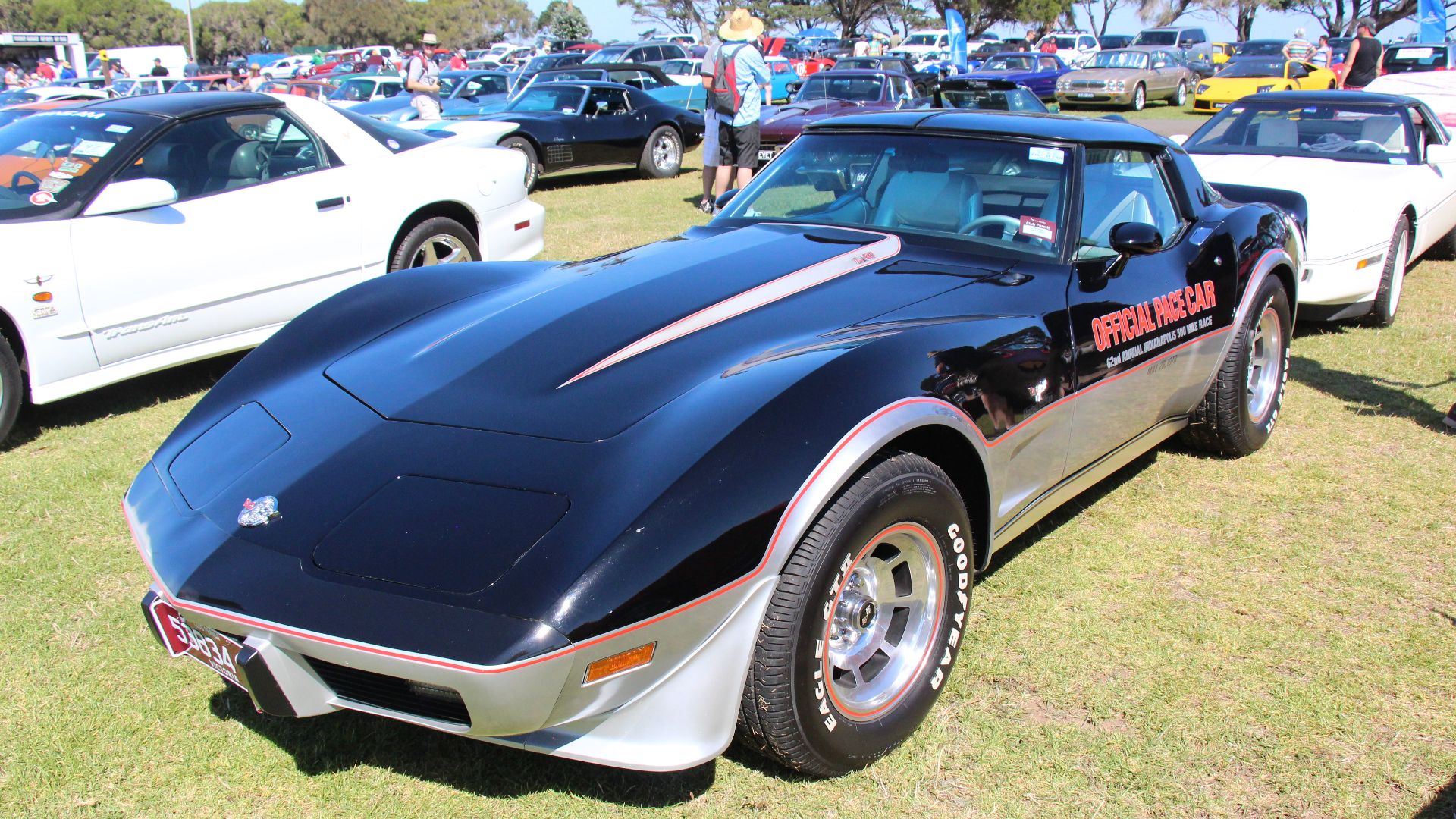
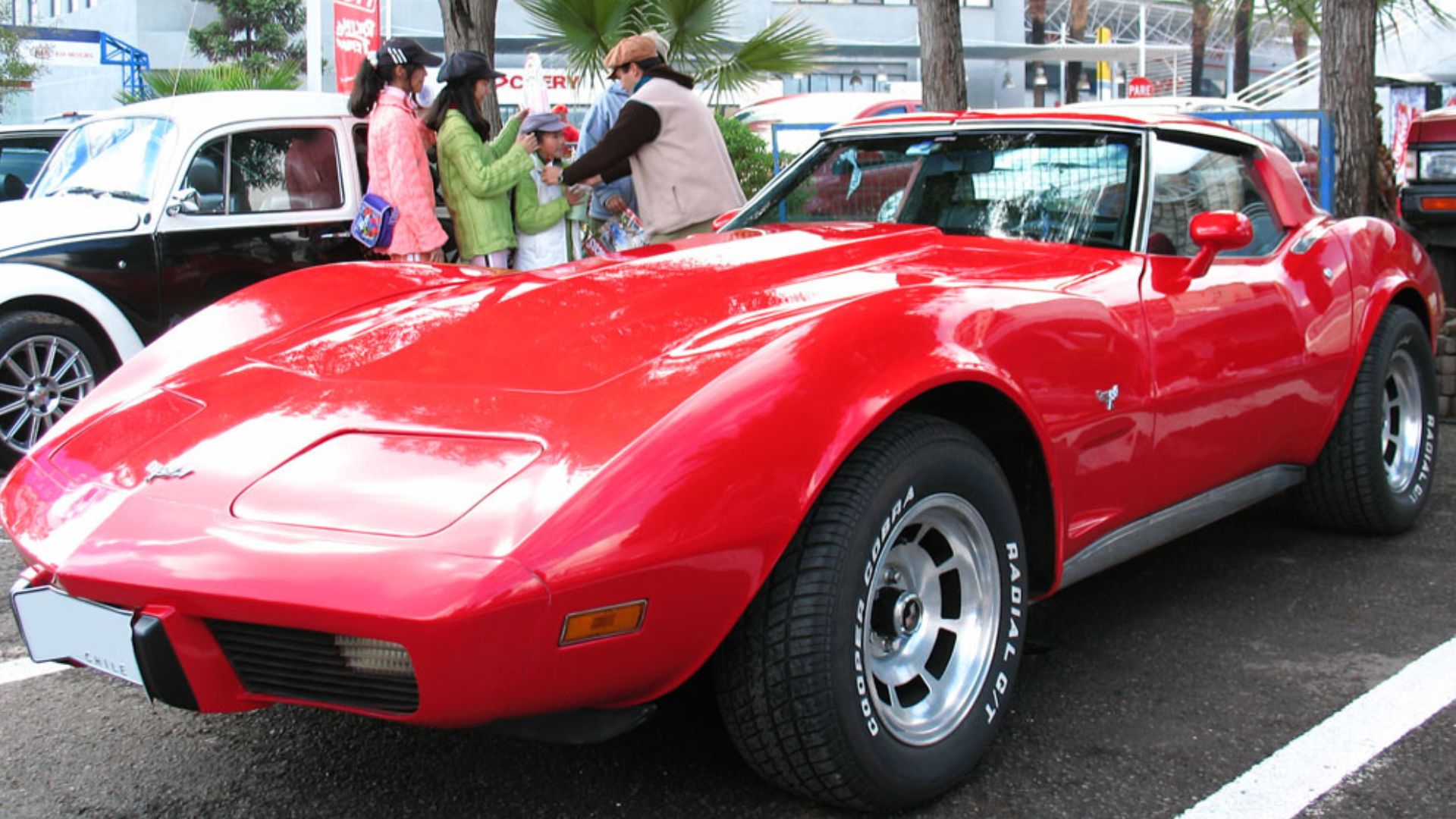
A Corvette Could Have A CB Radio
The CB-radio craze reached America's sports car. In 1978, Corvette offered RPO UP6, an AM/FM stereo incorporating a 40-channel CB radio and power antenna. Chevrolet built 7,138 Corvettes with the option. Your disco-era fiberglass sports car could therefore communicate with truckers without anything hanging under the dashboard.
A Corvette Could Also Have A Trailer Package
This one feels even stranger. Chevrolet's 1978 Corvette option list included RPO ZN1, officially called the Trailer Package. It bundled equipment including a heavy-duty radiator and FE7 Gymkhana suspension. Only 972 were recorded, but yes, Chevrolet genuinely allowed buyers to put factory trailering equipment on a Corvette.
 papurojugarpool, Wikimedia Commons
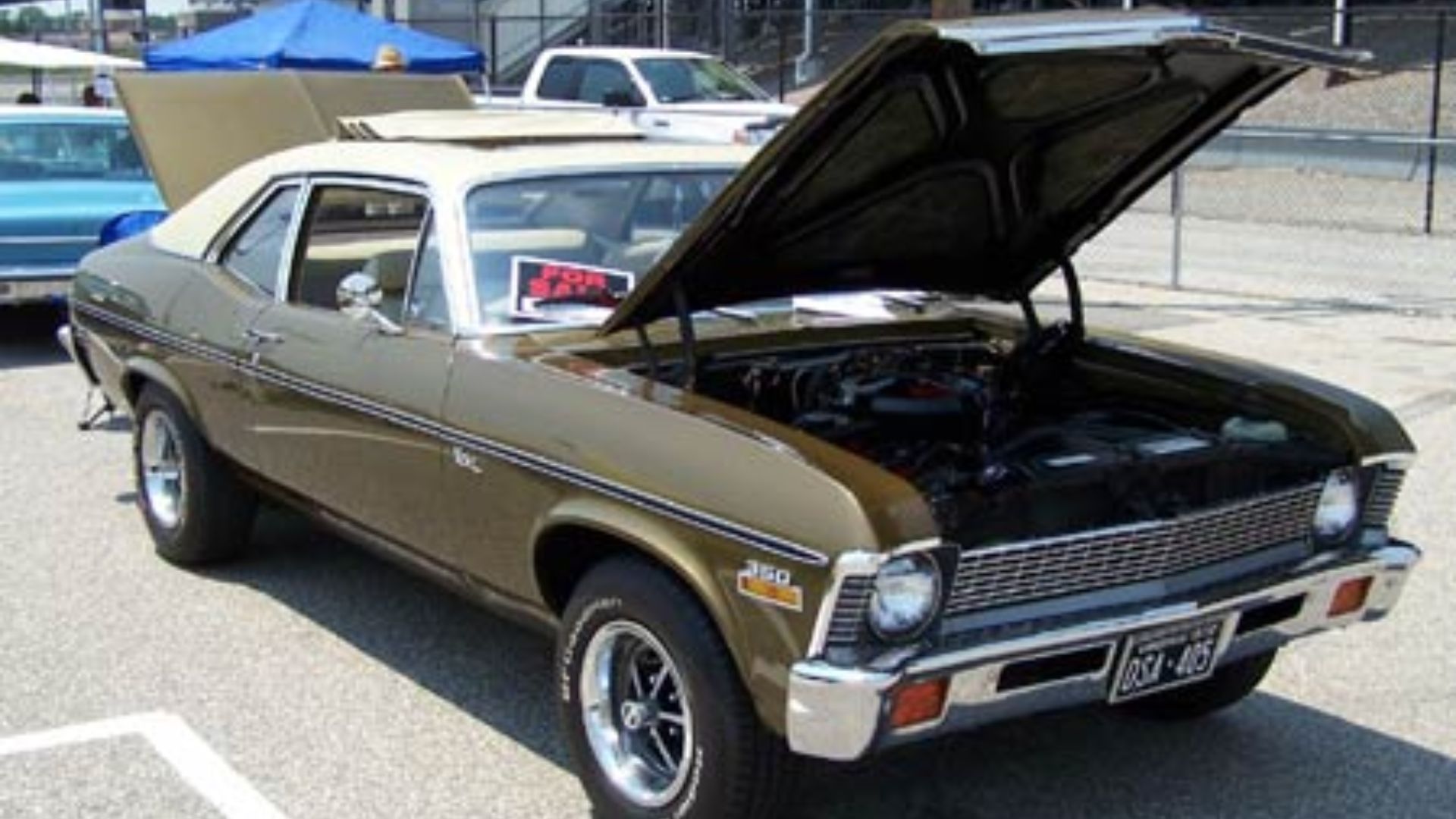
The Nova Had A Giant Fabric Sky Roof
Chevrolet introduced the Nova Sky Roof during the 1972 model year. This wasn't an ordinary steel sunroof. It was a large manually operated folding fabric opening, available in several colors and identified with genuine Chevrolet option codes. Chevrolet records show 6,822 Novas received one that first year.
 Richmond AACA, Wikimedia Commons
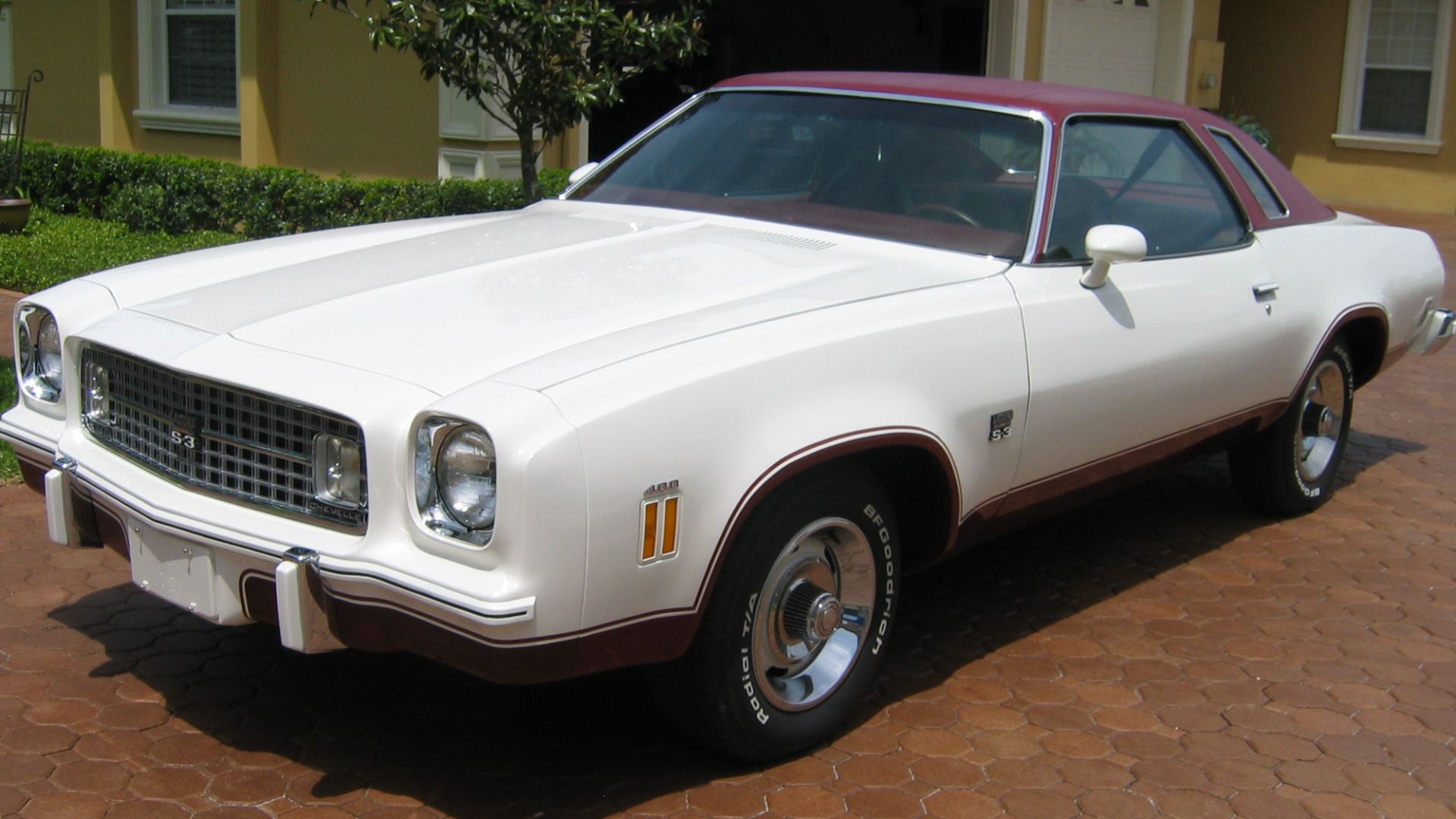
Chevrolet Seats Could Swivel Toward The Door
Some 1970s GM intermediates allowed the front bucket seats to rotate toward the doors, supposedly making entry and exit easier. Chevrolet advertised swivel Strato-bucket seats on Chevelles, including the Laguna, and even offered them on certain El Caminos. Nothing says Seventies personal luxury quite like turning your chair before leaving your car.
 Simon M. Canasi, Wikimedia Commons
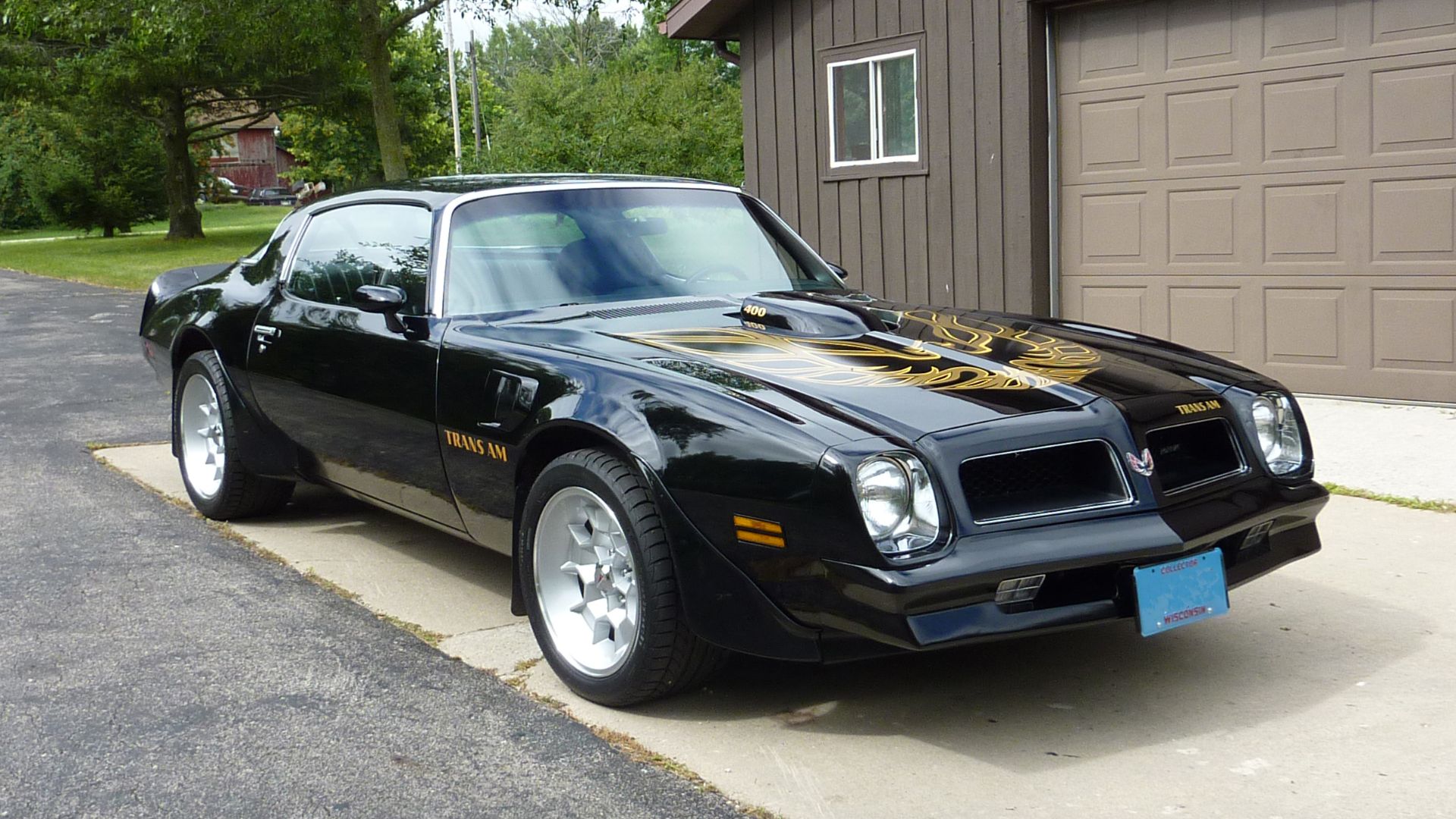
Pontiac Would Cut Two Holes In Your Roof
Pontiac's Hurst Hatch arrangement brought T-tops to the Trans Am during the mid-1970s. They appeared on the 1976 Special Edition cars before becoming more broadly available. Installation and water-leak headaches complicated the early program, but detachable roof panels soon became one of the defining visual signatures of the Trans Am era.
Mustang Buyers Could Order A Shaker
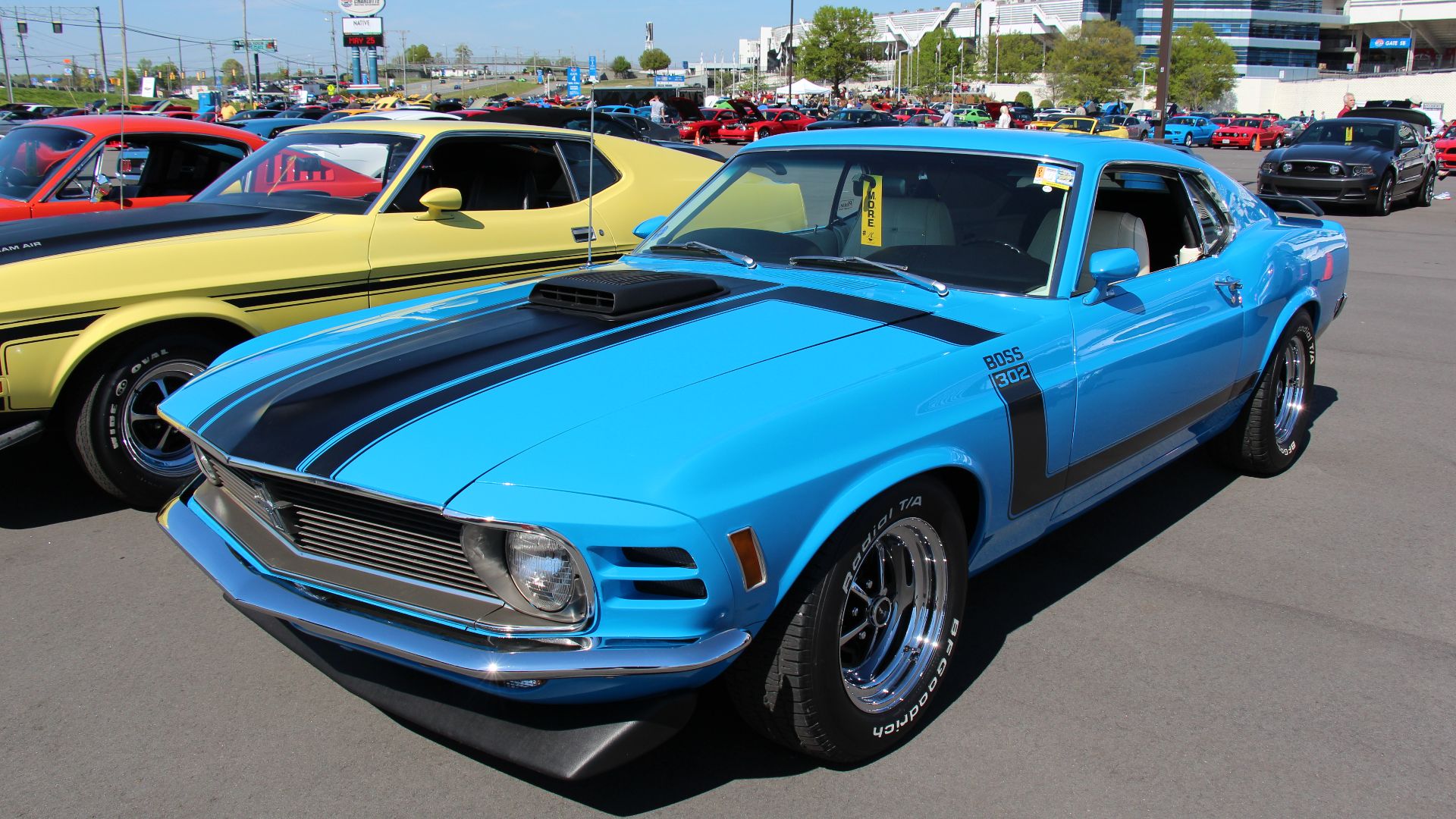
The Shaker hood scoop earned its name honestly. Attached directly to the engine rather than the hood, it visibly moved with the powertrain. Ford's 1970 Mustang literature listed the Shaker scoop among available performance equipment, including as an option on the Boss 302. It remains one of Detroit's most wonderfully unnecessary bits of theater.
Plymouth Sold Flower-Powered Roofs
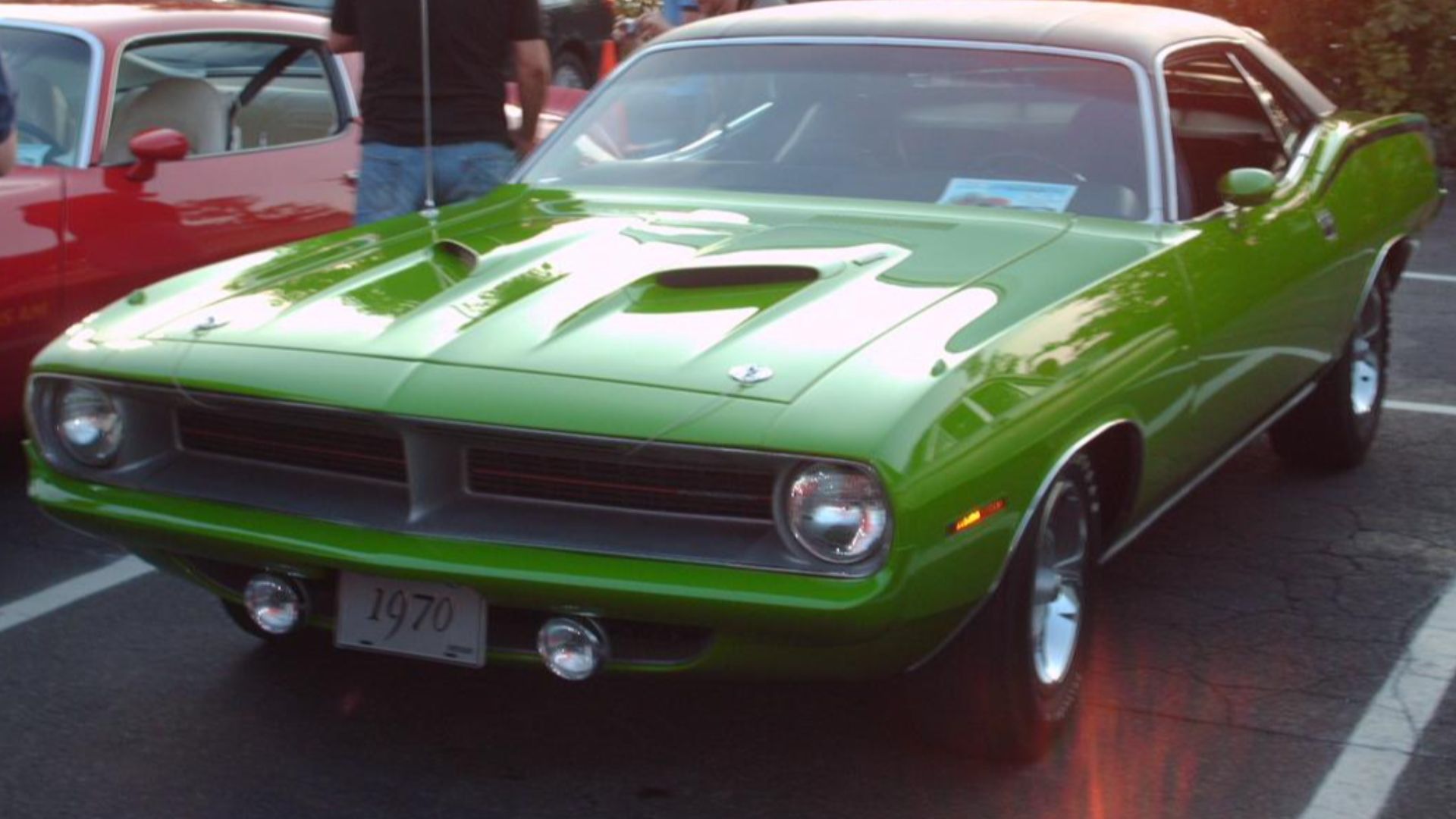
The floral-print vinyl roof was not somebody's questionable restoration idea. Plymouth genuinely offered Mod Top patterns on cars including the 1970 Barracuda, with yellow and blue floral designs carrying legitimate factory option codes. Buyers could combine the patterned roof with coordinating interior trim. Flower Power apparently reached the assembly line before disappearing almost as quickly.
AMC Let Gucci Design A Station Wagon
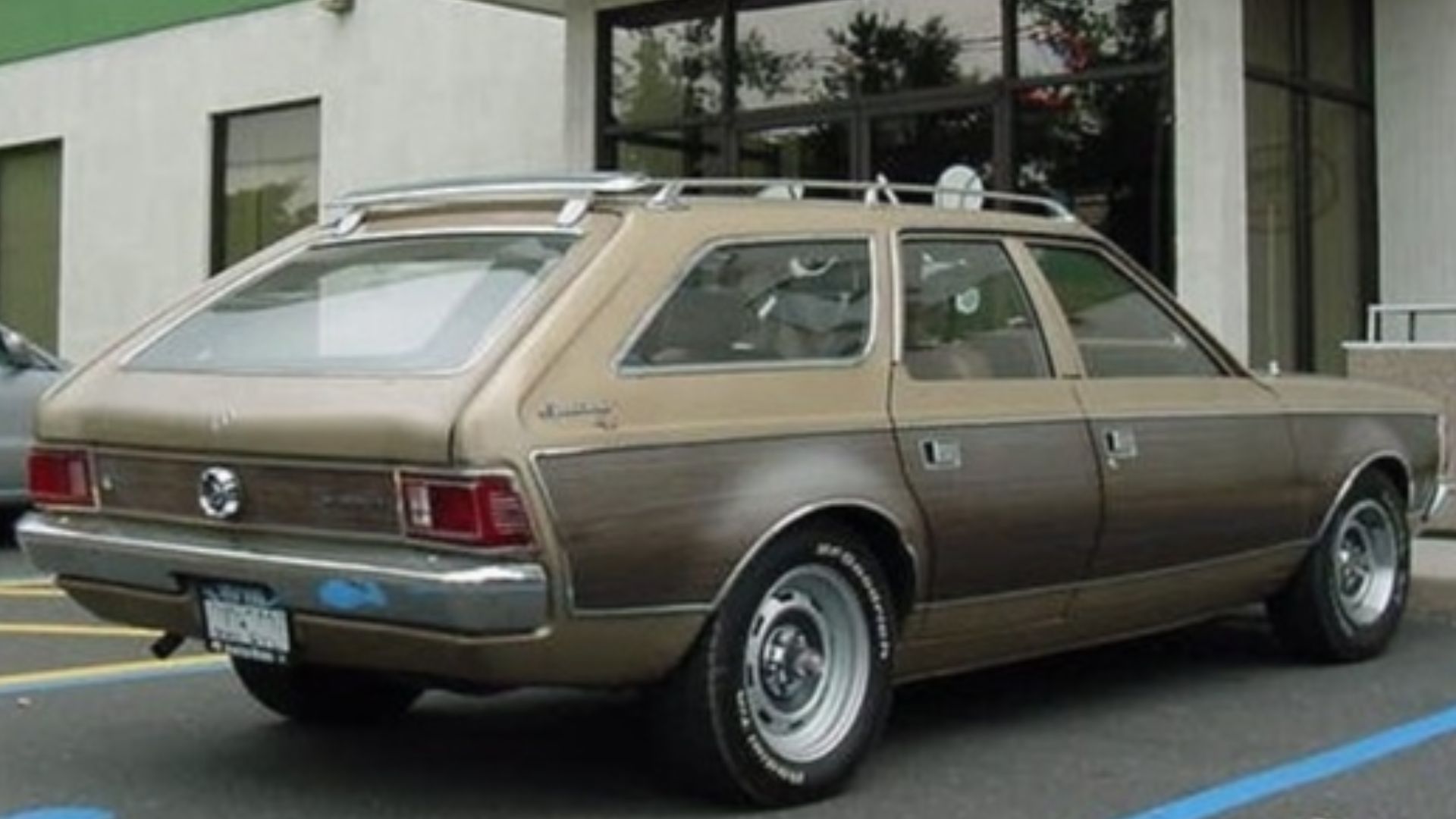
In 1972, AMC offered a Gucci-designed interior for the humble Hornet Sportabout wagon. The package combined green, ivory, and red upholstery with matching trim, dark-green carpeting, and a headliner incorporating Gucci's double-G pattern. AMC's own brochure proudly called it a “very special option.” Nearly 5,000 were sold over two years.
Pierre Cardin Designed A Javelin Interior
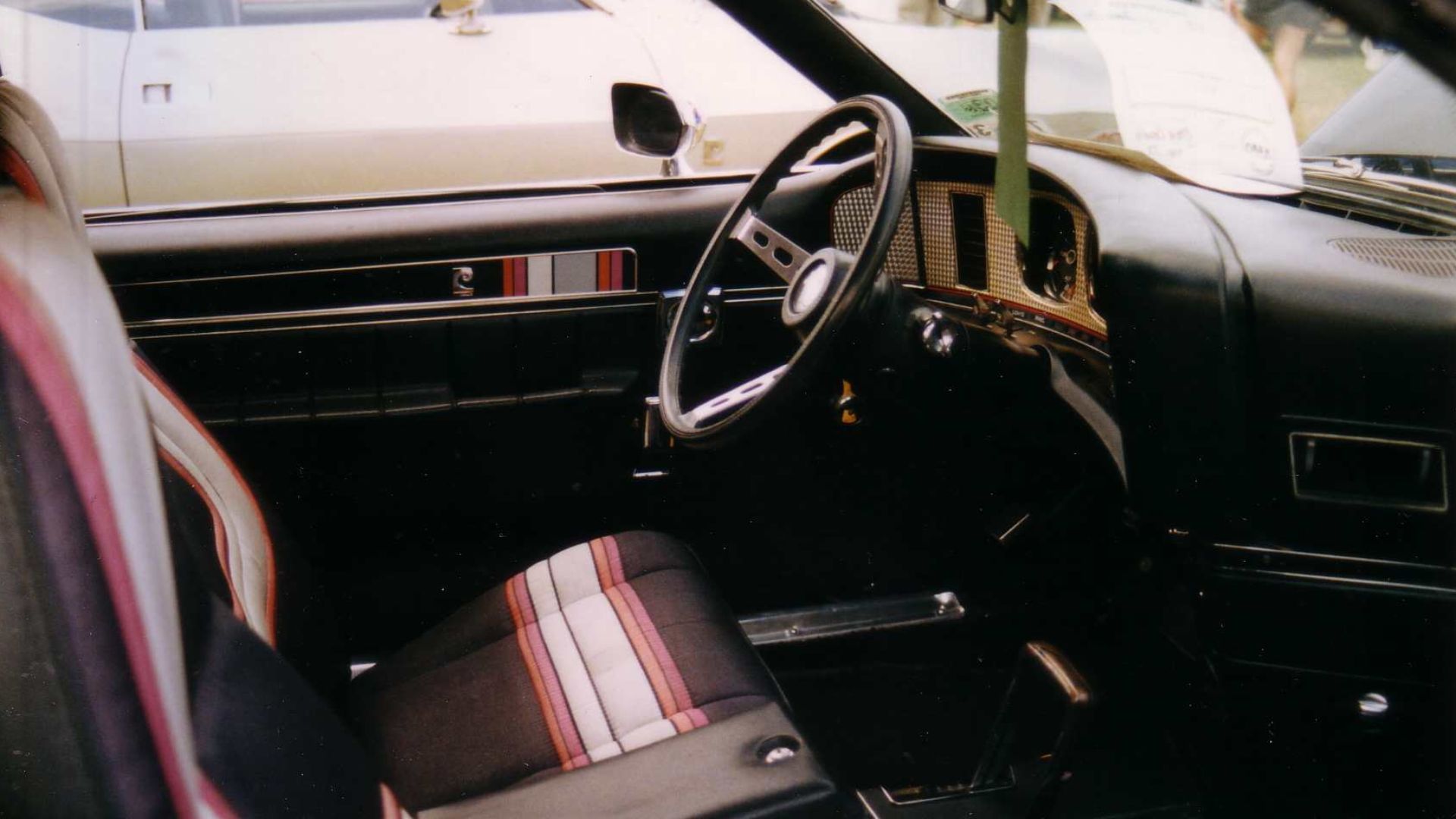
AMC wasn't finished with high fashion. The 1972 Javelin could be ordered with a Pierre Cardin interior featuring sweeping stripes of red, plum, white, and silver running across the seats, doors, and even the headliner. The option cost just $84.95 initially. More than 4,000 Cardin Javelins eventually received the treatment.
The Gremlin Wore Levi's
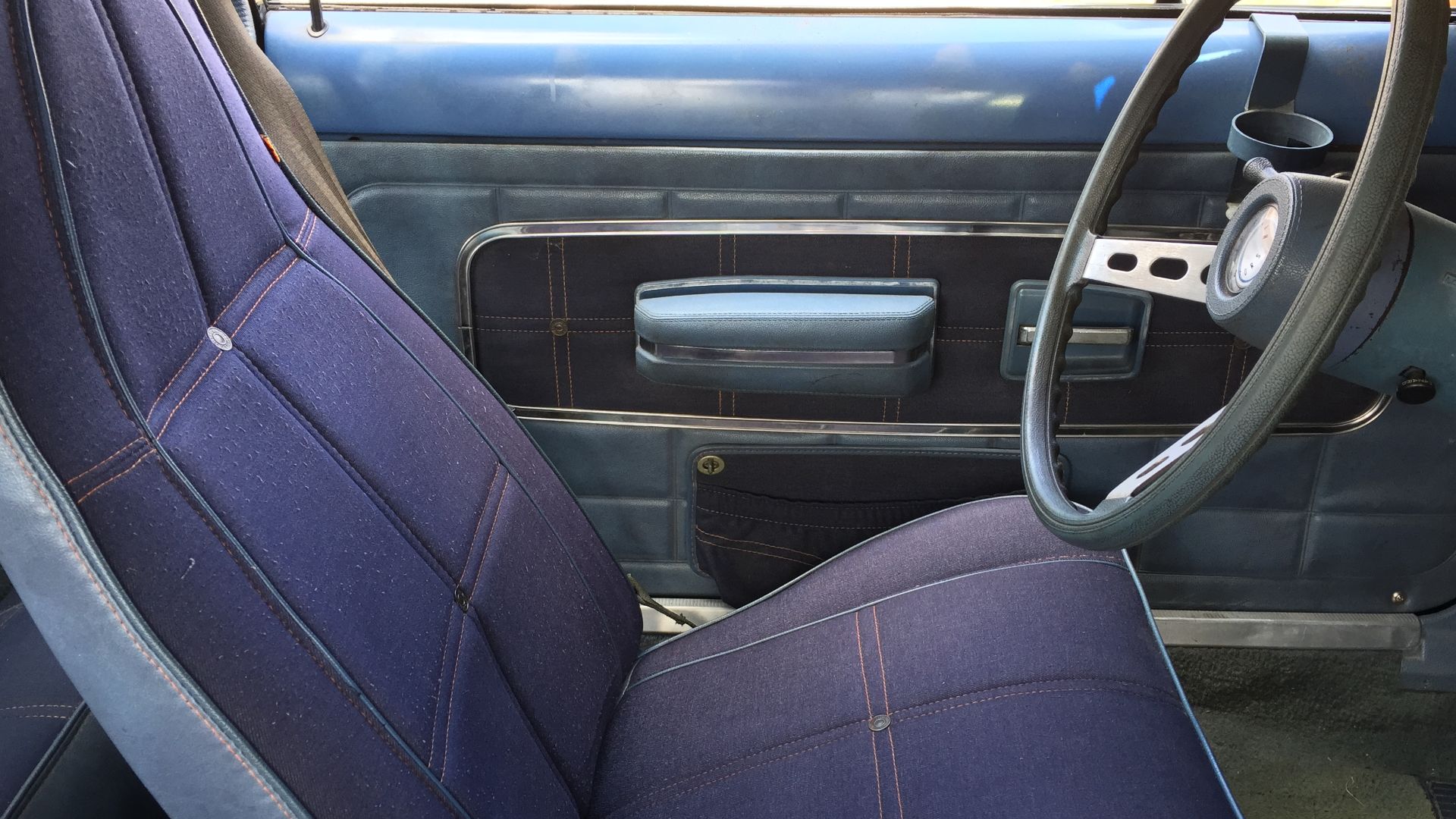
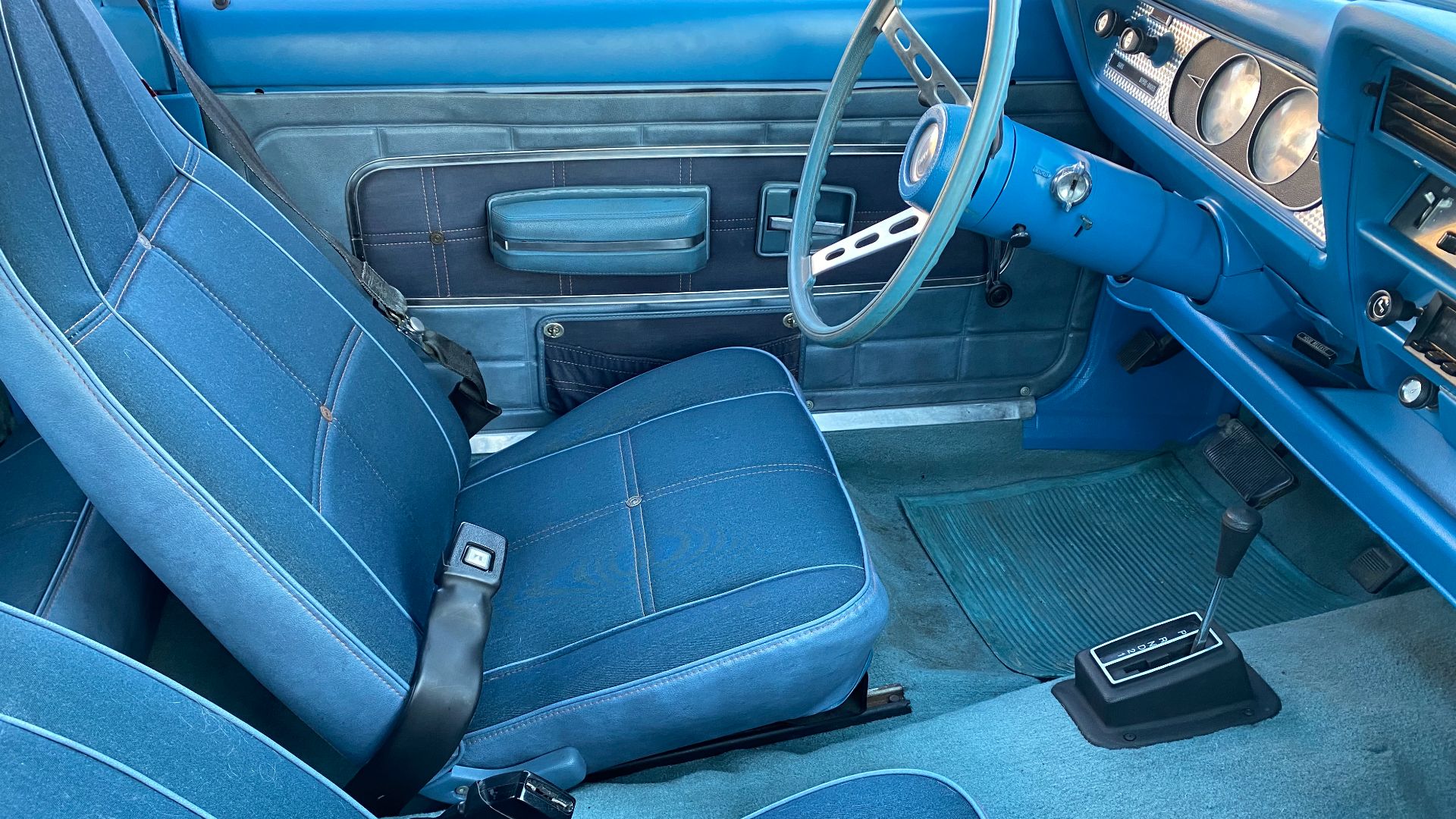
Then AMC partnered with Levi Strauss. The Gremlin's optional Levi's trim recreated the look of blue jeans inside the car, complete with familiar styling cues. Later AMC literature still advertised the “famous denim look.” The upholstery was designed to resemble denim while meeting automotive requirements, producing perhaps the ultimate Baby Boomer-era fashion crossover.
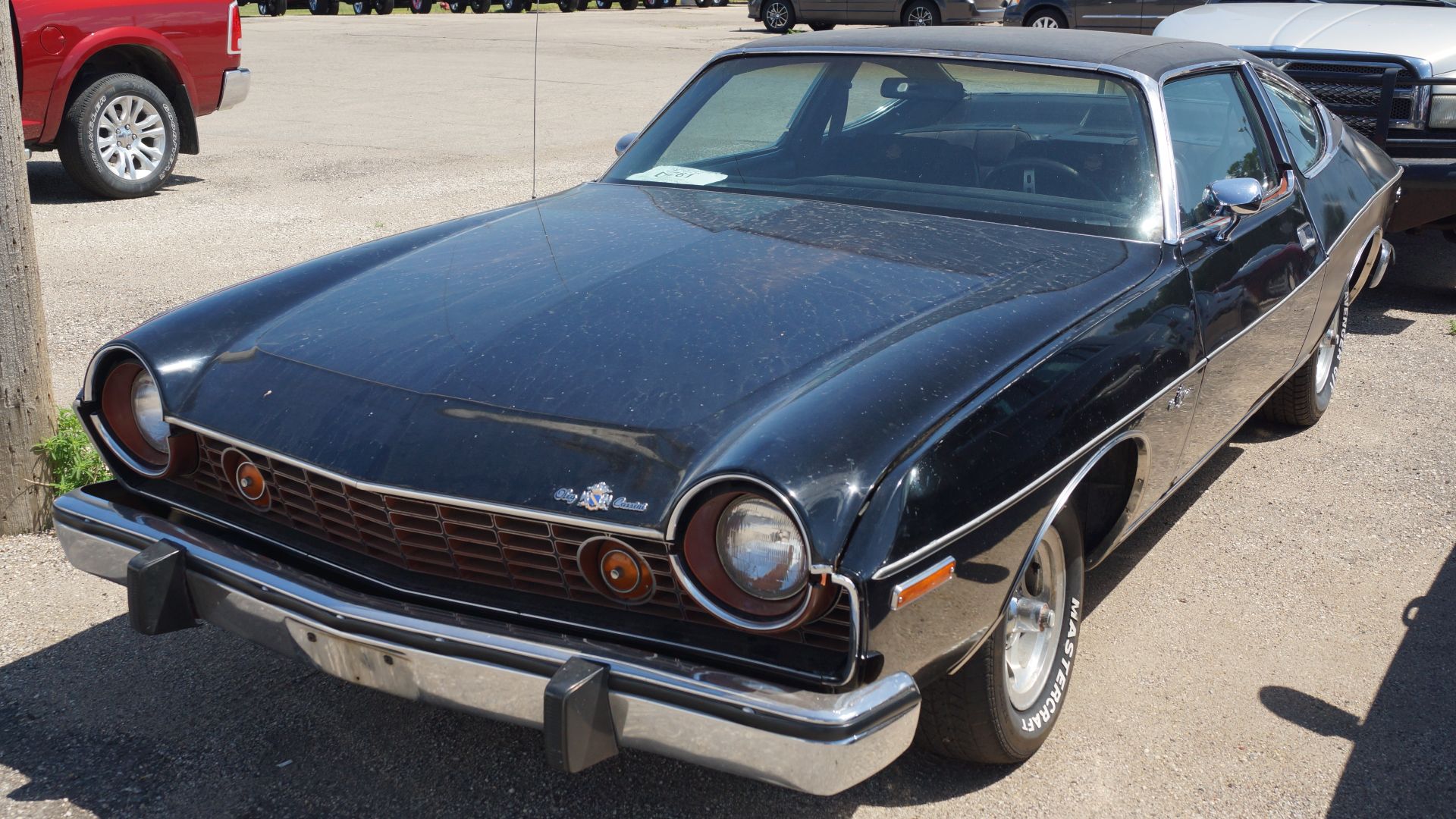
The Matador Got An Oleg Cassini Makeover
Fashion designer Oleg Cassini lent his name to an optional Matador coupe package for 1974 and 1975. AMC's literature advertised black nylon-knit seating decorated with copper-colored buttons, embroidered Cassini crests, copper carpeting, special wheel covers, and coordinated exterior touches. Apparently even a Matador could dress for a night on the town.
 Greg Gjerdingen from Willmar, USA, Wikimedia Commons
Lincoln Created Four Designer Cars At Once
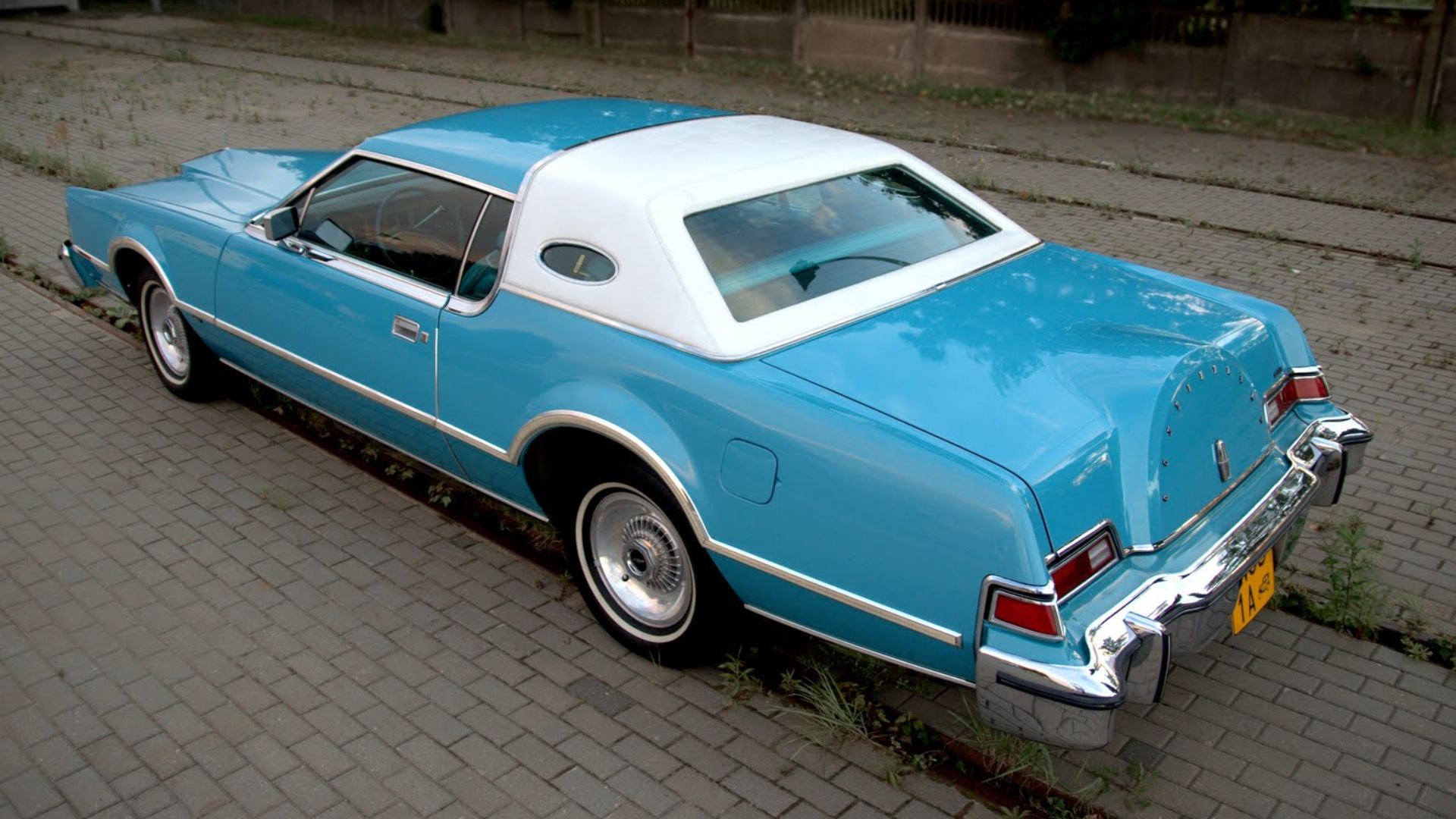
Lincoln took the designer idea upscale in 1976, launching Mark IV editions associated with Cartier, Bill Blass, Givenchy, and Pucci. Each received carefully coordinated paint, roof, pinstriping, and interior treatments. Designer identification even appeared in the opera windows, accompanied by personalized instrument-panel plaques bearing the owner's name.
 LincolnGivenchy, Wikimedia Commons
Thunderbird Offered The Lipstick Luxury Group
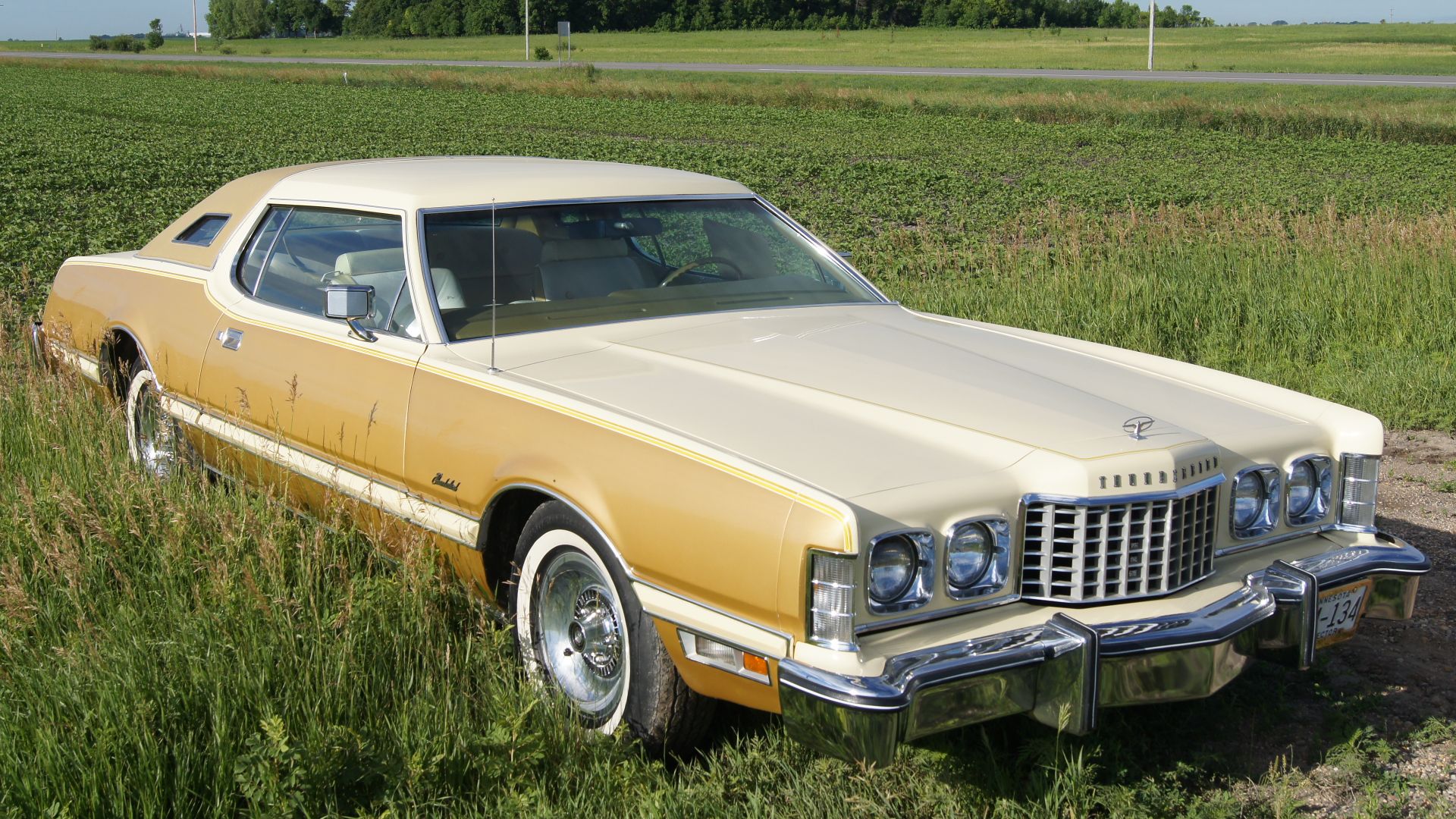
Yes, Ford actually called it the Lipstick Luxury Group. Available on the 1976 Thunderbird, the package combined dramatic exterior and interior color treatments built around red and white. The same brochure listed more restrained Creme and Gold and Bordeaux Luxury Groups, but only one sounded like something ordered from a cosmetics counter.
 Greg Gjerdingen from Willmar, USA, Wikimedia Commons
Torino Buyers Could Order A Laser Stripe
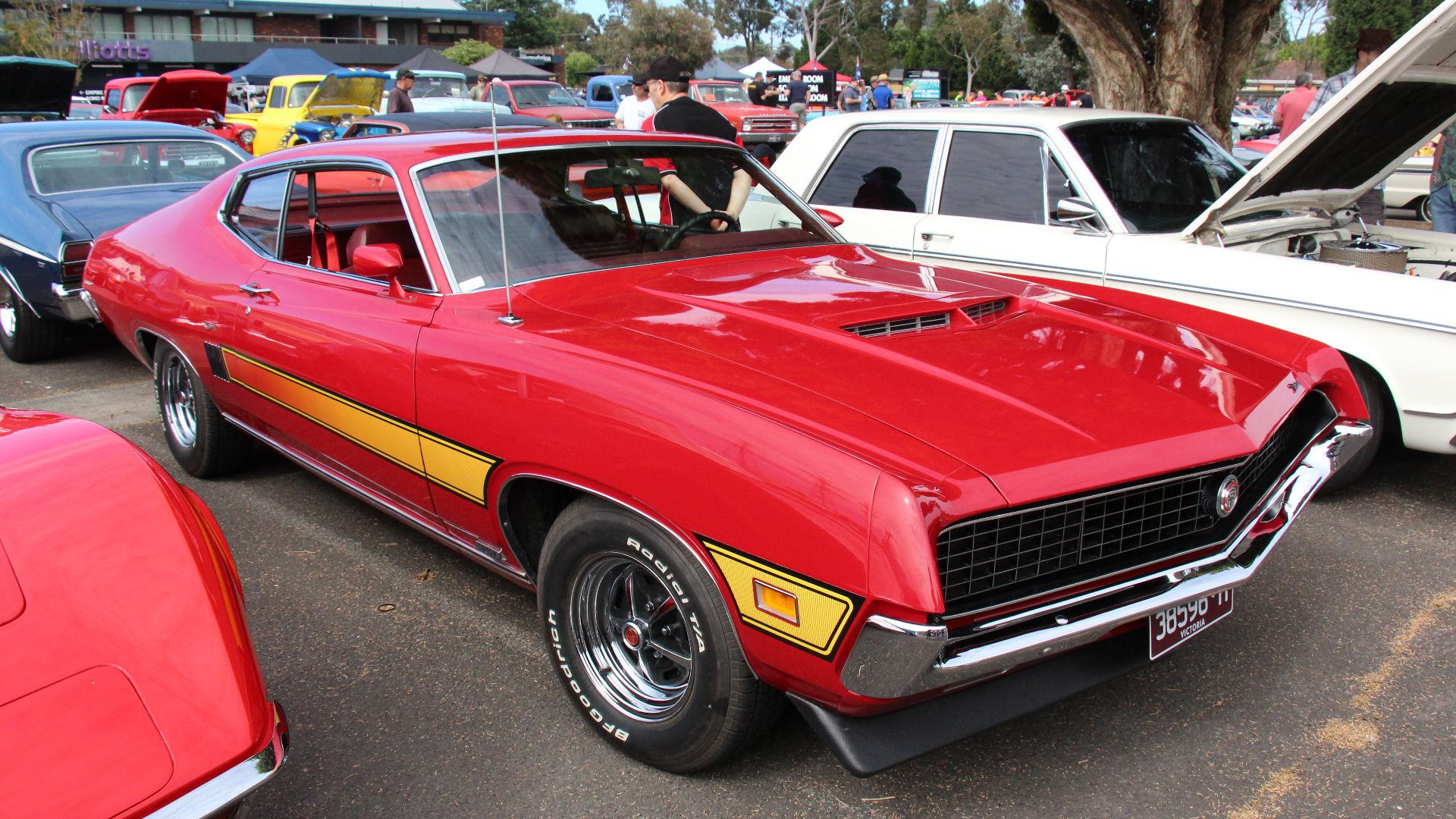
Ford's 1970 options guide advertised a “Laser Stripe” for Torino GT models. Despite that wonderfully futuristic name, it wasn't a laser at all. It used graduated reflective tape and was offered in colors including red, blue, brown, and green. Few phrases capture 1970 quite as perfectly as an optional reflective Laser Stripe.
You Could Honk By Squeezing The Steering Wheel
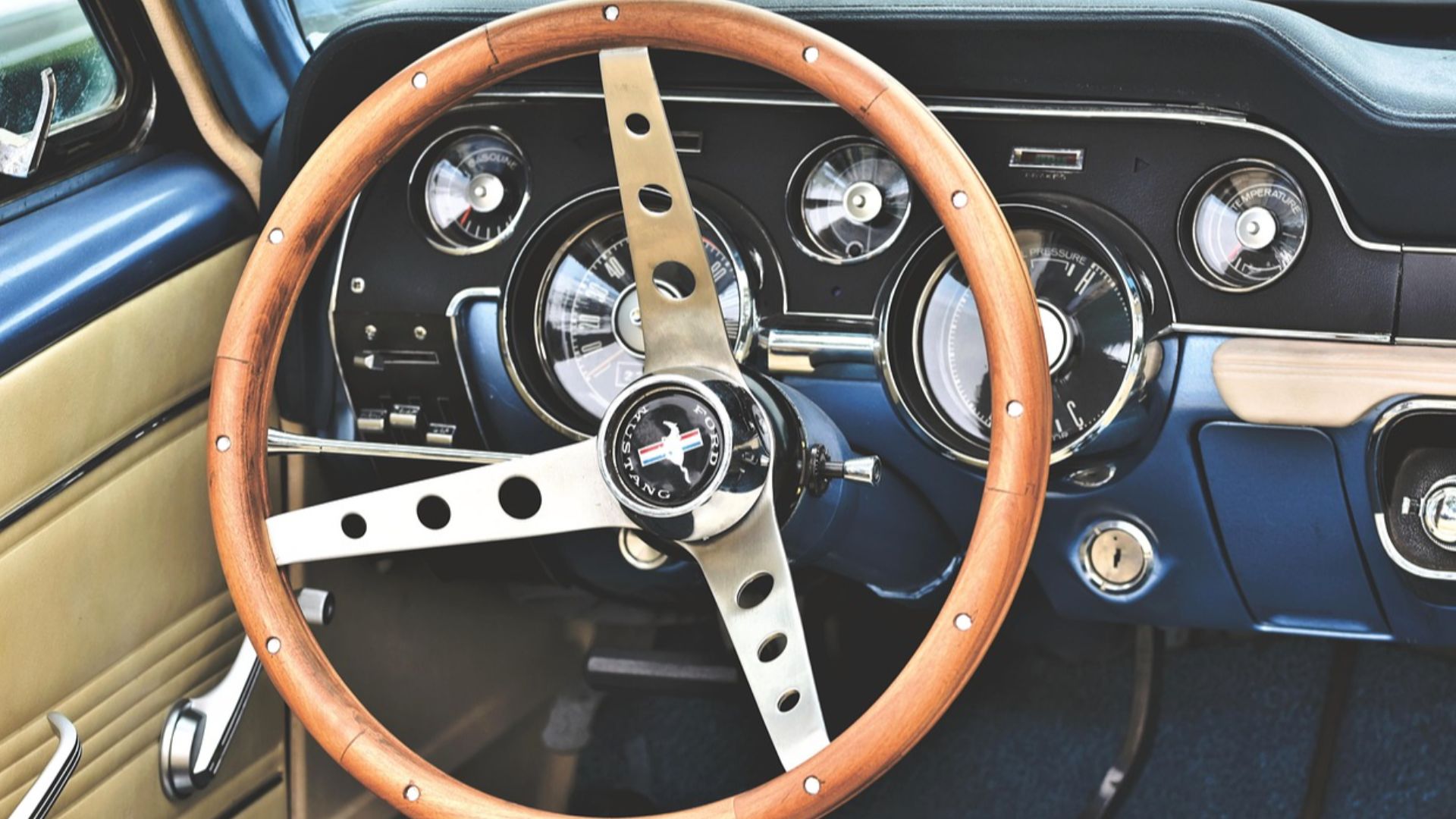
Ford's optional Rim-Blow steering wheel eliminated the usual horn button. Instead, the driver squeezed a pressure-sensitive strip running around the inside edge of the steering-wheel rim. Ford listed its deluxe three-spoke version as optional on models including the Mustang and Thunderbird. Convenient when new, aging rubber later made surviving examples wonderfully temperamental.
The Seventies Really Were Different
Looking back, the strangest thing isn't that these options existed. It's how freely automakers experimented. You could buy genuine airbags beside floral roofs, computerized brakes alongside fashion-designer seats, and a Corvette with a CB radio and towing package. Some ideas vanished. Others quietly became standard. Either way, the Seventies options sheet was never boring.
You May Also Like:
The $3.24 Million Oldsmobile Is One Of Just Five Ever Made—And The Only One That Survived




.jpg)
.jpg)
.jpg)