When Tragedy Built A Legend
Long before SUVs became the default family car, there was a tiny, no-frills vehicle bouncing across battlefields with zero concern for comfort or style. The Willys MB wasn’t built to impress—it was built to survive. But somewhere along the way, this rugged little machine accidentally planted the seeds for one of the biggest automotive trends ever.
 Unnamed personnel of U.S. Army, Wikimedia Commons
A Vehicle Born Out Of Urgency
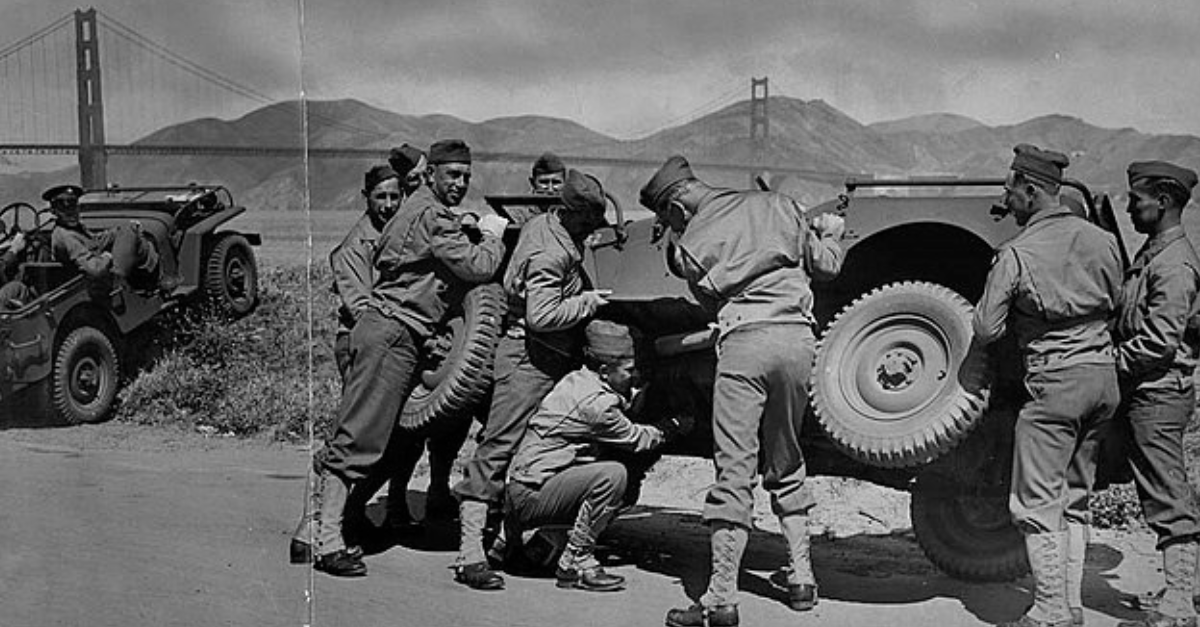
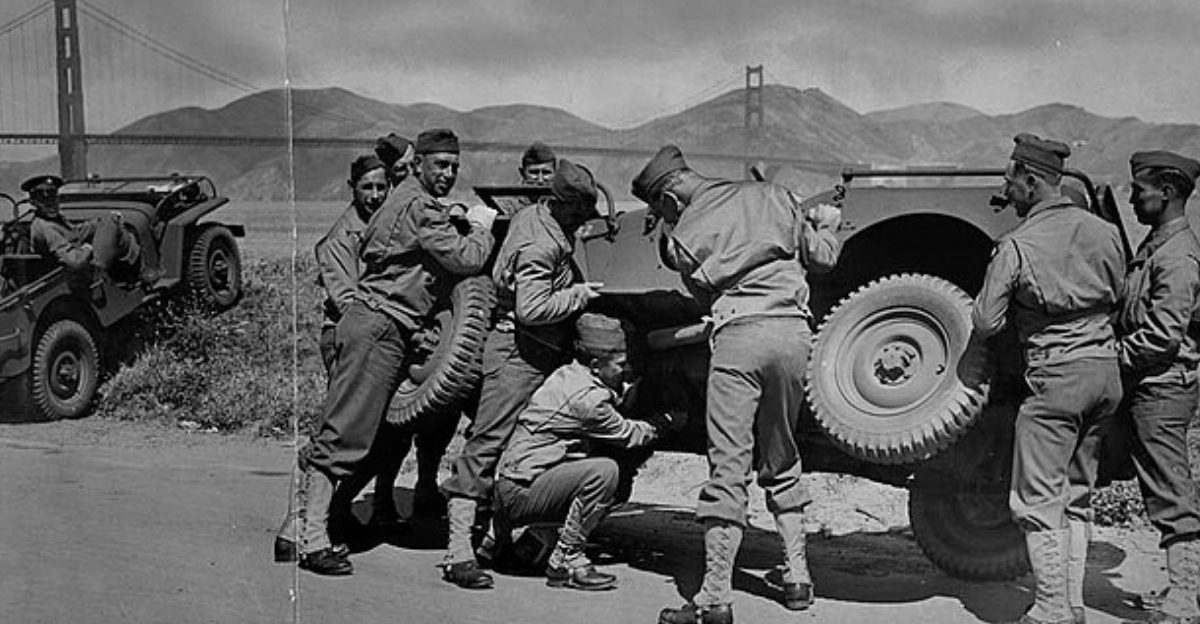
Back in 1940, the US Army basically told automakers, “We need a new vehicle—and we need it yesterday”. Companies were given a brutally short deadline to design something usable, which meant there was no time for overthinking. The result? A vehicle shaped entirely by urgency, where function mattered more than finesse.
 US Army Signal Corps, Wikimedia Commons
The Three Companies Behind The Jeep
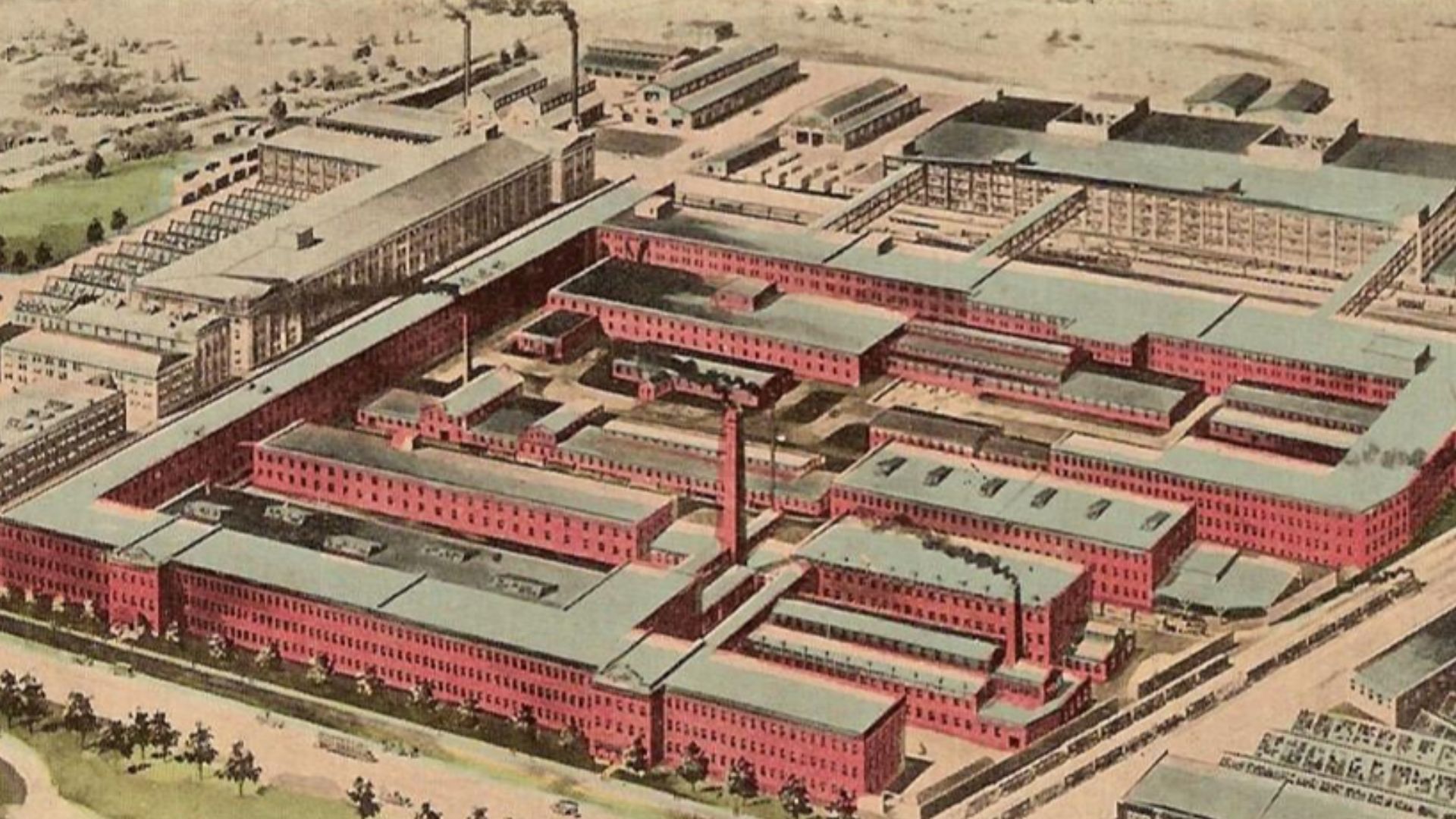
Even though Willys-Overland gets most of the credit, the Jeep wasn’t a one-company show. Bantam came up with the original concept, Ford contributed key design tweaks, and Willys ultimately took the lead on production. It was less of a solo invention and more of a group project under pressure—with surprisingly great results.
 Unknown authorUnknown author, Wikimedia Commons
The Willys MB Takes Center Stage
Once everything shook out, the Willys MB became the standard Jeep used in World War II. It wasn’t flashy, it wasn’t luxurious, but it was exactly what was needed. Simple, sturdy, and endlessly dependable, it quickly became one of the most recognizable vehicles of the conflict.
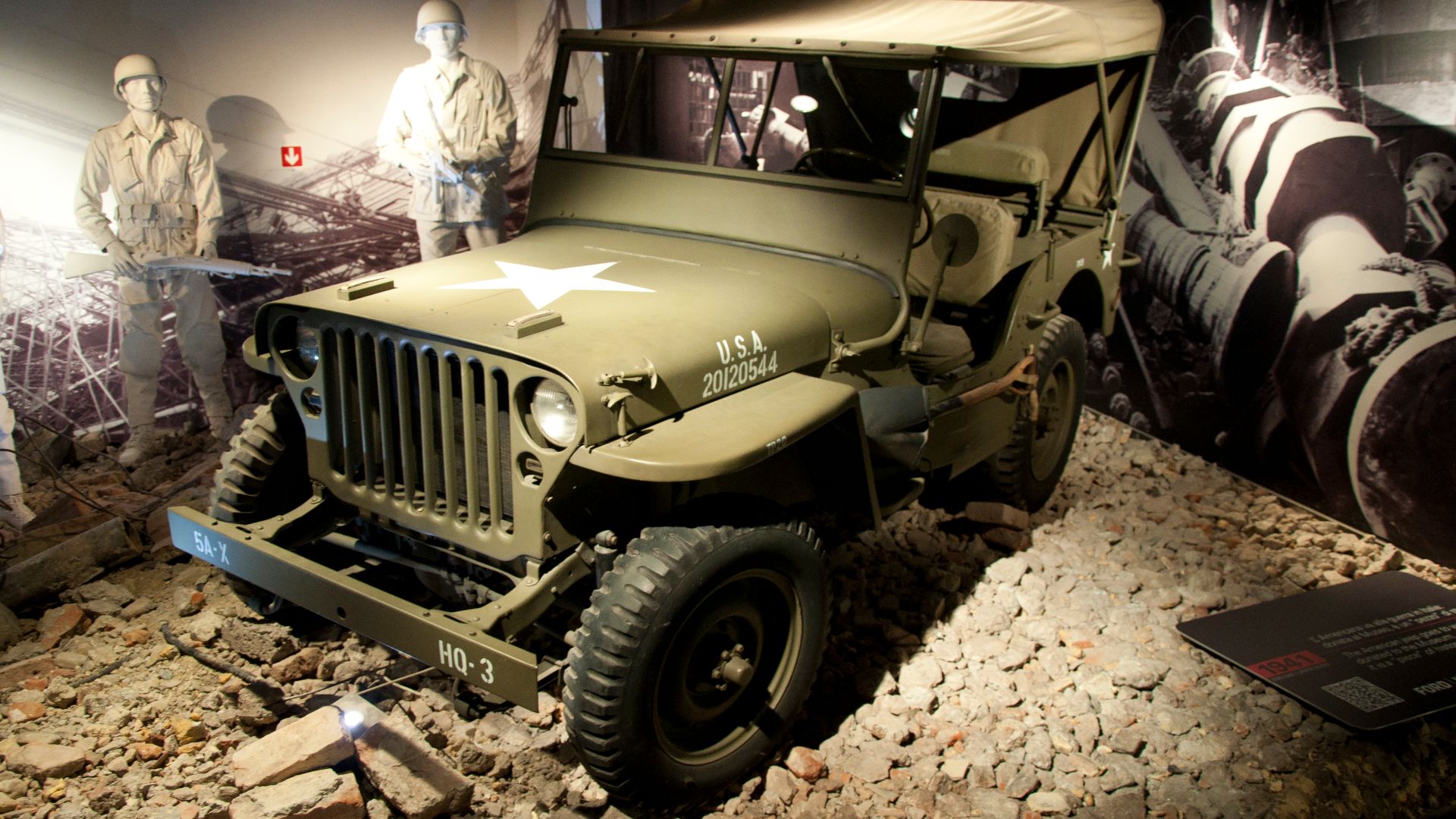 Rahil Rupawala, Wikimedia Commons
Built To Go Anywhere—Literally
If there was one thing the Jeep did better than anything else, it was getting from point A to… wherever point B happened to be. Mud, sand, snow, rocky hills—it handled it all without much complaint. At a time when most vehicles struggled off-road, the Jeep made rough terrain look almost easy.
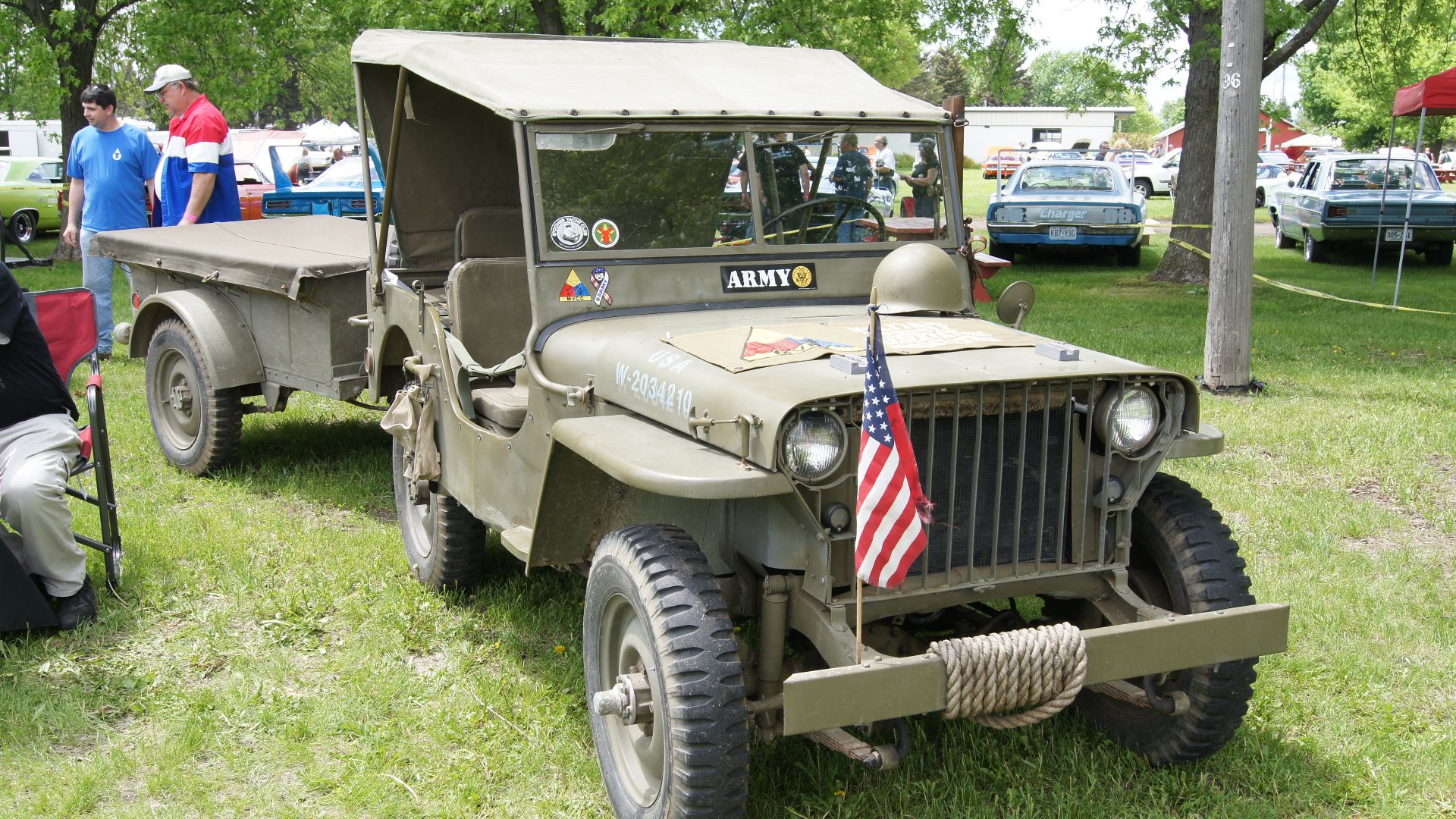 Greg Gjerdingen from Willmar, USA, Wikimedia Commons
Lightweight But Surprisingly Tough
The Willys MB weighed just over 2,400 pounds, which made it relatively light and easy to maneuver. But despite that, it was incredibly tough and could take a serious beating. It was the kind of vehicle you could push, pull, or patch up—and it would still keep going.
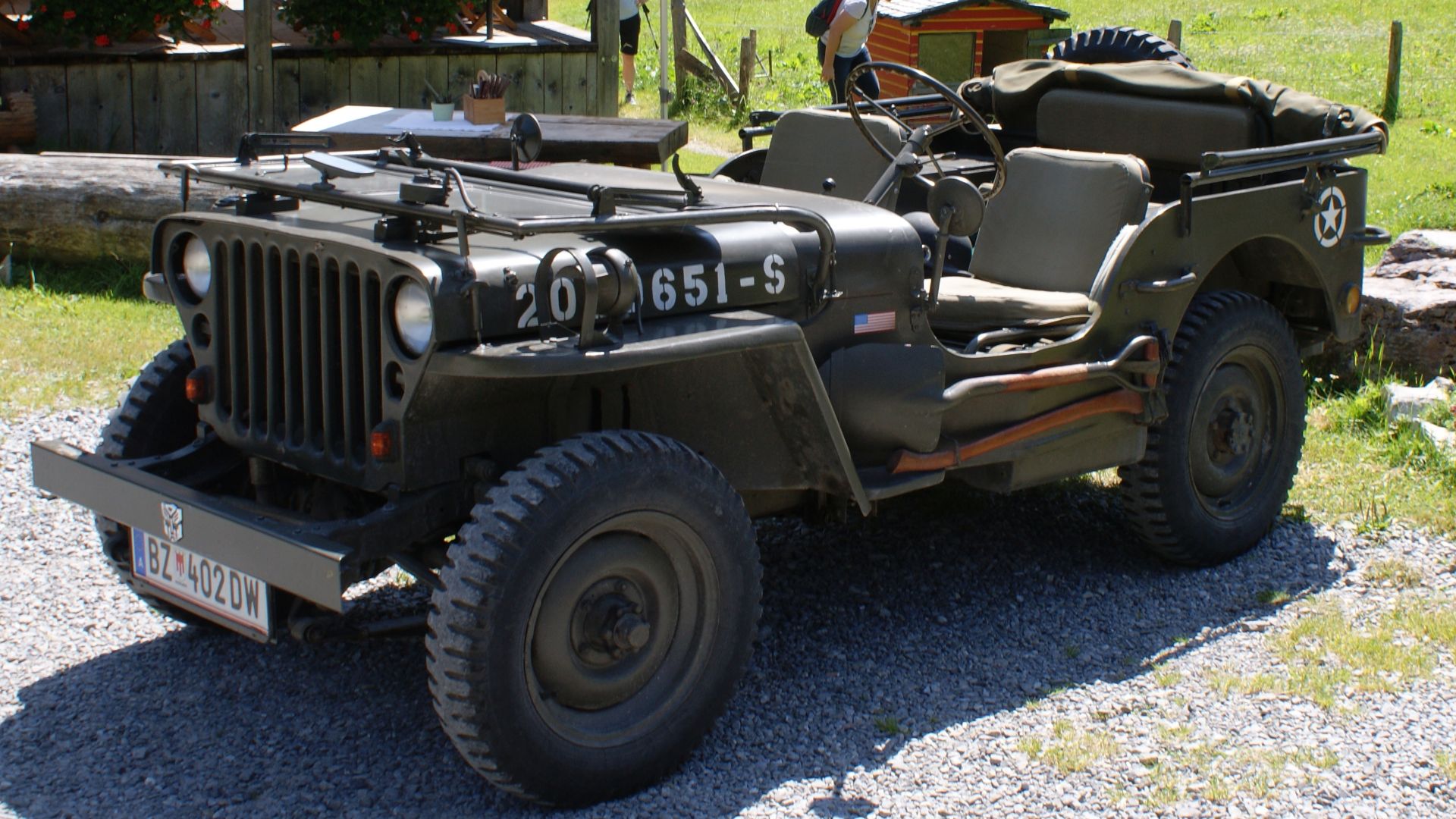
The “Go-Devil” Engine That Powered It All
Under the hood was the 2.2-liter “Go-Devil” engine, and while it wasn’t going to win any races, it was exactly what the situation called for. It was reliable, easy to maintain, and tough enough to handle harsh conditions. That kind of dependability mattered way more than speed.
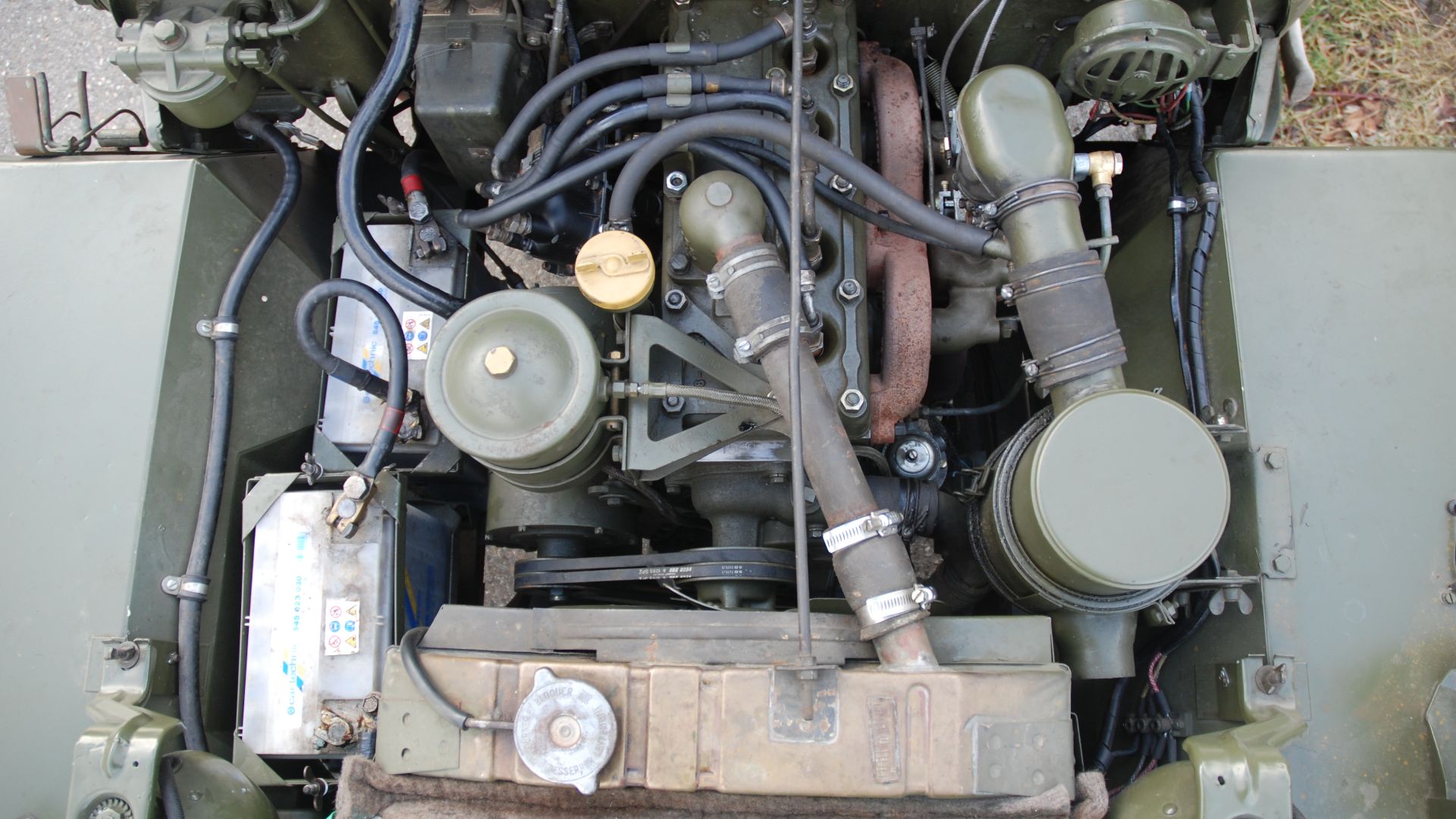 HornM201 13:11, 11 January 2008 (UTC), Wikimedia Commons
Designed For Easy Repairs
One of the Jeep’s smartest features was how easy it was to fix. People didn’t need a full workshop to keep it running—just some basic tools and a bit of know-how. That simplicity turned it into something more than a vehicle—it became a lifeline when things went wrong.
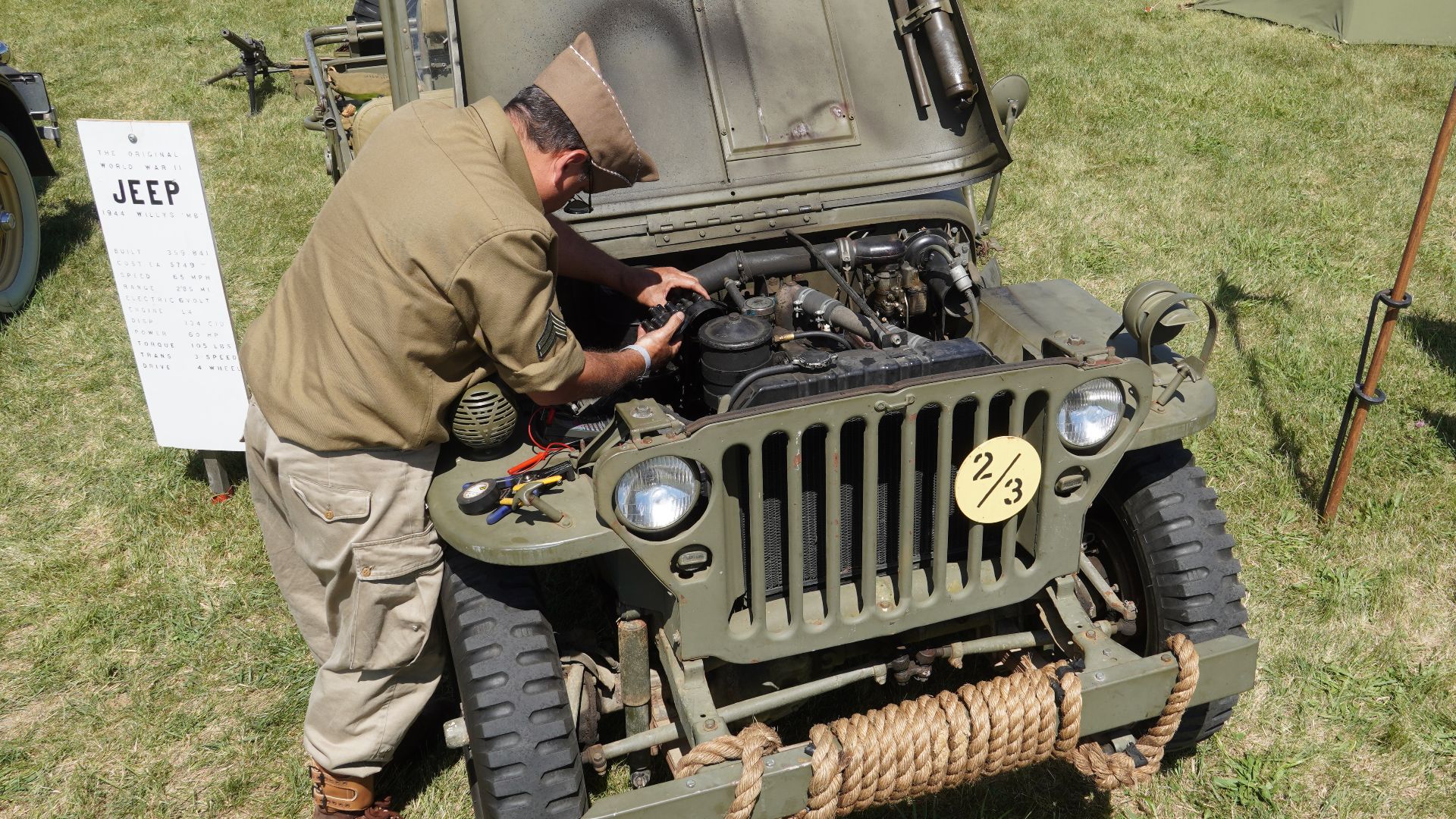
A Multi-Purpose Machine
The Jeep didn’t stick to just one job, either. It carried fighters, hauled supplies, transported the wounded, and even served as a mobile platform for dangerous tools. You could mount a tool on it one minute and use it as an ambulance the next.
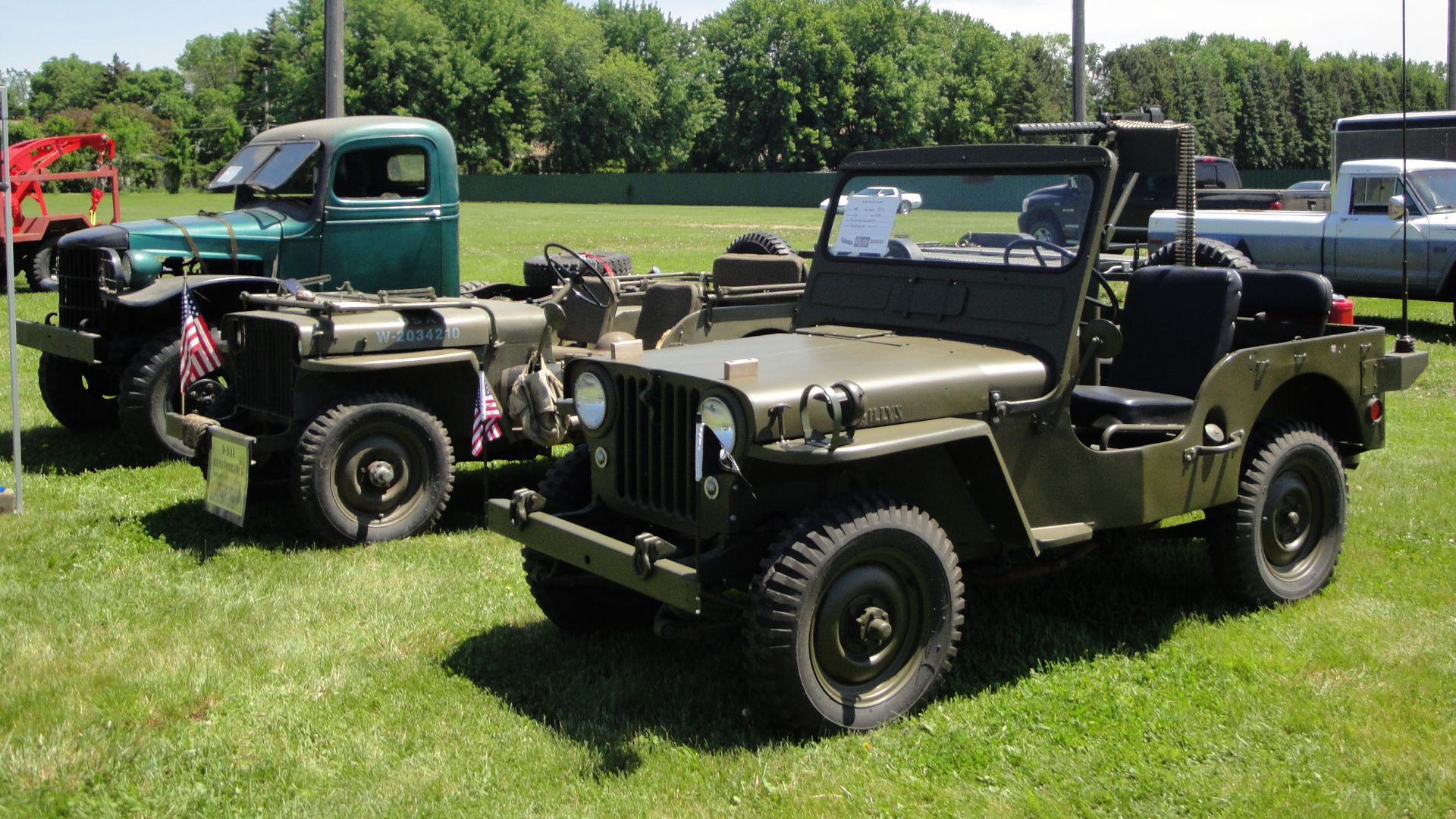 Greg Gjerdingen from Willmar, USA, Wikimedia Commons
Trusted Everywhere
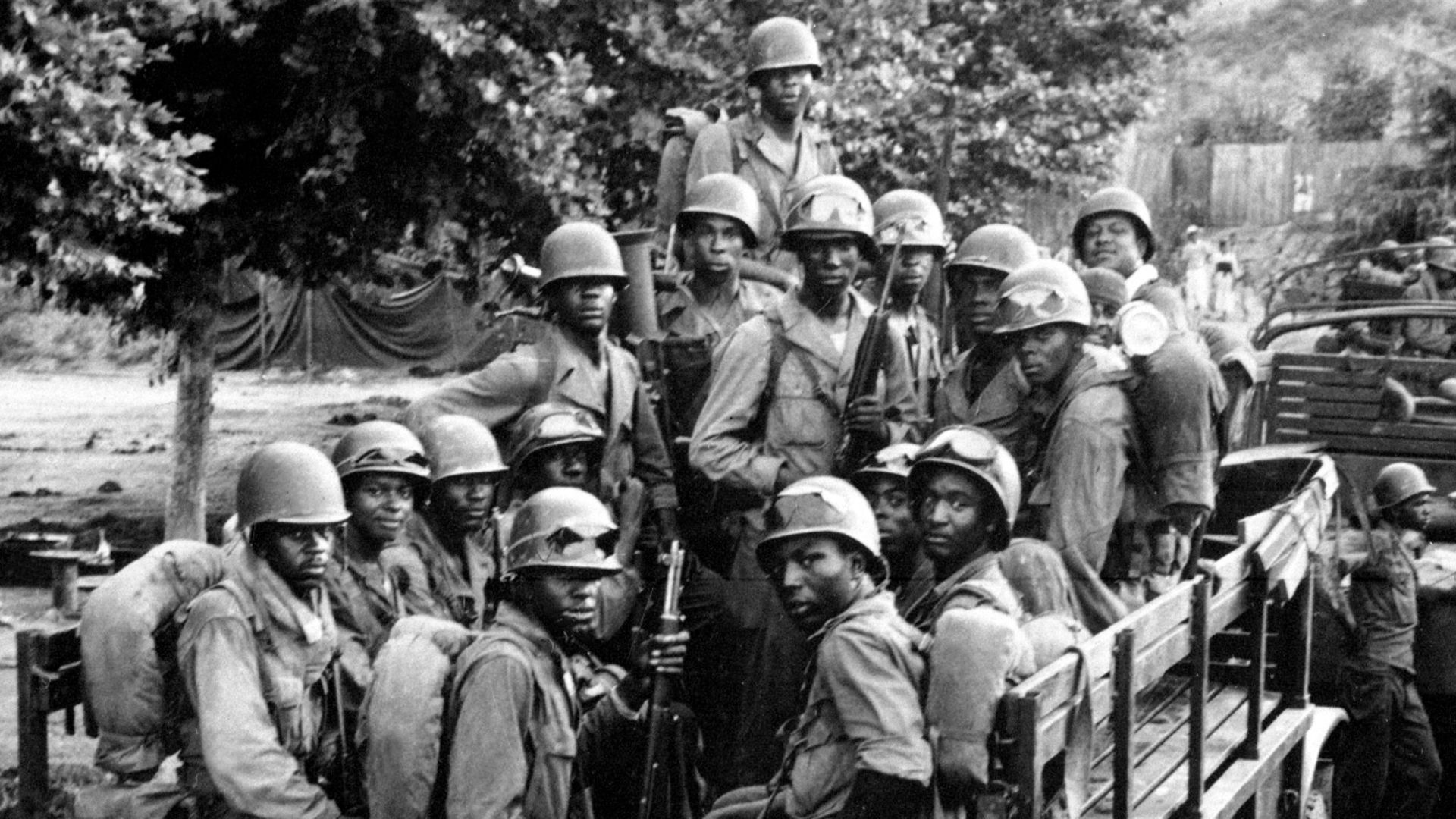
Across Europe, Africa, and the Pacific, fighters relied on the Jeep constantly. It wasn’t just another piece of equipment—it was something they trusted to get them through tough situations. And in war, that kind of trust is earned the hard way.
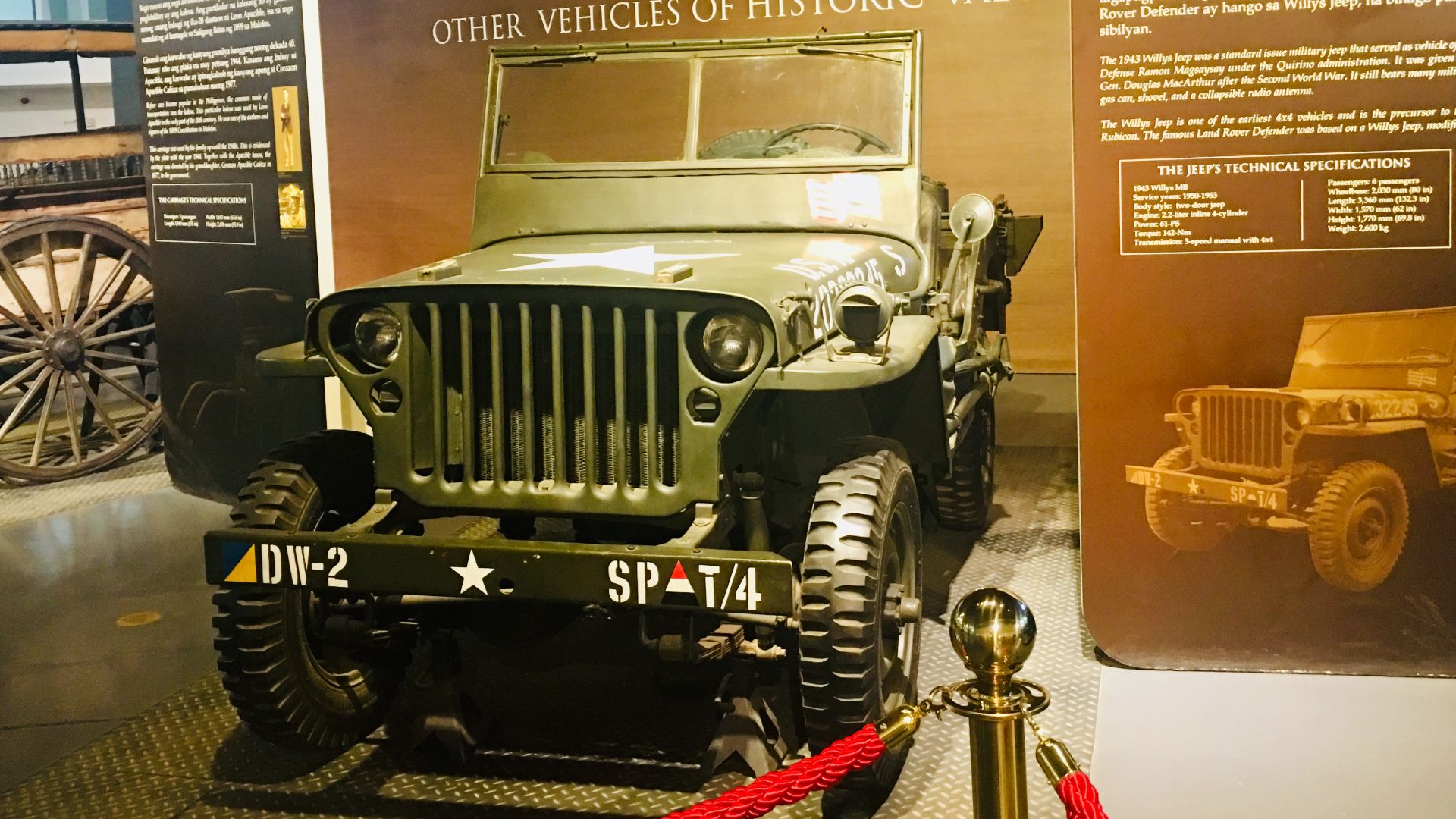 Julan Shirwod Nueva, Wikimedia Commons
The Jeep’s Role In Allied Success
While tanks and planes get most of the spotlight, the Jeep quietly played a huge role behind the scenes. It kept fighters moving, supplies flowing, and communication lines open. Without it, a lot of operations would have been slower, messier, and far more difficult.
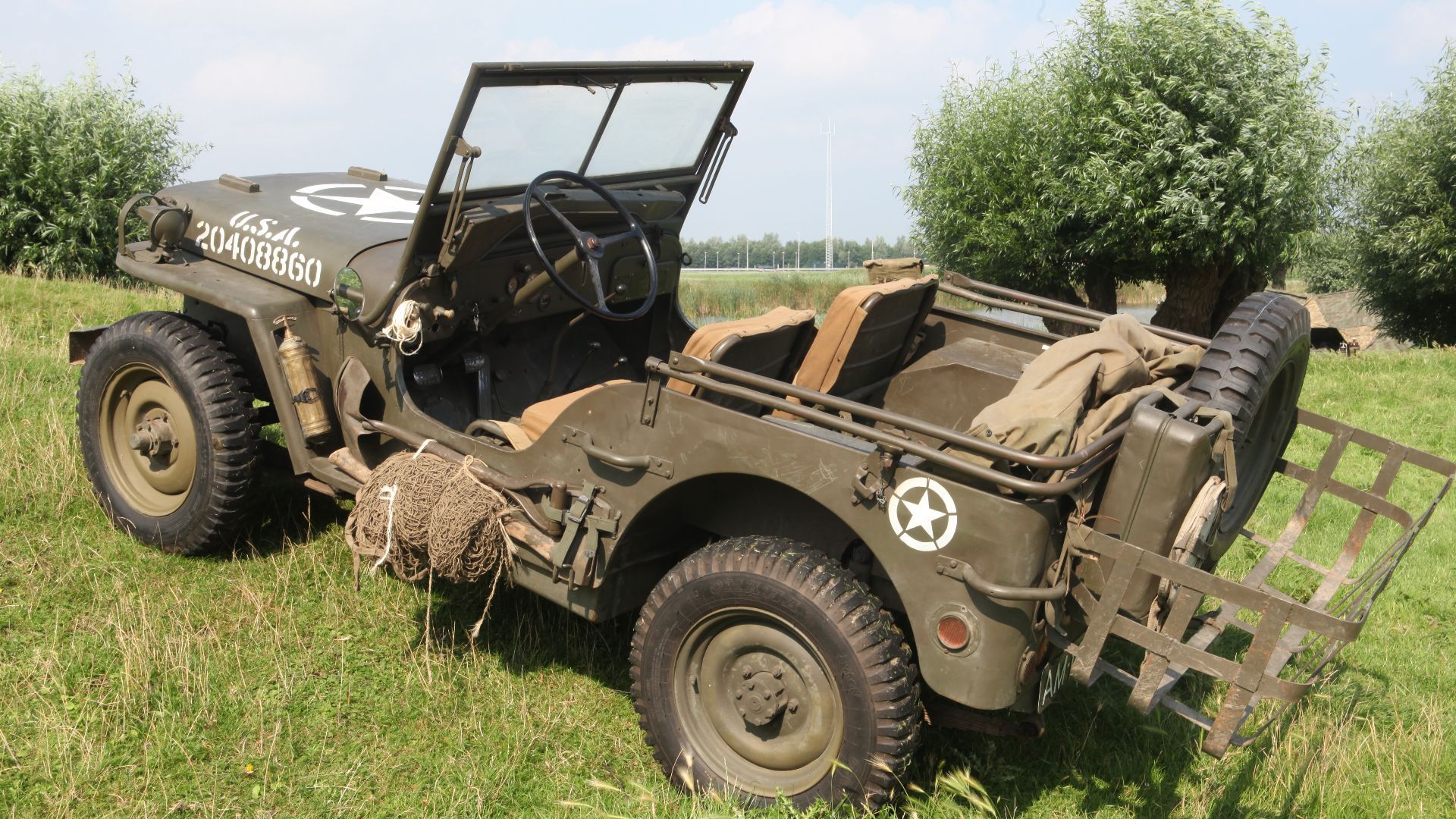 Joost J. Bakker from IJmuiden, Wikimedia Commons
A Name With Mysterious Origins
Even the name “Jeep” has a bit of mystery behind it. Some say it came from “GP” for General Purpose, while others think it was inspired by a quirky character from the Popeye comics. Either way, the name stuck—and it fit the vehicle perfectly.
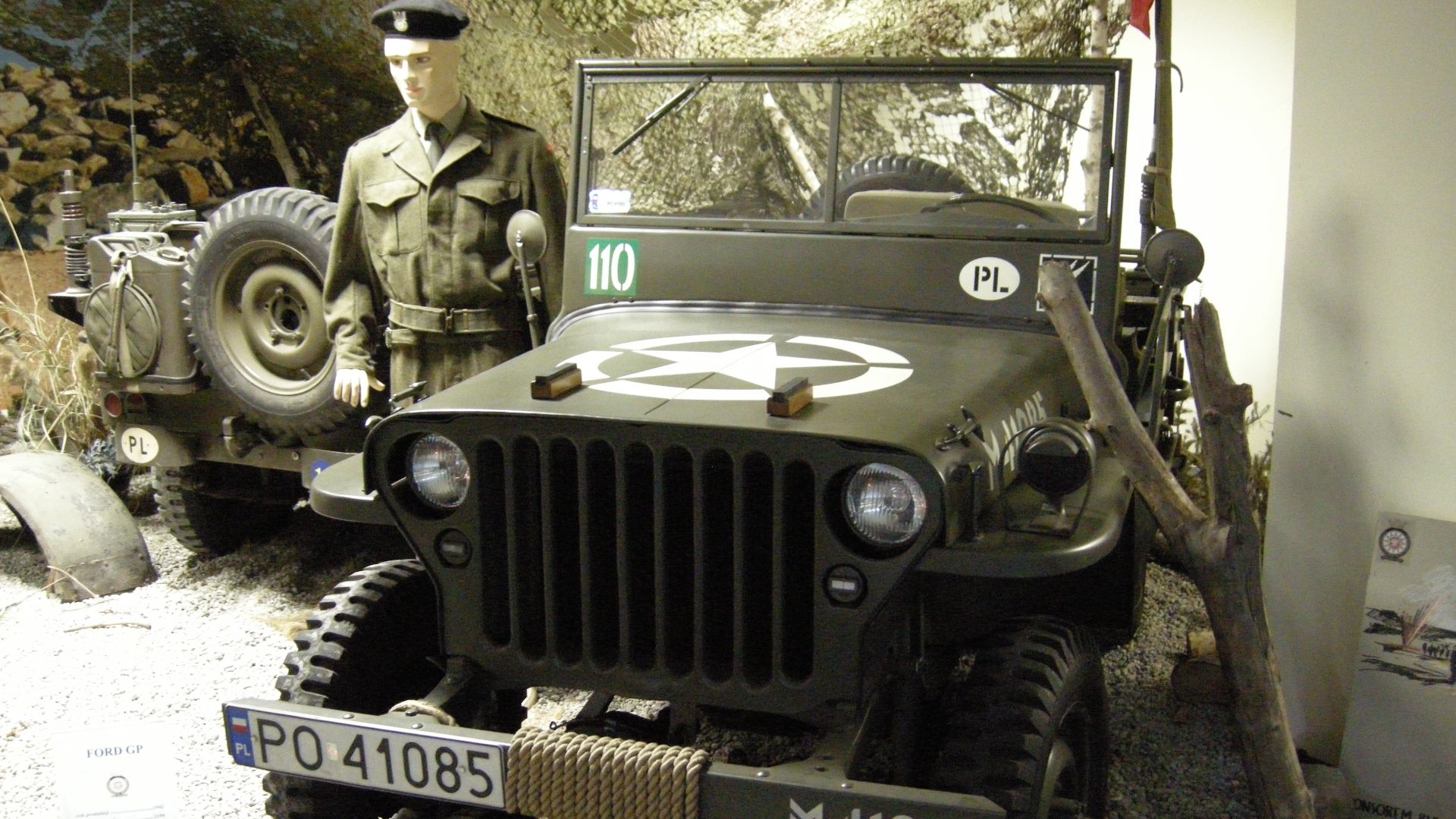
From Battlefield To Civilian Life
After the conflict ended, fighters came home with a real appreciation for the Jeep’s practicality. Willys-Overland noticed and started producing civilian versions, known as the CJ series. Suddenly, what worked on the battlefield was being used on farms, job sites, and everyday roads.
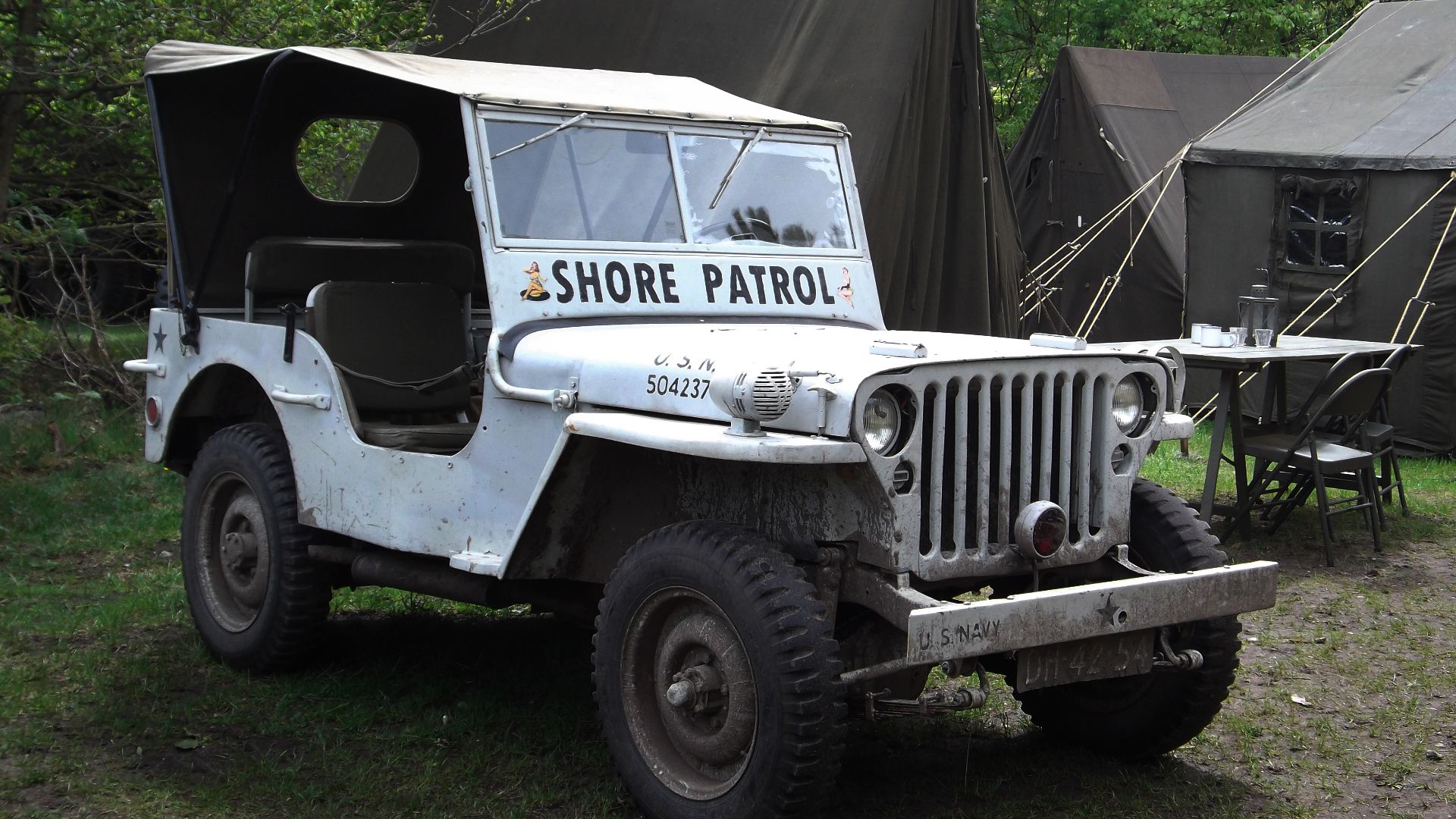 Dennis Elzinga, Wikimedia Commons
The Birth Of A New Vehicle Category
Here’s where things get interesting—the civilian Jeep didn’t just sell well, it created something entirely new. It blended off-road capability with everyday usefulness in a way people hadn’t really seen before. And just like that, the idea of the SUV quietly started to take shape.
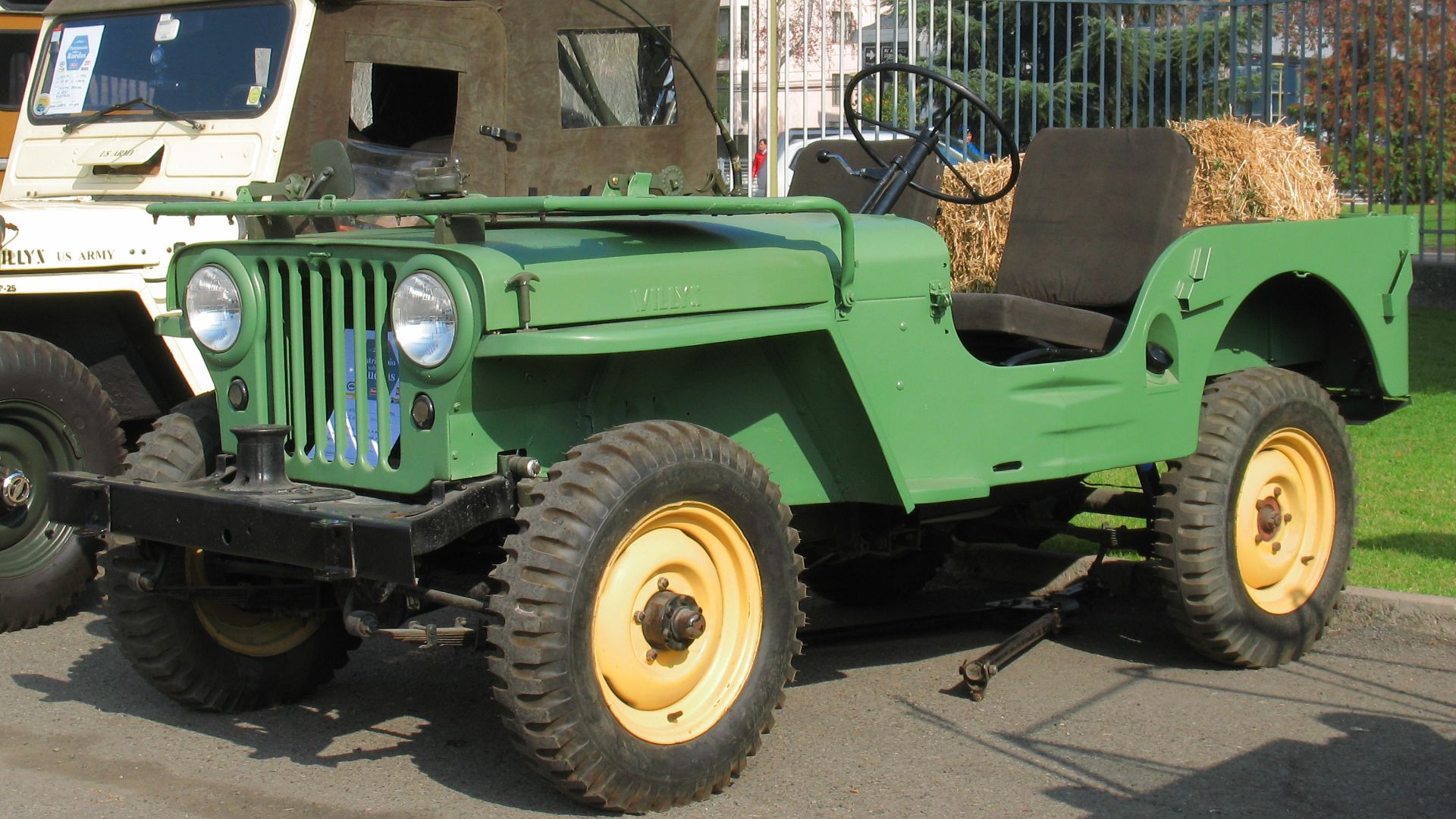 order_242 from Chile, Wikimedia Commons
Rugged Utility Meets Everyday Practicality
What made the Jeep special was how it could handle real work and still be useful for daily life. Farmers used it in fields, workers used it on sites, and regular drivers found it surprisingly practical. It wasn’t just a tool anymore—it was becoming a lifestyle vehicle.
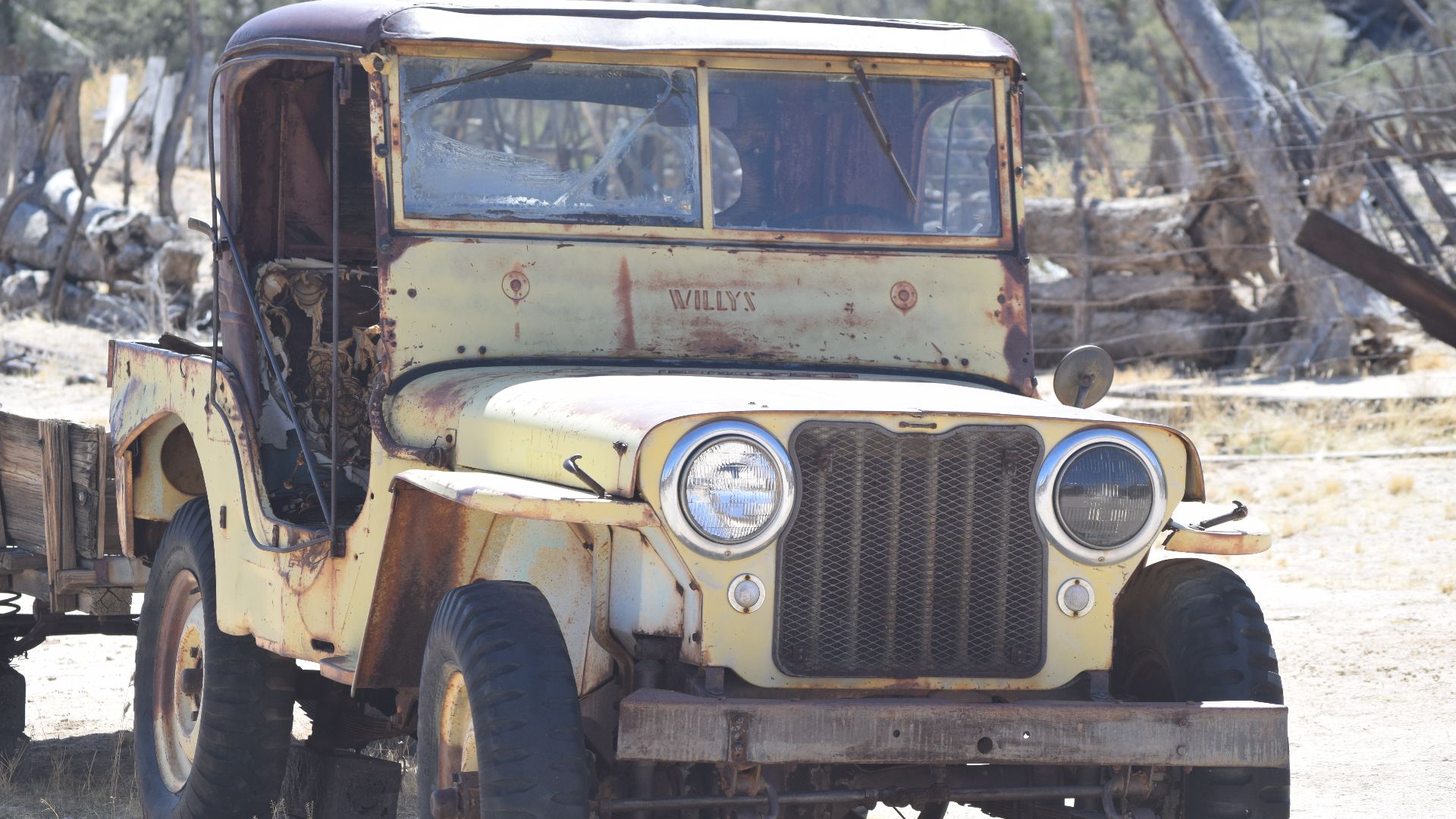
The Influence On Future SUVs
If you look at modern SUVs—four-wheel drive, higher ground clearance, go-anywhere capability—you can trace all of that back to the Jeep. It basically set the blueprint. Today’s versions may be more comfortable, but the core idea hasn’t changed much.
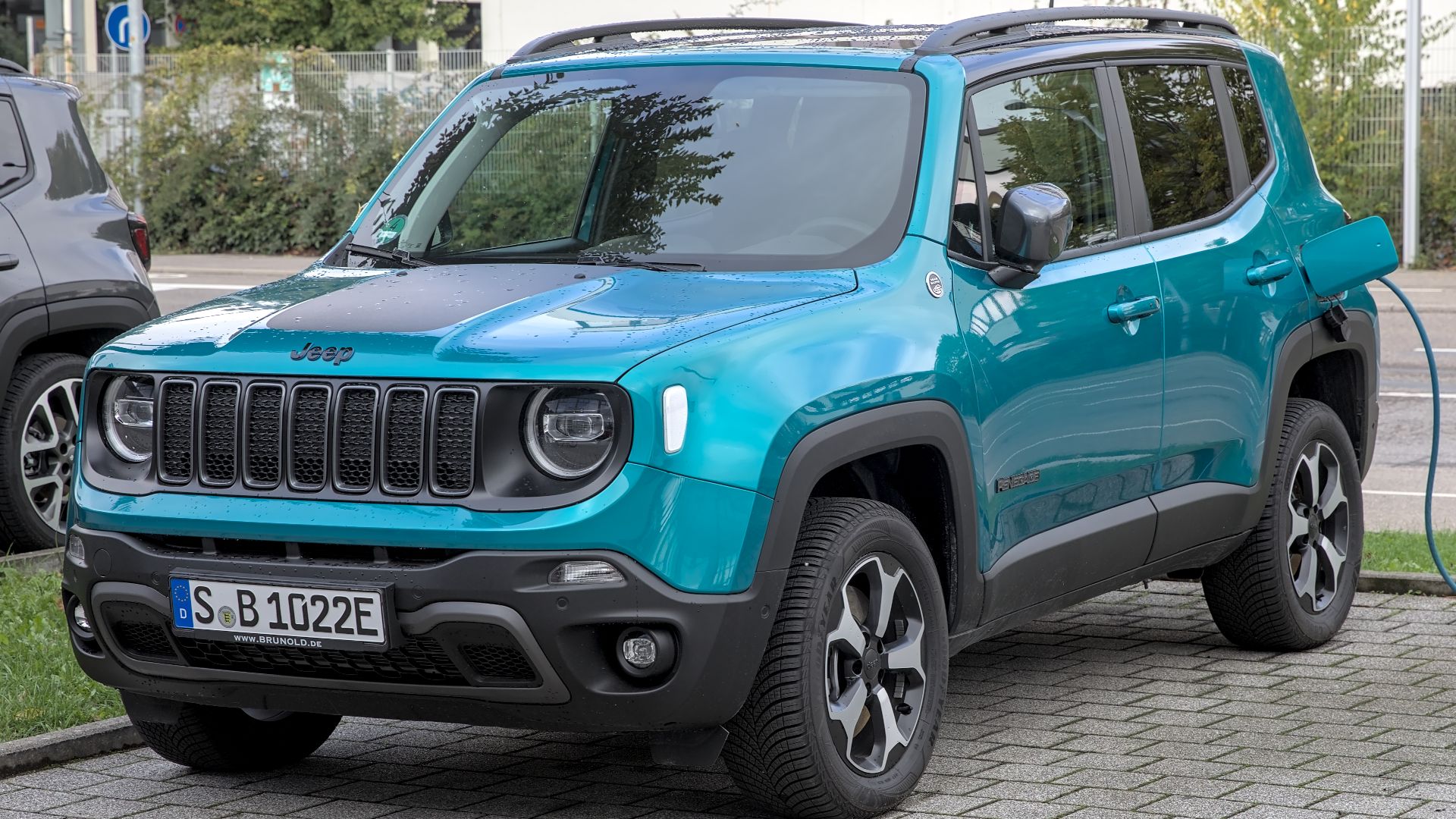 Alexander Migl, Wikimedia Commons
A Design That Stood The Test Of Time
The Jeep’s boxy shape and simple lines weren’t about aesthetics—they were about function. But over time, that look became iconic. Even now, you can spot those same design cues in modern Jeeps without much effort.
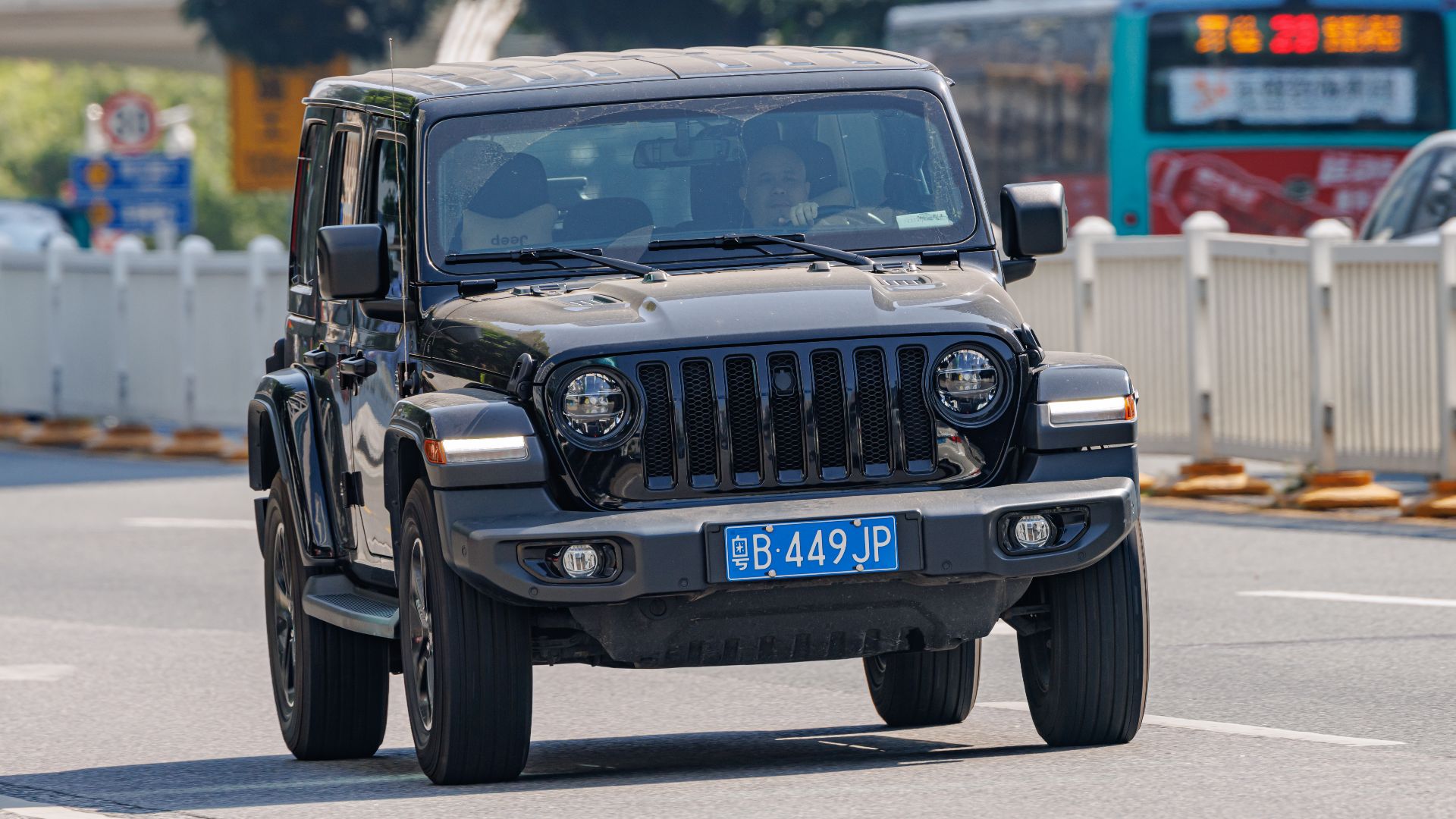 Dinkun Chen, Wikimedia Commons
Mass Production Under Pressure
During WWII, more than 600,000 Jeeps were built, which is pretty incredible given the circumstances. Willys handled most of the production, but Ford stepped in to help meet demand. It was a massive effort, and it ensured that fighters always had what they needed.
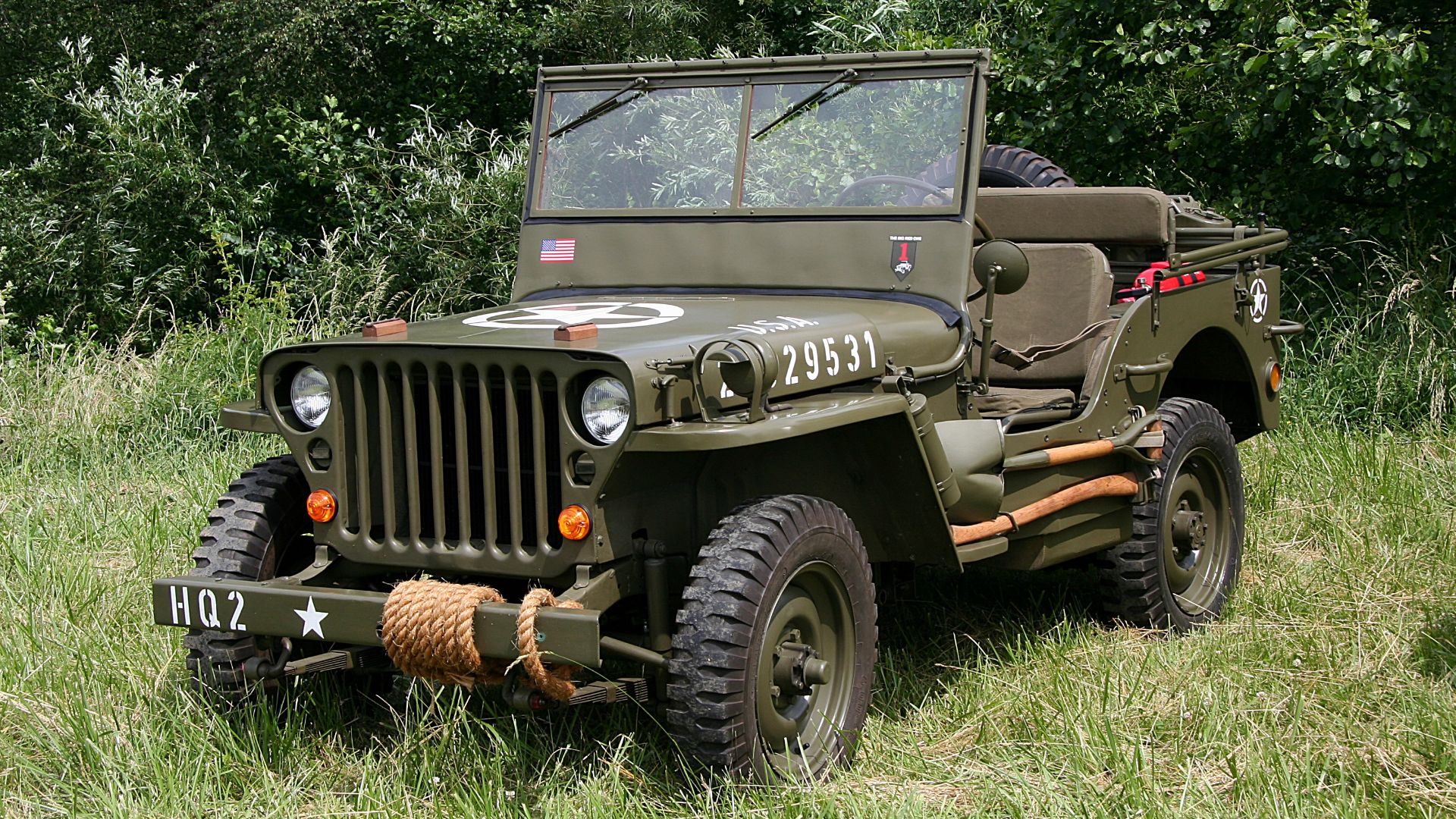 Spurzem - Lothar Spurzem, Wikimedia Commons
A Global Symbol Of Freedom
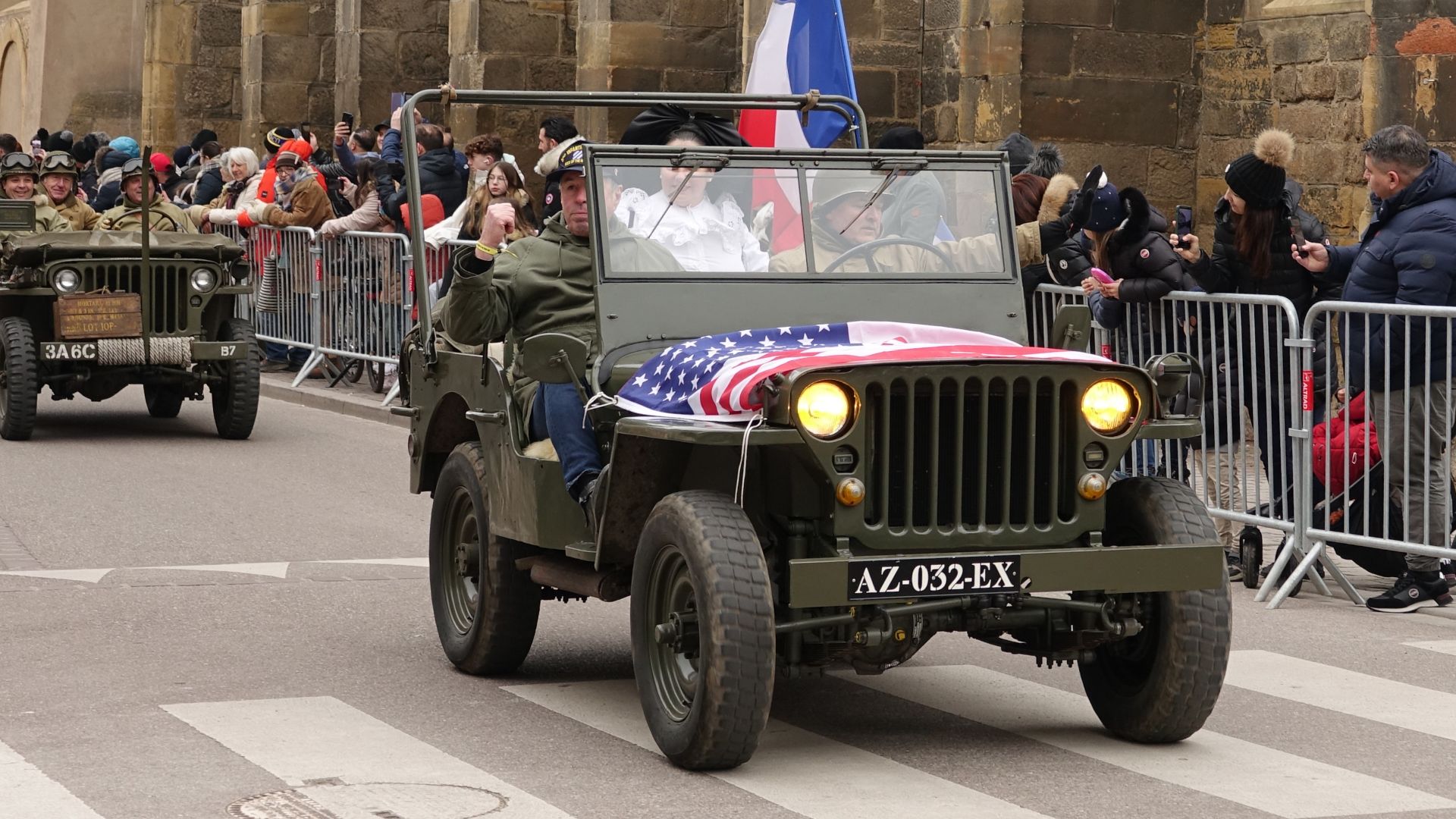
As Allied forces pushed forward, the Jeep became more than just a vehicle—it became a symbol. For many civilians, seeing a Jeep roll into town meant liberation was close. That emotional connection helped turn it into a lasting icon.
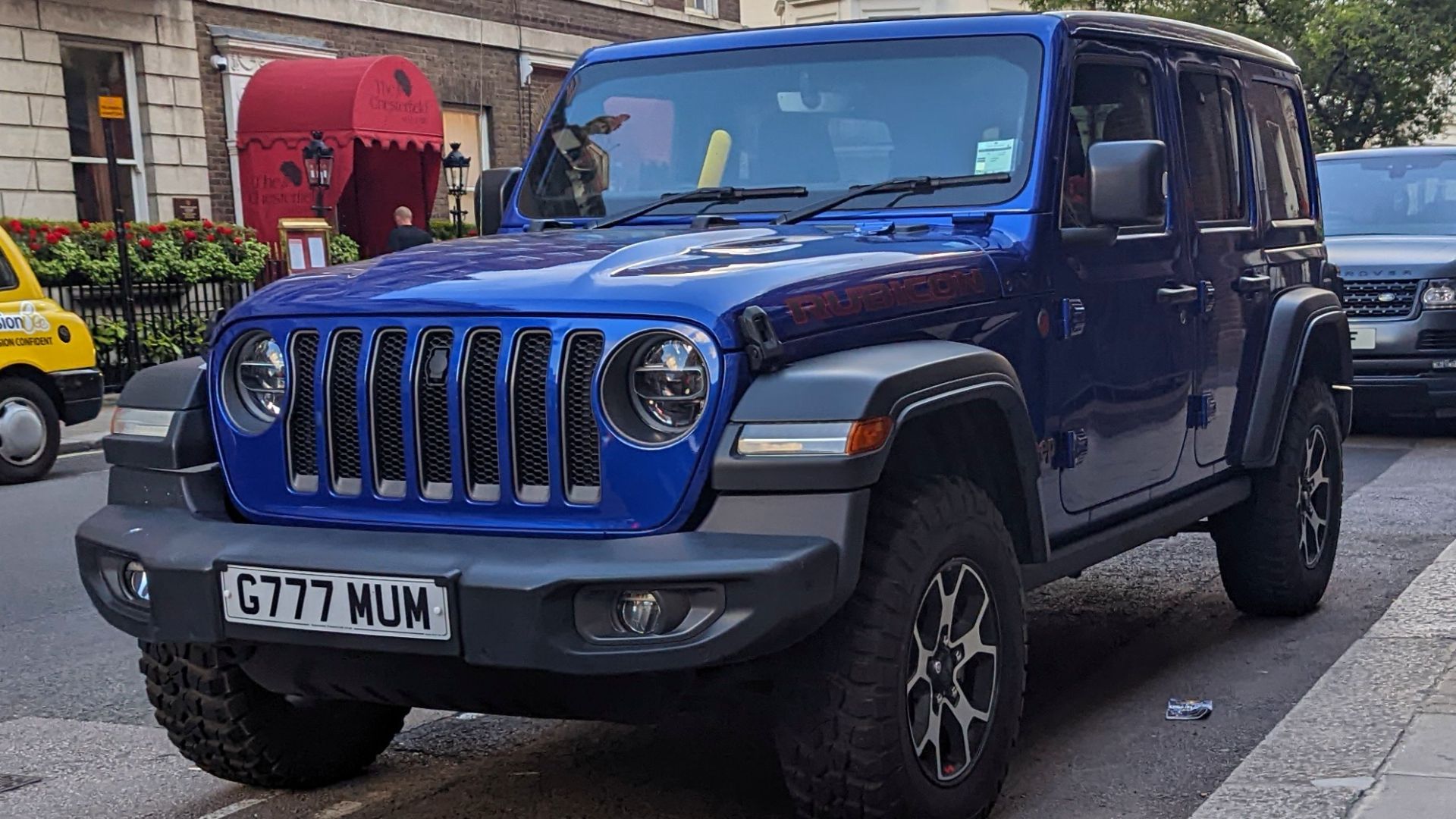
The Jeep Legacy Lives On
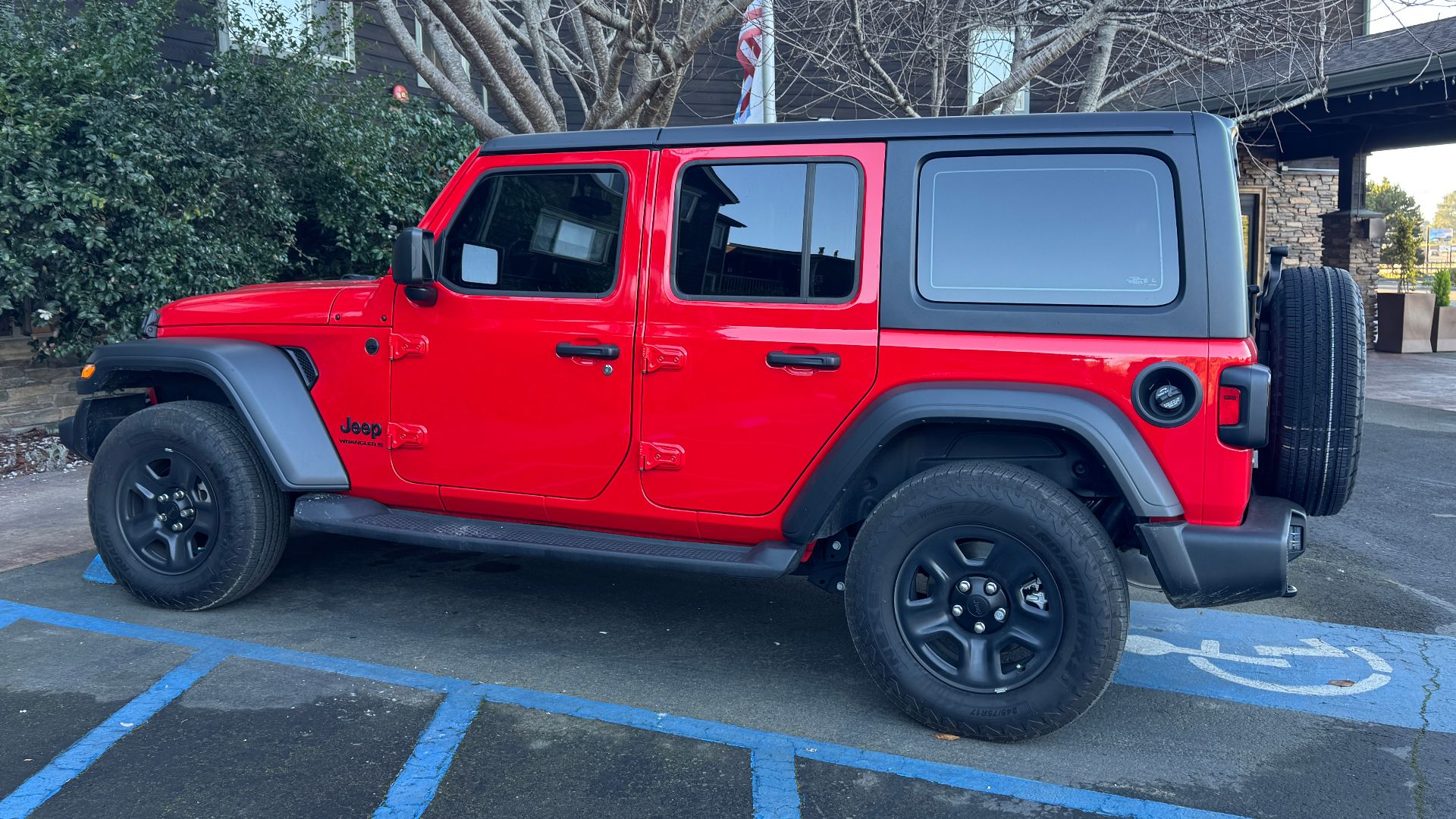
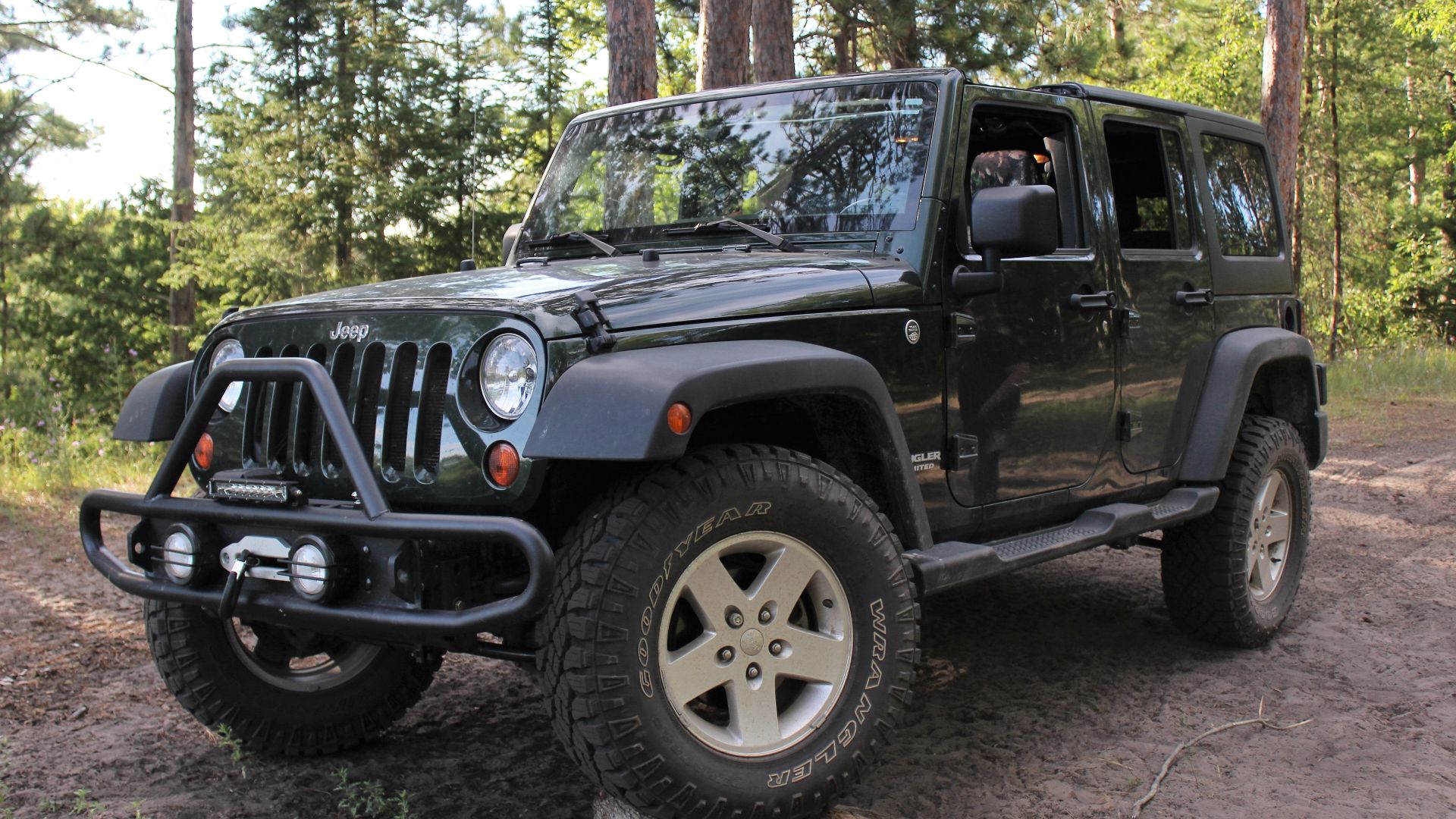
Fast forward to today, and Jeep is still one of the most recognizable names in the automotive world. The vehicles have evolved, sure, but the original spirit is still there. You can still see traces of the Willys MB in models like the Wrangler.
Not Meant To Last—But It Did Anyway
The funny thing is, the Jeep wasn’t built to last forever. It was designed to win a war, not to shape an industry. But somehow, this rushed, no-nonsense vehicle ended up leaving a legacy that outlived its original purpose.
The Accidental Spark Of The SUV Craze
Nobody back then was thinking about family road trips or suburban driveways—the Jeep was purely a tool. But its mix of toughness, versatility, and go-anywhere ability turned out to be timeless. And without even trying, it helped kick off the SUV craze that still dominates the roads today.
 SweetCanadianMullet, Wikimedia Commons
You May Also Like:
The Five Best Formula One Cars In History
Five Of The Best American-Made Cars