The Gut-Punch Moment
You bought a car privately, felt great about it for a week, but then the engine light became your new driving companion. Take a breath. Private-party sales in the U.S. are often “as-is,” but you still have paths forward if the seller misrepresented the car, hid defects, or violated disclosure laws.

What “As Is” Really Means
“As-is” means you generally accept the vehicle in its current condition and the seller typically owes no repairs after the sale. That’s the default situation in most private deals. But “as-is” isn’t necessarily a permission slip for lying or odometer fraud. You may still have legal leeway to unwind the deal or seek damages.

Lemon Laws (Mostly) Won’t Help
State “lemon laws” usually cover new cars, and often used cars from dealers, sometimes certified or under active manufacturer warranty. They typically don’t cover private-party sales. So don’t expect a lemon-law buyback from a private seller, even though state laws vary.

Dealer Rules Vs Private Sales
The Federal Trade Commission (FTC) Used Car Rule makes dealers post a Buyer’s Guide and follow specific disclosures. Private sellers aren’t bound by that rule. That’s why private deals are inherently riskier: there are fewer built-in protections and no mandatory Buyer’s Guide.

When “As Is” Doesn’t Shield A Seller
If the seller lied about major facts (accident history, flood damage, title status) or actively concealed the vehicle’s defects, that can be deceptive or fraudulent. Misrepresentation may allow rescission (unwinding the sale) or money damages even in an as-is deal, depending on your state’s consumer-protection laws.

Odometer Disclosure Is Federal
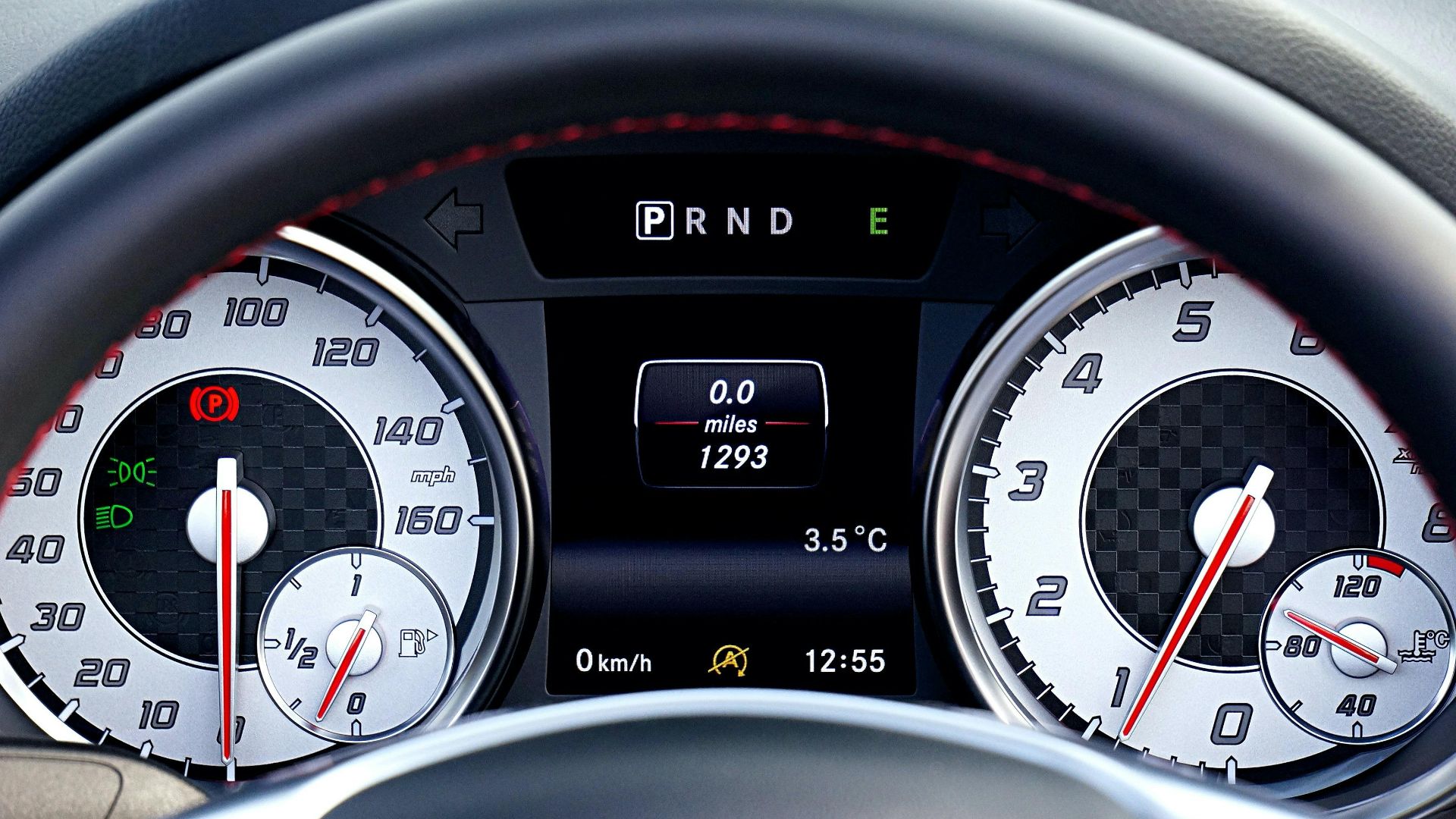
Federal law requires written mileage disclosure at transfer of ownership, usually on the title. If the mileage is inaccurate, the title must say so. Odometer tampering is a crime; proof of this type of fraud can be powerful leverage for a refund or damages.
First Steps This Week
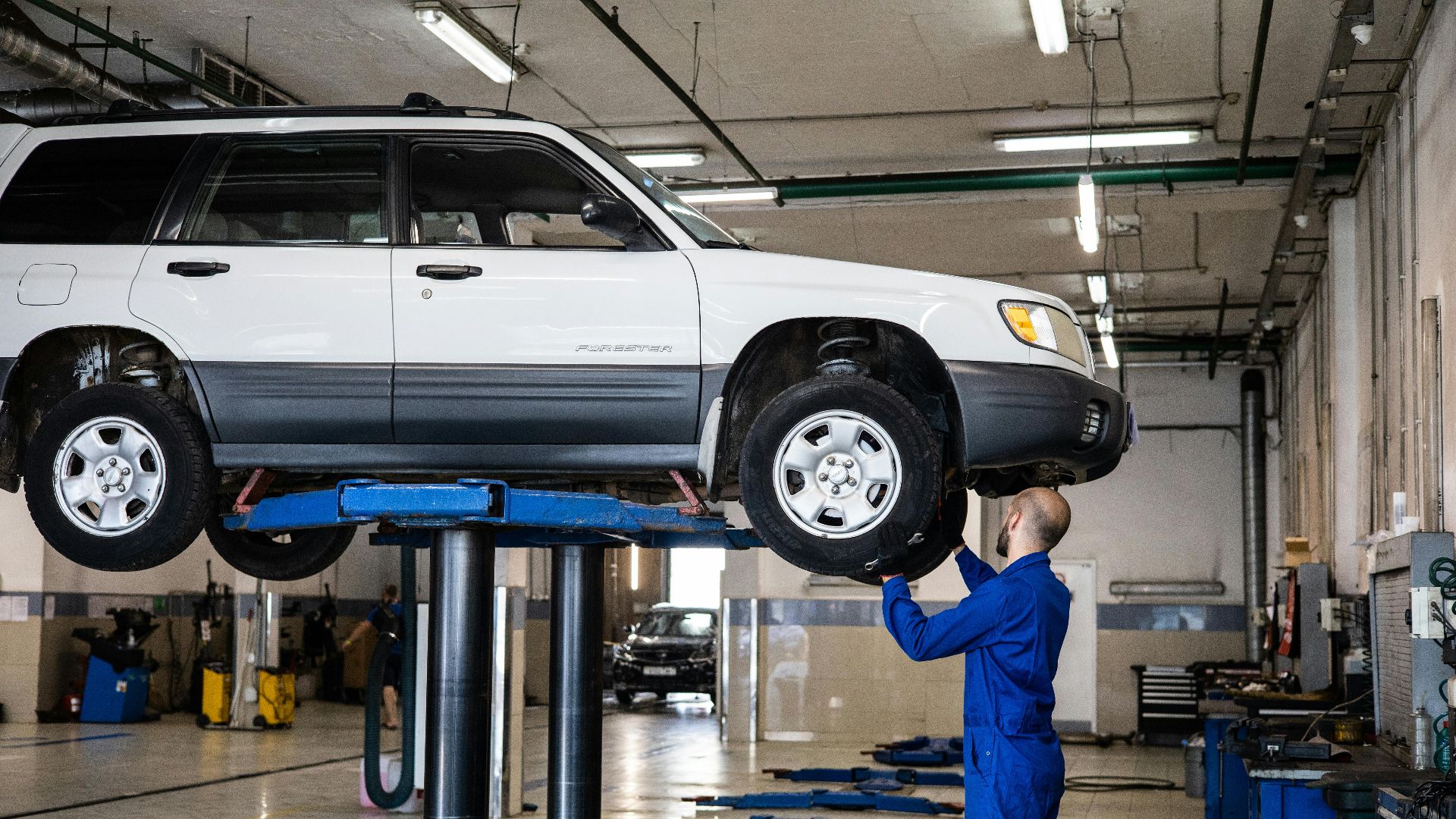
Make sure you document everything: the ad, texts, emails, screenshots, and the bill of sale. Get a written diagnosis from an independent mechanic that dates the defect and, if possible, show signs that it pre-dated your purchase. Line up the costs: the tow, parts, and labor. Organized evidence is your friend in any negotiation or claim.

Pull The Paper Trail
Run a vehicle history (NMVTIS-based report), check for salvage or title issues, and scan maintenance records. If the title or history of the vehicle contradicts what the seller told you, that supports a misrepresentation claim. Use official VehicleHistory.gov as a starting point.

Ask For A Cure (Politely, Then Firmly)
Send a concise demand letter: describe the defect and timeline, send along the mechanic’s report, cite conflicting statements, and propose a remedy (refund, partial refund, or paid repair). Give a firm deadline. Demand letters often prompt resolution, and they set you up well so that you’ll be in good shape legally if you file later in small claims court.

Small Claims Court Can Add Pressure
Yes, you can usually sue a private seller in small claims court if your damages are within the limit. Bring the documentation that you’ve put together, mechanic’s report, ad screenshots, and messages. Courts examine whether the seller misrepresented a material fact or knowingly hid a defect.

Watch For Curbstoners
If the “private seller” is actually flipping a lot of cars without a license AKA “curbstoning”, that’s illegal in many states. It’s a red flag that can lend weight to complaints to regulators and your case narrative.

Where To Complain
File safety-related complaints with NHTSA (National Highway Traffic Safety Administration) especially if it concerns odometer or recall issues. For marketplace disputes, your state attorney general will take complaints and often will mediate. These are by no means instant fixes, but they can add pressure and can bring to the surface the patterns of a repeat offender.

Pros Of Buying Privately
Purchasing from private sellers can mean lower prices, fewer fees, and some more direct insight into how a car was used and maintained. Negotiations can go a lot simpler, and you might inherit a remaining manufacturer warranty if it’s transferable and still in effect. Due diligence still matters before you can bank those savings.

Cons Of Buying Privately
The downside is that you’re trading consumer protections for price. No dealer Buyer’s Guide, no dealer warranty (unless a manufacturer warranty remains), and limited course of action if something breaks right after purchase. Scams and undisclosed issues are a lot harder to police than at regulated dealerships.

Payment Traps To Avoid Next Time
Avoid paying in full before you’ve confirmed clean title and lien release. Meet at a bank to verify funds and identity. Put everything in a signed bill of sale that states VIN, mileage, price, and condition notes. Photocopy the title and IDs. Sloppy paperwork is the absolute worst thing for the possiblity of later remedies.

Pre-Purchase Musts (Learned The Hard Way)
In the future, always: run a history report; scan for open recalls; get a pre-purchase inspection; and test-drive on highways and hills. A $100–$200 inspection can save you thousands of dollars later, and it gives you the bargaining power or the confidence to walk away.
Odometer And Title Cross-Checks
Compare odometer, title mileage, maintenance records, and stickers. Inconsistencies suggest rollbacks or cluster swaps. If you suspect any kind of fraud going on, call NHTSA’s hotline and ask how to report it; their guidance and investigations can support your case.

If The Seller Ghosts You
Track the seller down with the contact details from the ad, title, or bill of sale. Send your demand letter by certified mail. If they still won’t get back to you, file with small claims court and consider serving through the address on the title or DMV records as allowed by state law. Persistence plus paperwork are the key ingredients in many successful small claims cases.

When A Partial Win Is A Win
If unrolling the sale isn’t realistic, see if you can negotiate a split: they contribute to repairs, you keep the car. Courts often award repair costs rather than total refunds when the car retains value. Do the math based on the mechanic’s estimate, the car’s current market value, and how much time you want to spend in court.

Bottom Line
You probably can’t invoke lemon laws on a private sale, but lies, concealment, or odometer/title violations offer a potentially more promising avenue to getting at least part of your money back. Start with documentation and a demand letter, then escalate to regulators and small claims if necessary. Next time, stack the deck with inspections, history checks, and meticulous paperwork.

You May Also Like:
50-Year-Old Cars We’d Rather Be Driving Than What Car Companies Are Producing Now
10 Car Myths That Are Costing You Money