
When History Took The Wheel
For a sport obsessed with speed, racing has always been oddly slow when it comes to giving credit where it’s due. The spotlight tends to hover over a familiar handful of names, but behind the scenes—and often ahead of the pack—women have been reshaping motorsports for decades. These aren’t the stories you hear every day, but they’re the ones that quietly changed everything.
 https://www.flickr.com/photos/58980992@N03/41737859284/, Wikimedia Commons
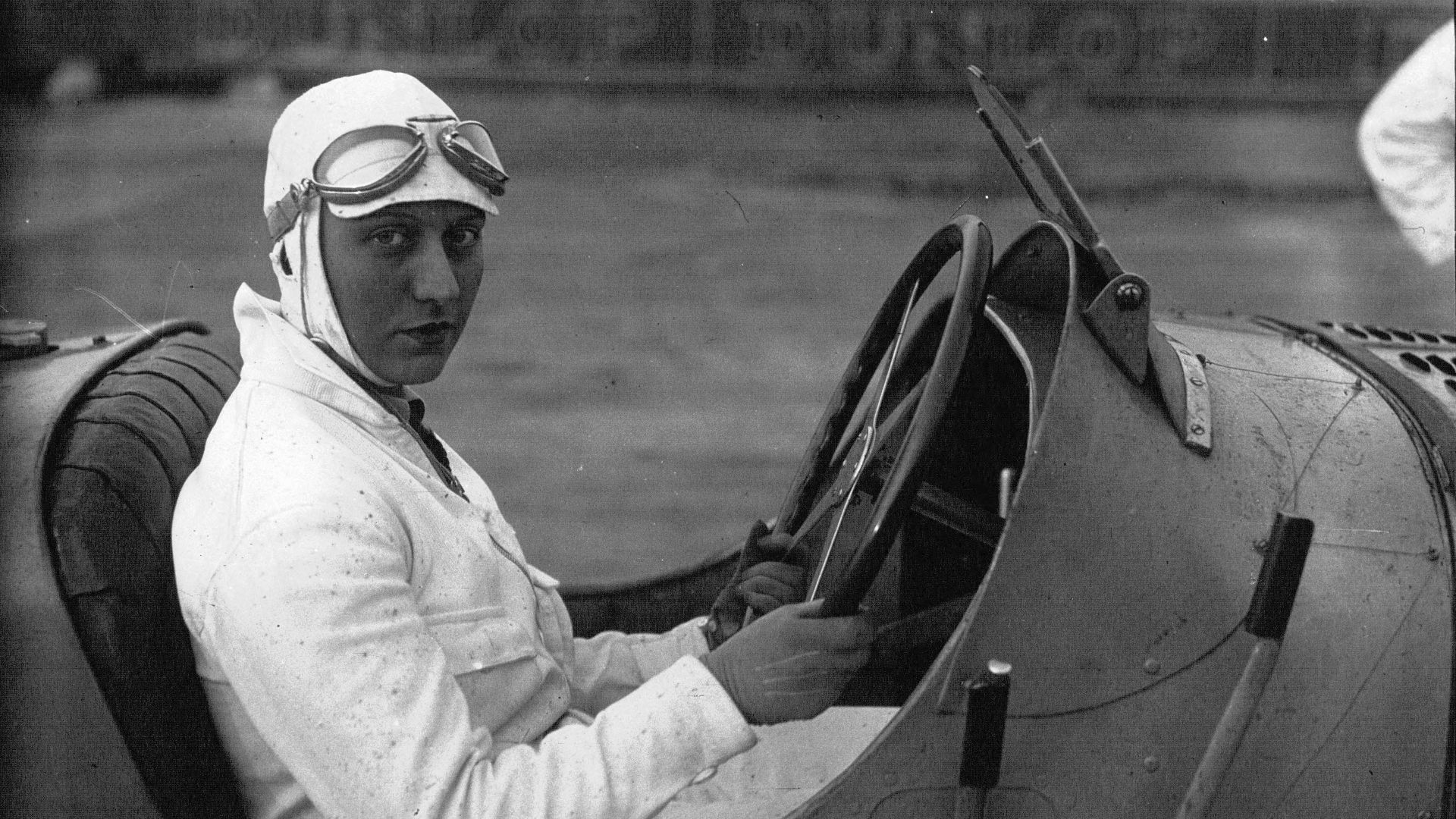
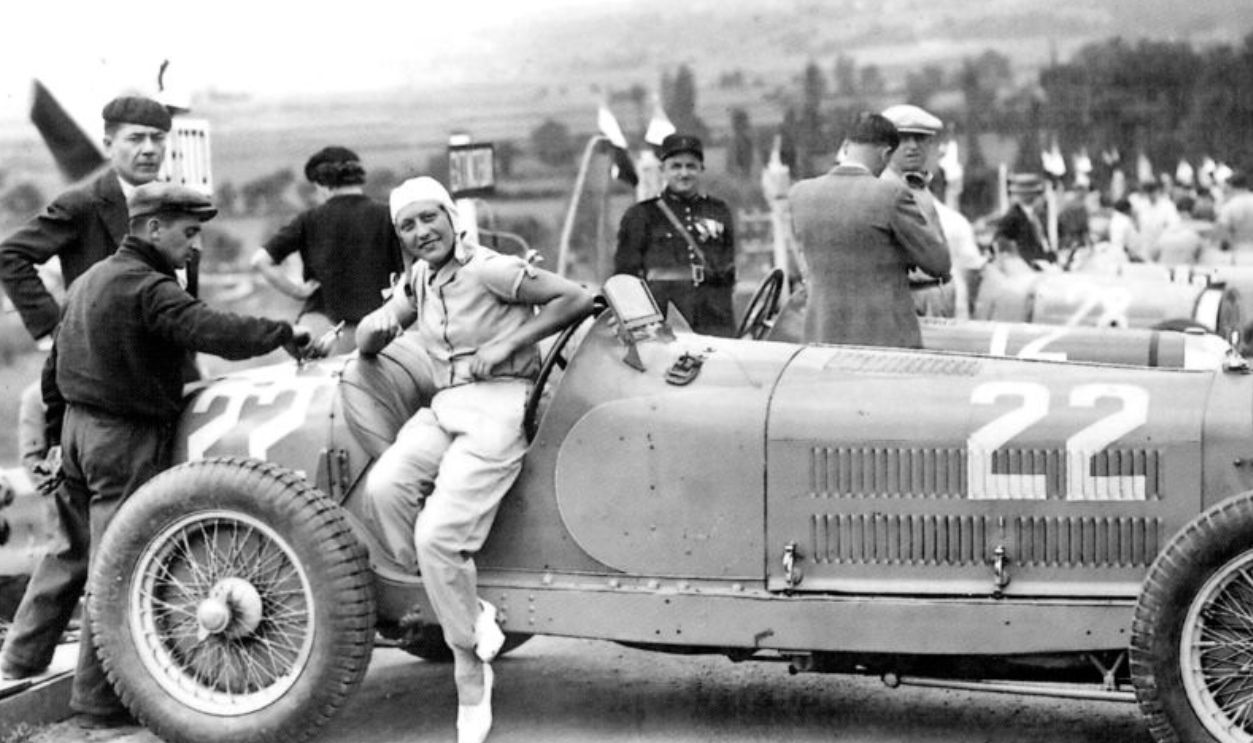
Helle Nice Broke In Before It Was Even Allowed
Long before inclusion became a talking point, Helle Nice was already out there proving she belonged, pivoting from a career as a dancer into racing after a knee injury and diving headfirst into a world that wasn’t exactly welcoming; instead of easing in, she won the Grand Prix Féminin in 1929 and picked up the nickname “Queen of Speed,” turning what could have been a brief experiment into a statement that women weren’t just capable of racing—they could dominate.
 Agence de presse Meurisse, Wikimedia Commons
She Turned Success Into Something Bigger
Nice’s impact didn’t stop at winning races, because simply showing up and excelling at that level forced the entire racing world to rethink its assumptions; at a time when women were rarely taken seriously in motorsports, her results spoke louder than any argument, proving that talent had nothing to do with gender and everything to do with skill and determination.
Kay Petre Refused To Fit The Mold
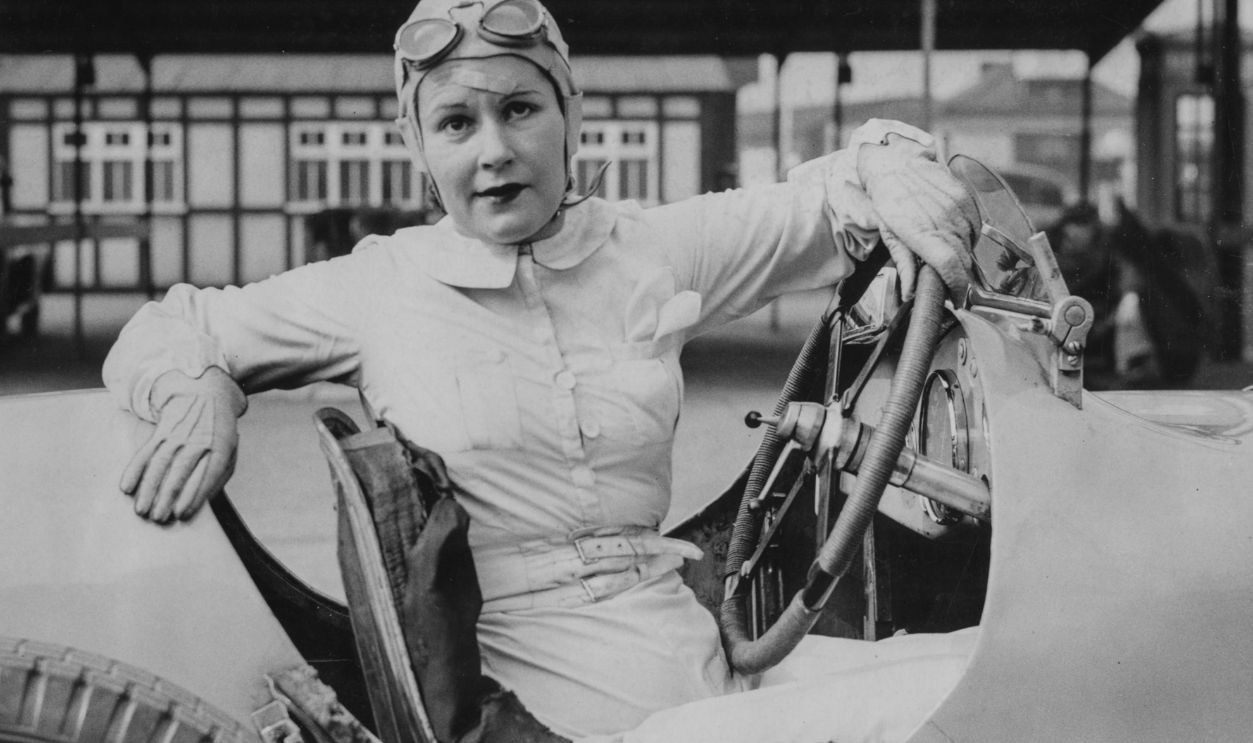
At just 4’10”, Kay Petre didn’t exactly match the traditional image of a race car driver, but that didn’t stop her from competing in major events like the 24 Hours of Le Mans in the 1930s, where she went head-to-head with drivers in massive, powerful machines that seemed completely mismatched for her size, yet she kept showing up and holding her own in races that demanded both endurance and nerve.
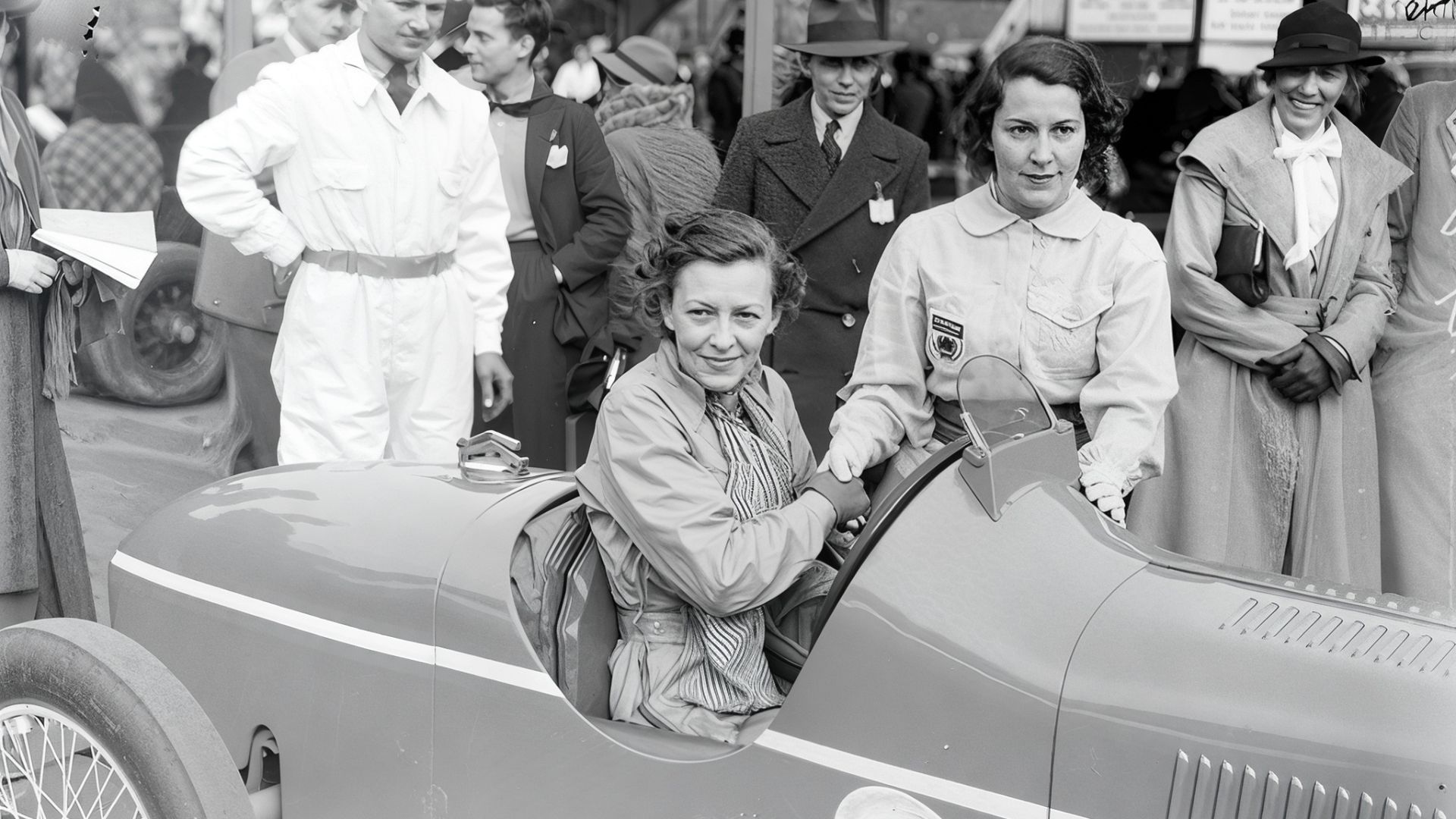 Unknown authorUnknown author, Wikimedia Commons
She Adapted—And Still Set Records
Petre didn’t wait for the sport to accommodate her; instead, she adapted by adding wooden blocks to the pedals just to reach them, then went out and pushed her car to over 134 mph to briefly hold a Ladies Land Speed record, proving that limitations were often just technical problems waiting for creative solutions.
Denise McCluggage Refused To Choose Just One Path
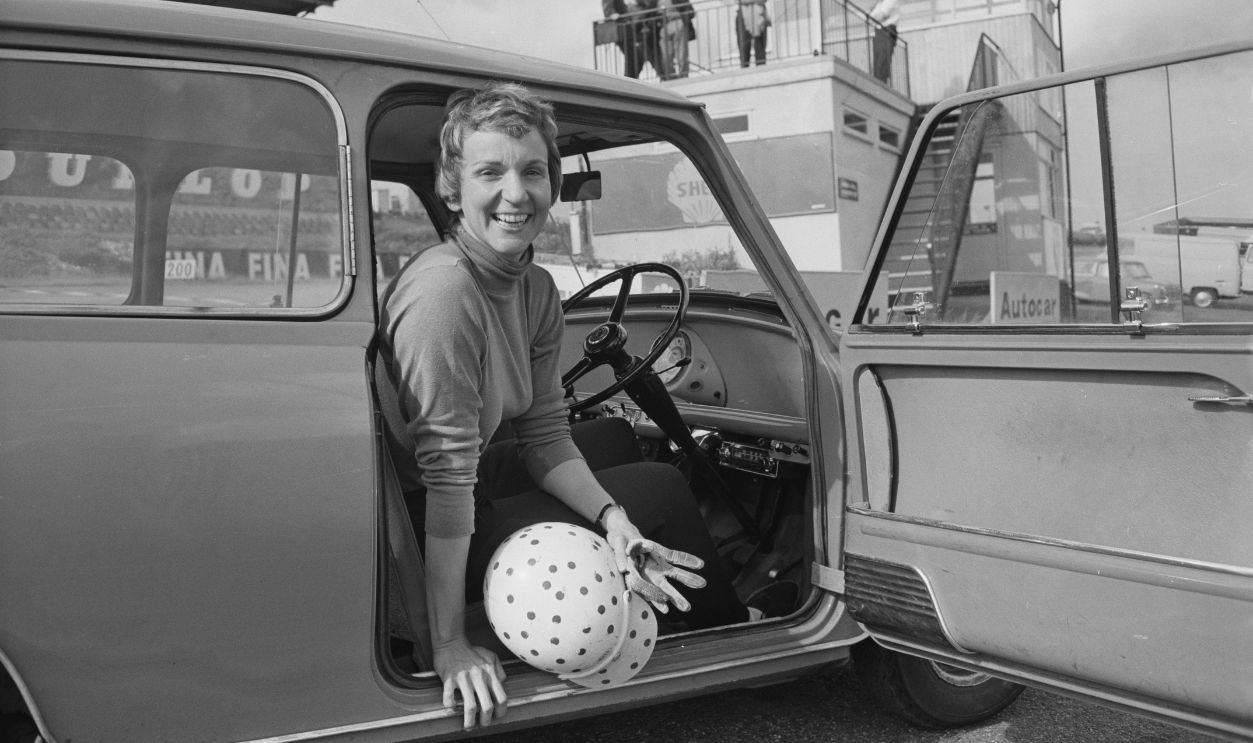
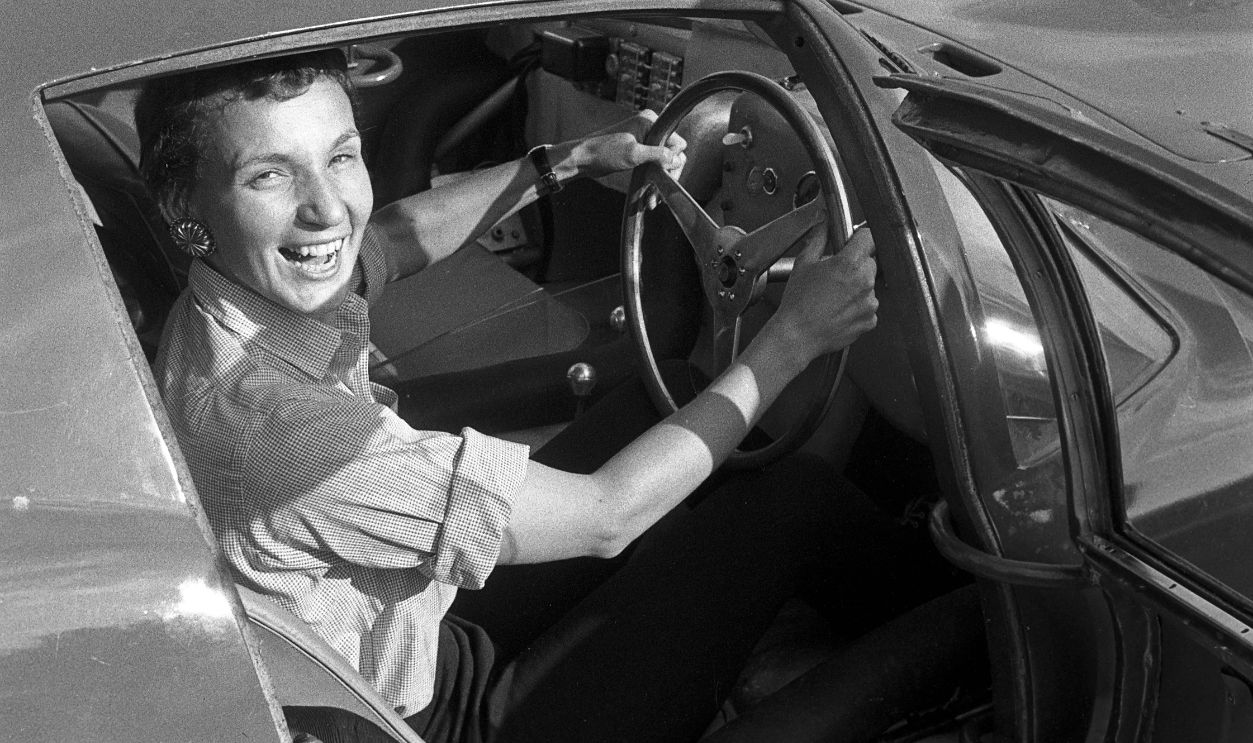
Denise McCluggage did something most people wouldn’t even attempt, building a career as both a respected journalist and a competitive race car driver, moving between writing about the sport and actively participating in it, which gave her a perspective that very few people—male or female—could match at the time.
She Proved You Could Do Both—And Win
McCluggage didn’t just juggle two careers, she thrived in both, earning a class win at the 12 Hours of Sebring and later winning the Monte Carlo Rallye, all while continuing to write and shape how racing was covered, showing that you didn’t have to stand on the sidelines to tell the story—you could be right in the middle of it.
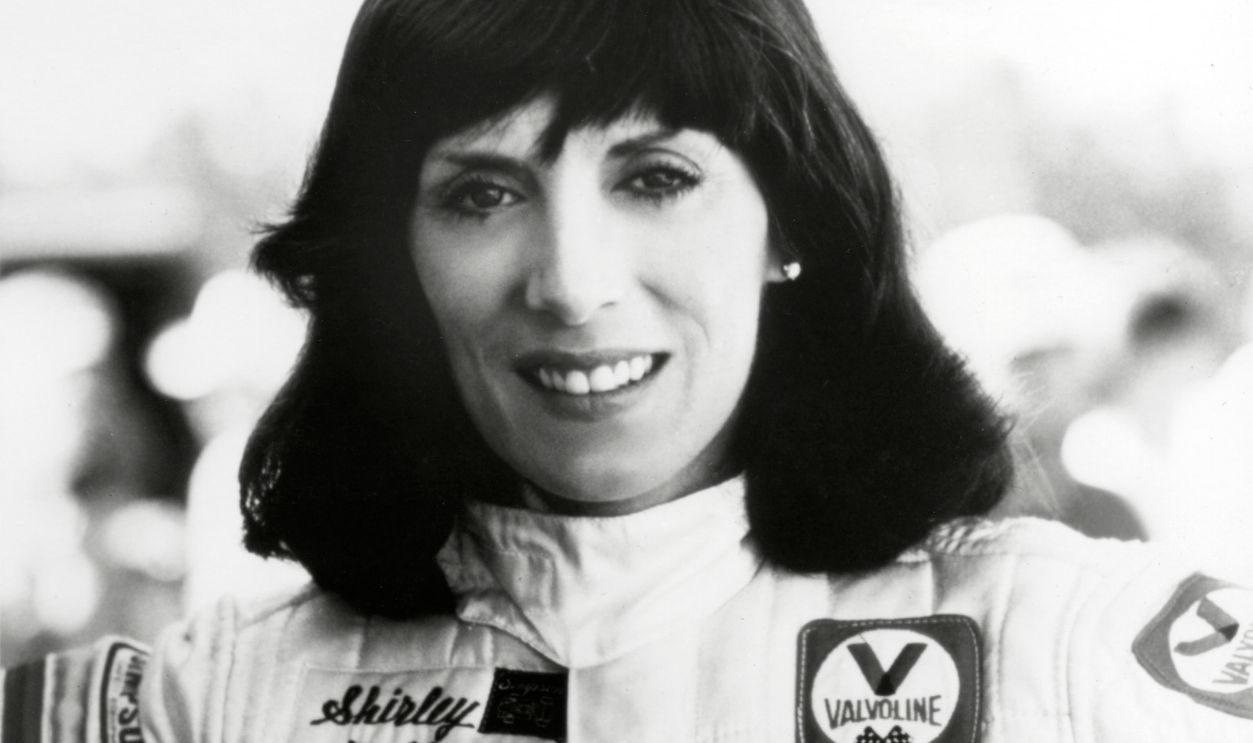
Shirley Muldowney Took Over Drag Racing
Shirley Muldowney didn’t just enter drag racing—she kicked the door down, becoming the first woman licensed by the NHRA and stepping into one of the most intense forms of motorsport, where raw power and split-second reactions define success and leave no room for hesitation.
 Universal History Archive, Getty Images
She Redefined What Dominance Looked Like
Muldowney went on to win the NHRA Top Fuel championship three times, something that was rare for any driver at the time, and completely unheard of for a woman, proving that she wasn’t there to participate—she was there to win, and she did it often enough to permanently change expectations.
Janet Guthrie Built Her Own Way In
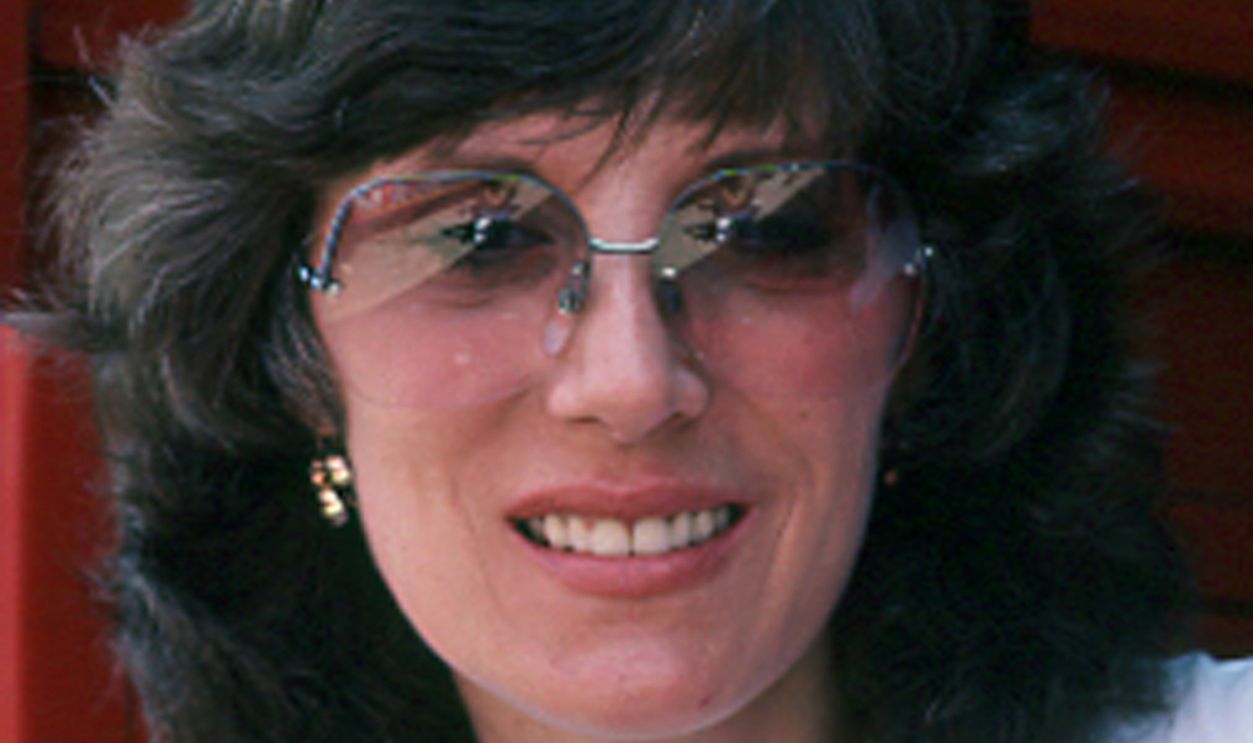
Janet Guthrie didn’t have the luxury of major sponsorships or a built-in support system, so she handled everything herself, towing her race car behind a station wagon, sleeping in it when needed, and even doing her own mechanical work just to stay competitive in a sport that demanded serious resources.
She Opened The Door At Indy
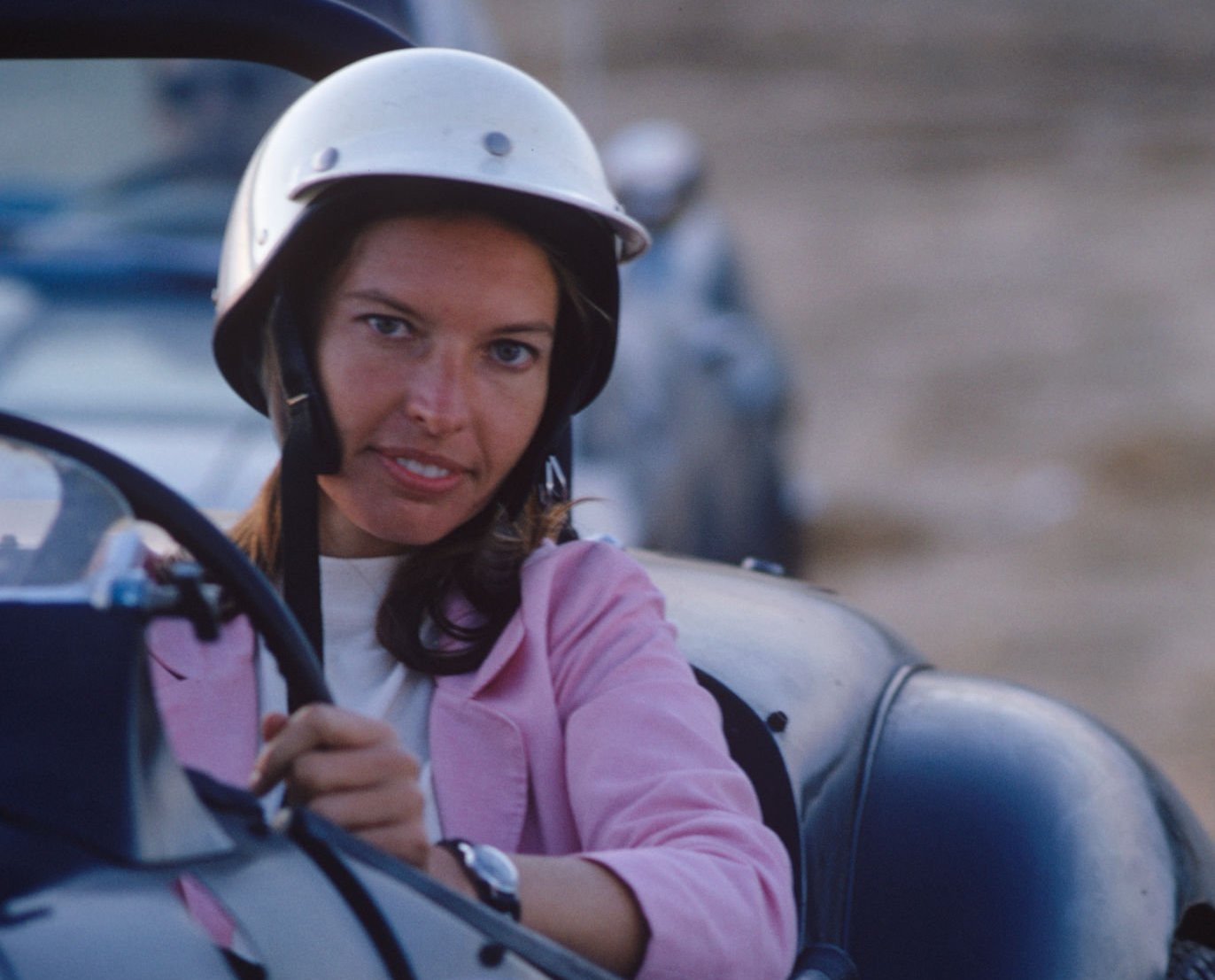
Guthrie became the first woman to race in the Indy 500 and kept coming back year after year, proving that her presence wasn’t a one-time headline but a lasting shift, and by consistently performing at a high level, she made it easier for the next generation of women to follow her onto the track.
Michèle Mouton Took On Rally Racing’s Best
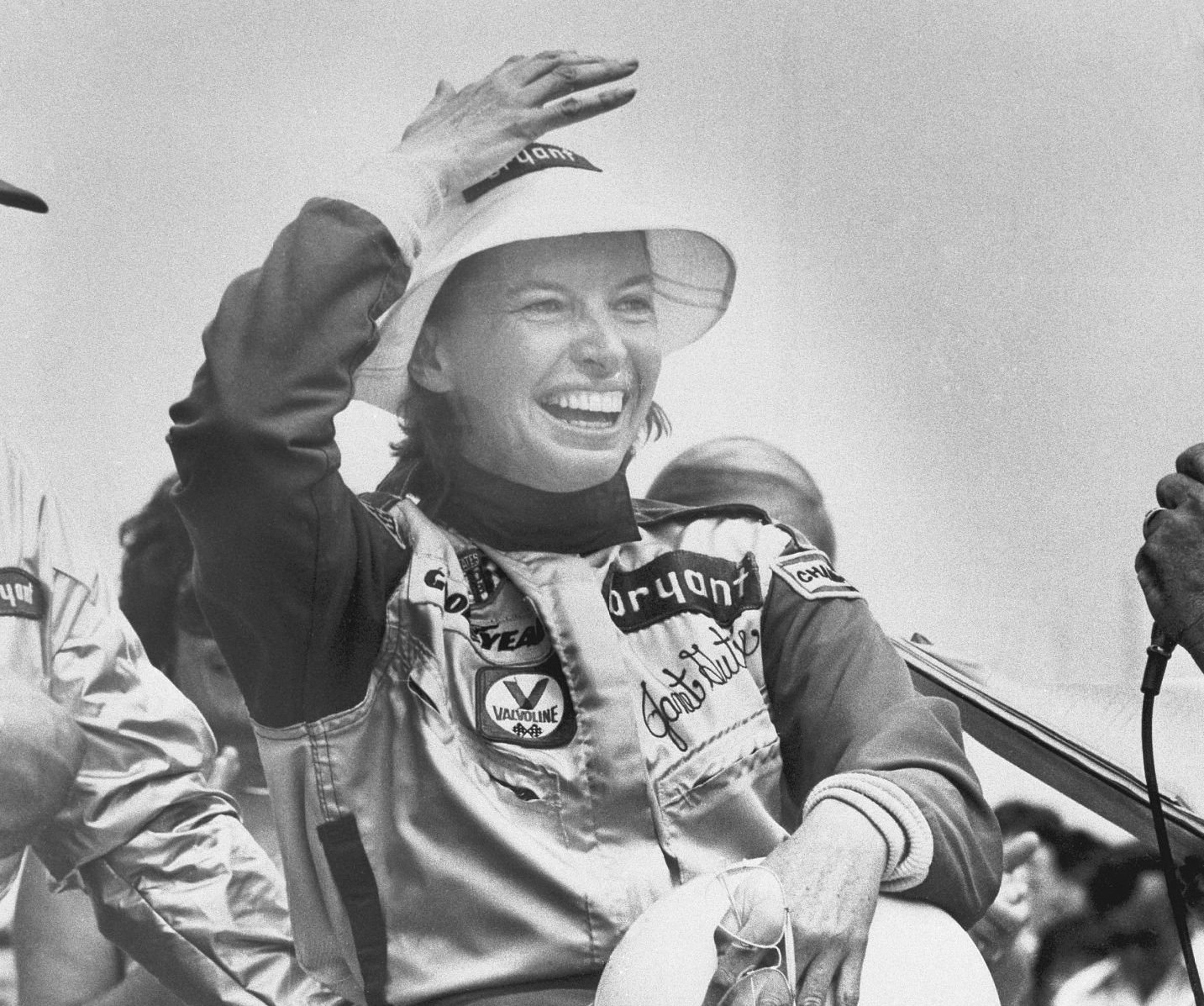
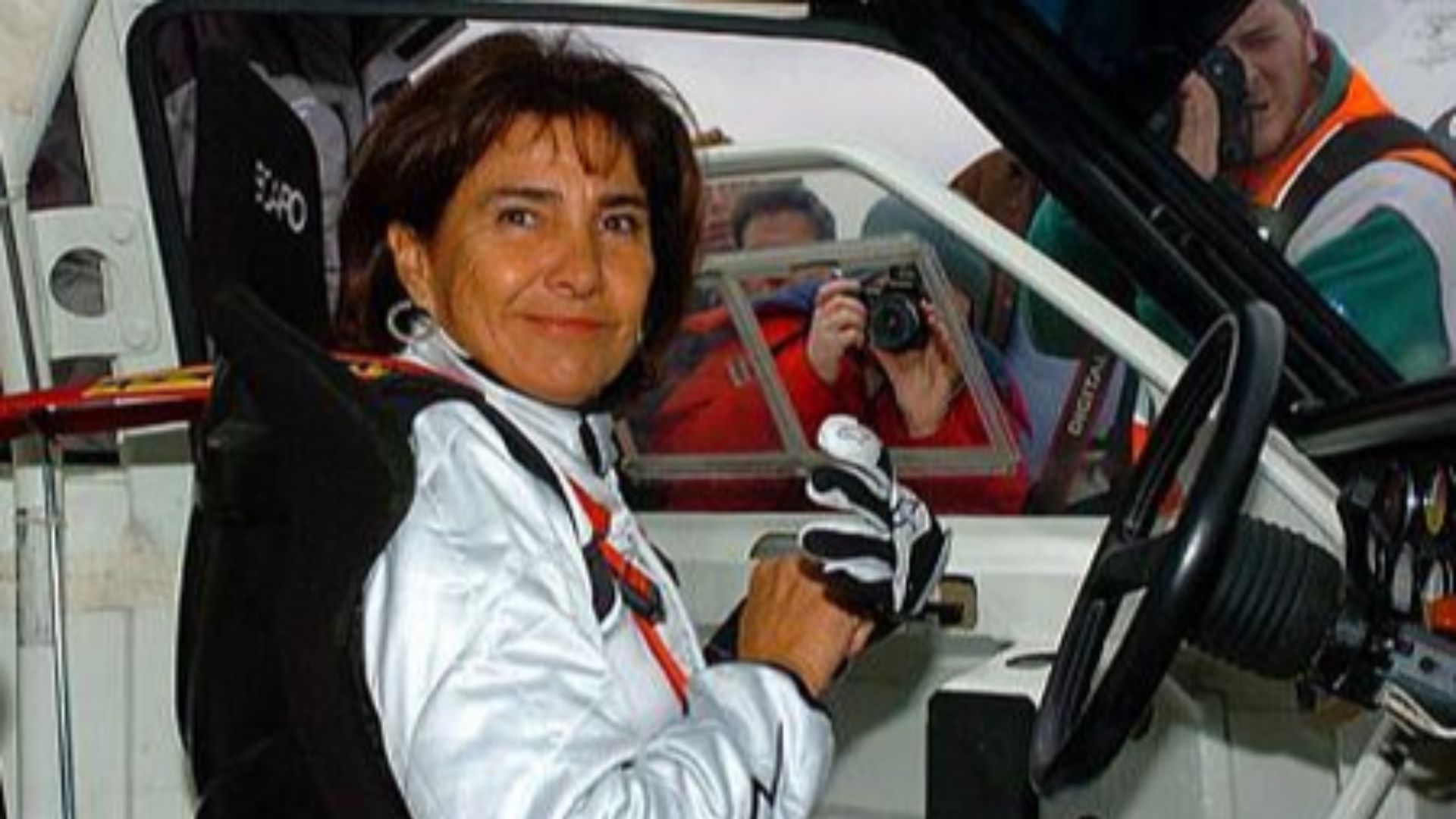
Michèle Mouton entered rally racing with strong support early on, but what she did with that opportunity was entirely her own, quickly rising through the ranks and eventually competing in the World Rally Championship against some of the best drivers in the world.
She Came Within Reach Of A Title
Mouton came incredibly close to winning the 1982 World Rally Championship, missing out due to mechanical issues late in the season, but she didn’t fade away after that, going on to win events like Pikes Peak and even setting a course record, cementing her place among the sport’s elite.
Lyn St. James Turned A Rough Start Into Momentum
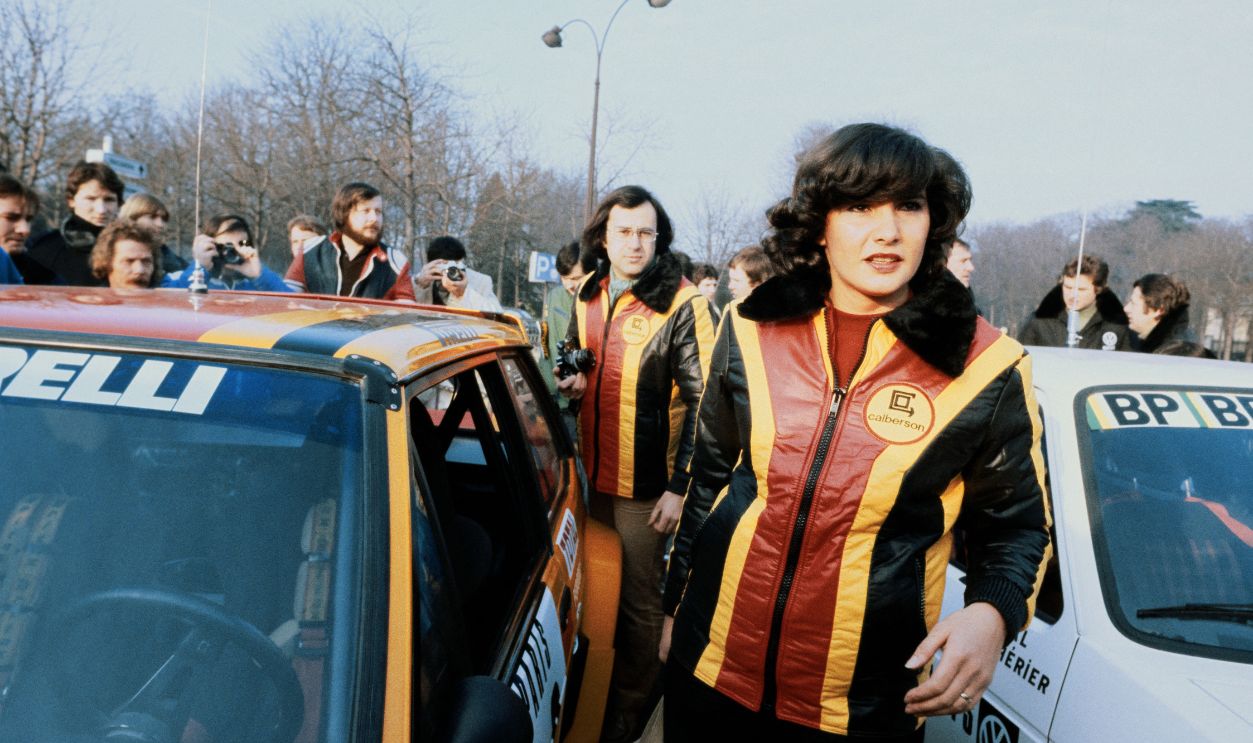
Lyn St. James didn’t exactly begin her racing career with a smooth debut—her first race ended with her car in a lake—but instead of walking away, she used that moment as fuel to keep going, proving early on that resilience would define her career.
She Built A Career On Consistency
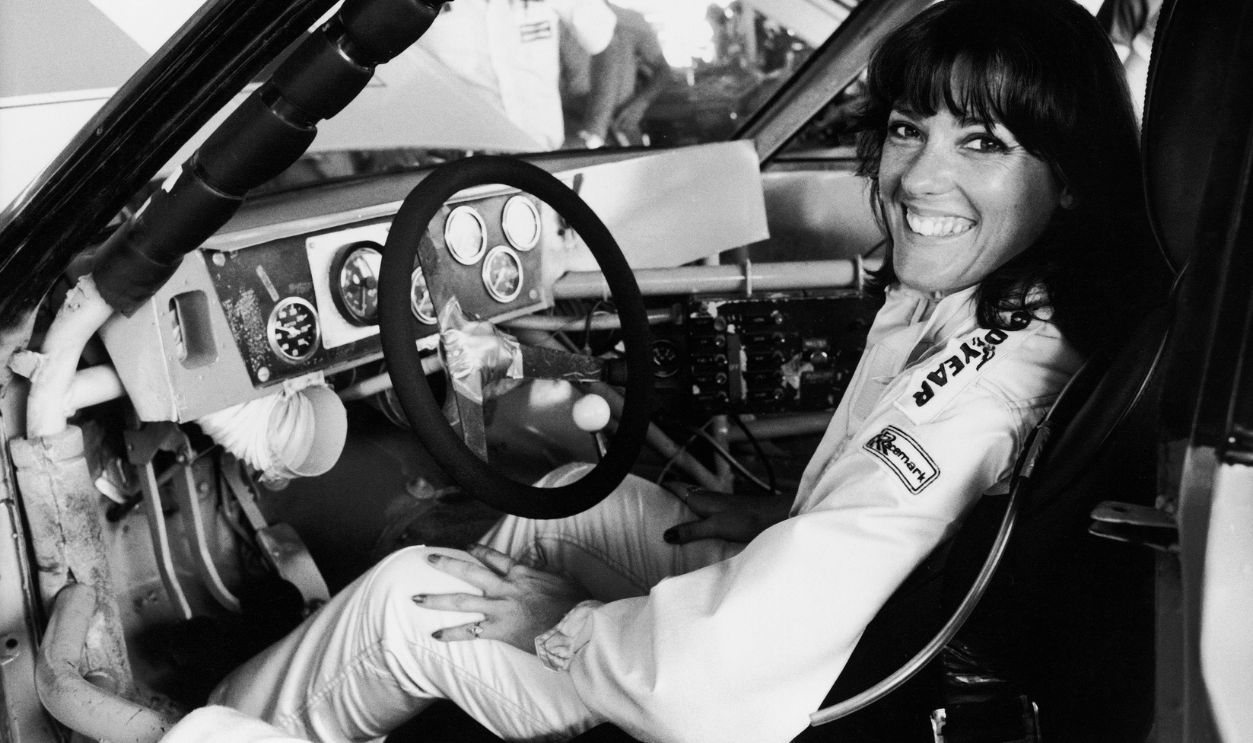
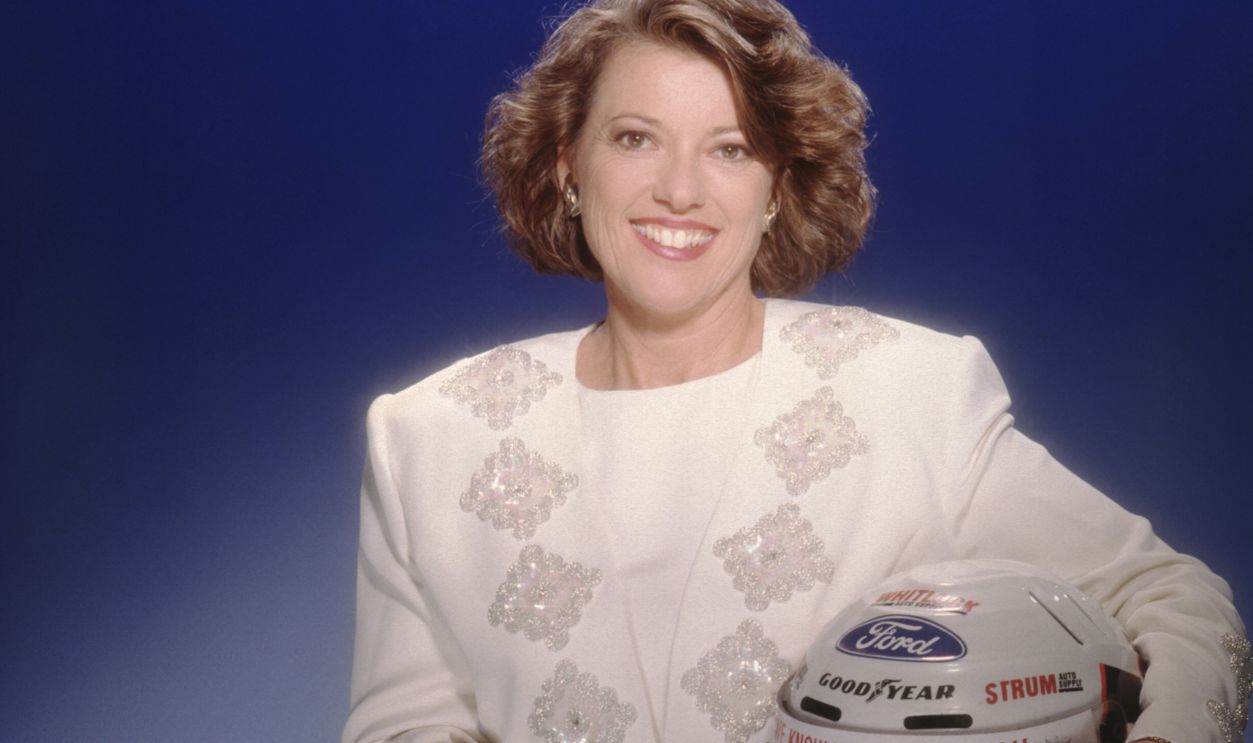
St. James went on to win at major endurance events like Daytona and Sebring and made multiple Indy 500 appearances, even earning Rookie of the Year honors, showing that success in racing isn’t always about a single moment—it’s about showing up, improving, and staying competitive over time.
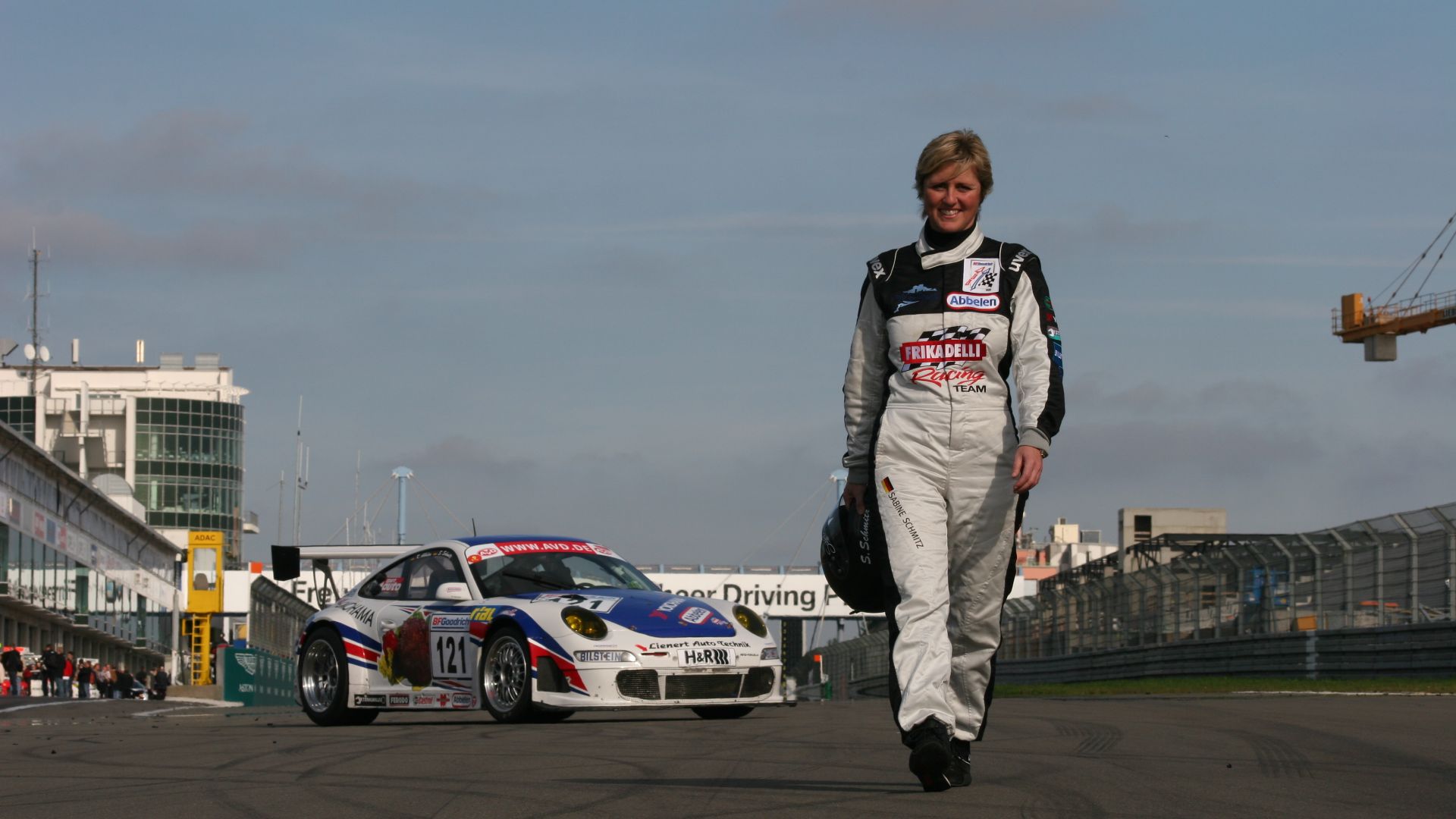
Sabine Schmitz Owned The Toughest Track In Racing
The Nürburgring is one of the most demanding tracks in the world, known for breaking even the most experienced drivers, but Sabine Schmitz turned it into her home turf, earning the nickname “Queen of the Ring” through sheer familiarity and skill.
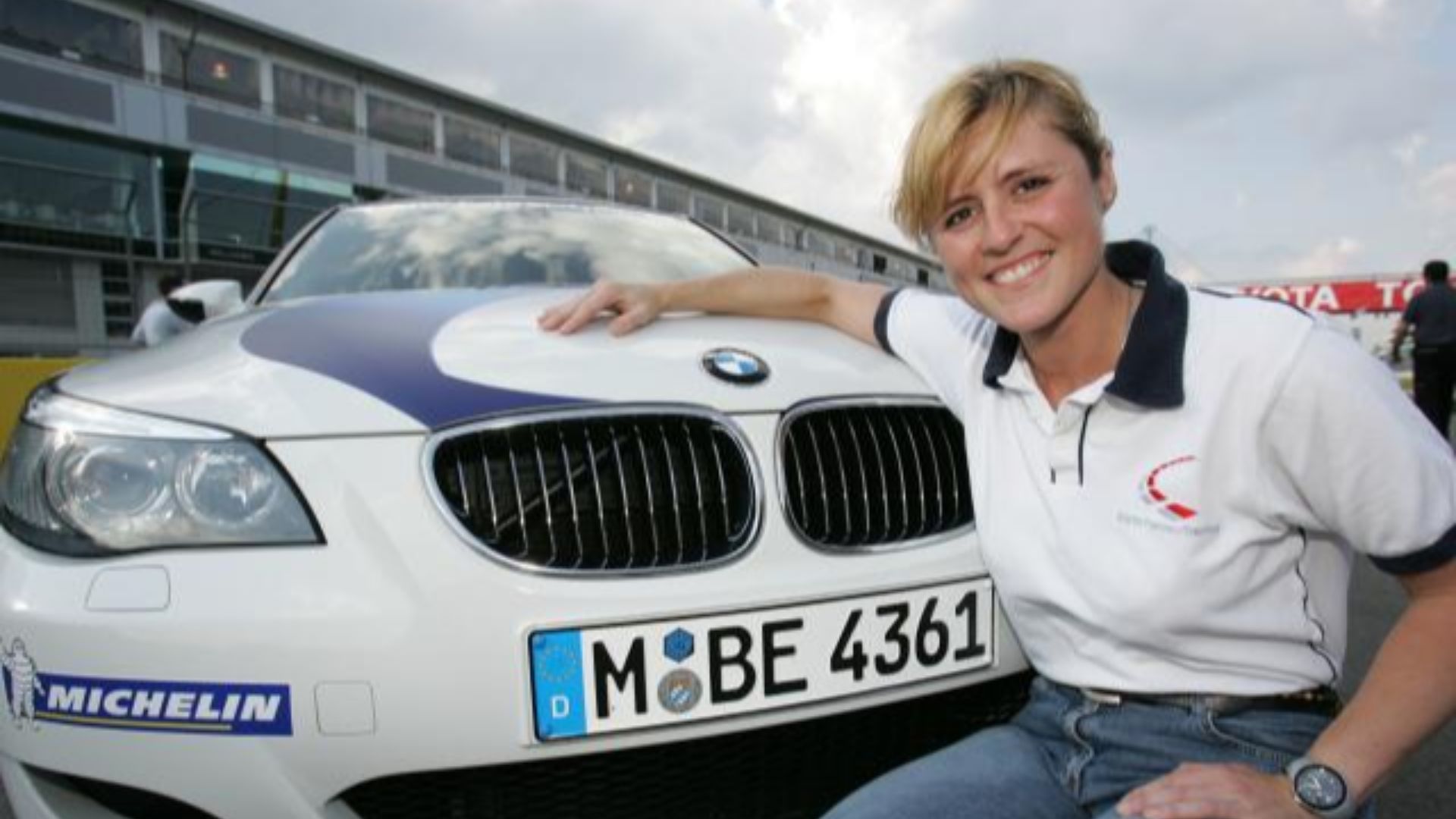 The original uploader was Jospi76 at German Wikipedia., Wikimedia Commons
She Made The Impossible Look Easy
Schmitz won the 24 Hours of Nürburgring twice and became widely known for her ability to handle the track with confidence, even taking on challenges like setting impressive lap times in unlikely vehicles, proving that mastery isn’t just about winning—it’s about making something incredibly difficult look almost routine.
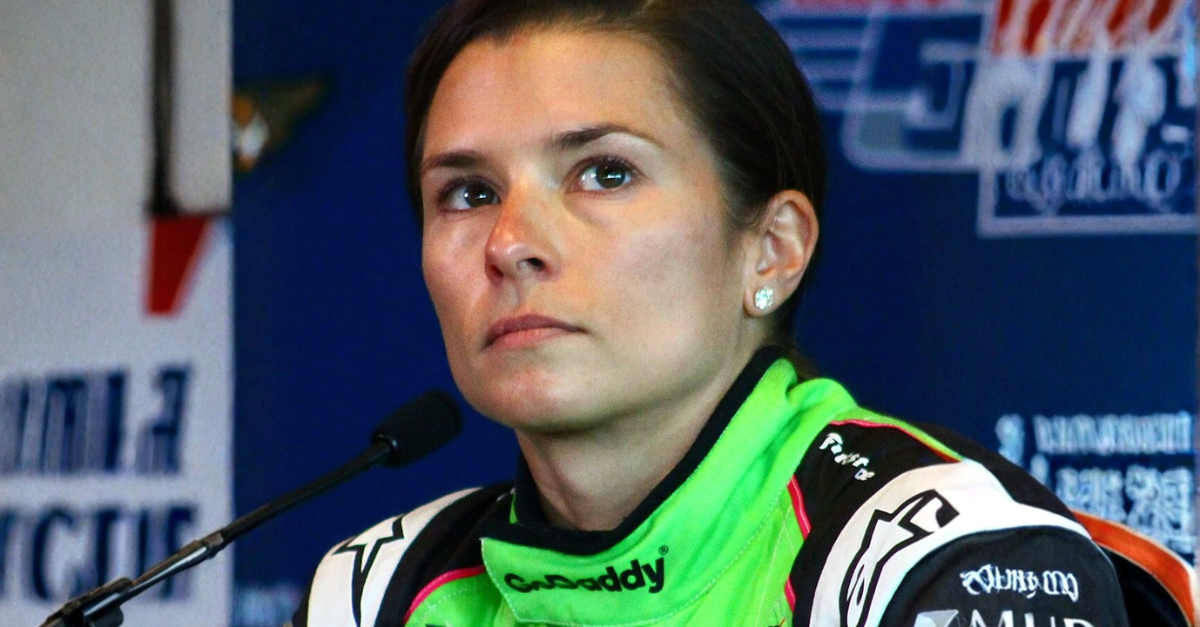
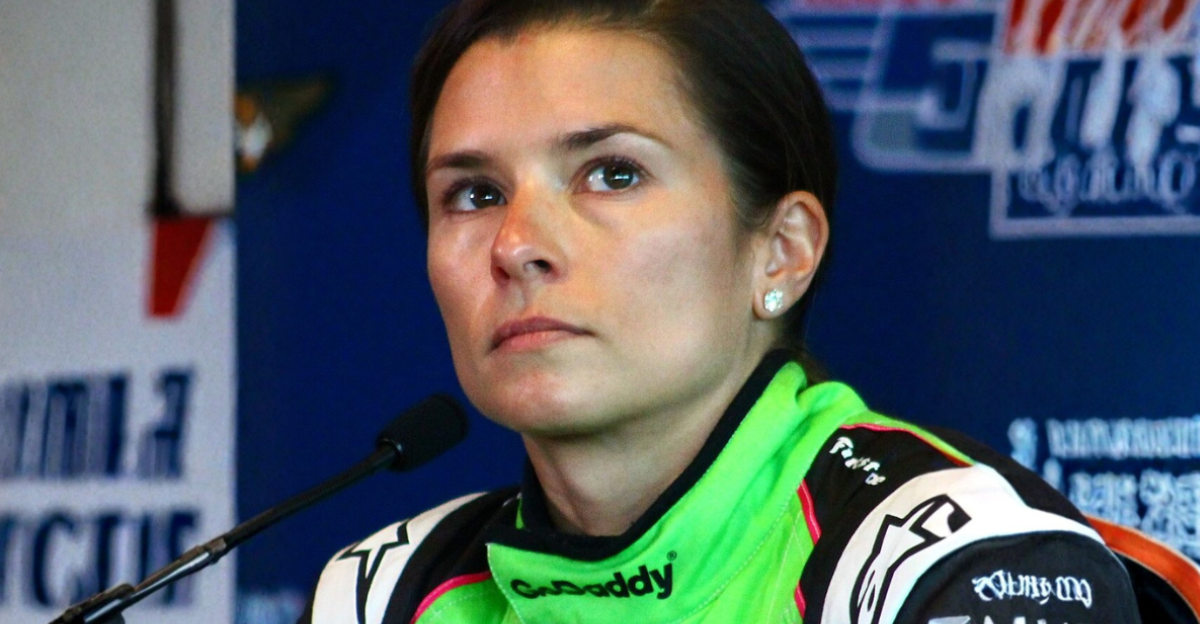
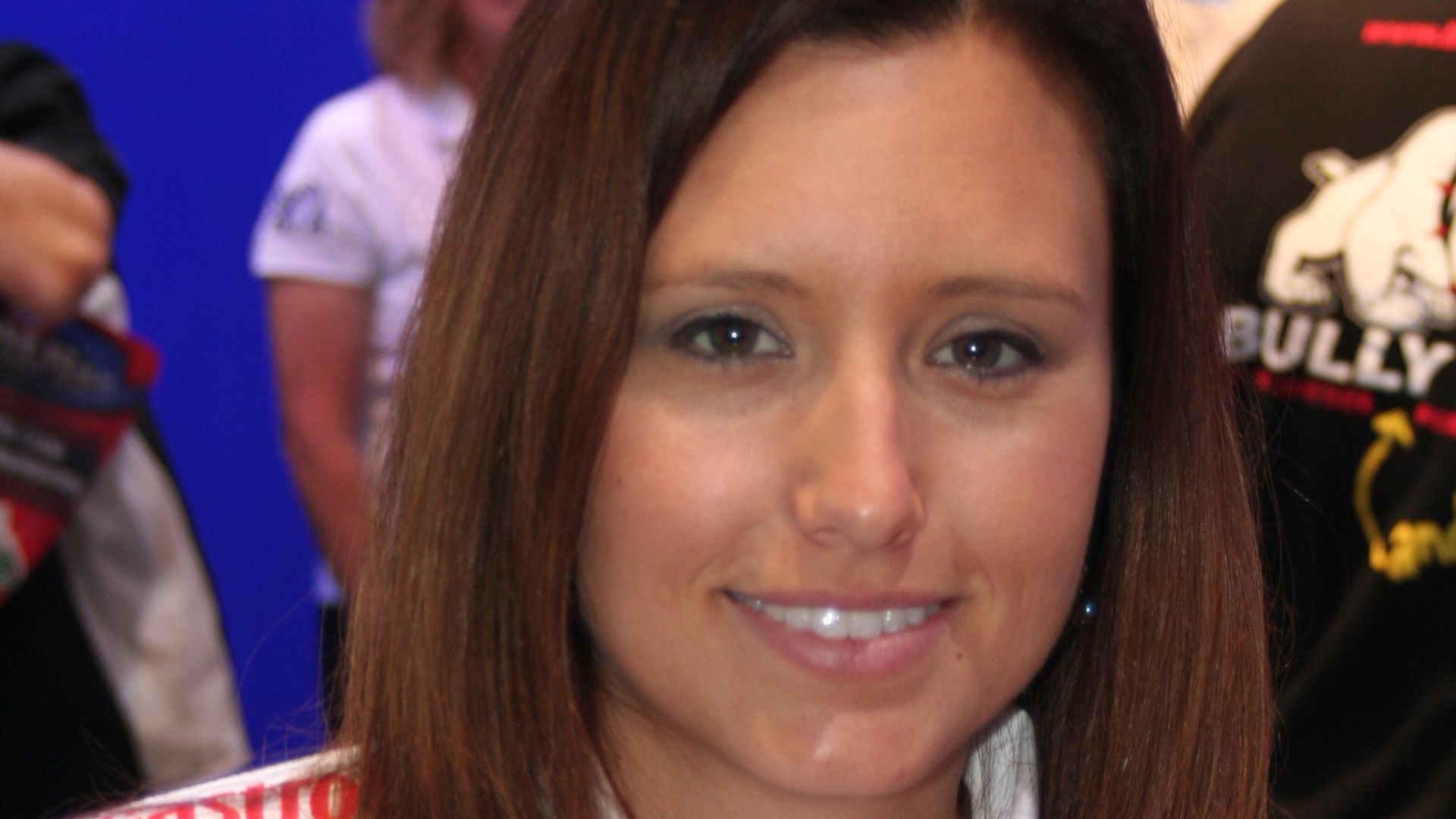
Danica Patrick Brought Women Into The Spotlight
By the time Danica Patrick entered the scene, women in racing had already made significant strides, but she helped push that progress into the mainstream, bringing a level of visibility that the sport hadn’t seen before.
 Manningmbd, CC BY-SA 3.0, Wikimedia Commons
She Turned Moments Into Milestones
Patrick became the first woman to win an IndyCar race and earned Rookie of the Year honors, building a career that wasn’t just about attention but about results, and in doing so, she raised expectations for what women could achieve in modern motorsports.

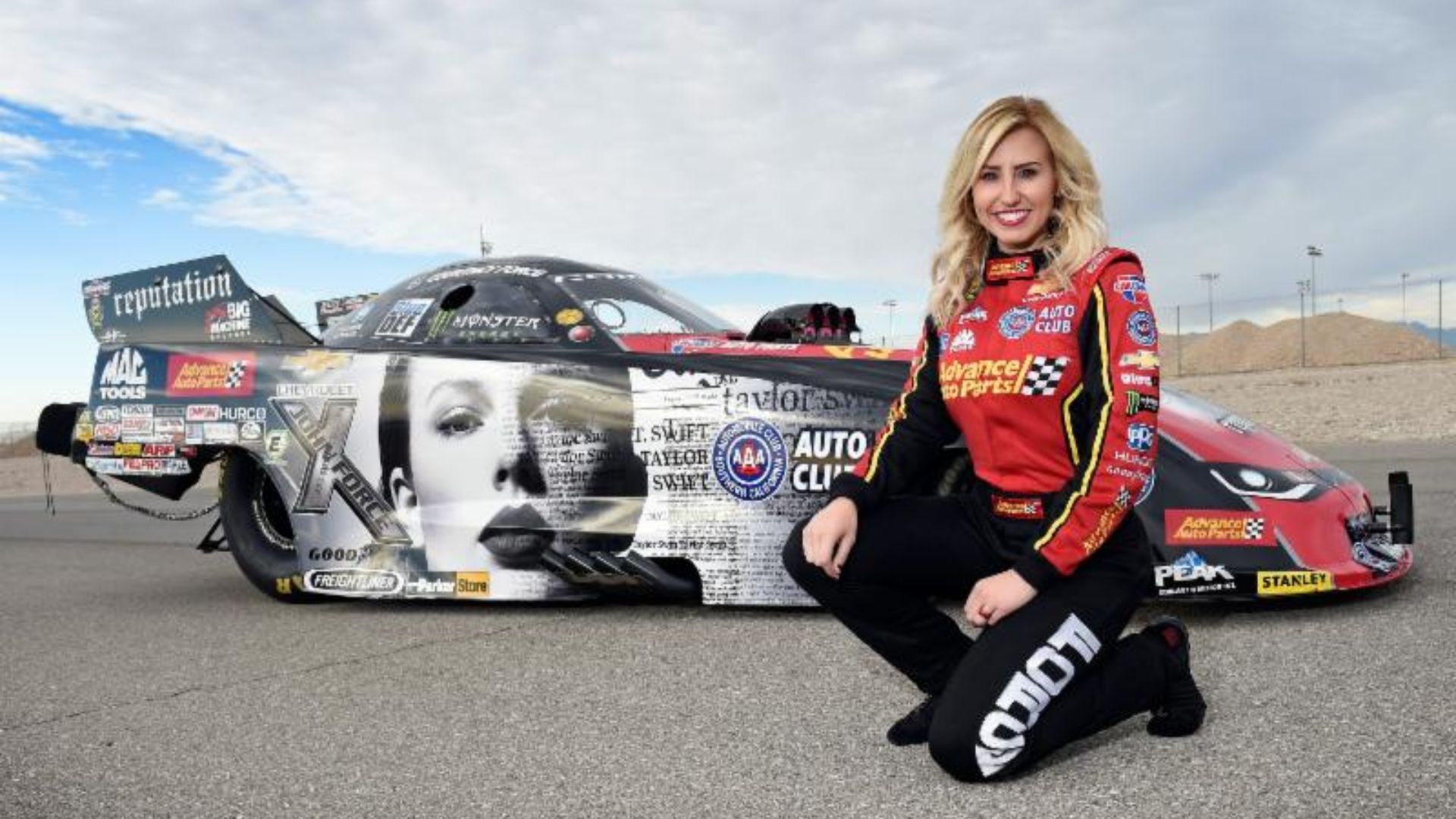
The Force Sisters Made It A Family Affair
Ashley, Brittany, and Courtney Force grew up surrounded by racing, but instead of being overshadowed by their father’s legacy, they each carved out their own paths in drag racing, turning sibling rivalry into something far more competitive.
 Freewheeling Daredevil, Wikimedia Commons
They Proved Talent Runs In The Family
Each sister found success on the track, with wins across multiple categories and even head-to-head victories over one another, and when Brittany captured a Top Fuel championship, it marked another milestone for women in the sport, showing just how far things had come—and how much further they could go.
You May Also Like:
Cars So Dangerous, The Government Had To Step In To Save Us All
Source: 1

.jpg)
