American Muscle That Revolutionized The Car Industry
From the smoky drag strips of the 1960s to the sleek powerhouses of today, muscle cars have shaped American automotive culture like no other. These machines weren’t just cars—they were statements of rebellion, innovation, and raw horsepower. In this ride through automotive history, we’re celebrating 25 muscle cars that didn’t just burn rubber—they changed the game forever.
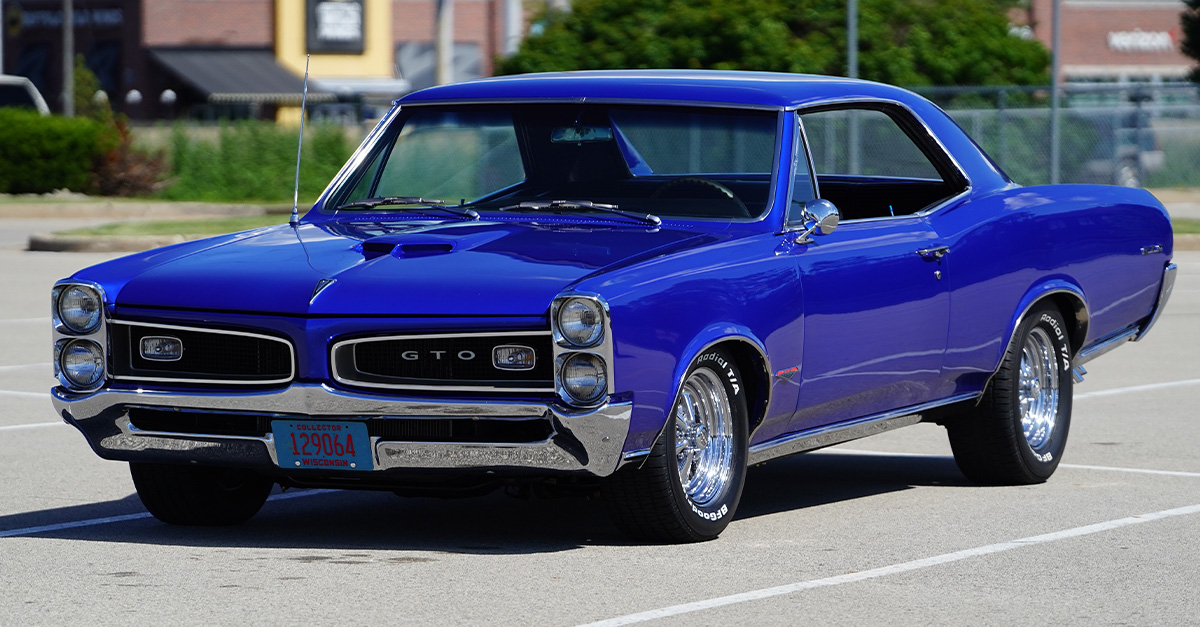
Pontiac GTO
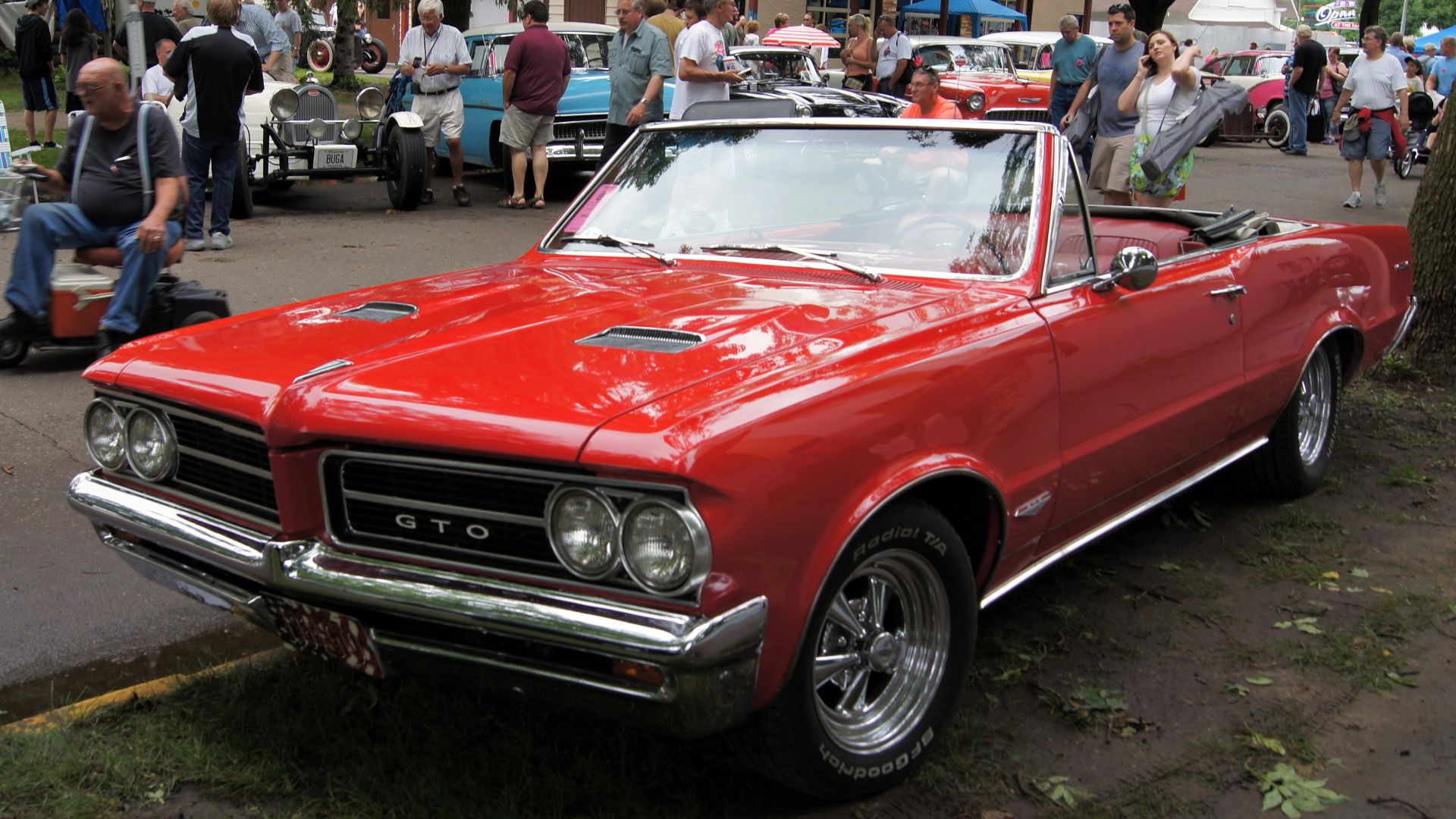
The 1964 Pontiac GTO is often credited as the car that started the muscle car era. Pontiac took a modest Tempest, dropped in a 389 V8, and gave drivers a taste of affordable performance. It was the blueprint for every muscle car that followed—big engine, small body, and pure attitude.
 Greg Gjerdingen from Willmar, USA, Wikimedia Commons
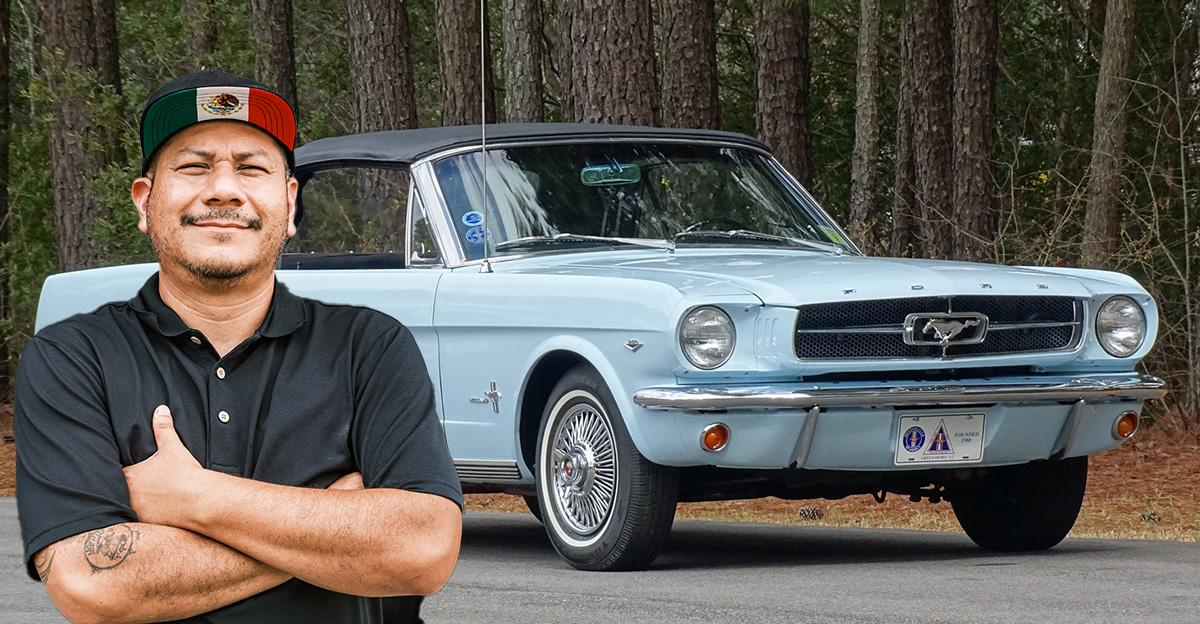
Ford Mustang
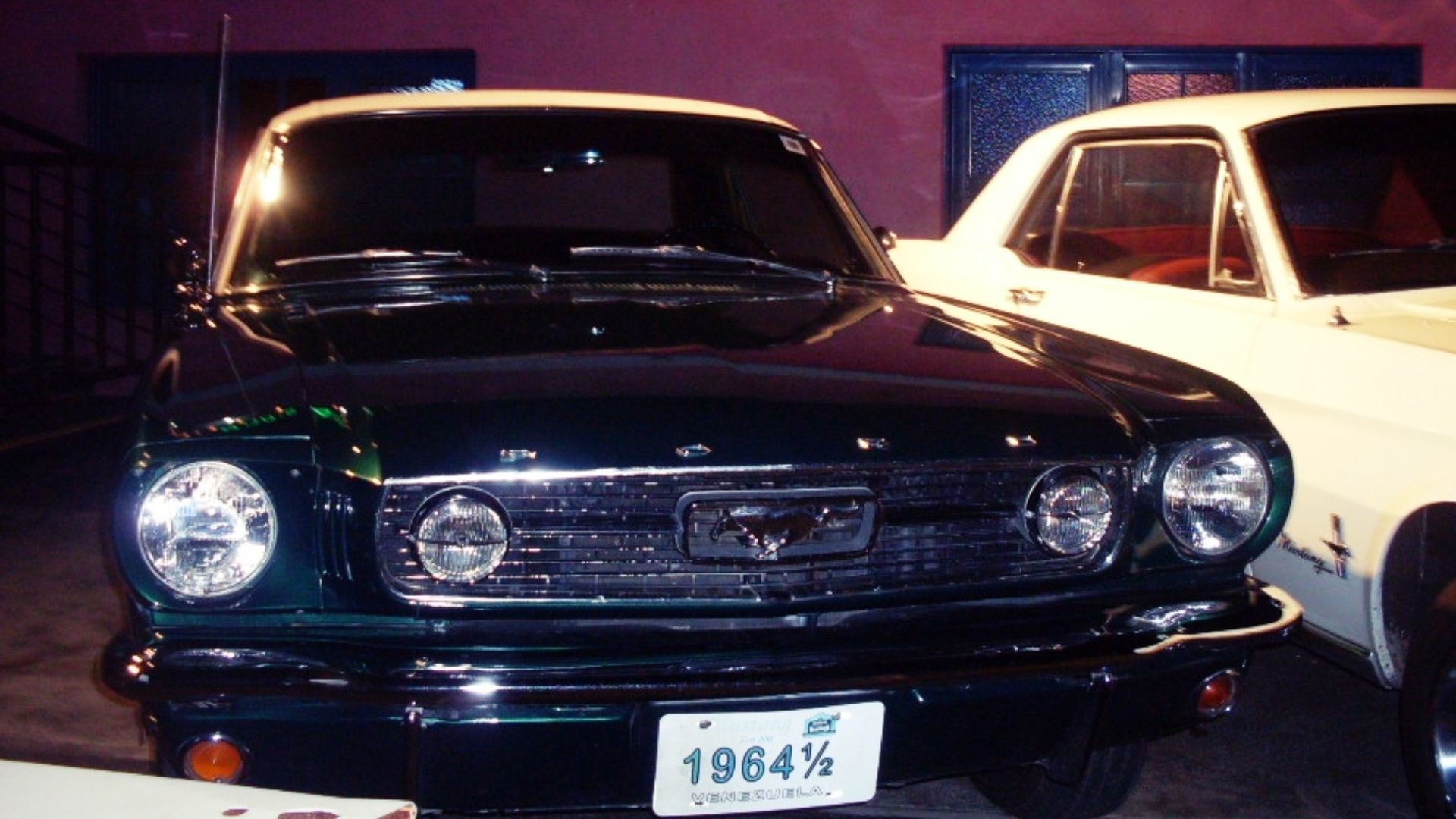
Launched in 1964½, the Ford Mustang wasn’t the first fast car—but it defined an entirely new segment: the “pony car.” Its long hood, short deck, and endless customization options made it a sensation. The Mustang’s success inspired rivals from Chevy, Dodge, and AMC, kicking off the great pony car wars.
 George Miquilena, Wikimedia Commons
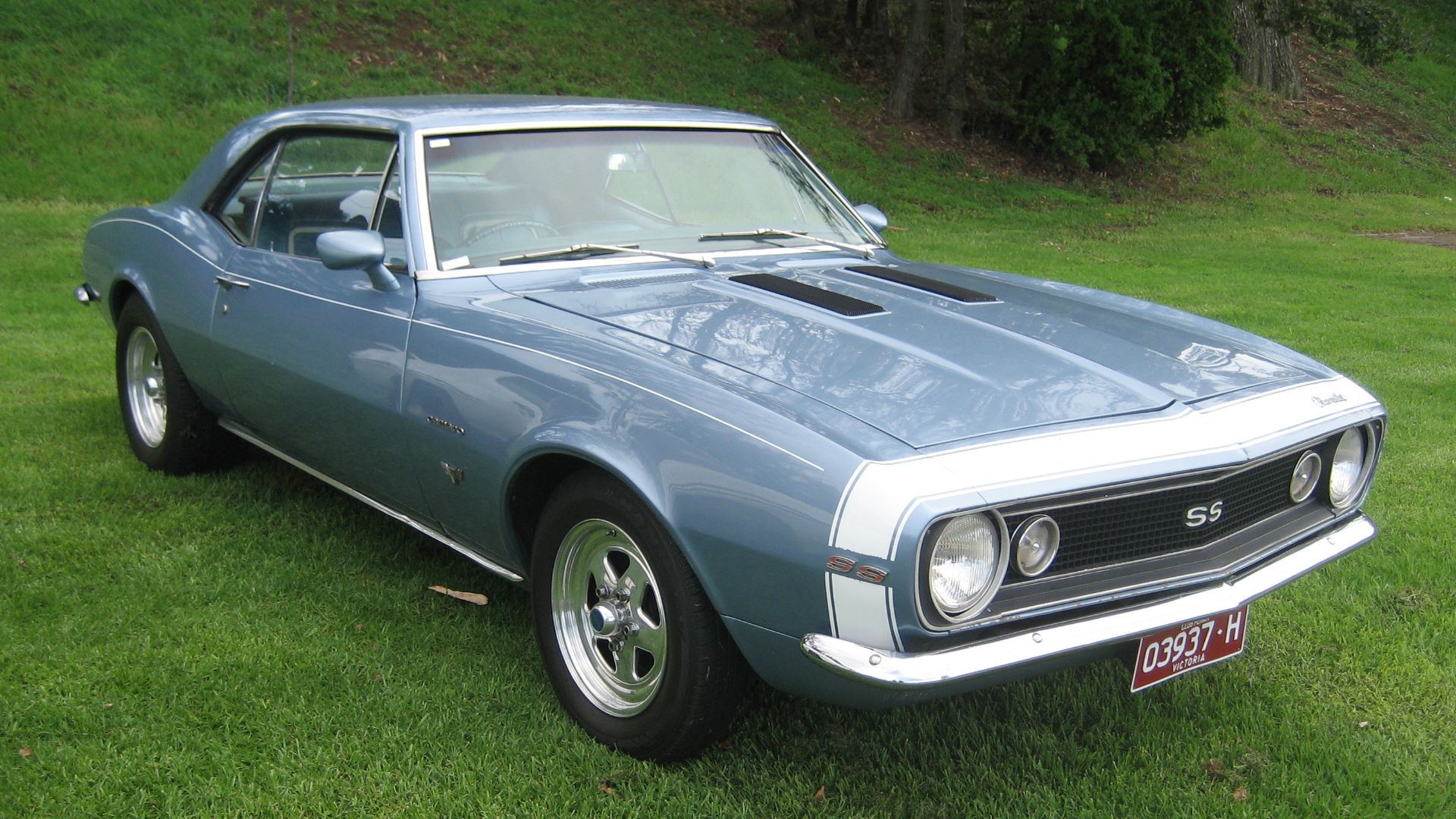
Chevrolet Camaro SS
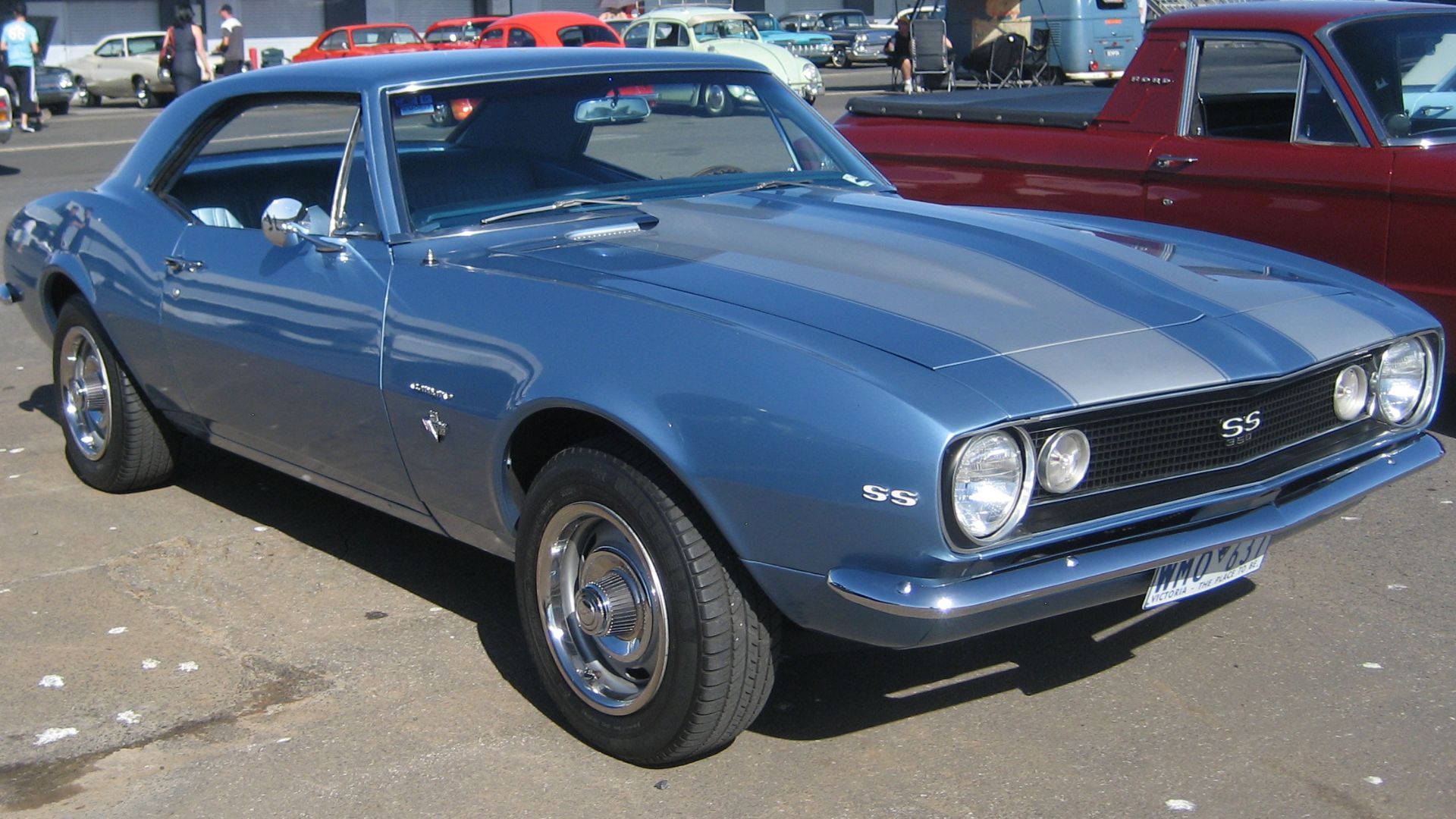
Chevy’s answer to the Mustang came fast and furious in 1967. The Camaro SS offered a perfect blend of speed and style, with options like the 396 V8 and iconic “coke bottle” lines. It established Chevrolet as a serious performance contender and remains a symbol of power and rivalry.
Dodge Charger R/T
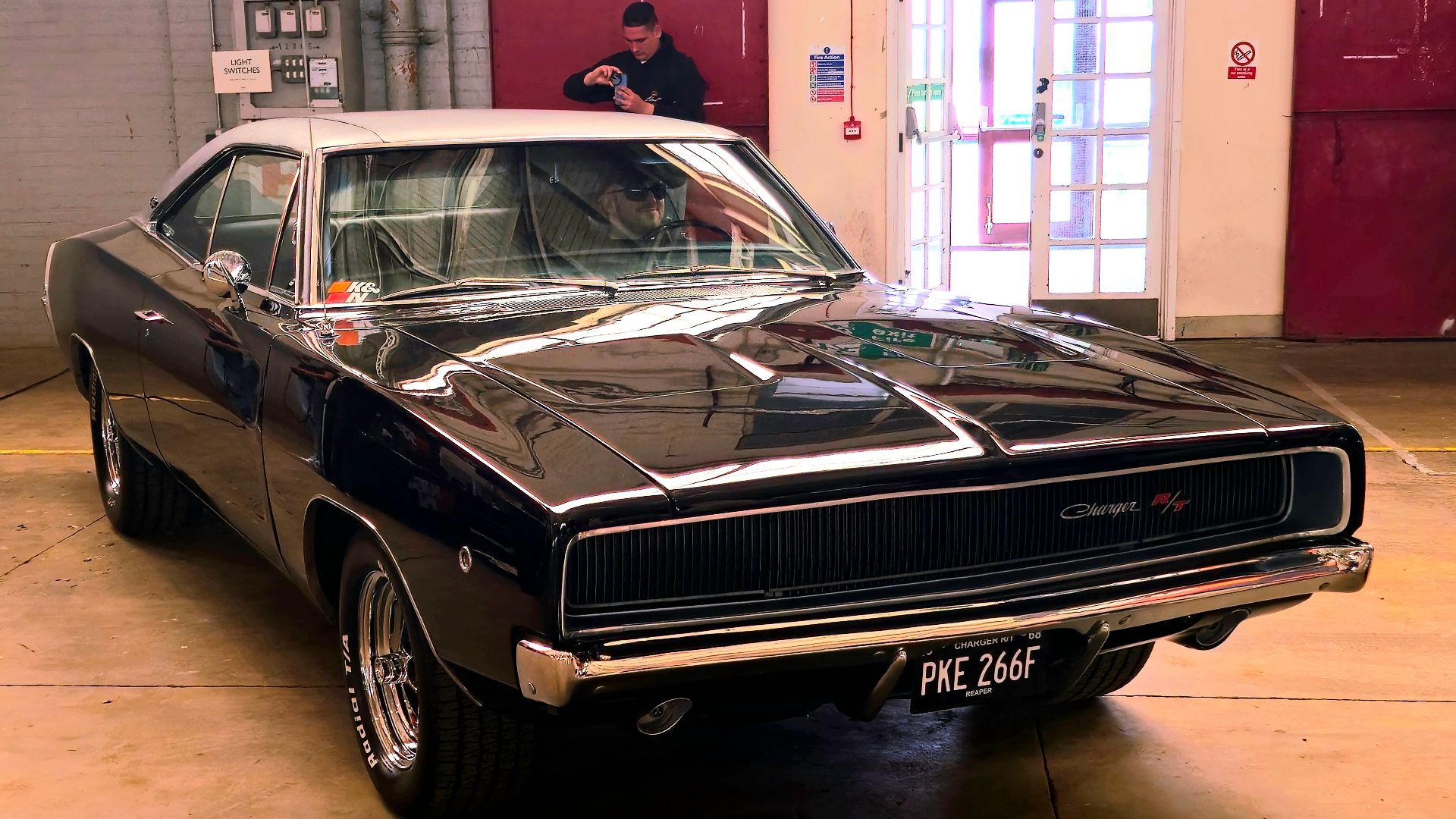
The late-’60s Charger combined brute force with unforgettable design. The 1968 model, with its hidden headlights and wide stance, screamed intimidation. Add the 440 Magnum or legendary 426 Hemi, and you had one of the most feared street machines ever built.
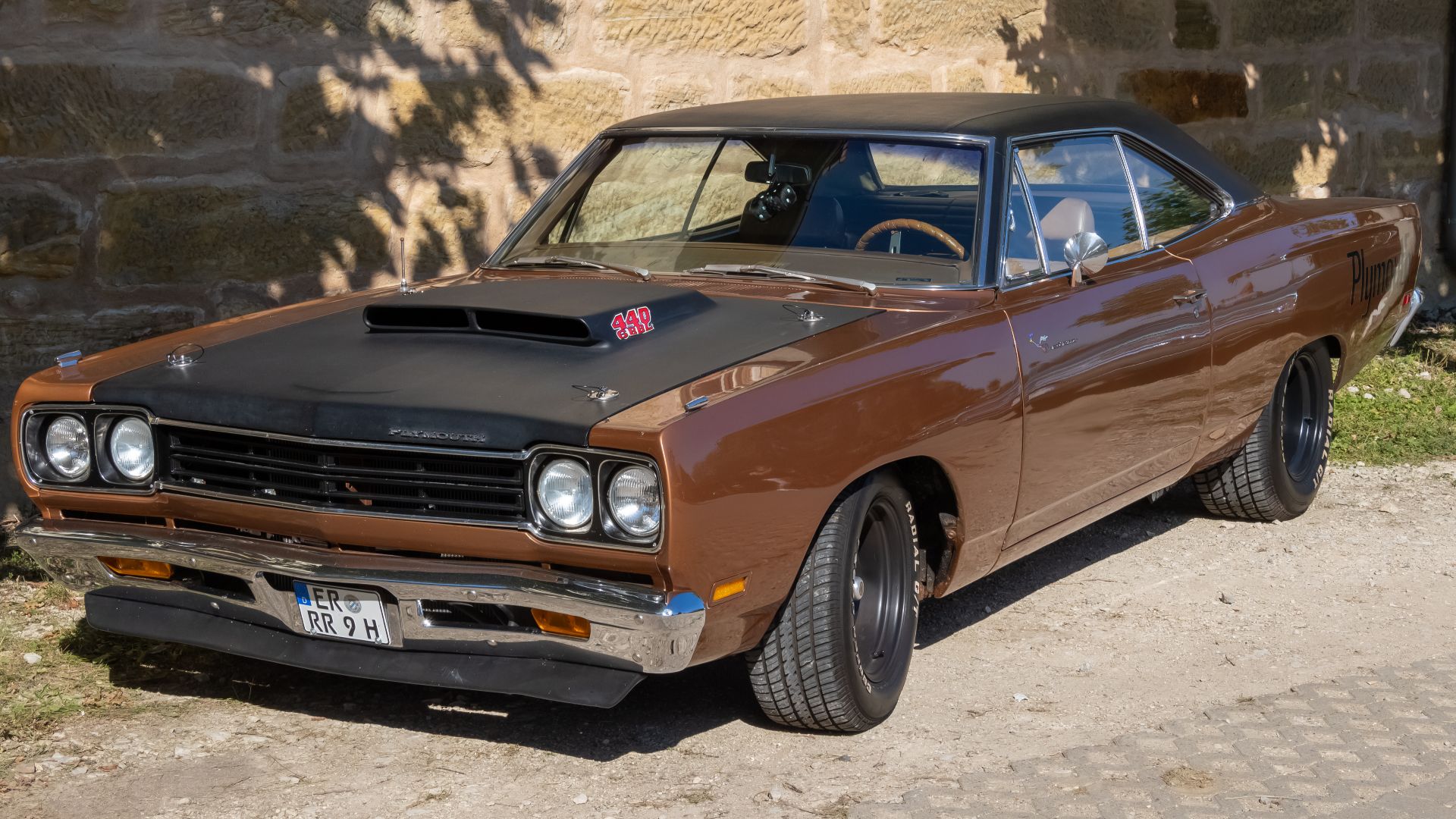
Plymouth Road Runner
In 1968, Plymouth went for “no frills, all thrills.” The Road Runner stripped away luxury and focused on one thing: performance. It was affordable, loud, and fast—a true people’s muscle car. Plus, that “beep-beep” horn became the soundtrack of speed.
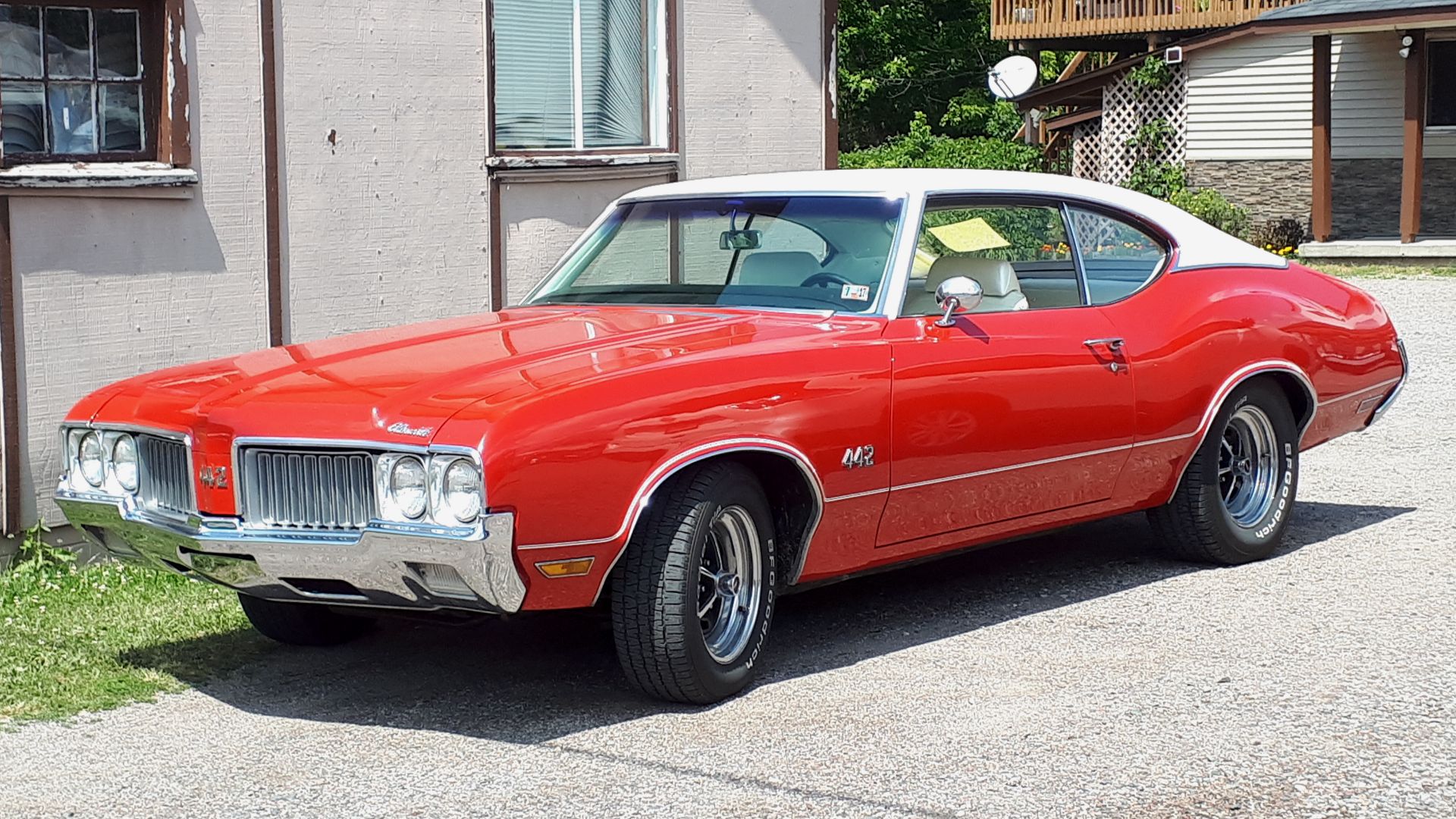
Oldsmobile 442
Originally a performance package, the 442—named for its four-barrel carb, four-speed manual, and dual exhaust—grew into one of Oldsmobile’s most powerful badges. By 1970, it was packing 455 cubic inches of muscle and redefining luxury-performance balance.
 SsmIntrigue, Wikimedia Commons
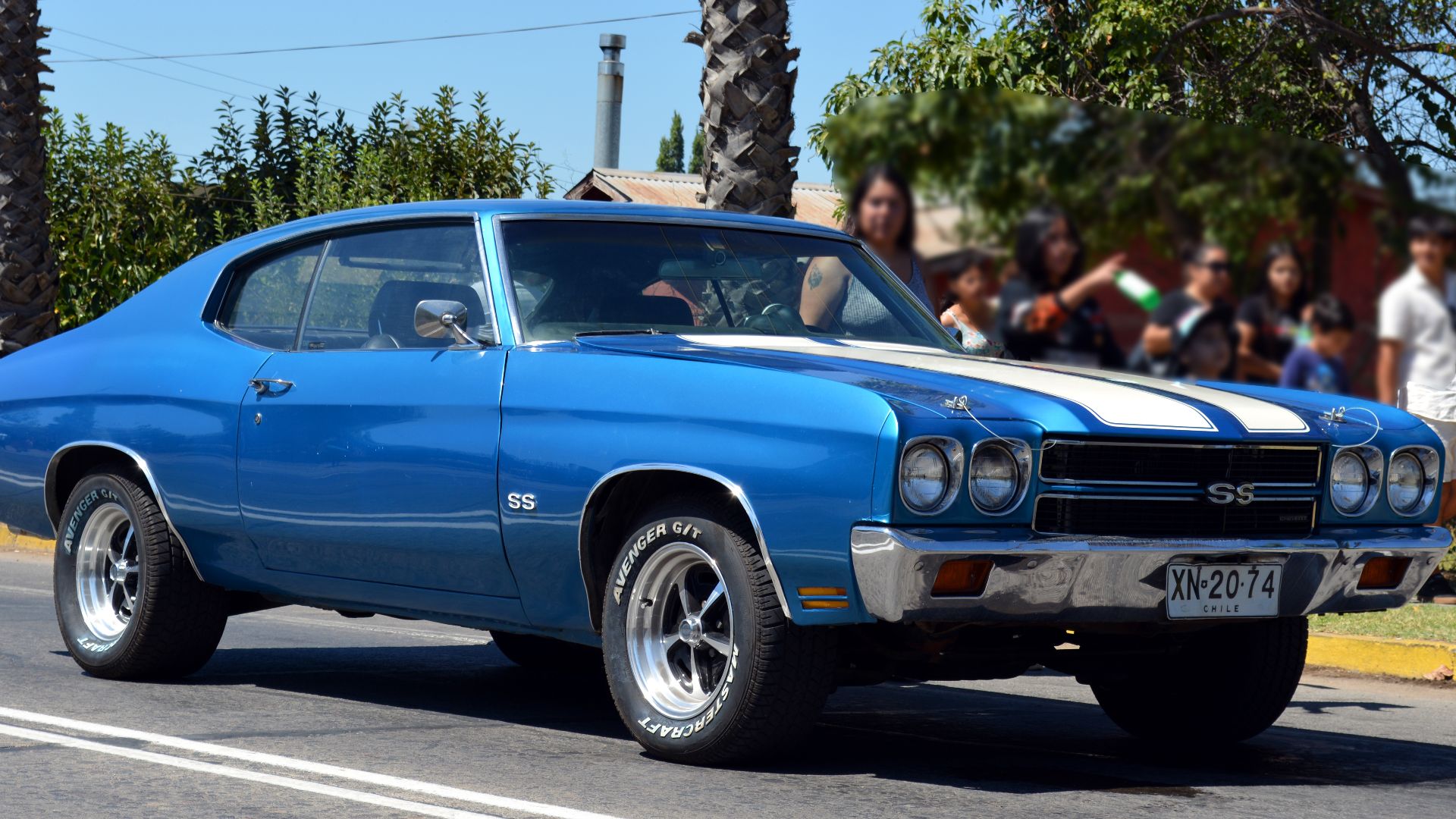
Chevrolet Chevelle SS 454
The 1970 Chevelle SS 454 was pure insanity. Its LS6 engine produced 450 horsepower—numbers that seemed unreal for the time. It became the poster child for high-performance American muscle and still dominates collectors’ dreams.
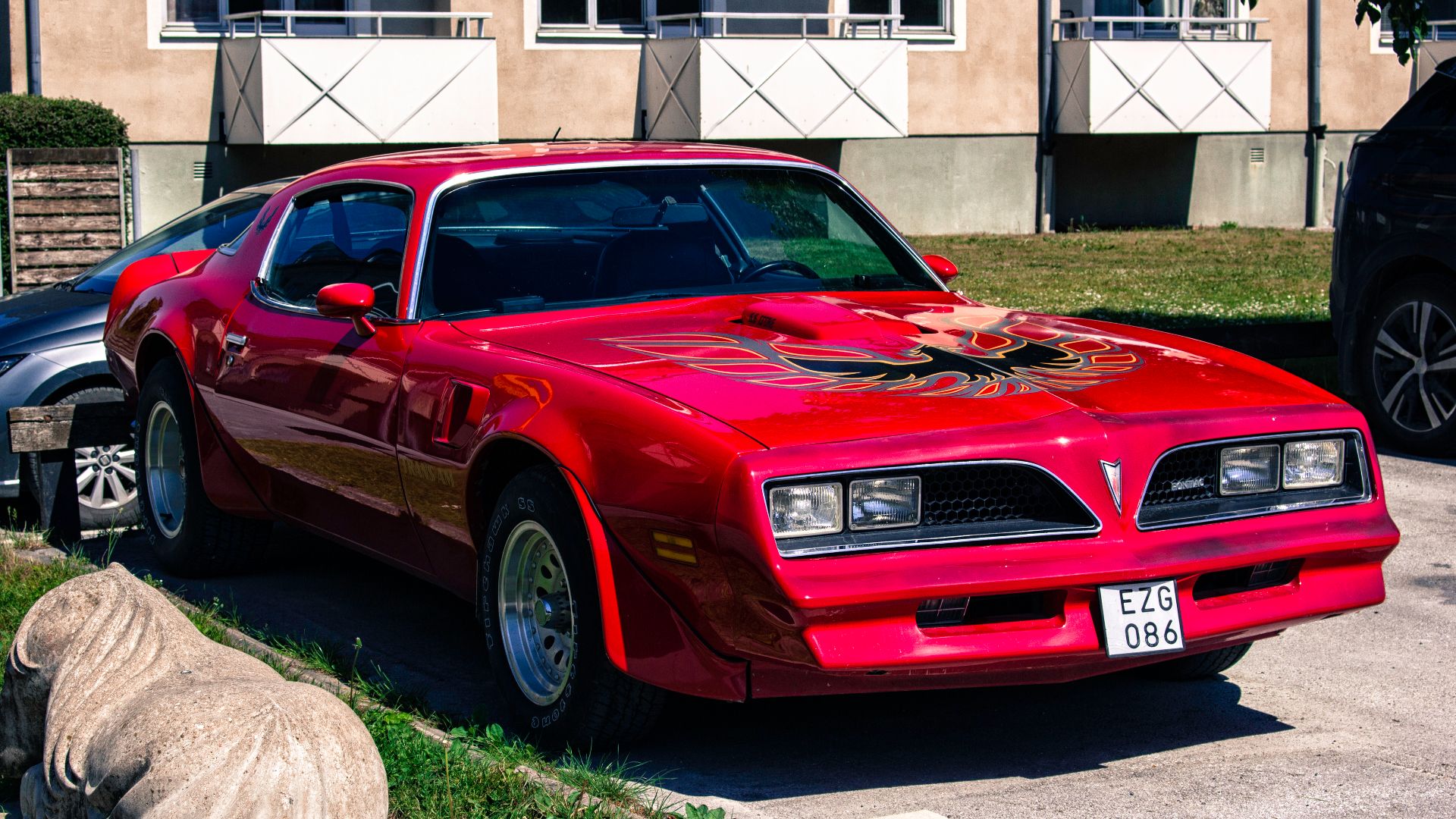
Pontiac Firebird Trans Am
The Firebird Trans Am oozed cool. From its “screaming chicken” hood decal to its role in Smokey and the Bandit, it was more than a car—it was a pop culture icon. It proved that muscle could have style and swagger.
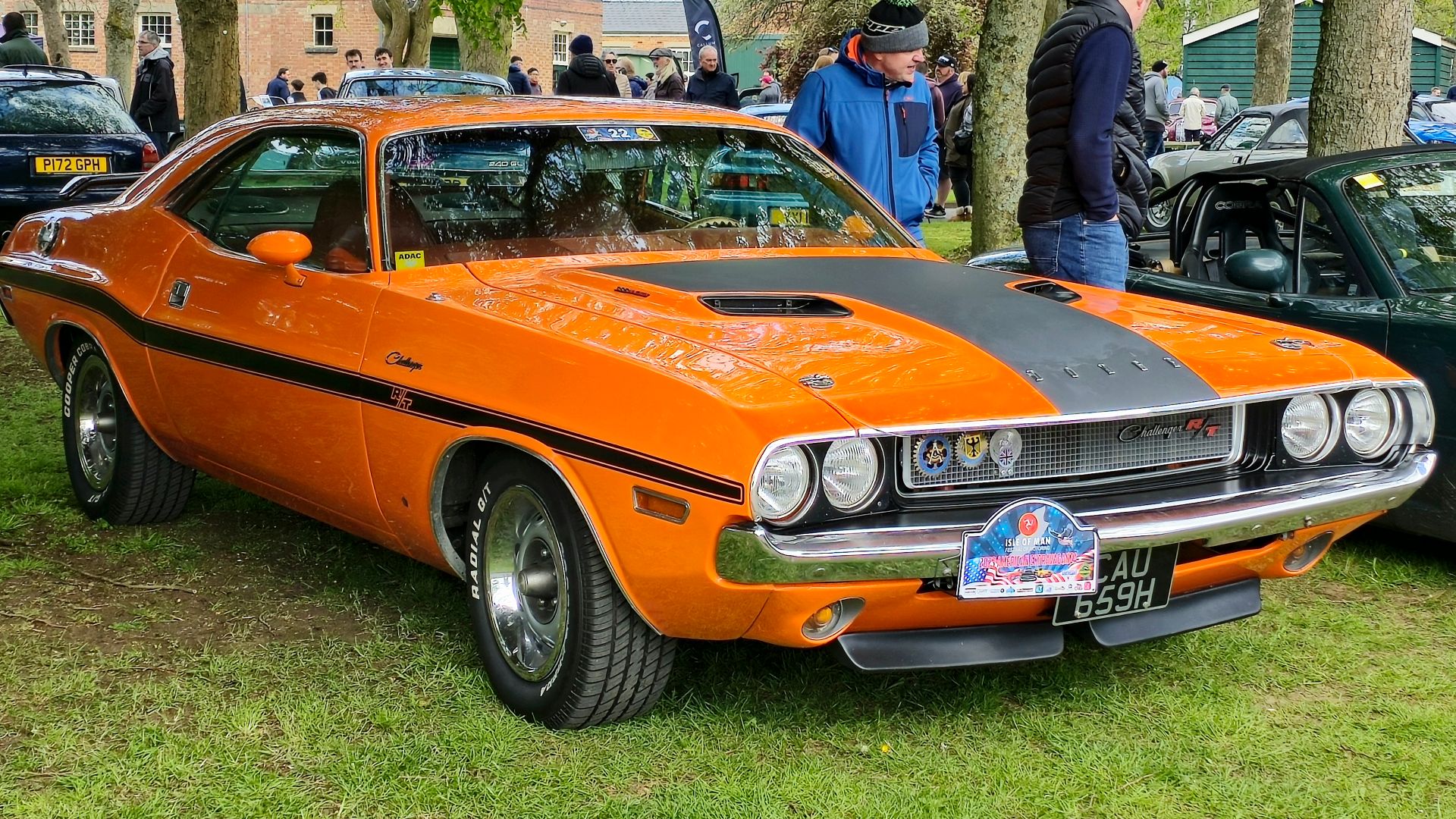
Dodge Challenger R/T
When the Challenger debuted in 1970, it was Dodge’s most muscular move yet. With engines ranging up to the 426 Hemi, it rivaled the best from Ford and Chevy. Its bold colors and aggressive stance made it a street and track legend.
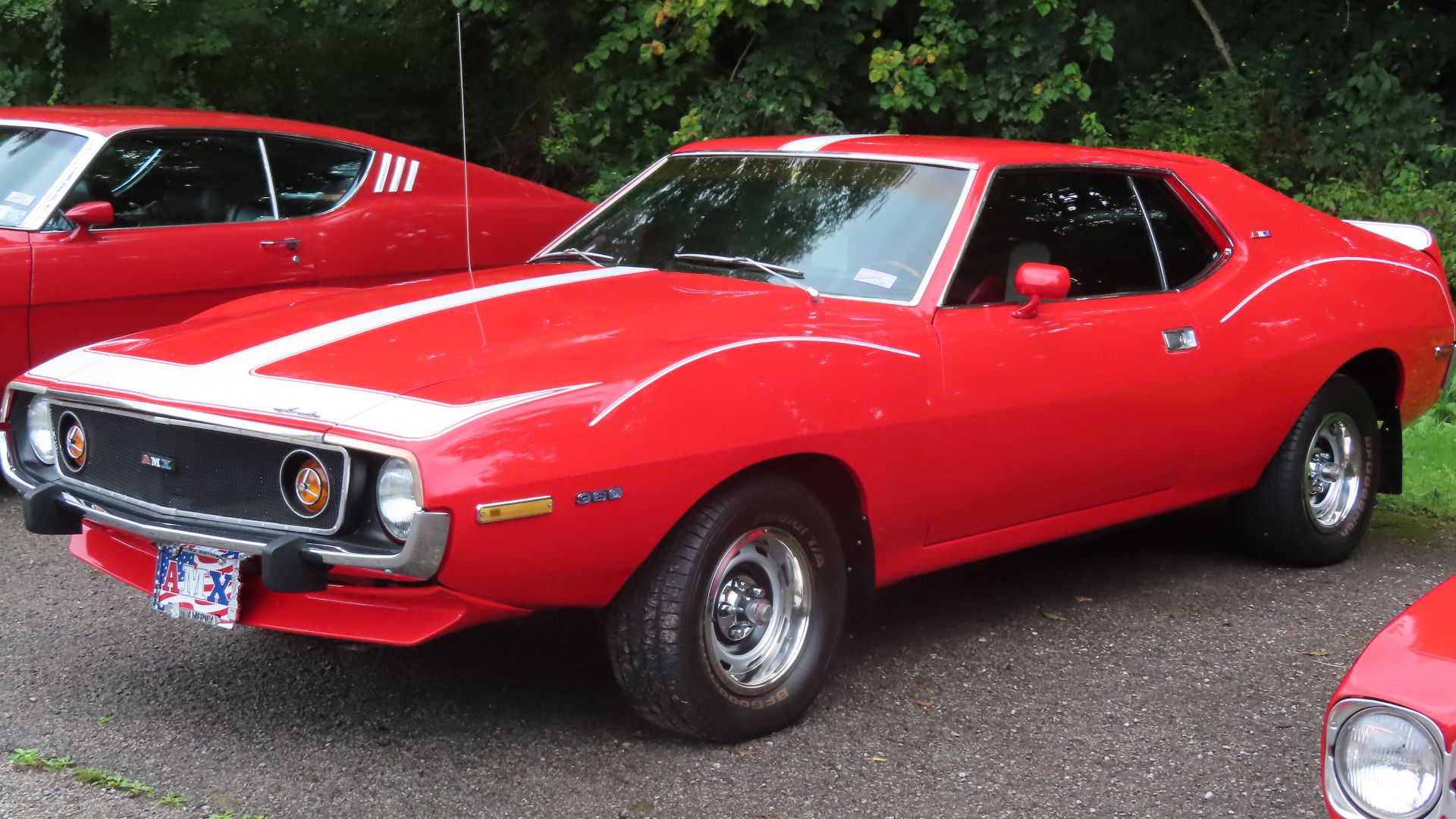
AMC Javelin AMX
AMC might’ve been the underdog, but the Javelin AMX proved it could punch with the big boys. With its race-proven performance and distinctive design, it brought style and credibility to America’s smallest automaker.
 MercurySable99, Wikimedia Commons
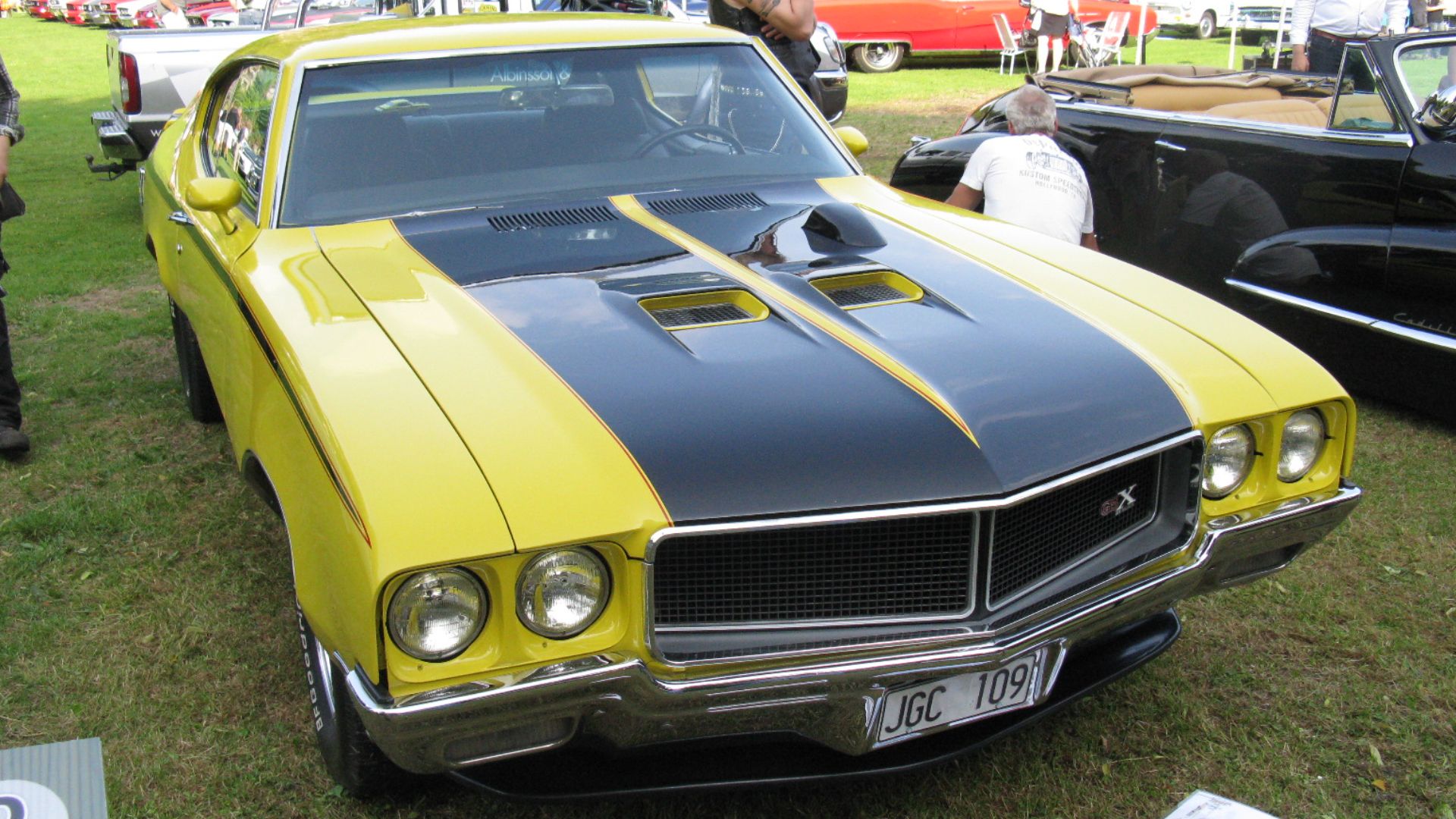
Buick GSX
Buick wasn’t known for speed—until the GSX. In 1970, this “gentleman’s hot rod” shocked the world with its 455 Stage 1 engine and 510 lb-ft of torque. It was luxurious and ludicrously quick—a true sleeper.
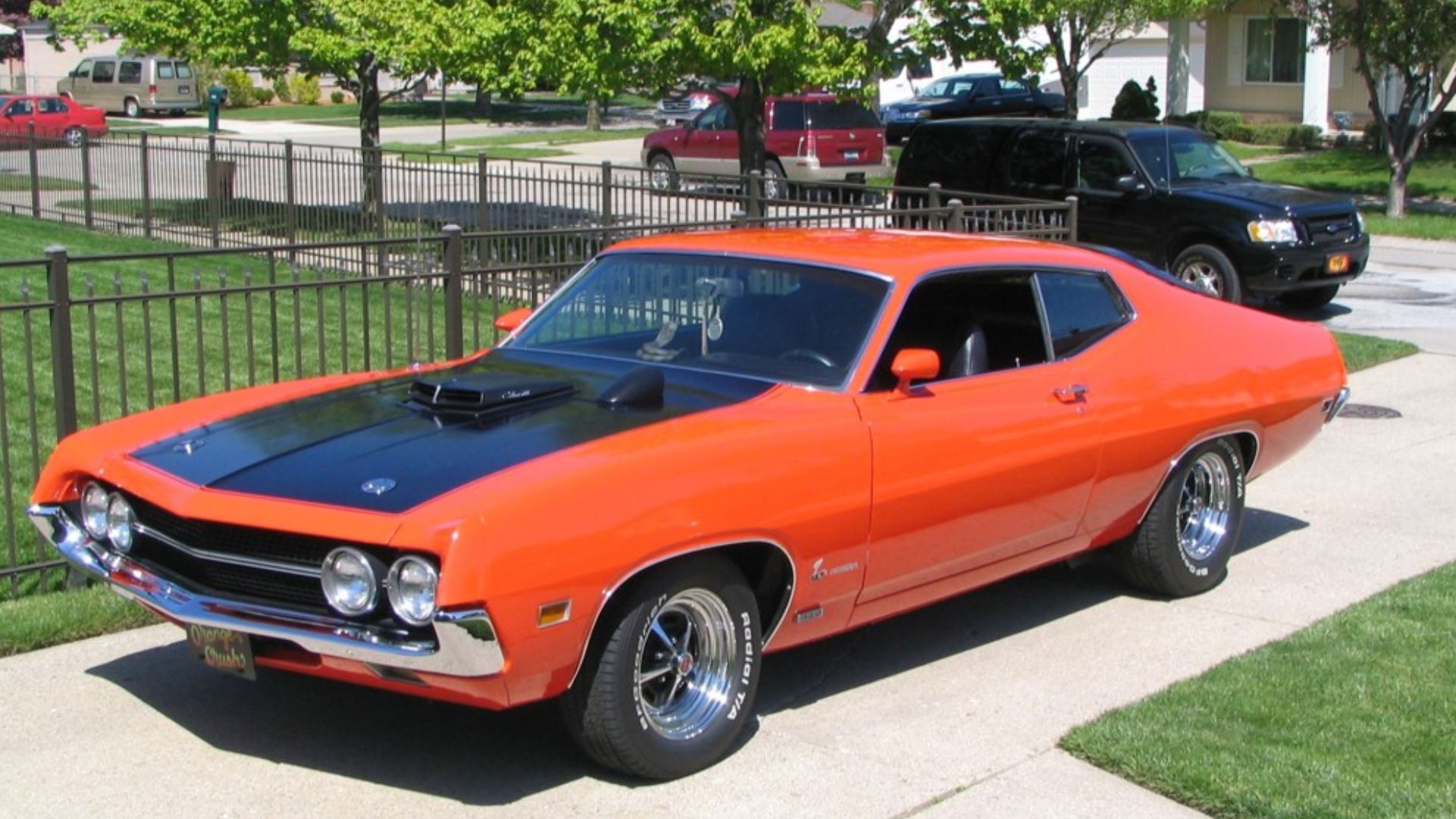
Ford Torino Cobra
The 1970 Torino Cobra was Ford’s big, bad muscle car. Equipped with the 429 Cobra Jet, it was a dragstrip menace that proved Ford’s dominance extended far beyond the Mustang.
 Caprice 96 at English Wikipedia, Wikimedia Commons
Plymouth Hemi ’Cuda
The 1970 Hemi ’Cuda was wild, loud, and worth every decibel. With its 426 Hemi engine and aggressive design, it became one of the most coveted muscle cars ever built—and remains a legend at auctions today.
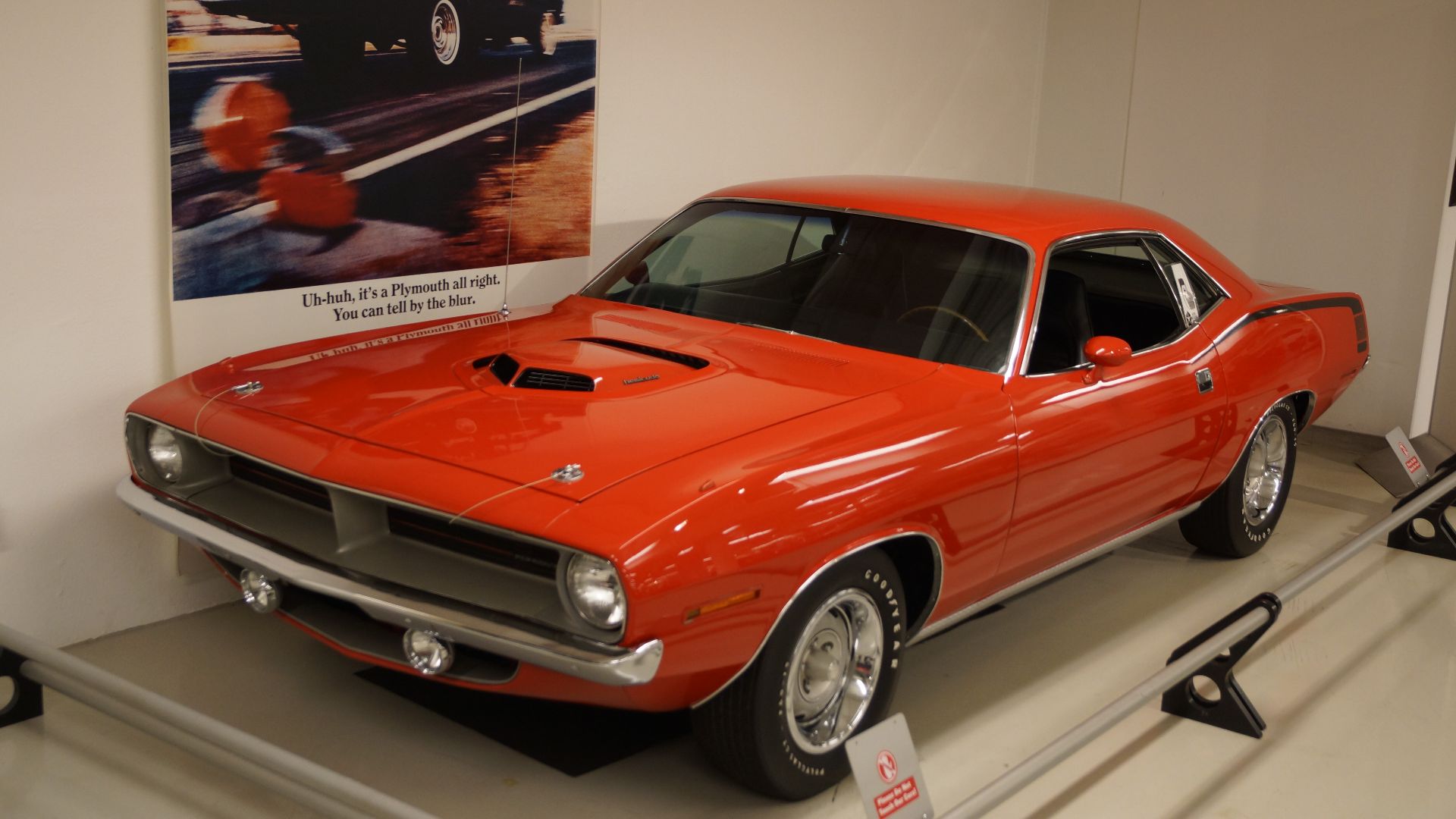 Greg Gjerdingen from Willmar, USA, Wikimedia Commons
Pontiac Grand Prix SJ
Pontiac blended muscle with class in the Grand Prix SJ. With a 455 V8 and sleek body, it was the muscle car for those who wanted performance wrapped in refinement—an early sign of the “personal luxury” trend.
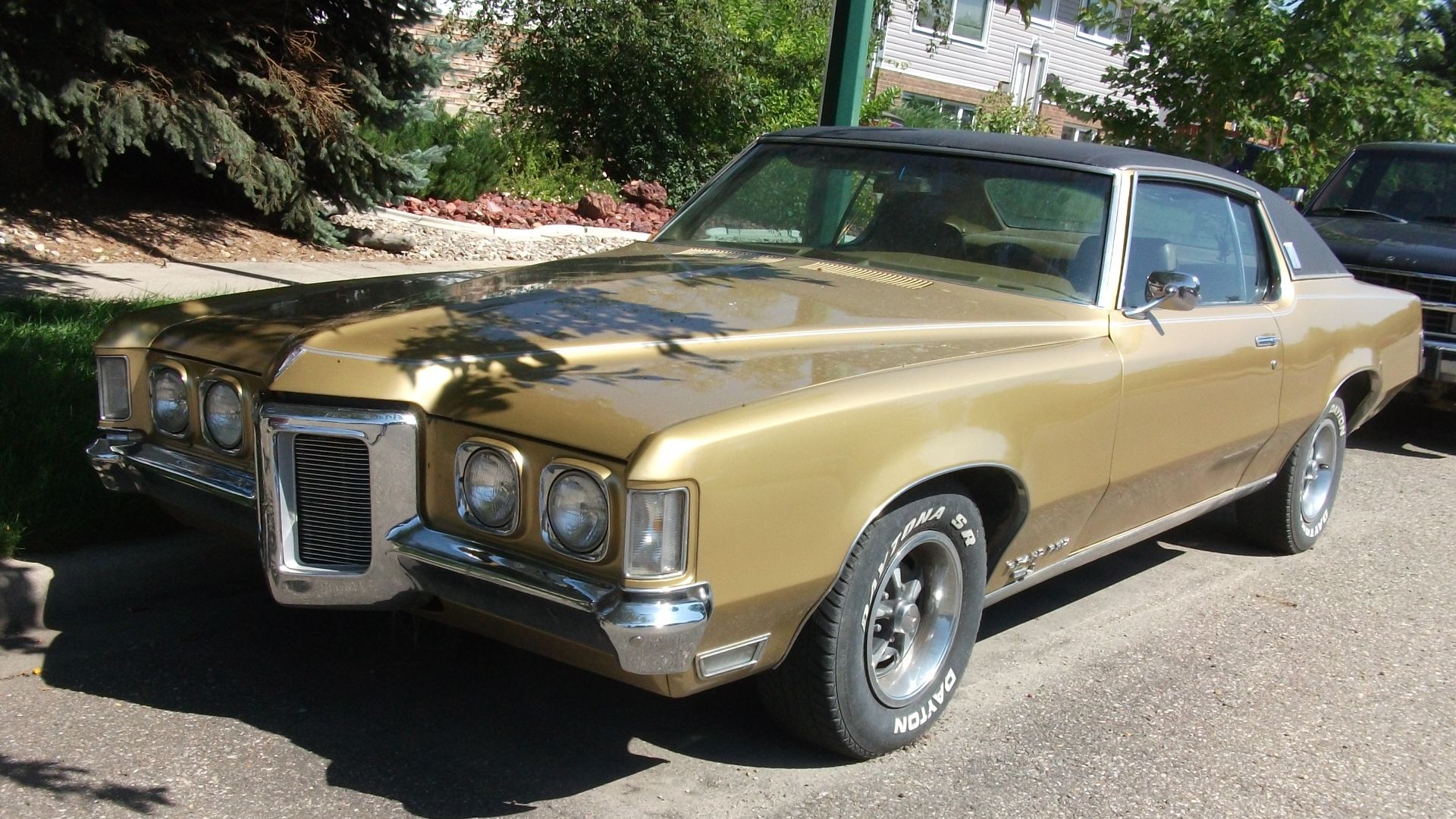 dave_7 from Lethbridge, Canada, Wikimedia Commons
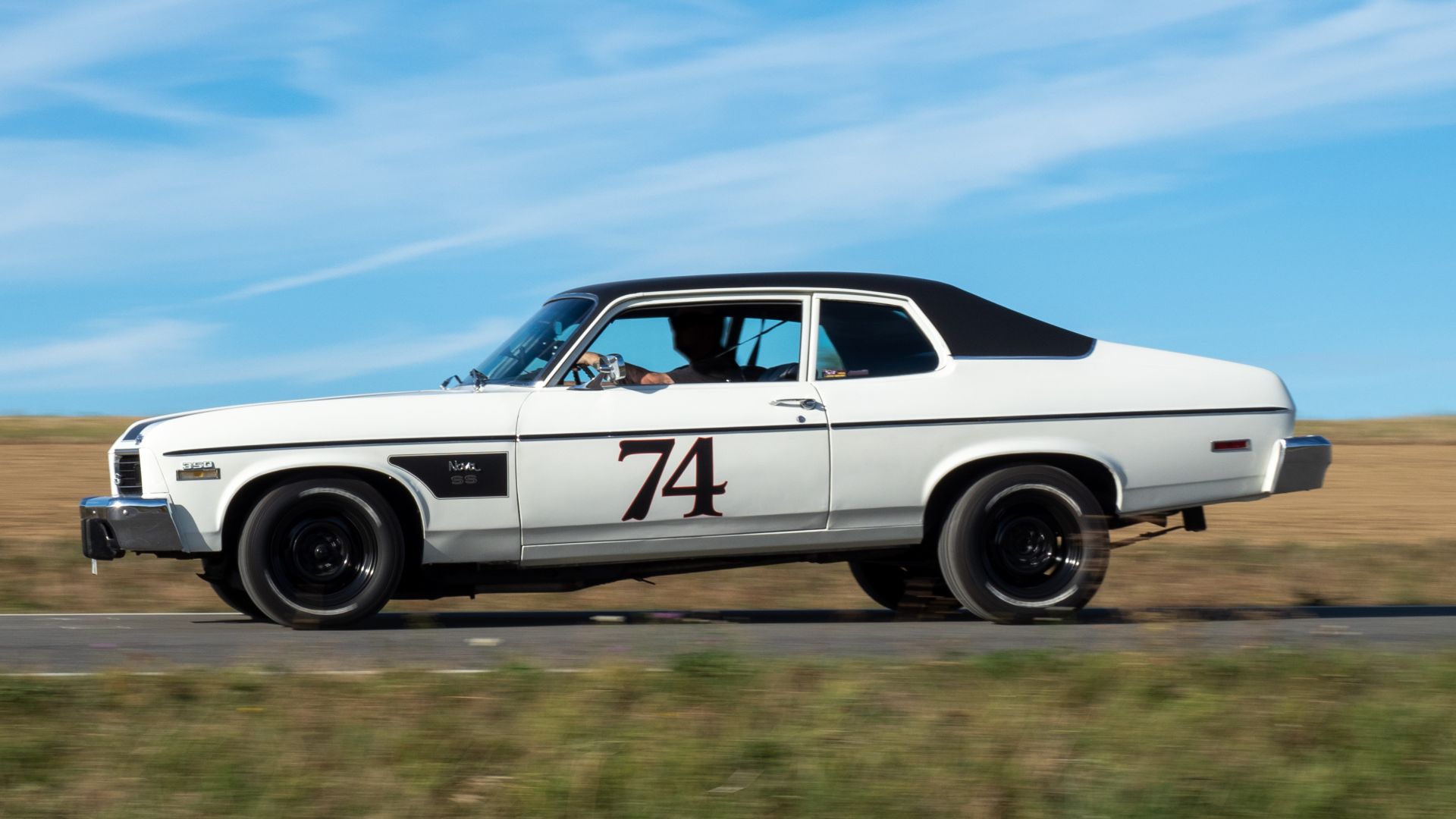
Chevrolet Nova SS
Compact but deadly, the Nova SS packed big-block power into a small package. It offered a no-nonsense approach to performance—less flash, more fury—and proved that you didn’t need a giant car to dominate the quarter mile.
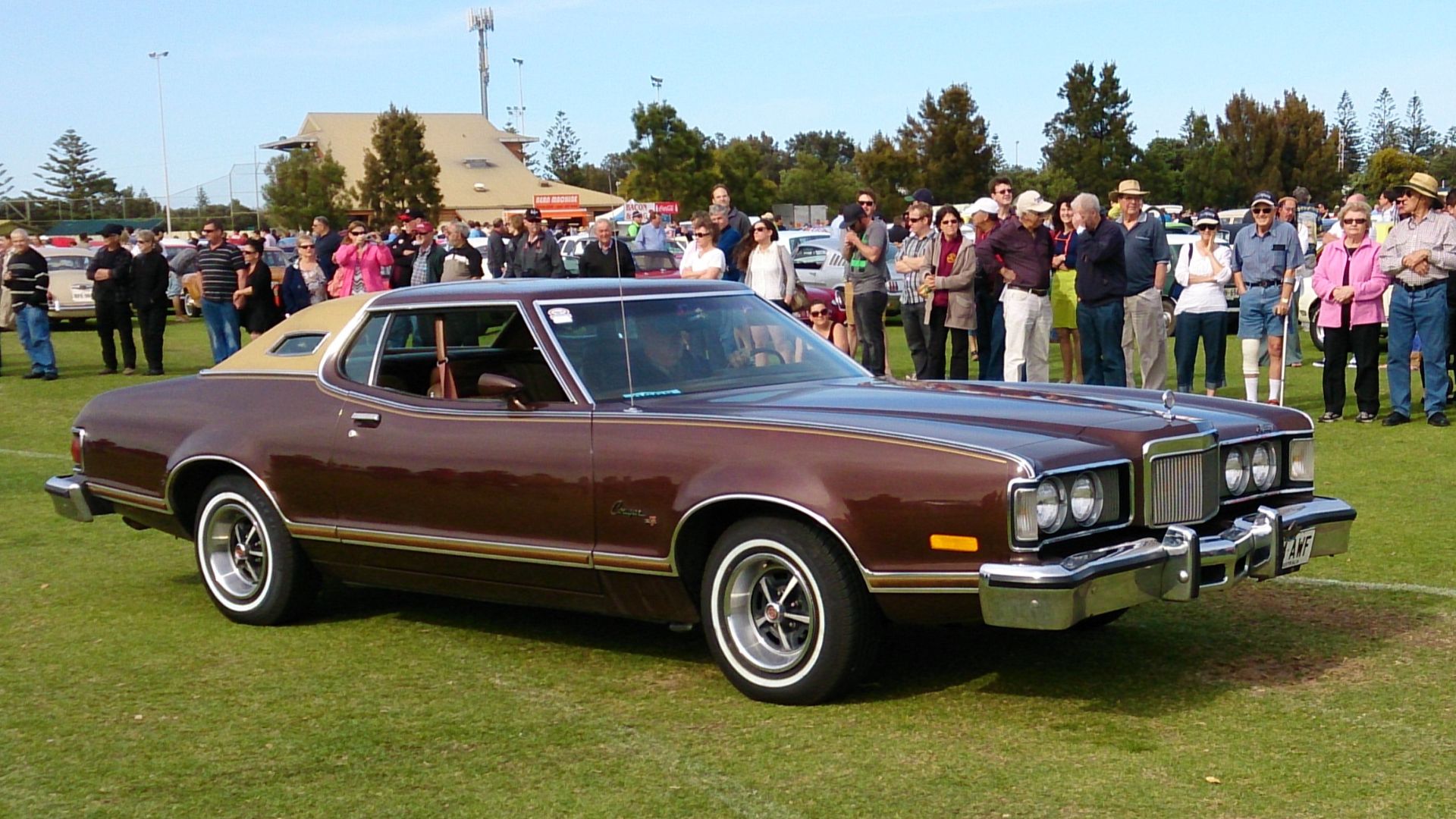
Mercury Cougar XR-7
The Cougar added sophistication to the muscle formula. As the Mustang’s classier cousin, the XR-7 blended luxury interiors with potent V8s, attracting buyers who wanted muscle with manners.
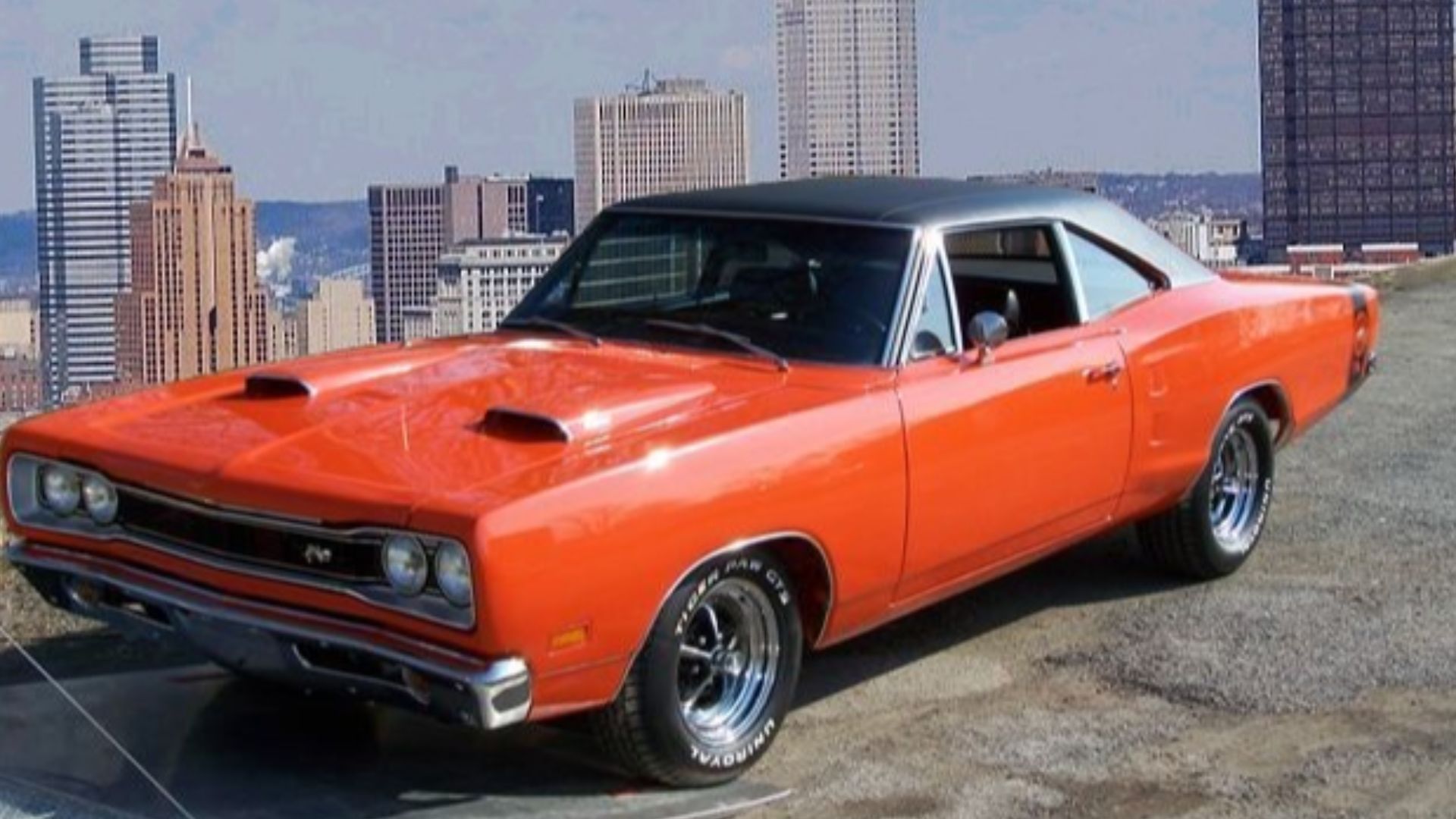
Dodge Super Bee
Like its Plymouth sibling, the Super Bee represented affordable speed. Built for the everyman racer, it mixed humor, style, and horsepower into one unforgettable package that kept Mopar fans buzzing.
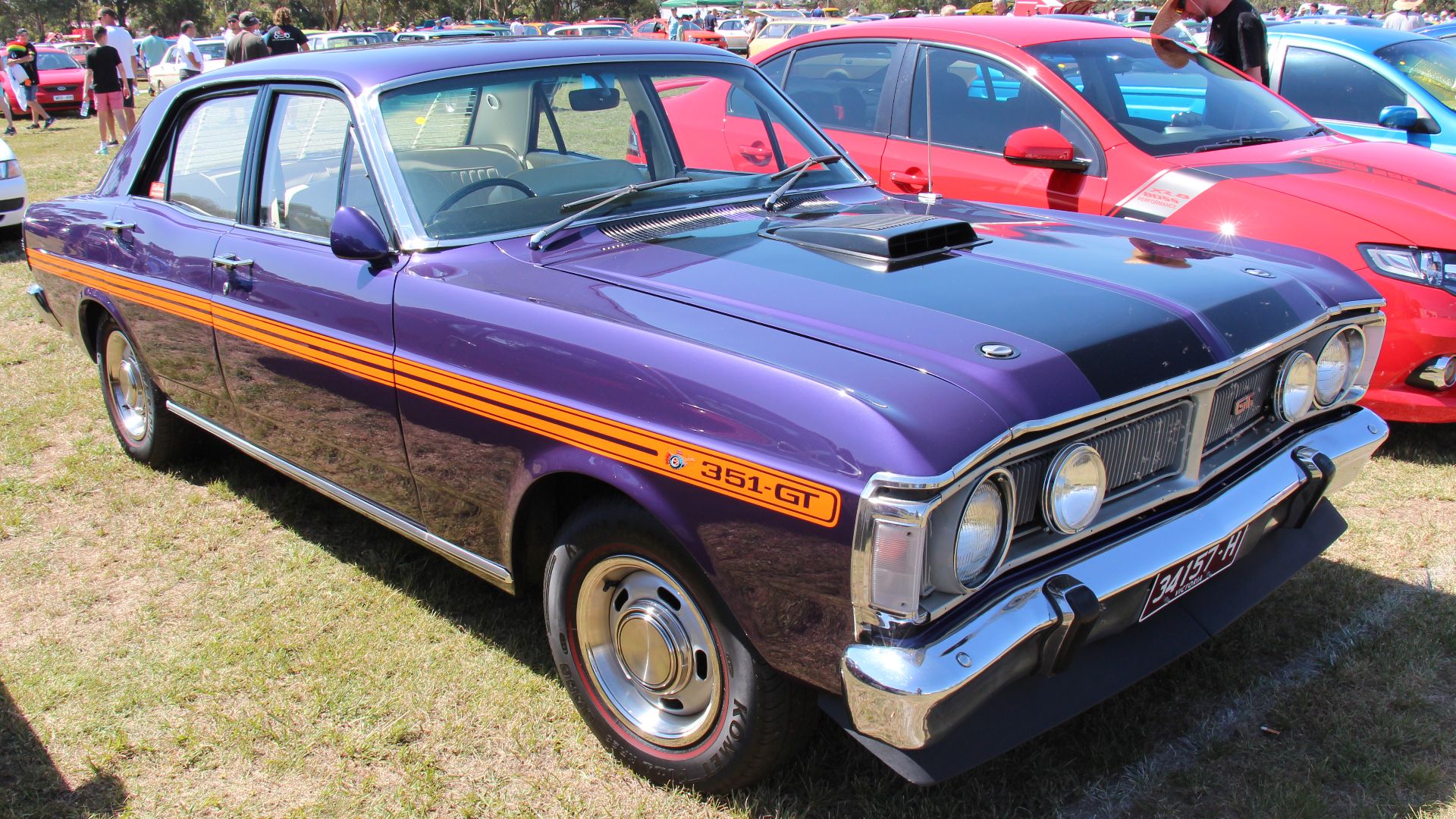
Ford Falcon GT (Australia)
The Falcon GT proved muscle wasn’t just an American thing. Born down under, it brought Detroit-style performance to Australia’s outback highways, culminating in the monstrous Phase III GTHO—a car that dominated racing and police chases alike.
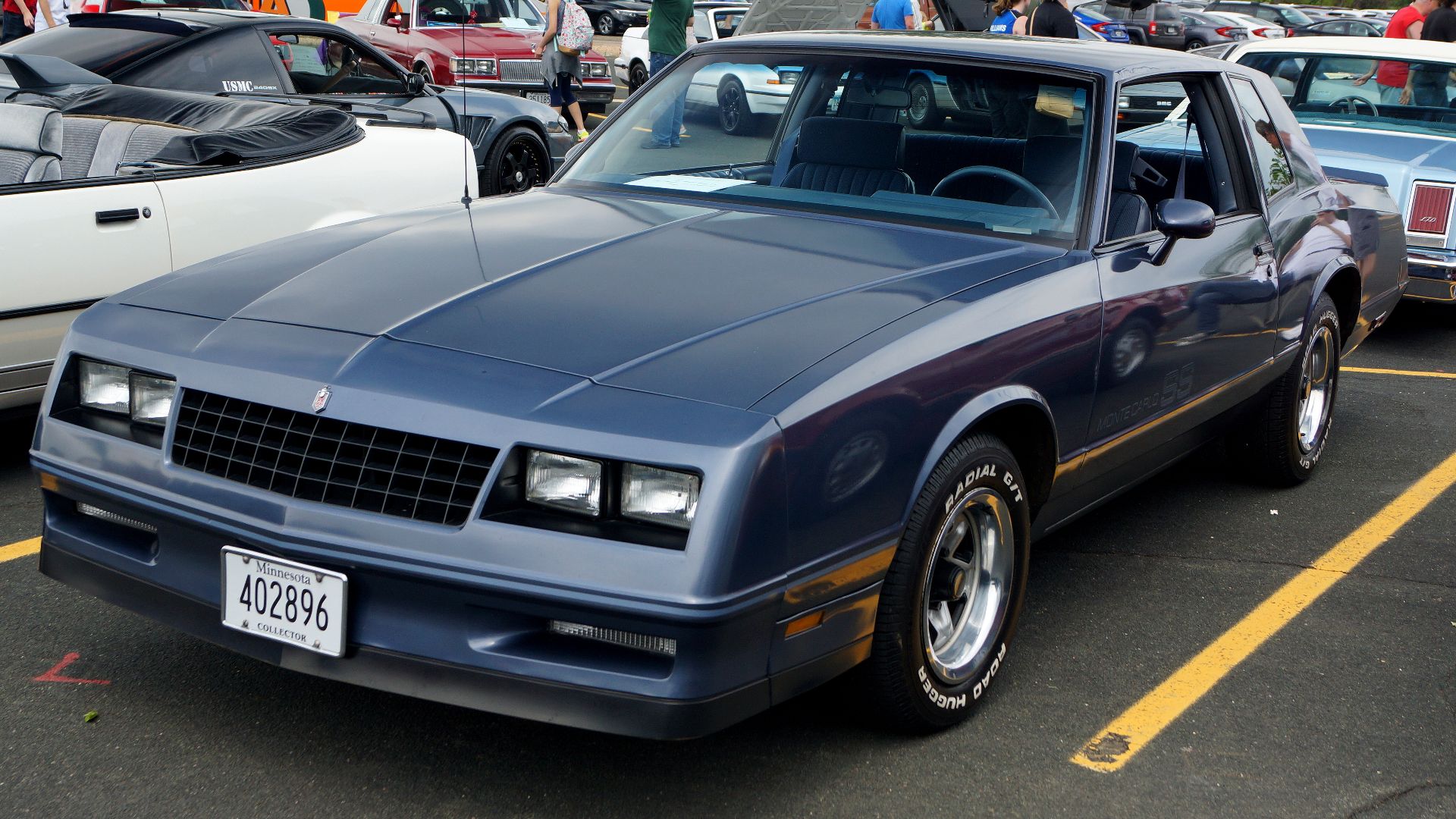
Chevrolet Monte Carlo SS
In the 1980s, when most muscle cars were fading, the Monte Carlo SS kept the fire alive. With NASCAR-inspired aerodynamics and V8 power, it carried the torch through an era of emissions and insurance crackdowns.
 Greg Gjerdingen, Wikimedia Commons
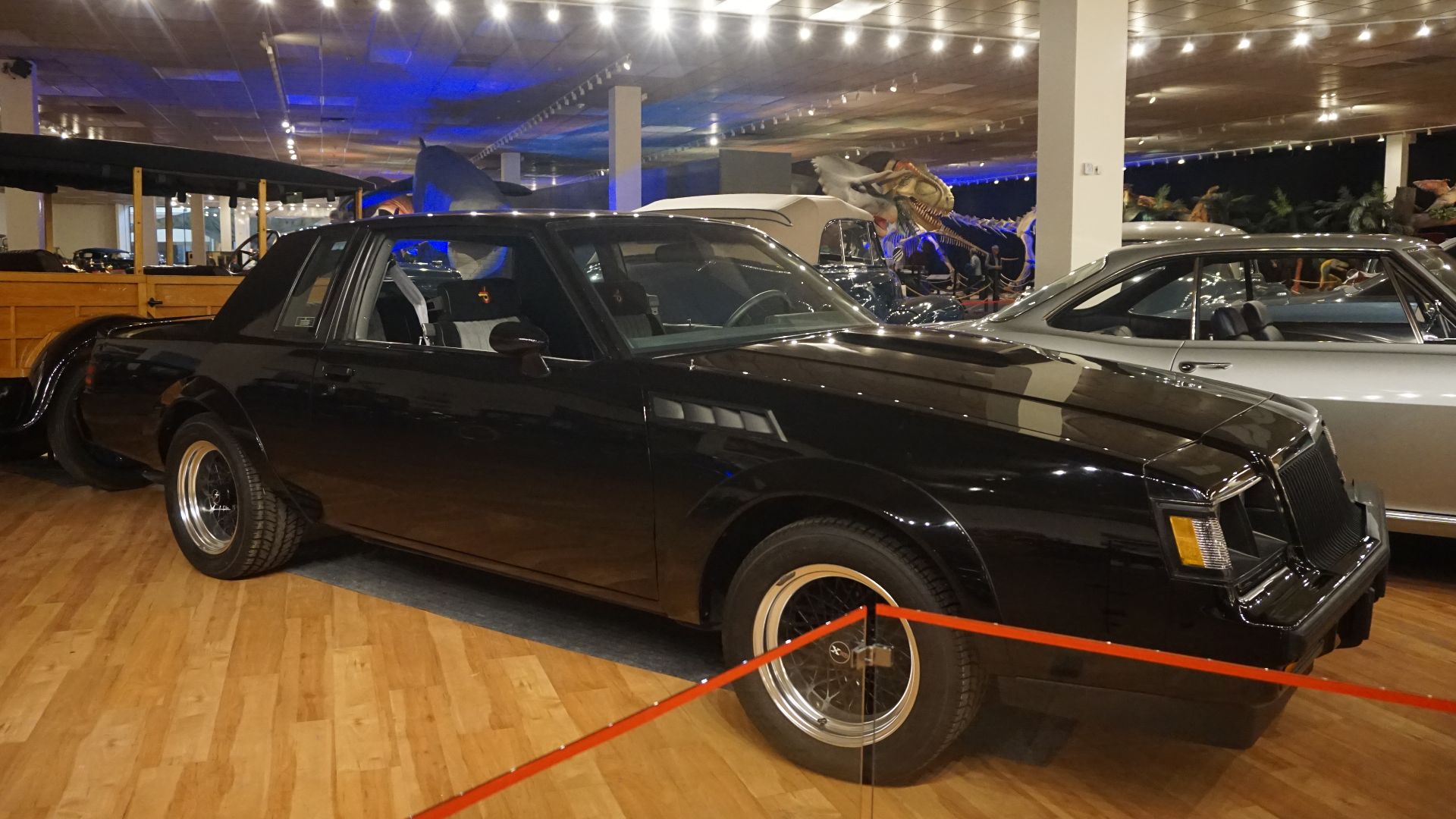
Buick GNX
The 1987 Buick GNX was the ultimate sleeper. Dressed in black and packing a turbocharged V6, it embarrassed V8s from every corner. For years, it was the fastest American production car—proof that muscle could evolve.
 Michael Barera, Wikimedia Commons
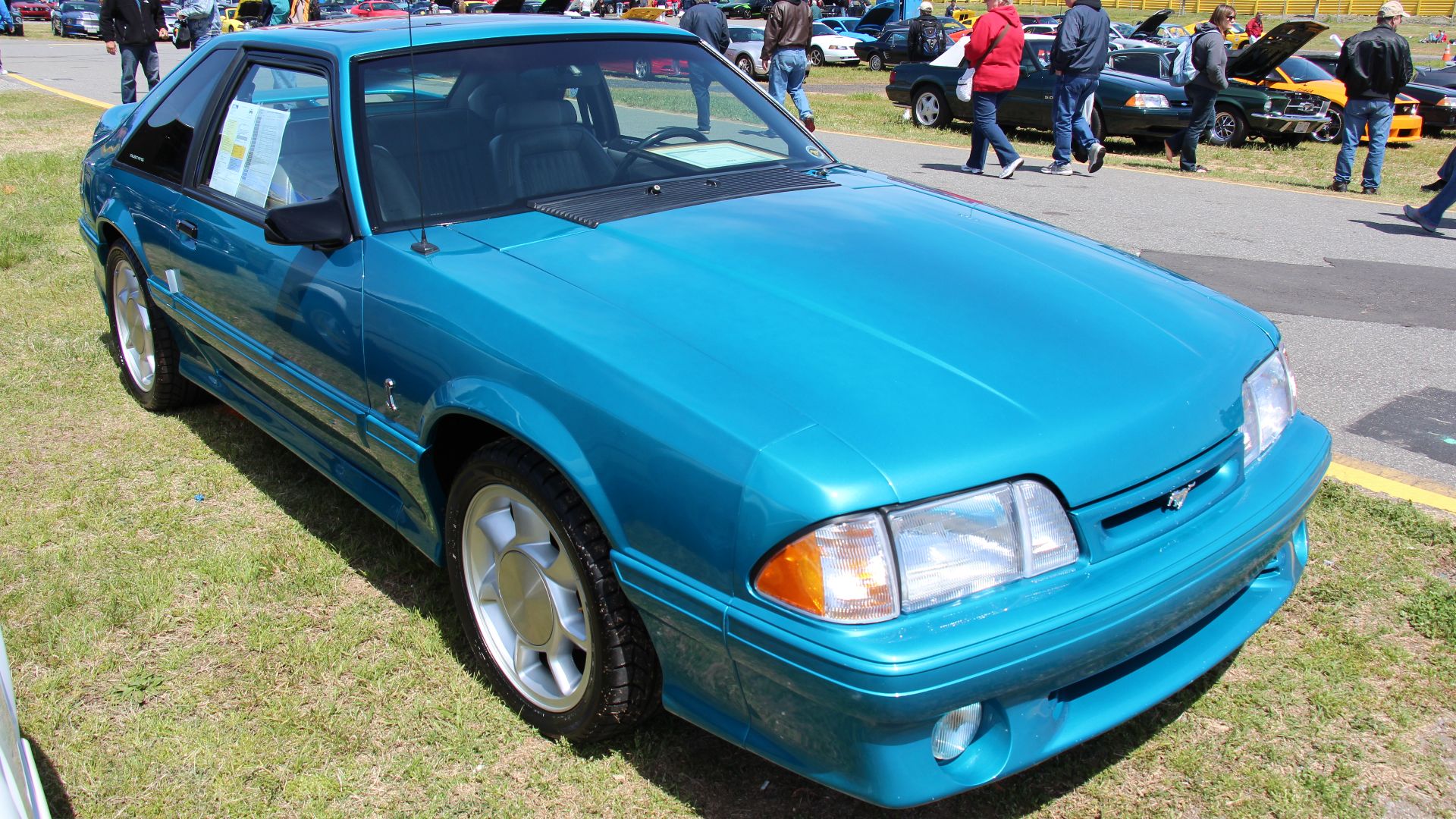
Ford Mustang SVT Cobra
The 1993 SVT Cobra reignited performance passion in the Mustang lineup. With tuned handling, refined power, and limited production, it helped transition muscle cars into the modern performance era.
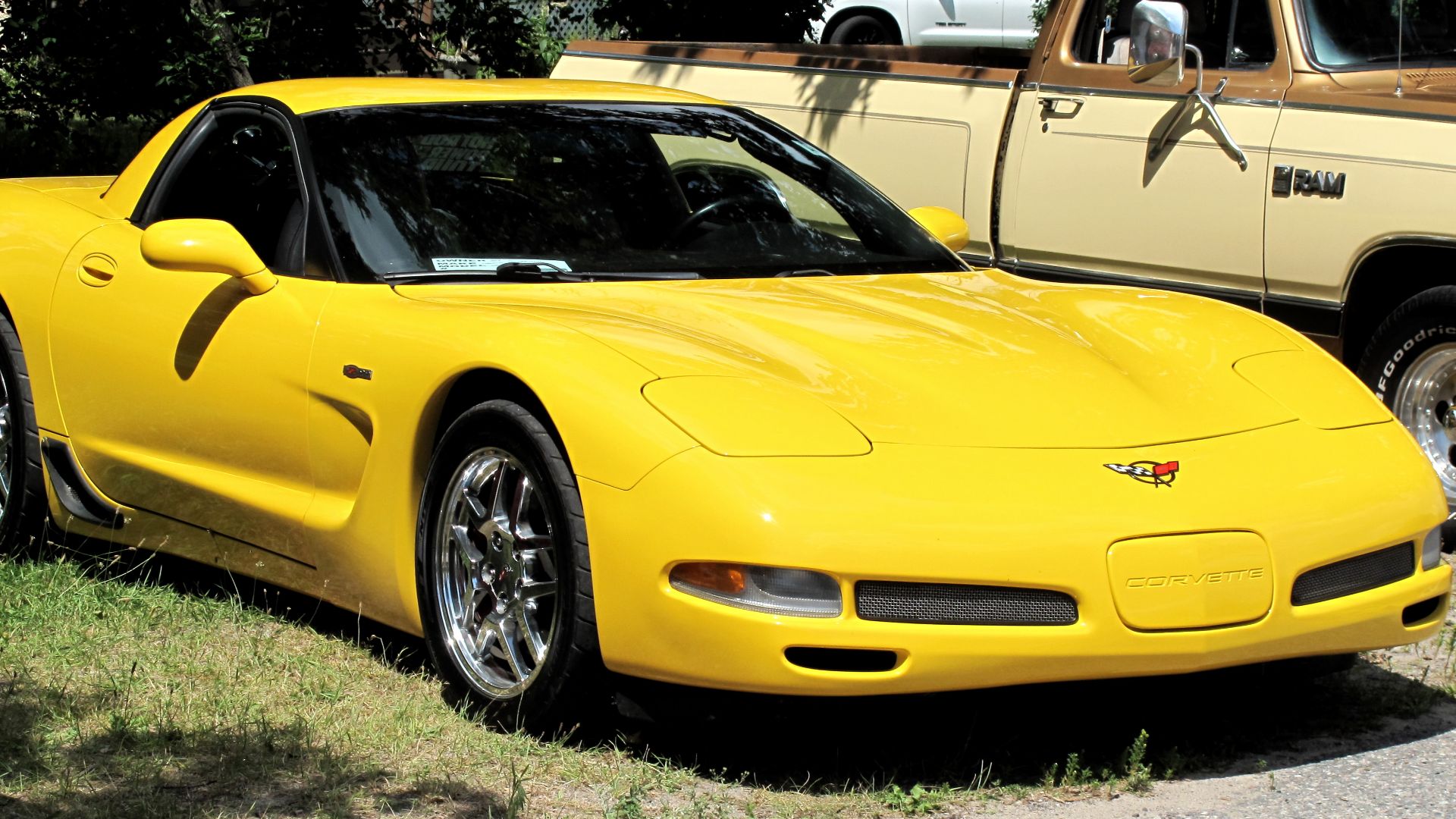
Chevrolet Corvette Z06
Though technically a sports car, the 2001 Corvette Z06 carried the muscle car spirit into the 21st century. Lightweight, track-ready, and ferociously fast, it blurred the lines between muscle and exotic performance.
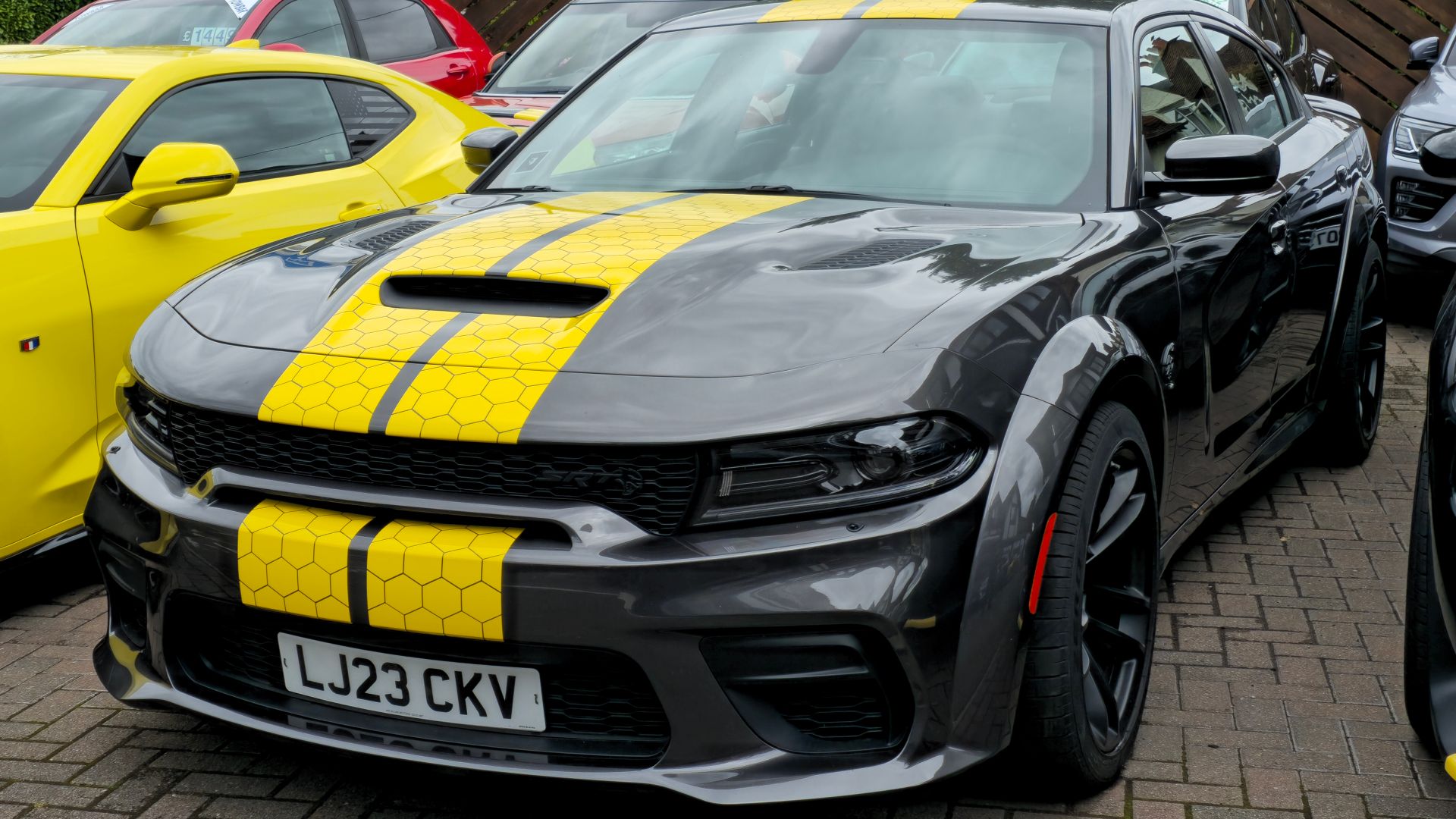
Dodge Charger Hellcat
When Dodge dropped the 707-hp Hellcat engine into the modern Charger, the muscle car world lost its mind. It brought back outrageous horsepower numbers and made four-door sedans terrifying again. The Hellcat became a symbol of modern excess.
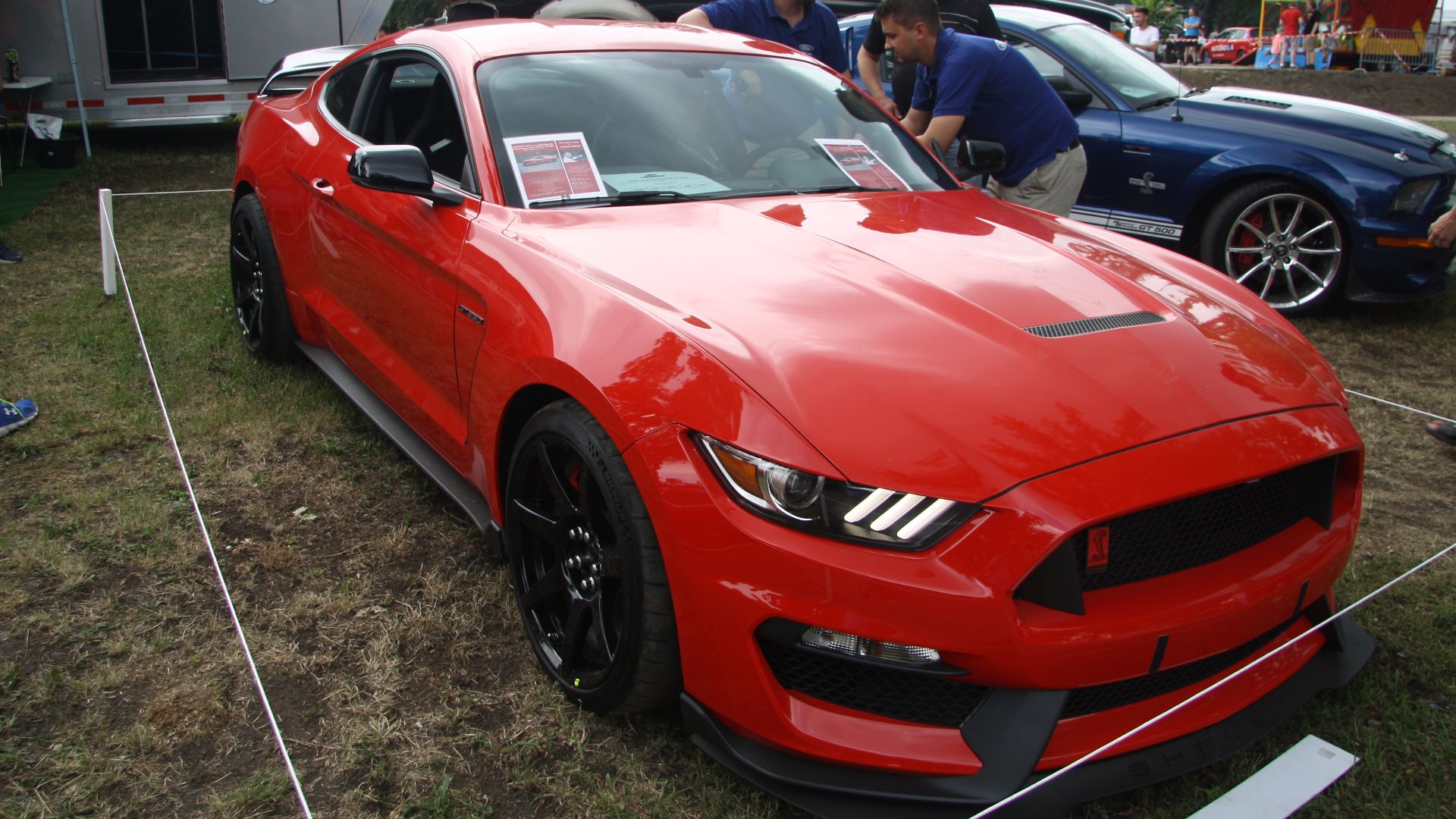
Ford Mustang Shelby GT350R
The Shelby GT350R revived a legend with modern engineering. Its flat-plane crank V8 screamed to 8,250 rpm, blending old-school muscle with track-ready precision. It reminded everyone that Ford still knew how to thrill.
 Jiri Sedlacek, Wikimedia Commons
Dodge Challenger Demon
The Demon didn’t just change the industry—it shattered it. With 840 horsepower on race fuel, it was the first production car capable of a wheelie. Dodge proved that the spirit of the dragstrip still lived on—and it lived loud.
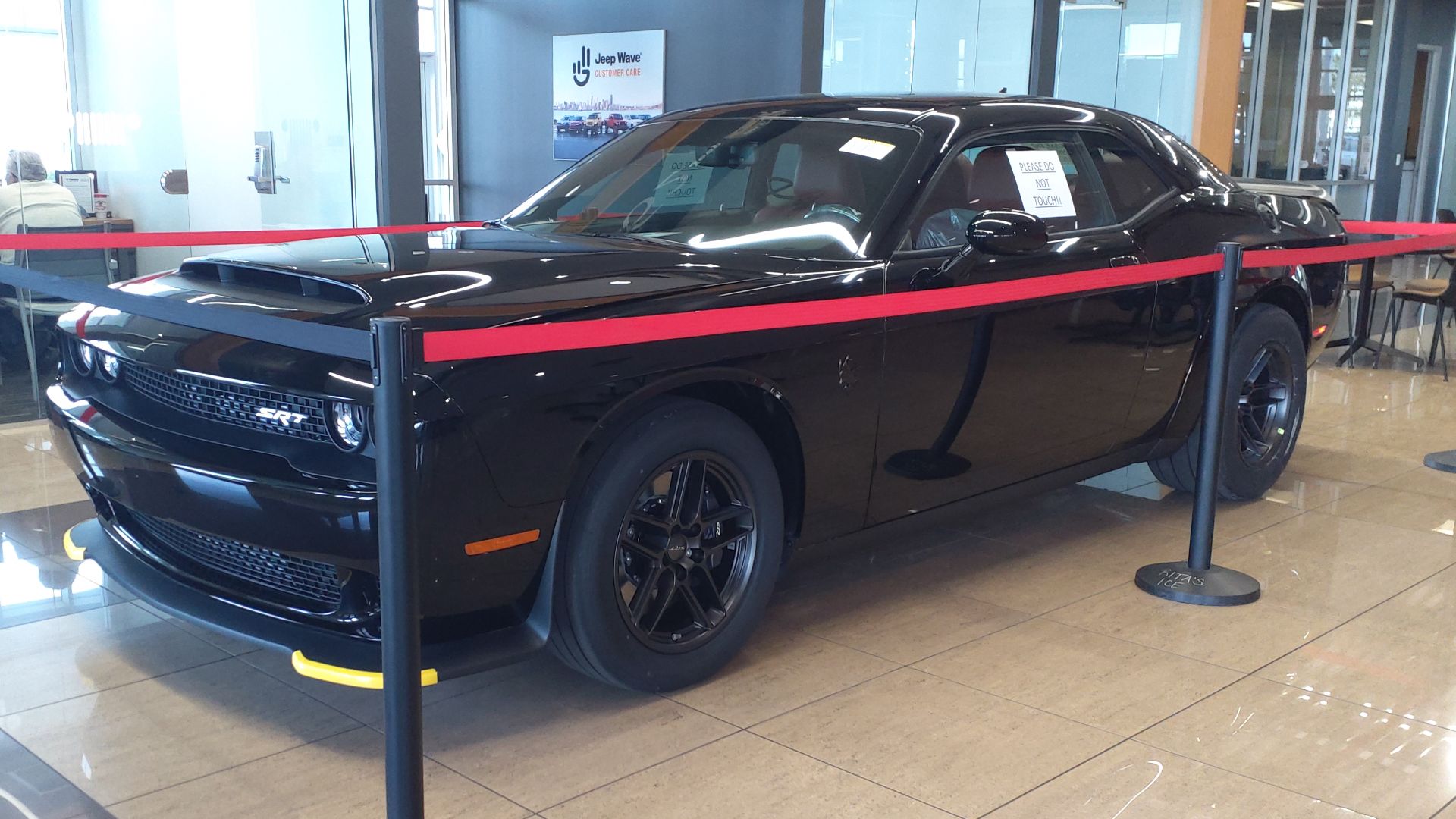 HJUdall, Wikimedia CommonsConclusion: The Legacy Of Power
From carburetors to superchargers, from burnout competitions to collector auctions, muscle cars have left tire tracks across generations. These 25 machines defined eras, broke records, and inspired millions to dream in horsepower. They weren’t just vehicles—they were revolutions on wheels. And as long as there are roads to tear up, the spirit of the muscle car will never die.