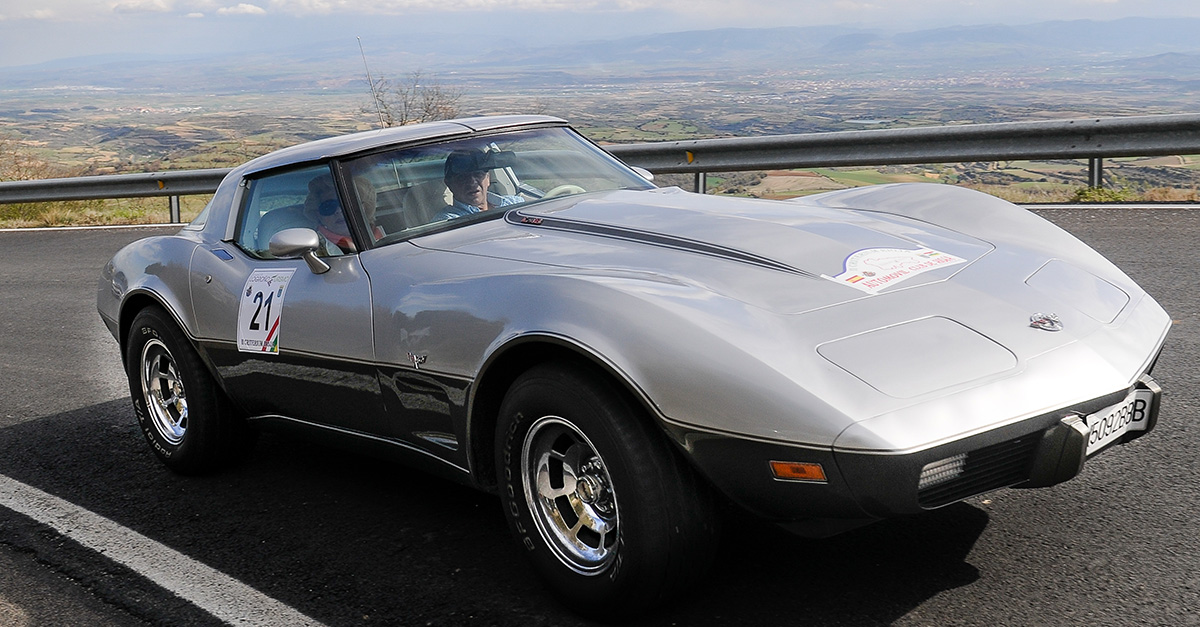
The Spark In An Unlikely Place
Before the roar of American V8s shook suburban driveways, before the muscle car became a symbol of freedom and defiance, it all began in the most unlikely place: a tiny workshop in Switzerland. There, a wiry young mechanic named Louis Chevrolet spent his days surrounded by bicycles, wrenches, and dreams that stretched far beyond the Alps. He had no way of knowing that his tinkering in a cold European garage would help ignite America’s obsession with horsepower.
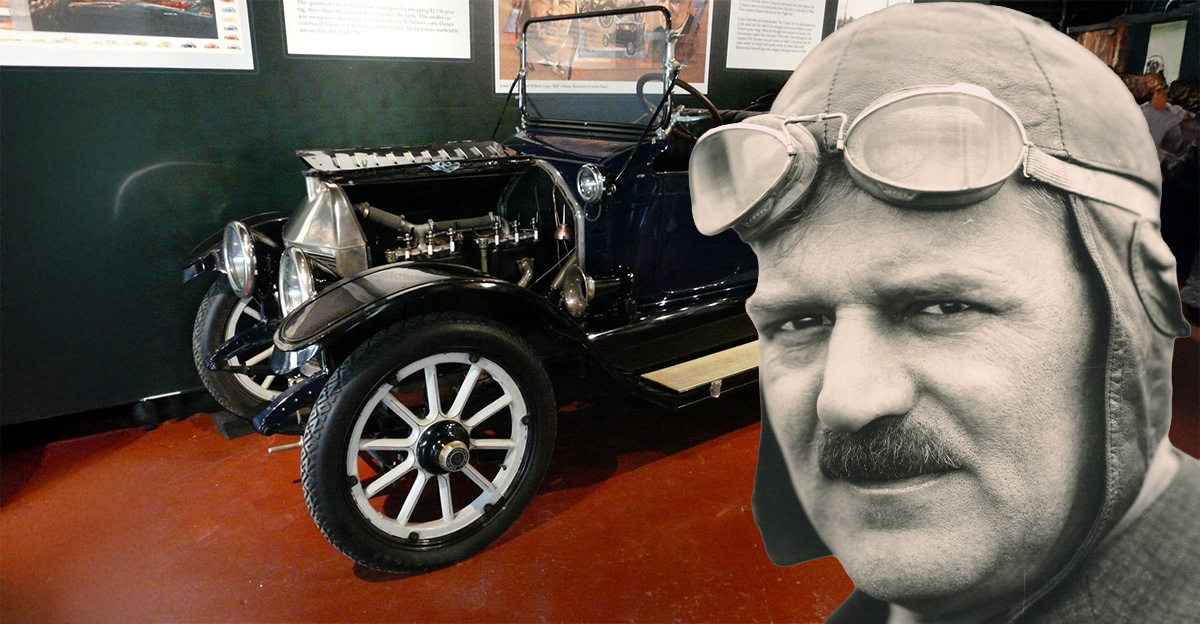
A Boy With A Need For Motion
Louis Chevrolet was born on Christmas Day, 1878, in La Chaux-de-Fonds, a town known more for watches than wheels. His father was a watchmaker, but Louis wasn’t interested in keeping time—he wanted to outrun it. From a young age, he was fascinated by movement, by anything that went faster than a man could walk. That restlessness would define his life.
 Unknown authorUnknown author, Wikimedia Commons
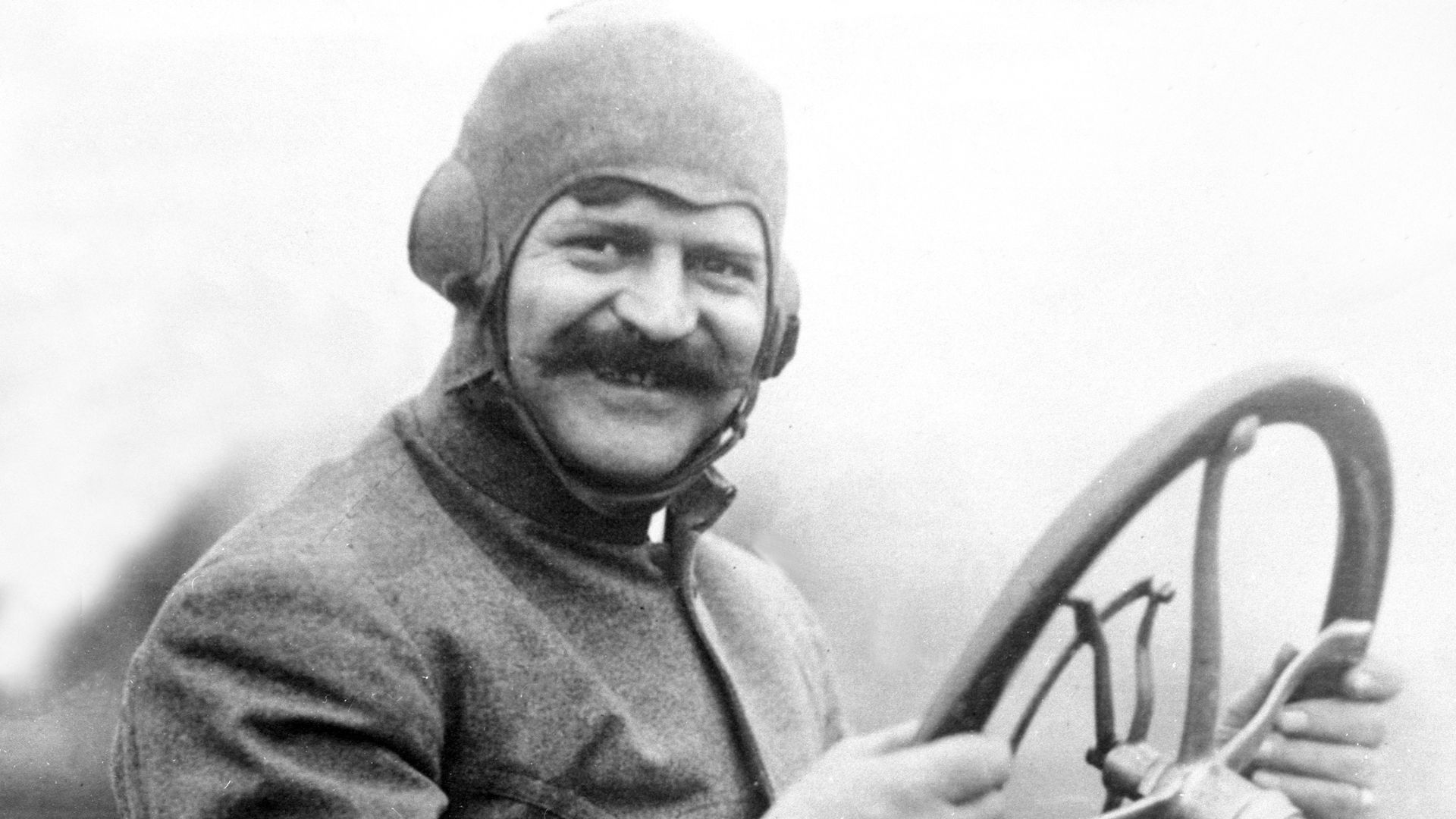
The Bicycle Years
Before cars ruled the roads, bicycles ruled the imagination. Louis became a skilled bike mechanic and eventually a racer, tuning his machines to go faster and smoother than anyone else’s. He built a reputation for ingenuity and courage, and for finding speed where others saw only limitations. Those early races were the blueprint for everything that came later.
 Bain News Service, Wikimedia Commons
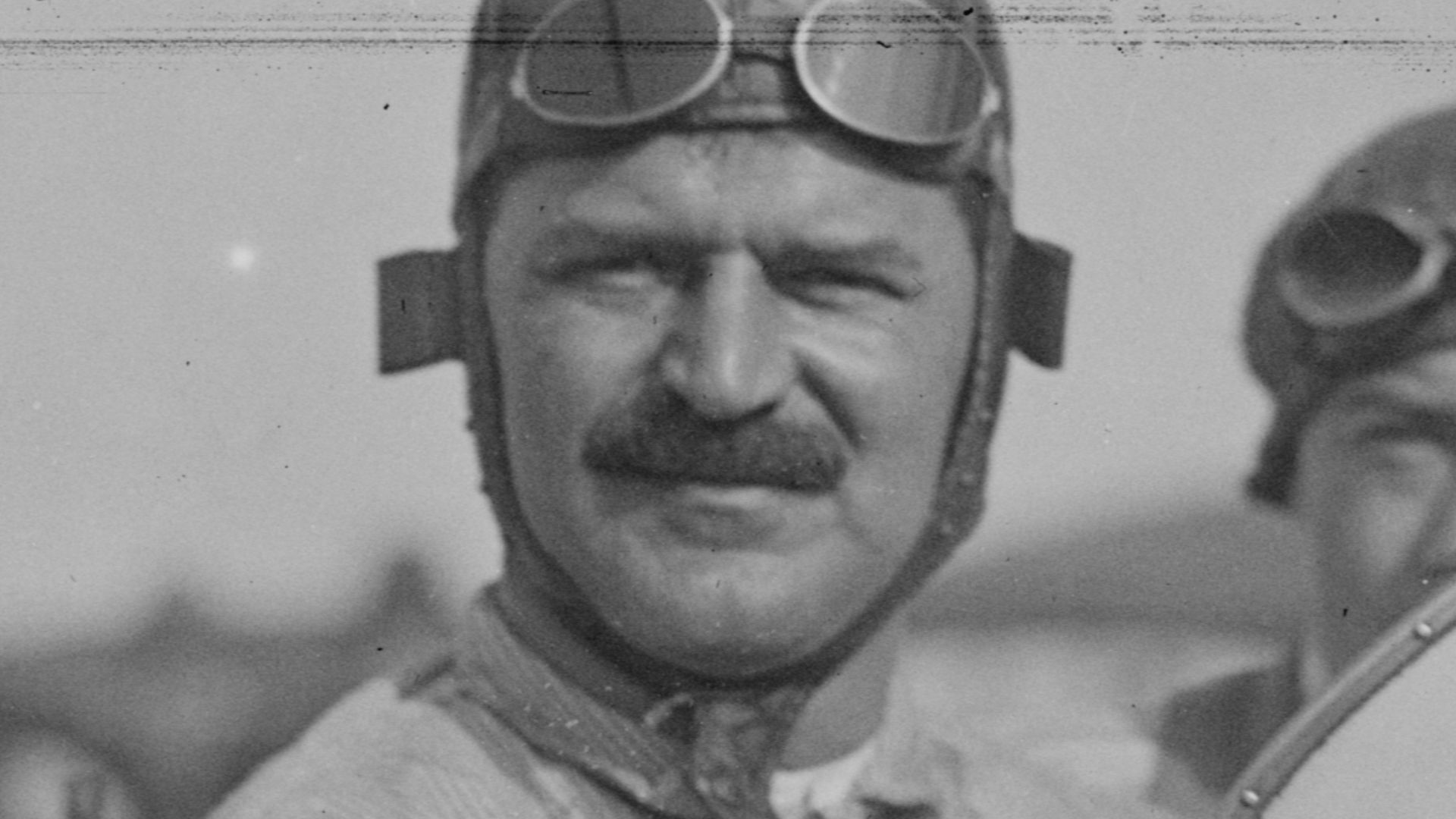
Chasing Opportunity Across The Atlantic
In 1900, Chevrolet packed up and sailed for North America. He didn’t have much—just mechanical skill, a stubborn streak, and an unshakable belief that speed was the future. He landed work at De Dion-Bouton and later at Fiat, learning the ins and outs of early automobiles. America was booming, and for a young mechanic who spoke the language of engines, it was the land of endless possibility.
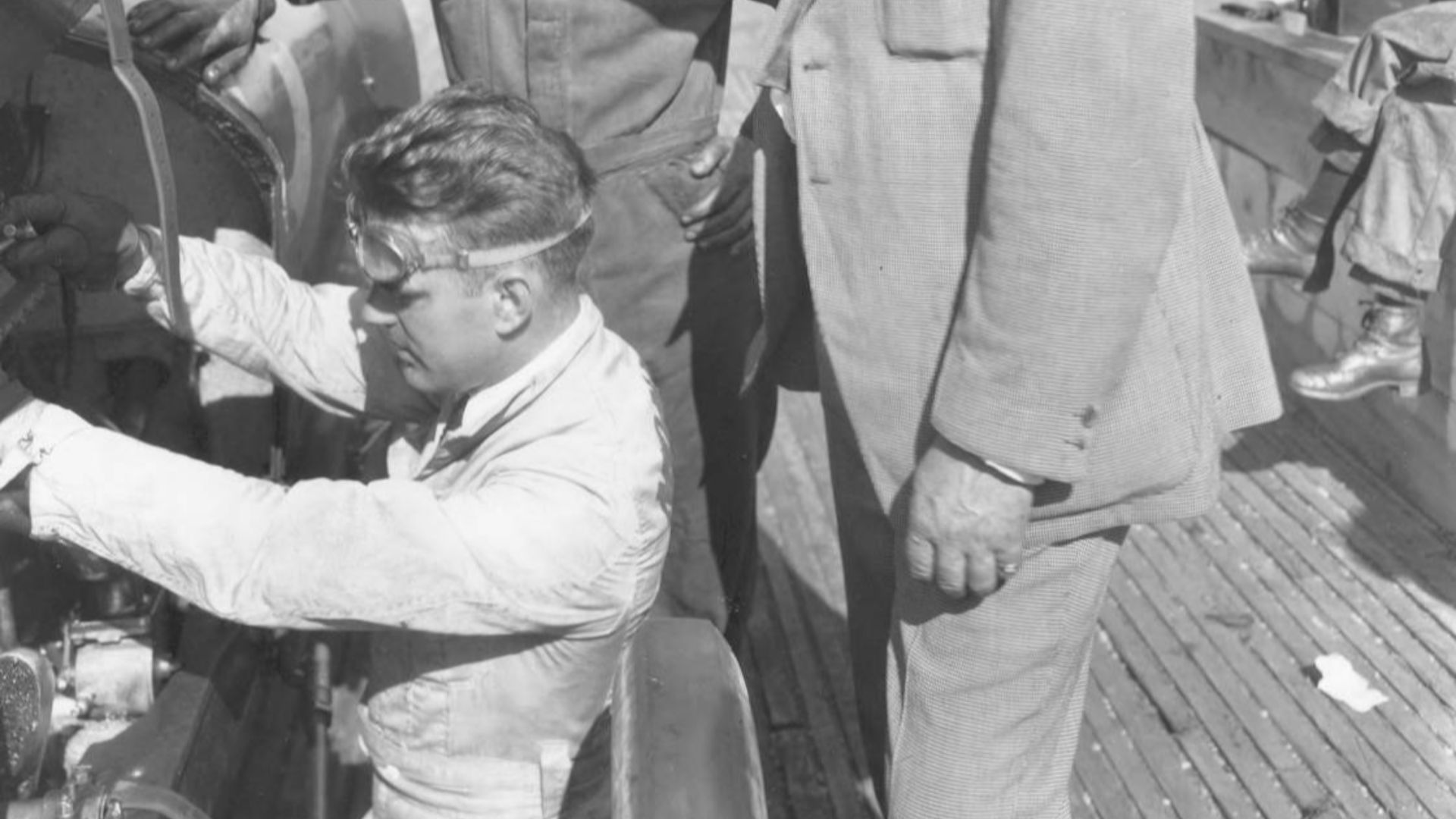 Marvin Dement Boland, Wikimedia Commons
Learning From The Best
Working at Fiat exposed Chevrolet to some of the most advanced cars on earth. He studied every nut and bolt, memorizing the way power could be coaxed out of machinery. These weren’t just vehicles—they were works of art. But Louis wanted to take that precision and inject it with brute force. He didn’t just want fast cars. He wanted cars that felt alive.
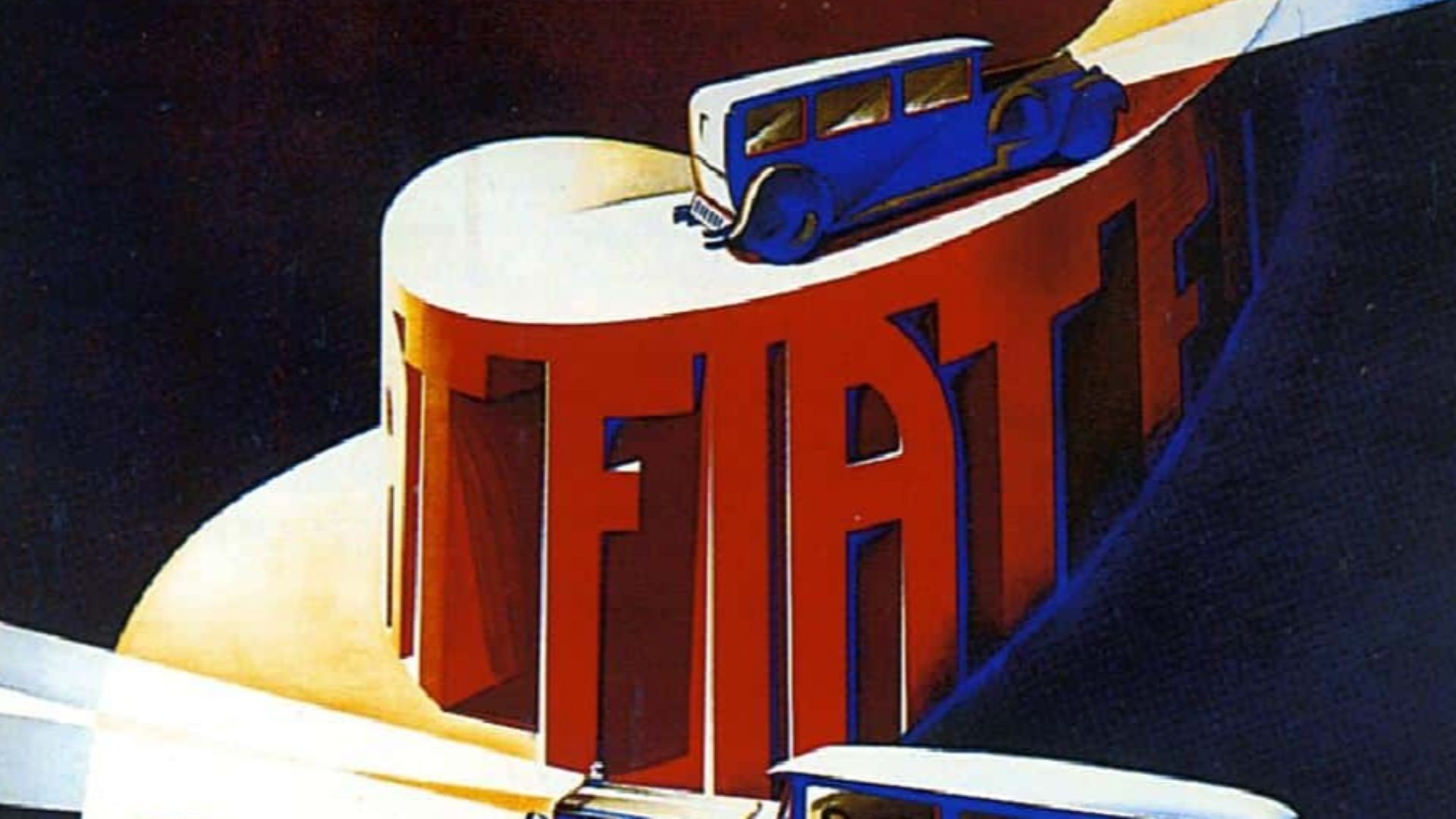 Giuseppe Riccobaldi del Bava, Wikimedia Commons
The Racer Emerges
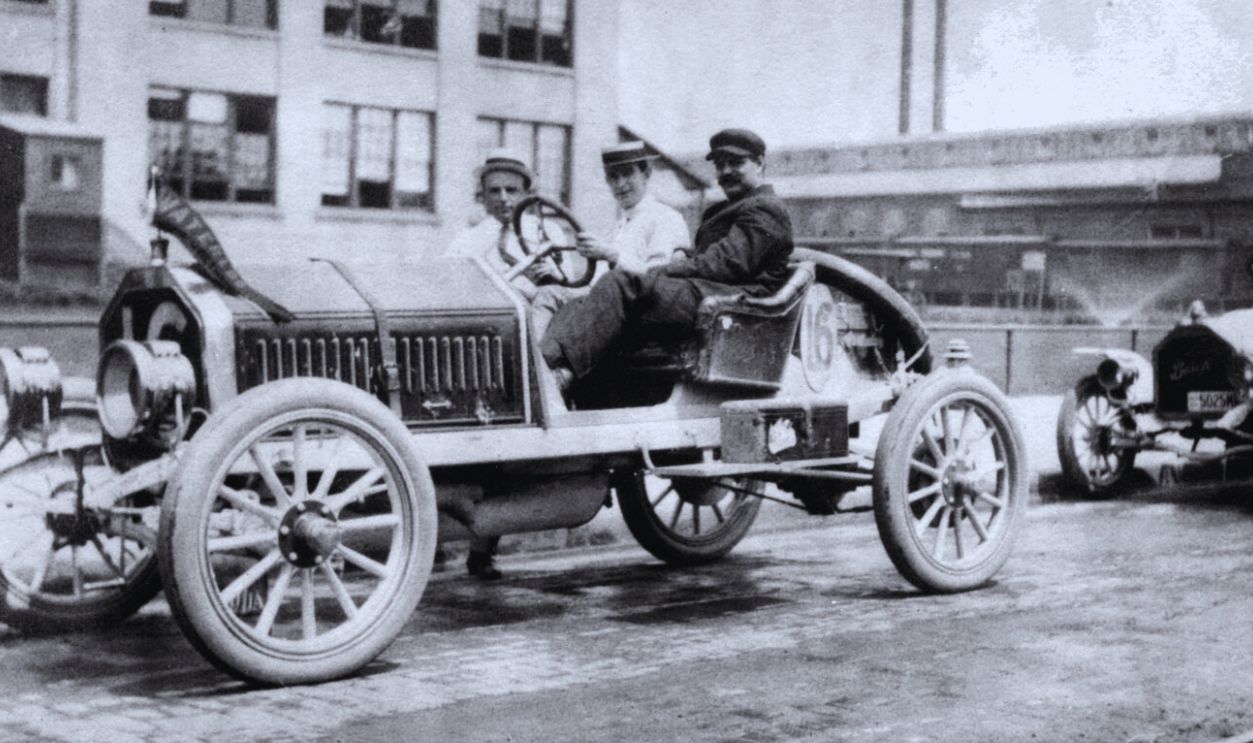
Soon, Louis wasn’t just fixing cars—he was racing them. In an era when automobile racing was a dangerous, almost suicidal endeavor, he became a legend. He had guts, mechanical intuition, and a fierce will to win. Every race he entered made his name a little bigger, his reputation a little louder. He was living proof that courage and craftsmanship could go hand in hand.
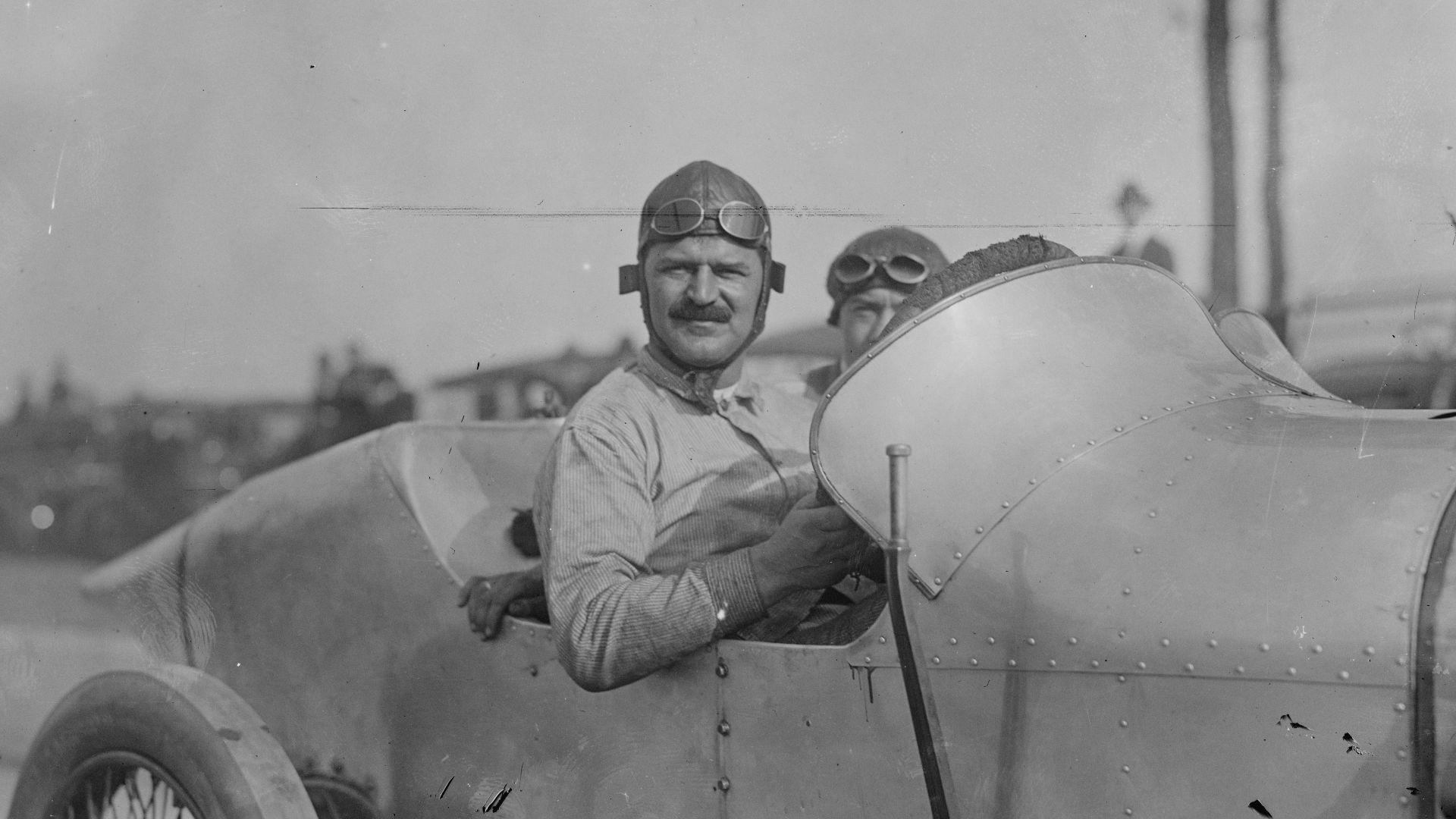 Bain News Service, Wikimedia Commons
The Birth Of A Brand
By 1911, Chevrolet’s fame caught the attention of William C. Durant, the restless founder of General Motors. The two men joined forces to create a new car company—Chevrolet Motor Company. Durant wanted affordable cars for the masses. Louis wanted performance, style, and prestige. The tension between them created something special: a brand that combined accessibility with soul.
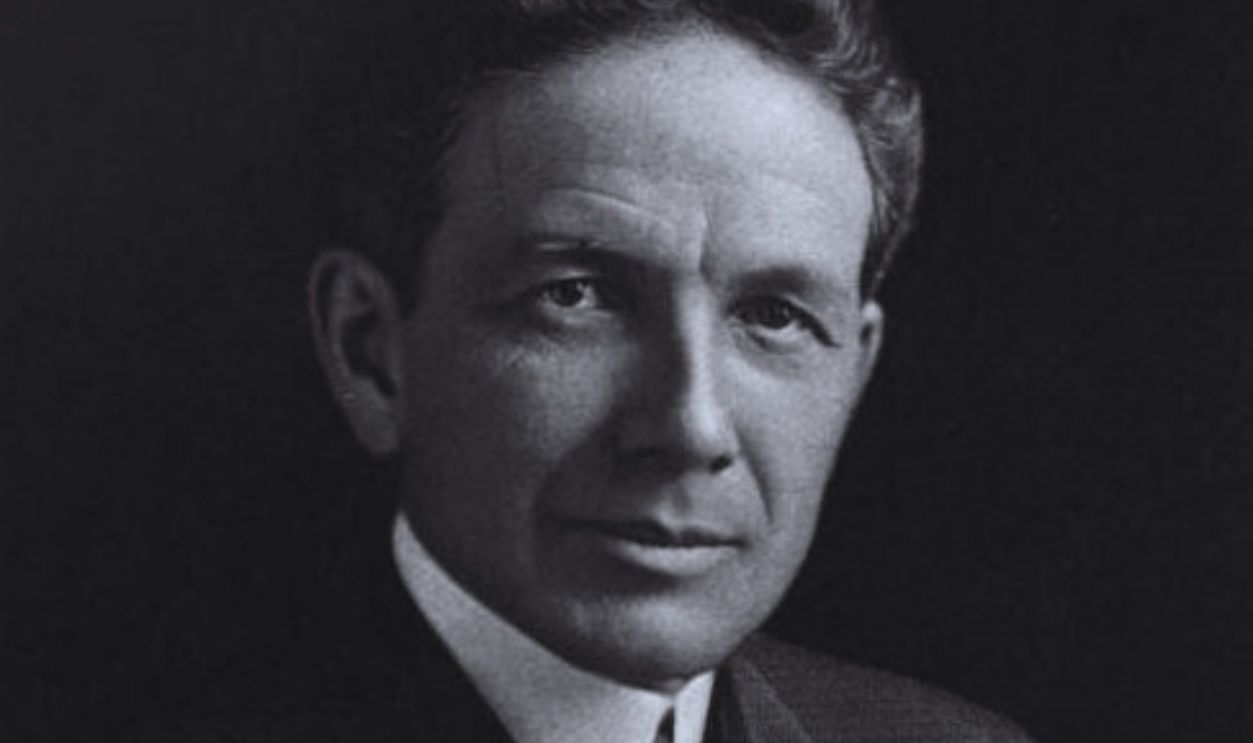 Unknown photographerUnknown photographer, Wikimedia Commons
The First Chevrolet Cars
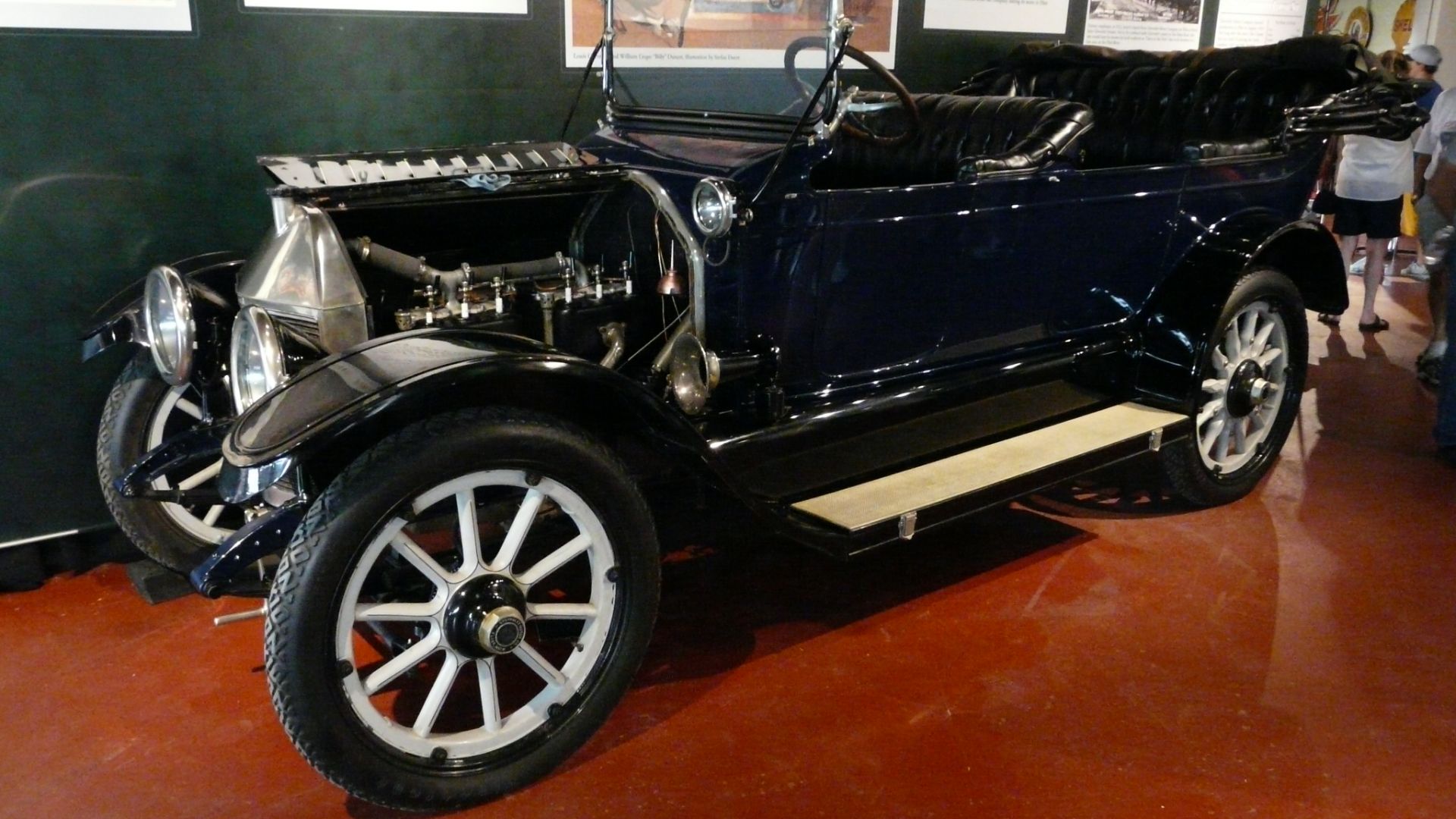
Their first car, the 1912 Classic Six, was no ordinary machine. It was powerful, elegant, and fast—an automobile that looked just as good standing still as it did flying down a dirt road. It was also expensive, and that difference in philosophy between Louis and Durant would soon tear the partnership apart.
A Clash Of Visionaries
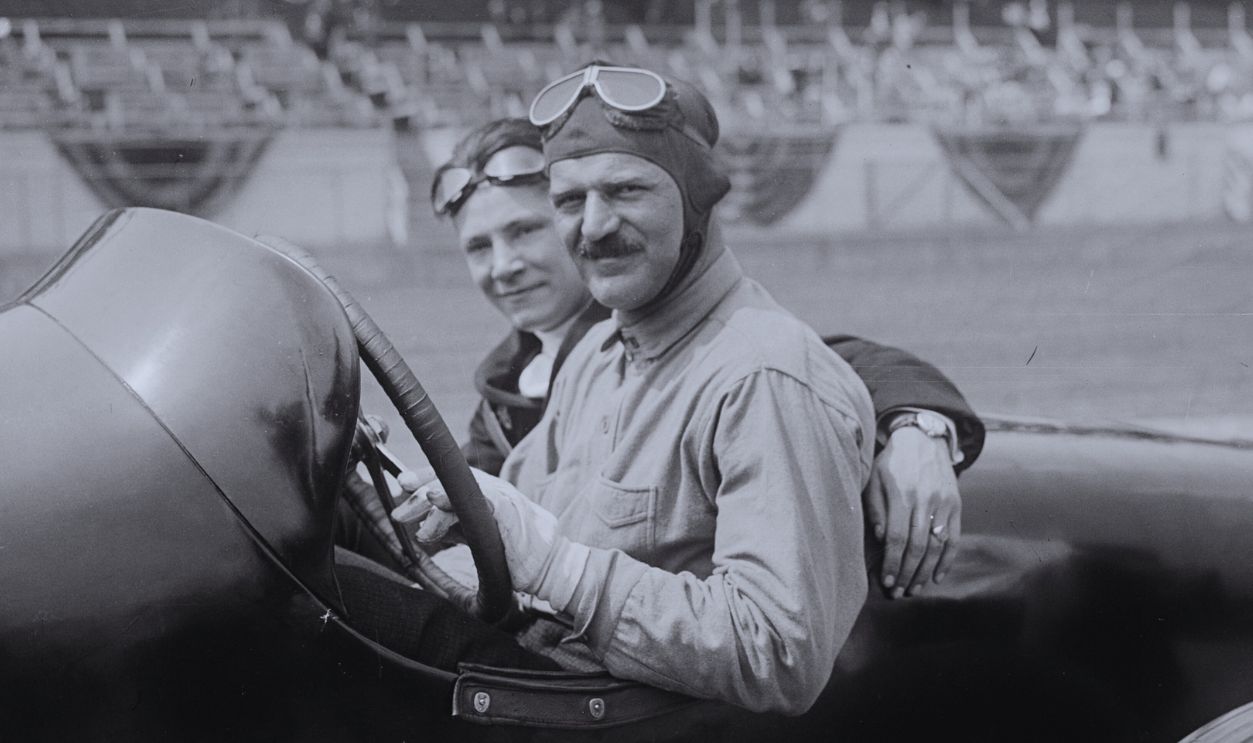
Durant dreamed of selling millions of cars. Chevrolet dreamed of building the best one. By 1915, the two men couldn’t agree on the company’s direction. Louis wanted performance; Durant wanted profit. Chevrolet walked away, selling his shares for what seemed like a fair sum. In hindsight, it was the deal of the century—for Durant. The Chevrolet brand would soon be worth a fortune.
 Bain News Service, publisher, Wikimedia Commons
Back To His First Love
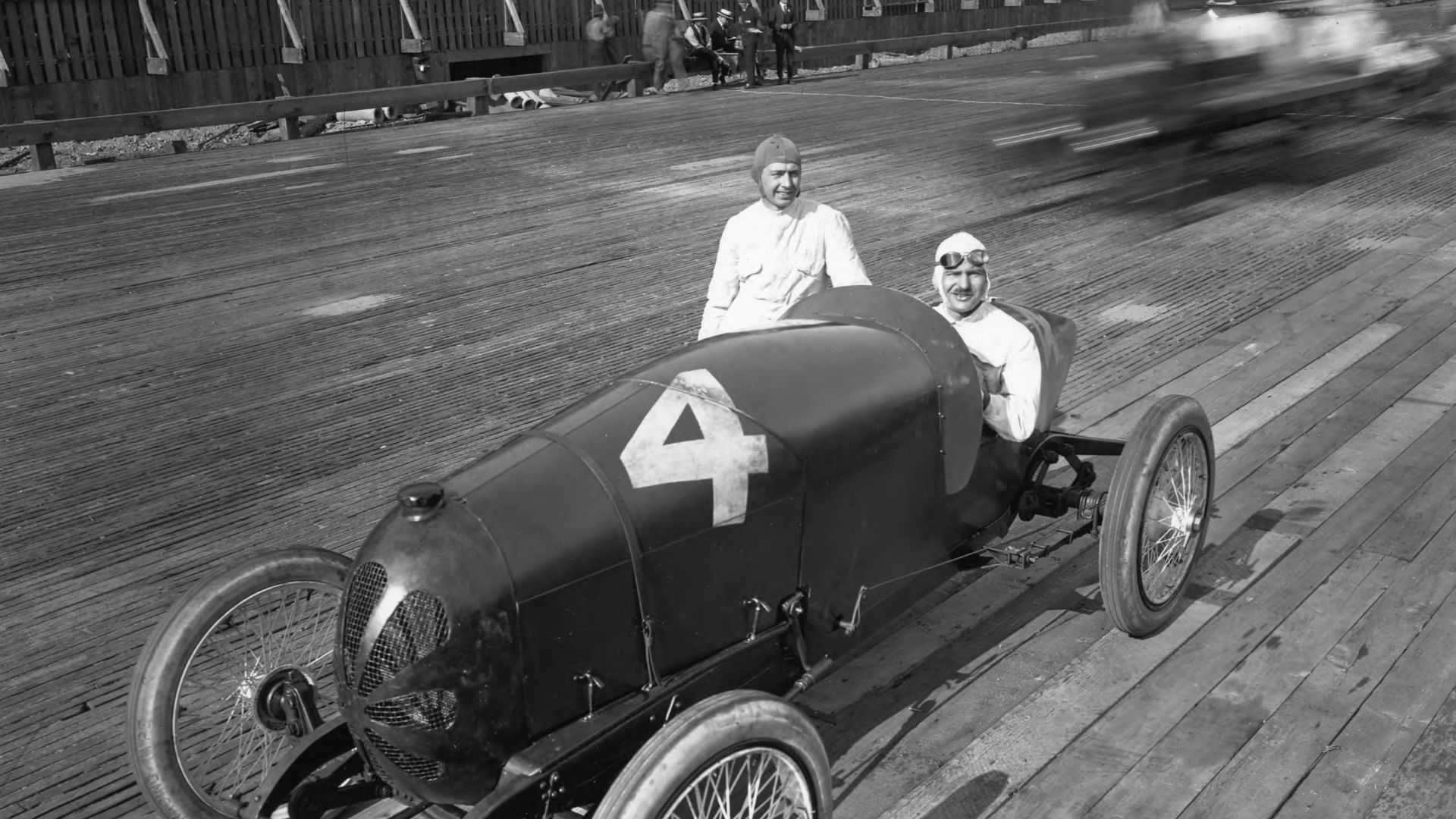
After leaving the company that bore his name, Louis went back to racing. Alongside his brothers Arthur and Gaston, he built engines and cars under the Frontenac name. They didn’t just race—they innovated, pushing boundaries on the track and in the workshop. When Gaston won the 1920 Indianapolis 500 in a Frontenac, the Chevrolet name was once again synonymous with speed.
 Marvin Dement Boland, Wikimedia Commons
The Chevrolet Legacy Grows
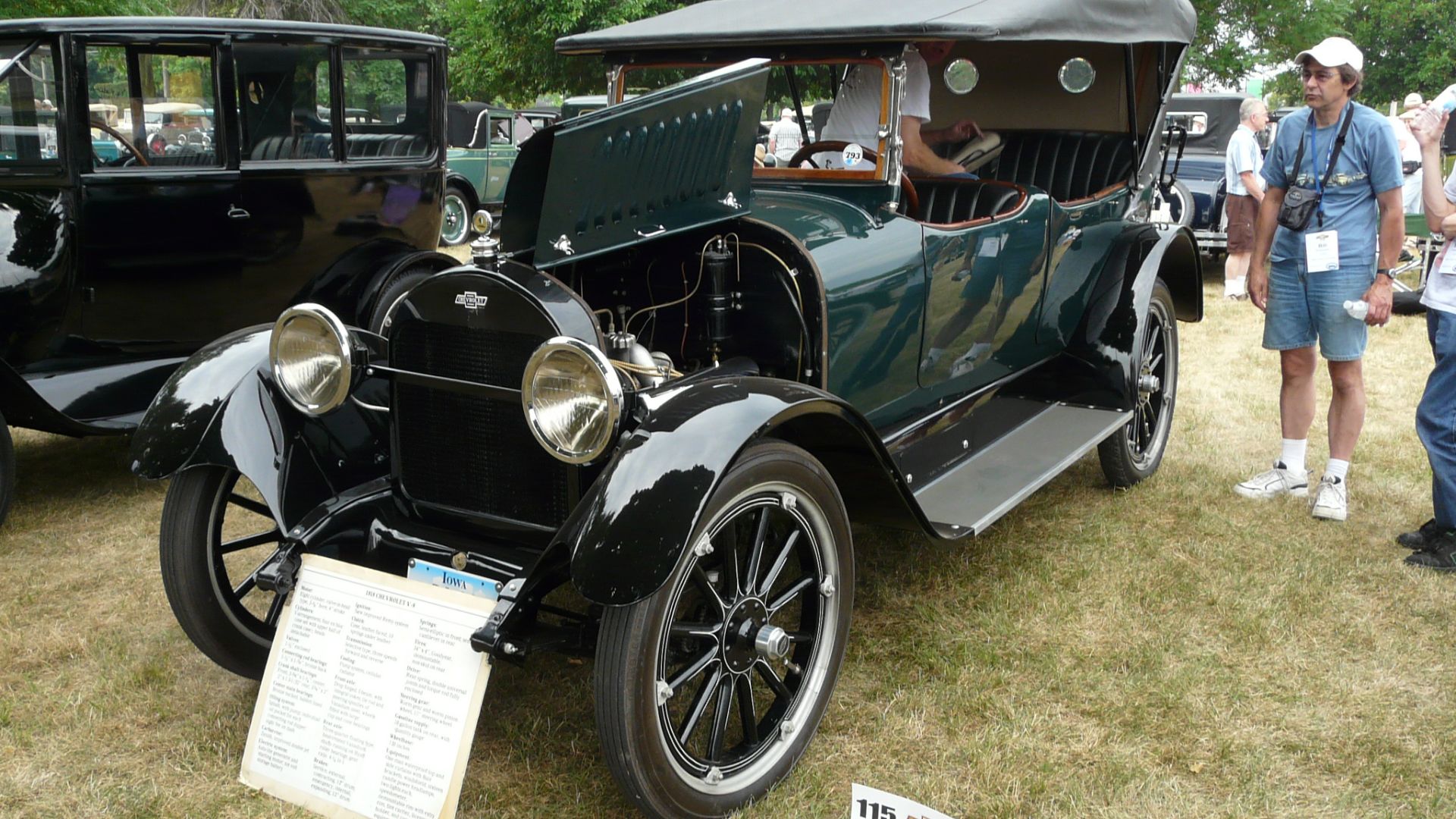
Even without Louis, the Chevrolet brand exploded in popularity. When General Motors absorbed it in 1918, it became GM’s crown jewel—reliable, stylish, and affordable. But beneath that family-friendly image, there was still a streak of performance DNA, a ghost of its founder whispering, “Go faster.”
America Rediscovers Speed
The decades rolled on. The Great Depression slowed everything down, and World War II halted car production altogether. But when the soldiers came home, they brought back an appetite for excitement. They wanted cars that could move—really move. In garages across America, young men started building “hot rods,” cramming big engines into lightweight frames and racing them across dry lakes and open roads.
 World Telegram staff photographer, Wikimedia Commons
The Game-Changing V8
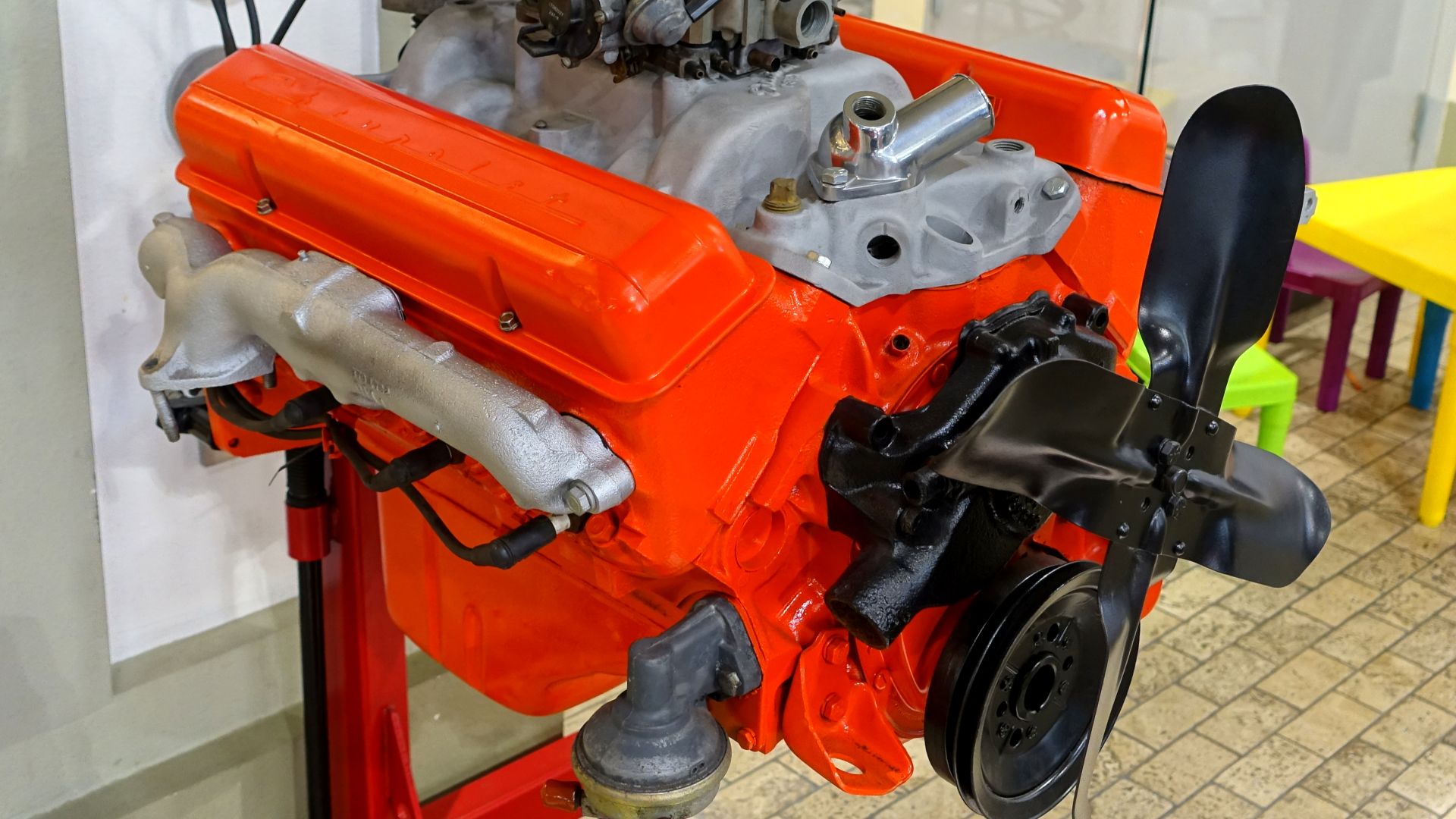
In 1955, Chevrolet gave those young men the ultimate gift: the small-block V8. It was compact, powerful, and easy to work on. You could drop it into almost anything, and it would sing. That engine didn’t just power cars—it powered a movement. It was the mechanical heartbeat of American performance.
Power Meets Personality
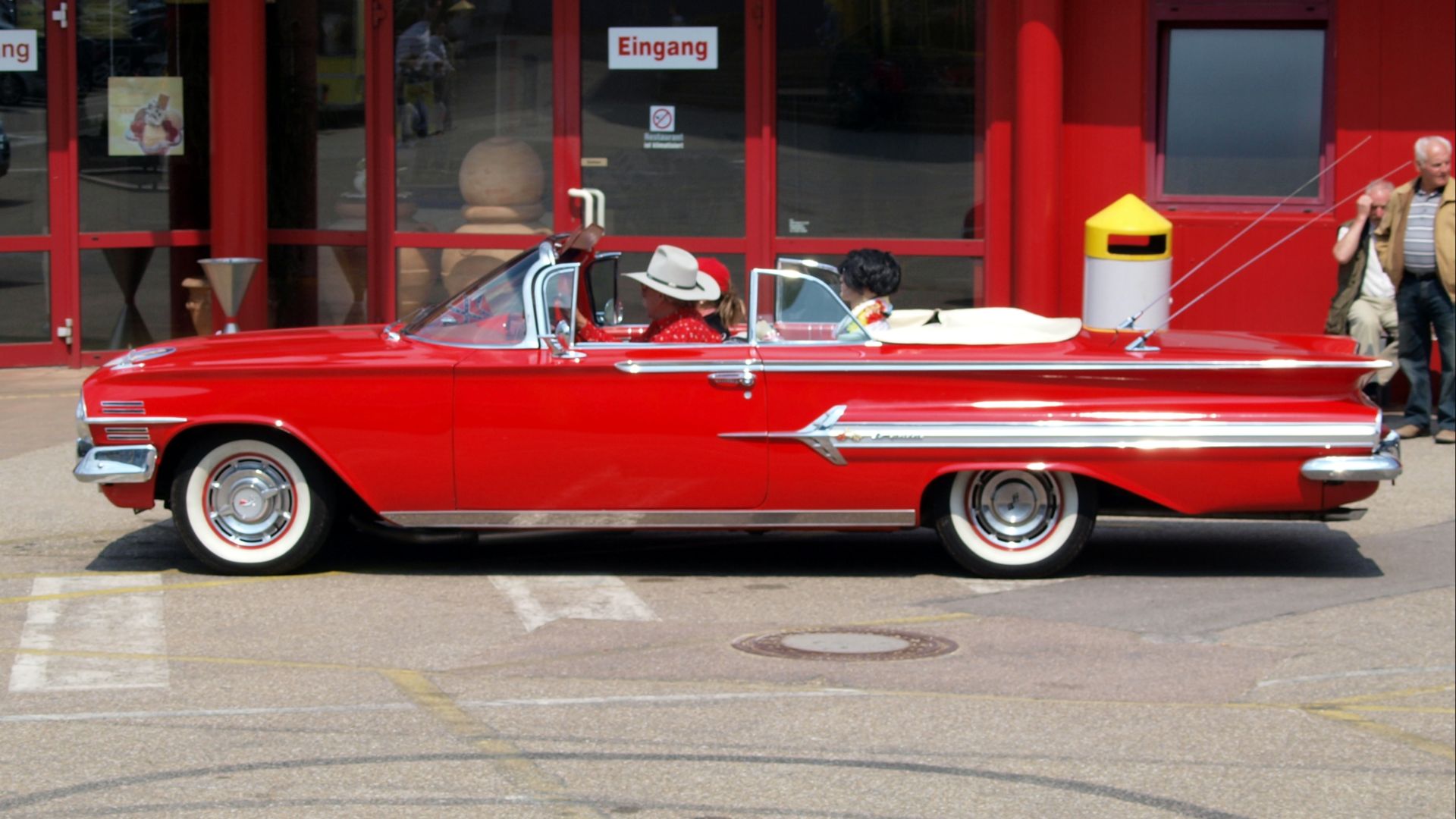
As the ’50s turned into the ’60s, cars became more than transportation—they became statements. Chrome, tailfins, candy paint, and deep rumbling engines announced who you were before you even got out of the driver’s seat. Underneath all that flash was real innovation—better suspensions, multi-carb setups, disc brakes. The groundwork for the muscle car era was being laid.
 Alf van Beem, Wikimedia Commons
The Birth Of The Muscle Car
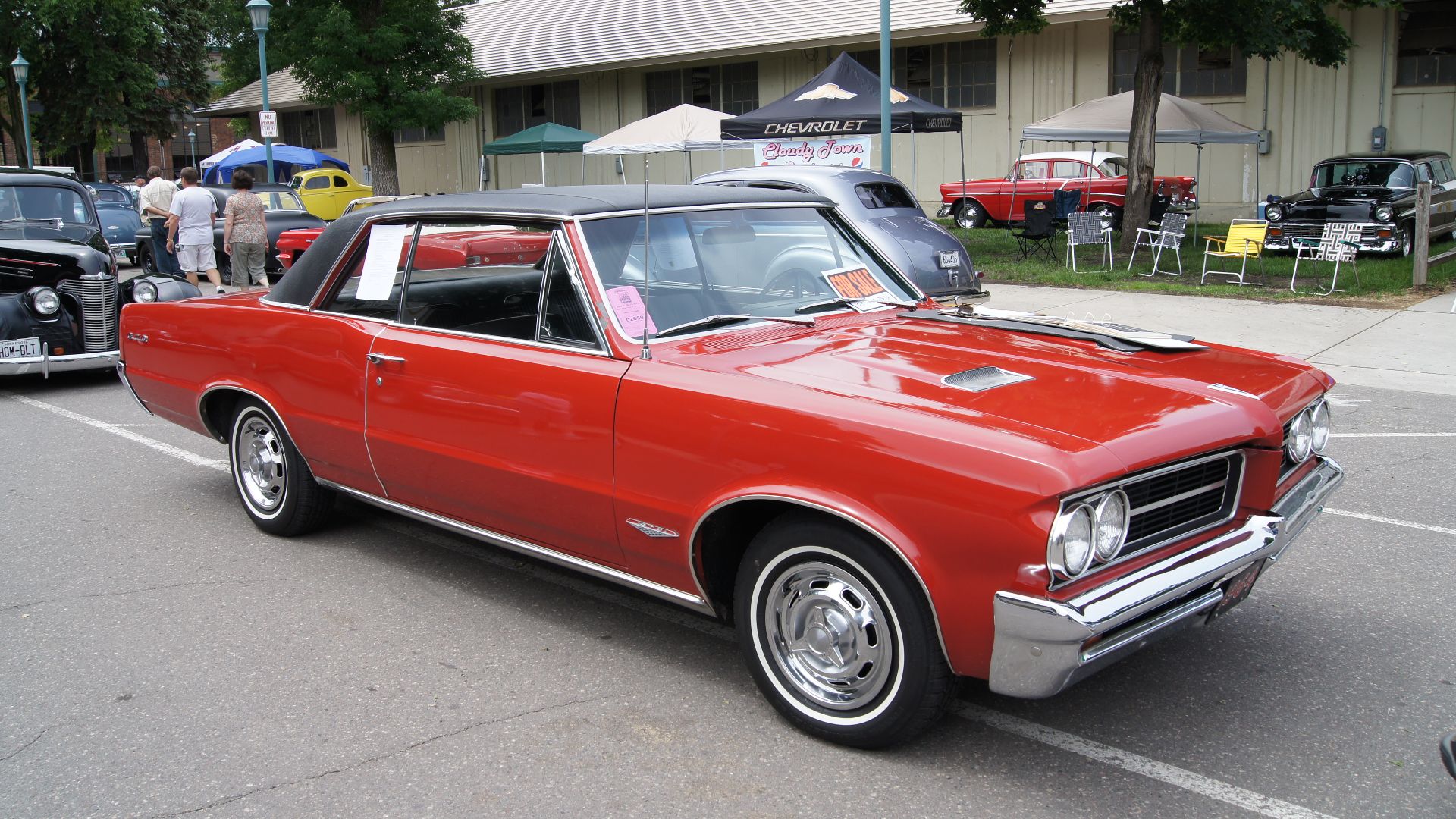
Then came 1964, and with it, the Pontiac GTO. It’s often credited as the first true muscle car, but its DNA ran through decades of passion and engineering sparked by pioneers like Chevrolet. Big engine, mid-sized car, attainable price—it was simple genius. Suddenly, everyone wanted a piece of that power.
 Greg Gjerdingen from Willmar, USA, Wikimedia Commons
Chevrolet’s Second Revolution
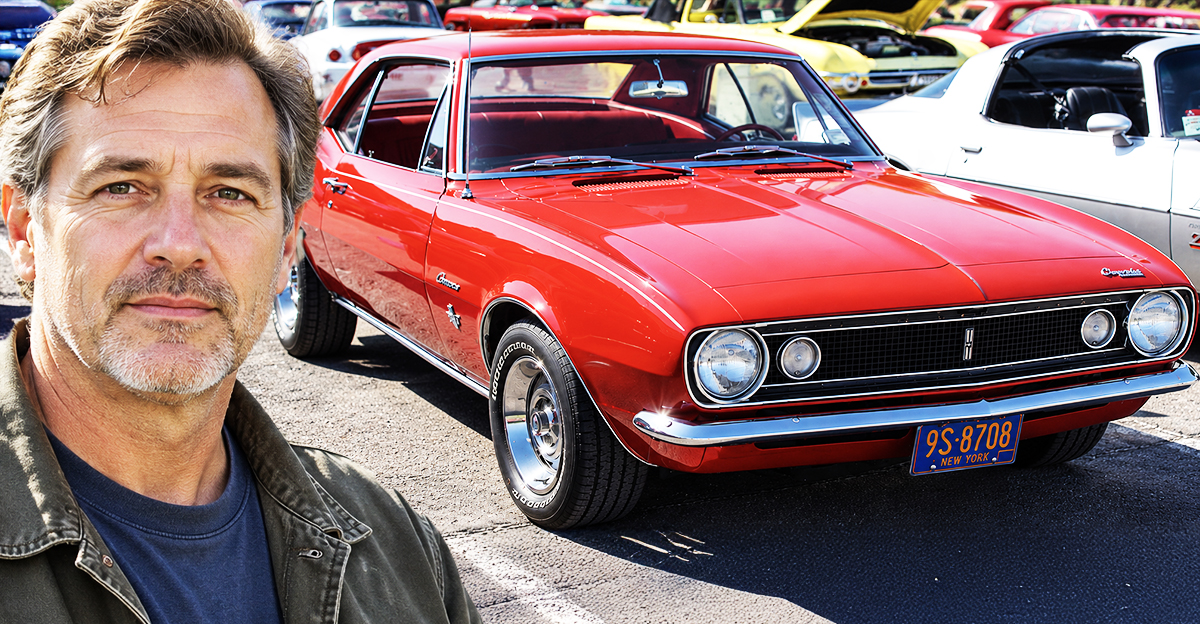
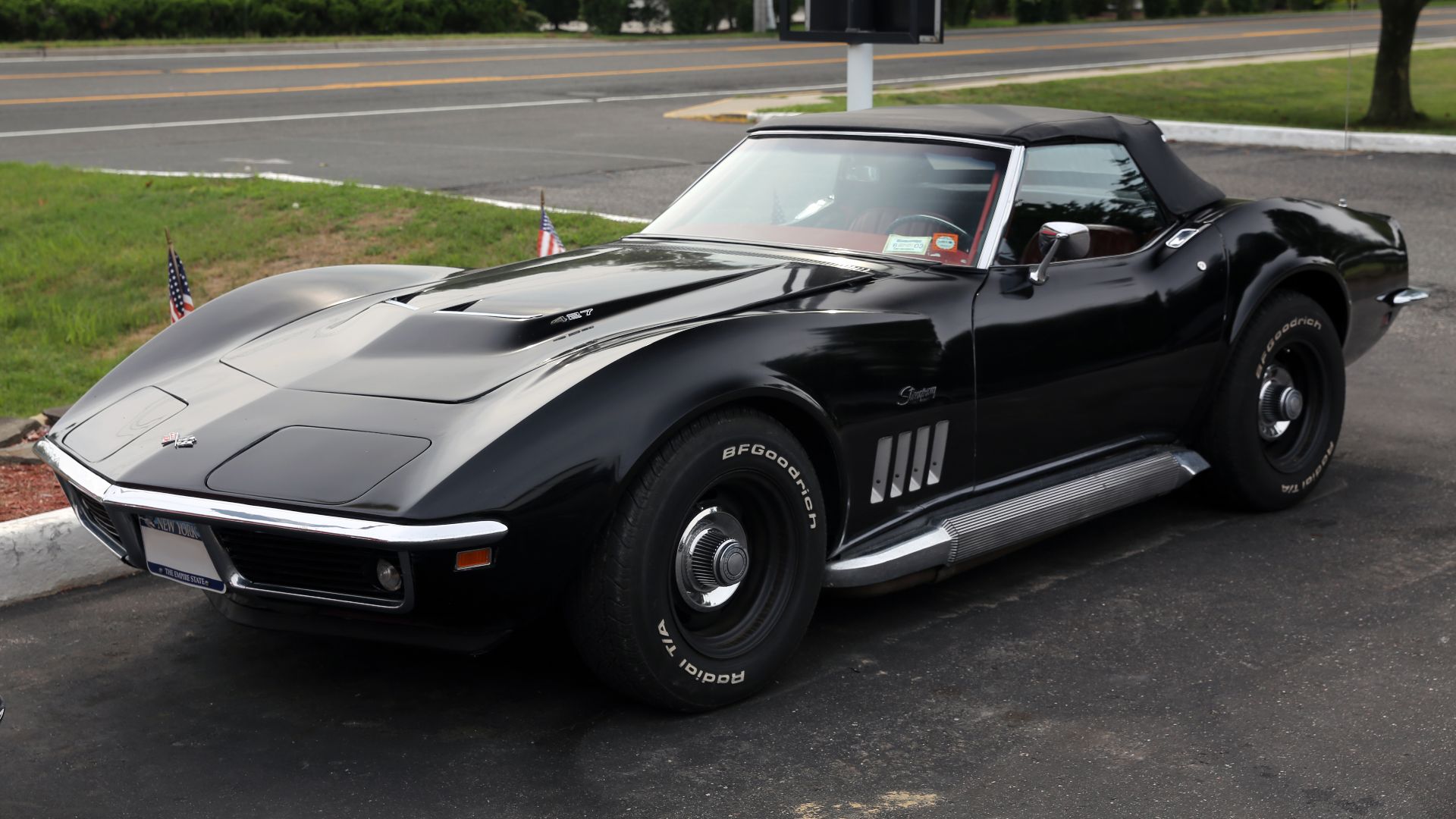
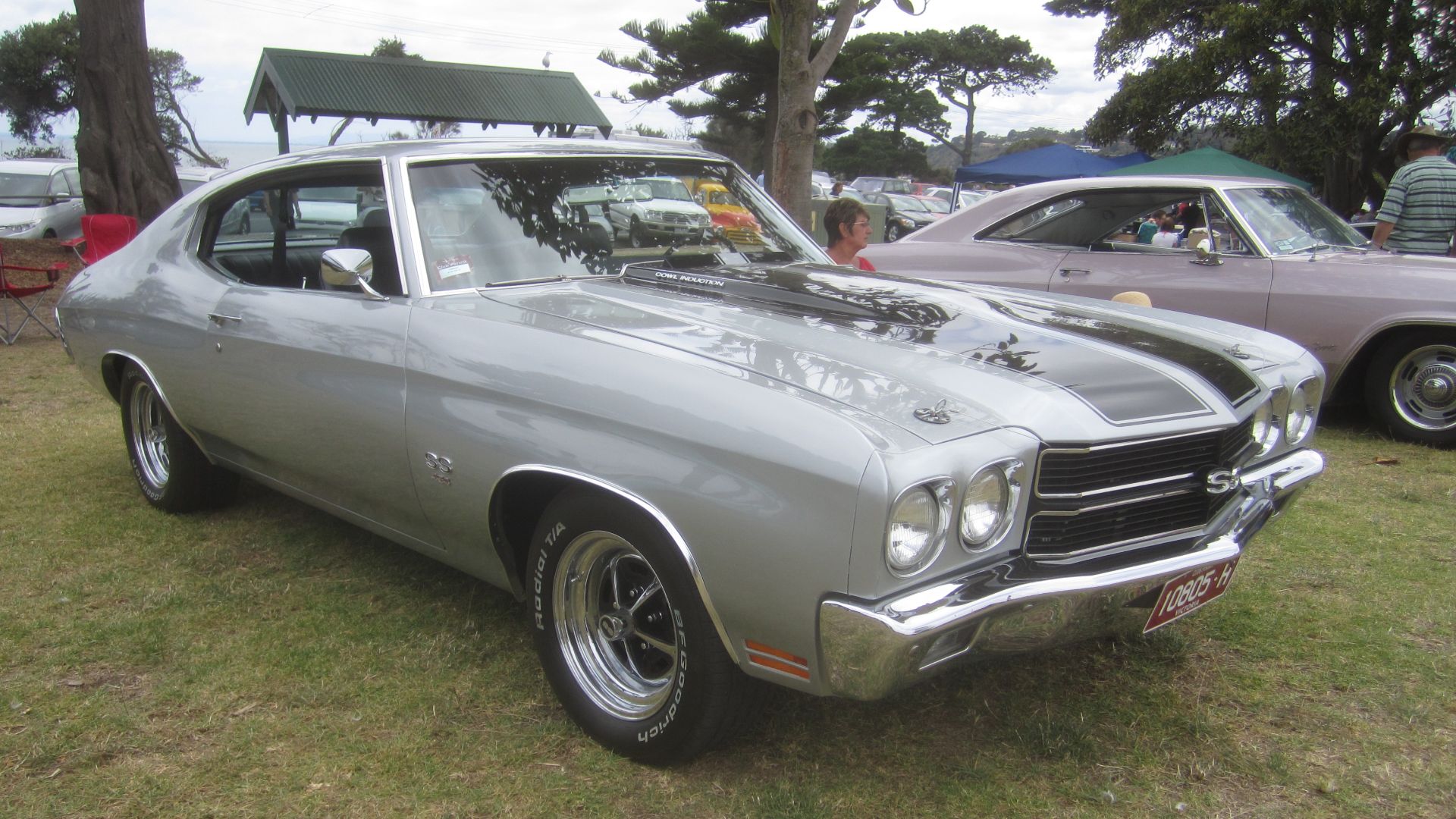
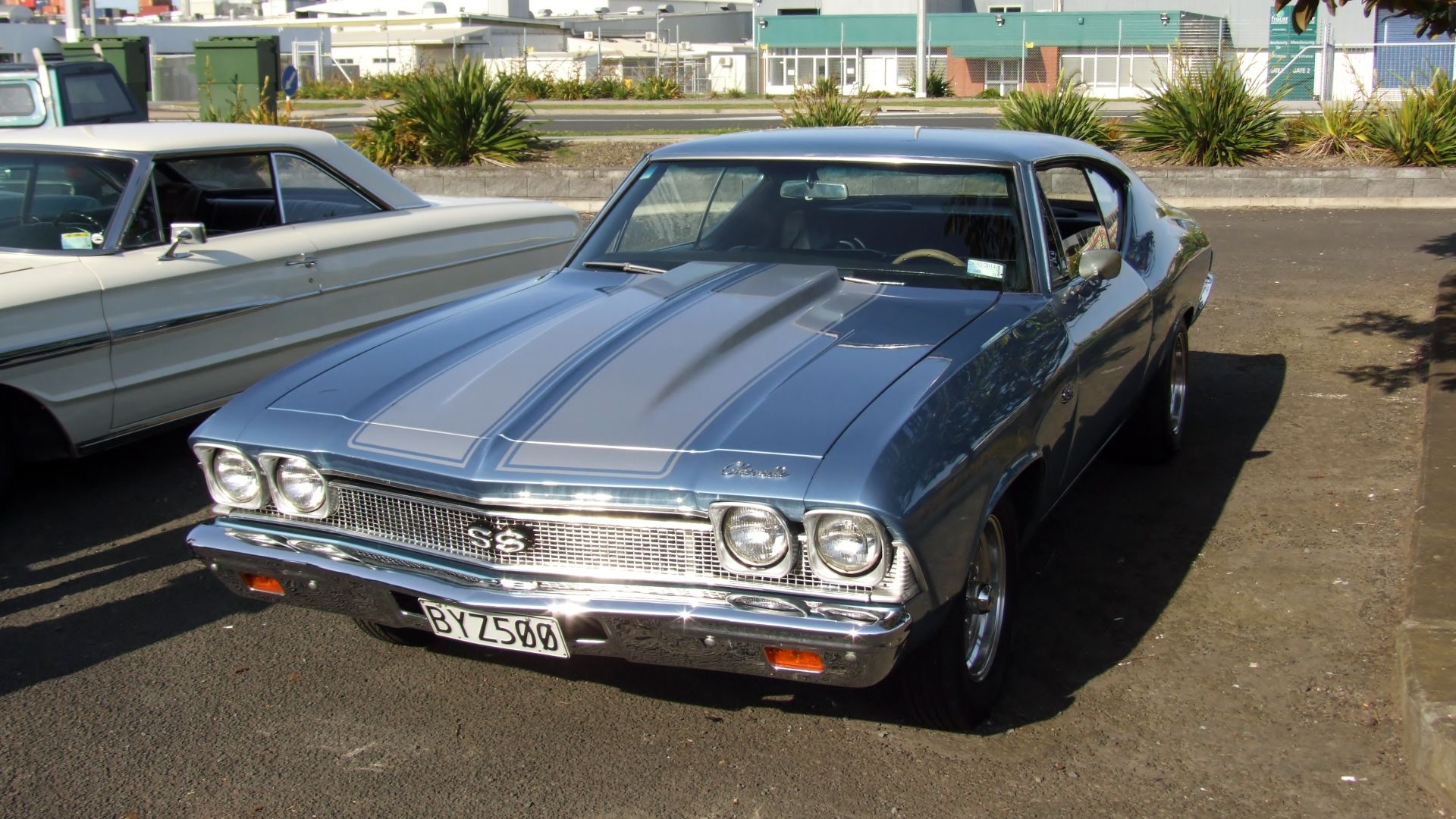
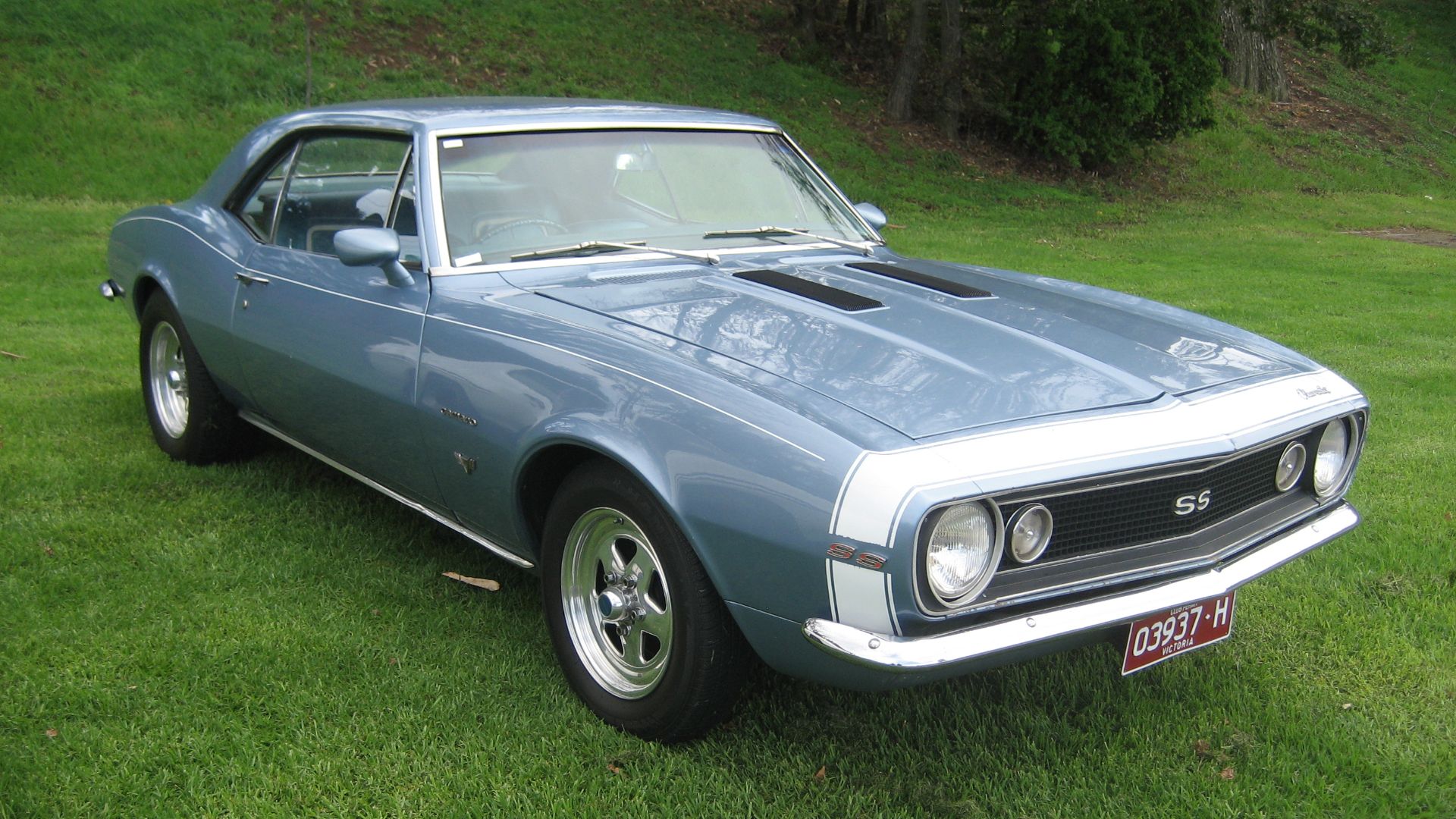
Chevrolet wasn’t about to sit it out. In quick succession came the Chevelle SS, the Camaro, and the Corvette Stingray—each one a love letter to performance. They weren’t just fast; they were beautiful, brutal, and perfectly tuned to America’s pulse. The brand Louis started was back in full force.
 Mr.choppers, Wikimedia Commons
The Muscle Car Wars
By the late ’60s, Detroit was in a horsepower arms race. Chevy, Ford, Dodge, and Plymouth all tried to one-up each other with more cubes, more horsepower, and more attitude. The Chevelle SS 454, Mustang Boss 429, and Charger Daytona were pure swagger on wheels. It wasn’t just competition—it was art.
The Muscle Car Identity
These cars weren’t bought out of necessity. They were bought out of desire. They symbolized independence, rebellion, and confidence. They were loud, unapologetic, and uniquely American. Every rev of a V8 echoed Louis Chevrolet’s belief that cars should make you feel something.
 GPS 56 from New Zealand, Wikimedia Commons
Engineering Excess
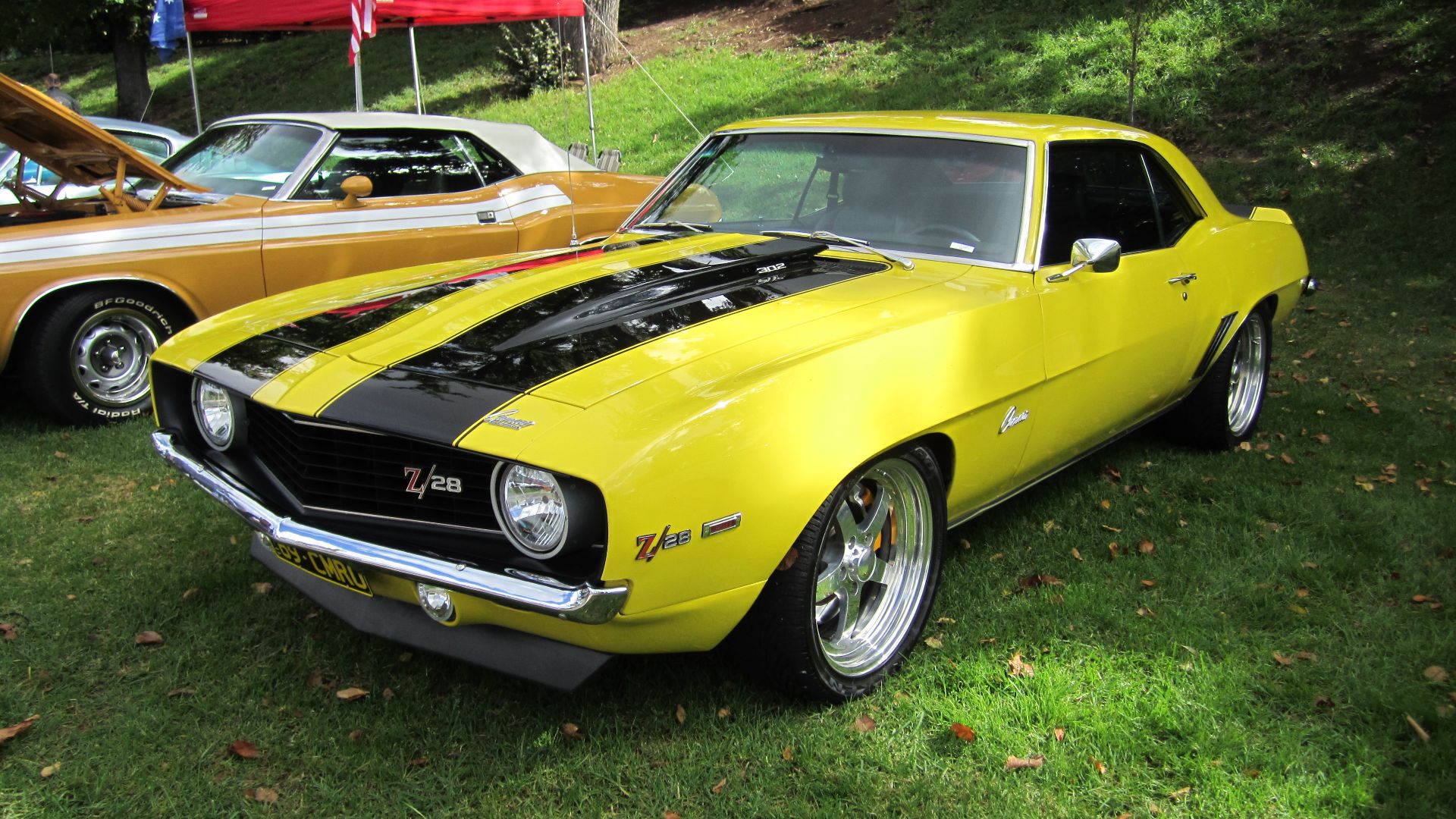
The early ’70s pushed things to the edge. Horsepower numbers soared, and styling grew more aggressive. Engineers were experimenting with aerodynamics, fuel injection, and new materials. The Camaro Z/28 and the Corvette 427 weren’t just cars—they were statements of what was possible when passion met technology.
The Crash
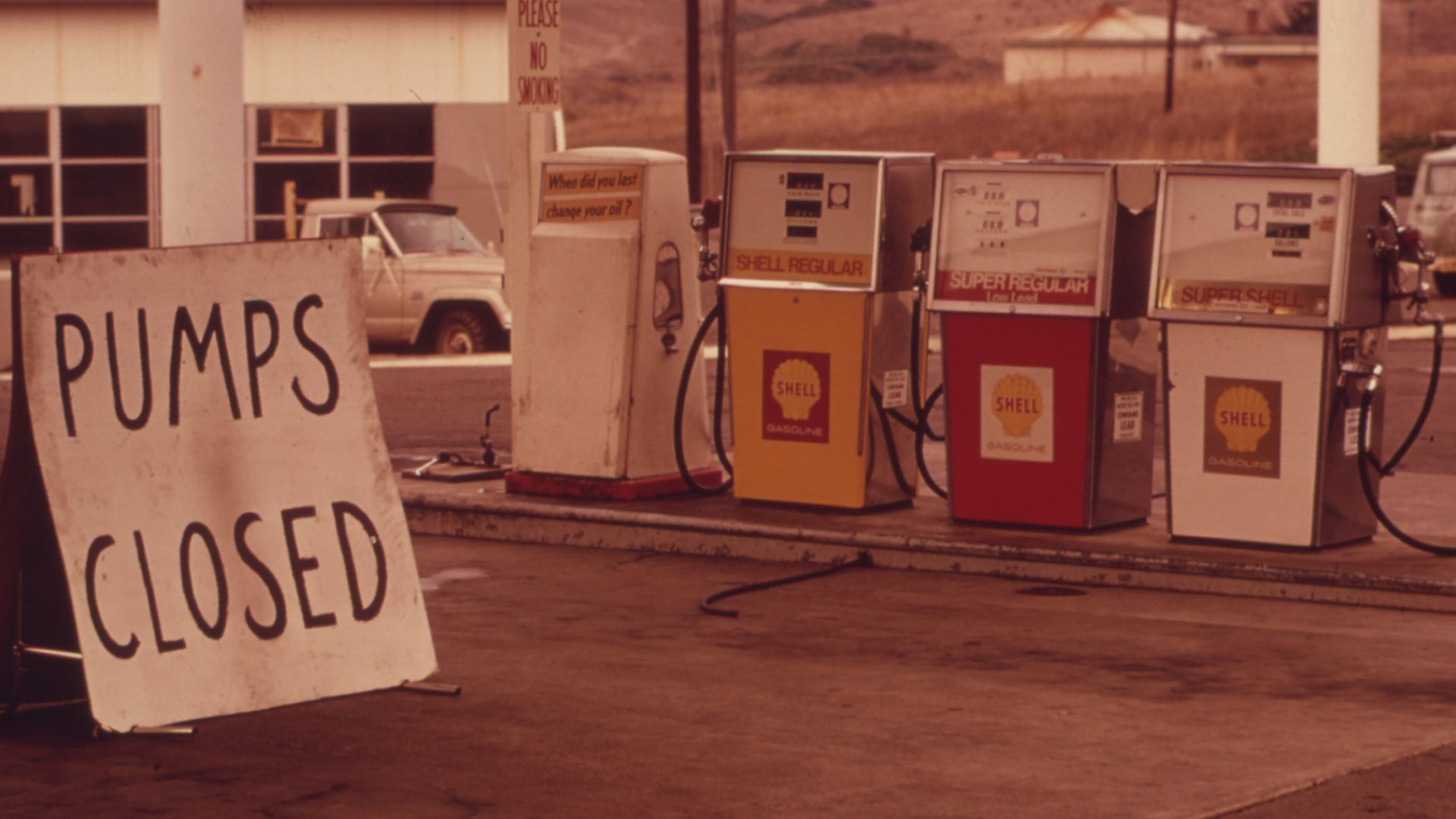
Then came the crash. Rising insurance rates, emission laws, and the 1973 oil crisis slammed the brakes on the muscle car era. Big engines went out of fashion, and performance took a back seat. But real car lovers never forgot. They kept the faith alive in garages and workshops, quietly tending to the machines that had once ruled the road.
 David Falconer, Wikimedia Commons
Keeping The Flame Alive
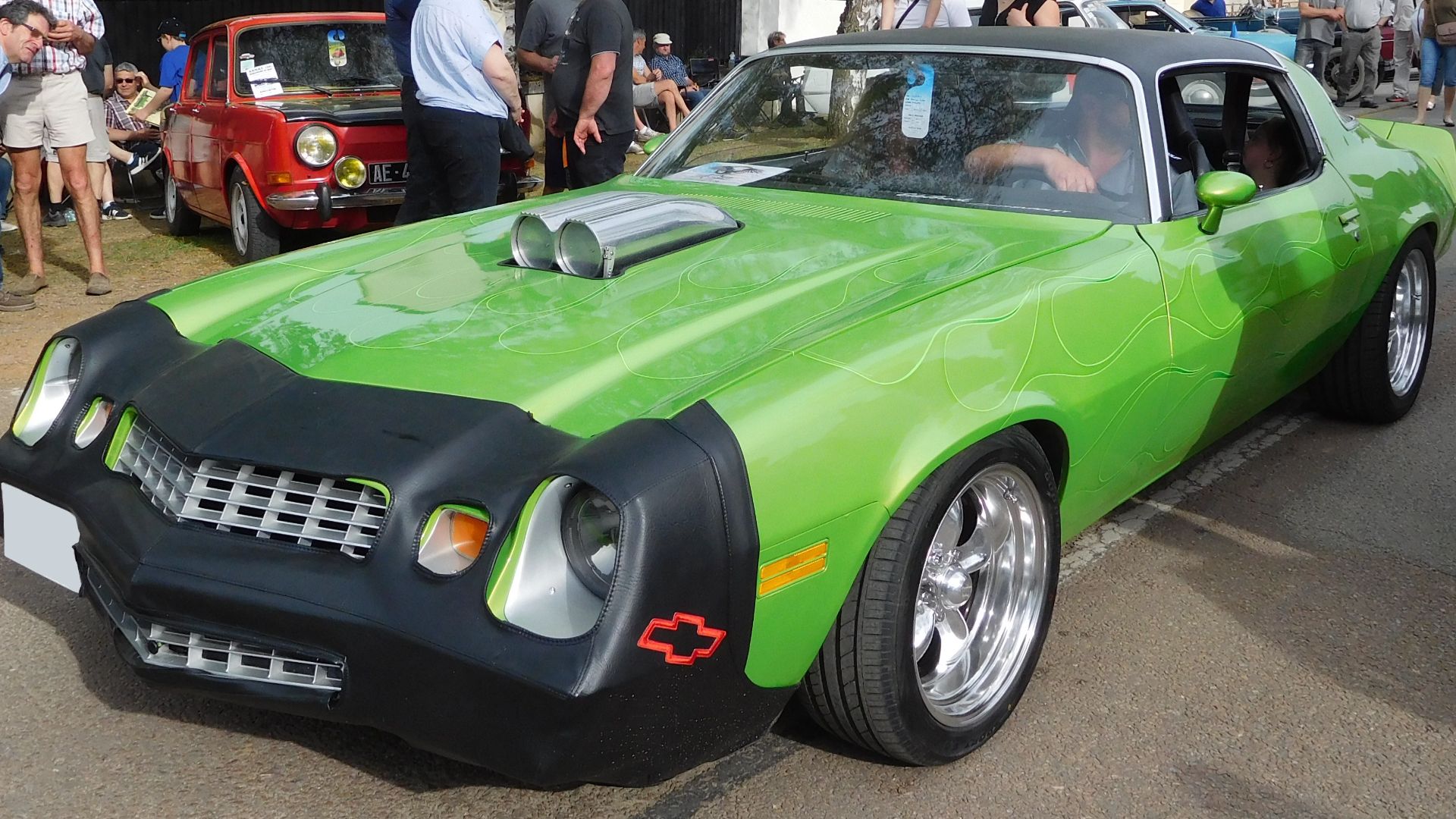
Throughout the late ’70s and ’80s, enthusiasts rebuilt, restored, and raced the classics. They turned old Camaros and Chevelles into works of art, ensuring the muscle car would never fade into history. The legend became myth, and the myth became a lifestyle.
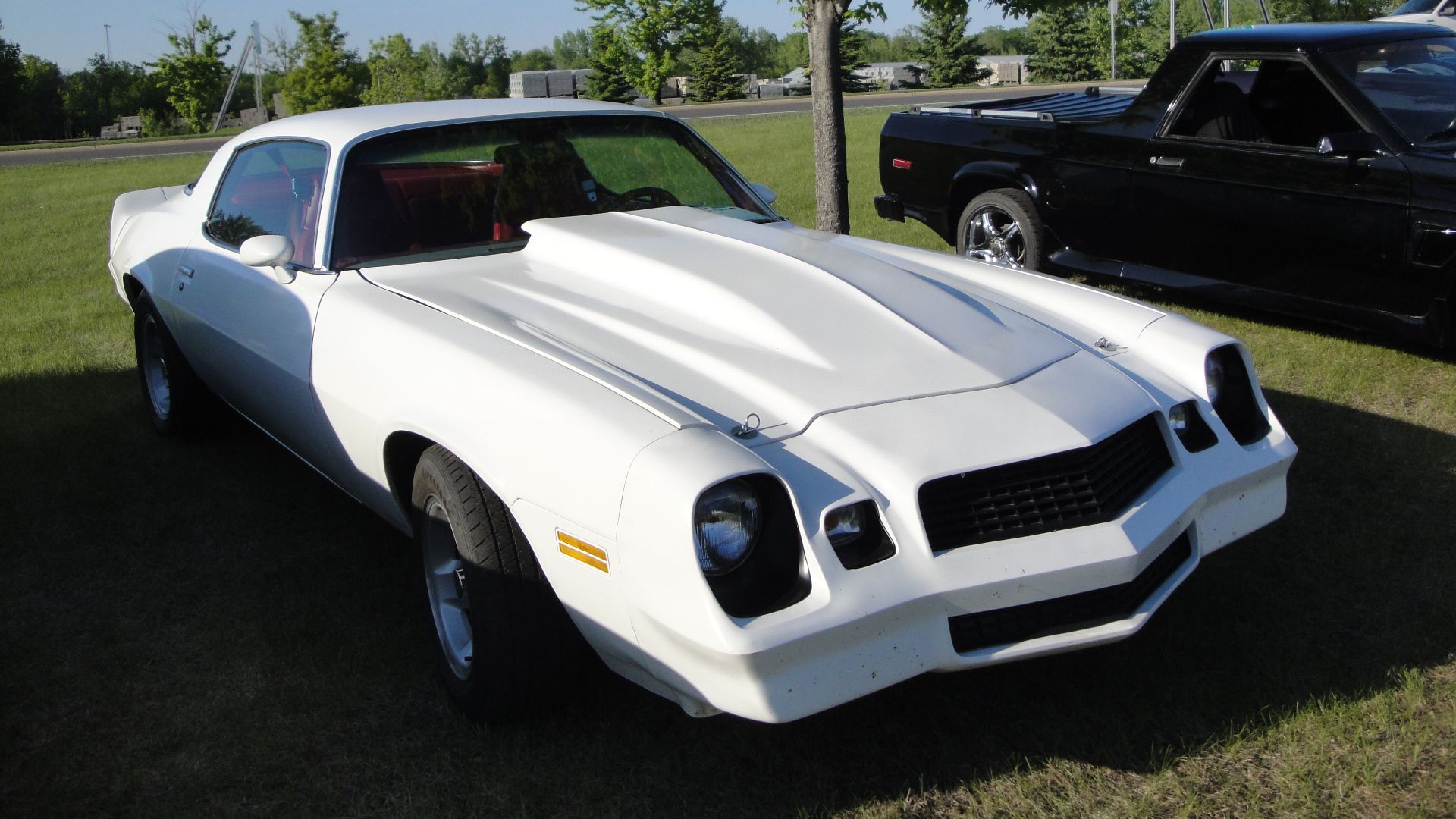 Greg Gjerdingen from Willmar, USA, Wikimedia Commons
The Revival
By the ’80s and ’90s, the muscle car was back. The Corvette evolved into a world-class sports car. The Camaro returned with sharper lines and stronger engines. The muscle car was no longer a relic—it was a reborn icon, blending modern engineering with old-school soul.
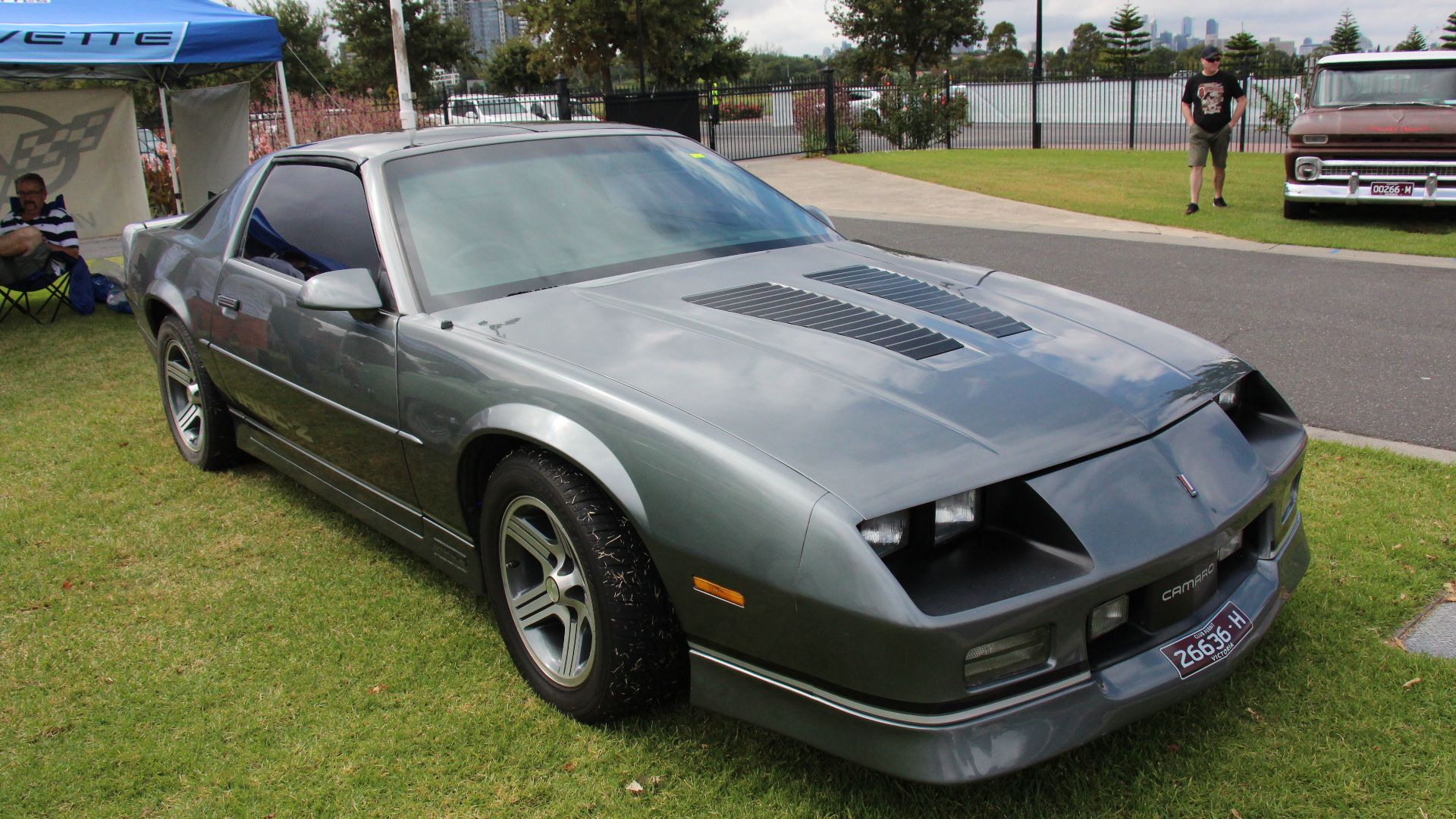
Modern Muscle
Today’s muscle cars—the Camaro ZL1, the Dodge Challenger Hellcat, the Mustang GT—are smarter, faster, and more refined than ever. But their DNA is the same. Beneath the electronics and turbochargers lies the same hunger for speed that started in a Swiss garage over a century ago.
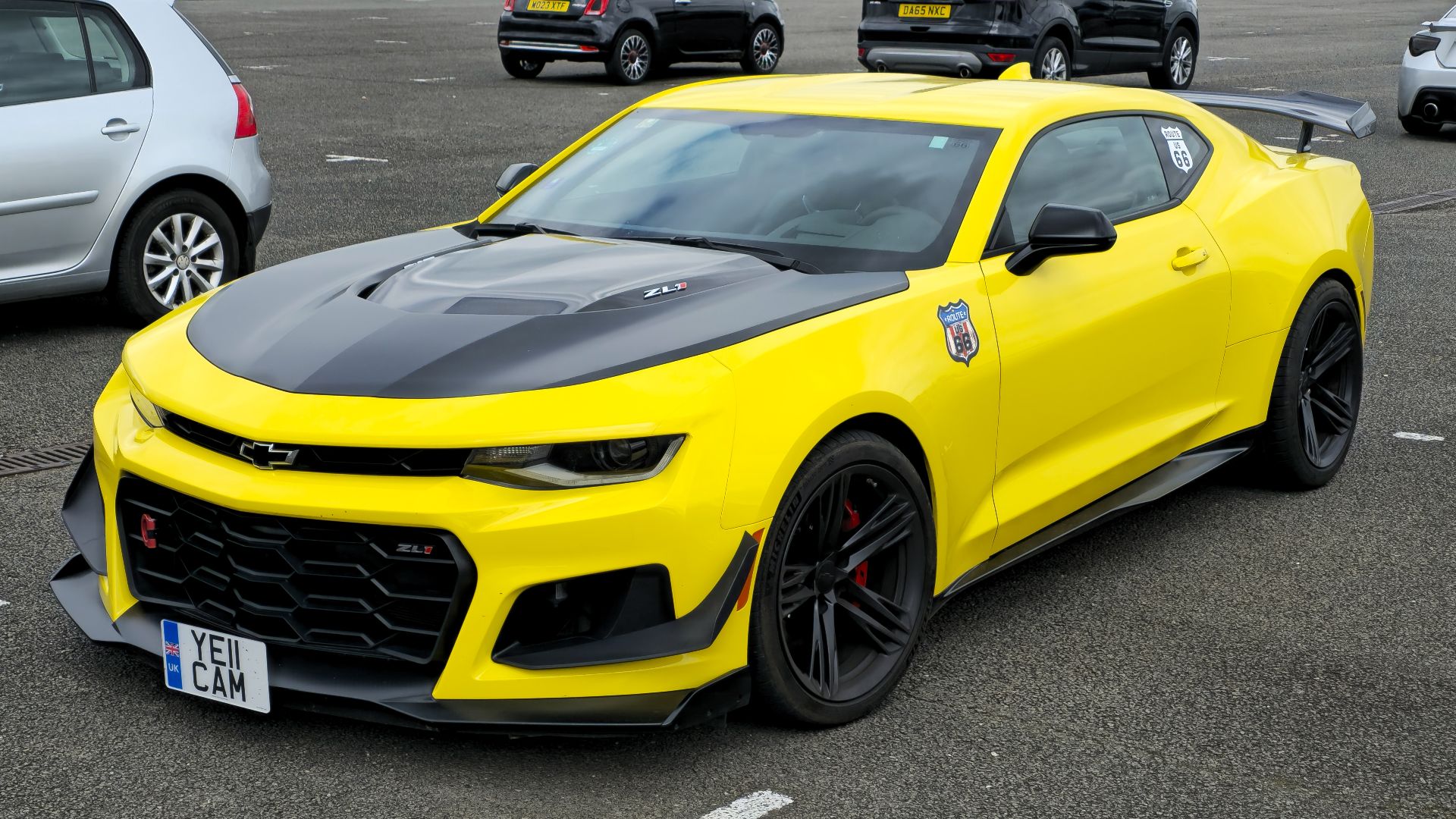
A Swiss Legacy Cast In Steel
It’s almost poetic that one of America’s greatest automotive legacies began with a Swiss immigrant and a handful of tools. Louis Chevrolet’s mix of precision and passion shaped not only a brand but an entire culture. His legacy is written in the exhaust notes of every muscle car that’s ever hit the street.
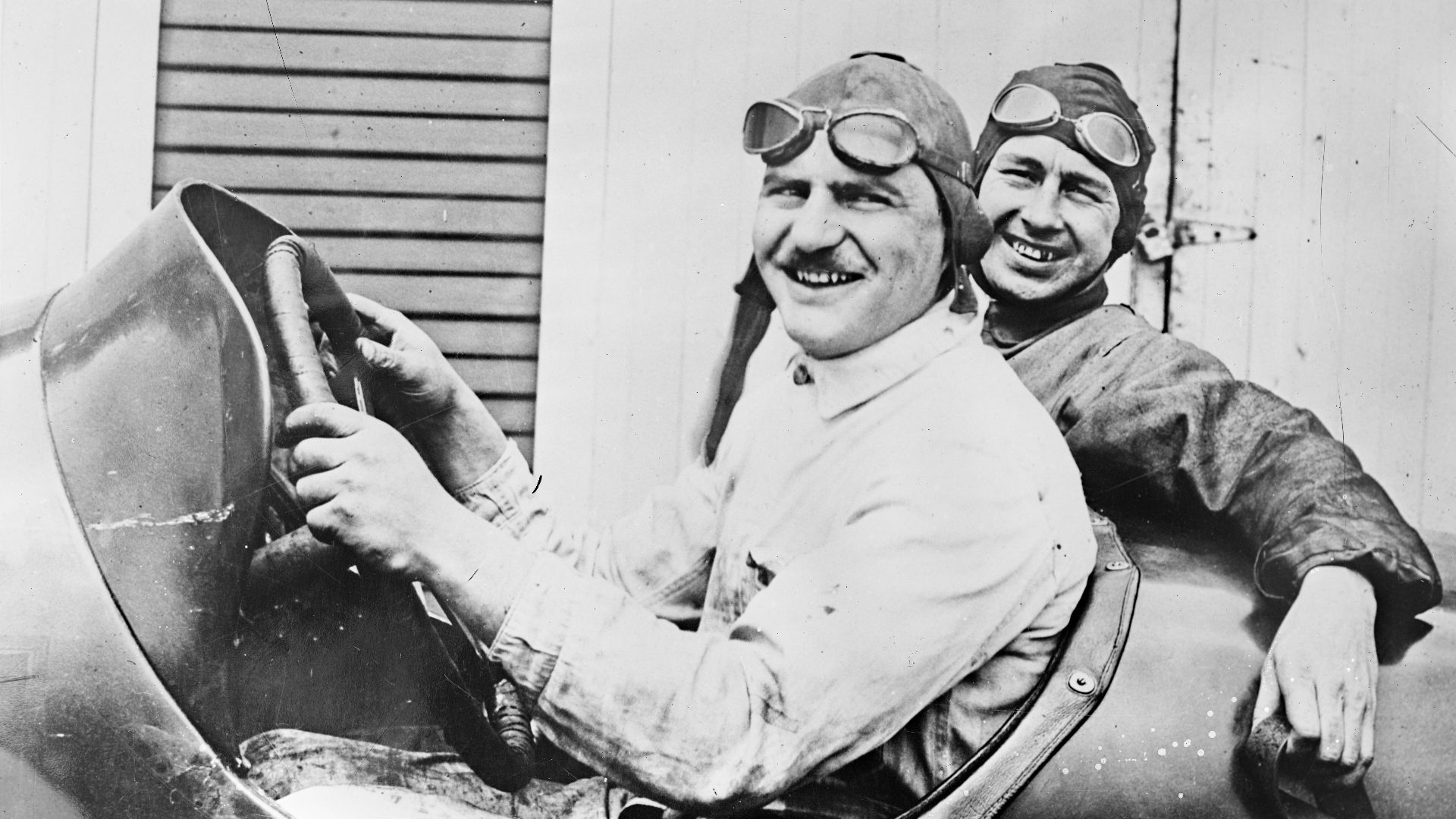 Agence Rol. Agence photographique (commanditaire), Wikimedia Commons
The Spirit That Never Dies
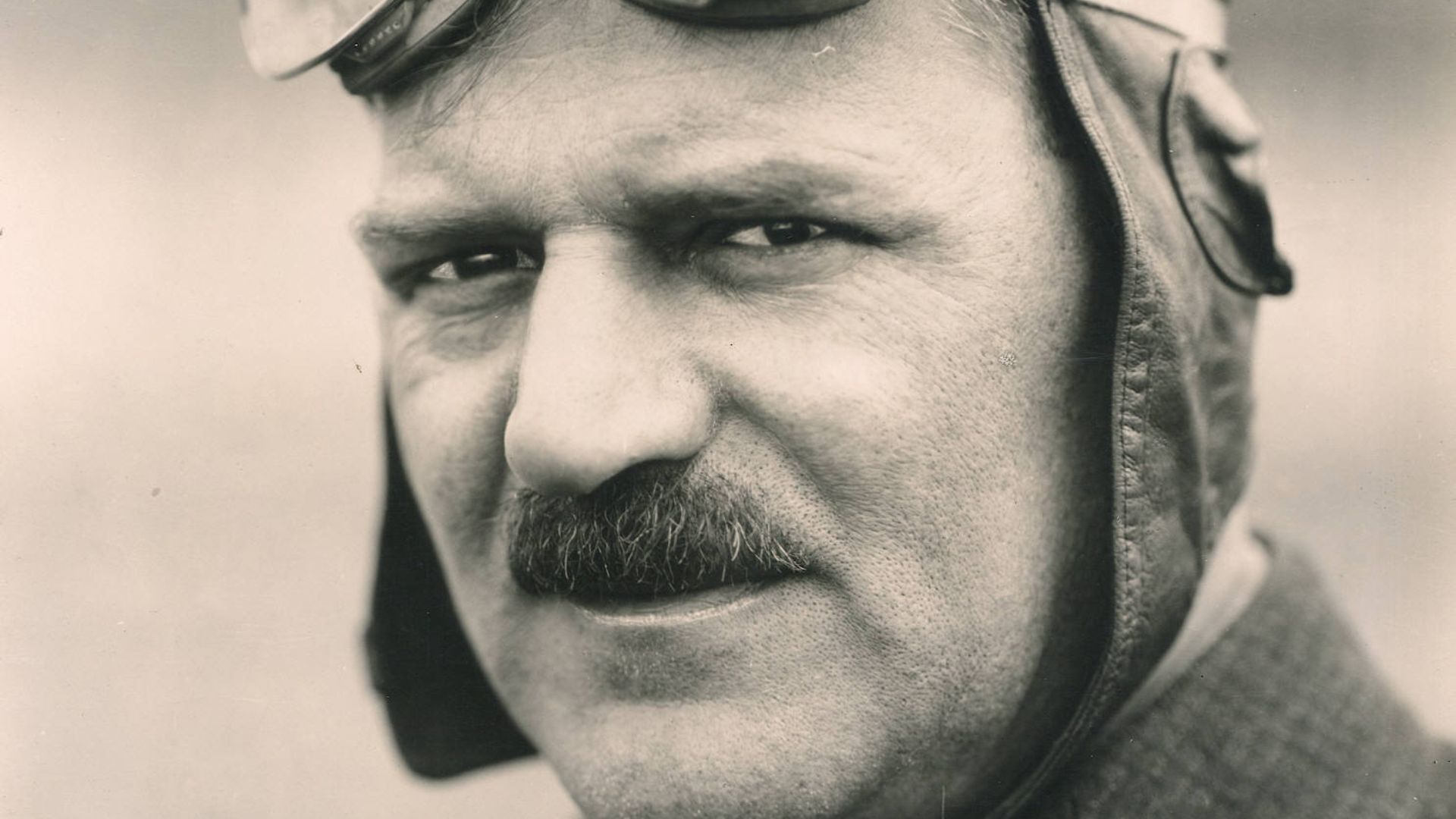
Louis never stopped racing, building, or dreaming. That relentless drive—to go faster, to make something better—became the foundation of the American performance car. His story is proof that true innovation starts with curiosity and courage.
 Original photographer unknown; scanned by Ian Macky, Wikimedia Commons
Beyond The Name
Louis Chevrolet passed away in 1941, never knowing the full extent of what his name would come to mean. But every time a V8 rumbles to life, every time rubber meets asphalt, his spirit rides again. He may have started with bicycles, but he ended up shaping an entire way of life.
 Marvin Dement Boland, Wikimedia Commons
The Road Ahead
As the world moves toward electric power, the definition of “muscle” is changing. But the philosophy Louis lived by—power, precision, and passion—still matters. Whether the future hums or growls, the soul of the muscle car will always trace back to that little garage in Switzerland.
Which Chevrolet Is Your Favorite Car?
Louis Chevrolet’s story isn’t just about one man—it’s about the American dream itself. He took precision from the Old World and gave it horsepower in the New. Every roar of a big-block, every flash of chrome, every grin behind the wheel owes something to that restless kid from Switzerland who believed machines should make people feel alive.
You May Also Like:
Easy DIY Car Repairs Every Driver Should Know
What's The Deal With That New Electric Car With The "V" Logo We're Seeing Everywhere These Days?