The Best Quick Guide To Buying Tires

The Best Quick Guide To Buying Tires


June 13, 2023 | Kaddy Gibson

The Best Quick Guide To Buying Tires


With so many sizes and brands to choose from, buying new tires for your car can easily turn into a stressful experience. Luckily, you only need a little bit of knowledge about the different types of tires to choose the right set for your car. That’s why we’ve got you covered with this quick guide for buying tires.


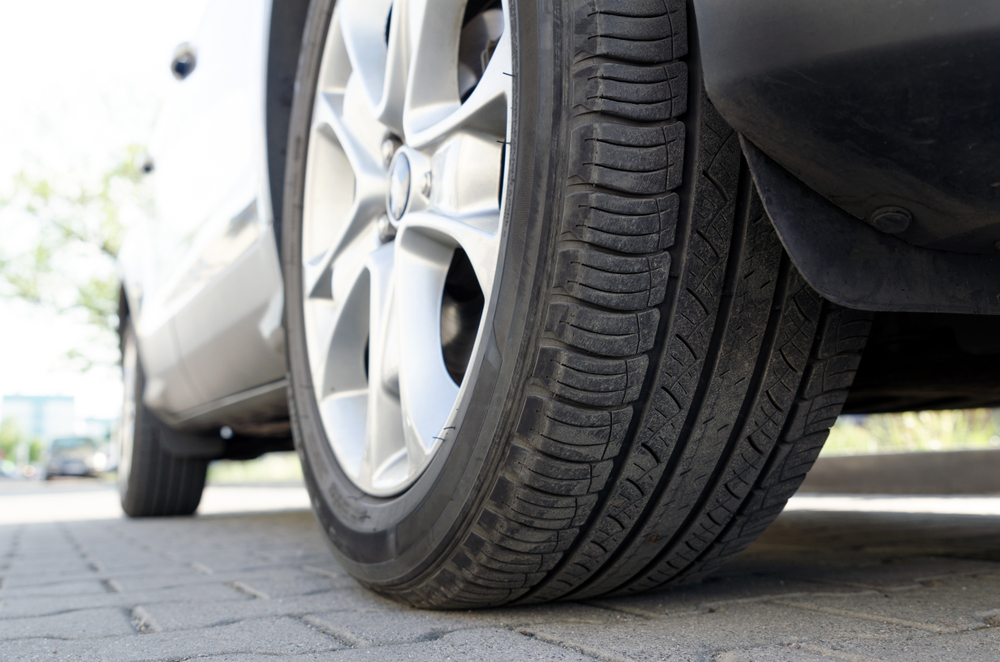
All-Season Tires

As the name implies, all-season tires are meant to handle a variety of weather conditions throughout the entire year. If you want to get the best performance out of your all-season tires, then you’ll need to know which kind to purchase: high performance or grand touring. High performance all-season tires provide a bit more grip and better handling than regular all-seasons. Grand touring tires make your ride a little more comfortable. Regardless of which type of all-season tires you go with, it’s important to know that despite their name, they may not offer the best traction in heavy snowfall or icy conditions. If you live in an area that gets extreme winter weather, you may want to get a proper set of winter tires.
TiresShutterstock

Advertisement

Summer Tires

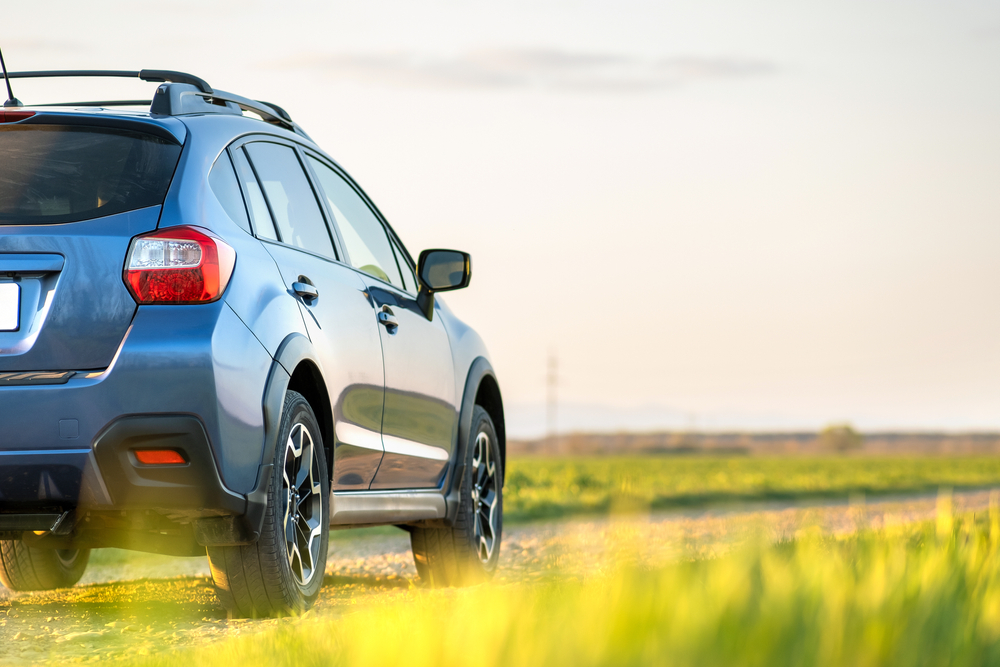
Summer tires are specifically designed for driving in warm weather. They can handle wet and dry conditions while offering improved steering response and better traction while cornering. However, when the temperature starts to drop, so does the effectiveness of summer tires. In temperatures below five degrees Celsius (40 degrees Fahrenheit) summer tires have less grip on the road, which increases your chances of losing control of your car in wet or icy conditions. So, depending on where you live, it’s a good idea to have different tires for the seasons.
TiresShutterstock

Advertisement

Winter Tires

If you are in a chilly climate that experiences heavy snowfall and icy roads, then you’ll need a good set of winter tires. Winter tires are designed with a flexible rubber compound and have deeper treads than summer and all-season tires. Because of that, winter tires will give you the most traction and control in cold, snowy weather. They’ll also improve your car’s cornering capabilities and stopping power. However, like summer tires, winter tires lose their functionality when it's not their season. Once the weather starts to warm up, the special rubber compound in a winter tire starts to wear down. This reduces the lifespan of your tires, which means you’d have to replace them more often. To save money and keep your car at peak performance, switch to summer or all-season tires during the warmer months.

Choosing the right tires for your car is more than just a matter of performance—it's also a matter of safety. So, in addition to getting tires that are the right size for your vehicle, make sure they’re also for the right season.


TiresShutterstock

Advertisement

Source: 1, 2


READ MORE

AI-generated image of a man seeking compensation after his mechanic cracked his windshield.

My mechanic insists my windshield was already cracked before replacing my wipers, but I know it wasn't. How do I get them to pay for this?

A cracked windshield is expensive enough on its own. It's even more frustrating when it appears immediately after a routine service and nobody wants to accept responsibility.
July 20, 2026 Peter Kinney
AI-generated image of a woman with a rusty car.

My insurance company declared my rust damage to be normal wear and tear, but my mechanic says it's become a serious safety issue. Who is right?

Rust often starts as little more than an eyesore. But over time, what looks like ordinary corrosion can become a genuine structural problem.
July 20, 2026 Quinn Mercer
AI-generated image of a man worried that he's using his adaptive headlights incorrectly.

I bought a vehicle with adaptive headlights, but they don't seem to work the way I was told they would. Am I using them incorrectly?

Adaptive headlights are one of those features that sound incredible on paper. So when you buy a vehicle equipped with them and nothing seems to happen, it's easy to wonder whether they're broken or whether you're simply using them incorrectly.
July 20, 2026 Quinn Mercer
Facebook  Internal

My friend says buying the first model year of any car is asking for trouble. I'm tempted this year, but is that still true?

Your friend is repeating one of the oldest rules in car shopping, and it exists for a reason. A first model year often means new parts, new software, new suppliers, and real-world testing that is only beginning once customers start driving the car every day. That does not mean every redesigned or all-new car is a mistake, but history shows the risk is usually higher when a vehicle is brand new.
July 20, 2026 Carl Wyndham
My dealer keeps emailing me about 'mandatory software upgrades

I bought a new car last year, but the dealer keeps emailing me about "mandatory software upgrades." Can they force me to install them?

If your dealer keeps emailing about a “mandatory software upgrade,” it is easy to wonder whether you actually have a choice. In most cases, a dealer cannot simply force you to install routine software updates on your own car. The big exception is when the update is tied to a safety recall, because recalls are governed by federal safety rules and carry more legal weight.
July 20, 2026 Carl Wyndham