
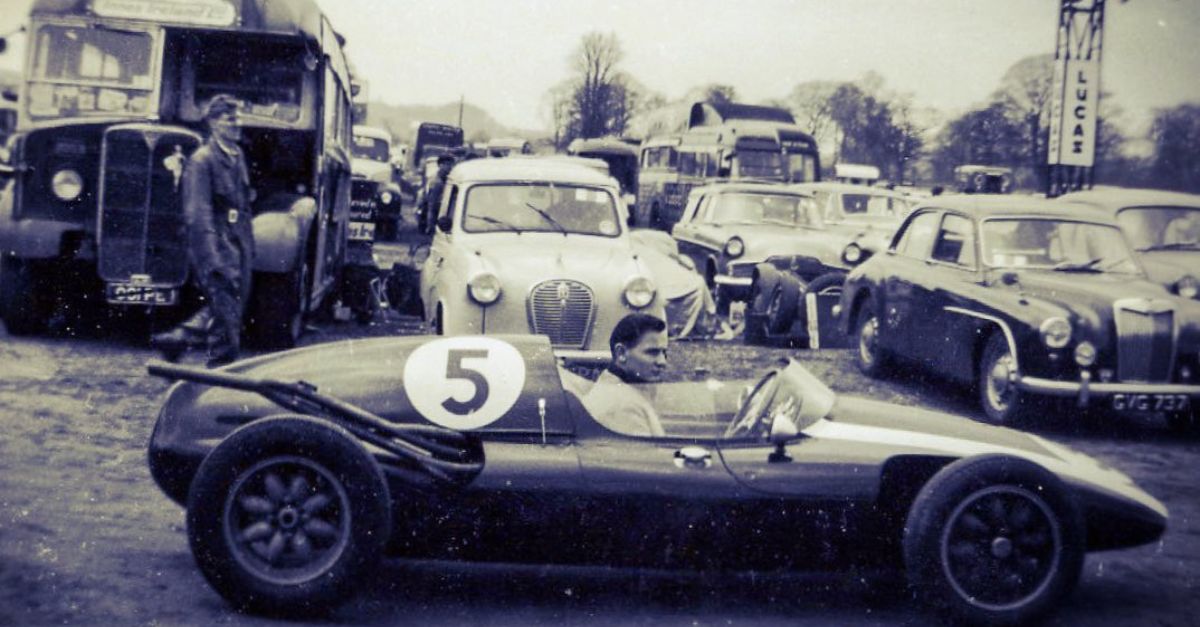
A Mark On History
When Bruce McLaren launched his team in 1963, it looked like just another ambitious garage operation. No one imagined that one man’s restless vision was about to rewrite the future of racing forever.
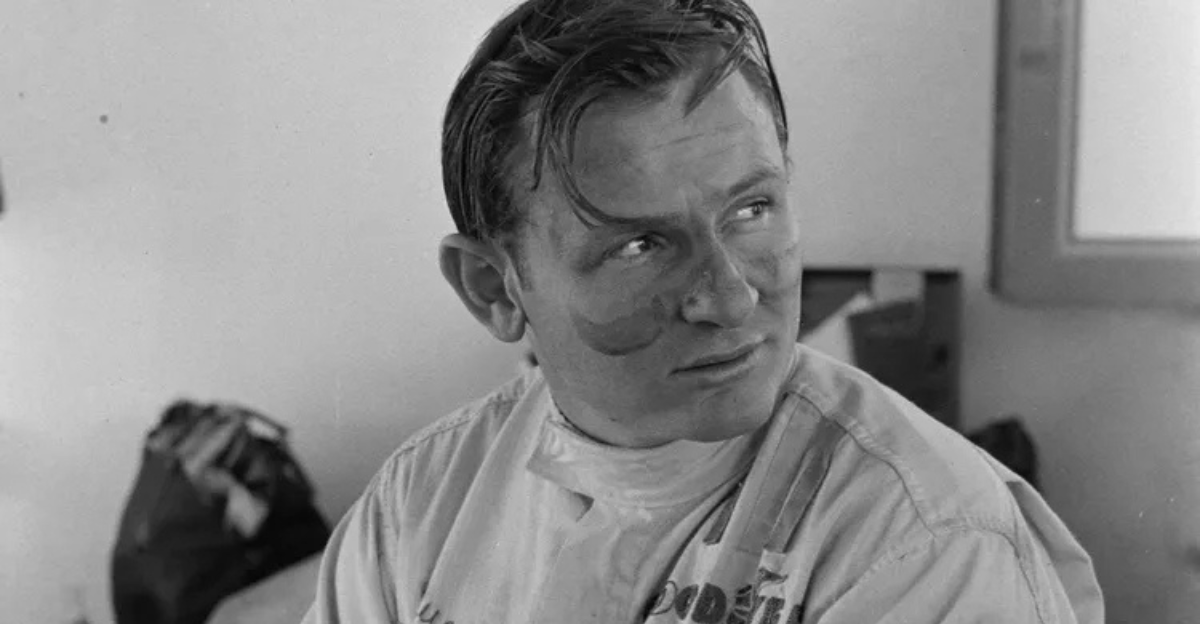
1. The Man Behind the Brand
Growing up, Bruce McLaren wanted a world-class racing team. The vision was to build the best racing cars by combining advanced technology and racing experience. His understanding of engineering concepts led him to build his own race cars.
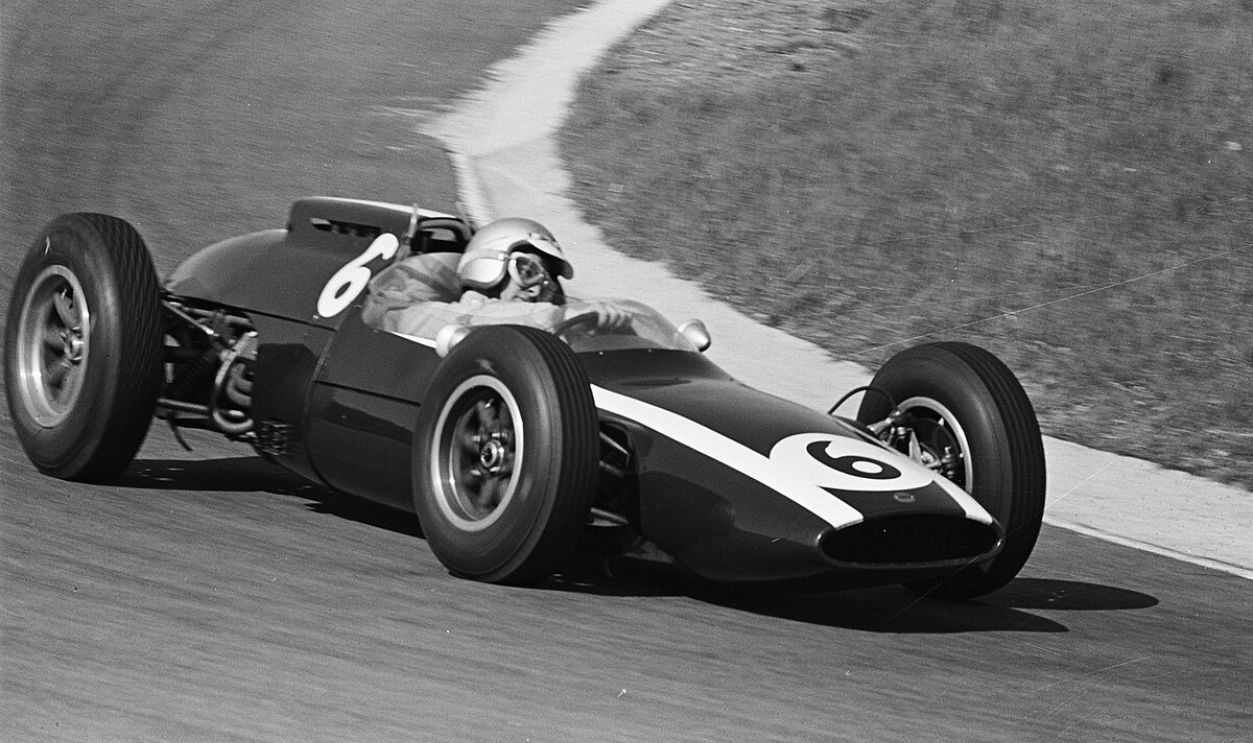 Joop van Bilsen, CC BY-SA 3.0 NL, Wikimedia Commons
2. Establishment of Bruce McLaren Motor Racing
In 1963, Bruce decided to establish Bruce McLaren Motor Racing. To him, the company was more than just a racing team: it signified his passion and drive for motorsports and was an opportunity to push the boundaries of what was possible.
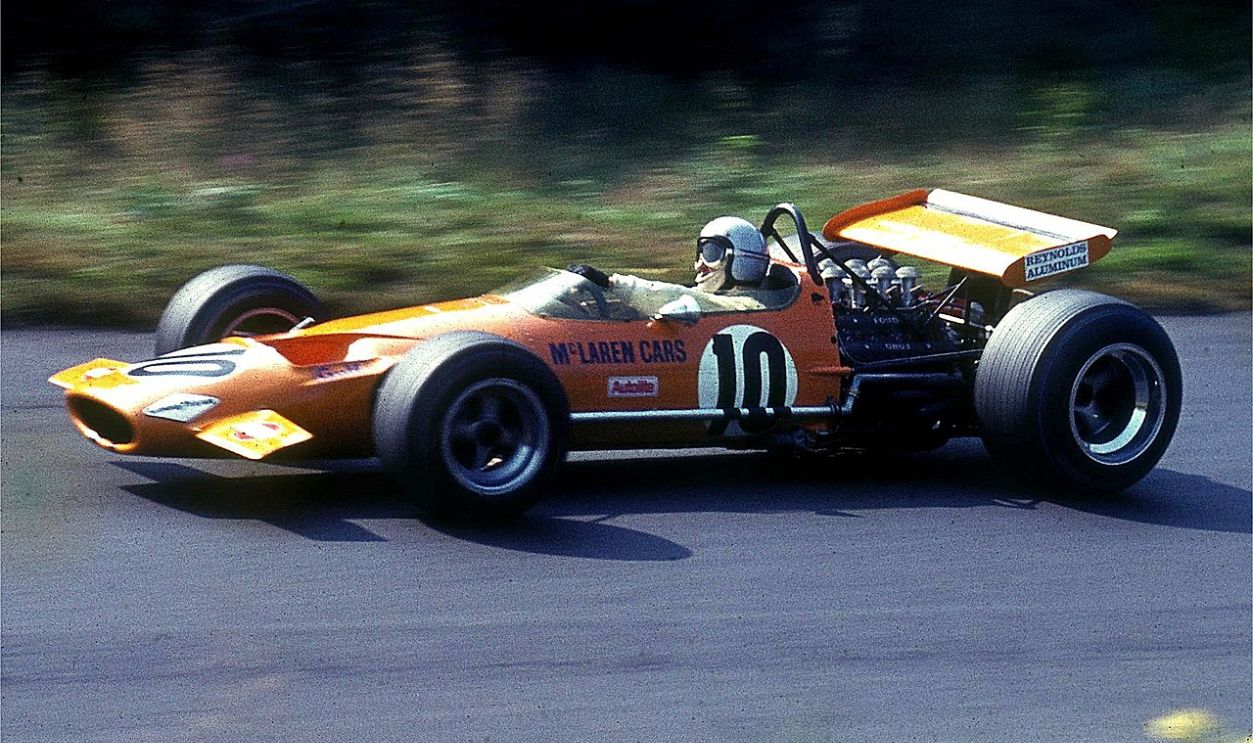 Lothar Spurzem, CC BY-SA 2.0 DE, Wikimedia Commons
3. Early Achievements in Formula 1
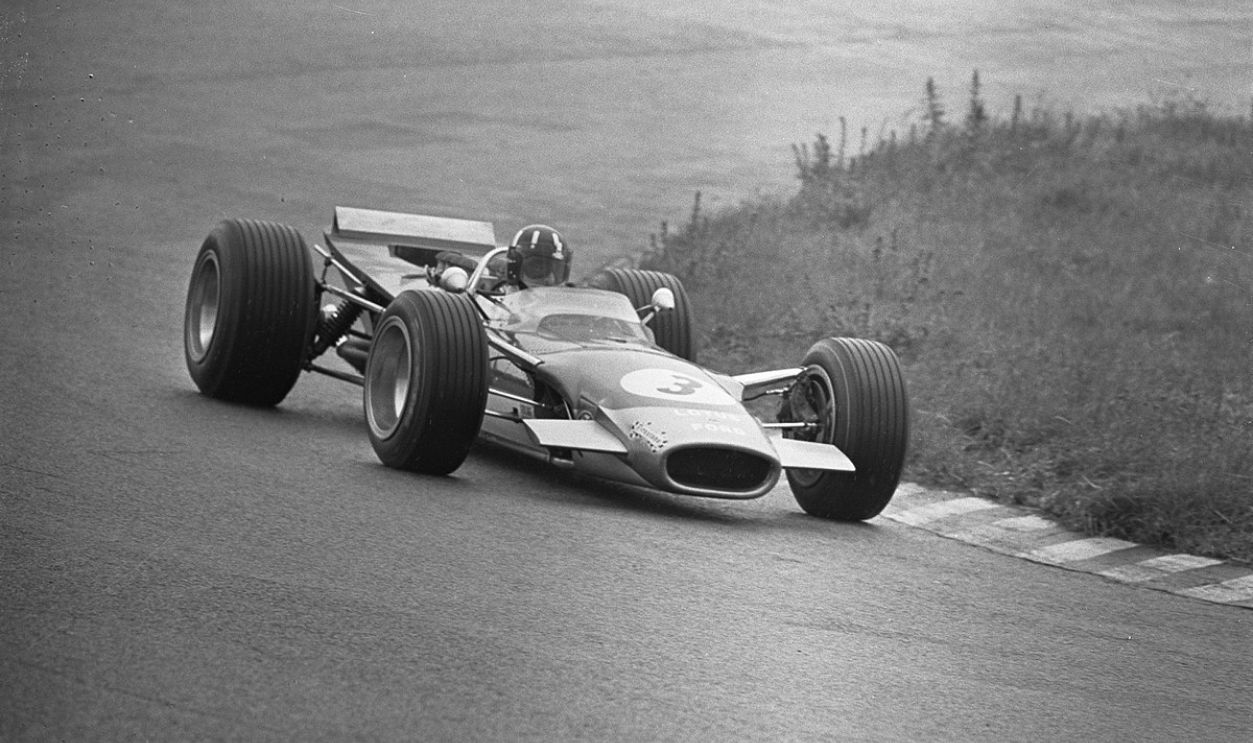
After stepping into the racing world, they came face-to-face with already-established legends. With Bruce behind the wheel, he faced some engine issues during the 1968 Belgian Grand Prix. He overcame mechanical issues and still finished first, marking Bruce McLaren Motor Racing's first F1 victory.
 Joost Evers, CC BY-SA 3.0 NL, Wikimedia Commons
4. Challenges and Setbacks
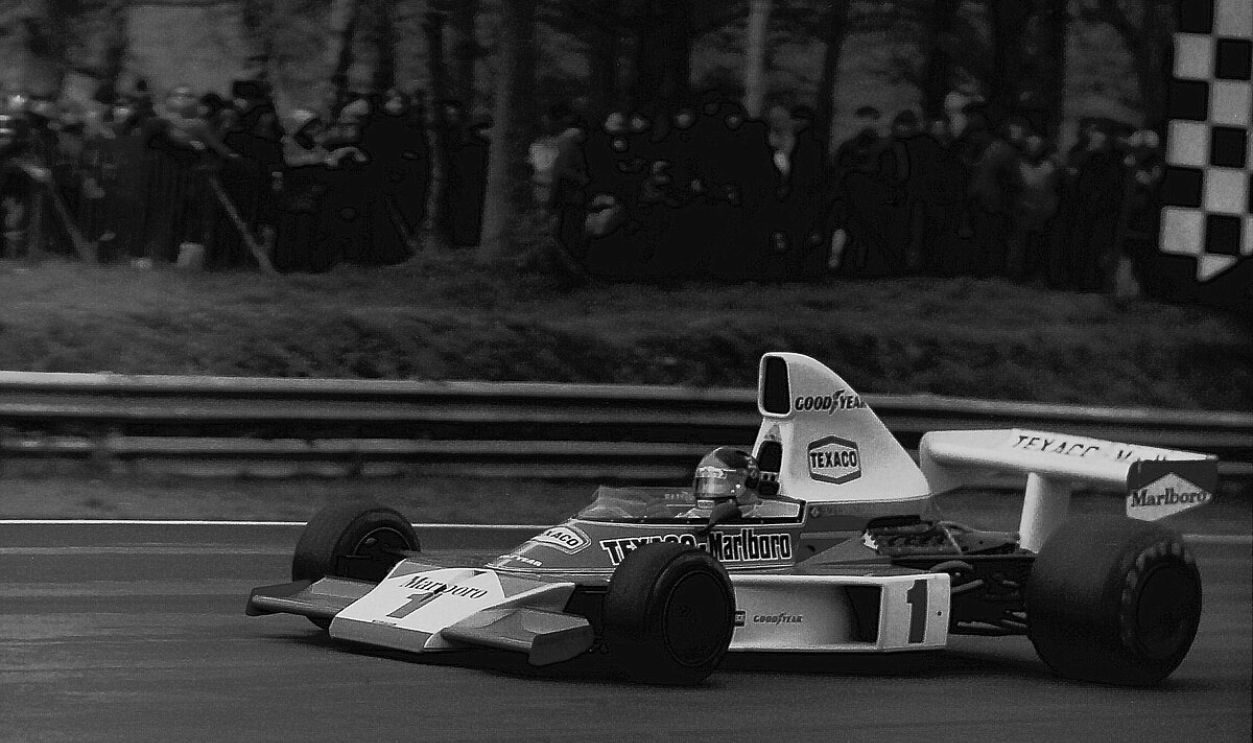
Early success didn’t shield the brand from its share of setbacks. First was financial constraints. Then, technical issues, like engine reliability and aerodynamic inefficiencies. Interestingly, the challenges only fueled McLaren’s determination to innovate.
 Martin Lee, CC BY-SA 2.0, Wikimedia Commons
5. Can-Am Series Success
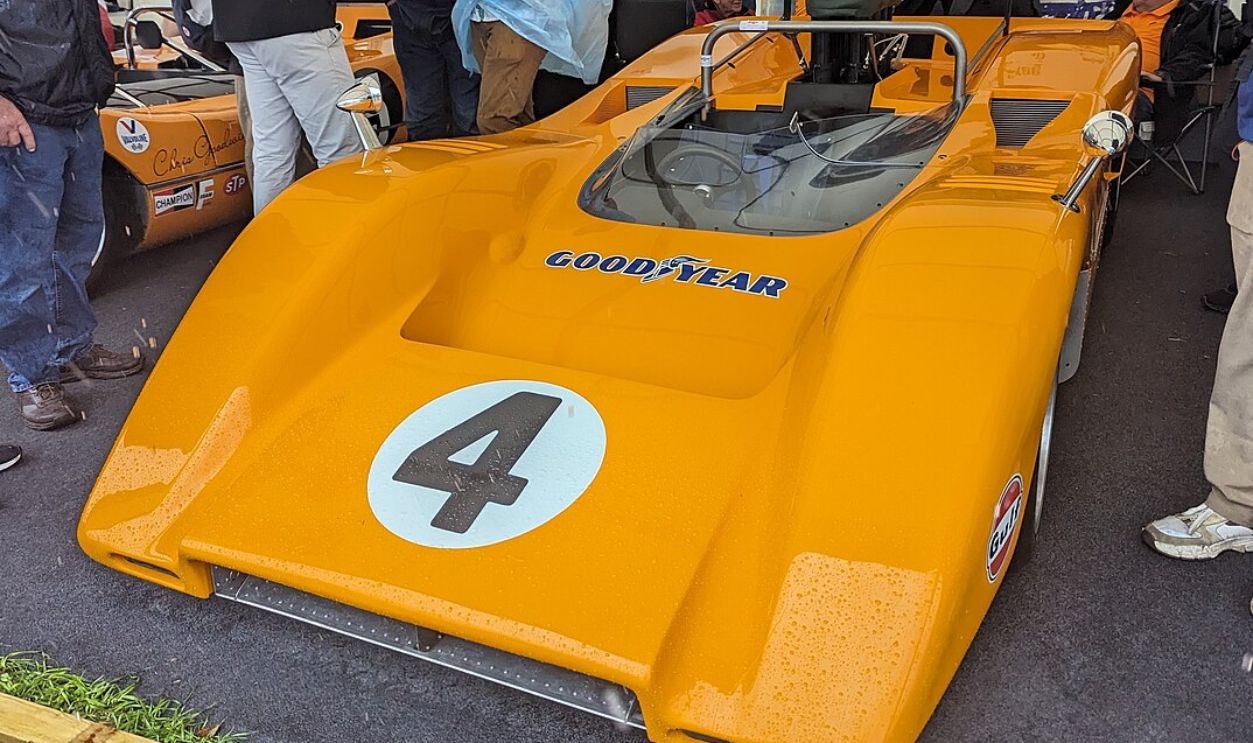
McLaren took the world by storm, winning five consecutive Can-Am Series championships from 1967 to 1971. Using lightweight materials and advanced aerodynamics in the M8A and M8B gave Bruce an edge over competitors and showcased his strategic intelligence.
 Calreyn88, CC BY 4.0, Wikimedia Commons
6. Technological Advancements in Can-Am Vehicles
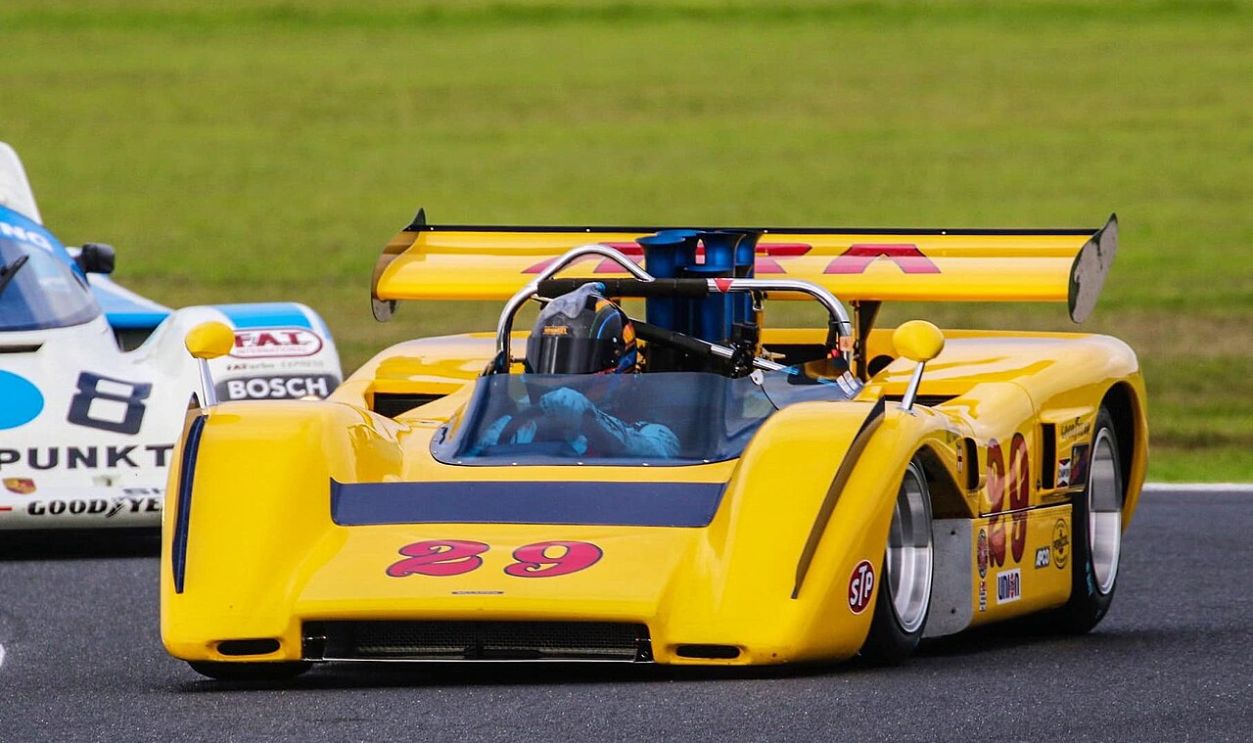
The innovations introduced in the Can-Am cars helped them win the competition. Cars like the M6A had an aluminum monocoque body and a 5.9-liter Chevrolet V8 engine. The M8, which was released later, had more efficient engines and aerodynamic enhancements.
 Peter Jones12, CC BY-SA 4.0, Wikimedia Commons
7. Innovative Racing Technologies
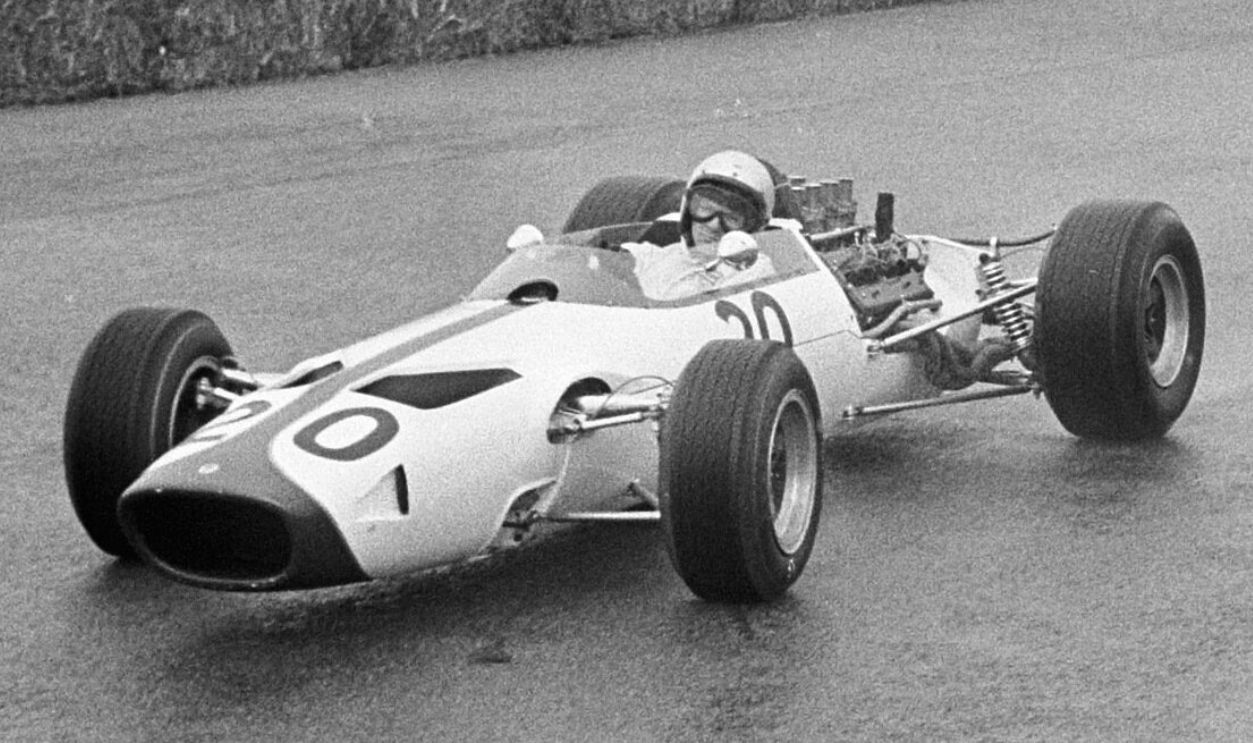
McLaren didn’t just race cars—it reinvented how they were built. By becoming the first team to adopt a carbon fiber monocoque chassis, McLaren created machines that were lighter, stronger, and far safer than anything else on the grid. That breakthrough opened the door to radical advances in aerodynamics and engine design that reshaped modern racing..
 Eric Koch for Anefo, CC0, Wikimedia Commons8. Bruce McLaren’s Death in 1970
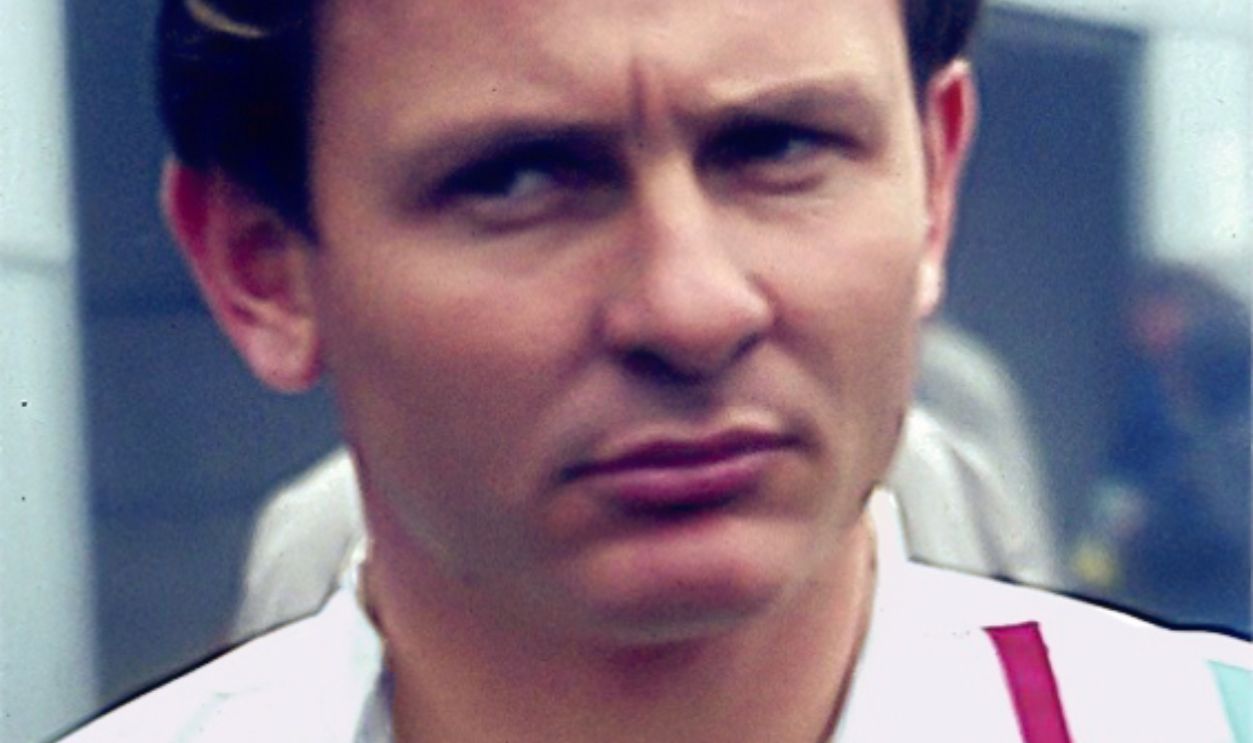
In 1970, the world was treated to the news of Bruce’s tragic passing. He was testing the M8D Can-Am car when a mechanical failure caused him to lose control and crash. It was a huge blow to his team and the racing world.
 Lothar Spurzem, CC BY-SA 2.0 DE, Wikimedia Commons
9. Impact on the Team
Bruce’s passing left a huge gap in the company. For a while, the team found it difficult to make headway. However, the undeterred team continued to pursue excellence in motorsports in Bruce’s honor.
 Gerald Swan, CC BY-SA 3.0, Wikimedia Commons10. Expansion into Other Racing Series
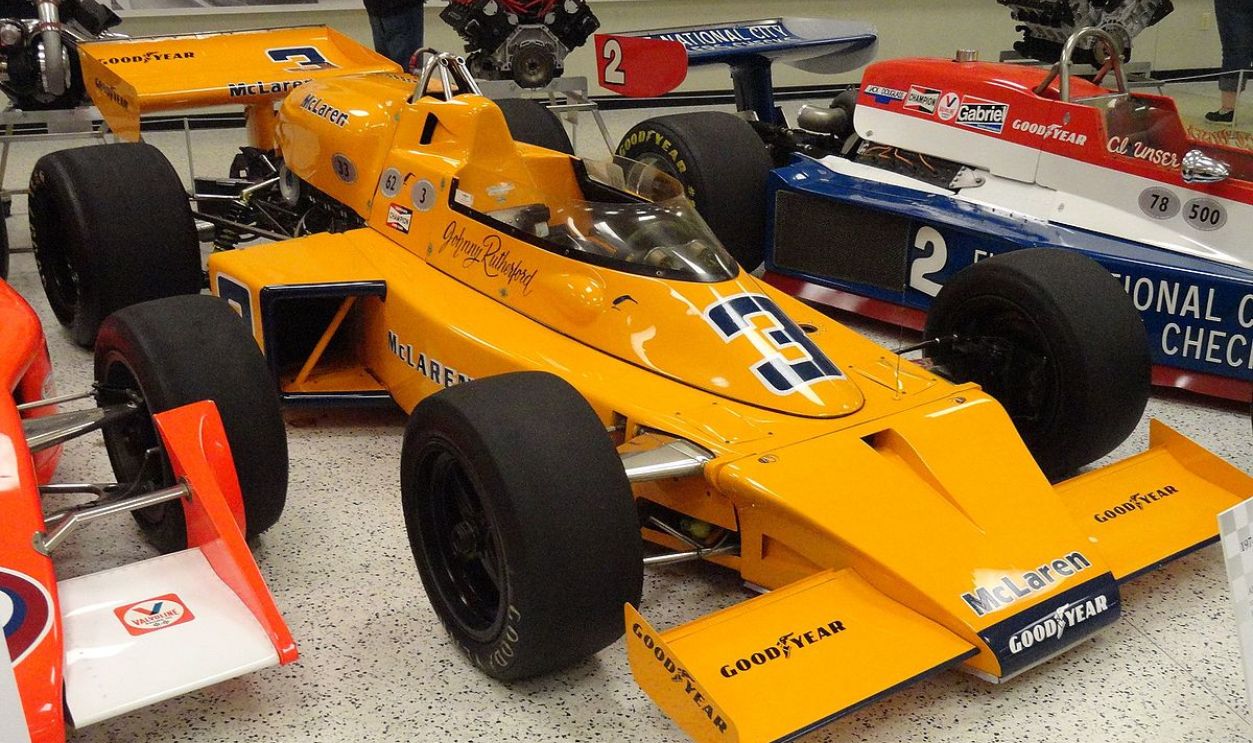
Not satisfied with past wins, McLaren ventured into other prestigious racing series to gain exposure and test their capabilities. They emerged on top at the 1974 Indianapolis 500, this time featuring Johnny Rutherford as the driver.
 NaBUru38, CC BY-SA 4.0, Wikimedia Commons11. Team Expansion and Development
Seeing the need to challenge for championships, McLaren Racing began expanding the team. It hired skilled engineers, mechanics, and designers who could bring fresh ideas to the company. Gordon Coppuck was hired at this time, and he helped design the winning cars of the 1970s.
 Smudge 9000, CC BY 2.0, Wikimedia Commons12. Dominance in the 1970s
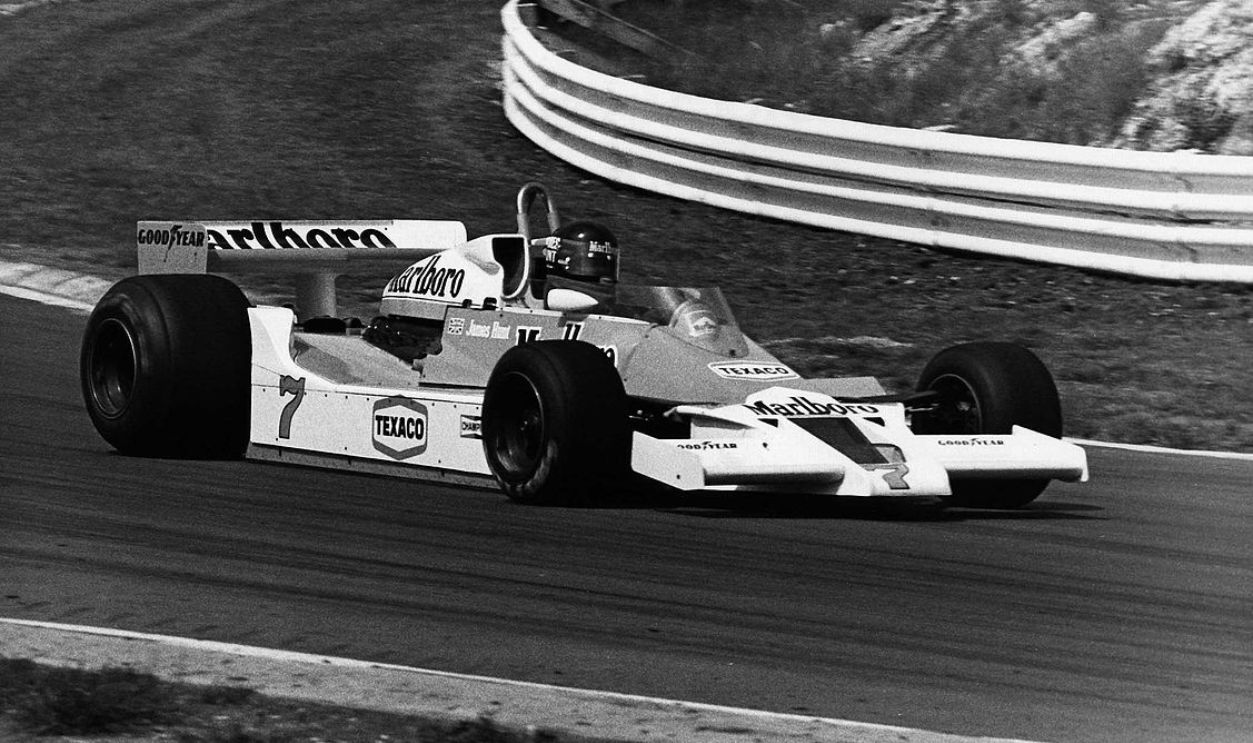
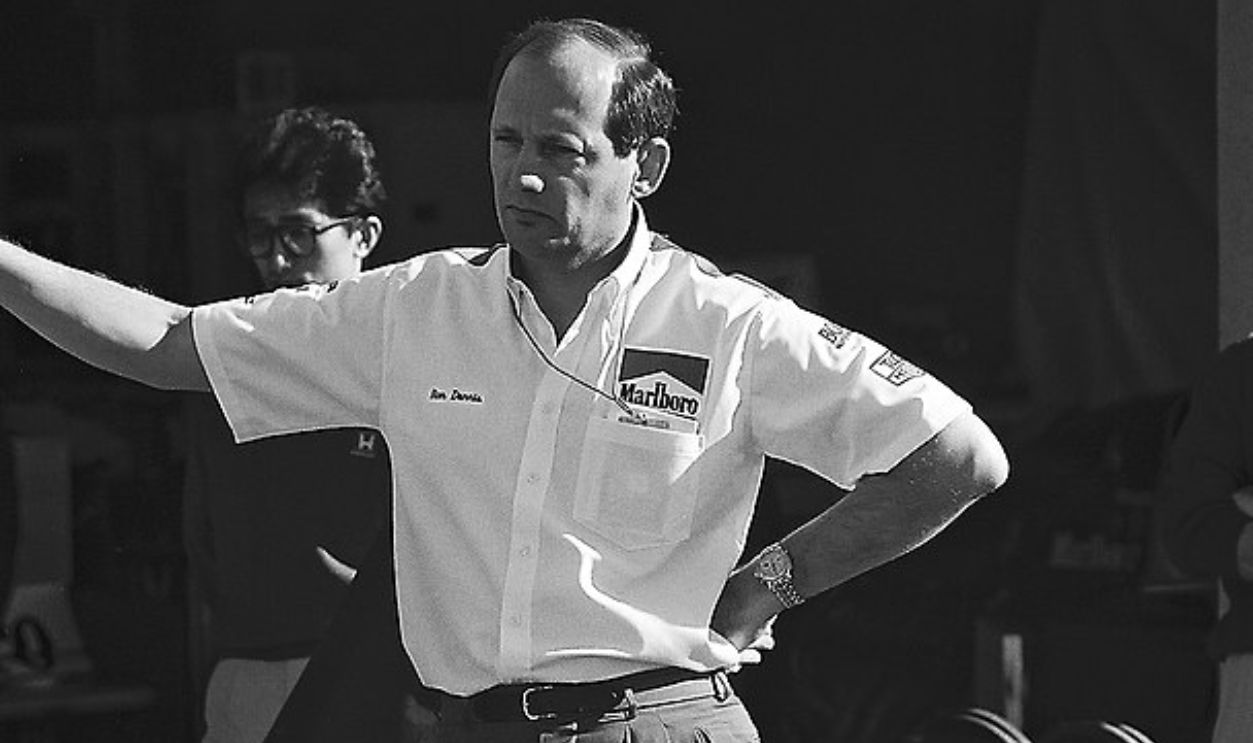
Bruce’s demise notwithstanding, the team continued to innovate and excel. Throughout the 1970s, they achieved great success in Formula 1. Leaders like Teddy Mayer and Ron Dennis maintained the focus on engineering excellence, keeping McLaren in the spotlight.
 StuSeeger, CC BY 2.0, Wikimedia Commons
13. Development of Groundbreaking Cars
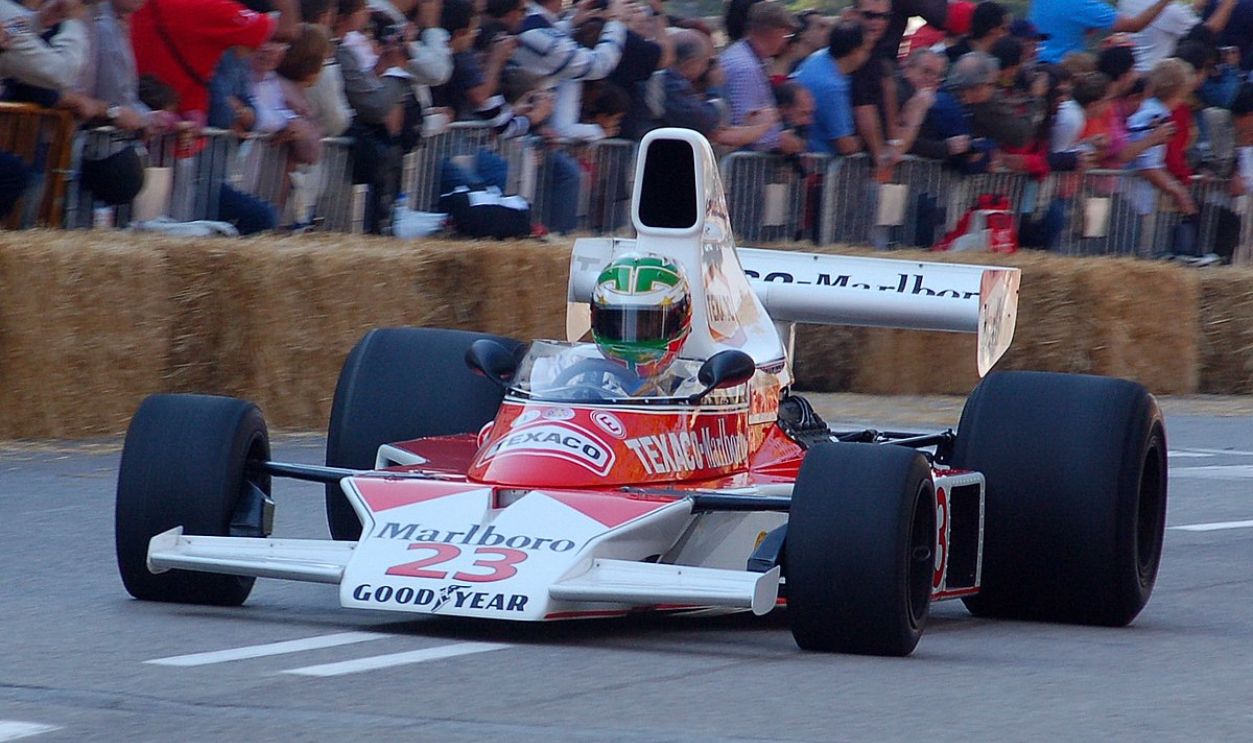
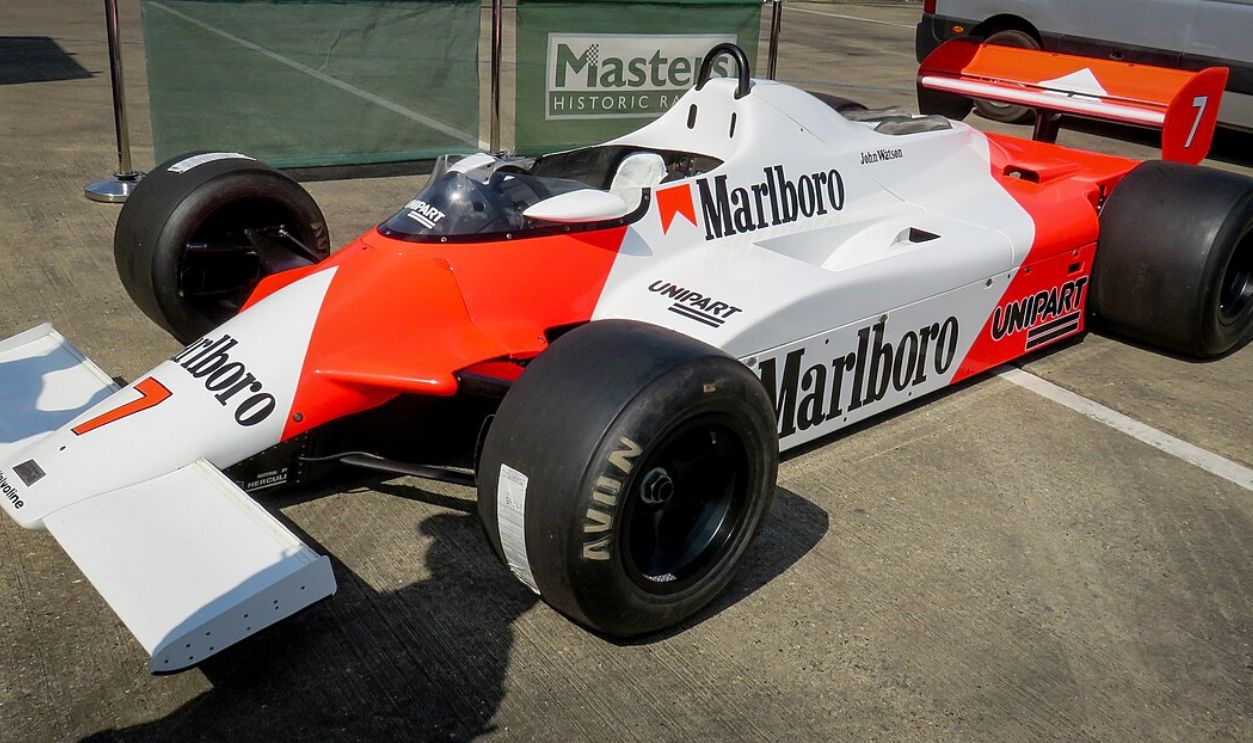
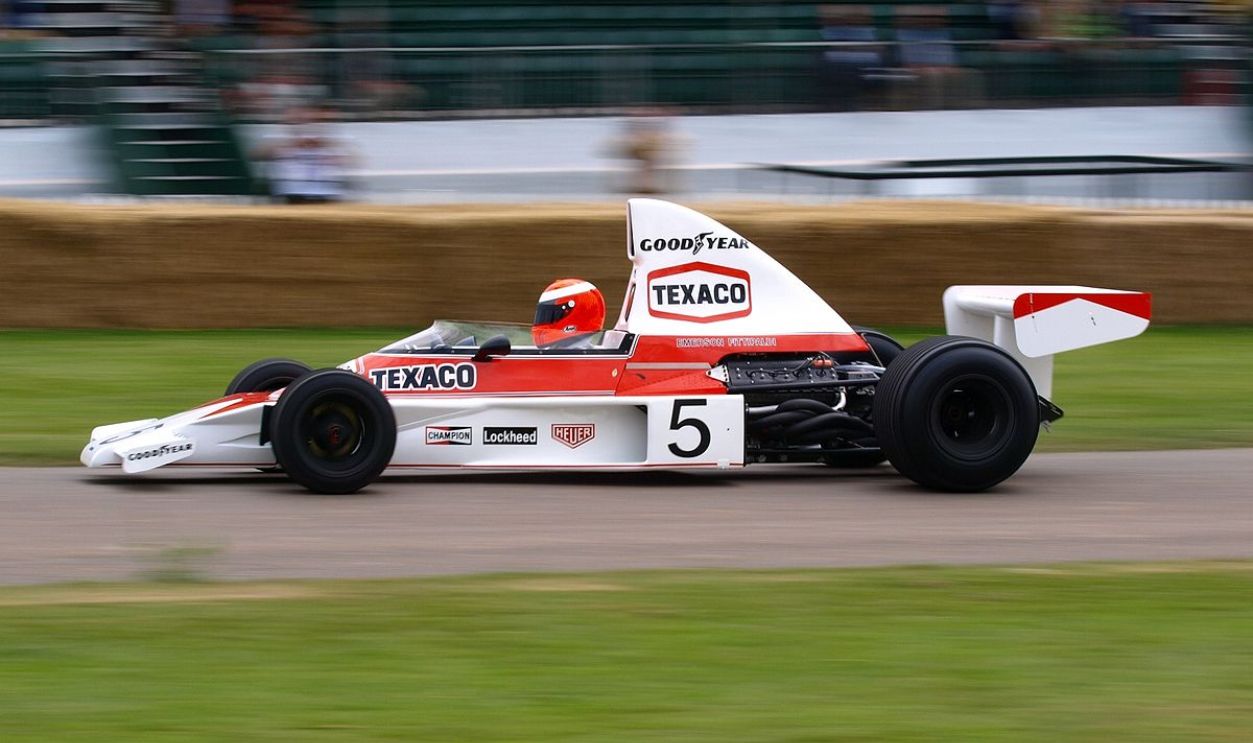
In addition to the 1970s victories, several groundbreaking cars were developed to showcase the brand’s prowess. These include the iconic McLaren M23, one of the brand’s most successful cars, and the McLaren MP4/1, introduced in 1981.
 espinya, CC BY-SA 3.0, Wikimedia Commons14. Key Drivers and Personalities
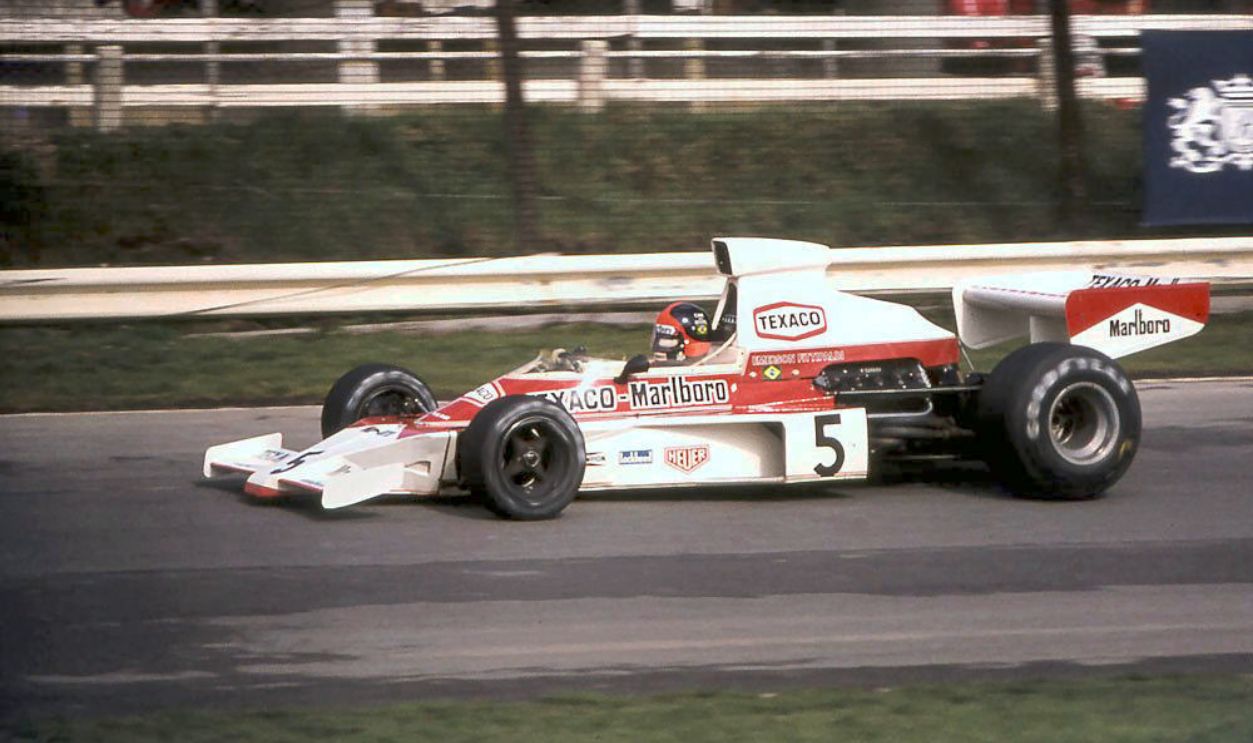
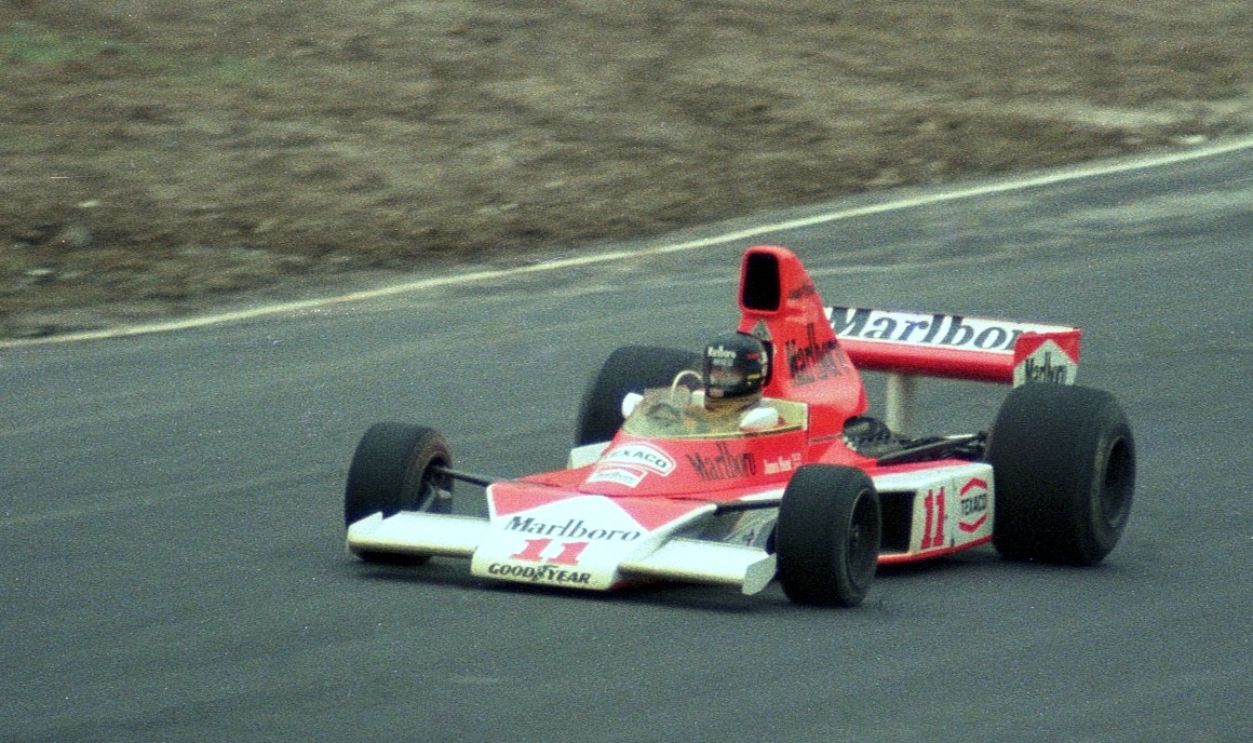
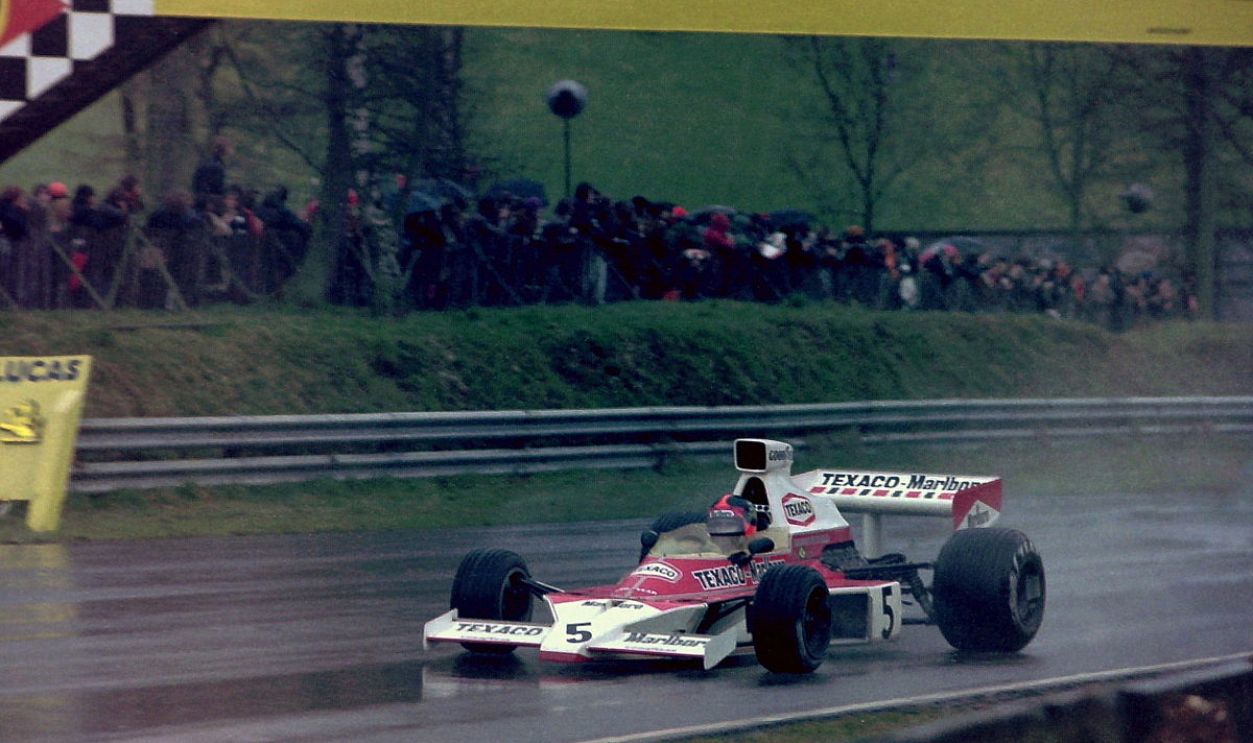
McLaren’s rise wasn’t powered by technology alone—it was driven by extraordinary talent. Drivers like Emerson Fittipaldi, who joined the team in 1974, and the fearless James Hunt, who captured the 1976 Formula 1 World Championship, helped turn McLaren into one of the most famous names in racing.
 Martin Lee, CC BY-SA 2.0, Wikimedia Commons
15. Introduction of Carbon Fiber Technology
The MP4/1 was the first car to feature a carbon fiber monocoque chassis. Many automakers began adopting the innovation because of its advantages. This wide acceptance further elevated McLaren’s reputation as a pioneer in the race car segment.
 Jen Ross, CC BY 2.0, Wikimedia Commons16. Innovations in Aerodynamics and Engine Design
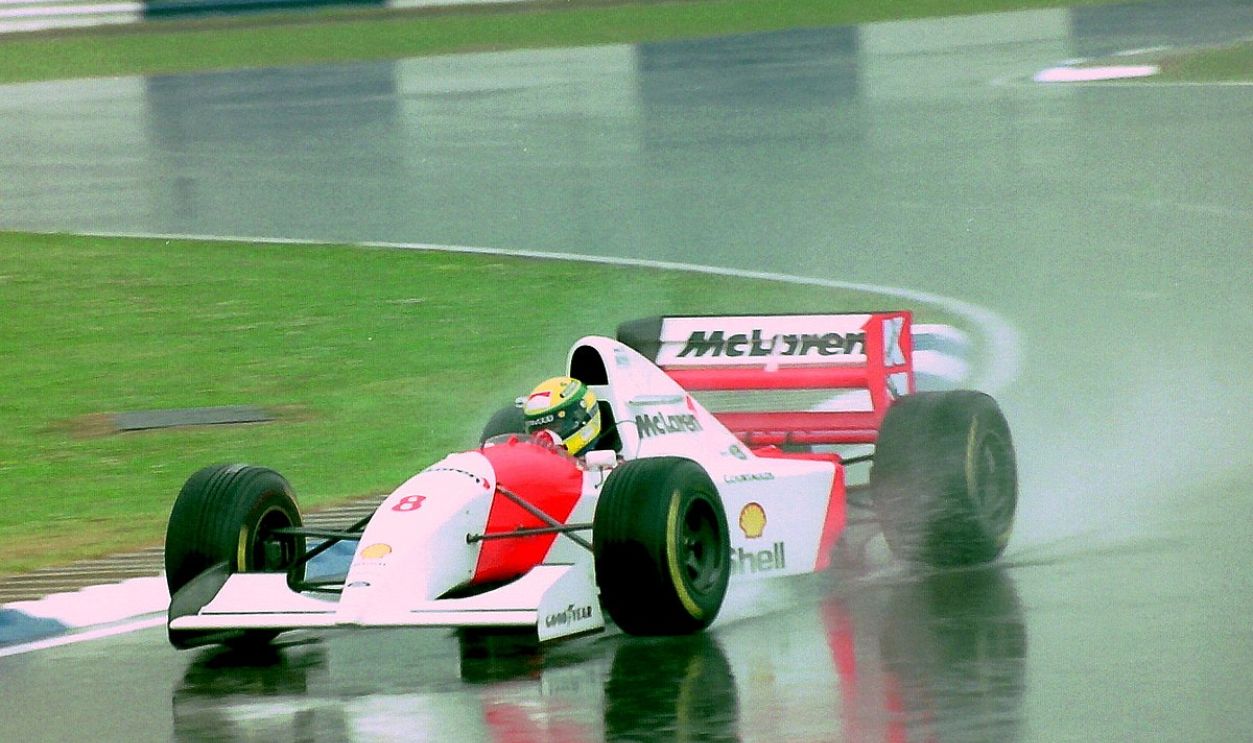
As the team continued to advance in engineering, they introduced many aerodynamic designs in the 1980s and 1990s. McLaren also designed some of the most powerful engines in Formula 1 history.
 Martin Lee, CC BY-SA 2.0, Wikimedia Commons
17. The Role of Technology in McLaren's Success
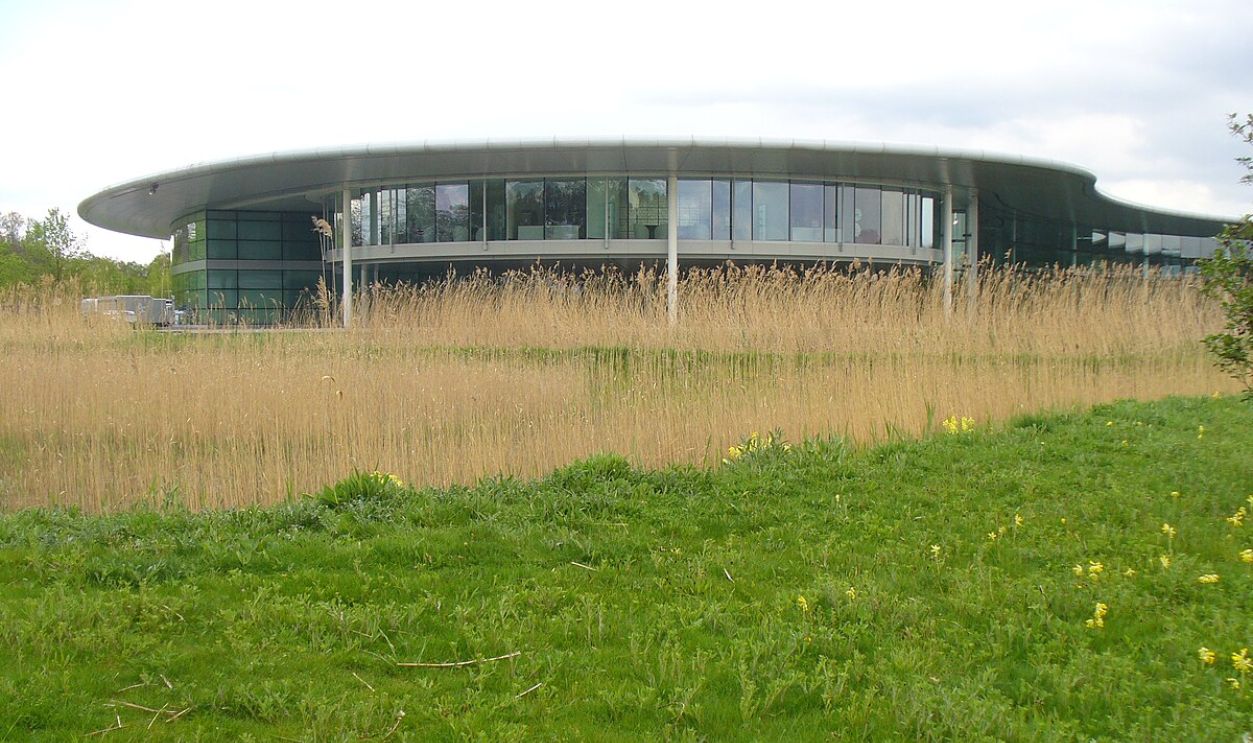
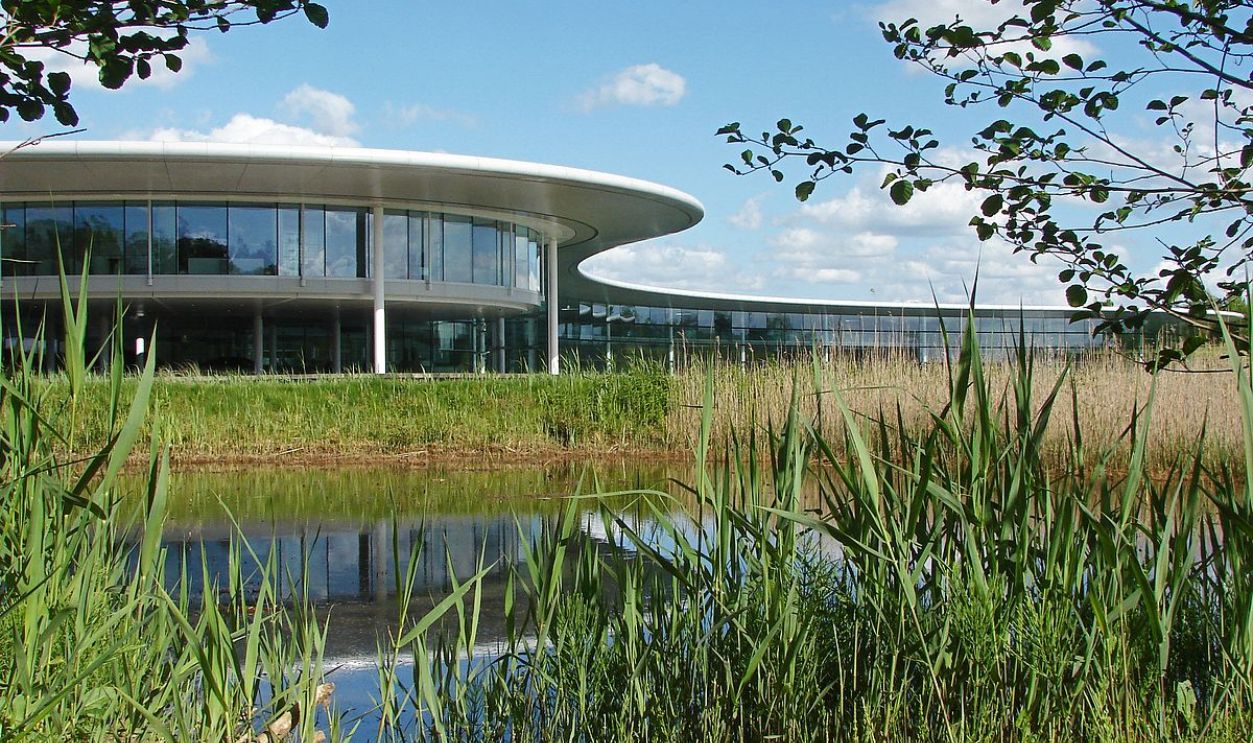
From the onset, an emphasis on technological development spearheaded the success McLaren achieved. Facilities like the McLaren Technology Centre helped engineers and designers work uninterrupted. The result was evident in the cars they released.
 Colin Smith, CC BY-SA 2.0, Wikimedia Commons18. Collaborations with Automotive Brands
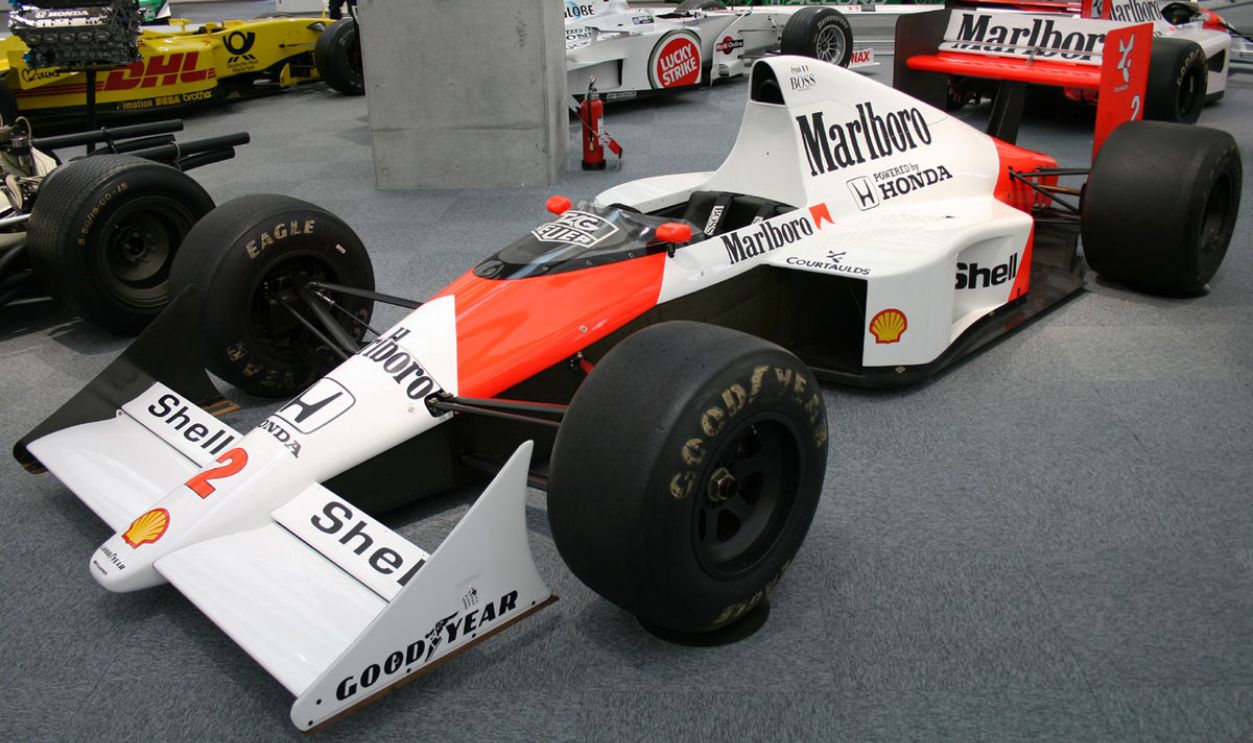
McLaren competed with some automakers and collaborated with others. Partnering with Honda in the late 1980s and early 1990s resulted in several Formula 1 victories. And the collaboration with Mercedes-Benz birthed the legendary Mercedes-Benz SLR McLaren.
 Morio, CC BY-SA 3.0, Wikimedia Commons19. The Impact of Sponsorship and Branding
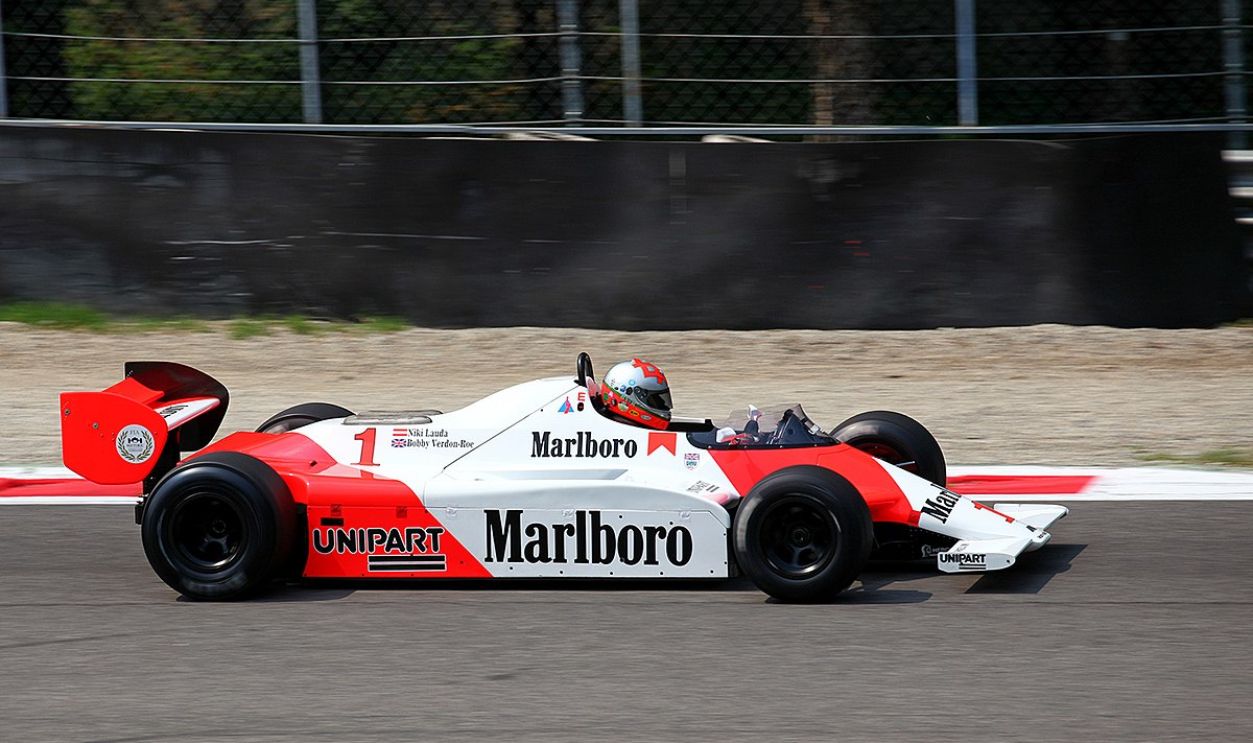
McLaren’s numerous victories attracted several sponsorships and branding opportunities. Top sponsors included brands like Marlboro, Vodafone, and TAG Heuer, which helped McLaren achieve financial stability and global fame and reinforced the company’s image as a premium brand.
 bibendum84, CC BY-SA 2.0, Wikimedia Commons
20. The Birth of McLaren Automotive
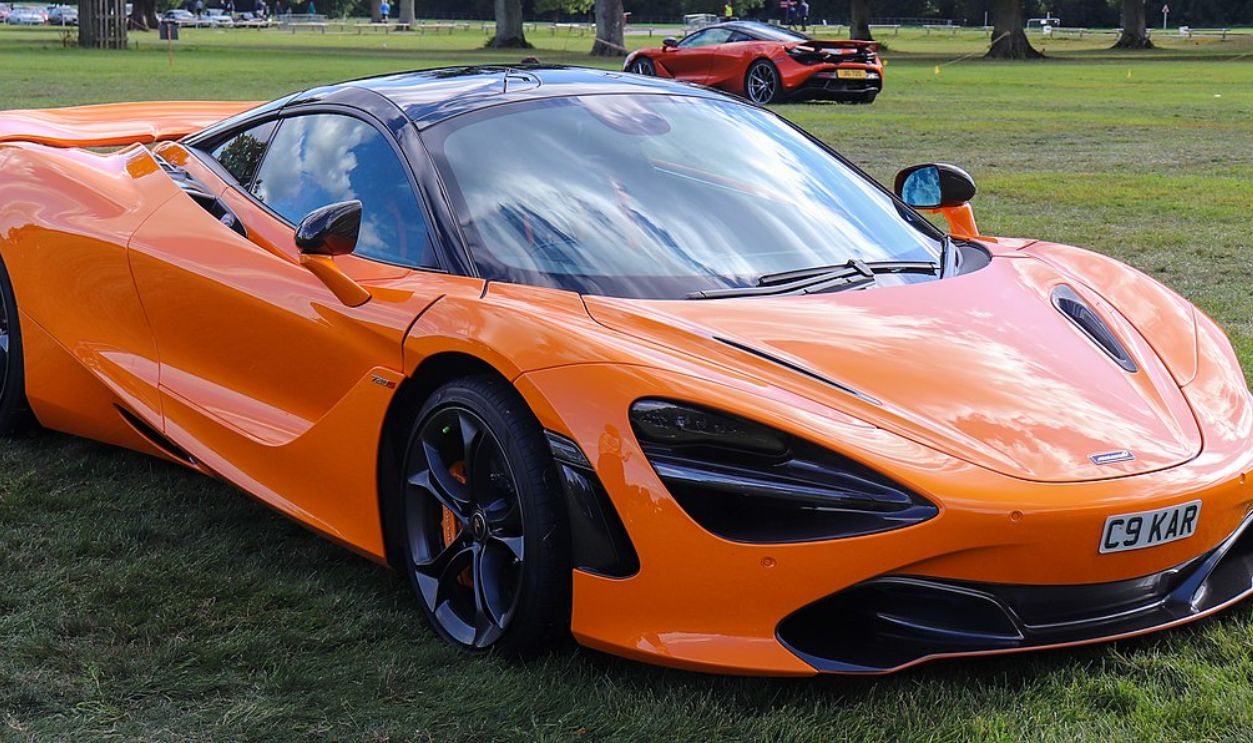
Success makes one hungry for more. And in McLaren's case, success on the tracks made them hungry for success on the road. So, relying on their experience with sports cars, they decided to start a new arm called McLaren Automotive.
 Vauxford, CC BY-SA 4.0, Wikimedia Commons
21. Iconic Models: The McLaren P1, 720S, and More
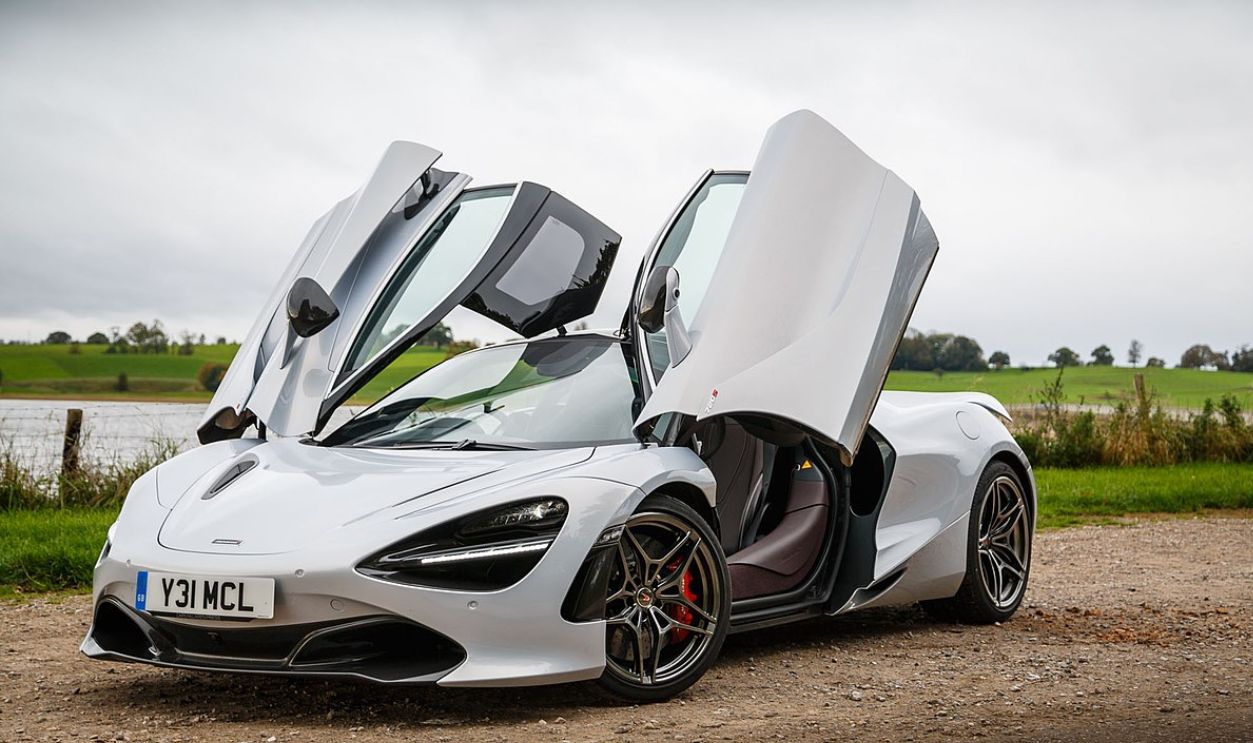
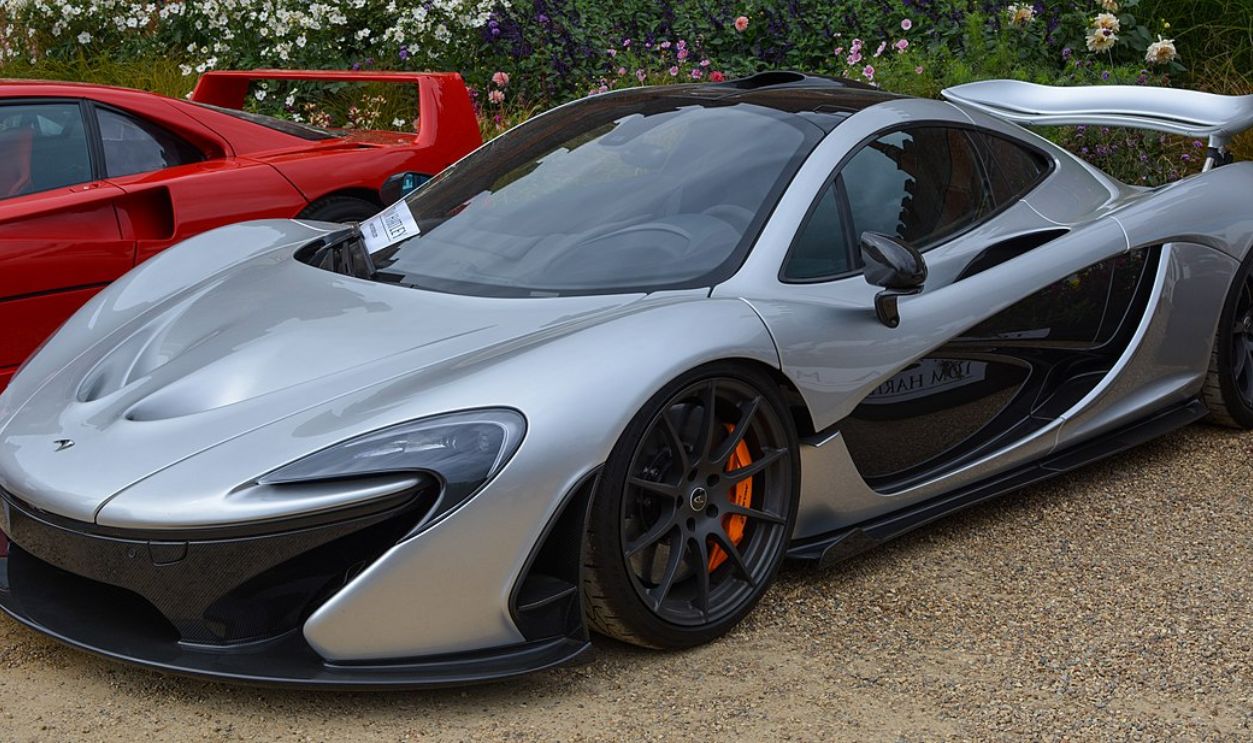
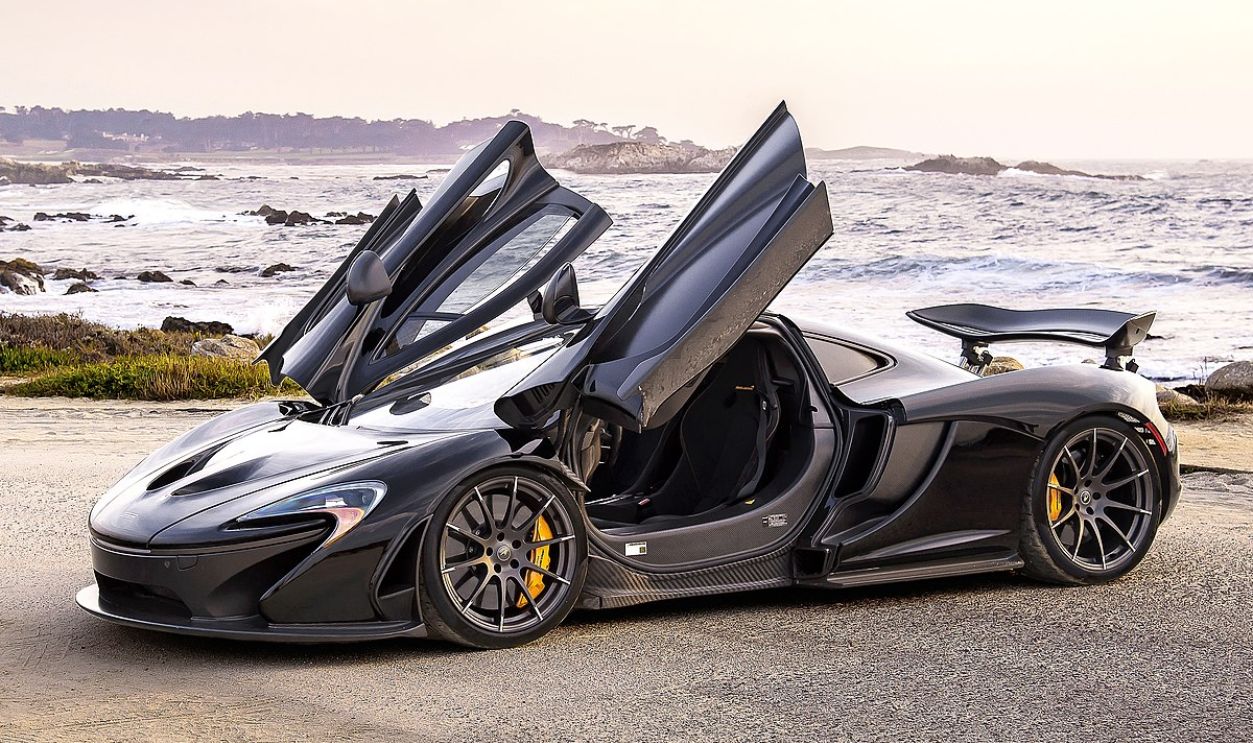
Two of McLaren Automotive’s most standout creations, the P1 and the 720S, showcased the brand’s obsession with speed and innovation. Both featured twin-turbo V8 engines and aggressive aerodynamics, but each took a different path—the P1 broke new ground as a hybrid hypercar, while the 720S pushed performance further with its ultra-light carbon-fiber body.
 Motor Verso, CC BY 2.0, Wikimedia Commons22. Sustainability Initiatives and Goals
McLaren threw its weight behind the call for sustainable industrial practices. Launching hybrid vehicles and introducing sustainable methods in the design and production process buttressed this commitment to reducing emissions. It also showed the company's capacity in electric technology.
 Chelsea Jay, CC BY-SA 4.0, Wikimedia23. The Role of Hybrid and Electric Technologies
Global calls for sustainable transportation solutions inspired the brand to produce hybrid and electric vehicles. Additionally, the highly successful McLaren P1, the team's first hybrid car, paved the way for more future releases.
 Tony Patt, CC BY 2.0, Wikimedia Commons24. Emerson Fittipaldi's Championship (1974)
When Emerson joined the team in 1974, Emerson stirred great joy and expectations. He helped the team win the World Drivers’ Championship, a remarkable win for the company. Interestingly, it was their first win ever in this category.
 Martin Lee, CC BY-SA 2.0, Wikimedia Commons25. Development of Competitive F1 Cars: M23 and Beyond
Gordon Coppuck was the brain behind the M23. Released in 1973, it quickly became highly successful, surpassing many before it. It had advanced aerodynamics, a lightweight body, and a powerful Ford Cosworth DFV engine.
 Darren, CC BY 2.0, Wikimedia Commons26. Niki Lauda and Alain Prost Era
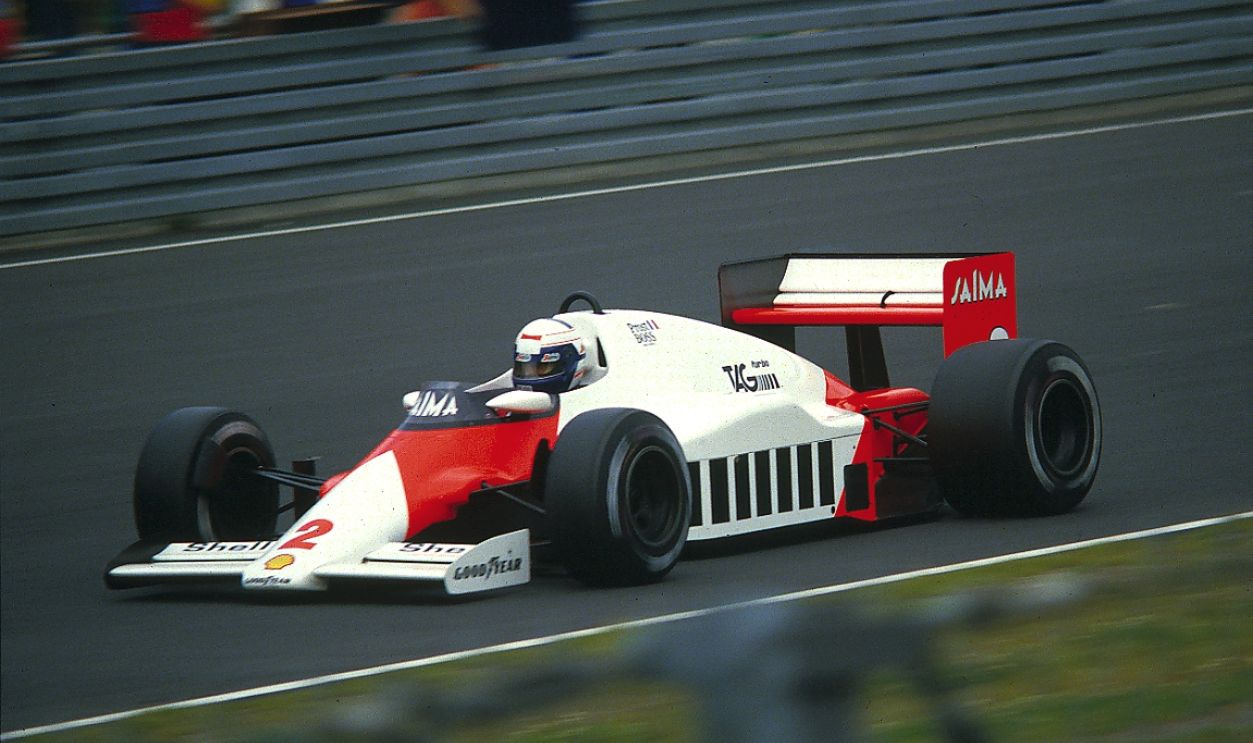
Niki Lauda and Alain Prost worked closely together to bring back wins. Niki was already a world champion and was experienced at sports car setups. He won the championship in 1984, while Alain won it in 1985 and 1986.
 Lothar Spurzem, CC BY-SA 2.0 DE, Wikimedia Commons
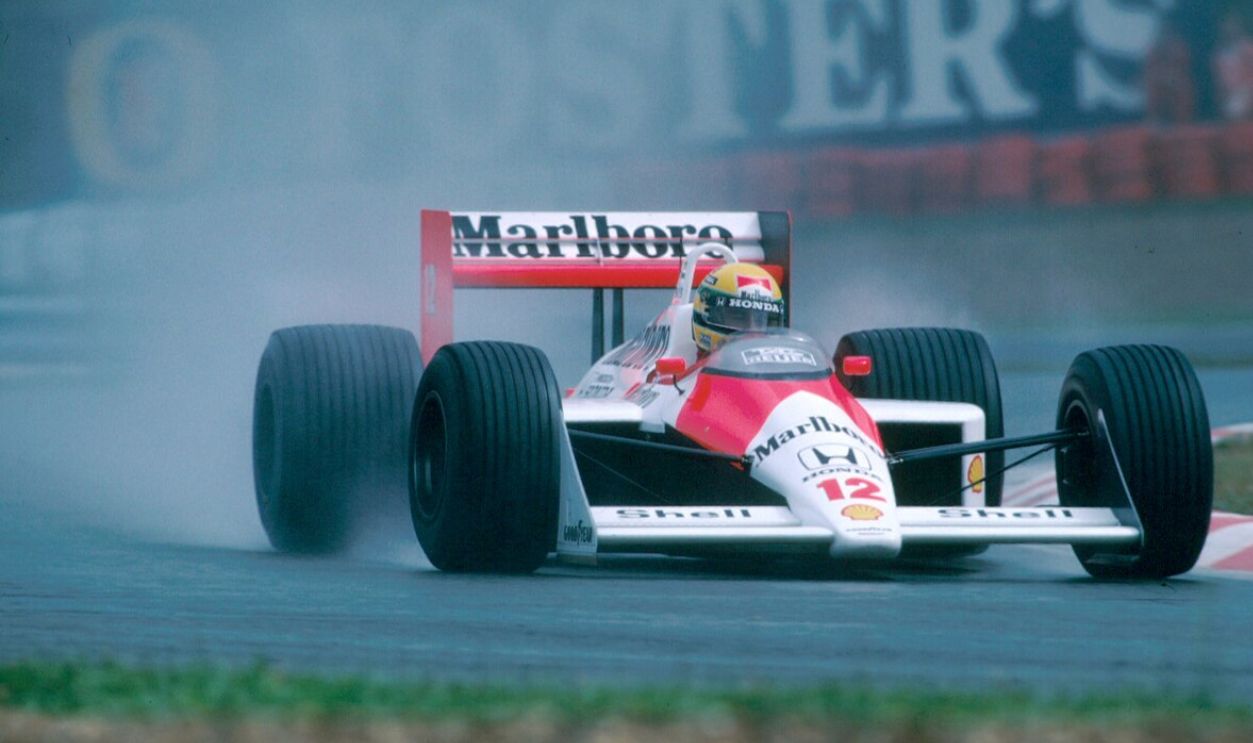
27. Ayrton Senna's Arrival and Victories
Ayrton Senna joined the team in 1988. He and Alain Prost were an enviable team that scared opponents. Together, they won 15 out of 16 races that season. But all wasn't always rosy between Alain and Senna.
 Instituto Ayrton Senna, CC BY 2.0, Wikimedia Commons28. Alain Prost and Ayrton Senna Rivalry
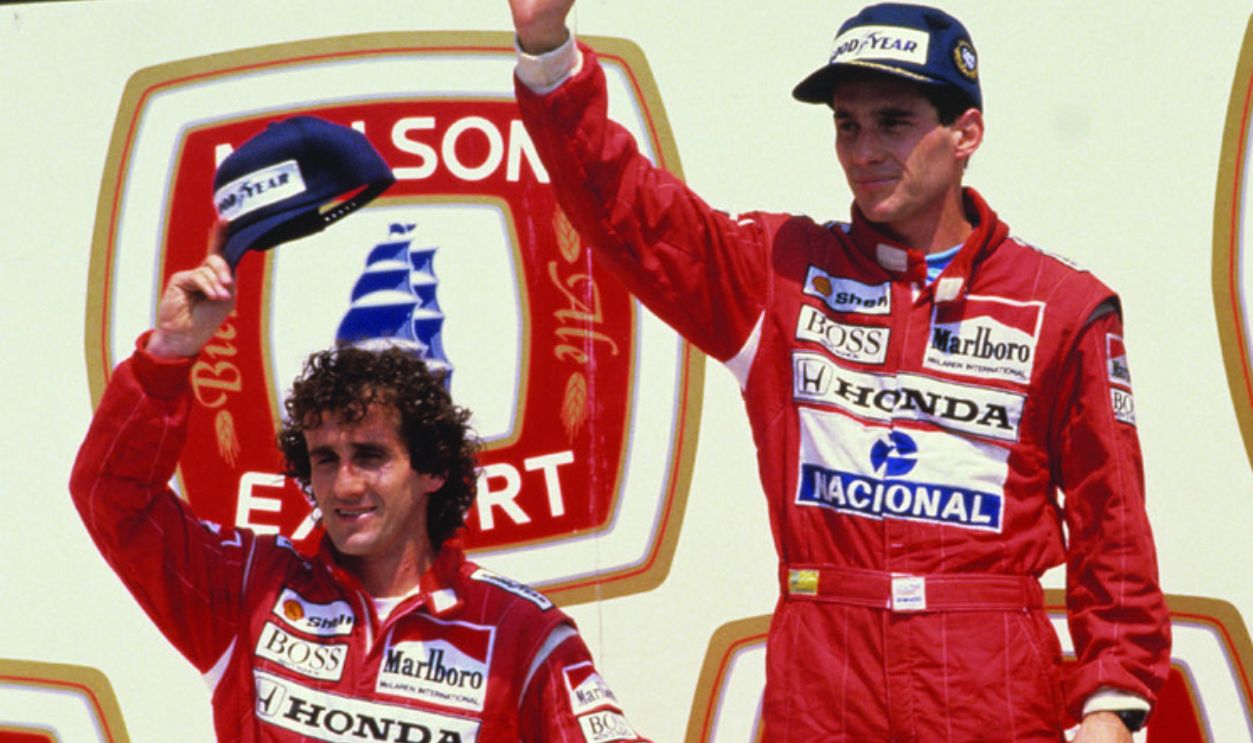
Alain Prost and Ayrton Senna were champions in every sense of the word—but they couldn’t have been more different. Both men were obsessed with claiming the number-one role at McLaren, and that collision of talent, ego, and ambition ignited a rivalry so fierce it became one of the most intense in Formula 1 history.
 Angelo Orsi, CC BY 2.0, Wikimedia Commons29. Championship Wins in the Turbo Era
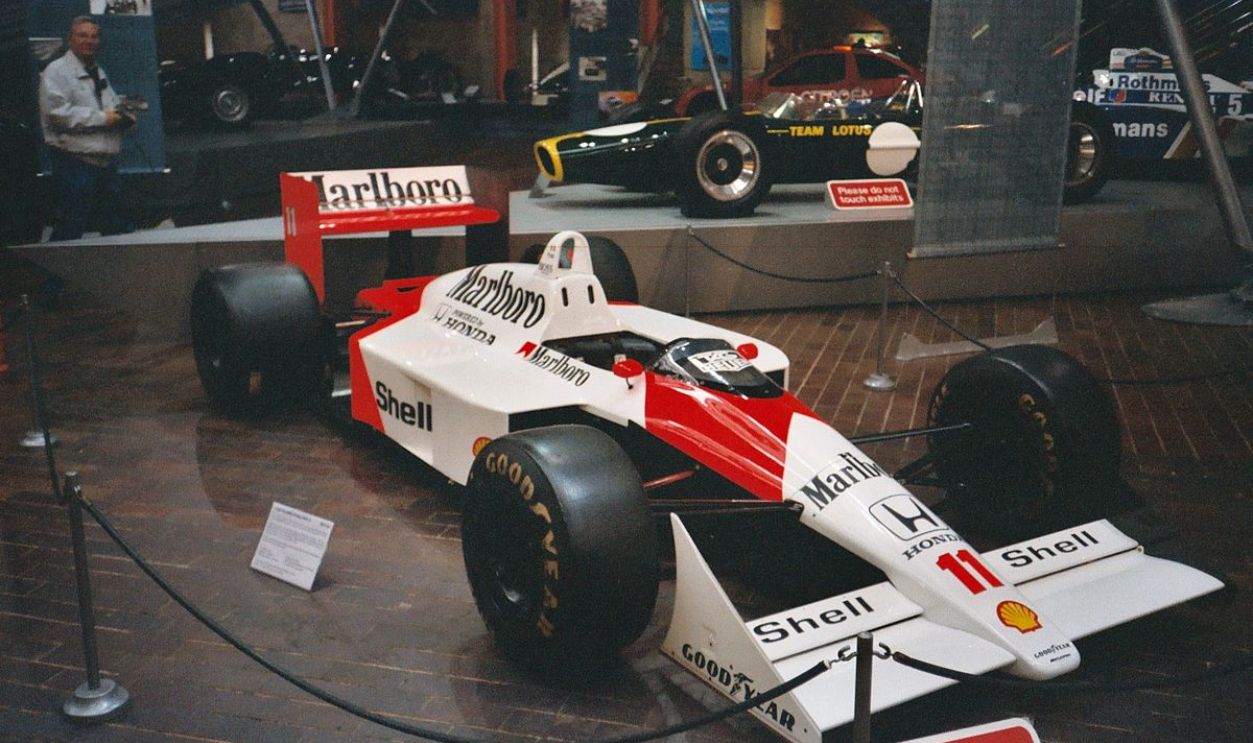
McLaren led the turbo with a series of victories from 1988 to 1991. The company's success was partly due to its partnership with Honda, which afforded its strong engine and its uncanny ability to adapt. They’d come to appreciate these later.
 Midx1004, CC BY-SA 3.0, Wikimedia Commons30. Impact of Rule Changes on McLaren's Strategy
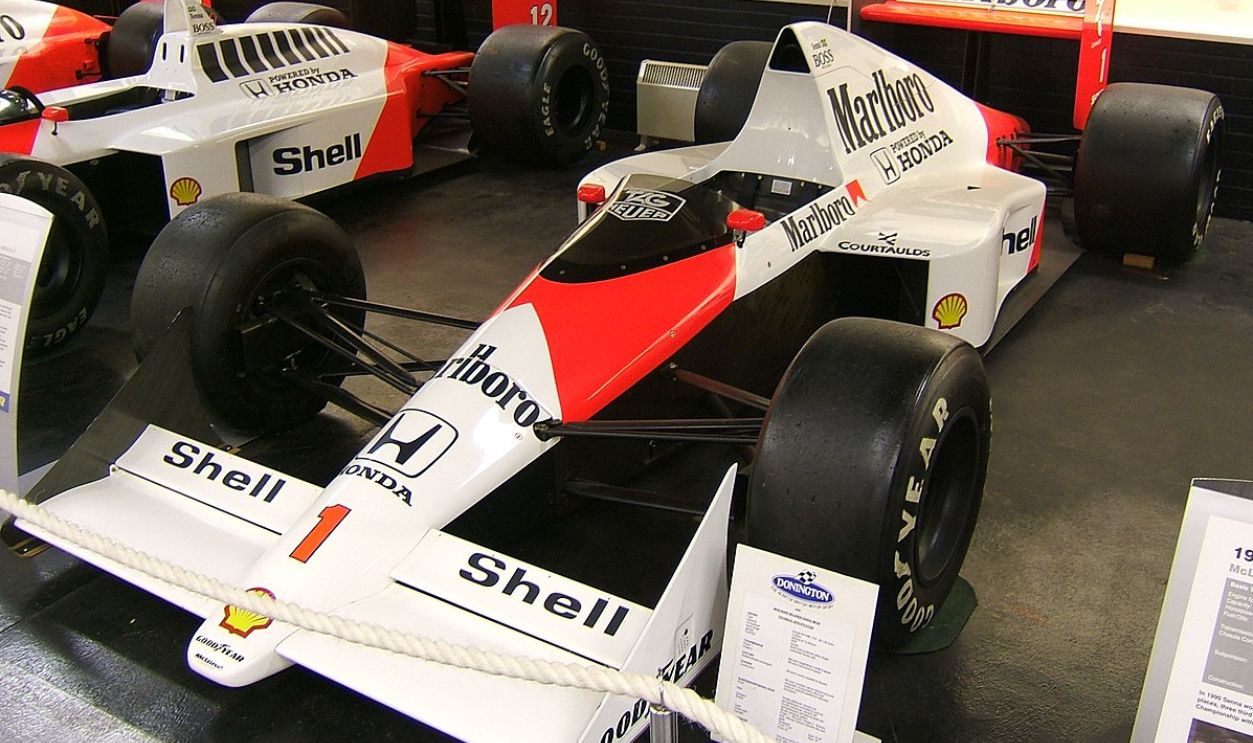
During the 1989 season, the FIA banned turbo engines and told racers to use naturally aspirated engines instead. While others scrambled for solutions, McLaren fell back on its partnership with Honda, and the duo built the MP4/5.
 John Chapman (Pyrope), CC BY-SA 3.0, Wikimedia Commons31. Using The Naturally Aspirated Engines
In place of the turbocharged engine, McLaren installed Honda's naturally aspirated V10. Its performance and efficiency gave the racing team the edge on the track. Several aerodynamic changes were also added to complement the new powerhouse.
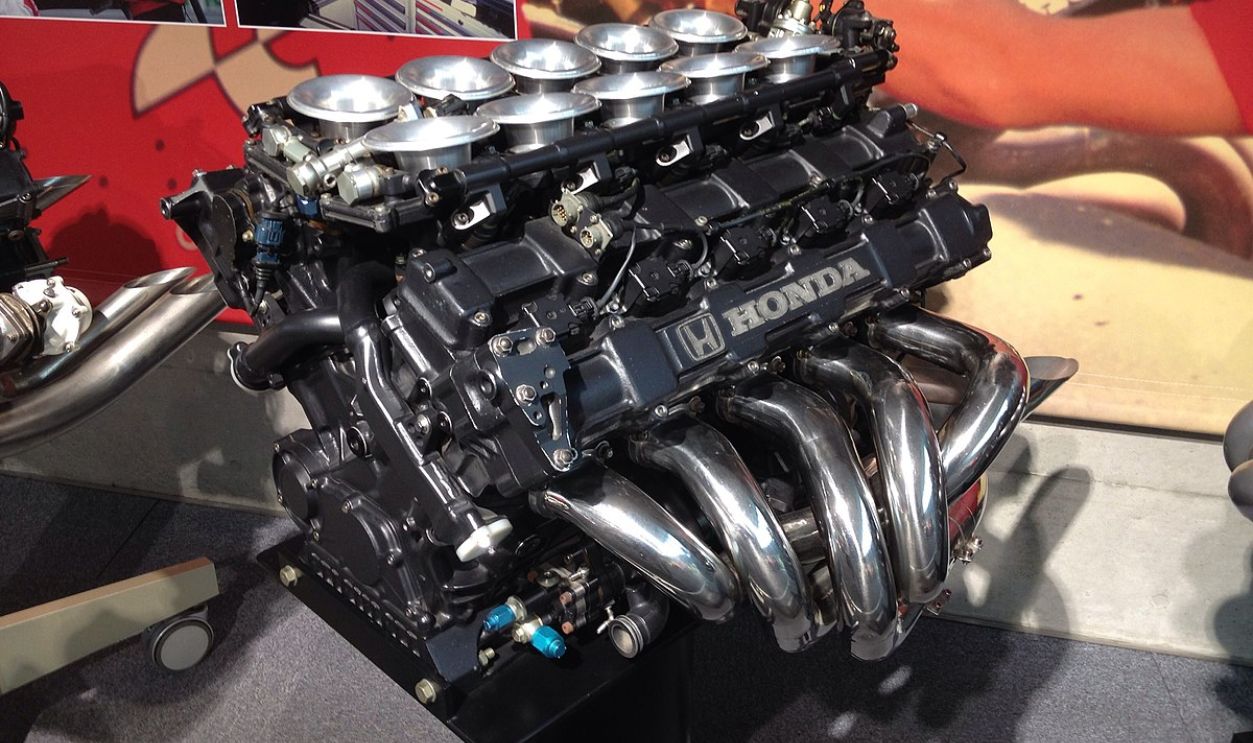 Iwao, CC BY-SA 2.0, Wikimedia Commons32. Ayrton Senna's 1991 Championship
The 1991 championship was important in Senna's career and McLaren's history. Although the season was fiercely contested, Senna once again displayed his excellence. His victory at Monaco and Spa-Francorchamps was his first trophy for McLaren.
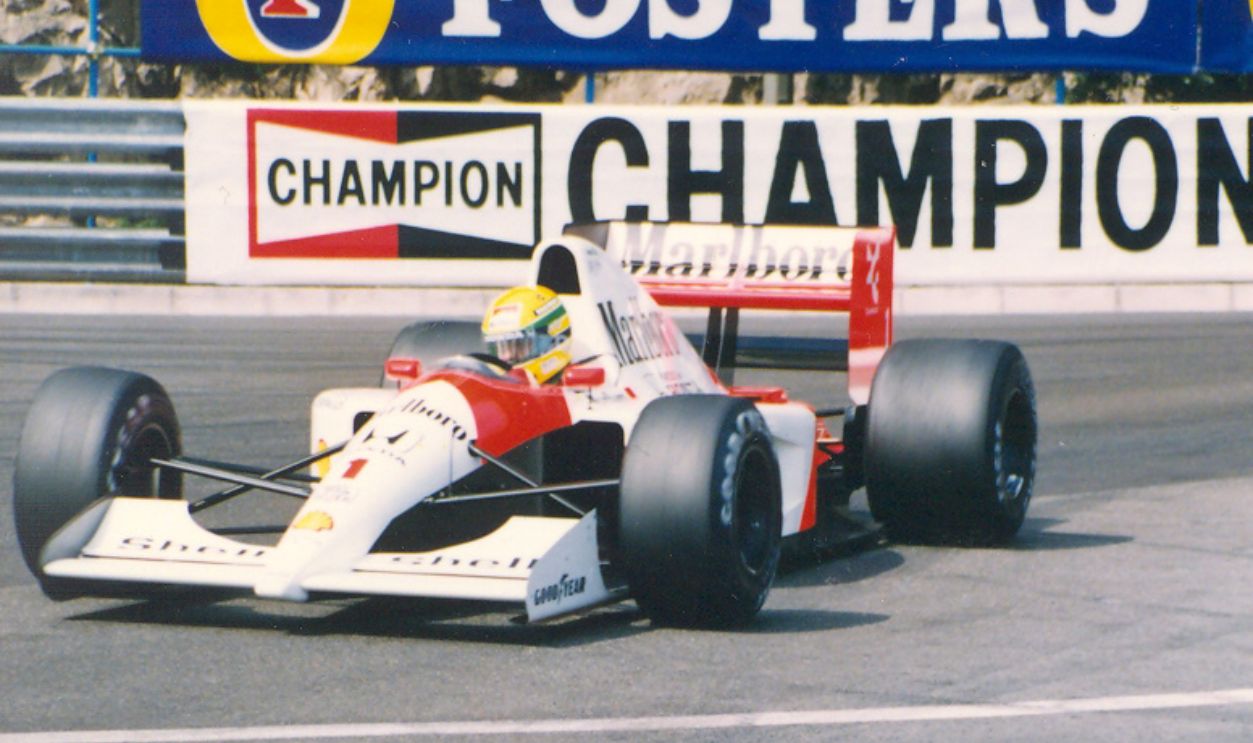 Jmex60, CC BY-SA 3.0, Wikimedia Commons33. Success in GT Racing
McLaren featured the McLaren F1 GTR to guarantee success in GT endurance racing. With a powerful engine and lightweight build, the car emerged victorious at the 24 Hours of Le Mans in 1995.
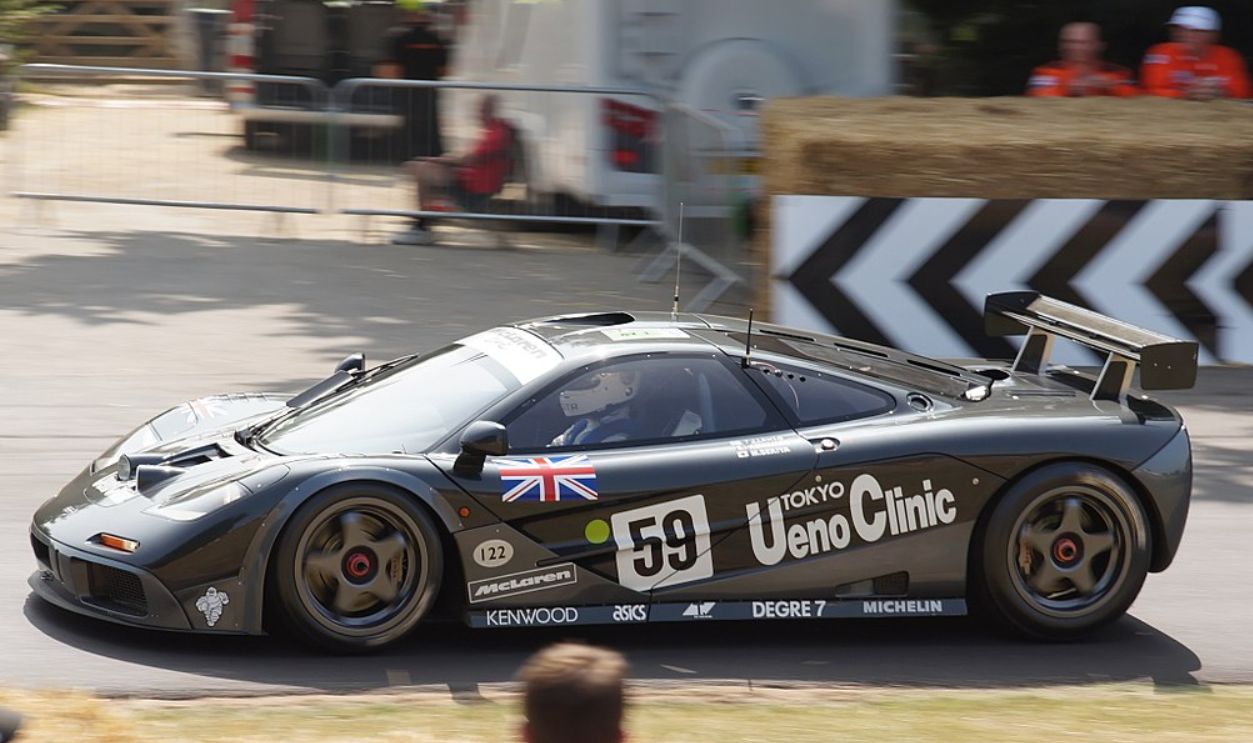 youkeys, CC BY 2.0, Wikimedia Commons34. Engineering Excellence: The MP4/6
The MP4/6 introduced at the 1991 Formula 1 season was Senna's ride to victory. This ride had Honda's V12 engine, sporting several upgrades from the previous naturally aspirated powerhouses. It also had hybrid technologies later adapted by competitors.
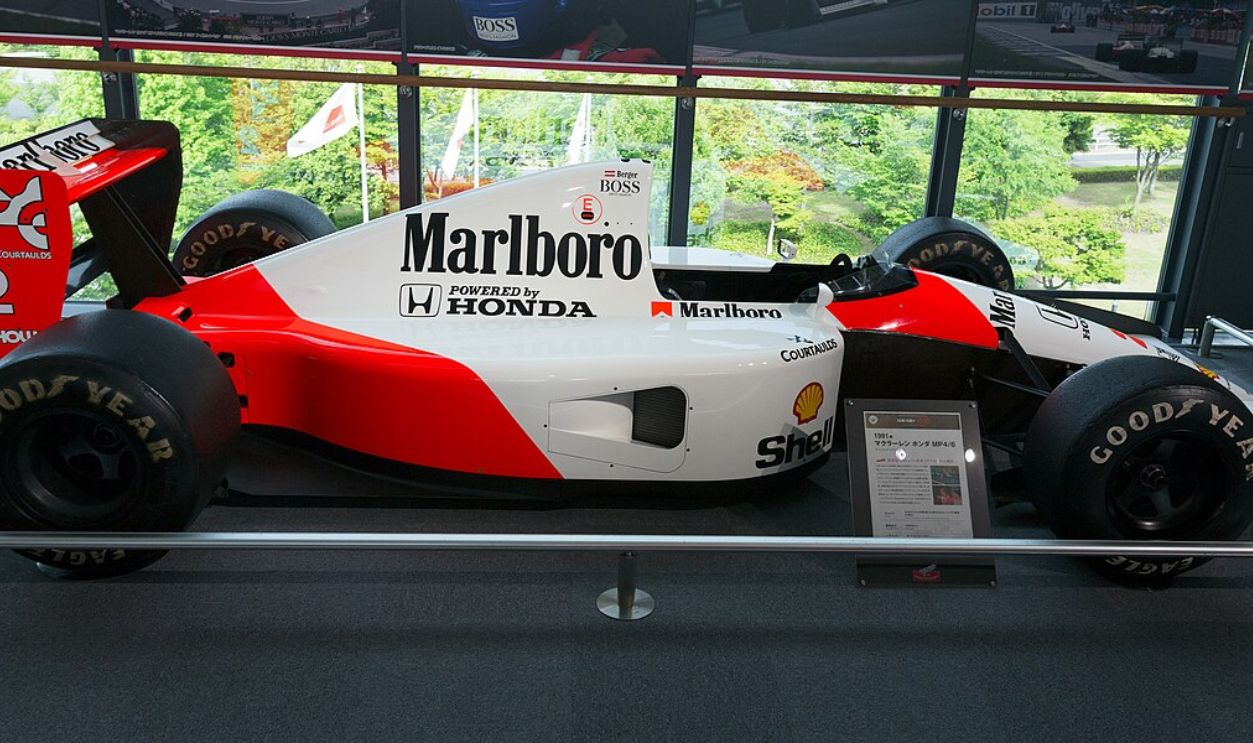 Morio, CC BY-SA 3.0, Wikimedia Commons35. Gerhard Berger's Contribution
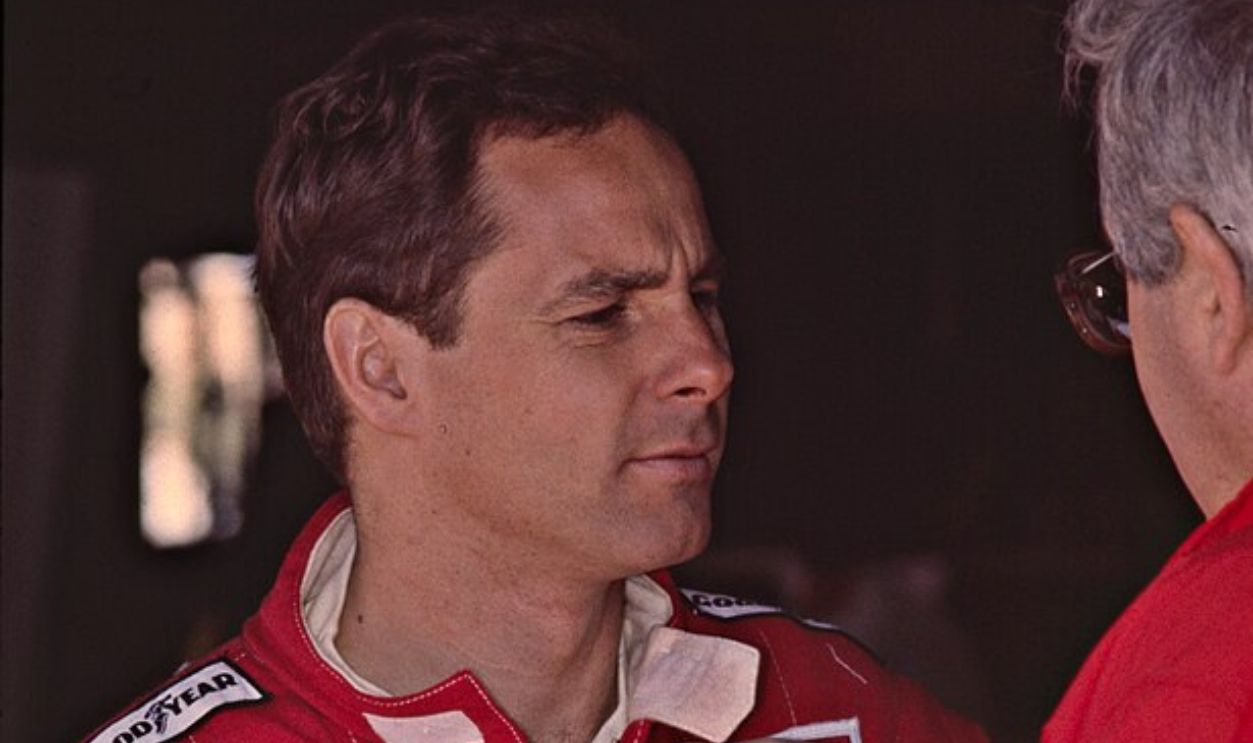
Gerhard Berger's passion for speed and technical feedback were skills the team needed. After joining the company and partnering with Senna between 1990 and 1992, he helped improve the engine, suspension design, and aerodynamic strategies.
 StuSeeger, CC BY 2.0, Wikimedia Commons36. 1995 Partnership with Mercedes-Benz
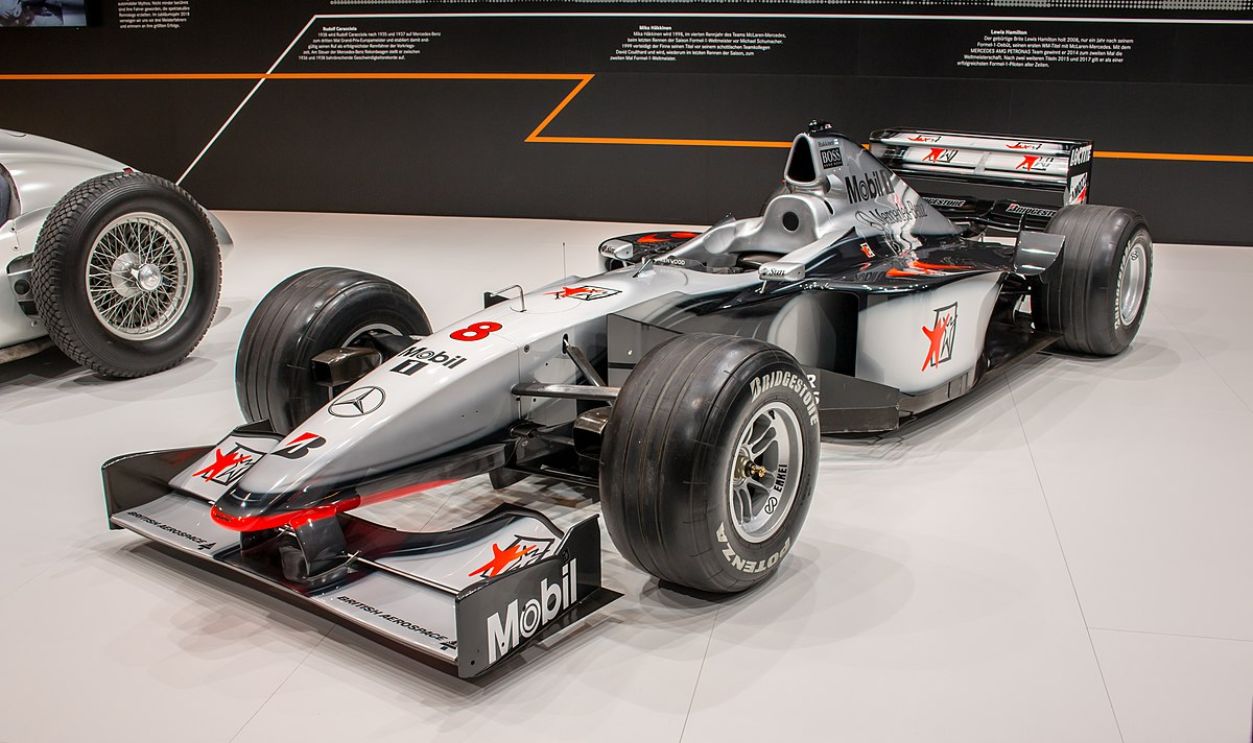
McLaren understood early that dominance in racing often came from the right alliances, which led to its groundbreaking partnership with Mercedes-Benz. McLaren supplied the chassis expertise while Mercedes powered the cars, creating a rare exchange of knowledge that benefited both sides. Together, they produced iconic machines like the MP4/13, cementing one of Formula 1’s most successful collaborations.
 Matti Blume, CC BY-SA 4.0, Wikimedia Commons37. Mika Häkkinen's Championship Triumphs
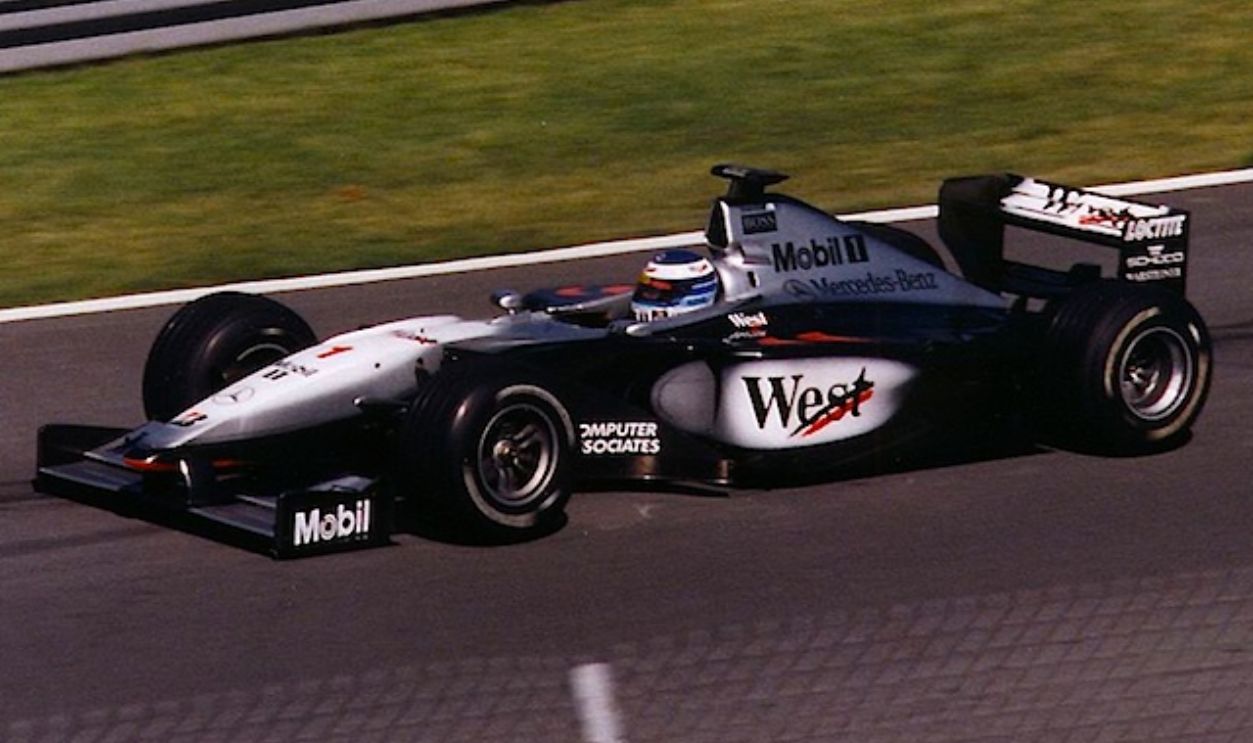
Between 1998 and 1999, Mika won two championship titles for McLaren. His main advantages were his cool, collected temperament and precision driving skills. Inside the MP4/13, Mika was unstoppable, winning victory after victory at the Suzuka and Monaco tracks.
 Paul Lannuier, CC BY-SA 2.0, Wikimedia Commons38. More Transformations in Aerodynamics: McLaren MP4/13
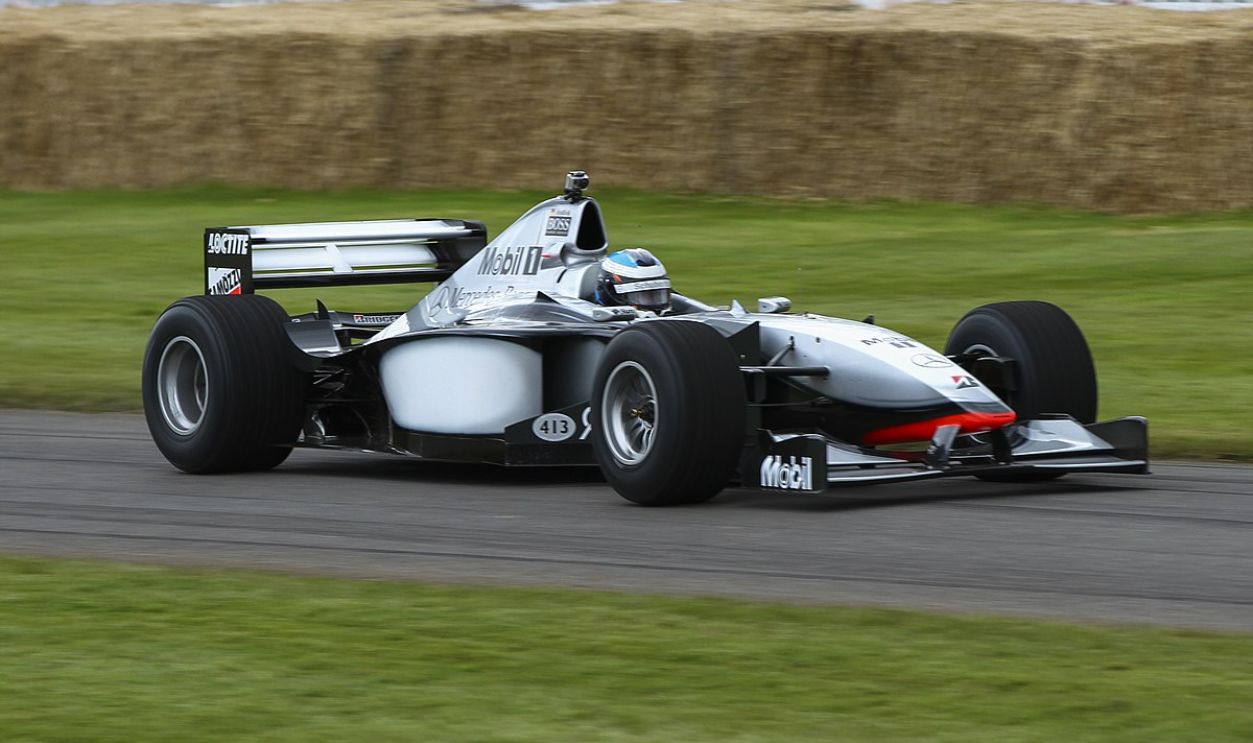
The MP4/13, released at the 1998 Formula 1 season, was the brainchild of Andrian Newey. Wanting it to be exceptional in every aspect, Andrian increased the car's downforce while doubling-down on its drag. He also improved the car's aerodynamic designs.
 Darren, CC BY 2.0, Wikimedia Commons39. McLaren's Formula E Endeavors
The Formula E series featured only electric vehicles to promote sustainable racing. McLaren's participation emphasized its commitment to eco-friendly technologies that help to minimize Formula 1's emission impact. It also showed the brand's capabilities in the EV sector.
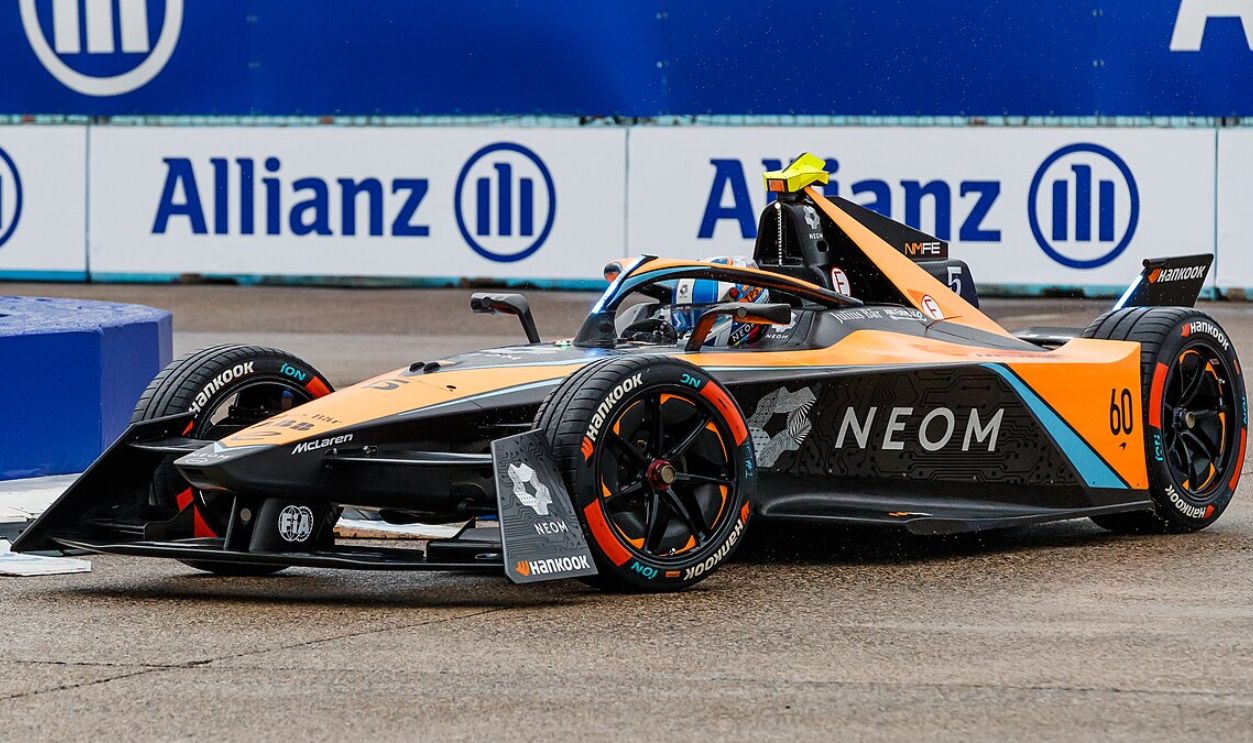 Steffen Prößdorf, CC BY-SA 4.0, Wikimedia Commons40. McLaren’s 2021 Return
After many setbacks, McLaren returned to Formula 1 racing in 2021. Though the season proved difficult, the team emerged in first and second place at the Italian Grand Prix. This was their first win since 2012.
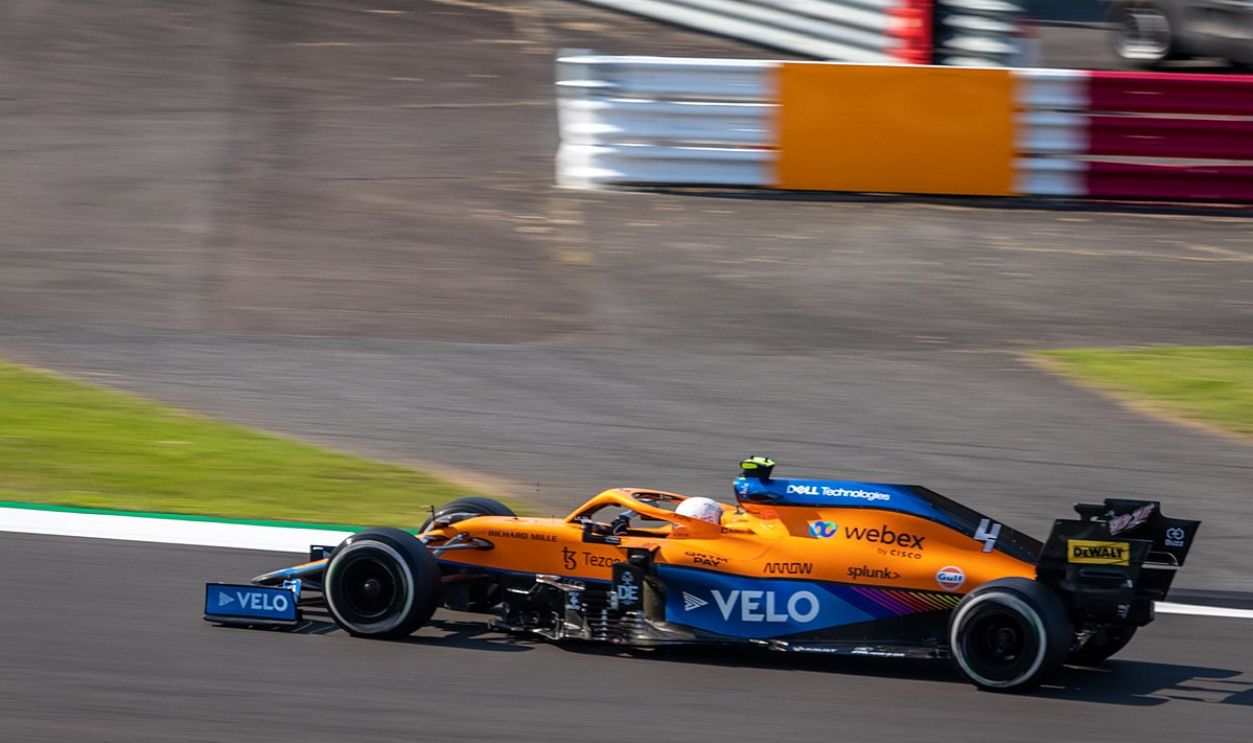 Jen Ross, CC BY 2.0, Wikimedia Commons
41. Design Philosophy
What set McLaren apart in the racing world was its impeccable design principles, which emphasized handling, output, and a devotion to excellence. Each component of McLaren's cars, including the comfortable interiors, was carefully designed to enhance functionality and delivery.
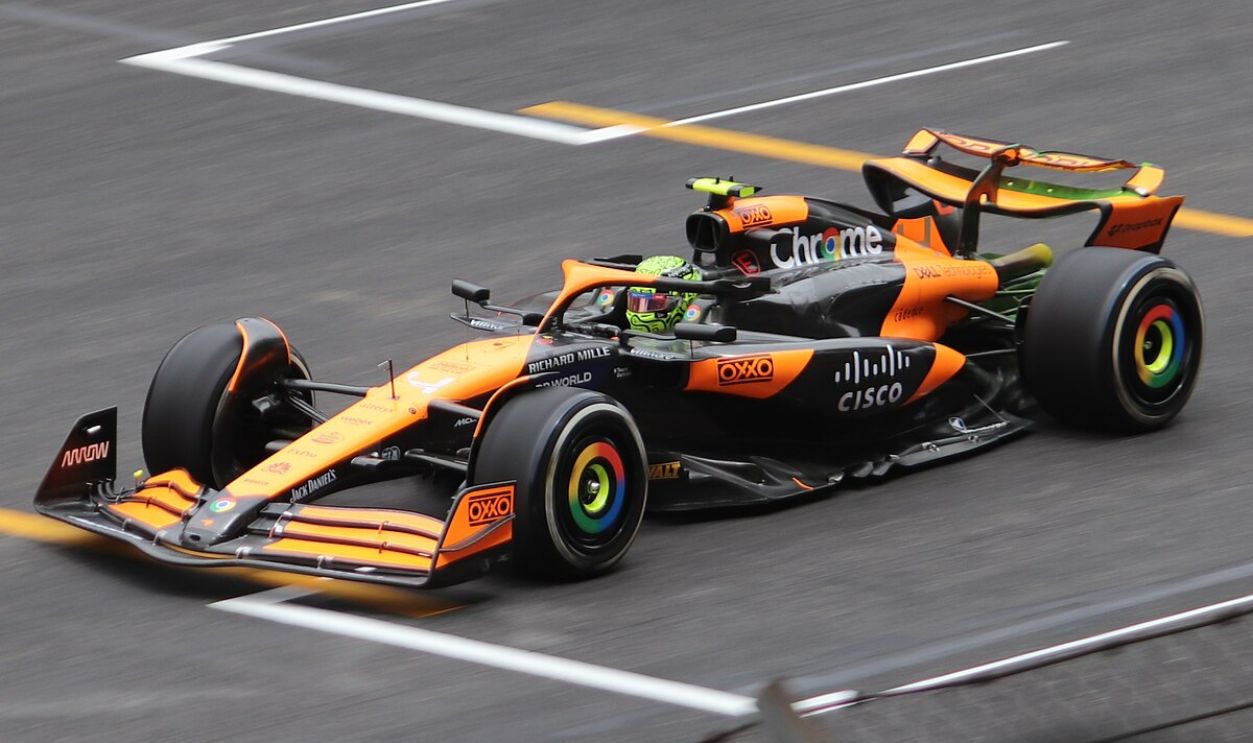 Liauzh, CC BY-SA 4.0, Wikimedia Commons42. McLaren's Expansion into the Luxury Market
When McLaren stepped into the luxury car world, it didn’t abandon its racing roots—it refined them. Models like the McLaren GT blended cutting-edge performance and elegant design with an unexpectedly spacious, luxurious cabin, proving that McLaren’s racing DNA could thrive far beyond the track.
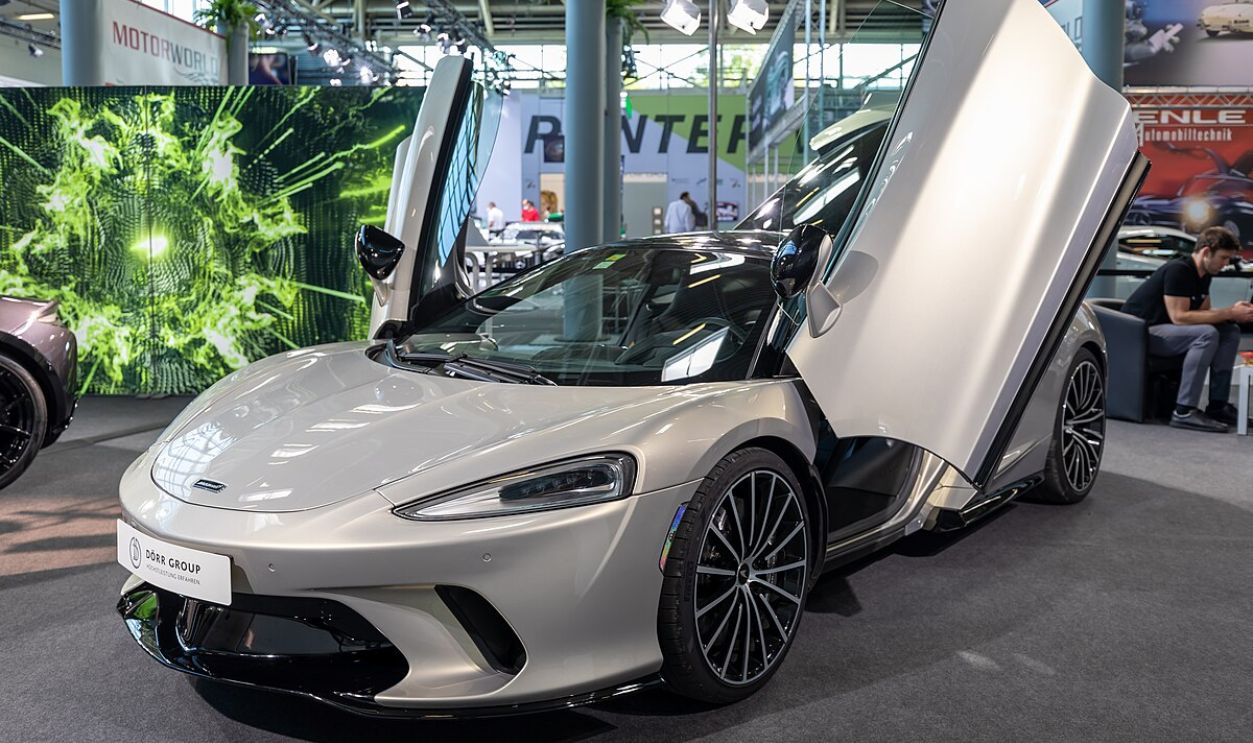 Matti Blume, CC BY-SA, Wikimedia Commons43. McLaren's Involvement in eSports
Because McLaren's success resulted from foresight and careful planning, the brand took a bold step to engage in eSports. First, Mclaren took part in online virtual racing contests. Then, in 2018, it launched the McLaren Shadow Project to identify and train virtual racing talents.
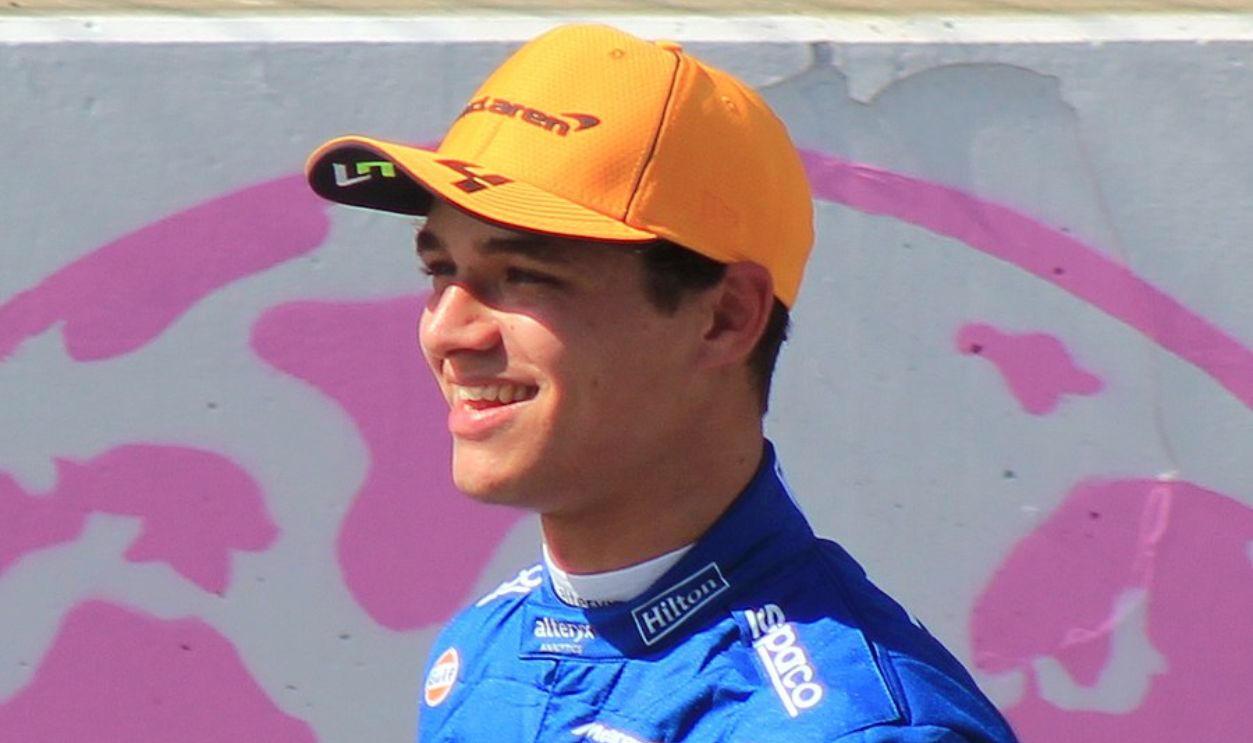 Lukas Raich, CC BY-SA 4.0, Wikimedia Commons44. Vision for the Future
McLaren has no plans to exit the scene anytime soon. Several projects and innovations are lined up for the future. The brand has changed the face of F1 motor racing and continues to inspire generations of racing enthusiasts.






.jpg)


.jpg)
.jpg)


.jpg)


.jpg)

.jpg)


.jpg)


.jpg)

.jpg)
.jpg)
