The Cars That Deserved A Second Look
Some cars become legends the second they hit the road. Others get laughed at, ignored, or written off before anyone really understands what they were trying to do. These 25 misunderstood machines may not have won everyone over at first, but looking back, they were smarter, cooler, or more interesting than people gave them credit for.

Pontiac Aztek
The Pontiac Aztek became the punchline for ugly car jokes, but it was weirdly ahead of its time. It had a flexible interior, available all-wheel drive, a camping package, and tons of cargo space. Today, that sounds a lot like the adventure-friendly crossover everyone wants.
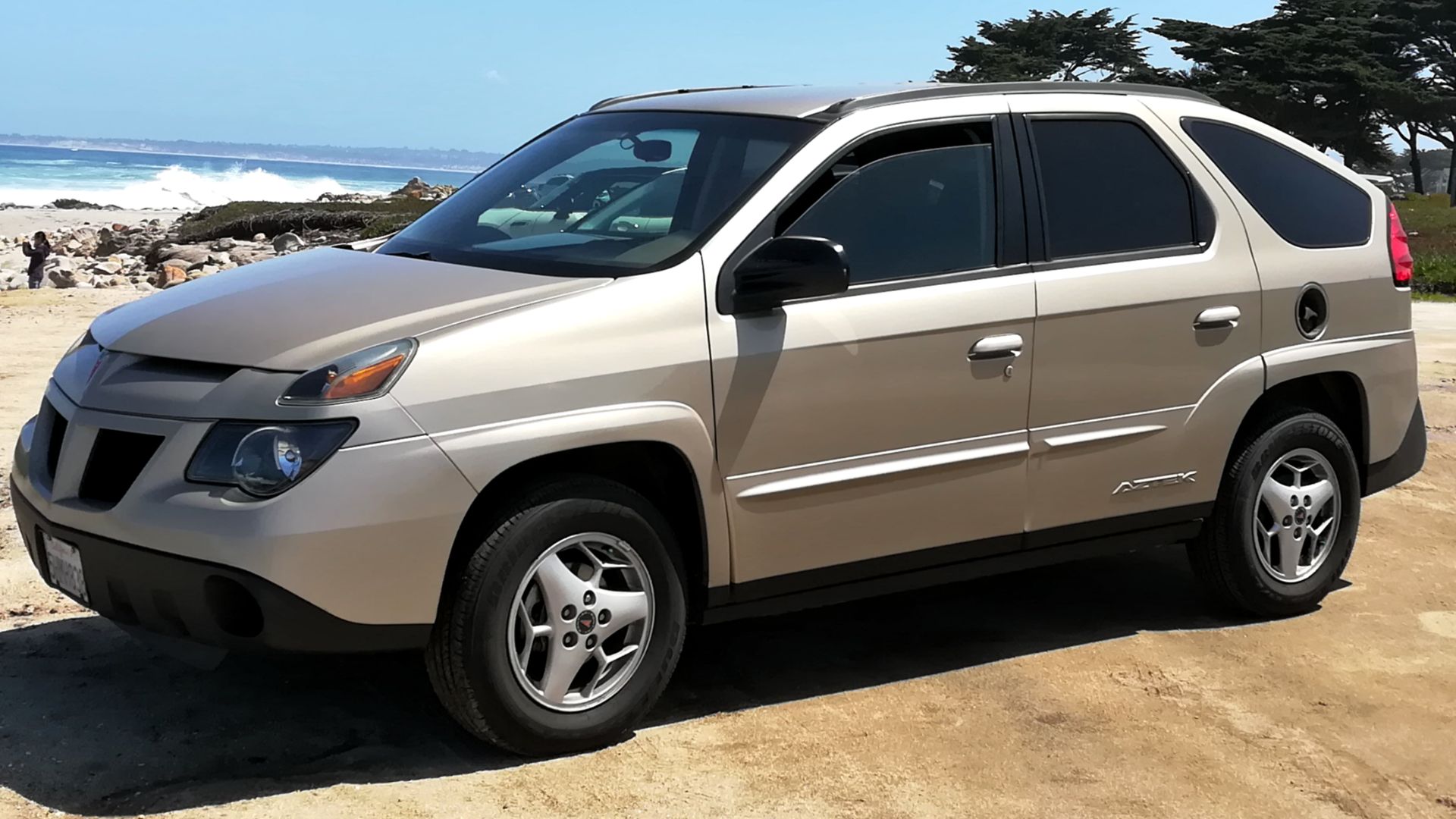 Alexander Migl, Wikimedia Commons
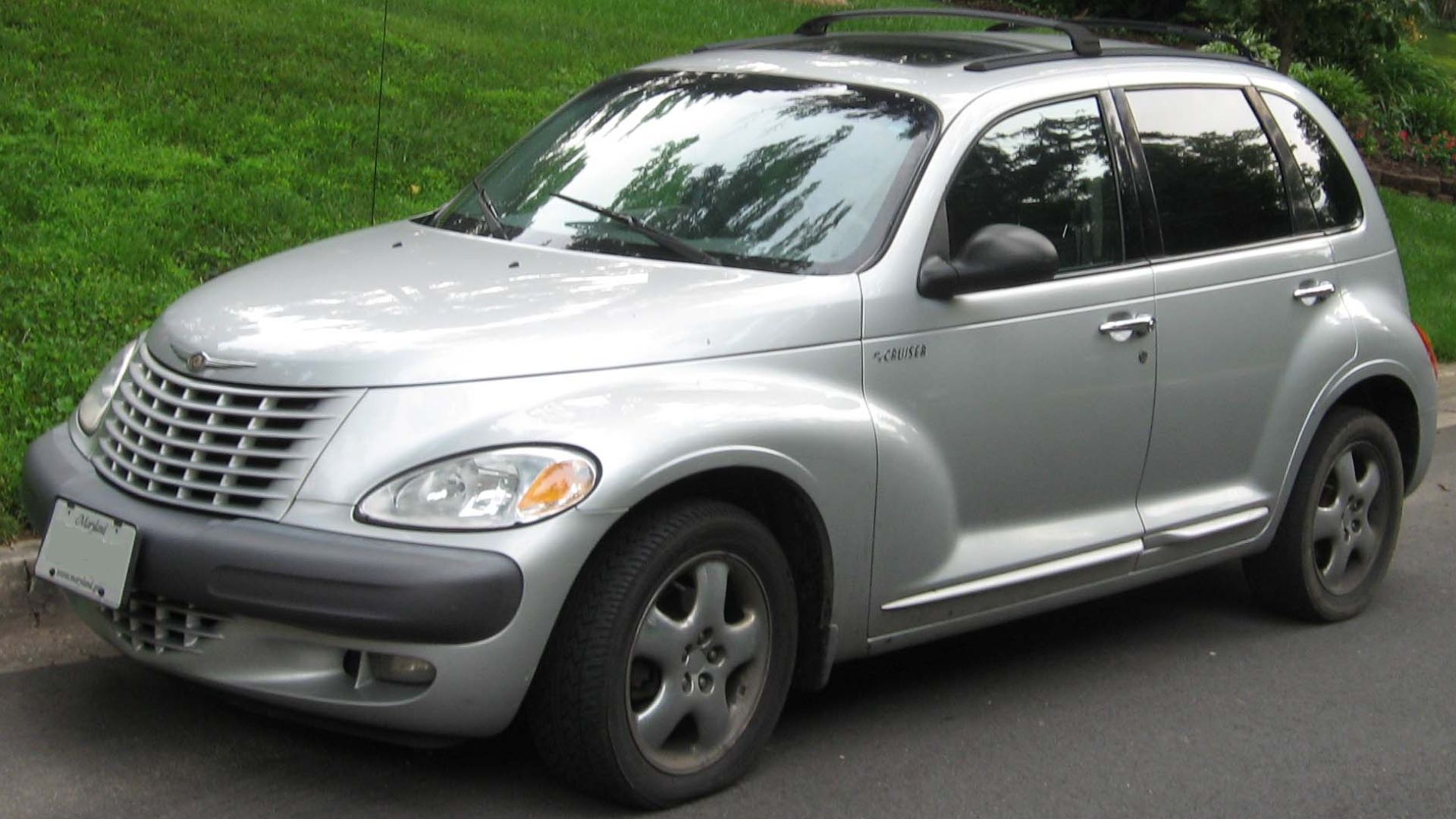
Chrysler PT Cruiser
People love mocking the PT Cruiser now, but when it arrived, buyers lined up for it. It mixed retro styling with hatchback practicality and a roomy cabin. Sure, it became overexposed, but the original idea was clever, cheerful, and genuinely useful for families.
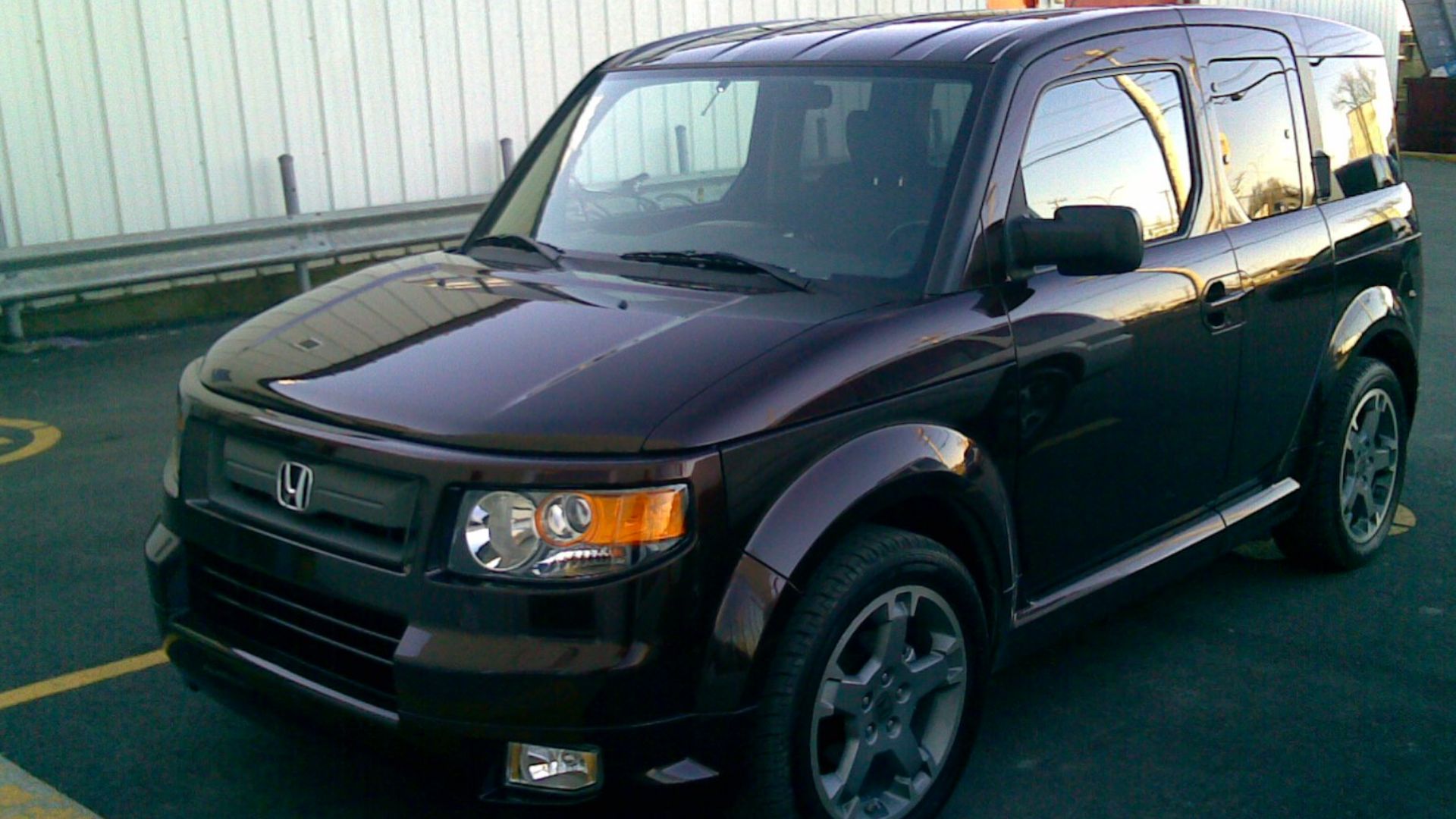
Honda Element
The Honda Element looked like a toaster on wheels, and plenty of people could not get past that. But surfers, dog owners, campers, and weekend adventurers knew better. Its washable floor, boxy cargo space, and durable cabin made it one of Honda’s most practical oddballs.
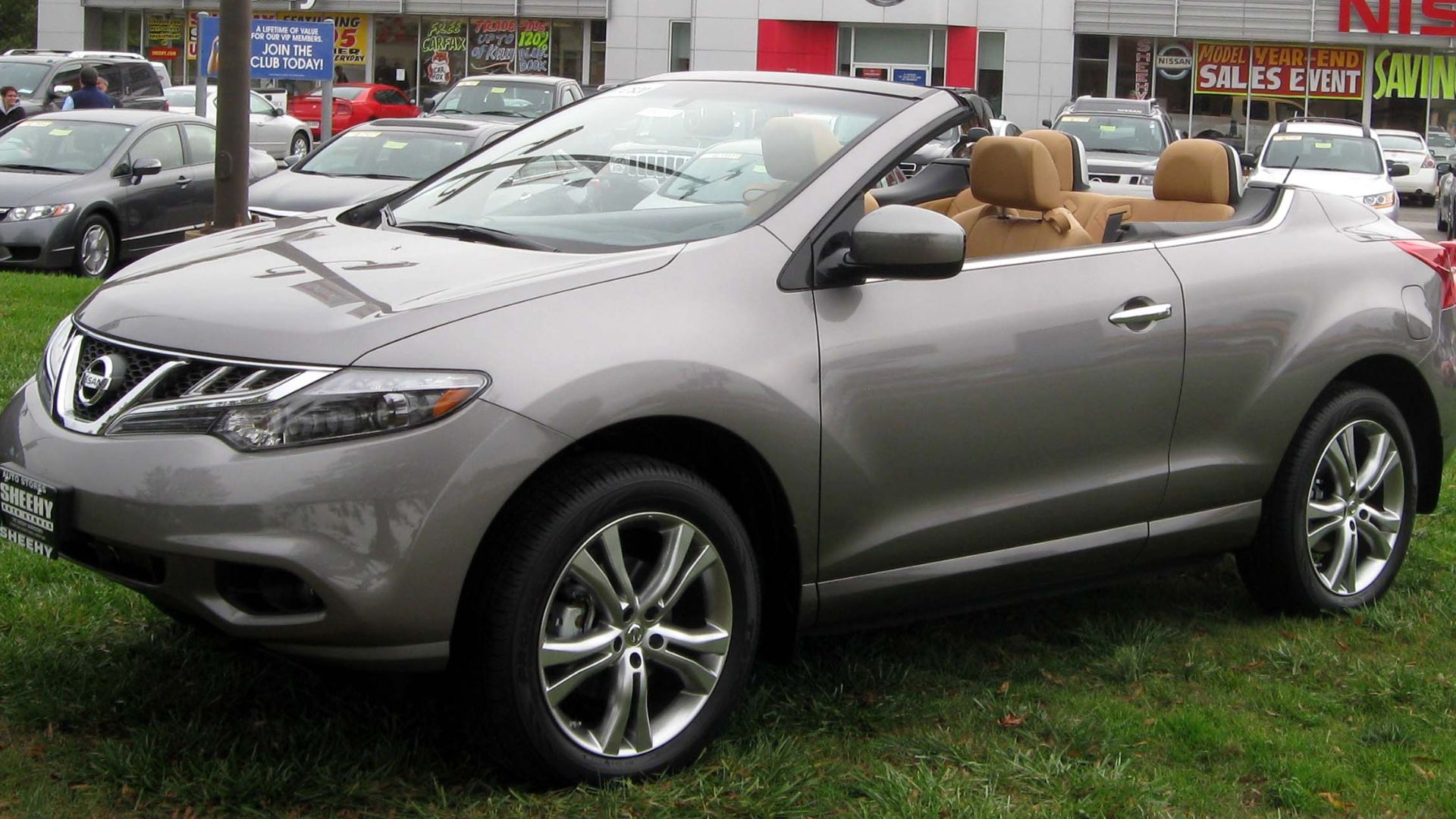
Nissan Murano CrossCabriolet
A convertible crossover sounded ridiculous, and to be fair, it looked unusual. Still, the Murano CrossCabriolet deserves credit for being bold. It tried to mix SUV comfort with open-air cruising, years before automakers started experimenting more freely with lifestyle-focused vehicles.
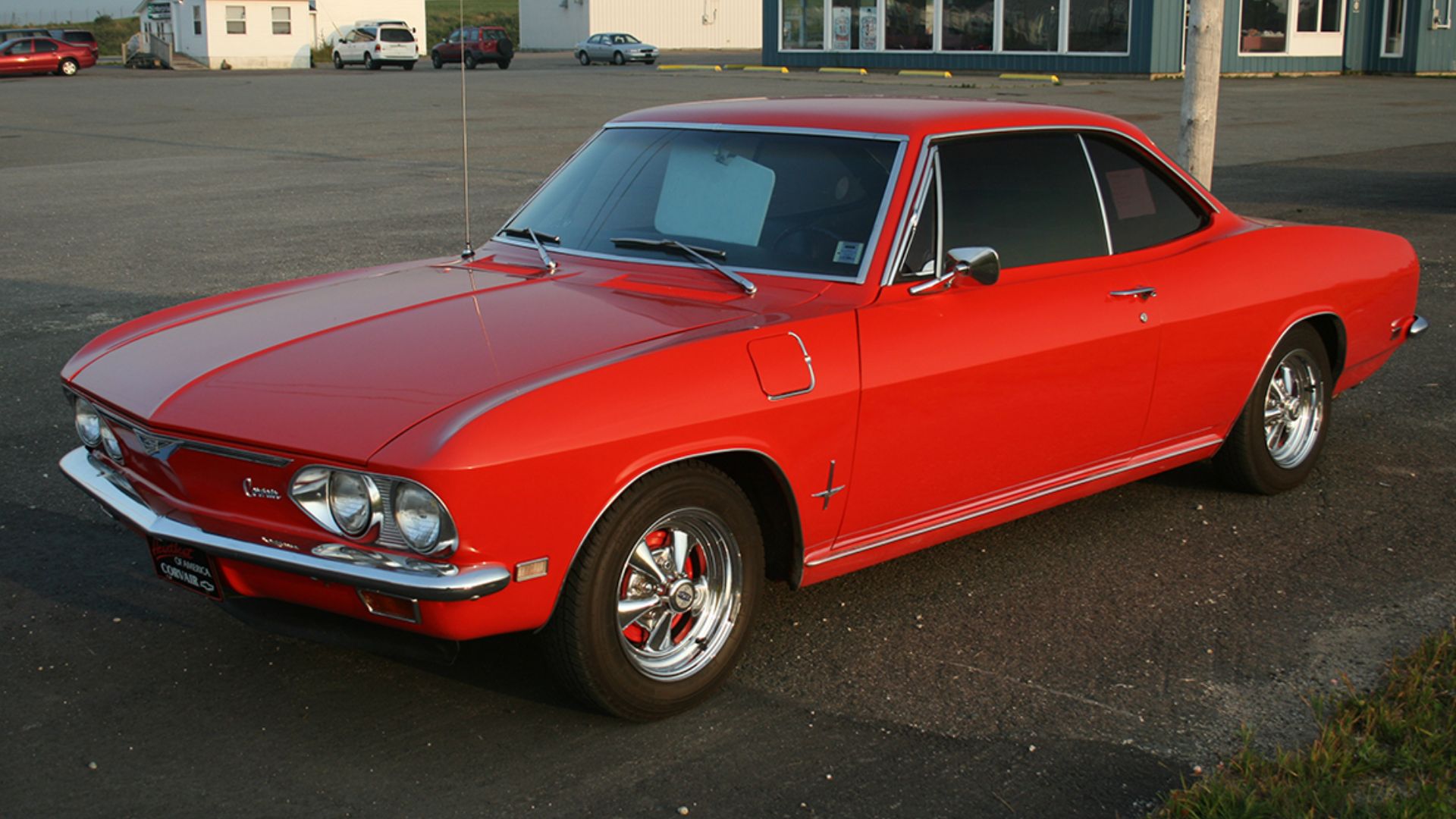
Chevrolet Corvair
The Corvair’s reputation was forever shaped by controversy, but the car itself was daring. It had an air-cooled rear engine, stylish design, and a sporty personality. Later versions handled much better, and today it stands as one of Chevrolet’s most interesting engineering experiments.
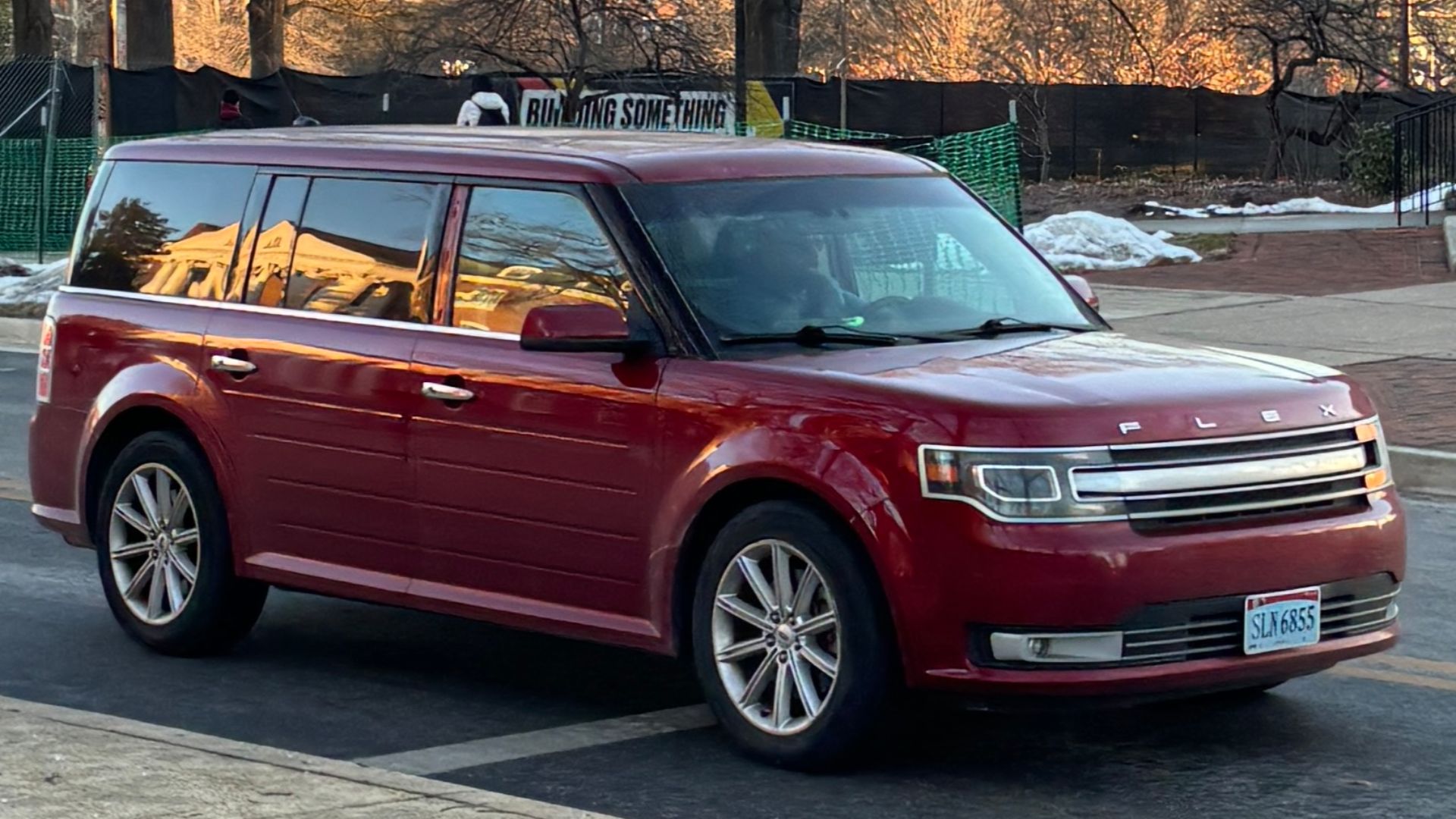
Ford Flex
The Ford Flex never became a mainstream hit because many shoppers could not decide what it was. Wagon? SUV? Minivan substitute? That was exactly its charm. It had huge space, a comfortable ride, available turbo power, and a cool boxy look that aged beautifully.
 OWS Photography, Wikimedia Commons
BMW i3
The BMW i3 confused people with its skinny tires, tall body, and futuristic cabin. But it was light, efficient, quick around town, and built with unusual materials. Years later, it still feels more imaginative than many electric cars that came after it.
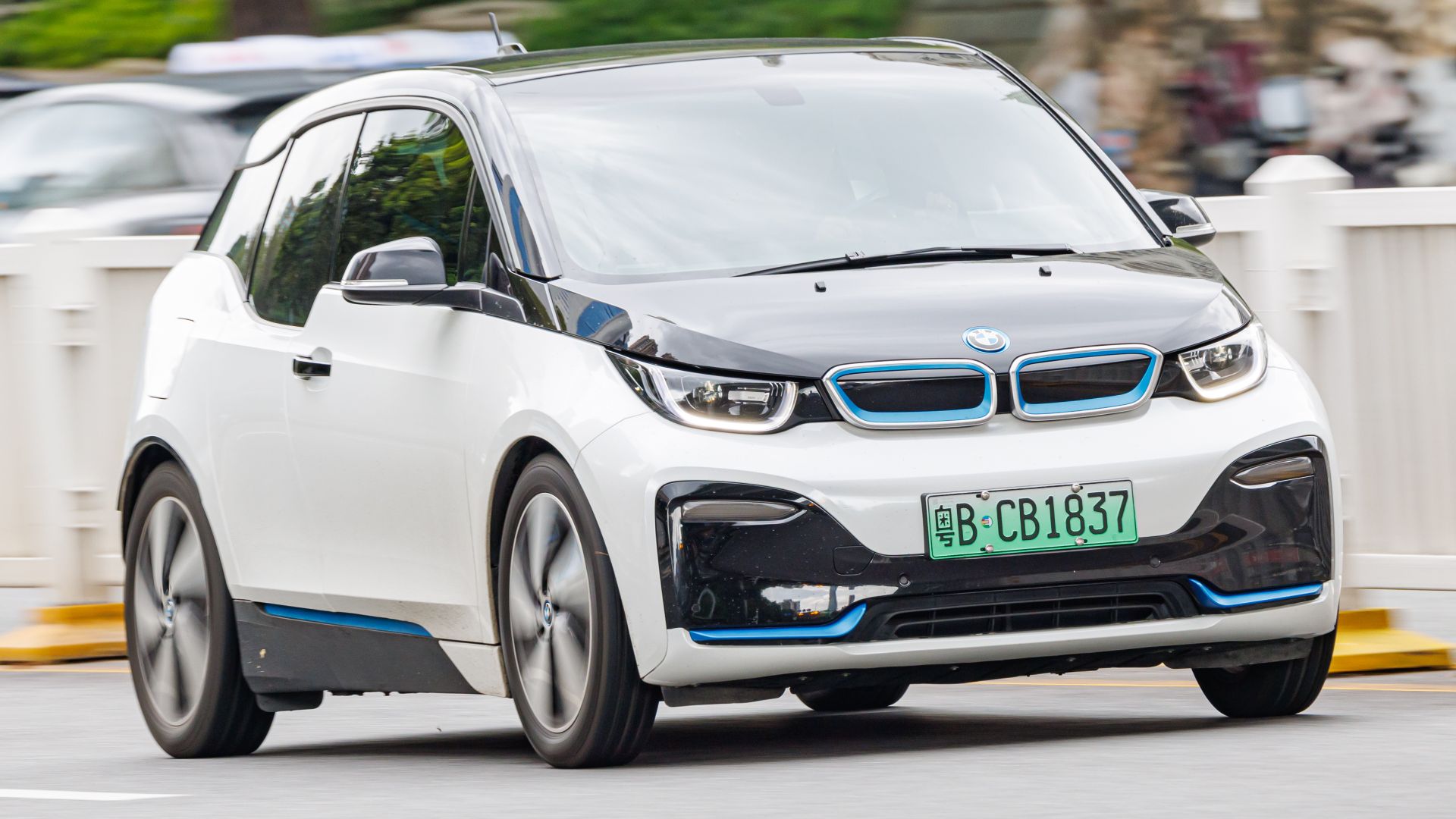 Dinkun Chen, Wikimedia Commons
Cadillac ELR
The Cadillac ELR was criticized for costing too much compared with the Chevrolet Volt it shared technology with. That criticism was fair, but the ELR itself was gorgeous, quiet, and luxurious. As a used car, it now looks like an underrated plug-in coupe.
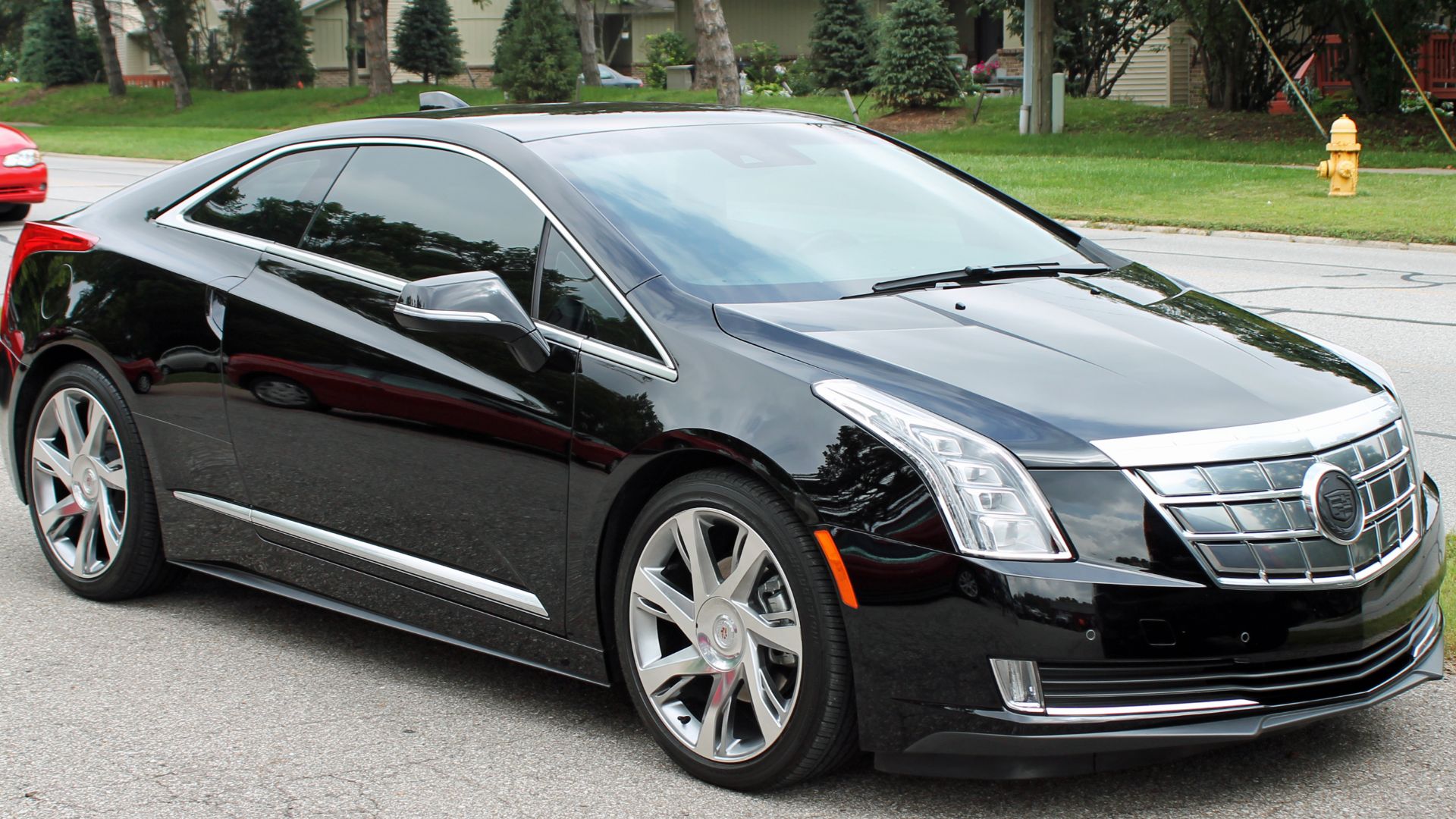 2014 Cadillac ELR.jpg: priceman 141 derivative work: Mariordo, Wikimedia Commons
Subaru Baja
The Subaru Baja arrived before small lifestyle trucks were cool again. At the time, people saw it as a strange Outback with a tiny bed. Now, with compact pickups gaining attention, the Baja seems less silly and more like a clever idea that arrived early.
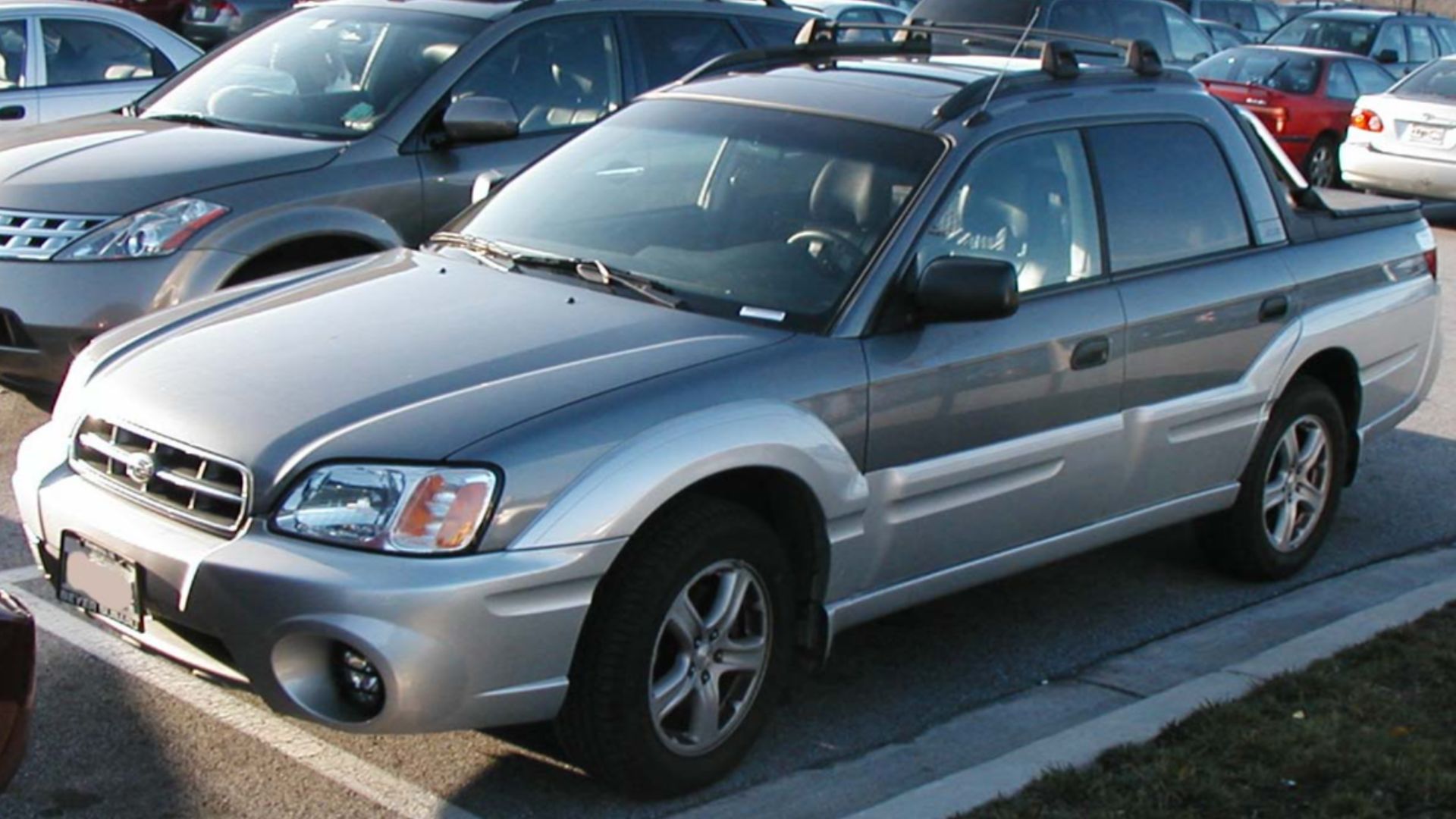
Volkswagen Phaeton
Many buyers could not understand why Volkswagen built a luxury sedan to fight Mercedes and BMW. The badge worked against it, but the Phaeton was beautifully engineered, quiet, and packed with high-end features. It was a luxury car hiding behind a humble logo.
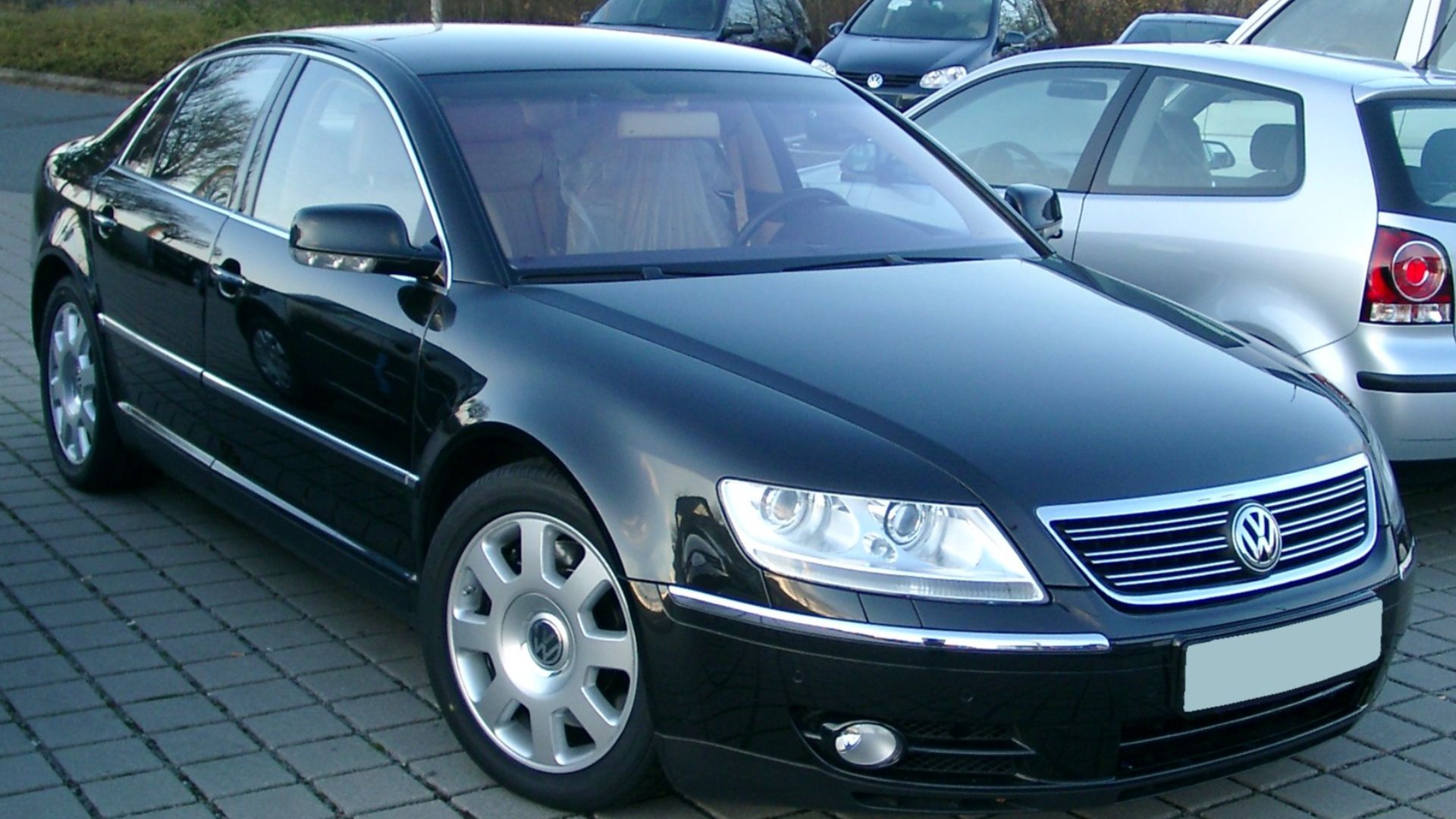 Rudolf Stricker, Wikimedia Commons
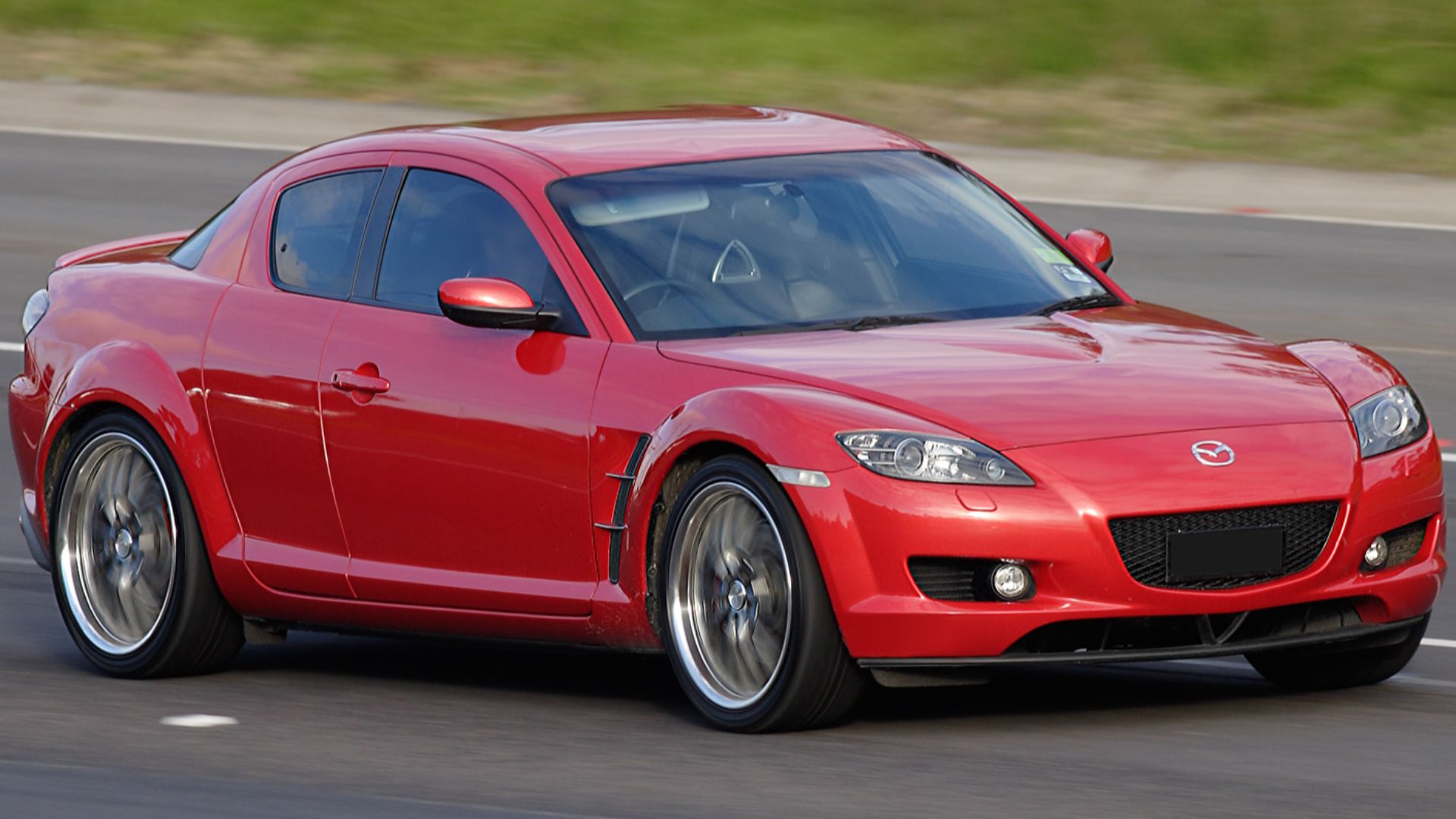
Mazda RX-8
The Mazda RX-8 got criticized for weak torque, thirsty habits, and rotary maintenance worries. Still, it was light, balanced, sharp, and genuinely fun. Its rear-hinged doors made it surprisingly usable, while its high-revving personality gave it a charm few modern cars can match.
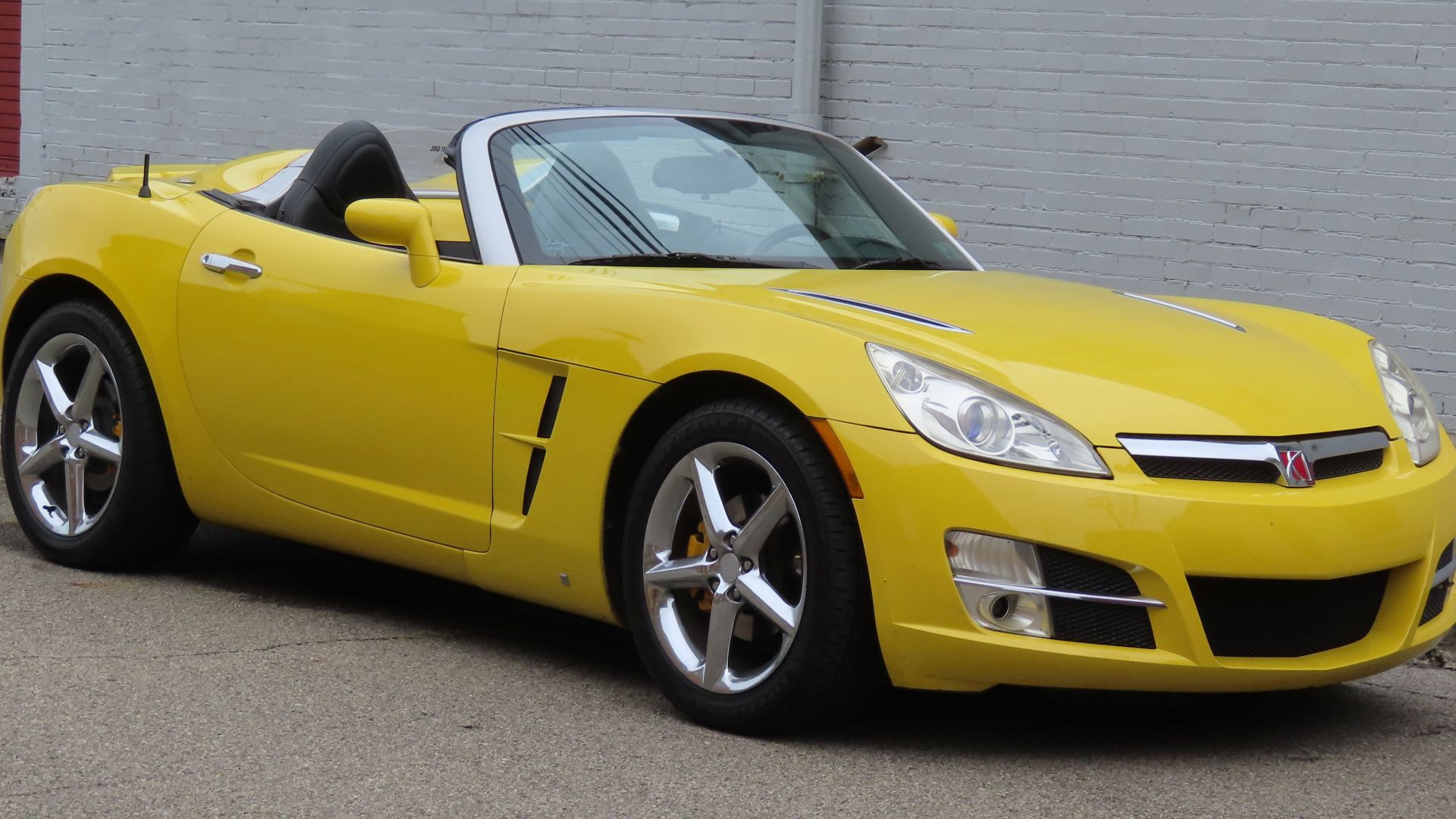
Saturn Sky
The Saturn Sky suffered because the Saturn brand was already struggling, but the car itself looked fantastic. It offered sharp styling, rear-wheel-drive fun, and an available turbocharged engine. With a different badge, people might have treated it like a mini American sports-car hero.
 MercurySable99, Wikimedia Commons
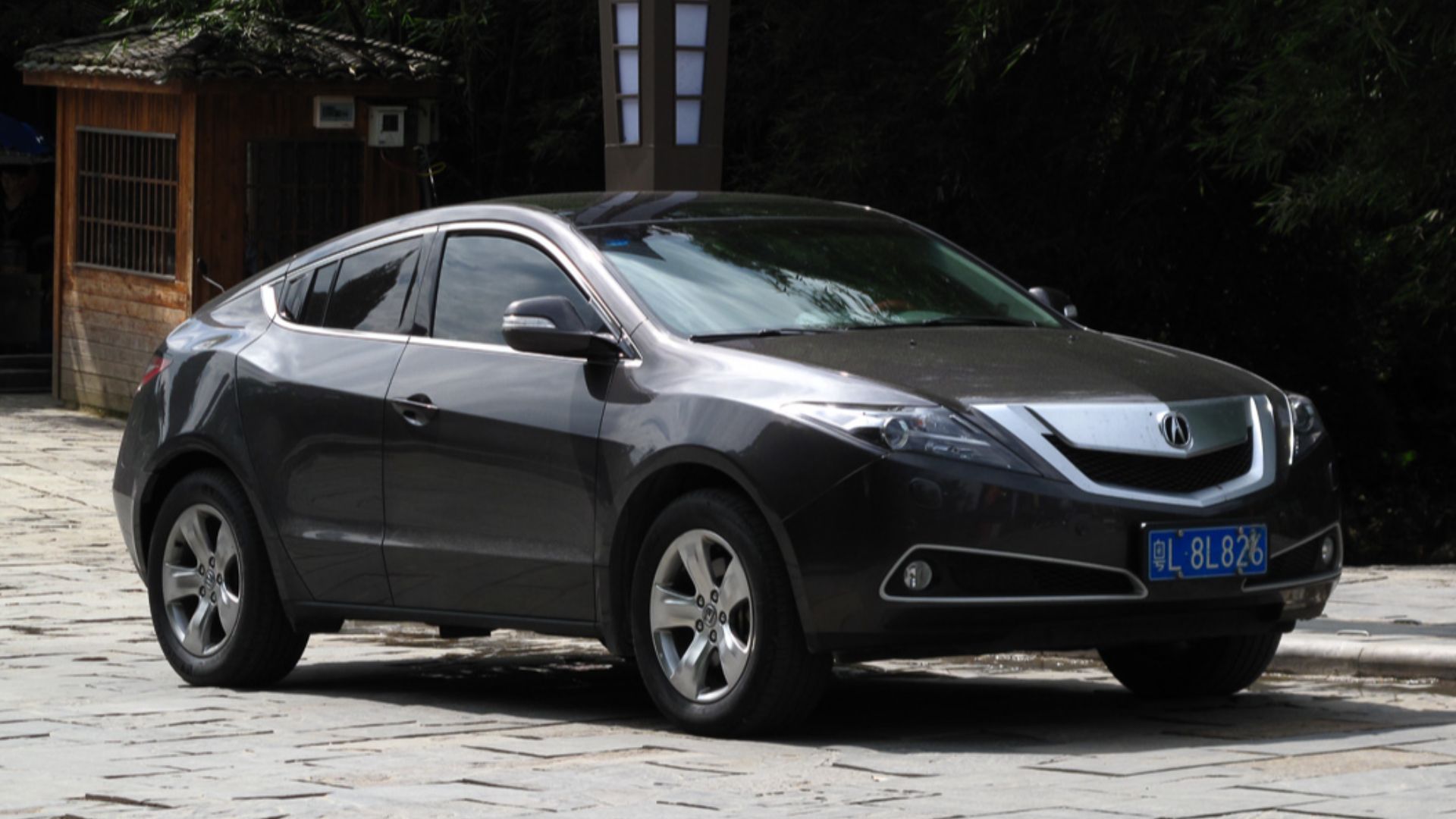
Acura ZDX
The Acura ZDX arrived before coupe-style SUVs became fashionable. Buyers thought it was too strange and not practical enough. Today, its sloping roofline looks much less shocking because luxury brands now sell similar shapes everywhere. Acura simply showed up too early.
 Rutger van der Maar, Wikimedia Commons
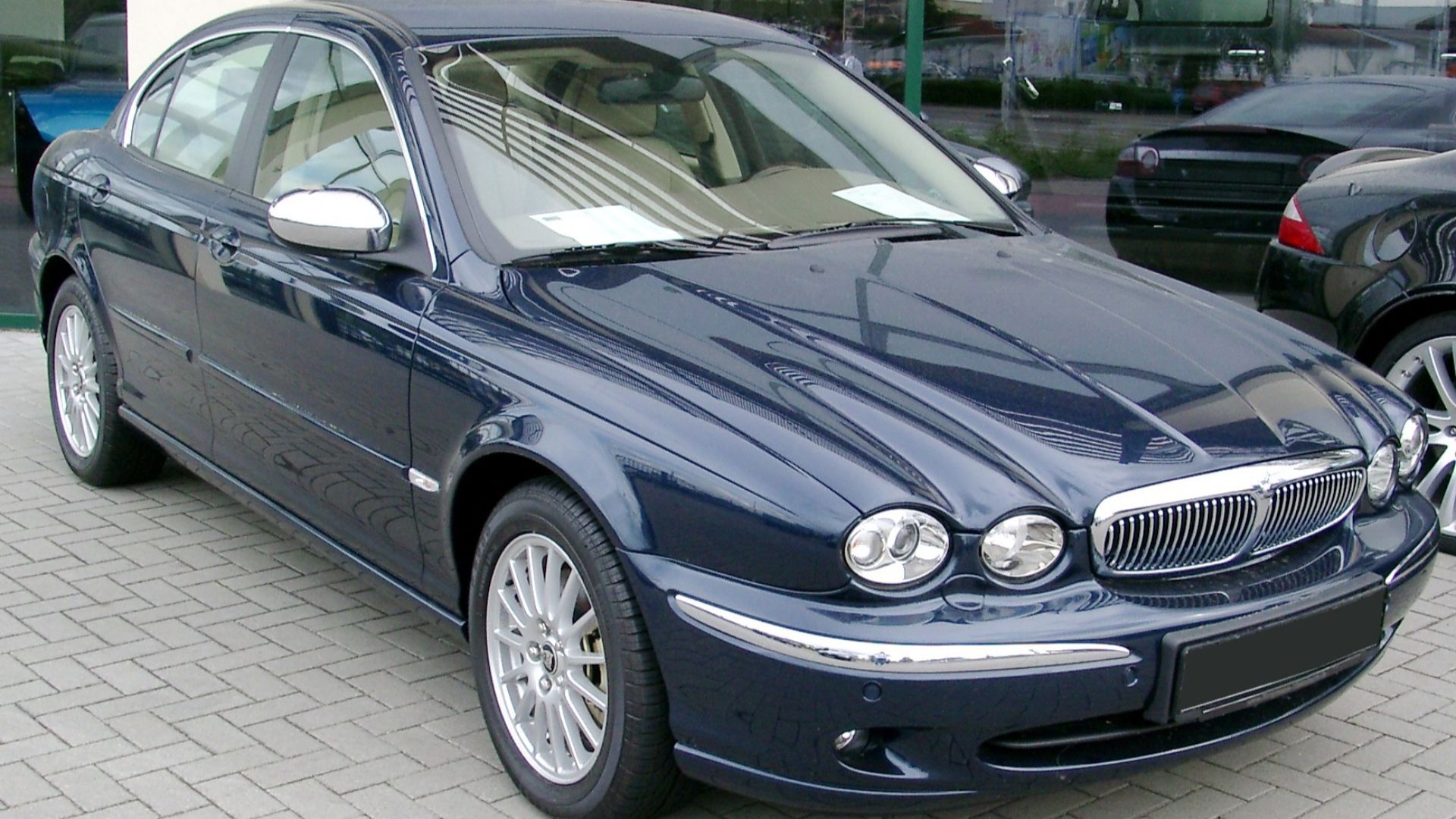
Jaguar X-Type
The Jaguar X-Type was dismissed as a dressed-up Ford, which was not completely fair. It offered all-wheel drive, classy styling, and a more affordable way into Jaguar ownership. It was not perfect, but it brought charm to a segment that often felt cold.
 Rudolf Stricker, Wikimedia Commons
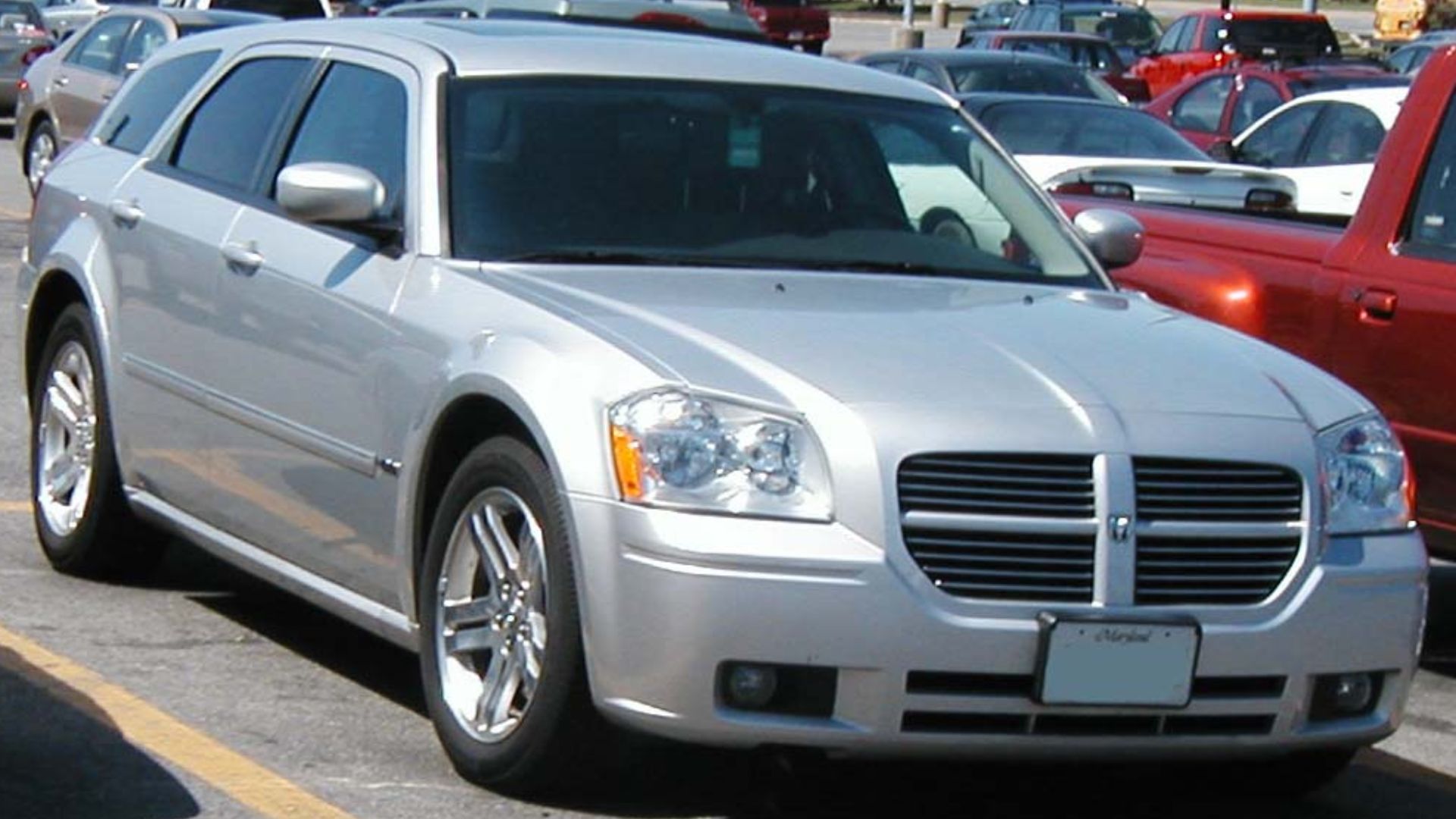
Dodge Magnum
The Dodge Magnum was a muscle wagon in a world that was rapidly moving toward SUVs. Buyers did not fully embrace it, but enthusiasts now see the appeal. Big cargo space, bold looks, available V8 power, and rear-wheel drive made it seriously cool.
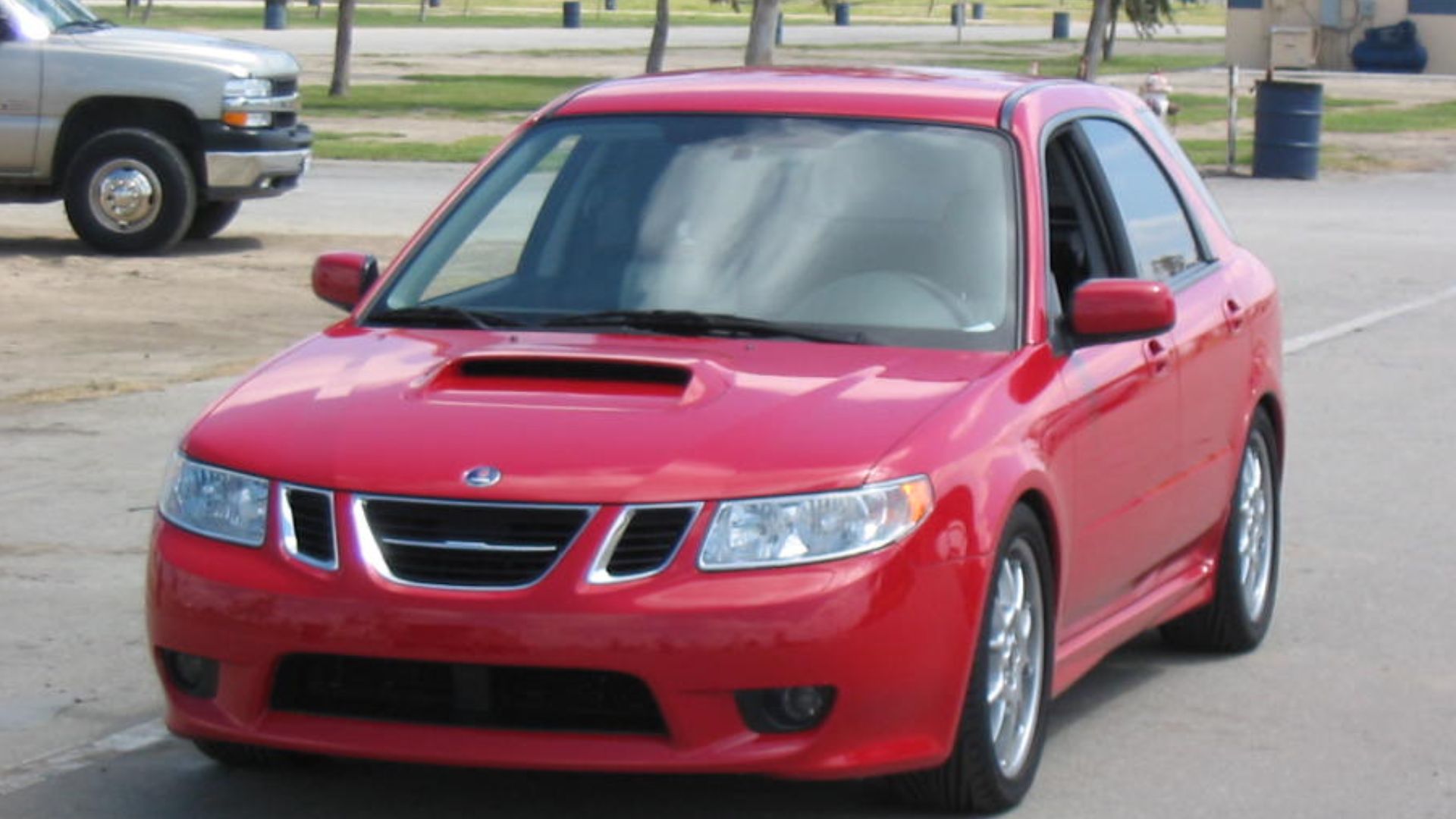
Saab 9-2X
The Saab 9-2X was nicknamed the “Saabaru” because it shared so much with the Subaru Impreza. That made some Saab fans roll their eyes, but it also meant buyers got all-wheel drive, sharp handling, and quirky style in one unusual little package.
Toyota FJ Cruiser
The Toyota FJ Cruiser’s blind spots and unusual doors bothered some shoppers, but its off-road ability was never in question. It was rugged, playful, and full of character. Now that boxy adventure vehicles are hot again, the FJ feels more appreciated than ever.
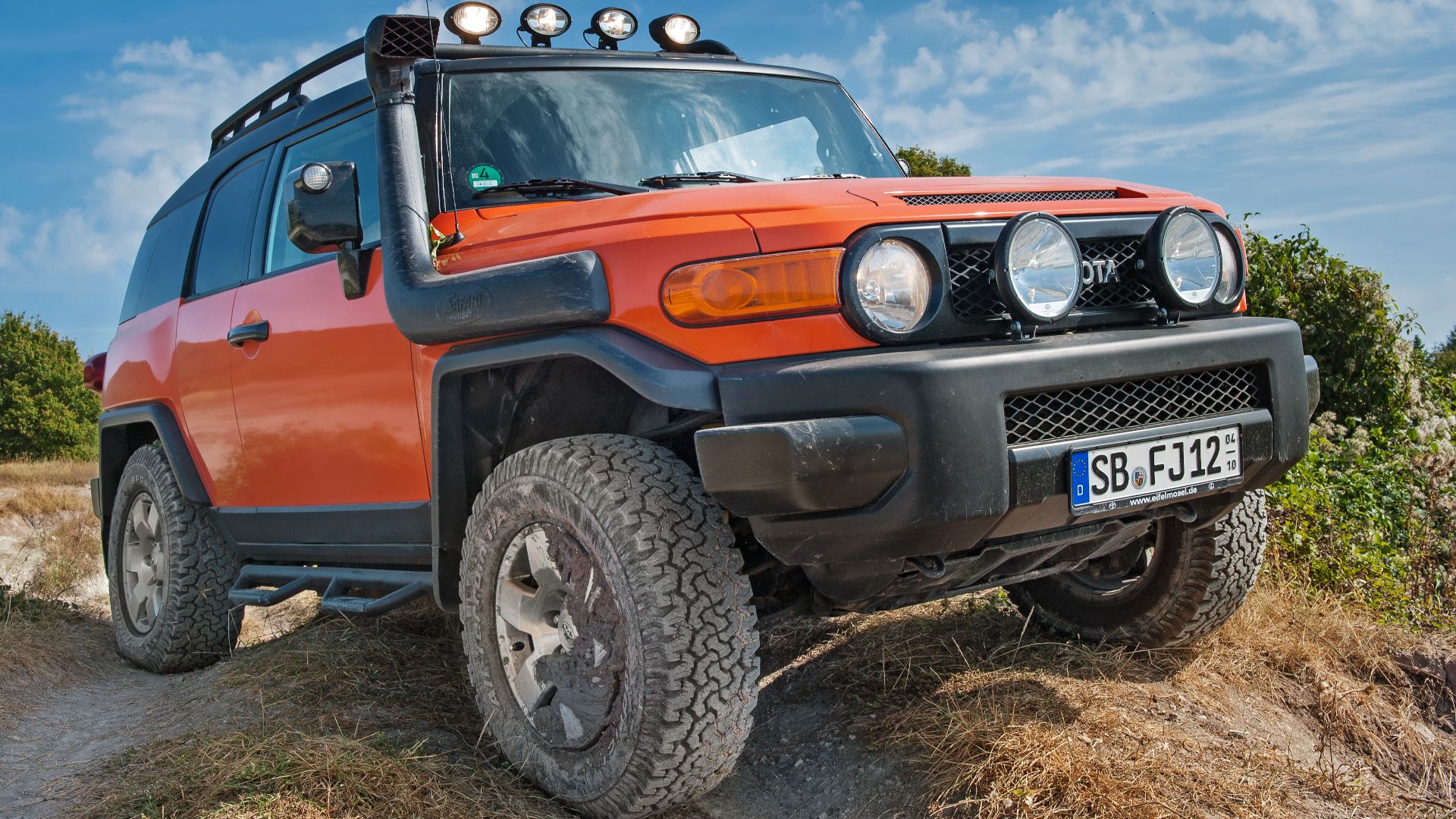 Stefan Krause, Germany, Wikimedia Commons
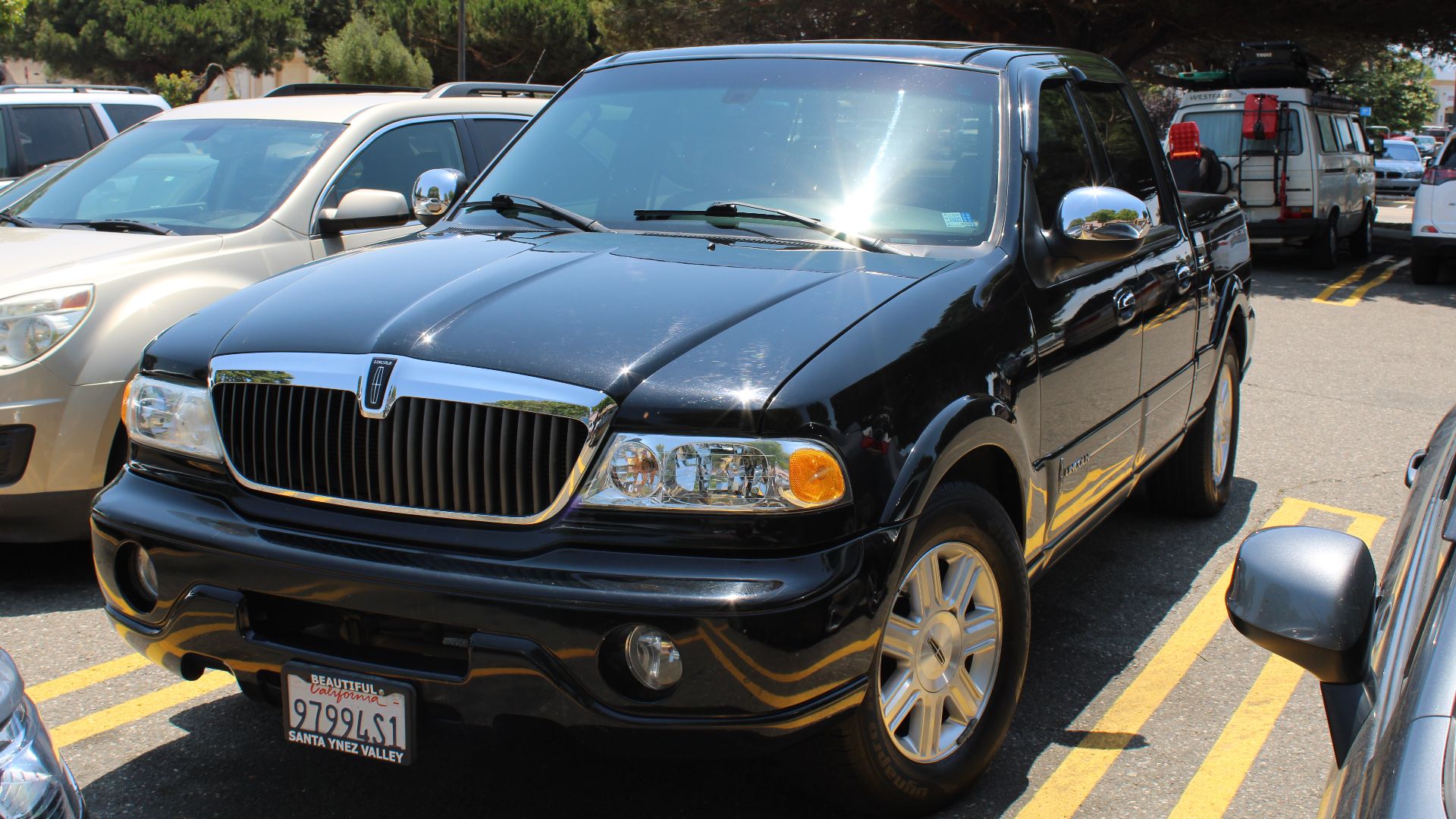
Lincoln Blackwood
The Lincoln Blackwood confused truck buyers because it looked fancy but was not very practical as a work vehicle. Still, that was kind of the point. It was an early luxury pickup experiment, and modern high-end trucks prove Lincoln was not completely crazy.
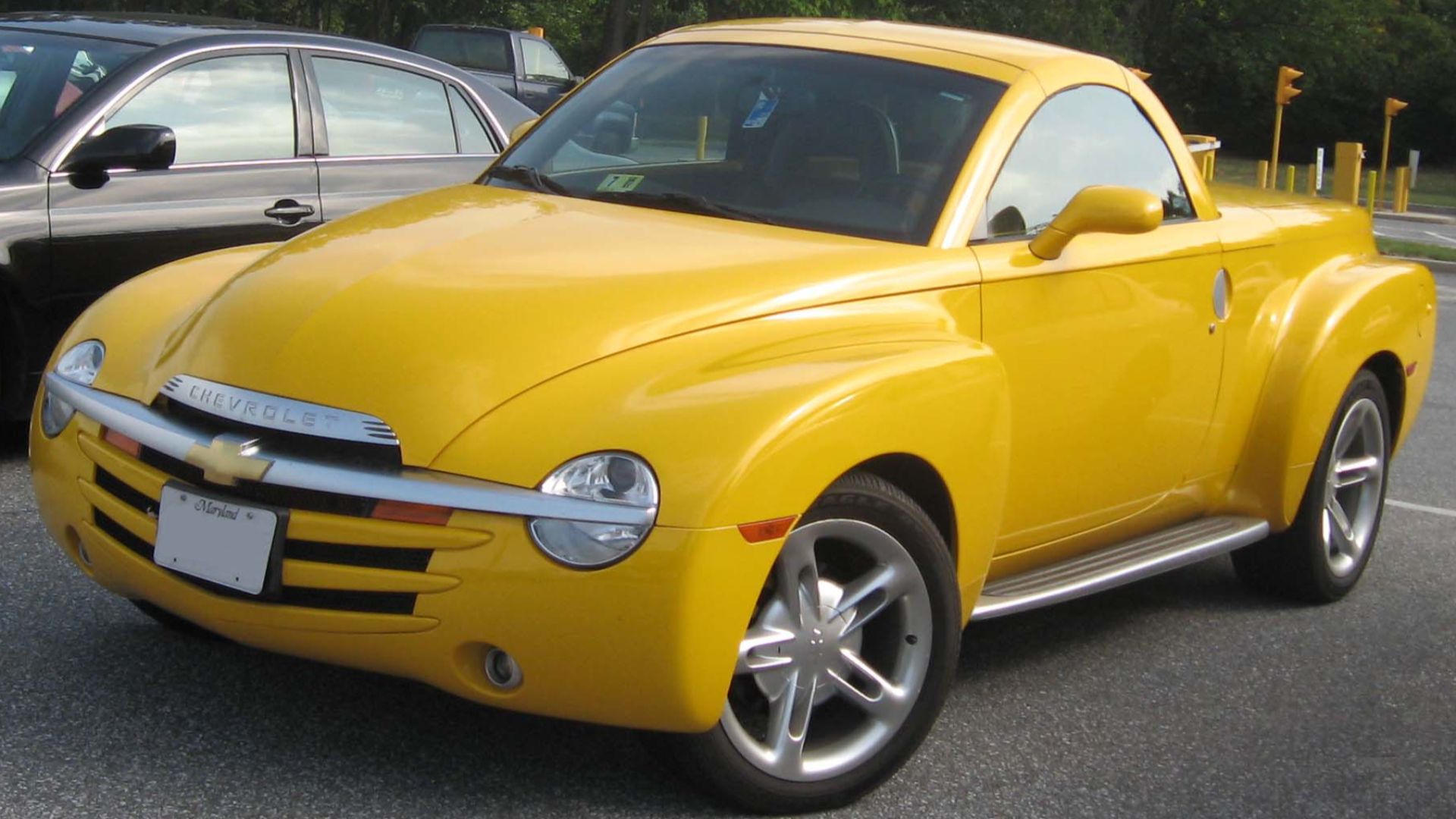
Chevrolet SSR
The Chevrolet SSR mixed pickup, hot rod, and convertible into one wild package. Many people did not know what to make of it. But that weirdness is exactly why it deserves redemption. It was fun, different, and proudly unnecessary in the best way.
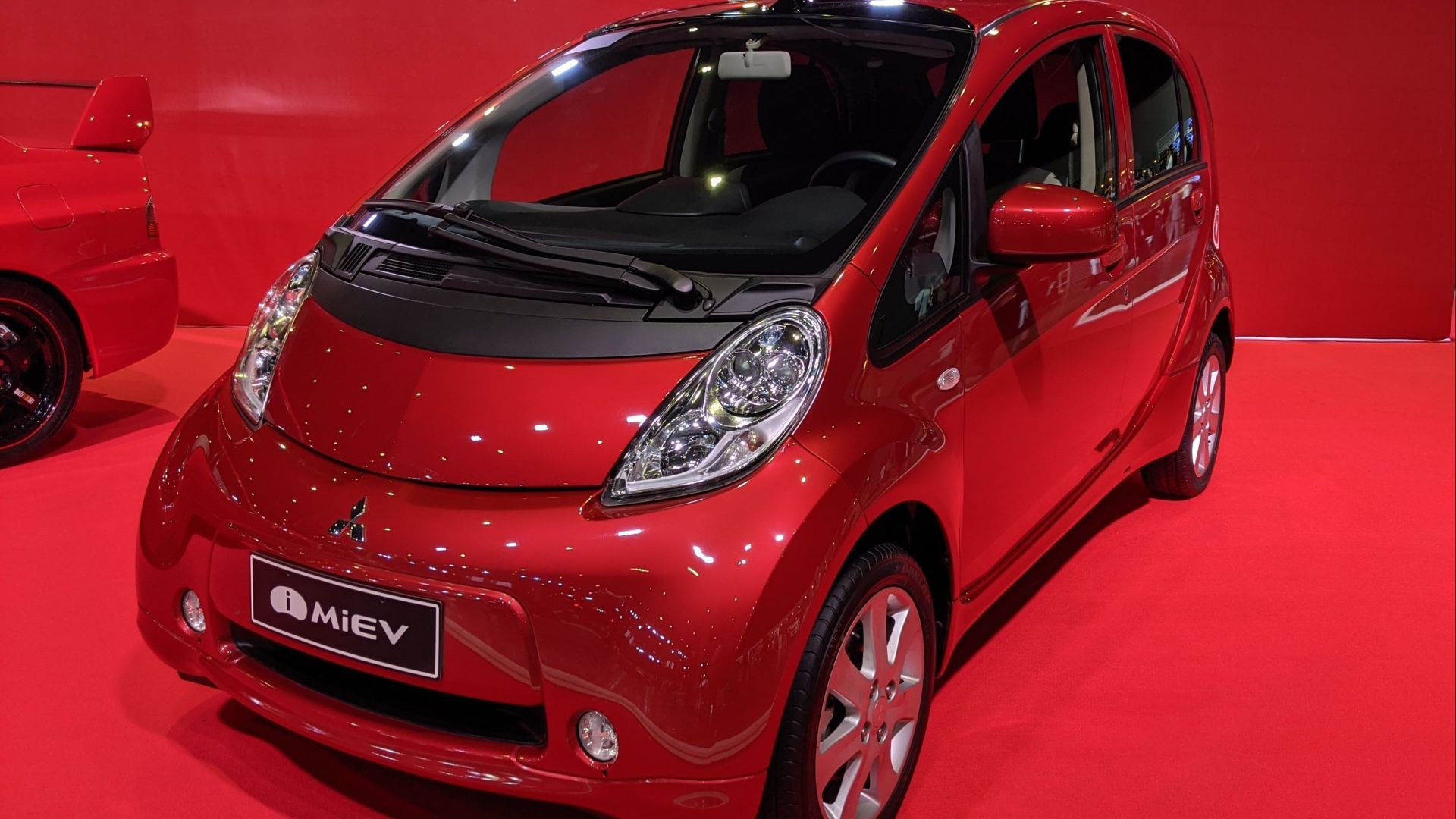
Mitsubishi i-MiEV
The Mitsubishi i-MiEV was tiny, odd-looking, and limited in range, so it was easy to dismiss. But it helped push electric cars into the real world. As a city runabout, it was simple, efficient, and honest about what it was meant to do.
 Kabu Sawsaw, Wikimedia Commons
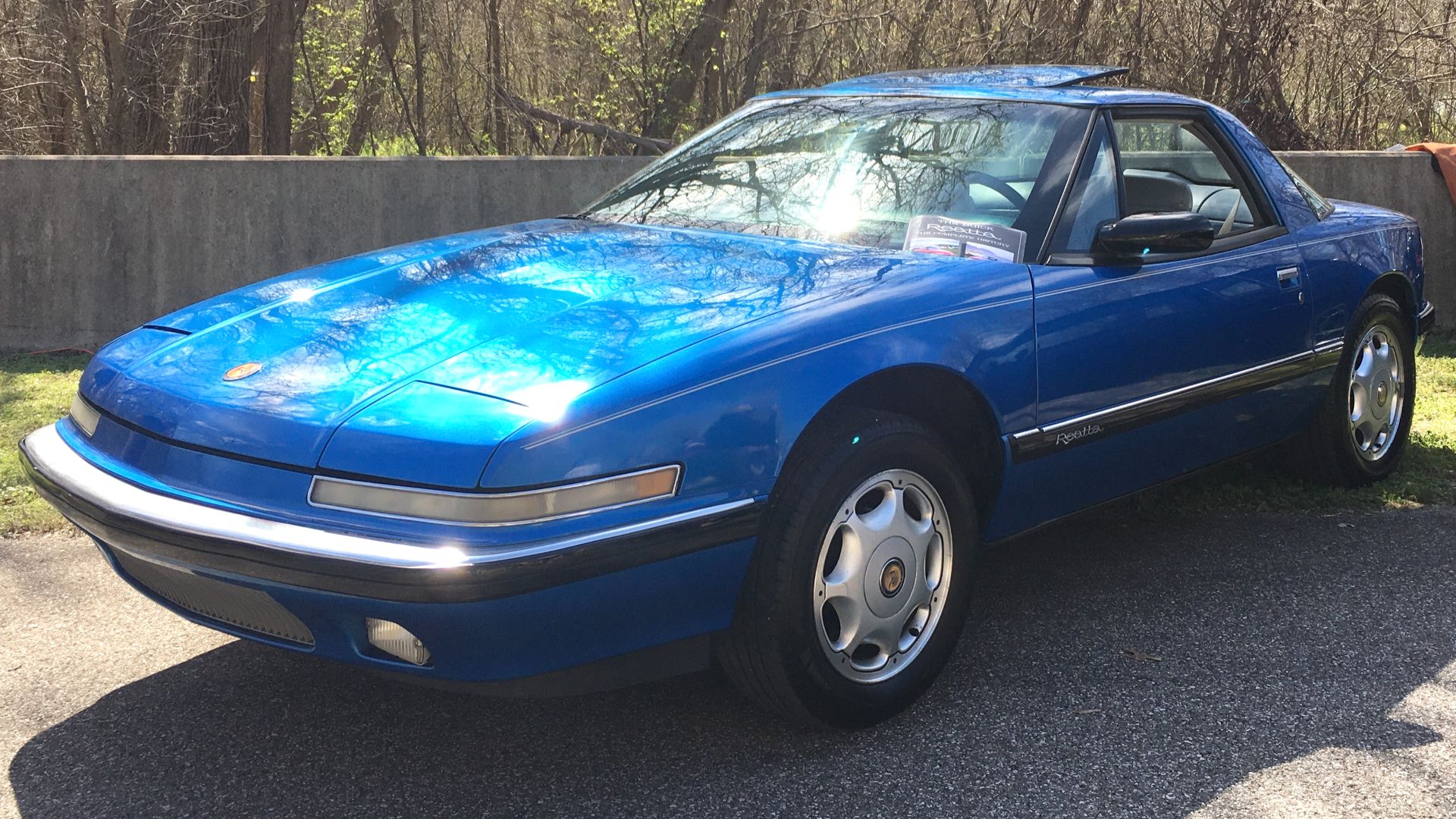
Buick Reatta
The Buick Reatta was not the sporty two-seater some people expected, but it had its own quiet appeal. It was comfortable, stylish, and packed with technology for its time. Instead of being a Corvette rival, it was more like a personal luxury cruiser.
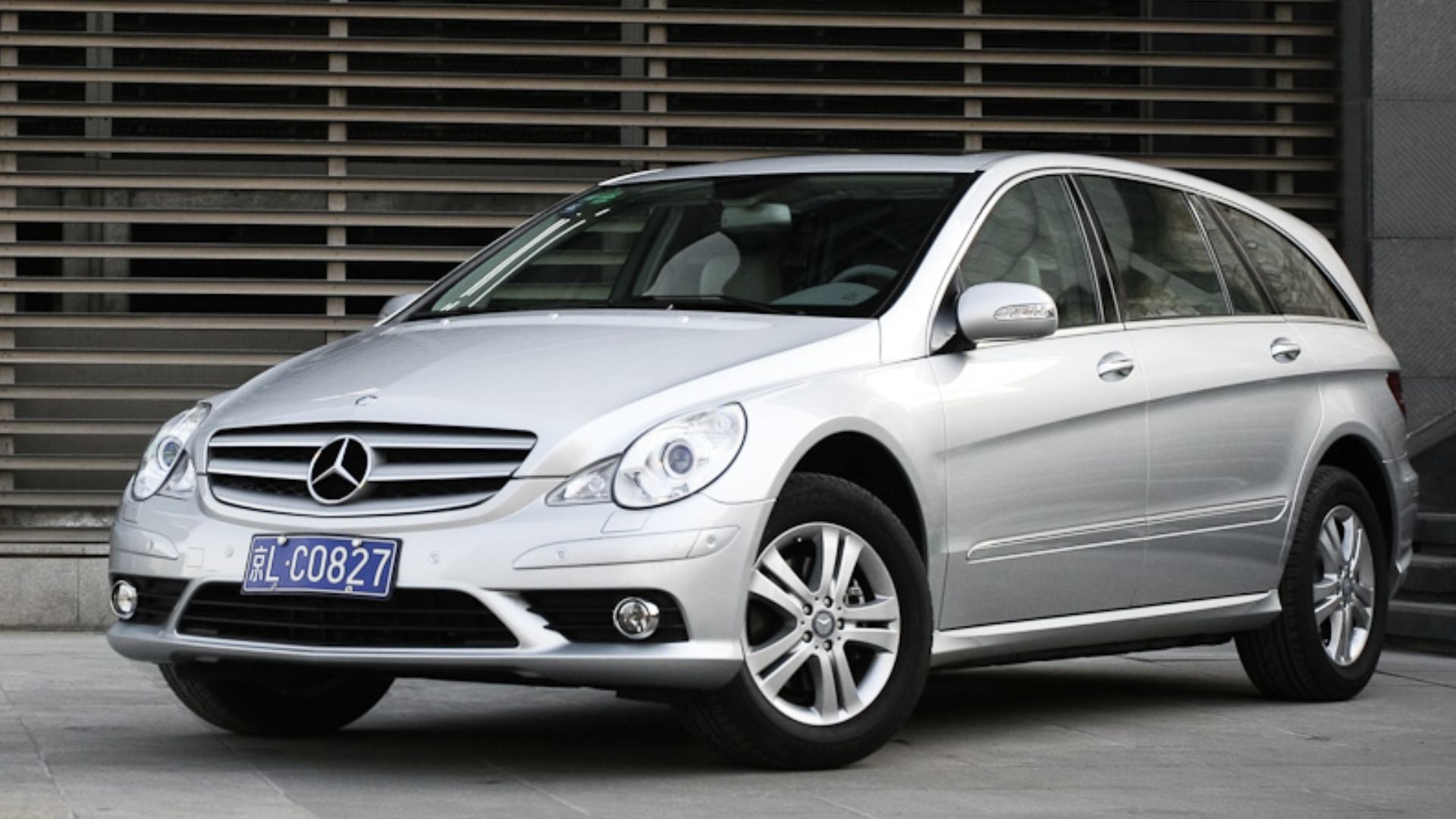
Mercedes-Benz R-Class
The Mercedes R-Class was too minivan-like for SUV shoppers and too strange for luxury sedan buyers. That left it stuck in the middle. But with three rows, all-wheel drive, and serious comfort, it was basically a luxury family hauler before the market understood it.
 Tim Wang from Beijing, China, Wikimedia Commons
Pontiac G8
The Pontiac G8 arrived near the end of Pontiac’s life, so it never had a fair shot. That is a shame because it was a rear-wheel-drive sports sedan with real performance chops. Today, enthusiasts know it was one of Pontiac’s final great swings.
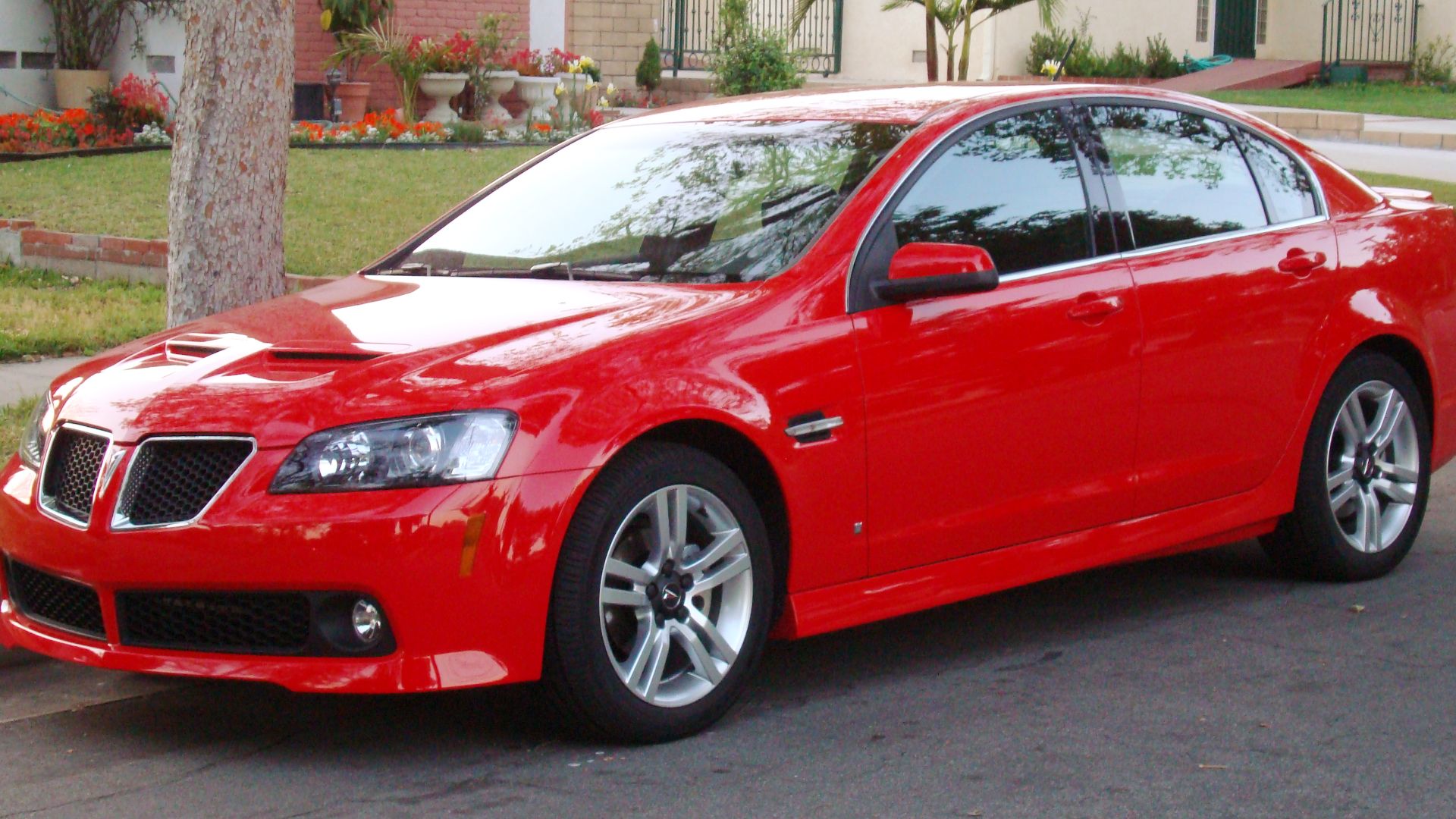 Rich Niewiroski Jr., Wikimedia Commons
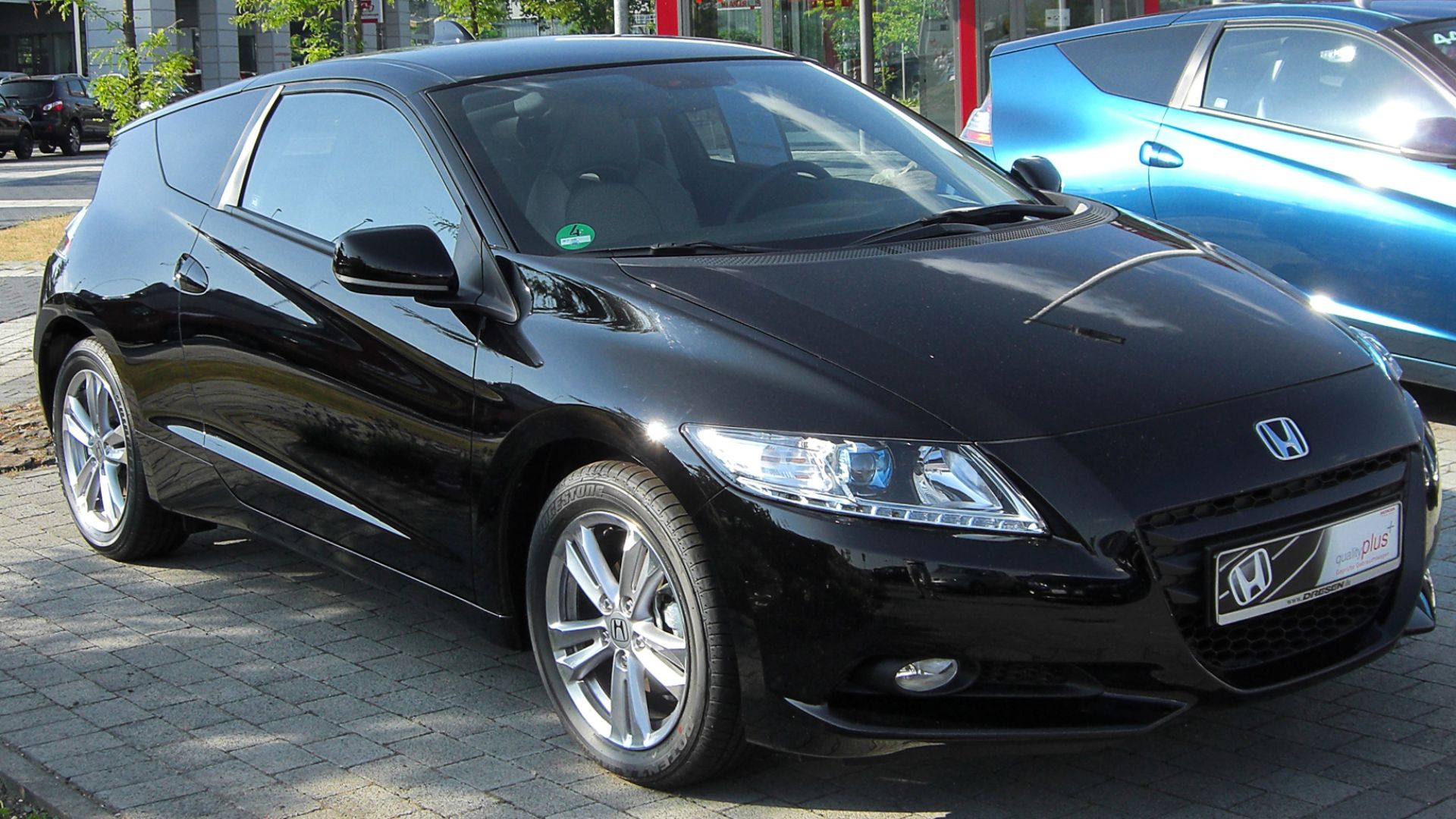
Honda CR-Z
The Honda CR-Z was expected to be a modern CRX, but it was more of a sporty hybrid commuter. That disappointed some fans. Taken on its own terms, though, it was efficient, stylish, fun enough, and refreshingly different from most small hybrids.
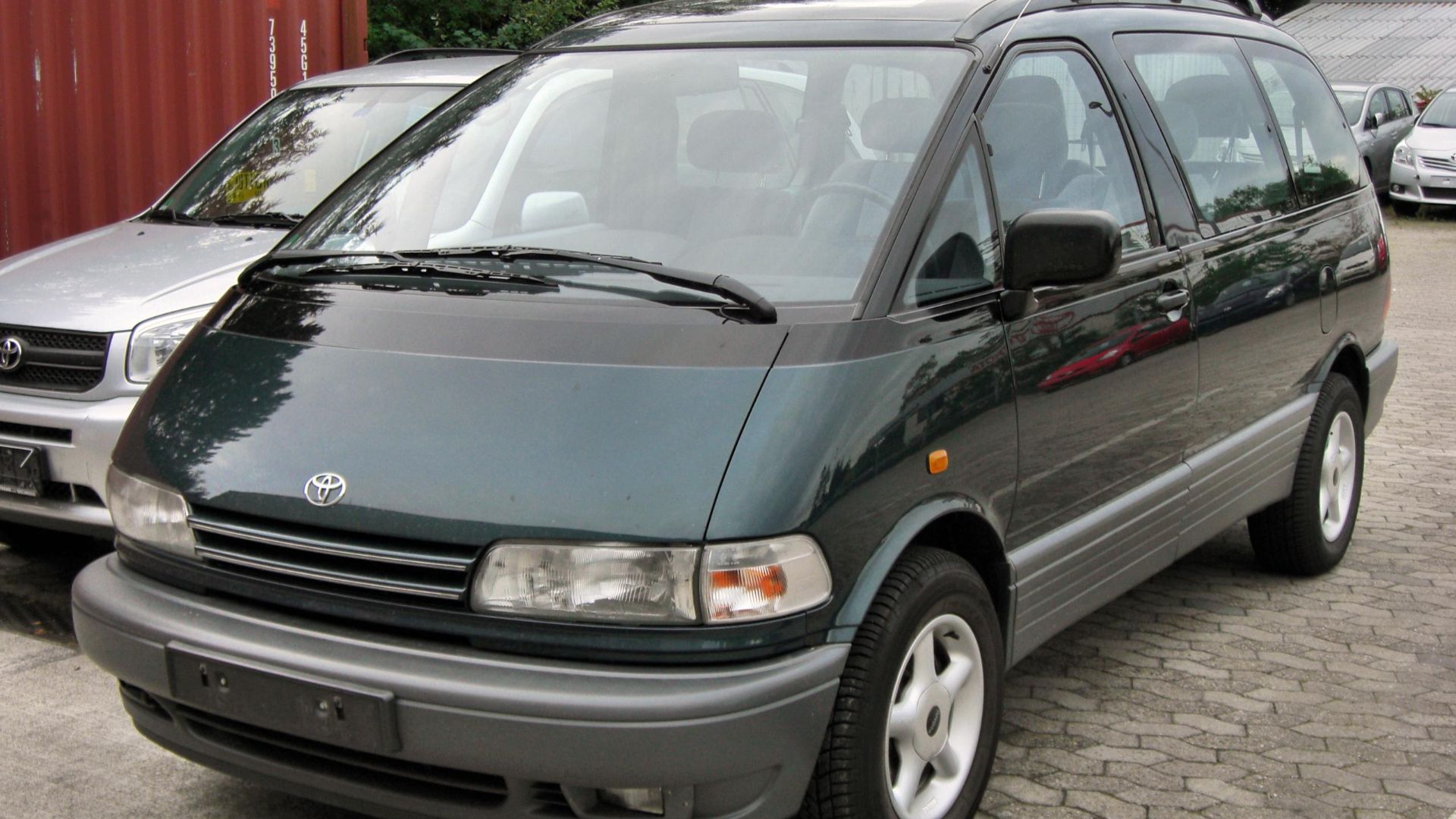
Toyota Previa
The Toyota Previa looked like an egg and had a strange mid-engine layout, which made it easy to misunderstand. But it was roomy, reliable, and surprisingly clever. It proved that even a minivan could have personality, engineering creativity, and a little bit of weird charm.
These Cars Were Better Than Their Reputations
Not every misunderstood car becomes valuable or beloved, but many deserve a fairer look. Some were too early, too strange, too expensive, or simply marketed badly. Still, these cars took risks, solved problems, and added color to the road. That alone makes them worth remembering.
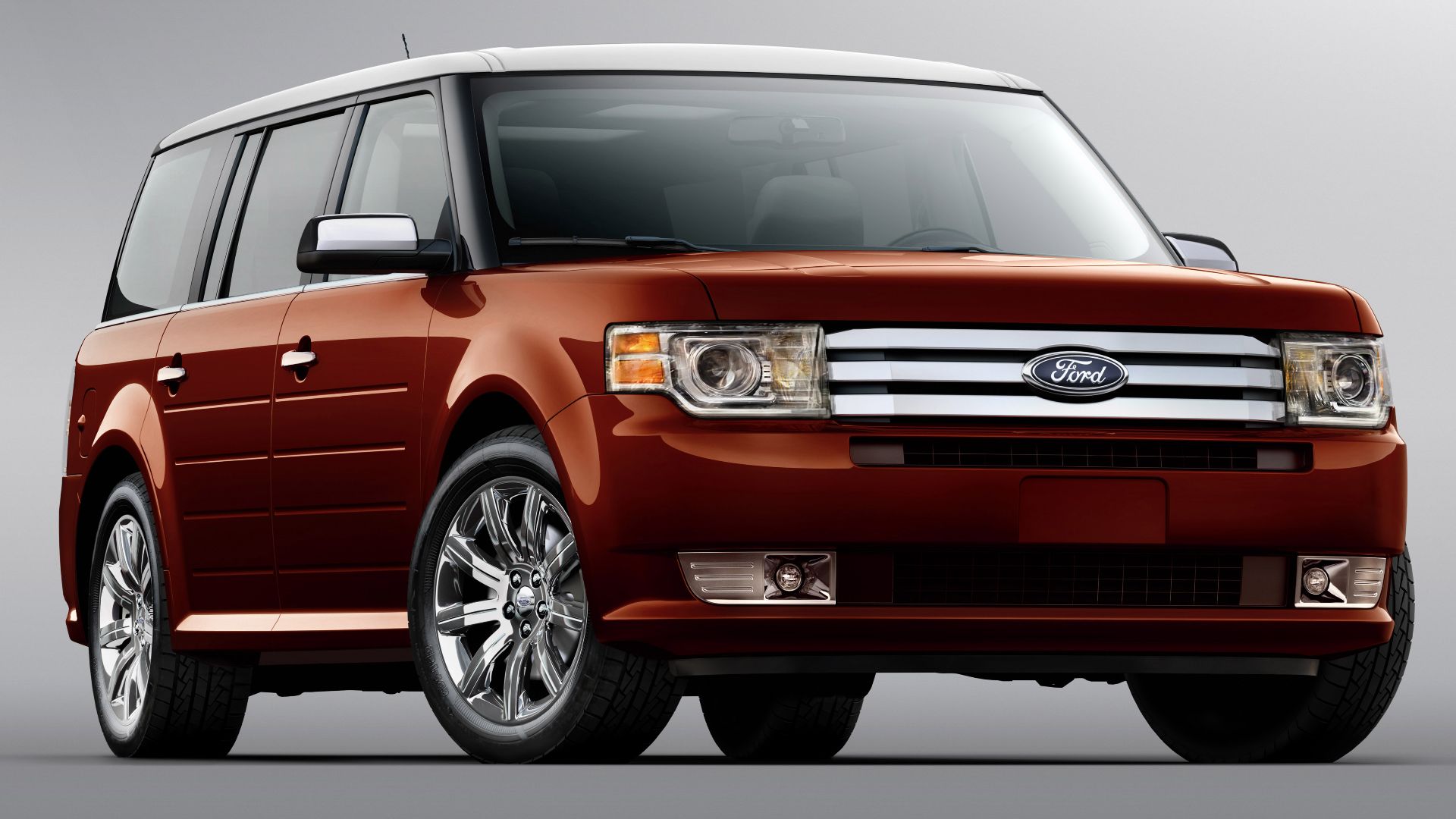 Ford Motor Company from USA, Wikimedia Commons
You May Also Like: